
In England we suffer with a condition that affects many people: mycophobia, a fear of fungi.
If you ask anyone about wild mushrooms, you’re likely to receive a response highlighting the fear of being poisoned. Cultivated mushrooms are a staple of the ‘British diet’ but people have very little knowledge about ones you can eat from the wild, perhaps because it doesn’t seem worth the risk.
Another thing most of us lack is an understanding of where we can forage if we are allowed to. It’s no surprise, the situation is complicated and in general foraging wild mushrooms is frowned upon, regardless of arguments for or against.
.jpg)
Debunking myths
It’s important to debunk some myths around the edibility of fungi:
- Just because another animal eats a certain fungus, it does not mean it’s ok for a human to eat. Deathcaps can be consumed by other animals, whereas the result for us would be extreme
- You can’t get sick from looking at, sniffing, listening to or even tasting a mushroom (on your tongue), but only from ingesting a part of a toxic mushroom. All in all, if you’re not an expert it’s just not worth a taste-test of a mushroom that could cause you serious illness
- Some species which are edible still cause sickness in people, and not in a way that is predictable for some people
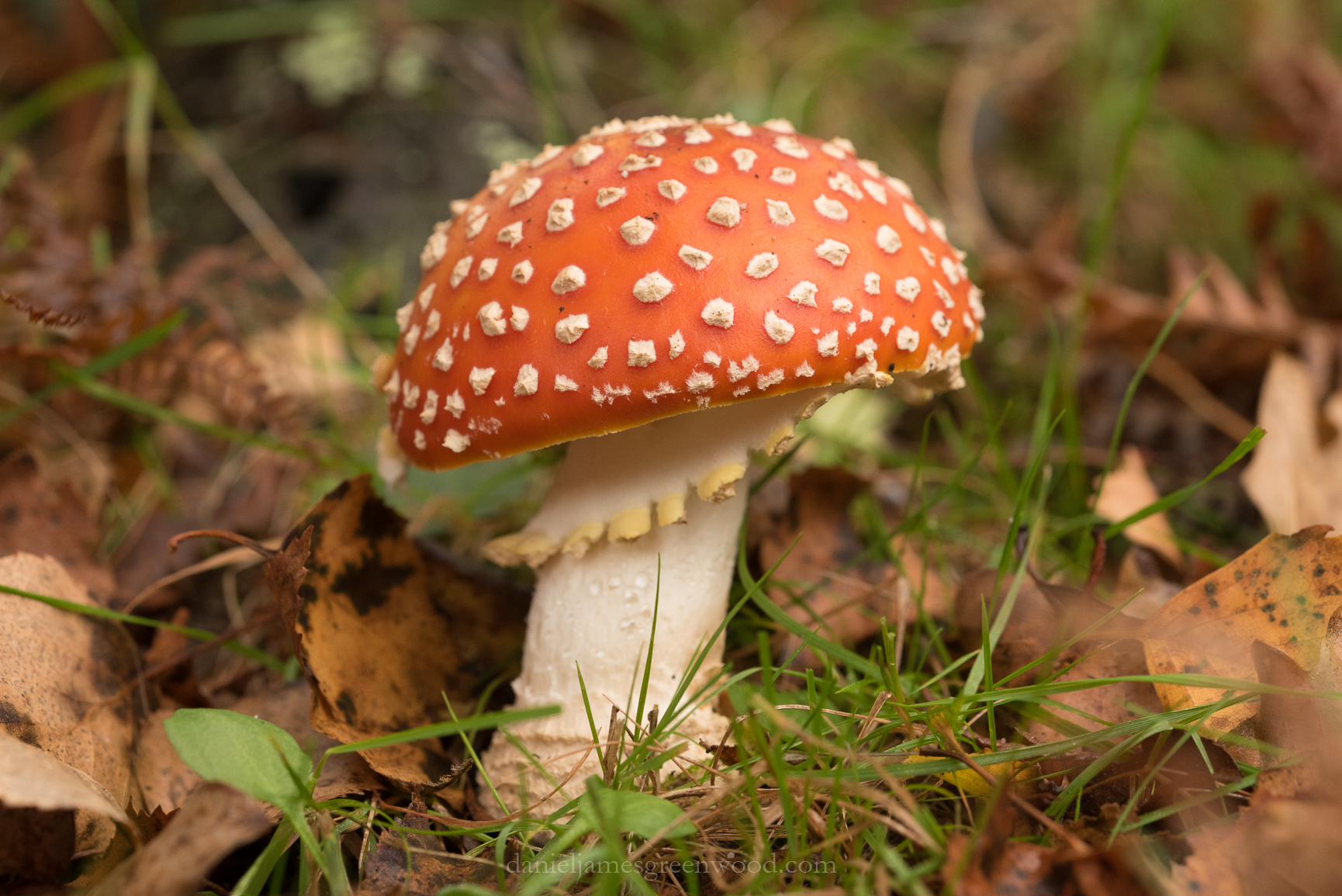
Meet the Amanita Family
The most toxic mushrooms in the UK are found in the Amanita family, home to famous species such as the red and white fly agaric. They have some extremely sinister names: deathcap and destroying angel, for example. The deathcap is common in the UK, especially under beech trees. There are other similar species like the false deathcap, however, but the similarity is not so close.
The destroying angel gets its name from the fact it’s pure white but deadly poisonous. This is where a lot of problems lie. People confuse the destroying angel for white edible species like horse or field mushrooms.
One of the more common cases of confusion appears to be people from countries in Asia who are new to places like Europe or North America, foraging mushrooms that look identical to destroying angel but accidentally ingesting the toxic variety. Tragically, this has happened in recent months after Afghan refugees ate deathcap mushrooms in Poland after being evacuated from Afghanistan. There is no reason why they would have thought the mushrooms would not be the same as the ones they ate at home. Knowledge is privilege.
Other toxic Amanitas are the panthercap and, to a lesser degree, fly agaric. Confusingly there are some in the family which are edibles, including the blusher and Caeser’s mushroom (the latter named for its favour among Roman leaders). Remember: no one without relevant expertise should ever consider trying to eat an Amanita mushroom.

Mycophobia
The fear whipped up around these species is, unsurprisingly, exploited in the British tabloid press, with the following being printed in one major English newspaper:
“Foragers are being warned about an alarming abundance of Britain’s most poisonous variety of mushroom this autumn.”
There’s mycophobia rearing its head once again, you could argue. Anyone who knows what the deathcap’s features are is unlikely to ever mistake it for something edible. It’s about taking care and time and having the right knowledge.
That said, the impacts of the deathcap on the human body are very unpleasant. Though someone can eat the mushroom and not feel any effects for 12 hours or more, it will slowly be degrading the liver on the quiet and other vital organs, resulting in eventual death if not treated.
This podcast covers quite a lot around the attitudes people have to fungi in the UK.

Other poisonous mushrooms to know
One toxic mushroom that is very common is sulphur tuft. Sulphur tuft grows in woods, parks, gardens and even the street. It’s known to cause mild to severe illness in people.
There are other deadly species which are very common, including such as funeral bell(!) and brown roll-rim. Brown roll-rim can even be found in urban areas, with the first ones I ever saw were in urban south-east London in an old tree-pit next to a main road.
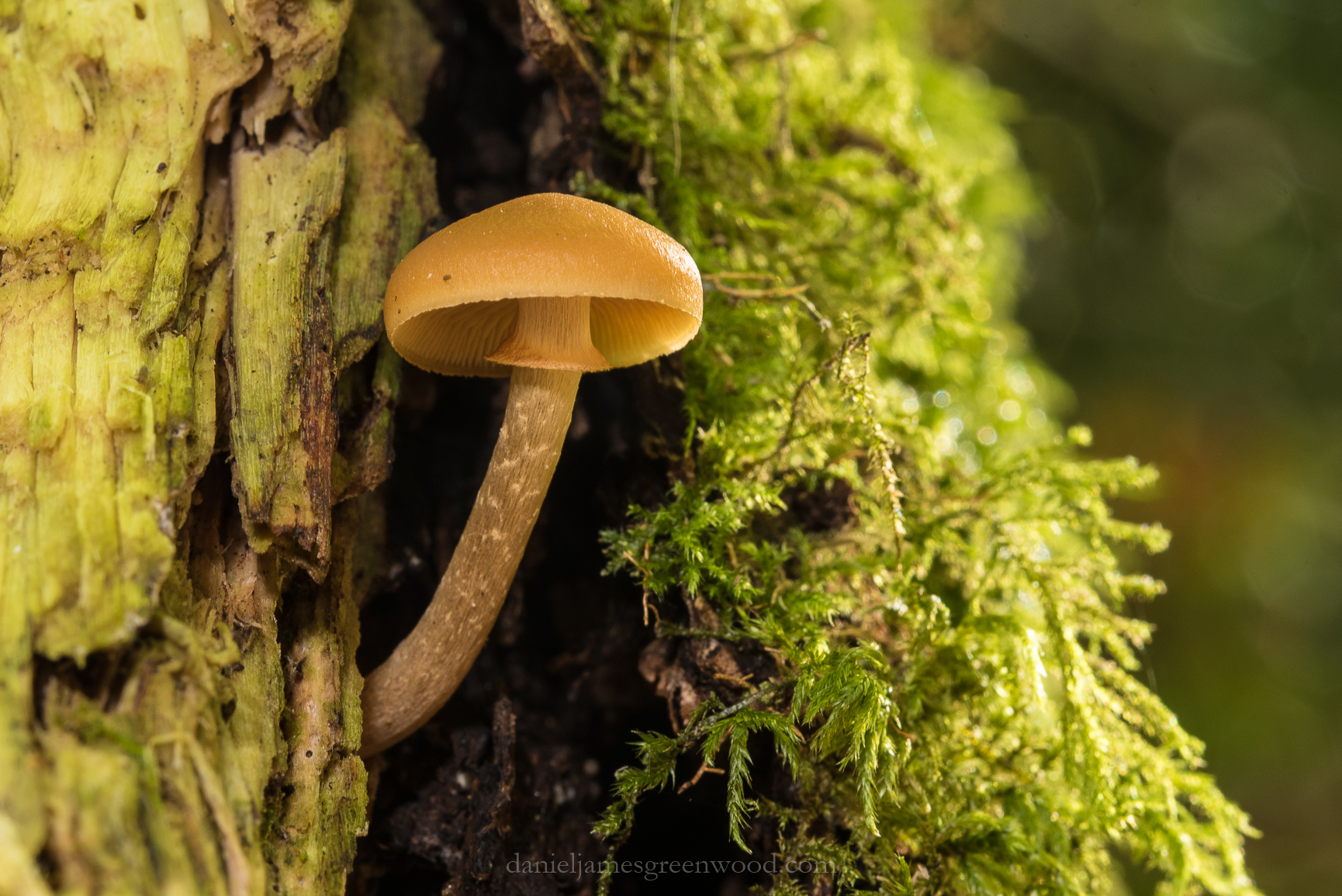
It’s also important to know that species which are edible to some like chicken of the woods may cause mild sickness in other people.
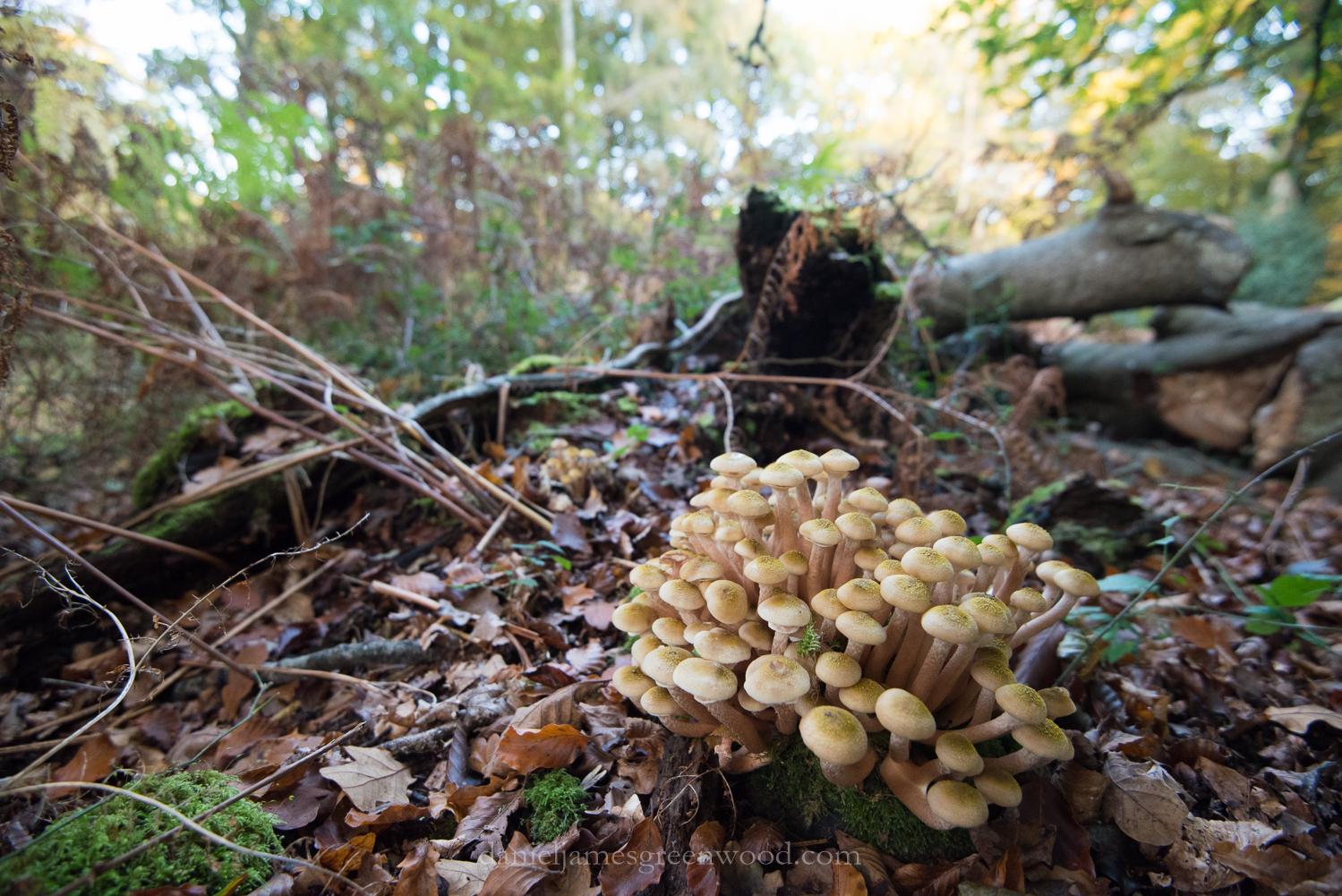
The same goes for honey fungus, which is edible but can make people sick, especially after eating a certain amount of it.
This shouldn’t be seen as a guide to avoiding poisonous mushrooms so please don’t treat it that way, nor is it support for a mycophobic view of the outdoors. Always do your research and understand that you need to develop your knowledge over time. My interest here is the role fungi play in our lives, especially the debilitating fear factor – the mycophobia.
Thanks for reading.

 Unlocking Landscapes