
This is a showcase of the posh mushroom pics I gathered with my proper camera during a visit to the wonderful Dartmoor National Park in November 2024. Mad props to my wife who is chief squirrel during these Devonian photo forages.
The photos were taken on Sunday 10th November 2024.
I write these blogs in my spare time because I want to raise awareness about the beauty and diversity of fungi. If you enjoy reading them you can support my blog here.
A reminder that I am not encouraging people to pick or remove mushrooms in these areas. You could very easily clear all the mushrooms we saw within minutes. I think that would be sad because it would mean other people wouldn’t get to see them and learn or be inspired by them. I think with rare species like waxcaps that are featured here, we should be taking photos and submitting them to apps like iNaturalist or Plantlife’s waxcap campaign. In some areas that would be illegal anyway, due to site protections.
While I don’t believe 2024 will go down as a vintage mushroom season, there were a lot of lovely waxcaps to be found on the moor in a place we’ve been visiting since 2016. Moorlands seem to be quite good for waxcaps, not that I know why, and also for lichens because they are rocky, wet and the air is fresh.
I’ll post the images in chronological order for my own sanity.

This is the landscape where the fungi lived – moorland with a view towards the Teign estuary.

The first fungal find were these eyelash cups (Scutellinia) growing on animal dung! Plenty more dungi to come.

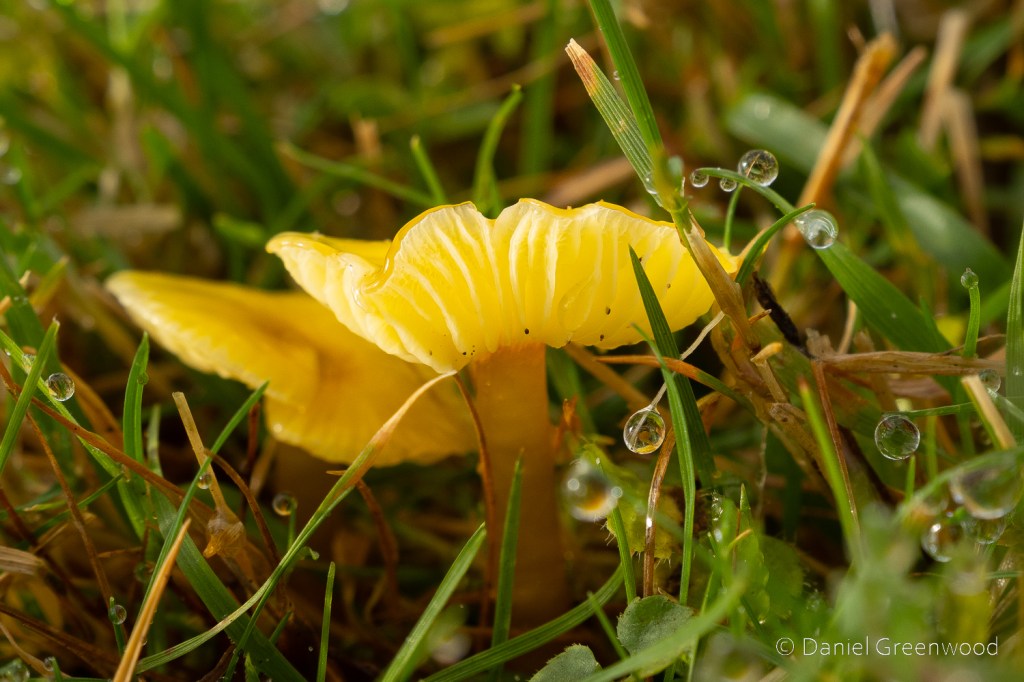
Waxcaps make up the crux of the mushrooms we found. These beauties are butter waxcaps (Hygrocybe ceracea).
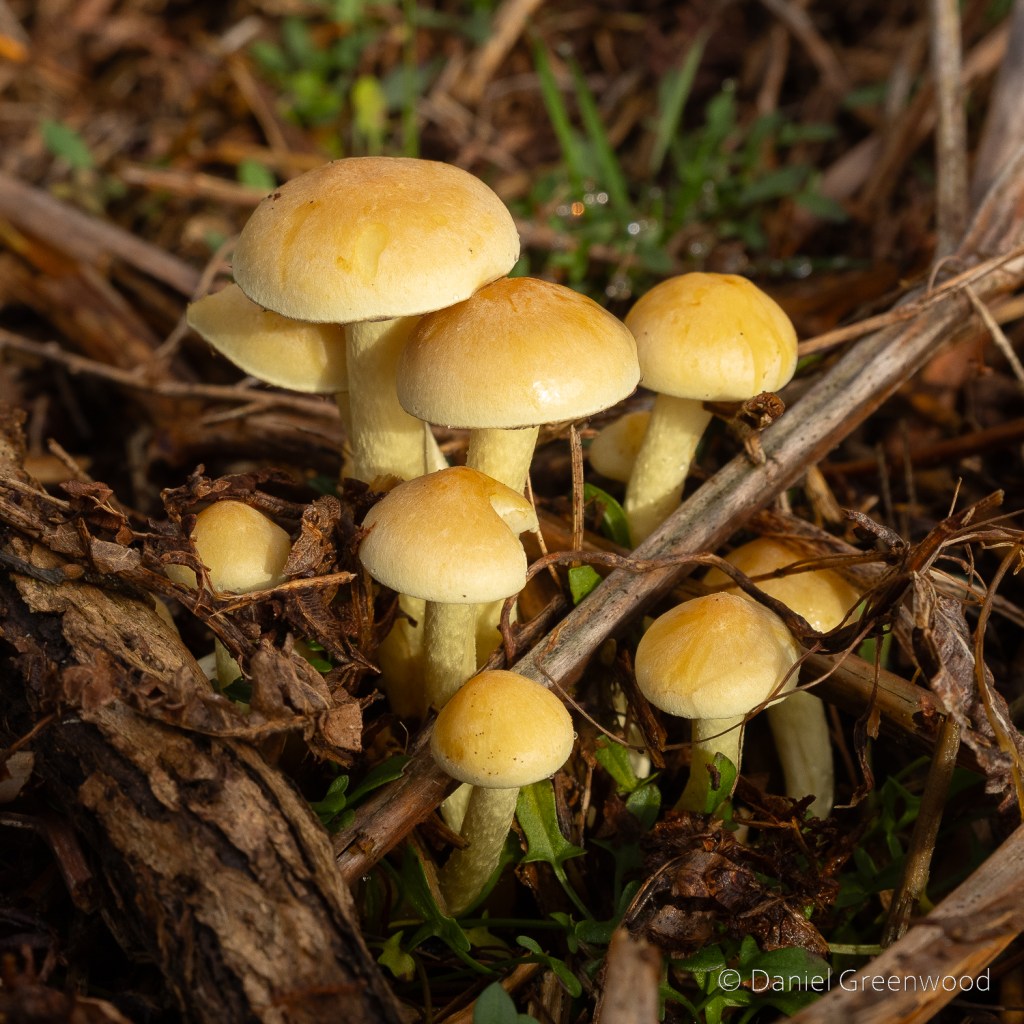
Not to be outdone, some very photogenic sulphur tuft (Hypholoma fasciculare) were found as we climbed the moor.

These mottlegills (Panaeolus) are quite common in places with grazing livestock like Dartmoor ponies.

My best guess is that this was one of the moss bells (Galerina).

These lichens are beautiful. I don’t see them very often because I have to travel west see moorland. They’re probably gritty British soldier lichens (Cladonia floerkeana).

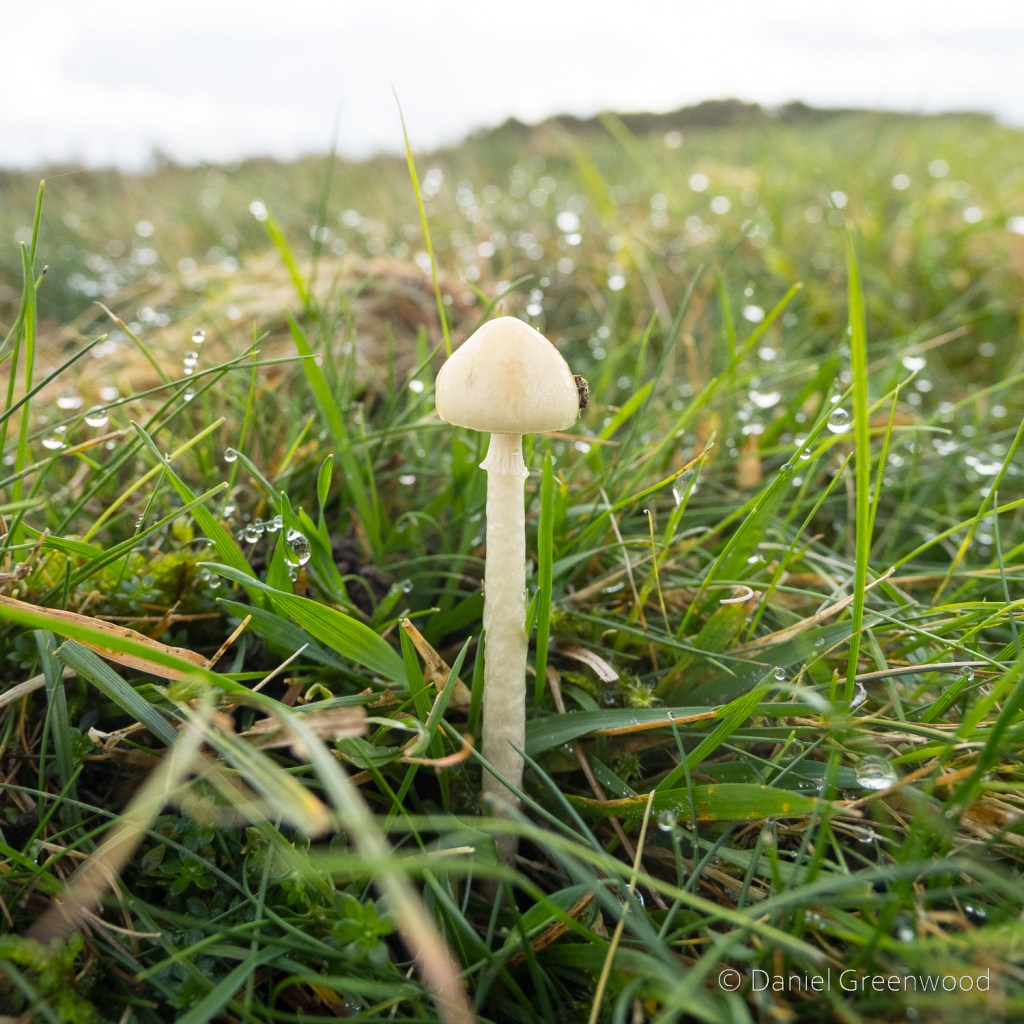

I’m unsure what this species is, but it’s a beauty.

As we approached the more remote moorland (in terms of people living out there) the waxcaps began to appear in the cropped turf. This is another example of how important grazing to some degree is, and how it mimics very ancient processes. These mushrooms would not grow in closed-canopy woodlands.
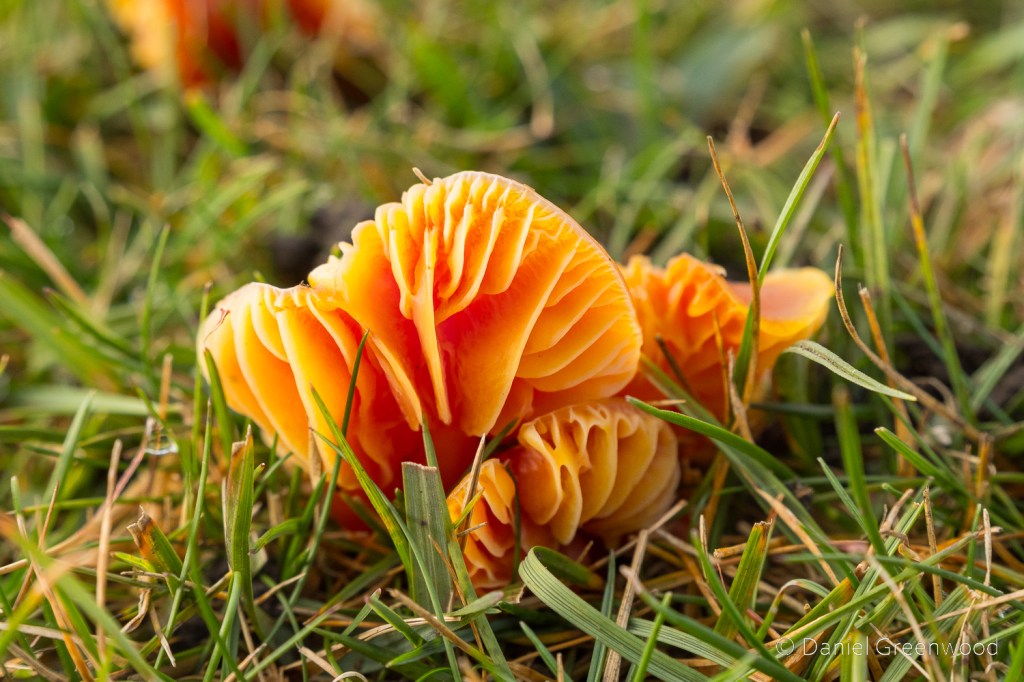
This is one of the red waxcaps, but I’m unsure if it’s honey waxcap or not. It looks too orange for scarlet waxcap.

This is one of several species under the umbrella of blackening waxcap or witches’ bonnet (Hygrocybe conica complex).

This isn’t an award winning image but it’s likely to be meadow coral (Calvulinopsis corniculata).


This is a species I only really see in the west of England or Ireland. It’s one of the dog lichens (Peltigera).


These are crimson waxcaps (Hygrocybe punicea), stunning mushrooms indeed. There were some young men passing by who stopped to admire the colours of these impressive shrooms.

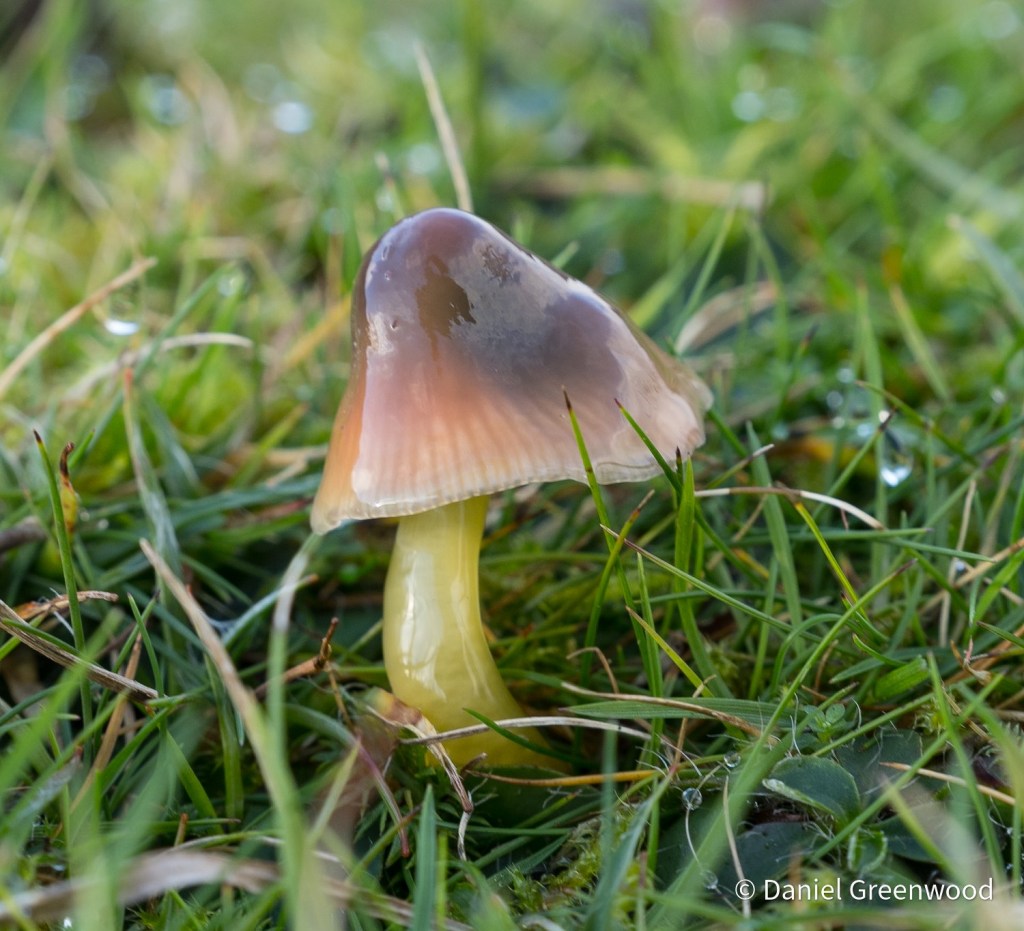
I don’t have an identification yet for this gorgeous waxcap and the closest I can guess is a colour variation of parrot waxcap (Gliophorus psittacinus).
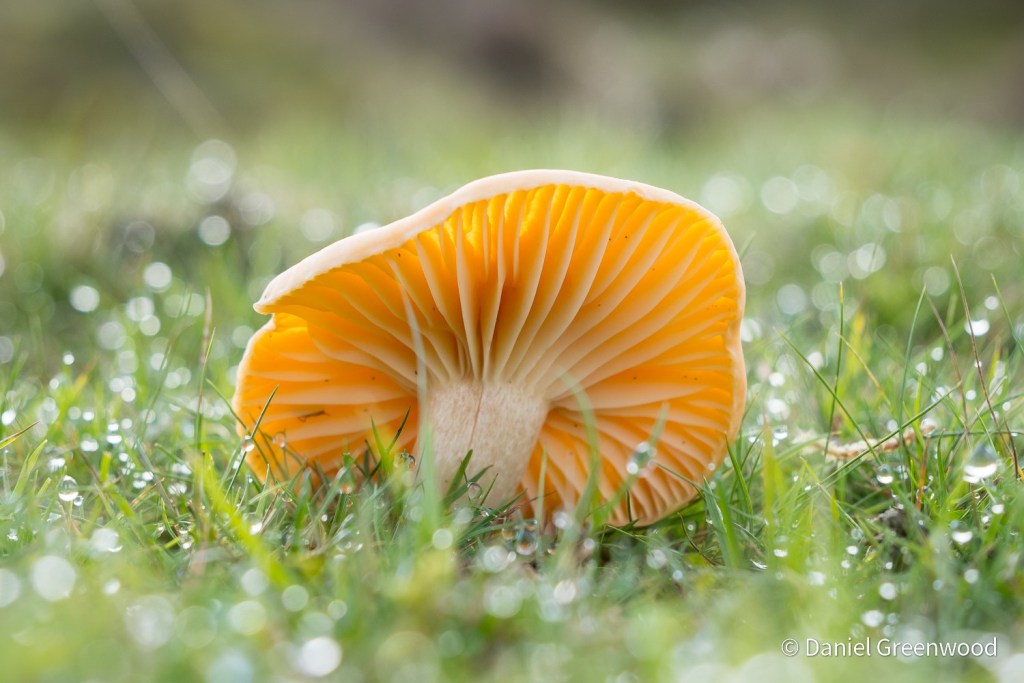
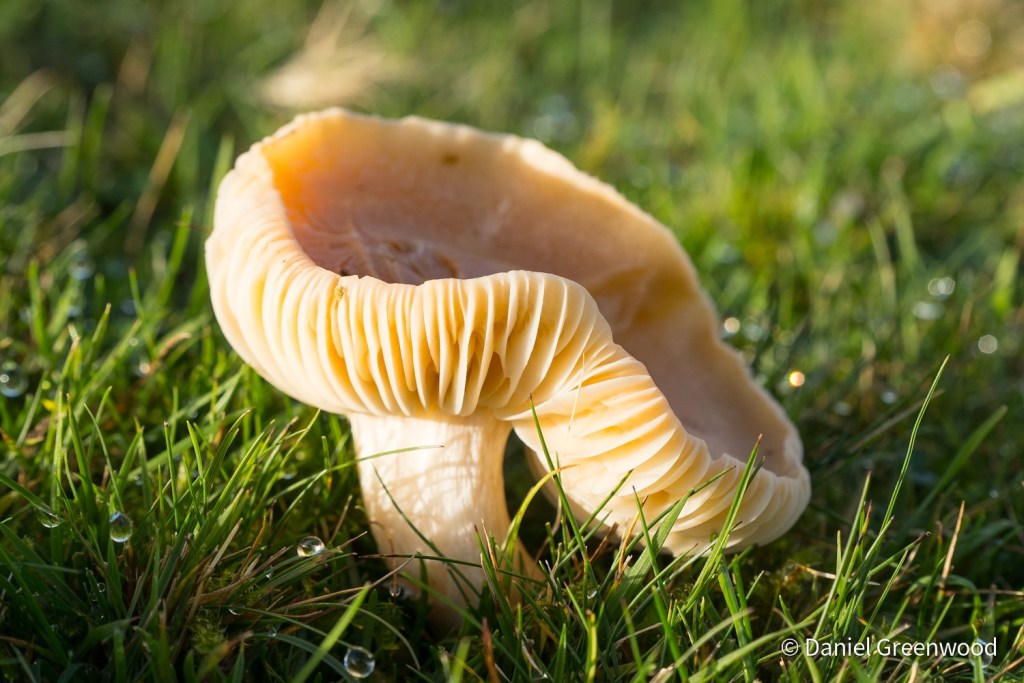
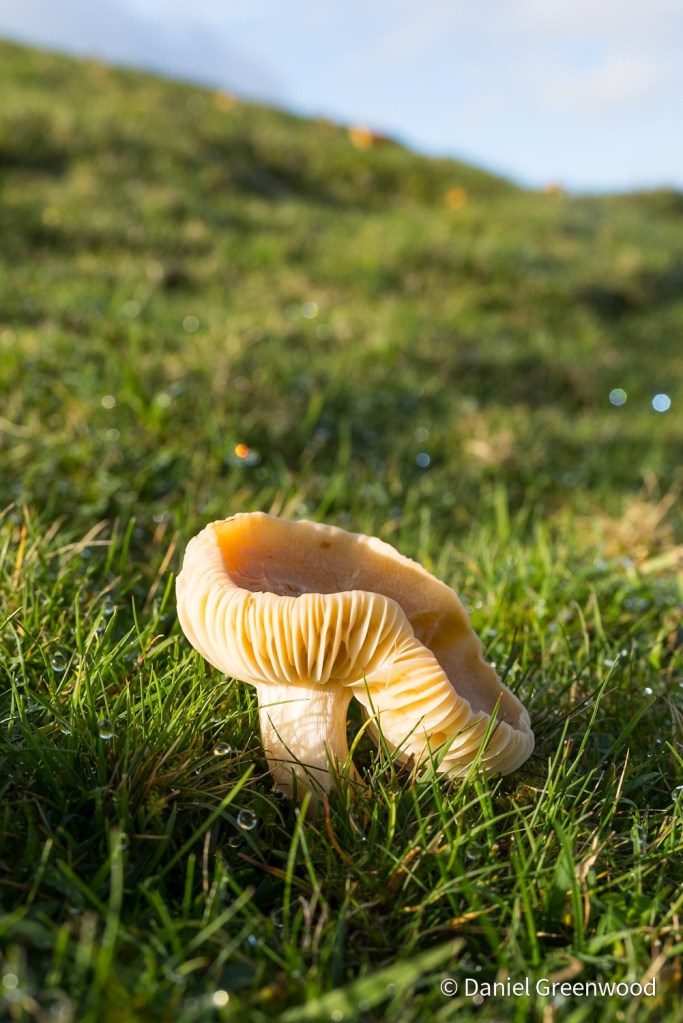
This is meadow waxcap (Hygrocybe pratensis), often fan-like, always best photographed from ground level.

I think this is golden waxcap (Hygrocybe chlorophana).
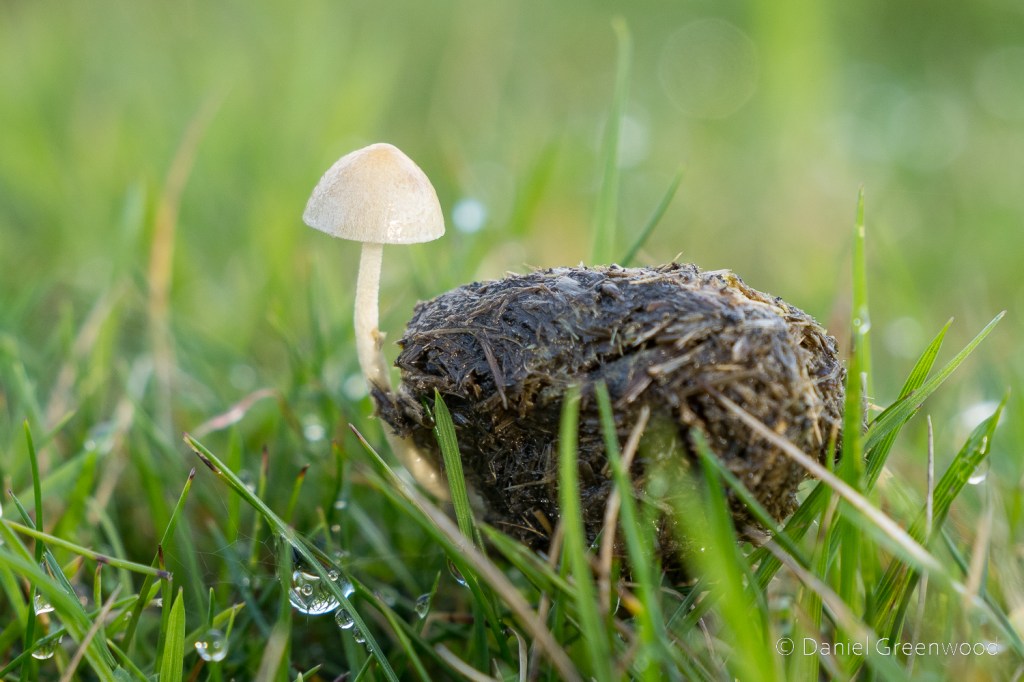
Now we’re back at the dungi. This was a very small mushroom, growing on a rabbit or hare dropping.

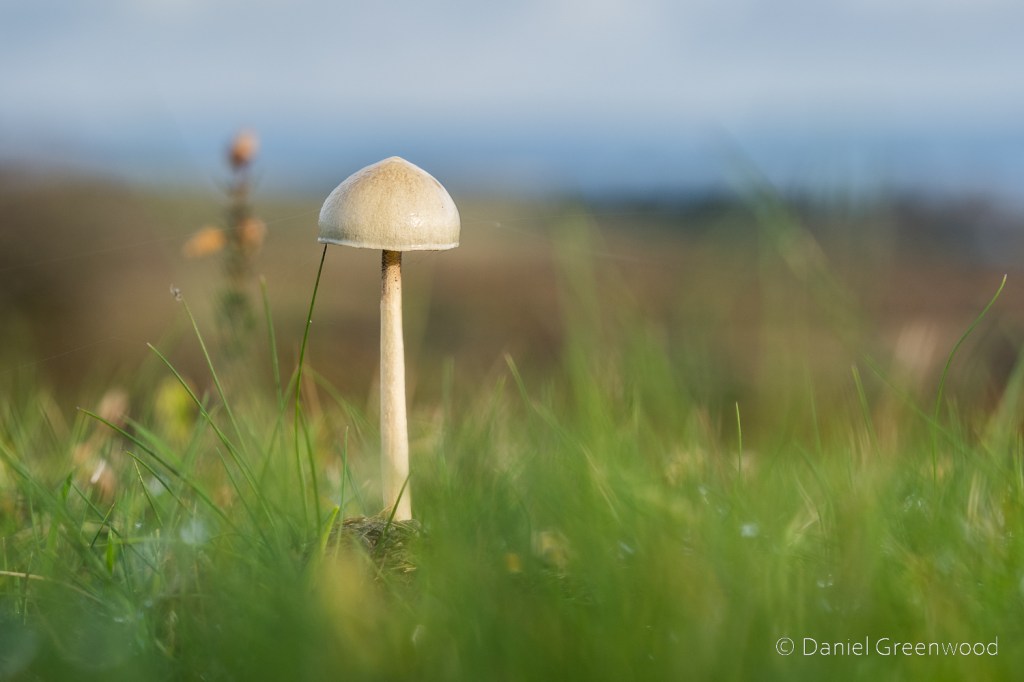

These are probably dung roundhead (Protostropharia semigloblata). Despite the animal dung, they’re beautiful!
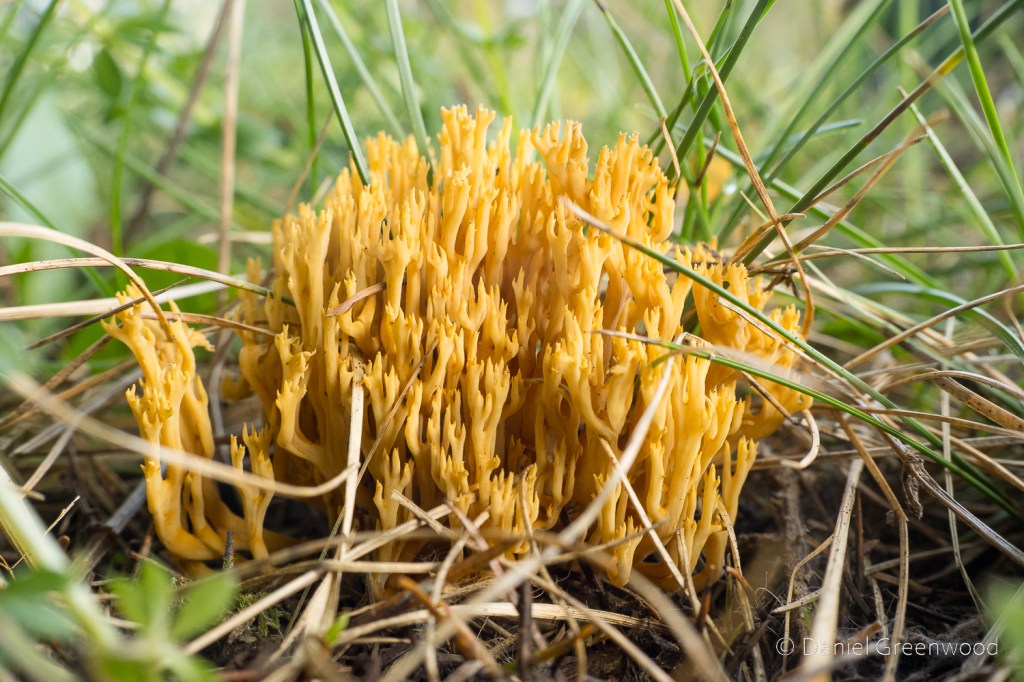
I’m not up on my corals and suchlike, but these are probably in this family.

The walk ended in a little graveyard, great places for waxcaps, by the way. That was evidenced again by this clutch of what I would say were scarlet waxcaps (Hygrocybe coccinea).
Phew!
Thanks for reading.
I write these blogs in my spare time because I want to raise awareness about the beauty and diversity of fungi. If you enjoy reading them you can support my blog here.

 Unlocking Landscapes
Wonderful photos. Do you ever visit mid Wales? I would love to see what you might find round here!
Thanks Caroline! I’ve been travelling to Dublin a lot in recent years from Holyhead, staying in Anglesey but nothing in mid-Wales. Where do you suggest?
Sorry I meant to reply ages ago. I live on the edge of the Cambrians, not far from the Elan Valley. It’s very beautiful, wild and remote.
Thanks Caroline, I’ll have a look at the Elan Valley. I have heard of it actually.
I learn so much from you. I mean I forget it almost instantly but I enjoy it while it lasts.
😂 I’ll take it! Thank you 🙏