
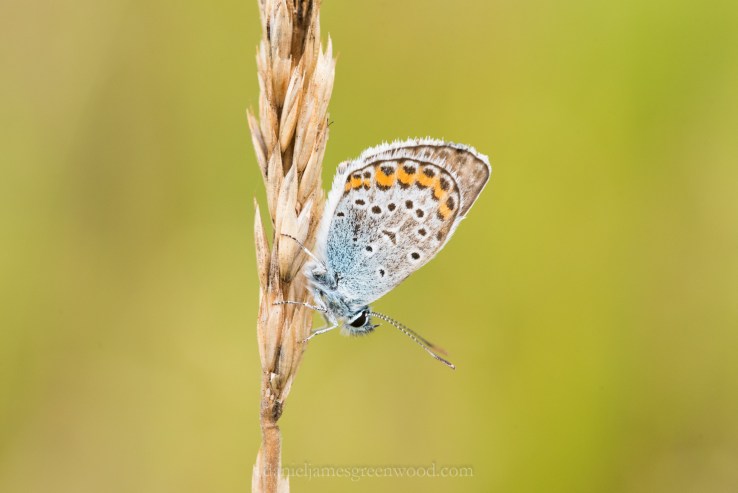


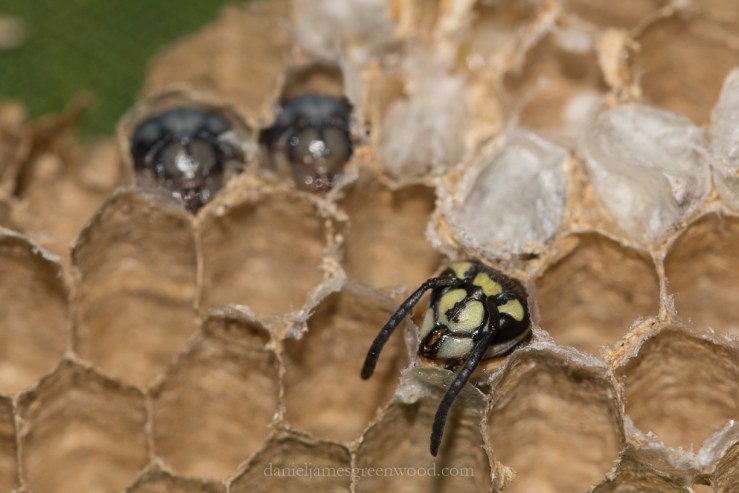
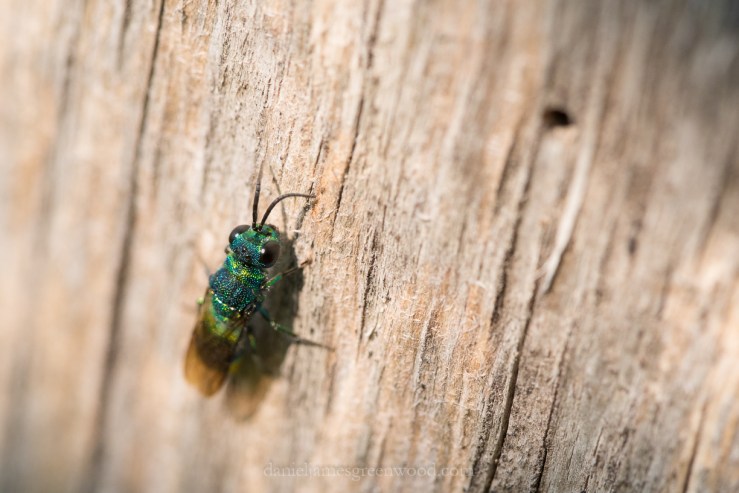


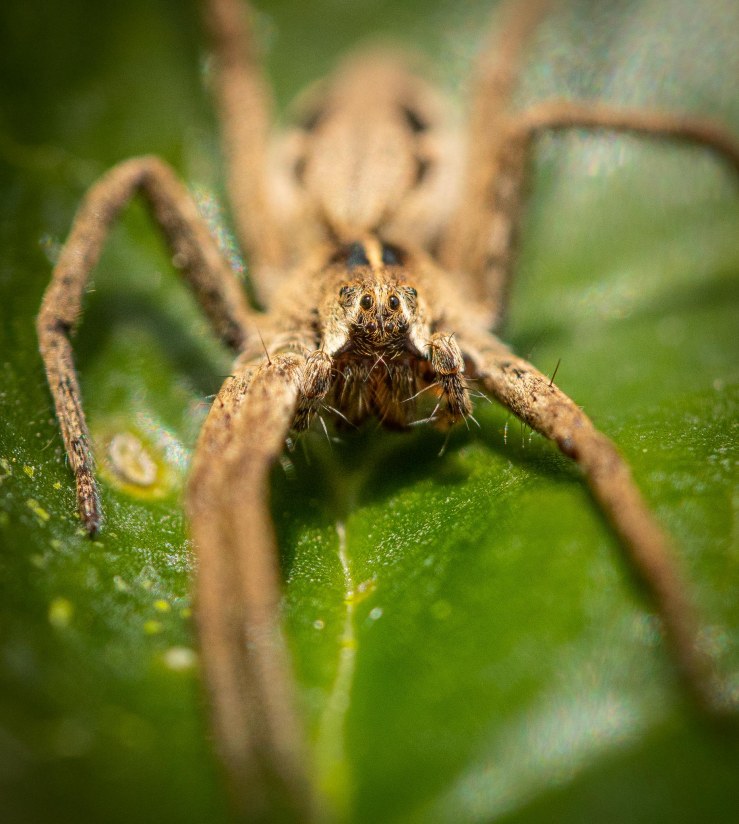
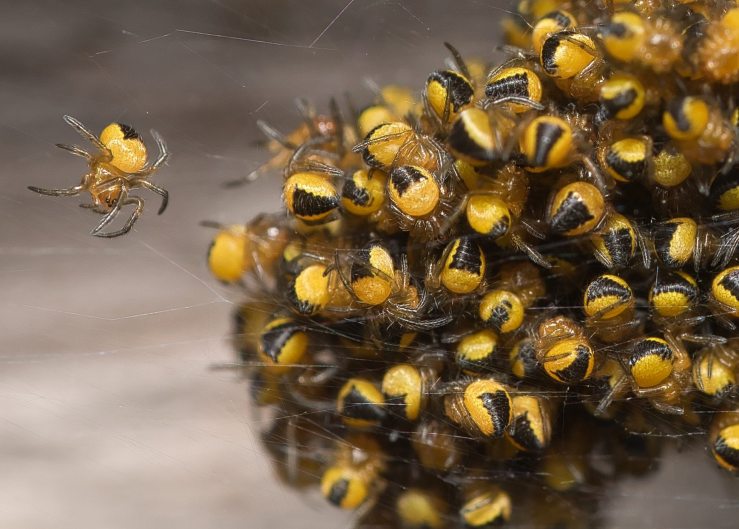

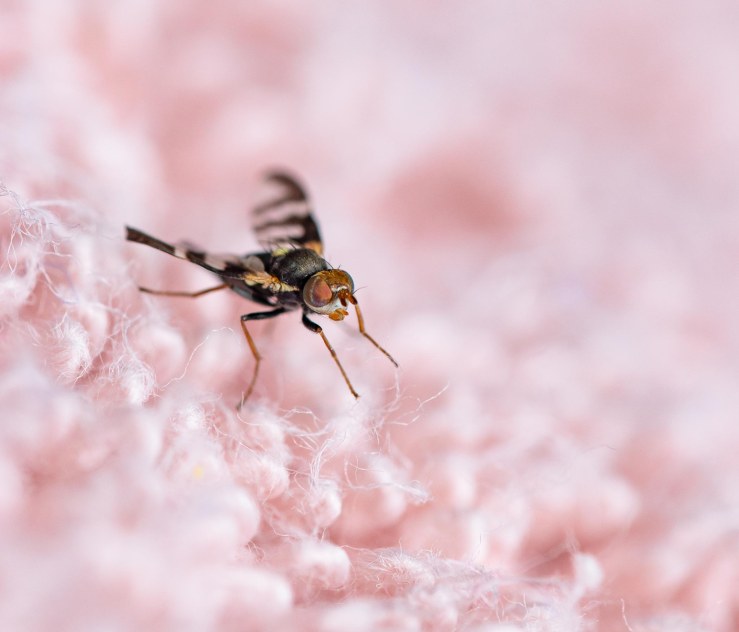
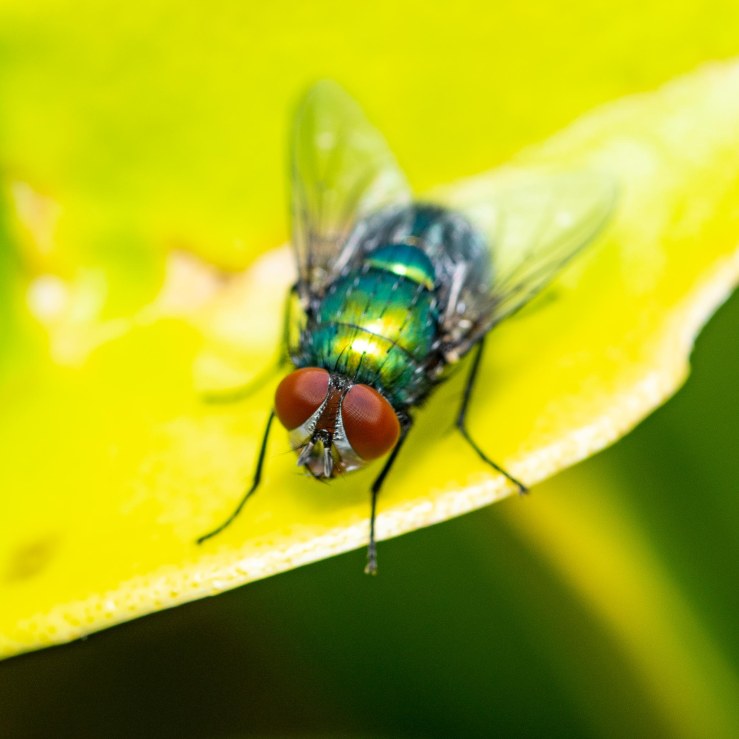


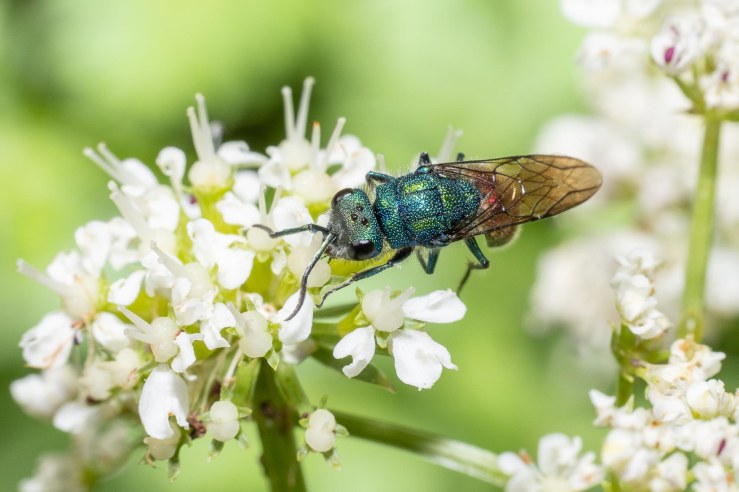


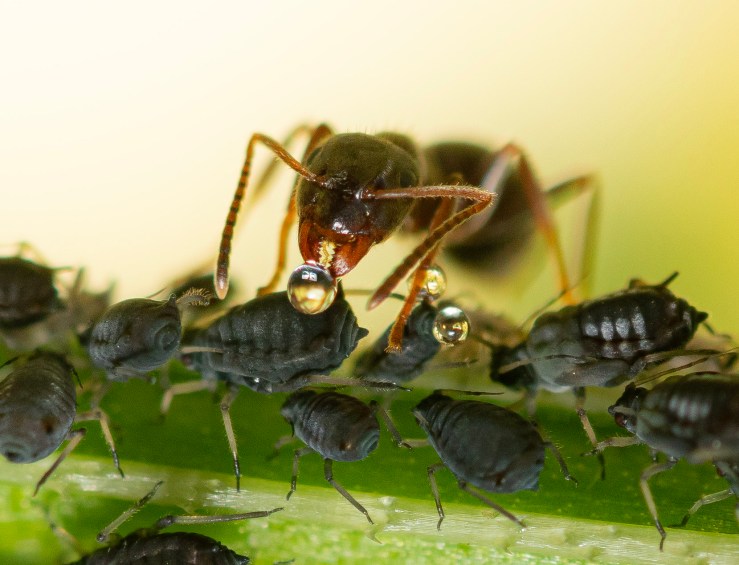


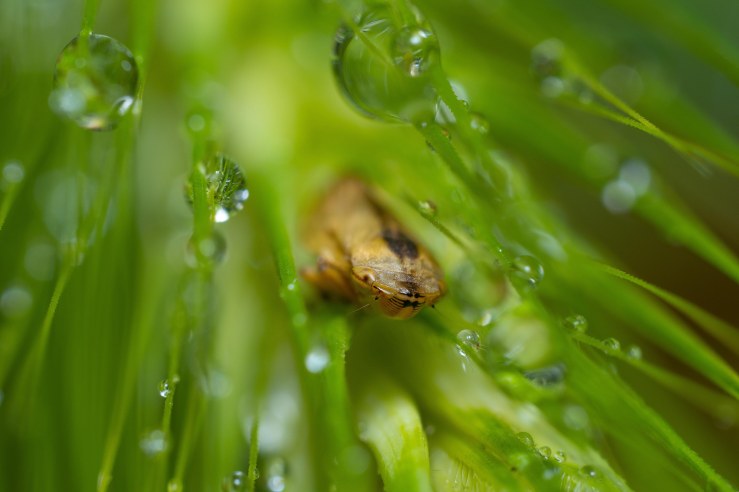


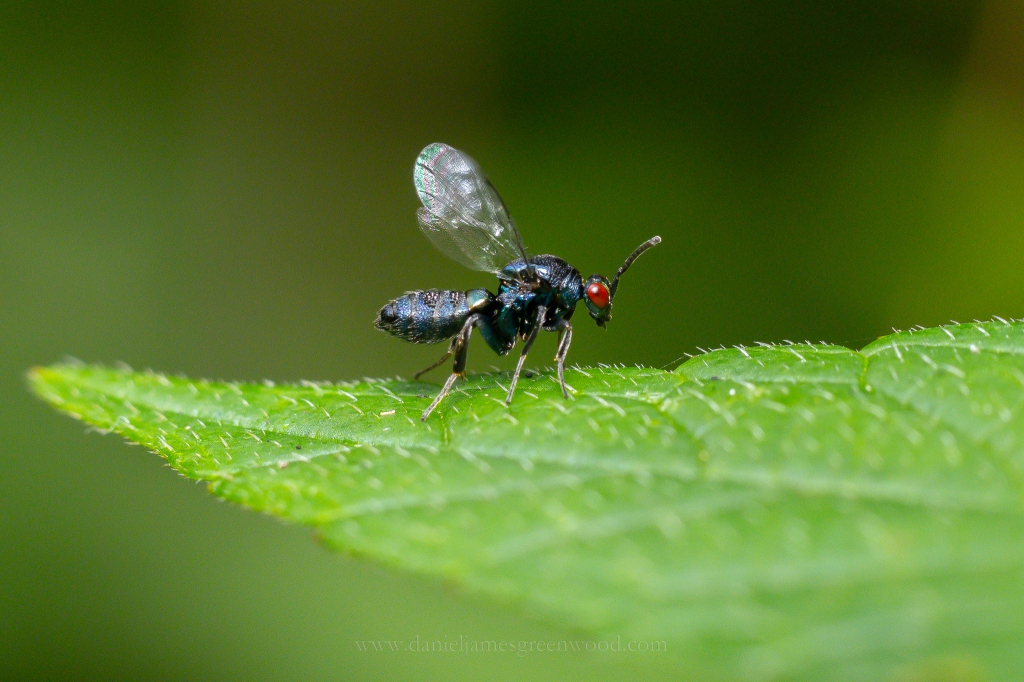
A macro photo is one where the subject (insect, mushroom, etc.) is magnified to life-size or more
I have been unknowingly taking macro photos since about 2002
Since March 2020 I have posted a regular Macro blog
Here are some of the highlights:
- A photo each day in June 2021 for 30 Days Wild
- The wasp that made Darwin doubt God
- The blood bee’s cuckoo spree
- Back to chalk
- Bees bring life to a dying lawn
- Wildlife under lockdown
True story
I started the blog to find some distraction from the UK lockdown caused by the Covid-19 pandemic. It has been a massive relief and I really enjoy writing these posts.
Since spring 2022 I have stopped labelling posts as ‘macro’ as it covers so much of what I do now and many of my subject areas are intersecting.
I bought my first dedicated macro lens in 2014 (Sigma 105mm) and since then macro has become the core focus of the photos I take. I have learned huge amounts about nature through seeing new species and witnessing amazing animal behaviour. A lot of that has happened just outside (and sometimes inside) where I have lived.
Macro has shown me that unique images can be captured anywhere, in any space, without having to travel hundreds or thousands of miles in search of a photographic experience.
My main focus is on insects, spiders, plants and fungi.
I have learned a lot from submitting records to iNaturalist and it also feels good to know I’m contributing to the conservation of these weird things I’m taking photos of
My equipment
I’ve added this because people have been asking and also I know how helpful it is for information to help get started with this niche kind of photography. I have several variations in equipment and have included my past ‘setups’ for info:


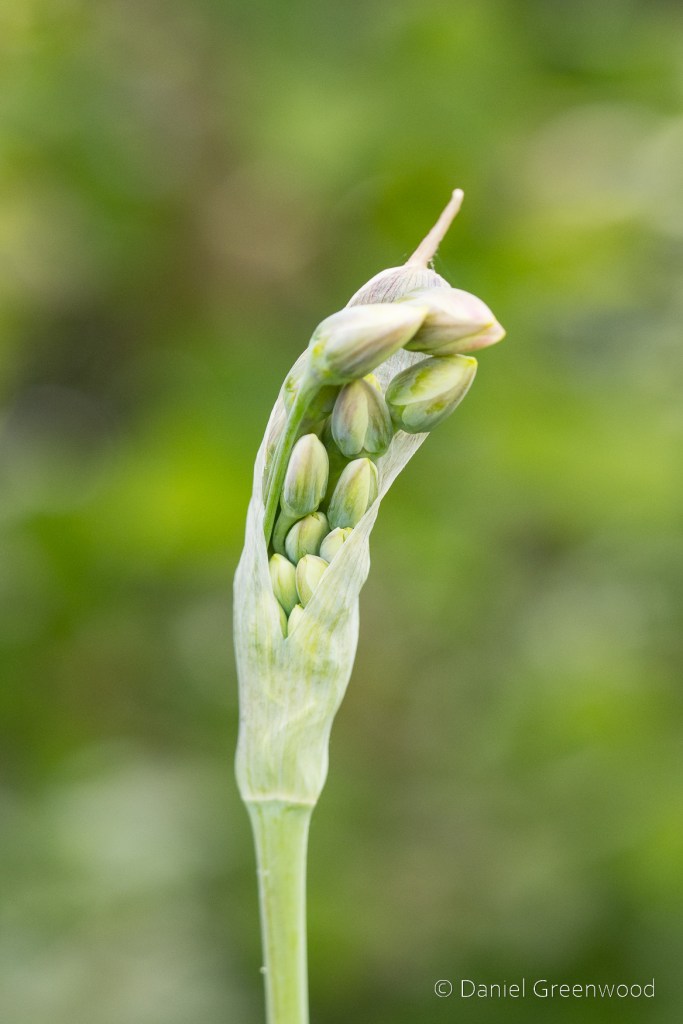


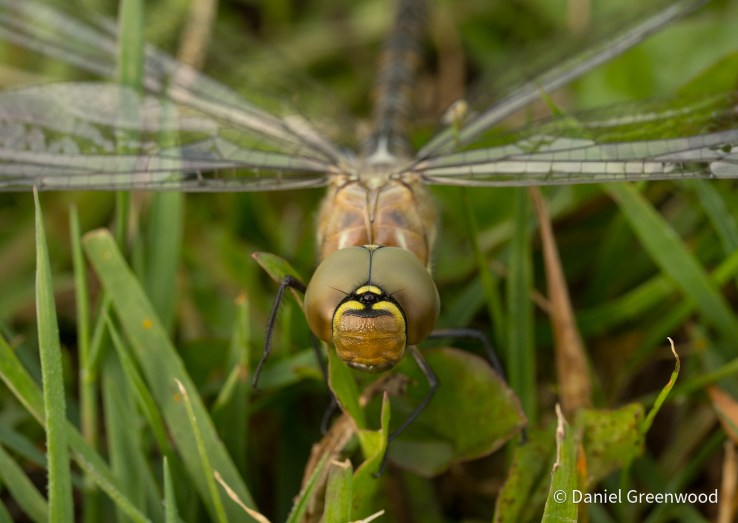
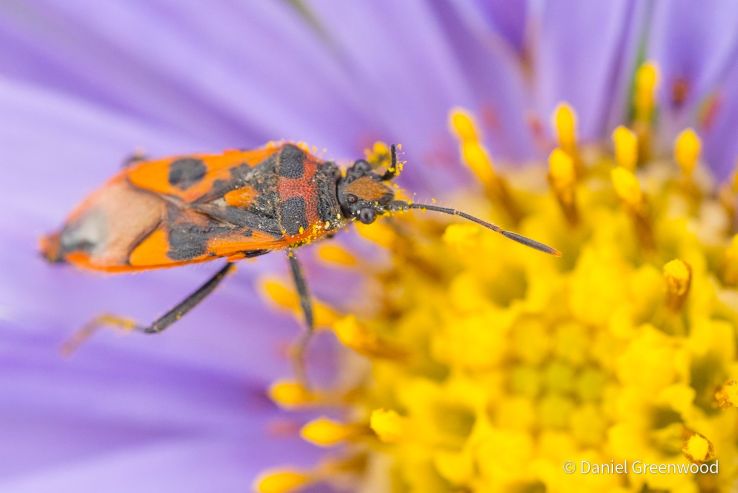
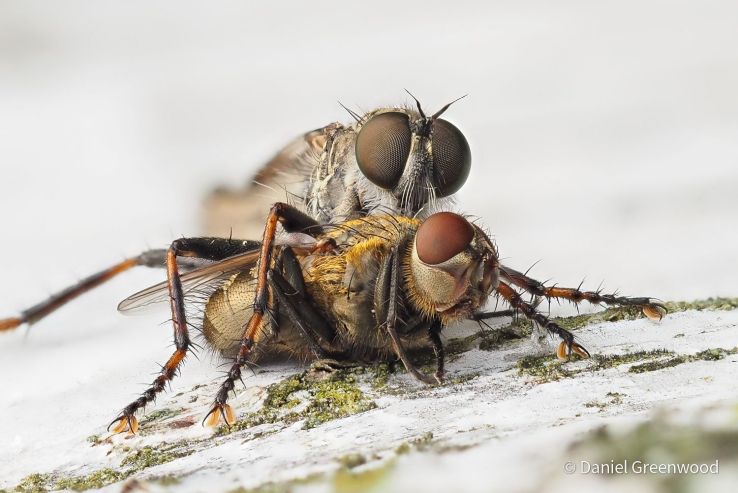
Olympus EM1 MIII and 60mm f2.8 macro/30mm f3.5 macro/12-45mm f4 lenses
This is now my main camera, replacing the Nikon D750 on grounds of technical specs, weight and durability. This camera is an absolute bargain now that Olympus has been bought out and rebranded. It’s probably as good as the newest OM System cameras, and so much cheaper.


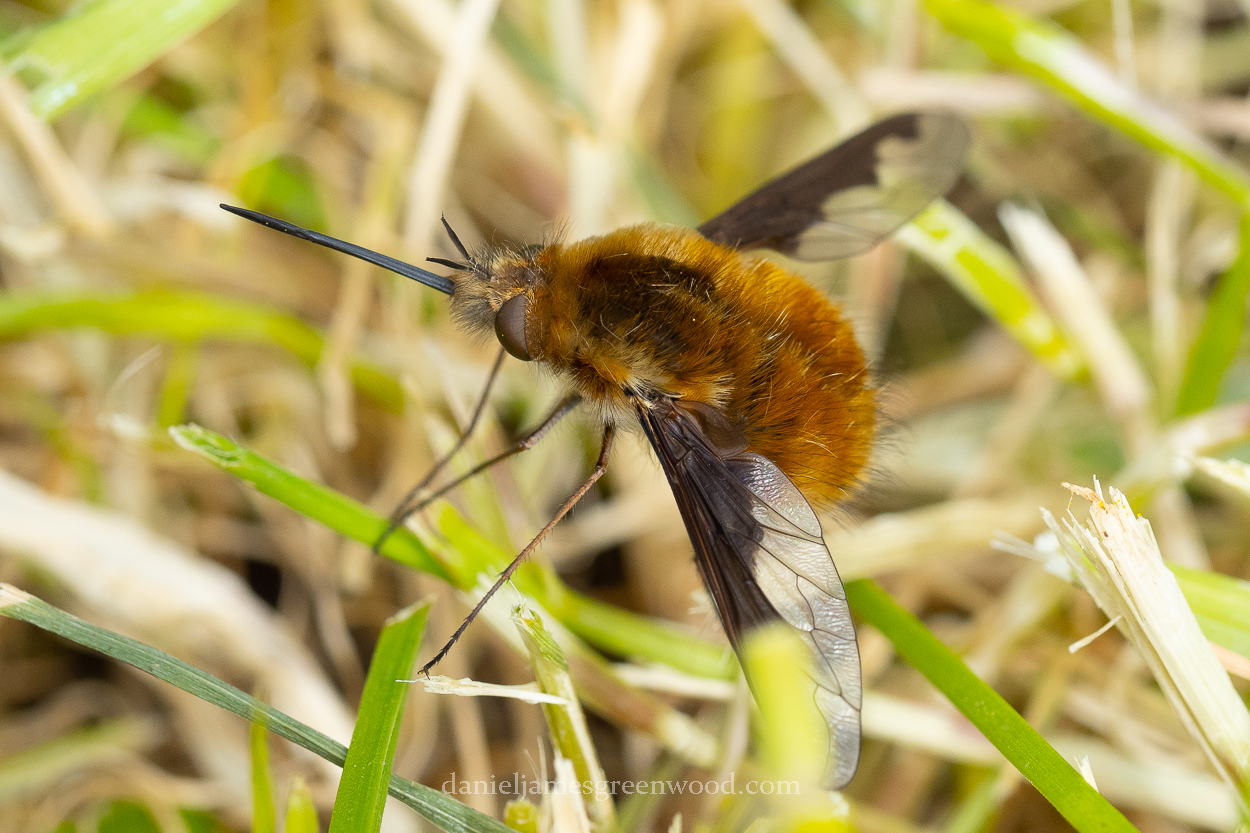


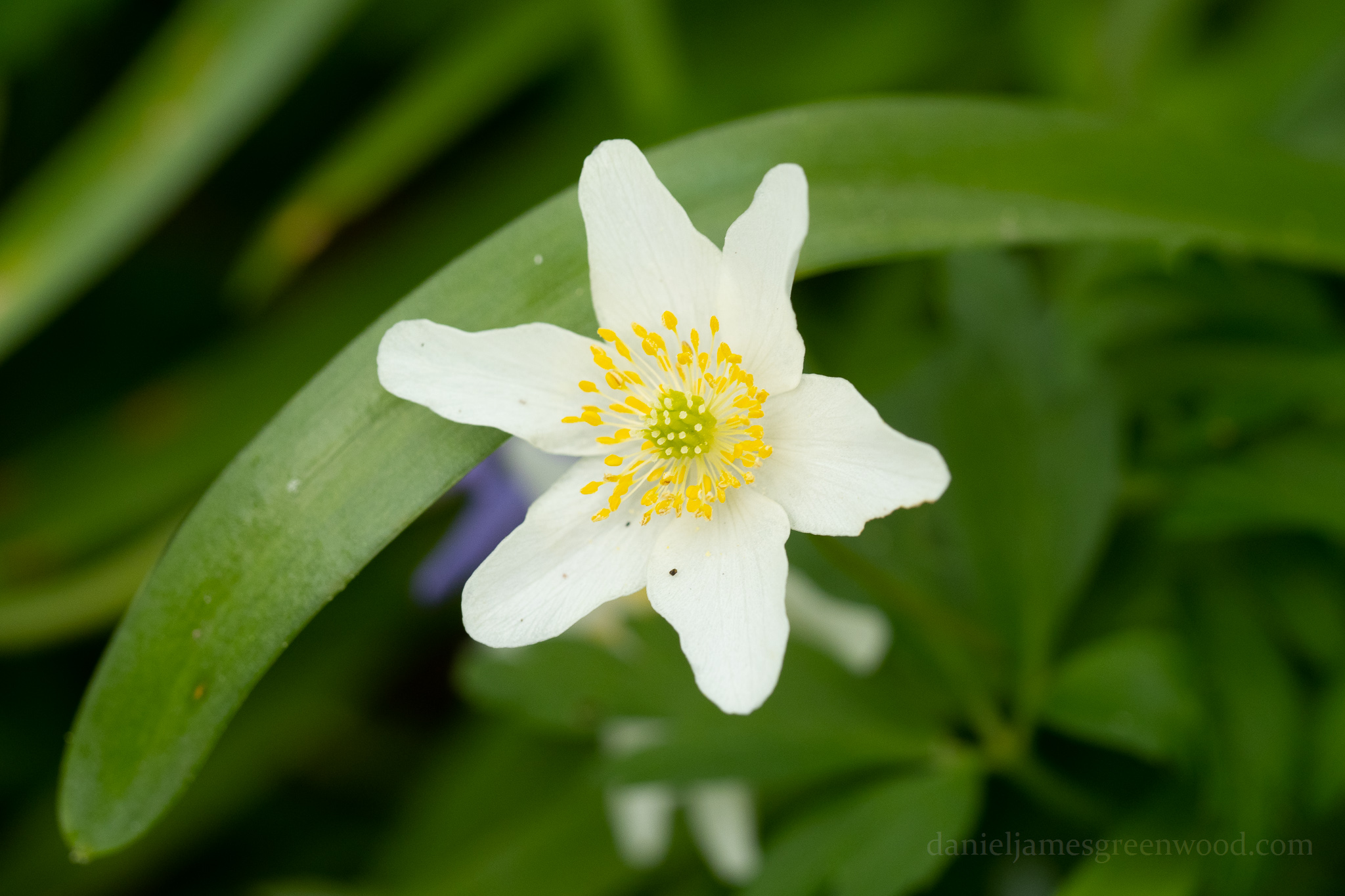




Olympus EM1 MIII and 60mm f2.8 macro/30mm f3.5 macro/12-45mm f4 lenses
The EM1 MIII is one of the best kept secrets in photography and is highly underrated. I use this combination for travelling around or walking because it’s incredibly light. The battery life isn’t the best, which means I rely more on the EM1 MIII for days out. It’s more useful for smaller things like tiny insects or extreme close ups. When doing stationary macro I use a Gorillapod mini-tripod thing and an Olympus remote shutter release (but that’s only really for fungi that don’t fly or jump)




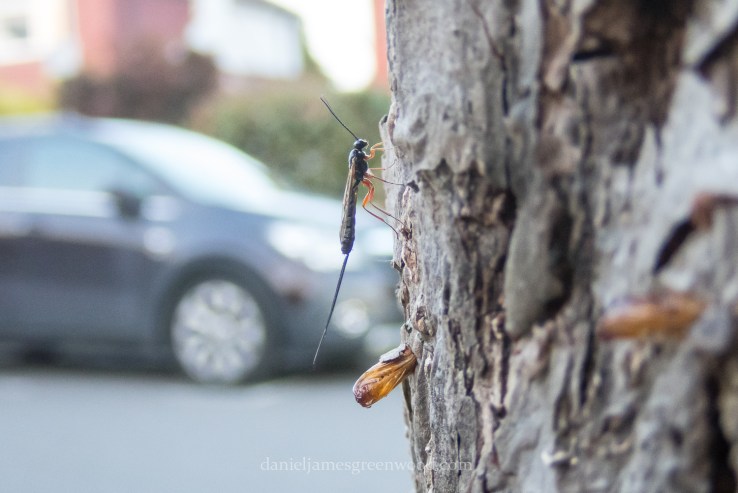

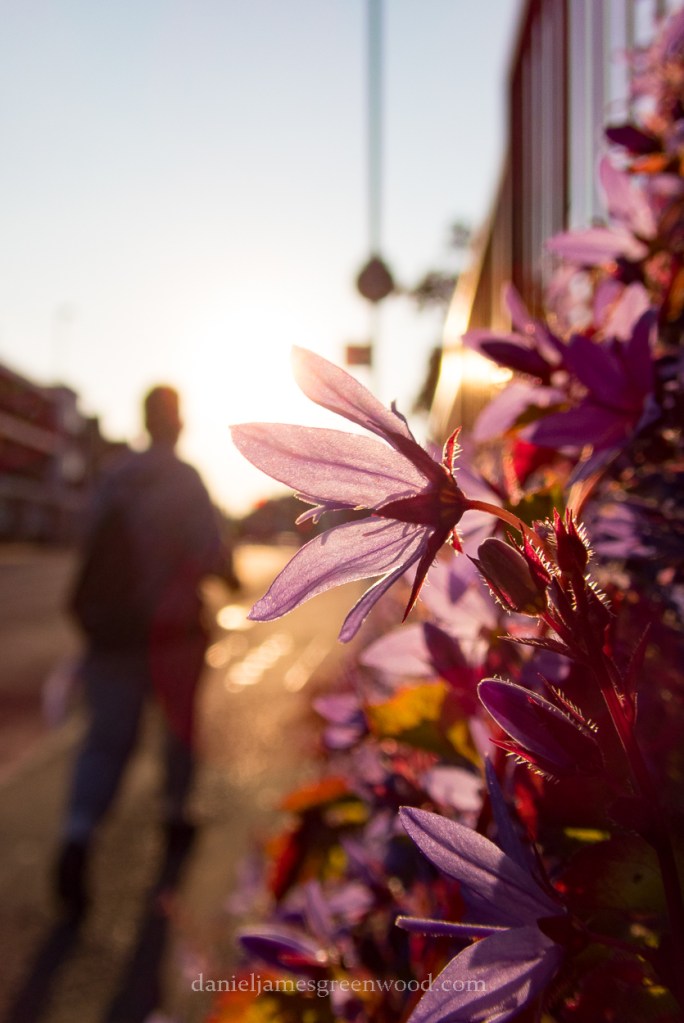

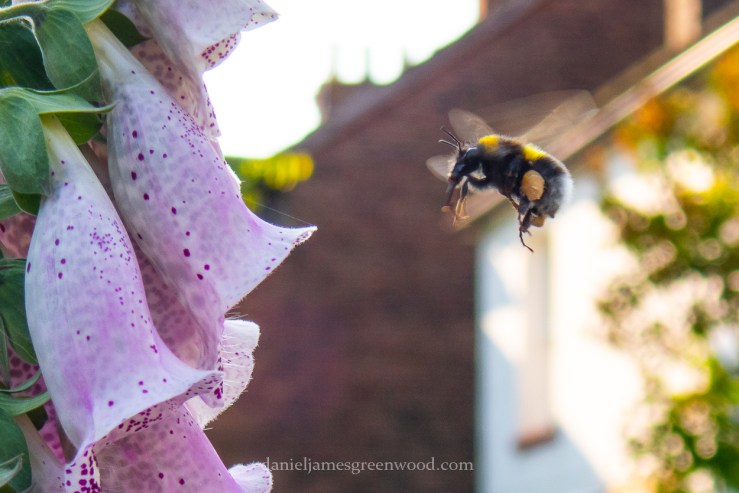
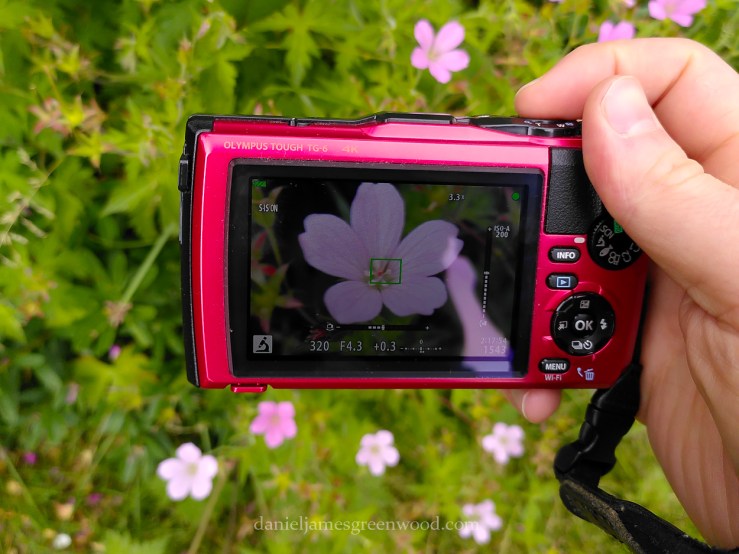
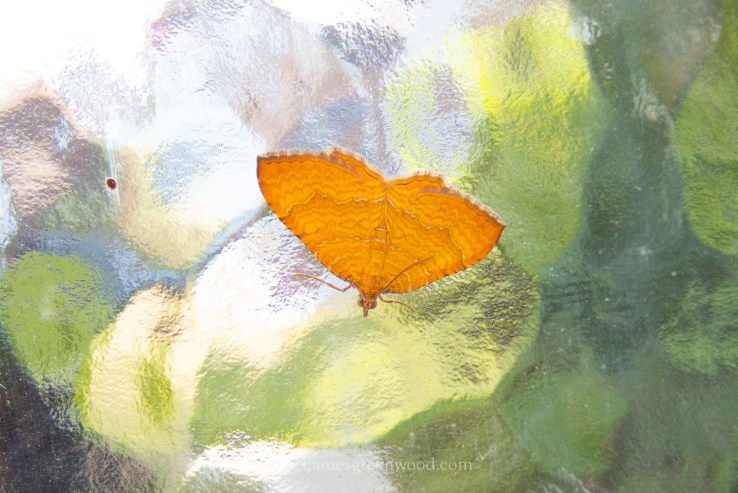
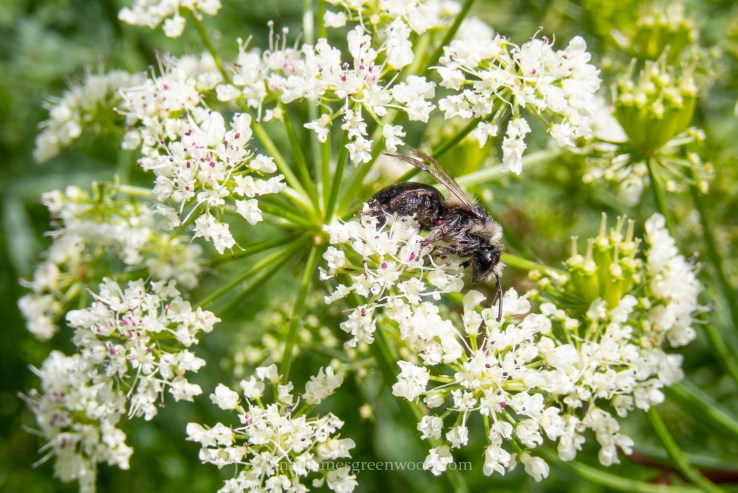
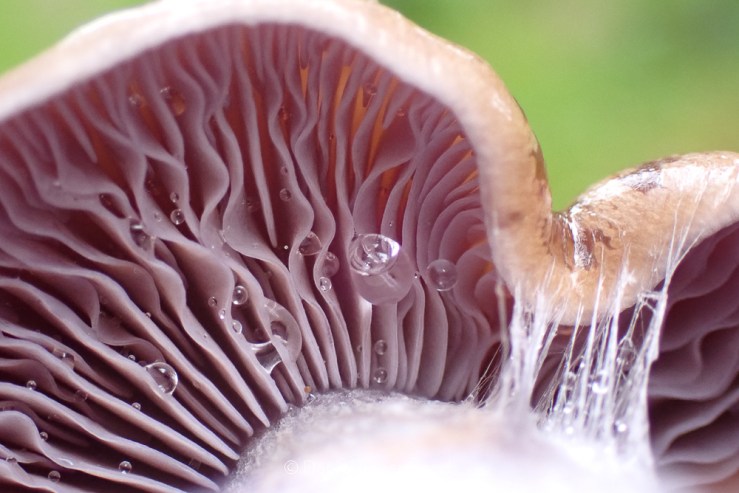
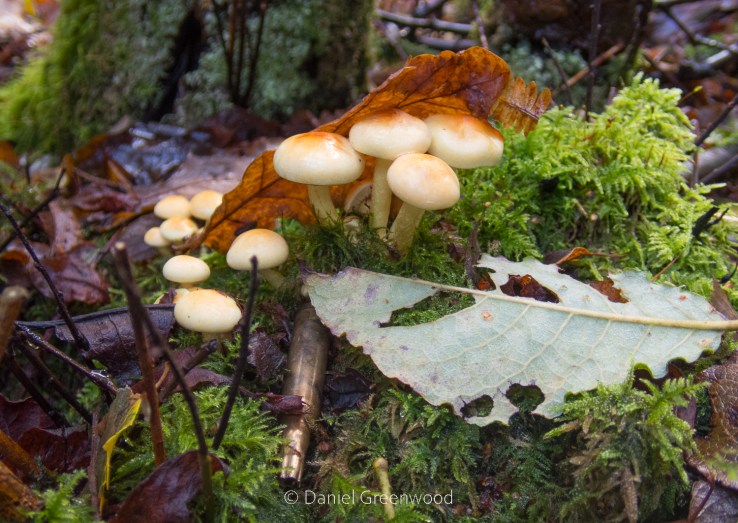
Olympus Tough TG-6 compact camera
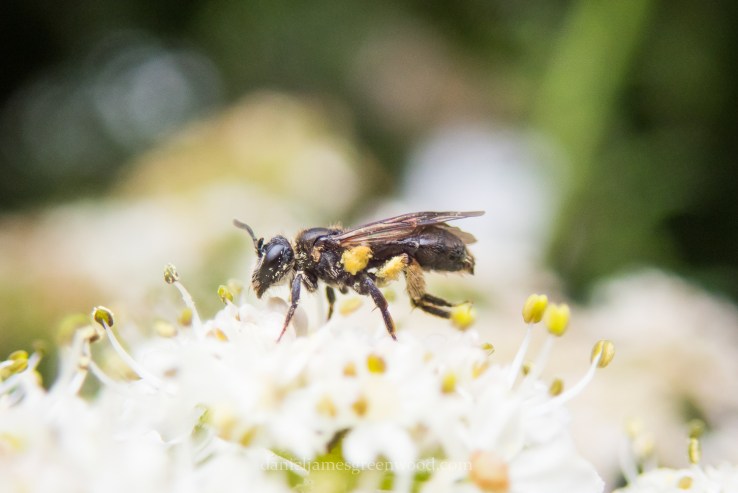
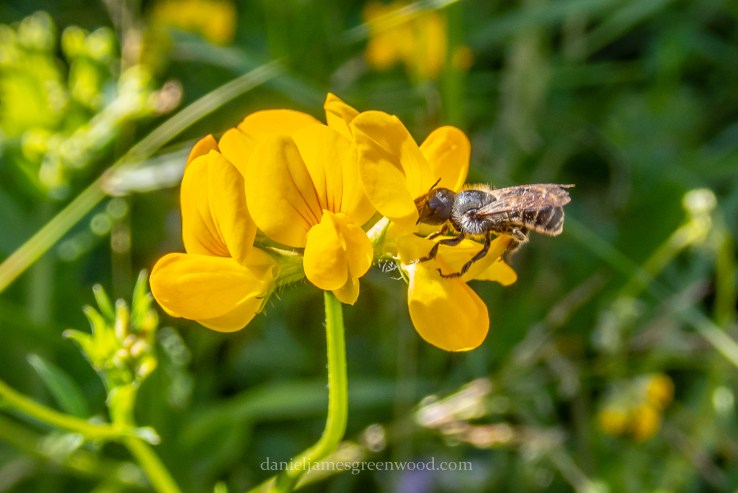
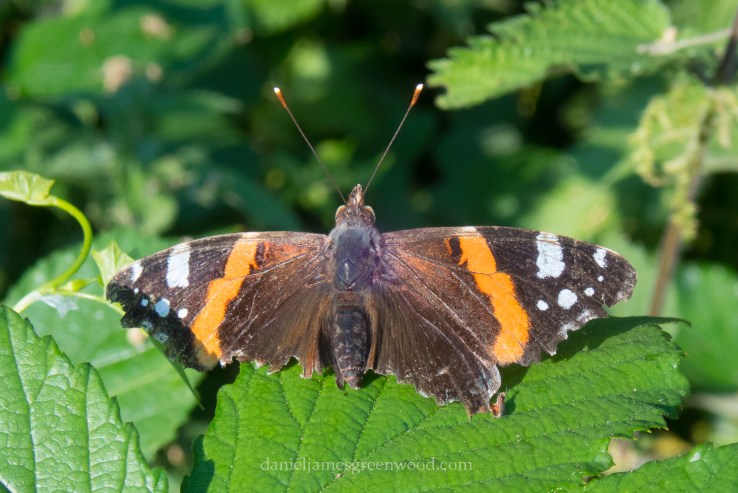
This little camera is lower resolution (12mp) than people expect from mirrorless cameras nowadays but it can take a beating and is waterproof. It has a microscope macro mode which focuses incredibly closely. Because it’s so small you can have it in your pocket for those surprise macro moments. It’s going to be best for stationary things like fungi because it doesn’t have the specs to cope too well with flying insects, etc., but it does have some fast shutter modes that can capture bees on the wing surprisingly well. It’s best in brighter light and the lack of complete control over settings can hold you back sometimes.
Past setups:

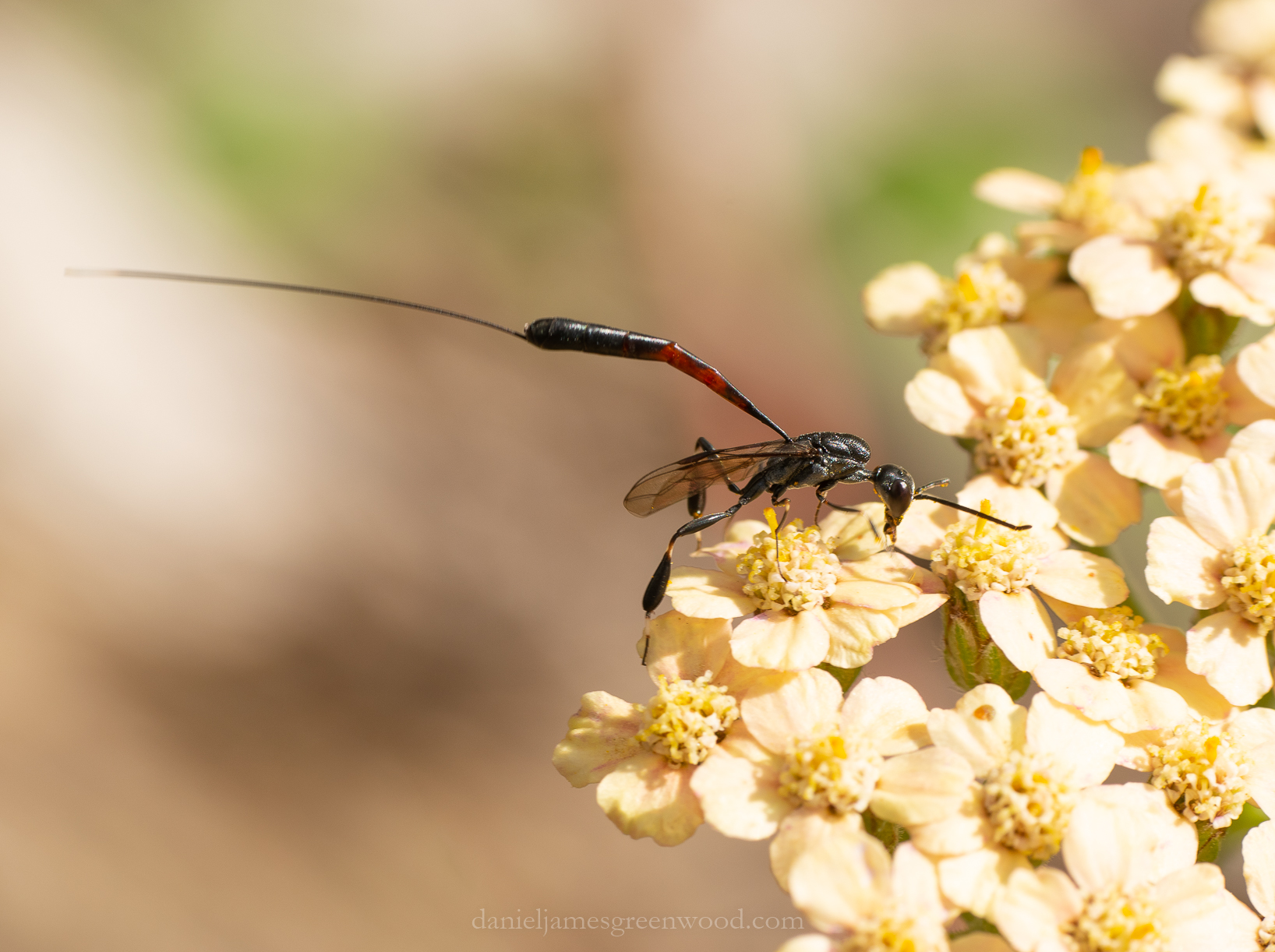
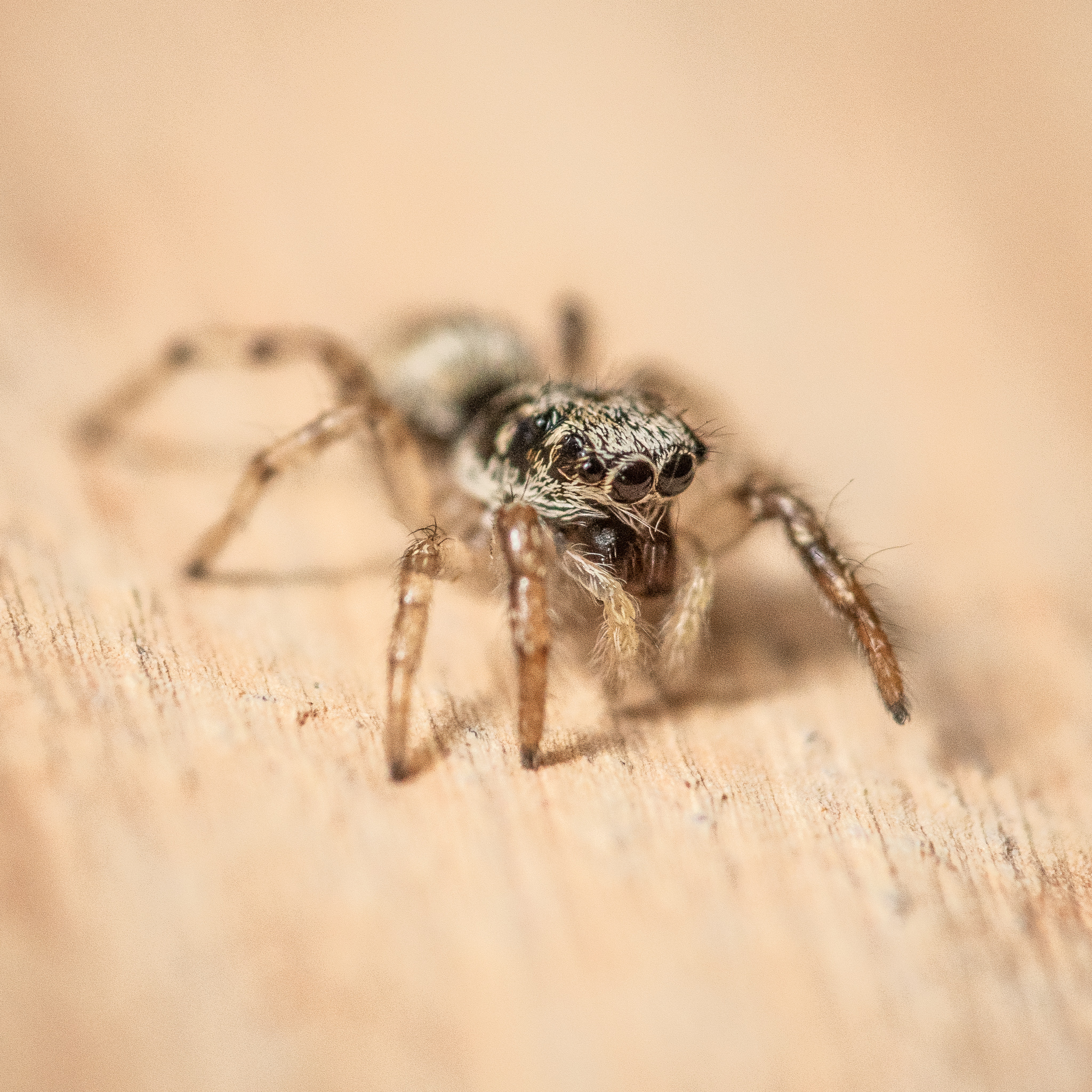


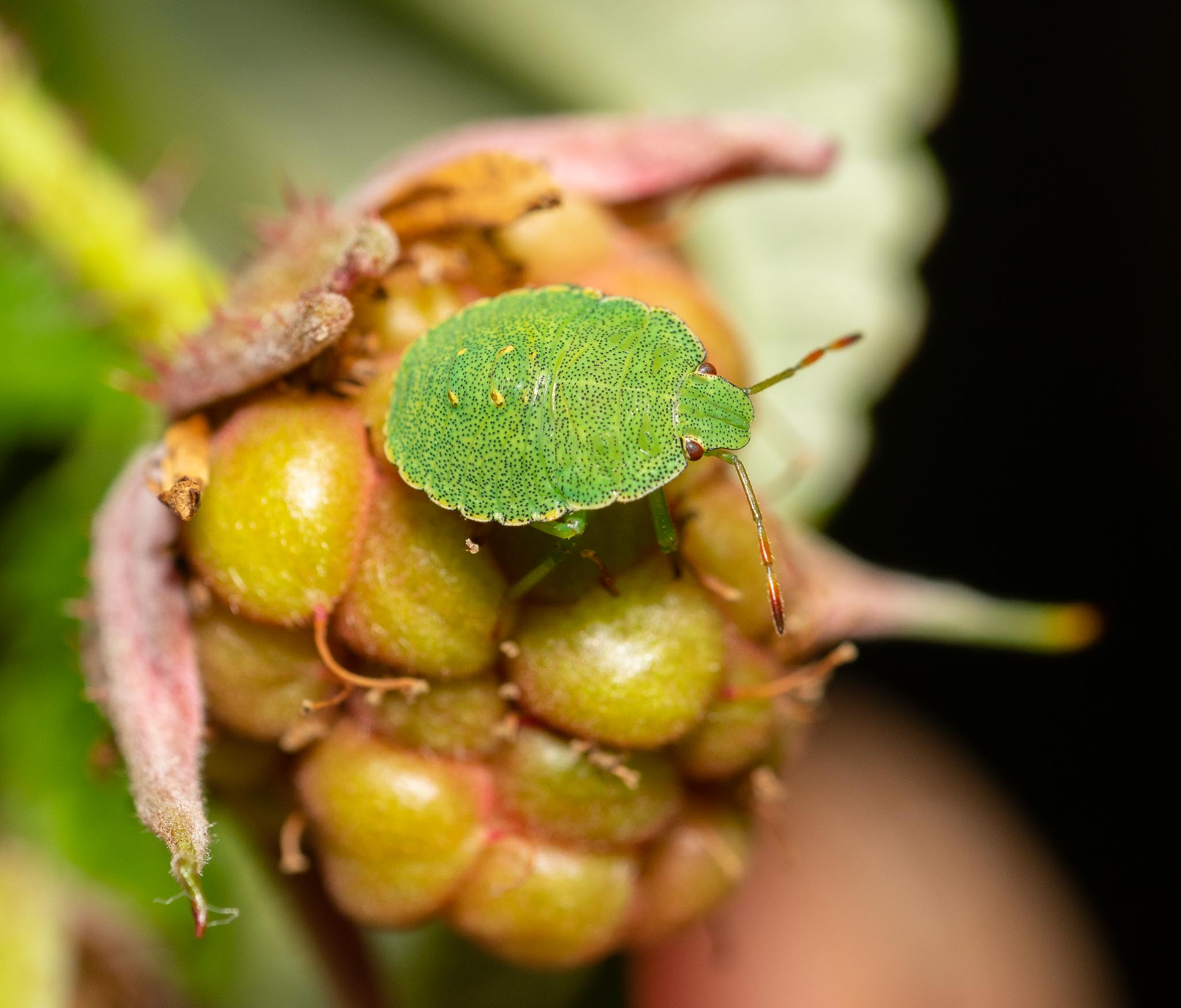
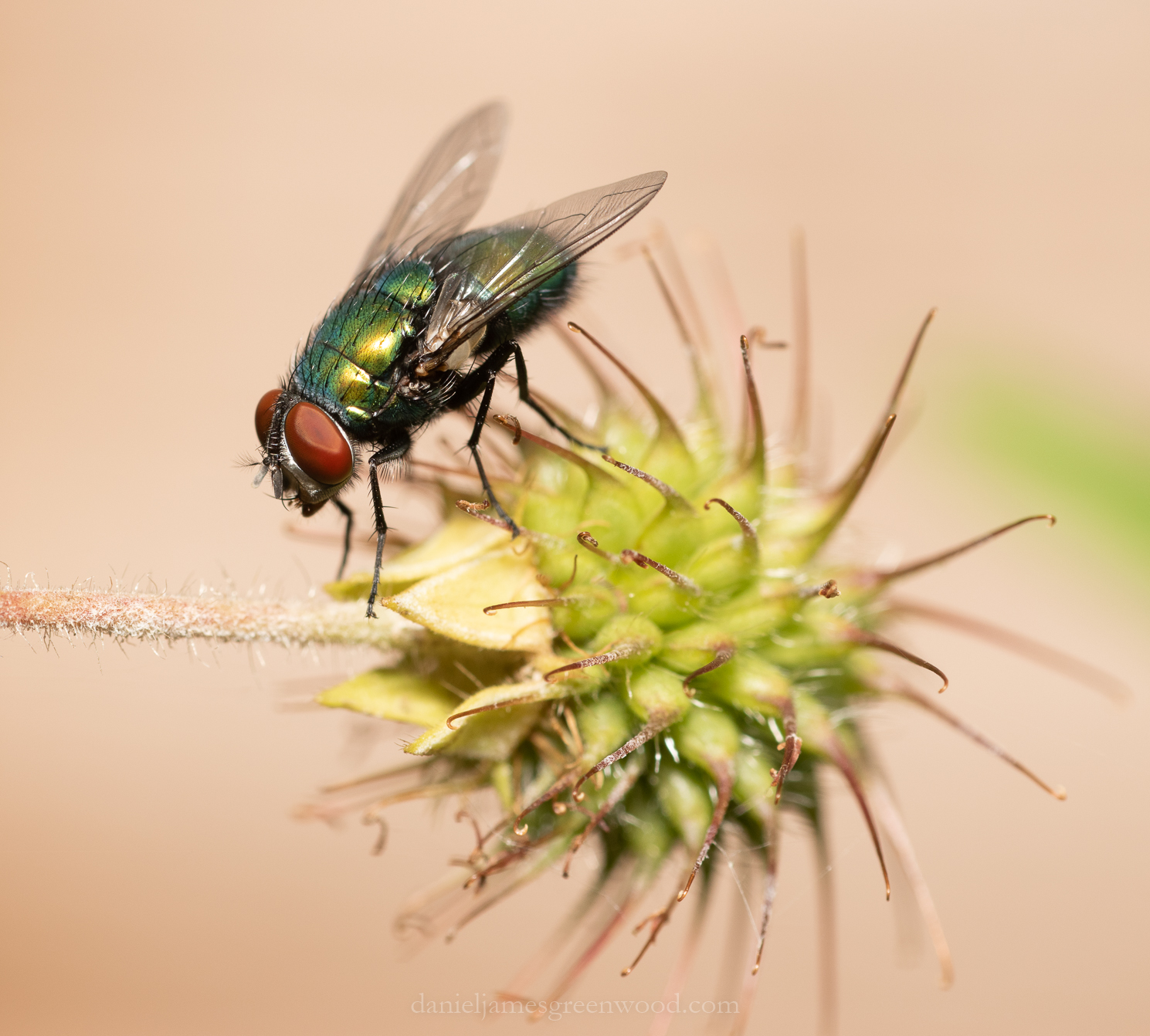
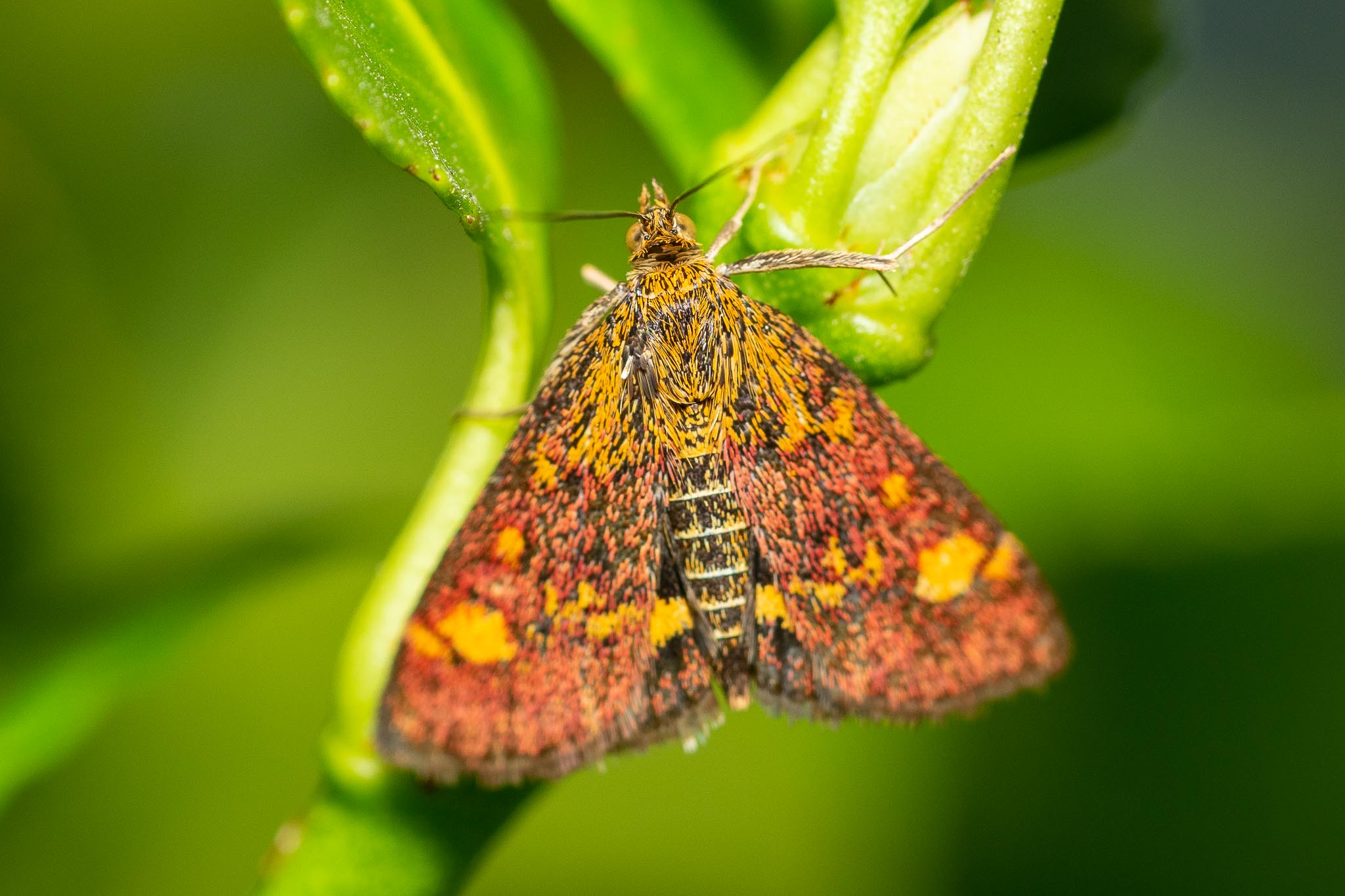
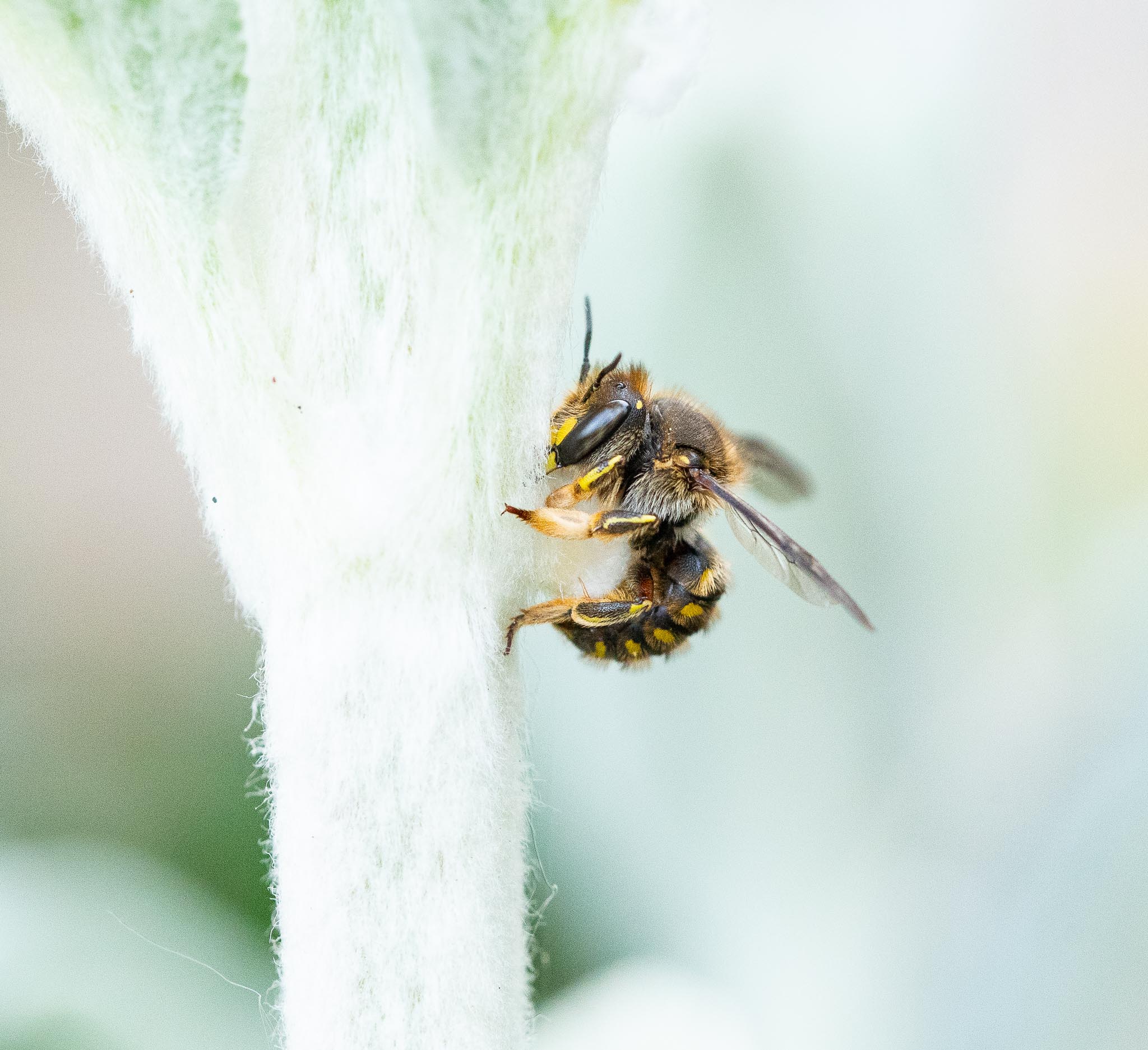

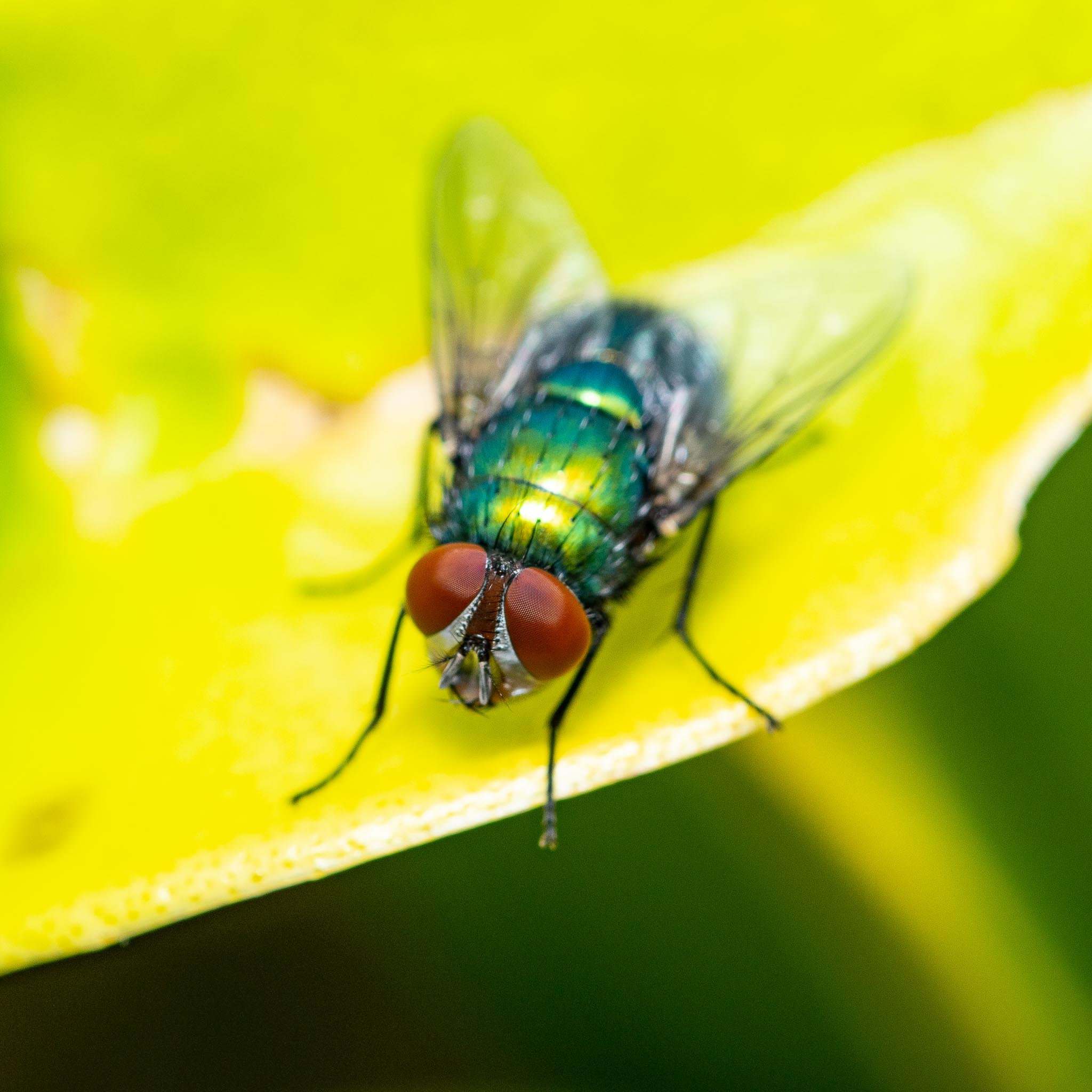
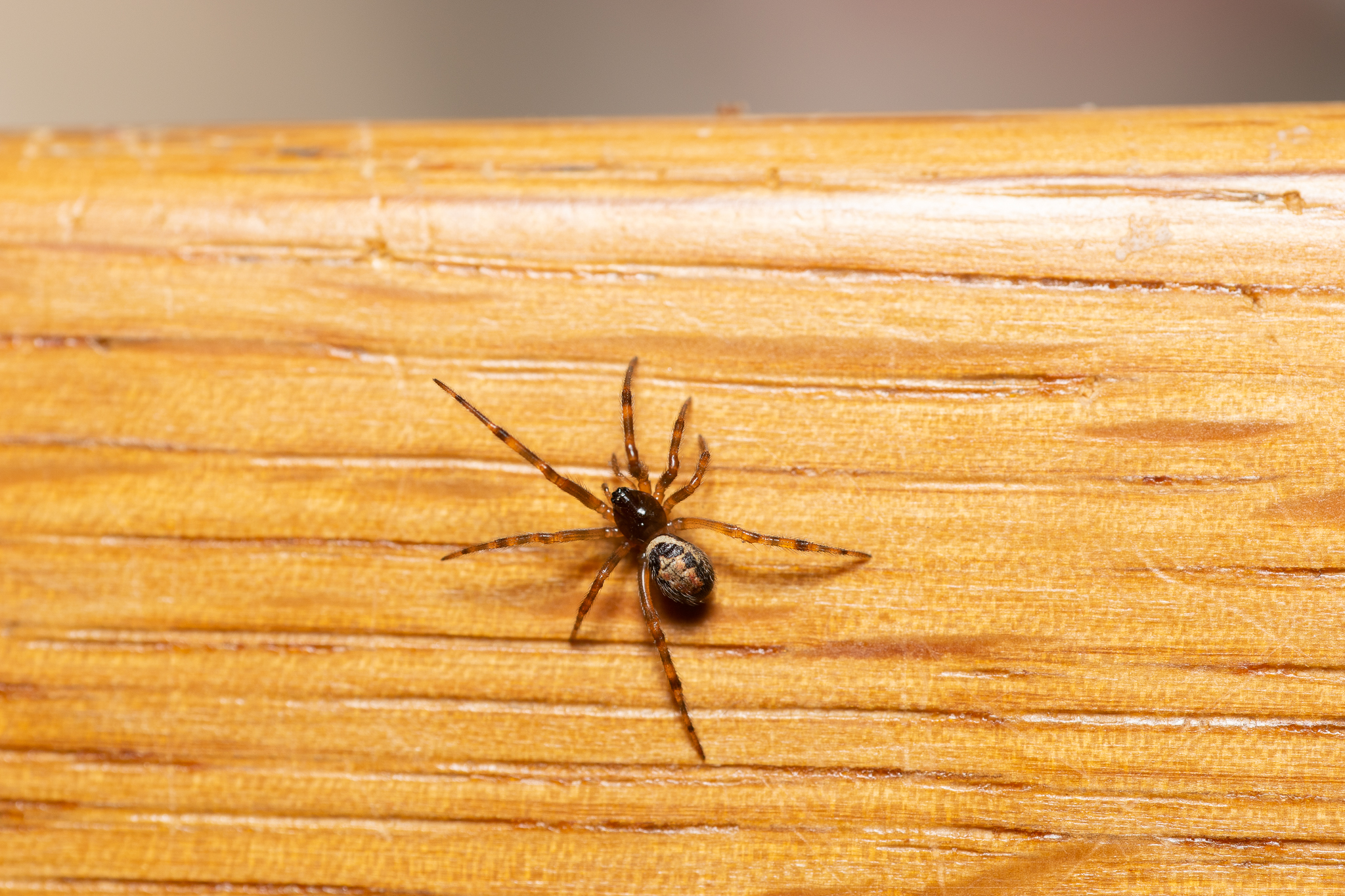
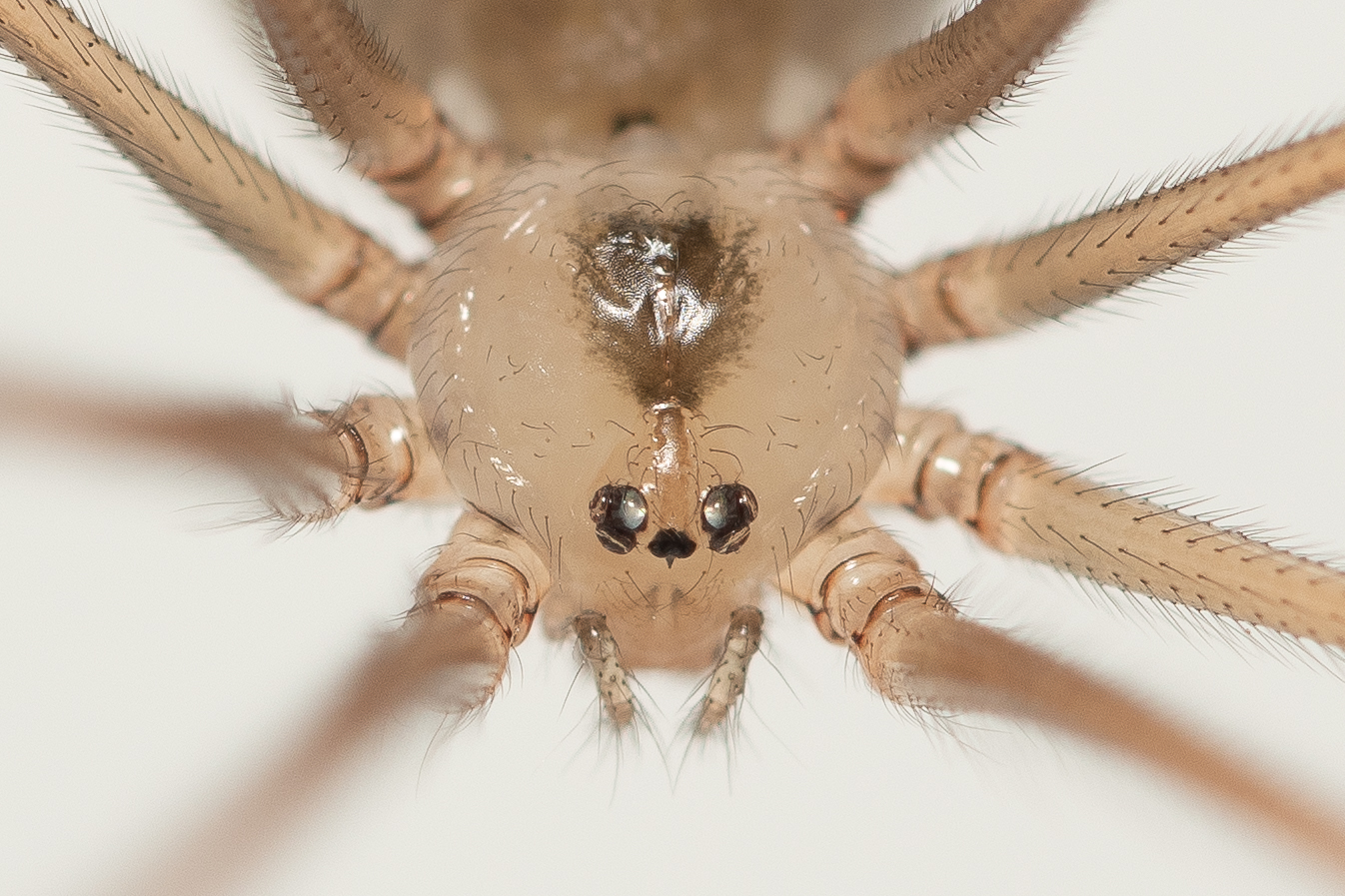

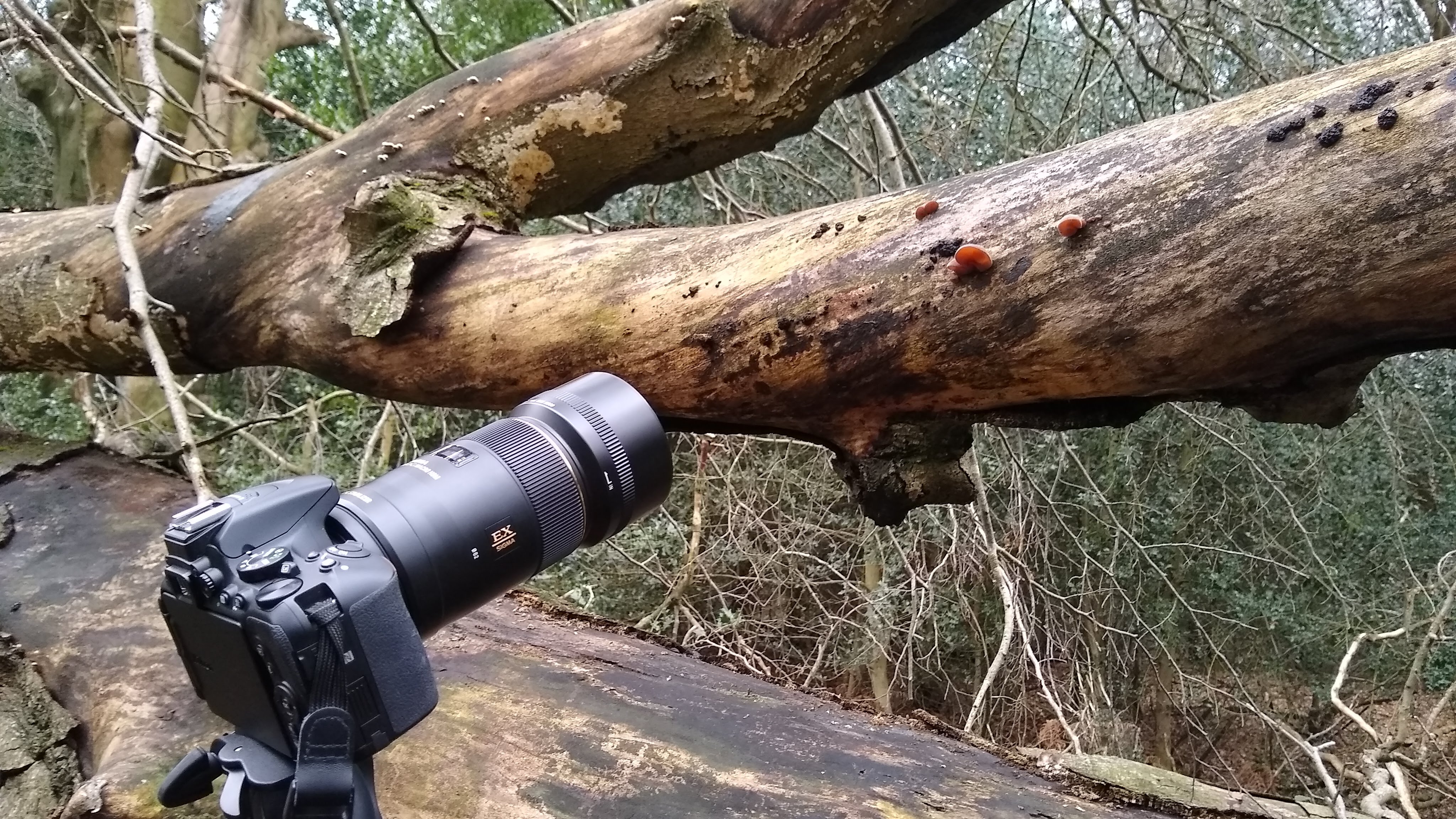
Nikon D5600 and Sigma 105mm f2.8-3.5 macro lens with Nikon SB-700 flash and a diffuser
This was a setup that I loved but only used in my garden because it was cumbersome when combined with the 105mm, flash and diffuser. The D5600 produces high-resolution images because the sensor is 24MP compared to more common 20MP count of most crop-sensor cameras. The colours this camera produces in combo with the lens are beautiful. I traded it in because I made a clean break for micro four thirds cameras and lenses.
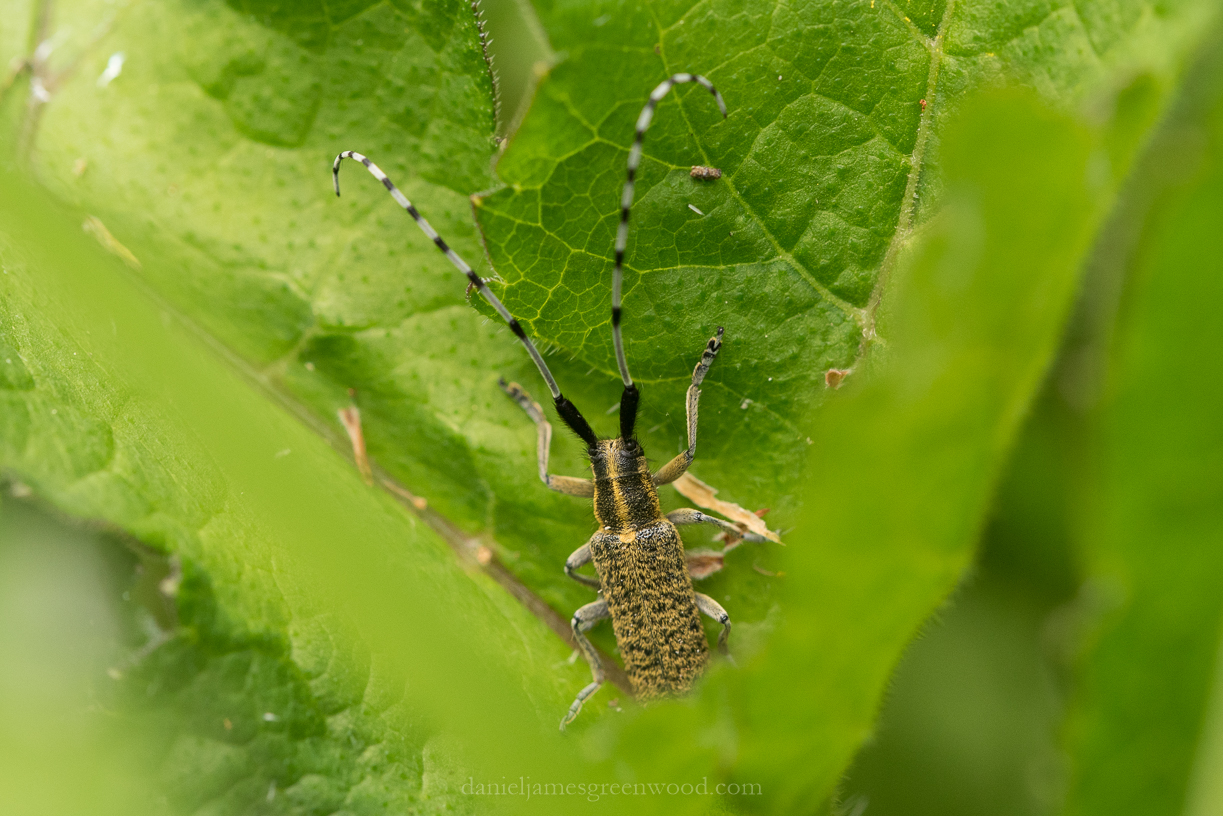


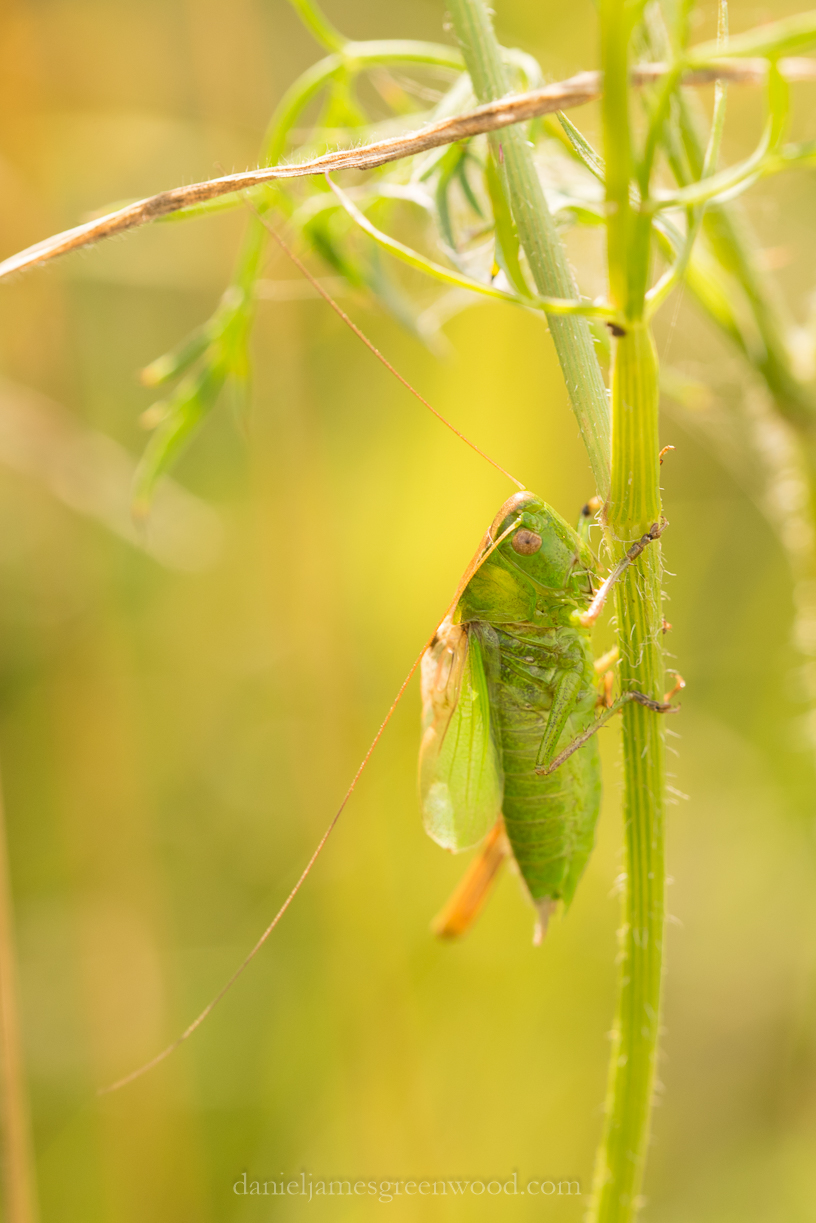


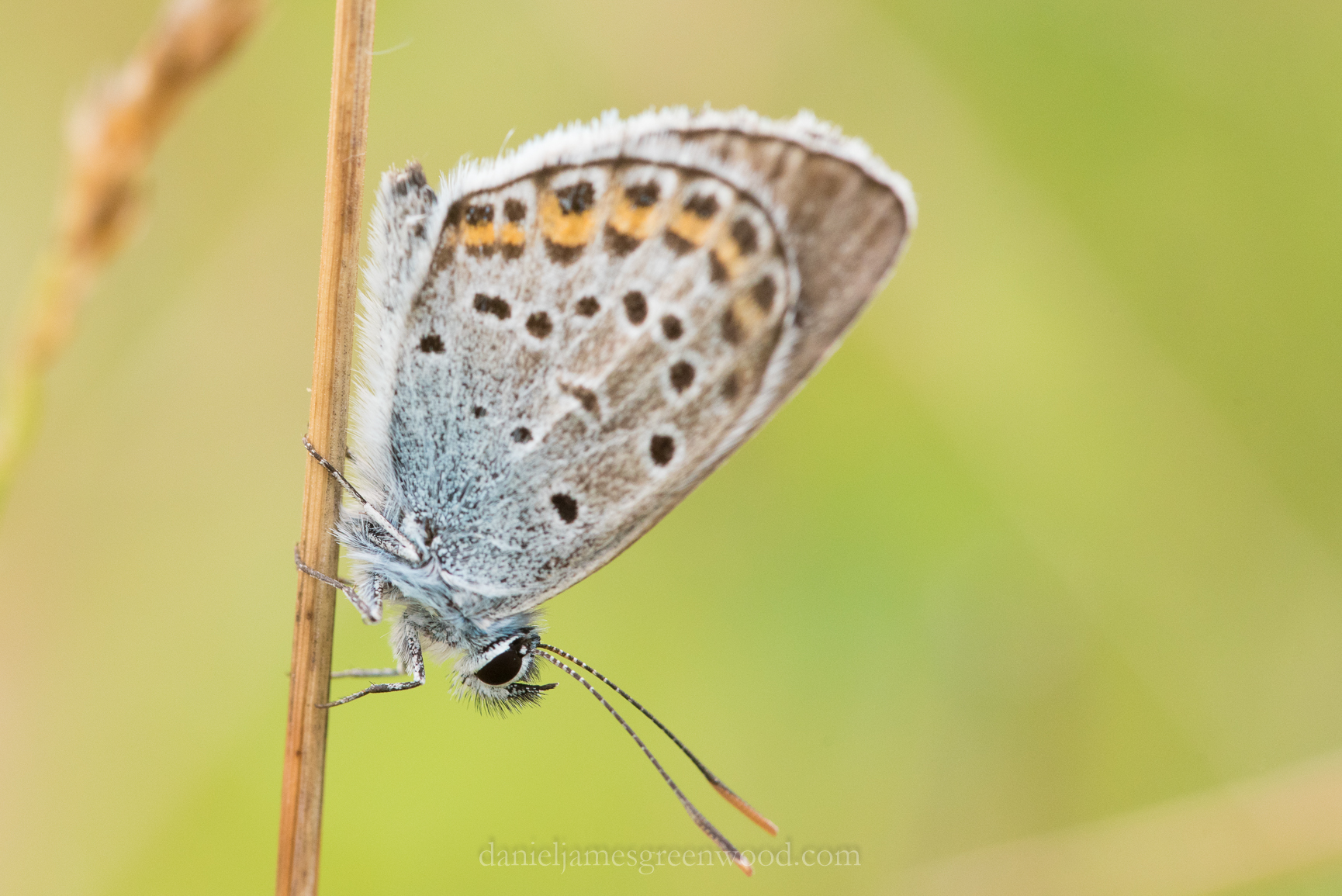

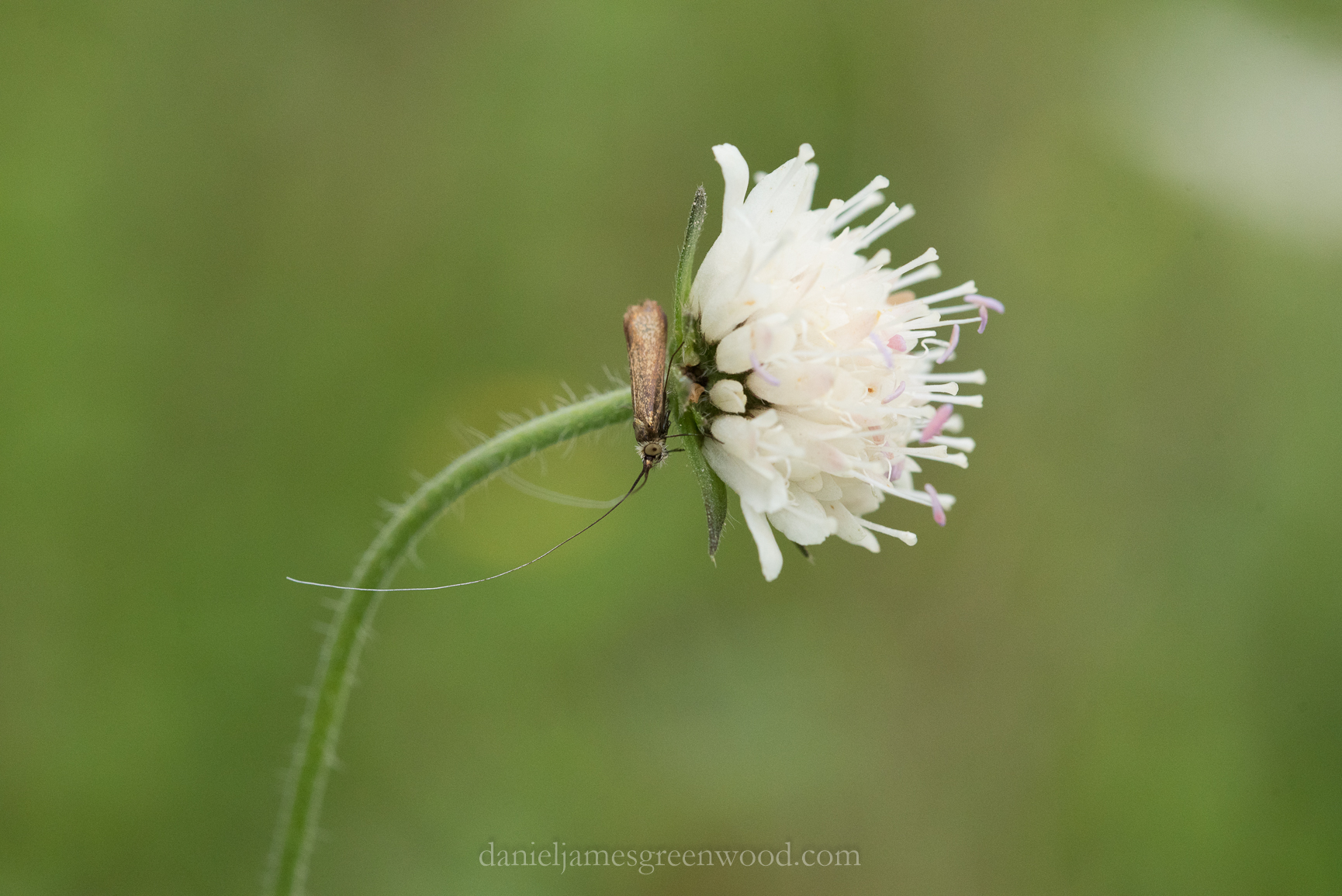

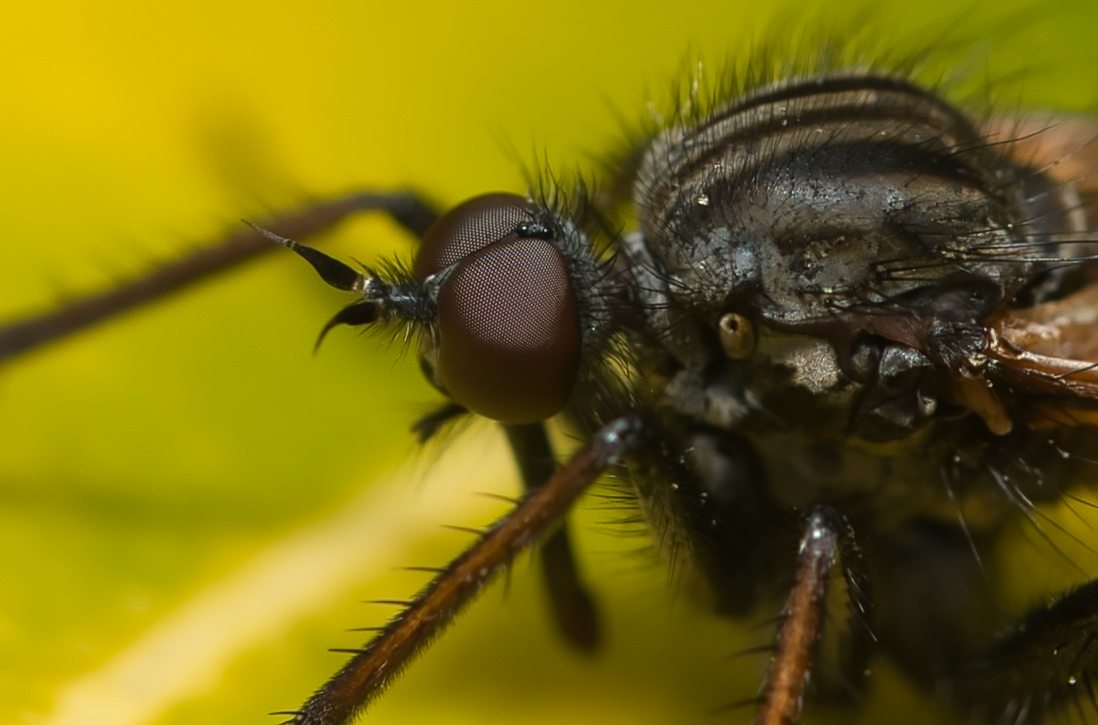
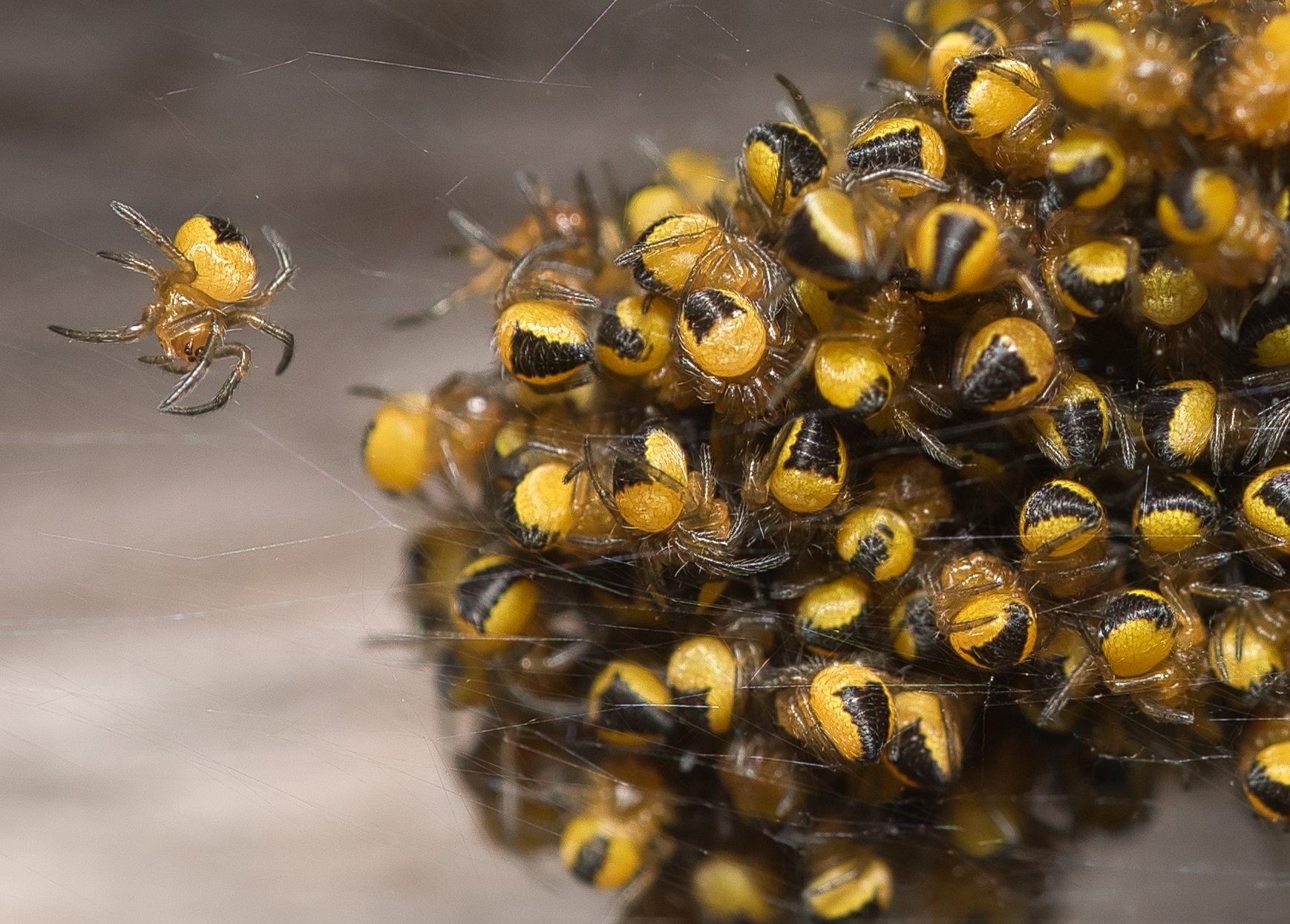
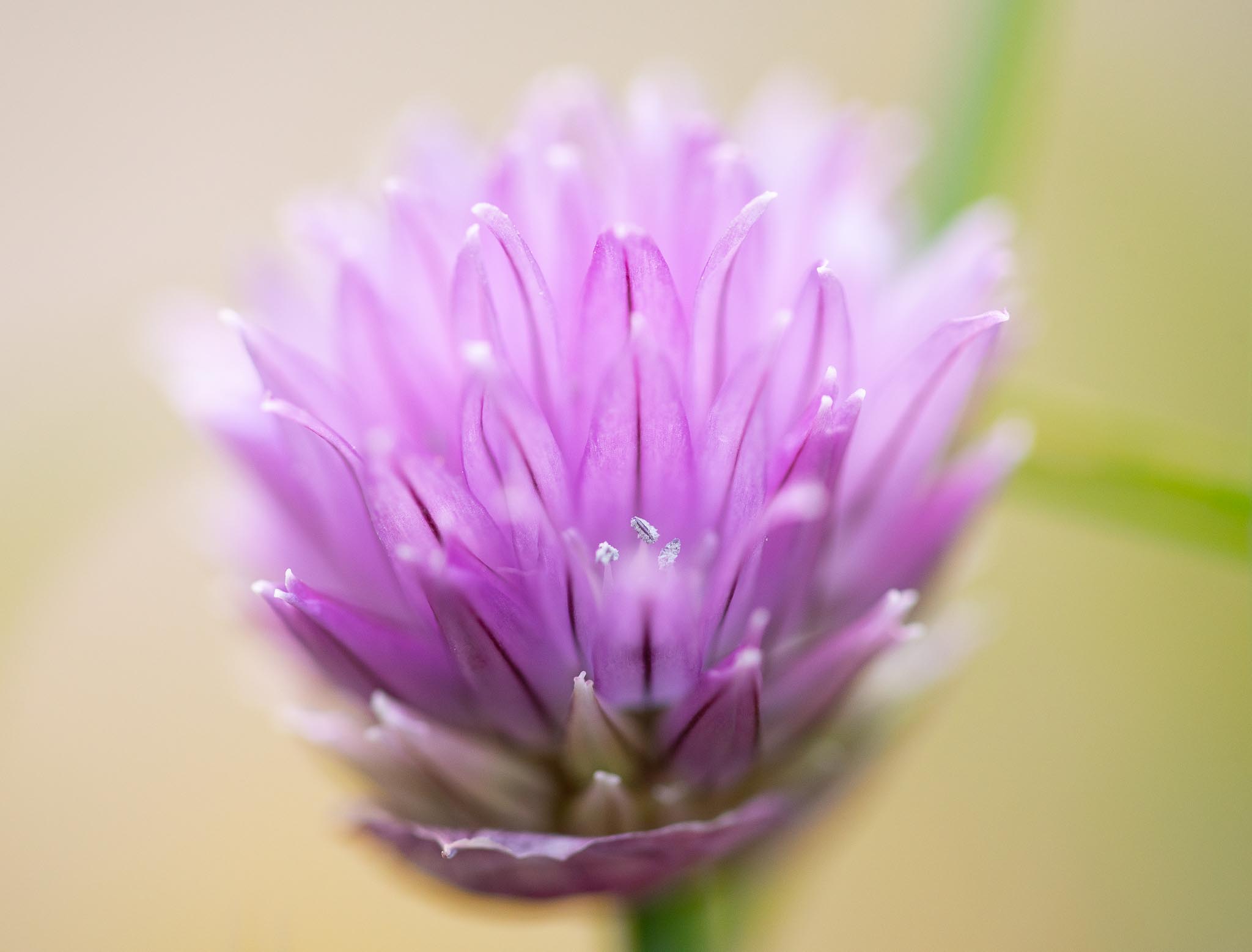

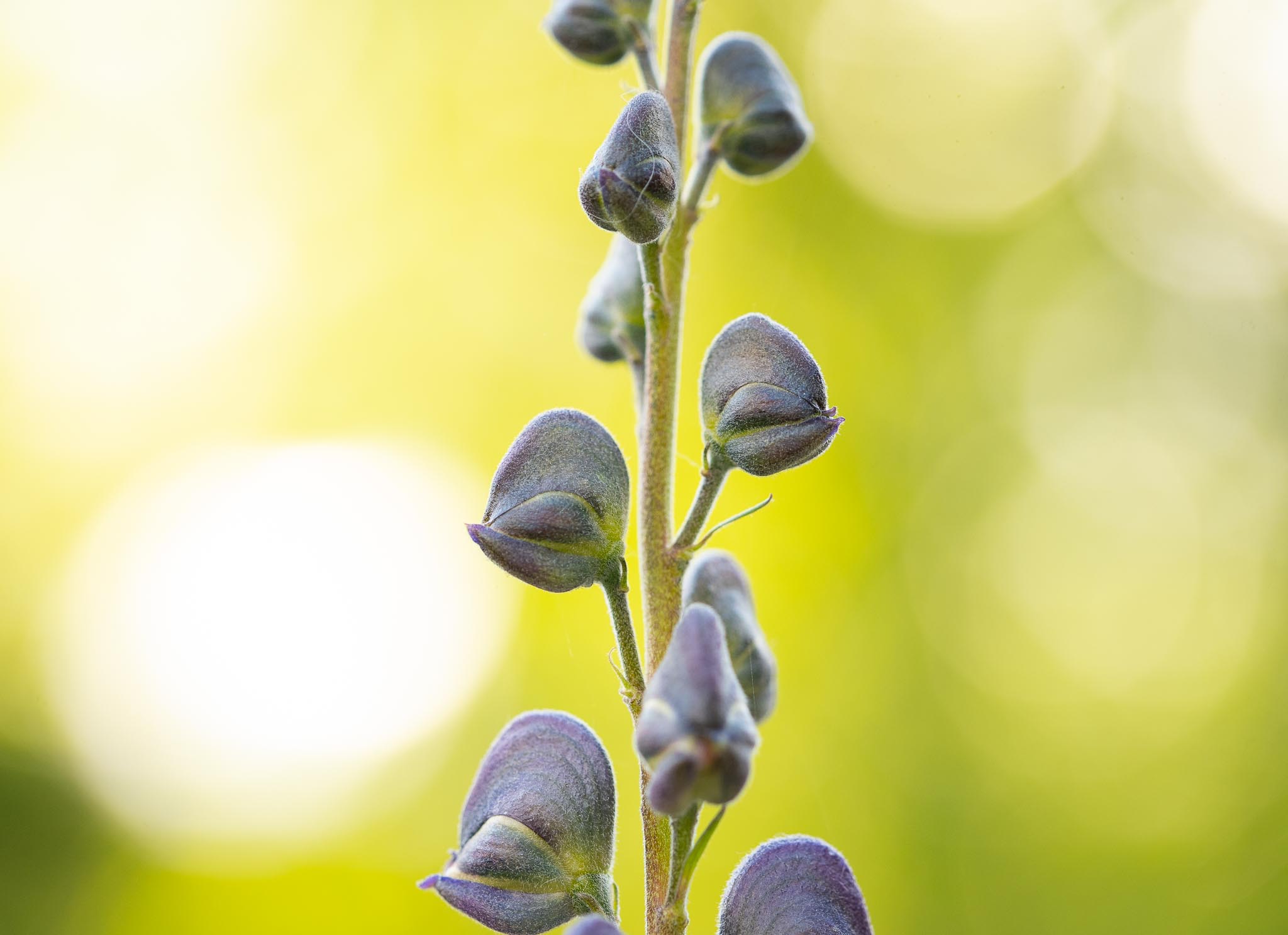


Nikon D750 and Sigma 105mm f2.8-3.5 macro lens with Nikon SB-700 flash and a diffuser
This is a full frame camera which means it captures more detail and dynamic light than either the Olympus or the D5600 which have different types of crop sensors. The D750 produces stunning photos and amazing detail, it is a thing of immense beauty. It is heavier though which is why I traded it in to buy an Olympus EM1 MIII, and its lack of touchscreen controls can be jarring ‘in this day and age’.
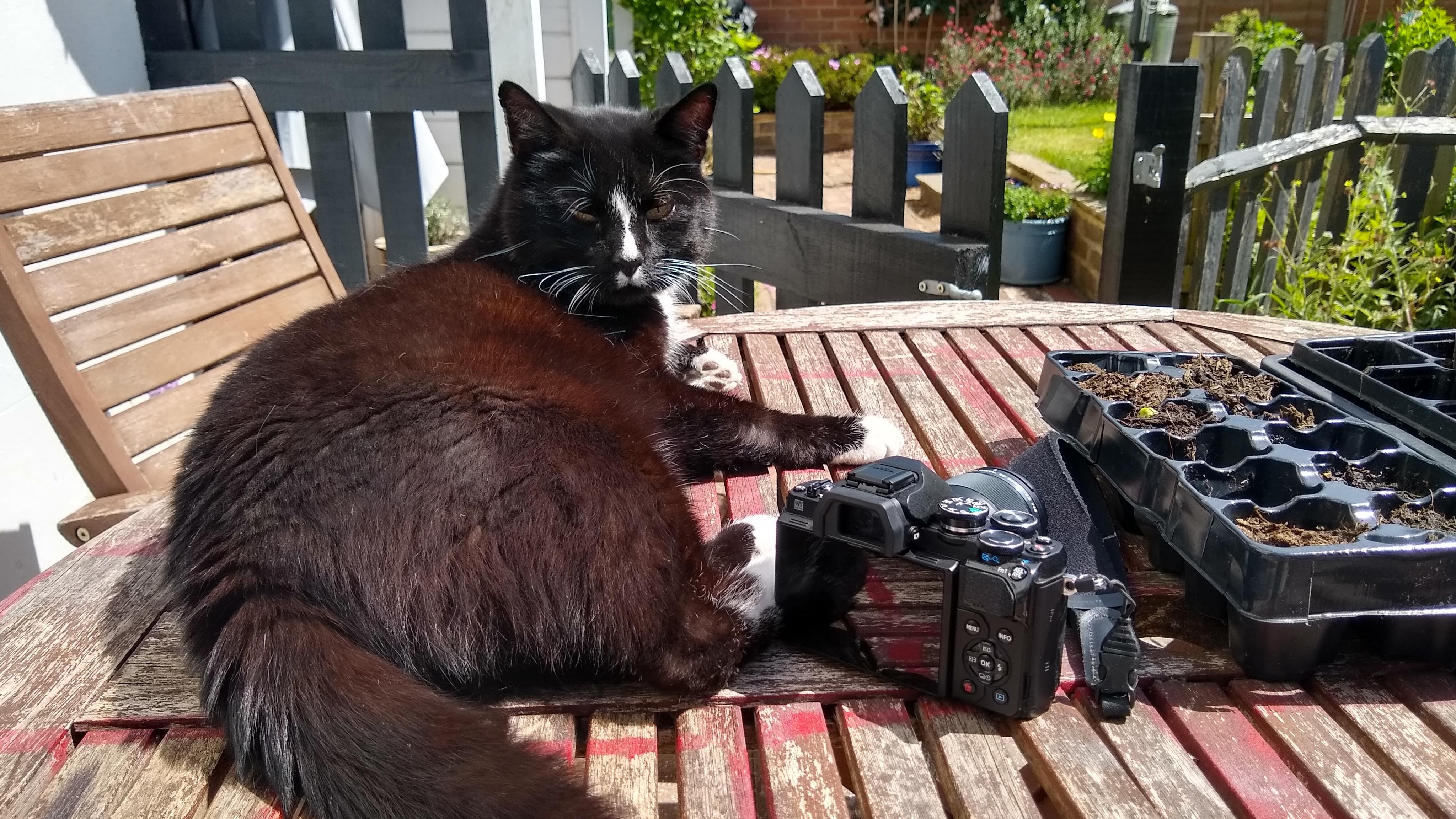
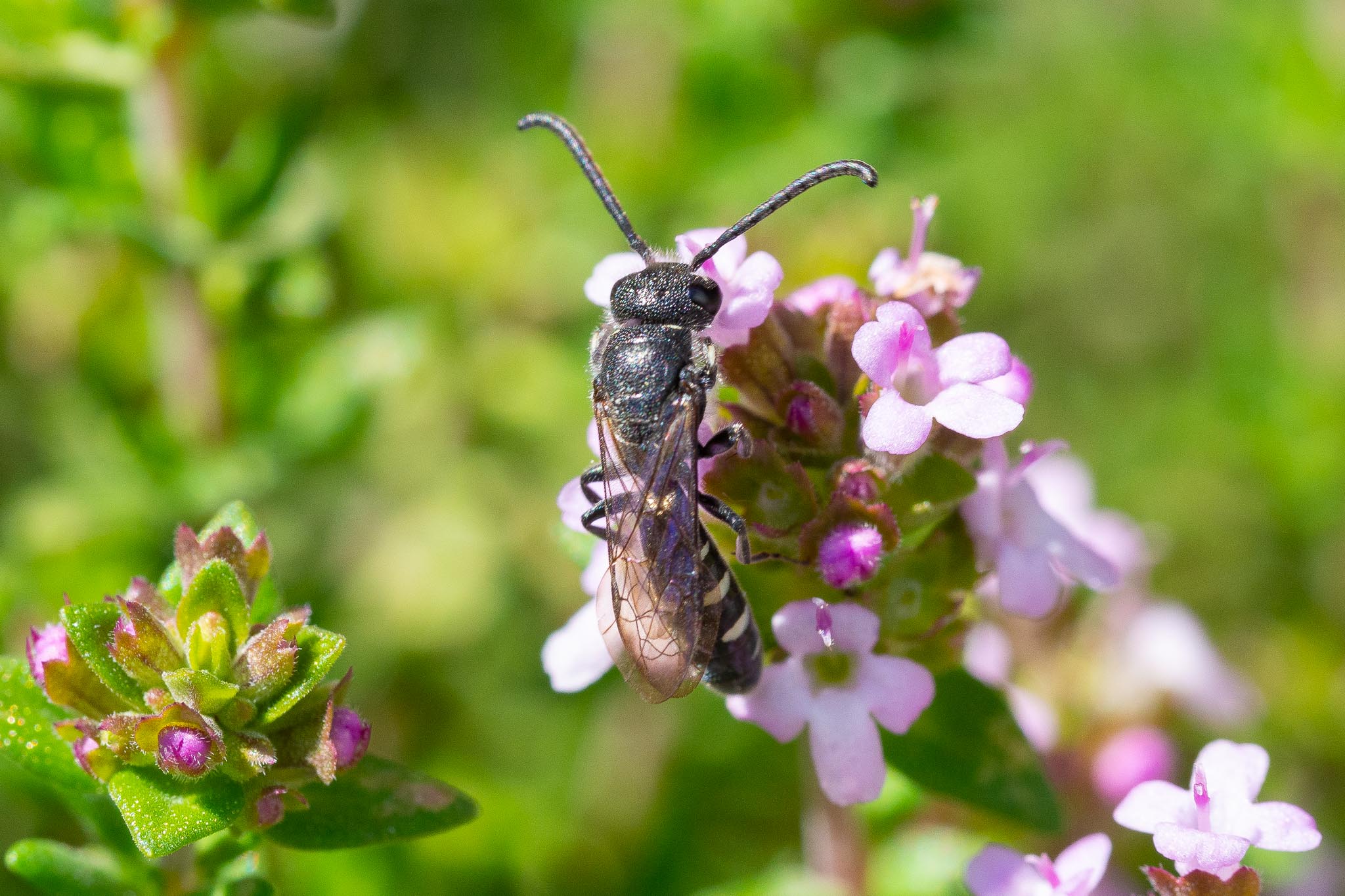

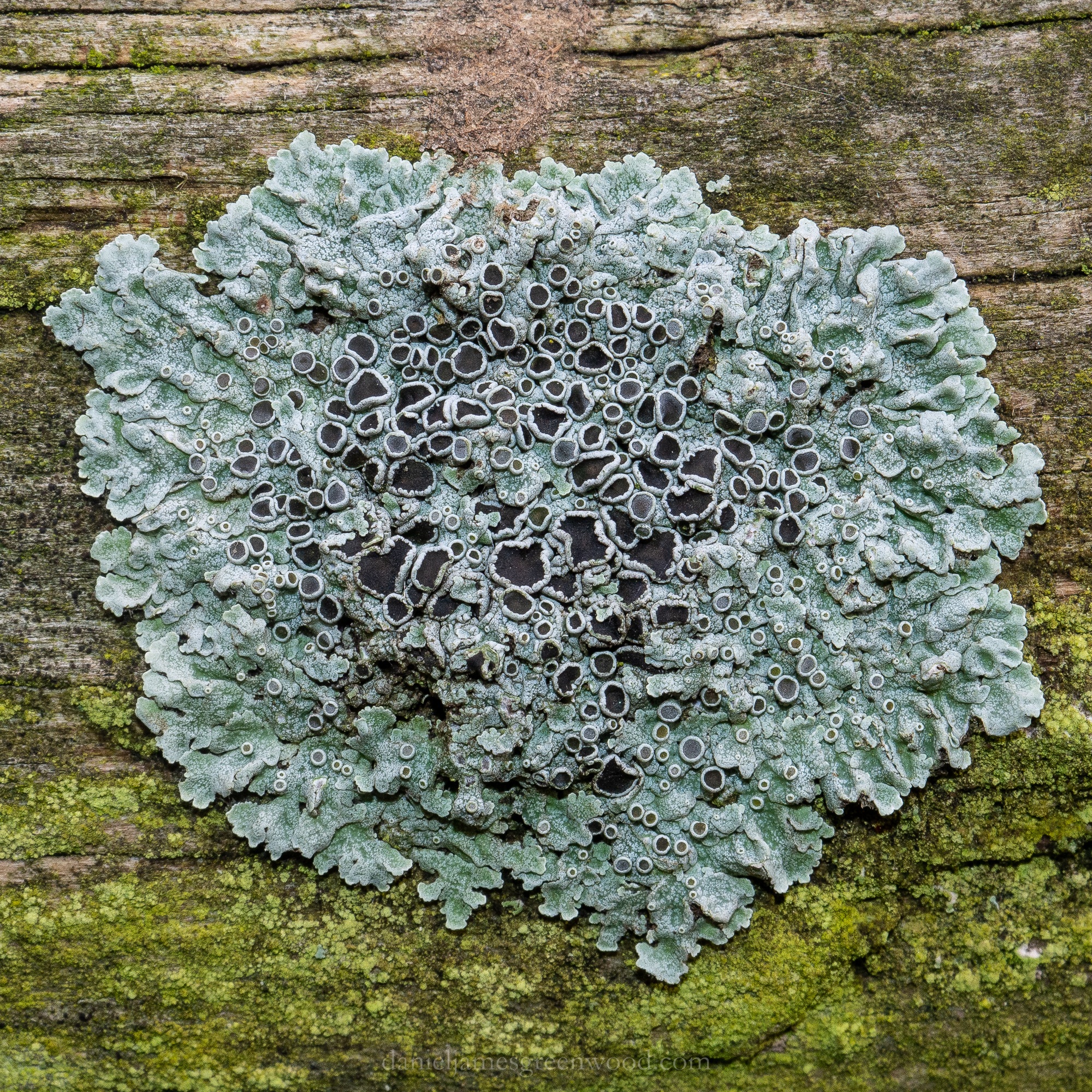
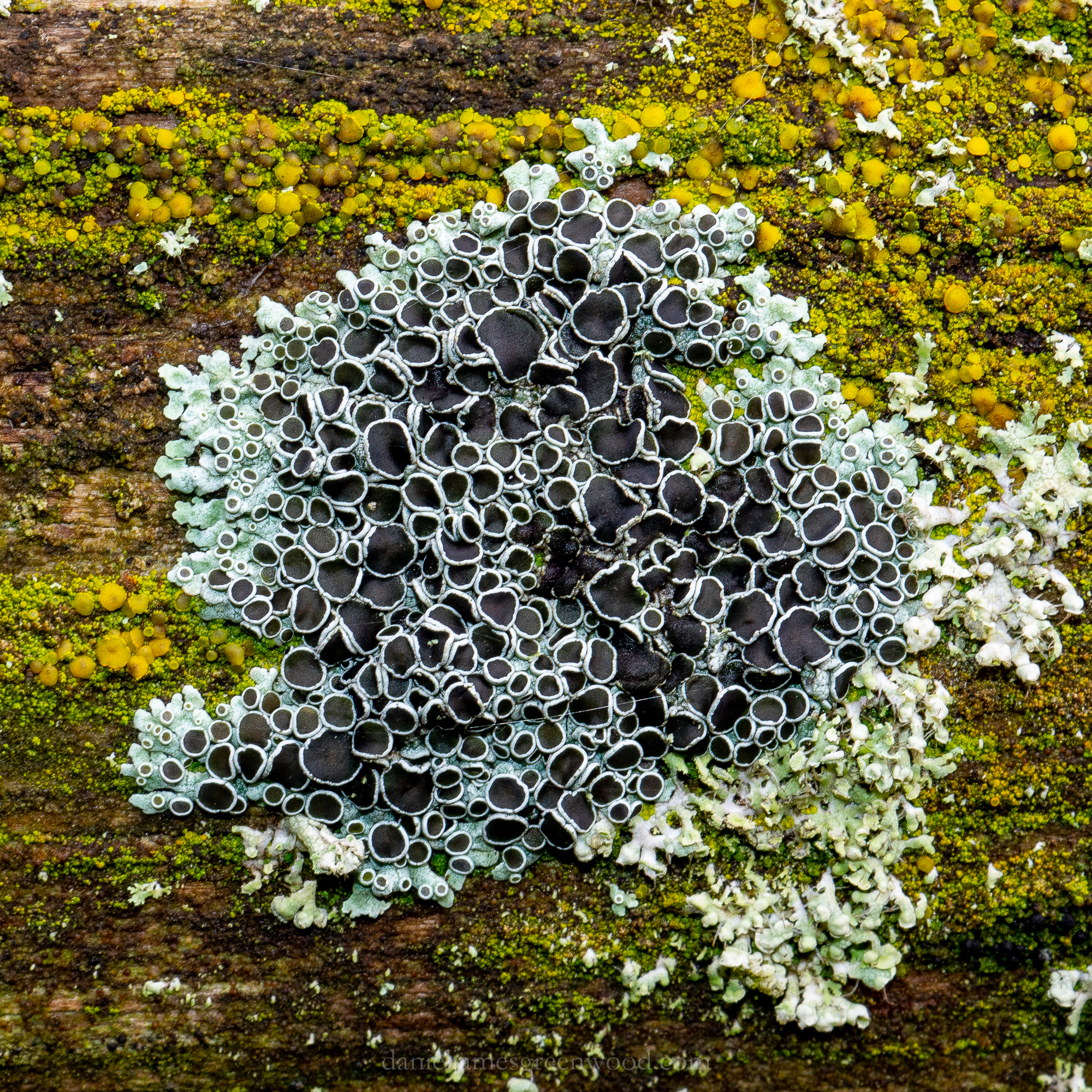
Olympus EM10 MIII with 60mm f2.8/30mm f3.5 macro lenses
This camera was my gateway into micro four thirds, having been bought after I lost my Canon G7X MII… I loved using this camera so much that I traded it in to eventually get an EM5 MIII. It is a very light yet power combo when paired with the 30mm f3.5.

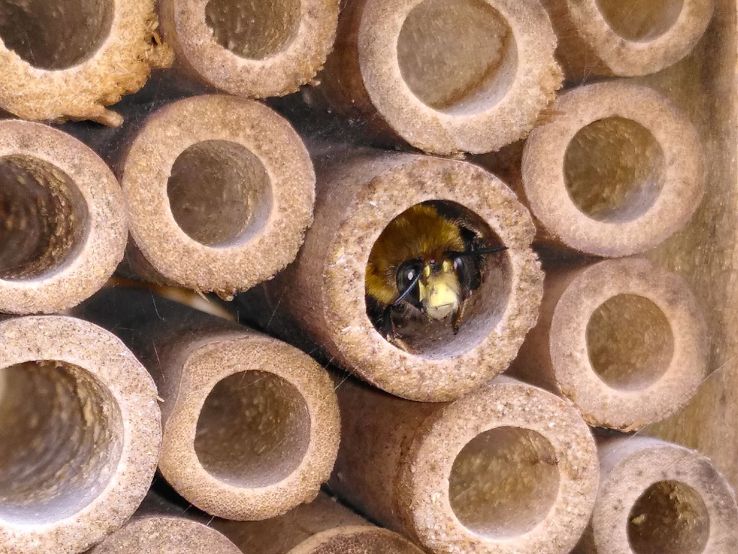
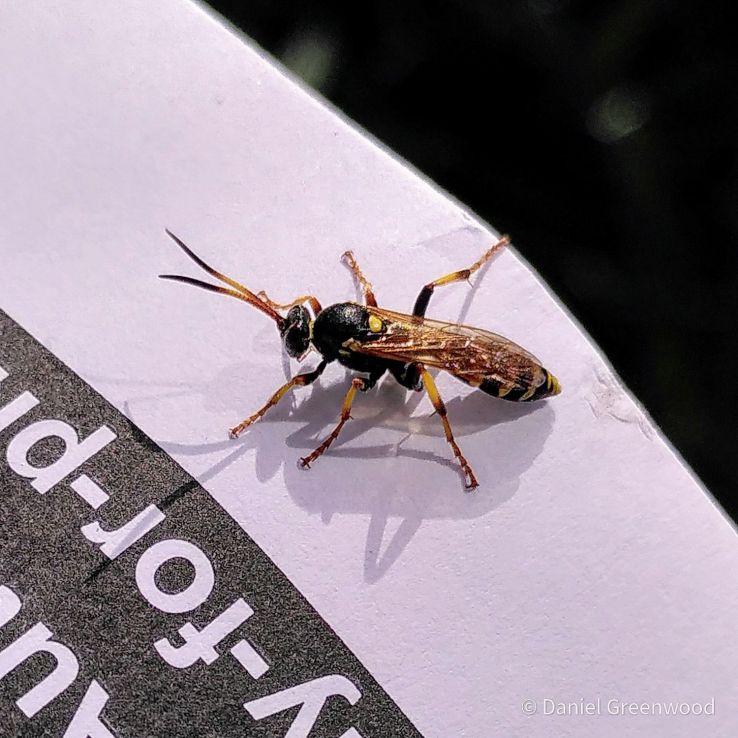
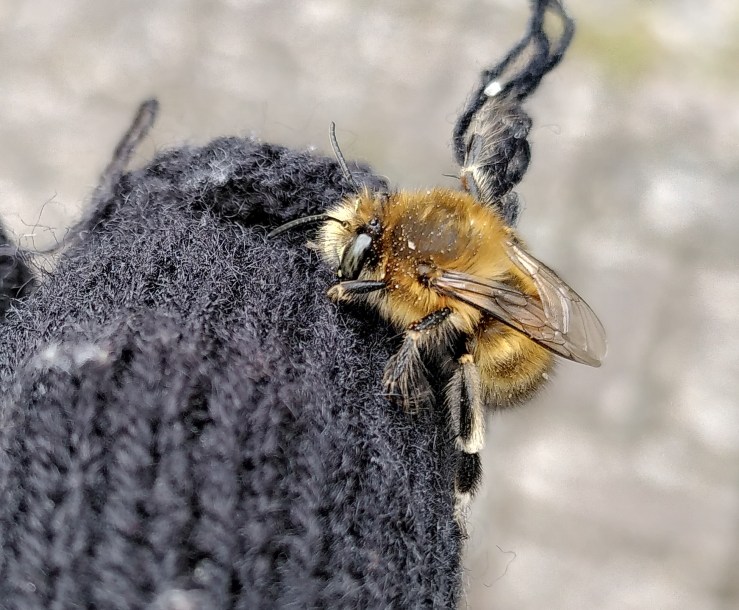
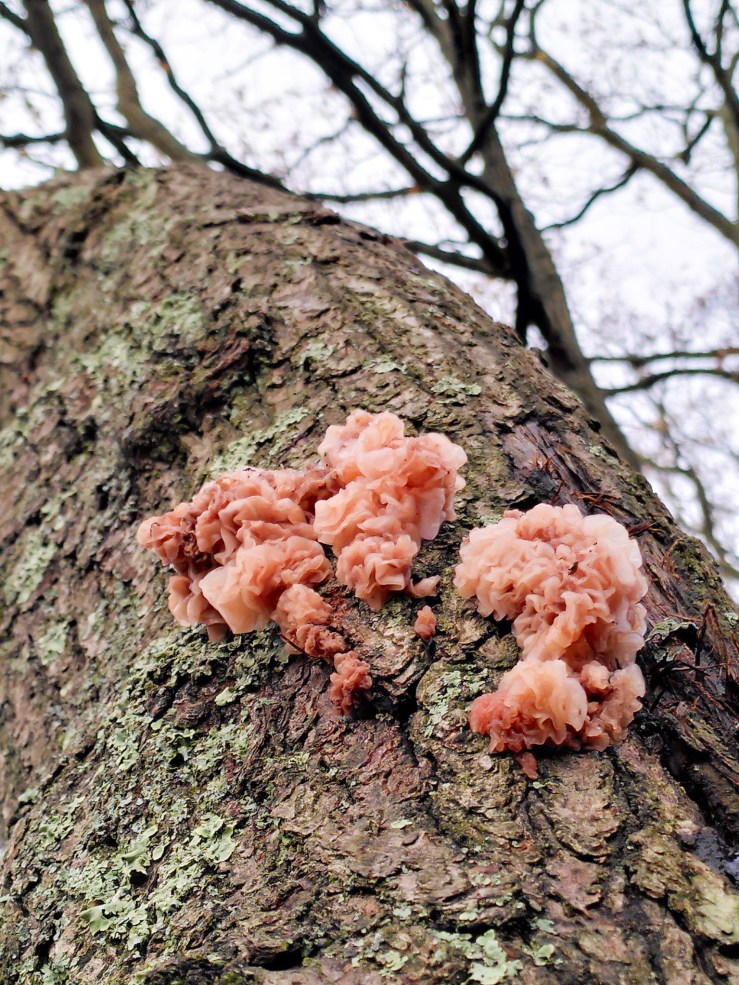
Fairphone 3+
These aren’t especially good photos it’s just that phones provide the camera you’re most likely to have on you. Most of these pics end up being digital zooms. All in all, the Fairphone 3+ doesn’t have a particularly good camera and the software over-sharpens the images making them look grainy (and their subjects 30 years older!).
Some things I’ve learned:
- Buy second hand (this website is really good) as new kit is worse for the environment and generally you can get new stuff second hand for much less money sometimes (why do camera companies make so many new cameras?!)
- Find the right weight of equipment
- Take raw files and edit them in software for the absolute ‘best’ results – it will also help you take better photos
- Follow your interests and the equipment will go with that
- Enjoy the DIY element of macro – it can be done affordably
- Learn from other people (I like Thomas Shahan‘s work and vibe) but don’t compare yourself, and do what you love
Happy super-magnification snapping!
 Unlocking Landscapes