
Zwölferhorn (1522m), Salzkammergut, Austria, June 2025
In mid-June my wife and I visited the Austrian Alps for the second year in a row. We took the cable car from the village of St. Gilgen (featured in the opening scenes of The Sound of Music) to the 1500m heights of Zwölferhorn, so named because according to shepherds down the years the sun sits atop the peak at 12noon (zwölf) everyday.
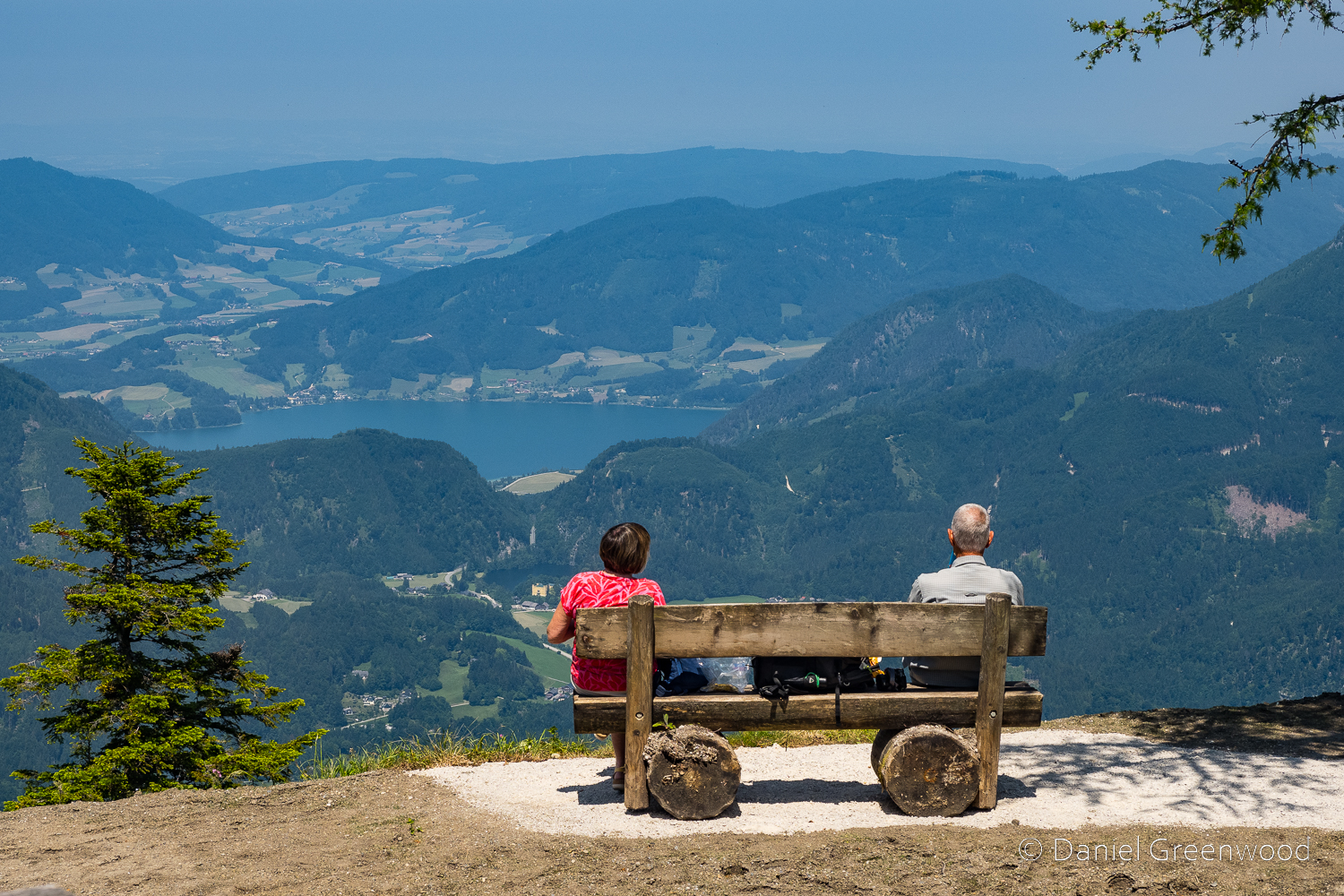
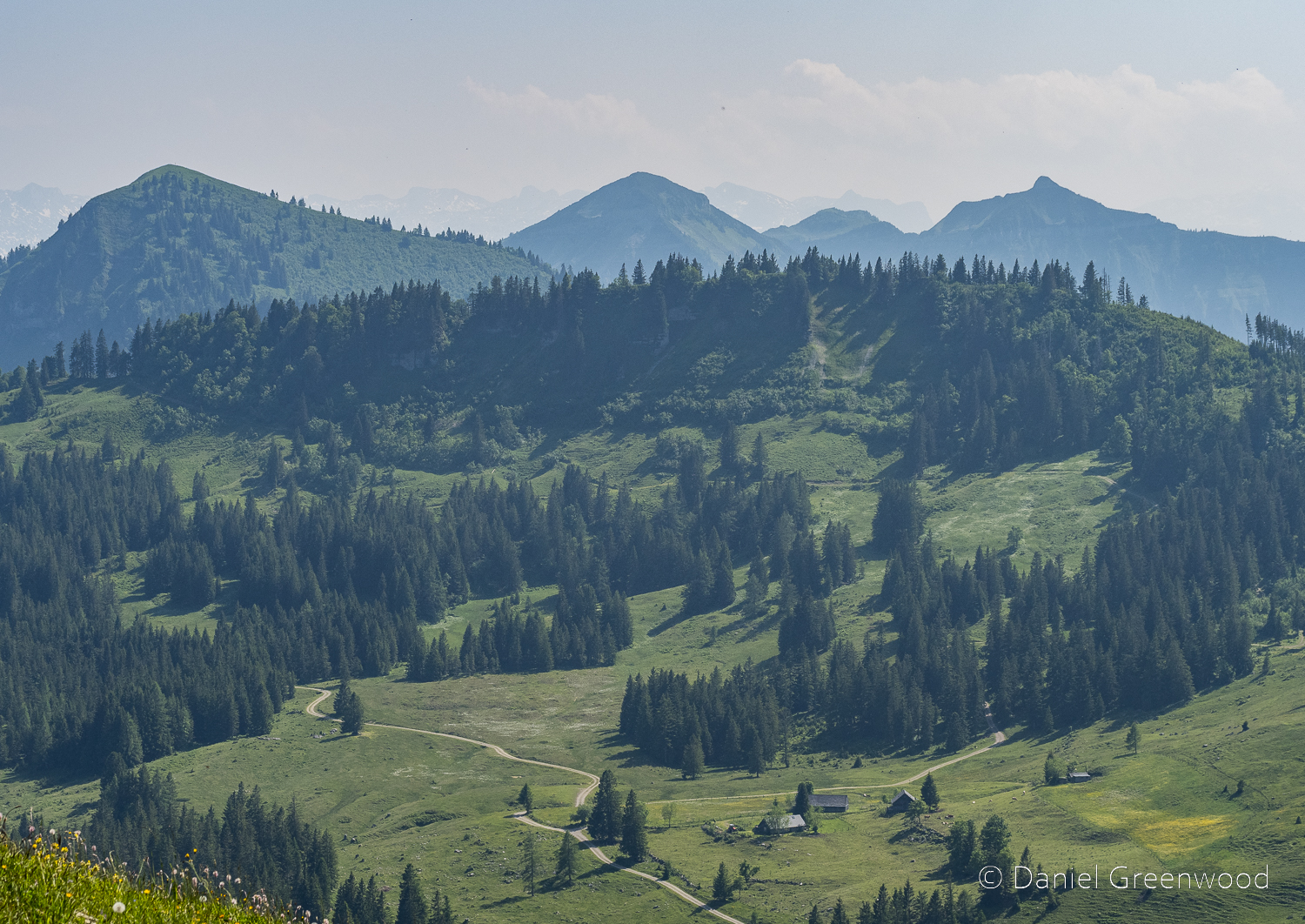
The views from the top are magnificent, as you would expect from the Austrian Alps, though a bit hazy on this hot day in the Salzkammergut.

Part of the allure of this place in spring-early summer is the wildflowers high in the mountains.
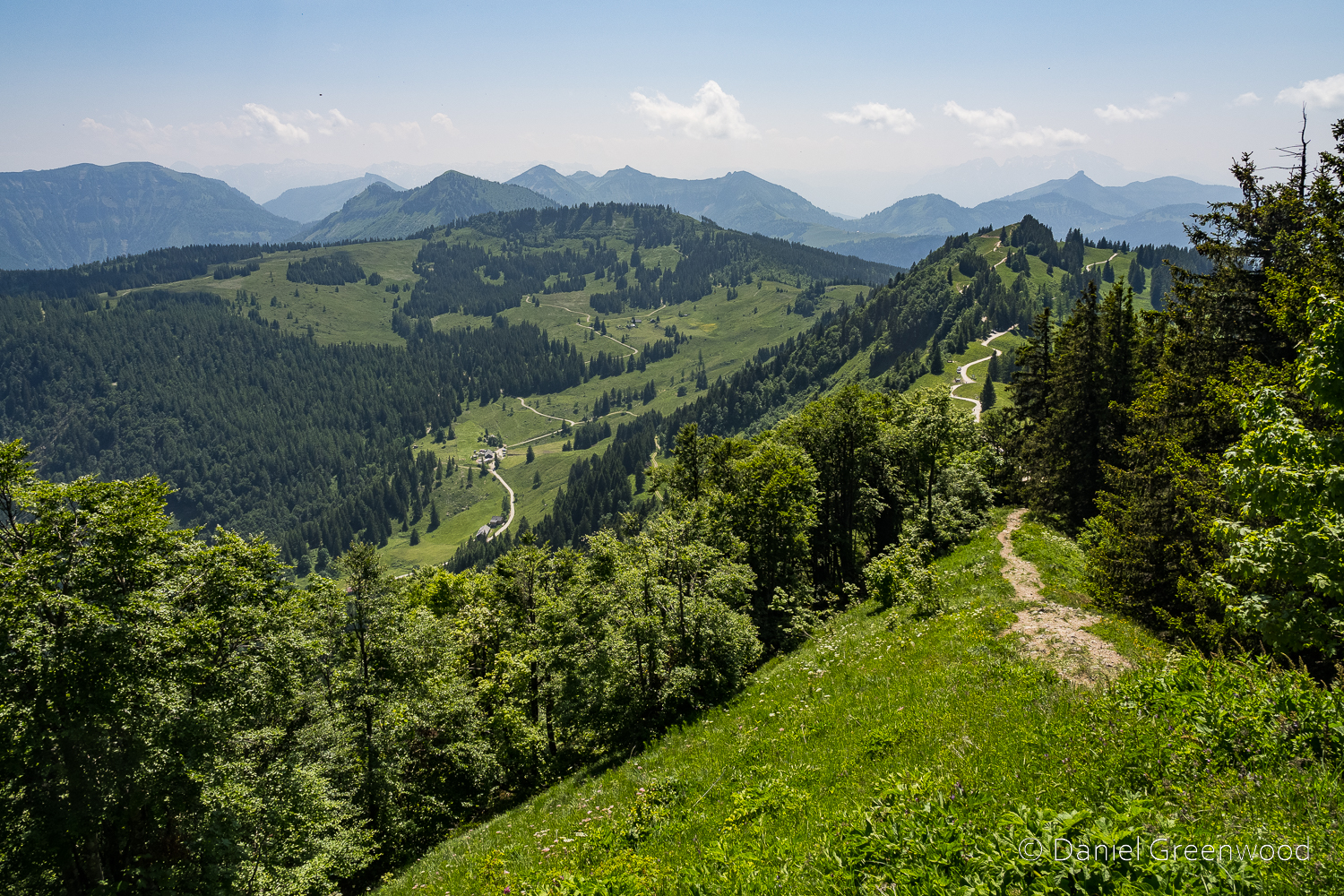
To the south and west the mountains seem to run forever. South-east of here is the famous Hallstatt and the Dachstein Massif, which I will include some long-range images of in an Austrian Alps post to follow.
These mountains have been managed in the same way for many hundreds of years – though there were probably fewer trees in the past – which has led to a rich diversity of flowers and their dependent invertebrates. We saw an abundance of both when visiting this time.
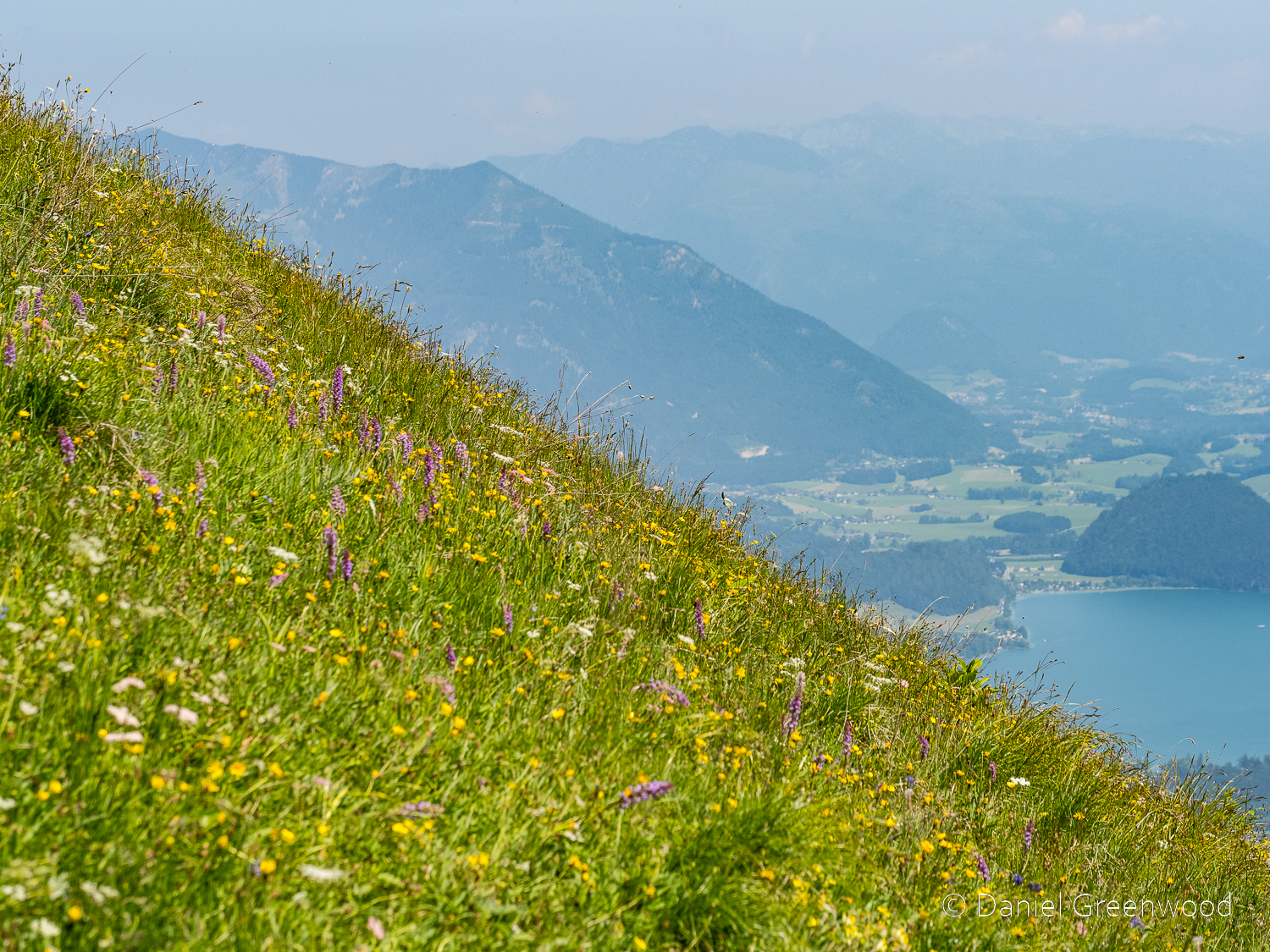
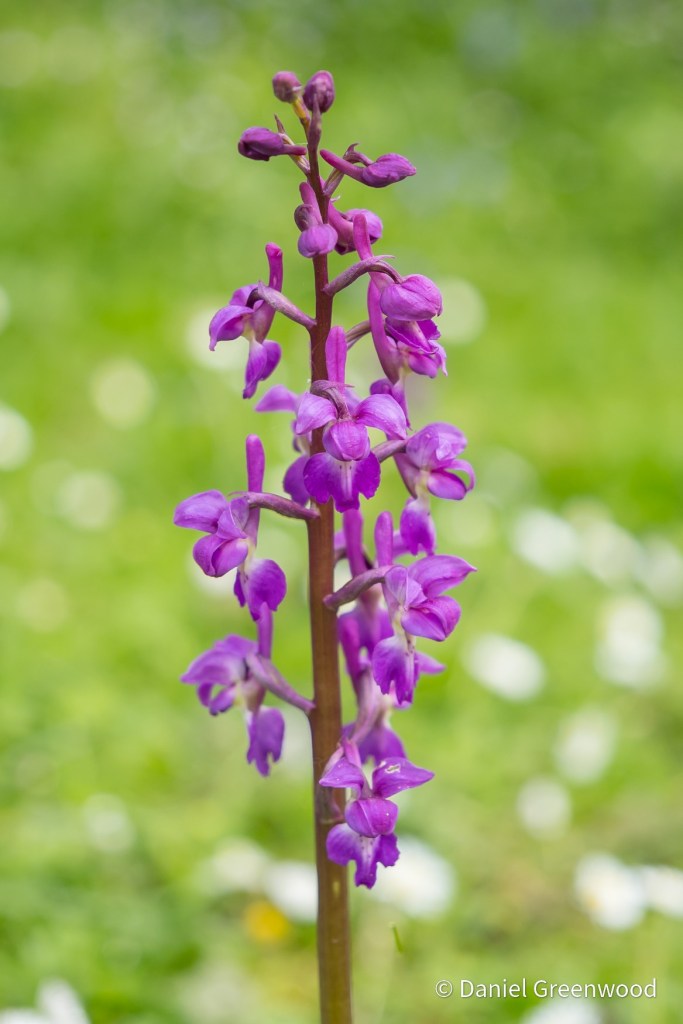
The sloping meadows were ‘littered’ with early purple orchids (Orchis mascula). We kept to the paths at all times for both safety as they were steep, and so as not to damage the grasslands. Having a camera in these places doesn’t give me a divine right to trample stuff!


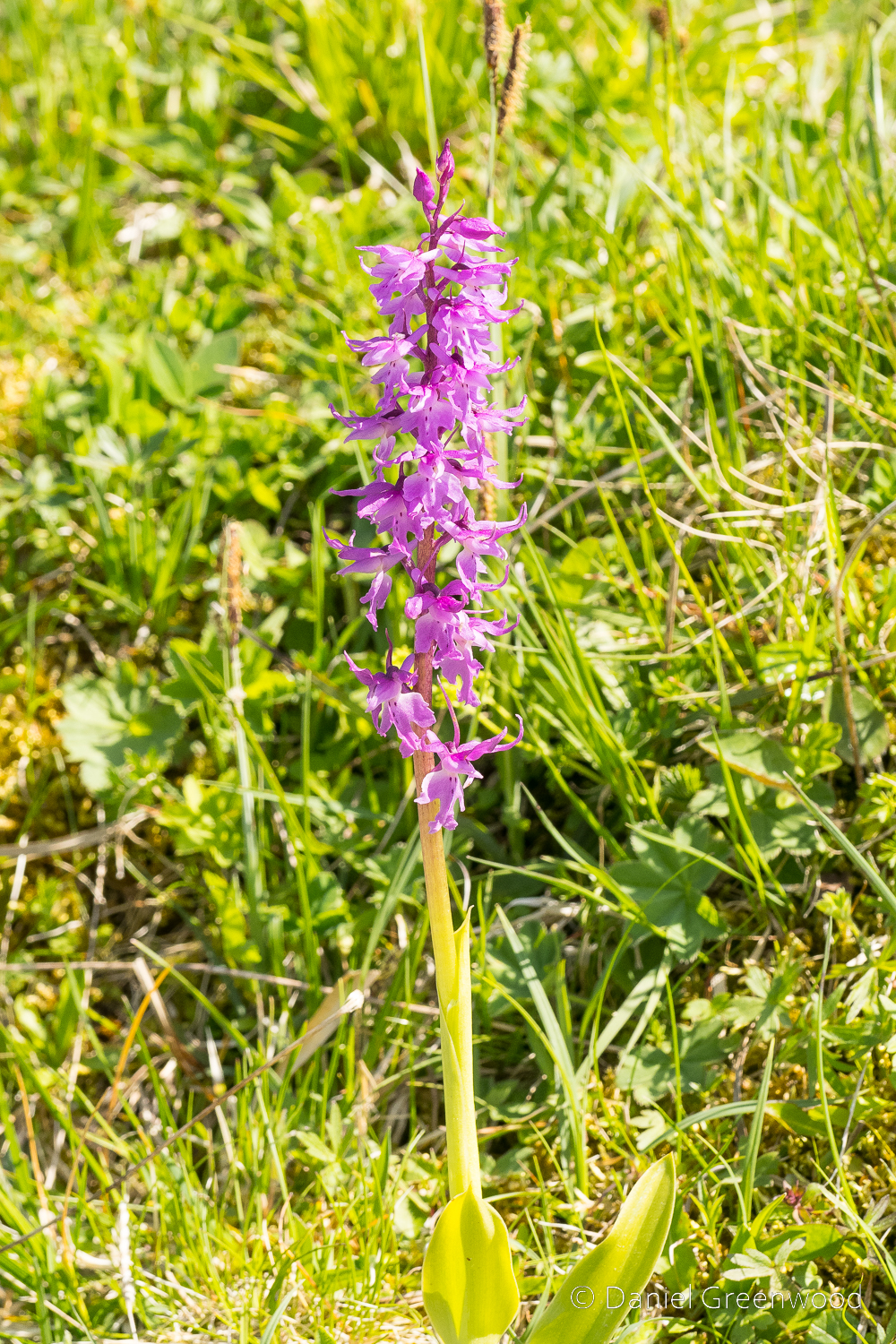
Some of the orchids up close. Early-purple was the only species we saw.

This is hoary plantain (Plantago media) which gave a nice focal point to the alpine meadows.

I was intrigued by this daisy (Asters) as there were signs for arnica in the area. On iNaturalist it’s been identified as willow-leaved yellow oxeye.
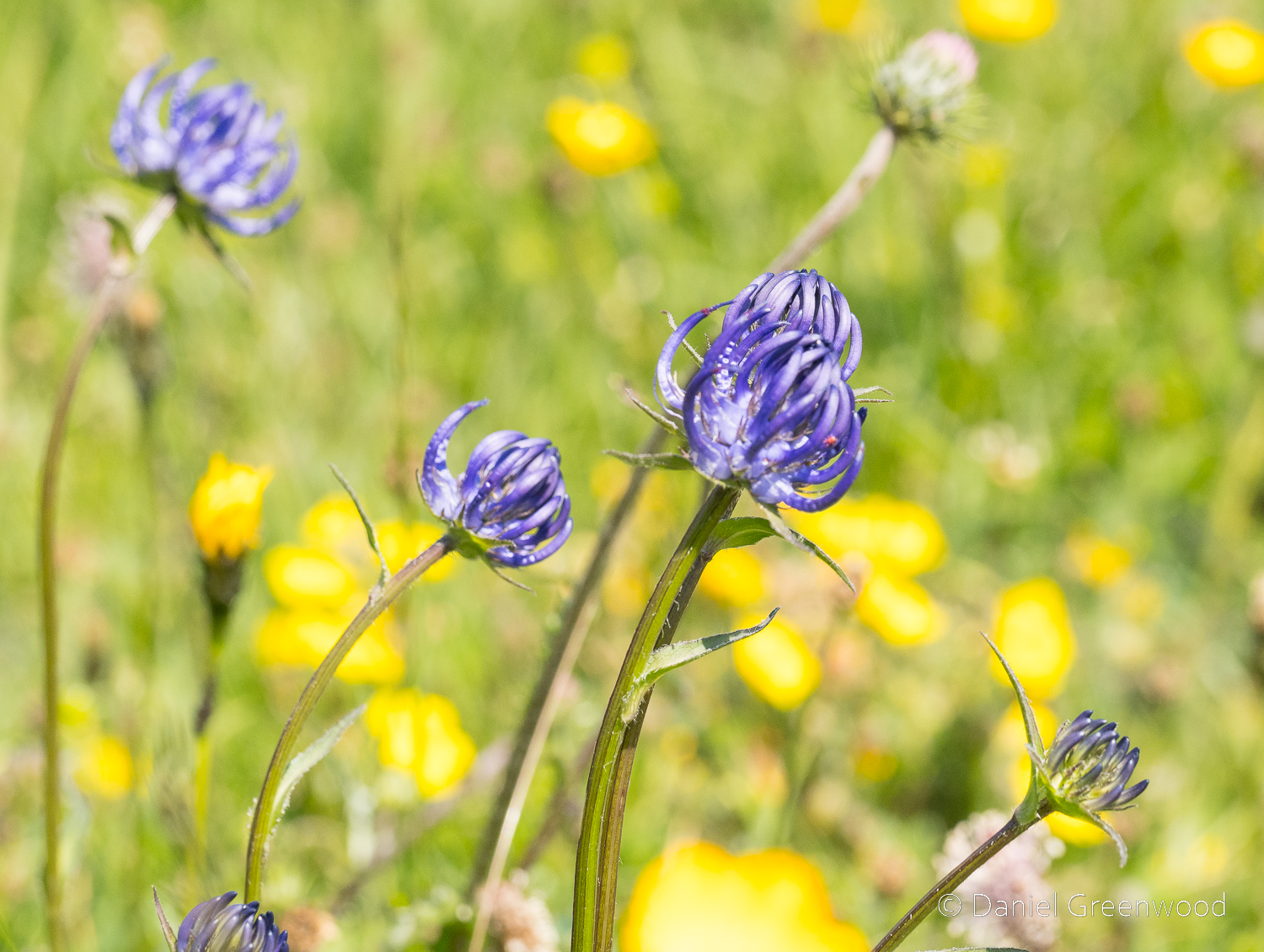
This came out a bit out of focus in the wind – it’s the ‘Sussex flower’ of the chalk Downs, round-headed rampion.

This is a new species for me, the slender Scotch burnet moth! Apparently they are native to Britain and much of Europe, and managing to nectar at the same time as mating, impressive.
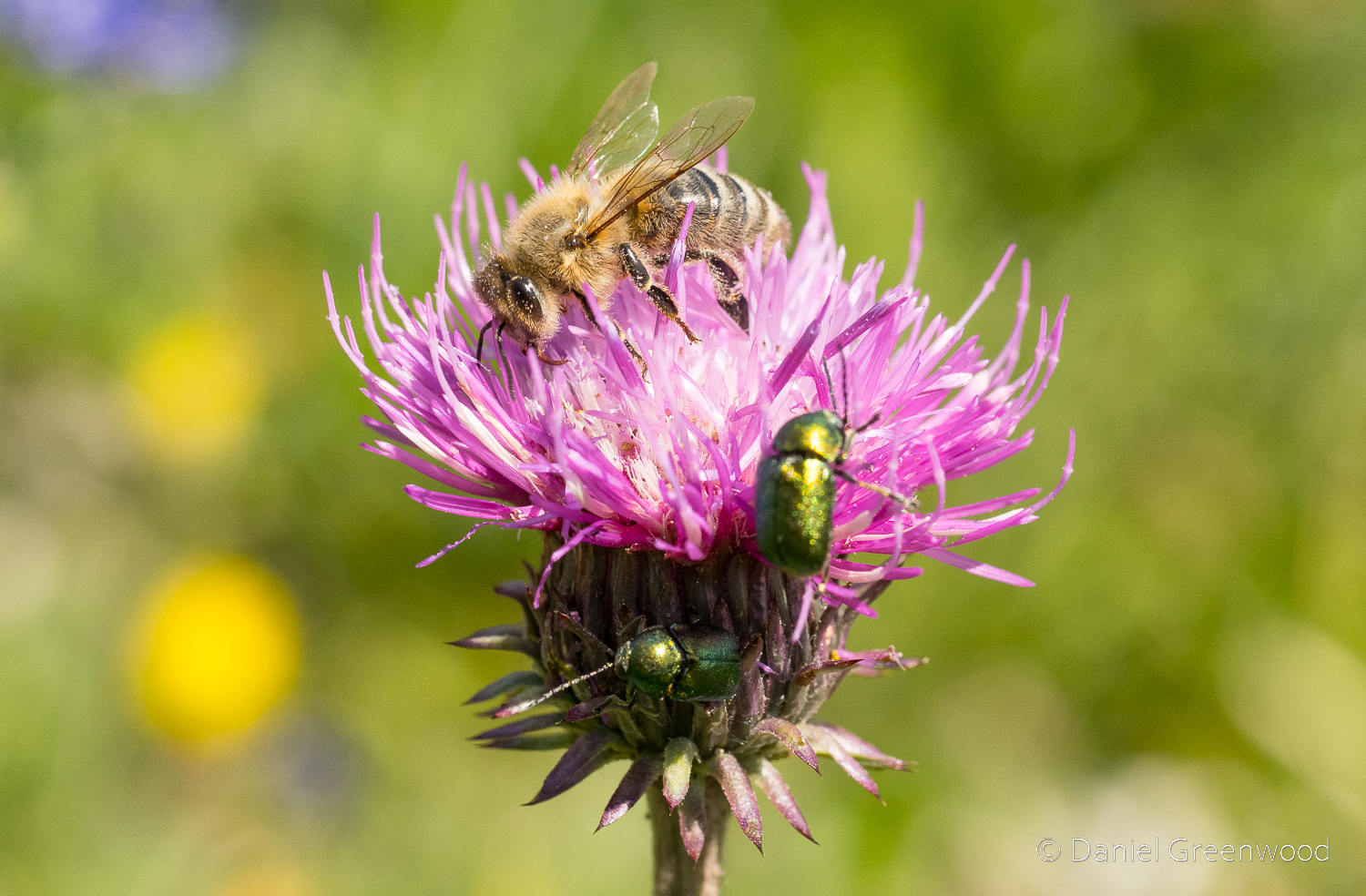
This photo made me laugh (I’ll explain). I was trying to get the honey bee and the green metallic beetle on the top in focus at the same time, so much so that I didn’t even see the second beetle lower down on the flower, which is actually in focus. This is knapweed, but I’m not sure if it’s a montane species or a variant to the common one.

While this is not a well-focused pic, it does enough to show you what is probably a duke of burgundy butterfly. In the UK it’s recovering but very rare.

The number of butterflies, day-flying moths, bees and hoverflies up here was a sight to behold. It was impossible to photograph anywhere near a reasonable percentage of all the things with wings. There were tens of fast-flying hummingbird hawkmoths on the wing, but getting photos of them would have resulted in falling down off the mountain. Also, we heard a cuckoo up here, which is quite late in the season for them.

The most common butterfly was the small tortoiseshell, another one I know from home. Insert obligatory remark about how it’s not so common anymore! Isn’t it gorgeous?
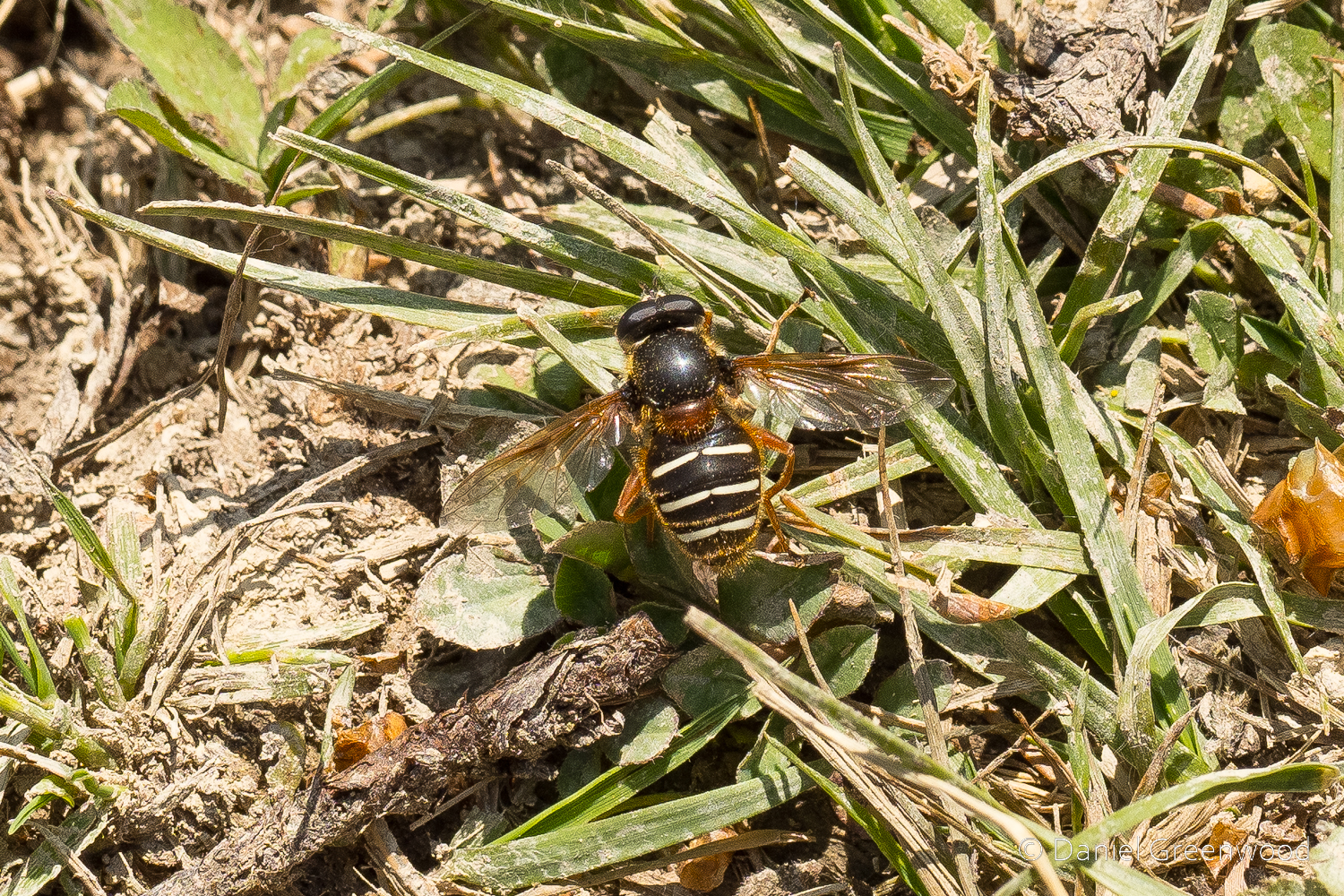
And to finish, there’s nothing more enjoyable in life than the sight of an unusual hoverfly. This was a new species for me, named on iNaturalist as the white-barred peat hoverfly. That would have been my second guess after Robocop hoverfly.
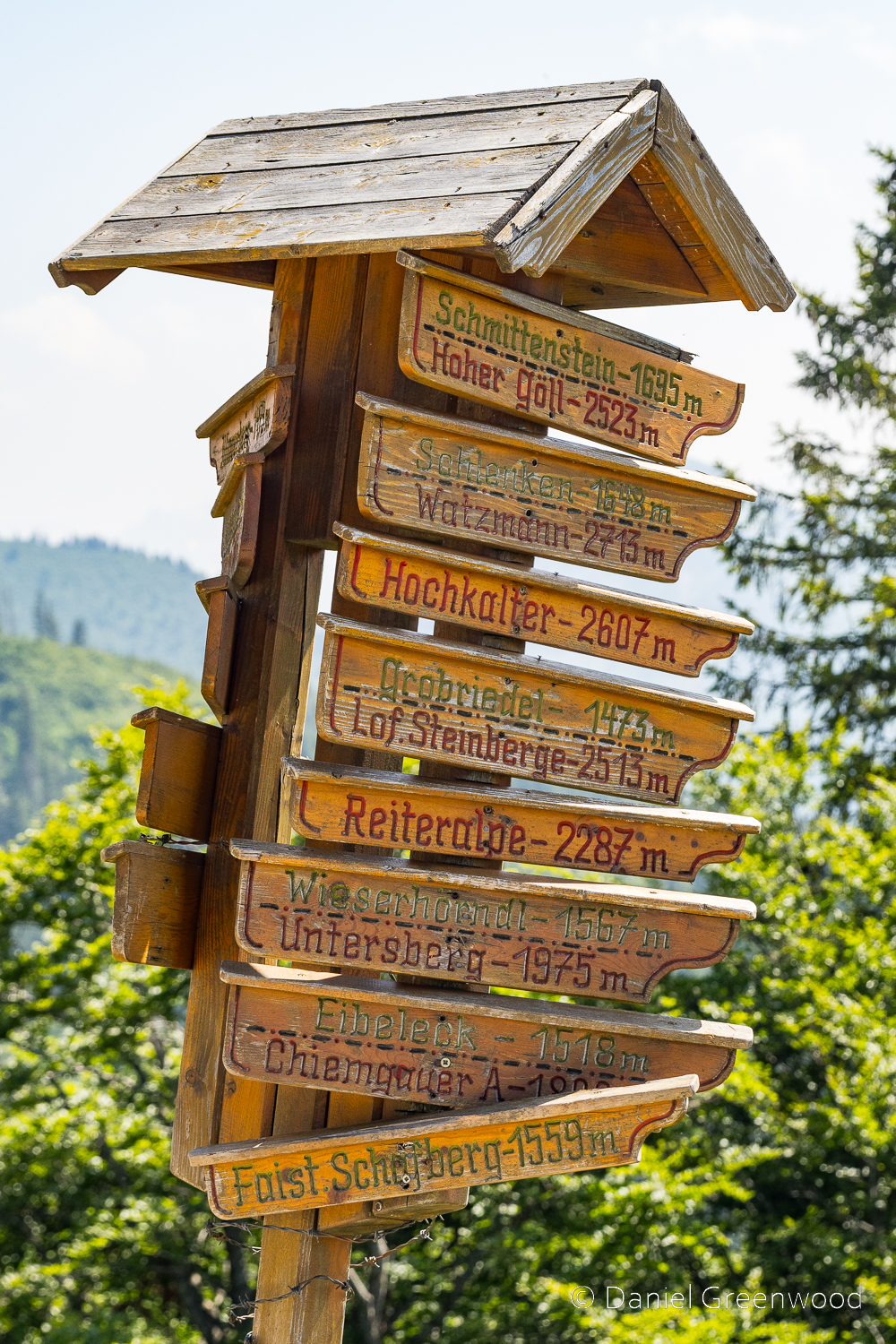
Here are some landscape images to see out this post of a wonderful walk and afternoon in the Austrian Alps. All taken with a macro lens!


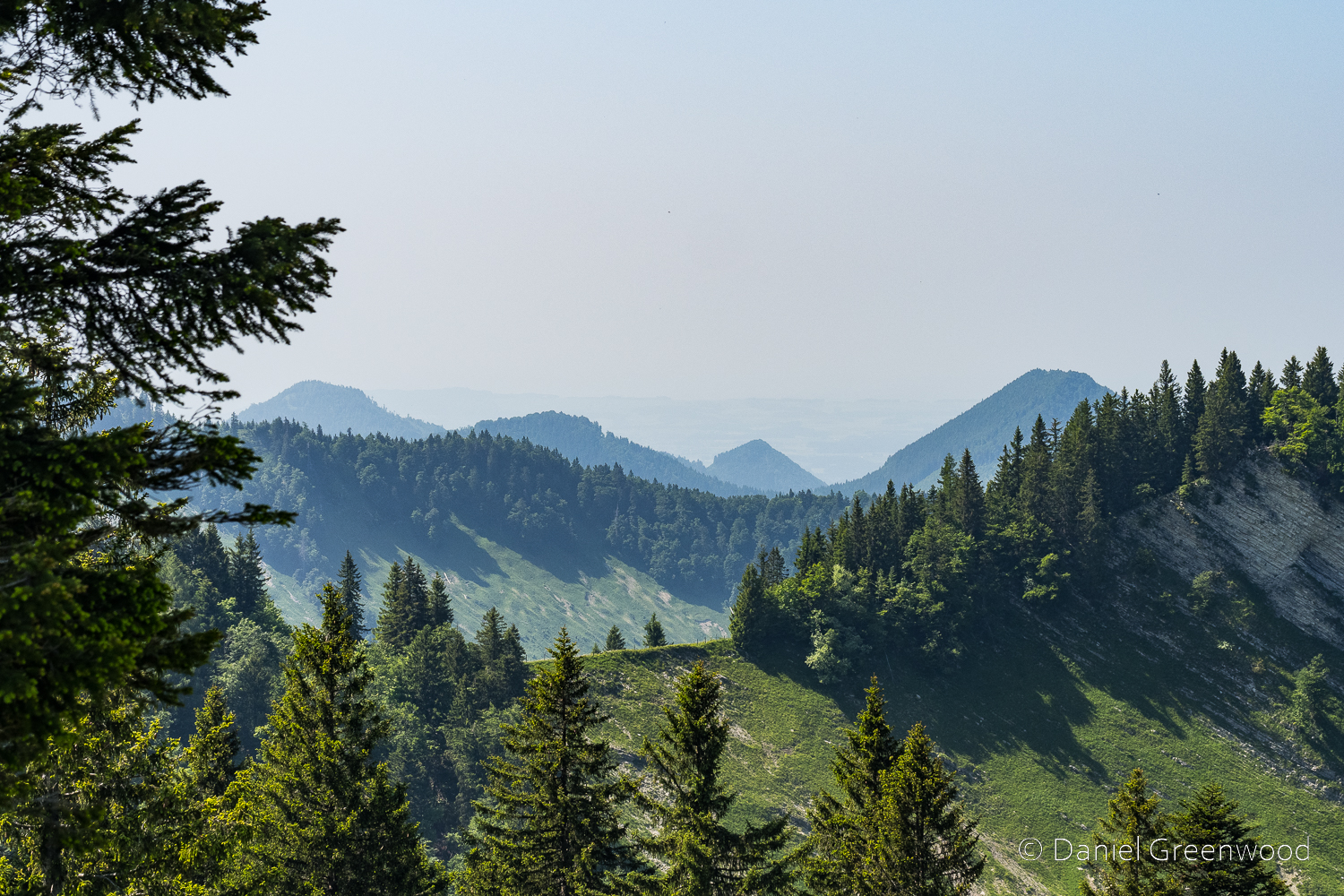




Thanks for reading, Grüß Gott!














 Unlocking Landscapes