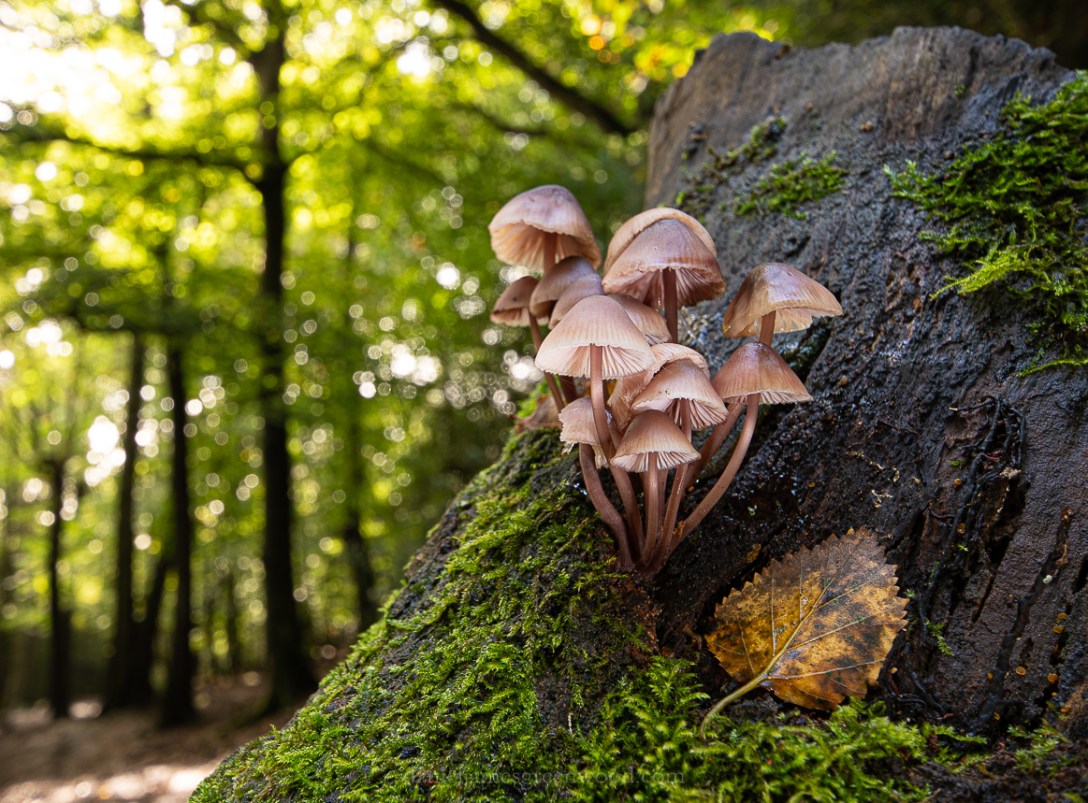
See more mushrooms on my dedicated fungi photography blog: FungiFriday.co.uk
This is the first of a series of posts I’ve been working on covering national relationships with mushrooms. It’s just a bit of fun (no flag waving here, folks), but there’s definitely some interesting stuff to share.
I’m posting at a time in England when nationalist sentiment is being stirred up by politicians and far-right agitators, some of whom cover both those categories. For me, nationality can never be more than a small part of my identity. Perhaps that’s because England, my home nation, has such a broad history of internationalism, empire and colonialism, and nationalism is the precursor to fascism on the political spectrum. In fact, in England you will find far more resonance with regional identities (Cornwall, Devon, Liverpool, Bristol, Birmingham, etc.) than you ever will Englishness.
England is one of the most diverse countries in the world (typified by London’s long history of migrant communities) which actually makes it a great place to discuss fungi with people, as well as to live and grow up in. Different countries and the cultures within them have such diverse approaches to mushrooms in the culinary and cultural senses, I find it all so fascinating.
Fungi in England are a magnet for people from a lot of different backgrounds, and a positive place to build communities of like-minded people regardless of their birthplace or ethnicity.
I’d welcome more views, anecdotes and ideas about mushrooms in England in the comments ☺️

English names for fungi
Fungi, mushrooms, toadstools (this one is easy)
Are people mycophiles (lovers) or mycophobes (haters) in England?
Mycophobes, but it’s changing. People are generally curious about fungi, keen to learn about edibles, ecology and understand which ones are poisonous! There is deep suspicion about mushrooms in the wild and many people think that even touching them can result in illness. The recent mushroom murder story in Australia was in the headlines in the UK and had widespread interest.
English fungi folklore
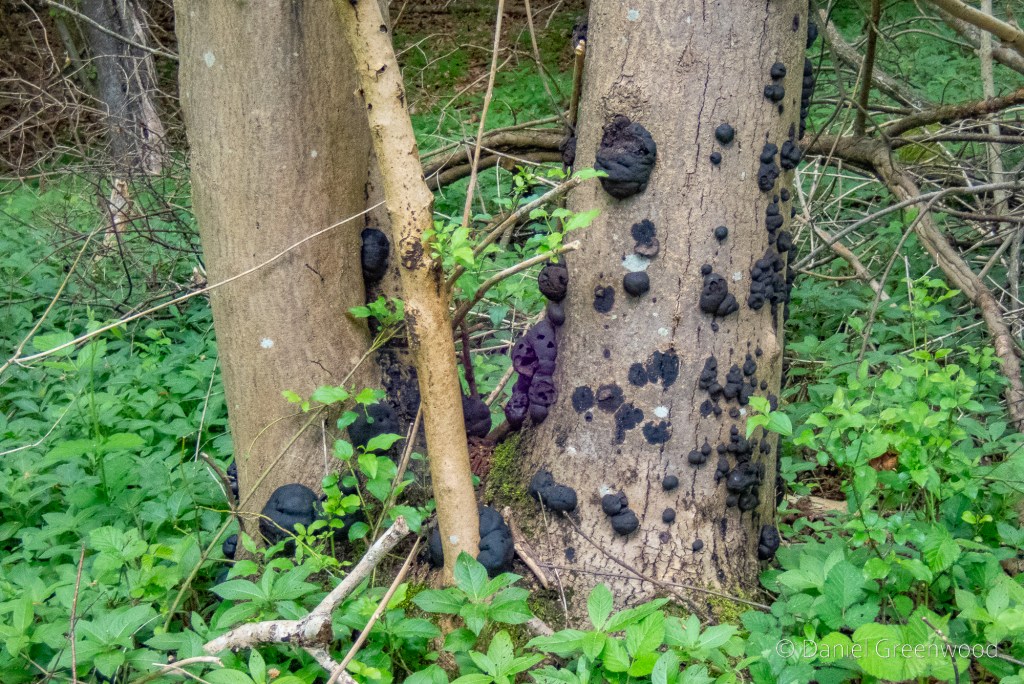
King Alfred’s Cakes are a fungus that grow on decaying ash trees. They look like burnt loaves of bread, which links to the story of King Alfred’s time spent hiding from the Vikings among the peasantry.
The name ‘toadstool’ is Anglo-Saxon (Germanic) in origin and may come from the fact that fly agaric appears warty like a toad. ‘Tod’ means death in German. Toads are toxic (if you were every silly enough to try and eat one), stool of course means a seat. Toadstools were and still are used to refer to toxic mushrooms like fly agaric, which is poisonous.
Fairy rings are said to have a place in British folklore, caused by the fairy ring champignon in parks and grasslands, rather than supernatural beings (right?).

One emerging myth of the reactionary media is the ‘gang of foragers’ seeking to pick every single mushroom in Epping Forest and then selling the good ones to fancy restaurants. I’ve never seen it in the decade or so I’ve been scouring the woods (Epping Forest on occasion, for photos not forage) and I wonder if it’s overblown. There have been some people charged for foraging in Epping Forest as it’s City of London land and their byelaws are stringent.
In modern terms, beefsteak is known to have been confused for body parts in urban woodlands, leading people to (apparently) report their finds to the police. They are rather convincing.

Culinary importance
Mushrooms as food are becoming more popular with vegan and vegetarian diets, environmentalism, and information around health benefits of mushrooms. People are also growing their own through the grow at home kits.
In England we’ve become far more urbanised than some European countries, as well as other UK countries, so there is not a strong landscape connection running through the generations anymore.
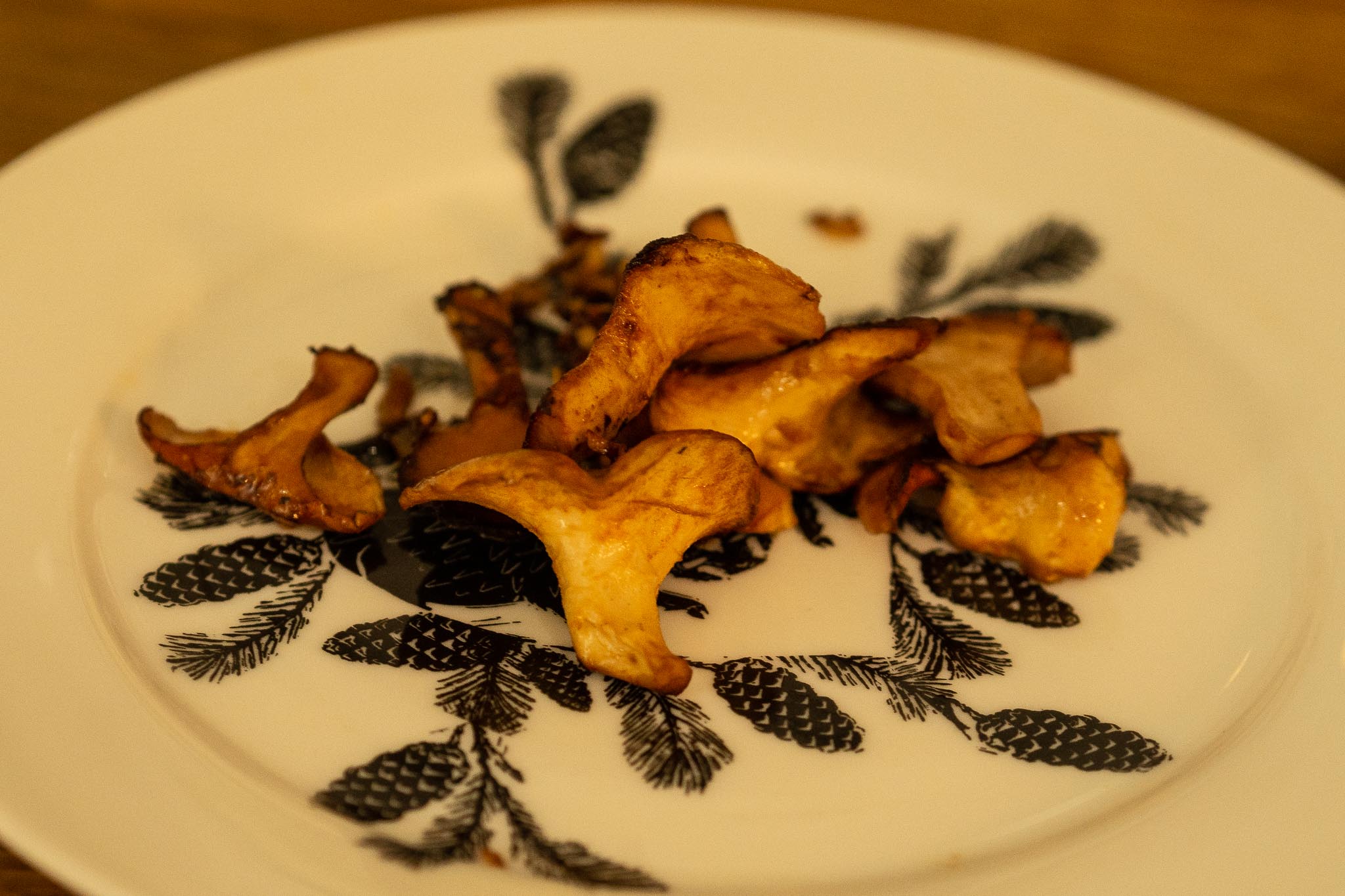
People buy button mushrooms in the supermarket and a very small percentage of the population forage for them. This has visibly increased due to migration from mycophilic countries such as Poland, and some East Asian countries. This can cause conflict when some English people in particular react angrily to people ‘stealing’ mushrooms. I think Napoleon called the English ‘a nation of shopkeepers’. Was he right?
Most mushroom dishes have been imported in terms of pizza, French stews, and Japanese stir fries (shiitake). Mushroom soup is a grey, blended gloop that I am personally averse to. I like my mushrooms sliced in soup only!
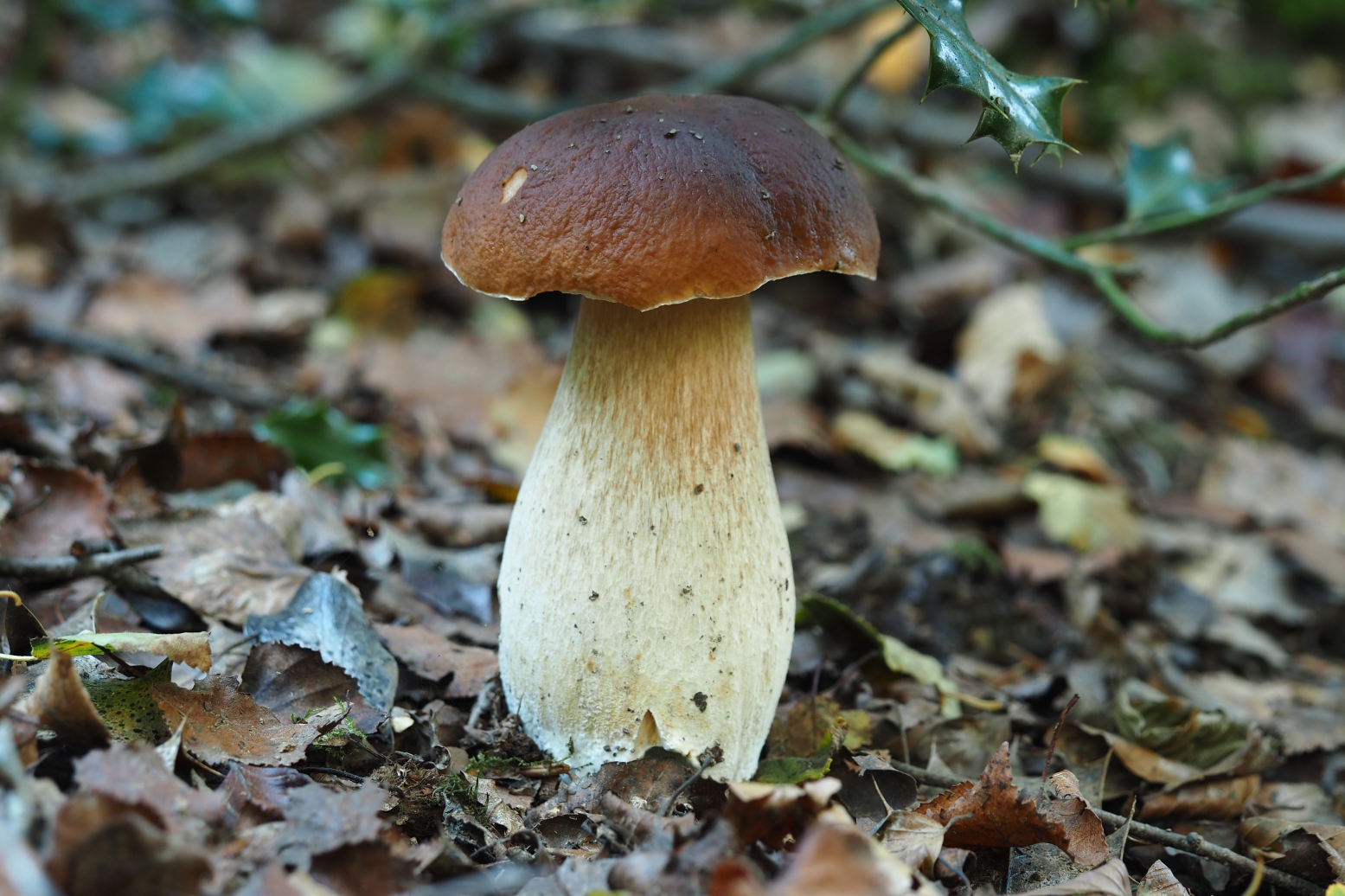
There is a growing demand for ceps/porcini, chanterelles, oysters and lion’s mane because of fashion, interest in wild food and the monetary value of some of these species.
Mushrooms are seen as a good meat replacement because they are protein, but I don’t know how effectively they replace meat-based proteins. Quorn contains mycoprotein, a popular foodstuff for veggies.

Cultural uses
The only fungus with a claim to being the national mushroom of England is St. George’s mushroom, which fruits around St. George’s Day every April. It’s also edible. Interestingly St. George never visited England but was a Roman soldier of allegedly Greek descent. According to Wikipedia “Bosnia and Herzegovina, Bulgaria, Georgia, Ukraine, Malta, Ethiopia, the regions of Catalonia and Aragon, and the cities of Moscow and Beirut have claimed George as their patron saint.”
Wild mushrooms are not really picked for any cultural purpose anymore, but fly agaric was once turned into a paste or mush when combined with milk, attracting flies as an insecticide so they would no longer be a nuisance indoors – hence the name ‘fly’ agaric.
Shaggy inkcap was used for ink, as its name suggests.

Razorstrop fungus was used to sharpen shaving razors. It’s now known as birch polypore. There’s also some archaeological evidence that it was used by hunter gathers in Mesolithic times for fire-making.
Giant puffballs were once used as footballs – and probably rugby balls – but who knows how long that could last.
I suppose the increase in micro-dosing of psilocybe mushrooms (possession is still illegal in England) is a burgeoning cultural and medical experiment.
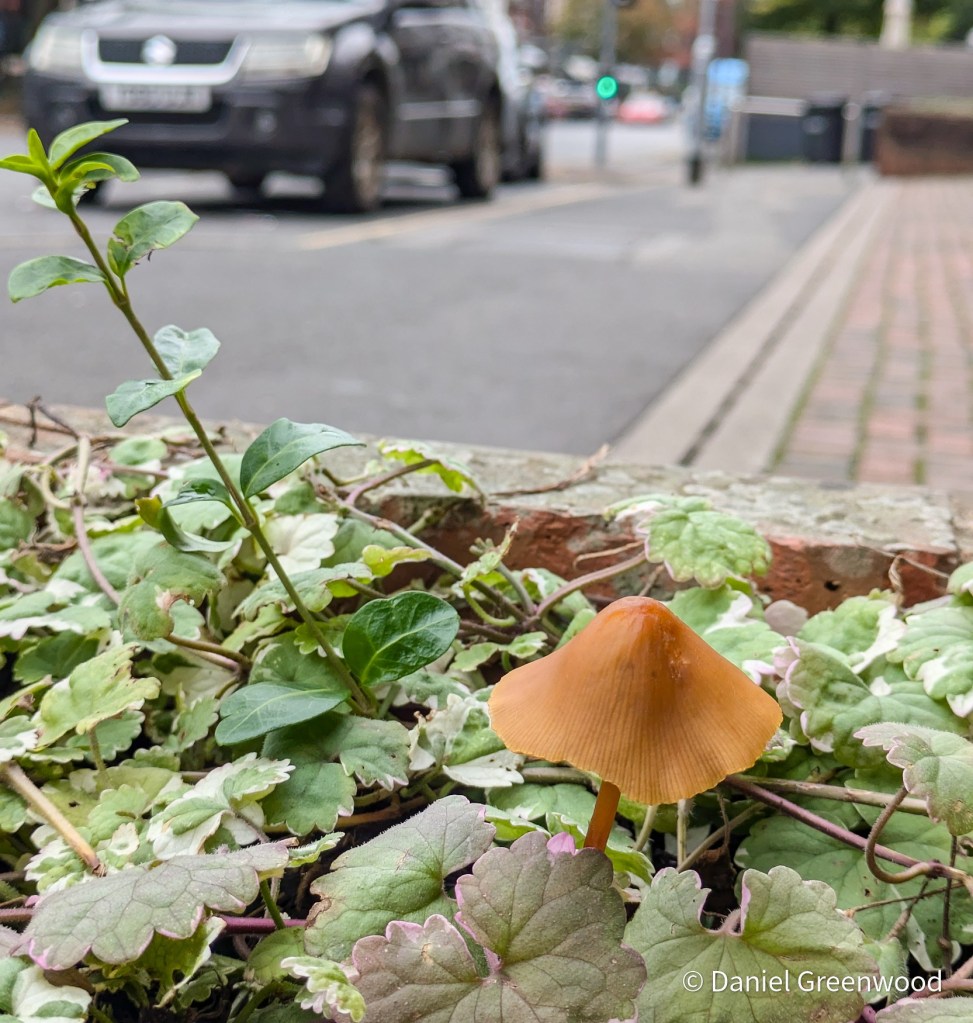
Is there ‘mushroom’ for fungi in England?
England is home to a lot of ancient woodland but it lacks legal protection other than designations of Sites of Special Scientific Interest and nature reserves.
As in much of Europe and North America, intensive farming has caused declines in grassland and woodland fungi through the use of fertilisers and pesticides that, when combined, reduce invertebrate, bacterial and fungal diversity in soils.
English land managers have cleared woodlands of dead and decaying trees since 1945, resulting in further declines in fungi and their dependent species (invertebrates in particular). But things have been changing and awareness is growing about the role of fungi and the styles of land management that help them (‘rewilding’ being one). Also, places like the New Forest National Park act as reservoirs of fungal diversity which may be able to repopulate other areas in time.

In the main England is looking at further losses of ancient woodland and grassland, unless farming issues can be addressed. We haven’t even mentioned the climate crisis which is of course a global issue. It will mean English woods become drier and the species mix changes, so fungi will need to adapt to survive.
On a positive note the increasing understanding and appreciation of fungi is likely to help share environmental policy, if the vested interests of fossil fuel extractors and other destructive industries can be challenged.
Thanks for reading.
See more mushrooms on my dedicated blog: FungiFriday.co.uk
 Unlocking Landscapes