Aphids watch out! 👽

I’m posting garden macro photos from the 17th and 30th May. I have some really interesting photos from the 31st but that is probably more than one post in itself.

There are a couple of intriguing species I encountered in my garden between mid-late May, one of the very best times to look for our tiny invertebrate friends in this part of the world.
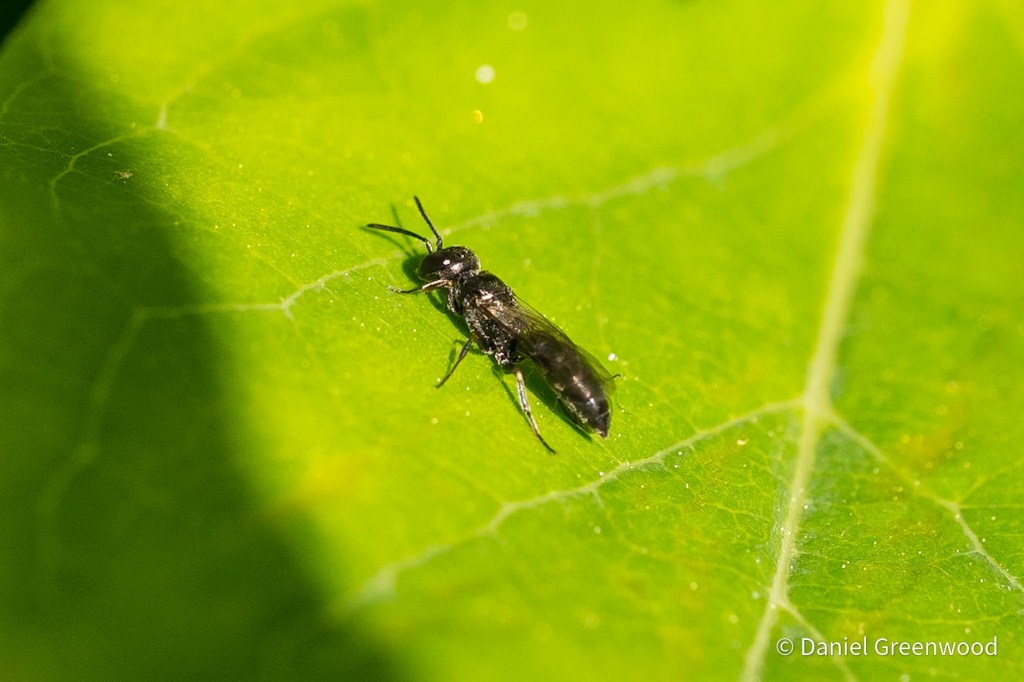
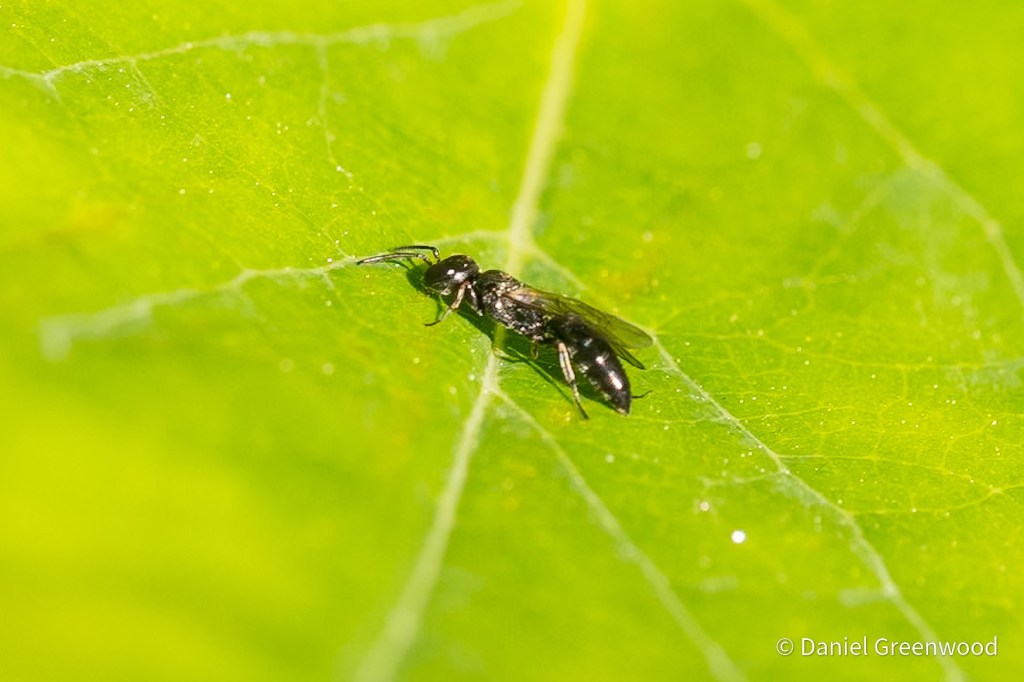
These are by no means great images (I would need extension tubes to increase the magnification) but the species may be an interesting type of wasp. It might be an aphid wasp, which is a group of wasps I haven’t heard of or seen before (there are thousands, even in the nature-depleted UK).

I’ve posted about aphids this year, and have noticed just how good a year they’re having. I listened to this episode of the Food Programme last week on the subject of potatoes, and didn’t realise aphids could trouble potato farmers. Perhaps they need to start gardening for aphid wasps!

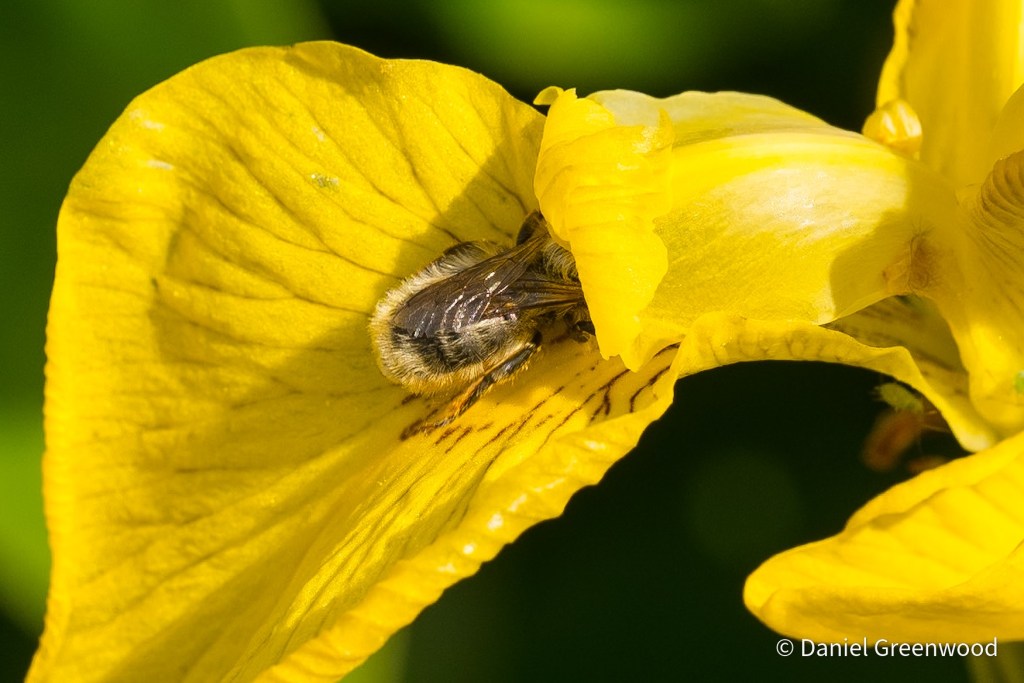
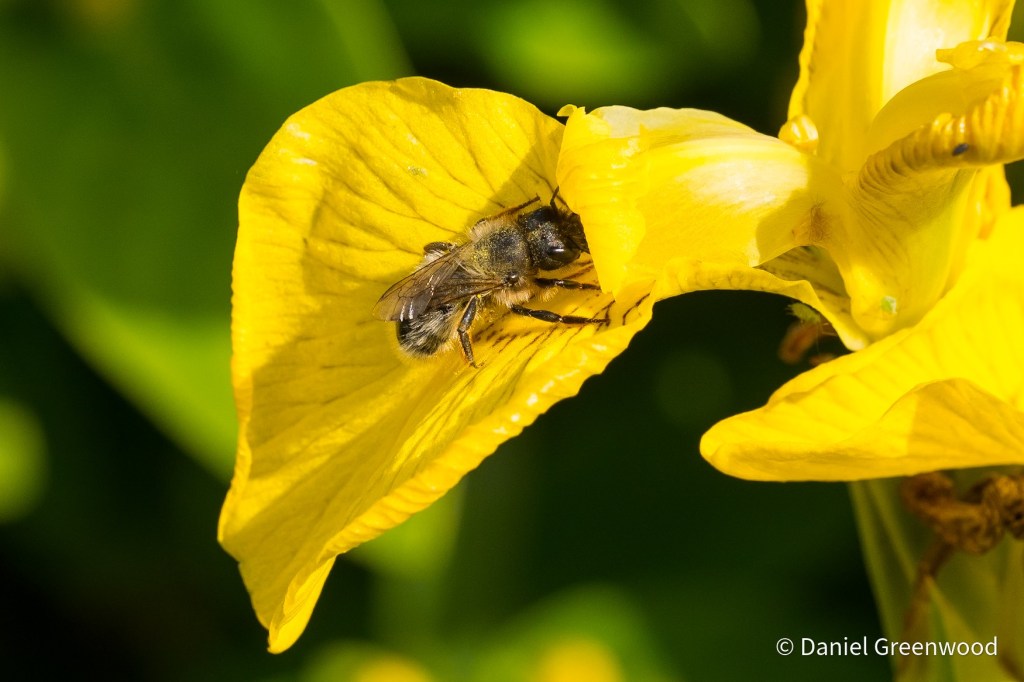
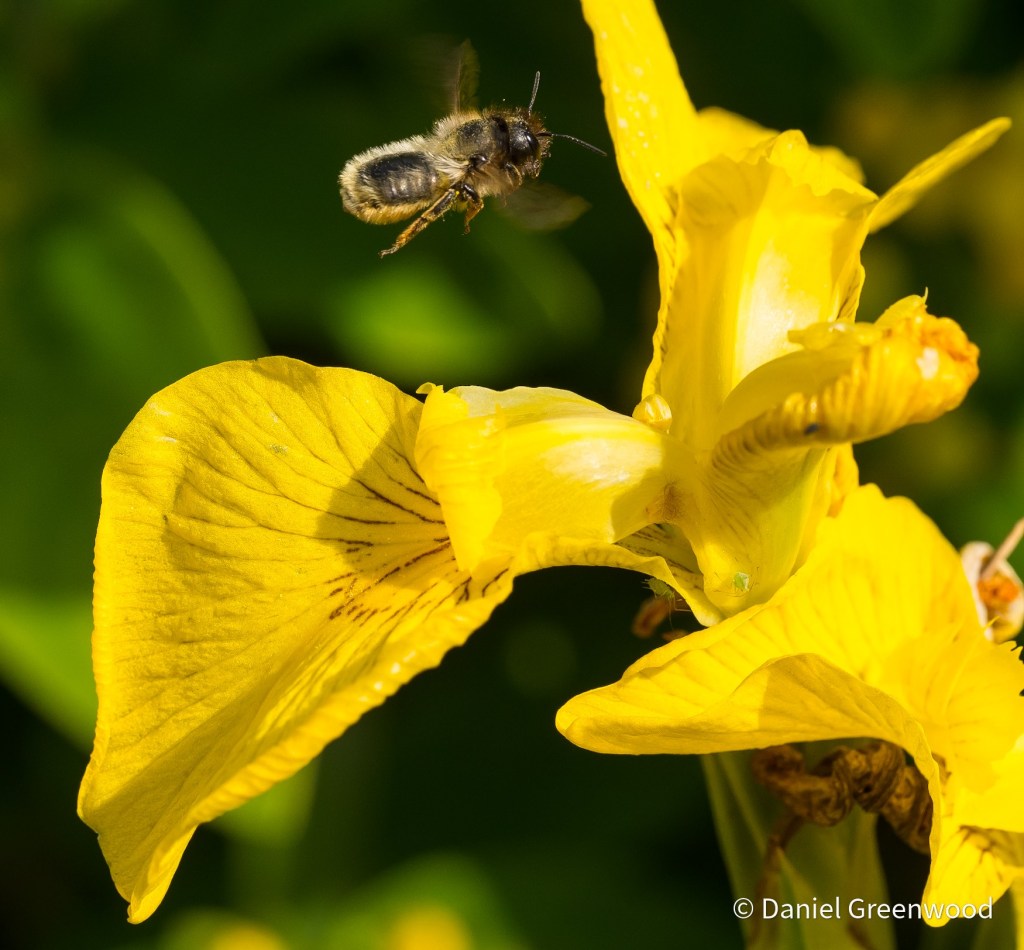
We have a tiny pond which supports frogs and is planted with native aquatic plants. One of those plants is flag iris, which the bigger bees love. I enjoy seeing the bees climb through the yellow petals to nectar on the stamens. This bee is probably in the megachile group, perhaps one of the leafcutter species. Someone on iNaturalist suggests it’s a mason bee, so I’m not sure.

I like how leafcutters are in their own world. They often appear after the red mason bees and hairy-footed flower bees have gone, but they seem like they’ve always been there, so focused are they on their leafcutting tasks.
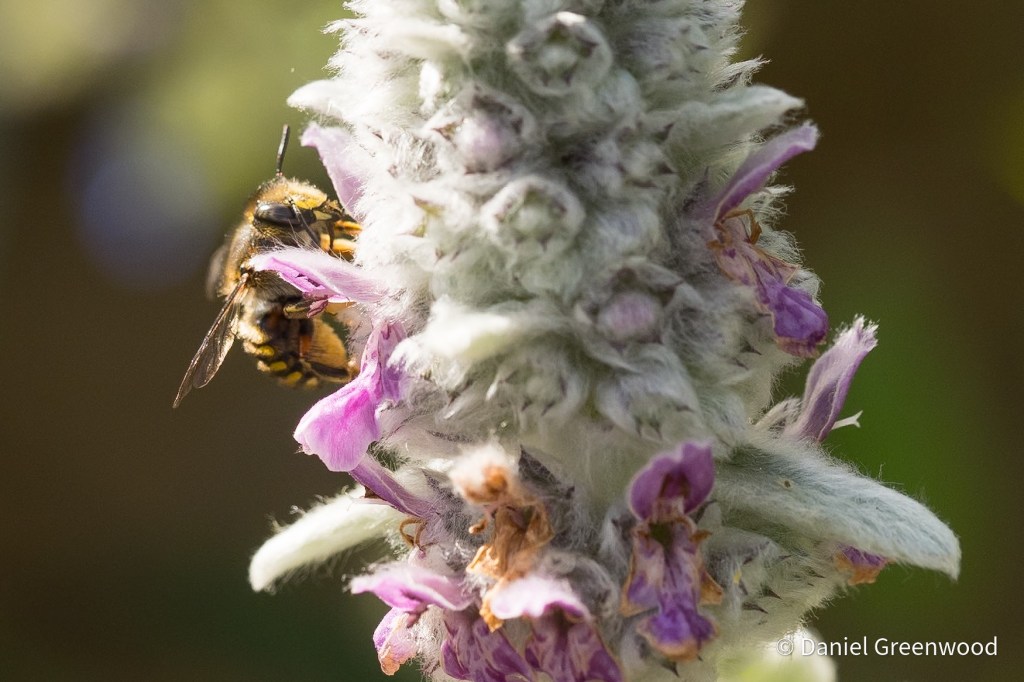
Another welcome sight in the bee world (it’s so much more than honeybees!) are the wool carder bees. I planted this stachys (or lambs ears) for the WCBs in 2020, and they immediately arrived.
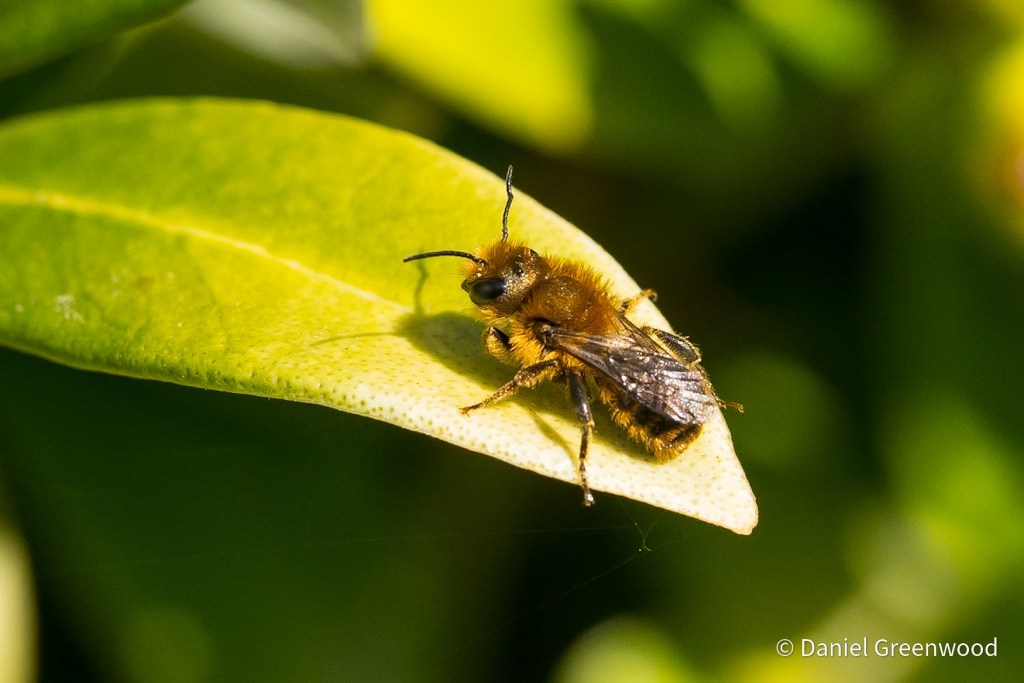
Regular readers of this blog may recognise this species from previous posts, who just couldn’t keep out of this week’s post. I used to look like this. These may be an orange-vented mason bee.
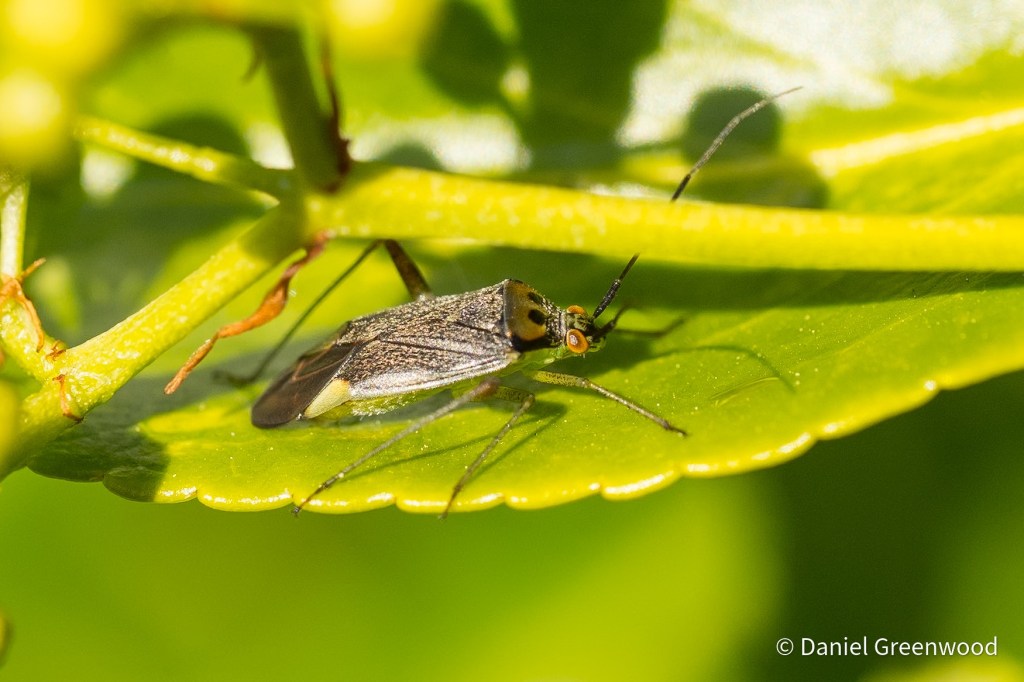
This capsid or mirid bug was chilling in the hedge, as they often do.

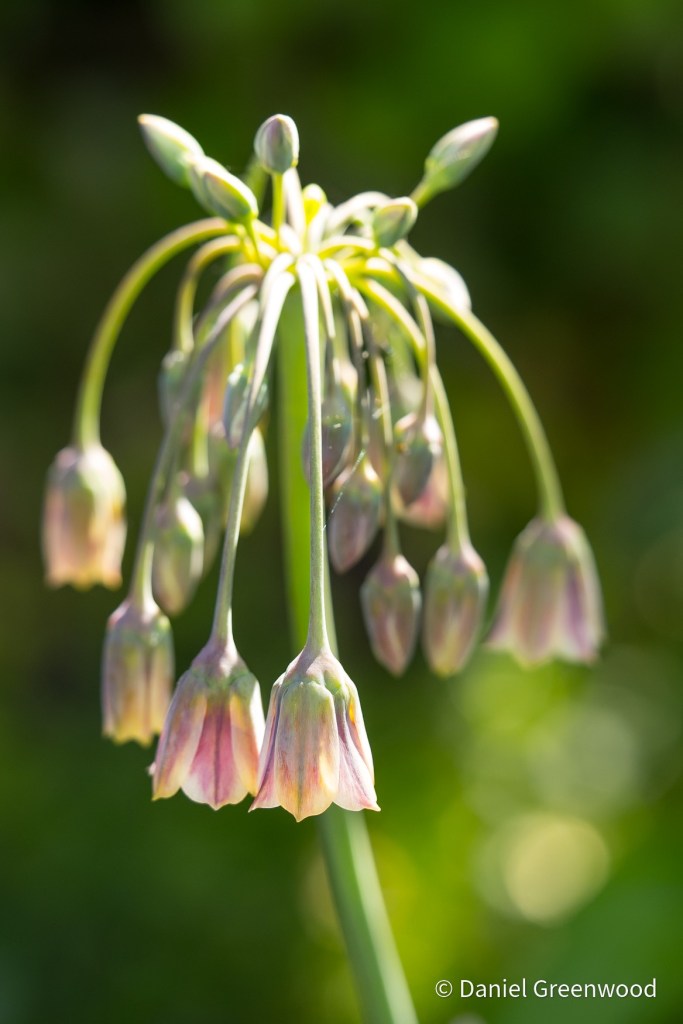
And finally, those trusty honey lilies were looking their best in the evening light, as their flowering period drew to a close.

Next week we’ll see out May with some pretty epic wasp vs. spider scenes and miniscule bees.

Thanks for reading.
Macro

When is a wasp a hornet?

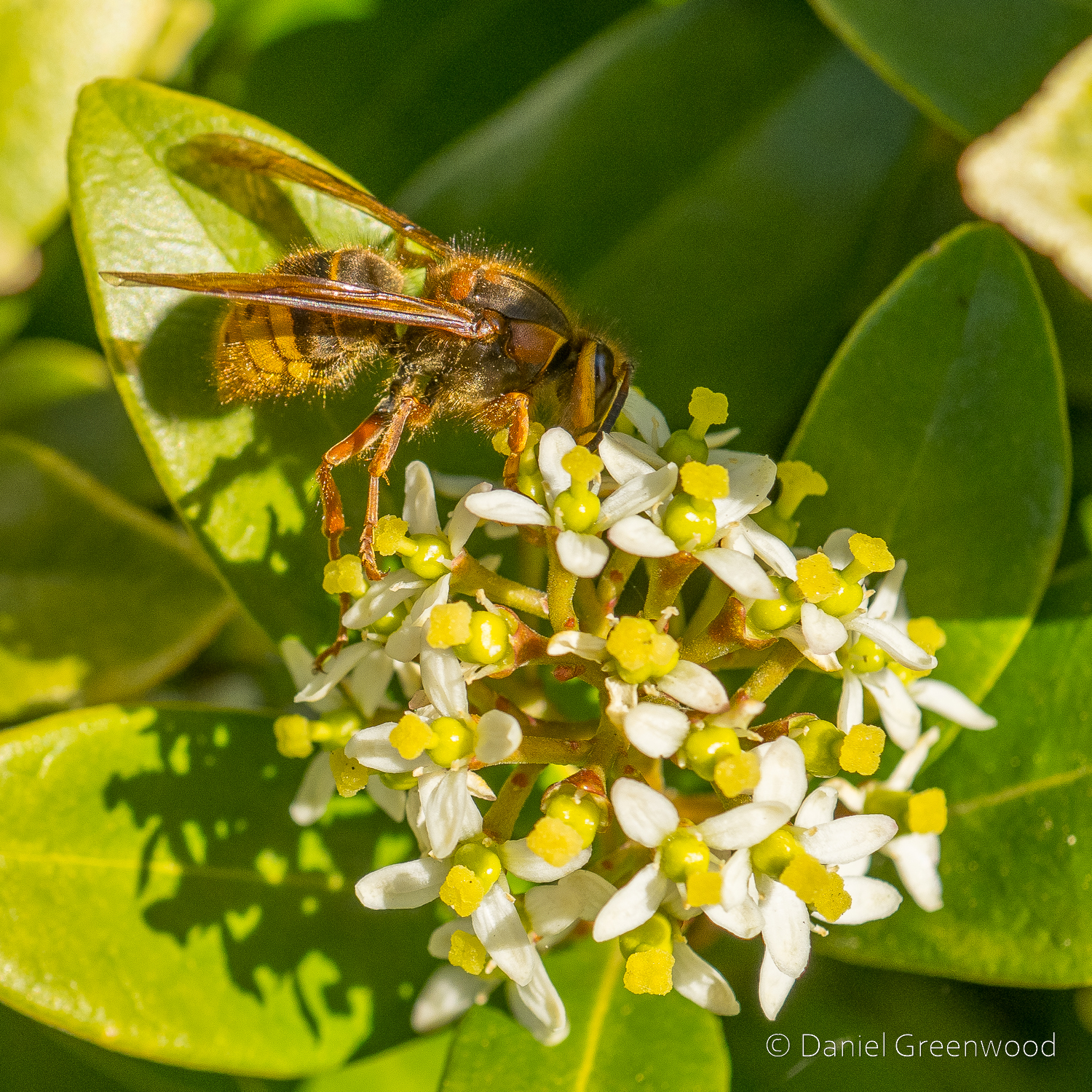
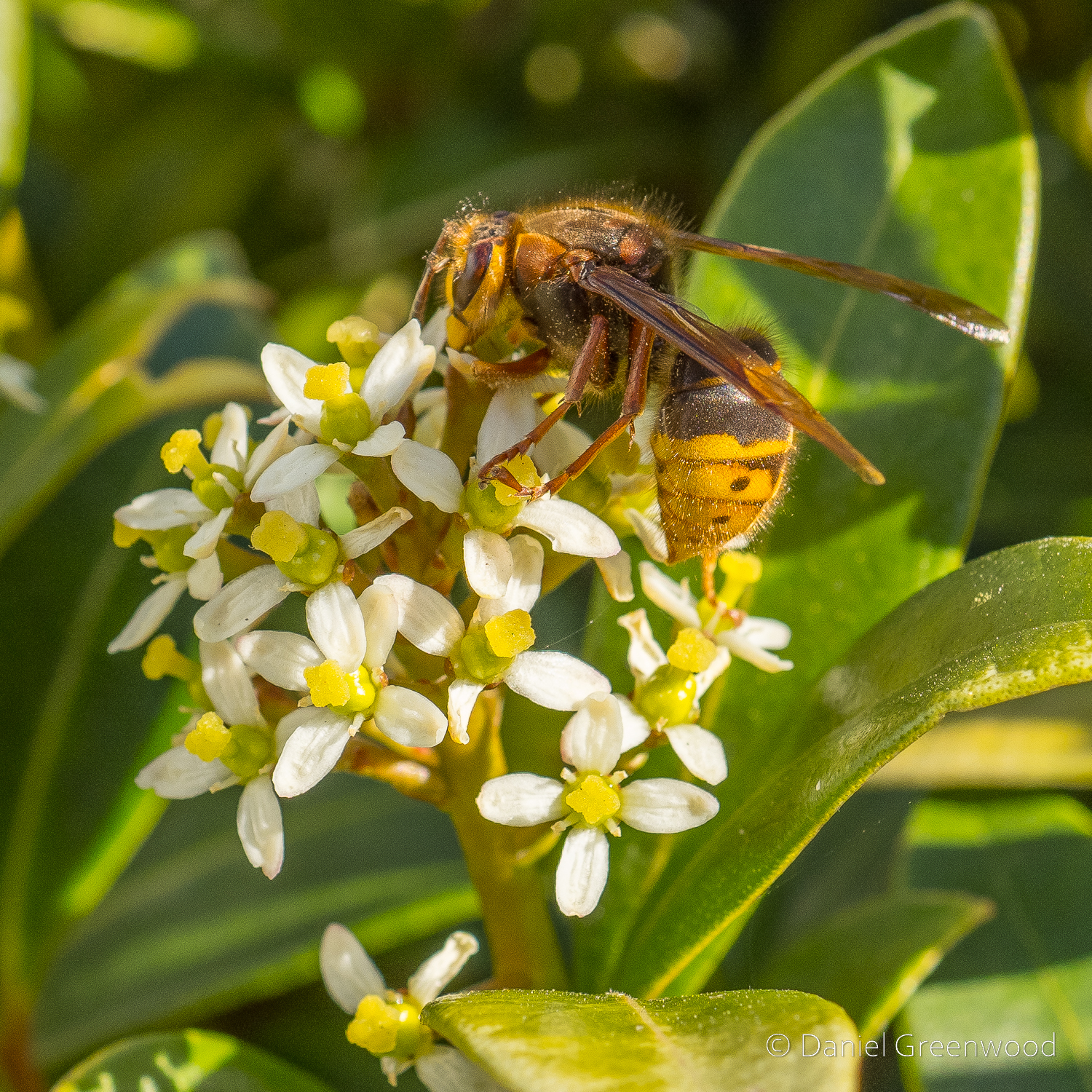
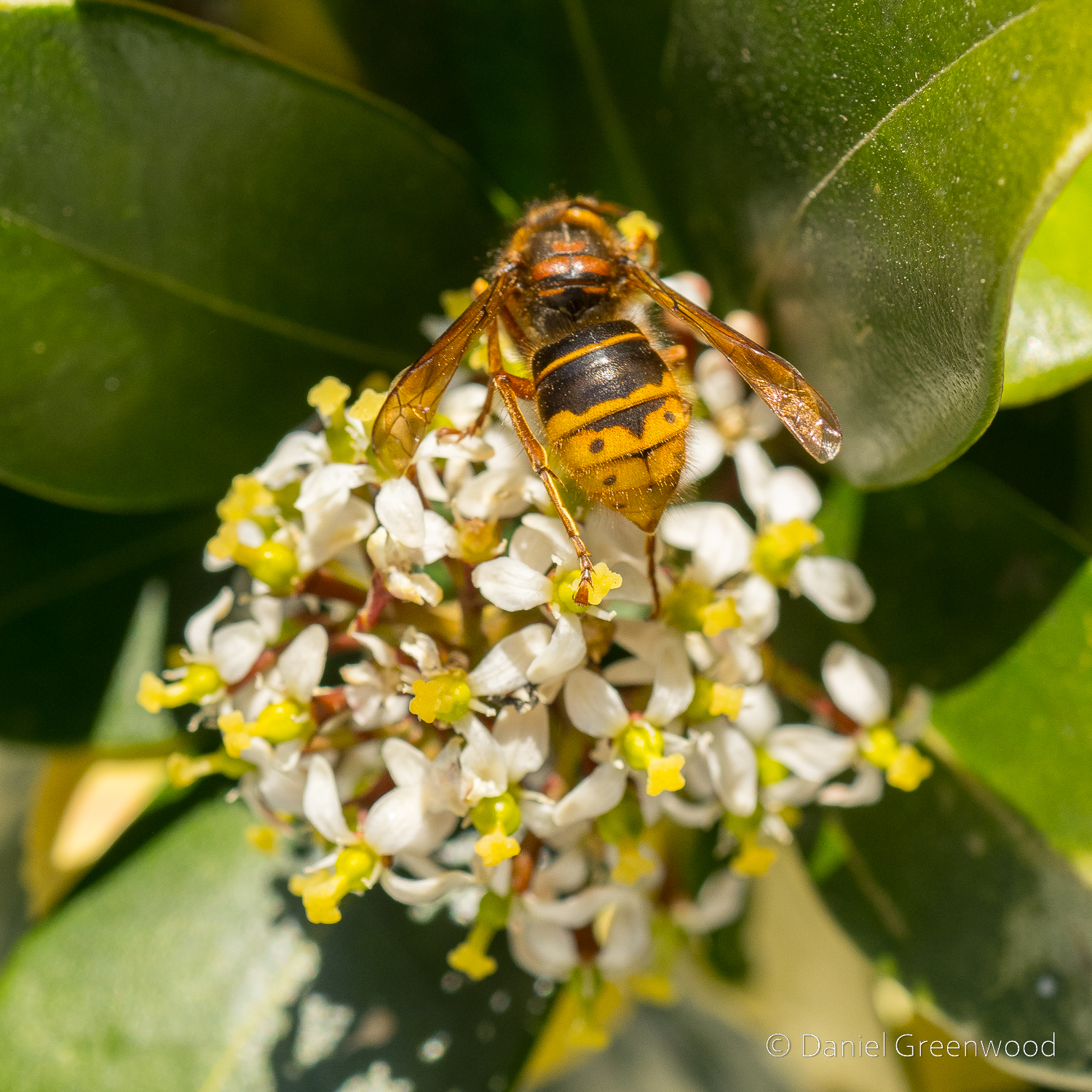
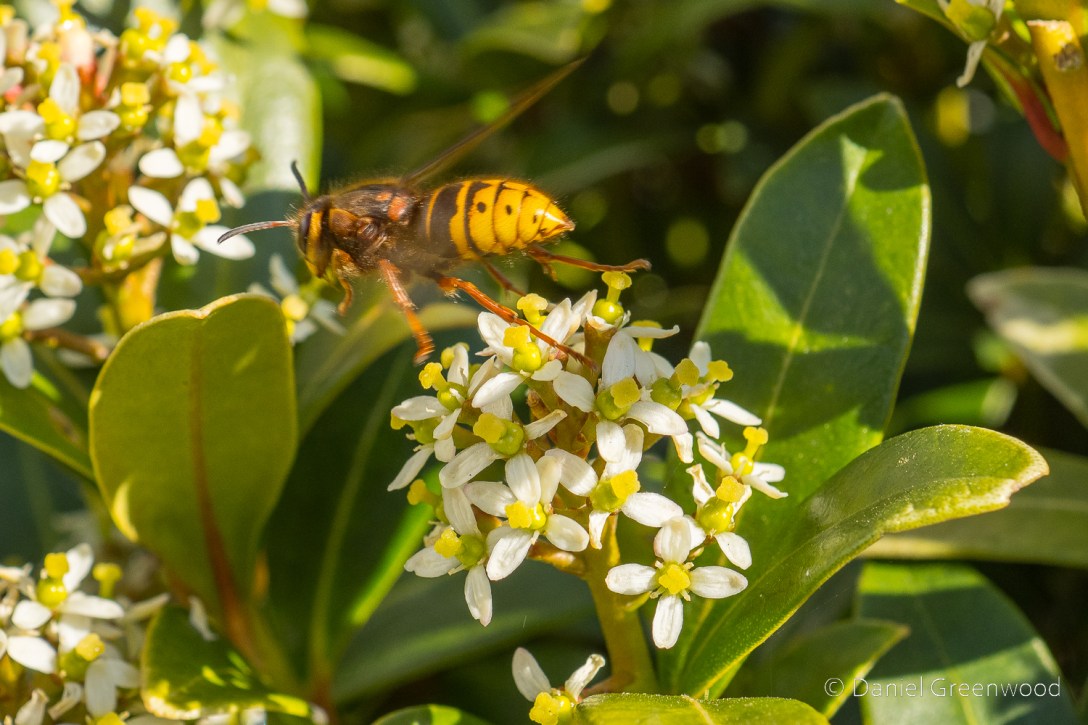
I was sitting in my garden when a large, wasp-like insect zoomed into view. It dropped into the skimmia and began nectaring on the flowers.

‘Hornet!’ I called out, but trying to be quiet enough not to spook the insect. I captured these images, convinced it was a hornet, the first I had ever seen in my garden.

When I popped a crude phone photo (not the world class images above) onto iNaturalist I began to have second thoughts. The first suggestions were for a species of wasp, the median wasp. That is now the consensus, and so my hornet drought goes on. But it is a beautiful thing.

My house is quite old, built in the 1840s. The path outside our door is known as a ‘twitten’, a Sussex colloquial name for a little footpath. The path is bricked (like many of them are) and always flushes with spring flowers. Lesser celandine and grape hyacinth are two of the species that enjoy the margins.

Does this rose regrowth remind you of a certain American President?

A few holes have appeared in the lawn. I haven’t seen who created these mini-bunkers but I am confident they’re mining bees of some kind.

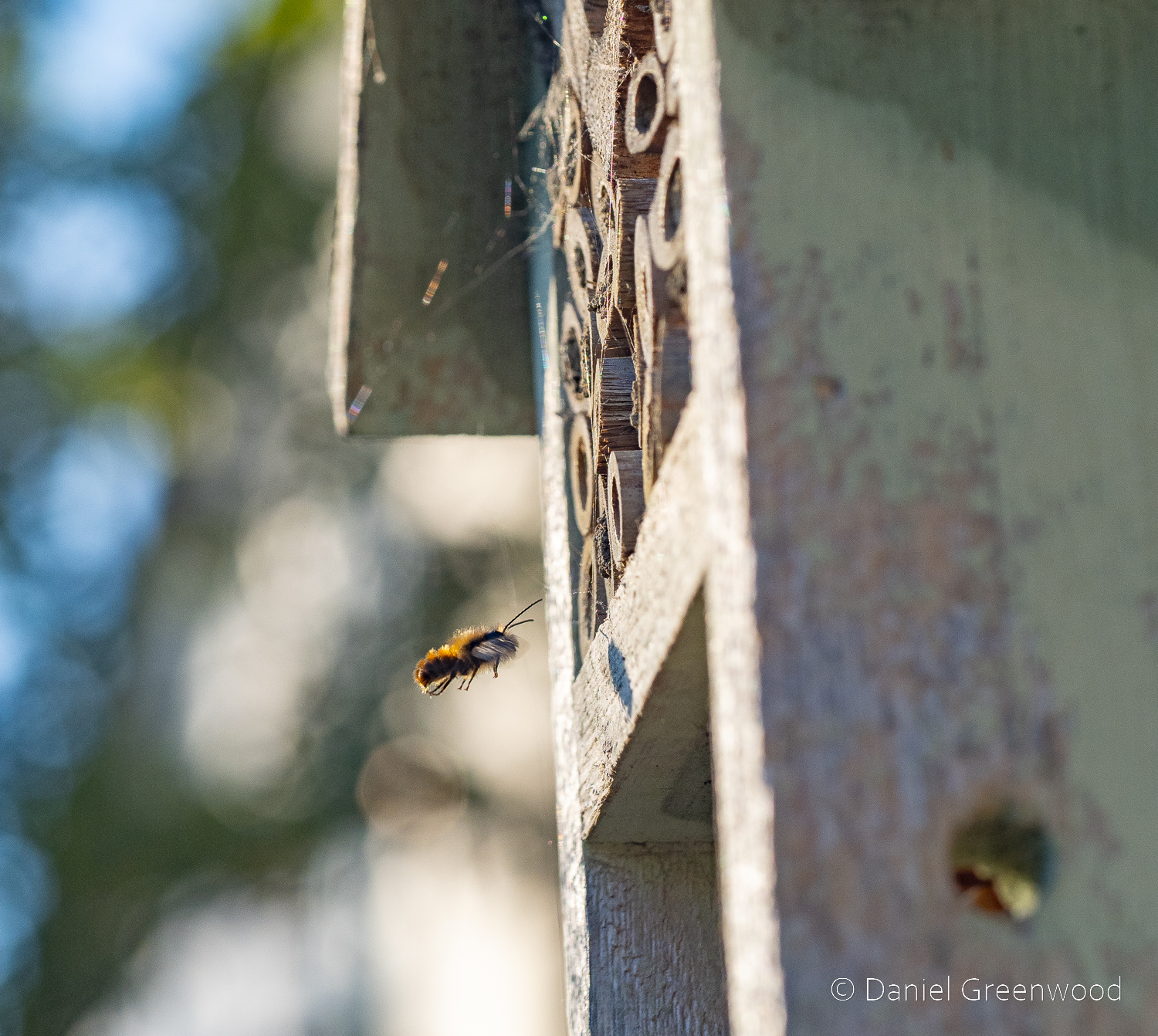
The red mason bees have been rather slow to appear this year and many of the bamboo slots are still sealed. Some of the bees have been hovering around the entrances, as above.

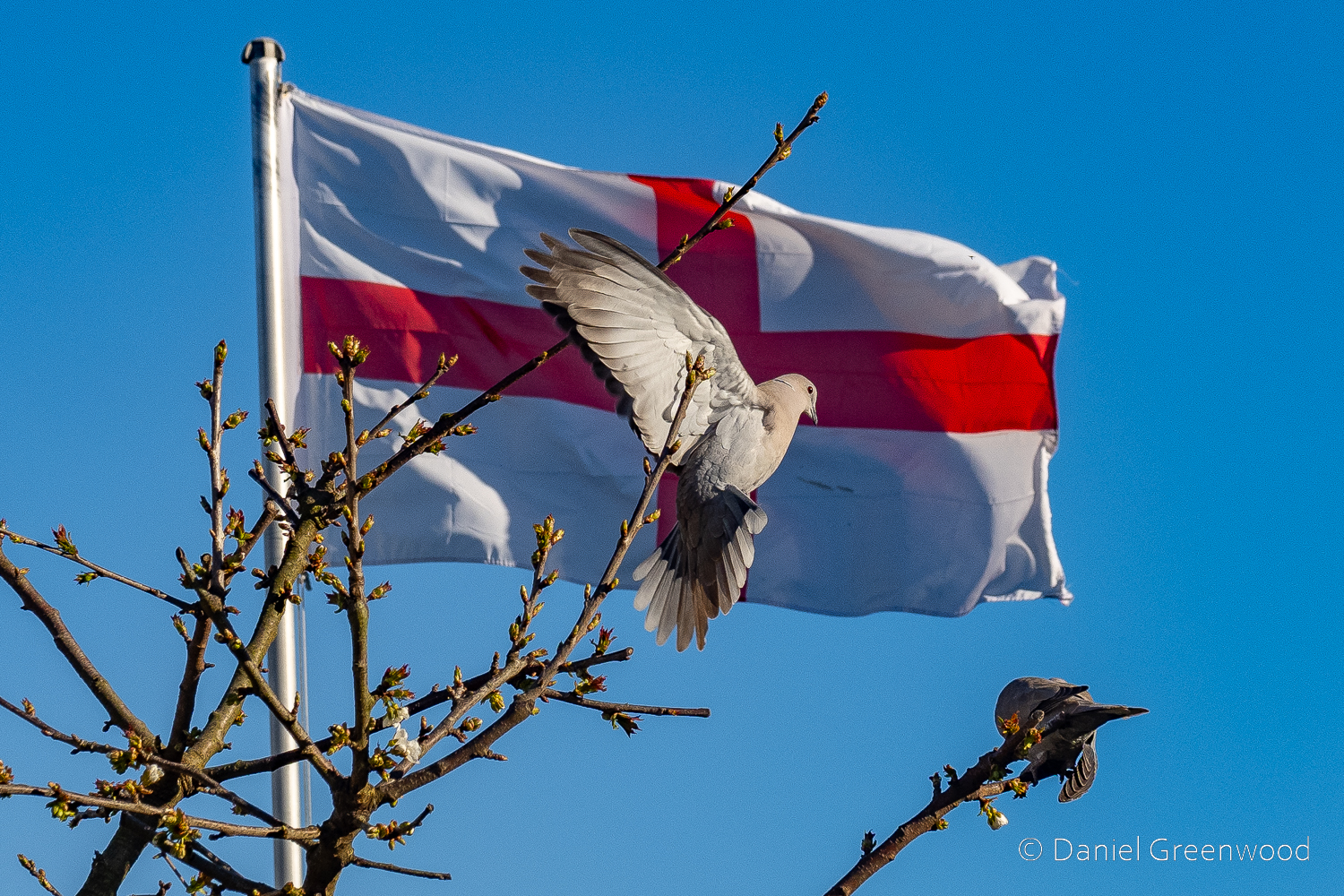
I took this photo of two – yes, two – collared doves with my macro lens. Macro lenses usually often can act as a telephoto lens because you need space between you and the thing you’re photographing to ensure you don’t spook the subject. The flag isn’t mine, as you may have guessed if you’ve ever met me or read this blog before 😉

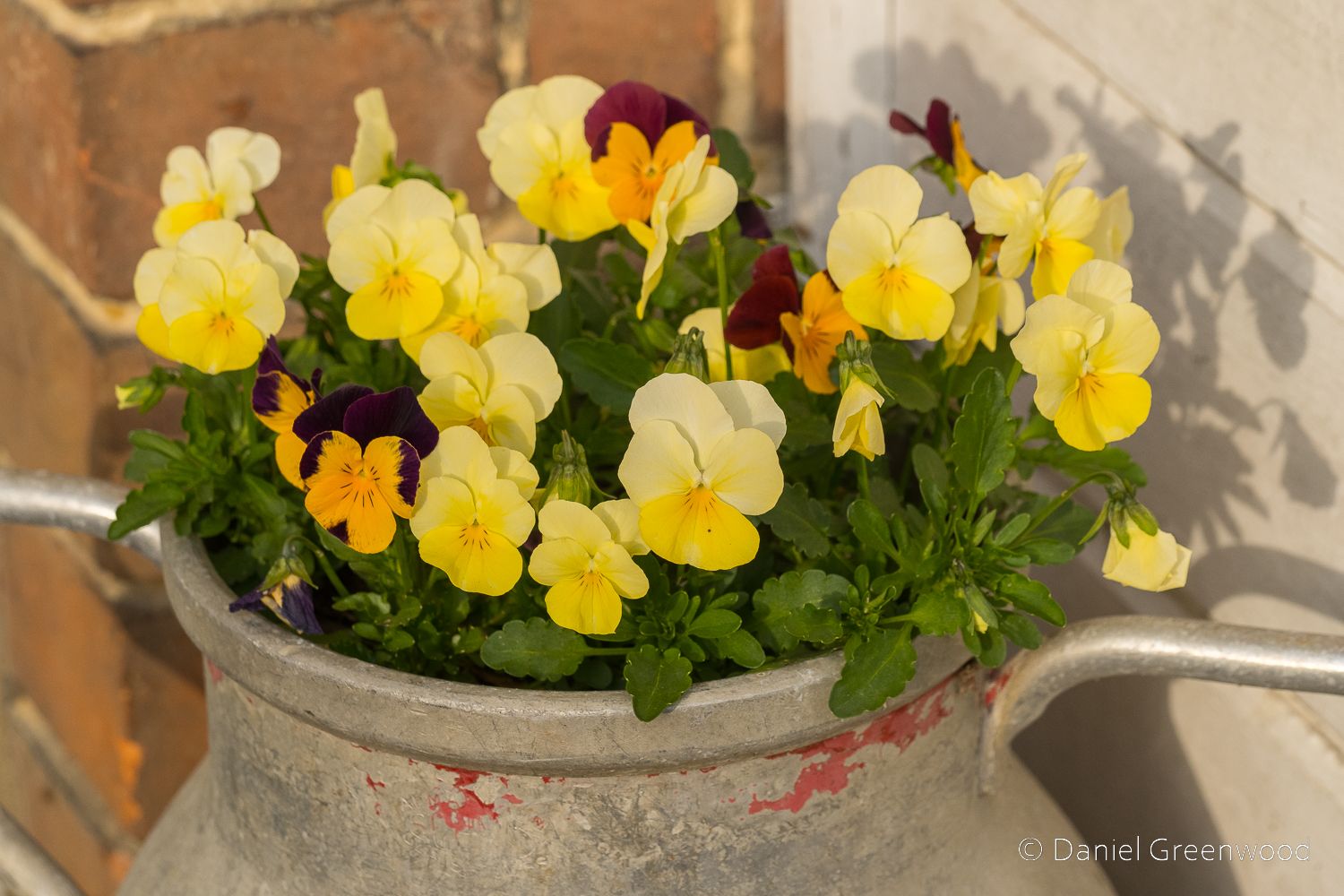
The pansies are doing well in the milk churns, a good place to end.

Thanks for reading.

Macro

The javelin wasp returns sharpish

On a Saturday afternoon in early August I was reading a real newspaper, and I happened upon an article about the diversity of wasps.

I nearly choked on my avocado.

The article was outlining how significant wasps are in our world, as controllers of other invertebrates that, in over abundance, would create a damaging imbalance in our farming- and eco-systems.

We should worry about the lack of wasps this summer, the article said. Helena Horton would probably enjoy this blog, to be honest!

As you may have noticed, there are very few images in this post. There’s a reason for that, which I’ll get to. After reading the article I went to put the washing on the line. With a cursory glance at the fennel in the flowerbed I noticed that one of my favourite wasps was visiting.

The javelin wasp (Gasteruption jaculator).

I skipped indoors, grabbed my camera with macro lens and began following the wasp around the fennel flowers. I didn’t get anything worth sharing, until the wasp was spooked and dropped down to cover in some grasses. As you can see above, it then began to clean pollen from its face and antennae. I fired off some pics and then checked them. They were super sharp and beautifully lit by the soft light from the clouds overhead.

There are only two pictures, almost identical but for their crop, because they represent the wasp in the best way I can. Clear, in focus, and sharp.

I have written several times about these ichneumon wasps and their seeding of eggs in live caterpillar hosts. It’s grizzly, but it’s not done out of cruelty.

The insect season is drawing to a close and it’s been a poor one. Hopefully absence may make the heart grow fonder, and action taken at scale to ensure these pollinators, not just honeybees, can be protected.

Thanks for reading.