
Saturday 31st May felt like a passing of the seasons, with spring departing and summer arriving. That could be seen in the invertebrate world, with more summer species out there in my garden.
This post is generally wasps and spiders, with some lovely little bees to calm you down afterwards.
As ever, some of these things are so ridiculously small that without magnification (in my case a macro lens) you (I) wouldn’t necessarily see them.

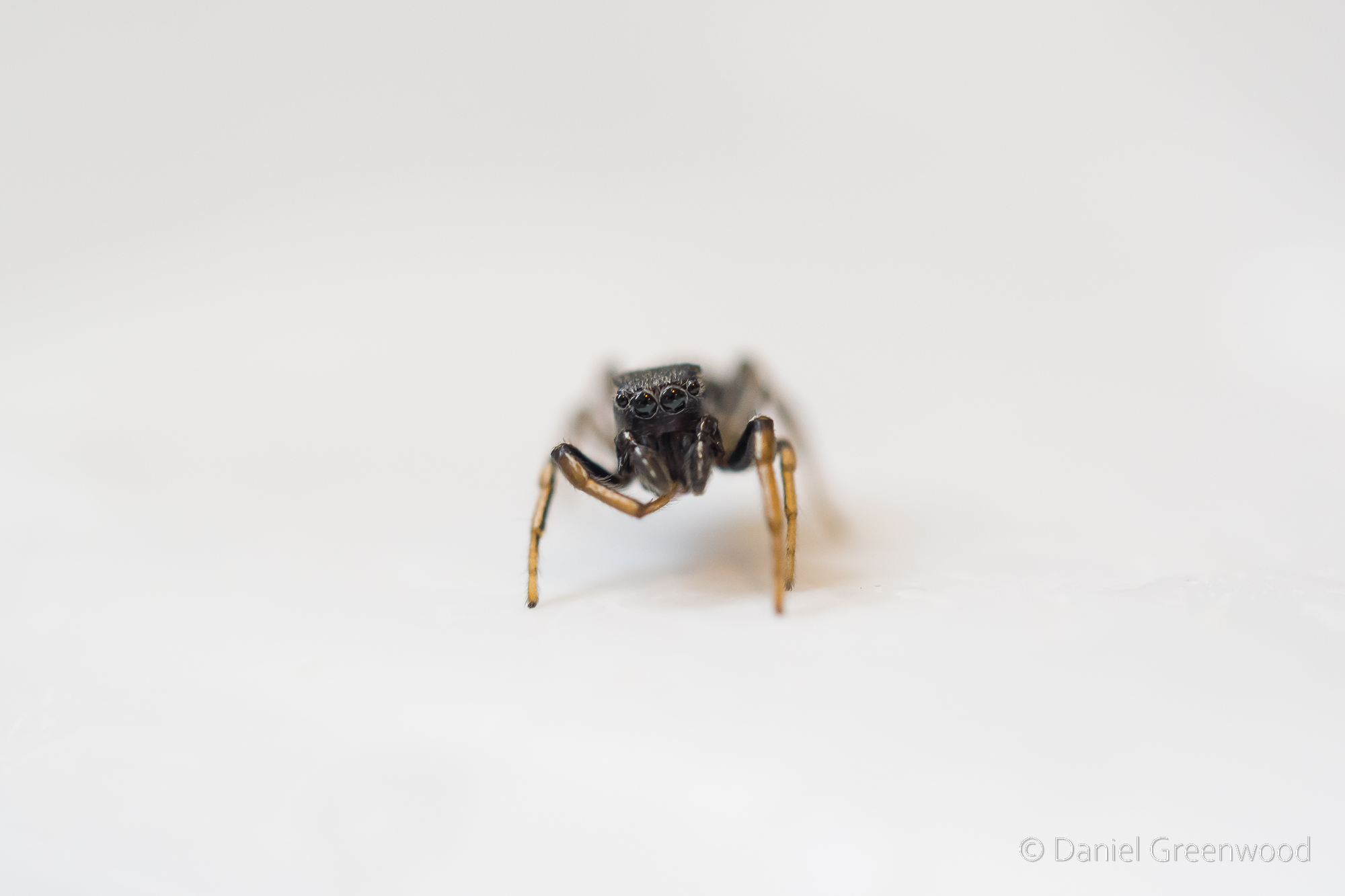


I should have known it was going to be a good photography day when this little jumping spider appeared in my kitchen sink! The light was rubbish so I’ve had to draw out the shadows and ‘de-noise’ these photos a bit. I’m unsure of the exact species, but I do get an apparently uncommon oak jumping spider in my garden/near the house sometimes, and this may be one.


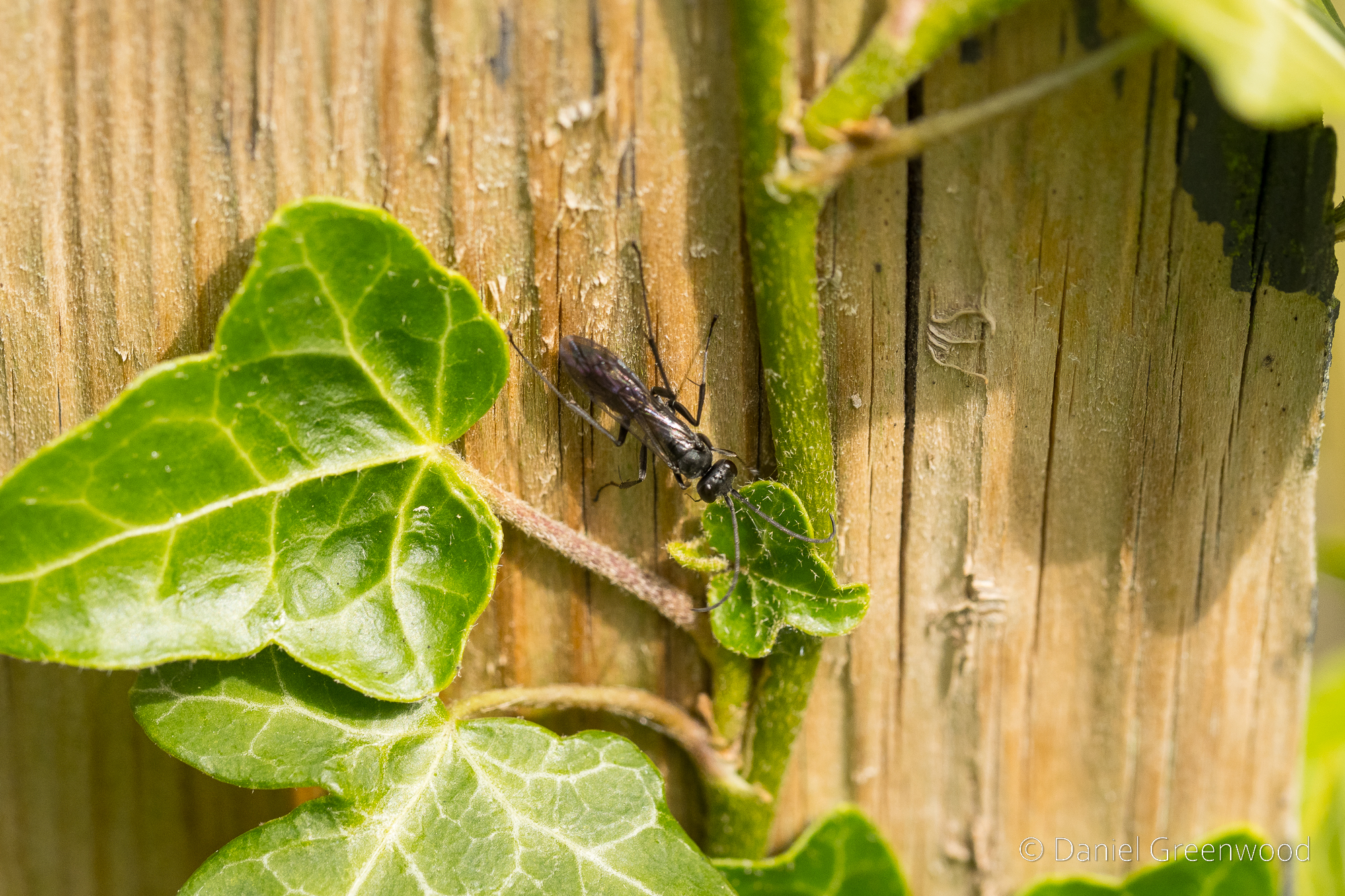
While we’re on spiders, here’s a wasp – a spider-hunting wasp! I’ve learned that sitting down on the grass by a shrub for 15 minutes isn’t just a forest-bathing exercise, it’s also a good way to allow the life to move around you. One fence post was being explored by this very busy spider-hunter. And then, something amazing happened.

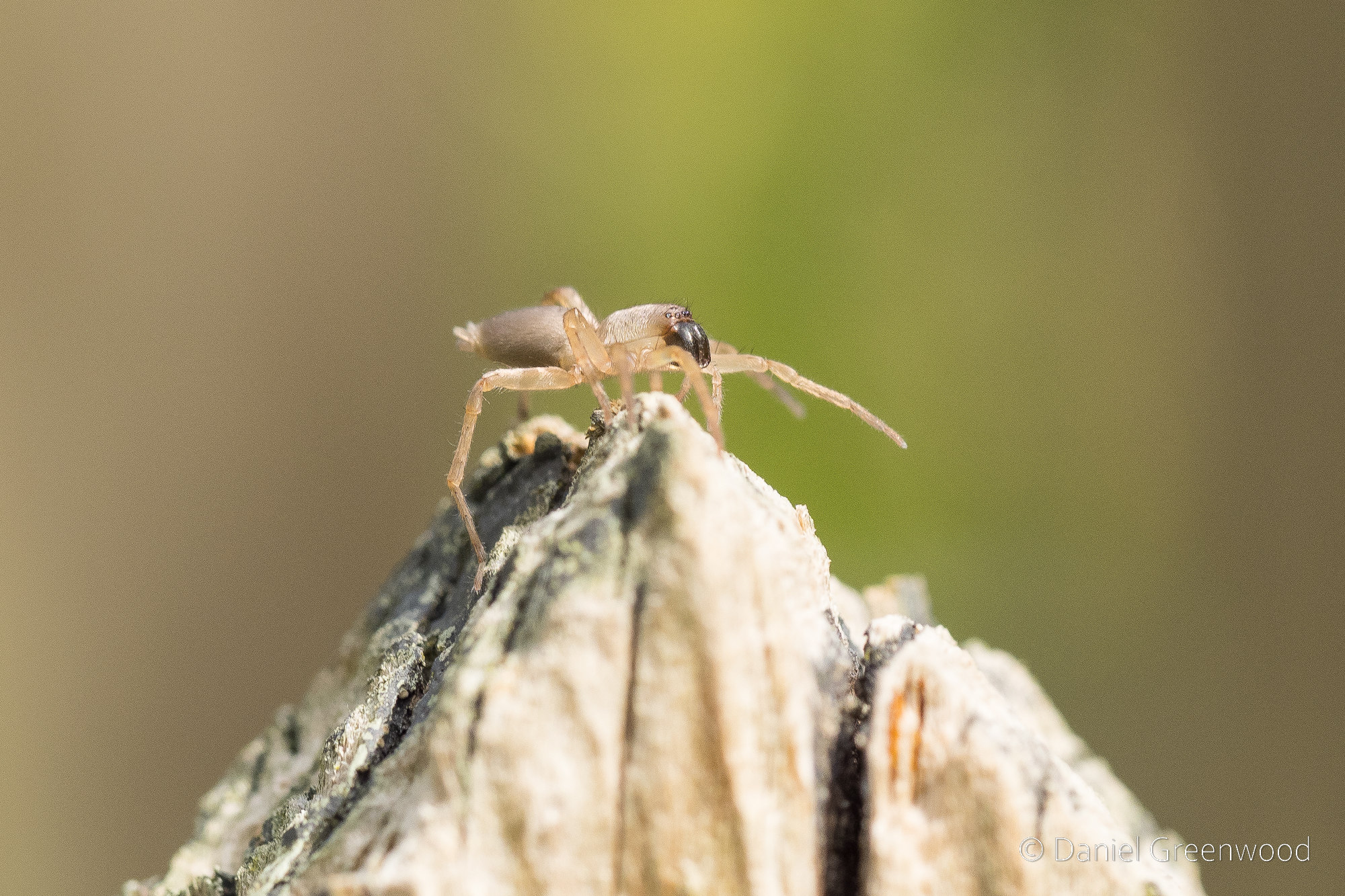

On a vacant fencepost (that’s just how I consider them now) a spider appeared at the top. The spider-hunting wasp saw their moment and burst onto the post, but missed the spider by milliseconds!

The spider-hunting wasps paralyse their prey and then carry them away to a cache. It’s pretty grizzly, but if you think that wasps have been in existence for over 100million years, and spiders, gosh, they’ve been around for over 300million (humans 200k and unlikely to make 1million at this rate), it’s something that’s been going on for a long time. If you’re annoyed about one species of wasp bothering you, imagine how spiders felt when 100million years later a spider-hunting wasp evolves from nowhere!
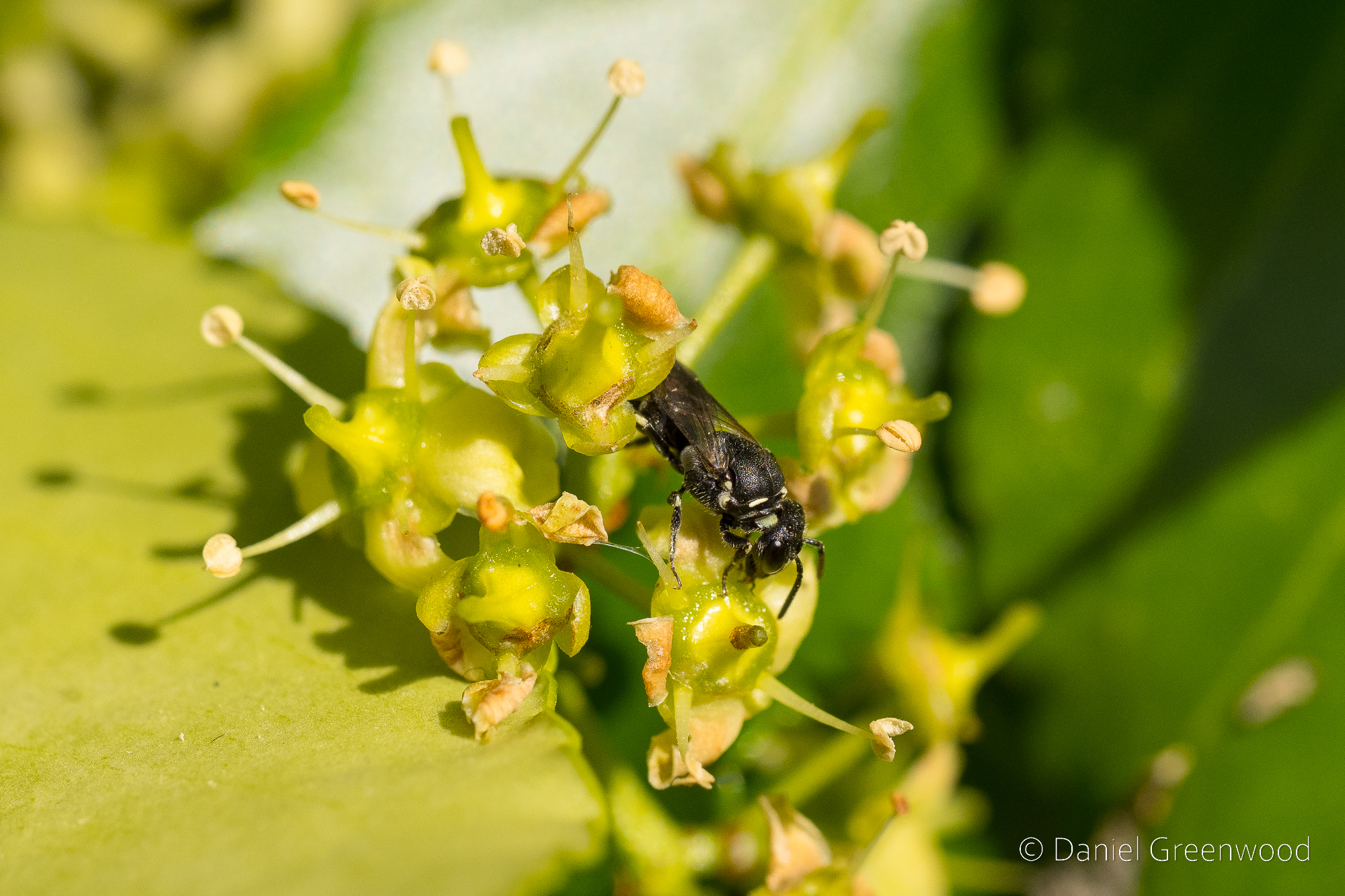

This is around the time when I begin to notice the very tiny yellow-faced bees (Hylaeus). I’m happy to identify them to that level, and don’t really take it any further.

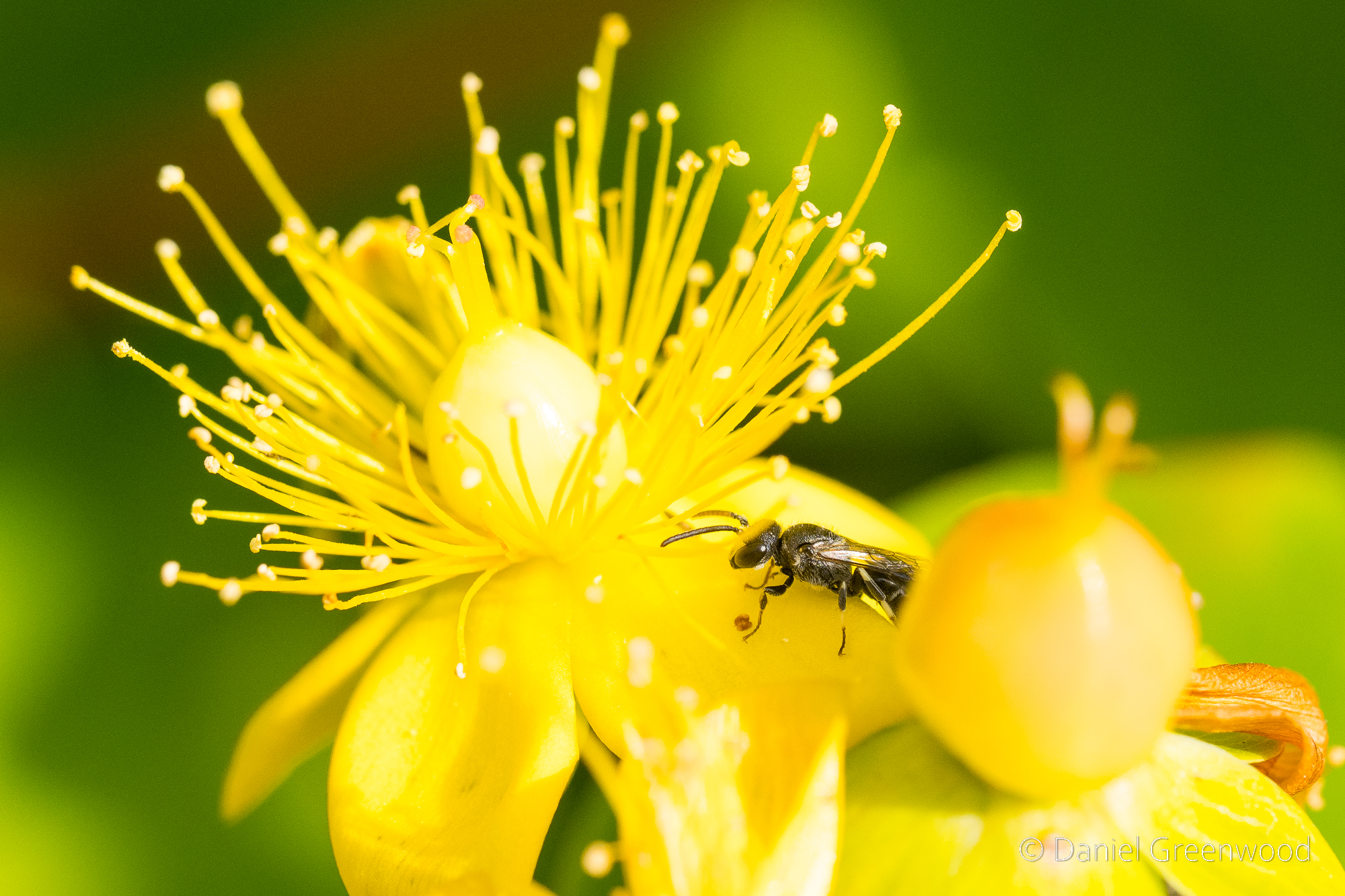

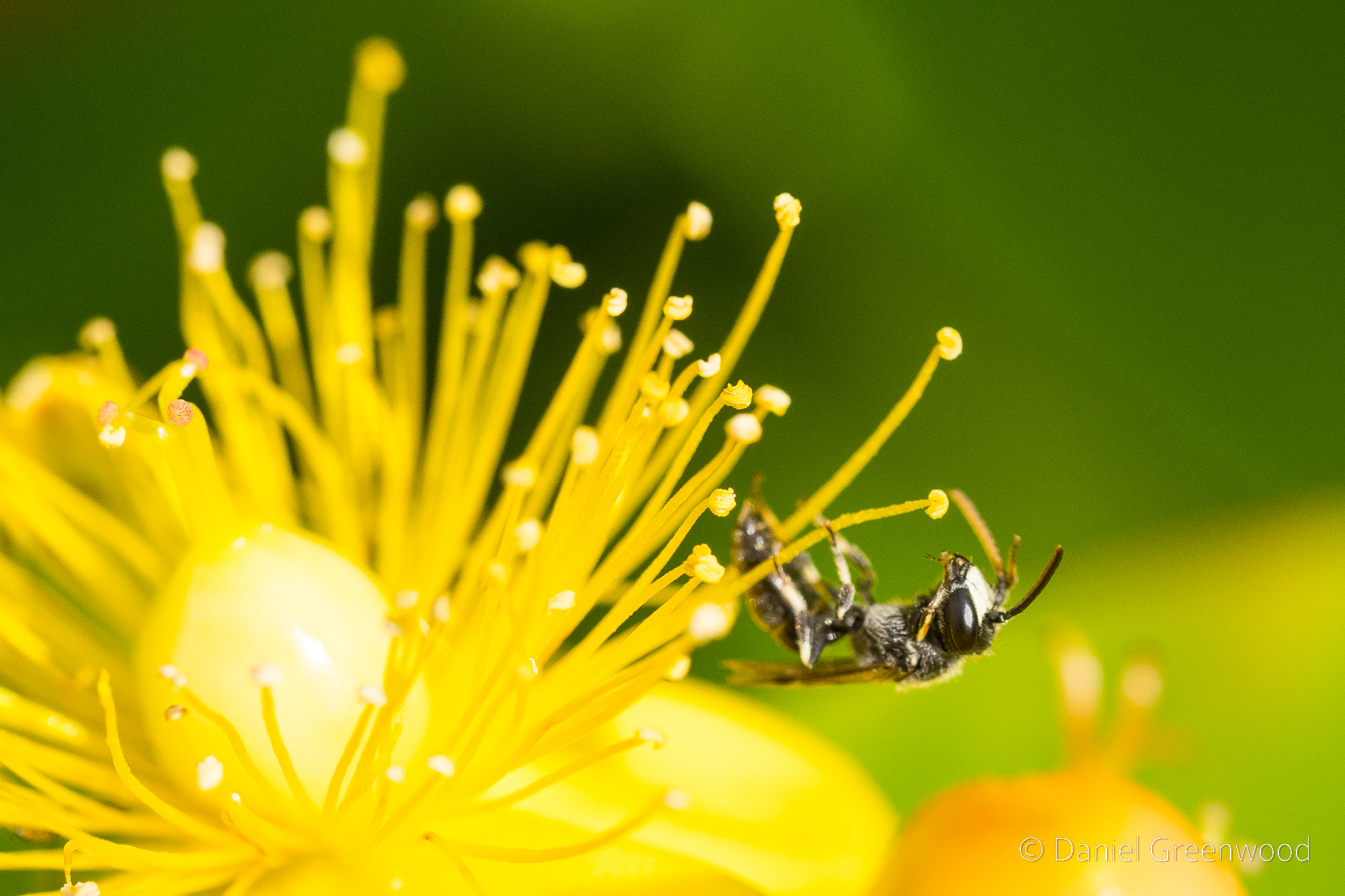
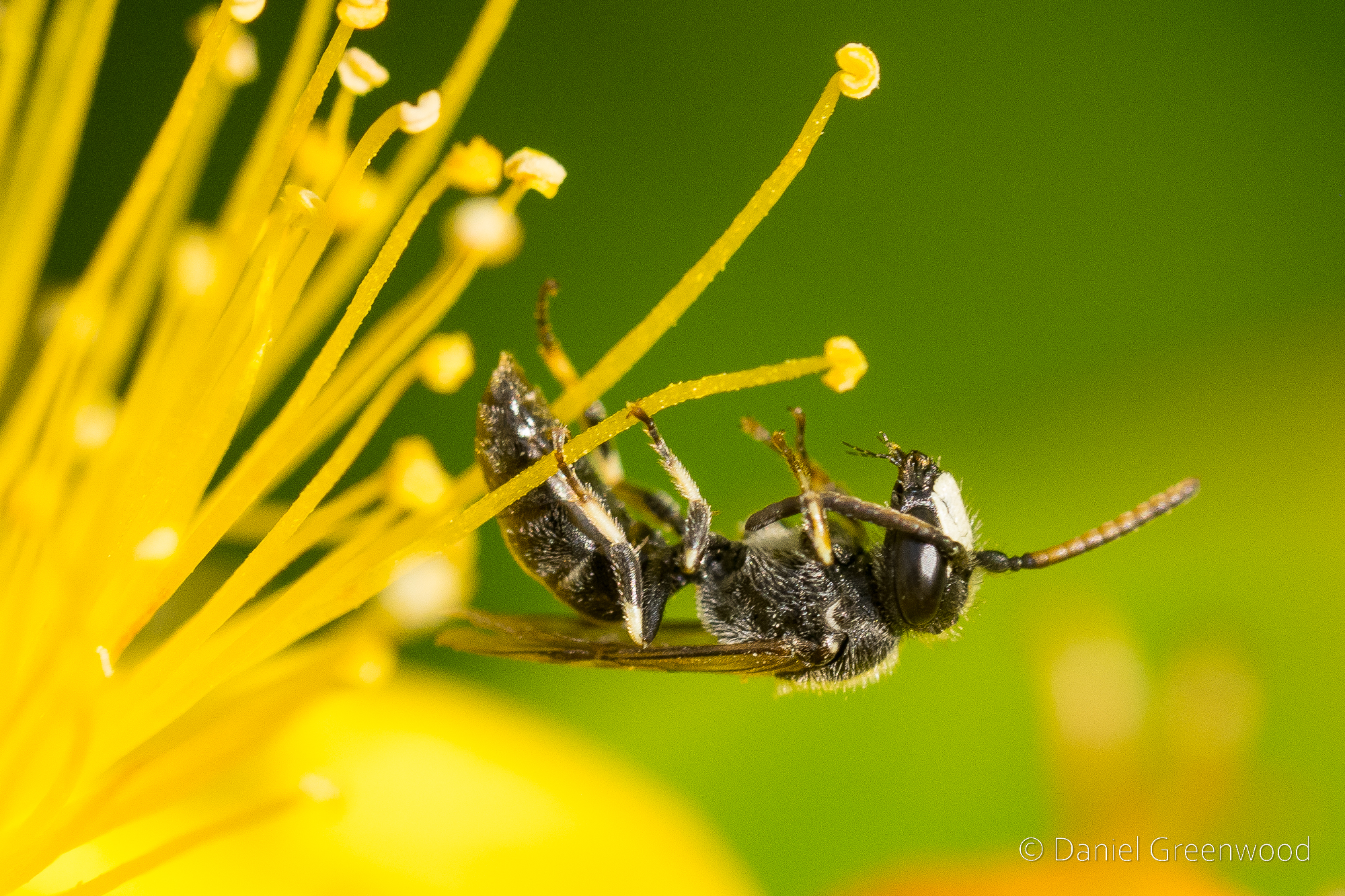

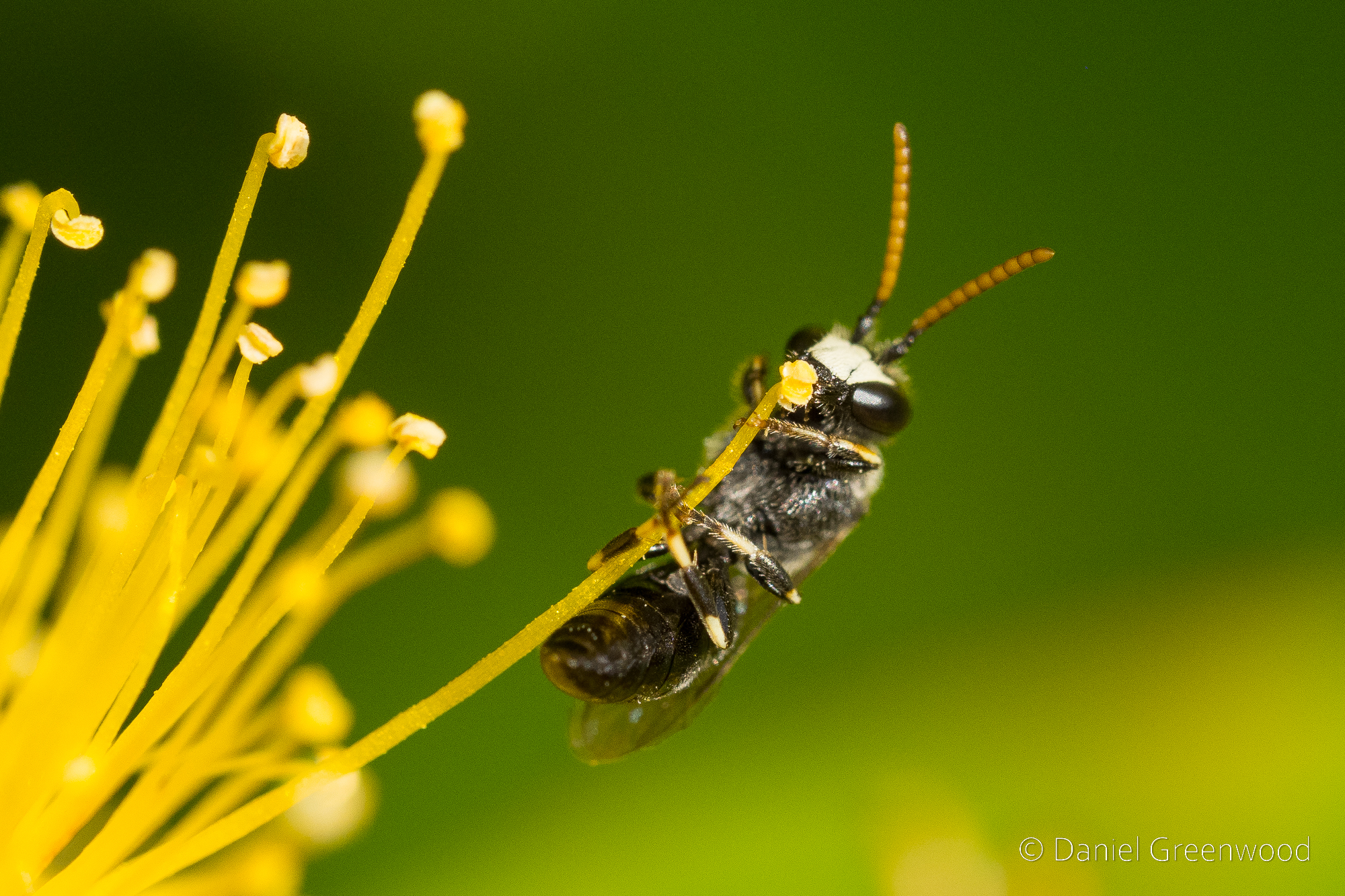

And here we have some of the ‘best’ images I’ve taken this year. This yellow-faced bee is probably less than 4mm in length. Here it’s nectaring on the stamens of a cultivated garden hypericum. This was grown from a cutting taken from my grandmother-in-law’s garden and is a very good plant for pollinators, though it does need maintaining. I love the way the bee uses the stamen a bit like an Elvis impersonator on a standing microphone. Ah-huh-huh.

Here’s a bumblebee for scale!

I don’t think I’ve seen as many honey bees as in recent years, but there was a glut of them around May. There are reports of problems in the U.S. this year (bit of an understatement, considering who’s running things there).
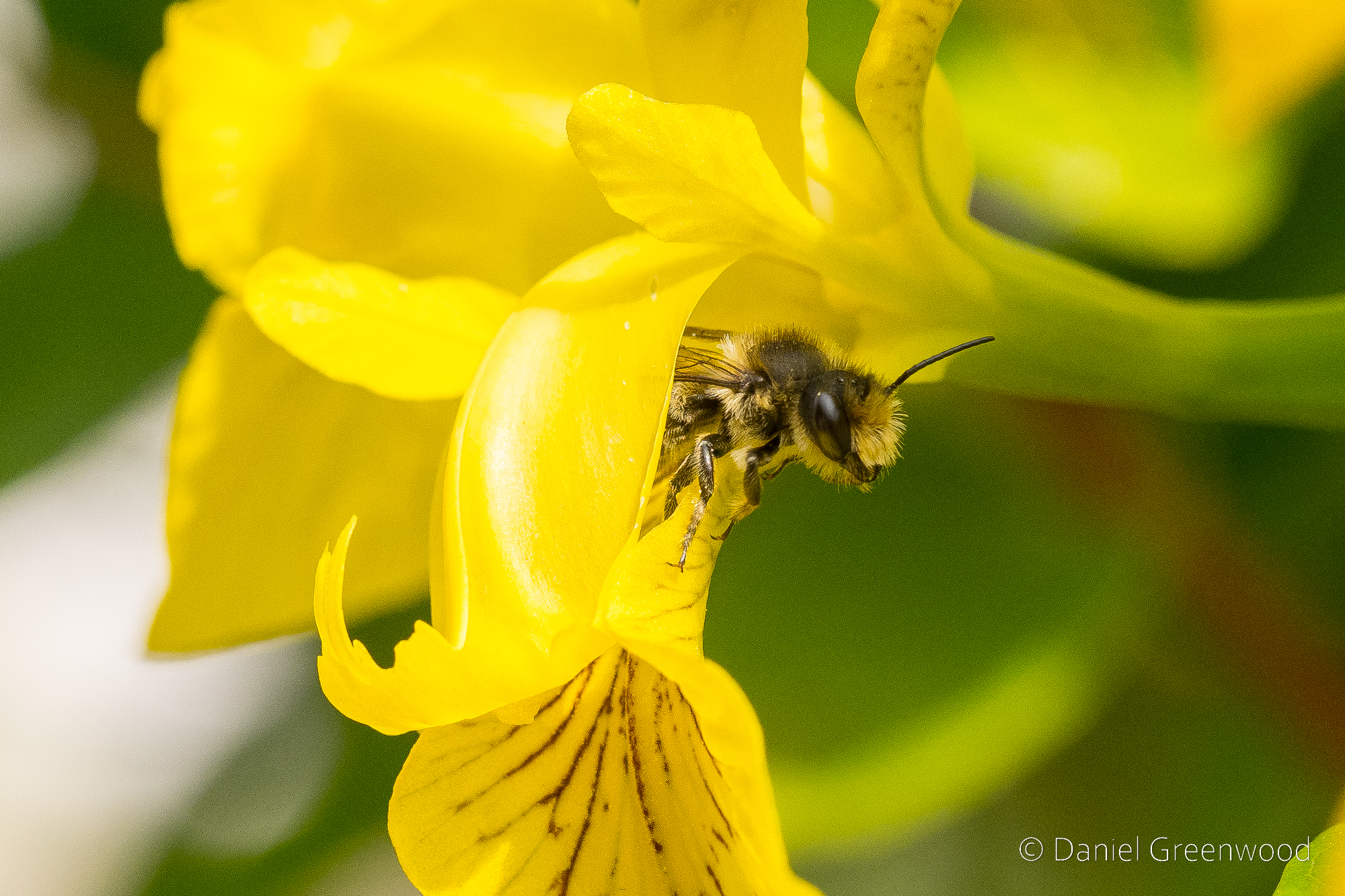

This solitary bee was visiting the flag iris in our little pond. I do enjoy the bee’s sideways escape. Not sure of the species, might be one of the Andrena mining bees.
I will now make like this bee and leave it there. Thanks for reading.

 All rights reserved by
  Unlocking Landscapes