Spring 2025 arrives

Five years ago we were facing up to the Covid-19 lockdowns. In response to the stay-at-home orders I began a weekly macro blog, an assignment from the gods? No, just our Supreme Leader at the time Boris Johnson and his better half in Public Health Chris Whitty.

While I can’t promise weekly blogs due to work and life commitments, it’s definitely time to dust off the macro lens after its winter slumber and step out into the garden to see what’s happening!

As ever, there’s far more going on than you might think. I also think it’s important that we look at and try to understand invertebrates when this misinformation is coming from the leader of the country (I know it could be worse, but get your facts straight, folks).

We depend on nature and our ecosystems and their wildlife for our food, clean water, fresh air and function. Wildlife has a right to exist and the world does not revolve around our species.
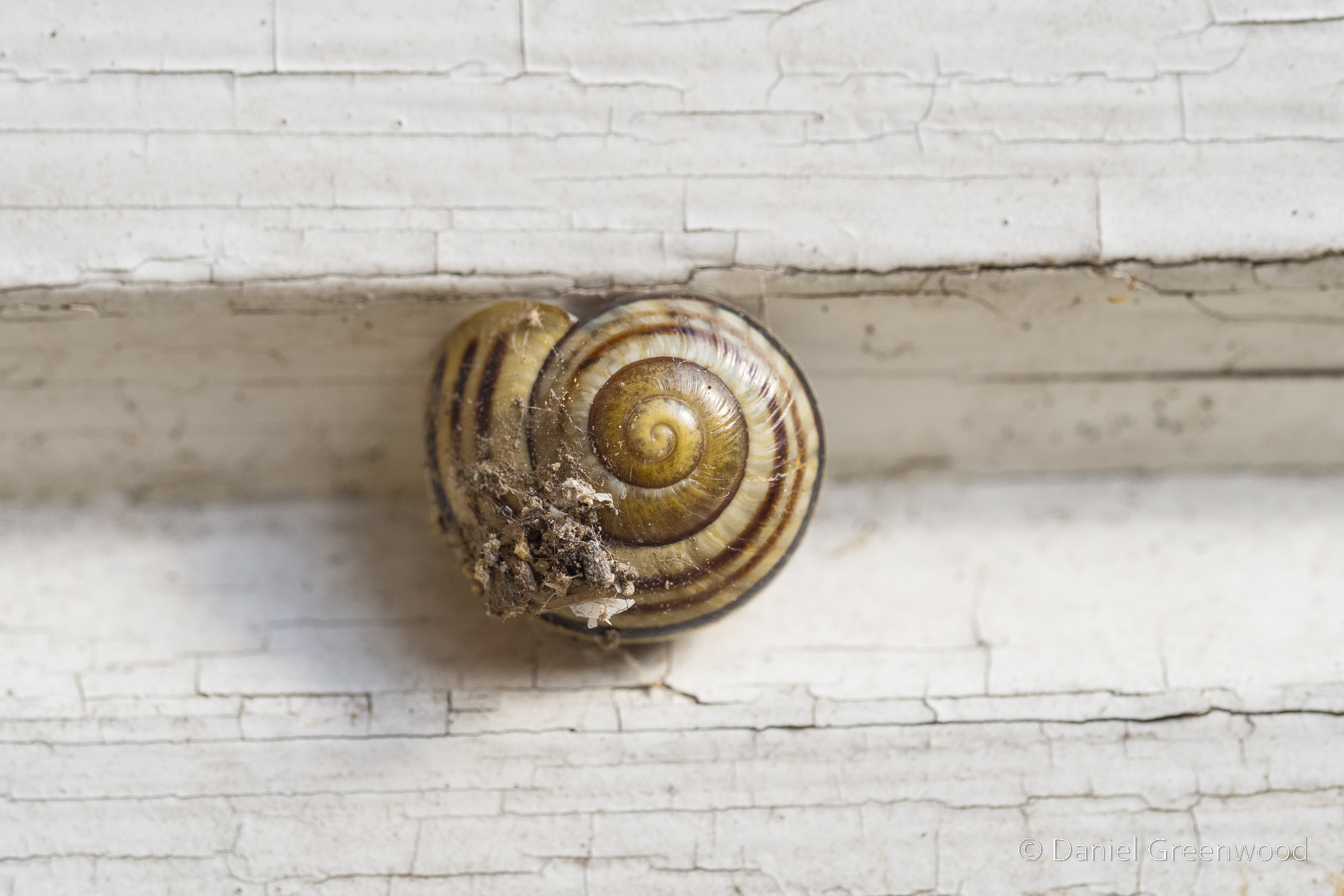
The snails are roosting in our front porch. My wife was wondering if they might be too hot there, as the paint’s white and it can get quite sweltry in there.
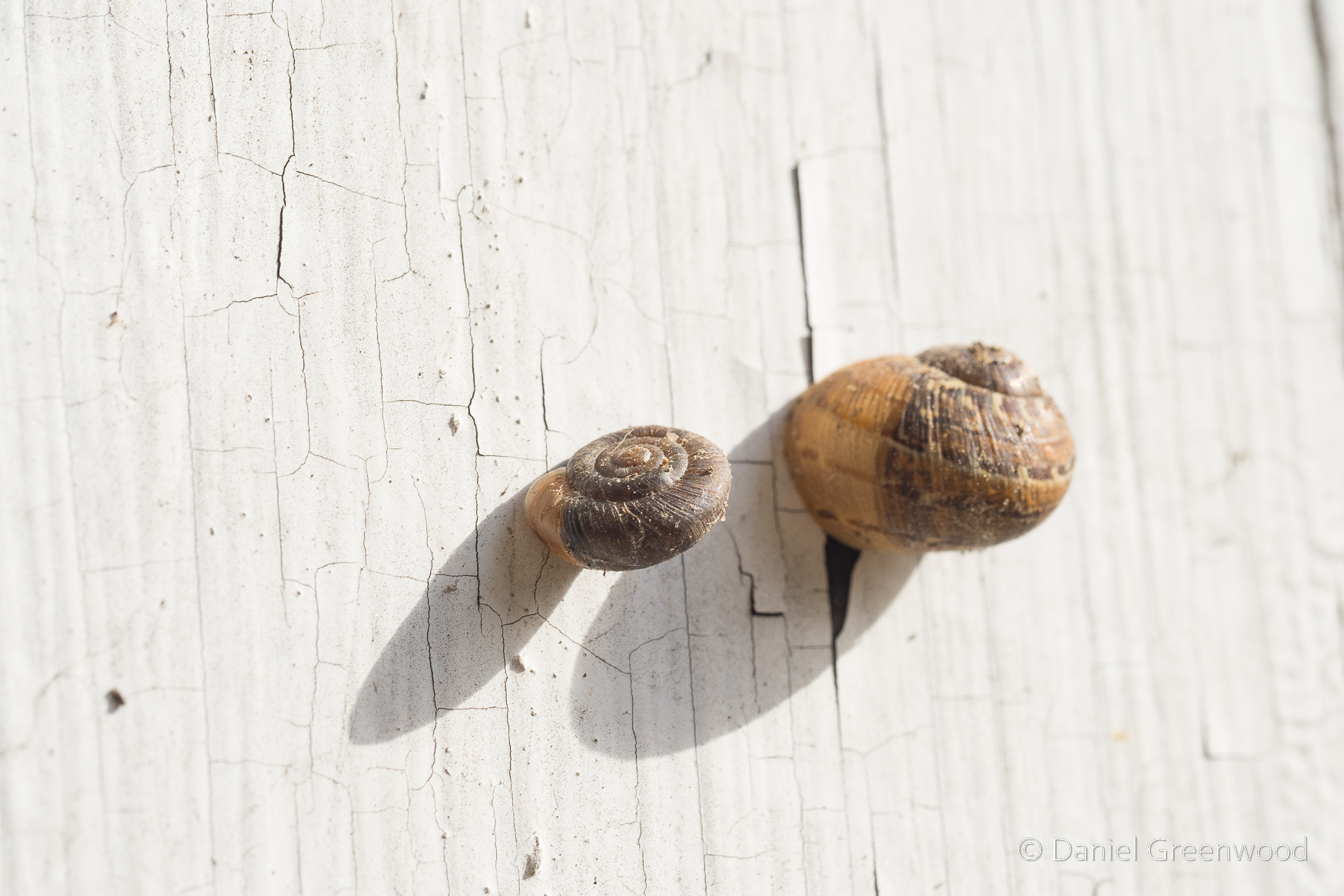
It looks to me like something is going on with the shells and they may be roosting to grow their shells. It’s not something I know much about. Please let me know in the comments if you have any info ๐Ÿ™‚

We have some nice pansies my wife planted out by our front door. You can see the bee drive-in here with the dark landing marks and the brush of hairs to ensure the pollen of other pansies are retrieved from a visiting bee.

The broom plant flowers in a subtle way, these little yellow petals appearing from the red sepals.
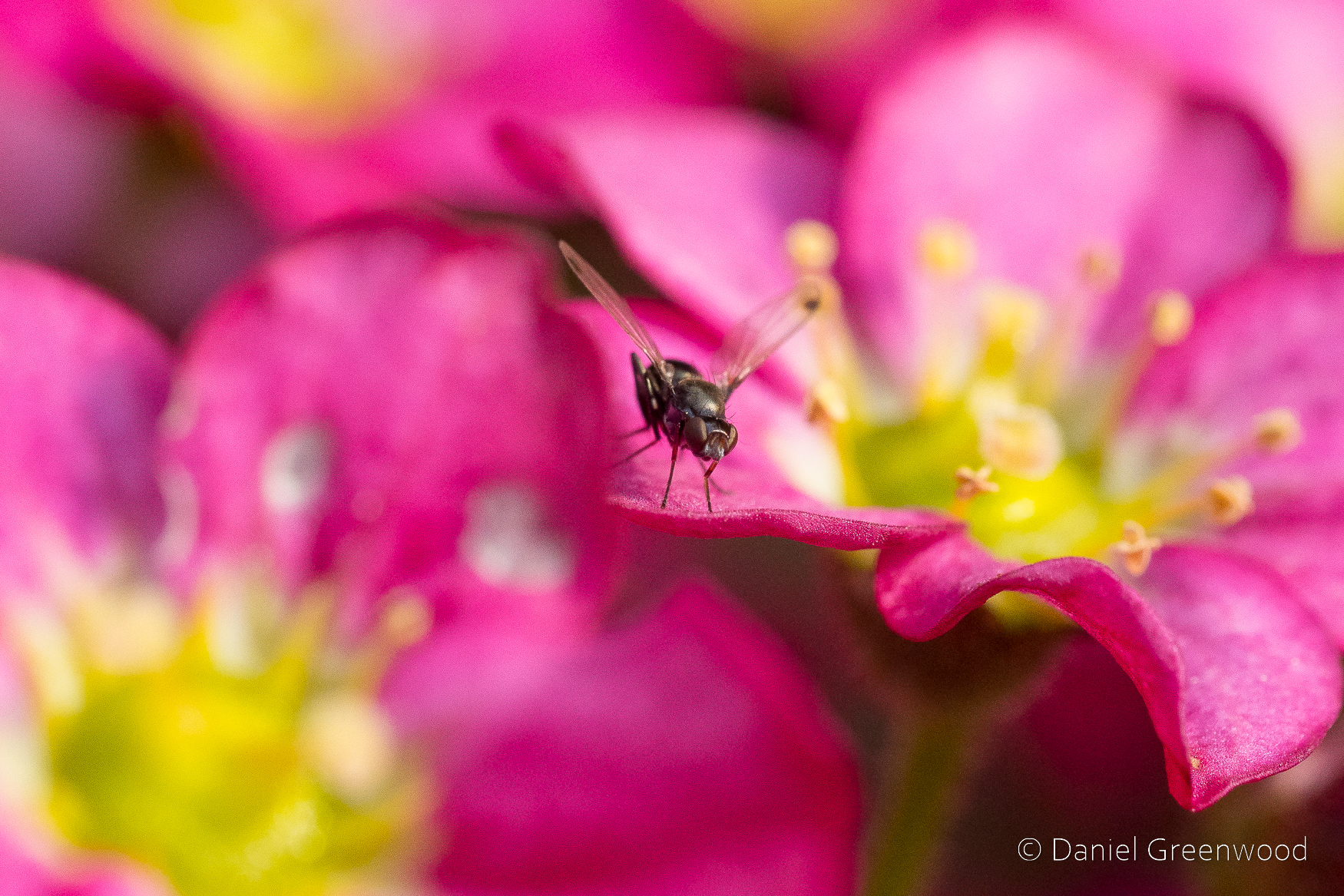
This is a common little fly that seems to stand around on leaves and petals for ages!
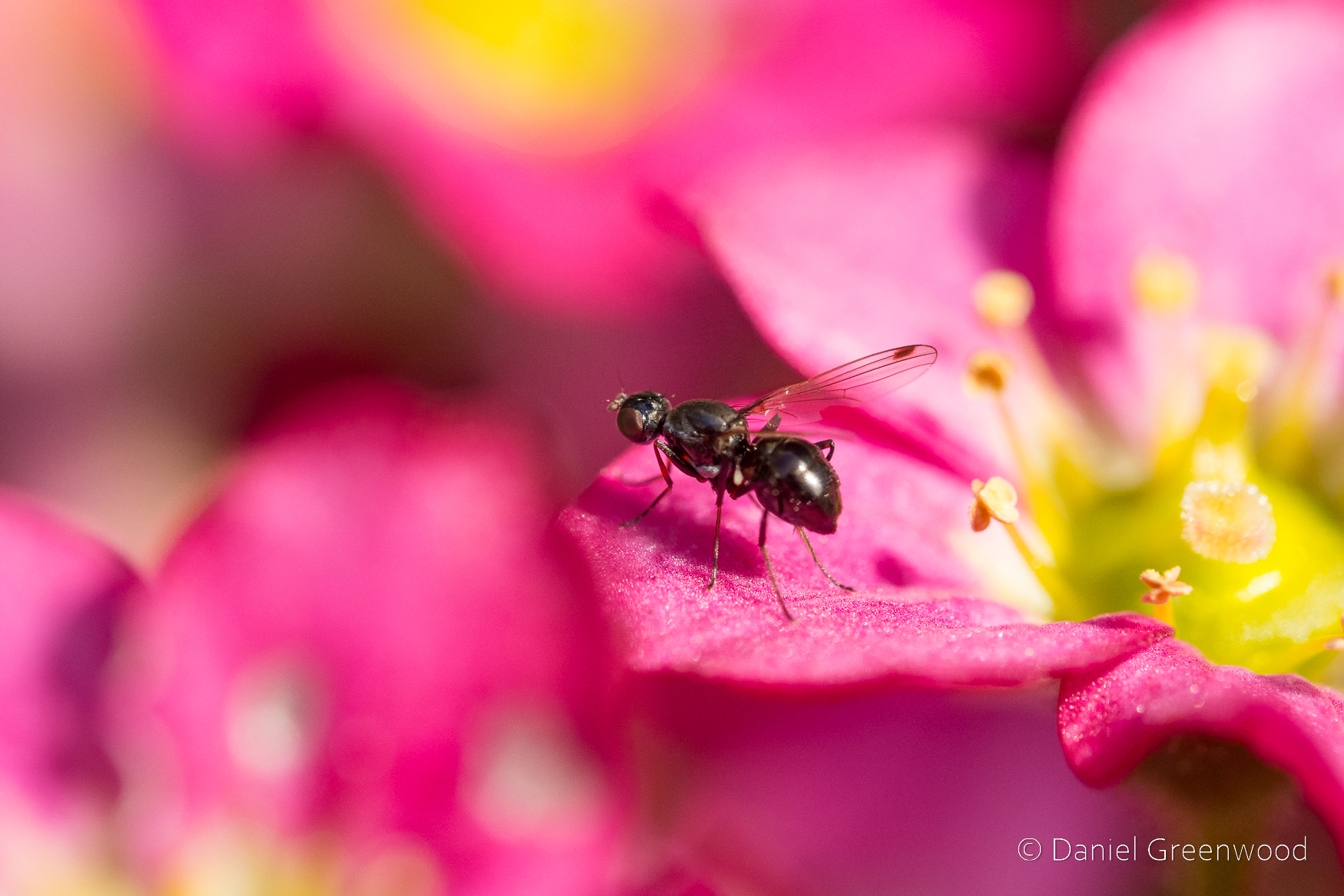
Their eyes are very cool, and I enjoyed the single spot in their wings as well. These flowers are some saxifrages my wife bought from the garden centre.

In January on a cold Saturday afternoon I laid or ‘plashed’ the hazel shrub I had planted out in our hedge. It’s a little hedge, but the usual shrub that made up the hedge has died back so I needed to take action. It’s so pleasing (‘pleaching’?) to see the hazel respond so well and new shoots to appear from the lain-down stems.
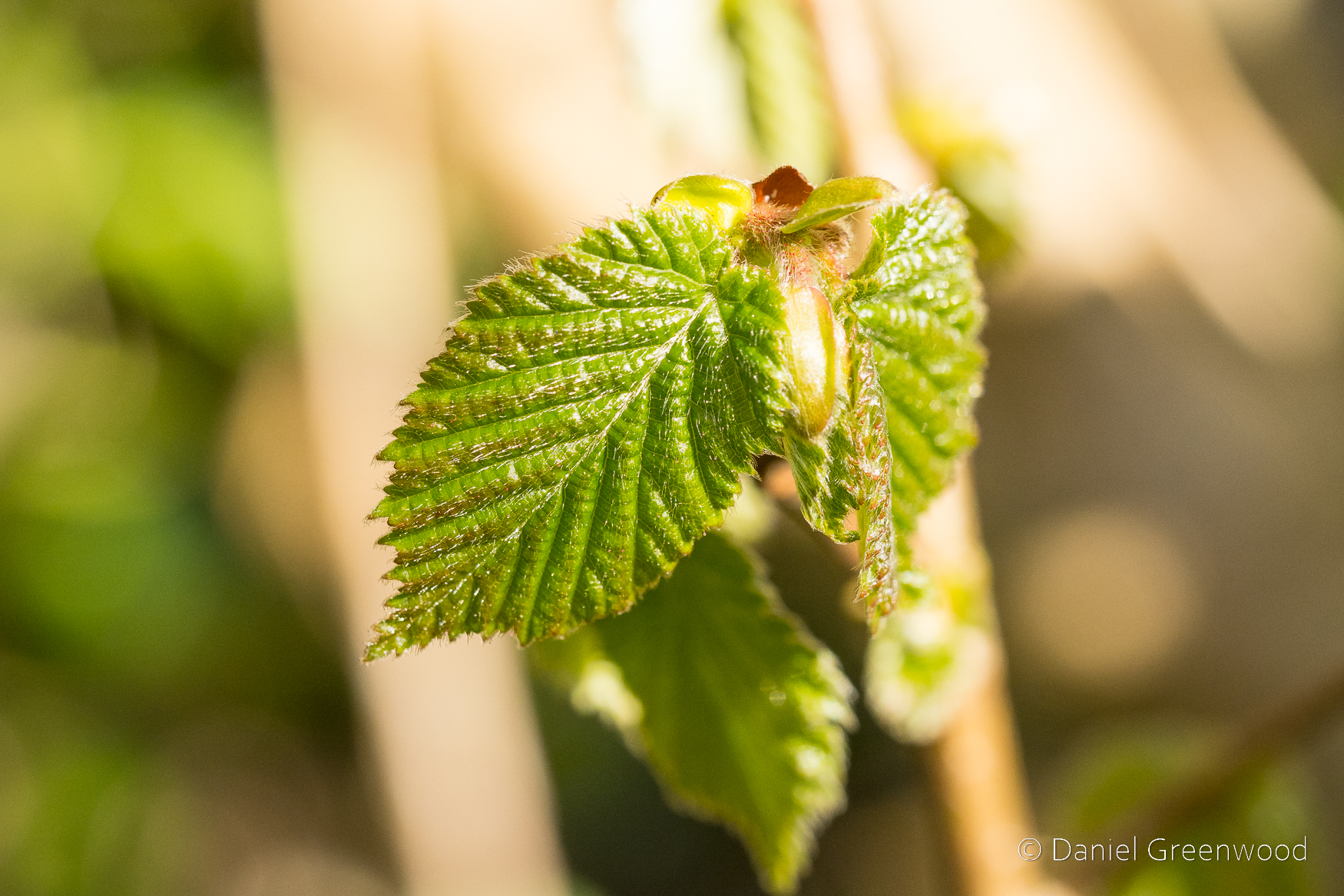
I also uprooted a sapling that a squirrel had cached as a seed, which is doing well. I planted this out around the time of frosts, which shows hazel’s hardiness. I did know that was the case, but it’s nice to see it come through.

The normal hedge I mentioned is this Skimmia japonica. It’s good for pollinators, no doubt. But it doesn’t seem to last well without pruning.

It was abuzz with drone flies as spring really began to arrive in mid-late March.

These drone flies (Eristalis) are probably the most common winged-insect in our garden at the moment. They’re quite funny I think.
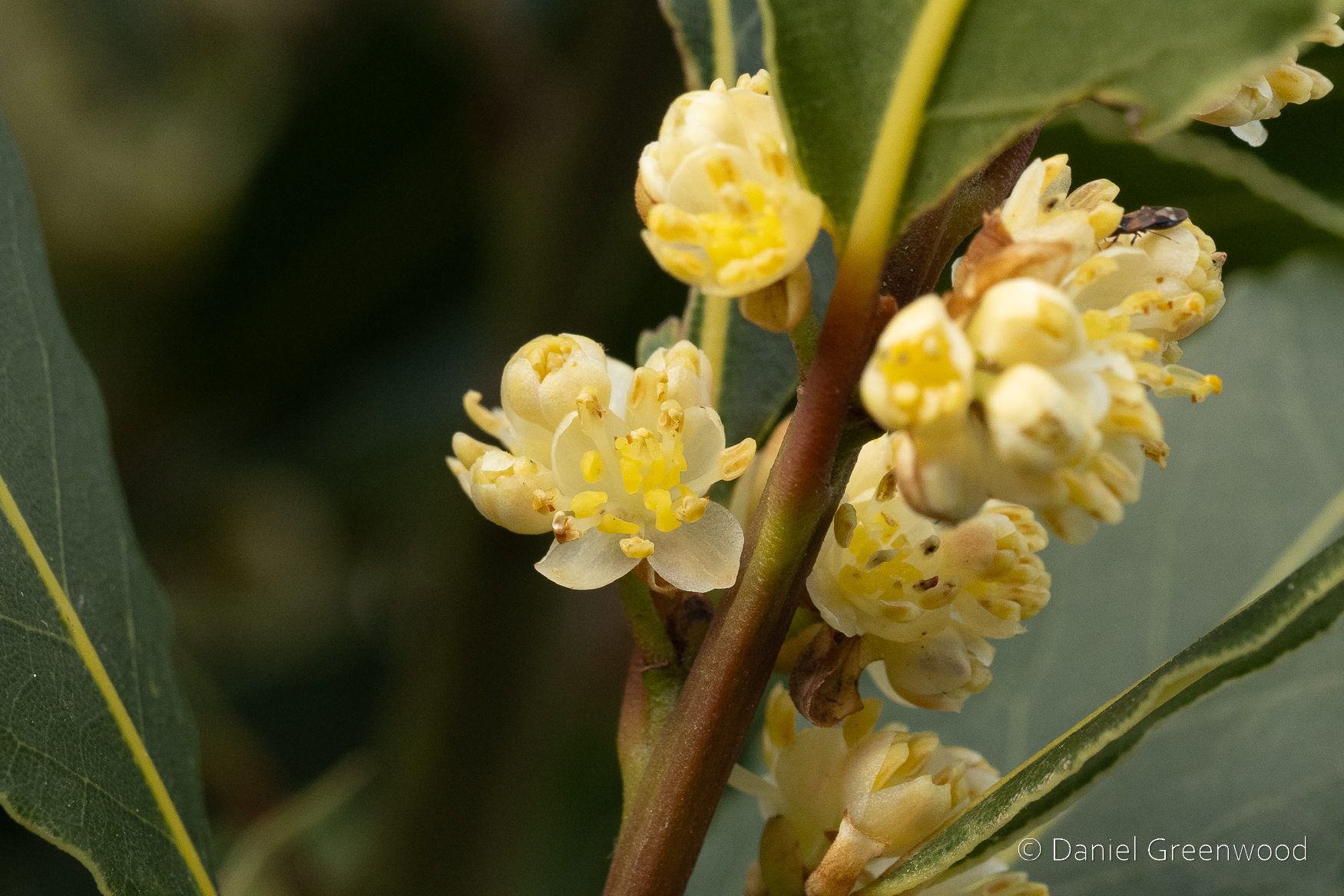
Bay flowers promise so much, but they are quite modest really. I am hoping this provides some decent nectar for any invertebrate that needs it.

I spotted this little crab spider hanging out on one of my thermal t-shirts. It’s probably Misumena vatia, the most common of the crab spiders.

A cat monument in our garden in memory of our cat Kaiser who loved this spot in the flowerbed. The wolf spiders also love this spot because it gets so warm. The white stone of the cat is even warmer than the surrounding soil. I think this may be a male and a female wolf spider, with the male the smaller of the two, with the palps (dark spots at the front of its head, in the cat’s eye!).

The fence next to the cat monument was a helpful basking spot for the first nursery web spider I’ve seen so far this year.

The flowering of our magnolia is short and sharp, but these globular flowers are a delight. Magnolias are very old trees in evolutionary terms, and here’s to another year under their belts.

Thanks for reading.
Macro

Midsummer buglife ๐Ÿชฒ

Warnham Local Nature Reserve, West Sussex, July 2024

I was making my first meaningful trip out to a wild space after being ill with Covid, to see if I could concentrate enough on taking some macro pics. Thankfully there were some very docile bugs pleading for their close up. Here you go, team.

I’ve missed a lot of the macro season this year, what has probably been one of the ‘worst’ summers in this part of England. Lots of rain, quite cool, clear lack of insects. I’m only just getting over brain fog so not able to compute how worrying the insect declines are right now. It seems that approving the use of bee-killing pesticides without appropriate risk assessment doesn’t help.

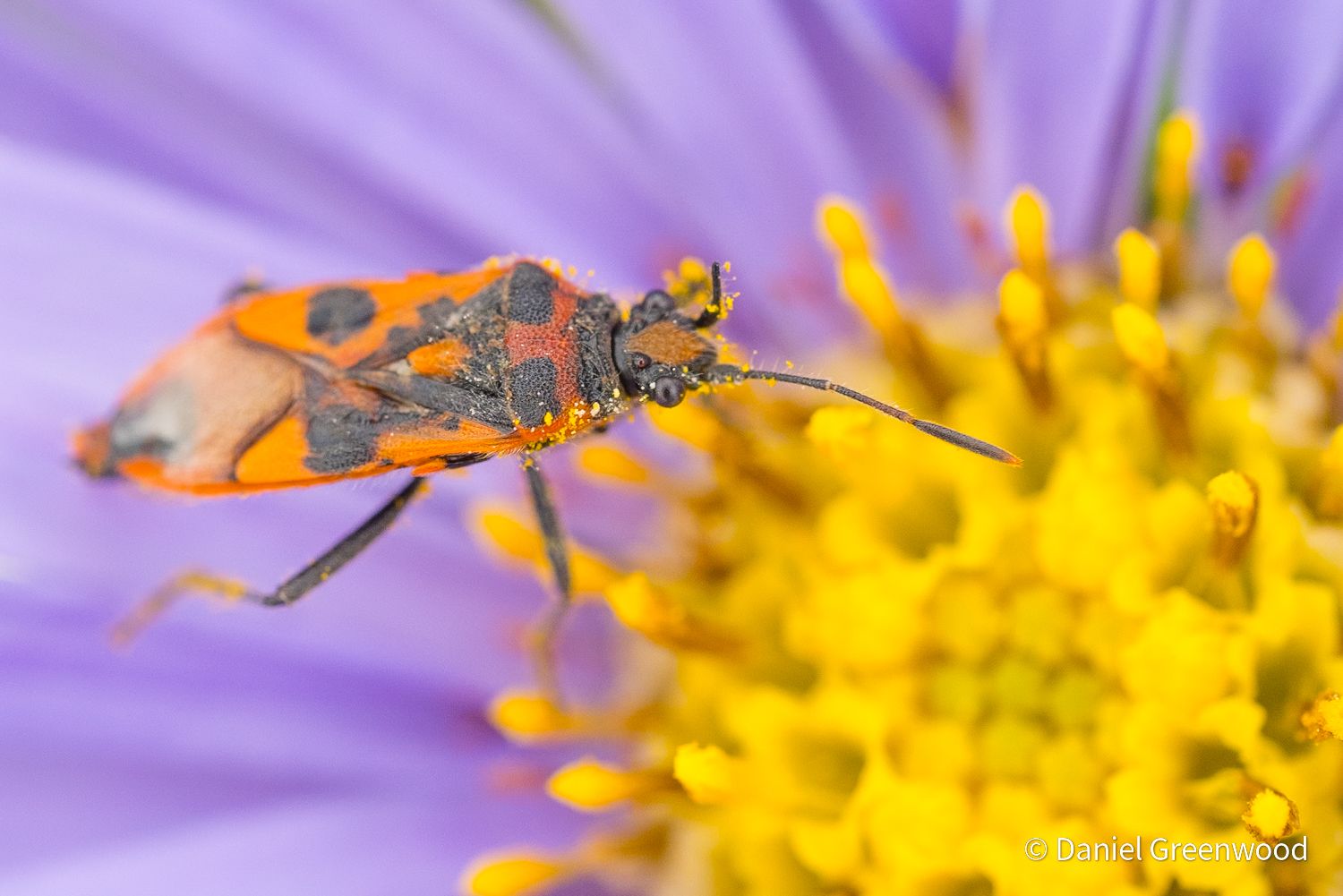
I was fortunate to spot this cinnamon bug nectaring in the flowerhead of a Michaelmas daisy within a few minutes of my visit to Warnham Local Nature Reserve. I love how this pollinating beetles get so covered by the pollen. It’s a bit like me after eating a choc ice.

Though flies are feared and reviled for their connections with unpleasant organic matter in this world, some of them are very interesting to look at. Many of them also tend to be pollinators. It’s not all about the bees. This fly is probably Nowickia ferox, which feeds on flowers. Moth fans – look away now. Their larvae develop in the dark arches moth.

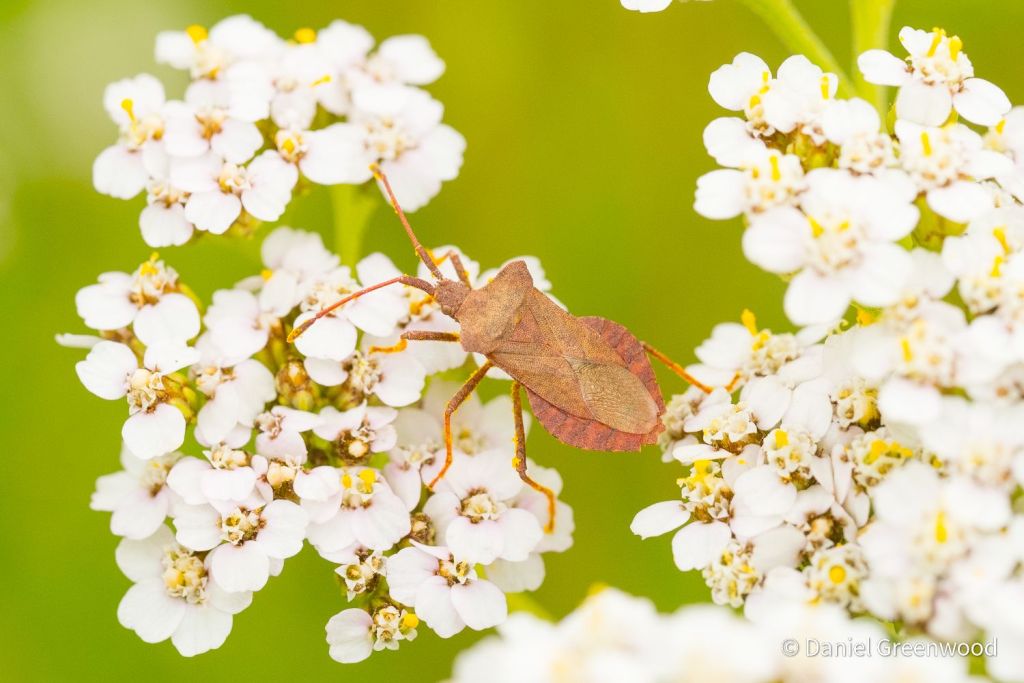
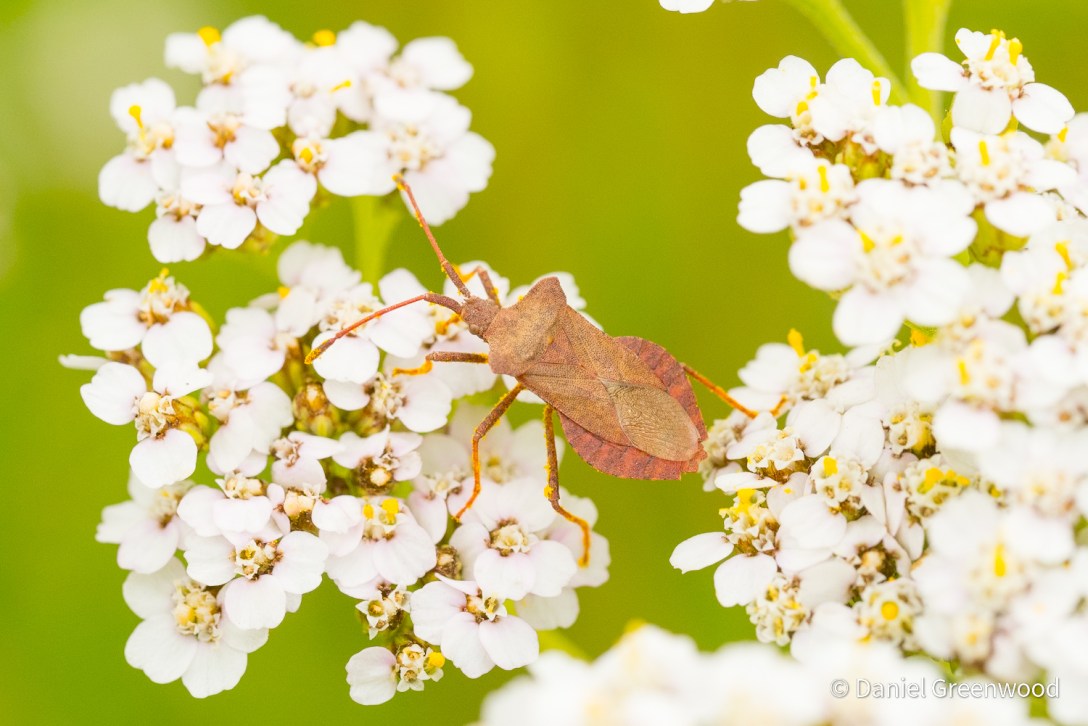
Dock bugs are a common sight in southern England, especially in flowery grasslands and meadows. They are very easy to photograph – they’re like the mushrooms of the insect world, slow moving, if at all. How trusting.

Elsewhere, this mid-summer period is one of hoverflies, many which looked very similar to the untrained eye (this one) but which can be nice subjects among the flowers of hogweed and other umbellifers.

I was pleased with this photo of a dancefly as it nectared on some ailing hogweed flowers. That is one heck of a proboscis. The light is very soft and the background is a serene green.

Over the years (I’ve been using a dedicated macro lens since 2014) I’ve learned about species behaviour, and how a little bit of knowledge can really help you to find wildlife. In terms of invertebrates, I remember a blog written about fenceposts and how they were a good place to find roosting insects. This is solid advice.

During this visit, in the forefront of my mind was a past, failed attempt to photograph a robberfly where it sat on a handrail. On that same handrail I didn’t find a robberfly, but instead my mother and father-in-law, which was also nice. But, that wasn’t the end of the story…

Turning to head home, realising how fatigued I was, and lacking in normal, basic levels of energy, I spotted something. A robberfly was sat on a different handrail! It’s so pleasing to have this sense of validation for my fencepost knowledge.

In the world of wasps, we are of course in the throes of the UK Media Silly Season (despite there being a General Election, potential dictatorship in the US, and far-right riots across the UK!) and wasps are in the news. Interestingly the mwin story is, where are they?

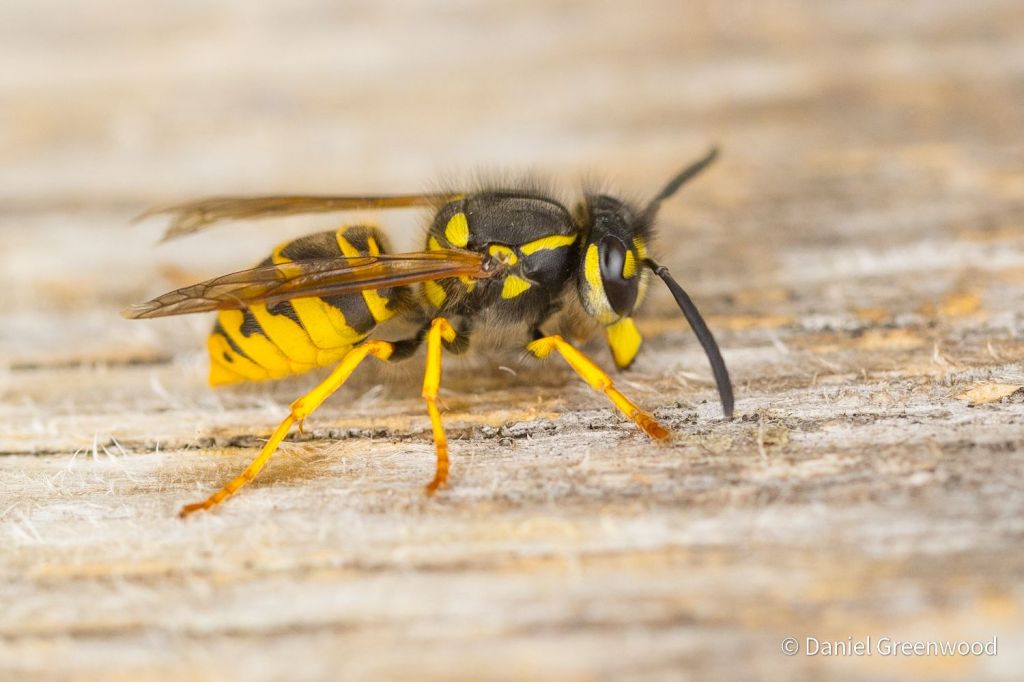
iNaturalist users think the wasp above is a German wasp. What you can see is the wasp gathering wood shavings for a nest. But that wasn’t the only wasp I saw.

July and August are good months to see the iconic ichneumon wasps. I absolutely love them, an interest which was deepened by reading The Snoring Bird (I recommend it). I wasn’t fast enough for this ichneumon to really get a strong pic, but this will do.

Even worse was this attempt to photograph one of the Gasteruption ichneumons. People, I am just too short for plants that want to grow this tall. I do enjoy the bokeh here though (circular light in the background). Take that, full-frame cameras!

So, all in all a decent showing for a fatigued individual.

Thanks for reading.

Photos taken with Olympus EM1 Mark III and 60mm f2.8 macro lens, edited in Lightroom.

Macro