Swiss Alps: alpine wildflowers on Männlichen 🇨🇭

The Jungfrau, Switzerland, May 2024

Carrying on from the magnificent meadows of Grindelwald post, this post covers some of the alpine plants my wife and I saw on our honeymoon hike around Männlichen in May 2024.

The view from Männlichen

It was rather wintry atop the peaks of the Jungfrau with snow still covering grasslands above the treeline.
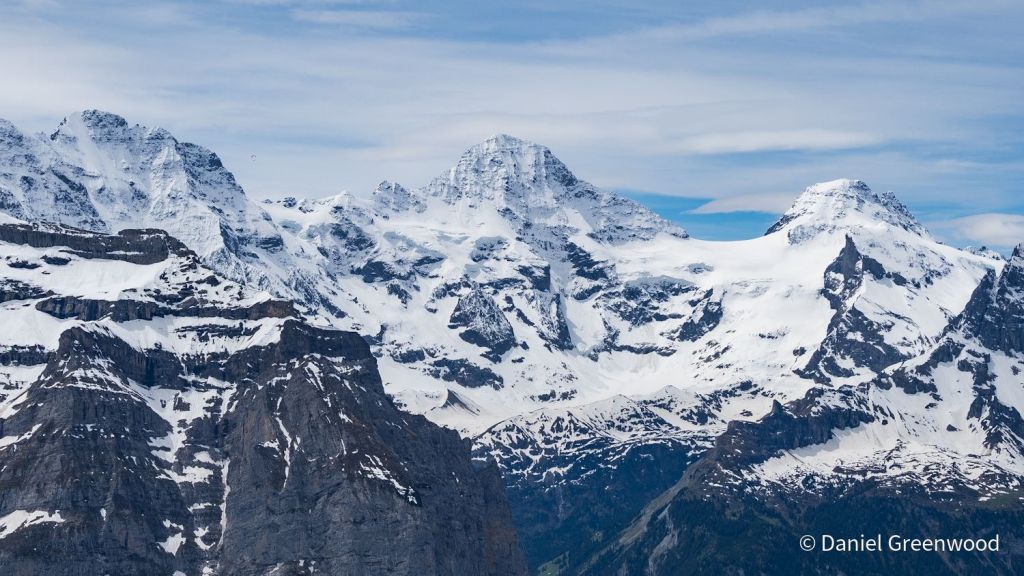
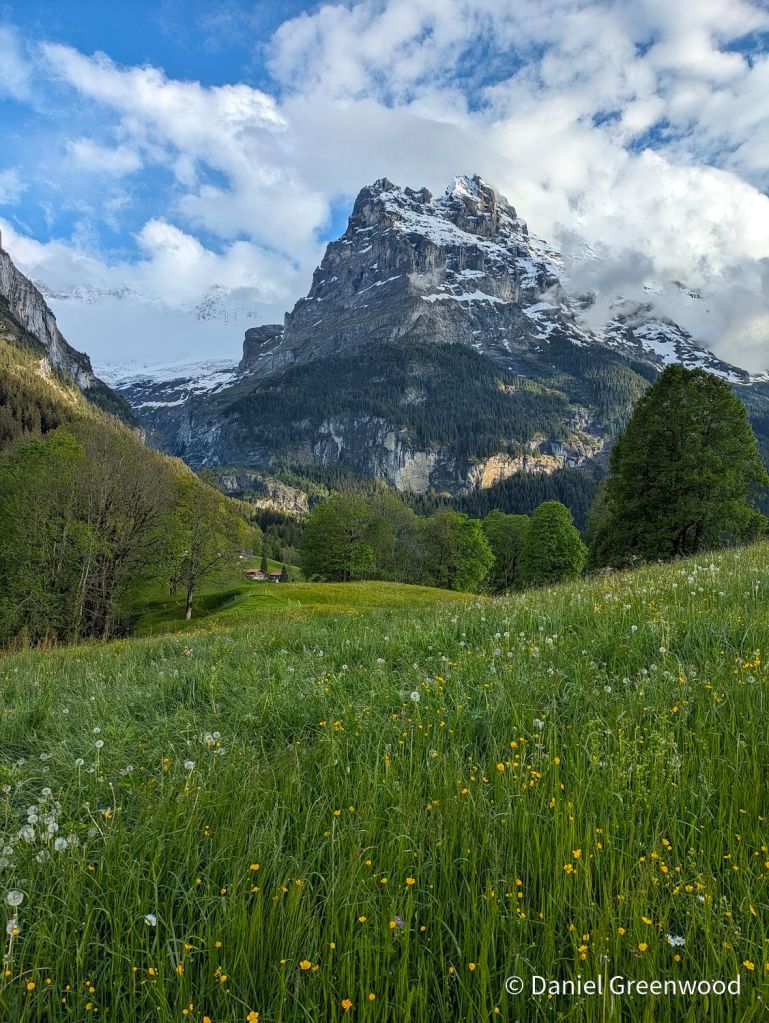
The Jungfrau peaks left to right: the Eiger, Jungfrau and Mönch

The Peaks of the Jungfrau

Männlichen is accessible via gondola from the Grindelwald Terminal station. The Grindelwald stations can be confusing so do look into it to ensure you don’t get off at the wrong station, wherever you’re going.

View into the Lauterbrunnen Valley from Männlichen

When you reach the gondola station you alight at 2220m. Here you get fantastic views of the major peaks of the Jungfrau – Eiger (Ogre, 3970m), Jungfrau (Young Girl, 4105m), and Mönch (Monk, 4107m).
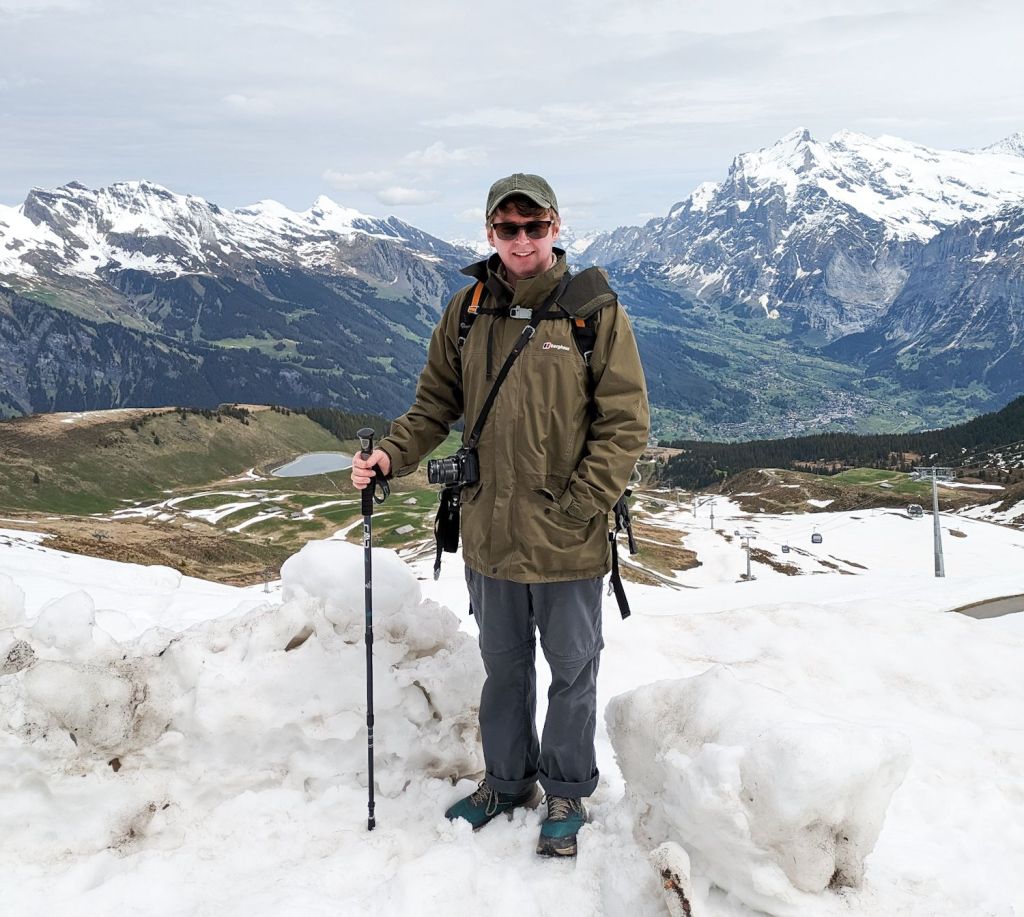
As it was still snowy and we were only kitted out for ice-free hillwalking, we walked down to the middle gondola station on the road.

Along the way we saw a lot of nice wildflowers, most of which we hadn’t seen before.

Wildflowers near Männlichen (2200-1800m)

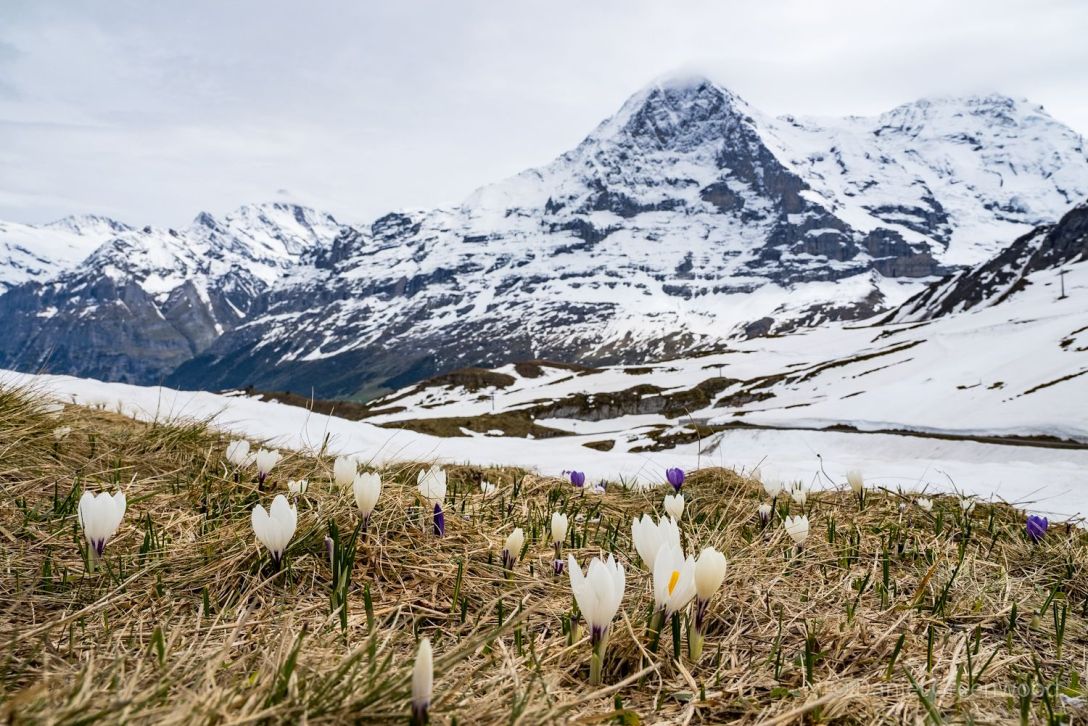
The most dominant flower was a species of crocus that was appearing from under the snow.
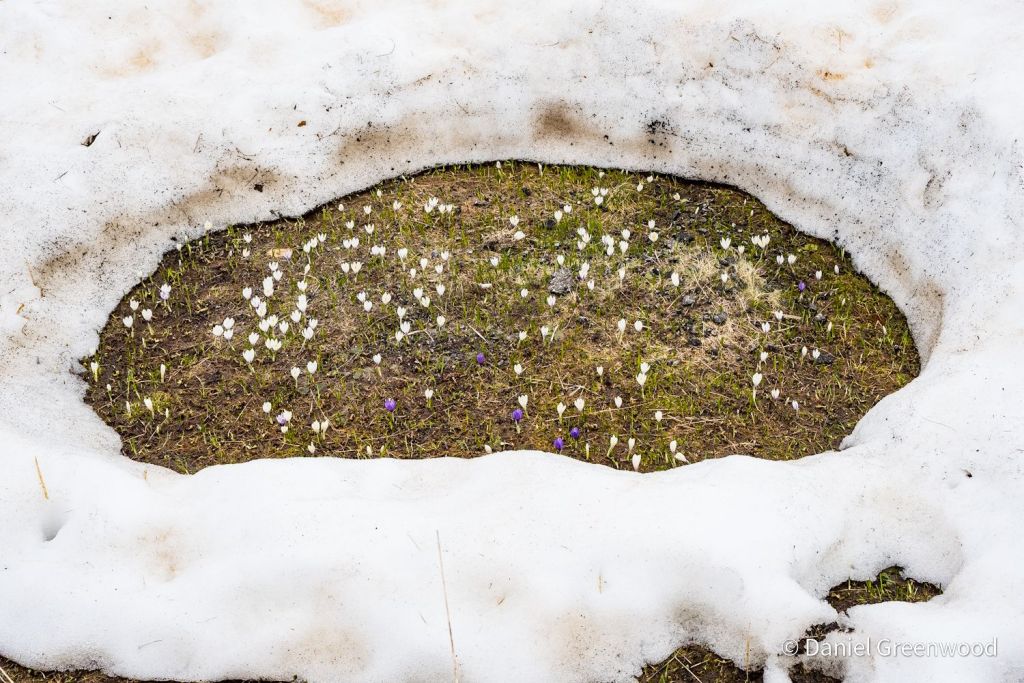
This shows that rather nicely.

White crocus (Crocus vernus), and a purple variety:
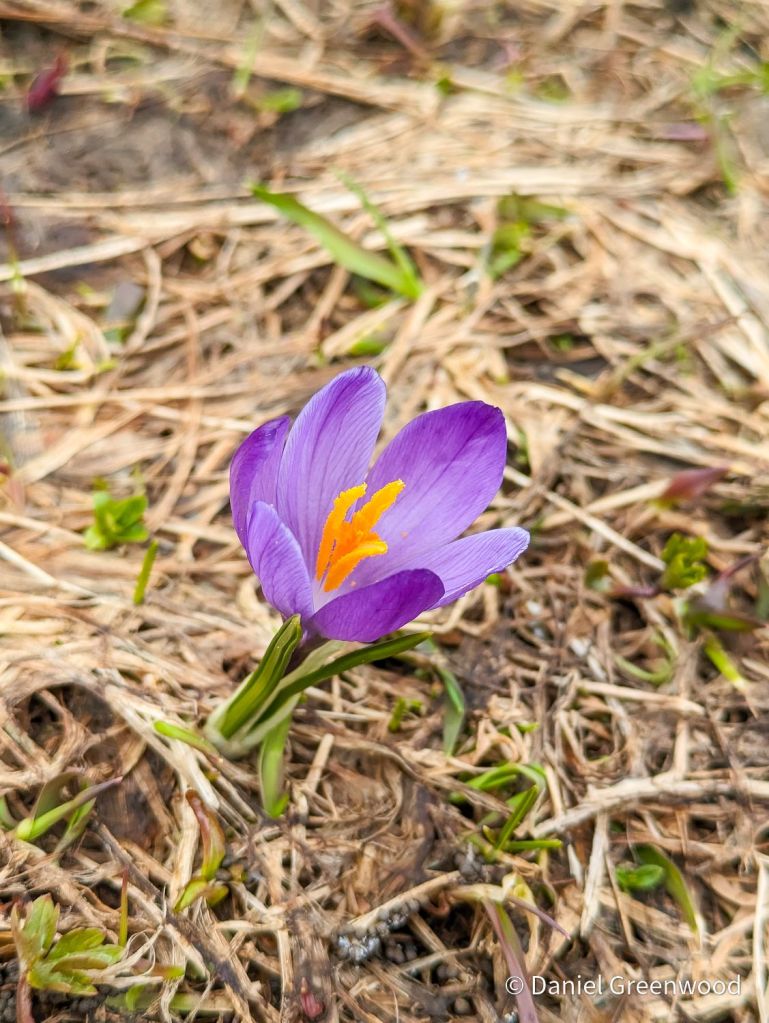
Meadow saffron always come to mind.
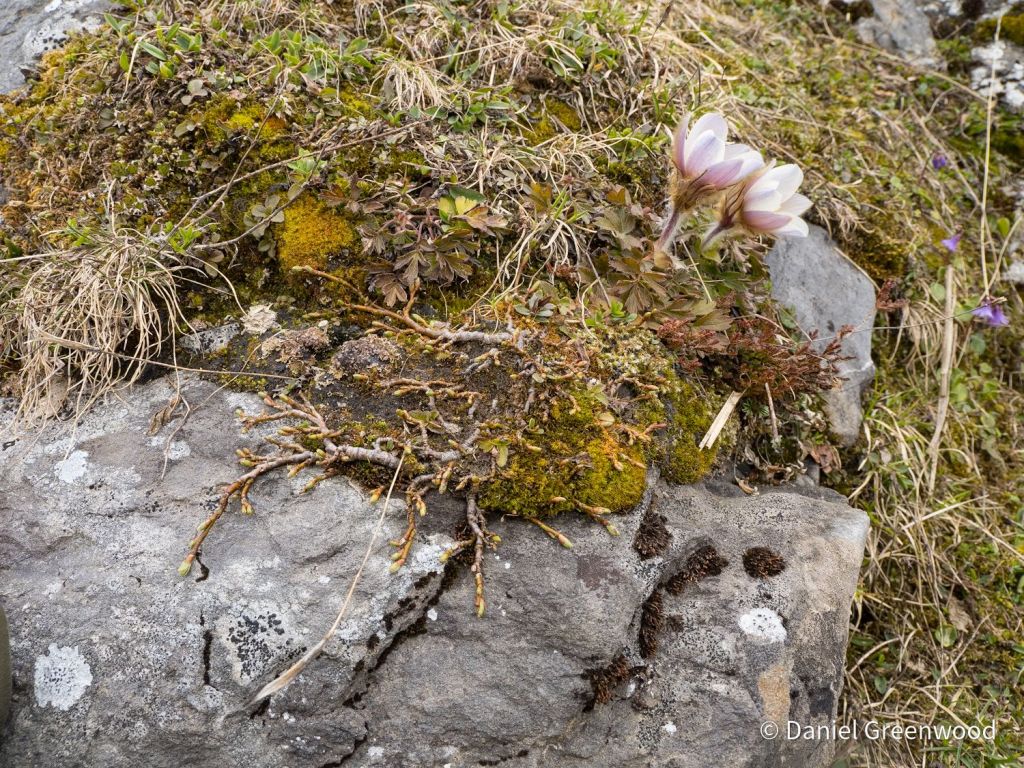
A nice surprise was this spring pasqueflower (Pulsatilla vernalis) close to the top where the first rocks were appearing from the snow.
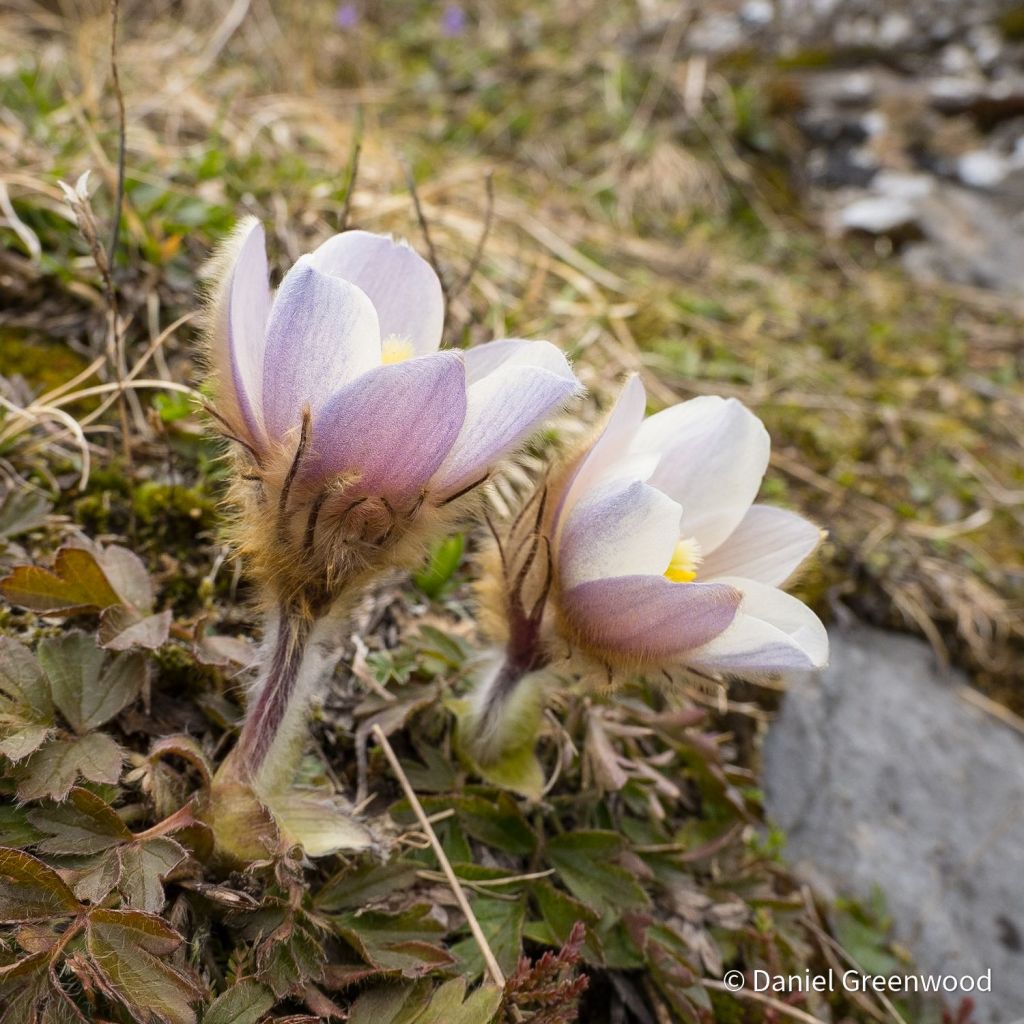
They are rather hairy.
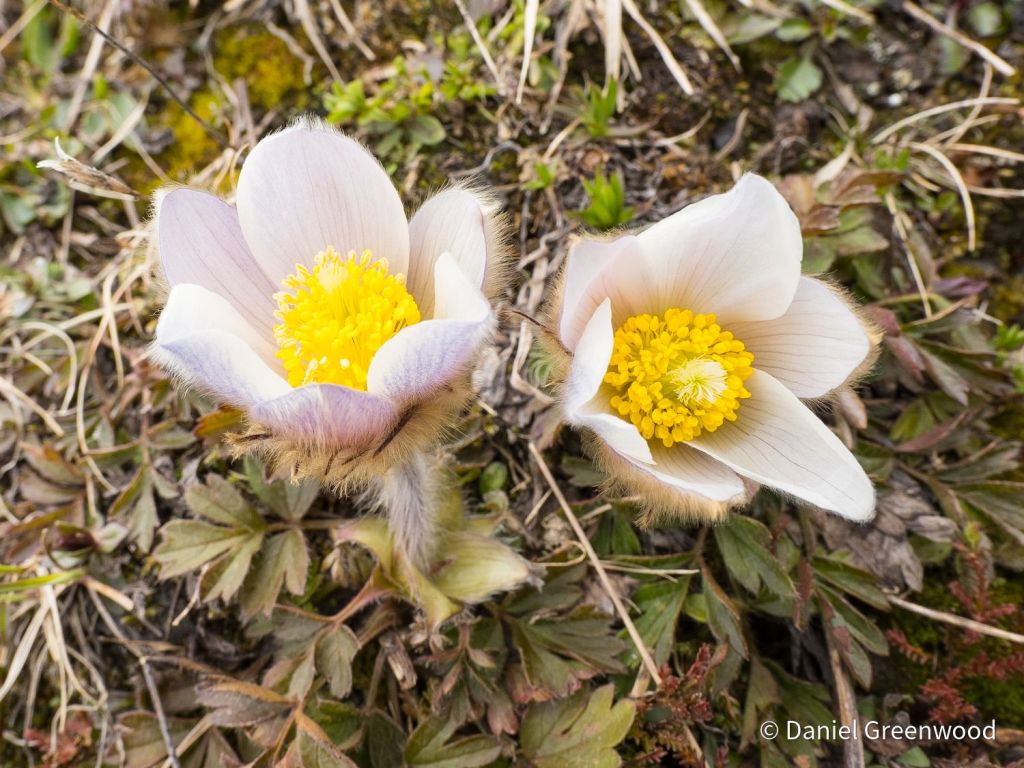
Pasqueflower is found on chalk and limestone grassland in England, though I’ve never seen it. The Cotswolds is a stronghold.

It’s almost as hairy as a bat, or a tarantula.
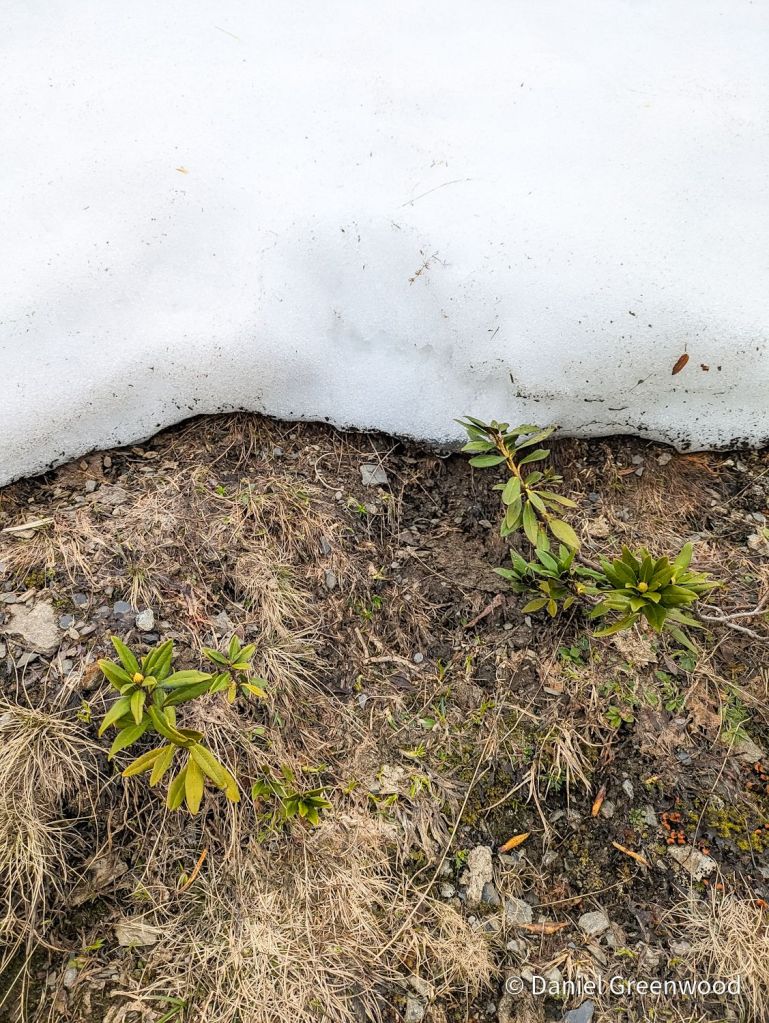
Appearing from the snow was another new plant for me – rusty-leaved alpenrose (Rhododendron ferrugineum).

I’ve never seen any species of rhododendron in their natural habitat. I’m used to seeing the ornamental versions either in gardens or when they escape and cause harm in other habitats.

Snowbell (Soldanella alpina) is a plant I’ve seen in the Bavarian Alps but I’m not there often, so this is a nice thing to see.

The flowers are very ornate, though most flowers are! They look like paper lampshades.

Purple mountain saxifrage (Saxifraga oppositifolia), not well represented in these pics, and probably quite early in its growth.

This is probably mountain everlasting (Antennaria dioica).

Now this has a great name – sweetflower rockjasmine (Androsace chamaejasme). Sounds like a James Taylor song.
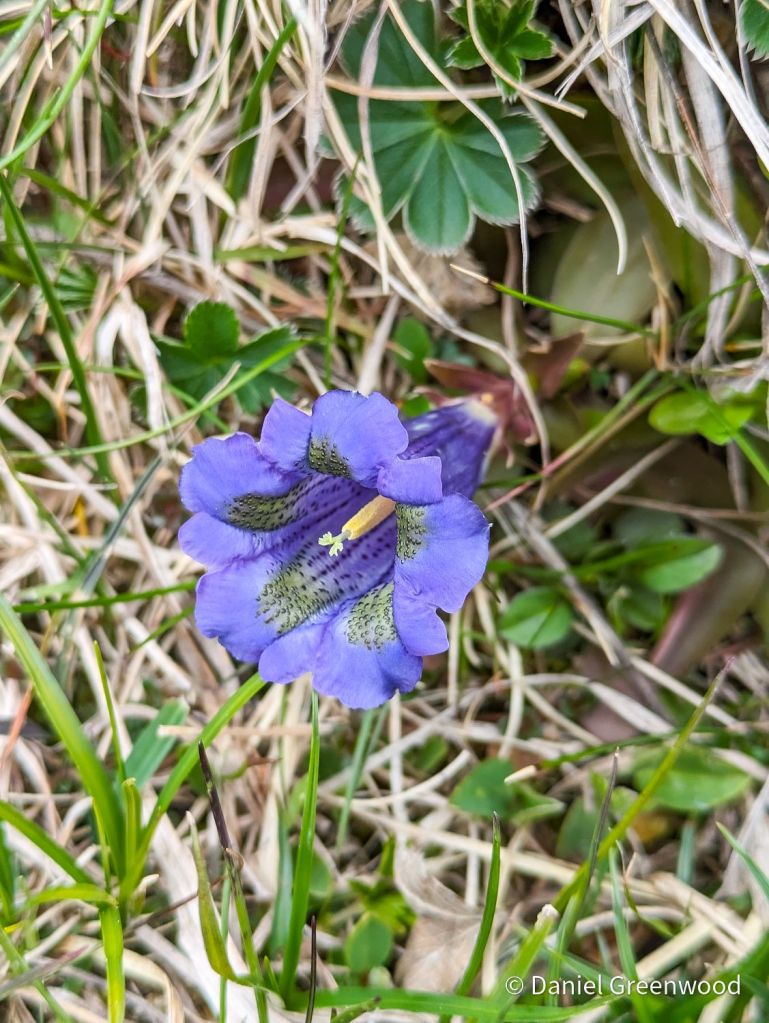
One of the joys of the Alps for us was seeing the range of gentians. They are a stunning blue colour, the kind of vibrancy that only wildlife can muster naturally. This is probably trumpet gentian (Gentiana acaulis).

Birds-eye primrose is a species I’ve only ever seen in the Yorkshire Dales before, near Malham Tarn. The slopes down from Männlichen did have a moorland feel to them, like the Dales does.

Colts foot is one of the first spring flowers and these were very high up. Hardy daisies indeed.

Bright little lion’s manes, though not purely alpine in their habitat preferences.

This is probably cow berry (Vaccinium vitis-idae), a relative of bilberry.

I’m fairly sure this is bilberry.
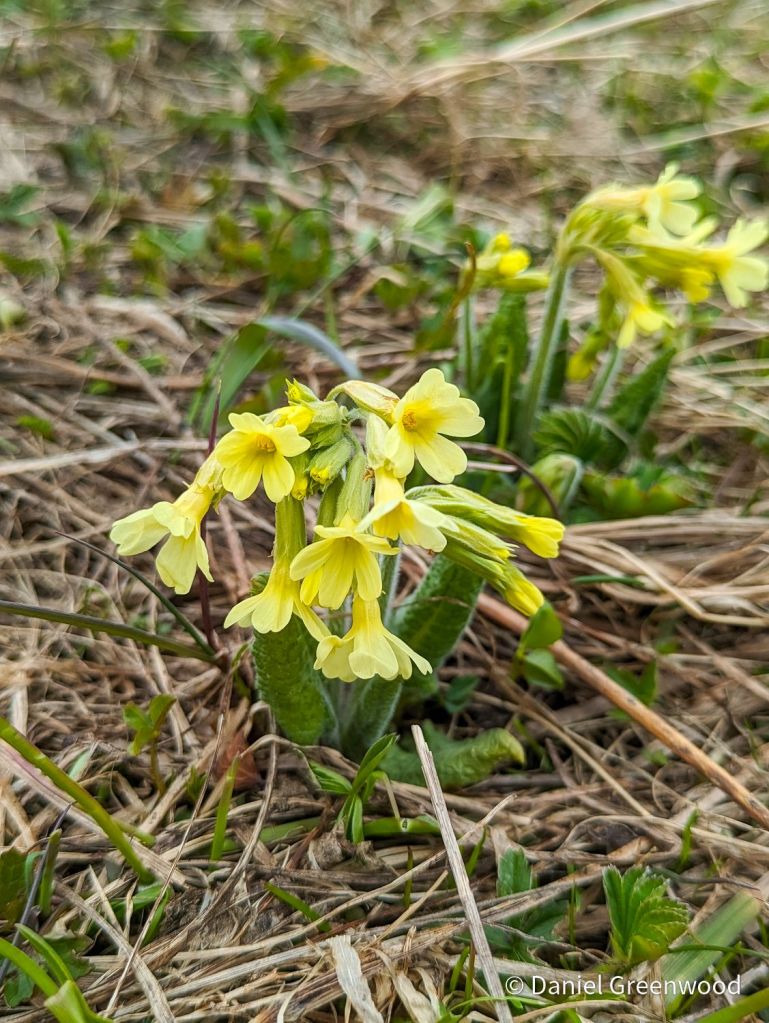
Oxlips are no longer common in England, and I can only ever remember seeing them in Germany or Czechia in spring.

I think these may be oxlips, but their abundance has thrown me. This was near to the middle gondola station on the way down.

Jostling for prominence.
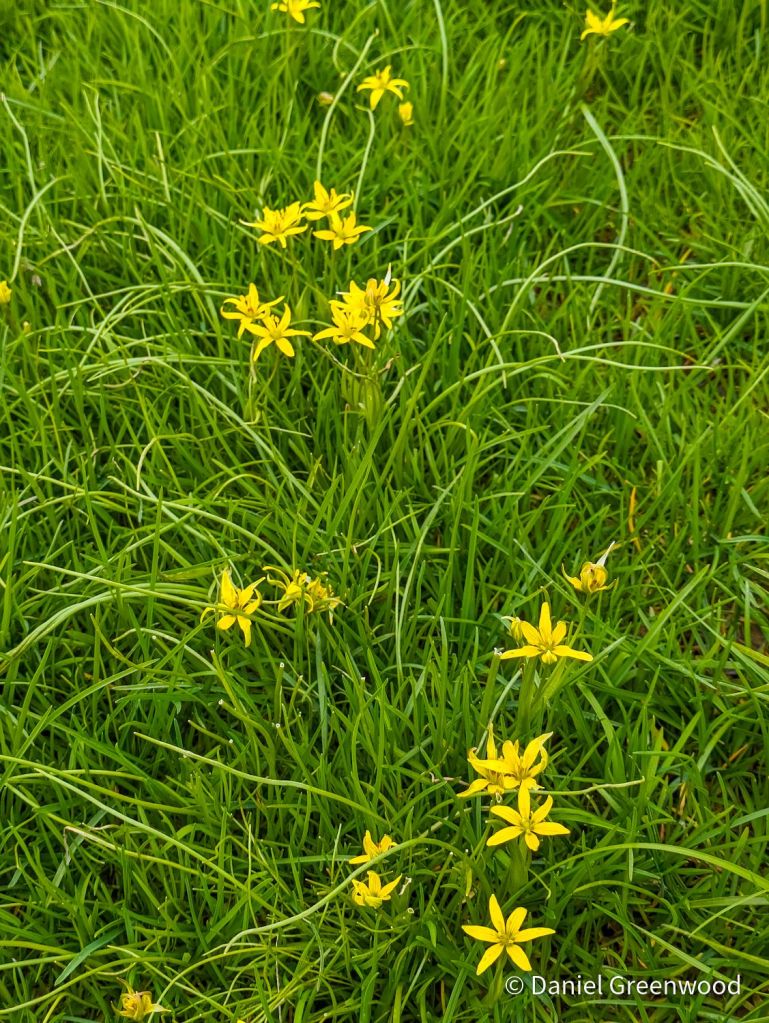
Nearby to them was this lovely plant, yellow star of Bethlehem. If only peace could come to that part of the world today.

Next I’ll be covering more woodland finds around Grindelwald, and later in the mountains around Lake Brienz. Then it will be what everyone seems to navigate to this website for – sycamore content.

Thanks for reading.

I write these blogs in my spare time because I want to raise awareness about the beauty and diversity of our landscapes. If you enjoy reading them you can support my blog here.
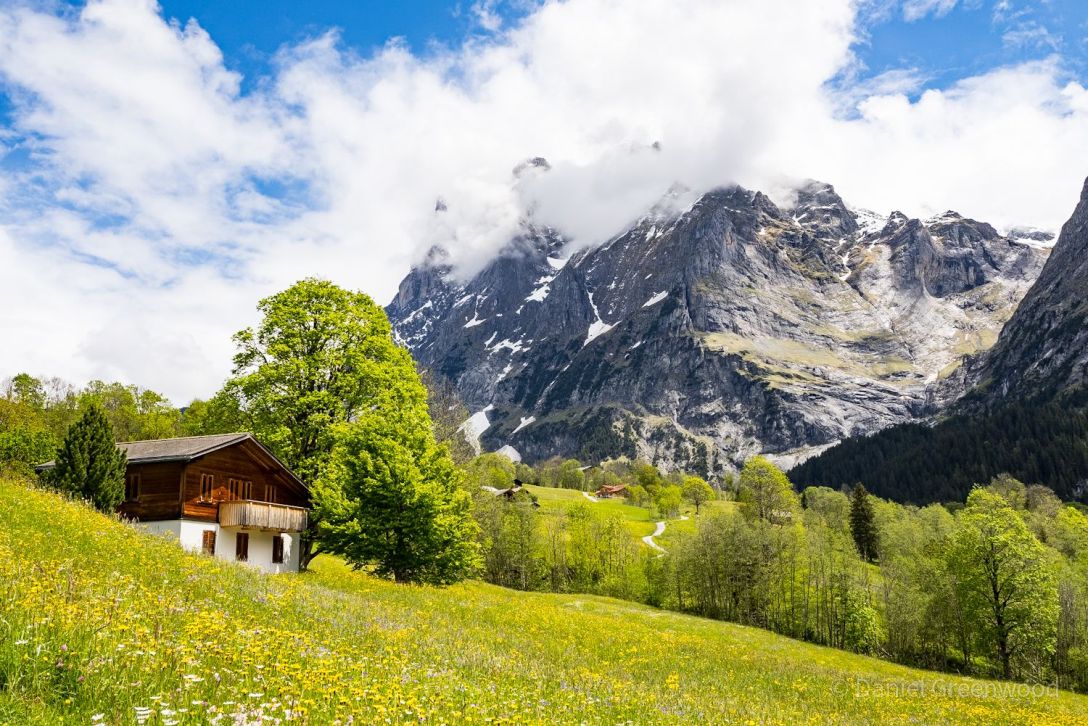
Swiss Alps: Grindelwald’s magnificent meadows 🦗

In May 2024 my wife and I went on our interrail honeymoon to the Jungfrau region of the Swiss Alps. I am finally ready to post my photos from the trip, starting with some macro photos. I’ve popped in some short videos here to give a bit more texture and sound to bring things to life.

My cat whispering wife

It was an incredible trip, all done by rail there and back. The nostalgia is already with me.

In addition, I’m aiming to post about the spring alpine flowers and the amazing sycamore wood pasture. Hopefully one each week. I posted about the smattering of fungi back in May on Fungi Friday.

On the trip I took only one lens with me, one capable of pretty much any photography between 12-45mm (equivalent to 24-90mm in full frame cameras). That includes excellent close up capabilities. I also had a pocket compact camera and my phone.

The meadows were in full bloom, days from being cut for hay to feed the alpine cattle through the winter months.

Breathtaking alpine meadows

Oxeye daisies with the Wetterhorn (I think) in the background. This pic is taken with my Olympus TG-6 compact.

It was nice to see the variations in the grassland species in the different locations. At about 1200m up these meadows were packed with umbellifers. They make up the wash of white here. This meadow must have been impacted by the snowmelt as it nourishes the foothills in spring.

The typical mix around Grindelwald was one of red clover, scabious, oxeye daisy and hawkbits.

The Eiger looms over chalet homes and rich hay meadows. You can see the allure of Switzerland. High living standards and abundant nature.

It is a breathtaking place, as this beautiful phone pic suggests (as in the phone’s capabilities!). This meadow was one that lacked the diversity of others, with the dandelions being evidence of nutrient enrichment, which encourages more vigorous plants at the expense of others. The most diverse meadows will have lower levels of nutrients in the soil.

The Grindelwald meadows were at a height of around 1000m. They were peaking and very loud at times. Just listen to this:

It was a chorus of crickets, not something that we get in England much anymore. The management of these meadows follows a largely medieval practice of haymaking, though it is now mechanised:

This is probably a family cutting and collecting the hay. This photo was taken from a cable car heading up to Männlichen.

Now onto the invertebrates that lived in the meadows.

Bush crickets

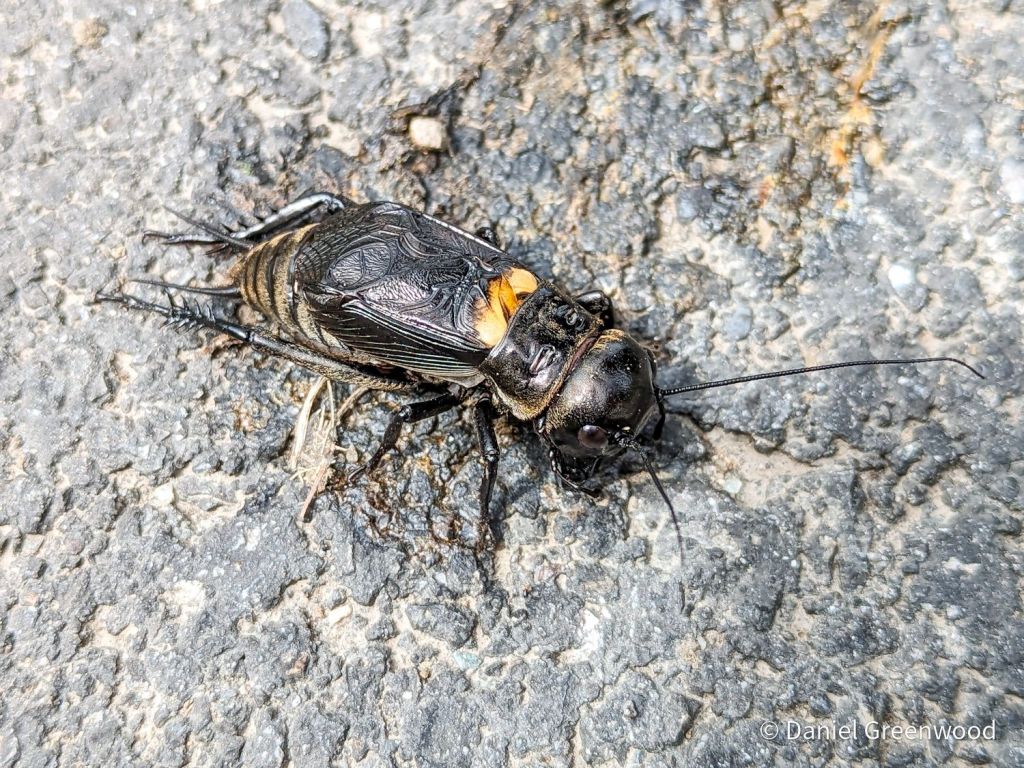
The sound in the meadows was made by the European field cricket, a species that has received support via conservation projects close to me in West Sussex. According to the iNaturalist page it’s flightless, so when it becomes locally extinct it struggles to repopulate lost ground. In the UK it has suffered from the decline in heathland, its favoured habitat. The cricket above was travelling across a lane to reach another meadow. There were a number of them squashed by vehicles. It’s unavoidable.

Moths and butterflies

During a walk in the valley woods at the foot of the mountain this green-veined white butterfly (I think) was on the wing. The main butterfly we saw was the swallowtail, but they were too fast, restless and far away for my lens to reach.

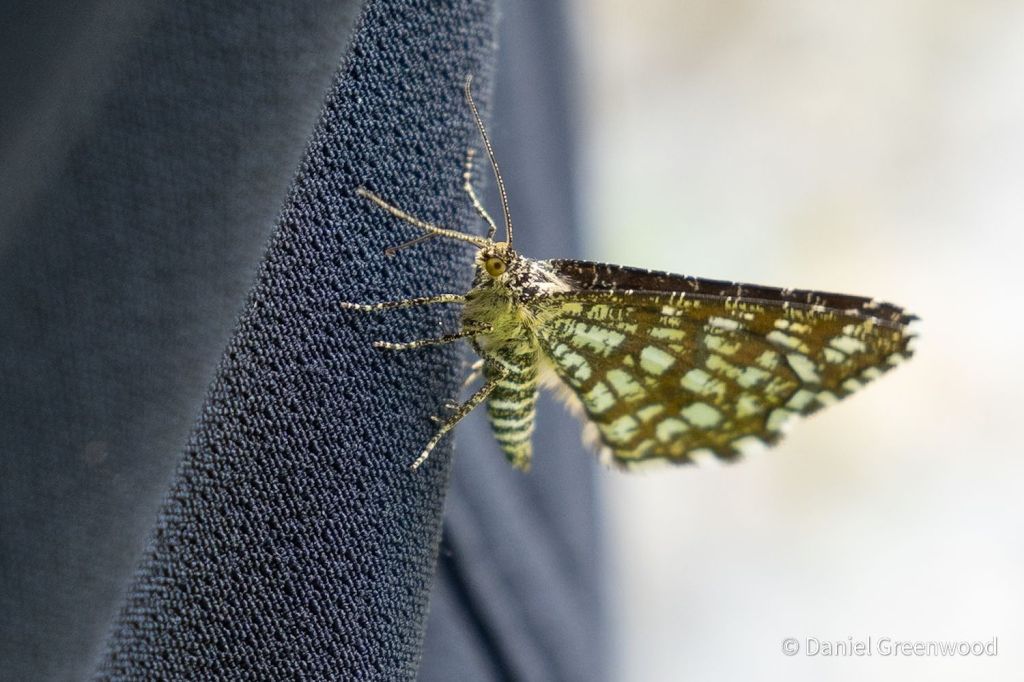
In stark contrast, this latticed heath moth alighted on my actual lens before being coaxed onto my trousers:

This is a species we also have in southern England.

Wasps and sawflies

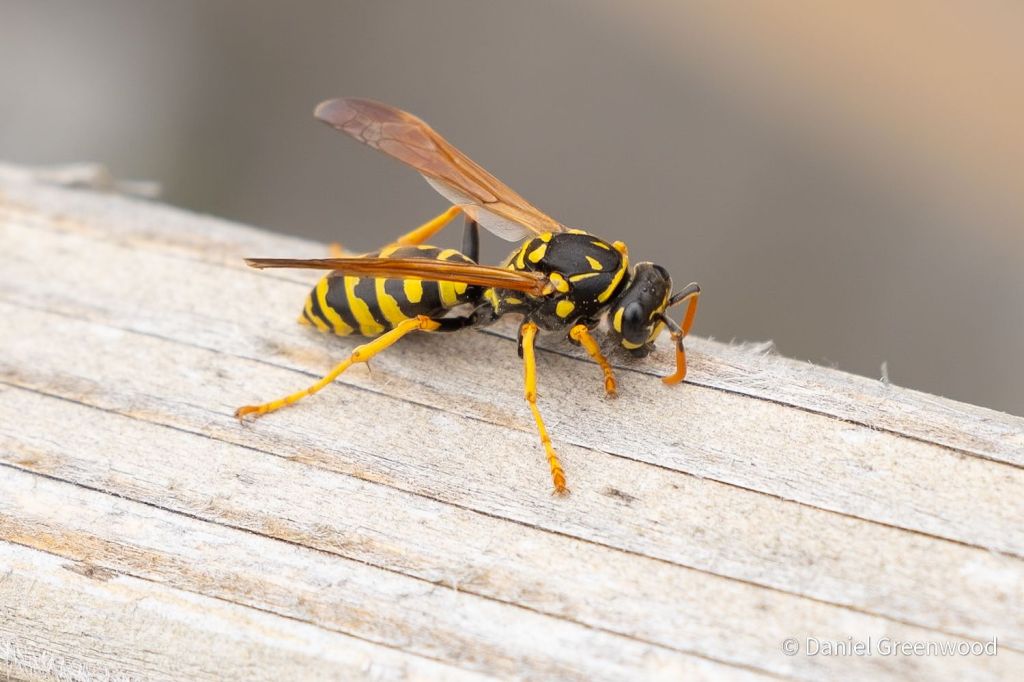
One insect you don’t see in the UK, as far as I know, is the European paper wasp.

They have a lovely orange hue to their antennae, feet and wings. I’ve seen them before in Czechia making nests in residential post boxes. Here you can see one gathering wood shavings for nest building.

Meadow cranesbill was another common flower in the – you guessed it – meadows. I noticed that one area we passed when returning to our accommodation had a number of cranesbills that held sawflies in their flowerheads. The iNaturalist sawfly oracles have decided this is Tenthredo koehleri.

Beetles

Beetles are not my strong point, unless they are from Liverpool. This is a species of click beetle from what I know, visiting an oxeye daisy flower.

Spiders

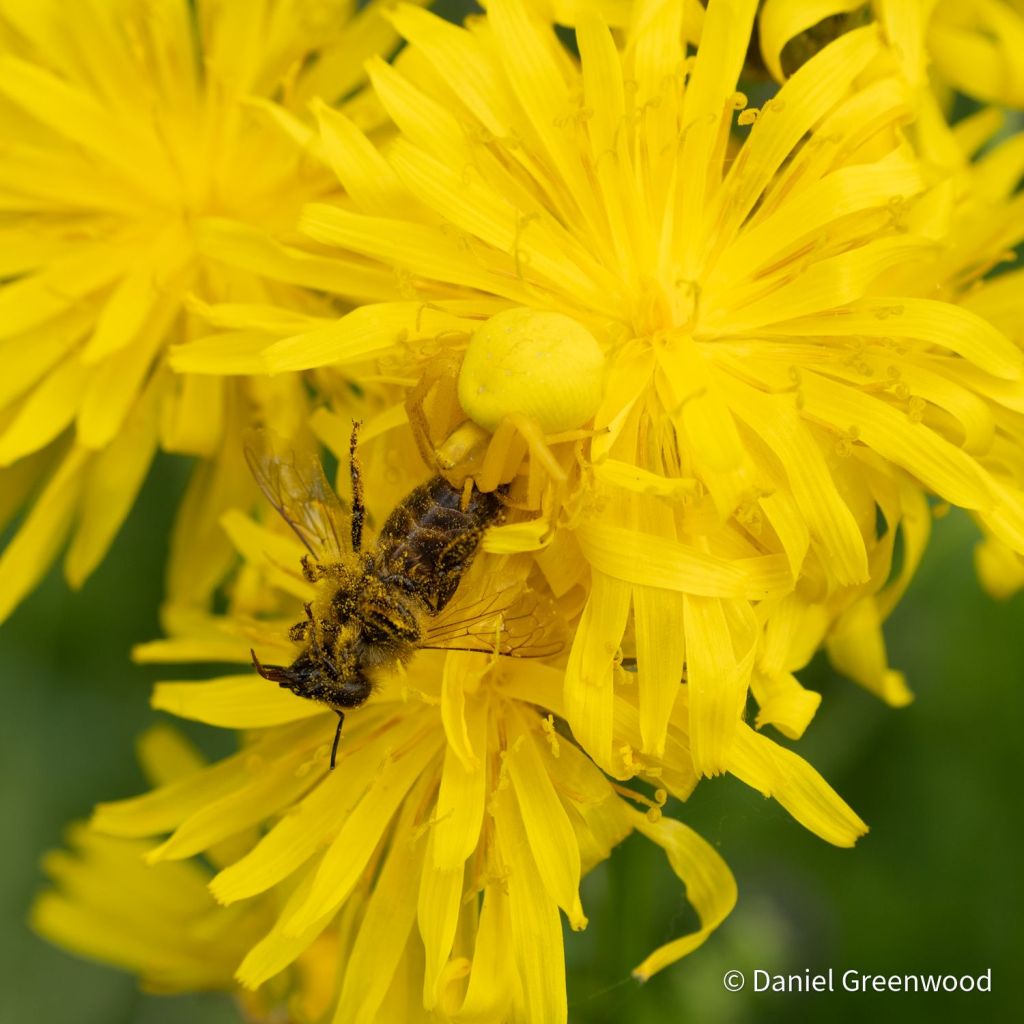
Now, I did mention those beardy daisies the hawkbits, earlier. I’m not up on my ID with these plants, but I did spot a crab spider which had joined in their colouring and caught a honeybee (I think) in one of the flowerheads. This was a statk example of how they can change their complexion to camouflage themselves in certain plants.

That’s all I really managed in the macro photos stakes. There’s much more to come from the Swiss Alps though.

Thanks for reading.

I write these blogs in my spare time because I want to raise awareness about the beauty and diversity of our landscapes. If you enjoy reading them you can support my blog here.

You can find my fungi blogs on Fungi Friday.