Austrian Alps: up and down Schafberg

Schafberg, Salzkammergut, Austria, June 2025

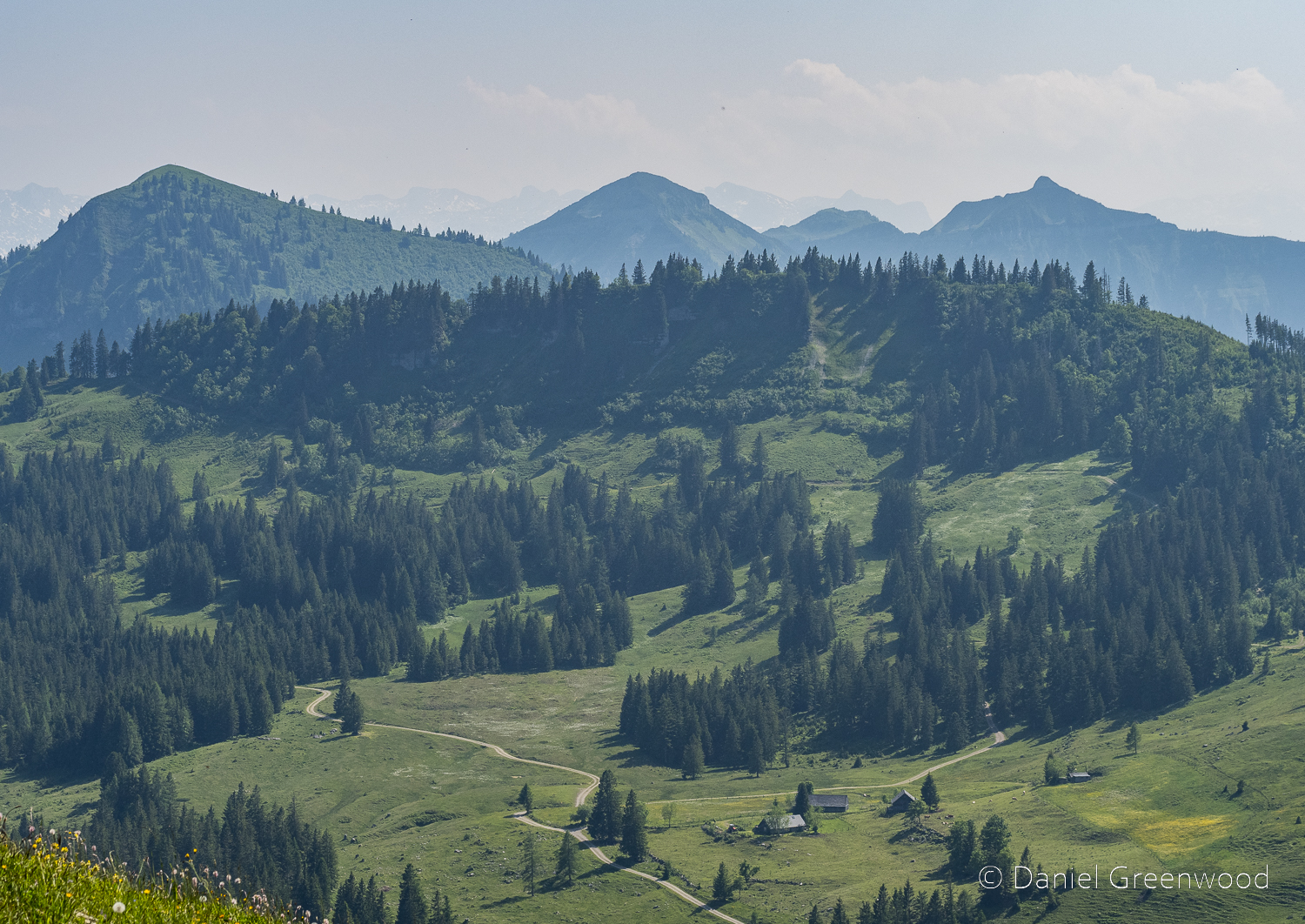
Welcome to a big blog of sunny alpine images, from my walking highlight of the year so far. Down we go!
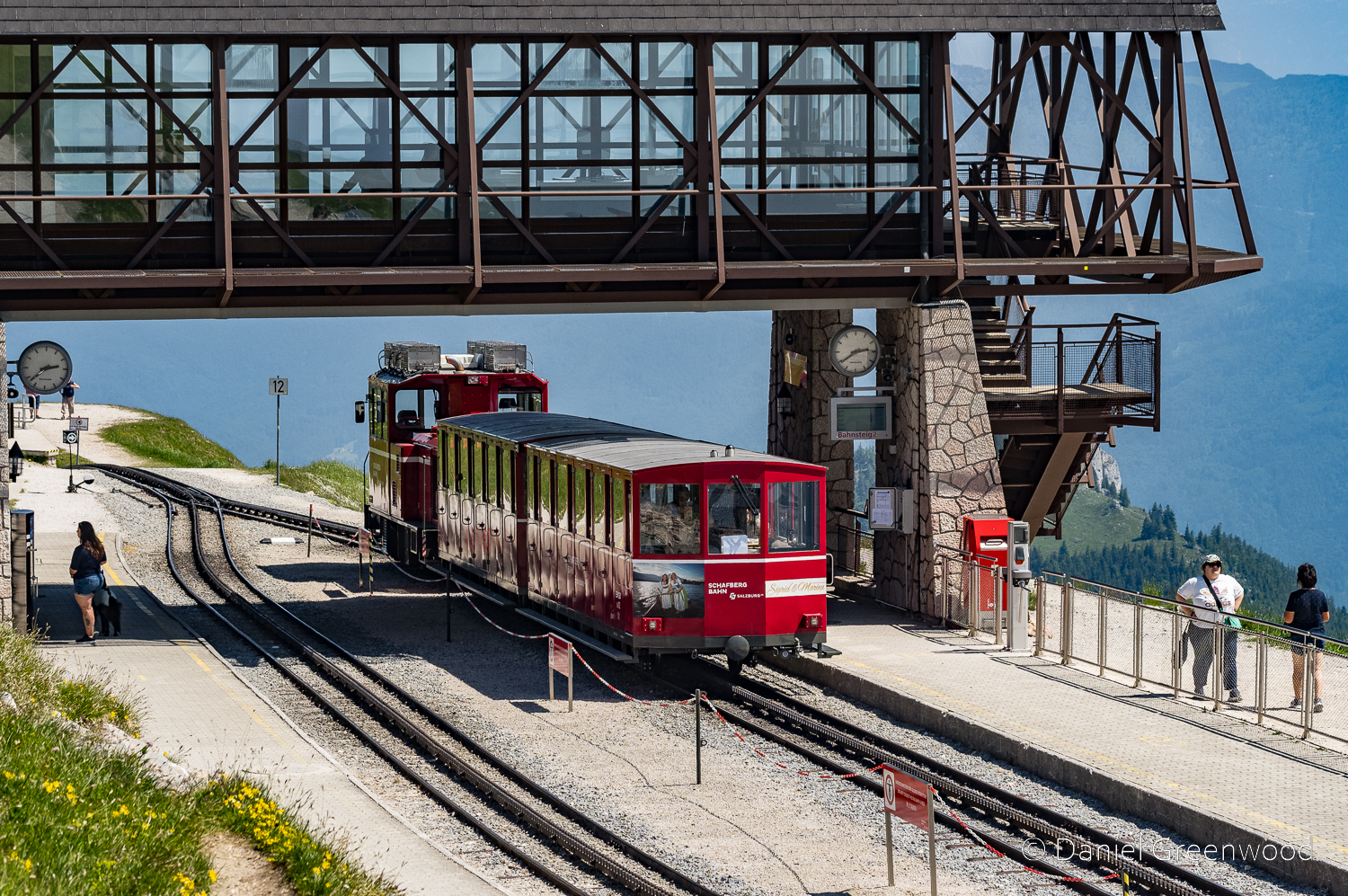
My wife and I travelled by train to the Austrian Alps this summer, and we took one more train to reach the top of Schafberg (1782m) – the Schafbergbahn.

The images here are in chronological order as we descended, trying not to be too distracted as we picked our way down through the rocky tracks. I would recommend using at least one walking pole while doing this walk because it is so steep. The walk was nearly 8 miles and took us about 5 hours (because I stop a lot to take photos).
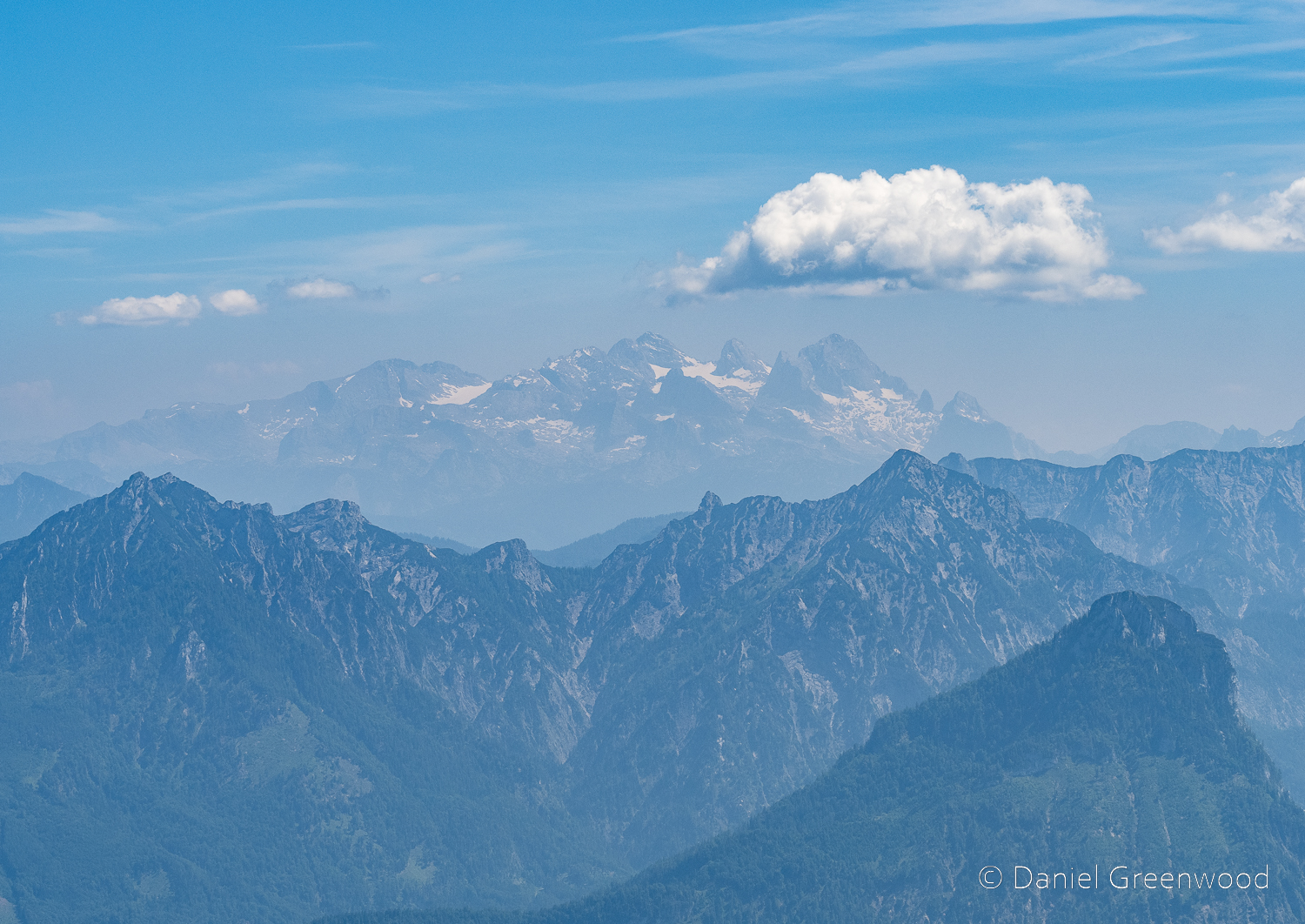
To the south-west you can see the high peaks of the Dachstein range (3600m), an area we haven’t explored yet.
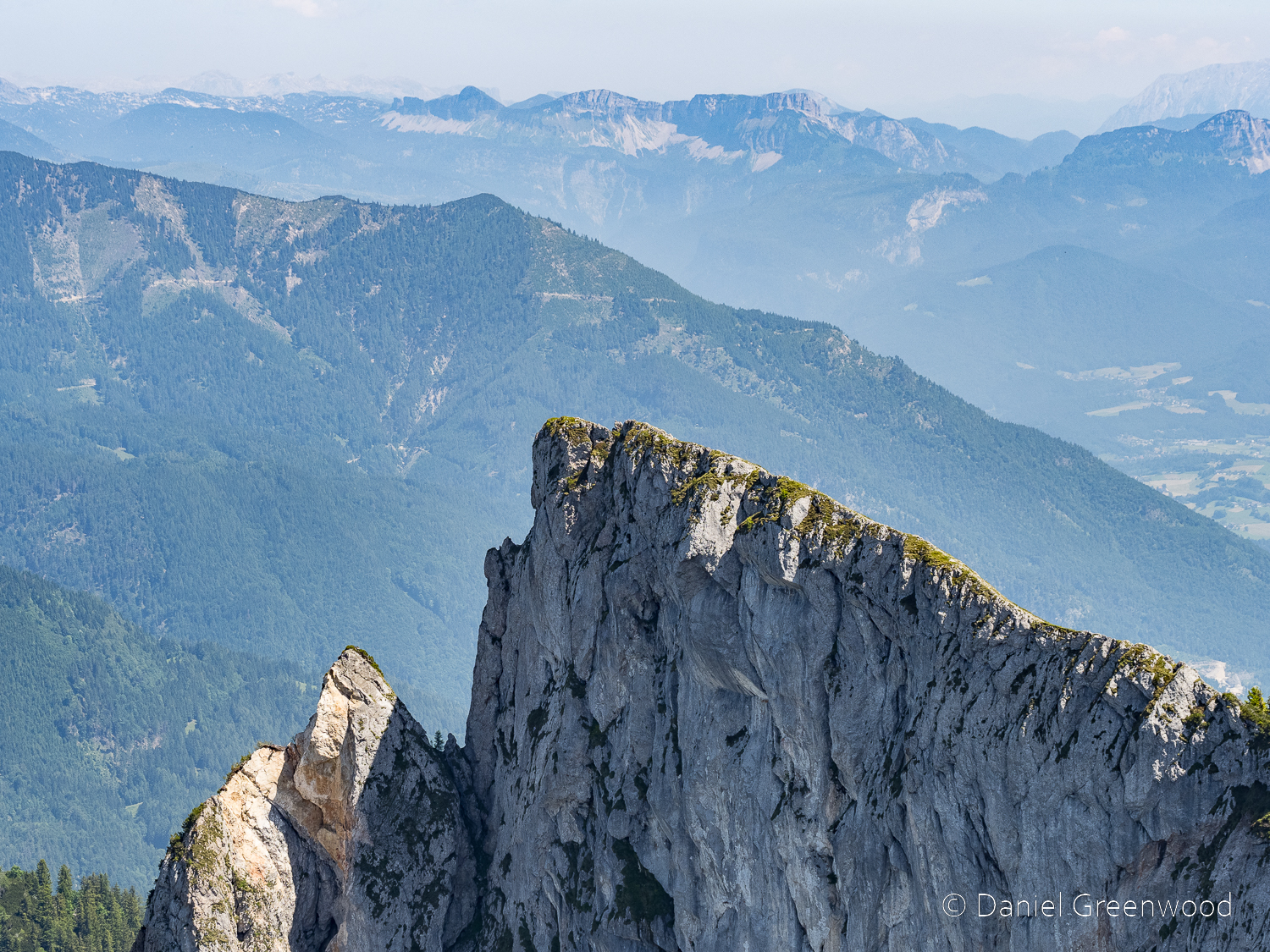
The dramatic peak of Spinnerin seen from the top of Schafberg

This walk is simply heading down the main (uneven and steep) paths to Wolfgangsee, ending up at St. Gilgen. You can do this as a daytrip from Salzburg, but you need to get the boat to the train station.

You can stay on Schafberg for the night in the hotel, or you can just have lunch and enjoy the views.
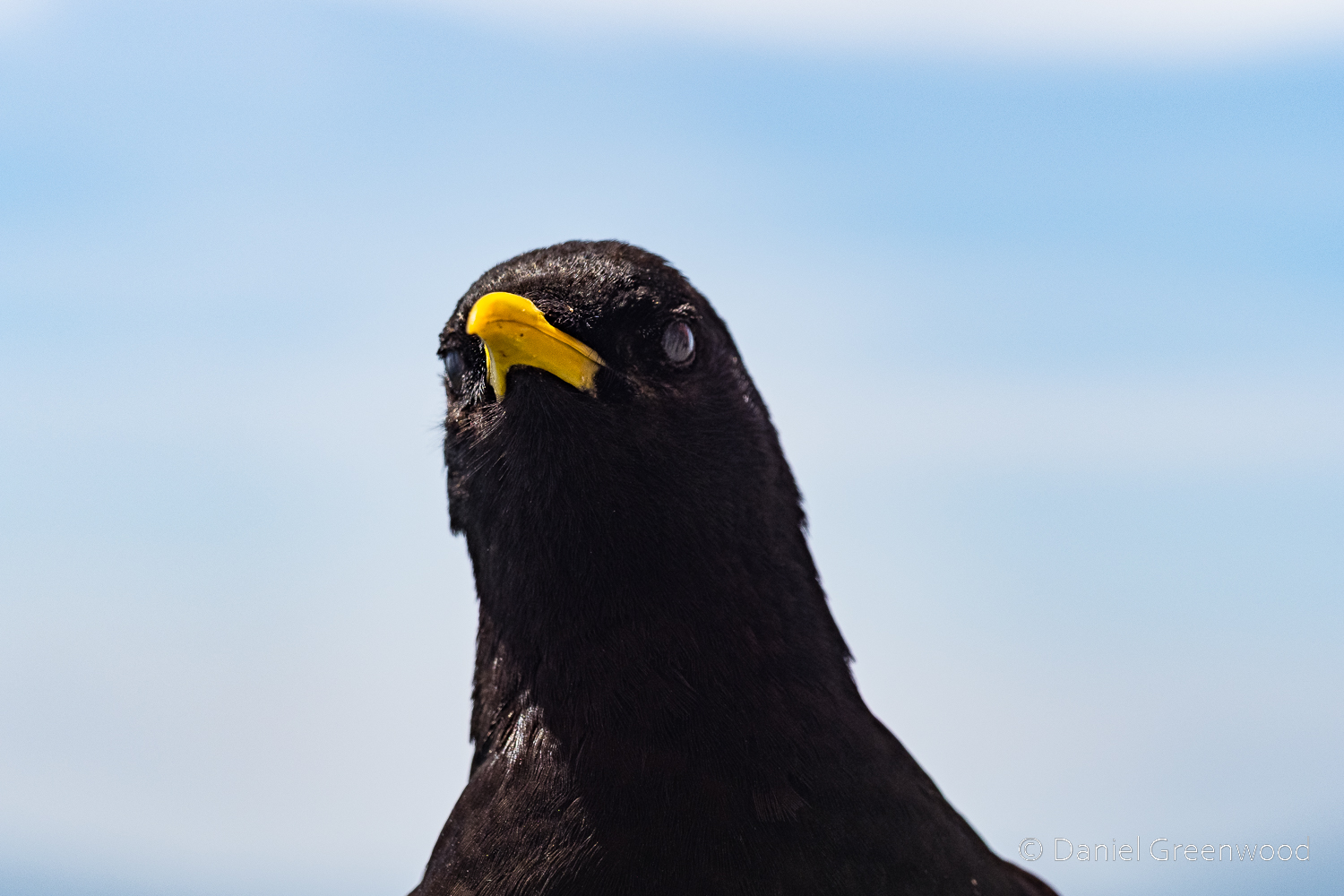
You’ll have to get approval from the alpine choughs though, they rule the roost up there.

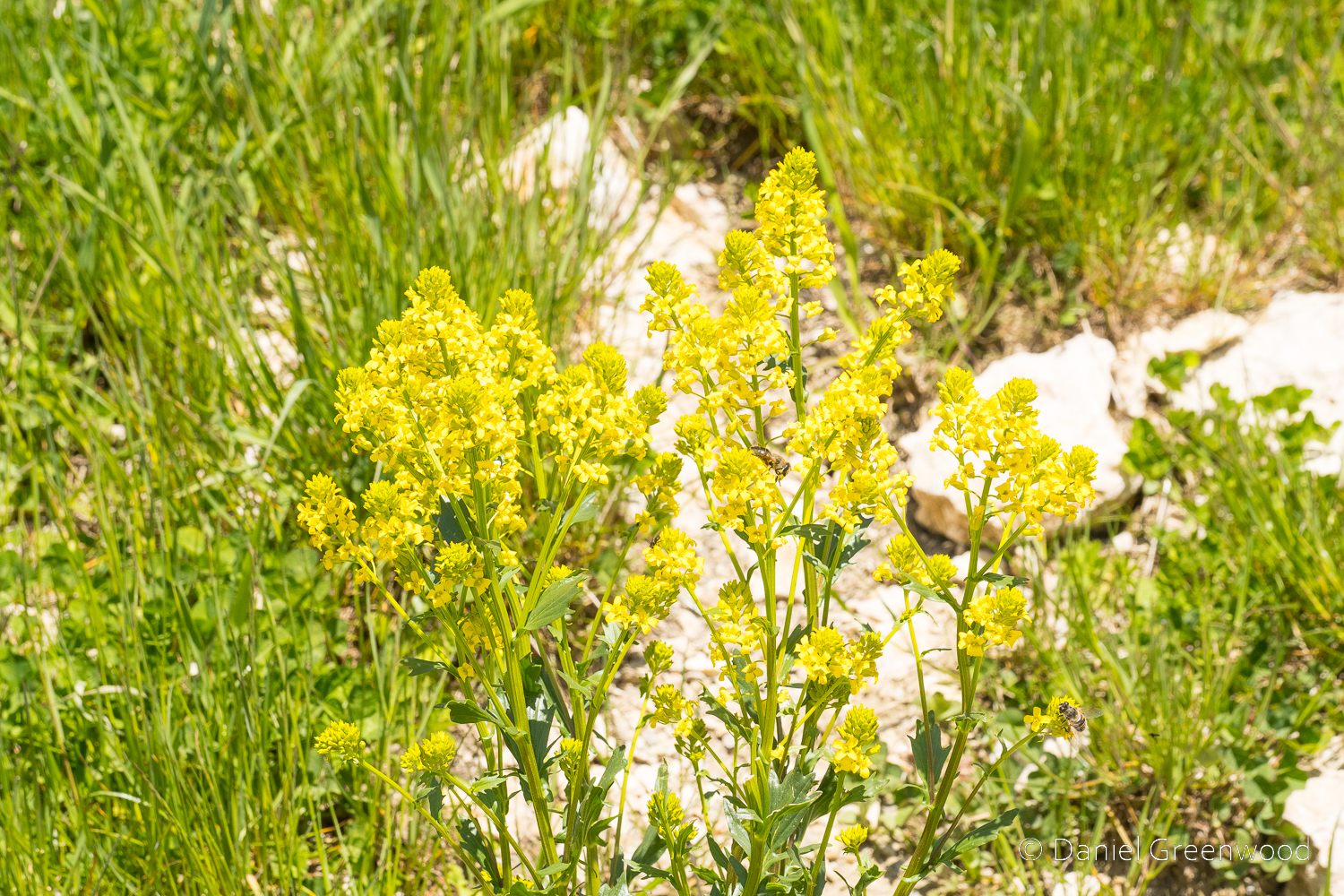
The first inverts I noticed were these hoverflies (probably droneflies) feeding on this brassica.
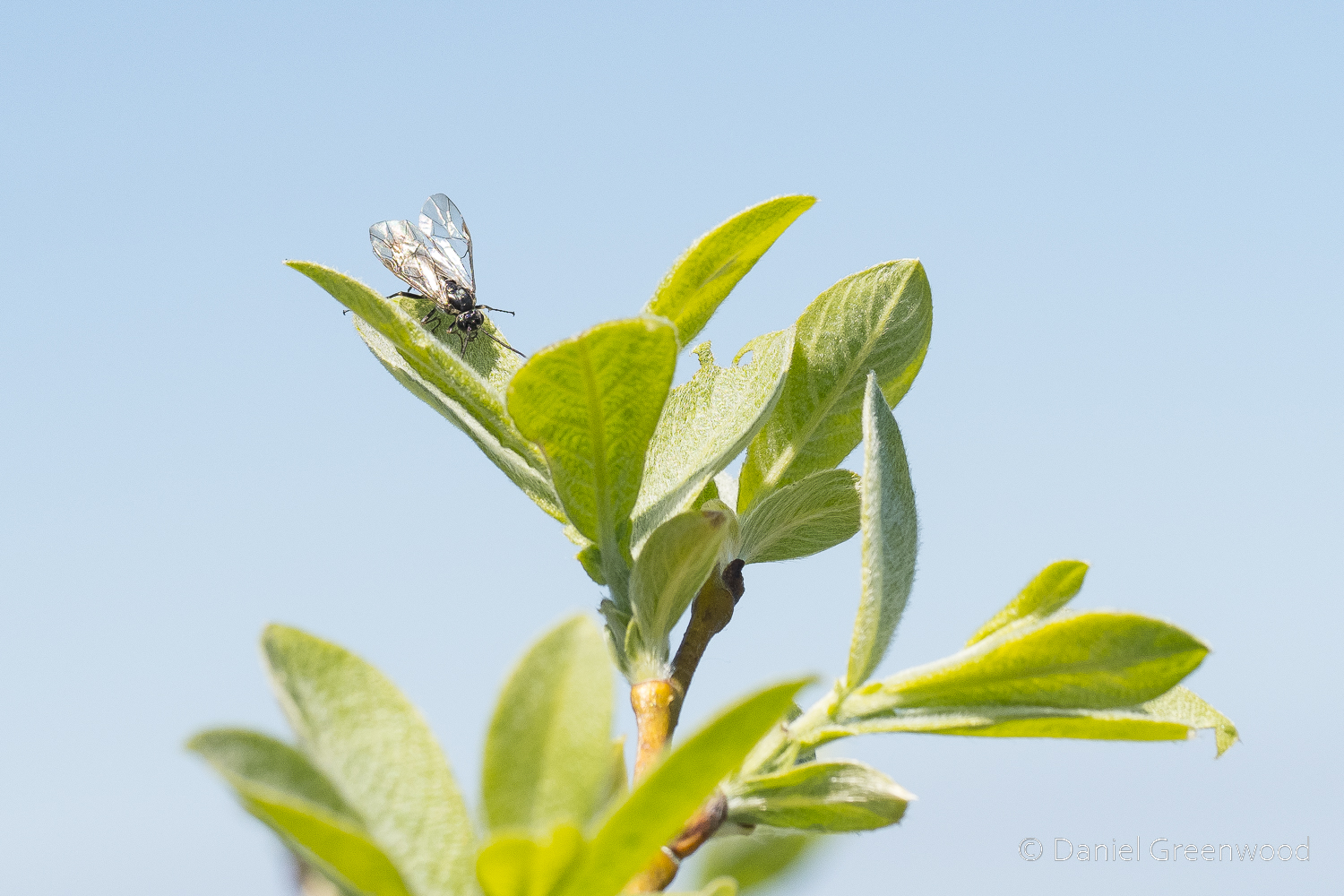
This willow shrub was growing out of one of the viewpoints (see below), and had lots of insects waiting for their close up. This is a saw-fly.

This chrome beetle is in the Genus Chrysolina.

This is one of the Cercopis froghoppers.

To put these pics in context, here’s me taking the photos above!

And a video to show some of the lakes to the north.

I love scorpion-flies and this photo nicely shows the faux-stinger on the insect’s tail. This landed on my wife’s arm, as with the images below.

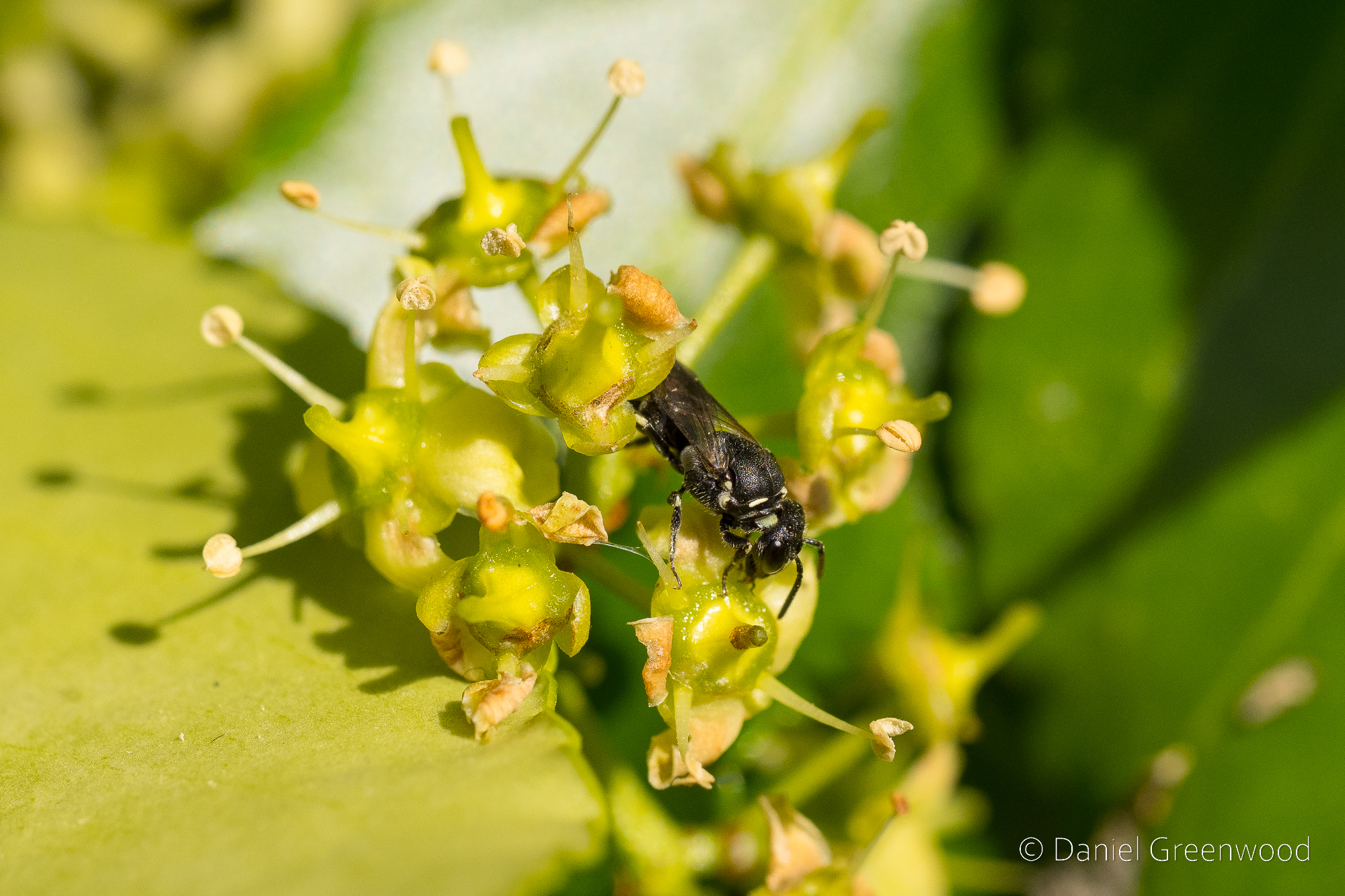
This is one of those tiny solitary wasps, possibly a gall-wasp.
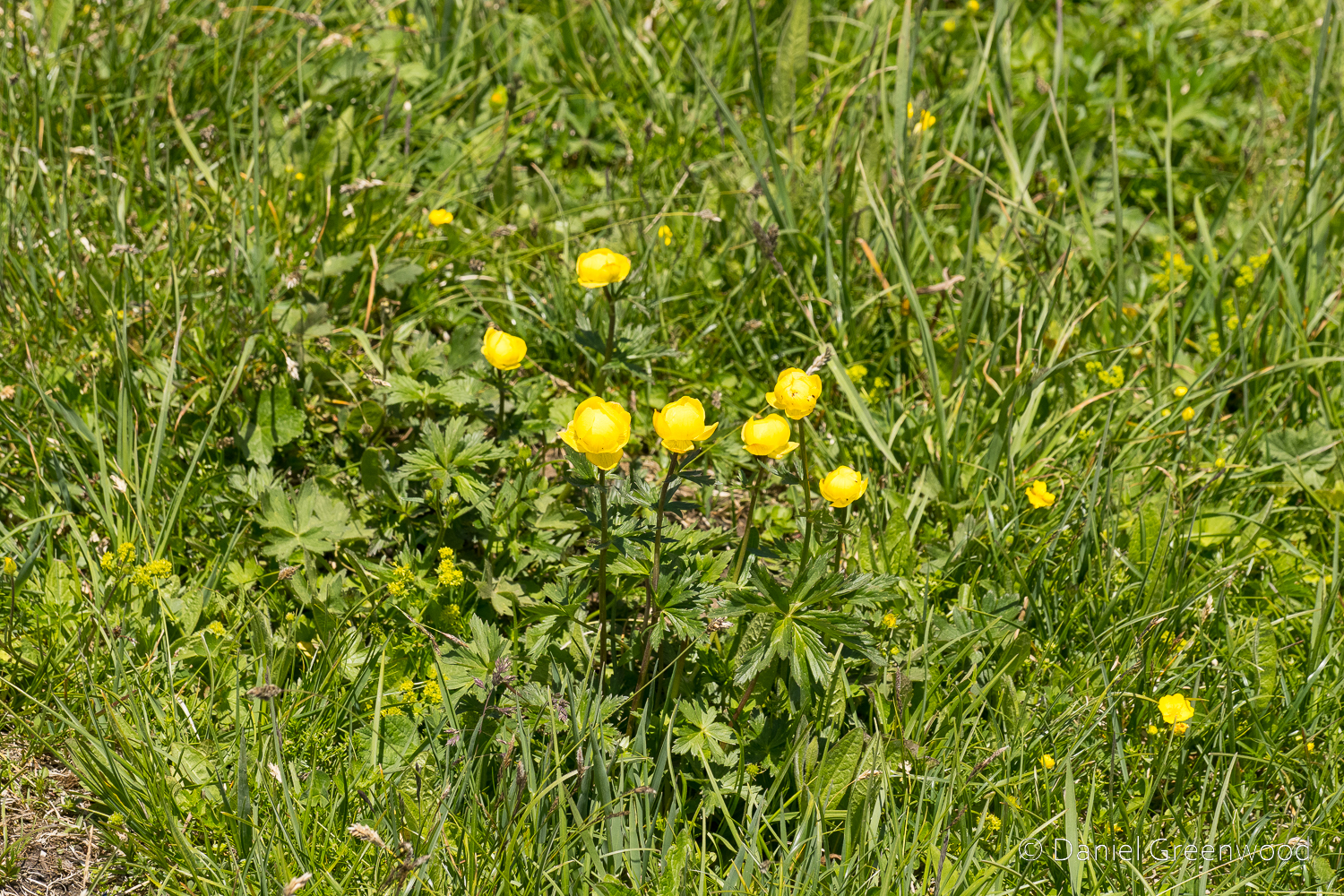
Globeflower is a common occurrence in the Alps.
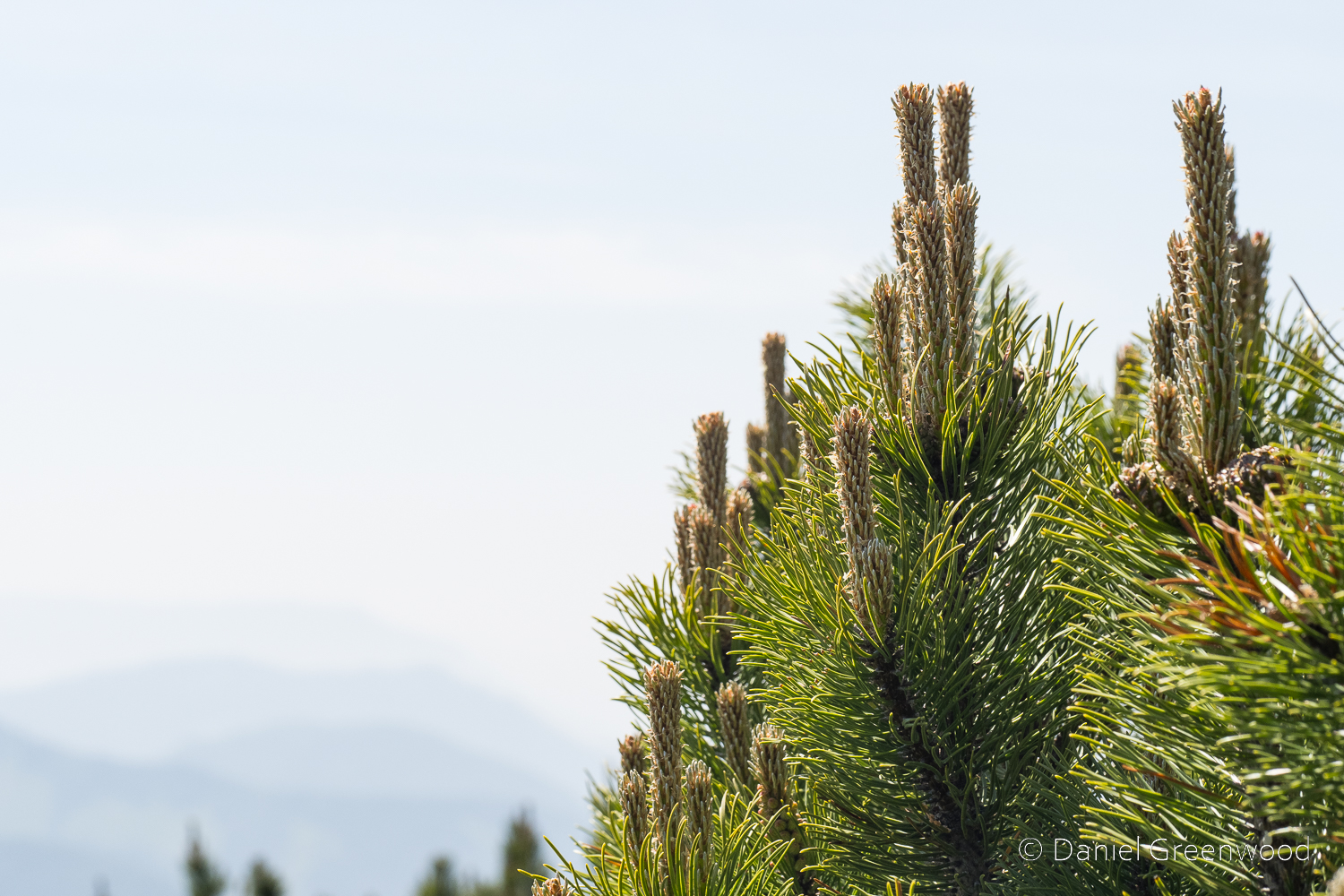
Mountain pine is like a shrub dotted around the alpine grasslands.

The limestone can be seen where the grasslands can’t grow. Thankfully the decline wasn’t as steep as this on the main path, but it wasn’t that far off.

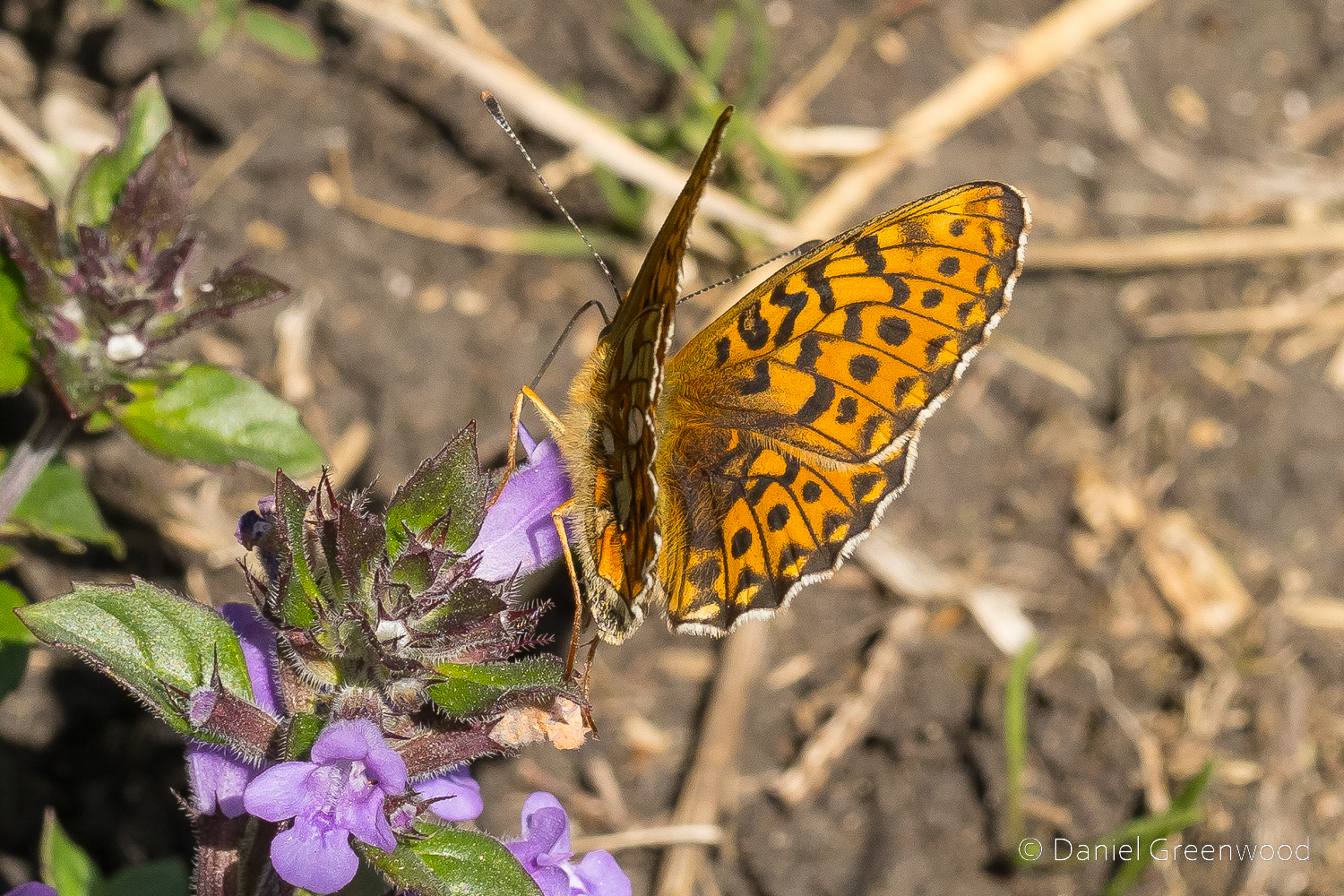
The butterflies were not as numerous as they were lower down on Zwölferhorn, but there were a good number of fritillaries. iNaturalist is suggesting this is pearl-bordered frit.
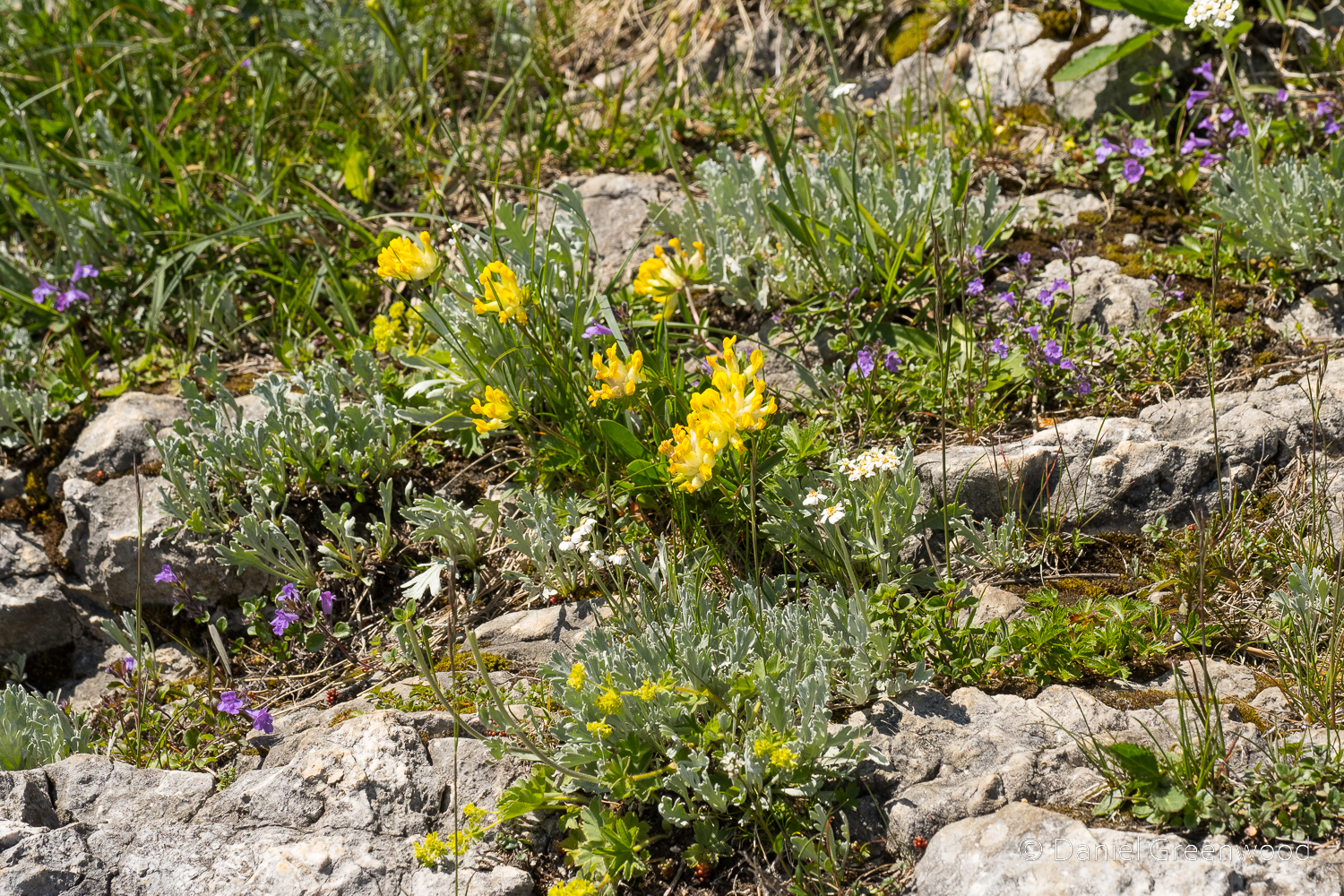
On the rocky outcrops of the path the flowers were a-bloomin’. This is kidney-vetch, unless I’m mistaken.

Silvery-yarrow is a new species for me.
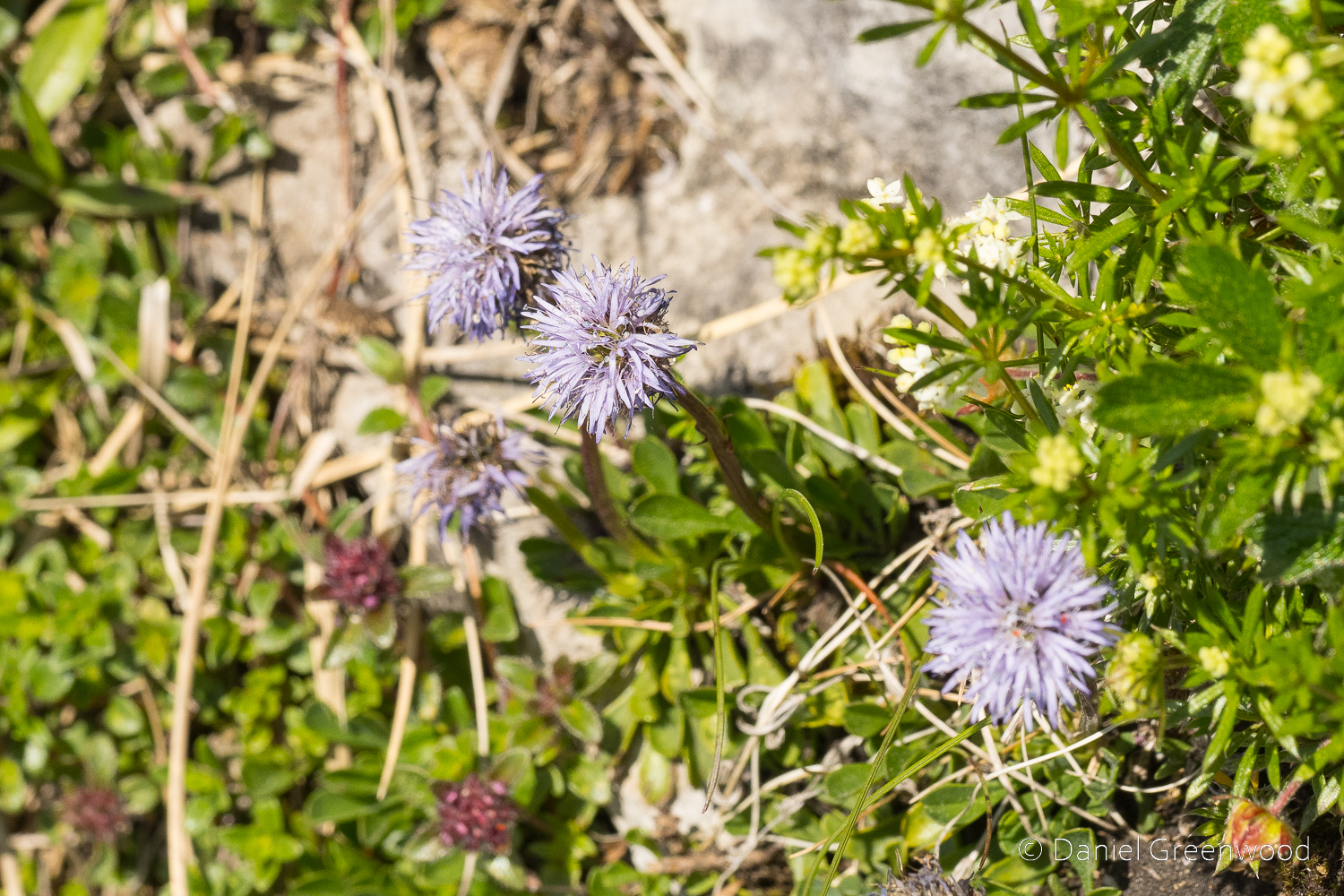
Globe flowers are a group I remember well from the Swiss Alps, they are probably more of a spring species than in mid-June. Not to be confused with the buttercup globeflower seen above.
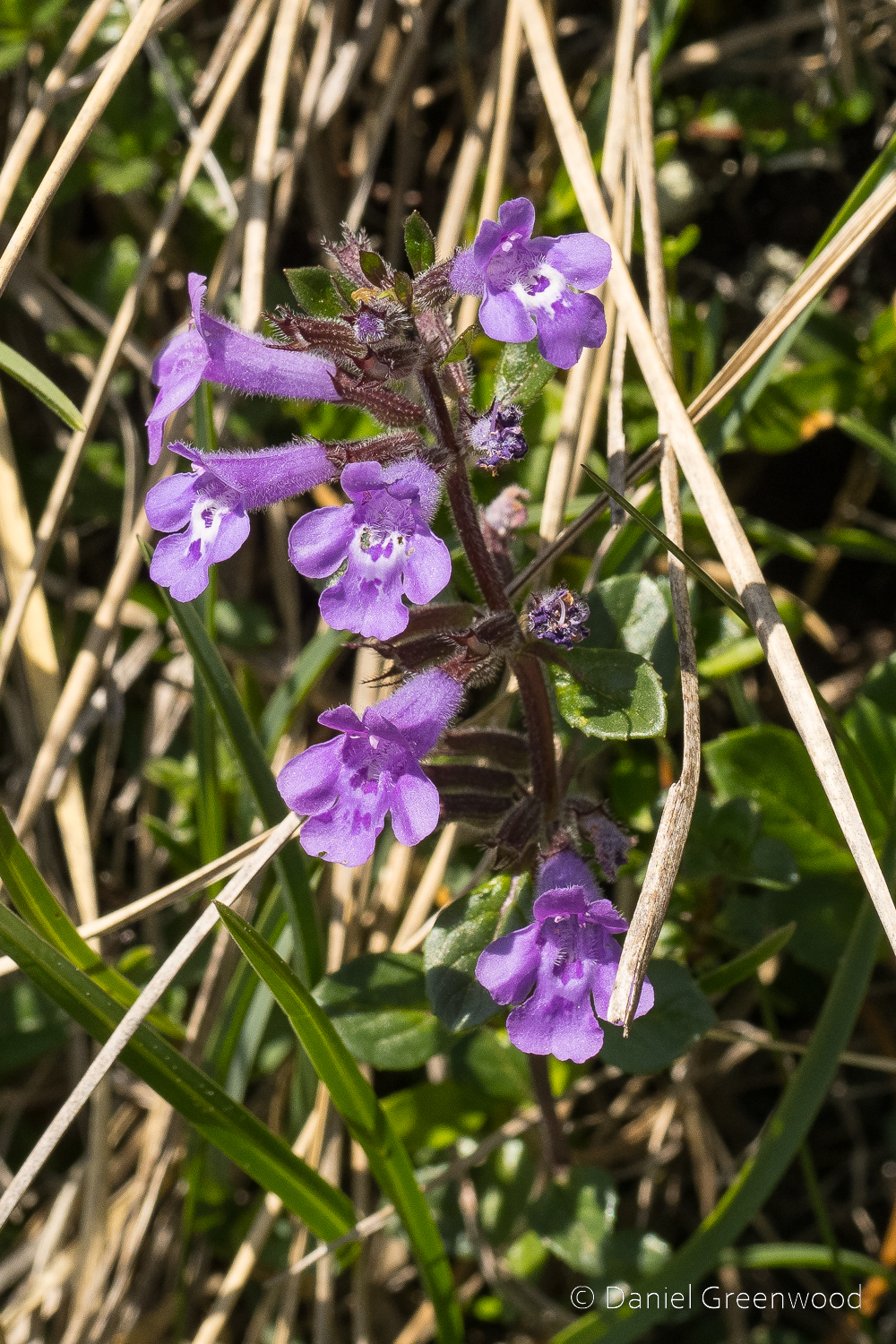
I think this is rock thyme, which looks a lot like ground-ivy.
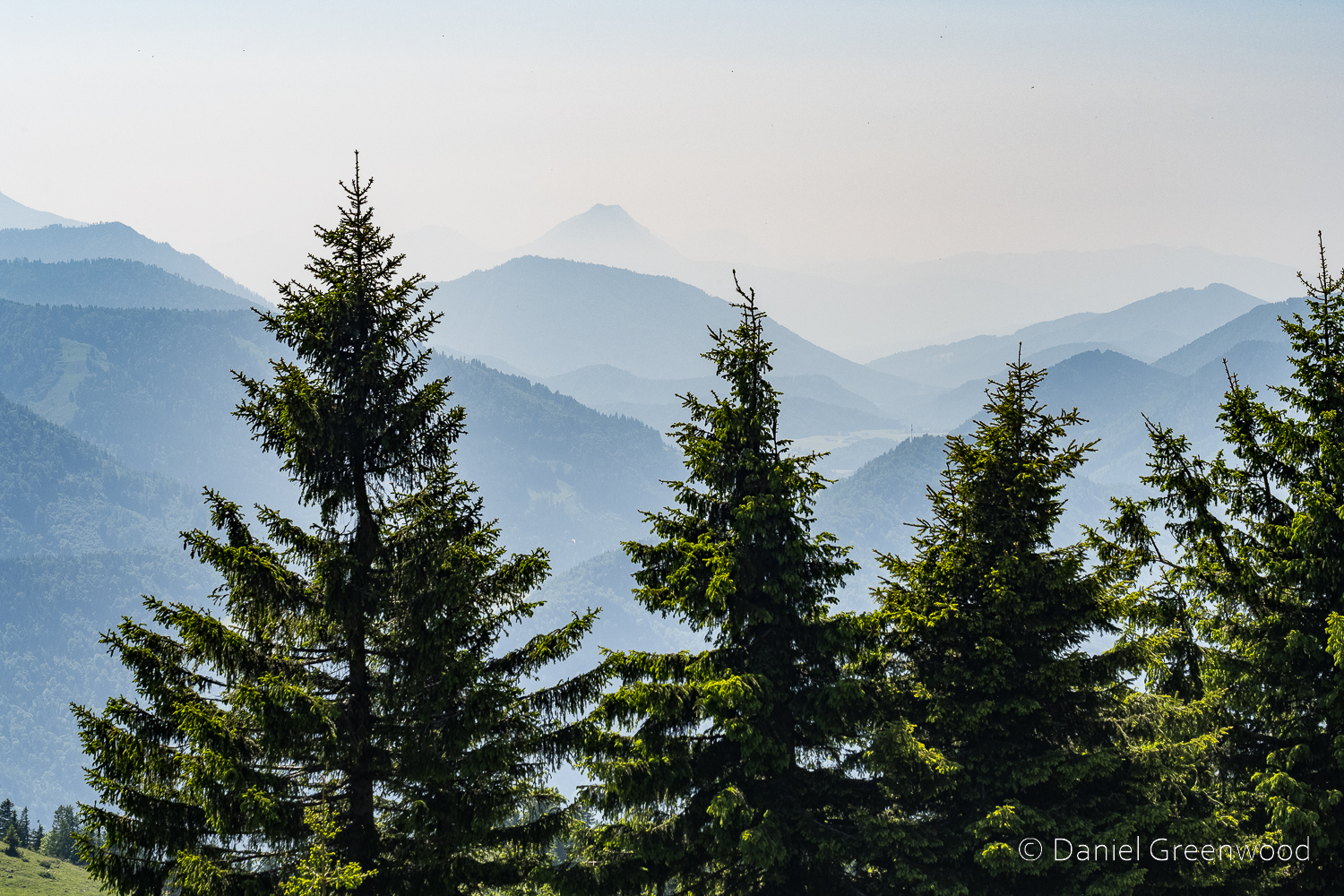
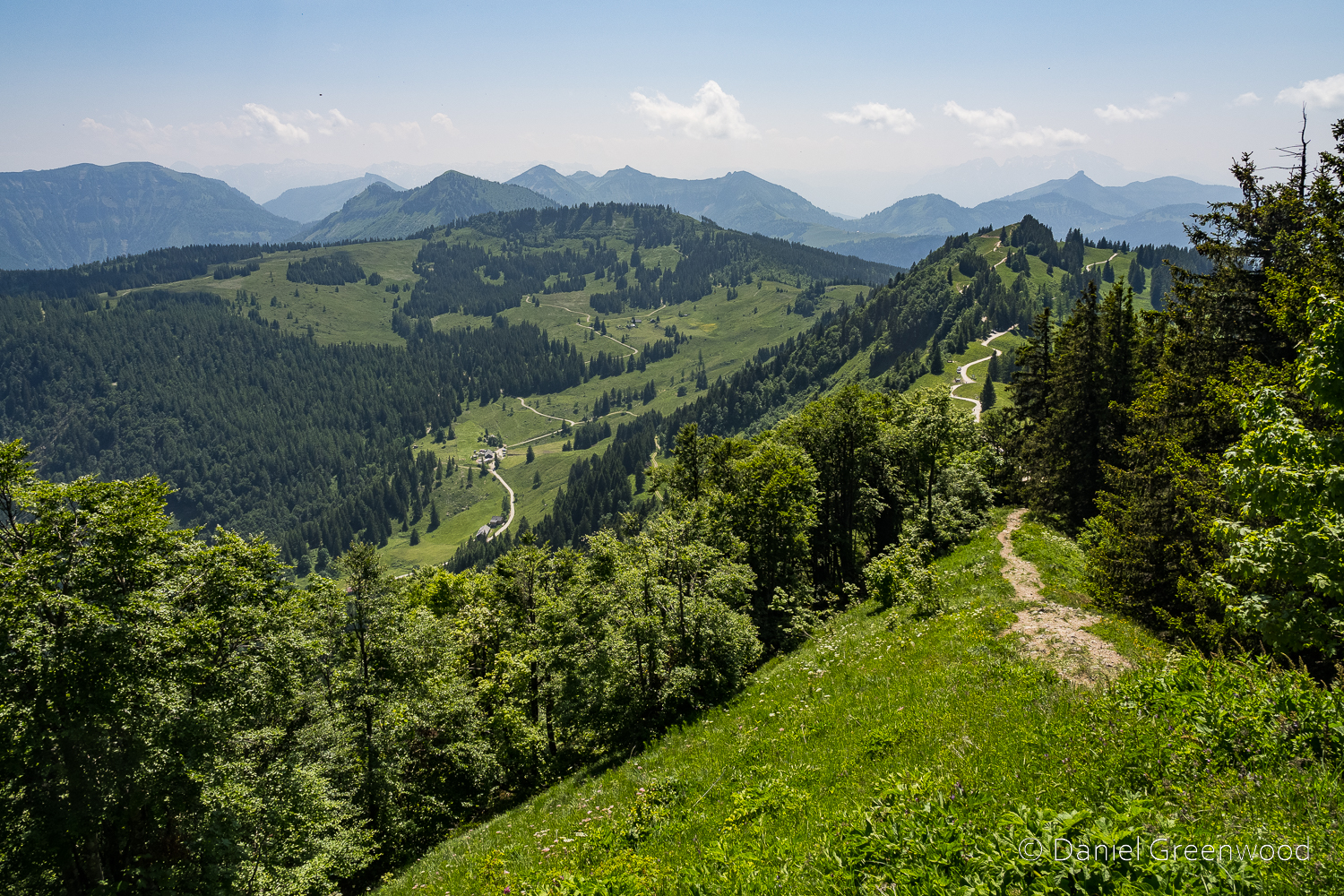
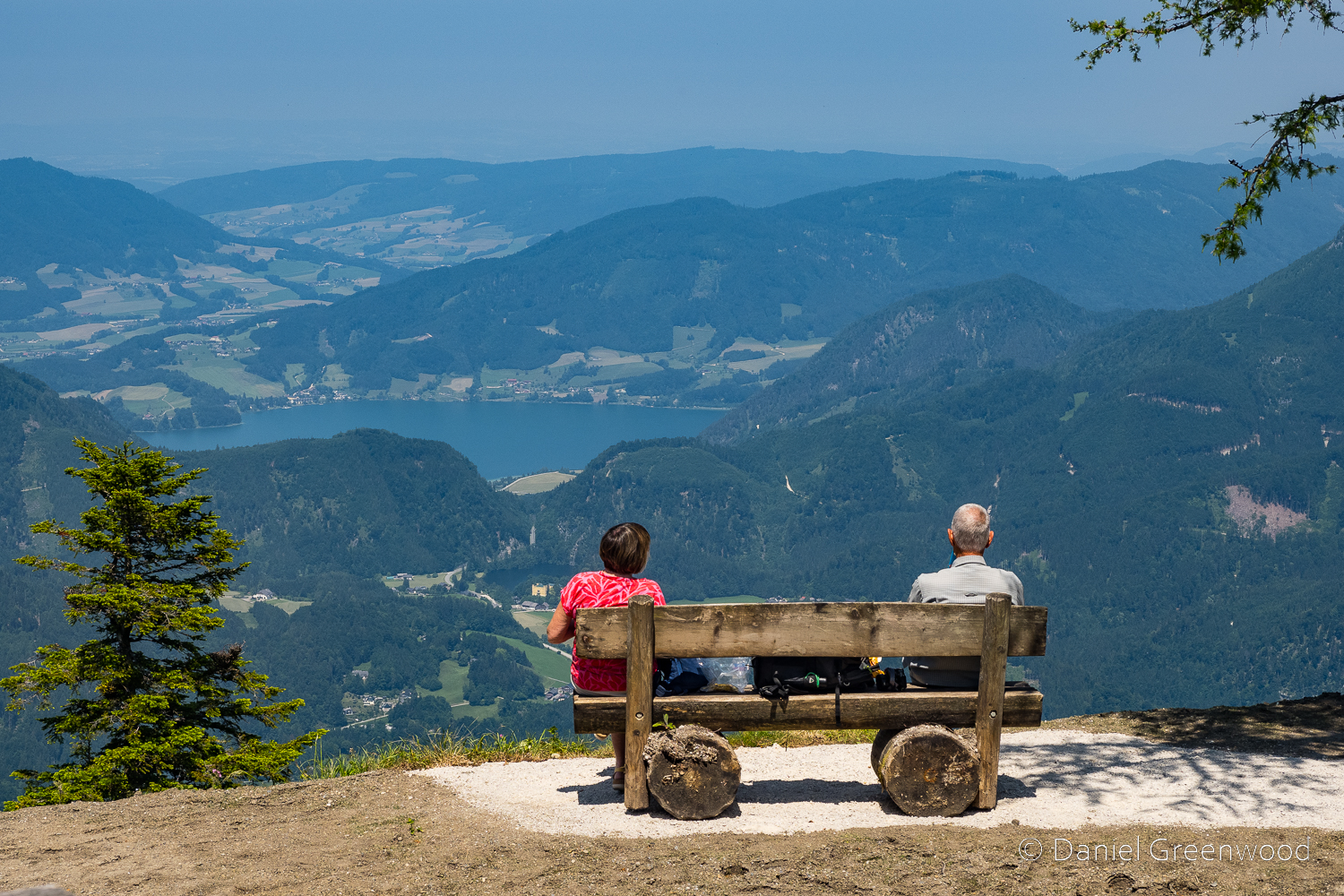
The views are spectacular along this part of the walk, so it’s a matter of looking at the plants and butterflies around your feet, and the vistas beyond, without tripping up!

The train meets you as the steepest stretch of the walk comes to an end. The gradient is nicely illustrated here.

You pass the Gasthof Schafberg-Alpe which is not in use at the moment. It’s the site of the station before the top of Schafberg. You can jump out here and walk up, or get the train back down. We continued on to St. Gilgen, down through the woods.

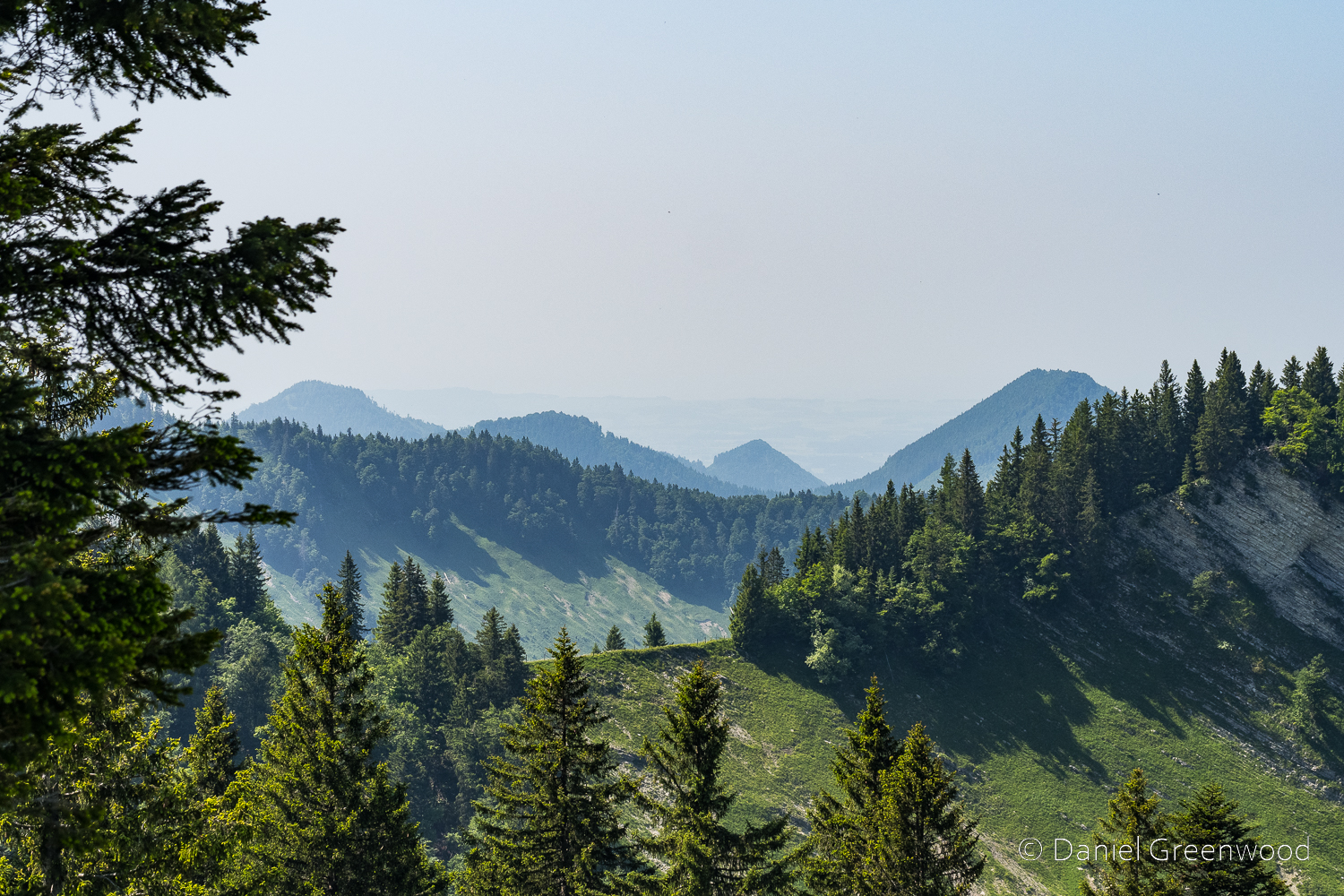
The ground levels out here and the walking is gentler for a time. The views are some of the most awe-inspiring I’ve encountered.
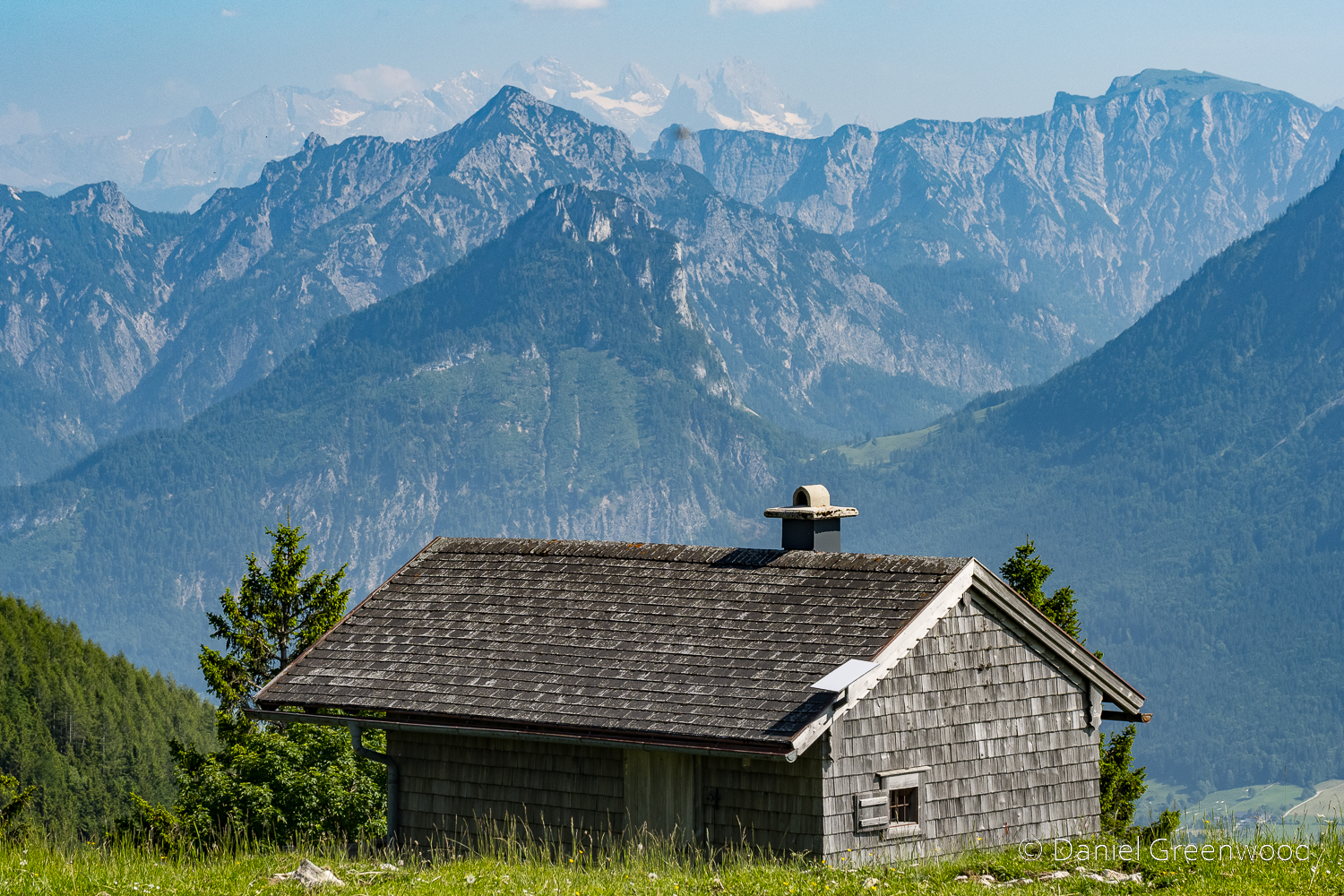
There are a number of wooden huts in this part of the walk, which make for helpful foreground subjects, with Dachstein in the distance.

As per my previous Austrian Alps post, the only orchids on show were early-purples.

The meadows were looking mighty fine.

It’s at this point that you can see how far you’ve come (literally) as the path then moves into woodland.
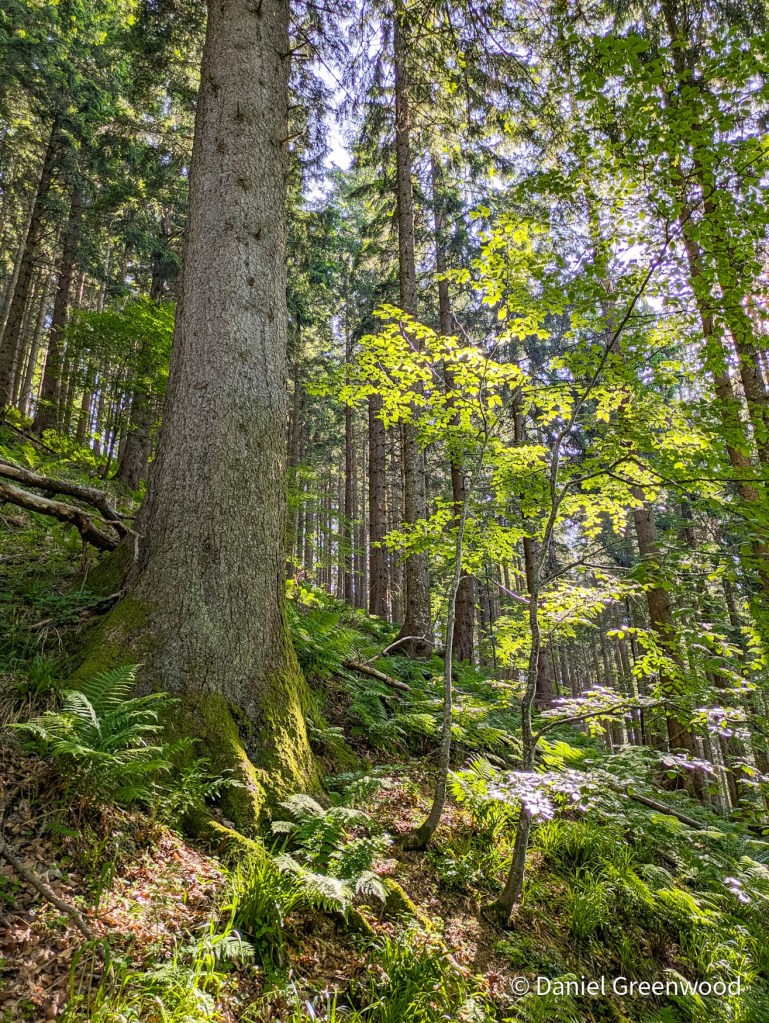
The shade was welcome, but it was very steep and winding.

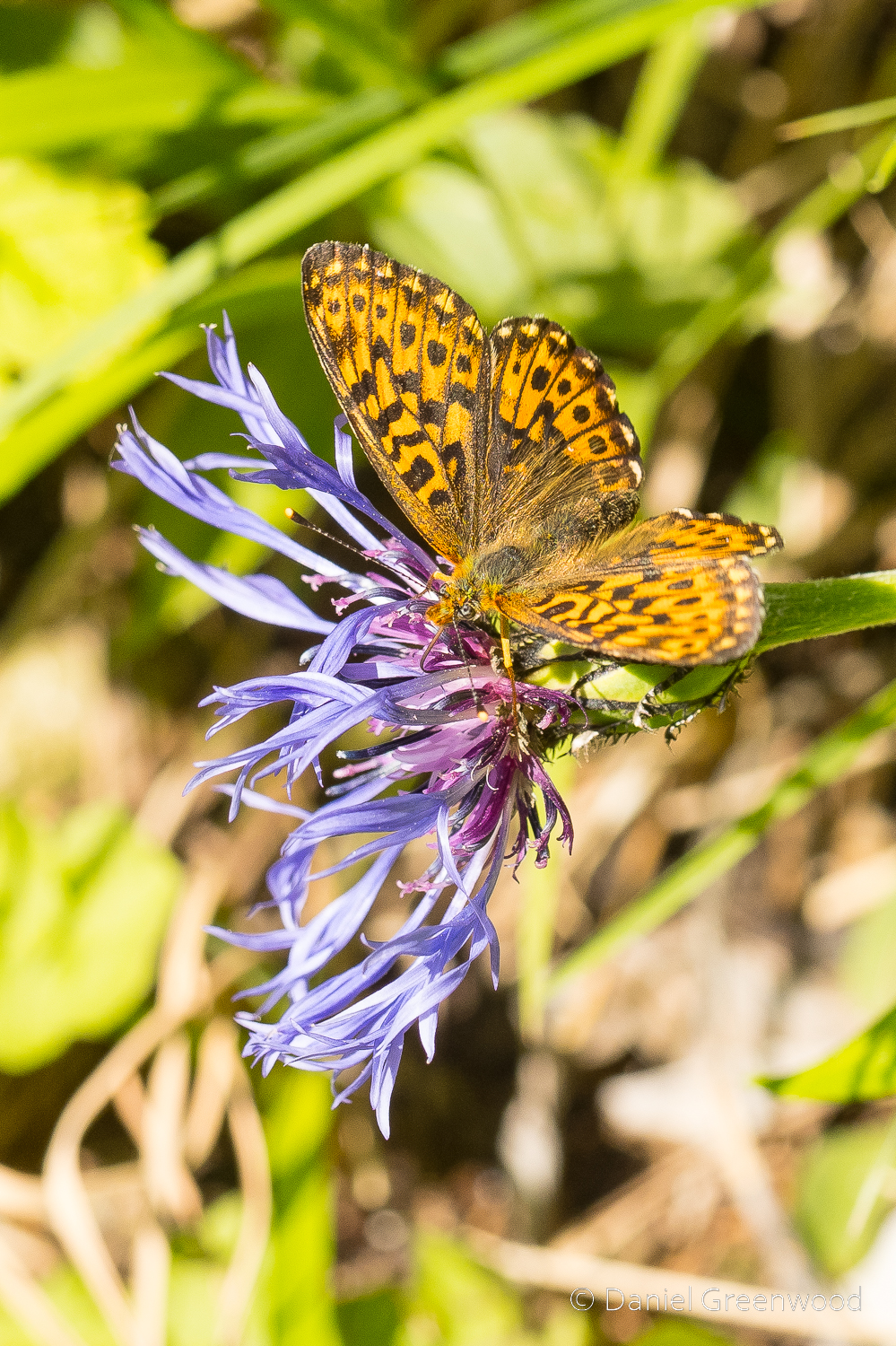
This is probably another pearl-bordered frit, feeding on a plant I actually have in my garden here but that grows wild in the mountains – perennial cornflower.

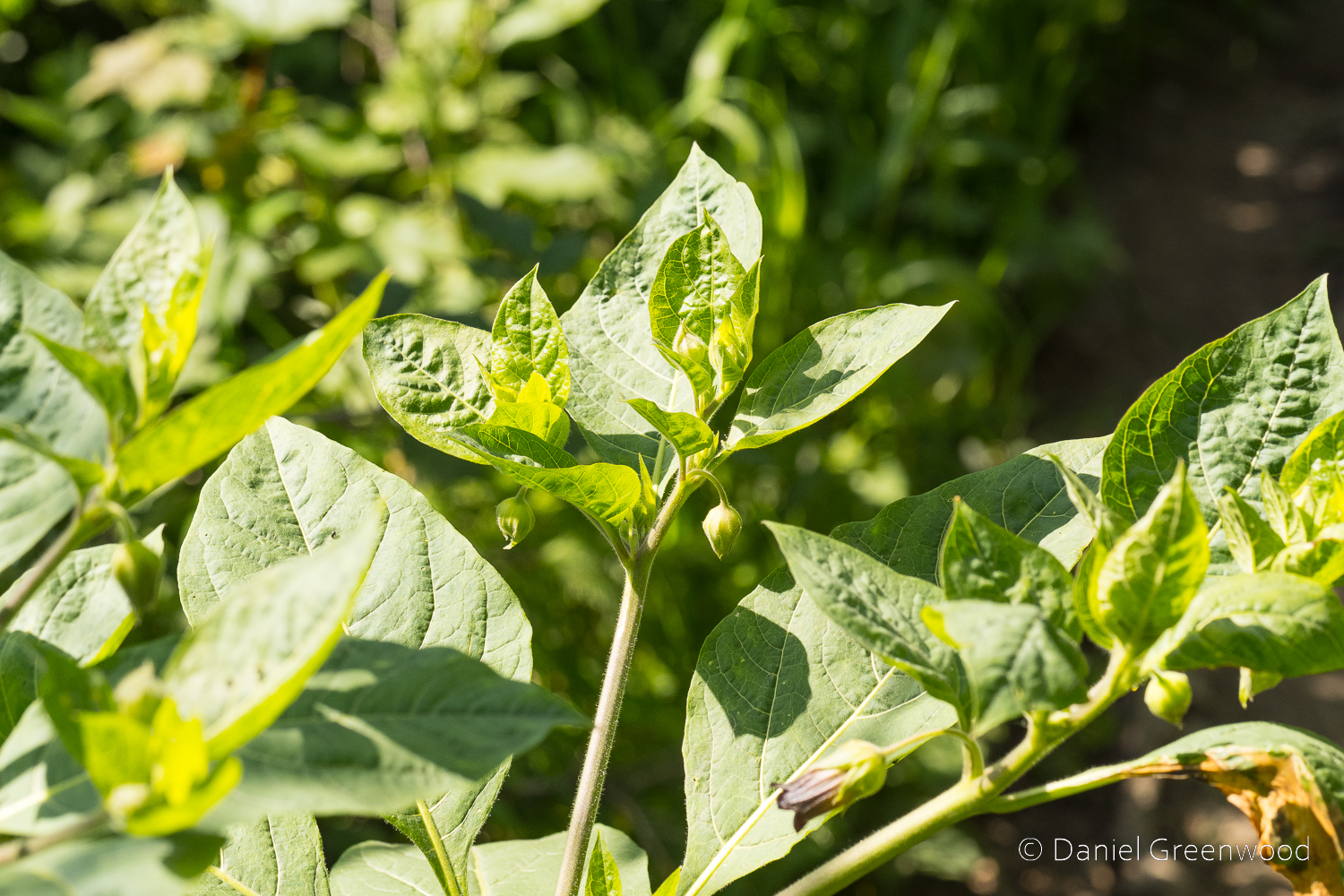
Don’t worry you can’t get poisoned through your screen. This is deadly nightshade, also known as henbane, growing in the woods below Schafberg.
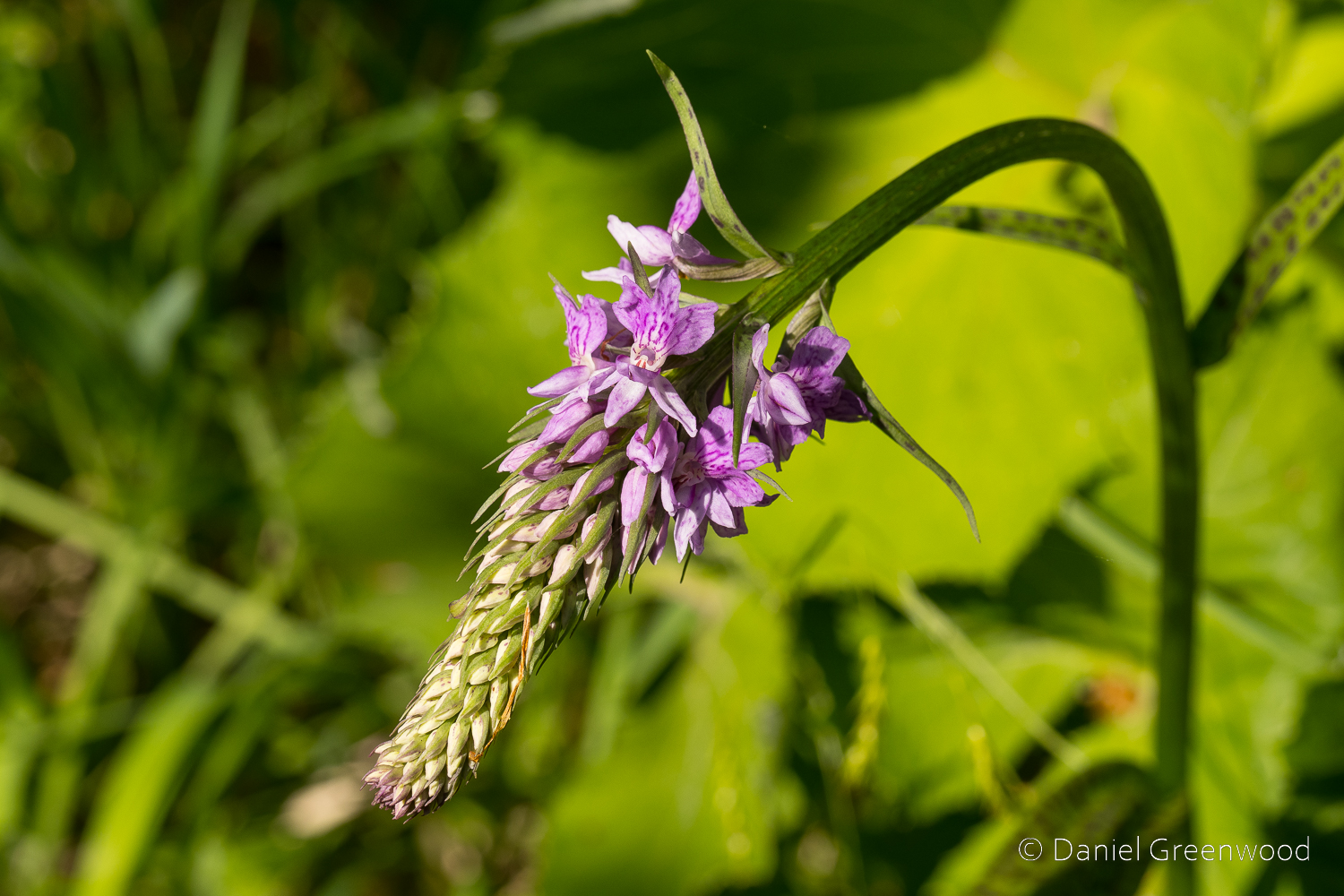
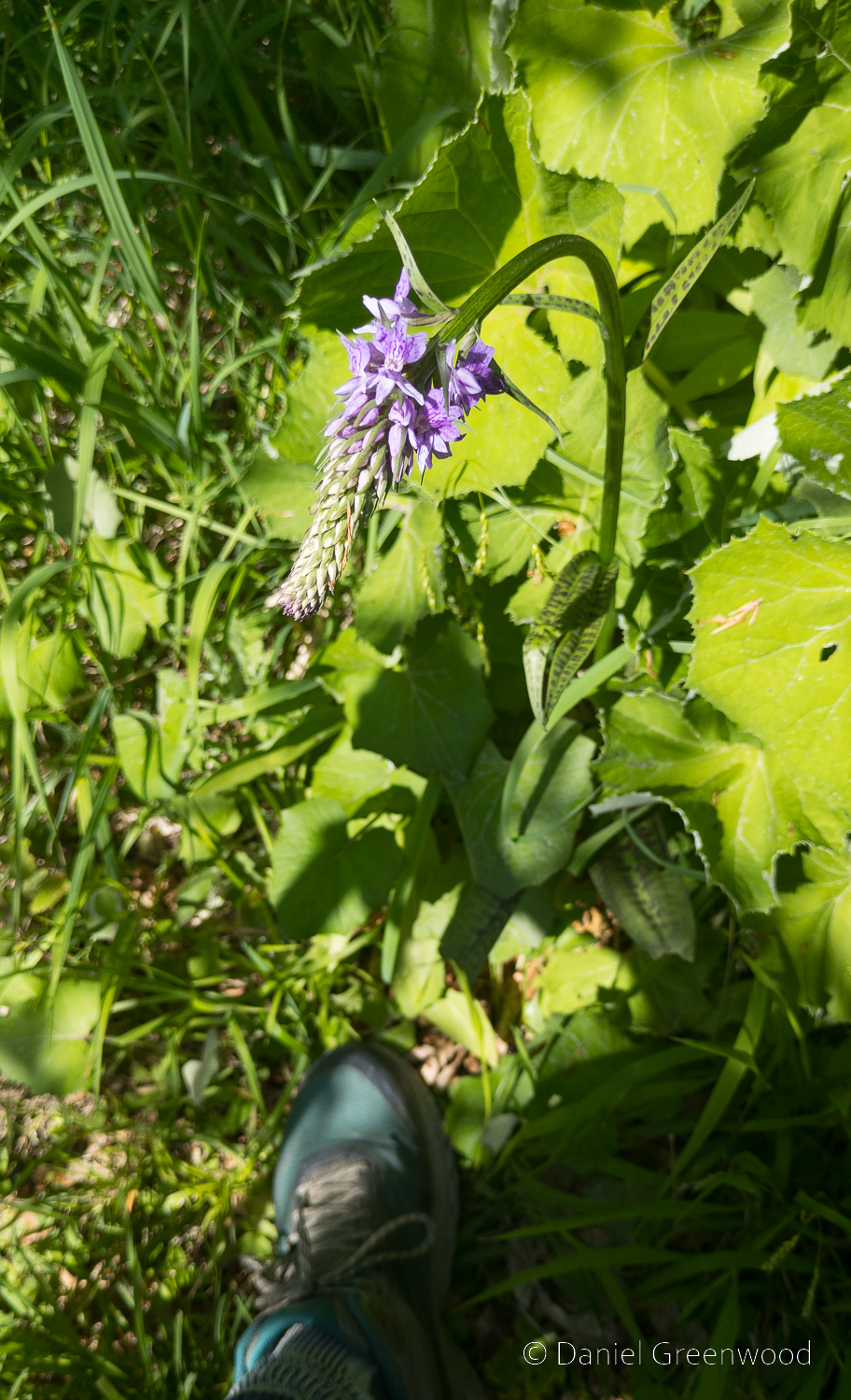
Now, this is the biggest orchid I’ve ever seen. My foot in the image on the right should show just how tall this is – knee-height. Does anyone know what on earth is happening here – is it some kind of hybrid?
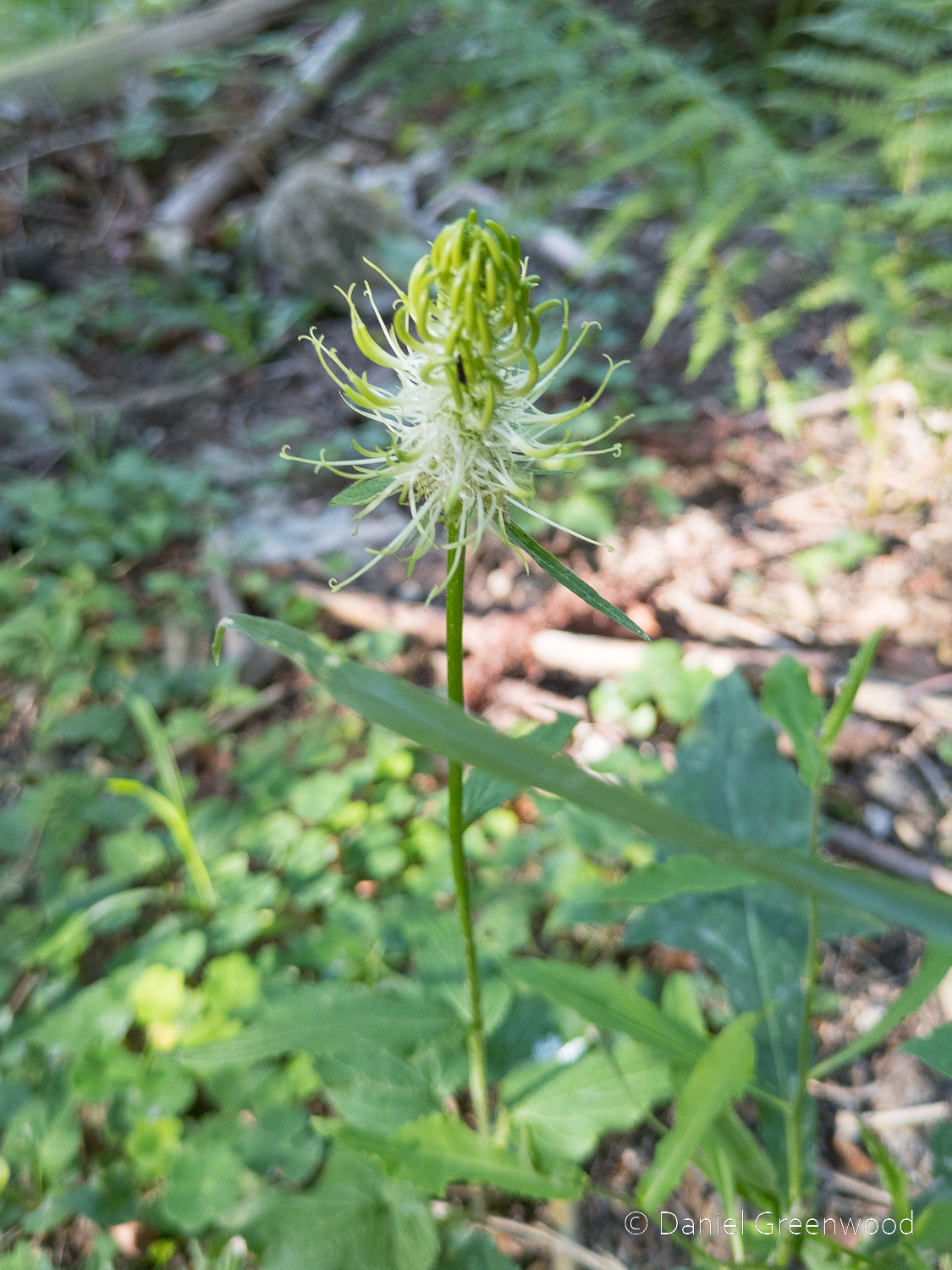
This is an out-of-focus phone pic but it’s a species I don’t see often – spiked rampion.

On a fallen tree across the track I found a nice collection of wolf’s milk slime mould. I was too tired to pop them.

We arrived in the village of Winkl and soon we were among hay meadows.
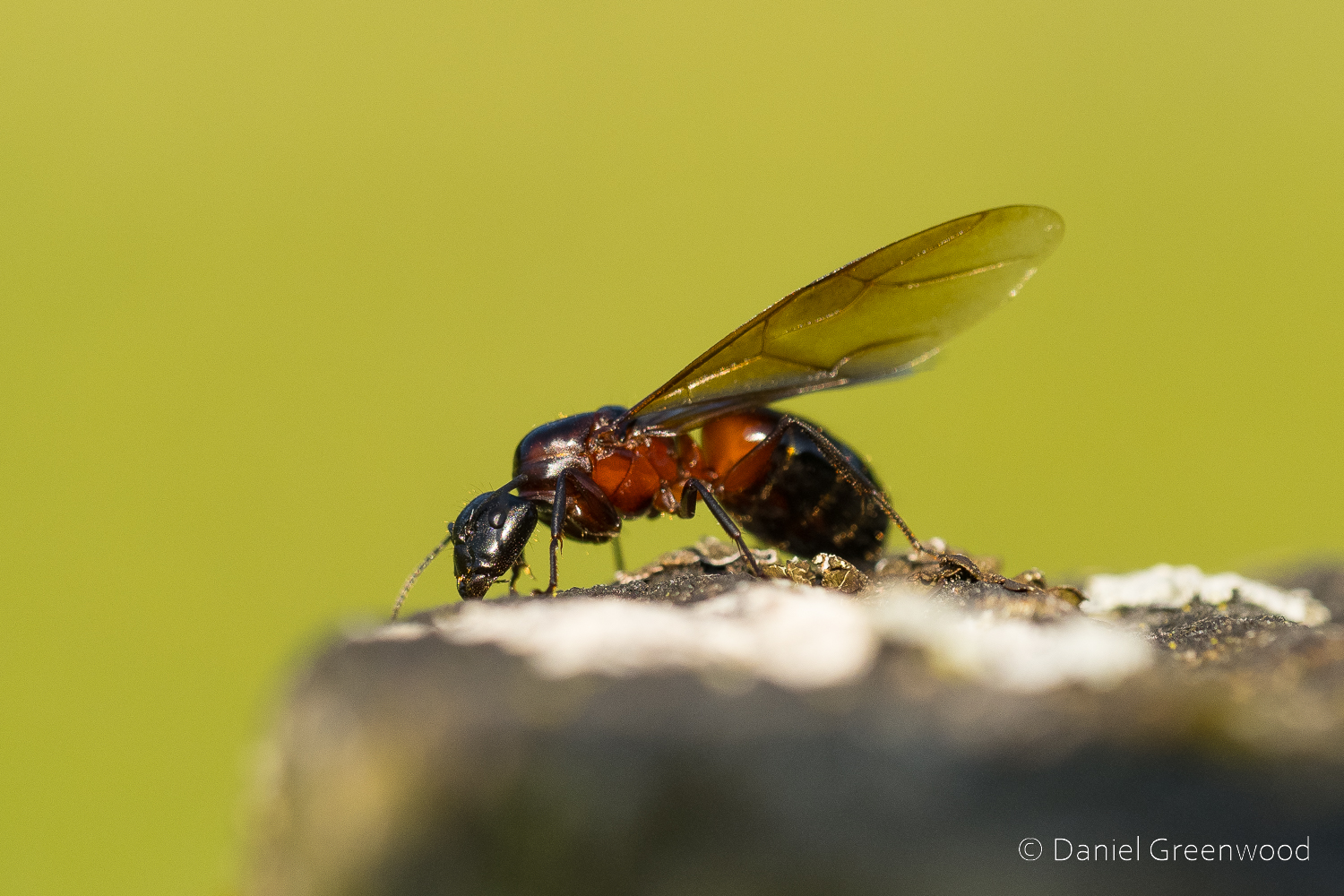
This brown-black carpenter ant was poised on a fencepost, perfect for a pic. There were a couple higher up on Schafberg, so it must have been one of their ‘flying-ant days’ as we say in England.
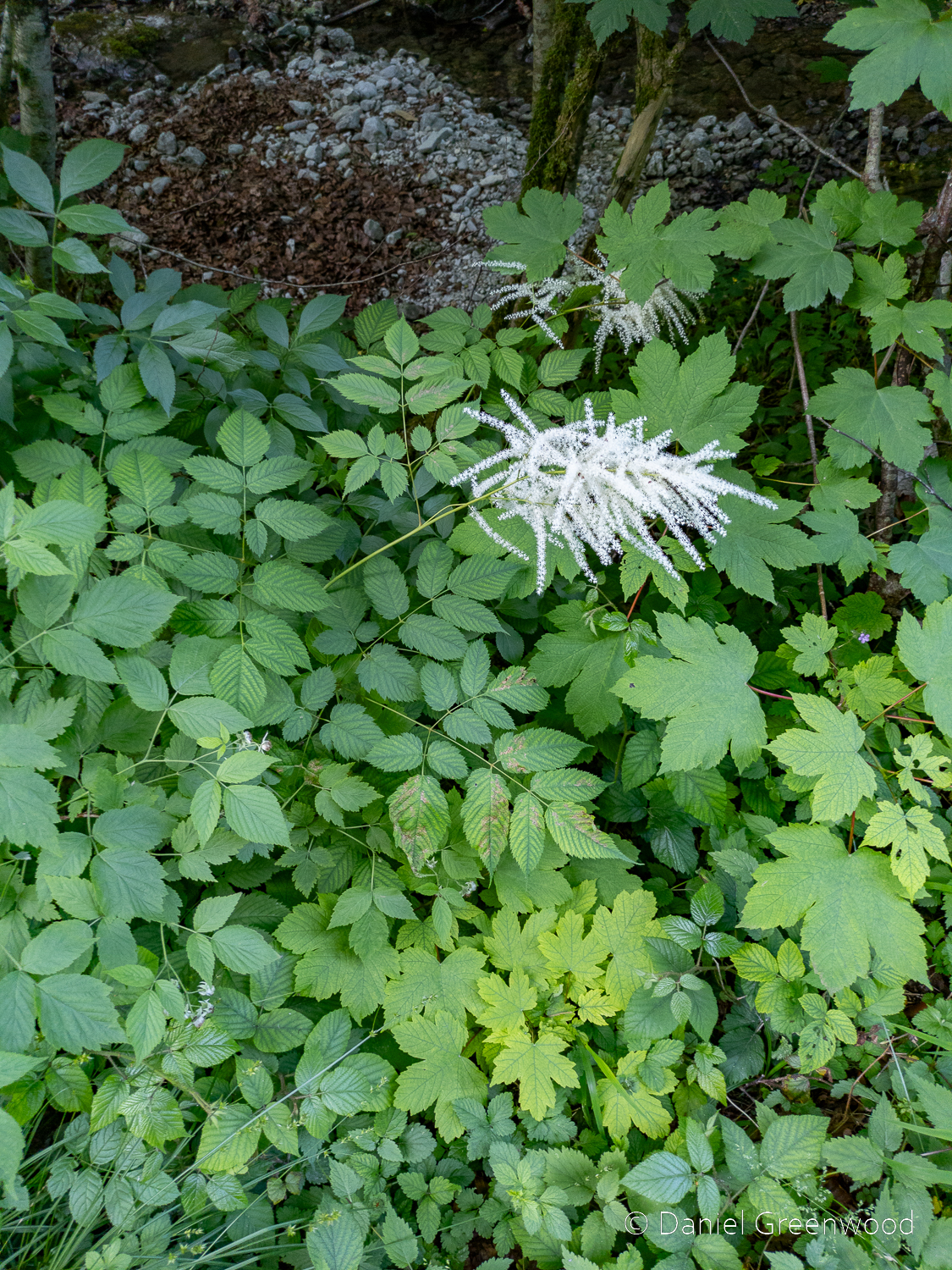
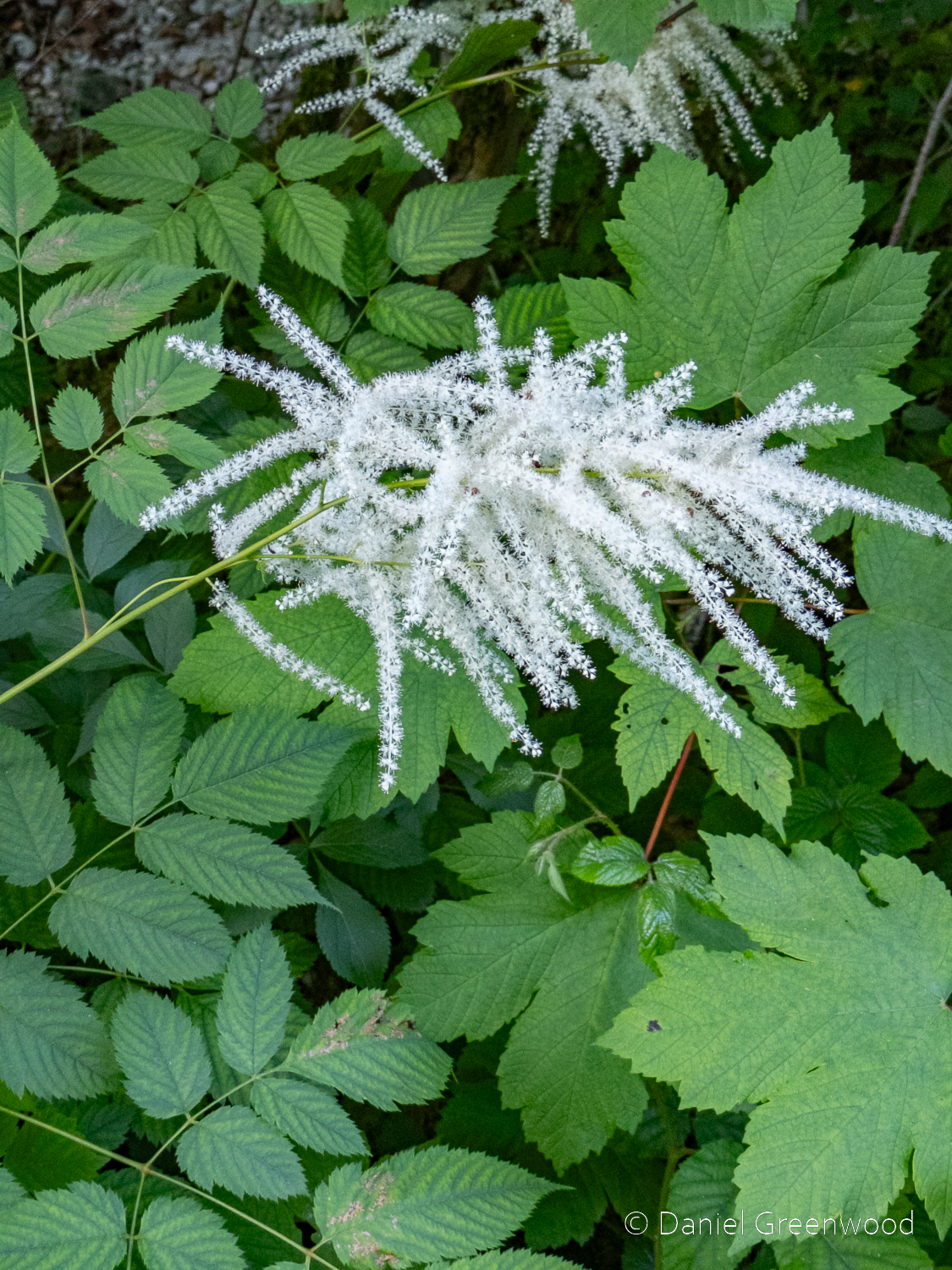
Another species that I only see when in Europe is this buck’s-beard, growing at the roadside.
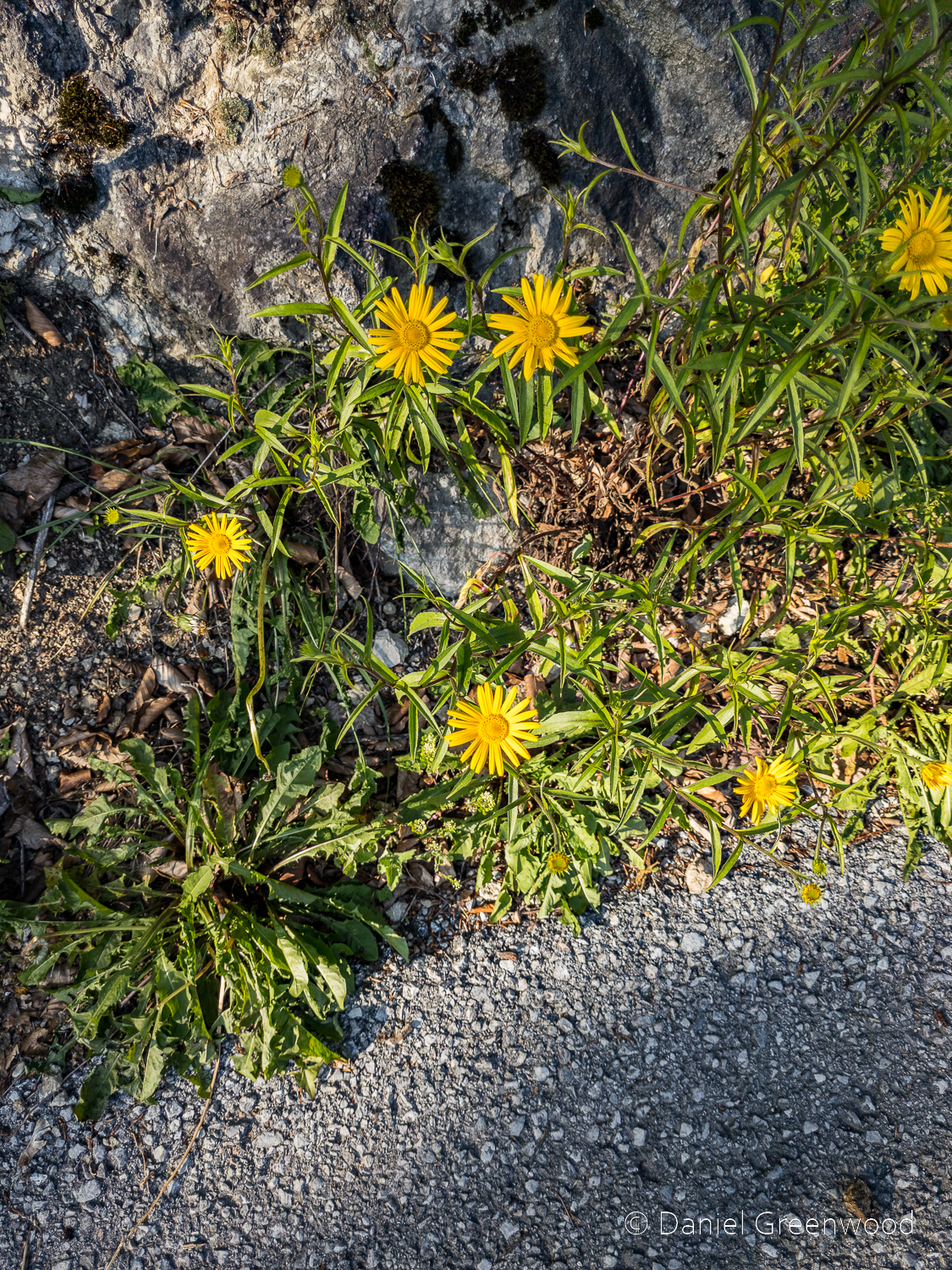
Having descended to the shore of Wolfgangsee, there were these lovely willow-leaved yellow oxeyes growing at the edge of the path.
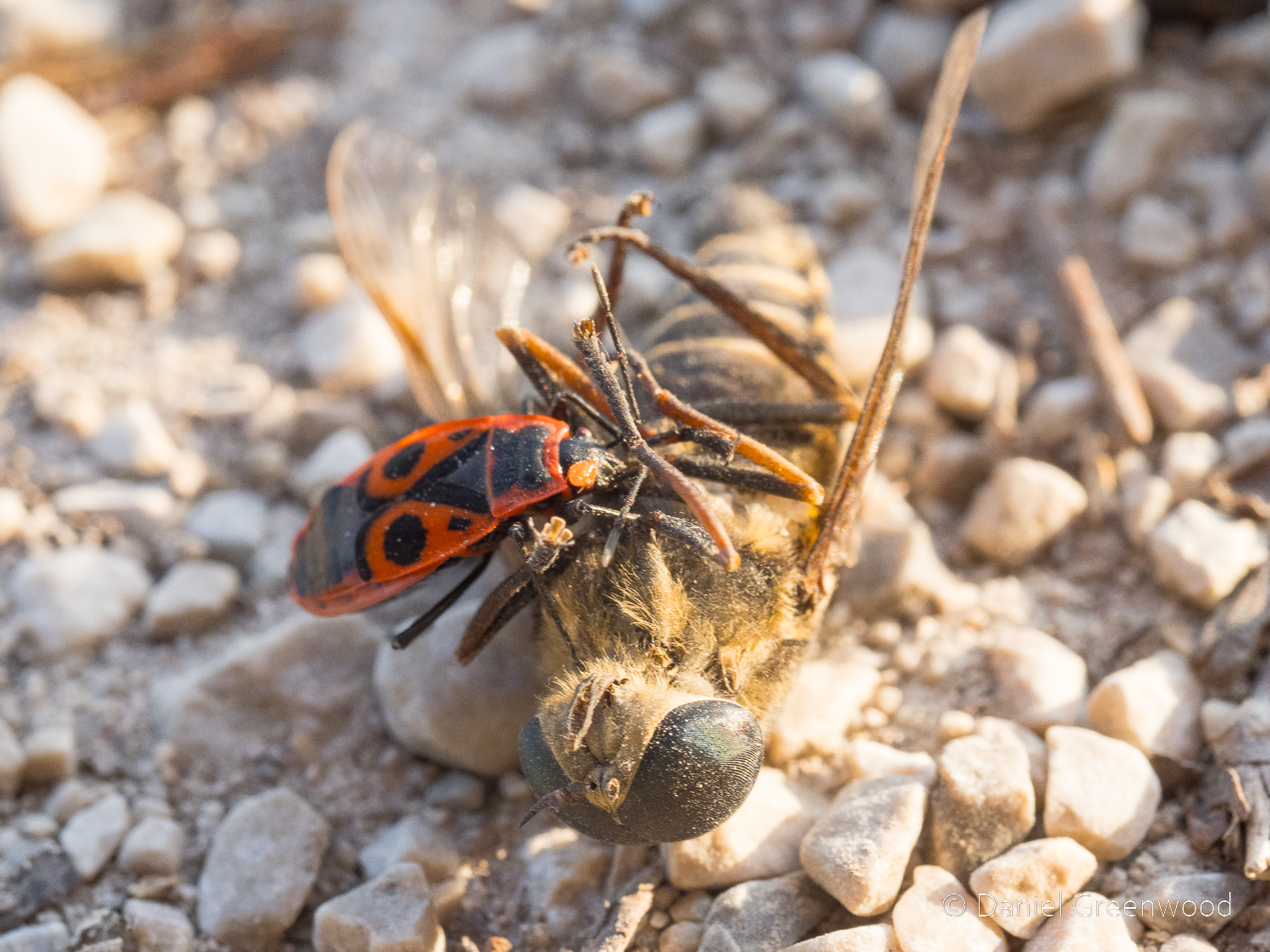
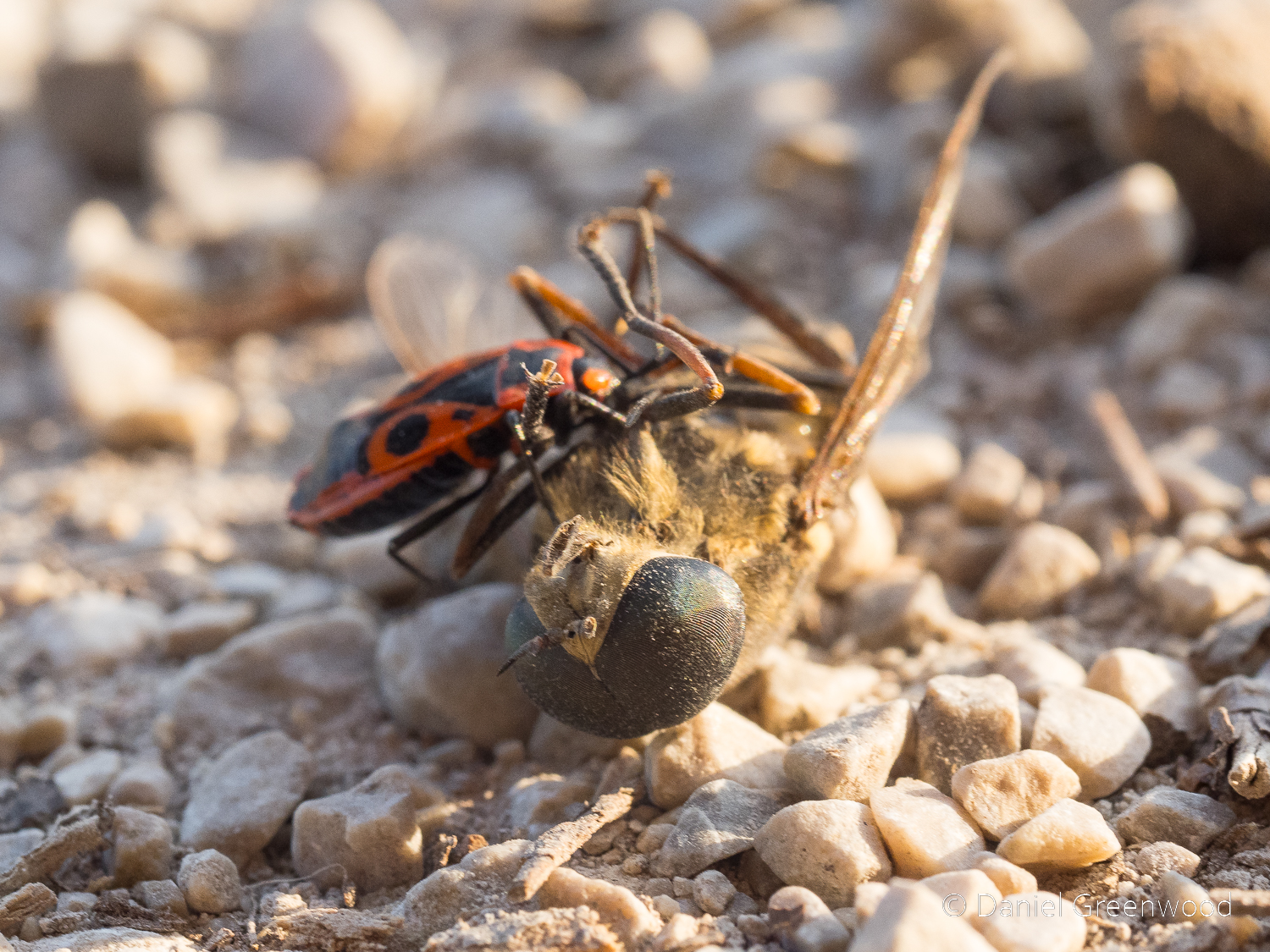
To end, I was quite tired by this point and wondered what on earth was happening. This is a mix of phone pics and mirrorless camera pics, of the scene of a dead horsefly being eaten by a cinnamon bug. If you look more closely you can see a red mite on the head of the bug, so the mite is the winner!
Thanks for reading.

Macro | Austrian Alps | Support my work

Austrian Alps: wildflowers on Zwölferhorn

Zwölferhorn (1522m), Salzkammergut, Austria, June 2025

In mid-June my wife and I visited the Austrian Alps for the second year in a row. We took the cable car from the village of St. Gilgen (featured in the opening scenes of The Sound of Music) to the 1500m heights of Zwölferhorn, so named because according to shepherds down the years the sun sits atop the peak at 12noon (zwölf) everyday.

The views from the top are magnificent, as you would expect from the Austrian Alps, though a bit hazy on this hot day in the Salzkammergut.

Part of the allure of this place in spring-early summer is the wildflowers high in the mountains.

To the south and west the mountains seem to run forever. South-east of here is the famous Hallstatt and the Dachstein Massif, which I will include some long-range images of in an Austrian Alps post to follow.

A view into Salzkammergut

These mountains have been managed in the same way for many hundreds of years – though there were probably fewer trees in the past – which has led to a rich diversity of flowers and their dependent invertebrates. We saw an abundance of both when visiting this time.

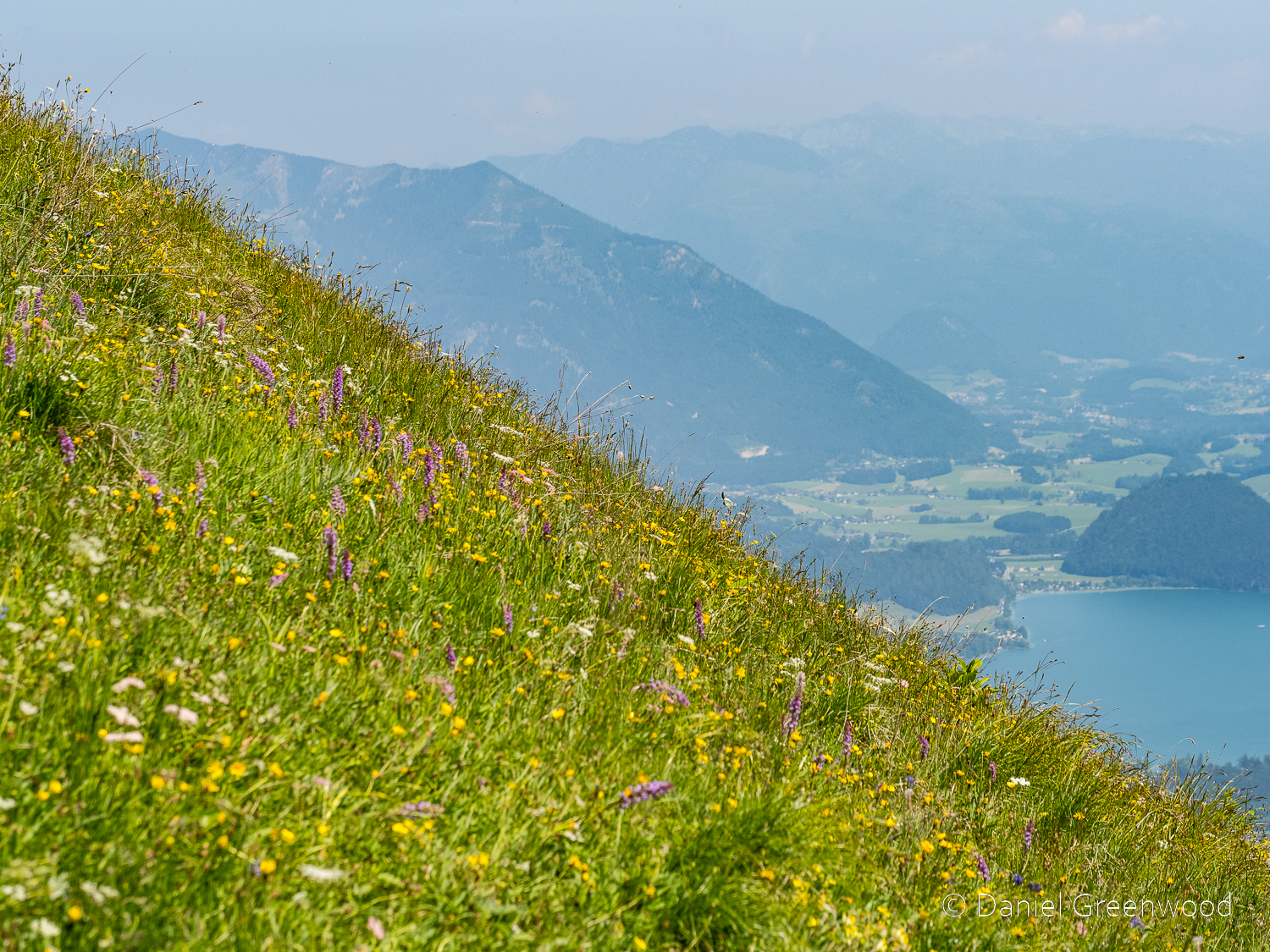
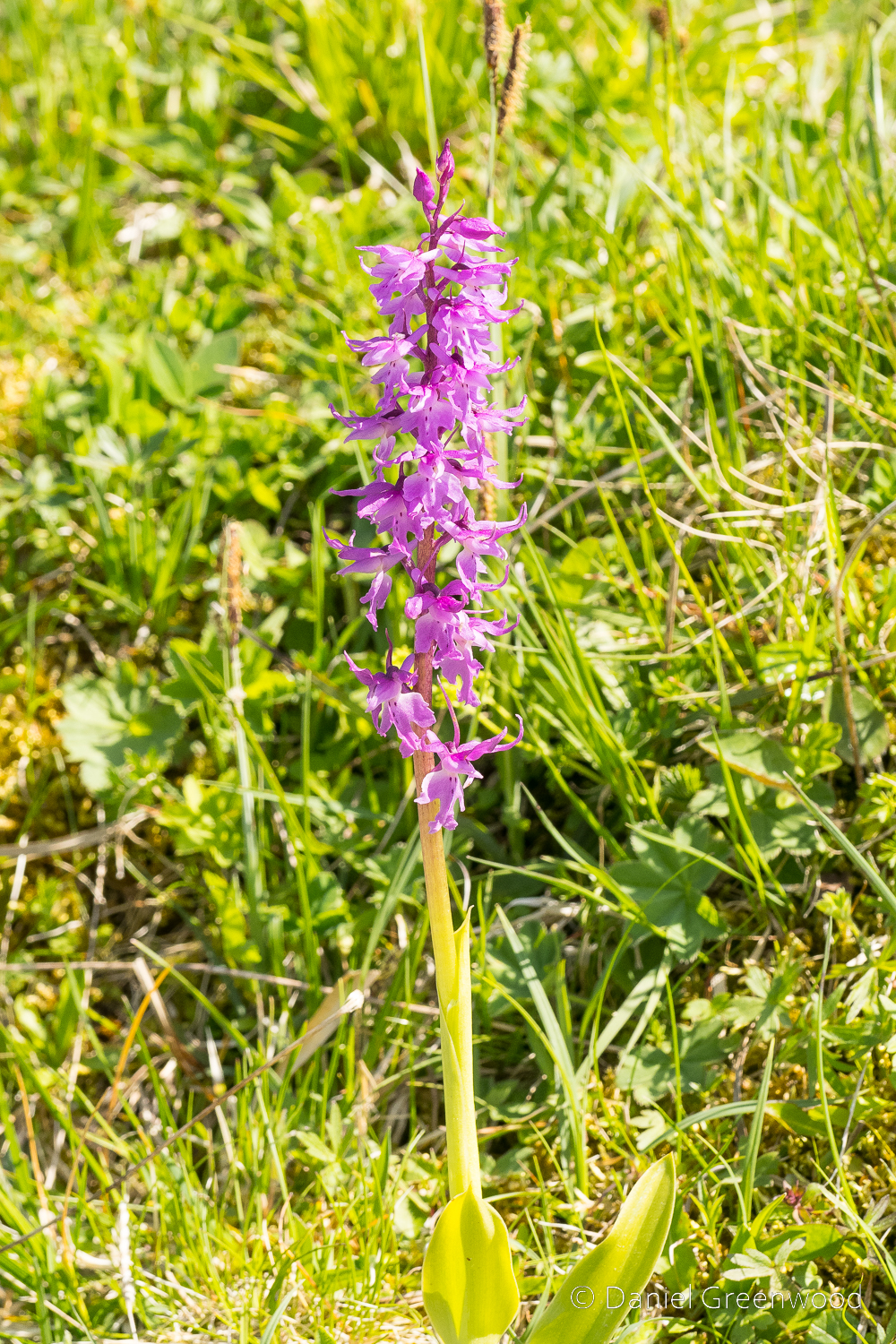
The sloping meadows were ‘littered’ with early purple orchids (Orchis mascula). We kept to the paths at all times for both safety as they were steep, and so as not to damage the grasslands. Having a camera in these places doesn’t give me a divine right to trample stuff!

Some of the orchids up close. Early-purple was the only species we saw.

This is hoary plantain (Plantago media) which gave a nice focal point to the alpine meadows.

I was intrigued by this daisy (Asters) as there were signs for arnica in the area. On iNaturalist it’s been identified as willow-leaved yellow oxeye.

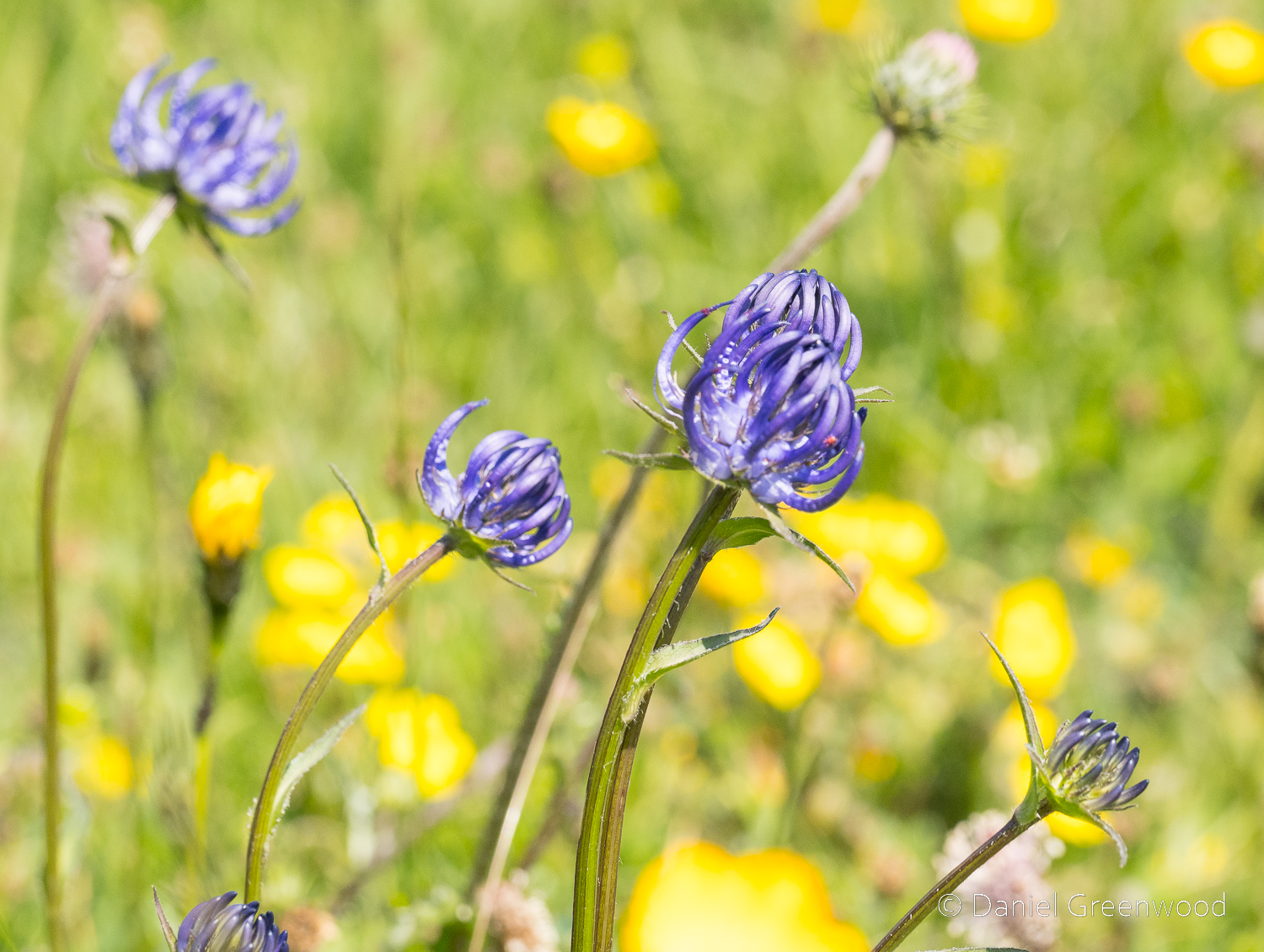
This came out a bit out of focus in the wind – it’s the ‘Sussex flower’ of the chalk Downs, round-headed rampion.

This is a new species for me, the slender Scotch burnet moth! Apparently they are native to Britain and much of Europe, and managing to nectar at the same time as mating, impressive.

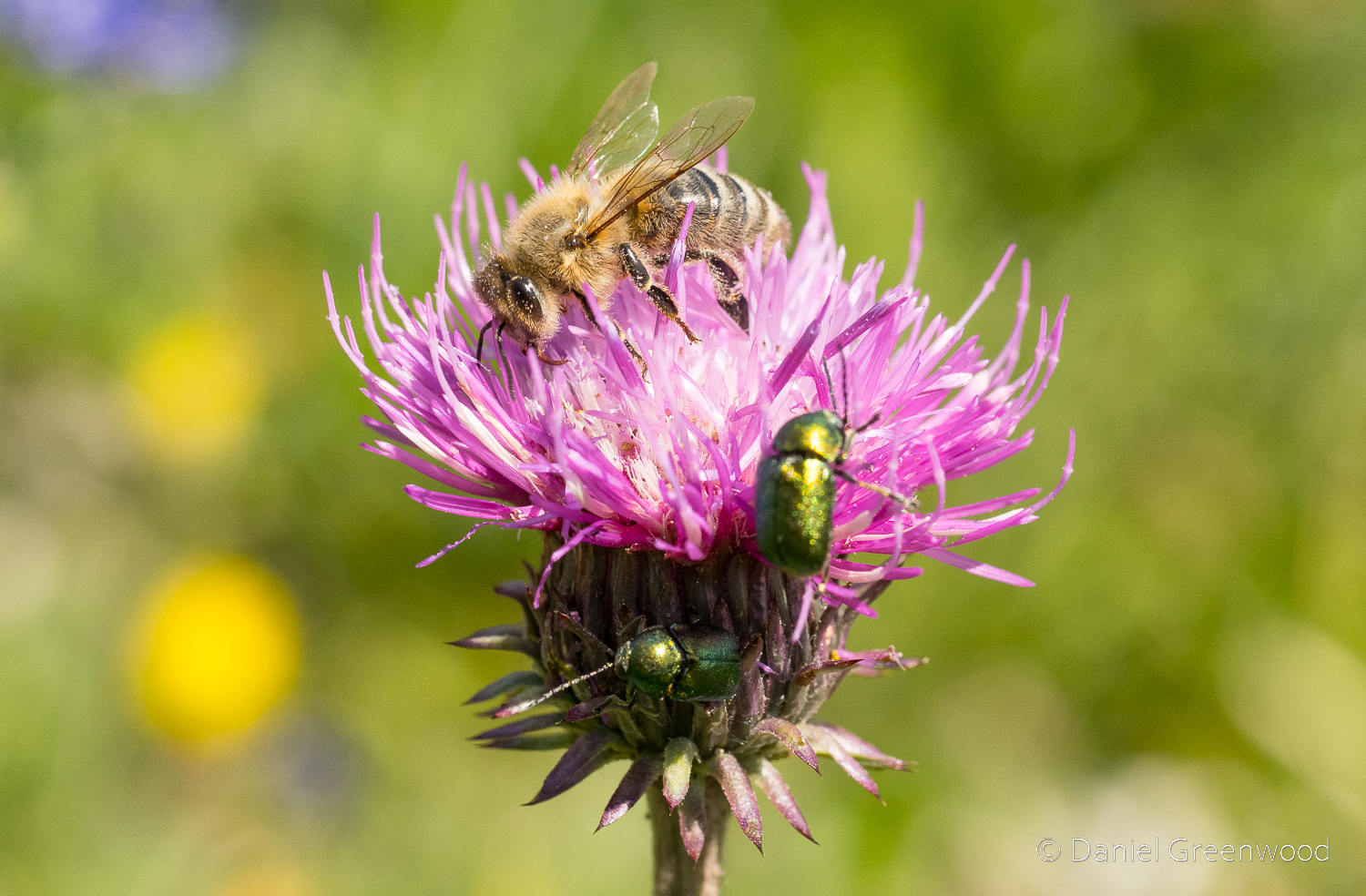
This photo made me laugh (I’ll explain). I was trying to get the honey bee and the green metallic beetle on the top in focus at the same time, so much so that I didn’t even see the second beetle lower down on the flower, which is actually in focus. This is knapweed, but I’m not sure if it’s a montane species or a variant to the common one.

While this is not a well-focused pic, it does enough to show you what is probably a duke of burgundy butterfly. In the UK it’s recovering but very rare.

The number of butterflies, day-flying moths, bees and hoverflies up here was a sight to behold. It was impossible to photograph anywhere near a reasonable percentage of all the things with wings. There were tens of fast-flying hummingbird hawkmoths on the wing, but getting photos of them would have resulted in falling down off the mountain. Also, we heard a cuckoo up here, which is quite late in the season for them.

The most common butterfly was the small tortoiseshell, another one I know from home. Insert obligatory remark about how it’s not so common anymore! Isn’t it gorgeous?

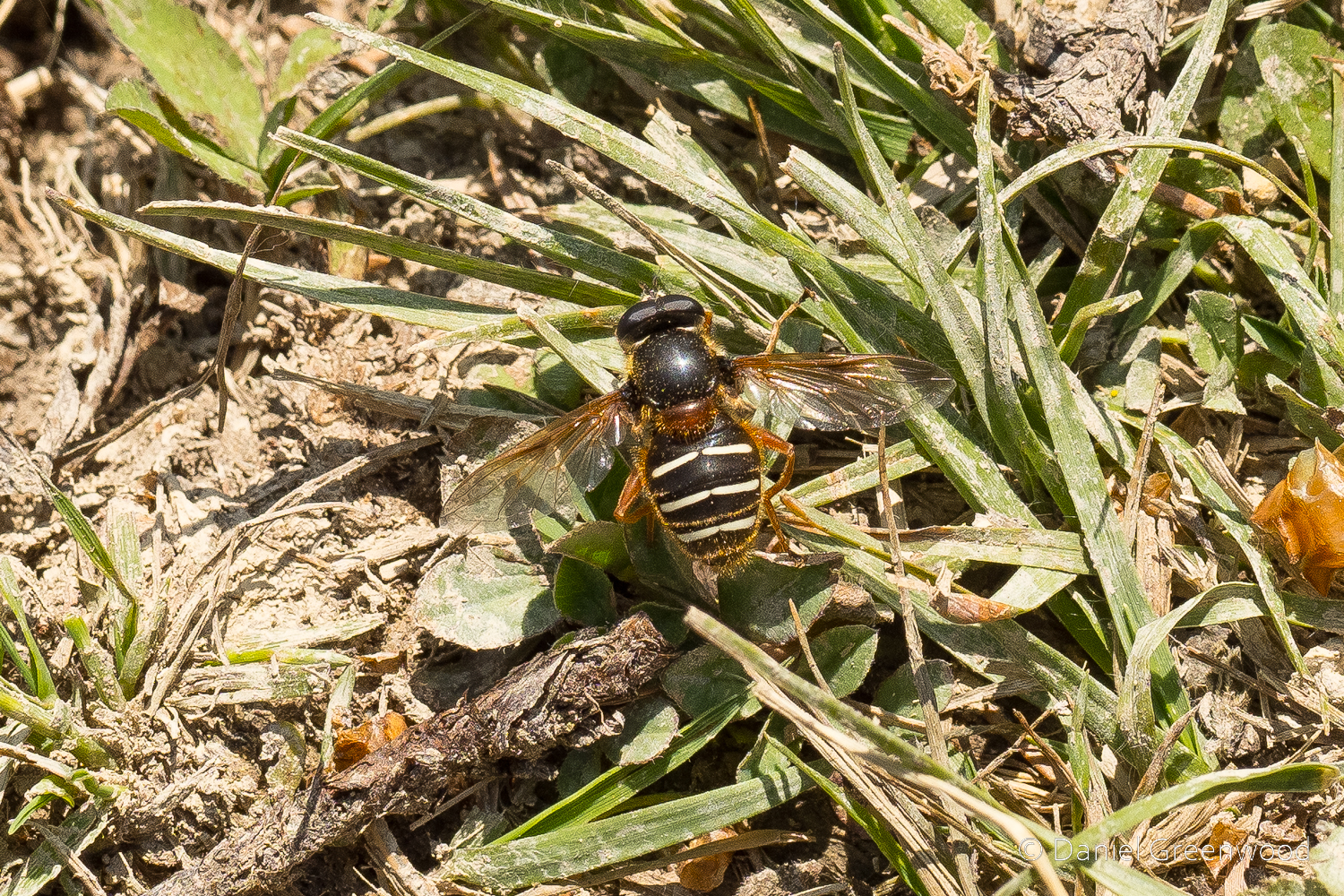
And to finish, there’s nothing more enjoyable in life than the sight of an unusual hoverfly. This was a new species for me, named on iNaturalist as the white-barred peat hoverfly. That would have been my second guess after Robocop hoverfly.

Here are some landscape images to see out this post of a wonderful walk and afternoon in the Austrian Alps. All taken with a macro lens!

Thanks for reading, Grüß Gott!

Macro | Support my work

Wasps vs. spiders

Saturday 31st May felt like a passing of the seasons, with spring departing and summer arriving. That could be seen in the invertebrate world, with more summer species out there in my garden.

This post is generally wasps and spiders, with some lovely little bees to calm you down afterwards.

As ever, some of these things are so ridiculously small that without magnification (in my case a macro lens) you (I) wouldn’t necessarily see them.

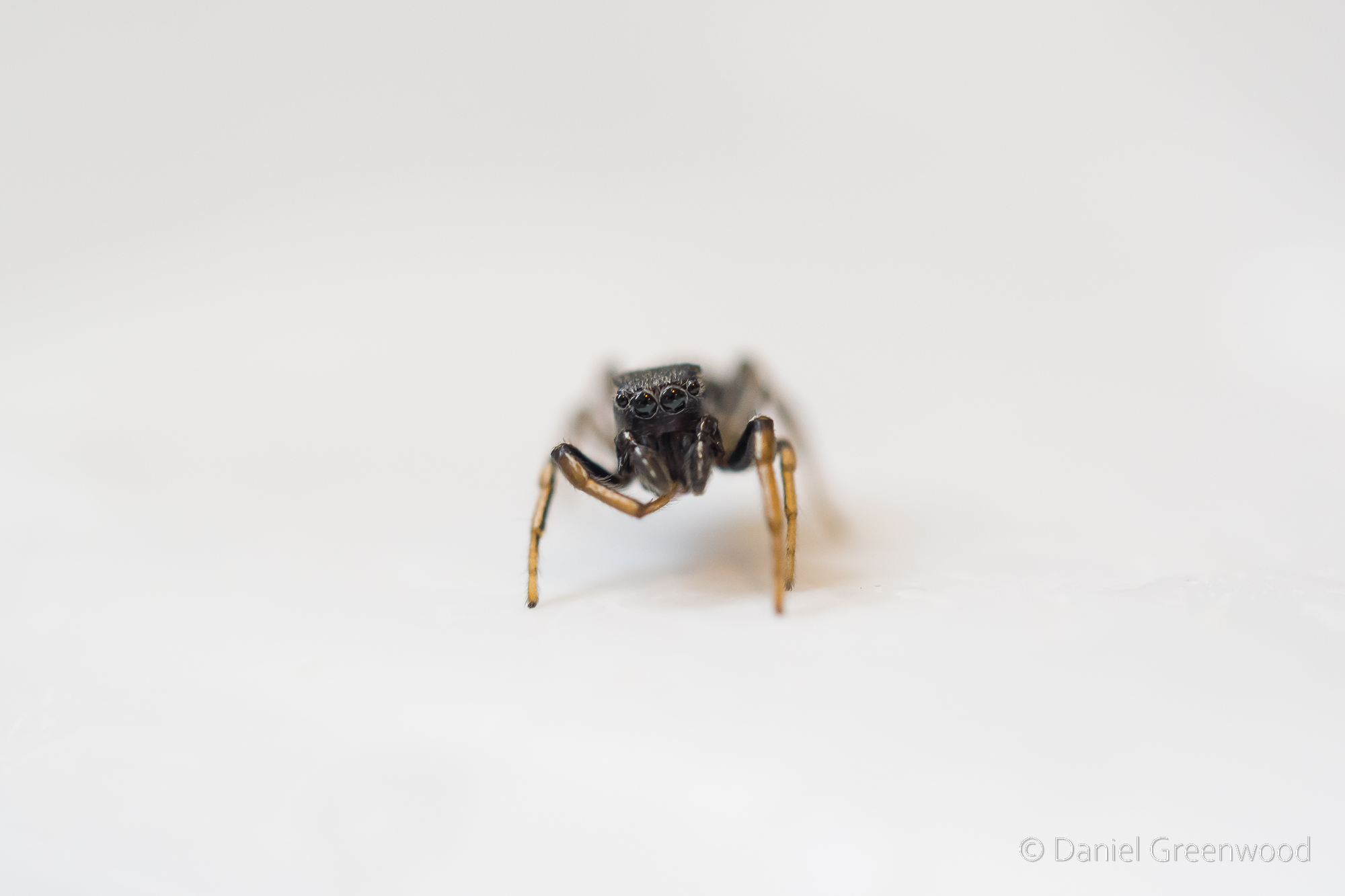
I should have known it was going to be a good photography day when this little jumping spider appeared in my kitchen sink! The light was rubbish so I’ve had to draw out the shadows and ‘de-noise’ these photos a bit. I’m unsure of the exact species, but I do get an apparently uncommon oak jumping spider in my garden/near the house sometimes, and this may be one.

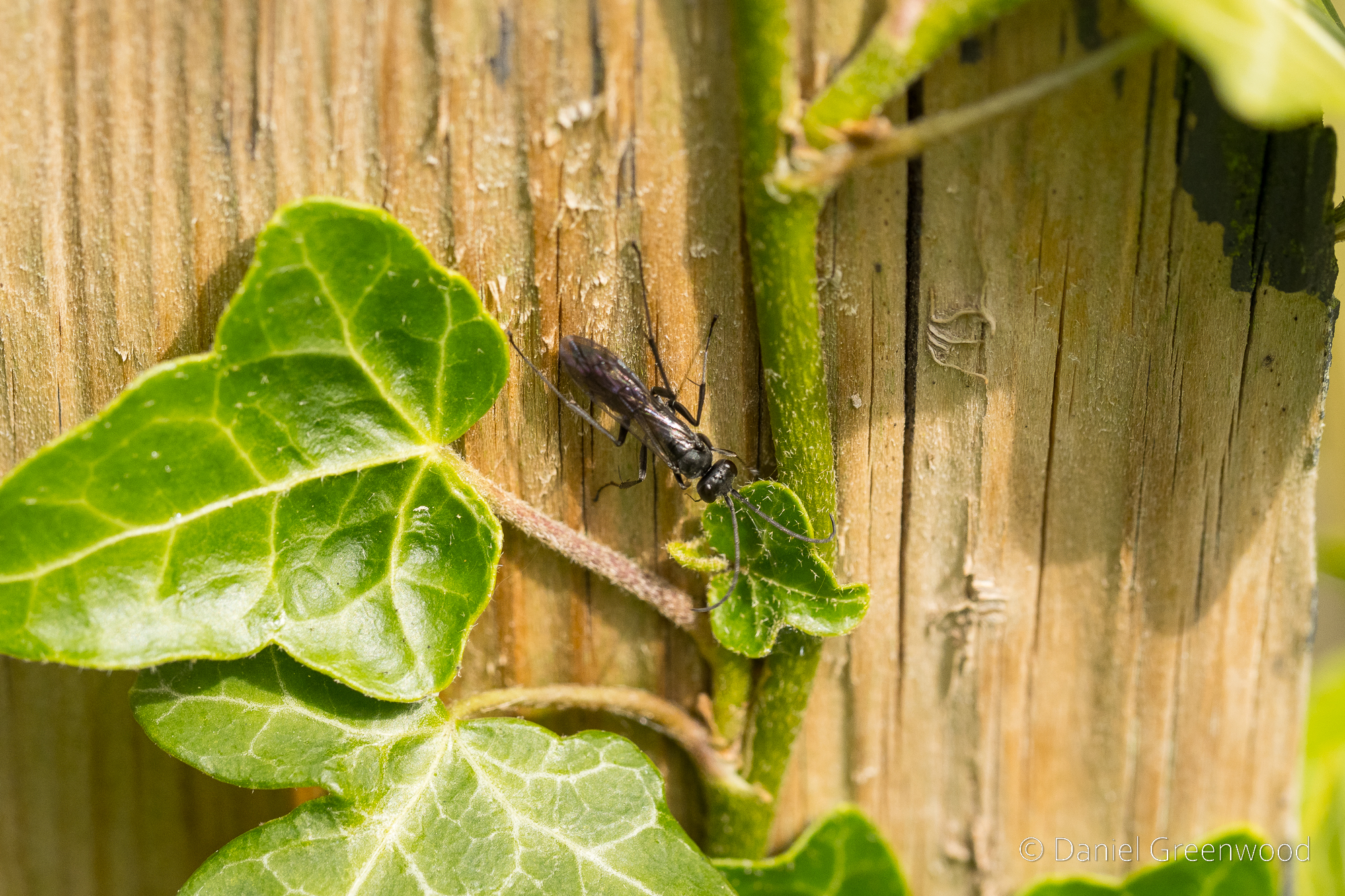
While we’re on spiders, here’s a wasp – a spider-hunting wasp! I’ve learned that sitting down on the grass by a shrub for 15 minutes isn’t just a forest-bathing exercise, it’s also a good way to allow the life to move around you. One fence post was being explored by this very busy spider-hunter. And then, something amazing happened.

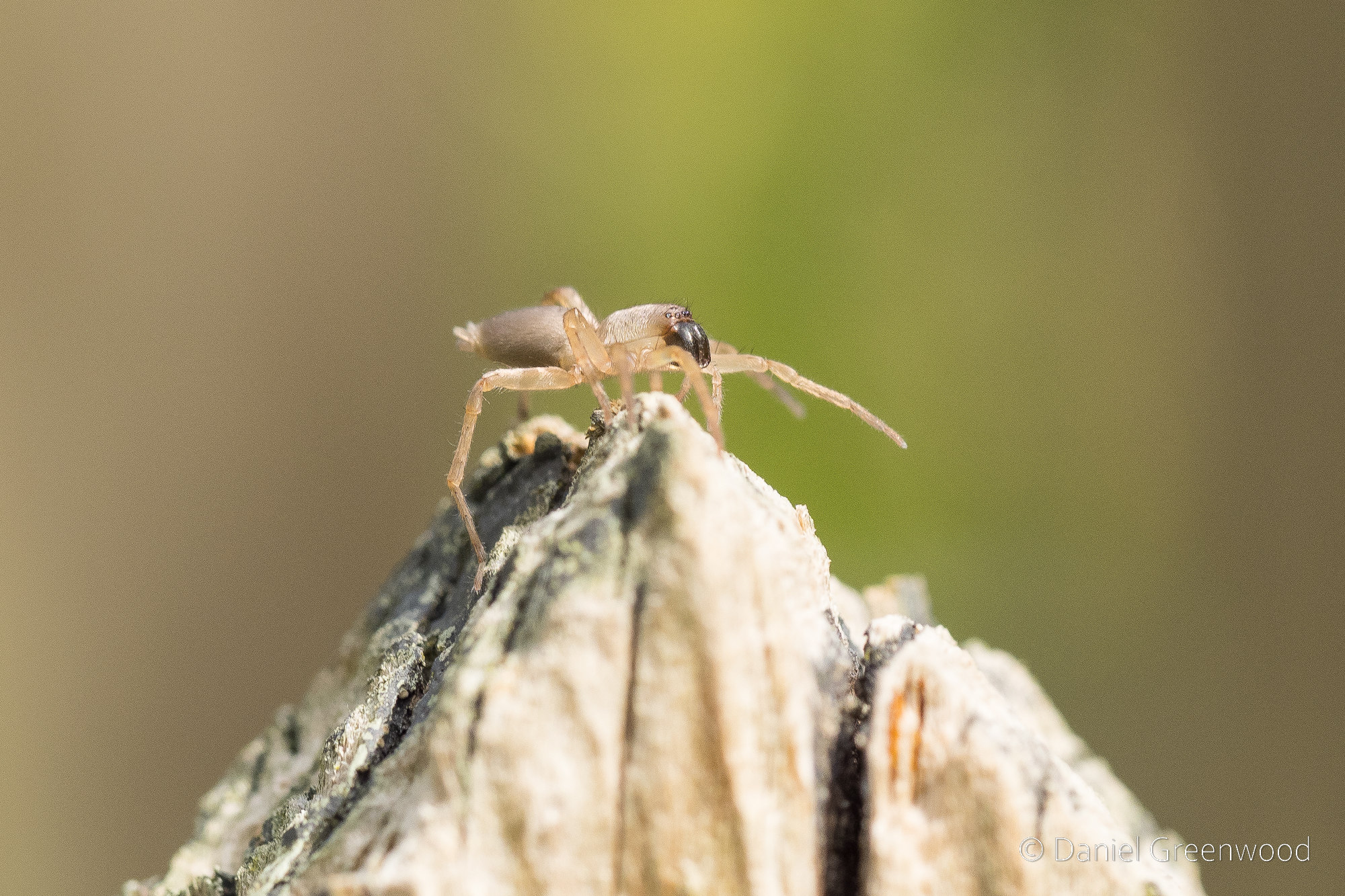
On a vacant fencepost (that’s just how I consider them now) a spider appeared at the top. The spider-hunting wasp saw their moment and burst onto the post, but missed the spider by milliseconds!

The spider-hunting wasps paralyse their prey and then carry them away to a cache. It’s pretty grizzly, but if you think that wasps have been in existence for over 100million years, and spiders, gosh, they’ve been around for over 300million (humans 200k and unlikely to make 1million at this rate), it’s something that’s been going on for a long time. If you’re annoyed about one species of wasp bothering you, imagine how spiders felt when 100million years later a spider-hunting wasp evolves from nowhere!

This is around the time when I begin to notice the very tiny yellow-faced bees (Hylaeus). I’m happy to identify them to that level, and don’t really take it any further.

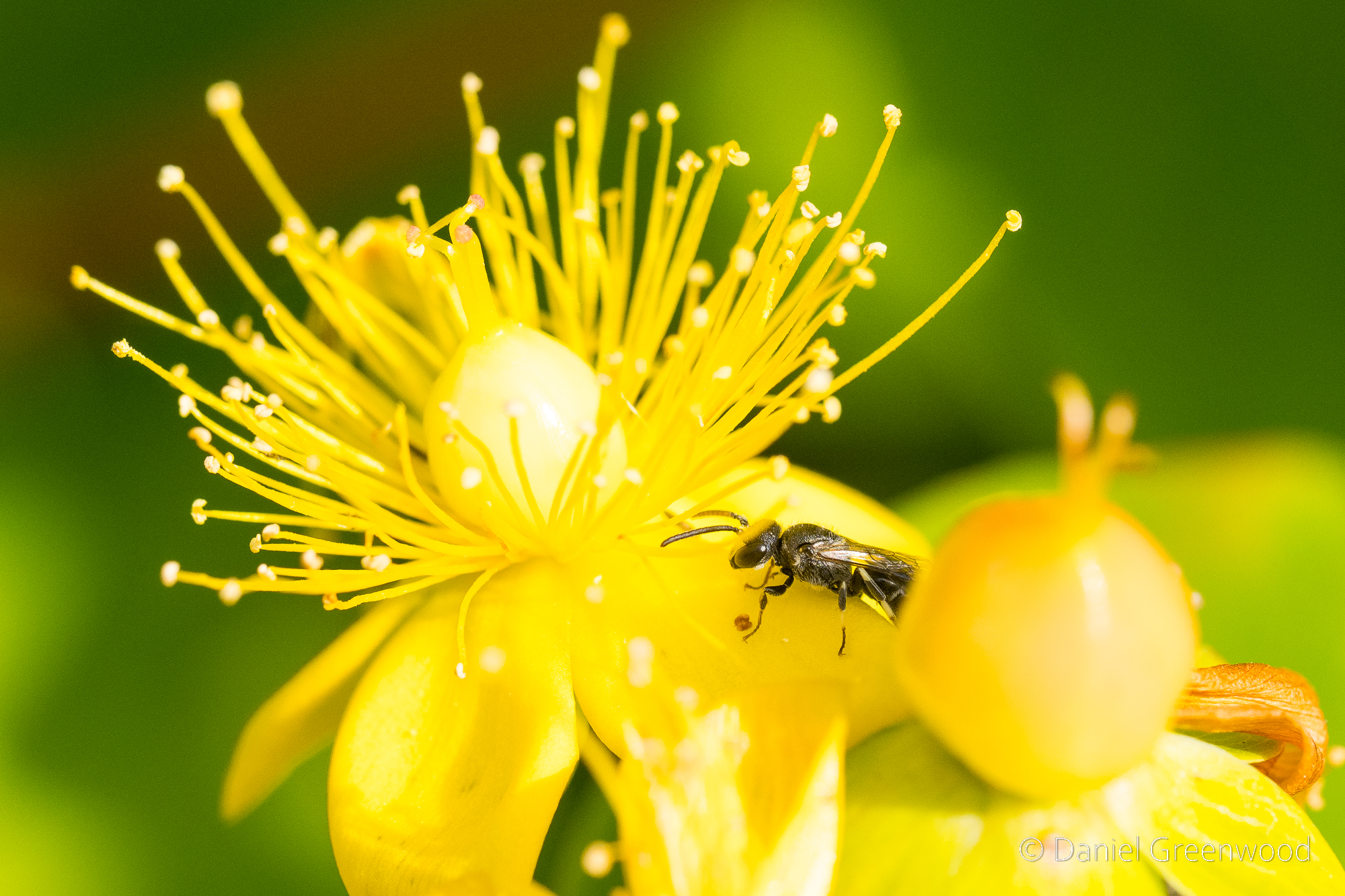
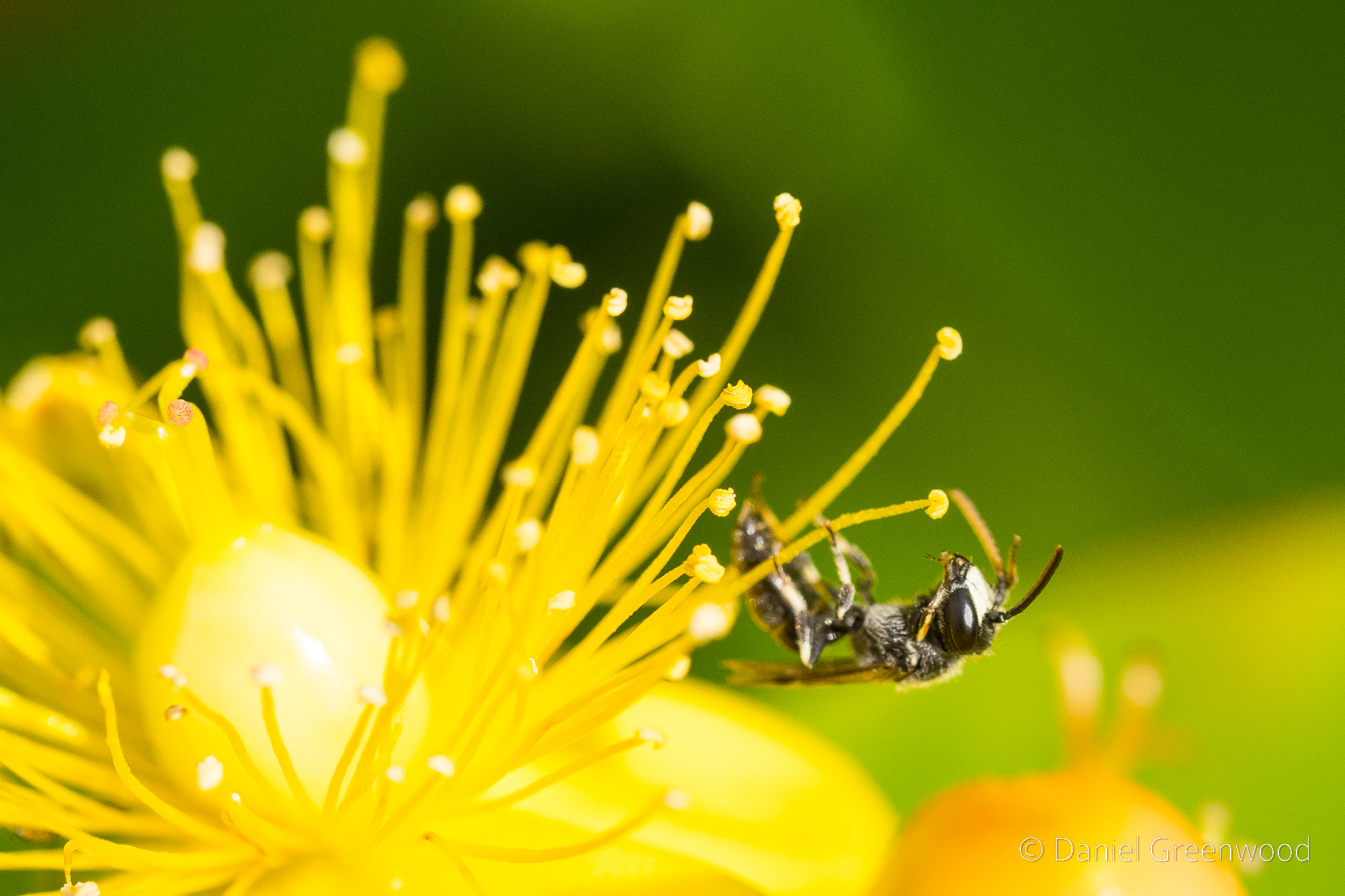
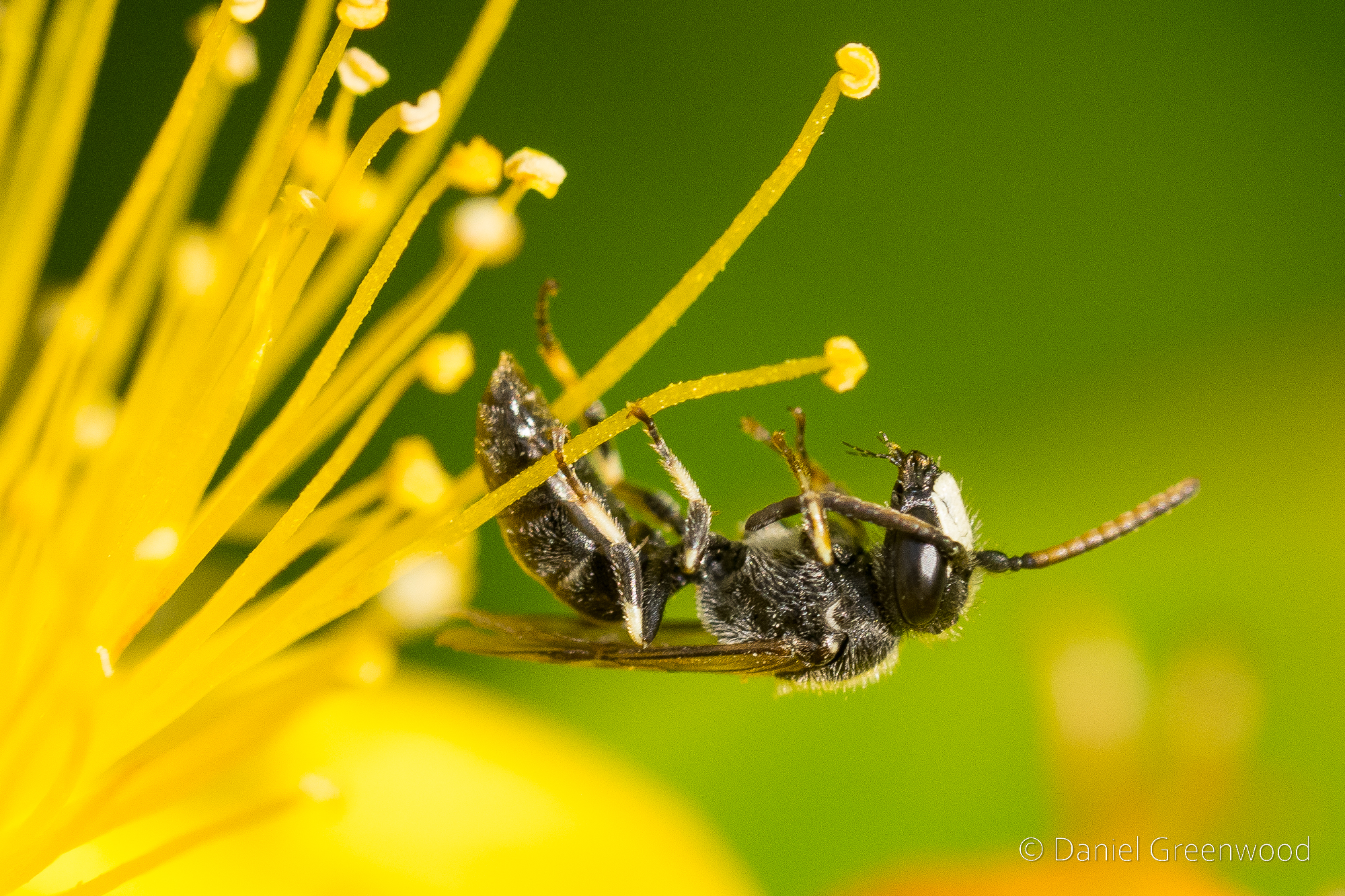
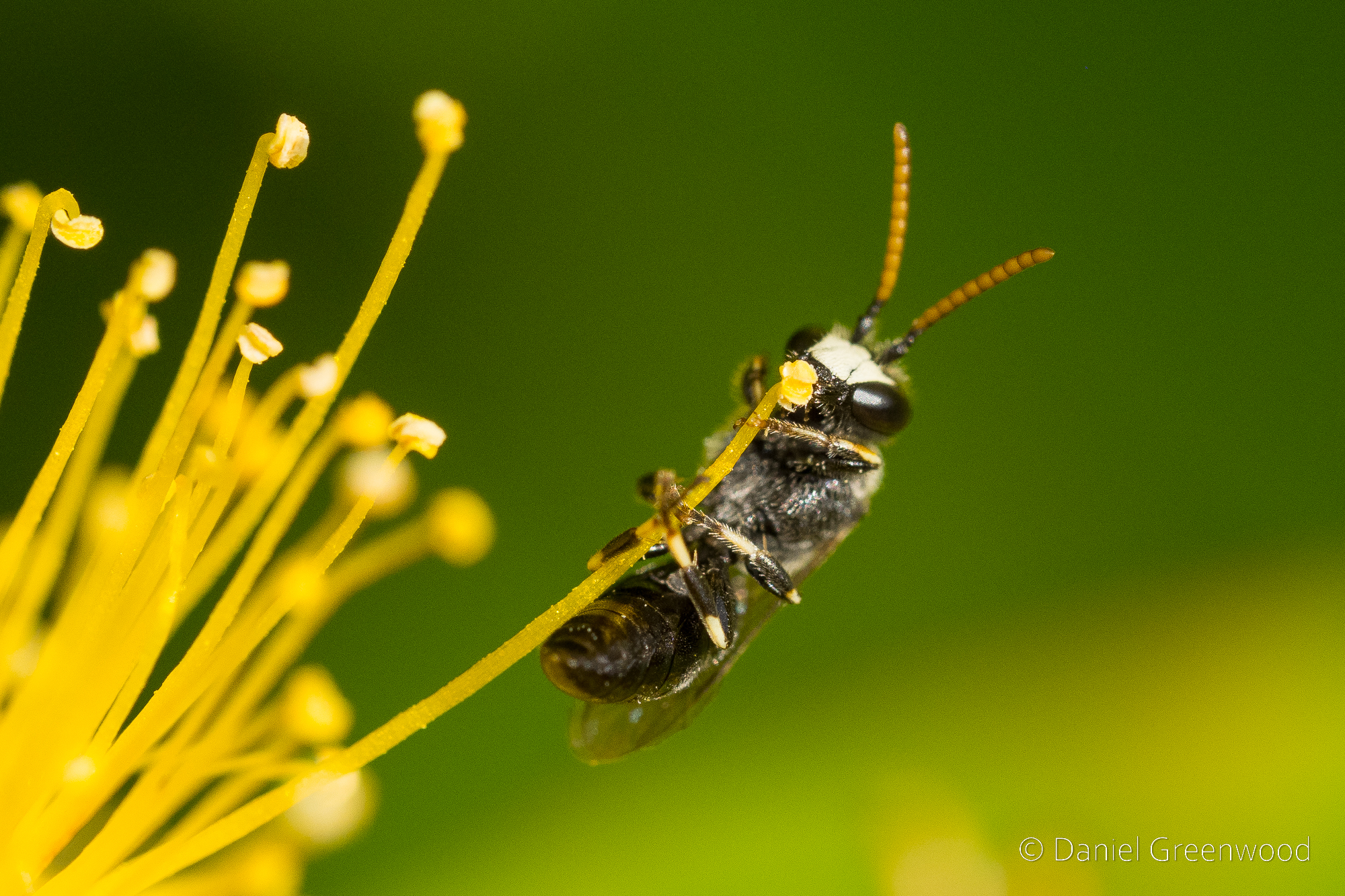
And here we have some of the ‘best’ images I’ve taken this year. This yellow-faced bee is probably less than 4mm in length. Here it’s nectaring on the stamens of a cultivated garden hypericum. This was grown from a cutting taken from my grandmother-in-law’s garden and is a very good plant for pollinators, though it does need maintaining. I love the way the bee uses the stamen a bit like an Elvis impersonator on a standing microphone. Ah-huh-huh.

Here’s a bumblebee for scale!

I don’t think I’ve seen as many honey bees as in recent years, but there was a glut of them around May. There are reports of problems in the U.S. this year (bit of an understatement, considering who’s running things there).

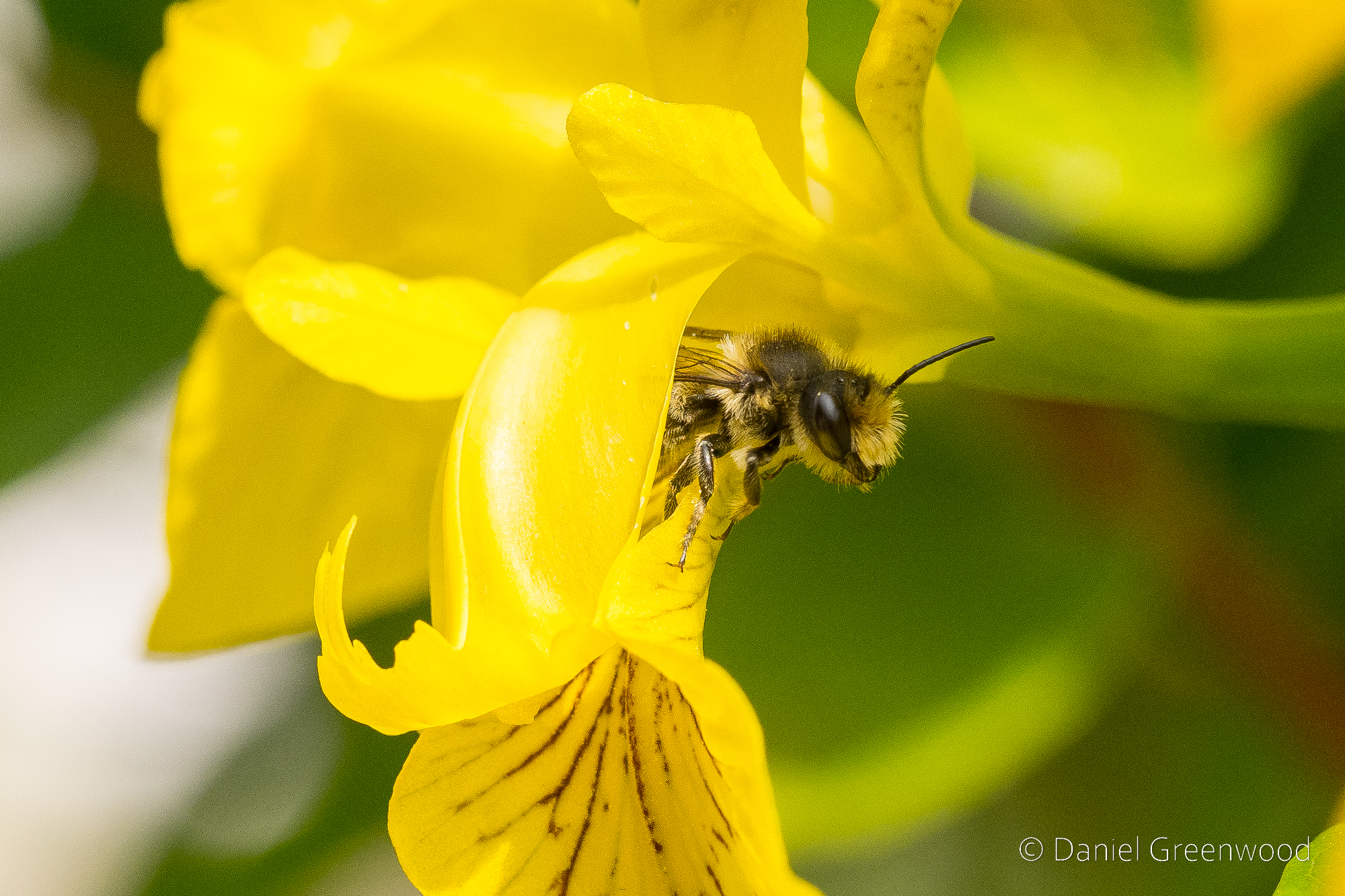
This solitary bee was visiting the flag iris in our little pond. I do enjoy the bee’s sideways escape. Not sure of the species, might be one of the Andrena mining bees.

I will now make like this bee and leave it there. Thanks for reading.

Macro | Support my work

Bumbling up

Onto the 15th May 2025, when the bumblebees were beginning to increase as the workers emerged. But we won’t begin there.

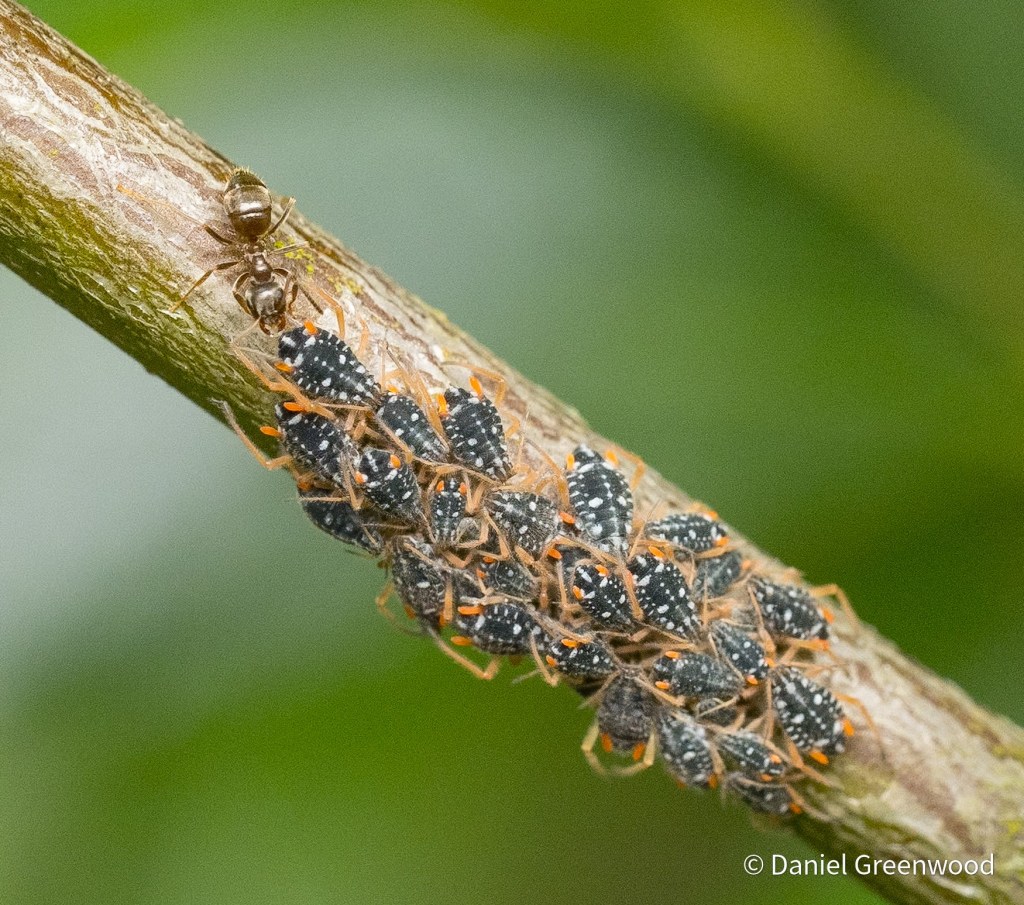
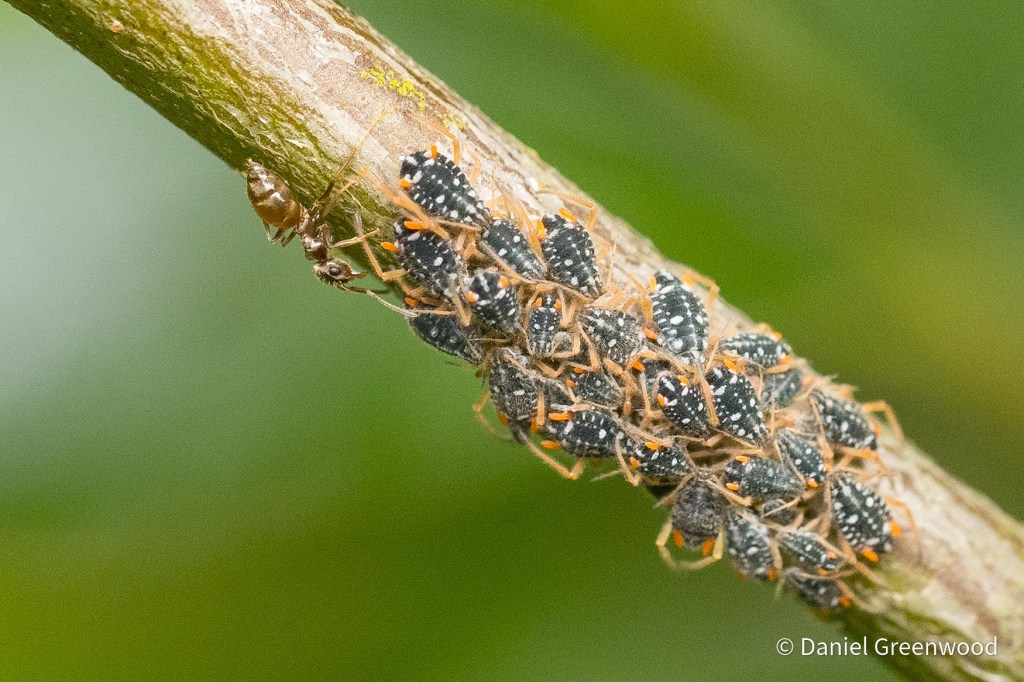
The path to my house is overhung by a self-seeded willow sapling (probably to the annoyance of the postman). One morning I noticed the twigs held a cluster of aphids, tended to by ants.

The ants are probably farming the aphids by providing them with a degree of protection and harvesting the honeydew they excrete. These are probably willow bark aphids but my insect book says there are over 600 species in the UK and many are very hard to identify!

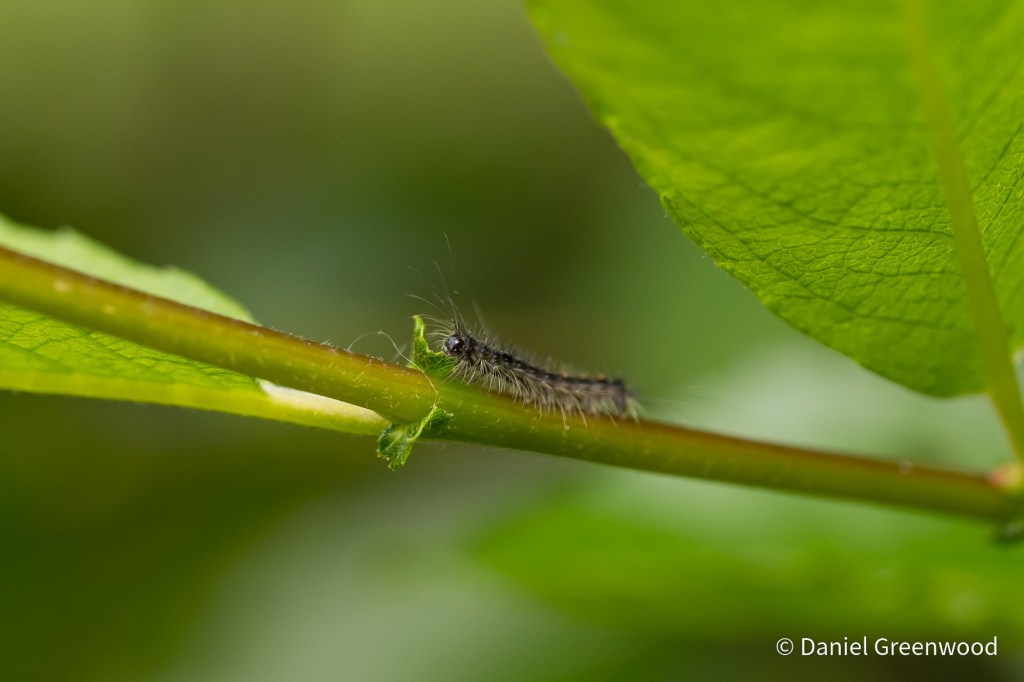
Elsewhere on the willow this little caterpillar was chomping away.

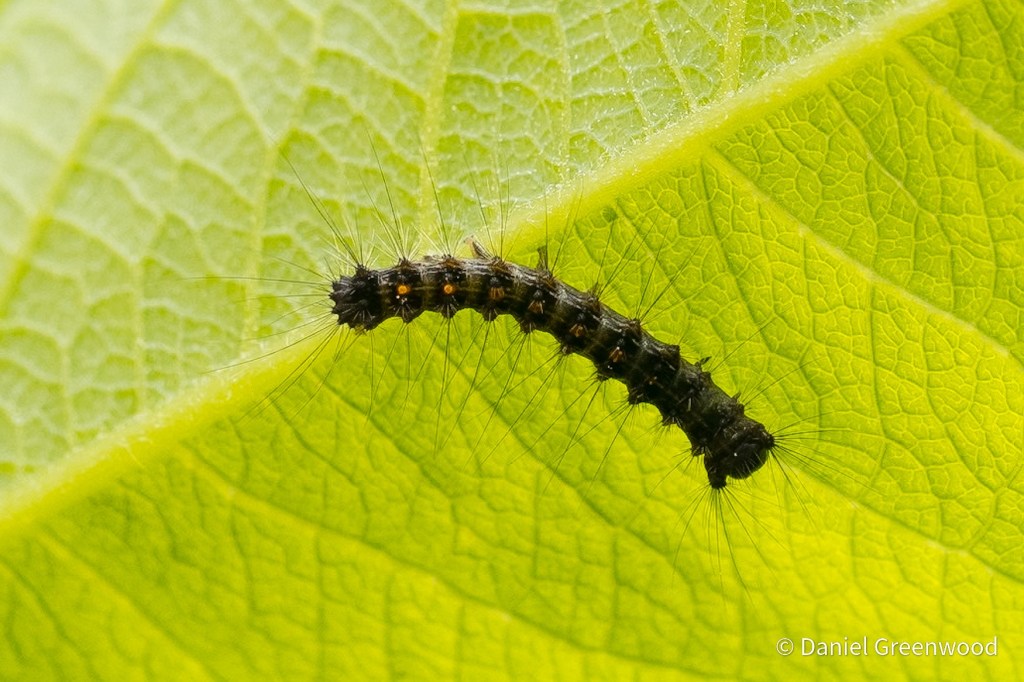
I think this is the same species but I’m not sure what it is. Caterpillars are not a strong area for me.

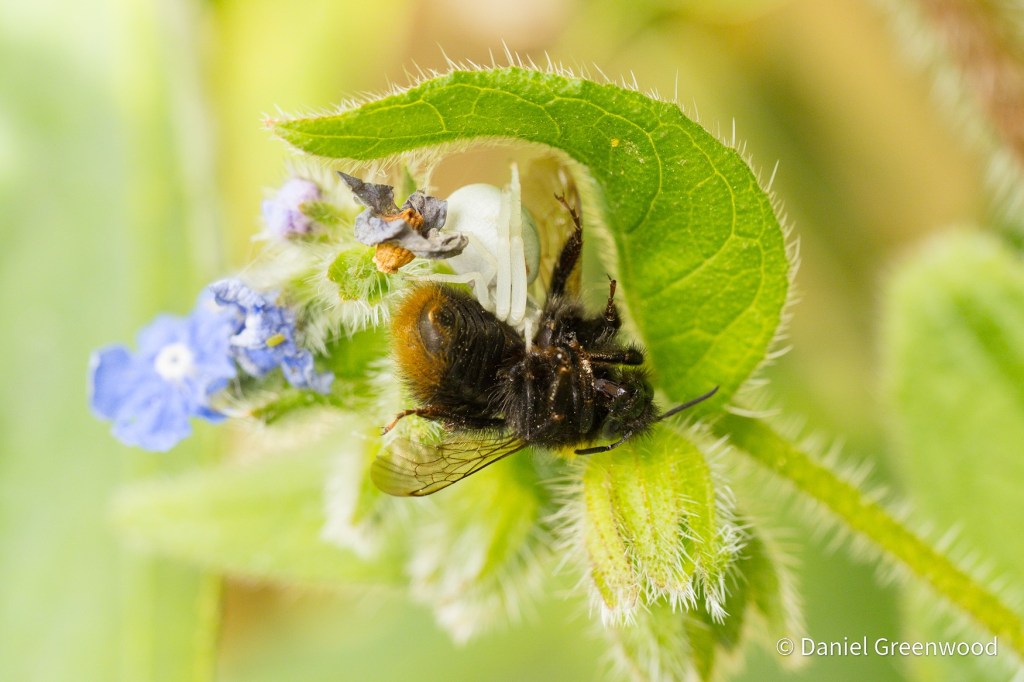
Moving onto bees, I spotted this bee that had been predated by a crab spider (probably Misumena vatia). I am wondering if this might be a cuckoo bumblebee, a kind of mimic that is in fact solitary and raids bumblebee nests, rather than being part of the community. The second photo is from some time later when the spider had moved their prey around.

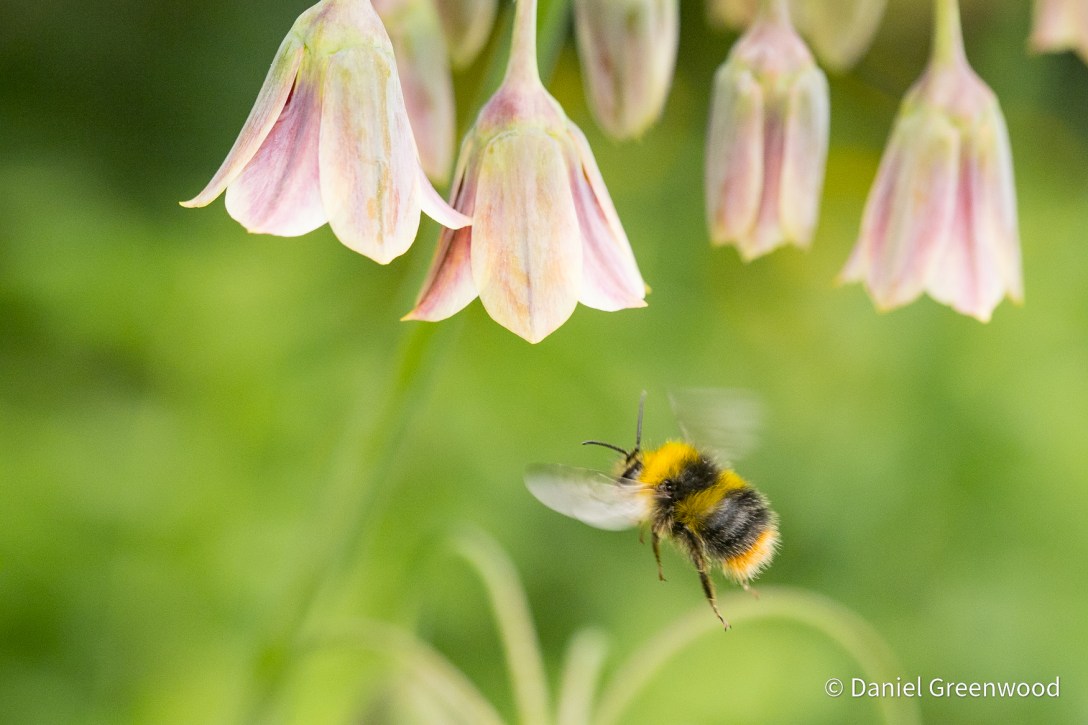
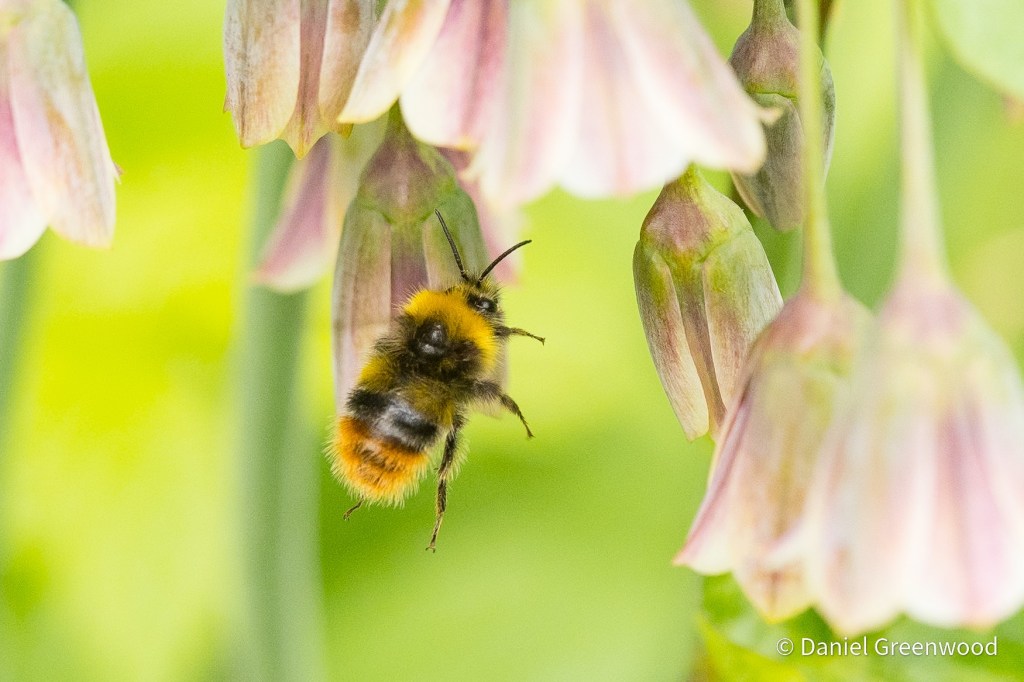
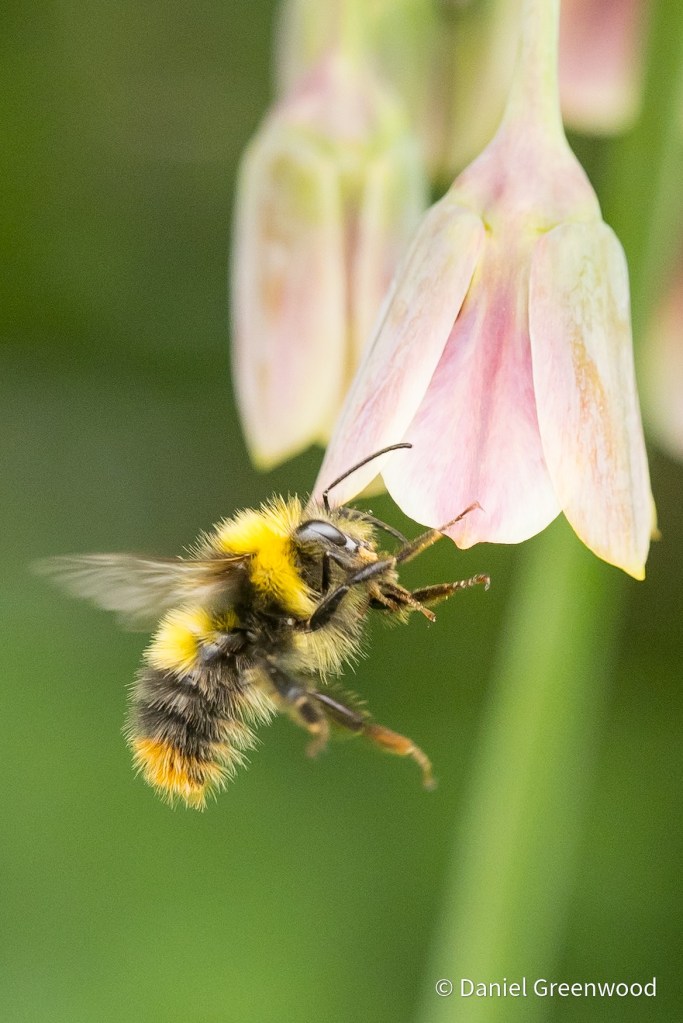
A couple of weeks ago I wrote about the Sicilian honey lilies that have been flowering in my garden. The bumblebees were out in force among these flowers. They seemed to find it a bit difficult to access the flowers from below, but they were foraging en masse. This is one of the first times I’ve used the high speed shutter option on my camera, and it has provided excellent results. I’m not sure of the species, another area I need to brush up on, along with the aphids.

This spider is pregnant, you can see the egg sack. I think it’s a fox spider.

Thanks for reading.
Macro

Sicilian honey lilies

May has been a very productive month for macro photos for me, especially in my garden. These photos were taken on 8th May 2025 in that town garden in West Sussex.

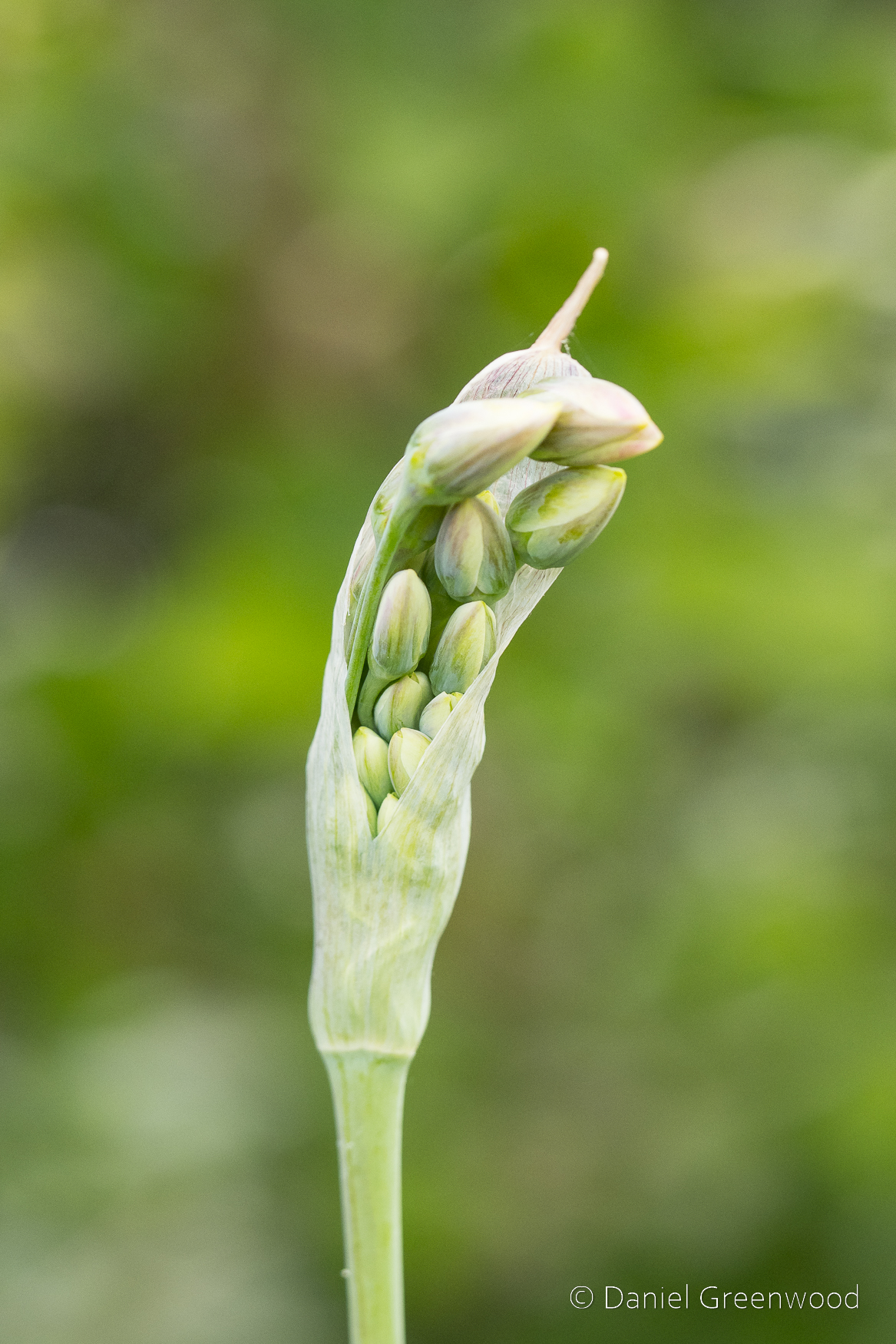
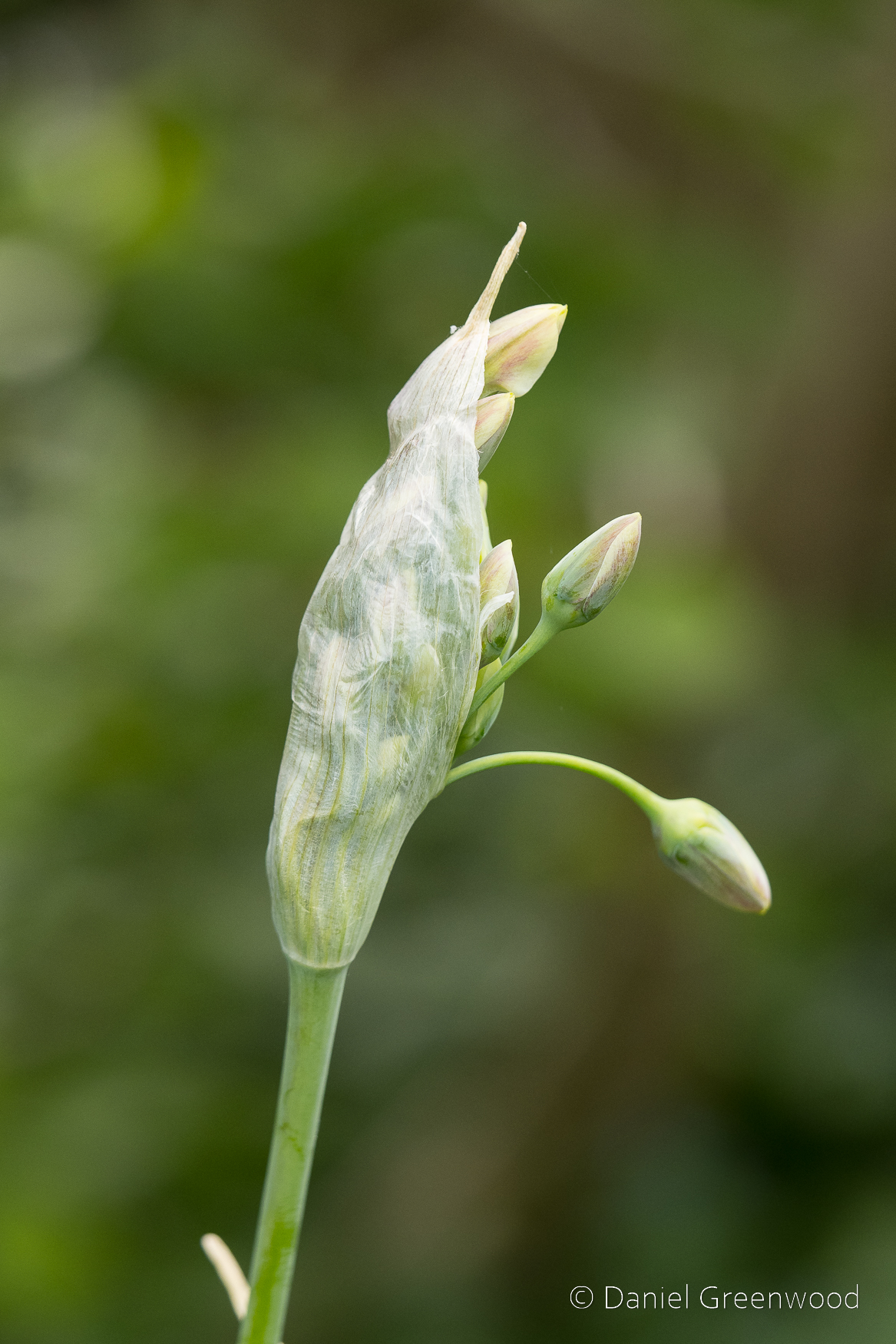
We have a flowerbed for growing berries that is also home to these unusual alliums (honey garlic or Sicilian honey lily). On the 8th May they were just beginning to unseal themselves, releasing the flower heads. I have bee-heavy photos of this plant to share of the following days, and this spring has made me realise just how attractive this allium is for bees. The bumblebees can’t get enough! Stay tuned.

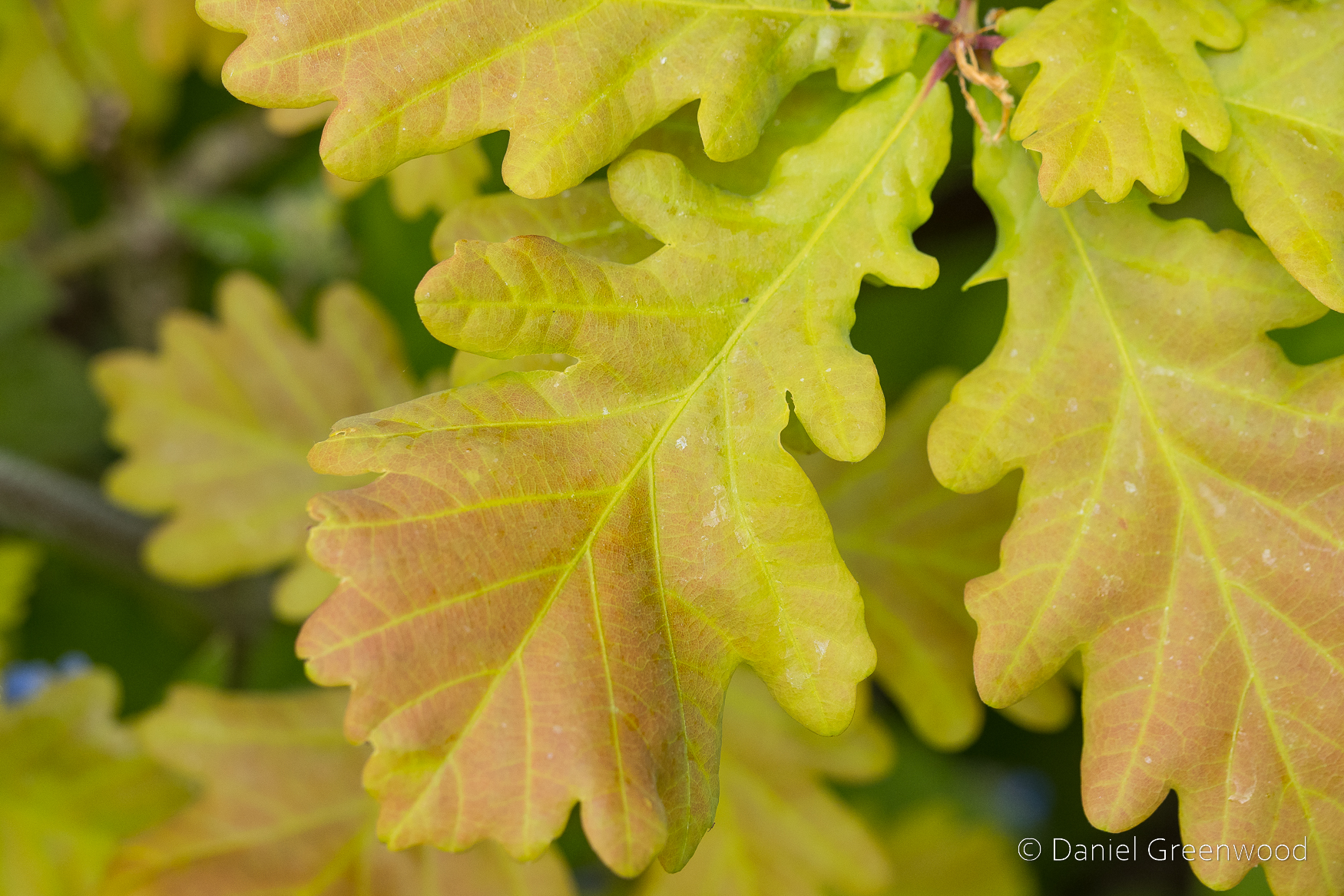
The oaks were in full-leaf by this point, this sapling somewhere between the red, yellow and green.

I don’t know what this invertebrate is or was, but I’ve seen it over the years attached to the stems of broom (which had such a good year in 2025). I am guessing it’s a species of moth that has pupated into an adult moth, and that this is the chrysalis. #NoMothExpert.

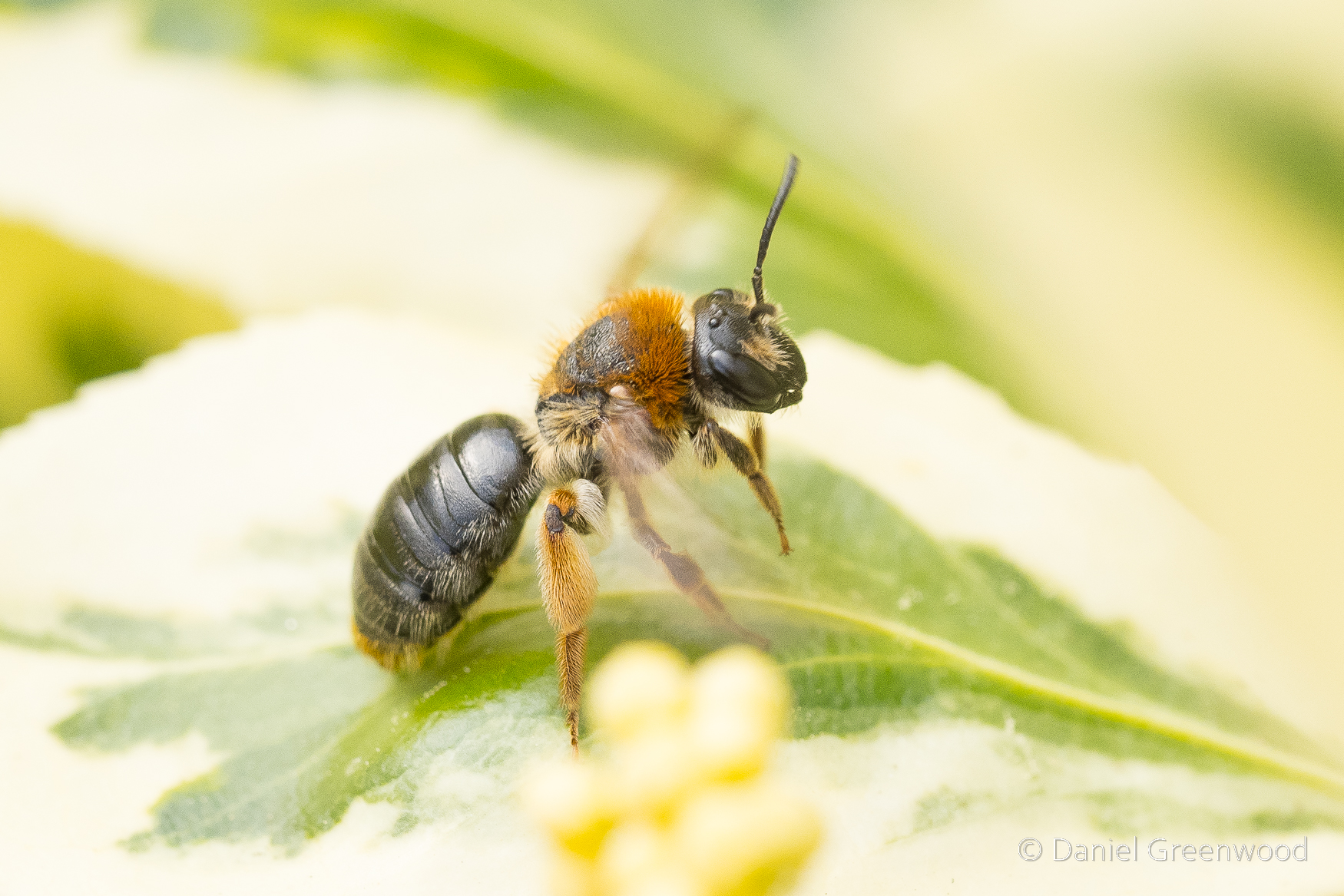
I think this may actually be the same early mining bee I posted about last week! Not sure.

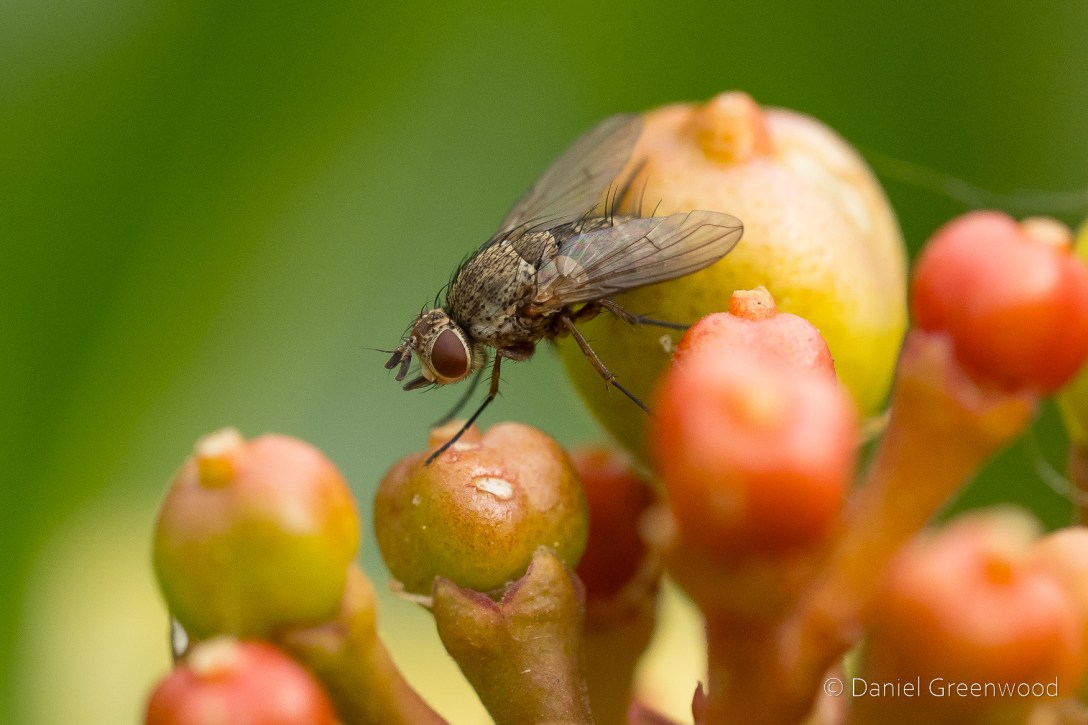
I really like this photo of a fly (no ID yet). I wonder if that’s some kind of sugary solution on the berries. I enjoy the fly’s awkward splaying between fruit. Why not?

The light was working against me here as our friend was on the underside of a leaf. This is one of the Issus planthoppers. It doesn’t look like it, but the head is in focus.

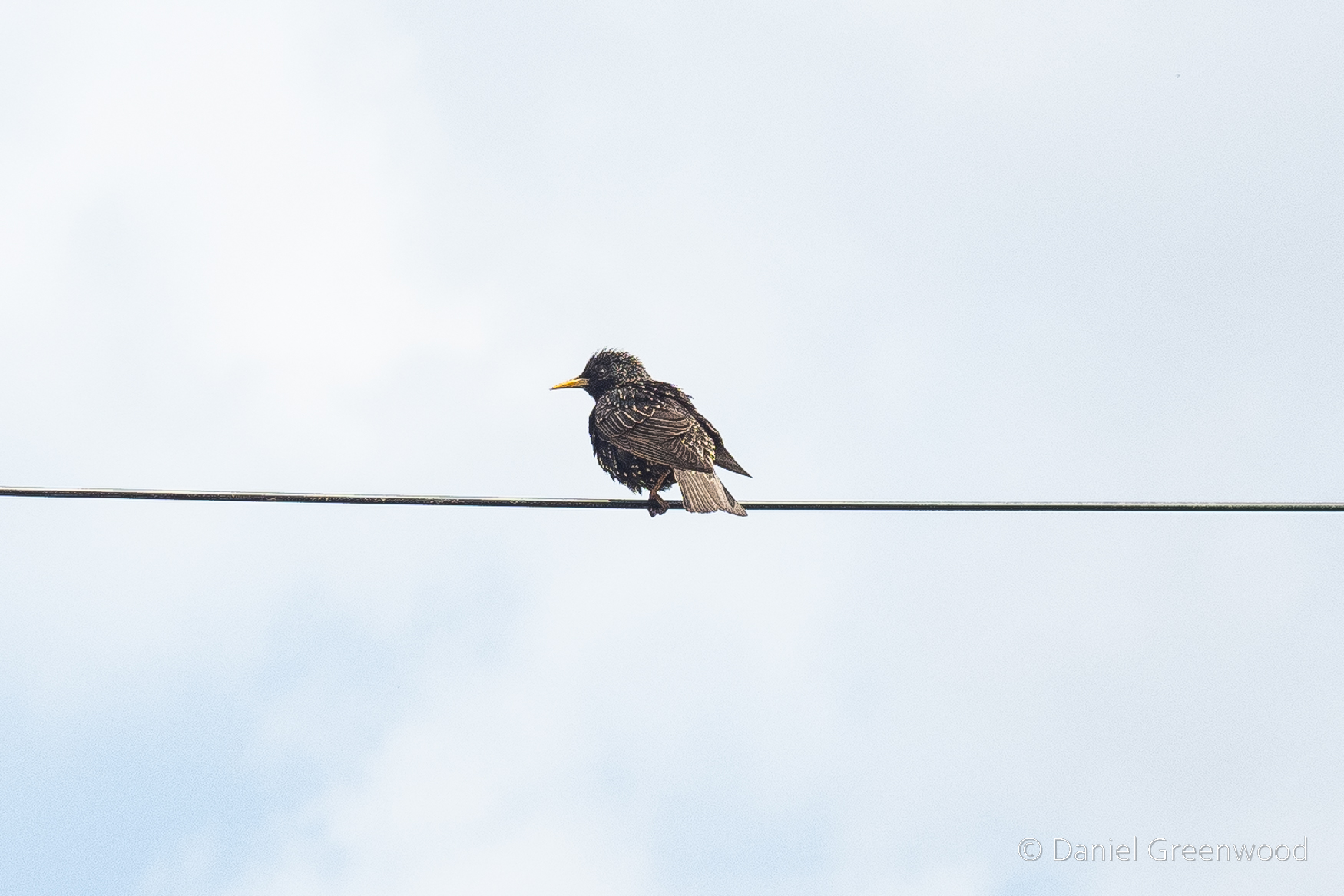
And finally, the starlings were still feeding the nestlings at this point, quite an tiring time for them. They are one of my favourite birds, but are in serious decline (51% between 1995 and 2016) due to habitat loss and historic use of pesticides. You can help them by not using things like Roundup (glyphosate), by putting out fresh water for them to drink/bathe in, and potentially putting up a nestbox if you can.

Thanks for reading.

Macro | Support my work

Sainfoin and snails on Box Hill

Box Hill, Surrey, May 2025

Last week I made an evening return to a landscape that is well-represented on this blog – the North Downs.

I had a lens with me that focuses very closely, though it wasn’t a proper macro lens.

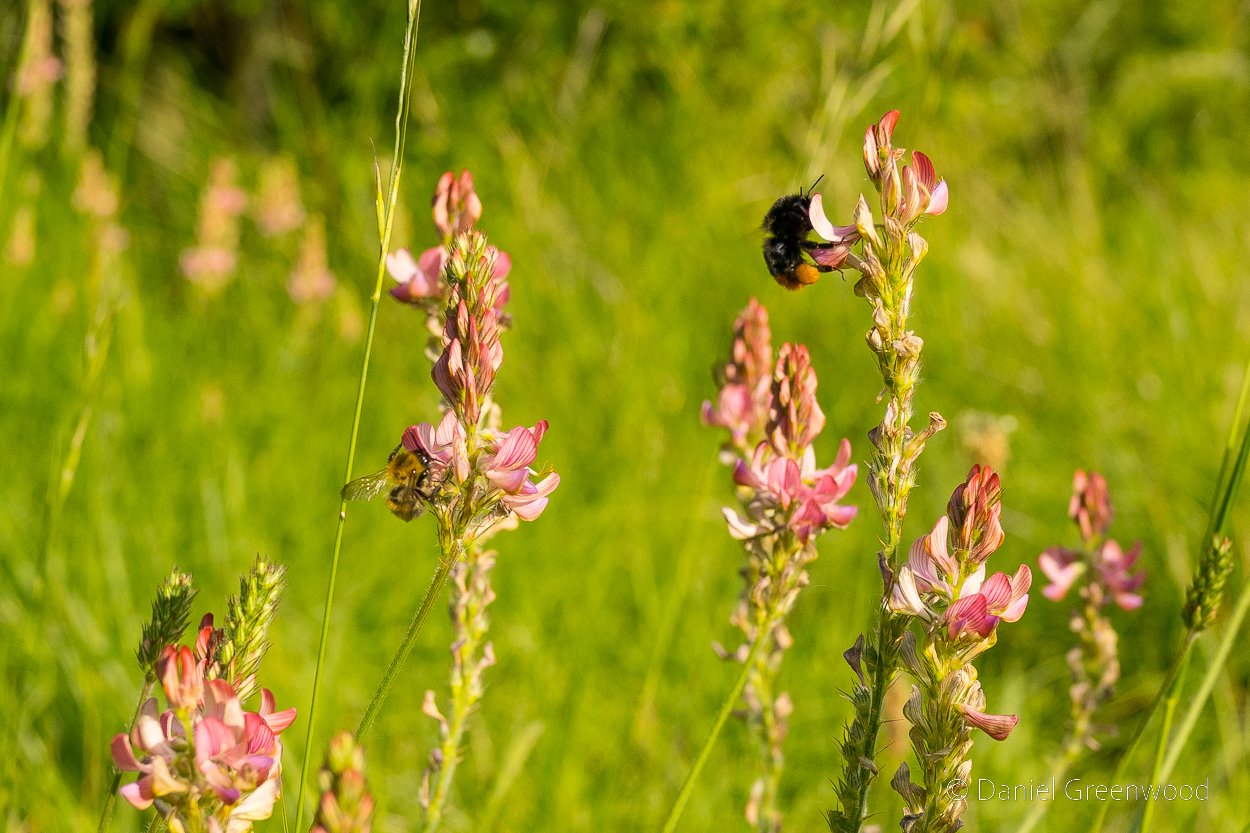
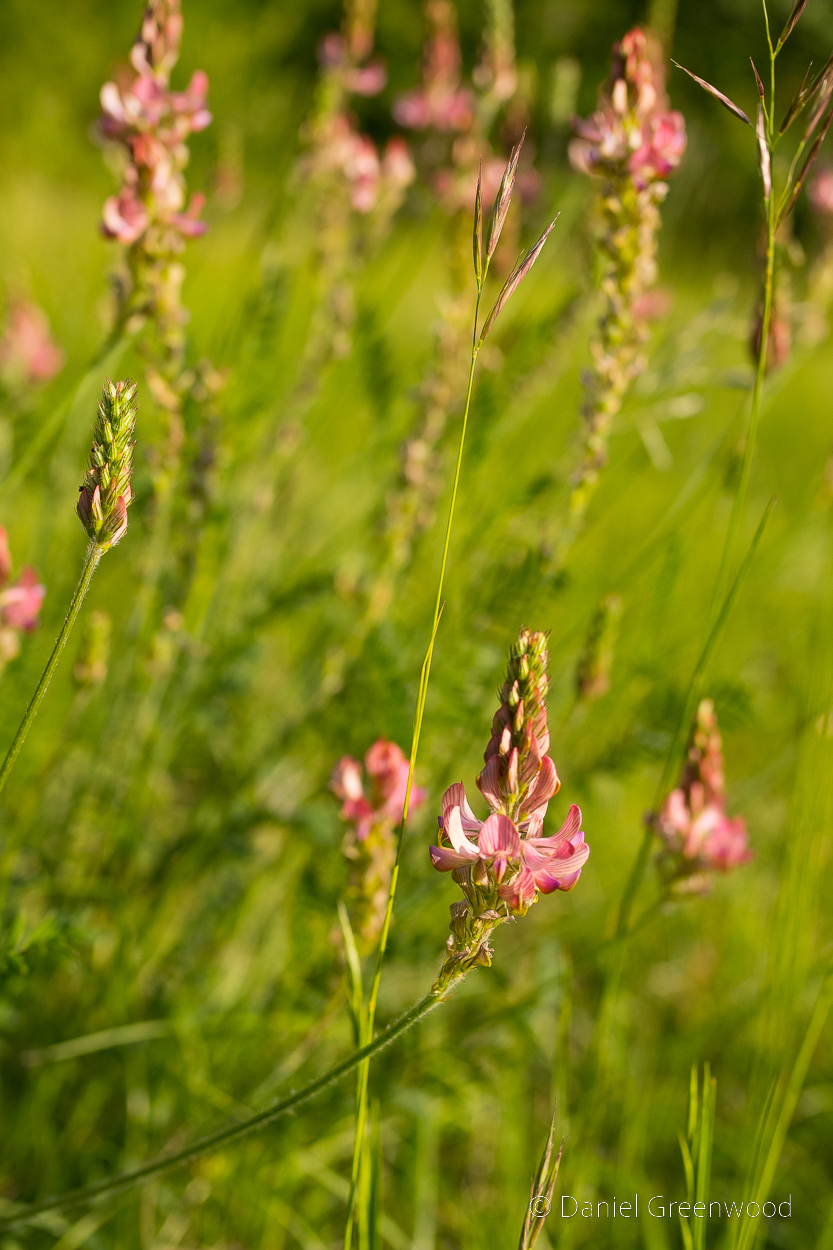
When we topped the mighty Hill I noticed a couple of patches of sainfoin out on the slopes. It’s such a beautiful plant, a member of the pea family, at home on chalk downland. It was popular with bumblebees as you can see above.

The evening light was reaching into the woodland along the North Downs Way, catching the leaves of black bryony. This plant will always trigger in me memories of a child eating its poisonous berries in the woodland where I worked. He was fine, so not sure what happened there.

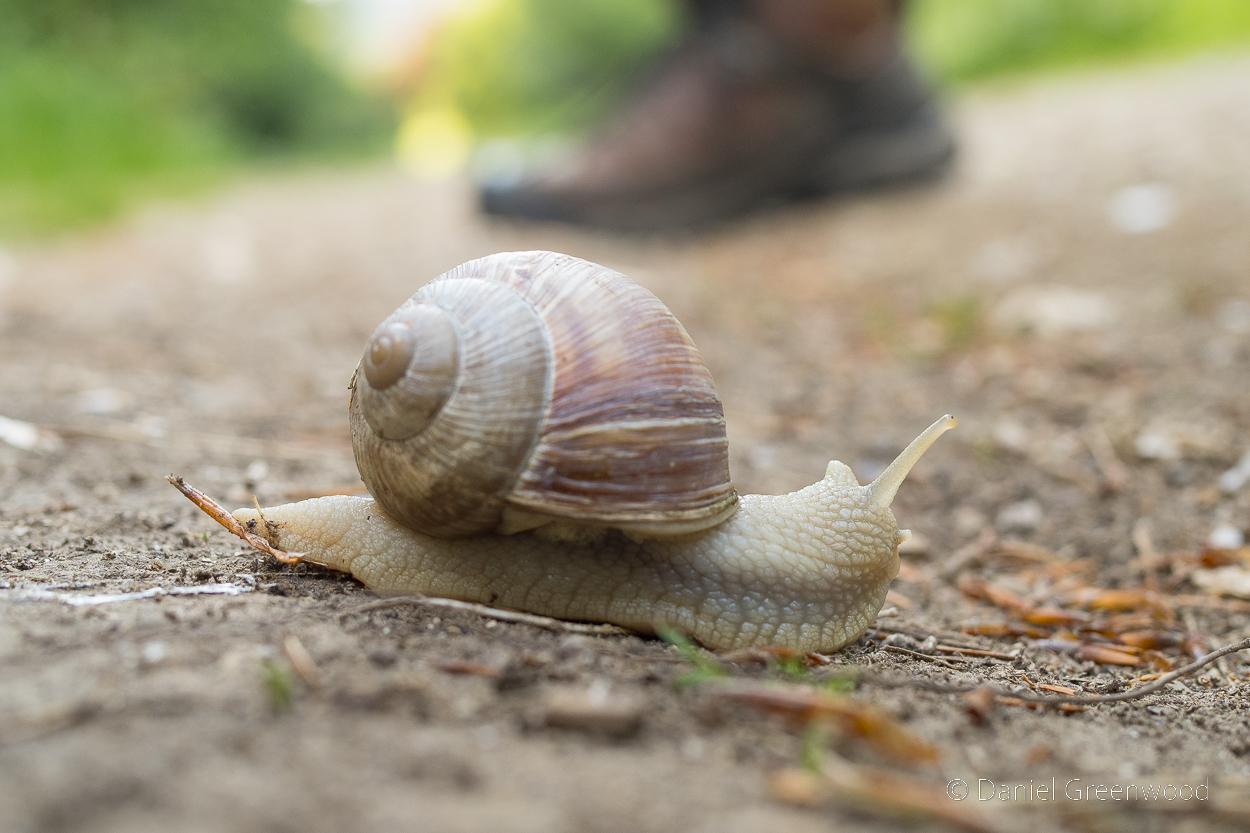
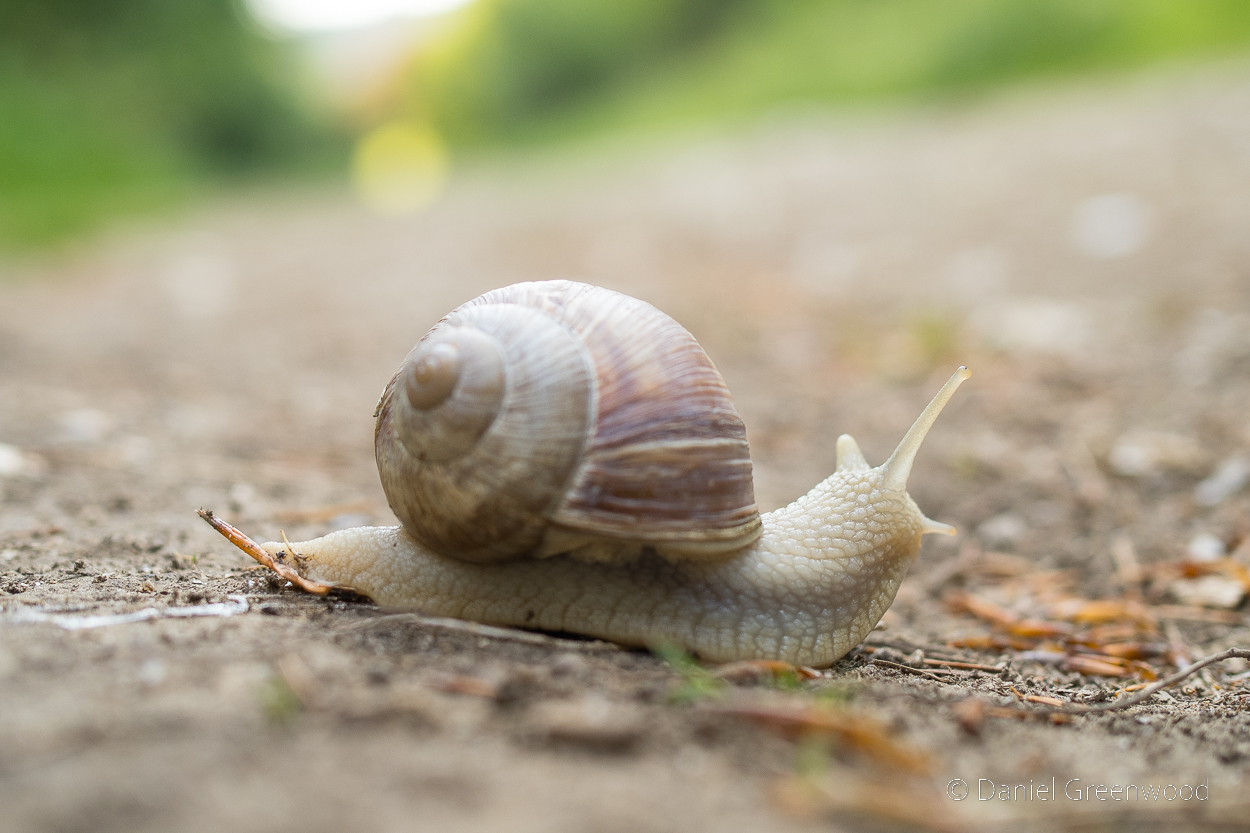
These huge Roman snails were out in good numbers along the footpaths.

We saw a few deer. This one was up on one of the slopes.

The light was beautiful.

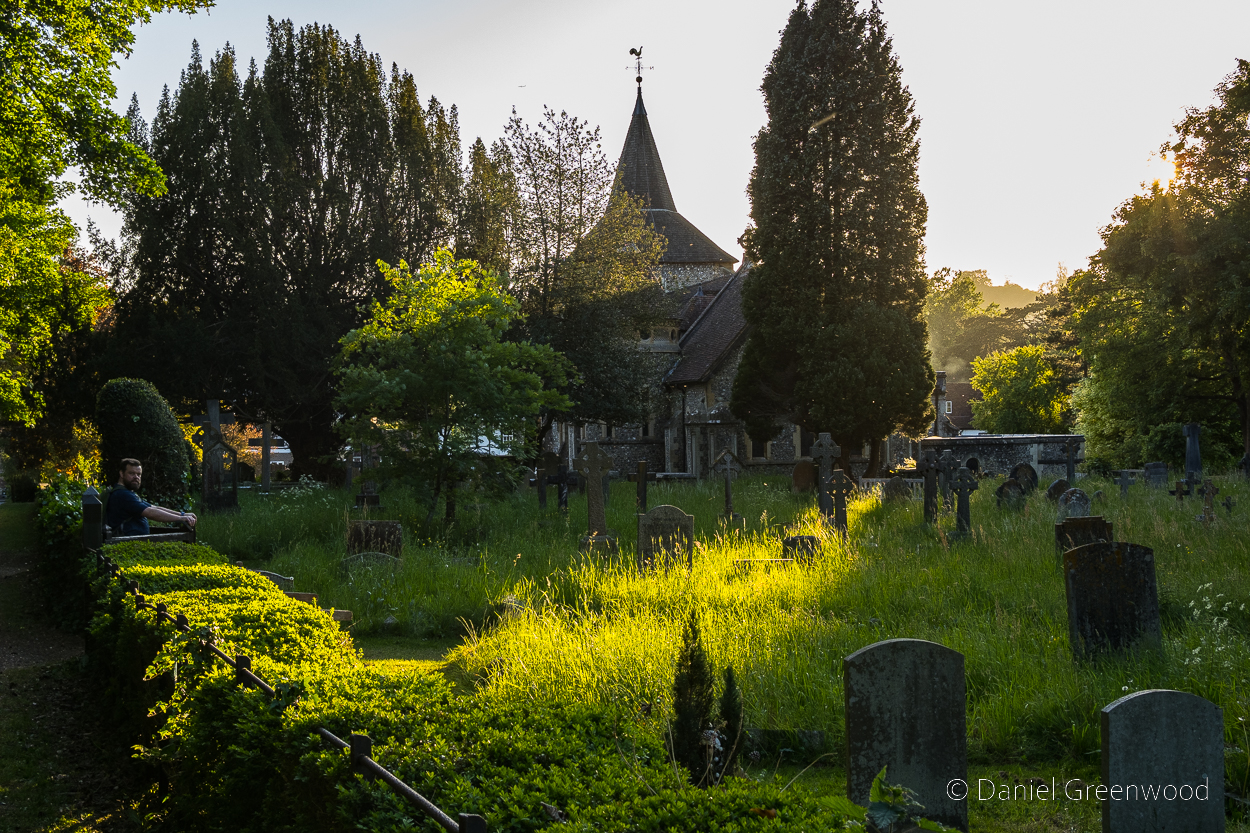
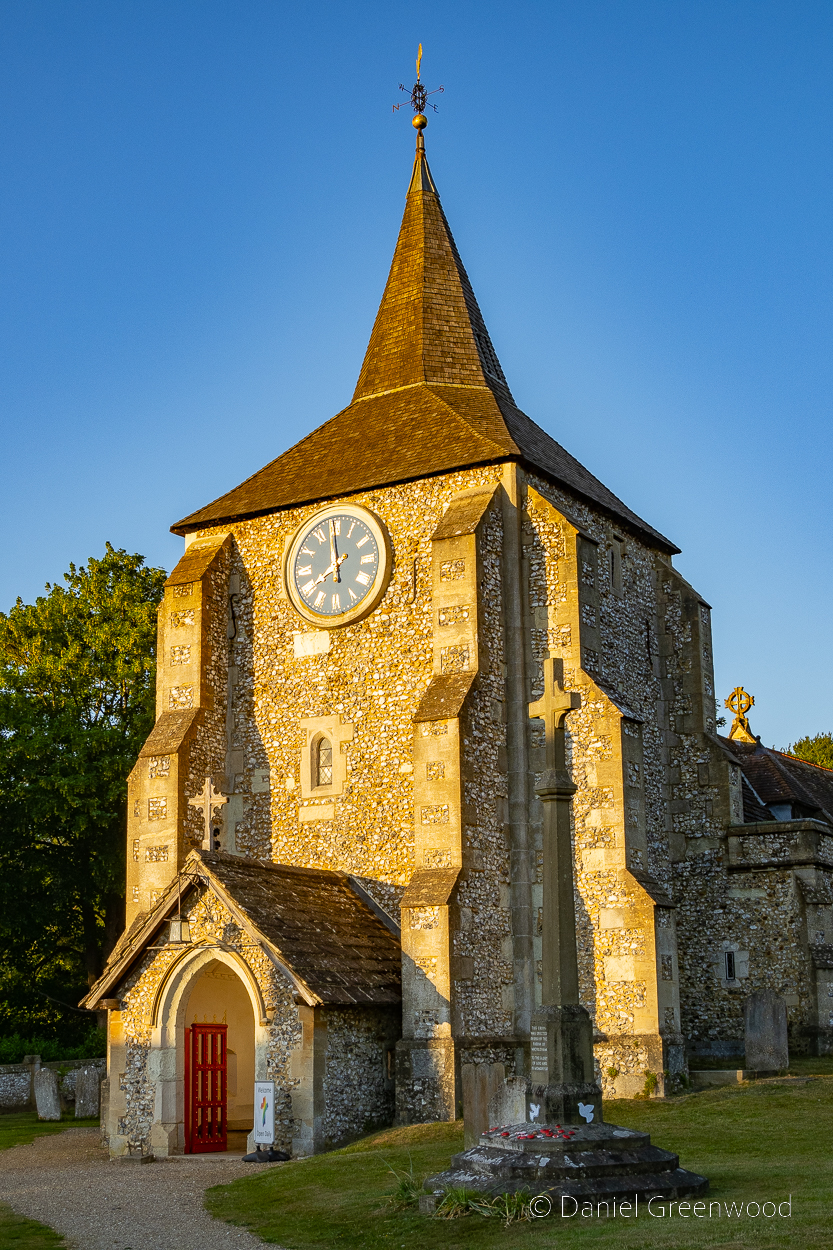
The walk passes a beautiful church in the village of Mickleham.

Thanks for reading

Macro | North Downs | Support my work

Early mining bee

The bees are out in force at the moment, so I’m taking a lot more photos. Posts will now be one per day of photos, as there are too many in a week now to cram into one post! You may not care about this.

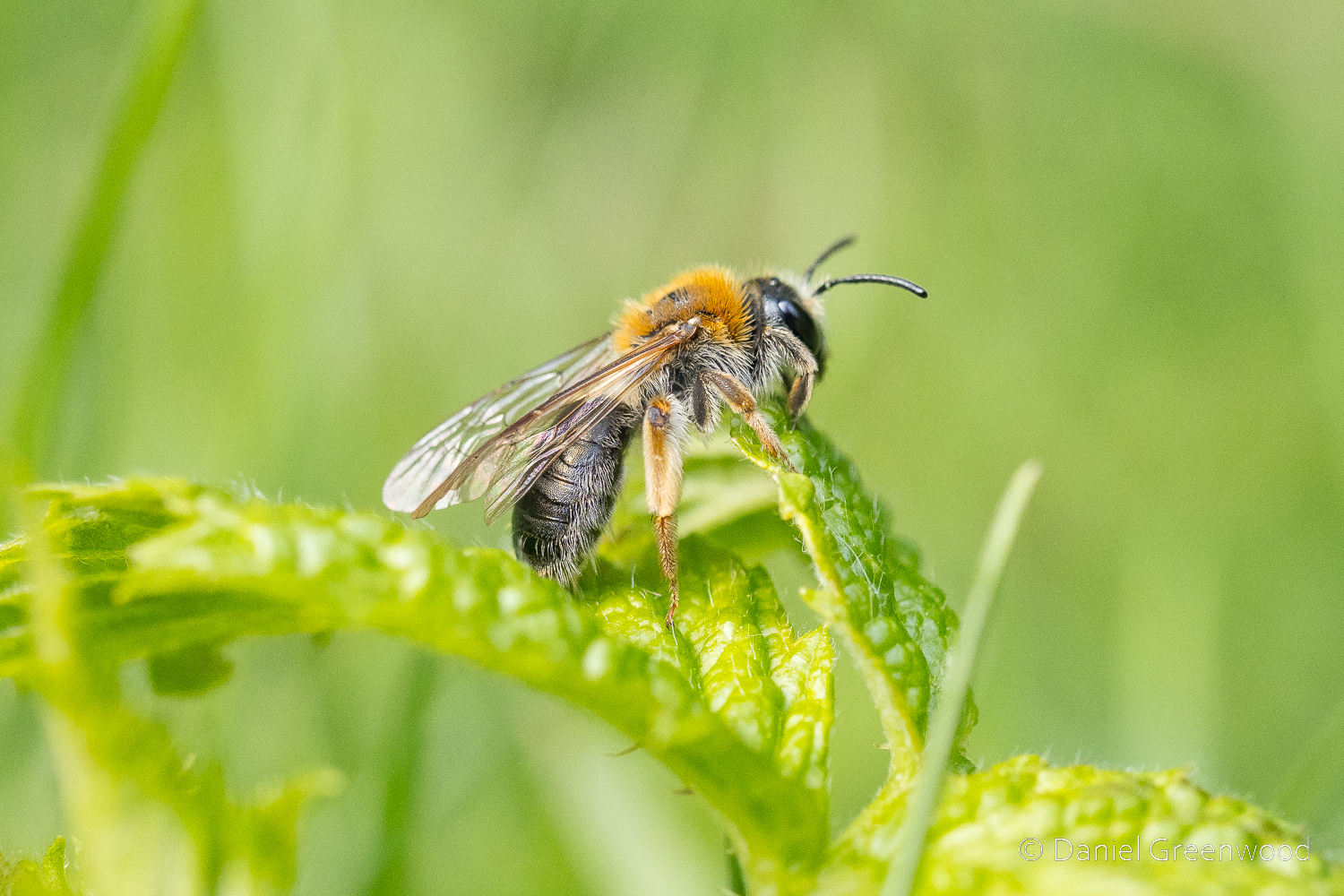
Early one morning before work I noticed a little bee resting on some raspberry leaves in my garden. I grabbed my camera from the house and got some photos. It was early and the temps were low so the bee wasn’t very energised. It may have spent the night there. This is probably early mining bee, which is one of the more common species in SE England from what I know.

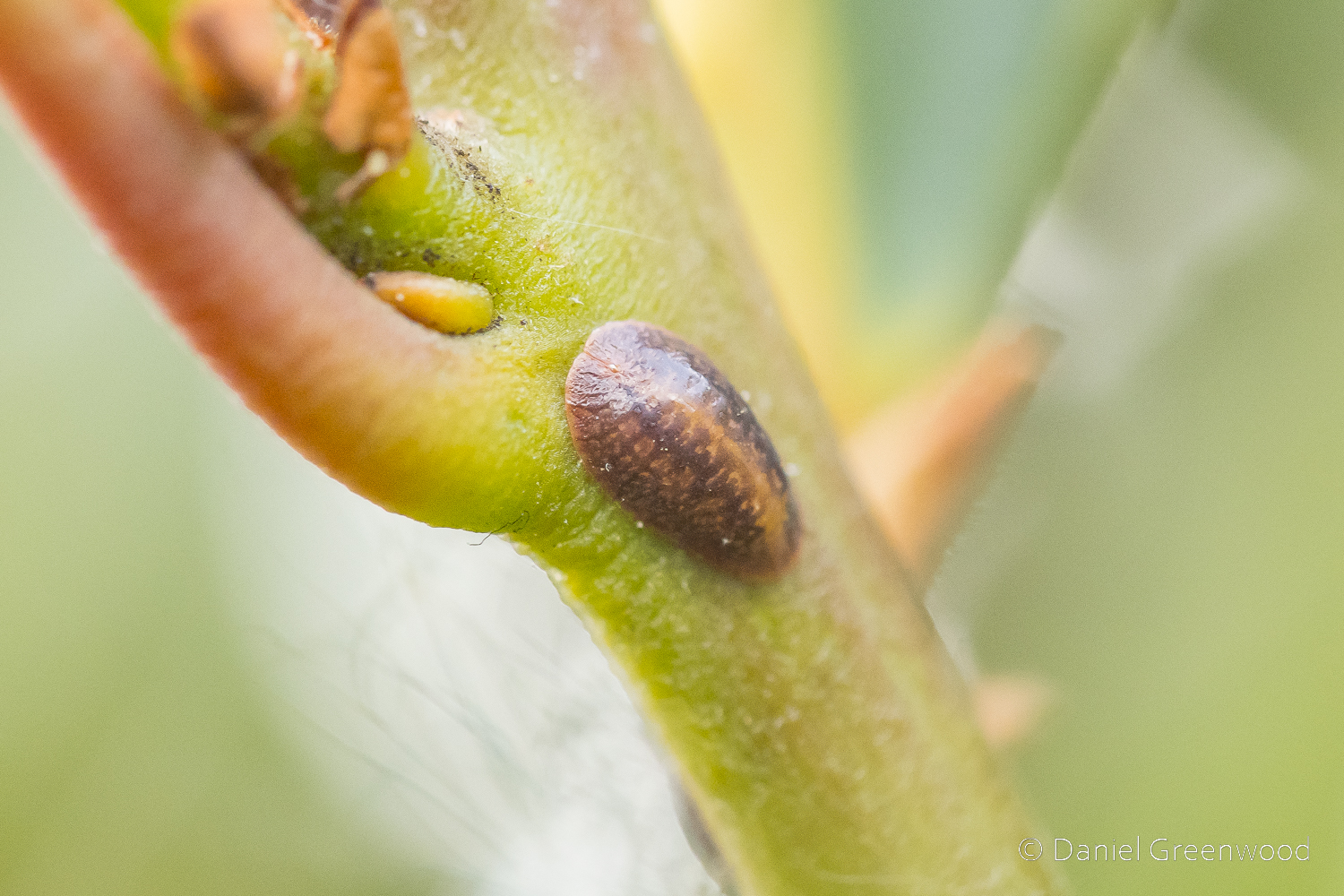
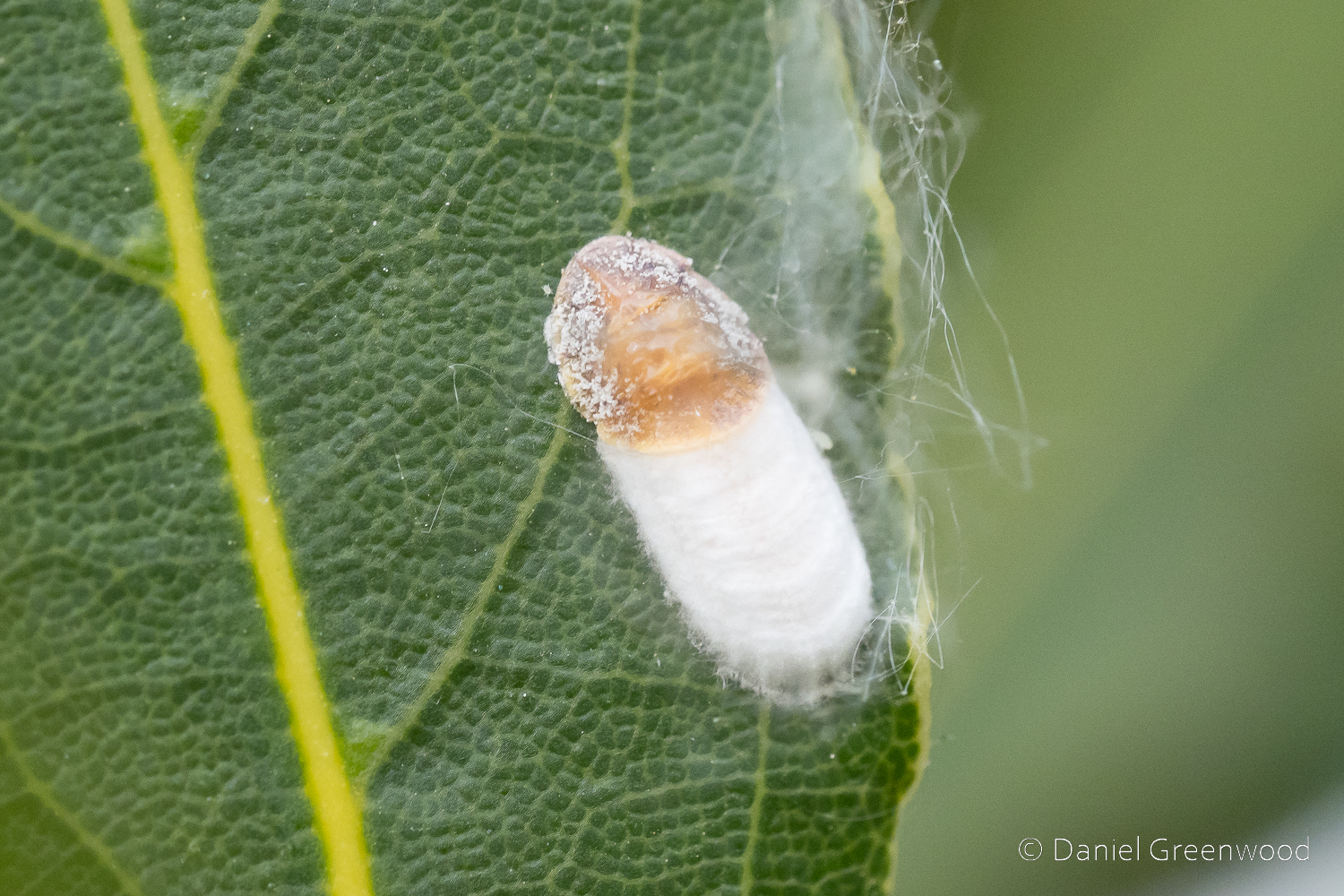
Now then, I think these are scale insects (Coccoidea) in different stages. They’re attached to the stems of plants and also the leaves. Apparently they cause problems in coffee plantations – not a problem for me. Not only do I not drink coffee, it would be impossible to grow it in my garden.

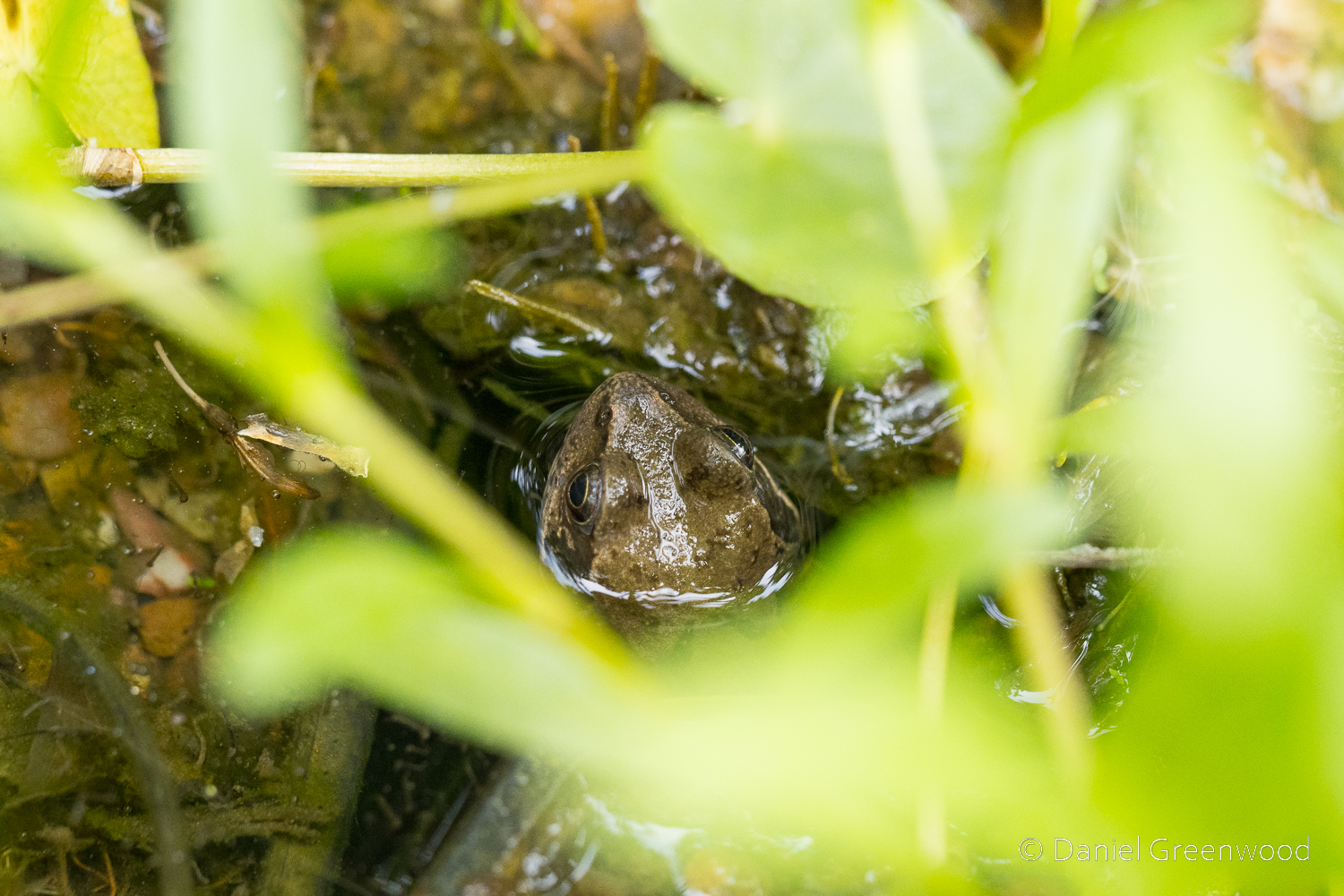
Our frogs have been enjoying the basin pond, as per a recent post. It’s tough for them right now, we’re experiencing extremely dry conditions in southern England and are ‘on track for the driest spring on record‘.

The apple flower I waited 17 years for is producing an apple!

Elsewhere the red currants and gooseberries are well on their way.

The magnificent blooms of the broom have now gone to their typical seed pods.

Thanks for reading

Rhinoceros beetle on Dartmoor 🦏

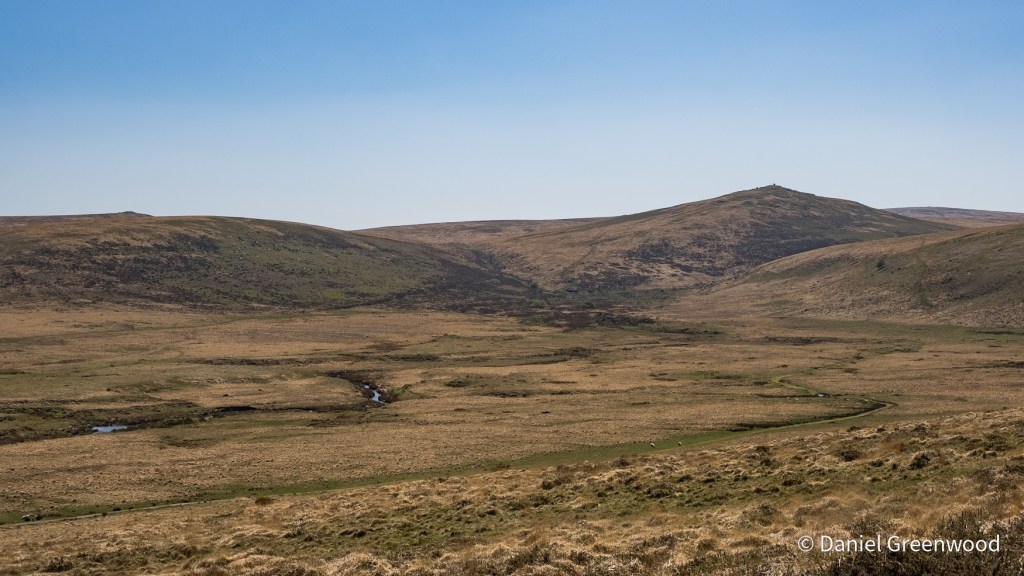
I spent the end of April in Dartmoor National Park, but not quite staying on Dartmoor as the initiated would say. It was unseasonably dry and warm, resulting in a large moor-fire days after we left. Looking at the state of the moor (below) it was hardly surprising. Underfoot it was tinder dry.

What do we do about wildfires, regardless of who or what started them? Whenever there’s a fire you do get calls for more trees in upland areas and for a ban on agricultural fires and restrictions on sheep grazing. Dartmoor’s hills are southern England’s uplands, holding the highest points in the region.

And breathe…

I had some time to take a few purist macro images, some with a does-it-all lens and some with my phone. Here are the results.

The first stop was Devon Wildlife Trust’s Dart Valley Nature Reserve. We often sit here and take in the scenery and birdsong. It’s special.

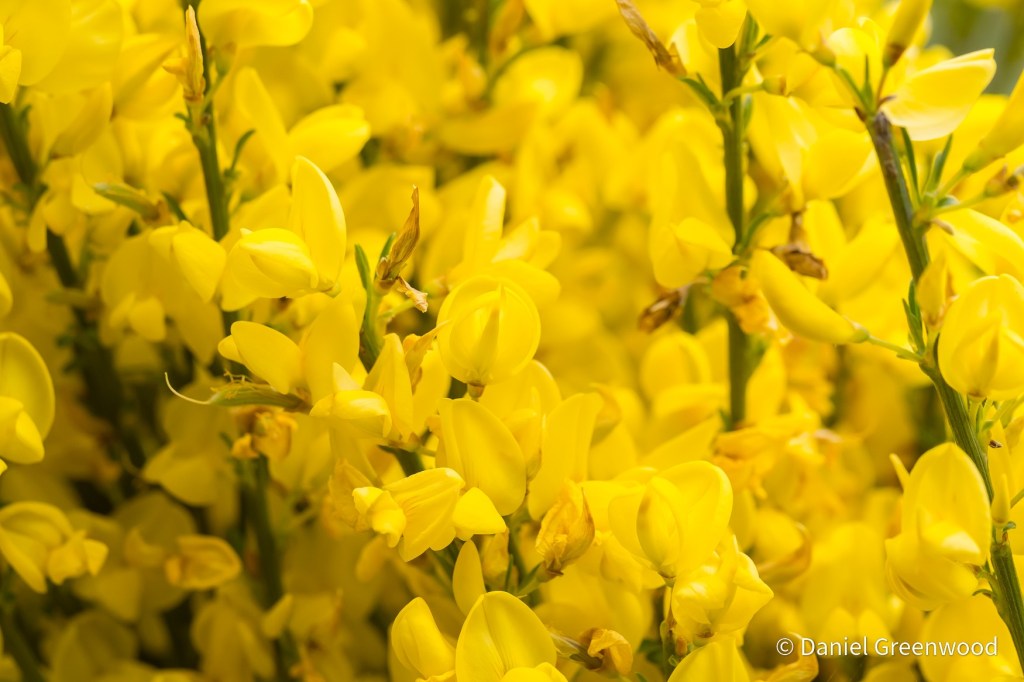
Gorse was flowering widely across Dartmoor. It’s also know as ‘chag’ historically on Dartmoor, giving the name to the village of Chagford.

Hawthorn was leafing across the landscape, an iconic moorland tree in Devon. The leaves are edible when young and have been known in the past as ‘bread and butter’.

Ferns were uncoiling in the more shaded areas. I think this is hard fern.

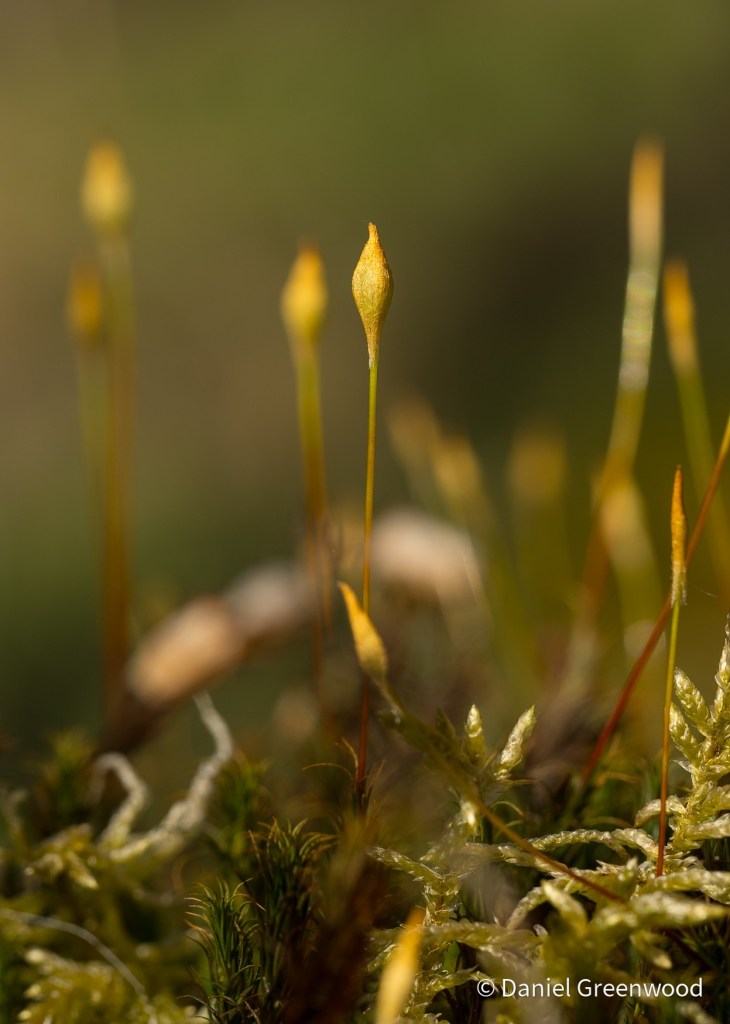
Juniper haircap moss is one that produces its ‘sporophyte’ in April. The very dry mosses were still able to do their thing.

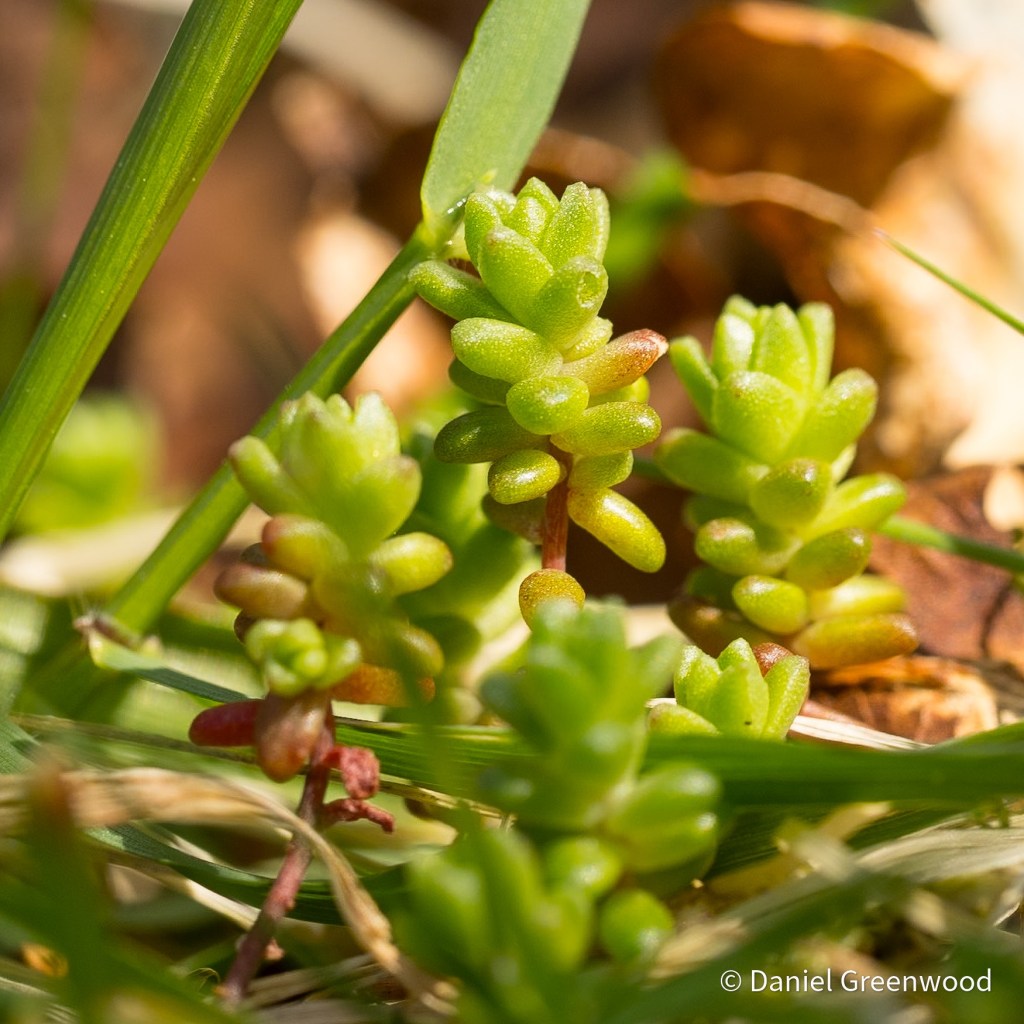
Stonecrops I’m not expert on, but you can see their succulent-ness up close.

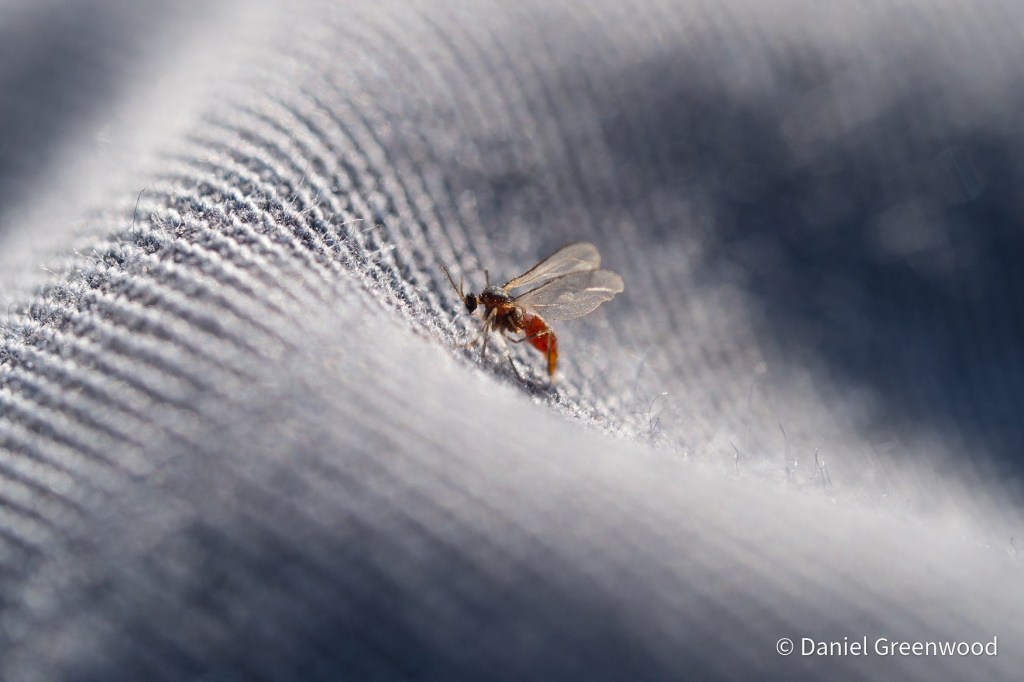
This solitary wasp of some kind was on my trousers. It was really small, as you can see from the threading of the fabric.

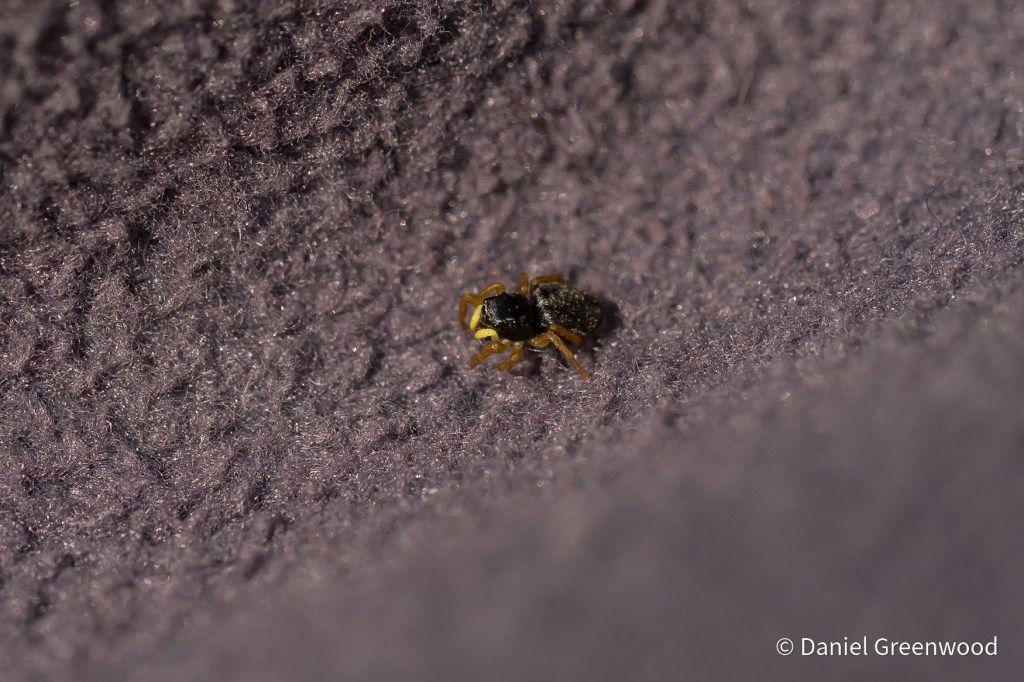
They’re not great images but this jumping spider arrived on my fleece. I would need extension tubes for better close-ups. It’s one of the heliophanus species.

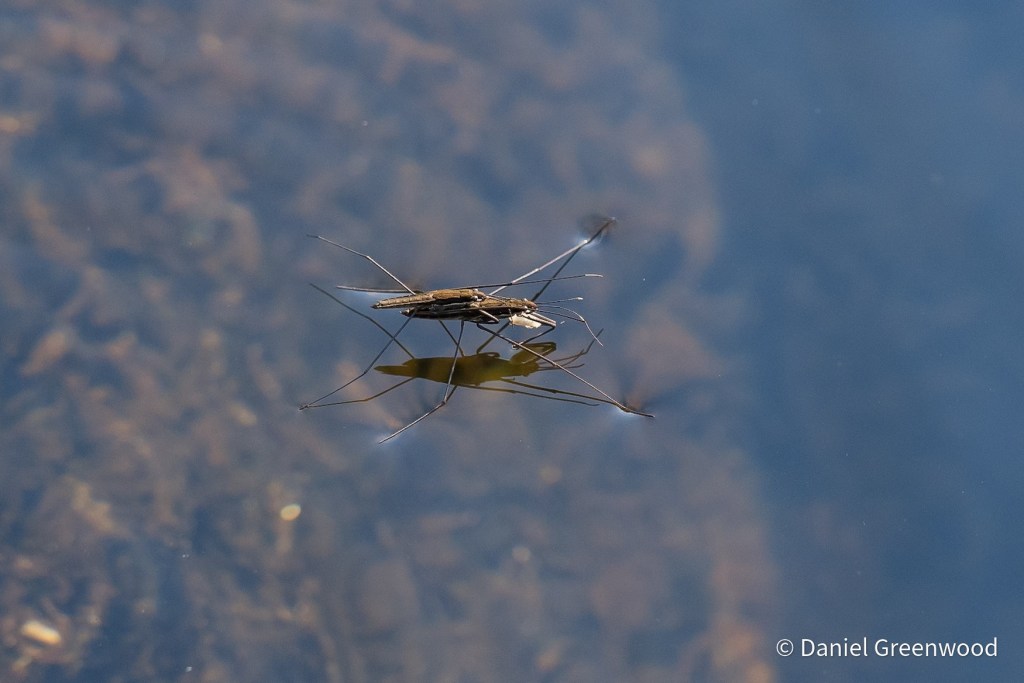
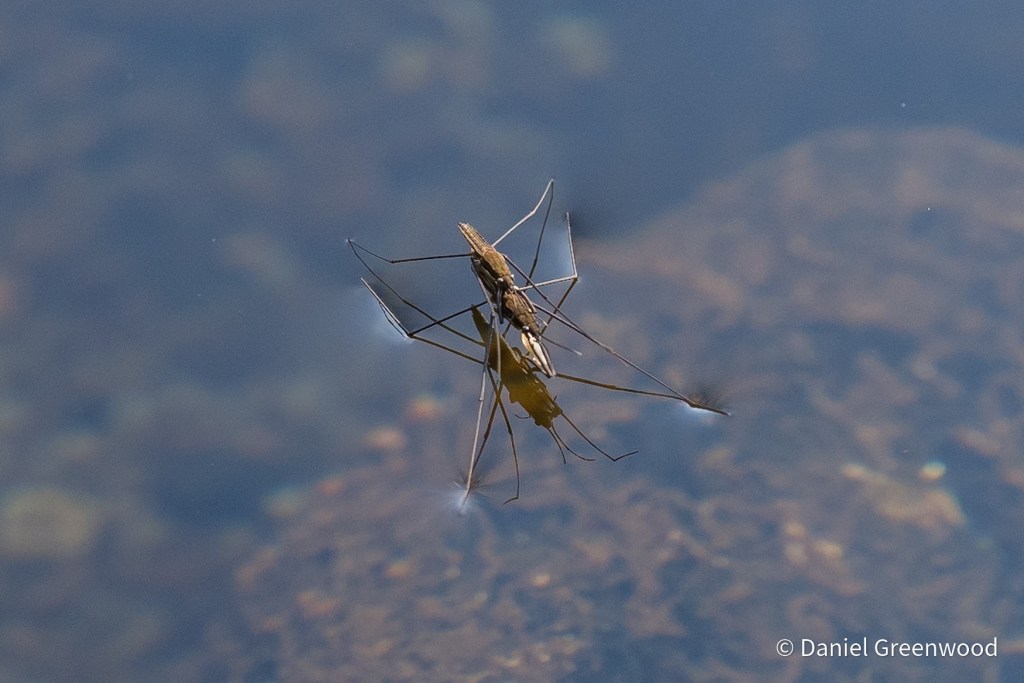
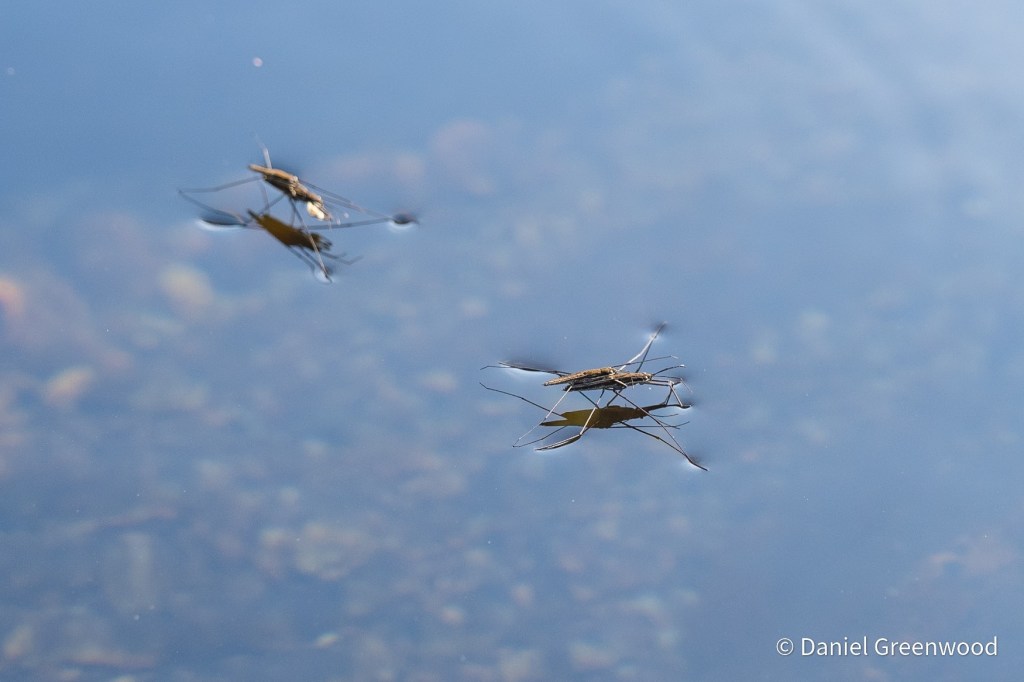
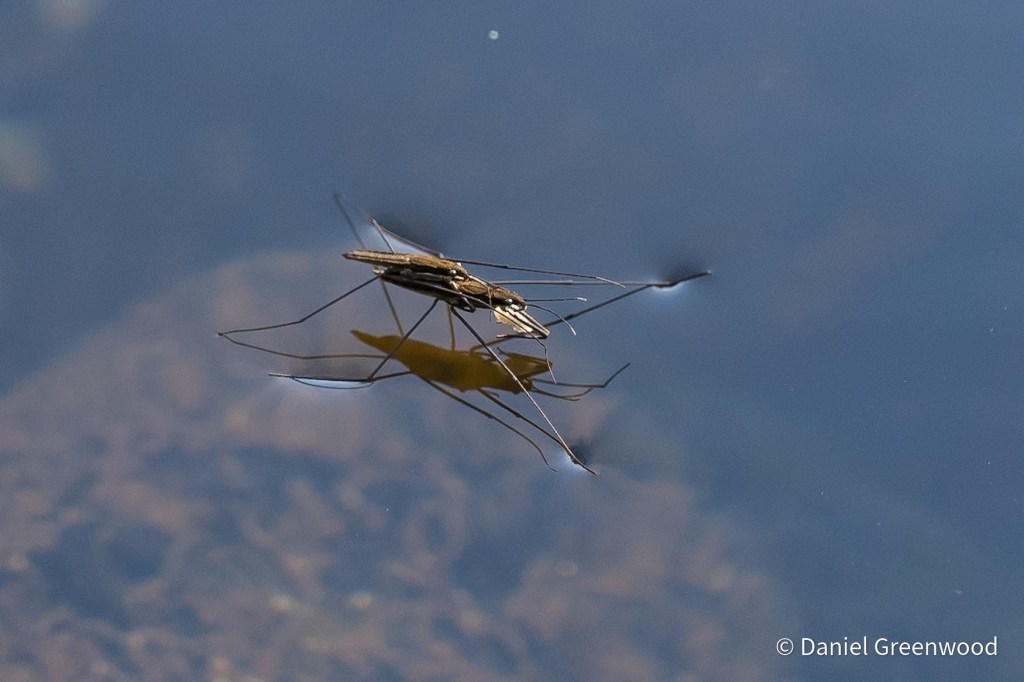
I was really drawn to the pond skaters making merry in the side pools by the river bank. It was only when I took some photos that I saw that they were actually mating. The final image focuses on their legs as they bend the surface of the water to stay afloat.

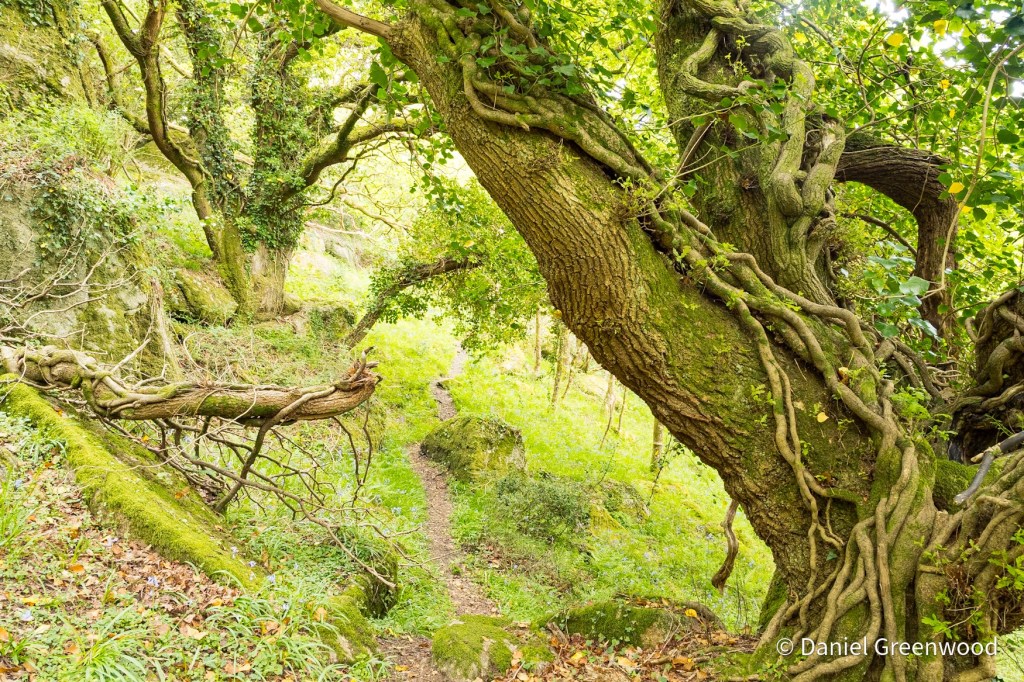
Later in the week we did a long walk around Lustleigh, through the picturesque bluebell rainforests above the River Bovey. These woods are spectacular and very rich in wildlife.

Wild garlic was in flower, mainly found along the lanes rather than deep in the woodland.

Dartmoor is a good place for cool beetles. This violet oil beetle was nibbling on some lesser celandine leaves. This is a phone pic, cropped, so not perfect focus or detail.

My hiking companion miraculously found this long-horn beetle on one of the many mossy oaks we passed. It’s a greater thorn-tipped longhorn beetle.

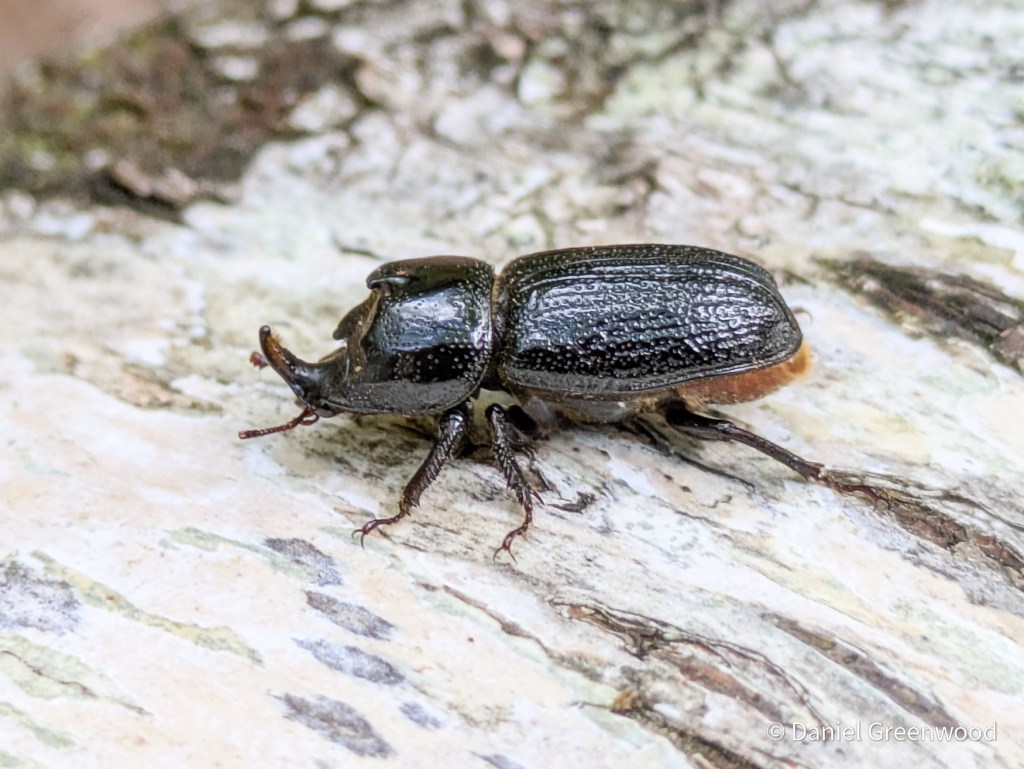
There was a large birch tree that had fallen across a path, and just as I was about to slide over it I saw my first ever rhinoceros beetle on UK soil. Again I only really could get a phone pic, but it still did a reasonable job.

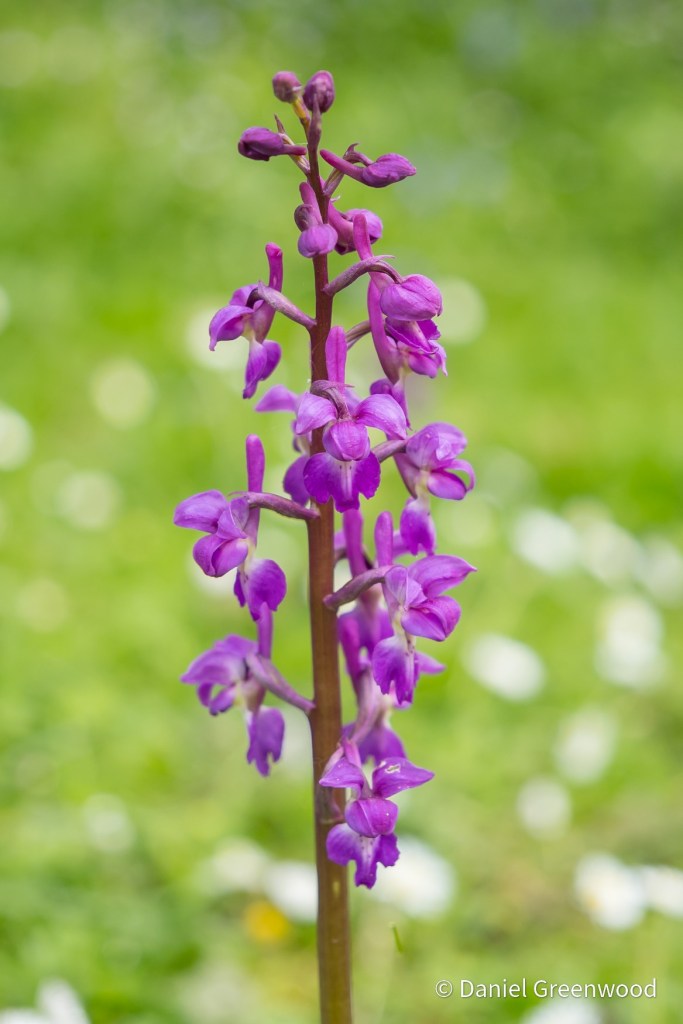
Elsewhere the early purple orchids were flowering. They are such beautiful plants.

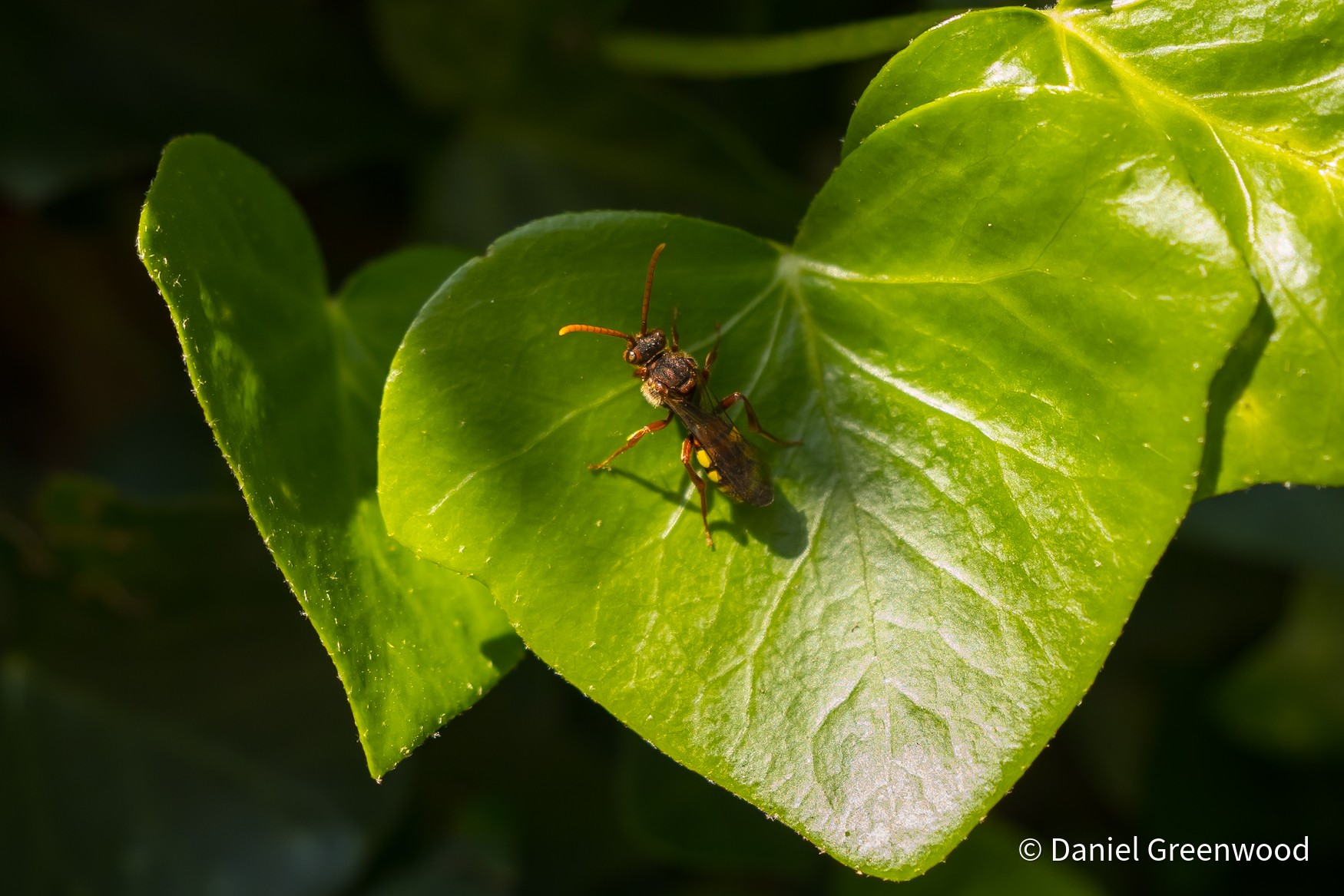
And finally, on another walk near South Zeal I managed to get a few decent images of a species from one of my favourite bee families – the nomad bees. This could be a flavous nomad bee, but I’m not sure. They are beautiful and quite hard to catch in time for a photo.

Thanks for reading.

Macro | Dartmoor | Support my work

Oaks leaves like little fires

I’m still dining out on mid-April at the moment, it’s such a lovely time of year.

The broom (Cytisus scoparius) we planted several years ago has bloomed magnificently this year. It’s been a treat to both smell, and to see it attract a whole range of pollinators.

Dandelions have been all over social media recently with the recipes for ‘dandelion honey’. I am reliably informed that it’s jam or syrup rather than honey because you’re not a bee. It’s good that people are becoming more aware of dandelions which are incredibly important for pollinators.

We’ve expanded our berry bed in the garden to include an extra redcurrant, blueberry and gooseberry. Above are the lovely flowers of redcurrant.

My little laid hazel hedge is coming along nicely. These fresh red stems are a welcome sign.

As part of the hedge I’ve planted a couple of oaks that have been in pots in our garden for a number of years. One of the oaks is from my grandmother-in-law’s garden near Epping Forest, the other grown from an acorn from Dulwich Wood. I love the redness of the leaves when they first appear, whether or not these are tannins I would need to check the science.

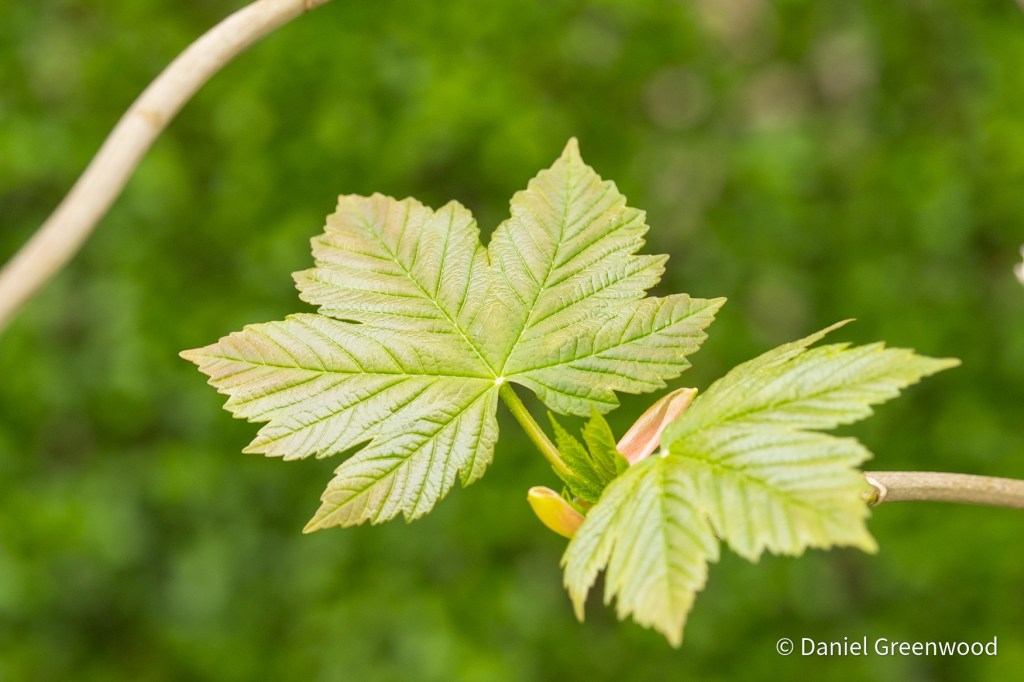
Elsewhere the sycamore is now leafing. Soon these will be sticky with aphid honeydew. The sparrows and blue tits will be hoovering the aphids up to feed their nestlings.

Speaking of those little devils, our swift box has been moved-into after 3 years of waiting for something to happen. Of course it would be best if swifts were there, but sparrows are also red-listed and their habitat is being lost as people are forcing them out of the eaves. Much of that is probably unintentional, but it’s still something we need to look at.

In the invertebrate world, the droneflies have calmed down a bit and are willing to pose for their macro close-up. This is probably a tapered dronefly (Eristalis pertinax).

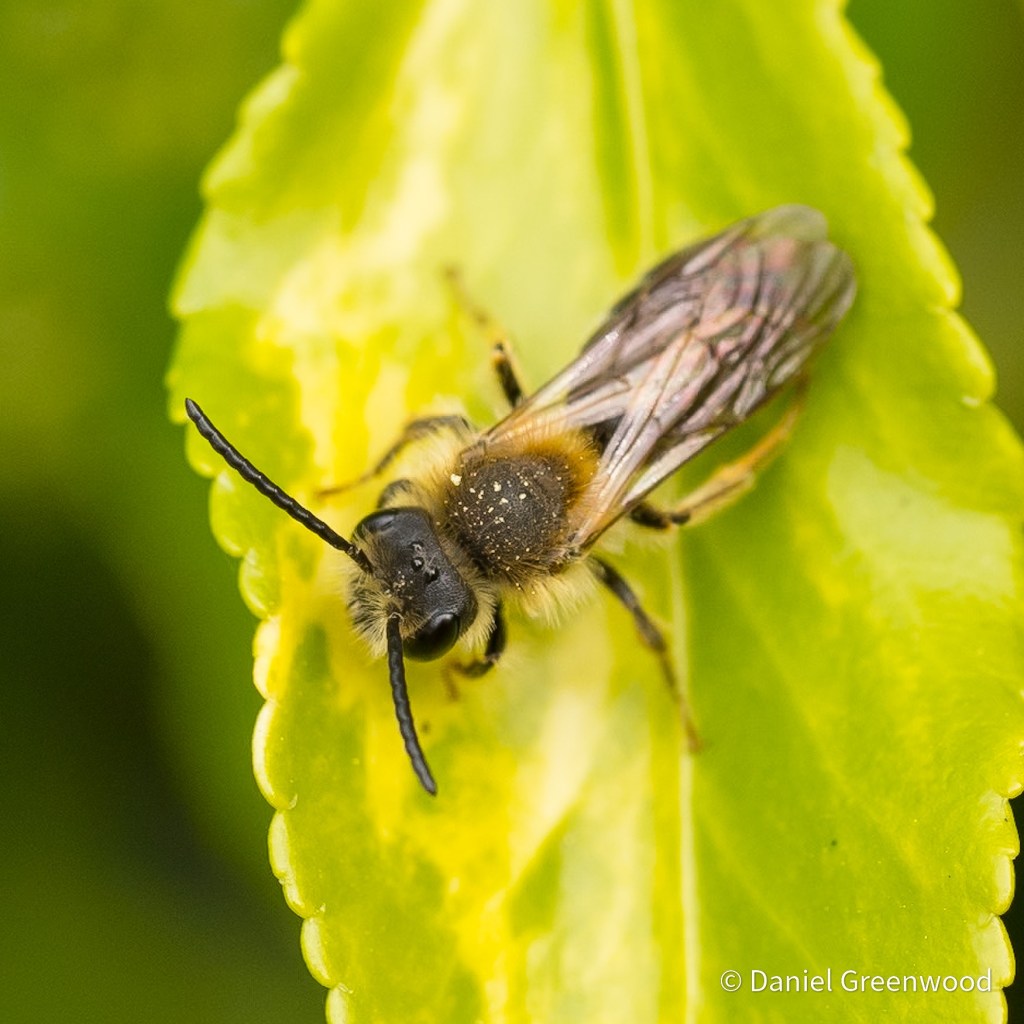
This is my first decent set of images of a solitary bee this year. It’s probably one of the mining bees (Andrena) but I don’t have an ID yet.

Another solitary bee species had found its way into our living room. I took a few photos before letting the little bee back out into the world.

Thanks for reading.
Macro

After 17 years, a small miracle

In 2008 I took an interest in growing things.
After eating an apple one evening I decided to copy what my dad was always doing, and plant some seeds. I potted a couple of apple pips in compost and left them on the windowsill.
The pips began to grow into little seedlings. I was astonished, these pips just had to drop into some soil and trees grew.

There’s no doubt to me that this experience, along with time spent under a hawthorn and small willow tree in my parents’ garden as a child, helped me to learn to love trees. It’s the dynamism, the strength, the age, the ability to grow from seemingly nothing we could survive on.

The apple tree matured, was re-potted, and was eventually delivered to me by my parents in 2018 when I moved to Sussex. It’s about 2 metres tall and just sits in its pot, not really doing much, putting out leaves, letting the seasons come and go.

As far as I’ve known, this tree will never flower or produce fruit. That’s all I’ve ever read or been told. It needs to be grafted with some other apple, ready to produce fruit.

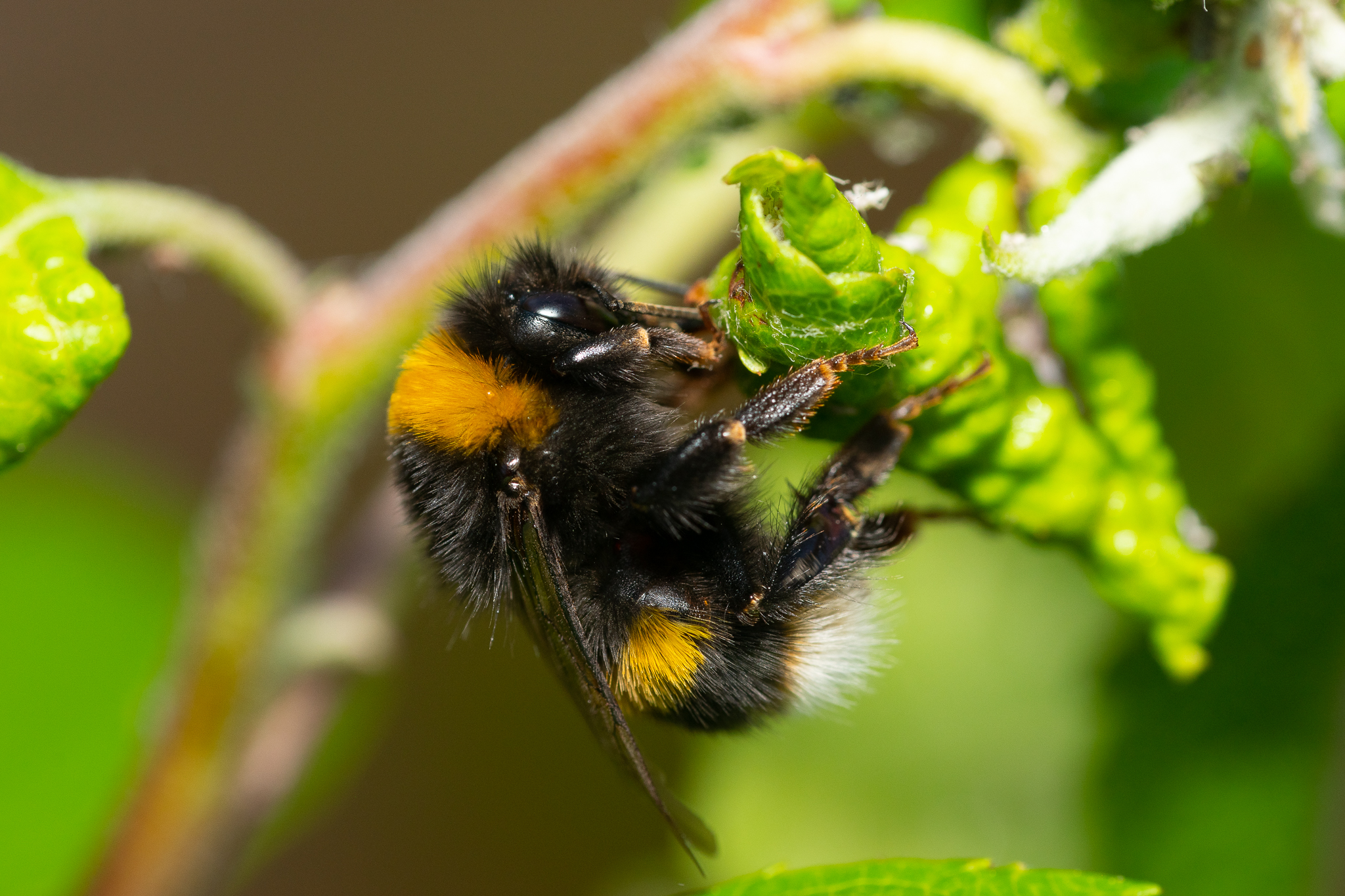
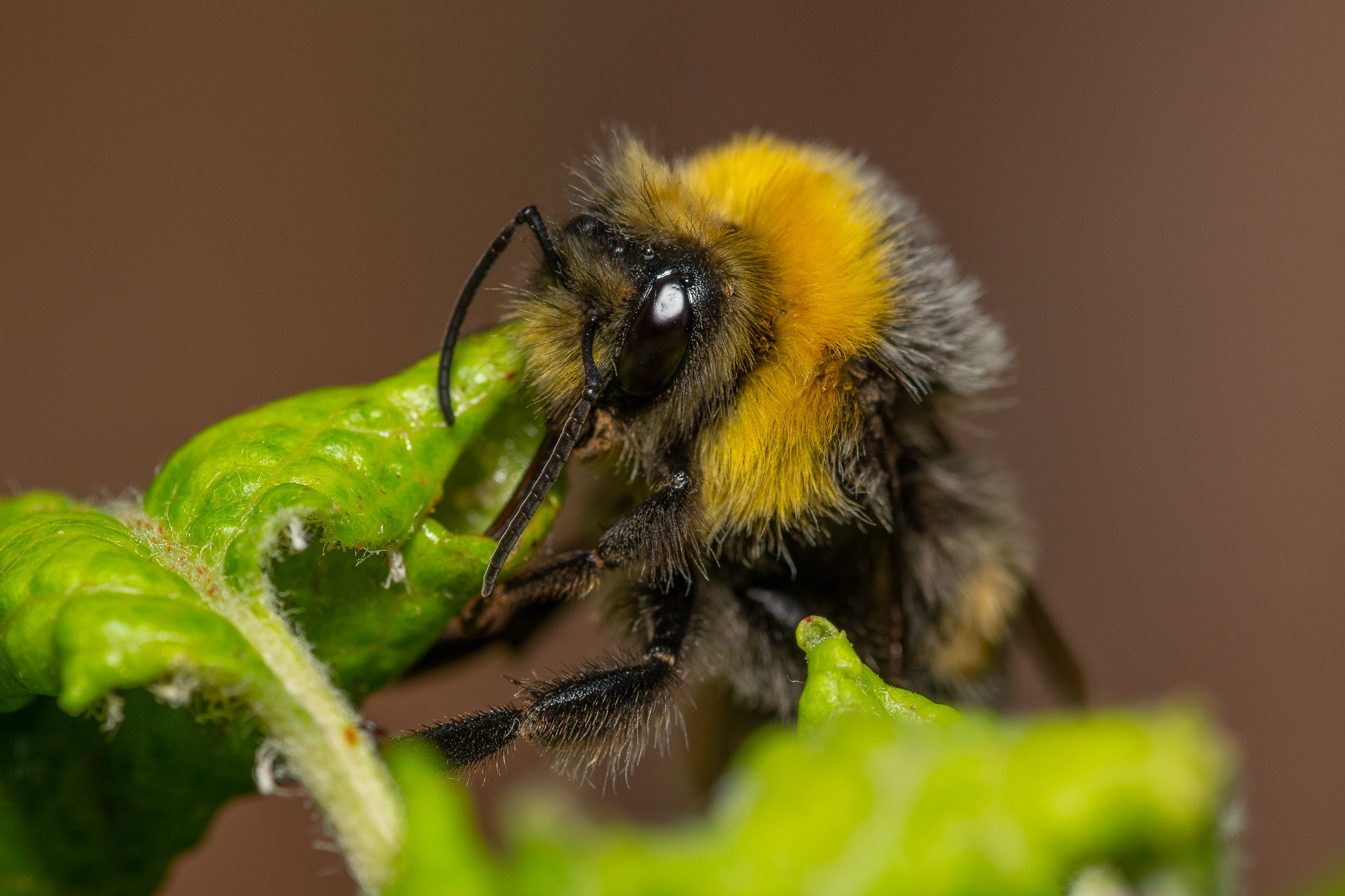
I blogged about the tree in 2021 as part of 30 Days Macro, when bees nectared from the leaves after they became curled up by farming ants(?) and drenched in aphid honeydew.

And so… the other morning I was sitting in my garden enjoying the spring sounds, smells, and sights of new flowers. I stood up and turned to go back inside when I saw a pink flower on the apple tree.

I couldn’t believe my eyes.

17 years of nothing, and then these bright pink and white petals appear.

It made me think of the passing of time, of all that’s happened, where I am in life. It reminded me of where the tree came from, that my dad’s annual sowing of seeds had inspired me to even consider putting that pip in the little pot of compost.

Will it produce fruit? I don’t know, I don’t actually eat apples anymore (too acidic)! I don’t even know what type of apple it is.

But it felt like a signal – life can surprise you – that trees are resilient, dynamic, and beautiful.

Thanks for reading.