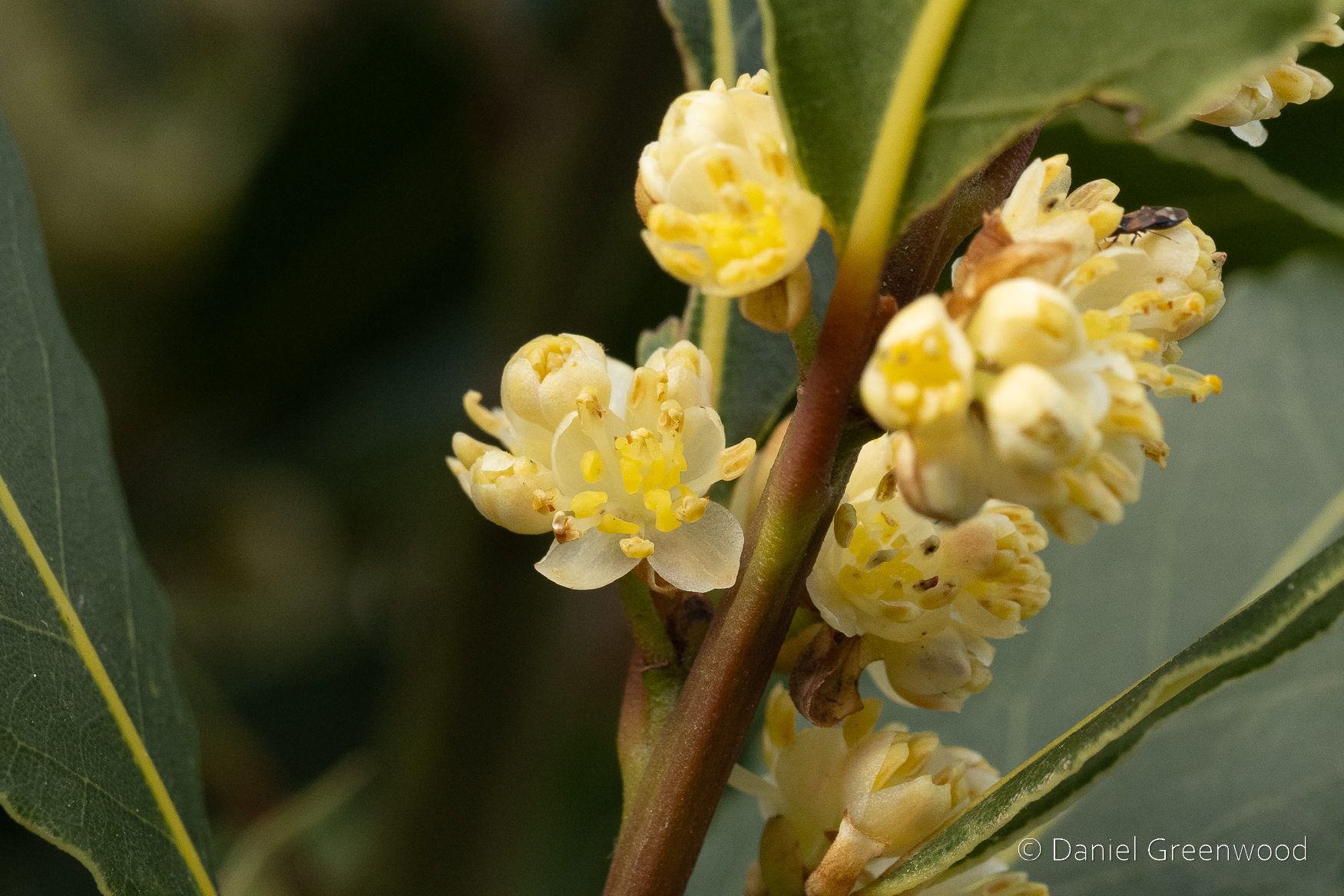
Austrian Alps: wildflowers on Zwölferhorn

Zwölferhorn (1522m), Salzkammergut, Austria, June 2025

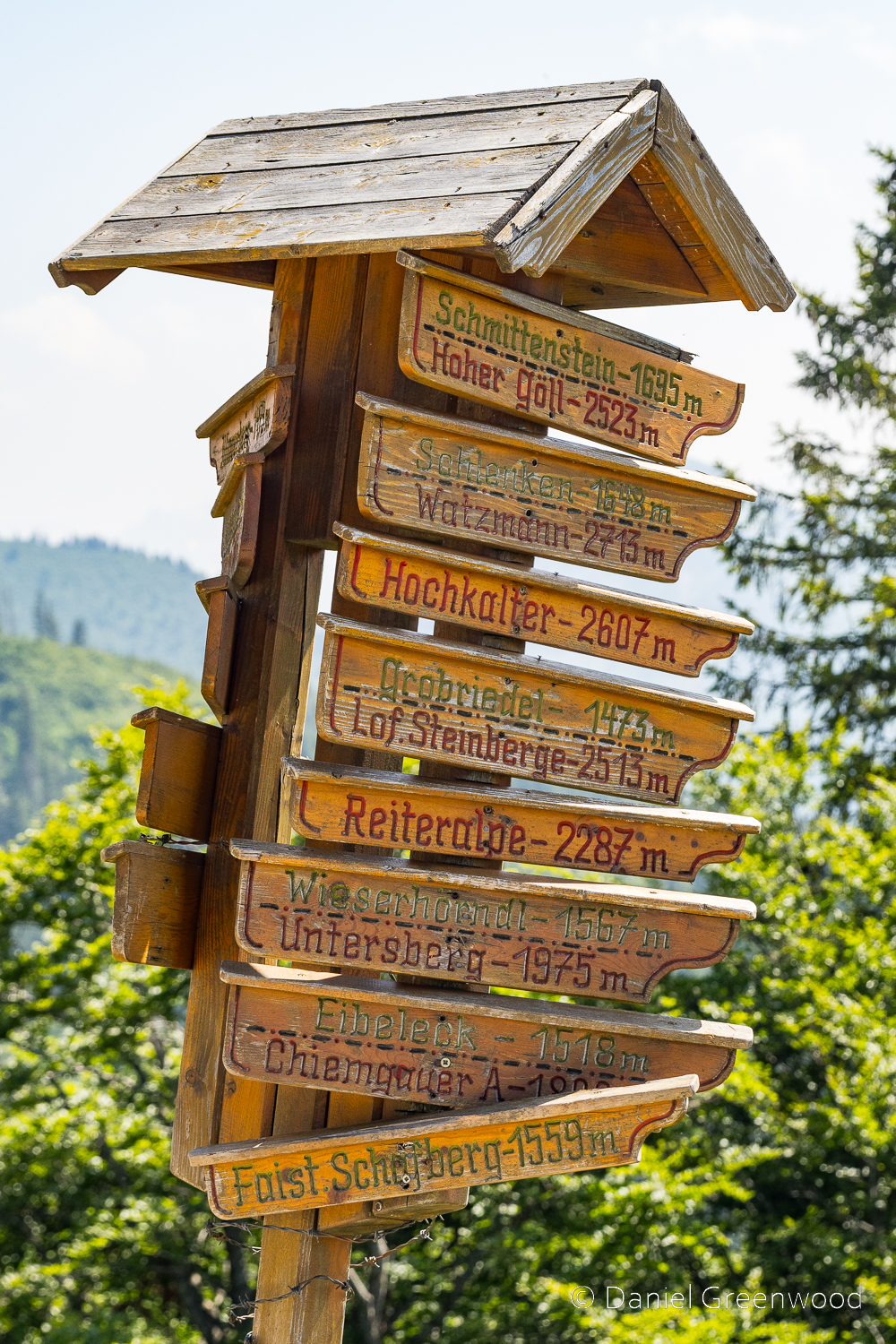
In mid-June my wife and I visited the Austrian Alps for the second year in a row. We took the cable car from the village of St. Gilgen (featured in the opening scenes of The Sound of Music) to the 1500m heights of Zwölferhorn, so named because according to shepherds down the years the sun sits atop the peak at 12noon (zwölf) everyday.
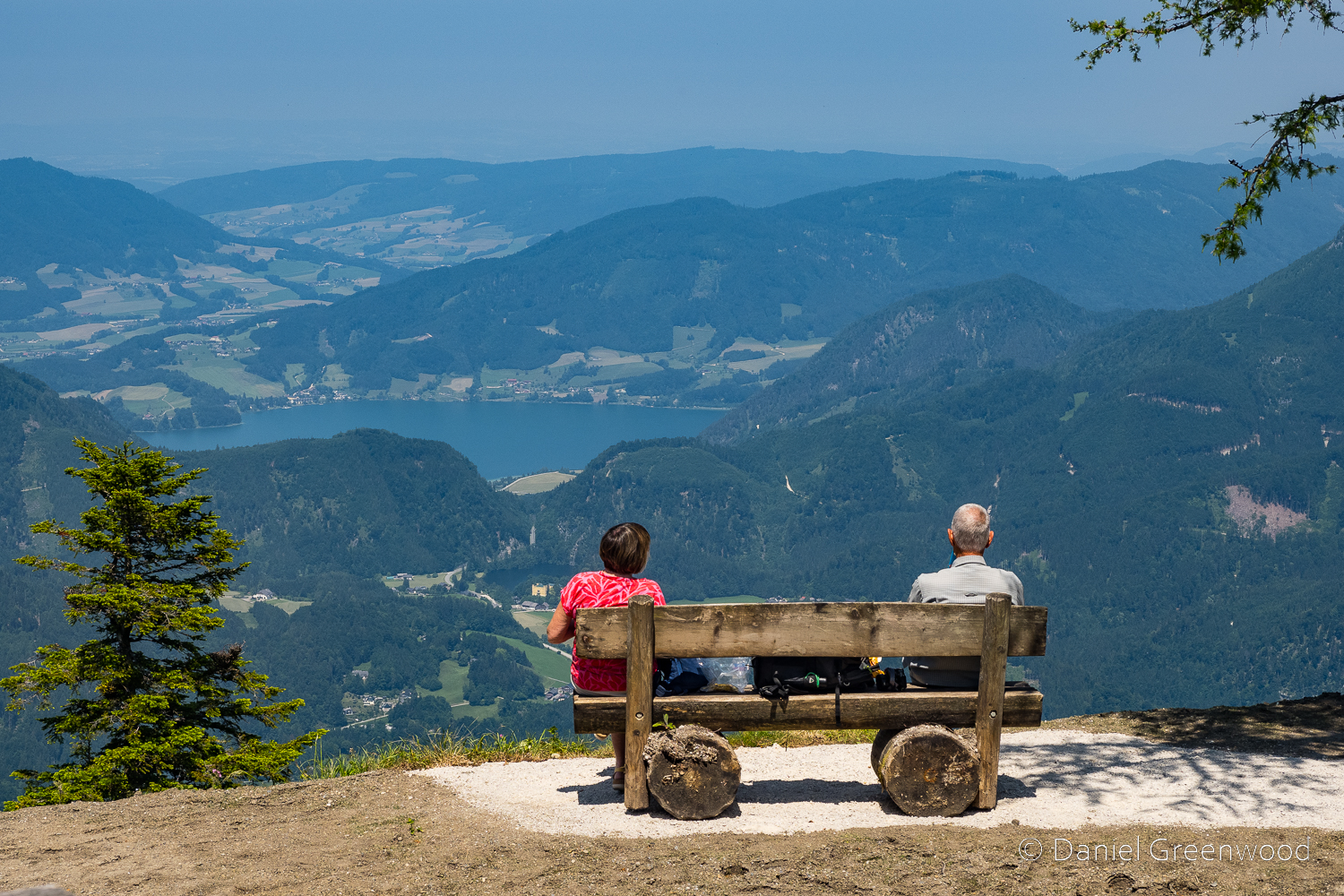
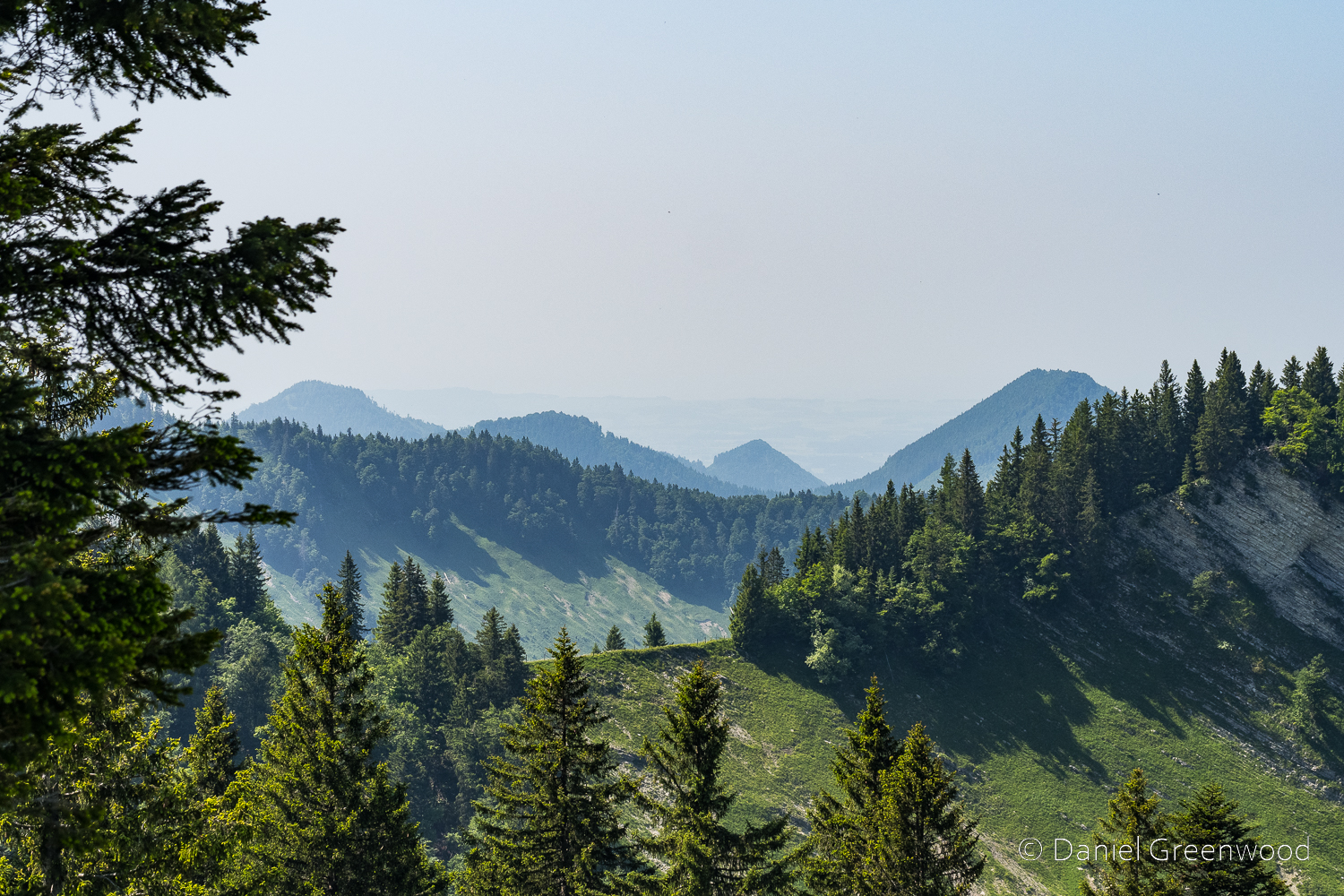
The views from the top are magnificent, as you would expect from the Austrian Alps, though a bit hazy on this hot day in the Salzkammergut.

Part of the allure of this place in spring-early summer is the wildflowers high in the mountains.
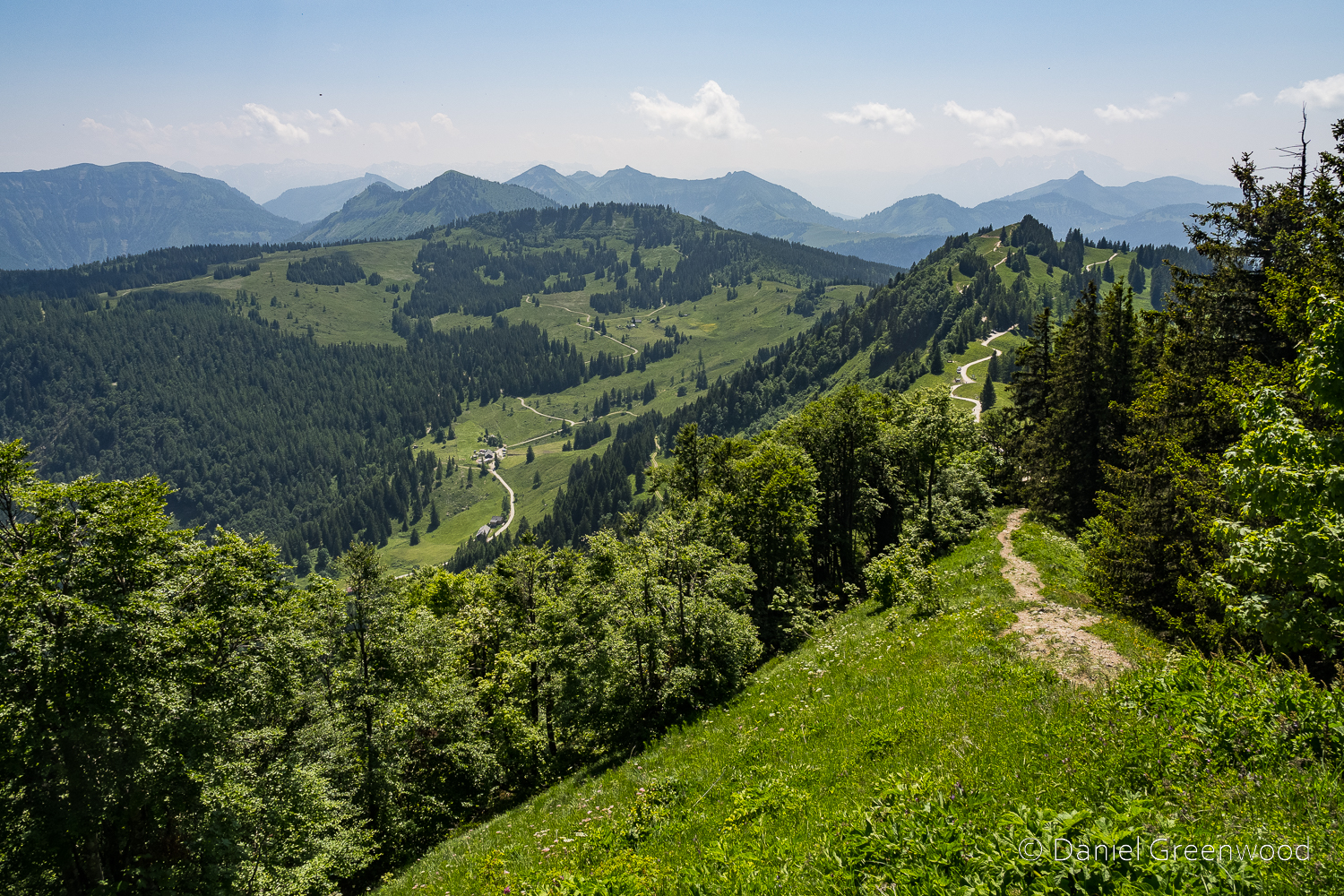
To the south and west the mountains seem to run forever. South-east of here is the famous Hallstatt and the Dachstein Massif, which I will include some long-range images of in an Austrian Alps post to follow.

A view into Salzkammergut

These mountains have been managed in the same way for many hundreds of years – though there were probably fewer trees in the past – which has led to a rich diversity of flowers and their dependent invertebrates. We saw an abundance of both when visiting this time.
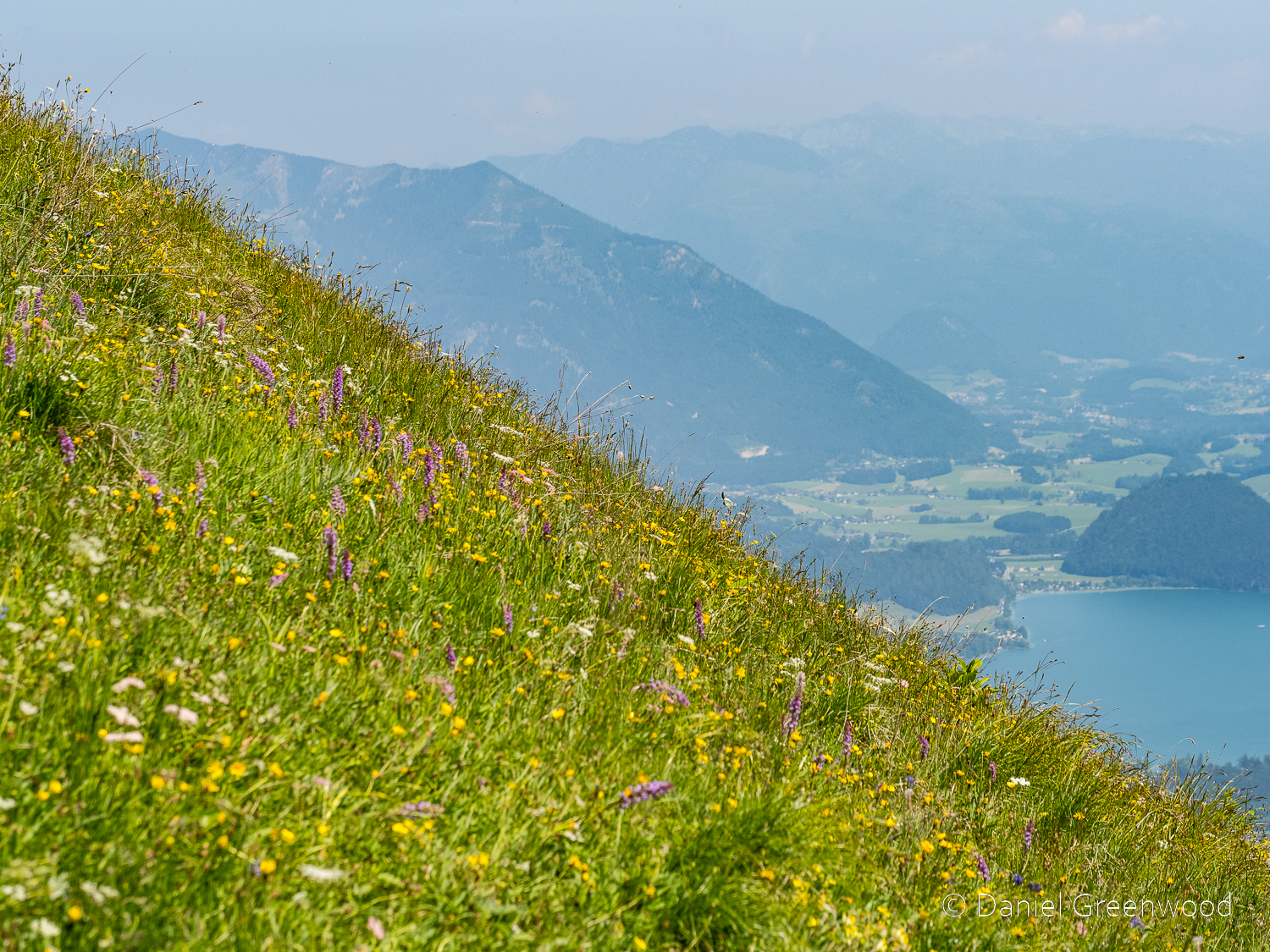
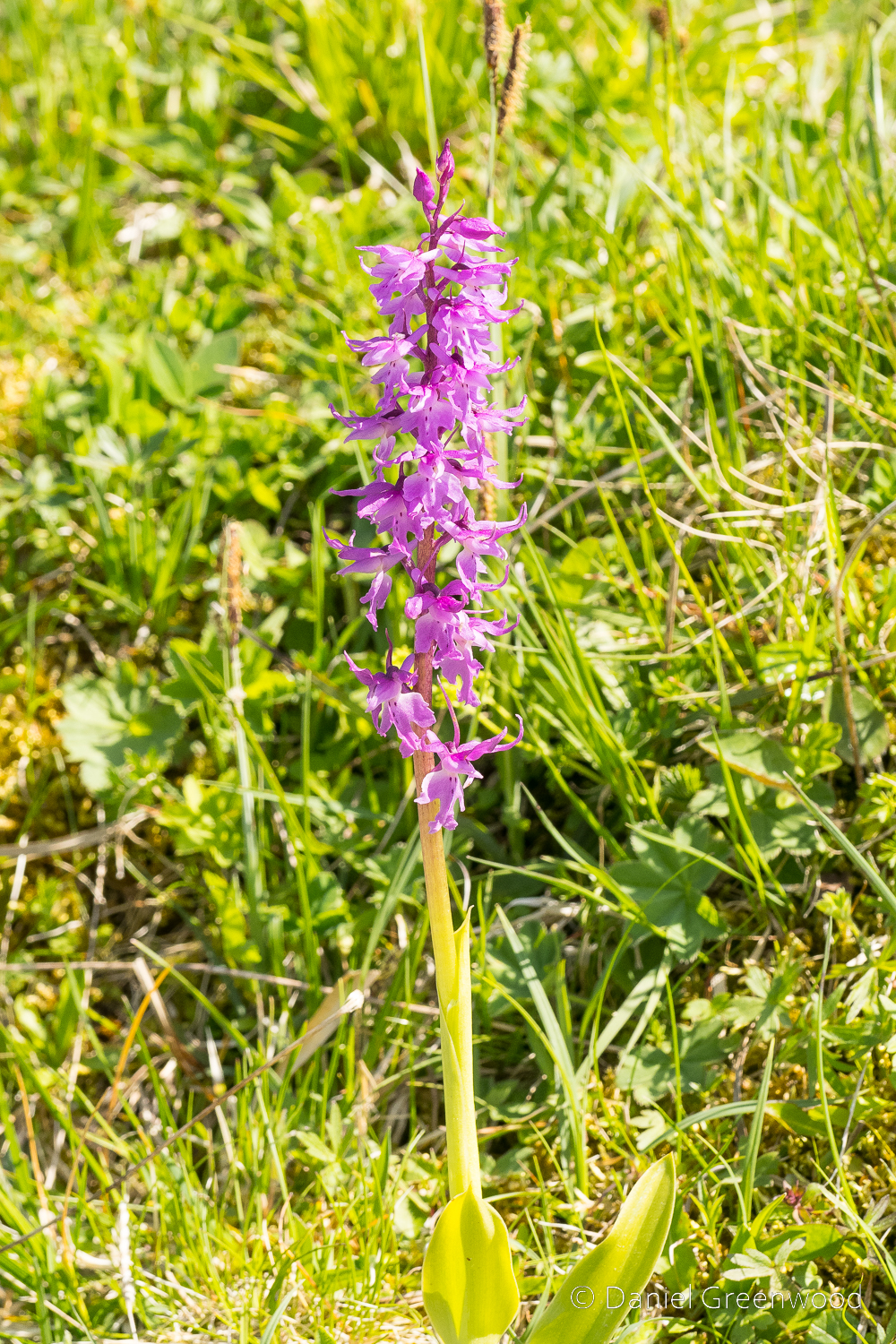
The sloping meadows were ‘littered’ with early purple orchids (Orchis mascula). We kept to the paths at all times for both safety as they were steep, and so as not to damage the grasslands. Having a camera in these places doesn’t give me a divine right to trample stuff!

Some of the orchids up close. Early-purple was the only species we saw.

This is hoary plantain (Plantago media) which gave a nice focal point to the alpine meadows.

I was intrigued by this daisy (Asters) as there were signs for arnica in the area. On iNaturalist it’s been identified as willow-leaved yellow oxeye.
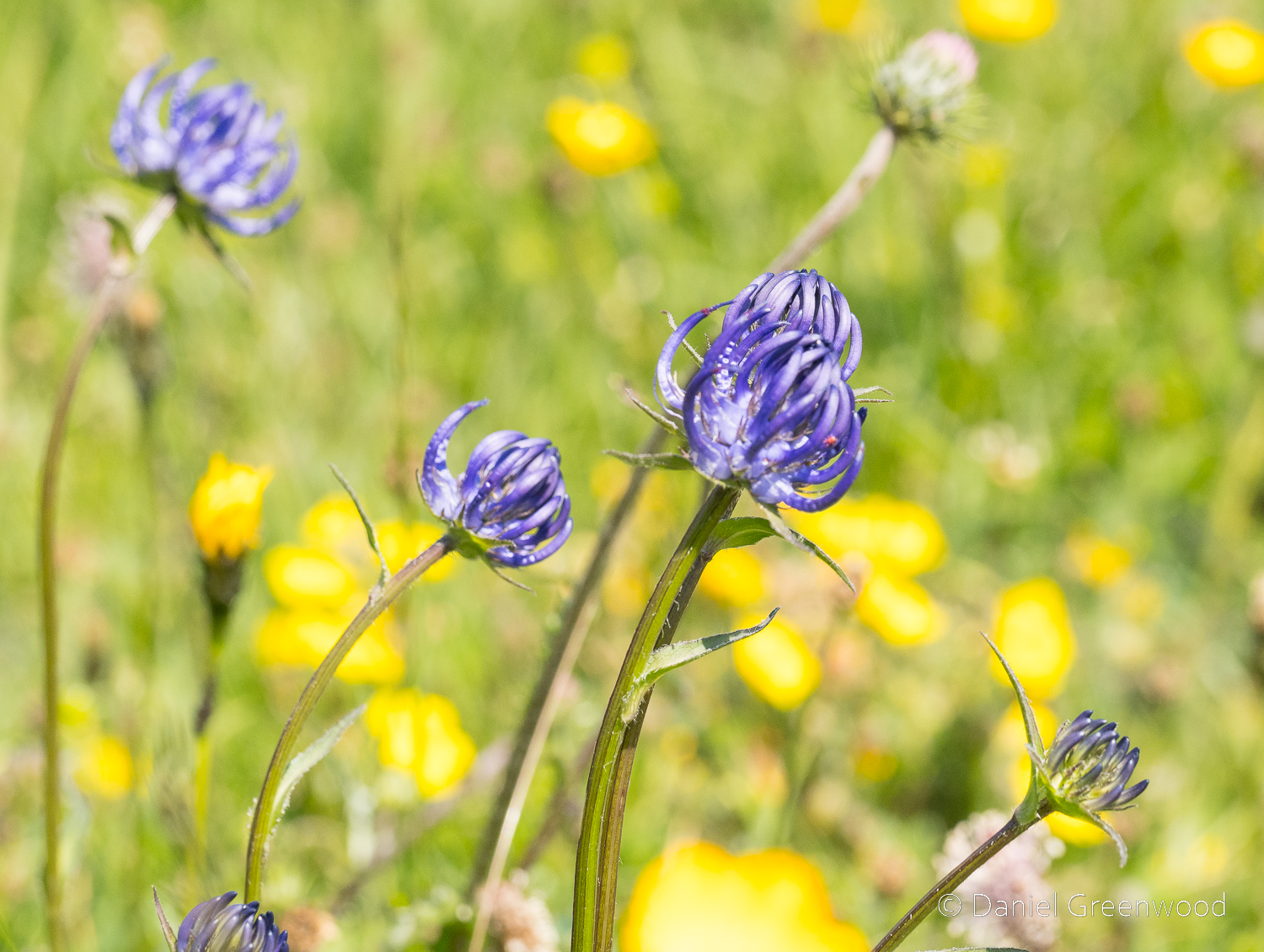
This came out a bit out of focus in the wind – it’s the ‘Sussex flower’ of the chalk Downs, round-headed rampion.

This is a new species for me, the slender Scotch burnet moth! Apparently they are native to Britain and much of Europe, and managing to nectar at the same time as mating, impressive.
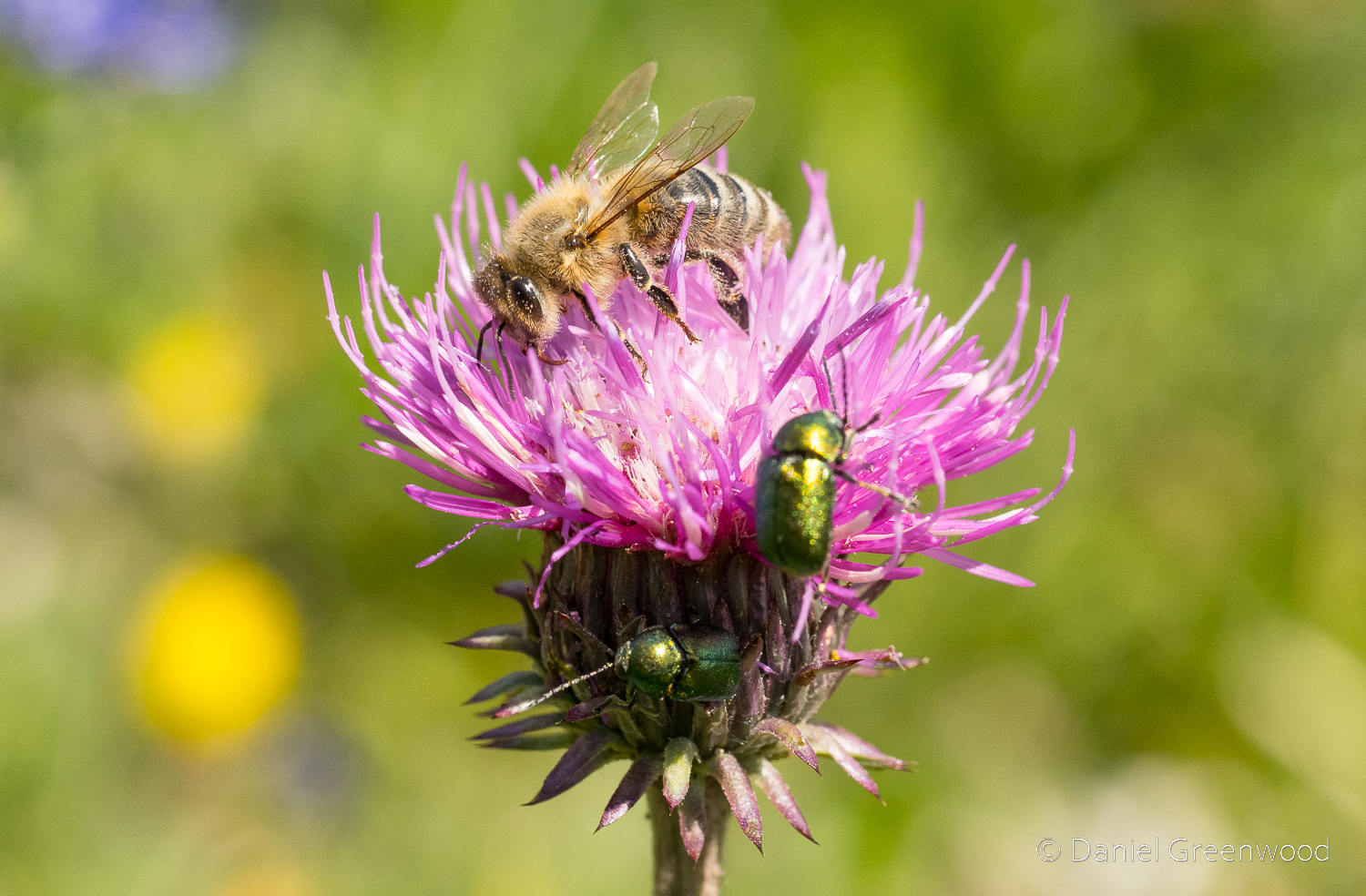
This photo made me laugh (I’ll explain). I was trying to get the honey bee and the green metallic beetle on the top in focus at the same time, so much so that I didn’t even see the second beetle lower down on the flower, which is actually in focus. This is knapweed, but I’m not sure if it’s a montane species or a variant to the common one.

While this is not a well-focused pic, it does enough to show you what is probably a duke of burgundy butterfly. In the UK it’s recovering but very rare.

The number of butterflies, day-flying moths, bees and hoverflies up here was a sight to behold. It was impossible to photograph anywhere near a reasonable percentage of all the things with wings. There were tens of fast-flying hummingbird hawkmoths on the wing, but getting photos of them would have resulted in falling down off the mountain. Also, we heard a cuckoo up here, which is quite late in the season for them.

The most common butterfly was the small tortoiseshell, another one I know from home. Insert obligatory remark about how it’s not so common anymore! Isn’t it gorgeous?
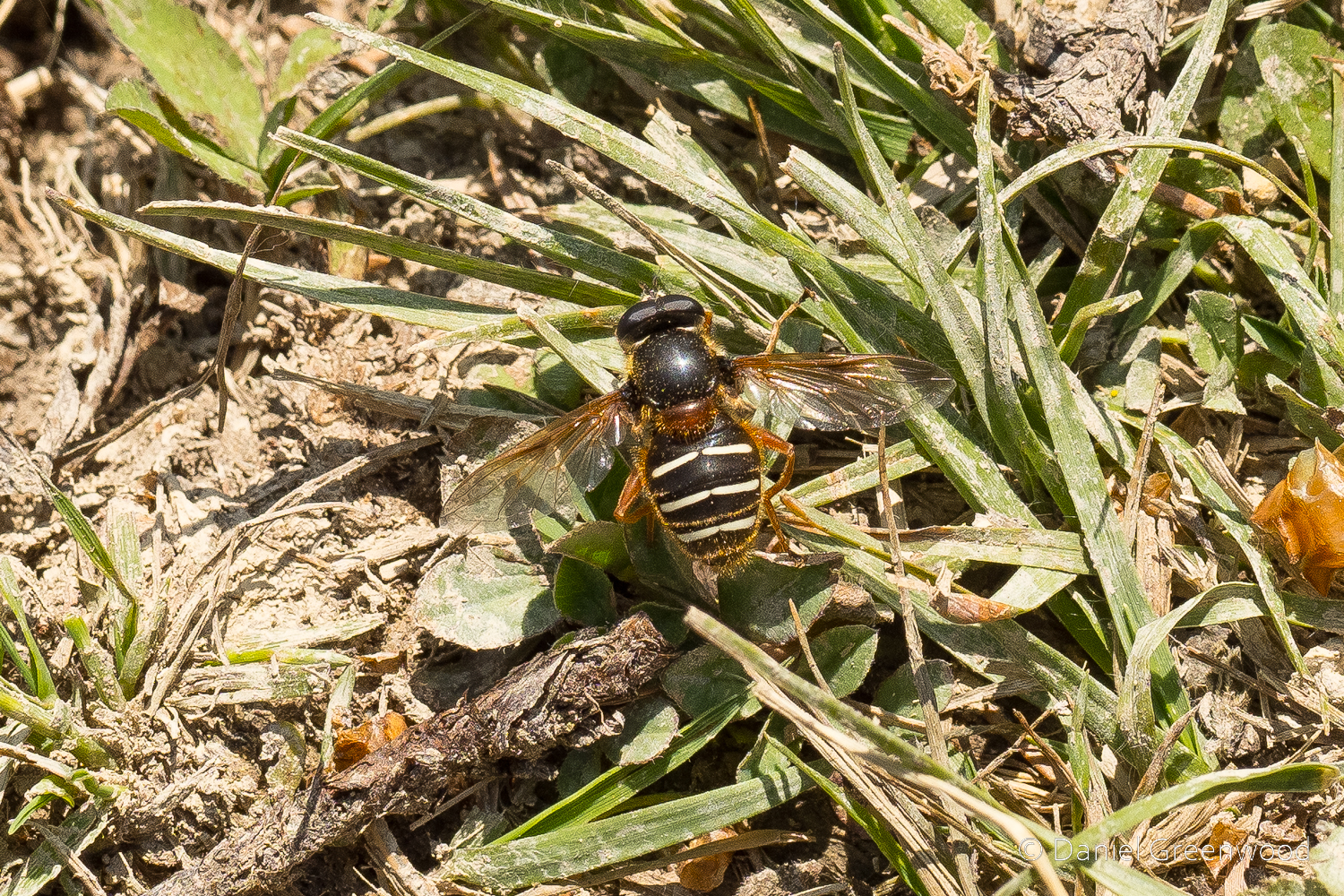
And to finish, there’s nothing more enjoyable in life than the sight of an unusual hoverfly. This was a new species for me, named on iNaturalist as the white-barred peat hoverfly. That would have been my second guess after Robocop hoverfly.

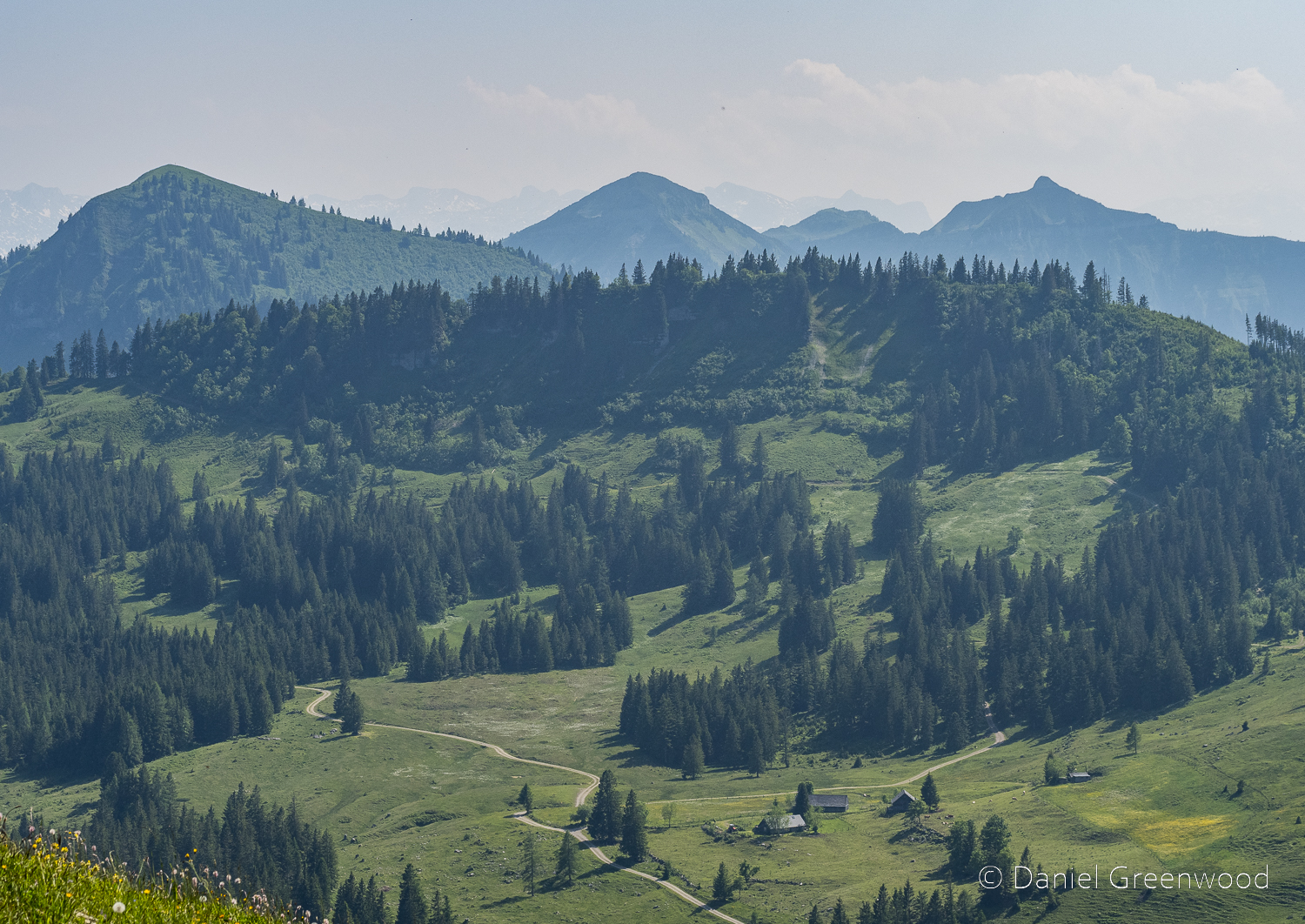
Here are some landscape images to see out this post of a wonderful walk and afternoon in the Austrian Alps. All taken with a macro lens!

Thanks for reading, Grüß Gott!

Macro | Support my work

Wasps vs. spiders

Saturday 31st May felt like a passing of the seasons, with spring departing and summer arriving. That could be seen in the invertebrate world, with more summer species out there in my garden.

This post is generally wasps and spiders, with some lovely little bees to calm you down afterwards.

As ever, some of these things are so ridiculously small that without magnification (in my case a macro lens) you (I) wouldn’t necessarily see them.

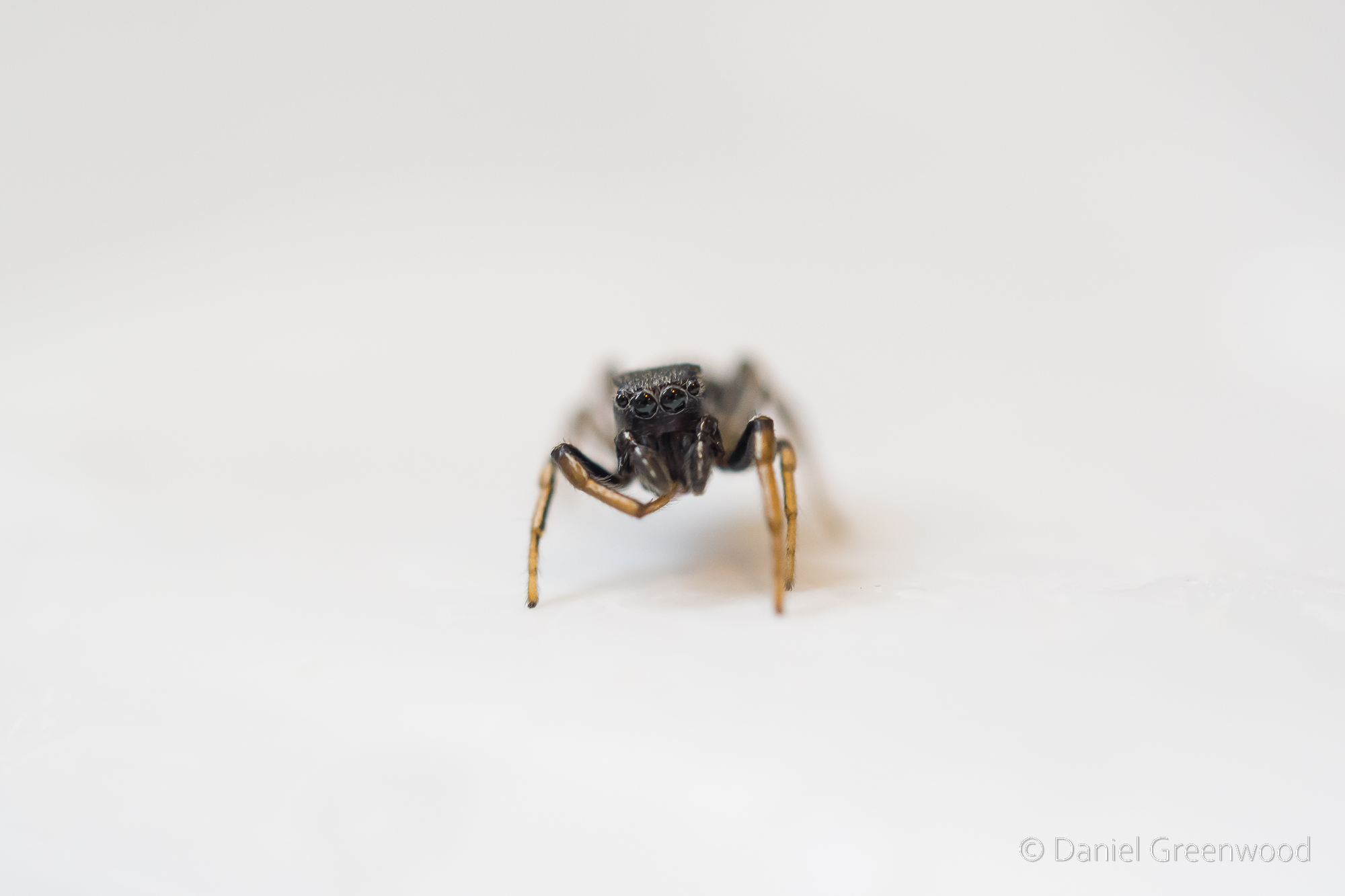
I should have known it was going to be a good photography day when this little jumping spider appeared in my kitchen sink! The light was rubbish so I’ve had to draw out the shadows and ‘de-noise’ these photos a bit. I’m unsure of the exact species, but I do get an apparently uncommon oak jumping spider in my garden/near the house sometimes, and this may be one.

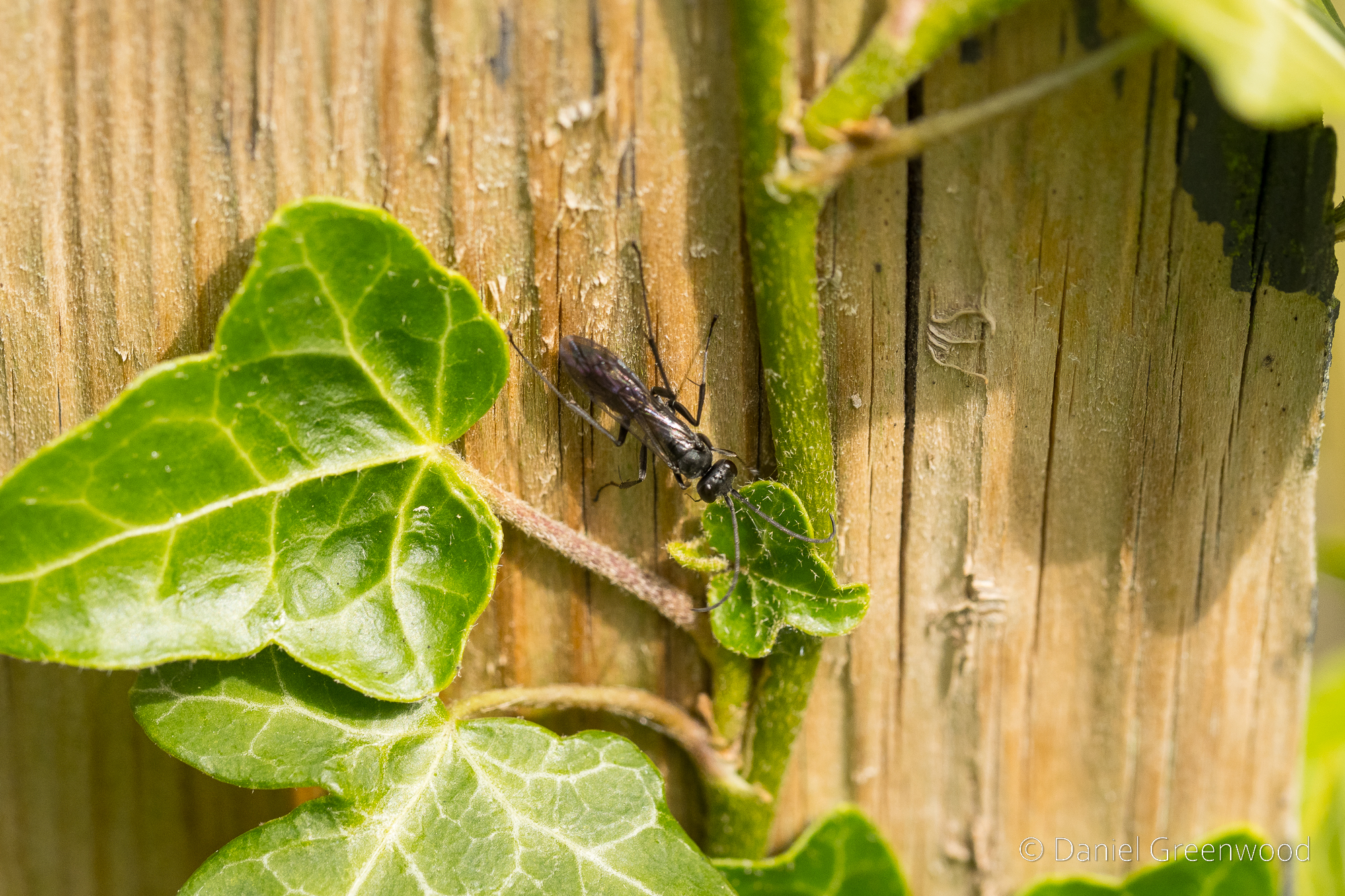
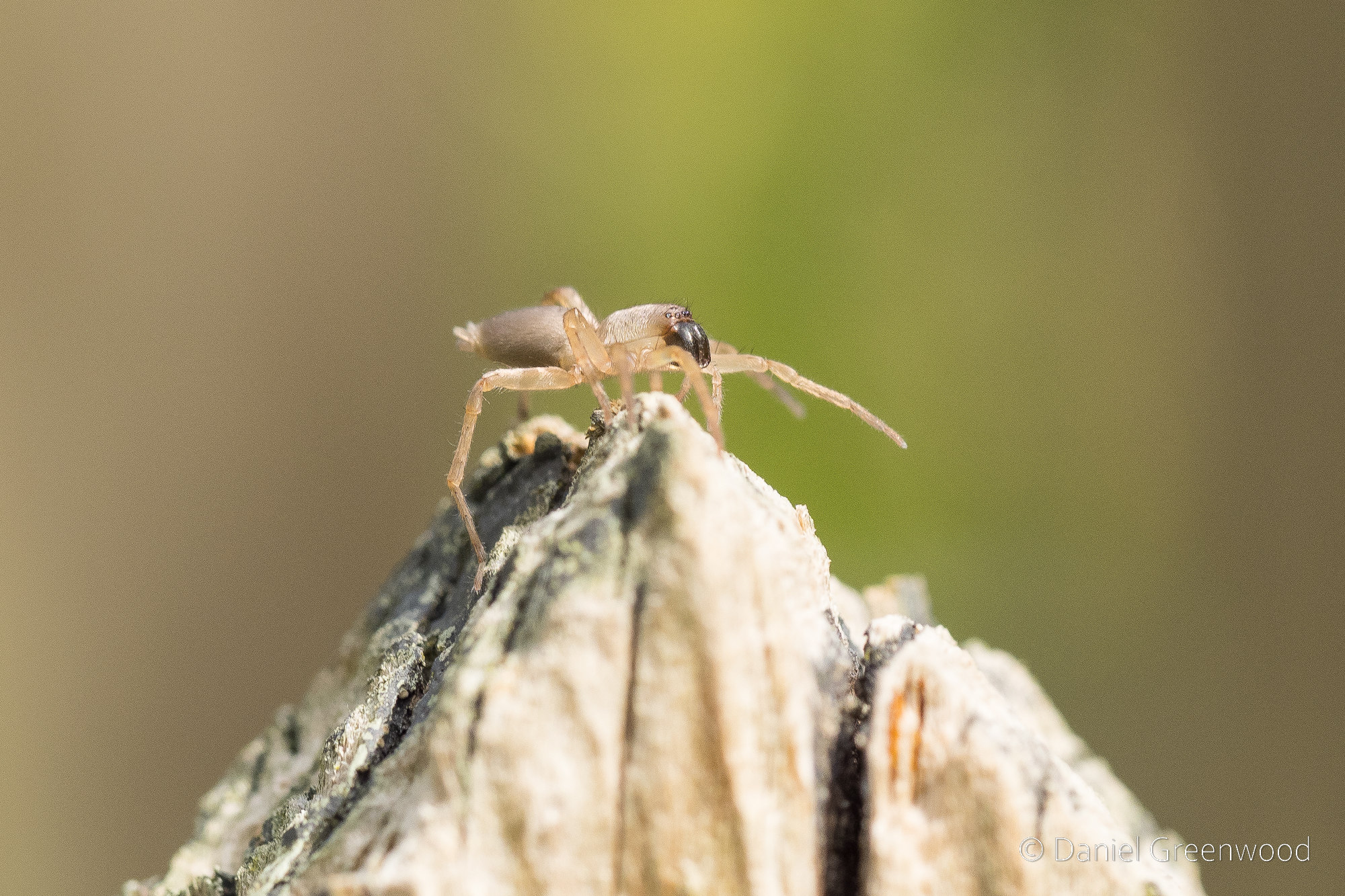
While we’re on spiders, here’s a wasp – a spider-hunting wasp! I’ve learned that sitting down on the grass by a shrub for 15 minutes isn’t just a forest-bathing exercise, it’s also a good way to allow the life to move around you. One fence post was being explored by this very busy spider-hunter. And then, something amazing happened.

On a vacant fencepost (that’s just how I consider them now) a spider appeared at the top. The spider-hunting wasp saw their moment and burst onto the post, but missed the spider by milliseconds!

The spider-hunting wasps paralyse their prey and then carry them away to a cache. It’s pretty grizzly, but if you think that wasps have been in existence for over 100million years, and spiders, gosh, they’ve been around for over 300million (humans 200k and unlikely to make 1million at this rate), it’s something that’s been going on for a long time. If you’re annoyed about one species of wasp bothering you, imagine how spiders felt when 100million years later a spider-hunting wasp evolves from nowhere!

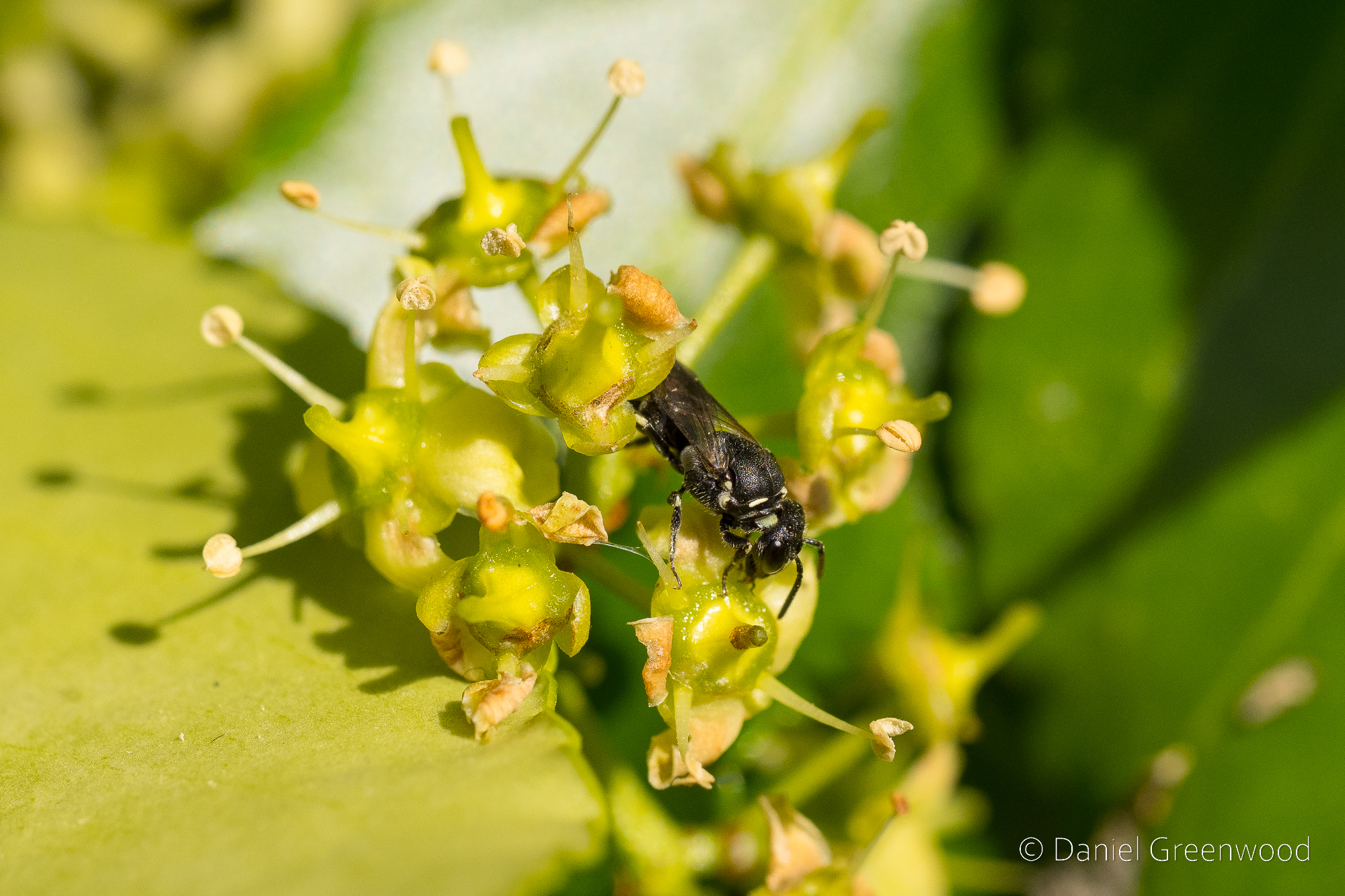
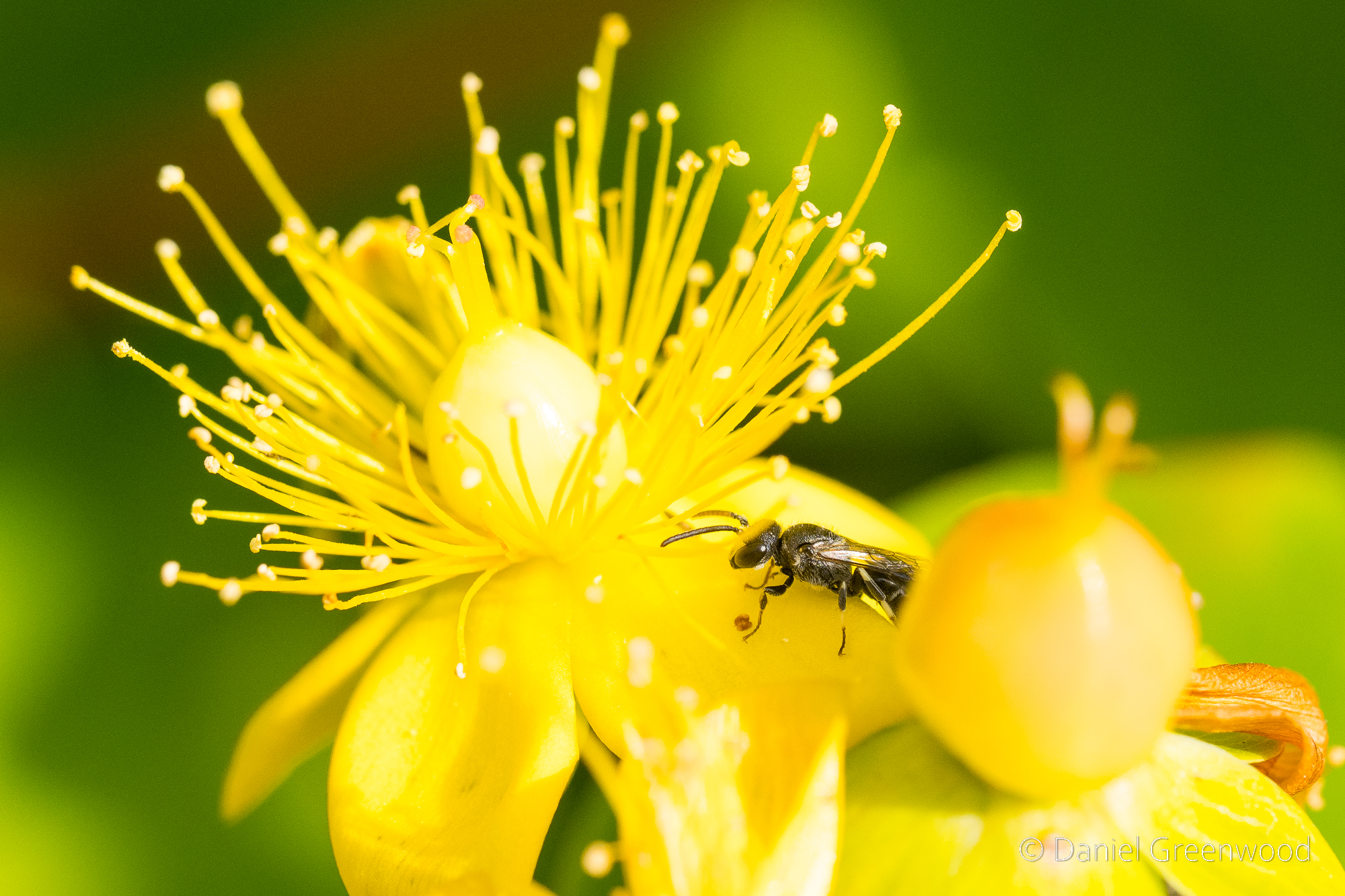
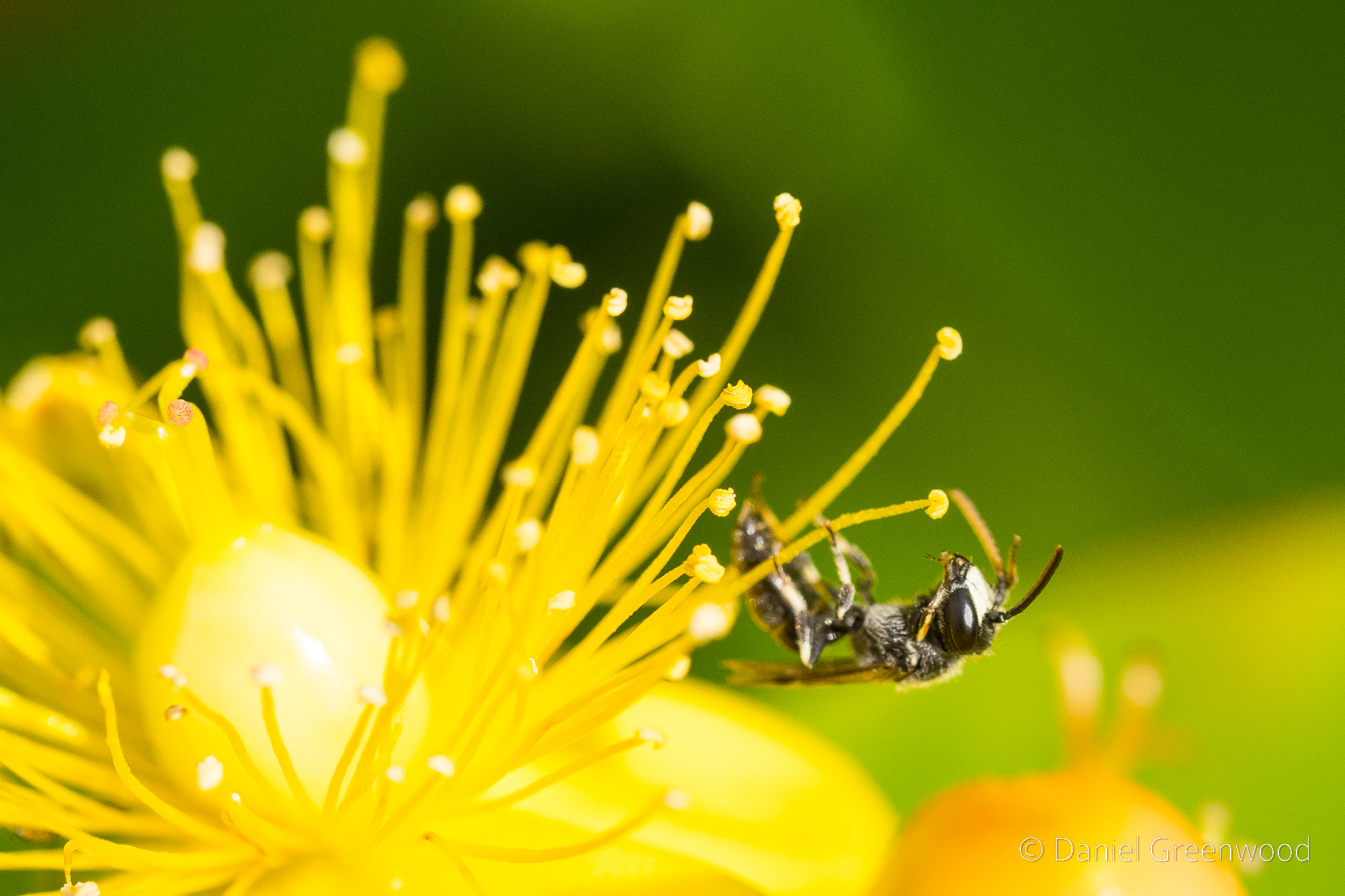
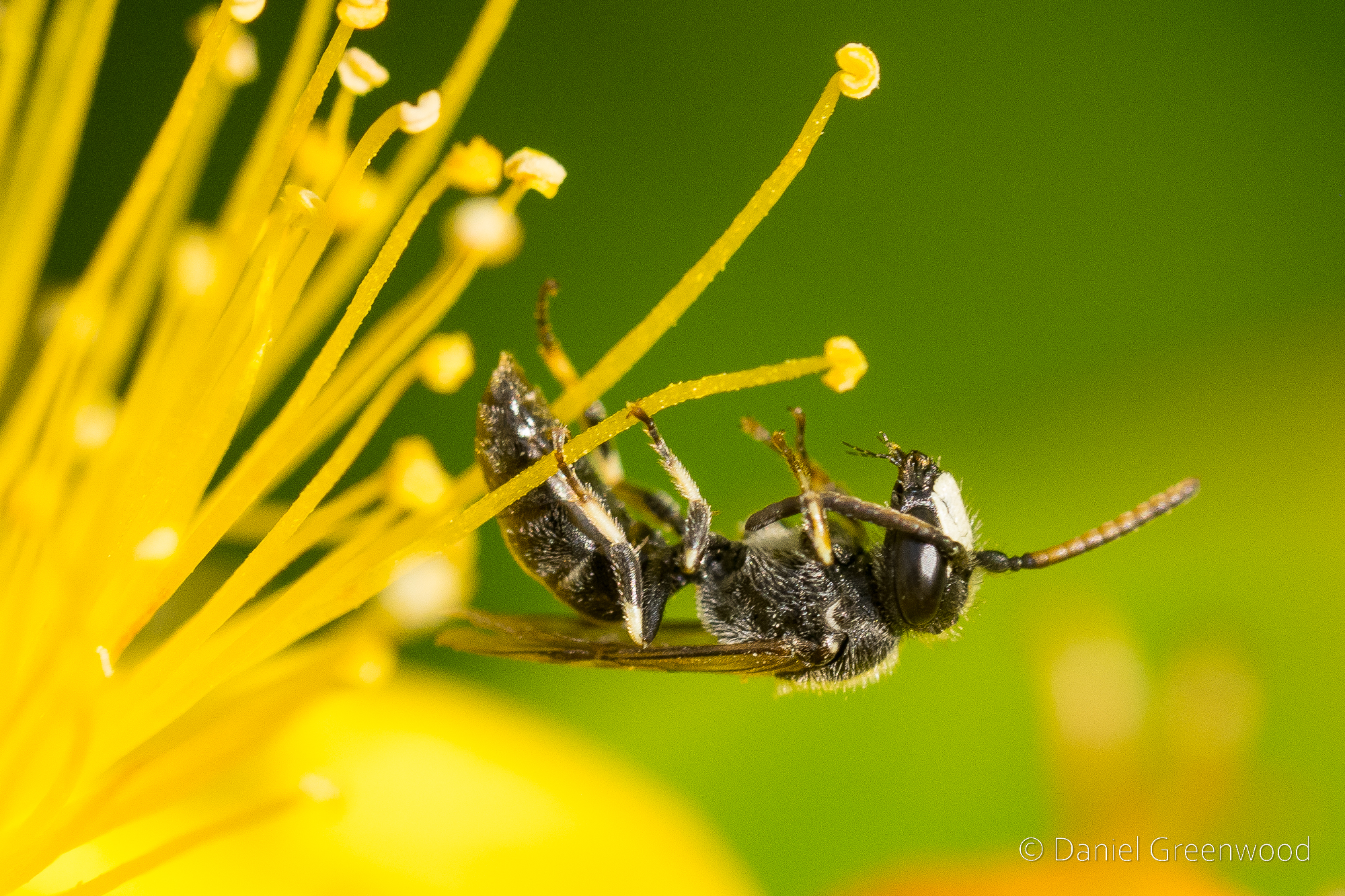
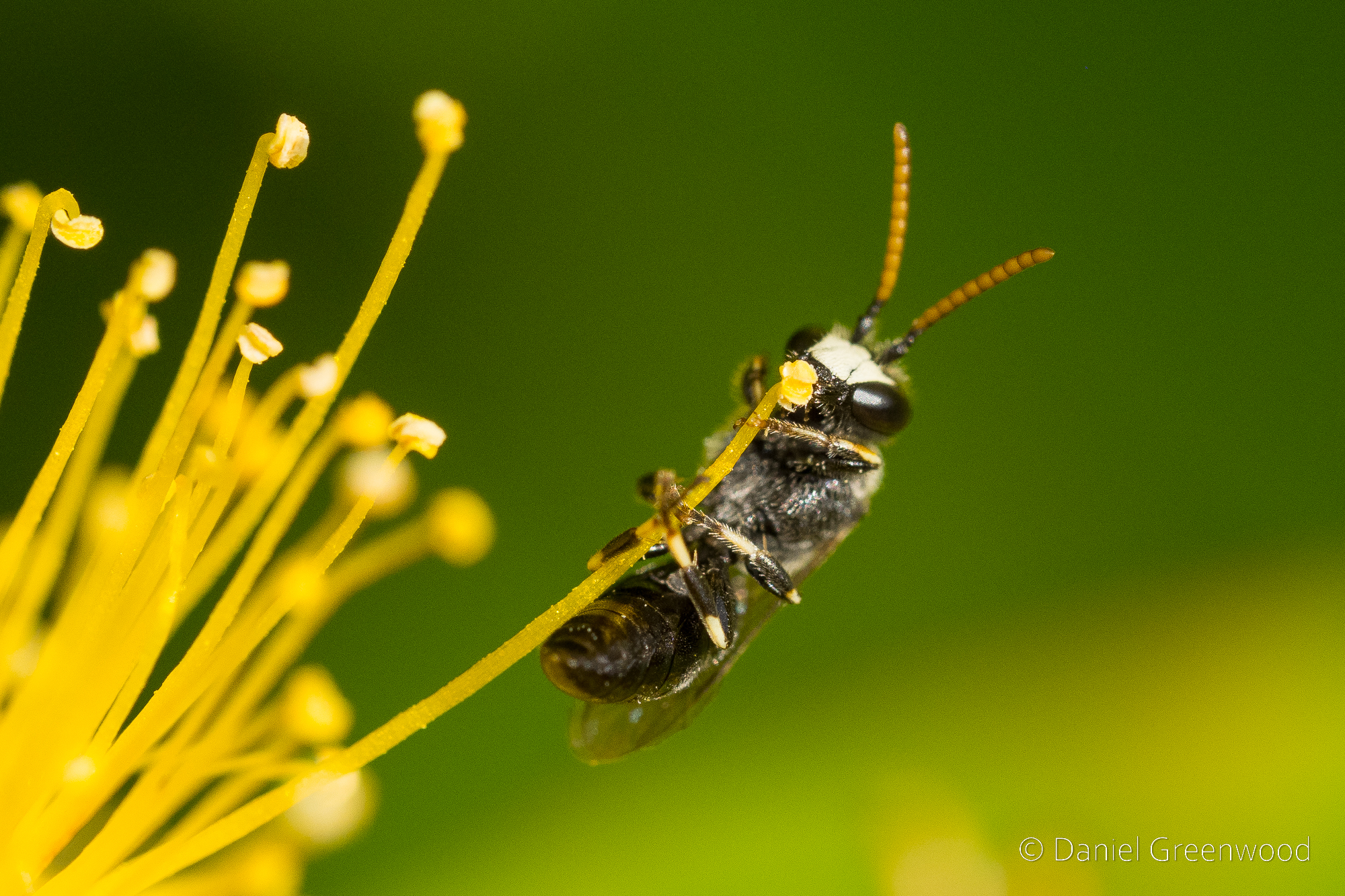
This is around the time when I begin to notice the very tiny yellow-faced bees (Hylaeus). I’m happy to identify them to that level, and don’t really take it any further.

And here we have some of the ‘best’ images I’ve taken this year. This yellow-faced bee is probably less than 4mm in length. Here it’s nectaring on the stamens of a cultivated garden hypericum. This was grown from a cutting taken from my grandmother-in-law’s garden and is a very good plant for pollinators, though it does need maintaining. I love the way the bee uses the stamen a bit like an Elvis impersonator on a standing microphone. Ah-huh-huh.

Here’s a bumblebee for scale!

I don’t think I’ve seen as many honey bees as in recent years, but there was a glut of them around May. There are reports of problems in the U.S. this year (bit of an understatement, considering who’s running things there).

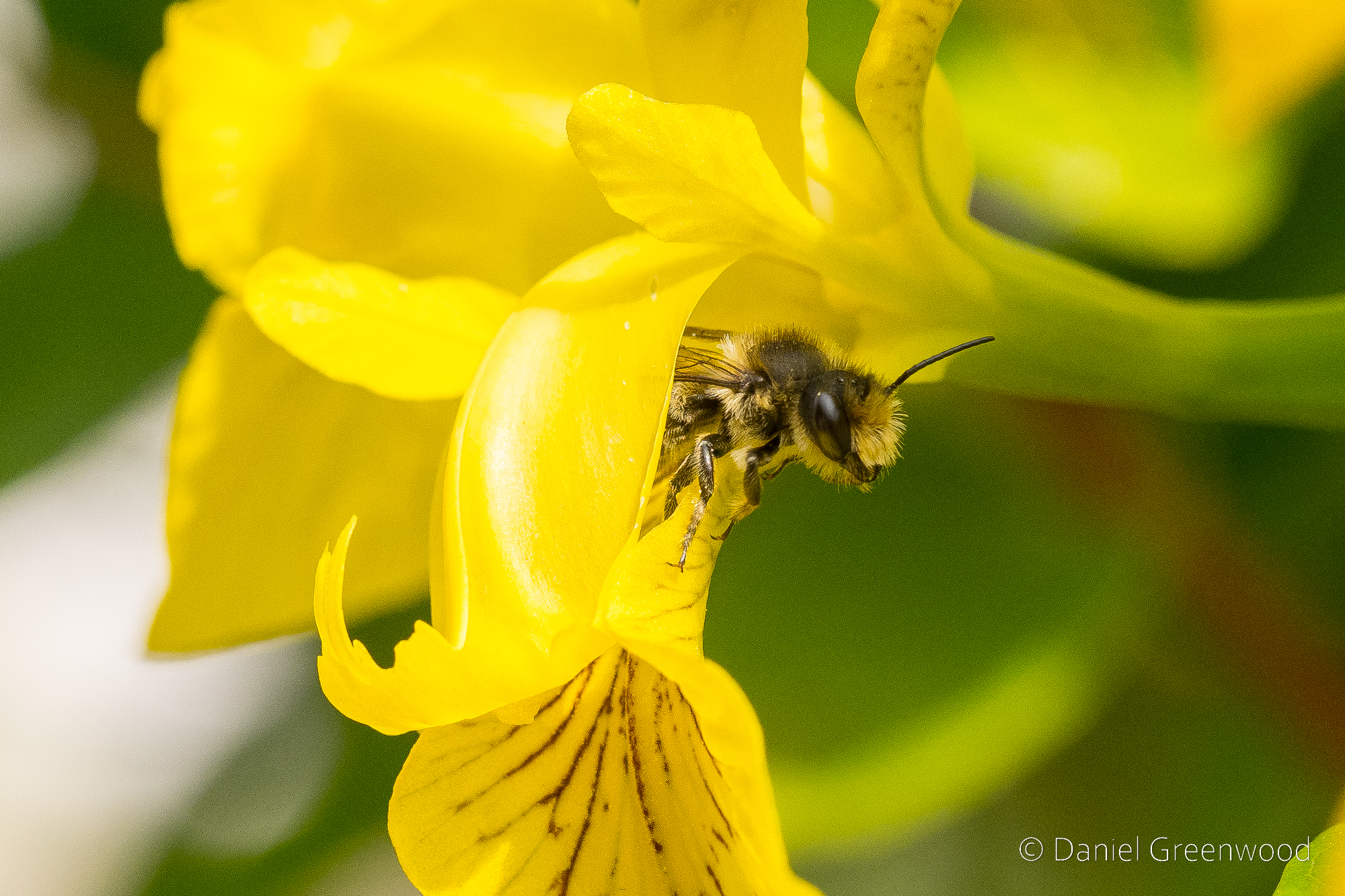
This solitary bee was visiting the flag iris in our little pond. I do enjoy the bee’s sideways escape. Not sure of the species, might be one of the Andrena mining bees.

I will now make like this bee and leave it there. Thanks for reading.

Macro | Support my work

Sicilian honey lilies

May has been a very productive month for macro photos for me, especially in my garden. These photos were taken on 8th May 2025 in that town garden in West Sussex.

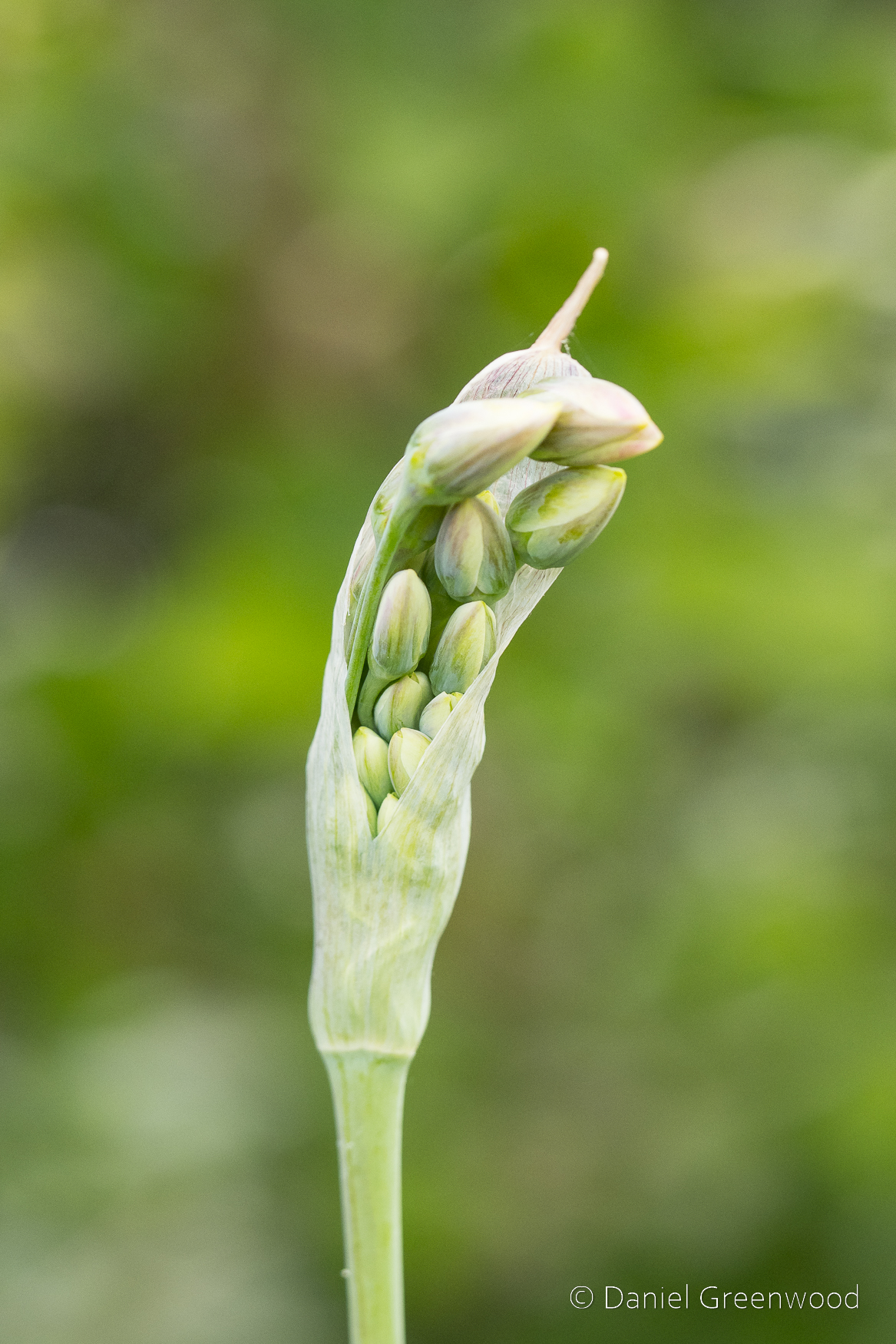
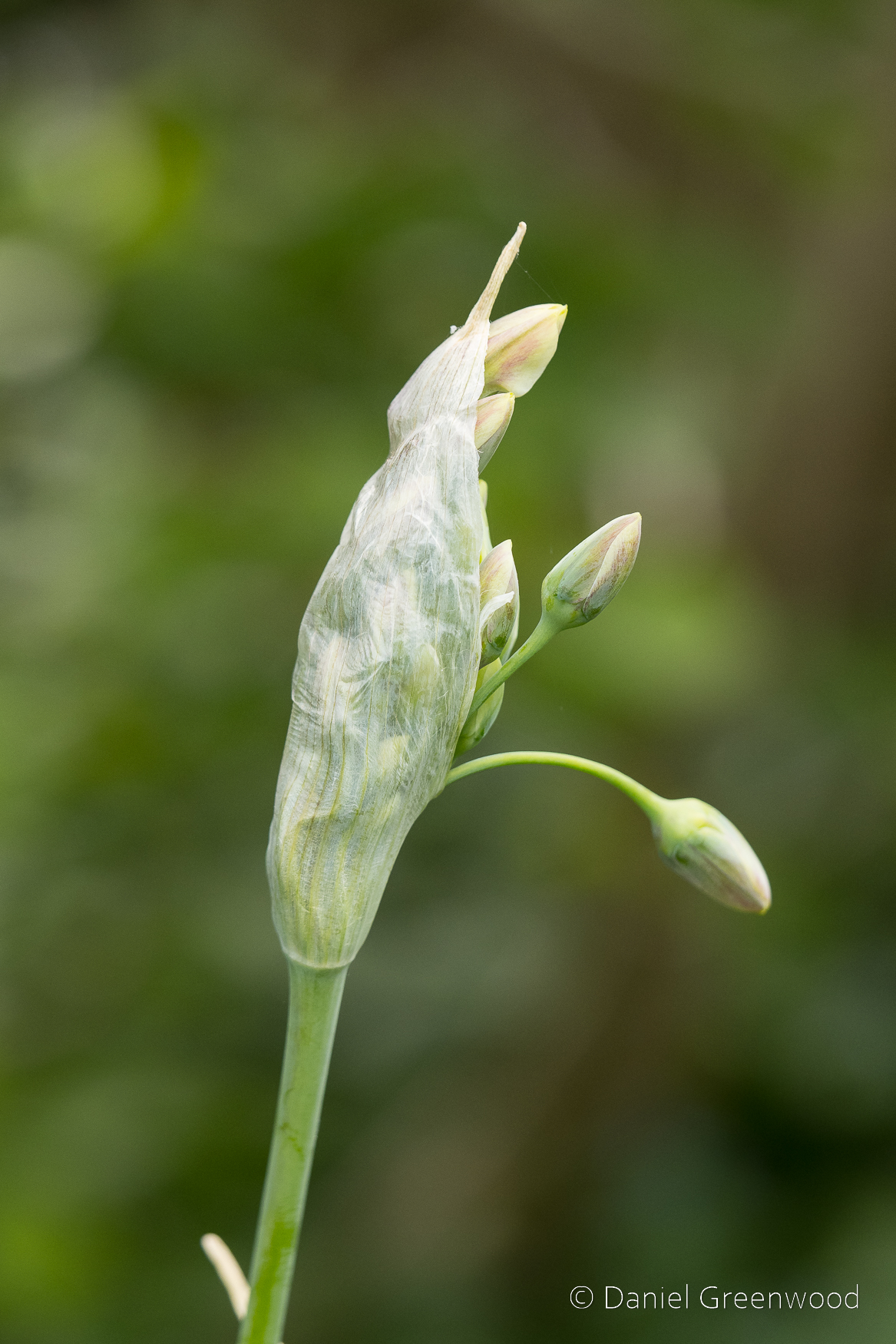
We have a flowerbed for growing berries that is also home to these unusual alliums (honey garlic or Sicilian honey lily). On the 8th May they were just beginning to unseal themselves, releasing the flower heads. I have bee-heavy photos of this plant to share of the following days, and this spring has made me realise just how attractive this allium is for bees. The bumblebees can’t get enough! Stay tuned.

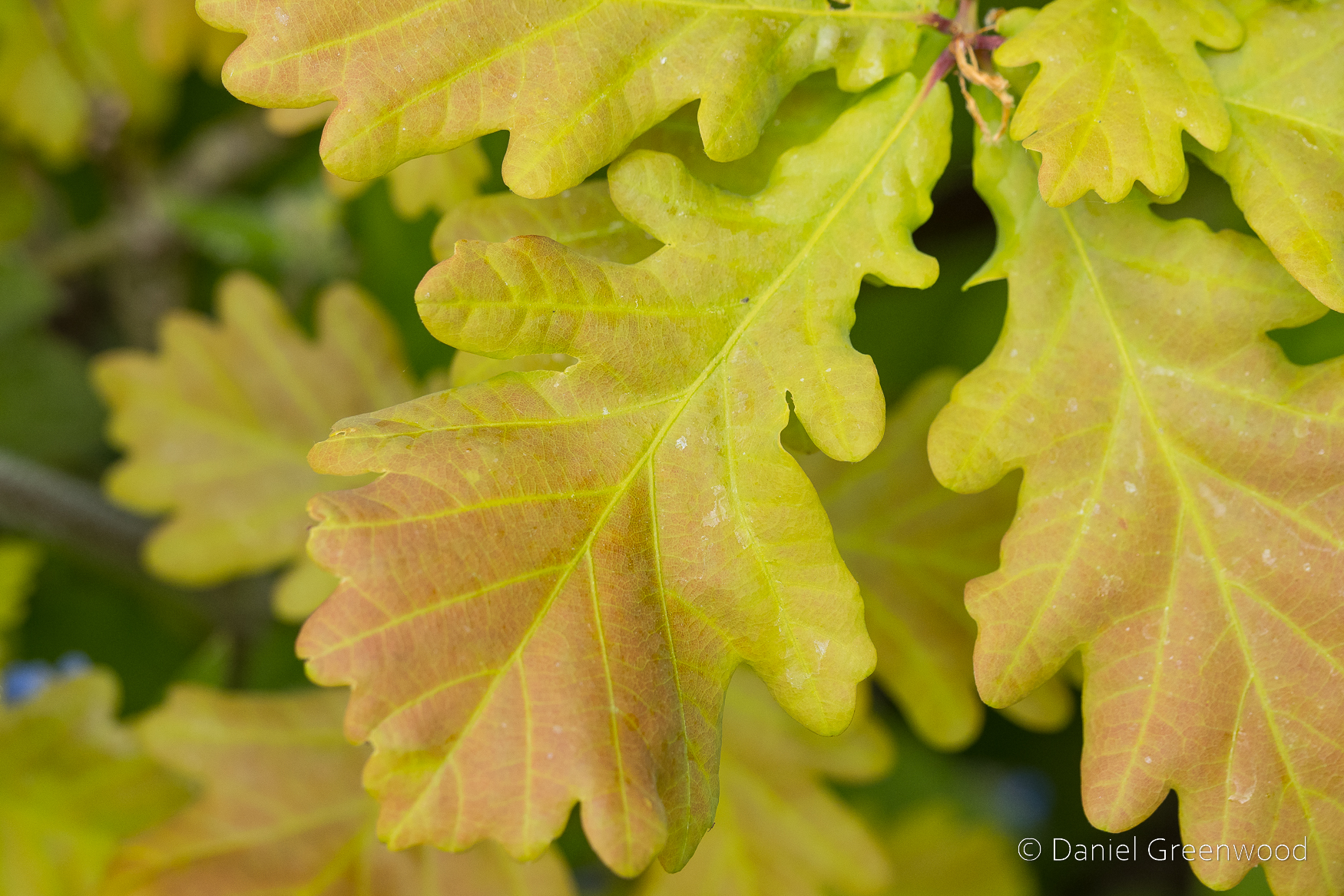
The oaks were in full-leaf by this point, this sapling somewhere between the red, yellow and green.

I don’t know what this invertebrate is or was, but I’ve seen it over the years attached to the stems of broom (which had such a good year in 2025). I am guessing it’s a species of moth that has pupated into an adult moth, and that this is the chrysalis. #NoMothExpert.

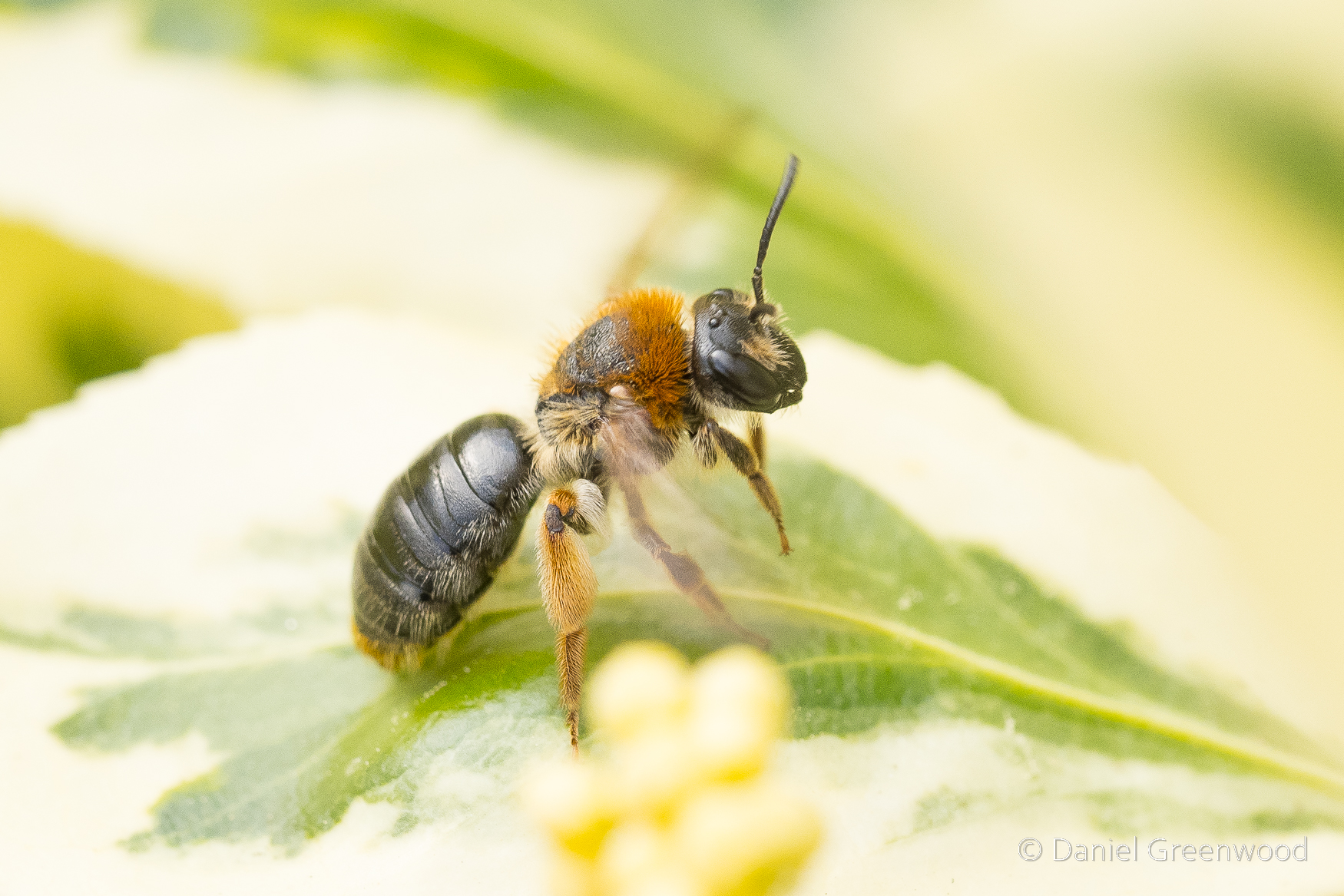
I think this may actually be the same early mining bee I posted about last week! Not sure.

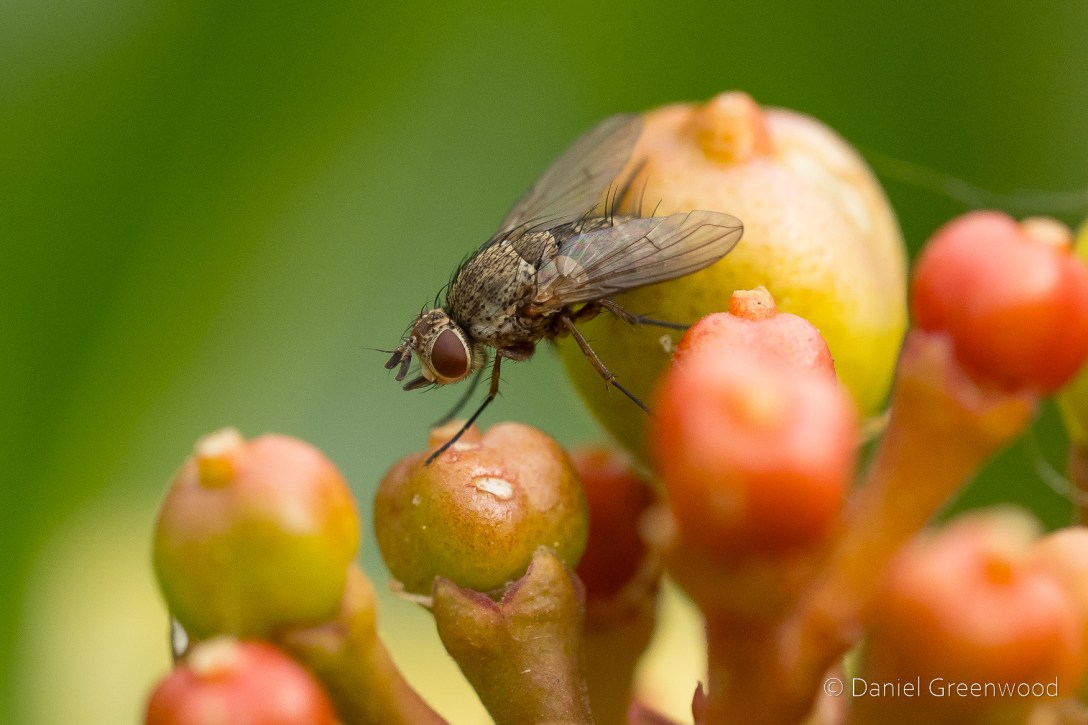
I really like this photo of a fly (no ID yet). I wonder if that’s some kind of sugary solution on the berries. I enjoy the fly’s awkward splaying between fruit. Why not?

The light was working against me here as our friend was on the underside of a leaf. This is one of the Issus planthoppers. It doesn’t look like it, but the head is in focus.

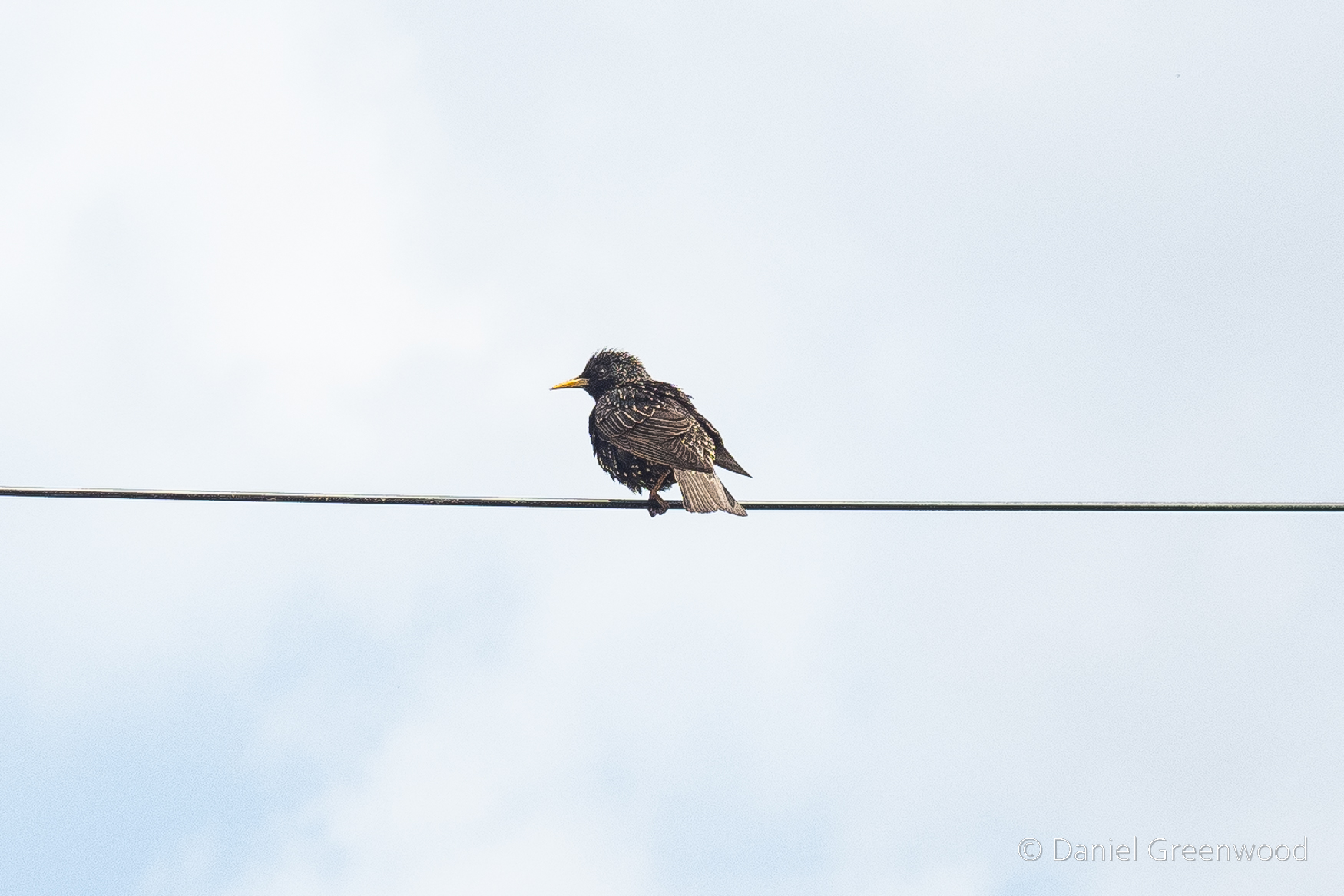
And finally, the starlings were still feeding the nestlings at this point, quite an tiring time for them. They are one of my favourite birds, but are in serious decline (51% between 1995 and 2016) due to habitat loss and historic use of pesticides. You can help them by not using things like Roundup (glyphosate), by putting out fresh water for them to drink/bathe in, and potentially putting up a nestbox if you can.

Thanks for reading.

Macro | Support my work

After 17 years, a small miracle

In 2008 I took an interest in growing things.

After eating an apple one evening I decided to copy what my dad was always doing, and plant some seeds. I potted a couple of apple pips in compost and left them on the windowsill.

The pips began to grow into little seedlings. I was astonished, these pips just had to drop into some soil and trees grew.

There’s no doubt to me that this experience, along with time spent under a hawthorn and small willow tree in my parents’ garden as a child, helped me to learn to love trees. It’s the dynamism, the strength, the age, the ability to grow from seemingly nothing we could survive on.

The apple tree matured, was re-potted, and was eventually delivered to me by my parents in 2018 when I moved to Sussex. It’s about 2 metres tall and just sits in its pot, not really doing much, putting out leaves, letting the seasons come and go.

As far as I’ve known, this tree will never flower or produce fruit. That’s all I’ve ever read or been told. It needs to be grafted with some other apple, ready to produce fruit.

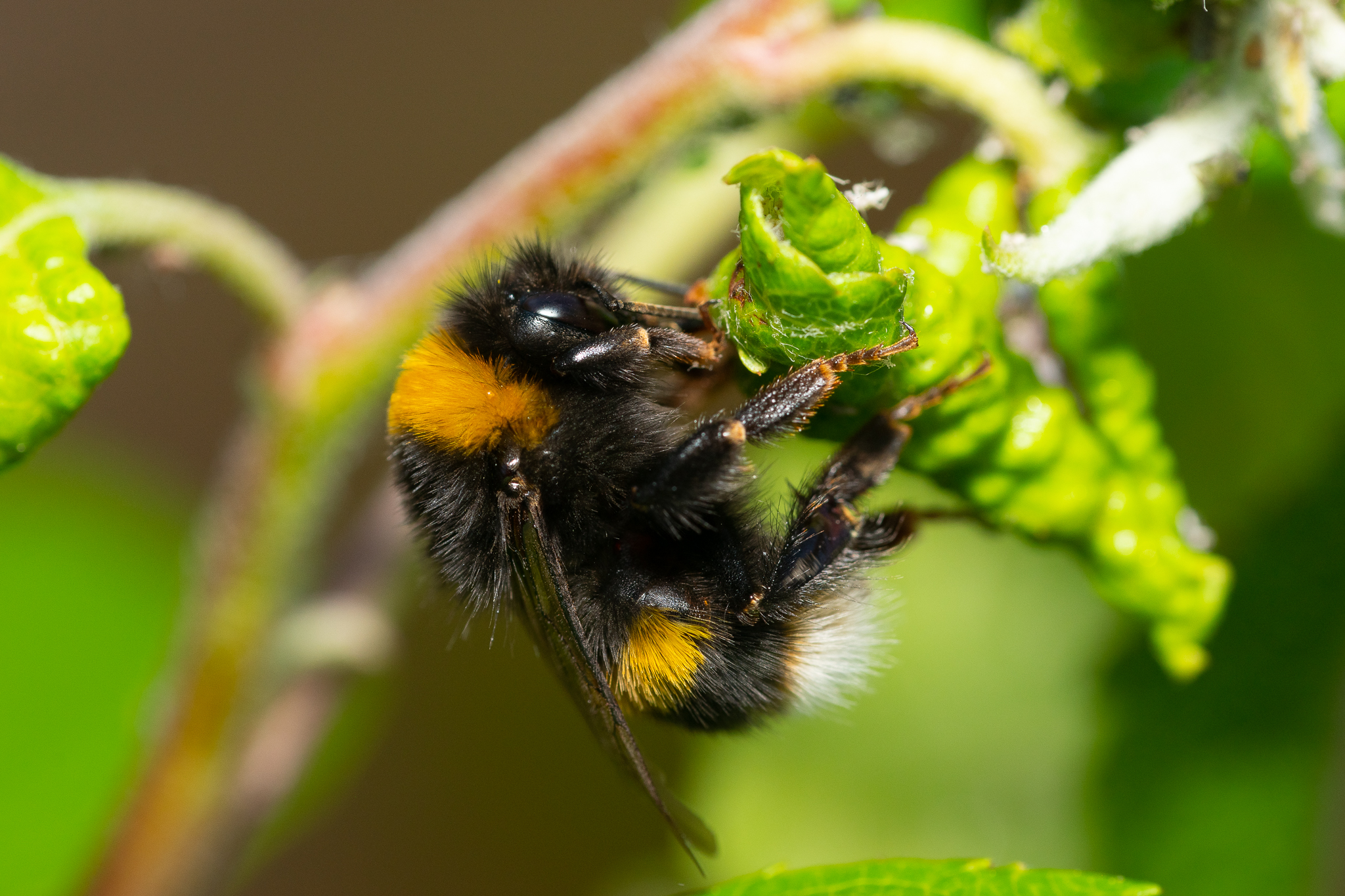
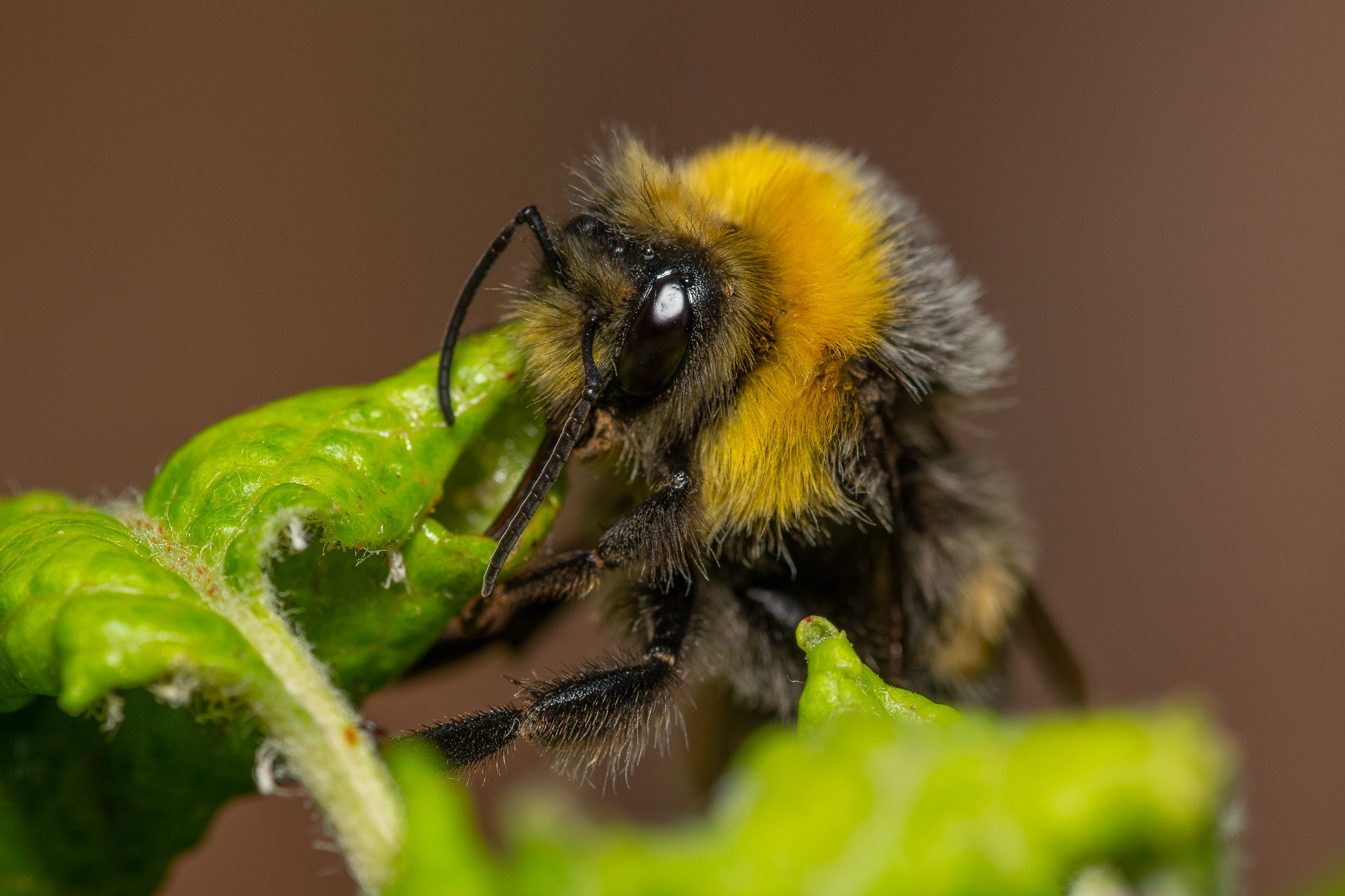
I blogged about the tree in 2021 as part of 30 Days Macro, when bees nectared from the leaves after they became curled up by farming ants(?) and drenched in aphid honeydew.

And so… the other morning I was sitting in my garden enjoying the spring sounds, smells, and sights of new flowers. I stood up and turned to go back inside when I saw a pink flower on the apple tree.

I couldn’t believe my eyes.

17 years of nothing, and then these bright pink and white petals appear.

It made me think of the passing of time, of all that’s happened, where I am in life. It reminded me of where the tree came from, that my dad’s annual sowing of seeds had inspired me to even consider putting that pip in the little pot of compost.

Will it produce fruit? I don’t know, I don’t actually eat apples anymore (too acidic)! I don’t even know what type of apple it is.

But it felt like a signal – life can surprise you – that trees are resilient, dynamic, and beautiful.

Thanks for reading.

Any pond will do

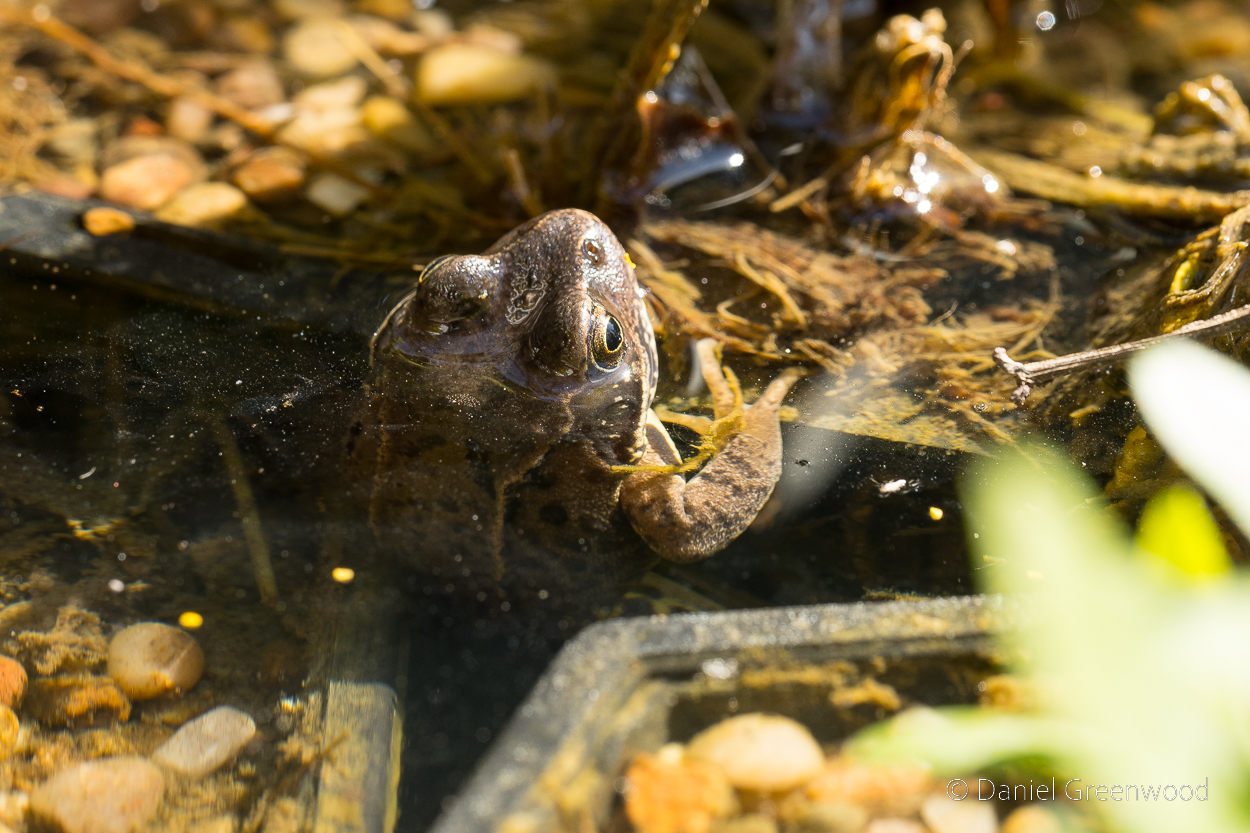
On Friday 11th April I was hanging out in the garden when I glanced over at the small container pond on our brick patio. It’s an old metal wash basin filled with plants and, well, water.

Birds bathe in it, foxes drink from it, and something rather special now lives in it.

The first thing I saw in the ‘pond’ were two eyes looking back at me, and two big arms and webbed hands (are they hands?) holding onto one of the plastic plant containers.

Phone pic for scale

It says a lot about the state of nature in Britain that frogs are such a cause of excitement. We have obliterated our ponds in England, but there is a movement to try and bring back some of the most important ones – the oldest ones lost from farms.

It’s been so dry for the time of year, wildlife is really suffering with the lack of water. If you have the chance to build any kind of pond you should do it! We don’t have enough space in our garden to dig a ‘proper pond’, but we have been able to use a container we bought at an antique dealer. Without it, where would the frog go?

Elsewhere I’ve noticed the number of drone flies has ebbed a bit, but there are still plenty around. This is probably a tapered-drone fly, a species of hoverfly.

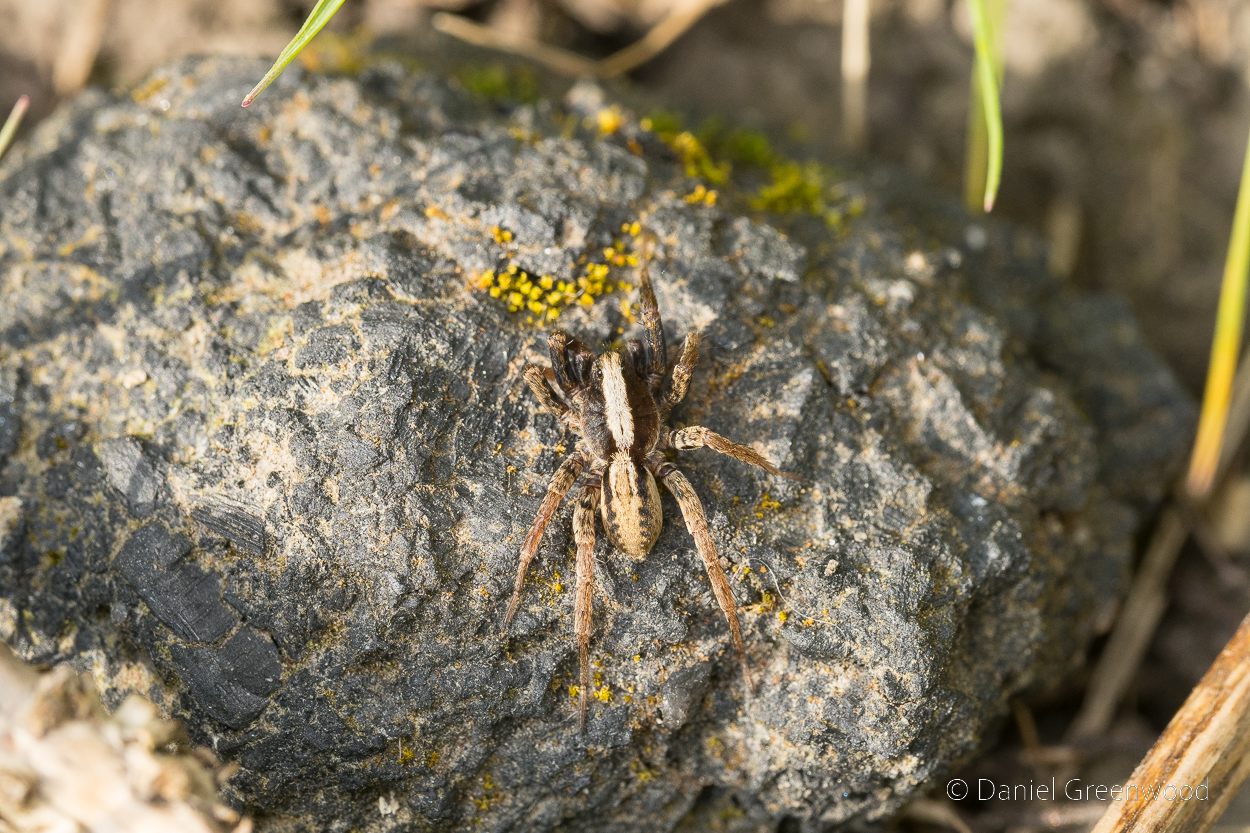
Sitting on this piece of charcoal (which you may notice is now being colonised by a very small moss) was a little spider. iNaturalist has suggested this is a fox spider.

It’s rather cuddly isn’t it? No?

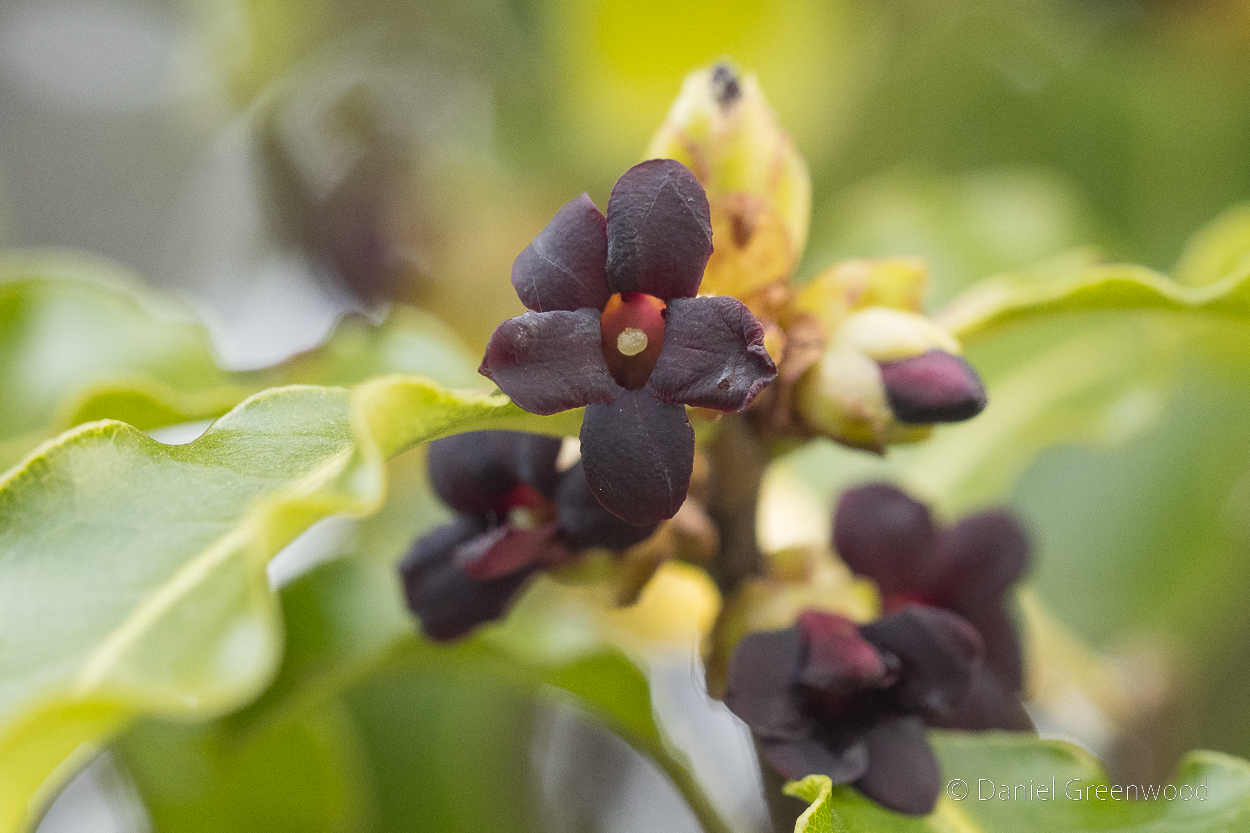
At night we’ve begun to notice a powerful fragrance around the house. It’s a bit like honeysuckle but is probably a cheesewood, a species of plant from New Zealand. This grows in a neighbouring garden but reaches over to us. It’s absolutely covered in pollinators and the smell- wow. It doesn’t seem to be invasive so could be a good option for your garden if you like pollinator-friendly shrubs.

Thanks for reading.

Spring 2025 arrives

Five years ago we were facing up to the Covid-19 lockdowns. In response to the stay-at-home orders I began a weekly macro blog, an assignment from the gods? No, just our Supreme Leader at the time Boris Johnson and his better half in Public Health Chris Whitty.

While I can’t promise weekly blogs due to work and life commitments, it’s definitely time to dust off the macro lens after its winter slumber and step out into the garden to see what’s happening!
As ever, there’s far more going on than you might think. I also think it’s important that we look at and try to understand invertebrates when this misinformation is coming from the leader of the country (I know it could be worse, but get your facts straight, folks).

We depend on nature and our ecosystems and their wildlife for our food, clean water, fresh air and function. Wildlife has a right to exist and the world does not revolve around our species.

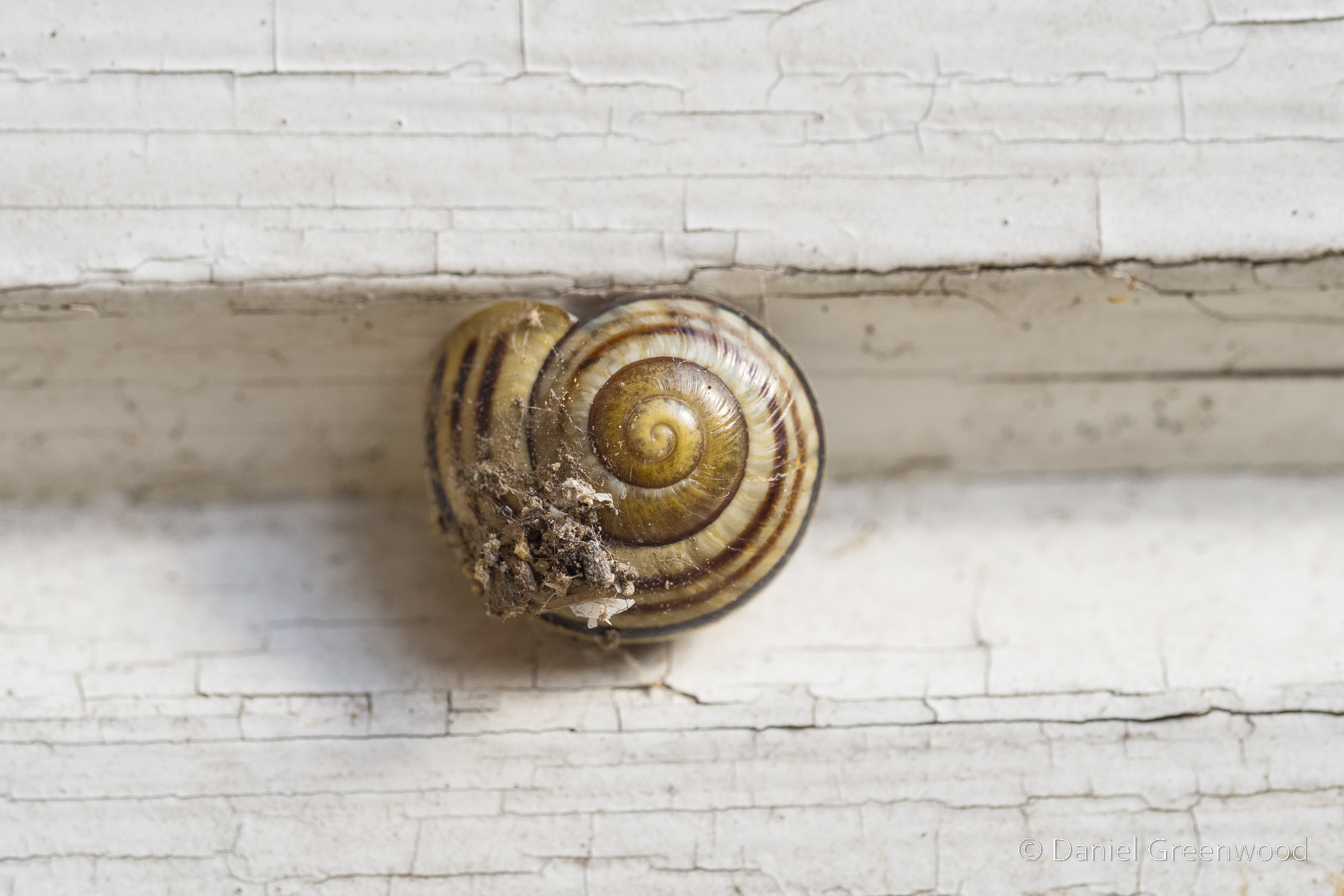
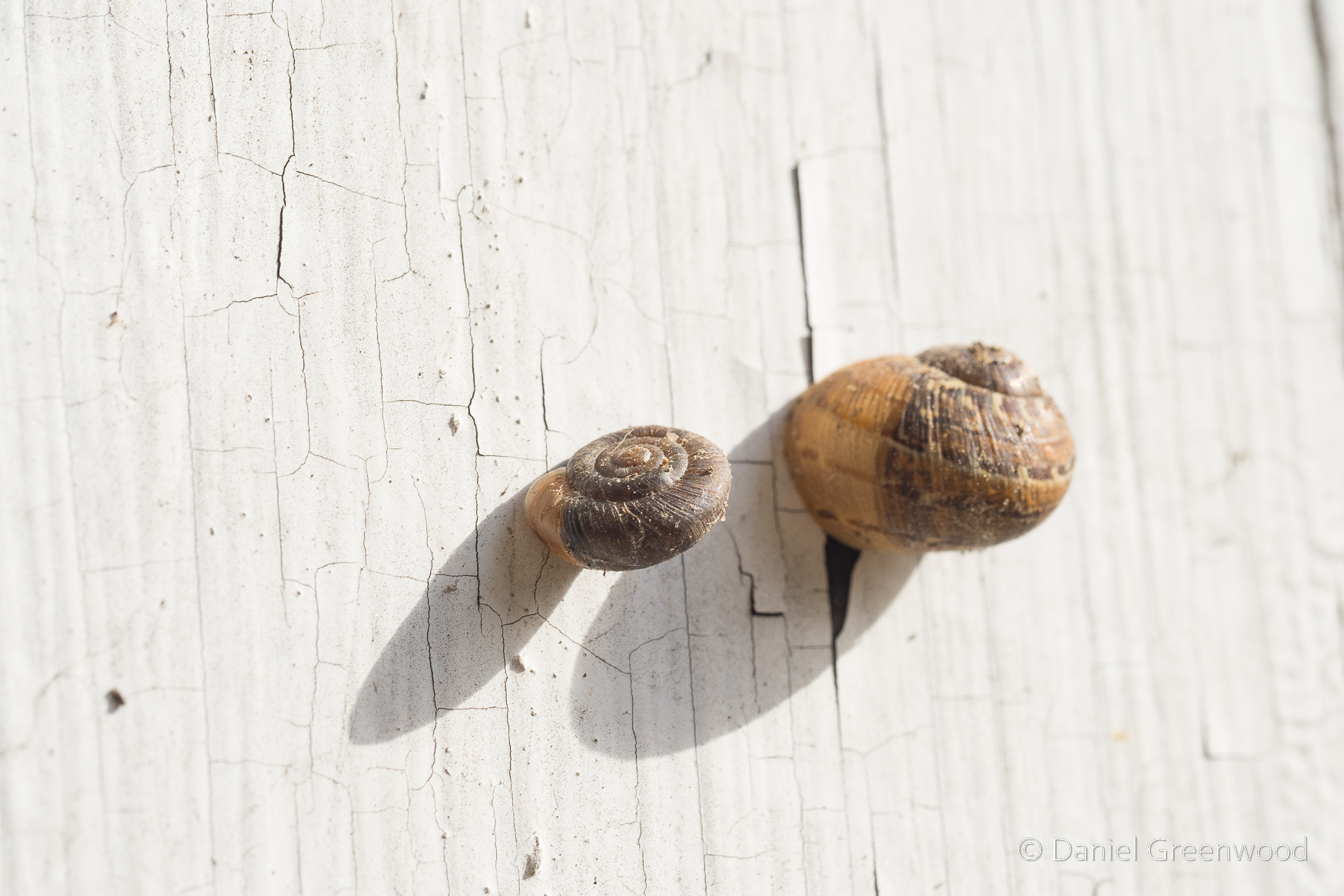
The snails are roosting in our front porch. My wife was wondering if they might be too hot there, as the paint’s white and it can get quite sweltry in there.

It looks to me like something is going on with the shells and they may be roosting to grow their shells. It’s not something I know much about. Please let me know in the comments if you have any info 🙂

We have some nice pansies my wife planted out by our front door. You can see the bee drive-in here with the dark landing marks and the brush of hairs to ensure the pollen of other pansies are retrieved from a visiting bee.

The broom plant flowers in a subtle way, these little yellow petals appearing from the red sepals.

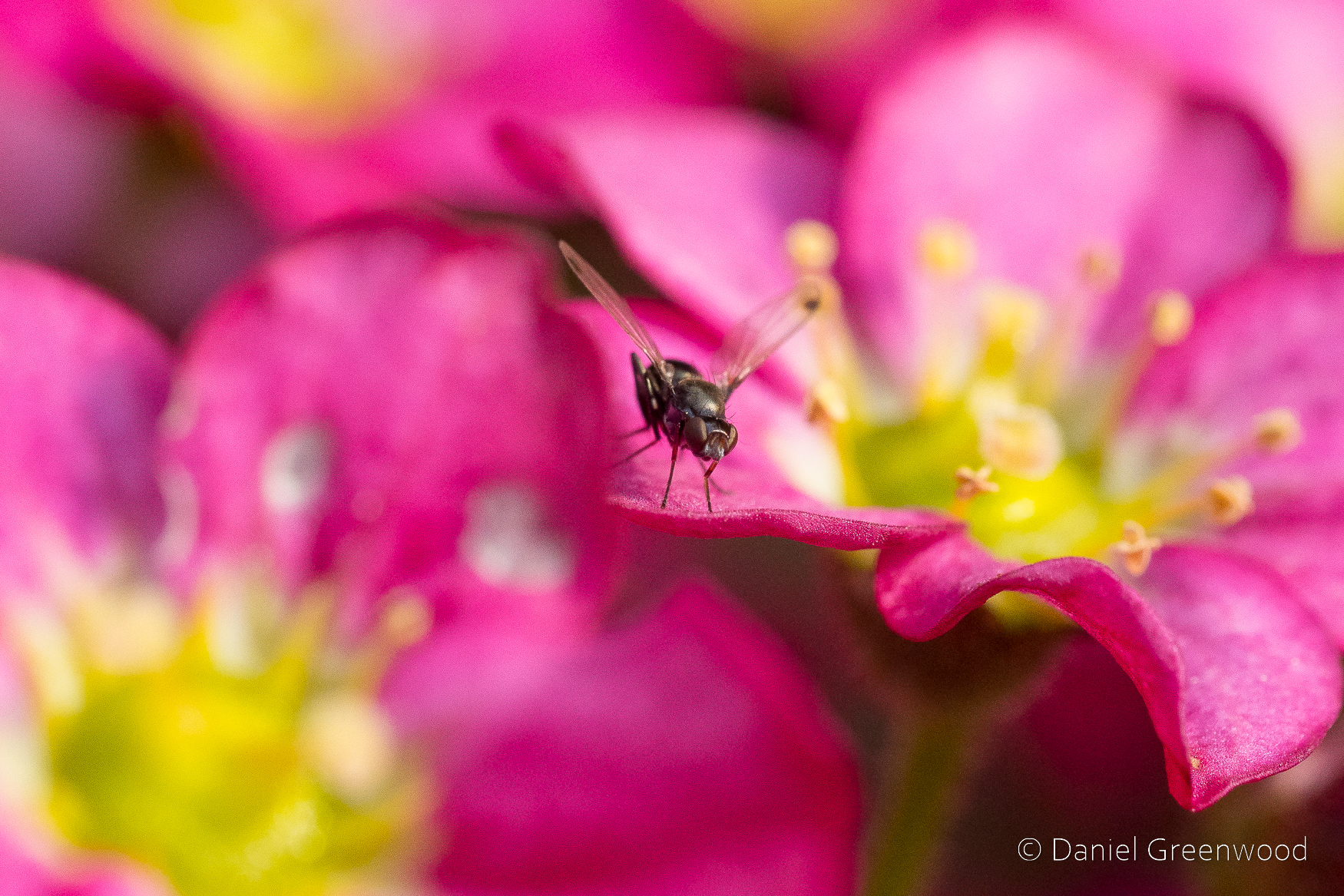
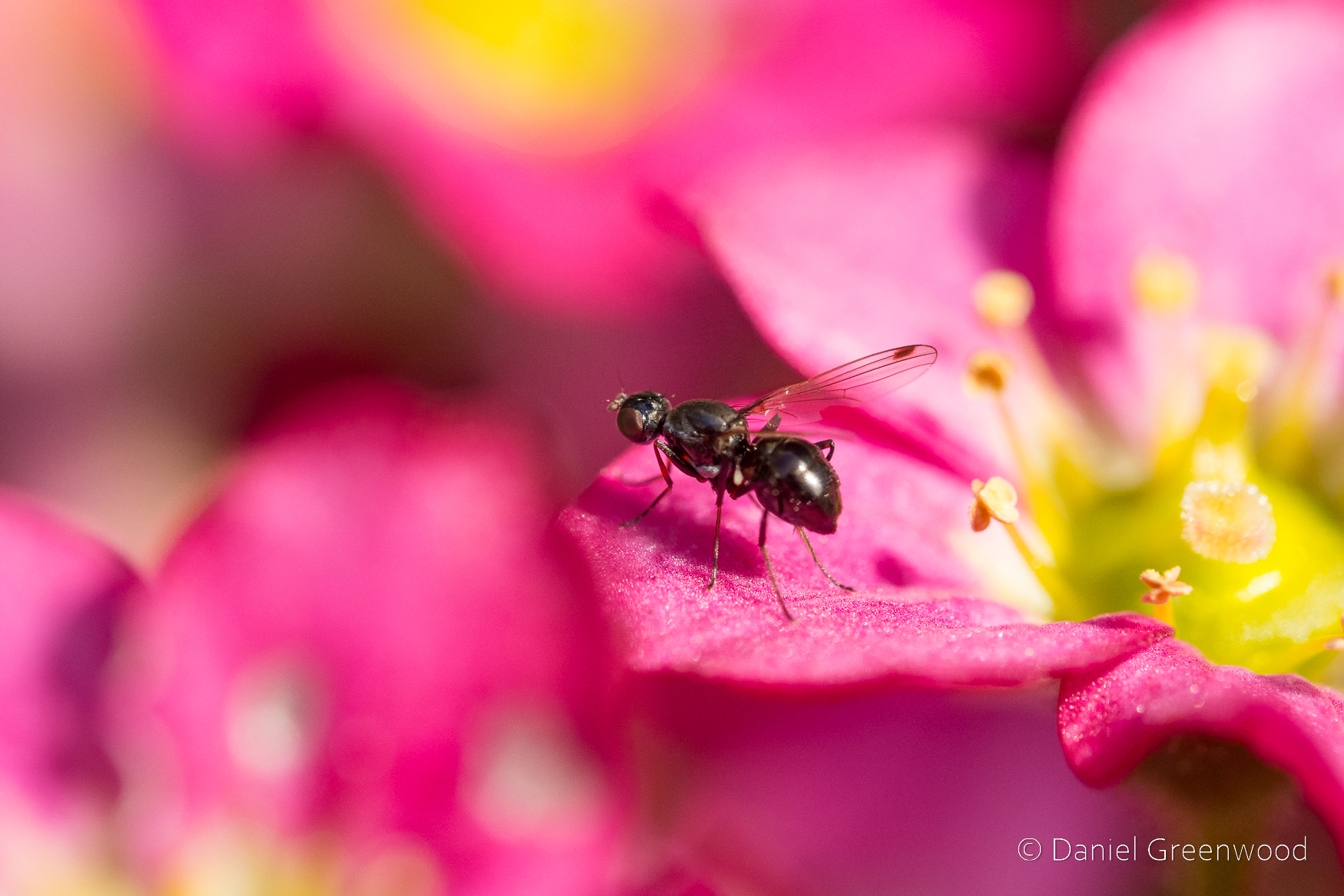
This is a common little fly that seems to stand around on leaves and petals for ages!

Their eyes are very cool, and I enjoyed the single spot in their wings as well. These flowers are some saxifrages my wife bought from the garden centre.

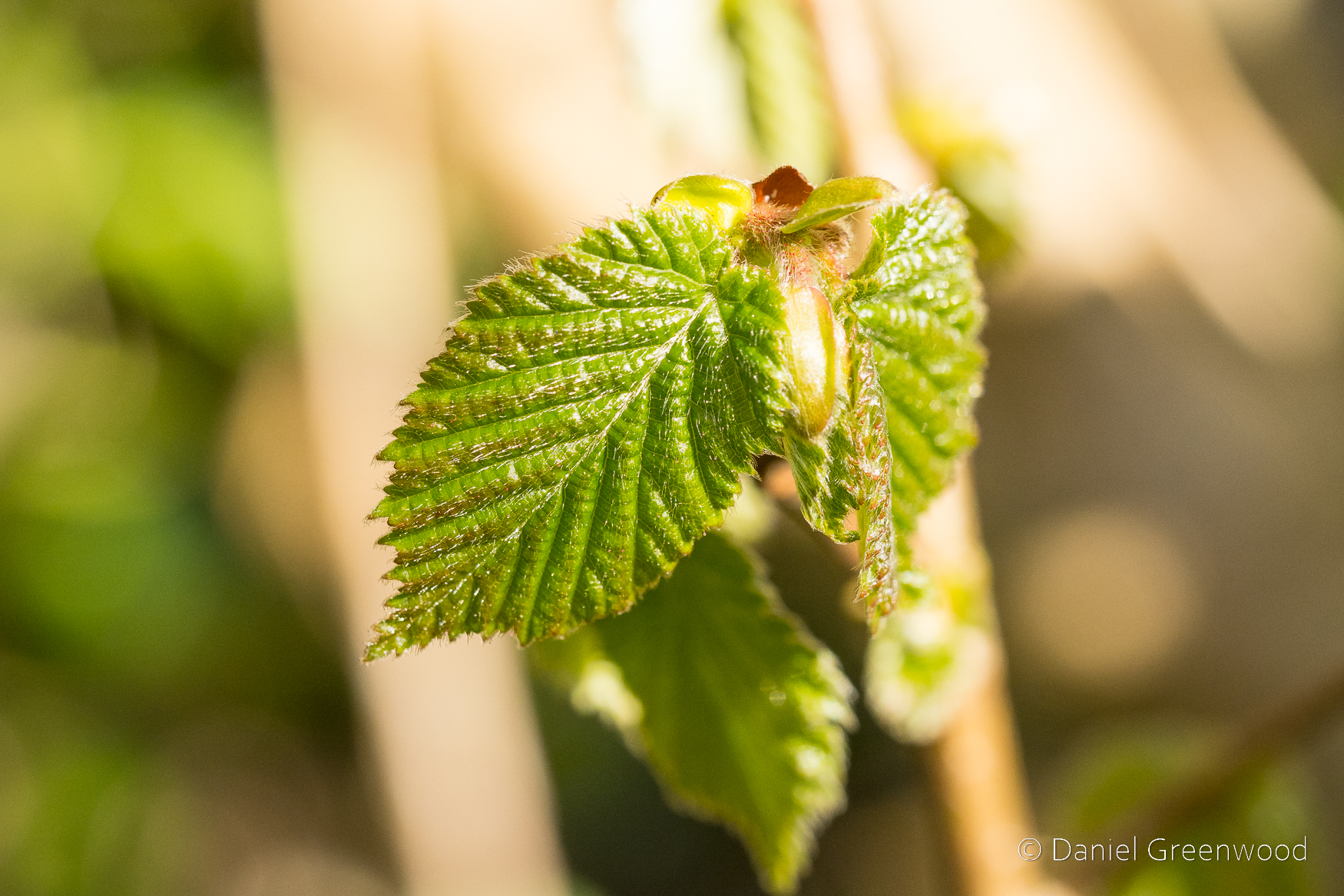
In January on a cold Saturday afternoon I laid or ‘plashed’ the hazel shrub I had planted out in our hedge. It’s a little hedge, but the usual shrub that made up the hedge has died back so I needed to take action. It’s so pleasing (‘pleaching’?) to see the hazel respond so well and new shoots to appear from the lain-down stems.

I also uprooted a sapling that a squirrel had cached as a seed, which is doing well. I planted this out around the time of frosts, which shows hazel’s hardiness. I did know that was the case, but it’s nice to see it come through.

The normal hedge I mentioned is this Skimmia japonica. It’s good for pollinators, no doubt. But it doesn’t seem to last well without pruning.

It was abuzz with drone flies as spring really began to arrive in mid-late March.

These drone flies (Eristalis) are probably the most common winged-insect in our garden at the moment. They’re quite funny I think.

Bay flowers promise so much, but they are quite modest really. I am hoping this provides some decent nectar for any invertebrate that needs it.

I spotted this little crab spider hanging out on one of my thermal t-shirts. It’s probably Misumena vatia, the most common of the crab spiders.

A cat monument in our garden in memory of our cat Kaiser who loved this spot in the flowerbed. The wolf spiders also love this spot because it gets so warm. The white stone of the cat is even warmer than the surrounding soil. I think this may be a male and a female wolf spider, with the male the smaller of the two, with the palps (dark spots at the front of its head, in the cat’s eye!).

The fence next to the cat monument was a helpful basking spot for the first nursery web spider I’ve seen so far this year.

The flowering of our magnolia is short and sharp, but these globular flowers are a delight. Magnolias are very old trees in evolutionary terms, and here’s to another year under their belts.

Thanks for reading.

Macro