August mushrooms in the New Forest National Park ๐Ÿด

New Forest National Park, Hampshire, August 2023

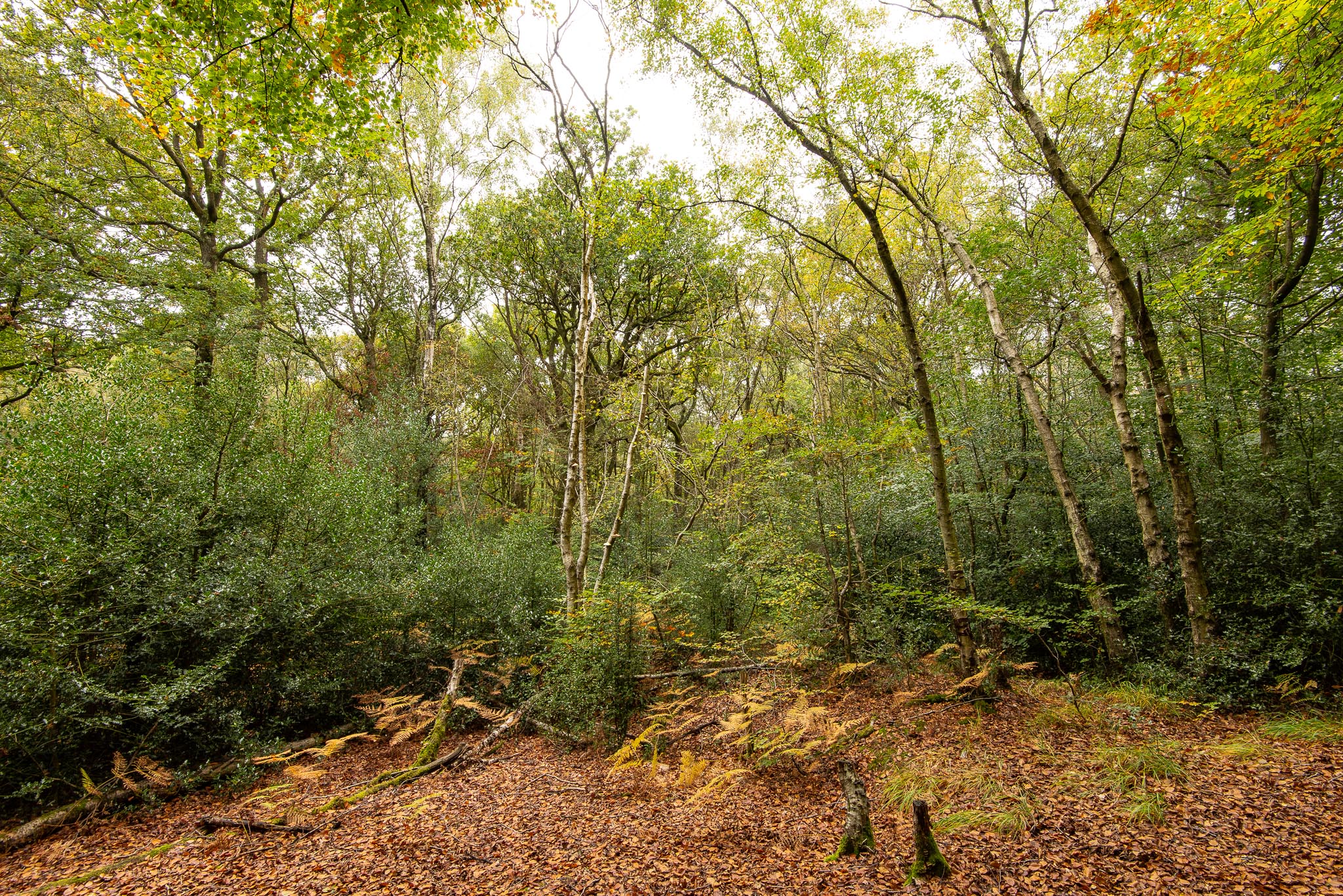
I was in the New Forest National Park camping for a couple of nights in August. The rainy July in southern England gave me great hope of finding some nice shrooms in what is one of Englandโ€™s mushroom wonderlands. It didnโ€™t disappoint!

Bolete bonanza

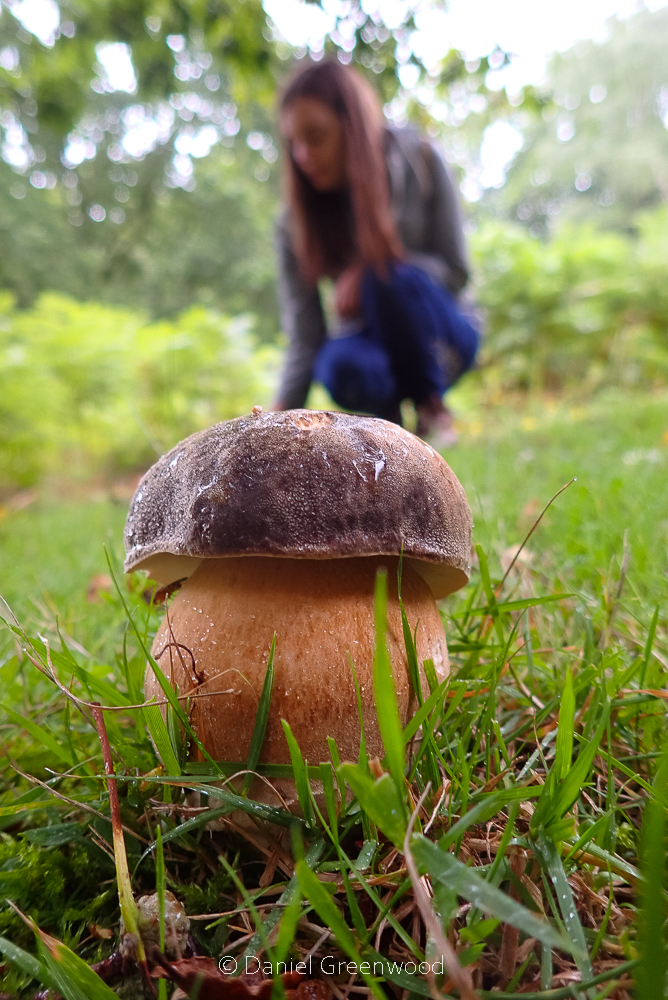
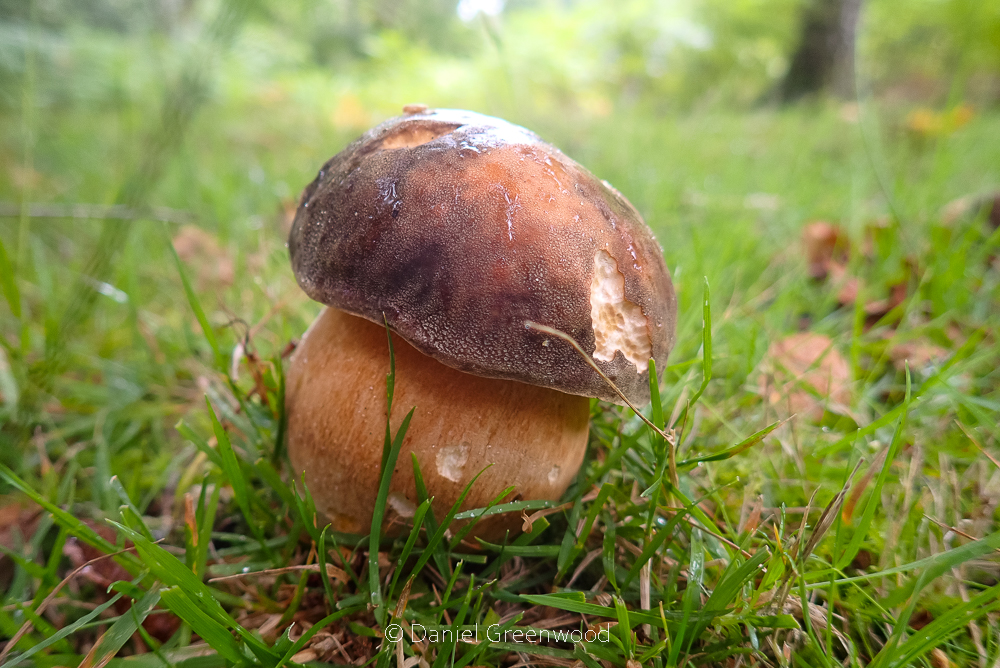
I was so happy to find these boletes, one having already been uprooted. They were the perfect shape and just an absolute joy to see. I have been told these are ceps, but Iโ€™m not entirely sure if theyโ€™re not another species. Iโ€™m unclear on the variety among cep-like boletes, and if the colouring isnโ€™t indicative of another species.

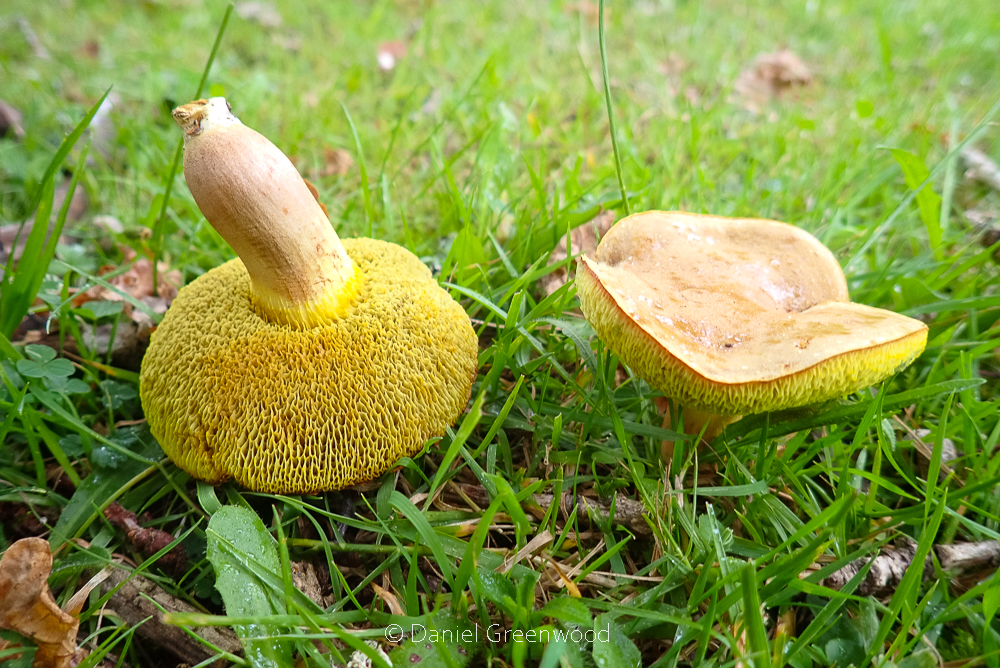
These lovely yellow-pored boletes are in the genus Xerocomus.

About half a mile or less away we found this beauty sitting alone among the grass and leaf litter. Itโ€™s an orange bolete. It doesnโ€™t appear to have a distinct association with one species of tree, but this area was common in oak and birch.

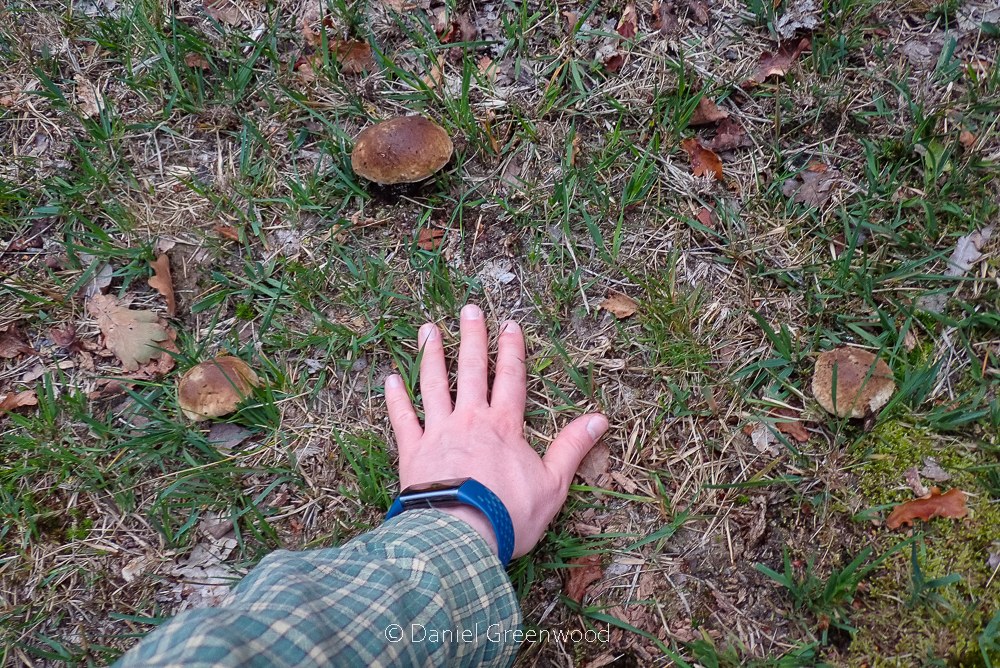
Much later that day, on the return stretch, we found this well-camouflaged group of what I am sure are ceps due to their colouring and other diagnostic features.

You can see the distinctive webbing on the stipe here, and the pennybun cap is all you need really:

As the evening drew in, I found this orange bolete that may have been picked by a deer (there was a herd in the area).

Webcaps
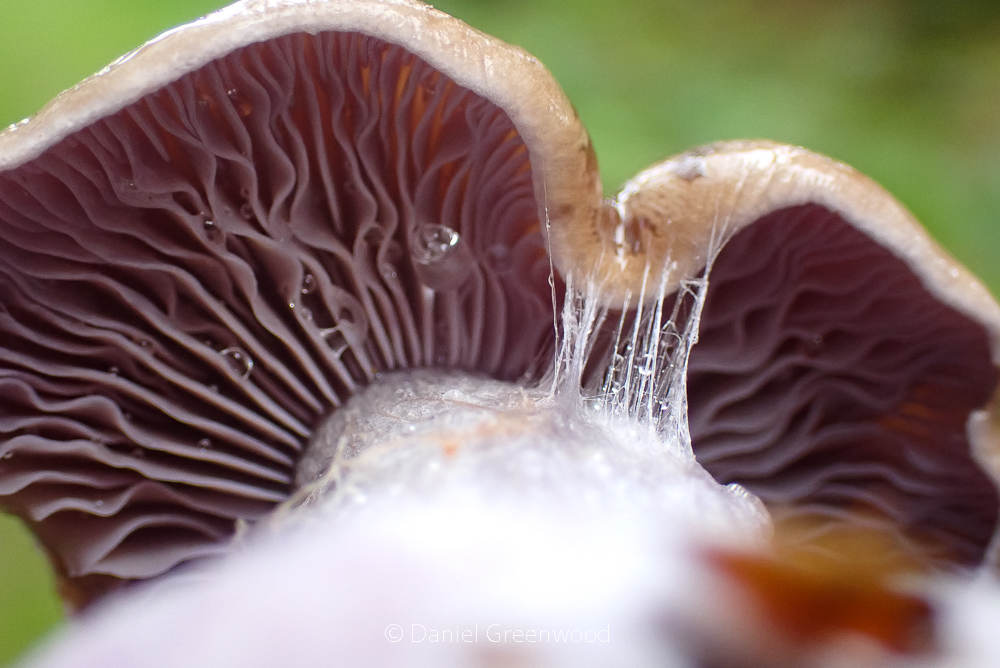
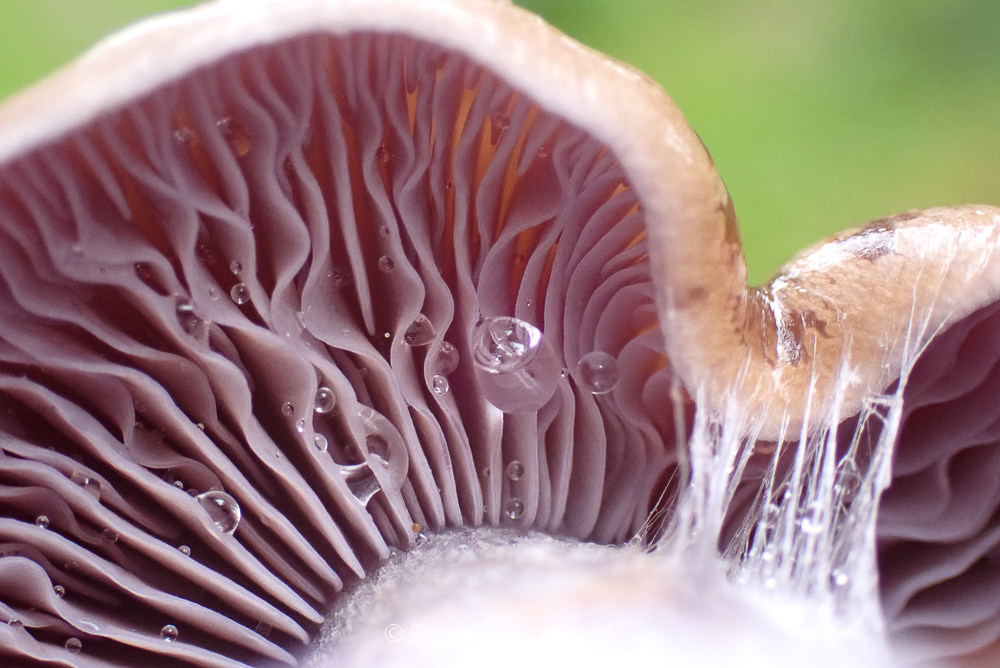
Earlier in the day, while passing between two plantations on a grassy ride, I noticed this uprooted mushroom on the ground. Two bites had been taken from it, probably by deer or a small mammal. The remnants of the veil between the cap and stipe, covering the gills, gave me the thought that this was a webcap. The gills were very beautiful, embellished by the water droplets.

iNaturalist has come back with an ID of webcap subsect โ€˜Purpurascentesโ€˜. I canโ€™t find any other info on the subgroup distinction.

Rustgills

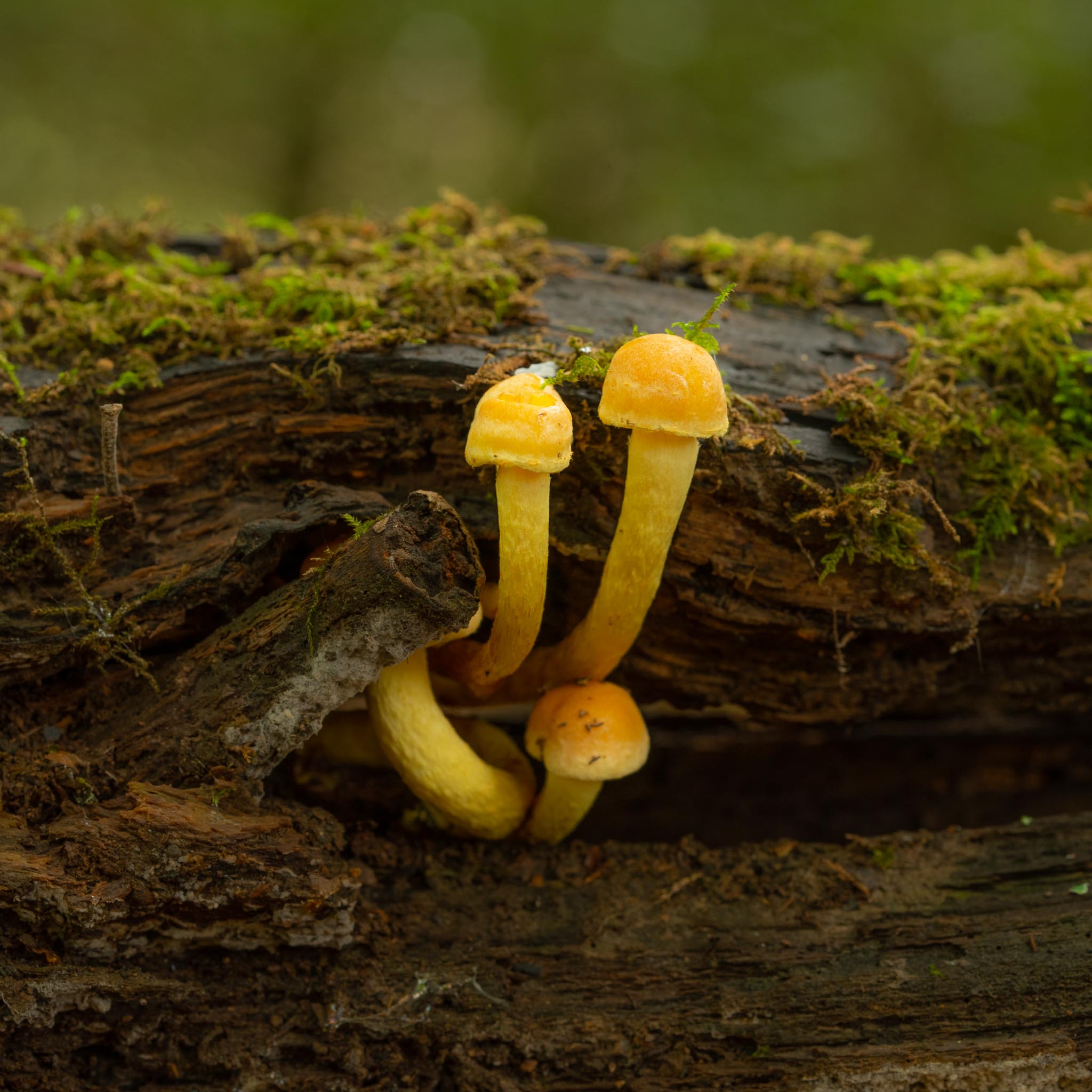
Rustgills are a group Iโ€™m not particularly familiar with. Having developed my fungi knowledge in isolated city woodlands, I didnโ€™t really see rustgills until I moved to Sussex and spent time in larger areas of woodland. This patch was unavoidable. No wonder there is a species known as the spectacular rustgill.

Rustgills are in the genus Gymnophilus. Theyโ€™re confusable with scalycaps (Stropharia) due to shape and colour.

Chantarelles

And finally some golden chantarelles, already nibbled by slugs and uprooted, probably by deer (as I have said 1000 times in this post!).

The New Forest has a โ€œno pickโ€ policy and there are concerns about illegal, commercial-scale picking for posh restaurants, just FYI. All of these mushrooms had already been โ€œnaturallyโ€ uprooted (probably by deer).

Thanks for reading.

Fungi

#FungiFriday: looking for mosshrooms

Fungi Friday 23rd October 2020

I want to start by saying thank you to everyone who stopped by last week to read my click-bait post about honey fungus. The post had nearly 200 views in one day, which is a huge amount for this blog and broke the single day record. My blog could have nearly twice the number of visitors as in 2019, probably due to the fact I have had more time to walk locally taking photos and to spend time writing these posts. Otherwise I would be stuck in a car driving to and from an office I probably didn’t even need to visit so often.

I think the fact more people are working from home could be key to protecting local green spaces going forward. In the UK ‘lockdown’, as the period of late-March and most of April and May 2020 are known, millions of people discovered their local green spaces. If people value something close to home, they will learn about it and in their stewardship, nurture and defend it. I discovered fungi close to home, and I’ve sought it closer and closer ever since.

This week I visited a nearby area of oak and beech woodland in the High Weald of Sussex. I’ll admit it now, I was disappointed. This time last year I encountered many more species than I could find this year. I think fungi in Sussex are paying the price for a very dry spring and summer period. I did warn you. That said, I did find some small things that were happy to pose for a photo. Above is sulphur tuft, one of the most common species you can find.

This is black bulgar, a rather odd species that seems to explode in October on large fallen branches. The first time I saw this, it had appeared on the fallen limb of a massive oak tree which had come down that summer.

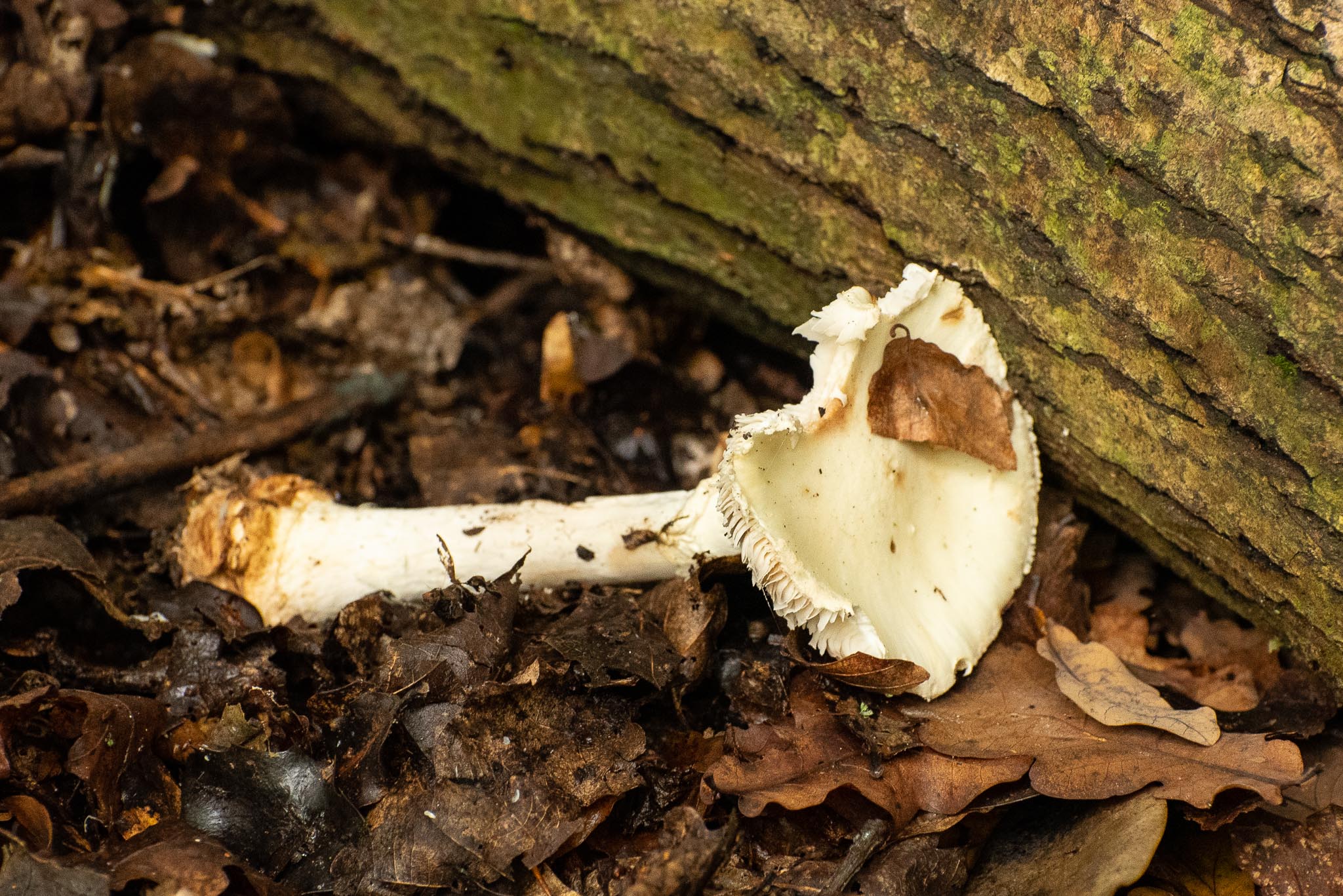
This rather unsightly mushroom did get my heart racing at first. I thought it was perhaps my first local deathcap, but really I think it’s the false deathcap. It has the classic Amanita bulb at the base. I think the colouring of the cap is wrong for deathcap and it has some of the brownish scales of the false deathcap, on the cap.

When the ground isn’t producing the shrooms needed at this time of year, I look to the moss growing on tree trunks. You can often find very small mushrooms there, perhaps bonnets (mycena) or galerinas. The moss holds on to the rainfall for longer, meaning fungi, some of which are parasitic on moss, can prosper. Let’s call them… mosshrooms!

This lovely little mosshroom had actually snapped but I rotated the image for effect.

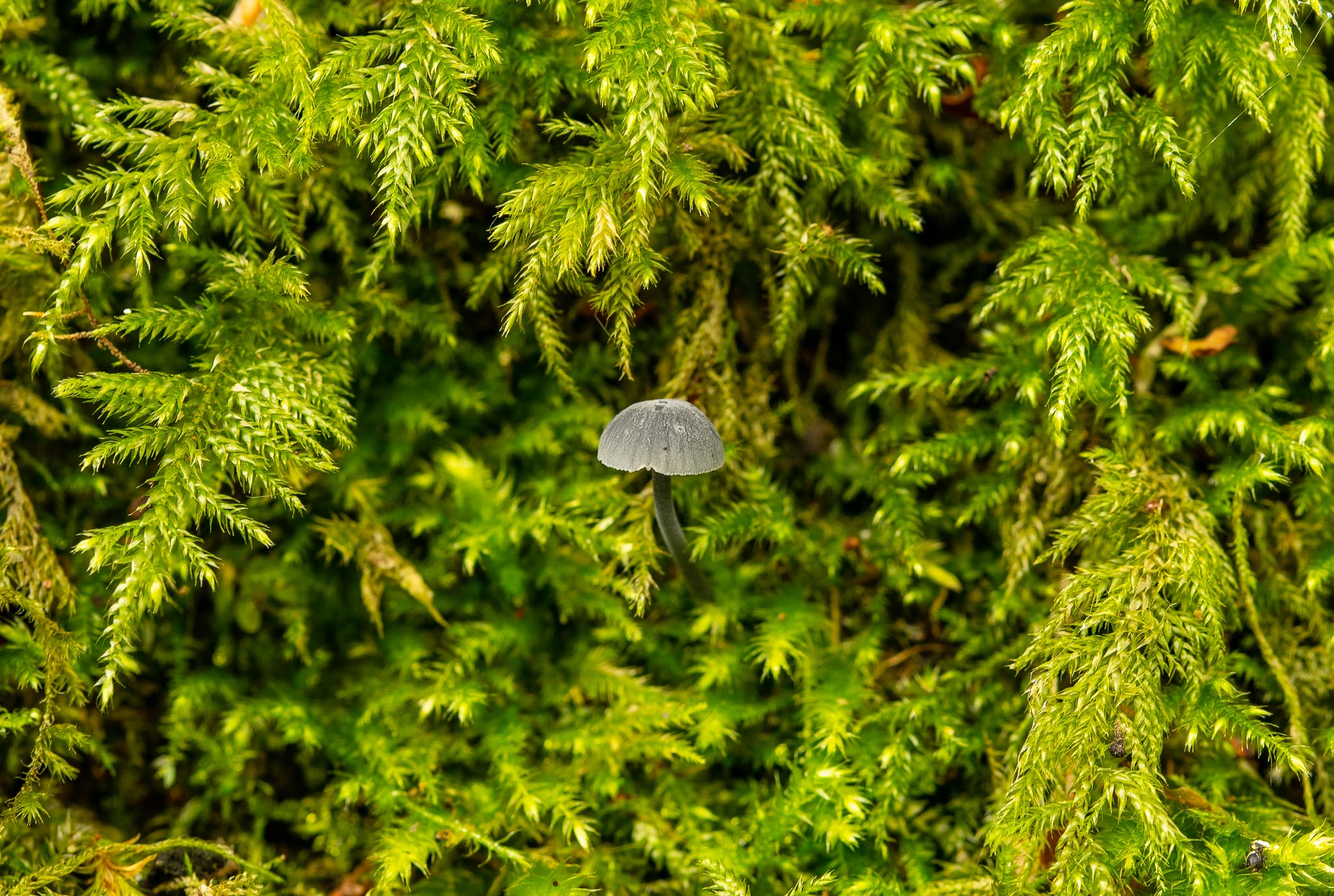
This beautiful little grey-blue mushroom epitomises the mossy shroomlet. As you can see from the moss fronds, it was very small indeed.

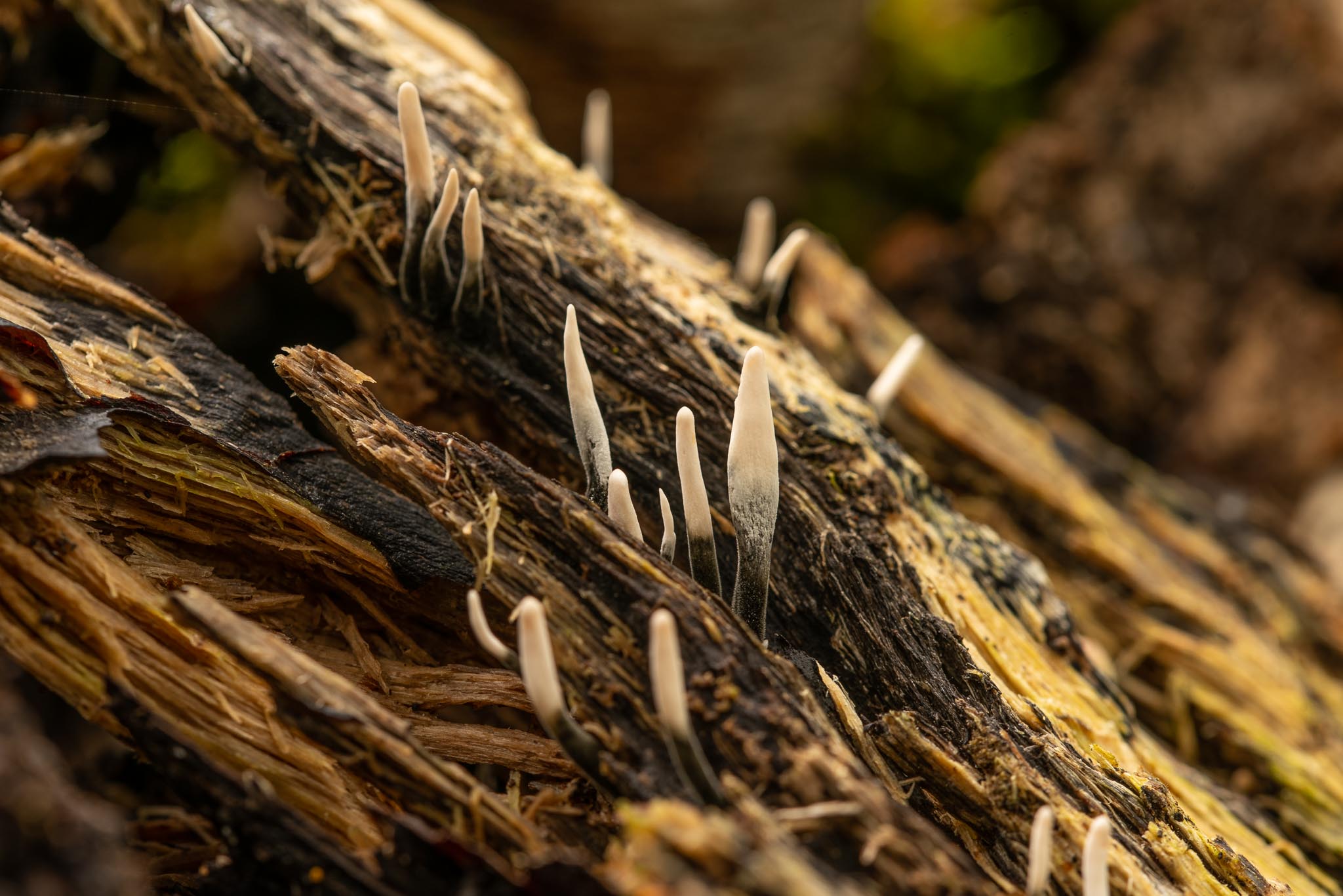
One of my first #FungiFriday blogs was about candlesnuff fungus. It looks quite neat at the stage seen above, when it is first beginning to fruit. In dry conditions you can flick the white ‘wick’ and the spores appear as smoke from a snuffed candle.

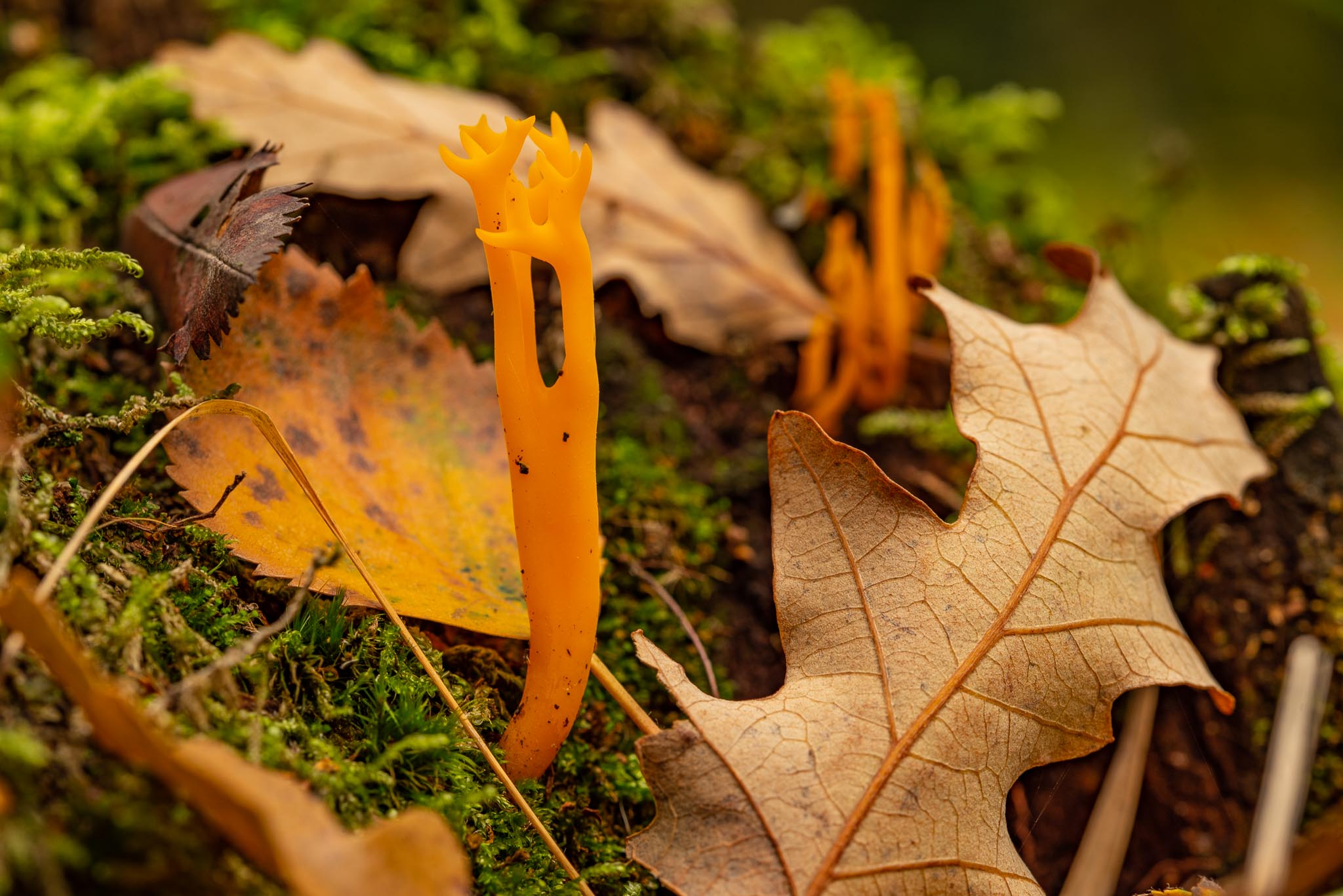
A similar type of fungus was this yellow staghorn, a common species. It was growing down on a mossed-over stump on the woodland floor. That oak leaf on the right (I think Turkey oak, Quercus cerris) is so beautiful.

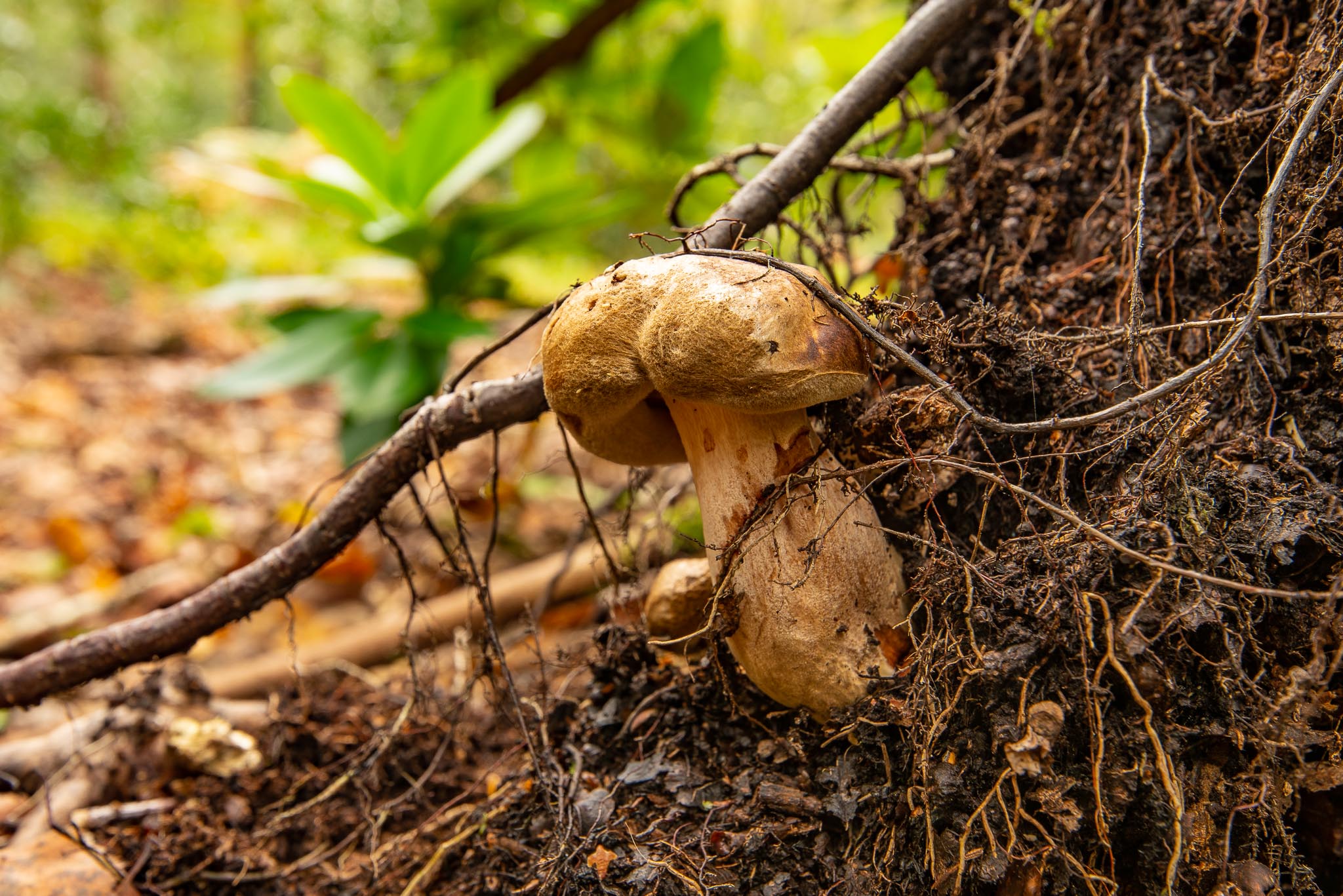
The most unusual find was in the raised rootplate of a rhododendron. From above they looked like potatoes. I am fairly confident this is a cep, Boletus edulis. It is, of course, also known as porcini and is one of the most sought after edible mushrooms. Foraging is not something I do commonly, so I left it there to grow on its merry way.

This scraggly crew are a common but no less beautiful mushroom – amethyst deceiver. They are easy to identify due to their colour and size and are a very common species in the UK. I do find that they are happier in older, more stable woodland. Aren’t we all?

Thanks for reading.

More mushrooms