
High Weald, West Sussex, August 2024
I had some hours to take one Friday afternoon in August and so headed to my local heathy woodland to seek out some summer fungi.
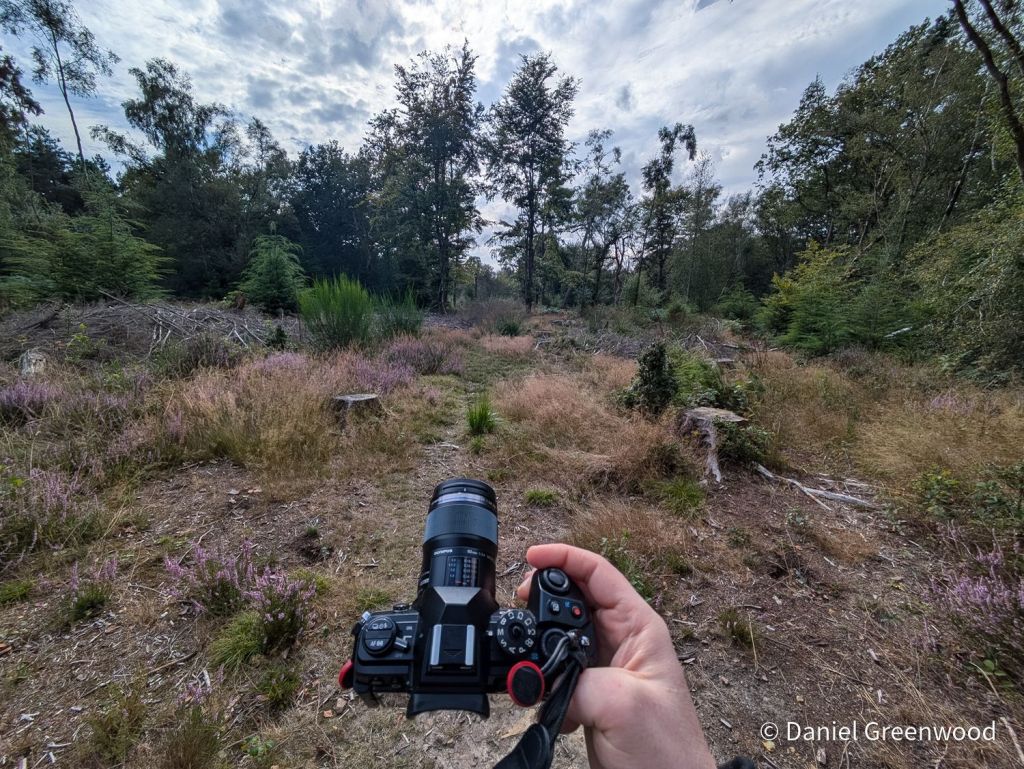
I found zero mushrooms, but did learn that summer wasn’t quite over.
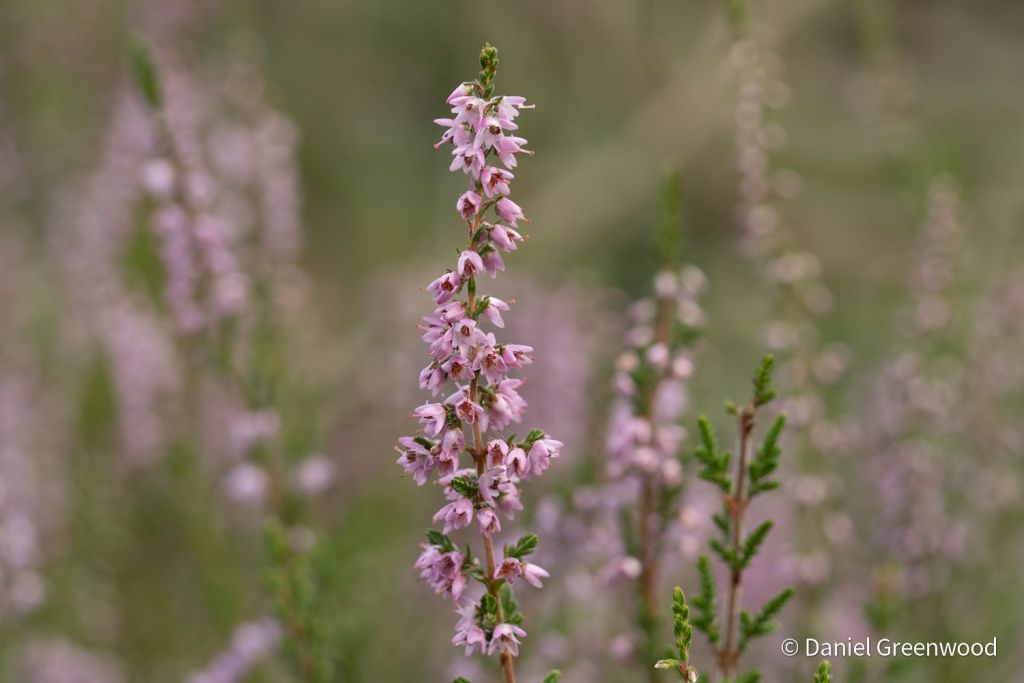
In a clearing created a few years ago by the removal of non-native conifers, a heathland has flourished. Sussex, like other southern counties, once had far more heathland before it was either built on or converted to coniferous forestry (like this particular site).
This little patch of restored heathland was zinging with insect life, not least on a fallen birch tree.
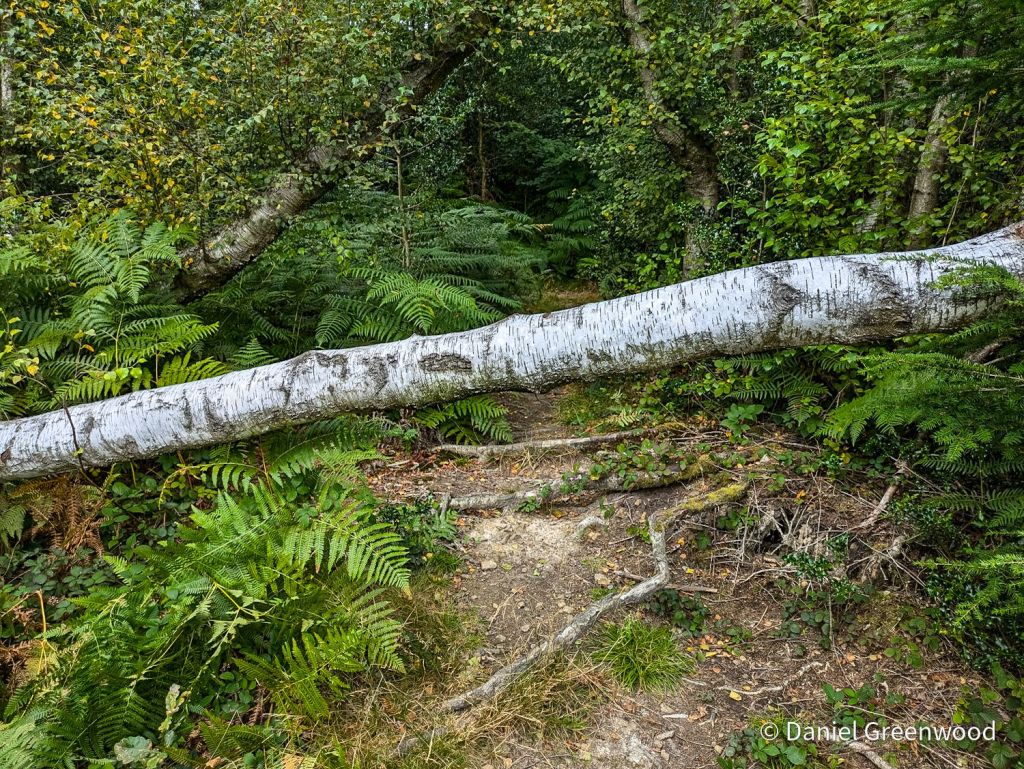
Enter: the magic birch tree. Or at least sunbathe on it.
I revered it in such a way because it was providing roosting space for one of my favourite subjects – robberflies!
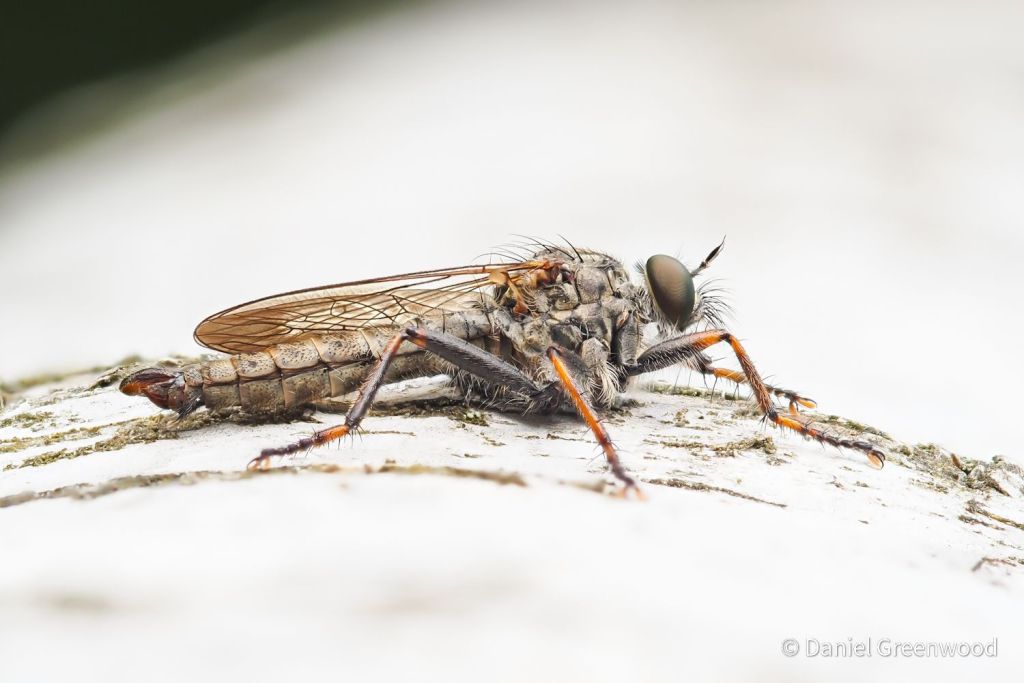
I’ve blogged recently about robberflies’ love of wooden fenceposts and handrails. I suppose a suspended birch trunk is just that. Nature’s handrail.

I managed to get my best ever photos of robberflies here, thanks to the capabilities of my camera, and a little bit of that famous fencepost knowledge.
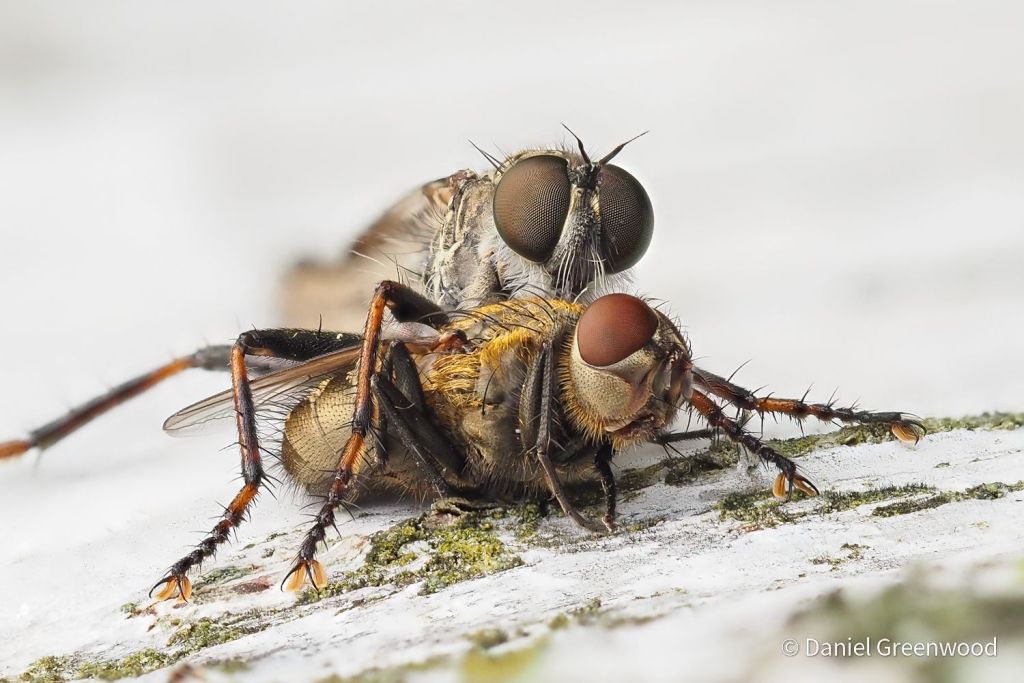
Robberflies are predators of other flies, but also wasps. The photo above was taken using an in-built function of the camera to stack about 15 photos together to create a seamlessly in-focus image. It worked to great effect here.
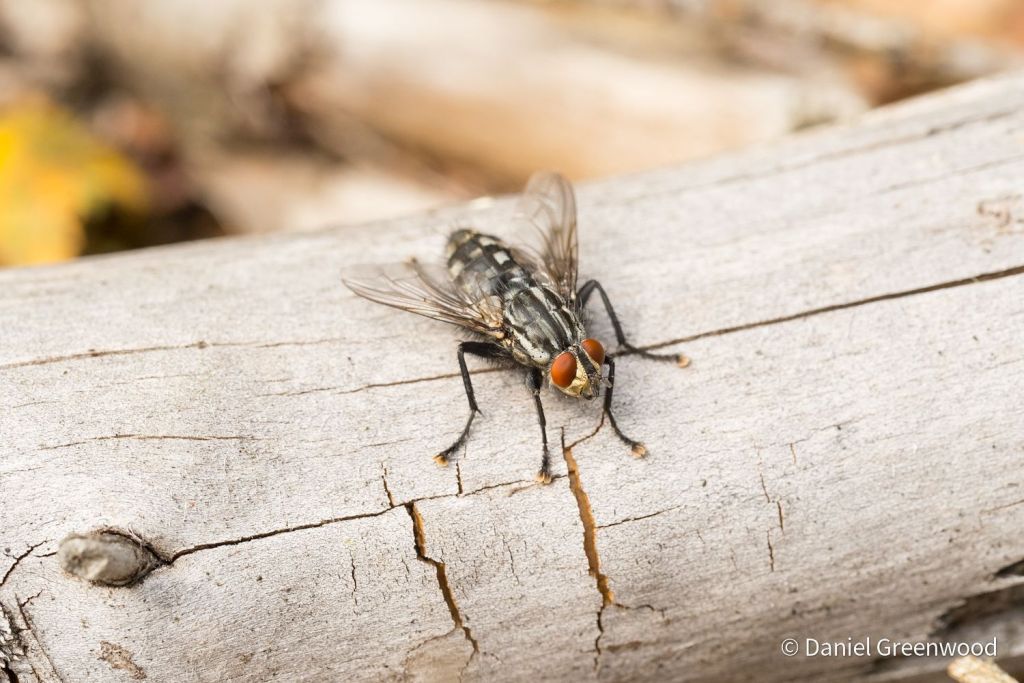
Less dramatic was this flesh-fly, one that is actually quite smart in their black and white get-up with red compound eyes.

On the toe of my shoe a hoverfly that looked like a scuba diver was resting.

There was plenty of evidence of burrowing insects in the form of these pilot holes.
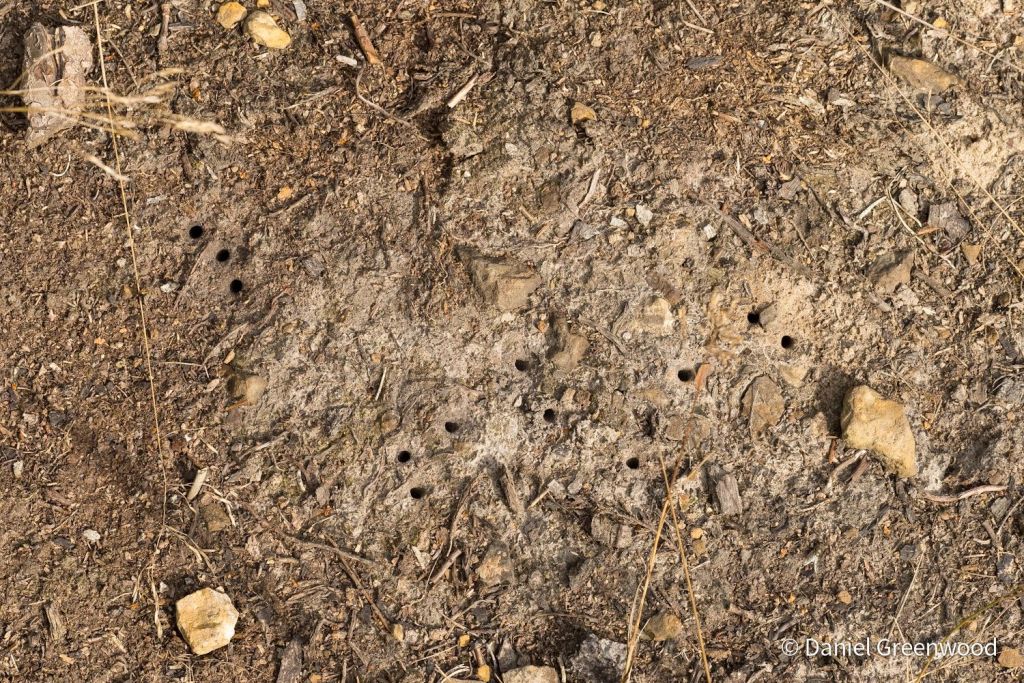
I didn’t get to see who lived here. Probably solitary wasps or bees.

What this blog can never express is the sheer number of grasshoppers. Every footsteps sent insects like the one above flying for the safety of a grassy tussock.
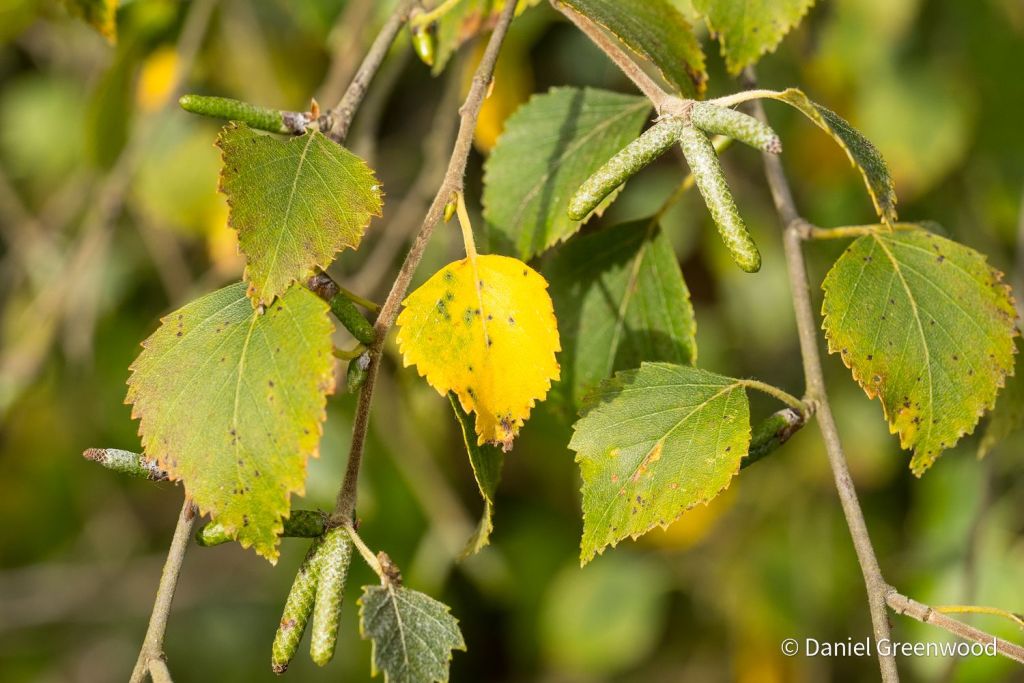
The birches were showing signs of autumn and its inexorable approach.
Thanks for reading.




 Unlocking Landscapes