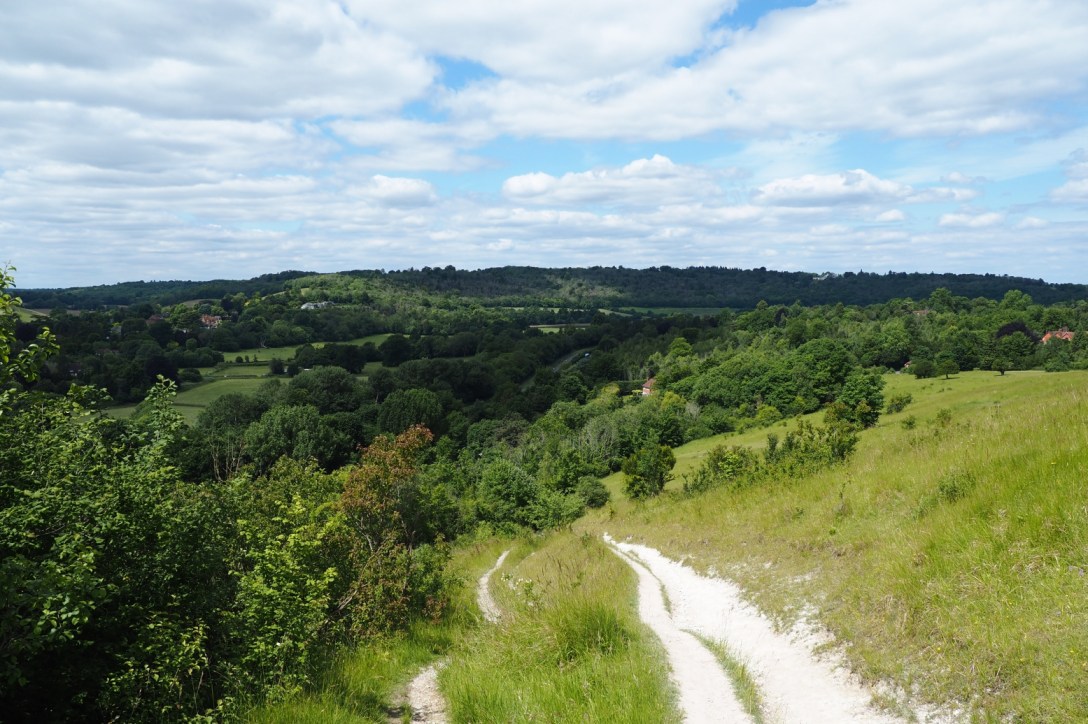
In June I did a long walk in the Surrey Hills around the famous Box Hill. The North Downs are absolutely fantastic walking country, being so easily accessible from London via public transport, and having some of the UK’s rarest wildlife, along with dramatic hilly landscapes and views.

The human (as well as the natural) history of the North Downs is incredible, with much of the North Downs Way coalescing with the Pilgrims Way.


Early on in this walk, I happened upon an area of yew trees and spotted some chicken of the woods growing. It’s always a nice thing to see.
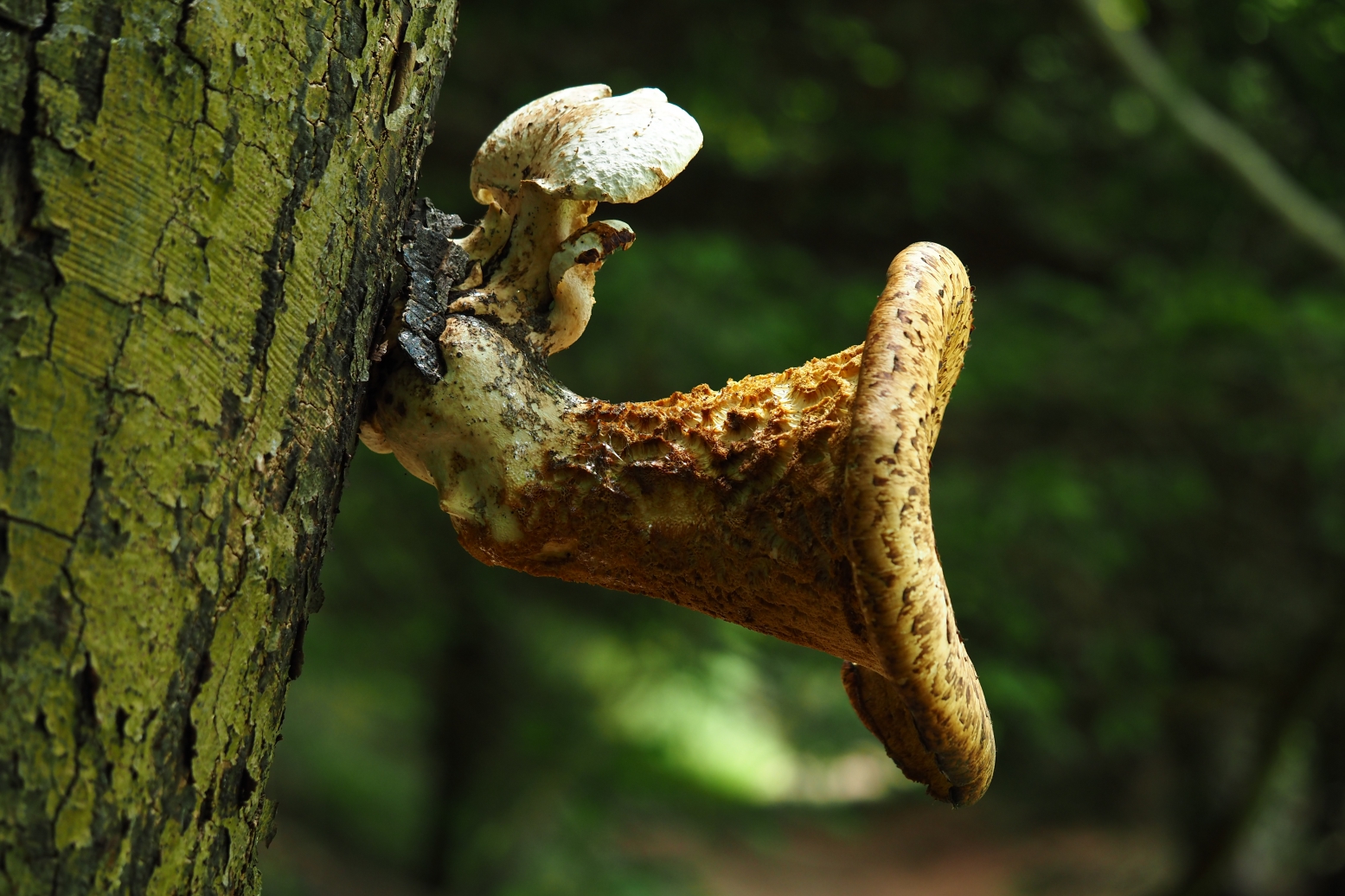

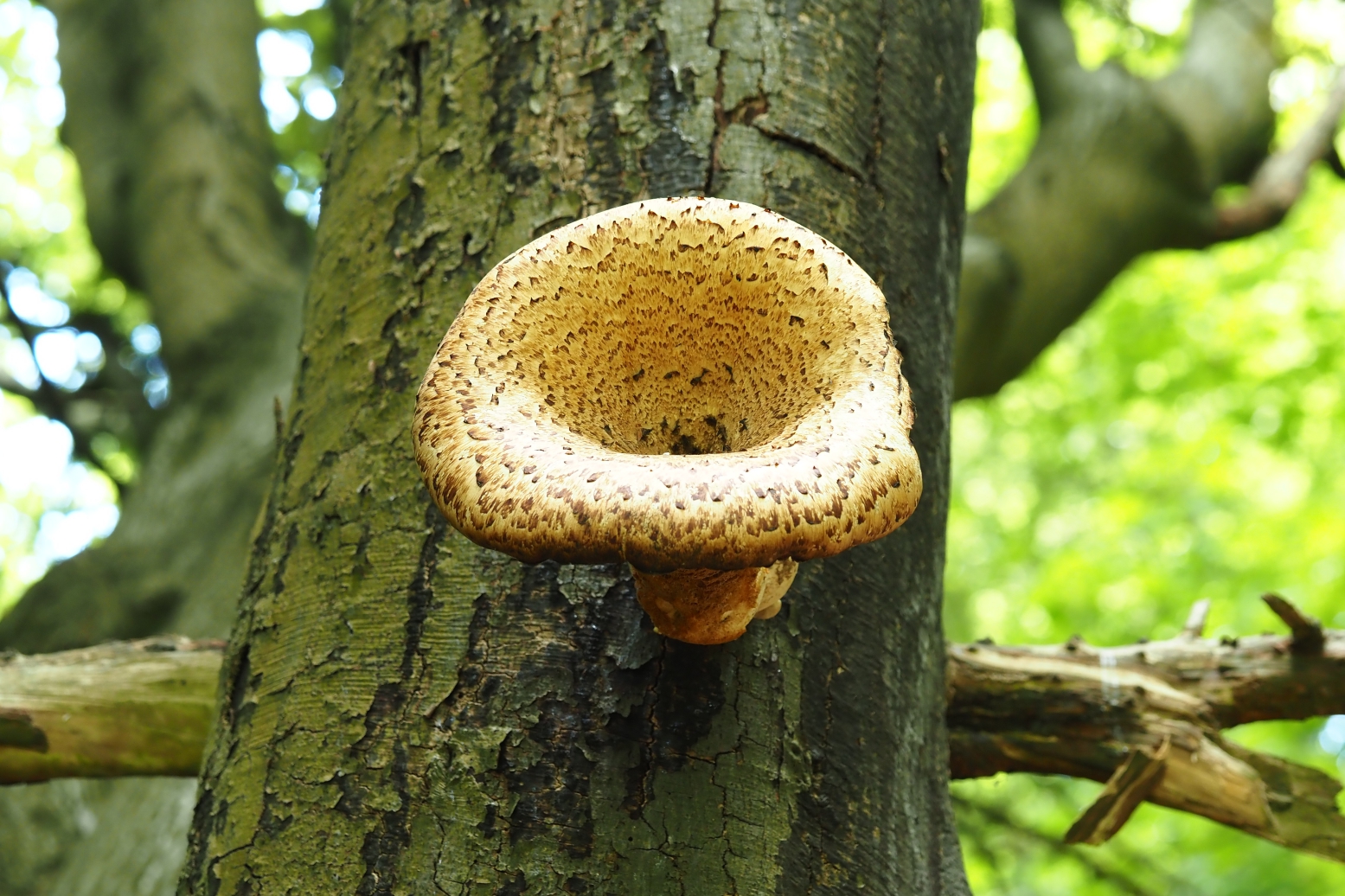
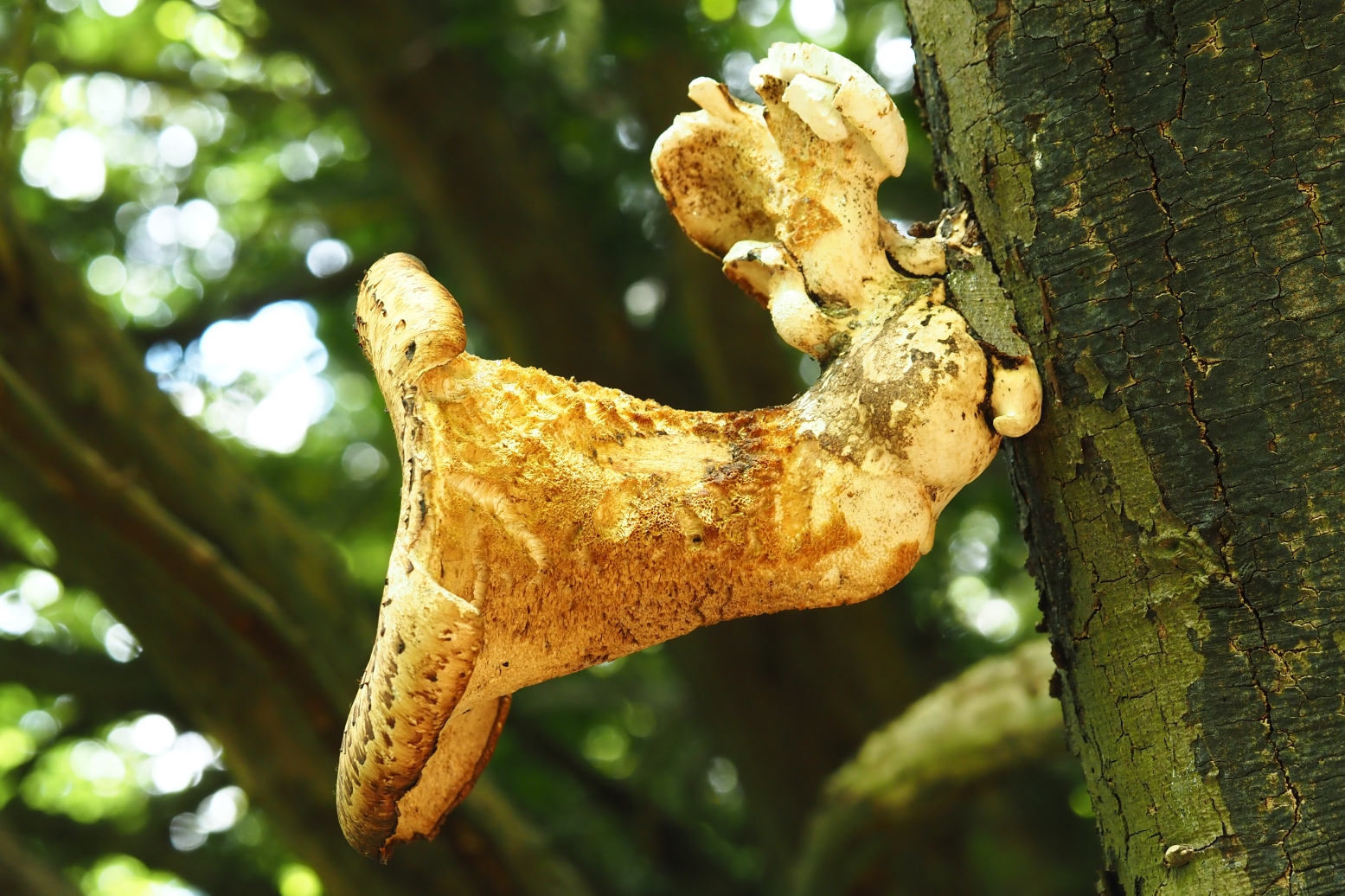
Lured in by the sight of the fungus, I then found a massive dryad’s saddle growing like a gramophone from a beech tree. This is a fairly common larger fungus to find in June. It’s a summer woodland species.

Having moved round to look at the ridiculous gramophone fungus, I spotted what looked like dead growths of a wildflower or maybe a garden plant that had been dumped. After a minute or so I realised it was in fact a type of orchid: bird’s nest.

This isn’t a species I had ever seen before. It certainly wasn’t at its ‘best’, even though it lacks the colourfulness of other species nearby like common spotted or pyramidal orchids. There’s a really good reason for that.
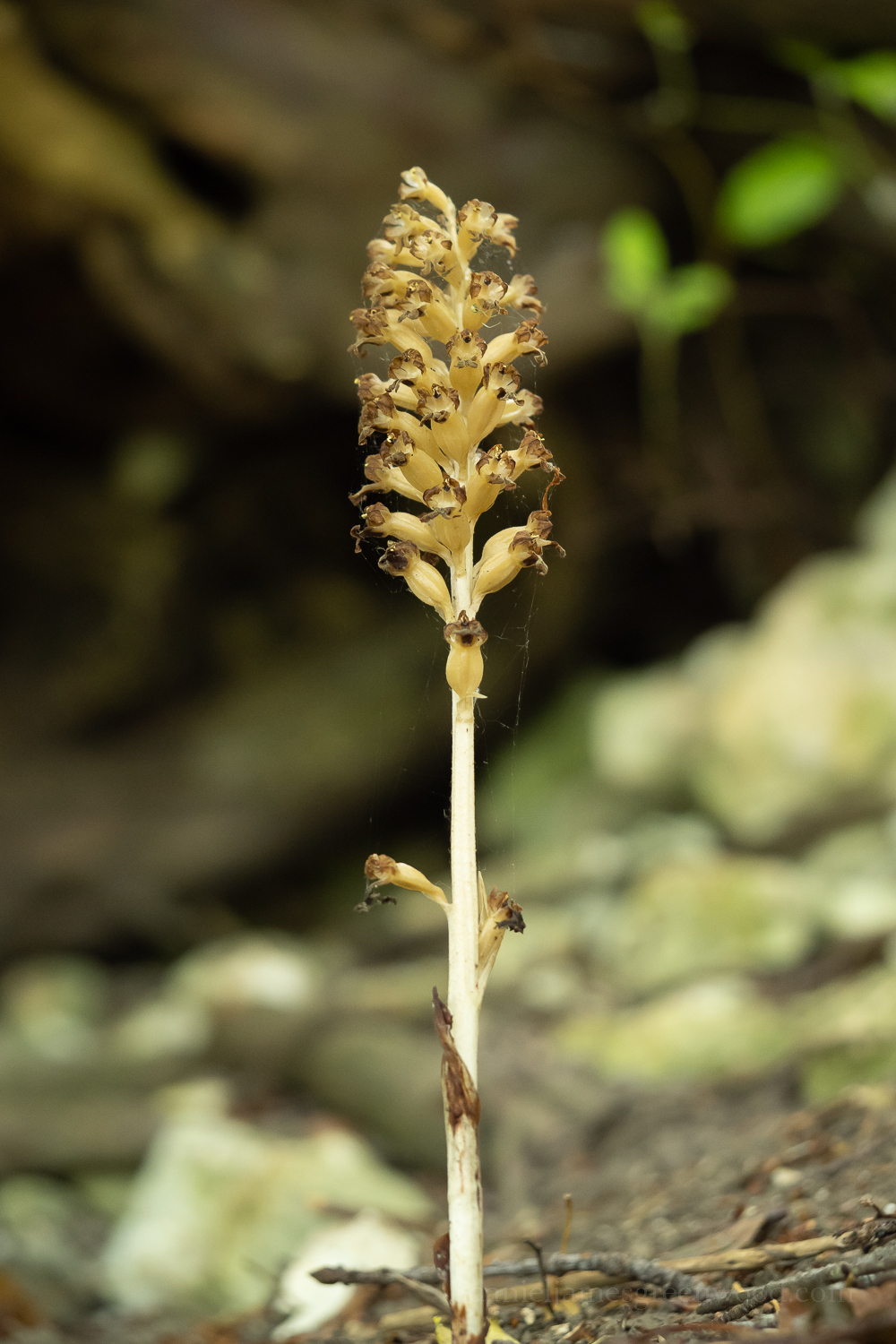
It has a dependency on fungi. Its lack of cholorophyll is because it receives its food from fungi in the soil, which is also in relation to the roots of trees. The orchids were growing under yew but with beech in close proximity. It’s just another reminder of the role that fungi play in maintaining diverse ecosystems.
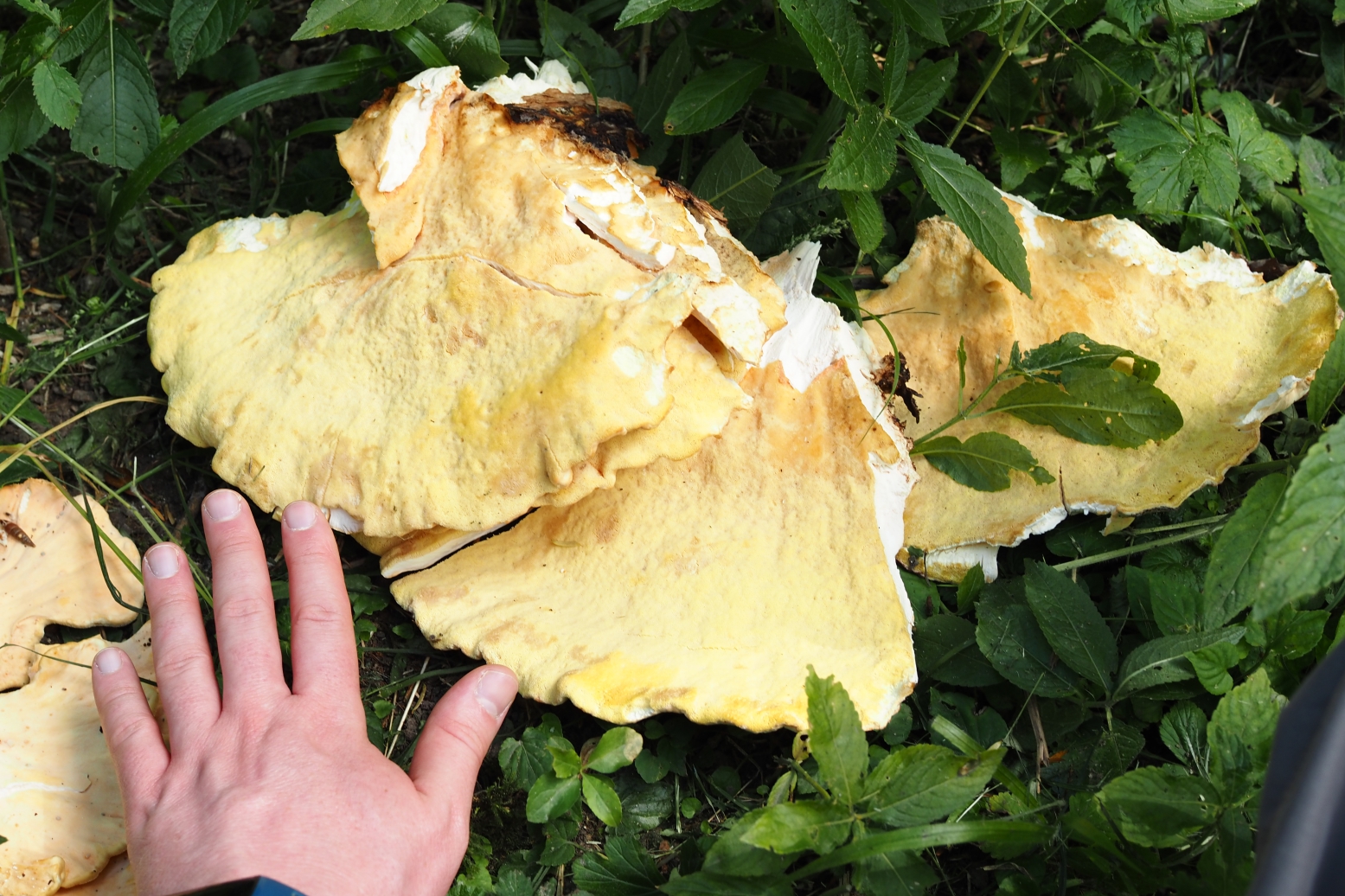
Away from the orchids, June is a good time to find chicken of the woods. We’ve had a very hot and dry spring/summer in southern England, and along the trail I noticed that a lot of the chicken had collapsed in brittleness. It’s not even worth looking for mushrooms growing in the soil, it’s just so dry. Fungi once again, or lack of, will show you that we are living through hotter and drier summers in southern England.
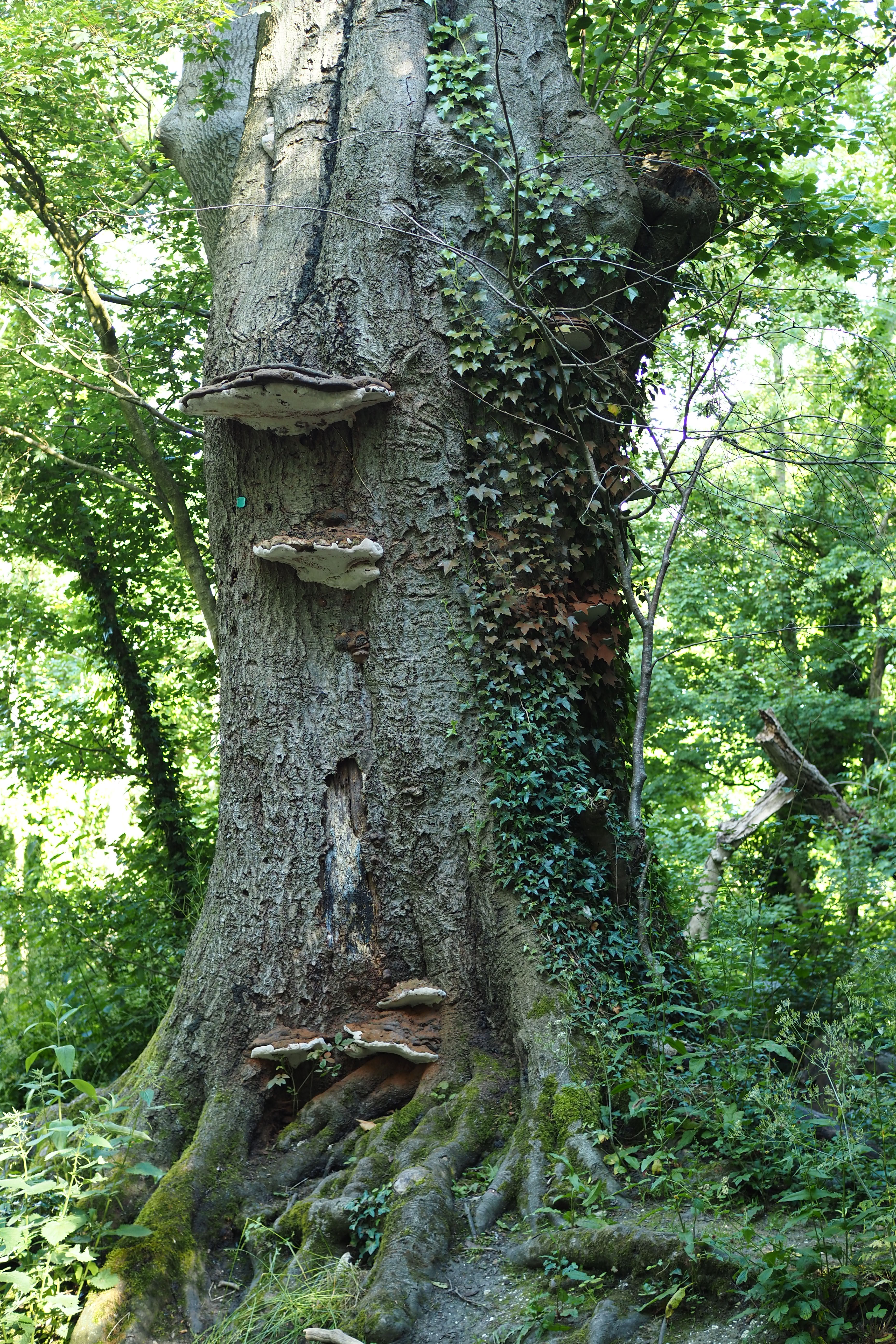
The North Downs, like its southerly sisters, the South Downs, are a chalky landscape. There are lots of beech trees in this type of soil. This means the very large Ganoderma bracket fungus is a pretty common sight on the many beech trees that are found here.
Thanks for reading.
Latest from the Blog
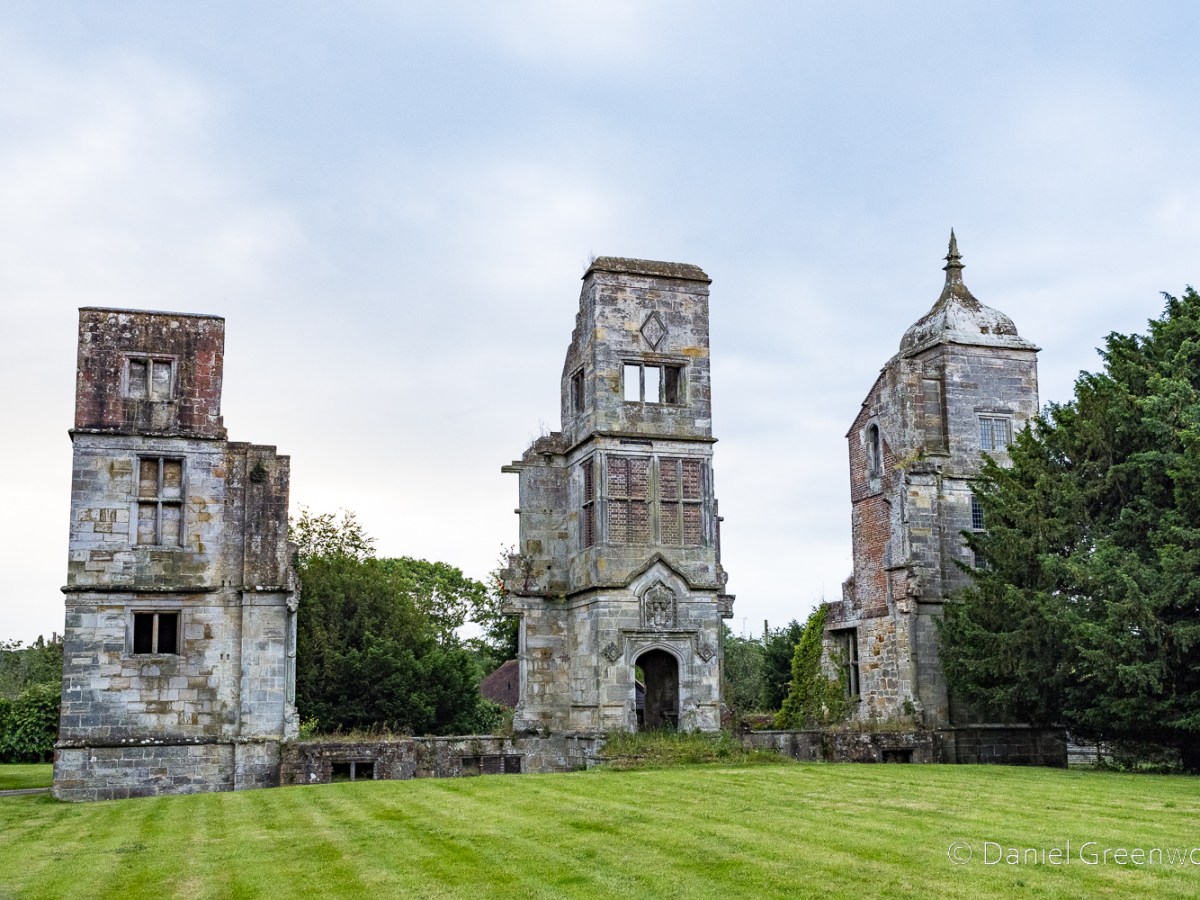
The ruins of Brambletye
A walk from Forest Row to the Brambletye ruins in Ashdown Forest, with some ancient woodland and rocky outcrops scattered along the way.
Winter-spring 2026: the loud lie
What I am experiencing culturally in this rather wet winter of 2025-26
Arun valley oaks around Billingshurst
A long ramble (in both senses) around the oaken landscapes of Billingshurst, including the Wey & Arun Canal






 Unlocking Landscapes