Aphids watch out! 👽

I’m posting garden macro photos from the 17th and 30th May. I have some really interesting photos from the 31st but that is probably more than one post in itself.

There are a couple of intriguing species I encountered in my garden between mid-late May, one of the very best times to look for our tiny invertebrate friends in this part of the world.
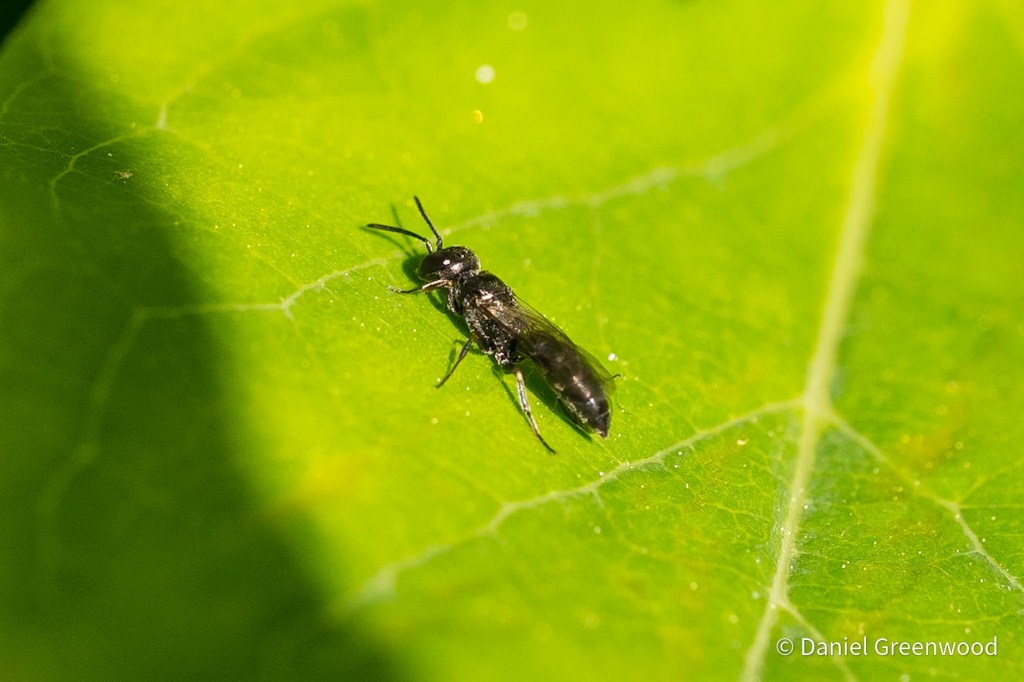
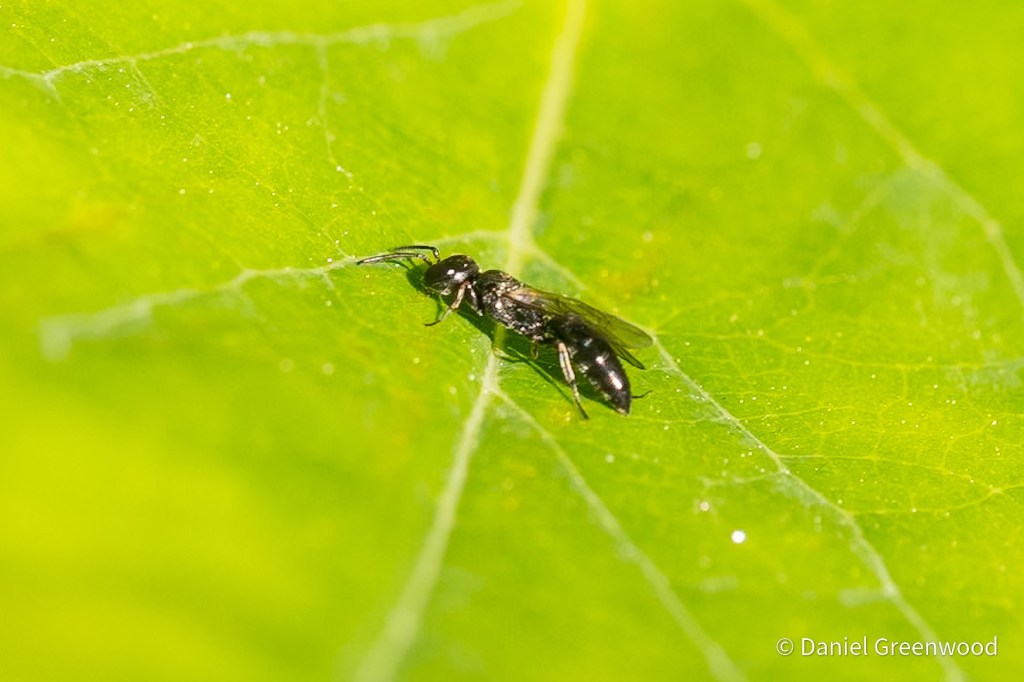
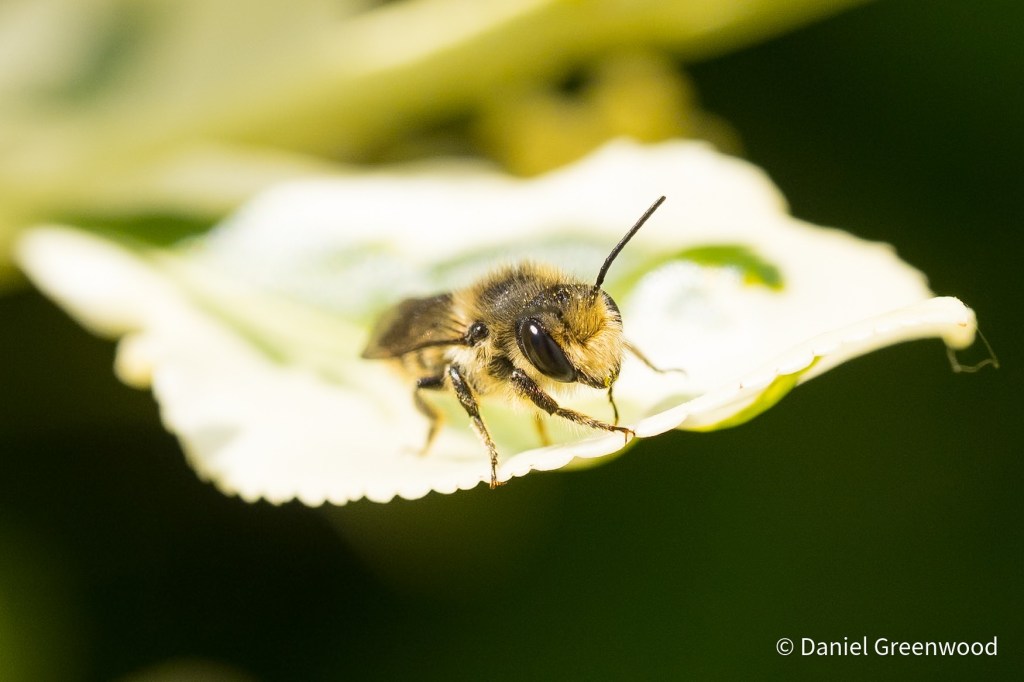
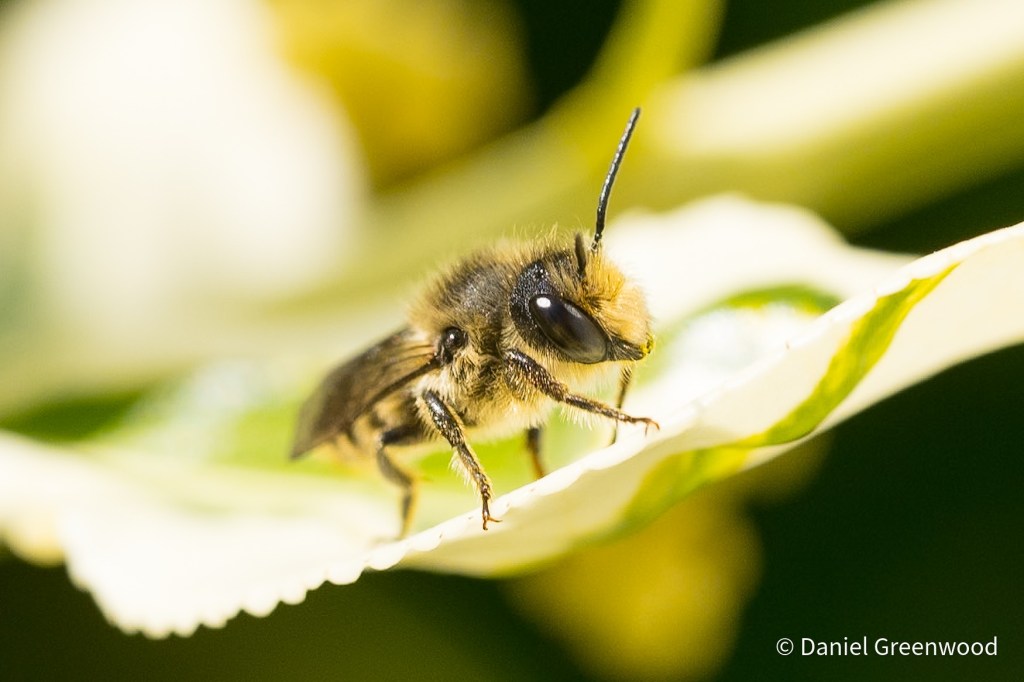
These are by no means great images (I would need extension tubes to increase the magnification) but the species may be an interesting type of wasp. It might be an aphid wasp, which is a group of wasps I haven’t heard of or seen before (there are thousands, even in the nature-depleted UK).

I’ve posted about aphids this year, and have noticed just how good a year they’re having. I listened to this episode of the Food Programme last week on the subject of potatoes, and didn’t realise aphids could trouble potato farmers. Perhaps they need to start gardening for aphid wasps!

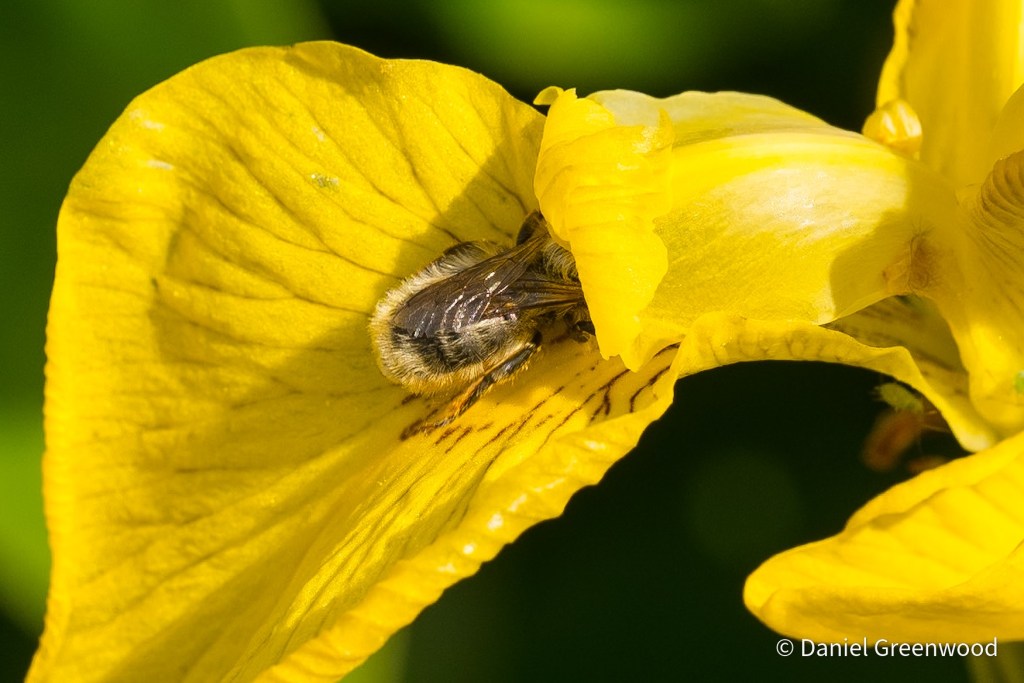
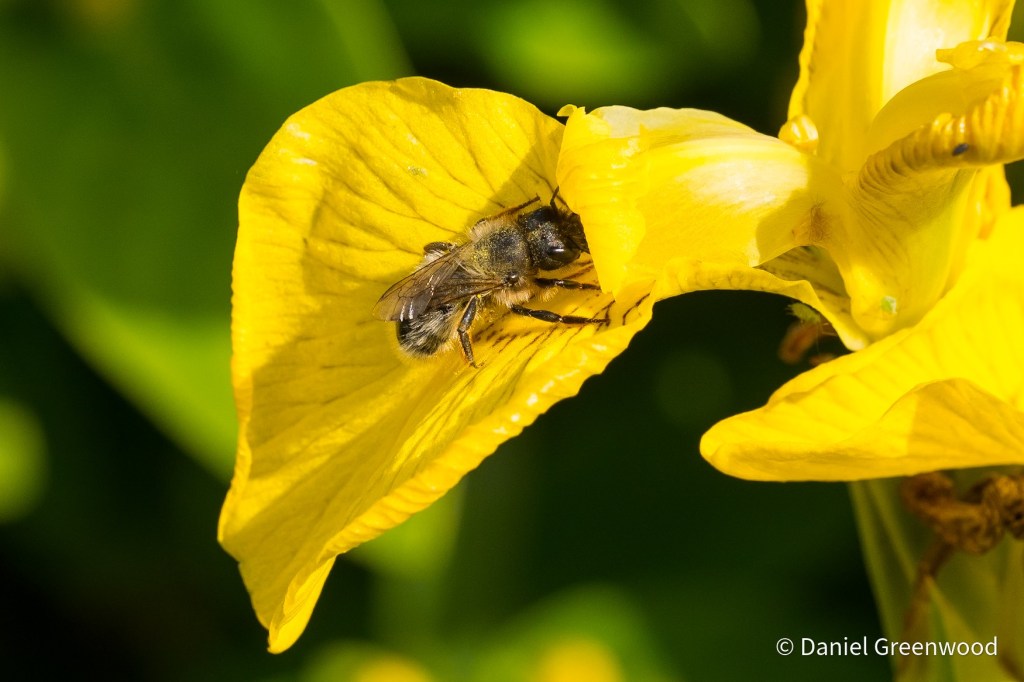
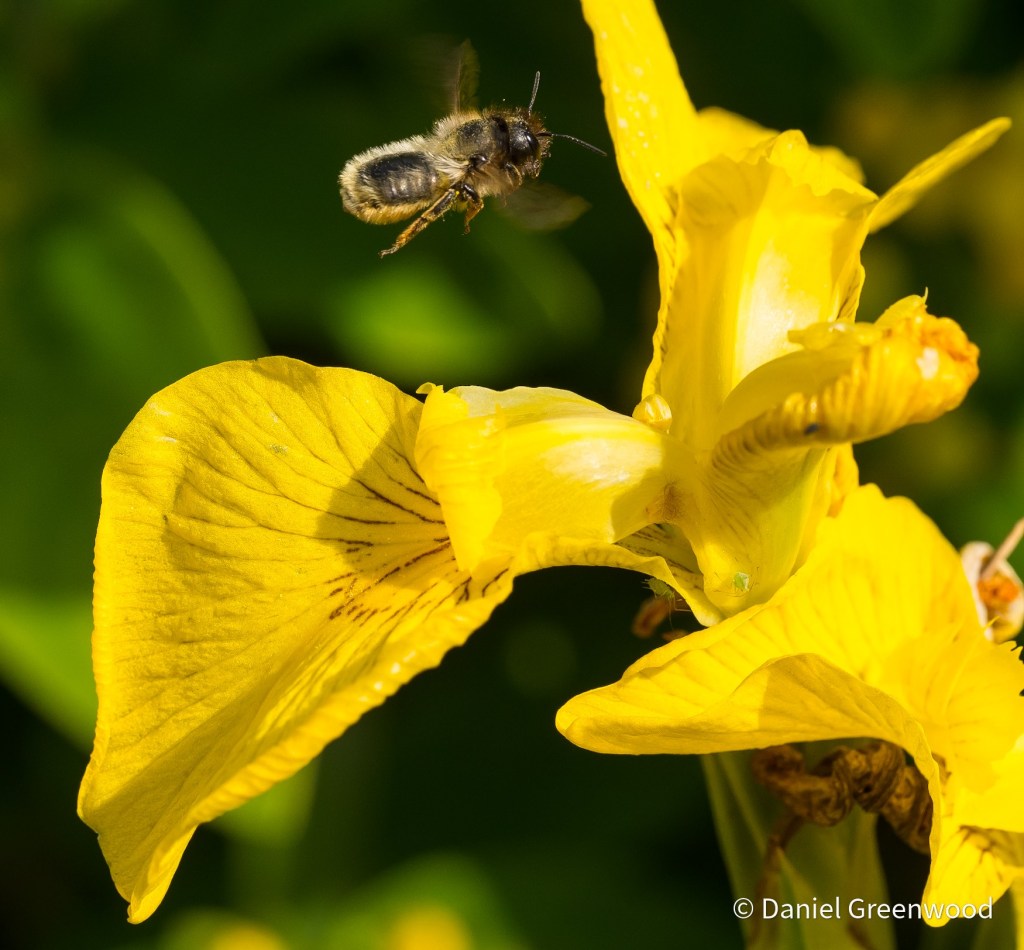
We have a tiny pond which supports frogs and is planted with native aquatic plants. One of those plants is flag iris, which the bigger bees love. I enjoy seeing the bees climb through the yellow petals to nectar on the stamens. This bee is probably in the megachile group, perhaps one of the leafcutter species. Someone on iNaturalist suggests it’s a mason bee, so I’m not sure.

I like how leafcutters are in their own world. They often appear after the red mason bees and hairy-footed flower bees have gone, but they seem like they’ve always been there, so focused are they on their leafcutting tasks.
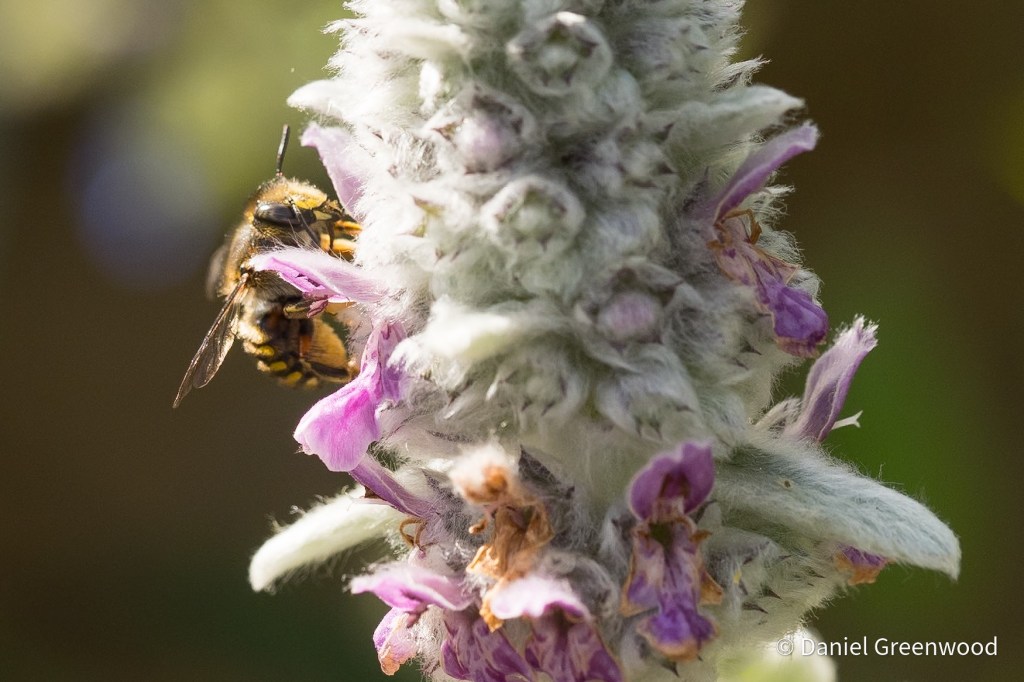
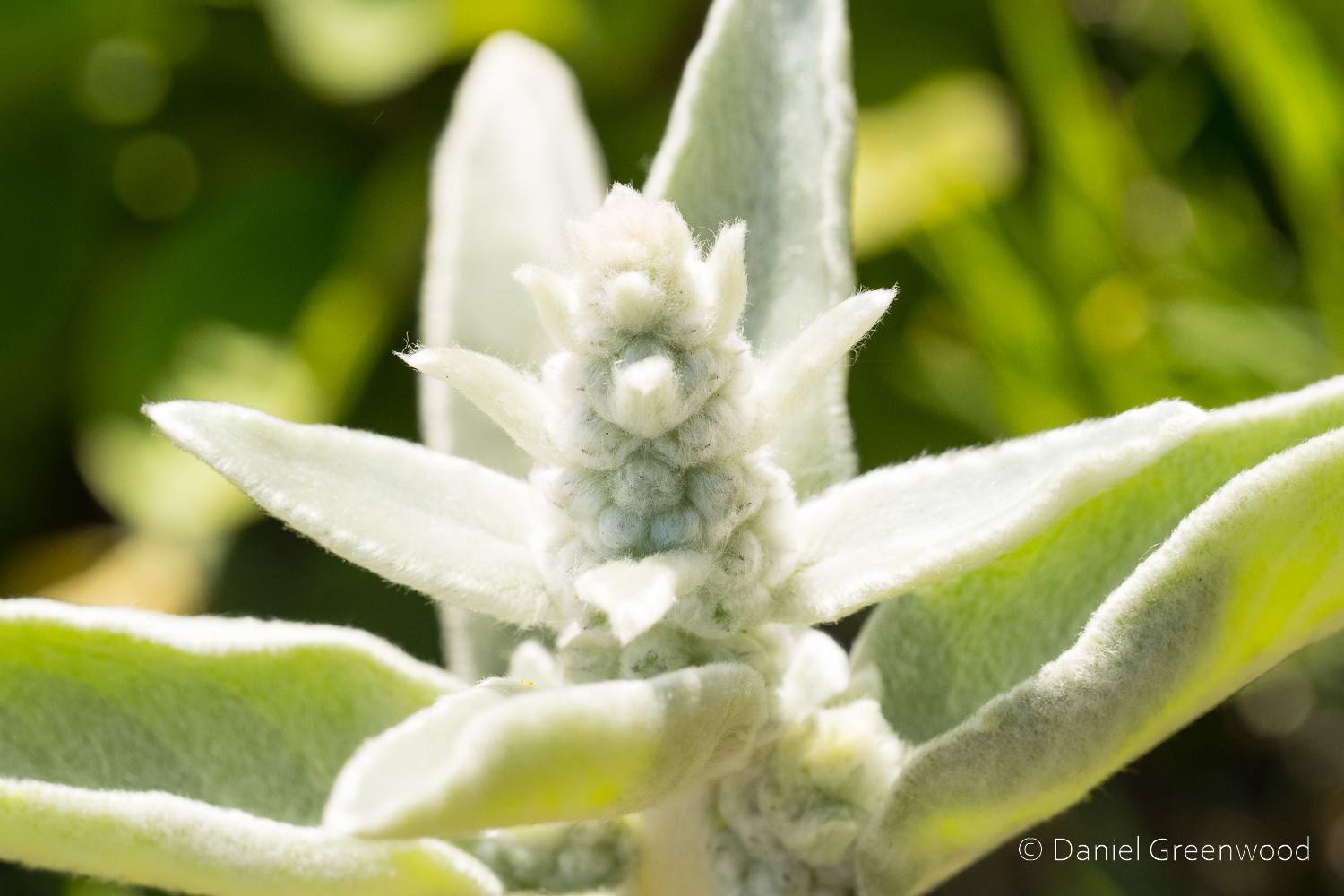
Another welcome sight in the bee world (it’s so much more than honeybees!) are the wool carder bees. I planted this stachys (or lambs ears) for the WCBs in 2020, and they immediately arrived.
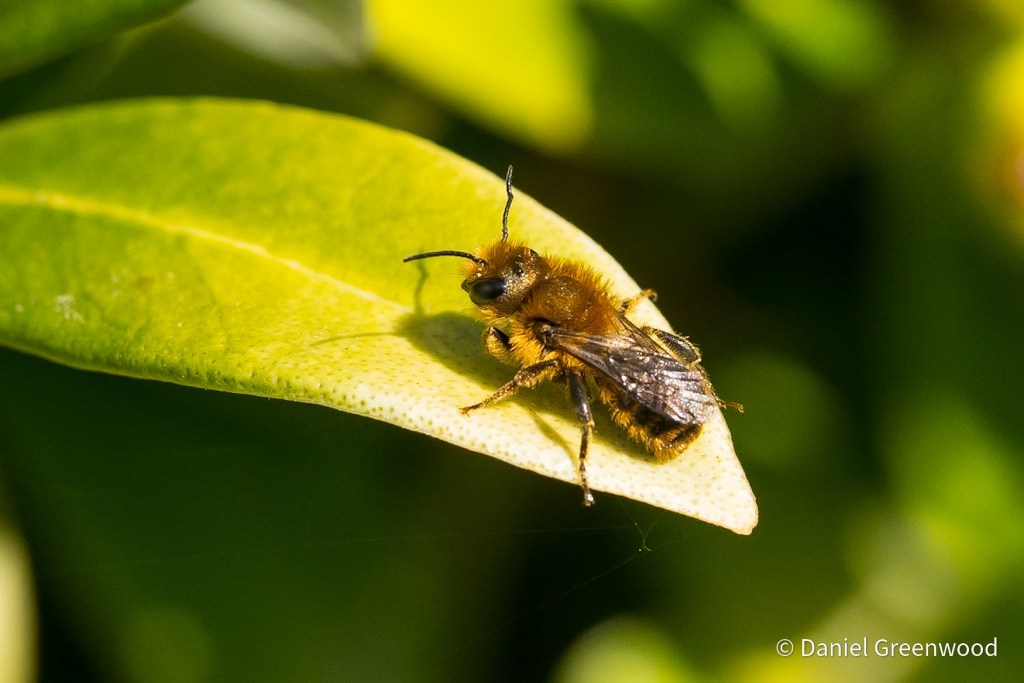
Regular readers of this blog may recognise this species from previous posts, who just couldn’t keep out of this week’s post. I used to look like this. These may be an orange-vented mason bee.
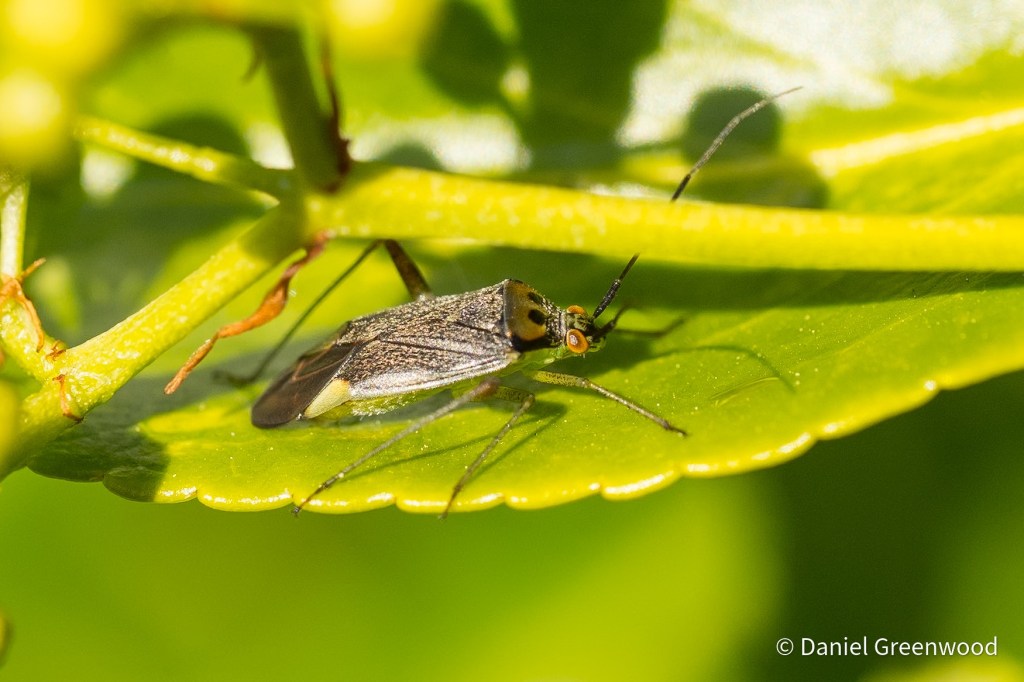
This capsid or mirid bug was chilling in the hedge, as they often do.

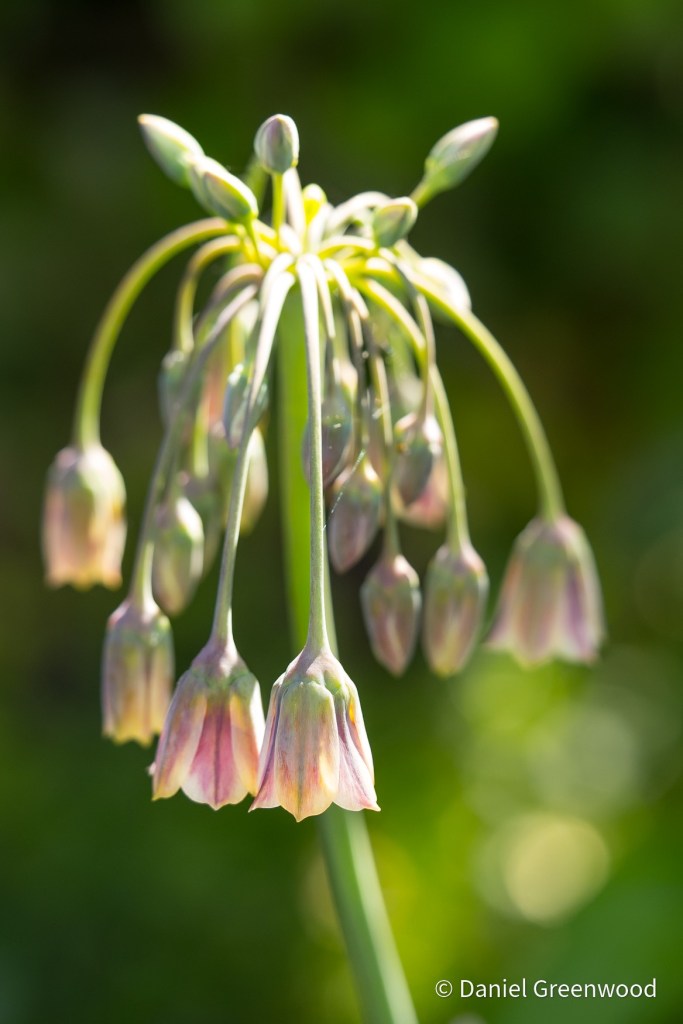
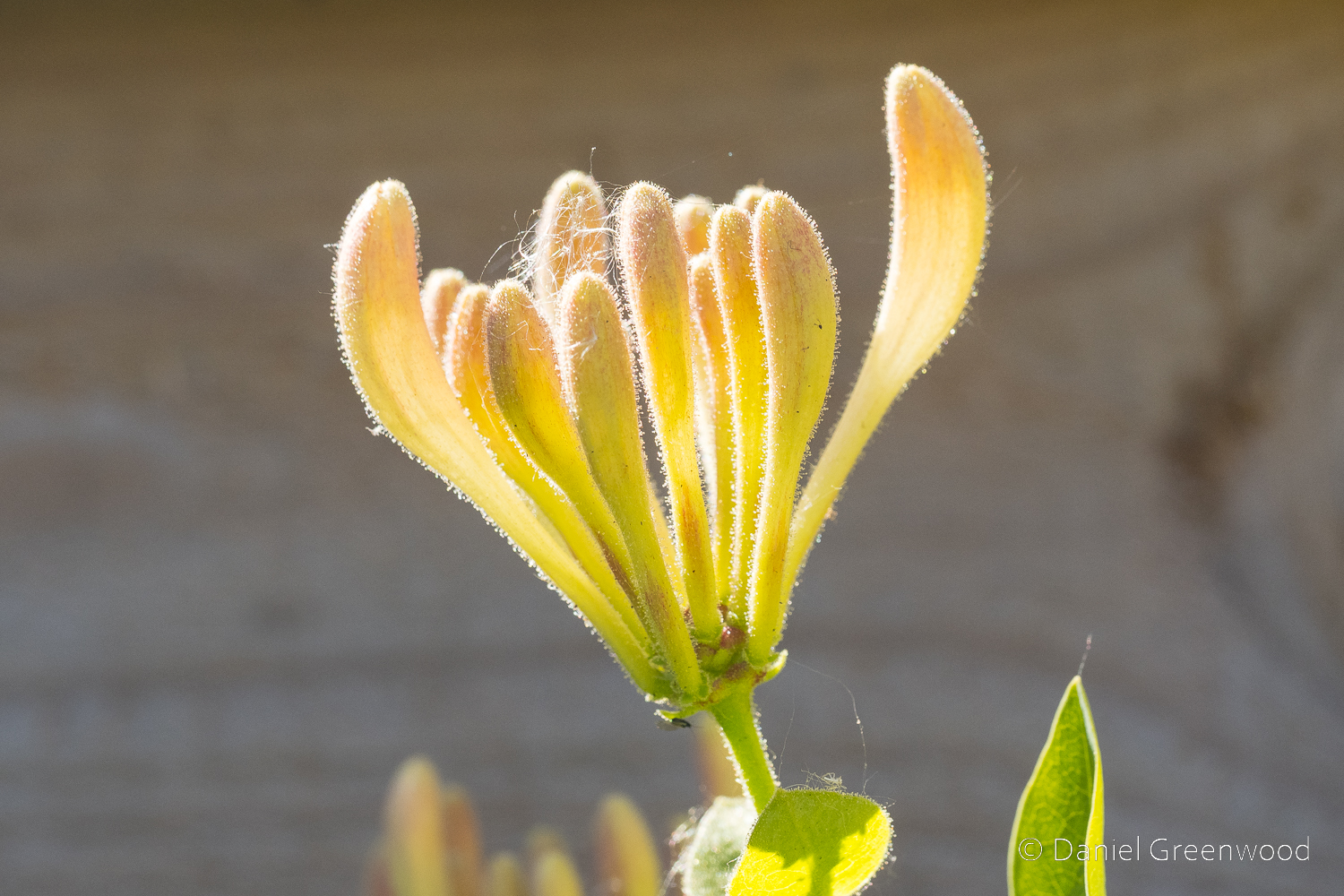
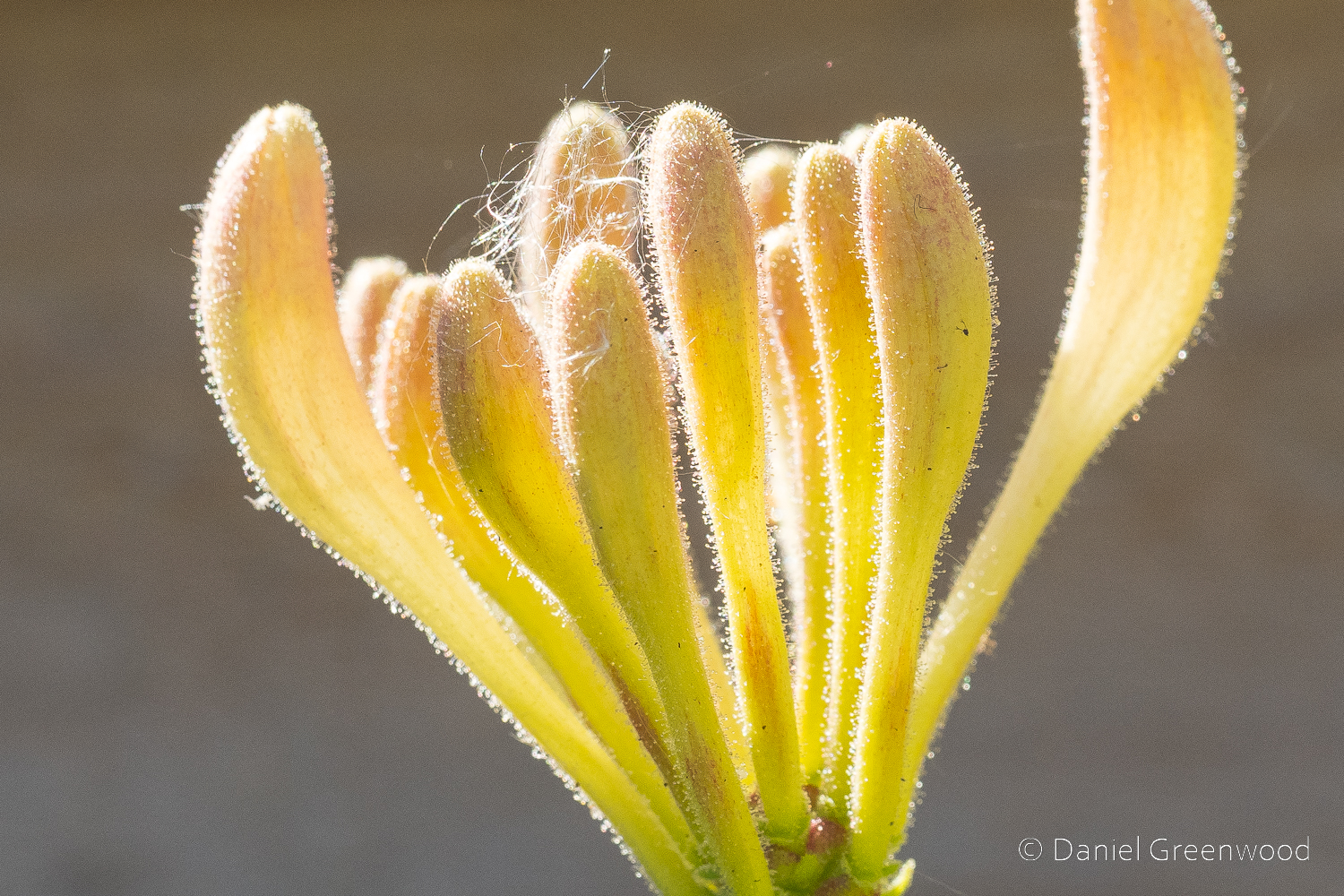
And finally, those trusty honey lilies were looking their best in the evening light, as their flowering period drew to a close.

Next week we’ll see out May with some pretty epic wasp vs. spider scenes and miniscule bees.

Thanks for reading.

Macro

Tiny bees everywhere

On 16th May there were lots of small bees to be found in my garden, but more of them later.

This was one of the first sightings of a small purple and gold, or mint moth.

Taking macro photos in gardens introduced me to the capsid bugs. This is one. I’ve seen lots of one species in the hedge this year, they are quite ‘alien’-looking in the sci-fi sense.

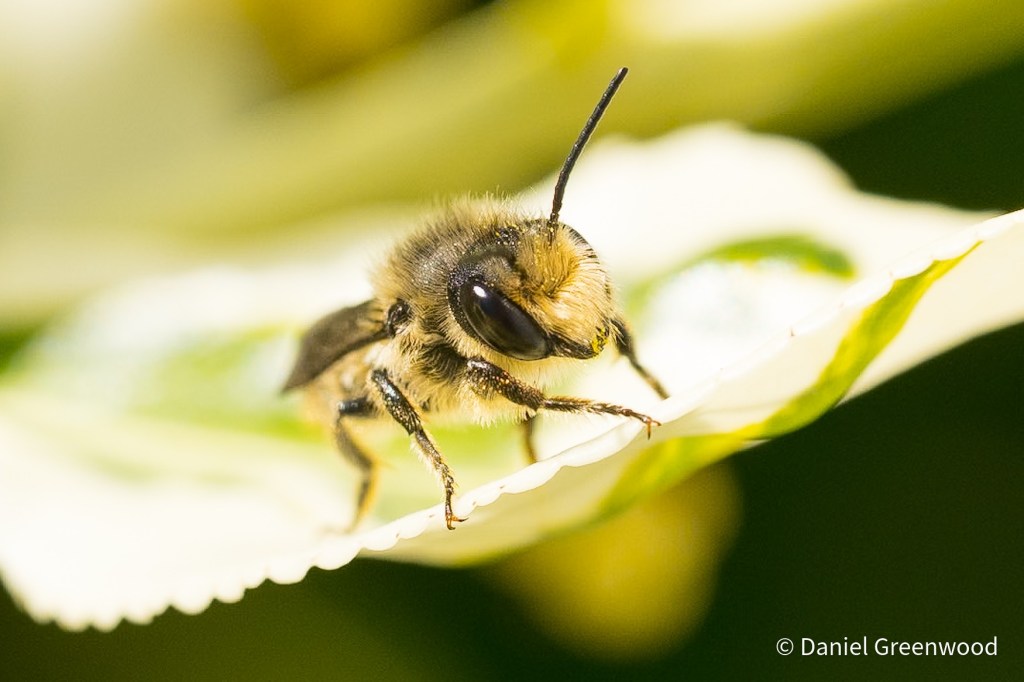
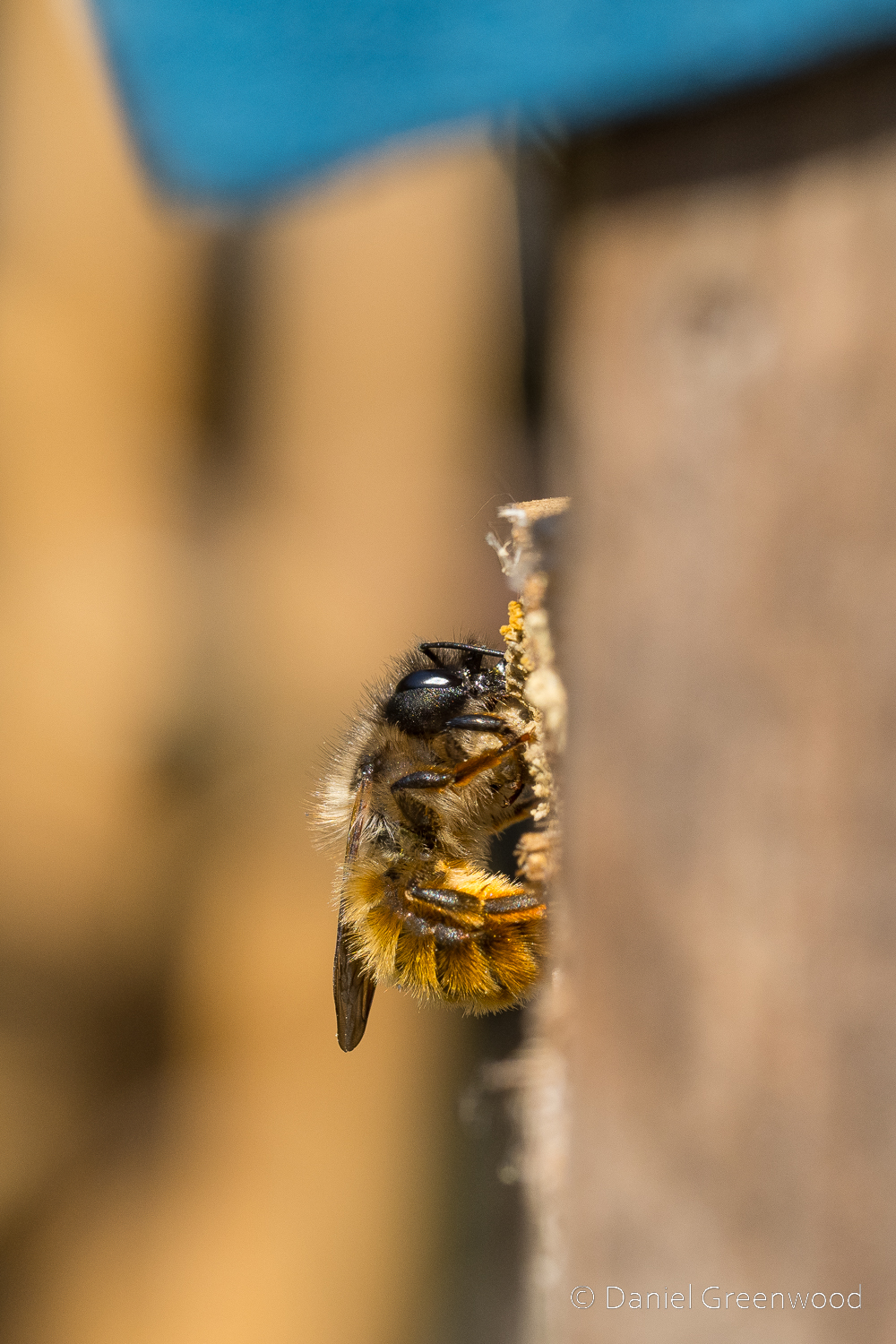
Now to the bees. I spotted what I thought was a blue mason bee on the fence, but instead it may be a different mason bee. Compared with the red mason bees, this species, whatever it is, appears later in the spring and lasts longer until the summer.

I love the light in these pics, and it’s all au naturale. Someone on iNaturalist has suggested this is one of the leafcutter bees.

This bee is potentially a little blue carpenter bee. I enjoy the background colours of the rose above…

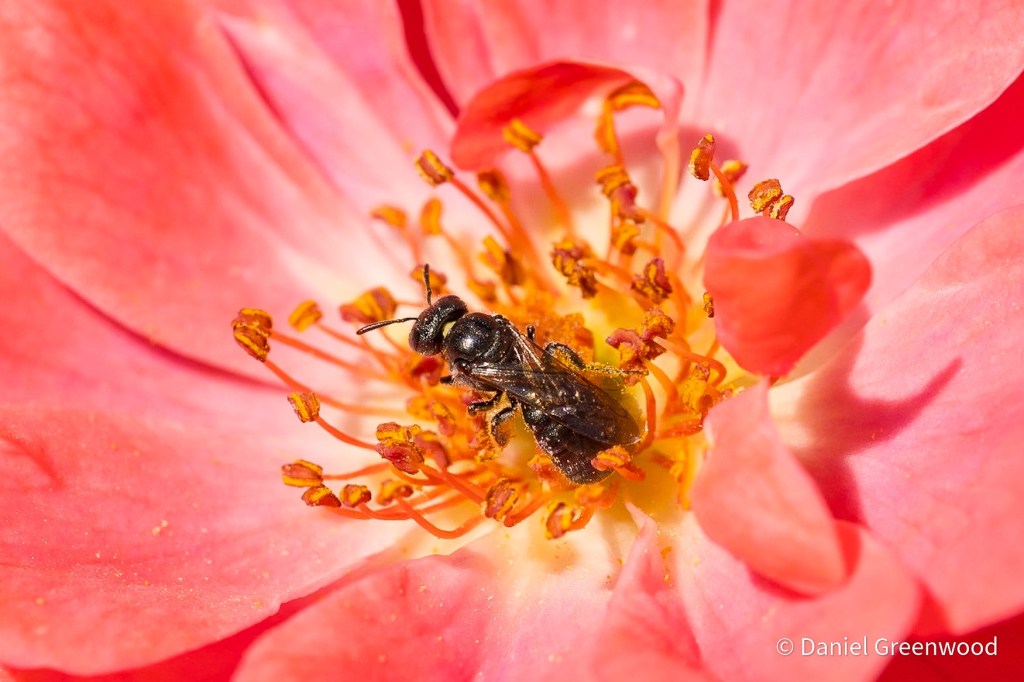
…and the yellow and cream of the honeysuckle. Backgrounds in macro can make a very big impact on the photo. This is a species of sweat bee.

Finally, I didn’t get this little wasp in focus, but I like these brief encounters with random wasps. It reminds me that there is still huge biological diversity in the UK and the world does not revolve around us.

Thanks for reading.

Macro

Bumbling up

Onto the 15th May 2025, when the bumblebees were beginning to increase as the workers emerged. But we won’t begin there.

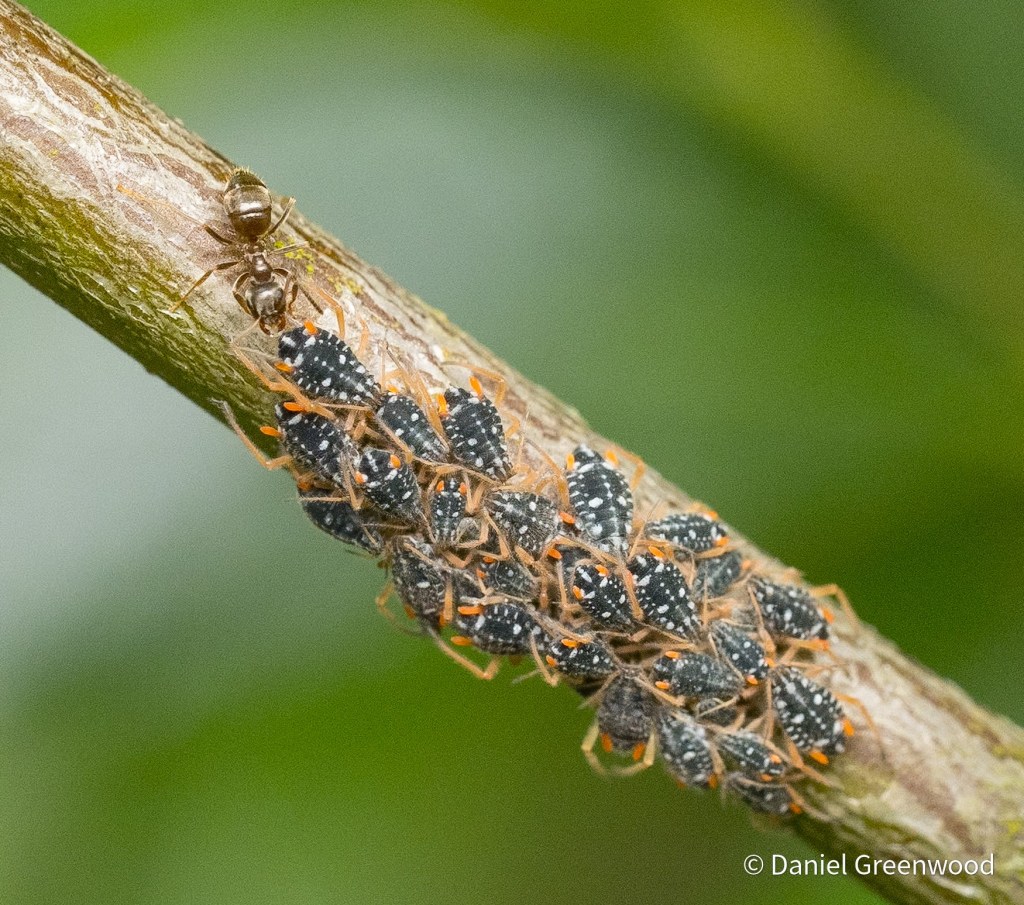
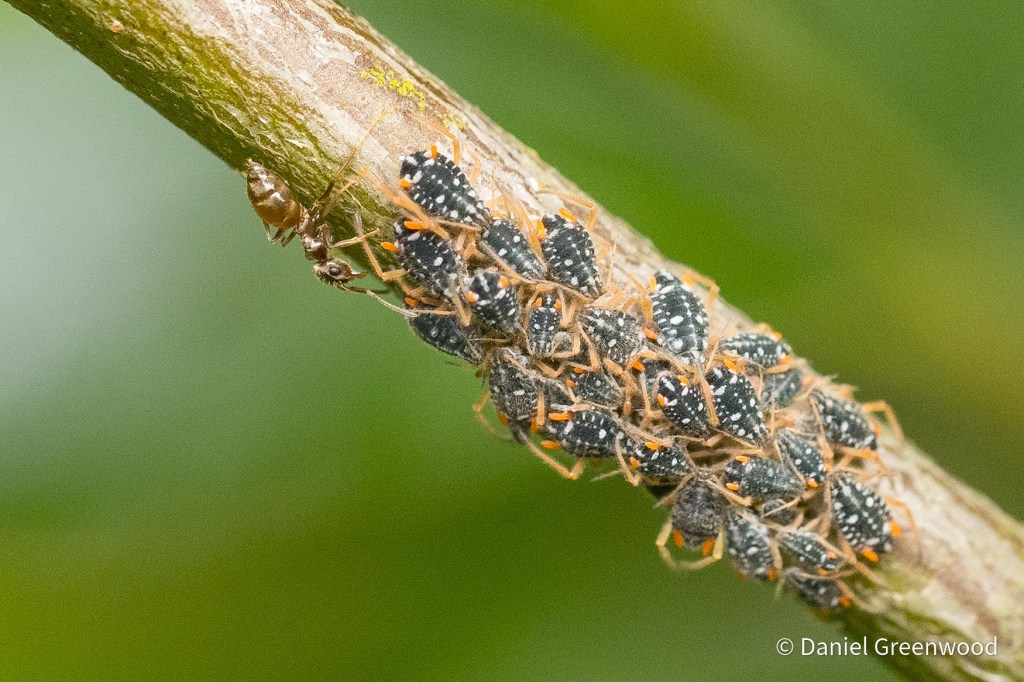
The path to my house is overhung by a self-seeded willow sapling (probably to the annoyance of the postman). One morning I noticed the twigs held a cluster of aphids, tended to by ants.

The ants are probably farming the aphids by providing them with a degree of protection and harvesting the honeydew they excrete. These are probably willow bark aphids but my insect book says there are over 600 species in the UK and many are very hard to identify!

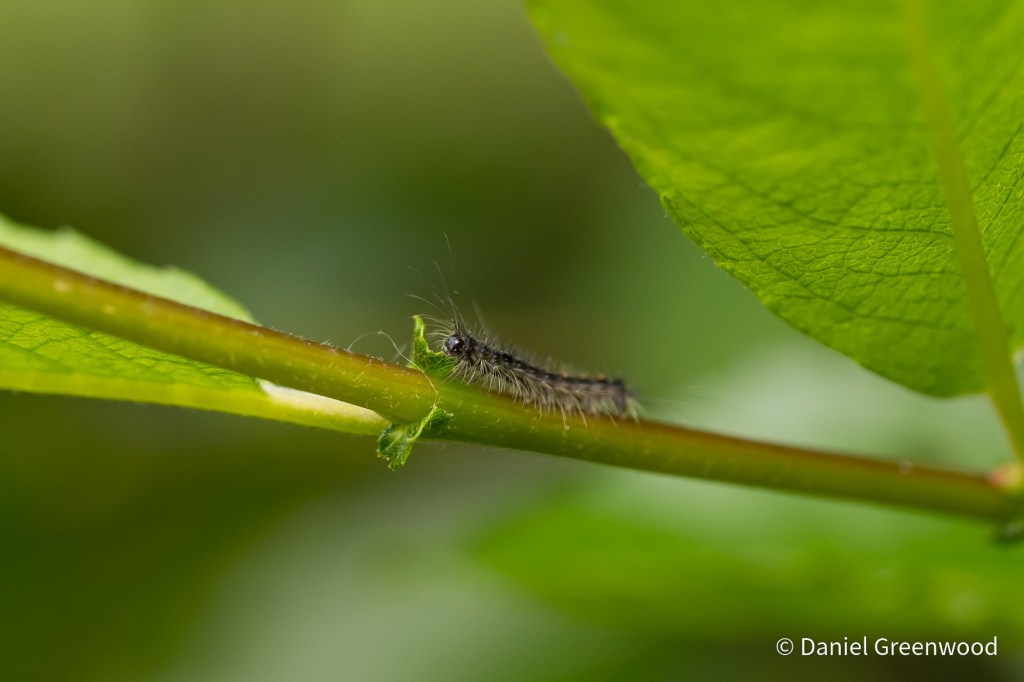
Elsewhere on the willow this little caterpillar was chomping away.

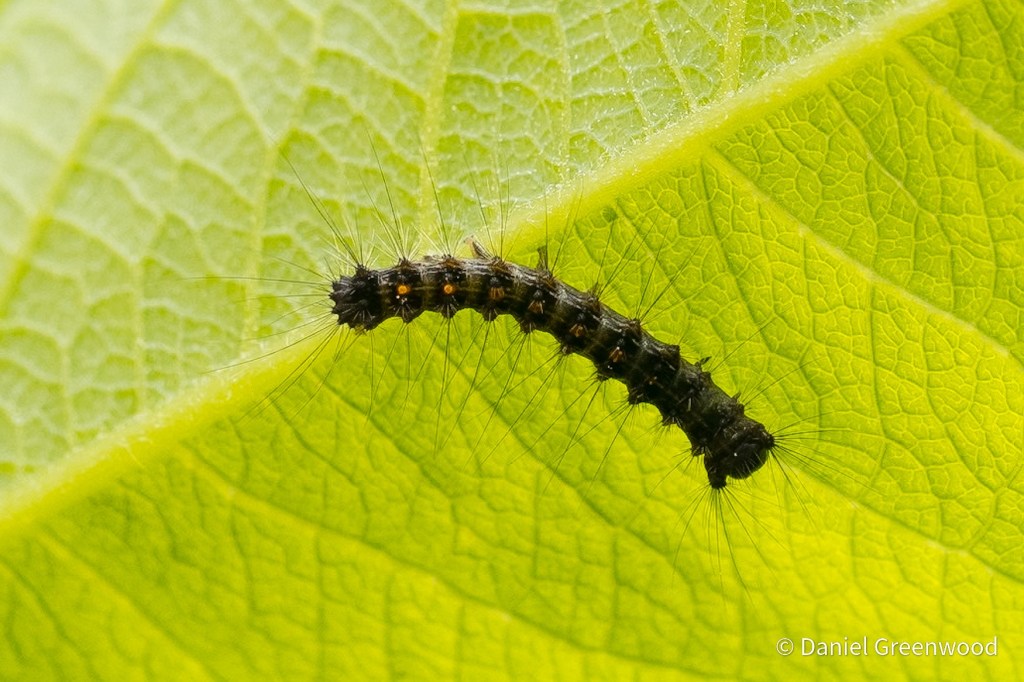
I think this is the same species but I’m not sure what it is. Caterpillars are not a strong area for me.

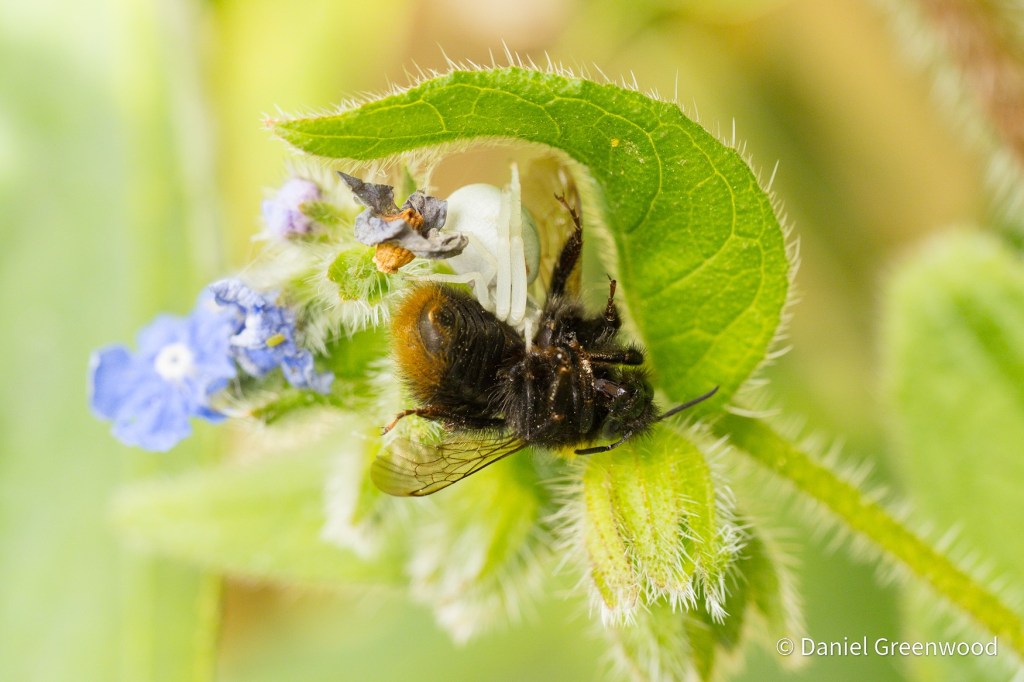
Moving onto bees, I spotted this bee that had been predated by a crab spider (probably Misumena vatia). I am wondering if this might be a cuckoo bumblebee, a kind of mimic that is in fact solitary and raids bumblebee nests, rather than being part of the community. The second photo is from some time later when the spider had moved their prey around.

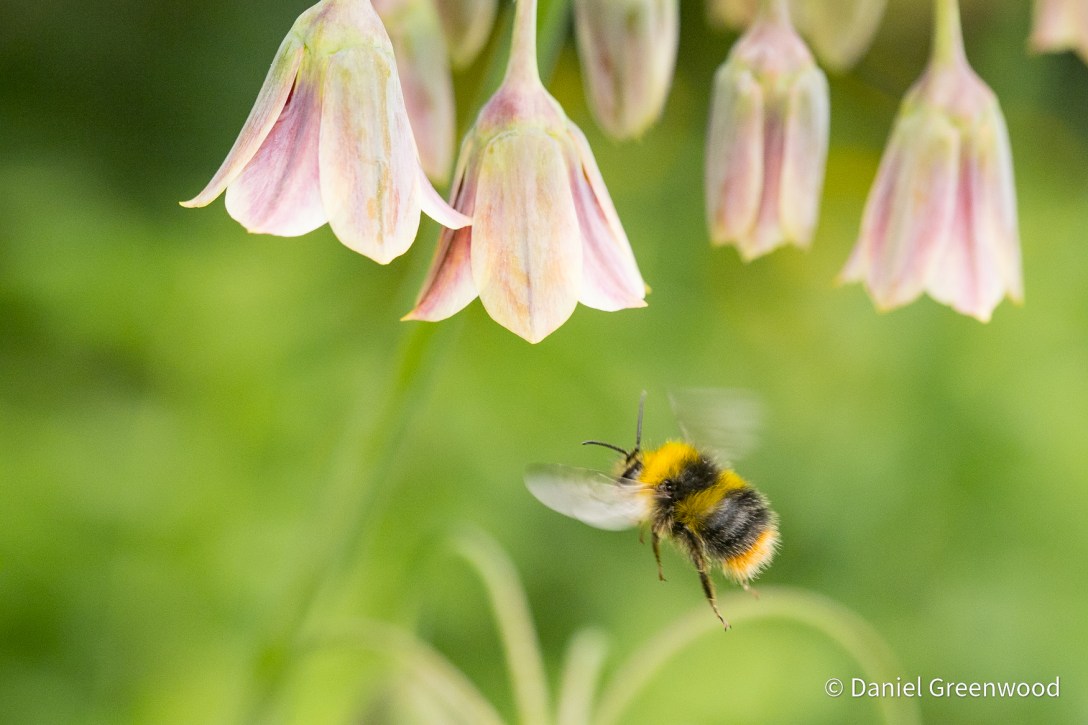
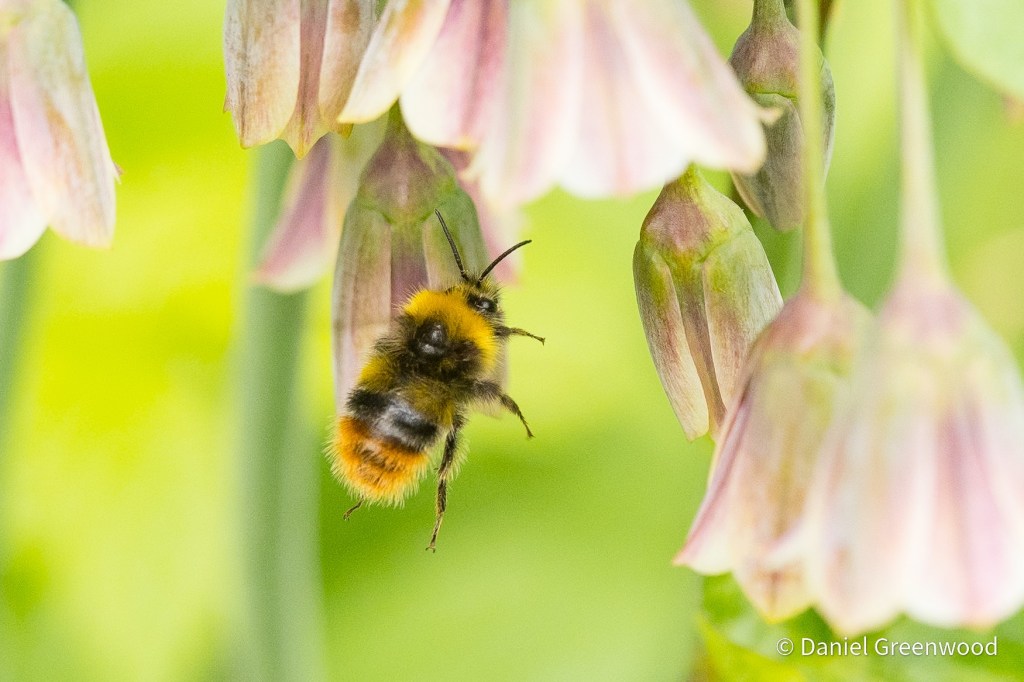
A couple of weeks ago I wrote about the Sicilian honey lilies that have been flowering in my garden. The bumblebees were out in force among these flowers. They seemed to find it a bit difficult to access the flowers from below, but they were foraging en masse. This is one of the first times I’ve used the high speed shutter option on my camera, and it has provided excellent results. I’m not sure of the species, another area I need to brush up on, along with the aphids.

This spider is pregnant, you can see the egg sack. I think it’s a fox spider.

Thanks for reading.
Macro

Postcard from the Alps 🏞️

No normal blog post this week as I’ve been away in the Austrian Alps, and am behind on my macro processing.

I did manage to take some macro photos high above the treeline, and saw lots of species of insects in the time we were up there. Will look forward to sharing those in the weeks ahead.

These are phone pics taken in raw file format, and then processed via my phone. The quality is really impressive to me.

Thanks for reading.

Mason bees closing doors

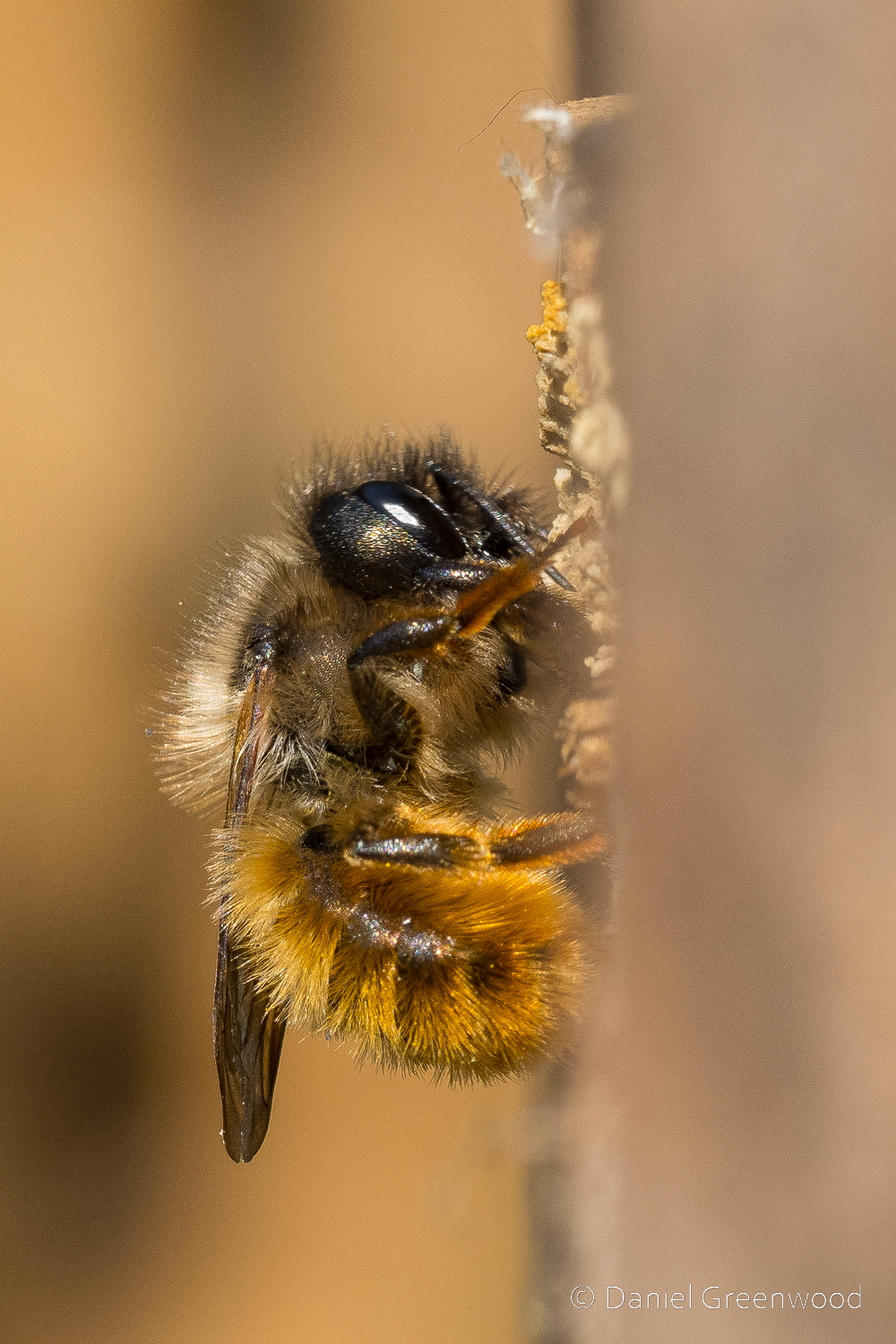
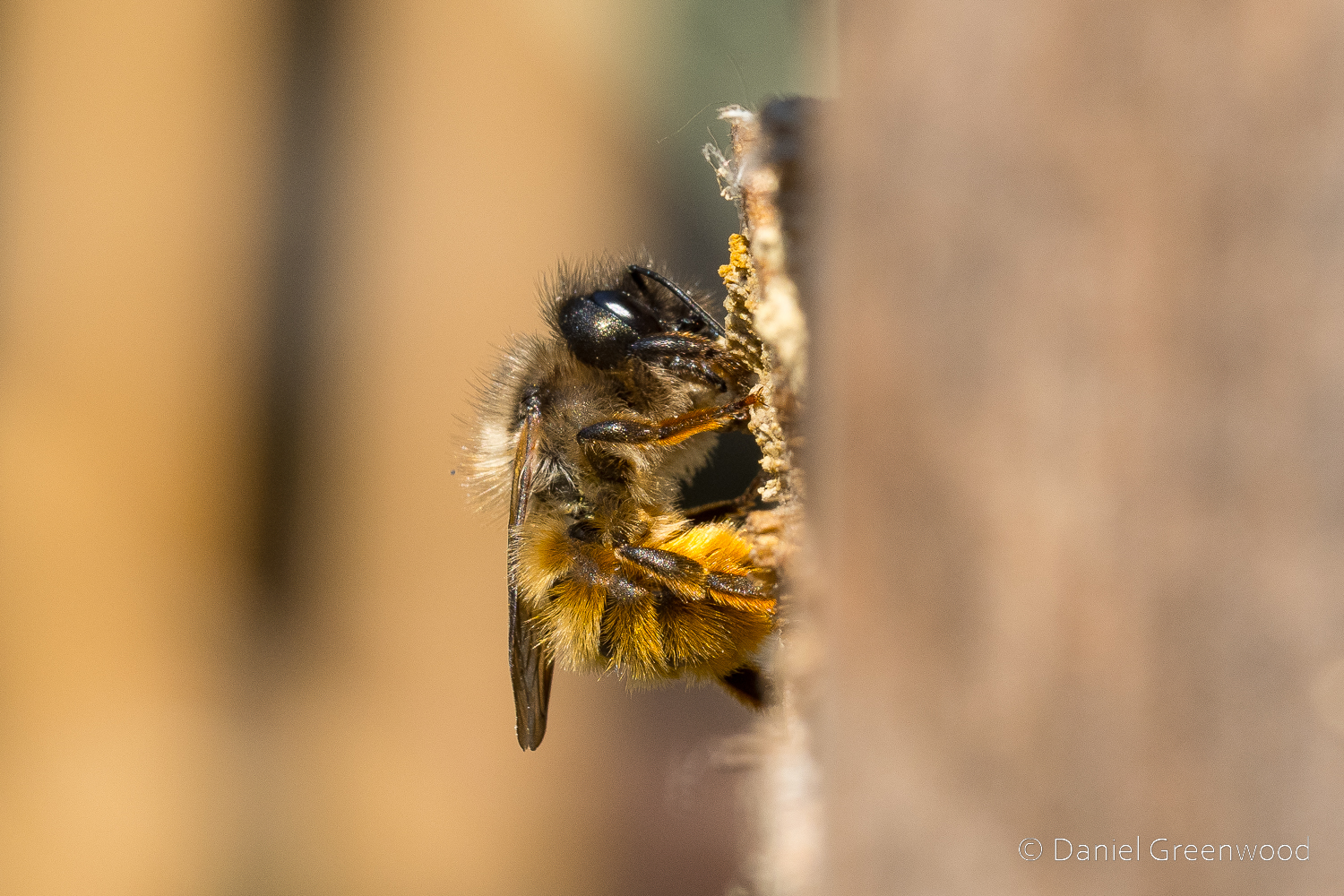
Around 9th May 2025 the red mason bees were working to seal their little chambers shut, as can be seen below.

2024 was a better year for these solitary bees in my garden, with far fewer in 2025. Their numbers will naturally rise and fall over the years. They’re important pollinators, especially in agriculture, so helping them has a wider societal impact for people who desire it.

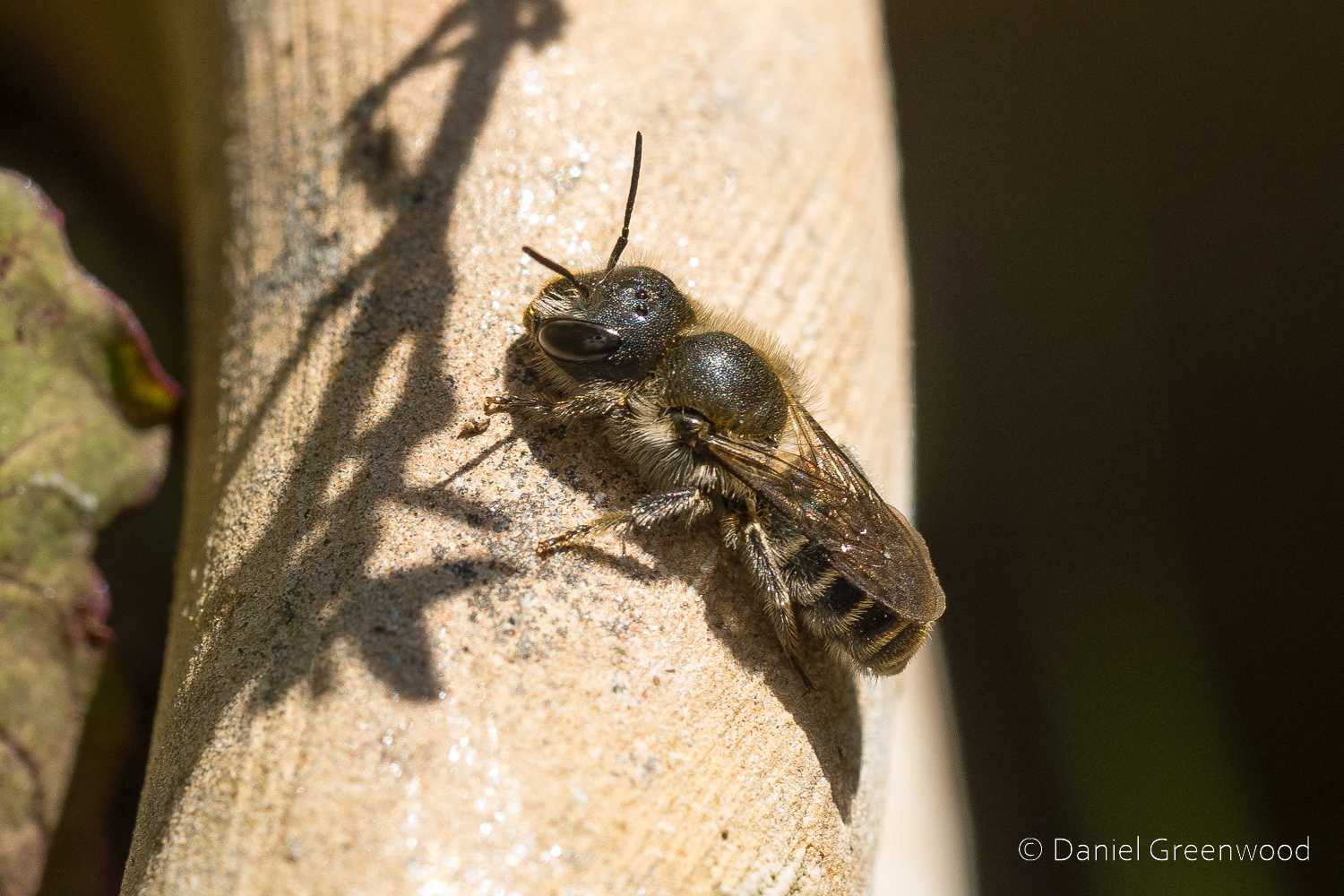
In the first of the hotter spells each year I begin to notice these small bees. They’re usually sunning themselves on the edges of ceramic pots, wooden sleepers or fences. I am fairly sure this is a blue mason bee. They are quite skittish but do often return to the same perch if they can see that you’re not an immediate threat.

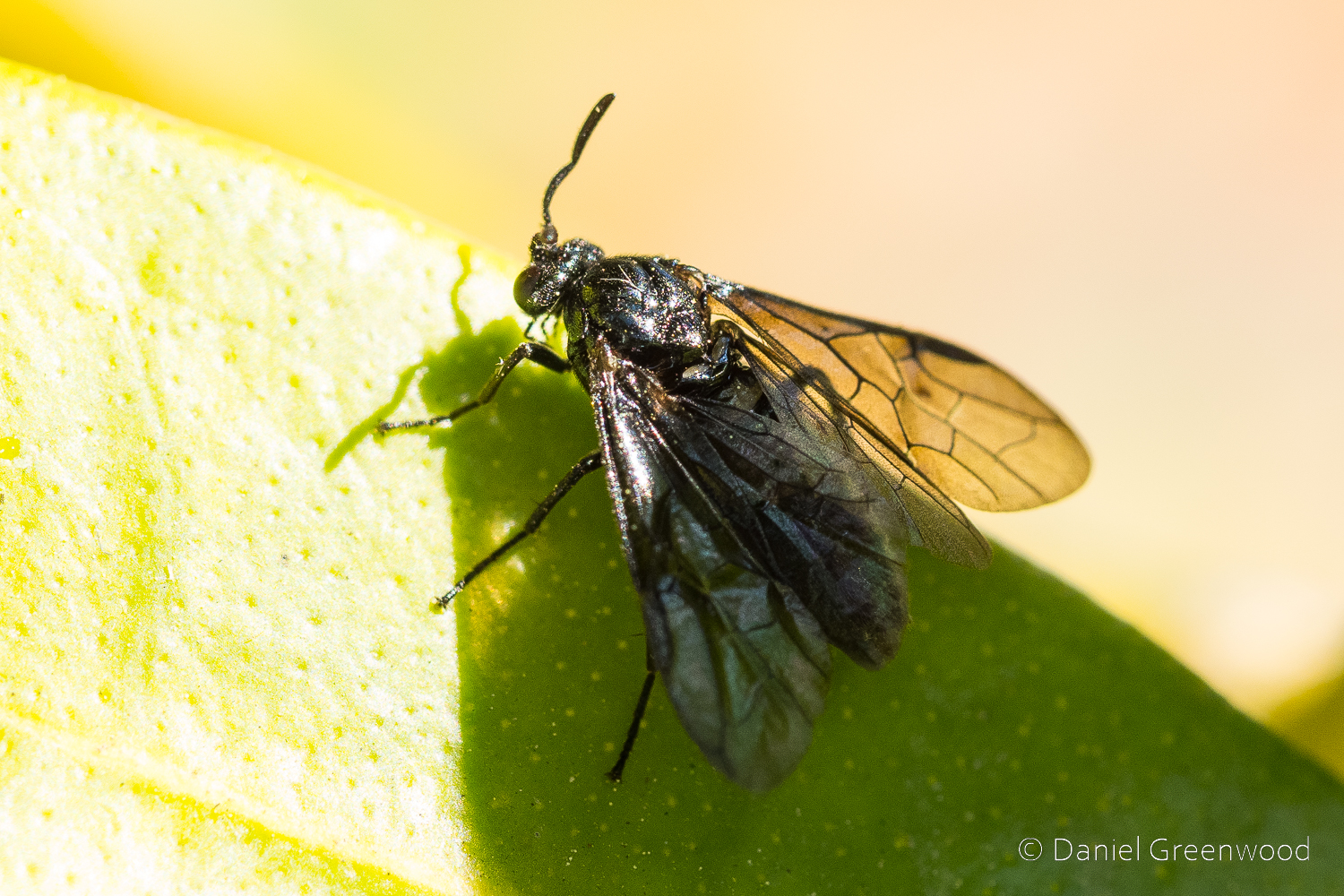
Elsewhere in the order hymenoptera (bees, wasps and ants) I saw this unusual-looking winged-insect hiding in the leaf shade. I’ve had to edit this a bit to bring the shadows out, but it’s a species of sawfly. It seems to have two antennae in the shadow, but for the life of me I can only see one!

I noticed the first swollen-thighed beetle of the year perched on the burgeoning fennel leaves.

In taking a few pics of this honeysuckle I noticed that there appear to be little sticky nibs on the flowers. I’m wondering if this is to trap pollen when bees visit, or potentially to snare invertebrates in the carnivorous sense. I can’t find anything online about that, but I now know just how invasive it is in North America.

And finally, the trusty Stachys was close to flowering by the 9th May. It looks very cosy and comfy here, ready for the wool carder bees. What I didn’t know about this plant (known as woolly hedgenettle) is that it’s native to Armenia, Iran and Turkey. I bet it has some very cool insects feeding on it there.

Thanks for reading.

Macro | Support my work

Sicilian honey lilies

May has been a very productive month for macro photos for me, especially in my garden. These photos were taken on 8th May 2025 in that town garden in West Sussex.

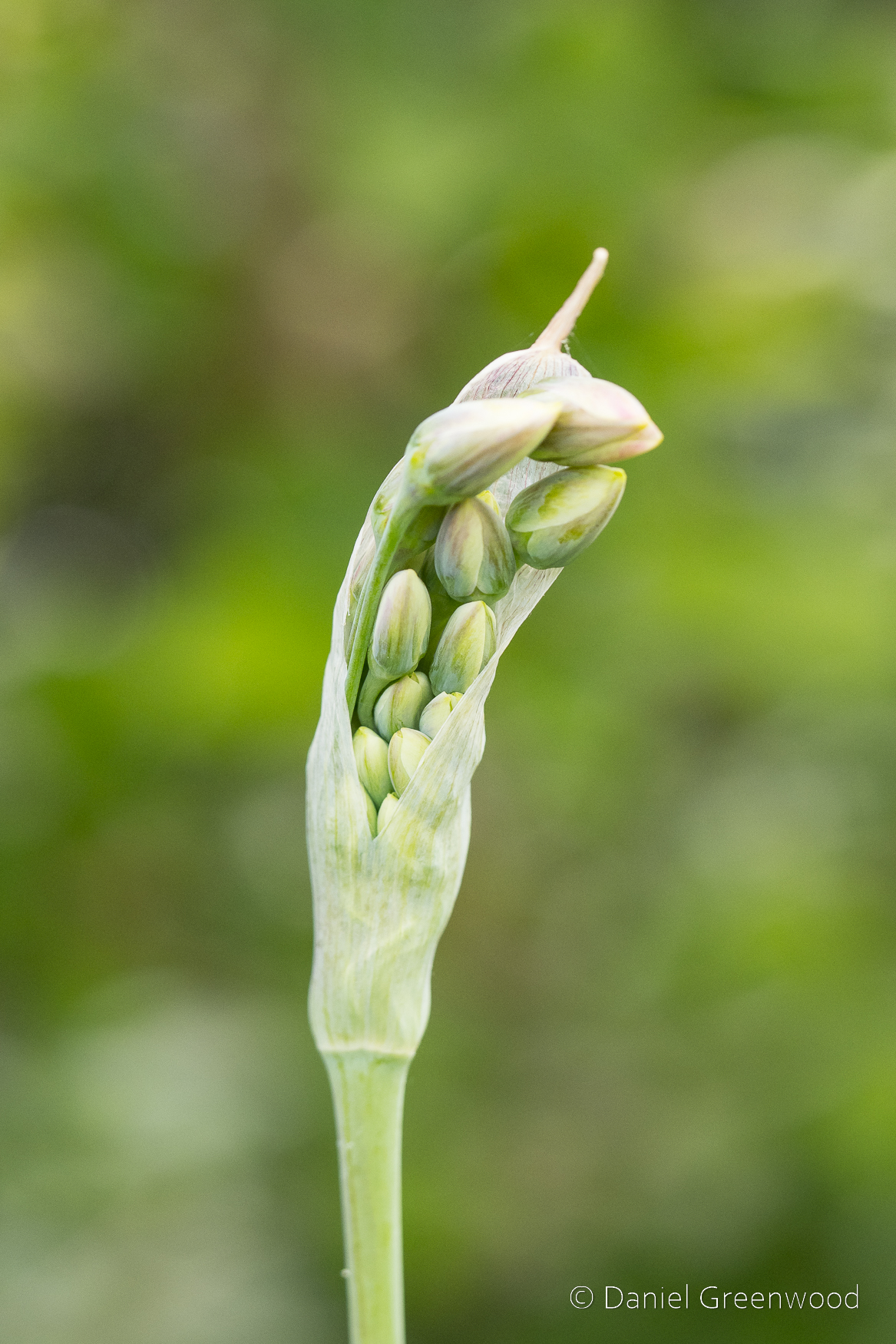
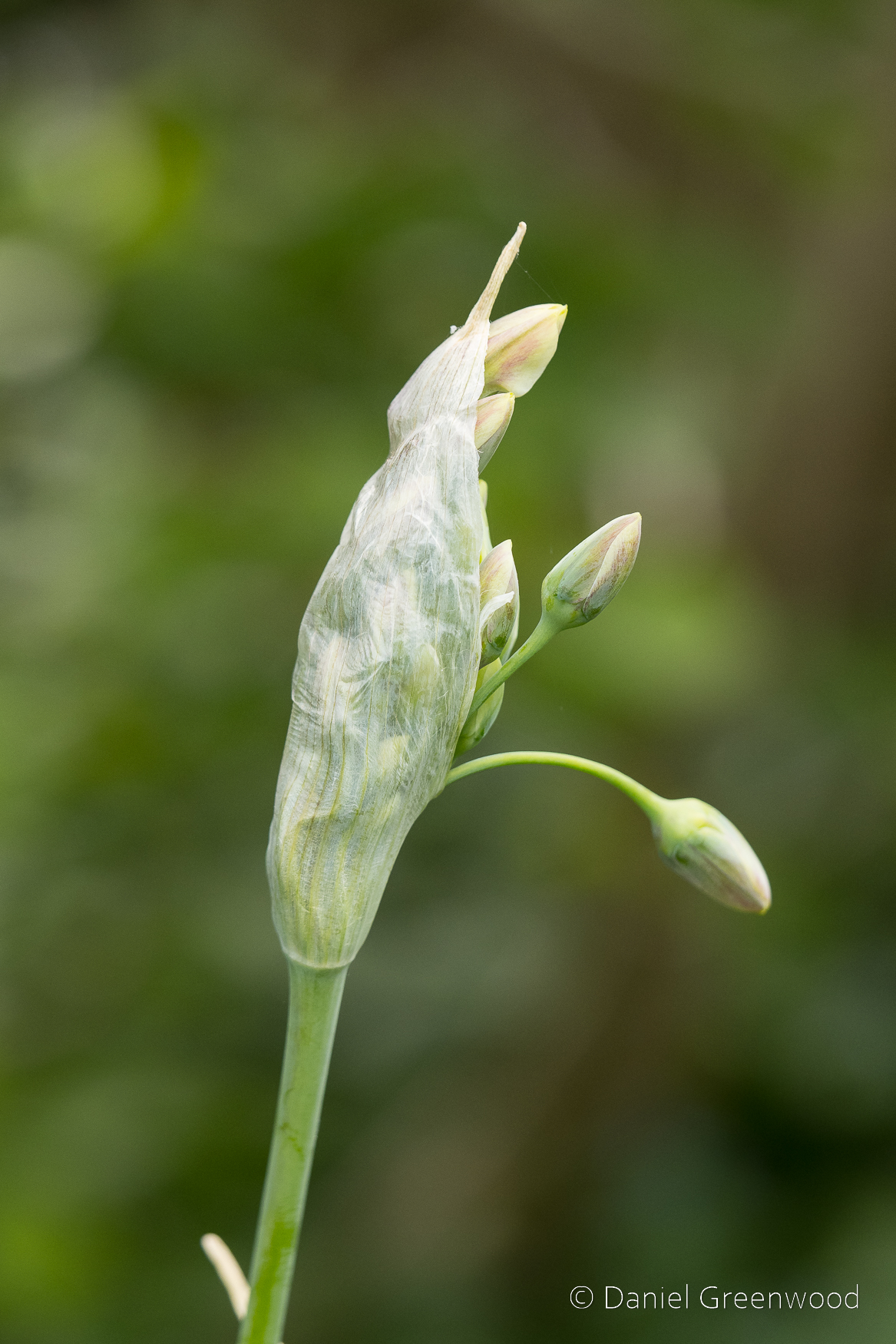
We have a flowerbed for growing berries that is also home to these unusual alliums (honey garlic or Sicilian honey lily). On the 8th May they were just beginning to unseal themselves, releasing the flower heads. I have bee-heavy photos of this plant to share of the following days, and this spring has made me realise just how attractive this allium is for bees. The bumblebees can’t get enough! Stay tuned.

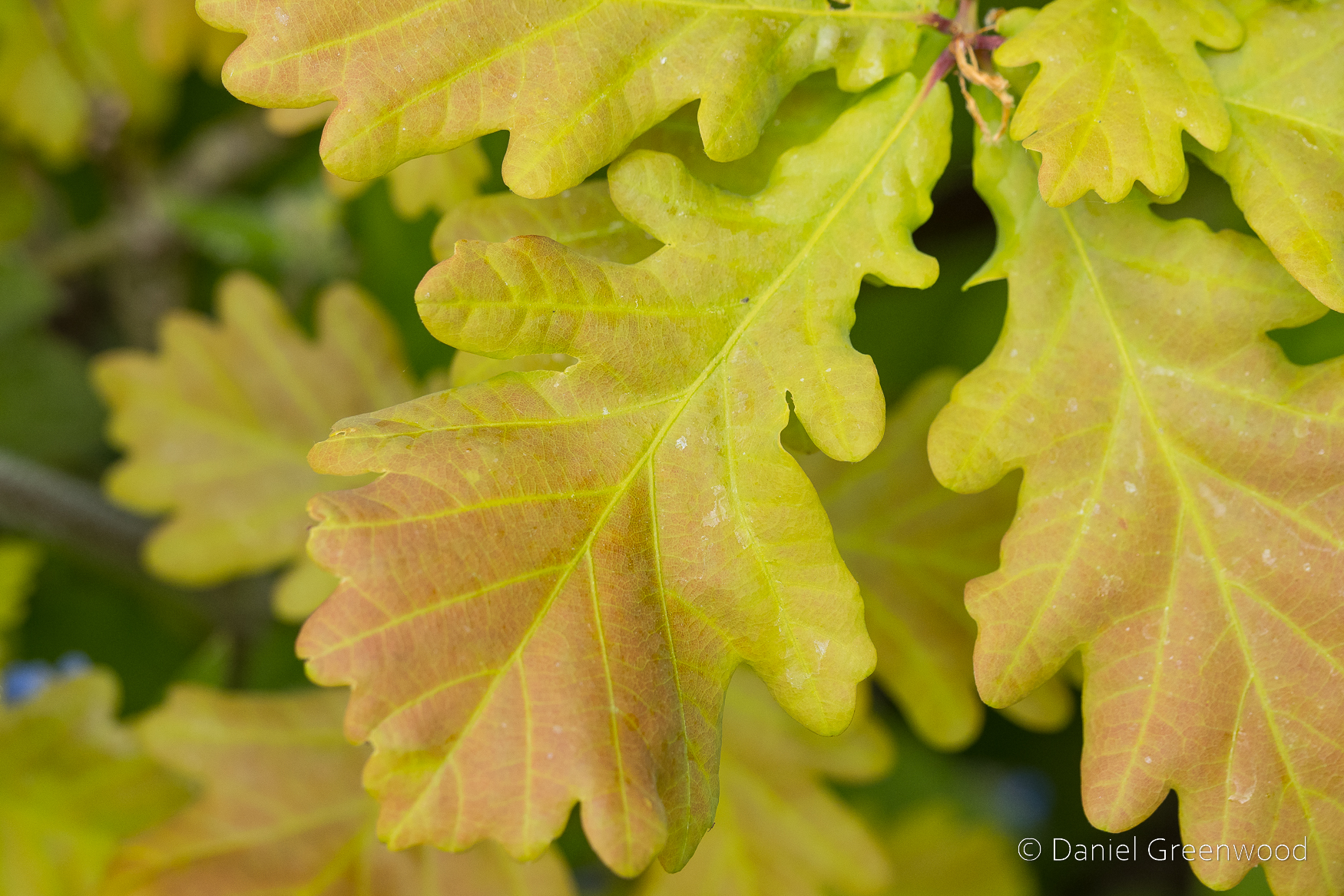
The oaks were in full-leaf by this point, this sapling somewhere between the red, yellow and green.

I don’t know what this invertebrate is or was, but I’ve seen it over the years attached to the stems of broom (which had such a good year in 2025). I am guessing it’s a species of moth that has pupated into an adult moth, and that this is the chrysalis. #NoMothExpert.

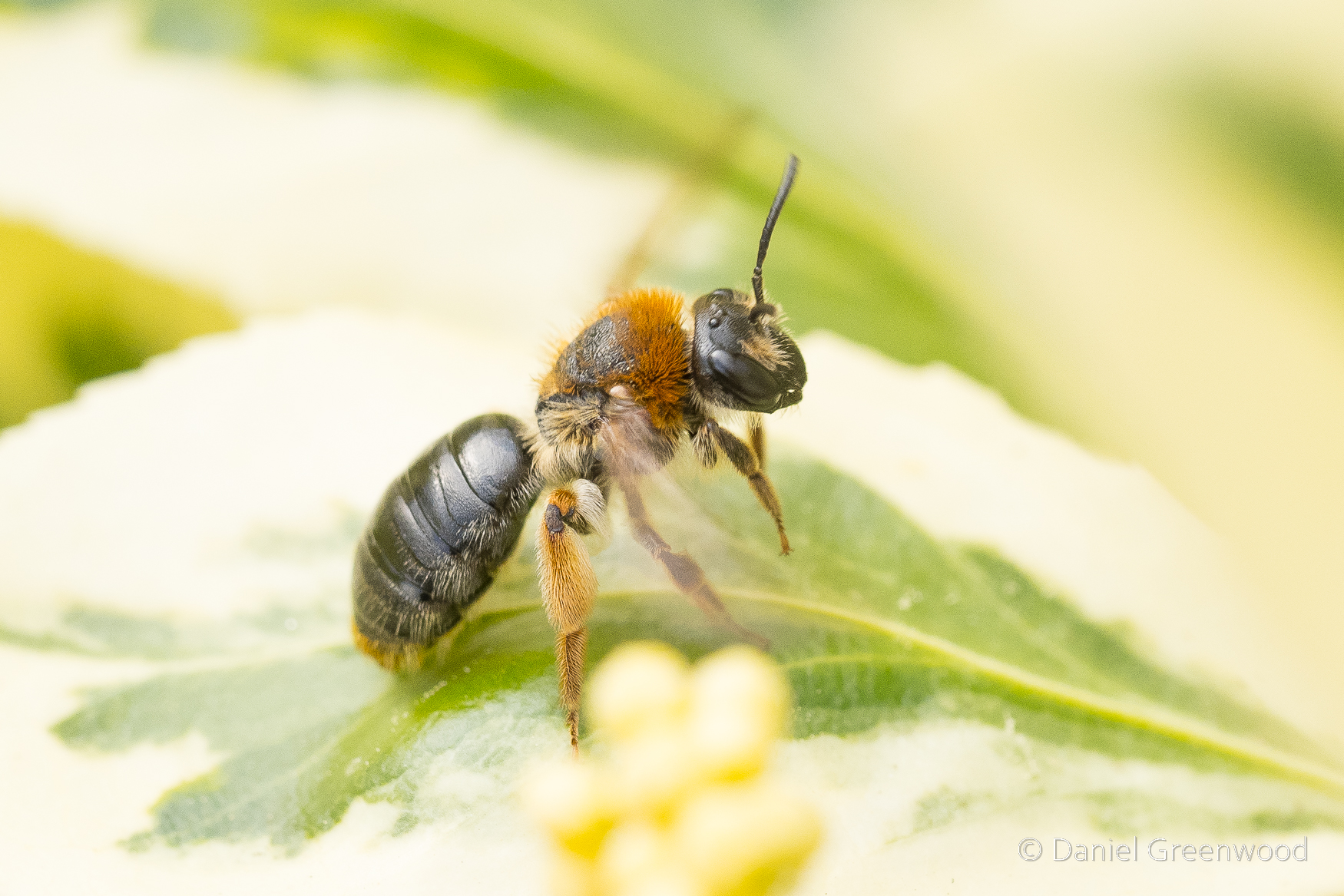
I think this may actually be the same early mining bee I posted about last week! Not sure.

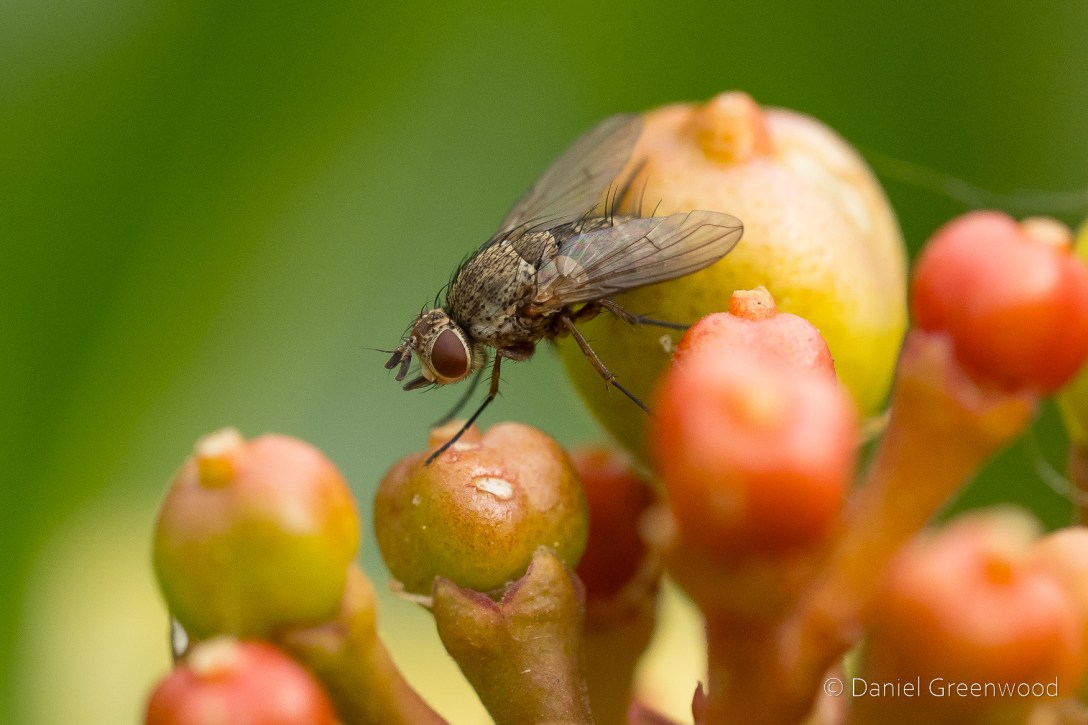
I really like this photo of a fly (no ID yet). I wonder if that’s some kind of sugary solution on the berries. I enjoy the fly’s awkward splaying between fruit. Why not?

The light was working against me here as our friend was on the underside of a leaf. This is one of the Issus planthoppers. It doesn’t look like it, but the head is in focus.

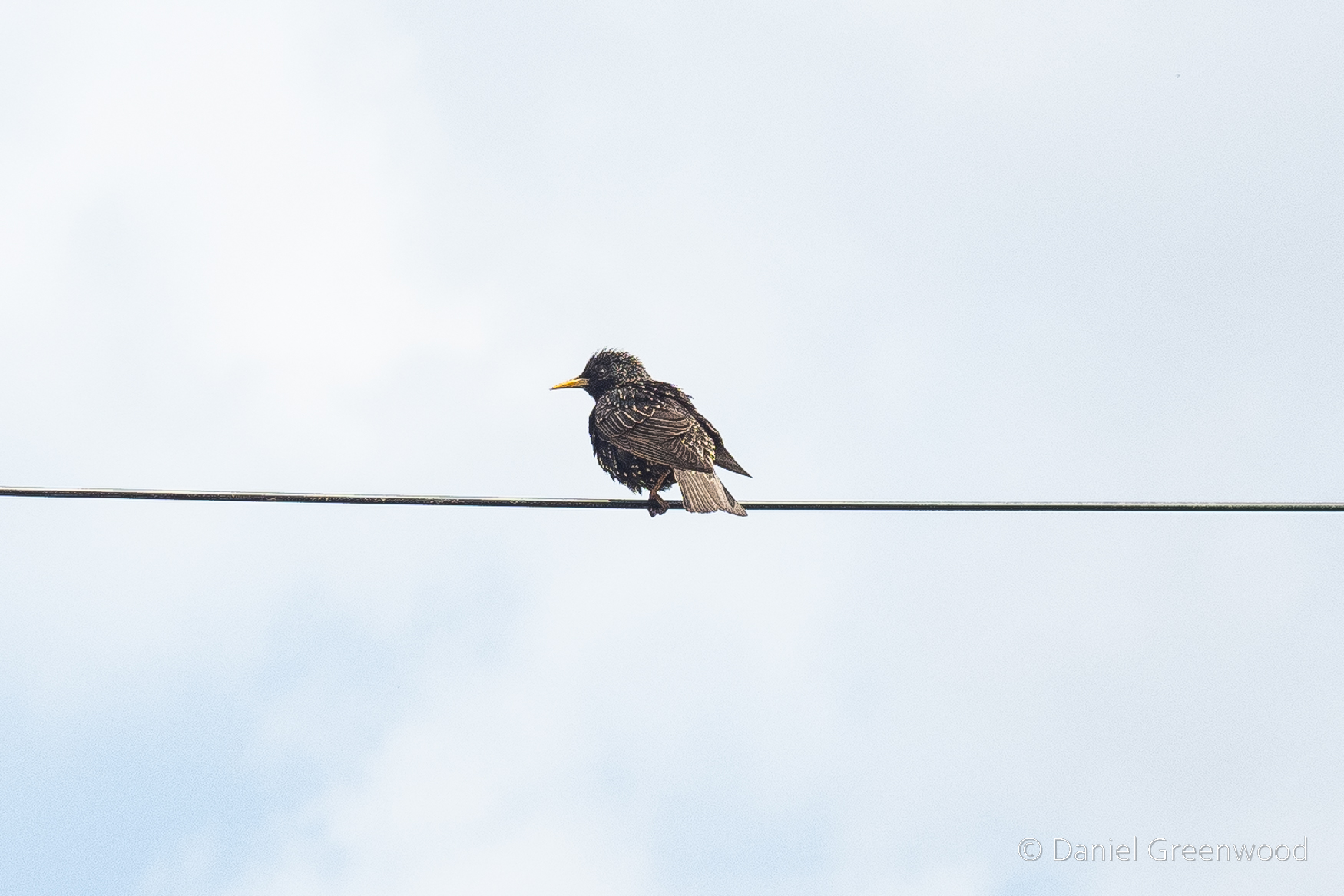
And finally, the starlings were still feeding the nestlings at this point, quite an tiring time for them. They are one of my favourite birds, but are in serious decline (51% between 1995 and 2016) due to habitat loss and historic use of pesticides. You can help them by not using things like Roundup (glyphosate), by putting out fresh water for them to drink/bathe in, and potentially putting up a nestbox if you can.

Thanks for reading.
Macro | Support my work

Sainfoin and snails on Box Hill

Box Hill, Surrey, May 2025

Last week I made an evening return to a landscape that is well-represented on this blog – the North Downs.

I had a lens with me that focuses very closely, though it wasn’t a proper macro lens.

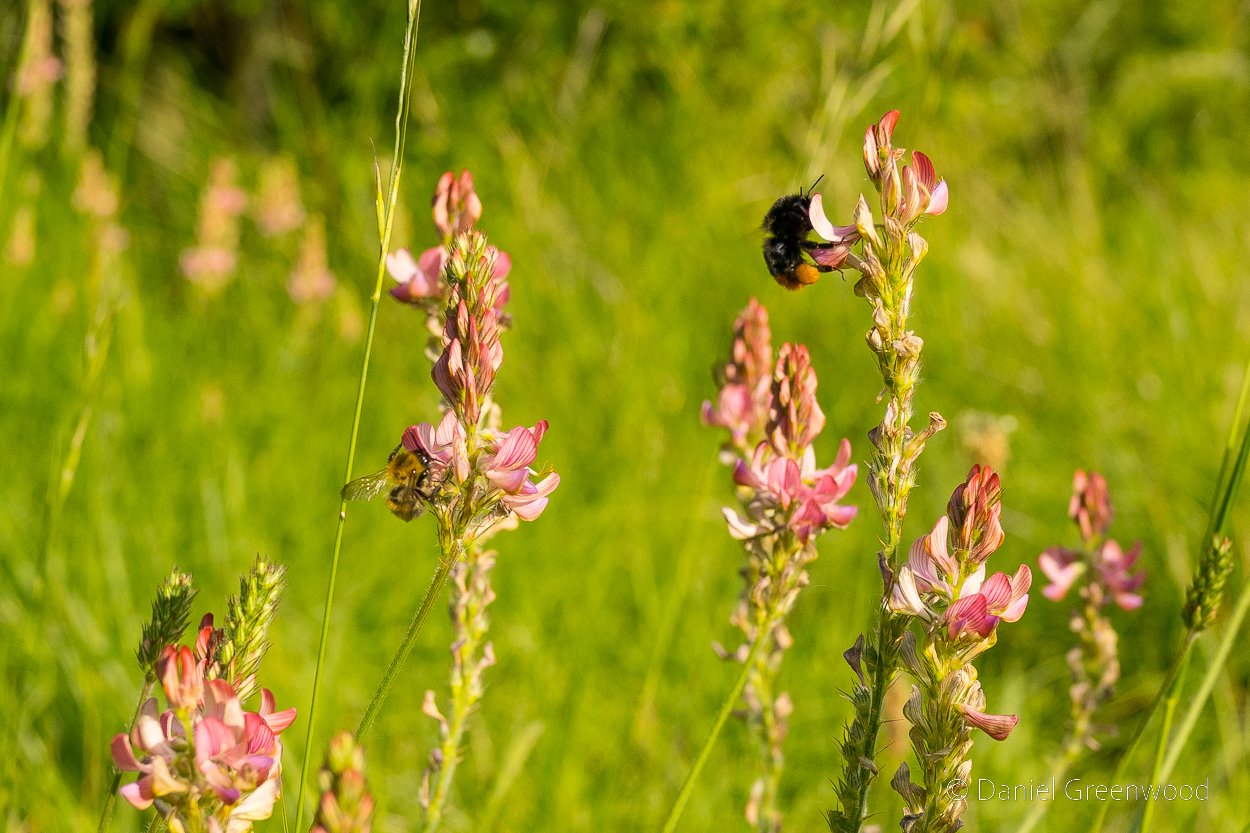
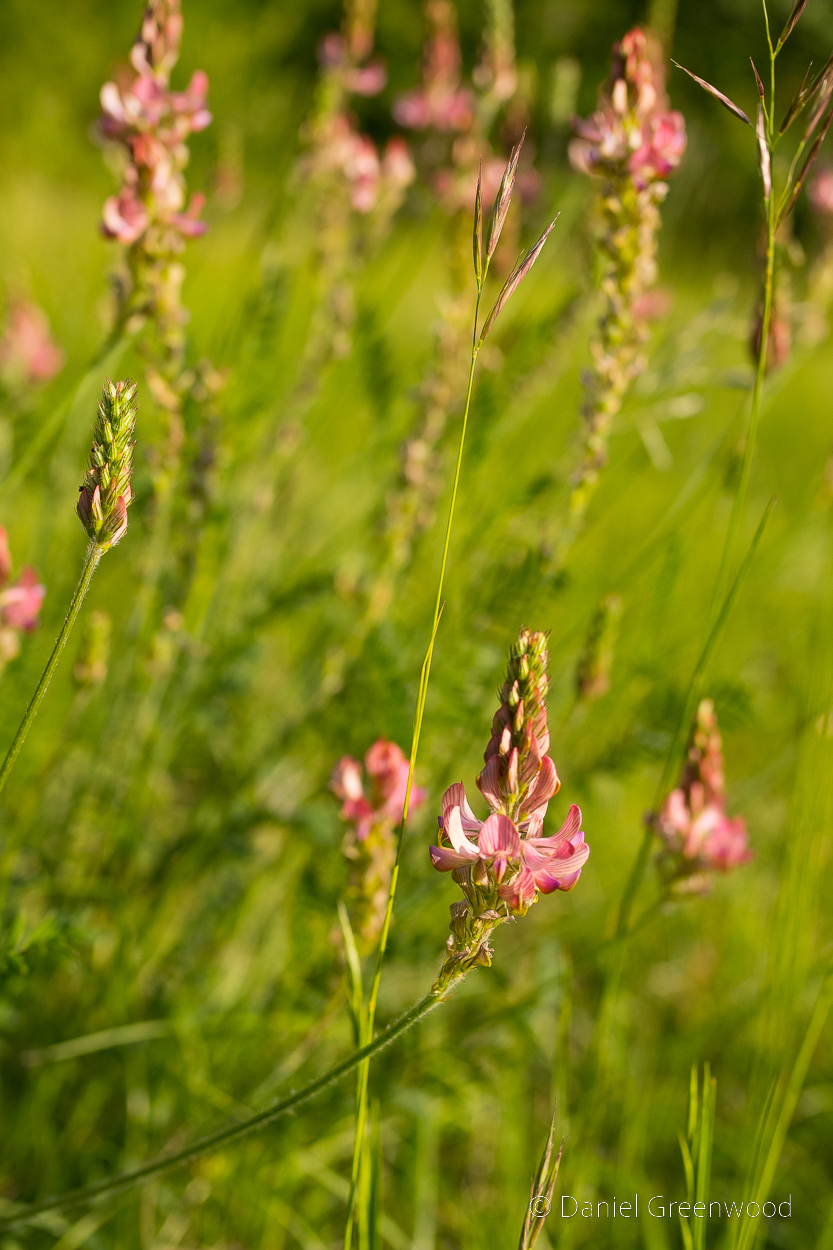
When we topped the mighty Hill I noticed a couple of patches of sainfoin out on the slopes. It’s such a beautiful plant, a member of the pea family, at home on chalk downland. It was popular with bumblebees as you can see above.

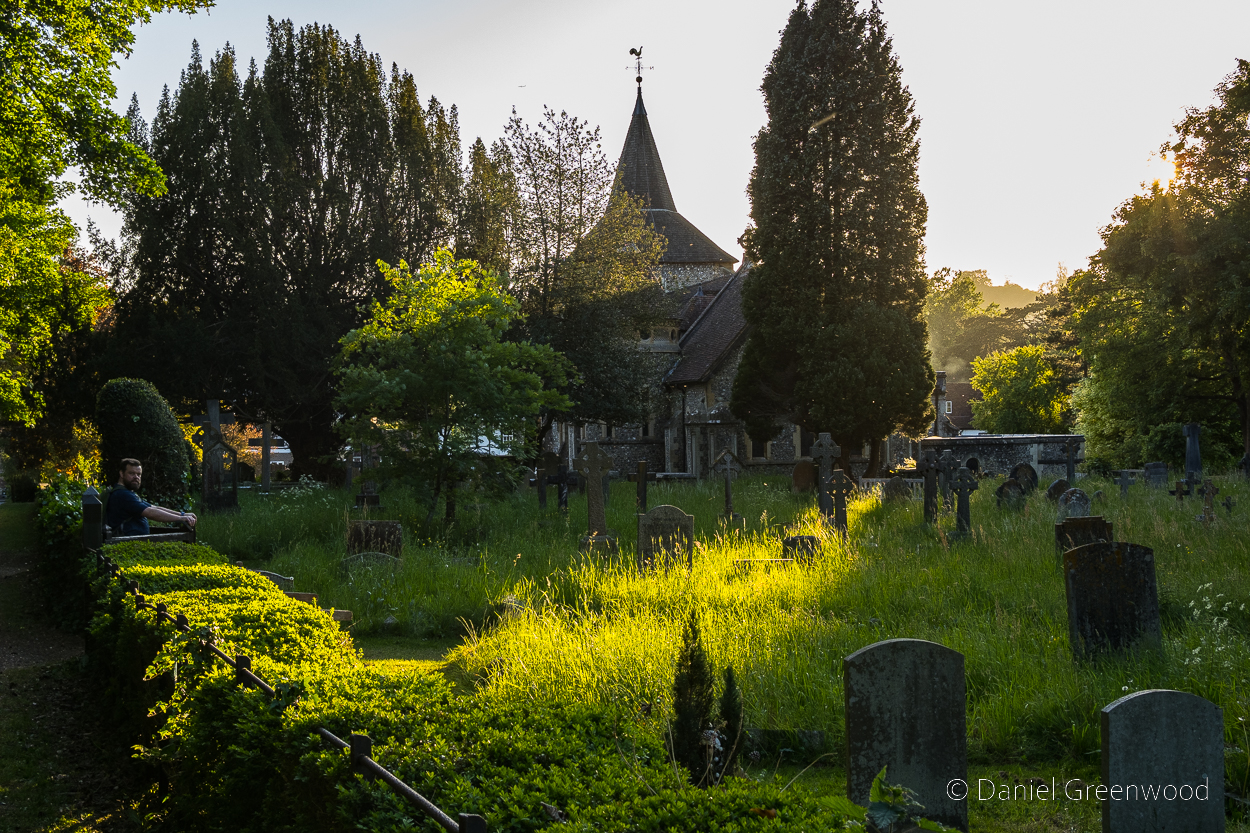
The evening light was reaching into the woodland along the North Downs Way, catching the leaves of black bryony. This plant will always trigger in me memories of a child eating its poisonous berries in the woodland where I worked. He was fine, so not sure what happened there.

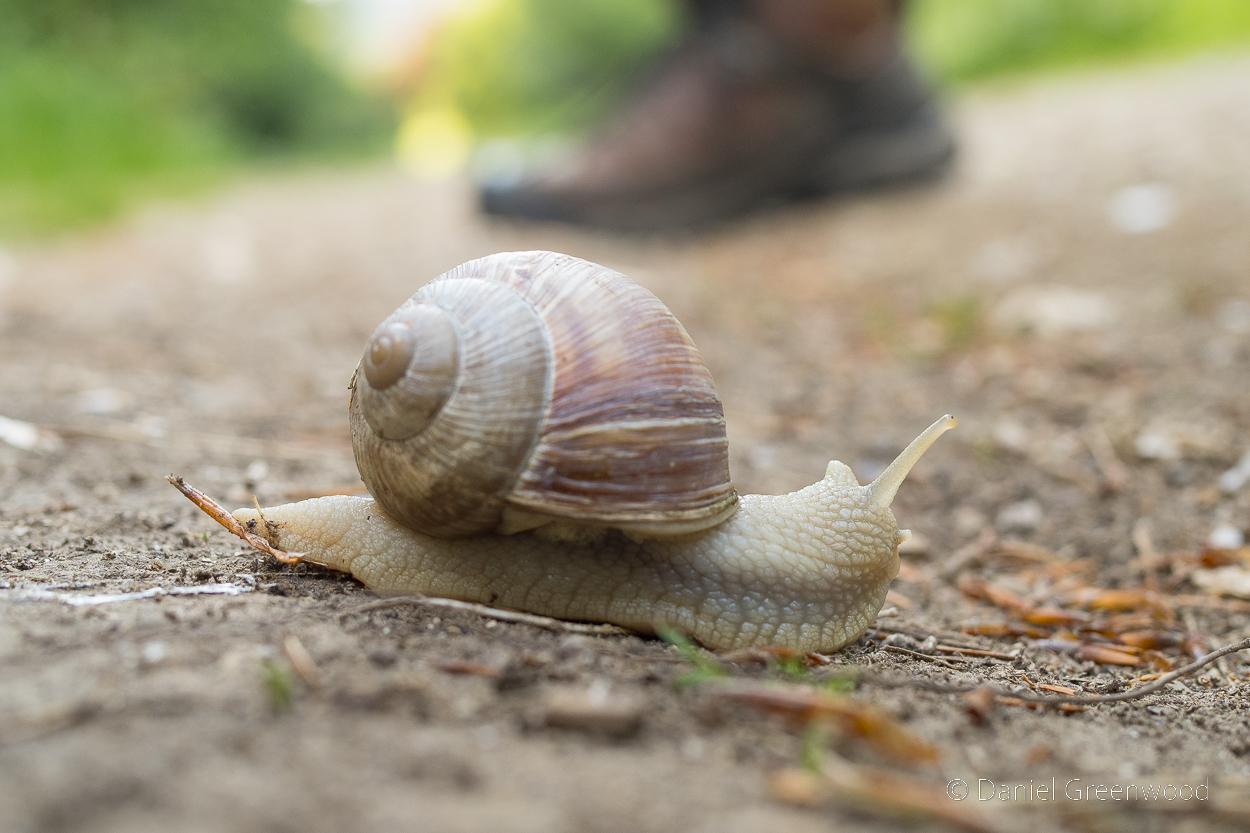
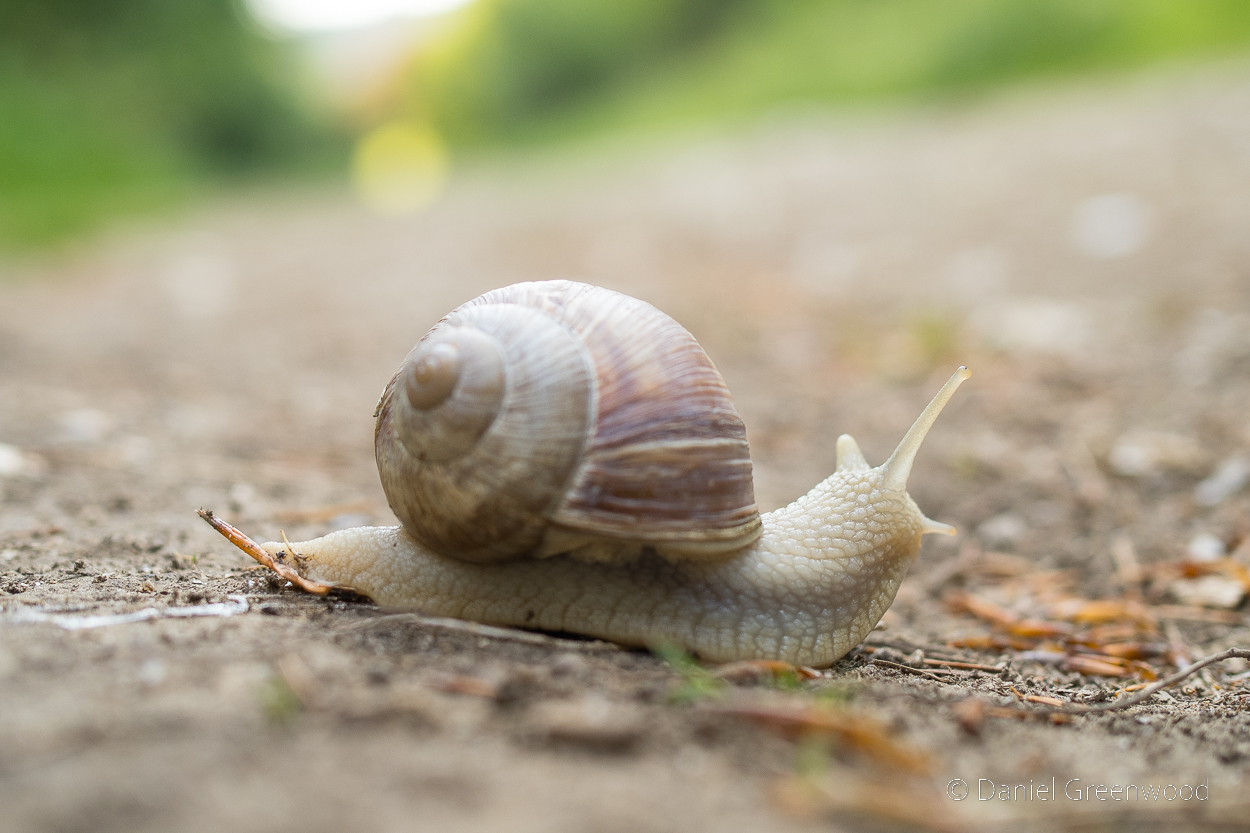
These huge Roman snails were out in good numbers along the footpaths.

We saw a few deer. This one was up on one of the slopes.

The light was beautiful.

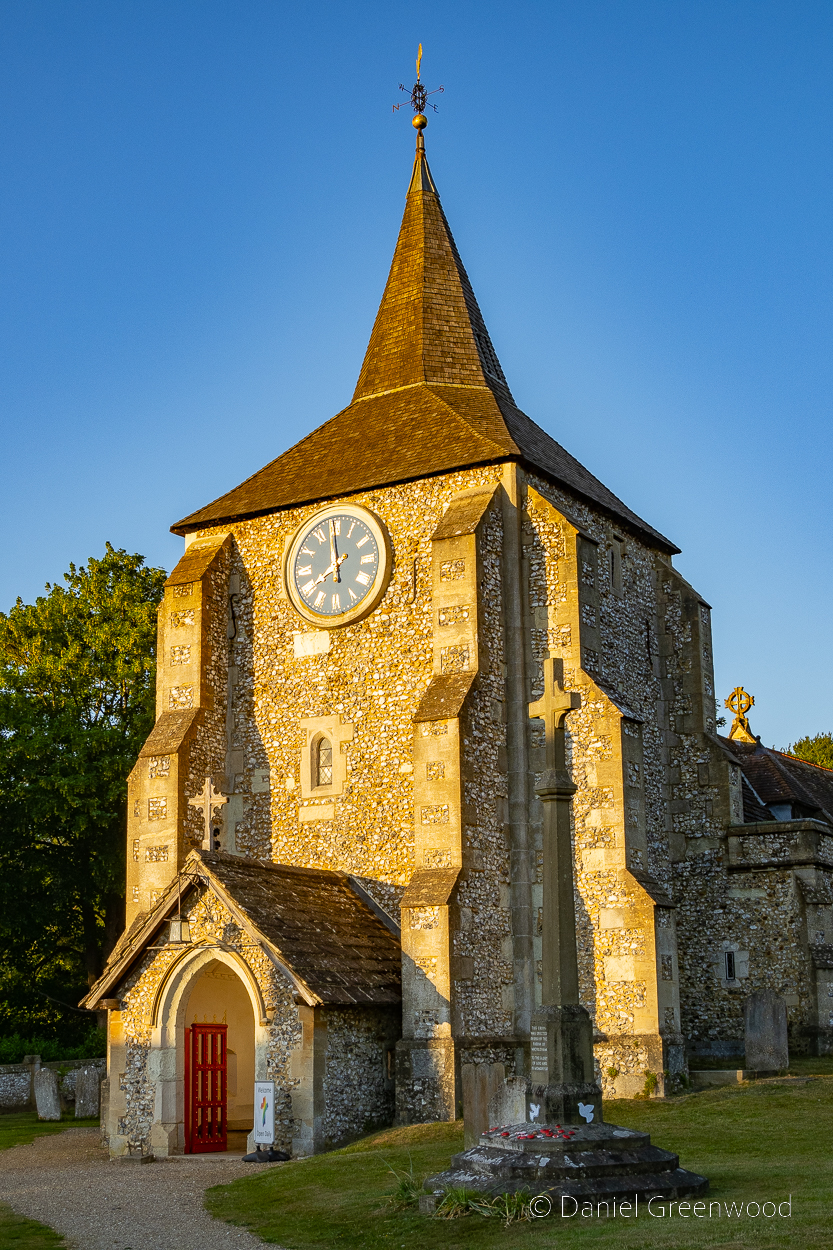
The walk passes a beautiful church in the village of Mickleham.

Thanks for reading

Macro | North Downs | Support my work

Early mining bee

The bees are out in force at the moment, so I’m taking a lot more photos. Posts will now be one per day of photos, as there are too many in a week now to cram into one post! You may not care about this.

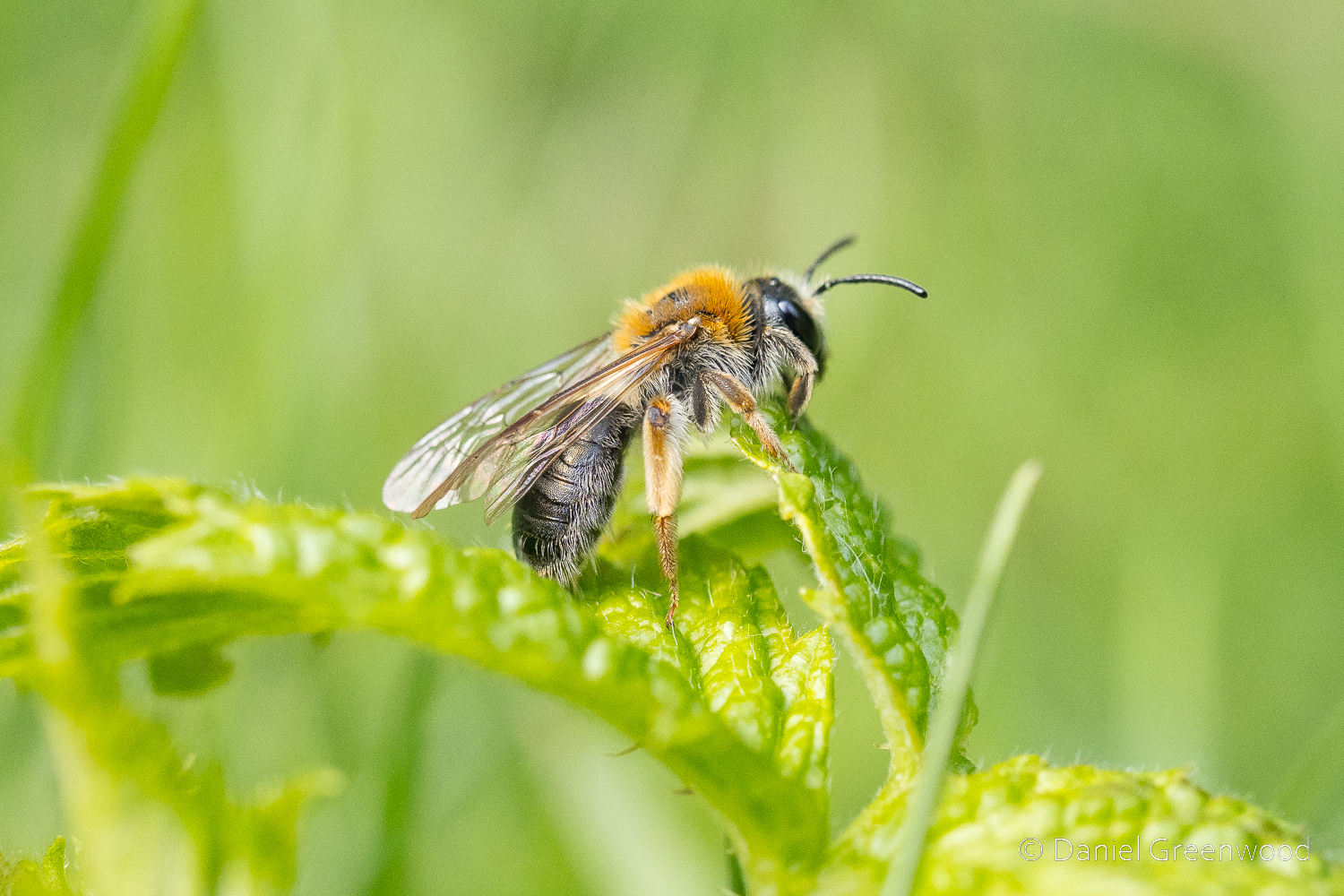
Early one morning before work I noticed a little bee resting on some raspberry leaves in my garden. I grabbed my camera from the house and got some photos. It was early and the temps were low so the bee wasn’t very energised. It may have spent the night there. This is probably early mining bee, which is one of the more common species in SE England from what I know.

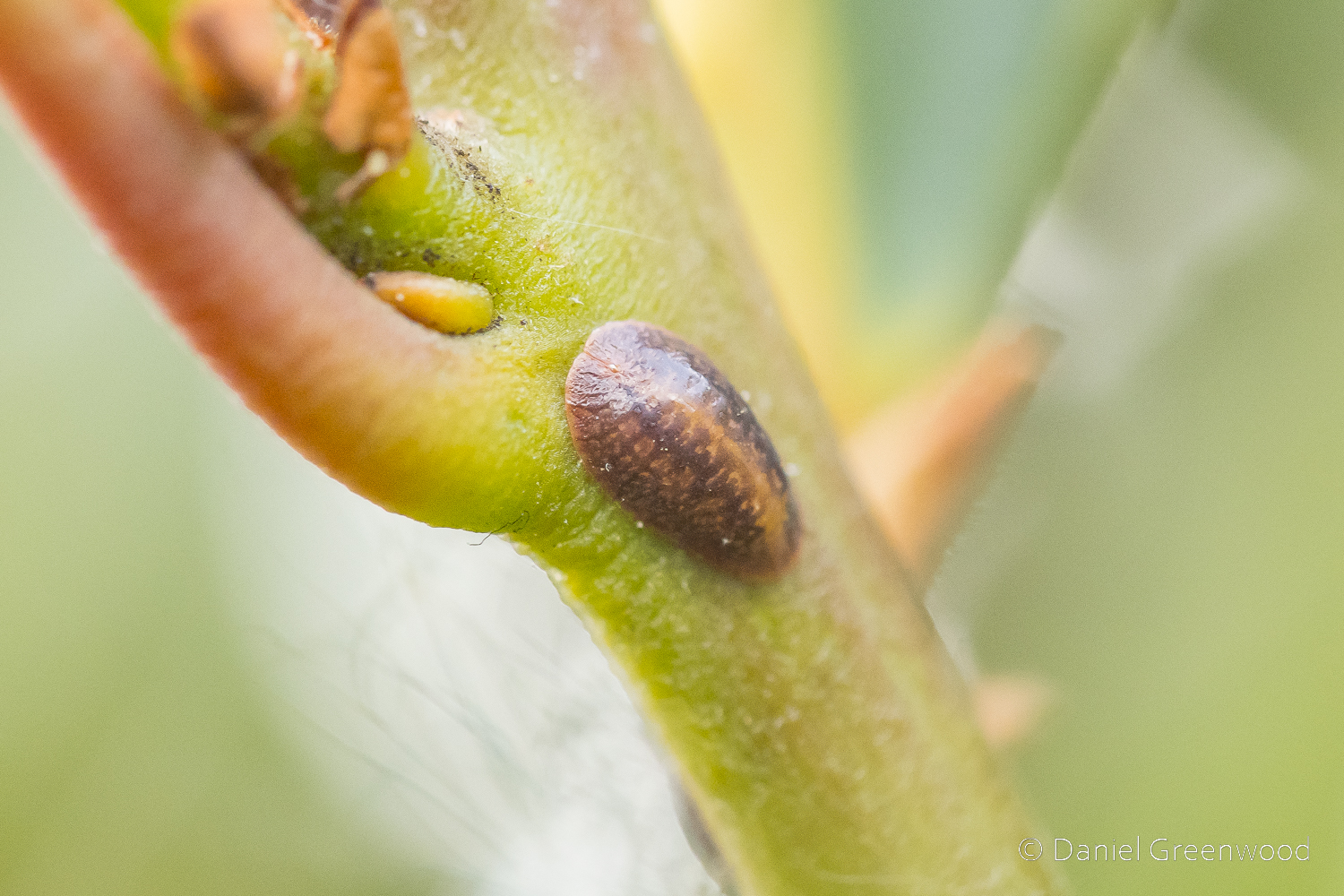
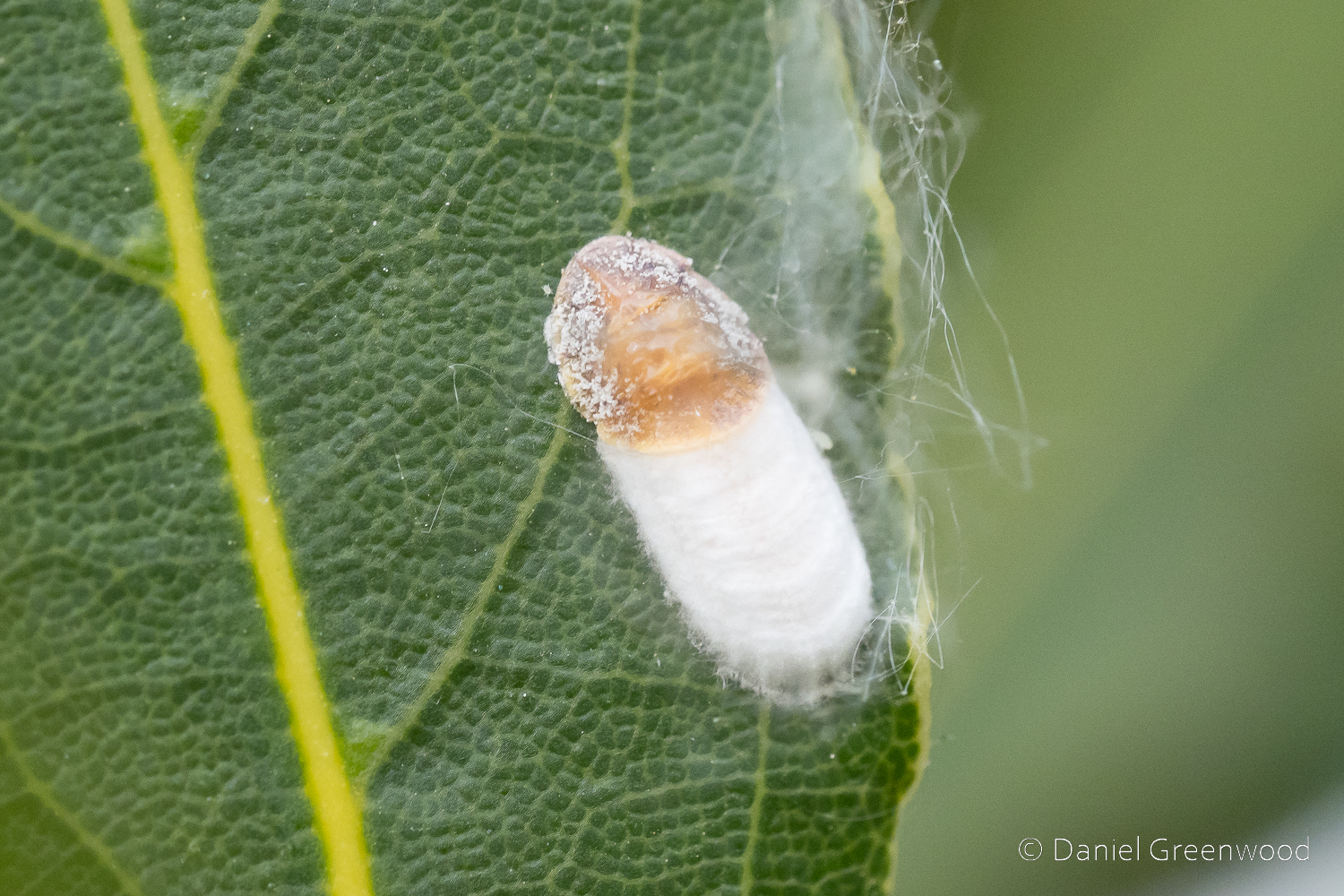
Now then, I think these are scale insects (Coccoidea) in different stages. They’re attached to the stems of plants and also the leaves. Apparently they cause problems in coffee plantations – not a problem for me. Not only do I not drink coffee, it would be impossible to grow it in my garden.

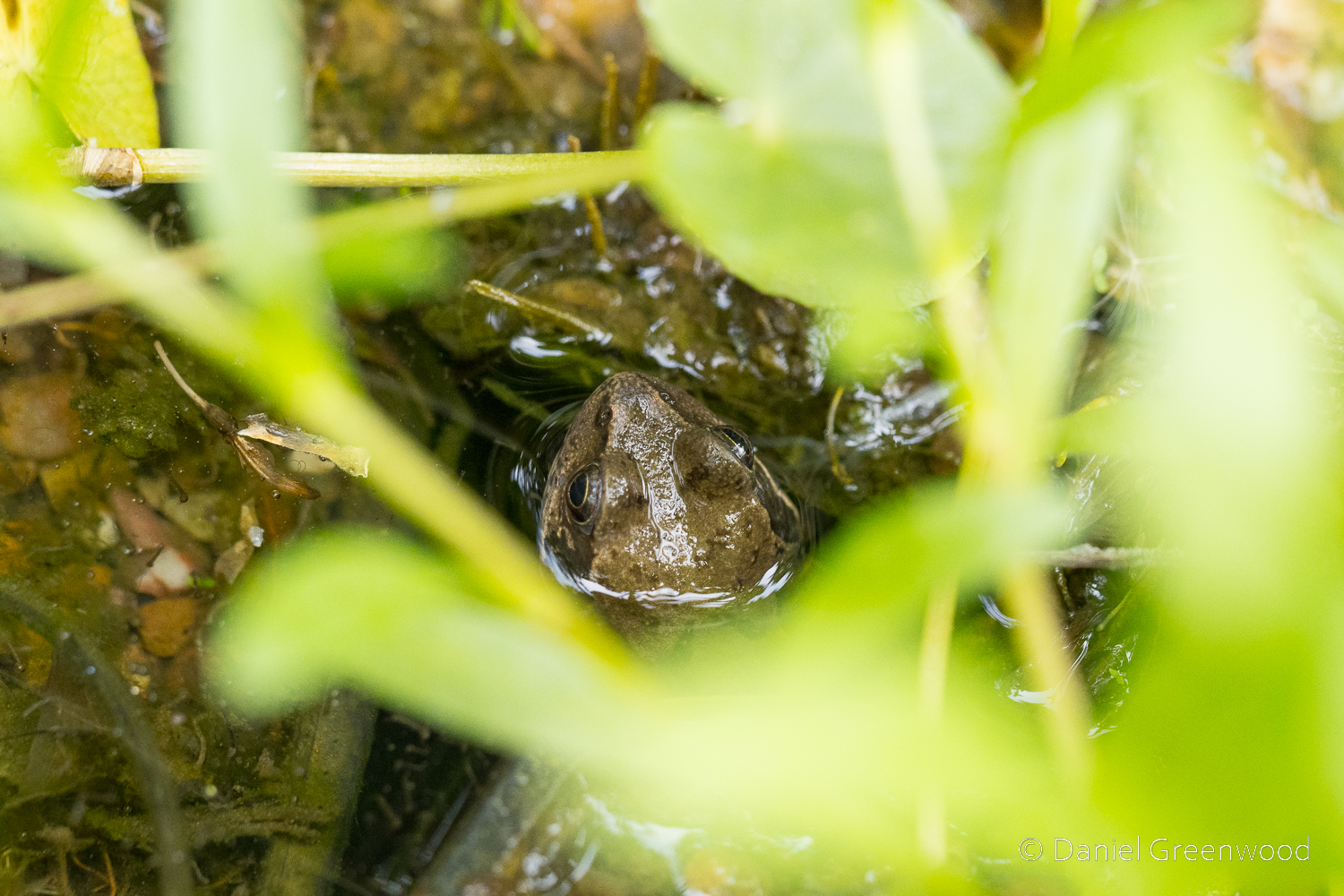
Our frogs have been enjoying the basin pond, as per a recent post. It’s tough for them right now, we’re experiencing extremely dry conditions in southern England and are ‘on track for the driest spring on record‘.

The apple flower I waited 17 years for is producing an apple!

Elsewhere the red currants and gooseberries are well on their way.

The magnificent blooms of the broom have now gone to their typical seed pods.

Thanks for reading

Podcast: is ivy good or bad for trees?

I’ve started recording episodes again for my podcast Unlocking Landscapes. The latest episode is one about ivy and trees, a subject I find very interesting – I know a lot of people do.

You can listen here on YouTube or just search on any podcast-streaming platform:

The episode is only ten minutes and covers the following:

  • What ivy looks like
  • The ecology of ivy
  • Managing ivy on trees
  • Myths and misinformation about ivy
  • When people commit crimes against ivy(!)
  • Wildlife supported by ivy

My aim is to post once a quarter, recordings to take place outdoors, be quite focused and to be around 10 minutes long.

Thanks for listening!

Rhinoceros beetle on Dartmoor 🦏

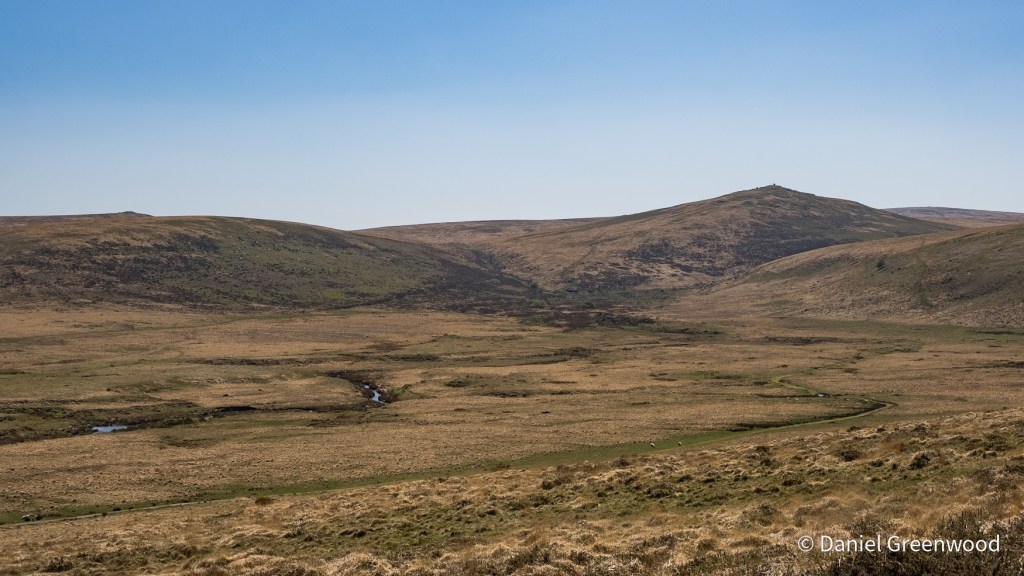
I spent the end of April in Dartmoor National Park, but not quite staying on Dartmoor as the initiated would say. It was unseasonably dry and warm, resulting in a large moor-fire days after we left. Looking at the state of the moor (below) it was hardly surprising. Underfoot it was tinder dry.

What do we do about wildfires, regardless of who or what started them? Whenever there’s a fire you do get calls for more trees in upland areas and for a ban on agricultural fires and restrictions on sheep grazing. Dartmoor’s hills are southern England’s uplands, holding the highest points in the region.

And breathe…

I had some time to take a few purist macro images, some with a does-it-all lens and some with my phone. Here are the results.

The first stop was Devon Wildlife Trust’s Dart Valley Nature Reserve. We often sit here and take in the scenery and birdsong. It’s special.

Gorse was flowering widely across Dartmoor. It’s also know as ‘chag’ historically on Dartmoor, giving the name to the village of Chagford.

Hawthorn was leafing across the landscape, an iconic moorland tree in Devon. The leaves are edible when young and have been known in the past as ‘bread and butter’.

Ferns were uncoiling in the more shaded areas. I think this is hard fern.

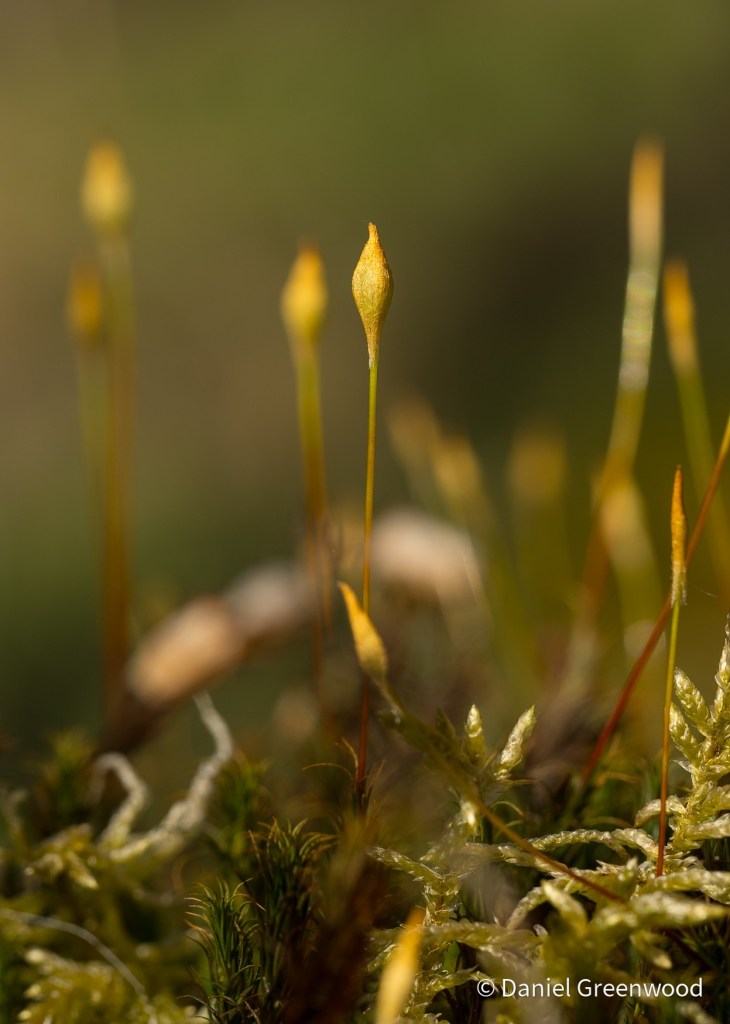
Juniper haircap moss is one that produces its ‘sporophyte’ in April. The very dry mosses were still able to do their thing.

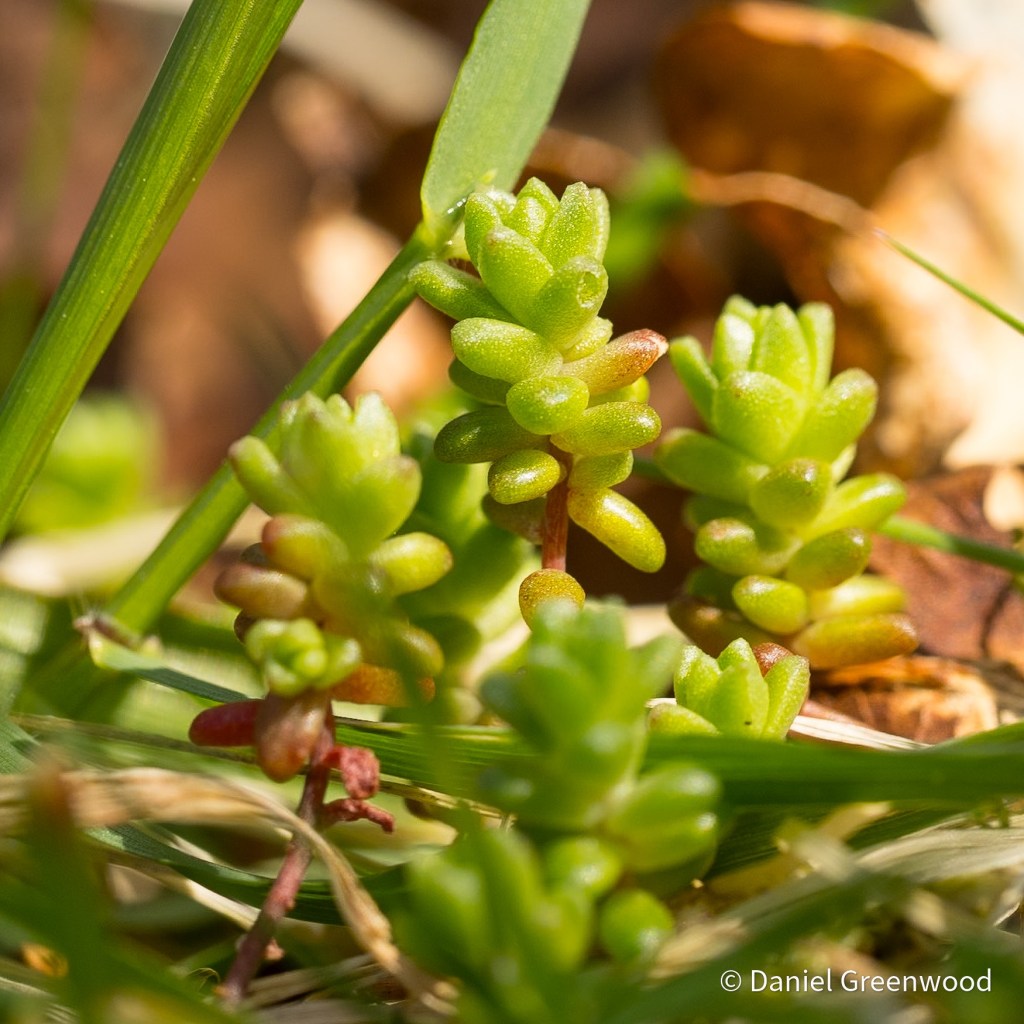
Stonecrops I’m not expert on, but you can see their succulent-ness up close.

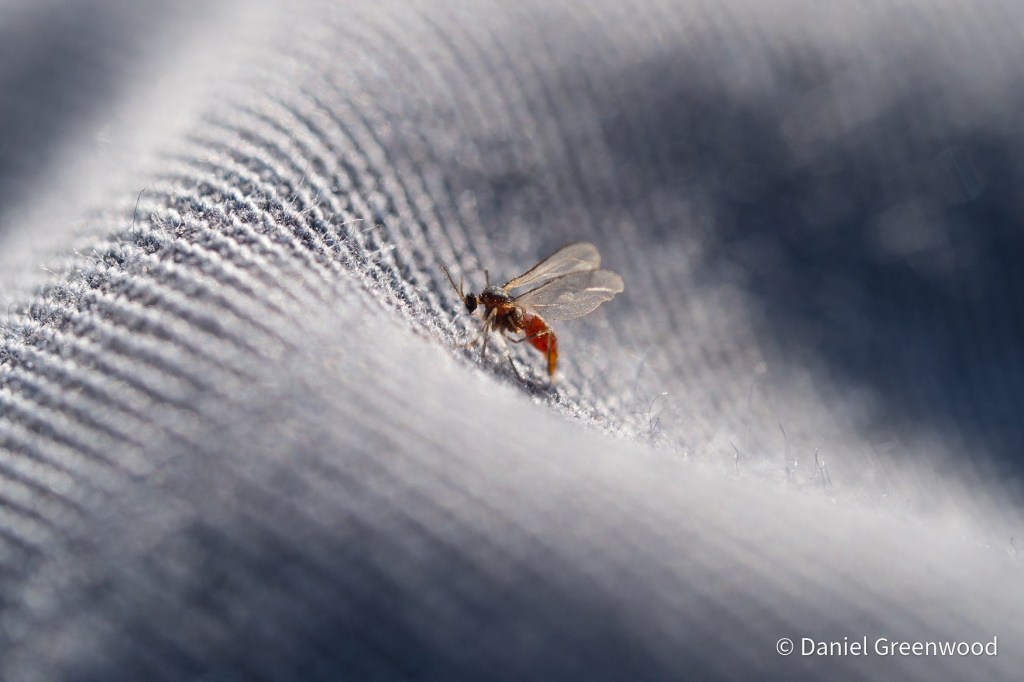
This solitary wasp of some kind was on my trousers. It was really small, as you can see from the threading of the fabric.

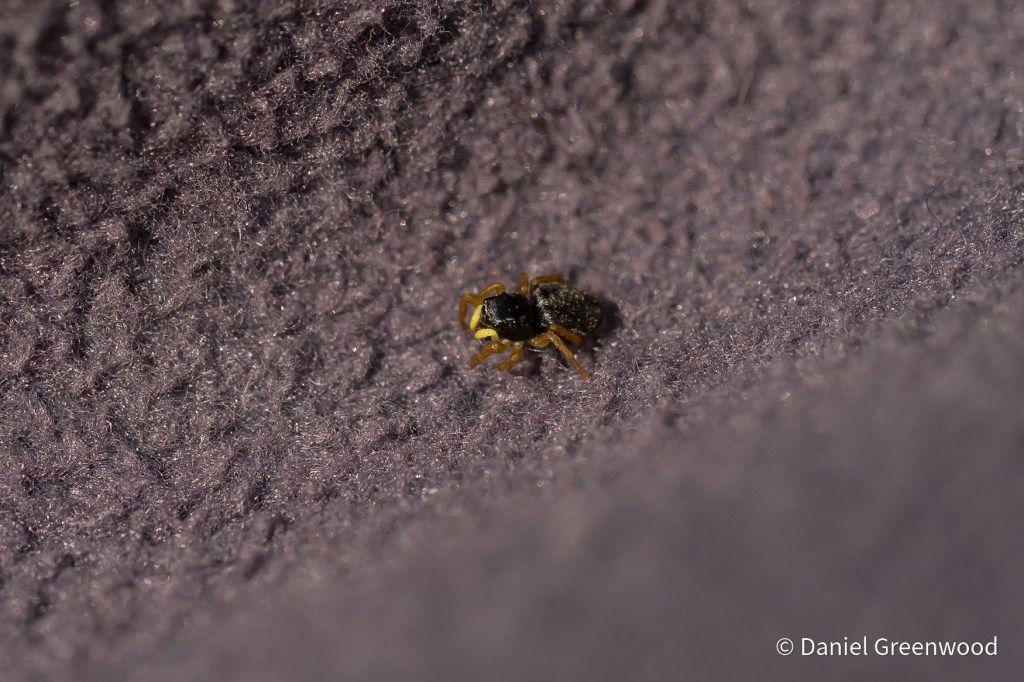
They’re not great images but this jumping spider arrived on my fleece. I would need extension tubes for better close-ups. It’s one of the heliophanus species.

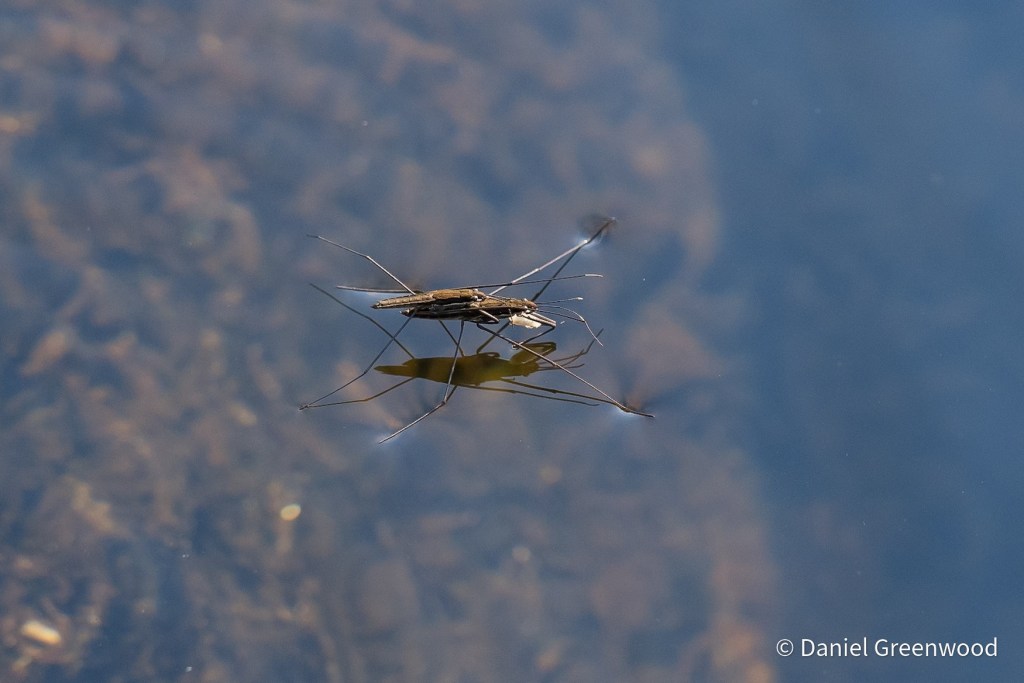
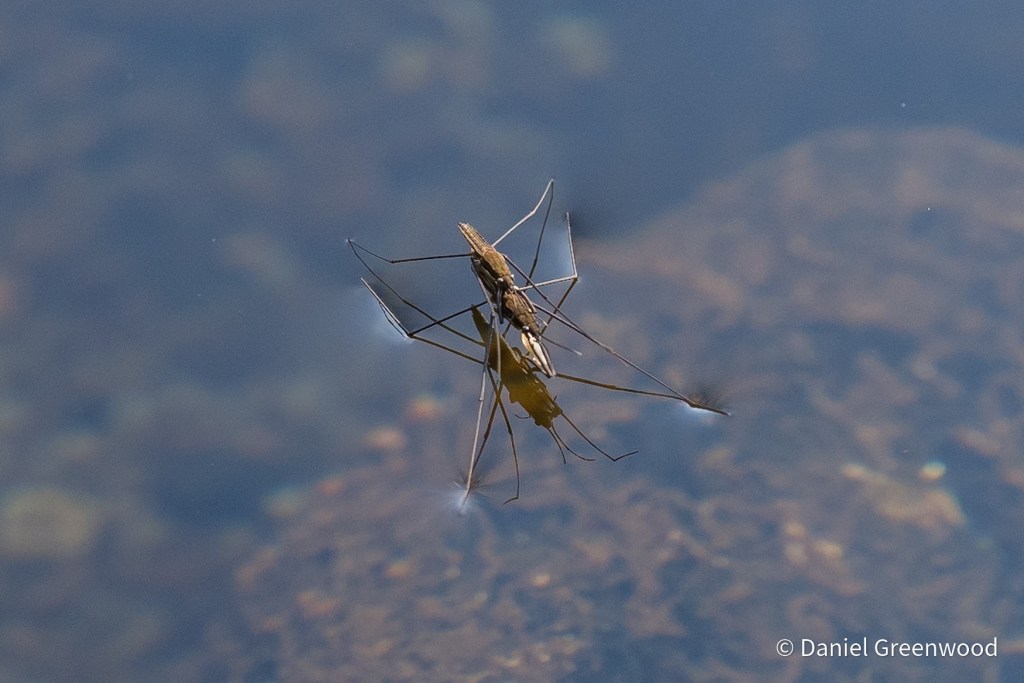
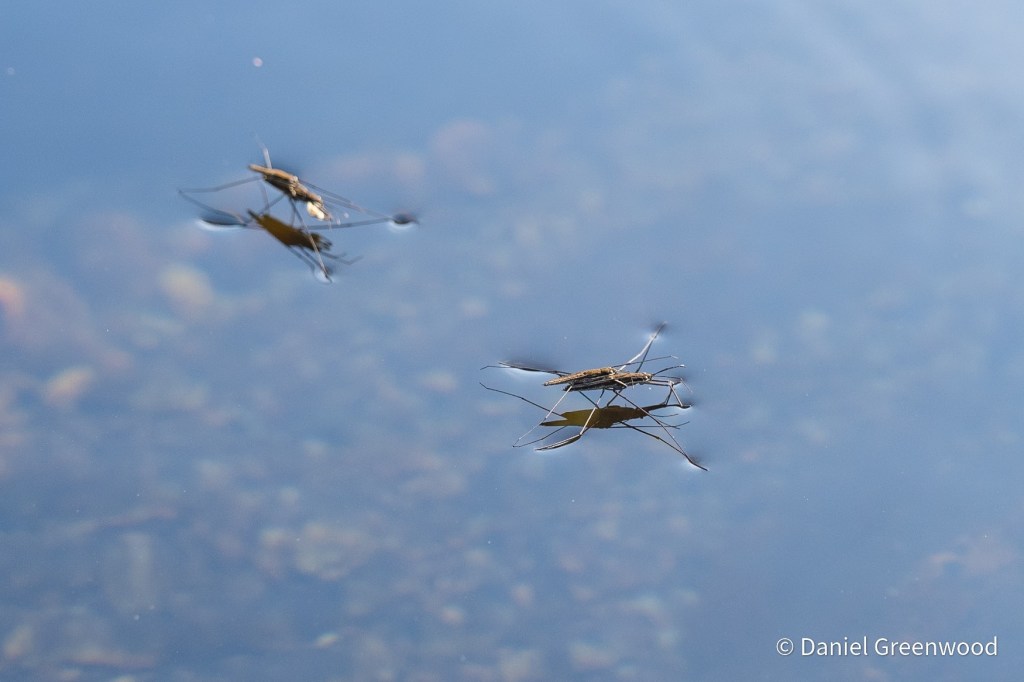
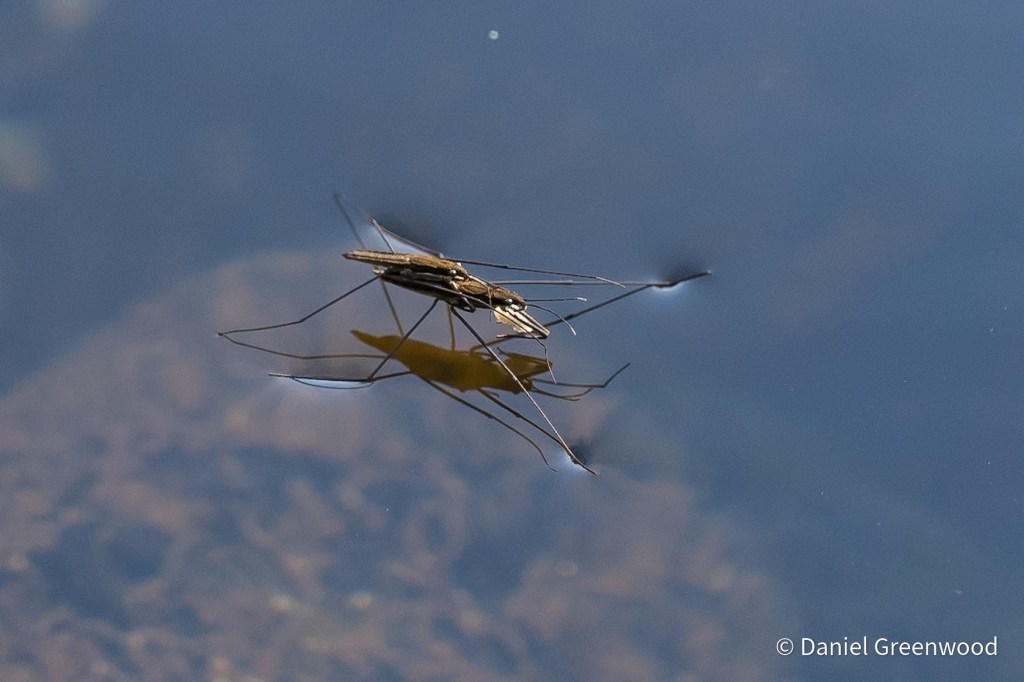
I was really drawn to the pond skaters making merry in the side pools by the river bank. It was only when I took some photos that I saw that they were actually mating. The final image focuses on their legs as they bend the surface of the water to stay afloat.

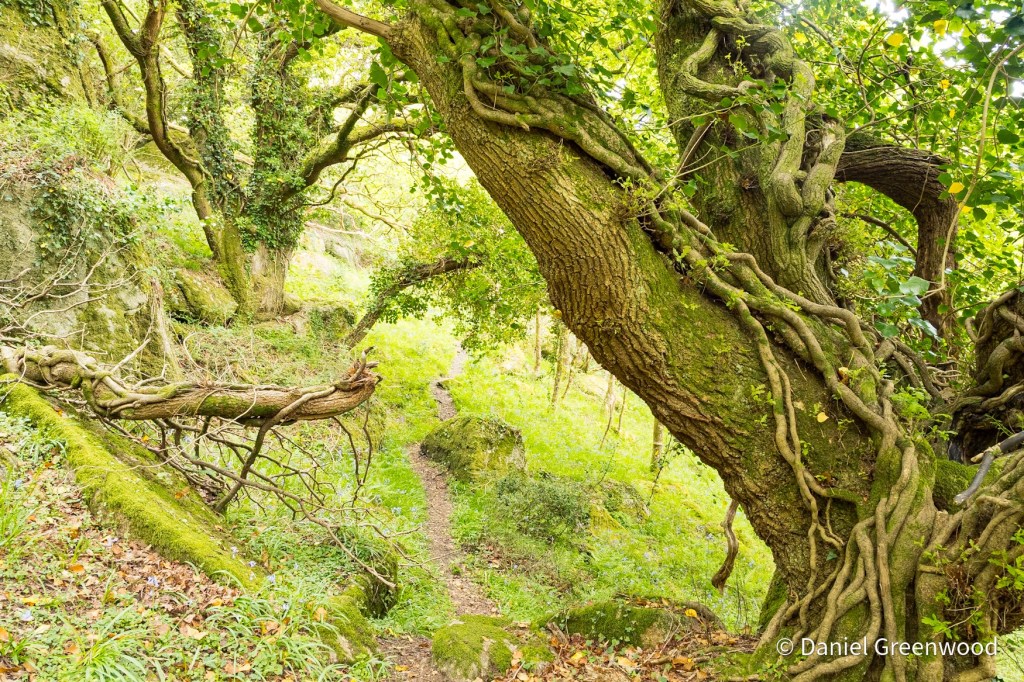
Later in the week we did a long walk around Lustleigh, through the picturesque bluebell rainforests above the River Bovey. These woods are spectacular and very rich in wildlife.

Wild garlic was in flower, mainly found along the lanes rather than deep in the woodland.

Dartmoor is a good place for cool beetles. This violet oil beetle was nibbling on some lesser celandine leaves. This is a phone pic, cropped, so not perfect focus or detail.

My hiking companion miraculously found this long-horn beetle on one of the many mossy oaks we passed. It’s a greater thorn-tipped longhorn beetle.

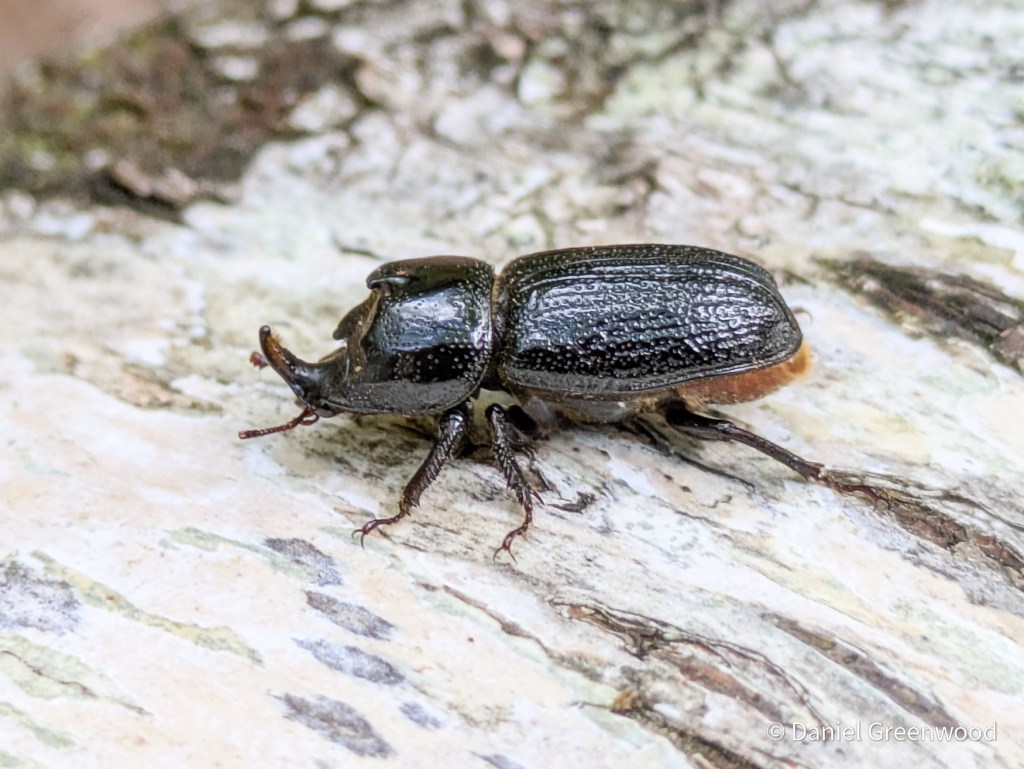
There was a large birch tree that had fallen across a path, and just as I was about to slide over it I saw my first ever rhinoceros beetle on UK soil. Again I only really could get a phone pic, but it still did a reasonable job.

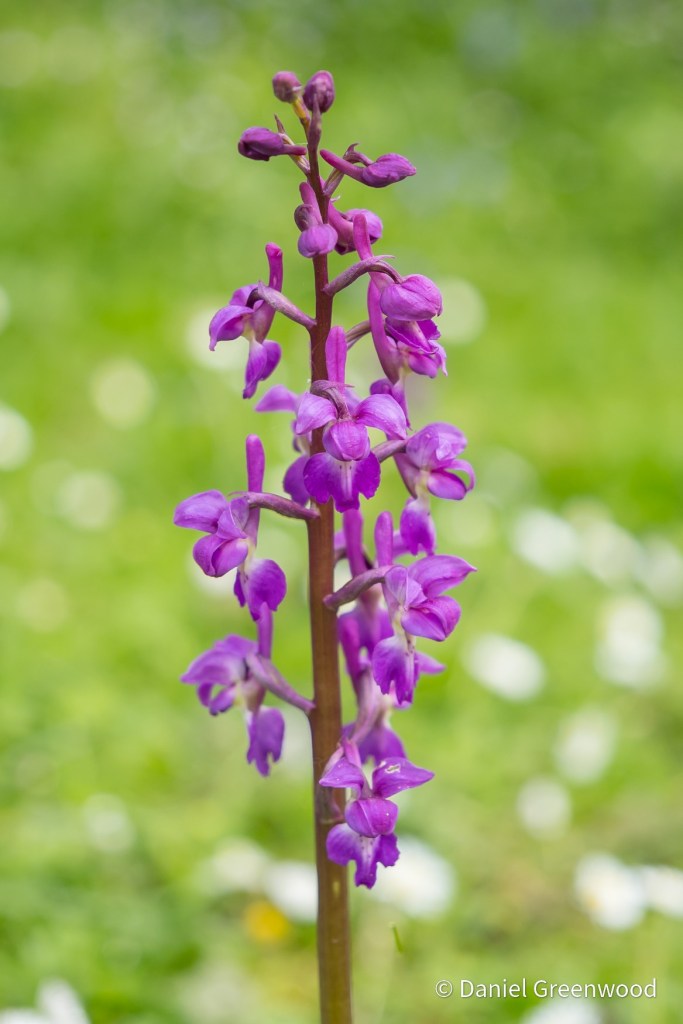
Elsewhere the early purple orchids were flowering. They are such beautiful plants.

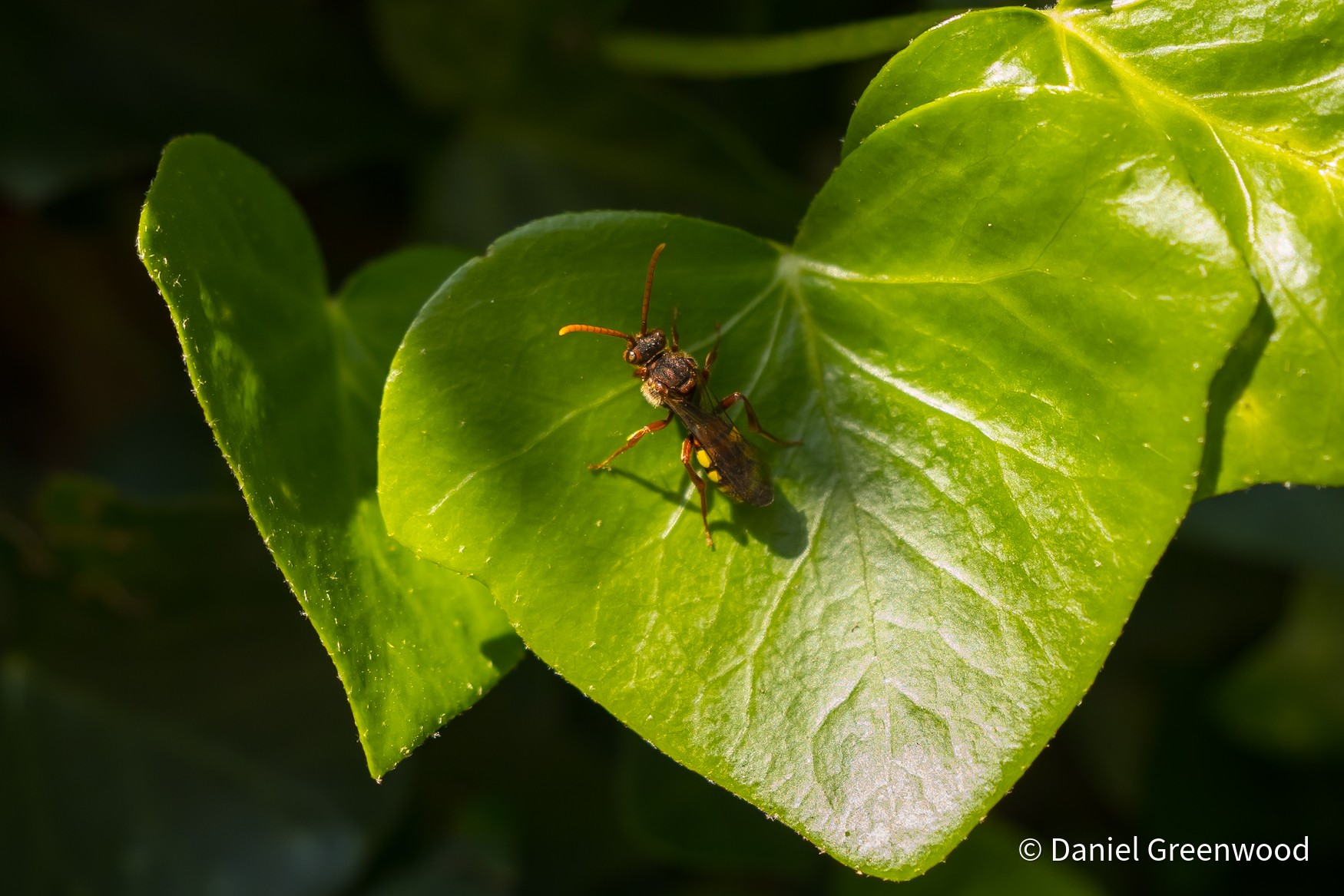
And finally, on another walk near South Zeal I managed to get a few decent images of a species from one of my favourite bee families – the nomad bees. This could be a flavous nomad bee, but I’m not sure. They are beautiful and quite hard to catch in time for a photo.

Thanks for reading.
Macro | Dartmoor | Support my work