Books: Reading the First World War

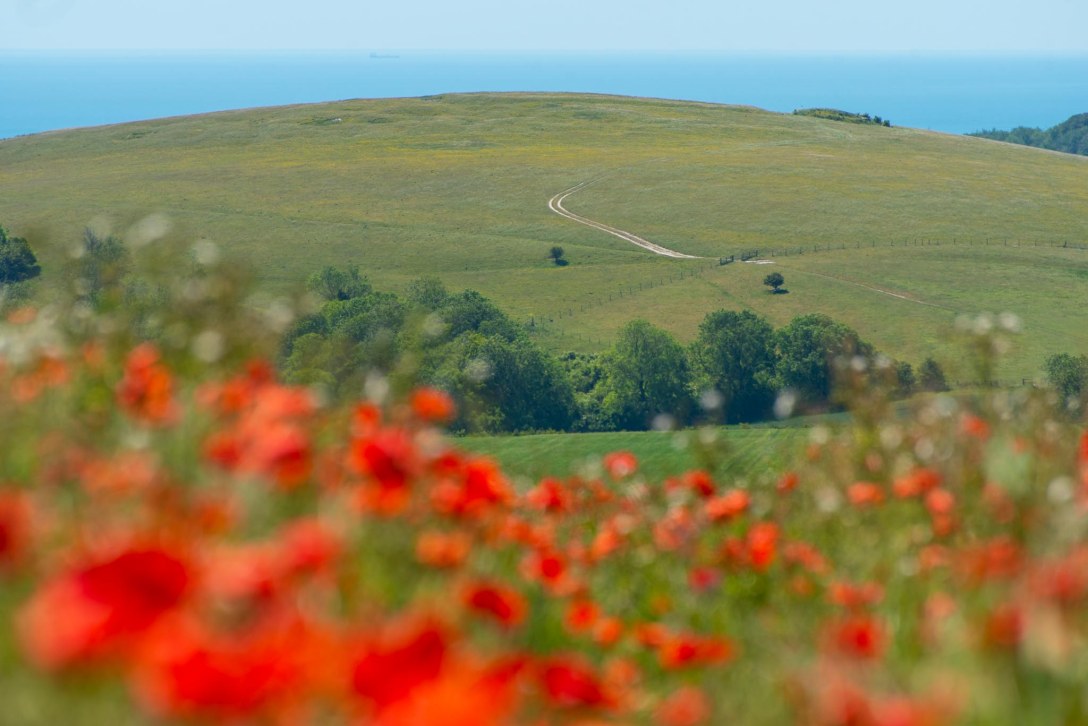
Red poppies frame a green vista that reaches the blue of the sea.

It’s been more than 20 years since I studied First World War fiction in sixth form college. It remains some of my favourite reading and has dominated my book consumption of late, so here’s a run-through of my adventures in this very challenging area of literature and history.
My family and the First World War

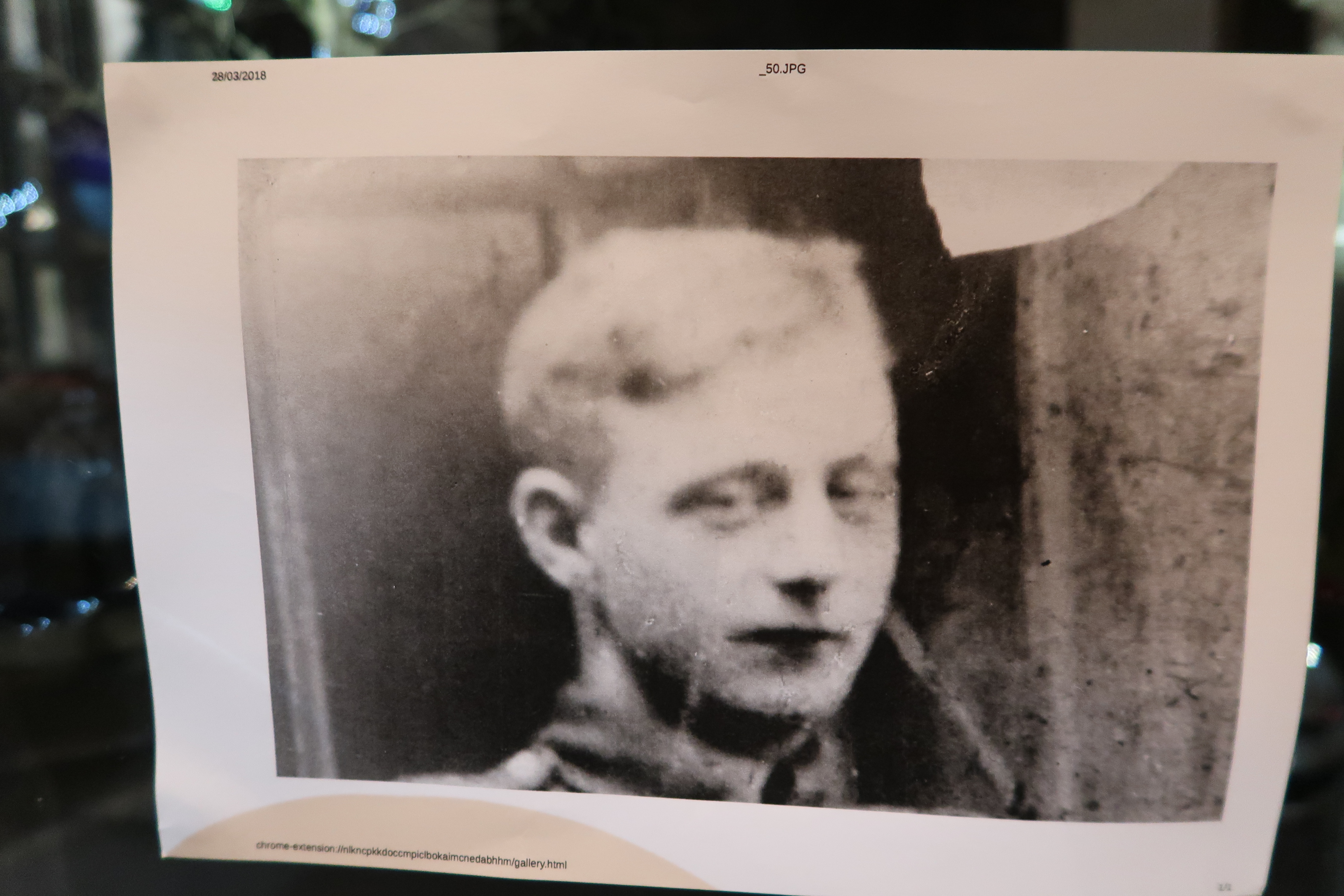
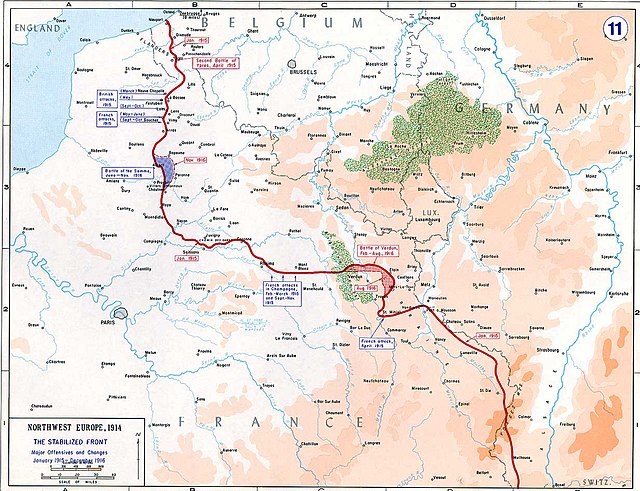
The face above is that of my great-grandfather Wilfred Hill (1896-1961). Here he is posing in his British army uniform some time around 1914 as he prepared to go to join the First World War (WWI). Both my paternal great-grandfathers served in WWI and both of them survived. One was at Ypres, the other at the Somme, both battles renowned for the conditions experienced by soldiers and the extreme loss of life.

At the Battle of Ypres there were 76,000 deaths.

On the first day of the Battle of the Somme there were nearly 20,000 deaths of British soldiers.

Chateau Wood Ypres 1917 by Frank Hurley

I don’t know much about my great-grandfather Wilfred’s stint, but I do know he was a runner and may have been rescued by Canadian soldiers after being buried alive in a shell-blast.
First World War literature

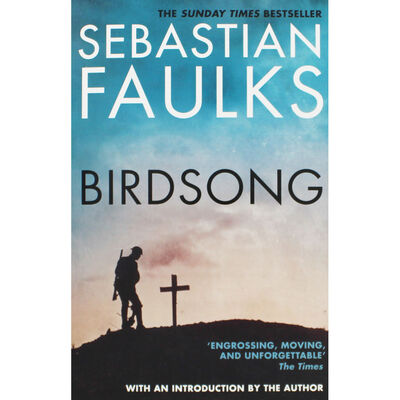
At A-level (aged 16-19) I studied the war poets Wilfried Owen and Rupert Brooke, and the more contemporary novels Birdsong (1993) by Sebastian Faulks and Regeneration (1991) by Pat Barker.

I found Birdsong ‘unputdownable’, but Regeneration a bit more difficult to love at the time.

The poetry has not really stayed with me, possibly because it is so tragic, Wilfred Owen being killed so late in the war. Part three of Barker’s Regeneration trilogy – The Ghost Road (1995) – dramatises Owen’s death, what I felt to be the best of the three novels. It also won the Booker Prize in 1995.

Another WWI novel that really captured my late-teenage mind was the Ice Cream War (1982) by William Boyd, telling the story of life in Africa while the British and German empires battled one another for territory. It began to reveal to me the complexity of empire, war and the relationships between the people mixing in those places.

“They didn’t talk about it”

My great-grandfather Wilfred was 22 when the war ended, but he had probably lived many lives over in that four years.

When I spoke to my dad about his grandfathers’ roles in that war, he said they didn’t talk about it. His maternal grandfather, Charles (born 1895), didn’t say much at all by the sounds of it! The issue of WWI veterans not talking about the war or the difficulty integrating into society during and after the war is a major theme of WWI literature, such was the brutality of it all. I’ve read about it in Regeneration, Birdsong, and the German novel The Way Back (1931) by Erich Maria Remarque.

J.L. Carr’s A Month in the Country (1980) tells the story of a WWI veteran who moves to a Yorkshire village to restore a church mural, post-war. The story expresses some of the social issues found in rural village life, between those who had served and those who had remained at home, not least the difficulty of finding love again.
Returning to the WWI novel

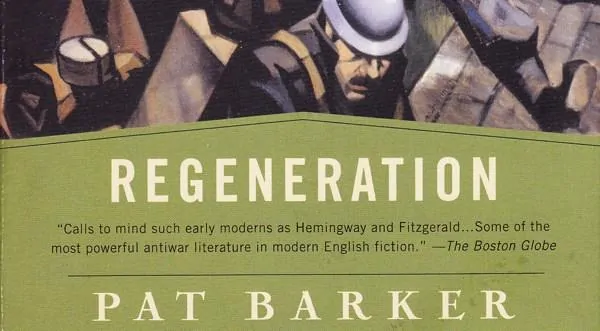
In 2024 I enjoyed a rich seam of fiction, mainly WWI literature, including the Pat Barker trilogy Life Class (2007), Toby’s Room (2012), and Noonday (2015). Looking at my reading list from last year, it didn’t include a single ‘nature writing’ book, which may surprise some readers of this blog. Instead my list is comprised almost completely of novels about WWI.

I wonder why that is. I remain staunchly anti-war (but aware of the need for self-defence) in my personal outlook on world events. Perhaps the wars in Ukraine, Gaza, and Sudan have me trying to understand why these things happen and the impact they have on people swept up by them. Perhaps I am preparing myself for what Trump’s election means for Europe, and the potential selling-out of Ukraine, and thus Europe, by his inexplicable cosying up to Putin, a war criminal.

Non-British perspectives

During my university years my dad handed me his copy of The Good Soldier Svejk (1923), a satirical account of a Czech soldier serving the Austro-Hungarian Empire in WWI, against the French and British forces. It is one of the few books that has made me laugh out loud, not something you will really find in British WWI lit. The illustration above should offer you a sense of it.

Offering an Irish perspective, Sebastian Barry has two exceptional novels which cover this terrible period in history.

The brilliant A Long Long Way (2005) by Barry includes elements of the Irish ‘Easter Rising’, which helped me to understand how the two conflicts were interlaced, and how much WWI was a war of collapsing European empires. Though not focused solely on the war, The Whereabouts of Eneas McNulty (1998) tells the story of a man’s life through both WWI and the Second World War (WWII). It’s one of the most enthralling novels I’ve read in a long time and has the feel of a classic to me.

Prince Leopold of Bavaria inspecting German soldiers on the
Western Front on 14 November 1914.

At school we didn’t study All Quiet on the Western Front (Remarque, 1928) but in the autumn of 2024 I finally read it, having already seen the Netflix adaptation. As many will already know, it is an incredible novel. It is possibly the first WWI novel I’ve read from a German perspective, but the anti-war sentiments are universal. There is so much more that could be said about this novel. The Way Back is the follow-up, but I didn’t finish it because I was reaching my temporary limit for WWI reading.
Empires at War

Speaking of collapsing empires, Sathnam Sanghera’s non-fiction Empireland (2021) really is worth reading. I enjoyed it so much I then read Empireworld (2024), which is also excellent but heavy. It covers slavery in some detail, and it’s harrowing reading.

There is so much about our lives over here in Britain that can be better understood within the colonial context of the British Empire. I know that some can apparently feel quite unhappy about this being raised (not that I have actually met anyone who is), but Sanghera is not looking to goad or whip up division on the topic. I feel that he makes that point very well throughout, but you wonder how fair it is that he keeps having to say it.

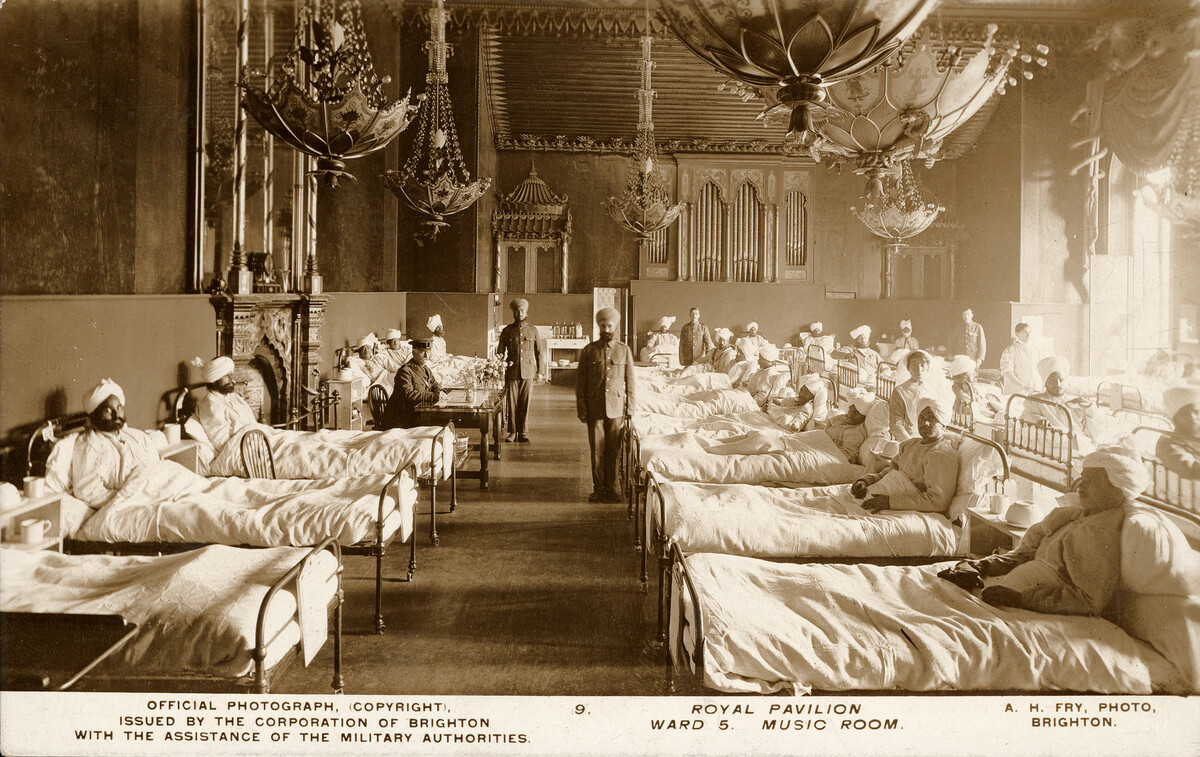
In the south of England soldiers from the Indian regiments stayed in temporary hospitals at the Royal Pavillion in Brighton, and out on the heaths in what is now the New Forest National Park. This post on the University of Sussex blog goes into excellent visual and historical detail about the Indian contingent in Brighton.
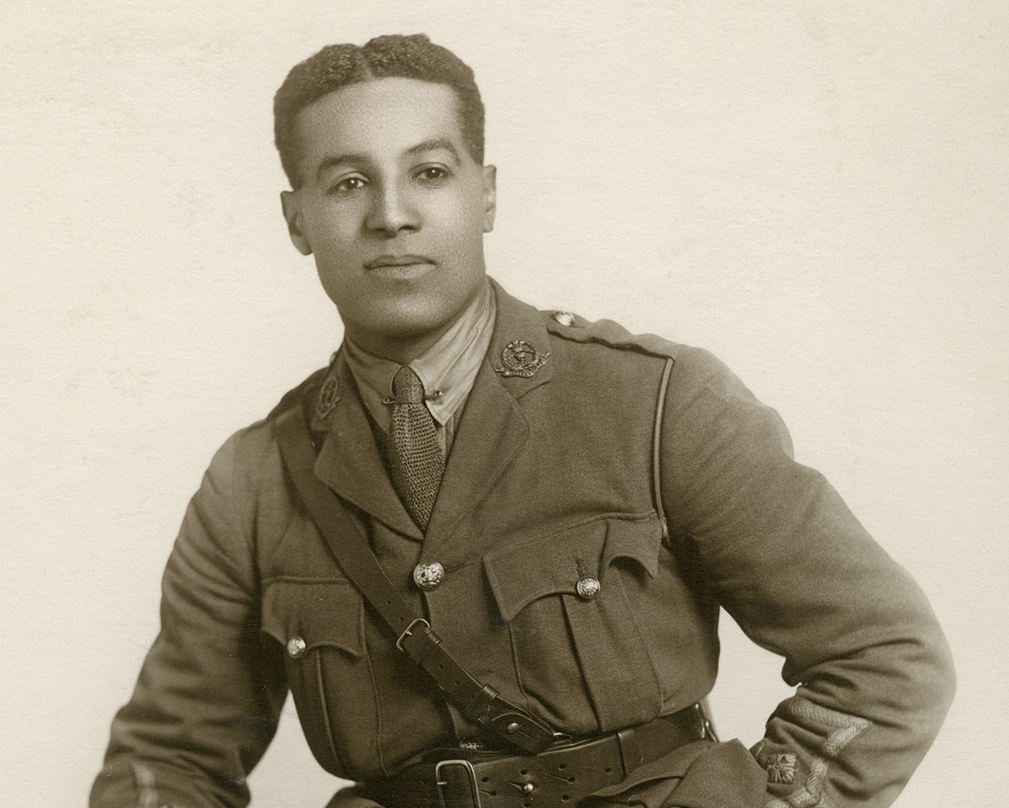
British soldier and professional footballer Walter Tull who died serving in WW1 (1888-1918)

Moving into 2025, I began the year reading David Olusoga’s The World’s War (2014). Olusoga is a WWI enthusiast, and this is one of the best books I’ve read on the subject. You may know David Olusoga from A House Through Time and his writing about the Bristol statue riots in 2020. He now is a Goalhanger podcaster with Sarah Churchwell on Journey Through Time. The World’s War helped me to understand just how vast WWI was at continuous landscape-scale.

WWI was the first time men of colour came to fight in European wars on European soil.  This exposed the varying degrees of racism and white supremacy in each army, but perhaps went furthest in highlighting the seedlings of fascist ideology growing in pre-Nazi Germany. Olusoga ranks the fledgling American military as one of the worst – perhaps unsurprisingly – whereas the French military allowed men of colour to rise up the ranks and be treated with a greater degree of respect. That said, the violence experienced by black American military personnel in St. Nazaire left many questions, and the treatment of colonised Senegalese regiments in the French army echoes the worst of white supremacist imperialism.

Black and white image of barbed wire, concrete posts at Auschwitz Concentration Camp.
Black and white 35mm film image of Auschwitz I took in June 2009

Germany waged racist propaganda against the Allies and their black regiments during and after WWI. Olusoga makes the case for how this virulent strain of white supremacy provided the foundation for Hitler, with children born of relationships between white German women and black Allied soldiers being forcibly sterilised to ‘protect the white race’. We should all know by now that Hitler and his acolytes focused the national shame of losing WWI on a lack of racial purity, and we all know that it ended up at Auschwitz where 6million Jews were murdered, as well as many Roma, black, LGBT and disabled people.

One of the most shocking and appalling outcomes of the post-war (or inter-war) period was the wave of murders carried out against black American servicemen on their return from WWI. The worst excesses of white American, anti-black hate reared its head, leading to the brutal killing of decorated soldiers and their families on the streets of the United States. I didn’t know about this, and I felt sickened reading about it.
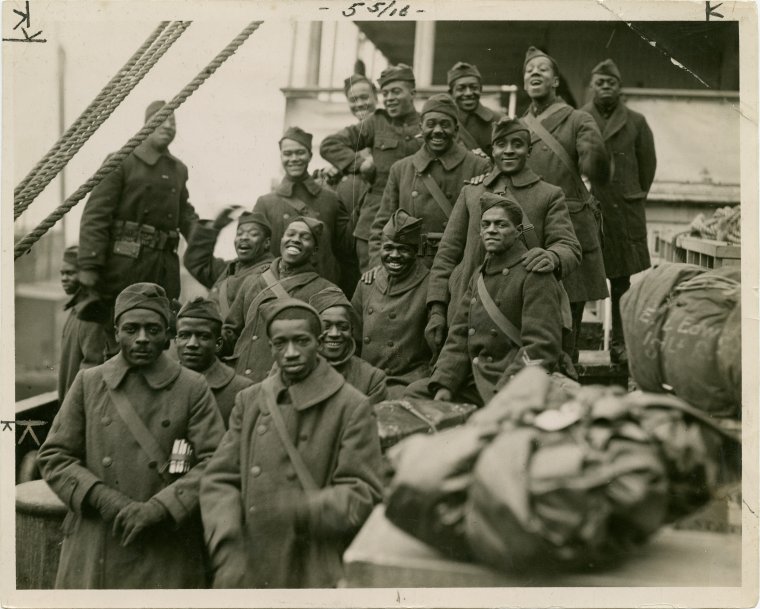
Schomburg Center for Research in Black Culture, Photographs and Prints Division, The New York Public Library. “The 369th Infantry Regiment, also known as the Harlem Hellfighters, a well-known New York based black regiment during World War I, returning home” The New York Public Library Digital Collections. 1919.

The summer of 1919 was known as the ‘Red Summer’. White American racists, including well known outfits like the Ku Klux Klan, felt that black Americans needed to be ‘put in their place’ after their achievements on the Western Front. What expresses the feral nature of this violence is how women and children seemed to be involved in these attacks and crimes, not merely men. Black men were lynched in their military uniforms.

Indeed, many of the issues I have witnessed in my lifetime arguably have echoes in the 1910s. Not least the rise of the far-right in Europe and white supremacy in America are obviously not new issues.

They’re just issues I thought society had learned from, having seen where these issues end up.
What can we learn from reading the First World War?

What I take from reading this wide array of fiction and non-fiction is that war is stupid, cruel and driven by greed. The suffering experienced by people during WWI is not something I feel I can comprehend, but the voices of the people who lived through it can teach us important lessons. Those lessons are that war is misery and wars of aggression, like Putin’s in Ukraine and now Netanyahu’s on the civilians of Gaza, should never happen. War destroys not just people and culture but landscapes and ecosystems humanity depends upon for a stable existence.

Do you have any recommendations? Please let me know in the comments.

Thanks for reading.

Books

Autumn/winter 2023

Hello! Here’s another of those seasonal blogs where I post stuff you don’t necessarily need to know.

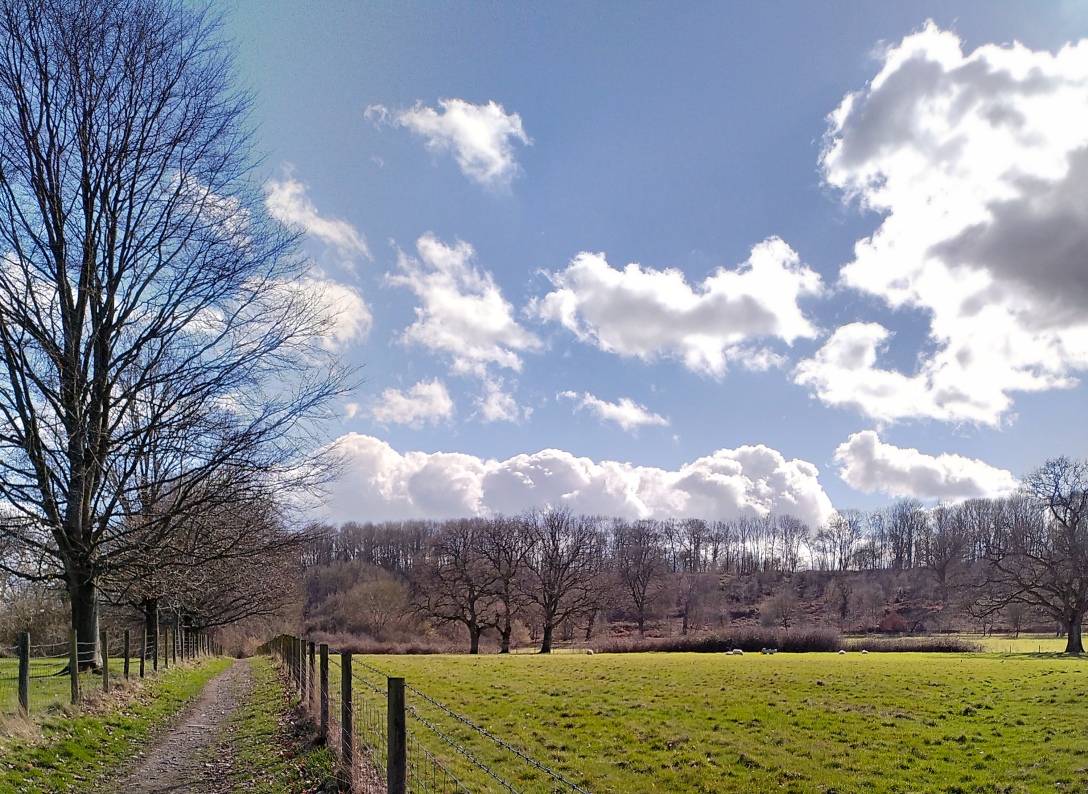
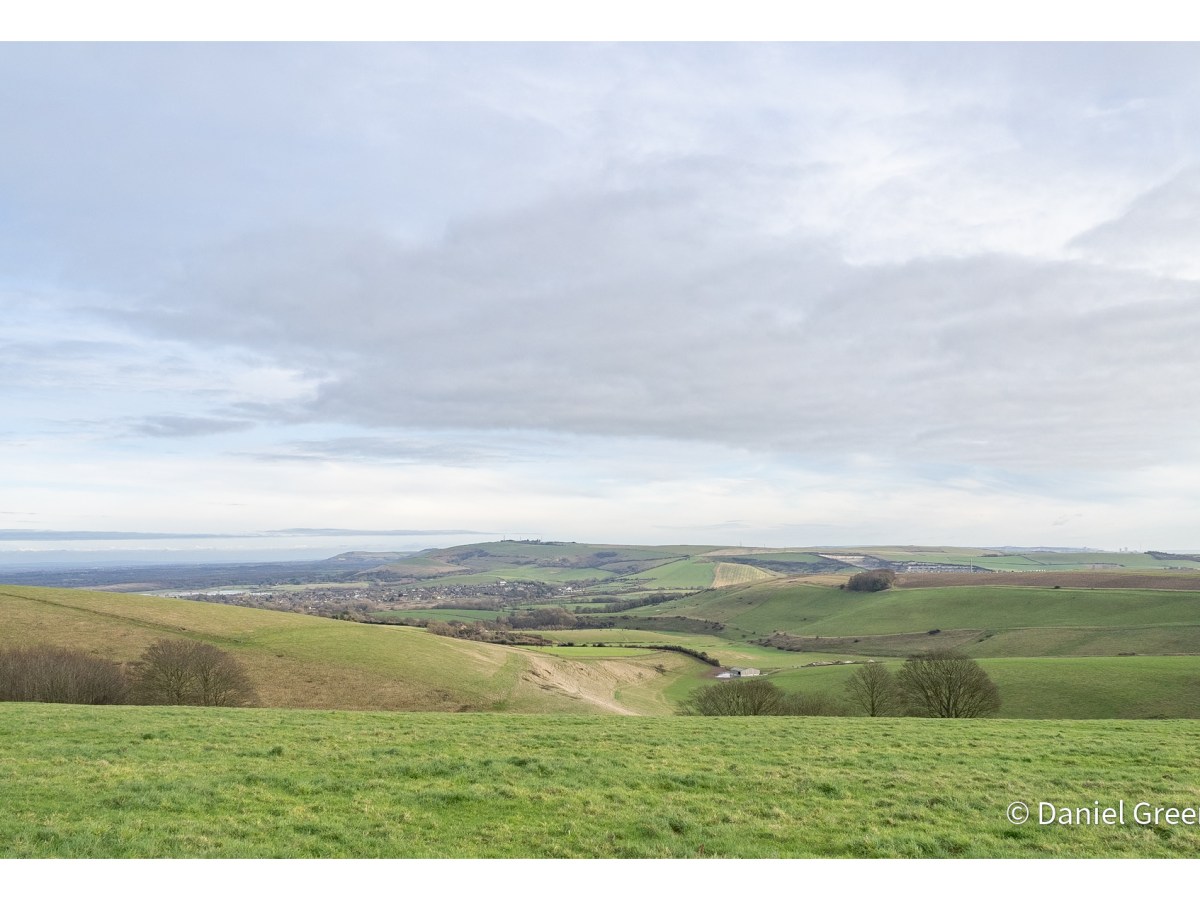
The header image visible on the blog here is of November in the South Downs looking south towards Angmering.

Thanks to everyone who has viewed, commented on and liked my posts this year. Posting stuff on here is a joy for me and it’s really nice to have your questions and comments to deepen the narrative. These posts tend to get more comments than some of my most finely-sculpted photo or prose posts, so let’s see what you have this time.

Where have all the mushrooms gone?

Not a comment on a mycological crisis in the woods, but the content that seems to ‘drive traffic’ to this website. As some of you may have seen, I’ve set up a separate fungi blog/website for my mushrooms pics: www.fungifriday.co.uk

The Fungi Friday blog is a home for my fungi photos with a focus on southern England’s rich funga.

I created it for a couple of reasons. One the main motivations was enforced – social media like Twitter (RIP) and Instagram are moving away from photography and instead towards poorly functioning hate-posting for the latter, and TikTok-lite in the case of ‘The Gram’.

Then there’s Threads, which reminds me of the ‘smartshop’ self-scanning interface from Sainsbury’s. It’s also owned by Meta/Facebook, which is not great.

The second reason was that constant mushroom content doesn’t really fit with a personal website with varied, landscape-related subject matter. I value bringing hand-written landscape writing to this website, which the fungi content is not. If I’m ever going to make it as a writer, I’ll need to spend more time working offline with a pen and paper, and typing it up later.

Another key point is that fungi are ‘hyper-diverse’ and there is a lot to cover. I’m aware that quite a few people read this blog through their email inbox, and a mushroom a day probably isn’t what you need (though to some people, that’s exactly what they need). I’d like to post more longer reads about fungi in the cultural sense, as I did in lockdown (2020-21).

Anyway, I hope FungiFriday.co.uk can last the pace, and I’ll be posting my autumn photos over these bleak midwinter months. Please do #LichenSubscribe if you have a WordPress account.

Music in 2023

My favourite album of 2023 (though released in 2022) is Blue Rev by Alvvays. You can watch a live studio set from them above. Molly Rankin is part of the famous Rankin Family, and her voice positively sings of her ancestry. After the Earthquake is the song I couldn’t stop listening to in the spring/summer and the album has such depth to it for something so rockin’ and short. They are a total joy. Check them out!

I also loved the latest album by Alex G, God Save the Animals.

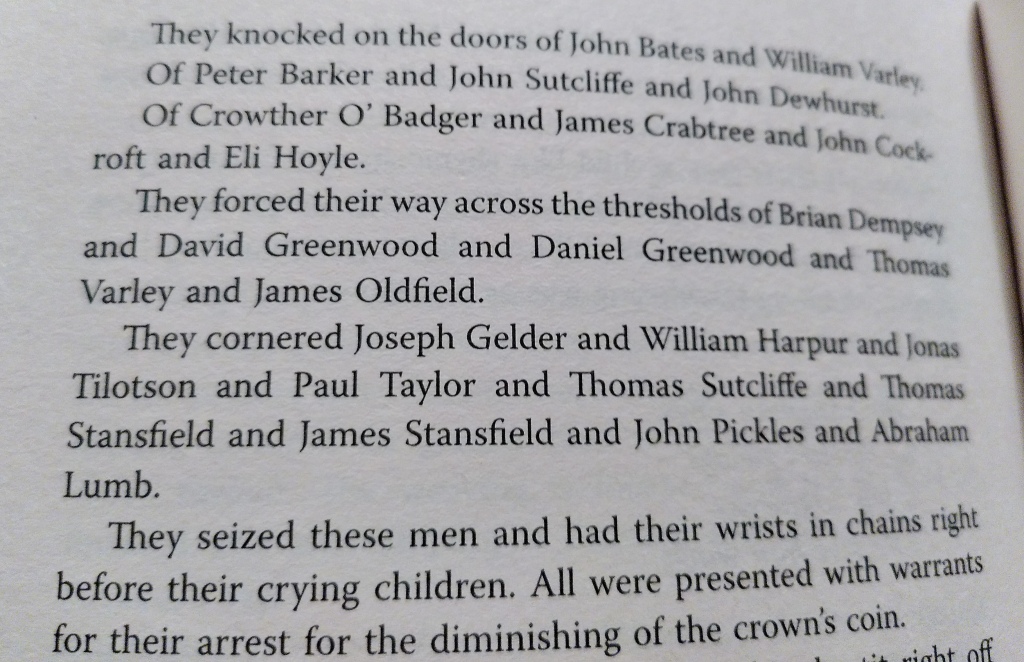
A snapshot of The Gallows Pole by Benjamin Myers

Favourite books this year

As mentioned in the spring, The Gallows Pole by Benjamin Myers has been one of the best books I’ve read in ages. It’s brutal, violent and bleak, which isn’t my thing, but it had that pull that keeps you wanting to know what’s going to happen next.

It’s also now been serialised (sort of) by the BBC. I haven’t watched it yet, mainly because I loved the book and I’m worried about how my ancestors will be represented (see previous image) on the small screen.

Colm Tóibín has been one of my other favourite authors I’ve read this year. My Irish diaspora family seem to spend a lot of their time consuming Irish culture in books, films, TV and music. I know I’m getting older because I am now doing that. This year I read Brooklyn, The Magician, House of Names and The Blackwater Lightship by Tóibín. Those books aren’t all about the Irish, but Brooklyn tells the story of a young woman’s migration to New York from a rural Irish village. England has descended into extreme far-right territory with its political language around migration, which you are probably sick of hearing about. But reading about the stories of migrants is probably a helpful way to educate one another and those close to us about the plight of others.

In other Irish lit, I also enjoyed reading all of Donal Ryan’s novels, especially The Queen of Dirt Island.

Another book I really enjoyed was close to home – Between the Chalk and the Sea by Gail Simmons. Simmons walks a path from Southampton to Canterbury she translates from the Gough Map, visiting large areas of the South and North Downs along the way. I love this part of the world and am so lucky to be a few train stops away from either landscape. This is definitely a great Christmas present and a book that walkers will love, especially if you like how the landscape can be read to tell the story of its past.

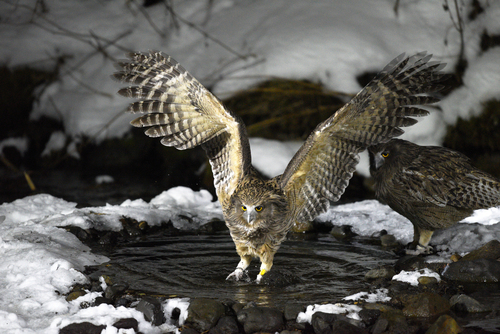
Also shout out to Owls of the Eastern Ice, which is an astonishing book that’s been around for a while now. I loved it.

My favourite film of 2023 is obviously Barbie.

Thanks for reading and your support in 2023. Ciao for now!

– Daniel

Books: Owls of the Eastern Ice by Jonathan C. Slaght 🦉

Ever felt you couldn’t sleep at night because elves were tickling your feet? 

No? You obviously haven’t lived alone in the remote forested regions of eastern Russia. Then again, most of us in the ‘Western World’ never will. Judging from Owls of the Eastern Ice, that sounds like a good thing, it must be said. 

So here we have the tonic to the ‘My Search for insert species‘ books that dominate the ever-growing nature writing bookshelf. It’s the story of years of scientific research trips conducted by American PhD student Jonathan C. Slaght seeking the endangered Blackiston’s fish owl of far eastern Russia, before their illegal war and genocide in Ukraine began (Russia, not the owls).

But it’s not necessarily the owls that draw the most interest here, it’s the people:

People arrive at the author’s shabby accommodation with bottles of ethanol (and sometimes cleaning fluid) as their ‘poison’ of an evening.

A local man shows up drunk, having been that way for days, perhaps weeks.

Bottles of vodka are sold without caps but instead foil tops, as it’s rude not to finish a bottle among strangers.

Anatoliy, a man who lives in a cabin in a remote part of the woodlands the author is surveying, says he can’t sleep at night sometimes because the elves tickle his toes. He is said to be hiding out after a business deal with dangerous Vladivostok people went awry.

Blackiston’s fish owl by Takashi Muramatsu

There are the hunters and the poachers (poaching being extremely frowned-upon), the young lad who admits to shooting a fish owl to provide meat for his trap. An endangered bird killed for scraps by someone who doesn’t know better. Though it has to be said it’s not the same for all the hunters who appear in the pages of the book. The author fumes at the news, but what can he do? Work harder, complete his project and get his conservation scheme approved.

One of Slaght’s recurring themes is the viscousness of poverty, which leads local people to brutalise starving deer wandering into the villages when a terrible snow storm strikes.

Then there are the loggers expanding their roads and business into the old growth forests likely never touched by forestry of this scale and intrusion. Thankfully (spoiler) the author does conclude that the logging companies work with his findings to help preserve the owls’ habitat and feeding areas.

Even the despot Putin gets a mention for his conservation interest in the Siberian tiger (there are no tigers in Siberia, and should really be called ‘Amur tigers’), more evidence that even the most vile public figures will use nature to embellish their popularity. That man has since visited ecocide on an epic scale in Ukraine.

Tigers stalk the pages of this book like mythological creatures, but still the focus of persecution from fearful and poorly-informed locals.

I loved this book (sent to me by my friend Eddie, thanks!). It’s probably not for everyone due to the talk of surveying and monitoring, the detail of the owl’s territory and behaviour. But the stories of the people who could either threaten or salvage the lives of these precious birds, are perhaps what really bring the book to life. An absolute classic of the bird writing genre, if there is one.

Thanks for reading.
Spring 2023 blog update

Hello!

I wanted to do a blog update post as I have fallen behind with writing and photography, but am still in existence. Believe me it pains me not having the time or mental space to write anything, possibly more than it pains you to read this blog.

I’ve just finished working on a short-term project job and it’s been pretty full on. I’m hopeful that in April I’ll be able to post more, especially with the invertebrate world coming to life again. I’m also about to embark on a new project job, full-time, meaning I will have to be more organised about how I post on here. As ever I want to keep my blog as an outlet.

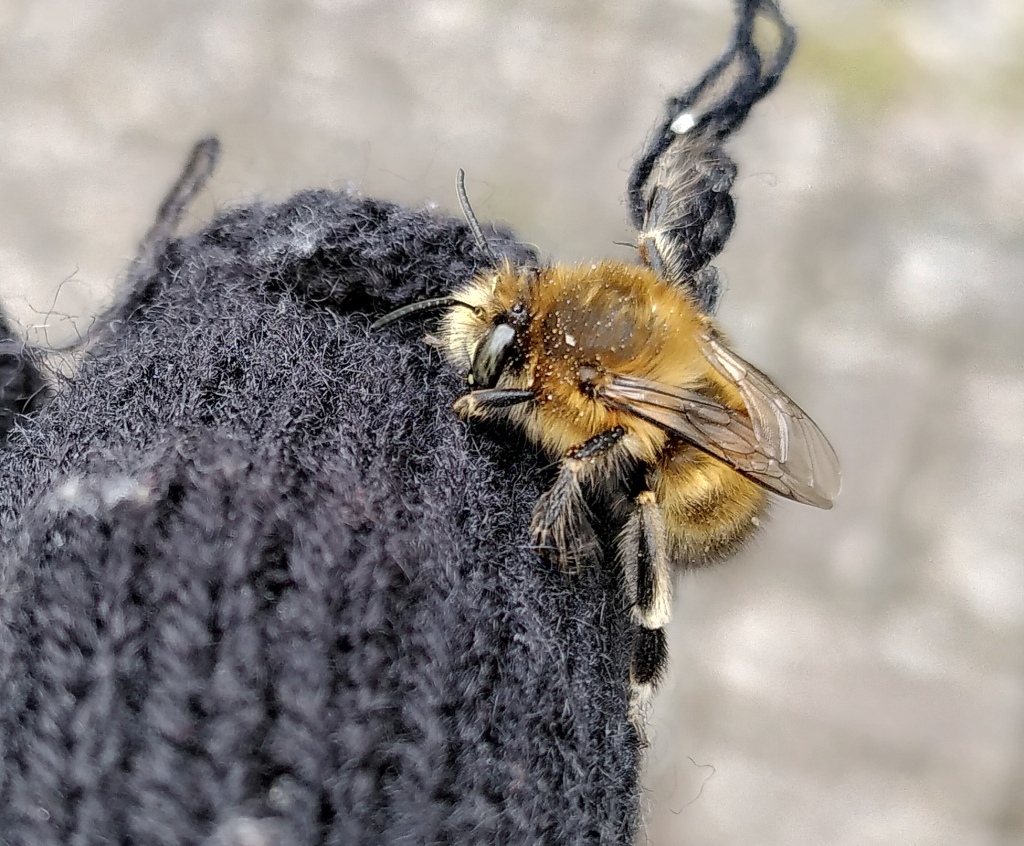
Hairy footed flower bee rescued from the road

Spring, it cometh

There have been a couple of signs of spring awakening in my garden, with a hairy-footed flower bee my most seasonal sighting. That said, I have only seen one, which is perhaps unusual for this time of year.

It’s late March now and the local green spaces have their chiffchaffs back.

In mid-March I led a spring walk in Dulwich for London Wildlife Trust. It was rather wet but there were still signs of the season changing.

Lesser celandines were the closest thing to a flowering plant I could find, but ramsons, bluebells and wood anemone were in leaf. That said, wood anemone appears to be a casualty of lockdown, in that the increased footfall has trampled this delicate ancient woodland plant out.

In terms of the more distant past, I spoke to the group about the Victorian impact on the woods, how invasive species like knotweed, laurel and rhododendron had been introduced by them. At the end of the walk one attendee spoke to me and told me something that astonished me.

“My family, back in the 1700s, were responsible for introducing rhododendrons to the country,” he said. “It’s in the bones.”

I was aware of the fact that my throwaway comment about Victorian introductions might have potentially been an insult. I explained that it was more in regard to their place in wilder landscapes which he agreed with, mentioning just how destructive they are in more rainy places like Scotland. 

I’ve said before on here that one of the great things about leading guided walks is that people feel comfortable sharing their knowledge with you. Guided walks are always a shared experience, not a lecture. They’re an invitation for people to look differently at a place and make others aware of things you didn’t know yourself.

I’ll have to be more careful in my (mild) criticism of the role Britons past have played in changing the flora, fauna and funga of the UK.

A worrying extract from The Gallows Pole

The Gallows Pole

I’ve been reading the novels of Benjamin Myers recently, an author of poetry, fiction and place writing based in Yorkshire. While on a weekend break I read The Offing and gobbled it up. It’s the story of a young man walking in the north of England one summer after the Second World War. He becomes friends with a very charismatic woman who takes him under her wing, in the way that people in their 30s upwards can often do for young people at the end of their teenage years. It’s a beautiful book and much recommended.

I’ve just finished the very brutal The Gallows Pole. The story is based in ‘the land of my forefathers’, the Calder Valley near Hebden Bridge in North Yorkshire. It’s a visceral, violent and disturbing novel but is one of the best I’ve read in years. It has that ‘unputdownable’ quality. More disturbing for me is the number of Greenwoods who crop up as part of the illegal coin clipping industry that blossomed in the rainy hills of Calderdale. Not least, a Daniel Greenwood! And it’s historical fiction! My family were hillfarmers there up until some point in the 1800s, living in the area around Haworth at the time of the Brontës, before moving to Liverpool where my father was born. Greenwood is a Yorkshire name with heavy concentrations around Lancashire, too, probably because they moved to work in the cotton industries at the advent of the Industrial Revolution. My Dad told me that Greenwood comes from a wooded place known as ‘Greenwode’. ‘Wode’ of course is the Anglo-Saxon name for woodland.

The Lost Rainforests of Britain

In the nature writing world, in February I read The Lost Rainforests of Britain by Guy Shrubshole. It’s great to see these woodlands getting some press, especially seeing as they have been decimated over the centuries, with very little of the the habitat left. Shrubshole shows the way for how much of the landscape in Western Britain can be home to more of this unique habitat. I hope it can progress but worry that in a warming climate it becomes less viable.

I felt the book might have benefitted more from a deeper focus on the landscape at its heart – Dartmoor, close to where Shrubshole lives. The random trips to tick off other woods felt a bit of a distraction from a more meaningful account, such is the style of this type of species or habitat-focused genre. In terms of personal taste, the name-dropping of other writers and musicians has become a tedious pastime of this genre and makes it seem like a clique. I don’t think that helps the movement, though again it’s probably about personal taste.

It’s definitely worth a read if you want to know more about things like Atlantic oak woodland and the habitats and landscape history of Dartmoor.

Thanks for reading.
Books: On Gallows Down by Nicola Chester 📚

Another short book review to point you in the direction of a great read.

On Gallows Down by Nicola Chester is a personal account of a life lived within a frame of chalk – Berkshire, Hampshire and Wiltshire. It’s a story of major development threats, many of which prove unstoppable. We’re talking here about the Newbury Bypass and the Greenham Common protests of the 1980s-1990s. These are issues I don’t know much about, but I do have a hint of the landscape having worked nearby on occasion. Nicola’s accounts and research are enlightening and illuminating. The anguish is real, the Newbury Bypass is something she can see or hear from Gallows Down today (below), the hill that gives her the name for the book.

Nicola Chester is clearly a gifted writer in her evocations of the Wiltshire hills the book spends much of its time in. She isn’t writing for the sake of ‘being a nature writer’ but expressing a deep need to find meaning and belonging in the place where she lives, and all the diversity of non-human life that lives and dies in the land around her family home. The details of the book remain with me in fragments like memories that I can’t sometimes differentiate from lived experience.

Nicola Chester launches her book in the mist on Gallows Down

Personal stories intertwined with nature can often miss the mark, becoming too much a platform for a person’s story, rather than how it might relate to the landscape. But in this book, the personal story, especially at the end, is one of the most affecting things I’ve read in a long time

The story of Nicola’s loss of her father cut right through to me, having experienced something only a year ago that felt almost identical. I have to thank her for her honesty.

The book also makes clear how precarious rural life remains for many people, especially for families without property or the wealth of many rural landowners. This is a story that is rarely told, because ‘the countryside’ is sold as an idyll, a place of wealth and peace where anxieties are few. On Gallows Down will show you another world.

Nicola’s accounts of local landowners and the excruciating processes of trying to get people on side to her ecologically-minded way of thinking ring true. She goes to show how passion and love for nature, and wise diplomacy in human conflict can rival the power and authority of a landowner, despite their untouchable wealth and privilege.

This passion play can go wrong for individuals in a community setting, but Nicola comes across as a master of campaigning and negotiation, a deeply compassionate person. So much of what she says echoed things I’ve witnessed first hand in similar situations, but in different parts of southern England.

There is the sense that this is a book only one person could write, with Nicola’s experience, love and knowledge of a certain part of England. On Gallows Down will always stand up to me as a classic of English biography, landscape, place and nature writing.

On Gallows Down by Nicola Chester

Thanks for reading.

Books: Starling by Sarah Jane Butler 📚

I recently finished reading Starling, a new novel by Sarah Jane Butler. I’m no reviewer of books and never feel comfortable giving books a rating, but I wanted to promote a book from a fellow Sussex Weald-resident. I really enjoyed the book, which I read while on holiday in a village much like the one portrayed in the book, which helped bring the book to life.

While I’m not necessarily sold on all the books that would come under the moniker of ‘eco-fiction’, I like the grounding of ecosystems in this kind of fiction, and how much more you can do with that.

That said, Zoe Gilbert (who I recorded a podcast with recently) uses fantasy and folklore to take real life ecosystems and historic landscapes to all kinds of special places (I told you I’m not a literature reviewer) in Mischief Acts.

Sarah Jane Butler

Another important thing that this kind of fiction can do is put social and ecological issues firmly alongside one another – something that general nature writing often avoids. Starling explores social and ecological challenges, following an abandoned young woman (Starling) on her journey in trying to find work and settle into a new community. As you can imagine, it’s not straightforward for her. I’m keen not to attempt a write-up of the story here, you should read it for yourself if it interests you.

You can buy the book in hard back or digital at the moment, with more information available on Sarah’s website.

Thanks for reading.
Latest from the Blog

Salisbury’s oak timbers

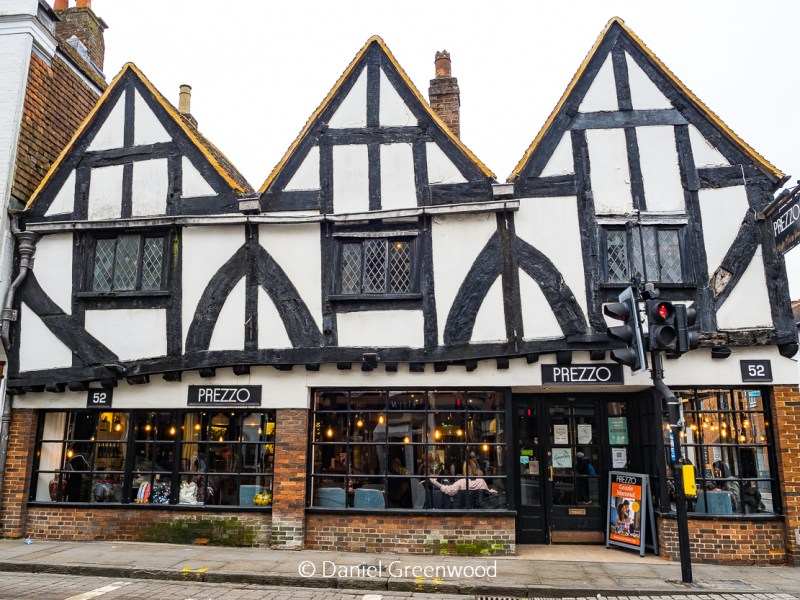
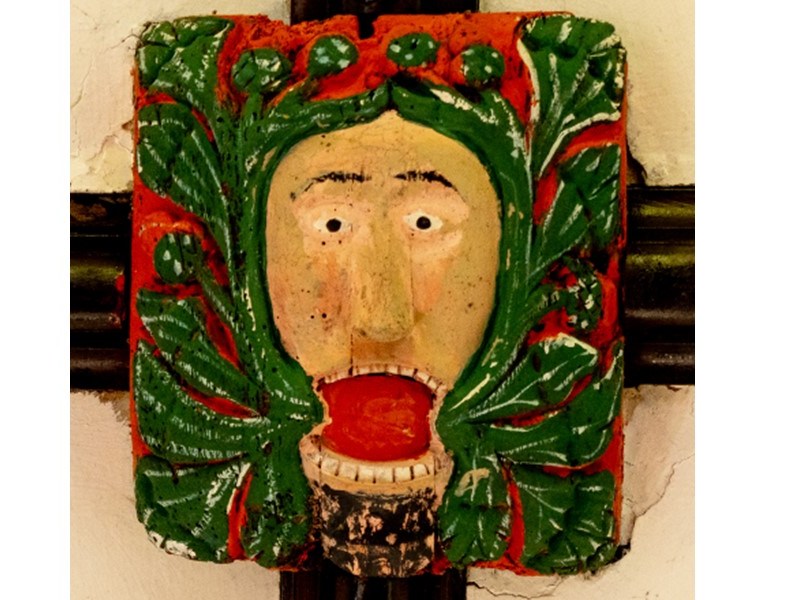
Here’s another entry in my slow-blogging Oak Timbers series. You can view my galleries and posts archive here. I visited Salisbury in Wiltshire (south-west England) for the first time in 2023 and was really charmed by the place. If you’re interested in this kind of thing, Salisbury is the place for you. Here’s a gallery…

Podcast: September fungi walk 🍄

I’m getting into more of a routine of recording and editing audio, so here is the latest episode of Unlocking Landscapes. Listen on Podbean or via the usual platforms. Also via YouTube: https://youtu.be/y1K9Pqx68to?si=B-Fdhf3sdDH35Z8w Following on from July’s rather optimistic fungi walk, I popped back to the same area of ancient Wealden woodland to see if…

Austrian Alps: Innsbruck by sleeper train

Innsbruck, Tyrol, Austria, June 2025 This is a longer post of the images I captured during a recent visit to Innsbruck in the Austrian Alps. We travelled to Innsbruck on a sleeper train from Amsterdam. It’s such a great experience and is significantly lower in carbon emissions compared with flying. If you consider the fact…

New book: London in the Wild 🦡

It’s official, I am now ‘published’!

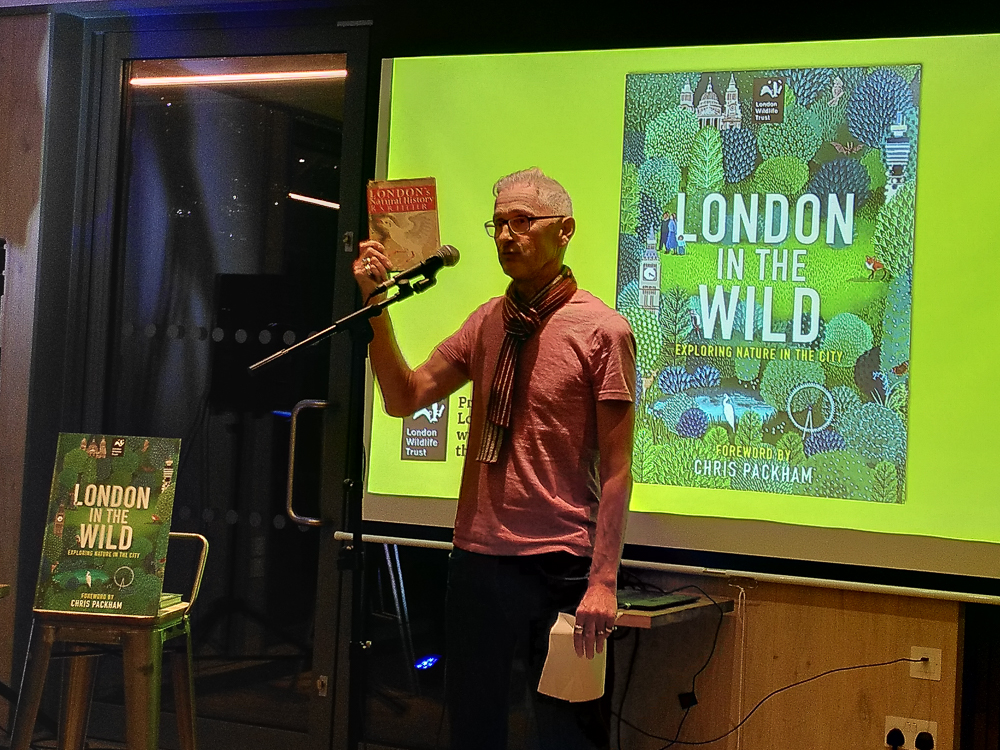
Along with several experts on London’s landscapes, wildlife and habitats, I contributed my own chapter to London Wildlife Trust’s London in the Wild: Exploring Nature in the City. It is now available to buy.

My chapter, as you have probably guessed is about fungi, with a focus on south-east London’s woodlands.

I attended the launch of the book along with my family at Camley Street Natural Park in mid-October. It was great to hear Kabir Kaul read his chapter about a young person’s perspective on the future of nature in London and to be in a room with so many people who care so much about London’s wild spaces.

Mathew Frith outlines the book’s place in London’s nature publications, October 2022

I’m grateful to London Wildlife Trust for reaching out to me and asking if I would like to contribute back in January 2021. Particular thanks to Laura Mason, Mathew Frith and David Mooney.

The journey to appearing in print has been a long one for me. I wrote a piece for a book a decade ago, my first paid gig as a writer. Being paid for writing is something that I have never managed to maintain, so it was a big deal. I pre-ordered the book from my local bookshop and marched in there on publication day. I picked up my copy, opened it and leafed through every page in the book.

I couldn’t find my piece.

In its place I found a generic (sorry) article about the landscape I had been asked to write about, and an illustration that looked like it had been chucked in last minute (again, sorry). That was a devastating experience for my writing career, and probably killed my confidence for years and in many ways stopped me from ever wanting to pursue writing as a career. The editors never contacted me to say it wouldn’t be included or to give any explanation. Publishers, that’s not a good way to do things.

There is something poetic about being published in the first book of an organisation that I have such fond memories of, and that gave me opportunities and a sense of trust that can be hard to come by in your working life.

You can buy London in the Wild from the big players and the indie bookshops too. I’m not sure Waterstones are doing so well with their online ordering systems at the moment so I would check that out beforehand.

Thanks for reading.
Latest from the Blog

Postcards from Western Ireland, September 2025 🇮🇪

I’m back from my annual visit to the west of Ireland. I managed a couple of day trips to forage for photos, which will crystallise later this year into dedicated posts, all being well. Like many people I enjoy the Blind Boy Podcast, none more so when I have the headspace to take in all…

Mushrooms in England

This is the first of a series of posts I’ve been working on covering national relationships with mushrooms. It’s just a bit of fun, but there’s definitely some interesting stuff to share.

Late summer timbers at the Weald & Downland Museum

In August I made my annual visit to the Weald and Downland Living Museum in the South Downs. You can see my timber-framed building photo gallery here. This is the first view you encounter inside the museum grounds after you pay your entry fee. Amazing to think the medieval hall house is from Cray in…