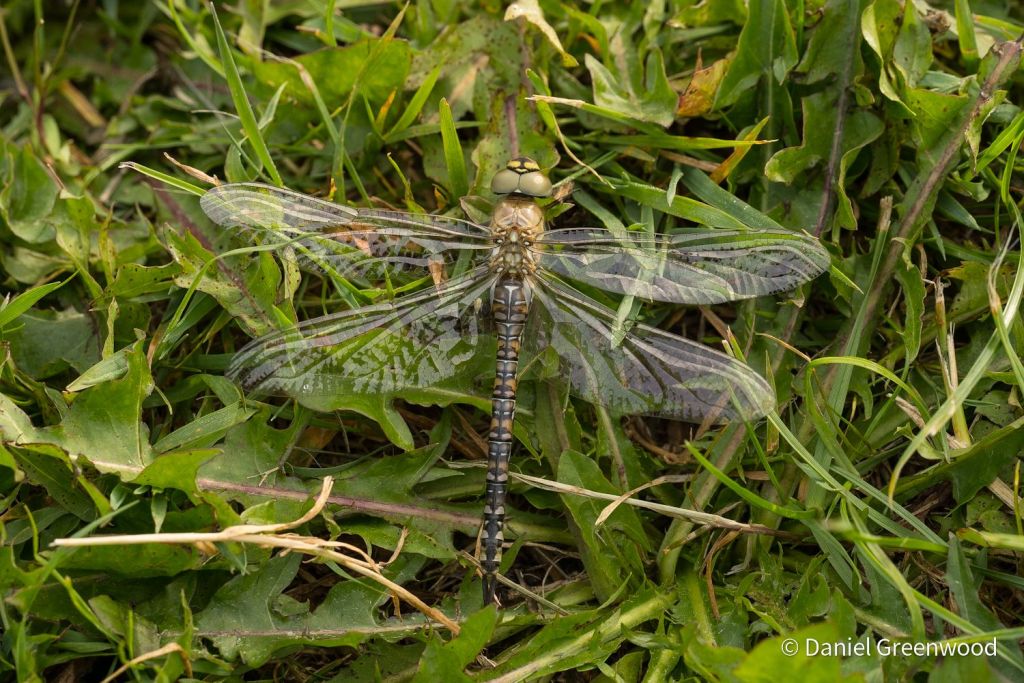
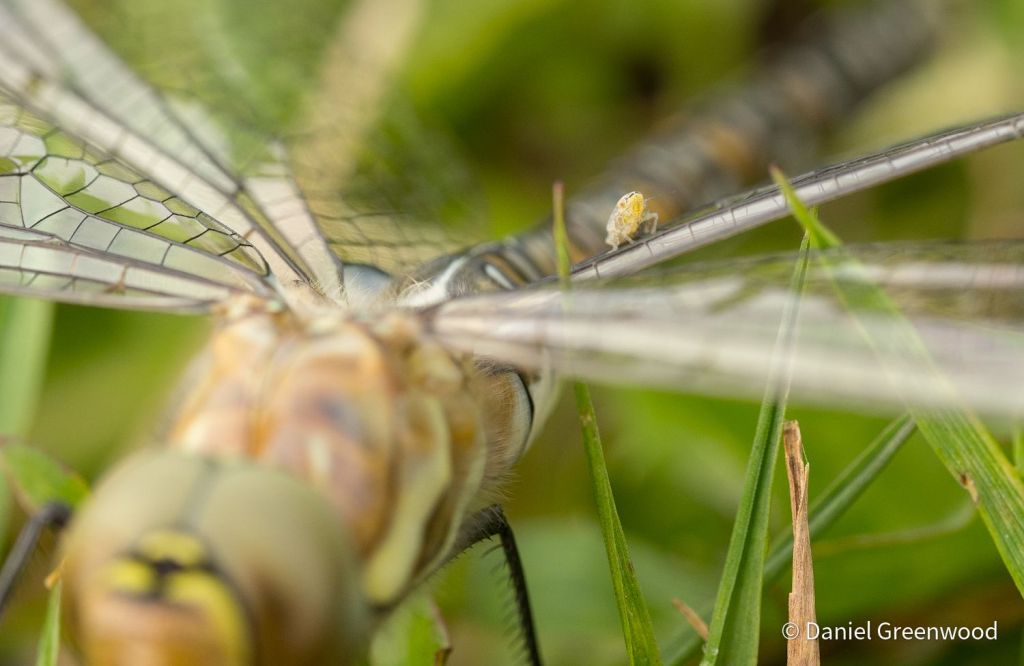
In August I was camping in West Sussex. On the final morning I opened the tent door and nearly stepped on a dragonfly that was resting in the grass outside.
It had been a cloudy night and the ground was very dry compared with the previously dew-laden start.
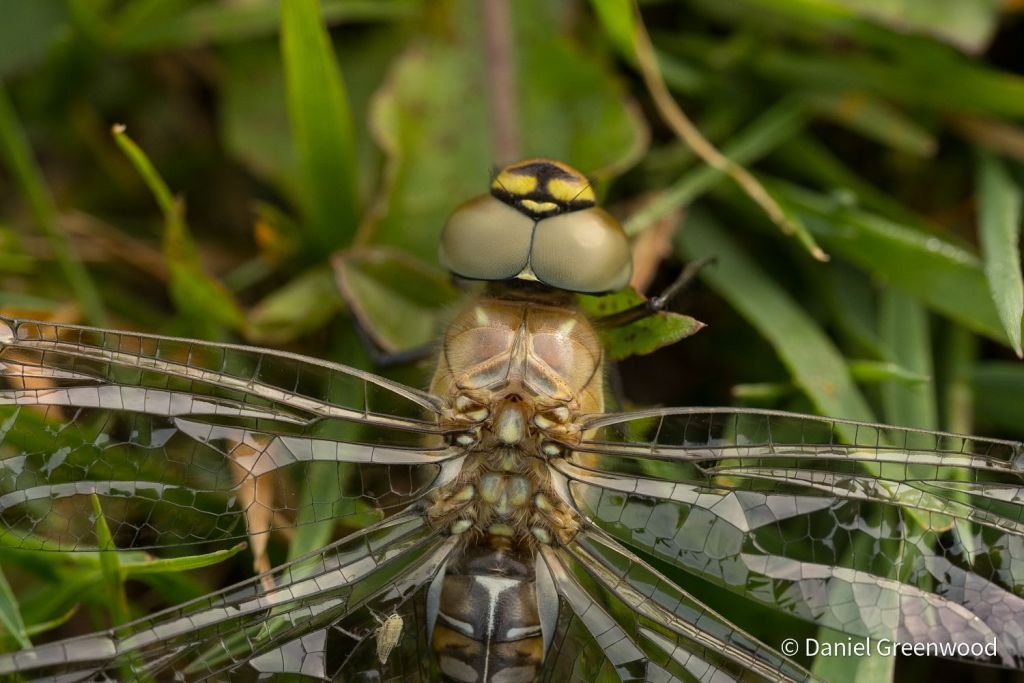
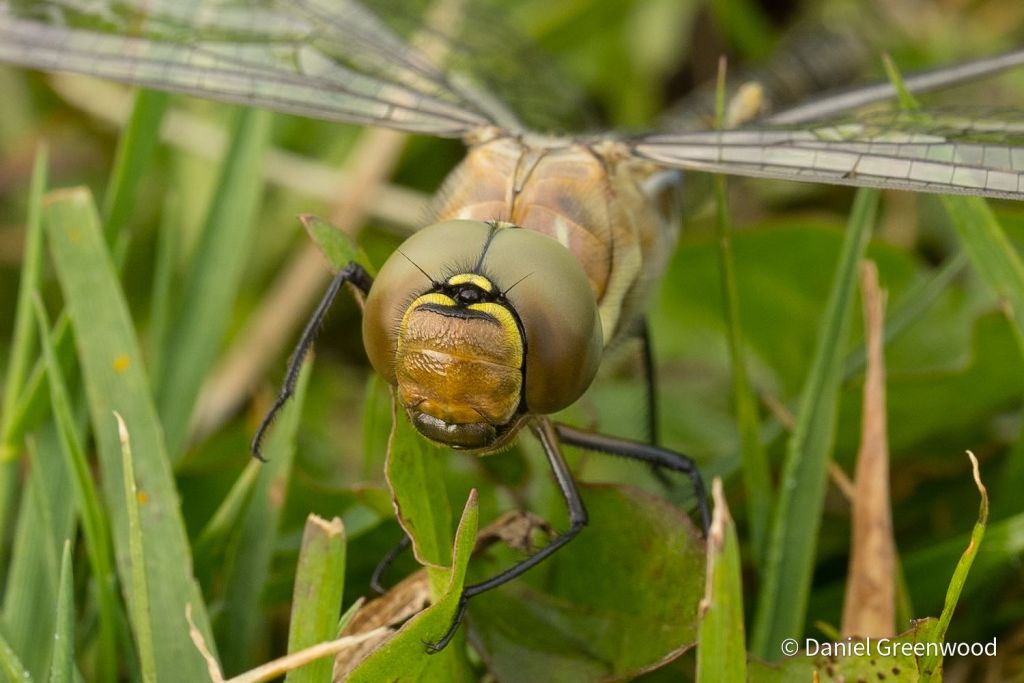
The dragonfly is probably a migrant hawker (Aeshna mixta) and is known to breed in SE England. As its name suggests it can also migrate to England from southern Europe.
It’s a dream to find a dragonfly in such a restful state, although the insect is vulnerable. It was in the right place however, especially if it wanted its portrait done.
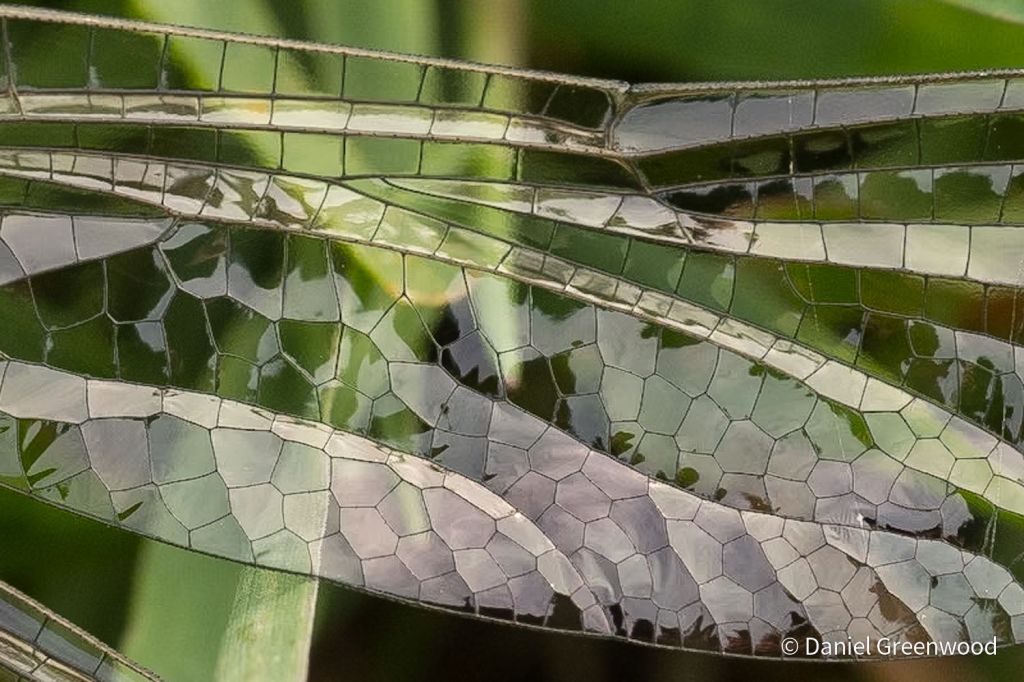
It was an excellent opportunity to look at the wings of the dragonfly close up. They are renowned for their beauty and likeness to stained glass.
By looking at the wings I noticed that a planthopper bug had leapt aboard the dragonfly.
Here’s a closer view. I’m not sure of the species but it’s one I don’t remember seeing before.
A day earlier we had walked along the River Adur, famous for its connection at Knepp Wildland. It was good to see some more wasps around, with so few of them being reported this year.
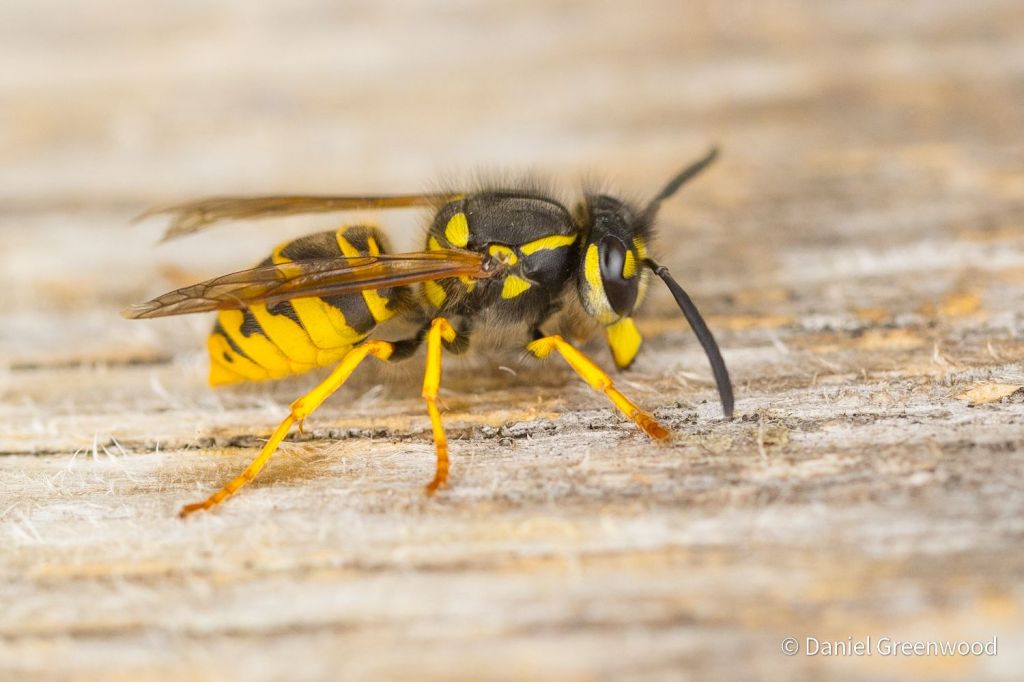
The wasp is scrapping a layer of wood from a handrail or fence post to be used in the construction of a nest. You can see the ball below its mandibles above.
What a lot of hard work, worthy of my respect that’s for sure.
The article was outlining how significant wasps are in our world, as controllers of other invertebrates that, in over abundance, would create a damaging imbalance in our farming- and eco-systems.
We should worry about the lack of wasps this summer, the article said. Helena Horton would probably enjoy this blog, to be honest!
As you may have noticed, there are very few images in this post. There’s a reason for that, which I’ll get to. After reading the article I went to put the washing on the line. With a cursory glance at the fennel in the flowerbed I noticed that one of my favourite wasps was visiting.
I skipped indoors, grabbed my camera with macro lens and began following the wasp around the fennel flowers. I didn’t get anything worth sharing, until the wasp was spooked and dropped down to cover in some grasses. As you can see above, it then began to clean pollen from its face and antennae. I fired off some pics and then checked them. They were super sharp and beautifully lit by the soft light from the clouds overhead.
There are only two pictures, almost identical but for their crop, because they represent the wasp in the best way I can. Clear, in focus, and sharp.
The insect season is drawing to a close and it’s been a poor one. Hopefully absence may make the heart grow fonder, and action taken at scale to ensure these pollinators, not just honeybees, can be protected.
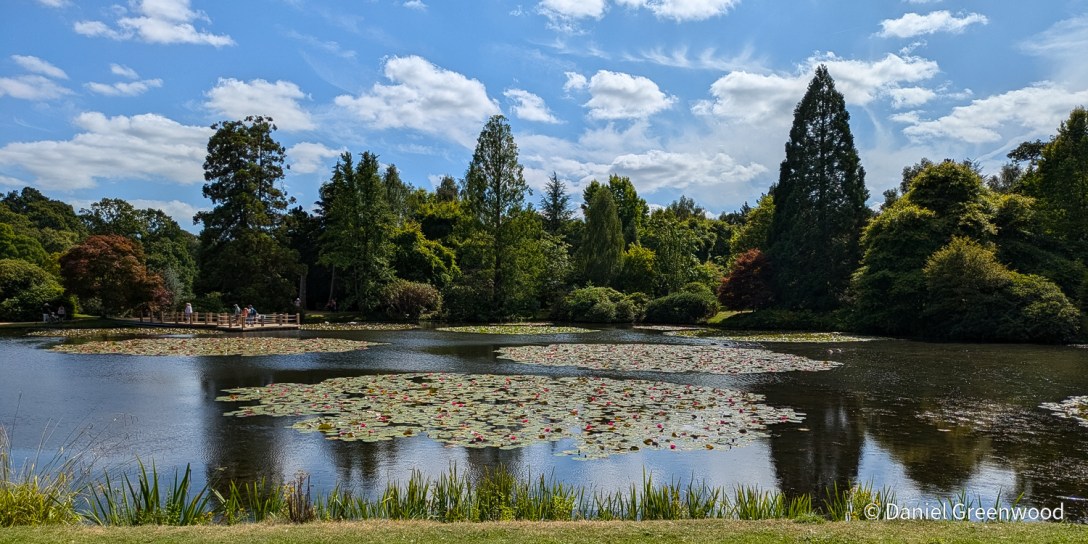
For my mum’s birthday in early August, we visited Sheffield Park in East Sussex, just over the border from West Sussex. It’s a National Trust estate so membership is needed to avoid the £17 entrance fee.
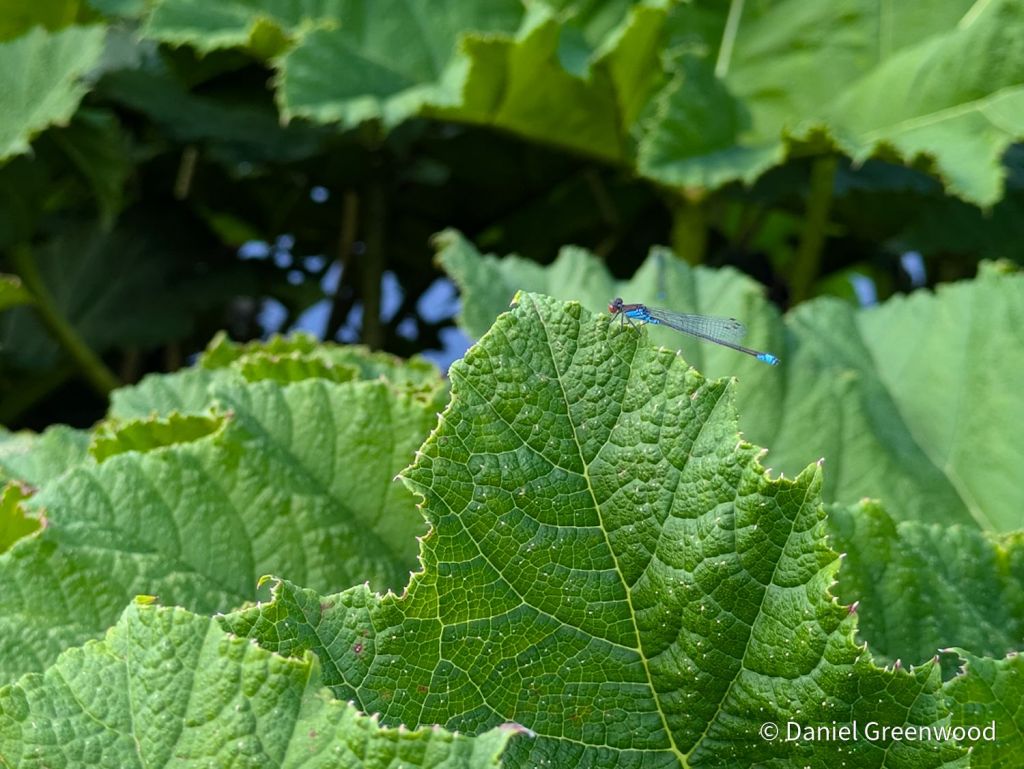
I didn’t have a camera with me other than my phone, but the Pixel 7a has an amazing camera, so I managed some nice pics of a few damselflies.
Obviously these are people not dragonflies, but the area was absolutely zinging with Odonata (the scientific name for dragons and damsels). This is looking back towards where the estate house is, though it’s not somewhere you can enter. People live there like in olden times.
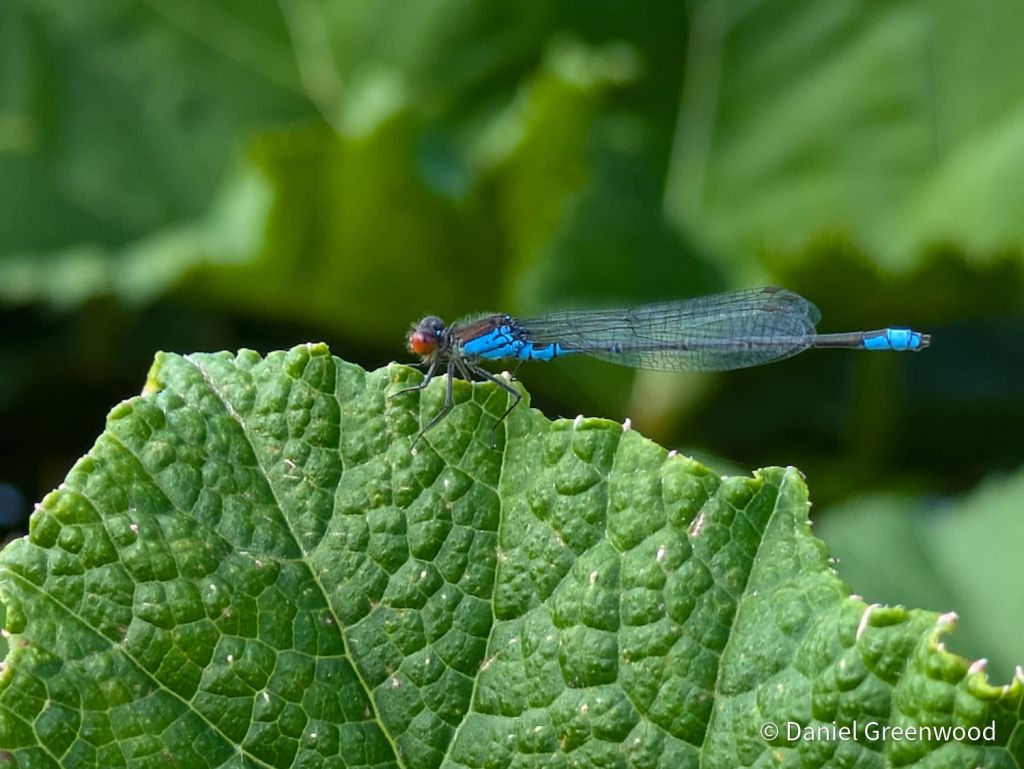
Perched on the edge of the giant rhubarb (Gunnera – a super invasive wetland plant installed in places like Sheffield Park long ago for their showy foliage) was a small red-eyed damselfly.
What a beauty. Damselflies generally rest with closed wings, while dragonflies have them open. That notion was quickly dispelled by my next sighting. Usually dragons are much bigger anyway, by the way.
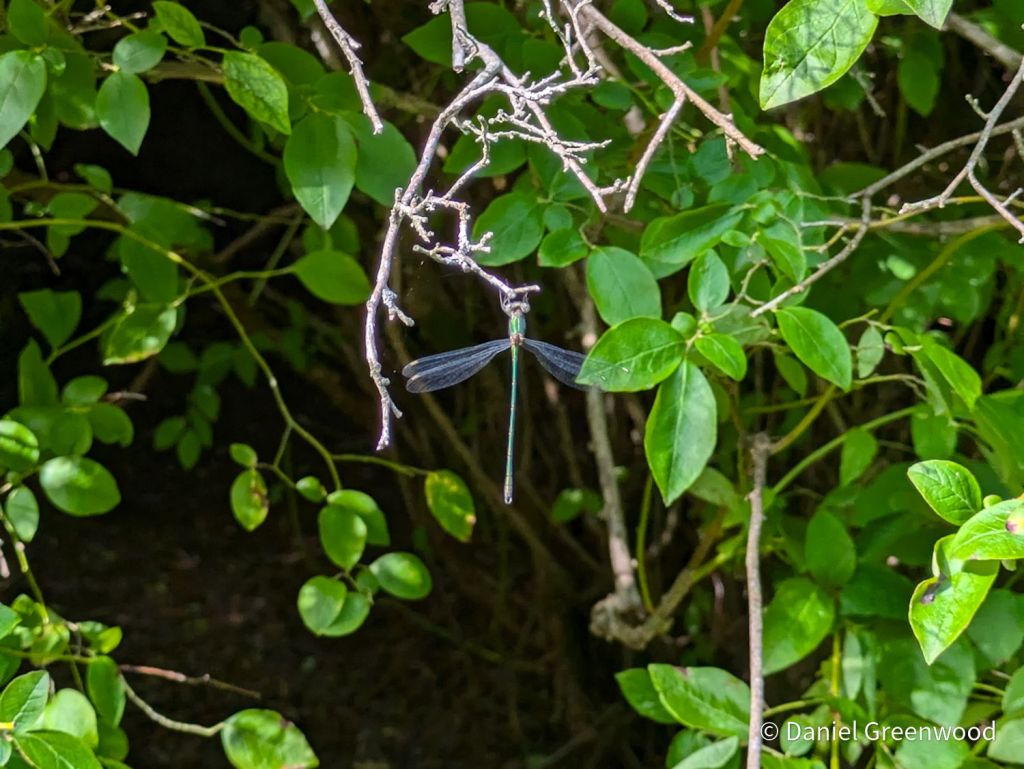
I was chatting to my sister when I noticed a damsel had taken a very pleasing perch in a shrub. A damselfly holding its wings out!
Now this is a willow emerald damsel, a species which ten years ago people were losing their minds over. It was a new arrival in the UK, and likely indicative of a warming climate. Now they are everywhere in southern England, and we’re experiencing temperature breakthroughs year on year.
I was just pleased to share a nice day in Sussex with my nearest and dearest. You can’t ask for much more than that, except for maybe some beautiful damselflies.
Warnham Local Nature Reserve, West Sussex, July 2024
I was making my first meaningful trip out to a wild space after being ill with Covid, to see if I could concentrate enough on taking some macro pics. Thankfully there were some very docile bugs pleading for their close up. Here you go, team.
I’ve missed a lot of the macro season this year, what has probably been one of the ‘worst’ summers in this part of England. Lots of rain, quite cool, clear lack of insects. I’m only just getting over brain fog so not able to compute how worrying the insect declines are right now. It seems that approving the use of bee-killing pesticides without appropriate risk assessment doesn’t help.
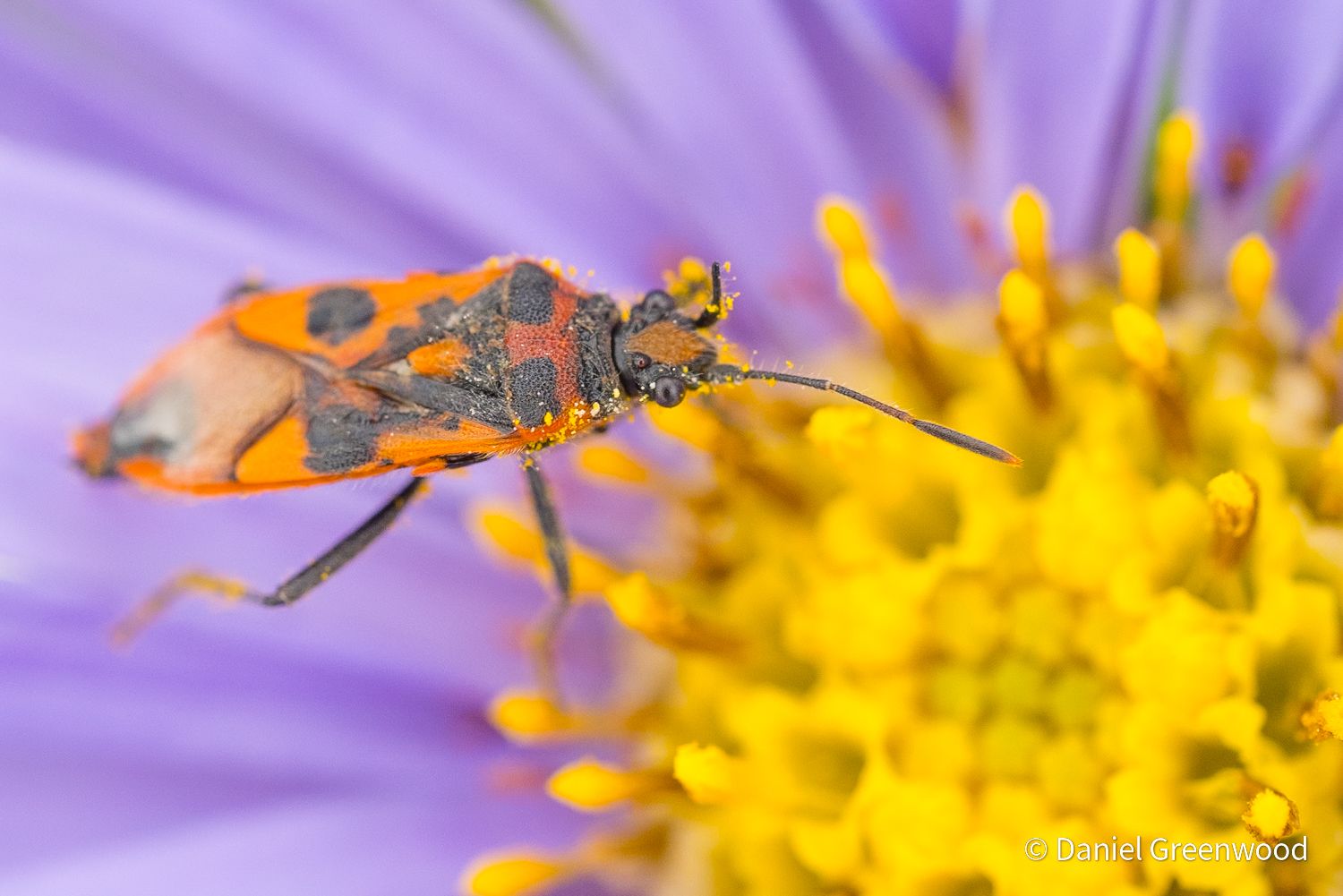
I was fortunate to spot this cinnamon bug nectaring in the flowerhead of a Michaelmas daisy within a few minutes of my visit to Warnham Local Nature Reserve. I love how this pollinating beetles get so covered by the pollen. It’s a bit like me after eating a choc ice.
Though flies are feared and reviled for their connections with unpleasant organic matter in this world, some of them are very interesting to look at. Many of them also tend to be pollinators. It’s not all about the bees. This fly is probably Nowickia ferox, which feeds on flowers. Moth fans – look away now. Their larvae develop in the dark arches moth.
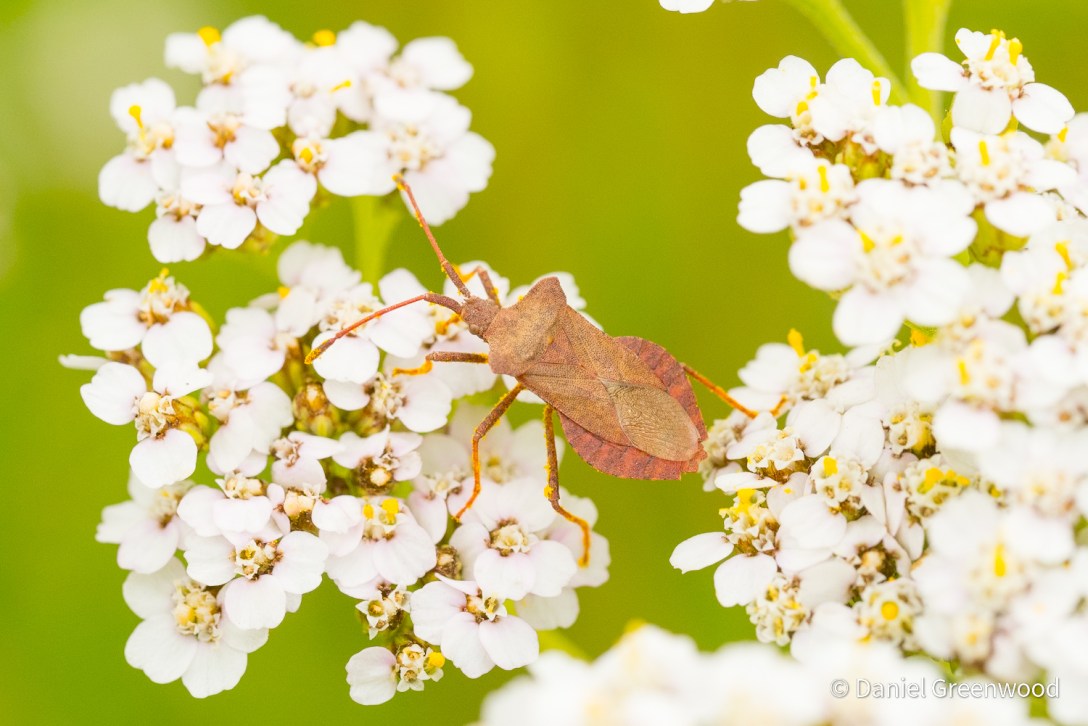
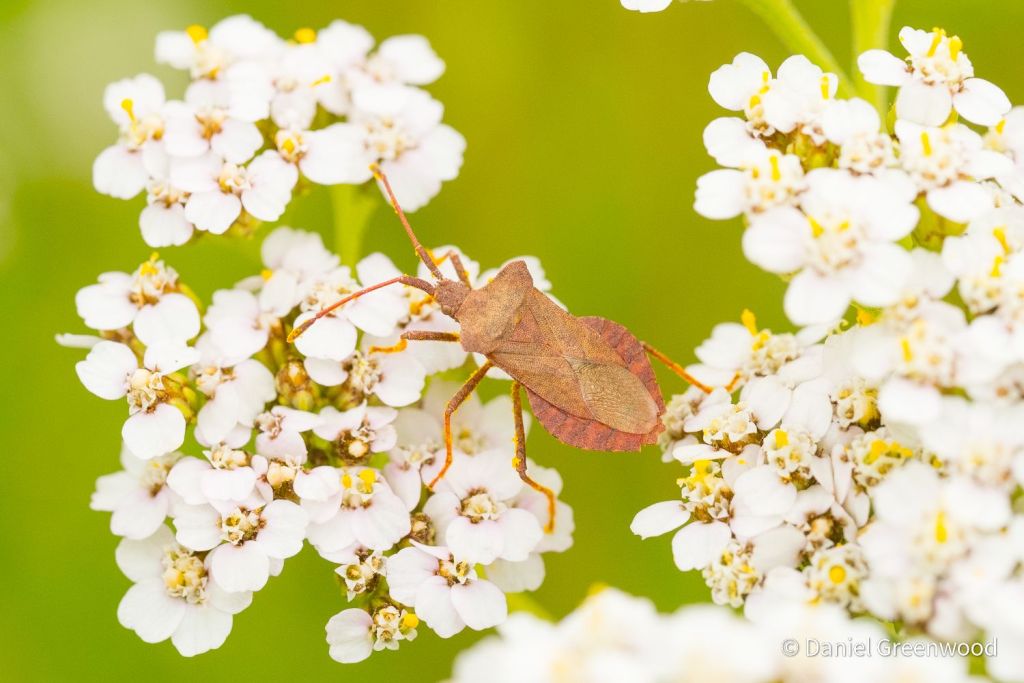
Dock bugs are a common sight in southern England, especially in flowery grasslands and meadows. They are very easy to photograph – they’re like the mushrooms of the insect world, slow moving, if at all. How trusting.
Elsewhere, this mid-summer period is one of hoverflies, many which looked very similar to the untrained eye (this one) but which can be nice subjects among the flowers of hogweed and other umbellifers.
I was pleased with this photo of a dancefly as it nectared on some ailing hogweed flowers. That is one heck of a proboscis. The light is very soft and the background is a serene green.
Over the years (I’ve been using a dedicated macro lens since 2014) I’ve learned about species behaviour, and how a little bit of knowledge can really help you to find wildlife. In terms of invertebrates, I remember a blog written about fenceposts and how they were a good place to find roosting insects. This is solid advice.
During this visit, in the forefront of my mind was a past, failed attempt to photograph a robberfly where it sat on a handrail. On that same handrail I didn’t find a robberfly, but instead my mother and father-in-law, which was also nice. But, that wasn’t the end of the story…
Turning to head home, realising how fatigued I was, and lacking in normal, basic levels of energy, I spotted something. A robberfly was sat on a different handrail! It’s so pleasing to have this sense of validation for my fencepost knowledge.
In the world of wasps, we are of course in the throes of the UK Media Silly Season (despite there being a General Election, potential dictatorship in the US, and far-right riots across the UK!) and wasps are in the news. Interestingly the mwin story is, where are they?
iNaturalist users think the wasp above is a German wasp. What you can see is the wasp gathering wood shavings for a nest. But that wasn’t the only wasp I saw.
July and August are good months to see the iconic ichneumon wasps. I absolutely love them, an interest which was deepened by reading The Snoring Bird (I recommend it). I wasn’t fast enough for this ichneumon to really get a strong pic, but this will do.
Even worse was this attempt to photograph one of the Gasteruption ichneumons. People, I am just too short for plants that want to grow this tall. I do enjoy the bokeh here though (circular light in the background). Take that, full-frame cameras!
So, all in all a decent showing for a fatigued individual.
Thanks for reading.
Photos taken with Olympus EM1 Mark III and 60mm f2.8 macro lens, edited in Lightroom.
In June, my wife called me out to the garden because she’d found something in the gooseberry. Pretty standard.
She has an amazing ability to find things and is especially good at foraging. In this instance she’d found caterpillars munching through the gooseberry leaves.
There was a sense of both amazement at what we were witnessing and fear for the health of the shrub. We don’t survive on gooseberries and the birds almost always get to them first, but you don’t really want your shrub to die. Then again it hasn’t exactly been a raging success, to be honest.
Personally, I always think English gardening culture fails to accept death and decay into the mix, and the important role that plays. Gardens should feed local wildlife, not just be a killing zone for visitors deemed unwelcome.
One summer does not a garden make!
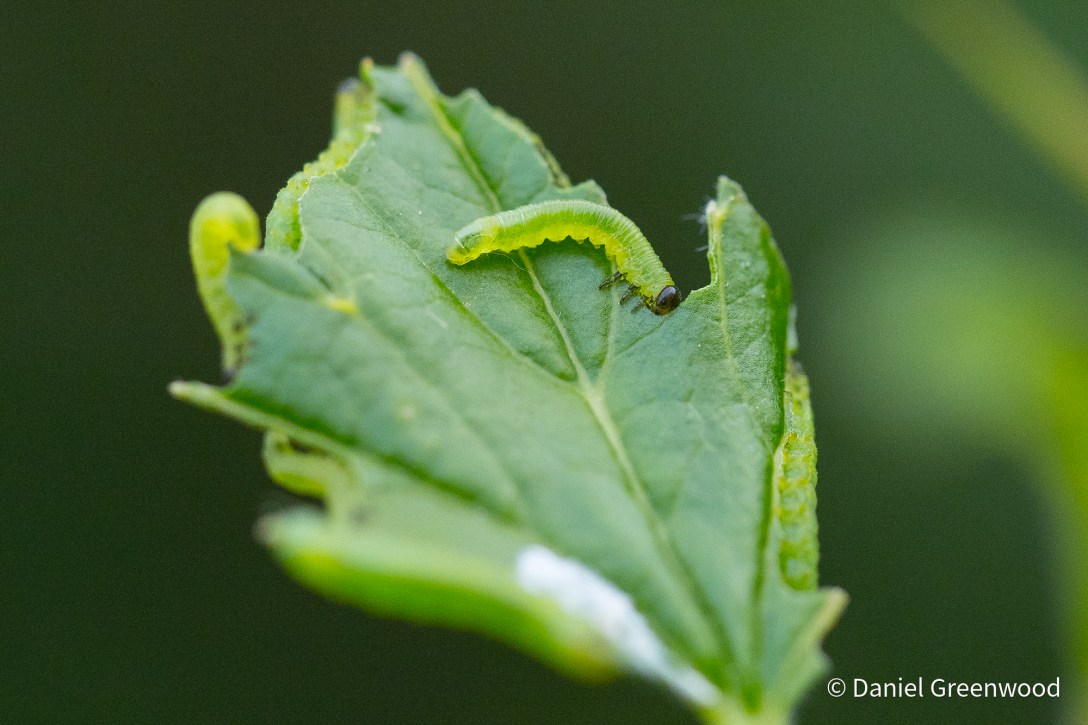
With the help of iNaturalist I understand these to be small gooseberry sawflies (Pristiphora appendiculata). Sawflies are relatives of bees and wasps that are common in gardens and elsewhere.
I do love this view of the sawfly caterpillar nibbling its way through the leaf. When we looked at them on the gooseberry new caterpillars would appear as your eyes adjusted.
In the days that followed I noticed house sparrows hanging from the surrounding raspberries and picking at the gooseberry. That’s a very good meal, especially for fledglings.
Some days later I spotted a new visitor to the gooseberry. I was confident this was a sawfly (not knowing anything about their lifecycle) but unsure if this was one of the caterpillars emerged as an adult insect. I’m not sure, but it’s likely to be an adult small gooseberry sawfly.
As for the gooseberry bush, it looks ‘touch and go’ as football physios say. It’s part of the game of life.
I’ve posted before about the so-called ‘zombie fungus‘, but that wasn’t in my own garden!
There are a few fungal concepts that have become mainstream in recent years, namely the wood-wide web and ‘zombie’ fungi. The latter has become popularised because of The Last of Us, a programme I haven’t watched and can’t say anymore about. The most famous parasitic fungus that can control its host is cordyceps.
My wife actually found this (not cordyceps) when she was inspecting the gooseberry bush, which was steadily being eaten by sawfly larvae. I’ll post about them next.
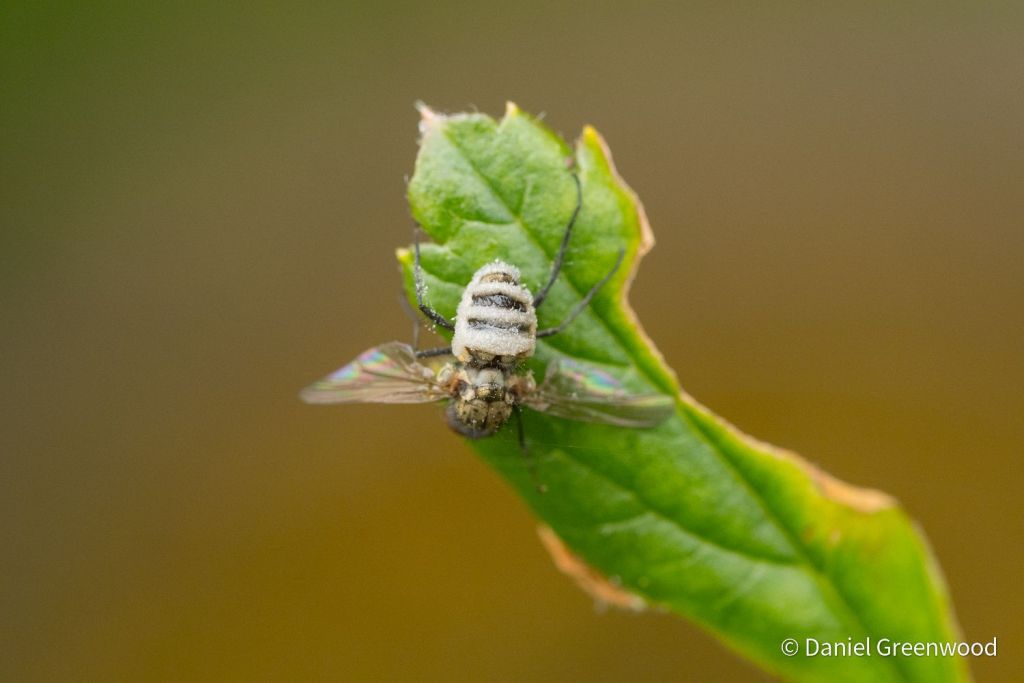
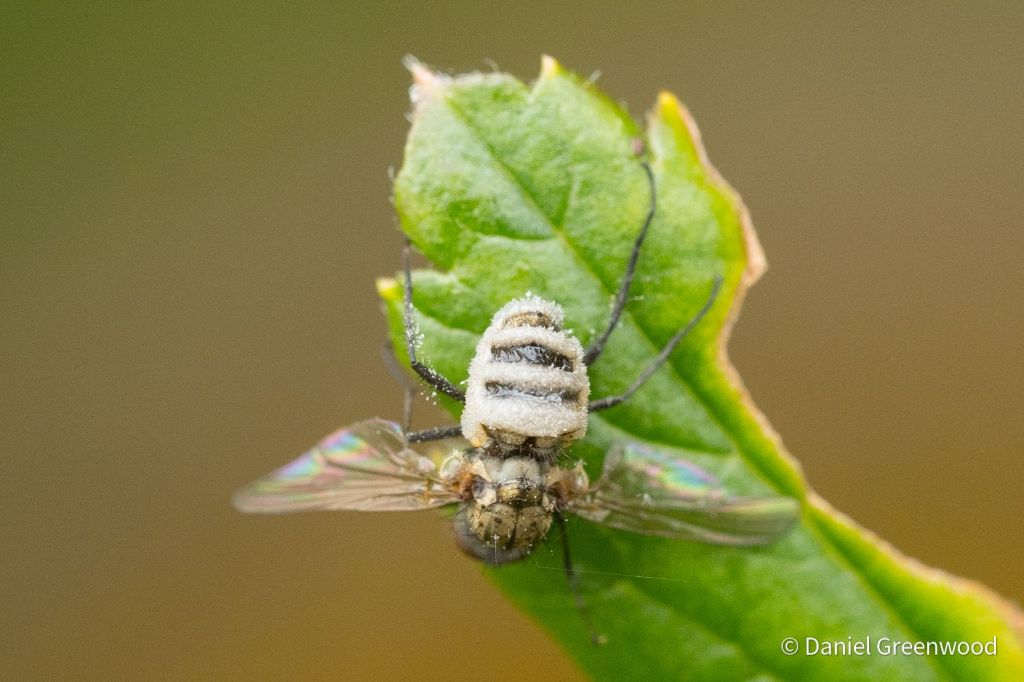
What is this exactly? It’s a fly that has been parasitised by a fungus called Entomophthora. It basically is able to control the movement of the fly by making it move to a prominent position for its final moments, or at least I think that’s what’s happening.
The prominent position then allows the fungus to spread its spores on the wind or from a more beneficial height to reach its next host, however that occurs.
It’s not quite as gory as cordyceps, where a fungal fruiting body rises from the body of its host. It is altogether more macabre and sad-looking, though. Cordyceps can be very colourful.
In reality it is just an example of the immense biological diversity out there, the interactions between two kingdoms – animals and fungi.
Four years ago I was starting a weekly Macro Monday photoblog as we entered into the Covid-19 restrictions. Now I reflect on how that extra time helped me to post more regularly on here, and just how hard I find that now in the post-pandemic lifescape.
It’s magnolia season in West Sussex
I’ve not got into macro mode proper yet this year, but a few recent sightings and reasonable phone pics have provided some inspiration.
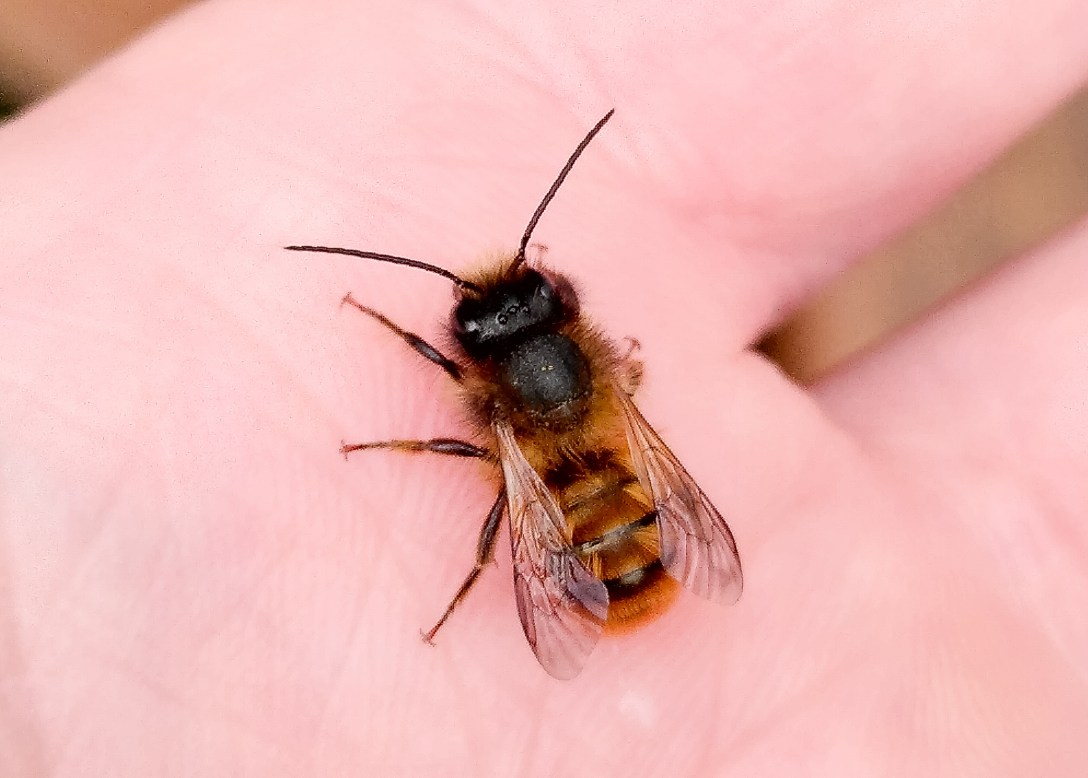
On Saturday 16th March my partner was investigating the state of some of the potted plants in our garden when she found a small bee. I swooped in and enticed it onto my fingertip. It was a red mason bee, the first one I had seen this year.
Red mason bee in the palm of my hand
I placed the little mason bee among some mutant AI primroses that flower weekly throughout the year. Later that evening as we walked out I somehow managed to spot another mason bee sat on the concrete path, looking wet and cold. I picked the bee up and put it into a bonsai tree pot and hid it under a leaf.
The next morning I found it was still there but looking altogether more wet and cold, so again I gave it a ride to the warmer side of the house and back to the primroses.
Then on Monday morning I passed our latest bee hotel installation and saw a hairy-footed flower bee (one of the first bees of the spring) undertaking a session of weather-watching from the cover of a larger bamboo stem.
It’s not often you find these characterful bees stationary, they’re usually zipping around at max speed.
Later, I found yet another red mason bee looking cold and damp on the concrete path. Again, I picked it up and put it on the warmer side of the house.
I’m wondering if this is the same bee every time or if perhaps there are a number of these bees emerging from the old mortar of the exposed side of my house, and that the weather isn’t quite right for them yet.
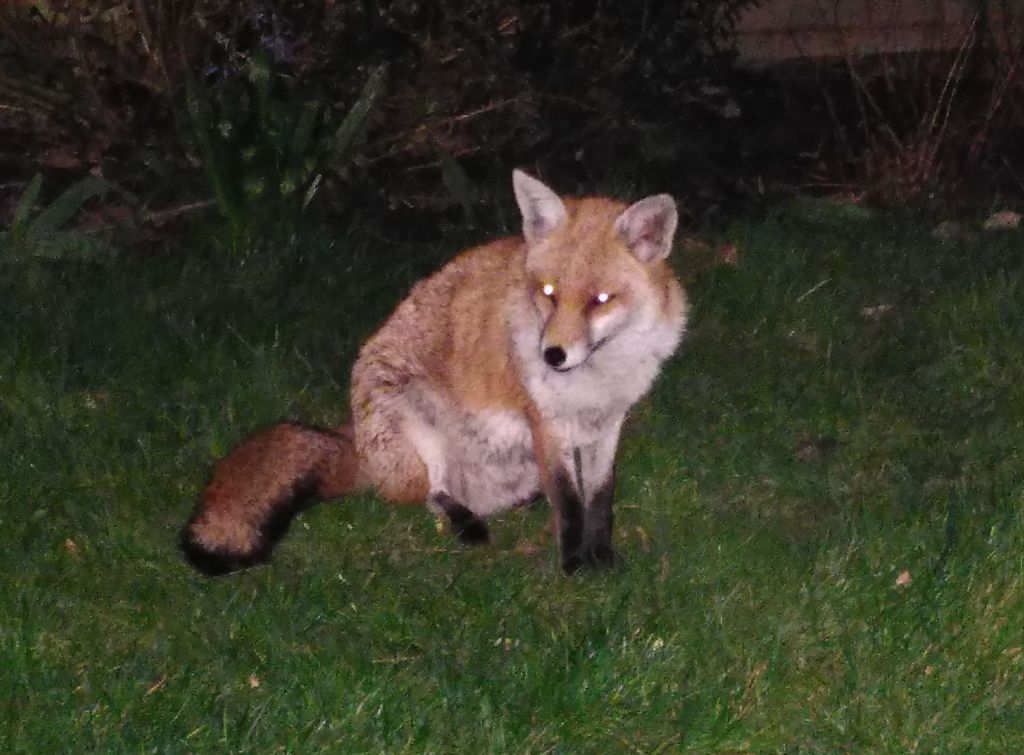
One animal that I also keep finding on the concrete path alongside the house is Socks the fox. Whether she has several other little foxes in tow will be known soon enough.
I’ve been trying to keep my macro photos rolling in the absence of June’s one pic each day. It’s a bit like keeping your lawn growing after No Mow May.
Actually, no, it’s harder because you have to be proactive.
By far the best encounter with the macro world this past week was a patch of hogweed along a footpath by the local river. A cyclist went past me as I was taking these photos – even though it was a footpath – and glared at me as if I was doing something truly evil or dangerous to the public.
I have a bike, too, so if that exercised the cycling community, we’re all friends here on djg.com…
Hogweed is a weird plant, in that it’s part of a family that both kills, but also provides edible plant matter. Its sap is photocorrosive (not as bad as its big brother, giant hogweed) but its flowers are very, very good for pollinators. It can also be a bit invasive because it burgeons in places where nitrogen levels are artificially high (probably dog urine here…) therefore most of England.
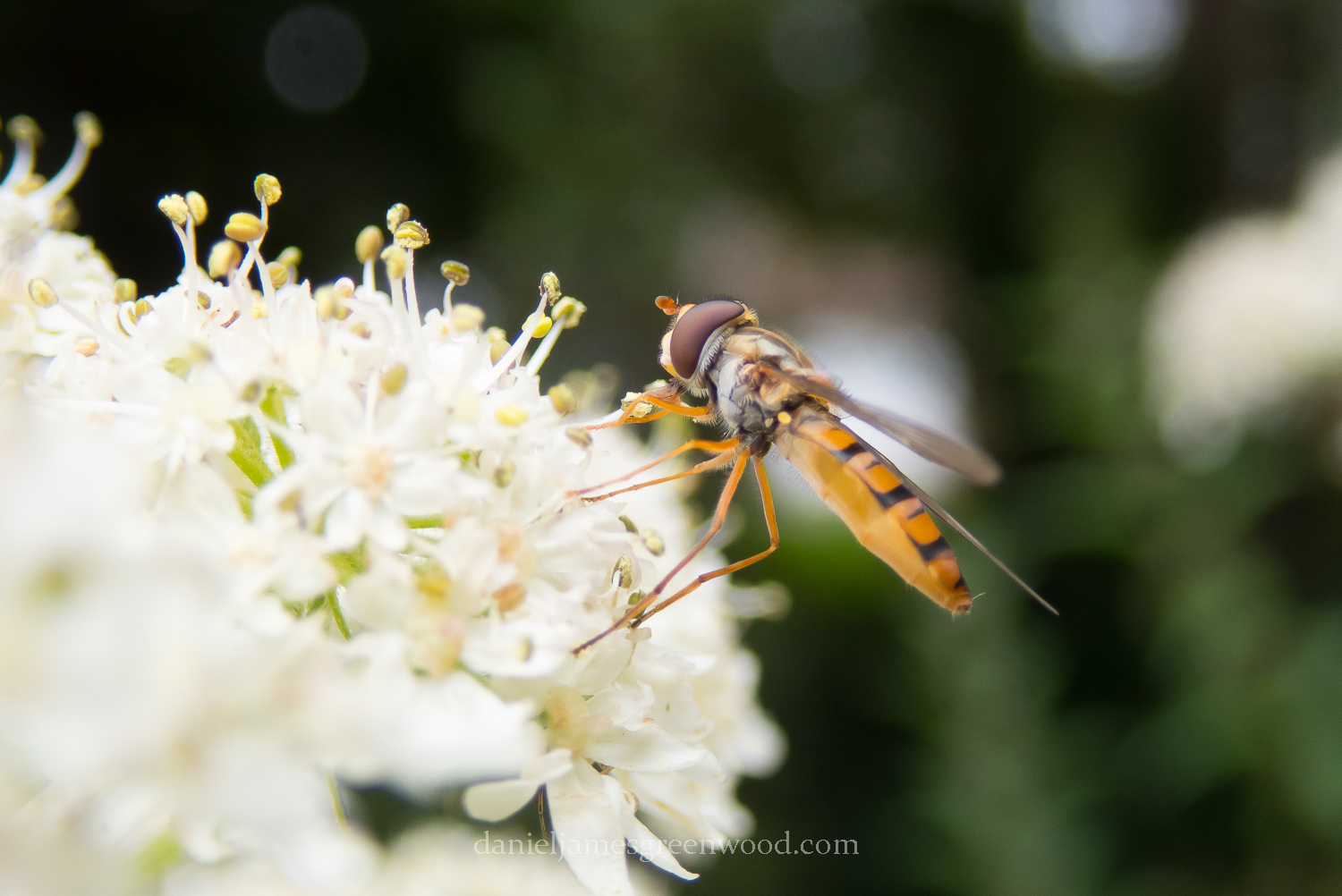
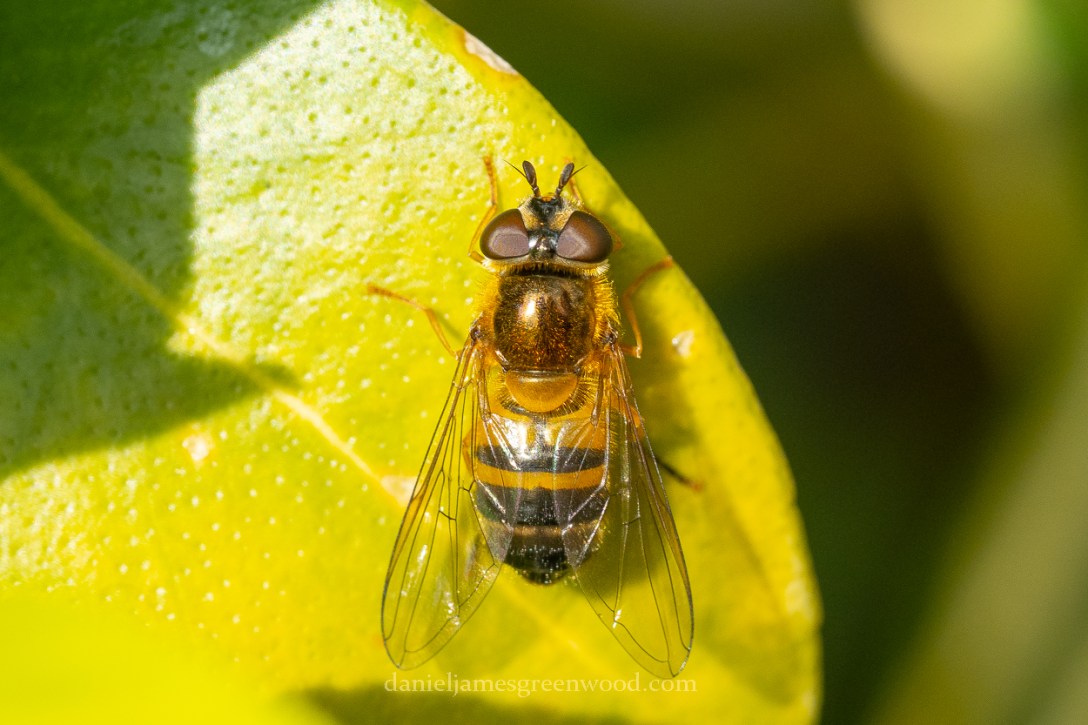
A marmalade hoverfly feeding on the hogweed stamens
A soldier beetle also drinking from the carrot fountain
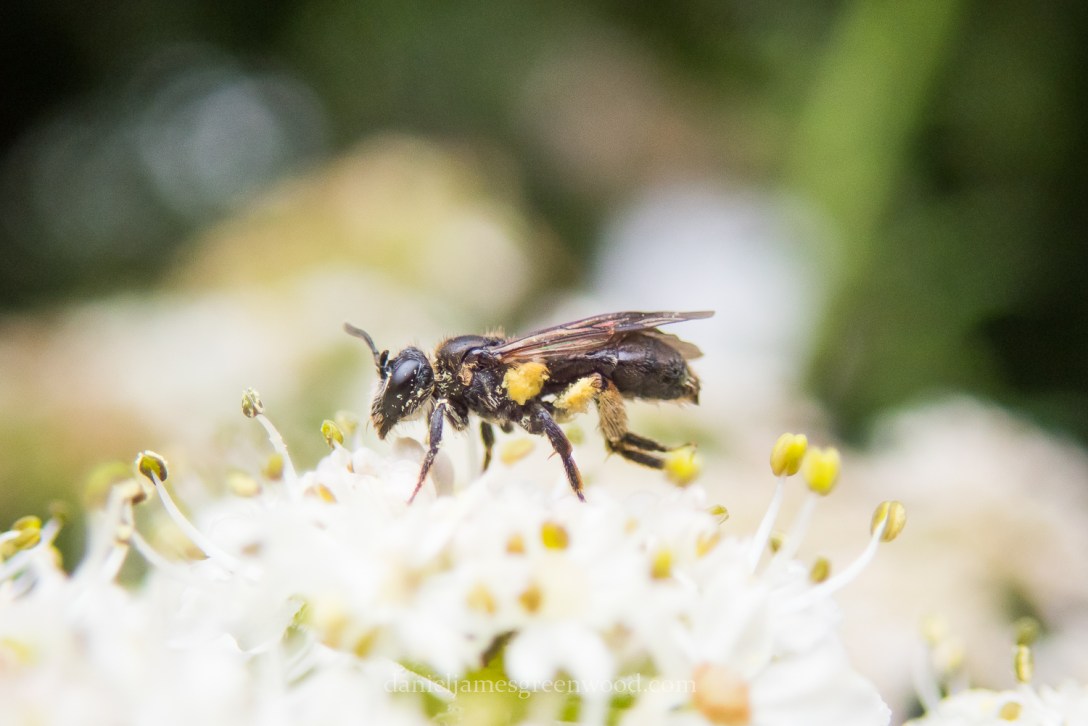
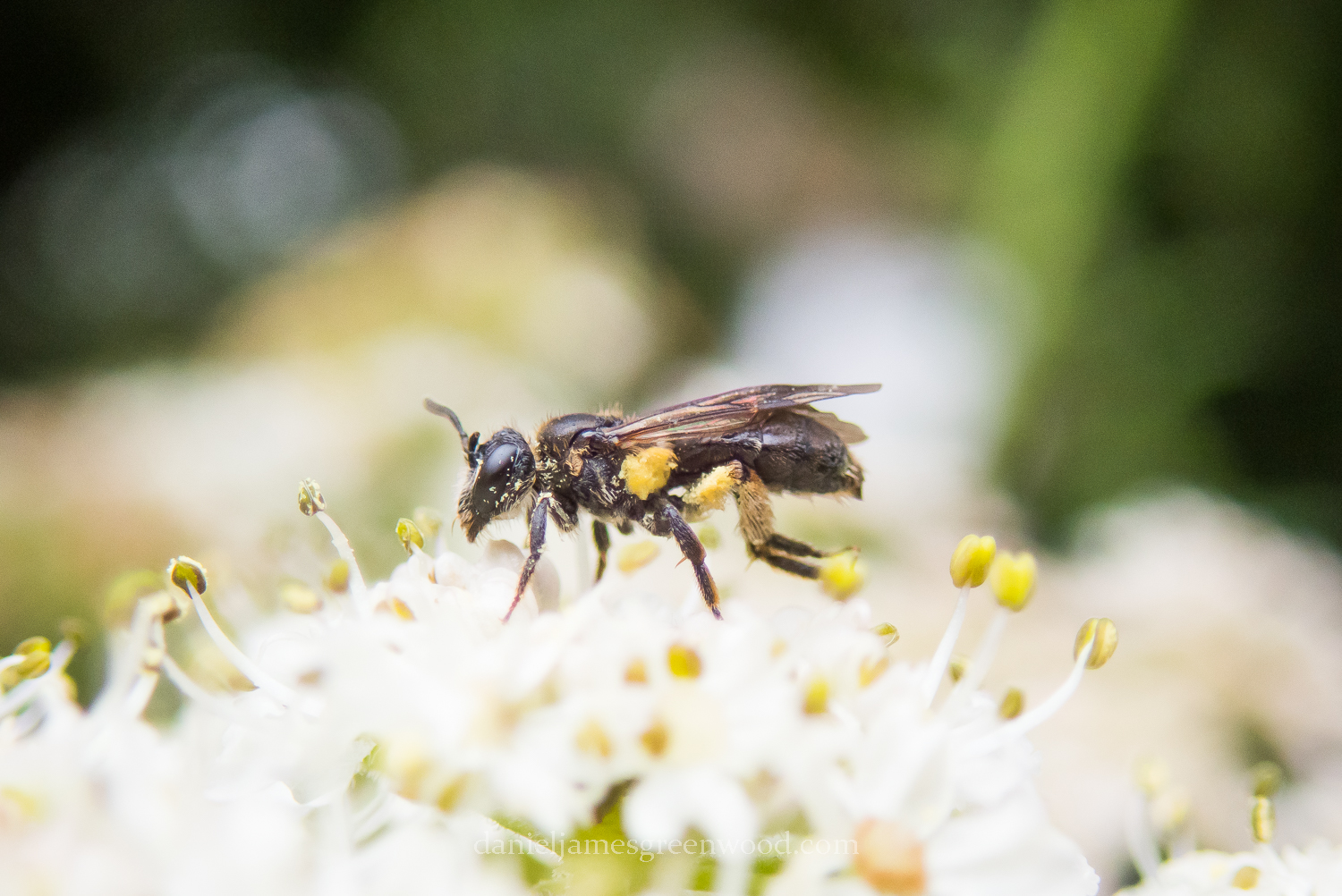
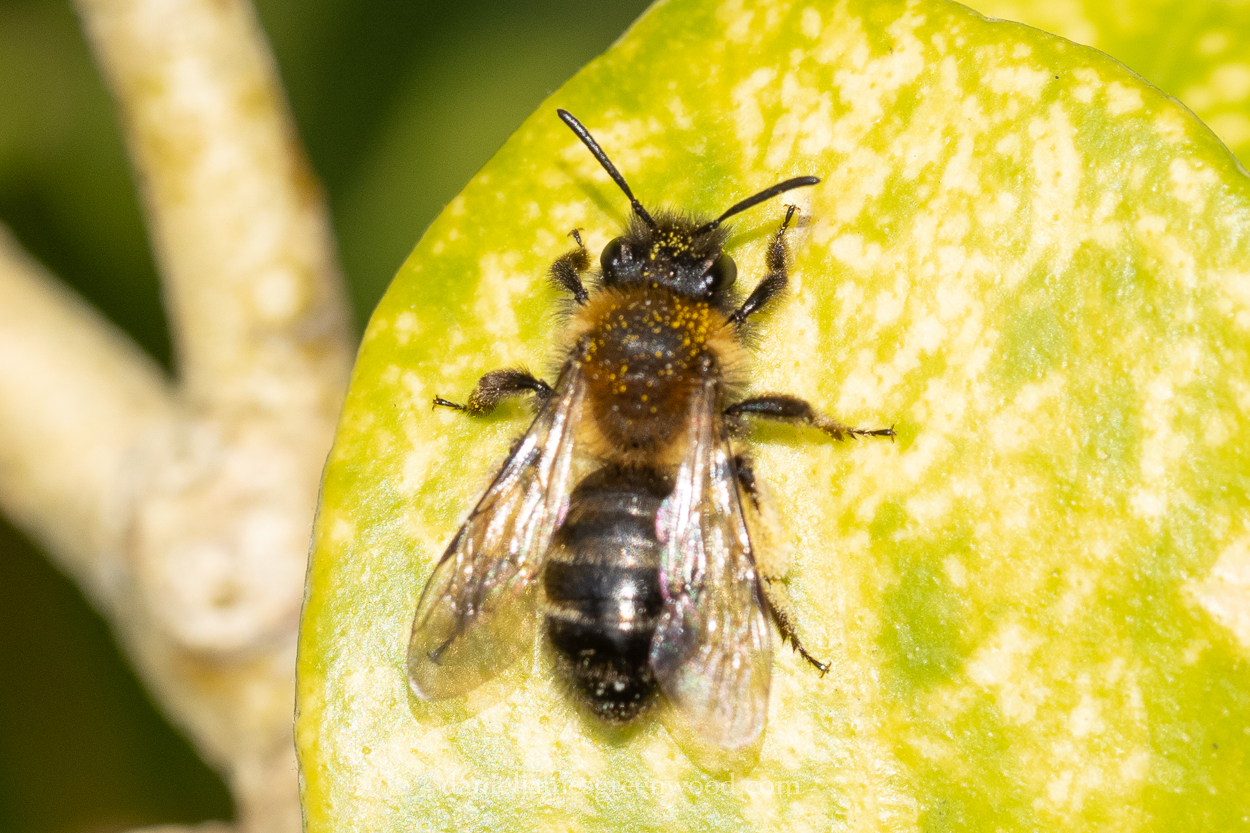
I would say this was maybe an ashy mining bee, but a little faded and low on the ‘ashy’ body hair
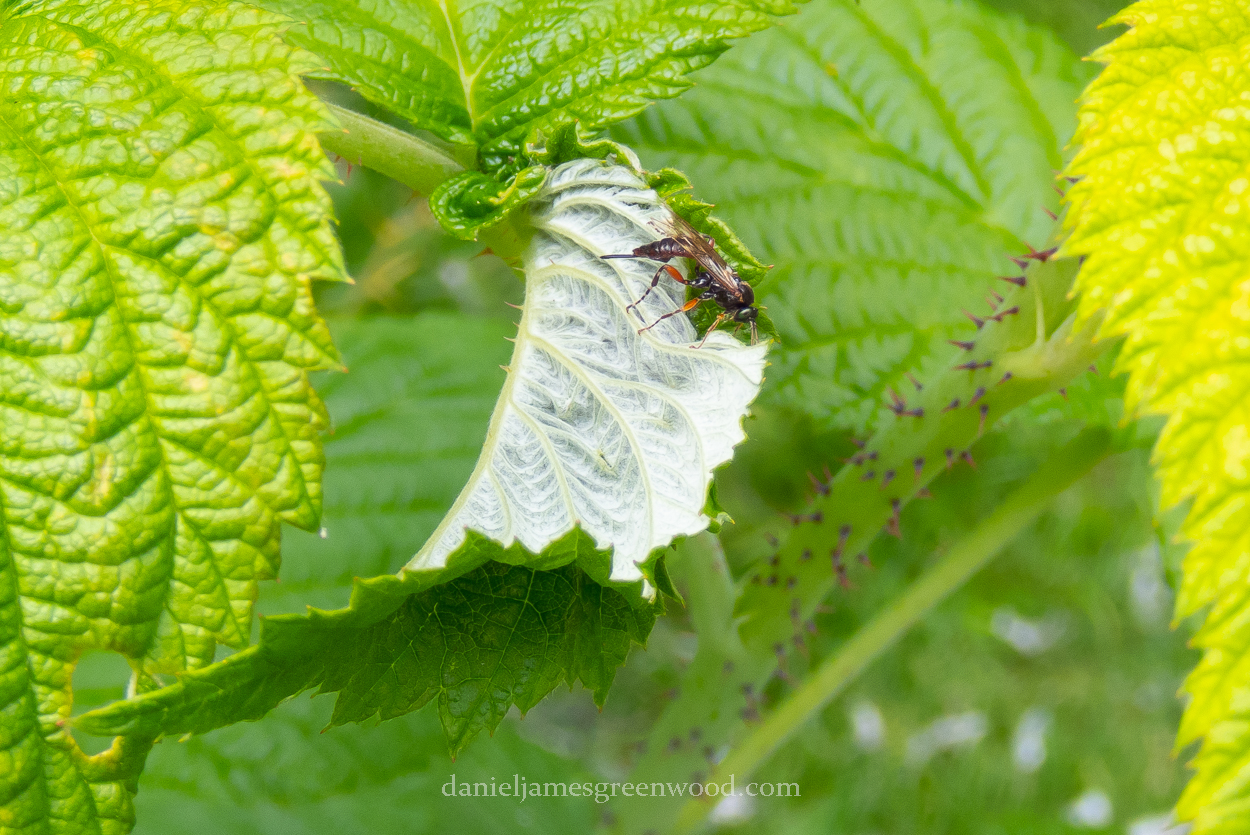
Earlier this week I noticed an ichneumon wasp exploring the raspberry patch in my garden. It was pausing to use its ovipositor on the curled up leaf – presumably the work of some other organism creating a sort of cocoon. I love them!
Another week of some sun, some showers, and some temperatures that got close to freezing. That sentence may turn out to be a spring epistrophe, but more of that later. In Scotland it reached as low as -5C. April 2023 has been a mishmash of seasons. Here’s what I encountered in my garden on 22nd April.
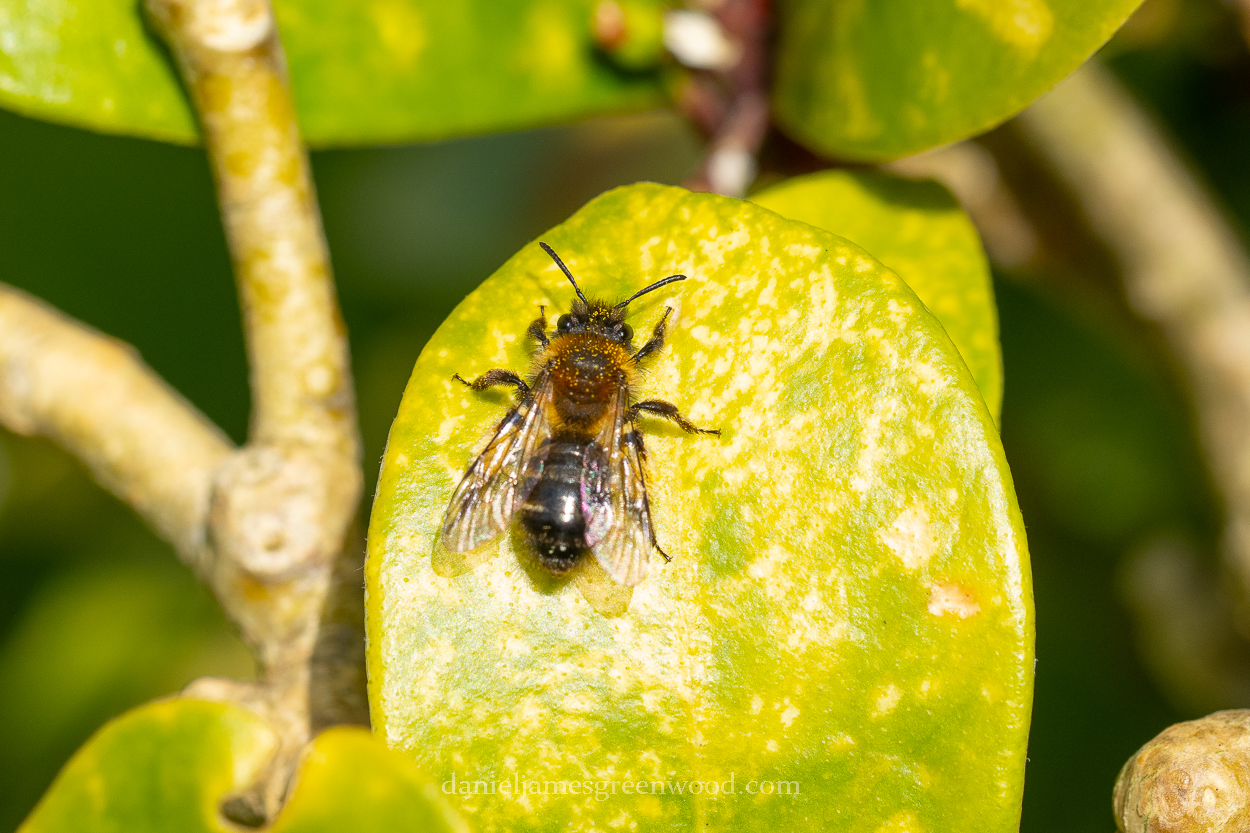
One of the joys of this time of year has to be the red mason bee. They are tricky to catch up with sometimes away from their bee boxes, but I managed to get close enough to this red-haired male in the skimmia hedge.
This is a mining bee that I can recall seeing each year early in the season. I’m not sure of the species, but it has a likeness to the chocolate mining bee.
I tried with this rather slender-shaped mining bee, but it didn’t like Homo sapiens approaching with a camera and macro lens, however small that equipment is nowadays.
He’s not quite in focus but this hairy-footed flower bee stopped for a snap. Never mind his hairy feet, look at those legs! They do look a bit like tiny Highland cows to me.
To finish this week’s post, I noticed this medium-sized hoverfly in the skimmia. Putting it on iNaturalist I received a quick response, identifying it as spring epistrophe. It has a huge range, from Sweden to northern Spain, and then as far as Ireland to the Caucasus (Russia). Its name obviously means it’s a spring arrival, but ‘epistrophe’: “repetition of a word or expression at the end of successive phrases, clauses, sentences, or verses especially for rhetorical or poetic effect” – via Miriam-Webster.
I’ll have to listen to the hoverfly more closely next time.
This time of year will probably always remind me of 2020, when most people were entering into Covid-19 ‘lockdowns’. That spring was early, warm and sunny in SE England, which seemed to contrast with the extreme anxiety of the situation we found ourselves in over here. As the lyric in ‘Someone Great’ by LCD Soundsytem goes, ‘the worst is all the lovely weather‘.
This spring feels different: later than recent early seasons, wet, cool but also quite hot. On Monday I got a bit of sunburn on my neck (despite wearing suncream) and on Tuesday it was quite cold in comparison. This all affects wildlife in a far more immediate way.
On Sunday 16th April my garden thermometer (kept in the shade, don’t worry) read 16C, and the garden was alive. Here’s what I found in the space of about half an hour.
My first find is not actually pictured here. I was about to clean the kitchen hob when I noticed a small deceased insect on it, what turned out to be a lovely male red mason bee. I was surprised and a bit annoyed, so went outside to put its tiny little body into the flowerbed where its cousins were zipping around.
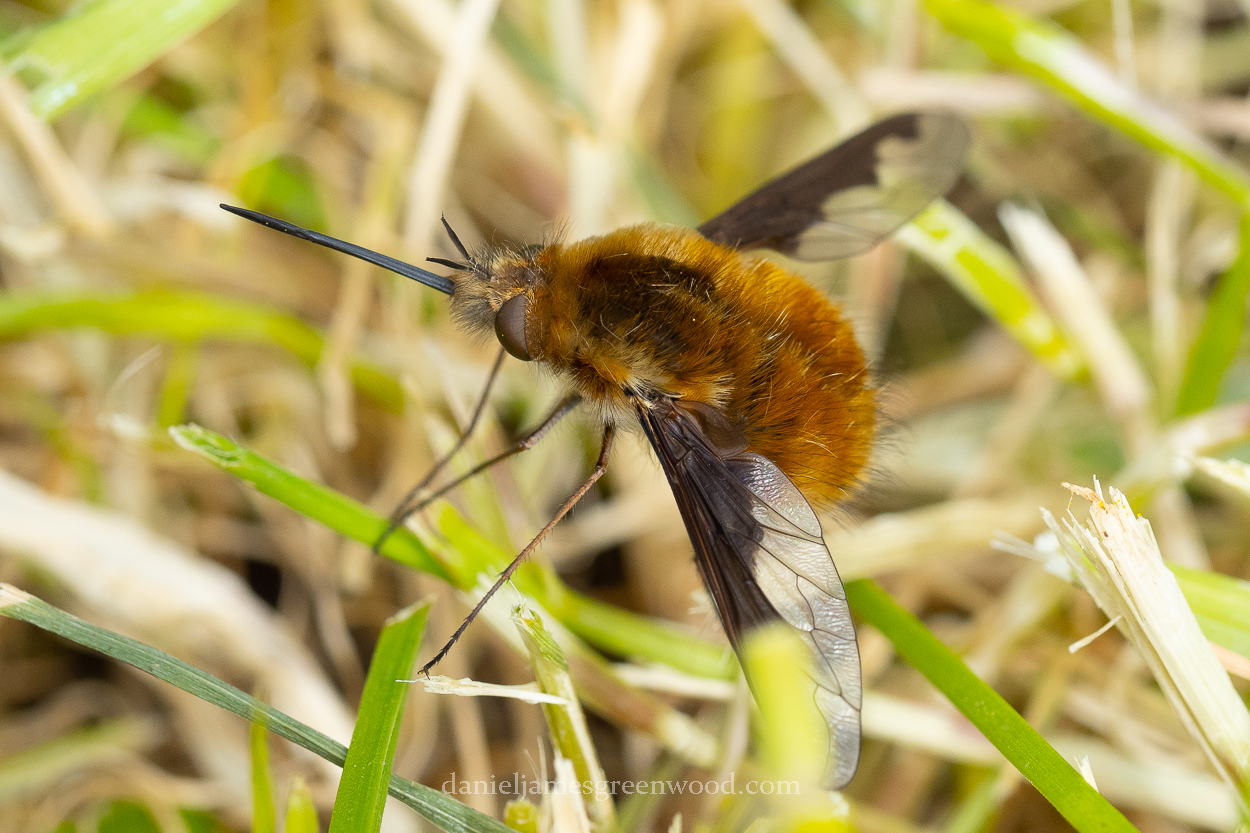
Nearby, I noticed my first bee-fly of the year, doing their usual flowerbed hovering. You can see from the image above why this fly is sometimes referred to as the ‘dark-edged’ bee-fly.
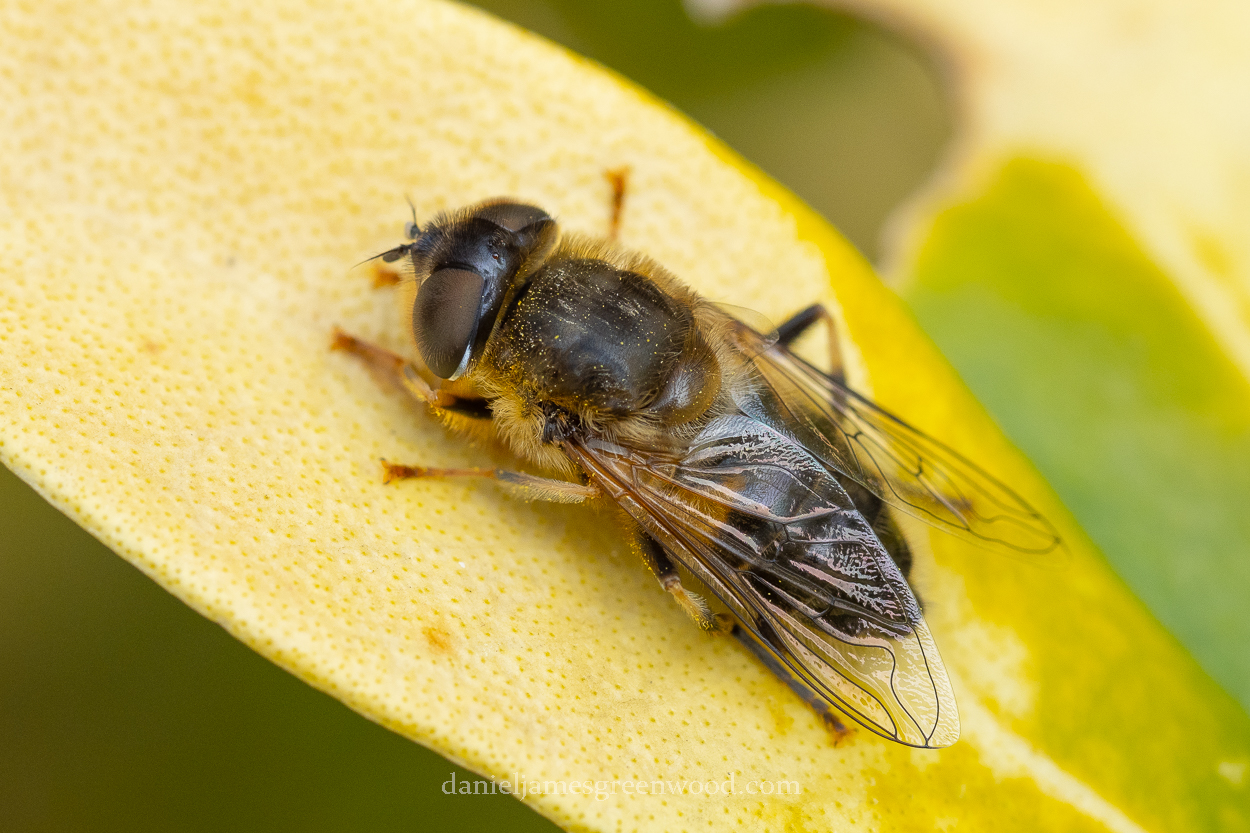
There were a large number of drone-flies in and around the Japanese skimmia that makes up much of the hedgeline in my small garden. I’m actually a big fan of this shrub, which provides excellent cover for invertebrates and seems to be a solid nectar source.
I’ve not seen any birds eating its berries which are held for a long time. I would pick this over the dreaded cherry laurel any day.
This is a common hoverfly, which I have come to know as ‘the footballer’ but is also called ‘sun fly‘. Their mimicry is to fool us predators into thinking they’re wasps and therefore able to sting. What this fly doesn’t know is that I’ve read books and have iNaturalist so I know it’s a hoverfly.
Meanwhile, there was quite a bit of activity from the wasps, with two or more queens busy in the skimmia. This queen was less busy so I could get a photo of her basking. To any new readers, I’m a wasp supporter, and I don’t mean the rugby team.
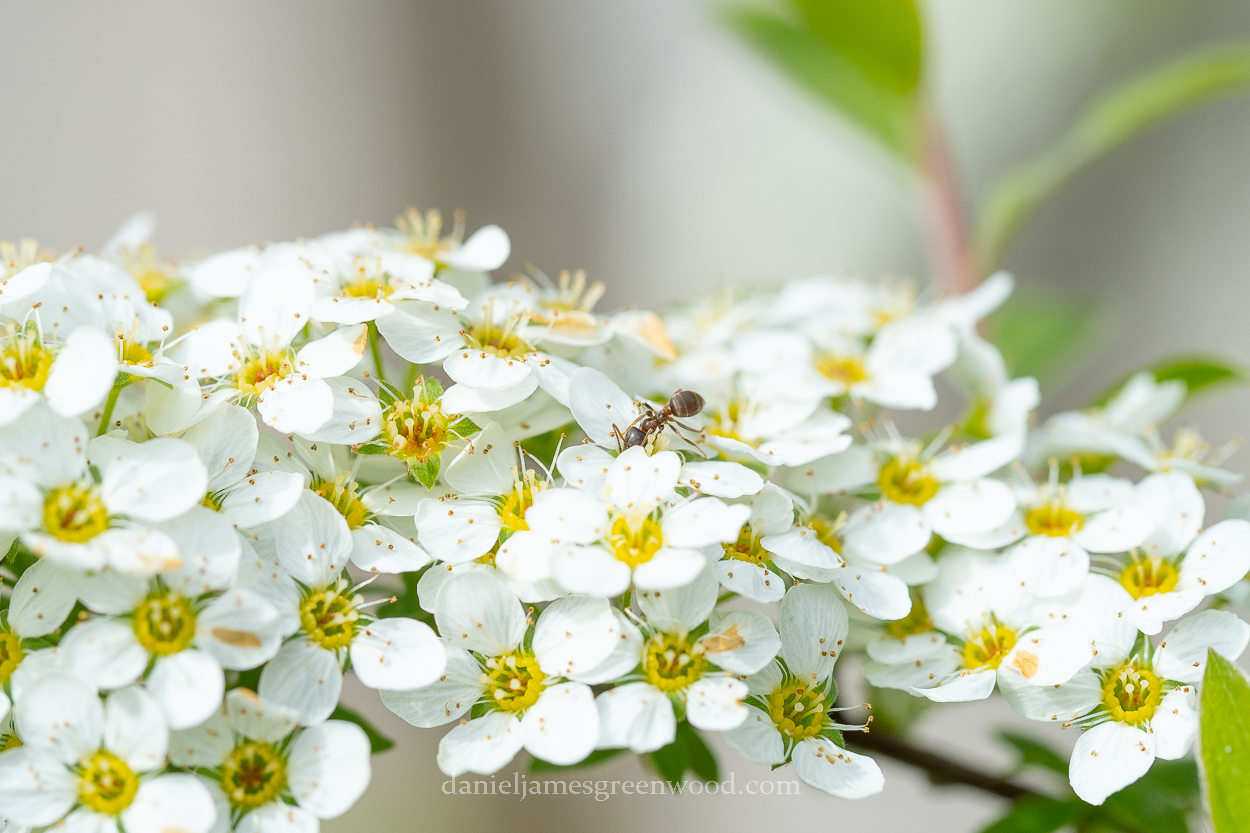
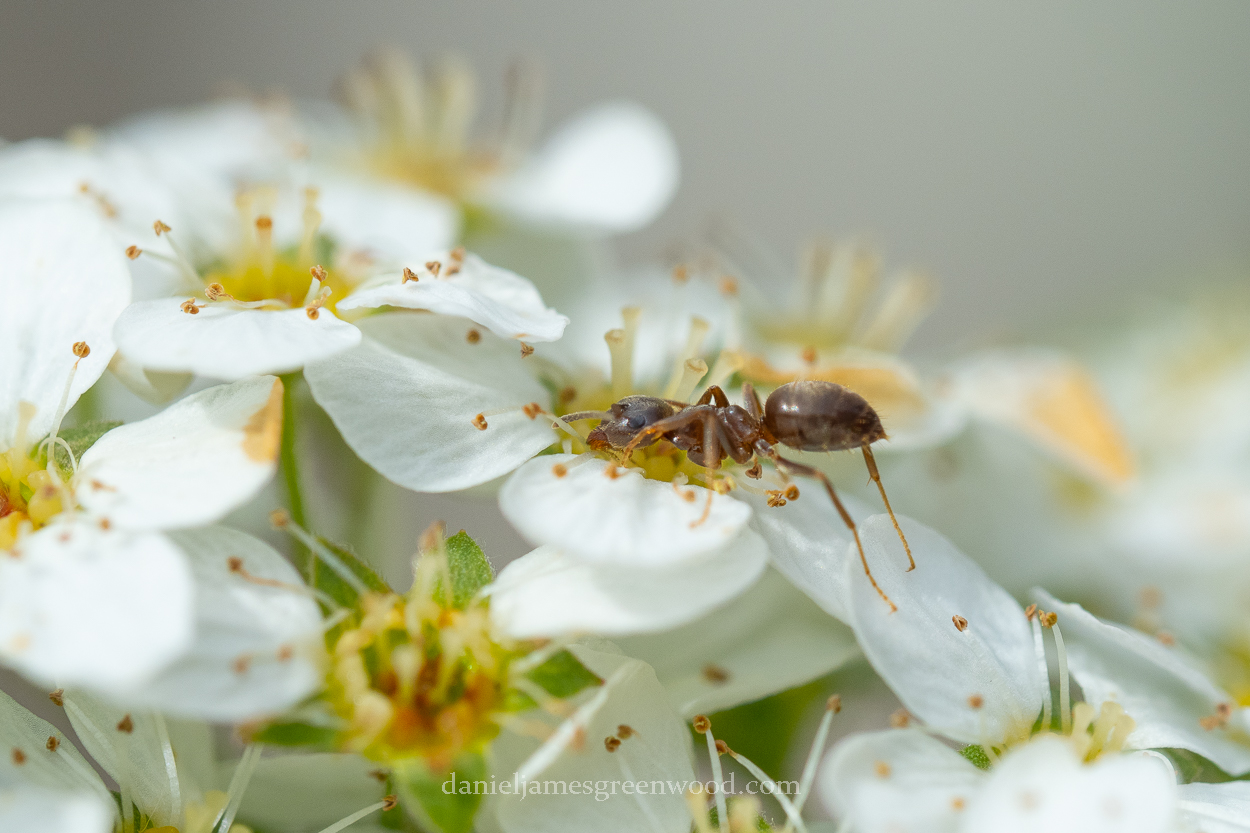
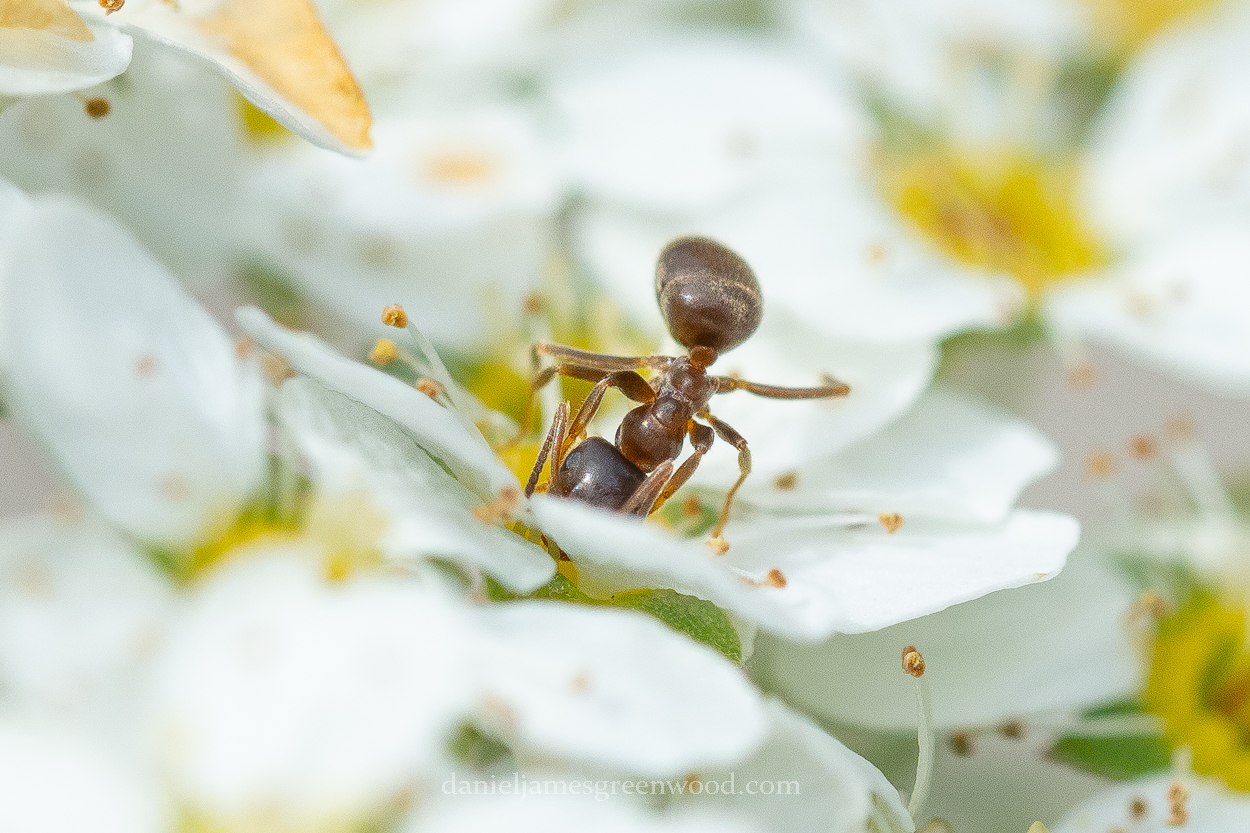
I have another non-native shrub that is proving itself to be a valuable resource for pollinators in my garden. This has flowered for the first time since it was planted three years ago.
This is probably a the black garden ant. I hadn’t seen them nectaring like this before. I’d also seen red mason bees visiting these flowers, which is great news as it’s providing another source of forage for a wider range of pollinators.
This ant was definitely getting stuck in to the nectar on offer here!
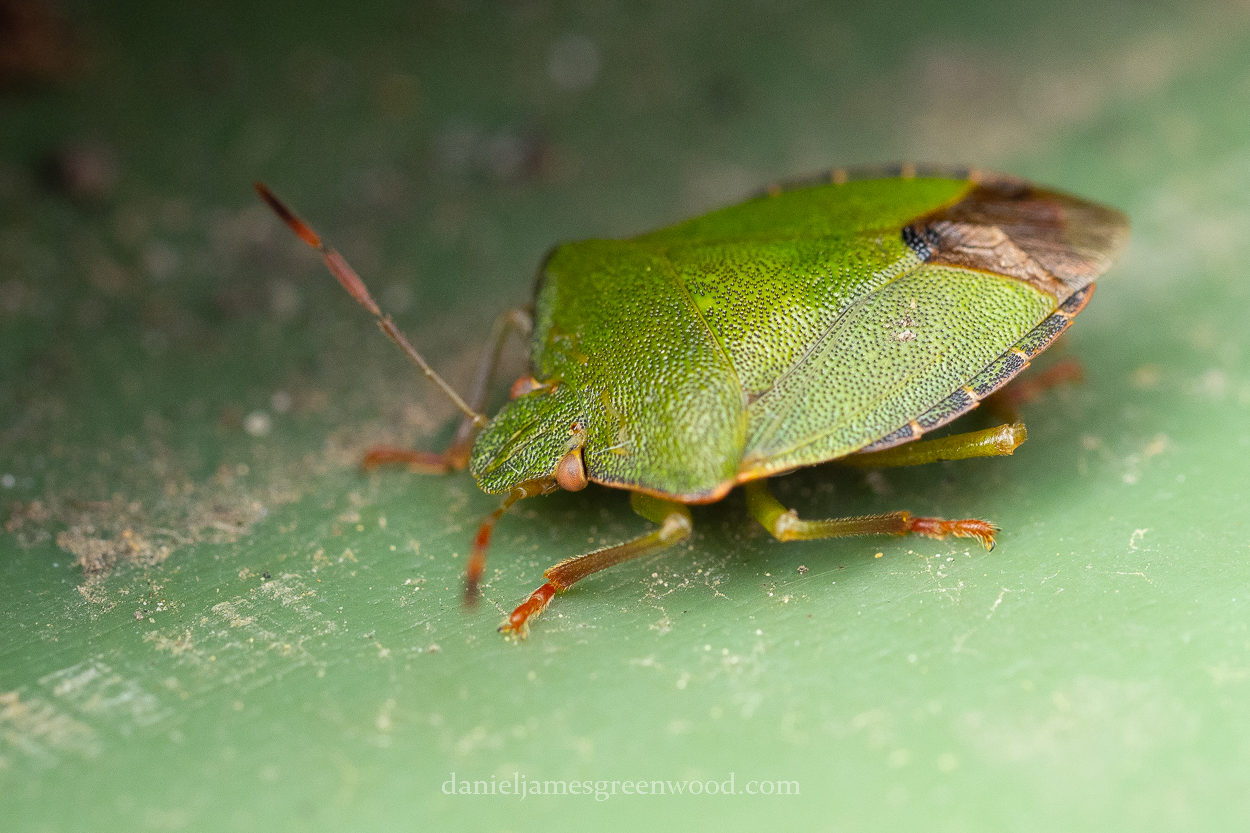
On my recycling bin I spotted this green shield bug, a fairly common sight in my garden. They are lovely insects but are also known as stinkbugs in North America because of their pungent scent that is deployed when they’re in trouble.
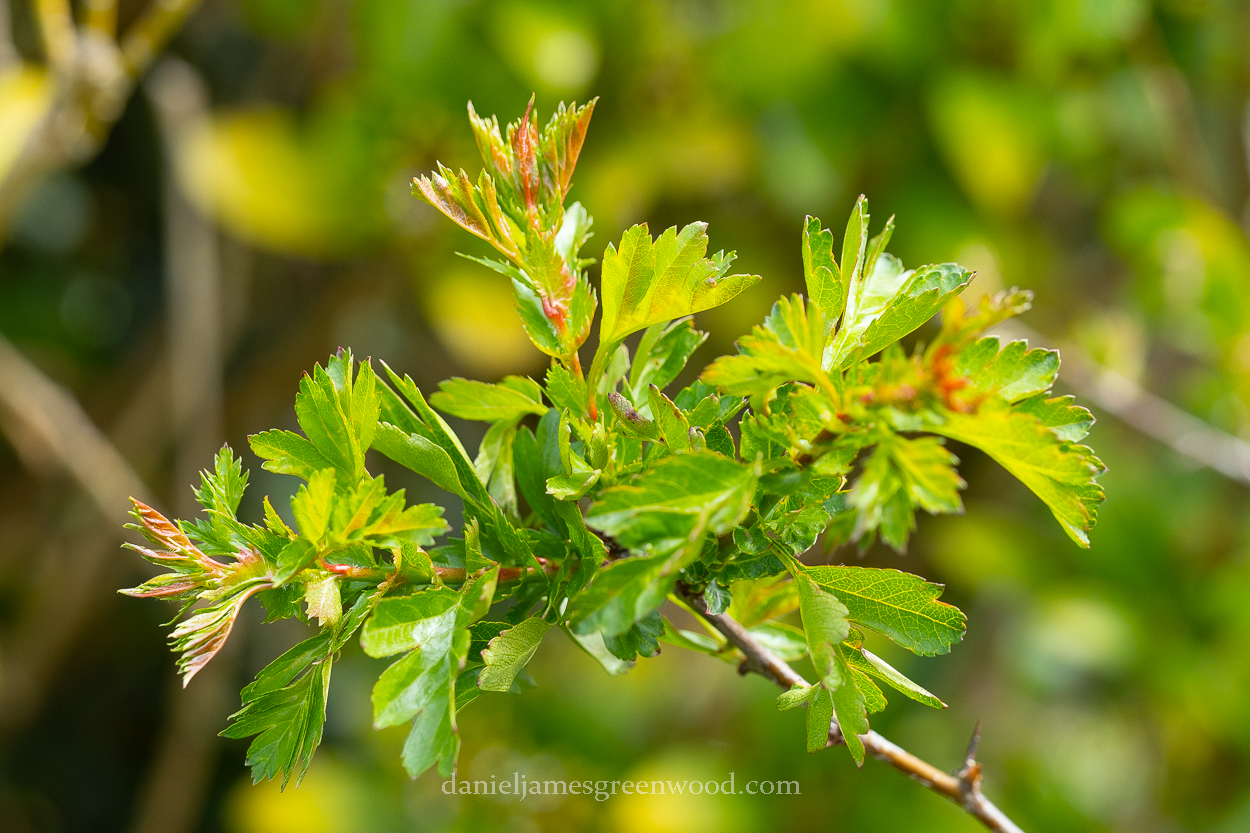
The hawthorn was in full leaf. I have since coppiced this hawthorn sapling to allow it to form more of a hedge, compared to the spindly tree it was forming.
Hazel is also in leaf. I love their small leaves when first appearing. You can see where I topped this sapling last year. I have also recoppiced it since to form a hedge.
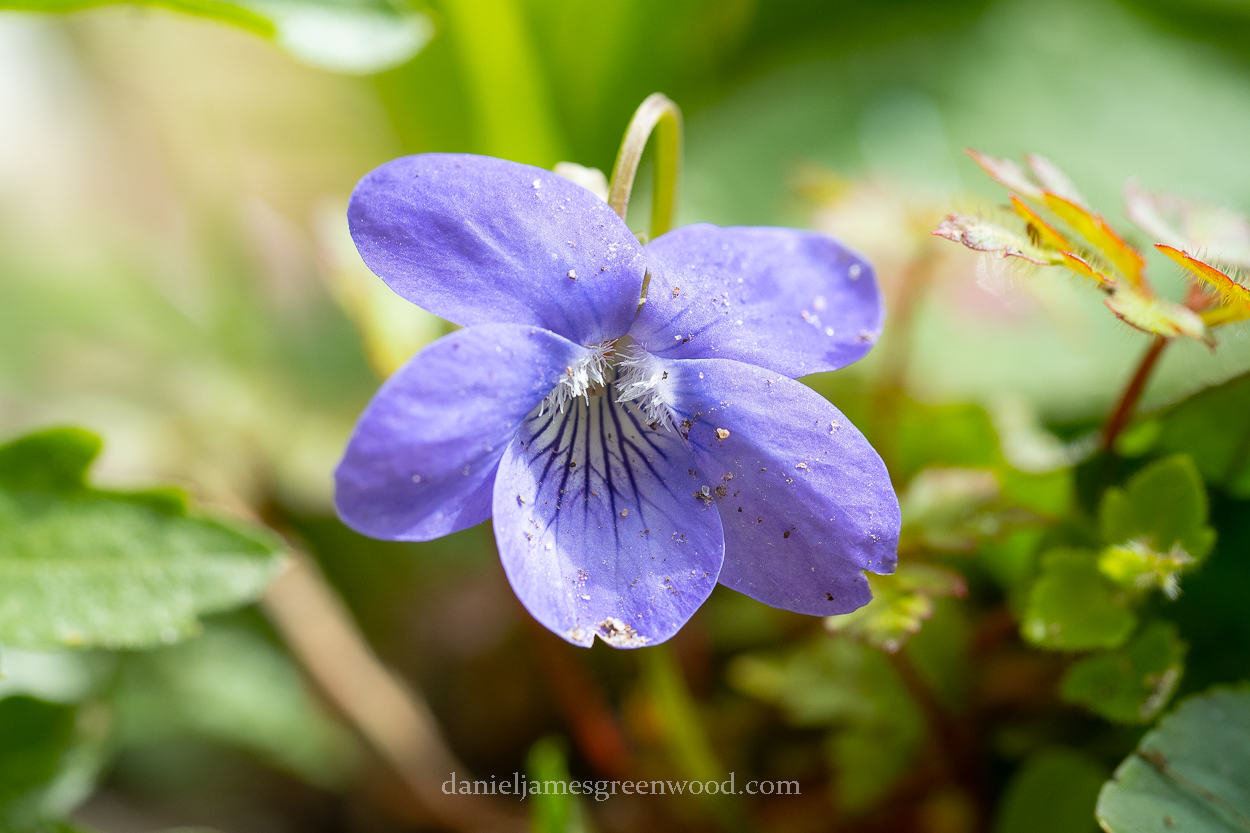
The dog violets are flowering between the brickwork on the twitten (a Sussex name for a type of path).
So too were the pea flowers of what I think is broom. It didn’t flower last year for some reason.
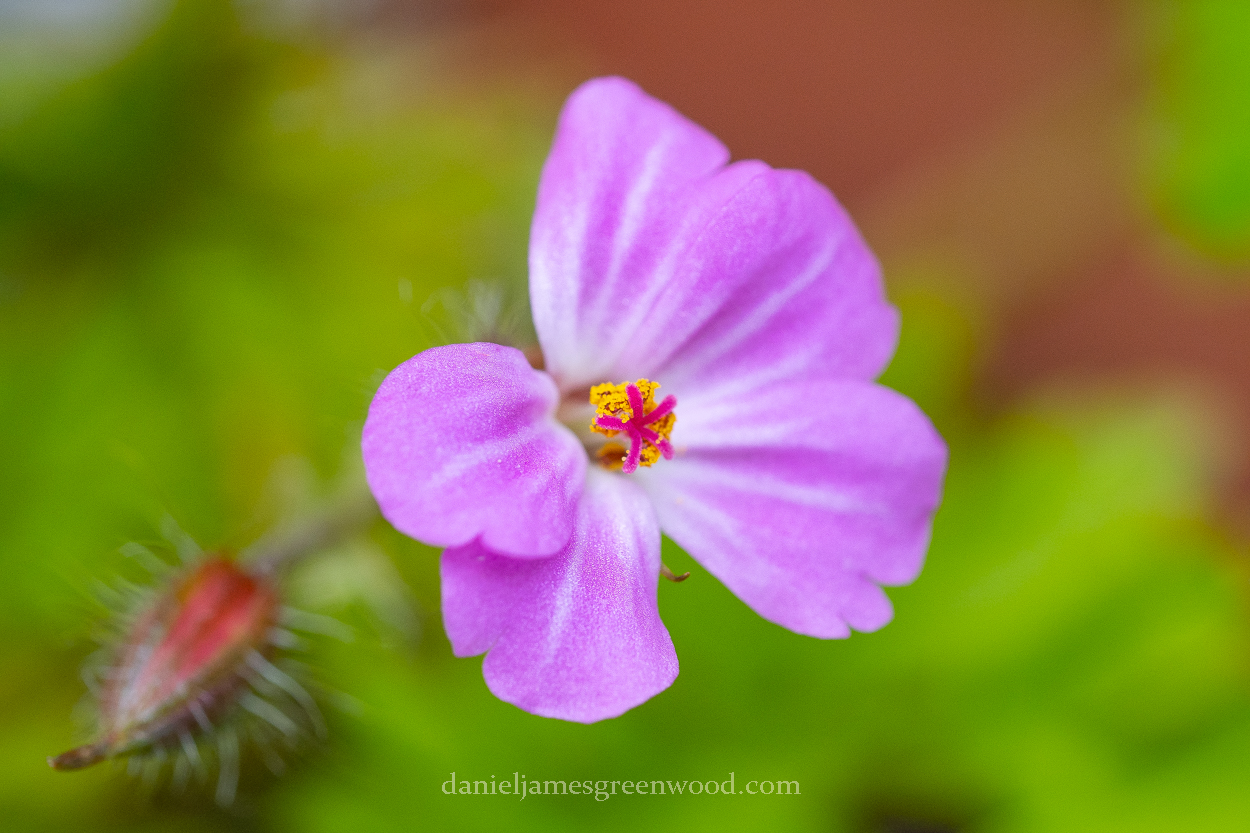
I think this close up helps to show how nice herb robert flowers are up close, with the yellow pollen grains highlighting their attractiveness to bees in particular.
























 Unlocking Landscapes