The ash tree’s survival

I noticed some good news about ash trees recently and wanted to share my experience of a difficult decade for the European ash (Fraxinus excelsior, referred to here as ‘ash’), as well as some of the photos I’ve taken of this iconic tree. Working through this post, I’ve realised just how many images I’ve compiled down the years. I’ve also realised just how much I care about this tree as a species, and how painful it is to see it effectively being erased from the landscape by disease.

Ash is one of the first tree species that I really began to notice and tried to understand ecologically and culturally. When I started to take notice of wild trees, I saw that ash was everywhere in south London, seeding in railway sidings, parks, gardens, and woods. I’ve cut them down (not particularly big ones), planted them, pollarded them, photographed them and breathed their oxygen (obviously most people in the UK have!).

What do ash trees mean to people?
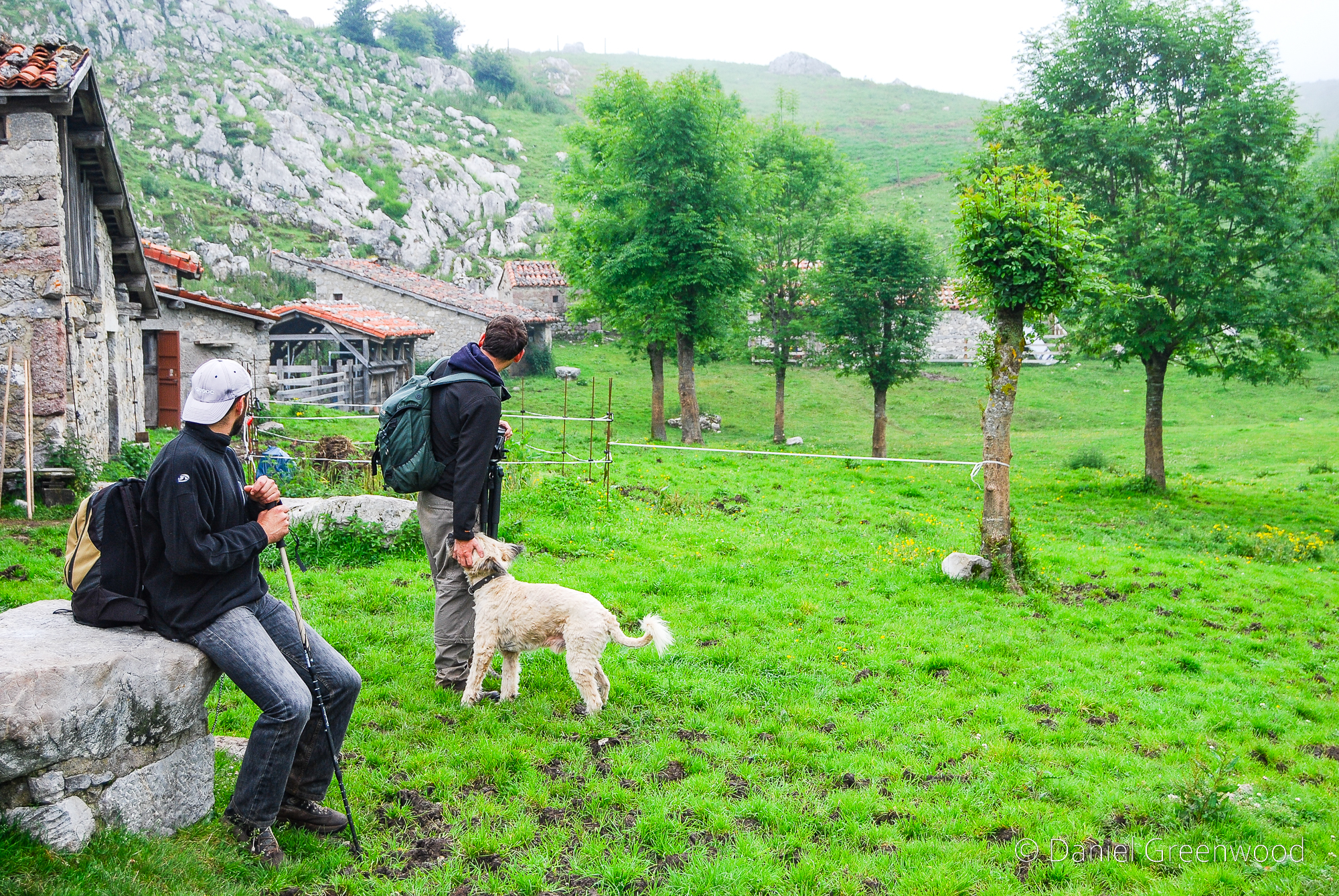
Pollarded (or shredded?) ash trees outside shepherd’s huts in Asturias, Spain in June 2011

I’d like to start overseas, as ash dieback is Europe-wide problem.

This week it was 14 years since I visited Los Picos de Europe (The Peaks of Europe National Park) in Asturias, Northern Spain as a volunteer.

The photo above came up in my ‘memories’ and it was only then that I remembered the ash trees. This was a remote village high in the mountains where people were making cheese (they didn’t want the name of the village to be shared online). The ash trees here are pollards, with the branches cut back to make a single stick of a trunk. It’s probably severe enough to be considered ‘shredding’, which Oliver Rackham wrote about.
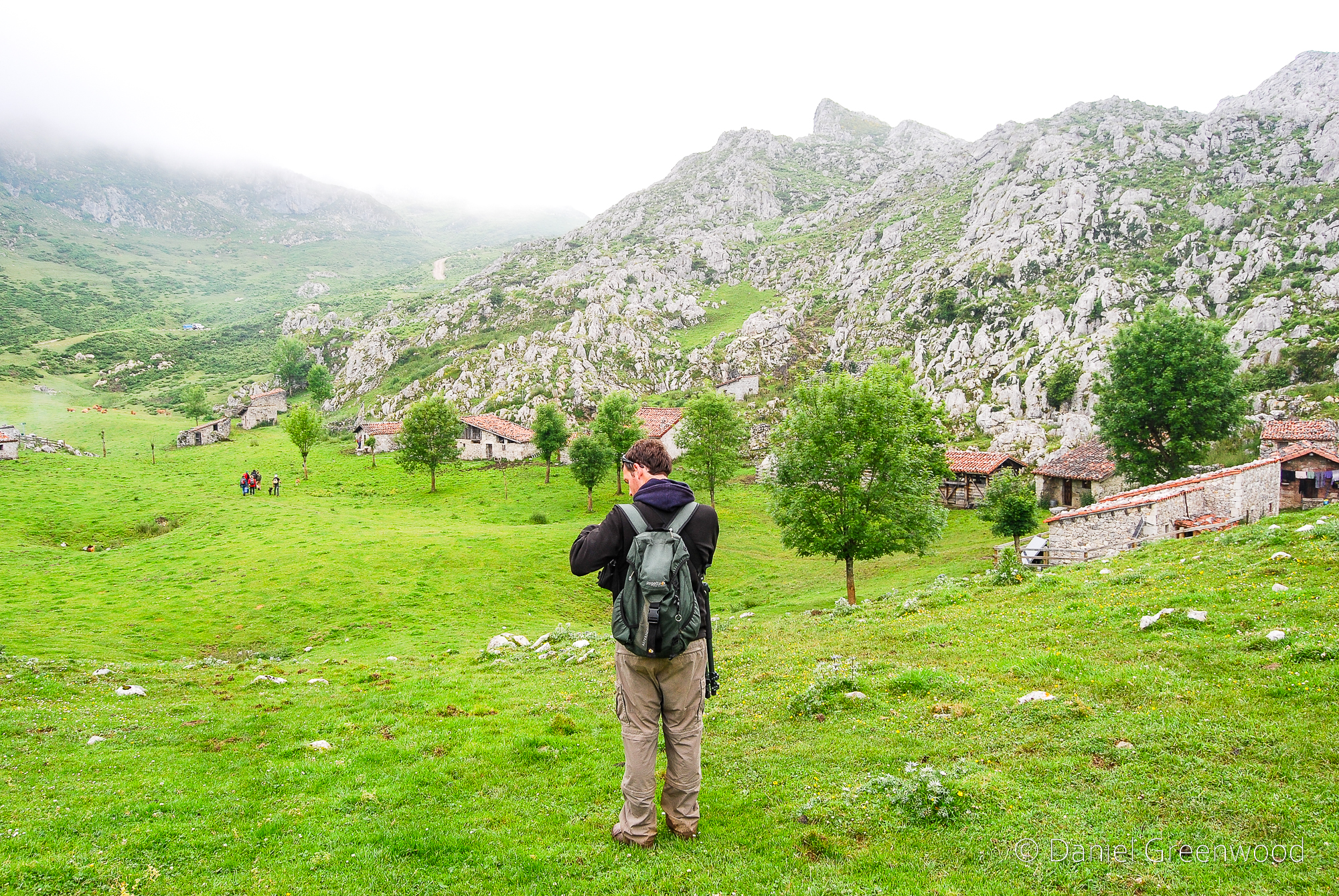
Lollipop ash trees growing close to the old shepherd’s huts in a remote part of the Picos de Europa, June 2011

The reason this is done is to provide food for sheep – the fresh green growth of new ash leaves, which they love.

A massive pollarded ash tree next to a restored hay barn in Wensleydale, Yorkshire in 2018

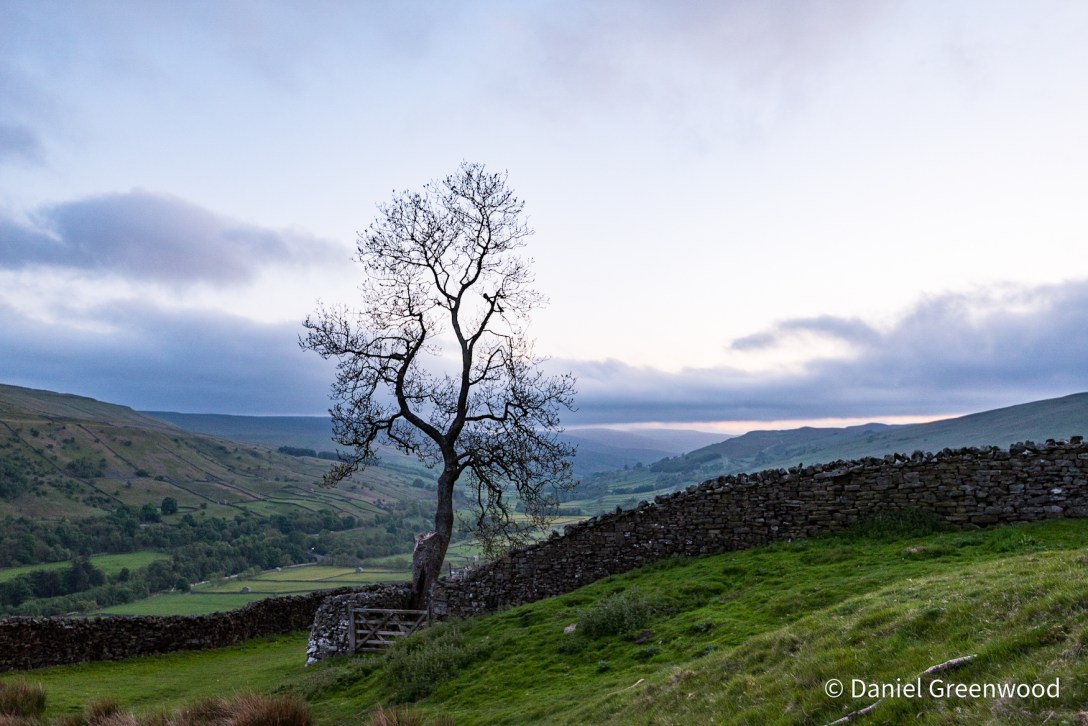
Interestingly, it’s similar in the Yorkshire Dales, where ash trees are abundant (see above and header image) and so are sheep. During one holiday in the Dales, I remember seeing a sheep climbing up a wall in order to nibble the leaves of an ash. What is also interesting to me, is that this is the same model of livestock grazing which spread from the Middle East, across Europe and into Britain thousands of years ago. It doesn’t sound dissimilar to the spread of ash dieback.

A typically large ash stool in a former hedgeline or boundary, coppiced or laid for many years (near Reeth in the Yorkshire Dales, 2019)

It’s not uncommon to see very large ash stools (old trees that have been regularly felled for timber) in boundary lines in places like Yorkshire, Sussex and Kent. I’m sure their coppicing was probably to provide ample feed to sheep, as in Northern Spain, above.
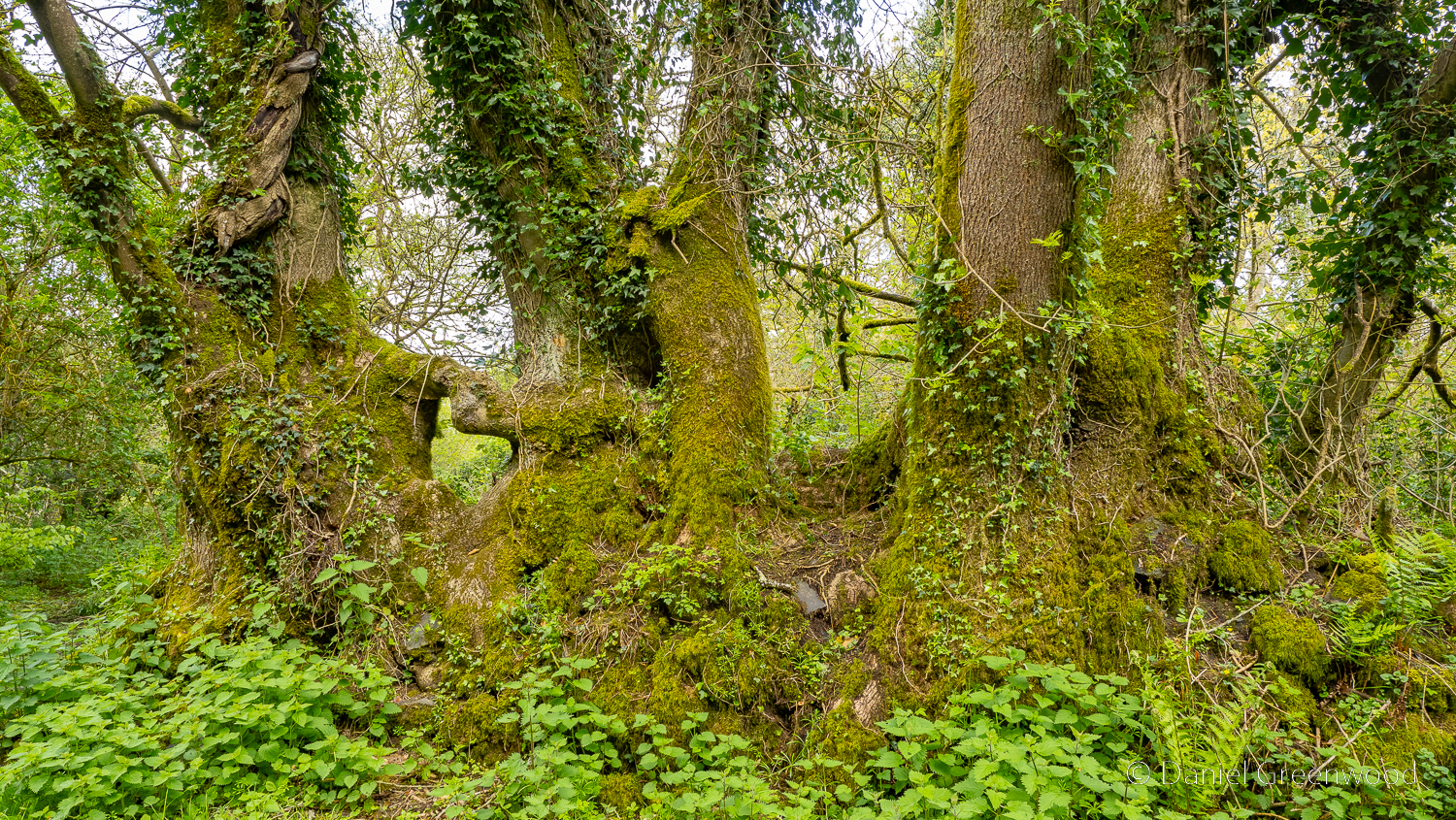
Dartmoor, Devon in 2023

This mammoth ash in Dartmoor National Park in Devon is possibly the biggest I’ve ever seen.

What do ash trees mean to wildlife?

A diseased ash tree with a large number of King Alfred’s Cakes fungi growing on the main trunk in Sussex in 2023

The fungus King Alfred’s Cakes has benefited in the short-term from an explosion in dead ash wood to colonise. The longer-term picture for fungi and lichen is not so good. Ash has a number of lichens that depend on it in places like the Lake District (my knowledge doesn’t extend very far here) which needs living trees.
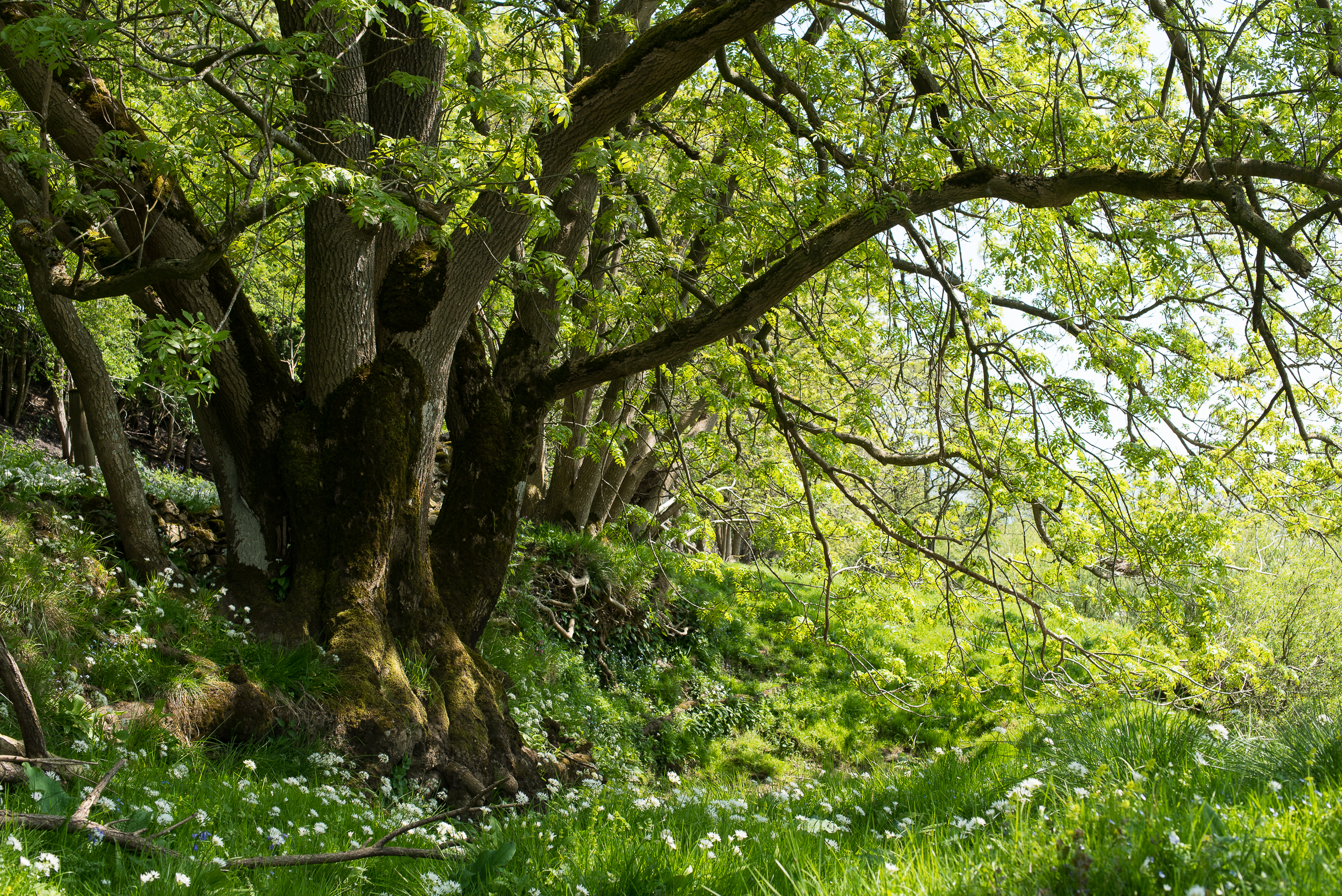
A mossy ash surrounded by wild garlic in Wensleydale, Yorkshire in May 2018

Ash benefits ancient woodland flowers that arrive early in spring because the leaves are compound (they have leaflets, not broad leaves) and allow light into the woodland floor. Species like wood anemone and wild garlic do particularly well in their dappled early spring light.

Magnificent veteran ash tree with Ullswater behind it in the Lake District. The top trunk of the tree has collapsed on some farm equipment in the background (2023)

I’ve encountered several ash down the years that have been for the chop on reasonable safety grounds in London, but then have been saved by the fact bats are living in them.
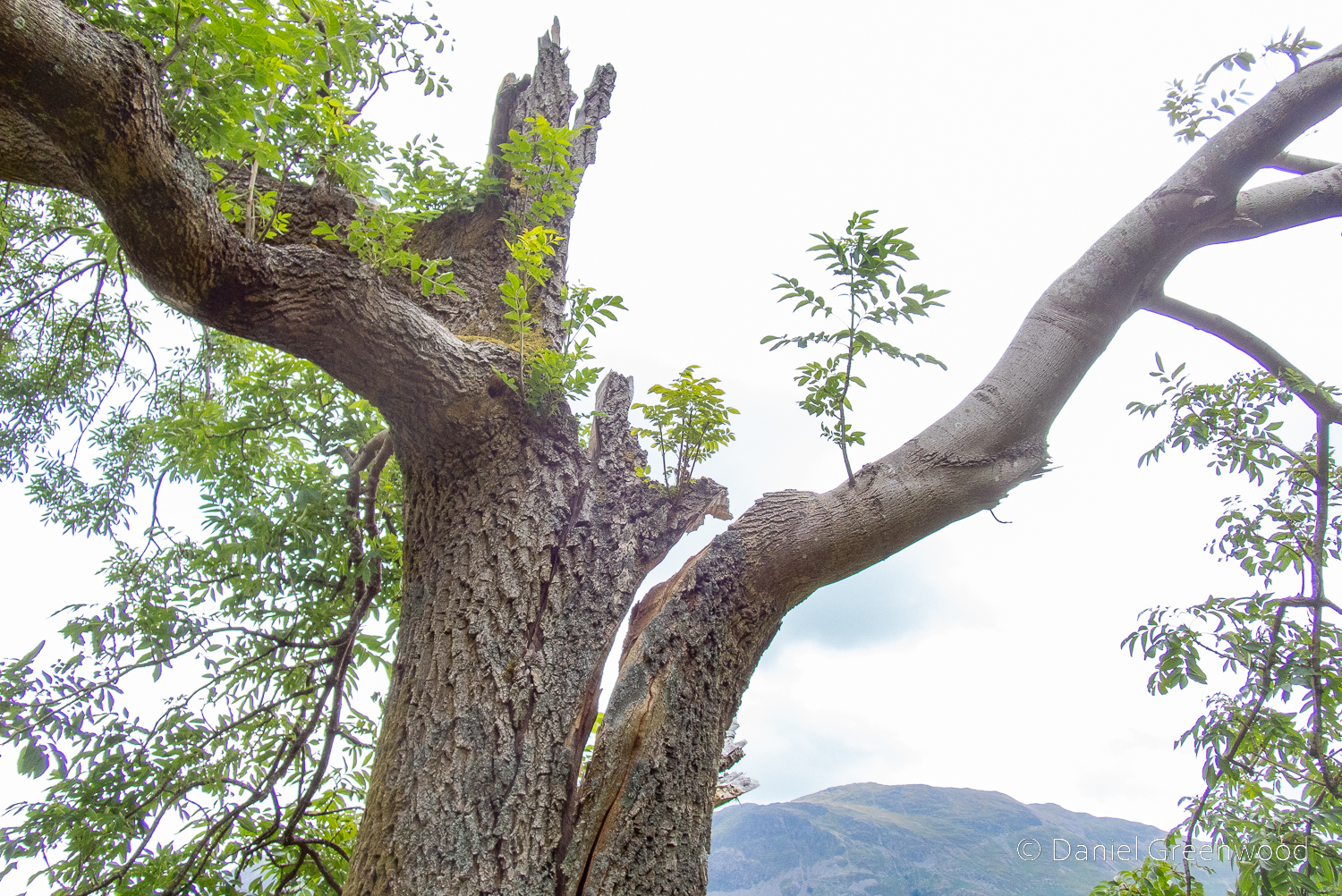
Bats can live under loose bark, in woodpecker holes (which are often found in older ash) and in large crevices. This magnificent ash was near Ullswater in the Lake District and had suffered what the tree officers would deem a catastrophic failure, but the woodland ecologists would be licking their lips at!

The Timeline

2012: when ash dieback arrived in Britain
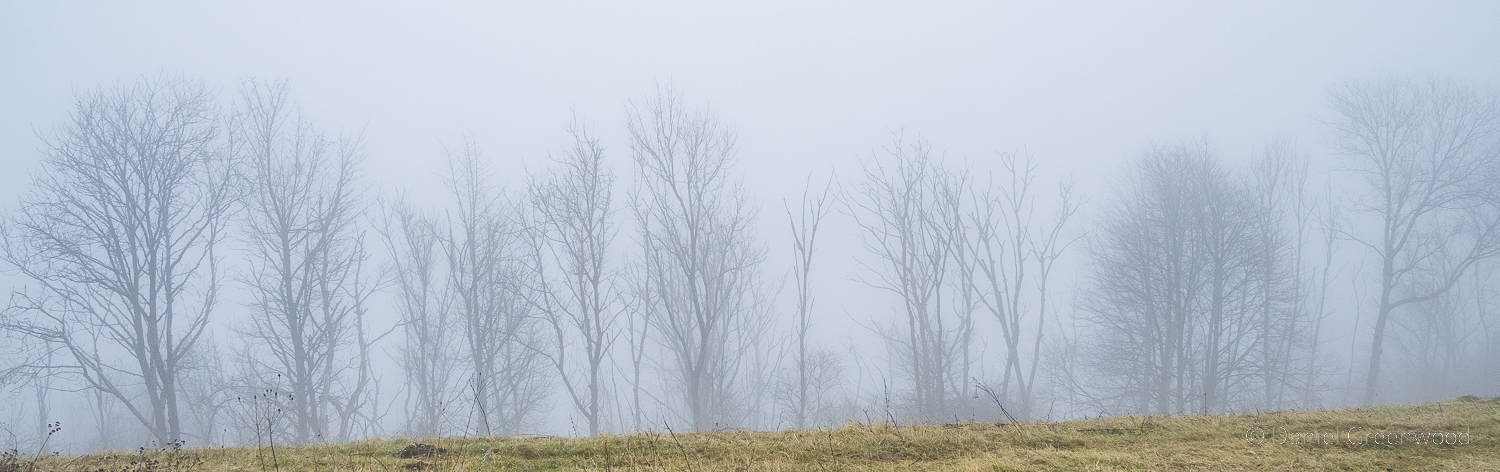
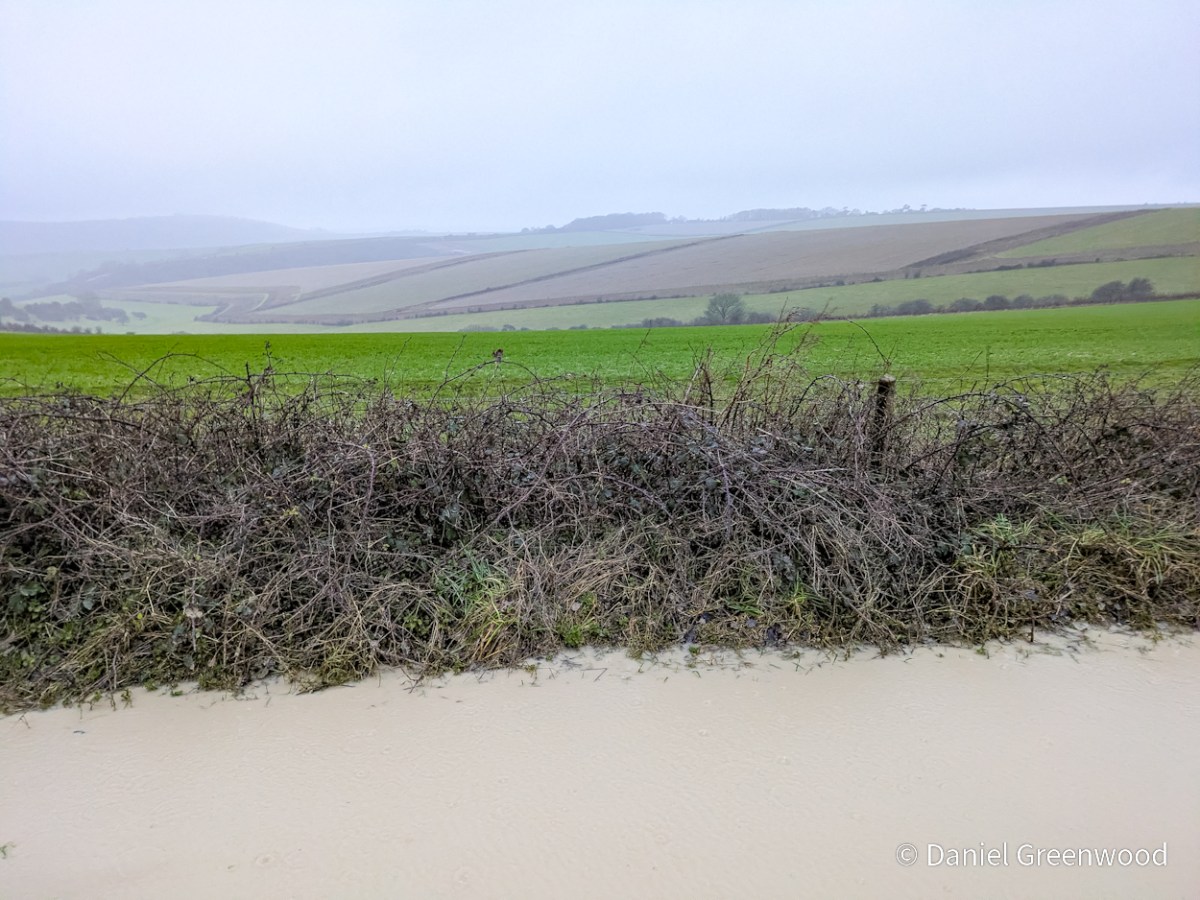
A range of leafless ash trees alongside the South Downs Way near Ditchling in November 2024

One afternoon in the autumn of 2012 I was finishing my working day in the woods when I noticed the dying-back of an ash sapling. The stem had lesions and the leaves were drooping. It was my first year as a community woodland officer and ash tree seedlings were so numerous we actually had to pull them up in certain places. They were the epitome of a sometimes invasive British plant.

It was the first time I had seen a European ash tree (Fraxinus excelsior) infected with ash dieback disease, known scientifically as Hymenoscyphus fraxineus.

The first time I saw and photographed ash dieback disease in Sydenham Hill Wood, autumn 2012

At the time we needed to report every new sighting to the Forestry Commission (as it was then), to help map the spread of this devastating disease. It spread so quickly that reporting became redundant, as were widespread protection measures. I remember someone remarking that asking people to clean their boots would be about as effective as asking the birds to clean their feet.

2017: ash dieback decimates the South Downs
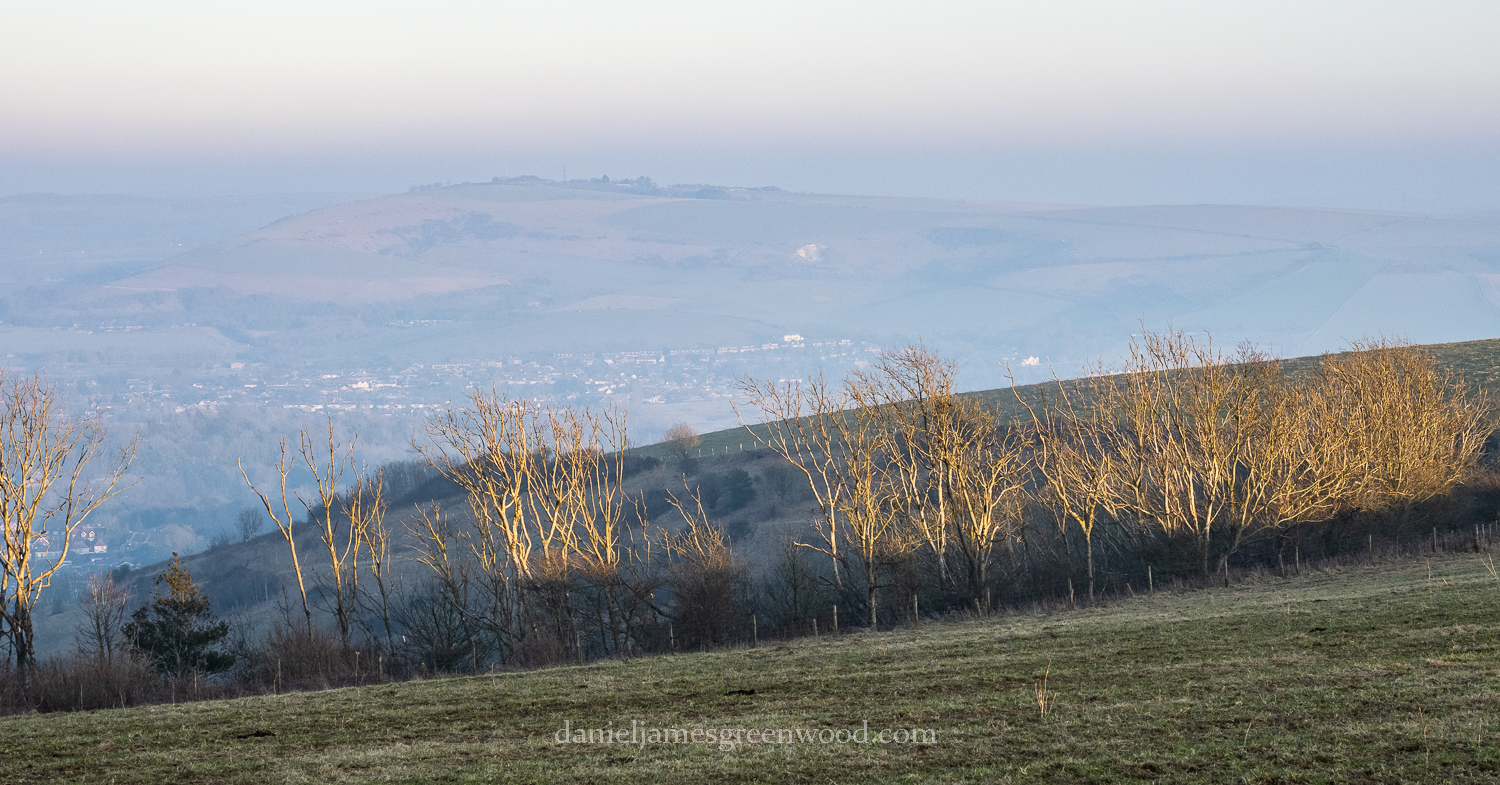
Leafless diseased ash trees above Steyning, seen from the South Downs Way in February 2023

It was only really when I moved to Sussex to work in the South Downs National Park that the real impact dawned on me.
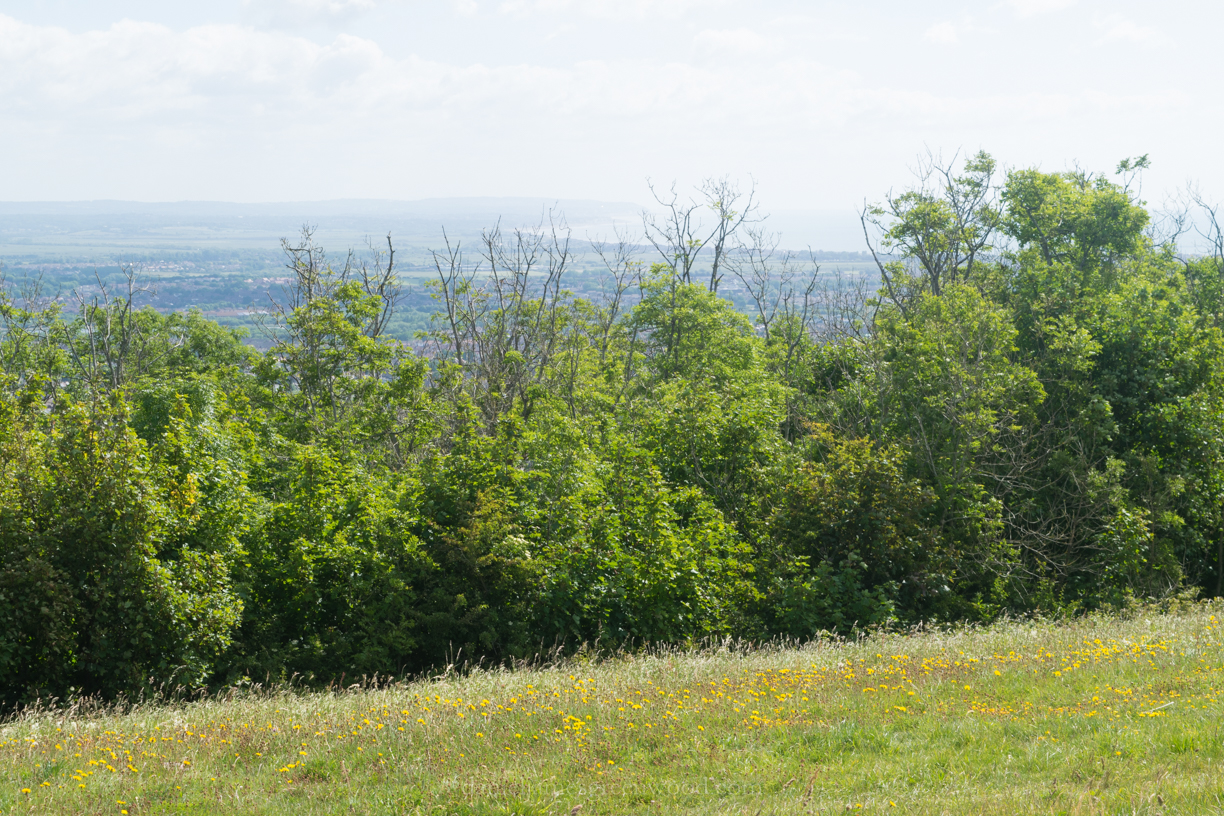
Eastbourne appearing beyond infected ash trees in June 2017

During a walk with the South Downs Eastern Area Ranger team, I was taken aback by the way declining ash trees were opening up views of the coastal town of Eastbourne. It has continued to progress since then.

A young ash tree experiencing ash dieback from the top-down on the South Downs, May 2019

Groves of once green ash woodlands and verdant hedgerow trees were dying en masse. In the past few years trees along highways have been felled due to the threat to public safety from these brittle, dead trees overhanging roads, paths and properties.

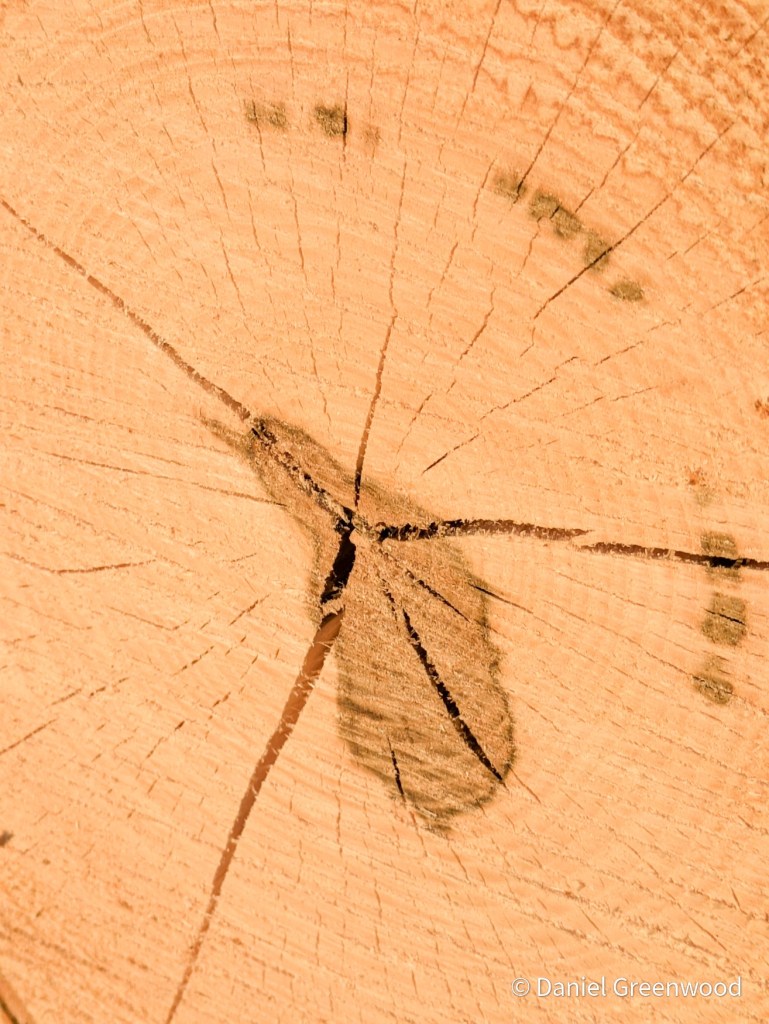
The main concern is how the decay enters the heartwood (as above) and causes structural failure even within living trees, meaning the ash are more likely to fall unexpectedly. I spoke to a council tree officer who said that there have been a number of fatalities of tree workers due to ash trees. It’s tragic.

A diseased ash tree that had fallen across a footpath in the South Downs, logged and cleared in February 2023

But how did ash dieback get to Britain? Fungi spread through spores, tiny particles that ‘seed’ in appropriate places and then grow into a living fungus that produces fruiting bodies. The fruiting bodies (mushrooms, to most people) then produce the spores. The ash dieback fungus is native to Asia, but there’s no way it could get to Europe alone. People helped it, accidentally, to arrive in Europe over 30 years ago. In Britain, it may have been helped by the process of growing UK saplings in Dutch hot houses, alongside infected ash saplings, and bringing them back to the UK.

2024: signs of resistance
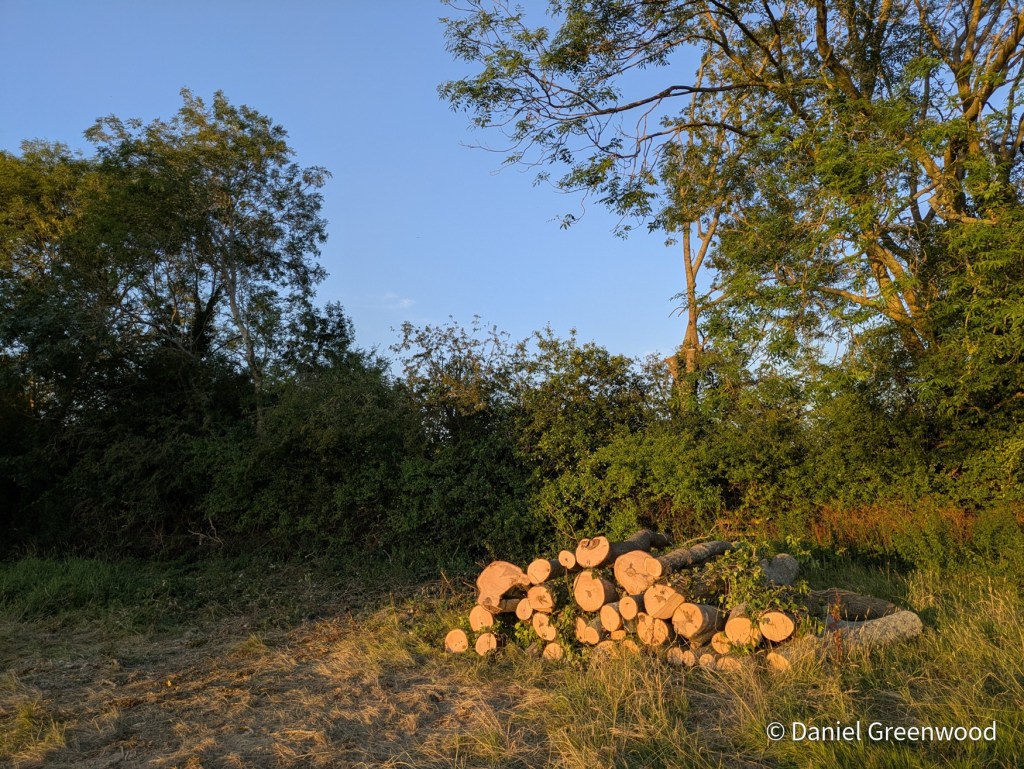
This phone pic was taken in July 2025 when my local green space had been subject to ash removal. The logs show the scars of the disease (see previous) but the scene is not one of disaster. There are healthy ash trees on either side that are surviving and, indeed, thriving considering what they are up against.

That is something The Living Ash Project have been logging(!) – trees showing mild symptoms and overcoming the dieback.

This rather optimistic article highlights more of the positive steps, and advanced scientific interventions being made to save ash trees.

Ash trees in isolated areas, away from ash woodlands, may be in a much better position (literally) to survive the disease epidemic because they are not overwhelmed by spores from ash leaf litter found in thick leaf litter.

A turning point for ash trees?
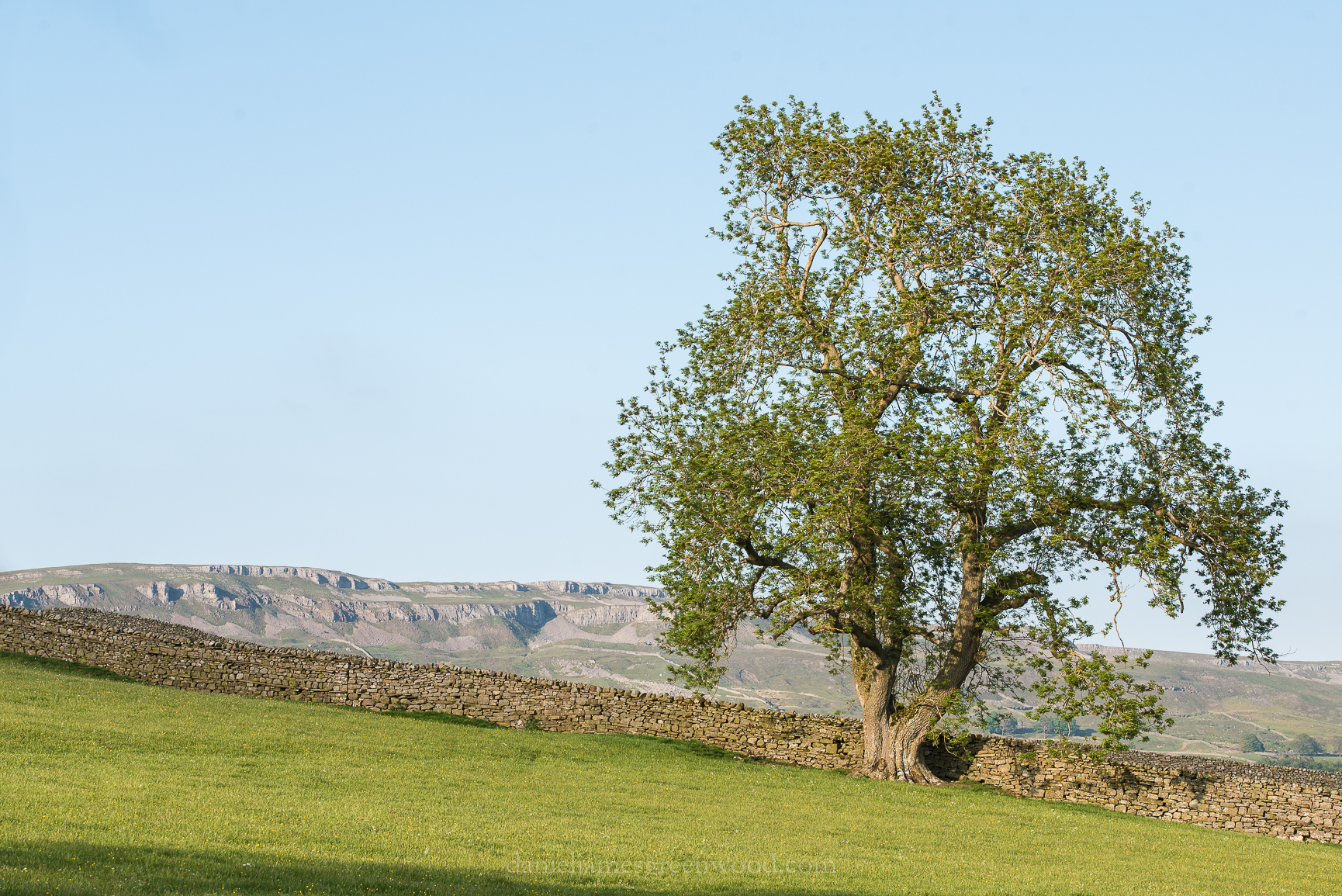
A mature ash tree in Wensleydale, Yorkshire in May 2018

The news for ash trees in 2025 is much more promising.

An article in The Guardian reports that ash trees in Britain are showing signs of evolving genetic strains of ash that will not succumb to the fungus. This means ash trees could return to the landscape in due course, though not in the same way.

In the south-east of England where I live the disease is said to have peaked.

Other research has shown that some isolated ash trees are surviving. I can vouch for this – there’s an ash tree in my mum’s garden (c.15 years old) in London that I’ve trimmed back once before. It is flourishing, so much so that the neighbours are asking for it to be cut down again. Welcome to London.

Large ash in the Howgill Fells, Yorkshire Dales (close to Cumbria) in 2019

There is also a plea on the back of the latest research for woodlands to be allowed to regenerate on their own. Many people will be keen to point out the role of ‘rewilding’ in helping this process. In many cases it’s just a matter of leaving woodlands in certain places to do their thing, probably behind some fencing.

Here’s hoping that ash trees can be saved across Europe and wild trees are given the space to do their thing. In the end they may outlive us.

Thanks for reading.

Ash trees | Fungi | Support my work

First ichneumon wasp of 2024 🐝

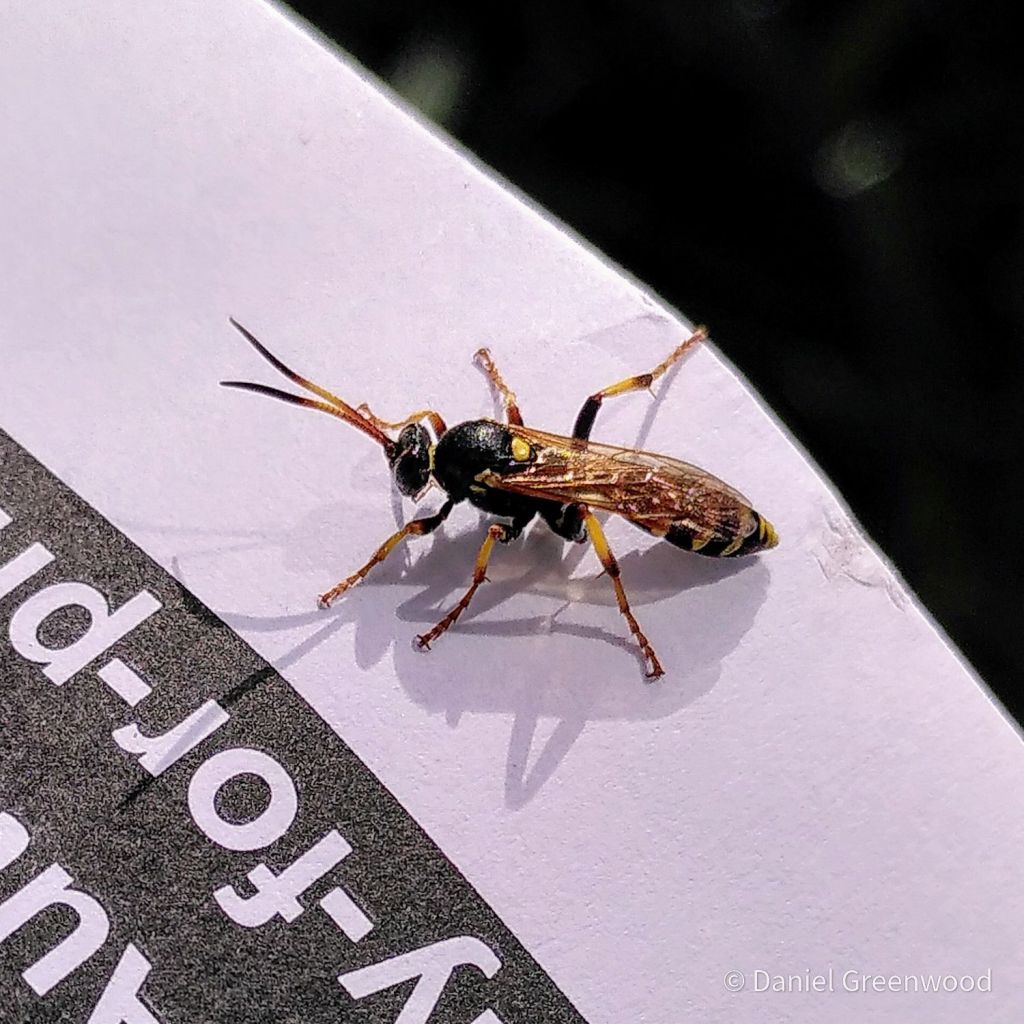
You know it’s spring when the bees and things start getting trapped indoors again. I visited my mum on Easter Sunday and her kitchen (which has lots of windows) turned into a veritable insect survey trap. Not just the ‘horrible flies’ she pointed out, but this lovely ichneumon wasp which I rescued with a glass and a local elections envelope.

Looking at iNaturalist, this is probably a yellow-striped Darwin wasp (Ichneumon xanthorius).

You can probably tell that these are phone pics, I haven’t quite got into proper macro lens work yet this year, but soon! I love the orange-yellow-black fade of the antennae, which is probably where the name ‘xanthoria’ comes from in the scientific name.

Xanthoria is a genus of lichens which are commonly known as sunburst lichens. In Latin it means golden yellow, which is perfect.

And here’s the proof – Xanthoria parietina, a pollution-tolerant lichen that grows everywhere.

Thanks for reading.

Macro: As autumn beckons, ivy brings the bees 🐝

East Dulwich, London, September 2023

On the corner of the street, a mass of ivy was spilling over a wall. It was an explosion of leaves and flowers, sound and smell. The flowers were alive with insects: hoverflies, honeybees, bumblebees, and that ivy specialist, the ivy bee. 

I hadn’t seen many ivy bees before, and wasn’t aware they were now so far into the centre of London. They nectared in a frantic fashion, with at least two having been captured by a massive garden spider that scarpered when it realised how close I was to its web.

At this time of year very few plants are flowering, and none like the ivy can. Even so, ivy in London has an awful reputation. People hate it, calling it a parasite and tree killer.

Some years ago a man gave me his opinion by leaning in and whispering that he had seen it sucking the sap from a tree, like it was some dark truth kept hidden from the world.

In reality it’s not a tree killer and it’s not a parasite. But like so many things in society now, people will believe what they want, regardless of the facts.

In a wood near to this jungle of ivy, mature growths of it have been found hacked and severed by visitors acting on their instincts without reason (or permission).

I remember a local tree surgeon unloading on me one morning when I was in the woods about to start a working day, telling me how terrible ivy was at that location. I was taken aback by the man’s strength of feeling and let him say his piece. When he had finished I asked if I could go and start my day’s work.

“You didn’t like that, did you?” he said.

Is it any wonder tree surgeons don’t like ivy? I’m sure many appreciate its place in the ecosystem, a habitat for bats, birds, insects and autumnal nectar for pollinators. But to a tree surgeon it makes your work so much harder, what is already one of the most dangerous and brutal jobs available in the UK. I suppose I had just expected someone who works with trees all day to have a little more imagination and ecological flexibility.

I’ve made the faux-pas while leading guided walks of talking about the value of ivy nectar to honeybees and been informed that it’s not so good for them. One very polite beekeeper corrected me and said that the nectar can crystallise too quickly in the hive and leave the bees to starve. For wild pollinators there is no such problem, of course. The beekeeper said the issue was mostly where the only nectar source was ivy.

Should ivy be cut off trees in some cases? Of course. But is it often framed for crimes it didn’t commit? Yes, all the time.

I remember driving with my parents through Ireland back in 2008, when I knew very little about trees. Ivy was everywhere and I worried it was going to harm the trees. I later learned that the story is different.

Ivy often grows on trees that are in decline, meaning more light comes through the canopy, encouraging the growth upwards. Then when the tree does die, there stands the ivy, ‘throttling’, ‘suffocating’, ‘killing’, as some hyperbolise. In high winds ivy can act like a sail, and trees do come down.

In my experience it is often life-giving.

People come to nature looking for absolutes, but just end up finding more questions and often being humbled. The trick is to embrace the ambiguity, your own lack of knowledge and mastery of any given subject.

Personally, I was thankful for that final flush of insect buzz on an unseasonably warm September morning. Who do I thank for that? That’ll be the ivy.

Thanks for reading.

Why do people hate ivy?

The wildlife of London talk at Bell House, Dulwich

Hi everyone,

Next Tuesday 18th April at 19:00 I’m giving an in-person talk at Bell House in Dulwich, SE London. The subject of the talk will be London’s wildlife, with (unsurprisingly) a focus on the woodlands that the city emerged from, and the role they still play today.

Tickets are £5 and the proceedings are split between me and Bell House: https://www.bellhouse.co.uk/events/2023/4/18/nature-talk-london-in-the-wild-with-daniel-greenwood

This talk should be of interest to anyone with an interest in landscape history, how wildlife is impacted by human development, both positively or otherwise. I’ll also be talking about some of the more iconic species found in the city’s reaches.

Thanks for reading,
Daniel

Snowy disco fungus ⛄

Dulwich, London, January 2023

I’ve helped build a lot of ‘dead hedges’ in my time. Basically ‘fences’ of wood and branches piled between two posts. They happen to be particularly supportive of fungi, along with amphibians and sometimes even nesting birds.

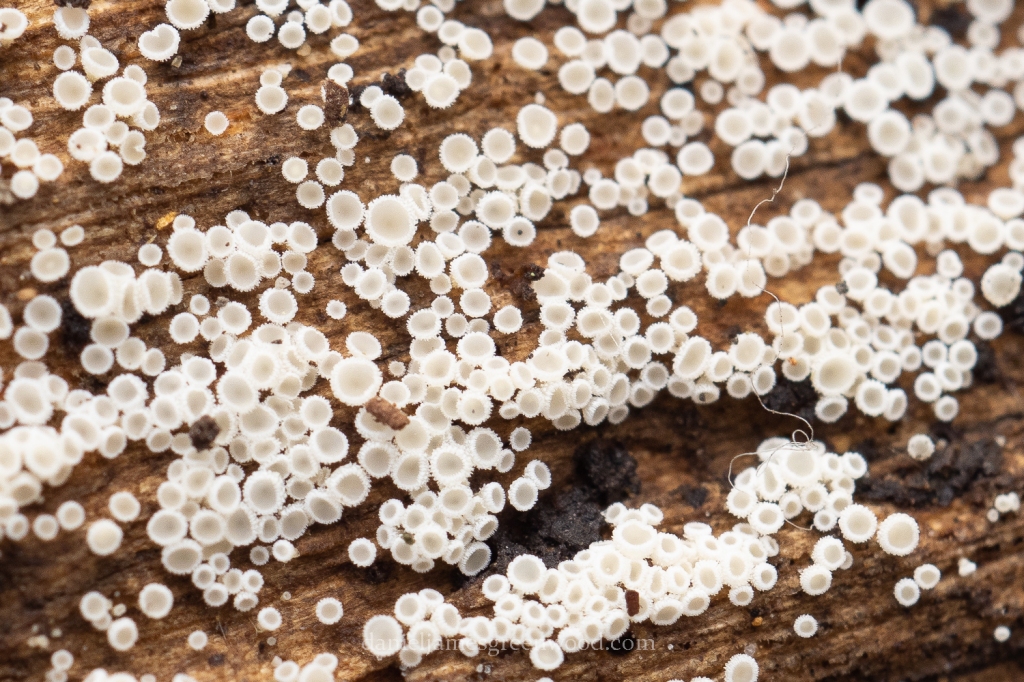
Whilst constructing one on a chilly January afternoon I noticed one of the logs had a smattering of cup fungi. Looking more closely I guessed that these were a type of cup fungus known as snowy disco (Lachnum virgineum). It’s one of the fungus names that really makes people smile, and not in a weird way for once.

Then again, it does sound like a night club in Reykjavic.

I referred to my fungi tomes for more information on the snowy disco, and found that there were actually rather a lot of these tiny but very classy-looking fungi in Europe.

Cup fungi are a different group to the typical gilled mushrooms or ‘basidiomycetes’ that drop spores. The cup fungi are ‘ascomycetes’ – the type found in lichen complexes – shoot their spores from an ‘ascus’ (plural – ‘asci’) instead.

It’s just another reminder that for those who can, it’s a much better environmental option to leave fallen wood in a woodland so the disco can do its thing.

Thanks for reading.

Fungi

Salmon egg slime mould 🐟

This is not a fungi post. If anything, it’s probably closer to animals. It also may exhibit signs of memory despite not having a brain. Sounds like you’re in the right place.

Tuesday 10th January 2023 was one of those awful January days in London. It rained a lot, was windy, and there was no direct sunlight to bask in.

Add to this the fact that the night before a fireball enjoyed a spectacular demise in the night sky, and was easy to view across much of the UK. At the time – 20:00 GMT – I was outside, in the dark, being distracted by the massive moon and a neighbour saying she didn’t want to run me over. Somehow, I missed the fireball and lived to hear about it on the radio the next morning.

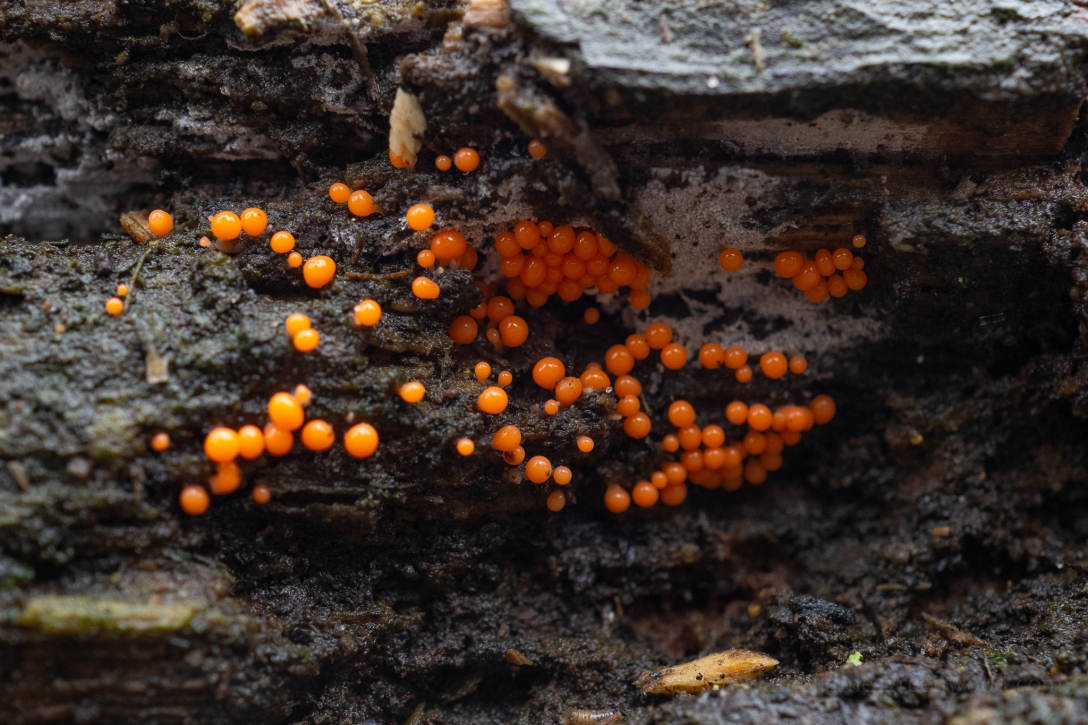
Anyway, back down to Earth. Though the woods can be ghastly at this time of year, I find them to be a decent shout for slime moulds. Not to be proven wrong, I was proved right by the sight of little (read: tiny) orange beans at the path edge on an old oak log.

These little droplets of tangerine dream are commonly known by slime people as salmon eggs. It is amazing how these declining fish can fight their way up through places where there are no rivers, to lay their eggs in a bit of wood.

You know that was a joke, yes?

Slime moulds thrive in damp, dark places, usually in decaying wood that has been saturated by winter rainfall.

Elsewhere, the smaller polypores of turkeytail and the like were ‘showing nicely’ as the birders say, though rarely of a turkey’s tail around here.

Thanks for reading.

Macro | Fungi

Recent posts

November 2025: beware of pity

I’ve had a burst of American visitors in recent days (to my blog, not my house). So thanks for visiting, y’all, and sorry about the year you’ve had. You may have noticed I’ve slipped to monthly posts on here. Between April and October I posted blogs every Monday without pause, which is a tricky task…

Wishing you a very jelly Christmas 🧠

On a recent visit to Streatham Common in SE London, I was taken aback by the number of December mushrooms.

In SE England we’ve switched from -5 one day, to 12C a few days later. The seasons seem to be collapsing around us, and then reviving themselves. It feels like the only reliability we may have in nature is the amount of light. At this point the Earth isn’t moving off on a different course anytime soon.

Billionaires with ideas need not reply.

Looking through the Common’s oak woodlands I was quite taken by a standing dead oak tree. It was such an unusual shape and it was hard to tell if it was still alive. It wasn’t, in the conventional sense.

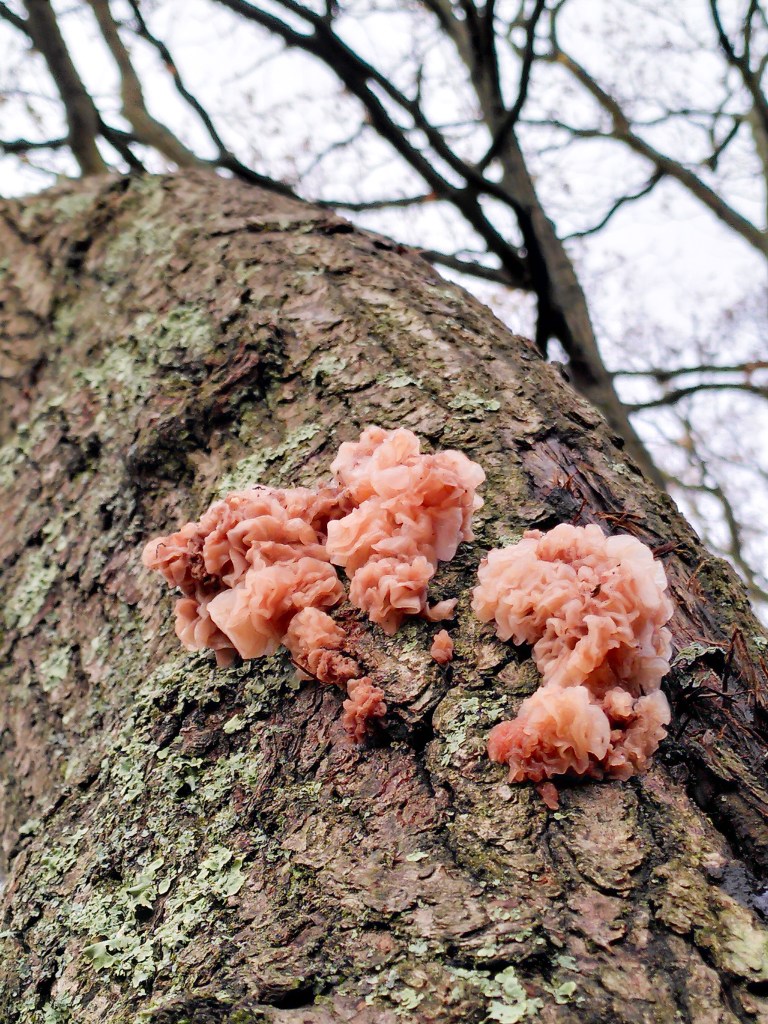
Moving around the tree I noticed the frills of what looked to me to be a brain fungus and what iNaturalist has confirmed as Phaeotremella frondosa. It’s what keeps me looking again and again for this strange stuff. It is always a surprise, and so varied and diverse that each week can provide you with something different.

And with that, I would like to say thank you to everyone who has read and/or commented on my blogs this year. I really appreciate the support and interest.

My website’s traffic boomed this autumn as some of my fungi posts appear to have made it into search engines and held prominent positions. That isn’t massively important to me, but it is quite funny to watch readers increase almost in sync with mushrooms in the woods.

Writing and posting photos on here is a massive anchor for me. If I could do this everyday, I would. I will try my best to keep it going strong in 2023.

Thanks, as ever, for reading. Wishing everyone a peaceful and restful Christmas and New Year.

Slava Ukraini 🇺🇦

Daniel

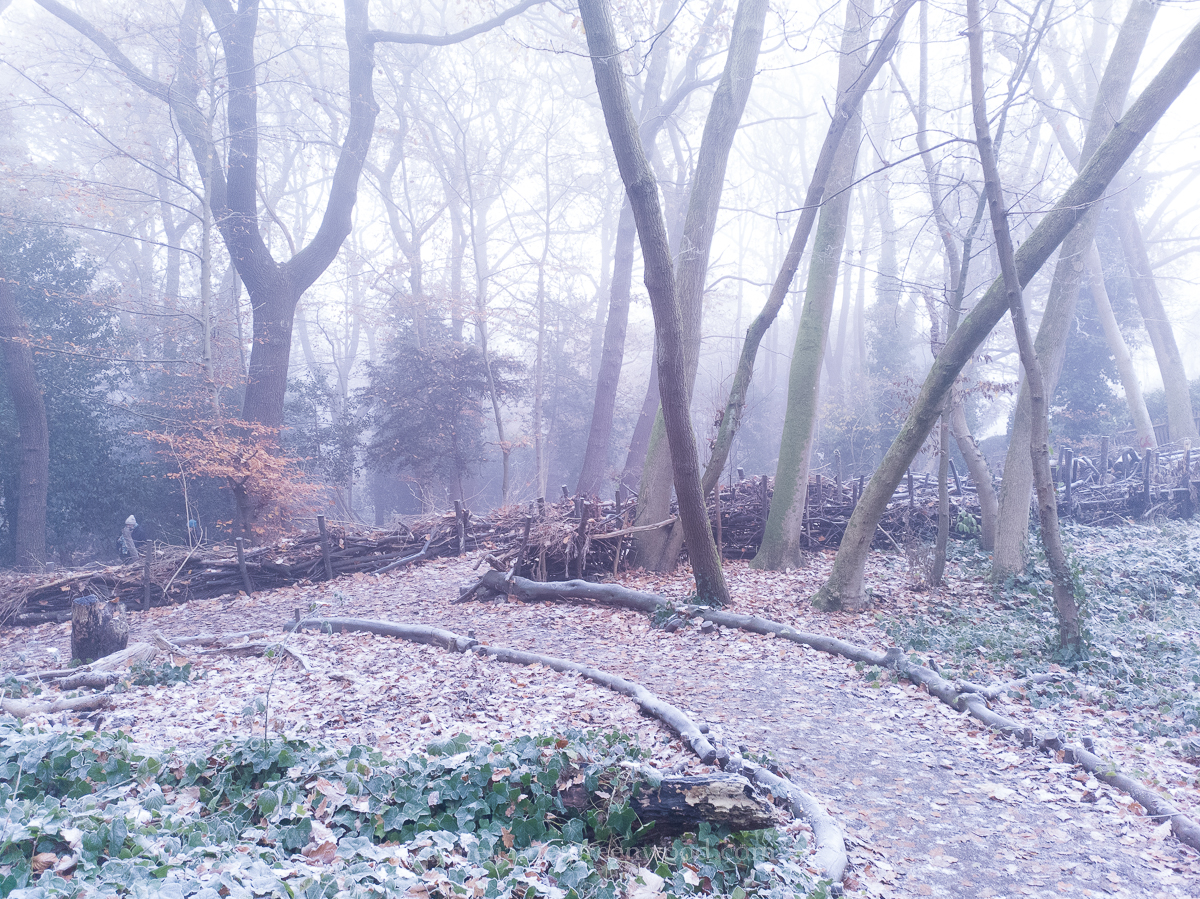
Looking for birds in the frost and fog 🐦

As seen on Sunday 11th December, my final guided walk of 2022 for London Wildlife Trust.

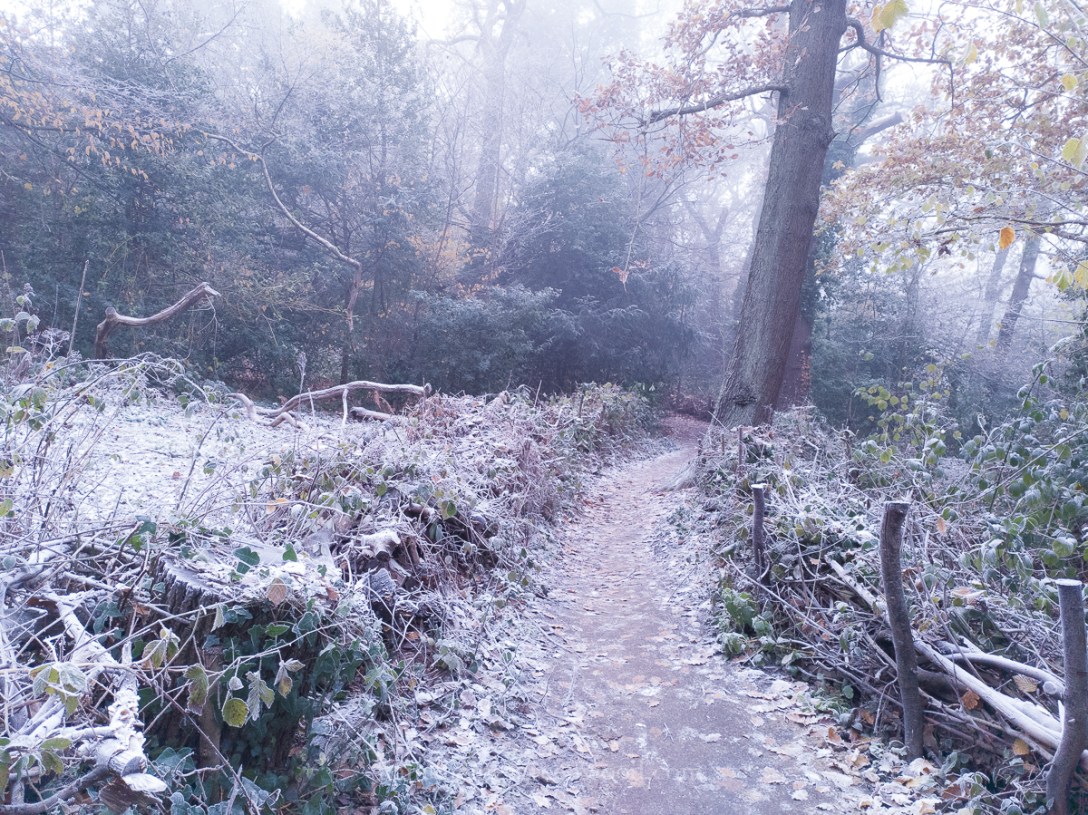
London woke to freezing fog with hoar frost in places, as temperatures stayed well below zero. These are difficult days to get out of bed, but the rewards of a foggy, frosty oak woodland are too good to miss.

In the woods the fog broke in places, shifting north, making for very tricky birdwatching conditions. We were treated to the tapping of a great spotted woodpecker searching for food in dead branches. Flocks of long-tailed tit hurried through holly and ivy.

One attendee wanted to see redwing for their annual list, which came eventually in an energetic flock high in an oak, then low by a small pond where the guelder rose berries still remained.

I was fascinated by the perspective of a couple who joined us. They were astonished to find ring-necked parakeets in their garden, a bird they had seen growing up in, and one found all across, India. London’s woods don’t sound the same without their shrieking nowadays, whatever the view is on that.

There were a few mushrooms still to be seen, mainly sulphur tuft, the allseeing fungus (it’s just so common), and turkeytail.

Unfortuntaly we didn’t manage to find firecrest or anything as outrageous as lesser redpoll, but it was still a lovely walk.

The photos shared here are taken on my Fairphone in RAW format, then processed in Lightroom. It’s pretty impressive what you can do now with phone cameras.

Thanks for reading.

London | Fungi | Bookings

Flushing woodcock in Dulwich 🦆

On Saturday 12th November I led a fungi walk for London Wildlife Trust at Dulwich Wood in south-east London. I only managed one photo on the day because I was working and leading the group around, but it was a pretty good one nonetheless.

When doing a pre-walk check I accidentally flushed a woodcock from the vegetation off the main paths. I never like to do something like that but they are so difficult to see, camouflaged down there in the leaf litter. It’s good to know they are still able to use to woods as a stop off on passage. It also suggests they are using woods nearby which have no public access, because this is one that has hundreds of thousands of annual visitors, so ones free of ‘disturbance’ must be even better.

John Gerrard Keulemans, Public domain, via Wikimedia Commons

This isn’t new in Dulwich. Local ornithologist Dave Clark once told me a story of a woodcock smashing through someone’s window and landing in their bedroom. Because woodcock migrate, often by night, they sometimes get it wrong. Their long bills and speed of flight also mean they will crack glass quite easily. The bird in question was scooped up and taken to a vet, from what I remember it survived and lived to fly another day.

There’s a really nice episode of the Golden Grenades podcast featuring woodcock that you can listen to here. It features Kerrie Gardner, a superstar writer, photographer and sculptor who is a friend of this blog!

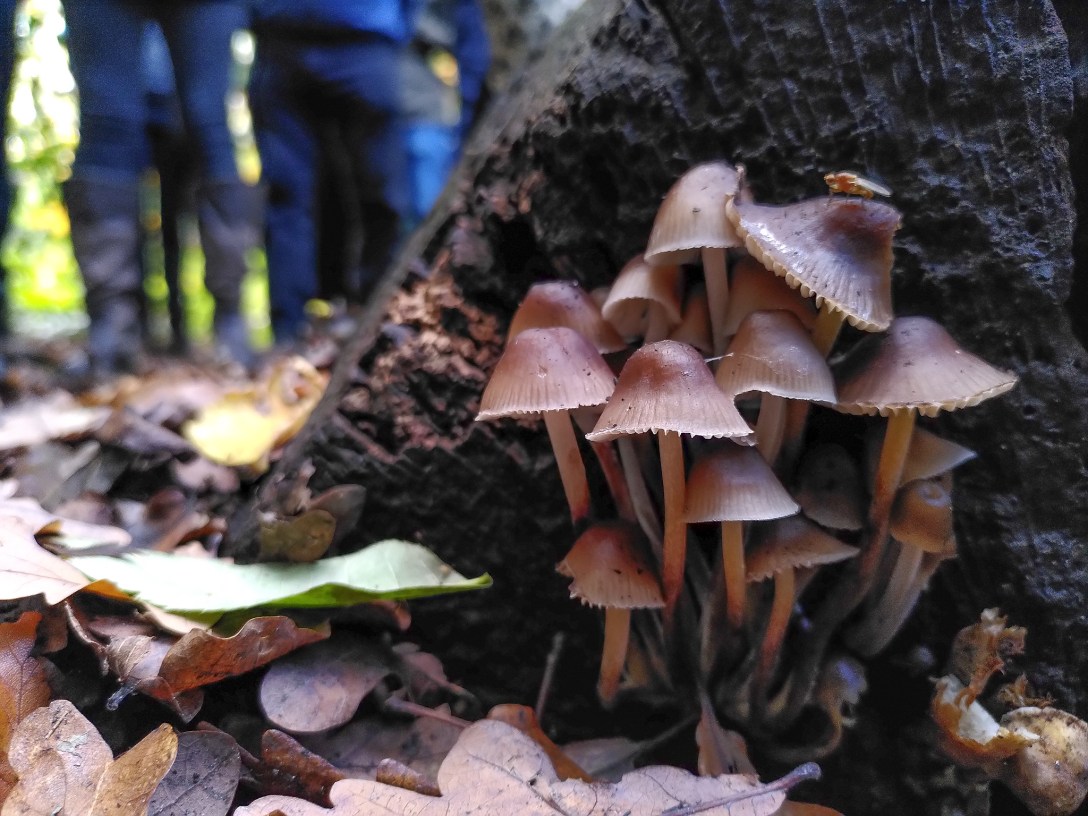
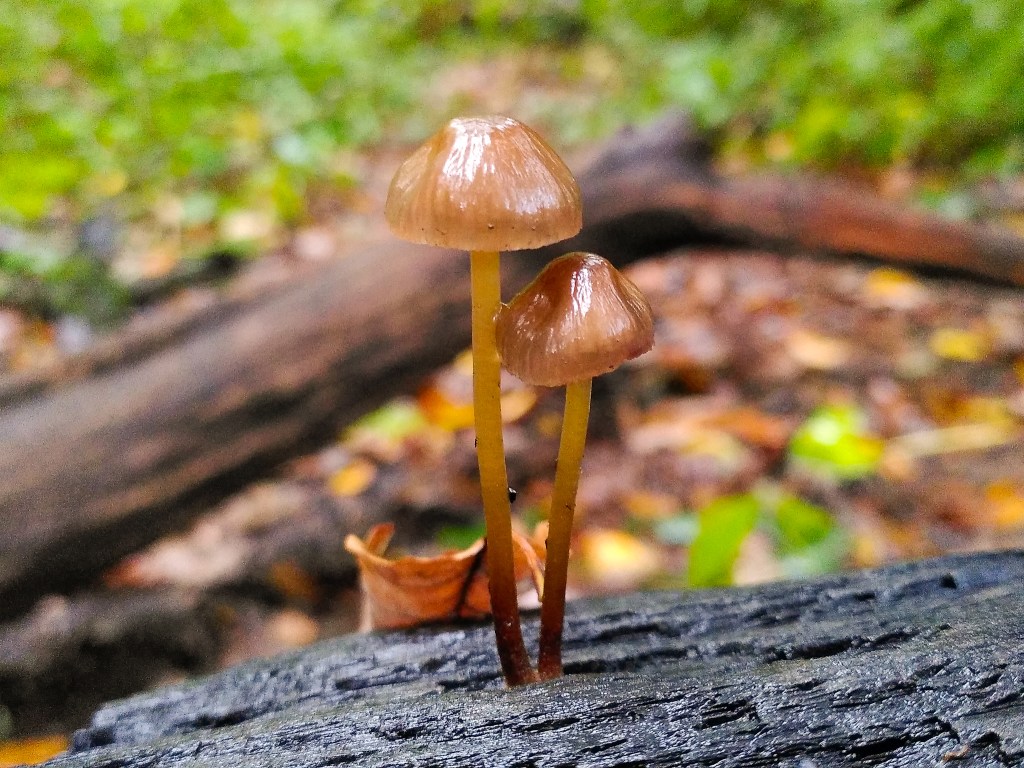
On the fungi front, the mushrooms were very few and far between considering the time of year. There was a shaggy theme to what was there, in that two of the sightings were shaggy parasol and shaggy bracket. The most common species group were the bonnets (Mycena), along with small polypores like turkey tail and hairy curtain crust, which are all on decaying wood.

Some more phone pic bonnets on fallen oak wood

My sense is that the extreme heat and drought this summer, where temperatures reached 40C, has had a worse impact in smaller woodlands in places like London. More rural, larger woodlands are able to hold water and moisture more effectively, therefore being able to feed fungal communities far more easily. Those woodlands also have running water in the form of brooks, streams and woodlands that aid soil moisture. London’s woods look far drier in November than those in West Sussex, even after torrential rain.

It’s also very mild, around 15-18 degrees on the 12th November, which shows just how far-reaching climate change already is. The milder weather may mean mushrooms fruit for longer though, with the colder temperatures held off until maybe January or February. It’s just so hard to predict these days.

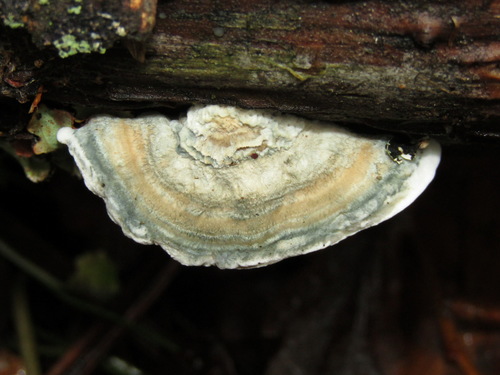
© jonatan_antunez, some rights reserved (CC BY-NC)

One interesting thing that a couple of people on the walk discovered was a species that was new to me. On a scaffold board used for steps, a small blue polypore (example photo above) was peeking out. Having seen it elsewhere on social media in the last week, I can confirm it was blueing bracket. I’m back there soon so will aim to get some *actual* pictures next time.

Thanks for reading.

Further reading: Fungi | London

Poplar fieldcaps in Dulwich Park

As seen on 23rd October 2022

The title of this post sounds like a type of east London headwear. As you may have guessed, it’s actually about a mushroom in south London.

I led my first public fungi walk of the year with the Dulwich Society at Dulwich Park on 23rd October, despite the thunderstorms either side and torrential downpour intro.

My Dad taught me to play football in Dulwich Park and I was born in Dulwich Hospital. It has many happy memories for me. But no, I didn’t go to Dulwich College!

It’s a fantastic park that provides space and enjoyment to millions of people each year. It was also good for fungi on this occasion and I was pleasantly surprised by some of the things we found. As a landscape it’s former farmland bequeathed to the local council for public enjoyment. Before being farmed privately it was likely wood pasture common land. The Dulwich Society have a FANTASTIC local history Twitter account which has a lot of relevant info.

Charlie and the shrooms

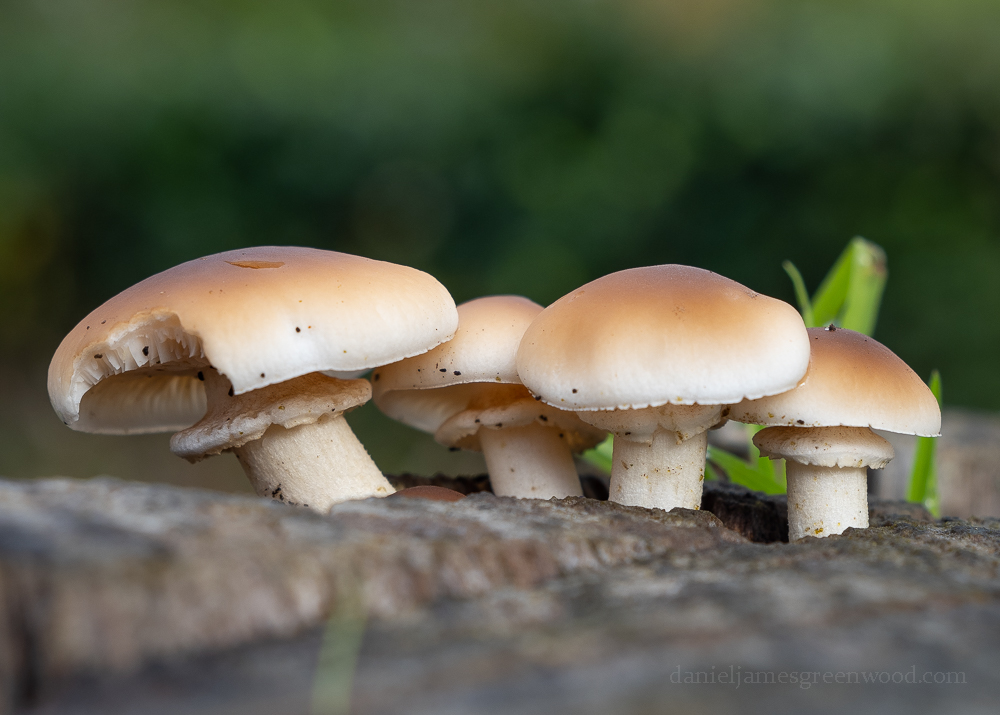
The most interesting find of the walk was a large group of fungi on the decaying stump of a poplar tree along one of the carriageways. From a distance I spotted what looked like litter sat on top of the stump. My colleague Charlie want to have a closer look and I soon followed with the group after she gave a confirmatory thumbs up. It was fungi, not rubbish.

I was baffled by these shrooms. The stump’s bark was peeling away and some honey fungus boot laces were present underneath the remaining wood. But the mushrooms didn’t have the features of any honey fungus I had seen. We did see some earlier in the walk, for comparison.

Honey fungus ‘boot laces’ reaching out from behind the remaining bark

All I could say to the group was that it was likely the mushrooms, whatever species they were, was breaking down what what remained of the poplar tree.

I did some research when I got home that evening but it took me a while to establish what the species was. It didn’t help that this mushrom, what turned out to be poplar fieldcap, has a couple of scientific names and several common names: Poplar Fieldcap, Poplar Mushroom, Pioppino, Velvet Pioppini, Piopparello.

Perhaps the variety of common names is because this is seen as a nice edible mushroom. That’s what you find with something like Boletus edulis which is known as cep (France), porcini (Italy), and penny bun (England). I think it’s known as king bolete in North America. Those mushrooms which are either highly desireable or undiserable (deathcap) are usually subject to common names in different languages.

Thanks to everyone who came to the walk, it was a lot of fun! Great to see so many people despite the very wet weather. After all, that is what the mushrooms want!

Thanks for reading.
Further reading: Fungi | London

Enjoyed what you saw here? If so, please support my work: https://ko-fi.com/djgwild

Latest from the Blog

Summer-autumn 2025: unveiling the sun

Here’s my seasonal update of stuff you don’t need to know about, but then welcome to the Internet. What I’m writing Soon I will be self-publishing my third poetry collection, Fool’s Wood. It’s seven years since my last one and this collection has taken longer because of LIFE. There will be a booklet and also…

Salisbury’s oak timbers

Here’s another entry in my slow-blogging Oak Timbers series. You can view my galleries and posts archive here. I visited Salisbury in Wiltshire (south-west England) for the first time in 2023 and was really charmed by the place. If you’re interested in this kind of thing, Salisbury is the place for you. Here’s a gallery…

Podcast: September fungi walk 🍄

I’m getting into more of a routine of recording and editing audio, so here is the latest episode of Unlocking Landscapes. Listen on Podbean or via the usual platforms. Also via YouTube: https://youtu.be/y1K9Pqx68to?si=B-Fdhf3sdDH35Z8w Following on from July’s rather optimistic fungi walk, I popped back to the same area of ancient Wealden woodland to see if…