Camera juggling in the mud 🤳

I recently upgraded my phone from a Fairphone 3+ to a G**gle Pixel 7a. The Fairphone dream is dead for me. I bought the Fairphone 3+ looking for a sustainable option that would last a long time and be invested in. Instead two new models were soon released and the 3+ was effectively archived.

The Fairphone 4 and 5 are just too big and expensive, but the company have pushed sustainability and human rights up the agenda. Surely people shouldn’t be getting a new phone every year. I would argue it’s irresponsible due to the sensitive materials required and the shady employment practices across the production line.

I don’t think I would be interested in smartphones if they didn’t have cameras. Phones are thought to have killed off much of the entry-level camera market, especially when they are so good now and storage and sharing has become digital.

Back in 2002 I took Media Studies A-Level and we were taught about ‘convergence’, the coming together of all manner of tech into single devices. Photography has been a key part of that process. Radios, TVs, typewriters, even people’s jobs have disappeared into phones. This has been predicted for a long time.

So can anyone who considers themselves a photographer (always sounds very serious and self-important, doesn’t it) ignore phone photography? I don’t think so. Especially because Instagram has become the prime mechanism for professional photographers to promote their work.

Also, I’m writing this blog post on my phone!

Anyway, here are some of the first images I captured on the evil Pixel 7a. The camera is exceptional.

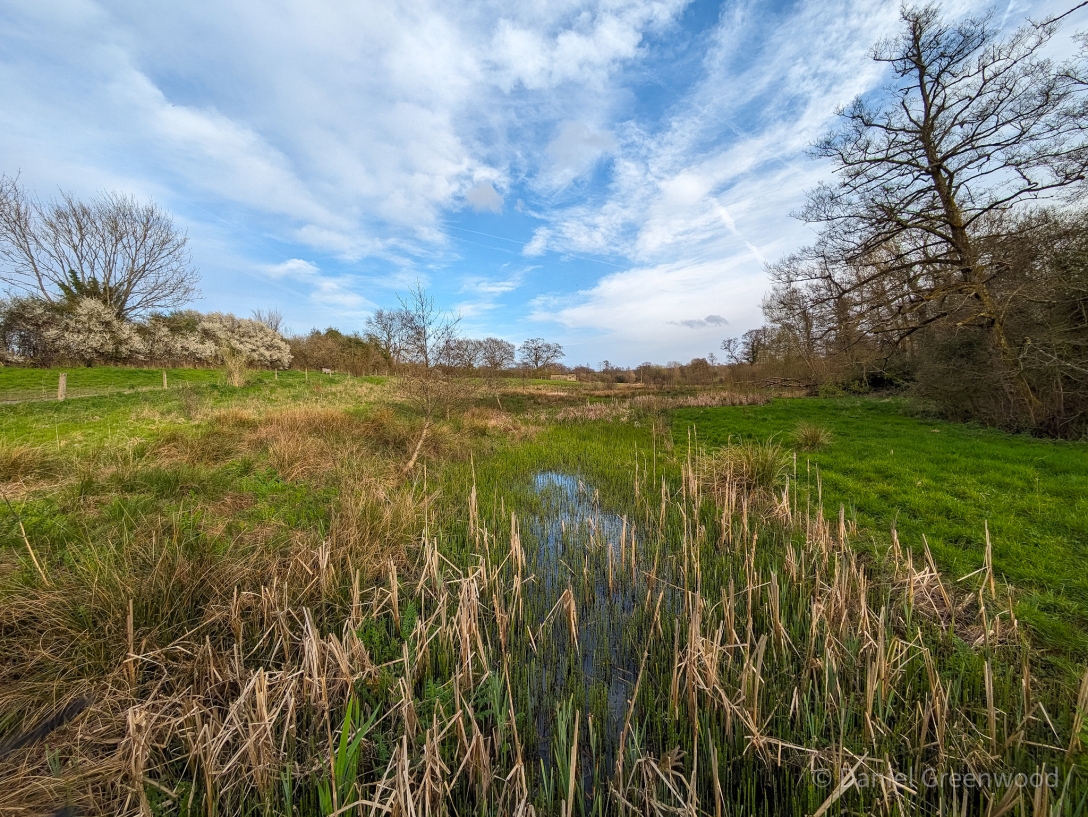
One thing that recent camera phones are doing so well is controlling glare. The sky here would be ‘blown out’ or over-exposed in normal images taken on a camera. AI is working here, I expect, to effectively take two images – one exposing for the foreground, a second for the sky. It can look quite over-edited, but for random snaps it’s really helpful.

Another interesting change with newer phone cameras is the inclusion of a wide angle lens. This lens type is probably one of the most controversial in the world of photography, because they’re rarely needed, heavy, expensive and often have extreme barrel distortion on either side of the image. Ever been at the far end of a photo taken with a wide angle lens? You probably looked quite warped!
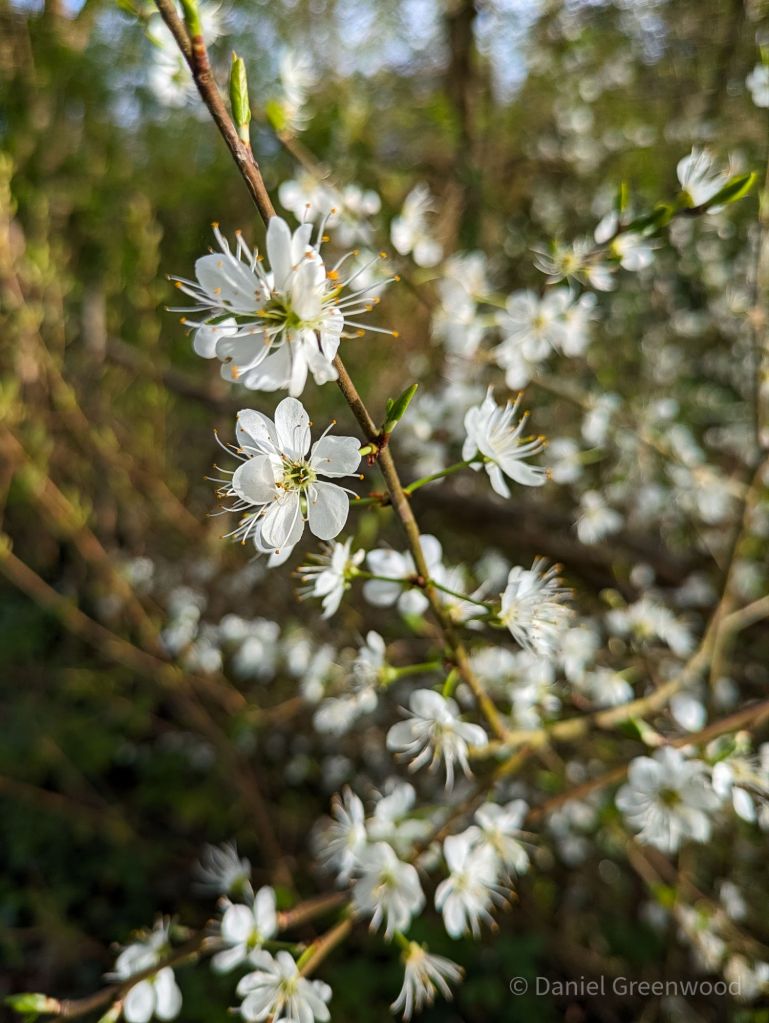
One thing that impresses with the Pixel 7a is the autofocus. These blackthorn flowers were blowing in the wind and yet the detail is so good.

Lichens are a great thing to photograph because they stand still and can be very attractive subjects. I was considering stretching my budget for a Pixel 8 Pro because it had a macro function. Reviews of the 7a said that it can focus closely, and that is true, to a degree. Also it sounded like the AI in that phone maybe does too much.

One potential block on macro potential is that the phone seems to do auto noise reduction. That can make these weirdly impressionist details were the AI is trying to hide graininess from a high ISO. I’ve noticed it a couple of times and it’s not ideal. The detail and focus is otherwise really good. This is not what the tech people call ‘flagship’ or top of the range.

All in all, I am amazed by what this camera can do. It is so much better than the Fairphone 3+, which shows how quickly cameras are developing in phones.

Would this phone make me sell my standalone camera? No way. Lenses and sensors of mirrorless, standalone cameras can’t be matched by phones currently. It just provides a great option for capturing nice images on the go. It’s going to be especially good for fungi.

Thanks for reading.

Oh, Fairphone.

First ichneumon wasp of 2024 🐝

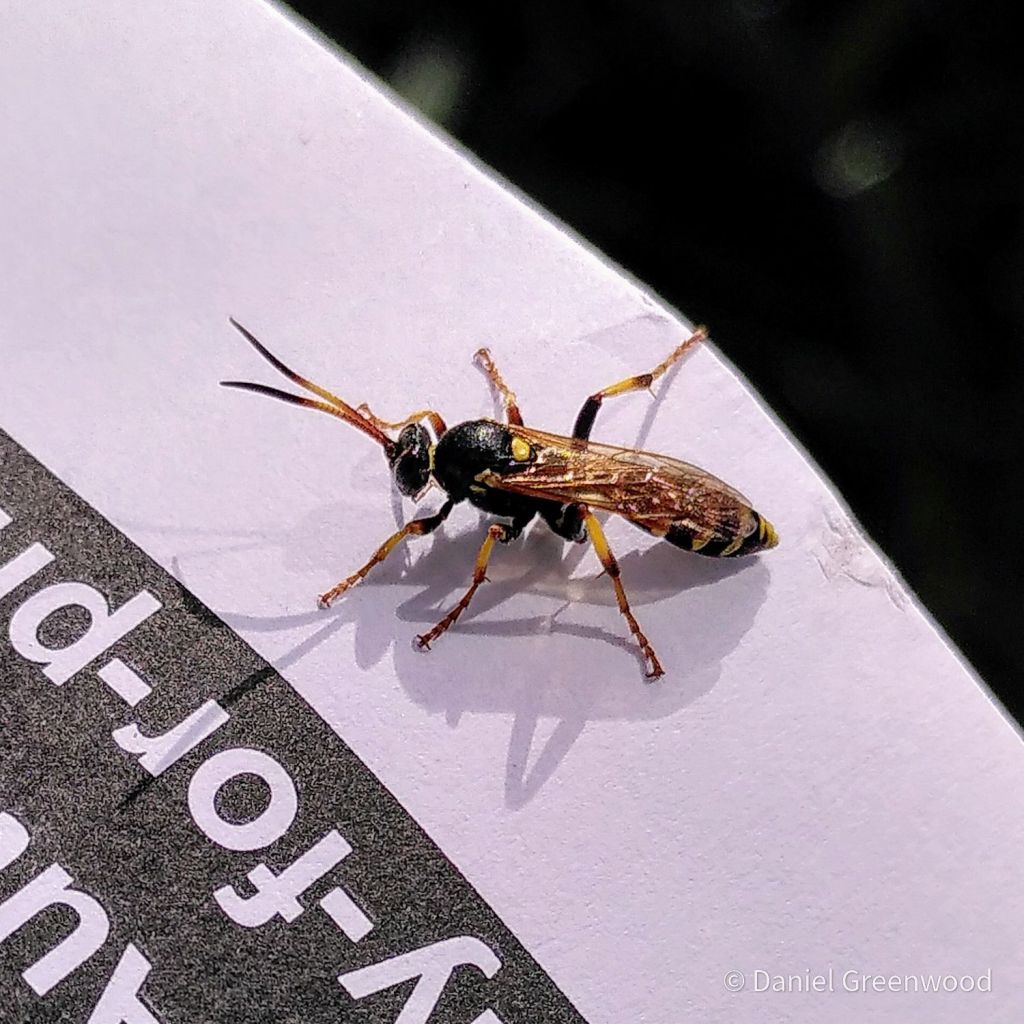
You know it’s spring when the bees and things start getting trapped indoors again. I visited my mum on Easter Sunday and her kitchen (which has lots of windows) turned into a veritable insect survey trap. Not just the ‘horrible flies’ she pointed out, but this lovely ichneumon wasp which I rescued with a glass and a local elections envelope.

Looking at iNaturalist, this is probably a yellow-striped Darwin wasp (Ichneumon xanthorius).

You can probably tell that these are phone pics, I haven’t quite got into proper macro lens work yet this year, but soon! I love the orange-yellow-black fade of the antennae, which is probably where the name ‘xanthoria’ comes from in the scientific name.

Xanthoria is a genus of lichens which are commonly known as sunburst lichens. In Latin it means golden yellow, which is perfect.

And here’s the proof – Xanthoria parietina, a pollution-tolerant lichen that grows everywhere.

Thanks for reading.

First solitary bees of 2024 🐝

Four years ago I was starting a weekly Macro Monday photoblog as we entered into the Covid-19 restrictions. Now I reflect on how that extra time helped me to post more regularly on here, and just how hard I find that now in the post-pandemic lifescape.

It’s magnolia season in West Sussex

I’ve not got into macro mode proper yet this year, but a few recent sightings and reasonable phone pics have provided some inspiration.

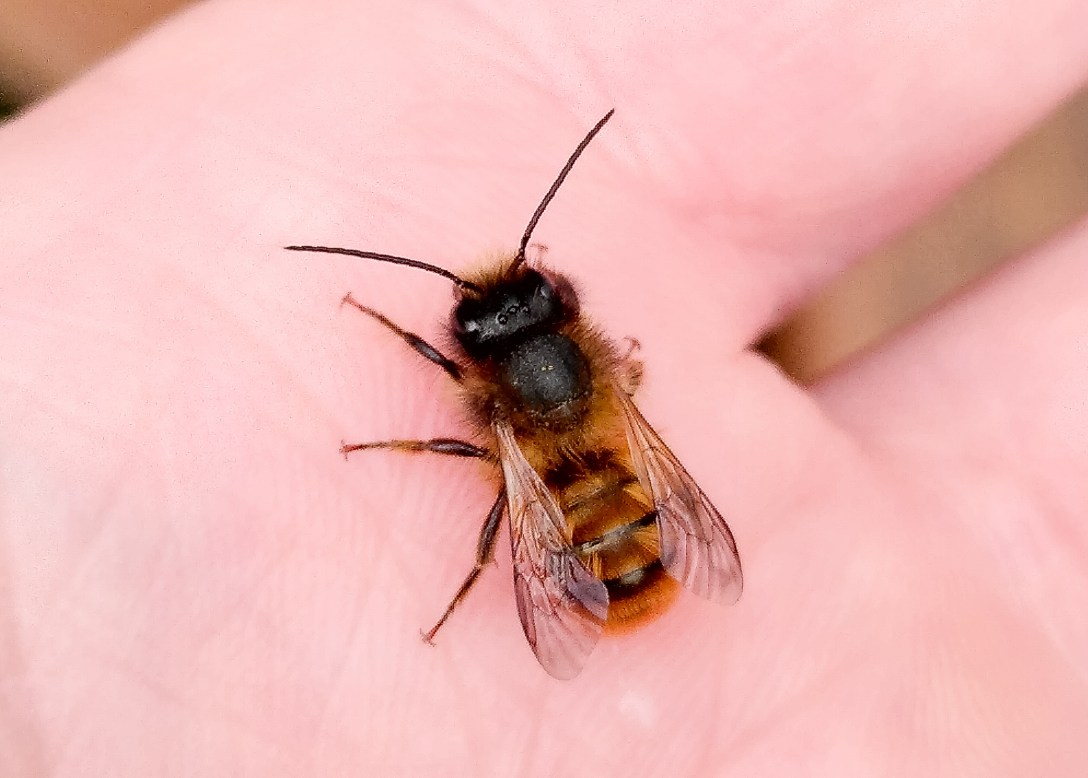
On Saturday 16th March my partner was investigating the state of some of the potted plants in our garden when she found a small bee. I swooped in and enticed it onto my fingertip. It was a red mason bee, the first one I had seen this year.

Red mason bee in the palm of my hand

I placed the little mason bee among some mutant AI primroses that flower weekly throughout the year. Later that evening as we walked out I somehow managed to spot another mason bee sat on the concrete path, looking wet and cold. I picked the bee up and put it into a bonsai tree pot and hid it under a leaf.

The next morning I found it was still there but looking altogether more wet and cold, so again I gave it a ride to the warmer side of the house and back to the primroses.

Then on Monday morning I passed our latest bee hotel installation and saw a hairy-footed flower bee (one of the first bees of the spring) undertaking a session of weather-watching from the cover of a larger bamboo stem.

It’s not often you find these characterful bees stationary, they’re usually zipping around at max speed.

Later, I found yet another red mason bee looking cold and damp on the concrete path. Again, I picked it up and put it on the warmer side of the house.

I’m wondering if this is the same bee every time or if perhaps there are a number of these bees emerging from the old mortar of the exposed side of my house, and that the weather isn’t quite right for them yet.

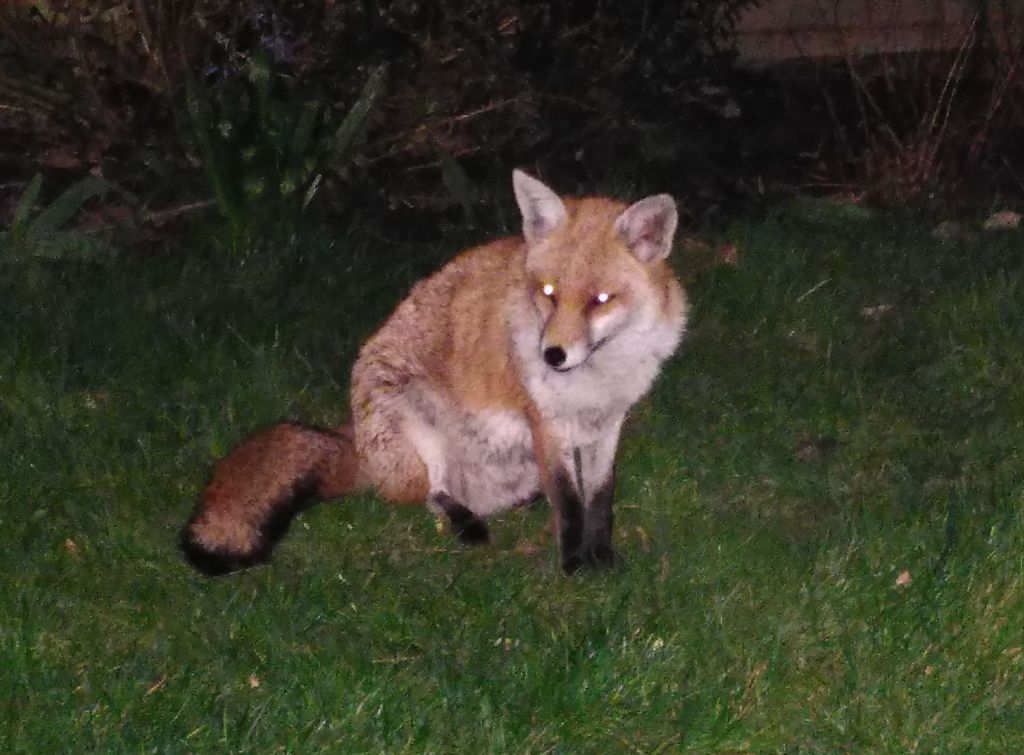
One animal that I also keep finding on the concrete path alongside the house is Socks the fox. Whether she has several other little foxes in tow will be known soon enough.

Thanks for reading.

Macro: As autumn beckons, ivy brings the bees 🐝

East Dulwich, London, September 2023

On the corner of the street, a mass of ivy was spilling over a wall. It was an explosion of leaves and flowers, sound and smell. The flowers were alive with insects: hoverflies, honeybees, bumblebees, and that ivy specialist, the ivy bee. 

I hadn’t seen many ivy bees before, and wasn’t aware they were now so far into the centre of London. They nectared in a frantic fashion, with at least two having been captured by a massive garden spider that scarpered when it realised how close I was to its web.

At this time of year very few plants are flowering, and none like the ivy can. Even so, ivy in London has an awful reputation. People hate it, calling it a parasite and tree killer.

Some years ago a man gave me his opinion by leaning in and whispering that he had seen it sucking the sap from a tree, like it was some dark truth kept hidden from the world.

In reality it’s not a tree killer and it’s not a parasite. But like so many things in society now, people will believe what they want, regardless of the facts.

In a wood near to this jungle of ivy, mature growths of it have been found hacked and severed by visitors acting on their instincts without reason (or permission).

I remember a local tree surgeon unloading on me one morning when I was in the woods about to start a working day, telling me how terrible ivy was at that location. I was taken aback by the man’s strength of feeling and let him say his piece. When he had finished I asked if I could go and start my day’s work.

“You didn’t like that, did you?” he said.

Is it any wonder tree surgeons don’t like ivy? I’m sure many appreciate its place in the ecosystem, a habitat for bats, birds, insects and autumnal nectar for pollinators. But to a tree surgeon it makes your work so much harder, what is already one of the most dangerous and brutal jobs available in the UK. I suppose I had just expected someone who works with trees all day to have a little more imagination and ecological flexibility.

I’ve made the faux-pas while leading guided walks of talking about the value of ivy nectar to honeybees and been informed that it’s not so good for them. One very polite beekeeper corrected me and said that the nectar can crystallise too quickly in the hive and leave the bees to starve. For wild pollinators there is no such problem, of course. The beekeeper said the issue was mostly where the only nectar source was ivy.

Should ivy be cut off trees in some cases? Of course. But is it often framed for crimes it didn’t commit? Yes, all the time.

I remember driving with my parents through Ireland back in 2008, when I knew very little about trees. Ivy was everywhere and I worried it was going to harm the trees. I later learned that the story is different.

Ivy often grows on trees that are in decline, meaning more light comes through the canopy, encouraging the growth upwards. Then when the tree does die, there stands the ivy, ‘throttling’, ‘suffocating’, ‘killing’, as some hyperbolise. In high winds ivy can act like a sail, and trees do come down.

In my experience it is often life-giving.

People come to nature looking for absolutes, but just end up finding more questions and often being humbled. The trick is to embrace the ambiguity, your own lack of knowledge and mastery of any given subject.

Personally, I was thankful for that final flush of insect buzz on an unseasonably warm September morning. Who do I thank for that? That’ll be the ivy.

Thanks for reading.

Why do people hate ivy?

August mushrooms in the New Forest National Park 🐴

New Forest National Park, Hampshire, August 2023

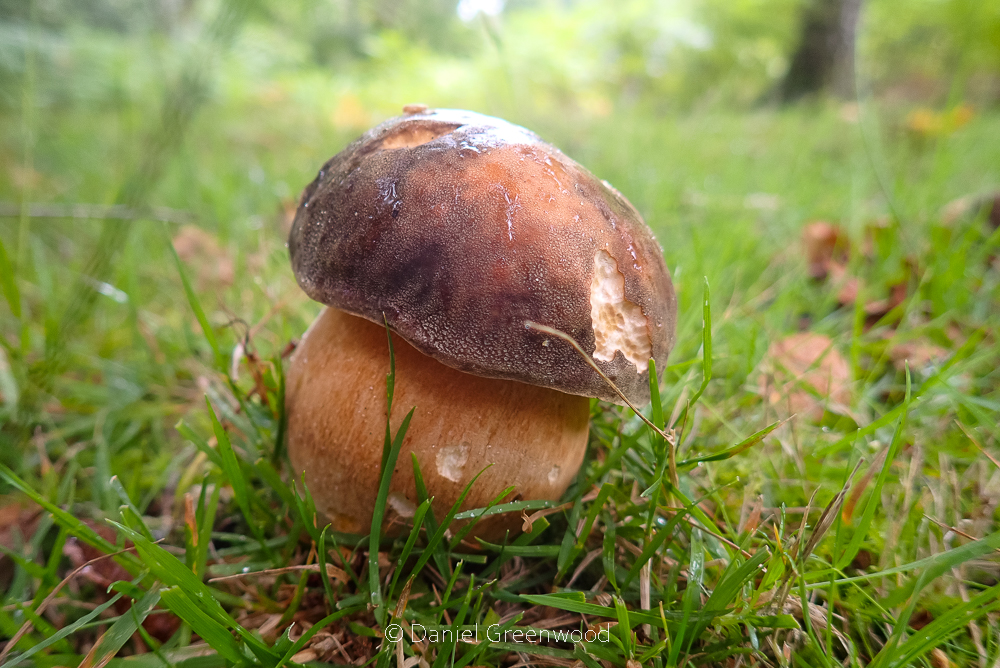
I was in the New Forest National Park camping for a couple of nights in August. The rainy July in southern England gave me great hope of finding some nice shrooms in what is one of England’s mushroom wonderlands. It didn’t disappoint!

Bolete bonanza

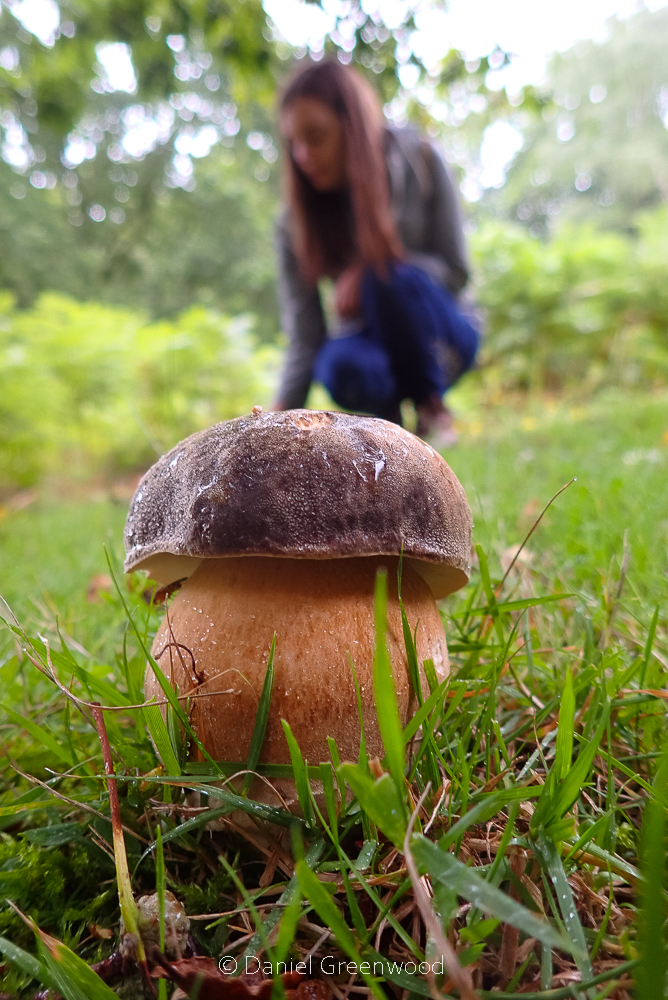
I was so happy to find these boletes, one having already been uprooted. They were the perfect shape and just an absolute joy to see. I have been told these are ceps, but I’m not entirely sure if they’re not another species. I’m unclear on the variety among cep-like boletes, and if the colouring isn’t indicative of another species.

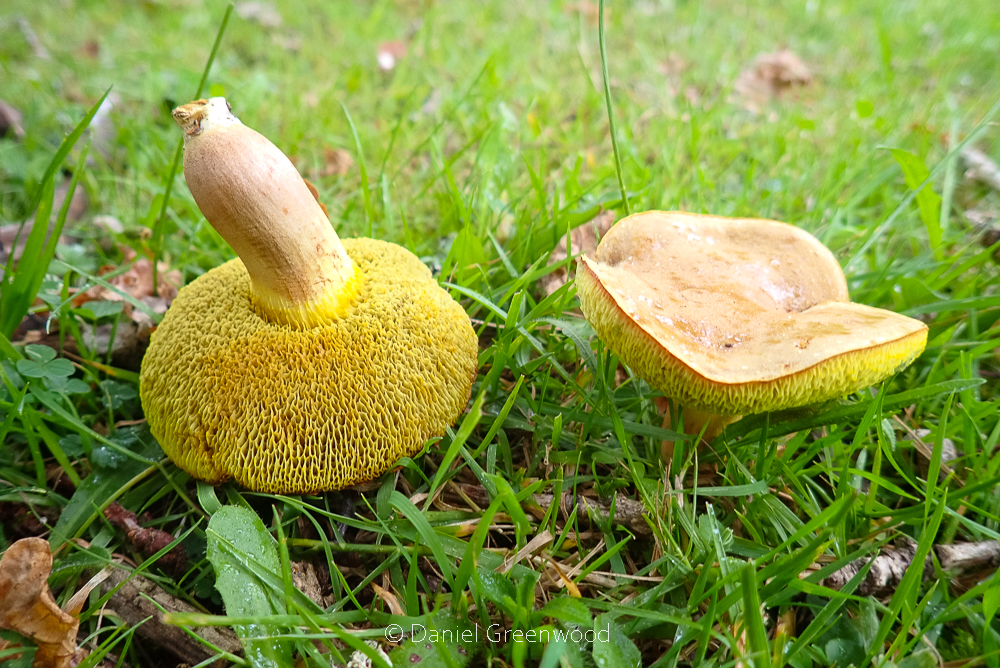
These lovely yellow-pored boletes are in the genus Xerocomus.

About half a mile or less away we found this beauty sitting alone among the grass and leaf litter. It’s an orange bolete. It doesn’t appear to have a distinct association with one species of tree, but this area was common in oak and birch.

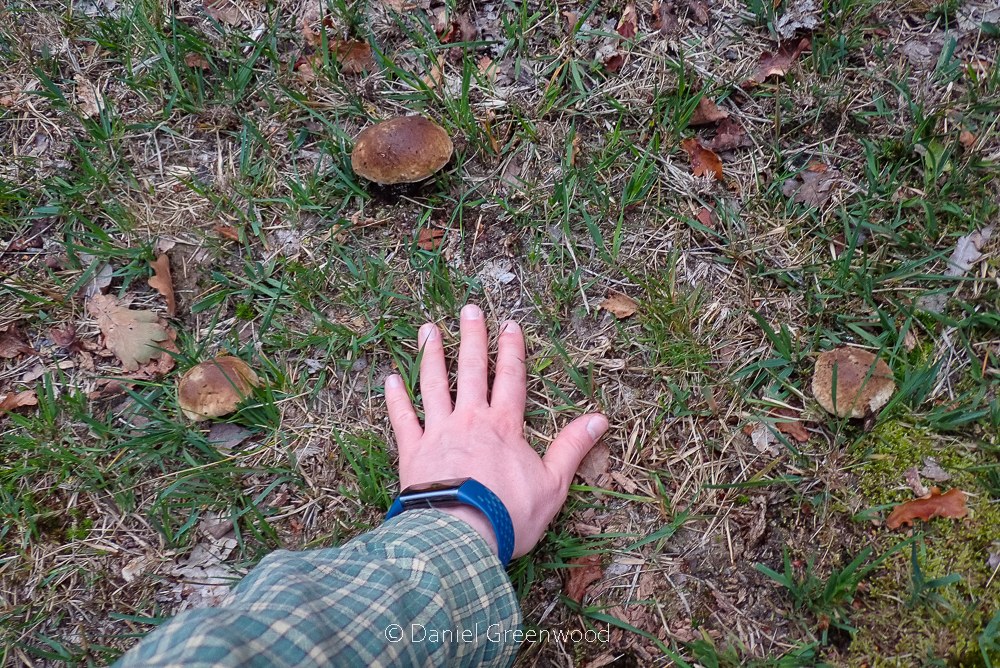
Much later that day, on the return stretch, we found this well-camouflaged group of what I am sure are ceps due to their colouring and other diagnostic features.

You can see the distinctive webbing on the stipe here, and the pennybun cap is all you need really:

As the evening drew in, I found this orange bolete that may have been picked by a deer (there was a herd in the area).

Webcaps

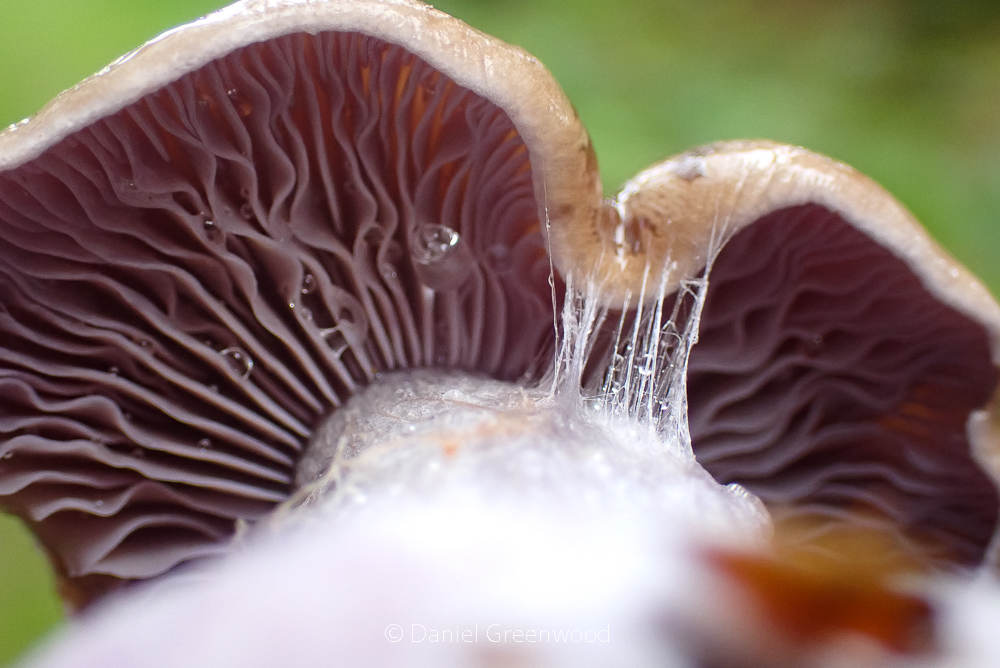
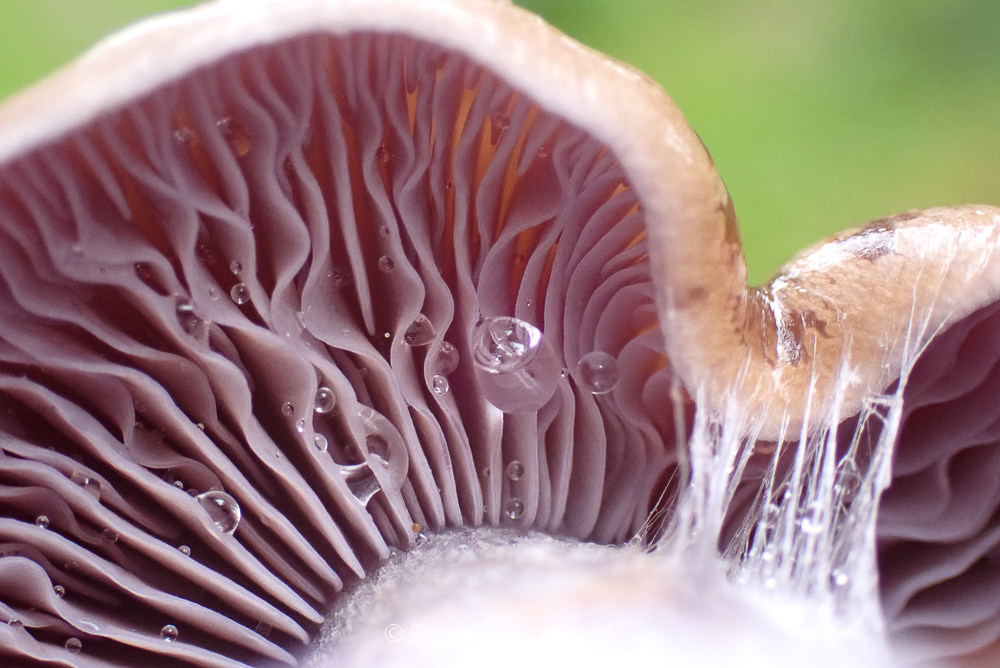
Earlier in the day, while passing between two plantations on a grassy ride, I noticed this uprooted mushroom on the ground. Two bites had been taken from it, probably by deer or a small mammal. The remnants of the veil between the cap and stipe, covering the gills, gave me the thought that this was a webcap. The gills were very beautiful, embellished by the water droplets.

iNaturalist has come back with an ID of webcap subsect ‘Purpurascentes‘. I can’t find any other info on the subgroup distinction.

Rustgills

Rustgills are a group I’m not particularly familiar with. Having developed my fungi knowledge in isolated city woodlands, I didn’t really see rustgills until I moved to Sussex and spent time in larger areas of woodland. This patch was unavoidable. No wonder there is a species known as the spectacular rustgill.

Rustgills are in the genus Gymnophilus. They’re confusable with scalycaps (Stropharia) due to shape and colour.

Chantarelles

And finally some golden chantarelles, already nibbled by slugs and uprooted, probably by deer (as I have said 1000 times in this post!).

The New Forest has a “no pick” policy and there are concerns about illegal, commercial-scale picking for posh restaurants, just FYI. All of these mushrooms had already been “naturally” uprooted (probably by deer).

Thanks for reading.

Fungi

Fungi: Bedgebury Pinetum – one of the best places for fungi in England? 🌲

Bedgebury Pinetum, Kent, September 2023

Disclaimer: this blog is now riding high in the search engines under the tag ‘Kent Fungi’ (not sure why, to be honest). On the back of this Forestry England contacted me to ask for me to point out to any readers that foraging is an offence, or more specifically:

Bedgebury Pinetum is protected by Forestry Commission bylaws that prohibit the damage or removal of any plant on site.’

While this is a photography and mycology post and not a foraging blog, it’s important that if you do go looking for fungi at Bedgebury that you don’t get caught out. Regardless of the fact that fungi are not plants, I think that byelaw must include fungi for some taxonomically archaic reason. I’ve written about this wider issue here. Thanks.

I visited Bedgebury Pinetum in Kent for the first time in early September 2023. It was impressive to see a noticeboard highlighting the Pinetum as one of ‘the best places for fungi in the country’!

Here’s the proof:

It has 12,000 specimen trees and a ‘world-leading collection of conifers’

Tell you what, though – they were not wrong about the dragonflies. The most impressive sight of the visit was dragonflies swarming on the margins of a field of, erm, monkey puzzles! Here’s the video:

It was dry and rather hot so I don’t think the Pinetum was at its best in the funga stakes, compared with the dragons.

As usual, I wasn’t there to forage, just to photograph. I don’t think Forestry England are fans of foraging on their sites. One of the first sightings of the visit was that common species in this part of the world – sulphur tuft.

I haven’t seen brick or conifer tuft yet, to my knowledge, so was wondering if this landscape where conifers were so dominant might change that. Looking at the gills and the caps, I don’t think I’m there yet.

Here’s the nice early stages of a bracket, which I haven’t identified yet. Might be a mazegill.

Tawny grisette is a lovely early Amanita. There were a couple at Bedgebury.

I have cobbled these together, even though they’re in different stages. I think they’re in the Clitocybe group, and are very likely funnels. The habitat and seasons are right, and the features look right (gills). It seems that there has been a taxonomic shake-up with this group, but it’s beyond this blogpost (and author!) to go into detail on that. Please comment if you have any suggestions.

It’s easy enough to plop these mushrooms into the ‘dungi’ category, and am confident that they’re mottlegills (Panaeolus). I’m half suspicous that the pale-capped shroom is a yellow fieldcap, rather than a saturated older fruiting body, just hanging out in the dung.

I haven’t done much work on trying to identify these yet, but they look like a group I am not familiar with. They were growing under an unusual type of turkey oak, but I don’t think there will be a mycelial connection there. Then again, what do I know.

So was it one of the best places to see fungi in England? I have no idea, but it will definitely be a good place to visit in the autumn months. Bear in mind the car parking fee is about £14, and I don’t know about public transport links in the area.

Thanks for reading.

This is a version of a previously-published post on my fungi blog.

Fungi

You may also be interested in:

Macro: Grisedale robberfly 🏞️

I spent a couple of days in the Lake District in July and was indeed blown away by those mighty hills, and the rain.

This very short post is one of lamentation, in truth, seeing as I managed to scare away an interesting insect waiting for its free portraits.


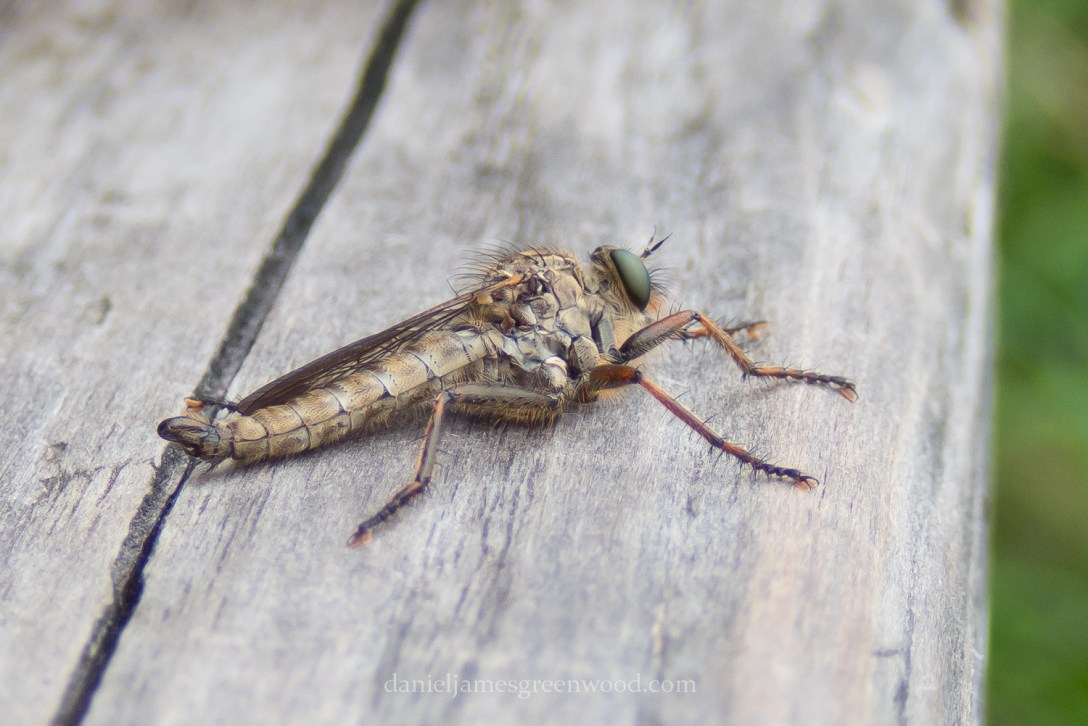
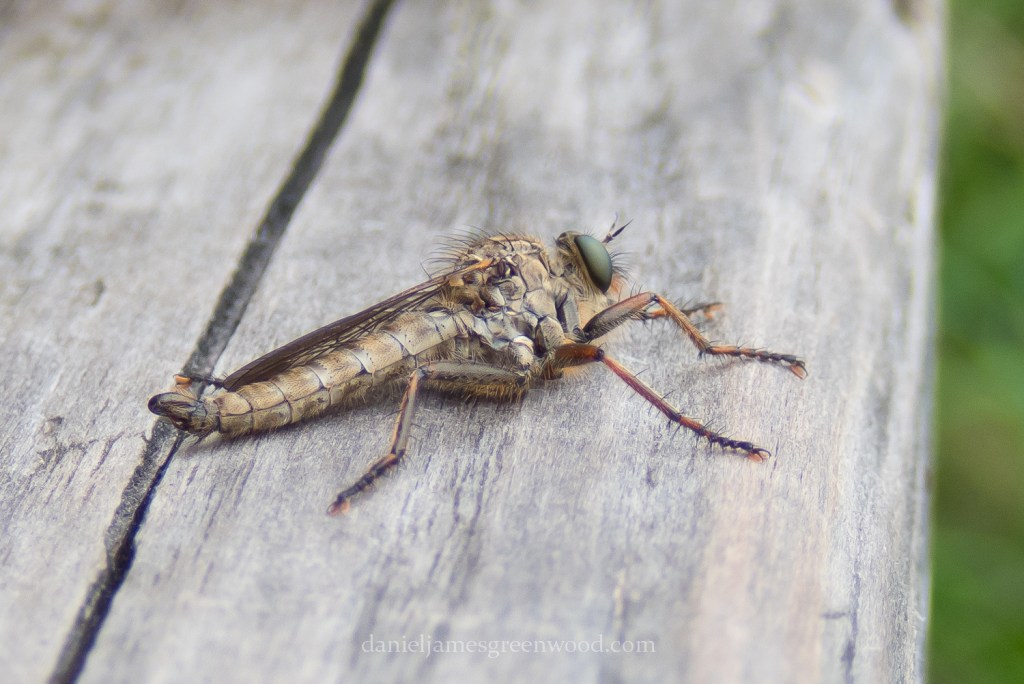
On a walk that crossed through Grisedale (a stunning valley), I passed a gate alongside a lane. I spotted the lingering shape of large insect on the gate’s top rail.


I was so happy to see this, but didn’t contain my excitement enough. Approaching what turned out to be a robberfly, I spooked it and it flew far, far away. It had been so chilled and the lighting was perfect, so I could have got some really nice pics.

Robberflies are predatory flies and are some of the most photogenic insects you can find in the UK. They are also not hugely common which gives them an air of respectability and intrigue.

I told my friend that this had effectively ruined the walk, and nothing could salvage it now.

This was wrong though because Ullswater (above) was just a mile away and we got on a boat which felt like something from Jurassic Park minus the dinosaur threat. But the pain of disturbing that robberfly was real, one must contain oneself next time.

Thanks for reading.

Macro

Hogweed heaven💮

West Sussex, July 2023

I’ve been trying to keep my macro photos rolling in the absence of June’s one pic each day. It’s a bit like keeping your lawn growing after No Mow May.

Actually, no, it’s harder because you have to be proactive.

By far the best encounter with the macro world this past week was a patch of hogweed along a footpath by the local river. A cyclist went past me as I was taking these photos – even though it was a footpath – and glared at me as if I was doing something truly evil or dangerous to the public.

I have a bike, too, so if that exercised the cycling community, we’re all friends here on djg.com…

Hogweed is a weird plant, in that it’s part of a family that both kills, but also provides edible plant matter. Its sap is photocorrosive (not as bad as its big brother, giant hogweed) but its flowers are very, very good for pollinators. It can also be a bit invasive because it burgeons in places where nitrogen levels are artificially high (probably dog urine here…) therefore most of England.

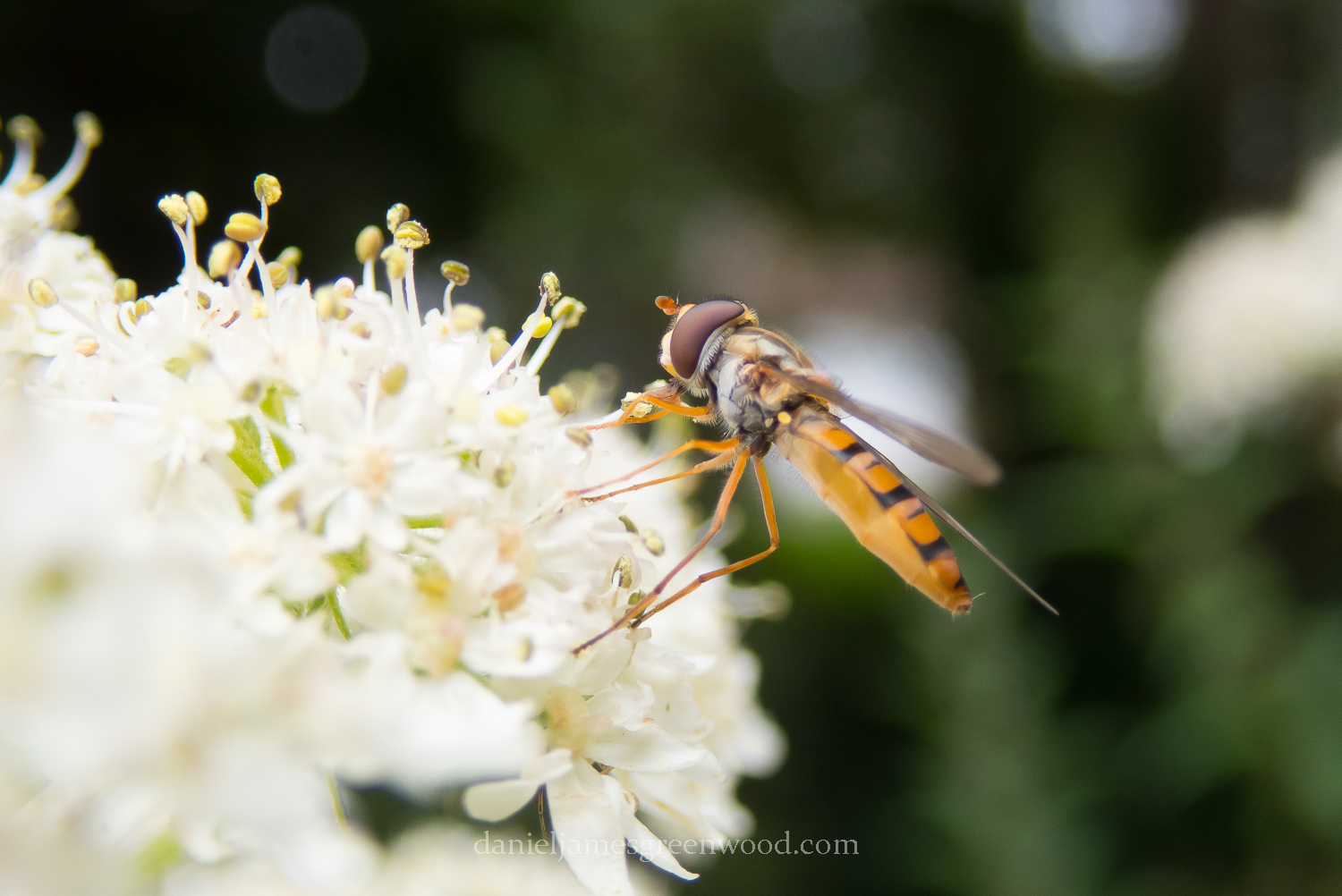
A marmalade hoverfly feeding on the hogweed stamens

A soldier beetle also drinking from the carrot fountain

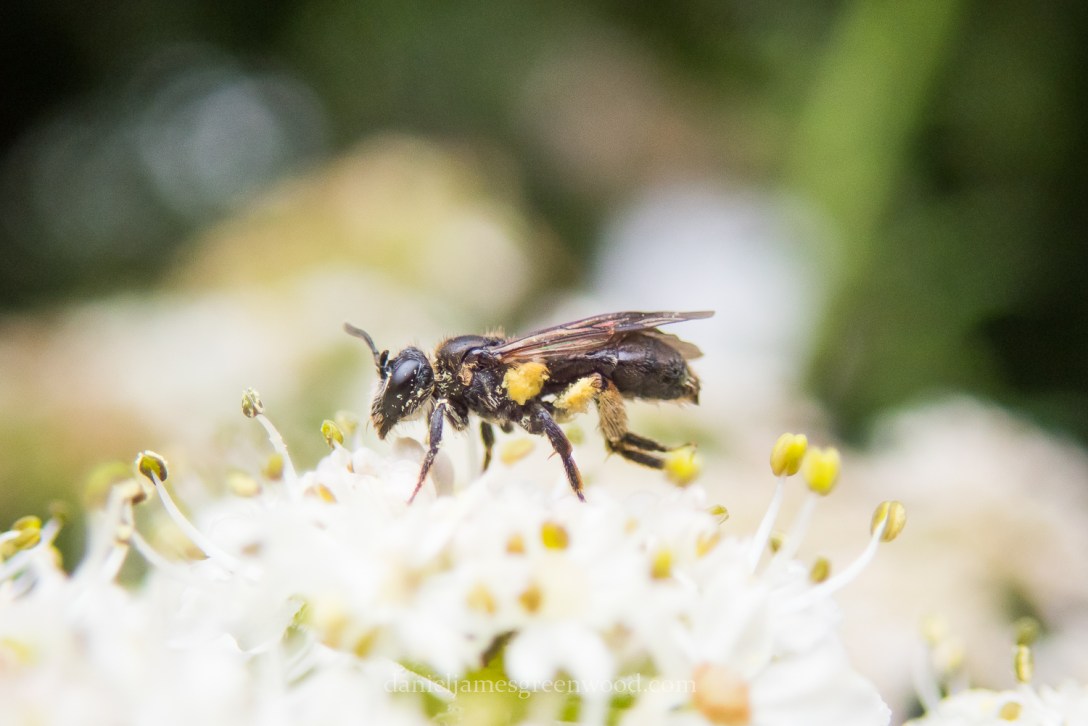
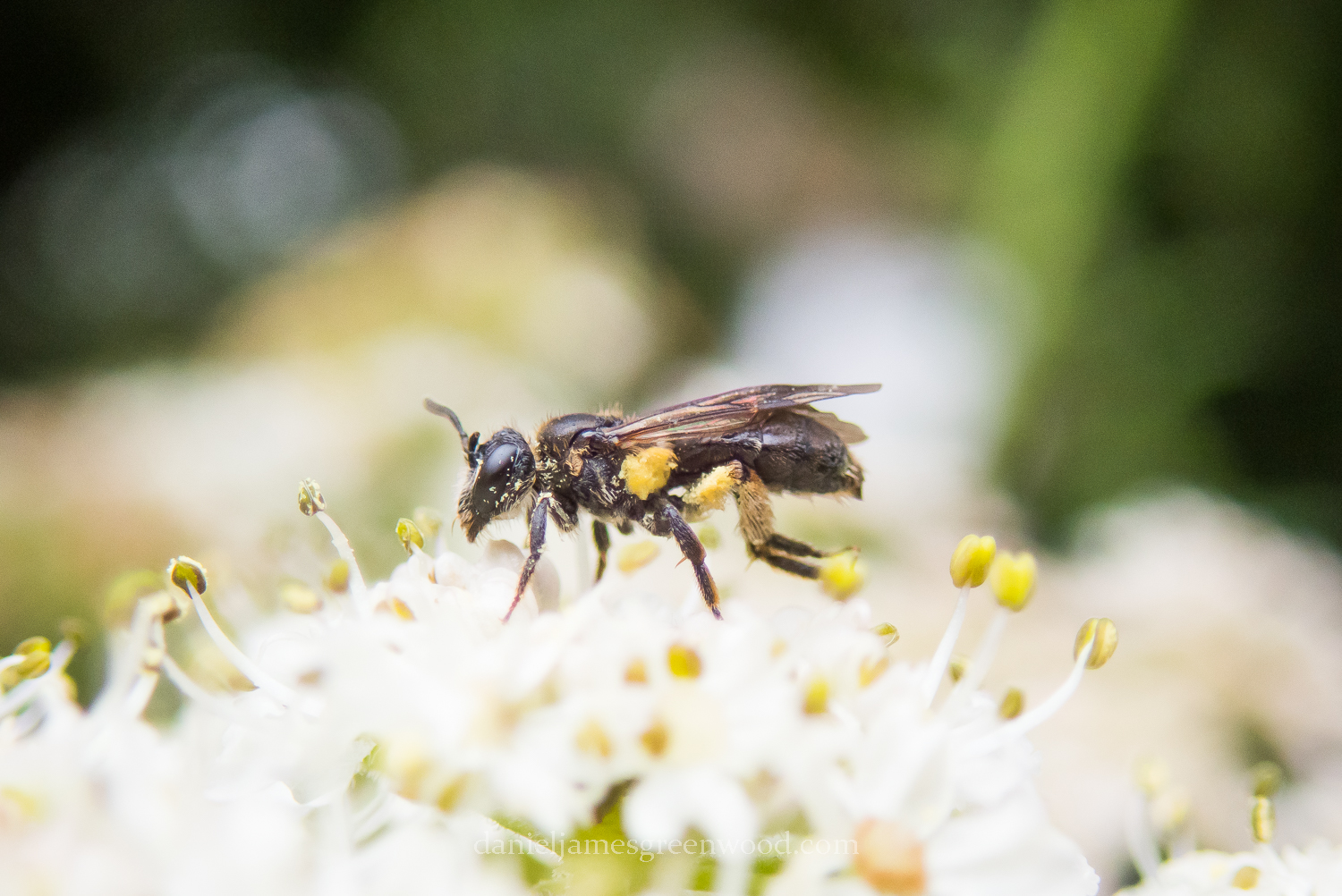
I would say this was maybe an ashy mining bee, but a little faded and low on the ‘ashy’ body hair

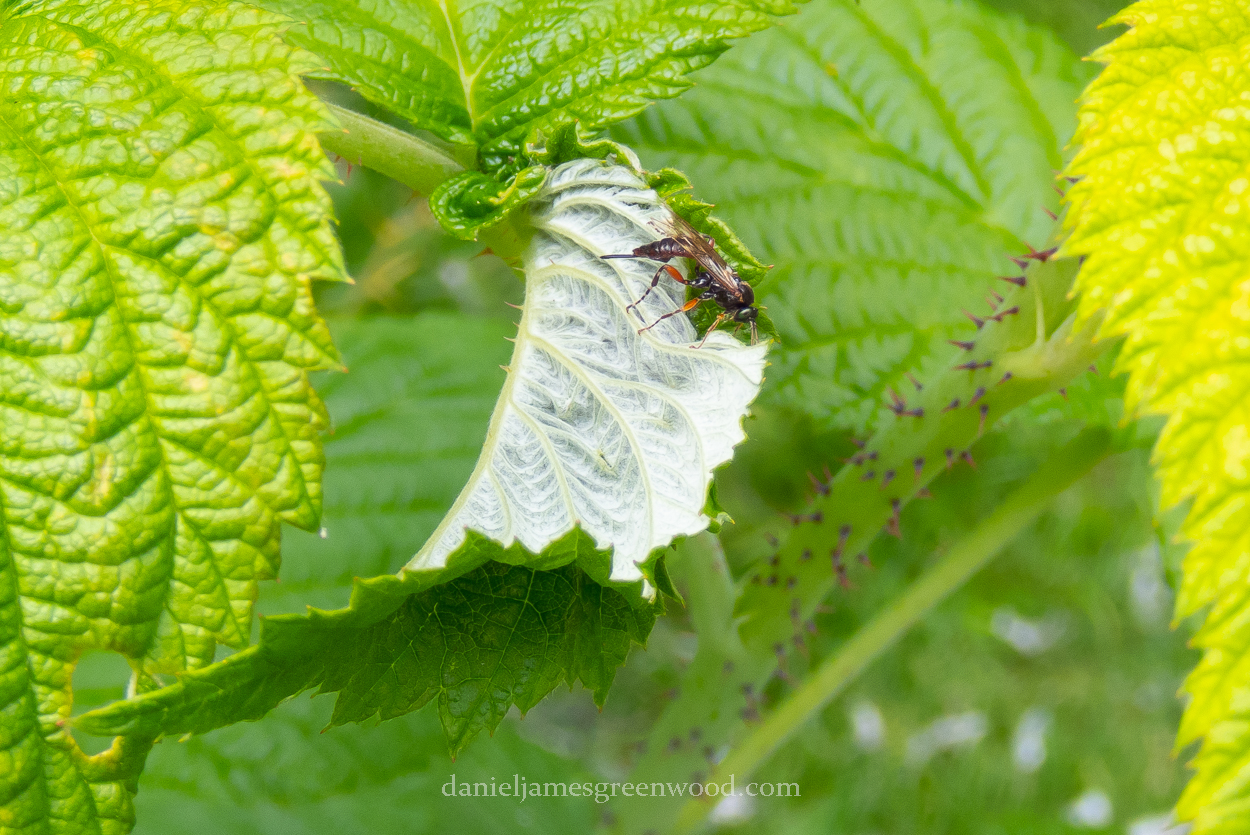
Earlier this week I noticed an ichneumon wasp exploring the raspberry patch in my garden. It was pausing to use its ovipositor on the curled up leaf – presumably the work of some other organism creating a sort of cocoon. I love them!

Thanks for reading

Macro | Ichneumon wasps

#30DaysMacro 2023: final week!

Here we are, another June slipping away and with it another #30DaysWild. Thankfully the humidity has dissipated this week and it’s been more comfortable to spend time outside (for me).

The final week of another June #30DaysMacro challenge, here we go:

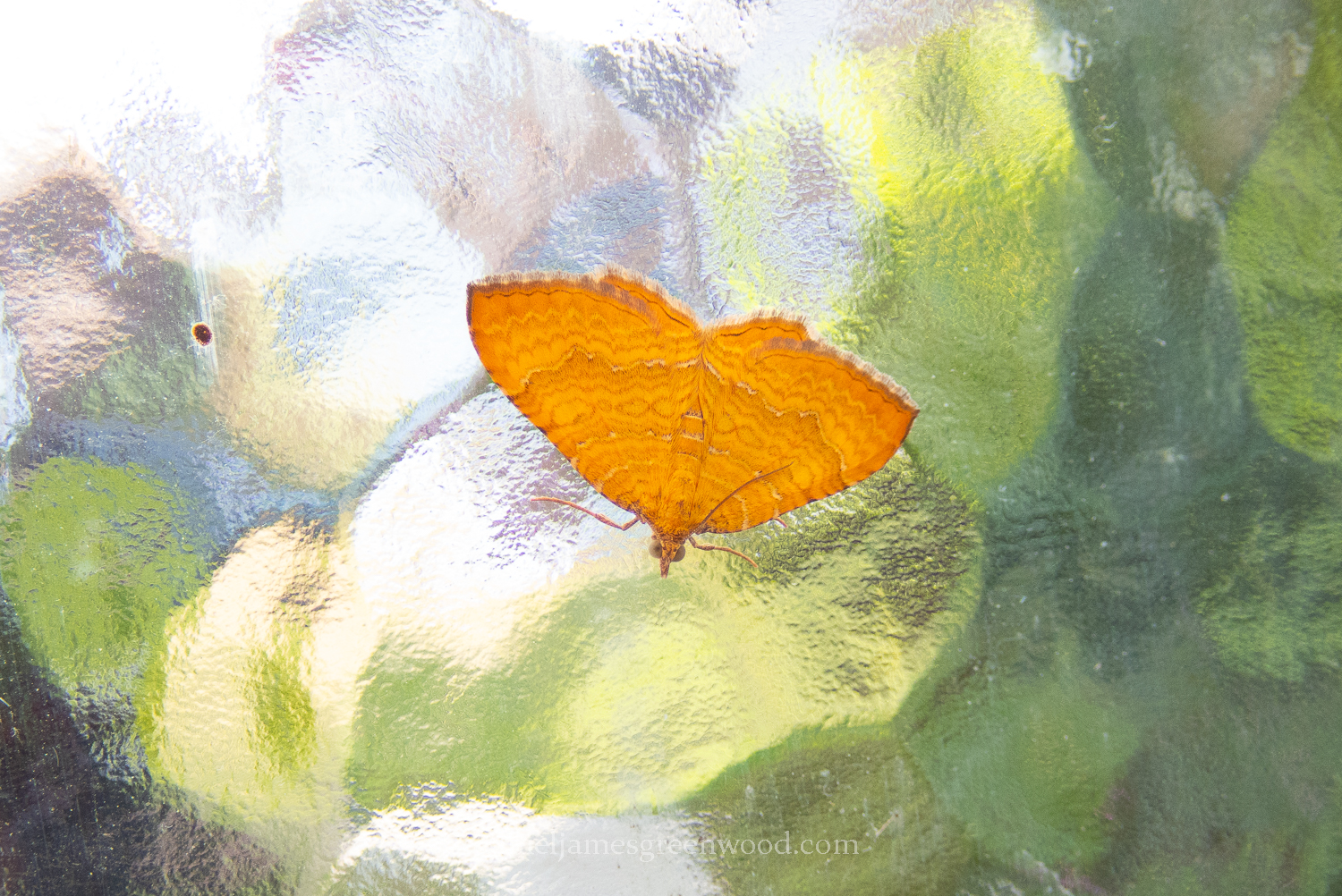
Day 22/30: leaving my mum’s house in SE London I noticed this yellow shell moth on the frosted glass. iNaturalist helped me with the identification.

Day 23/30: the zebra jumping spiders have been absent for me this spring but I am noticing them now. This little charmer was in the garden hedge.

Day 24/30: there have been a new range of bees arriving in my garden as the spring plants shift to summer flowers. The birds-foot trefoil has attracted leafcutter bees like the one above. They have an unusual flight, almost like a kind of hover.

Day 25/30: this was a day of weekend working and several hours travelling, so I had to make do with taking photos in my garden at dusk. I used the built-in flash in the Olympus TG-6 and wasn’t enamoured with the results, mainly because the flash isn’t softened by a diffuser. This mirid bug is out of focus but I enjoy its colours.

Day 26/30: the insect populations seem to be greater now that summer has arrived. Going out of the house first thing has been a good chance to see the range of hoverflies and other bees. This hover was doing that odd leg cleaning ritual and I managed to catch it with ‘legs akimbo’!

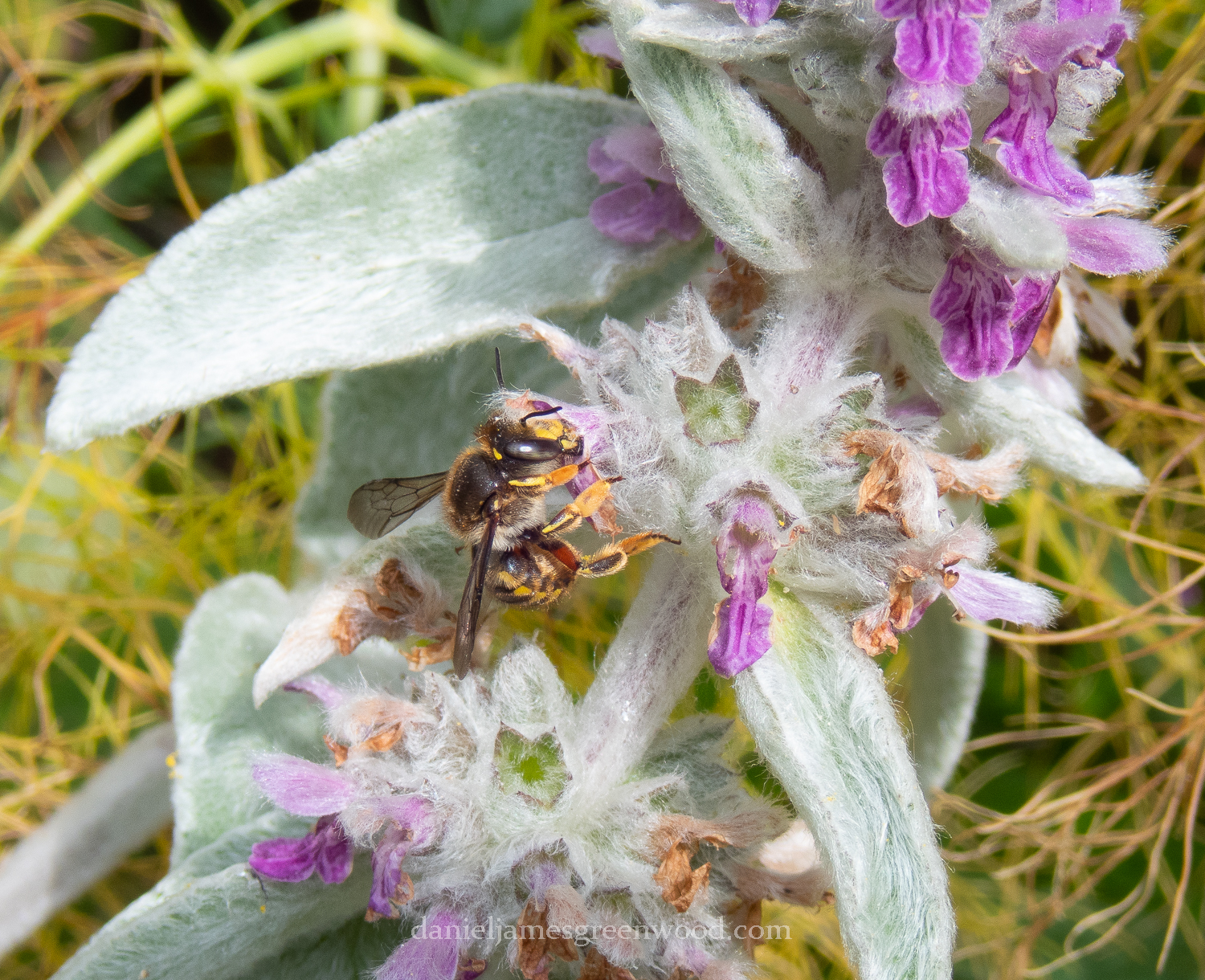
Day 27/30: at last a good show from the wool carder bees. I’ve written about these wonderful bees before – if you want to attract them get yourself some lamb’s ear (not literally), also sold as ‘stachys’.

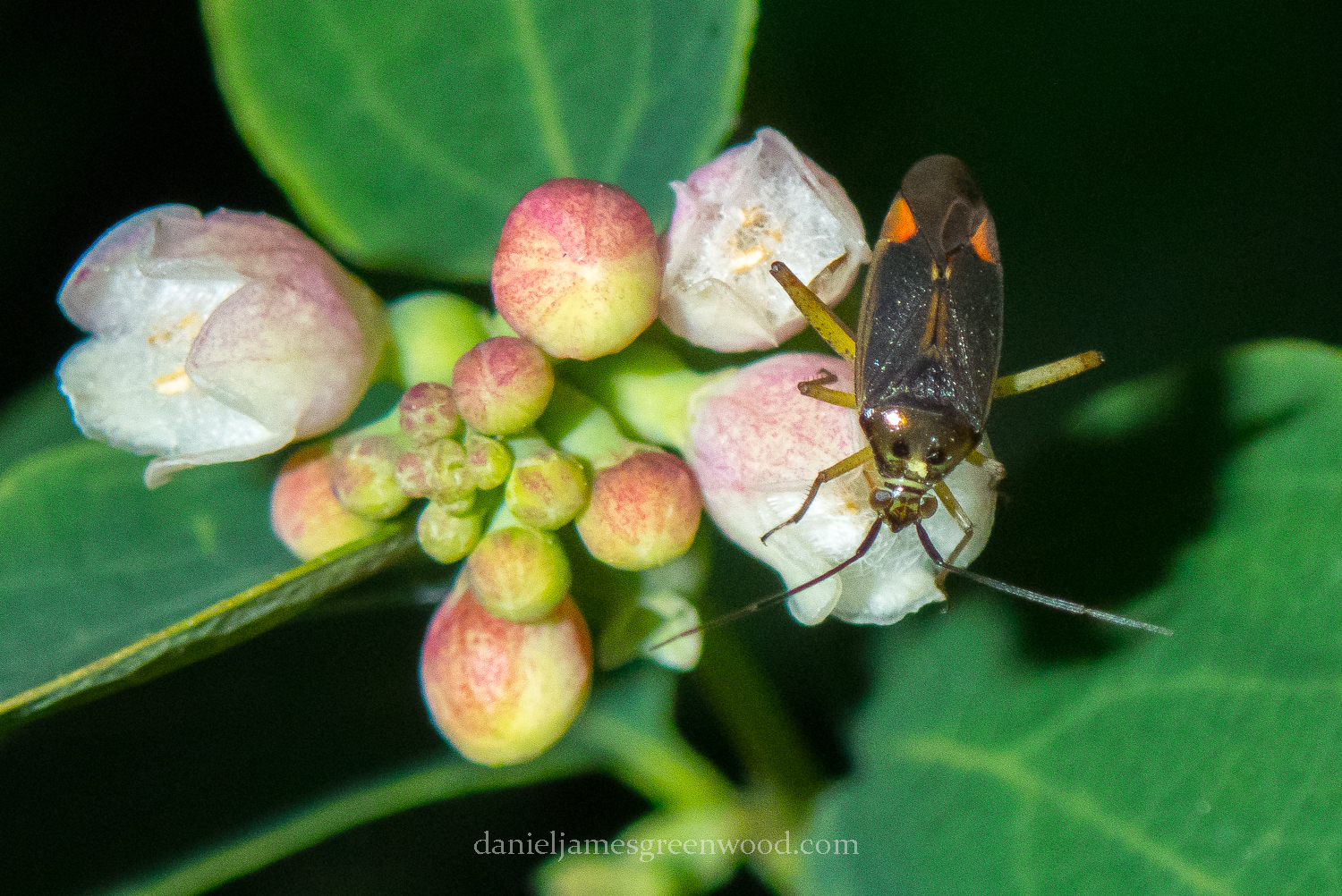
Day 28/30: an evening foray in my mum’s garden late into the evening, in cooler weather. I spotted this mirid bug climbing over the flowers of a snowberry.

Day 29/30: in SE London I found this grasshopper nibbling away on a grass blade. It was far smaller than the photo suggests. The grass was blowing in the breeze which made the focus a bit difficult to pin down, so it’s not the sharpest picture here.

Day 30/30: and so to the final day, one of the few rainy days in June. I was out on the South Downs for a walk and found this pyramidal orchid growing in a laneside verge. A beautiful plant of chalk grassland reaching its peak.

Thanks for reading!

Macro

#30DaysMacro 2023: week three

Here we are, week three of #30DaysMacro as part of #30DaysWild. This week, things took a fungal turn after thunderstorms burst onto the scene.

Day 15/30: a bumblebee feeding on purple loosestrife in a car park in West Sussex. I took two photos all day on the 15th, and this was one of them!

Day 16/30: another day where photo opps were scarce, but I saw this little solitary bee (maybe a Colletes?) on the oxeye daisies in my garden. These daisies have been a massive boost to invert life in my garden this year.

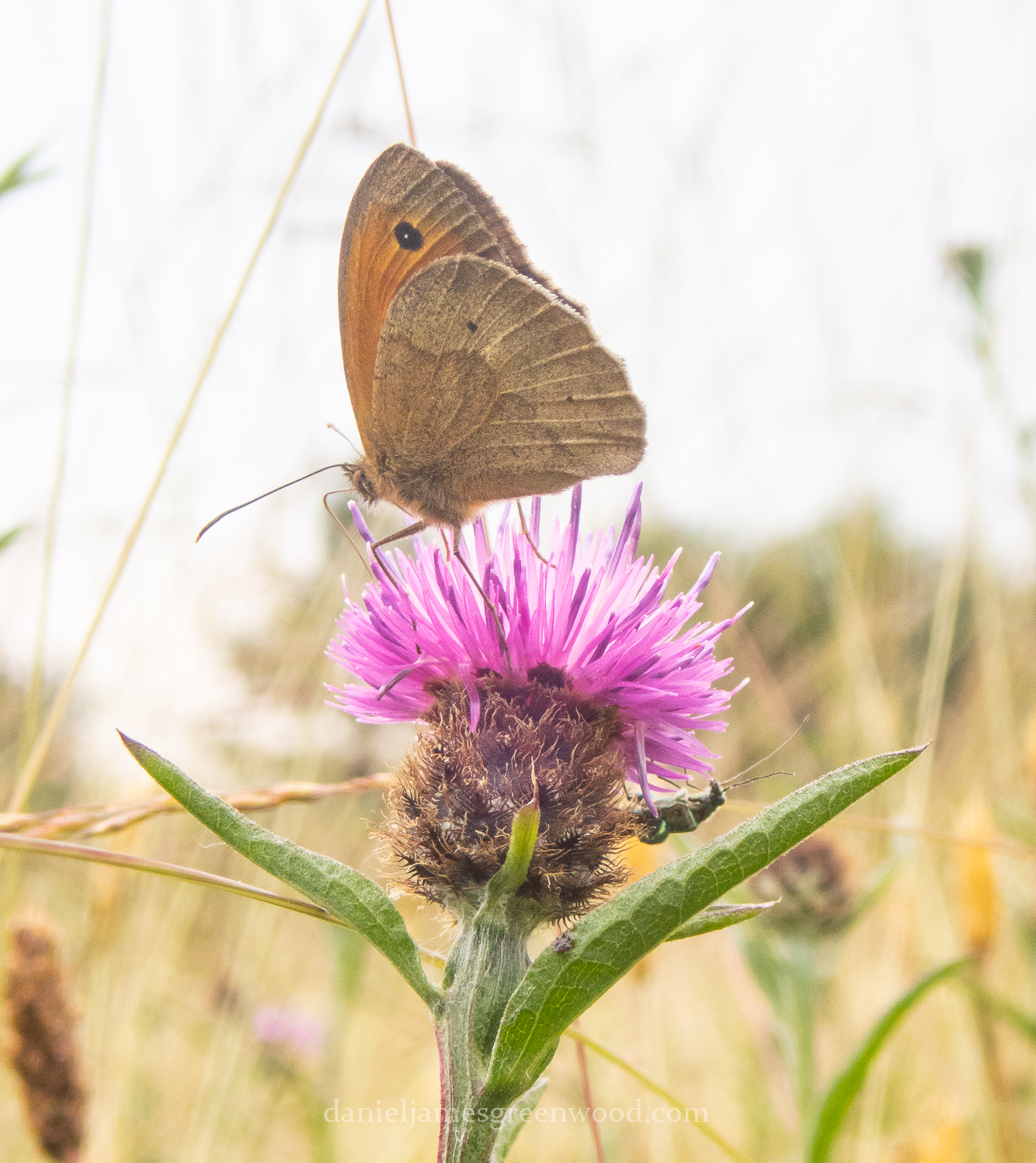
Day 17/30: this photo made me laugh – a meadow brown butterfly on common knapweed in a Wealden meadow in West Sussex. I didn’t notice the green swollen-thighed beetle hanging out below until I put the photo through Lightroom!

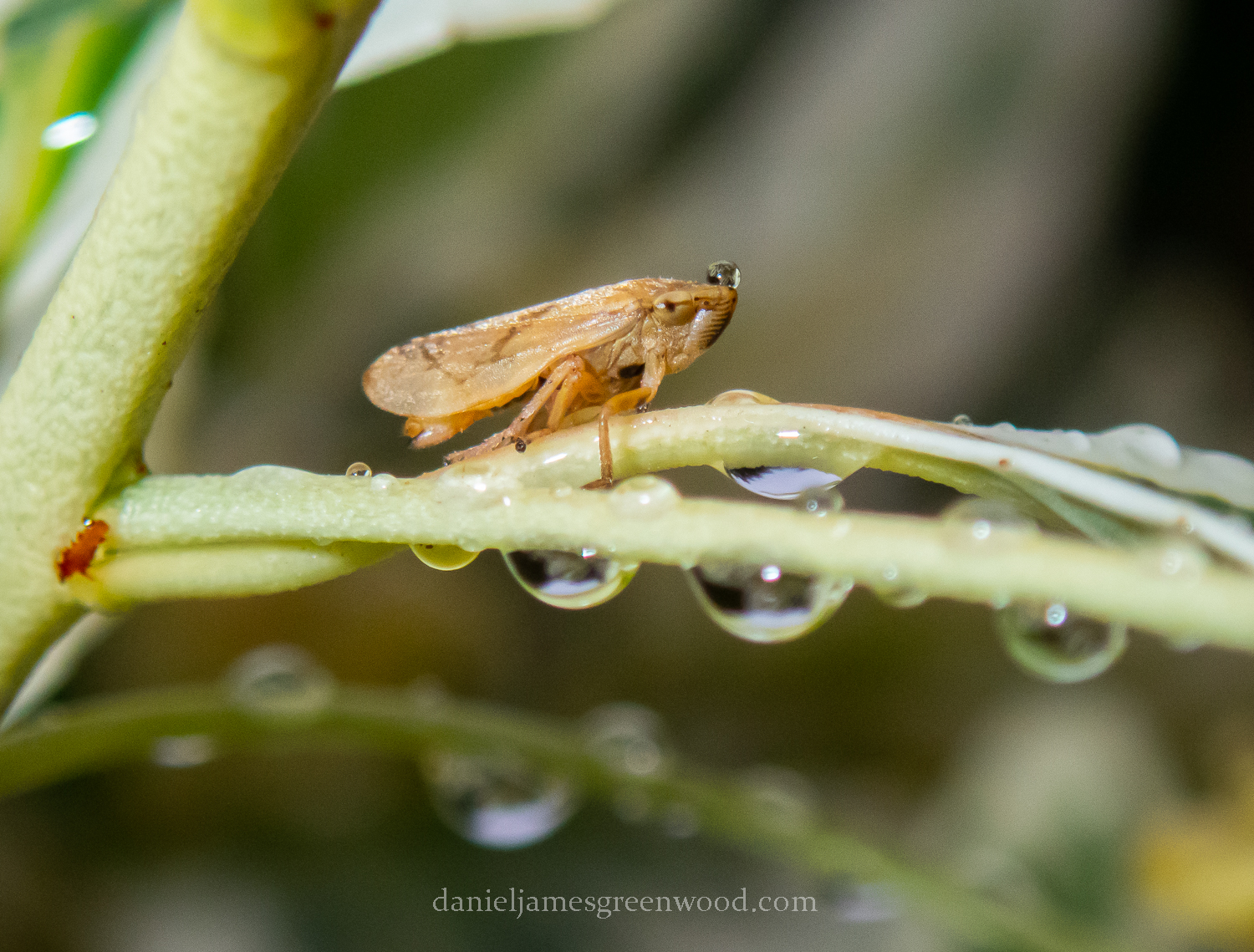
Day 18/30: storms have been the only source of rain recently, and they have been incredibly powerful. After some of that rain, I went looking for some life in the garden and found a common planthopper with a little droplet on their head. I see this as pushing the camera (Olympus Tough TG-6 compact) to the extreme due to lack of light and small size of the subject, and the results are great (though cropped and edited in Lightroom).

Day 19/30: on a lunchtime walk to stretch my legs I found this ashy mining bee foraging from one of the umbellifers that grow alongside my local river.

Day 20/30: things took a turn for the fungal on the 20th, as the rain gave a much-needed drink to the thirsty lichens in my local churchyard.

Day 21/30: the first of the summer/early autumn mushrooms, spindleshank, growing in the place where I learned what they are at Sydenham Hill Wood.

Thanks for reading!

Macro