#30DaysMacro 2023: week two

Welcome to the second week of my #30DaysWild macro photo challenge which I call #30DaysMacro. All photos here are taken with an Olympus TG-6 Tough compact camera and cropped/tweaked in Lightroom.

This week was another hot and dry one, and possibly showed a bit more of an increase in insect numbers after a worryingly scant spring. These photos were taken in London and West Sussex, and both areas are in desperate need of rain.
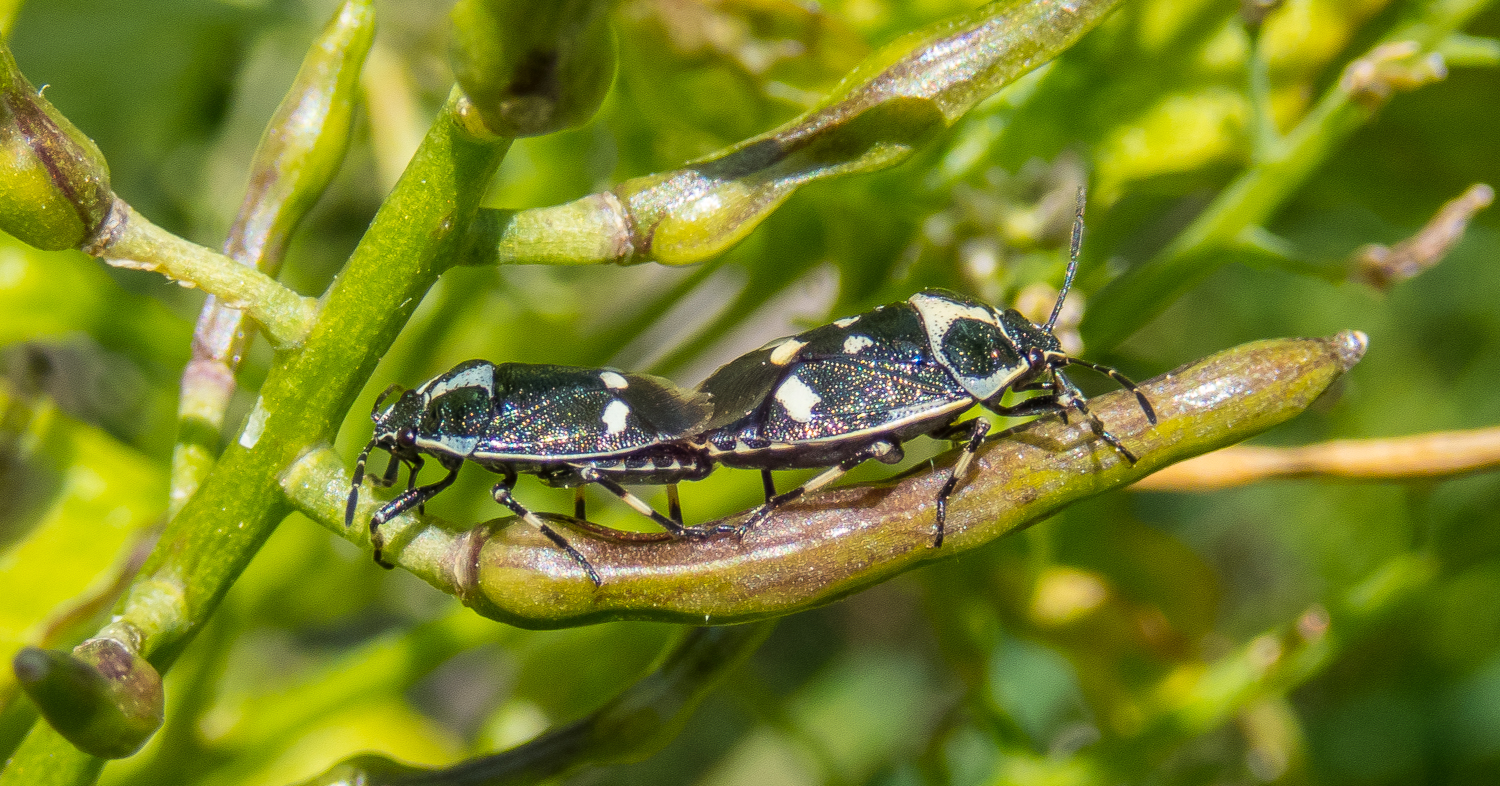
Day 8/30: shield bugs (known as stinkbugs in North America) are some of the most charismatic insects out there and easiest to see. These two cabbage bugs were mating in what I reckon is a plant in the cabbage family, in south-east London. I think this is my first sighting of them.

Day 9/30: this photo is part of an experience that will benefit from a dedicated post. This is a red-belted clearwing moth laying eggs in a diseased or cankered apple tree in a residential road in West Sussex. It’s only one of maybe three clearwings I’ve ever encountered and you can see that it’s a really extravagant, day-flying species. Maybe I could be swayed by moths after all. Scroll down for another part of this story.

Day 10/30: a click beetle takes flight from a flowering climber in my small hedge. This click beetle is one that I think is common as I’ve seen one very similar on several occasions. Probably need to upload it to iNaturalist to identify it.

Day 11/30: a tangled web for this poor red admiral in West Sussex. I was surprised to see one so still in the hedge but on closer inspection it has been caught by a spider.

Day 12/30: the emerging larvae of the clearwing can be seen here, pressing out of the apple tree’s bark, just like in certain sci-fi movies. The plot twist here is the arrival of an ichneumon seeking out red-belted clearwing larvae. The ichneumon’s epic ovipositor will be used to lay eggs in the unsuspecting larvae and parasitise the host. You can read more a blog post I wrote about that here.

Day 13/30: a busy day working from home (yes there is such a thing) left me pressed for time, but I managed to snap one of the common hoverflies in my garden. I don’t go out for long in the hottest parts of the day so I am usually reliant on the early mornings or evenings for macro encounters.
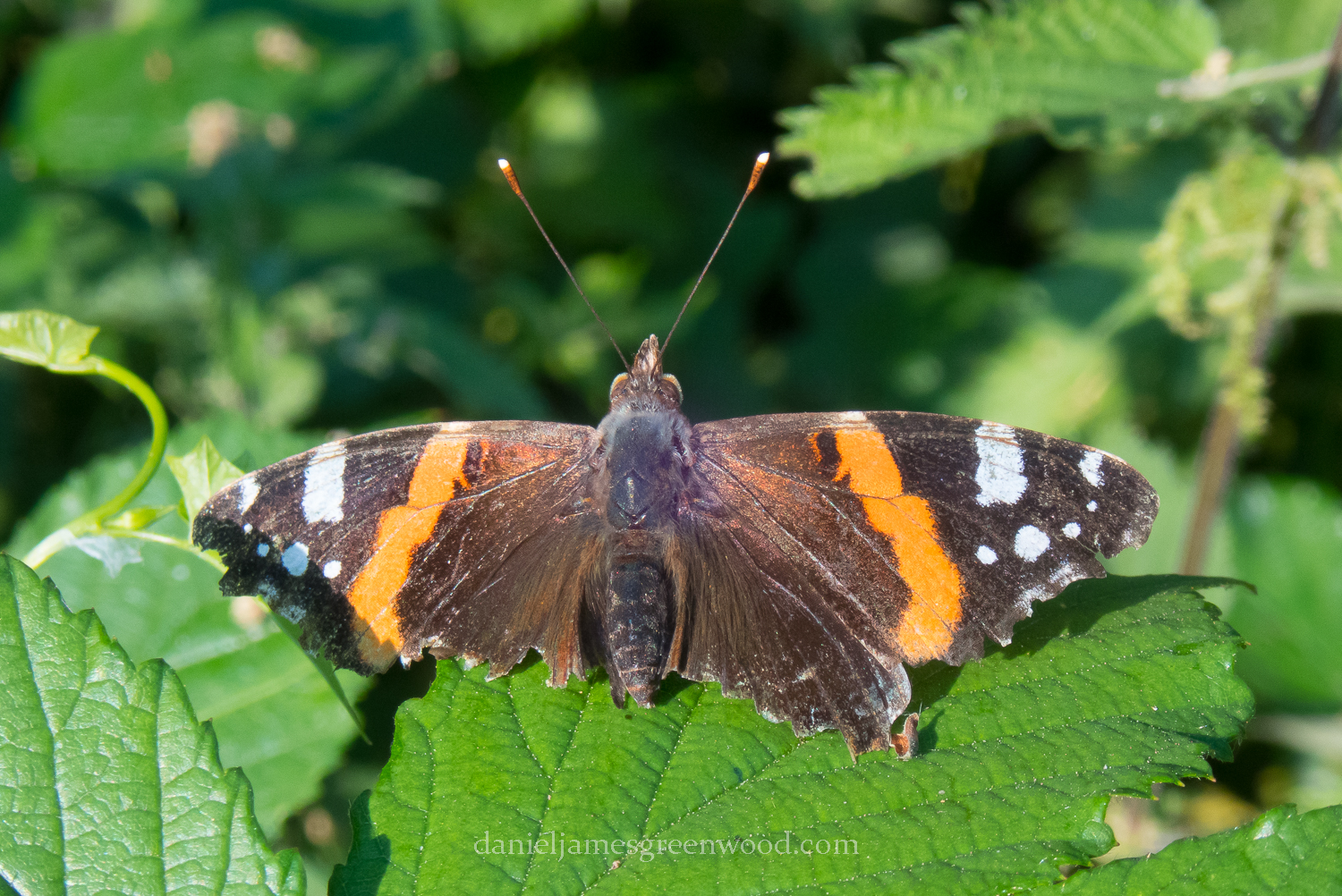
Day 14/30: a difficult week for red admirals, with this much-pecked butterfly enjoying(?) some evening rays. You have to make do with what you have in this life.

Thanks for reading.
Macro

#30DaysMacro 2023: week one

Happy #30DaysWild! As per the last couple of years I’ll be taking a macro photo – an image greater than 1:1 lifesize magnification – every day in June. I call it #30DaysMacro.

This is one of the best times to look for invertebrate life, and is a nice motivation to get outside, and to share your experiences with others.

The difference for me this year is that I’ll try to take each photo exclusively from a compact camera or my phone. I recently traded in some equipment that was gathering dust and got an Olympus TG-6 Tough compact camera. It’s waterproof, can withstanding being crushed somewhat, but more importantly it has the best macro capabilities available in a compact camera. It will be interesting to see what I can get from it.

Another #30DaysMacro – let’s go! on y va! vamos!

Day 1/30: I had actually forgotten it was June (been busy) and wasn’t thinking of #30DaysWild until after I took this phone pic. The spider was on the rear windscreen wiper of my car in the supermarket car park. It’s one of the running crab spiders.

Day 2/30: a bumblebee with full pollen sacks gathering nectar from the deep flowerheads of yellow flag iris in my small pond.

Day 3/30: a swollen-thighed beetle ‘enters the ring’, the nectar station of an oxeye daisy. I planted these last year and they’ve only flowered in the past few weeks. The small insects on the edges are carpet beetles. They’re there all the time.

Day 4/30: I found this beautiful red cardinal beetle in my family’s garden in SE London, as it rested in the shade of a hazel bush.

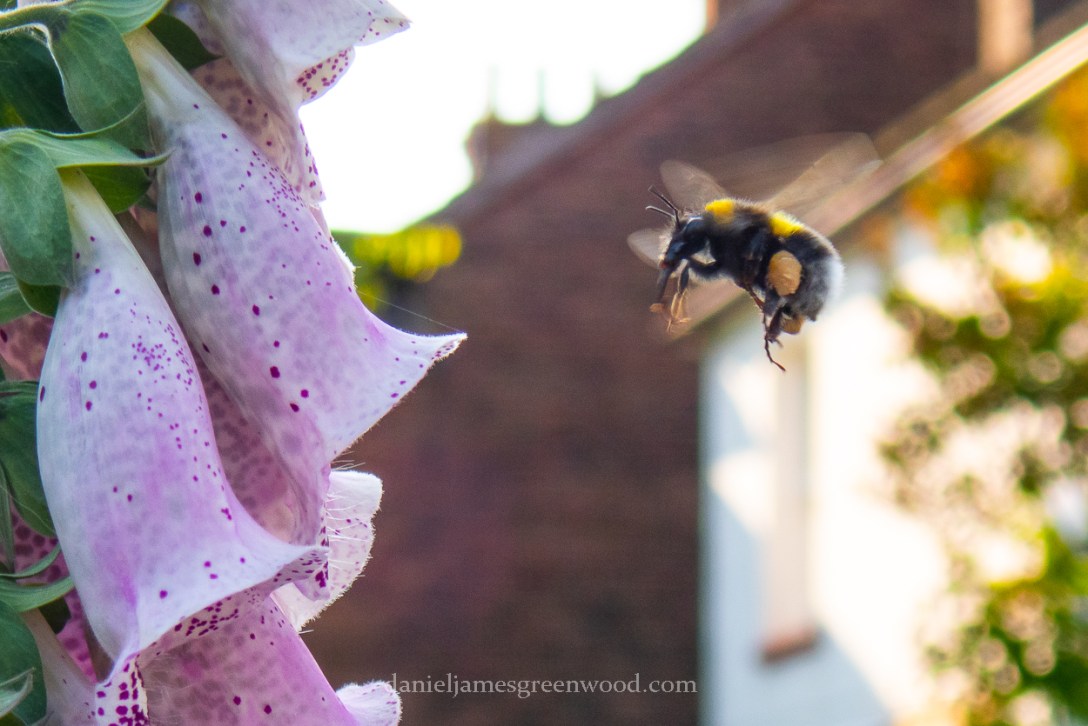
Day 5/30: I was lurking around the borders of my garden where the foxgloves grow, waiting for bumblebees to emerge from the flowers. Luckily this bumblebee chose to hover for a while so my camera could lock on and get the in-flight pics. Impressive for such a little camera!

Day 6/30: in the centre of my town there’s a brick wall that is covered in trailing bellflower. At this time of year it catches the sun wonderfully. I took this photo along the main road and was stopped by a woman who said she often tried to get a similar photo on her way home. Trailing bellflower is native to south-eastern Europe and likes rocky places, brightening dull civic spaces.

Day 7/30: a tortrix micro-moth in Peckham, SE London. I really like the holes in the leaves that surround the moth, and its bluey scales.

Thanks for reading, see you next week!

Macro

A spring epistrophe? 🐝

Another week of some sun, some showers, and some temperatures that got close to freezing. That sentence may turn out to be a spring epistrophe, but more of that later. In Scotland it reached as low as -5C. April 2023 has been a mishmash of seasons. Here’s what I encountered in my garden on 22nd April.

One of the joys of this time of year has to be the red mason bee. They are tricky to catch up with sometimes away from their bee boxes, but I managed to get close enough to this red-haired male in the skimmia hedge.

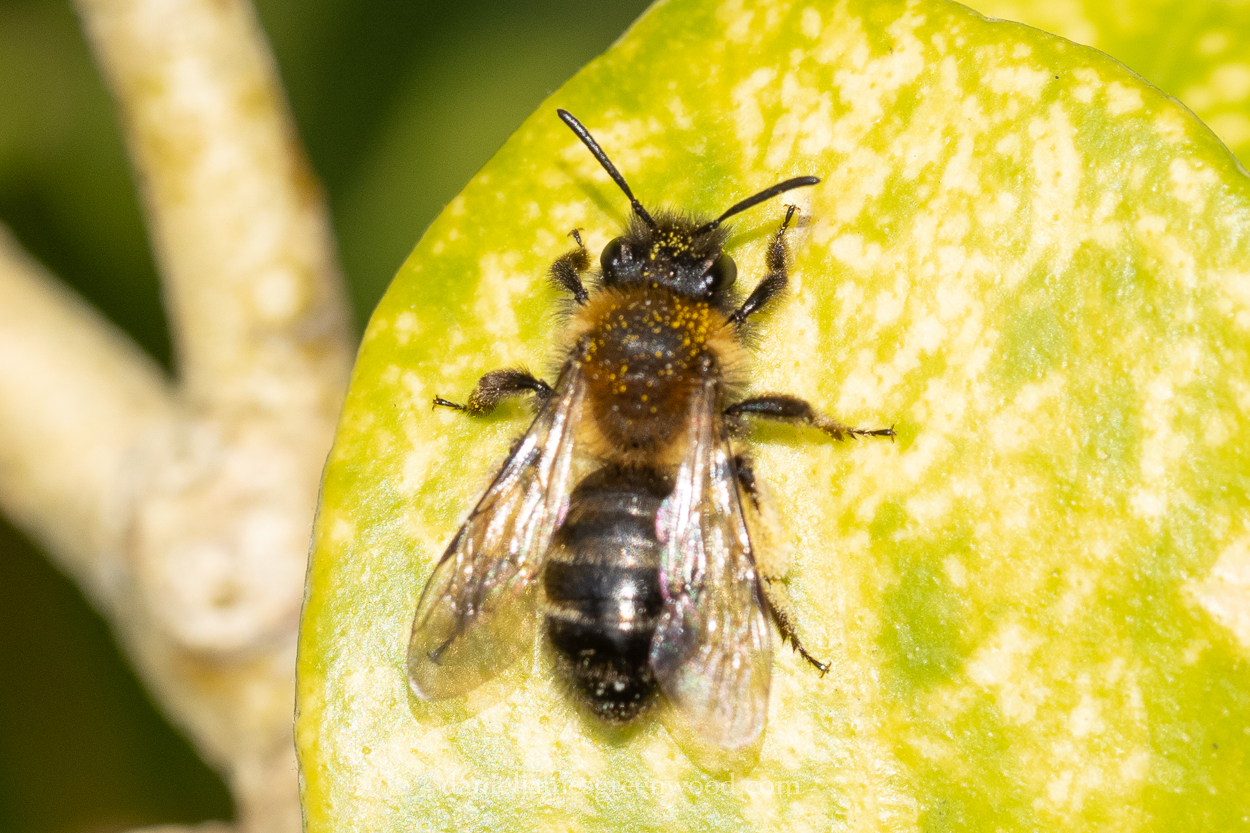
This is a mining bee that I can recall seeing each year early in the season. I’m not sure of the species, but it has a likeness to the chocolate mining bee.

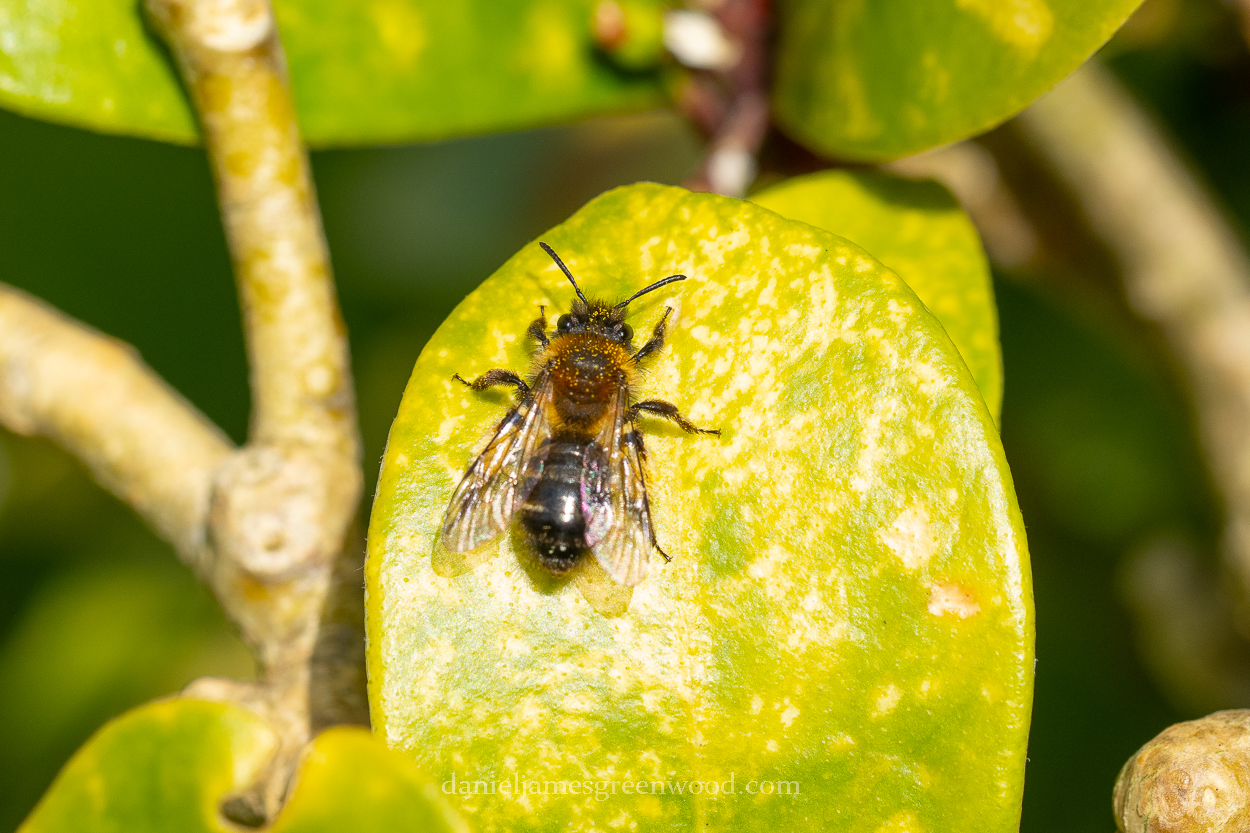
I tried with this rather slender-shaped mining bee, but it didn’t like Homo sapiens approaching with a camera and macro lens, however small that equipment is nowadays.

He’s not quite in focus but this hairy-footed flower bee stopped for a snap. Never mind his hairy feet, look at those legs! They do look a bit like tiny Highland cows to me.

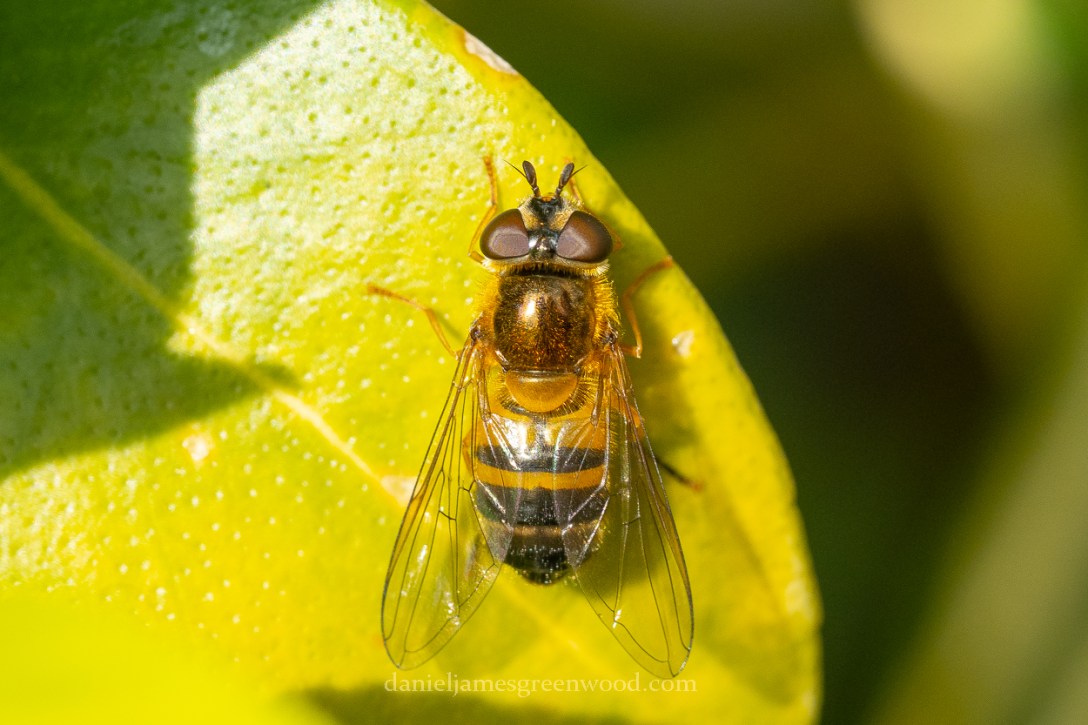
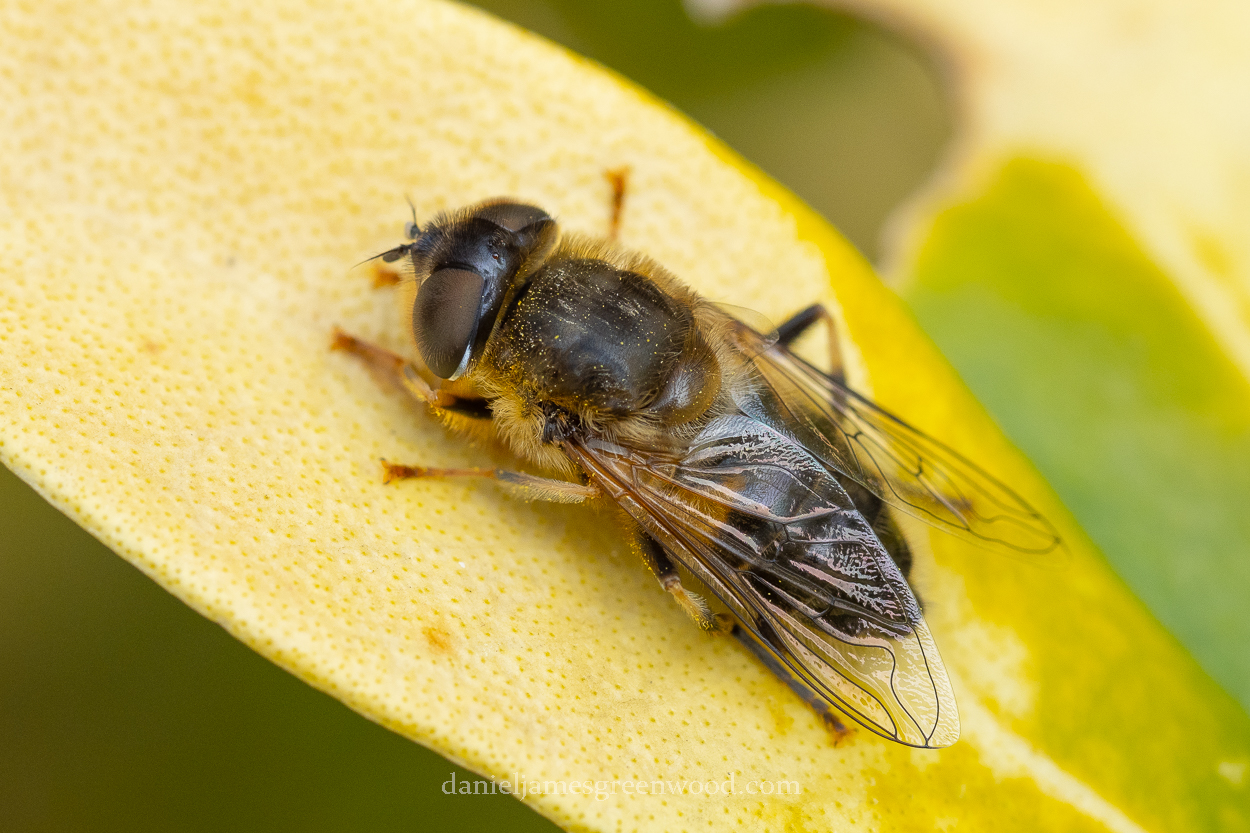
To finish this week’s post, I noticed this medium-sized hoverfly in the skimmia. Putting it on iNaturalist I received a quick response, identifying it as spring epistrophe. It has a huge range, from Sweden to northern Spain, and then as far as Ireland to the Caucasus (Russia). Its name obviously means it’s a spring arrival, but ‘epistrophe’: “repetition of a word or expression at the end of successive phrases, clauses, sentences, or verses especially for rhetorical or poetic effect” – via Miriam-Webster.

I’ll have to listen to the hoverfly more closely next time.

Thanks for reading.

Macro

What this hoverfly doesn’t know 🐝

This time of year will probably always remind me of 2020, when most people were entering into Covid-19 ‘lockdowns’. That spring was early, warm and sunny in SE England, which seemed to contrast with the extreme anxiety of the situation we found ourselves in over here. As the lyric in ‘Someone Great’ by LCD Soundsytem goes, ‘the worst is all the lovely weather‘.

This spring feels different: later than recent early seasons, wet, cool but also quite hot. On Monday I got a bit of sunburn on my neck (despite wearing suncream) and on Tuesday it was quite cold in comparison. This all affects wildlife in a far more immediate way.

On Sunday 16th April my garden thermometer (kept in the shade, don’t worry) read 16C, and the garden was alive. Here’s what I found in the space of about half an hour.

My first find is not actually pictured here. I was about to clean the kitchen hob when I noticed a small deceased insect on it, what turned out to be a lovely male red mason bee. I was surprised and a bit annoyed, so went outside to put its tiny little body into the flowerbed where its cousins were zipping around.

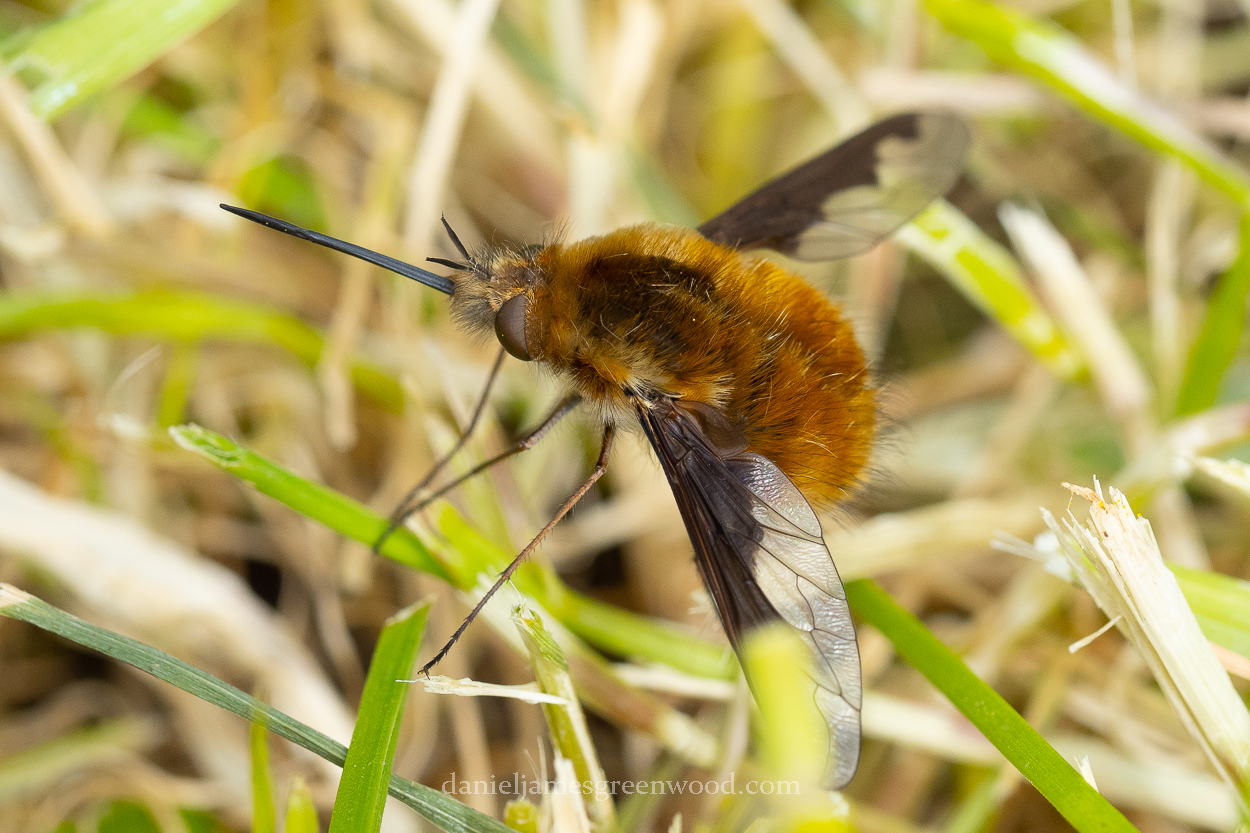
Nearby, I noticed my first bee-fly of the year, doing their usual flowerbed hovering. You can see from the image above why this fly is sometimes referred to as the ‘dark-edged’ bee-fly.

There were a large number of drone-flies in and around the Japanese skimmia that makes up much of the hedgeline in my small garden. I’m actually a big fan of this shrub, which provides excellent cover for invertebrates and seems to be a solid nectar source.

I’ve not seen any birds eating its berries which are held for a long time. I would pick this over the dreaded cherry laurel any day.

This is a common hoverfly, which I have come to know as ‘the footballer’ but is also called ‘sun fly‘. Their mimicry is to fool us predators into thinking they’re wasps and therefore able to sting. What this fly doesn’t know is that I’ve read books and have iNaturalist so I know it’s a hoverfly.

Meanwhile, there was quite a bit of activity from the wasps, with two or more queens busy in the skimmia. This queen was less busy so I could get a photo of her basking. To any new readers, I’m a wasp supporter, and I don’t mean the rugby team.

I have another non-native shrub that is proving itself to be a valuable resource for pollinators in my garden. This has flowered for the first time since it was planted three years ago.

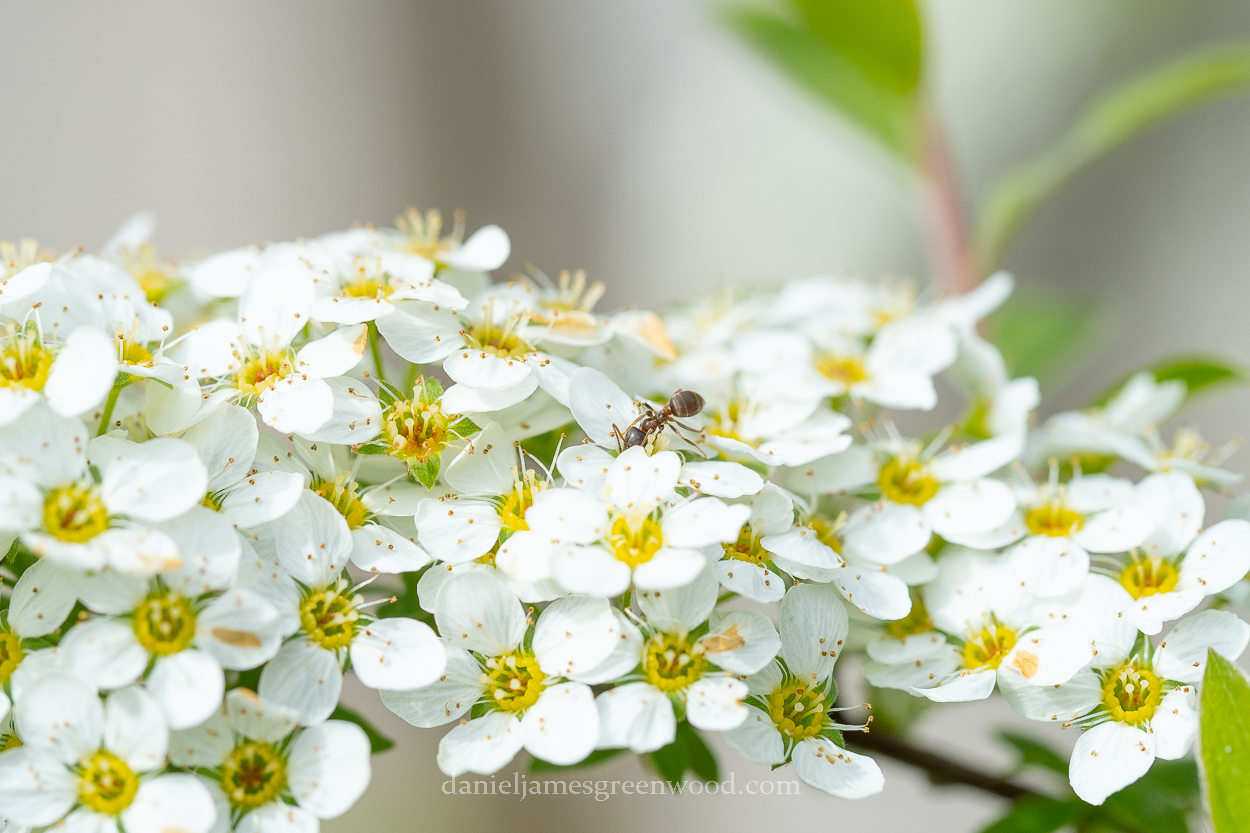
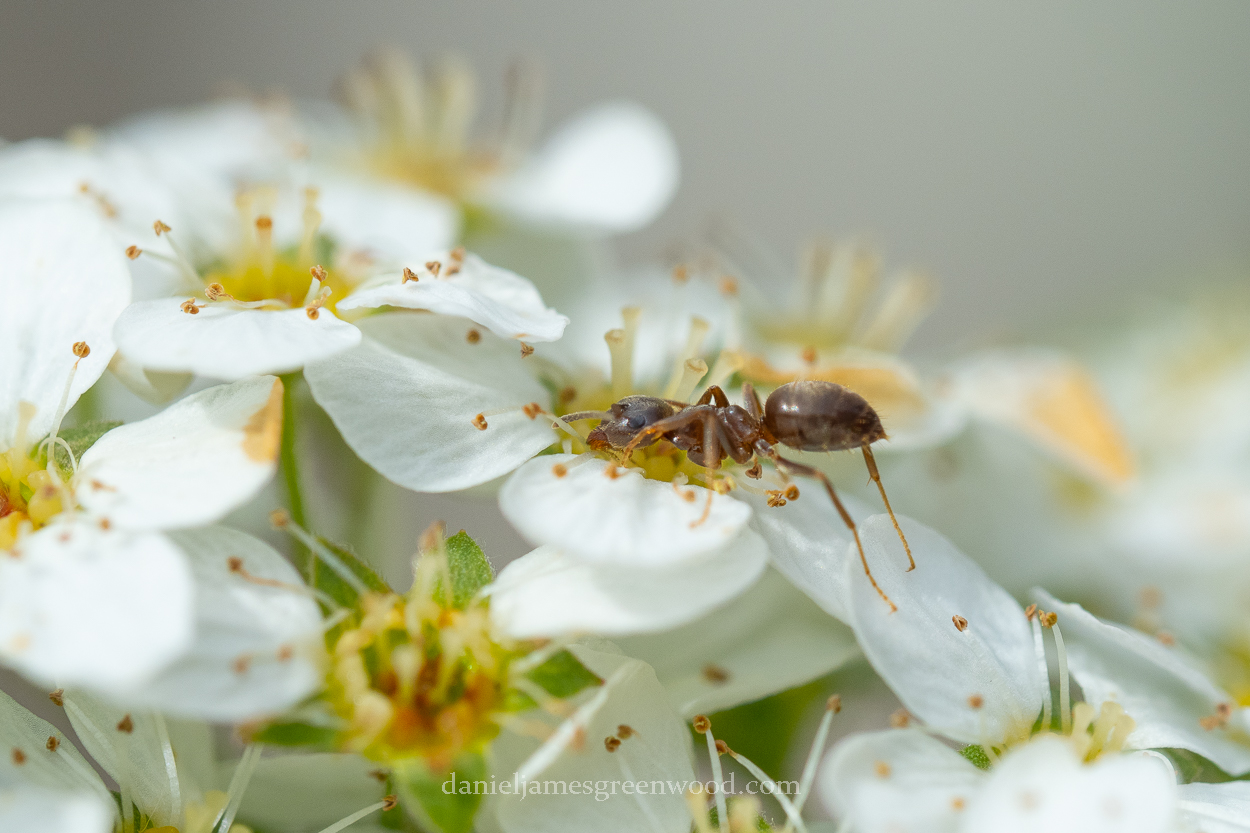
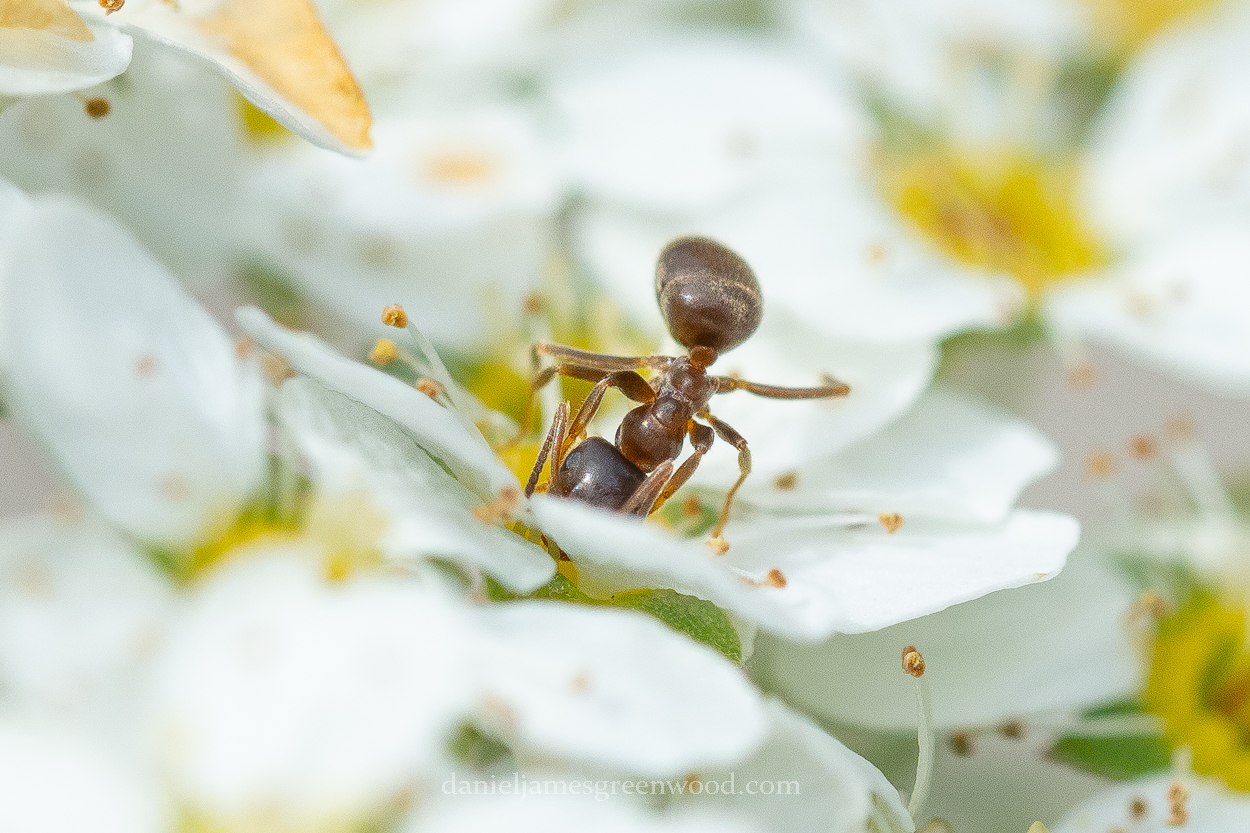
This is probably a the black garden ant. I hadn’t seen them nectaring like this before. I’d also seen red mason bees visiting these flowers, which is great news as it’s providing another source of forage for a wider range of pollinators.

This ant was definitely getting stuck in to the nectar on offer here!

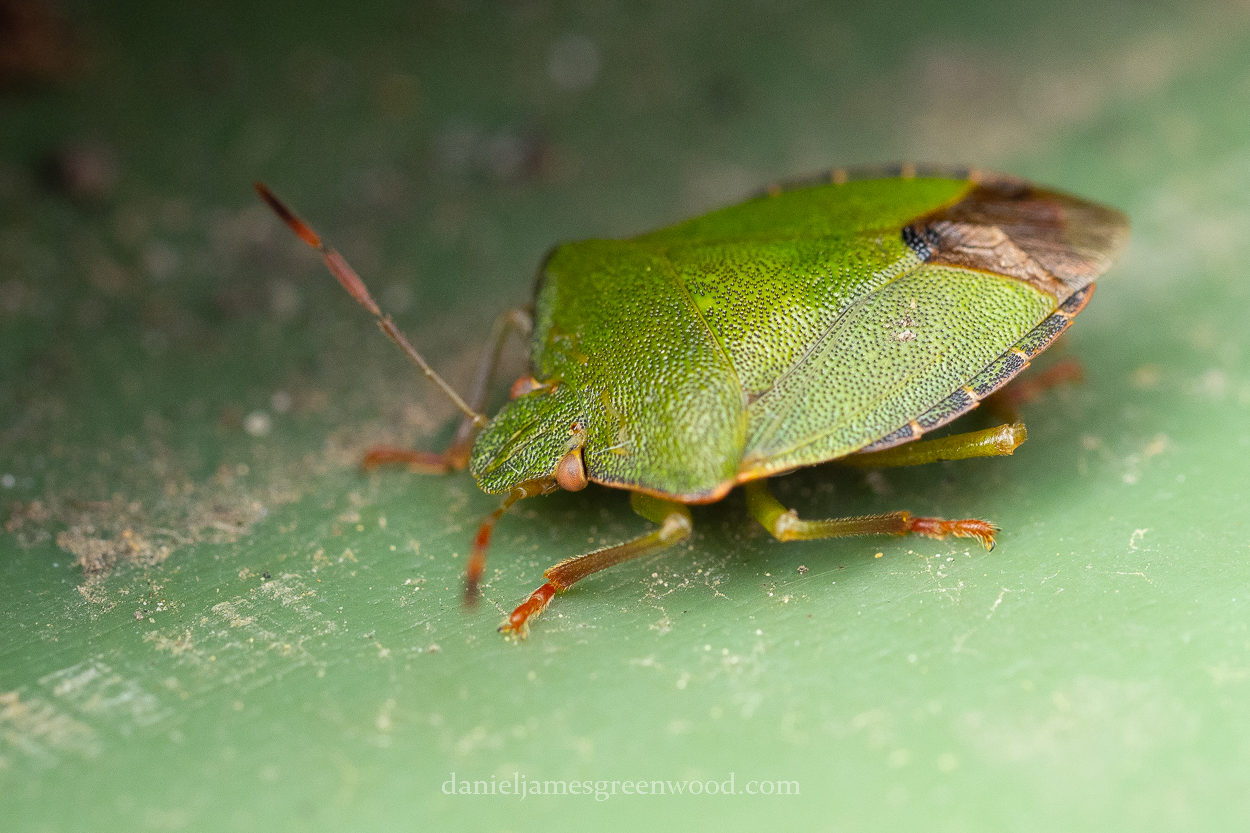
On my recycling bin I spotted this green shield bug, a fairly common sight in my garden. They are lovely insects but are also known as stinkbugs in North America because of their pungent scent that is deployed when they’re in trouble.

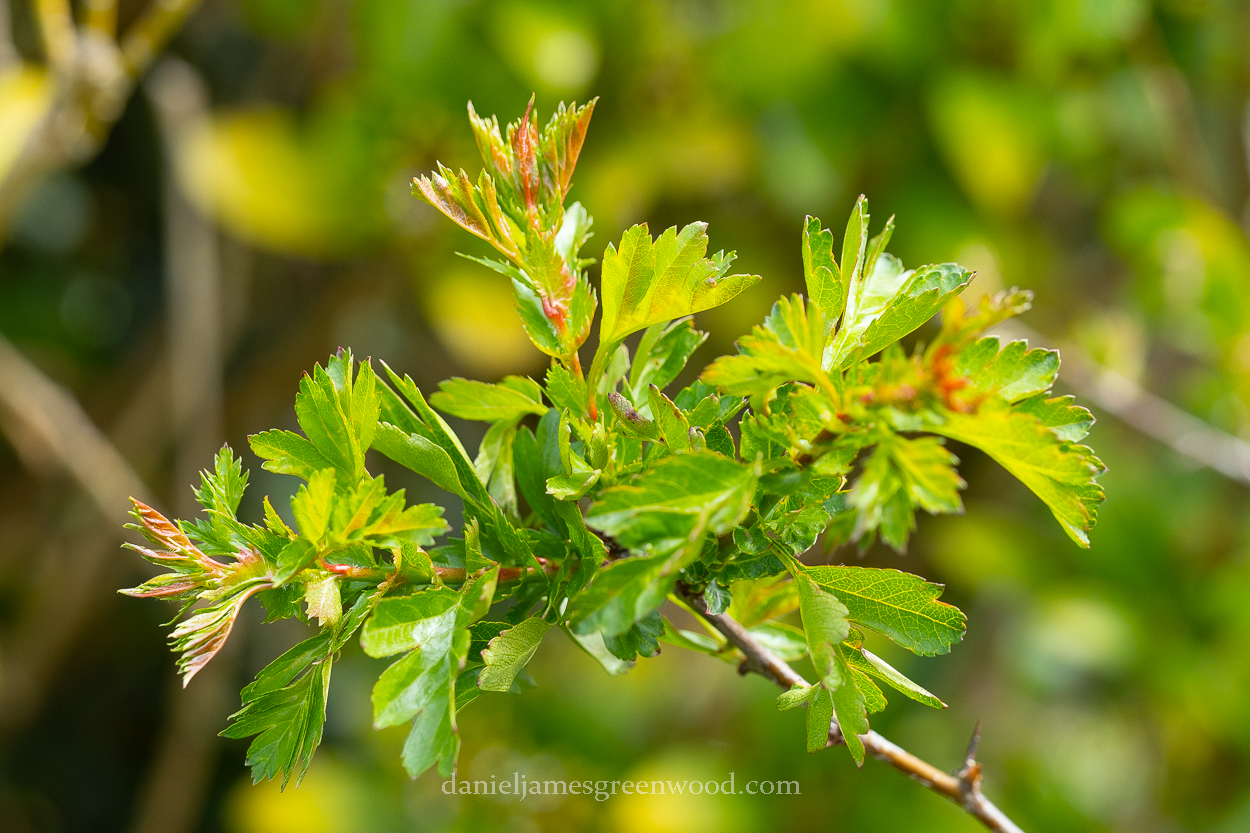
The hawthorn was in full leaf. I have since coppiced this hawthorn sapling to allow it to form more of a hedge, compared to the spindly tree it was forming.

Hazel is also in leaf. I love their small leaves when first appearing. You can see where I topped this sapling last year. I have also recoppiced it since to form a hedge.

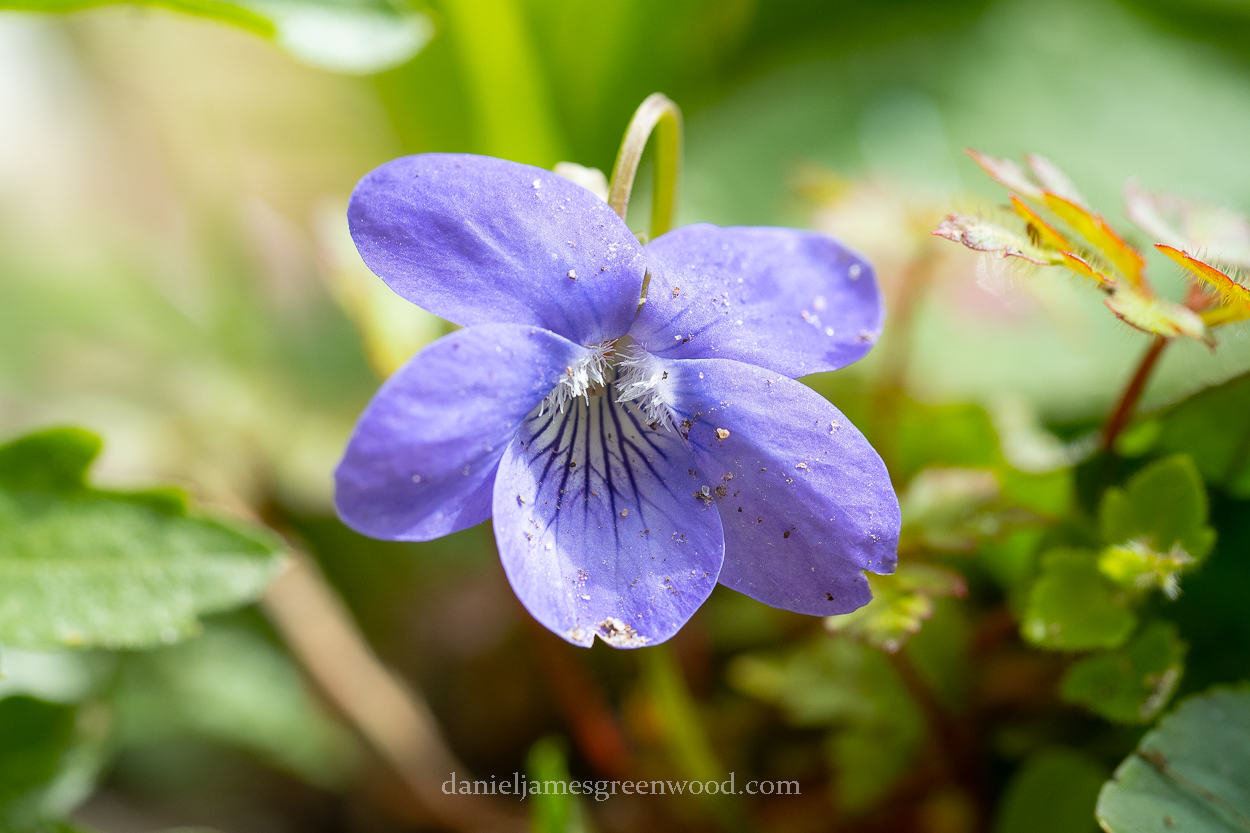
The dog violets are flowering between the brickwork on the twitten (a Sussex name for a type of path).

So too were the pea flowers of what I think is broom. It didn’t flower last year for some reason.

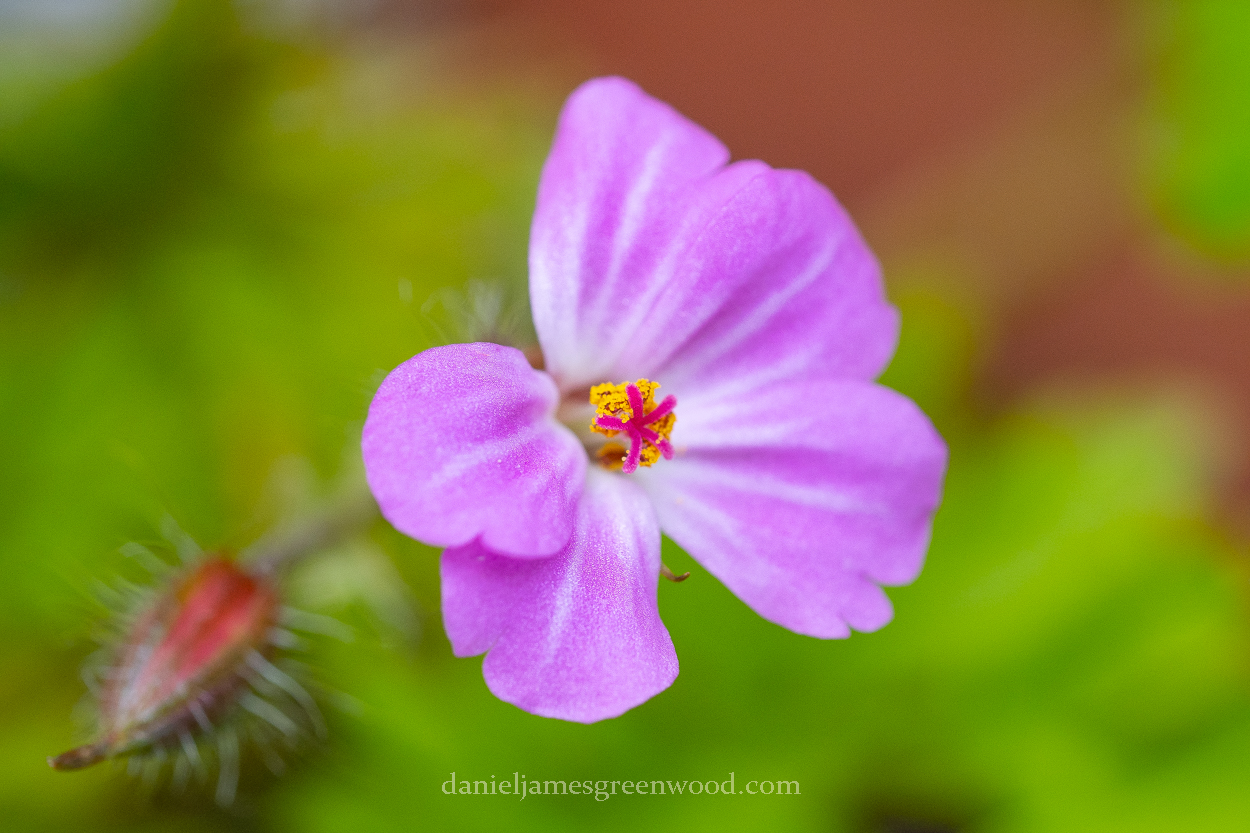
I think this close up helps to show how nice herb robert flowers are up close, with the yellow pollen grains highlighting their attractiveness to bees in particular.

Thanks for reading.

Macro

Snowy disco fungus ⛄

Dulwich, London, January 2023

I’ve helped build a lot of ‘dead hedges’ in my time. Basically ‘fences’ of wood and branches piled between two posts. They happen to be particularly supportive of fungi, along with amphibians and sometimes even nesting birds.

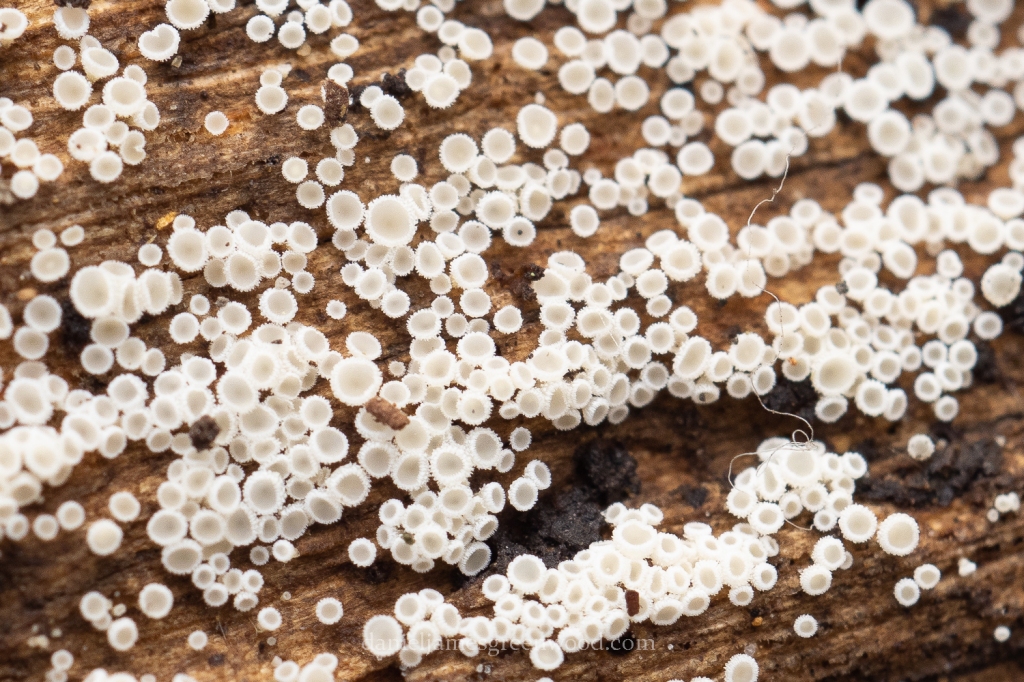
Whilst constructing one on a chilly January afternoon I noticed one of the logs had a smattering of cup fungi. Looking more closely I guessed that these were a type of cup fungus known as snowy disco (Lachnum virgineum). It’s one of the fungus names that really makes people smile, and not in a weird way for once.

Then again, it does sound like a night club in Reykjavic.

I referred to my fungi tomes for more information on the snowy disco, and found that there were actually rather a lot of these tiny but very classy-looking fungi in Europe.

Cup fungi are a different group to the typical gilled mushrooms or ‘basidiomycetes’ that drop spores. The cup fungi are ‘ascomycetes’ – the type found in lichen complexes – shoot their spores from an ‘ascus’ (plural – ‘asci’) instead.

It’s just another reminder that for those who can, it’s a much better environmental option to leave fallen wood in a woodland so the disco can do its thing.

Thanks for reading.

Fungi

Salmon egg slime mould 🐟

This is not a fungi post. If anything, it’s probably closer to animals. It also may exhibit signs of memory despite not having a brain. Sounds like you’re in the right place.

Tuesday 10th January 2023 was one of those awful January days in London. It rained a lot, was windy, and there was no direct sunlight to bask in.

Add to this the fact that the night before a fireball enjoyed a spectacular demise in the night sky, and was easy to view across much of the UK. At the time – 20:00 GMT – I was outside, in the dark, being distracted by the massive moon and a neighbour saying she didn’t want to run me over. Somehow, I missed the fireball and lived to hear about it on the radio the next morning.

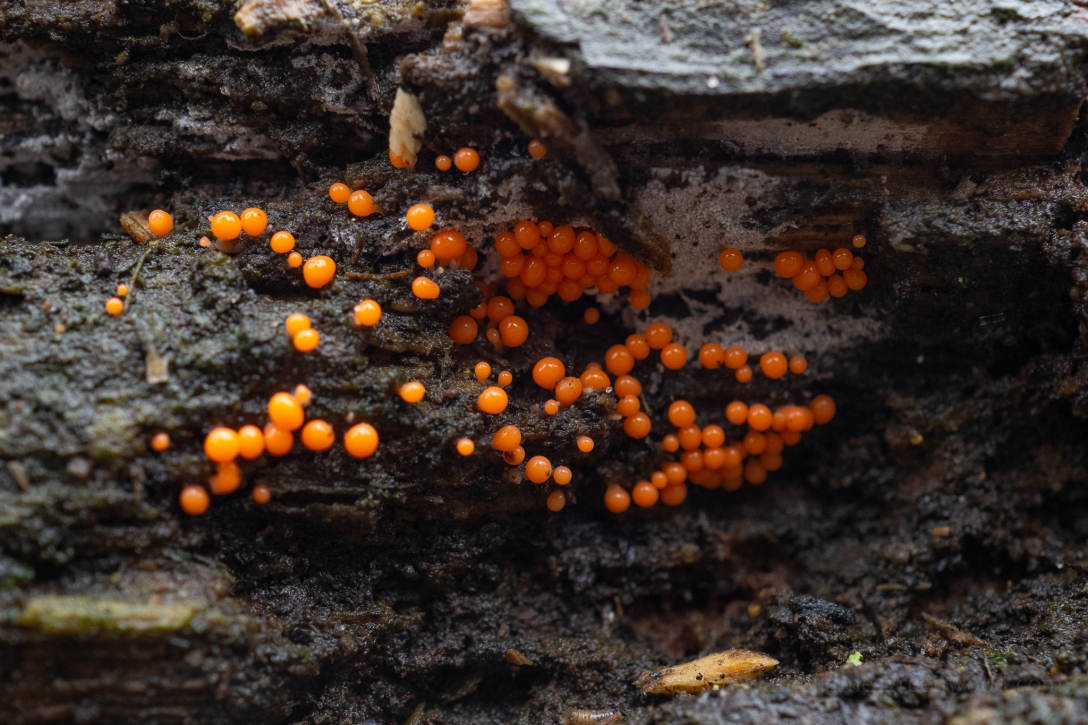
Anyway, back down to Earth. Though the woods can be ghastly at this time of year, I find them to be a decent shout for slime moulds. Not to be proven wrong, I was proved right by the sight of little (read: tiny) orange beans at the path edge on an old oak log.

These little droplets of tangerine dream are commonly known by slime people as salmon eggs. It is amazing how these declining fish can fight their way up through places where there are no rivers, to lay their eggs in a bit of wood.

You know that was a joke, yes?

Slime moulds thrive in damp, dark places, usually in decaying wood that has been saturated by winter rainfall.

Elsewhere, the smaller polypores of turkeytail and the like were ‘showing nicely’ as the birders say, though rarely of a turkey’s tail around here.

Thanks for reading.
Macro | Fungi

Recent posts

The orchids in need of fungi 🍄

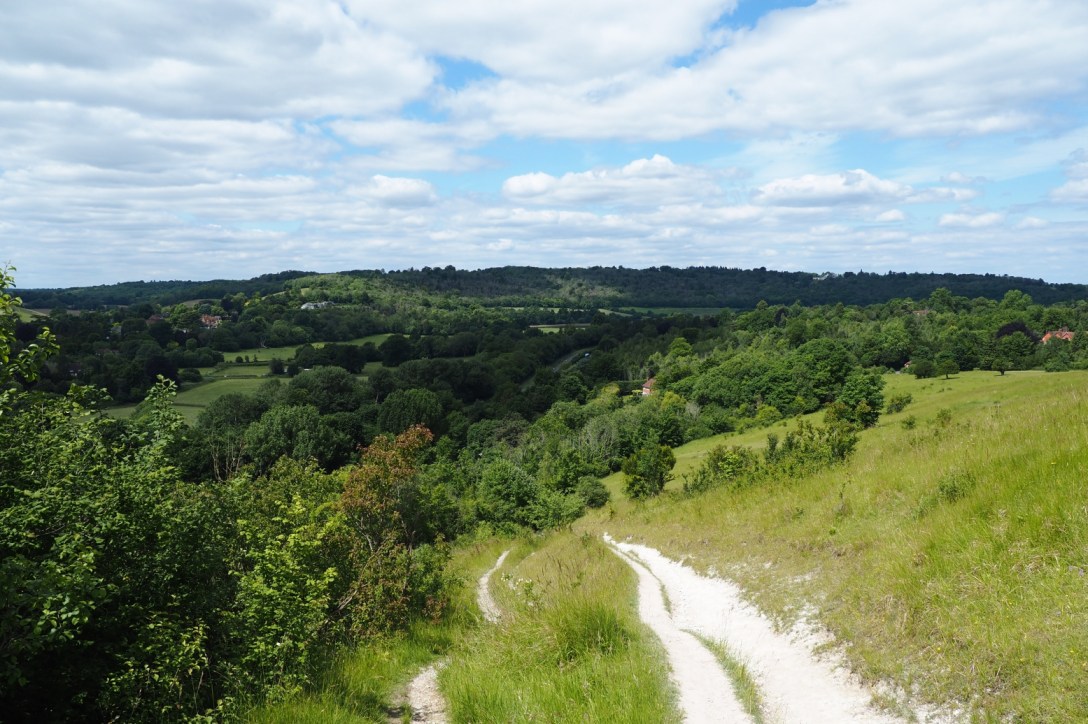
In June I did a long walk in the Surrey Hills around the famous Box Hill. The North Downs are absolutely fantastic walking country, being so easily accessible from London via public transport, and having some of the UK’s rarest wildlife, along with dramatic hilly landscapes and views.

The human (as well as the natural) history of the North Downs is incredible, with much of the North Downs Way coalescing with the Pilgrims Way.

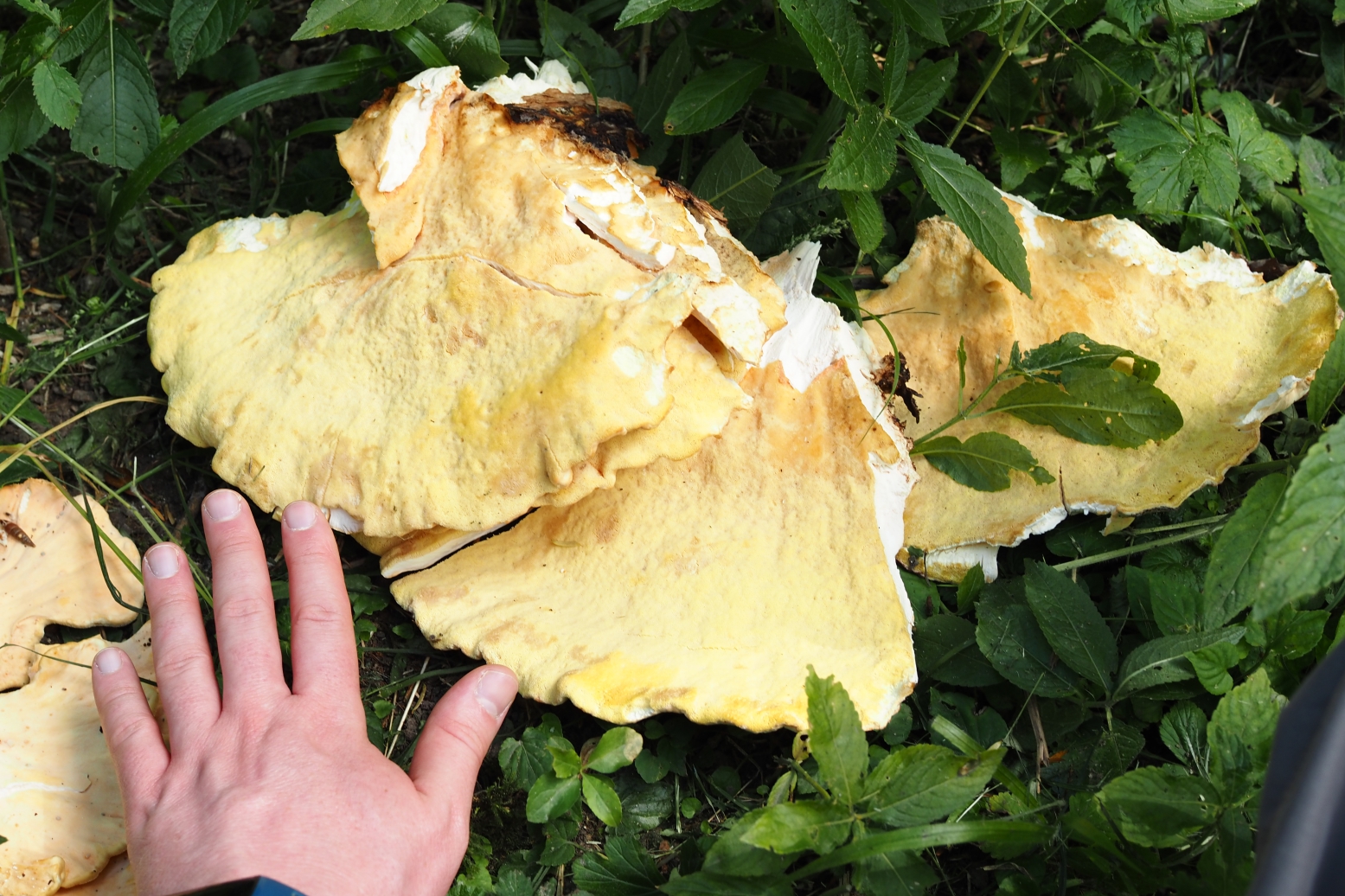
Early on in this walk, I happened upon an area of yew trees and spotted some chicken of the woods growing. It’s always a nice thing to see.

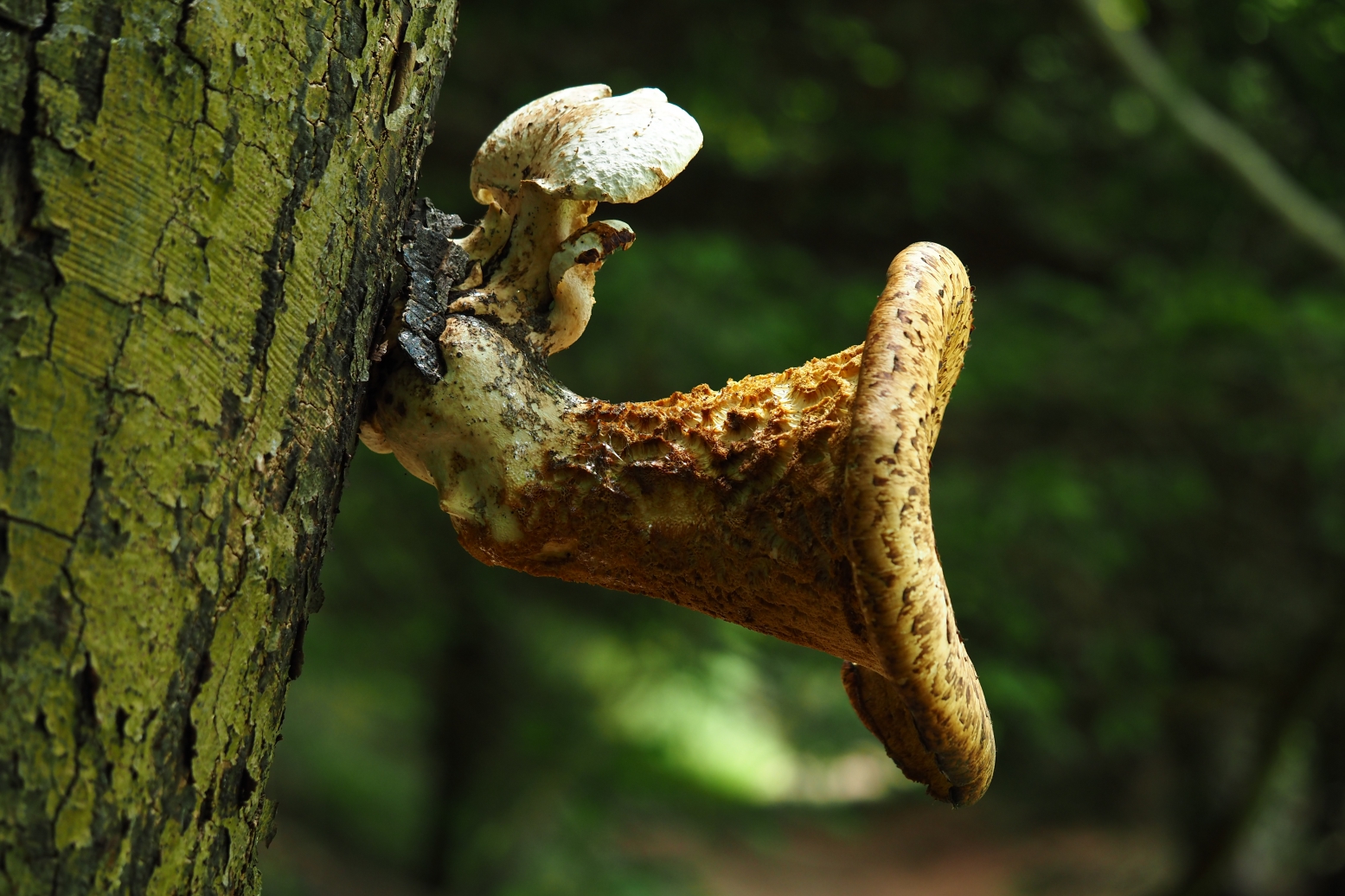
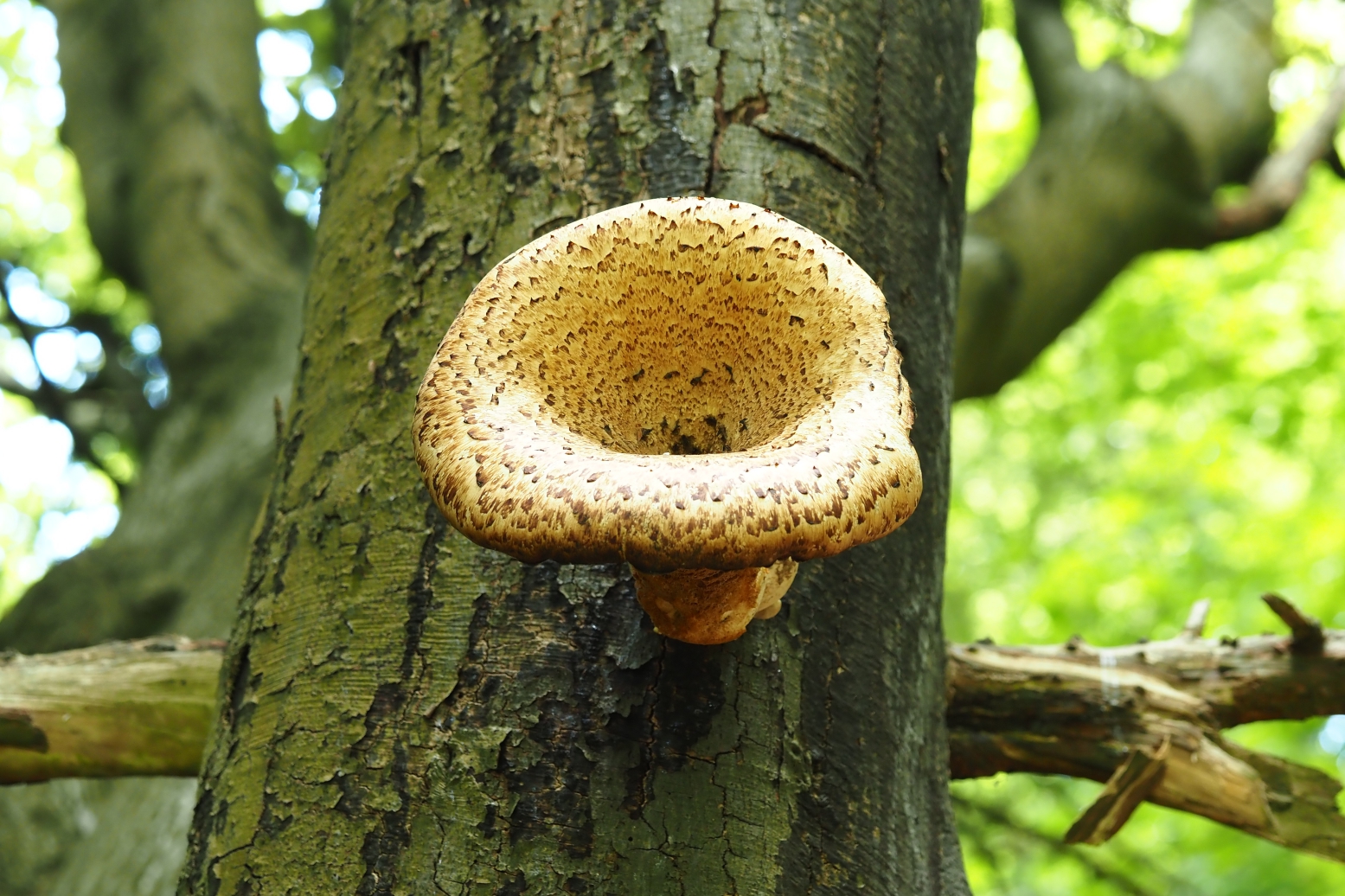
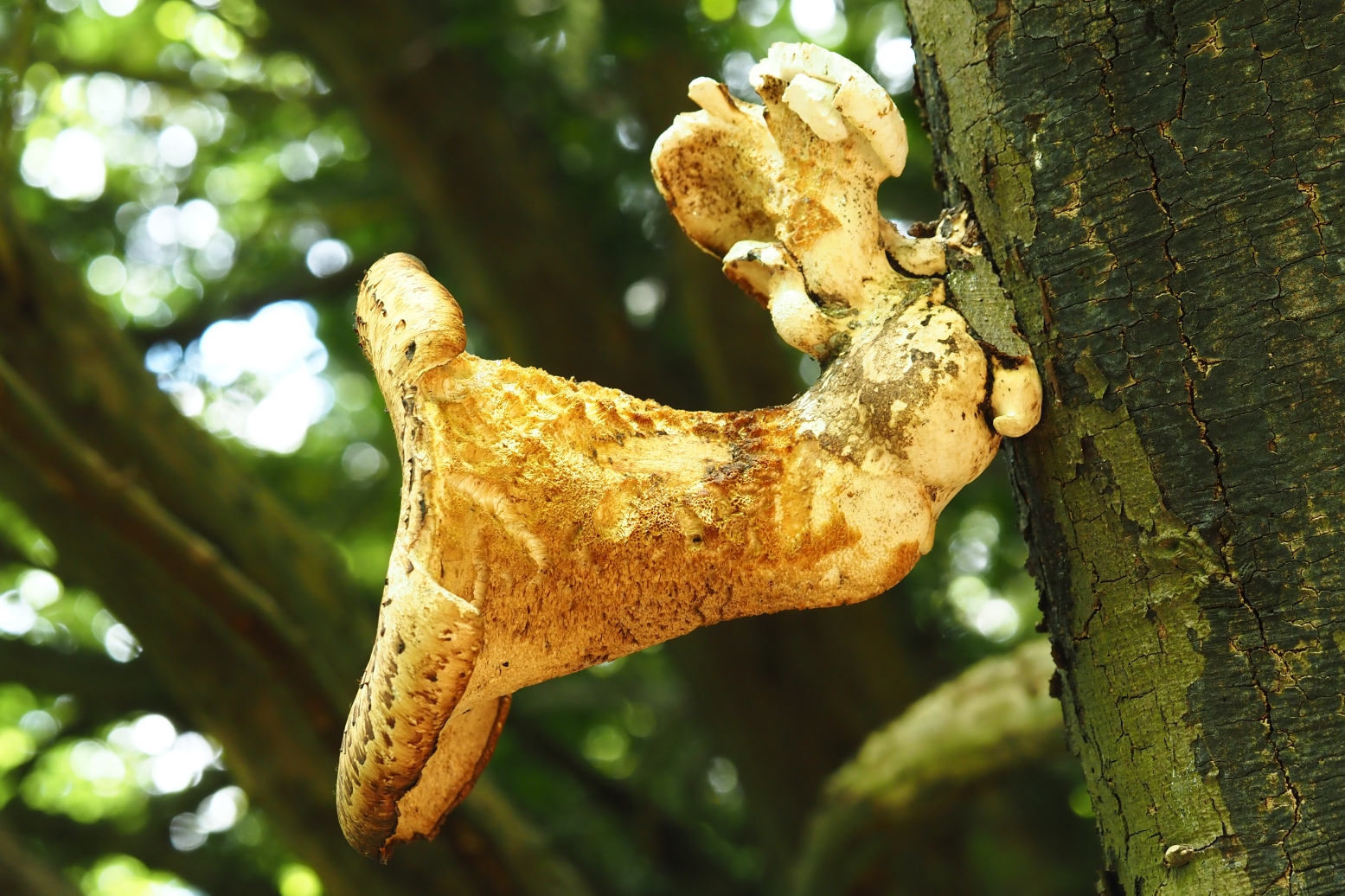
Lured in by the sight of the fungus, I then found a massive dryad’s saddle growing like a gramophone from a beech tree. This is a fairly common larger fungus to find in June. It’s a summer woodland species.

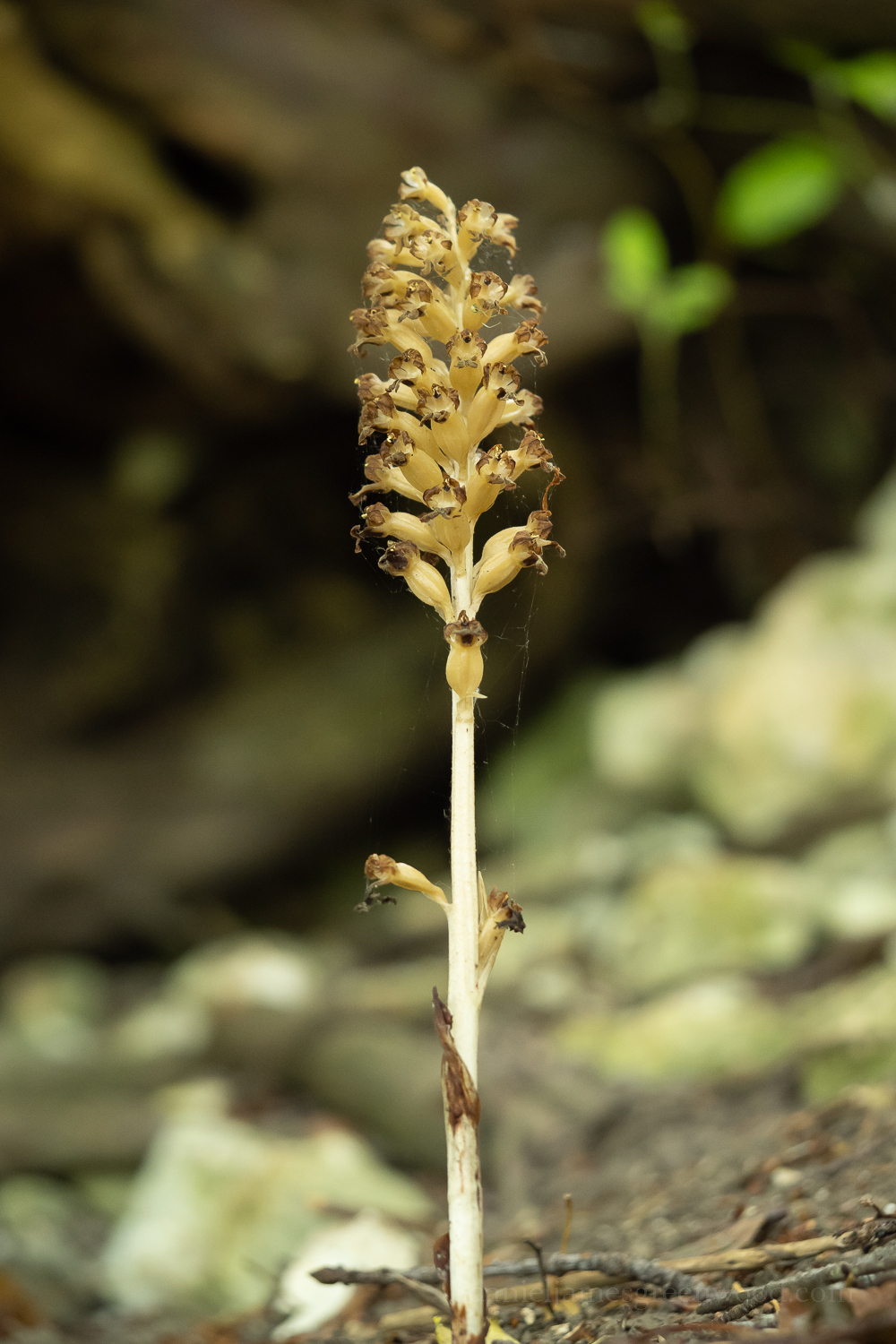
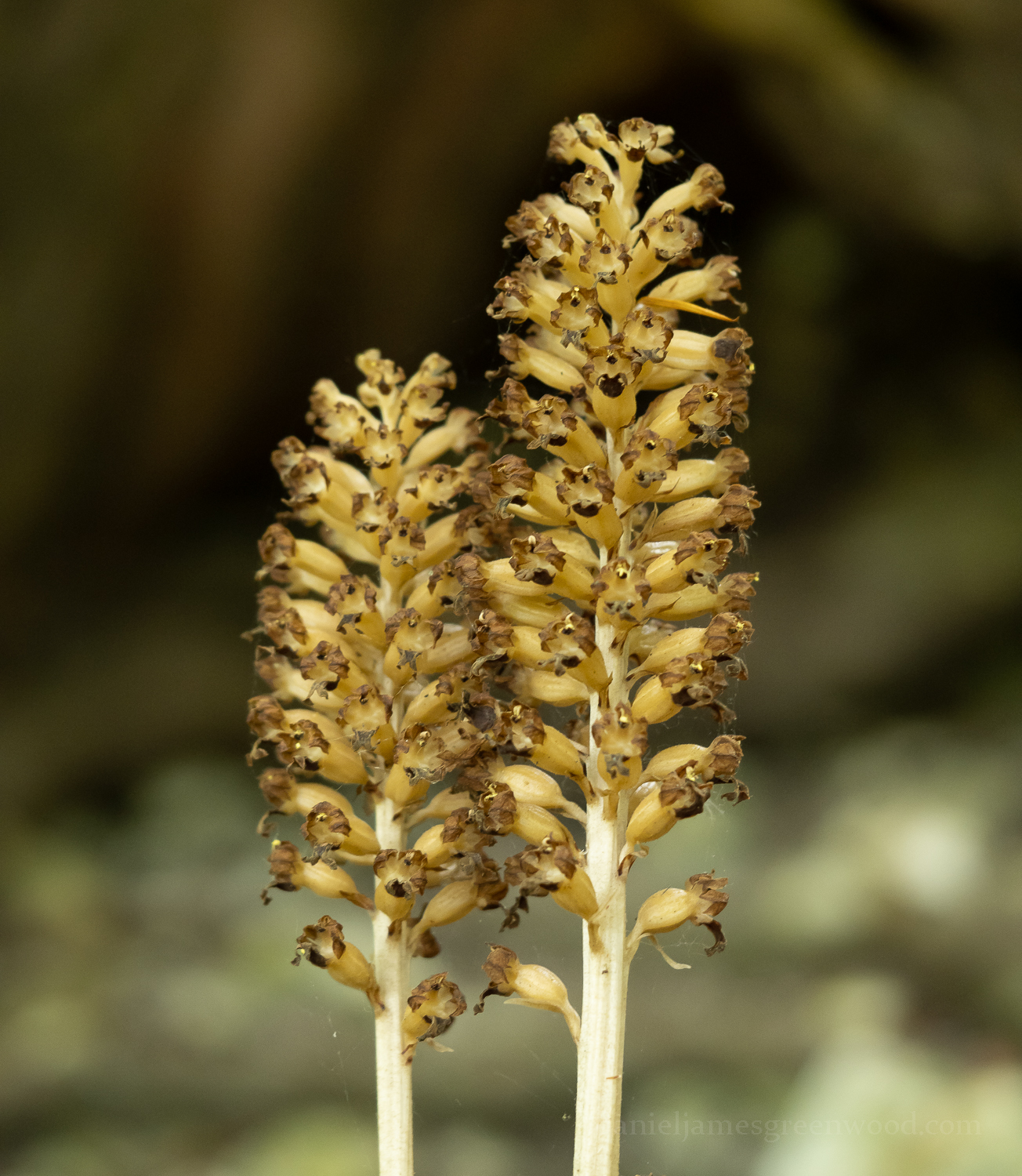
Having moved round to look at the ridiculous gramophone fungus, I spotted what looked like dead growths of a wildflower or maybe a garden plant that had been dumped. After a minute or so I realised it was in fact a type of orchid: bird’s nest.

This isn’t a species I had ever seen before. It certainly wasn’t at its ‘best’, even though it lacks the colourfulness of other species nearby like common spotted or pyramidal orchids. There’s a really good reason for that.

It has a dependency on fungi. Its lack of cholorophyll is because it receives its food from fungi in the soil, which is also in relation to the roots of trees. The orchids were growing under yew but with beech in close proximity. It’s just another reminder of the role that fungi play in maintaining diverse ecosystems.

Away from the orchids, June is a good time to find chicken of the woods. We’ve had a very hot and dry spring/summer in southern England, and along the trail I noticed that a lot of the chicken had collapsed in brittleness. It’s not even worth looking for mushrooms growing in the soil, it’s just so dry. Fungi once again, or lack of, will show you that we are living through hotter and drier summers in southern England.

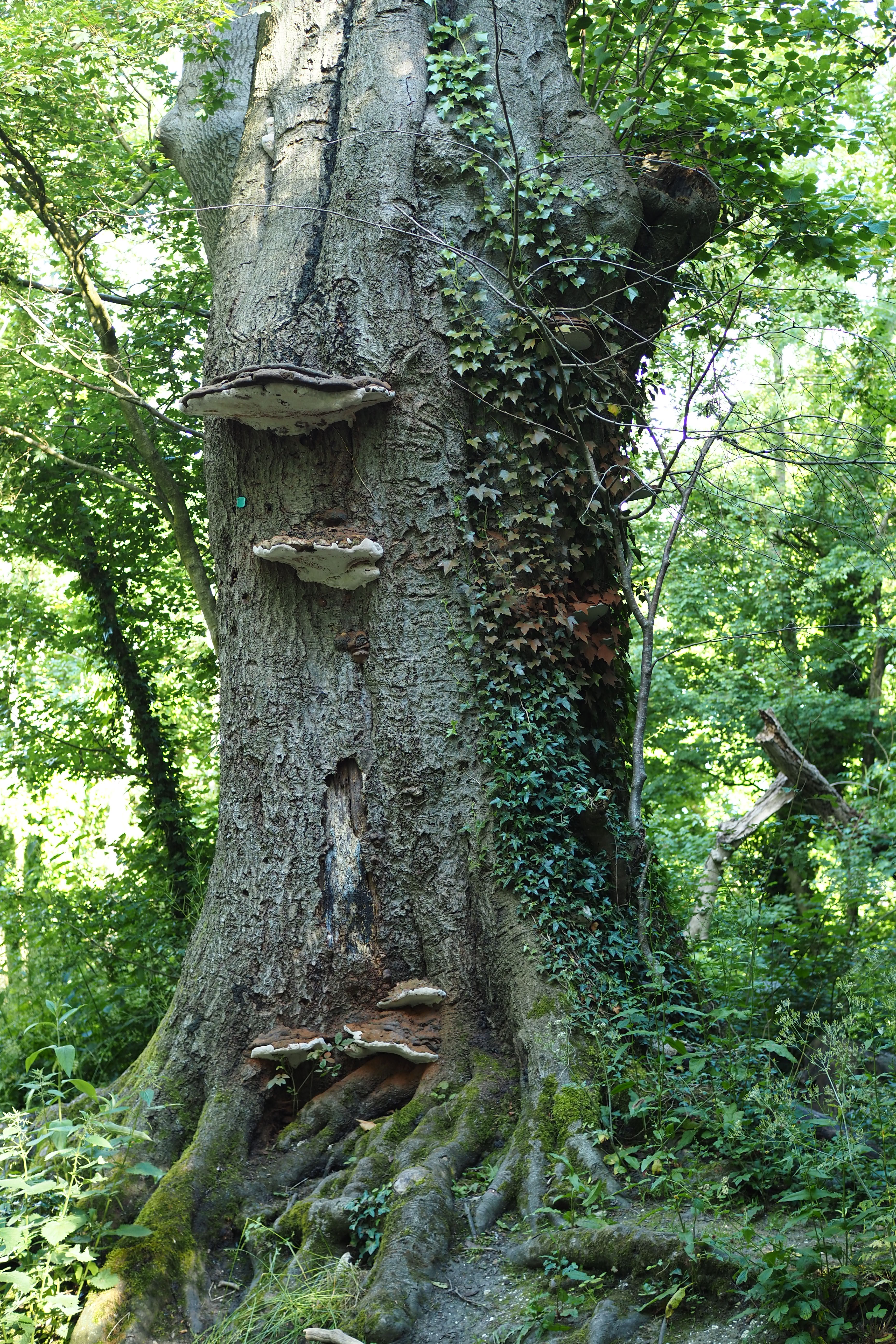
The North Downs, like its southerly sisters, the South Downs, are a chalky landscape. There are lots of beech trees in this type of soil. This means the very large Ganoderma bracket fungus is a pretty common sight on the many beech trees that are found here.

Thanks for reading.
More mushrooms

Latest from the Blog

November 2025: beware of pity

I’ve had a burst of American visitors in recent days (to my blog, not my house). So thanks for visiting, y’all, and sorry about the year you’ve had. You may have noticed I’ve slipped to monthly posts on here. Between April and October I posted blogs every Monday without pause, which is a tricky task…

Summer-autumn 2025: unveiling the sun

Here’s my seasonal update of stuff you don’t need to know about, but then welcome to the Internet. What I’m writing Soon I will be self-publishing my third poetry collection, Fool’s Wood. It’s seven years since my last one and this collection has taken longer because of LIFE. There will be a booklet and also…

Salisbury’s oak timbers

Here’s another entry in my slow-blogging Oak Timbers series. You can view my galleries and posts archive here. I visited Salisbury in Wiltshire (south-west England) for the first time in 2023 and was really charmed by the place. If you’re interested in this kind of thing, Salisbury is the place for you. Here’s a gallery…

#30DaysMacro 2022: the final week 📷

And so to the final week of the 30 days of macro photography challenge. You can see week one, week two, and week three, by clicking their names.

Day 22/30: a seed of unknown origin resting on a fennel stem. I think it looks like Einstein!
Day 23/30: I didn’t manage to get this photo of a green nettle weevil in focus but the colours on its body are incredible. Perhaps it was a bit older and so had lost some scales.

Day 24/30: the very next day I found another green nettle weevil on my green wheelie bin! I don’t think it’s the same one, but it was posing perfectly and in focus this time. I always want to eye in focus with invertebrate photos.

Day 25/30: something that needs its own post here. It’s a fly that’s succumbed to entomophthora fungus, a parasitic species. I was astonished to find this having read about this kind of thing before, but never expecting to see it.

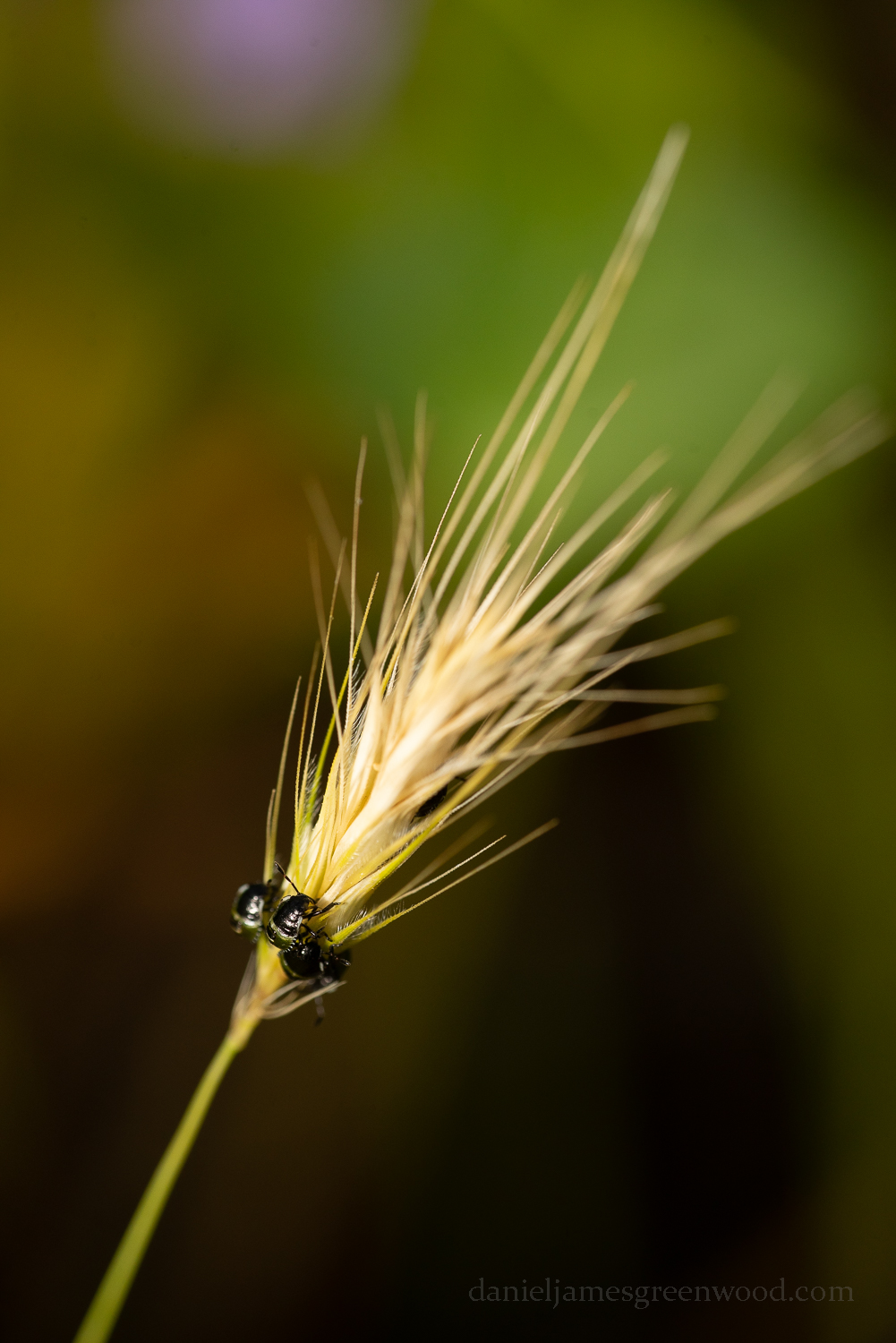
Day 26/30: in my garden as the light began to fade, I spotted these shieldbug nymphs on a grass head. They’re probably green shieldbugs, even though they’re black at this stage.

Day 27/30: another evening photo, this time of a green mirid bug in some rather posh mallow flowers.

Day 28/30: nettles are great for invertebrates. This is a nursery web spider garden her nest web, which will contain her eggs before they hatch into spiderlings. Hence the name ‘nursery web.’

Day 29/30: I took some photos of a large slug eating the remains of some pigeon feathers but I opted for this one instead. I took a similar image towards the beginning of this challenge, so it felt fitting that the hedgerow-snail-shell-portal-to-another-world would be opening once more as it neared the end.

Day 30/30: I spent the morning in a very nice woodland in Hampshire for the final day of the challenge. I witnessed many inverts at a period when I couldn’t photograph them, but when I had five minutes I found this leaf beetle exploring the edge of its world.

Thanks for reading!

More macro

#30DaysMacro: week three 📷

See week one and week two via these links.

Day 15/30: looking around my Mum’s garden in London, I was harnessing the softer evening light and hoping some insects would come and bask. Lo and behold, this large red damselfly flew over my shoulder and landed on a leaf half an arm’s length away!

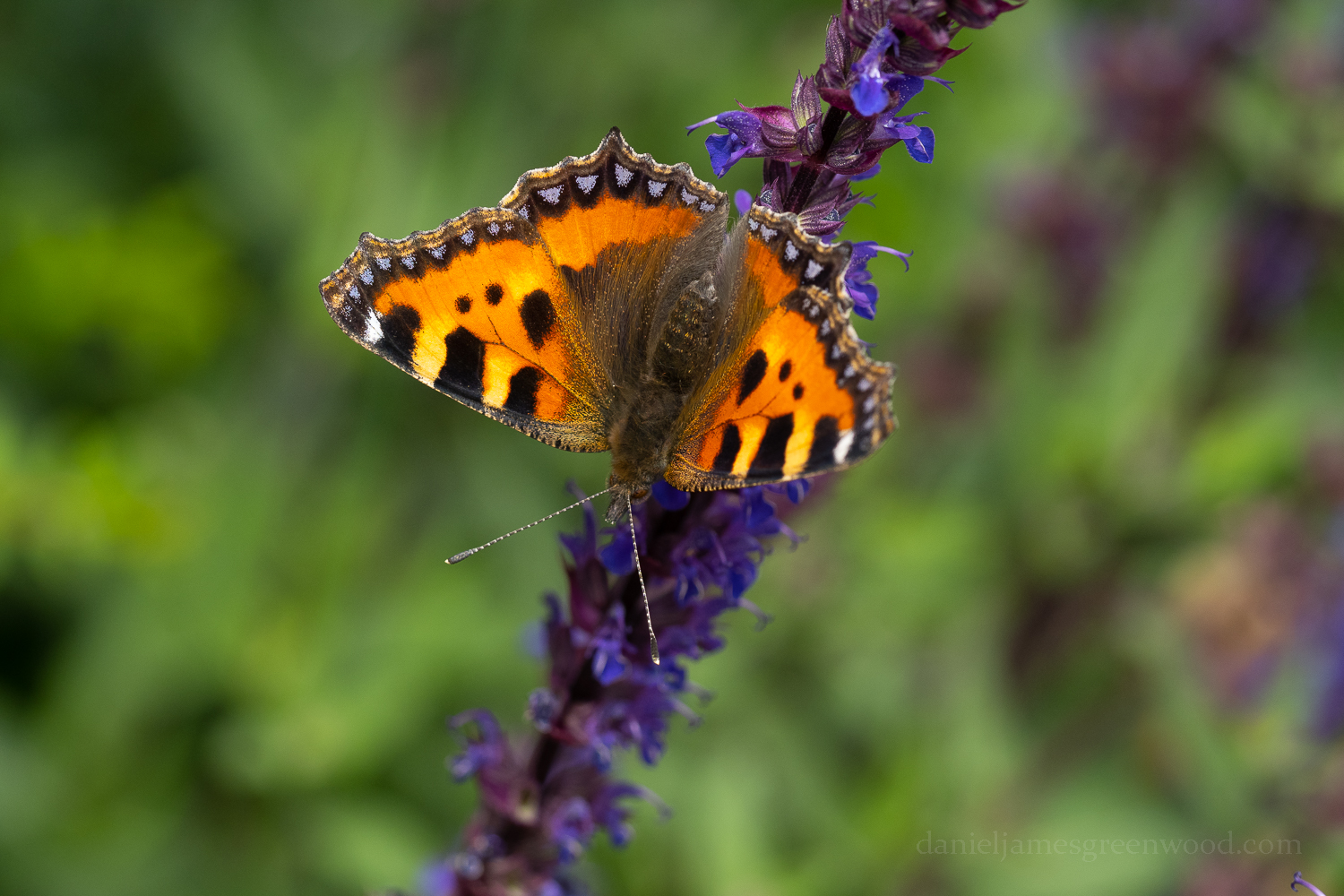
Day 16/30: I’m not convinced 2022 is a particularly good insect year in the SE of England, but small tortoiseshells have been out in force this year. This one was on a salvia at Polesdon Lacey in the North Downs.

Day 17/30: at Rye Harbour Nature Reserve in East Sussex, I notice peacock butterfly caterpillars racing across the concrete causeway. Somehow, this caterpillar had been hugely unlucky, with its head being trampled on by a foot or a bike. There was a bloke zipping around on an ebike that looked like a motorcycle, which may have been what squashed it. Other caterpillars did make it across, where they were headed I have no idea.

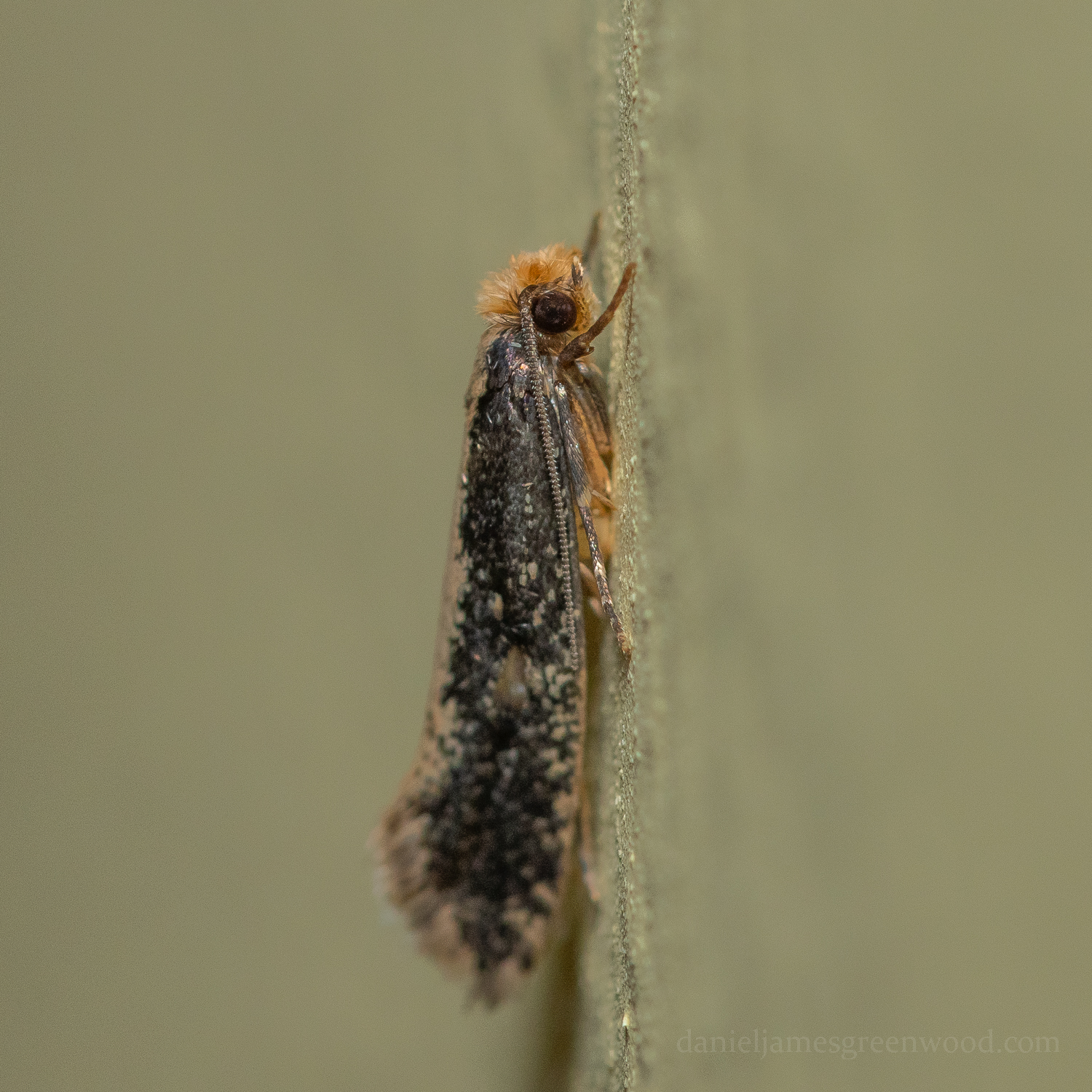
Day 18/30: the difficulty of a photo challenge each day is managing your expectations and trying to keep things simple. I took this photo of a micro-moth in my house at about 9pm or later. At first it looked like a little smudge but with the benefit of flash and a bit of editing, it has red hair like me!

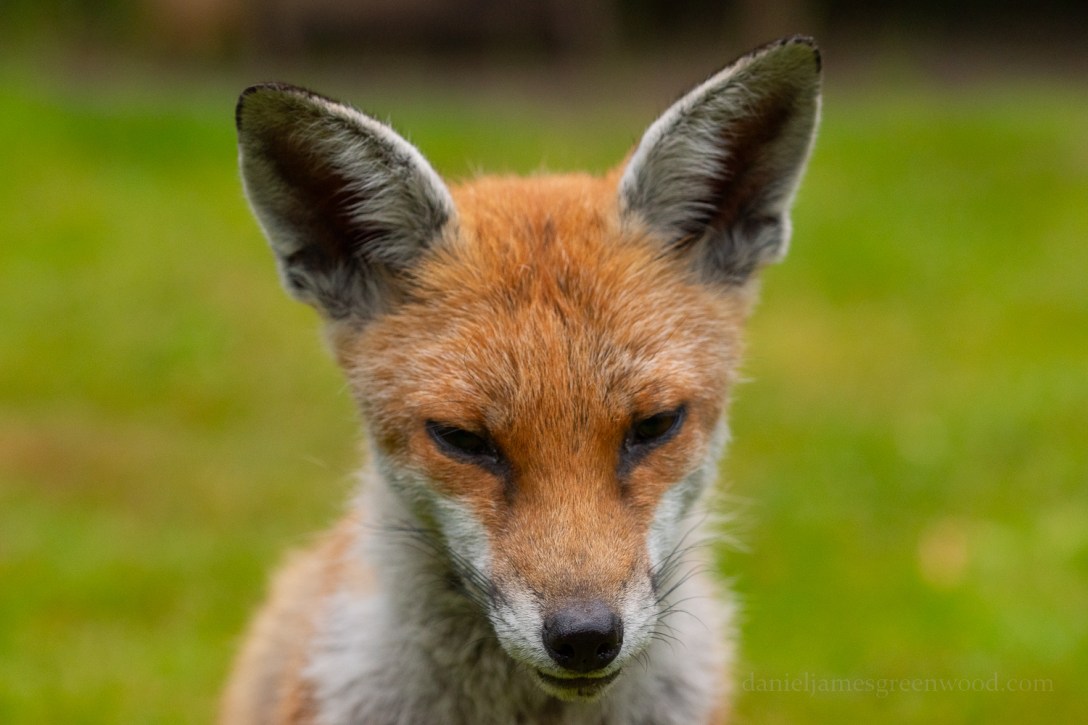
Day 19/30: speaking of red hair, I was taking some macro photos in my garden when a fox that visits us most evenings came as close as she ever has. She always comes to sniff my camera but her boldness suprised me. I recorded this video quickly on my phone. It got quite a lot of traction on Twitter which was quite exhausting but nice that people are interested in foxes.

Day 20/30: at lunchtime I went to a nature reserve within walking distance and found lots of damselflies gallivanting in a nettle patch. This blue damselflies were focused enough for me to get quite close and take a photo.

Day 21/30: I like this photo because the fennel leaves and stems make it look quite abstract. This is probably a meadow spittlebug, a common leafhopper. I took this one after sundown.

Thanks for reading.

More macro

Latest from the Blog

Podcast: September fungi walk 🍄

I’m getting into more of a routine of recording and editing audio, so here is the latest episode of Unlocking Landscapes. Listen on Podbean or via the usual platforms. Also via YouTube: https://youtu.be/y1K9Pqx68to?si=B-Fdhf3sdDH35Z8w Following on from July’s rather optimistic fungi walk, I popped back to the same area of ancient Wealden woodland to see if…

Austrian Alps: Innsbruck by sleeper train

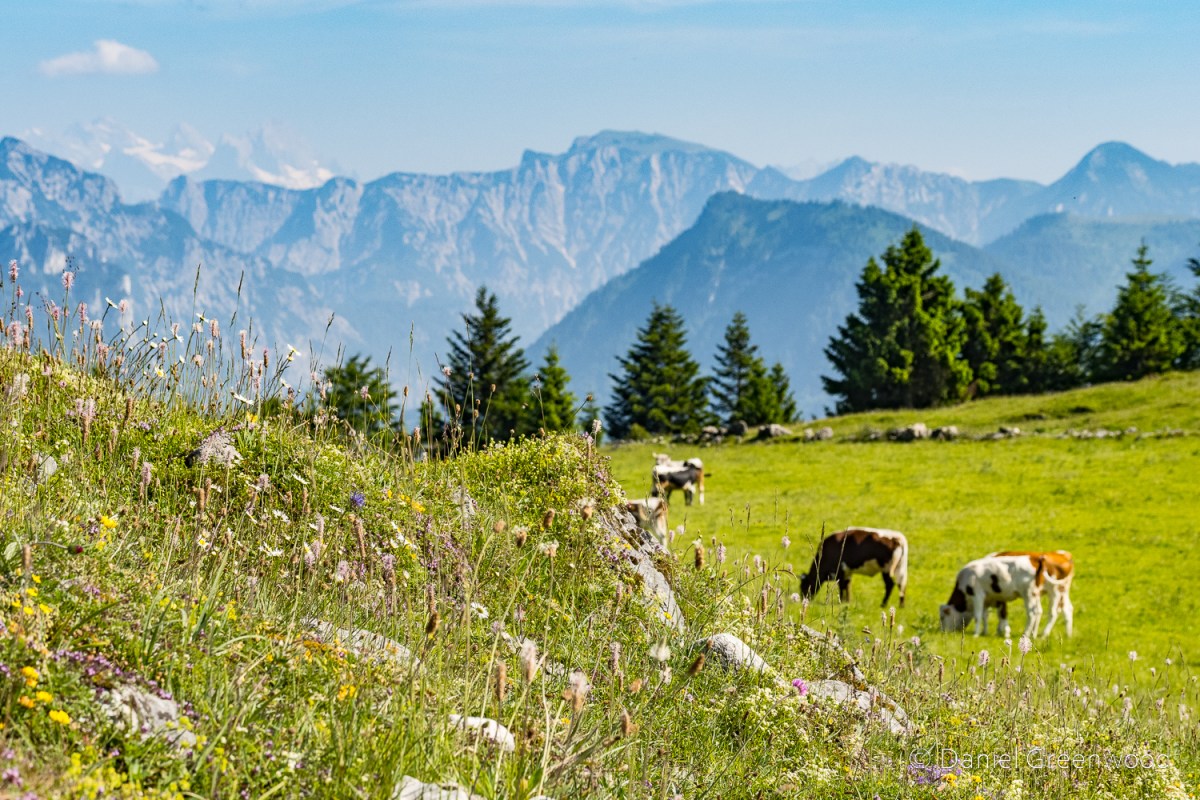
Innsbruck, Tyrol, Austria, June 2025 This is a longer post of the images I captured during a recent visit to Innsbruck in the Austrian Alps. We travelled to Innsbruck on a sleeper train from Amsterdam. It’s such a great experience and is significantly lower in carbon emissions compared with flying. If you consider the fact…

Postcards from Western Ireland, September 2025 🇮🇪

I’m back from my annual visit to the west of Ireland. I managed a couple of day trips to forage for photos, which will crystallise later this year into dedicated posts, all being well. Like many people I enjoy the Blind Boy Podcast, none more so when I have the headspace to take in all…

#30DaysMacro 2022: week two 📷

I’ve been slow to post week two of my June 2022 macro challenge, mainly due to offline and online duties. But don’t worry, the photos are still being taken and I’m on track to get it all done!

Day 8/30: some heavy rain in West Sussex brought some of the more ephemeral mushrooms out into the open air. These mower’s mushrooms (also known also brown mottlegill) appeared for a day or so after a downpour on my unmown lawn. It has been so hot and dry that the lawn has barely even grown anyway to be honest!

Day 9/30: I spent a good few hours walking around a local woodland expecting miracles (“assumption is a curse” as an old school friend used to say). Instead I just remembered how difficult woodland invertebrate macro can be. It was only until I got out onto the heathland, where the sun hit the woodland edge, that I saw more interesting things. This pic above isn’t perfect, it’s a bit shaky I think, but I do love the story. Ants and aphids have mutualistic relationships which allow the ants to harvest honeydew and the aphids to be protected from predators and also disease. The ants can remove diseased aphids to stop outbreaks. Amazing!

Day 10/30: This was one of those days when I was out and about doing other things but had a camera with a lens with me that did macro. This is a lesser stag beetle clinging to the corner of a brick wall.

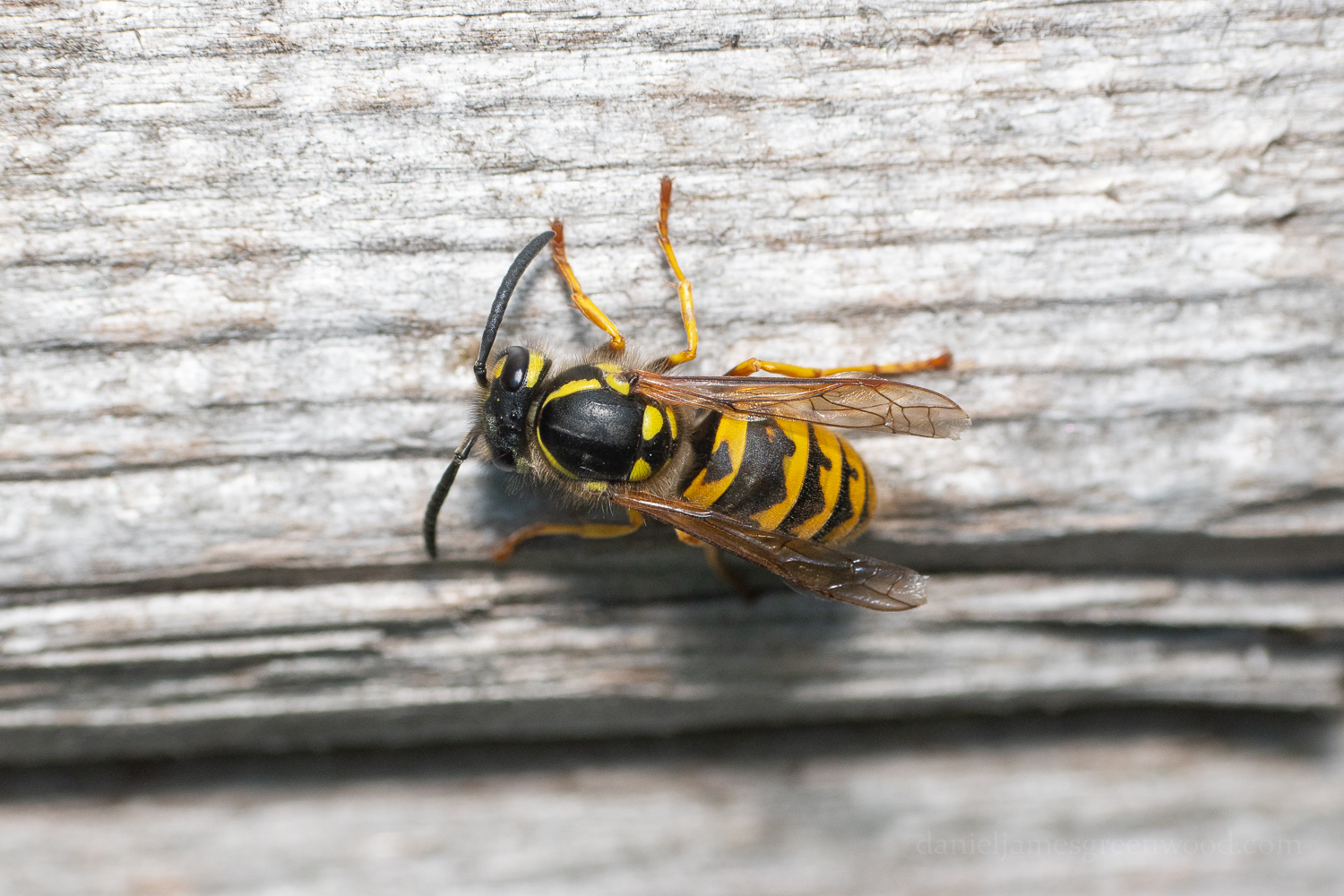
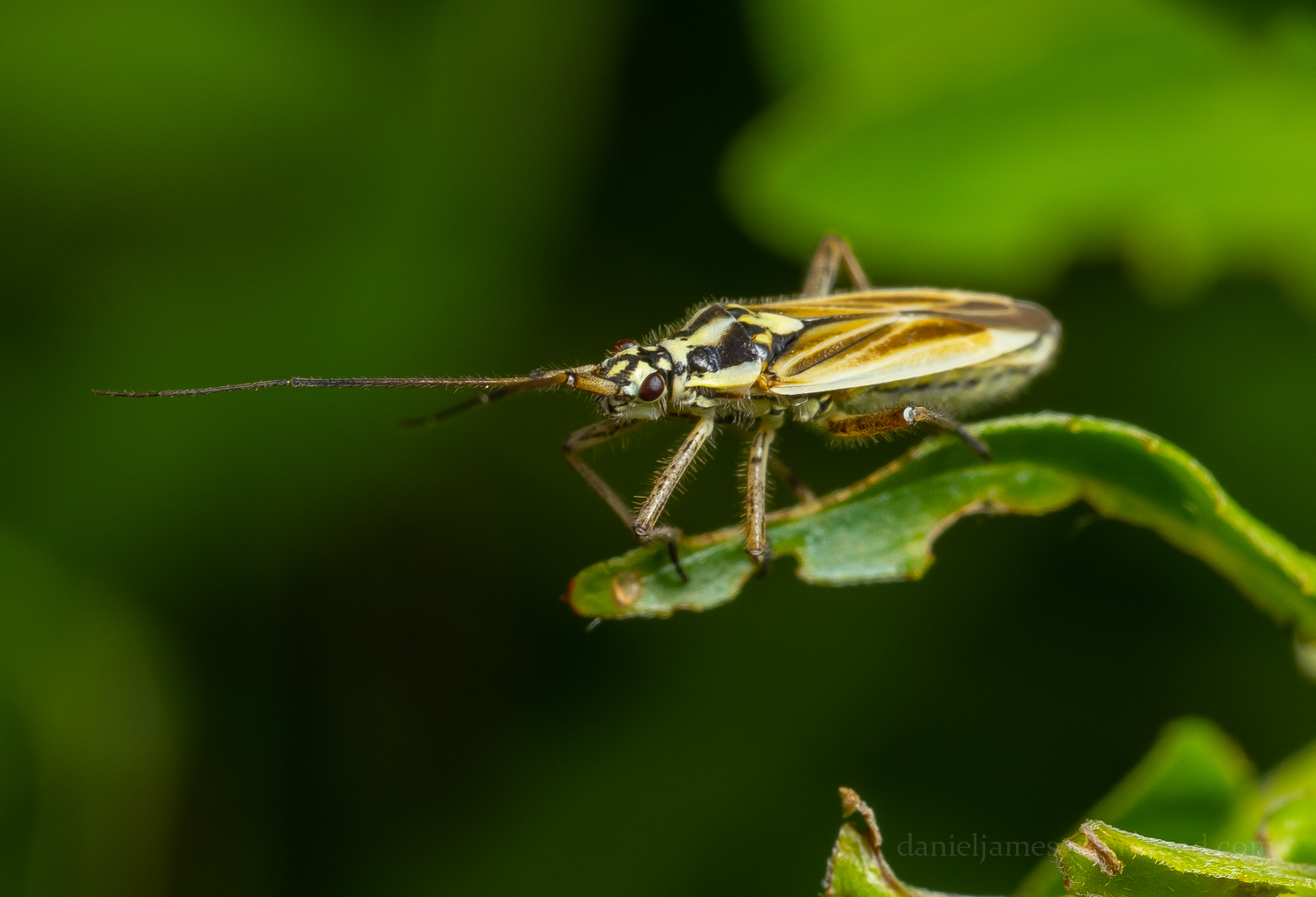
Day 11/30: I only managed to venture out into my garden as night was falling. I found an absolutely miniscule wasp of some kind, as well as a typical yellowjacket harvesting wood shavings from the fence. The bug is probably a mirid or plant bug growing into an adult.

Day 12/30: in my garden again and I found this quite beautiful mirid bug.

Day 13/30: venturing out for a long-distance walk in the Surrey Hills, I was amazed to find bird’s nest orchids growing under some yew trees on chalk. I have never seen this orchid before and wasn’t ever expecting to see it. The delights of hiking or rambling over longer distances, especially in June.

Day 14/30: back in the garden with the mirid bugs. This was a very small, perhaps juvenile of some kind, pottering about on a very hairy hazel leaf in my garden.

Thanks for reading. Next up: week 3!

More macro

LATEST POSTS

Mushrooms in England

This is the first of a series of posts I’ve been working on covering national relationships with mushrooms. It’s just a bit of fun, but there’s definitely some interesting stuff to share.

Late summer timbers at the Weald & Downland Museum

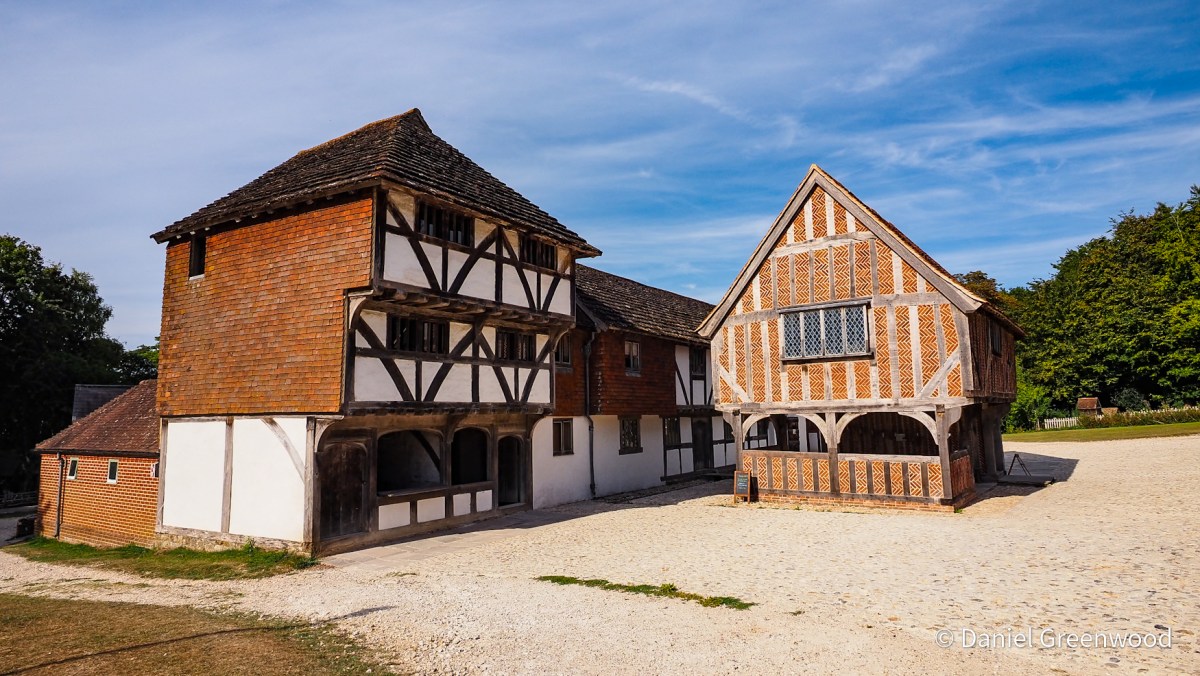
In August I made my annual visit to the Weald and Downland Living Museum in the South Downs. You can see my timber-framed building photo gallery here. This is the first view you encounter inside the museum grounds after you pay your entry fee. Amazing to think the medieval hall house is from Cray in…

Going to Battle (the village)

Not that kind of battle, but instead to the village in East Sussex. Battle the village is the site of one of the major battles of the Norman Conquest of England of 1066, when the Normans invaded Britain and defeated the Anglo-Saxons. It’s a period in history that absolutely fascinates me. The land ownership brought…

Something went wrong. Please refresh the page and/or try again.