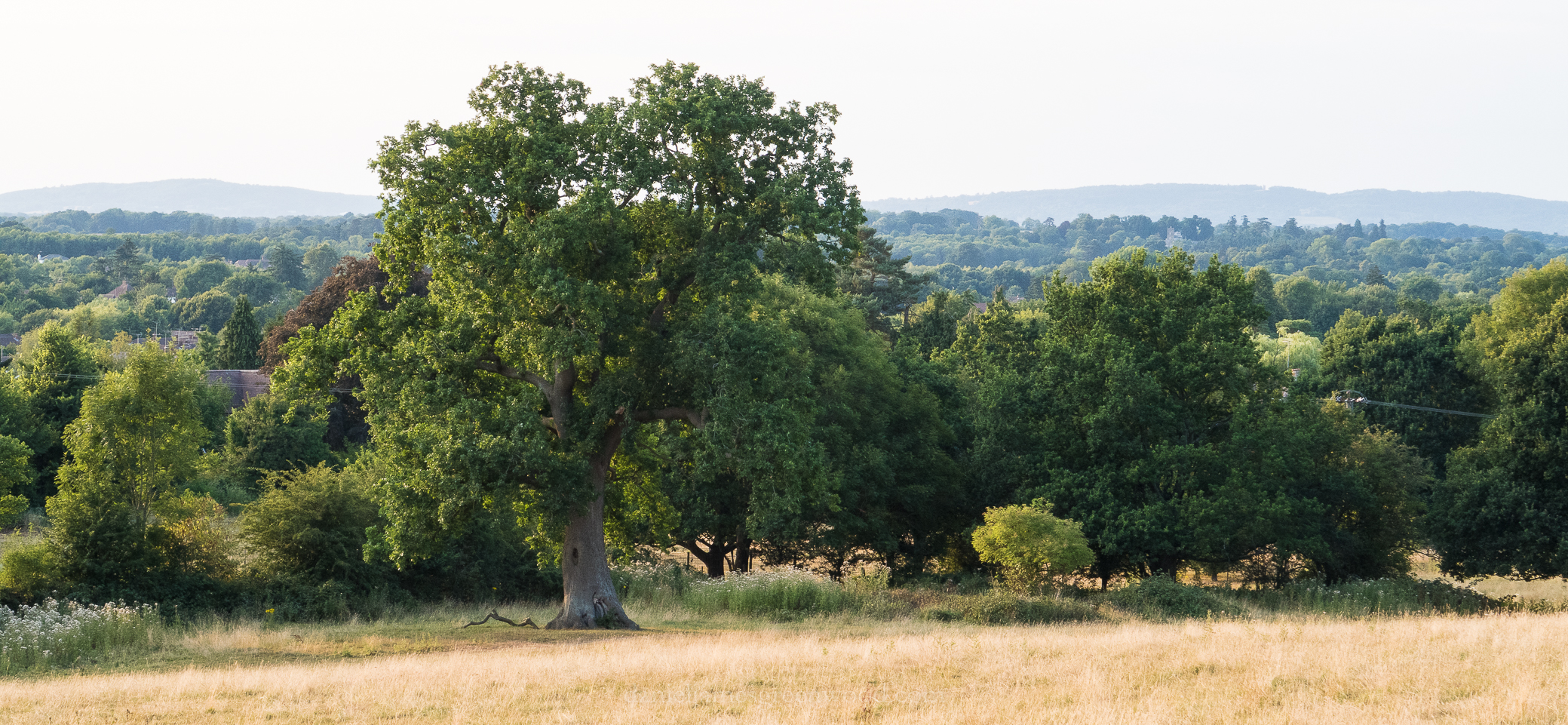
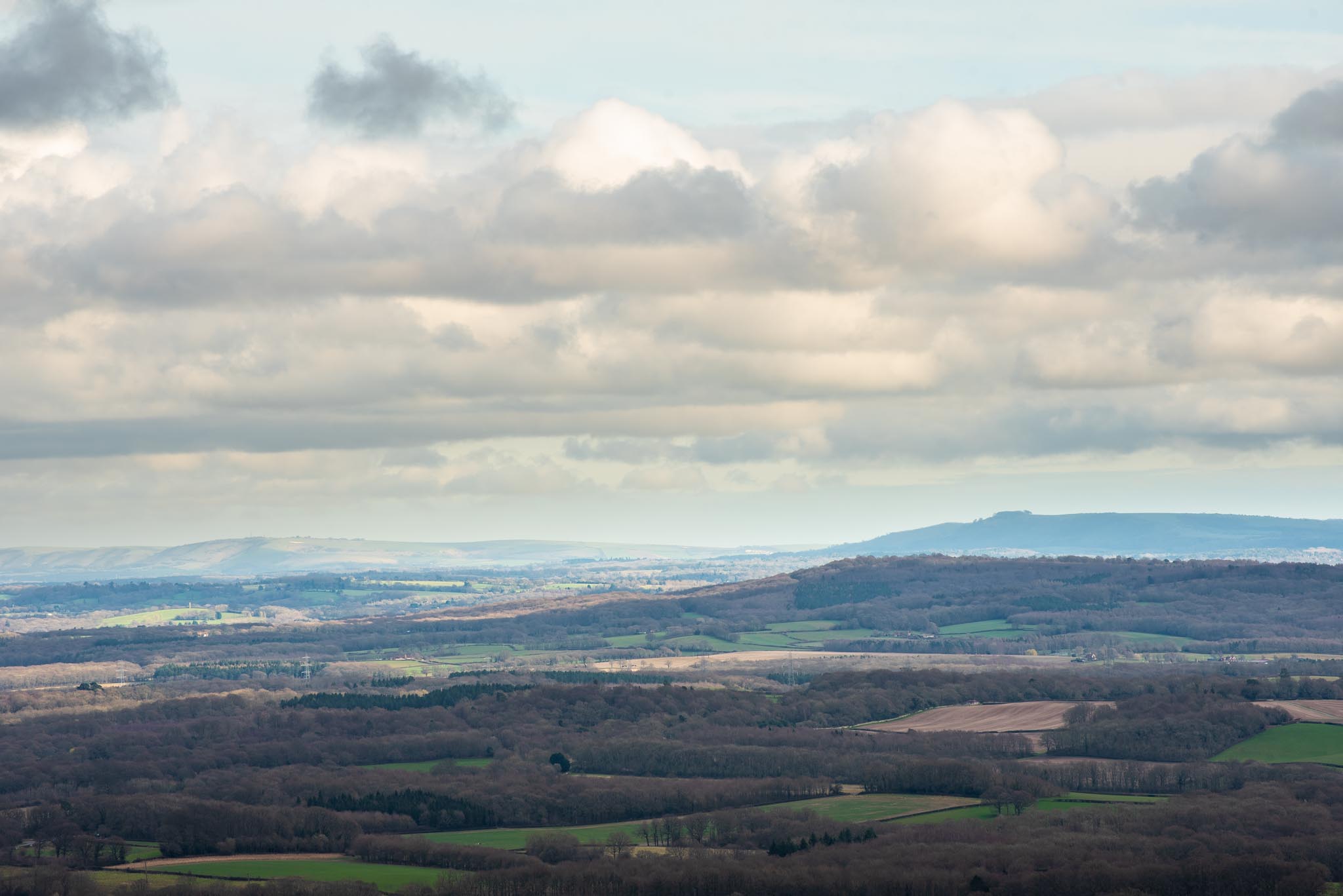
The Weald is a wooded landscape that stretches across Sussex and Kent, lodged between the North and South Downs in southern England. It is a place of ancient oak trees and woodlands, extensive agricultural land, and some large towns and growing villages.
Posts about the Sussex Weald:
- The ruins of Brambletye
- Arun valley oaks around Billingshurst
- White tailed eagles at Pulborough
- 800 years of history in the Appledore tapestry
- A winter springline
- Where all the mushrooms are
- A wader in the rushes
- Woolbeding to Midhurst in the Amazonian Weald
- Seven miles of sunset hills in the Wealden Downs
- Cuckfield, the village named after an absent bird
- The sparrowhawk flies in January woods

Like the New Forest it also holds large areas of heathland, some of the rarest habitats in the world. The woodlands of the Low Weald once connected across southern England with the New Forest.
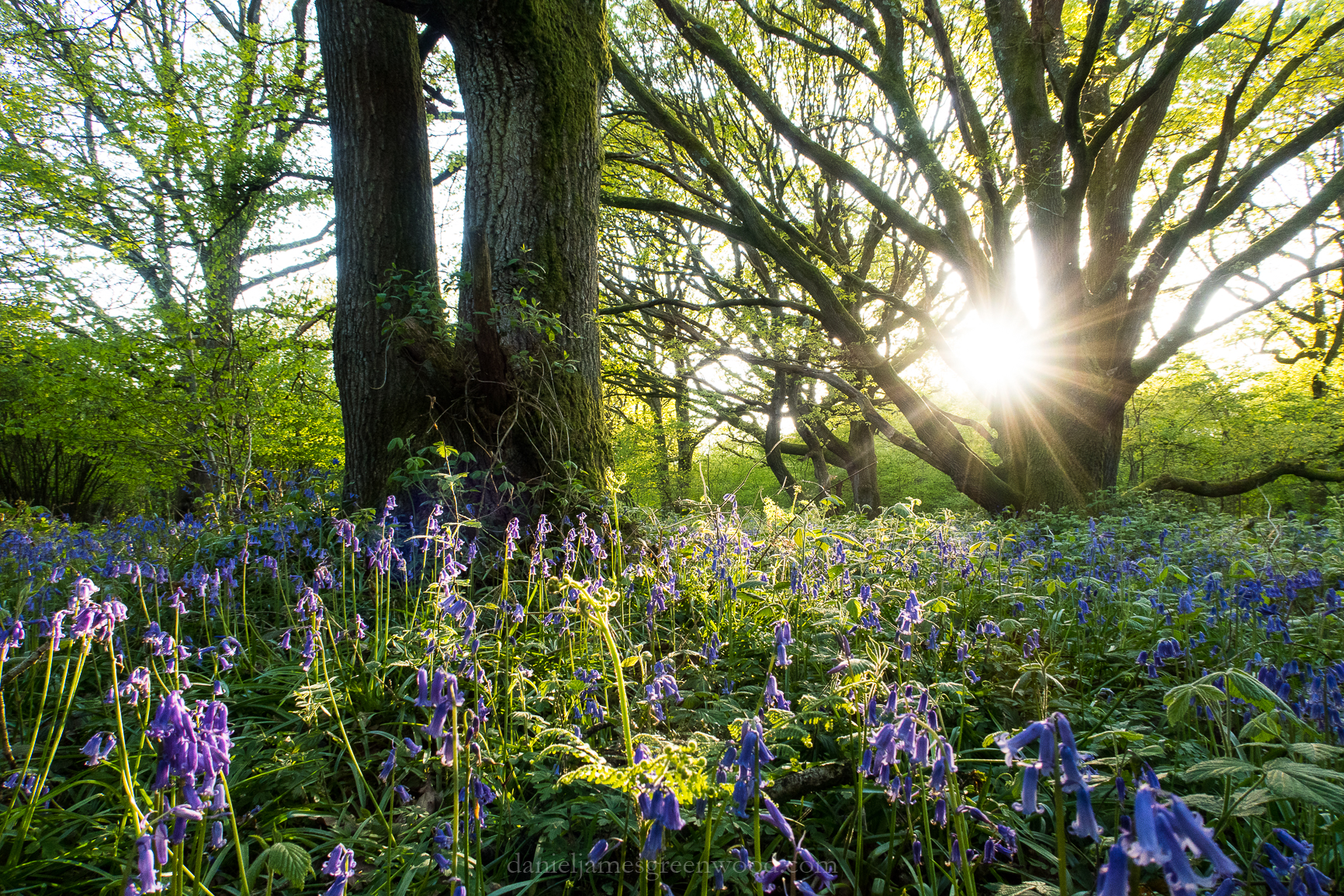
I enjoy exploring the Sussex Weald on foot, photographing its wildlife and habitats which you can see the result of here in the short posts I publish each month.
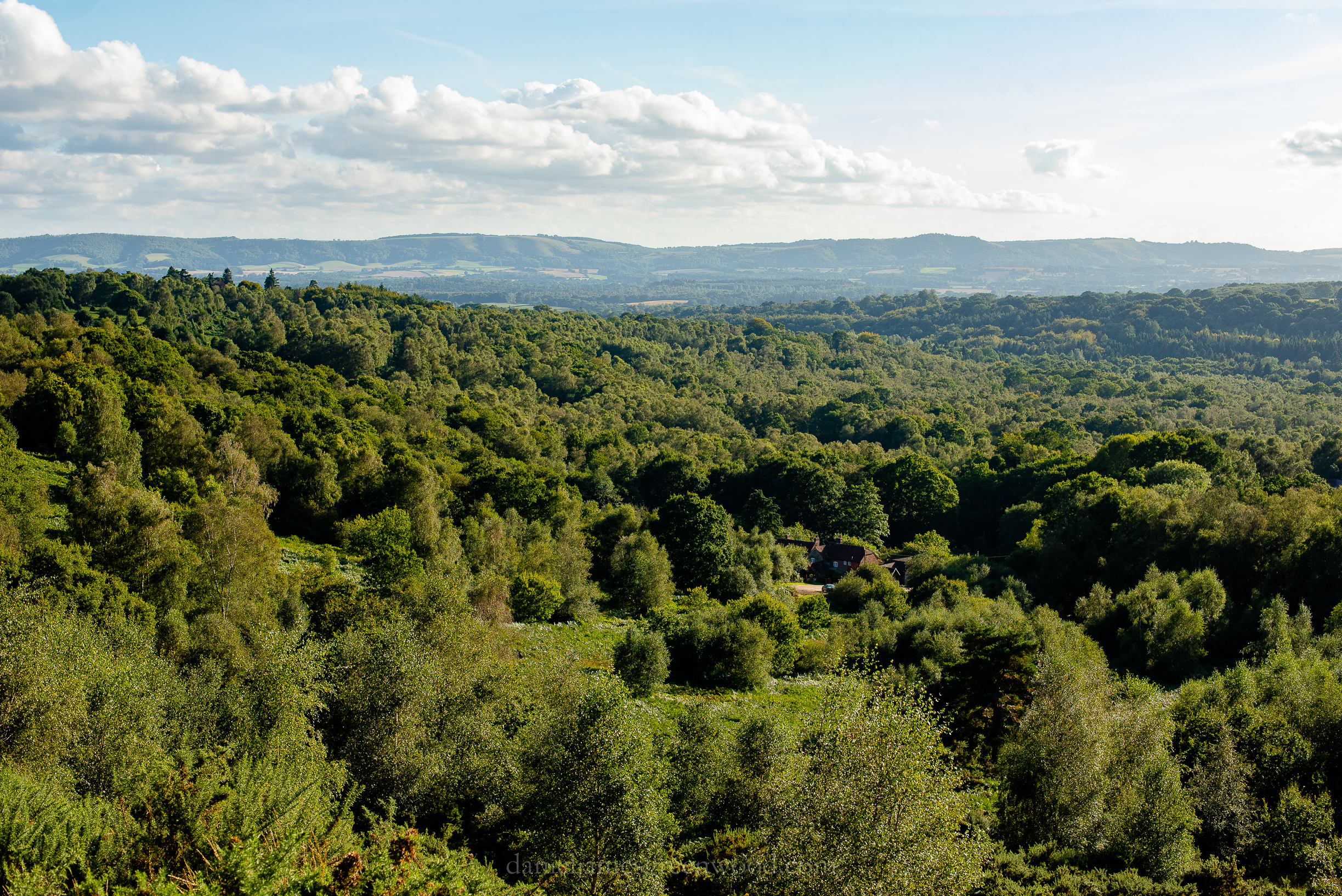
The natural beauty of the Weald is juxtaposed against its long history of industry and human settlement. It is not a wilderness in the sense of being devoid of human impact, its woods and heaths have been shaped by people. It is separated in landscape terms into the High and Low Weald, with a diverse geology.

The woodlands of the Weald were intact during the time of the Romans (43-410AD) and Anglo-Saxons in Britain. In Anglo-Saxon times (500-1066AD) it was known as the ‘Andredes weald‘.
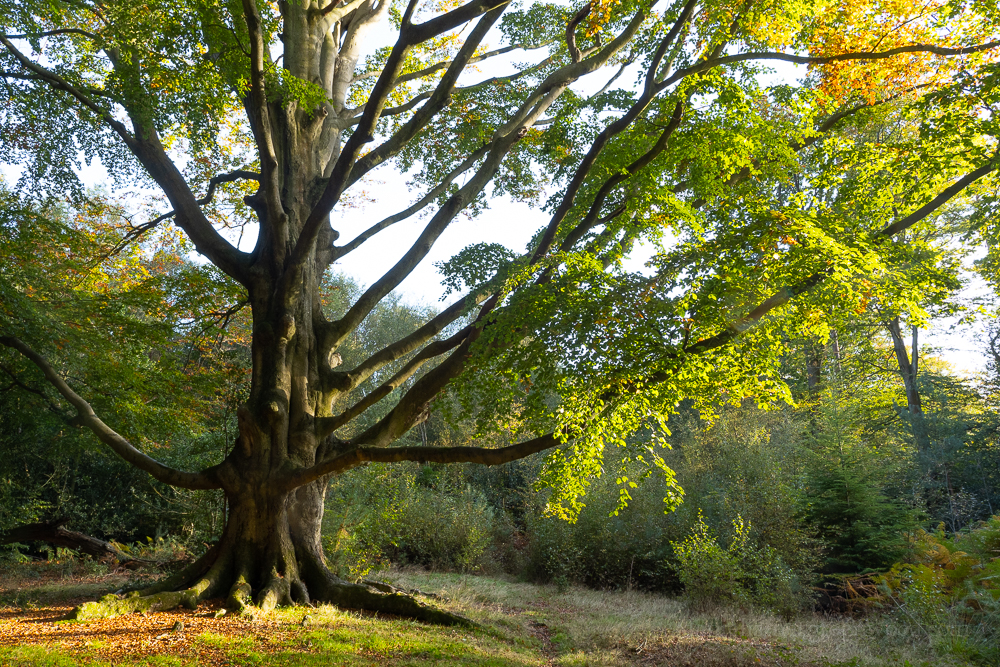
Today the Weald is protected in principle by three major land designations: The High Weald Area of Outstanding Natural Beauty, the South Downs National Park and the Ashdown Forest Conservancy.
The Weald is experiencing significant change, particularly outside these designated areas. Development is sprawling out from some of the major towns and villages across the three counties as the Government seeks to meet its housing targets in response to the national housing crisis.
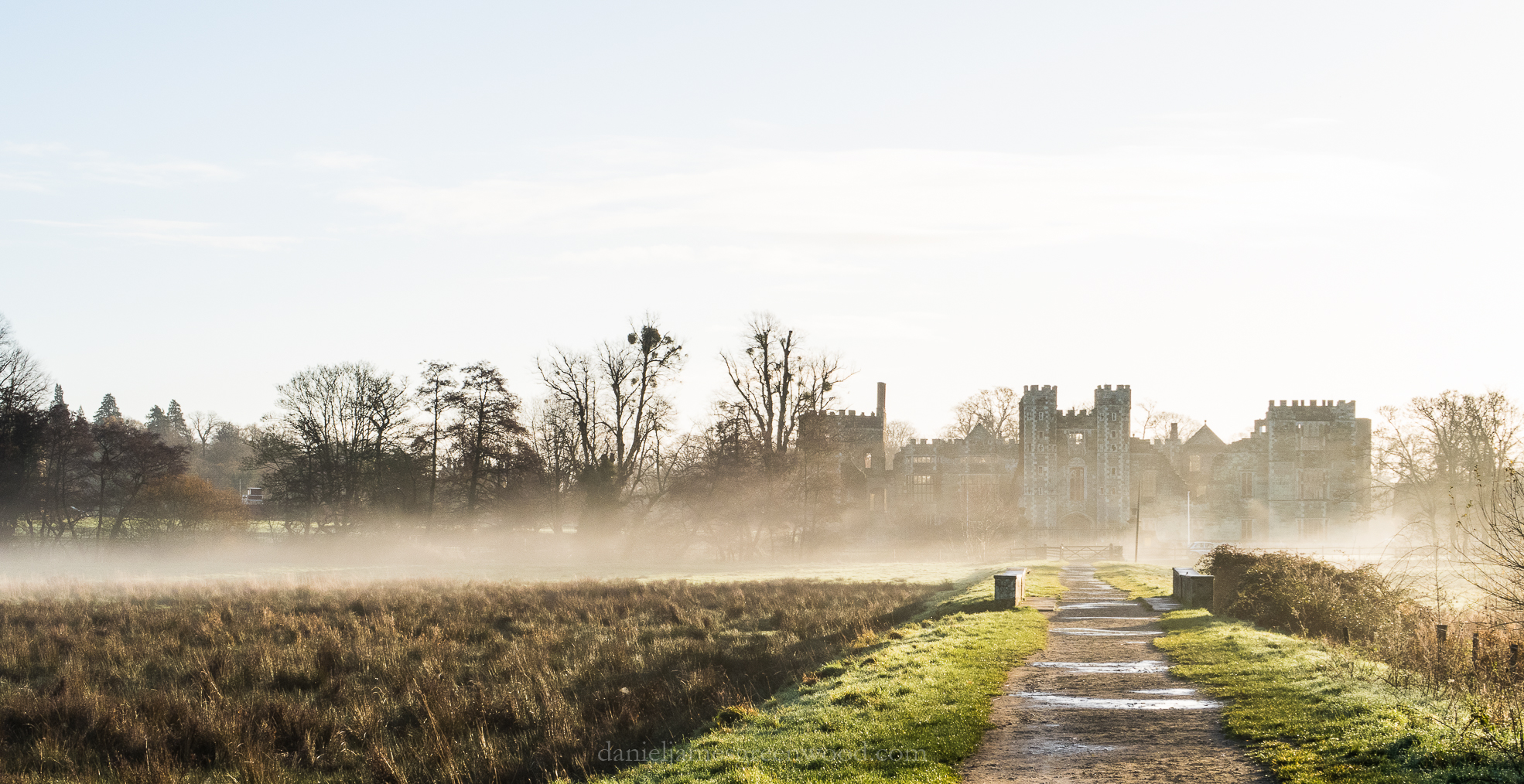
Explore my Wealden archive
Last updated: March 2026
 Unlocking Landscapes