
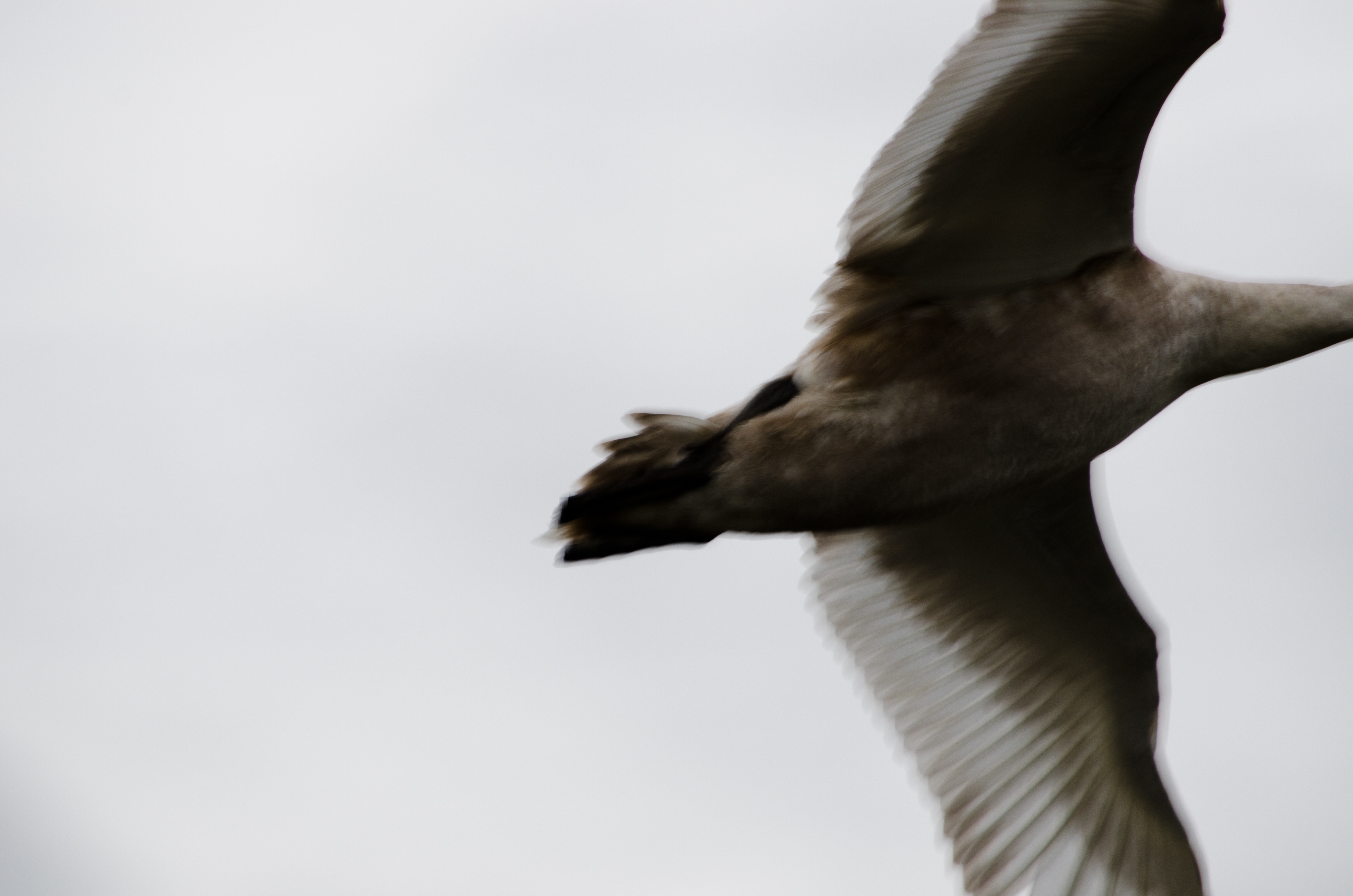
Staines Moor
© Daniel James Greenwood 2013
Writing, photography and more by Daniel Greenwood
Staines Moor
© Daniel James Greenwood 2013

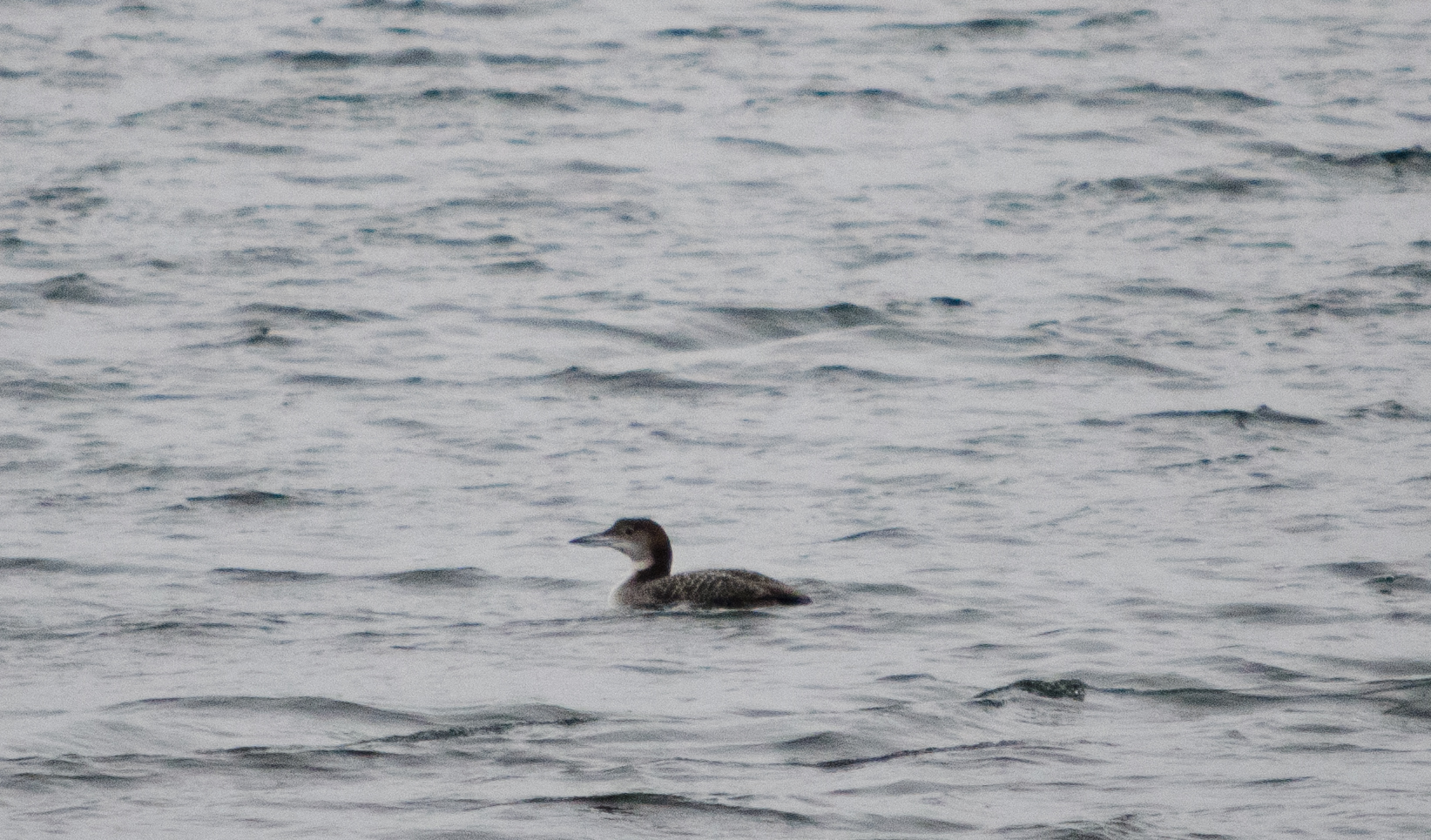
© Daniel James Greenwood 2013


© Daniel James Greenwood 2013

© Daniel James Greenwood 2013


– Dorset, April 2011
The passage of the old stable quarters ran to a doorway opening out onto the back of the house. The doorway itself appeared blocked at first viewing, blocked by the trunk of a tree so large that it filled the entire frame. The pianist staying at the house had spoken to me about the tree.
‘I like to bang my head against it,’ he’d said. He had a face like a fox.
The tree goes by different names: Wellingtonia, Big Tree, Giant Redwood and Giant Sequoia. During my time as neighbour to it I called it a jumble of names, sticking with ‘American Redwood’. The tree was twice as tall as the house, a 19th century mansion, and viewing it from the stable courtyard gave a sense of the tree’s grand but gentle scale. The bark is a deep red where worn and soft as a wafer to touch. It has none of the scratchiness of our mature natives like oak or ash. It runs in one towering trunk. Perhaps the white settlers who came upon the Americas harboured a secret adoration for these towering, ancient things (the oldest tree in the world is a Giant Sequoia) felled with such relish, an adoration which survived generations, resulting in an Empire State Building. The tree I had the pleasure of experiencing in Dorset is a prime example of the beauty and power that nature exerts when allowed to grow. This tree was near to 200 years old, probably planted with the house by the adventurous Victorians who’d lived here.
The Redwood had an apartment block feel to its design. Walking along the passage, face to face with the trunk and into the garden, a mouse-like bird scarpered out of view. After a few encounters with the white-bellied creature I witnessed it disappear into a small bore in the soft bark. The bird was a treecreeper, named after its tendency to climb the bark of a tree from its base, poking its bill between the cracks for insects. It climbs up the trunk pinching between the cracks for insects. It climbs and then flies to the bottom of another to begin its ascent all over again. It will only do this on trees of a certain age and size. The size and permeability of the Redwood make it a highly desirable habitat. In the middle of the tree a pair of goldcrests would sing thinly, spinning coins coming to an abrupt halt. The thin nature of the canopy made it a viable way to enjoy not merely the sound of the bird but also to see it. They would be there at lunchtime without fail.
A number of chimneys were built into the stables and across to the house itself. A pair of jackdaws would spend parts of the day bringing sticks and placing them in the vacant portals. Jackdaws are thought to mate for life and a pair here would ‘jack’ to one another as they constructed their nest. In the mid-afternoon, the lull after lunch, they strolled along the lawns either side of the house in an almost synchronous fashion, digging for worms. This was a group of about twenty birds, and in the gloaming they returned to the highest reaches of the Redwood to roost for the night, their chatter lessening before night and silence fell.
From the stable courtyard an expanse of woodland opens up in the near distance. There was another Redwood on that horizon, equally tall but dead. I was walking to the walled garden one morning with the head gardener when he told me the story:
‘Someone was taking their horses out into the wood that way one day and they got to chatting with someone they knew,’ he said. ‘They turned their backs for ten minutes and by the time they looked back the horse had eaten its way round the tree. The thing just went and died. Terrible shame.’
When I said goodbye to the house and the stables I wished the Redwood a farewell. Not just to the tree but the creatures living with it, the treecreeper disappearing into the bark, the singing goldcrests and sleeping jackdaws.

Photograph by Martin Brewer
— Nunhead Cemetery, London, April 2012
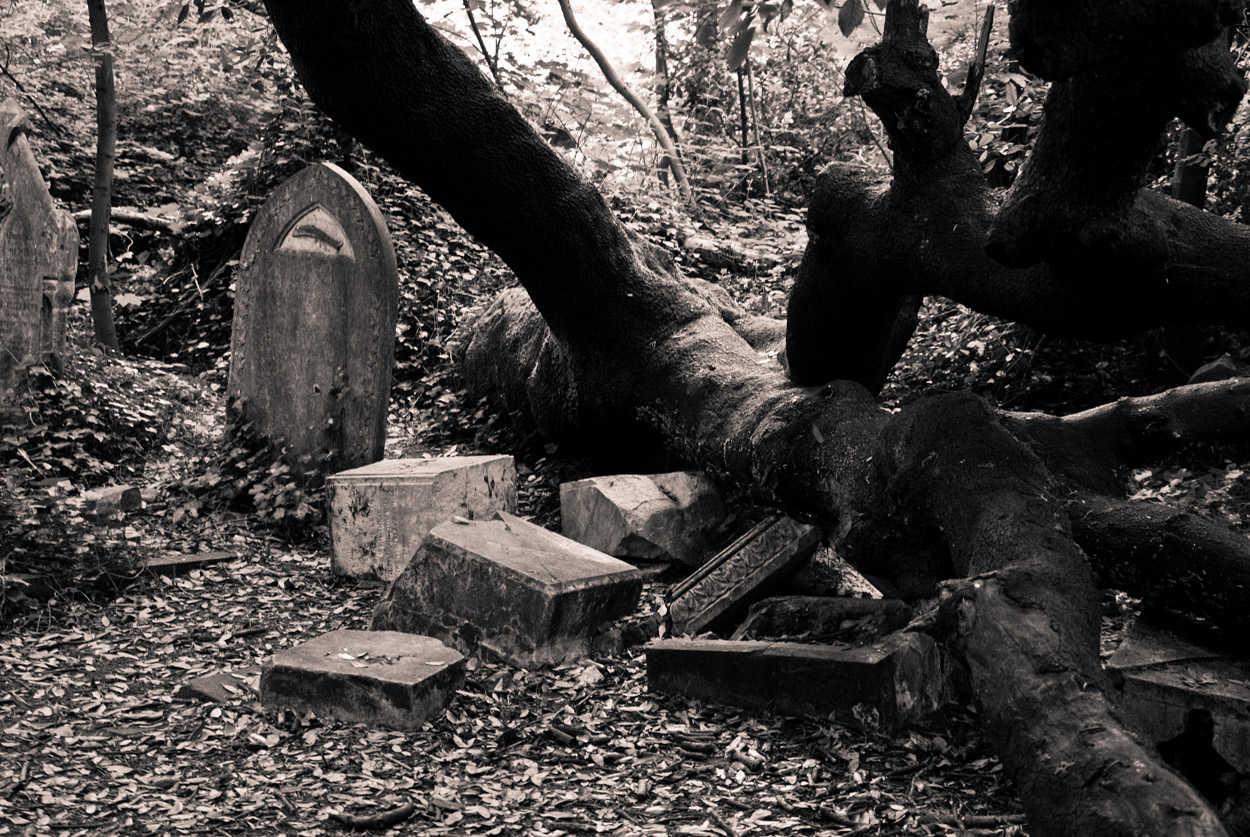
In the cemetery won by sycamore and rendered woodland, two male song thrush are duelling with one another, throwing out tunes, rewriting and rollicking the black cloud with their language. This mysterious, handsome thrush is to me like a singing pudding endowed with flight. I leave them to it. My ears are working overtime, the scene dripping, the algae glows on the trunks of dark trees, the moss is vibrant on the gravestones appearing as shipwrecks at the bottom of an ocean. The denseness of the trees squeezes the sound: blue tit trill, the calling great tit and guttural canon of the crow marking the enclosure of forthcoming leaves and canopy. A family, their dog muddied, happy, intoxicated by the aroma of wet woodland, people relaxed, even pleased – woodland puts us back into our bodies. The sun inches out and makes crystals from the droplets of fallen rain, there is the feeling that the soil is sighing from the torrents. Deep refreshment has touched the natural world. My waterproof holds drops of water that leave strange dents in the material, my jeans are darker now. Wait – a song ending, a sweet, fluty refrain. Silence. Woodland dripping, I retrace my steps back down the path. The song comes from a leafless ash canopy – descending, descending, falling apart. Willow warbler. I see it, its long tail and constant hopping between branches. How far has it come? It sings again and moves on. The matt black storm clouds progress, the inkling of lightning, the thunderous thump.

– Farthing Downs, London, May 2012
The slope is exhausting. I push against my knees in order to reach the plateau without panting. Though it’s not as steep as it sounds, a flock of jackdaws glide in and bounce across the grass adding to my sense of human weakness. Turning back to look, it’s barely a slope, just an awkward drop down into the woodland below. In the distance, a world far, far away, the nearly-complete Shard and the Gherkin look like grey wreckage. The path ahead is bordered by two strips of scrub and small trees, in the open land across the road cutting through the downs a skylark is rolling out its splatter of trills and warbling. The bramble has come to life around me, a mouse or vole too quick for my eyes crosses to the other side. I swallow the air – it’s Croydon, but it tastes like the countryside. Beyond the dip into woodland Happy Valley opens out and up again, a vista of wildflower meadows and a fringe of trees. There is a hint of the hillsides of west Dorset within the boundary of The City of London. A pair of linnet alight in a small hawthorn, dull brown with specs of mud on their breasts, the red crown yet to come into full colour. They match the day – grey, brown, muddied. The aborted song of a bunting is coming from the branches above them, the striking colour of a yellowhammer sings from the still wintry scrub. It calls and calls, turning its head to look, not minding me at all, another arrives in a hurry.
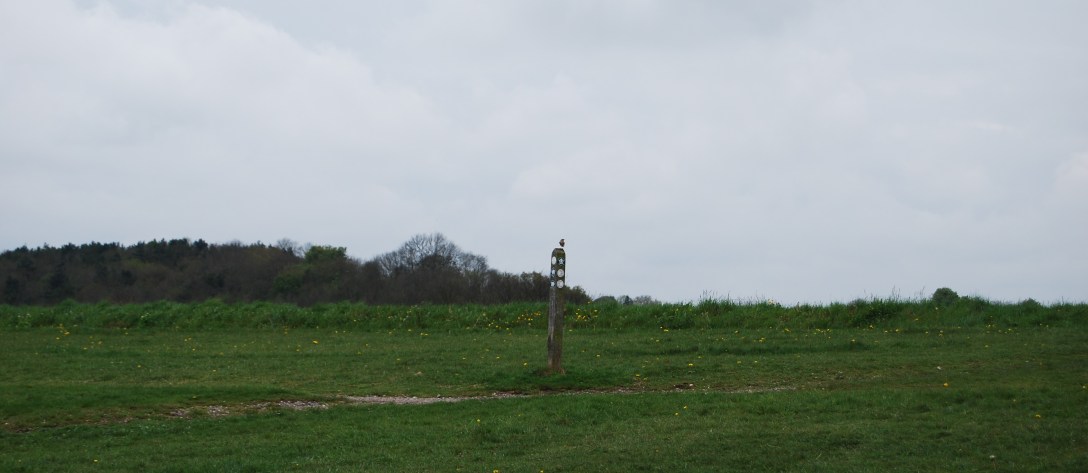
The full view of Farthing Downs is open now as I continue to wander along the eastern flank. Two swifts newly arrived in the country dart about, twisting and turning, their black wings flapping a little like penguins under water. There are people over the surmount, people walking, people on horses, people with dogs. I approach a gate where a woman and her daughter are struggling with their dogs, one bounding around as if it’s been cooped-up for months. Right in front of me a wheatear drops in, landing on the small mound of an anthill. This robin-sized chat has travelled from Africa to be here in Croydon and will soon be moving to its northern breeding ground. The bird is nervous – the sprinting dog has been released upon the downs but it doesn’t notice the migrant wheatear, instead it runs at me full-pelt, swerving to my side, cracking its skull against my forearm. The lady who owns it has stepped in her other dog’s poo in trying to clean it up and is wiping her foot across the grass, grimacing. I’m muttering to myself – this is the first wheatear I’ve ever seen in the United Kingdom. The bird bursts into flight, landing on a fence post. I marvel at its feat of migration.
Arriving
a figure gliding
across the bluish
sky at sundown
smudged mascara
the tears of a falcon
neck twisting
a speckled sail
against the April
evening
lover of gothic
feathered gargoyle
blue hooded dwarf
winged child on the church roof.
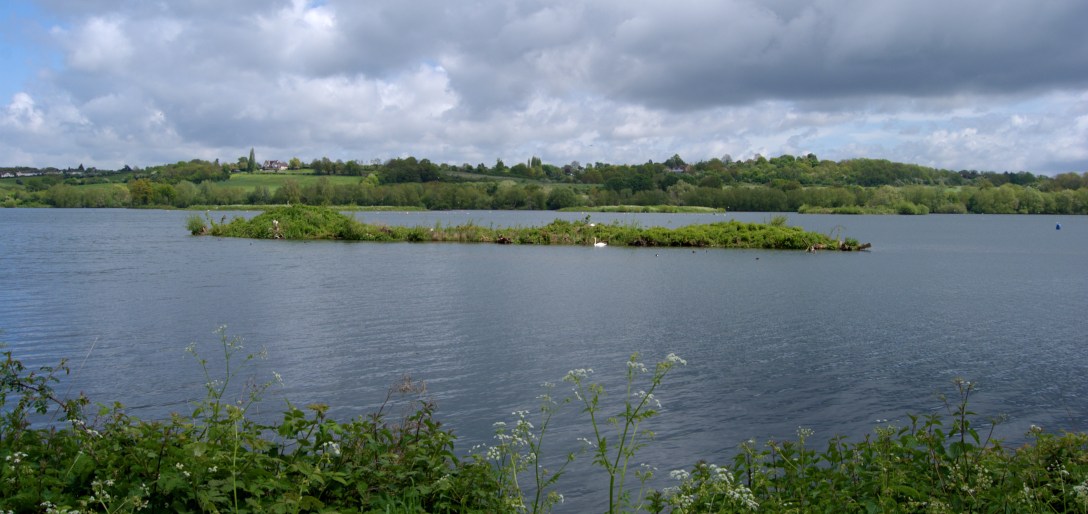
Broadwater Lake is situated in the Mid-Colne Valley a Sight of Special Scientific Interest (SSSI), the lake is managed by Herts & Middlesex Wildlife Trust. This is one of a number of nature reserves in England which is set to be developed for High Speed Rail 2. For more information please follow this link to the Wildlife Trusts’ website.


 Unlocking Landscapes