Aphids watch out! 👽

I’m posting garden macro photos from the 17th and 30th May. I have some really interesting photos from the 31st but that is probably more than one post in itself.

There are a couple of intriguing species I encountered in my garden between mid-late May, one of the very best times to look for our tiny invertebrate friends in this part of the world.
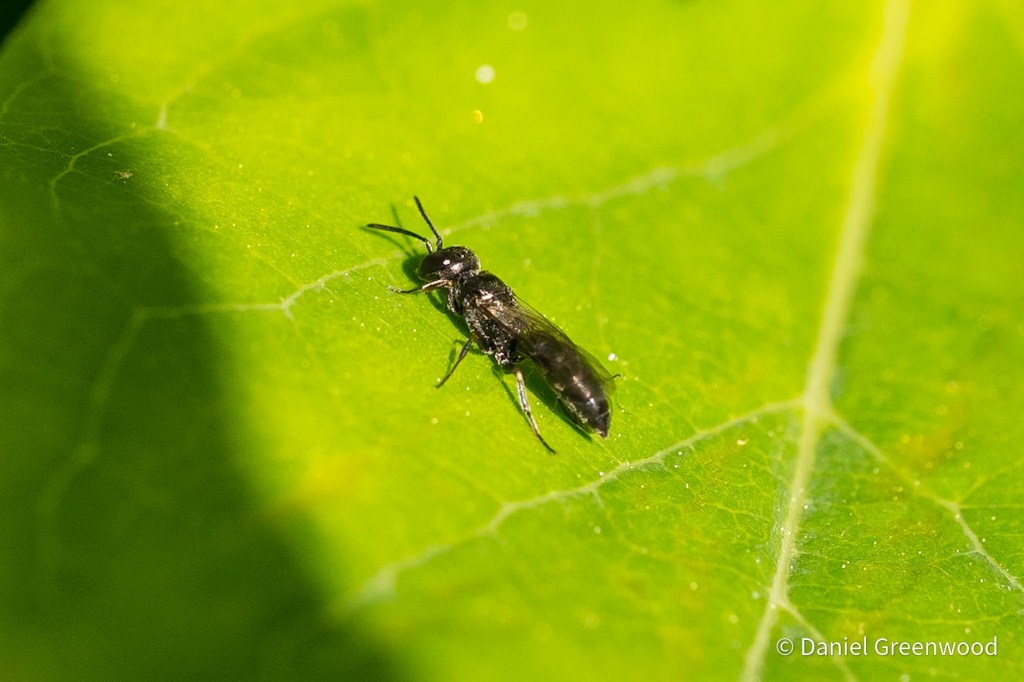
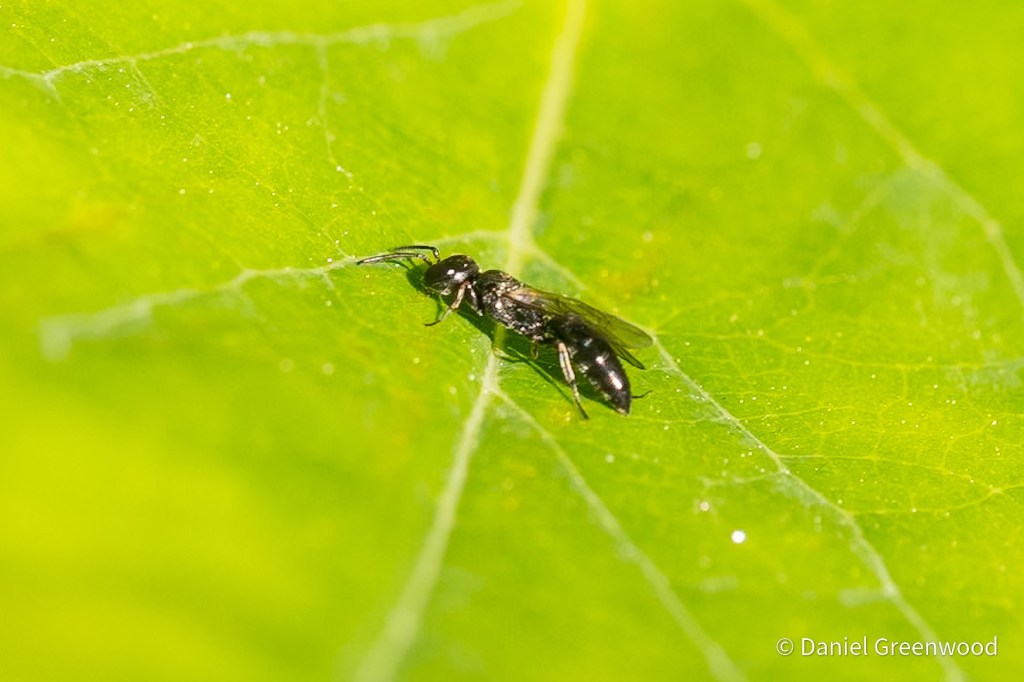
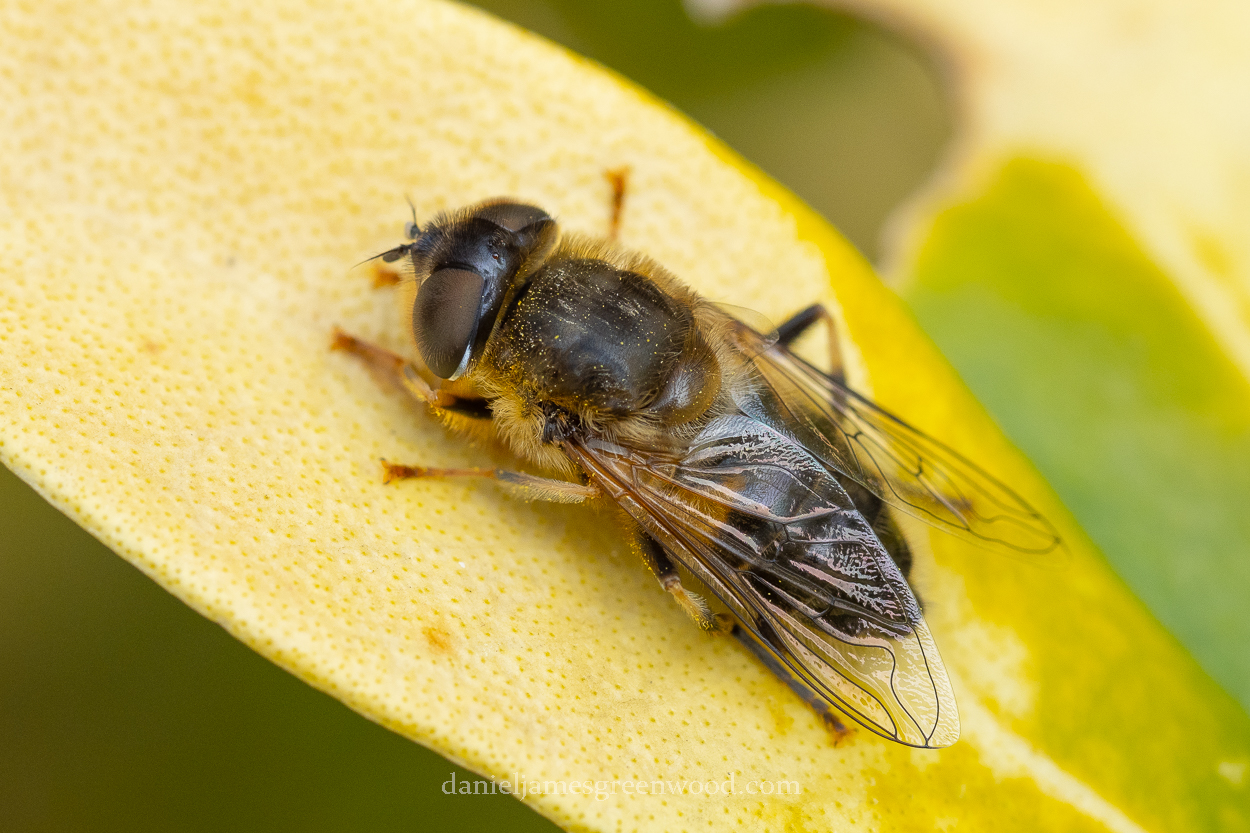
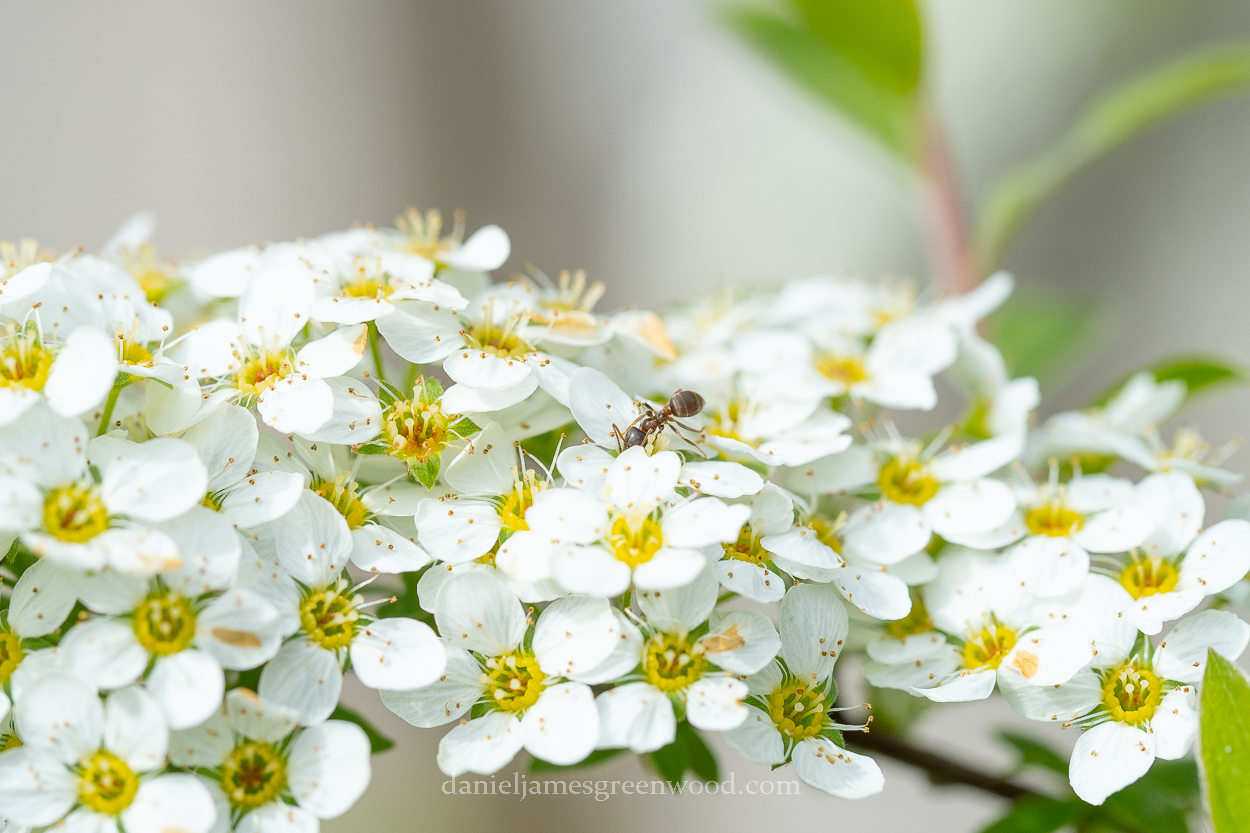
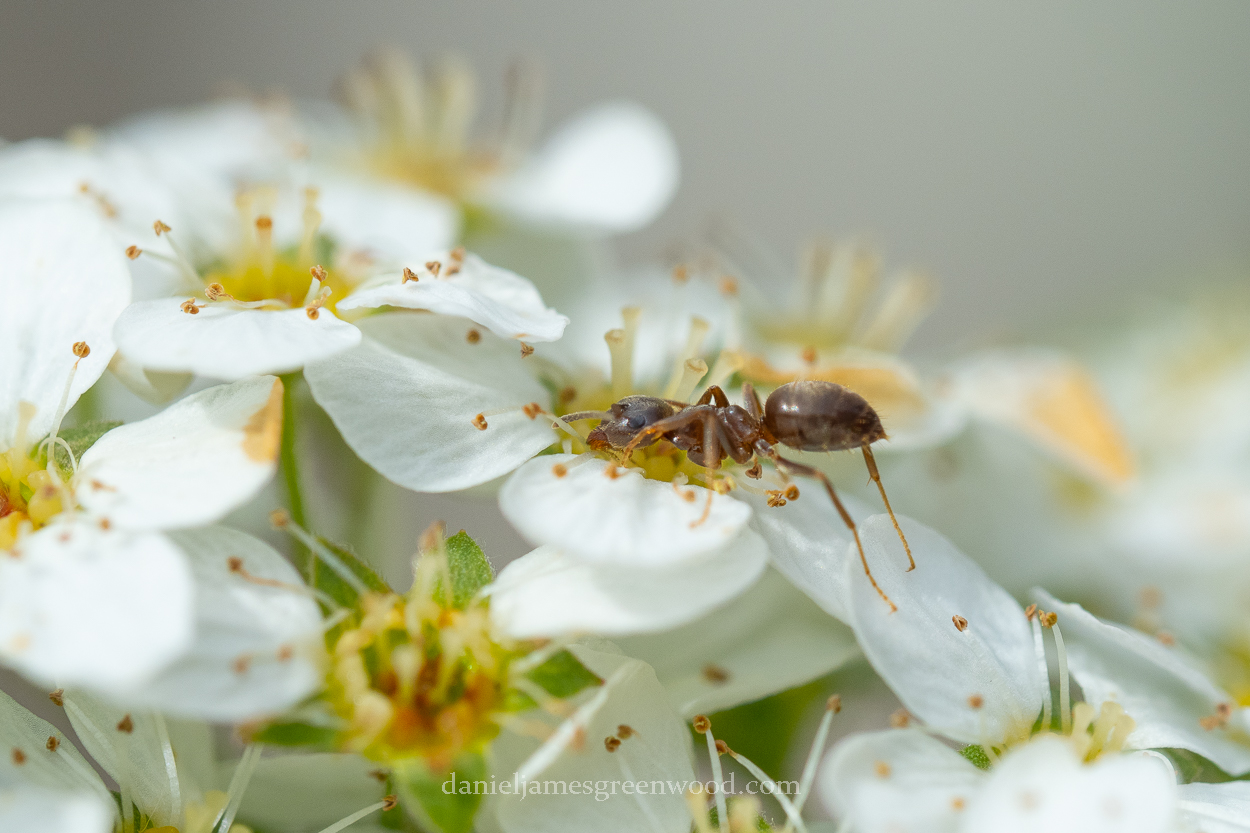
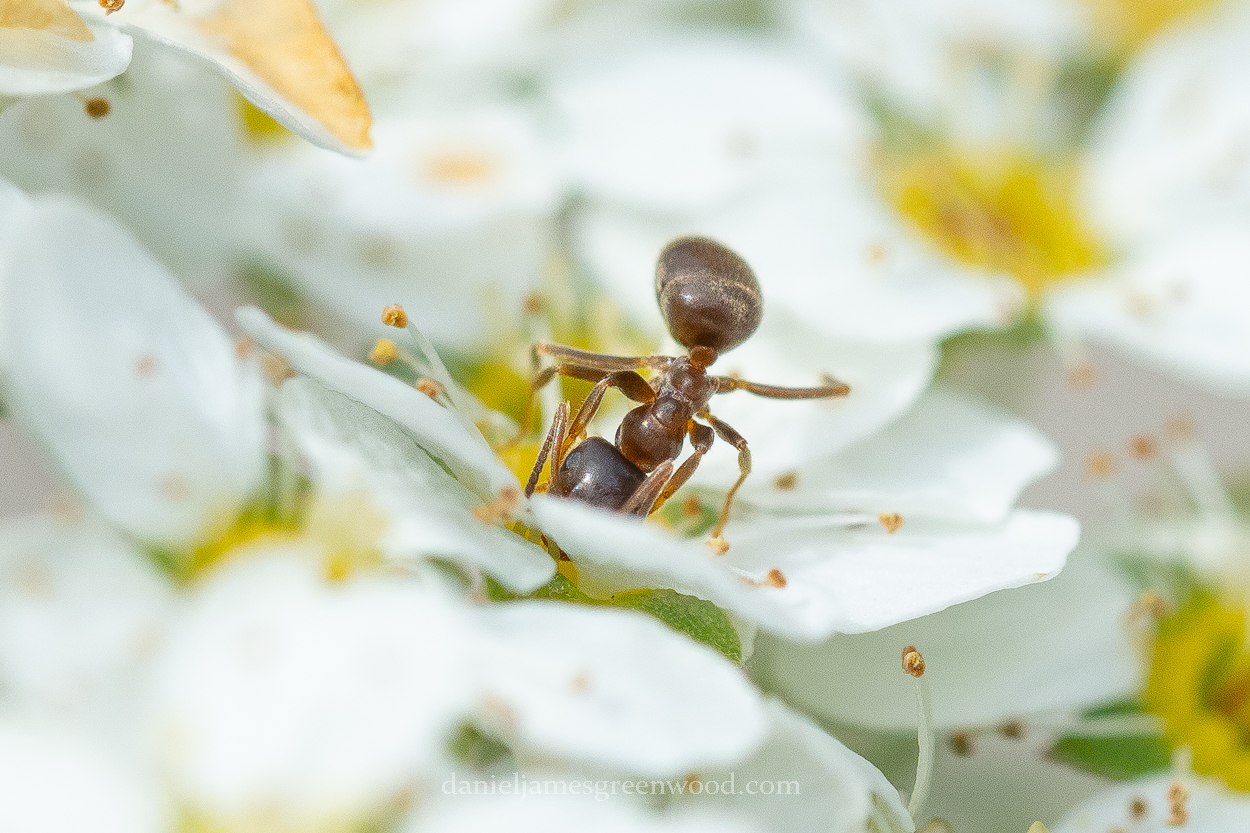
These are by no means great images (I would need extension tubes to increase the magnification) but the species may be an interesting type of wasp. It might be an aphid wasp, which is a group of wasps I haven’t heard of or seen before (there are thousands, even in the nature-depleted UK).

I’ve posted about aphids this year, and have noticed just how good a year they’re having. I listened to this episode of the Food Programme last week on the subject of potatoes, and didn’t realise aphids could trouble potato farmers. Perhaps they need to start gardening for aphid wasps!

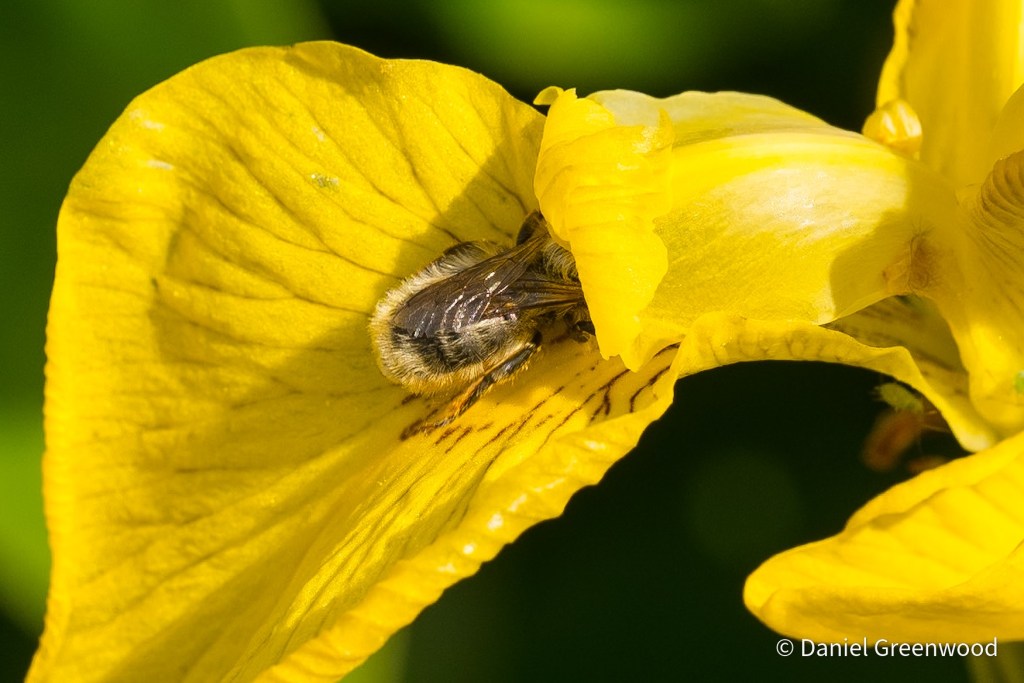
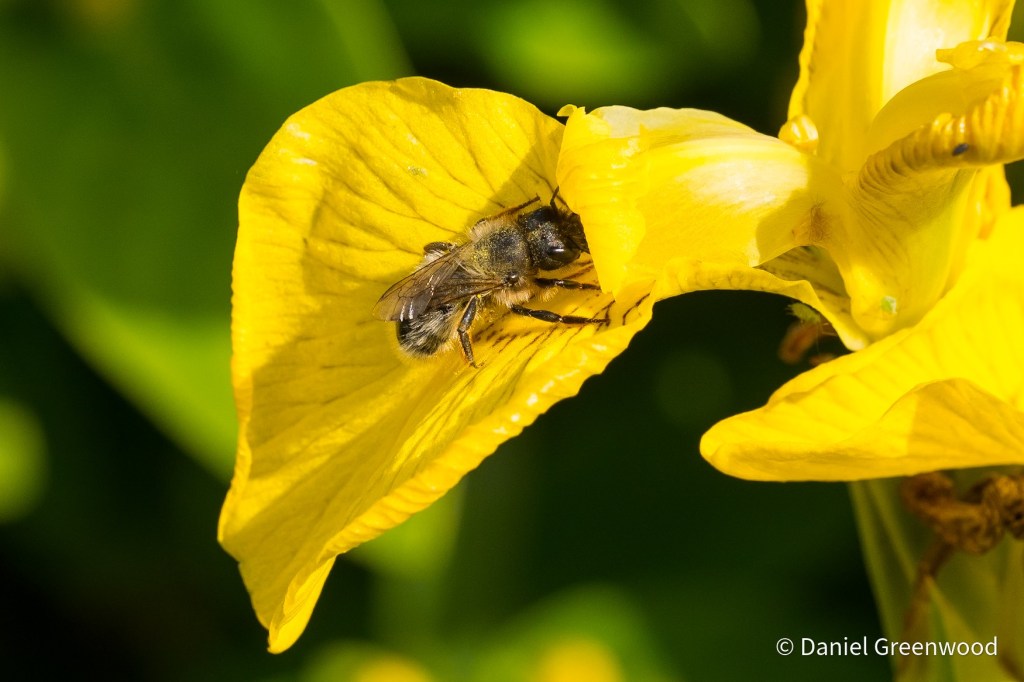
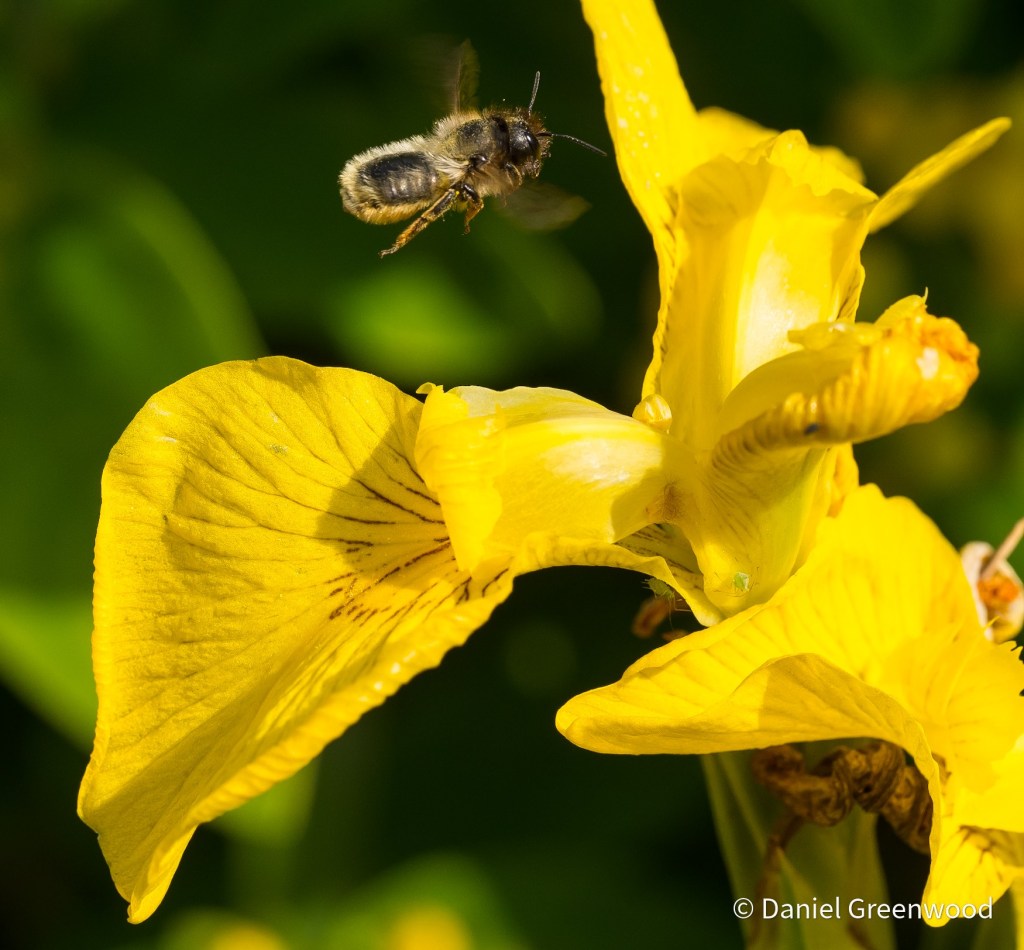
We have a tiny pond which supports frogs and is planted with native aquatic plants. One of those plants is flag iris, which the bigger bees love. I enjoy seeing the bees climb through the yellow petals to nectar on the stamens. This bee is probably in the megachile group, perhaps one of the leafcutter species. Someone on iNaturalist suggests it’s a mason bee, so I’m not sure.

I like how leafcutters are in their own world. They often appear after the red mason bees and hairy-footed flower bees have gone, but they seem like they’ve always been there, so focused are they on their leafcutting tasks.
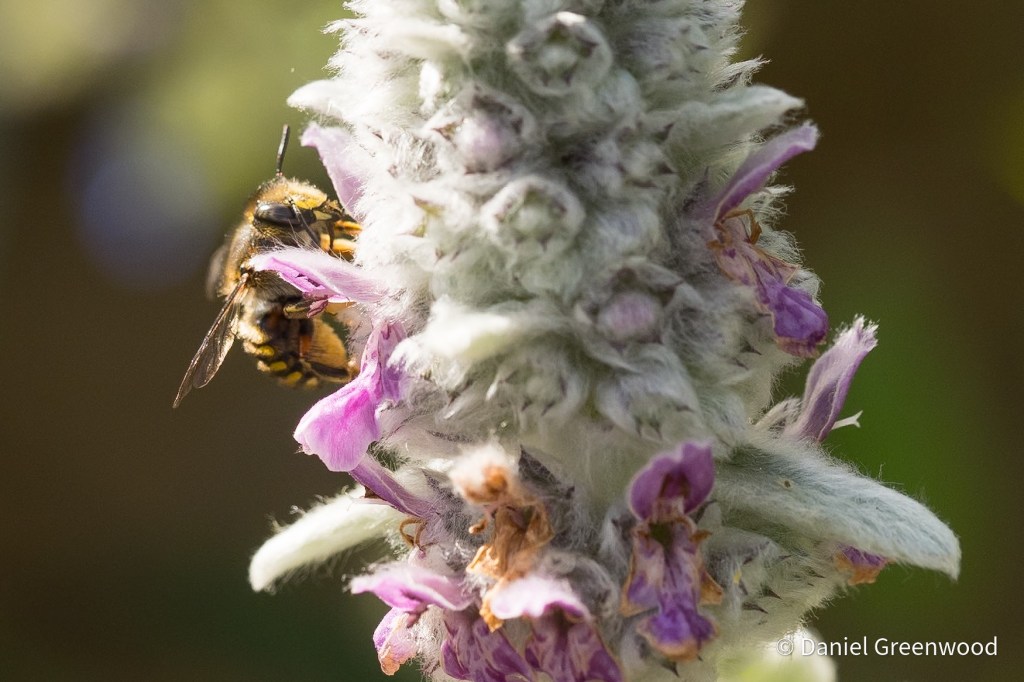
Another welcome sight in the bee world (it’s so much more than honeybees!) are the wool carder bees. I planted this stachys (or lambs ears) for the WCBs in 2020, and they immediately arrived.
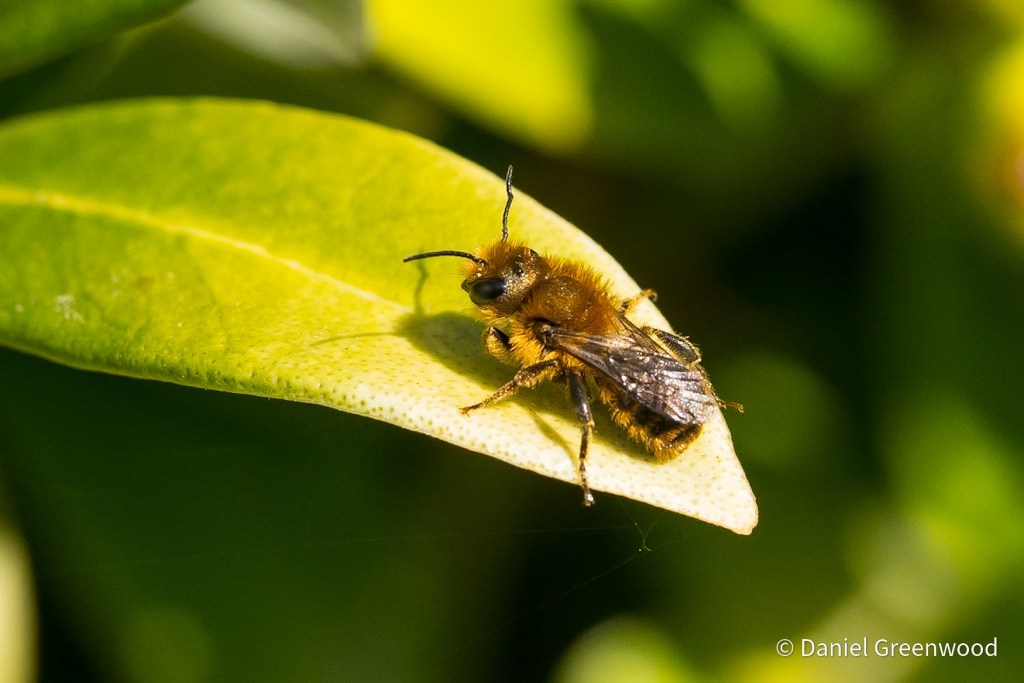
Regular readers of this blog may recognise this species from previous posts, who just couldn’t keep out of this week’s post. I used to look like this. These may be an orange-vented mason bee.
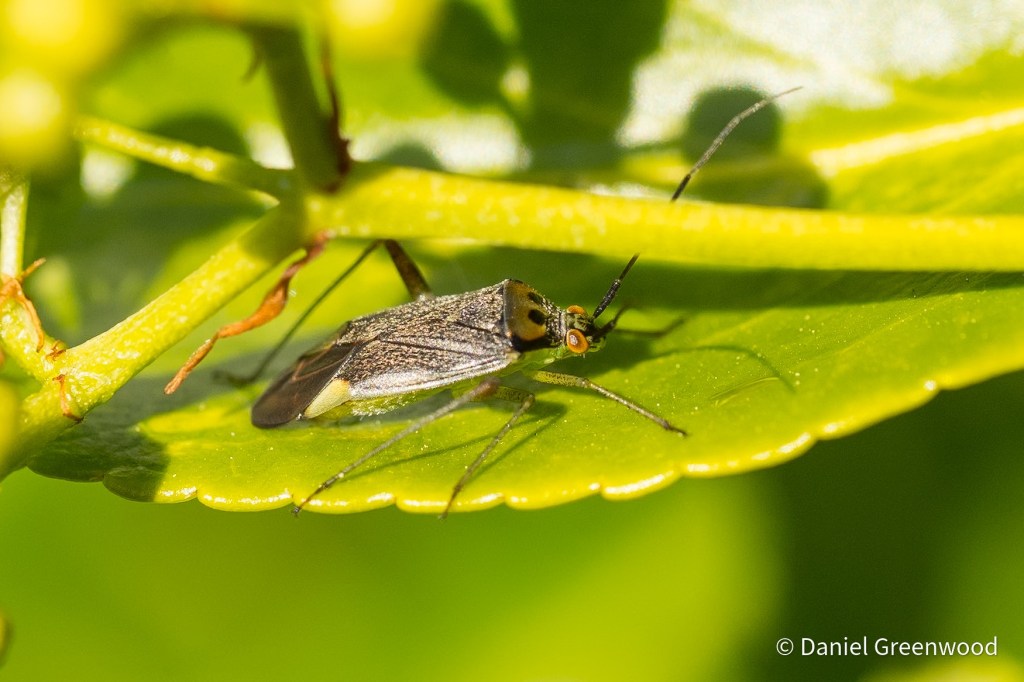
This capsid or mirid bug was chilling in the hedge, as they often do.

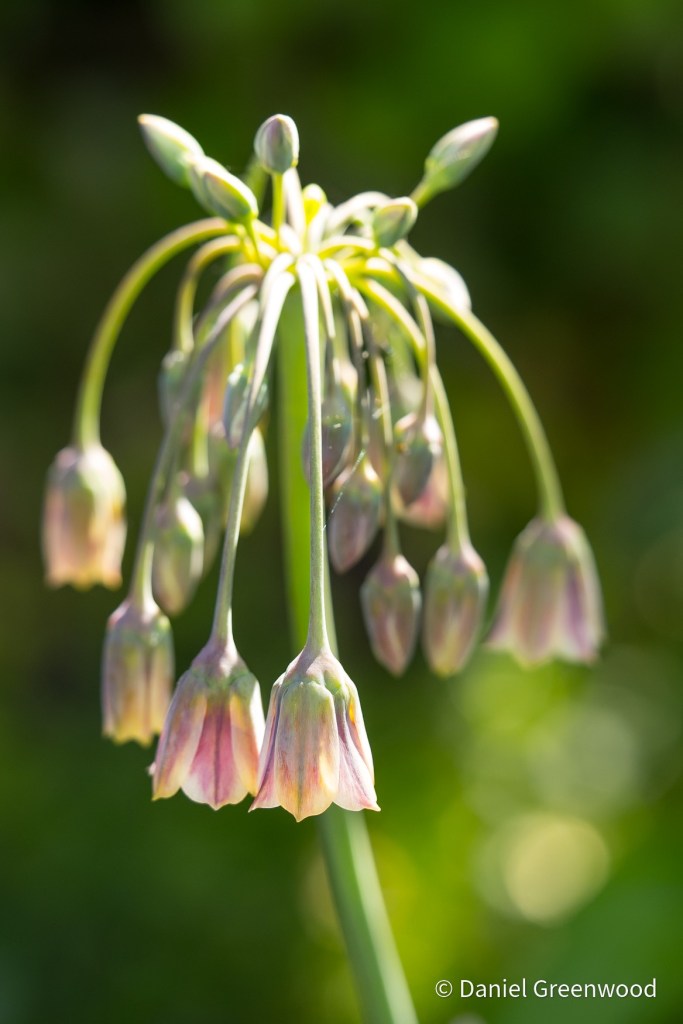
And finally, those trusty honey lilies were looking their best in the evening light, as their flowering period drew to a close.

Next week we’ll see out May with some pretty epic wasp vs. spider scenes and miniscule bees.

Thanks for reading.

Macro

Early mining bee

The bees are out in force at the moment, so I’m taking a lot more photos. Posts will now be one per day of photos, as there are too many in a week now to cram into one post! You may not care about this.

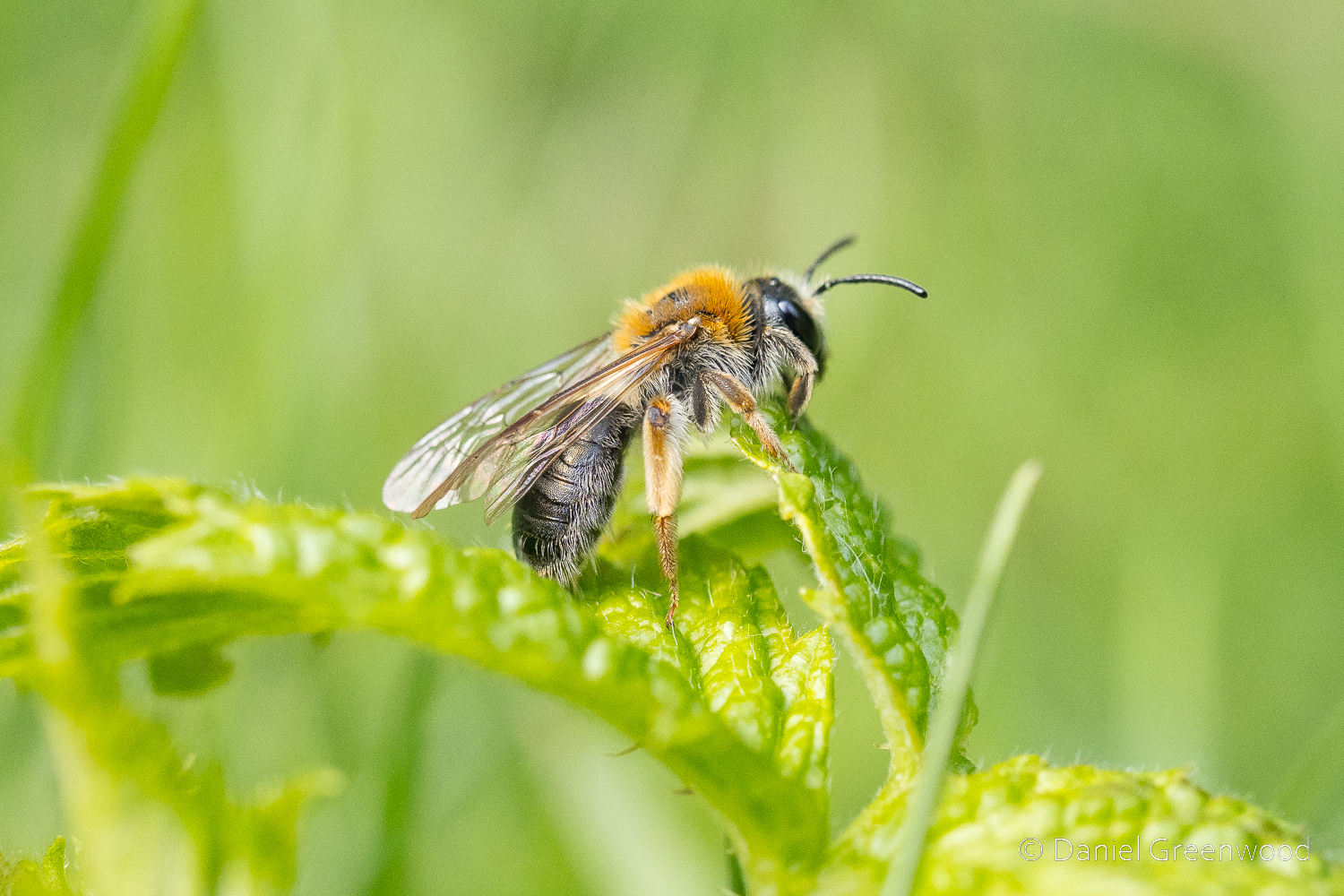
Early one morning before work I noticed a little bee resting on some raspberry leaves in my garden. I grabbed my camera from the house and got some photos. It was early and the temps were low so the bee wasn’t very energised. It may have spent the night there. This is probably early mining bee, which is one of the more common species in SE England from what I know.

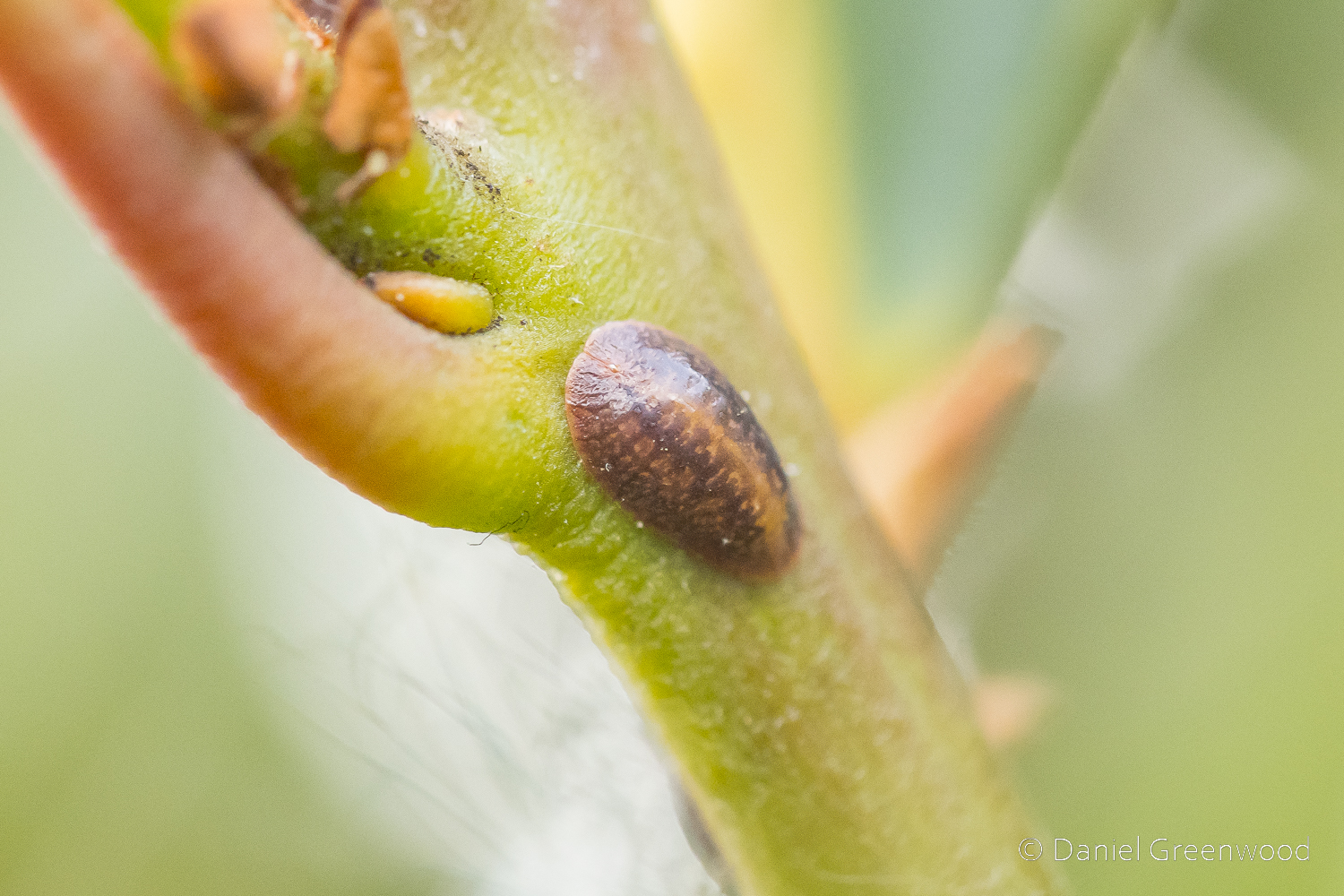
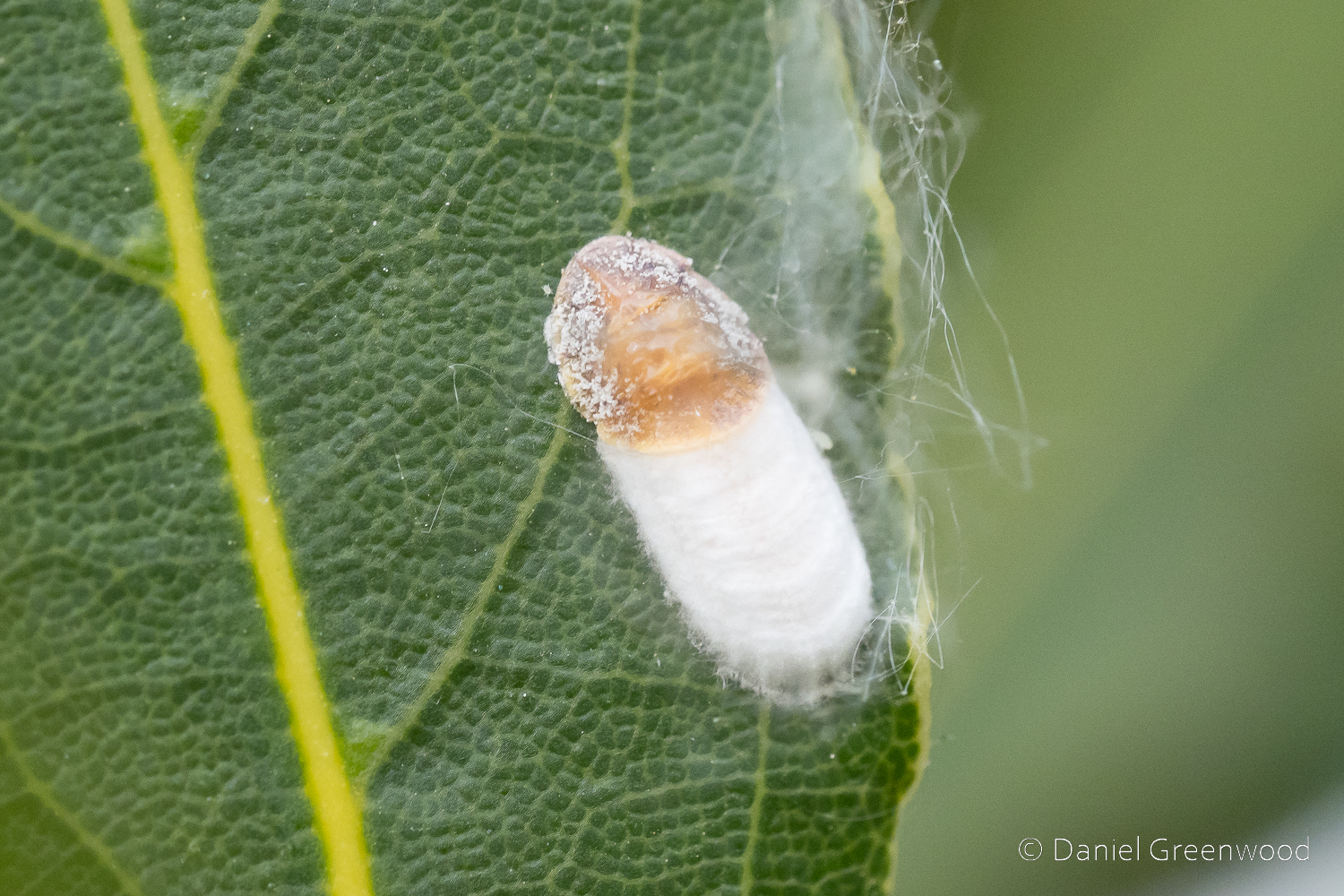
Now then, I think these are scale insects (Coccoidea) in different stages. They’re attached to the stems of plants and also the leaves. Apparently they cause problems in coffee plantations – not a problem for me. Not only do I not drink coffee, it would be impossible to grow it in my garden.

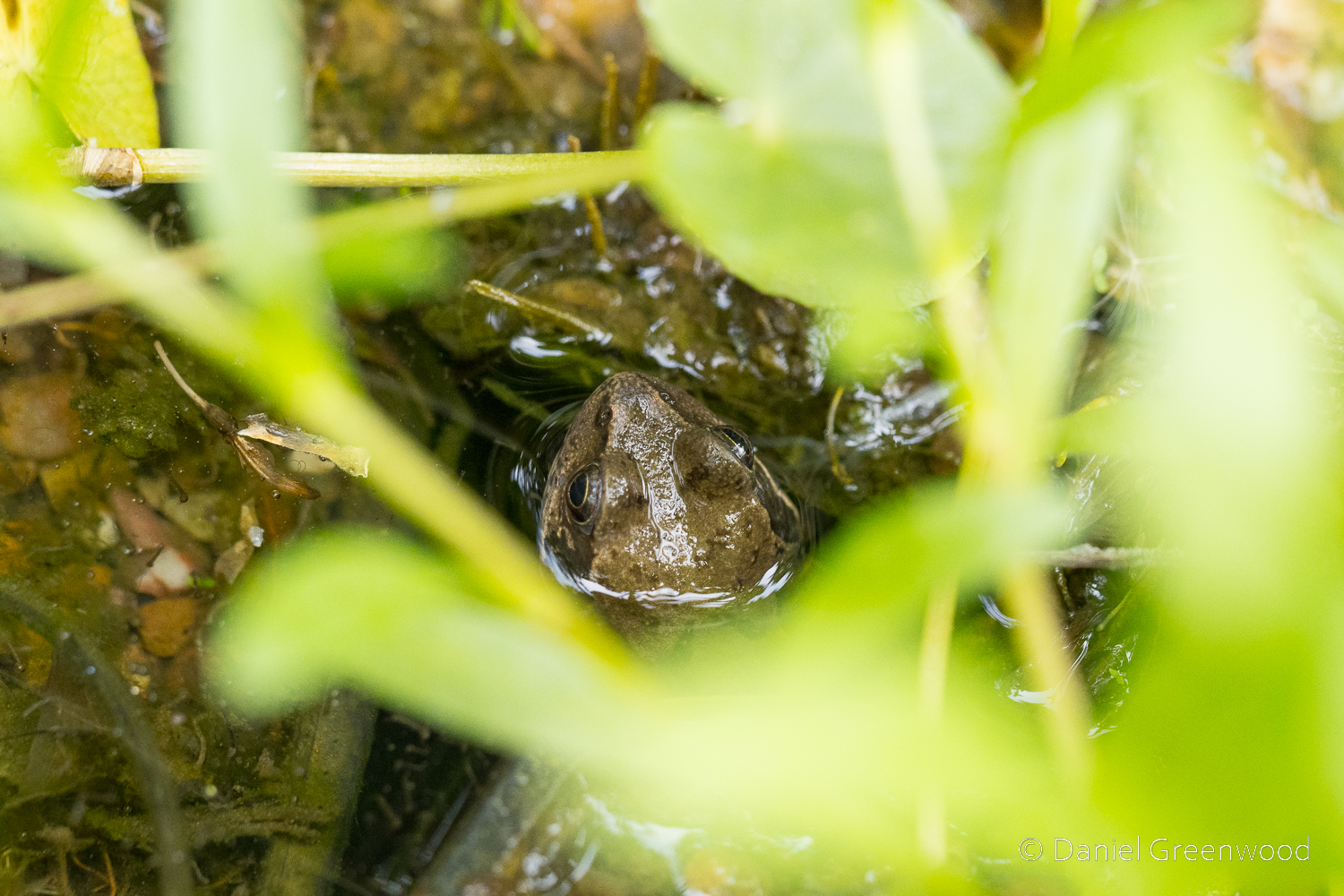
Our frogs have been enjoying the basin pond, as per a recent post. It’s tough for them right now, we’re experiencing extremely dry conditions in southern England and are ‘on track for the driest spring on record‘.

The apple flower I waited 17 years for is producing an apple!

Elsewhere the red currants and gooseberries are well on their way.

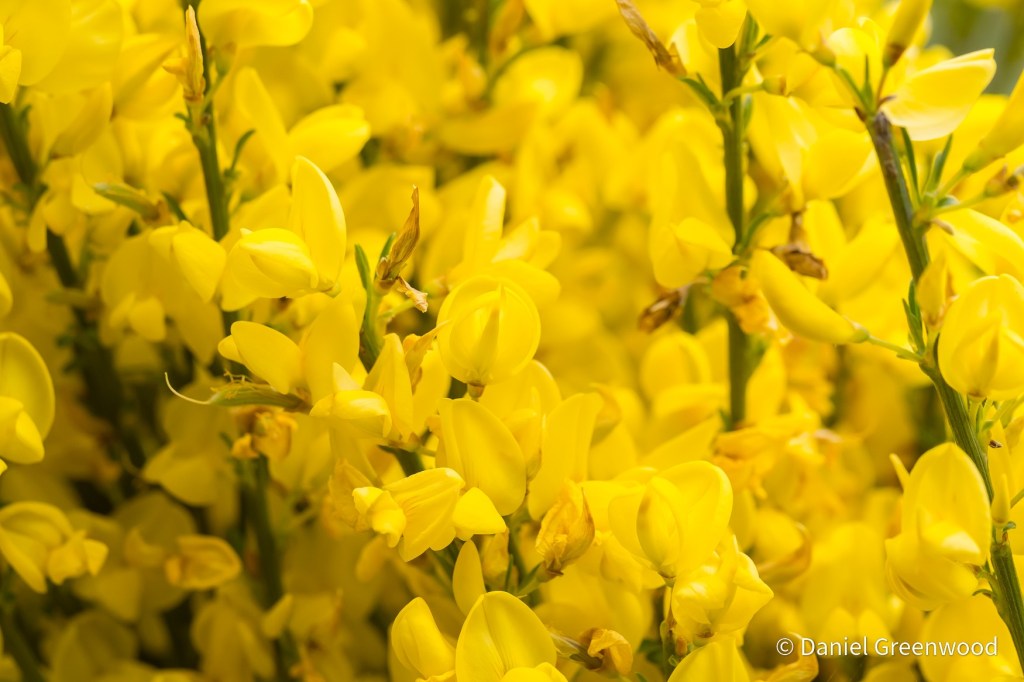
The magnificent blooms of the broom have now gone to their typical seed pods.

Thanks for reading

Oaks leaves like little fires

I’m still dining out on mid-April at the moment, it’s such a lovely time of year.

The broom (Cytisus scoparius) we planted several years ago has bloomed magnificently this year. It’s been a treat to both smell, and to see it attract a whole range of pollinators.

Dandelions have been all over social media recently with the recipes for ‘dandelion honey’. I am reliably informed that it’s jam or syrup rather than honey because you’re not a bee. It’s good that people are becoming more aware of dandelions which are incredibly important for pollinators.

We’ve expanded our berry bed in the garden to include an extra redcurrant, blueberry and gooseberry. Above are the lovely flowers of redcurrant.

My little laid hazel hedge is coming along nicely. These fresh red stems are a welcome sign.

As part of the hedge I’ve planted a couple of oaks that have been in pots in our garden for a number of years. One of the oaks is from my grandmother-in-law’s garden near Epping Forest, the other grown from an acorn from Dulwich Wood. I love the redness of the leaves when they first appear, whether or not these are tannins I would need to check the science.

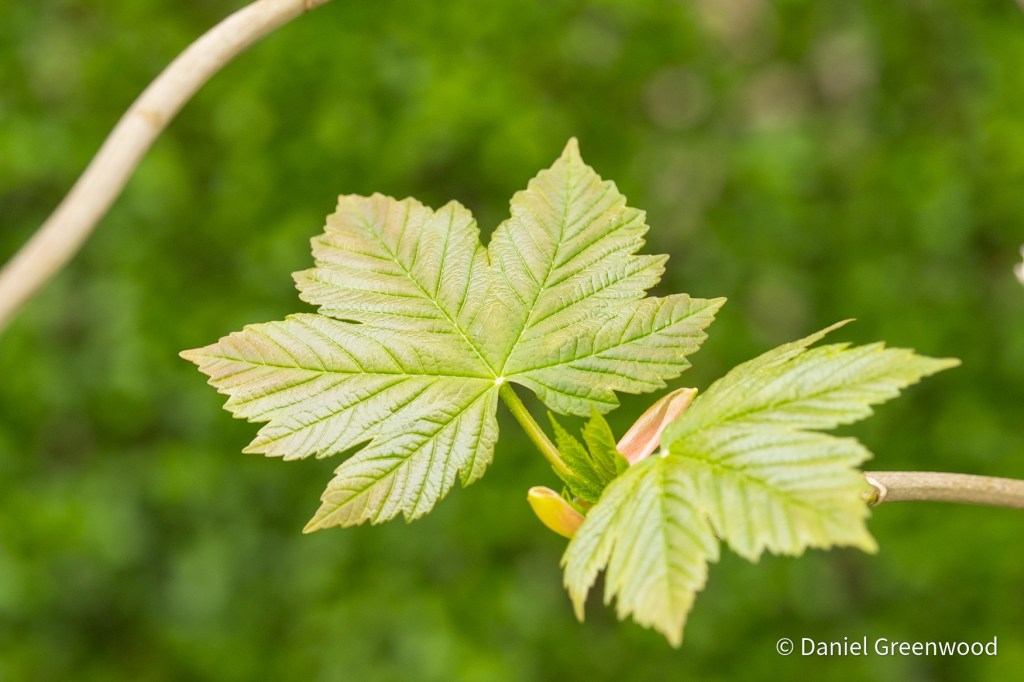
Elsewhere the sycamore is now leafing. Soon these will be sticky with aphid honeydew. The sparrows and blue tits will be hoovering the aphids up to feed their nestlings.

Speaking of those little devils, our swift box has been moved-into after 3 years of waiting for something to happen. Of course it would be best if swifts were there, but sparrows are also red-listed and their habitat is being lost as people are forcing them out of the eaves. Much of that is probably unintentional, but it’s still something we need to look at.

In the invertebrate world, the droneflies have calmed down a bit and are willing to pose for their macro close-up. This is probably a tapered dronefly (Eristalis pertinax).

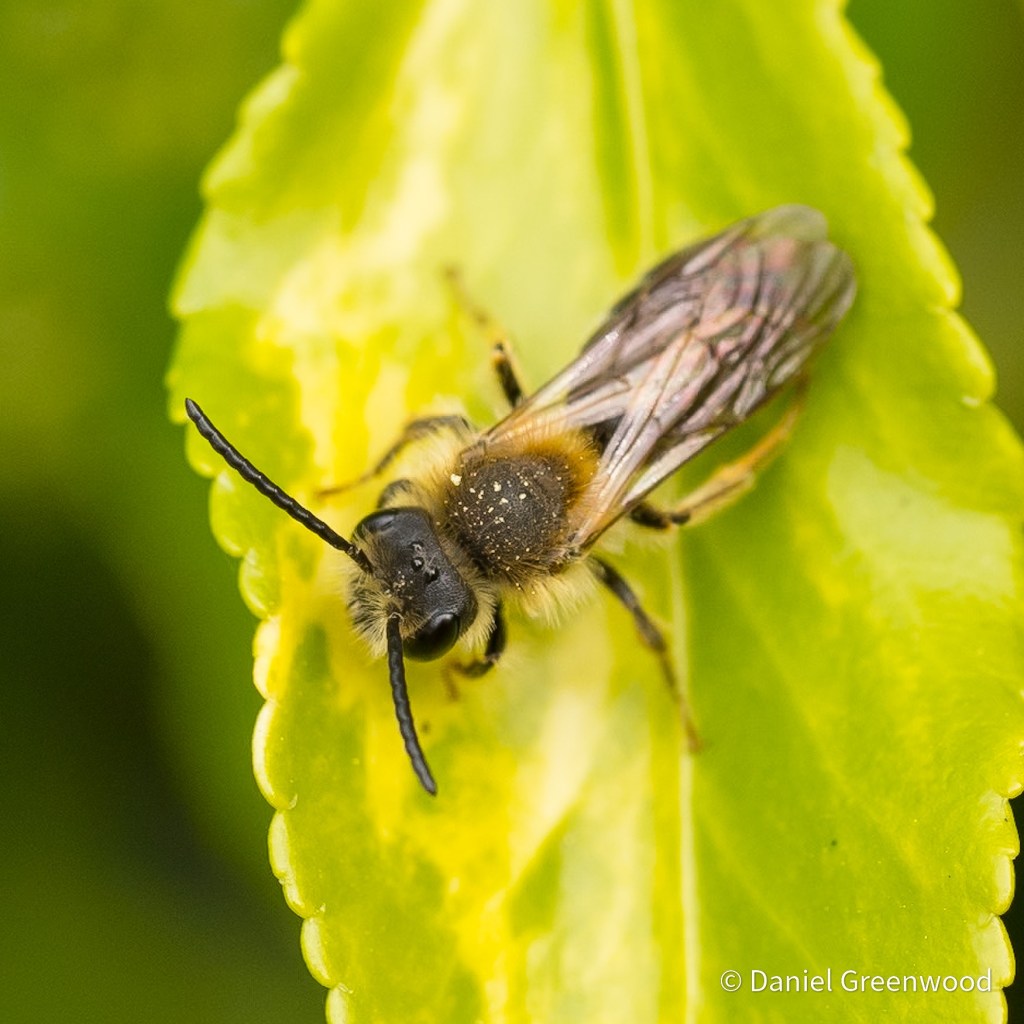
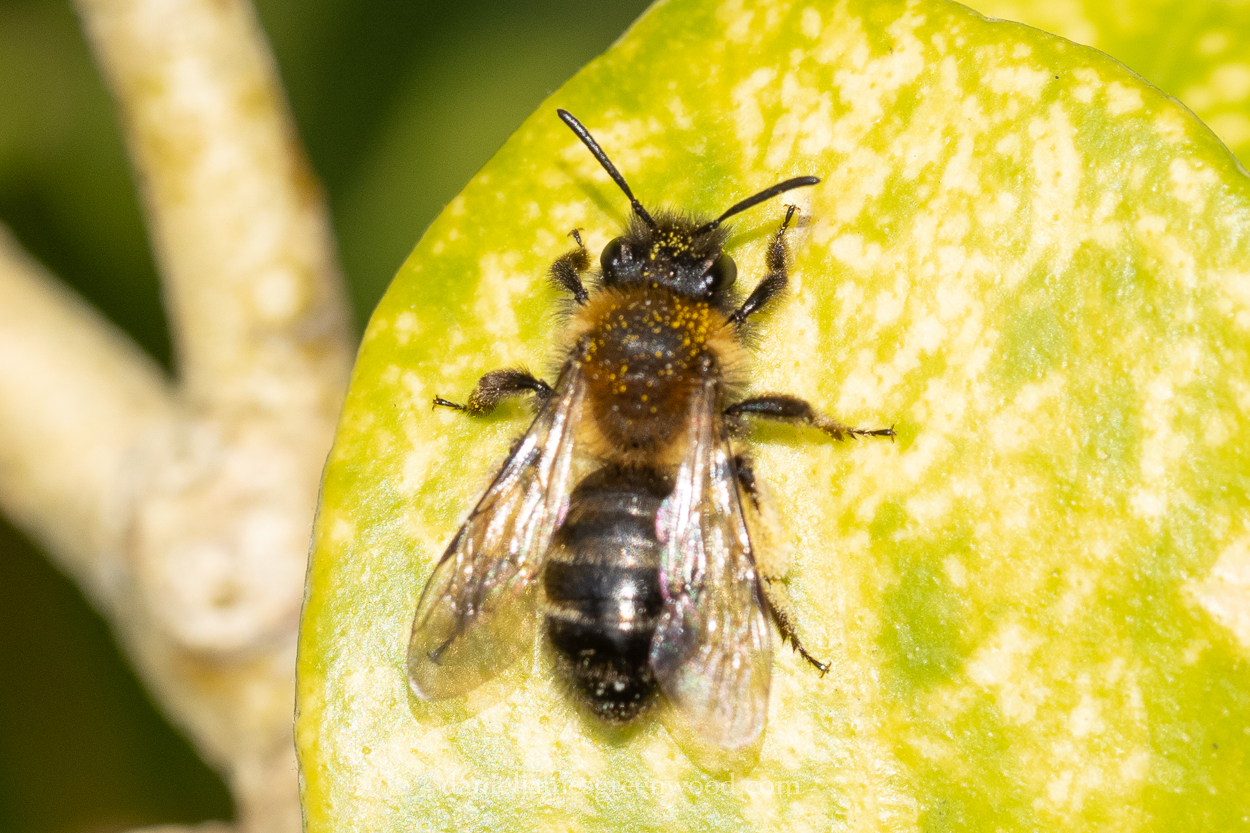
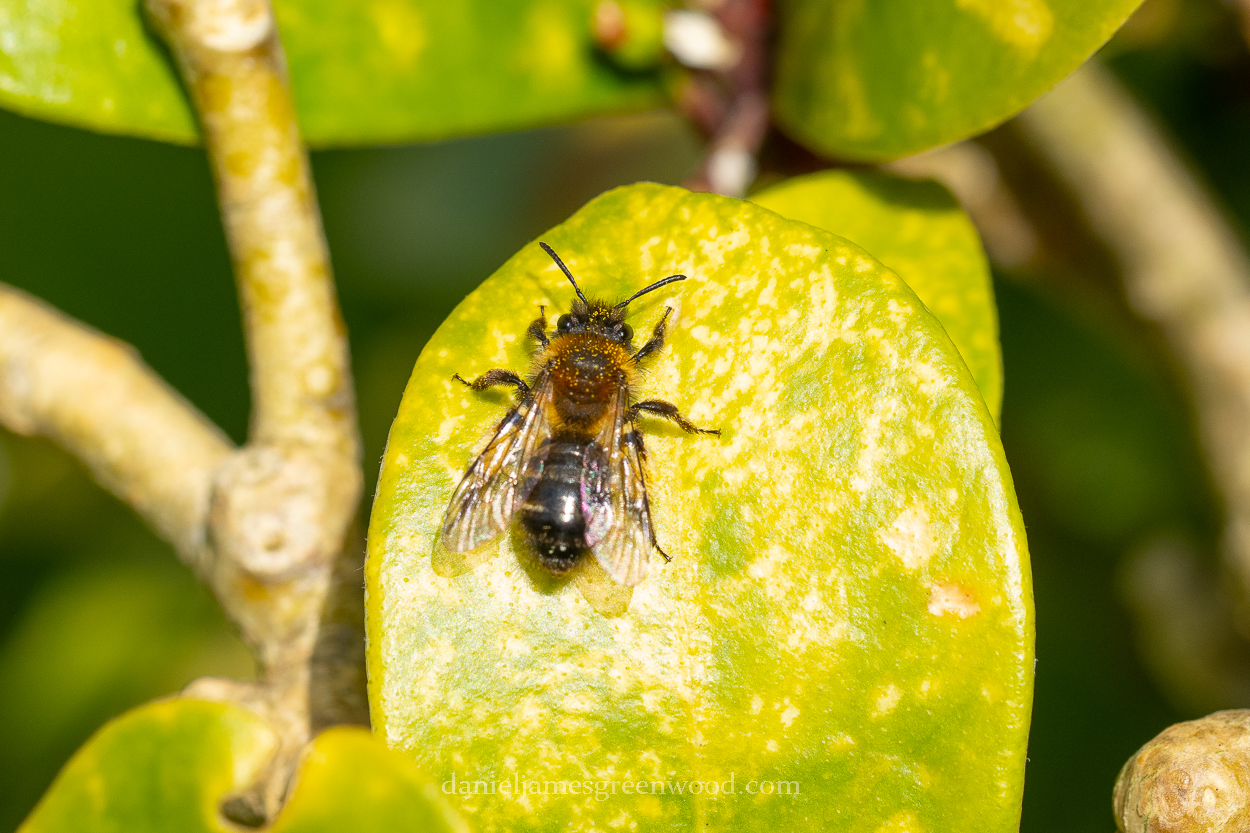
This is my first decent set of images of a solitary bee this year. It’s probably one of the mining bees (Andrena) but I don’t have an ID yet.

Another solitary bee species had found its way into our living room. I took a few photos before letting the little bee back out into the world.

Thanks for reading.

Macro

A spring epistrophe? 🐝

Another week of some sun, some showers, and some temperatures that got close to freezing. That sentence may turn out to be a spring epistrophe, but more of that later. In Scotland it reached as low as -5C. April 2023 has been a mishmash of seasons. Here’s what I encountered in my garden on 22nd April.

One of the joys of this time of year has to be the red mason bee. They are tricky to catch up with sometimes away from their bee boxes, but I managed to get close enough to this red-haired male in the skimmia hedge.

This is a mining bee that I can recall seeing each year early in the season. I’m not sure of the species, but it has a likeness to the chocolate mining bee.

I tried with this rather slender-shaped mining bee, but it didn’t like Homo sapiens approaching with a camera and macro lens, however small that equipment is nowadays.

He’s not quite in focus but this hairy-footed flower bee stopped for a snap. Never mind his hairy feet, look at those legs! They do look a bit like tiny Highland cows to me.

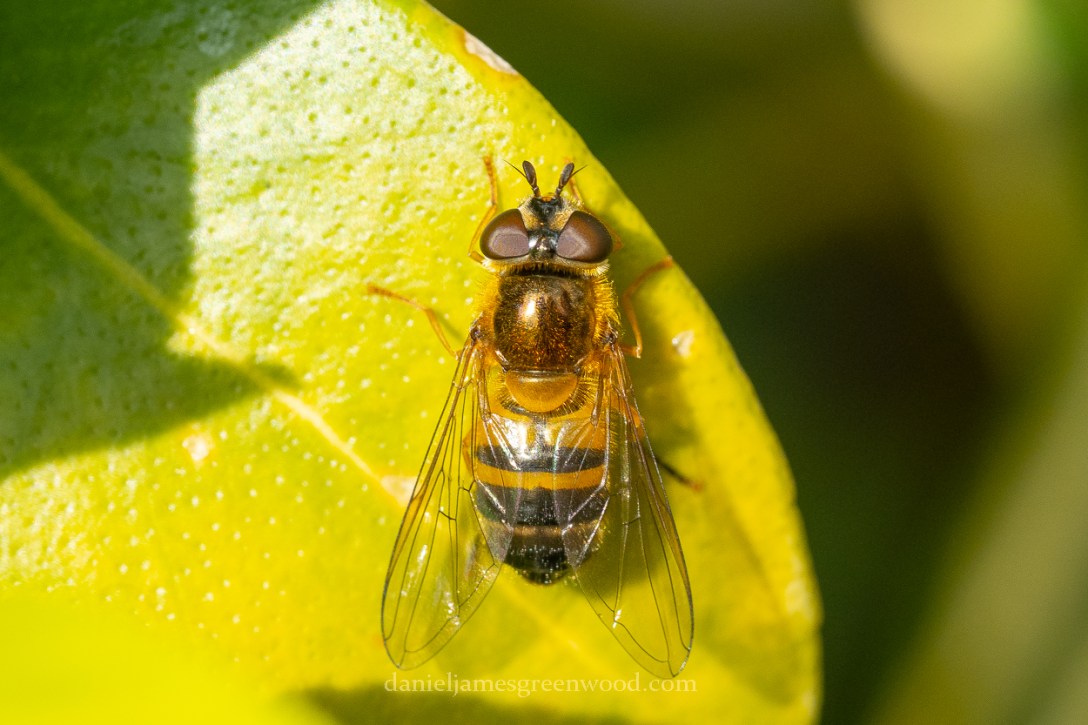
To finish this week’s post, I noticed this medium-sized hoverfly in the skimmia. Putting it on iNaturalist I received a quick response, identifying it as spring epistrophe. It has a huge range, from Sweden to northern Spain, and then as far as Ireland to the Caucasus (Russia). Its name obviously means it’s a spring arrival, but ‘epistrophe’: “repetition of a word or expression at the end of successive phrases, clauses, sentences, or verses especially for rhetorical or poetic effect” – via Miriam-Webster.

I’ll have to listen to the hoverfly more closely next time.

Thanks for reading.
Macro

What this hoverfly doesn’t know 🐝

This time of year will probably always remind me of 2020, when most people were entering into Covid-19 ‘lockdowns’. That spring was early, warm and sunny in SE England, which seemed to contrast with the extreme anxiety of the situation we found ourselves in over here. As the lyric in ‘Someone Great’ by LCD Soundsytem goes, ‘the worst is all the lovely weather‘.

This spring feels different: later than recent early seasons, wet, cool but also quite hot. On Monday I got a bit of sunburn on my neck (despite wearing suncream) and on Tuesday it was quite cold in comparison. This all affects wildlife in a far more immediate way.

On Sunday 16th April my garden thermometer (kept in the shade, don’t worry) read 16C, and the garden was alive. Here’s what I found in the space of about half an hour.

My first find is not actually pictured here. I was about to clean the kitchen hob when I noticed a small deceased insect on it, what turned out to be a lovely male red mason bee. I was surprised and a bit annoyed, so went outside to put its tiny little body into the flowerbed where its cousins were zipping around.

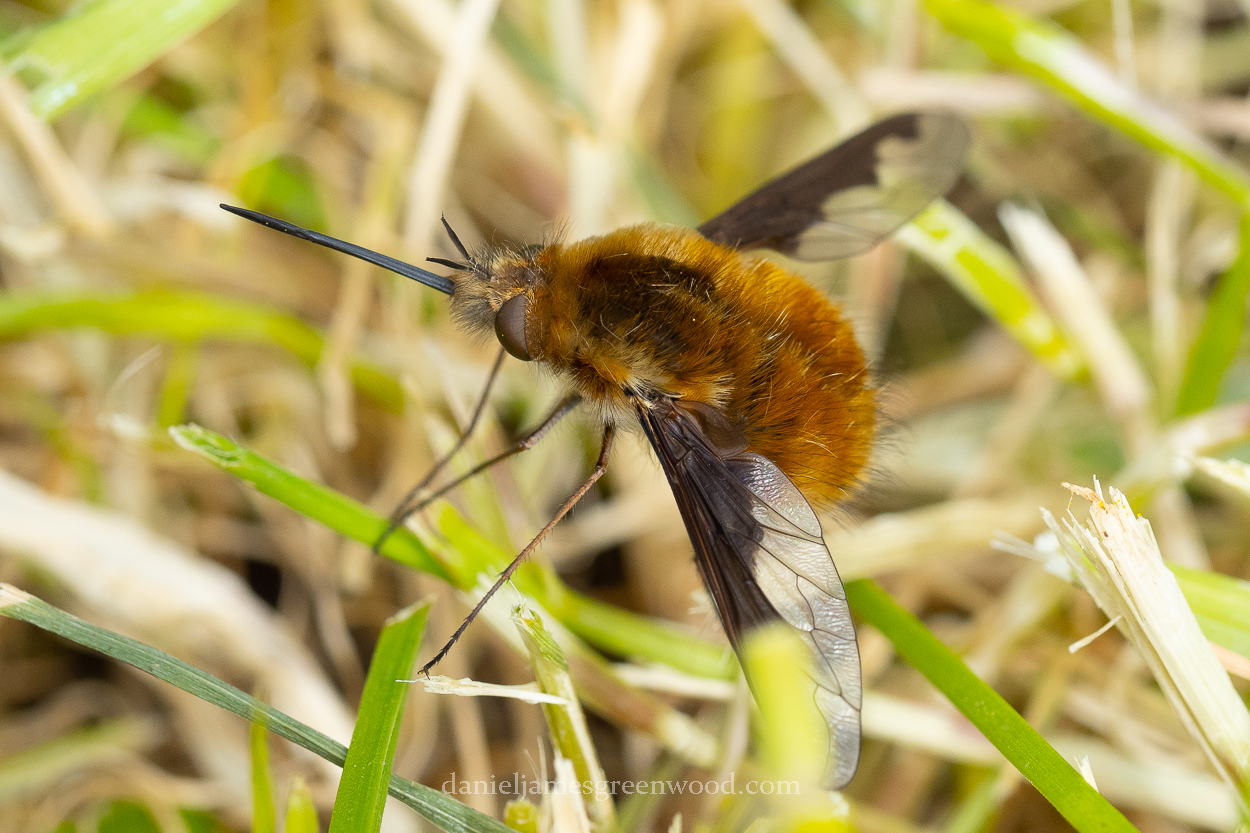
Nearby, I noticed my first bee-fly of the year, doing their usual flowerbed hovering. You can see from the image above why this fly is sometimes referred to as the ‘dark-edged’ bee-fly.

There were a large number of drone-flies in and around the Japanese skimmia that makes up much of the hedgeline in my small garden. I’m actually a big fan of this shrub, which provides excellent cover for invertebrates and seems to be a solid nectar source.

I’ve not seen any birds eating its berries which are held for a long time. I would pick this over the dreaded cherry laurel any day.

This is a common hoverfly, which I have come to know as ‘the footballer’ but is also called ‘sun fly‘. Their mimicry is to fool us predators into thinking they’re wasps and therefore able to sting. What this fly doesn’t know is that I’ve read books and have iNaturalist so I know it’s a hoverfly.

Meanwhile, there was quite a bit of activity from the wasps, with two or more queens busy in the skimmia. This queen was less busy so I could get a photo of her basking. To any new readers, I’m a wasp supporter, and I don’t mean the rugby team.

I have another non-native shrub that is proving itself to be a valuable resource for pollinators in my garden. This has flowered for the first time since it was planted three years ago.

This is probably a the black garden ant. I hadn’t seen them nectaring like this before. I’d also seen red mason bees visiting these flowers, which is great news as it’s providing another source of forage for a wider range of pollinators.

This ant was definitely getting stuck in to the nectar on offer here!

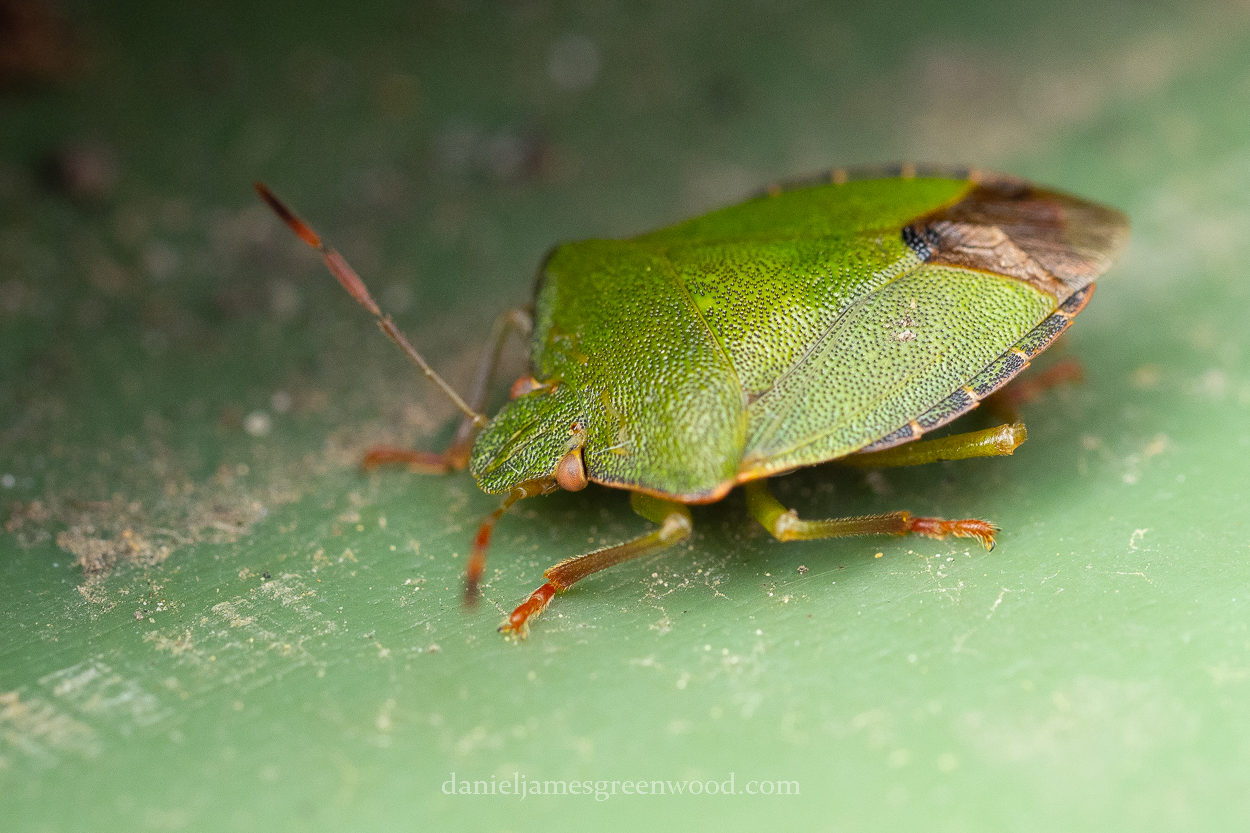
On my recycling bin I spotted this green shield bug, a fairly common sight in my garden. They are lovely insects but are also known as stinkbugs in North America because of their pungent scent that is deployed when they’re in trouble.

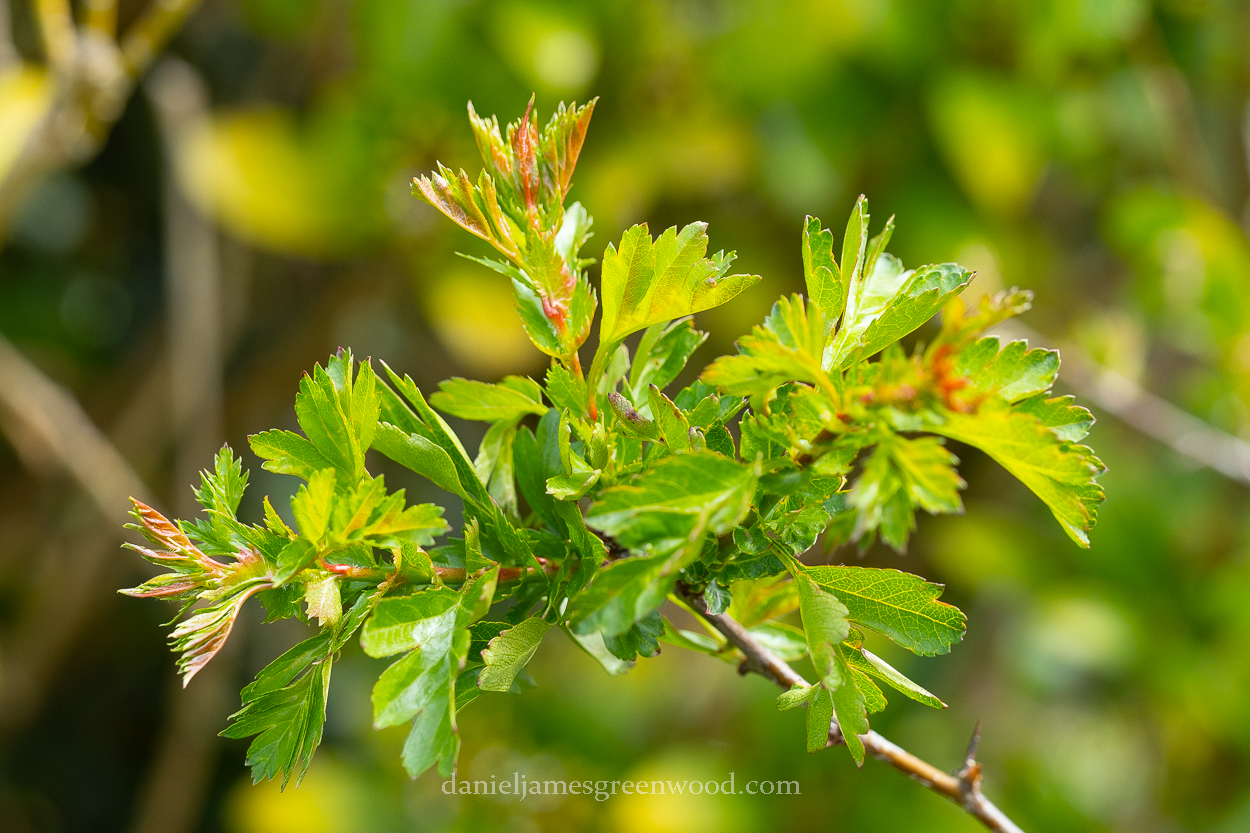
The hawthorn was in full leaf. I have since coppiced this hawthorn sapling to allow it to form more of a hedge, compared to the spindly tree it was forming.

Hazel is also in leaf. I love their small leaves when first appearing. You can see where I topped this sapling last year. I have also recoppiced it since to form a hedge.

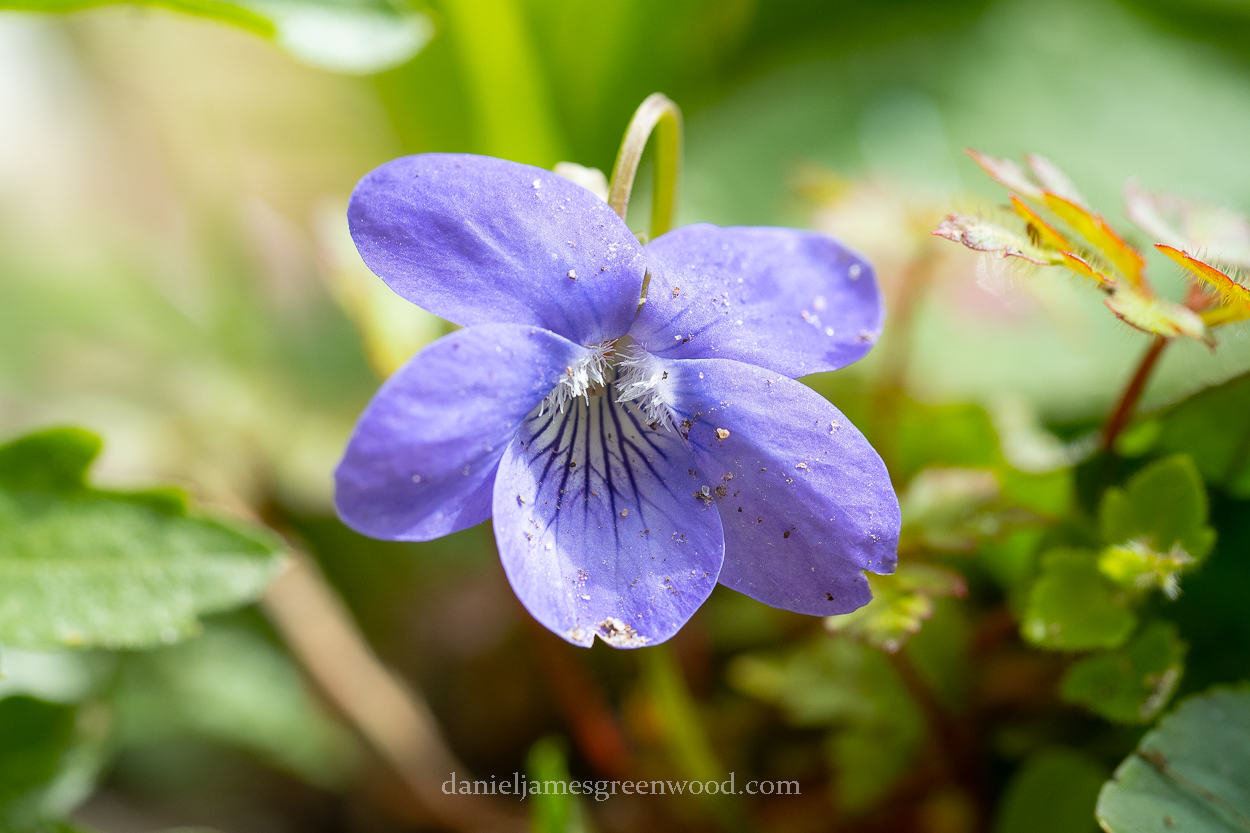
The dog violets are flowering between the brickwork on the twitten (a Sussex name for a type of path).

So too were the pea flowers of what I think is broom. It didn’t flower last year for some reason.

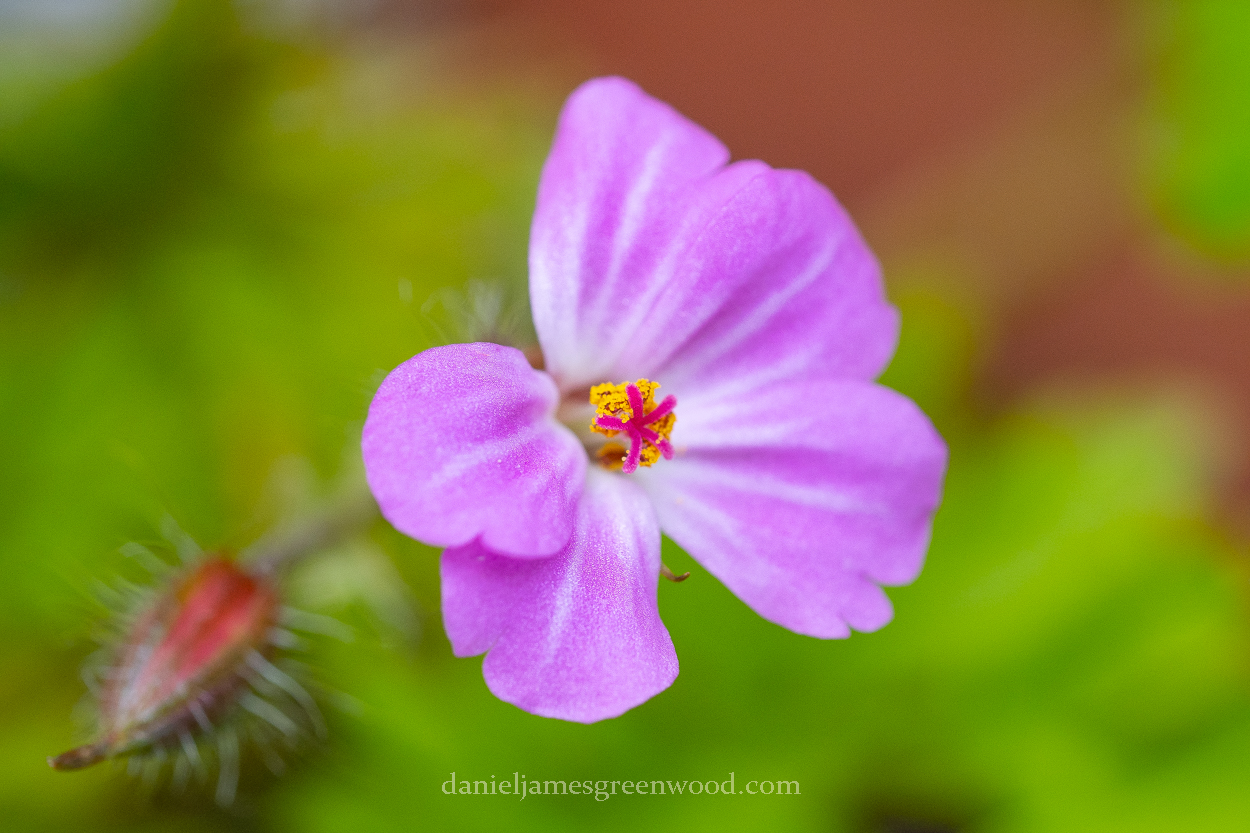
I think this close up helps to show how nice herb robert flowers are up close, with the yellow pollen grains highlighting their attractiveness to bees in particular.

Thanks for reading.

Macro

Macro 📷: how I garden for wildlife (in 3 minutes) – video

This morning I recorded a 3 minute video zipping through the key areas of my garden and how they support wildlife. Just before I pressed record a sparrowhawk nearly took my head off as it was chased away by a starling! Wish I’d caught that on the video.

Here I quickly outline the key habitats and luckily manage to film some bees demonstrating why ‘weeds’ are important, too.

I think I promised something like this a few months ago, so enjoy! Of course I’d love to do some more in future if I can find the time.

Thanks for watching!

More macro