Aphids watch out! 👽

I’m posting garden macro photos from the 17th and 30th May. I have some really interesting photos from the 31st but that is probably more than one post in itself.

There are a couple of intriguing species I encountered in my garden between mid-late May, one of the very best times to look for our tiny invertebrate friends in this part of the world.
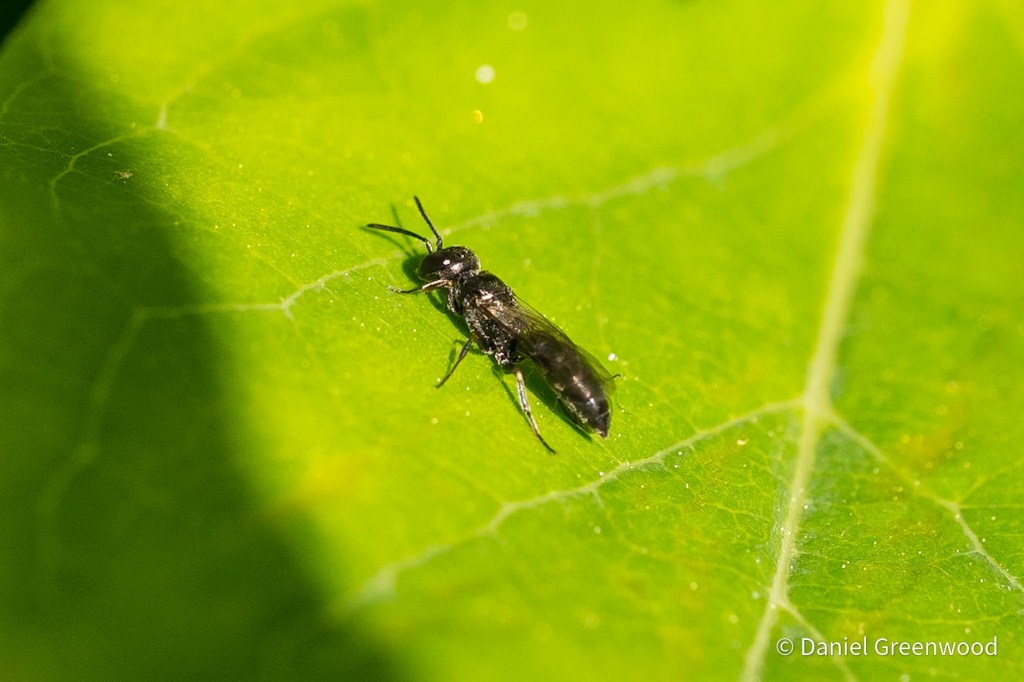
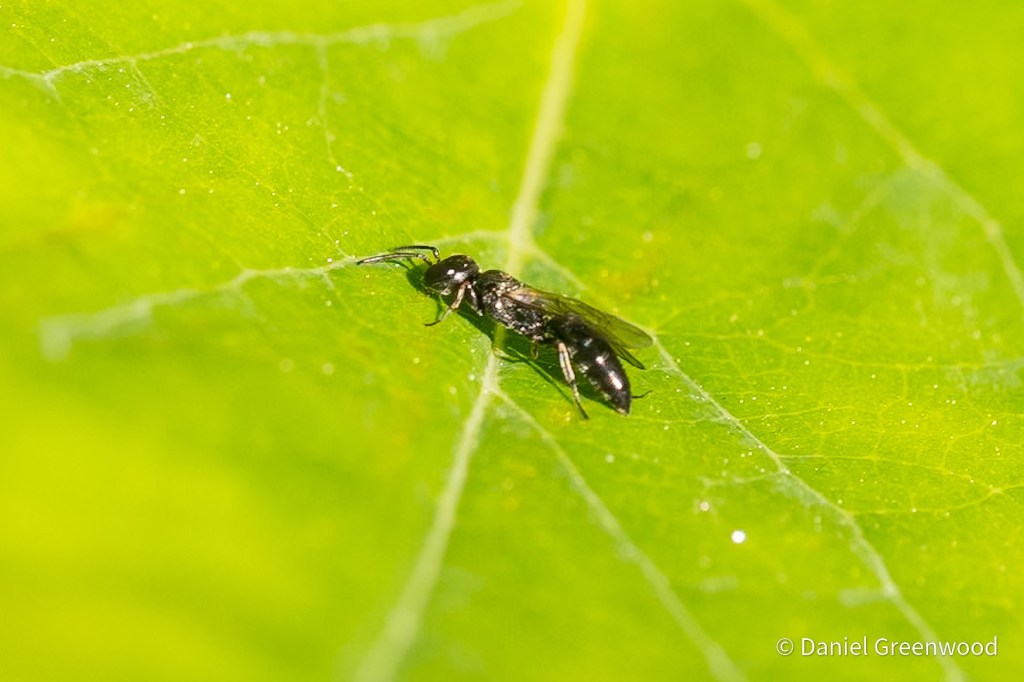
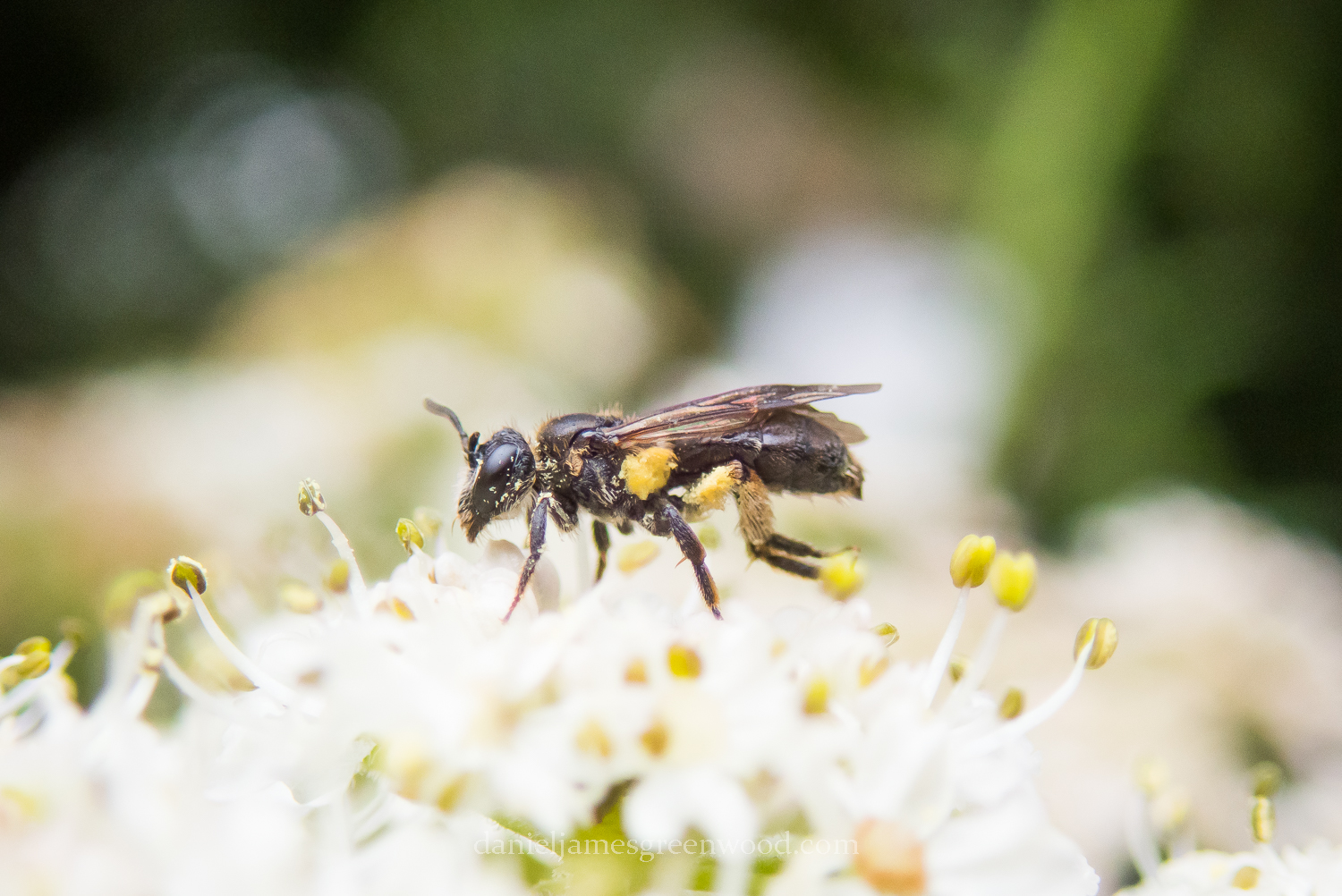
These are by no means great images (I would need extension tubes to increase the magnification) but the species may be an interesting type of wasp. It might be an aphid wasp, which is a group of wasps I haven’t heard of or seen before (there are thousands, even in the nature-depleted UK).

I’ve posted about aphids this year, and have noticed just how good a year they’re having. I listened to this episode of the Food Programme last week on the subject of potatoes, and didn’t realise aphids could trouble potato farmers. Perhaps they need to start gardening for aphid wasps!

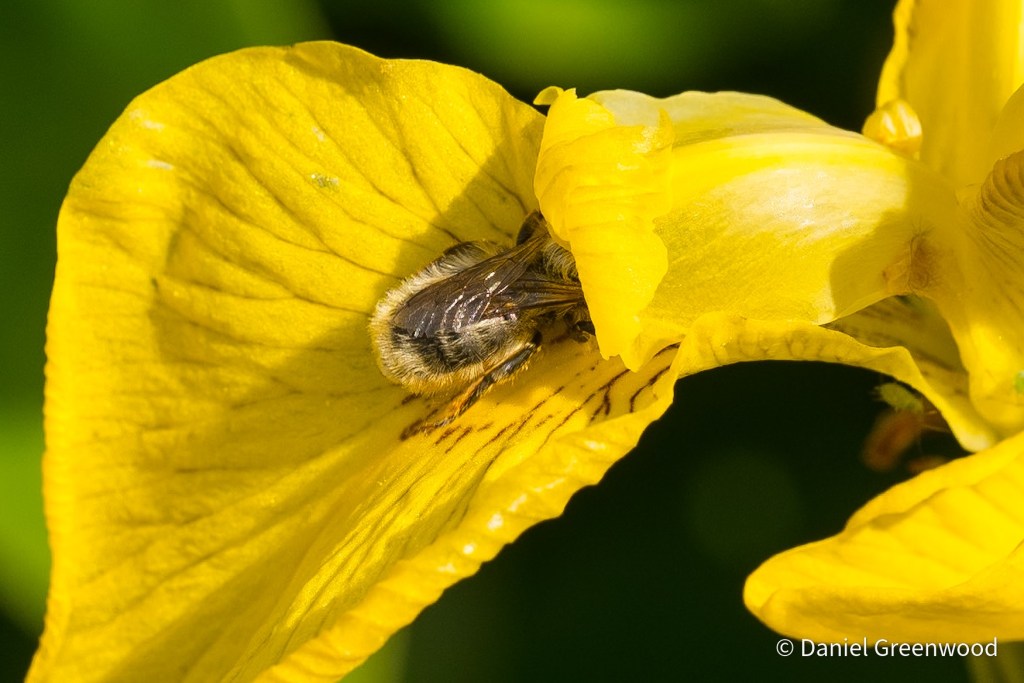
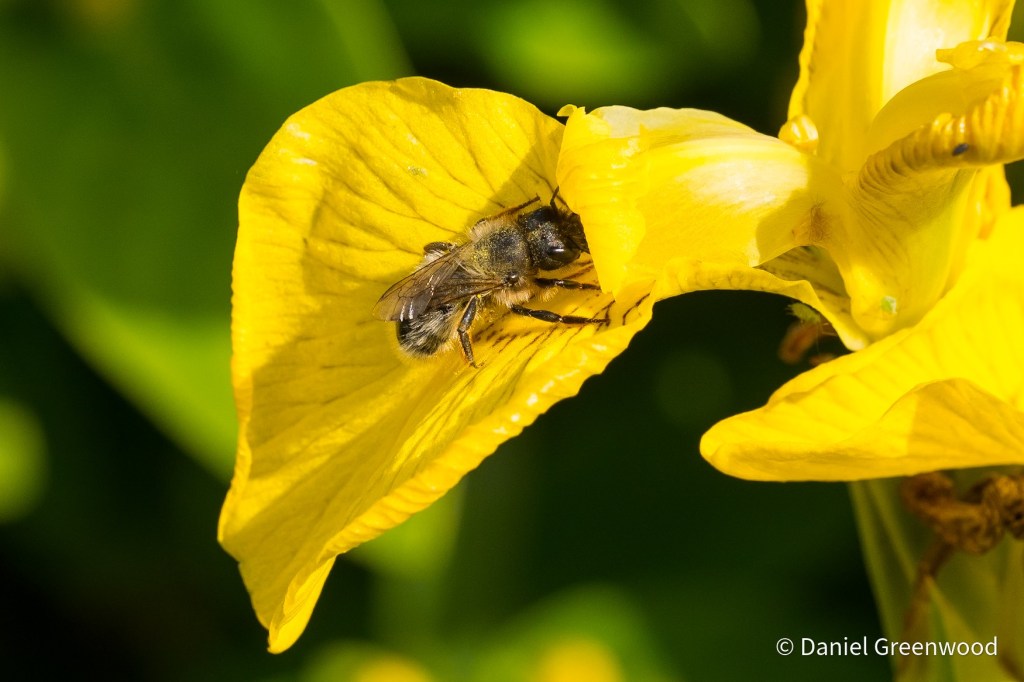
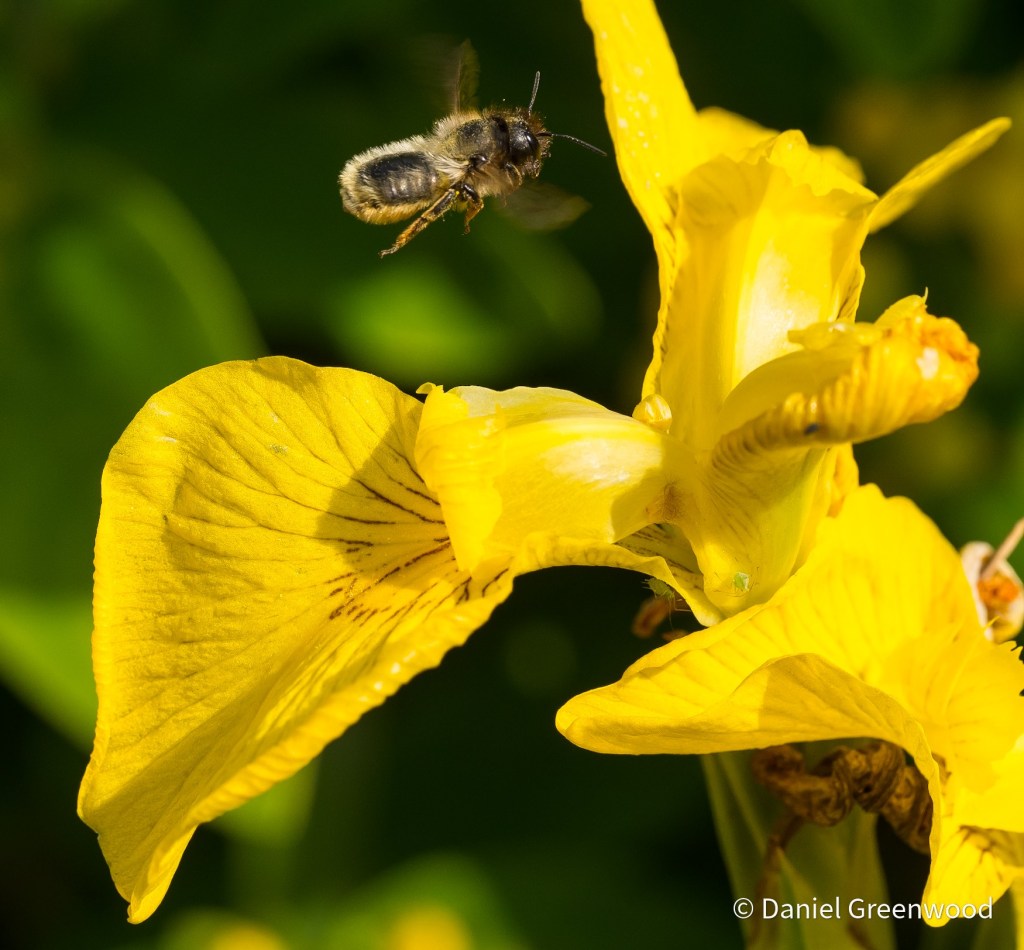
We have a tiny pond which supports frogs and is planted with native aquatic plants. One of those plants is flag iris, which the bigger bees love. I enjoy seeing the bees climb through the yellow petals to nectar on the stamens. This bee is probably in the megachile group, perhaps one of the leafcutter species. Someone on iNaturalist suggests it’s a mason bee, so I’m not sure.

I like how leafcutters are in their own world. They often appear after the red mason bees and hairy-footed flower bees have gone, but they seem like they’ve always been there, so focused are they on their leafcutting tasks.
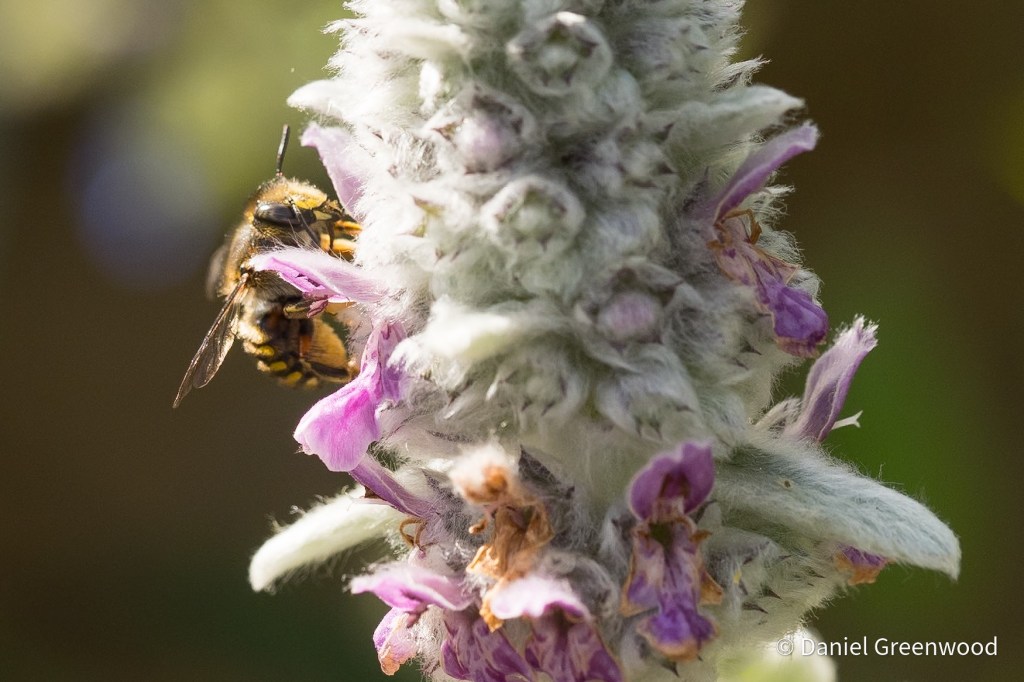
Another welcome sight in the bee world (it’s so much more than honeybees!) are the wool carder bees. I planted this stachys (or lambs ears) for the WCBs in 2020, and they immediately arrived.
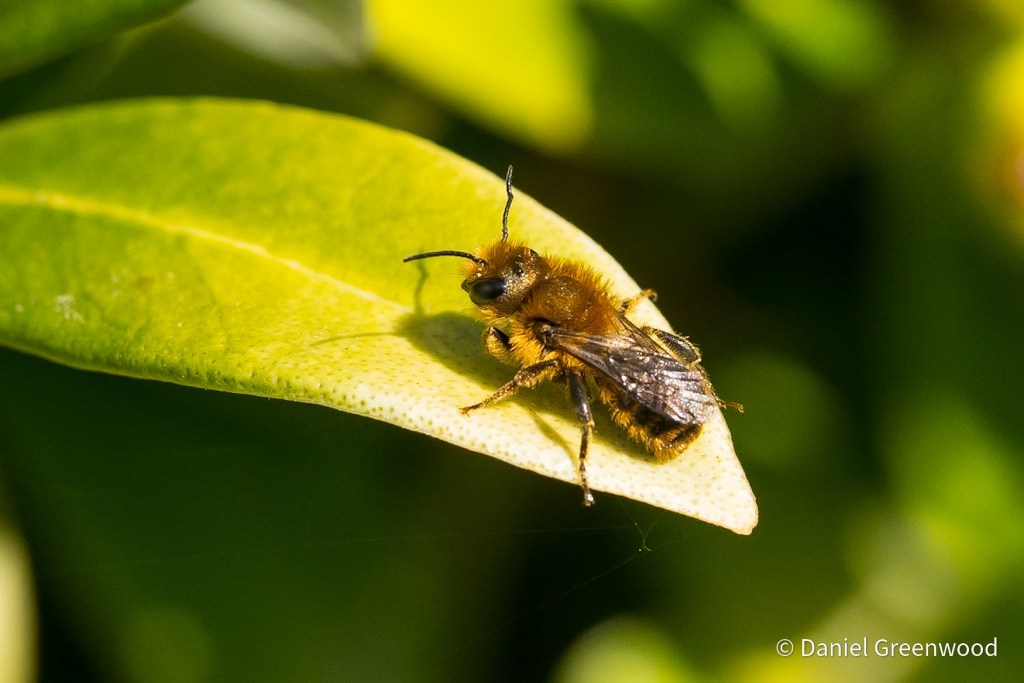
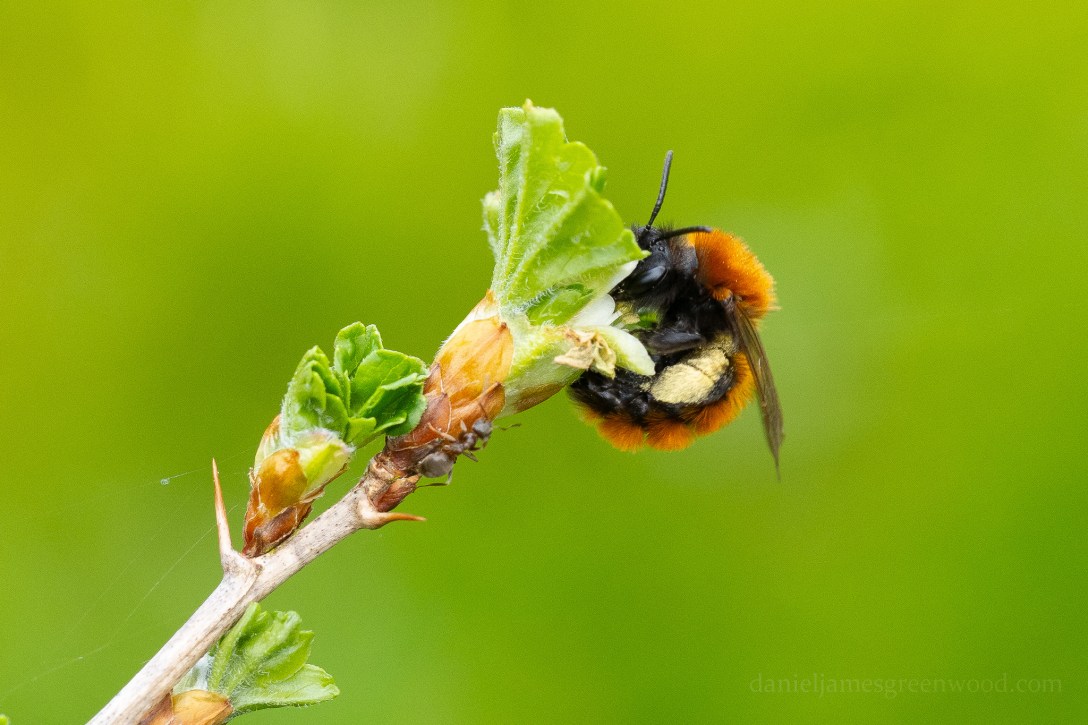
Regular readers of this blog may recognise this species from previous posts, who just couldn’t keep out of this week’s post. I used to look like this. These may be an orange-vented mason bee.
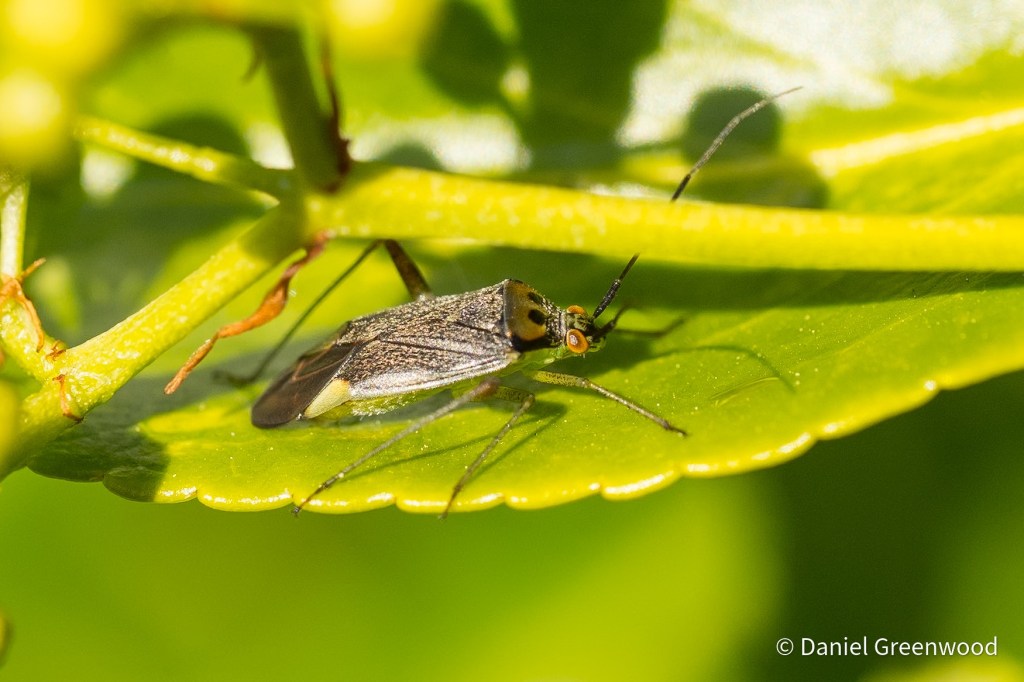
This capsid or mirid bug was chilling in the hedge, as they often do.

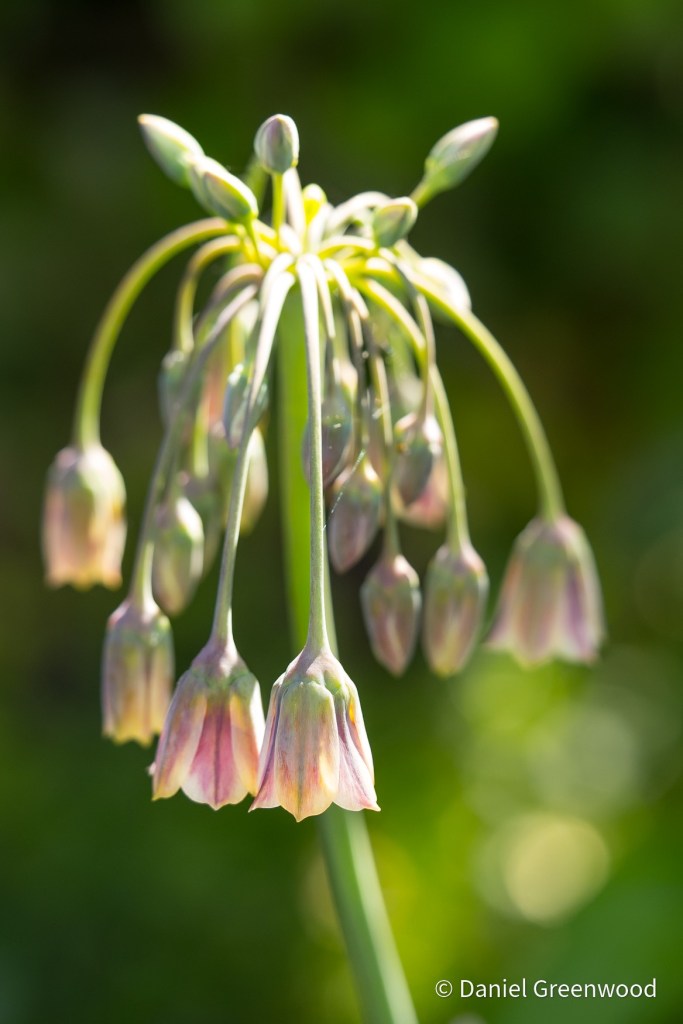
And finally, those trusty honey lilies were looking their best in the evening light, as their flowering period drew to a close.

Next week we’ll see out May with some pretty epic wasp vs. spider scenes and miniscule bees.

Thanks for reading.

Macro

Oaks leaves like little fires

I’m still dining out on mid-April at the moment, it’s such a lovely time of year.

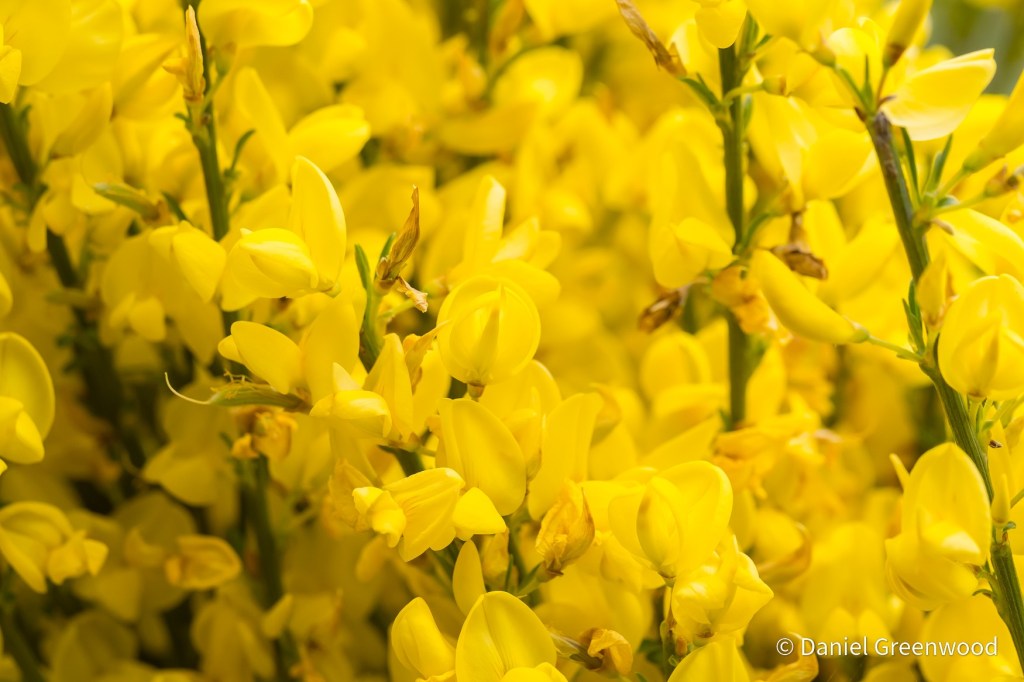
The broom (Cytisus scoparius) we planted several years ago has bloomed magnificently this year. It’s been a treat to both smell, and to see it attract a whole range of pollinators.

Dandelions have been all over social media recently with the recipes for ‘dandelion honey’. I am reliably informed that it’s jam or syrup rather than honey because you’re not a bee. It’s good that people are becoming more aware of dandelions which are incredibly important for pollinators.

We’ve expanded our berry bed in the garden to include an extra redcurrant, blueberry and gooseberry. Above are the lovely flowers of redcurrant.

My little laid hazel hedge is coming along nicely. These fresh red stems are a welcome sign.

As part of the hedge I’ve planted a couple of oaks that have been in pots in our garden for a number of years. One of the oaks is from my grandmother-in-law’s garden near Epping Forest, the other grown from an acorn from Dulwich Wood. I love the redness of the leaves when they first appear, whether or not these are tannins I would need to check the science.

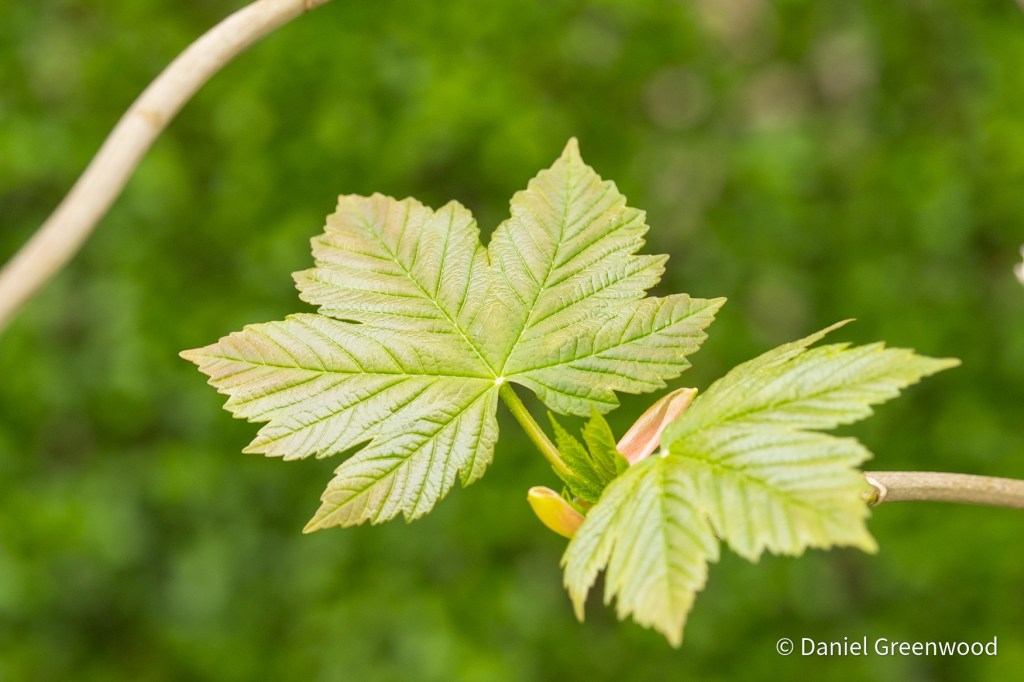
Elsewhere the sycamore is now leafing. Soon these will be sticky with aphid honeydew. The sparrows and blue tits will be hoovering the aphids up to feed their nestlings.

Speaking of those little devils, our swift box has been moved-into after 3 years of waiting for something to happen. Of course it would be best if swifts were there, but sparrows are also red-listed and their habitat is being lost as people are forcing them out of the eaves. Much of that is probably unintentional, but it’s still something we need to look at.

In the invertebrate world, the droneflies have calmed down a bit and are willing to pose for their macro close-up. This is probably a tapered dronefly (Eristalis pertinax).

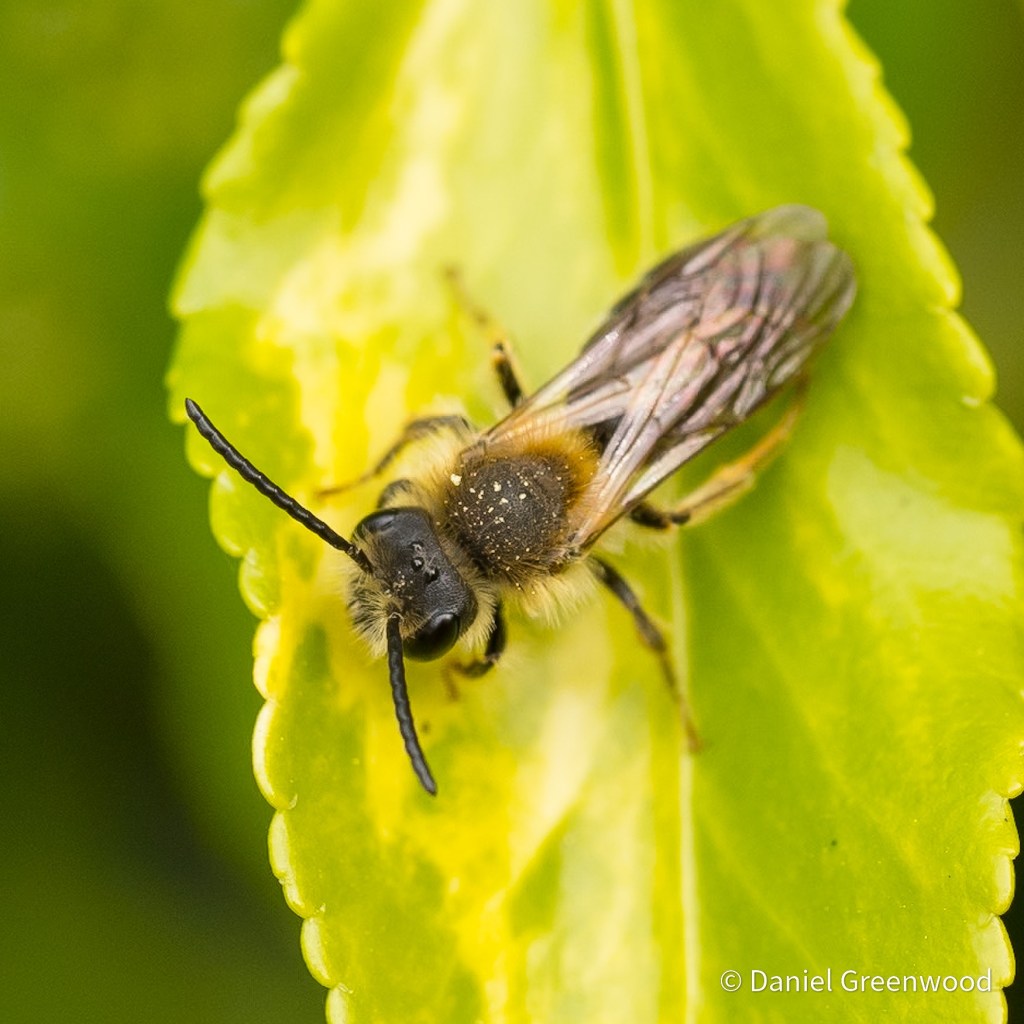
This is my first decent set of images of a solitary bee this year. It’s probably one of the mining bees (Andrena) but I don’t have an ID yet.

Another solitary bee species had found its way into our living room. I took a few photos before letting the little bee back out into the world.

Thanks for reading.
Macro

When is a wasp a hornet?

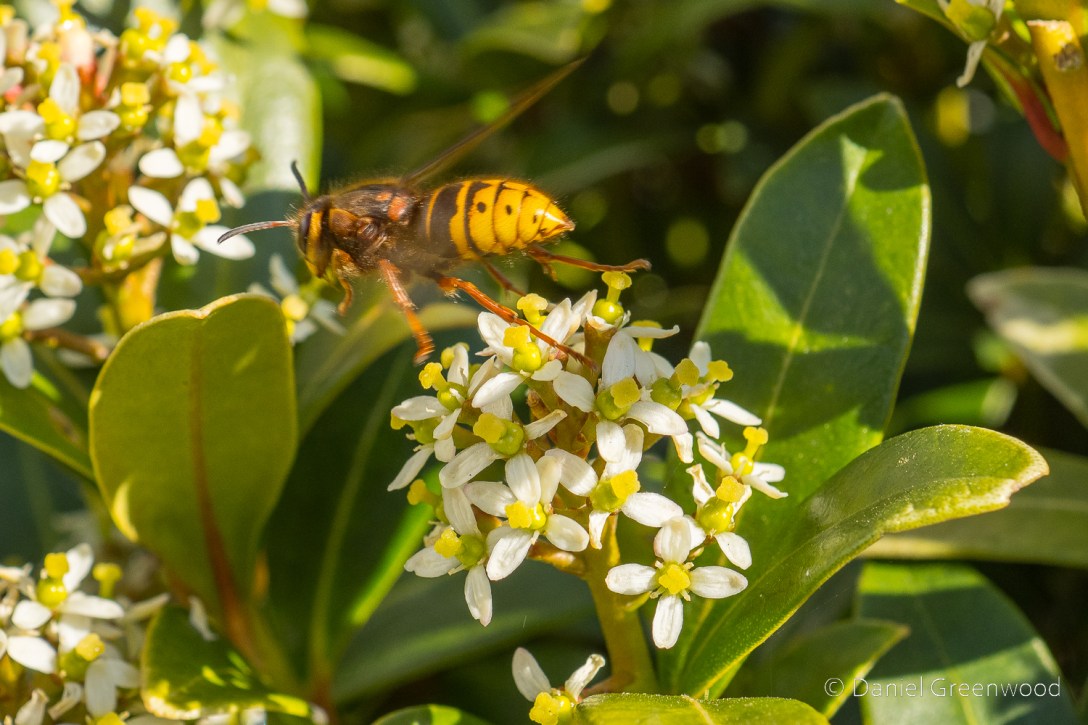
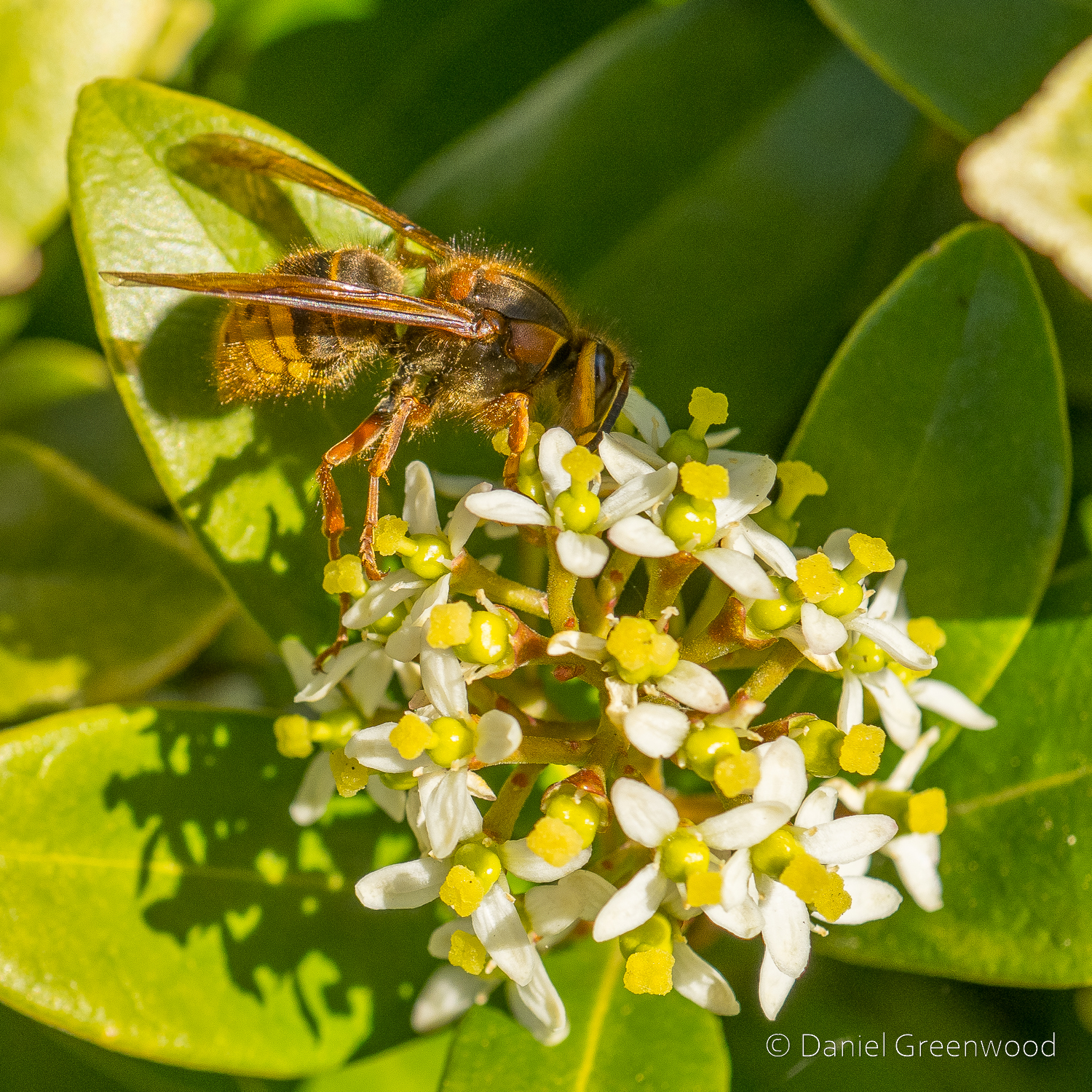
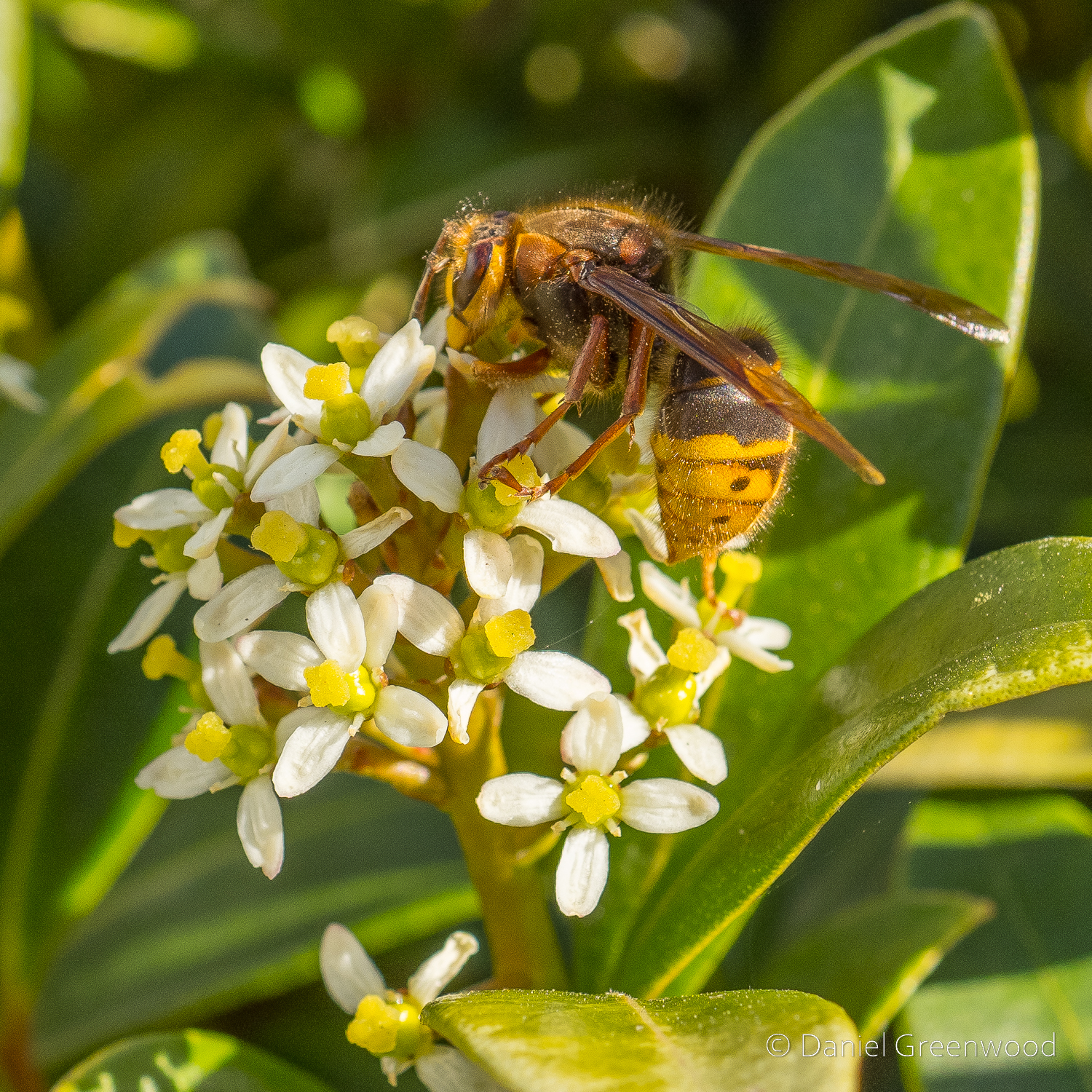
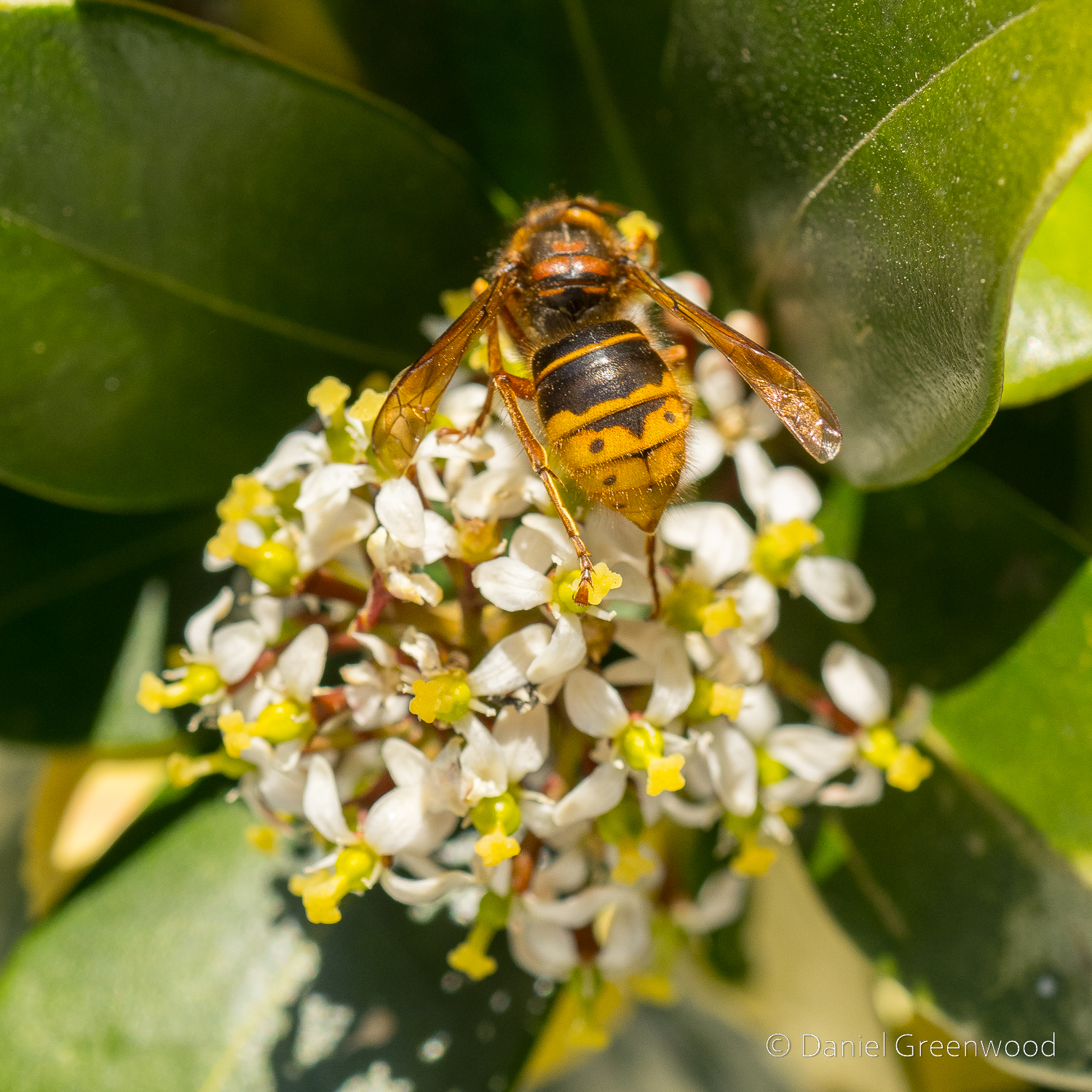
I was sitting in my garden when a large, wasp-like insect zoomed into view. It dropped into the skimmia and began nectaring on the flowers.

‘Hornet!’ I called out, but trying to be quiet enough not to spook the insect. I captured these images, convinced it was a hornet, the first I had ever seen in my garden.

When I popped a crude phone photo (not the world class images above) onto iNaturalist I began to have second thoughts. The first suggestions were for a species of wasp, the median wasp. That is now the consensus, and so my hornet drought goes on. But it is a beautiful thing.

My house is quite old, built in the 1840s. The path outside our door is known as a ‘twitten’, a Sussex colloquial name for a little footpath. The path is bricked (like many of them are) and always flushes with spring flowers. Lesser celandine and grape hyacinth are two of the species that enjoy the margins.

Does this rose regrowth remind you of a certain American President?

A few holes have appeared in the lawn. I haven’t seen who created these mini-bunkers but I am confident they’re mining bees of some kind.

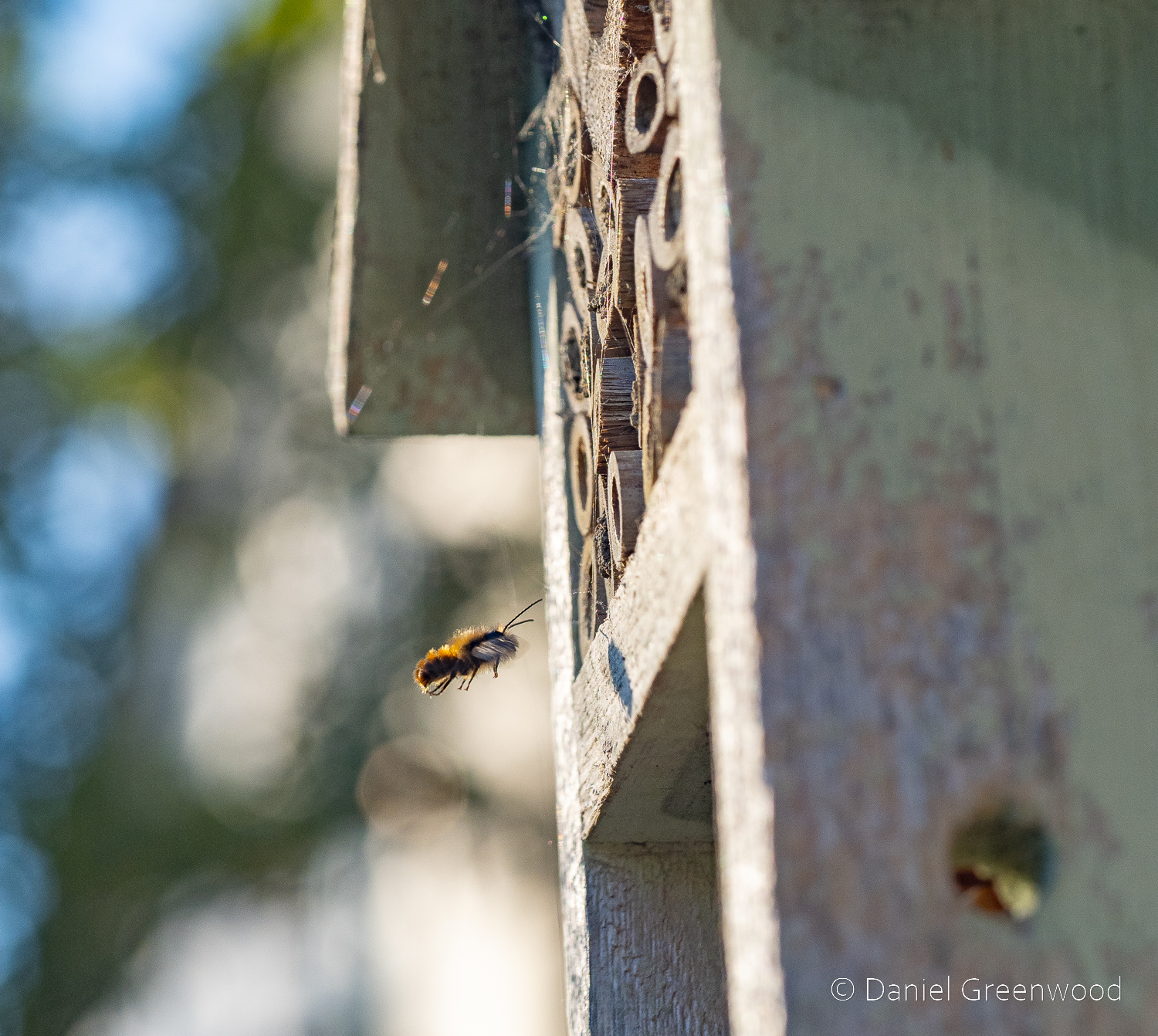
The red mason bees have been rather slow to appear this year and many of the bamboo slots are still sealed. Some of the bees have been hovering around the entrances, as above.

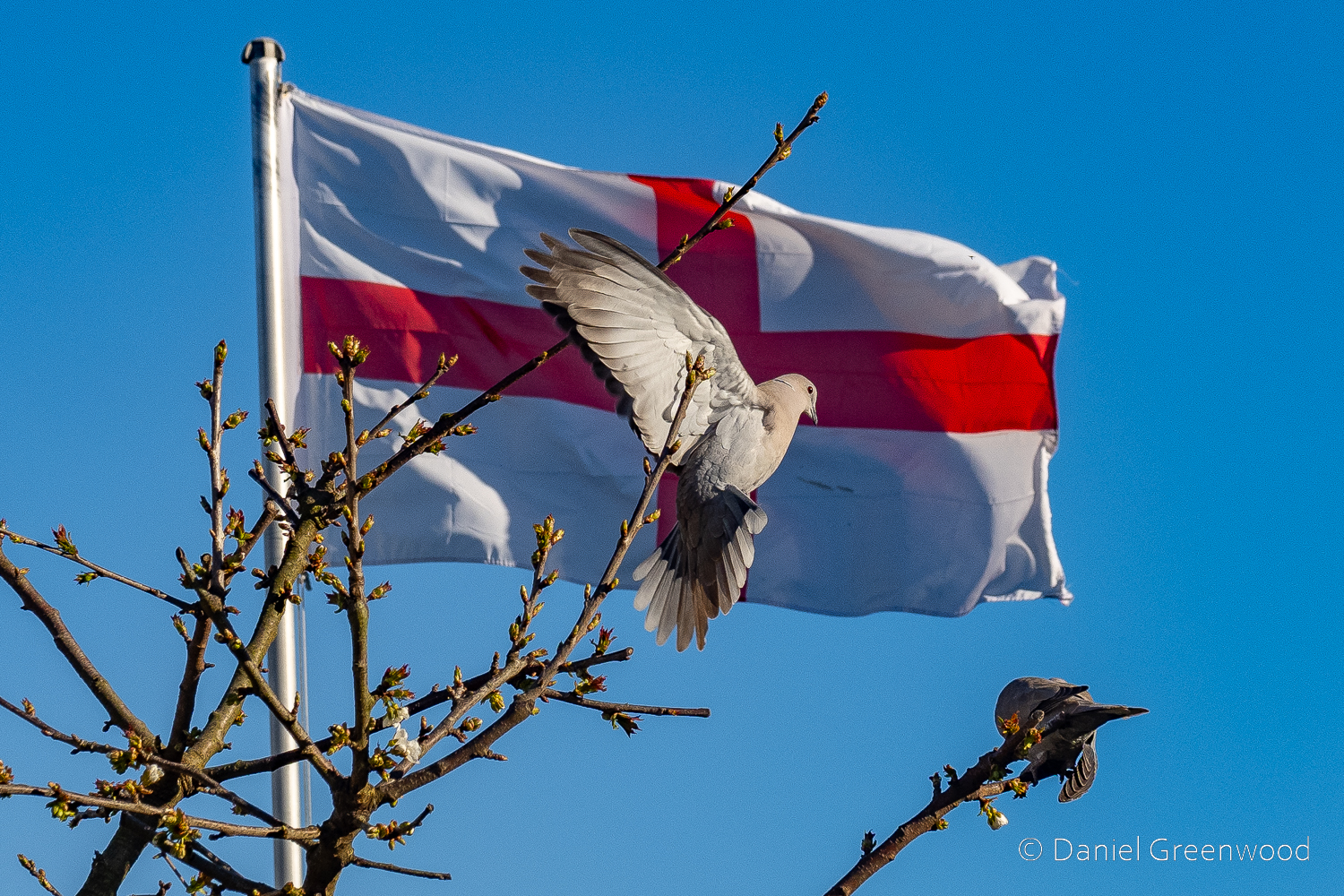
I took this photo of two – yes, two – collared doves with my macro lens. Macro lenses usually often can act as a telephoto lens because you need space between you and the thing you’re photographing to ensure you don’t spook the subject. The flag isn’t mine, as you may have guessed if you’ve ever met me or read this blog before 😉

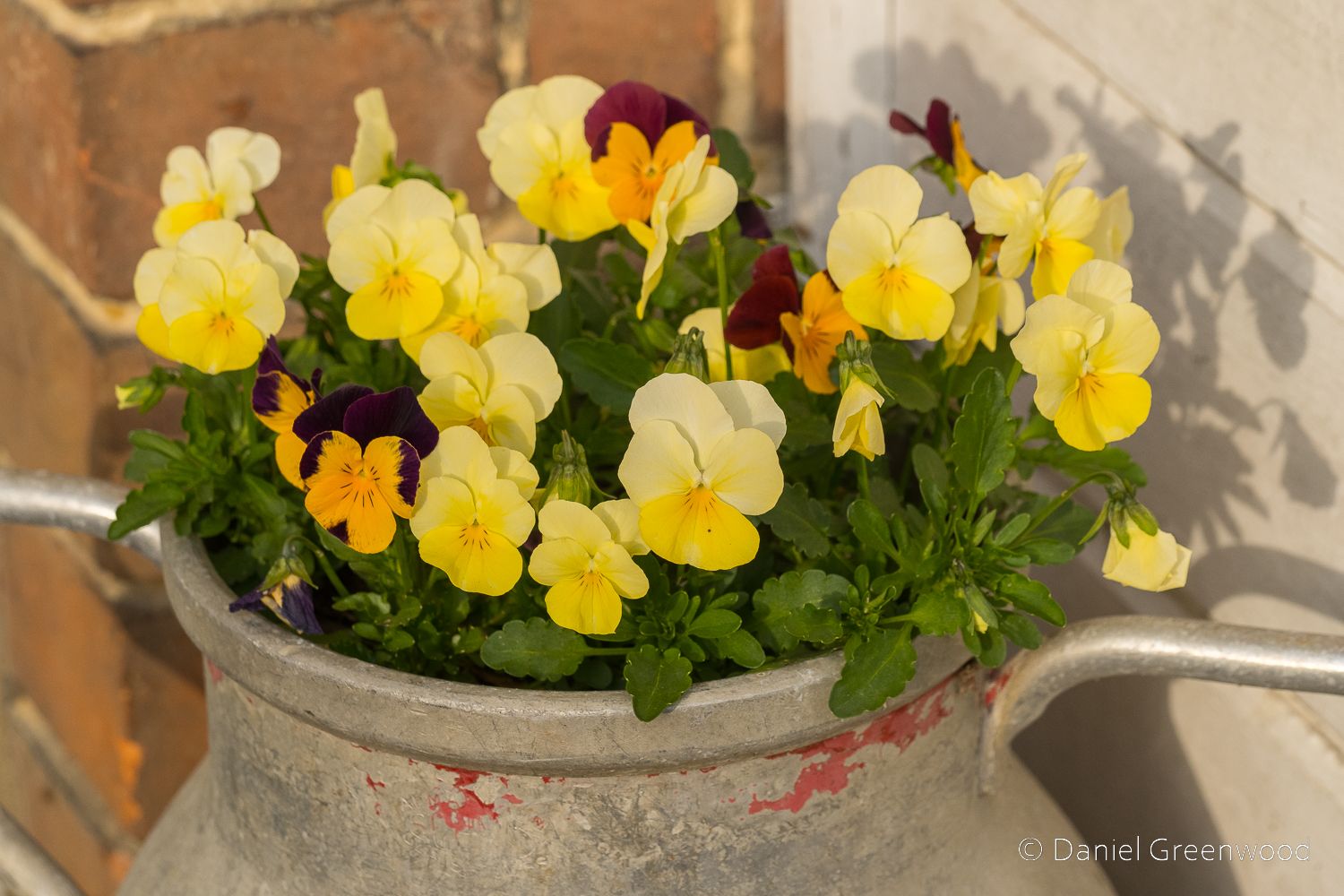
The pansies are doing well in the milk churns, a good place to end.

Thanks for reading.
Macro

Sawflies munching the gooseberry 😋

In June, my wife called me out to the garden because she’d found something in the gooseberry. Pretty standard.

She has an amazing ability to find things and is especially good at foraging. In this instance she’d found caterpillars munching through the gooseberry leaves.

There was a sense of both amazement at what we were witnessing and fear for the health of the shrub. We don’t survive on gooseberries and the birds almost always get to them first, but you don’t really want your shrub to die. Then again it hasn’t exactly been a raging success, to be honest.

Personally, I always think English gardening culture fails to accept death and decay into the mix, and the important role that plays. Gardens should feed local wildlife, not just be a killing zone for visitors deemed unwelcome.

One summer does not a garden make!

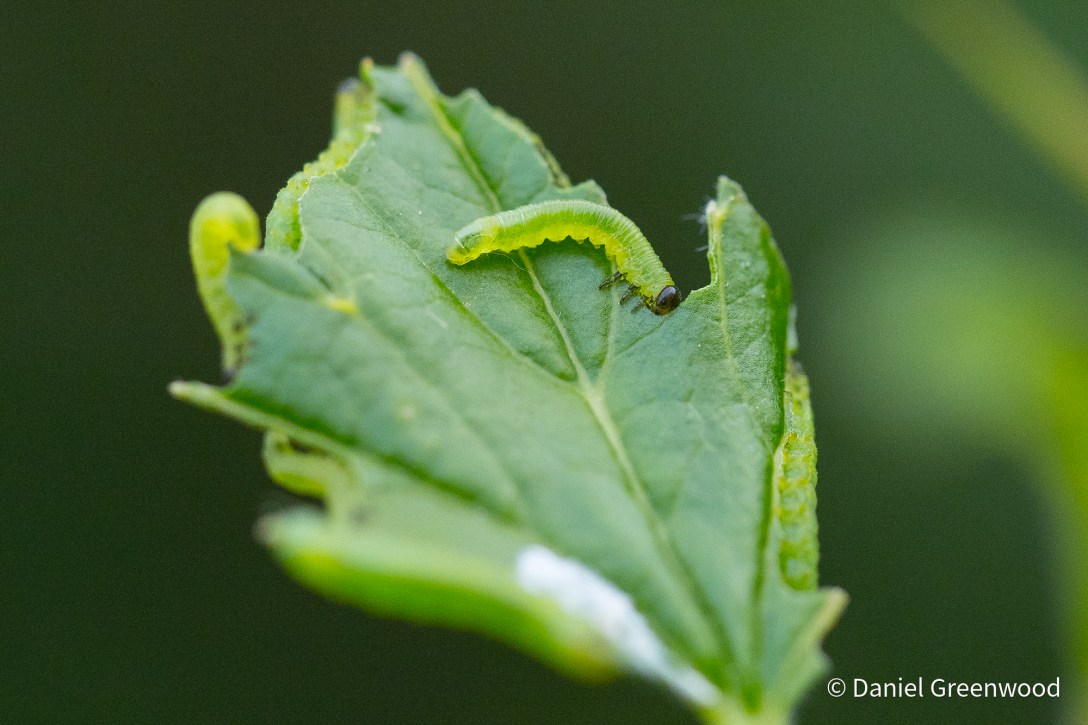
With the help of iNaturalist I understand these to be small gooseberry sawflies (Pristiphora appendiculata). Sawflies are relatives of bees and wasps that are common in gardens and elsewhere.

I do love this view of the sawfly caterpillar nibbling its way through the leaf. When we looked at them on the gooseberry new caterpillars would appear as your eyes adjusted.

In the days that followed I noticed house sparrows hanging from the surrounding raspberries and picking at the gooseberry. That’s a very good meal, especially for fledglings.

Some days later I spotted a new visitor to the gooseberry. I was confident this was a sawfly (not knowing anything about their lifecycle) but unsure if this was one of the caterpillars emerged as an adult insect. I’m not sure, but it’s likely to be an adult small gooseberry sawfly.

As for the gooseberry bush, it looks ‘touch and go’ as football physios say. It’s part of the game of life.

Thanks for reading.
Macro

Hogweed heaven💮

West Sussex, July 2023

I’ve been trying to keep my macro photos rolling in the absence of June’s one pic each day. It’s a bit like keeping your lawn growing after No Mow May.

Actually, no, it’s harder because you have to be proactive.

By far the best encounter with the macro world this past week was a patch of hogweed along a footpath by the local river. A cyclist went past me as I was taking these photos – even though it was a footpath – and glared at me as if I was doing something truly evil or dangerous to the public.

I have a bike, too, so if that exercised the cycling community, we’re all friends here on djg.com…

Hogweed is a weird plant, in that it’s part of a family that both kills, but also provides edible plant matter. Its sap is photocorrosive (not as bad as its big brother, giant hogweed) but its flowers are very, very good for pollinators. It can also be a bit invasive because it burgeons in places where nitrogen levels are artificially high (probably dog urine here…) therefore most of England.

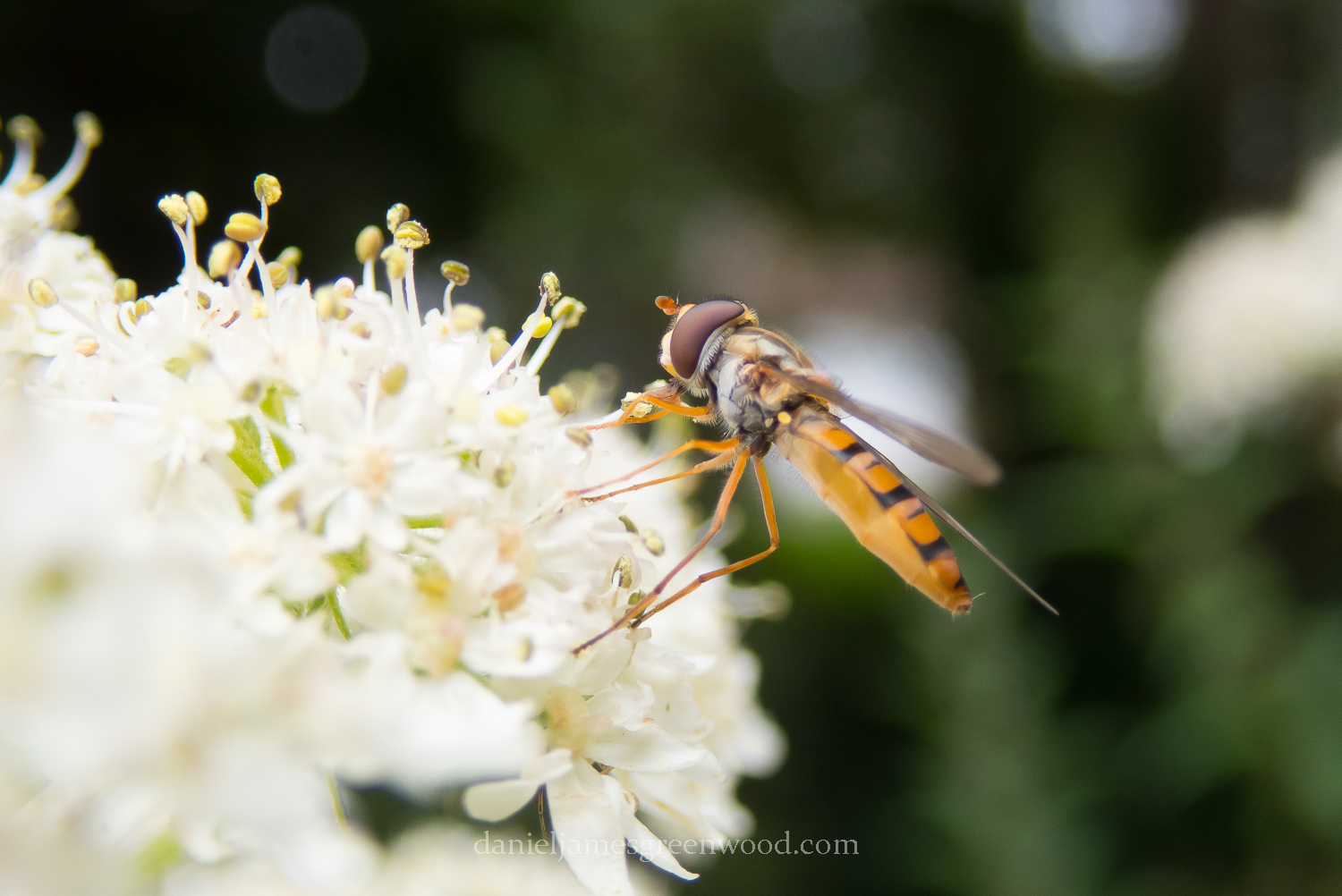
A marmalade hoverfly feeding on the hogweed stamens

A soldier beetle also drinking from the carrot fountain

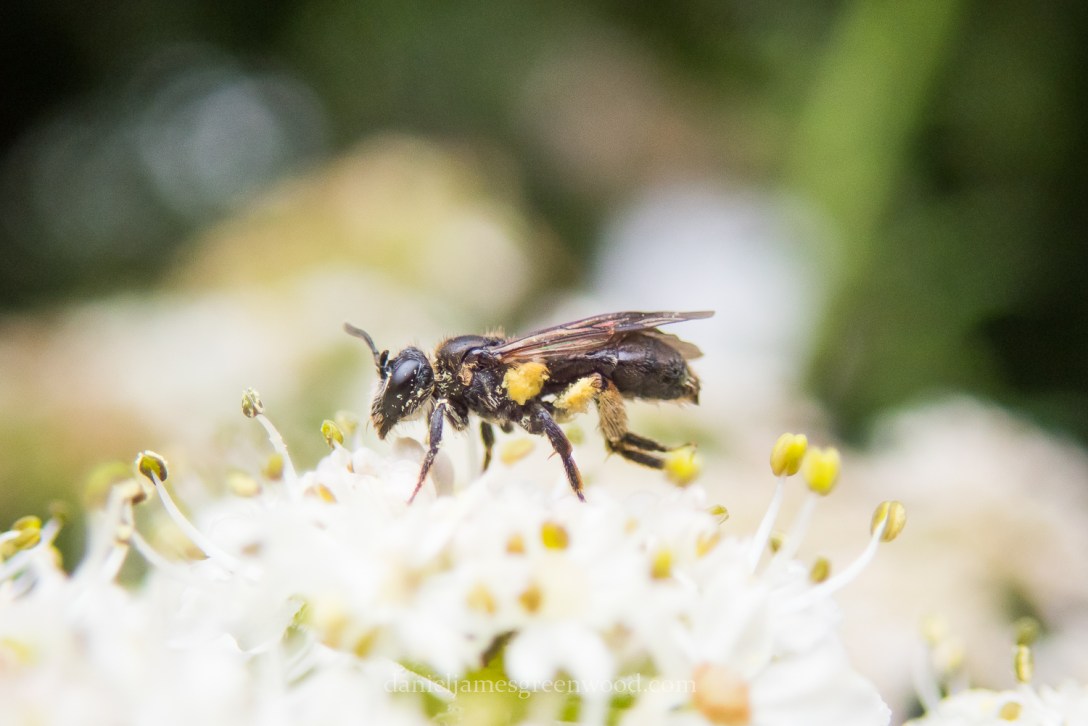
I would say this was maybe an ashy mining bee, but a little faded and low on the ‘ashy’ body hair

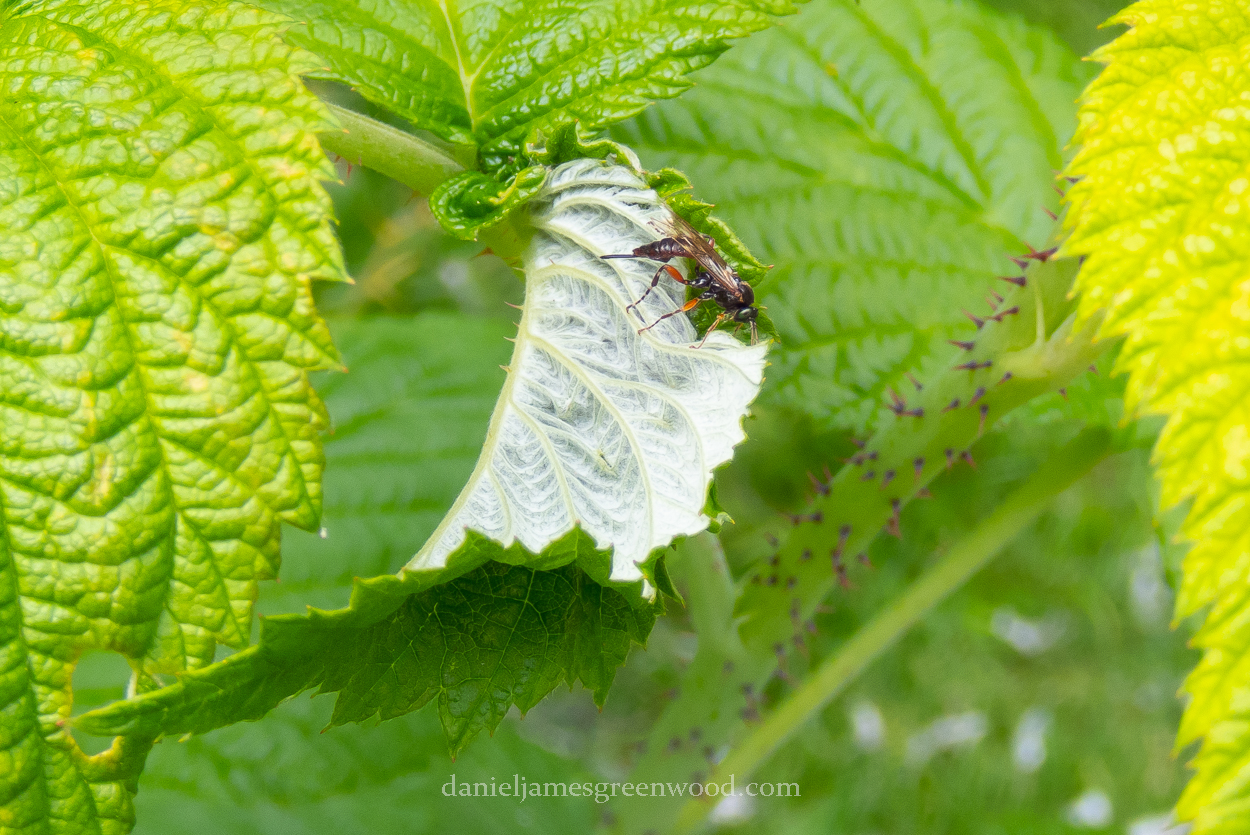
Earlier this week I noticed an ichneumon wasp exploring the raspberry patch in my garden. It was pausing to use its ovipositor on the curled up leaf – presumably the work of some other organism creating a sort of cocoon. I love them!

Thanks for reading

Macro | Ichneumon wasps

Tooth of the lion 🦁

Back in London and a chance to see what my Mum and Dad’s garden had to show for itself on the first day of May. This is when we really start to get into the pollinator season, which peaks in July. The weather was perfect for macro with no harsh light.

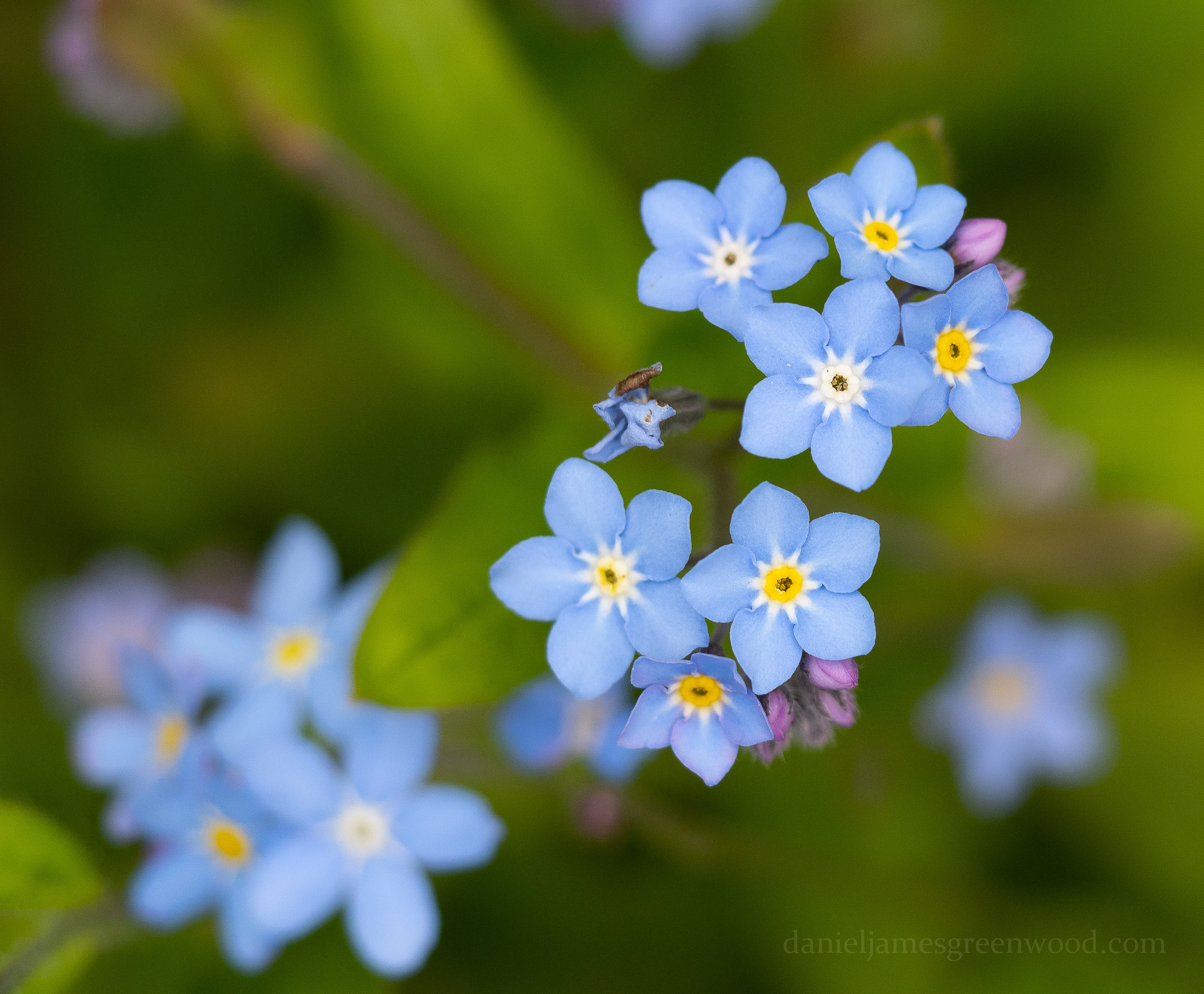
The forget-me-nots were still on fine form.

I noticed how the dandelions in their pre-flowering phase also look like lions. Their name actually means tooth of the lion from the French “dent-de-lion”, which is one of the great common plant names in my view. Also a reminder of how the English language takes from so many others (did you know English also contains ‘Viking’ words like sky, eggs, and happy?!) The leaves look like teeth but the flowers look like lion’s manes. I’d love to learn more about the history of the name in England.

The ladybirds were quite active. We may be looking at the invasive harlequin here.

I saw this micro-moth on a few occasions, if they are the same species. Their behaviour was similar and their patterning is also.

It’s always nice to see a bee-fly, unless you’re their prey. They can’t have much longer left of their season.

This cucumber spider was hiding away in a buddleia leaf.

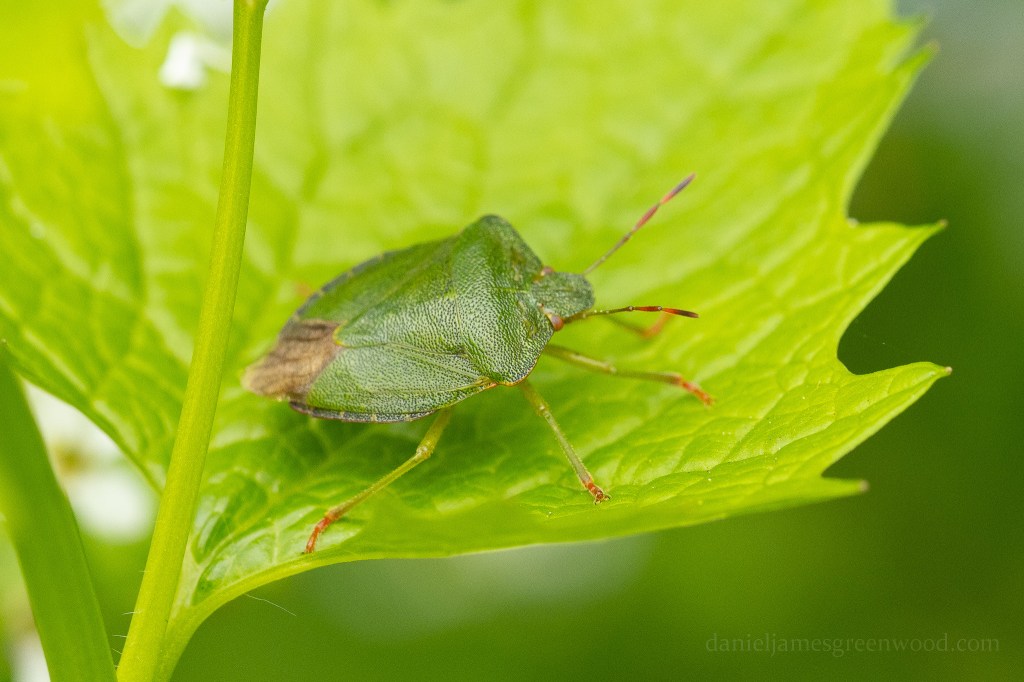
This is one of the first green shieldbugs I’ve seen this year. They are a really common garden bug in England.

Mirid bugs are a quite big group, but this is definitely one species I’ve encountered often in suburban gardens.

My Dad spent ages trying to control the Spanish bluebells that were running rampant. They are a difficult species to remove. That said they are attractive both for photos and some pollinators like mason bees.

My final image was of a hoverfly I see quite a lot that holds its wings in to its body, making it difficult to observe its markings. I think this one looks like a metallic robot from a 1980s sci-fi movie.

Thanks for reading.

More macro

Forget-me-nots and tawny mining bees 📷

I spent Good Friday with my Mum in London and managed to sneak in 5 minutes of macro photography in her garden. It was a warm but fairly overcast afternoon, which is pretty perfect for macro. This is because the light is softer, creating less contrast in images, and not so hot that insects are hyperactive.

Every spring my Mum and Dad’s garden explodes with self-seeded forget-me-nots, lesser celandines and garlic mustard. The forget-me-nots are truly stunning flowers.

Up close and under a macro lens they are even better. I didn’t get a photo of their full spread, but this tweet completely sums up how I feel about them:

I think it’s a good idea to normalise calling certain things ‘wildflowers’ rather than ‘weeds’.

Years ago my Dad used an old enamel sink to make a pond. We put some marsh marigold in which has proven very content indeed in that small basin. It’s a good nectar source for bees in particular.

One of my Dad’s favourite plants in the garden was the smokebush which grows outside the kitchen window. The colours are incredible when in full swing, but the plant is no less beautiful when it comes into leaf. One of the last proper conversations with my Dad was when I told him I had cut this back (it was getting quite big) and he thanked me for it. I can’t tell you how significant that is now.

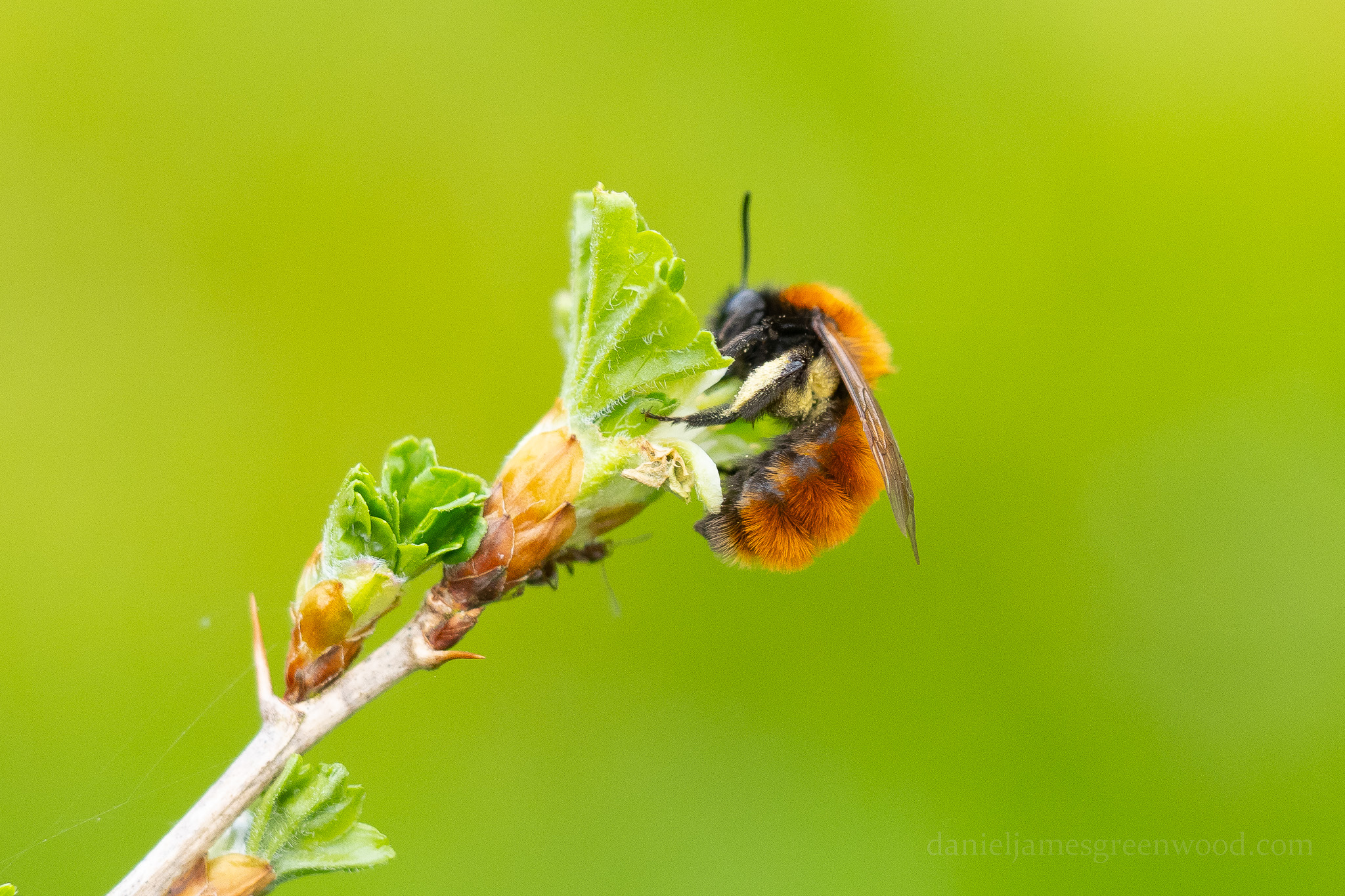
I noticed a familiar bee whizzing around the gooseberry bush – another of my Dad’s favourites, which he would pick fruit from and put into desserts, but also curse the woodpigeons who sometimes ate all the crop in one go! This little red bee is a tawny mining bee, one of the early solitary bee species that we get in southern England. Here you can see it pollinating the gooseberry flowers, that highly valuable ecosystem service you may have heard about. Also note the ant approaching!

The ant is clearly approaching the bee, which in turn is shifting ready to fly. You can just about make out the ant’s mandibles opening in a threatening manner.

The ant has done its job and the tawny mining bee has fled the scene. I can only guess that the ant sees the bee as a threat to any aphid farming operations which are taking place on the plant, or happening nearby. The mining bee is no threat to the ant or the aphids. It only wants nectar and pollen.

I didn’t know that I had captured this scene – it is out of focus after all! But it is a reminder if you spend even a few minutes looking you will find some drama going on out there.

Thanks for reading.

More macro

Is it safe to come out yet? 👀

Two years ago I began posting a weekly macro blog, mainly because of the UK Covid-19 lockdowns, which only allowed us to leave the house once a day. I kept to those rules to protect other people, ultimately sacrificing much of the time I would have been able to spend with my Dad in the final two years of his life. If you’re in the UK and in touch with current affairs, I think you probably know why I’m making that point. During the lockdowns I spent a lot of time in my garden, in a house we had only just moved into, and relished the opportunity to get to know the tiny lives being lived in the small space of my back garden.

I mention all this because I now have nothing like the same amount of time to spend outdoors in the garden. So what time I do have out there is precious. One thing that hasn’t changed too much is that I am one of those privileged people who is able to work flexibly and I can visit my garden on breaks. I’m yet to receive a passive aggressive post-it note from a bespectacled Somerset MP.

I popped out one morning recently and found a neighbour had returned, though they were rather nervous about leaving their own quarters. For many people, it’s a similar issue.

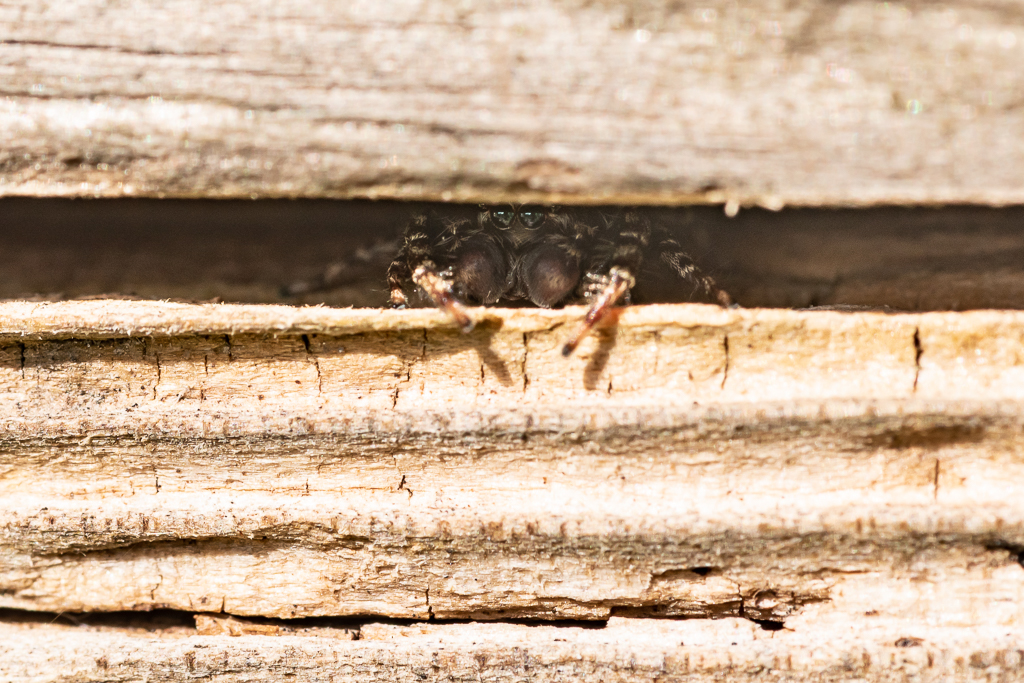
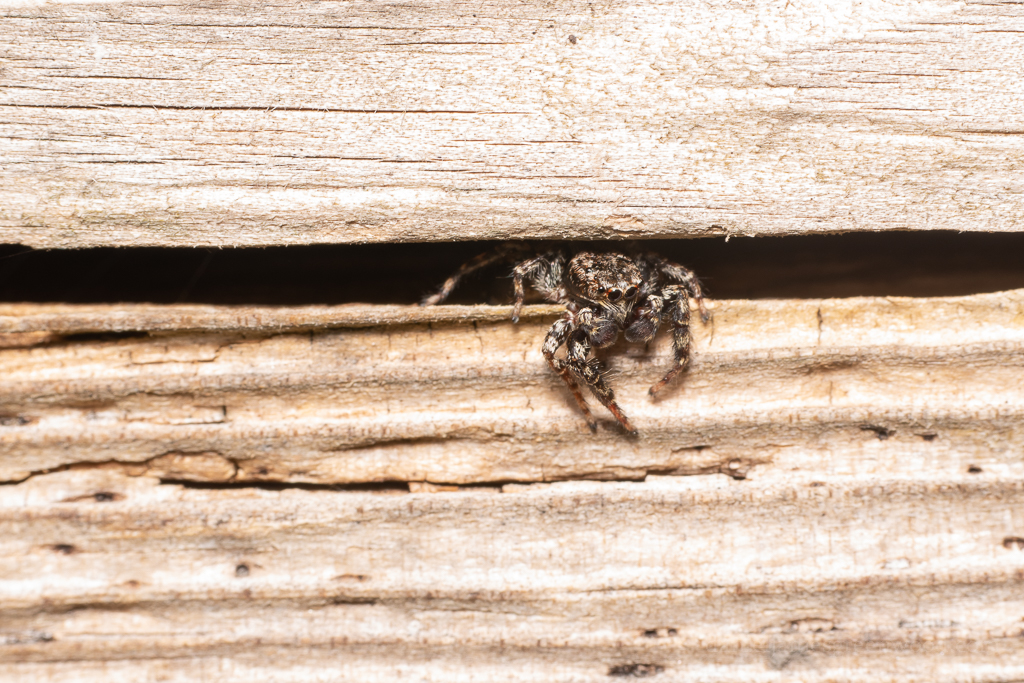
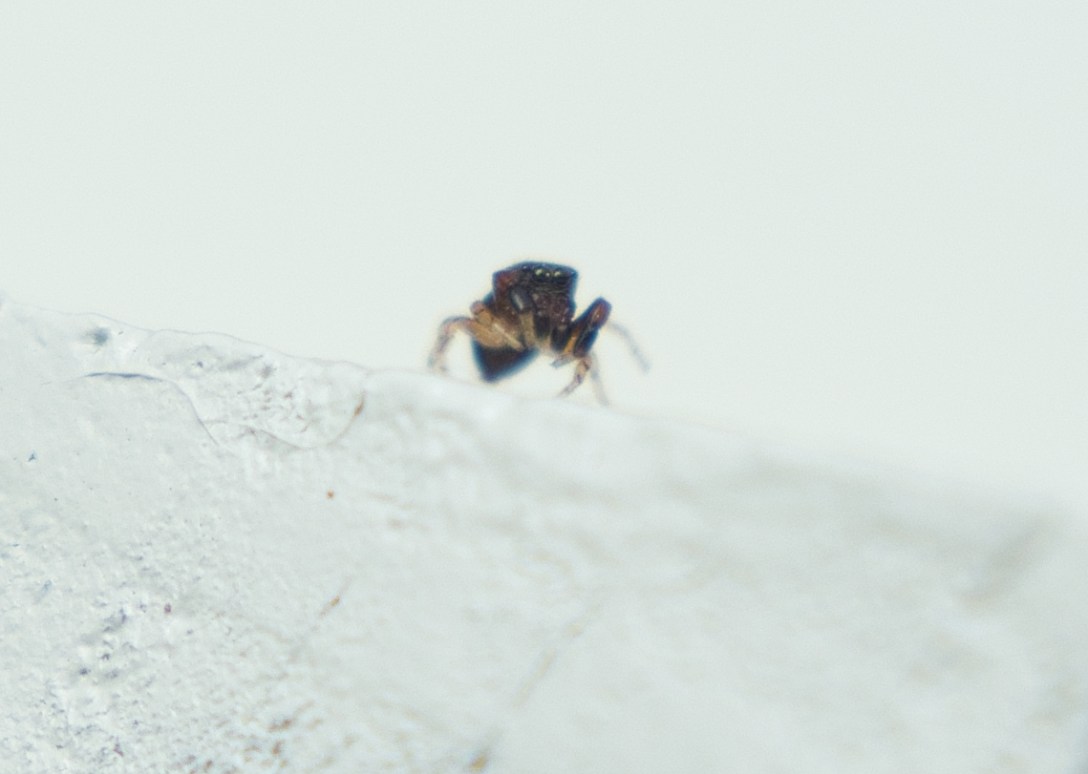
Last June I got some of my best ever macro photos as I leant over my fence, straining my lower back to capture photos of a fencepost jumping spider. I was pleased to see this beautiful spider in the same spot once again this year. It was rather timid and if I got too close it would dart back in. The photo above has been edited to bring out the shadows so you can see those beautiful cartoon eyes. I think this species is mainly interested in hunting the flies and other winged-insects that bask on the hot spot of the fence top.

The spider did venture out on occasion, but after a couple of minutes I felt it was best to leave it to do its work, what is of course key to its survival.

Thanks for reading.

More macro

Macro 📷: the oak jumping spider returns

I came back from a walk the other day and, customarily, went straight to wash my hands. Looking in the mirror, I noticed something small dangling from my hair. Having just been on a walk my nature senses were fine-tuned and I realised it was an invertebrate. Looking more closely and removing it from my hair with care, I realised it was, one – alive, and two – a jumping spider.

I am fortunate enough not to have any fear of these spiders and, unlike a close friend, I’m not arachnophobic. I also have them fresh in my mind, after having a species of a nationally scarce spider confirmed by the county recorder earlier this week.

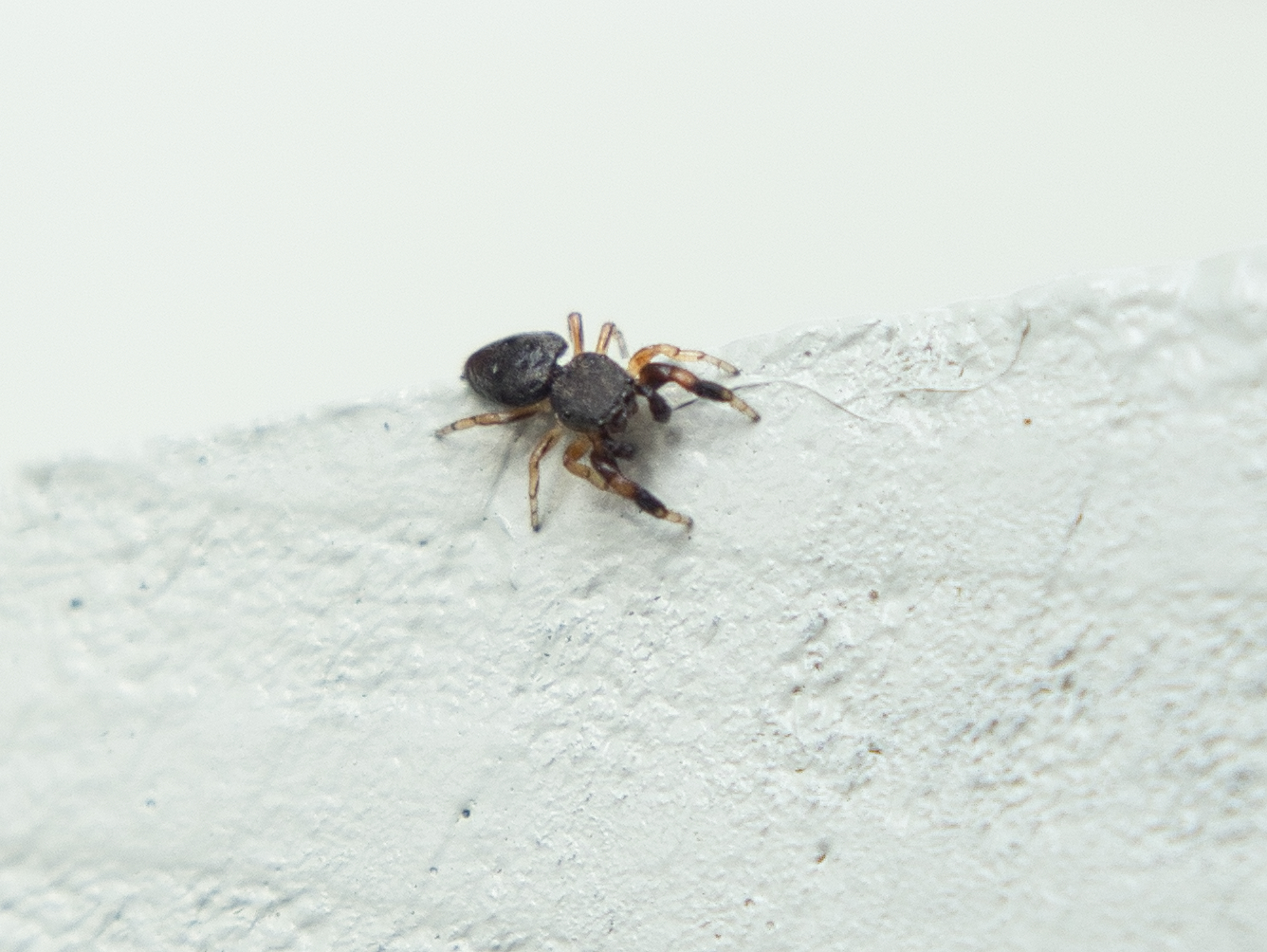
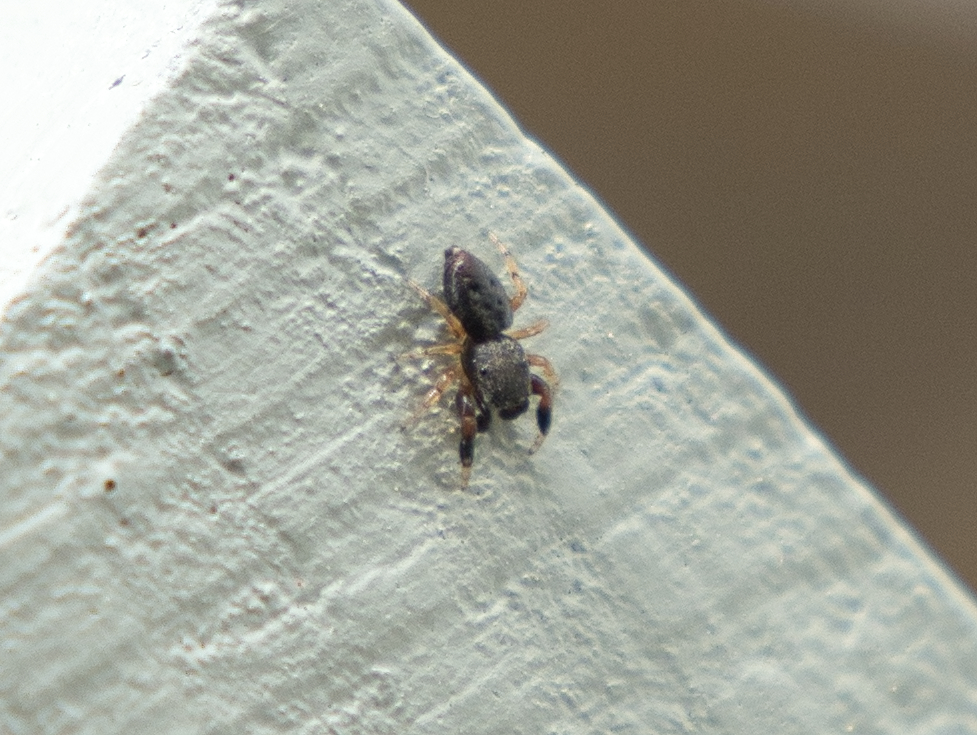
I looked at this tiny spider as it rested on my hand and thought, ‘it’s the same species’. I had my camera with me but perhaps not the best lens, i.e. not a macro, but one with some close-focusing capabilities. I took the spider outdoors, anxious that it might jump and never get outside again. I took photos with what I had. Without a macro lens I had to crop the images heavily in post-processing.

Looking at the photos, I am confident it is the same species again, Ballus chalybeius, the oak jumping spider. That confidence is boosted even more by this purchase, which arrived in the post the other day:

I have no idea where this particular spider came from – possibly from any of the oak trees I walked under? The book above states that the species is one of the only ones found only in trees and bushes. Its common name is oak jumping spider, which means I may have picked it up during my walk as there are no oaks anywhere near my house or along the street. It could also means it’s more common than is understood. That’s the beauty of community science!

Thanks for reading.

More macro

Macro 📷: how I garden for wildlife (in 3 minutes) – video

This morning I recorded a 3 minute video zipping through the key areas of my garden and how they support wildlife. Just before I pressed record a sparrowhawk nearly took my head off as it was chased away by a starling! Wish I’d caught that on the video.
Here I quickly outline the key habitats and luckily manage to film some bees demonstrating why ‘weeds’ are important, too.

I think I promised something like this a few months ago, so enjoy! Of course I’d love to do some more in future if I can find the time.

Thanks for watching!

More macro