Storm Ciara blew in on Sunday and probably washed any winter shrooms away. But I’m still spending my time with the symbiotic fungal folk found in lichens. The lichens have had a good week, heavy rain has been interspersed with some lovely winter sun.
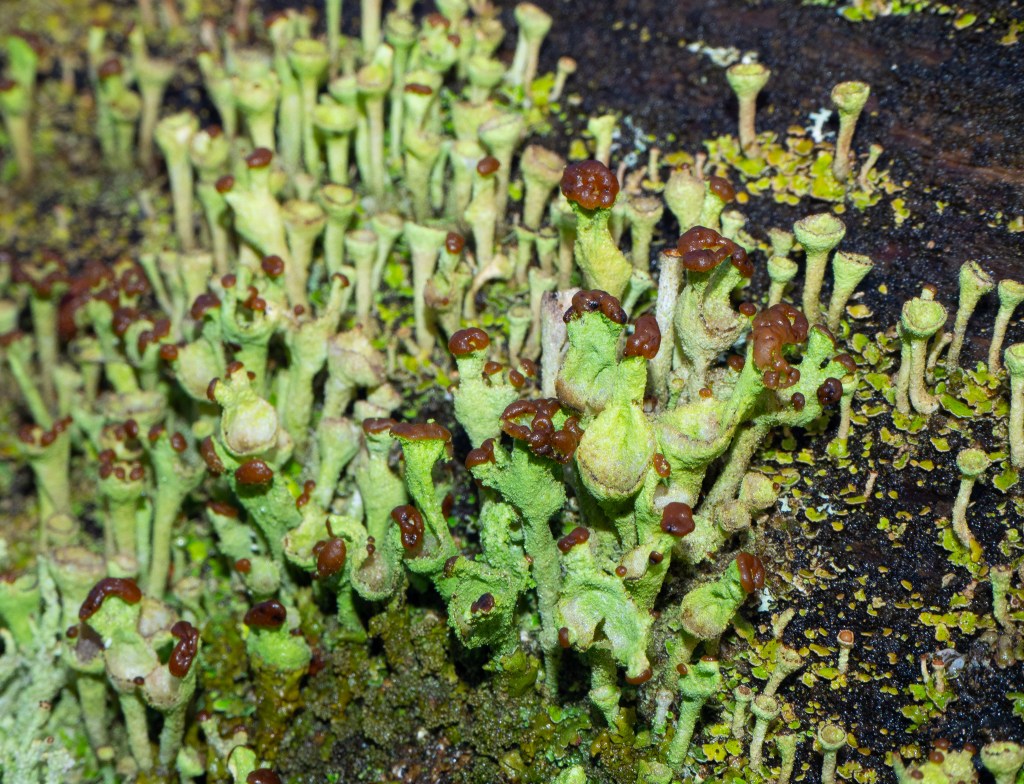
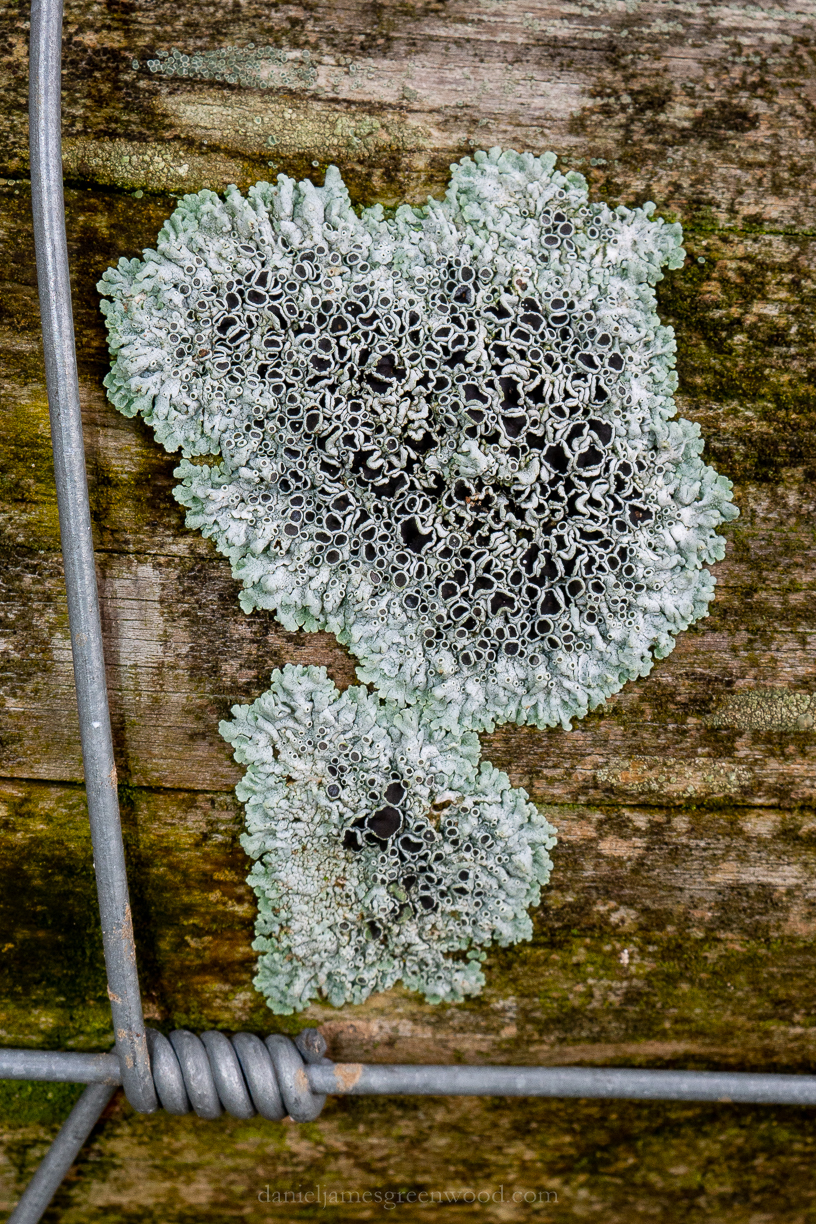
Near where I work there are lengths of low post-and-rail fences that are covered in lichens. They’re likely to be sweet chestnut and not to be treated with any chemicals. This patch above is a joy, a mass of cladonia cup lichens with mosses and some crustose lichens smattered in between.
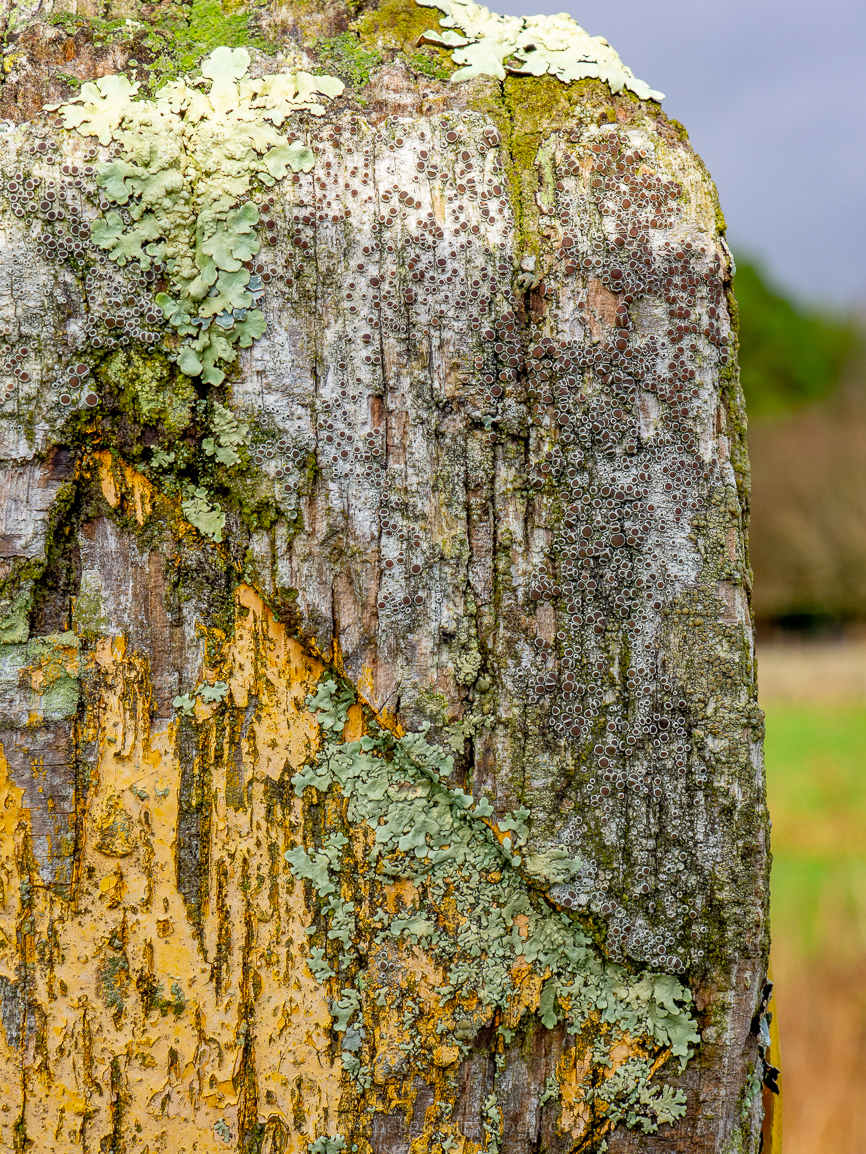
This is probably Xanthoria parietina which is a very common yellow lichen. I think it looks like scrambled eggs! The colours have only been very mildly edited here, it really was vibrant.
These are the fruiting bodies of the cladonia cup lichens in the previous image, far more alien-like.
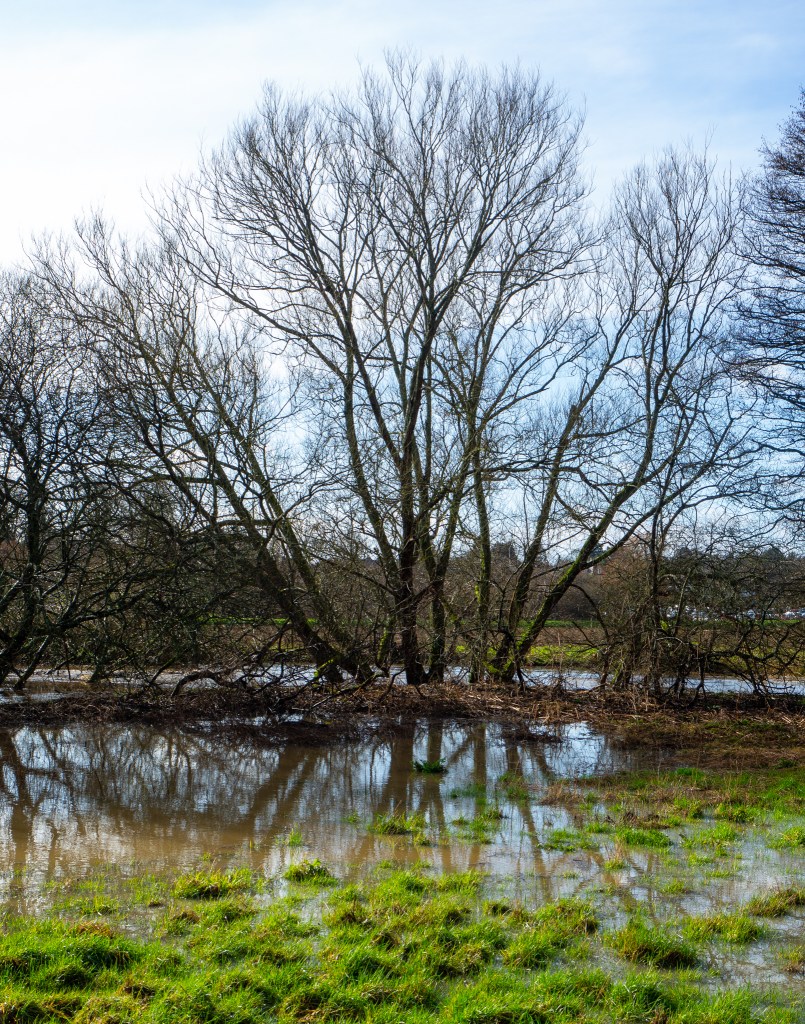
These fences are close to the river Rother which was flooding the surrounding landscape in an epic manner. It’s done it twice now this year.
As you can imagine, for the mushrooms of the fungal world, this is too much water!
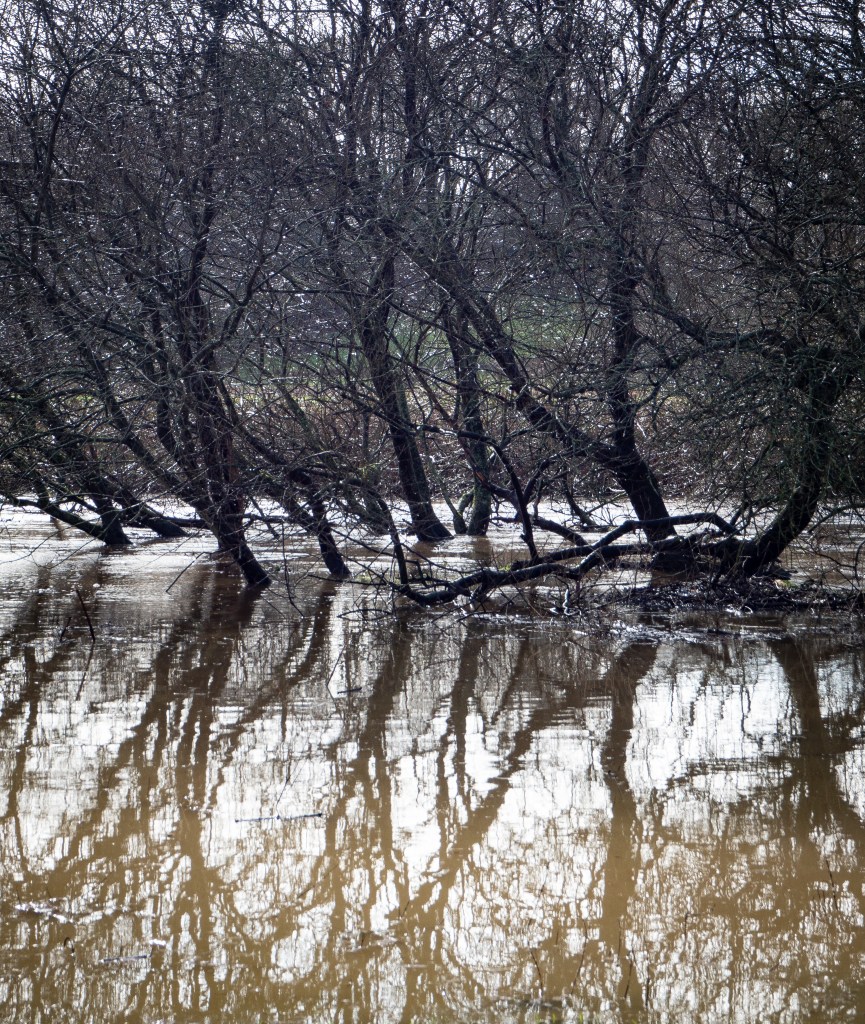
This is a dead alder tree that sits in the centre of the river. You can see the blue-green hue from the riverbank, the presence of lichens enjoying a sunny and moist spot to prosper in.
Next week I will actually have some 100% fungi to share!
Storm Brendon rocked up this week in Sussex and gave freedom of movement to the Arun and Rother. Temperatures have tickled 11 degrees but are set to crunch back down this weekend. Mushrooms must think, guys, WTAF?
I see images of nice looking shrooms on social media, things like velvet shank glowing orange like sweets on tree trunks. All I saw were the melted ice lollies of sulphur tuft (Hypholoma fasiculare) on an embankment. It gets worse:
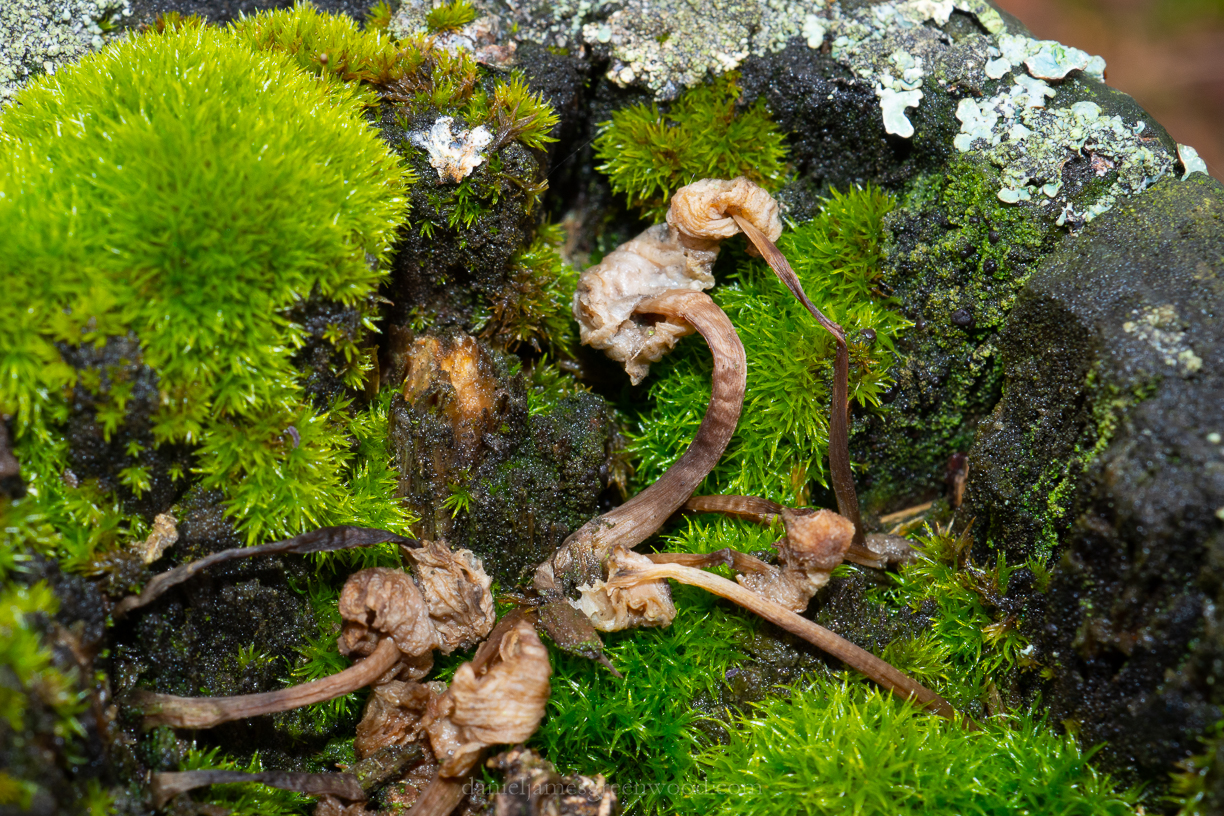
Probably some bonnets, like a scene from the Netflix drama You. The rain has been too much for these Mycena. But have hope.
Where there are non-chemical treated fence posts, there is hope. That hope comes in the form of our symbiotic fungi-algae friends, the lichens. This is a great time of year for lichens due to the amount of rain and their resistance to winter weather. They are hard to shift.
The fruiting bodies here are known as apothecia. I love them. They are like cartoon eyes or mouths. Wonder what they’re trying to say. Obviously it’s a climate warning.
This one just takes the biscuit. My lichen guide is in Ireland where it belongs, with all the other lichens. So I’m sailing in the dark and just here to appreciate the beauty of these ancient, life-giving organisms.
These fencing rails are a reminder of how important dead wood is in the biosphere as a structural support for biodiversity. No doubt lots of other organisms will make a home for themselves in these lichens.
This is a finger post with the yellow being the paint of an arrow pointing in the direction of the public footpath. I love the little apothecia eye cups on the right hand side.
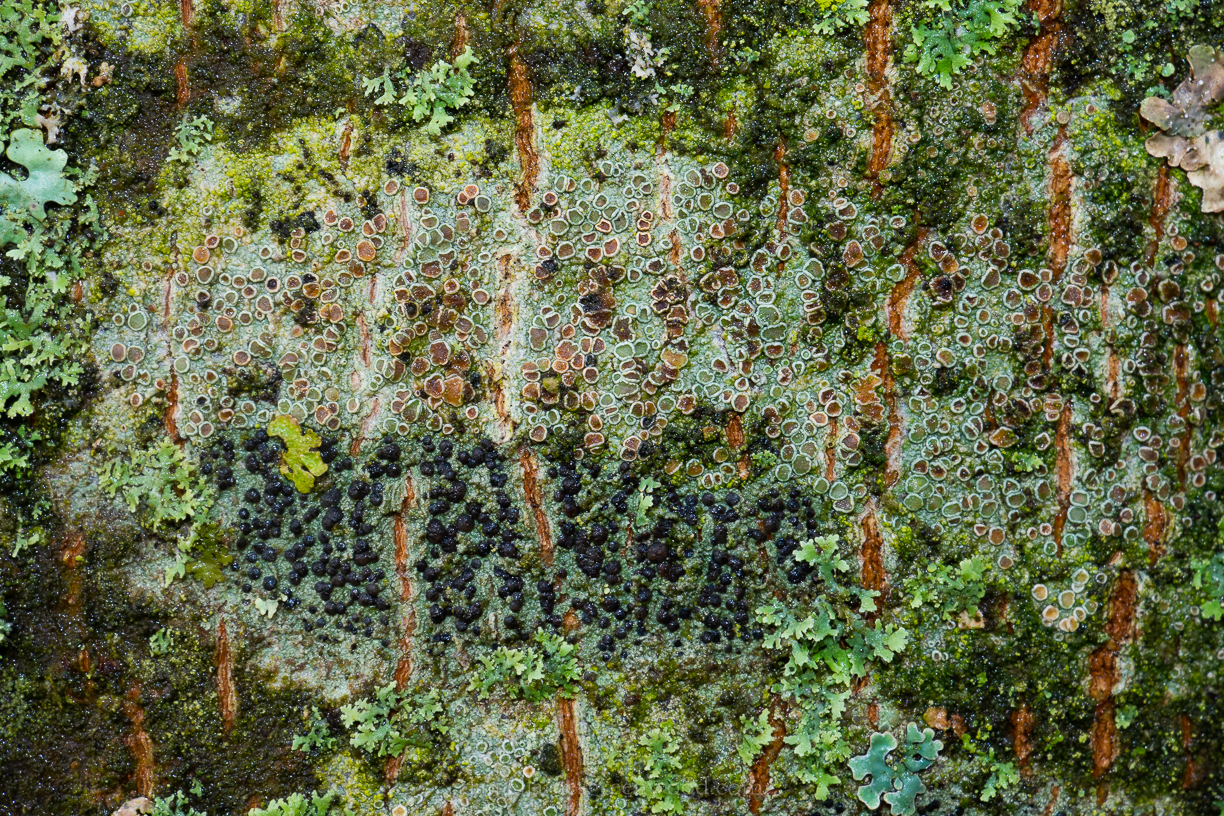
Living wood also provides a platform for lichens to grow. I can’t cope with the colour range in the species which dominates the image here. They were growing on the bark of a fairly young beech tree. A few people did glance over when they saw me effectively hiding behind the tree with a camera. In actual fact the camera was jammed up against the bark taking macro pics. Still, could have gone wrong.
Here you can see the brown streaks which are fissures in the maturing bark as it grows. Patches of foliose or leafy lichens are growing in among the crustose species.
This was their view, an oak tree fanned out before the South Downs ridge. Not a bad place to be for a lichen.
The British Lichen Society are running the hashtag #LichenJanuary. Lichens are for everyone so it’s good to see such a niche group spreading their knowledge to the masses(?) for free.
Thanks for reading and please share any interesting lichen finds (or indeed identifications) in the comments. Some interesting mycological articles this week: