
Schafberg, Salzkammergut, Austria, June 2025
Welcome to a big blog of sunny alpine images, from my walking highlight of the year so far. Down we go!
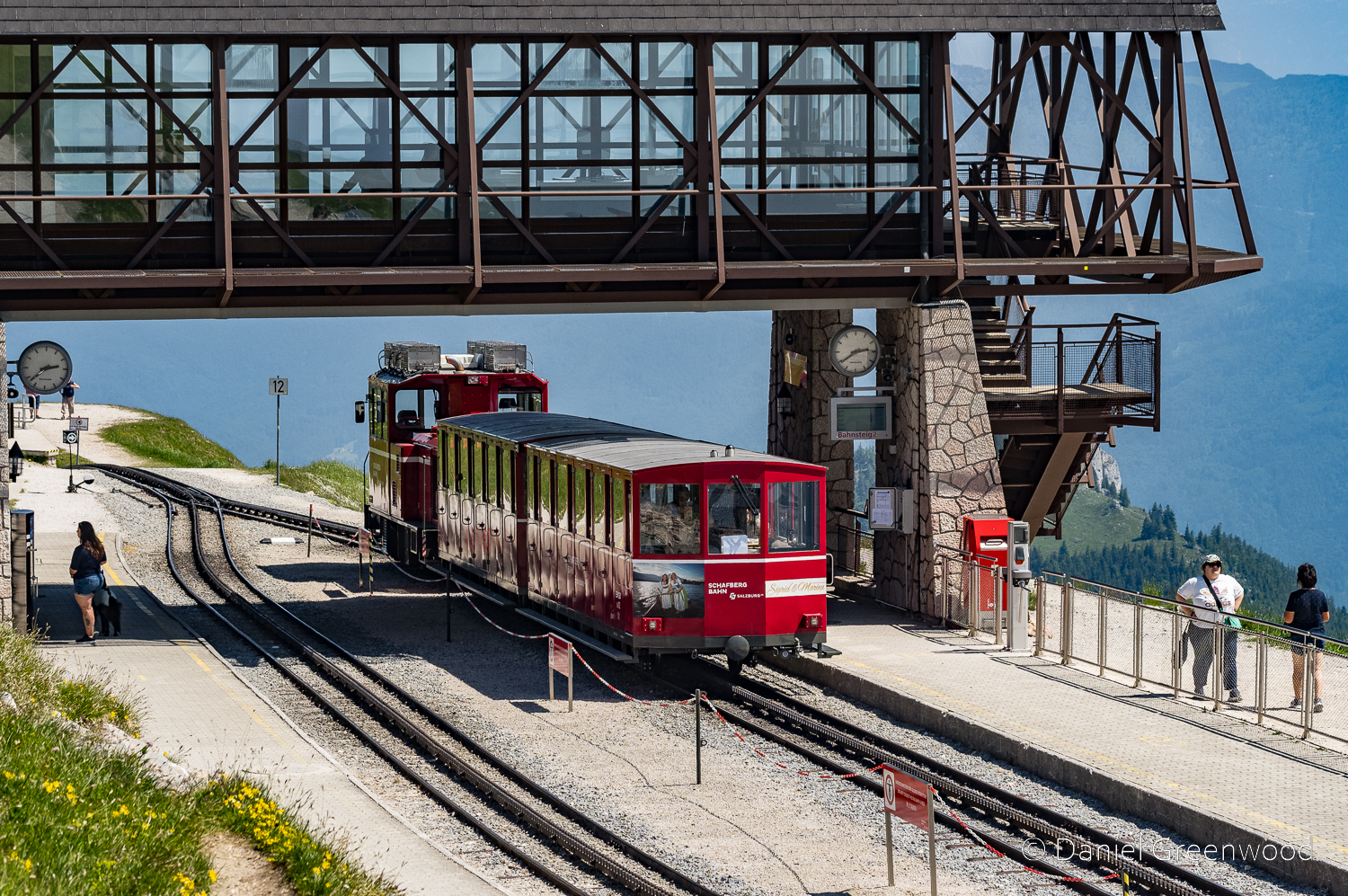
My wife and I travelled by train to the Austrian Alps this summer, and we took one more train to reach the top of Schafberg (1782m) – the Schafbergbahn.

The images here are in chronological order as we descended, trying not to be too distracted as we picked our way down through the rocky tracks. I would recommend using at least one walking pole while doing this walk because it is so steep. The walk was nearly 8 miles and took us about 5 hours (because I stop a lot to take photos).
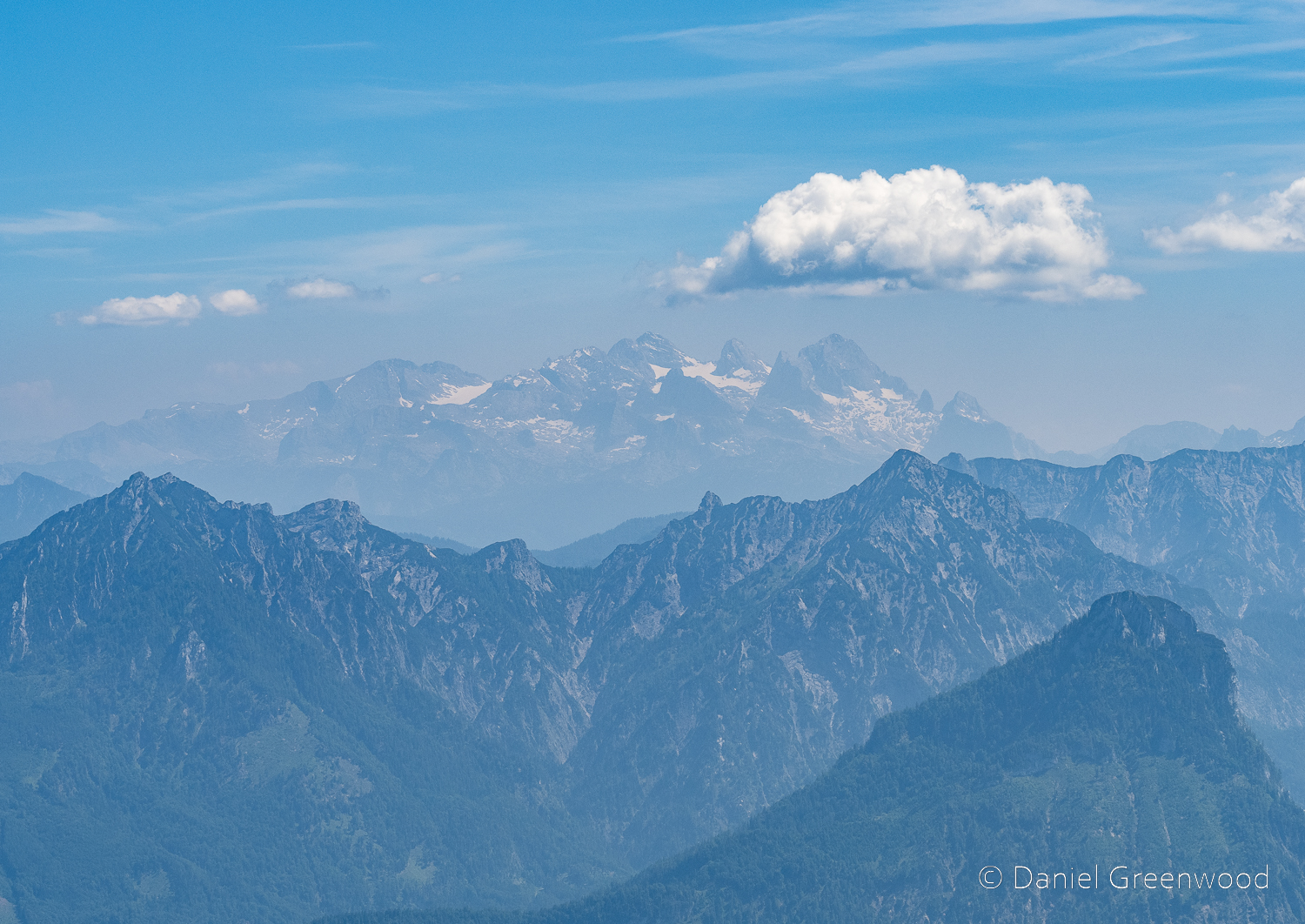
To the south-west you can see the high peaks of the Dachstein range (3600m), an area we haven’t explored yet.
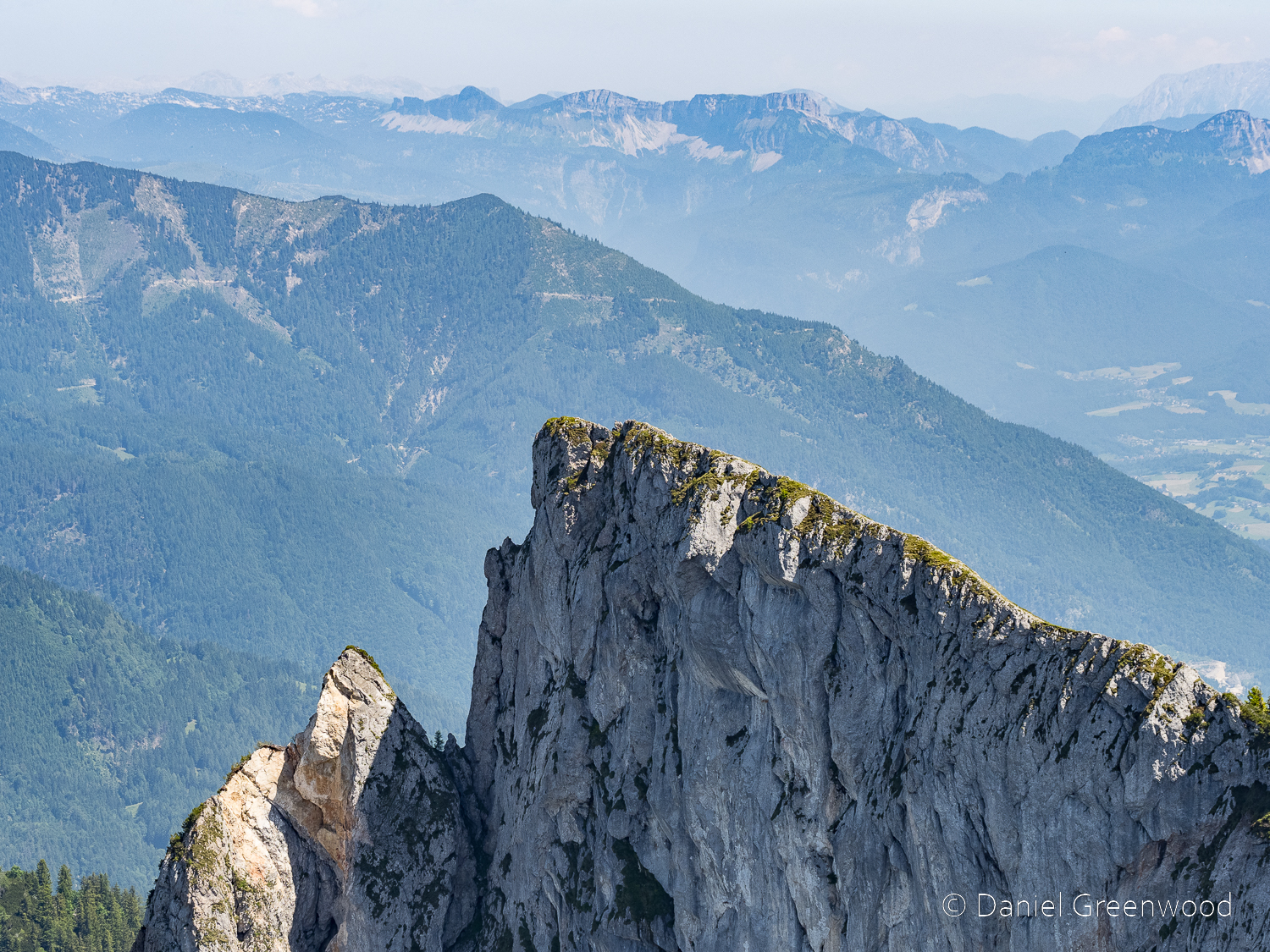
This walk is simply heading down the main (uneven and steep) paths to Wolfgangsee, ending up at St. Gilgen. You can do this as a daytrip from Salzburg, but you need to get the boat to the train station.

You can stay on Schafberg for the night in the hotel, or you can just have lunch and enjoy the views.
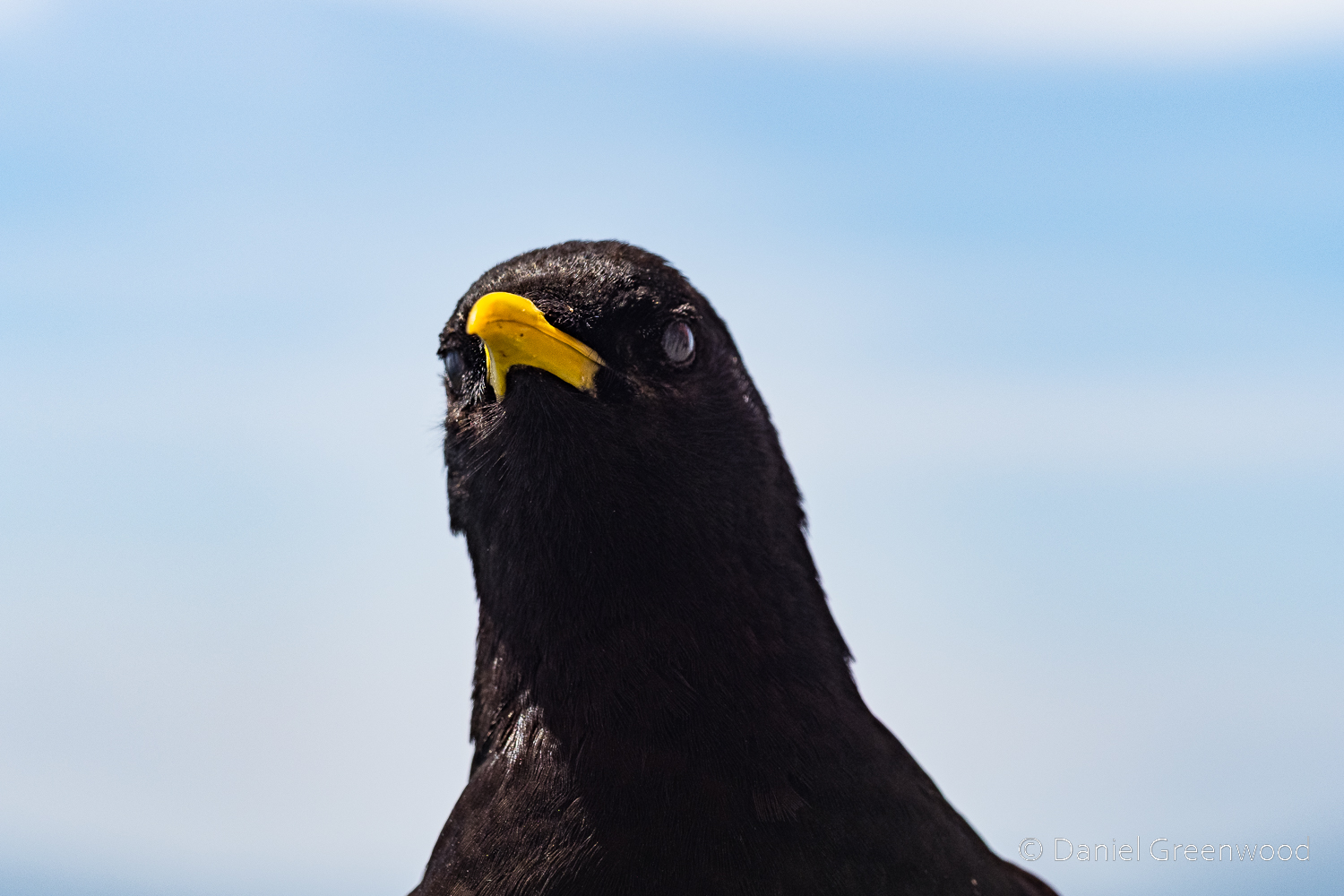
You’ll have to get approval from the alpine choughs though, they rule the roost up there.


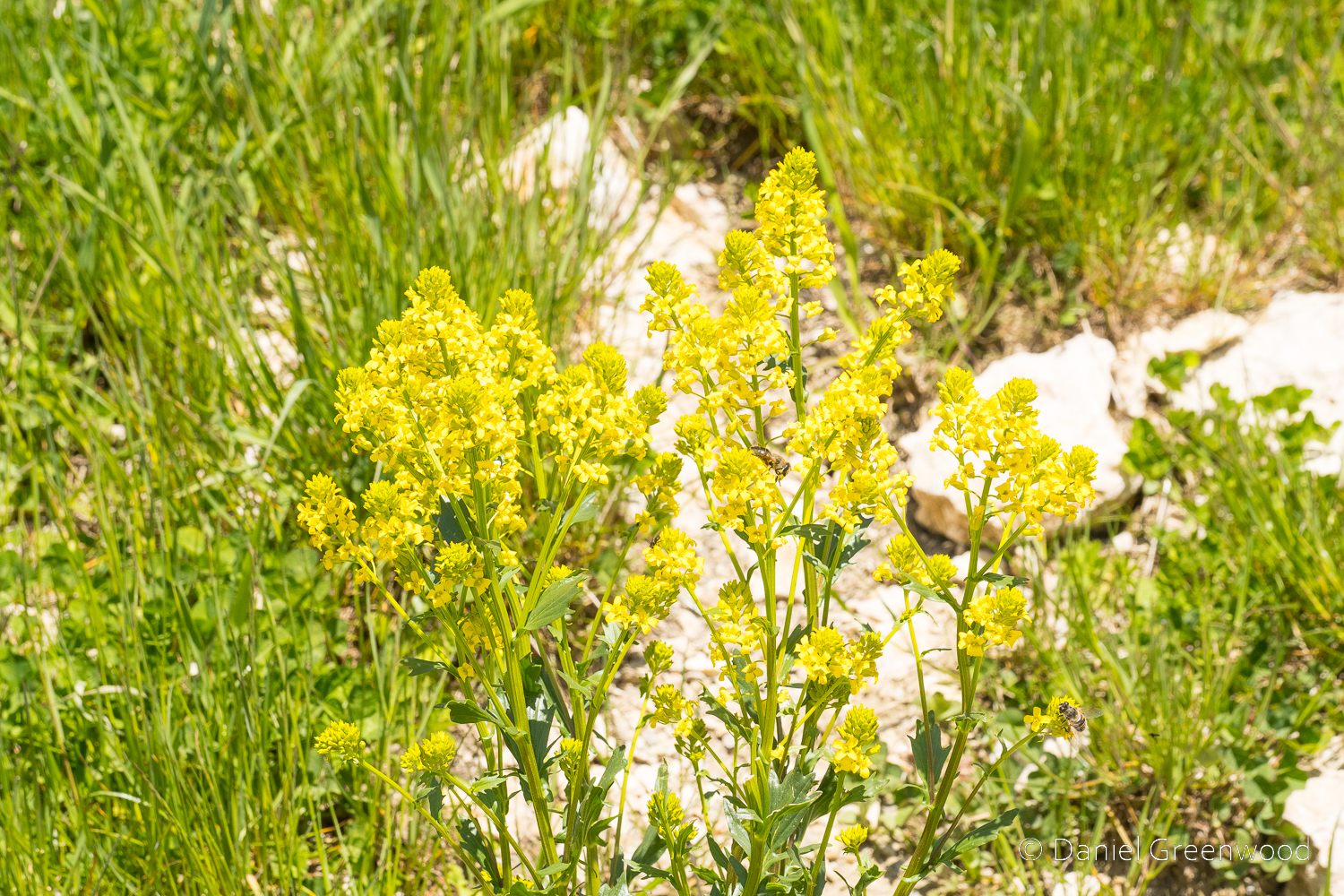
The first inverts I noticed were these hoverflies (probably droneflies) feeding on this brassica.
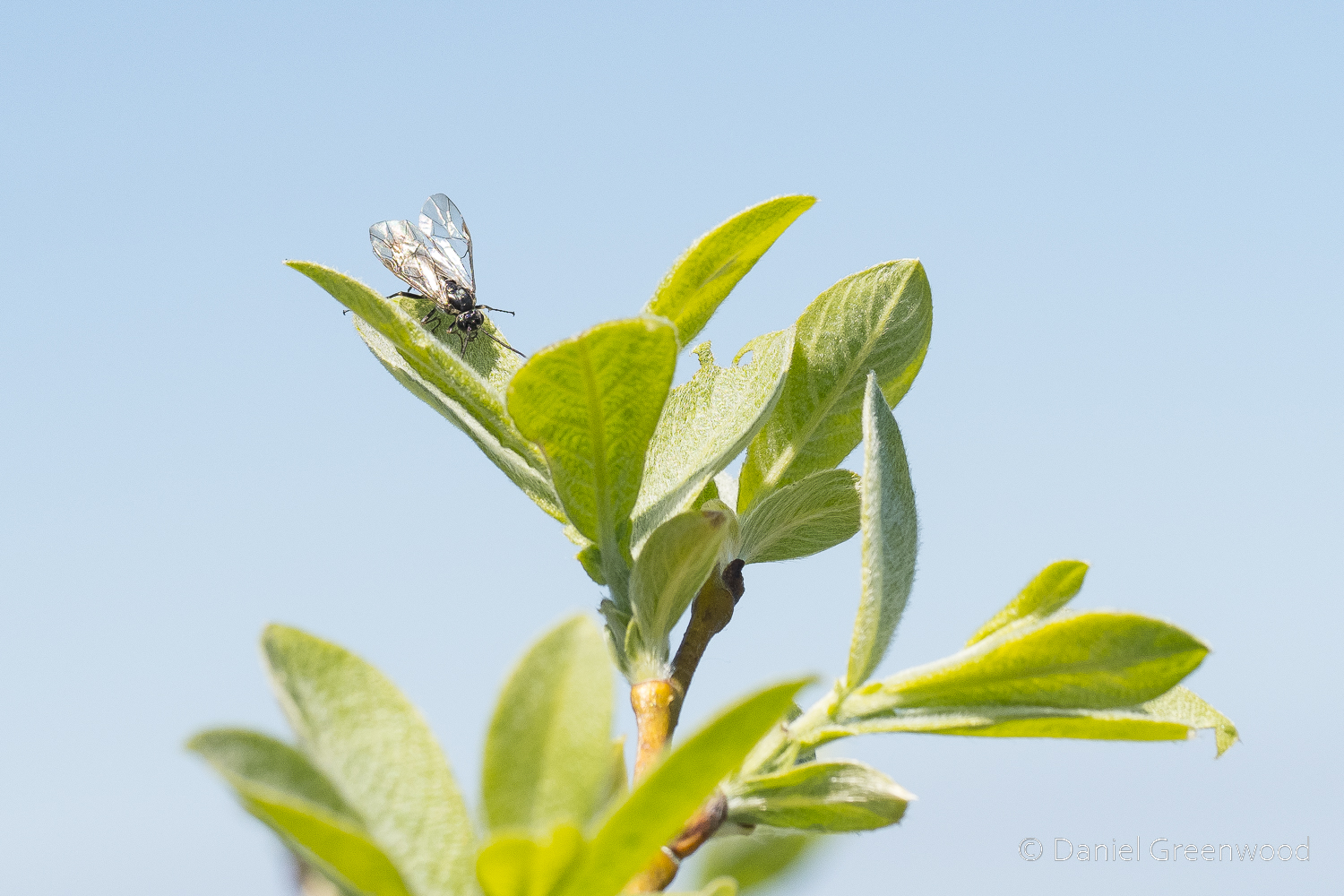
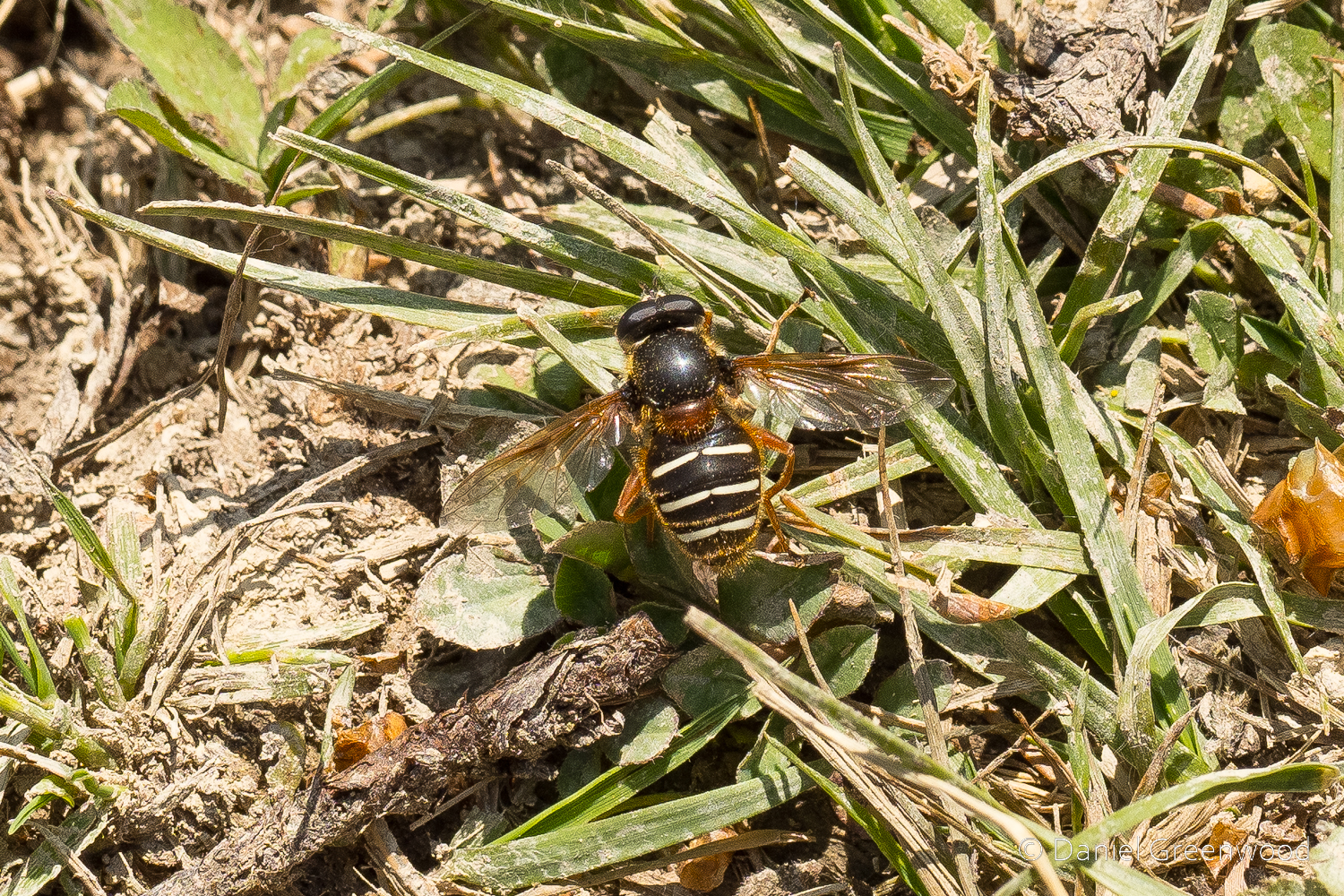
This willow shrub was growing out of one of the viewpoints (see below), and had lots of insects waiting for their close up. This is a saw-fly.

This chrome beetle is in the Genus Chrysolina.

This is one of the Cercopis froghoppers.

To put these pics in context, here’s me taking the photos above!
And a video to show some of the lakes to the north.

I love scorpion-flies and this photo nicely shows the faux-stinger on the insect’s tail. This landed on my wife’s arm, as with the images below.


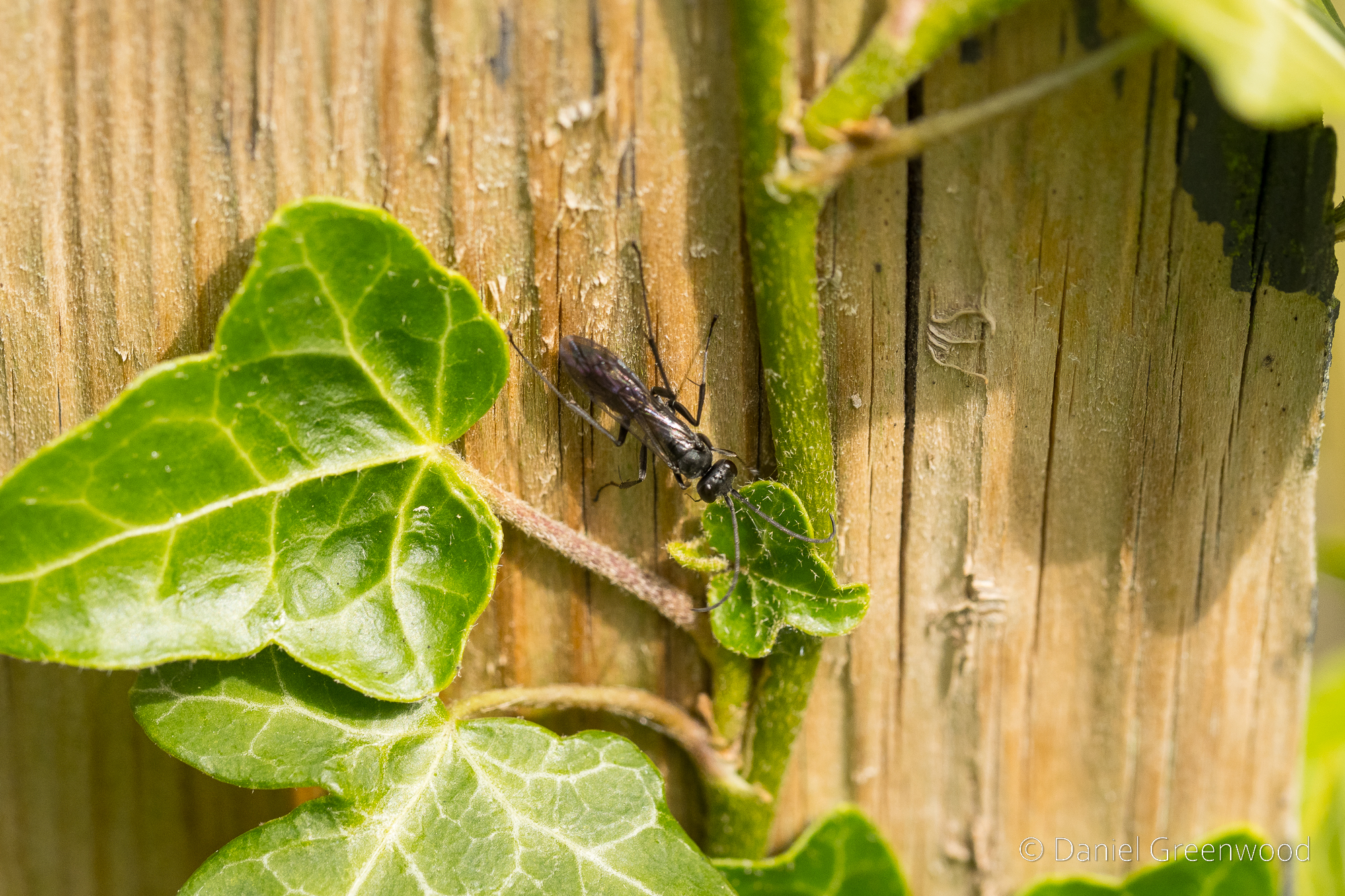
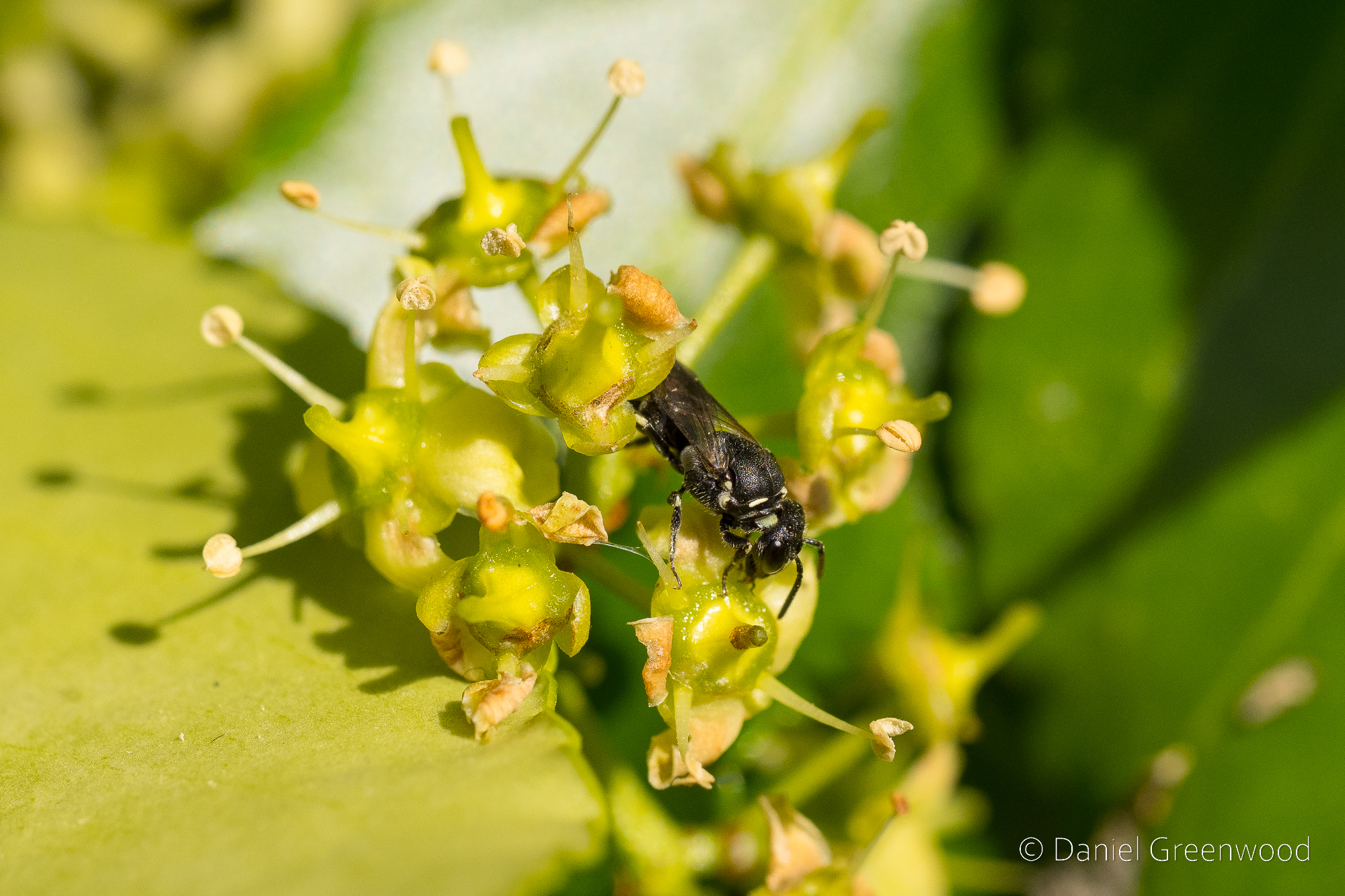
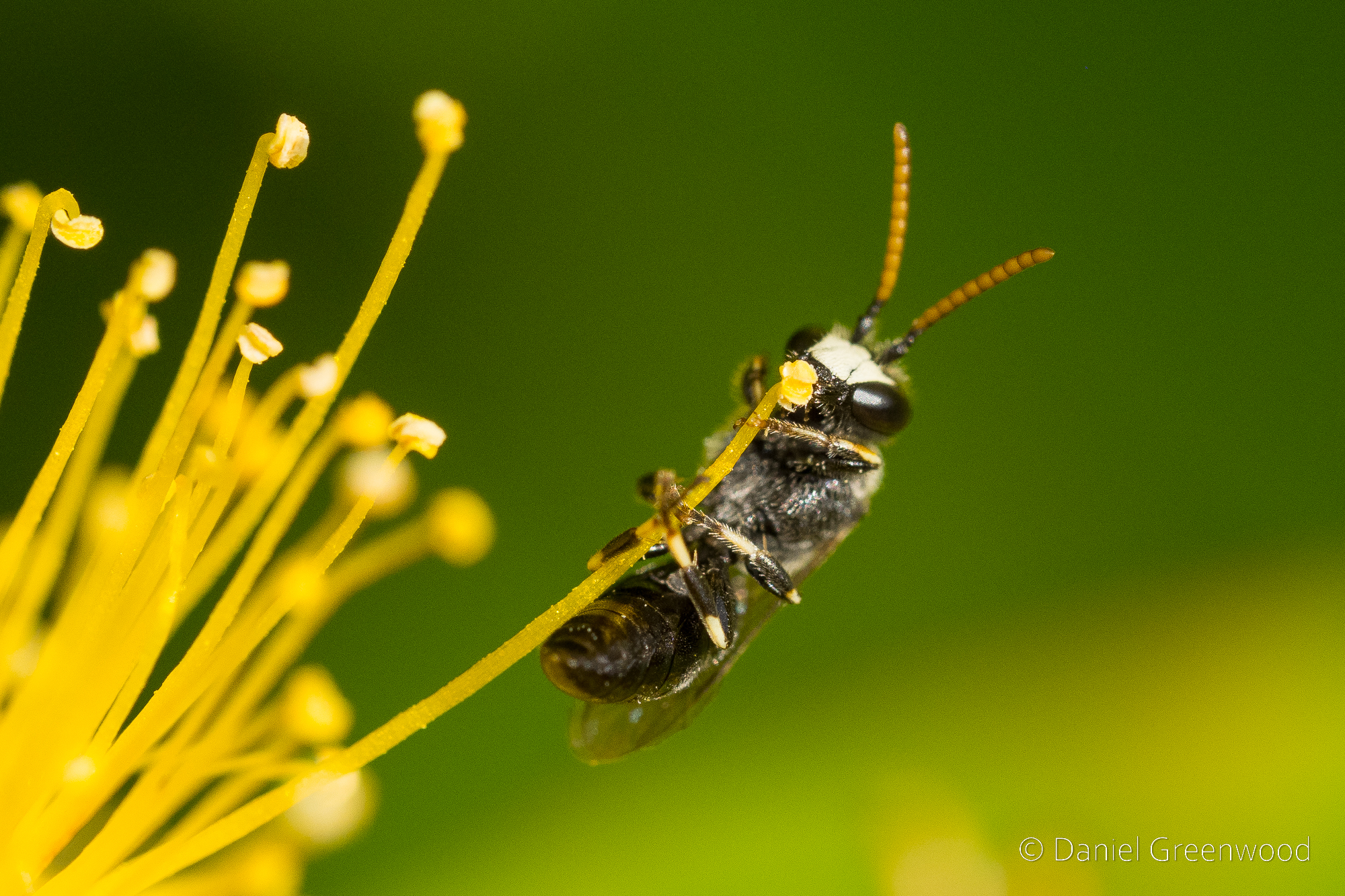
This is one of those tiny solitary wasps, possibly a gall-wasp.
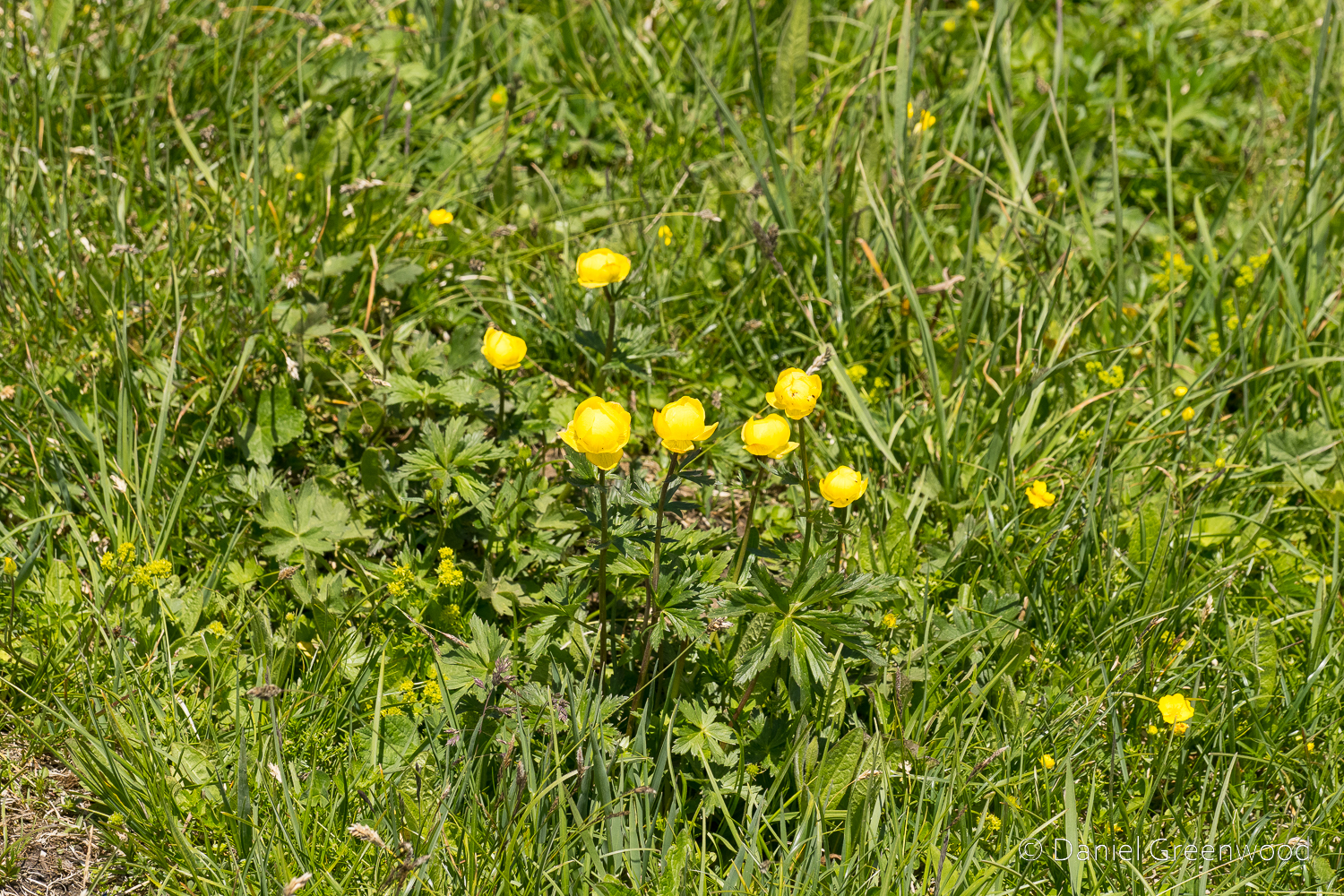
Globeflower is a common occurrence in the Alps.
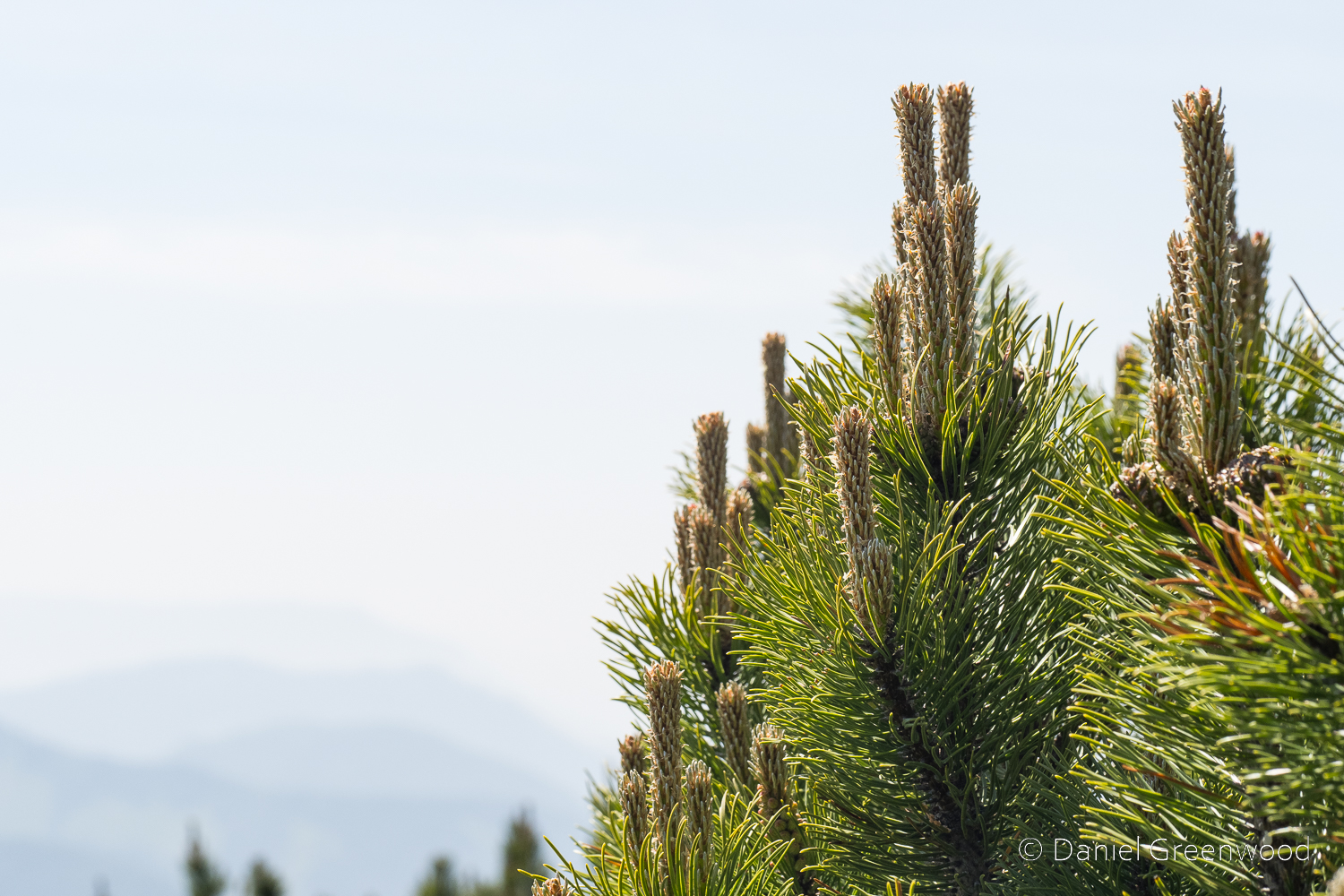


Mountain pine is like a shrub dotted around the alpine grasslands.

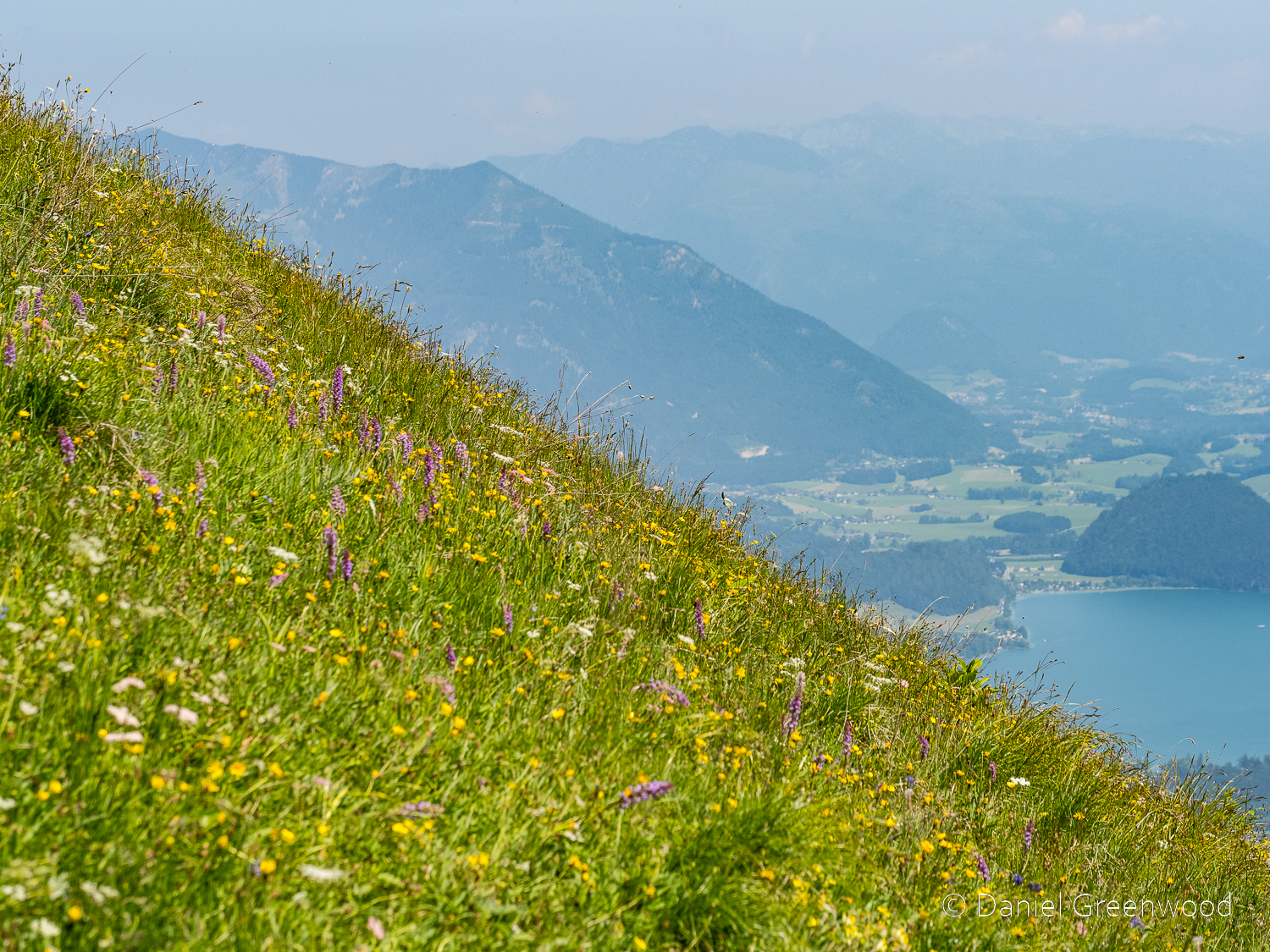
The limestone can be seen where the grasslands can’t grow. Thankfully the decline wasn’t as steep as this on the main path, but it wasn’t that far off.

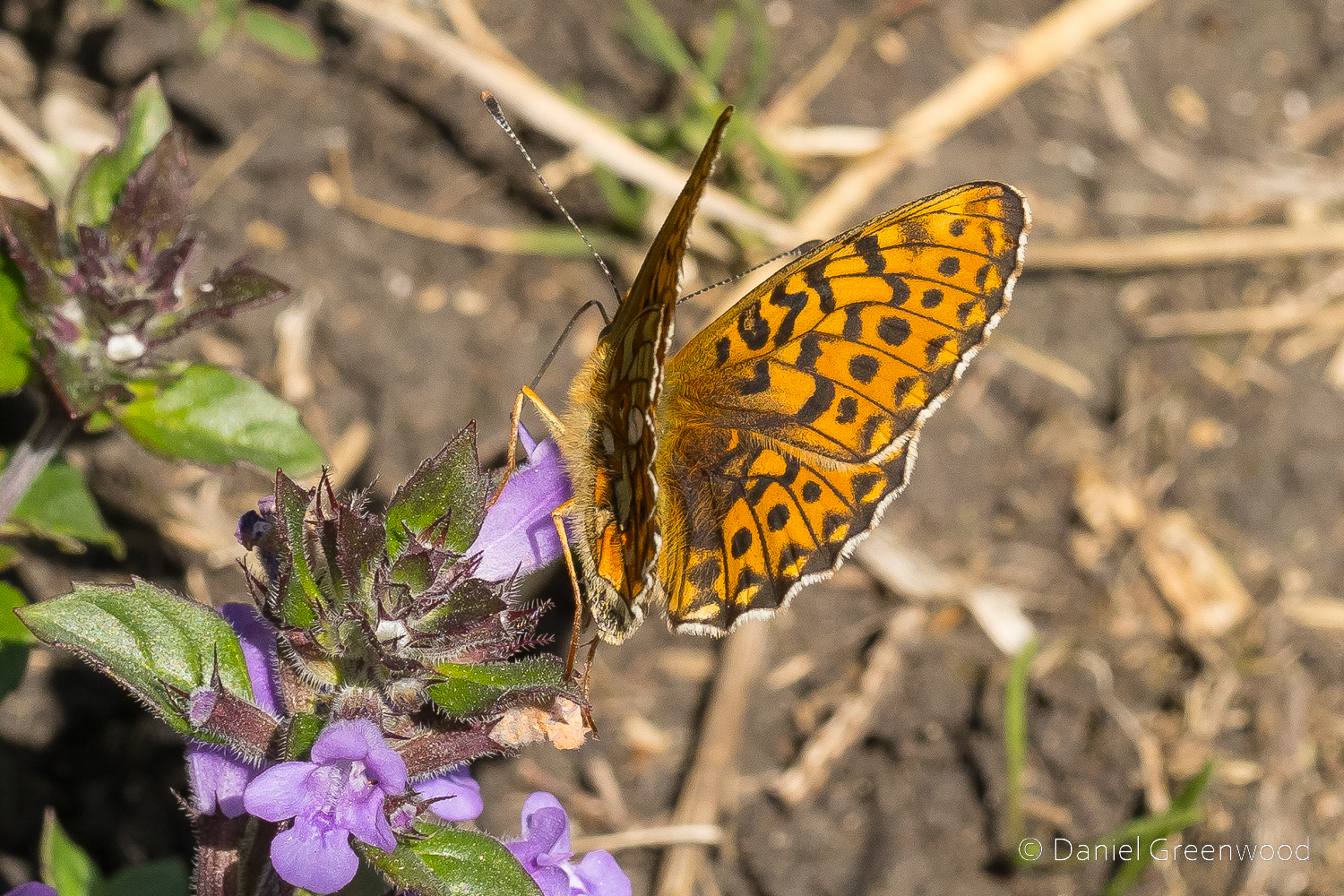

The butterflies were not as numerous as they were lower down on Zwölferhorn, but there were a good number of fritillaries. iNaturalist is suggesting this is pearl-bordered frit.
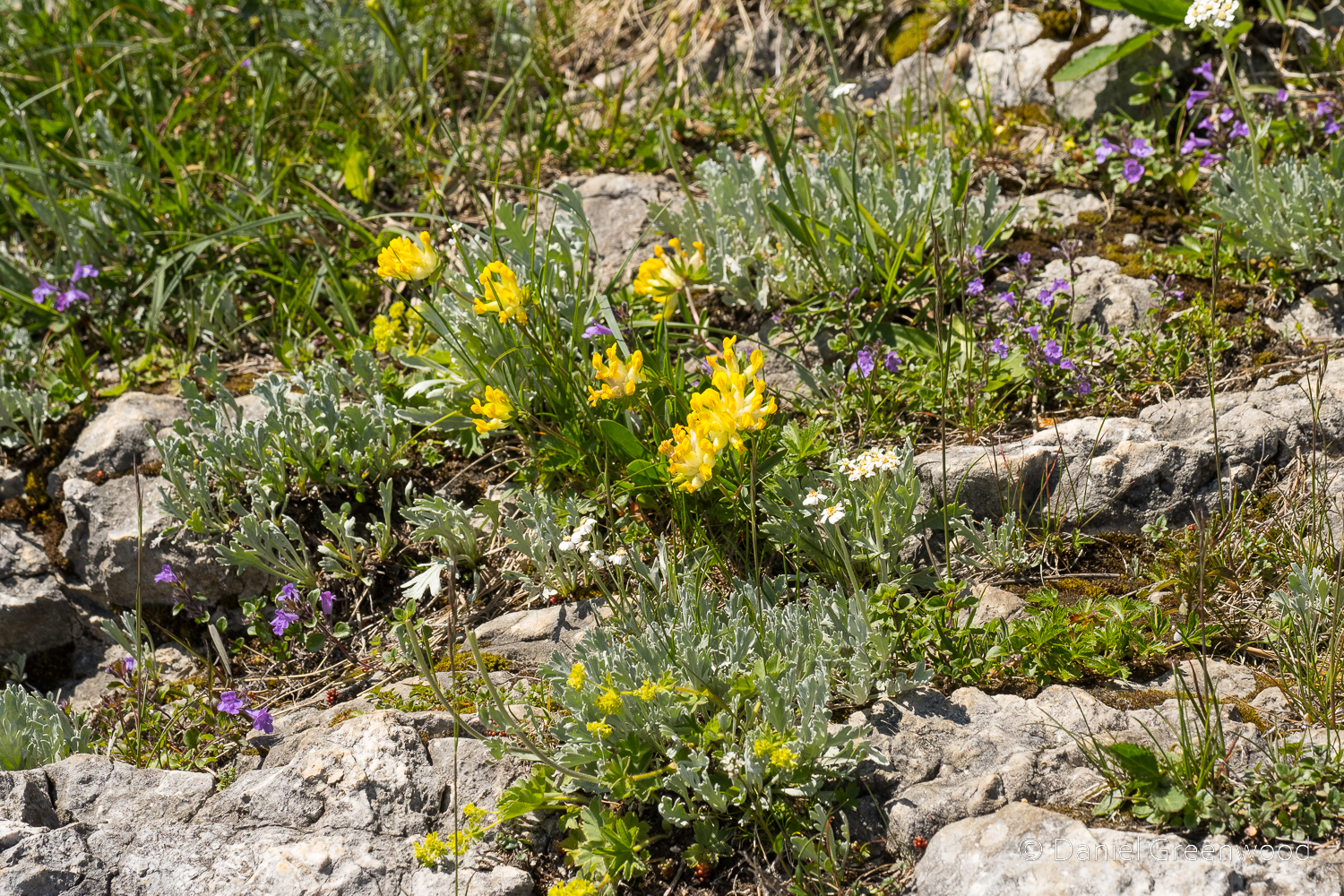
On the rocky outcrops of the path the flowers were a-bloomin’. This is kidney-vetch, unless I’m mistaken.


Silvery-yarrow is a new species for me.
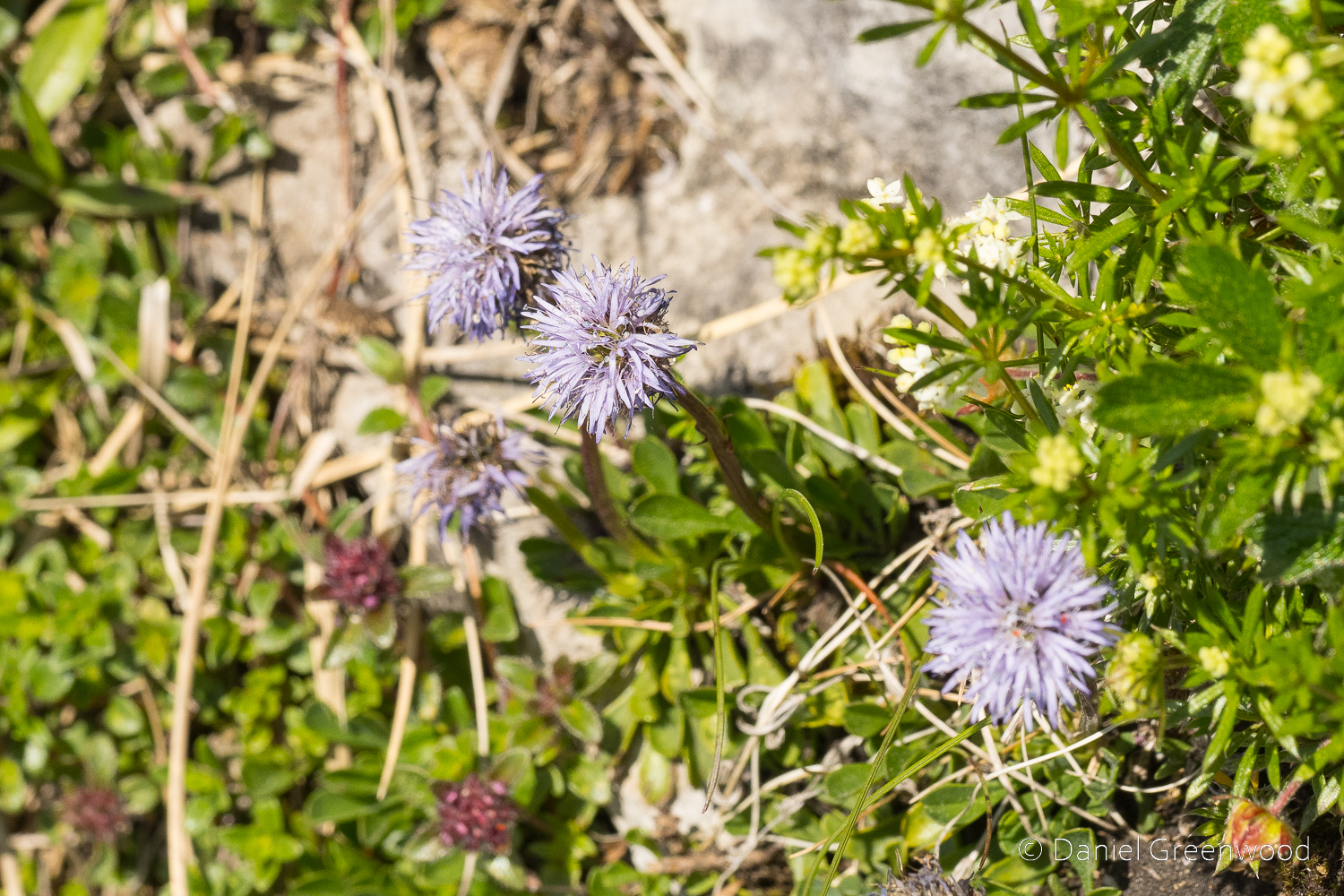
Globe flowers are a group I remember well from the Swiss Alps, they are probably more of a spring species than in mid-June. Not to be confused with the buttercup globeflower seen above.
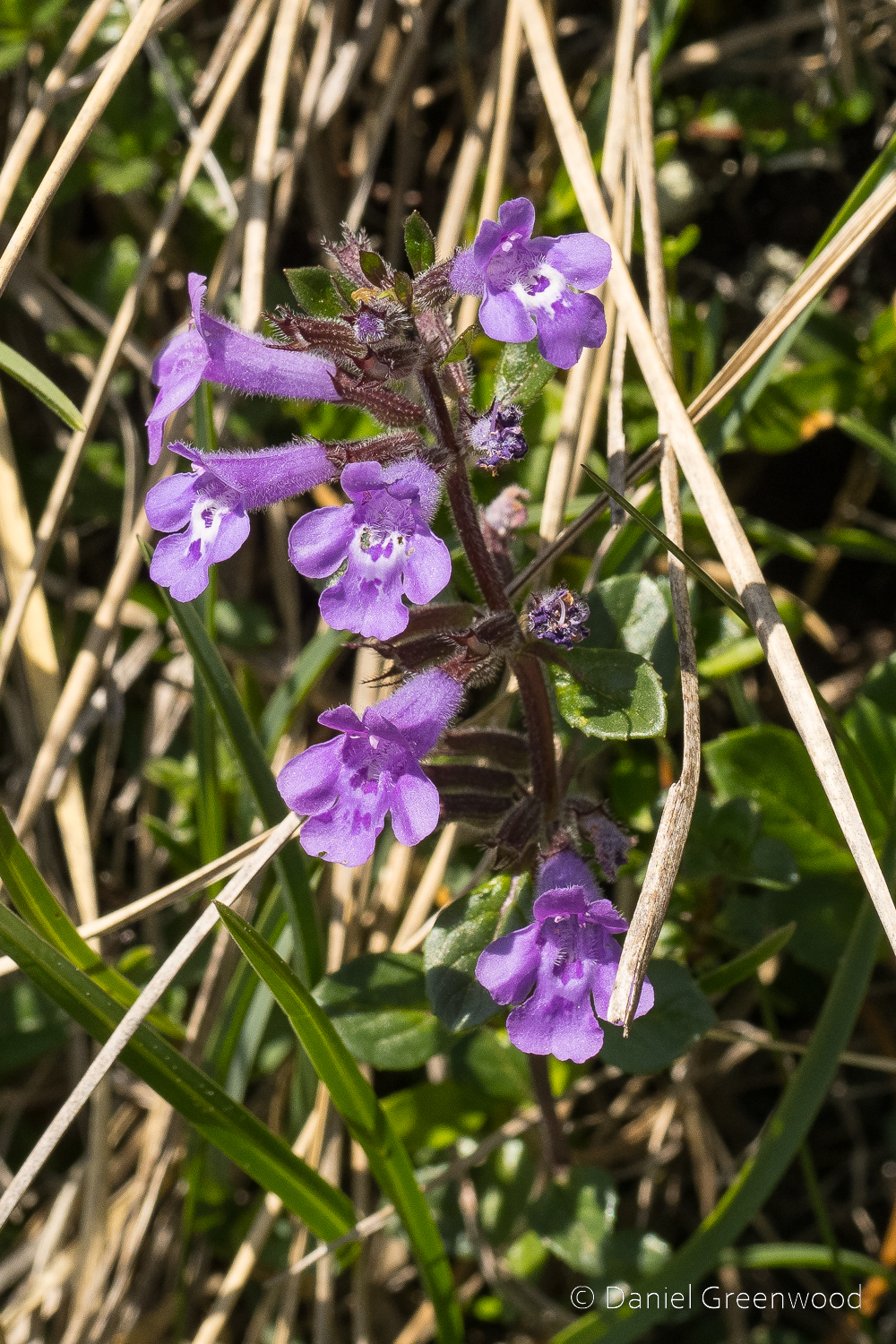
I think this is rock thyme, which looks a lot like ground-ivy.
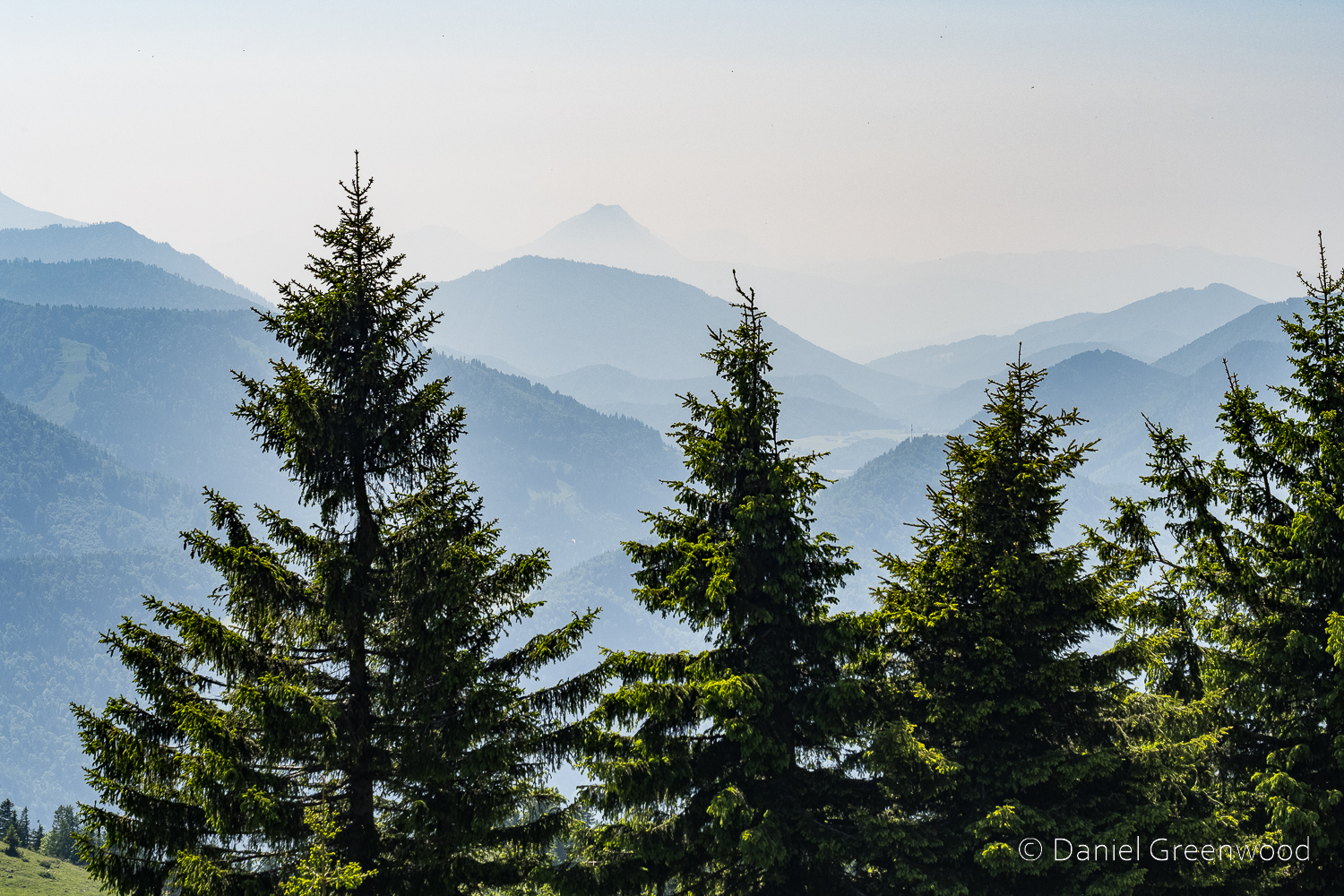
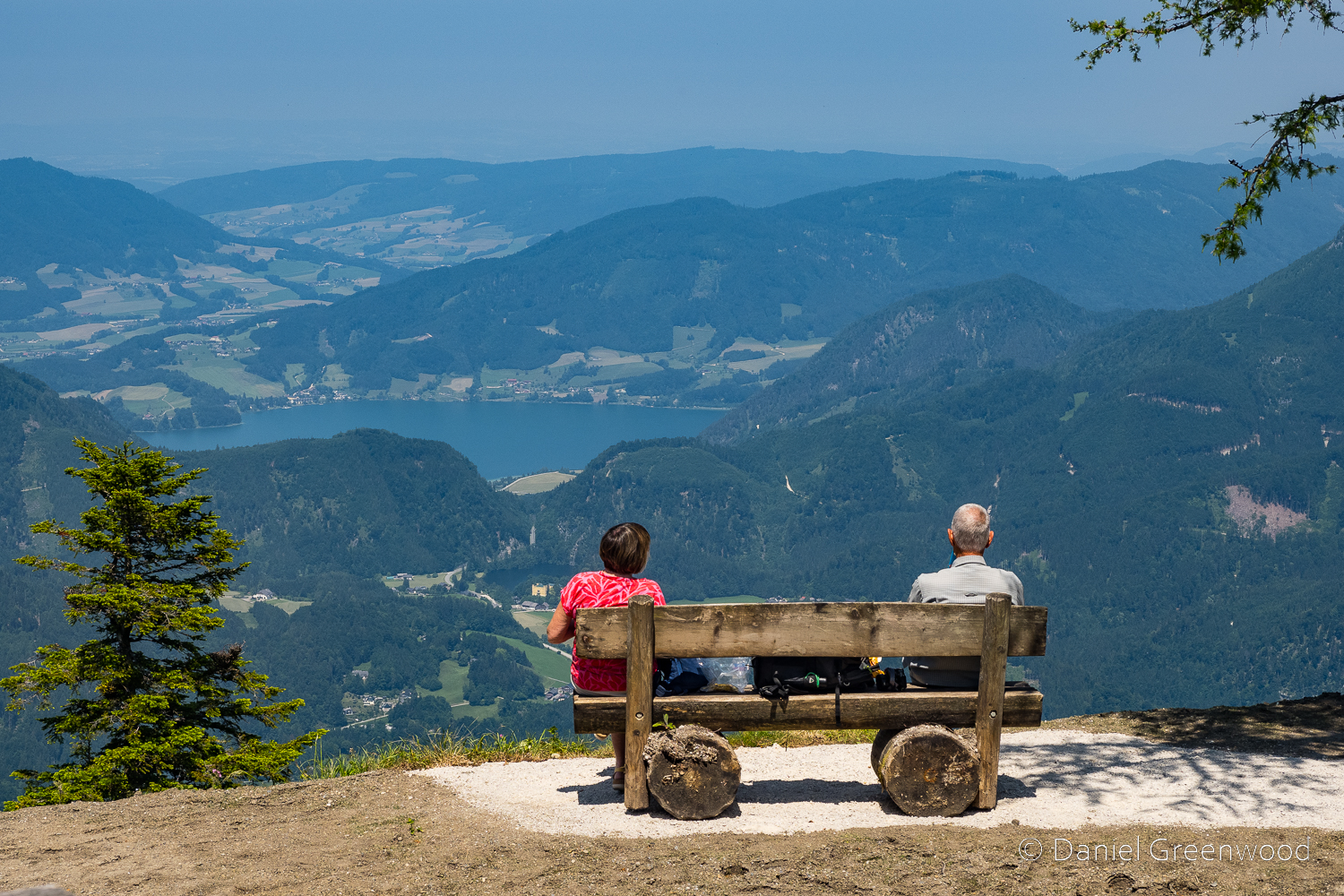
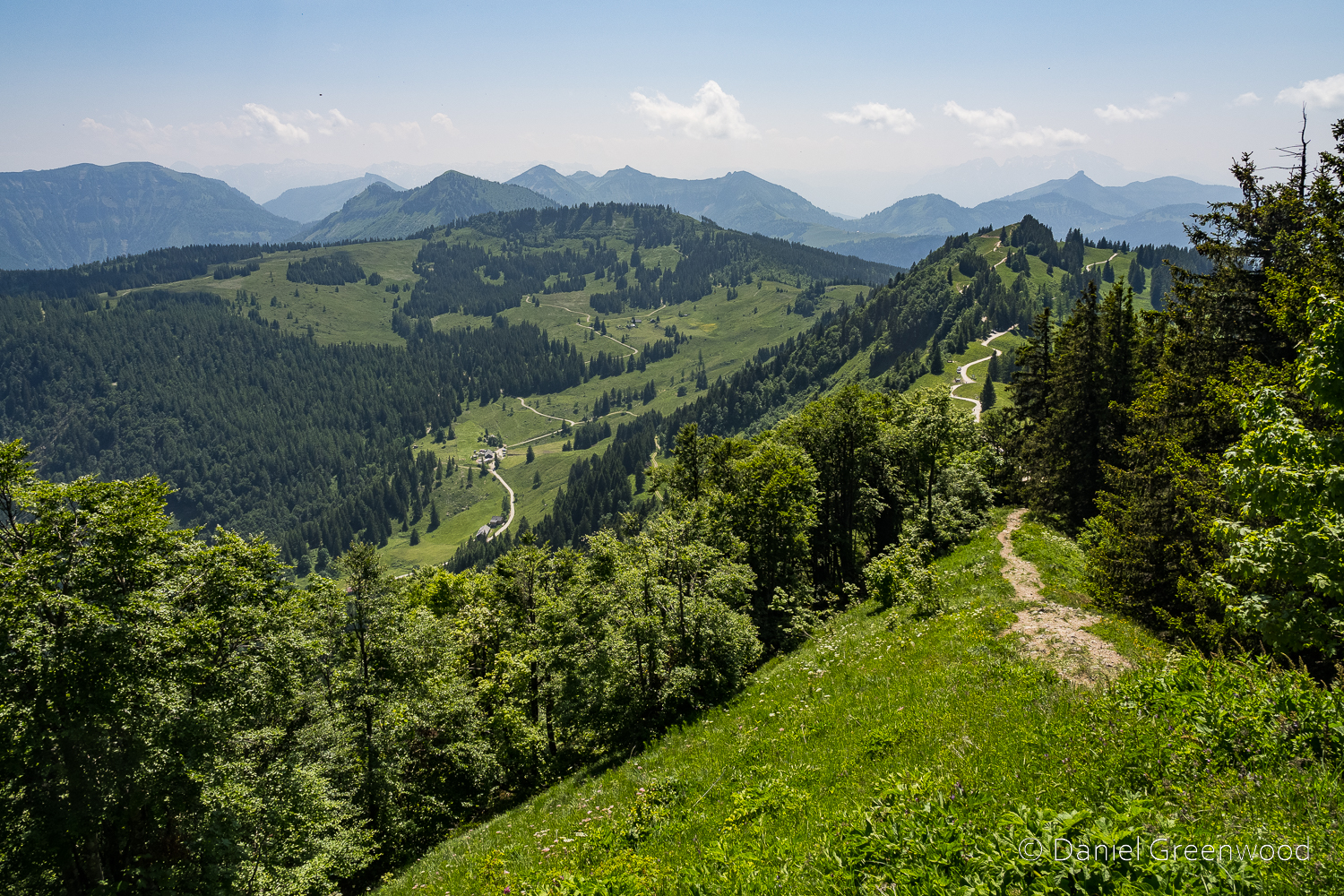
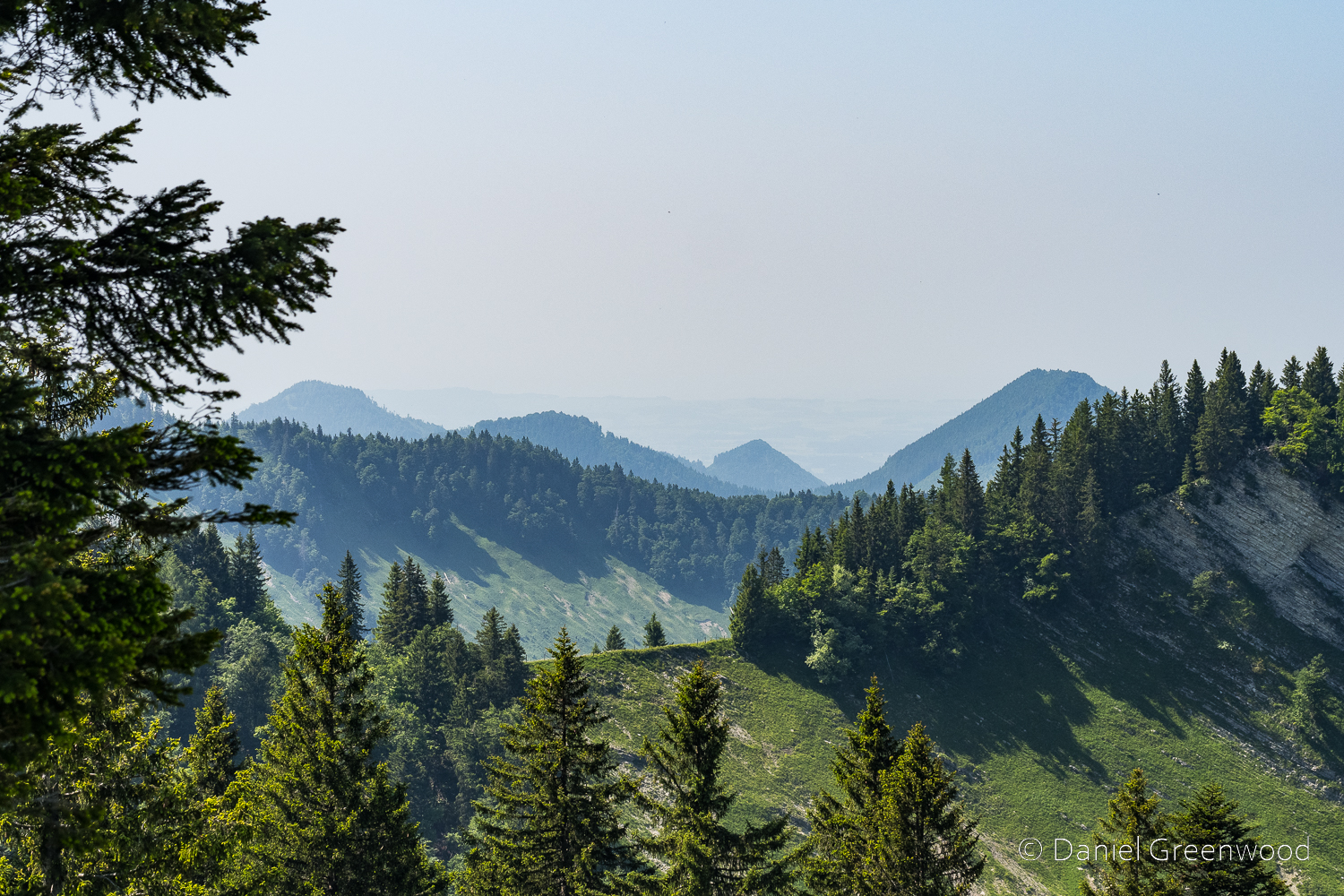
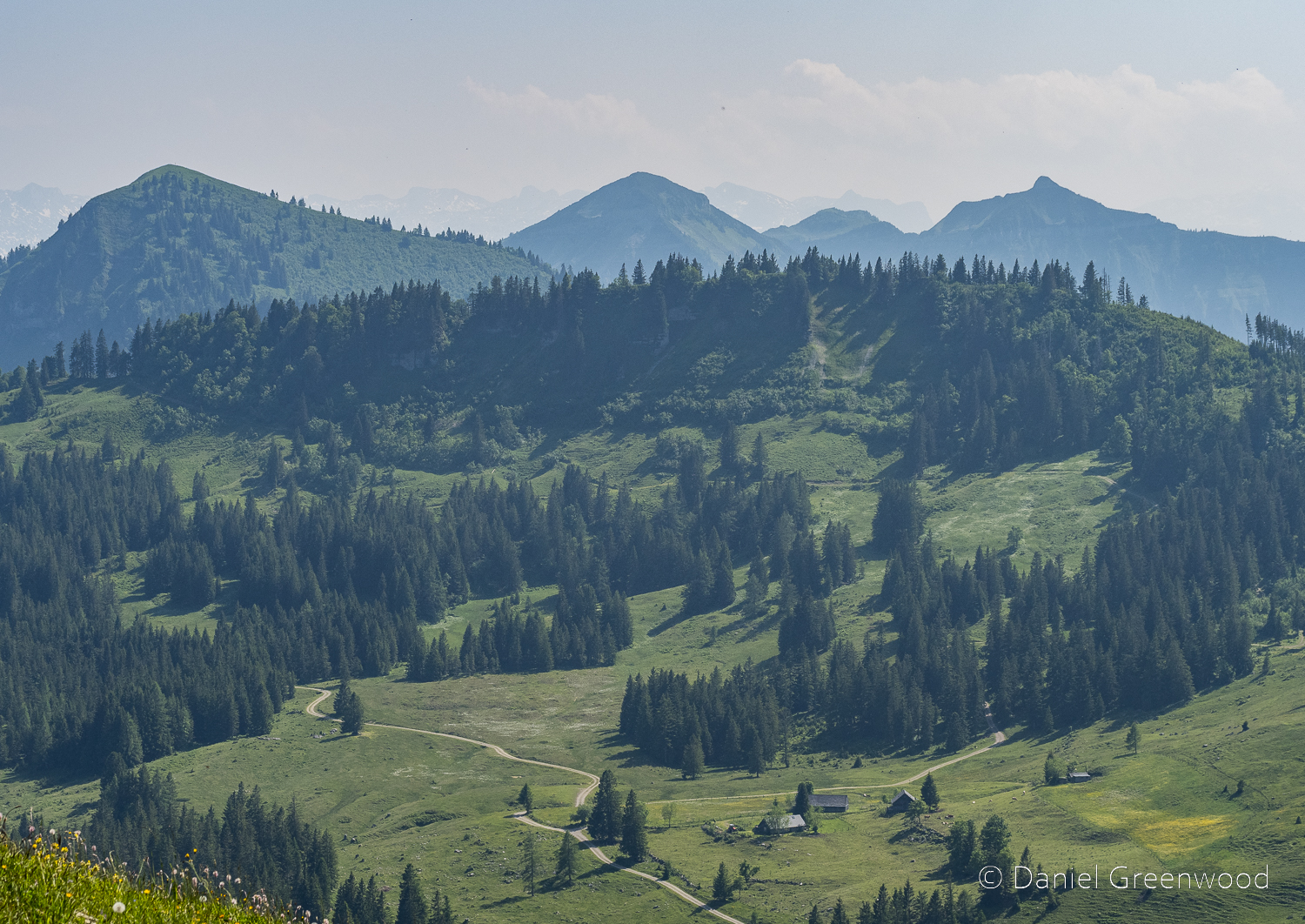
The views are spectacular along this part of the walk, so it’s a matter of looking at the plants and butterflies around your feet, and the vistas beyond, without tripping up!

The train meets you as the steepest stretch of the walk comes to an end. The gradient is nicely illustrated here.


You pass the Gasthof Schafberg-Alpe which is not in use at the moment. It’s the site of the station before the top of Schafberg. You can jump out here and walk up, or get the train back down. We continued on to St. Gilgen, down through the woods.

The ground levels out here and the walking is gentler for a time. The views are some of the most awe-inspiring I’ve encountered.
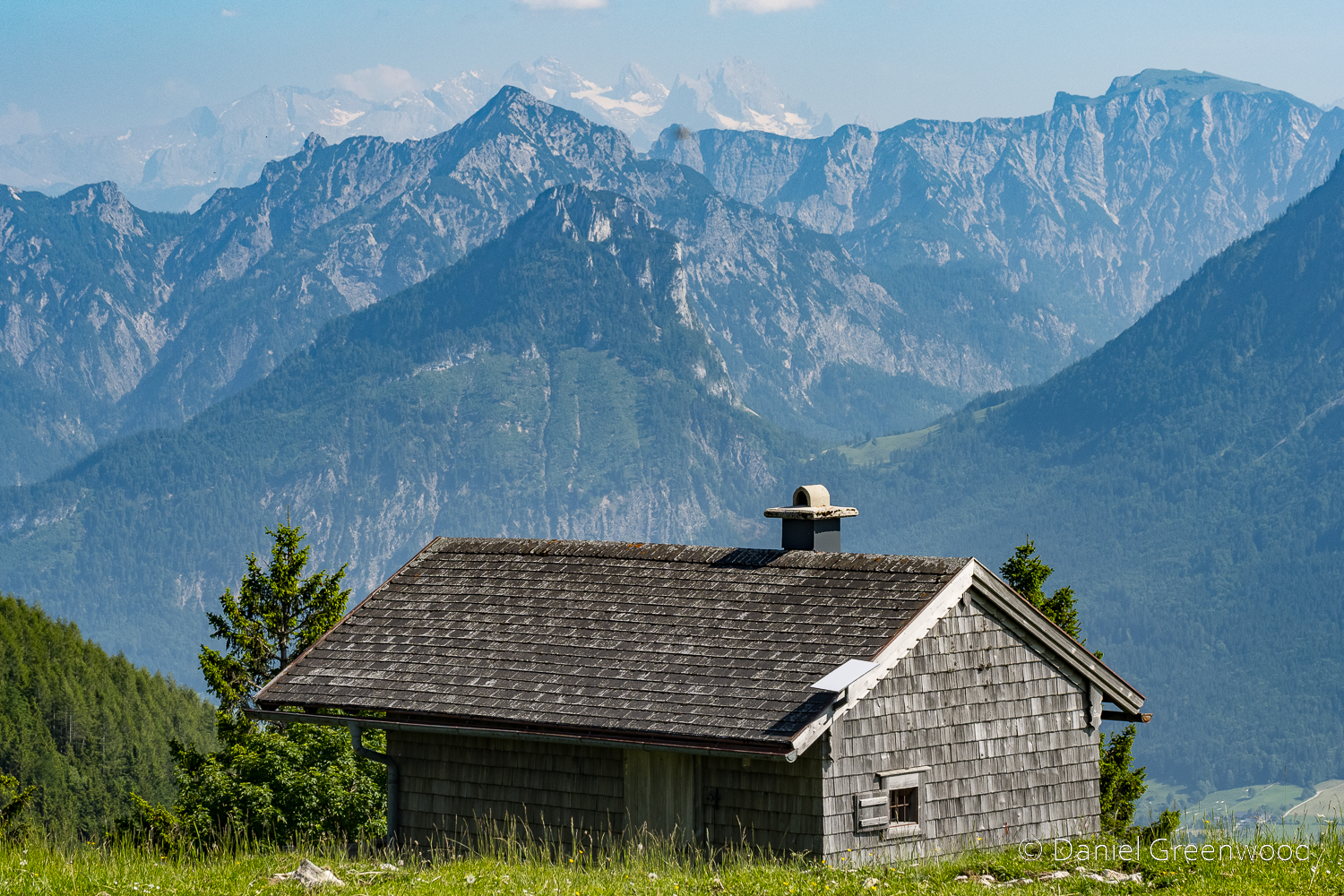
There are a number of wooden huts in this part of the walk, which make for helpful foreground subjects, with Dachstein in the distance.

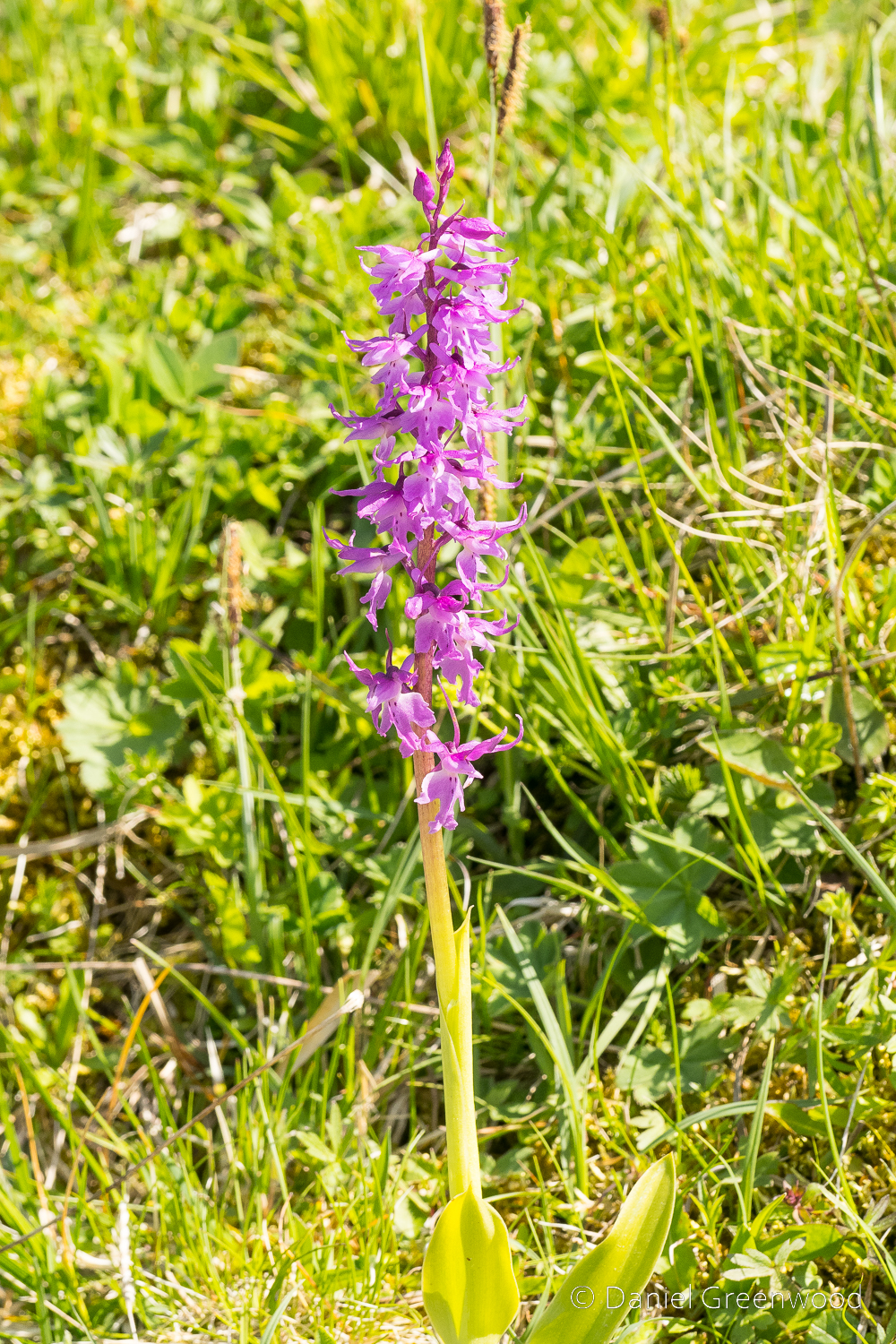
As per my previous Austrian Alps post, the only orchids on show were early-purples.

The meadows were looking mighty fine.

It’s at this point that you can see how far you’ve come (literally) as the path then moves into woodland.
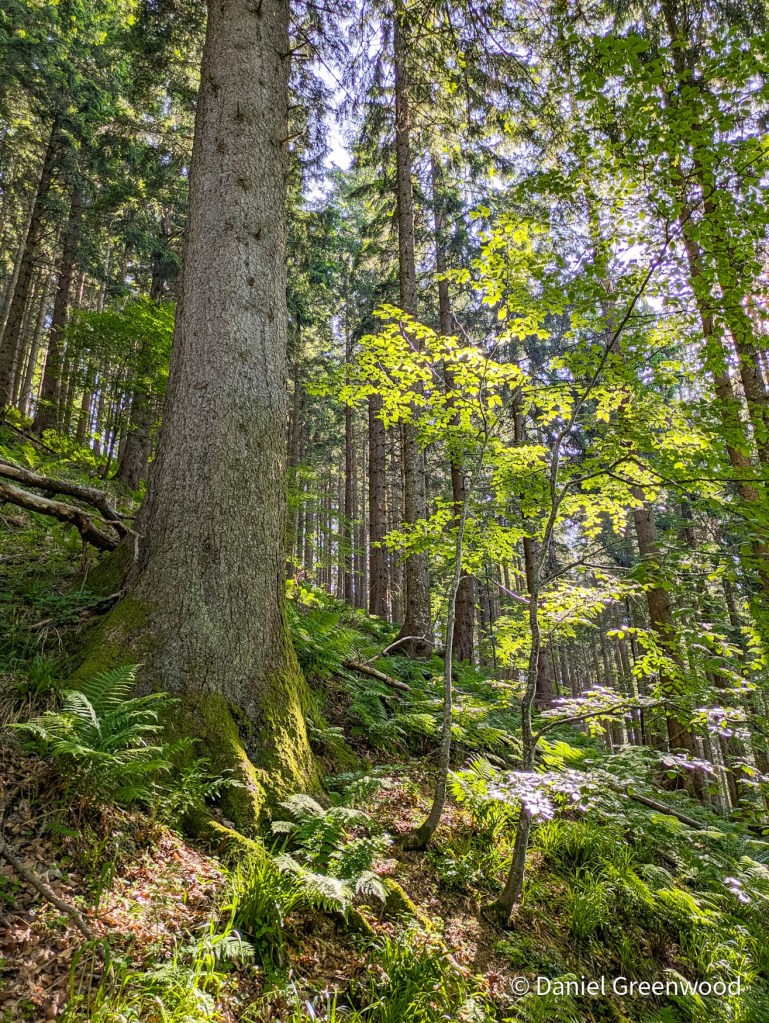
The shade was welcome, but it was very steep and winding.


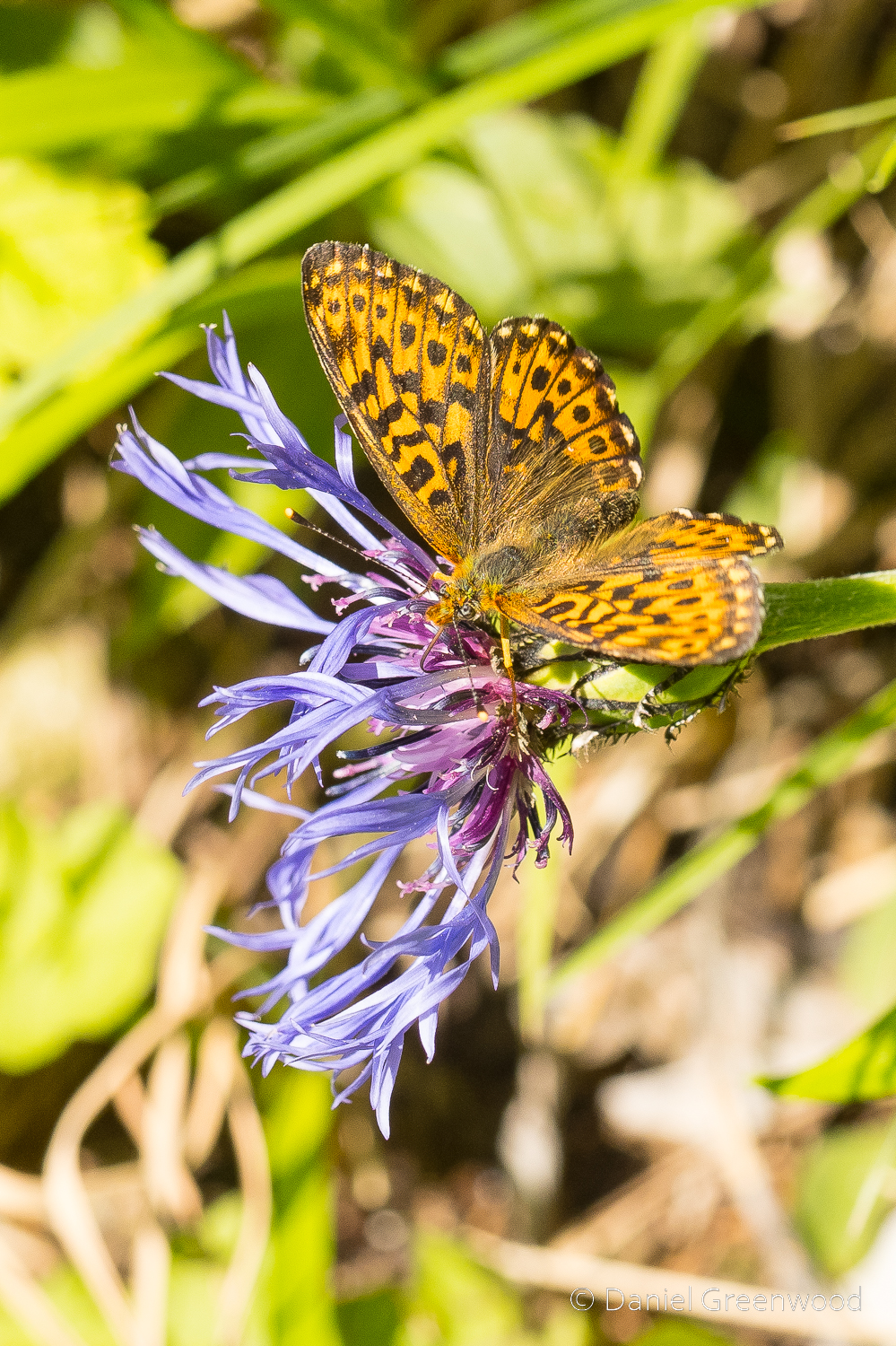
This is probably another pearl-bordered frit, feeding on a plant I actually have in my garden here but that grows wild in the mountains – perennial cornflower.

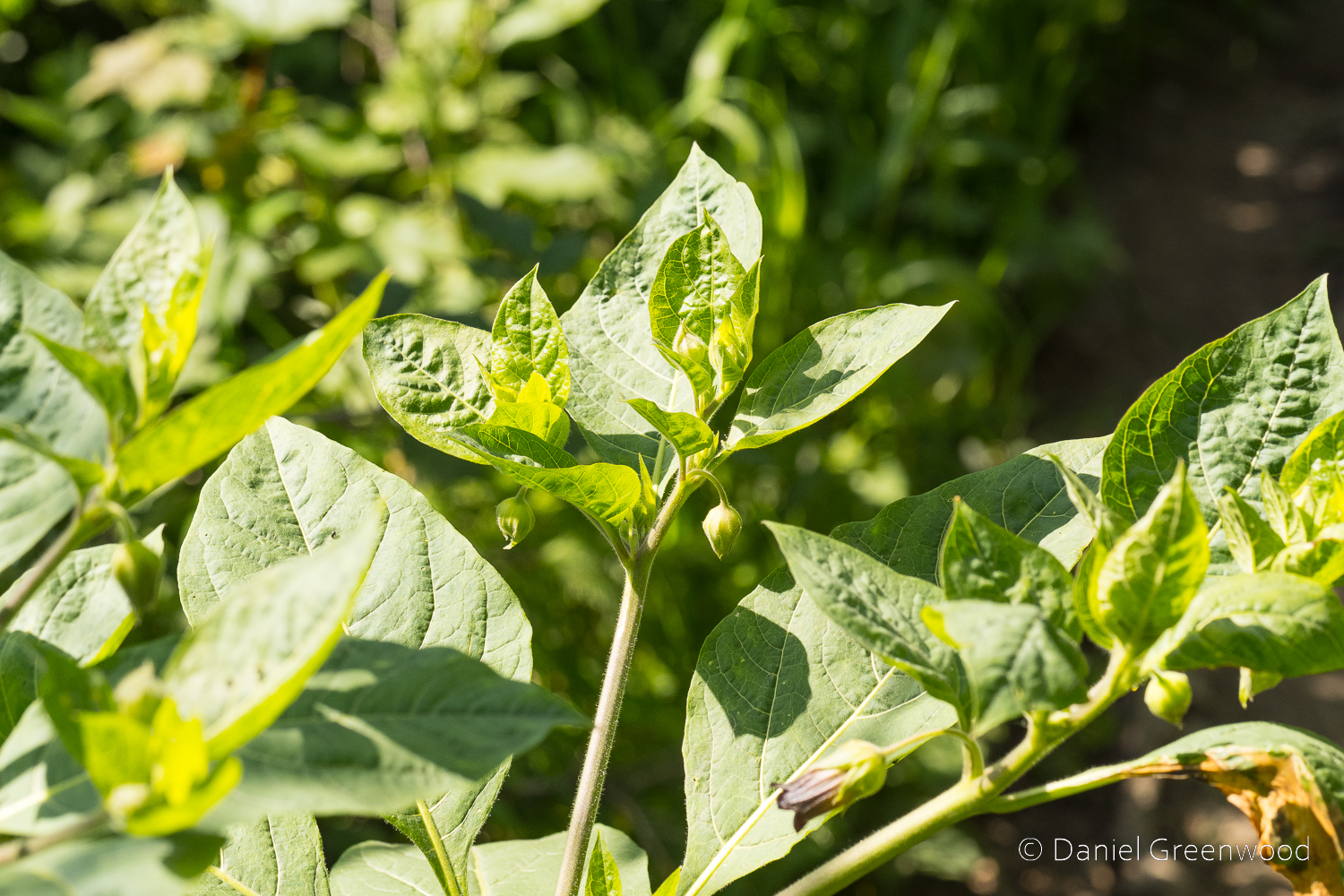
Don’t worry you can’t get poisoned through your screen. This is deadly nightshade, also known as henbane, growing in the woods below Schafberg.
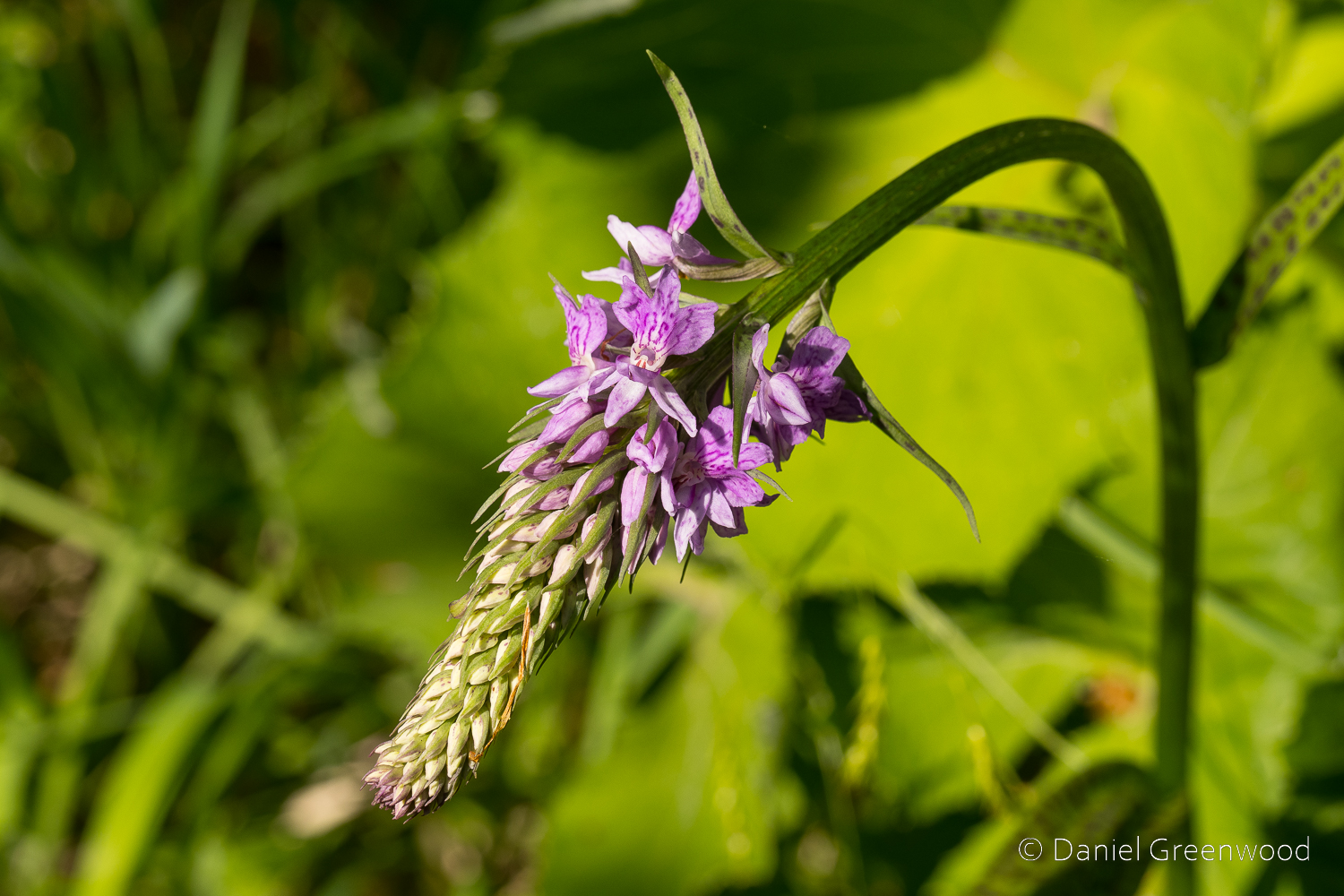
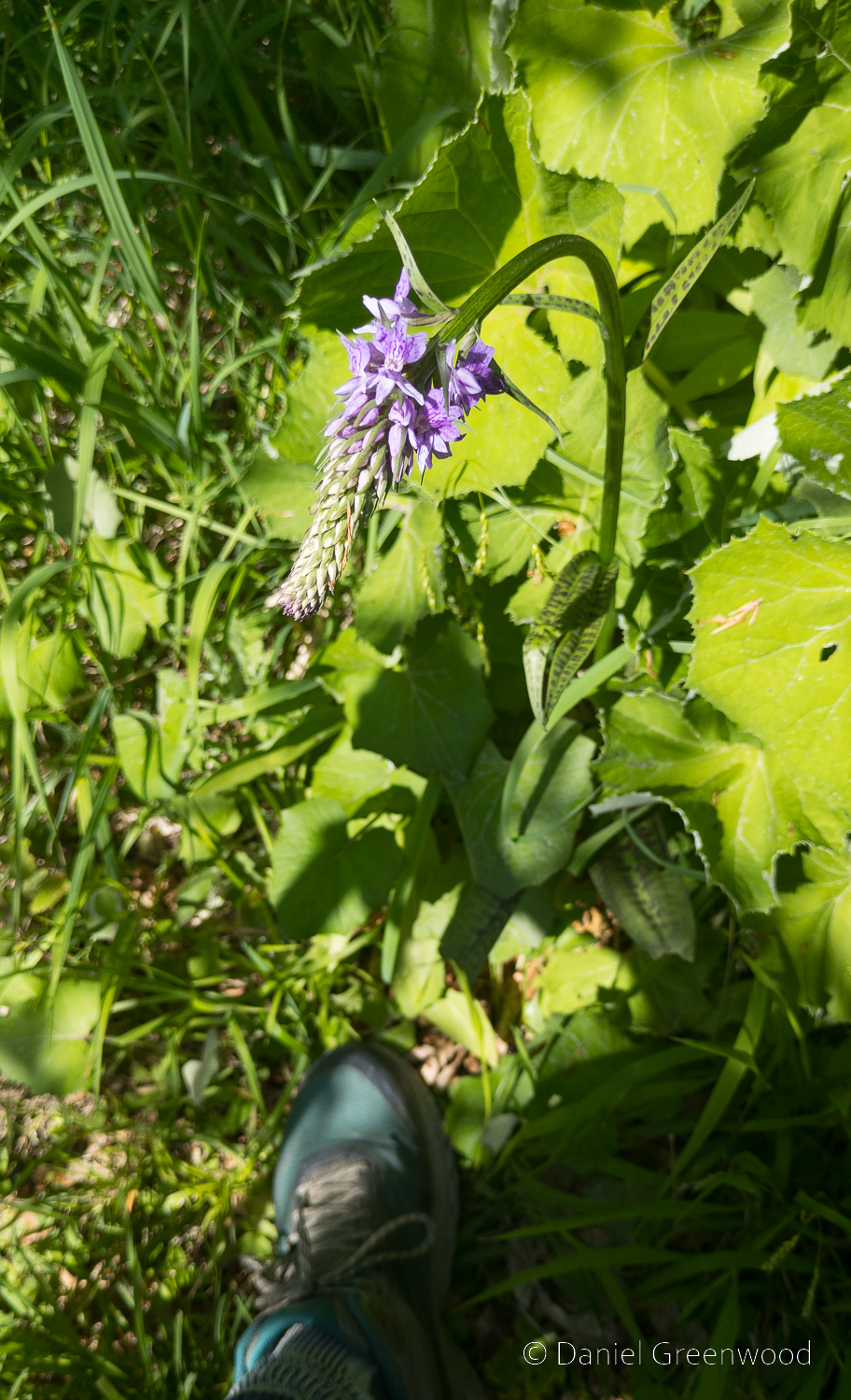
Now, this is the biggest orchid I’ve ever seen. My foot in the image on the right should show just how tall this is – knee-height. Does anyone know what on earth is happening here – is it some kind of hybrid?
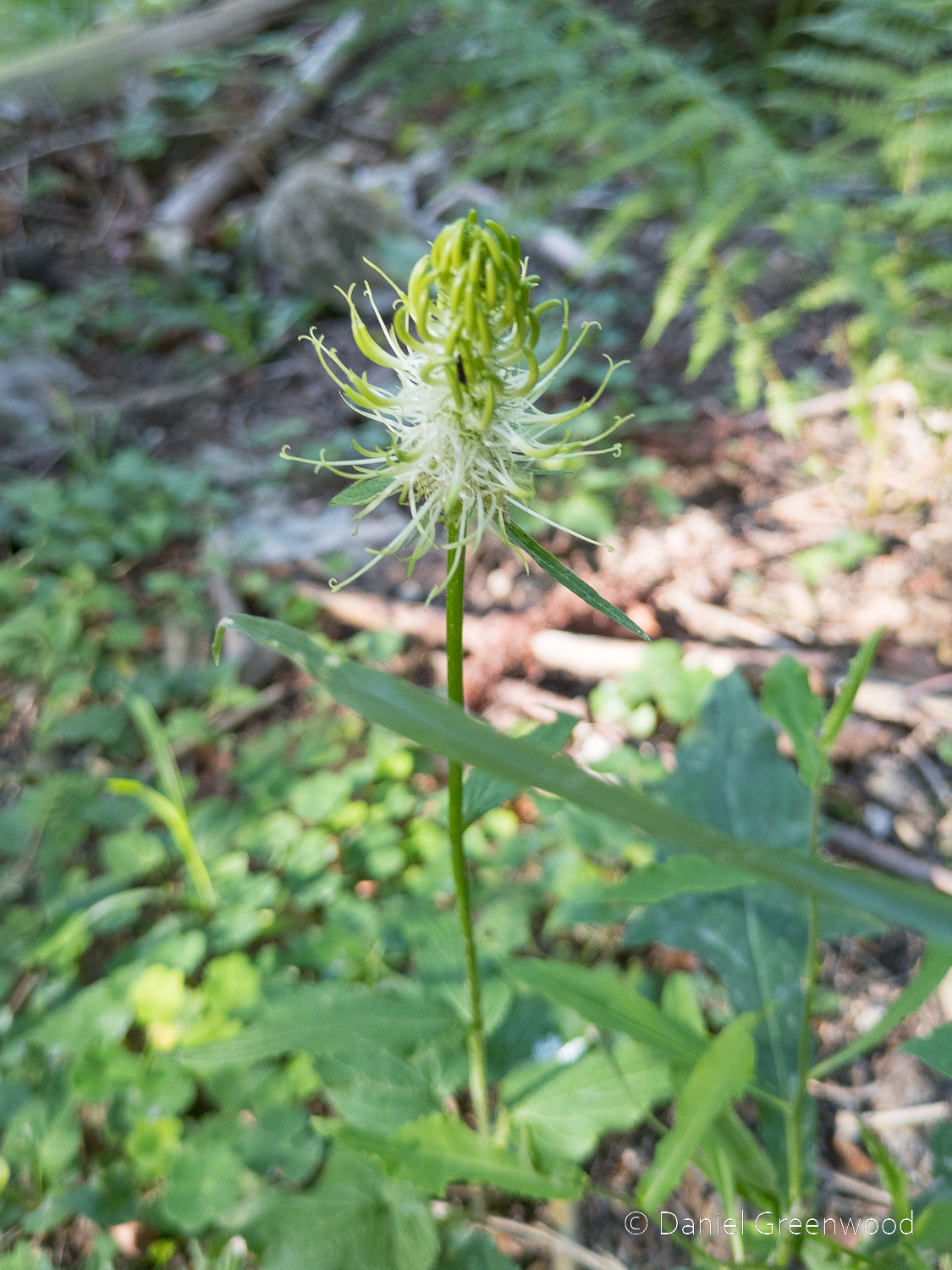
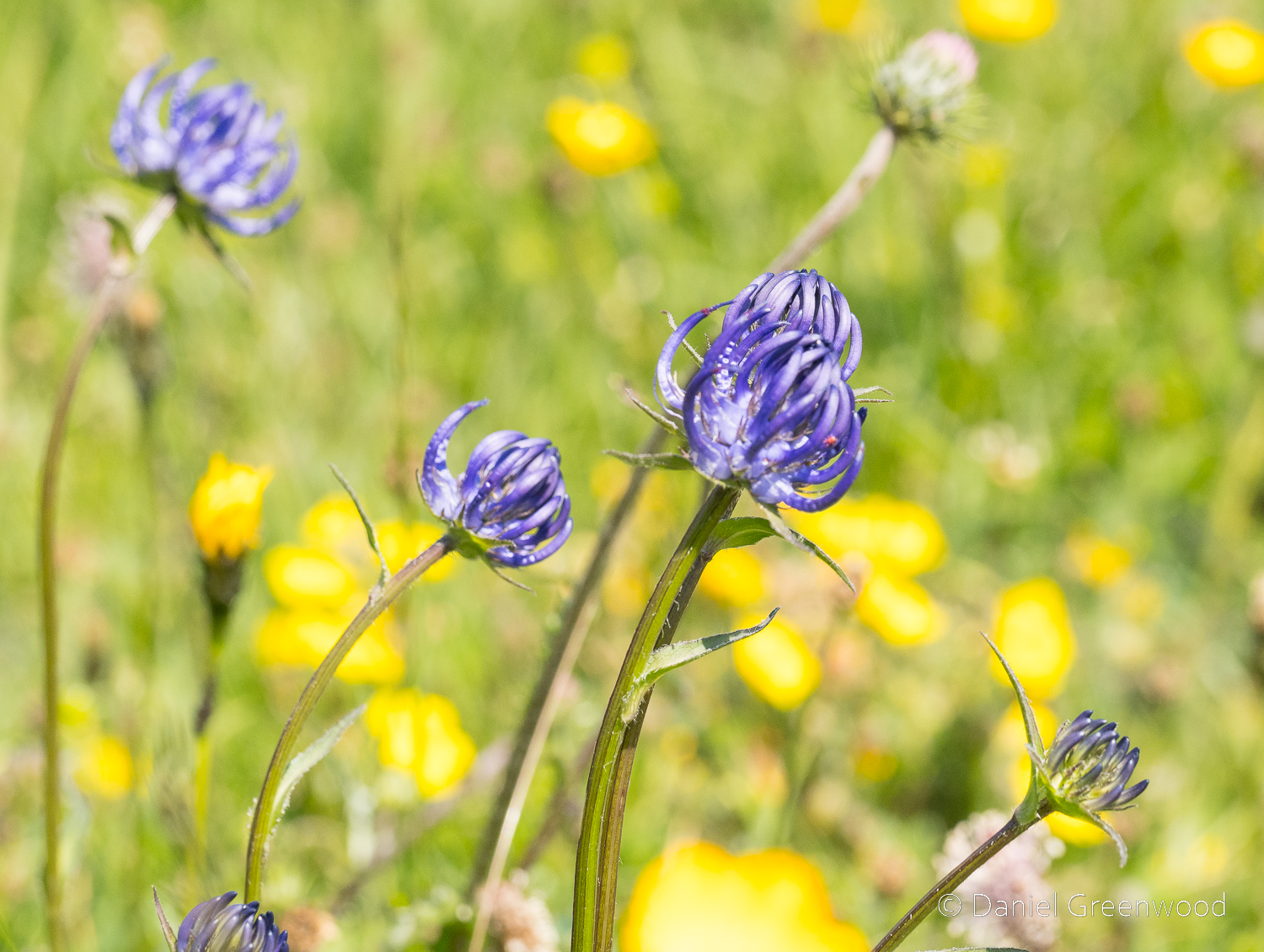
This is an out-of-focus phone pic but it’s a species I don’t see often – spiked rampion.

On a fallen tree across the track I found a nice collection of wolf’s milk slime mould. I was too tired to pop them.

We arrived in the village of Winkl and soon we were among hay meadows.
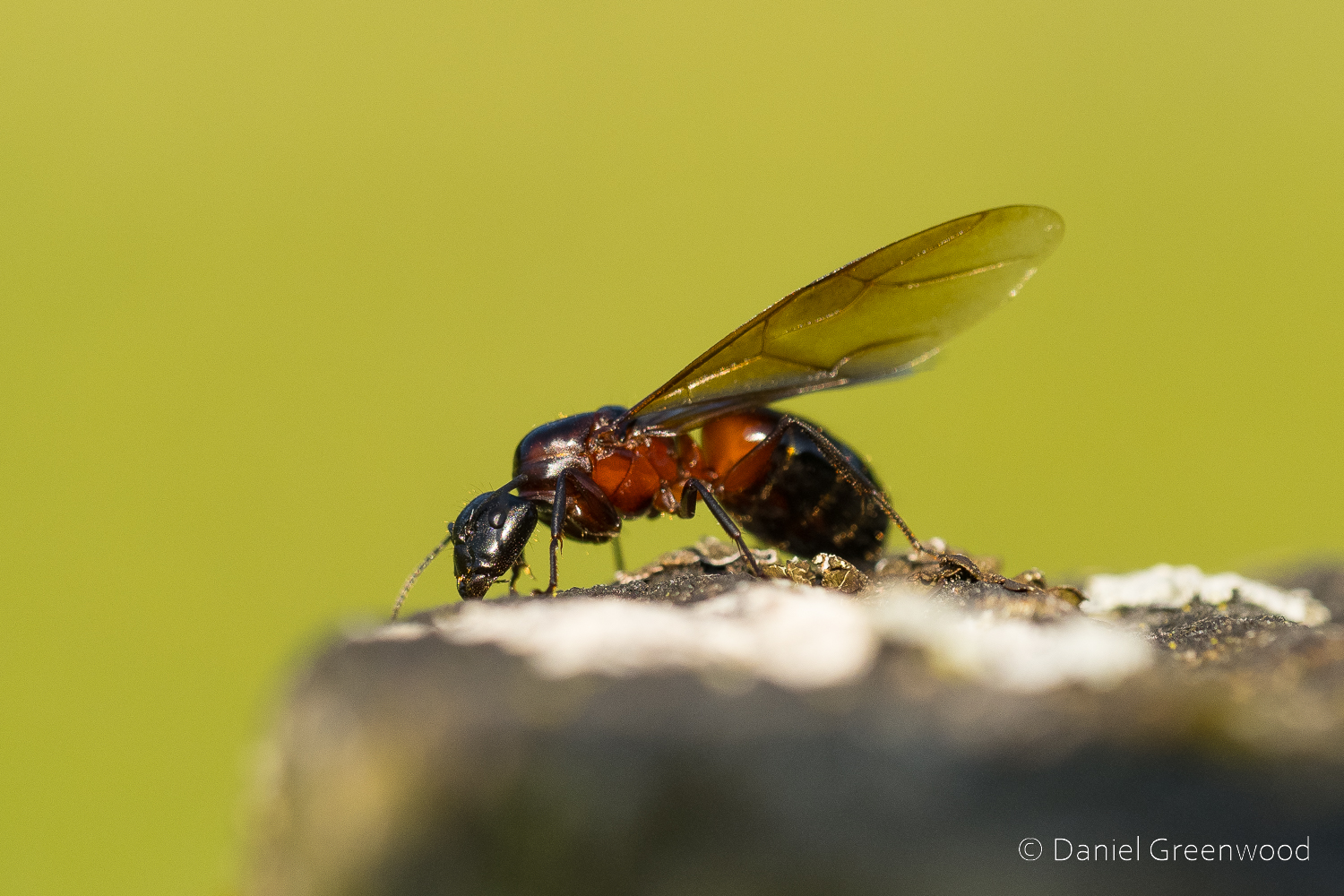
This brown-black carpenter ant was poised on a fencepost, perfect for a pic. There were a couple higher up on Schafberg, so it must have been one of their ‘flying-ant days’ as we say in England.
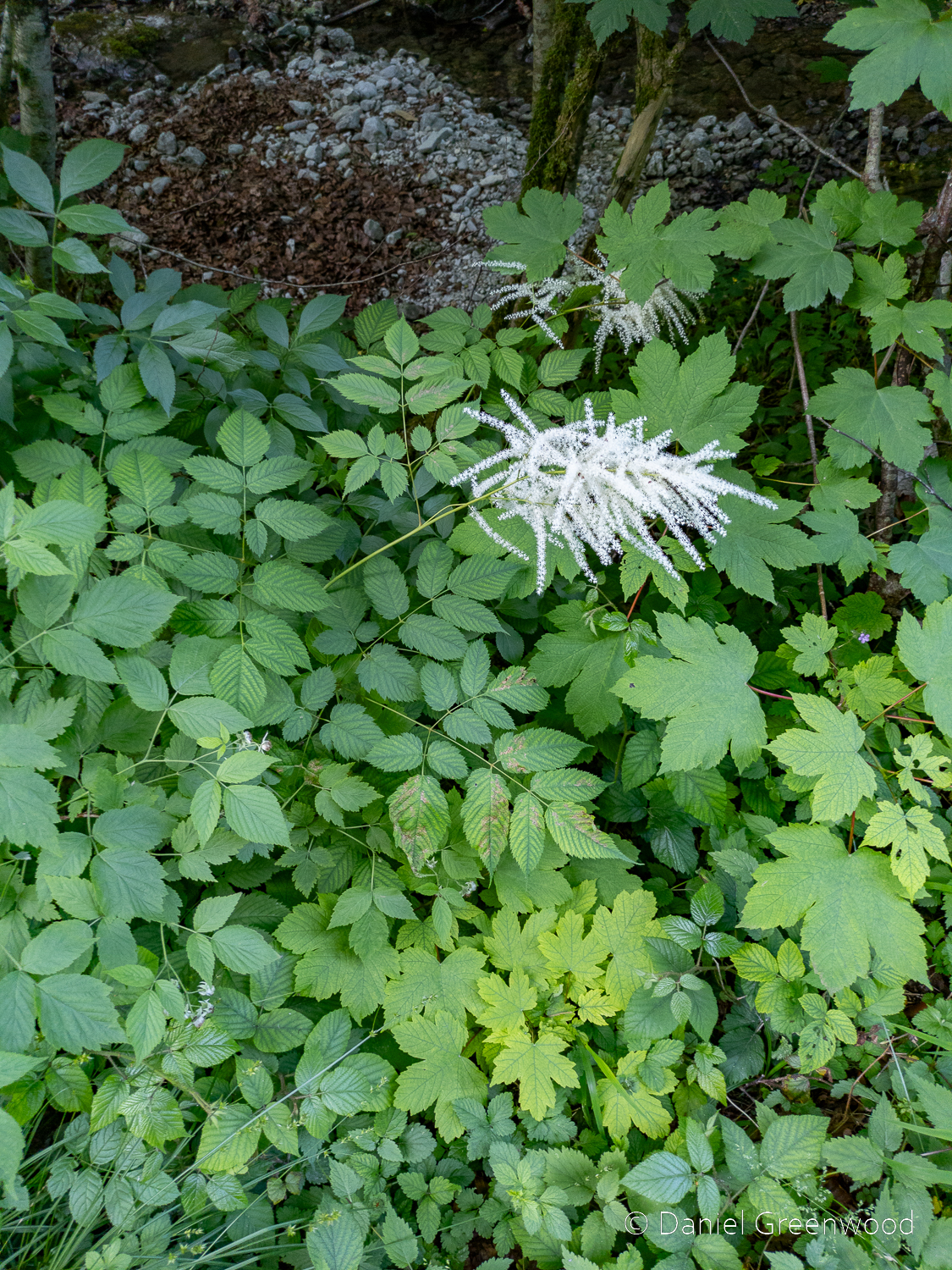
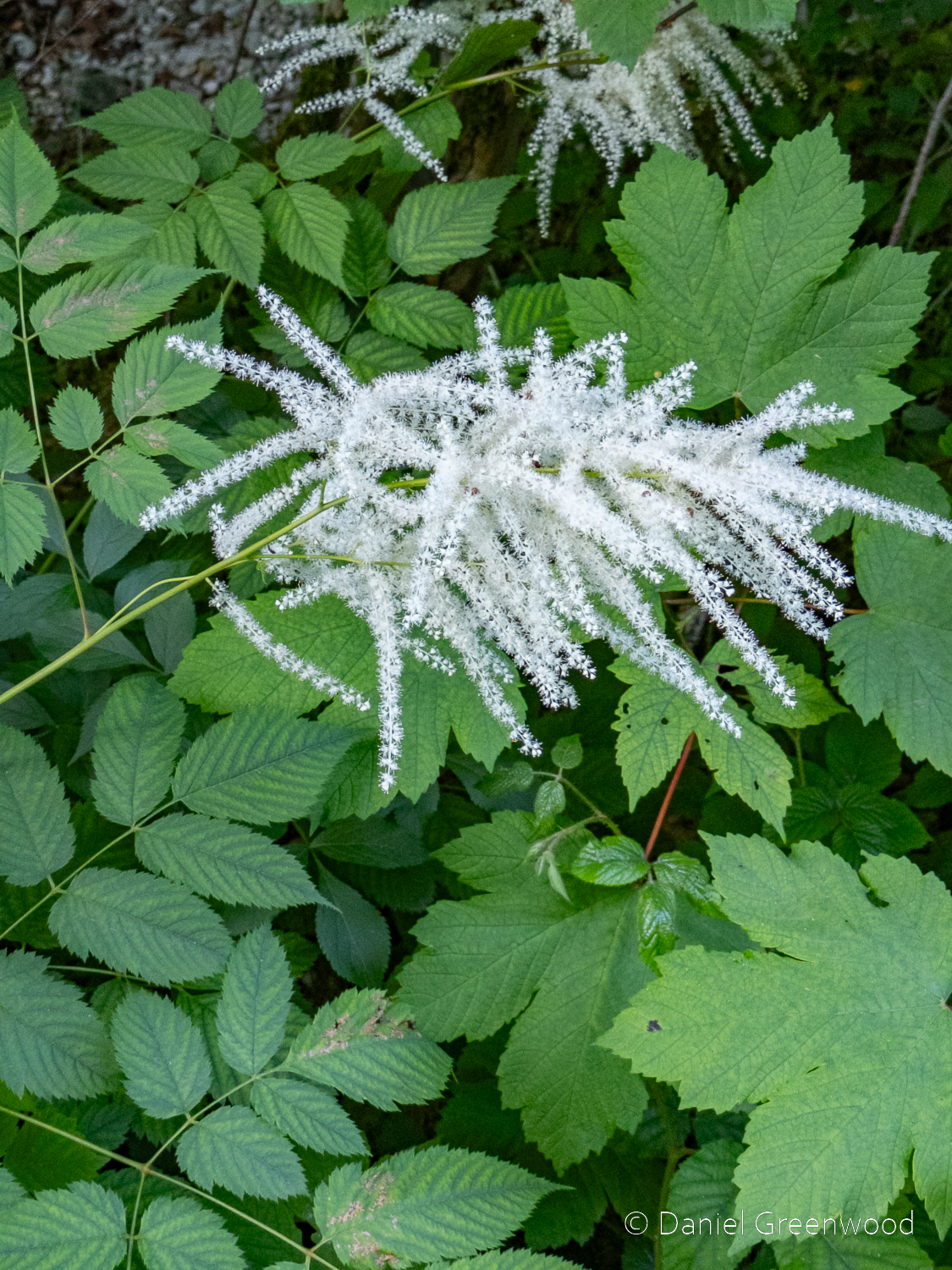
Another species that I only see when in Europe is this buck’s-beard, growing at the roadside.
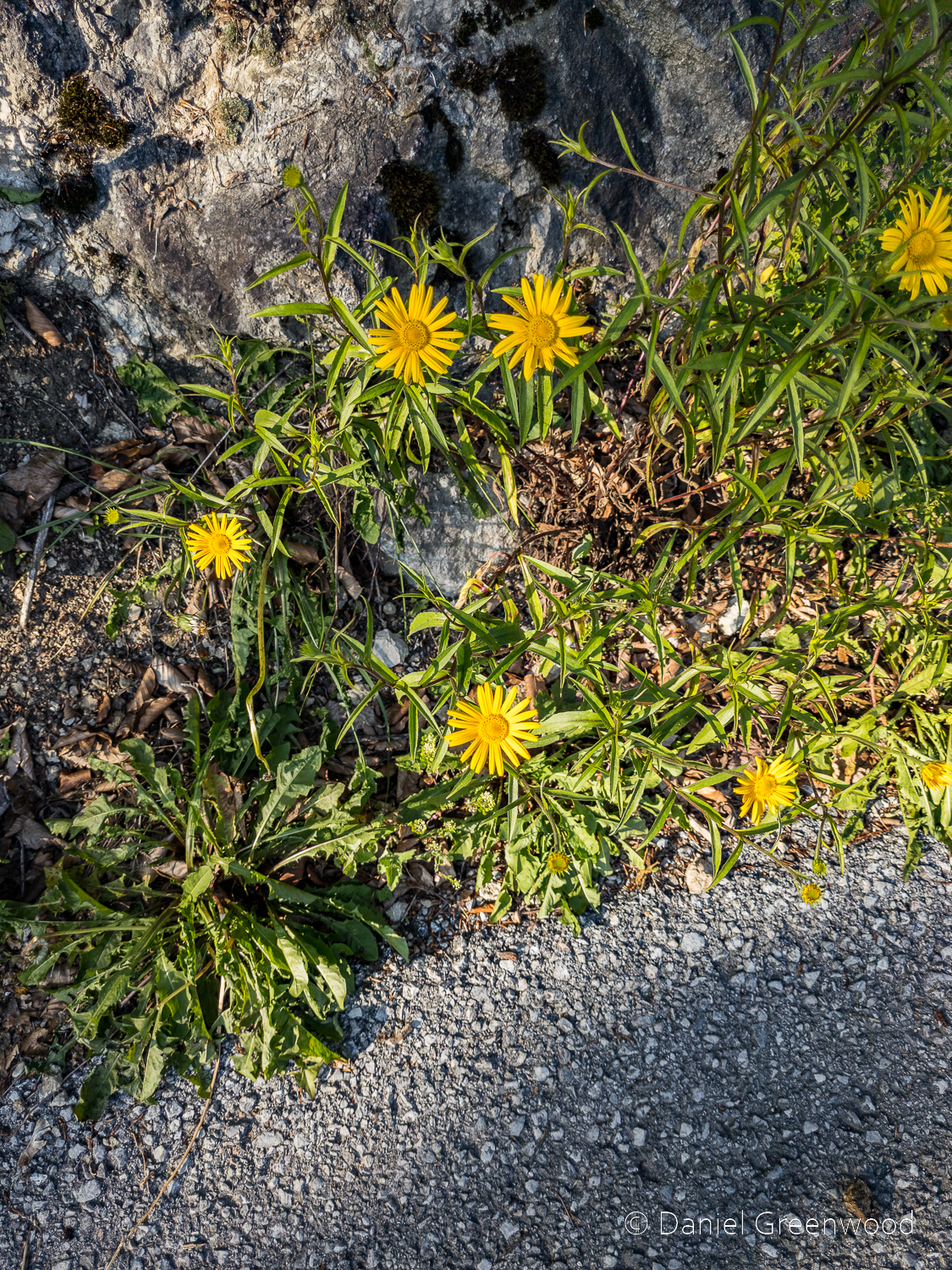

Having descended to the shore of Wolfgangsee, there were these lovely willow-leaved yellow oxeyes growing at the edge of the path.
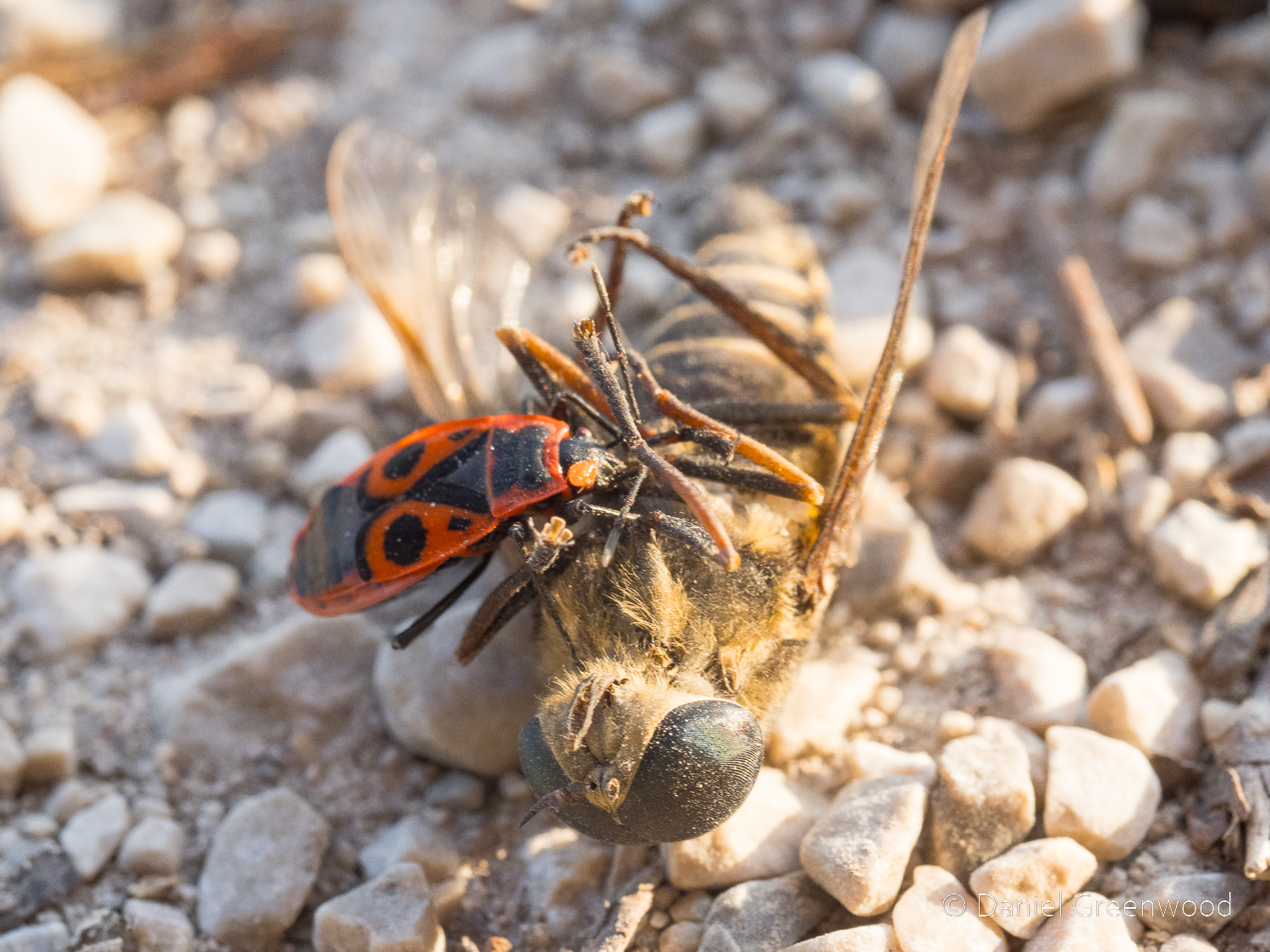
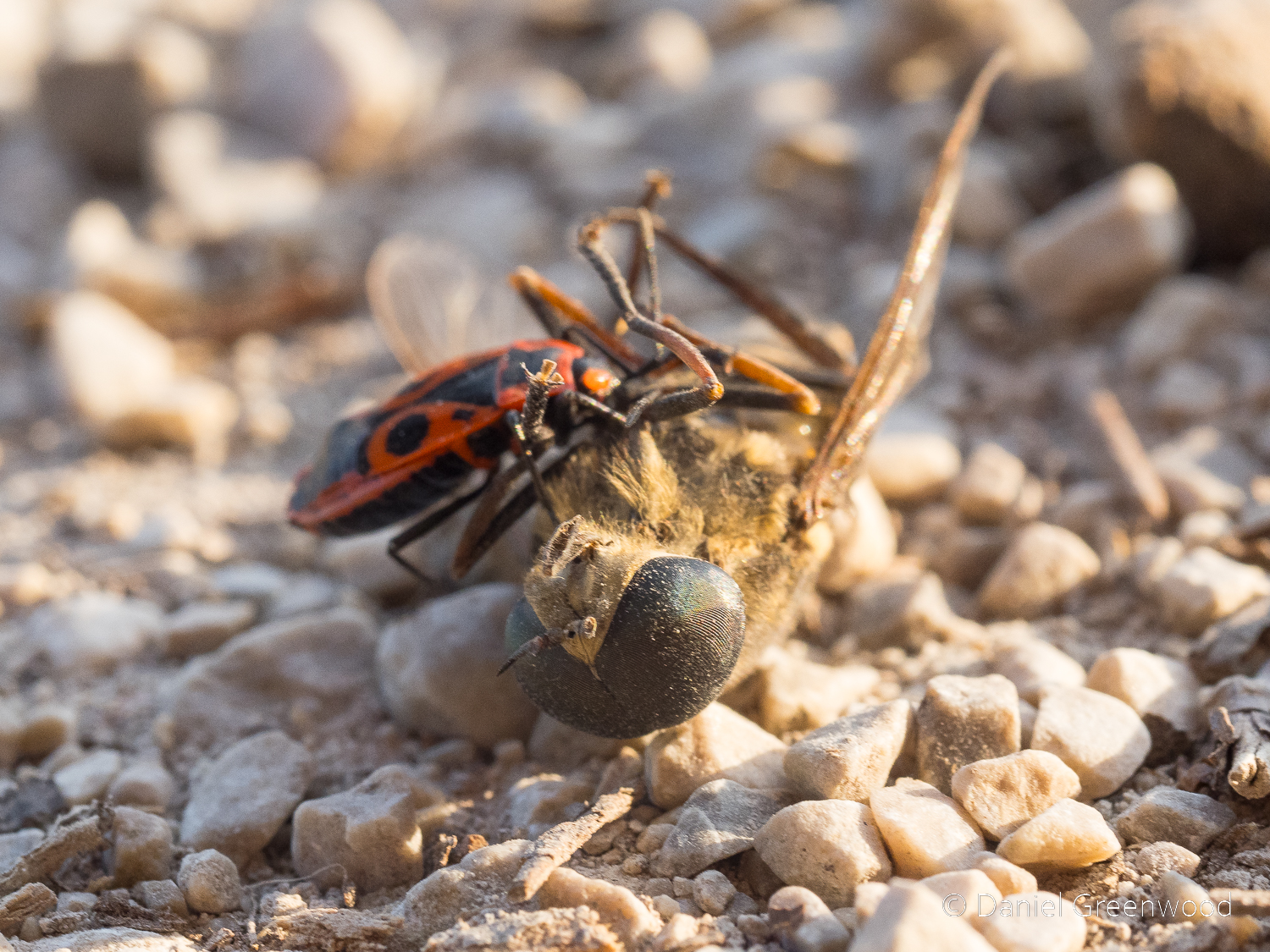

To end, I was quite tired by this point and wondered what on earth was happening. This is a mix of phone pics and mirrorless camera pics, of the scene of a dead horsefly being eaten by a cinnamon bug. If you look more closely you can see a red mite on the head of the bug, so the mite is the winner!
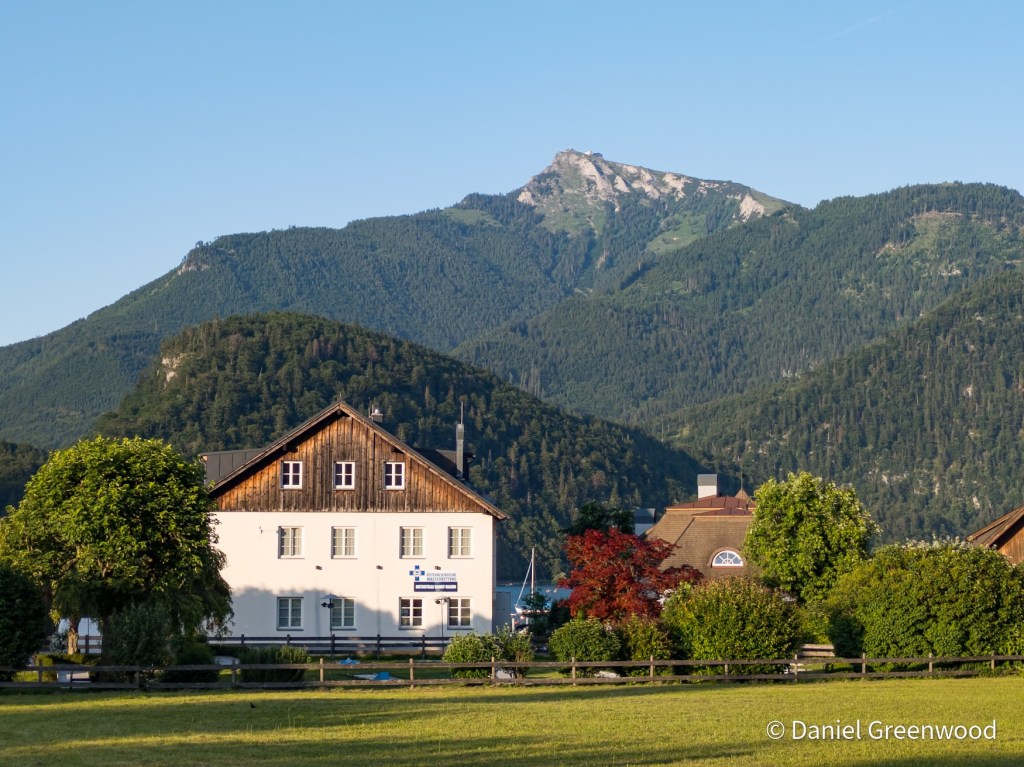
Thanks for reading.

































































 Unlocking Landscapes