Oak timbers: St. Peter’s Street, Canterbury

Follow @OakTimbers on Instagram

A really good guide for buildings in Canterbury can be found here.

I recently visited the English city of Canterbury, encountering many, many timber-framed buildings. I photographed so many that I drafted one post and found it was far too long and complex for this blog. So I have broken it up to focus on a couple at a time.

St. Peter’s Street on a busy Saturday morning. You can see the diversity of building types which show how old the townscape is. Right in the distance the tower of Westgate can be glimpsed, dating to the late 1300s, it’s the largest surviving city gate in England. That is obviously a building I didn’t manage to photograph!

On St. Peter’s Street you can see number 13, a building that houses a charity shop and a barbers. It’s got lots of signs of renovation with a few old elements standing out. The building dates to around the 1600s.

Note the beautiful carvings of the wooden ‘barge boards’ in the gables.
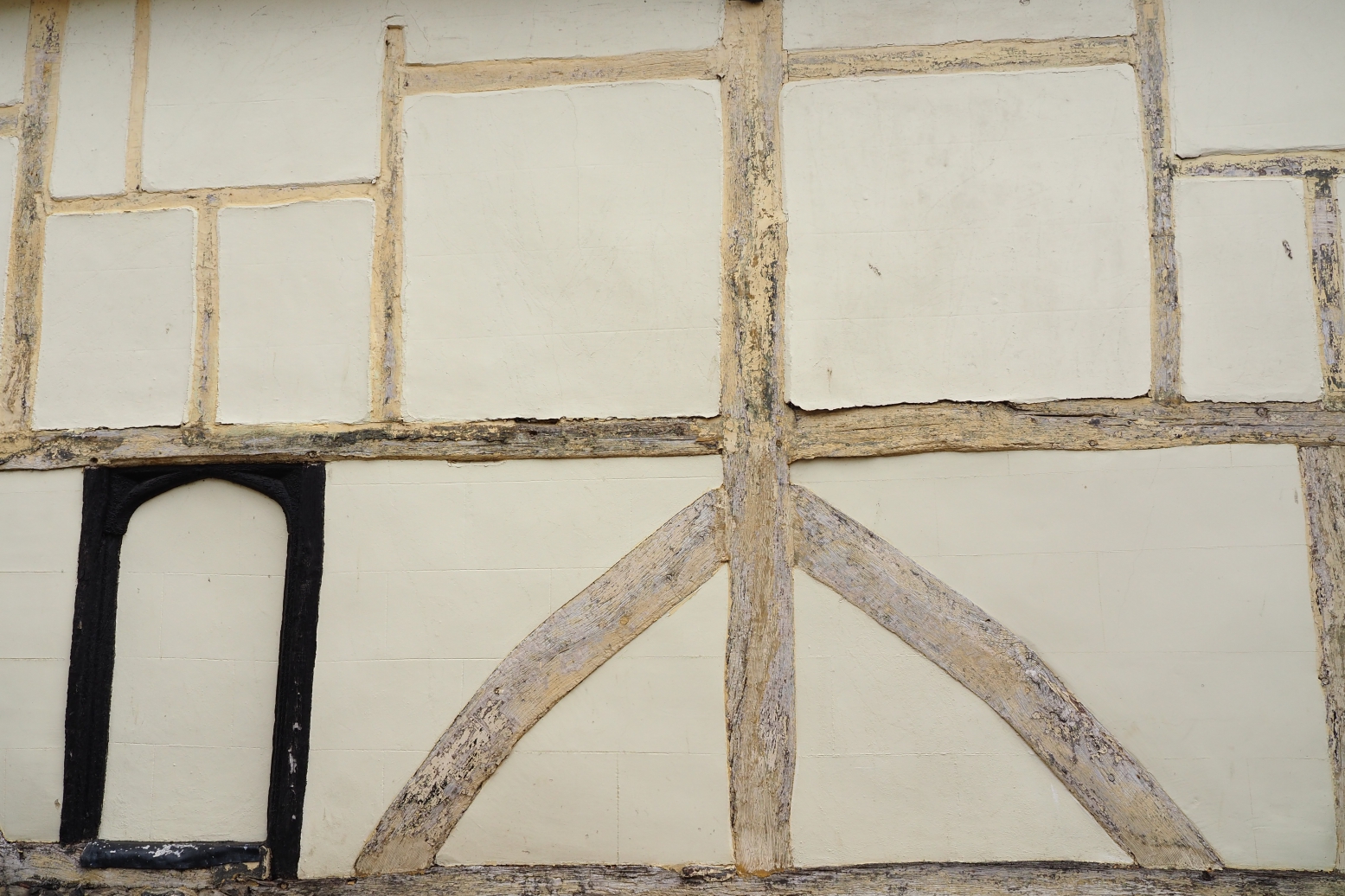
At the side you can see an old entrance way outlined in black. It’s a very small door.

These demons are designed to protect the building’s inhabitants from, well, demons I suppose. More of them to come in a later post. You can see where smaller, older windows have been filled in between them.
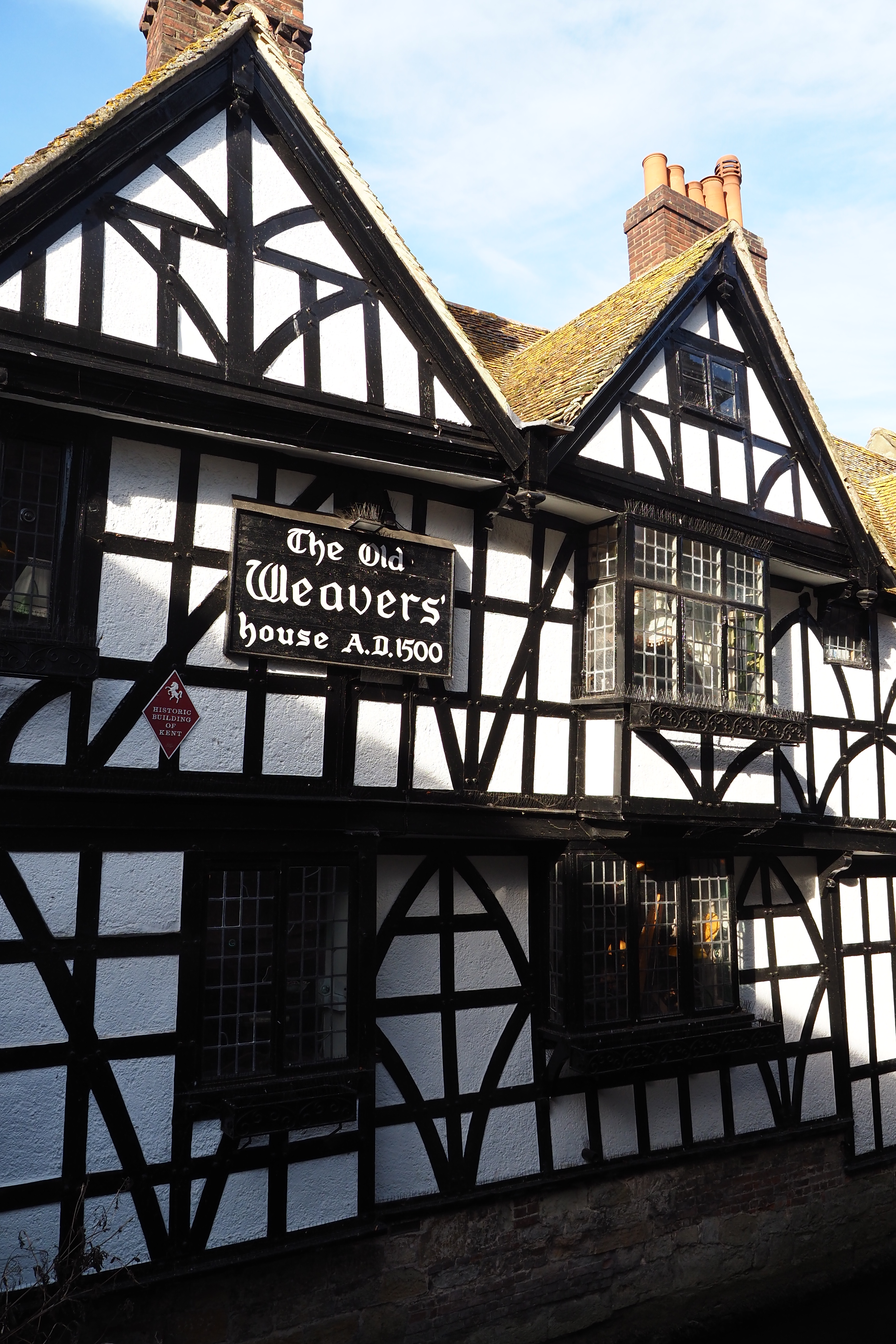
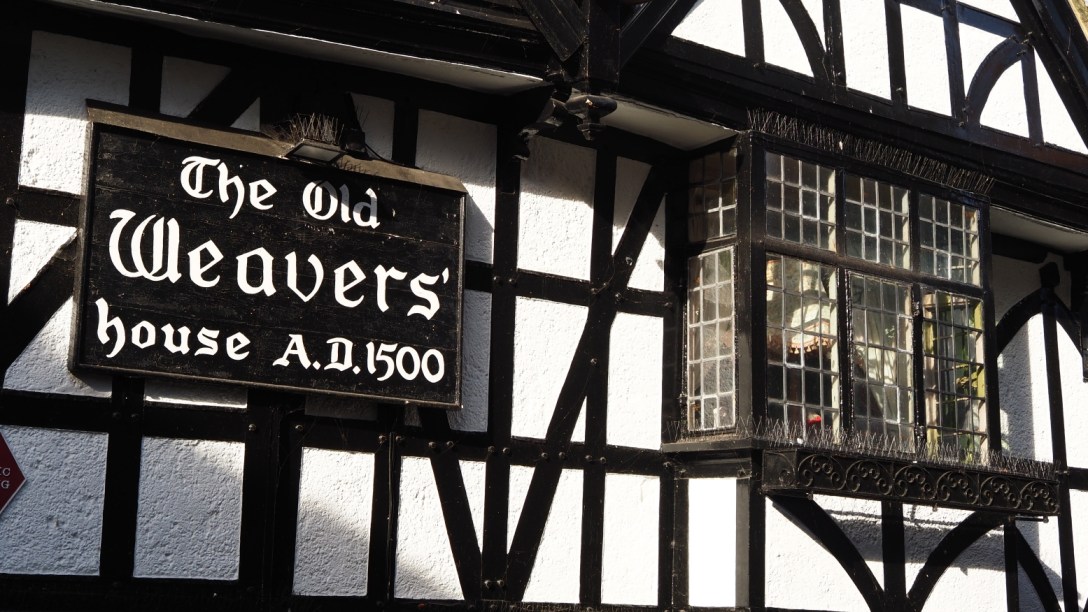
The Old Weavers’ house A.D. 1500. This is a well-photographed spot as it’s clearly visible from the bridge over the Great Stour where the boat tour company wait for business.

Here you can see the river. It has the feel of something out of Bruges, situated along a waterbody in this way. Interestingly it is thought to have been built to house weavers fleeing religious persecution in Flanders (i.e. Belgium)!

This is an possibly early 20th Century image of the building with a better view of the river, technically.

Thanks for reading.
More timbers

Follow @OakTimbers on Instagram

Oak timbers: St. Mary’s Churchyard, Horsham

24-26, The Causeway, Horsham, West Sussex

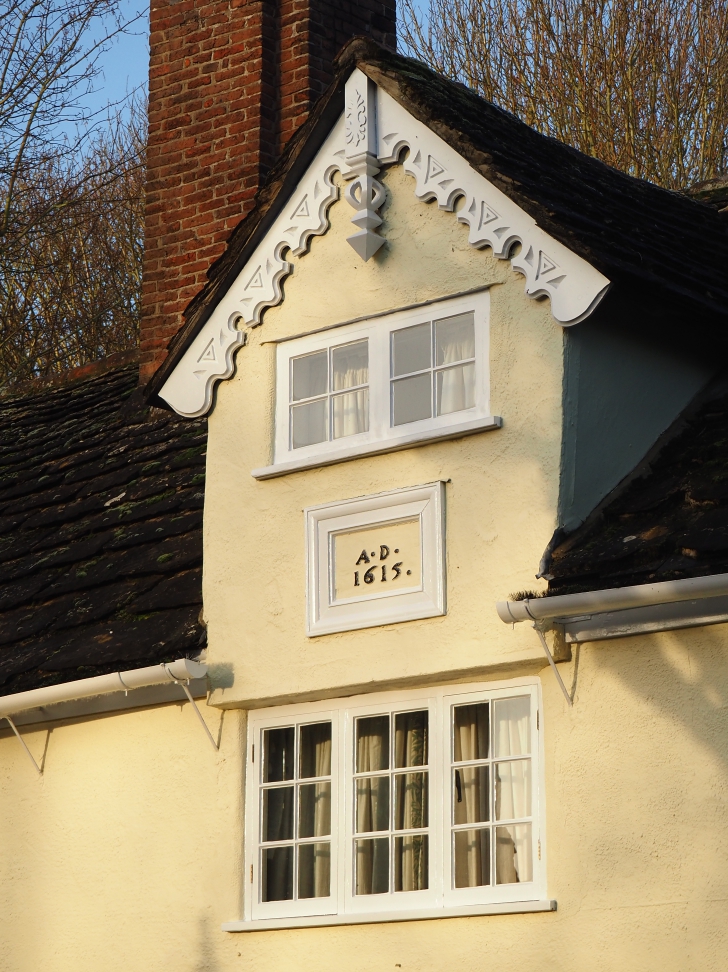
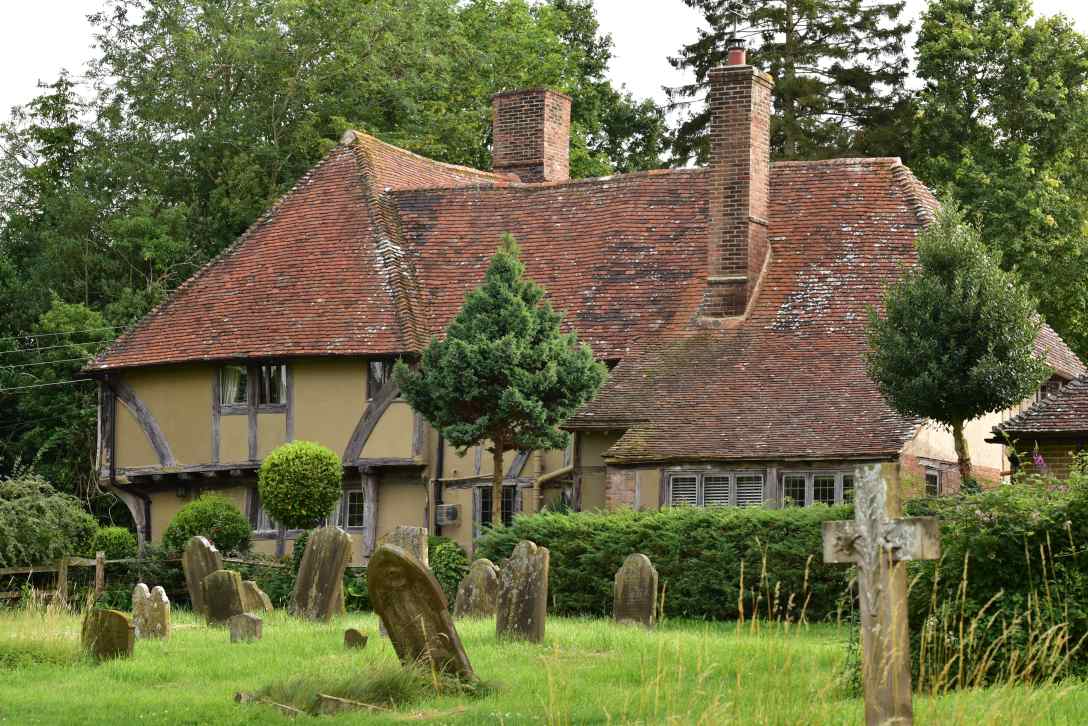
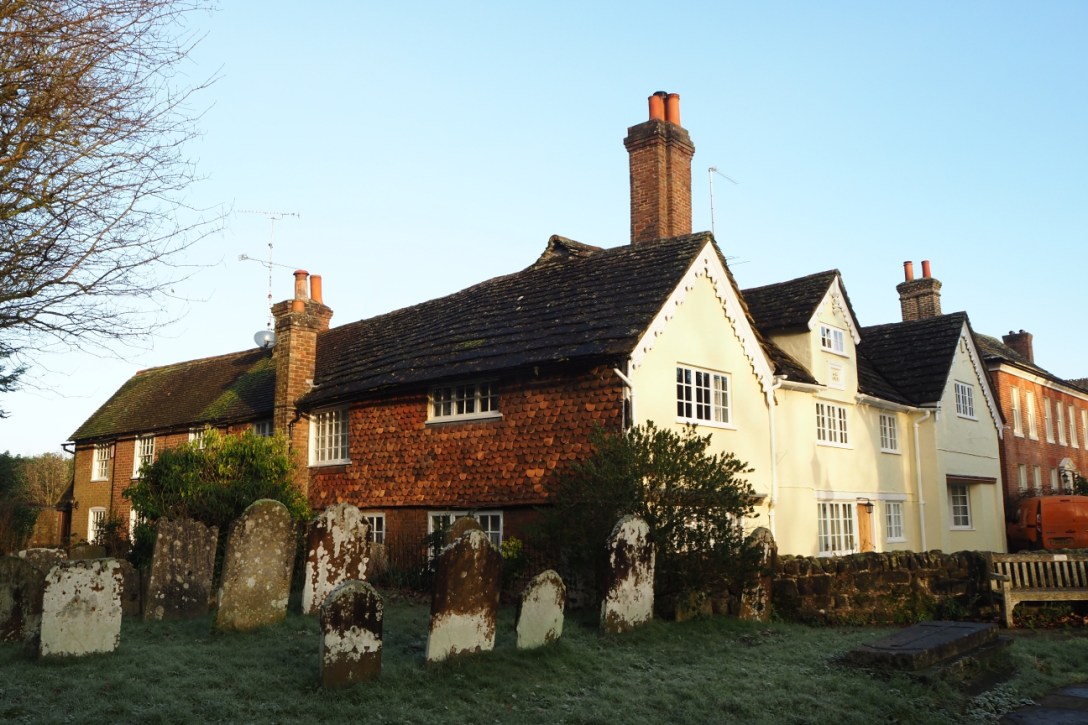
This post is a bit misleading (hello, Prime Minister) as it’s about a house at the edge of St. Mary’s Churchyard in Horsham, West Sussex. Apologies if you’ve navigated here expecting something more numinous. Here a beautiful old house resides. The problem is it’s name is not exactly blogpost title worthy, and I can’t think of anything snappy. It’s at the end of the famous Causeway, a road that’s renowned for its colourful timber-framed and weather-boarded buildings.

The house is simply called 24-26. It’s dated to 1615 and has since been broken into three properties and extended along the churchyard’s edge. The trees to the right hand side are lime trees that form an avenue along the Causeway, illustrated below at a younger stage:

The Causeway, Horsham, page 112 Book about the Highways and Byways of Co. Sussex, England (via Wikimedia Commons)

There’s no doubt it will have been built with oak timbers from the oak woods of the Sussex Weald nearby, likely from the extensive, pre-modern range of St. Leonard’s Forest.

It is currently covered by hanging tiles and plastering on the street-facing side, meaning no typical black timber frontage can be seen from the outside.

Here’s the Historic England official listing.

Thanks for reading.

Daniel

Oak timbers: new post series

Hi everyone. This year I’m starting a new blog series alongside my regular macro, fungi and Sussex Weald posts.

This series focuses on the use of oak trees in the construction of old buildings in England, mainly in Sussex where I live.

I’ve also launched a Ko-fi page if you want to support my work through a donation of some kind. Thank you to everyone has been so generous. The main aim of this is to help cover the ยฃ200 annual costs of hosting this website and also my podcasting platform.

Oak as a tree species is a key area of research, creativity and learning for me. This comes from the general love we nurture towards oak trees in England, but more from my time working in an oak woodland and the subsequent understanding I gained from teaching myself about the cultural and ecological significance of the species around the world.

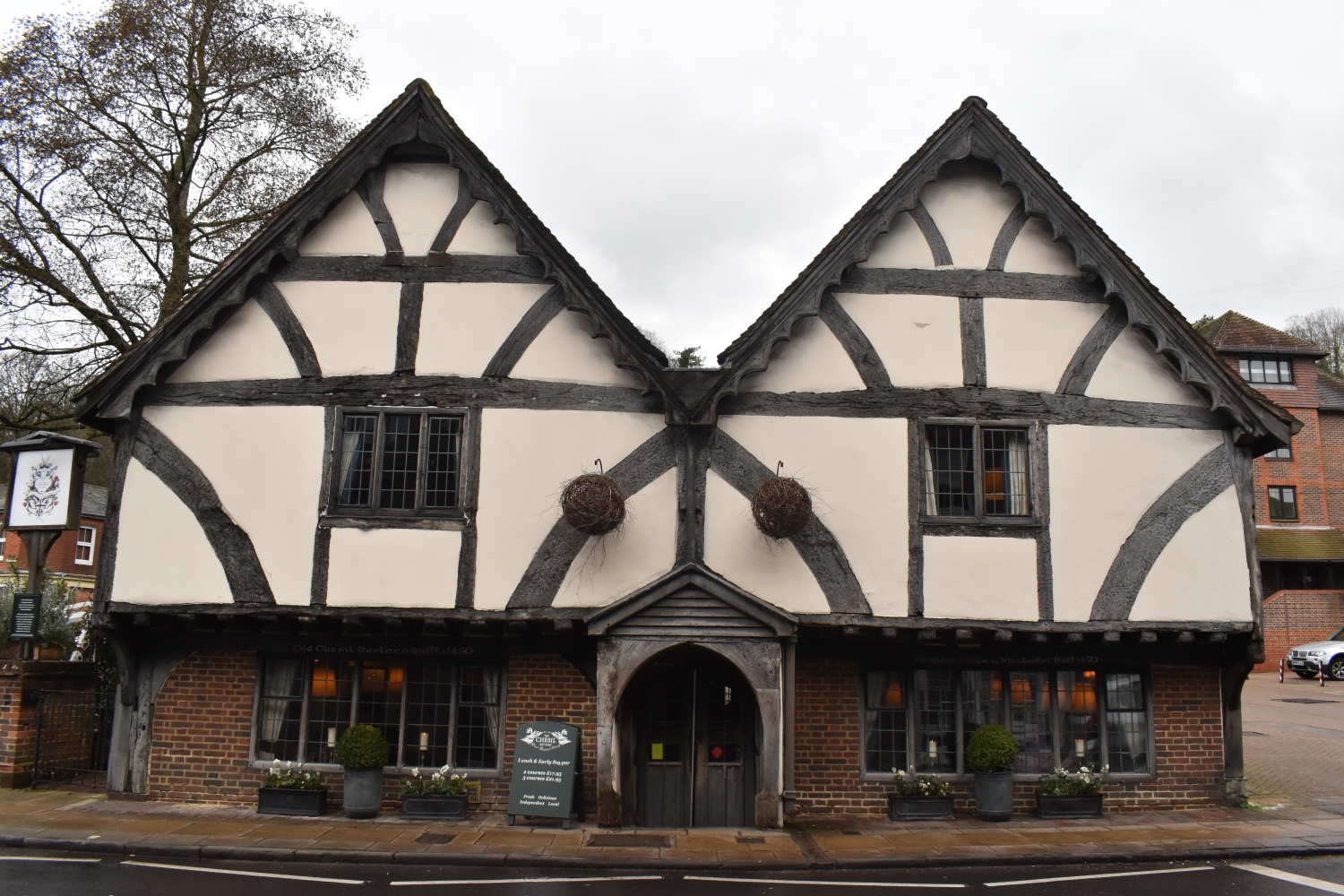
The Chesil Rectory, Winchester, England

Oak trees were once a key resource in Britain and Europe, in the production of timber for construction and the other uses of the materials that arise from an oak tree. Here I mean bark used for the leather tanning industry.

Timber-framed cottages have become sought after by some of the wealthiest in society, when once they were the main timber used by some of the poorest in European society. The aim here is to draw a link between the landscape and human civilisation, not to promote expensive properties for estate agents in SE England!

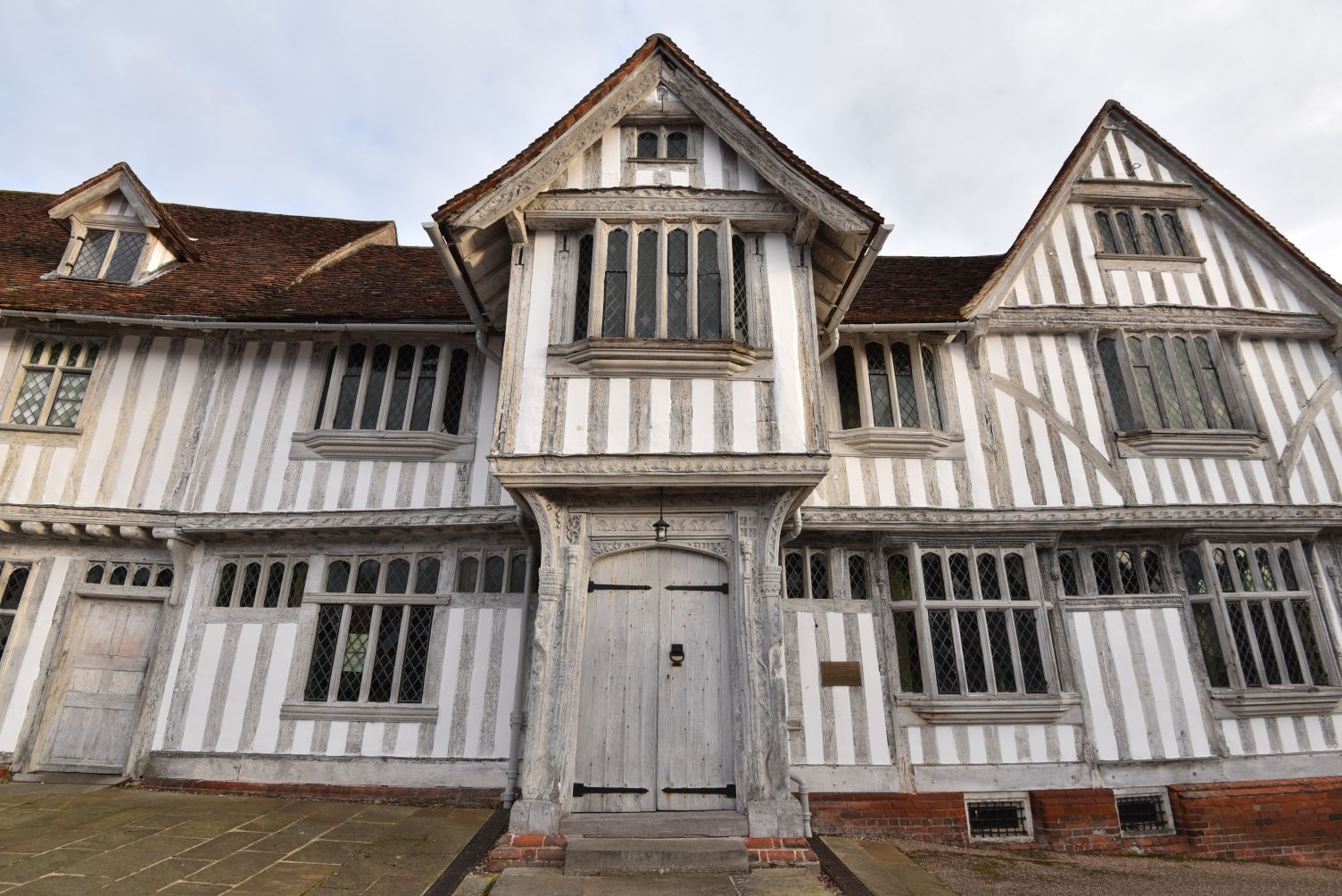
The Lavenham Guildhall in Suffolk, eastern England

With this photographic research project I want to document these buildings but also to tell their stories.

The first post will be arriving this month. I would really appreciate comments, information and suggestions around these subjects as the point here is for me to learn but also to share any knowledge and nice images.

Wishing you all the best and I look forward to sharing the images and research with you.

Daniel