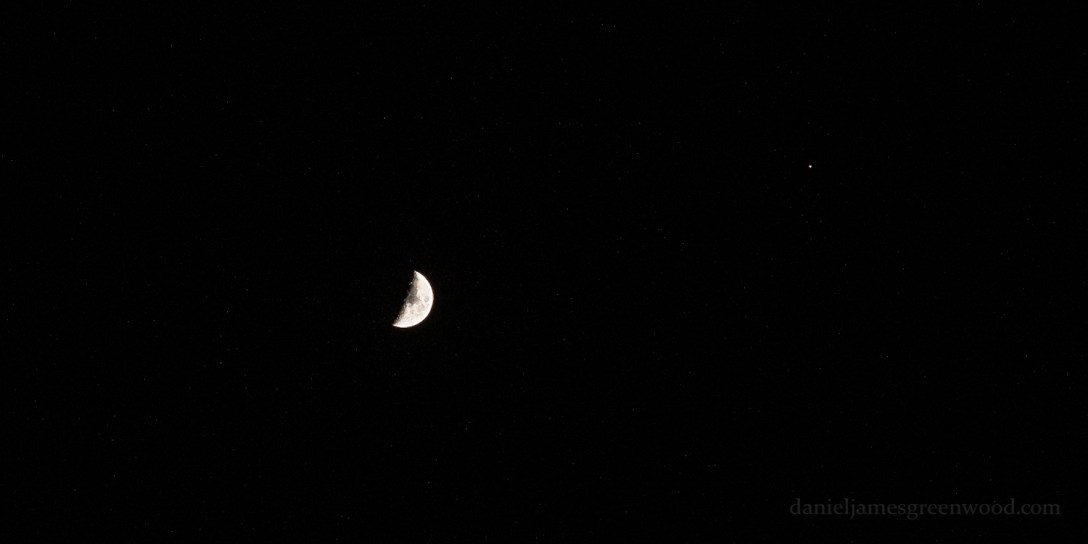
Night photography: Jupiter snuggles up to the Moon ๐Ÿช

An article popped up recently highlighting the chance to see several planets in the sky at once. On the evening of the 29th December 2022, I took out my camera and tripod to see what was happening out there in the garden. Turns out, there was quite a lot going on!
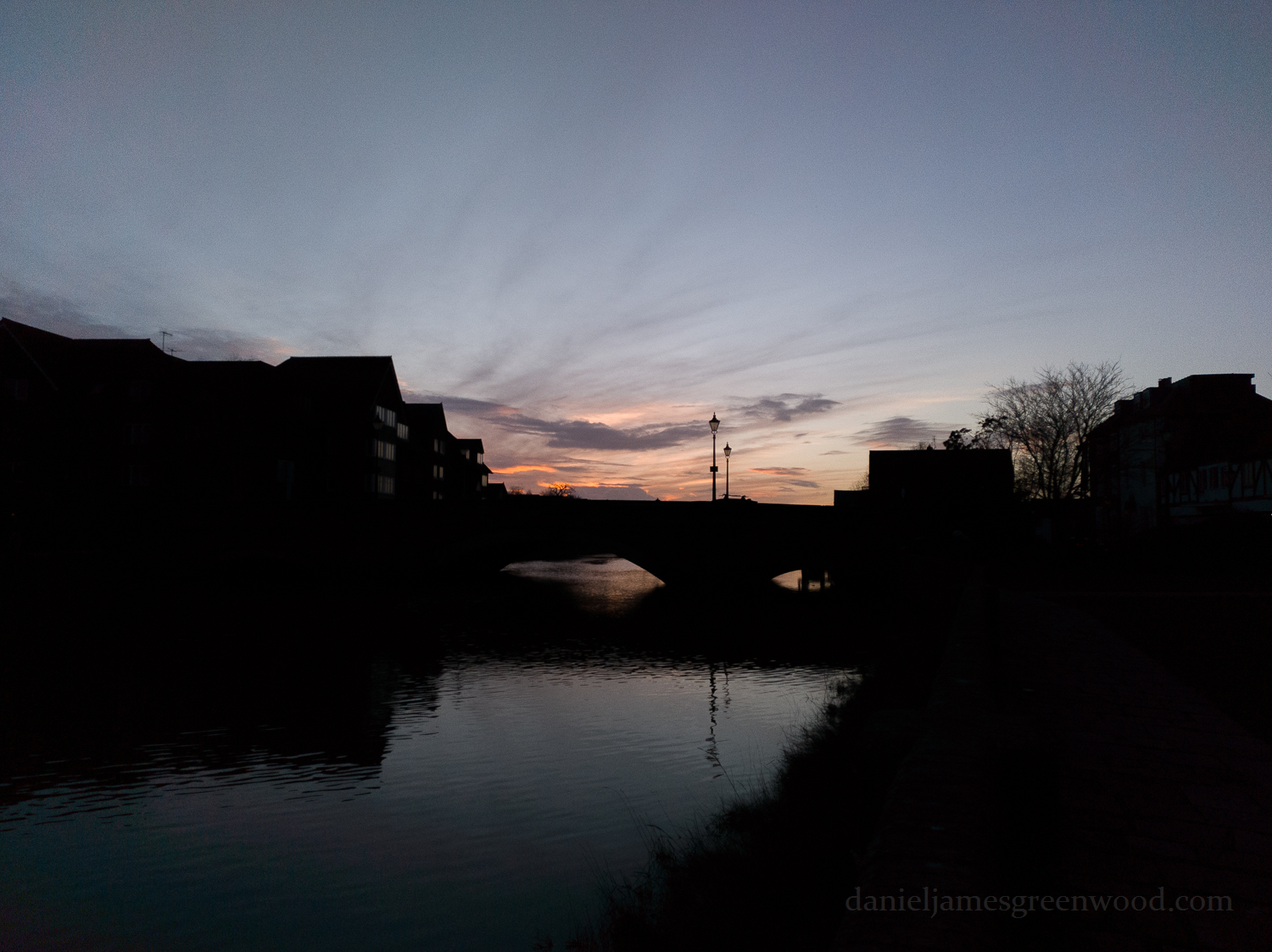
I had actually spent the late afternoon admiring the half moon, with Jupiter in close attendance (below). I was down by the river Arun in the town of Arundel, the sun creating a gentle, pastel-coloured twilight.
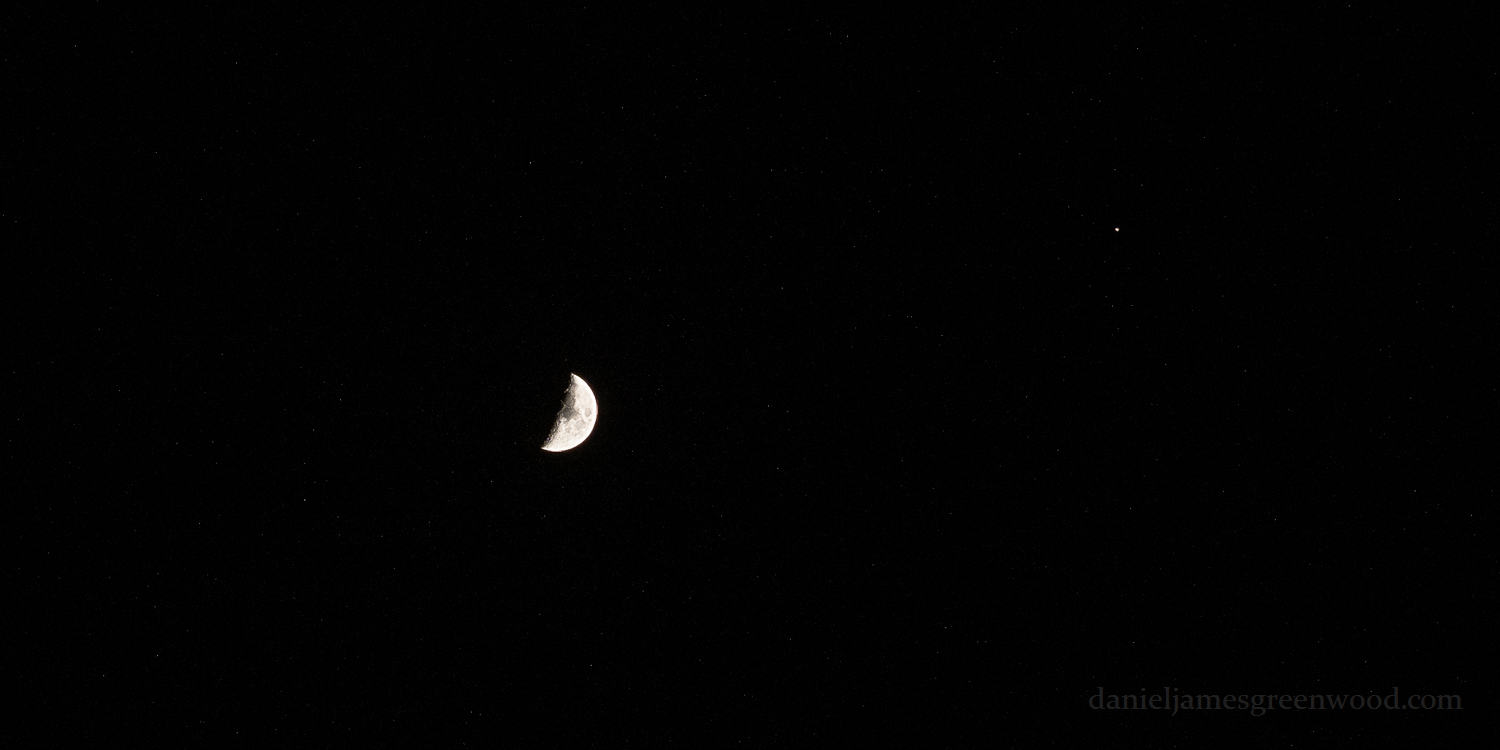
Later on in my garden, I ticked off a couple of other planets with the help of my camera, binoculars and the phone app Stellarium. This app has helped me to learn loads, though I struggle to remember it all, of course.

Just visible over an extension of a neighbouring house was Saturn (above, top right), ringless to my eye and the cameraโ€™s lens. I had managed to get a rough image of it in the past with rings just about visible.

Mars was prominent in the sky, hanging out in the eardrum of Taurus, earwax coloured, too. I used the nearby Pleiades to attempt to find Uranus, something much more difficult to see because of a lack of colour definition or prominence in the night sky.
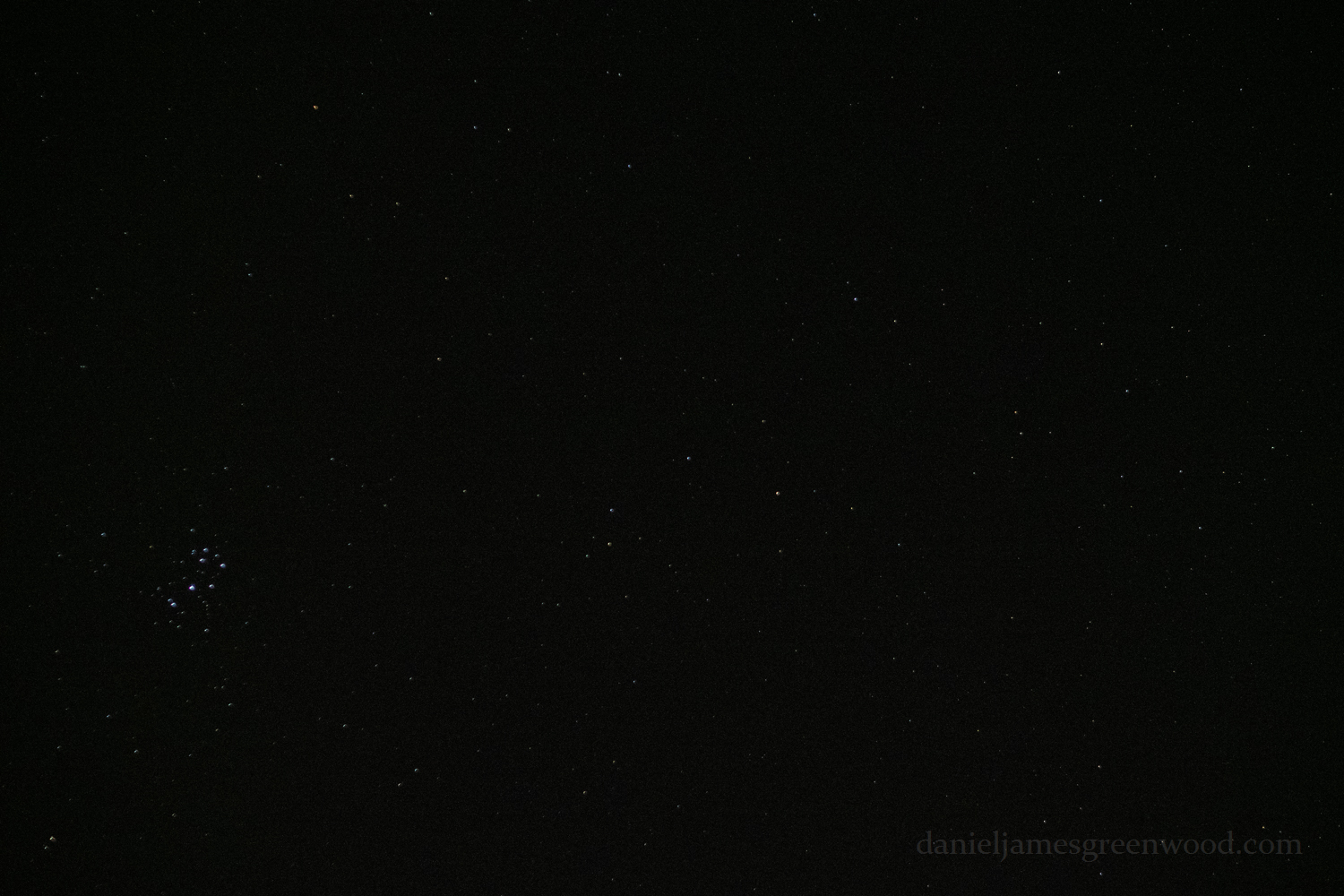
Compare with image below to identify Uranus (best to click/expand)
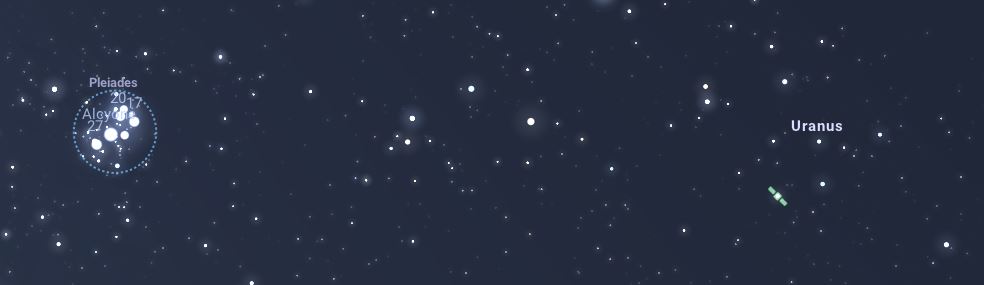
Screenshot from Stellarium, showing the Pleiades on the left, the ^ roof of three stars, and then Uranus

Using the pitched rooftop shape of a trio of stars (Tau Arietis, Zeta Arietis, and Botein) I found a wonky cross shape. In the middle of the cross was Uranus, indistinguishable in colour from those close by. This is a first for me, which is always a lovely thing.

Far more visually dramatic was the sudden burst of a meteor in Taurus, shooting upwards to the south-east. A little researched revealed this to be one of the Quadrantids, a meteor shower that peaked on the 3rd January 2023 in the Northern Hemisphere.

Thanks for reading.

Night photography

Recent posts

November 2025: beware of pity

I’ve had a burst of American visitors in recent days (to my blog, not my house). So thanks for visiting, y’all, and sorry about the year you’ve had. You may have noticed I’ve slipped to monthly posts on here. Between April and October I posted blogs every Monday without pause, which is a tricky taskโ€ฆ

Summer-autumn 2025: unveiling the sun

Here’s my seasonal update of stuff you don’t need to know about, but then welcome to the Internet. What Iโ€™m writing Soon I will be self-publishing my third poetry collection, Foolโ€™s Wood. It’s seven years since my last one and this collection has taken longer because of LIFE. There will be a booklet and alsoโ€ฆ

Night photography: January stars

These long, cold nights are a good chance to spend some time exploring the night sky. In mid-January we’ve had a number of gloriously sunny days and clear nights. After one of the dreariest Decembers on record in the UK, with only an averaged total of 27 hours of direct sunlight, it is very welcome.

The clear nights have given me so much to photograph: starry skies followed by frosty, foggy mornings with beautiful light.

Tonight (14th January) I spent a bit of time in my garden with my full-frame DSLR and a 50mm lens with an f1.4 aperture. That’s a very bright lens, meaning it collects a high level of light which is very good for astrophotography. My garden is packed in among several others, so when one neighbour a couple of doors down pops out, they usually see me as a man standing there in the dark. It can be quite awkward when you say things like, “I’m trying to get a photo of Uranus”.

I couldn’t even manage that. Here’s what I did get:

Orion is my go-to constellation. I find it easy to identify and does help to anchor my eyes in the night sky.

Hoping the diagram above makes sense to you. Orion’s belt is the most obvious part of the constellation. Don’t mess with Orion!

My 50mm lens is bright but it doesn’t reach very far. That said I did crop part of the image to capture part of the Orion nebula (‘Gt. Neb.’ in the image above).

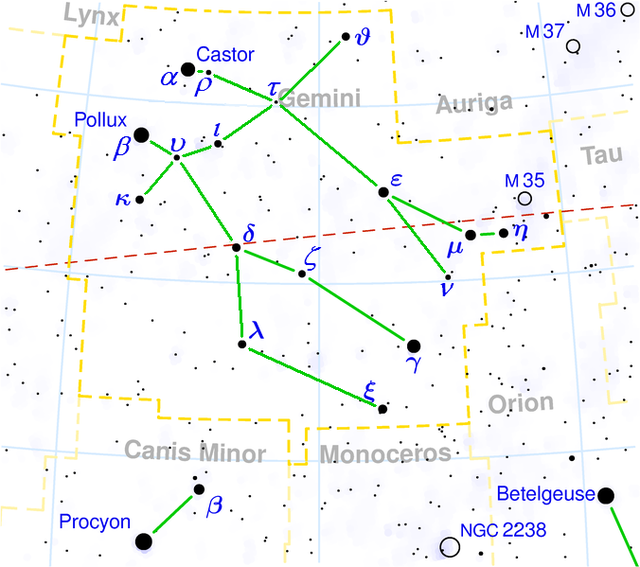
This is one of two new constellations for me that I photographed: Gemini. It’s probably not that easy to make out but it covers the whole of the image. I think also that I tilted the camera to much which makes the two anchoring stars on the left hand side (Pollux and Castor) out of sync with the diagrams. Come on, it was dark out there!

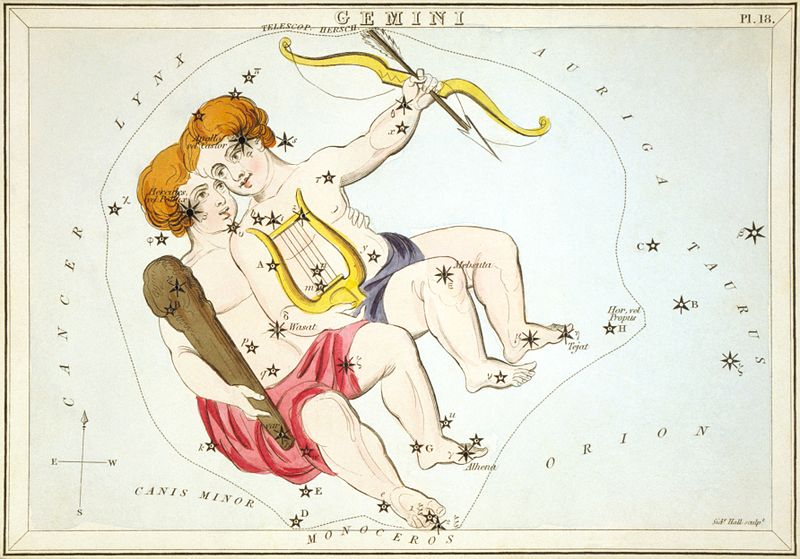
Gemini is Latin for ‘twins’, representing Greek mythological figures Castor and Pollux.

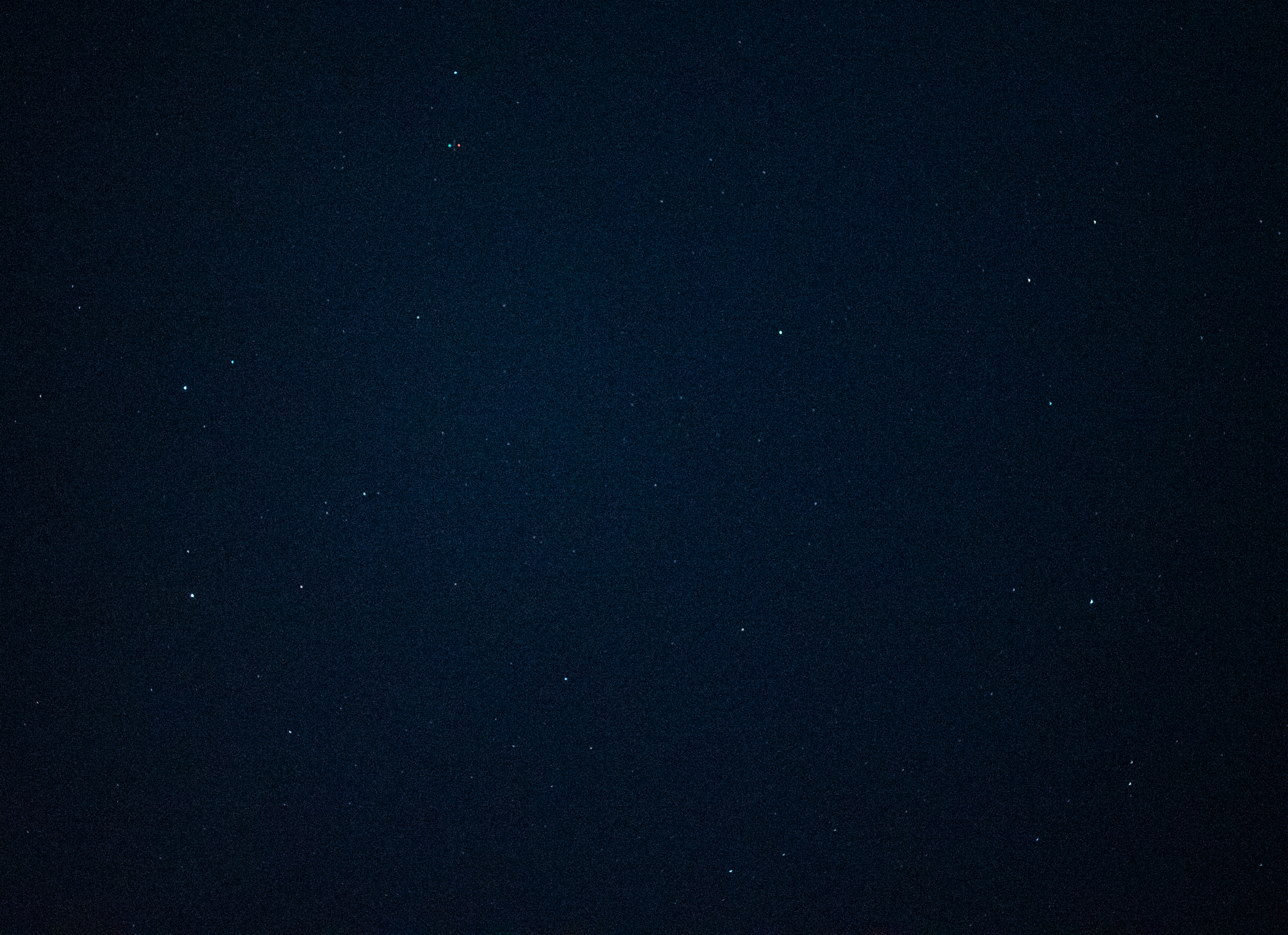
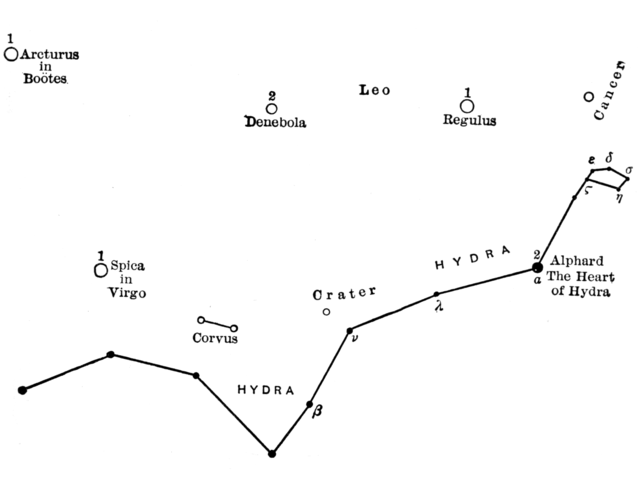
The second of the two new constellations for me was the head of Hydra, which can be seen as the clearest collection of stars here.

I was amazed to read that Hydra is the largest constellation in the night sky. It’s not surprising when you later see the diagram and how huge it is.

Thanks for reading.

Recent posts

Salisbury’s oak timbers

Here’s another entry in my slow-blogging Oak Timbers series. You can view my galleries and posts archive here. I visited Salisbury in Wiltshire (south-west England) for the first time in 2023 and was really charmed by the place. If you’re interested in this kind of thing, Salisbury is the place for you. Here’s a galleryโ€ฆ

Austrian Alps: Innsbruck by sleeper train

Innsbruck, Tyrol, Austria, June 2025 This is a longer post of the images I captured during a recent visit to Innsbruck in the Austrian Alps. We travelled to Innsbruck on a sleeper train from Amsterdam. It’s such a great experience and is significantly lower in carbon emissions compared with flying. If you consider the factโ€ฆ