
In August I made my annual visit to the Weald and Downland Living Museum in the South Downs.
You can see my timber-framed building photo gallery here.
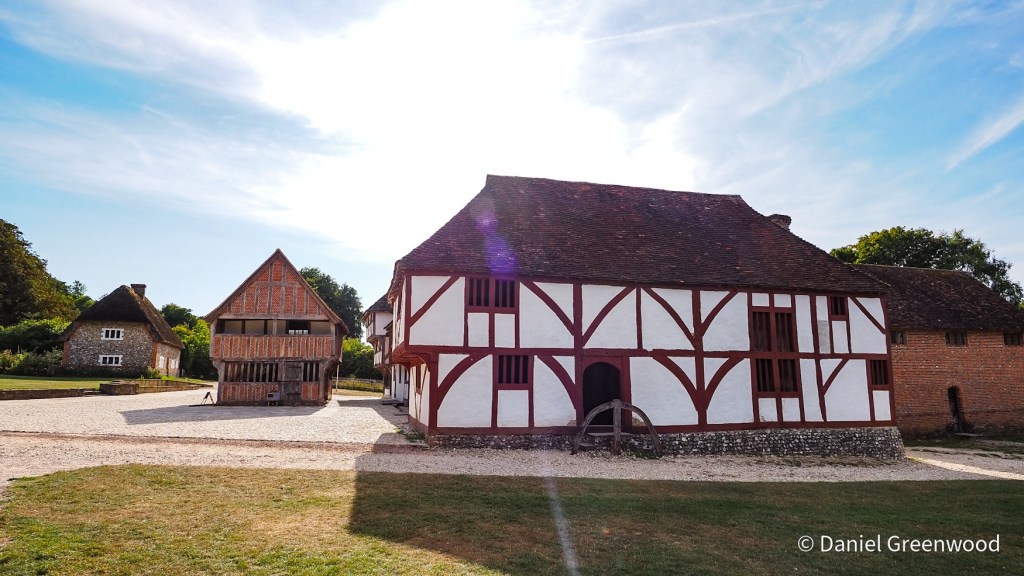
This is the first view you encounter inside the museum grounds after you pay your entry fee. Amazing to think the medieval hall house is from Cray in the London Borough of Bexley. It dates to the 1400s.

The Titchfield Market Hall has recently been restored. It’s looking very good indeed now. These halls were once more common in English market towns, but I can’t say I’ve ever seen one in situ. How times change.
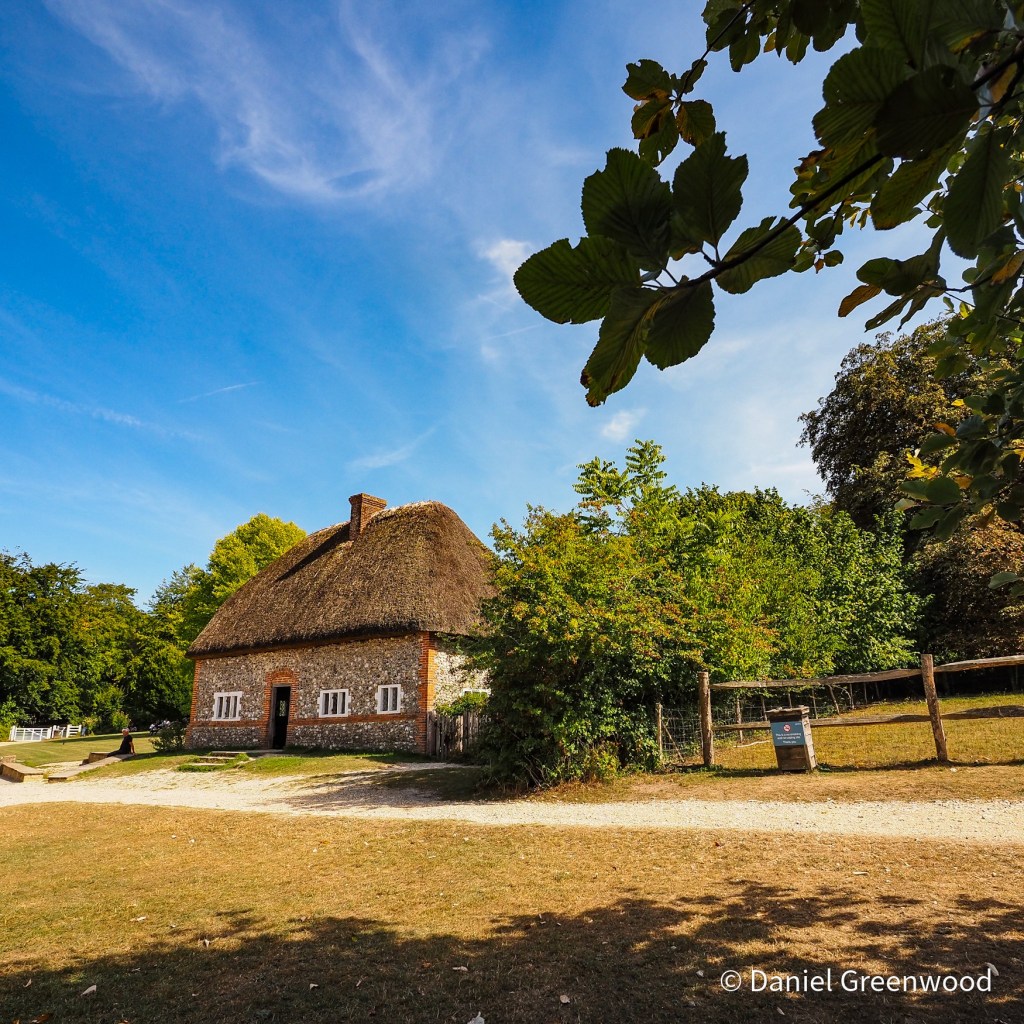
The House from Walderton punctuates a quintessential Weald and Downland Museum scene.
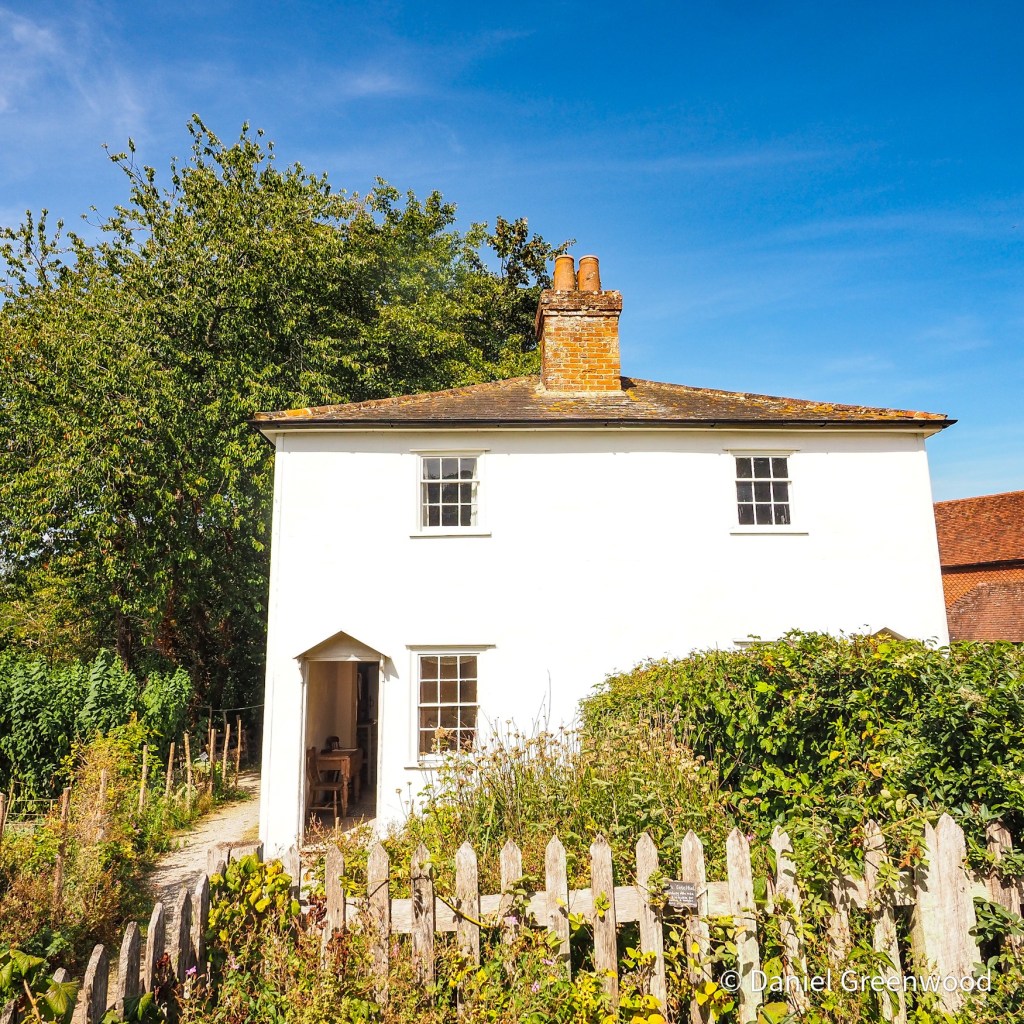
These charming railway cottages are a game of two halves. In one part (here on the right) you can see the internal structure of the building. On the left hand side you can see a furnished representation of the cottage.

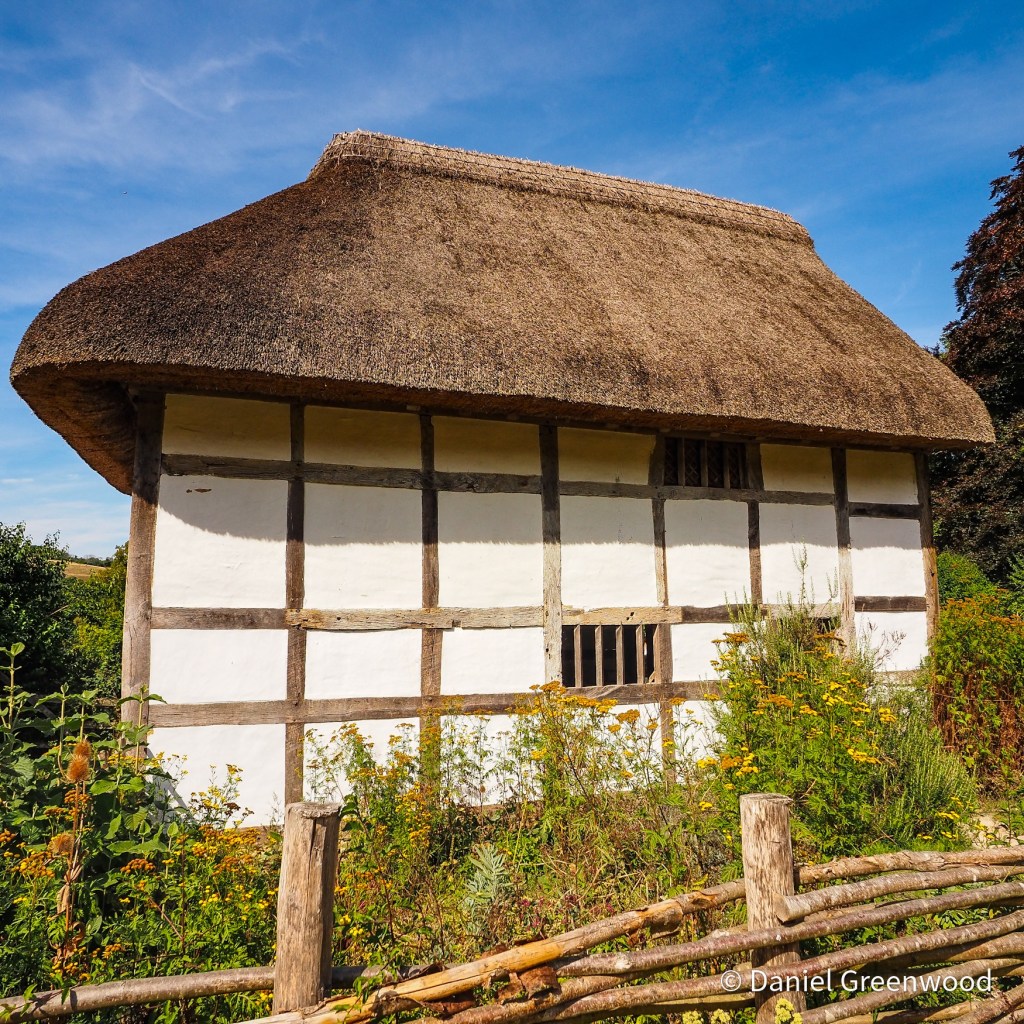

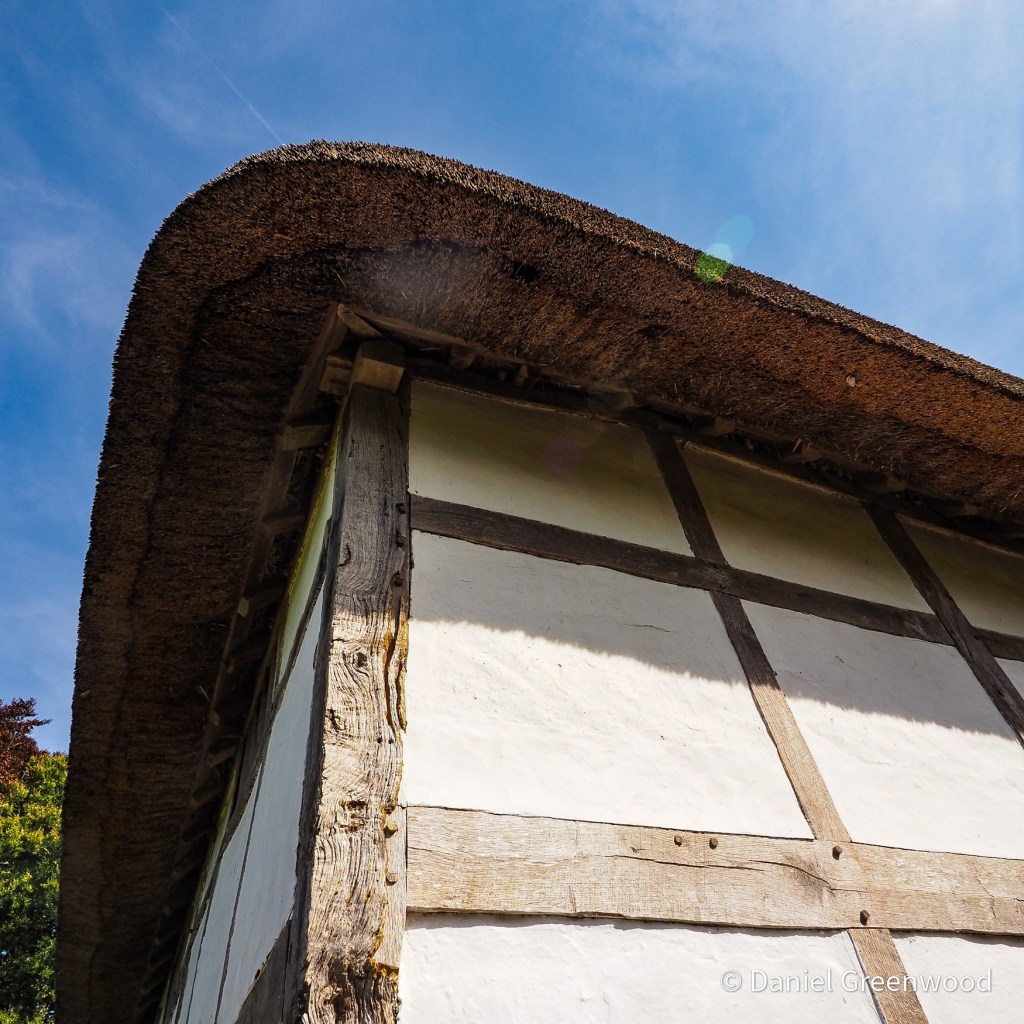
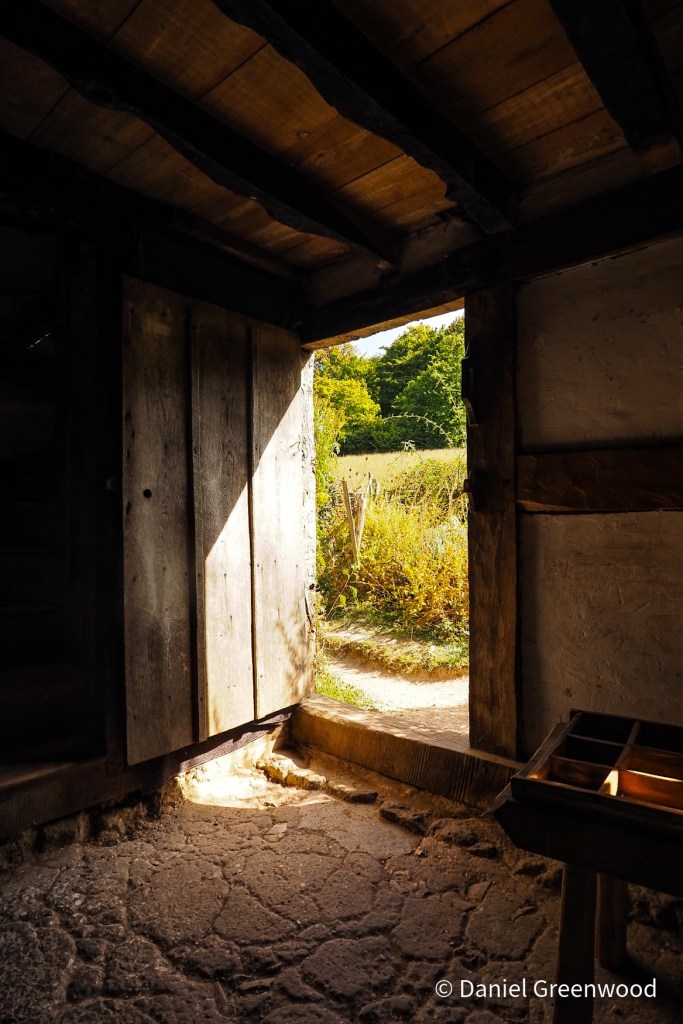
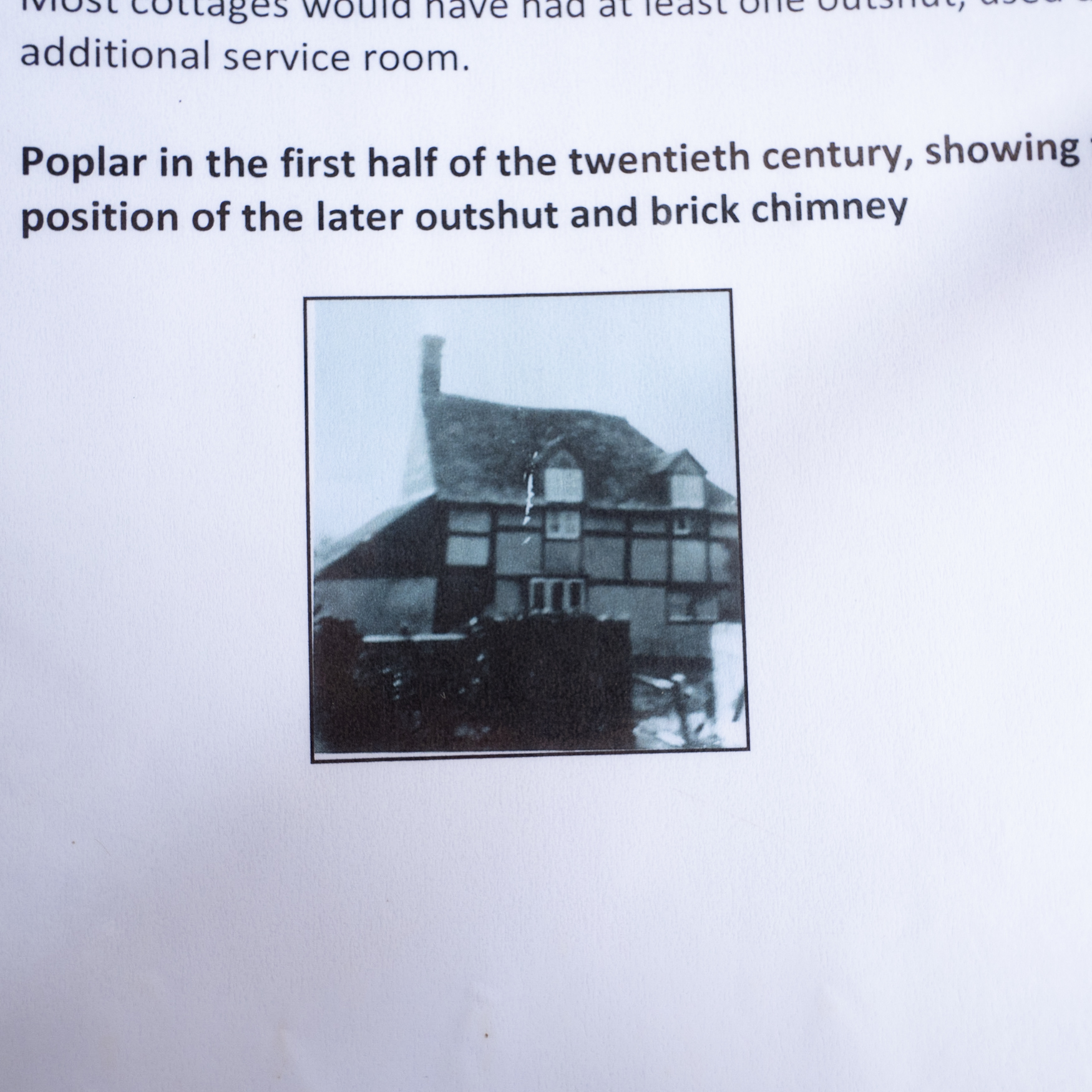
Poplar Cottage is one of my favourites. I’ve posted about it before.
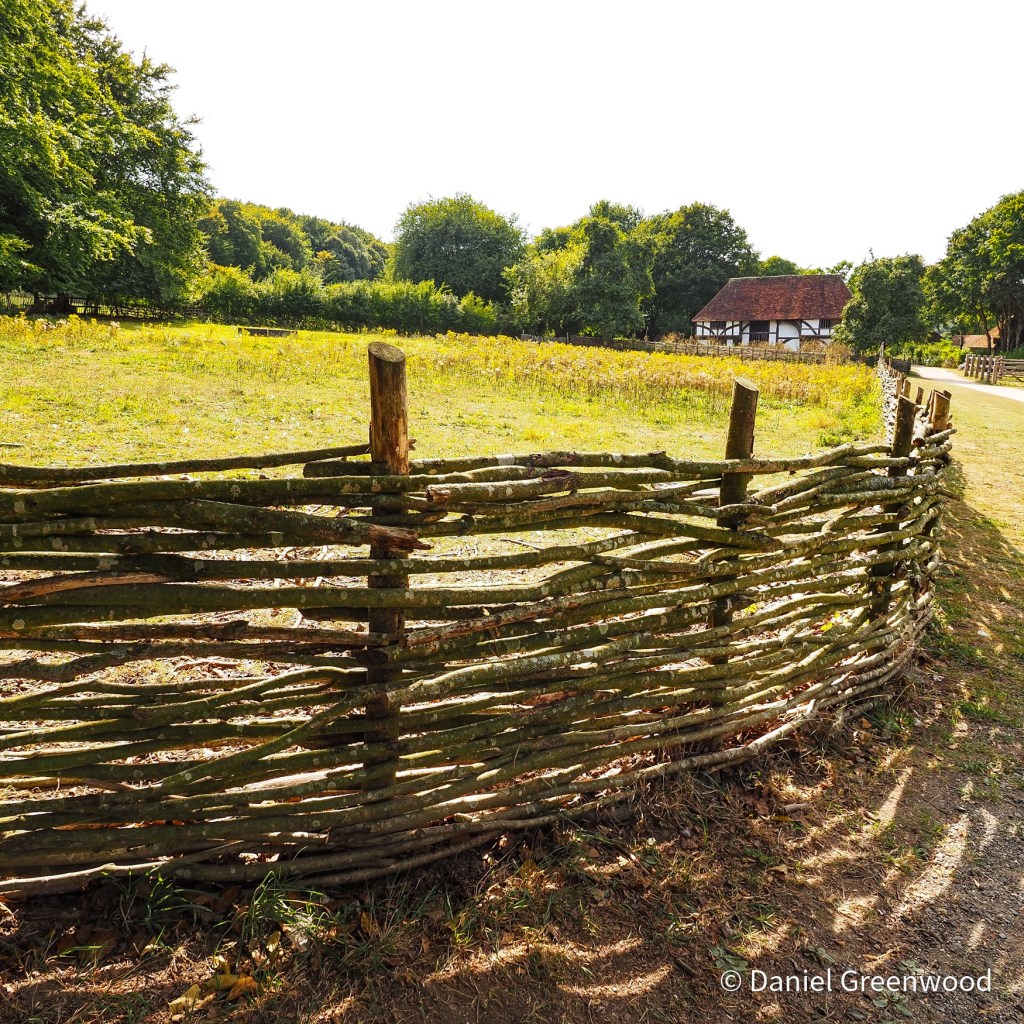
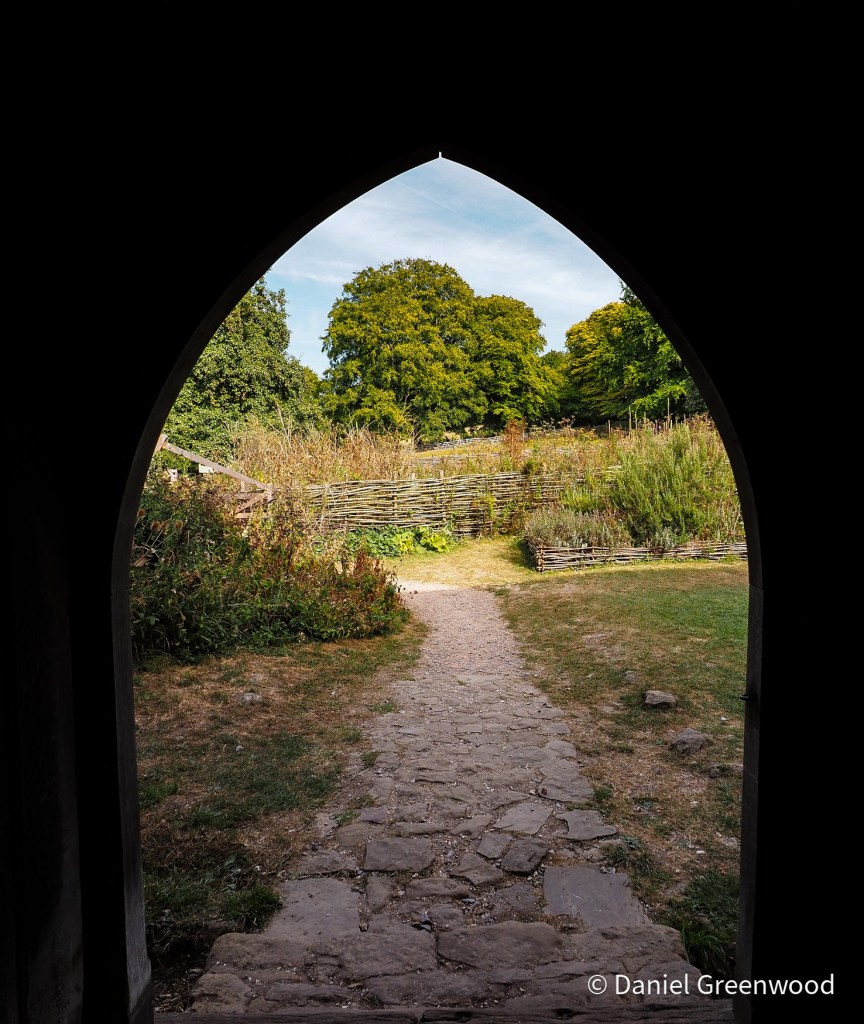

Bayleaf‘s grandeur isn’t fully accounted for in these three images. It’s a large Wealden Hall that has been dated to the early 1400s.


Pendean sits out of view on the top slopes of the museum grounds. Its timbers are dated to 1609 (the year they were felled – amazing, isn’t it).

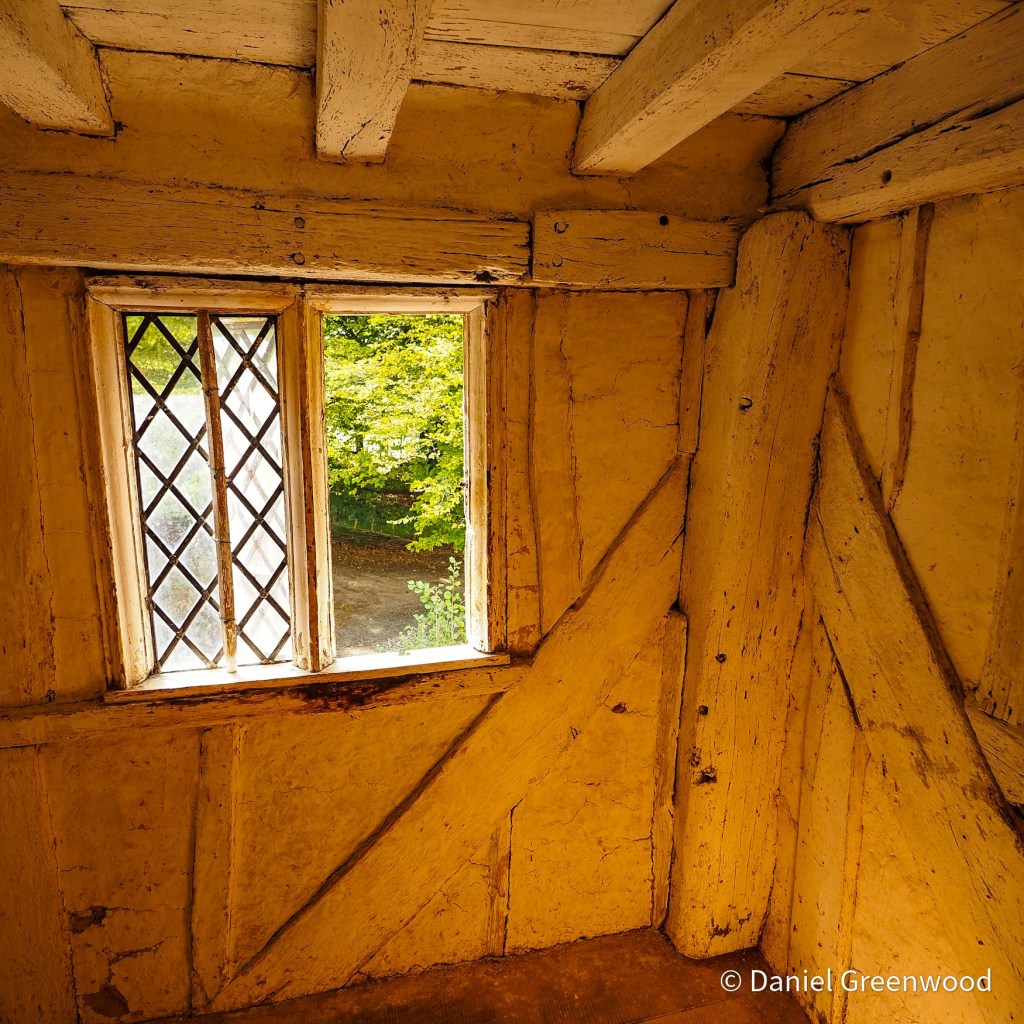
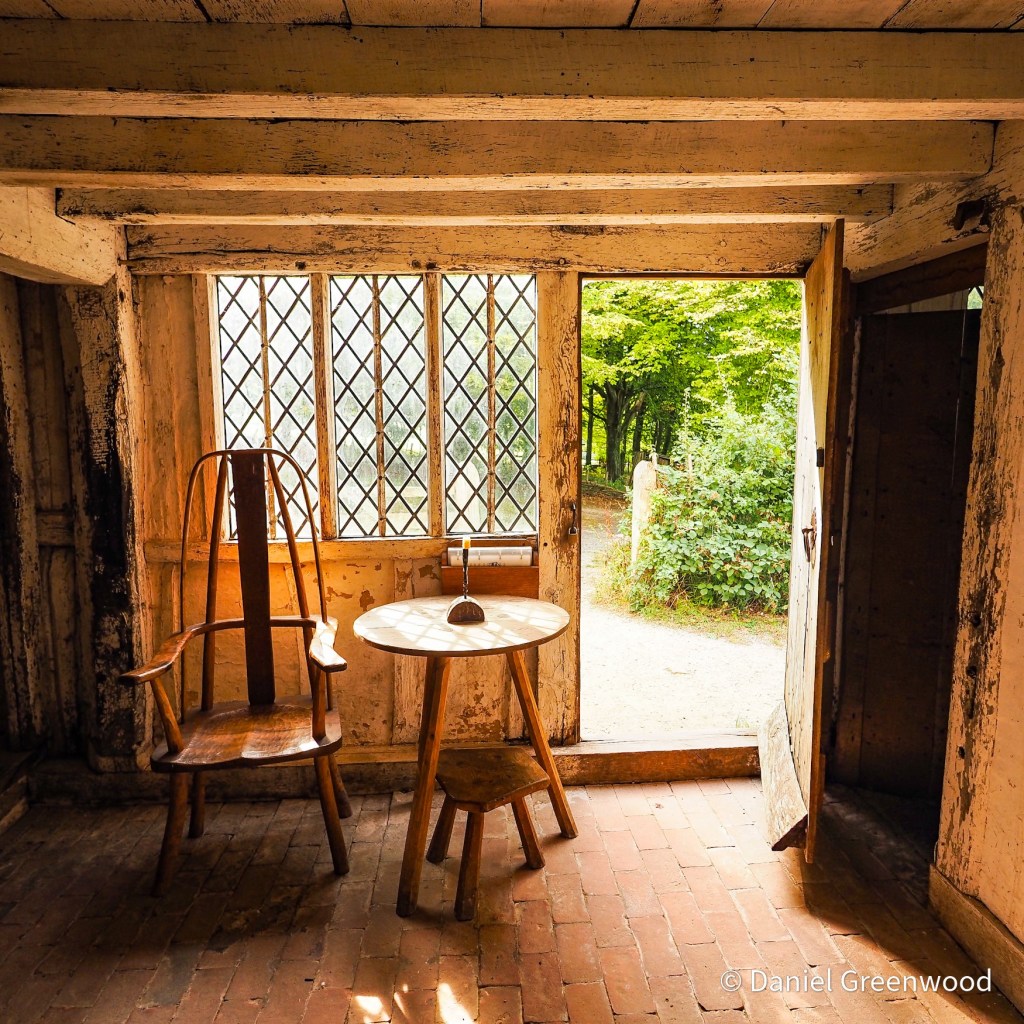
Tindalls Cottage is more recent, being from the 1700s. It has a bit of an eerie vibe about it, not sure why.

Mediaeval Hall dates from the 1600s. It’s a beauty.

I’ve been visiting the museum since 2018 but only managed to see the cart and vehicle section for the first time during this visit. Some of the wheels on show were huge. It would have been amazing to see these carts wending their way around Sussex once upon a time.
Thanks for reading






 Unlocking Landscapes