
On the evening of Wednesday 19th January at about 21:00, I spent some time photographing the winter night sky. I was in my West Sussex garden, where there is a surprisingly good clarity of starlight despite the nearby town and railways, etc.
A few nights before when it was a bit cloudier I spent the time just looking through binoculars at the stars. As someone new to stargazing, I was amazed by the gains made from looking through glass. In among the cloud were hundreds of tiny stars where nothing appeared to the eye. This will sound quite dim to more seasoned observers, but the difference made was a joy.
One little cluster I had my eyes on was the Pleiades. This appears to the naked eye like a dusting of light, to the east of Orion. Looking through binoculars gives much greater clarity. On Wednesday night I used my camera to get some images, later cropped and edited a bit in Lightroom.

The Pleiades is made up of seven larger stars, giving it another name of the ‘Seven Sisters’. That’s the third time that name is used, to my knowledge, in place-naming alongside the Seven Sisters cliffs near Eastbourne in Sussex, and the main road in north-east London. The Seven Sisters road is named after elm trees which are no longer there.

The above photo by Carlos Budassi is obviously not as good as my attempts (JOKE). It does, however, help to illustrate this star cluster beautifully. I’m not sure of the camera, lens, settings or editing required to produce this image but it is of astonishing quality. Also, how good of Carlos to share this image with Wikimedia Commons so people can use it. Thank you, Carlos.
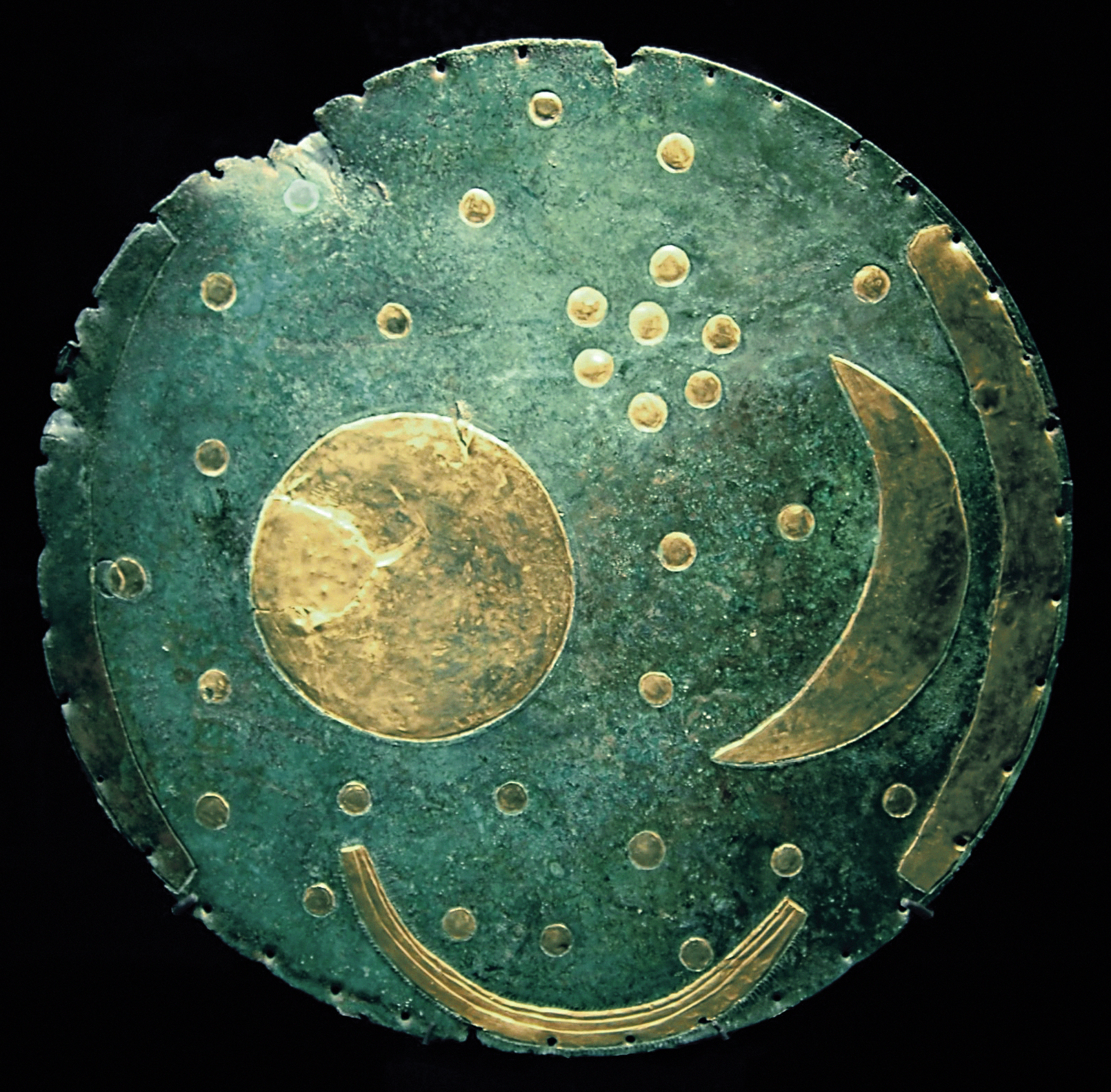
The first known depiction of the Pleiades comes from the Bronze Age as seen in the image above. Wikipedia titles the image: “The Nebra sky disk, dated circa 1600 BC. The cluster of dots in the upper right portion of the disk is believed to be the Pleiades.” Indeed, there are seven of them.
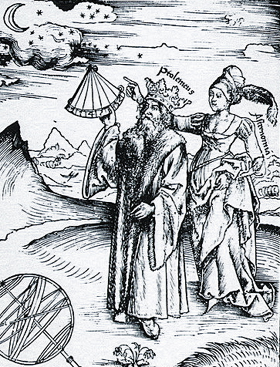
The name ‘Pleiades’ is said to come from the Ancient Greek and is related to sea-faring rather than the Seven Sisters.
Thanks for reading.
Latest from the Blog
Summer-autumn 2026: the green and red of Mayo
Welcome to my seasonal procrastination piece, featuring some photos from a visit to County Mayo in August, followed by the usual listings. A mural in the village of Ballindine, Co. Mayo A wildlife mural commissioned by the Tidy Towns community group Disused Ballindine railway (on track to reopen in the near future) Shannon Foundry drain…
South Downs: Ditchling in the mist
Ditchling, East Sussex, November 2024 This post describes a very foggy walk from the village of Ditchling in East Sussex, up onto Ditchling Beacon and the South Downs Way, and then back down to Ditchling via Westmeston. Thanks to my walking amigo Jonathan who navigated the mist, stiles and flooded valley paths with aplomb. I…
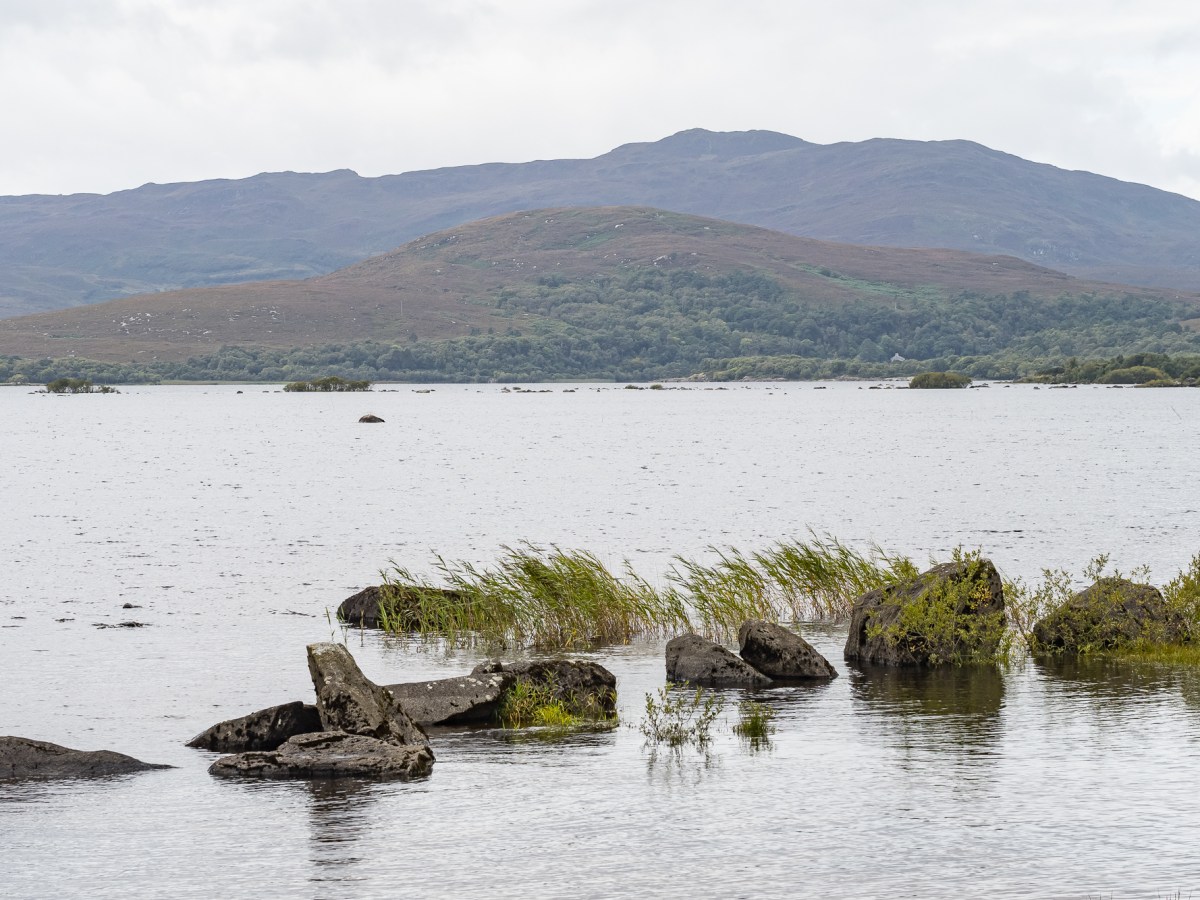
Macro: Grass of Parnassus at Lough Cullin 🇮🇪
A closer look at some of the plants and invertebrates in Mayo in the late-summer of 2024


