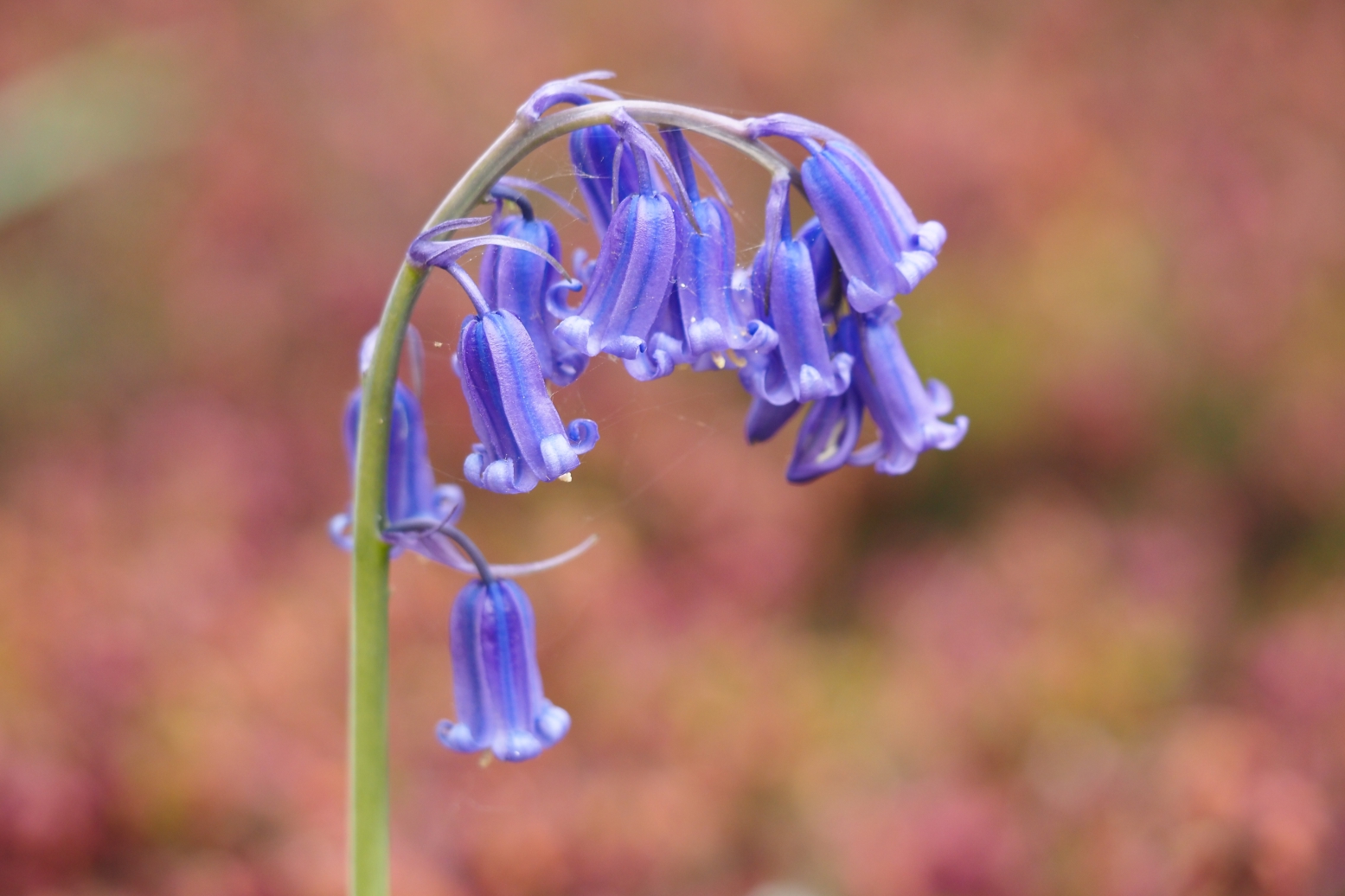
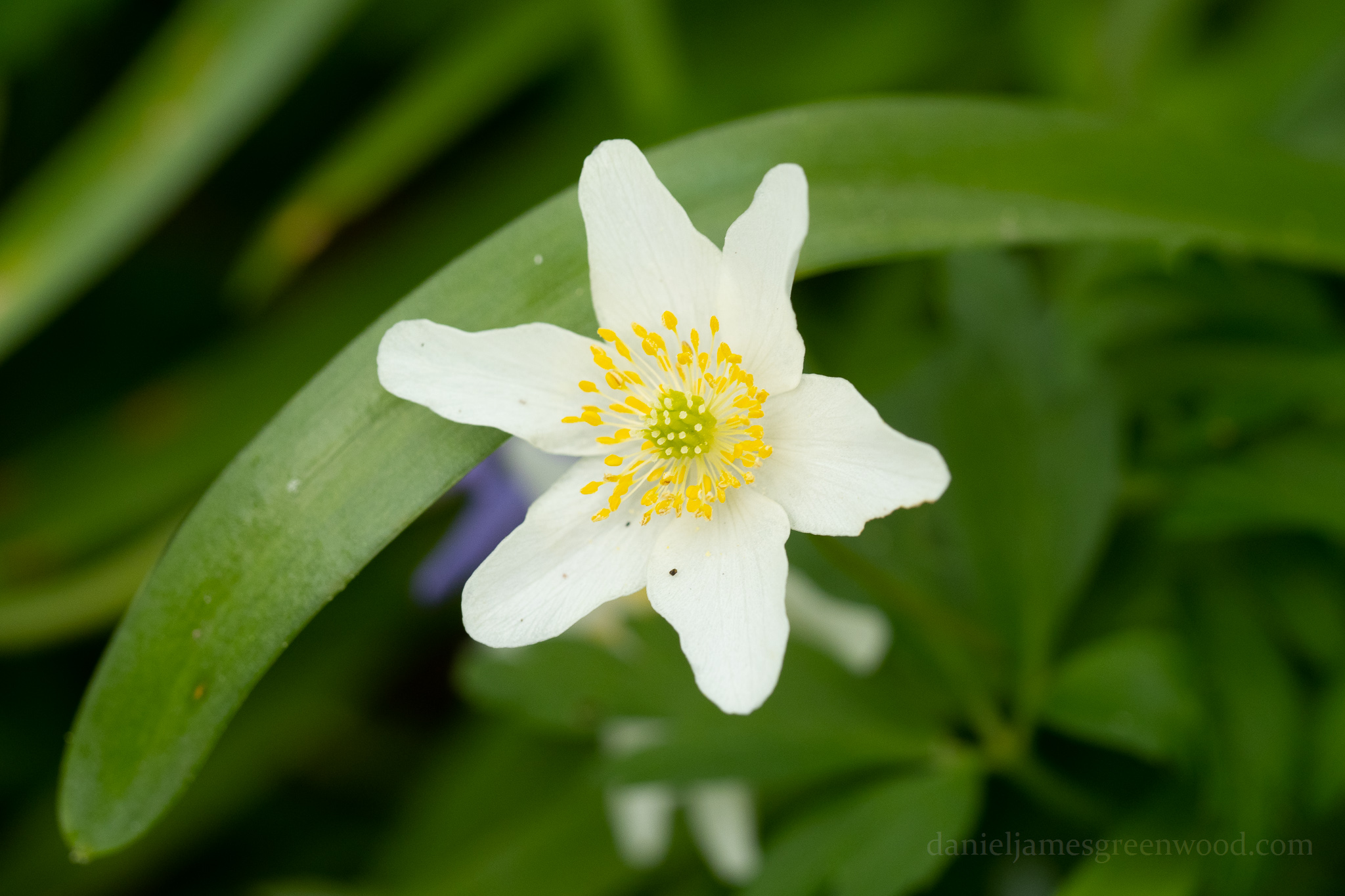
One of the most beautiful sights in English nature is a Low Weald bluebell woodland. The shimmer of blue in the evening sun pocked by the white stars of wood anemones. These are my favourite evenings of the year, the promise of spring but still delivering on all you had hoped to see in the darker months. Summer just can’t match this.
This square of woodland in the Sussex Low Weald was not officially open access, but we kept to the paths and no bluebells were harmed in the making of these images. There is a lot of conversation about access to the countryside at the moment in England, and how power and privilege resonates in the landscape. These are important conversations and the issues are complex.
It was my first visit to this woodland, much like another picturesque bluebell wood a little further north that has now been completely closed to public visitors. A look at the maps shows how a larger landscape of natural woodland had been chomped up by farmers to become fields, leaving this section completely isolated. That will have occurred over the past few hundred years.
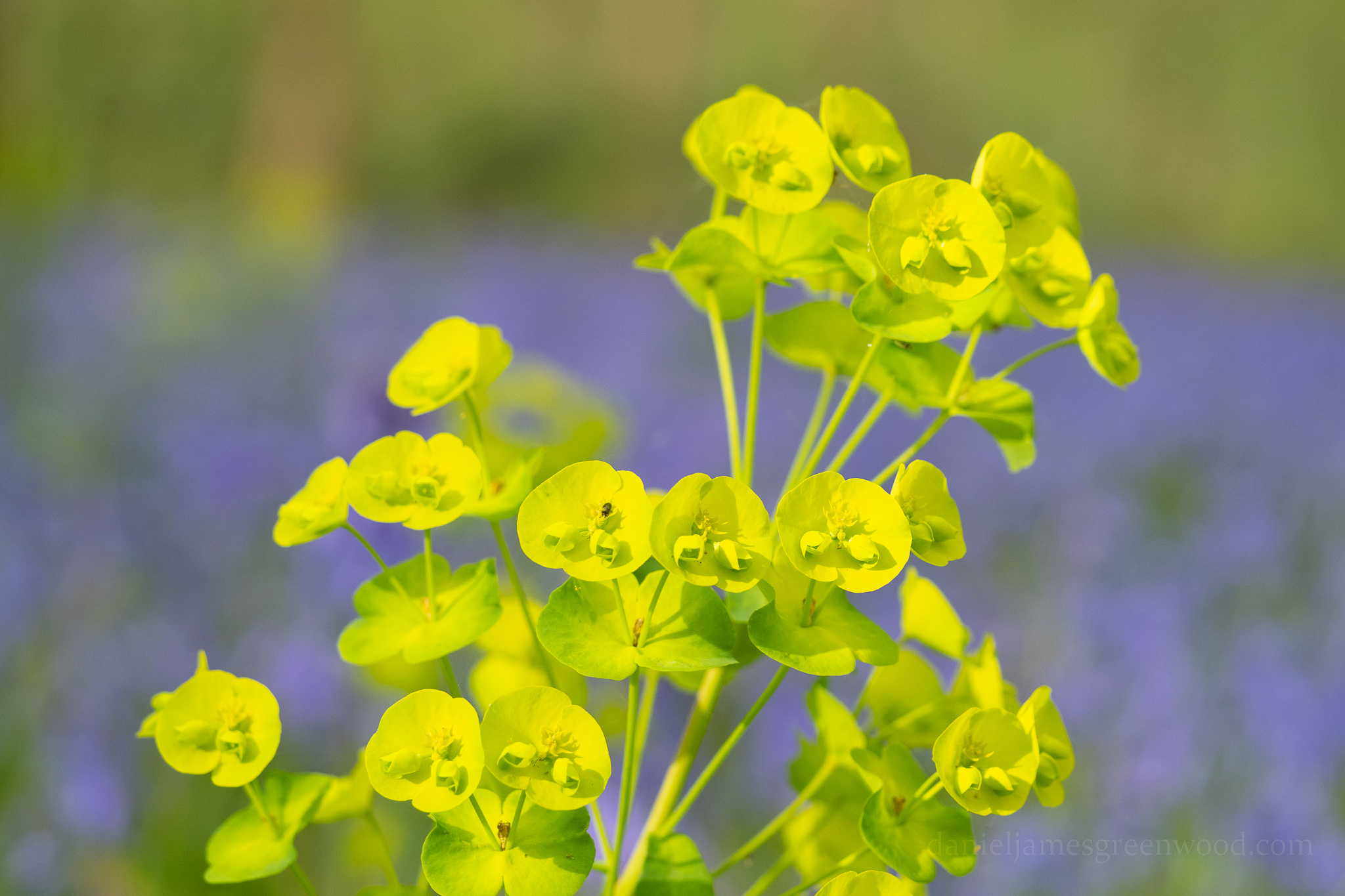
However, it had all the key indicators of ancient woodland, as seen here: English bluebell, wood anemones, greater stitchwort, dog’s mercury, wood spurge, and all under a shrub layer of hazel and high canopy of oak.
This kind of habitat is very much human-made, with centuries of coppicing hazel and felling of oak standards. That doesn’t stop it from being good for wildlife, coppice woodland is one of the richer landscapes in the UK.
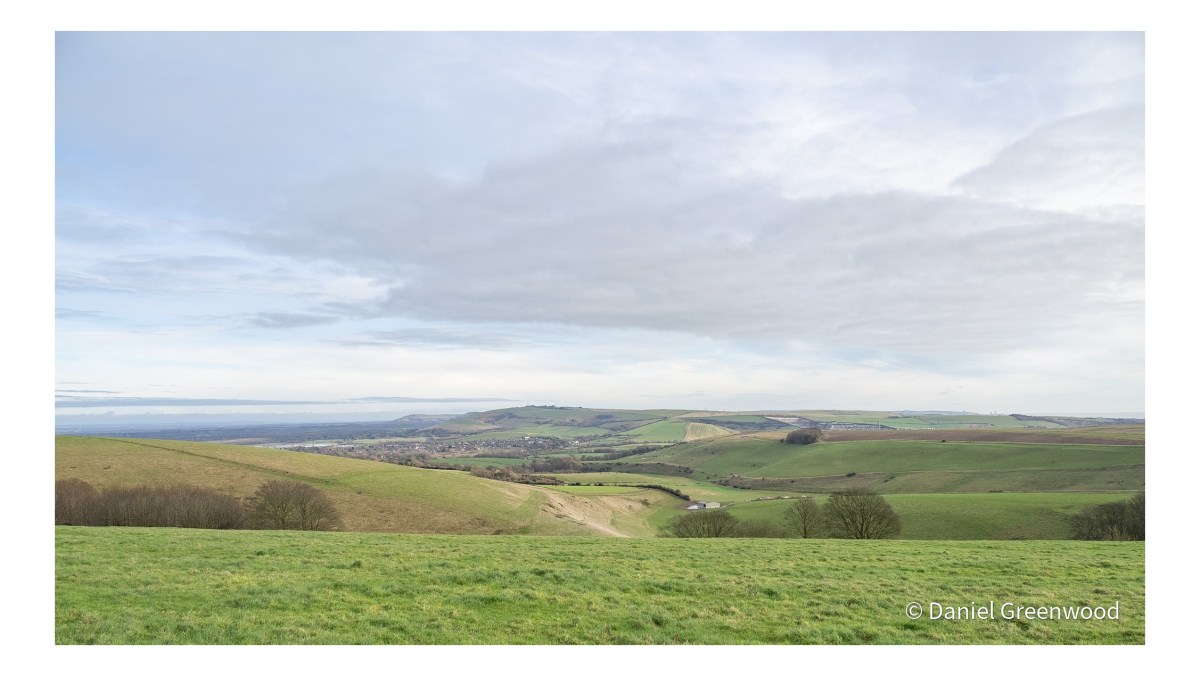
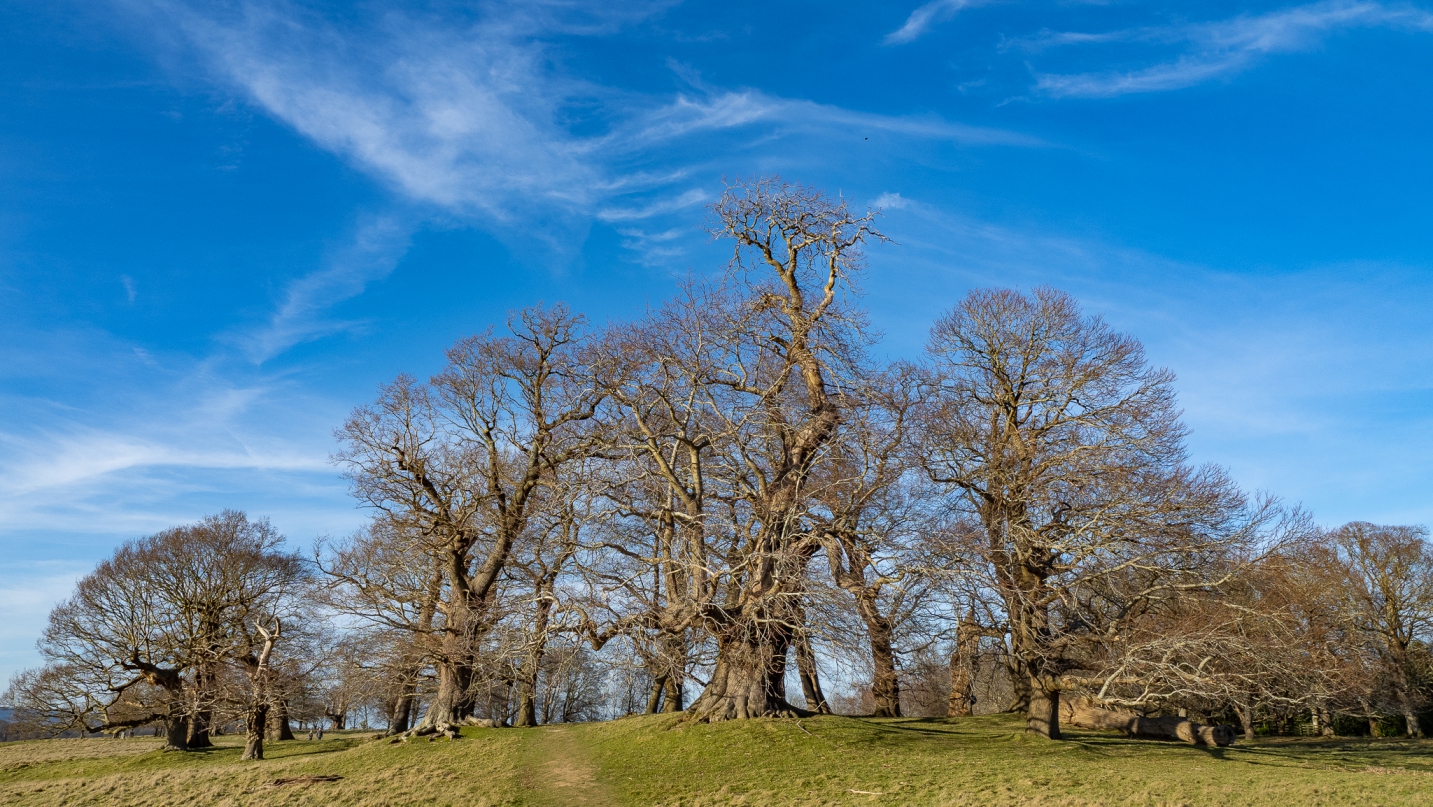
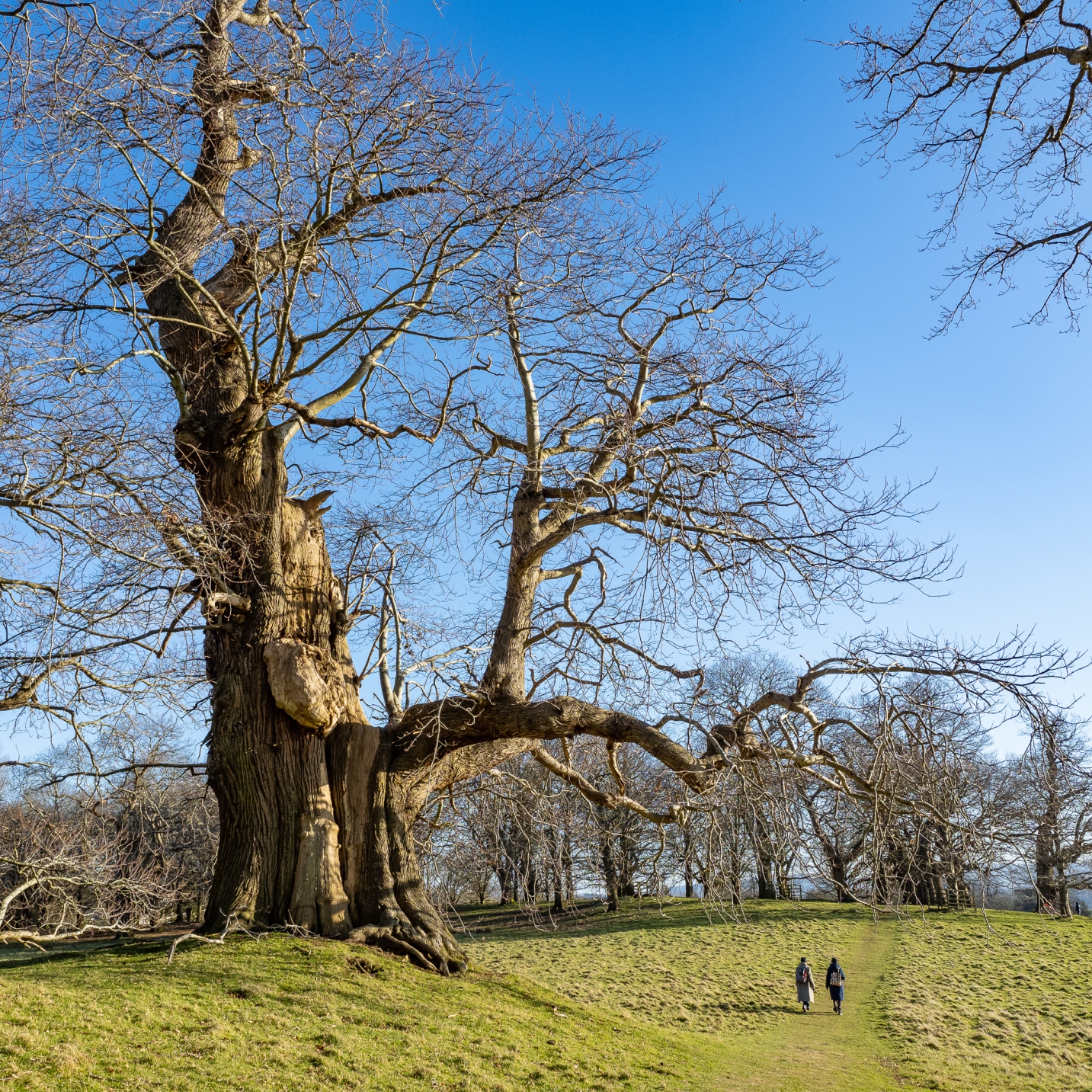
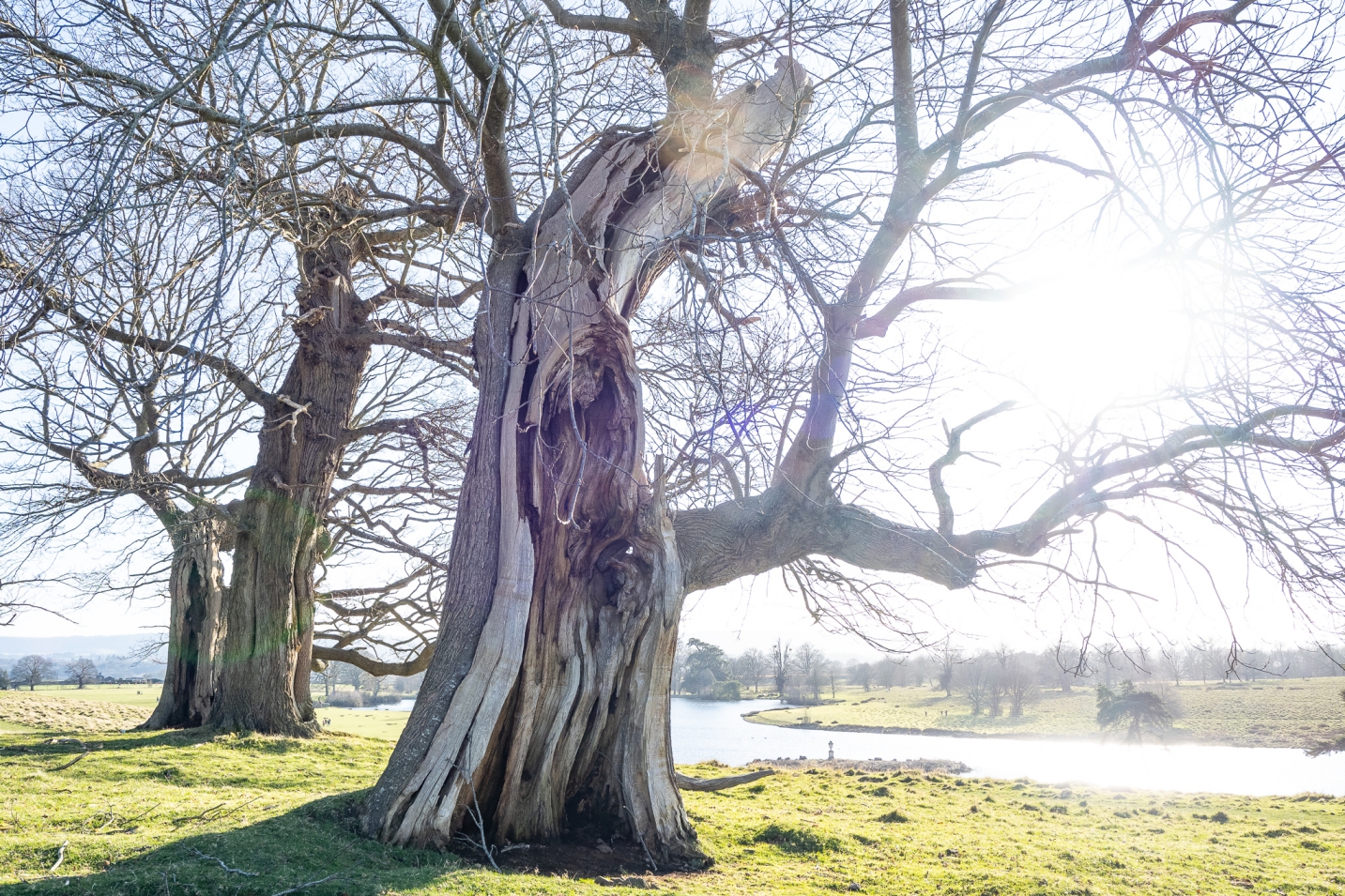
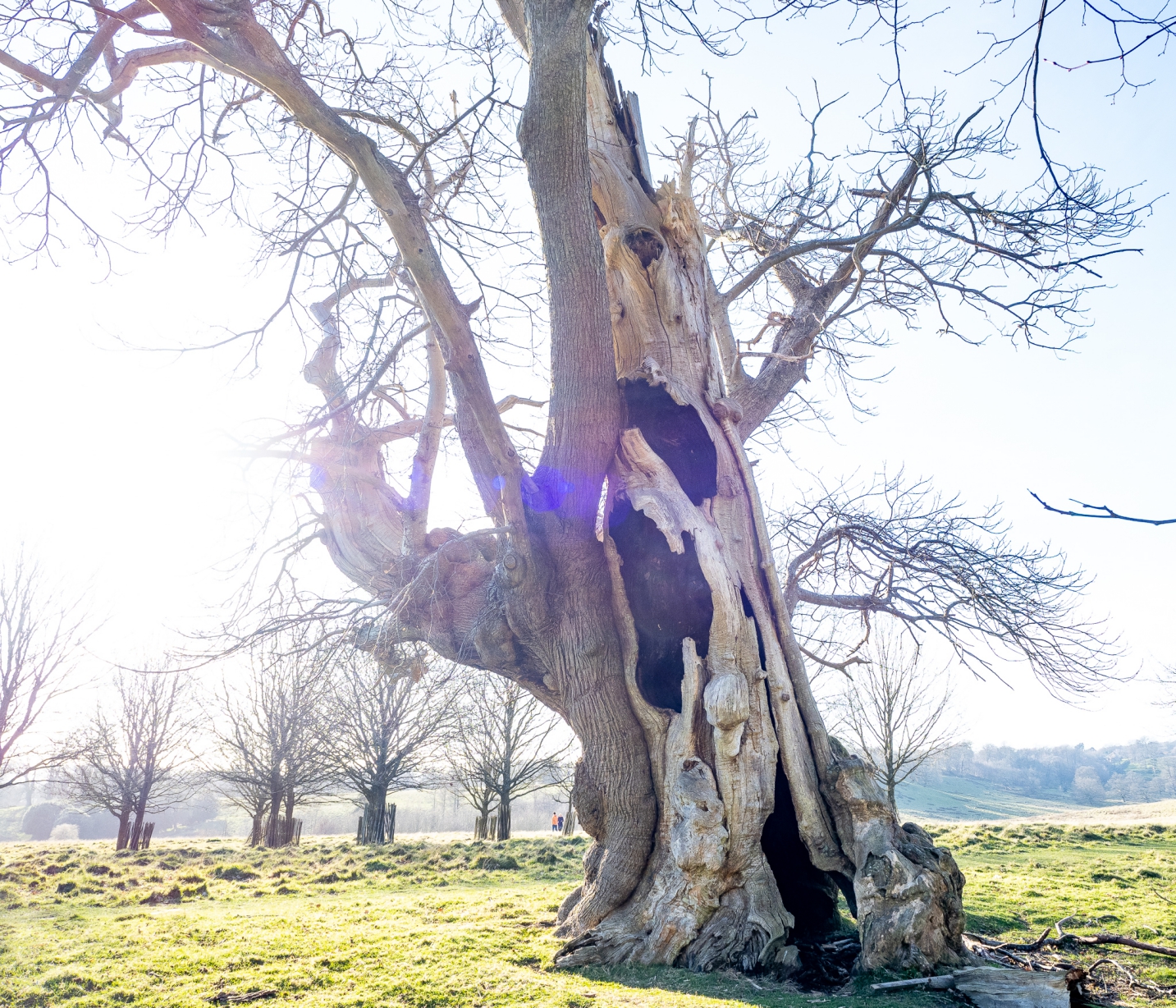
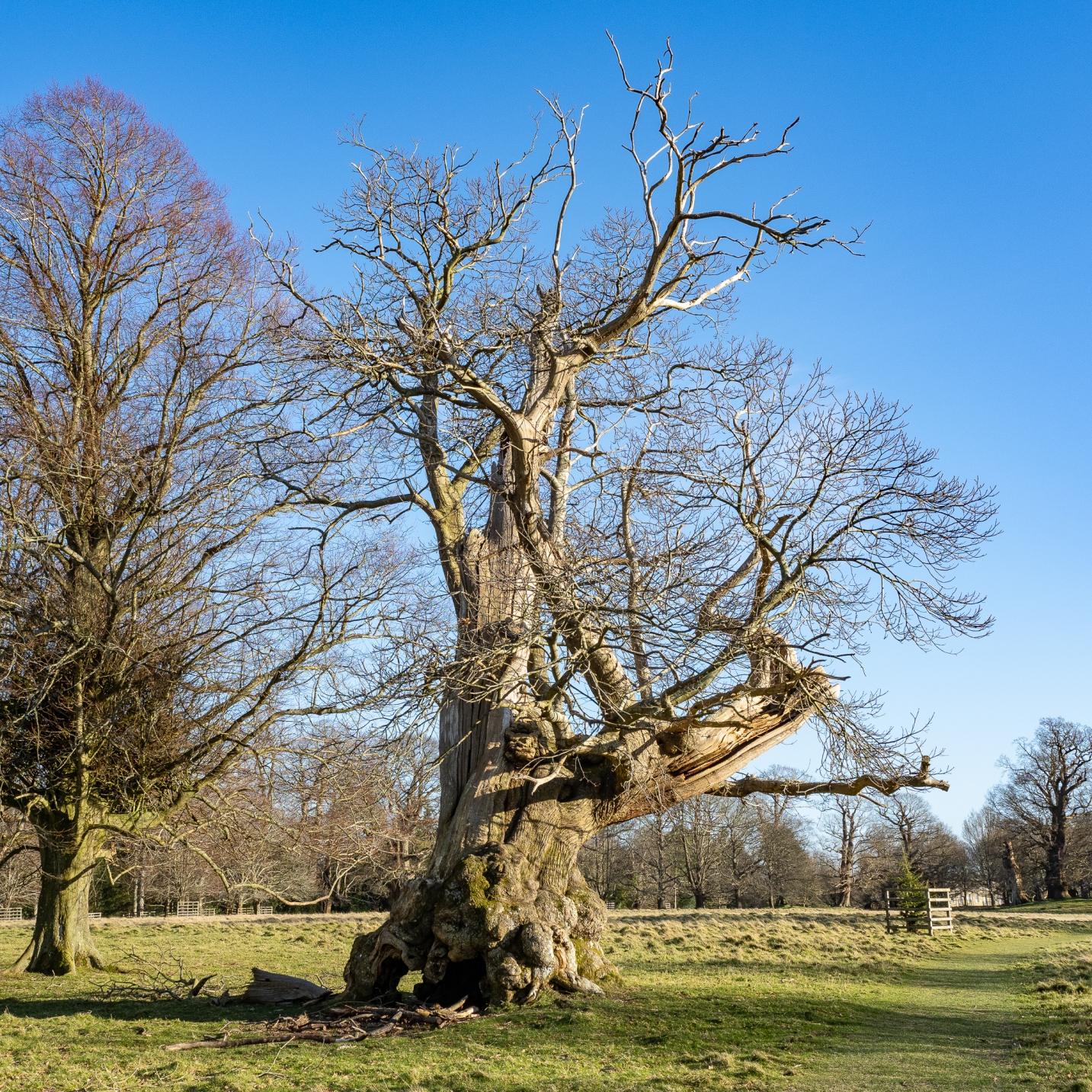
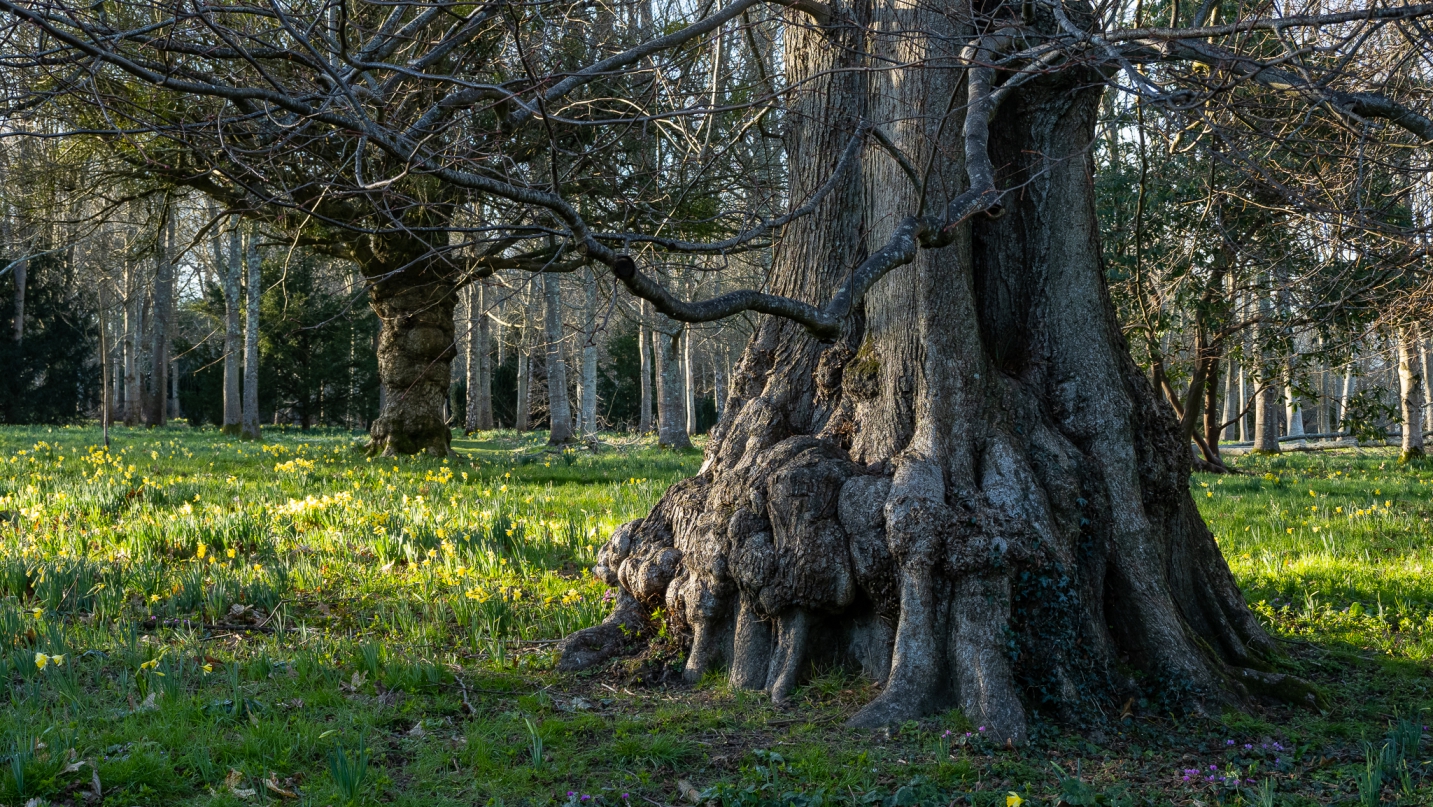
A series of photos from a sunny late winter/early spring afternoon in Petworth Park. Though it’s located in the South Downs National Park, it’s a Wealden landscape of huge ancient oak and sweet chestnut trees. The views of the South Downs from Petworth are heavenly.
The oaks and chestnuts seen here are very old. The wider landscape contains some of the oldest oaks in Britain.
Photos taken with an Olympus E-M5 MIII + 12-45mm f4 lens, lightly enhanced in Adobe Lightroom.
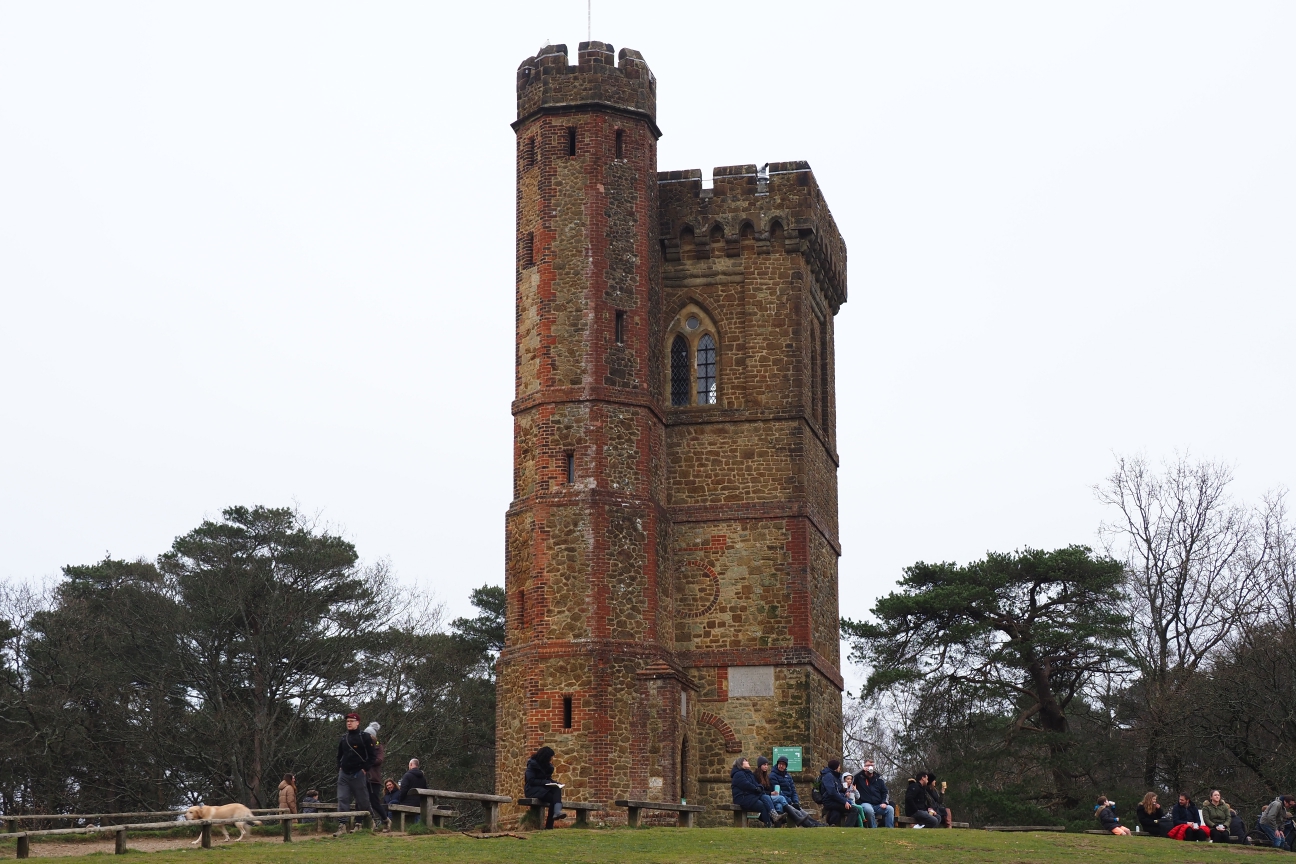
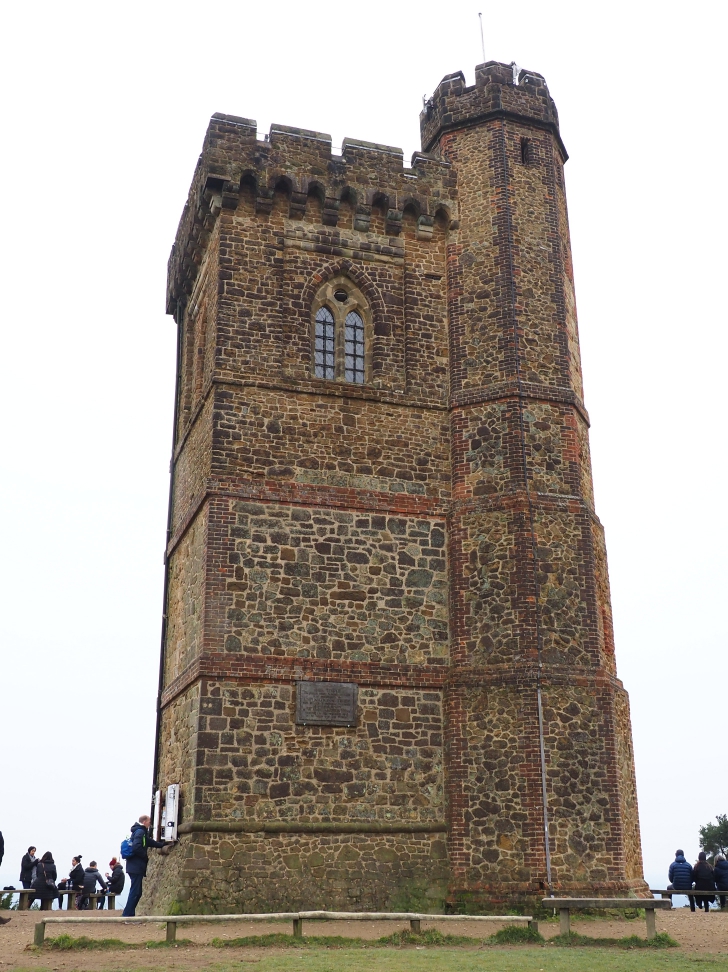
When you talk about the highest point in south-east England, I wonder what people living far away must think. We’re not talking great peaks here, but instead a stone tower on a modest 313m-high hill. And this tower of course sells tea.
I’m referring here to Leith Hill, a hilltop managed by the National Trust. Leith Hill has stood out to me over the past two years, most tantalisingly during lockdowns when I could see it from the furthest I could legally walk from my house in the most extreme lockdown times.
The tower is built from sandstone that was probably quarried nearby. This stone, if it is said material, is often a sign locally of wealth and status, when local materials indicated as much. This part of the world is geologically rich, with the landscape having so many stories to tell about the Earth and deep time.
“This tower together with 5 acres of land was presented to The National Trust for places of historic interest or natural beauty by W.T(?) MacAndrew Esq. of Reigate on 5th October 1923 to be held for the public”
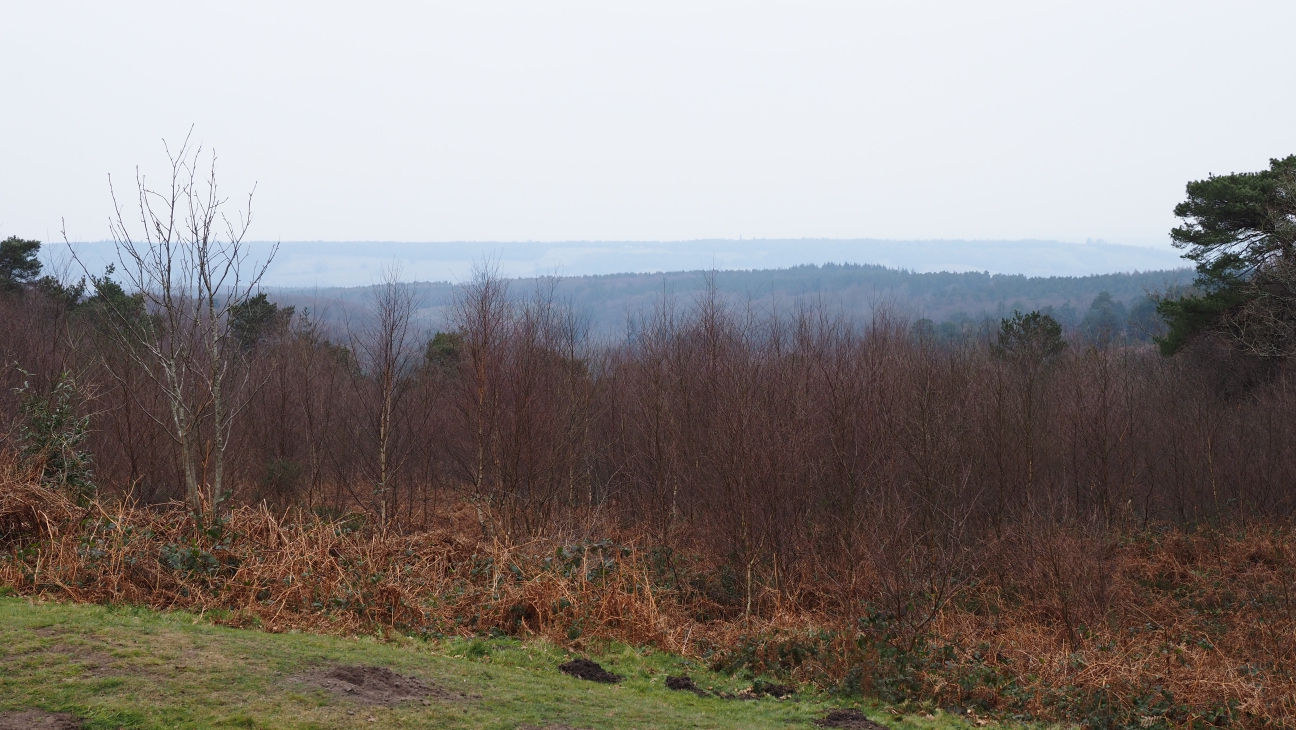
Leith Hill sits on the Greensand, distinct from the Weald Clay to the south and the chalk of the North Downs seen here in the distance looking north towards London.
Leith Hill seen from the SussexWeald (looking north) in May 2020 when England was under strict lockdown
Throughout the lockdowns I would see this distant hill from where I lived in Sussex. Though I hadn’t seen them for several months, I knew that my family were locked down on the other side in London. It was a strange comfort. My dad would sometimes send a photo of the North Downs that he could see far in the distance on clear days. Even when kept apart the landscape seemed to connect us.
When visiting Leith Hill and looking to the south, there were misty views of the Surrey and Sussex Weald. Millions of years ago this would not have been visible, with everything instead being covered by a dome of chalk that connected as far as NW France. This is the land bridge that megafauna like wolves, bears and mammoths would have used to enter what we now call Britain. Don’t tell the Priti Patel.
The chalk was eroded over millions of years and exposed the Weald Clay, which soon was covered by wildwood. That woodland lingers today in more formal oak, hornbeam and hazel woods that are now managed as coppices or nature reserves. Beyond the picnicking couple (above) you can see Leith Hill Place, originally built in 1600.
There is a unique pine tree up on the hill, a survivor from some of the first trees to arrive in this landscape after the last glacial period some 14,000 years ago. Though there was probably a more Anglicised pine species, the Scots pine is the only UK variety remaining. It thrives in this heathy landscape of the Greensand Hills.
The other morning I was heading downstairs to do the annual Big Garden Birdwatch. This annual event is one I’ve been partaking in since 2011 when my interest in birdwatching got real.
I opened the curtains as I do each day (obviously?) and saw a lovely sunny winter’s morning out there. The street was filled with sunshine and, down by the tyre of a parked car, I noticed a small grey bird basking in the sun.
Sparrow, I thought.
As the seconds passed I thought of how usually there are more of them together, usually they make noise. Their markings are different, too.
A dunnock, then, I thought.
But then it flew up onto a wall and I picked up my binoculars. It was neither of those birds.
The other day I had been visiting a churchyard in the Sussex Weald when I noticed another sparrow-like bird perched in an unusual place – on the corner of one of the lower roofs. When travelling in France, Germany, Spain and Czechia, I had become used to seeing a little bird in this spot. It was then that I realised what the bird in the churchyard and, subsequently, the street was.
This is bird very close to a robin in appearance but they are rare in Britain. In winter they spend time here if pushed across to Plague/Brexit Island by extreme cold weather. On the continent, robins are more scarce, a role-reversal of sorts and they spend more of their time in woodlands, rather than gardens or parks in towns. This is thought to be because robins established themselves in Britain before black redstarts could get a foothold after the end of the last glacial period some 14,000 years ago. I can’t back that theory up here unfortunately.
A male black redstart in Mikulov, Czechia
In Czechia the name for black redstart is a beautiful one: rehek domรกcรญ. They are known as ‘little chimney men’, as my friend translated it, because they appear covered in soot and they spend their time on chimneys. I don’t think we have bird names in the English language that can match that.
The ‘start’ refers to the tail of the bird, an old English word in the way that ‘shank’ means leg (rather than its more grisly modern meaning). Its tail is indeed red.
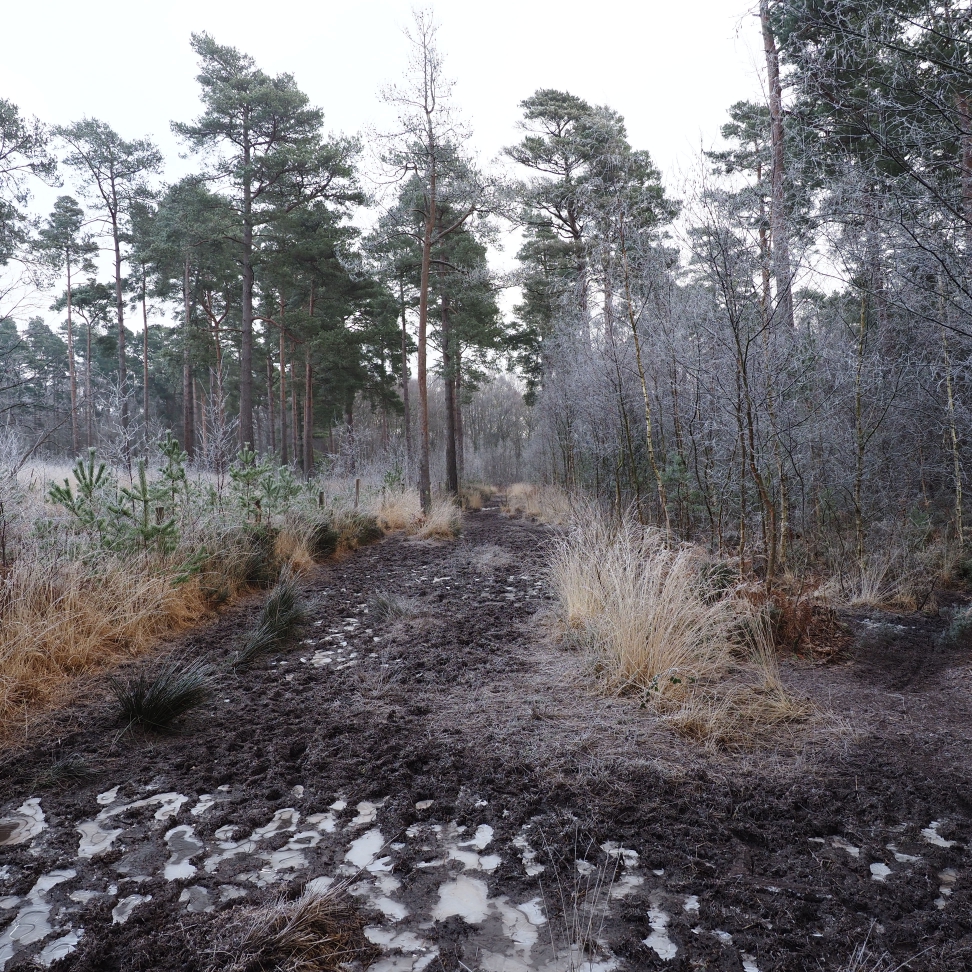
I spent a frosty olde morning at the foot of the South Downs where the Sussex Weald dissolves into the wetlands of the Arun Valley. I’m no early riser, so these experiences of frosty landscapes are to be treasured.
Everything was iced over.
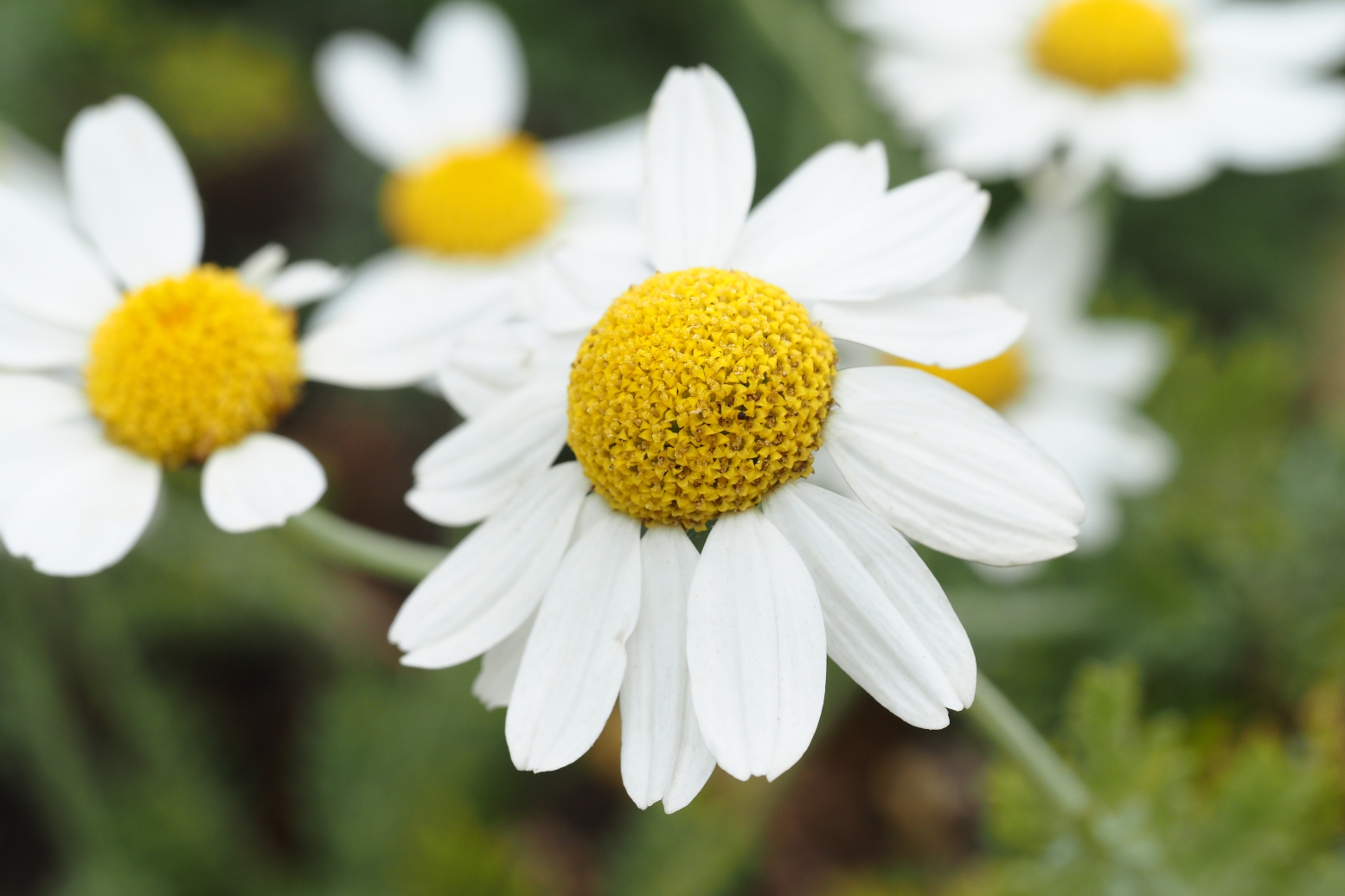
Last year’s daisy heads were encrusted with ice, lit by the sun as it broke over the tree line.
Wiggonholt Common resides next to Pulborough Brooks the RSPB reserve. It’s a heathland nature reserve home to nightjar, woodlark and other uncommon birds. The views you can get of the heathland and its smattering of pines give it a look of real vulnerability. That’s about right though, as heathland in England is a rare habitat now.
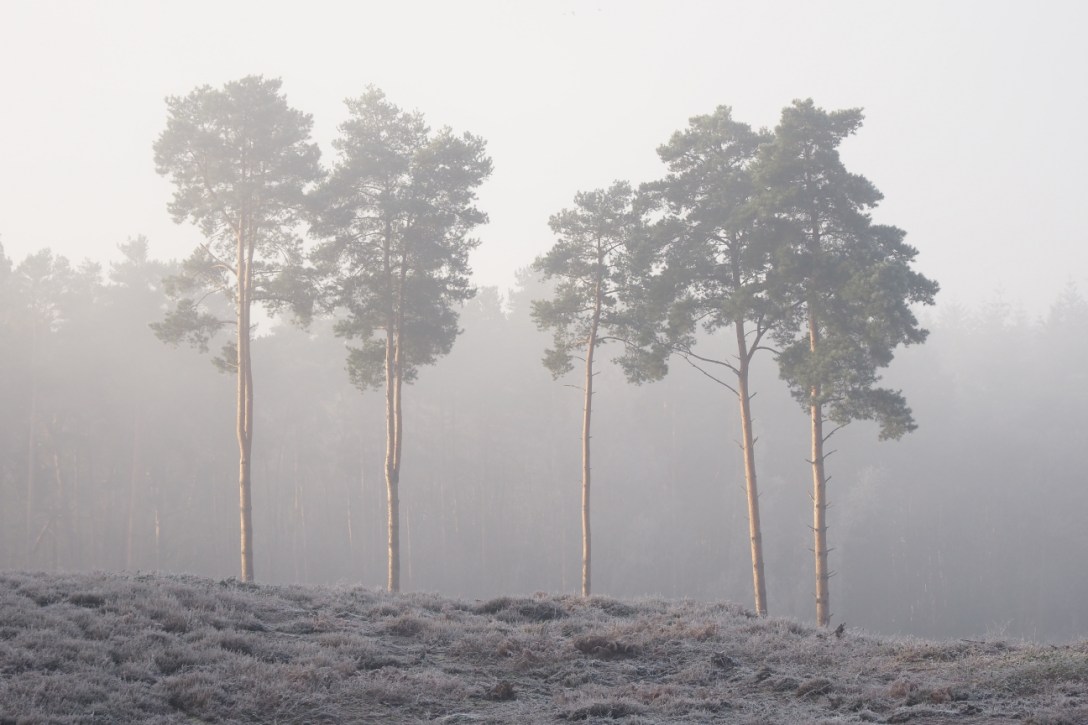
The sun just began to break through the trees and light the trunks of these five pines.
Over on the other side of the common, the sun hadn’t arrived yet. The muddy paths were frozen still and the hoar frost decorated the birch trees growing at the heathland edge.
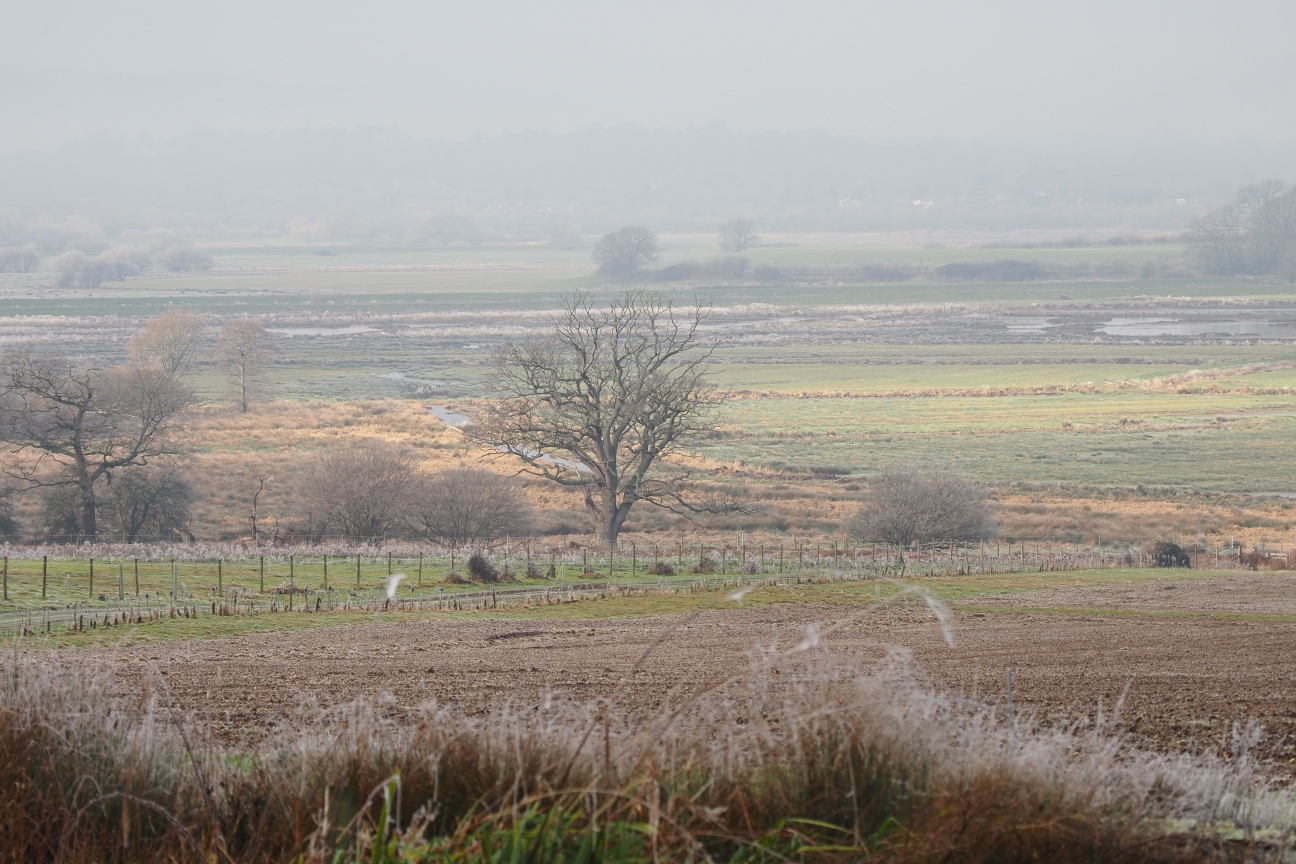
In the reserve proper, a single oak can be seen at the edge of the farmland where the Arun’s wetlands begin.
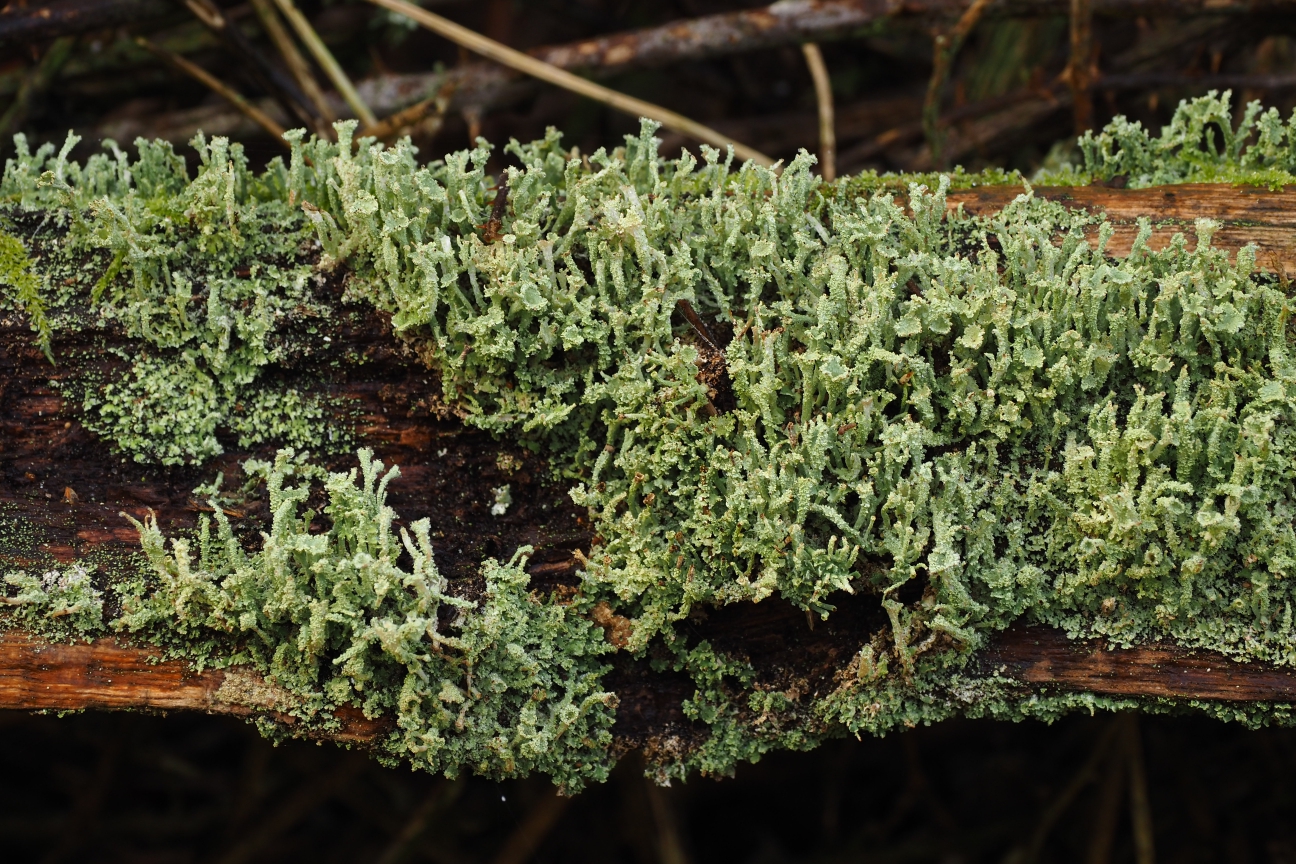
Pulborough is a good place to see communities of lichens like cladonia where they splash out across the green timber fencing. No chemicals are in the timber which means the lichens and other fungi proliferate.
The upturned chandeliers of hogweed flowerheads.
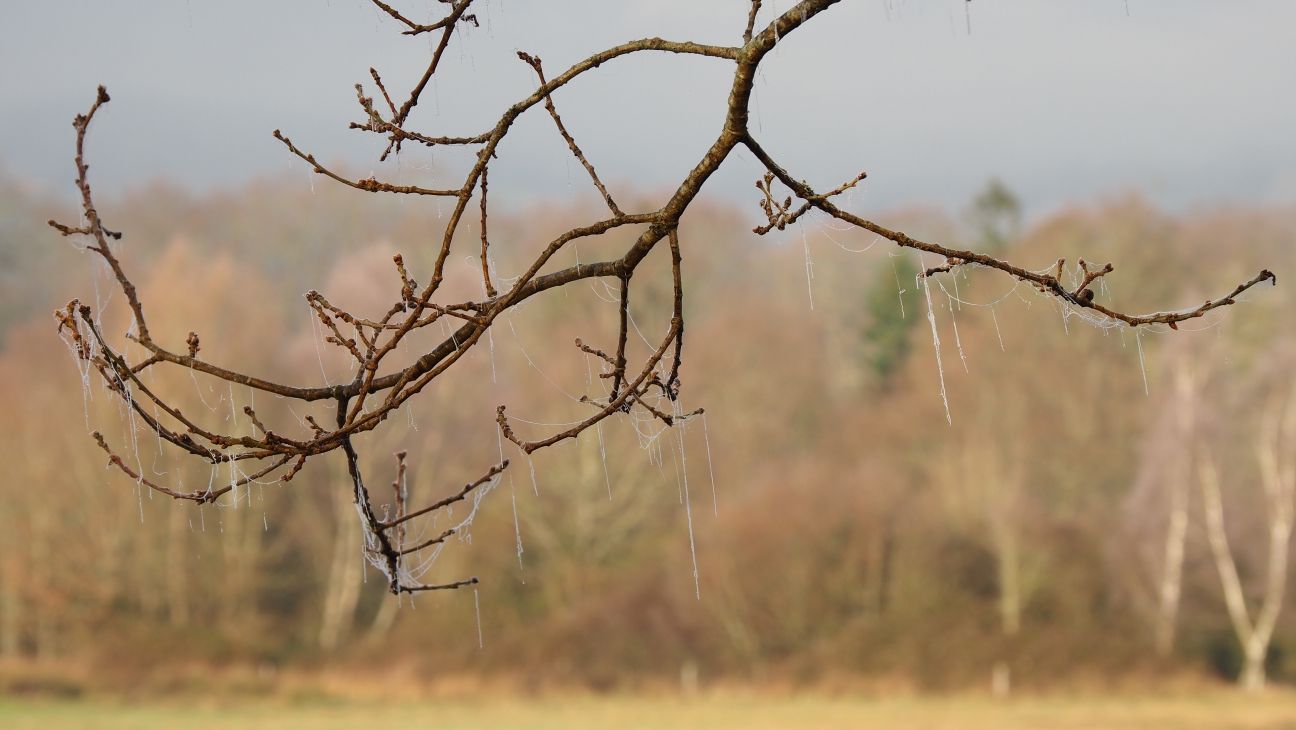
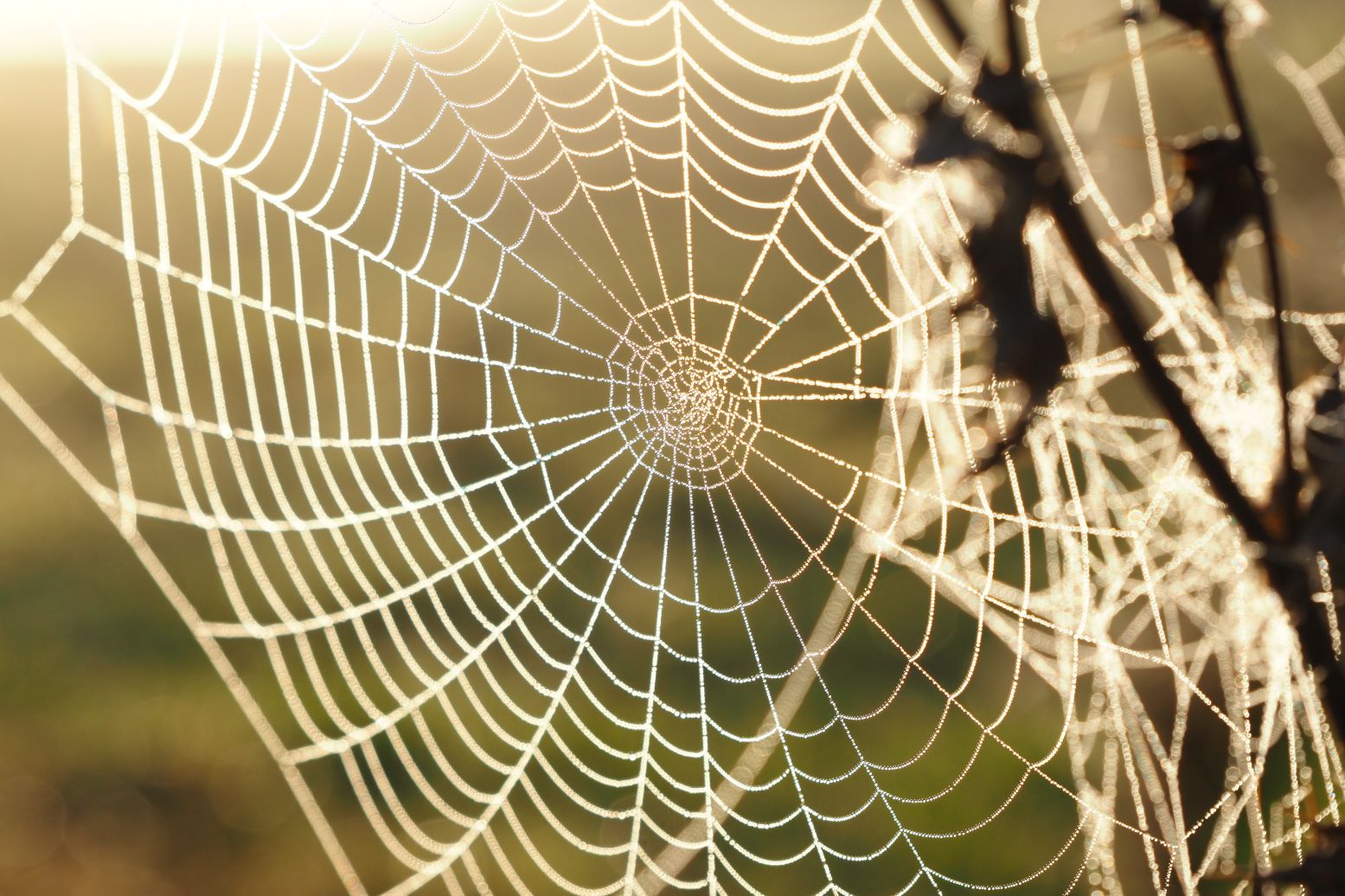
Spider silk hung from the twigs of the trees like silly string.
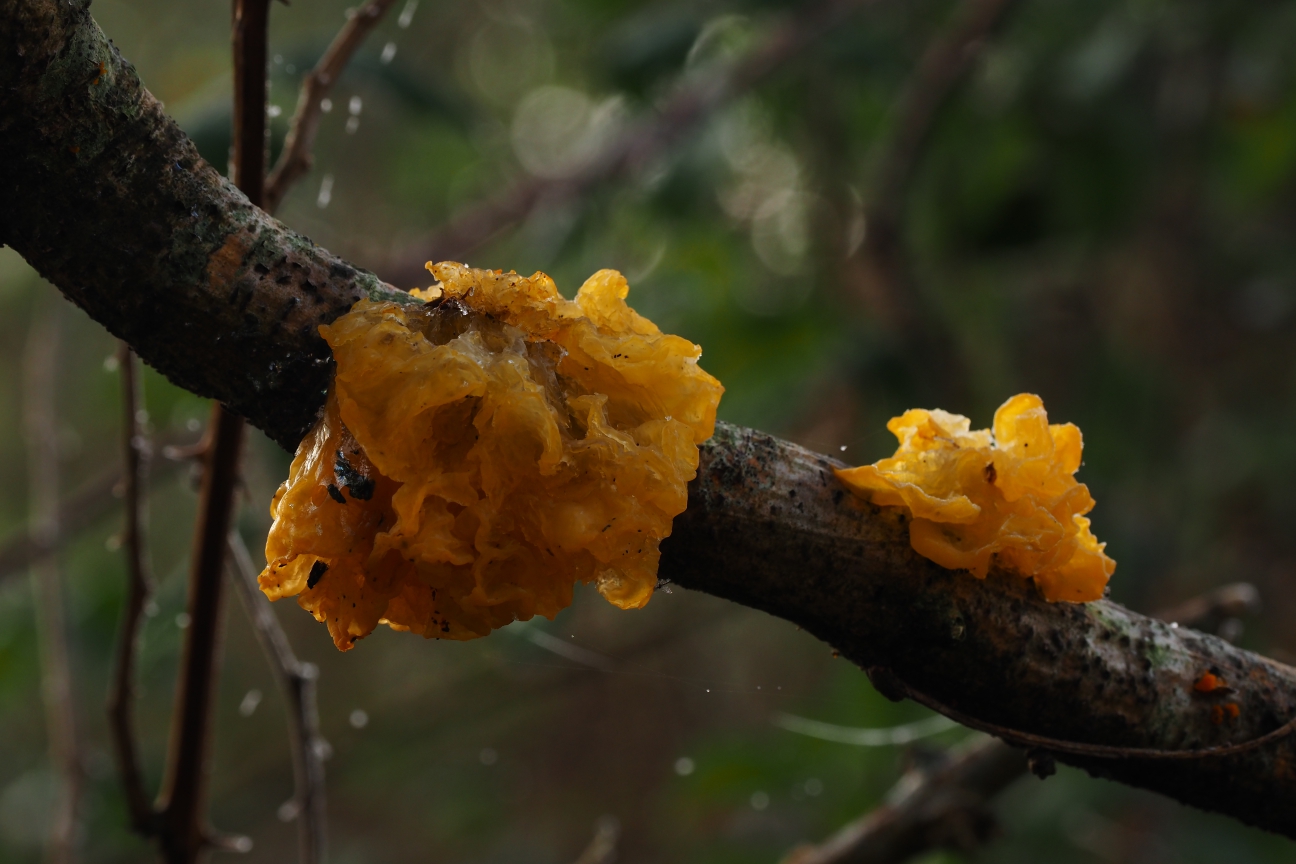
Yellow brain or witches butter, a fungus, looked like a proper tree-bogey.
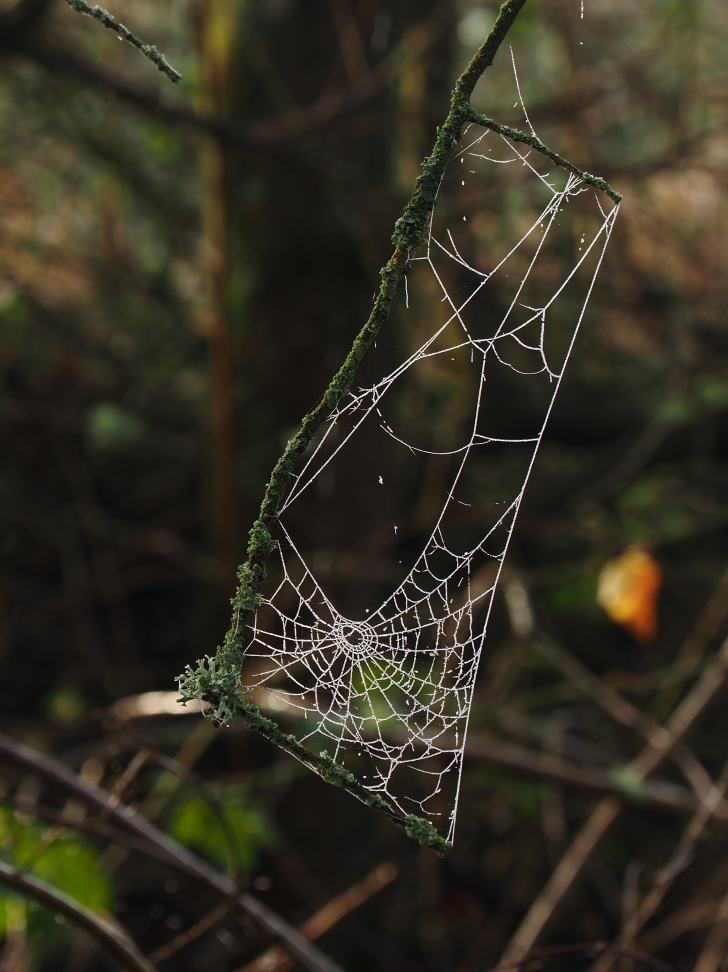
The spiders webs that remained were laced with frost, as this L-shaped twig displayed so well.
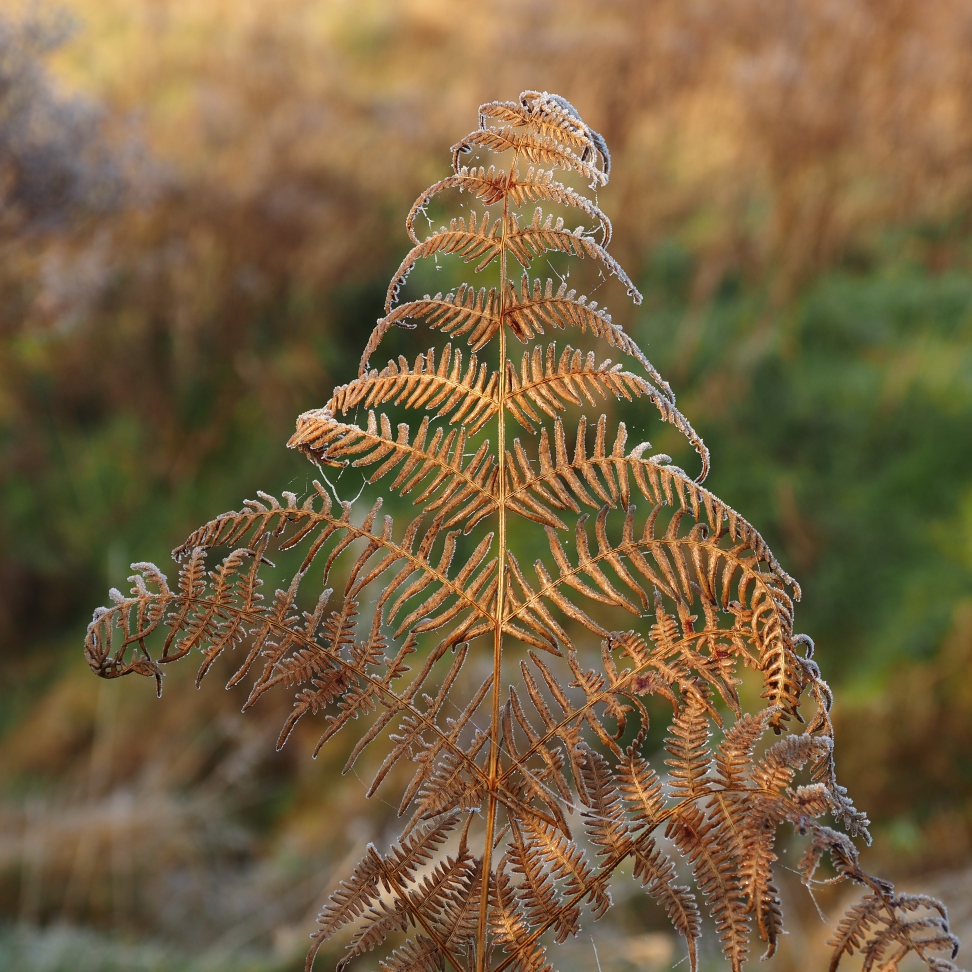
Bracken looking somewhat birdlike, like the back of a golden eagle as it surveys the landscape. Or just some bracken.
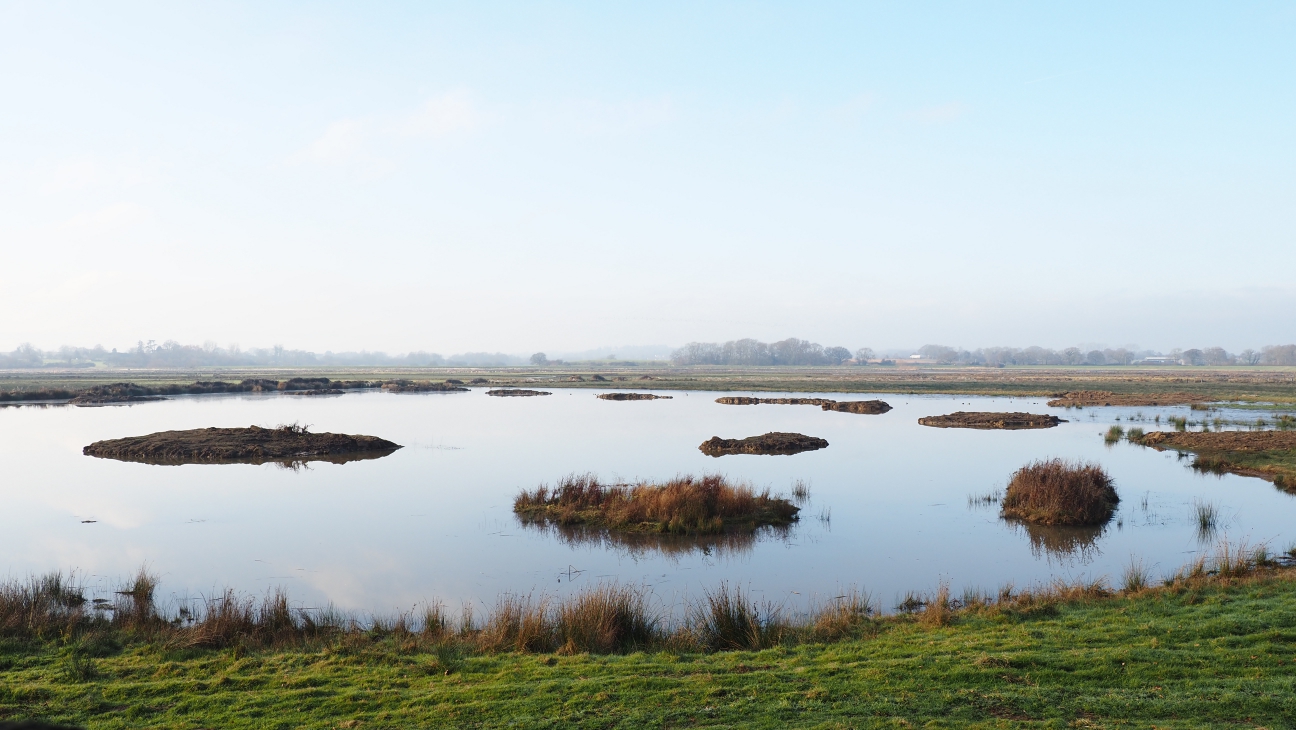
The lagoons were glassily calm, marked by the winter calls of waders like redshank. I’m not very good with wading birds, I’m better in the woods. In the distance you will see the South Downs on a clearer day. The mist still sat there to hide them from lowland eyes, with temperatures as low as at least -3.
On my way in a couple had stood for minutes staring through binoculars at a song thrush on the path. I was waiting for them to look away so I could nip by, but it went on for so long I started to wonder if they were statues paid for by Swarovski. Their song thrush was enjoying a moment in the sun as I made my way back up to the exit. A worthy perch for this mighty songster.
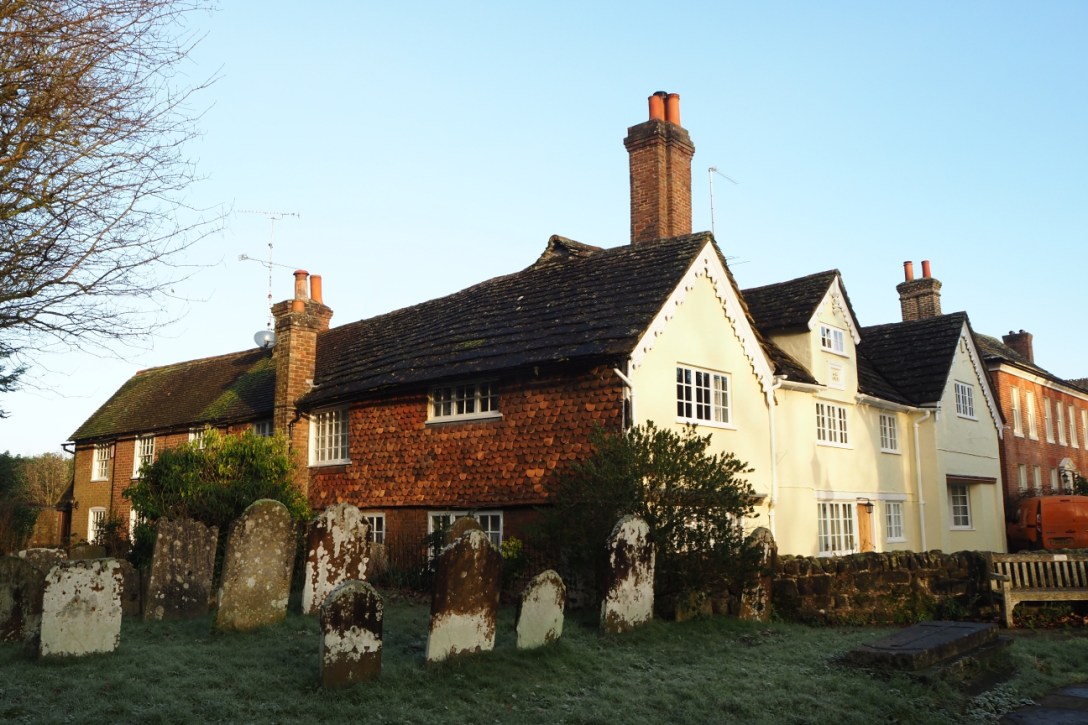
This post is a bit misleading (hello, Prime Minister) as it’s about a house at the edge of St. Mary’s Churchyard in Horsham, West Sussex. Apologies if you’ve navigated here expecting something more numinous. Here a beautiful old house resides. The problem is it’s name is not exactly blogpost title worthy, and I can’t think of anything snappy. It’s at the end of the famous Causeway, a road that’s renowned for its colourful timber-framed and weather-boarded buildings.
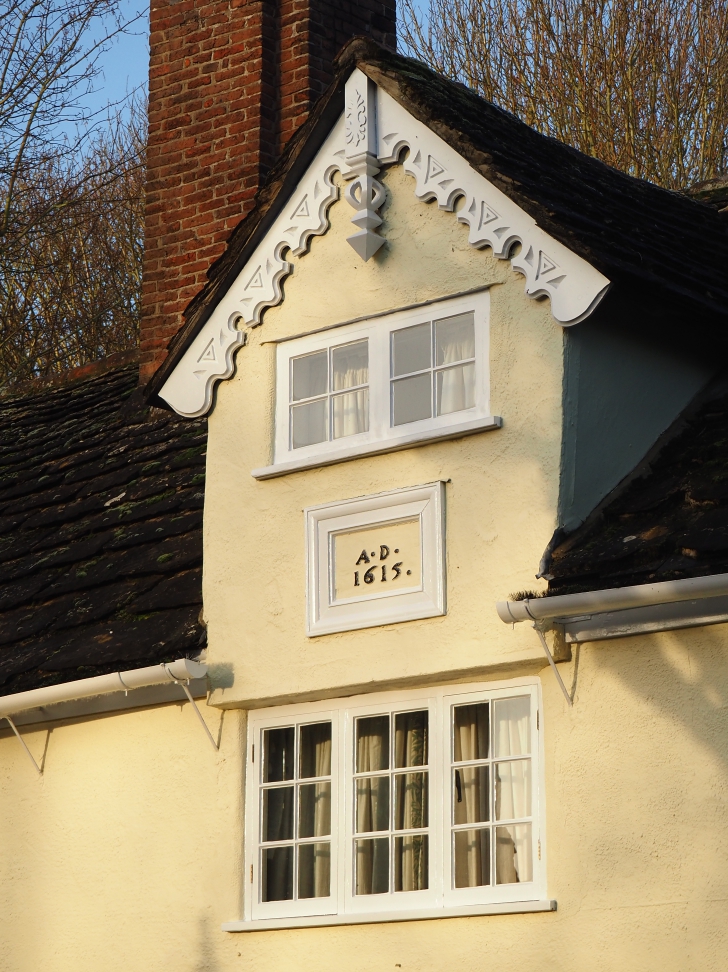
The house is simply called 24-26. It’s dated to 1615 and has since been broken into three properties and extended along the churchyard’s edge. The trees to the right hand side are lime trees that form an avenue along the Causeway, illustrated below at a younger stage:
The Causeway, Horsham, page 112 Book about the Highways and Byways of Co. Sussex, England(via Wikimedia Commons)
There’s no doubt it will have been built with oak timbers from the oak woods of the Sussex Weald nearby, likely from the extensive, pre-modern range of St. Leonard’s Forest.
It is currently covered by hanging tiles and plastering on the street-facing side, meaning no typical black timber frontage can be seen from the outside.
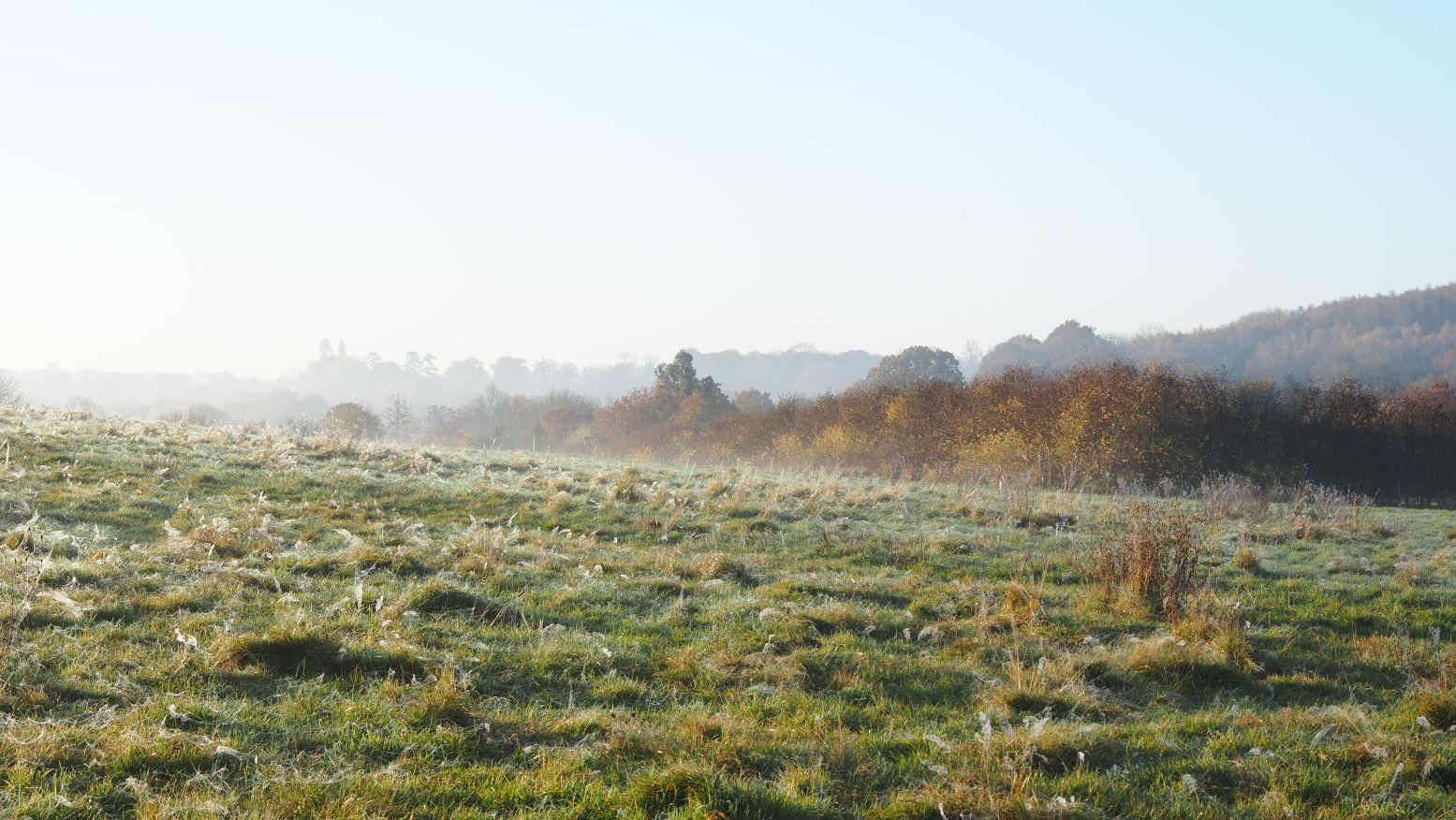
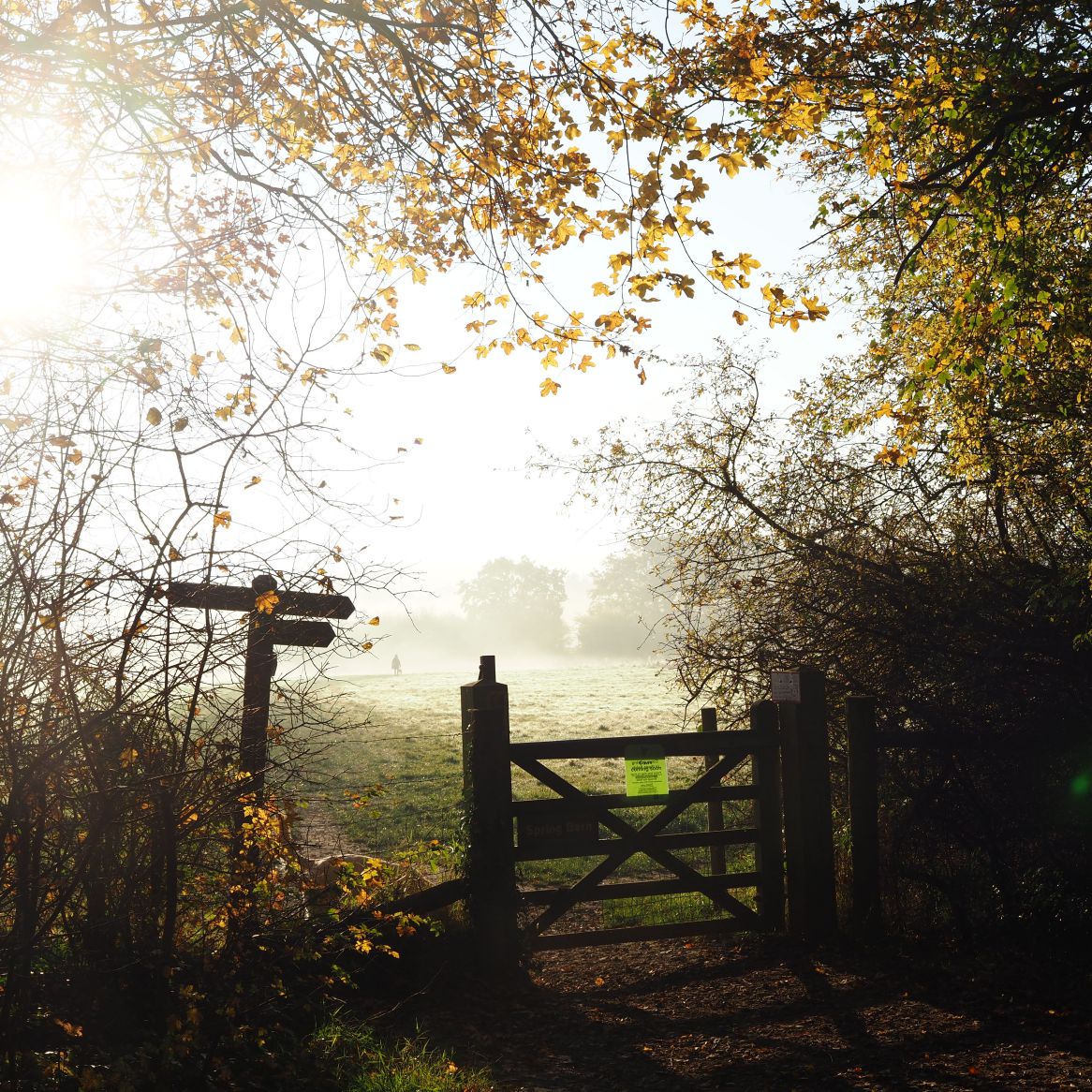
I first noticed the mist as I walked down the road where the landscape slopes gently towards the river. The hill in the distance was softened by a white veil of mist.
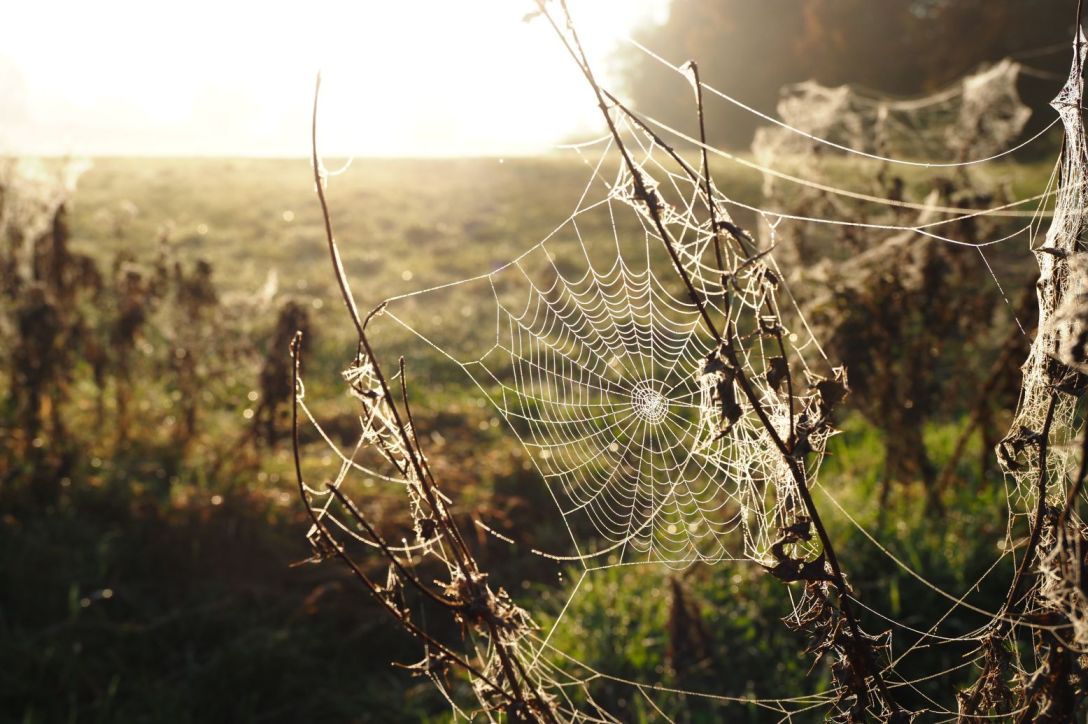
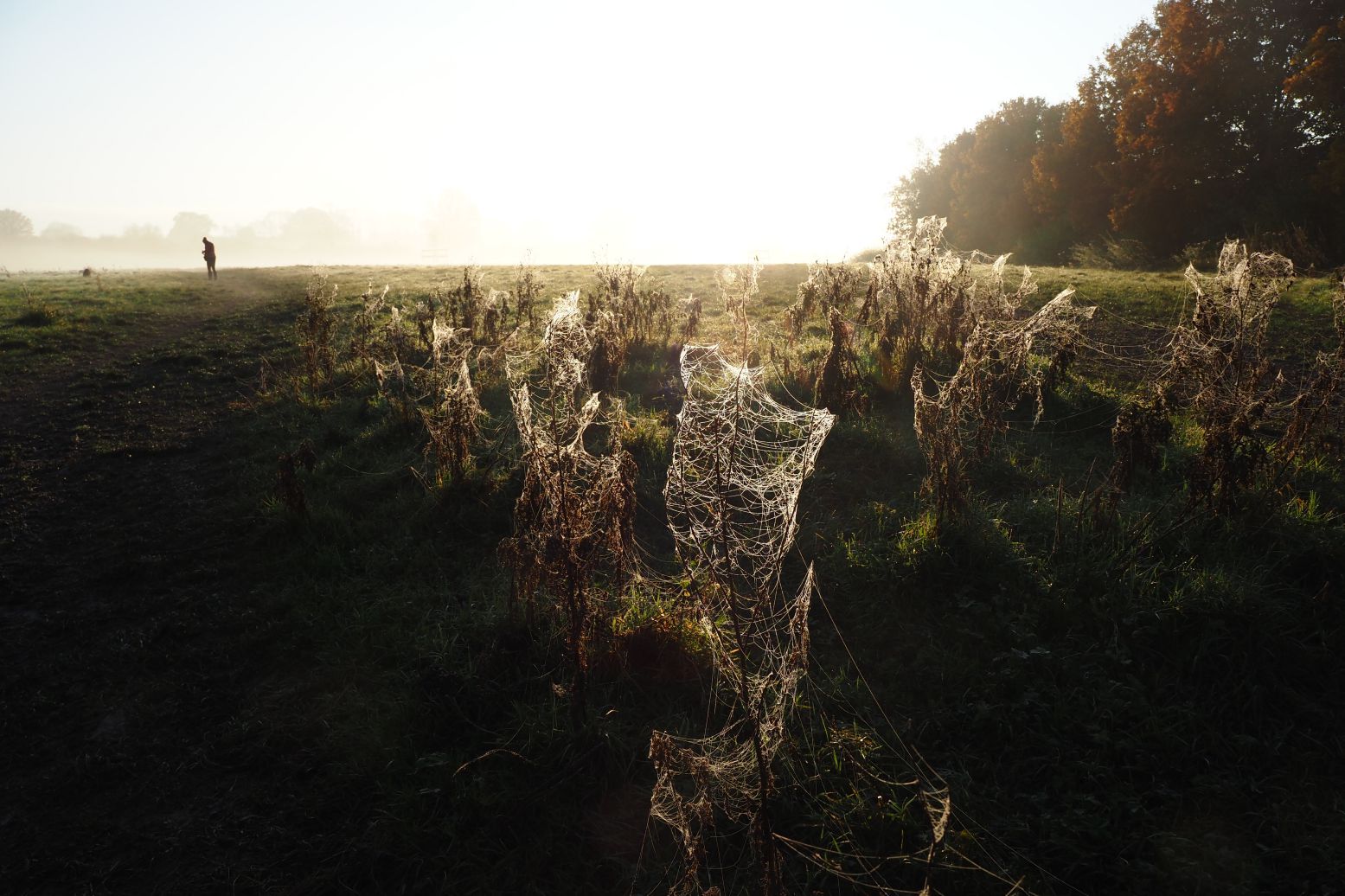
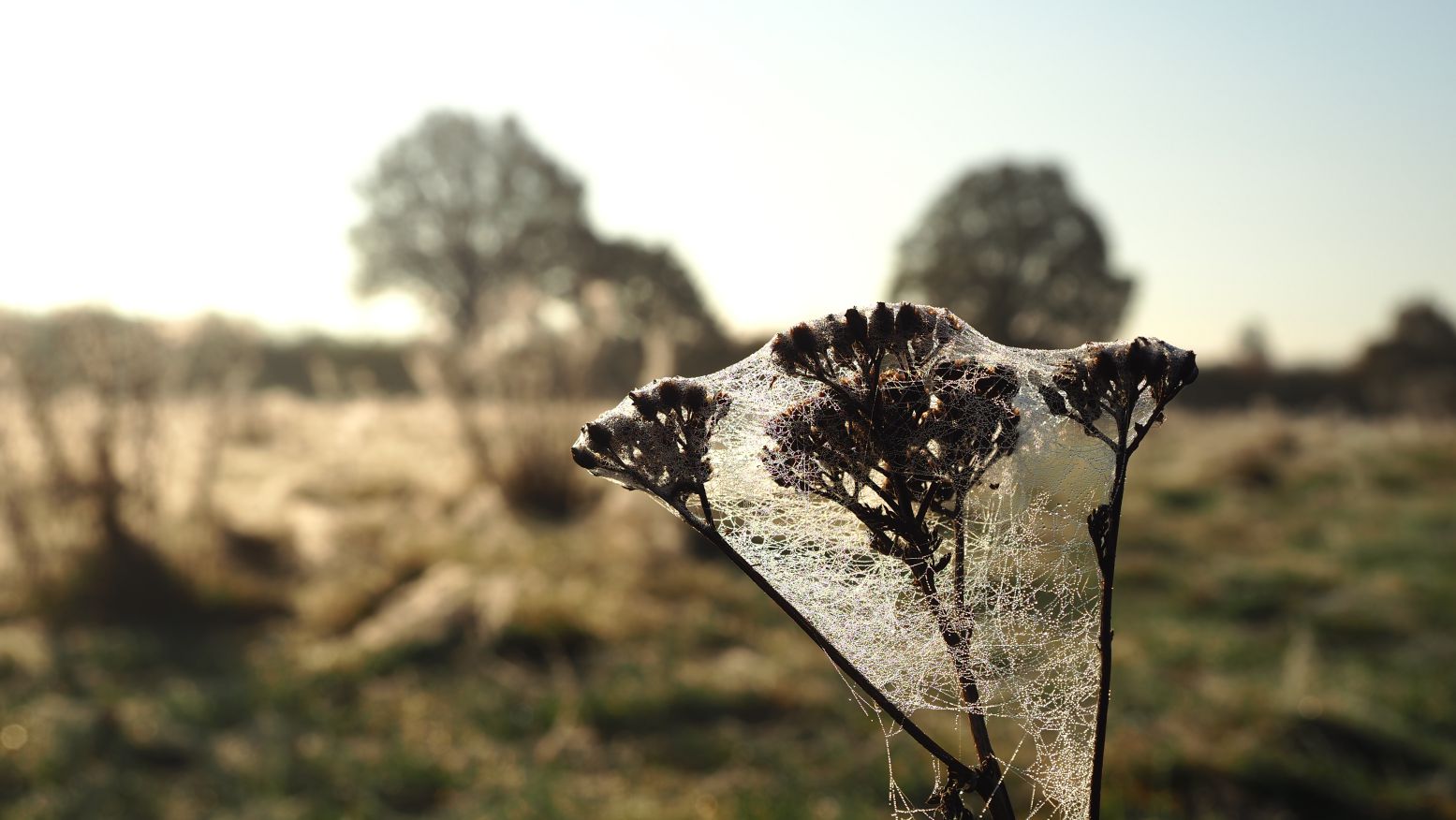
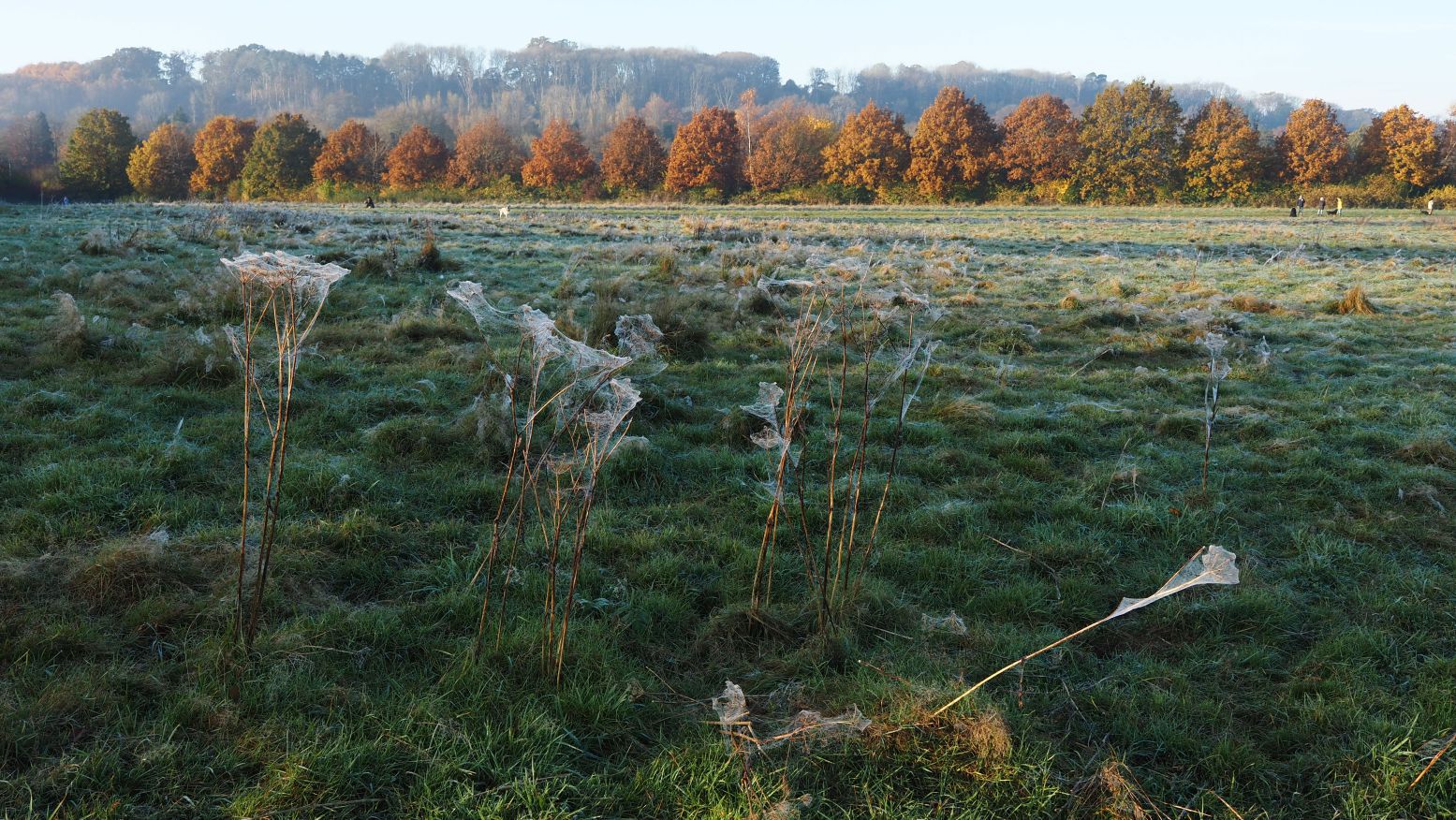
Turning off into the first field, the sight was astounding. The sun flooding through the grassland, illuminating the dewdrops in the desiccated seedheads and stems of last summer’s growth.
I hadn’t intended to walk through there but it was impossible not to. We forget this can still be a time of spiders.
As the sun moved up in the sky the light shifted up the hill and so I followed it. Ragwort is bright yellow in summer but its dark winter stems had been silvered by the dewy spiders webs.
At this point a dog ran up to me while I knelt down to take photos of the webs.
“Daniel!” It was a man shouting in my direction. “Daniel!”
The dog turned away from me and ran towards the man.
“Is your dog called Daniel?” I asked.
“Oh, yes!” He said.
“Well, that’s my name, so that’s very confusing.”
Looking back away from the sun, the oak trees were aglow as they turned their final shade of the season: orange and brown.
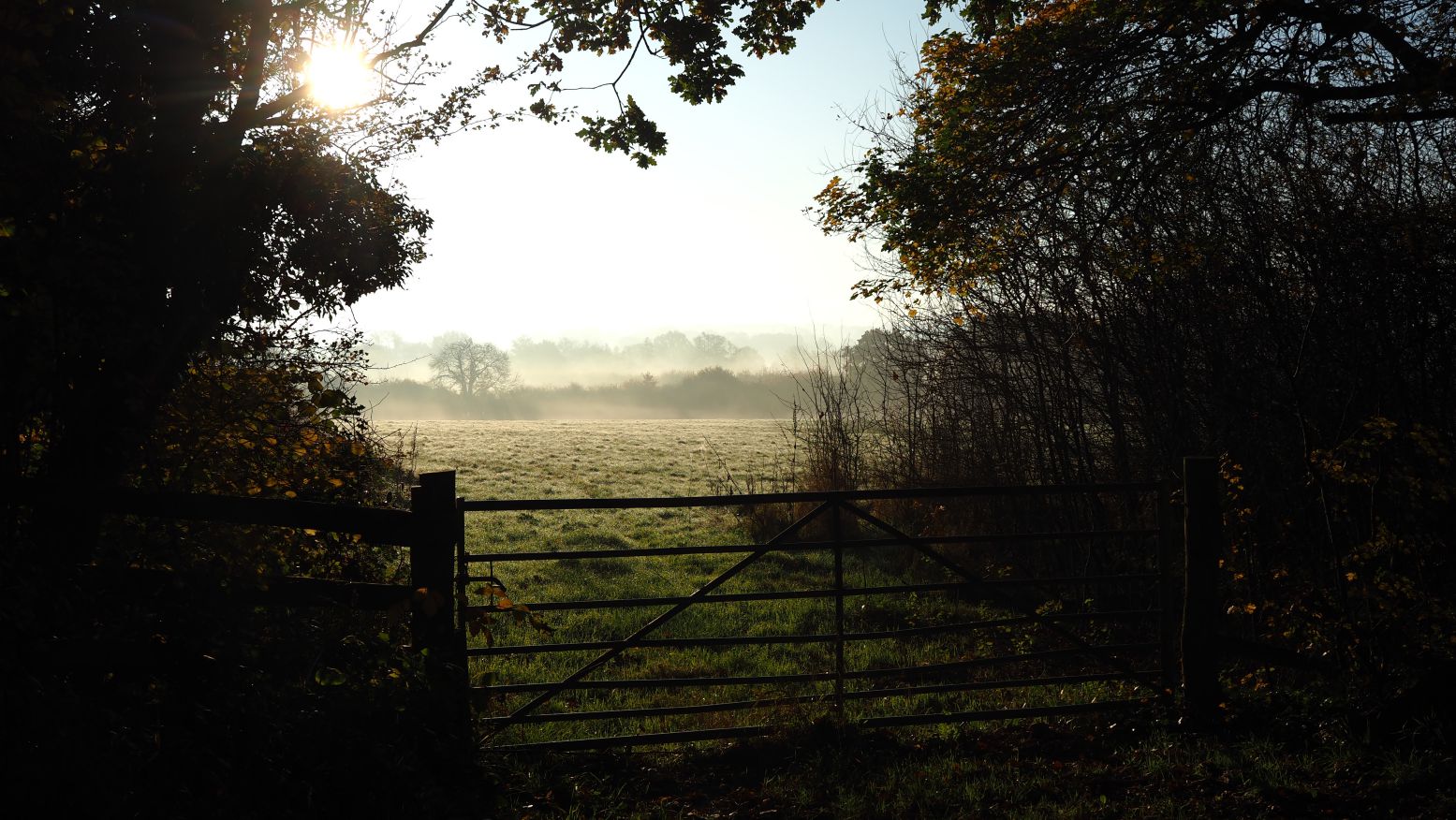
The mist was being chased uphill and into spaces behind the higher and larger hedges. I followed it.
The distant woods and tree-lined hedges were silhouetted as the mist burned away in the sun.
In one cold corner the vapour hung around like smoke against the scrub that had kept the land in shade.
In one final field, edged by the yellow of field maple leaves, the mist remained. There was a dog that barked at me until called by its owner: “it’s because he’s afraid of you more than anything else,” she said.
Mid-August: the woods sit between seasons. Leaves are not yet turning, the soil is dry and the leaf litter brittle. Even so, mushrooms are pushing through. I turn off the hard track to cross over the ghyll that cuts through the woodland, one of many dammed further down for the ancient iron industries that hammered this landscape several centuries ago.
Today no such industry exists but the streams still flow. In fact, from this area of the High Weald, some of Sussexโs great rivers rise and head off on their respective journeys: the Arun, the Adur and the Ouse.
Sitting on the bank, I notice fungi on fallen wood but also in the soil. They are terracotta hedgehogs, mushrooms with spikes where the gills or pores are found on other species. Theyโre a delicious edible mushroom.
When the iron industries were at full pelt here some 400-500 years ago, there was immigration of skilled workers from France. They brought knowledge unavailable to iron workers here in Sussex, with some tensions developing with the local workforce. On 21st January 1556, ‘Peter’ a French collier was ‘cruelly murdered’ (Weir-Wilson, 2021: p.45).
I wonder if those French men and women picked hedgehogs here, a species thatโs treated as a delicacy in France. The Belgian father of a friend of mine messaged me on social media when I posted a photo of these mushrooms:
โPied de mouton,โ he said. โClean then blanch them for 2min. Drain and keep. Fry 2 shallots and 1 garlic in butter (or oil). Butter tastes better.โ
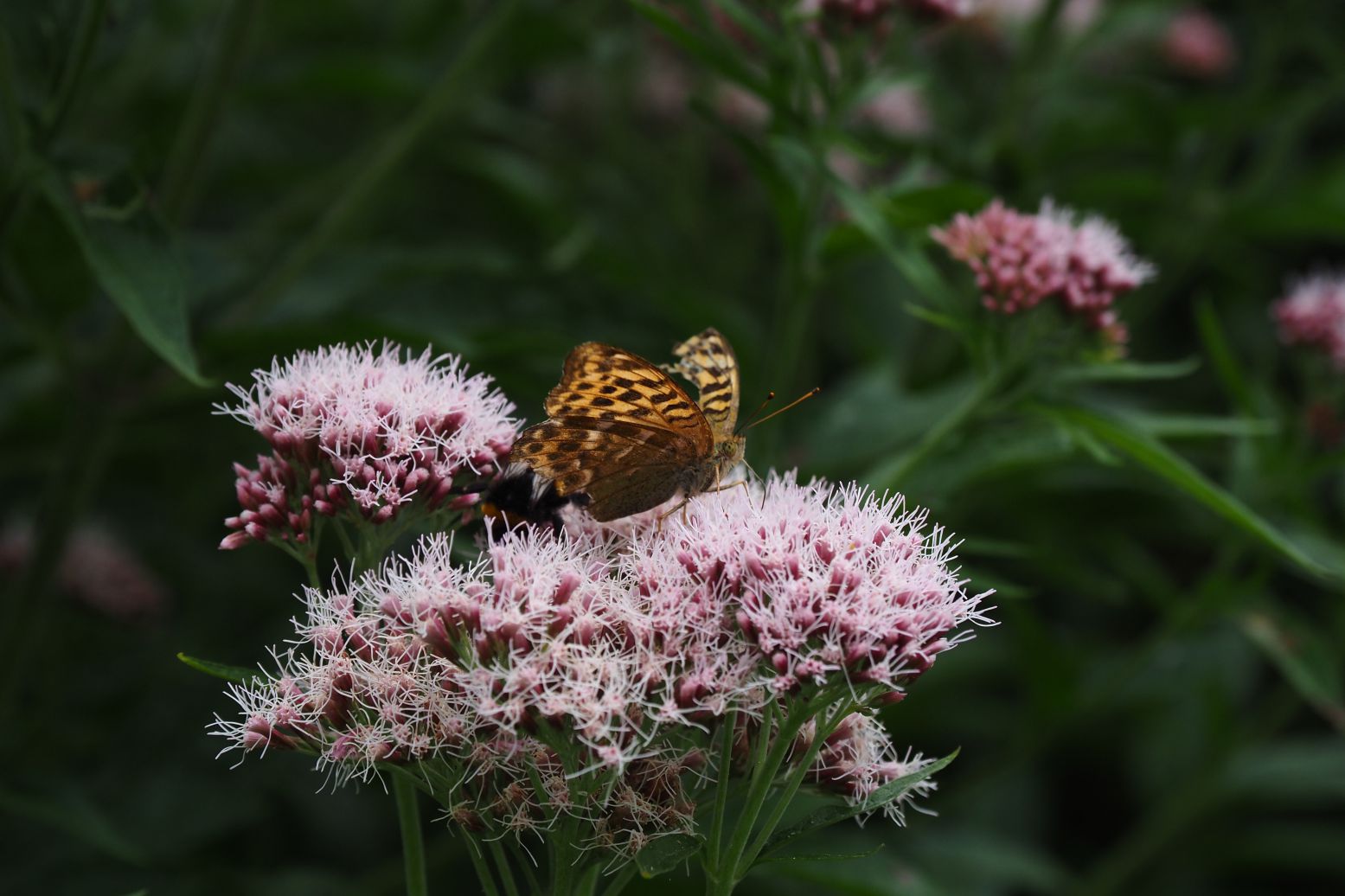
Deeper into the woodland there are the first signs of heather beginning to flower. The birdsong has dwindled but the edges of the rides burst with flowers that are covered in insects. A broken and battered fritillary butterfly nectars on hemp agrimony flowers as if for the first time. I watch to see if a butterfly with so many pecks taken from its wings can even fly, but it does, high into the overcast sky.
Further along the ride hogweed has built a great white canopy. The droneflies โ a honeybee mimic โ drink nectar in their tens, fizzing as they switch from one umbel to another. Thatโs when I notice the long, drooping antennae of a longhorn beetle, doing the very same thing. I canโt take my eyes from it, as it clambers over the small inflorescences.
After walking along the endless forestry road, I slip back into the woodland to an area of birchy bog and broken beeches. Itโs quiet and still in here. Unlike the final bursts of summer flowers on the open forest rides, autumn can be found among the birch trees.
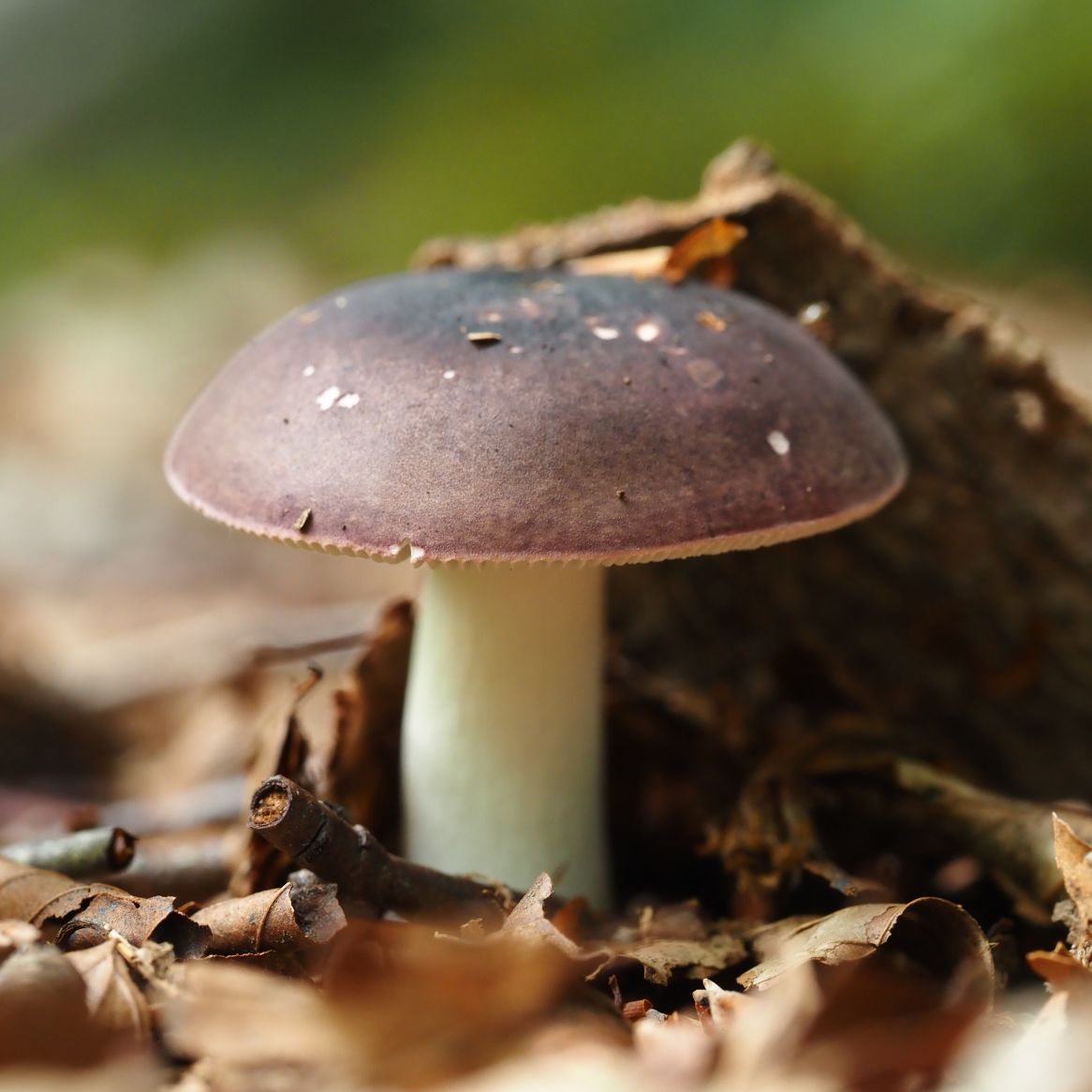
First there is a bolete with its pores and cap that has begun to turn upwards, growing from a stump. Thereโs a Leccinum or birch bolete of some sort standing tall (for its kind) in the soil. There are Russulas yellow, red, green and purple. These hard to identify fungi are a mental bridge between summer and autumn. They are also a welcome meal for squirrels and whatever can get there first.
Itโs a reminder that the seasons are not concrete. There is give and take, building blocks can come tumbling down. Seasonal signs come with species appearing, some that pass like ships in the night.
I was lucky enough to have a couple of hours to spend in Ashdown Forest last week. The light was beautiful and the views expansive across this famous part of the Sussex Weald. For those who don’t know, Ashdown Forest was the inspiration for A.A. Milne’s Winnie the Pooh. I very nearly titled this blog ‘Winnie the shroom bear’.
The mushroom situation at the moment in Sussex is one of a twilight late summer boom, with not really enough rain recently to feed the fungi and maintain the fruiting window. However, where there is shade there is moisture and therefore there is hope.
I followed a path into the woodland, away from Ashdown Forestโs famous heathlands. The ground did look quite dry, so I wasnโt expecting to find too much growing from the soil.
My first sighting was, in fact, in the soil. In the shade at the edge of the path I found a group of common puffballs.
This is an edible species, and though two looked in fairly good condition, I wasn’t looking to forage for food.
On the opposite side of the path a piece of wood was covered in feather moss. The moss was home to a gathering of glistening inkcap mushrooms. They were in wonderful condition, with varying stages of growth in the bright green bed of bryophytes.
Under a beech tree I noticed some large fallen wood sitting in heavy shade. This is always a good place to find fungi because there will be high levels of moisture and damp throughout the year. Especially under beech which casts heavy shade through its leafing phase.
My guess for this species would be stump puffball which grows in large numbers on decaying wood. From a distance they looked like fairy inkcap, but were of course much larger when looking properly. As I knelt down to take these photos, the sunlight broke through on occasion and then faded away. It was a fateful fungi photo.
Off of the path, as I considered whether there was enough time to take things a bit deeper into the woodland, I found an incredible beech tree. This looked like an old beech pollard (regularly cut high) or perhaps a coppice (regularly cut to the stump for regrowth). It had lost a huge limb which lay in front of it, providing a home for a Ganoderma bracket fungus, as so many beech trees both standing and fallen do.
I donโt know Ashdown Forest at all well. It feels to me quite an elusive place. This short walk allowed me to experience more of its quiet allure. I hadnโt expected to see so many unusual beech trees, which would probably qualify as veteran with the discerning experts out there.
This is another wonderful beech tree which has experienced damage to its trunk. The image above shows the treeโs own โaerialโ roots feeding of its own decaying wood. No doubt fungi has its role here in helping the tree roots to feed on itself by softening up the wood with its own decay processes.
My hour was up and I had to head back to the car park. On the return leg I noticed some very small yellow mushrooms on the bank built up along the footpath. It clicked that they were probably chantarelles. I looked at the gills of one that had fallen loose and could confirm they were. There is a beech leaf in the left of the image above which provides scale โ they really were tiny.
On the way out I noticed the heather was flowering, one of the final acts of summer. Itโs always good when there are shrooms on show to support this darkening shift in seasons. The days are getting shorter, the leaves will soon be on the turn and the mushrooms will be arriving.
On several occasions I’ve had the pleasure of visiting the village of Appledore on the Kent side of the Kent/Sussex border. It’s where the Weald, a core subject area for this blog, moves between the two counties. A lot of what’s featured here is in the realm of Romney Marsh because of the connecting history of the landscape, at the south-eastern edge of the Weald. You can see a great interactive timeline of the history of Romney Marsh here.
The Church of St Peter and St Paul, Appledore, Kent
Churches are some of the most important cultural and historic places in England today. I personally find them very peaceful and welcome places to drop into, or shelter, often when out on a walk somewhere. The village of Appledore has a church steeped in history: The Church of St. Peter and St. Paul. Inside, there is a tapestry which was completed in 1988 to celebrate the church’s 800th birthday.
I don’t know much about tapestries beyond the obvious Bayeux Tapestry most English children studied at school, depicting the Norman Conquest of England in 1066. But this tapestry is a great achievement and contains beautiful details, documenting the incredible history of this part of what is now called England.
The tapestry begins with trouble for the local Anglo-Saxons, when 5000 vikings arrived from Denmark in the year 892 via the River Rother (the eastern Rother, rather than the West Sussex/East Hampshire Rother).
Scandinavian raiders had first dropped into England at Lindisfarne, Northumberland in 793, when they sacked the monasteries, killed the monks and took their valuables. At this point Appledore was known as Apuldre, meaning ‘apple tree’ in Old English. The Vikings would have definitely been interested in the apple trees. Here we can also see depictions of 1086 when the Domesday Book was completed after the Norman Conquest of 1066.
This is a little bit what I looked like after lockdown hairdresser restrictions were in place for several months, minus the beard. The detail is excellent, with the use of different materials to bring the scene to life, not least the viking man’s fleece.
To the left is an Anglo-Saxon man (with stereotypical, but not necessarily accurate, golden hair) watching as the vikings appeared, with axe in hand. Next to the old name for ‘Apuldre’ you can see what must have been the original church, a wooden building of Anglo-Saxon origin. Many Anglo-Saxon churches were destroyed and rebuilt in stone by the Norman invaders.
1188 shows us the first recorded rector, Father Joseph. The landscape behind appears to show a farmed landscape with reeds being cut from the wetlands of Romney Marsh. The English Knight may indicate the King Henry III leading an army to France.
1380 highlights the burning of the church by French soldiers. I can’t find any other information on this other than it being described as a ‘raid’. There is long-running beef between England and France, with this part of Kent/Sussex vulnerable because it was so close to the Channel. In the top right you can see Henry VIII (1491-1547) hanging out.
Let’s take a look at those flames in greater detail. I think it’s likely the colours in the tapestry have been dimmed by its positioning next to the window, which makes the fire seem less severe.
In 1450 we see a group of people partaking in what I am guessing is Jack Cade’s Rebellion. This was a similar uprising to that of the Peasant’s Revolt in 1380:
Leading an army of men from south-eastern England, the rebellion’s namesake and leader Jack Cade marched on London in order to force the government to reform the administration and remove from power the “traitors” deemed responsible for bad governance. It was the largest popular uprising to take place in England during the 15th century.
Kaufman, Alexander L. (2009). The Historical Literature of the Jack Cade Rebellion. Burlington: Ashgate, p. 1. via Wikipedia
Here we see the detail of a bear being kept for baiting or entertainment. The expression on the girl’s face and her hands in pockets show a level of disdain for the poor bear. I like the detail in the chain, despite what it’s depicting.
I don’t know if Shakespeare (1564-1616), top left across from Elizabeth, visited Appledore but his work and legacy stands over the time. I’m not sure who is getting happily married in 1650.
In 1804 we can see the development of the Royal Military Canal in Romney Marsh, which began on the 30th October at Seabrook, Kent. It was built to slow any invasion from Napoleon’s Army, which was a big worry at that time. You can now walk 28 miles of the Military Canal.
In 1914 we see the call-up for the First World War (1914-18), which was not a long journey for anyone living in coastal Kent or Sussex. I’m struggling to work out the chap with the pick-axe in the top right, however. I can appreciate it’s an industrial image, with what may look like a viaduct in the background.
This detail could confuse you as it looks a bit like the church collapsed. In actual fact it’s a German military plane that has been shot down in the Second World War (1939-45).
In 1988 the tapestry was completed, with the vicar of the time standing at the end of the path admiring the building and all it has been through.
You can buy a leaflet which describes the tapestry in detail, but obviously I bought it and then lost it!
If this wonderful tapestry has taught me anything, it’s that peace between England and France has not always been there. England has always been a very sought-after place. Its cultures have always been diverse, rather than the mono-ethnic notions trumpeted today by ultra-nationalists.
I may come back to update this post when I get new information and will note any edits.