Here’s my seasonal cultural digest to try and make me appear interesting.
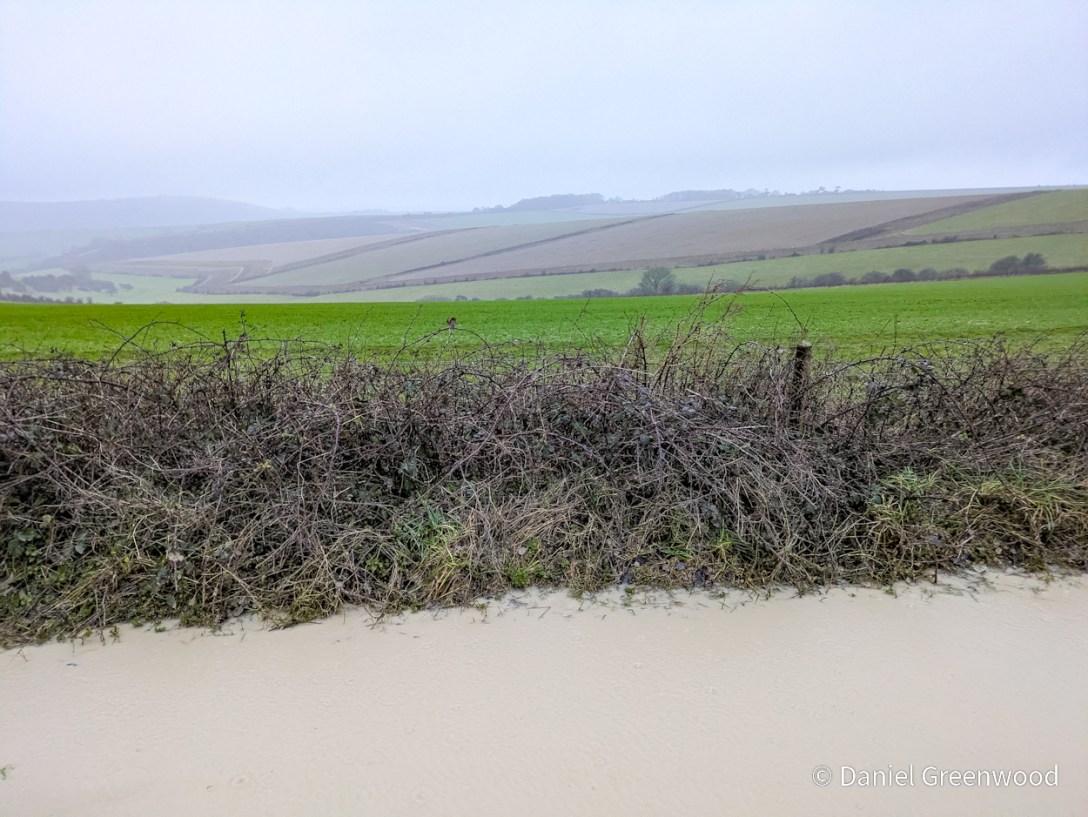
2026 so far has been an absolute washout – hence the pic of a flooded South Downs Way from 30th January. Some places have seen 40 days of continuous rain, and a record lack of sunlight. Sunlight!
Similarly cloudy are the events taking place in America. Rick Steves is probably better known in the U.S. for his travel programmes, but in the speech below he explains how the American president is following the dictators’ rulebook in establishing an authoritarian state. Even the travel man is speaking out, it must be serious.
While I don’t live in America, I know that Americans read my blog (a lot of you from Portland for some reason). There are few countries that influence the UK more than the U.S.. In Britain we need to stand up to the same wannabe autocrats, policies and ideas.
Time for the fluffy stuff.
What I’m writing
I’ve been trying to write more in-depth posts based on walks I’ve done in recent years. In 2026 I’ve published two that took two years to get round to. It’s probably because they are from January 2024 when there were no insects and very few mushrooms to be seen! Soz blogs.
If you’re a regular reader expect one longer blog a month with more local history, if I can cope with doing this alongside full time work and human life.
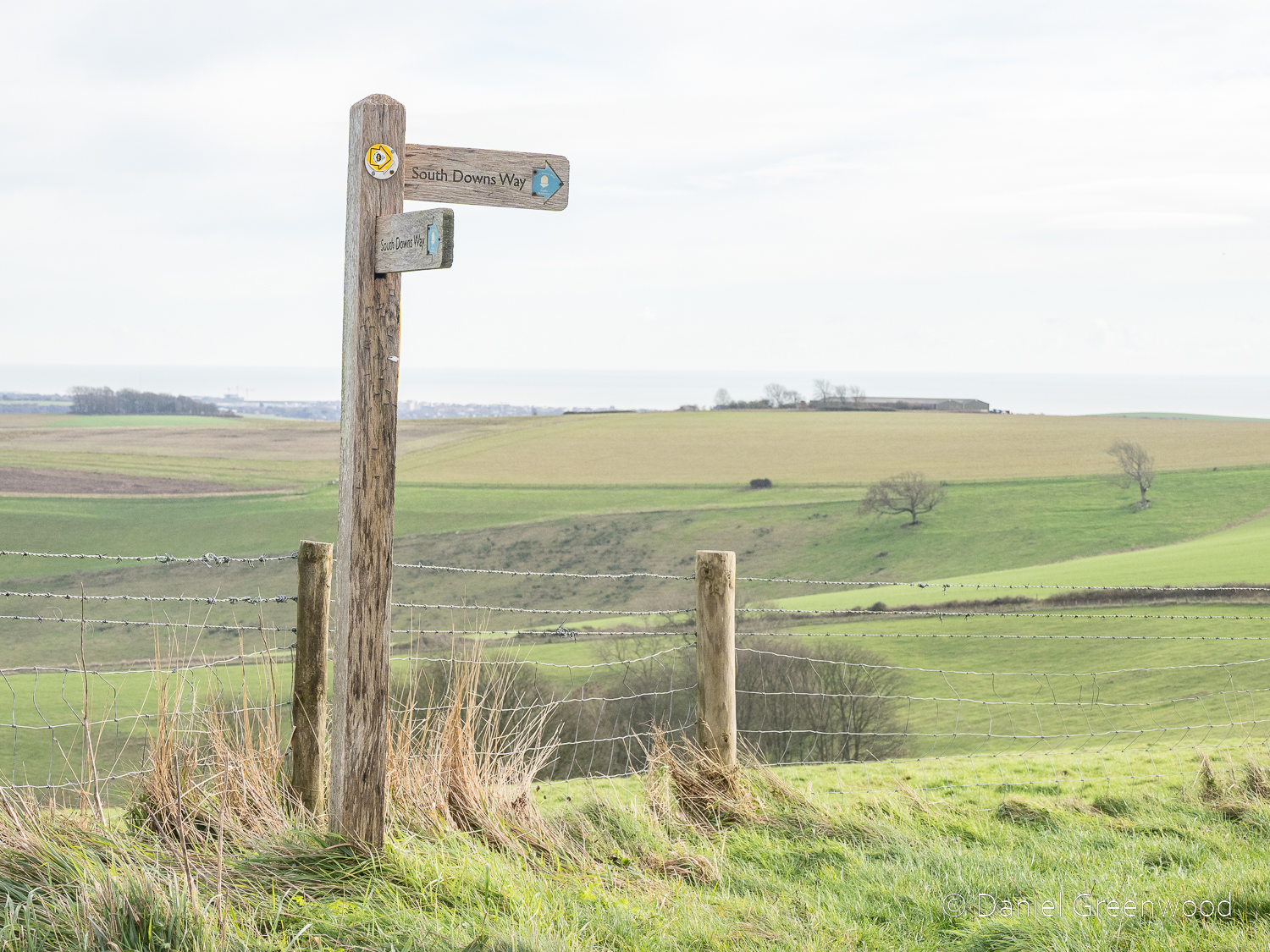
In January I posted Along the South Downs from Washington to Bramber
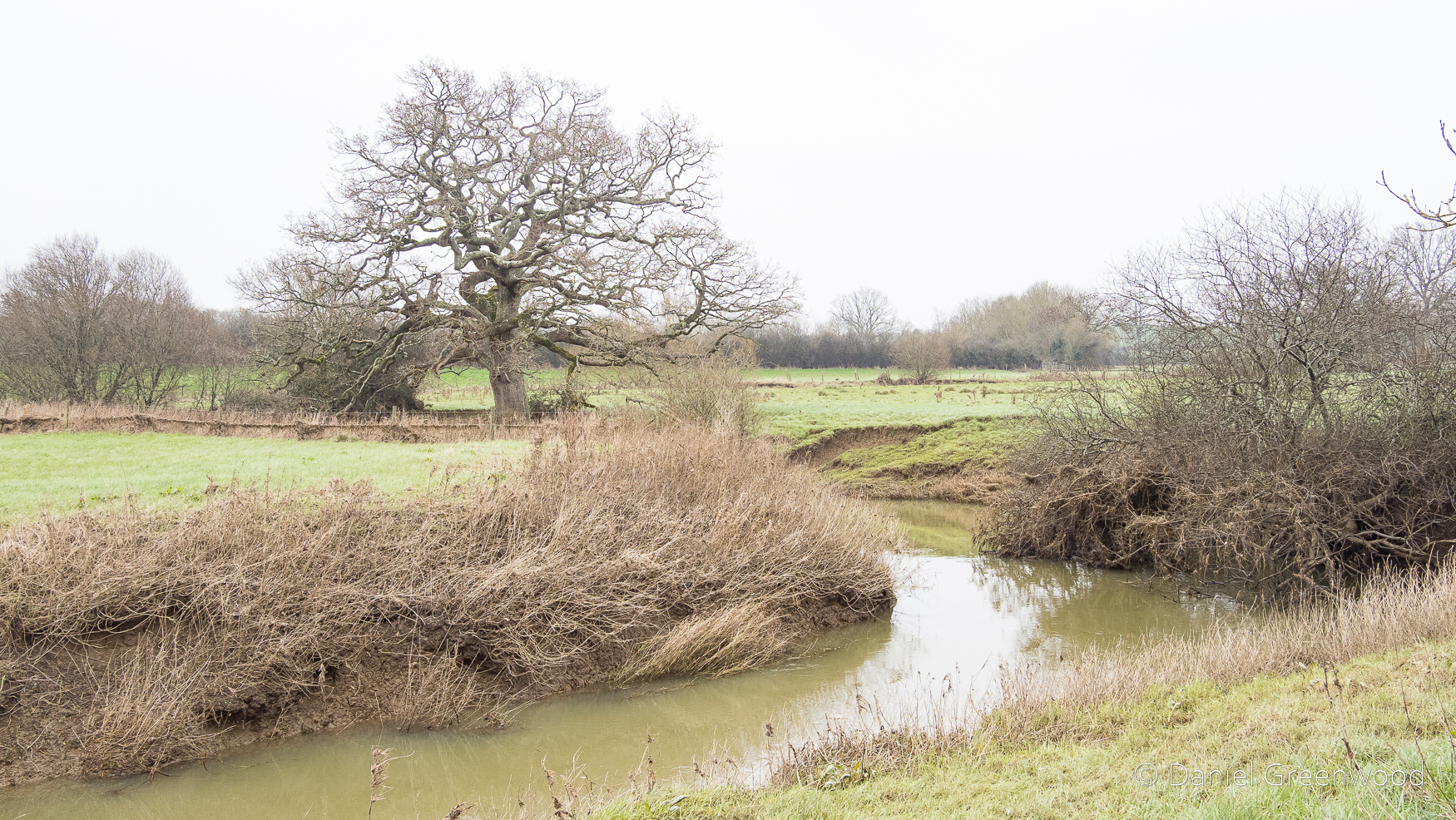
In February I posted Arun valley oaks around Billingshurst
With these posts I want to research them as much as I can before posting. The problem with frequent blogging is that you don’t have the time to look deeper into the places you’re presenting. It’s important to me that I can improve my knowledge and embellish what are already very enjoyable walks in the first place, by walking them again on my blog.
I have another Sussex blog about a walk to the mysterious Brambletye ruins from 2024 which I’m aiming to post in the coming months.
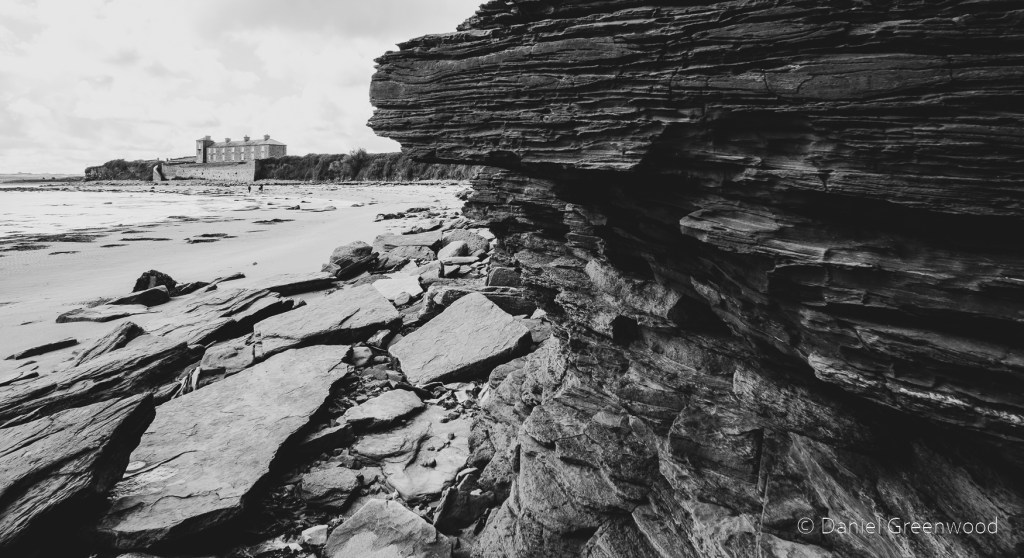
My Ireland 2025 blogs are still brewing. I’m trying to confirm some species IDs of marine life through iNaturalist but it’s proving tricky. I still have one about Rathcroghan (the birthplace of Halloween) to write. Endless content, folks!
What I’m recording
In the next couple of months I’ll have a new booklet of poems available for purchase. In the meantime, I’ve published a reading of those poems, Fool’s Wood, on my Bandcamp page for your guaranteed enjoyment.
In November I recorded a conversation with Oli Steadman from the band Stornoway! Oli was preparing to walk 30 miles around London’s mythical Great North Wood in aid of a woodland conservation project in Brockley, south-east London. What a nice chap, I very much enjoyed speaking to Oli and believe his walk was a success and the funding target has been reached.
What I’m reading
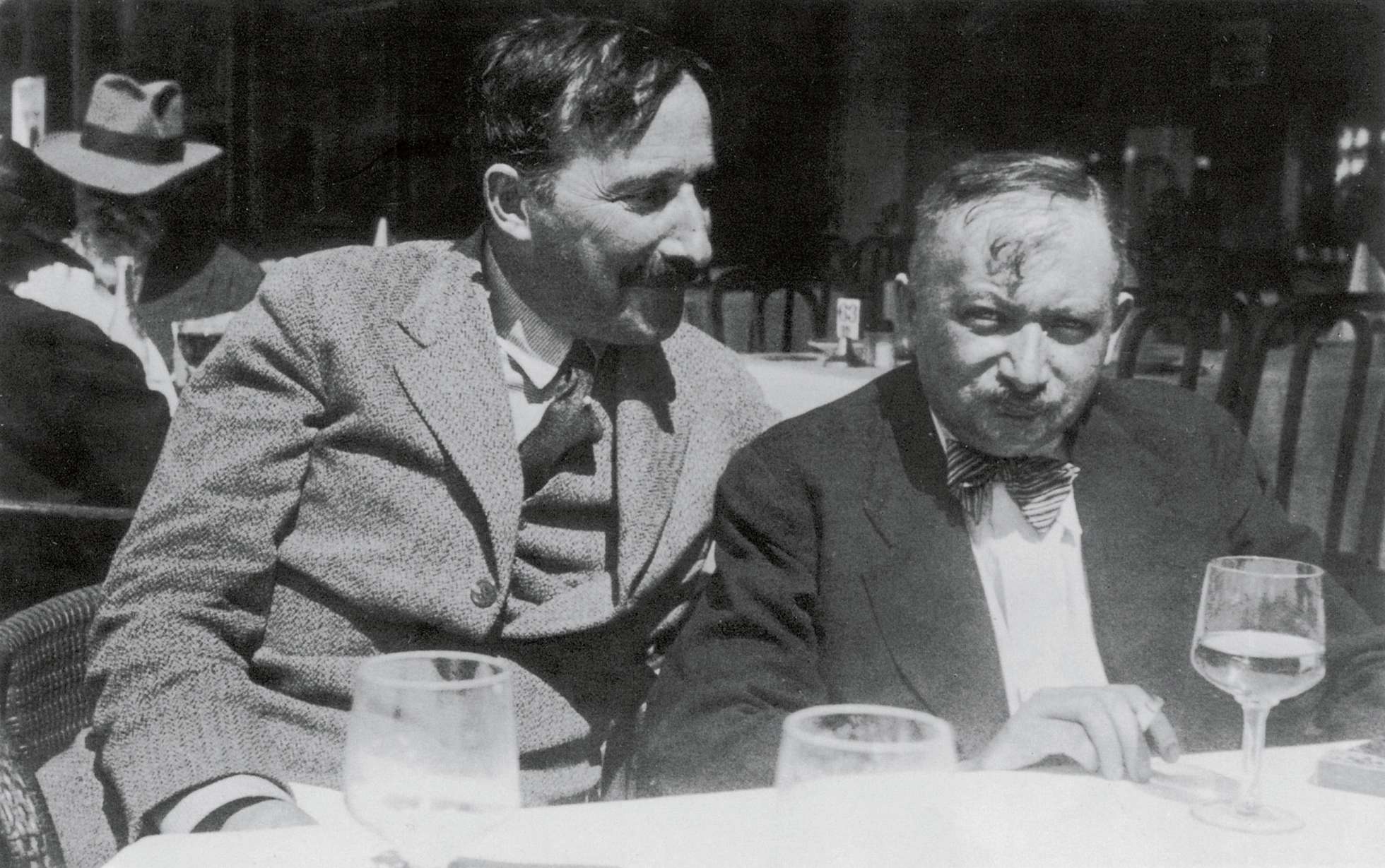
In autumn and winter of 2025 I binged the novels of Joseph Roth (1894-1939), an Austrian Jewish author. I read The Radetzky March, Diary of the Holy Drinker, The Emperor’s Tomb and Job. My long-First World War phase seems to have morphed into a Habsburg Empire sub-phase. I blame recent visits to Austria for that.
I also enjoyed most of Roth’s journalism in The Hotel Years. This quote reminded me of what is happening in America:
The epoch-making discovery of modern dictatorships is the invention of the loud lie, based on the psychologically correct assumption that people will believe a shout when they doubt speech.
Joseph Roth, The Hotel Years, p.231
Roth escaped Austria and Germany to live in Paris when Hitler came to power in the 1930s, but his writing provides glimpses of the Nazi movement’s appearance in Austro-German society after the end of the First World War. He died in 1939 related to the affects of alcoholism, so was spared the horror of the Second World War and the holocaust.
I think his quote is reflective of America now because of Trump’s lies about the 2020 election, where he was well-beaten by Joe Biden but continues to lie and claim it was ‘stolen’ from him. This is among many thousands of other untruths. It is the lie that underpins his attacks on American (and now international) democracy. Hitler used the same tactic against Jewish people, as Roth’s quote above suggests. Though it’s not 1933, the authoritarian playbook is the same.
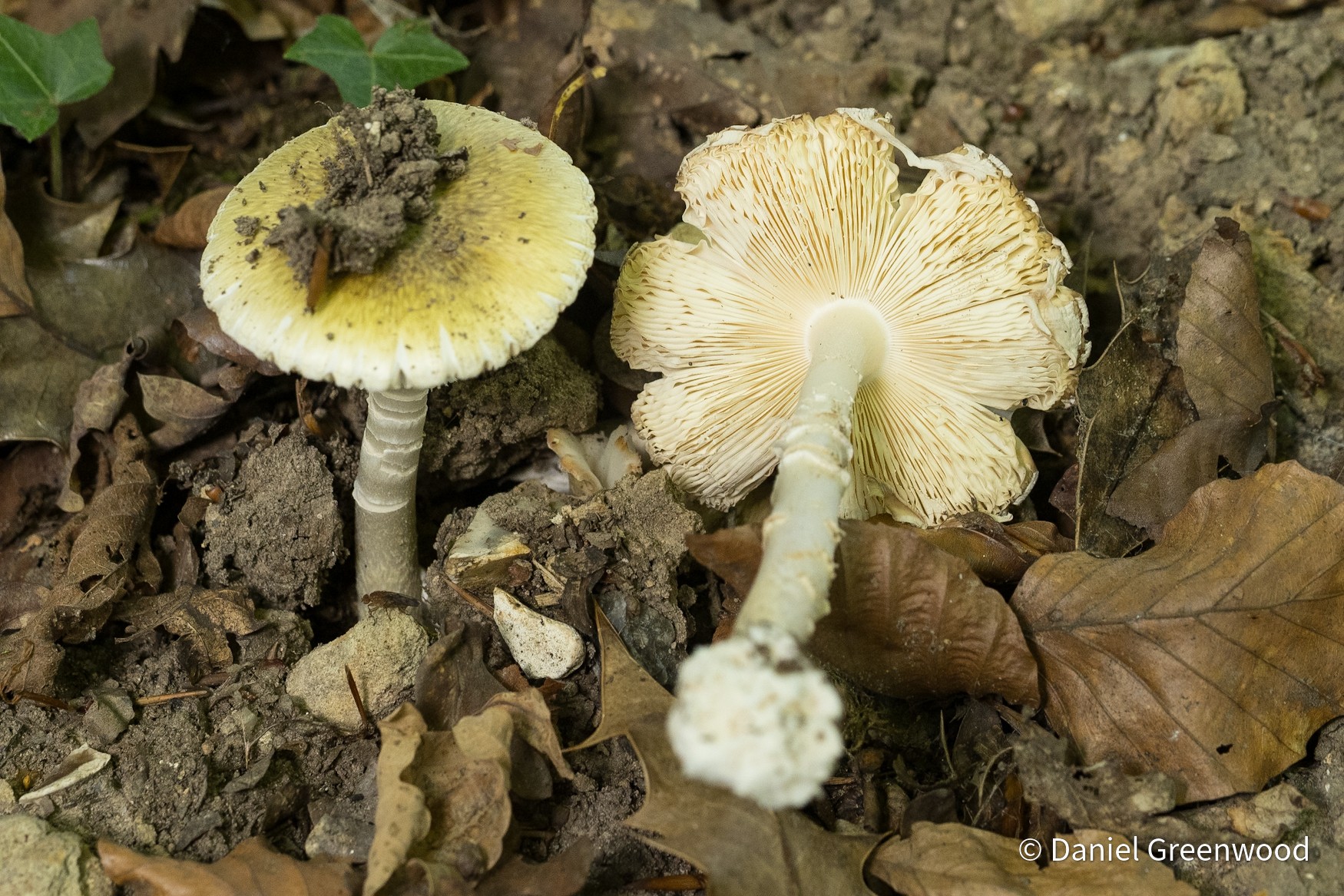
Meanwhile, over Christmas my sister encouraged me to read The Mushroom Tapes, a book by three journalists about the deathcap poisonings in Australia. It’s a story I’ve not really engaged with until this point, mainly because it just seemed so obvious. As someone who uses iNaturalist a lot, the idea that you would look for the locations of deathcaps online, visit the locations, and then be accused of putting those deadly mushrooms into food that ended up causing serious illness and fatalities, erm… it could only be for one reason.
The book has a good chapter about the science of the mushrooms themselves, which are actually introduced to Australia through the incorporation of European tree species into Australian landscapes, and they’re spreading. The same is said for fly agaric, which has travelled around the world to new locations because of their pesky partnerships with the roots of European tree species. Ash dieback anyone?
In January listened to the audiobook of Claire Tomalin’s Charles Dickens: A Life. This was after my first successful attempt at reading the actual story of A Christmas Carol on Christmas Eve. Moving on to Oliver Twist I’ve found it quite a difficult read, perhaps because I’m reading it while not on holiday when I have more mental space to accommodate fiction. I was surprised by the bigoted representation of Irish people (‘generally the lowest orders of anything’, p.70), and the antisemitic characterisation of Fagan, which Dickens was challenged about at the time. The Irish comment is pretty harsh seeing as the whole point of Oliver Twist is to raise up the Victorian poor and hungry, and spotlight their plight – are Dickensian Irish people beneath even that? The novel was published in the ‘hungry forties’ of the 1800s, when Irish people were starving to death during the Great Famine, an atrocity that the English did not do anywhere near enough to remedy, and arguably prolonged.
Looking further into these issues, it appears Dickens was a champion of the anti-slavery movement, but expressed further troubling views about other groups of people. There’s a whole Wikipedia page dedicated to this topic. Very little of this is covered in Tomalin’s book.
Dickens comes across as a prolific writer but rather strange character, who doesn’t treat his wife Catherine well. In many ways his story is an example of what fame and ego can do to a person. I was interested in his apparent addiction to walking, and enjoyed the references to Peckham, where he visited his ‘mistress’ Ellen Ternan by train from Kent.
What I’m hearing
A new Big Thief album came out last year and I’ve been spinning the CD. How Could I Have Known is one of my favourites. They are a stupendous band, even if they are now operating as a trio.
The lead singer of Big Thief is Adrienne Lenker and she has some albums of her own which I’m also enjoying.
What I’m watching
I watched this wonderful film about windmills on the BBC Archive YouTube account. There are so many good videos on that account, it’s well worth having a look. I think that the quality of television has changed and declined (I have a masters in this so you can’t disagree with me). This isn’t necessarily an issue of stories, but production. These slow, patient films are much more rewarding than the hyper-editing of current Netflix or reality TV productions. All in all, they’re just wonderful examples of the past 75 years of Britain, Ireland and further afield.
Thanks for reading.
Recent posts:















































 Unlocking Landscapes
_Altmann_-_Zweig_and_Roth_in_Ostend_in_1936.jpg)