Tiny bees everywhere

On 16th May there were lots of small bees to be found in my garden, but more of them later.

This was one of the first sightings of a small purple and gold, or mint moth.

Taking macro photos in gardens introduced me to the capsid bugs. This is one. I’ve seen lots of one species in the hedge this year, they are quite ‘alien’-looking in the sci-fi sense.

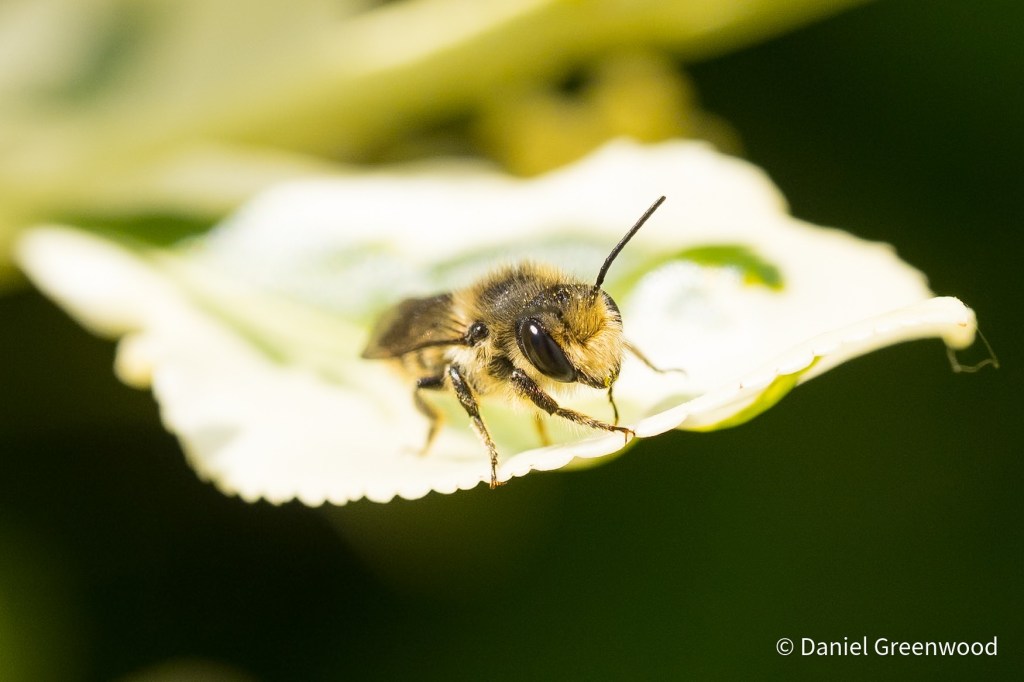
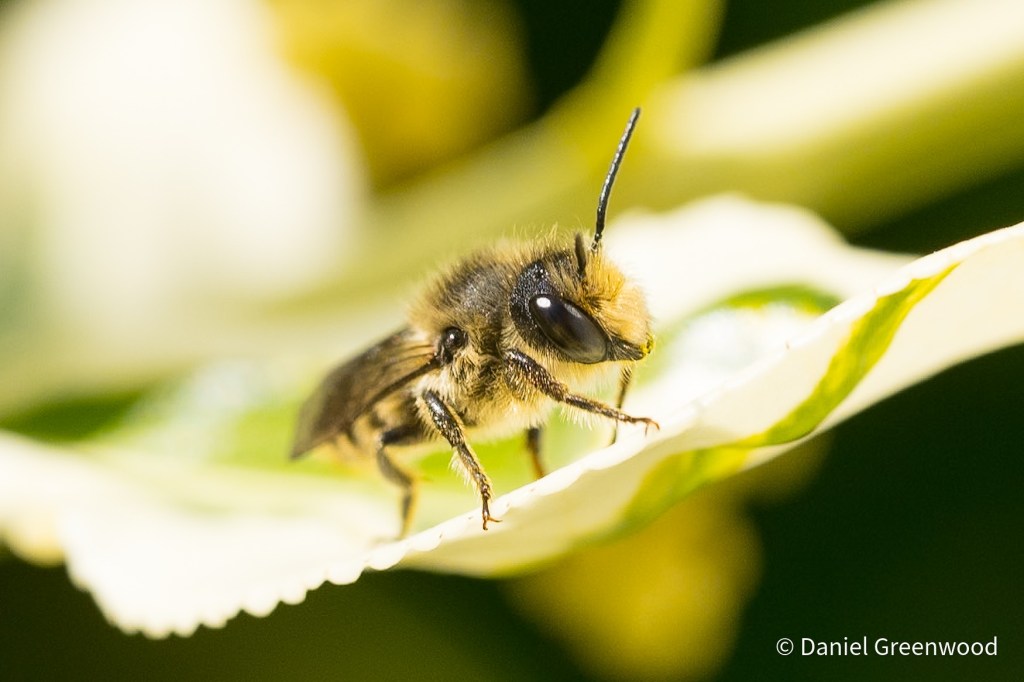
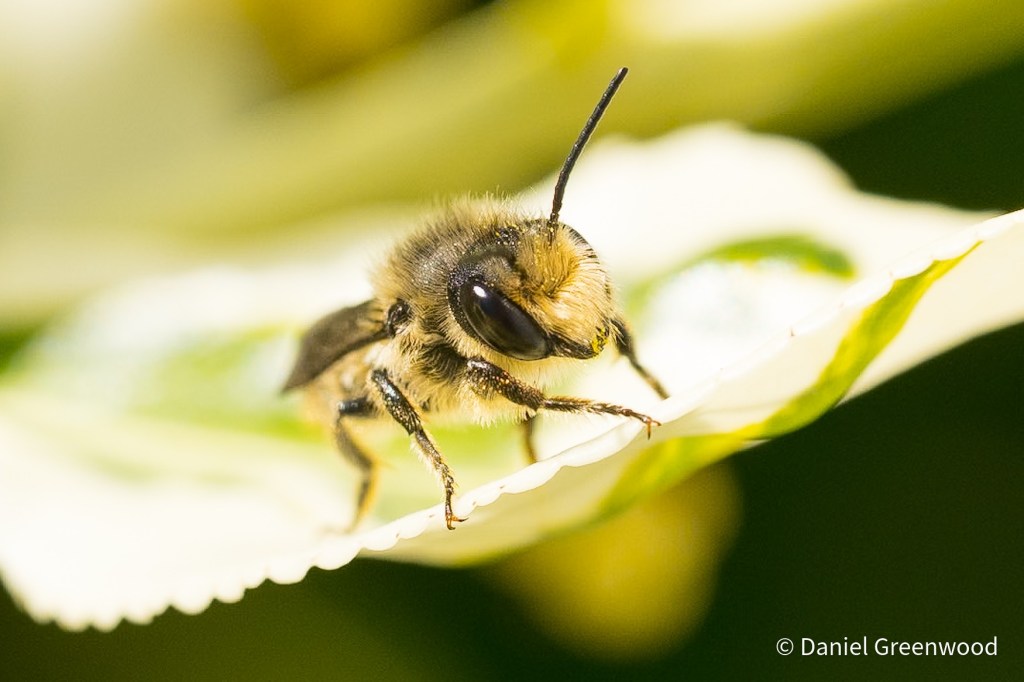
Now to the bees. I spotted what I thought was a blue mason bee on the fence, but instead it may be a different mason bee. Compared with the red mason bees, this species, whatever it is, appears later in the spring and lasts longer until the summer.

I love the light in these pics, and it’s all au naturale. Someone on iNaturalist has suggested this is one of the leafcutter bees.

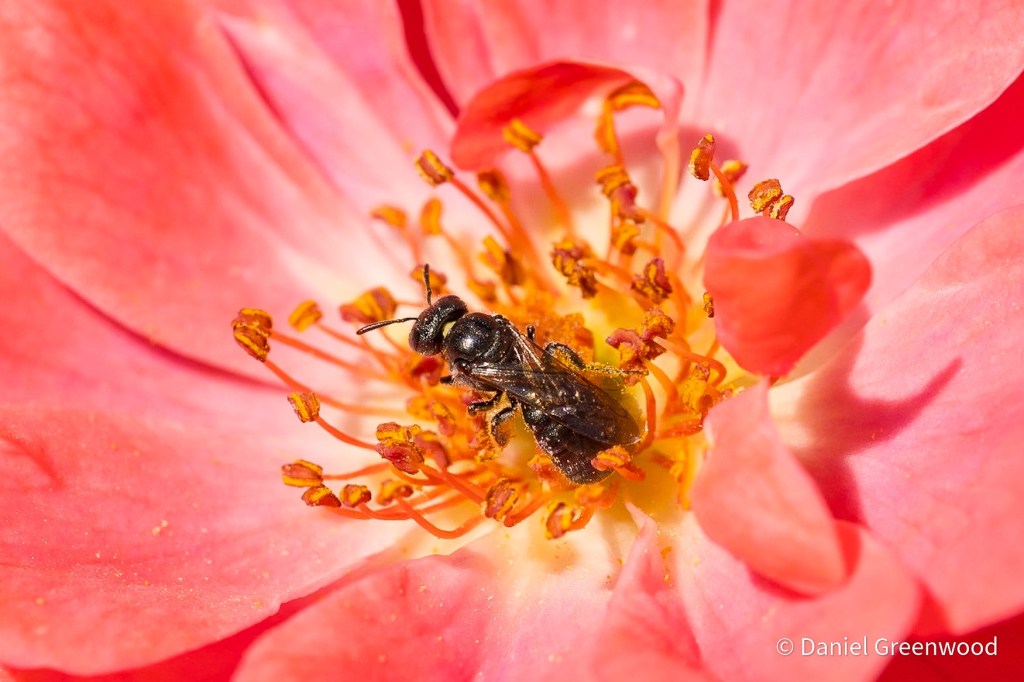
This bee is potentially a little blue carpenter bee. I enjoy the background colours of the rose above…

…and the yellow and cream of the honeysuckle. Backgrounds in macro can make a very big impact on the photo. This is a species of sweat bee.

Finally, I didn’t get this little wasp in focus, but I like these brief encounters with random wasps. It reminds me that there is still huge biological diversity in the UK and the world does not revolve around us.

Thanks for reading.

Macro

Early mining bee

The bees are out in force at the moment, so I’m taking a lot more photos. Posts will now be one per day of photos, as there are too many in a week now to cram into one post! You may not care about this.

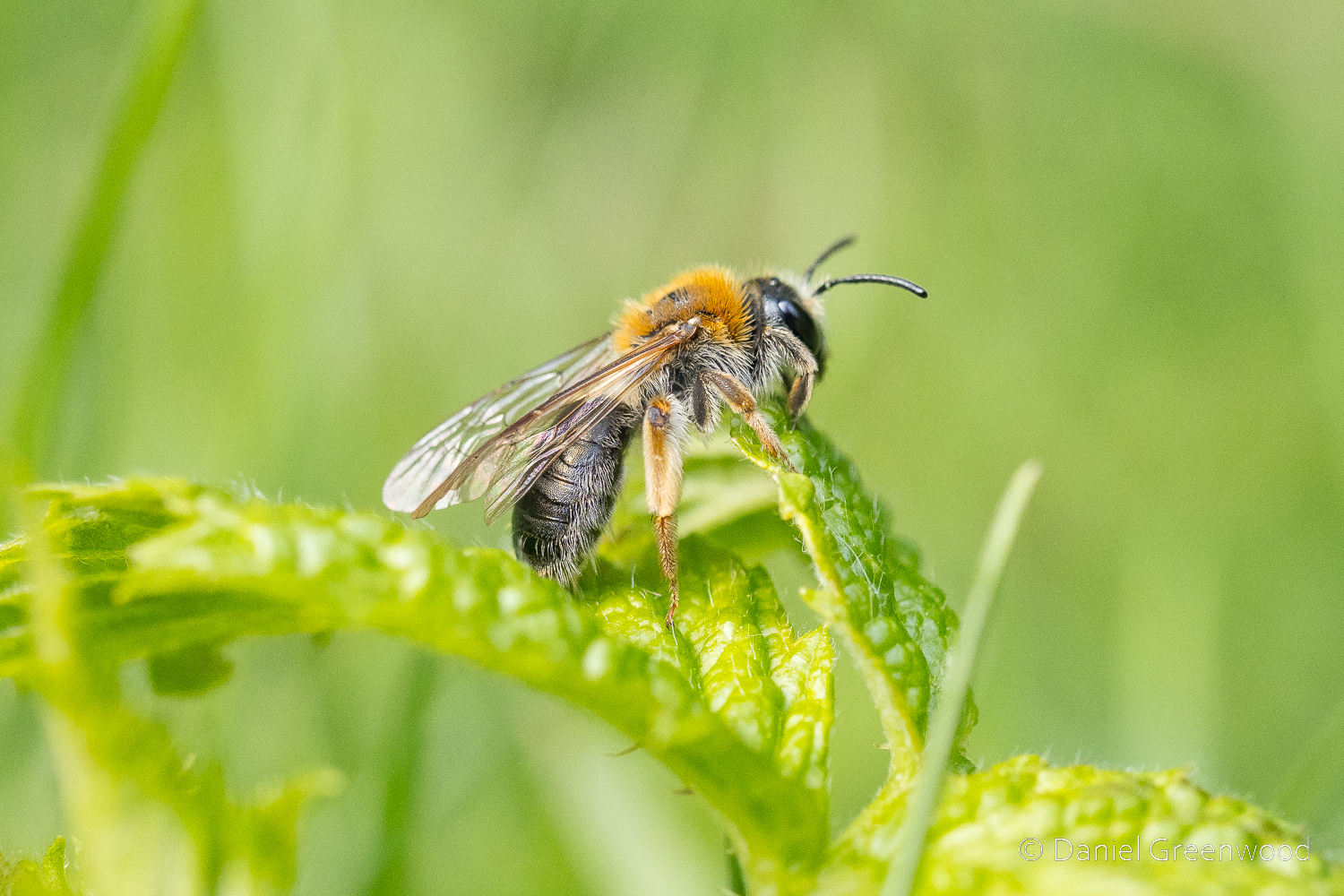
Early one morning before work I noticed a little bee resting on some raspberry leaves in my garden. I grabbed my camera from the house and got some photos. It was early and the temps were low so the bee wasn’t very energised. It may have spent the night there. This is probably early mining bee, which is one of the more common species in SE England from what I know.

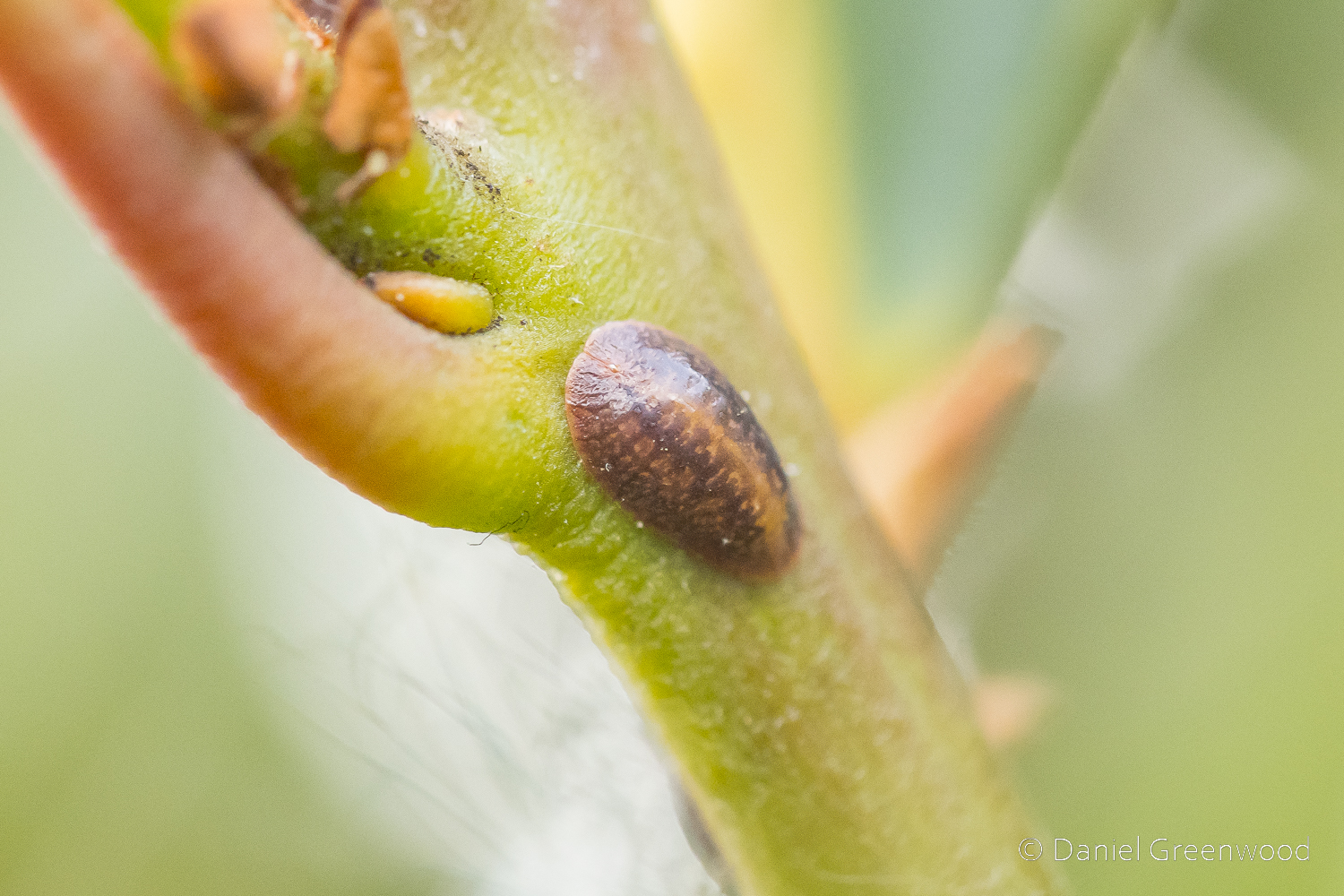
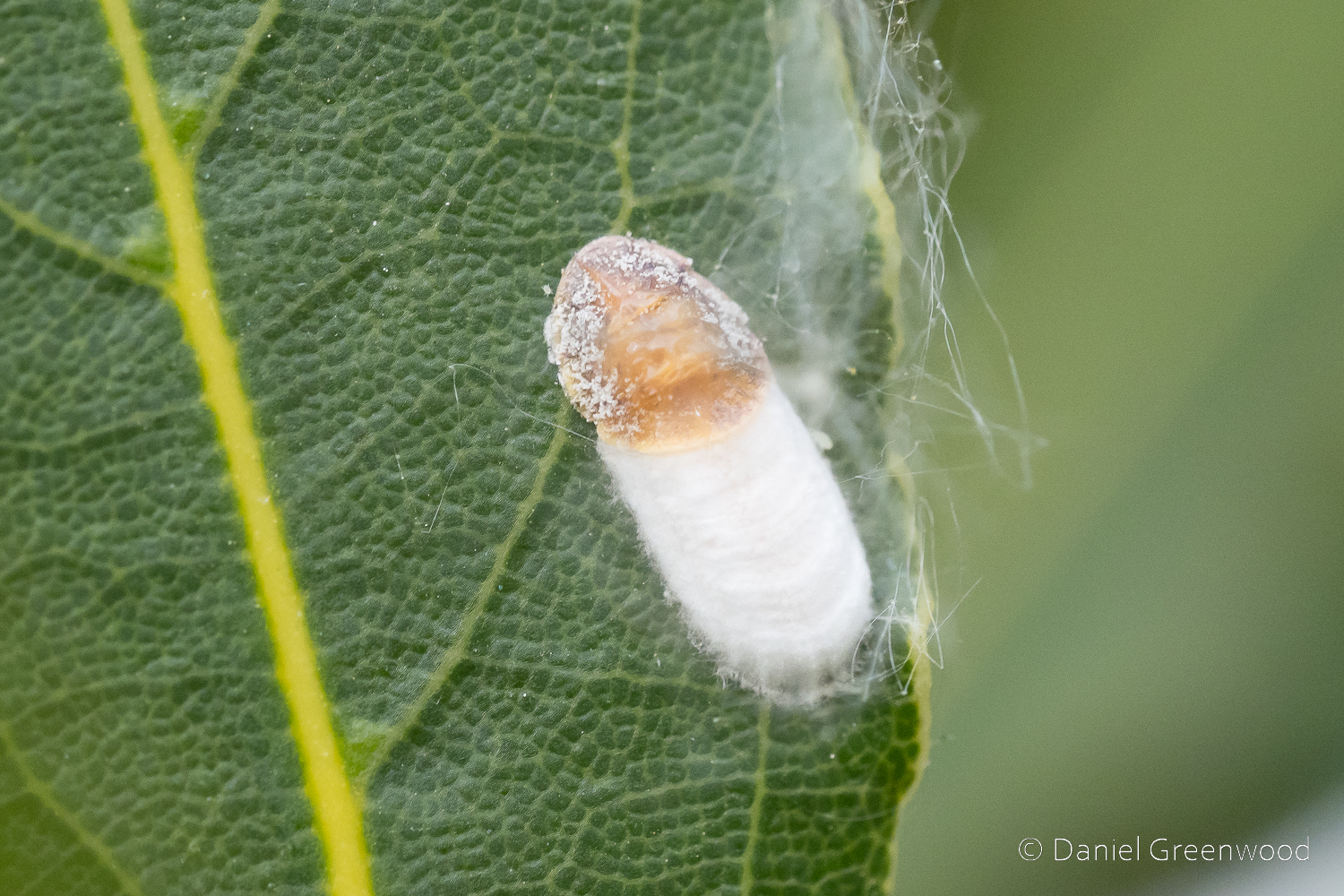
Now then, I think these are scale insects (Coccoidea) in different stages. They’re attached to the stems of plants and also the leaves. Apparently they cause problems in coffee plantations – not a problem for me. Not only do I not drink coffee, it would be impossible to grow it in my garden.

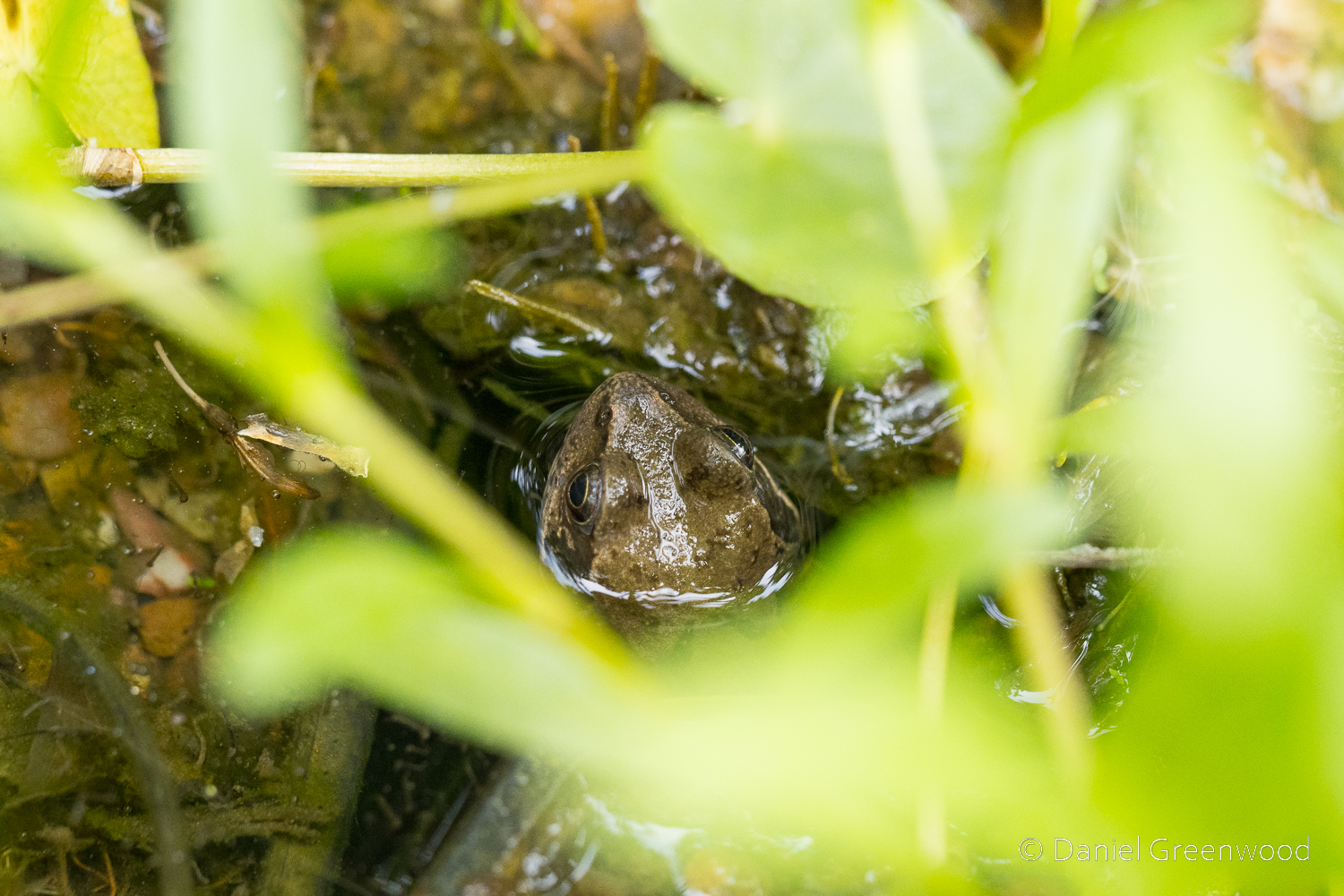
Our frogs have been enjoying the basin pond, as per a recent post. It’s tough for them right now, we’re experiencing extremely dry conditions in southern England and are ‘on track for the driest spring on record‘.

The apple flower I waited 17 years for is producing an apple!

Elsewhere the red currants and gooseberries are well on their way.

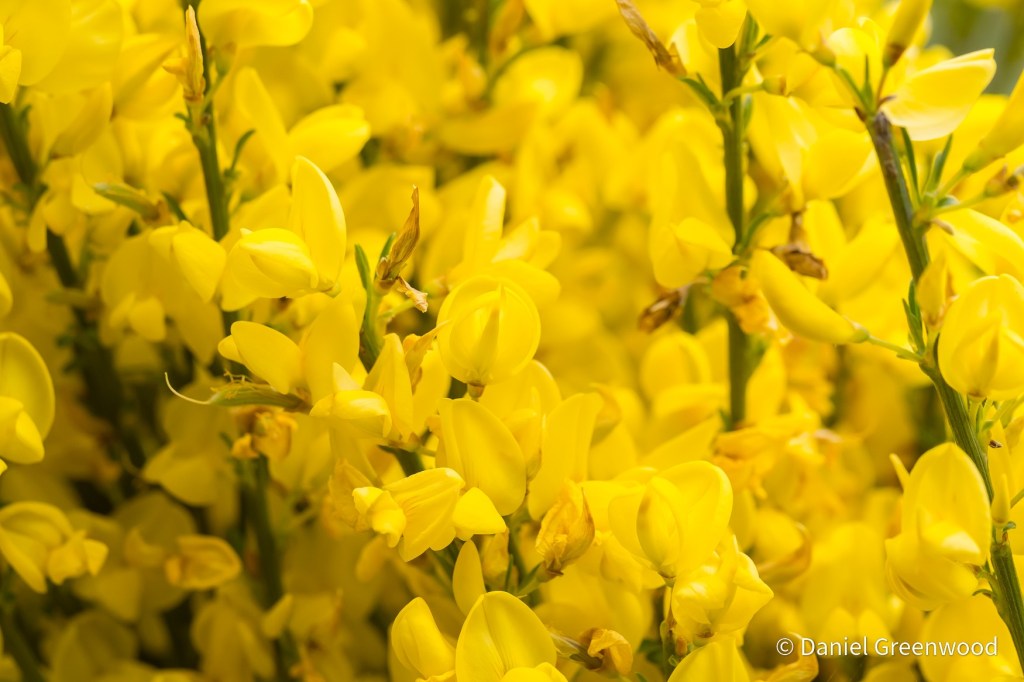
The magnificent blooms of the broom have now gone to their typical seed pods.

Thanks for reading

Oaks leaves like little fires

I’m still dining out on mid-April at the moment, it’s such a lovely time of year.

The broom (Cytisus scoparius) we planted several years ago has bloomed magnificently this year. It’s been a treat to both smell, and to see it attract a whole range of pollinators.

Dandelions have been all over social media recently with the recipes for ‘dandelion honey’. I am reliably informed that it’s jam or syrup rather than honey because you’re not a bee. It’s good that people are becoming more aware of dandelions which are incredibly important for pollinators.

We’ve expanded our berry bed in the garden to include an extra redcurrant, blueberry and gooseberry. Above are the lovely flowers of redcurrant.

My little laid hazel hedge is coming along nicely. These fresh red stems are a welcome sign.

As part of the hedge I’ve planted a couple of oaks that have been in pots in our garden for a number of years. One of the oaks is from my grandmother-in-law’s garden near Epping Forest, the other grown from an acorn from Dulwich Wood. I love the redness of the leaves when they first appear, whether or not these are tannins I would need to check the science.

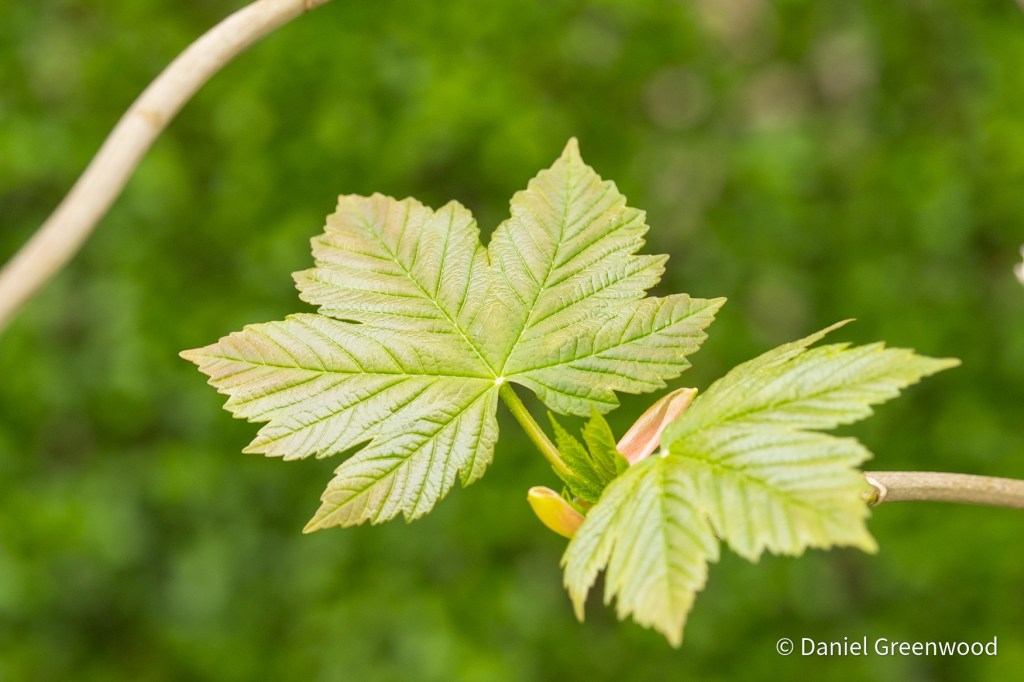
Elsewhere the sycamore is now leafing. Soon these will be sticky with aphid honeydew. The sparrows and blue tits will be hoovering the aphids up to feed their nestlings.

Speaking of those little devils, our swift box has been moved-into after 3 years of waiting for something to happen. Of course it would be best if swifts were there, but sparrows are also red-listed and their habitat is being lost as people are forcing them out of the eaves. Much of that is probably unintentional, but it’s still something we need to look at.

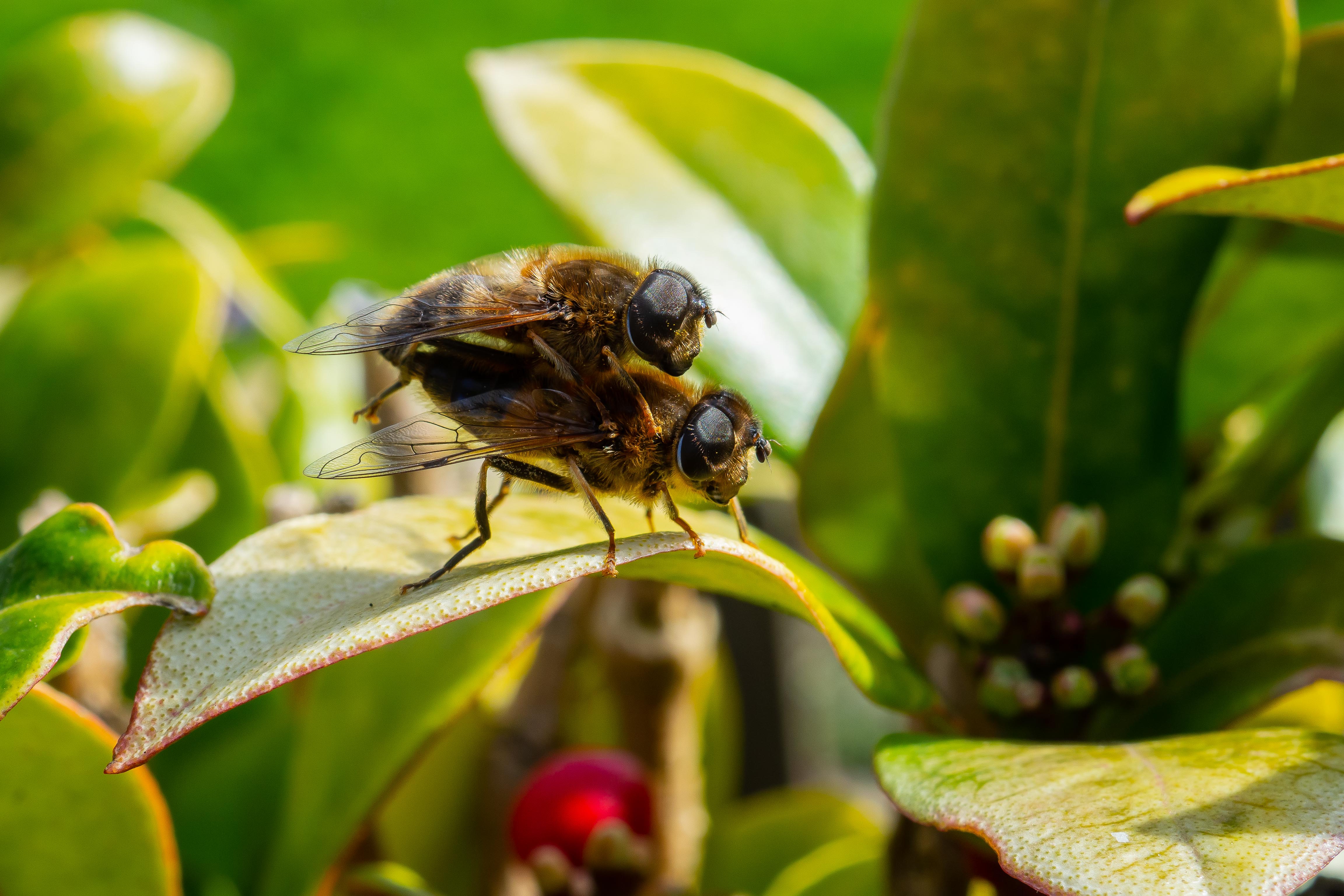
In the invertebrate world, the droneflies have calmed down a bit and are willing to pose for their macro close-up. This is probably a tapered dronefly (Eristalis pertinax).

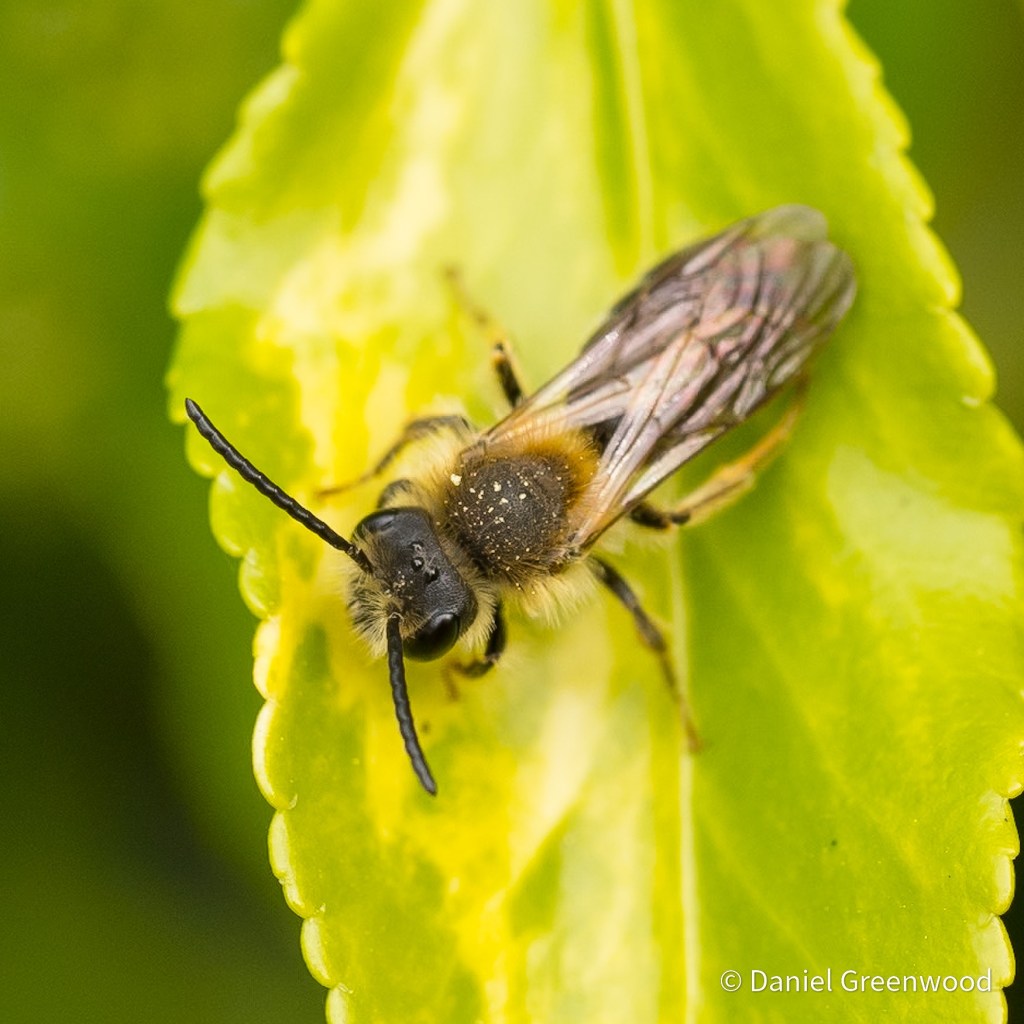
This is my first decent set of images of a solitary bee this year. It’s probably one of the mining bees (Andrena) but I don’t have an ID yet.

Another solitary bee species had found its way into our living room. I took a few photos before letting the little bee back out into the world.

Thanks for reading.

Macro

Macro Monday: wildlife under lockdown

Garden_21-3-2020_lo-res-16

Macro Monday 30th March 2020

Like 25% of all humans, I am now confined to a new way of living. Work from home if you can and exercise in your garden if you have one. It’s not military arrest, yet. So like many others who are promoting our #NaturalHealthService online I’m starting a weekly Macro Monday blog series.

This is one of the best times of year for photography, the days have just grown longer and the warmer weather means more wildlife is making its way out of the woodwork. Much of the stuff I see with a macro lens literally comes out of the woodwork.

Garden_18-3-2020_hi-res-1

I’m lucky. I have a small garden, something that is a total privilege when many people do not even have a home. If anyone doesn’t have a garden and wants to see some wildlife during the next few weeks and months, here it is.
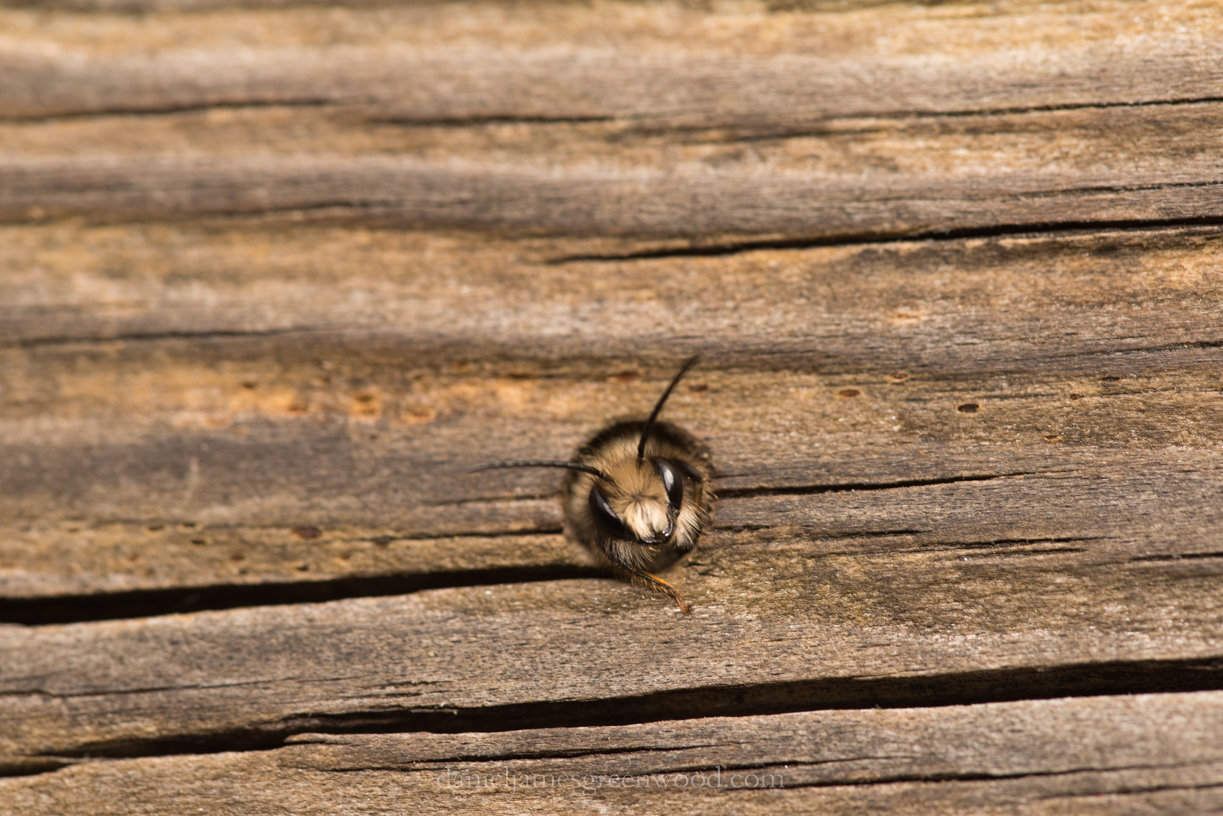
Osmia bicornis nesting - 16-4-17 blog-7

I have been photographing wildlife in the garden attached to the place where I’ve lived for a long time now. Above is a personal favourite, a red mason bee living in a garden gate! For me going on safari is not attractive, because of the cost, the trauma of long-distance travel for both me and the environment, and because if you have a macro lens of any kind, you can see so much close to home. You can appreciate the beauty in the everyday. I think there’s a Ralph Waldo Emerson quote for that.

Garden_insects_27-3-2020_lo-res-13

Let’s see how this goes, an outlet for the frustrations to come but also a view into the world that will continue its natural cycles despite what us humans do. This week I have had to apologise to neighbours on several occasions for hanging around the hedge with a camera. I have several macro lenses and one of them is quite long and could easily be mistaken for a snooper’s telephoto lens. To the person who is a couple of gardens away but too far for me to apologise, I’m sorry.

The hedge I’ve been hanging around was one I actually intended to remove because it’s quite dominant and I’d prefer a mixed hedge which will support a greater range of insect species. But this hedge has been brimming with life, especially droneflies, a species of hoverfly that look much like a honeybee. Hold on tight:

Garden_21-3-2020_lo-res-18

You may already have lost count of the amount of images of animals close together with the caption ‘ha, they don’t care a damn about social distancing!’ so I’ll leave that one alone.

Garden_23-3-2020_lo-res-04

The insects I look out for most of all are the bees. We have over 200 species in the UK and the diversity is astonishing. I think this is a yellow-legged mining bee. I’m not sure why but bees and wasps do seem to be more attractive in their side eyes and the three ocelli on top, also providing optical vision.

Garden_insects_27-3-2020_lo-res-03

This is probably one of the leafcutter bees but I’m not sure. It was happy to be approached while basking on the shrub that all the insects seemed to enjoy.
Garden_21-3-2020_lo-res-23

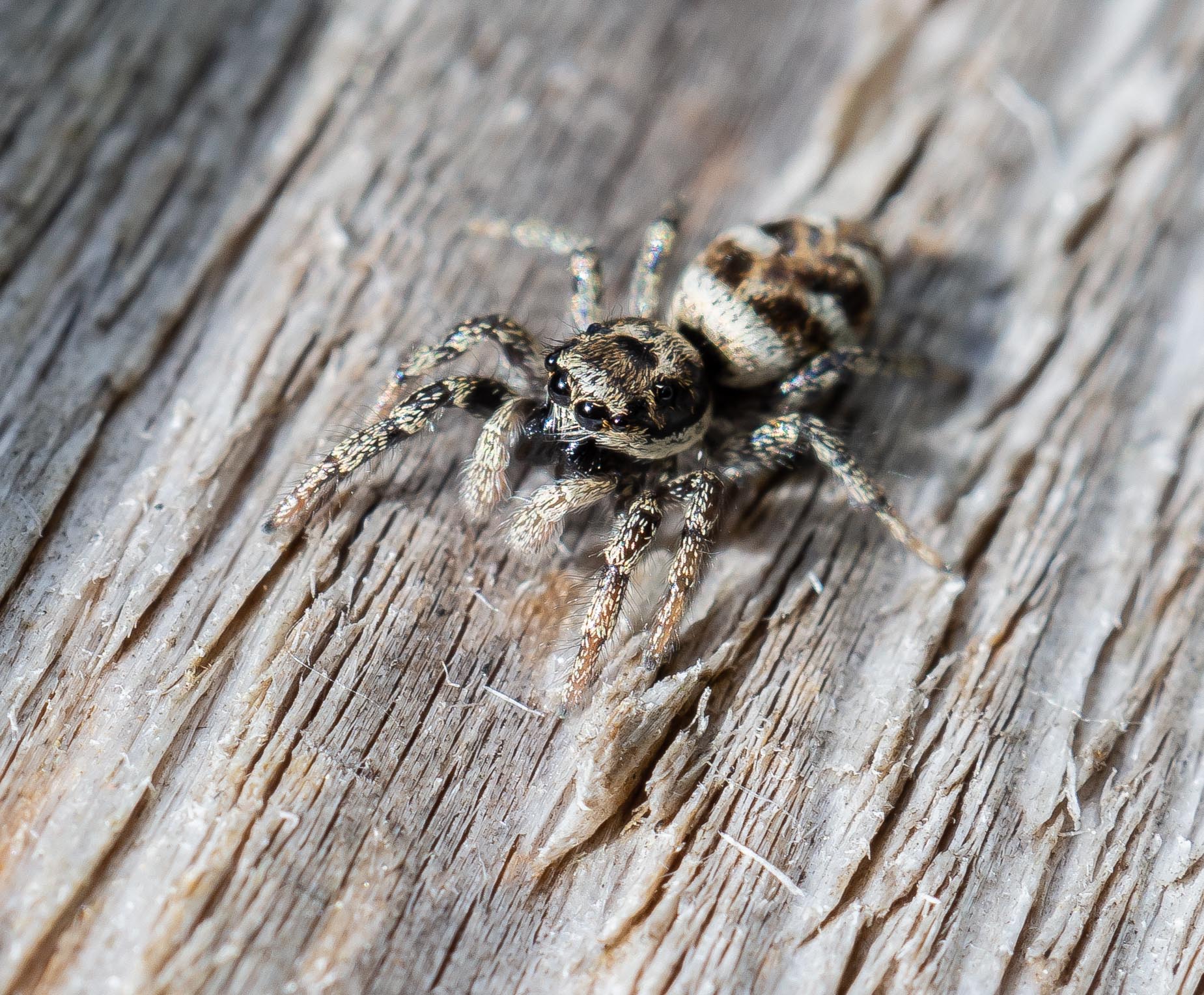
Away from the insects, spiders have a predilection for the wooden fence on one side of the garden in the early morning sun. This zebra jumping spider gave me a right run around. Later that day I actually found one in the house, not the first time, but I think it had squeezed its way under the window.
Garden_insects_27-3-2020_lo-res-18

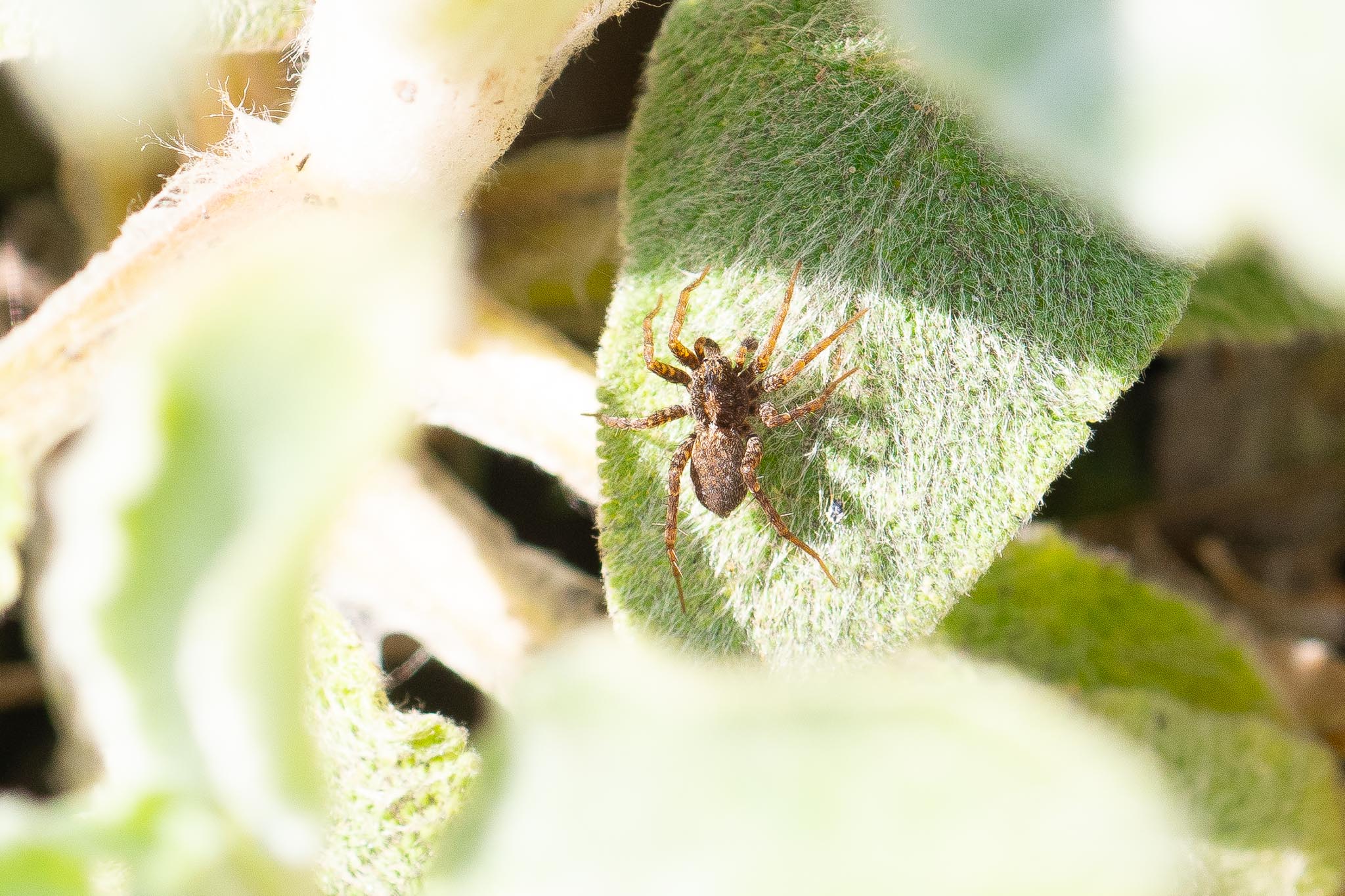
Early spring is also a time when spiders are basking in sunny spots on leaves. I bought this stachys flower last year and planted it out, only for it not to really do anything. Since moving house I transplanted it and am hoping it will come to life this year. It’s a member of the dead-nettle family and proves very good for bees.
Garden_21-3-2020_lo-res-05

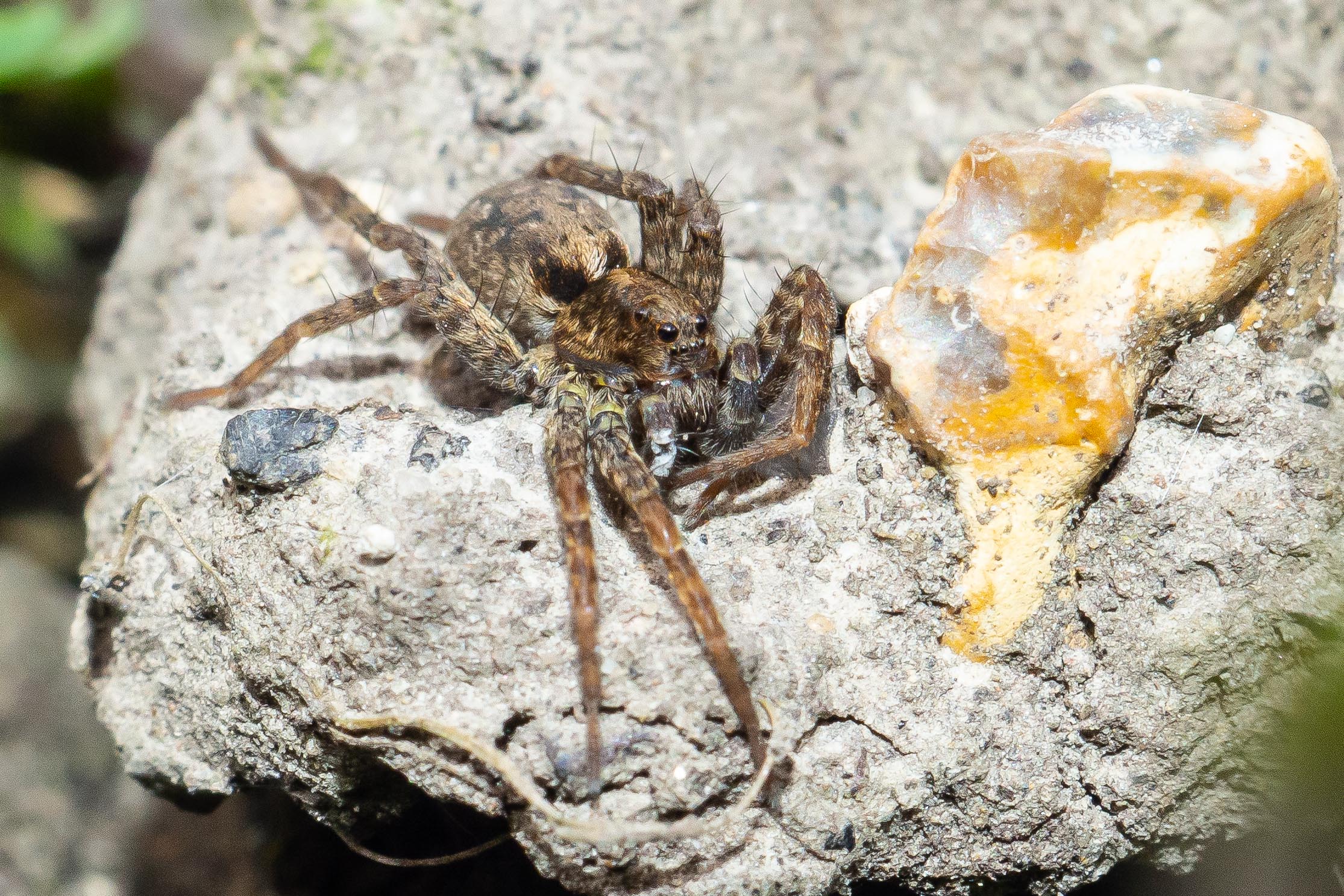
Perhaps a little more sinister, this spider looked to me to be eating salt from the soil. I have no ecological basis for that argument other than I know butterflies and other invertebrates do the same.

Thanks for reading.

More macro

Photography: Nomada rufipes

Nomada rufipes

Nomada rufipes, a cleptoparasitic bee that I spotted on Farthing Downs on the edge of London. It steals from an Andrena bee to survive, but I only saw it drinking nectar from the heads of these ragwort flowers.