Bramshott fungi walk – October 2023

Bramshott, Hampshire, October 2023

On Saturday 21st October I led a fungi walk in the Bramshott area for the South Downs National Park’s Heathlands Reunited project. Thanks to Olivia and Dan for setting the walk and guiding us on the day.

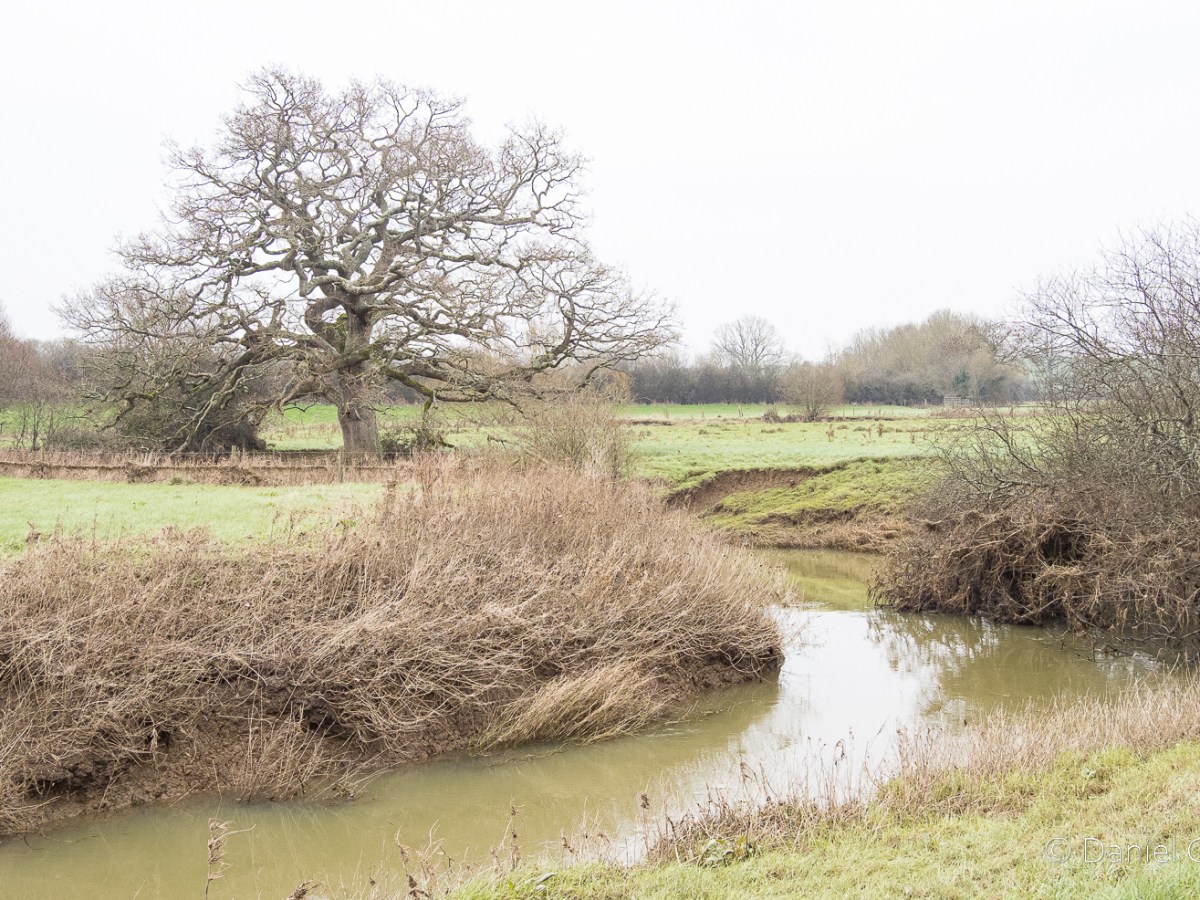
It was a chilly and showery day with breaks of sunshine to light up the birch and bracken.

Autumn had crashed in with its typical rain and leaf fall. I think the early mushroom season has been shortened by the hot September and sudden shift to seasonal storms. Just a thought.

Sulphur tuft was one of the first mushrooms encountered, among a whole load of small grey/brown mushrooms that I wasn’t able to ID on the spot.

This looks to me like one of the grey spotted amanitas but after a bit of a downpour.

This is very probably a blusher, amanita rubescens. You can see a slight pink hue at this premature stage.

Fly agarics were slow to show but when the walk passed through grassy open woodland, they abounded. This one was almost like a russula with its typical white veil remnants

Amanita citrina, the false deathcap, was one of the most common mushrooms on the walk. It was abundant in the areas of beech woodland and also the open, grassy birch and oak woodland.

I’m not sure which waxcap this is, but heath waxcap, Gliophorus laetus, would make sense because it’s a waxcap on a heath!

This was one of the few red russulas, though there were tens of different-coloured varieties along the way. Sometimes the only mushroom around was a russula.

This was a very large mushroom under an oak tree. I’ve not seen this species before but am leaning towards an ID of giant funnel, Aspropaxillus giganteus.

My guess here is that this is bleeding oak crust, Stereum gausapatum.

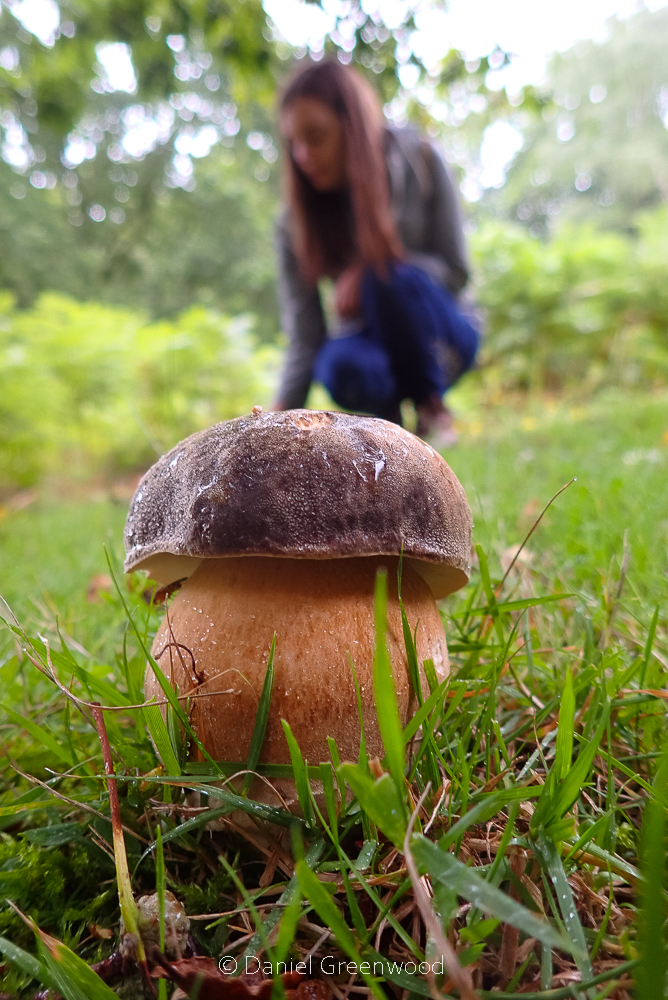
The only cep, Boletus edulis, in the whole area. I think most of these have been picked for the pot already by other visitors.

This nicely shows the change that occurs in blackening waxcap, Hygrocybe conica. It looks like a jelly sweet to begin with then becoming rather liquorice.

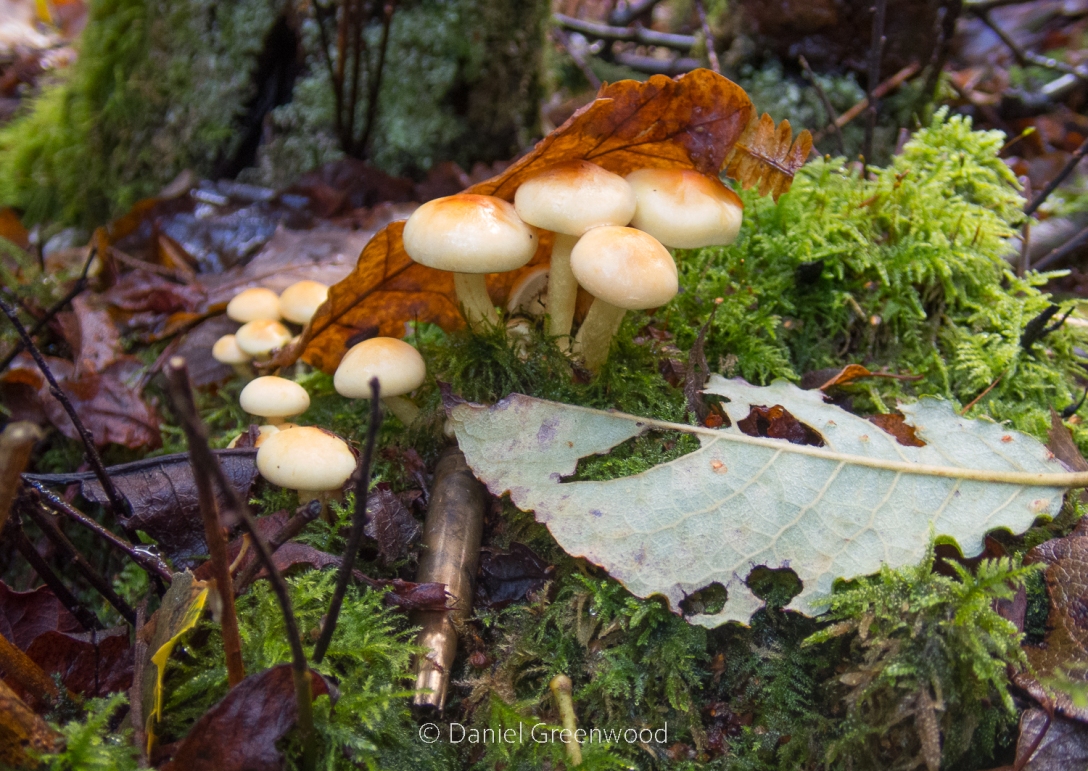
One picture that sums up the status of this wooded heath – an empty blank bullet casing underneath sulphur tuft.

Thanks for reading.

August mushrooms in the New Forest National Park 🐴

New Forest National Park, Hampshire, August 2023

I was in the New Forest National Park camping for a couple of nights in August. The rainy July in southern England gave me great hope of finding some nice shrooms in what is one of England’s mushroom wonderlands. It didn’t disappoint!

Bolete bonanza

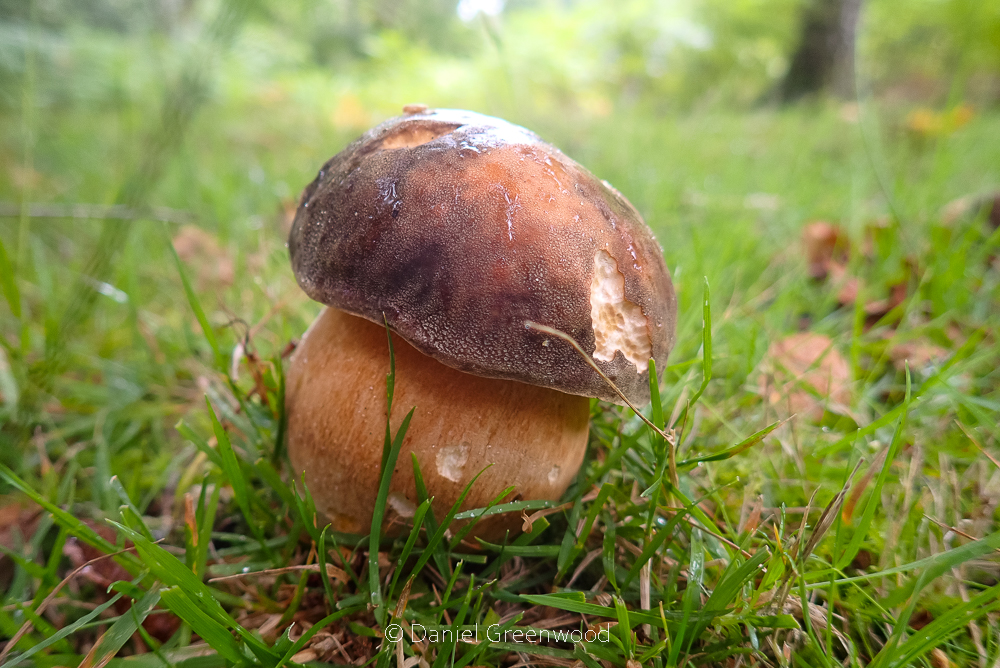
I was so happy to find these boletes, one having already been uprooted. They were the perfect shape and just an absolute joy to see. I have been told these are ceps, but I’m not entirely sure if they’re not another species. I’m unclear on the variety among cep-like boletes, and if the colouring isn’t indicative of another species.

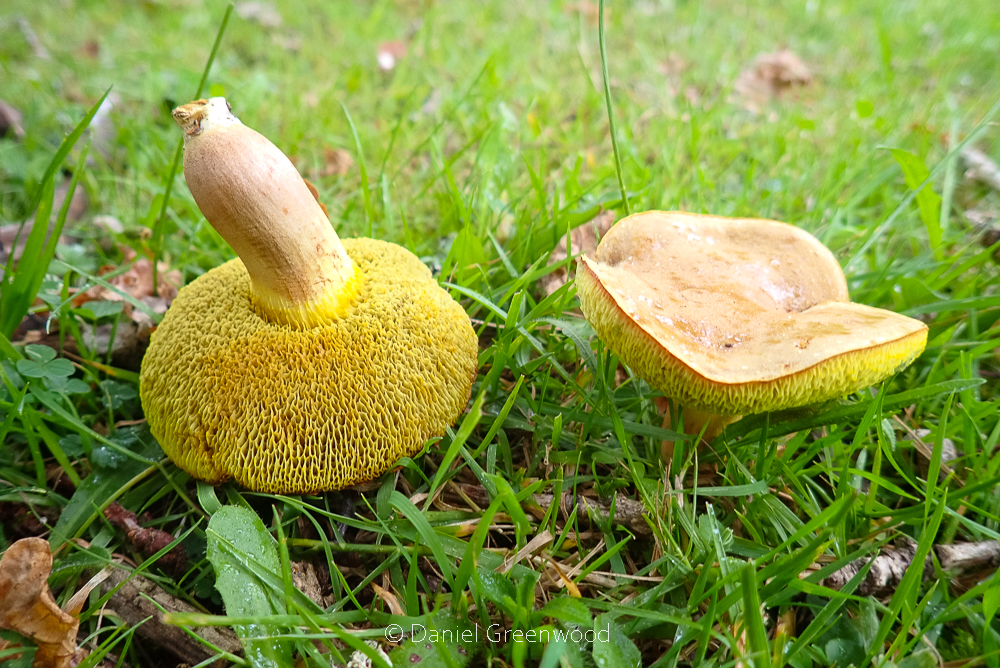
These lovely yellow-pored boletes are in the genus Xerocomus.

About half a mile or less away we found this beauty sitting alone among the grass and leaf litter. It’s an orange bolete. It doesn’t appear to have a distinct association with one species of tree, but this area was common in oak and birch.

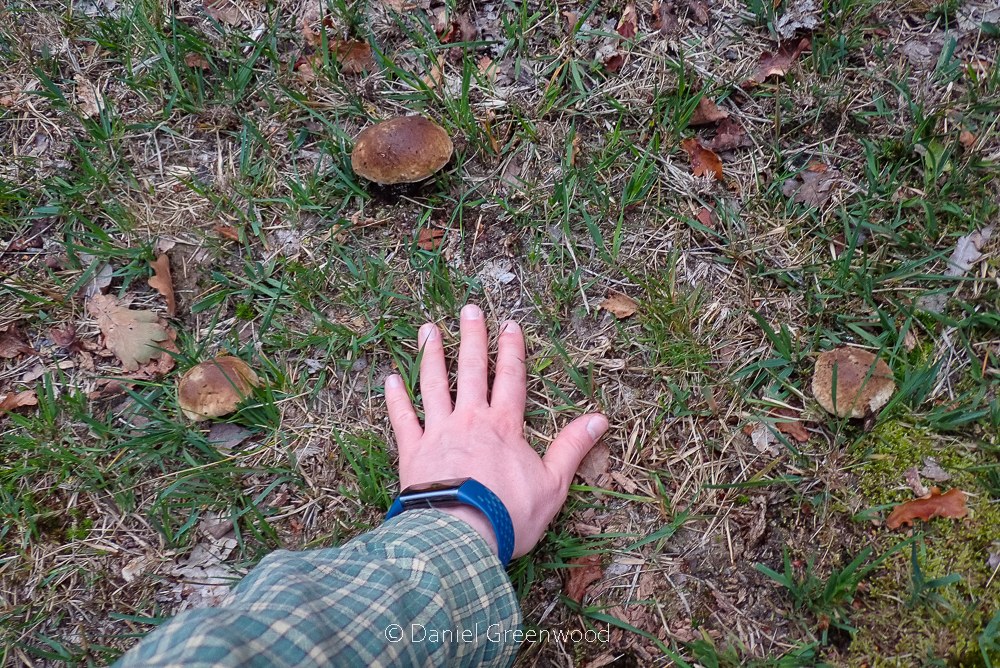
Much later that day, on the return stretch, we found this well-camouflaged group of what I am sure are ceps due to their colouring and other diagnostic features.

You can see the distinctive webbing on the stipe here, and the pennybun cap is all you need really:

As the evening drew in, I found this orange bolete that may have been picked by a deer (there was a herd in the area).

Webcaps

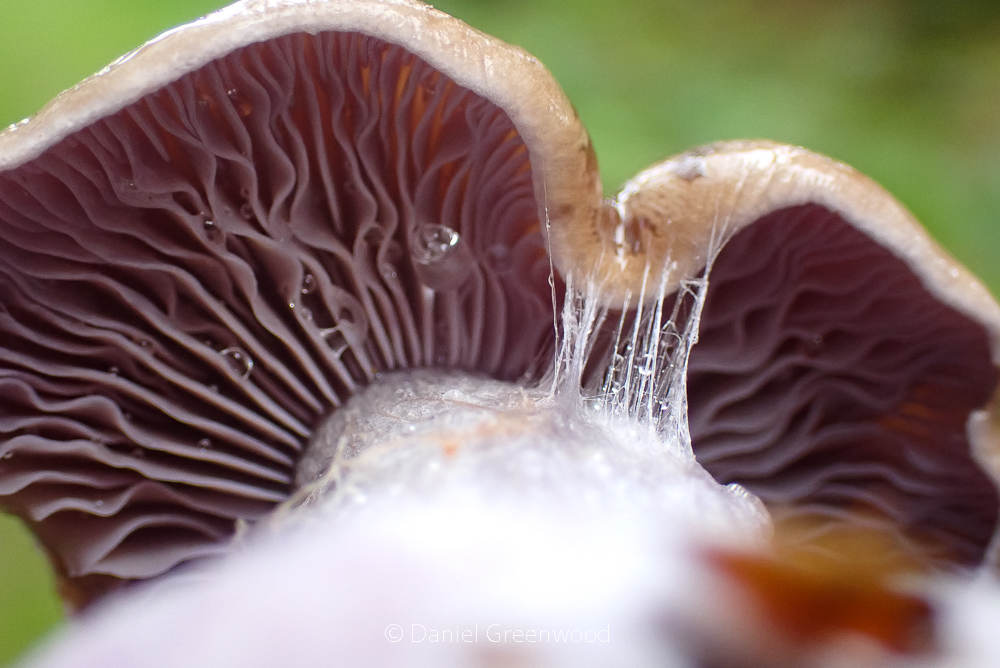
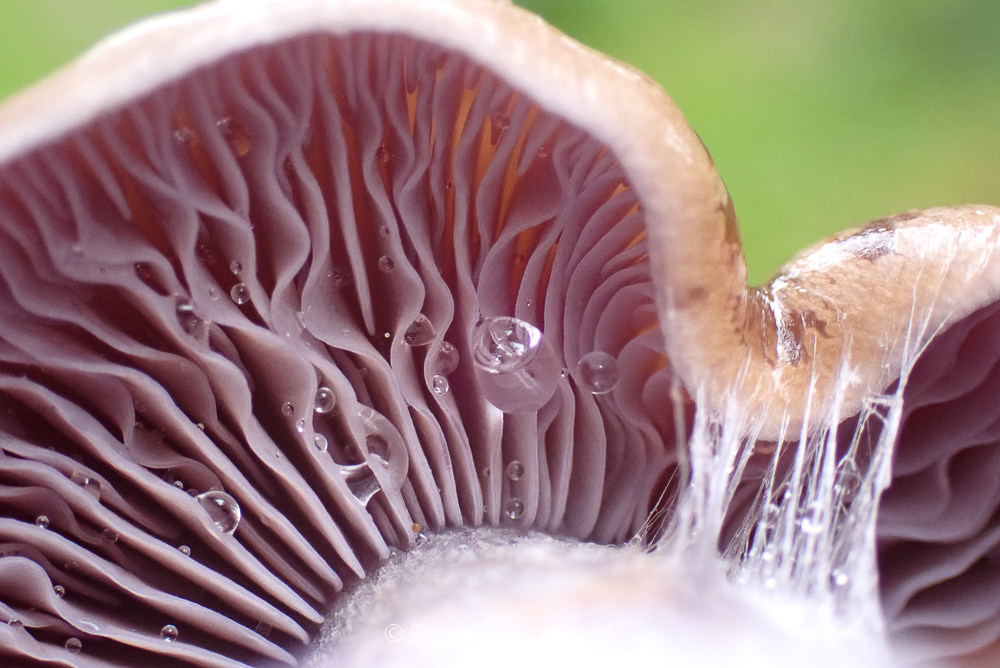
Earlier in the day, while passing between two plantations on a grassy ride, I noticed this uprooted mushroom on the ground. Two bites had been taken from it, probably by deer or a small mammal. The remnants of the veil between the cap and stipe, covering the gills, gave me the thought that this was a webcap. The gills were very beautiful, embellished by the water droplets.

iNaturalist has come back with an ID of webcap subsect ‘Purpurascentes‘. I can’t find any other info on the subgroup distinction.

Rustgills

Rustgills are a group I’m not particularly familiar with. Having developed my fungi knowledge in isolated city woodlands, I didn’t really see rustgills until I moved to Sussex and spent time in larger areas of woodland. This patch was unavoidable. No wonder there is a species known as the spectacular rustgill.

Rustgills are in the genus Gymnophilus. They’re confusable with scalycaps (Stropharia) due to shape and colour.

Chantarelles

And finally some golden chantarelles, already nibbled by slugs and uprooted, probably by deer (as I have said 1000 times in this post!).

The New Forest has a “no pick” policy and there are concerns about illegal, commercial-scale picking for posh restaurants, just FYI. All of these mushrooms had already been “naturally” uprooted (probably by deer).

Thanks for reading.

Fungi

Fungi walk at Bramshott Common – 21st Oct 2023

I’m pleased to be leading a fungi walk with the Heathlands Reunited team in the South Downs National Park this October:

Date/time: Saturday 21st October 2023, 11am

Location: Bramshott Common, Hampshire (near Haslemere)

Bramshott is in Hampshire, close to the border with Surrey and not far from West Sussex.

You can book a ticket (£3 admin charge) via Eventbrite.

I posted about Bramshott Common last year:

Basketful of Boletes

Earpick fungus in Hampshire

This walk will be a good way to learn about the common species of fungi in woodlands, their ecology and cultural significance. Though we won’t be picking mushrooms to eat, there will be some guidance around edibility generally as a safety guide. This is a great site for fungi with a lot of the ‘big-hitters’ and other unusual species to be found.

Thanks for reading.

Fungi

Earpick fungus in Hampshire 👂

Here’s an account of the final fungi walk of my calendar for 2022. It was held on Saturday 19th November on the birch and pine heaths of Bramshott Common, where Hampshire and Surrey cross paths. West Sussex isn’t far away either. It’s an area that is arguably Wealden in character, but inside the South Downs National Park.

I wasn’t able to take any photos during the walk, other than the header image (not visible in email). For a better account of the fungal communities at Bramshott Common, please see my blog from a couple of months ago.

Back in October this Ministry of Defence site contained basketfuls of mushrooms. On 19th November however, they had all gone on holiday. Where fly agarics had previously flung themselves onto paths, only one could be found across the entire walk, tucked away behind a heather shrub. Interestingly, I had been speaking to the person who did find it, moments earlier. She had grown up in Sweden and spoke about how as a child she was taught about mushrooms in school. This heathy, birchy, piney landscape must have been similar to landscapes she knew from Sweden.

The brown birch bolete parties of the previous visit had dwindled to the last man standing, spotted somehow among the identical shades of fallen birch leaves on the ground. As my scouse family says, well in that lad.

Cassius V. Stevani, IQ-USP, Brazil, CC BY 3.0 https://creativecommons.org/licenses/by/3.0, via Wikimedia Commons

My personal highlight of the walk was when an attendee found a small bonnet-like mushroom among the leaves. I picked up the pine cone it was growing from. The spindly bonnet slumped, but it seemed to have bioluminescence. The one we saw is not the same species as the one in the image above (Mycena luxaeterna) which is found in rainforest in Brazil, but it had a glow and was a bonnet so that’s not too far off.

Does anyone out there know this magical bonnet mushroom in a European context?

Anyway, holding the pine cone up to show off the glow-in-the-dark mushlette – let’s call it that – I mentioned earpick fungus to the group, a species I had only seen once before that is found on pine cones. Looking at the cone again I noticed a small antenna poking up from the cone’s segments. It was earpick fungus! I wish I could have taken a photo with my macro kit but it wasn’t possible. I was surprised by how small and difficult to see the fungus was, only really spotted because it was so close to my face.

As I’ve said previously this autumn: visualise the mushrooms you want to see in the world. Sometimes it works out well.

Big thanks to Olivia and Dan from the South Downs National Park’s Heathlands Reunited project for putting on the walk, and to all the lovely people who came along and made it worthwhile!

Thanks for reading.

Fungi | South Downs

Latest from the Blog

November 2025: beware of pity

I’ve had a burst of American visitors in recent days (to my blog, not my house). So thanks for visiting, y’all, and sorry about the year you’ve had. You may have noticed I’ve slipped to monthly posts on here. Between April and October I posted blogs every Monday without pause, which is a tricky task…

Summer-autumn 2025: unveiling the sun

Here’s my seasonal update of stuff you don’t need to know about, but then welcome to the Internet. What I’m writing Soon I will be self-publishing my third poetry collection, Fool’s Wood. It’s seven years since my last one and this collection has taken longer because of LIFE. There will be a booklet and also…