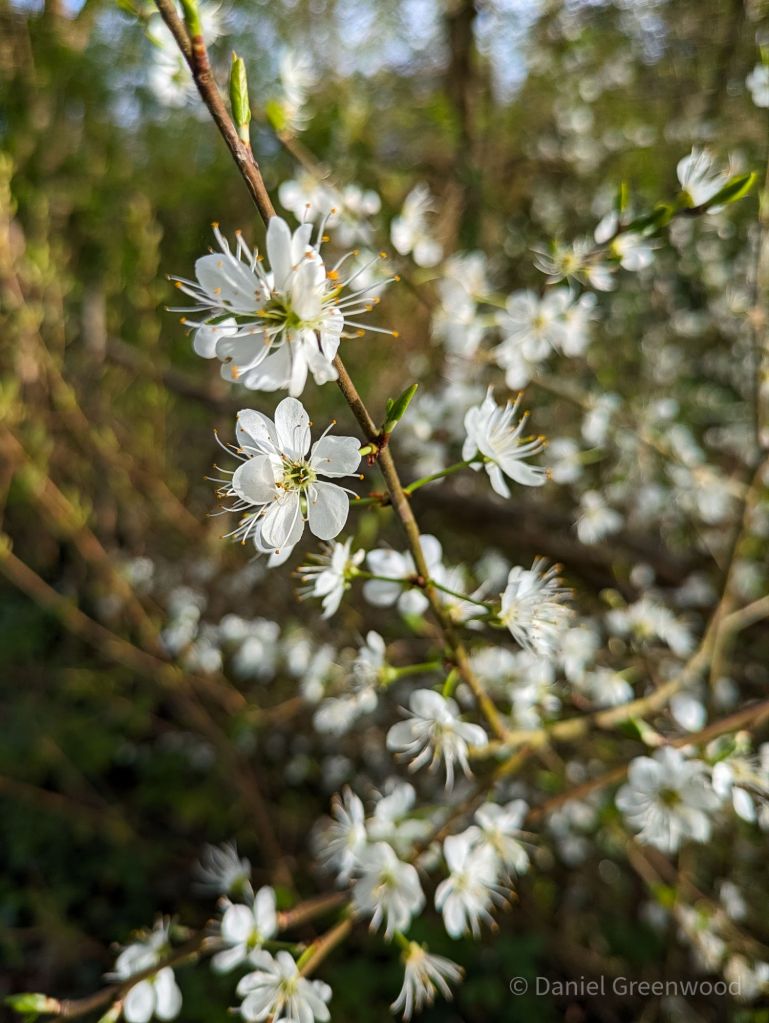
Postcards from Western Ireland, September 2025 🇮🇪

I’m back from my annual visit to the west of Ireland. I managed a couple of day trips to forage for photos, which will crystallise later this year into dedicated posts, all being well.

Like many people I enjoy the Blind Boy Podcast, none more so when I have the headspace to take in all that gets said in an episode. I listened to this hilarious one with Chris O’Dowd, including a couple of brilliant stories about rural island. Avoid if you don’t like swearing 😬

I also absolutely tore through A Star Called Henry by Roddy Doyle (1999) while away. If you need any evidence that fiction can be a great way to learn about history, this novel is it.

All the pics here are taken on my Pixel 7a (which Google tried to get me to promote FOR FREE). It’s an exceptionally good camera I think.

Ballina is a place I like to visit, built around the mighty River Moy. You may recognise this scene because Joe Biden gave a speech from the church steps.

There’s an excellent bookshop in Ballina called Pangur Ban which you must visit and support if you’re in town.

I liked this sign and admired the blue tiles. Almost Everton blue, you might say. I don’t eat seafood though, can’t cope with it.

Nearby at Killala Bay I had a lovely walk along the shore. There were sandwich terns, rock pipits, oystercatchers, and curlews here (and the wind, always.) These are the beaches I love – wild and smelling of the sea. There will be a dedicated macro blog for my finds here.

Now then, the bard of Mayo Seán Lysaght has released his latest book – Unveiling the Sun. It’s a collection of more than two decades worth of short writings, describing walks and nature observations in the Nephin Beg area near Westport. I recorded a podcast with Seán exactly 3 years ago which you can listen to here (or by searching ‘Walking to Lough Conn with Seán Lysaght’ on any podcast platform).

I’ve read the first chapter (January) of Seán’s new book and I am enjoying the insight into a part of Mayo I don’t know so well but love to visit.

And just like that, here we are in the Nephin Beg mountains of Wild Nephin National Park. There’s a fantastic café here which is open in the spring and summer, closing at some point in the early autumn. I probably have a macro blog for here as well.
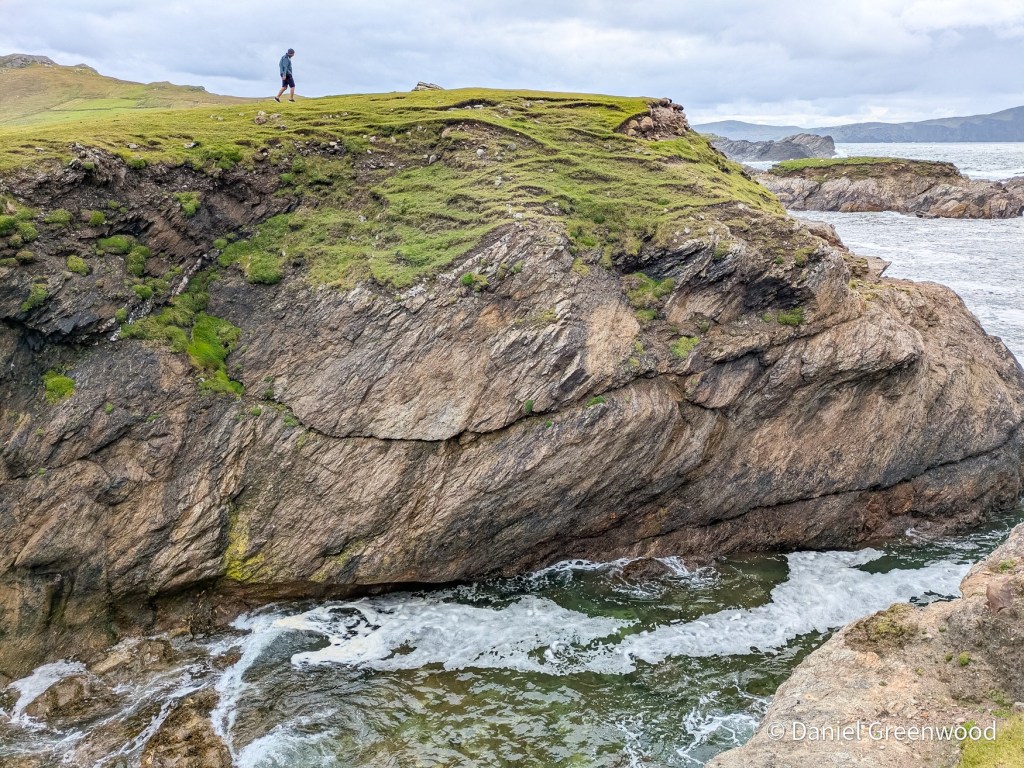
From Ballycroy I continued on to Achill Island, one of the most westerly points of Europe, and the Wild Atlantic Way (more a car touring route than a footpath). I tried some isolated rock and surf photos with my macro lens which I’ll share later on. I posted about Achill a few years ago.

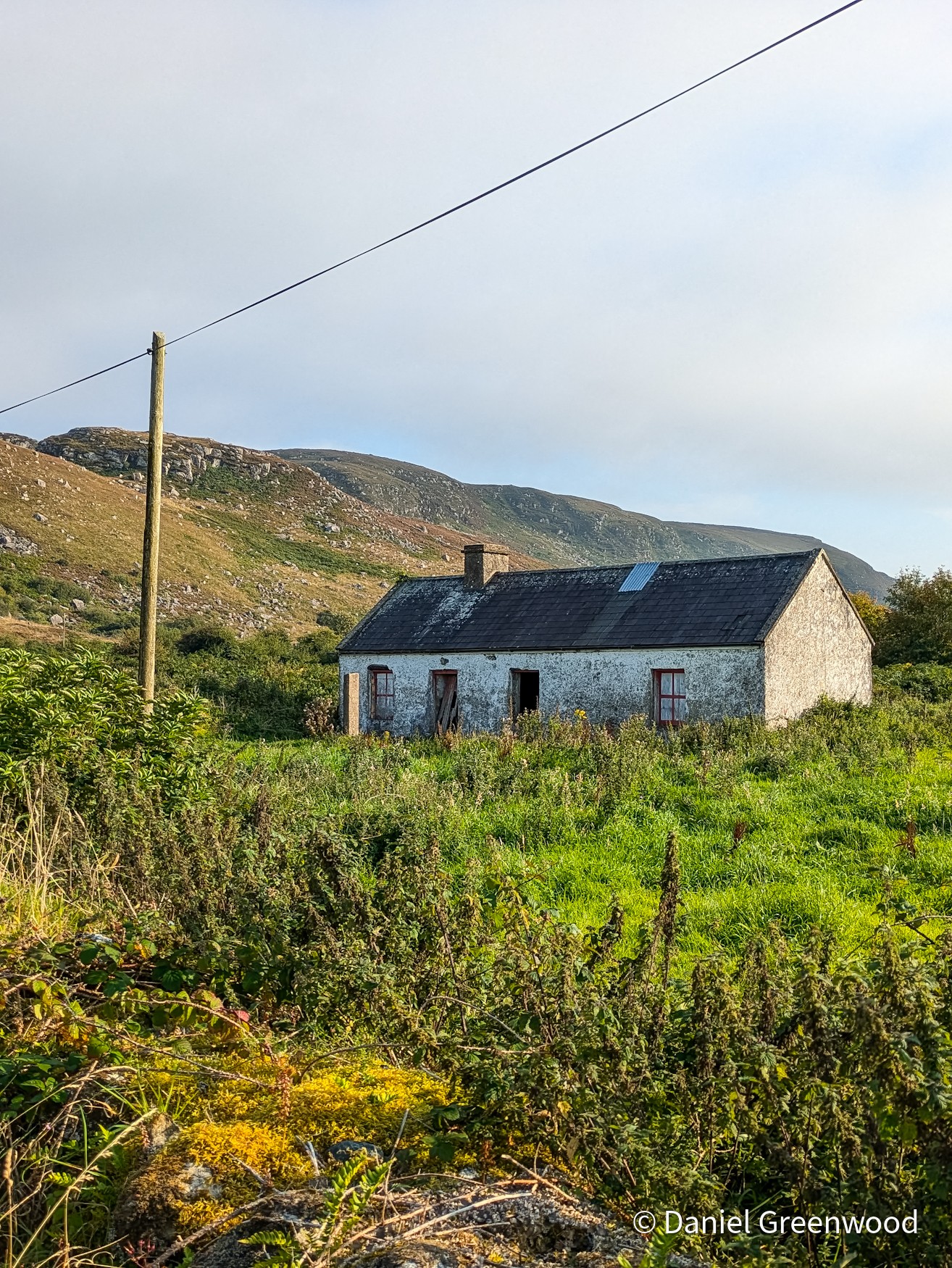
On the drive around the island I passed this beautiful cottage with a thatched roof clinging on. I hope they’re able to repair it, which is evidently a longer term plan. Thatch is very expensive to maintain in England but I reckon there’s some local knowledge still lingering here on Achill. It’s facing the Atlantic Ocean so it has quite a lot to cope with!
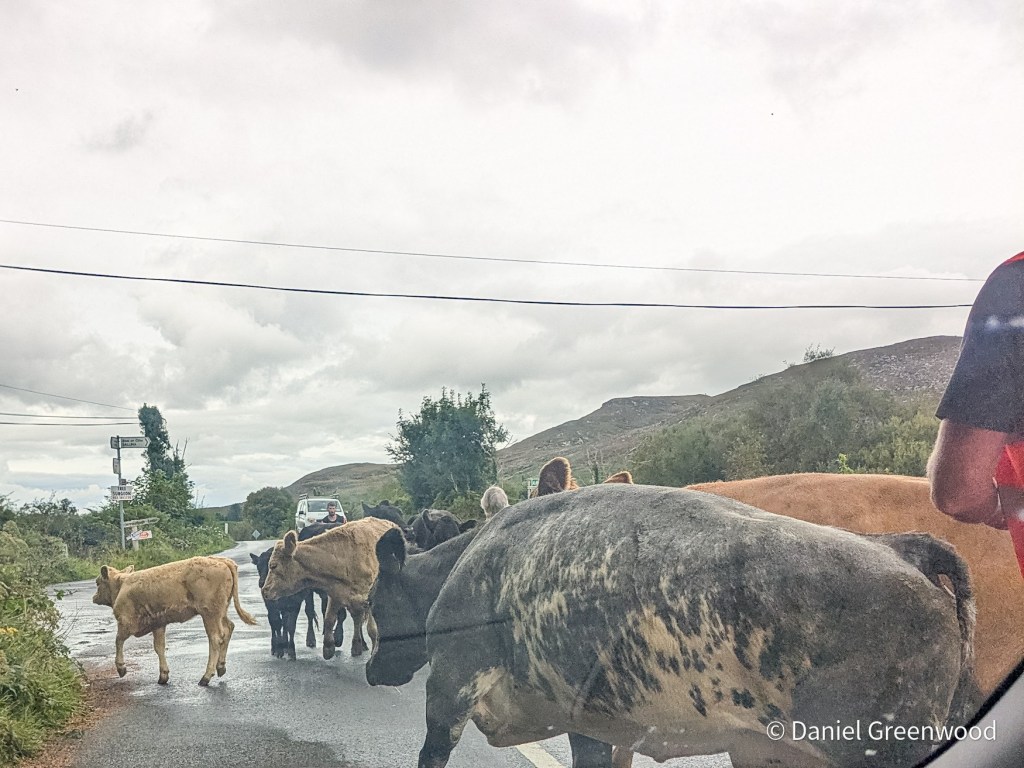
Back on home territory near the Ox Mountains I was forced to park up to allow these cattle to cross the road. I am sure that cattle have begun to replace sheep in this part of Mayo in recent years.
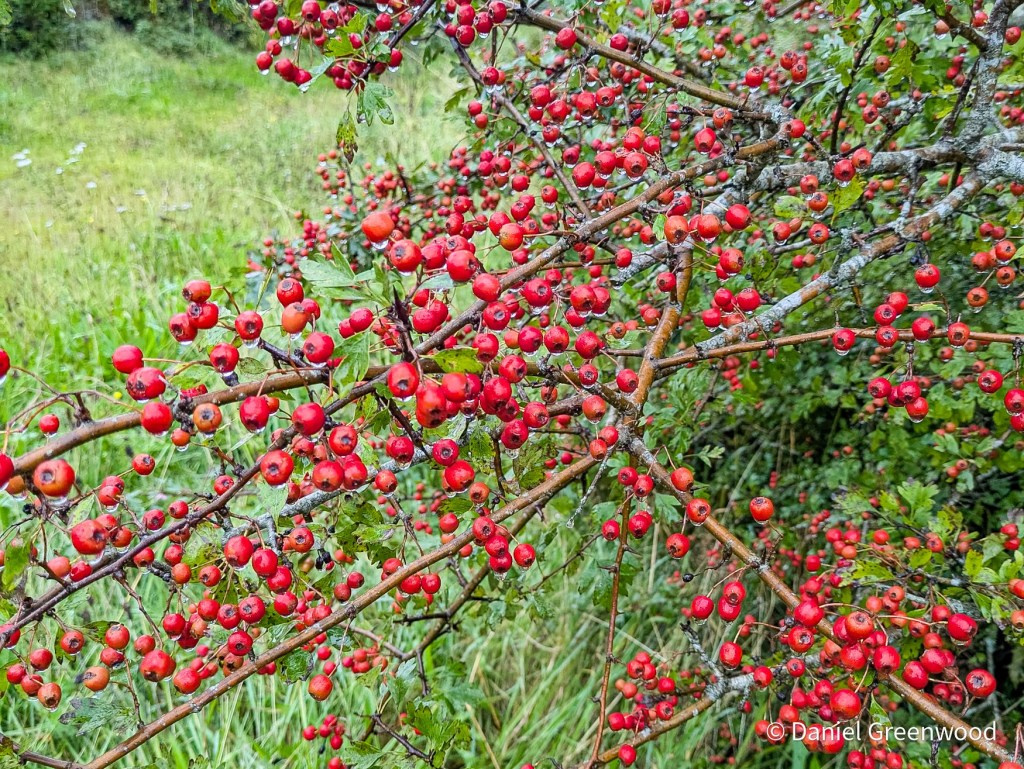
The number of hawthorn berries was amazing. This has been a bountiful year for wild fruit.

The bramble has had a very good year as well, creeping through doors opened by winter storms.

I saw quite a lot of red admirals around.

My aunt sent me a photo recently of a green-veined white where she lives in Mayo, and I saw plenty myself. In Sussex there have been lots of large whites this year, but in Ireland the green-veined were by far the more common pierid.

On the evening before I came home, I went out for a walk along the mountain path and found these huge moth caterpillars. They are buff-tips, the ones that look like broken twigs when they are adult moths. It was a highlight of the trip actually, watching these massive caterpillars munching on willow leaves.

Thanks for reading.

Ireland

Postcard from the Alps 🏞️

No normal blog post this week as I’ve been away in the Austrian Alps, and am behind on my macro processing.

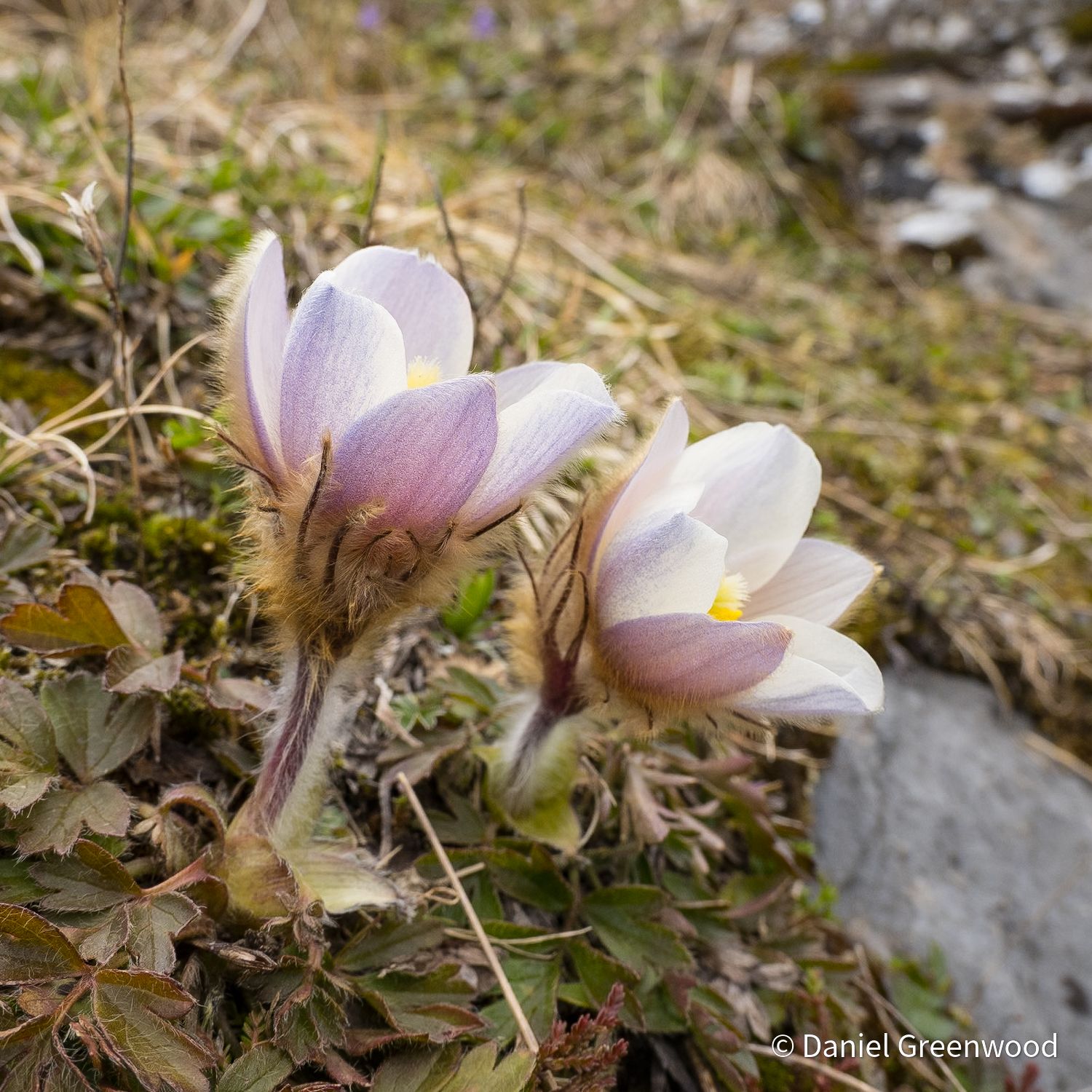
I did manage to take some macro photos high above the treeline, and saw lots of species of insects in the time we were up there. Will look forward to sharing those in the weeks ahead.

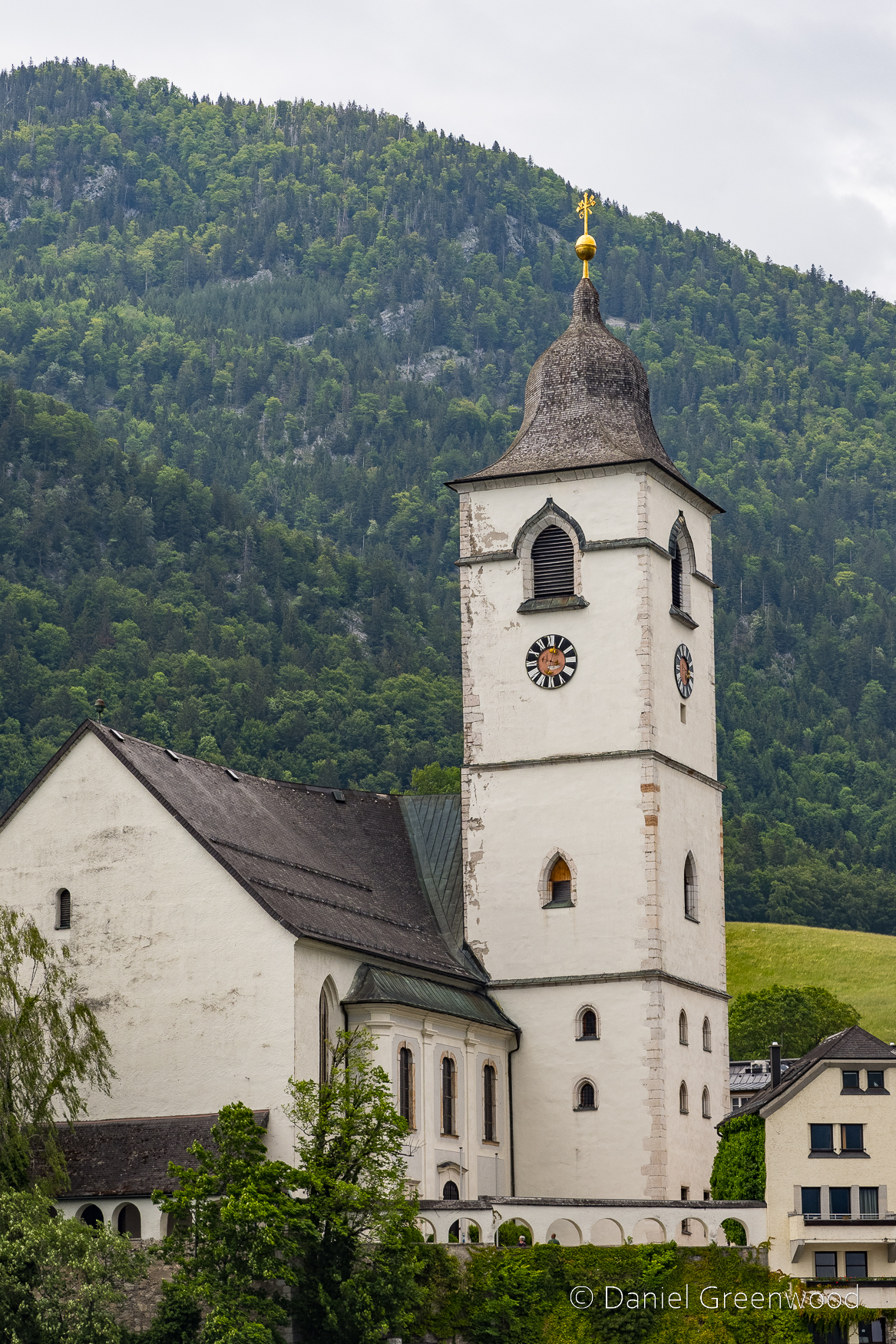
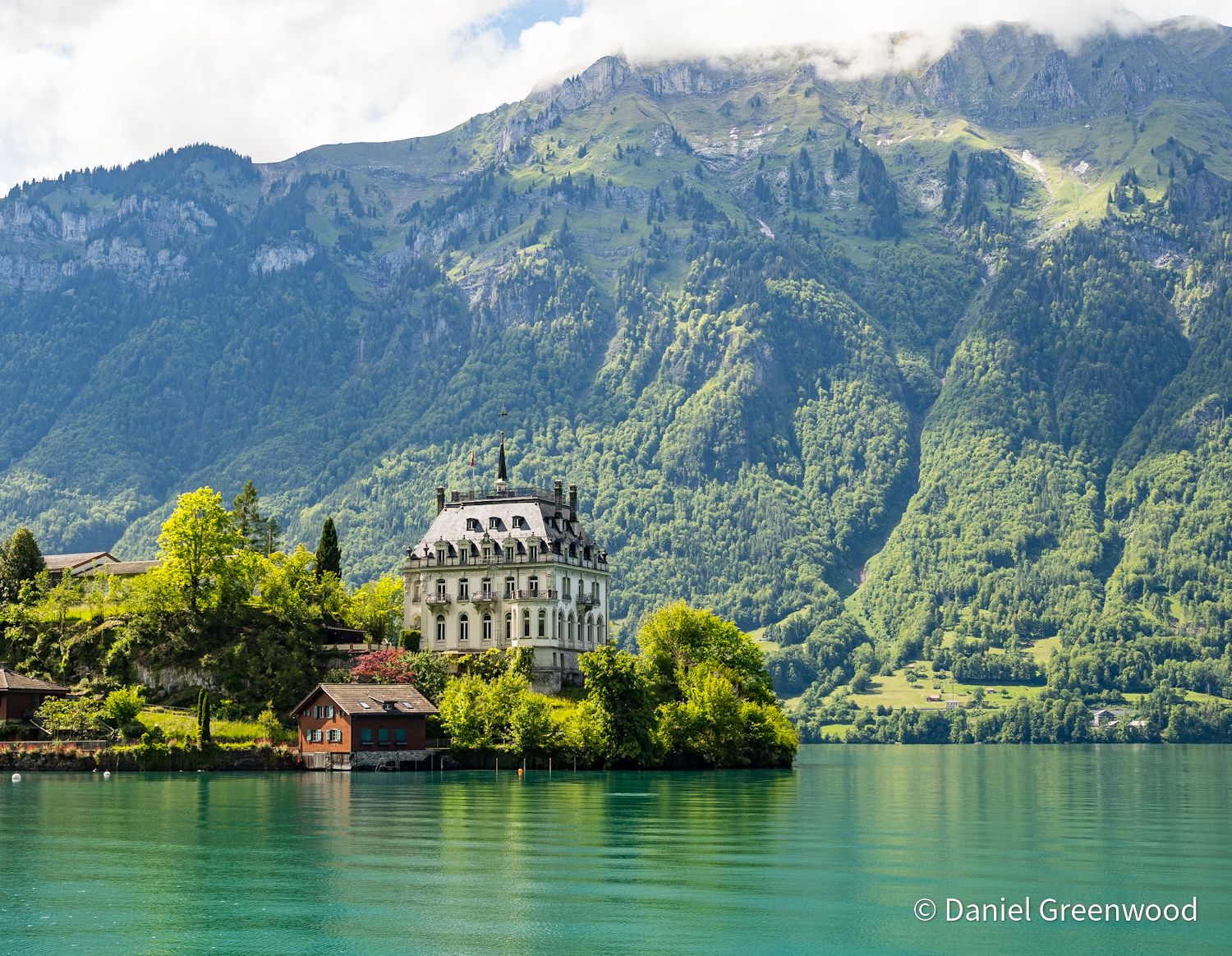
These are phone pics taken in raw file format, and then processed via my phone. The quality is really impressive to me.

Thanks for reading.

How d’ya like them puffballs, Google?

This time five years ago I was hunkering down into my Macro Monday blog series as the pandemic locked down on us all. Now we are at the short end of the lean mushroom season. Spring is about to, well, spring, so the temperatures will rise and fungi will fruit again in modest numbers.

With that in mind, I made a right fool of myself with my neighbour this week. But then again, at least I’m not threatening them with military invasion and putting tariffs on the bird identification information I share.

No, instead I got excited about what I thought was false puffball (Enteridium lycoperdon), a species of slime mould (not actually fungi, but growing in the same way and places) that can be observed at this time of year.

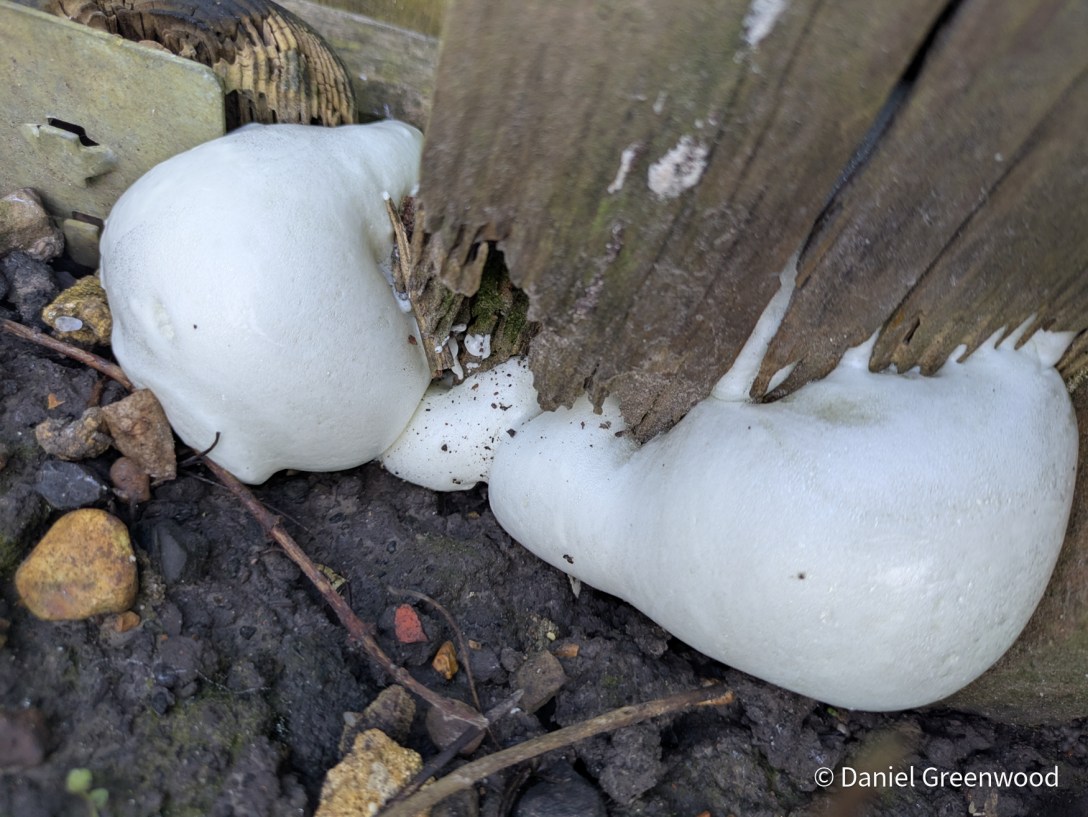
On the way out for my morning walk, I spotted some white mushrooming thing at the bottom of my neighbour’s fencepost. Wow, I thought, false puffball on our doorstep!

The organism was white, had appeared quite quickly, and was growing in a damp location on decaying wood. Perfect!

I sent some photos over to my neighbour to say what I’d seen. Obviously he had no idea what I was on about, and so he checked with his roofer who confirmed they had sprayed expanding foam (in two seriously random locations, in my defence) while working on the house the other day.

If false puffball is what it says it is, does that now mean that expanding foam is false false puffball?

For comparison, here’s the real thing from back in that fateful month of March 2020:

One thing I have learned from this process of misidentification is that my blog appears quite high up in the rankings on Google for ‘false puffball’. It comes at a time when Google emailed me to ask if they could feature some of my photos on their store blog and do an interview.

‘What’s in it for me and my phone,’ I asked.

One of the richest companies in the world, and it turns out they don’t want to pay to use your images or harness your knowledge and experience. What a bunch of puffballs. I hope you appreciate it’s the principle here that matters. Remember those, principles?

So it goes that the only way I have ever been paid as a photographer is when you lovely people ‘buy me coffee’ via my Ko-fi page. Thank you to everyone who has supported me.

Anyway, I hope Google like these absolutely stunning false puffball images. Shot on a Gaggle Tinsel 35c. Feel free to use guys! 🙂

Thanks for reading.

My 2024 in photography

Another year completed and lessons learned. Creatively I have found a balance with my equipment and the actual process of photography. I’m into my 6th year of working with Micro Four Thirds cameras and lenses, giving more space to enjoy the process of gathering photos – walking – because the equipment is light.

Cameras used include Olympus EM-5 Mark III, Oly EM-1 Mark III, Olympus TG-6 Tough compact camera, and Pixel 7a phone camera.

These photos should show the range of things I like to take pics of – not just mushrooms! 😂

With the privileges available to me – health, location, resources, freedom of expression – here are my photographic highlights of 2024:

January

I did a couple of long walks in Sussex at the beginning of the year, exploring some new locations around the South Downs. I visited St. Botolphs church for the first time, one of Sussex’s special ones among thousands of already significant churches. Last year I set up a gallery for my fledging church photographs project which can be viewed here.

February

This felt like the moment of the light returning after the dark winter months. The Downs at Amberley are my gateway to the South Downs, and walking here is always worth the gentle climb.

March

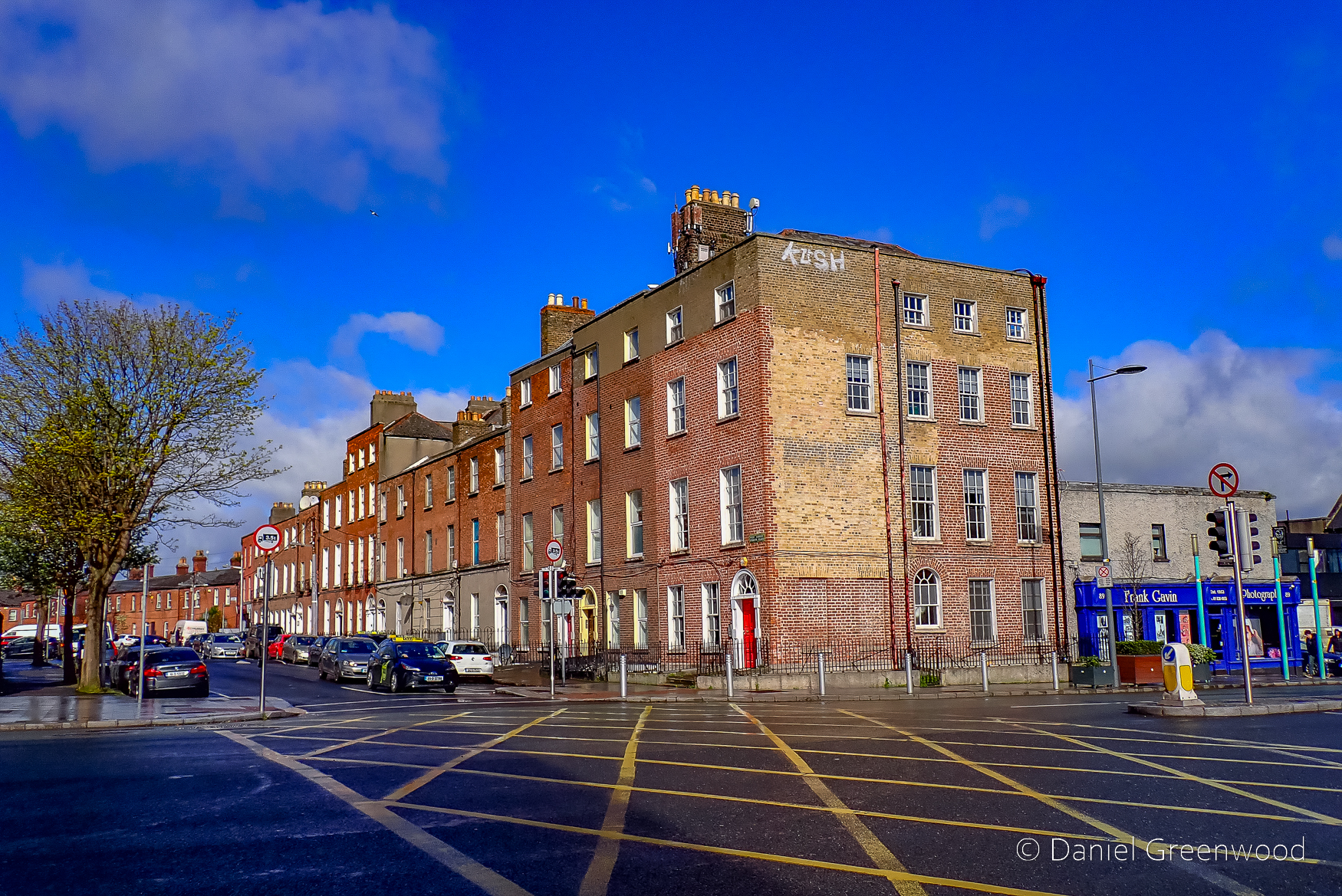
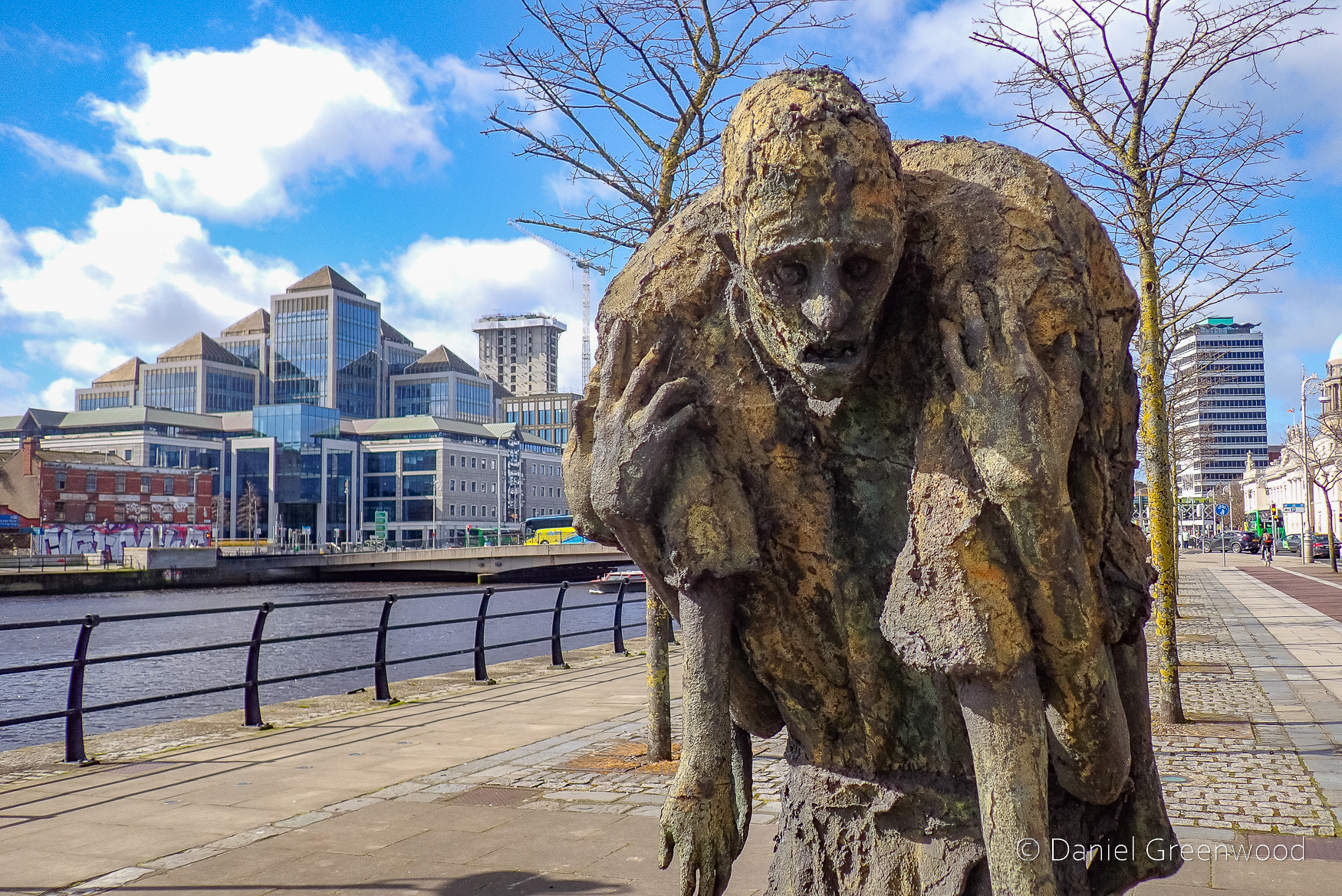
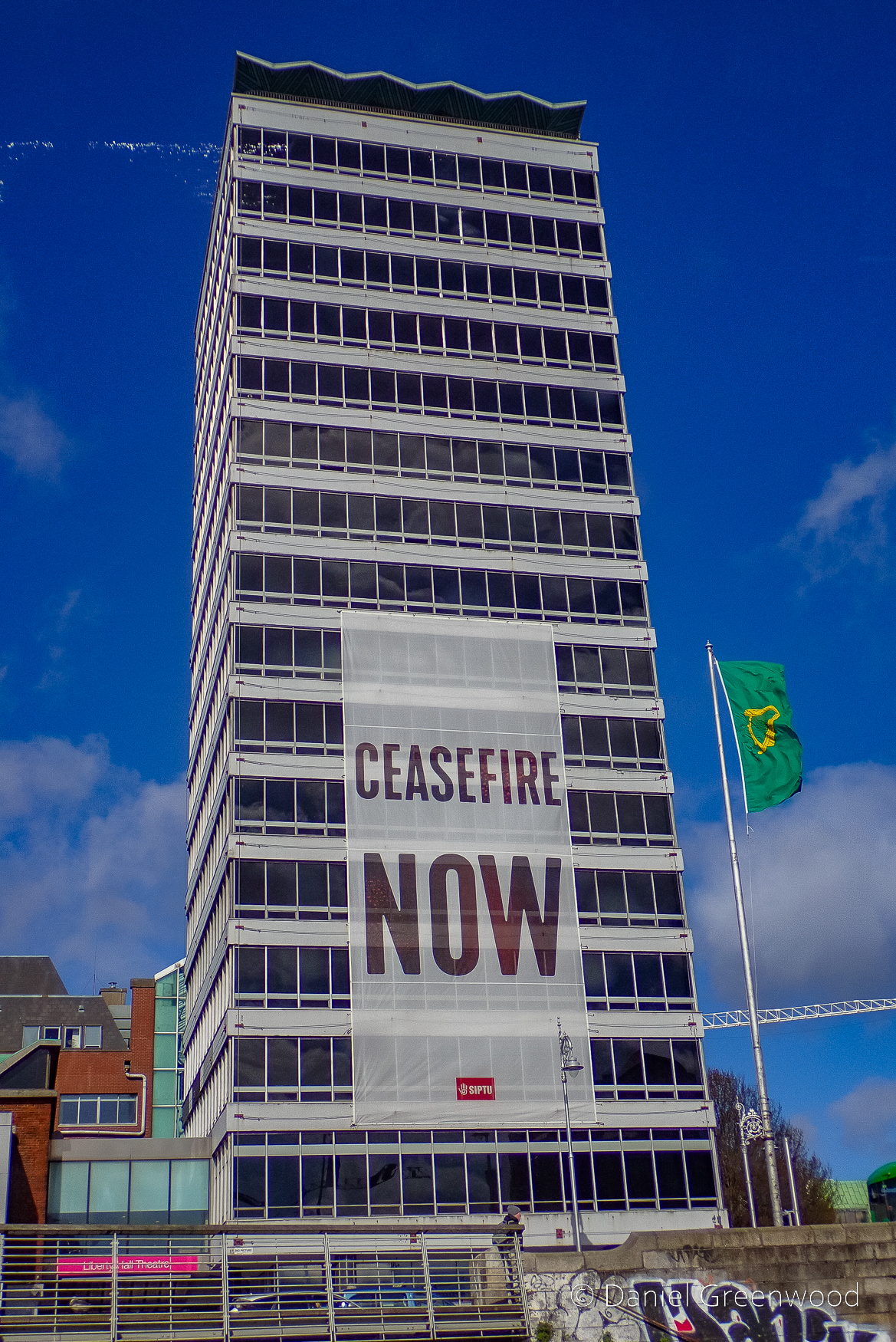
In March I visited Dublin for a weekend and took in the sights along the great river Liffey.

For a friend’s birthday we spent the weekend in York, which gave me a chance to take some compact camera pics of a few of the oak timber framed buildings. I’ve added a gallery for my ‘Oak Timbers’ project here.

April

I got married in April so there wasn’t time for much beyond the odd local walk. I was trying out my new Pixel 7a, bought because of its value and reported image quality. The camera is spectacular, I just wish it wasn’t a G**gle product. I blogged about it here.

May

Ah, memories. In May we went on our honeymoon to Austria and Switzerland, all by train. You may be sick of reading about that! I am definitely not sick of blogging about it though!

This was one of those one-off photos experiences. Thankfully the weather held and we saw the mountains in much of their glory.

June

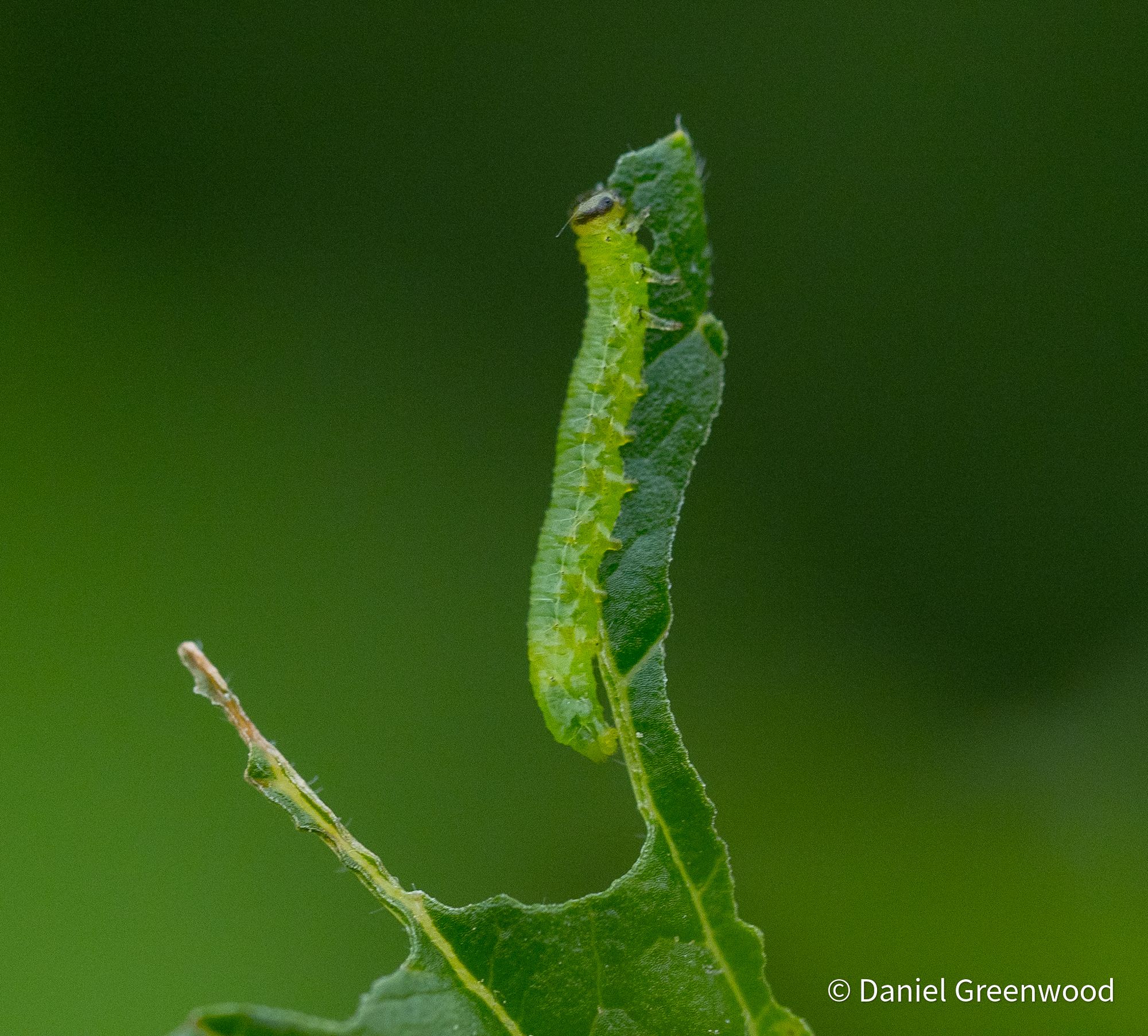
A bit of a lost month for photography because I started (yet another) new job and had to settle into a new routine. The highlight was probably these sawfly larvae which ate through some of the leaves on my gooseberry. Blog here.

July

“July, July, it never seemed so strange”, as the Decemberists sang. I caught Covid and didn’t really get back to normal for 3 months afterwards (Vitamin D is very important, people). My macro work was reduced by the evil contagion but I did find some nice bugs near home to share.

August

I managed to pap some pretty fine inverts in August, with this beautiful ichneumon wasp seen in my garden. I’ve not got anywhere near enough out of my Olympus EM-1 Mark iii and 60mm macro, but this showed just how good Micro Four Thirds cameras are for macro.

Another strongpoint for M43 cameras is that they can ‘stack’ images internally, something now copied by the big hitters. This is a composite of about 10 photos the camera has laced together to ensure the depth of field covers a deeper focus range. It means more of the, rather gruesome, subject can be seen in detail.

September

In September I made my first ever visit to the iconic sea stacks at Downpatrick Head on the North Mayo Coast in Ireland. Mayo has an international dark skies designation so I was able to mess around with the Milky Way. But for the astro photo I haven’t processed these images yet so here are a couple of phone photos.

October

As I have lamented on my Fungi Friday blog, 2024 was not the best mushroom season. But there are always things to find out there. I found this knocked over fly agaric, which was in perfect condition, ready for its portrait.

November

Autumn is a time for Dartmoor for me and my wife, and despite colds we managed some walks onto the moors in the National Park. We found an amazing array of waxcaps, like the crimsons above, which you can see in full on Fungi Friday.

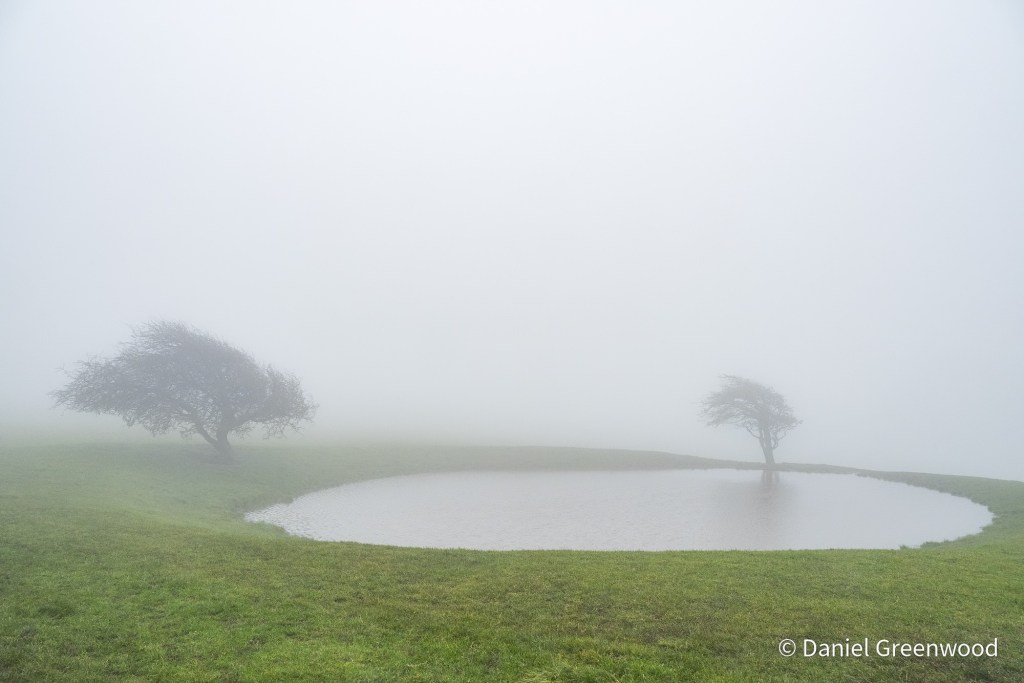
On the last day of November I hiked with my South Downs amigo from Ditchling into the mist. This is the much-photographed Ditchling dew pond, shrouded in mist.

December

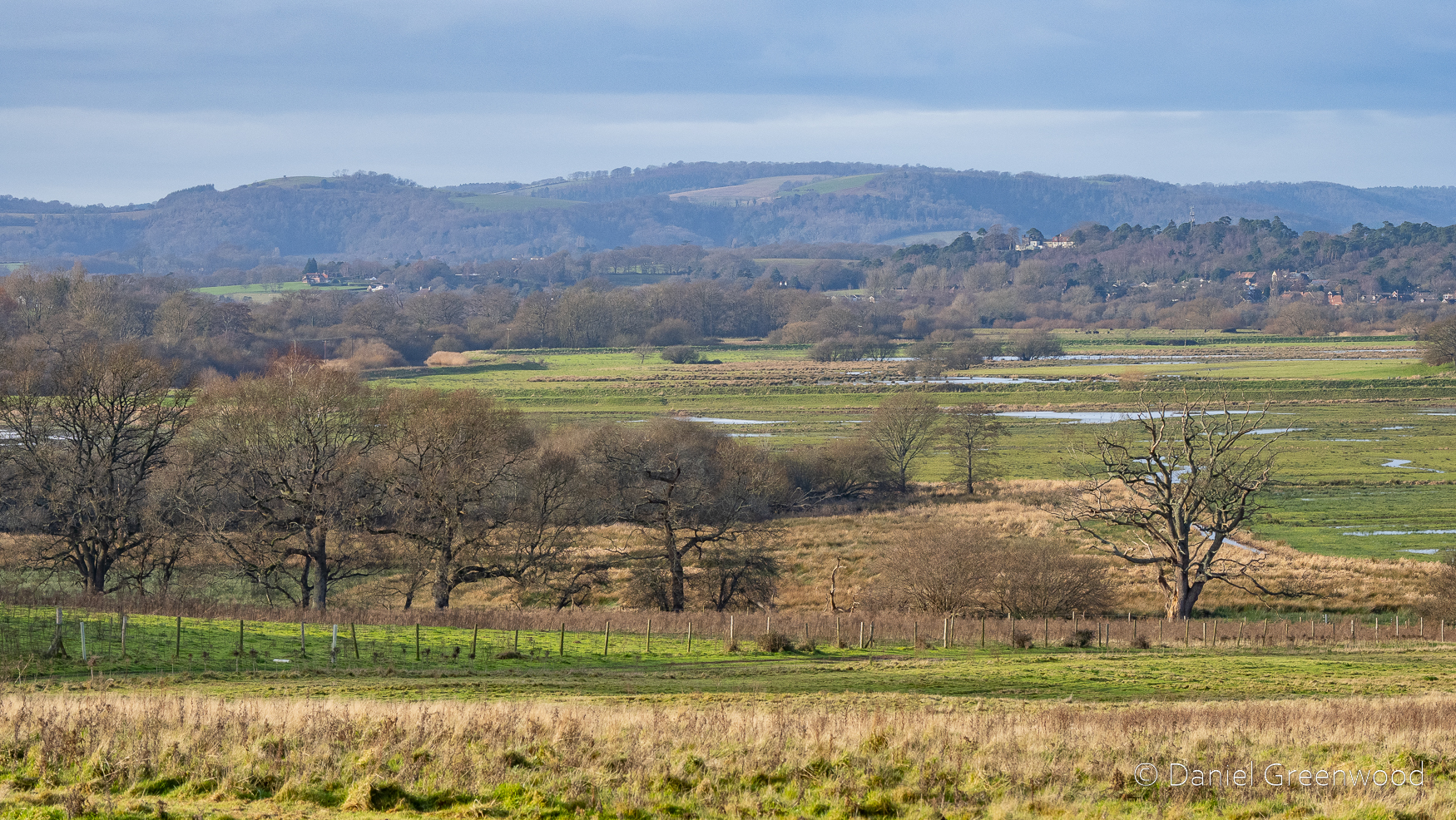
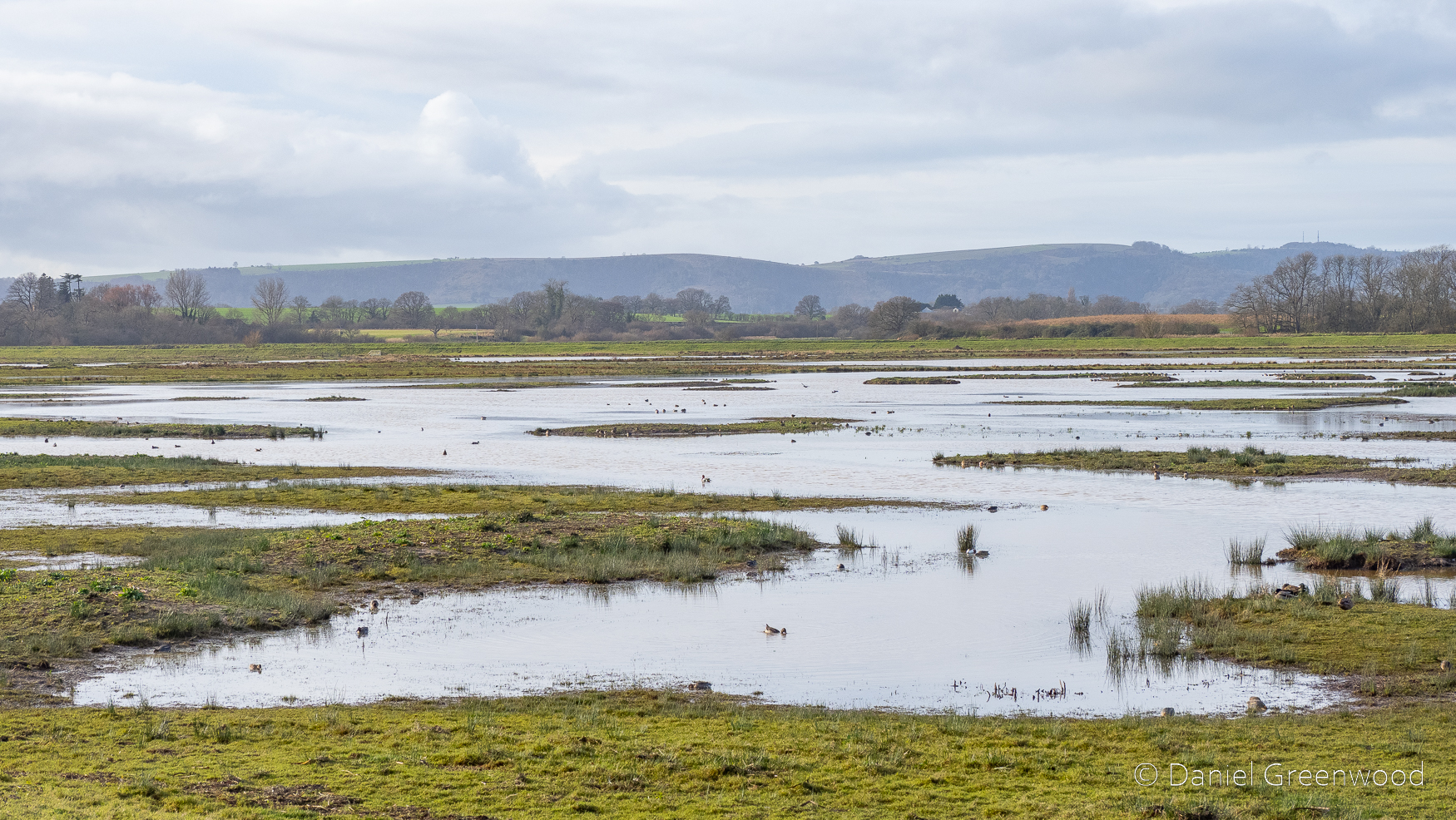
The weather in December was very grey and damp, and all the Christmas demands gave me only one meaningful walk – to Pulborough Brooks in West Sussex.

Thanks for all your support in 2024 and wishing you peace and happiness in 2025.

Camera juggling in the mud 🤳

I recently upgraded my phone from a Fairphone 3+ to a G**gle Pixel 7a. The Fairphone dream is dead for me. I bought the Fairphone 3+ looking for a sustainable option that would last a long time and be invested in. Instead two new models were soon released and the 3+ was effectively archived.

The Fairphone 4 and 5 are just too big and expensive, but the company have pushed sustainability and human rights up the agenda. Surely people shouldn’t be getting a new phone every year. I would argue it’s irresponsible due to the sensitive materials required and the shady employment practices across the production line.

I don’t think I would be interested in smartphones if they didn’t have cameras. Phones are thought to have killed off much of the entry-level camera market, especially when they are so good now and storage and sharing has become digital.

Back in 2002 I took Media Studies A-Level and we were taught about ‘convergence’, the coming together of all manner of tech into single devices. Photography has been a key part of that process. Radios, TVs, typewriters, even people’s jobs have disappeared into phones. This has been predicted for a long time.

So can anyone who considers themselves a photographer (always sounds very serious and self-important, doesn’t it) ignore phone photography? I don’t think so. Especially because Instagram has become the prime mechanism for professional photographers to promote their work.

Also, I’m writing this blog post on my phone!

Anyway, here are some of the first images I captured on the evil Pixel 7a. The camera is exceptional.

One thing that recent camera phones are doing so well is controlling glare. The sky here would be ‘blown out’ or over-exposed in normal images taken on a camera. AI is working here, I expect, to effectively take two images – one exposing for the foreground, a second for the sky. It can look quite over-edited, but for random snaps it’s really helpful.

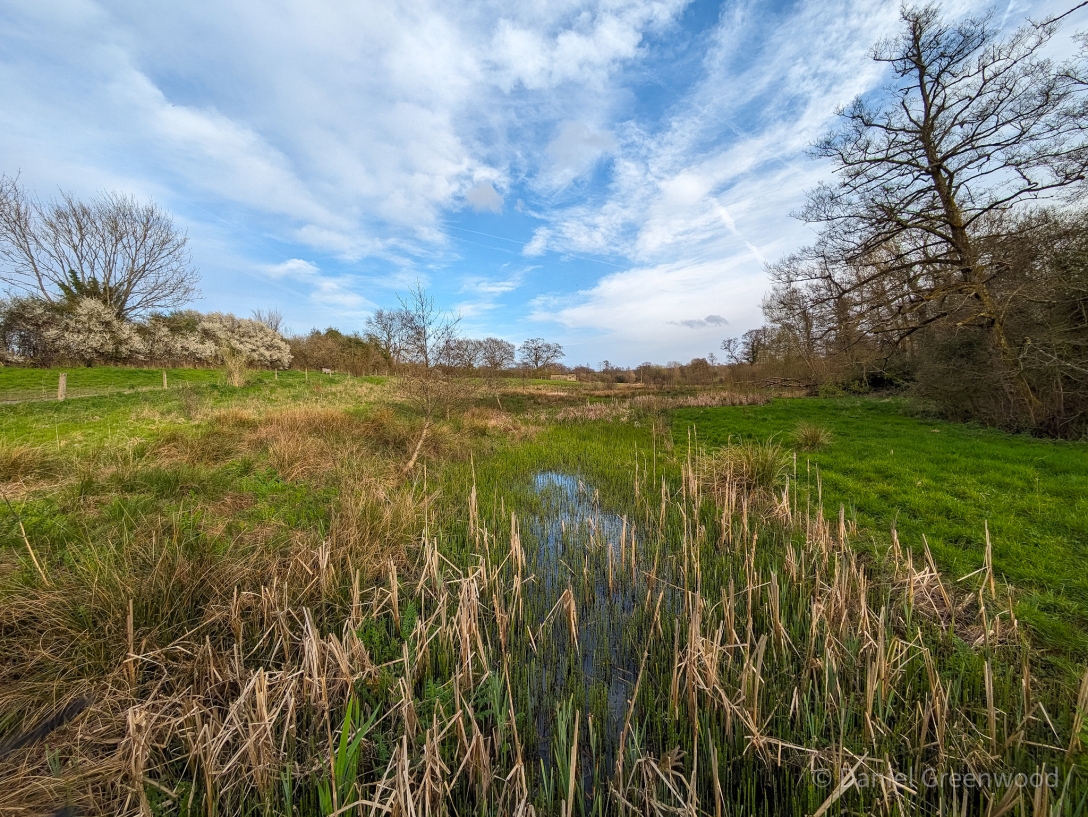
Another interesting change with newer phone cameras is the inclusion of a wide angle lens. This lens type is probably one of the most controversial in the world of photography, because they’re rarely needed, heavy, expensive and often have extreme barrel distortion on either side of the image. Ever been at the far end of a photo taken with a wide angle lens? You probably looked quite warped!

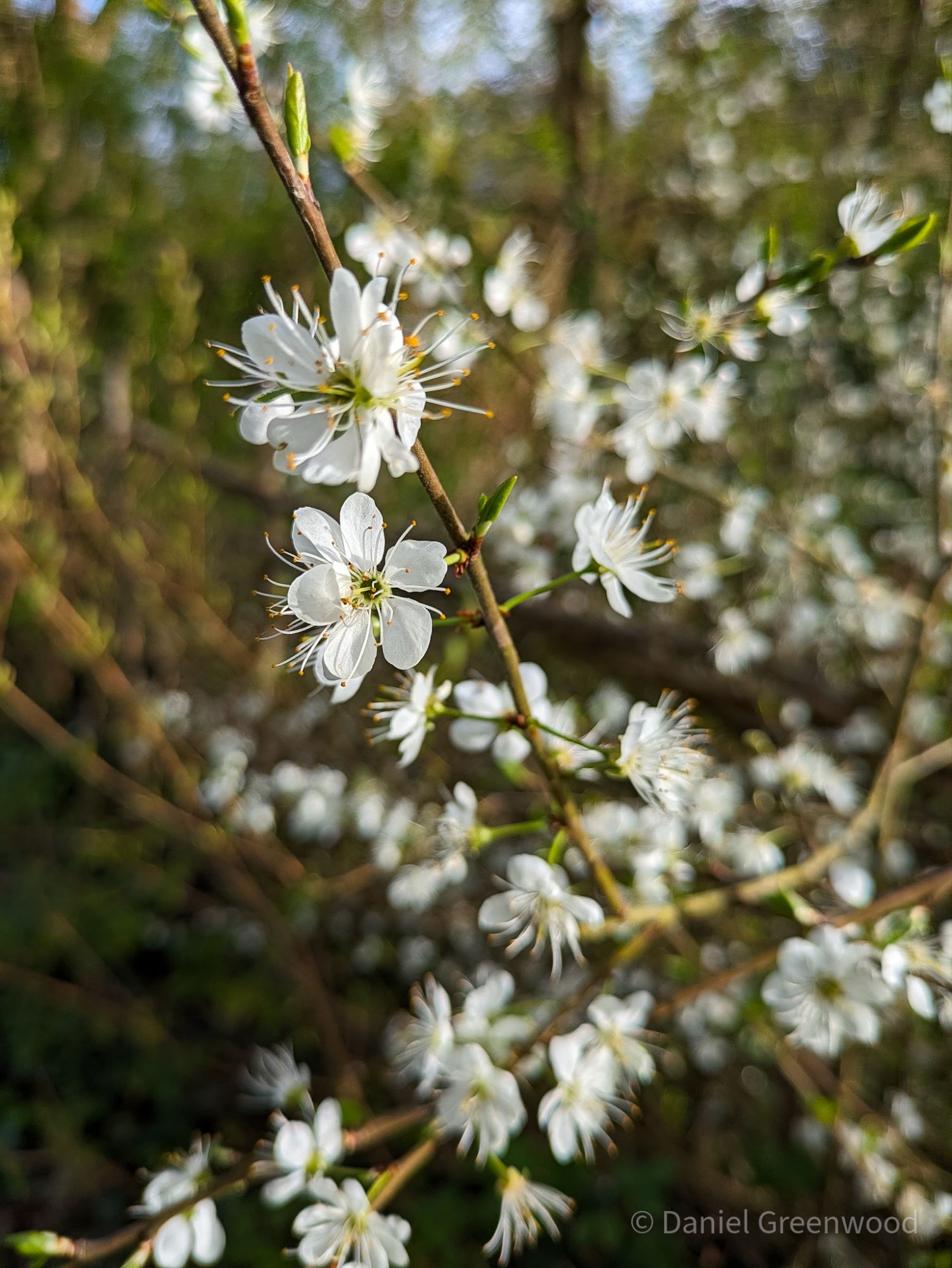
One thing that impresses with the Pixel 7a is the autofocus. These blackthorn flowers were blowing in the wind and yet the detail is so good.

Lichens are a great thing to photograph because they stand still and can be very attractive subjects. I was considering stretching my budget for a Pixel 8 Pro because it had a macro function. Reviews of the 7a said that it can focus closely, and that is true, to a degree. Also it sounded like the AI in that phone maybe does too much.

One potential block on macro potential is that the phone seems to do auto noise reduction. That can make these weirdly impressionist details were the AI is trying to hide graininess from a high ISO. I’ve noticed it a couple of times and it’s not ideal. The detail and focus is otherwise really good. This is not what the tech people call ‘flagship’ or top of the range.

All in all, I am amazed by what this camera can do. It is so much better than the Fairphone 3+, which shows how quickly cameras are developing in phones.

Would this phone make me sell my standalone camera? No way. Lenses and sensors of mirrorless, standalone cameras can’t be matched by phones currently. It just provides a great option for capturing nice images on the go. It’s going to be especially good for fungi.

Thanks for reading.

Oh, Fairphone.