Austrian Alps: wildflowers on Zwรถlferhorn

Zwรถlferhorn (1522m), Salzkammergut, Austria, June 2025

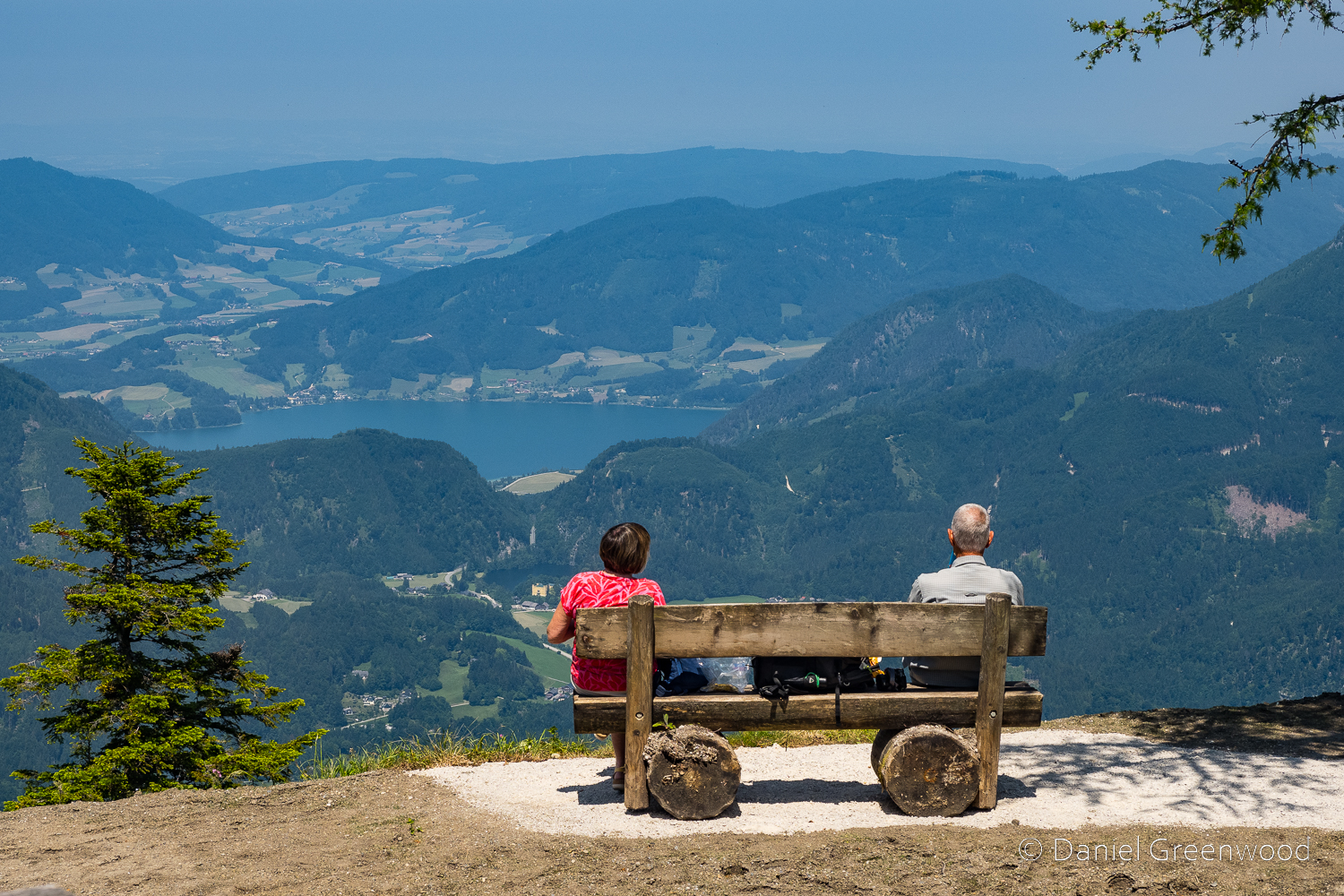
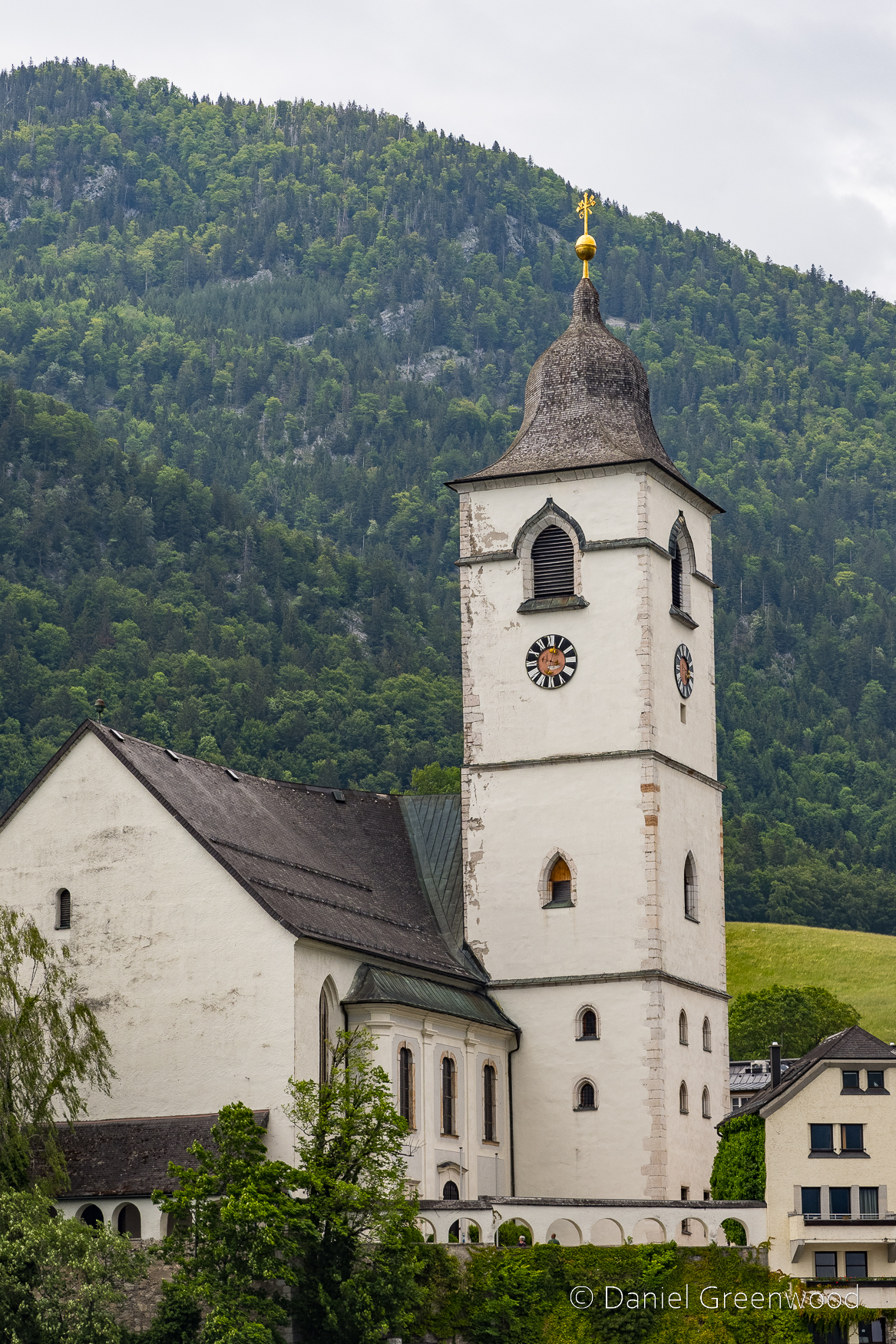
In mid-June my wife and I visited the Austrian Alps for the second year in a row. We took the cable car from the village of St. Gilgen (featured in the opening scenes of The Sound of Music) to the 1500m heights of Zwรถlferhorn, so named because according to shepherds down the years the sun sits atop the peak at 12noon (zwรถlf) everyday.

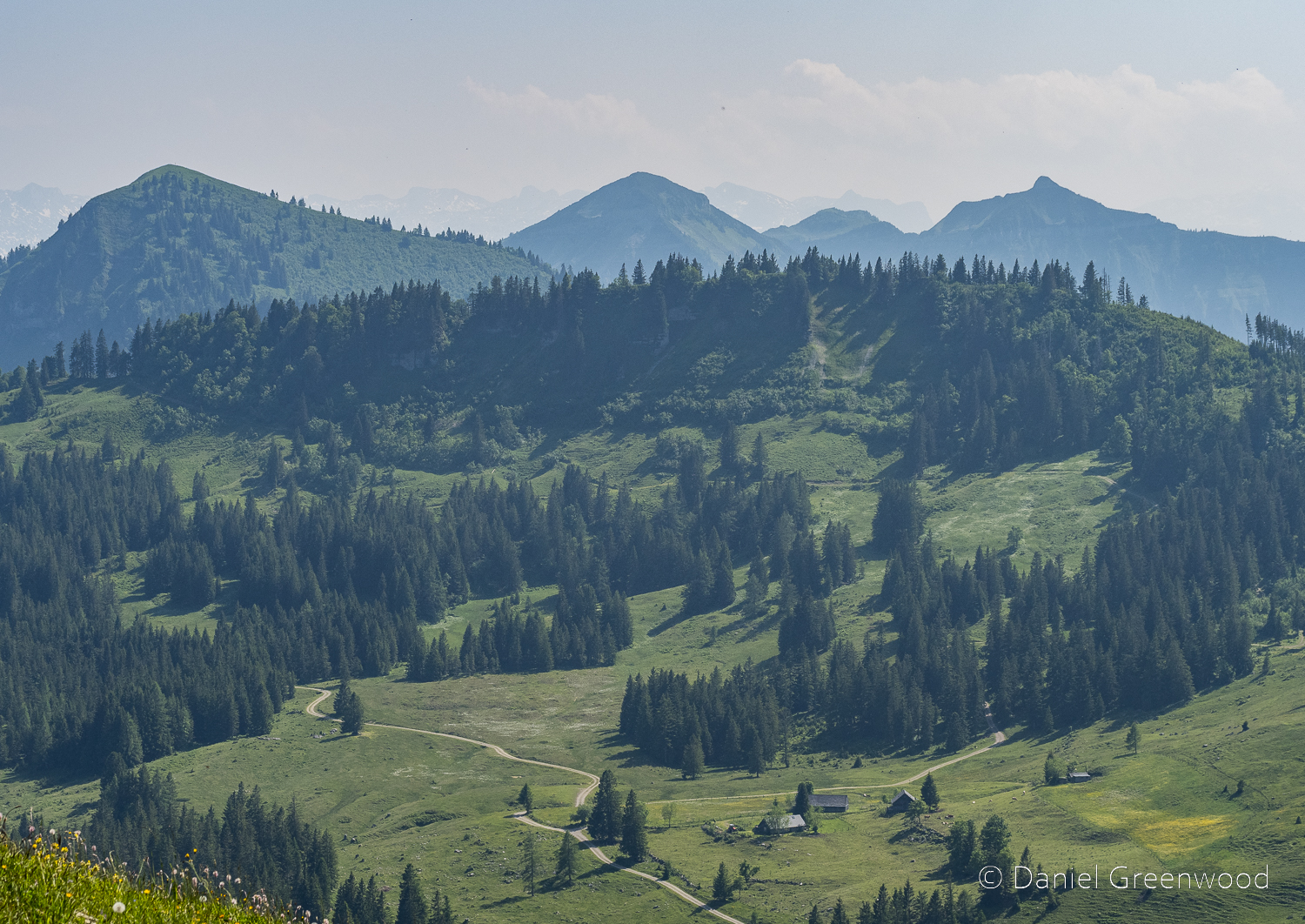
The views from the top are magnificent, as you would expect from the Austrian Alps, though a bit hazy on this hot day in the Salzkammergut.

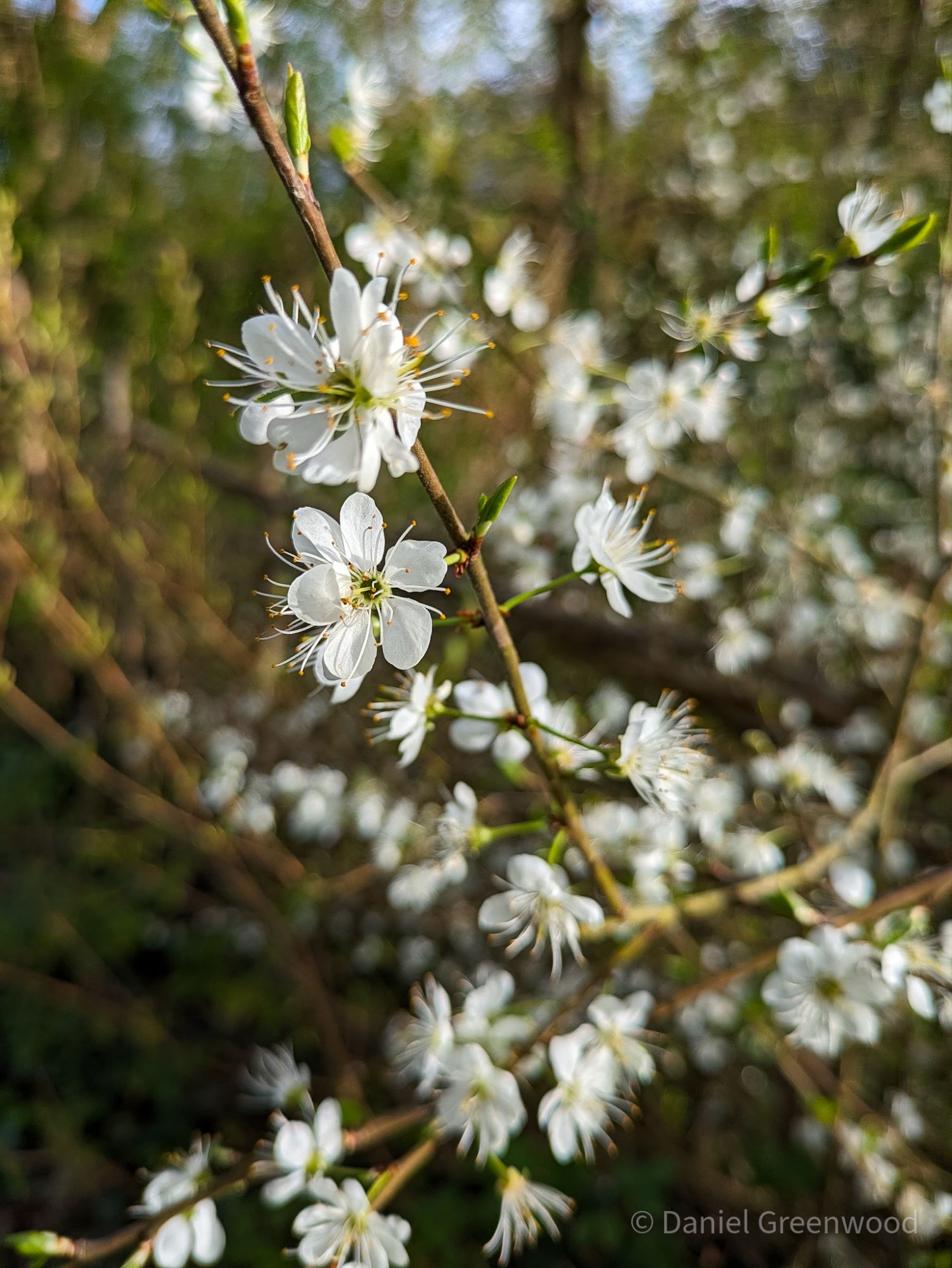
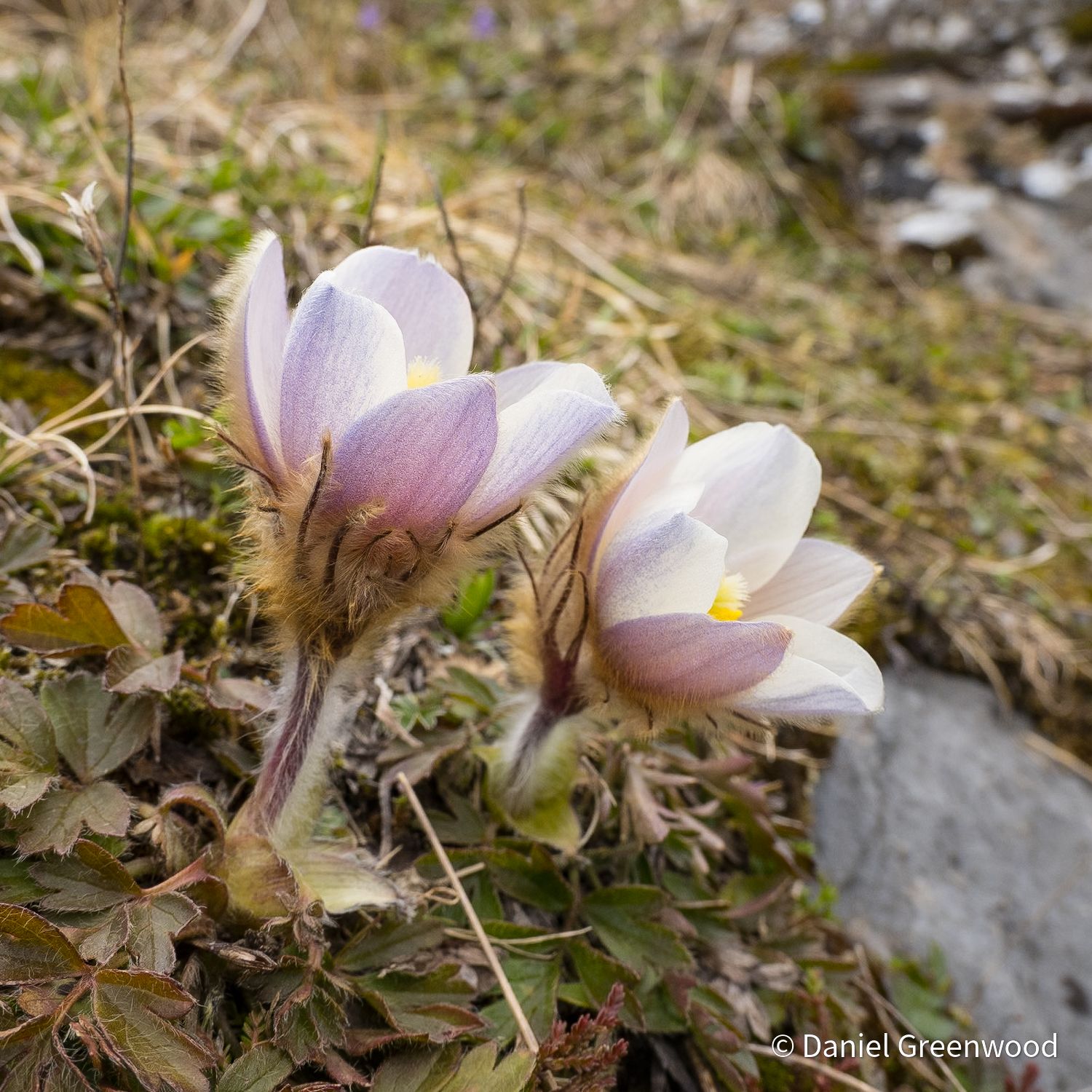
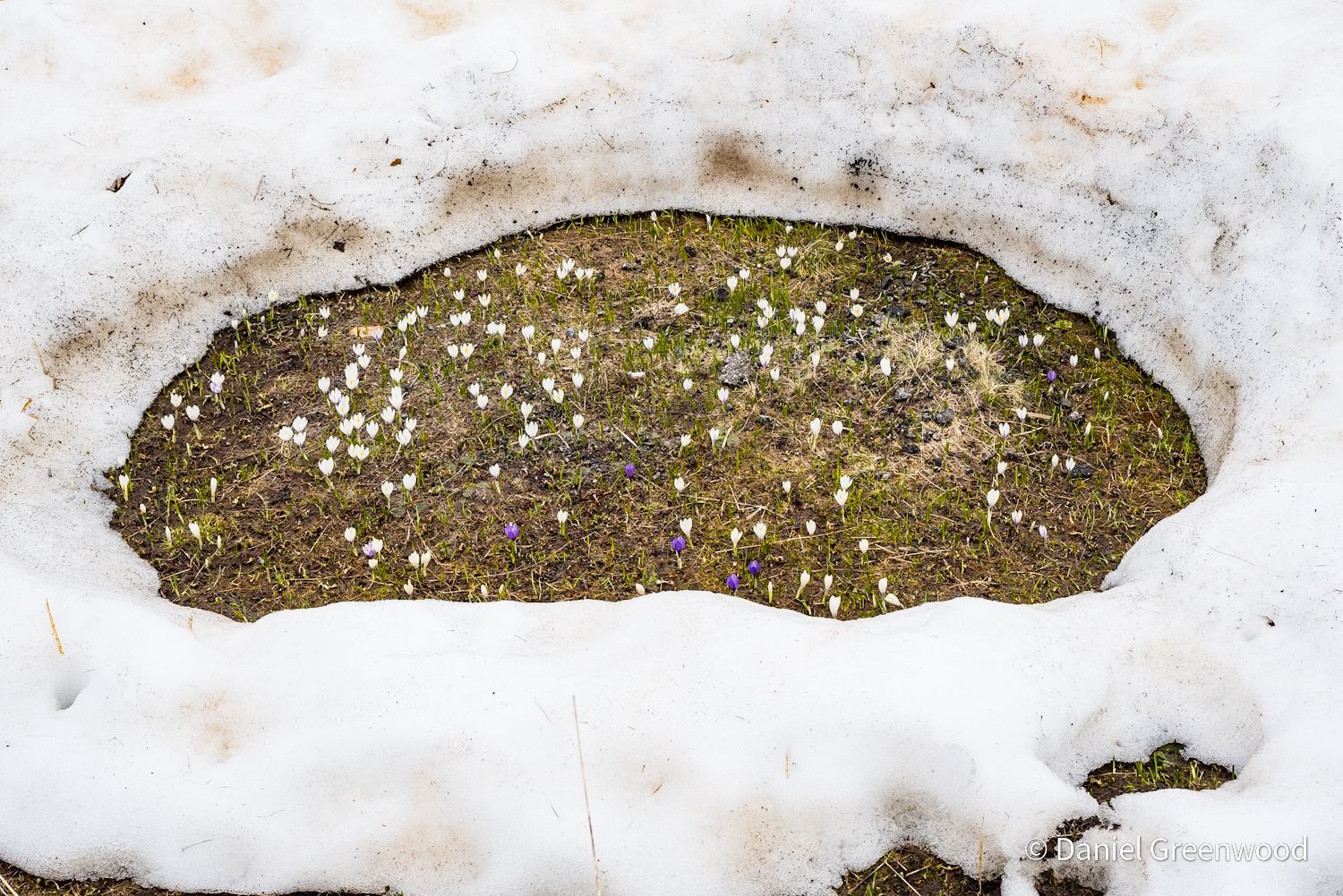
Part of the allure of this place in spring-early summer is the wildflowers high in the mountains.
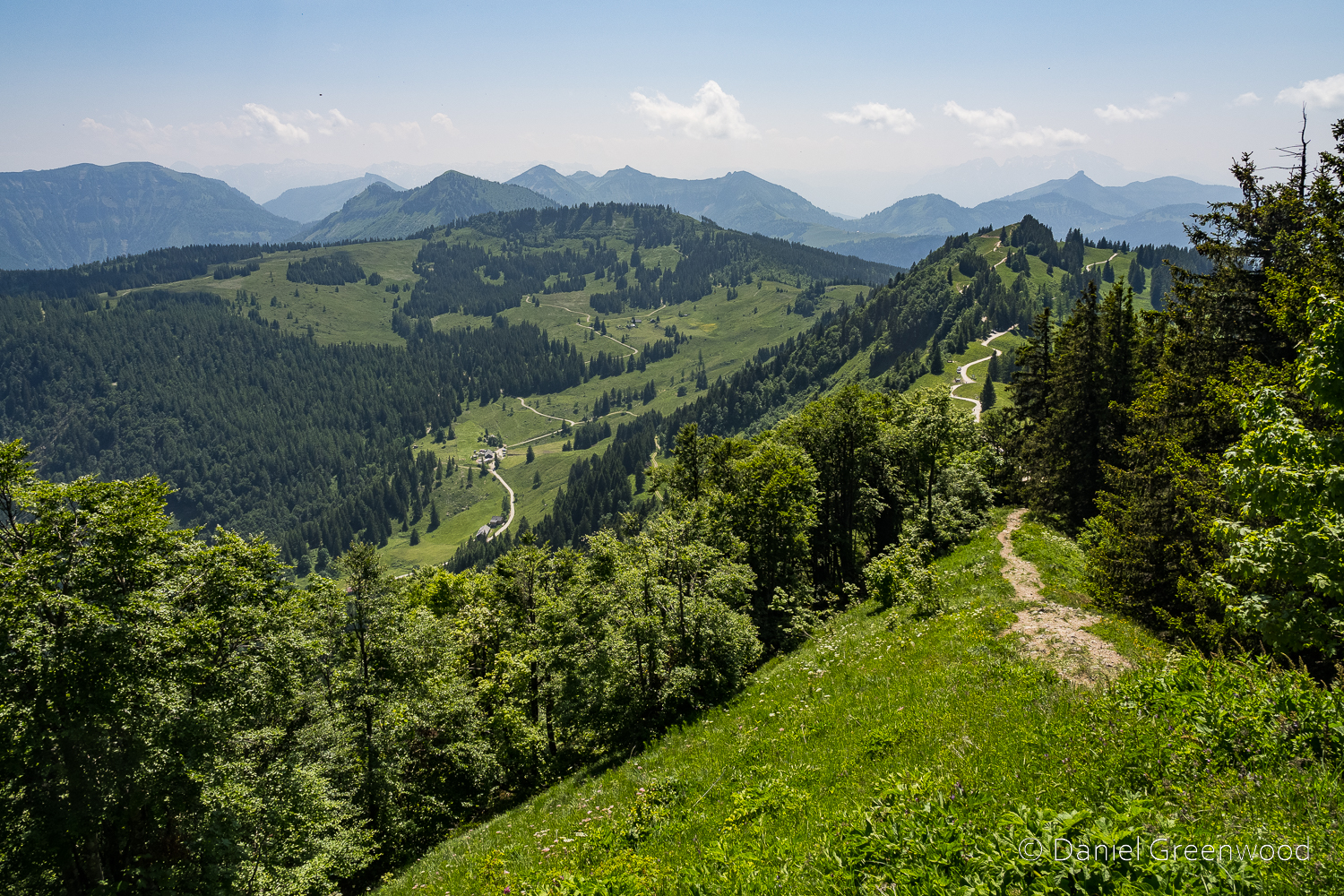
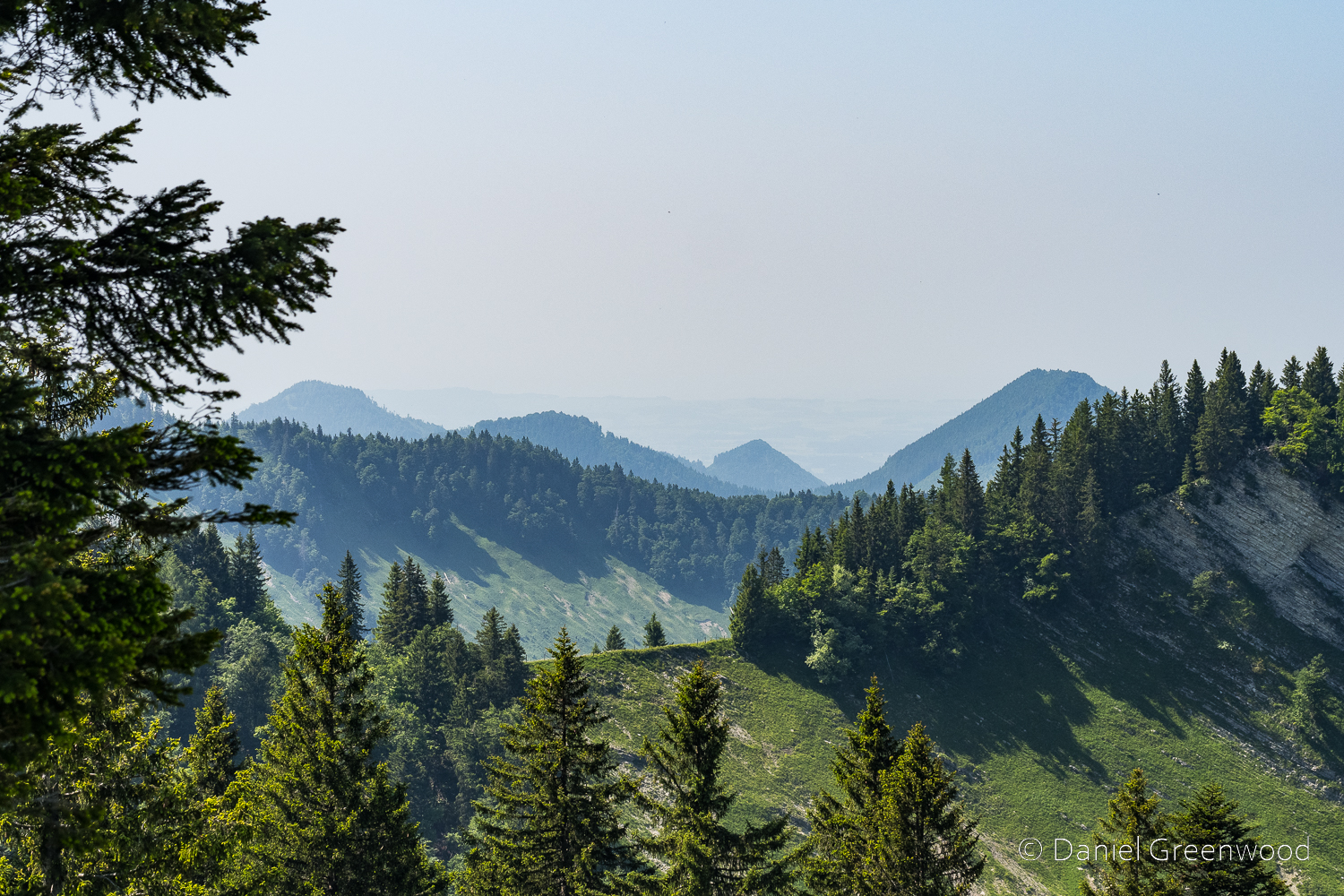
To the south and west the mountains seem to run forever. South-east of here is the famous Hallstatt and the Dachstein Massif, which I will include some long-range images of in an Austrian Alps post to follow.

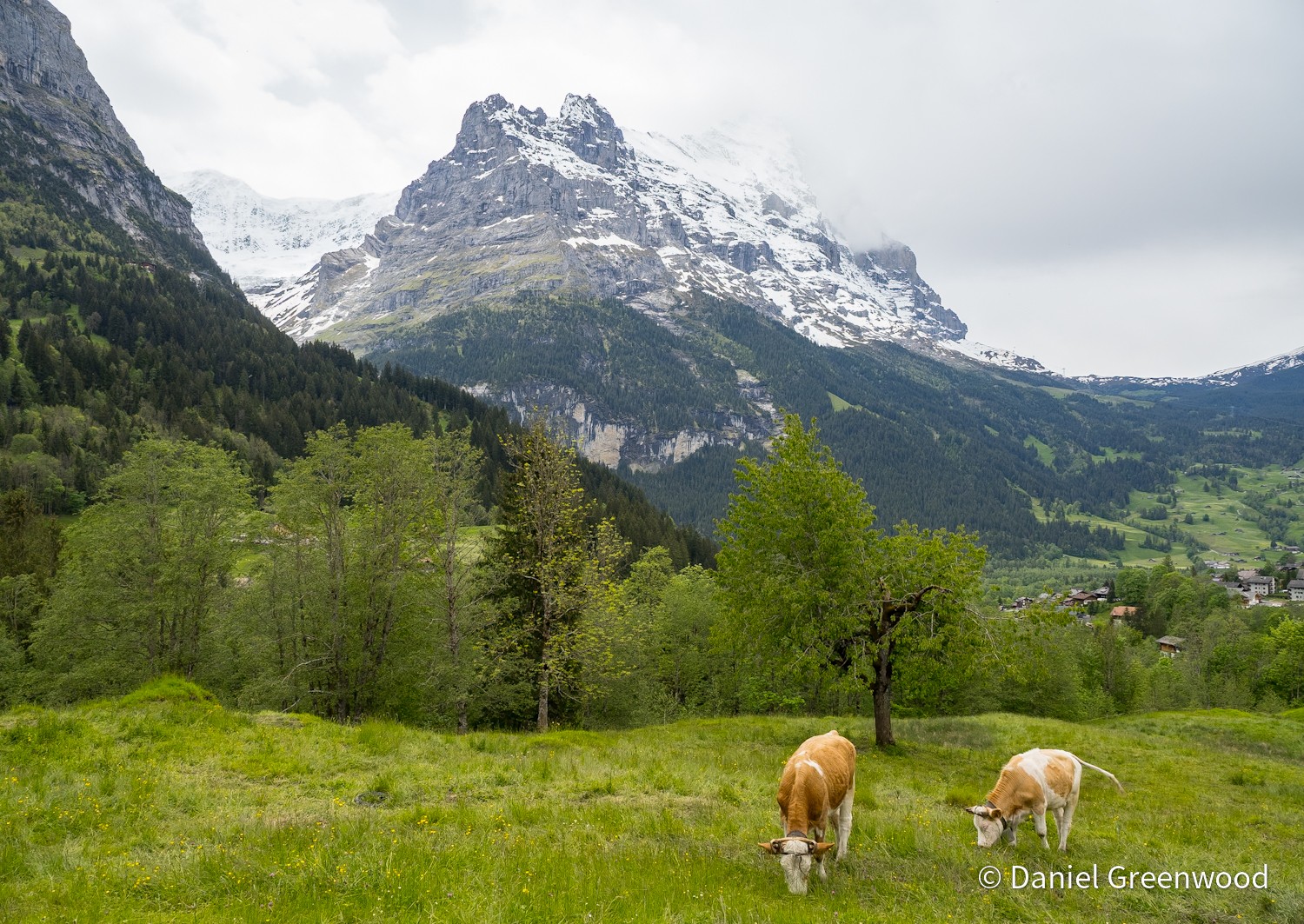
A view into Salzkammergut

These mountains have been managed in the same way for many hundreds of years – though there were probably fewer trees in the past – which has led to a rich diversity of flowers and their dependent invertebrates. We saw an abundance of both when visiting this time.
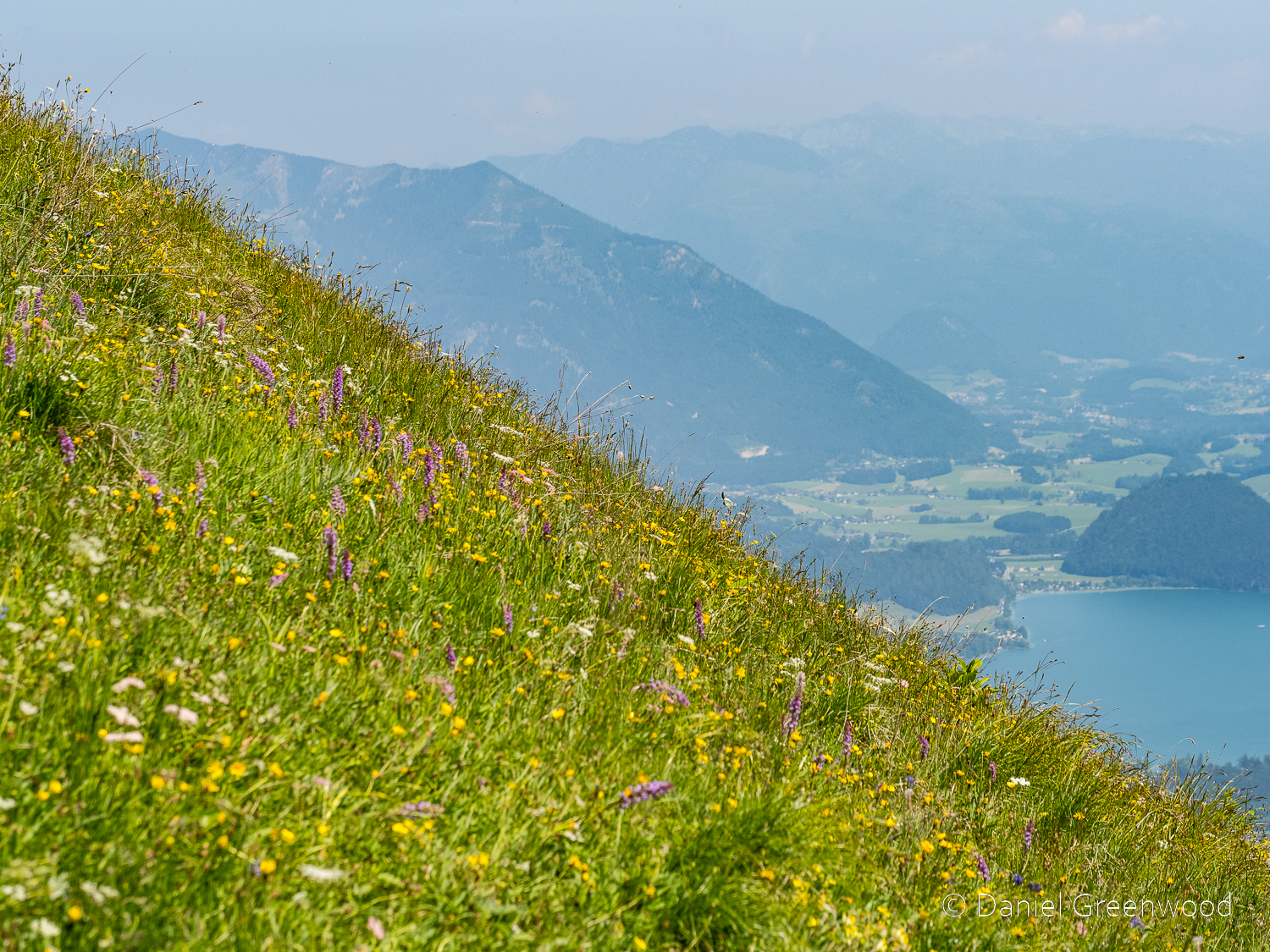
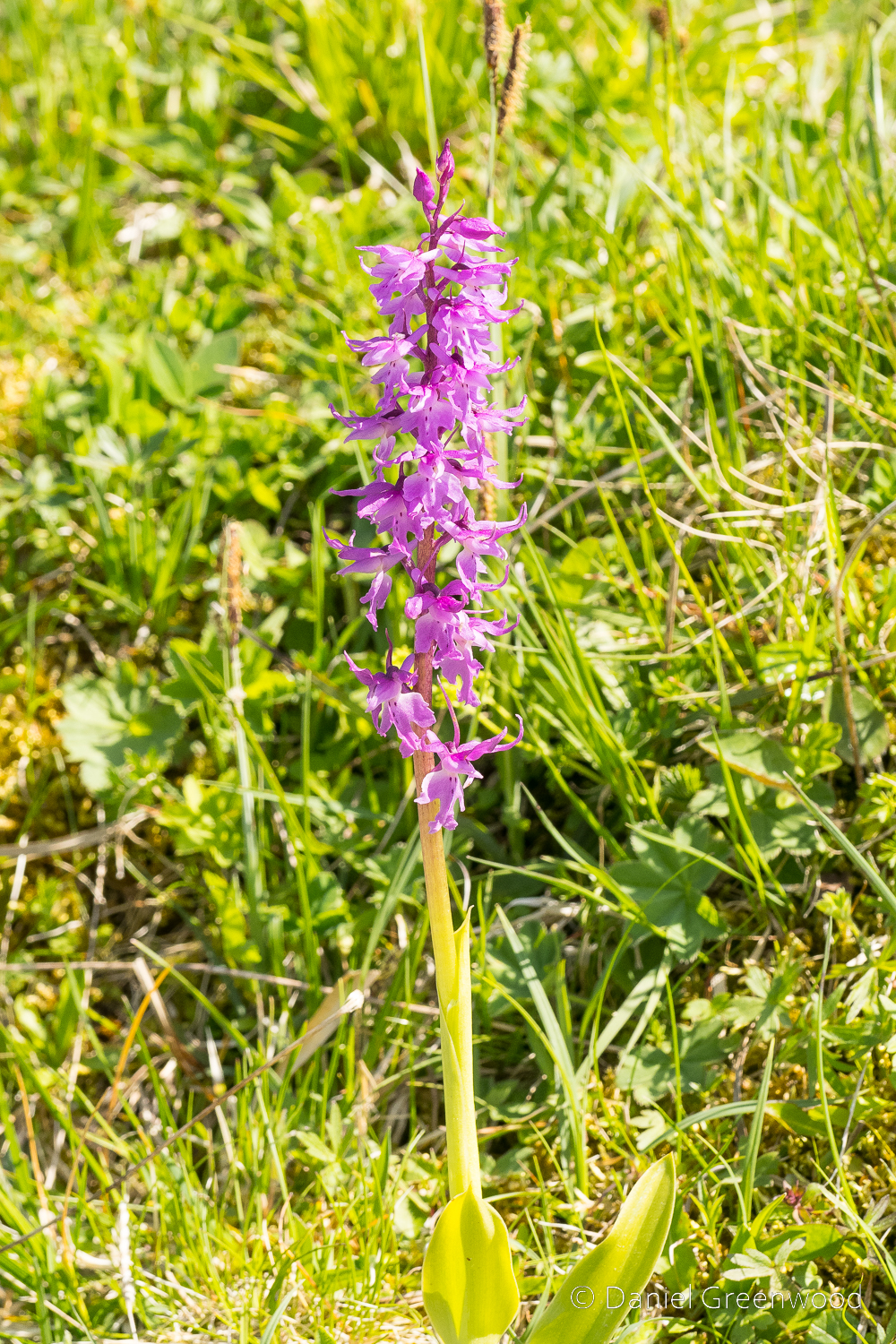
The sloping meadows were ‘littered’ with early purple orchids (Orchis mascula). We kept to the paths at all times for both safety as they were steep, and so as not to damage the grasslands. Having a camera in these places doesn’t give me a divine right to trample stuff!

Some of the orchids up close. Early-purple was the only species we saw.

This is hoary plantain (Plantago media) which gave a nice focal point to the alpine meadows.

I was intrigued by this daisy (Asters) as there were signs for arnica in the area. On iNaturalist it’s been identified as willow-leaved yellow oxeye.
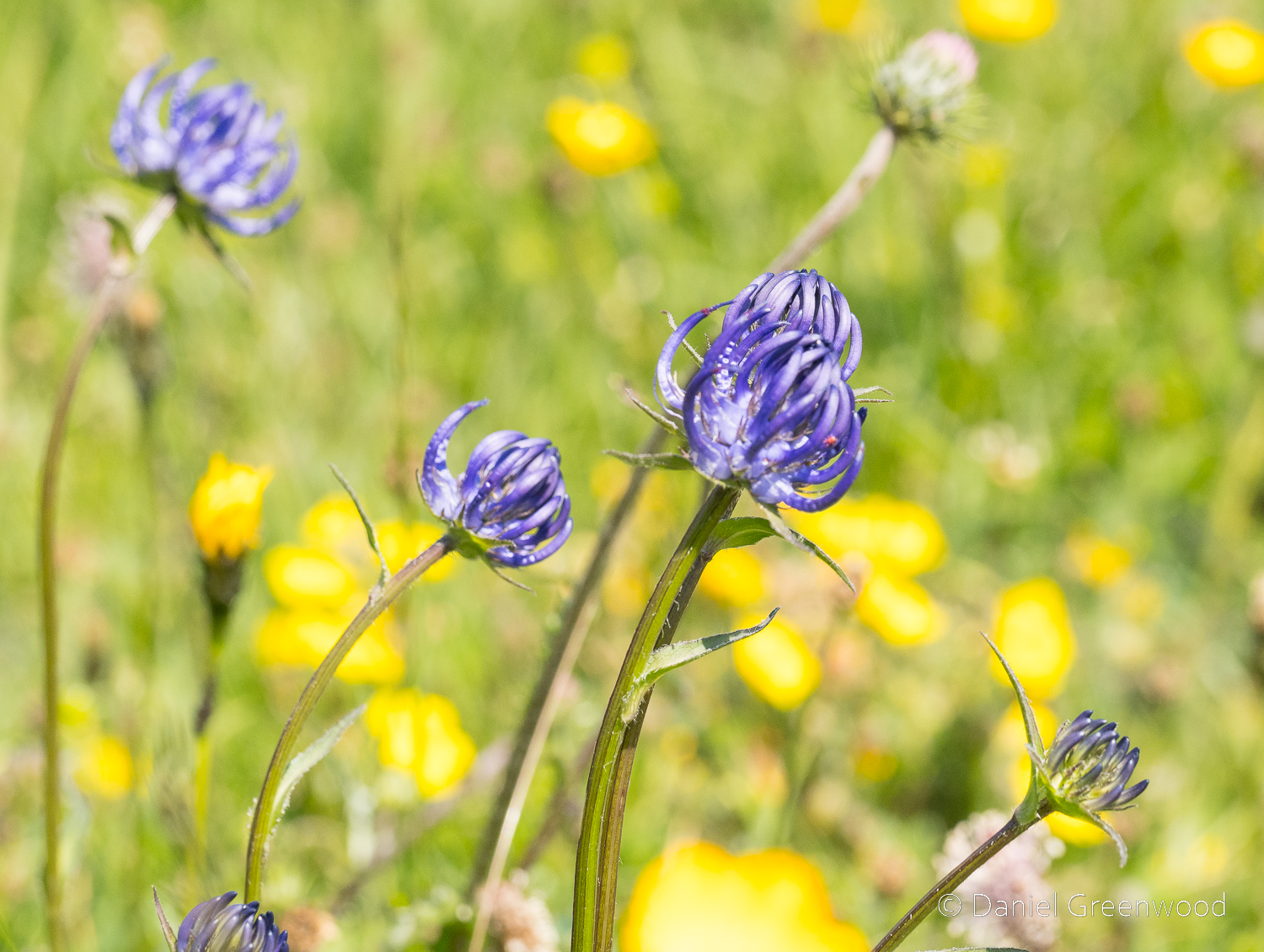
This came out a bit out of focus in the wind – it’s the ‘Sussex flower’ of the chalk Downs, round-headed rampion.

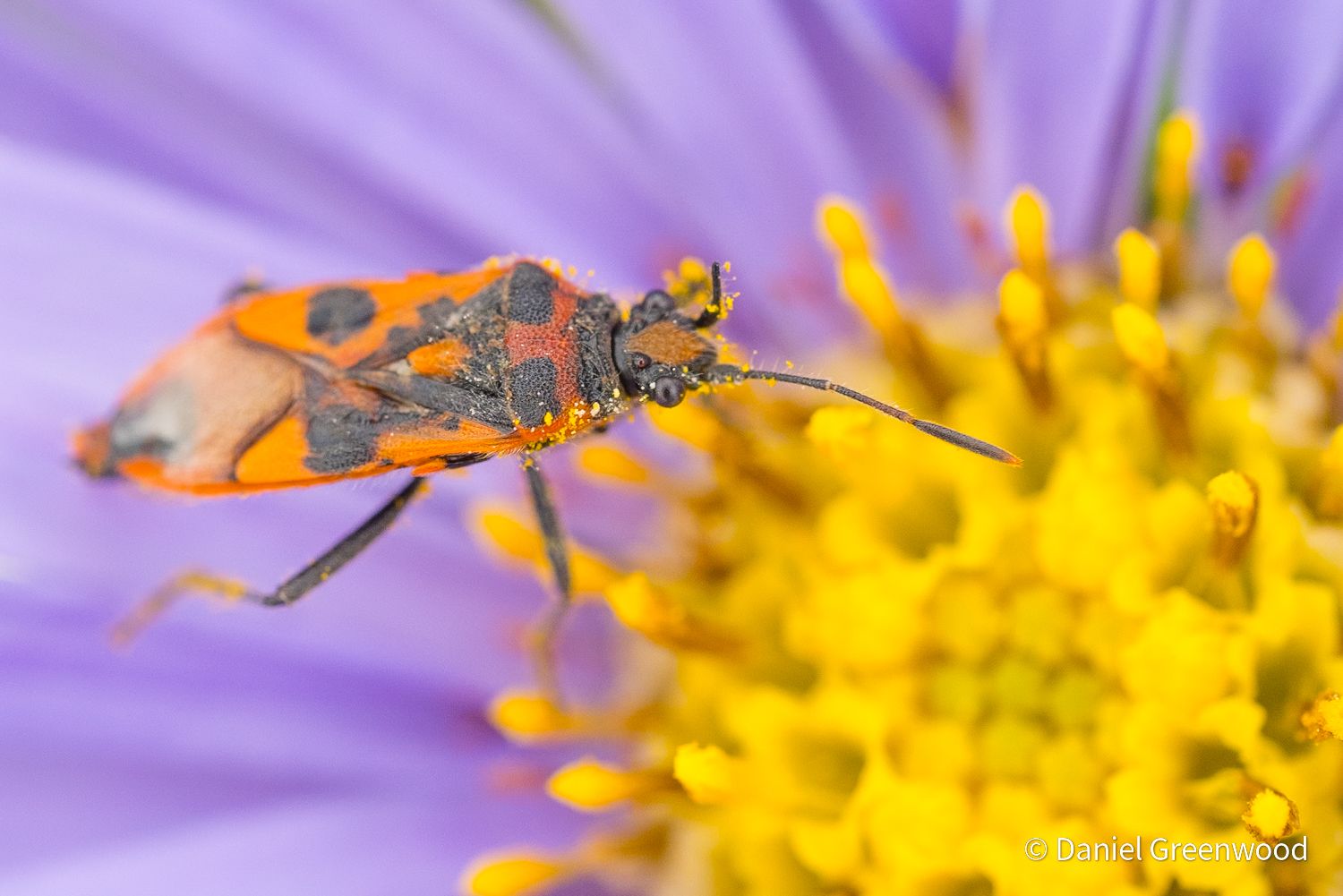
This is a new species for me, the slender Scotch burnet moth! Apparently they are native to Britain and much of Europe, and managing to nectar at the same time as mating, impressive.
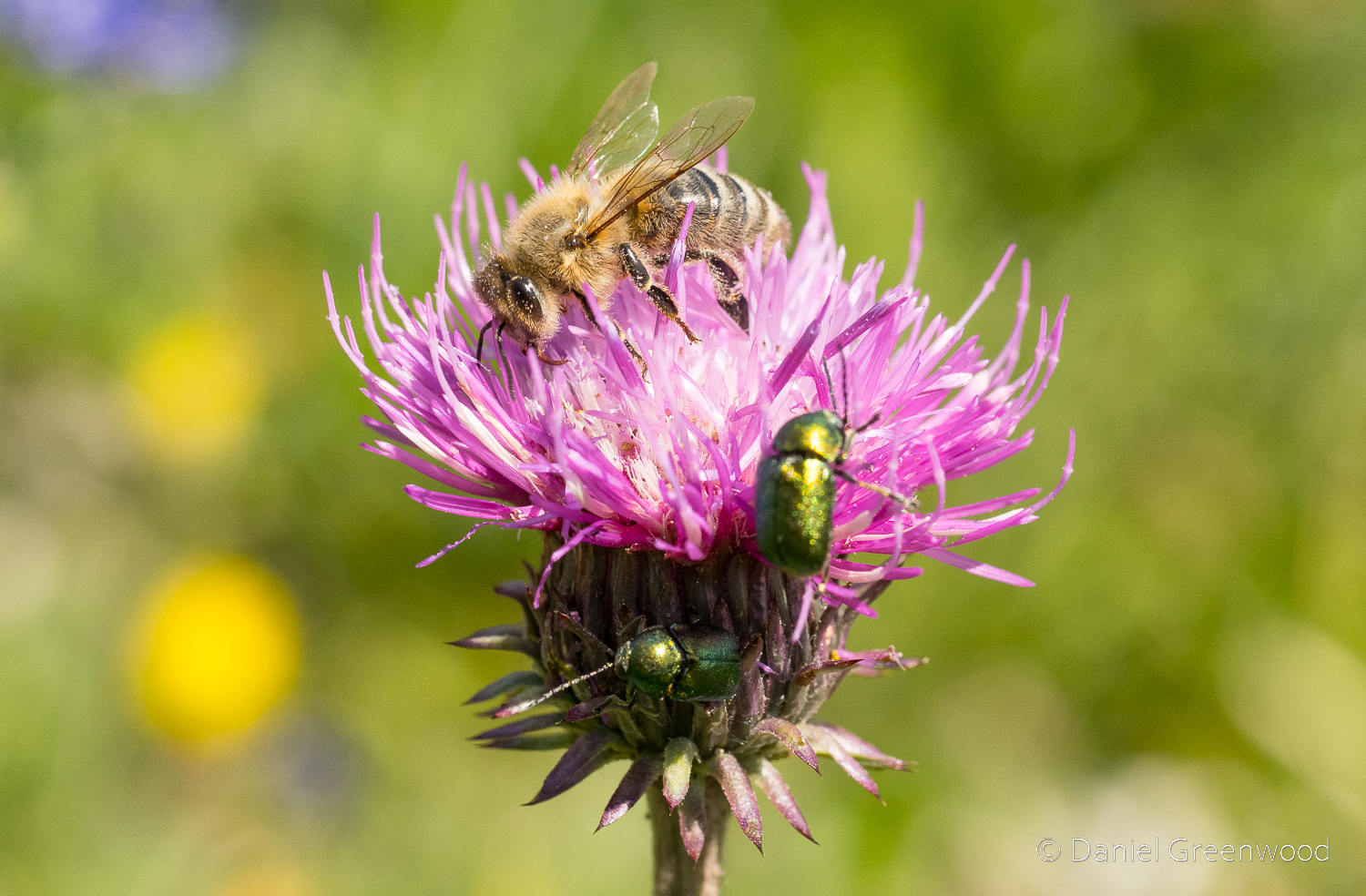
This photo made me laugh (I’ll explain). I was trying to get the honey bee and the green metallic beetle on the top in focus at the same time, so much so that I didn’t even see the second beetle lower down on the flower, which is actually in focus. This is knapweed, but I’m not sure if it’s a montane species or a variant to the common one.

While this is not a well-focused pic, it does enough to show you what is probably a duke of burgundy butterfly. In the UK it’s recovering but very rare.

The number of butterflies, day-flying moths, bees and hoverflies up here was a sight to behold. It was impossible to photograph anywhere near a reasonable percentage of all the things with wings. There were tens of fast-flying hummingbird hawkmoths on the wing, but getting photos of them would have resulted in falling down off the mountain. Also, we heard a cuckoo up here, which is quite late in the season for them.

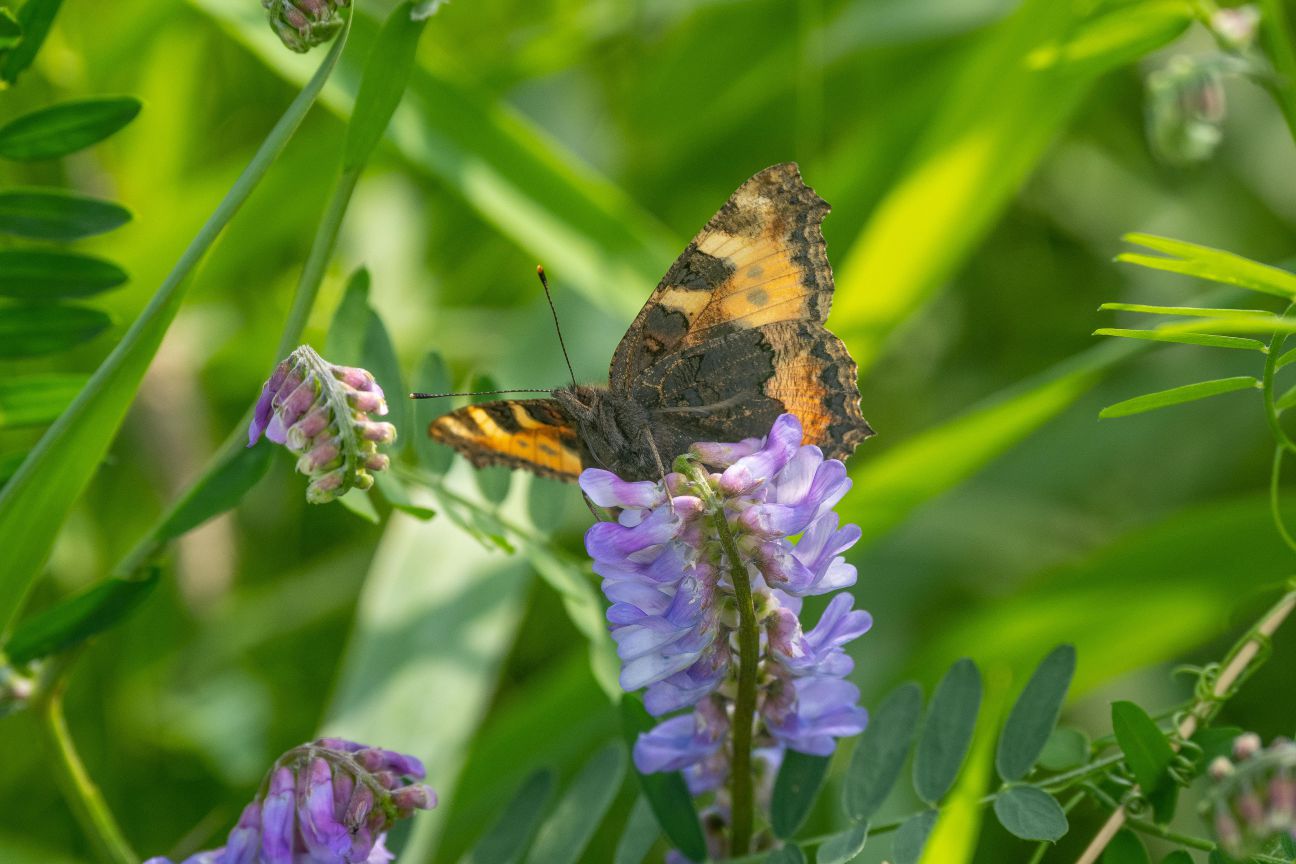
The most common butterfly was the small tortoiseshell, another one I know from home. Insert obligatory remark about how it’s not so common anymore! Isn’t it gorgeous?
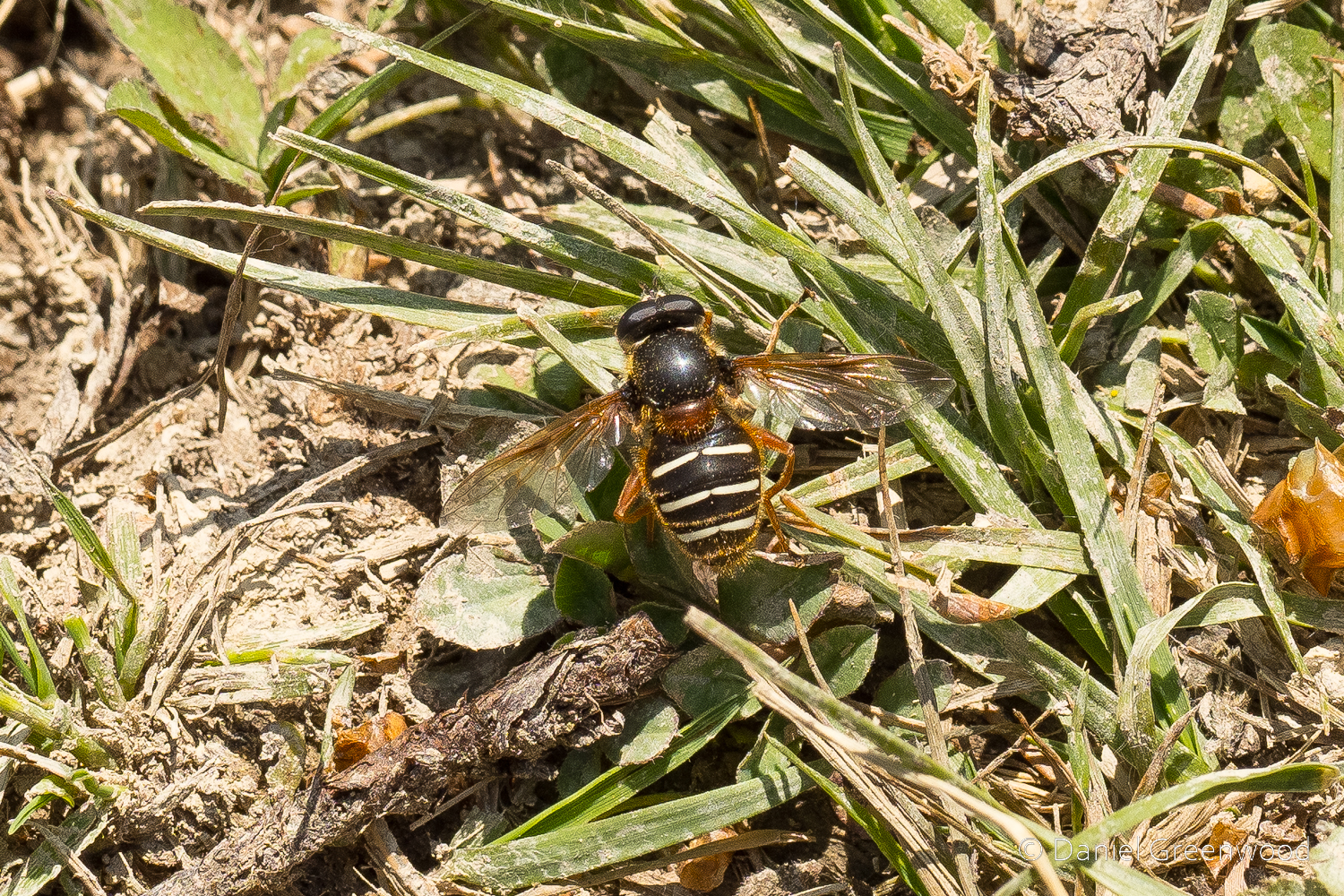
And to finish, there’s nothing more enjoyable in life than the sight of an unusual hoverfly. This was a new species for me, named on iNaturalist as the white-barred peat hoverfly. That would have been my second guess after Robocop hoverfly.

Here are some landscape images to see out this post of a wonderful walk and afternoon in the Austrian Alps. All taken with a macro lens!

Thanks for reading, GrรผรŸ Gott!

Macro | Support my work

Wasps vs. spiders

Saturday 31st May felt like a passing of the seasons, with spring departing and summer arriving. That could be seen in the invertebrate world, with more summer species out there in my garden.

This post is generally wasps and spiders, with some lovely little bees to calm you down afterwards.

As ever, some of these things are so ridiculously small that without magnification (in my case a macro lens) you (I) wouldn’t necessarily see them.

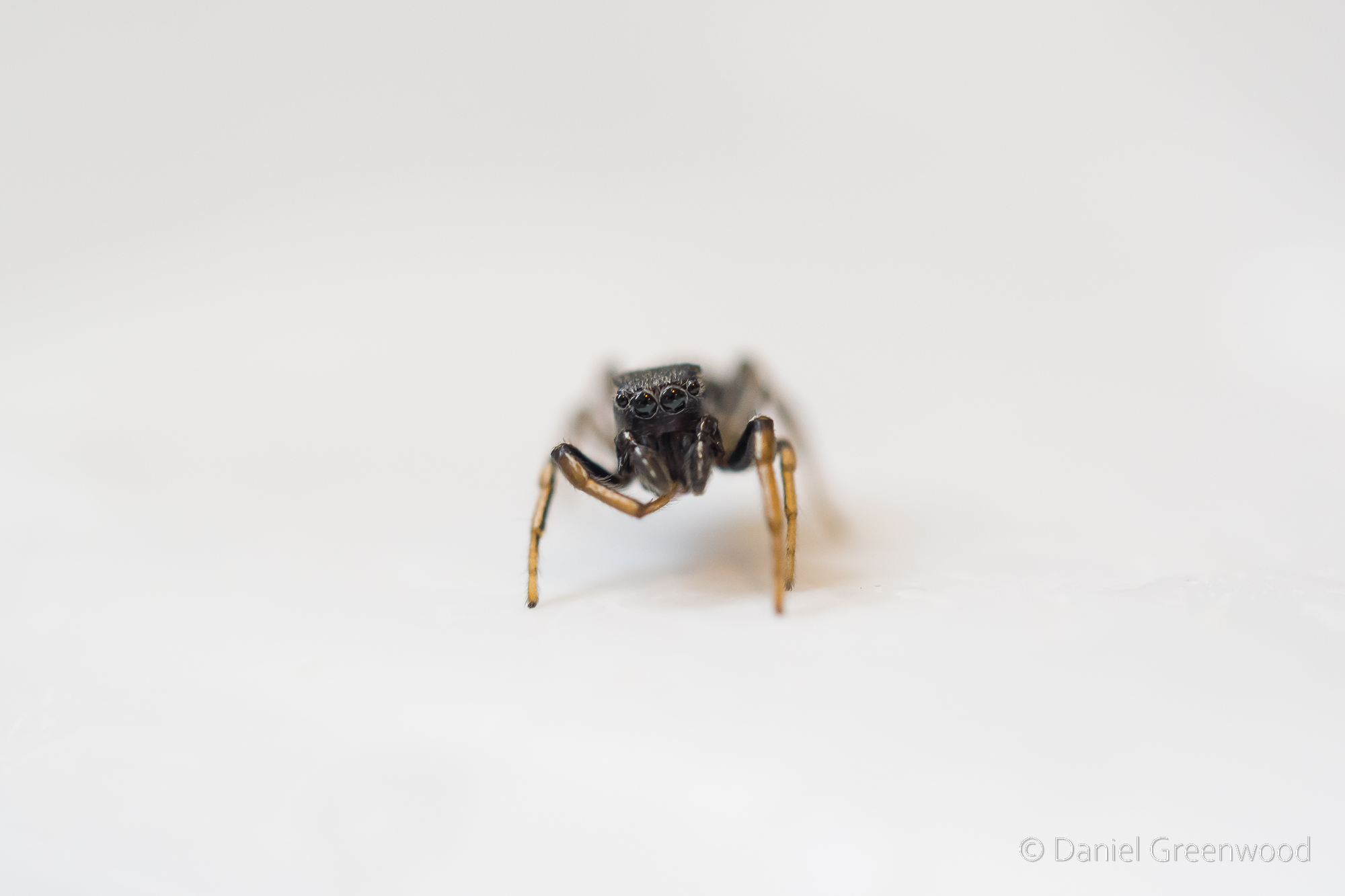
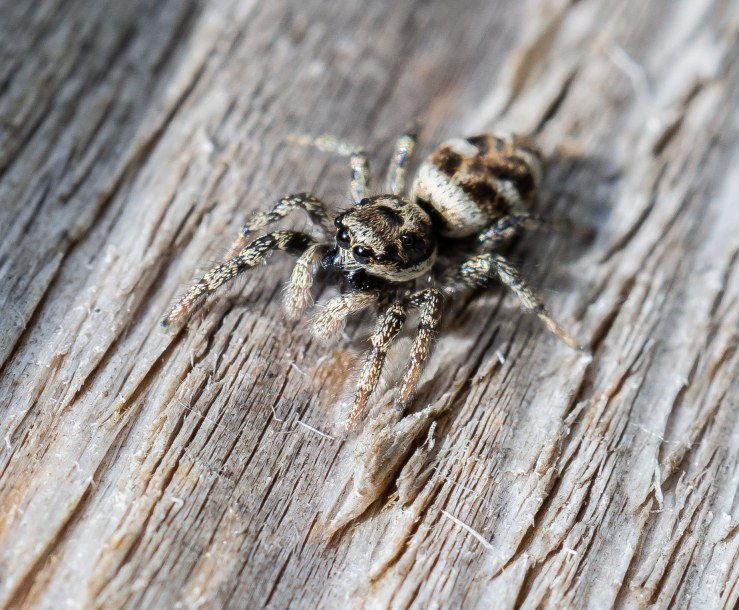
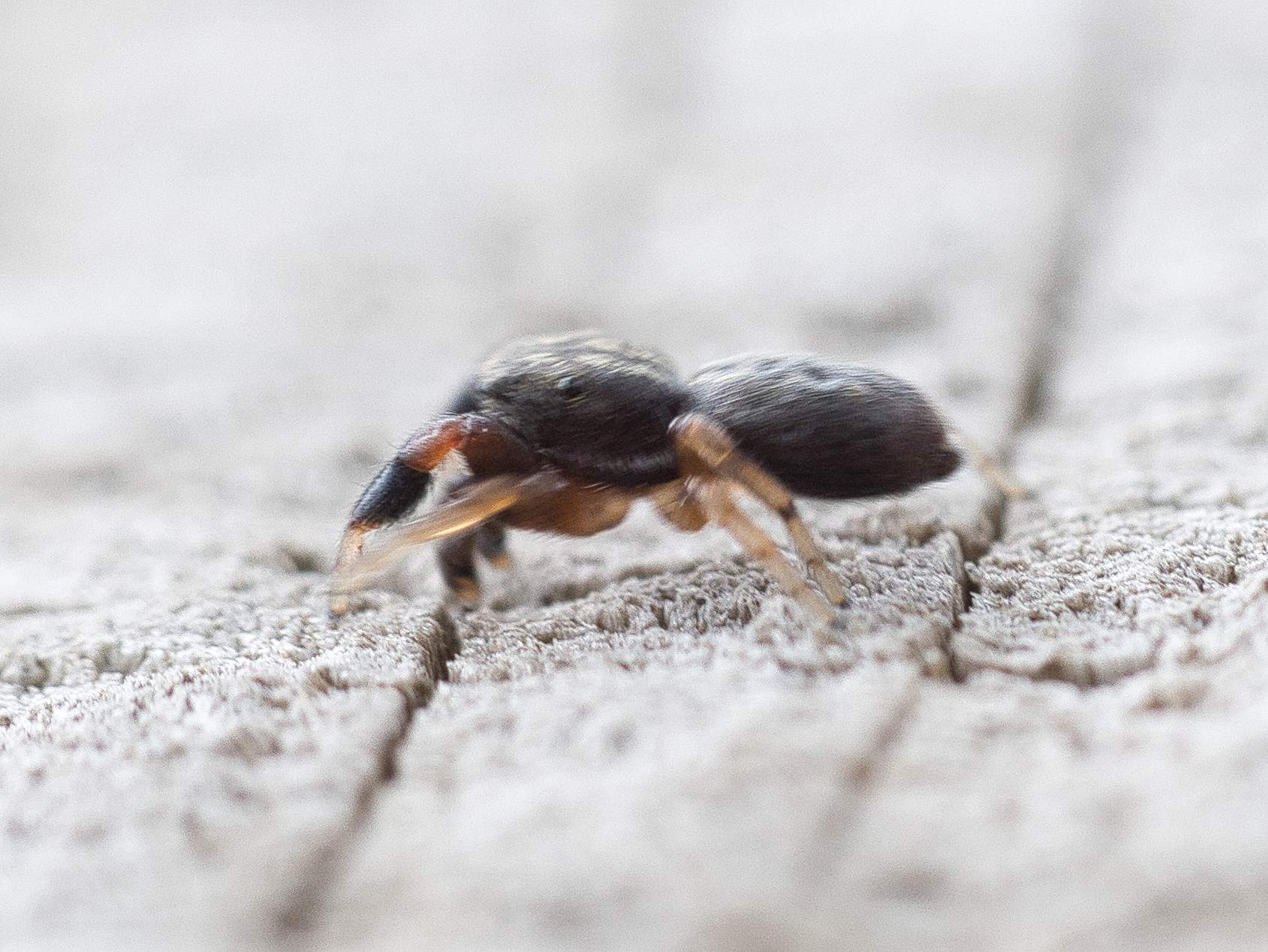
I should have known it was going to be a good photography day when this little jumping spider appeared in my kitchen sink! The light was rubbish so I’ve had to draw out the shadows and ‘de-noise’ these photos a bit. I’m unsure of the exact species, but I do get an apparently uncommon oak jumping spider in my garden/near the house sometimes, and this may be one.

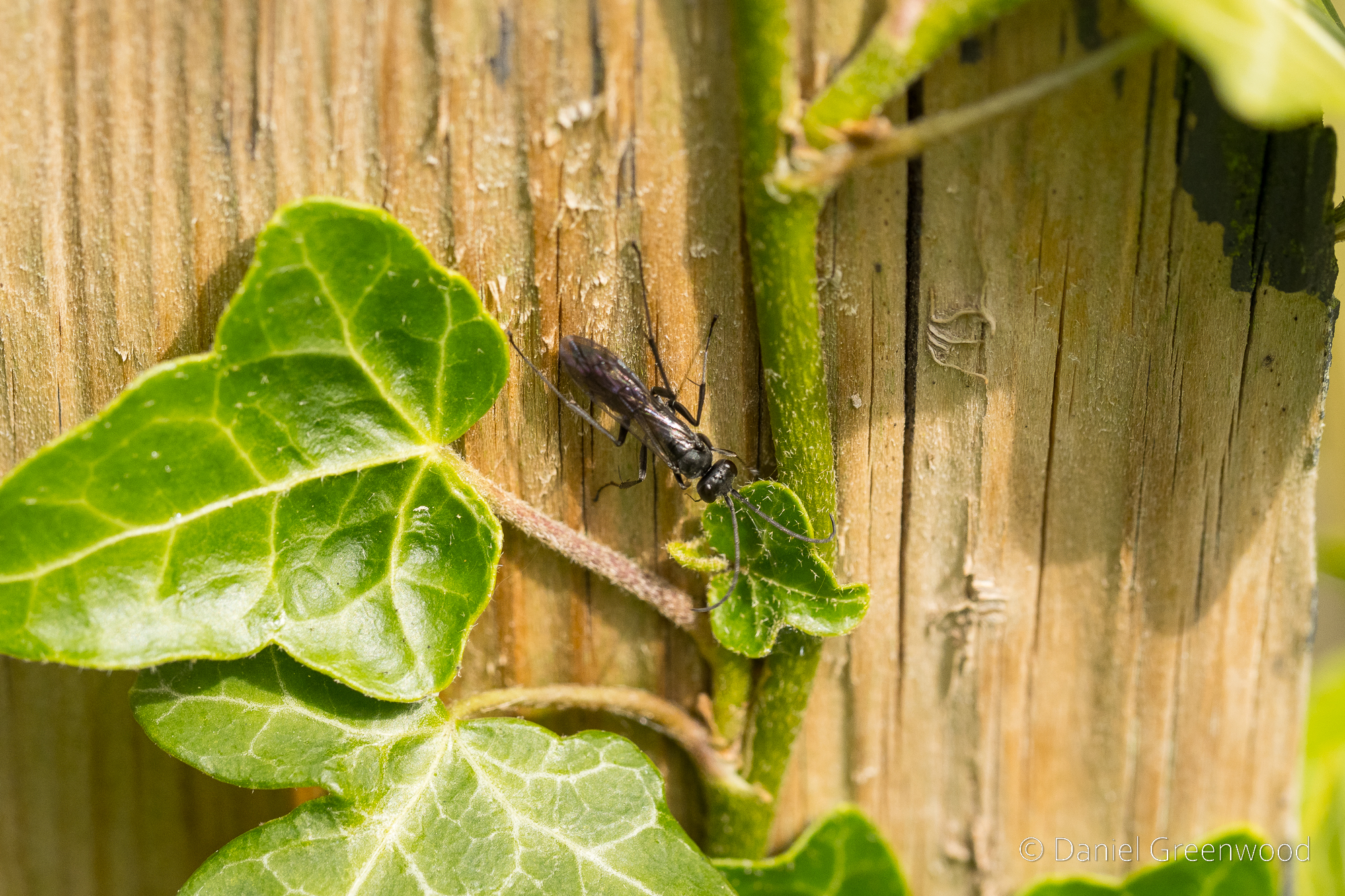
While we’re on spiders, here’s a wasp – a spider-hunting wasp! I’ve learned that sitting down on the grass by a shrub for 15 minutes isn’t just a forest-bathing exercise, it’s also a good way to allow the life to move around you. One fence post was being explored by this very busy spider-hunter. And then, something amazing happened.

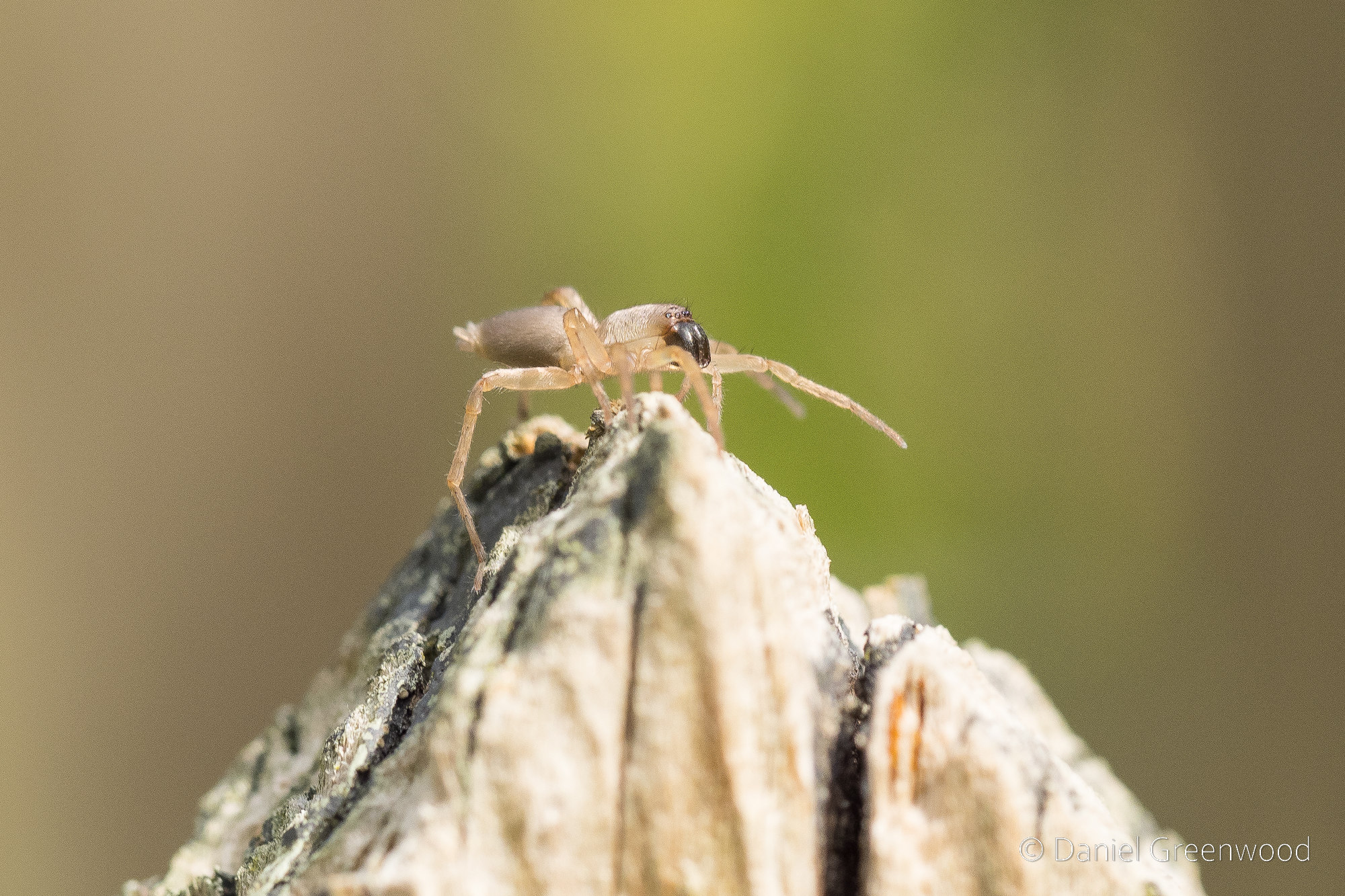
On a vacant fencepost (that’s just how I consider them now) a spider appeared at the top. The spider-hunting wasp saw their moment and burst onto the post, but missed the spider by milliseconds!

The spider-hunting wasps paralyse their prey and then carry them away to a cache. It’s pretty grizzly, but if you think that wasps have been in existence for over 100million years, and spiders, gosh, they’ve been around for over 300million (humans 200k and unlikely to make 1million at this rate), it’s something that’s been going on for a long time. If you’re annoyed about one species of wasp bothering you, imagine how spiders felt when 100million years later a spider-hunting wasp evolves from nowhere!

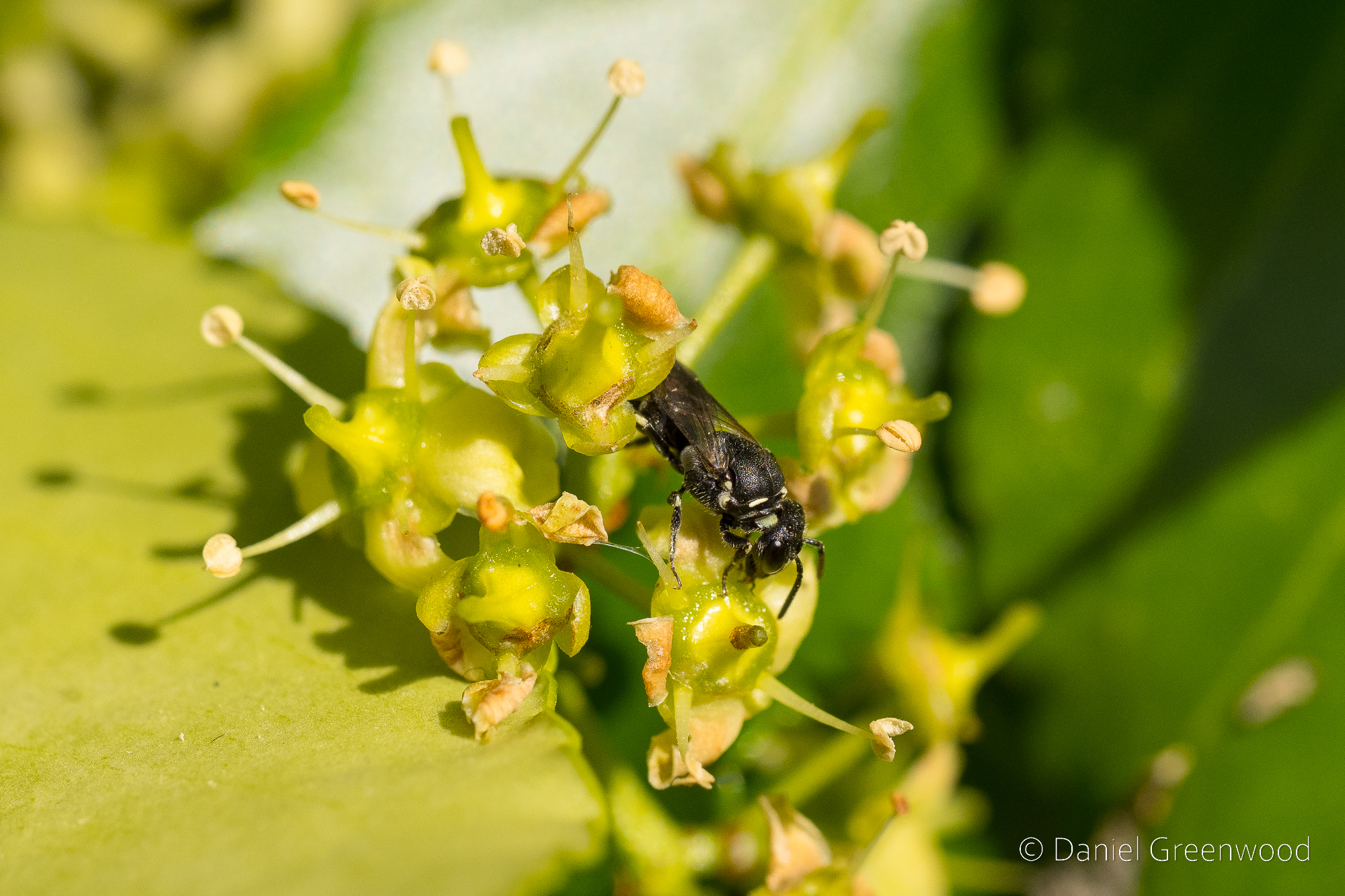
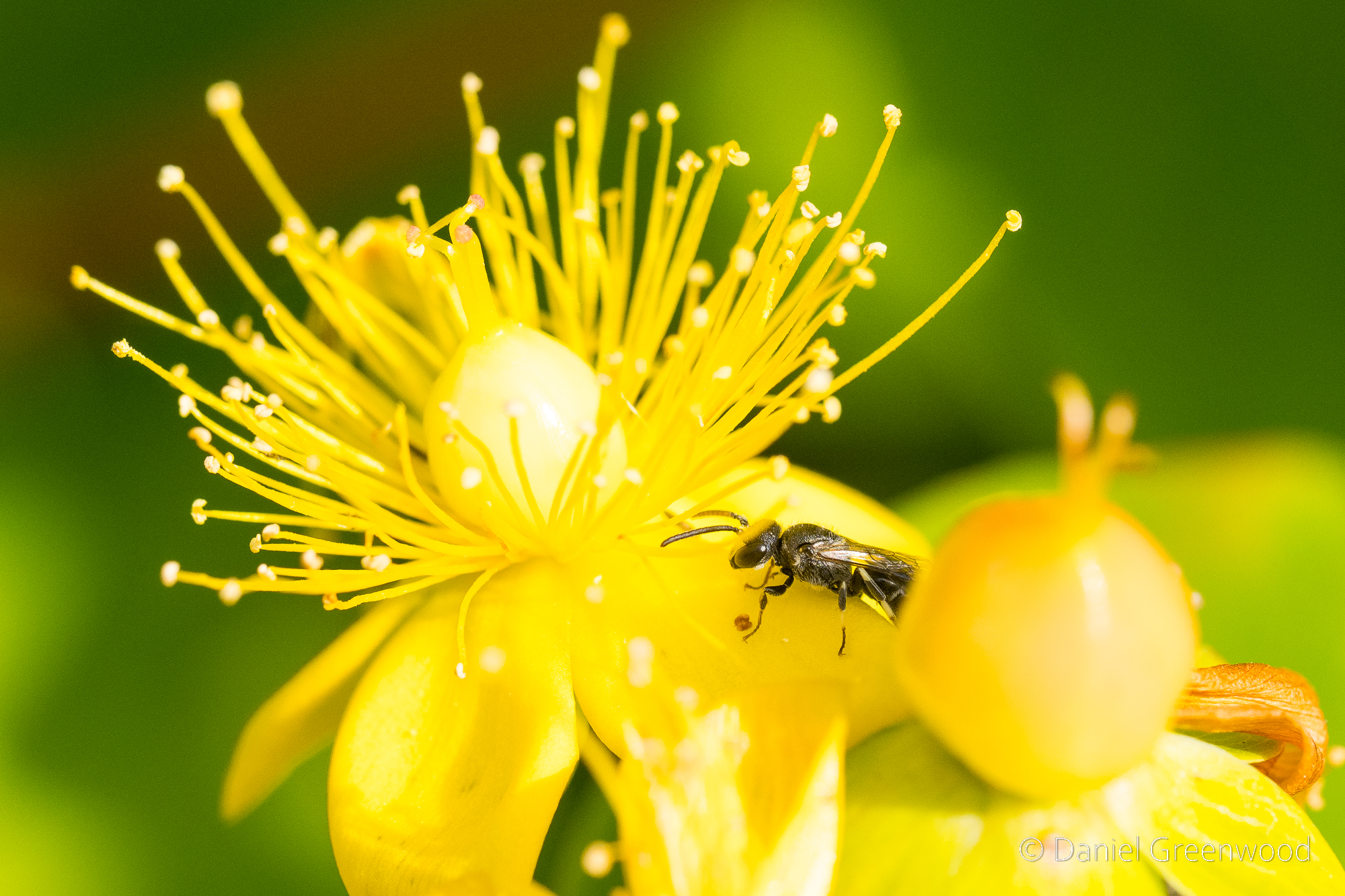
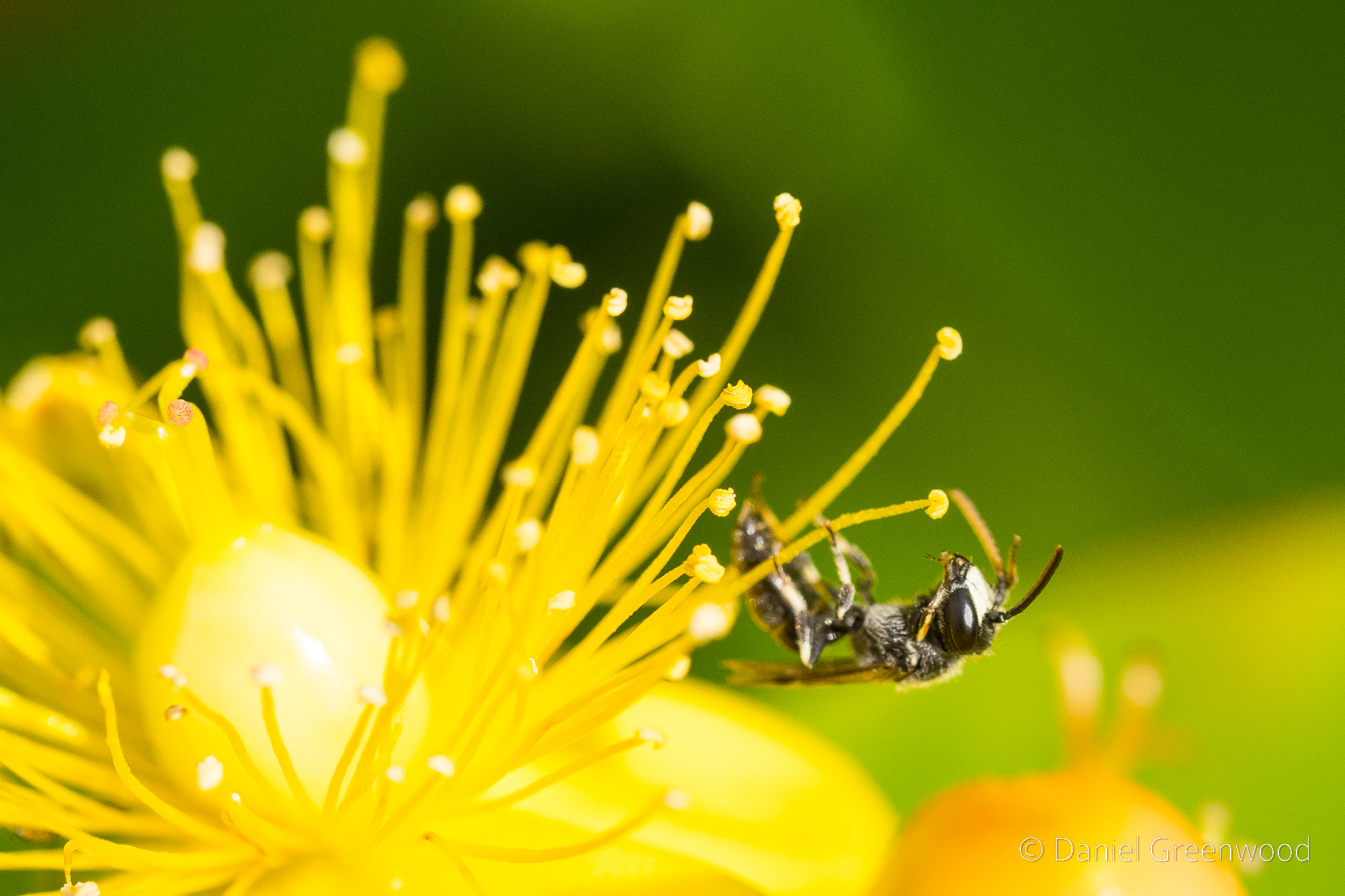
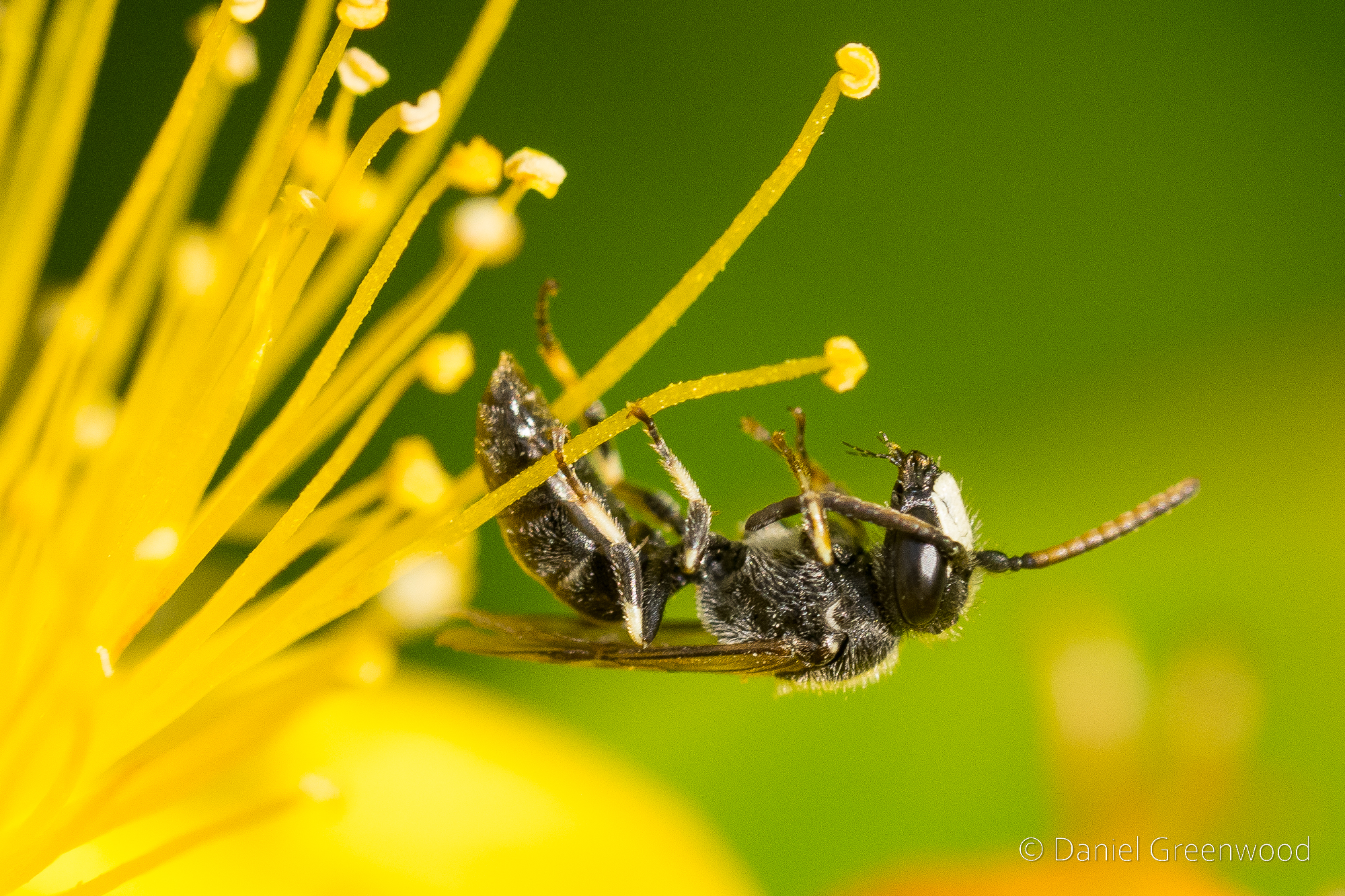
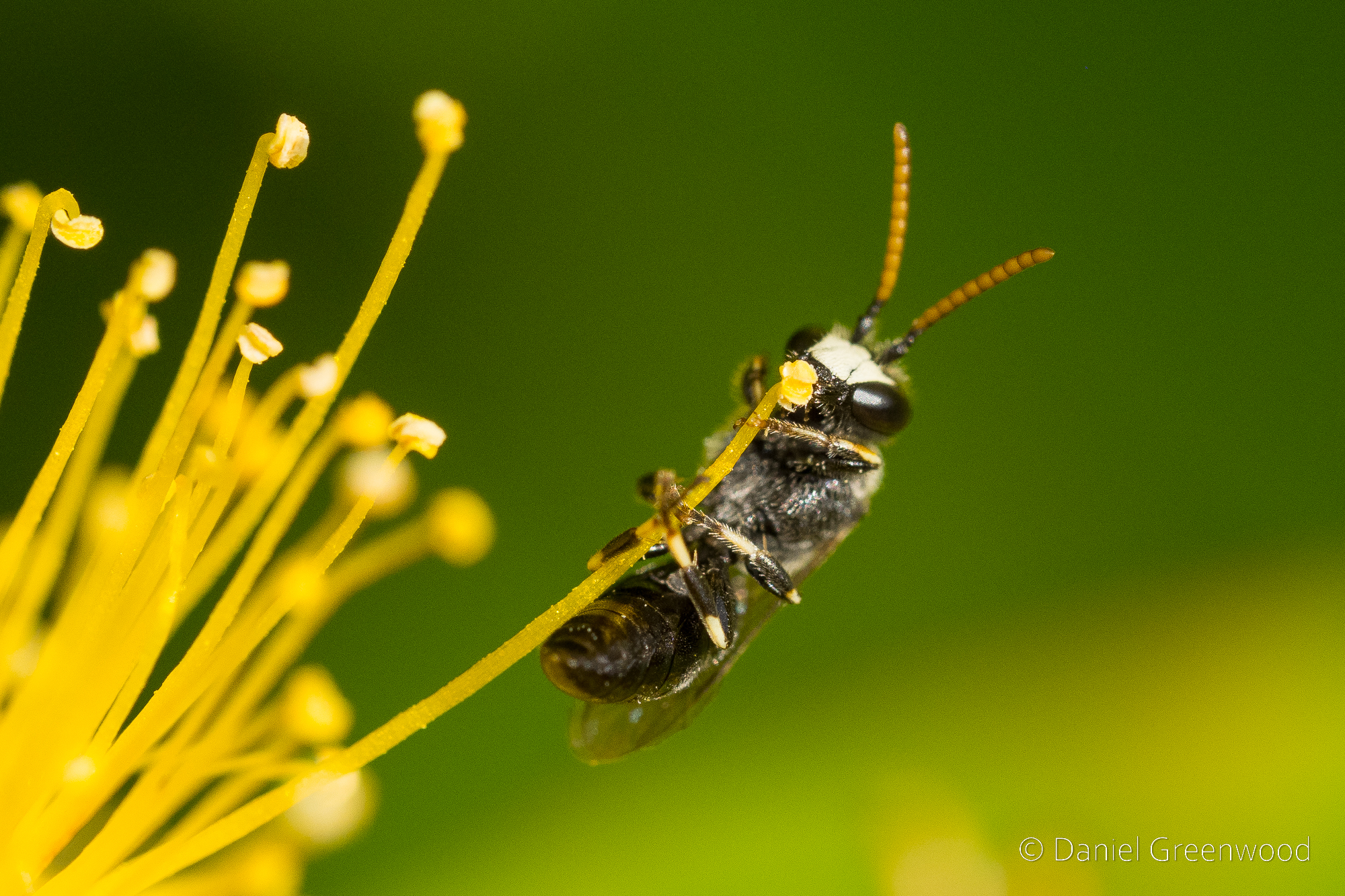
This is around the time when I begin to notice the very tiny yellow-faced bees (Hylaeus). I’m happy to identify them to that level, and don’t really take it any further.

And here we have some of the ‘best’ images I’ve taken this year. This yellow-faced bee is probably less than 4mm in length. Here it’s nectaring on the stamens of a cultivated garden hypericum. This was grown from a cutting taken from my grandmother-in-law’s garden and is a very good plant for pollinators, though it does need maintaining. I love the way the bee uses the stamen a bit like an Elvis impersonator on a standing microphone. Ah-huh-huh.

Here’s a bumblebee for scale!

I don’t think I’ve seen as many honey bees as in recent years, but there was a glut of them around May. There are reports of problems in the U.S. this year (bit of an understatement, considering who’s running things there).

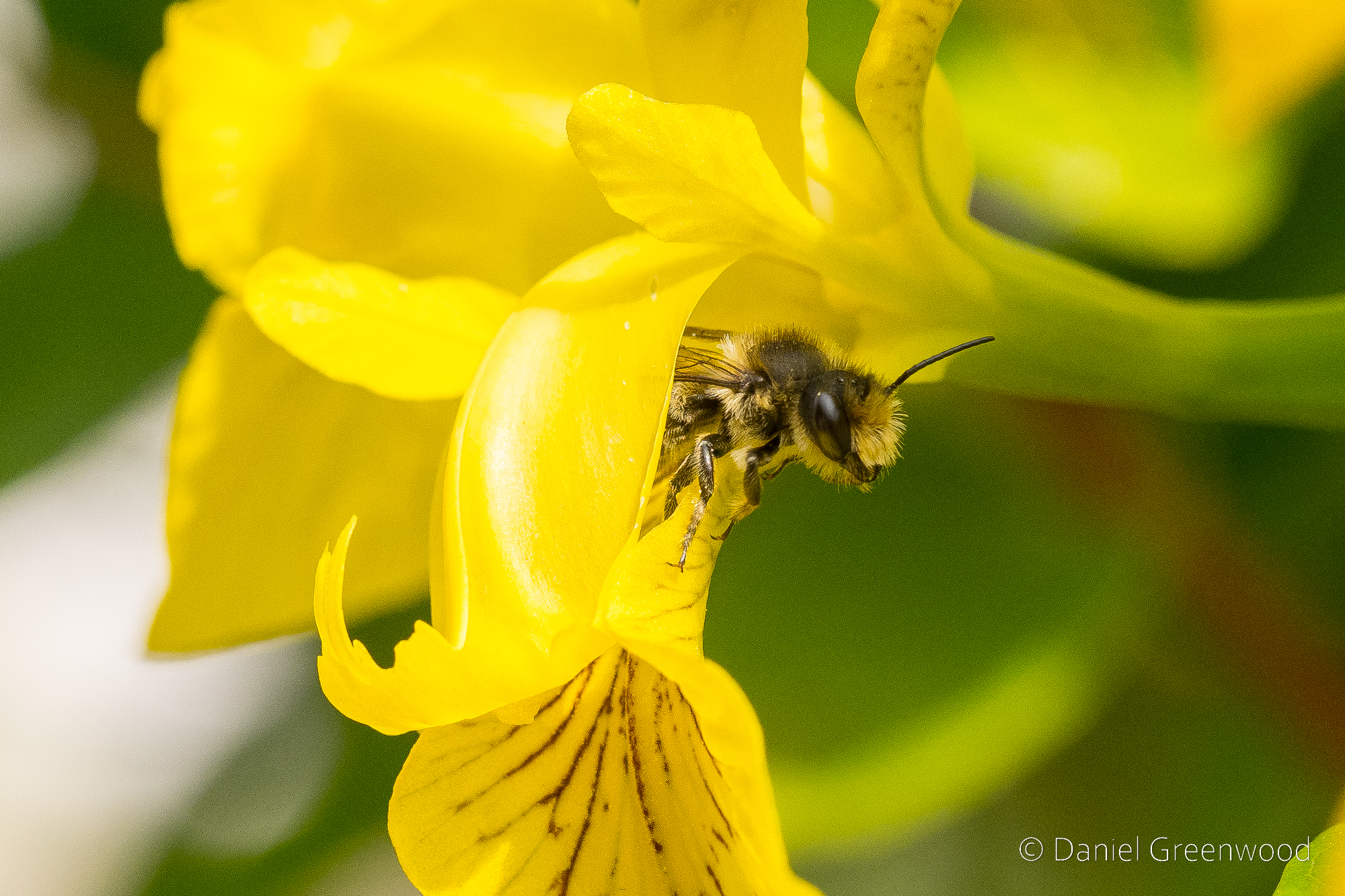
This solitary bee was visiting the flag iris in our little pond. I do enjoy the bee’s sideways escape. Not sure of the species, might be one of the Andrena mining bees.

I will now make like this bee and leave it there. Thanks for reading.

Macro | Support my work

Any pond will do

On Friday 11th April I was hanging out in the garden when I glanced over at the small container pond on our brick patio. It’s an old metal wash basin filled with plants and, well, water.

Birds bathe in it, foxes drink from it, and something rather special now lives in it.

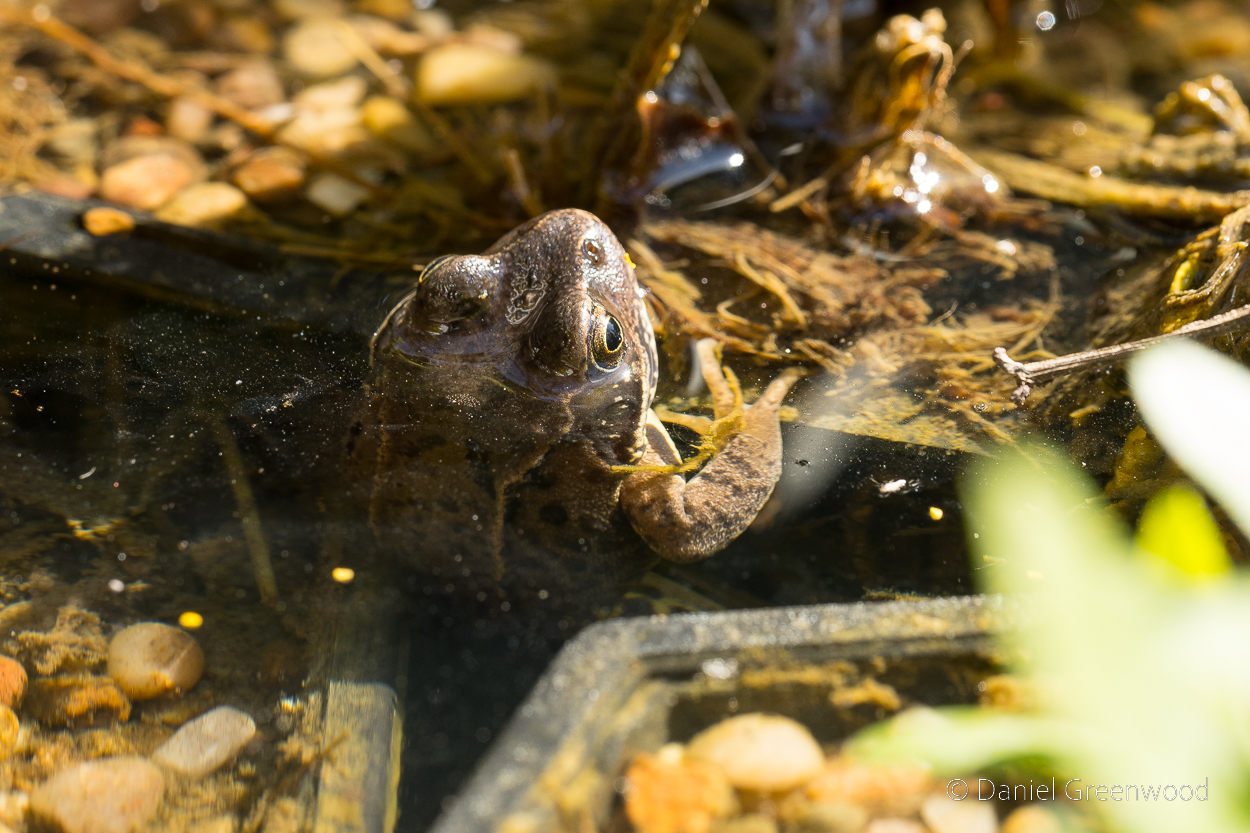
The first thing I saw in the ‘pond’ were two eyes looking back at me, and two big arms and webbed hands (are they hands?) holding onto one of the plastic plant containers.

Phone pic for scale

It says a lot about the state of nature in Britain that frogs are such a cause of excitement. We have obliterated our ponds in England, but there is a movement to try and bring back some of the most important ones – the oldest ones lost from farms.

It’s been so dry for the time of year, wildlife is really suffering with the lack of water. If you have the chance to build any kind of pond you should do it! We don’t have enough space in our garden to dig a ‘proper pond’, but we have been able to use a container we bought at an antique dealer. Without it, where would the frog go?

Elsewhere I’ve noticed the number of drone flies has ebbed a bit, but there are still plenty around. This is probably a tapered-drone fly, a species of hoverfly.

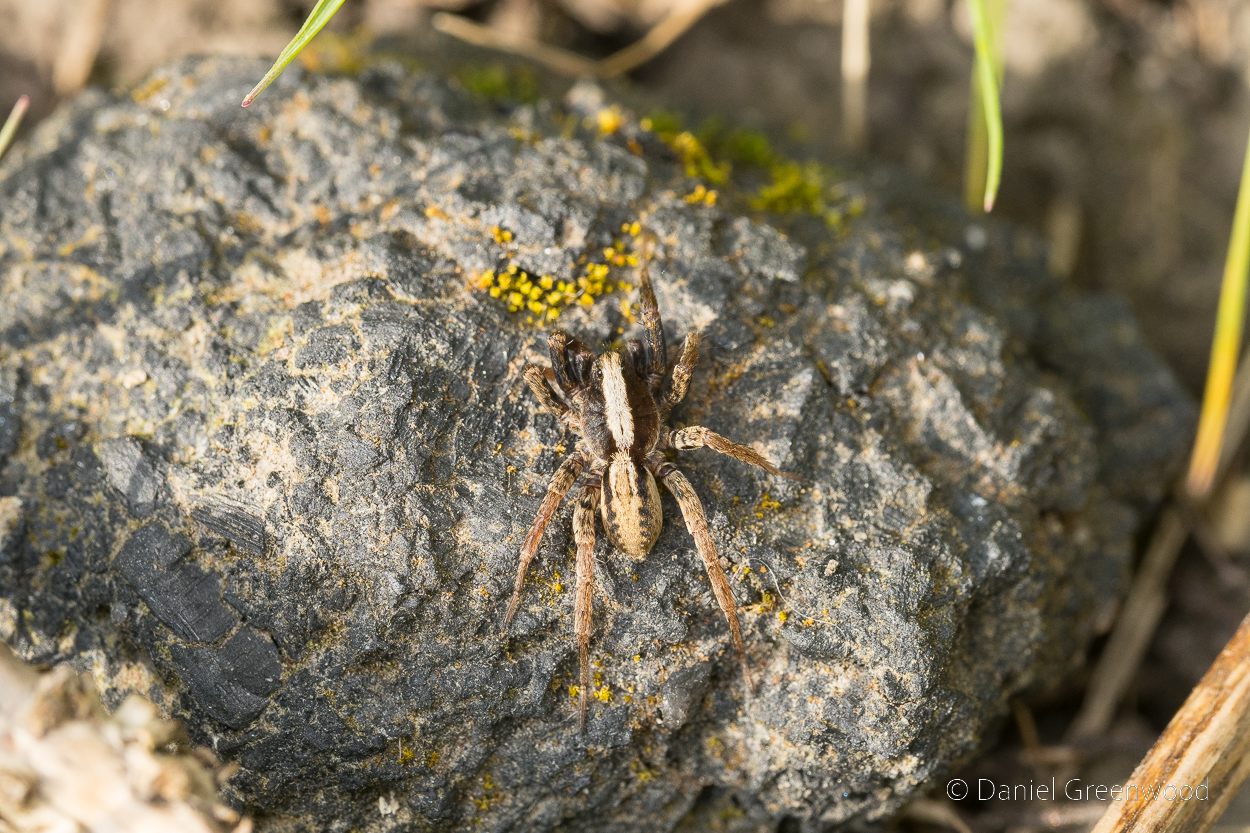
Sitting on this piece of charcoal (which you may notice is now being colonised by a very small moss) was a little spider. iNaturalist has suggested this is a fox spider.

It’s rather cuddly isn’t it? No?

At night we’ve begun to notice a powerful fragrance around the house. It’s a bit like honeysuckle but is probably a cheesewood, a species of plant from New Zealand. This grows in a neighbouring garden but reaches over to us. It’s absolutely covered in pollinators and the smell- wow. It doesn’t seem to be invasive so could be a good option for your garden if you like pollinator-friendly shrubs.

Thanks for reading.

Spring 2025 arrives

Five years ago we were facing up to the Covid-19 lockdowns. In response to the stay-at-home orders I began a weekly macro blog, an assignment from the gods? No, just our Supreme Leader at the time Boris Johnson and his better half in Public Health Chris Whitty.

While I can’t promise weekly blogs due to work and life commitments, it’s definitely time to dust off the macro lens after its winter slumber and step out into the garden to see what’s happening!
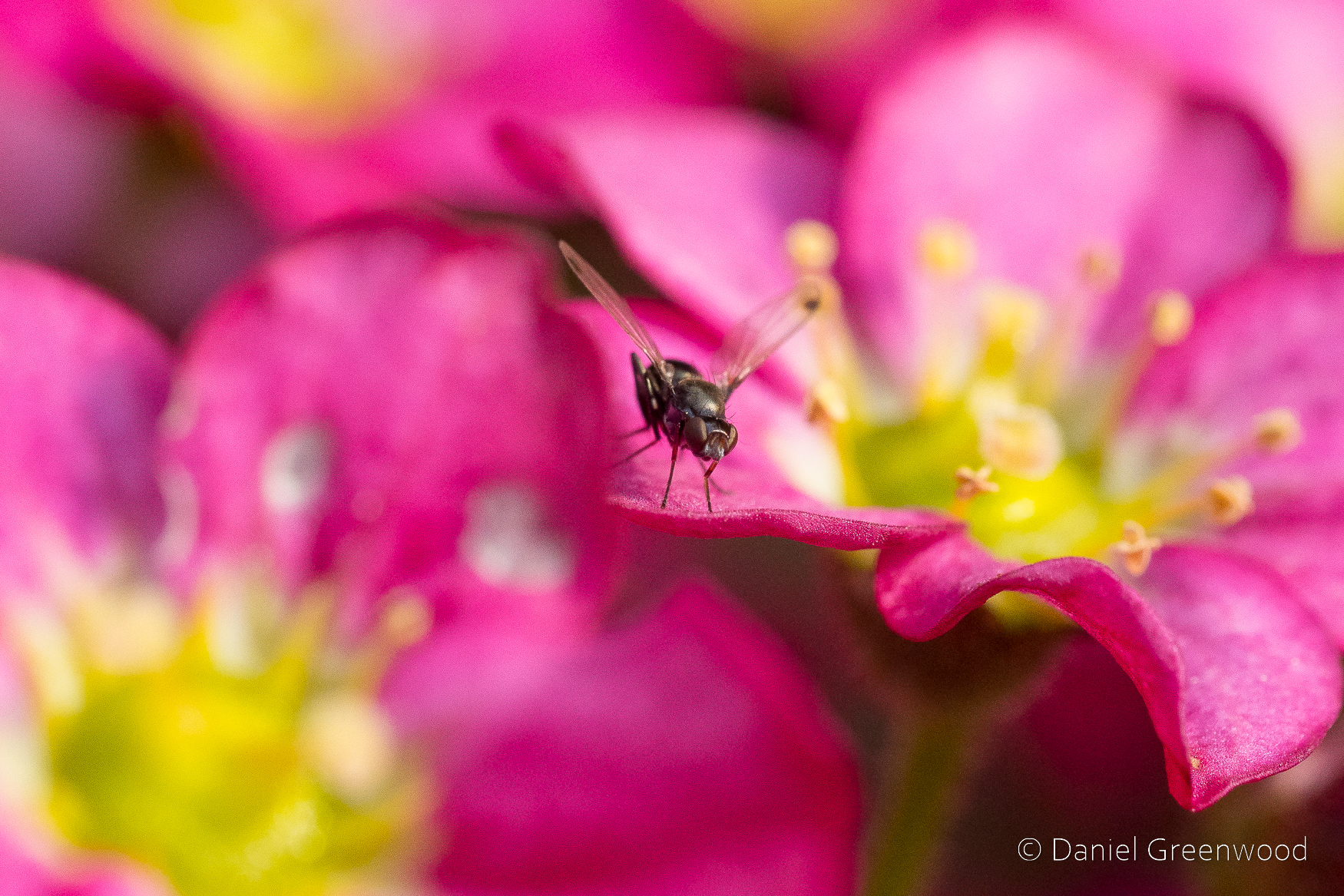
As ever, there’s far more going on than you might think. I also think it’s important that we look at and try to understand invertebrates when this misinformation is coming from the leader of the country (I know it could be worse, but get your facts straight, folks).

We depend on nature and our ecosystems and their wildlife for our food, clean water, fresh air and function. Wildlife has a right to exist and the world does not revolve around our species.

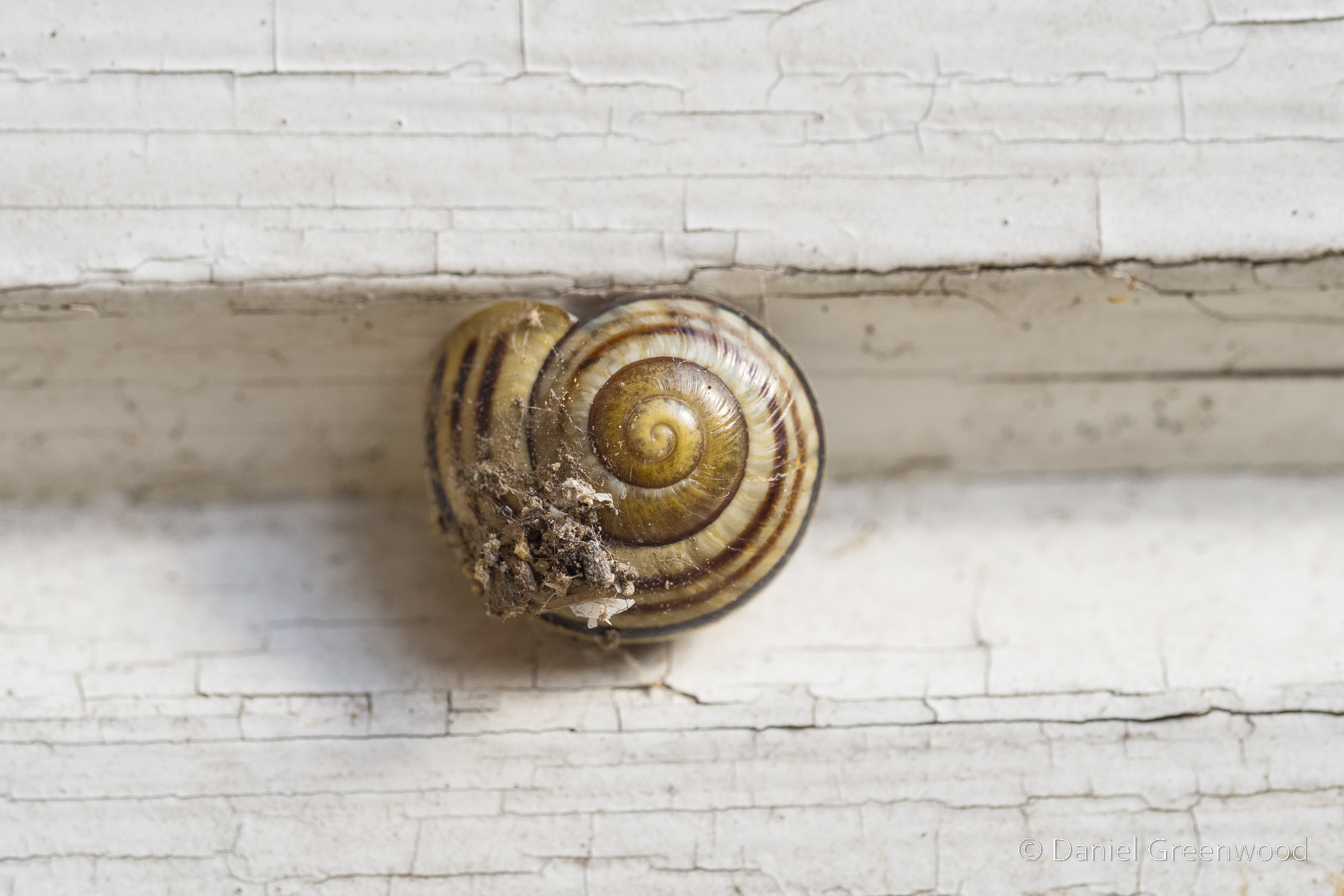
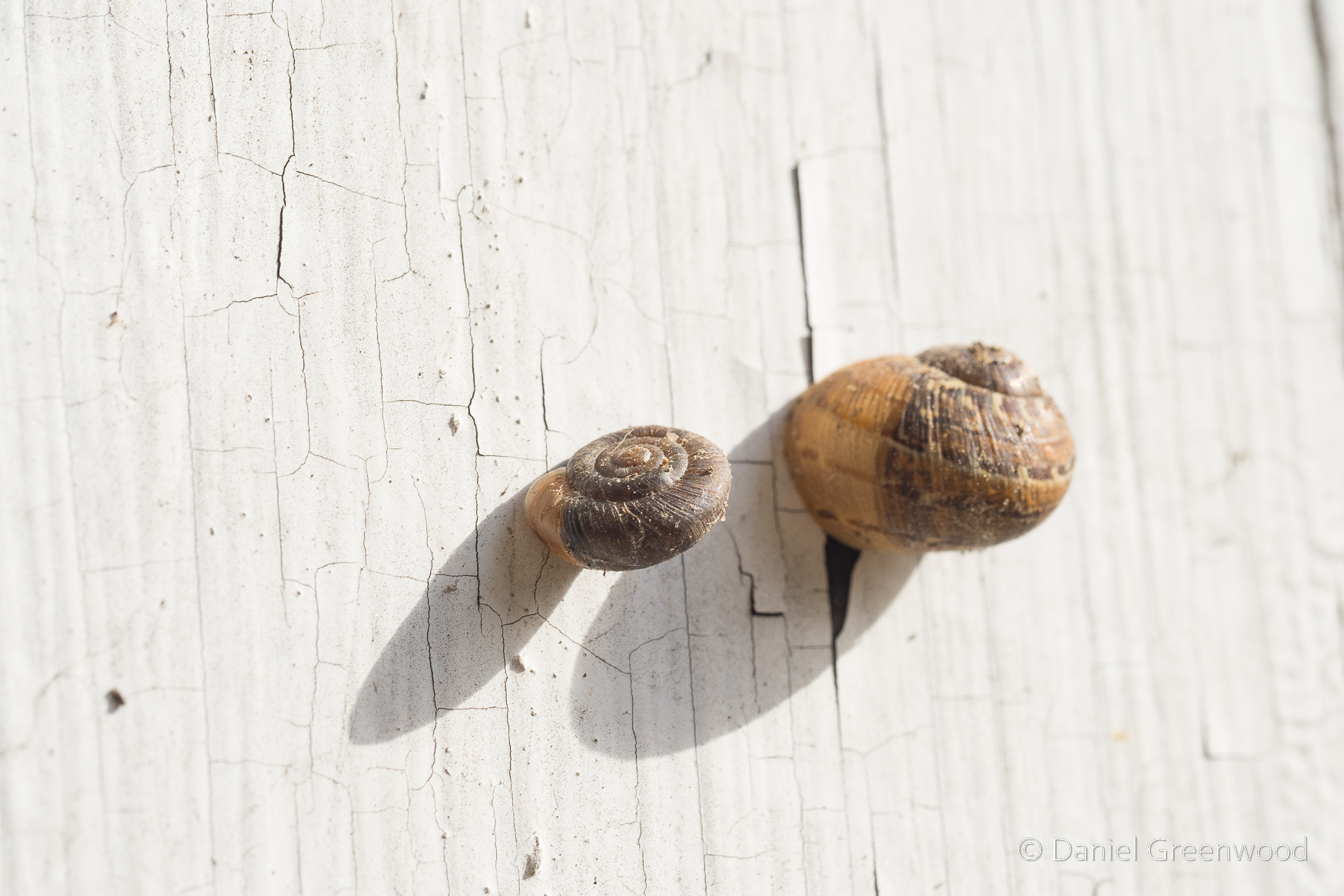
The snails are roosting in our front porch. My wife was wondering if they might be too hot there, as the paint’s white and it can get quite sweltry in there.

It looks to me like something is going on with the shells and they may be roosting to grow their shells. It’s not something I know much about. Please let me know in the comments if you have any info ๐Ÿ™‚

We have some nice pansies my wife planted out by our front door. You can see the bee drive-in here with the dark landing marks and the brush of hairs to ensure the pollen of other pansies are retrieved from a visiting bee.

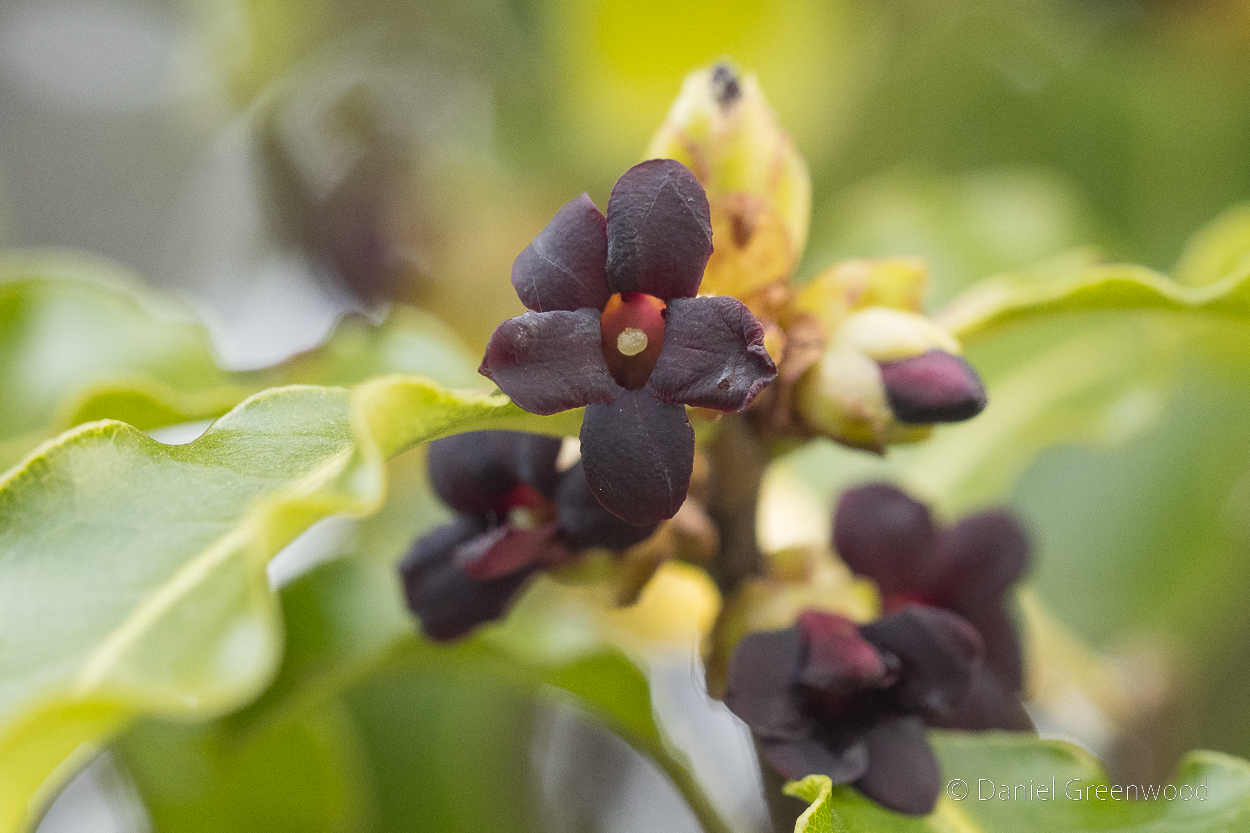
The broom plant flowers in a subtle way, these little yellow petals appearing from the red sepals.

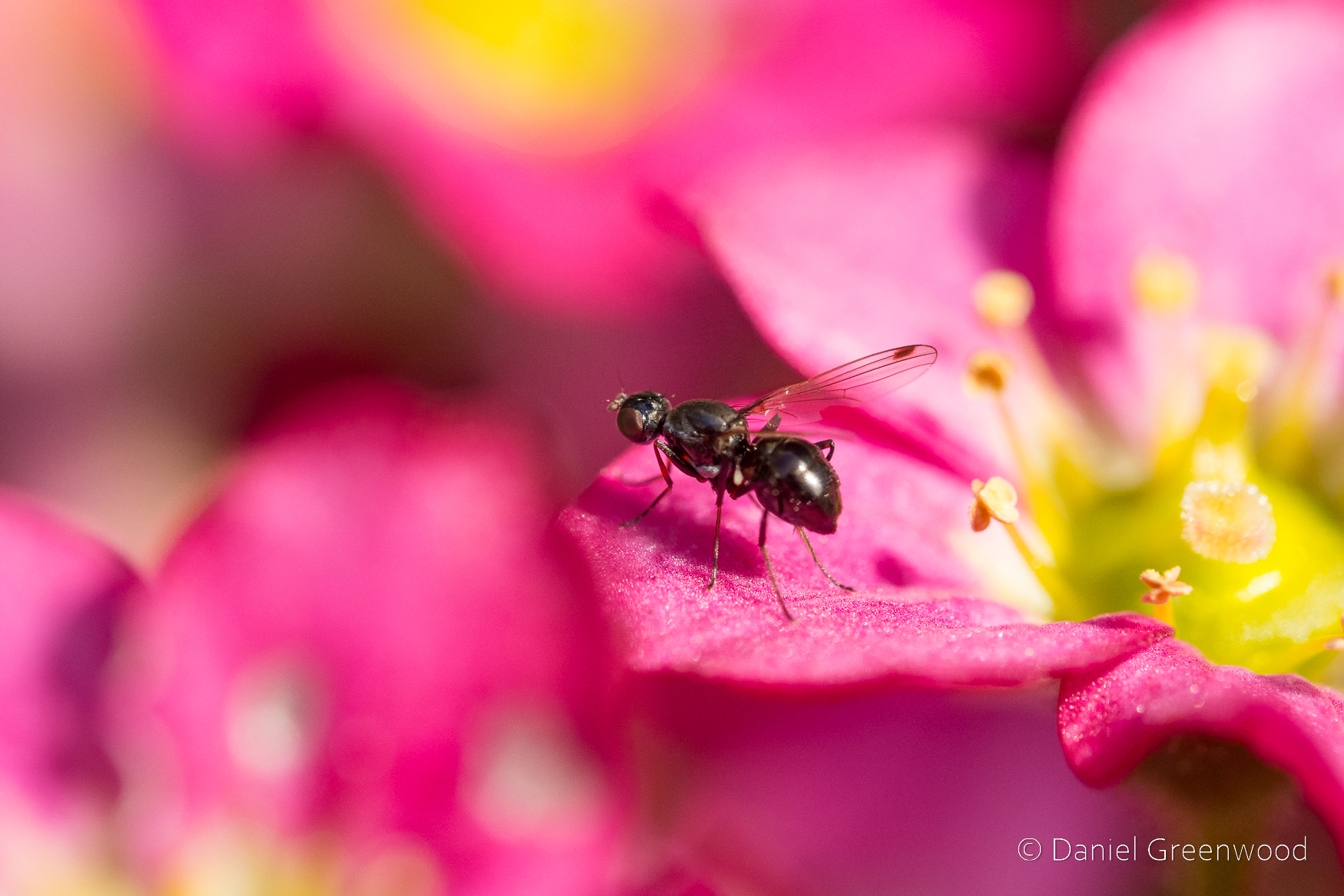
This is a common little fly that seems to stand around on leaves and petals for ages!

Their eyes are very cool, and I enjoyed the single spot in their wings as well. These flowers are some saxifrages my wife bought from the garden centre.

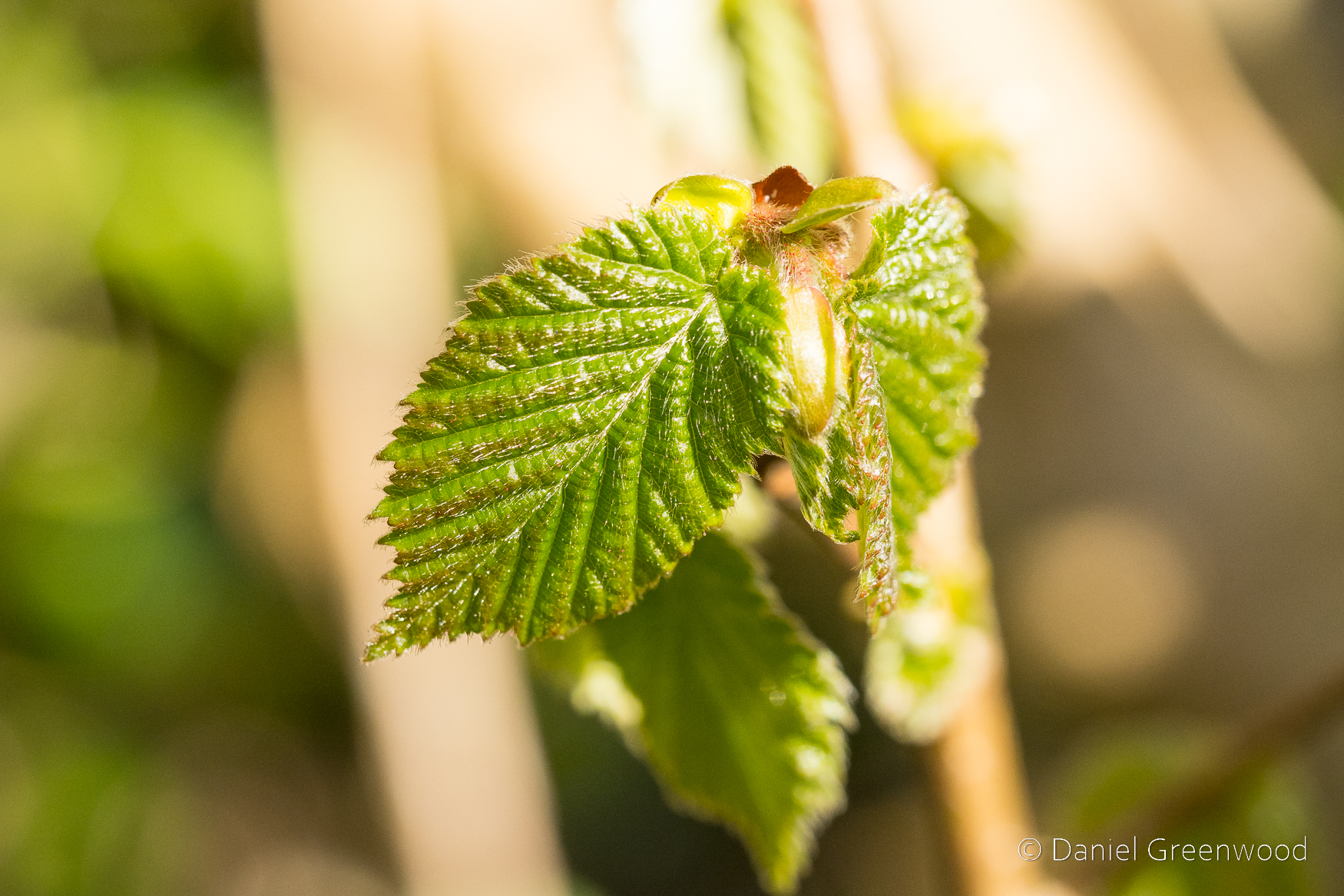
In January on a cold Saturday afternoon I laid or ‘plashed’ the hazel shrub I had planted out in our hedge. It’s a little hedge, but the usual shrub that made up the hedge has died back so I needed to take action. It’s so pleasing (‘pleaching’?) to see the hazel respond so well and new shoots to appear from the lain-down stems.

I also uprooted a sapling that a squirrel had cached as a seed, which is doing well. I planted this out around the time of frosts, which shows hazel’s hardiness. I did know that was the case, but it’s nice to see it come through.

The normal hedge I mentioned is this Skimmia japonica. It’s good for pollinators, no doubt. But it doesn’t seem to last well without pruning.

It was abuzz with drone flies as spring really began to arrive in mid-late March.

These drone flies (Eristalis) are probably the most common winged-insect in our garden at the moment. They’re quite funny I think.

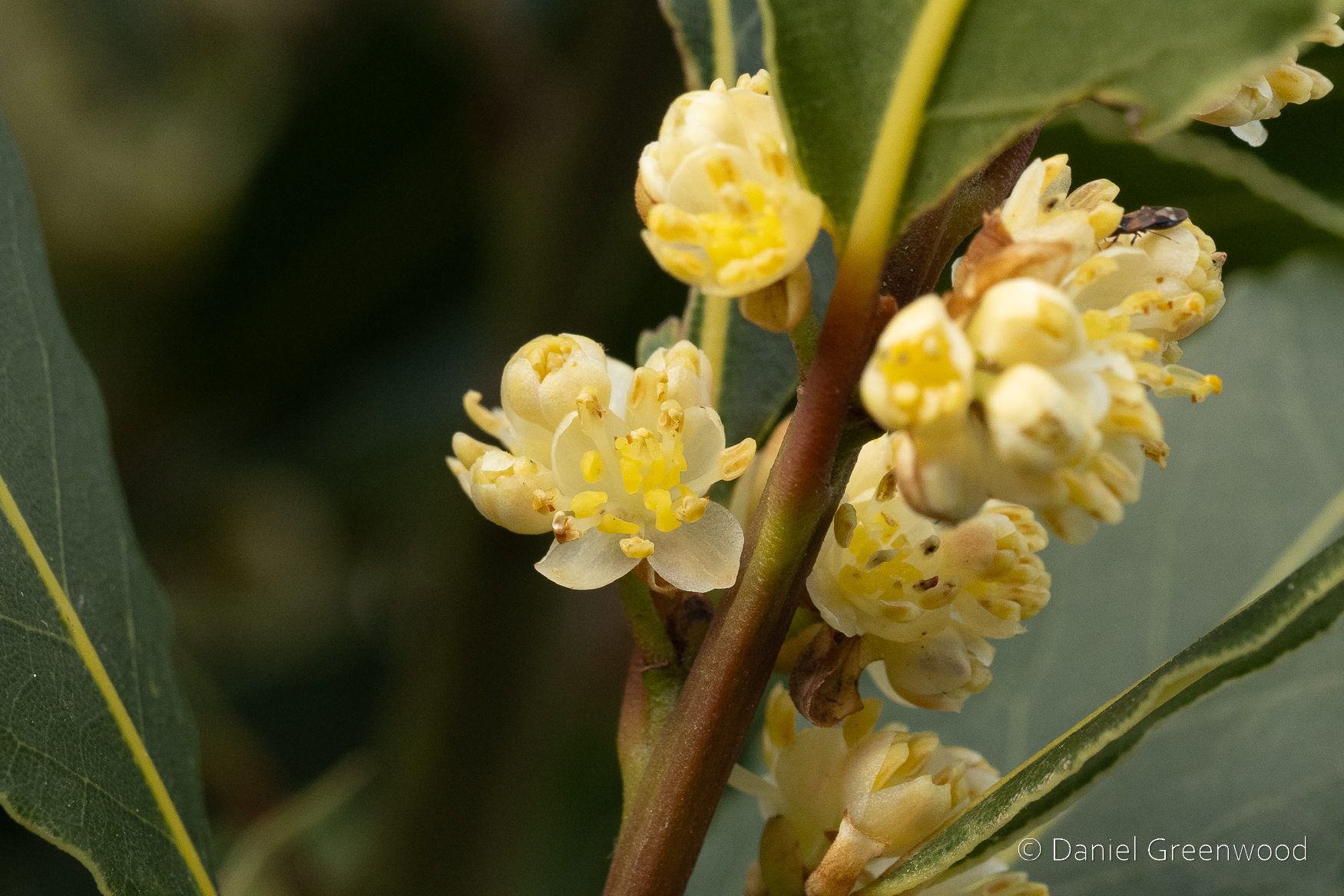
Bay flowers promise so much, but they are quite modest really. I am hoping this provides some decent nectar for any invertebrate that needs it.

I spotted this little crab spider hanging out on one of my thermal t-shirts. It’s probably Misumena vatia, the most common of the crab spiders.

A cat monument in our garden in memory of our cat Kaiser who loved this spot in the flowerbed. The wolf spiders also love this spot because it gets so warm. The white stone of the cat is even warmer than the surrounding soil. I think this may be a male and a female wolf spider, with the male the smaller of the two, with the palps (dark spots at the front of its head, in the cat’s eye!).

The fence next to the cat monument was a helpful basking spot for the first nursery web spider I’ve seen so far this year.

The flowering of our magnolia is short and sharp, but these globular flowers are a delight. Magnolias are very old trees in evolutionary terms, and here’s to another year under their belts.

Thanks for reading.

Macro

My 2024 in photography

Another year completed and lessons learned. Creatively I have found a balance with my equipment and the actual process of photography. I’m into my 6th year of working with Micro Four Thirds cameras and lenses, giving more space to enjoy the process of gathering photos – walking – because the equipment is light.

Cameras used include Olympus EM-5 Mark III, Oly EM-1 Mark III, Olympus TG-6 Tough compact camera, and Pixel 7a phone camera.

These photos should show the range of things I like to take pics of – not just mushrooms! ๐Ÿ˜‚

With the privileges available to me – health, location, resources, freedom of expression – here are my photographic highlights of 2024:

January

I did a couple of long walks in Sussex at the beginning of the year, exploring some new locations around the South Downs. I visited St. Botolphs church for the first time, one of Sussex’s special ones among thousands of already significant churches. Last year I set up a gallery for my fledging church photographs project which can be viewed here.

February

This felt like the moment of the light returning after the dark winter months. The Downs at Amberley are my gateway to the South Downs, and walking here is always worth the gentle climb.

March

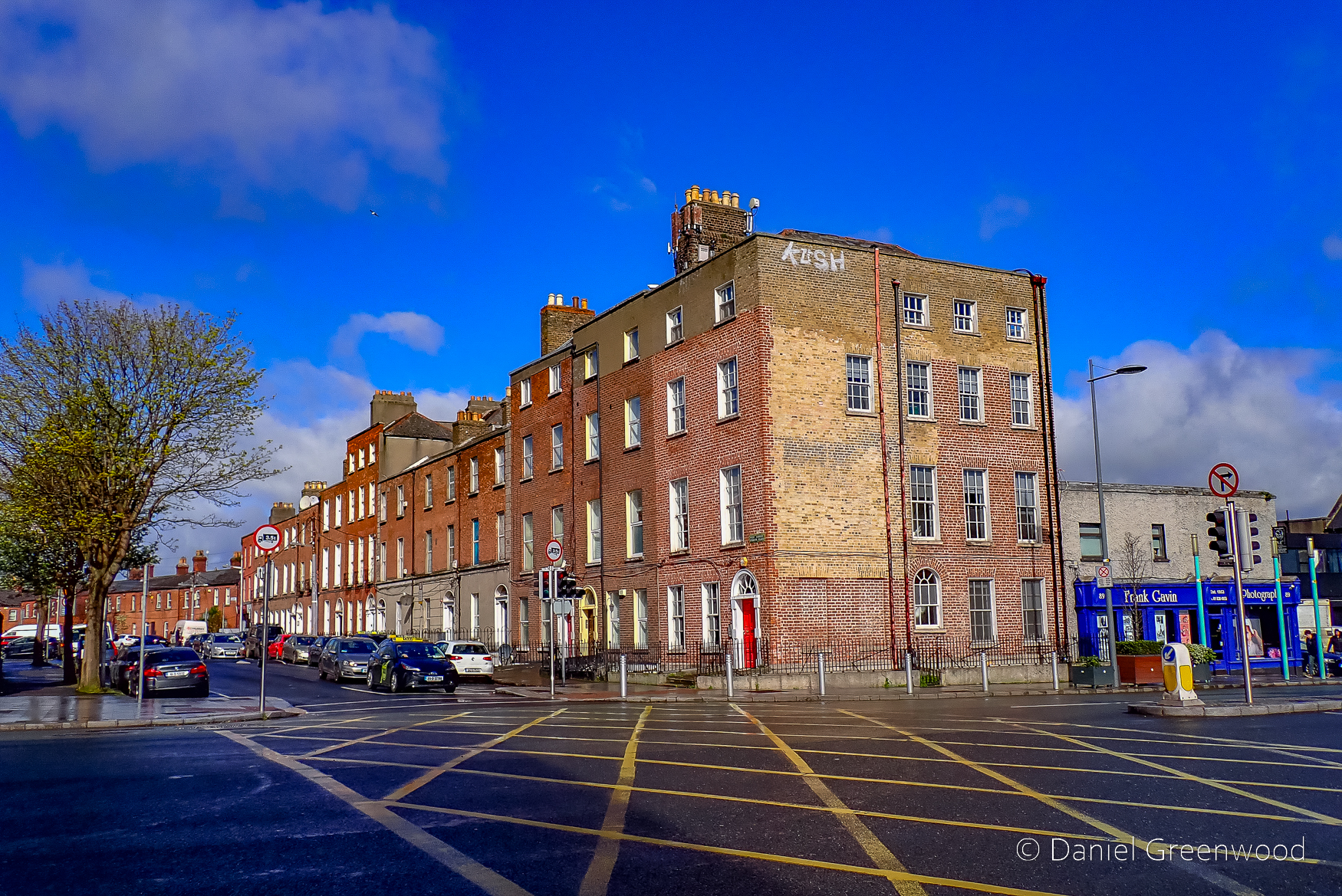
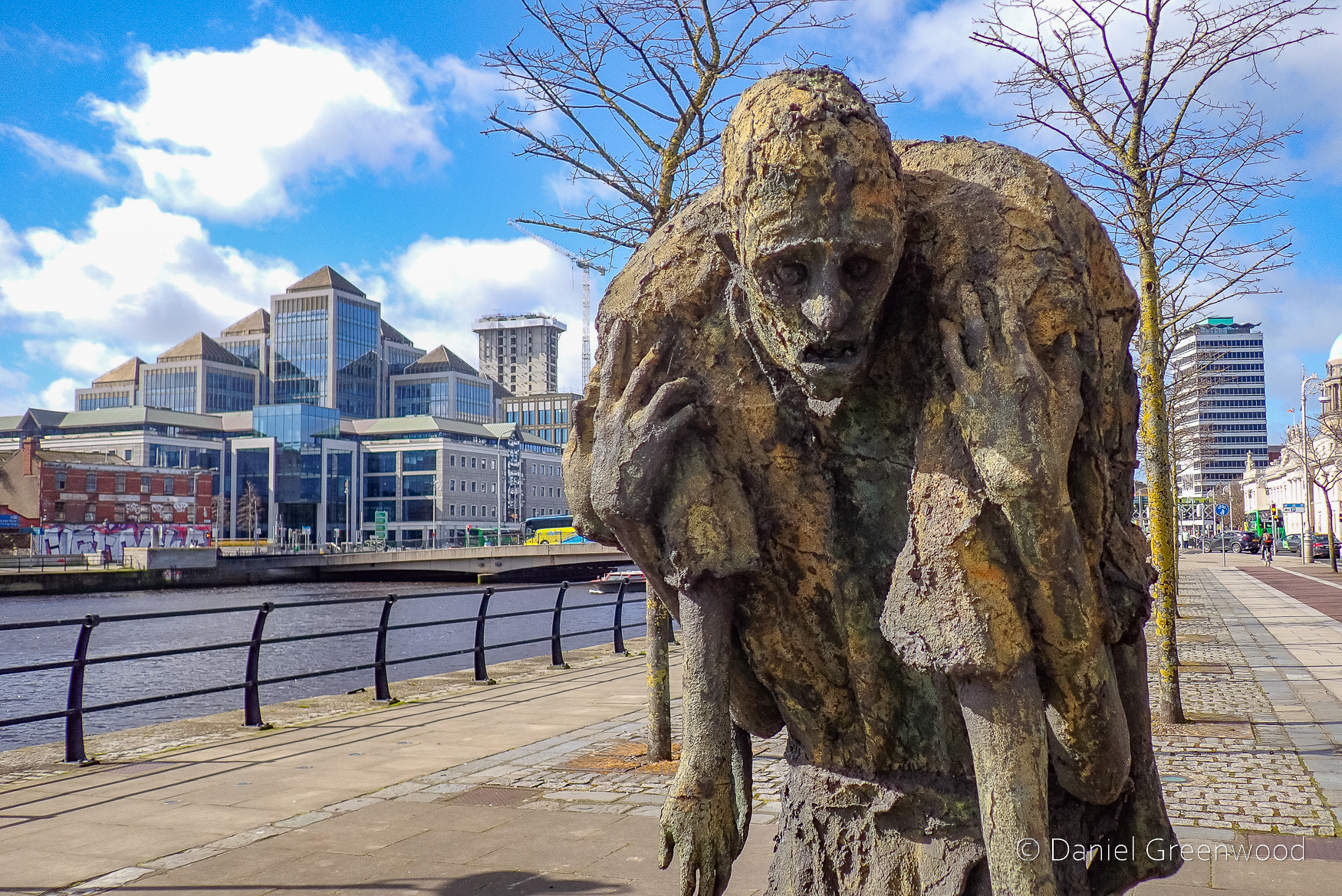
In March I visited Dublin for a weekend and took in the sights along the great river Liffey.

For a friend’s birthday we spent the weekend in York, which gave me a chance to take some compact camera pics of a few of the oak timber framed buildings. I’ve added a gallery for my ‘Oak Timbers’ project here.

April

I got married in April so there wasn’t time for much beyond the odd local walk. I was trying out my new Pixel 7a, bought because of its value and reported image quality. The camera is spectacular, I just wish it wasn’t a G**gle product. I blogged about it here.

May

Ah, memories. In May we went on our honeymoon to Austria and Switzerland, all by train. You may be sick of reading about that! I am definitely not sick of blogging about it though!
This was one of those one-off photos experiences. Thankfully the weather held and we saw the mountains in much of their glory.

June

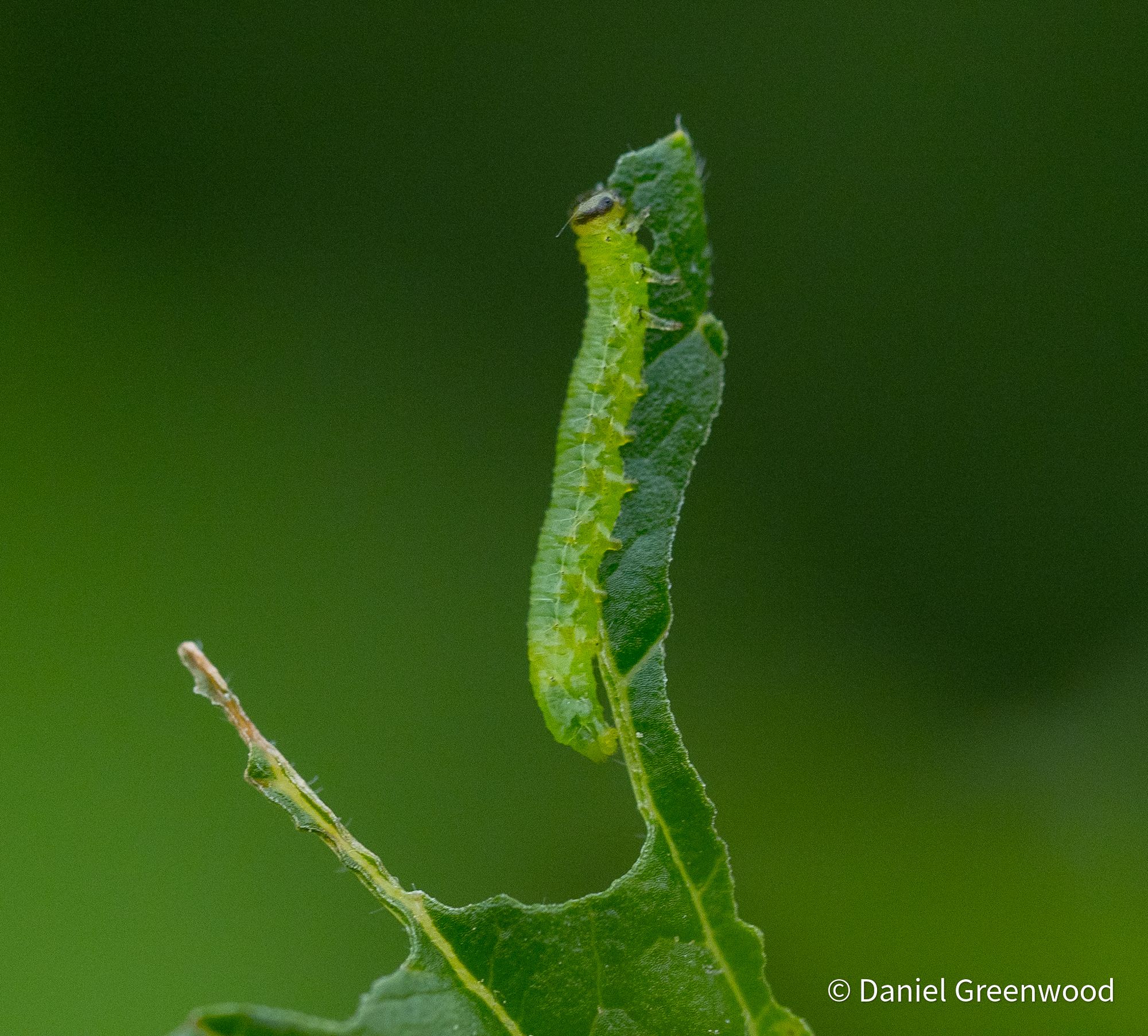
A bit of a lost month for photography because I started (yet another) new job and had to settle into a new routine. The highlight was probably these sawfly larvae which ate through some of the leaves on my gooseberry. Blog here.

July

“July, July, it never seemed so strange”, as the Decemberists sang. I caught Covid and didn’t really get back to normal for 3 months afterwards (Vitamin D is very important, people). My macro work was reduced by the evil contagion but I did find some nice bugs near home to share.

August

I managed to pap some pretty fine inverts in August, with this beautiful ichneumon wasp seen in my garden. I’ve not got anywhere near enough out of my Olympus EM-1 Mark iii and 60mm macro, but this showed just how good Micro Four Thirds cameras are for macro.

Another strongpoint for M43 cameras is that they can ‘stack’ images internally, something now copied by the big hitters. This is a composite of about 10 photos the camera has laced together to ensure the depth of field covers a deeper focus range. It means more of the, rather gruesome, subject can be seen in detail.

September

In September I made my first ever visit to the iconic sea stacks at Downpatrick Head on the North Mayo Coast in Ireland. Mayo has an international dark skies designation so I was able to mess around with the Milky Way. But for the astro photo I haven’t processed these images yet so here are a couple of phone photos.

October

As I have lamented on my Fungi Friday blog, 2024 was not the best mushroom season. But there are always things to find out there. I found this knocked over fly agaric, which was in perfect condition, ready for its portrait.

November

Autumn is a time for Dartmoor for me and my wife, and despite colds we managed some walks onto the moors in the National Park. We found an amazing array of waxcaps, like the crimsons above, which you can see in full on Fungi Friday.

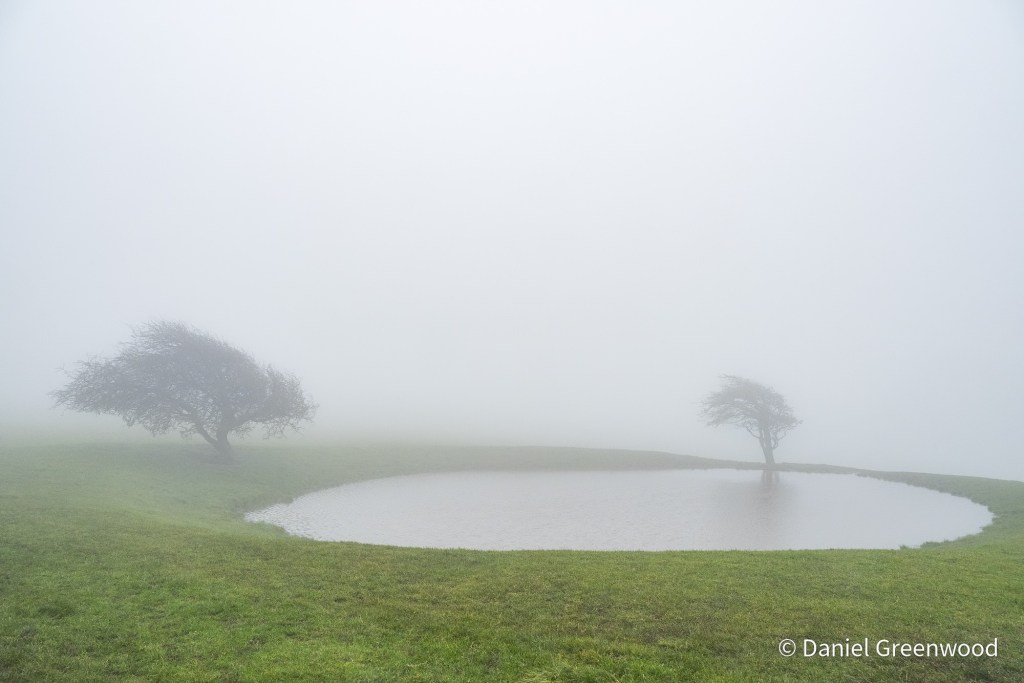
On the last day of November I hiked with my South Downs amigo from Ditchling into the mist. This is the much-photographed Ditchling dew pond, shrouded in mist.

December

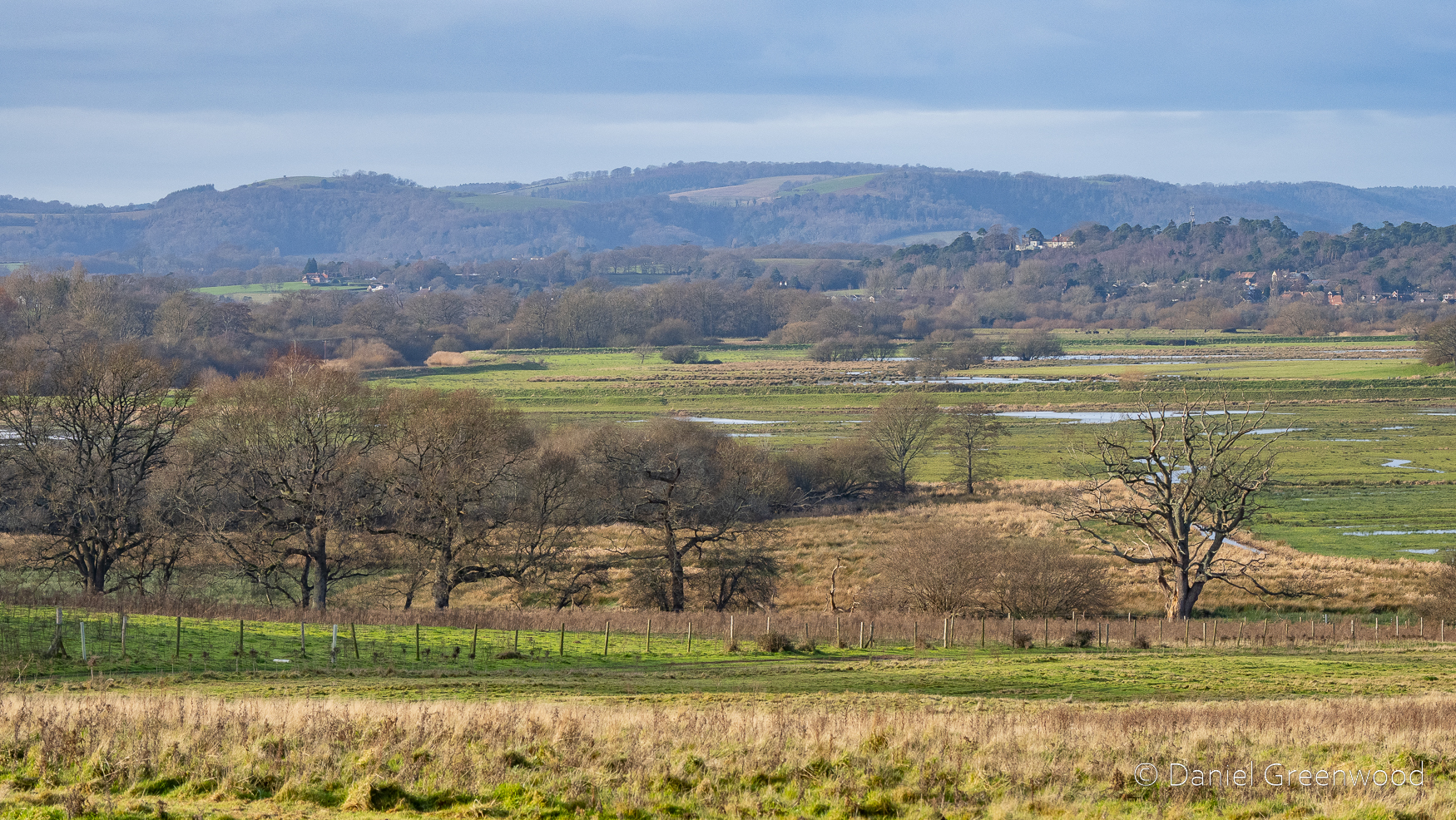
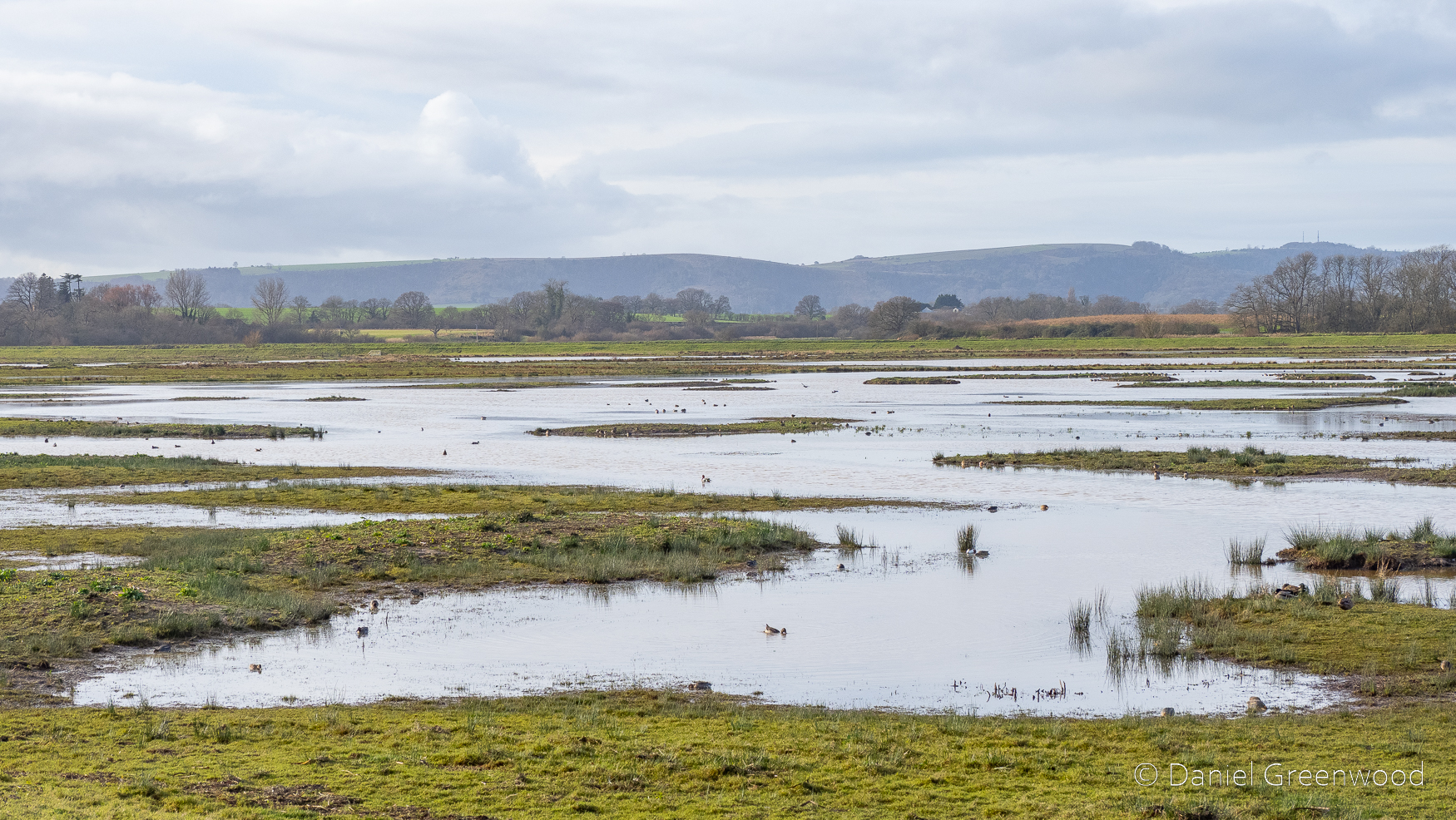
The weather in December was very grey and damp, and all the Christmas demands gave me only one meaningful walk – to Pulborough Brooks in West Sussex.

Thanks for all your support in 2024 and wishing you peace and happiness in 2025.

Wasp-faking at Bedelands ๐Ÿ

Last August I recorded a podcast with Dr. Beth Nicholls about bees. The podcast was recorded at Bedelands Local Nature Reserve in the West Sussex Weald. You can listen to that entertaining jaunt (your thoughts and mine) through bees here.

I only had a couple of hours to record with Beth and spent the time afterwards seeing what was living there. There was a lot of wasp-faking going on, that’s for sure. It’s taken me nearly a year to actually find the time to look through the images and process some of them.

Bedelands is a Local Nature Reserve (a local authority designation for green spaces of ecological and public significance on land which is in public ownership or similar) in Burgess Hill. It’s a mixture of Wealden woods of oak and hornbean, some wetlands, and Wealden grasslands. The grasslands seemed to be quite rich to me in both invertebrates and flora. A lovely space.

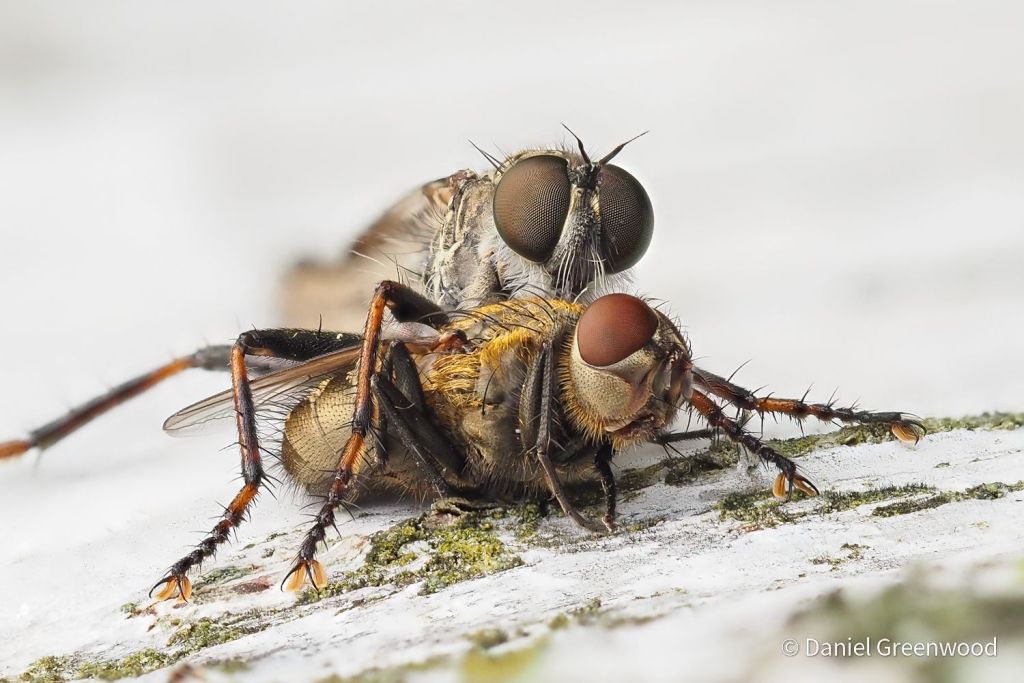
This is a very cool hoverfly that can be found over quite a large international range. It’s one of the more obvious wasp-mimic hoverflies. Its scientific name is Chrysotoxum bicinctum. Absolute wasp-faker.

A more common hoverfly is one with a great common name (among others) – the footballer! It’s another wasp-mimic species. The football name comes from the stripes along the thorax (below the eyes above) which look like Newcastle, Grimsby or Juventus style kit colours.

In the moth world, I found this small grey-brown species that appeared much like a grass head. It was reaching over an oak leaf and wasn’t bothered about my lens getting super close. This appears to be one of the grass veneer moths. Moth knowledge is not strong in this one.

The scales of moths are quite incredible up close, like little roof tiles or pieces of paper.

Here’s a closer look.

Moving into the non-insect, invert world, August is a month of arachnids. This is a European harvestman, a harmless thing. They use their legs to do their ‘seeing’.

The desiccated seed cases of a flowering rush was the hiding place of one of the ground crab spiders.

I have been seeing this in my garden, but they seem to be quite common elsewhere and in places like grasslands.

Perhaps the most exciting and dramatic sighting was this wasp spider, of which there were a couple around. They’re recent arrivals in the British wildlife community, and another addition to the wasp-mimic gang.

The underbelly of the wasp spider doesn’t do justice to its name. From this angle you can see just where it gets its name from.

Thanks for reading.

Latest from the Blog

November 2025: beware of pity

I’ve had a burst of American visitors in recent days (to my blog, not my house). So thanks for visiting, y’all, and sorry about the year you’ve had. You may have noticed I’ve slipped to monthly posts on here. Between April and October I posted blogs every Monday without pause, which is a tricky taskโ€ฆ

Summer-autumn 2025: unveiling the sun

Here’s my seasonal update of stuff you don’t need to know about, but then welcome to the Internet. What Iโ€™m writing Soon I will be self-publishing my third poetry collection, Foolโ€™s Wood. It’s seven years since my last one and this collection has taken longer because of LIFE. There will be a booklet and alsoโ€ฆ

Macro ๐Ÿ“ท: the smallest wasps on Earth

This blog often complains about the poor understanding in England regarding wasps. I began drafting this post in the midst of whatโ€™s known as โ€˜the silly seasonโ€™, when Britainโ€™s tabloid newspapers turn their guns on gulls, wasps and spiders, with a seasonal vacuum in news. However, in a global pandemic there is no real vacuum in news, and there is no way Iโ€™m going to go looking through those rags for stories I know are rubbish. Perhaps it’s my Scouse heritage.

What I didn’t expect was for YouGov to run a poll on the most hated invertebrates in the UK. I don’t understand how this helps in a time when invert populations – which we depend on for survival – are crashing. You know what they say, don’t trust the polls. Unless it’s the most recent ones in which case please God let it be true.

Moving on.

Yes, you guessed it, this is another post about wasps. This time, itโ€™s some of the smallest wasps in the world. The group I encountered, and which are shown here, could amount to a total of 500,000 species, with about 470,000 of those species unknown to science. Do you need help picking your jaw off the floor?

Reminder: we are just the one species, Homo sapiens.

You have to think sometimes โ€“ imagine all the ecological networks and relationships between species which we actually have no idea about. In places of the highest biodiversity, theyโ€™re being made extinct by the loss of habitat, before we even know they exist. Jair Bolsonaro has more to answer for than we may yet realise.

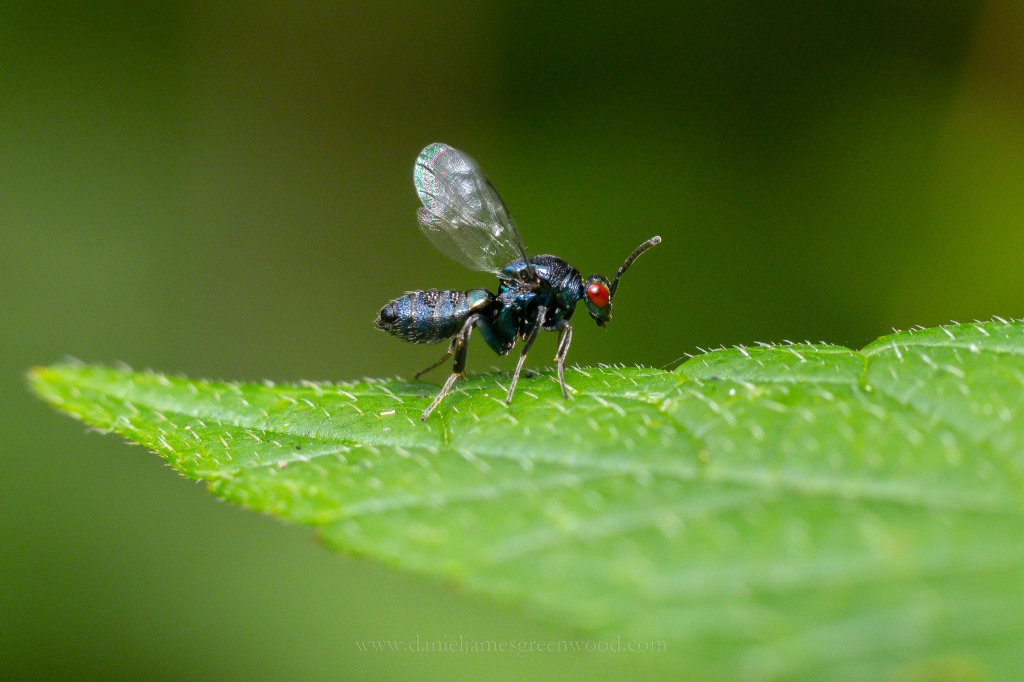
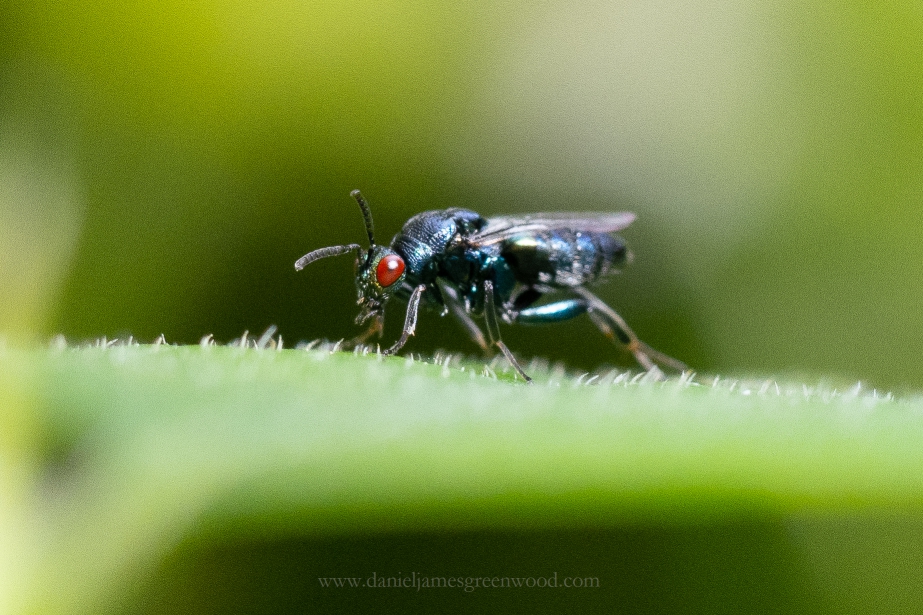
The wasp photographed here is now a species I know thanks to iNaturalist โ€“ a chalcid wasp in the genus Ormyrus. โ€˜Chalcidโ€™ comes from the Greek word for โ€˜copperโ€™ because they have a metallic appearance.

Back in August I visited a nature reserve local to me. The meadows had far more seed heads than flowers and I wasnโ€™t intending to see a huge amount of invertebrate life. I give up on birds around July when they go on their holidays, usually low in a bush somewhere.

In actual fact I found a lot of species, many of them quite happy to be photographed, though of course not yet understanding of what a photograph is. I was drawn to a large area of dead nettle, a family so big there are many plants I just donโ€™t know the names of yet.

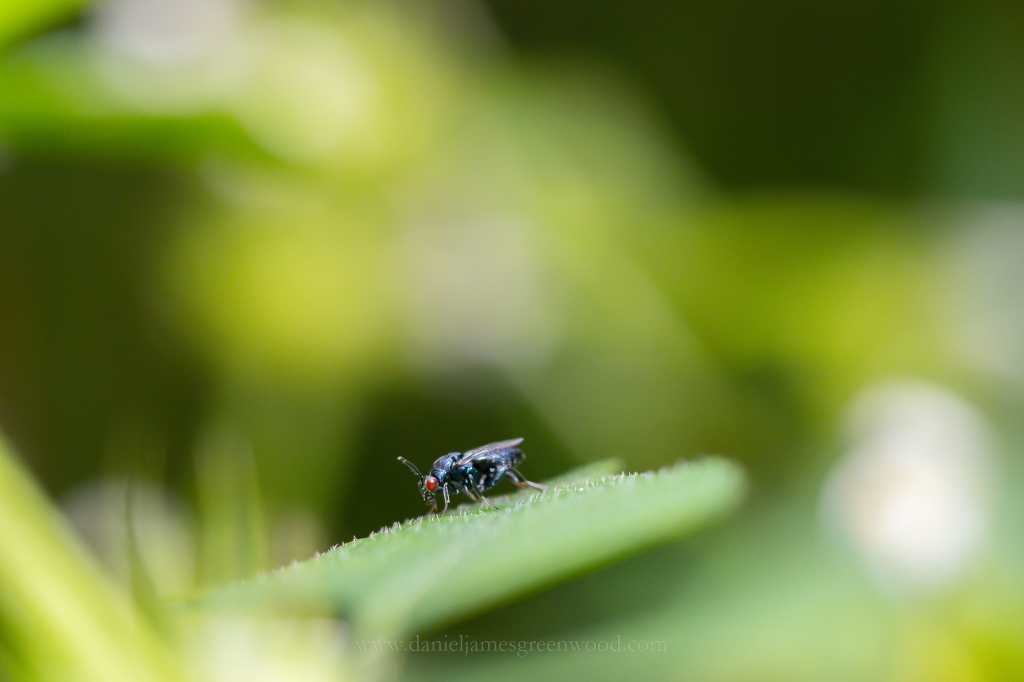
Looking at some of the leaves of the plant, I noticed something about 3-5mm in length, resting on the leaf. When I looked through the macro lens and additional extension tube, which magnifies the view further, I could see it was a type of wasp.

This wasp is obviously a great deal bigger than that. That said, I couldnโ€™t see that it had red eyes without some magnification.

Chalcid wasps are parasitic species, as outlined by their Wikipedia entry:

Most of the species are parasitoids of other insects, attacking the egg or larval stage of their host, though many other life cycles are known. These hosts are to be found in at least 12 different insect orders including Lepidoptera (butterflies and moths), Diptera (true flies), Coleoptera (beetles), Hemiptera (true bugs), and other Hymenoptera, as well as two orders of Arachnida, and even one family of nematodes.

Wikipedia via iNaturalist

I’ve written about parasitic wasps before.

Now I donโ€™t know much about the very small wasps, and one thing I really didnโ€™t know was just how small they get. Some species of wasps are smaller than the width of a human hair, or even smaller than a single-celled organism!

Perhaps they’ll be the ones to get pilloried during 2022’s tabloid silly season. In truth, I doubt it.

Thanks for reading.

More macro

Macro ๐Ÿ“ท: a ruby-tailed wasp in the Adur valley

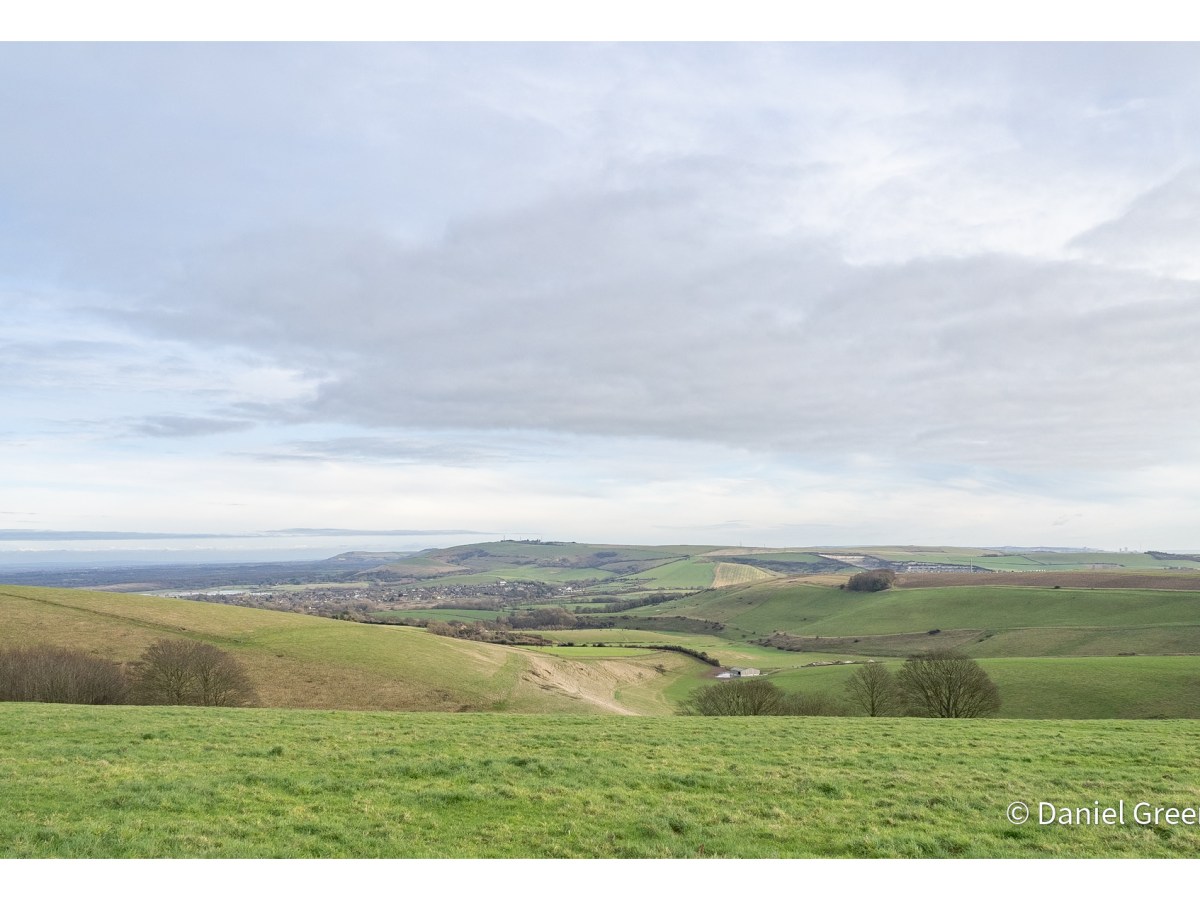
I got to spend the afternoon wandering around the Adur valley recently. The River Adur runs through West Sussex where it reaches the sea at Shoreham. There are wonderful views of the South Downs, especially from the area I was wandering around.

Truleigh Hill on the South Downs, seen from the Adur valley

This landscape fascinates me because it was once a much wider and wilder estuary. The town of Steyning had its own port, but the river’s margins and the marsh has become farmland. Looking at the maps you can see Rye Farm, with Rye potentially from the West Saxon word for ‘island’, just as it once would have been when surrounded by water or wetlands.

The River Adur

It was the end of a very rainy period and the insect life was out in force. There were hundreds of bumblebees on tufted vetch in the damp margins and probably thousands of newly emerged grasshoppers.

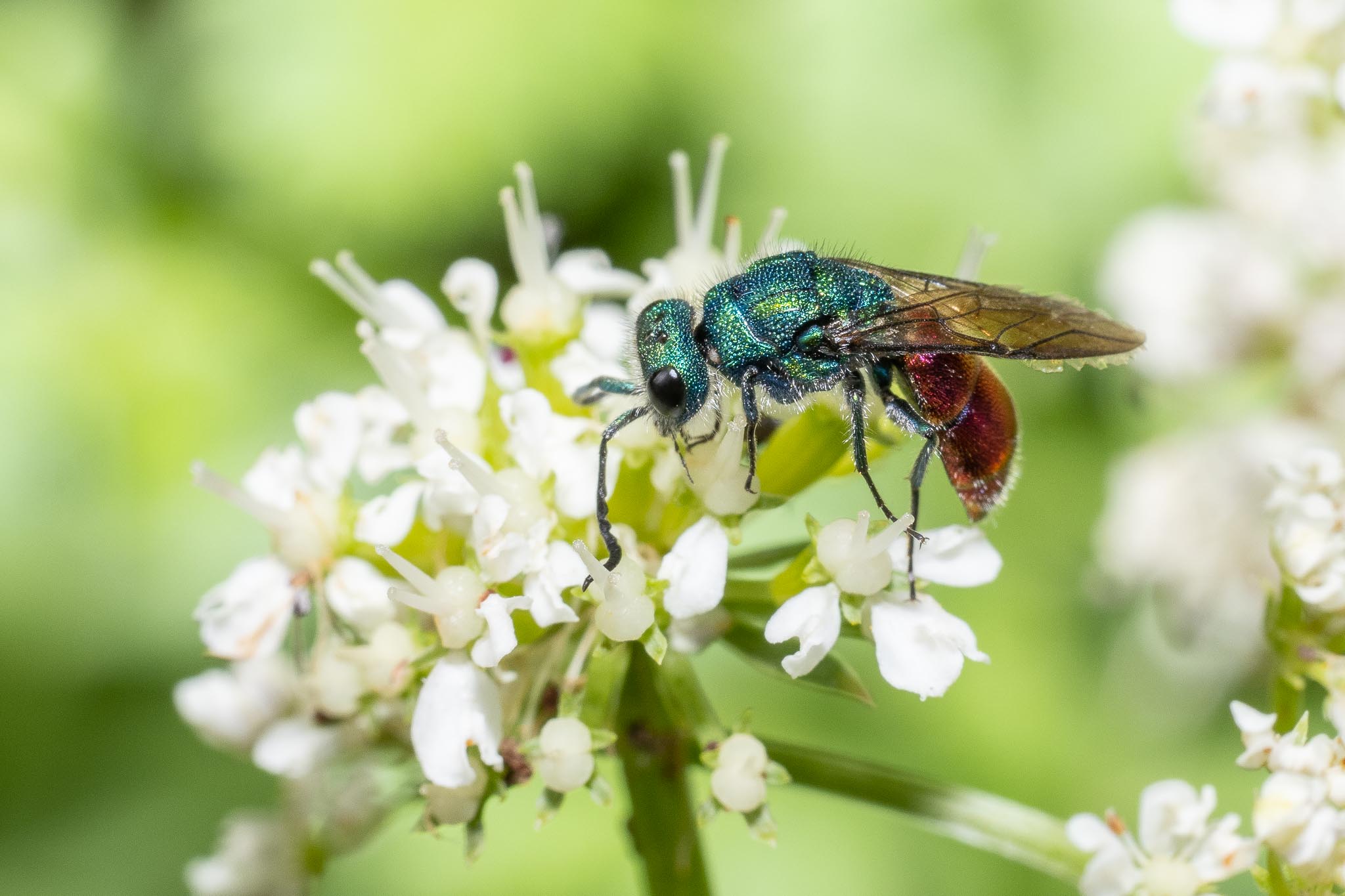
I wasn’t alone on this walk and so couldn’t linger too long. But along one of the lanes I found some umbellifers. On one flowerhead there was the unmistakable green and red of a ruby-tailed wasp!

They are stunning insects – with metallic blue-green thorax and a ruby-red abdomen.

The wasp was feeding on hogweed, a popular plant with pollinators.

This is a better view of the ruby abdomen.

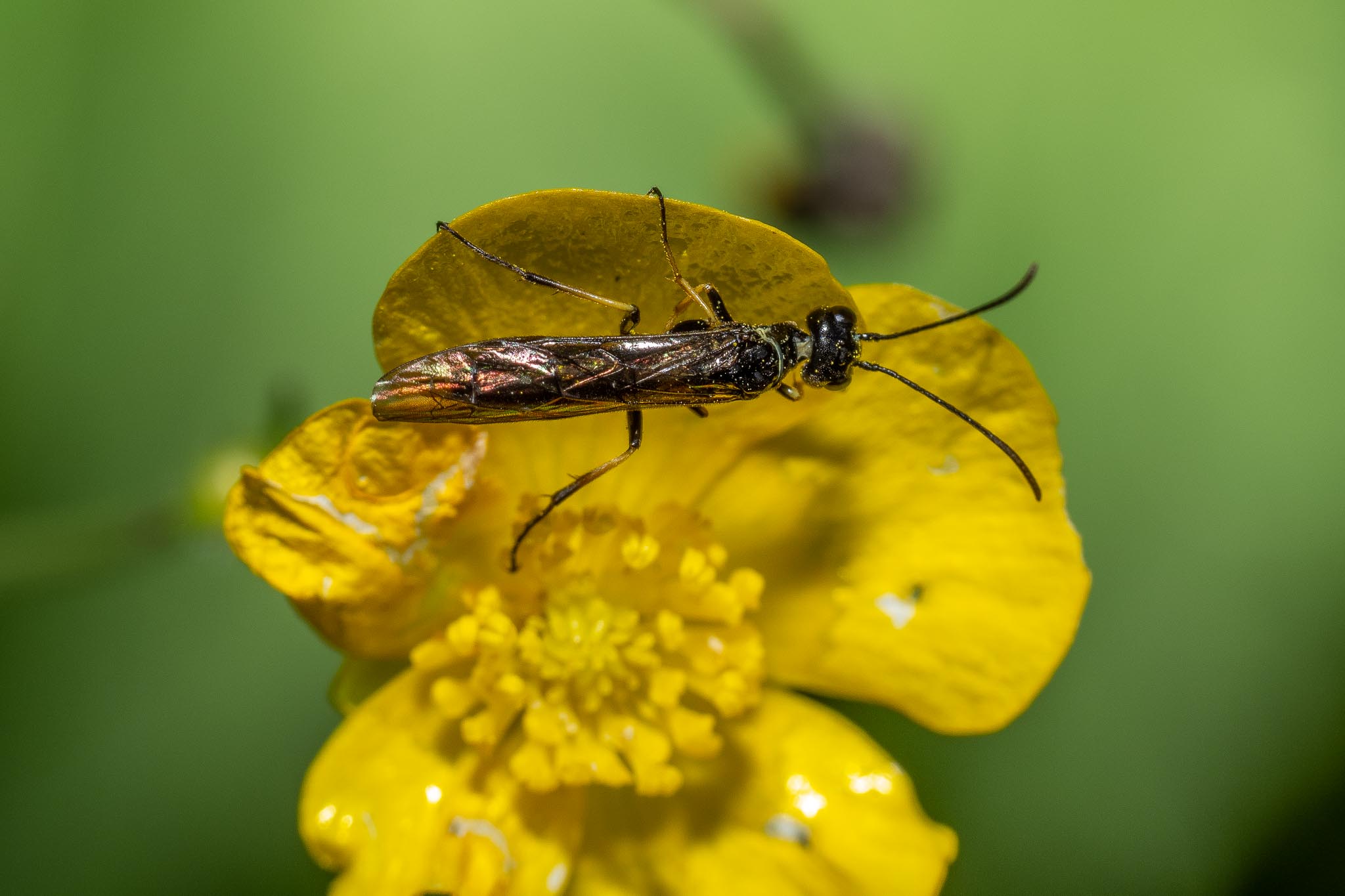
There were just so many insects out and about, it was a joy but also a massive distraction. Buttercups are often the favoured haunt of sawflies – the earliest relative of wasps. This is a species in a group of rather elongated sawflies.

Tufted vetch was growing in the flowery margins where the bumblebees were in great number. There were also large numbers of small tortoiseshell butterflies.

On a fence near the river a blue damselfly was eating some kind of bug. It was so focused on chewing its prey that I could get very close indeed.

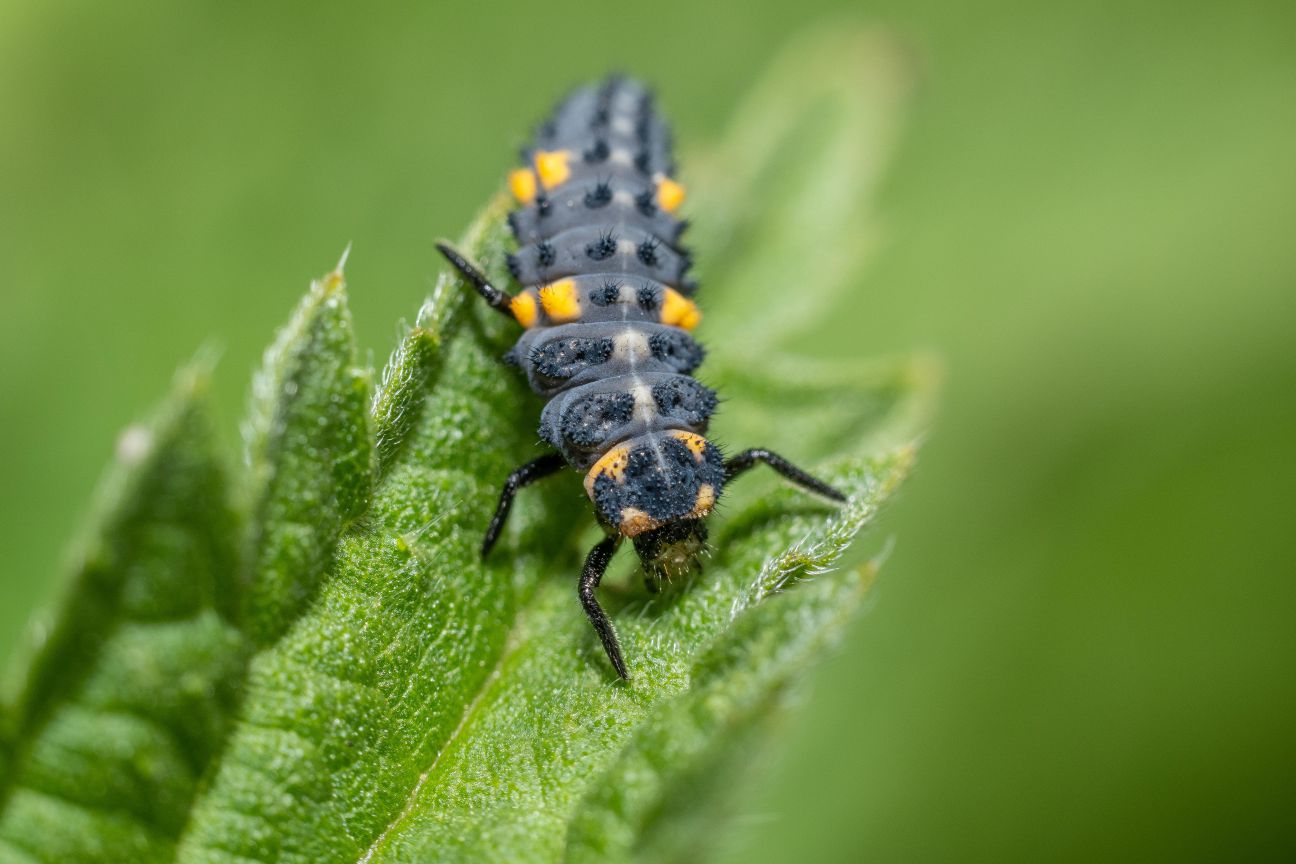
The number of ladybird larvae was also great, with many either on the hunt for aphids or setting themselves up for their metamorphosis.

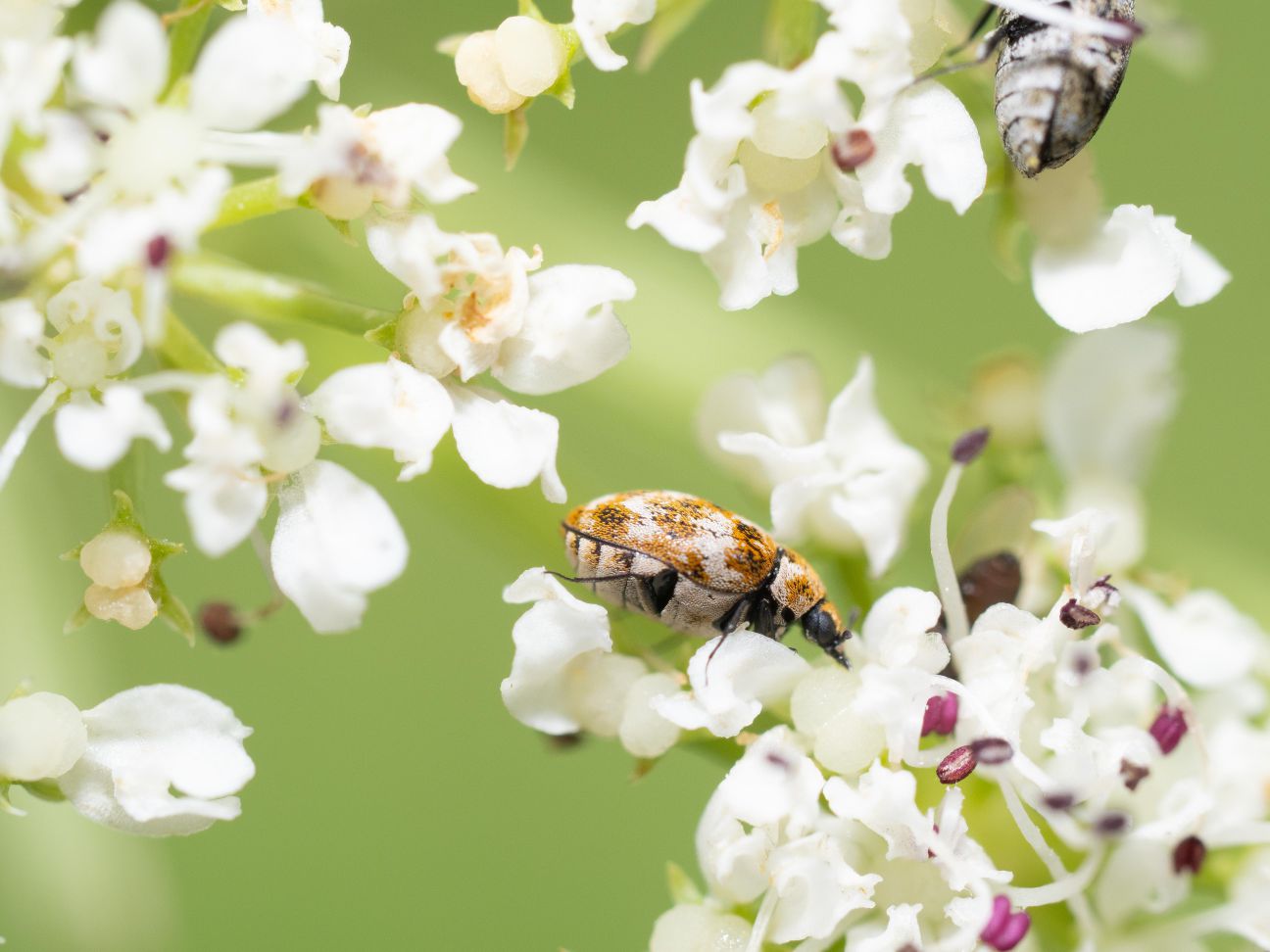
Elsewhere on hogweed I found these carpet beetles. They are very, very small and can’t seem to tear themselves away from the nectar.

The Adur Valley with Chanctonbury Ring in the distance on the South Downs

Thanks for reading.

More macro

Recent posts

Salisbury’s oak timbers

Here’s another entry in my slow-blogging Oak Timbers series. You can view my galleries and posts archive here. I visited Salisbury in Wiltshire (south-west England) for the first time in 2023 and was really charmed by the place. If you’re interested in this kind of thing, Salisbury is the place for you. Here’s a galleryโ€ฆ

Austrian Alps: Innsbruck by sleeper train

Innsbruck, Tyrol, Austria, June 2025 This is a longer post of the images I captured during a recent visit to Innsbruck in the Austrian Alps. We travelled to Innsbruck on a sleeper train from Amsterdam. It’s such a great experience and is significantly lower in carbon emissions compared with flying. If you consider the factโ€ฆ

Macro ๐Ÿ“ท: is that a nationally scarce spider sitting on the fence?

*Update: this record has now been accepted as correct by the county expert and has become official ๐Ÿ˜*

Most of the jumping spiders I find in my garden are sitting on the fence, LITERALLY.

The jumping spiders are a group of beautiful arachnids (spiders and arachnids are not insects FYI) that are renowned for their cartoon eyes and ‘cuteness’. There is something very ‘floofy’ about them. This video by Thomas Shahan has some lovely images of some American species:

I love to see them in my house, exploring the doors and window frames. One got into difficulty recently and was captured as prey by another window-dwelling species. Even the indoor parts of our homes are wild places at macro level.

Most of my macro is getting done through intensive 5 minute breaks during my working day, in which I take rushed and low quality photos (as seen here). I am stuck at a computer all week at the moment and these micro-macro garden safaris are keeping me ‘productive’.

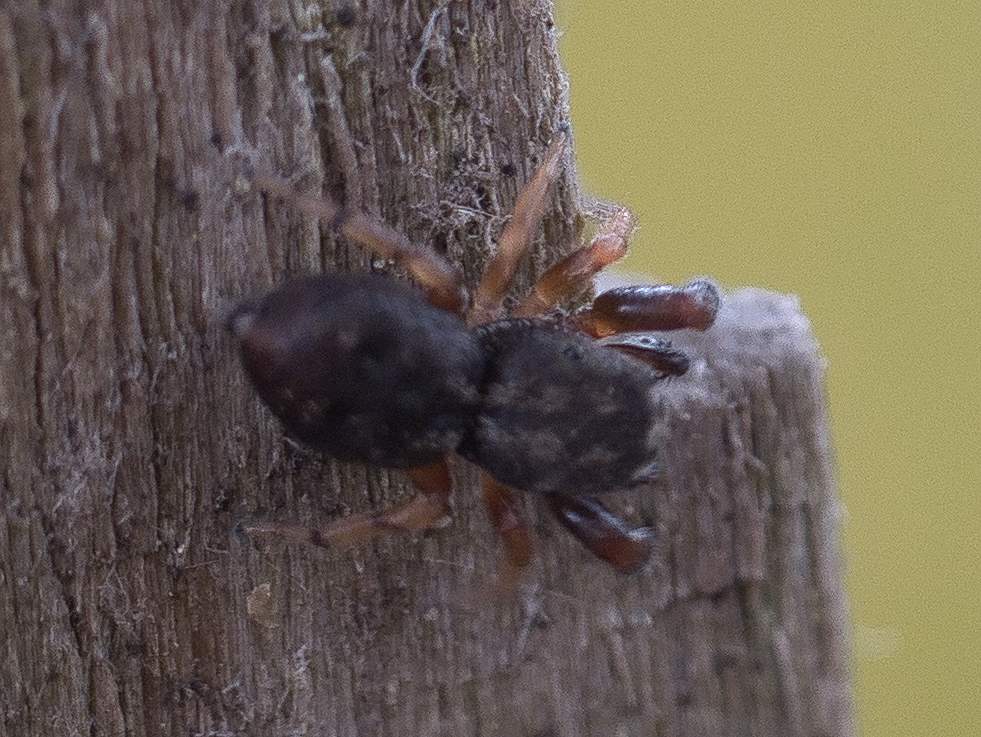
I spent some of the time checking out one of the fences where I’ve found lots of interesting species like hornet-mimic hoverflies, digger wasps and jumping spiders (above).

During one break I noticed a tiny jumping spider exploring one of the posts and attempted some snaps. The pics are grainy and nowhere near portfolio quality, but that’s not what matters here. I put the photos on iNaturalist and an Italian spider expert gave an ID of Ballus chalybeius.

I tweeted the British Arachnological Society and they were happy enough that it was this family, with only one species within that family in the UK. Looking at the map of their records, it has not yet been recorded in this part of West Sussex. It’s also Nationally Scarce. Bingo!

One of conservation’s big problems in the UK is its insularity and misanthropic tendencies. Thankfully organisations like BAS are active on sites like Twitter to speak up for spiders and to engage with people online. Nature conservation in the UK is claimed to be better when bigger and more joined up. You could say the same for its ability to communicate and gather information. That’s me off the fence, then.

Thanks for reading.

More macro

Macro ๐Ÿ“ท: this bee is Goodenough for me

One of the things I love about the insect season in England is the diversity. We are surrounded with doom messaging around wildlife in the UK – it really is too much – but that’s what you get if you only look for birds. The invertebrate world is far richer, more complex and fundamental.

In April and May the first of the nomad bees make their appearances. I spend a lot of time making a fool of myself trying to keep up with these solitary bees. They are extremely beautiful and very cool-looking. Twice in April I witnessed nomad bees in my garden and on both occasions they passed me by.

One afternoon while #WorkingFromHome I went downstairs for a break. I noticed an insect on the inside of the windowpane. It was a nomad bee! I couldn’t believe my luck. I grabbed my camera and attempted to get some photos of this now very slow bee (it was a cool, wet and grey day). I got some average images and then decided it was time to get this bee back into the wild. I ushered it onto my hand and found that it didn’t want to leave my skin. It gave me a great opportunity to take some better images. I’m not sure of the species, they are difficult to separate.

I had another bee-break but this time in my garden and on a better day. There was so much happening in the hedge I didn’t know where to look. I saw three nomad bees flying around and resting but never long enough for me to get a decent pic.

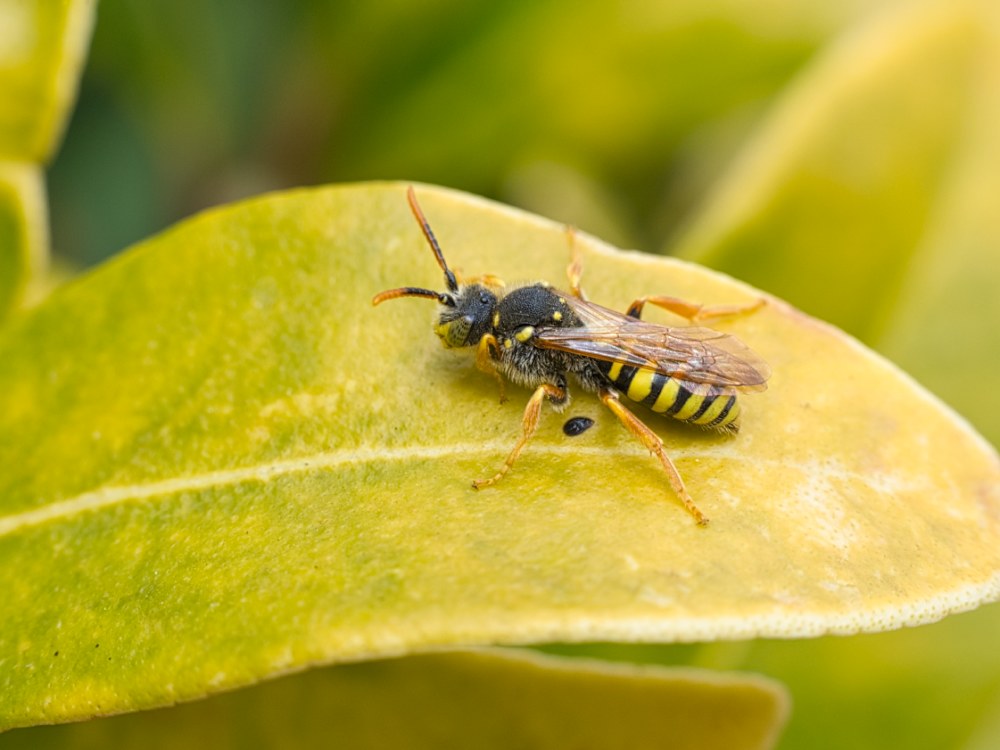
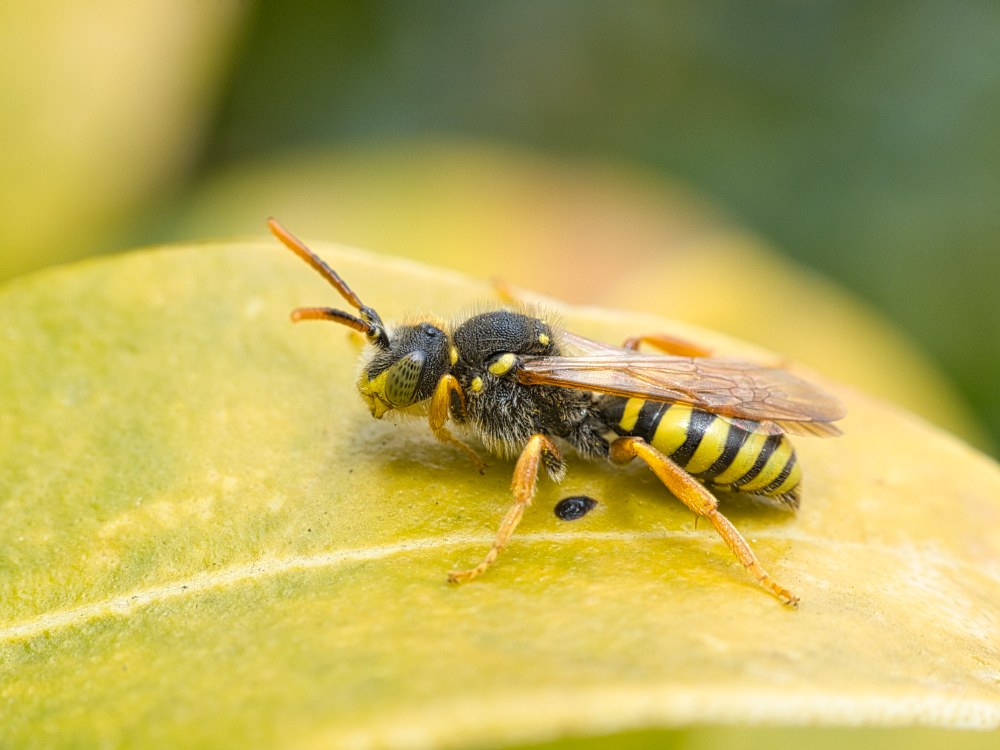
The sun dipped in momentarily and the cooler air forced the nomad bee to remain on this leaf. I got as close as possible. When I submitted the photo to iNaturalist someone suggested it was Gooden’s nomad bee. That’s… Goodenough for me. Now do people see why iNaturalist is so much more preferable to iRecord? You get help with your identifications, not just thanks but no thanks from our man in the shires.

What do nomad bees do? They’re parasites of solitary bees, with some species laying their eggs in the sites of others. Their eggs hatch and the larvae consumes the eggs of the host, before eating its food stash. Not nice in human terms (because we’re all so lovely) but definitely something that has been occurring for many millions of years.

Thanks for reading!

More macro

Latest from the Blog

Postcards from Western Ireland, September 2025 ๐Ÿ‡ฎ๐Ÿ‡ช

I’m back from my annual visit to the west of Ireland. I managed a couple of day trips to forage for photos, which will crystallise later this year into dedicated posts, all being well. Like many people I enjoy the Blind Boy Podcast, none more so when I have the headspace to take in allโ€ฆ

Mushrooms in England

This is the first of a series of posts I’ve been working on covering national relationships with mushrooms. It’s just a bit of fun, but there’s definitely some interesting stuff to share.

Late summer timbers at the Weald & Downland Museum

In August I made my annual visit to the Weald and Downland Living Museum in the South Downs. You can see my timber-framed building photo gallery here. This is the first view you encounter inside the museum grounds after you pay your entry fee. Amazing to think the medieval hall house is from Cray inโ€ฆ