White-tailed eagles at Pulborough

Pulborough Brooks, West Sussex, February 2024

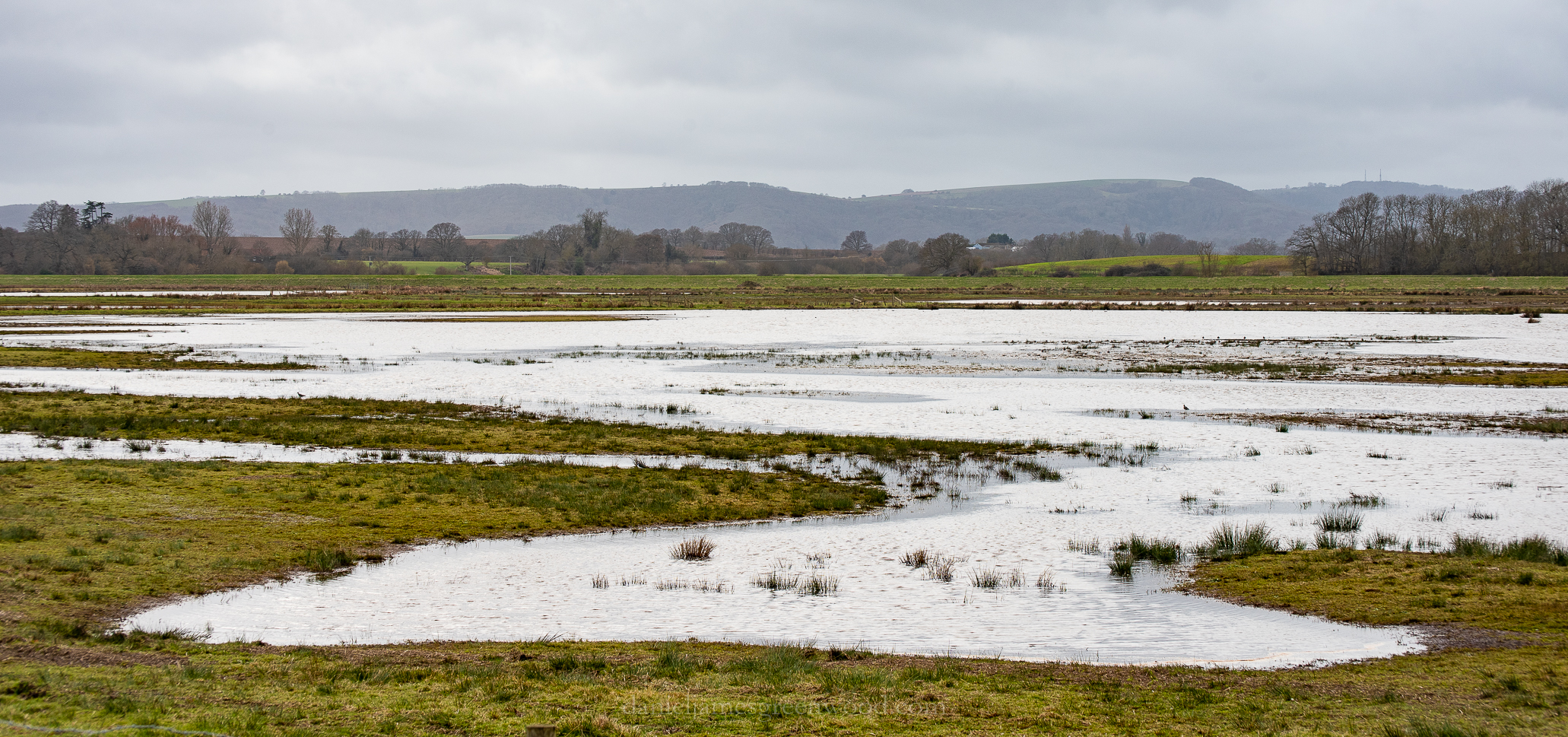
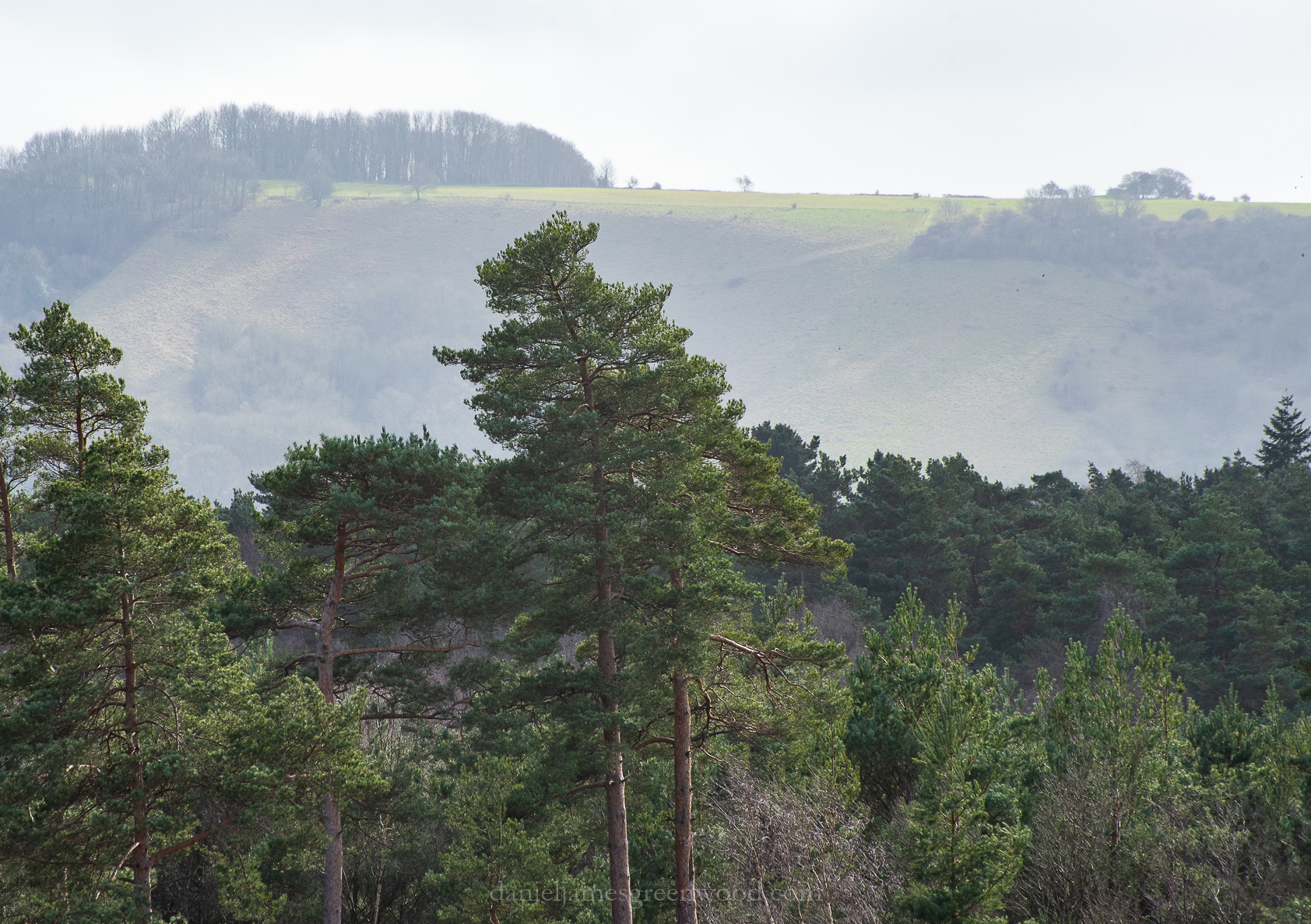
Looking out over the Brooks, two dark bird-shapes soar against the faint outline of the South Downs. Below them are green conifers and leafless oaks.

Buzzards, I think.

A woman approaches me from behind and stands to the side of me. ‘Dude,’ she says. ‘There’re eagles out there!’.

I look through my binoculars again but can’t see any sign of white-tailed eagles (it’s not going to be golden eagle). They’re known to hang around the wetlands of Amberley and Pulborough, having been reintroduced to the Isle of Wight in recent years. This is an ideal place for them.

The images I’m looking for are brown and white Muppet-like characters, as I remember seeing them in Hungary and Czechia. Never before in Britain, though.

The eagle messenger tells me to head down to some of the hides where ‘someone will have a scope’.

I march down there and drop into the first hide, benches packed out. But people are only looking down at the bank right outside where a snipe stands still against the grass. There is no eagle energy here.

A man with a telescope and tripod on his shoulder and a camera around his neck walks down the path towards me. I ask about the eagles. They’ve gone off somewhere, he says, wishing he could be more help.

Heading to the next hide, which I recognise as the one the eagle messenger told me to stop off at, there’s palpable excitement among the benches. I find a spare seat and ask the woman next to me – is everyone looking for eagles?

She smiles, pointing out where they had just been seen. I listen as others describe their apparent return to view. Against the South Downs two dark shapes soar. Then I realise it – I’d already seen them, before I even knew what they were.

They weren’t buzzards, they were white-tailed eagles.
Sussex Weald

The deep blue sea comes inland 🌊

Pulborough Brooks, West Sussex, January 2023

A lot of rain has fallen in Britain in January. One way I like to gauge just how much, is to visit the wetlands around Pulborough and Amberley in West Sussex.

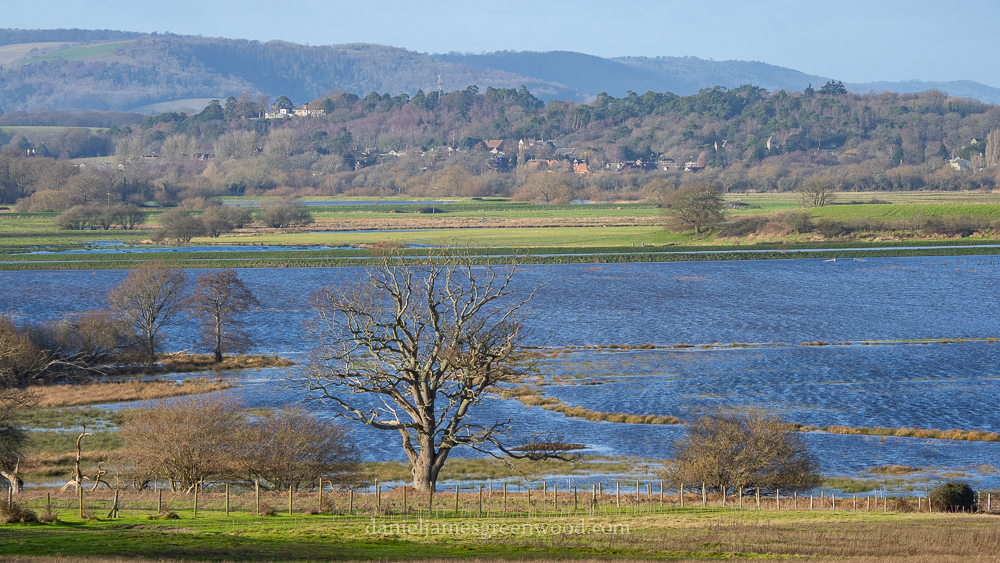
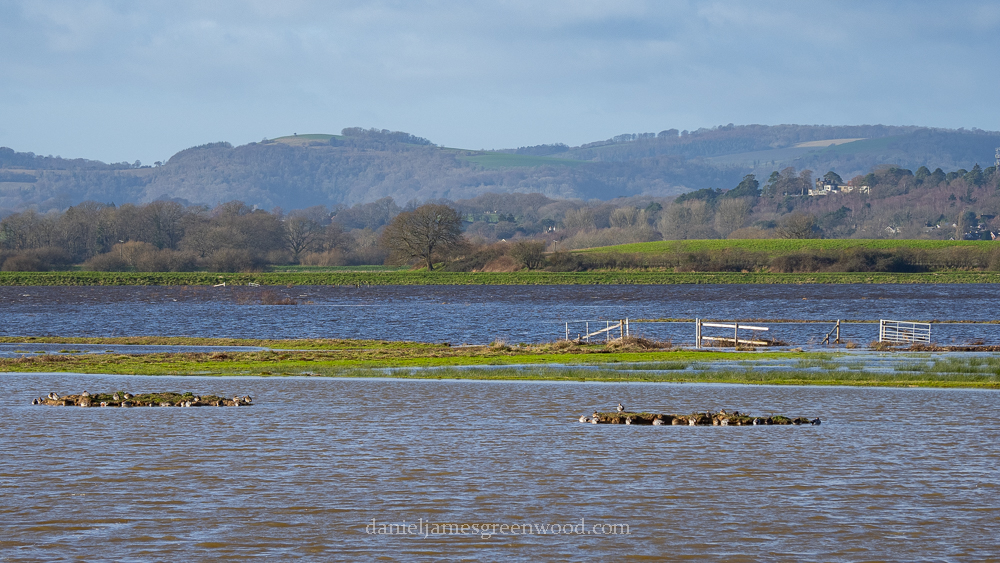
In the winter months, roads are routinely closed as the Arun breaks its banks, doing what it used to without much issue. On the morning of Friday 13th January, the green fields of the Arun valley were a deep, oceanic blue.

It’s rare in England that you get to see nature’s raw, awesome power. When you do, it’s not always a good thing. Seeing water flooding the landscape as it should, where it won’t destroy homes, is easier to enjoy.

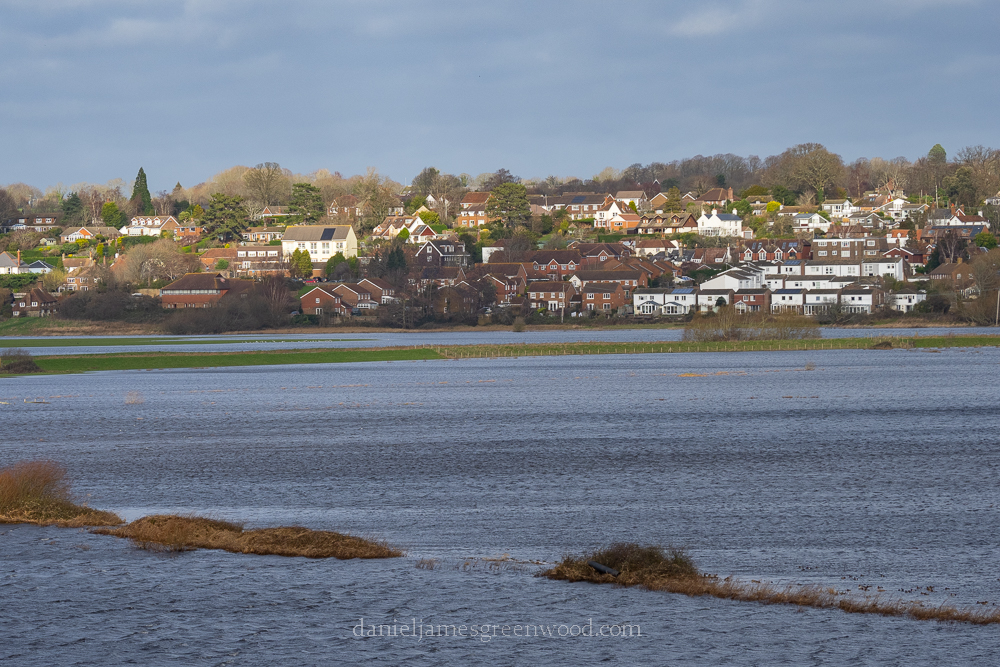
Towards Pulborough, the flooded fields were speckled with hundreds of ducks: mallard, shoveler, widgeon. The buildings of Pulborough town looked ready to slip down into the deep blue sea.

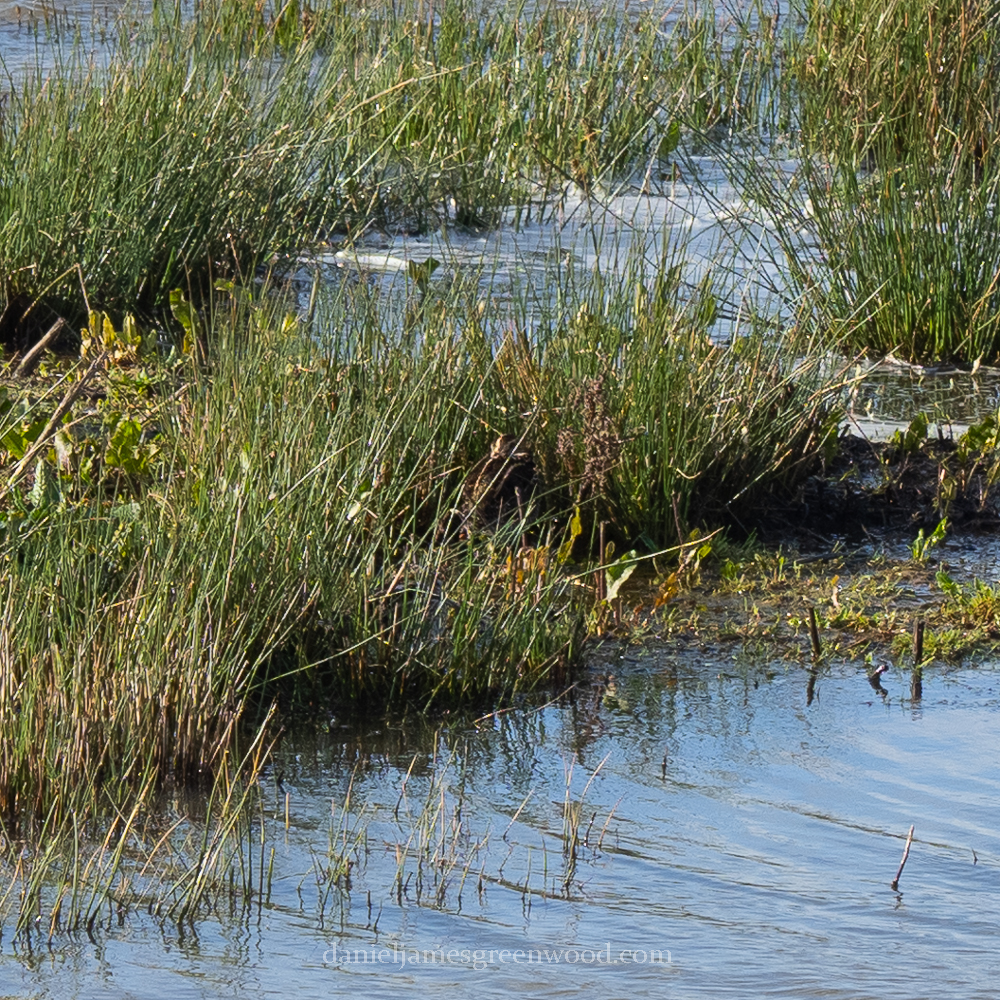
On the human-made islands lapwings contended with ducks for a spot on the bank. Elsewhere I overheard a man point out a snipe tucked away between rushes – ‘you can see it with the naked eye,’ he said.

Sure enough, there it was but 25ft away inside the fenced wetland. I wonder what it must have made of its small, safe spot, out there among the winter floodwaters.

Thanks for reading.

Sussex Weald

Photography: Winter holds on at Pulborough

Pulborough - 2-3-2019 djg-2

A winter walk around Pulborough in West Sussex, just inside the South Downs National Park. Despite last week’s record high winter temperatures, spring was still absent, bar the odd queen bumblebee and flowering primrose.

Pulborough - 2-3-2019 djg-18

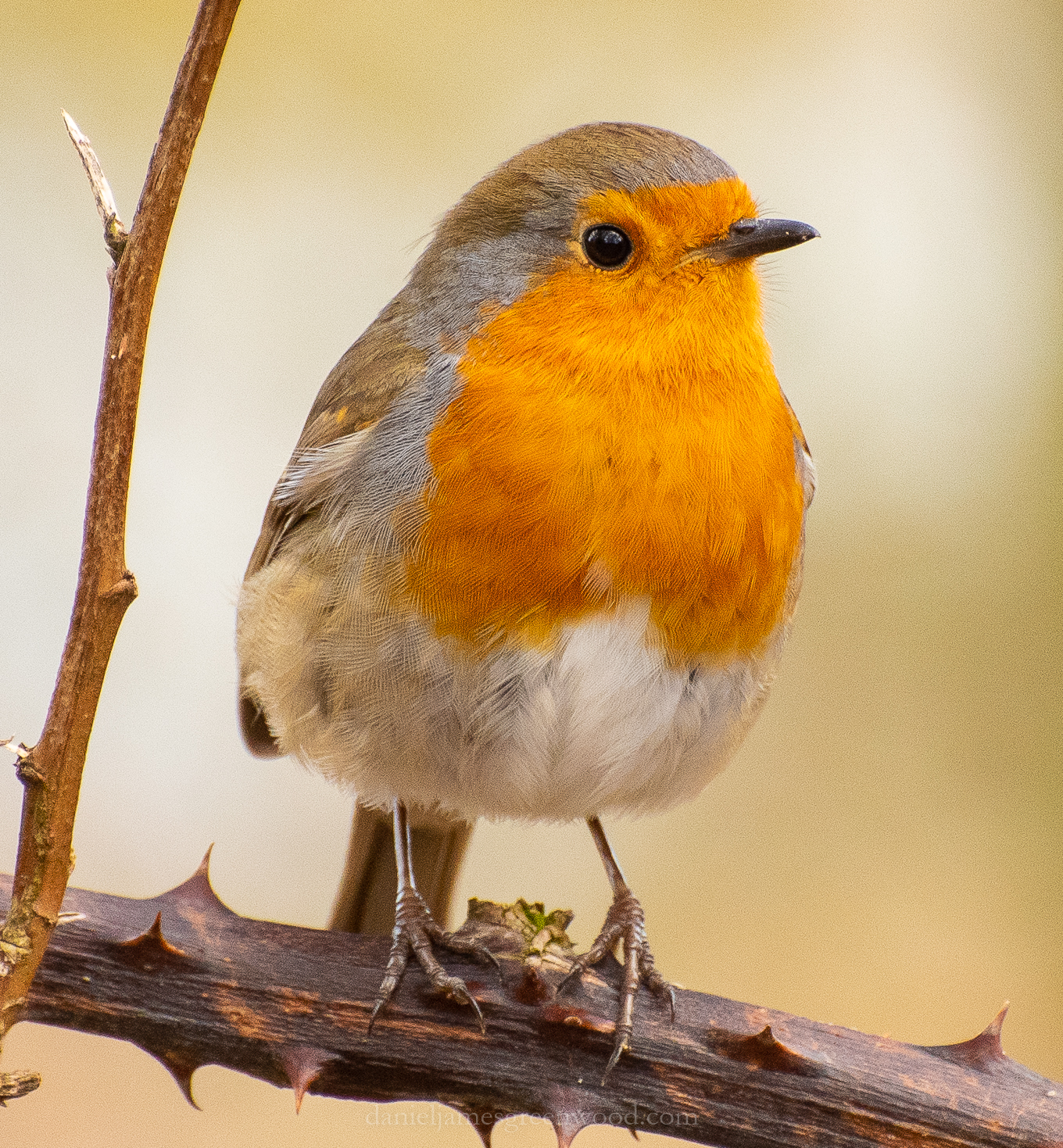
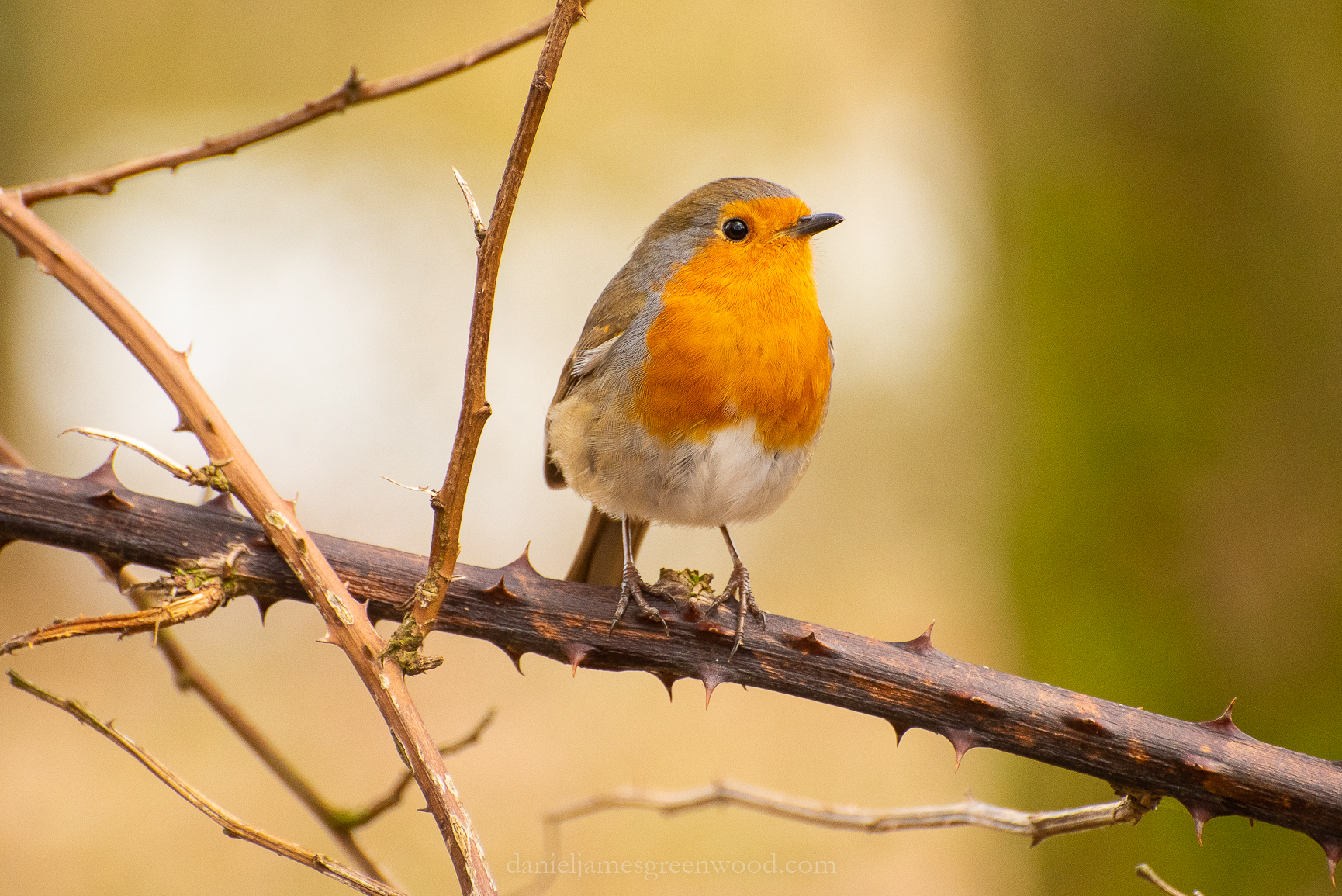
For someone who can’t afford a massive telephoto lens (both in terms of relative biceps and cash), March is the best month to photograph birds. There are no leaves to block them and birds are busy as spring builds. This robin barely moved. The photo has been cropped.

Pulborough - 2-3-2019 djg-20

Let’s see him or her again… I tried to frame the robin against a silvery water body and the green moss of a tree behind. As in, I moved a bit to one side and crouched down a bit.

Pulborough - 2-3-2019 djg-1

The South Downs ridge hangs over Pulborough and gives an extra layer of interest to photographs that might, in counties like Essex and Norfolk, be a little more flat.

Pulborough - 2-3-2019 djg-33

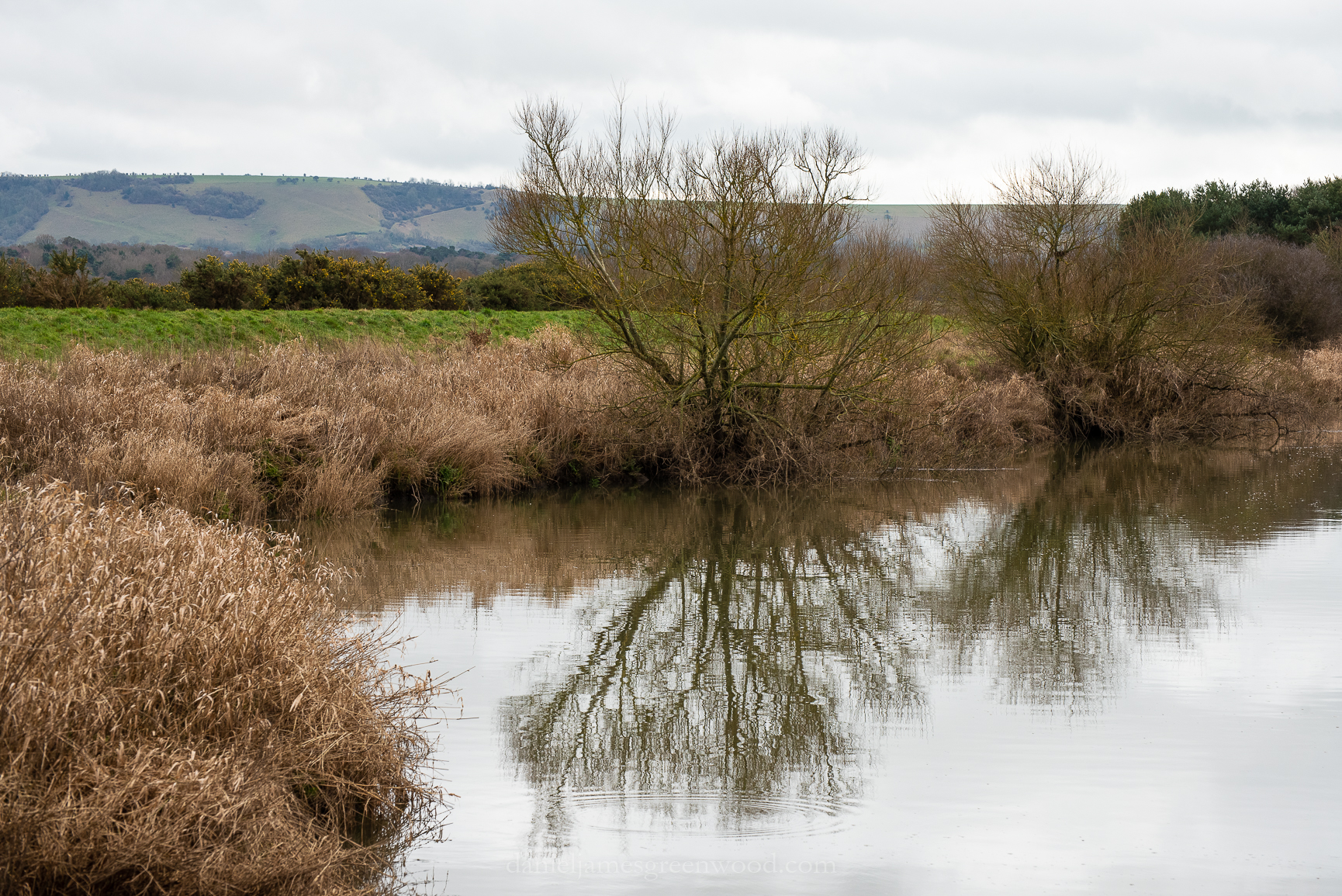
The river Arun runs through Pulborough, a key wetland area in southern England. The sun came out in the afternoon to lift the atmosphere. The South Downs add their irrepressible magic even in shade.

Pulborough - 2-3-2019 djg-51

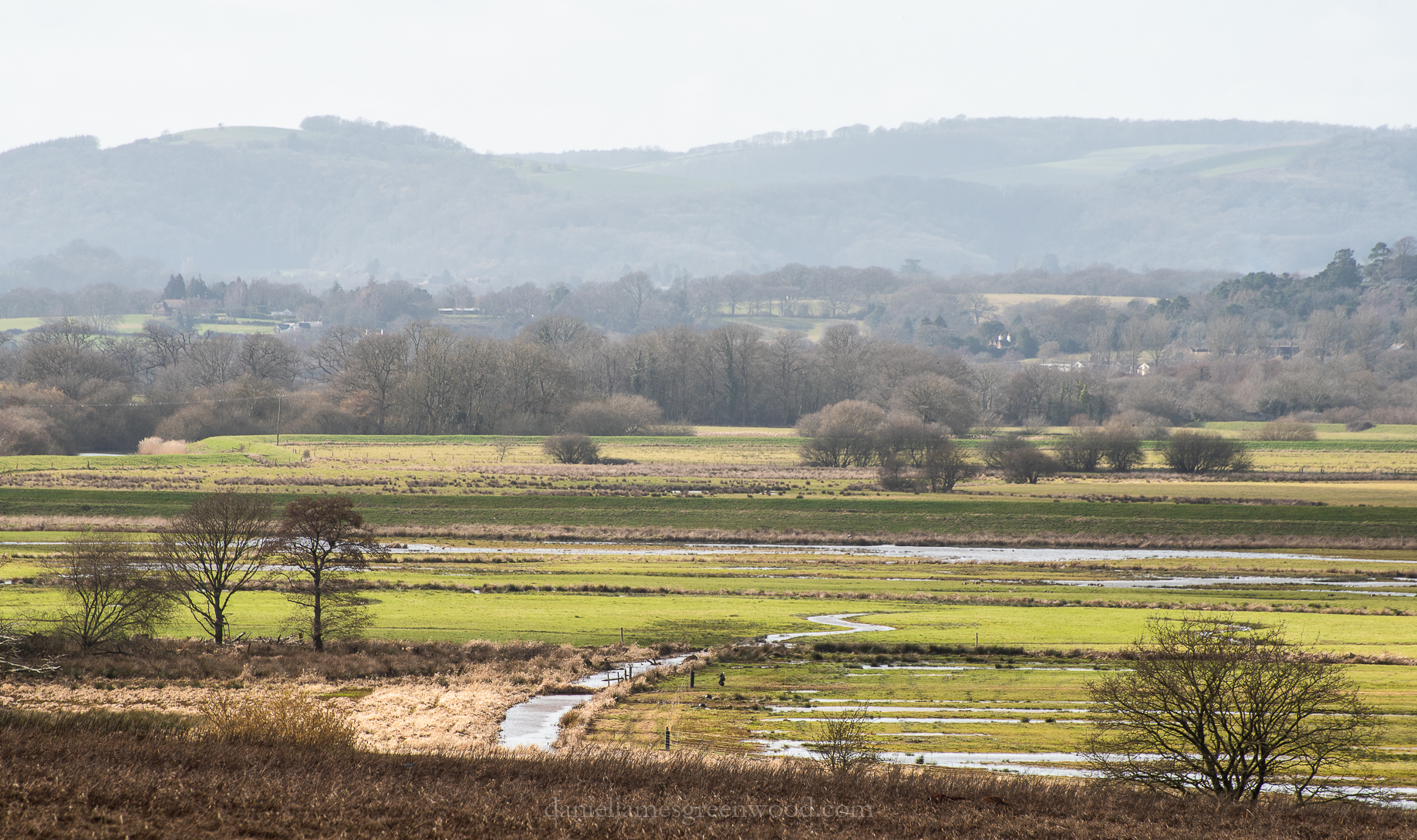
The silvery wetland areas of the Arun valley. This area was once marshland and has strong evidence of Roman activity and settlement, including a bath house.

Pulborough - 2-3-2019 djg-42

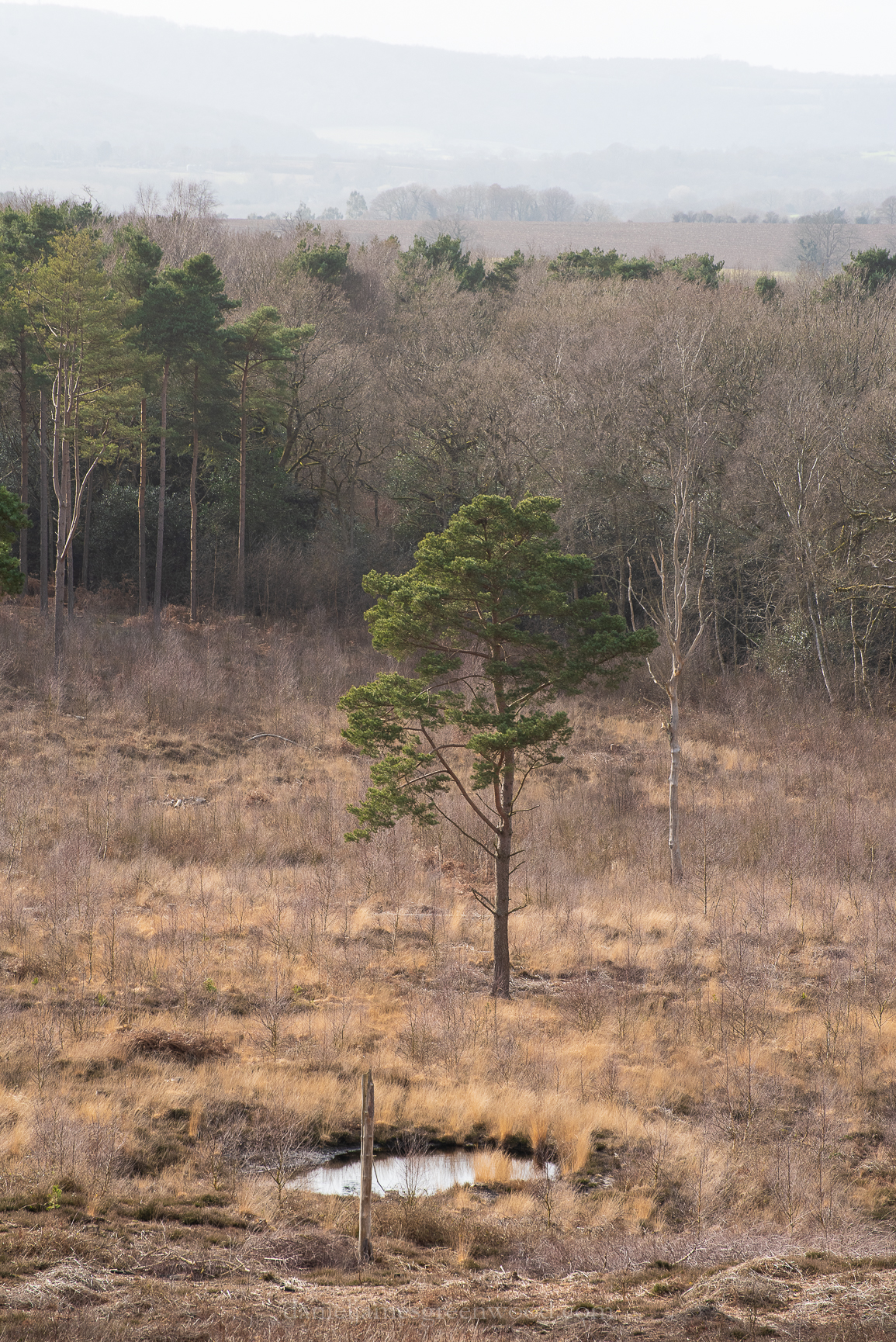
Pulborough Brooks is managed by the RSPB and has a large area of heathland at Wiggonholt Common in addition to the wetlands.  The South Downs veer into distance beyond the pines.

Pulborough - 2-3-2019 djg-46

I love the soft palette of a winter heath.

Pulborough, South Downs National Park, West Sussex, March 2019