Blog

Unlocking Landscapes podcast #5: Irreplaceable with Julian Hoffman

Here’s episode two with Julian Hoffman!


This is the second of two episodes with author Julian Hoffman. The first episode was about living with pelicans and bears in northern Greece, where Julian lives. 

Julian has published two books of non-fiction with a strong focus on landscapes, wildlife and heritage. In 2012 Julian’s debut book The Small Heart of Things was published, and in 2019 it was followed by Irreplaceable: The Fight to Save Our Wild Places

We pick up right where we left off in episode one, with a question to Julian about his experiences of getting to know local people and telling their stories through his writing.

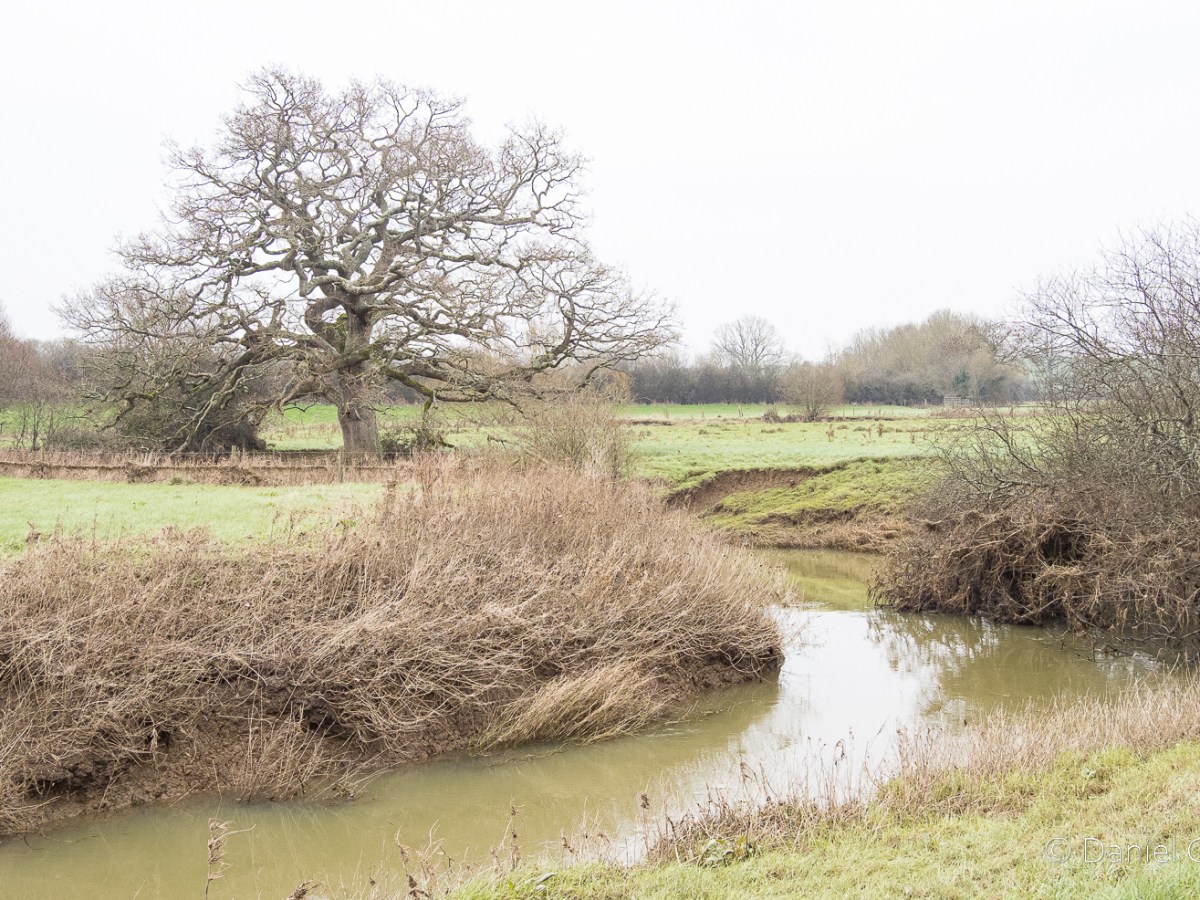
Swanscombe Marshes in Kent, a threatened ‘brownfield’ home to rare species

We get into some pretty deep topics in this episode including:

  • How the mathematics of life mean you can only connect with a handful of places in a meaningful way
  • The poverty of language around ‘brownfields’
  • Convincing politicians to pretend they’re jumping spiders!
  • Life-altering experiences in the North Kent Marshes
  • Oliver Rackham and the loss of meaning in the landscape
  • The importance of local green spaces in the pandemic and beyond

Massive thank you to Julian for his time and consideration in putting these two episodes together. Please support Julian by purchasing his book and following him on social media. Hope you enjoy!

Links

Julian Hoffman: https://julian-hoffman.com/

Irreplaceable: https://julian-hoffman.com/irreplaceable/

Twitter: https://twitter.com/JulianHoffman

Save Swanscombe Marshes: https://www.buglife.org.uk/campaigns/save-swanscombe-marshes/

Unlocking Landscapes Twitter: https://twitter.com/UnlockLand

Homepage: https://www.unlockinglandscapes.com/ 

Daniel’s Twitter: https://twitter.com/djgwild

Intro music by Daniel Greenwood: https://danieljamesgreenwood.bandcamp.com/track/eva

The Sussex Weald: the Saxon oak

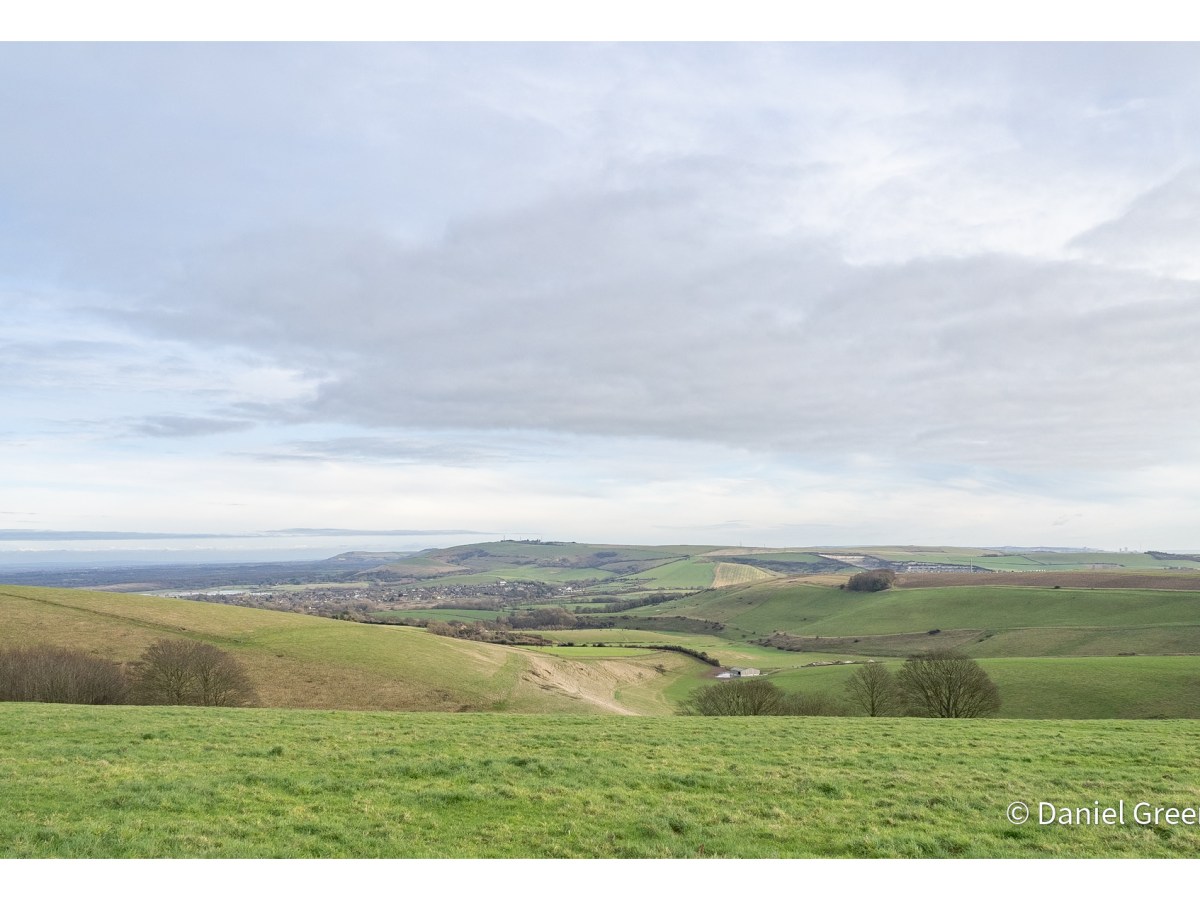
The West Sussex Weald, February 2021

The final day of February. The seasons are exchanging but only in light. The first blackthorn flowers are breaking buds at the roadside. Two cyclists float past:
‘Do you really want Louis back?’ one of the women says to another.

They swerve away from two horse riders, one dismounted: ‘At least I know when to get off now. There’ no point pushing him if he’s so nervous.’

The light is golden, low. Birds are singing at spring levels, minus the continental recruits like blackcap, chiffchaff and willow warbler.
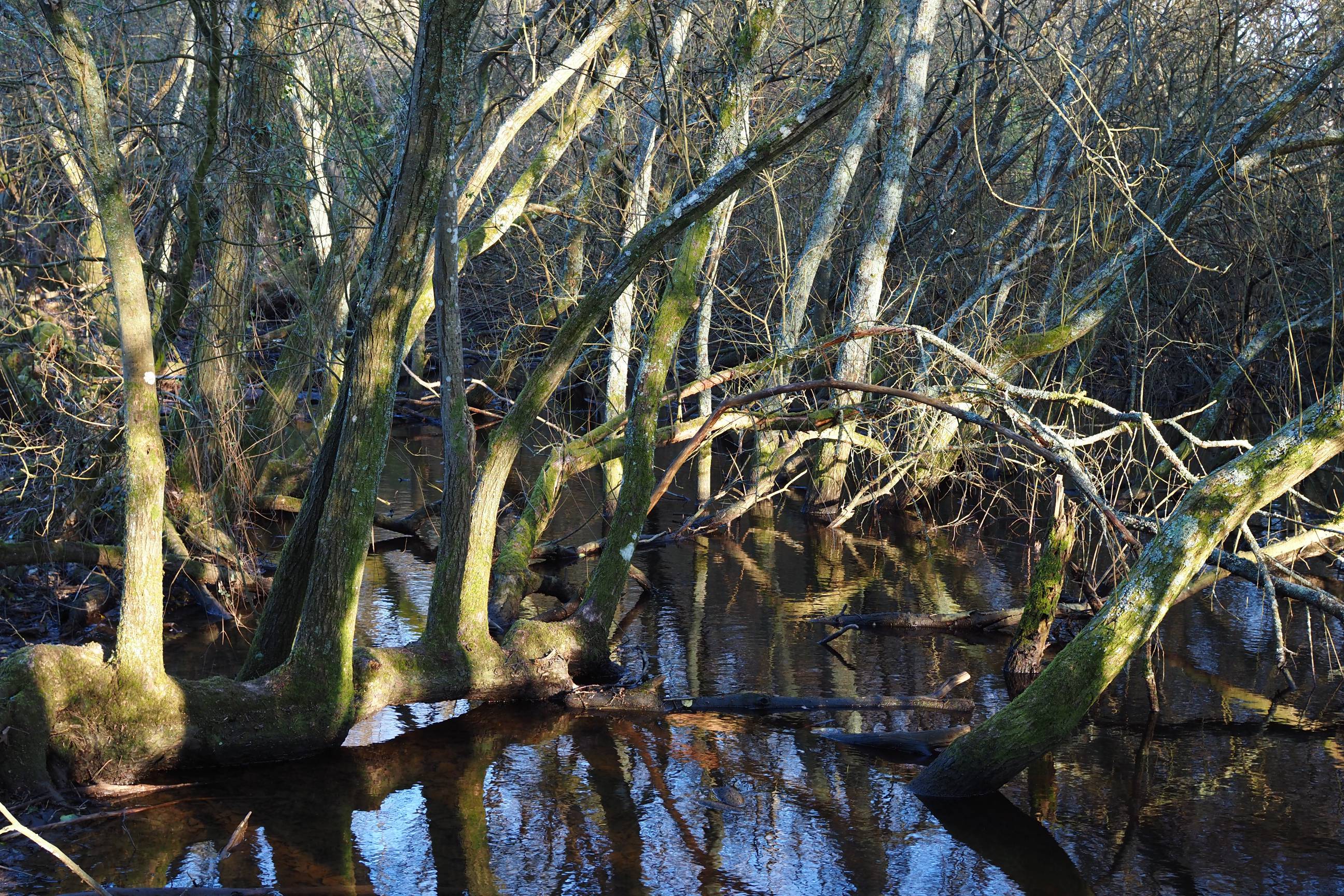
The ancient pond was frozen last week but now the water shimmers black and blue with broken reflections of the dark branches against the clear sky.

At the old road’s margins bluebells are leafing in patches. Beyond the shrubby edges the field opens out, home to a massive pine tree. Looking at the 19th century map of this landscape, the pine is there. It must be ancient but how old may not be discoverable.

Two jackdaws fly away from its branches, perhaps having found a suitable nest hole.

Winter is still here in the treetops at the field edge, where fieldfares chuckle, moving in small flocks deeper into the open field. Soon they will make their way north to warming breeding grounds. They feel like a treat, I don’t see or hear them that often.
A breeze rustle the oak leaves on the ground, building into a hush in the leaves of redwoods high above.

At the end of the lane stands an ancient oak tree, the Sun Oak. It probably marks an ancient boundary. A couple of weeks ago I was stood here admiring the tree and a man commented in passing:

‘Amazing, isn’t it? The farmer says it’s in the Domesday Book.’

I had always thought it was 800 years old. A refence to it in 1086 would mean it was already of significant size then. Could it really be over 1000 years old?

That puts it in the Saxon Age, a time so long ago it seems inconceivable. But that’s what makes these trees so special. They are living things that have, in their ecological existence, witness and processed so much time.

This tree, the Sun Oak, is of course on the 19th century map, too.

In the surrounding trees and woodland redwings are flocking, feeding and singing. It’s hard to describe the sound – like some distant chattering, a school playground carried on the wind perhaps. Whatever it is, it’s a sign of their need to gather. Along with the fieldfares, they will all soon be on their way and with them another season under the belt of the Sun Oak.

The Sussex Weald

Macro Monday: the mourning bee

In this post: garden bees, extension tubes and woodland lichens

The ‘Stay at Home’ message has ended in England but I’ve learned my lessons in this pandemic year. Macro is a time-consuming activity and the less time spent travelling means more time spent honing the skill and having a good time!

One person whose photos and work ethic I really admire is Penny Metal. Penny’s work is focused on a small park in Peckham, south-east London. She photographs species I would never have imagined possible in Inner London, where green space is a rarity.

The lesson for me here is: keep it local, have faith and you never know what you might achieve. From one of Penny’s accounts last week I saw a mourning bee and a comment that they were abundant.

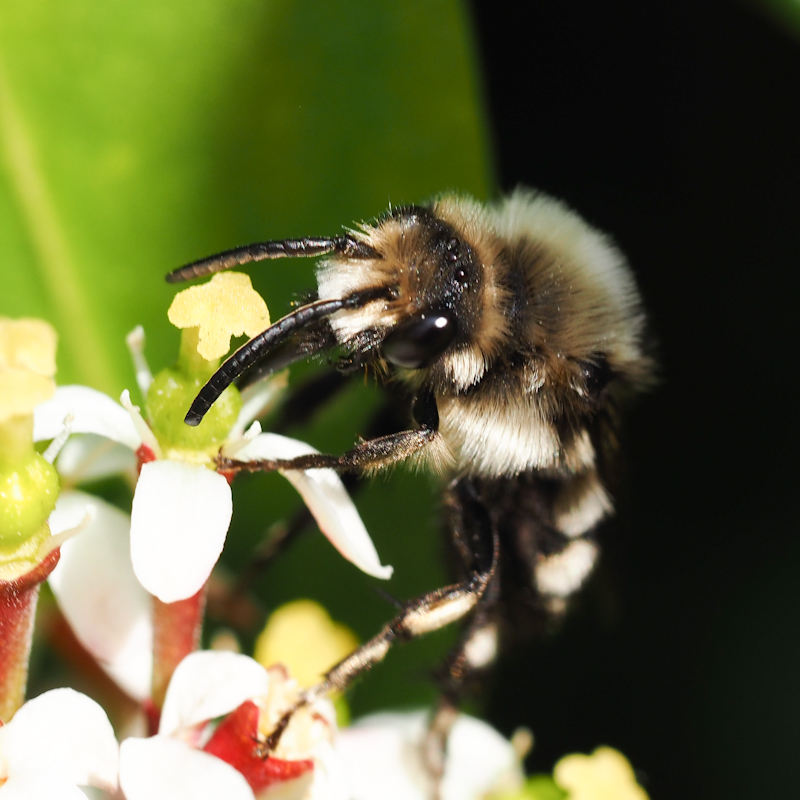
Now, I’ve only ever seen this bee in rural Surrey near to Box Hill (for those who don’t know, Box Hill is probably the closest SE England will get to a mountain and is a hugely popular place). It seems Penny was capturing a trend – mourning bees were perhaps having a good spring.

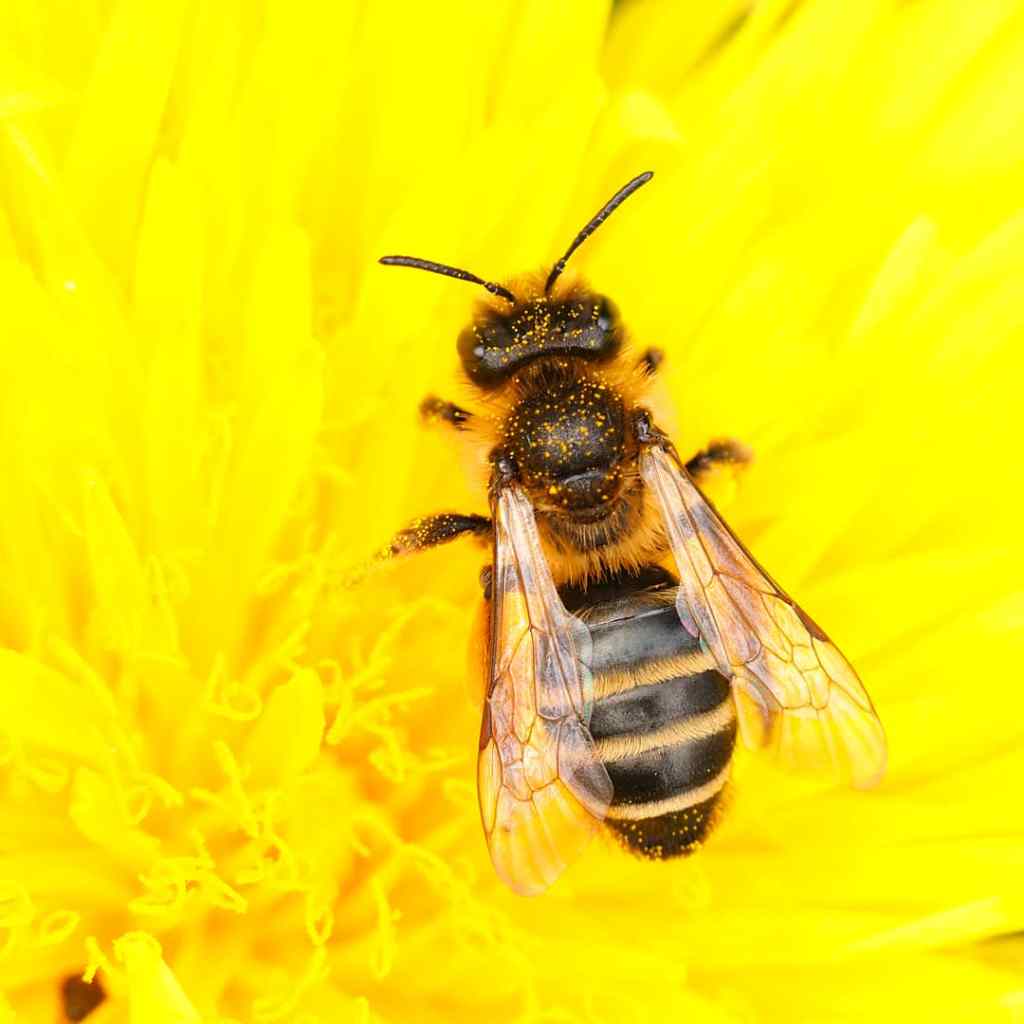
And then, on one afternoon last week I encountered this bee in my garden. Mourning bees are parasitic on hairy-footed flower bees, a species my garden is very popular with. I was delighted to witness it feeding on the shrub I can never recall the name of.

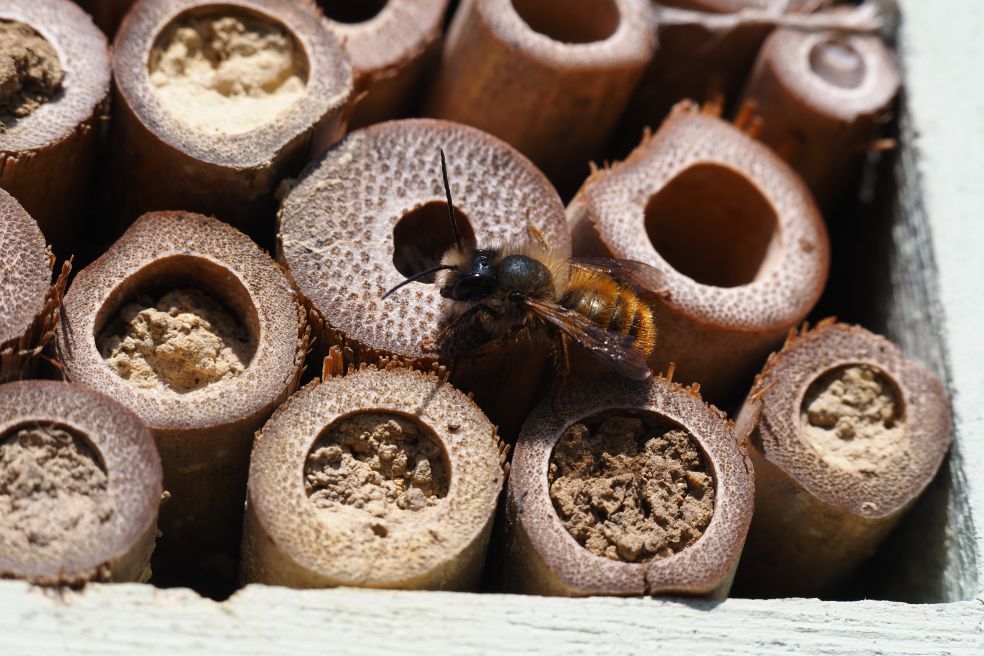
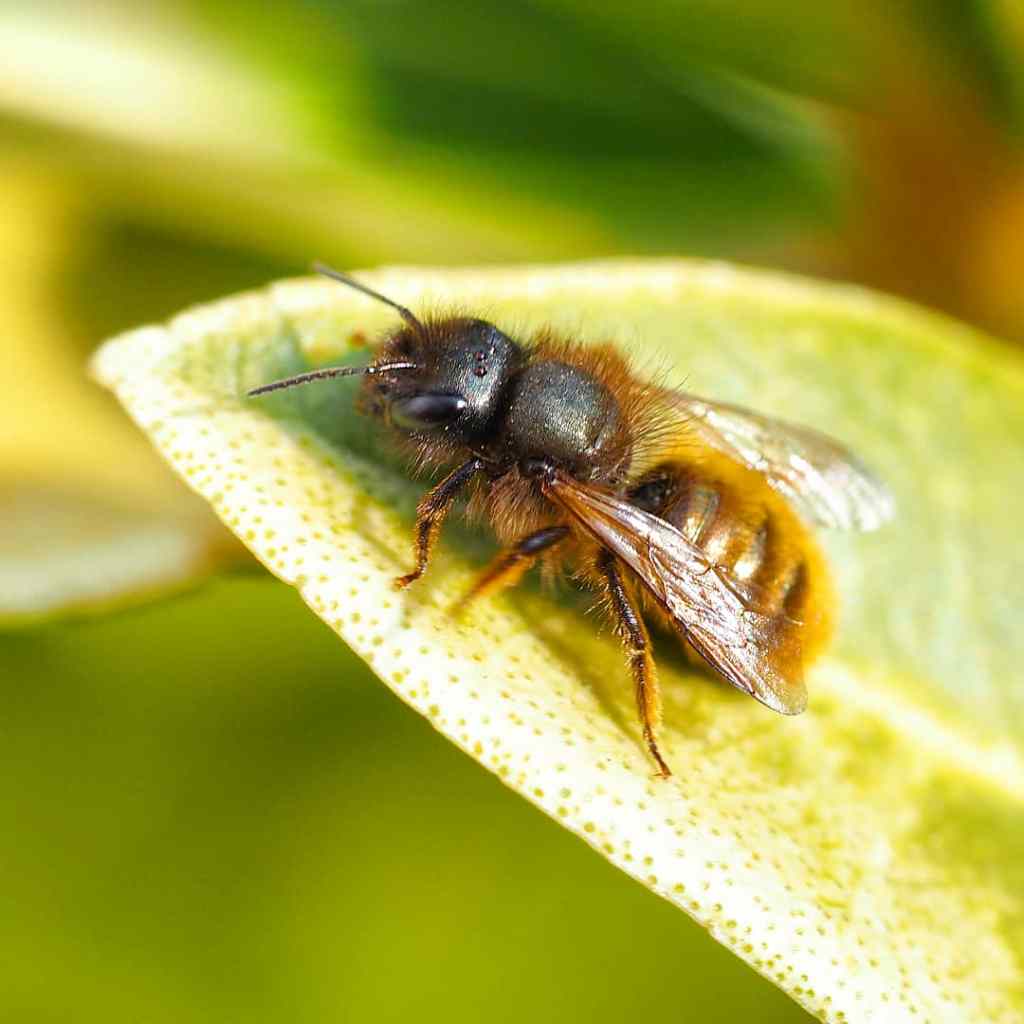
That afternoon felt like a watershed moment. Though we have gone from 24 degrees Celsius one week to sub-zero the next, the spring bees are now on the scene. The above is a red mason bee (Osmia rufa), the first I’ve seen this year.

There were more bees, most of whom were not willing to be featured on this blog. To which I would say: whatevs.

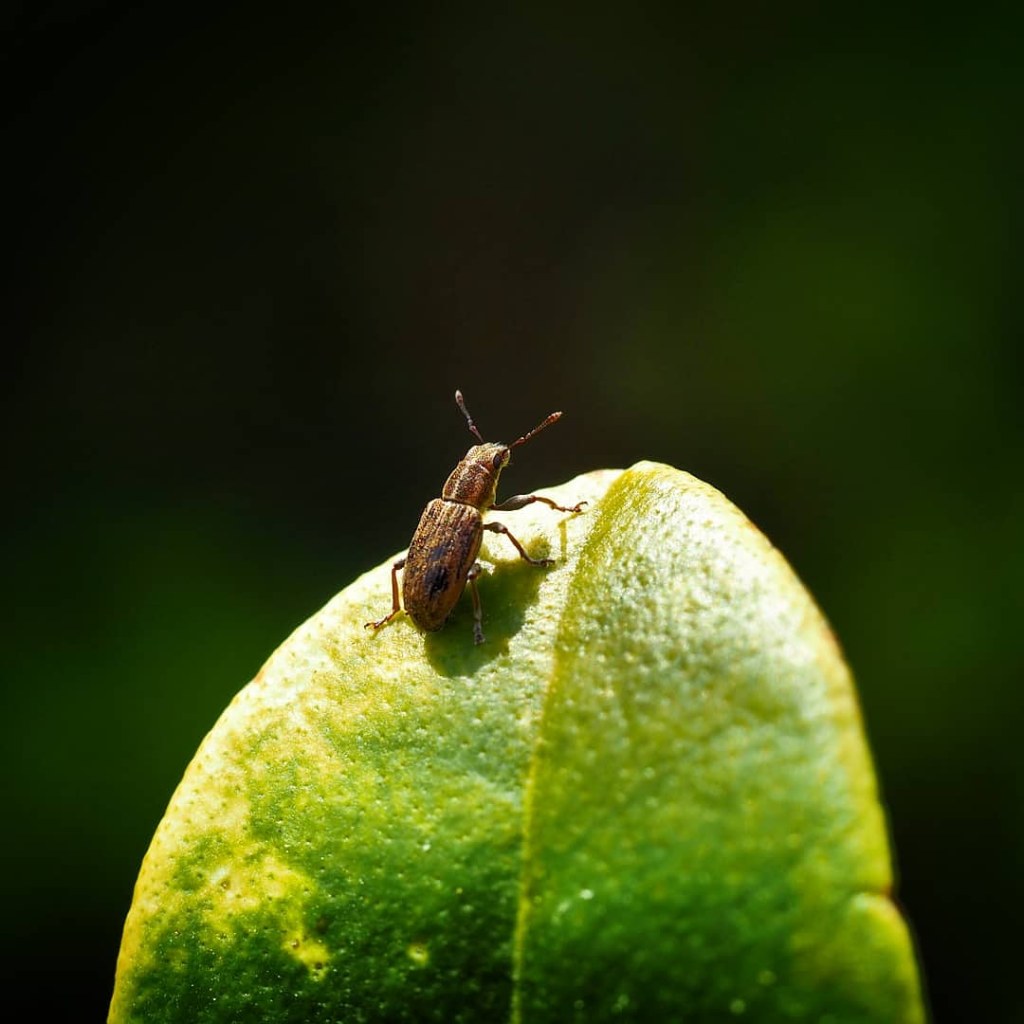
This weevil seemed to think it was having a Lion King moment. I’m here for it.

And this yellow dung-fly. It may spend its days cavorting on cow pats, but if you’re willing to pose for a pic for me like this, I don’t care what you get up to.

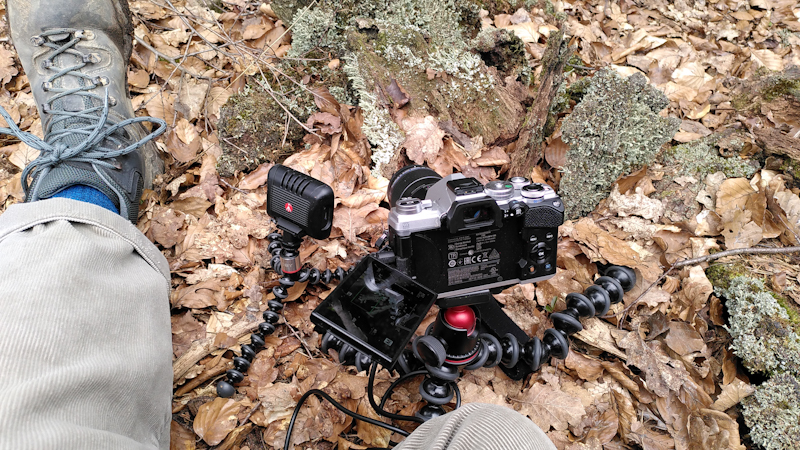
Away from my garden hedge, I’ve finally bought some decent extension tubes. This is to give better magnification for my macro lens and peer even further into the wild world.

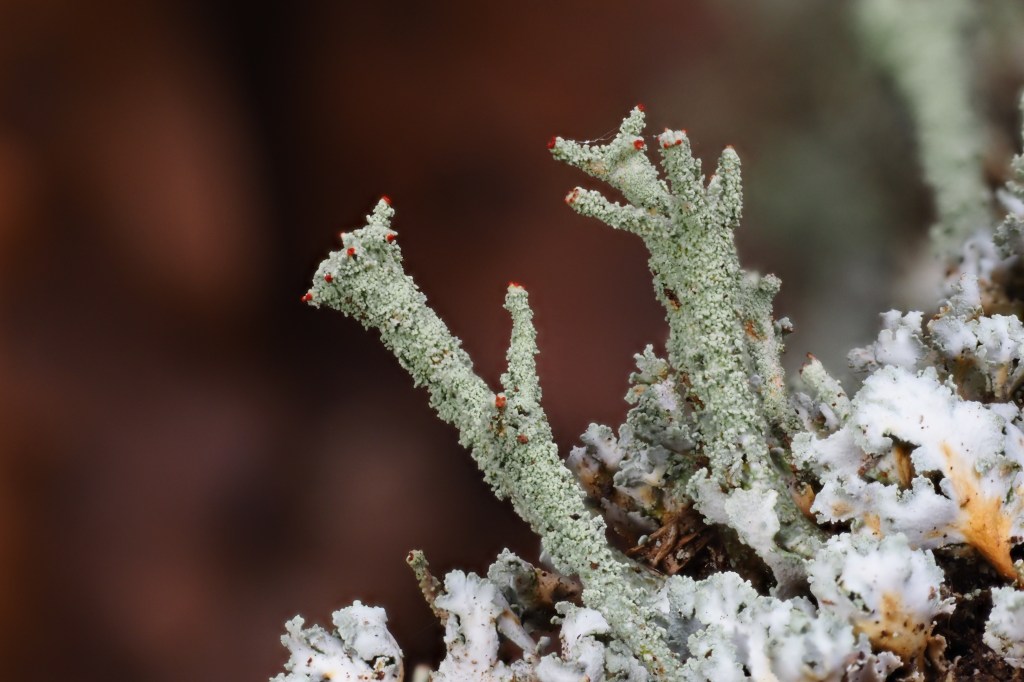
Needless to say, it’s not easy. The woods are not great at the moment, after hot and then very cold weather, the wildlife is a bit baffled. In my local Narnia I tested my new kit out on these Cladonia cup lichens. A nice person on iNaturalist identified this as Cladonia polydactyla. The red tips were so small they could not be seen without a macro lens and the extension tubes. Hopefully it’s a decent start to years of the greatest lichen images the world has ever known.

Let’s hope so.

Thanks for reading.

More macro

Unlocking Landscapes #4: Living with pelicans and bears in northern Greece with Julian Hoffman

This is part one of two episodes with author Julian Hoffman. This episode focuses on Julian’s life in northern Greece where he encounters European brown bears in his day to day life. We also discuss the local accents of wrens(!), particularly Liverpudlian wrens.

Julian has published two books. In 2012 The Small Heart of Things was published and in 2019 it was followed by Irreplaceable: The Fight to Save Our Wild Places

I’m a big fan of both of these books. Julian does that rare thing for a nature writer and centres communities within the landscape. Irreplaceable is a great example of this, with Julian writing about local people the world over battling to save special places, habitats and species. 

Irreplaceable was the Highly Commended Finalist for the 2020 Wainwright Prize for Writing on Global Conservation.

Julian details how he came to live in Prespa, how he became a writer there after working with his wife as a market gardener, toiling away in the open fields growing fruit and vegetables, and getting to know the locals.

Thanks so much for bearing with us and I hope you enjoy the episode.

Links

Julian Hoffman: https://julian-hoffman.com/

Twitter: https://twitter.com/JulianHoffman

The Wren Boys: https://www.ouririshheritage.org/content/archive/topics/miscellaneous/the-wren-boys

Unlocking Landscapes Twitter: https://twitter.com/UnlockLand

Homepage: https://www.unlockinglandscapes.com/ 

Macro Monday: the macro ninja

Last year we installed a pond in our garden. It’s nothing special, just an old washbasin bought from an antique shop sitting on the patio. It has flag iris, some figwort and other aquatic plants bought from the garden centre. I noticed a couple of weeks ago the first resident of the pond, a water beetle zipping around the underwater vegetation. I didn’t get enough of a look to identify it, not that I would have done much there anyway.

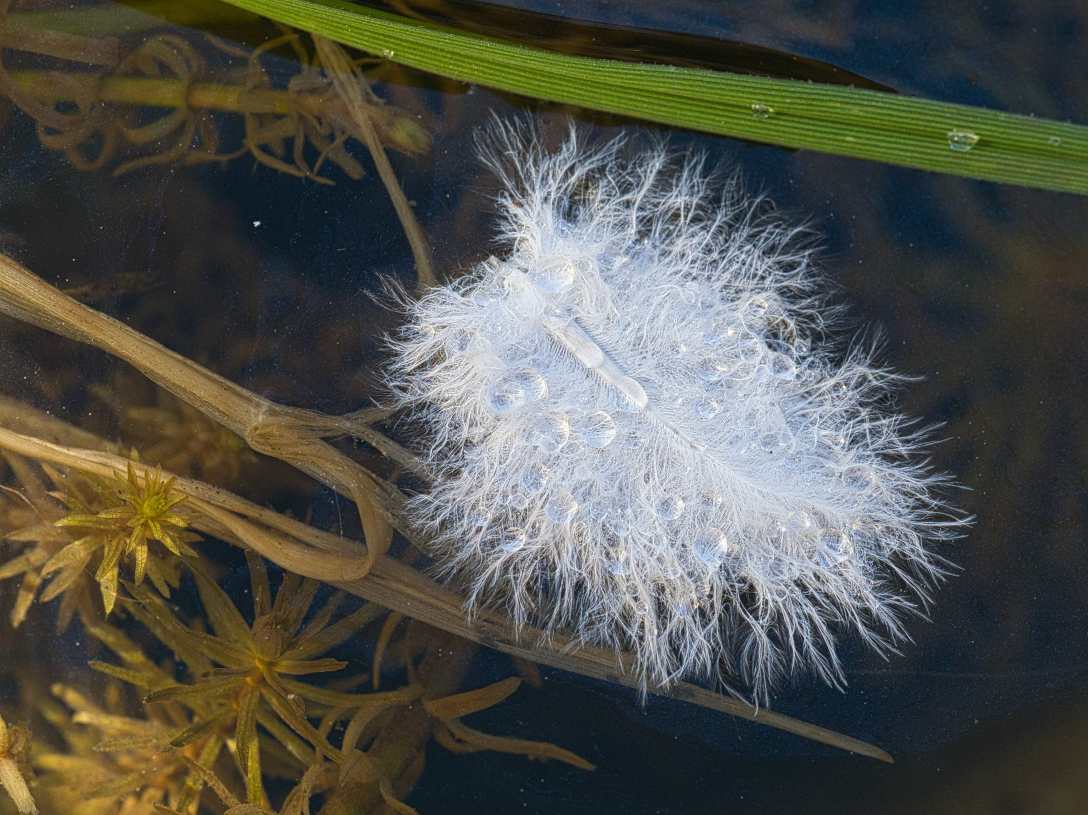
One morning I spotted a downy feather resting on the pond’s surface with some drops of dew sitting on it. Looking closely the feather’s fibres were like lightning bolts or fungal hyphae spreading out across the surface of the water. I was crouched down over the pond to the point that the postman didn’t see me and got a fright:

‘You scared the living daylights out of me there, Dan, you’re like a ninja!’

New Instagram handle: Macro Ninja.

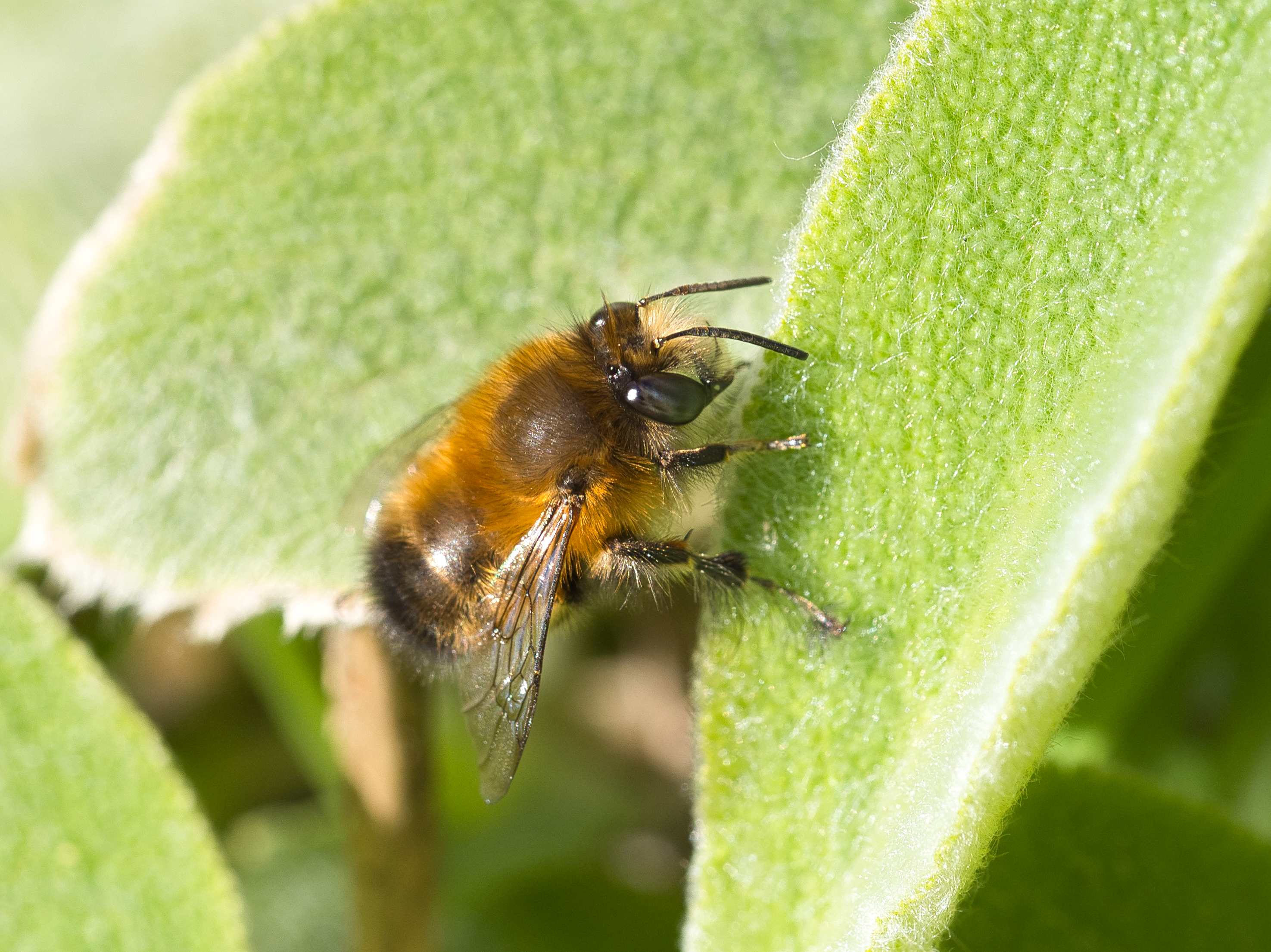
Hairy-footed flower bees have continued their territorial dominance of my garden. The male bees are a flippin’ nightmare to photograph, the image above took a lot of channeling my inner ‘macro ninja’ to approach before it flew away.

In the past two weeks the all-black females have appeared and are now being followed by the male bees as their pairing routines develop. Above is an archive image from a few years ago.

Another sign of my rustiness is this sighting of a queen wasp visiting the small hedge. She was nectaring on flowers of the-plant-I-can-never-remember-the-name-of. I have posted quote a lot in the past year about wasps, I love them. A user on iNaturalist identified this as a common wasp queen, Vespula vulgaris.
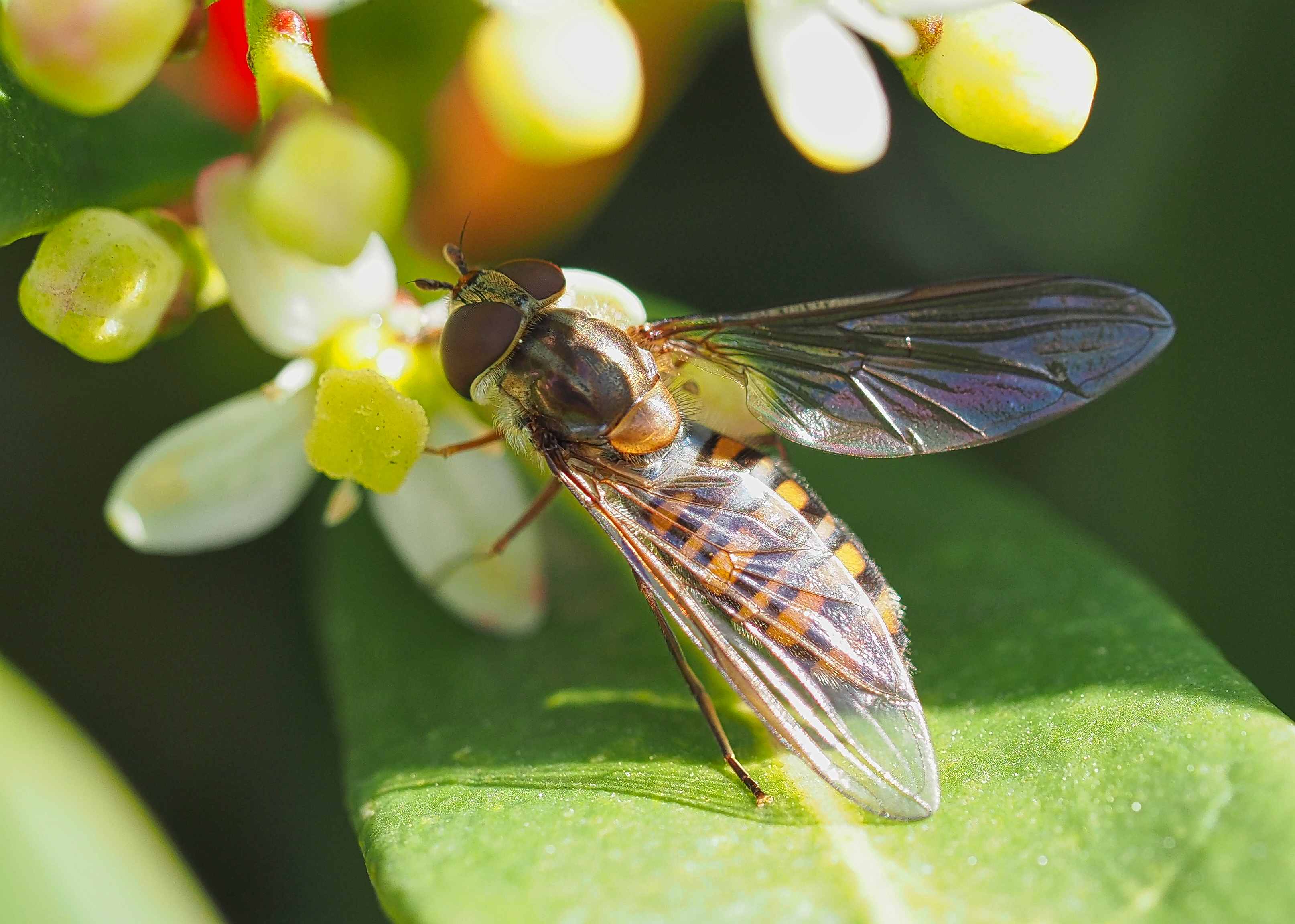
The same plant was supporting both more species and the non-sensical notion that non-native plants or animals have no place on These Great Isles. This was perhaps the second or third marmalade hoverfly I have seen in the garden this year. They are a nice entry into the world of hovers and are super common.

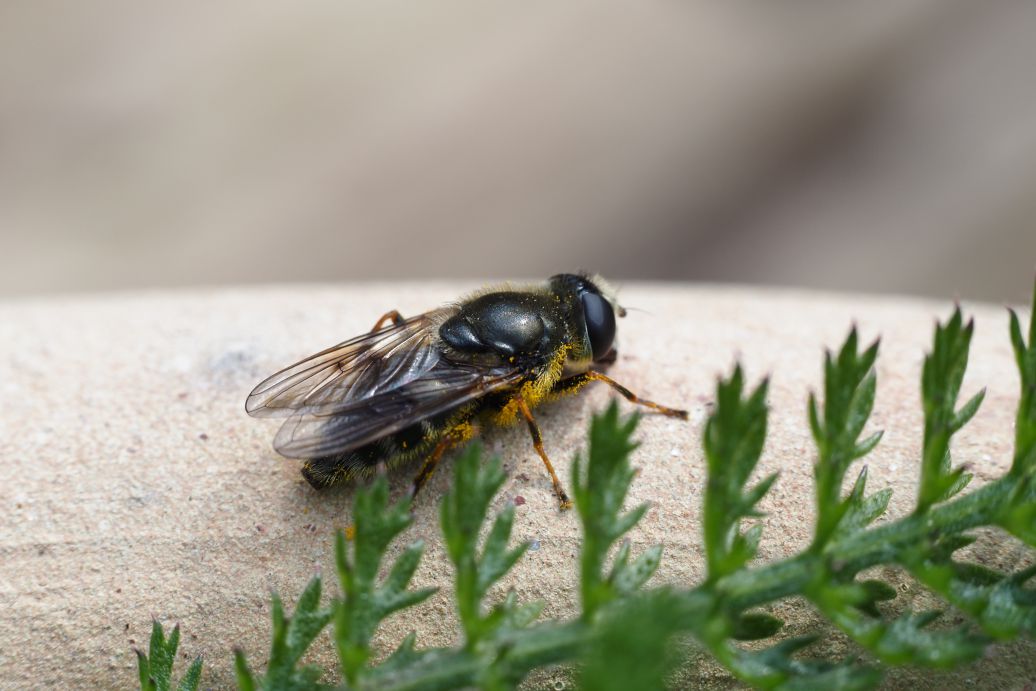
An example of why bright sunlight isn’t good for macro photography can be seen in Exhibit Z, above. This was fly does have an orange beard though which was something I hadn’t noticed until I drove up the shadows bar in the editing software.

The nursery web spiders were basking once more in their spring way. They are lovely spiders and I think could probably help more people to partially overcome any fears they may have. This was an interesting article (with a clickbait title) on spiders being pushed into civilisation by floods in Australia. And then there was this about the discovery of a depiction of a spider god in Peru. I wish people revered invertebrates in the way they did birds and mammals. Also, fungi.

Finally, a sign of spring’s imminent arrival is this bunch of guelder rose flower buds. Enjoy these spring days if you’re living in the Northern Hemisphere, they’re gone before you know it.

Thanks for reading.

Photos taken with Olympus E-M5 MIII and 60mm f2.8 macro lens.

More macro

#FungiFriday: online fungi talks this spring

There may not be many mushrooms around at the moment but I do have some good fungi-related news to share. In April and May I’m giving fungi talks on Zoom for two London-based charities!

On Tuesday 6th April at 18:30 I’m giving a talk entitled The Weird and Wonderful World of Fungi for London Wildlife Trust. This is part of the Trust’s Great North Wood festival. The talk is going to be focusing a lot on London’s fungal ecology in terms of woodlands, in keeping with the theme of the festival.

You can see more on the Trust’s website. The event is free but donations are welcome. London Wildlife Trust is a fantastic organisation dependent on the support of people who care about London’s wildlife, so please donate generously!

On Tuesday 18th May at 19:00 I’m giving talk for Bell House, a learning charity based in Dulwich, south-east London. This talk is entitled Fungus amongus: common mushrooms in England and will be about common mushrooms you can find in the UK. This will be more about the basic identification of species rather than the myriad avenues you can disappear off to in the world of fungi.

You can see more on the Bell House website. There is a suggested donation for this event of £5.

If you can’t make it don’t worry as there will be YouTube recordings to follow.

Thanks for reading.

More mushrooms

Unlocking Landscapes #3: the octopus beech tree

A couple of weeks ago I decided to try an outdoor recording for Unlocking Landscapes. This walk was 8 miles in total from my front door to visit a nearby area of woodland in the Sussex Weald:

Listen to the podcast above or on my Podbean page here.

Please subscribe to the Unlocking Landscapes YouTube here.

You can tell from the podcast that this latest English lockdown has affected my lung capacity, I’m a bit breathy at times! There’s only so much editing you can do though. One to remember for future episodes.

Anyway, the areas of interest in this episode are:

  • Woodland streams, known in this area as ‘gills’
  • Heathlands and plantations
  • Wood ants
  • Sphagnum moss bogs
  • Ancient and veteran trees, especially beech (Fagus sylvatica)

I’d love to know what you think of this episode and if you’d like to hear more in future. You can comment below or email me at unlockinglandscapes@gmail.com

Thanks so much for listening and I hope you enjoy.

In April I have a podcast with the writer Julian Hoffman. It went so well it’s in two fascinating parts. You can see more about Julian here.

I have some other great guests and episodes lined up, can’t wait to share all that.

Cheers,
Daniel

Episode recorded and edited by Daniel Greenwood in the West Sussex High Weald

High Weald Area of Outstanding Natural Beauty: http://www.highweald.org/

Unlocking Landscapes website

Unlocking Landscapes Twitter

#FungiFriday: scarlet elf cup

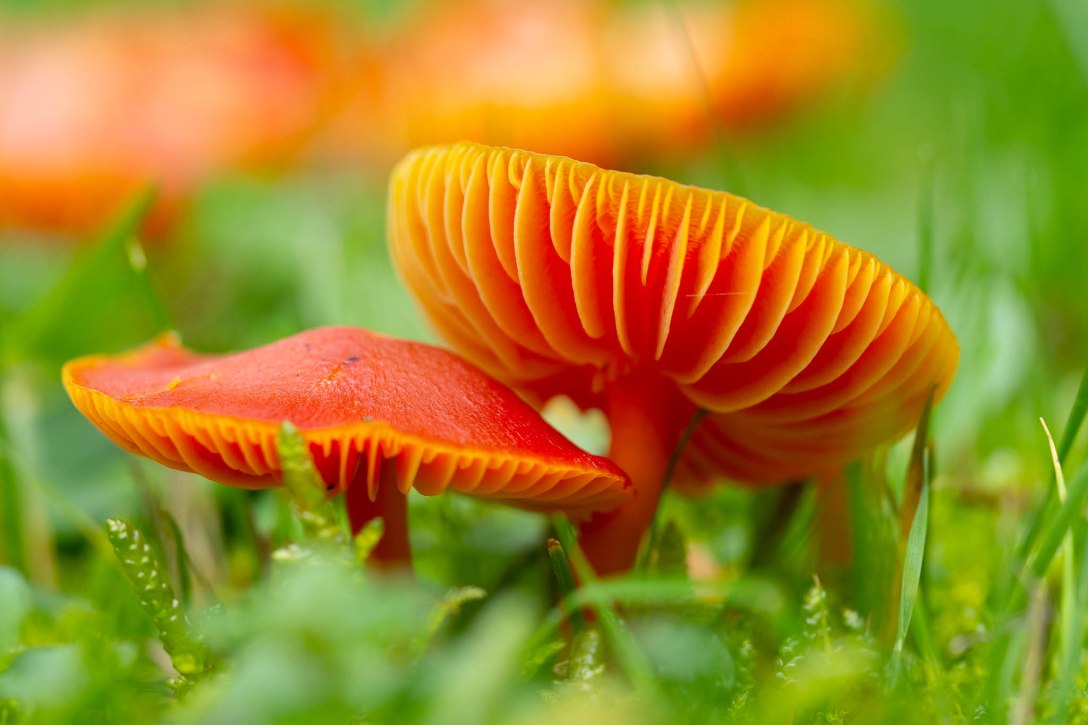
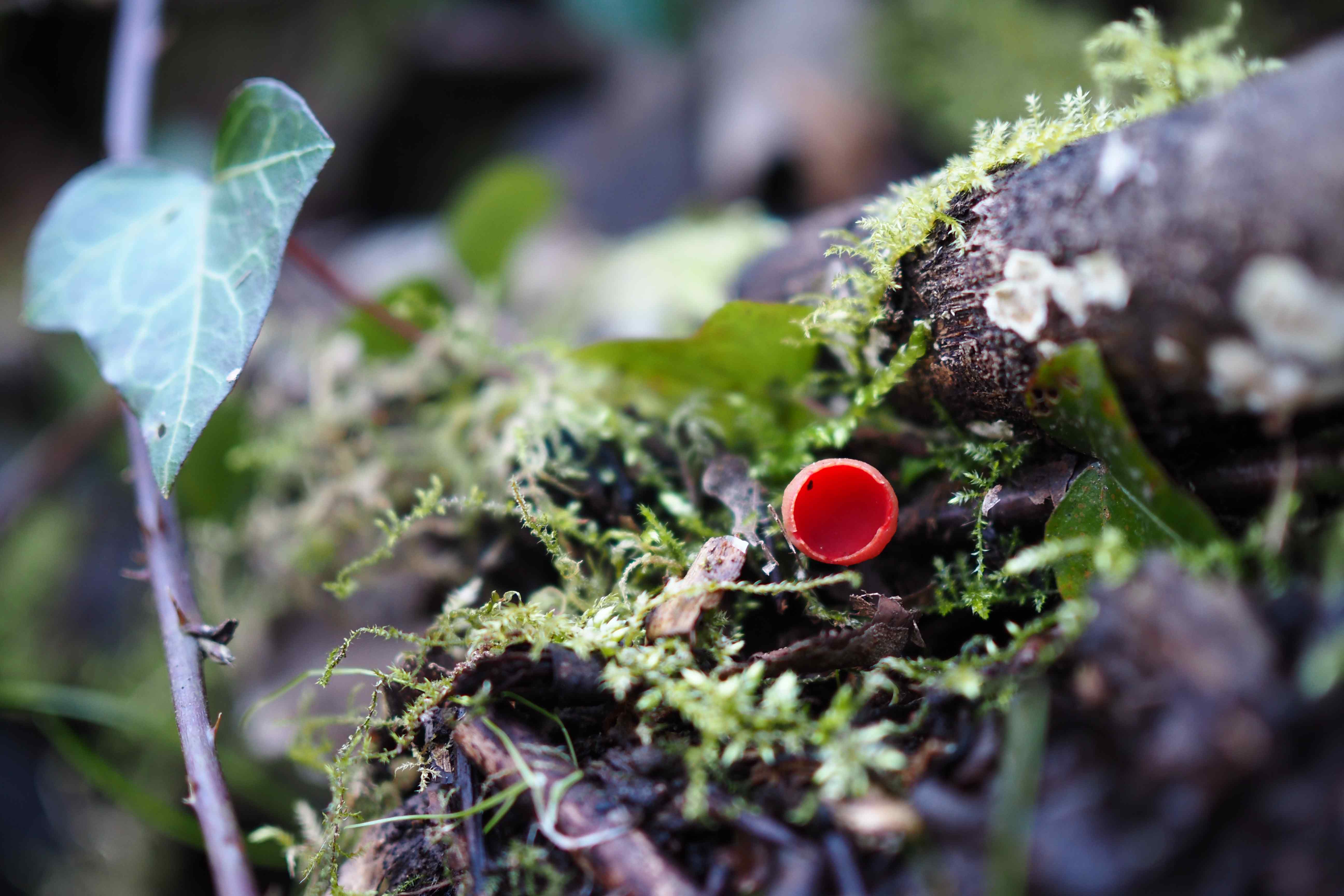
On social media in recent weeks one of the dominant fungi photographed has been a bright red cup fungus. This species is one of the most visually stunning, standing out like an elf’s sore thumb in a winter wood. I’m talking about scarlet elf cup.

I visited an area of woodland I have featured many times here, but a place I haven’t been to this year. I don’t know why, it’s close to home but usually requires a car journey because it’s awkwardly difficult to walk to. It’s a mixed ancient woodland with a stream running through it and heathland on its upper slopes.

In the UK heathland is a sandy habitat dominated by heather and pine. In terms, dry lowland heath is rarer than rainforest.

This woodland is managed with the support of volunteers. I don’t know the people who do the good work there but they clearly spend a good amount of time building what I know as dead hedges. These are barriers or piles of cuttings, branches, twigs and sometimes logs. They are there mainly to protect sensitive areas of soil where ancient woodland plants grow. It’s to keep people on the paths, which is best for the health of a woodland overall. These dead hedges also happen to be excellent habitat for wildlife like fungi.

From my experience in the woods and by looking at other people’s photos, I would say scarlet elf cups are happiest in damp, shaded areas. I would even say they are so keen on dampness that alongside streams and rivers is usually a good place to find them. This was a bit of a way from a stream but it ticked all the other boxes. You can see here that it’s growing from a small stick.

This is a nice example of this gorgeous fungus (not something you hear often enough). They grow on something similar to a stem but are a different set of fungi to the usual stipe-based mushrooms. Cup fungi are ‘ascomycetes’ (ask-oh-my-seets) and are spore shooters. ‘Basidiomycetes’ are spore droppers, most of them being the gilled mushroom types.

This area probably had hundreds of scarlet elf cups growing in this long stretch of dead hedge. It will be good habitat for lots of other species as well, including invertebrates and sometimes they’re big enough for small birds like wrens to nest in. The specimen above was snug as a shroom in a trug.

From what I know it’s an edible species, but I wasn’t about to clean out all these fungi from their wild habitat. I had mushrooms in my fridge that were a couple of days close to their best!

Thanks for reading.

More mushrooms

#FungiFriday: red banded polypore in Romania

Fungi Friday 5th March 2021

These days of lockdown have made me appreciate the places I’ve had the privilege of visiting in the before Covid times. Also, I haven’t been to the woods properly in what feels like ages and I’ve not found any fungi locally, until it was too late for this post. And this one is late!

In spring 2015 I went to Romania by train, something that seems like a lifetime ago now. My friend Eddie and I spent several days hiking in the High Carpathians spruce woodlands.

One of the areas we walked in was the Bucegi Mountains.

This was a quite touristy area due to the presence of a waterfall, but there were very nice woodlands flanking the main walk. Flowers like winter aconite were common.

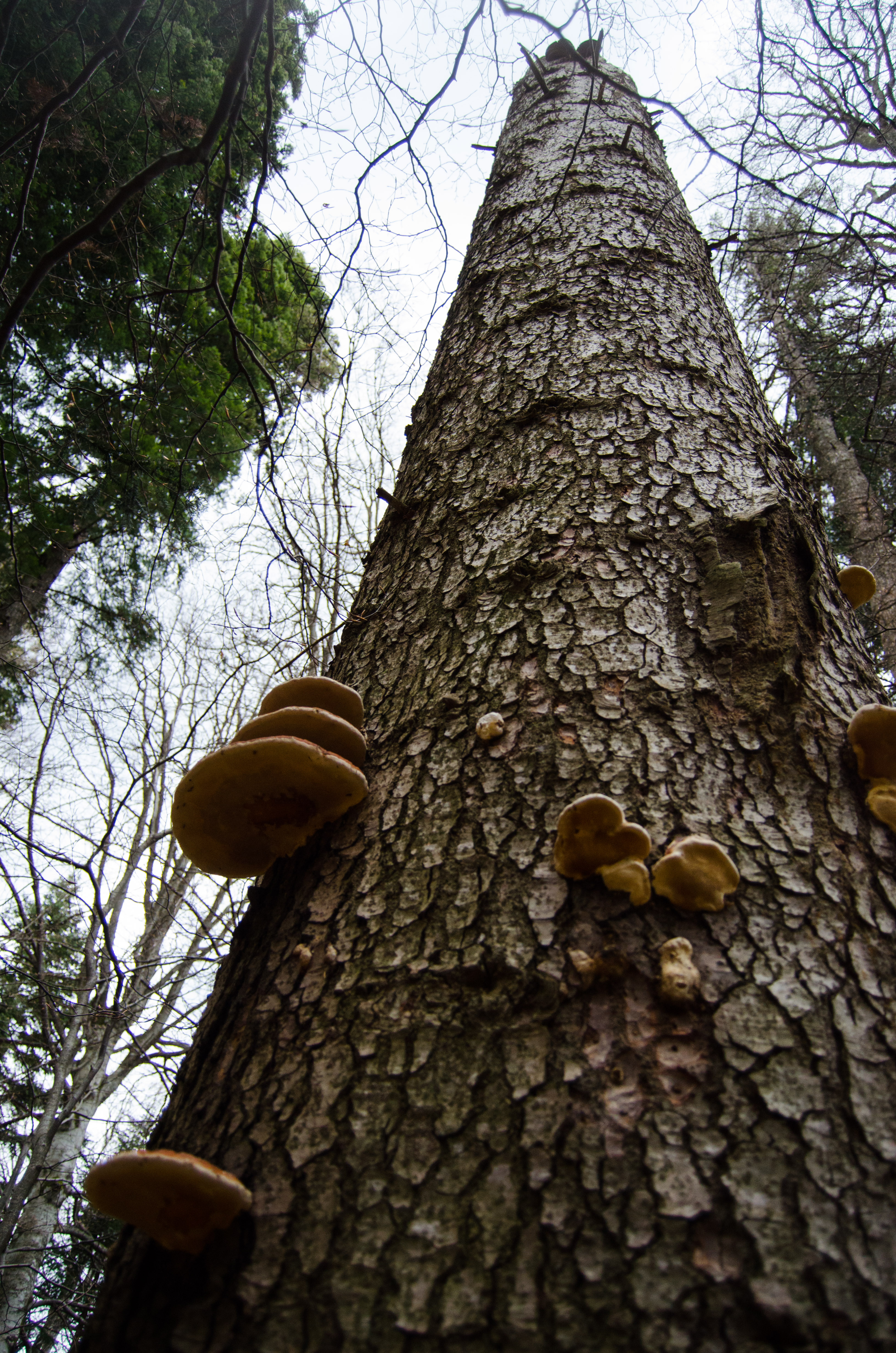
There were some huge spruce trees, covered in these beautiful bracket mushrooms:

They are a species I have seen mainly in Poland, Czechia and here in Romania. They’re red banded polypore.

I didn’t have the right lens on to capture the scene, but the mushrooms were covered in what I think were fungus gnats. The gnats were mating en masse! Some insects are actually dependent on fungi for habitat. I’ve seen them roosting within mushrooms gills before. Quite amazing.

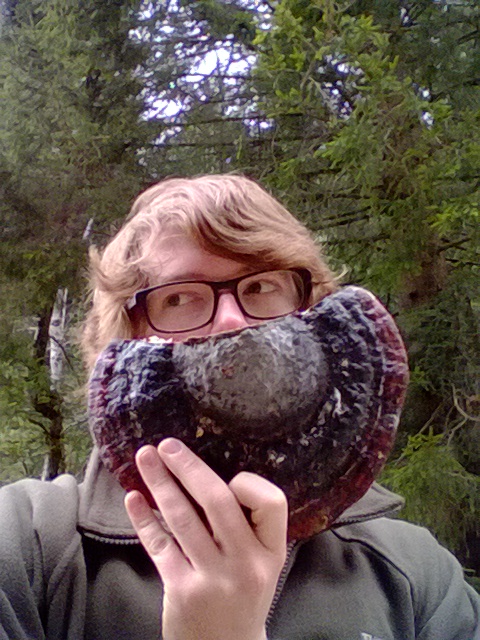
I found a red banded polypore which had fallen from a tree. I don’t know if it managed to look like a smiley face. In Covid times it looks more like a mask. I think I’ll stick to the ones my mum made me!

Thanks for reading.

More mushrooms

Unlocking Landscapes #2: Raki Nikahetiya

I’m pleased to publish episode 2 of the Unlocking Landscapes podcast. My guest this month is Raki Nikahetiya.

Raki lives in New Delhi and practices ‘interdisciplinary photography’. His photographic work focuses on documentary, landscape, wildlife and other digital art forms. He is currently working on a project with the University of Barcelona on the subject of… cave paintings and petri dishes!

Raki talks about life in India where agrarian protests are raging and people are coming to terms with the Covid-19 pandemic. He also describes his upbringing in rural Sri Lanka and how that has inspired his work as a photographer and a community conservationist working with indigenous communities in Sri Lanka and Mozambique.

In the YouTube version of the podcast you can enjoy some of Raki’s photographs alongside the audio:

You can follow Raki’s work through the links below:

Website: https://www.rakiography.com/

Instagram: https://www.instagram.com/rakiography/

Raki is a wonderful guy and I really enjoyed speaking to him. Thanks to everyone who has listened, subscribed and provided feedback on the podcast so far. It’s a real pleasure to record the episodes but the preparation and post-production is a lot to fit in alongside a full-time job! Hoping that things will settle a bit now as things get up and running.

Next month I am joined by writer Julian Hoffman.

Thanks for listening and wishing you well.

Recent posts

November 2025: beware of pity

I’ve had a burst of American visitors in recent days (to my blog, not my house). So thanks for visiting, y’all, and sorry about the year you’ve had. You may have noticed I’ve slipped to monthly posts on here. Between April and October I posted blogs every Monday without pause, which is a tricky task…

Summer-autumn 2025: unveiling the sun

Here’s my seasonal update of stuff you don’t need to know about, but then welcome to the Internet. What I’m writing Soon I will be self-publishing my third poetry collection, Fool’s Wood. It’s seven years since my last one and this collection has taken longer because of LIFE. There will be a booklet and also…