© Daniel James Greenwood 2013
writing and photography by Daniel Greenwood
© Daniel James Greenwood 2013


– York, December 2012
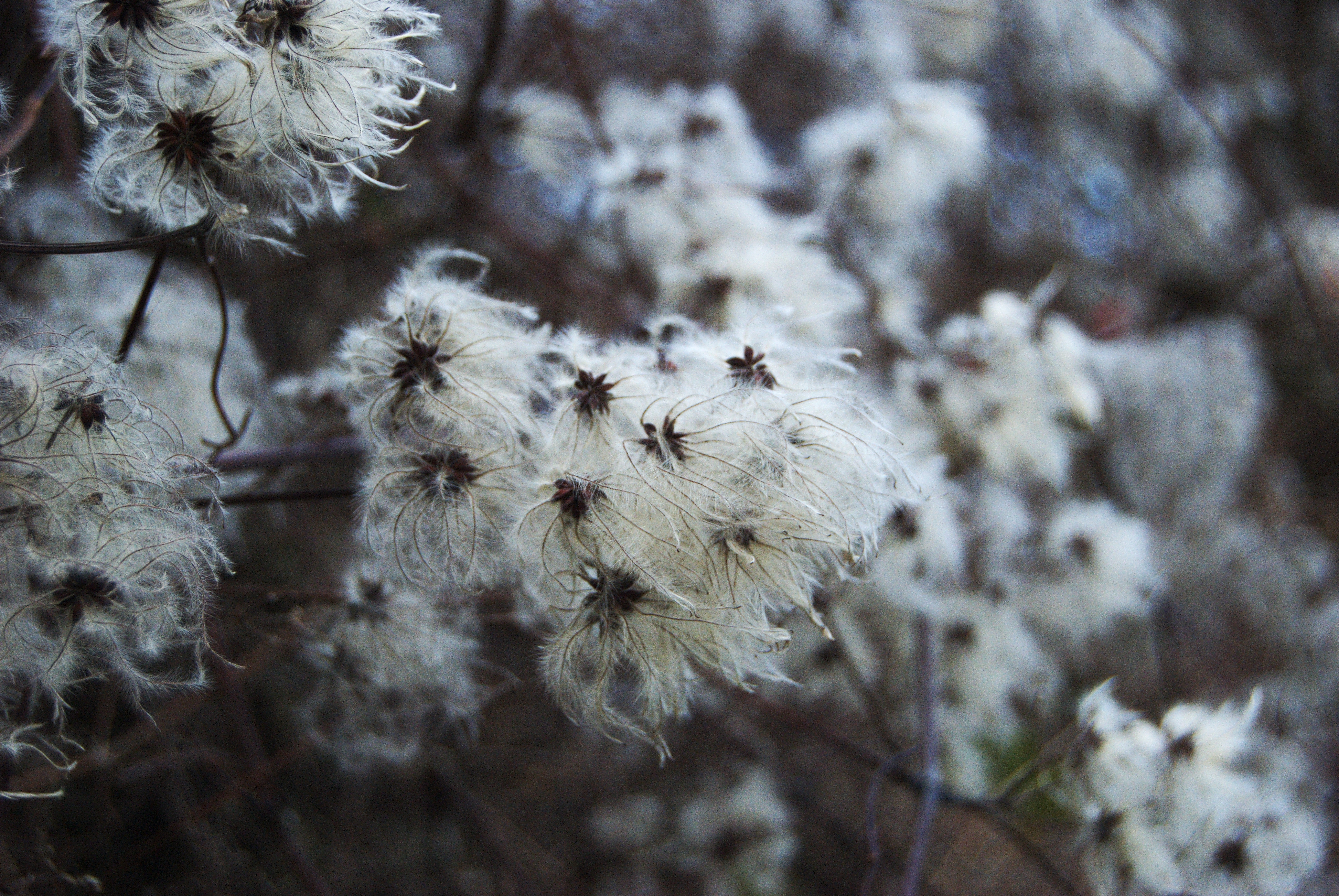
Having travelled up north today, one thing is clear – it’s a grey day in England. The fields are flooded, rivers have broken their banks, swamping hedgerows like spurious borders between water-bound states. Perhaps it’s a vision of the future. In York it’s much the same as we walk the walls. These giant slabs of stone encase the city’s heart, having done so for centuries. My footwear is unsuitable, leather boots with worn, grip-less soles. My companion is even more ill-suited in her heeled boots, though somehow she doesn’t slip as I do. Perhaps it’s the familiarity of the native. I fail to pick up placenames or any other manmade pointers, often quick to admire the old structures of men, we sometimes overlook nature’s work entirely. Instead of history, I’m drawn to the algae-green branches of lime trees and the peeling bark of mature sycamores, the small chunks of tree skin leaving ripples, as if they’ve disappeared into the flesh of the thing itself.
The walls break up and we have to climb the slender stairwells again to continue. I’m struck by how many people say hi, how many smile and seek eye contact. The sheer banks below show the early leaves of nettles and cow parsley, some plants are flowering, a large pink mallow the most striking. Have they evolved to find winter cover in the wall’s company? A flock of starlings spread between plane trees, ticking and whistling. I insist we wait and listen. Their roundabout call is a joyful sound.
We descend again and find the River Ouse has flooded the walkways, sandy rivulets reclaiming stone. A white swan mingles with a gang of Canada geese to feed on the bank opposite. Under the bridge a dog defecates, its owner pointedly collecting it with a little plastic bag. A fire and rescue dinghy glides past, a crew member waving as I take their picture. We return to the street above and cross the bridge. Mud from the river has coloured the tarmac of a car park.
Back on the wall we watch two hooded teenagers hide their bikes in the black walkway of a terraced housing estate. They are wary of leaving their belongings out in the open. Down below a strip of no-mans-land offers up the remains of a bike immortalised in long grass, like the inhabitants of Pompeii to molten rock. Up ahead we squeeze out of the way of oncoming walkers and stop to admire a scene of sparrows flocking to a garden bird feeder. It reminds my friend of her time in Spain, ‘a happy sound’, and we watch their grey shapes darting between food and the shelter of the gutter. Their calls explode into single shrieking notes. A juvenile sparrowhawk crashes into the feeder from over the fence, what seemed to be ample shielding from the outside world. The hawk is unmistakable with its dark brown barred wings. It falls out of sight, presumably pinning its prey to the patio, or in the shrub below the feeder. We wait for news. A good few minutes later the shrieking – unceasing during this time – heightens further. The sparrowhawk makes its getaway over the fence and cars parked in the street beyond, the shadow of a sparrow in its talons.
The bells of York Minster sound over the ornamental gardens, their spacious mown lawns and the first beech trees of our time up here. Robins sing from all sides, one is silhouetted in a branch close to our ears, its blackened bill working as it counters the dour skies and echoing bell toll with its shimmering wildsong.


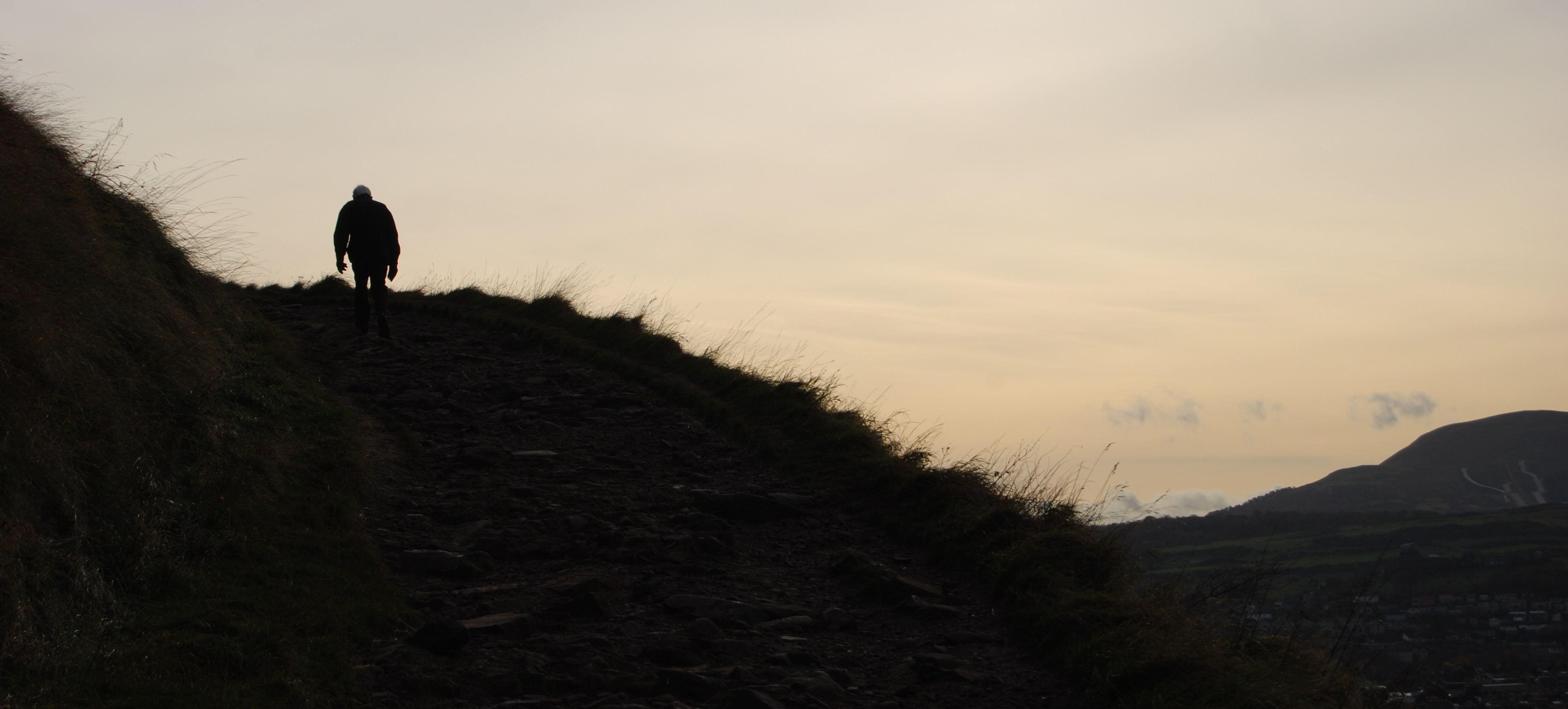
– Edinburgh, Scotland, November 2012
From behind one of Edinburgh’s characteristically grey stone buildings comes the indomitable and once volcanic summit of Arthur’s Seat. As if some chunk of another planet had landed here in the heart of a city of world heritage status, the change in terrain is sudden. For all the undoubted beauty of Edinburgh’s old architecture, this lump of wild, unapologetic land is a welcome relief from the rain-drenched busts of cathedrals and church towers. A housing estate has been built on the brink of Holyrood Park, the broad wingspan of a female sparrowhawk appears from a ring of beech, birch and ash woodland marking the way in. A magpie gives chase to the hawk, goldfinch skip across the scene, their merry, glistening calls overheard.
Crows are skating the zenith of Arthur’s Seat, but not merely one kind. Tens of jackdaws are in flight, some barging one another, competing for spots in the flock. At an opening in the landscape the Firth of Forth appears. Two students are painting the scene onto canvases attached to easels. Their demeanour is one of calm, of contentment in observing and being observed: there are plenty of tourists taking to the steps up to the top, stopping to admire the young artists as they come and go. A young woman is sitting on the grass beside them, her hood drawn over her head. She eats morsels of food from an orange carrier bag.
Carrion crows toe the tarmac and paving looping around the old volcano, a road we ignore in trying to reach Duddingston Loch. Instead we follow a path covered with foliose lichens, erupting in small boulders and swathes of prickly gorse. I forgot how easily the needles pass through denim. It appears to be a trail home to a community of jackdaws and white-tailed bunny rabbits. At our feet are the defiant pink and purple flowers of viper’s bugloss, half wilted. Our path leads to a dead end of gorse and a precipice: Duddingston Loch can be seen clearly from here, a white swan moving on the surface of the water.
We turn back, trying not to tread into burrows, slipping on the greasy moss and grass. A flock of jackdaws float overhead. We stop to view the city, the Pentland Hills to the south, a ski slope visible like a mistake. Below us there’s Prestonfield golf course, a solitary golfer dragging his gear across a line of ornamental cherry trees swept to the west by years of pressure from air rushing across from the coast. From the crags of Arthur’s Seat comes the guttural kronk of a raven, scattering the jackdaws like leaves, with one feisty ‘daw attempting to lead a mob in revolt. We return back along the road and encounter the dispute once more, the raven sheltering in the dim fissures of rock, almost invisible, but for its rupturing calls, its black, glossy beard exploding as it calls out. Soon enough another raven arrives and the retired beast takes to the air, its digital wingtips and diamond shaped tail reaching out into the chill wind.