
The eternal struggle. Near Kenley, April 2013.
Writing, photography and more by Daniel Greenwood
The eternal struggle. Near Kenley, April 2013.

Ilford Delta 100, Kodak Retinette 1B
© Daniel James Greenwood 2010


– York, December 2012
Having travelled up north today, one thing is clear – it’s a grey day in England. The fields are flooded, rivers have broken their banks, swamping hedgerows like spurious borders between water-bound states. Perhaps it’s a vision of the future. In York it’s much the same as we walk the walls. These giant slabs of stone encase the city’s heart, having done so for centuries. My footwear is unsuitable, leather boots with worn, grip-less soles. My companion is even more ill-suited in her heeled boots, though somehow she doesn’t slip as I do. Perhaps it’s the familiarity of the native. I fail to pick up placenames or any other manmade pointers, often quick to admire the old structures of men, we sometimes overlook nature’s work entirely. Instead of history, I’m drawn to the algae-green branches of lime trees and the peeling bark of mature sycamores, the small chunks of tree skin leaving ripples, as if they’ve disappeared into the flesh of the thing itself.
The walls break up and we have to climb the slender stairwells again to continue. I’m struck by how many people say hi, how many smile and seek eye contact. The sheer banks below show the early leaves of nettles and cow parsley, some plants are flowering, a large pink mallow the most striking. Have they evolved to find winter cover in the wall’s company? A flock of starlings spread between plane trees, ticking and whistling. I insist we wait and listen. Their roundabout call is a joyful sound.
We descend again and find the River Ouse has flooded the walkways, sandy rivulets reclaiming stone. A white swan mingles with a gang of Canada geese to feed on the bank opposite. Under the bridge a dog defecates, its owner pointedly collecting it with a little plastic bag. A fire and rescue dinghy glides past, a crew member waving as I take their picture. We return to the street above and cross the bridge. Mud from the river has coloured the tarmac of a car park.
Back on the wall we watch two hooded teenagers hide their bikes in the black walkway of a terraced housing estate. They are wary of leaving their belongings out in the open. Down below a strip of no-mans-land offers up the remains of a bike immortalised in long grass, like the inhabitants of Pompeii to molten rock. Up ahead we squeeze out of the way of oncoming walkers and stop to admire a scene of sparrows flocking to a garden bird feeder. It reminds my friend of her time in Spain, ‘a happy sound’, and we watch their grey shapes darting between food and the shelter of the gutter. Their calls explode into single shrieking notes. A juvenile sparrowhawk crashes into the feeder from over the fence, what seemed to be ample shielding from the outside world. The hawk is unmistakable with its dark brown barred wings. It falls out of sight, presumably pinning its prey to the patio, or in the shrub below the feeder. We wait for news. A good few minutes later the shrieking – unceasing during this time – heightens further. The sparrowhawk makes its getaway over the fence and cars parked in the street beyond, the shadow of a sparrow in its talons.
The bells of York Minster sound over the ornamental gardens, their spacious mown lawns and the first beech trees of our time up here. Robins sing from all sides, one is silhouetted in a branch close to our ears, its blackened bill working as it counters the dour skies and echoing bell toll with its shimmering wildsong.

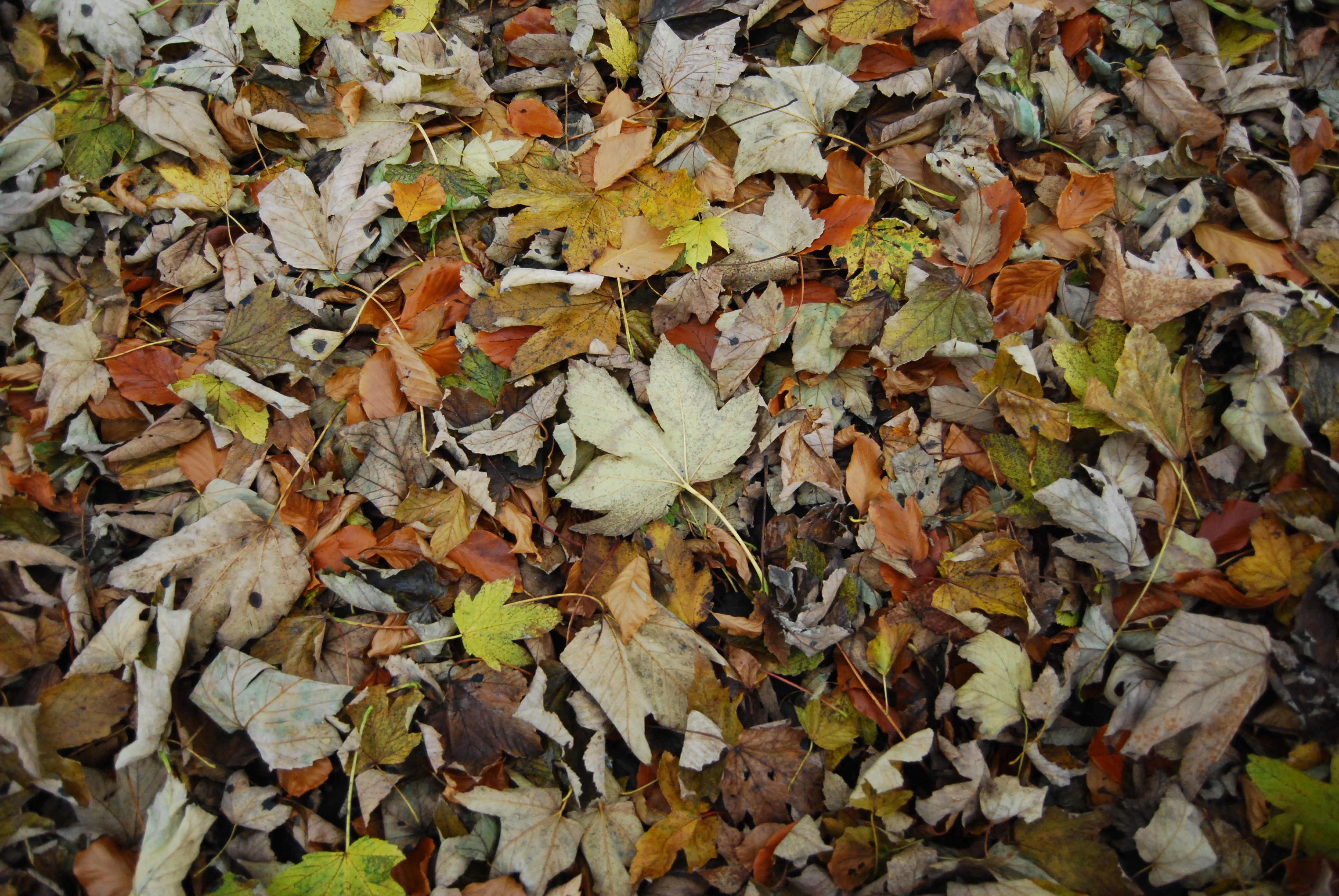

– Dorset, April 2011
The passage of the old stable quarters ran to a doorway opening out onto the back of the house. The doorway itself appeared blocked at first viewing, blocked by the trunk of a tree so large that it filled the entire frame. The pianist staying at the house had spoken to me about the tree.
‘I like to bang my head against it,’ he’d said. He had a face like a fox.
The tree goes by different names: Wellingtonia, Big Tree, Giant Redwood and Giant Sequoia. During my time as neighbour to it I called it a jumble of names, sticking with ‘American Redwood’. The tree was twice as tall as the house, a 19th century mansion, and viewing it from the stable courtyard gave a sense of the tree’s grand but gentle scale. The bark is a deep red where worn and soft as a wafer to touch. It has none of the scratchiness of our mature natives like oak or ash. It runs in one towering trunk. Perhaps the white settlers who came upon the Americas harboured a secret adoration for these towering, ancient things (the oldest tree in the world is a Giant Sequoia) felled with such relish, an adoration which survived generations, resulting in an Empire State Building. The tree I had the pleasure of experiencing in Dorset is a prime example of the beauty and power that nature exerts when allowed to grow. This tree was near to 200 years old, probably planted with the house by the adventurous Victorians who’d lived here.
The Redwood had an apartment block feel to its design. Walking along the passage, face to face with the trunk and into the garden, a mouse-like bird scarpered out of view. After a few encounters with the white-bellied creature I witnessed it disappear into a small bore in the soft bark. The bird was a treecreeper, named after its tendency to climb the bark of a tree from its base, poking its bill between the cracks for insects. It climbs up the trunk pinching between the cracks for insects. It climbs and then flies to the bottom of another to begin its ascent all over again. It will only do this on trees of a certain age and size. The size and permeability of the Redwood make it a highly desirable habitat. In the middle of the tree a pair of goldcrests would sing thinly, spinning coins coming to an abrupt halt. The thin nature of the canopy made it a viable way to enjoy not merely the sound of the bird but also to see it. They would be there at lunchtime without fail.
A number of chimneys were built into the stables and across to the house itself. A pair of jackdaws would spend parts of the day bringing sticks and placing them in the vacant portals. Jackdaws are thought to mate for life and a pair here would ‘jack’ to one another as they constructed their nest. In the mid-afternoon, the lull after lunch, they strolled along the lawns either side of the house in an almost synchronous fashion, digging for worms. This was a group of about twenty birds, and in the gloaming they returned to the highest reaches of the Redwood to roost for the night, their chatter lessening before night and silence fell.
From the stable courtyard an expanse of woodland opens up in the near distance. There was another Redwood on that horizon, equally tall but dead. I was walking to the walled garden one morning with the head gardener when he told me the story:
‘Someone was taking their horses out into the wood that way one day and they got to chatting with someone they knew,’ he said. ‘They turned their backs for ten minutes and by the time they looked back the horse had eaten its way round the tree. The thing just went and died. Terrible shame.’
When I said goodbye to the house and the stables I wished the Redwood a farewell. Not just to the tree but the creatures living with it, the treecreeper disappearing into the bark, the singing goldcrests and sleeping jackdaws.
– Cox’s Walk, London, July 2012
We’re coming toward the end of our bat transect, our detectors raised into a night lit by the orange glow of a line of streetlamps and closed by the canopy of oak. Nothing. Further up the slope there was a hint of a noctule bat’s chip-chop call coming through the static of the airwaves, but nothing else. Rain begins to fall and we make our final marks on the record sheet. There are very few bats around, the woodland all but shorn of them. At the bottom of the path are two figures, a third, dwarfish silhouette evidently that of a large dog. From here it’s unclear whether they are moving away or towards us. A fox appears between us and, turning to look back from where we’ve come there rests another. In this break of light and dark, the fox watches us with content, almost with sympathy. Nevertheless, we’re surrounded.
As time goes and our chatter dwindles, the people approach. It’s a man dressed in a cream suit and a woman. He is indeed rotund, stopping and strolling, she strafing either side of him, circling tree trunks, in and out of darkness. We’ve finished now – there’s no point dawdling – no one says anything about it, but there’s a sense of apprehension. We stop – I don’t know why. I call out: we’re doing a bat survey! I’m shaking the black box in the air. A voice travels back:
‘You can do what you like.’
The fox at the top continues in its restful manner. We are the scene.
The woman is clear now, she wears blue dungarees and a red bandana holding up dreadlocks. She disappears behind an oak trunk, flashing us a glance, like a child playing cowboys and Indians. She smiles, emptying a plastic bucket around the trunk. The man has stopped, I can see his large oval spectacles. He turns to the tall iron fence protecting a small copse of maturing silver birch. The woman comes from behind the tree again:
‘Don’t be scaring me foxes away,’ she says, gently, with a hint of the Caribbean in her voice.
We all stop and look to the copse. The streetlight cast onto the trees and fence shows movements of the amber fur of a trail of fox cubs. They slink through the fence and arc towards the tree surrounded by piles of pink sludge – the contents of the lady’s bucket.
‘Ain’t they beautiful,’ says the rotund man in his cream white suit and oval spectacles.


 Unlocking Landscapes