
We are at that point in British springtime that feels like a tipping point. The leaves of most deciduous trees are out in small, decorative versions of their summer selves.
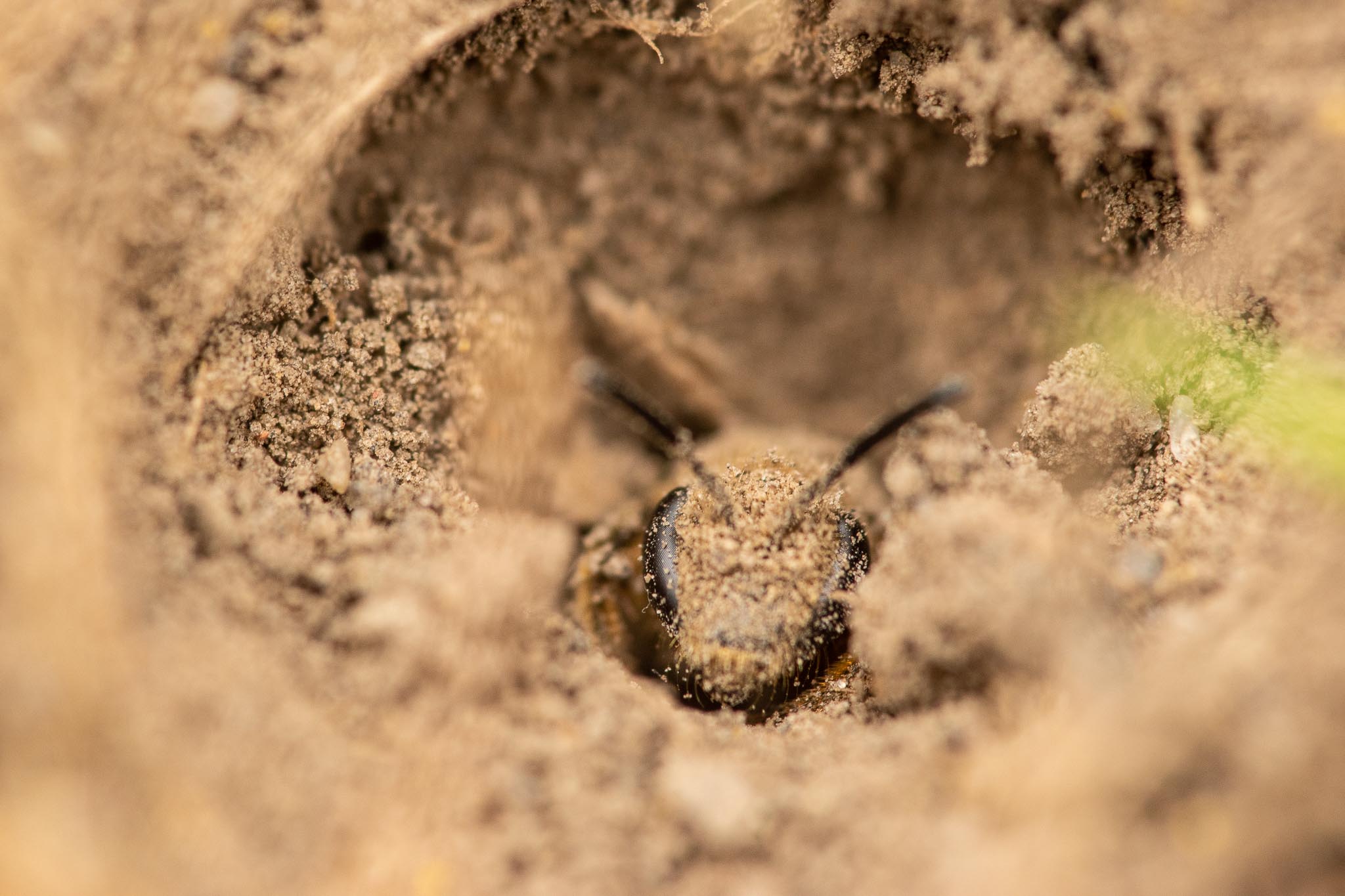
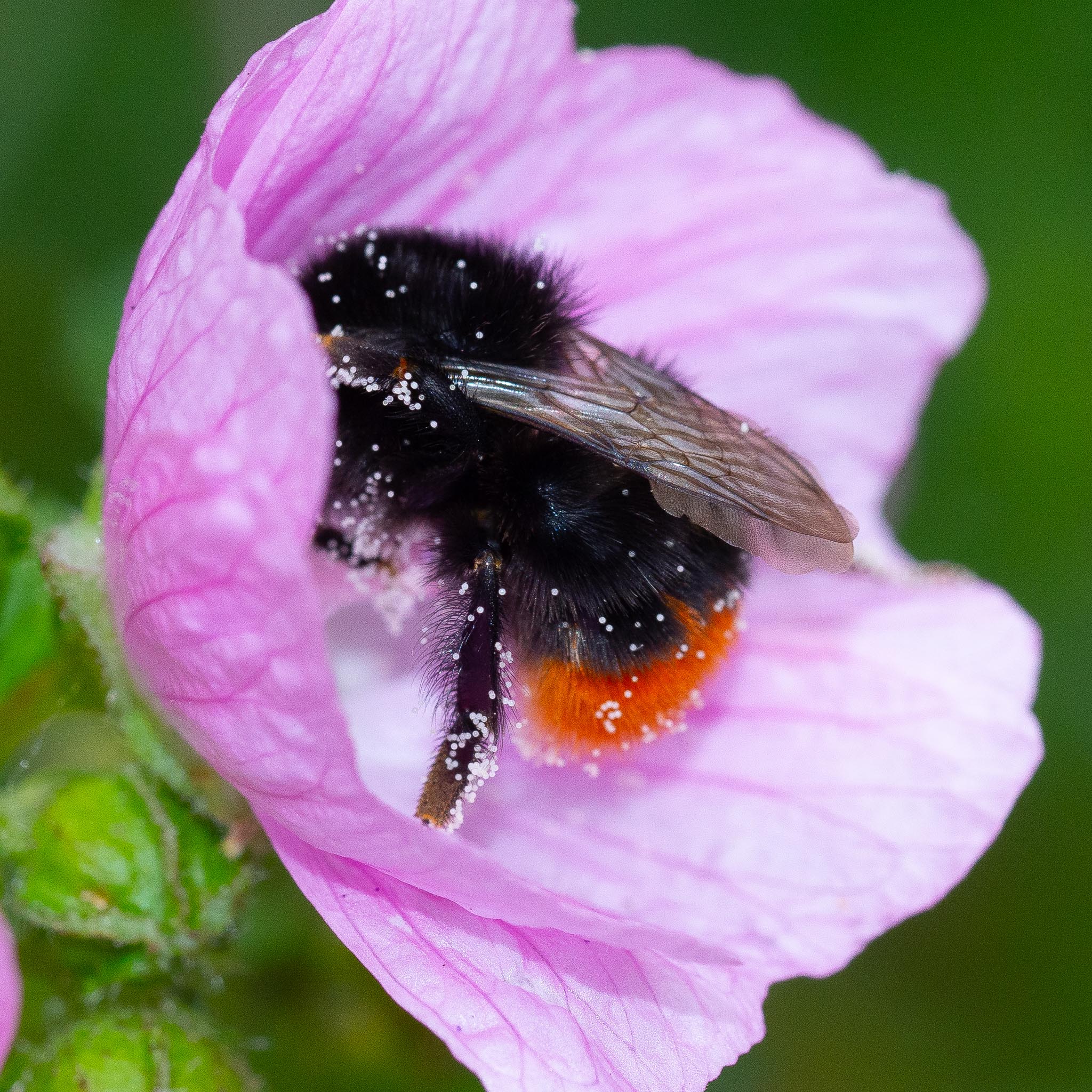
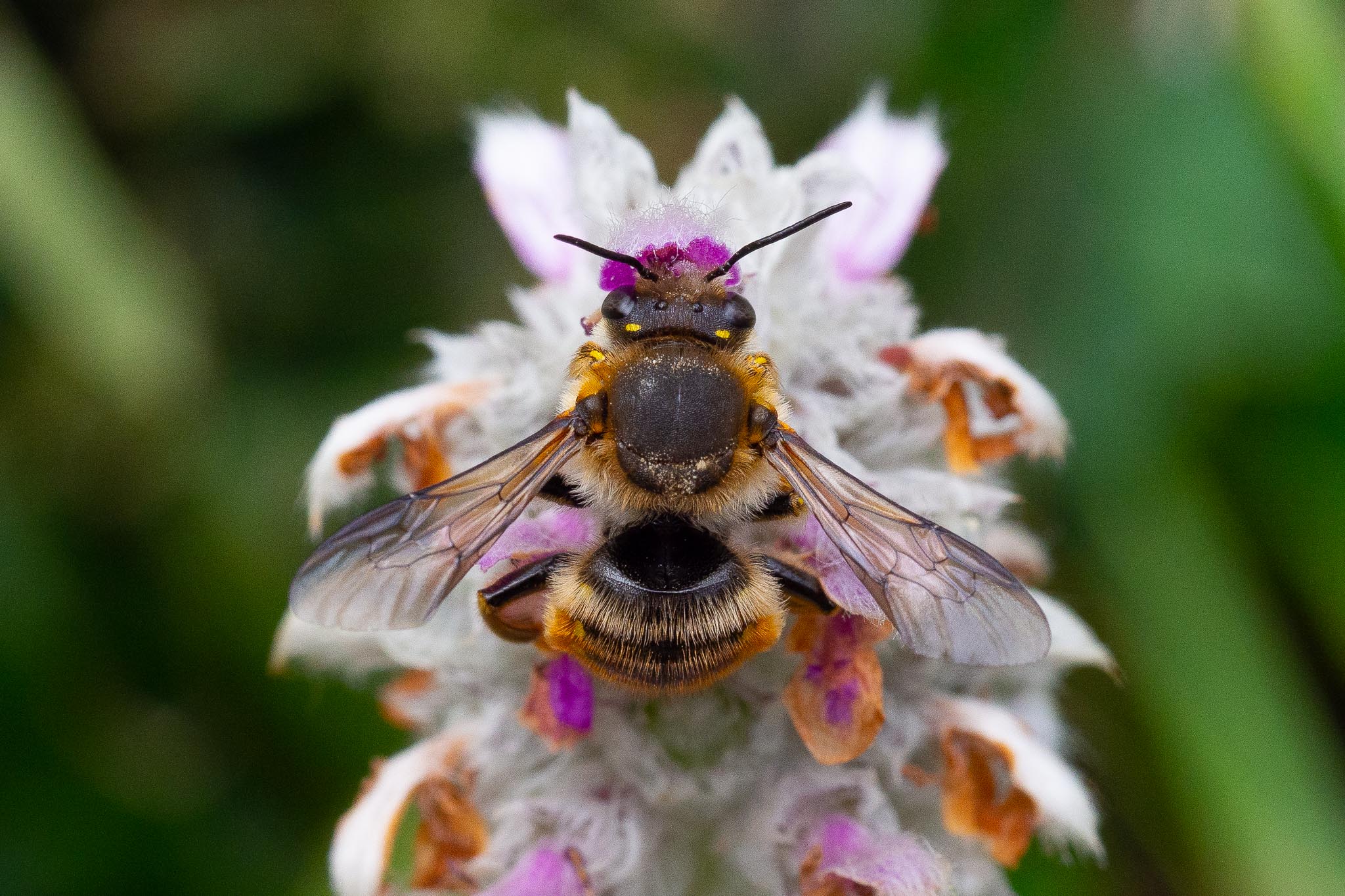
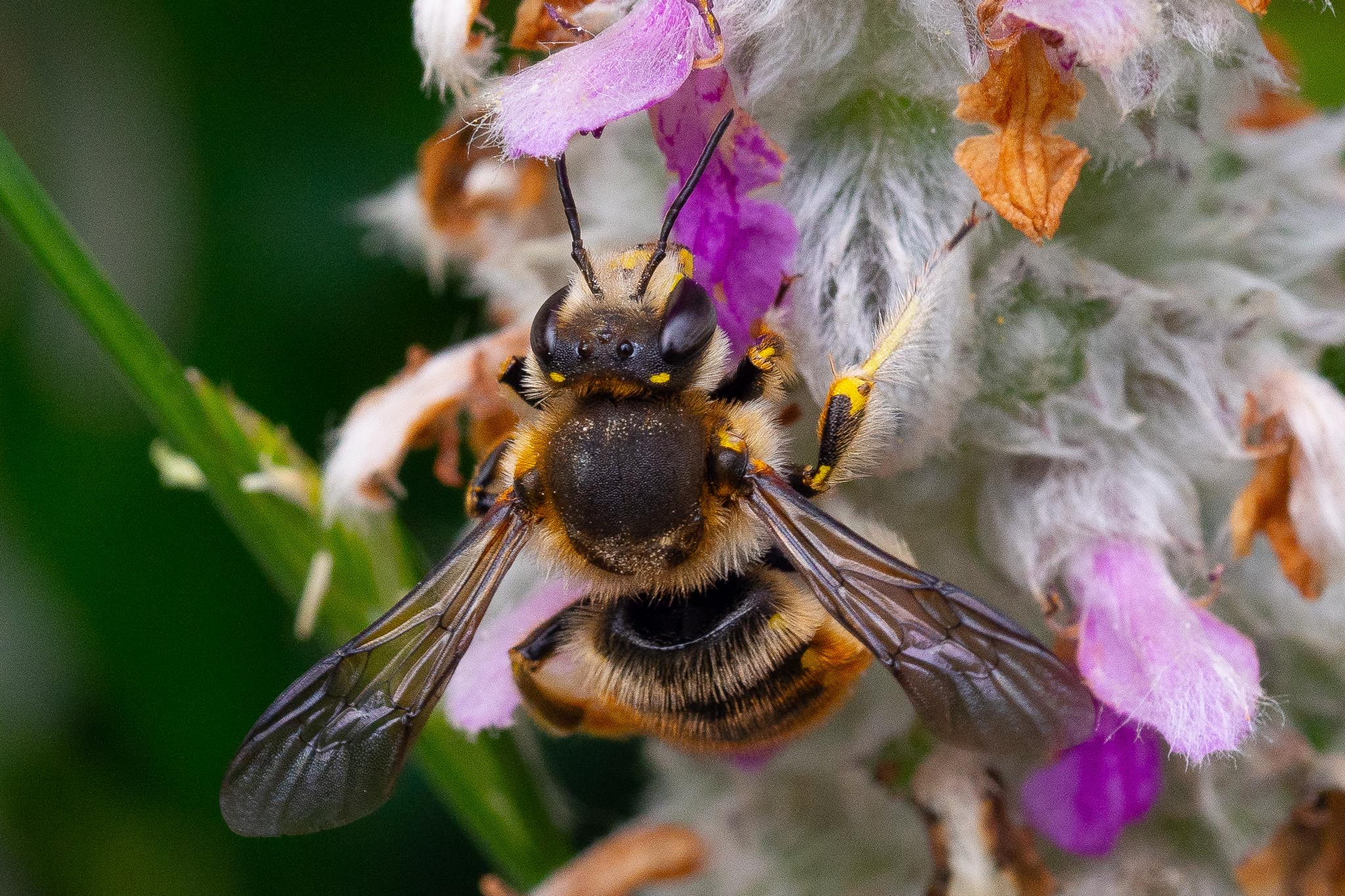
The insect life has passed meaningful boundaries: mason bees have have hatched from the hotels and the early species are looking a little overwhelmed by the new life around them. Take the hairy footed flower bees. Now they will rest for a photo, after a month of never settling much at all.

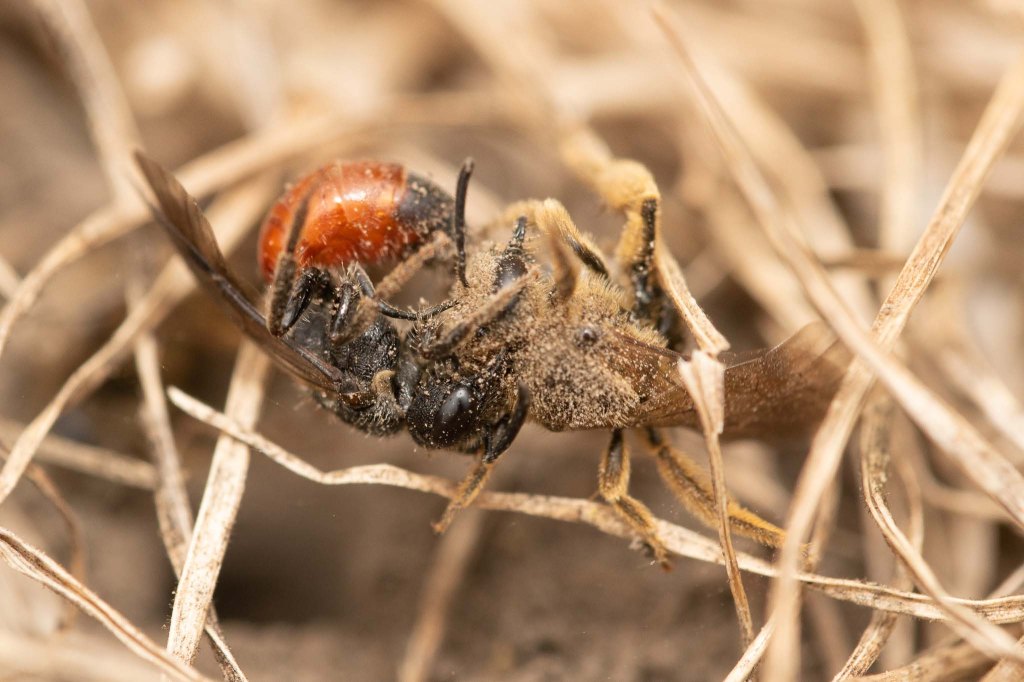
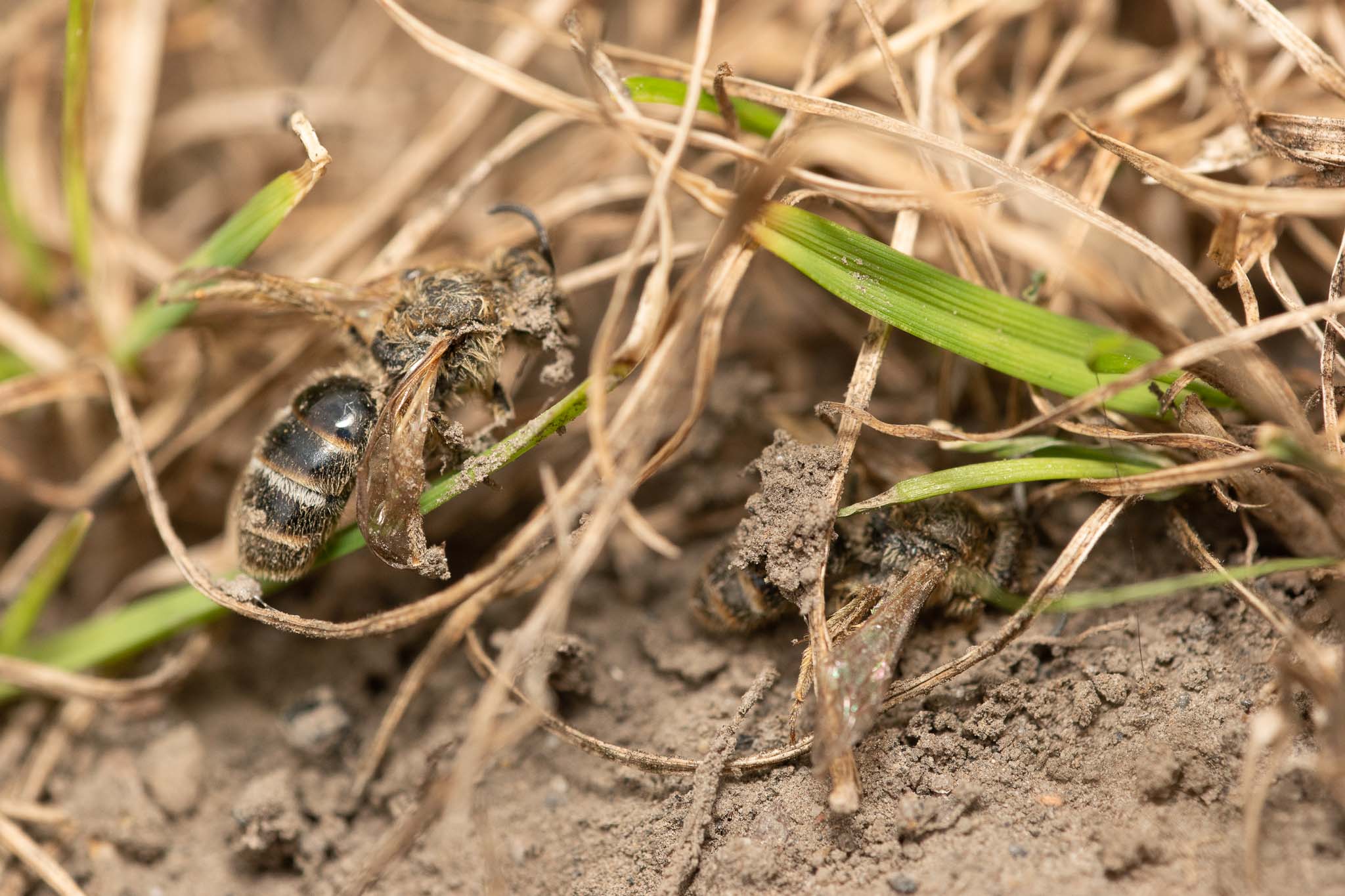
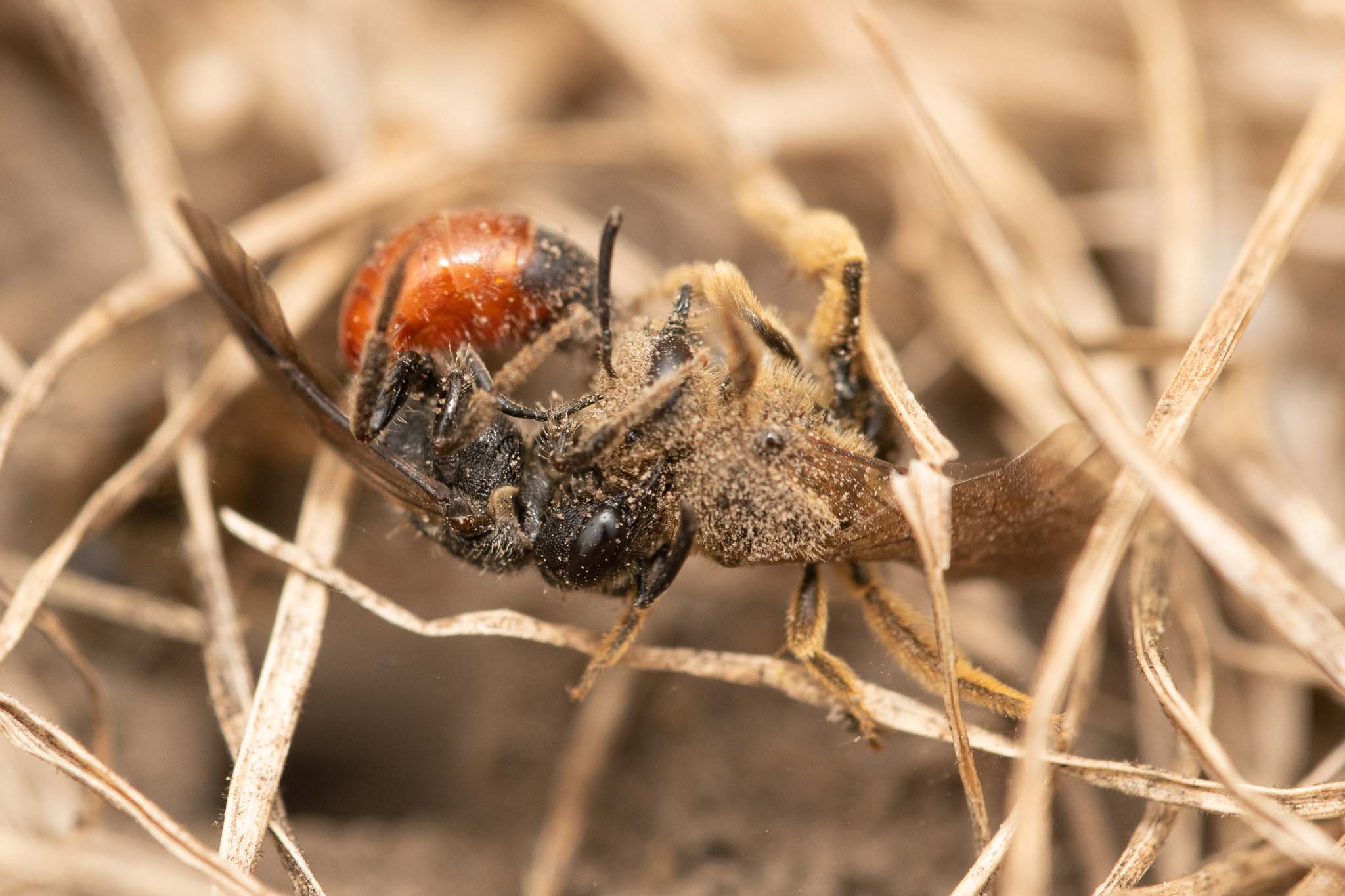
I spent a five minute screen break in my garden observing the silent flight of a mourning bee, a bee that targets the hairy-feet. Its flight was deceptive, hard to know what kind of insect it was. That must be part of its success.

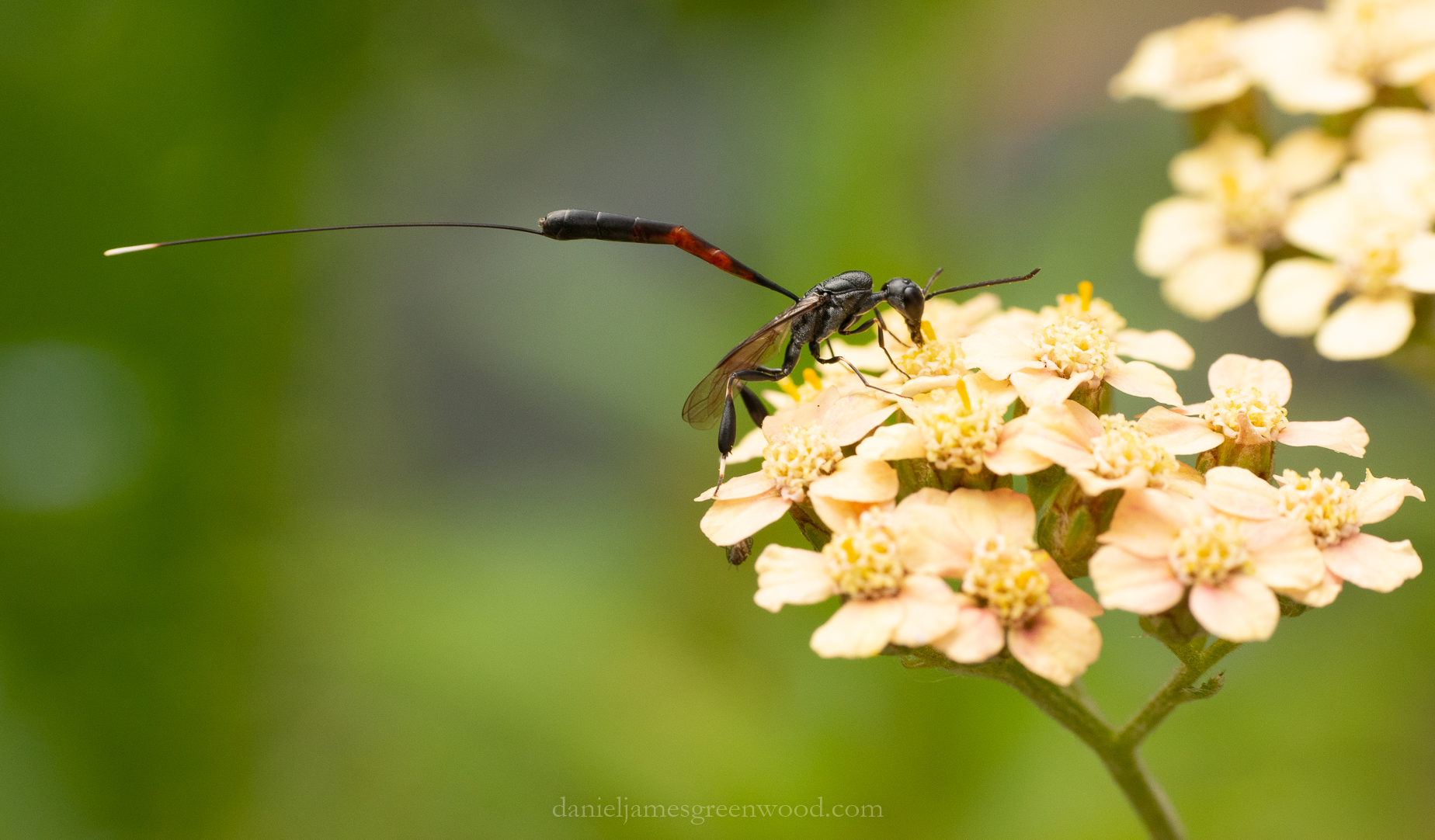
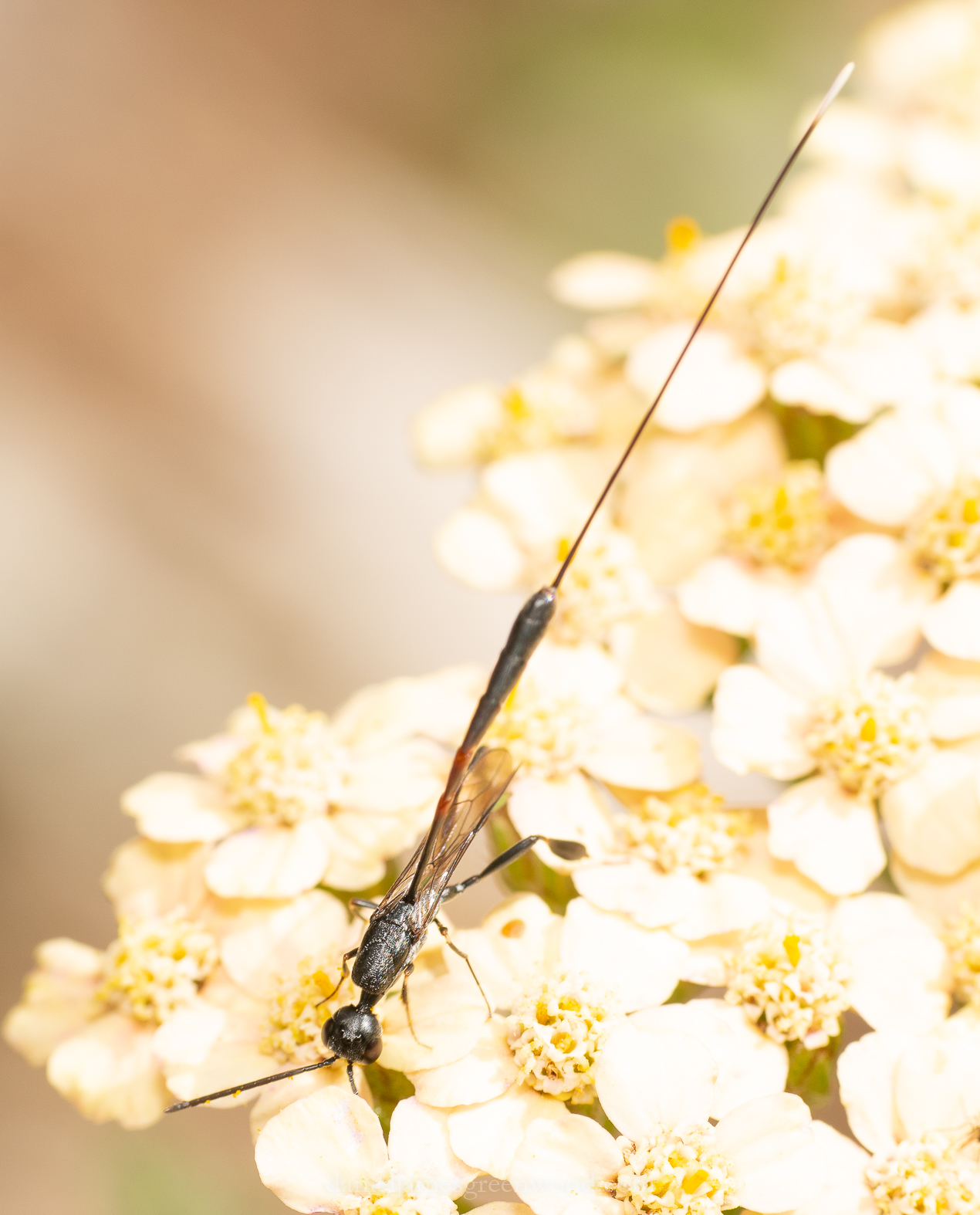
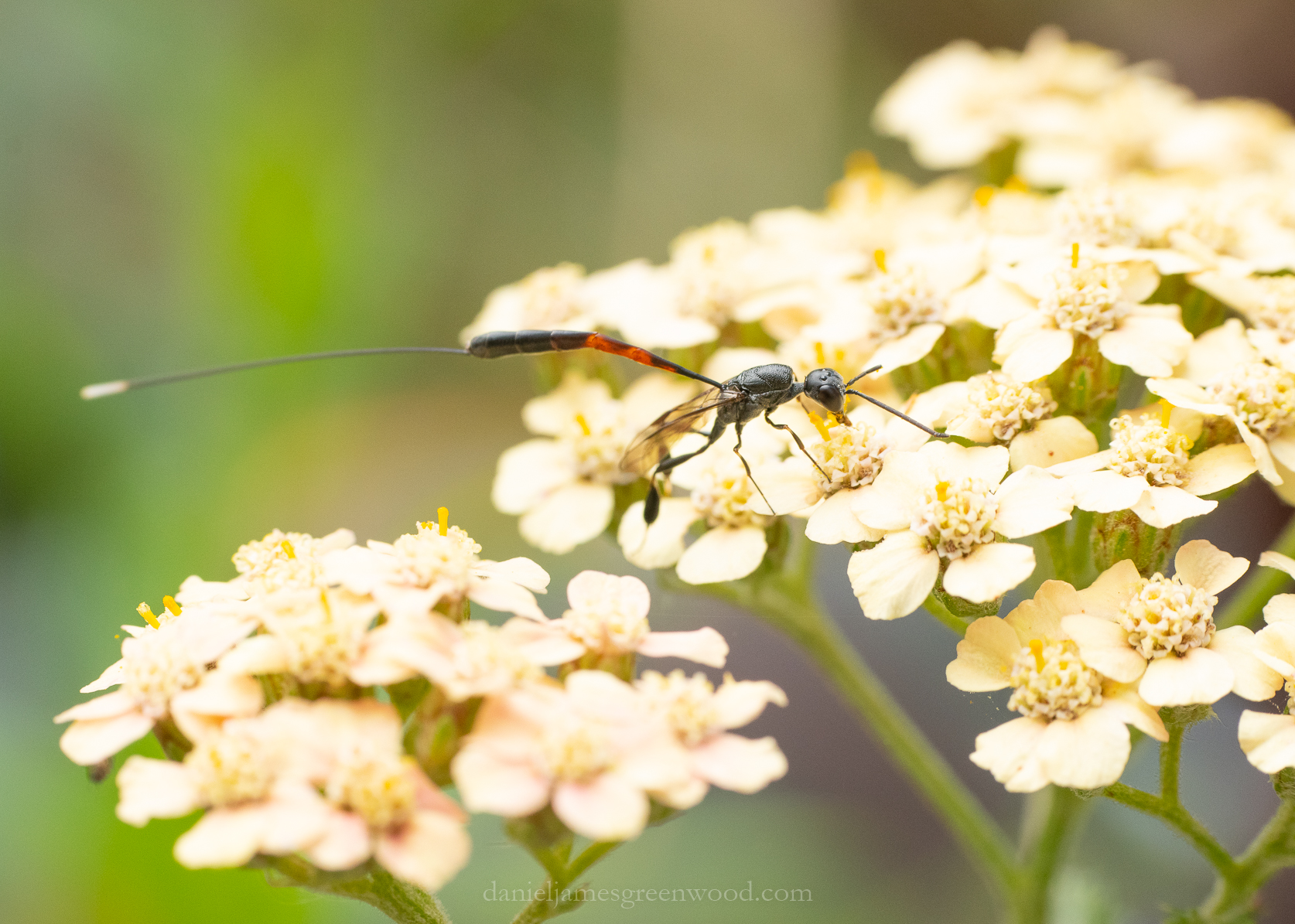
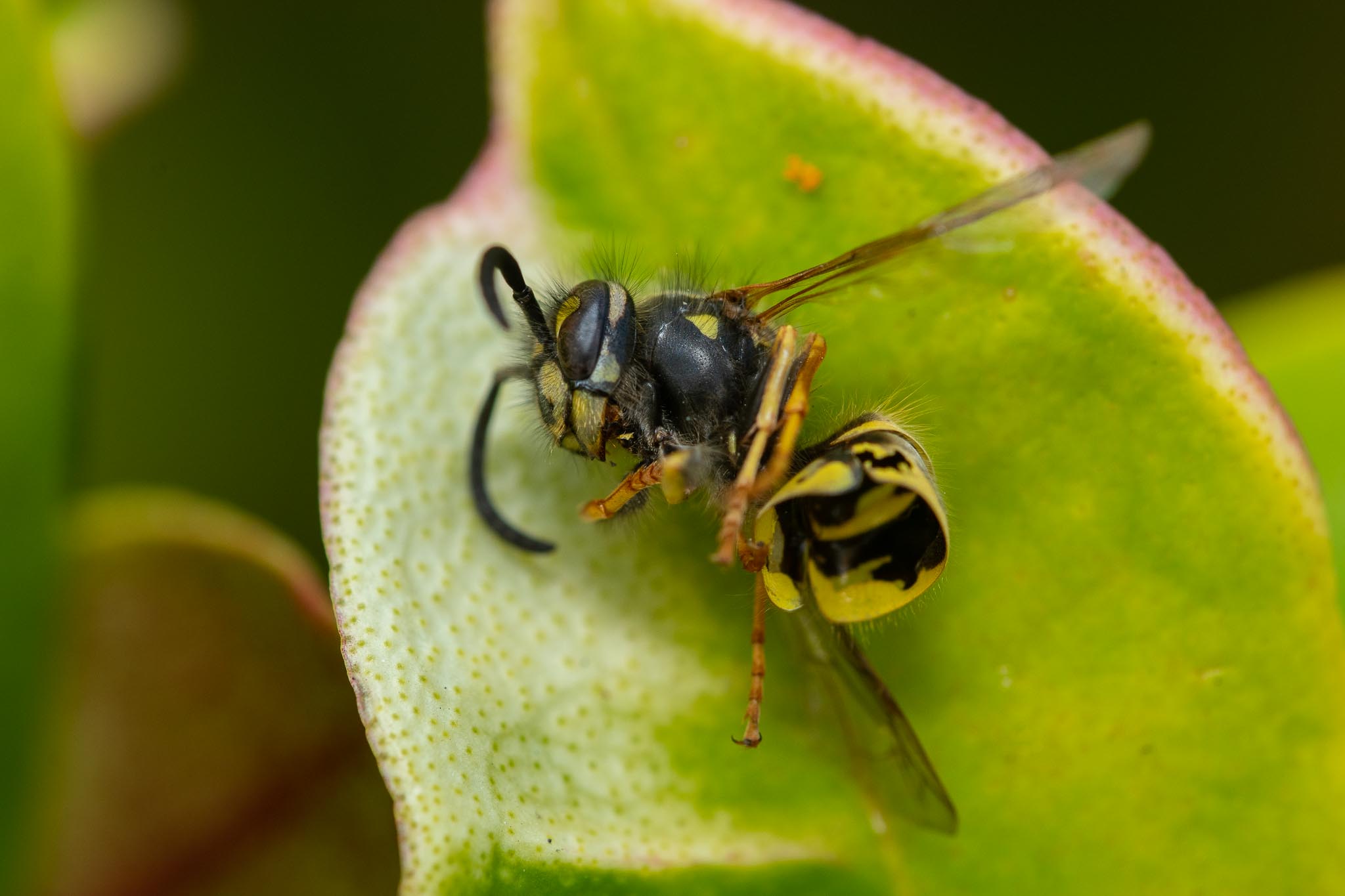
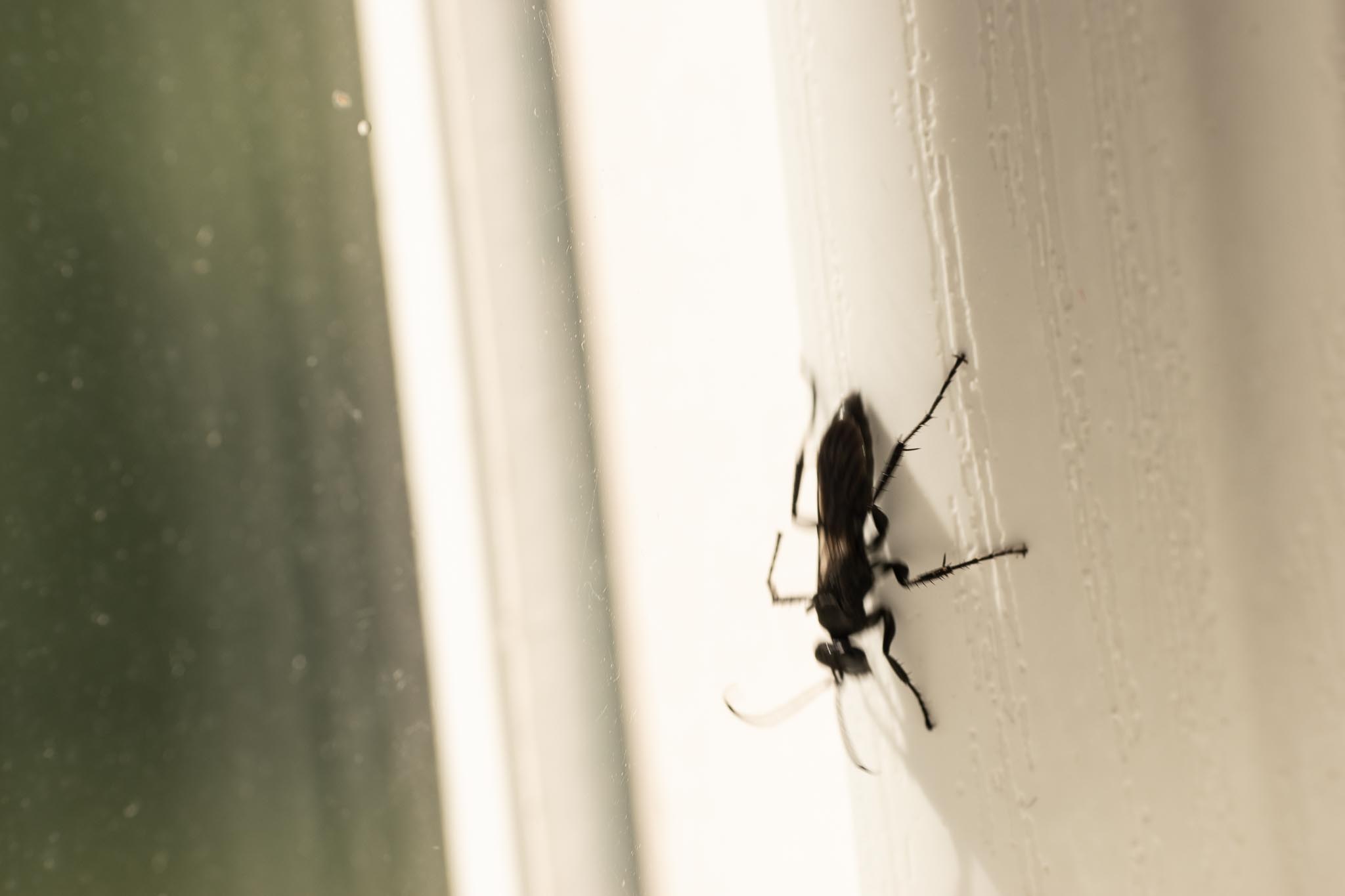
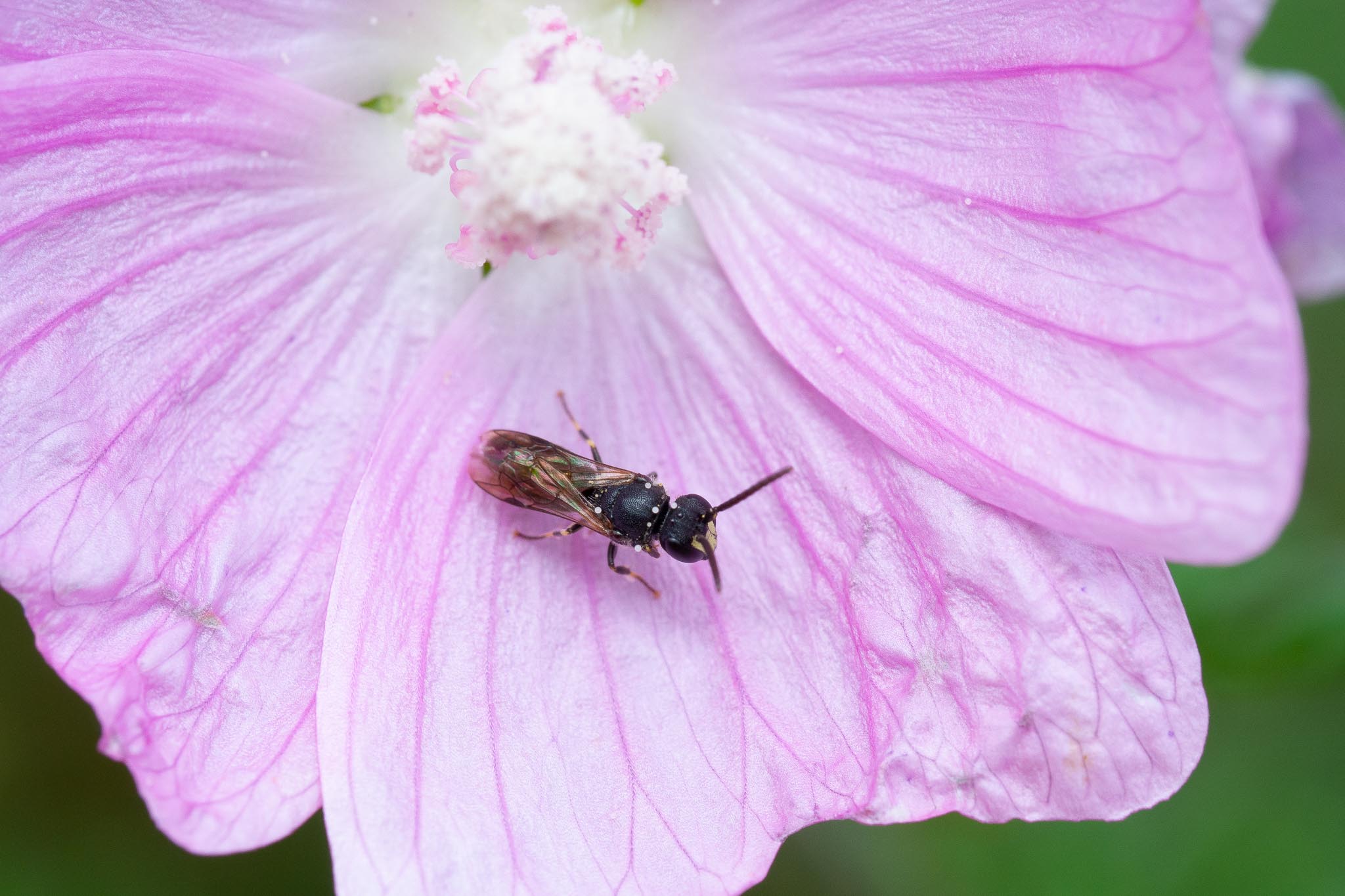
My small chunk of ornamental hedge was once again alive with insect action. There was a party of solitary wasps dancing at the edge of the hedge where I have had to cut back and replant. I will never be able to tell you their truest selves, such is their familial diversity.

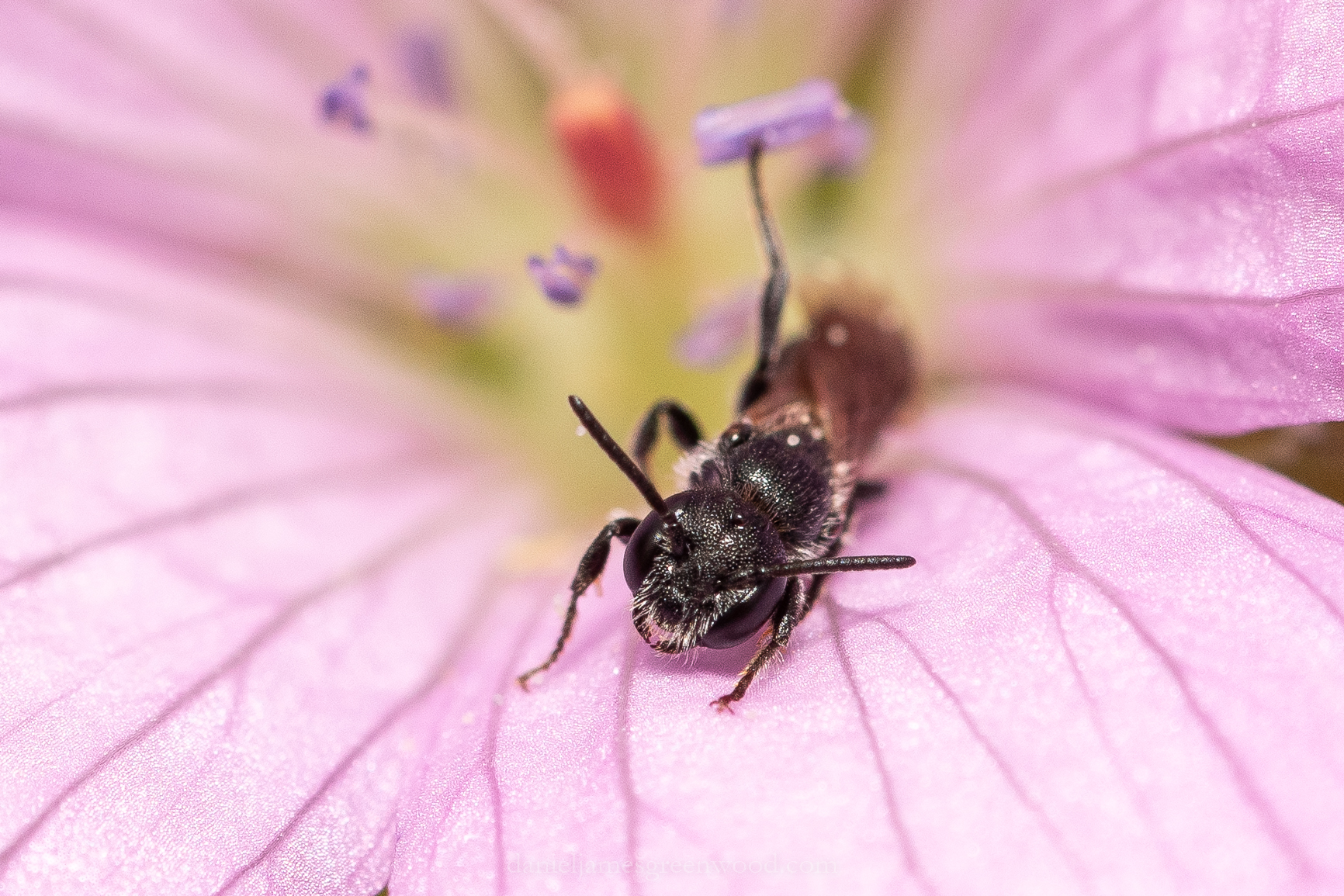
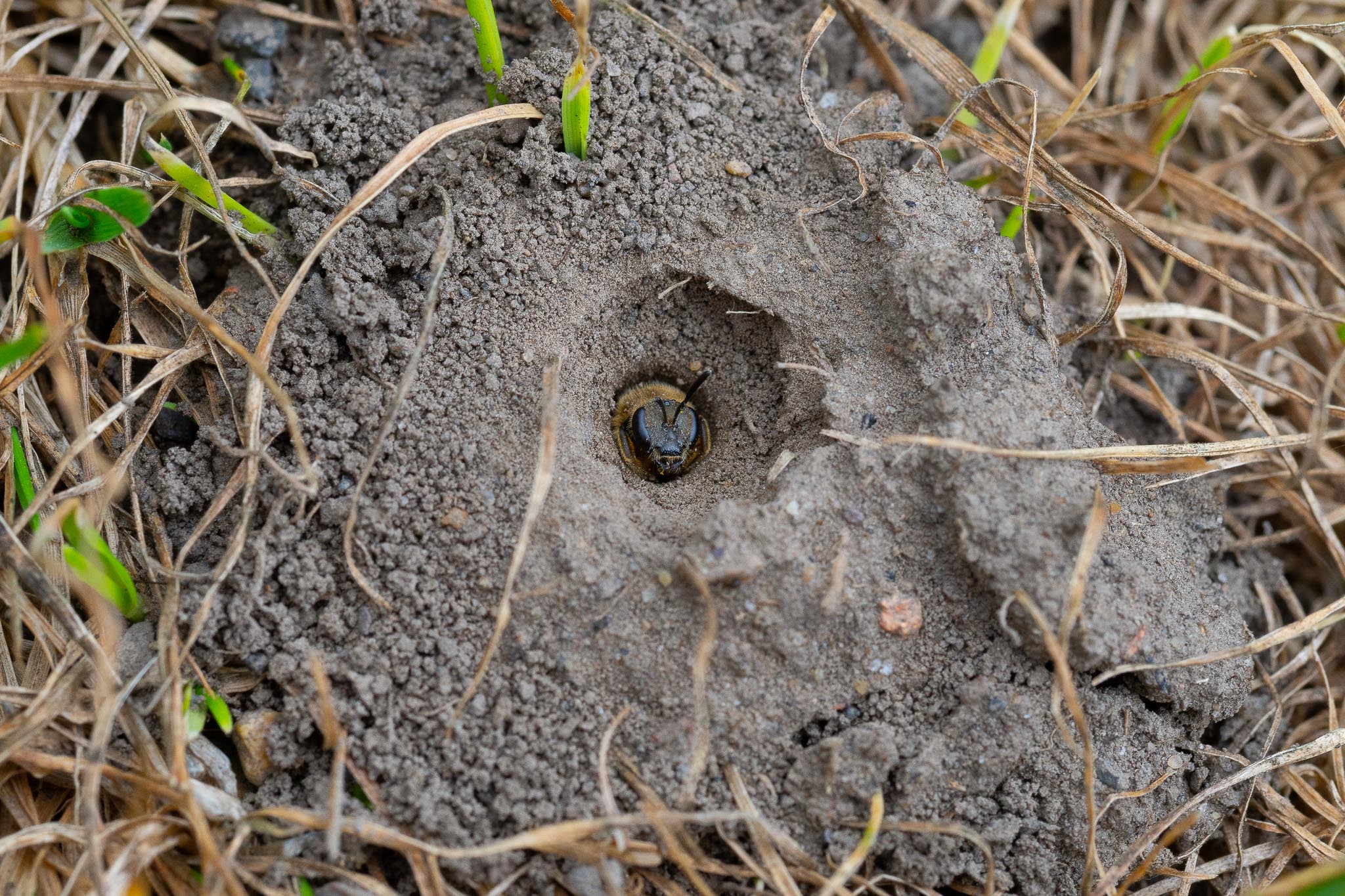
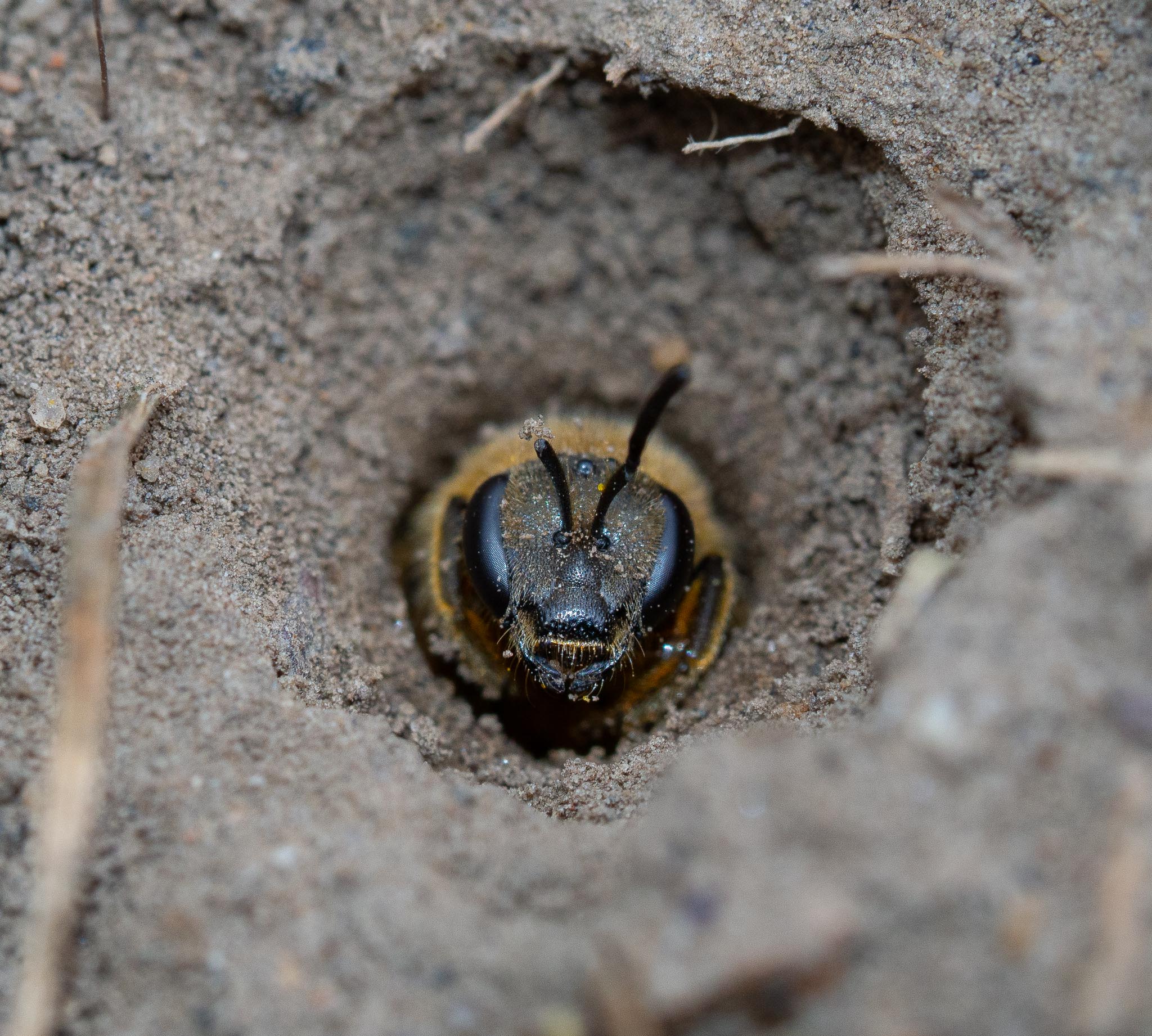
A solitary bee that I see often but haven’t yet identified was flying in good numbers. It is such a hairy thing, with a flush of ‘facial’ hair and bristles jutting out from its abdomen. I think it’s an Andrena mining bee.
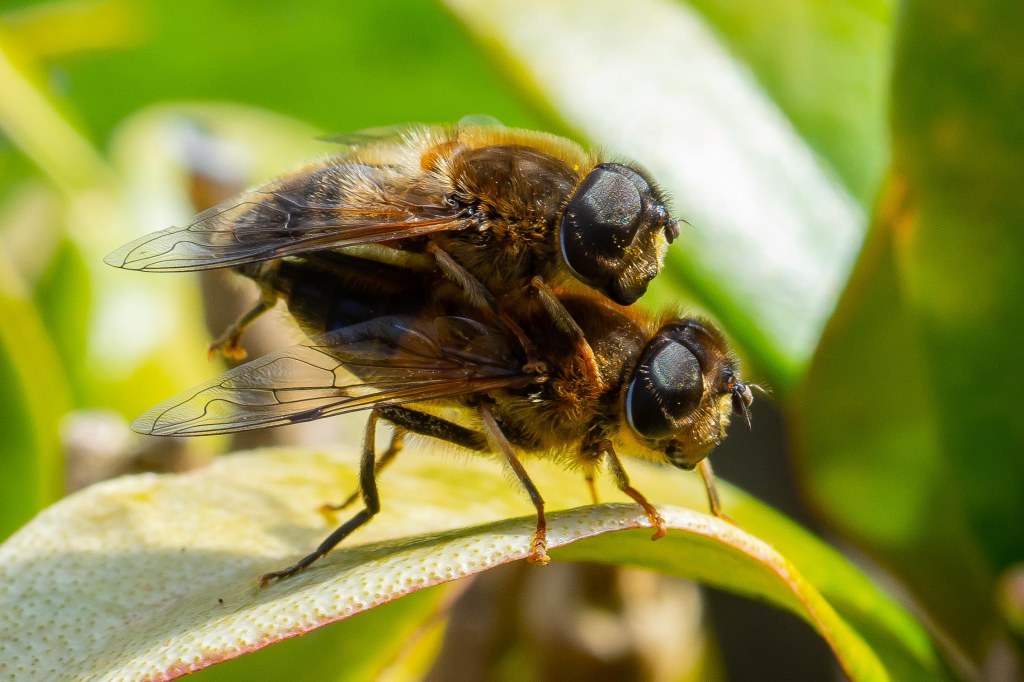
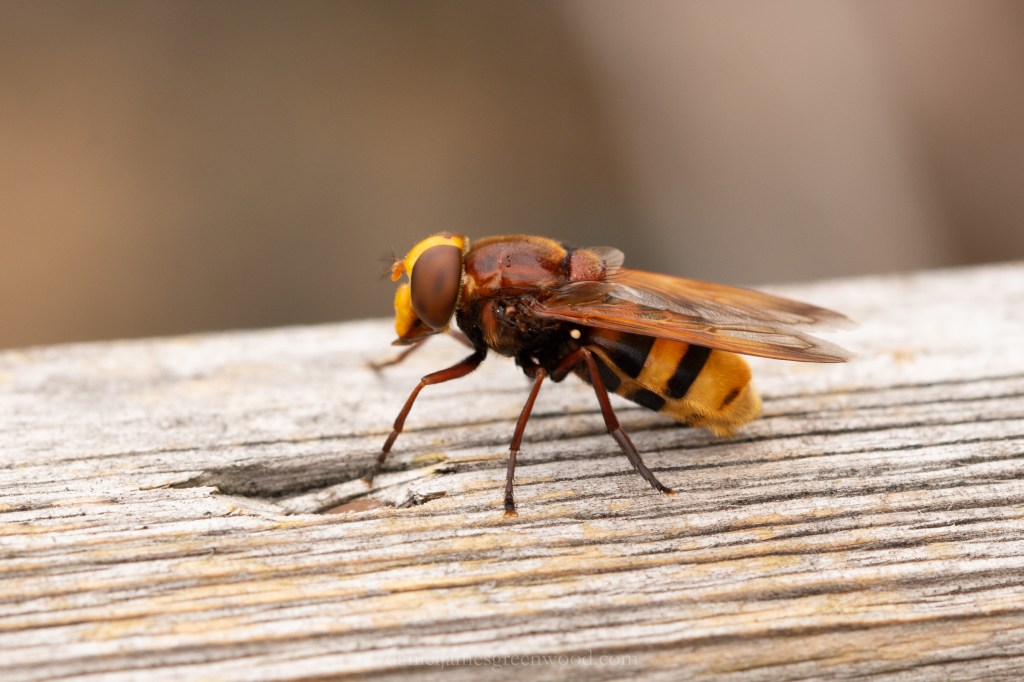
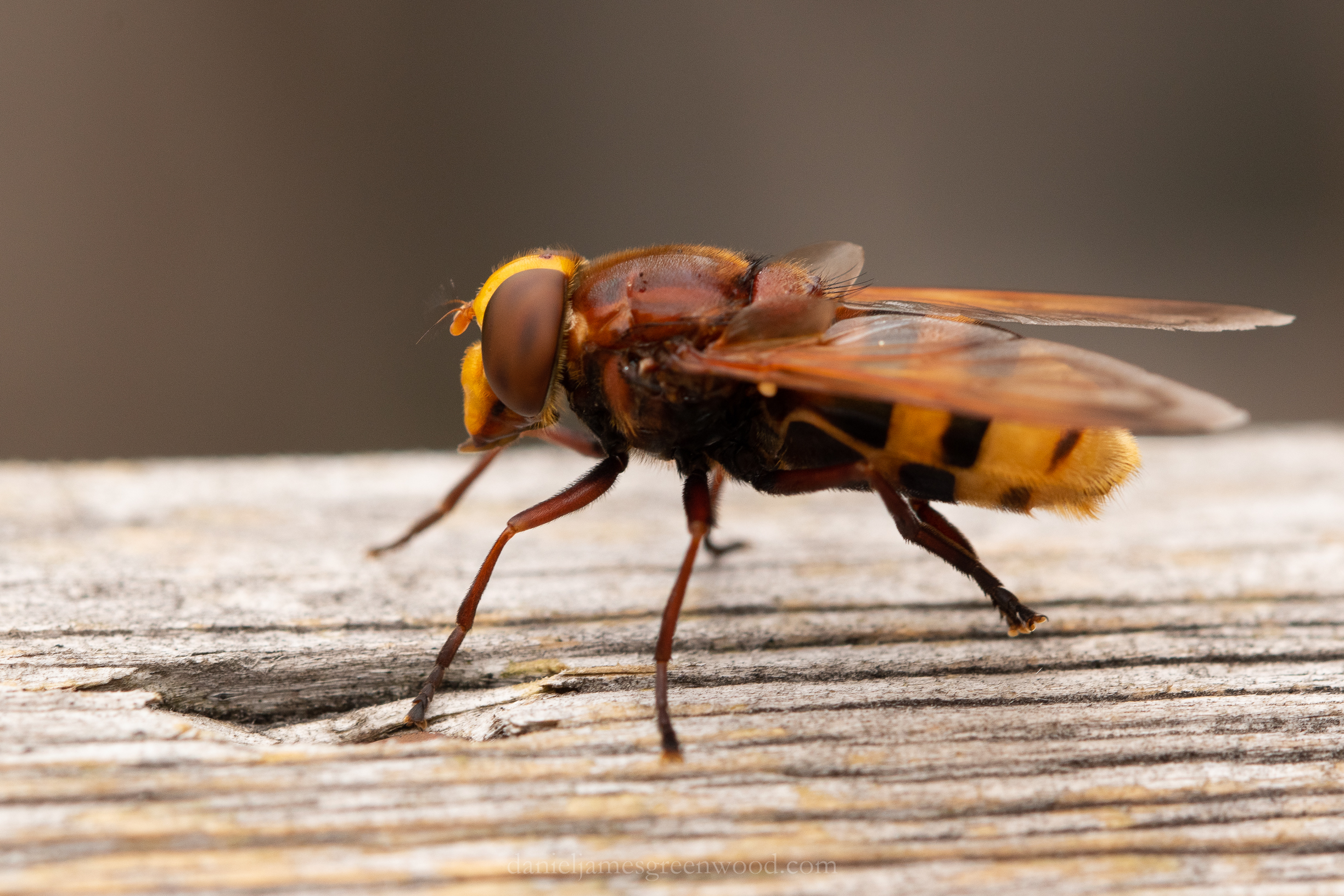
Hoverflies are always part of the picture. Droneflies flew in midair, legs akimbo, or else bathed with their motorbike helmet compound eyes monitoring my distance.
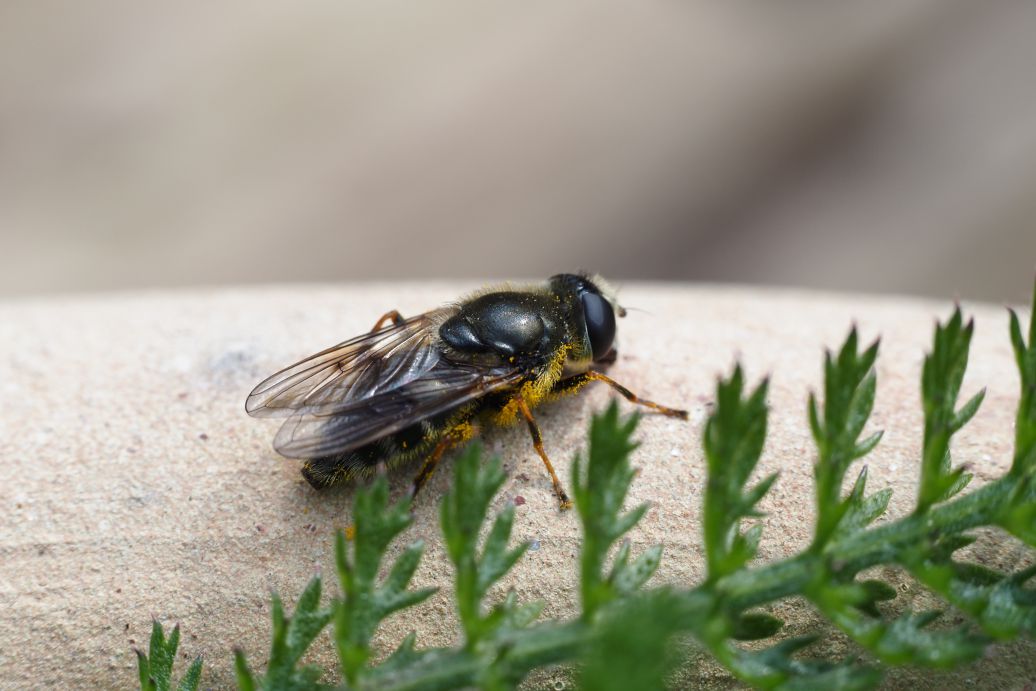
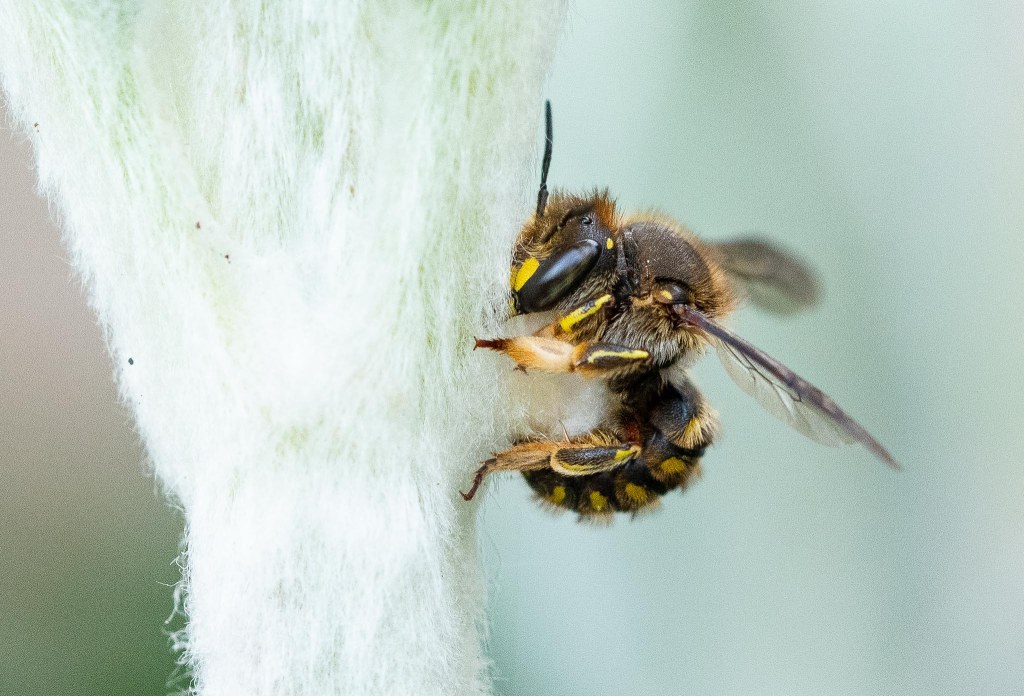
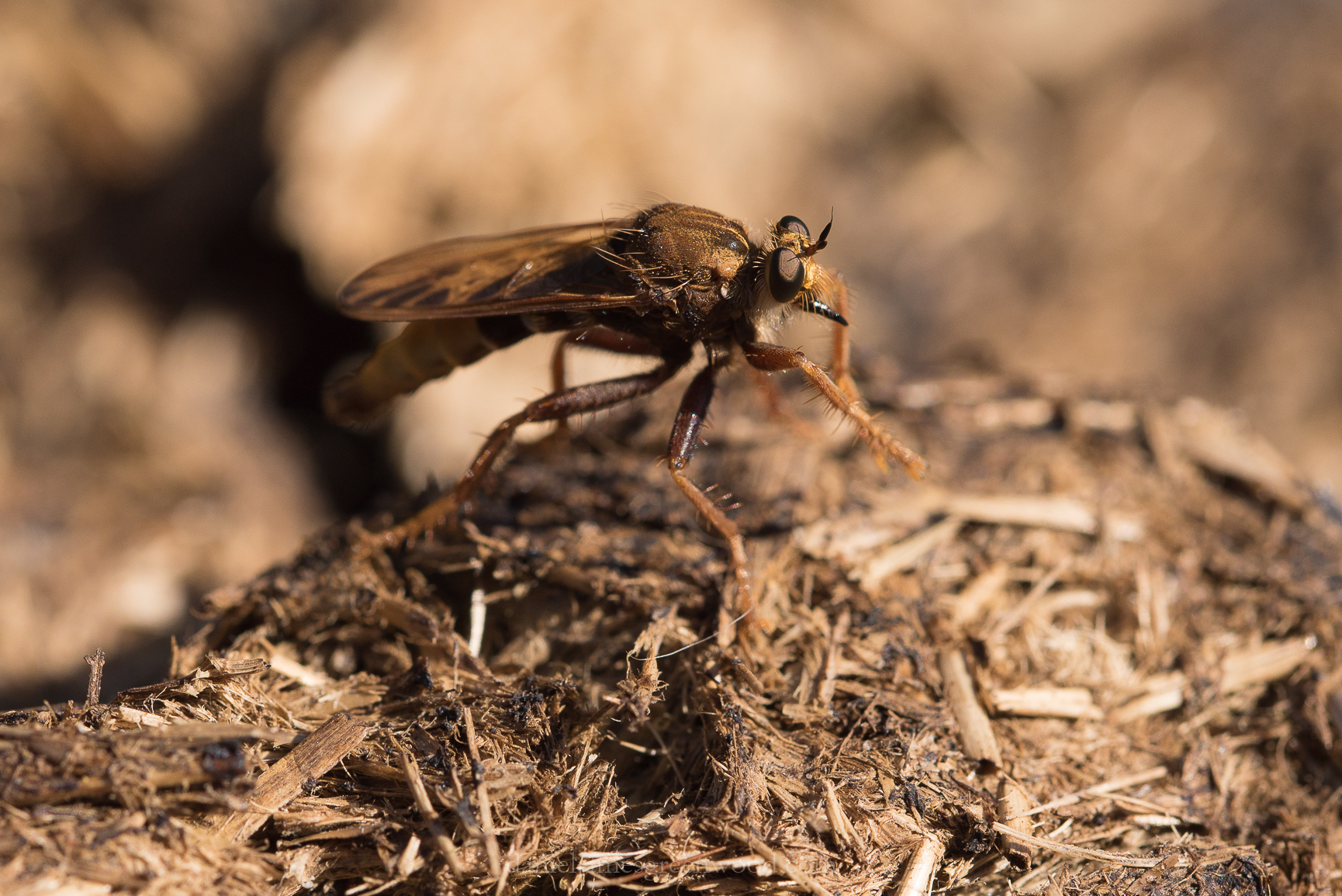
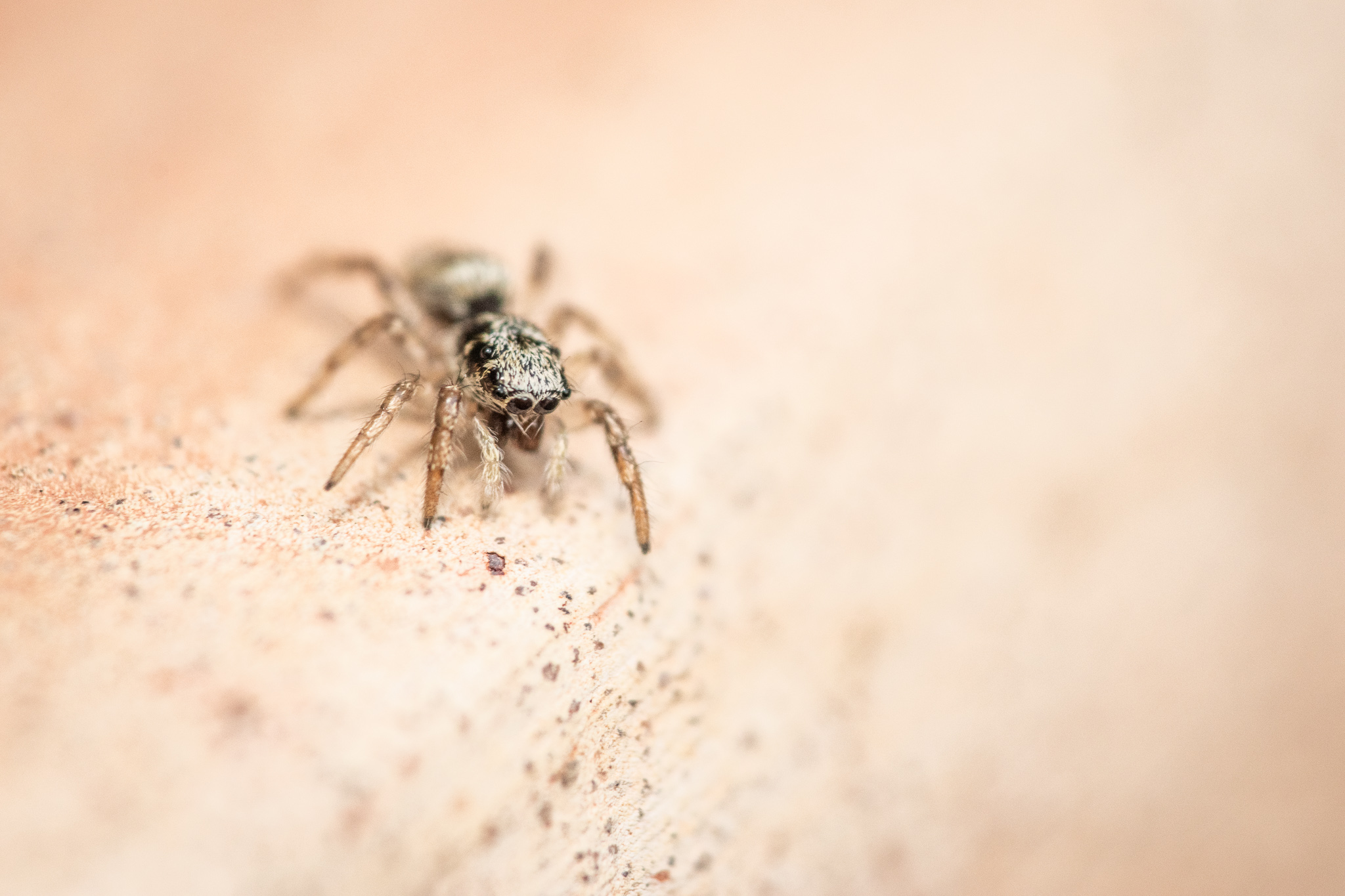
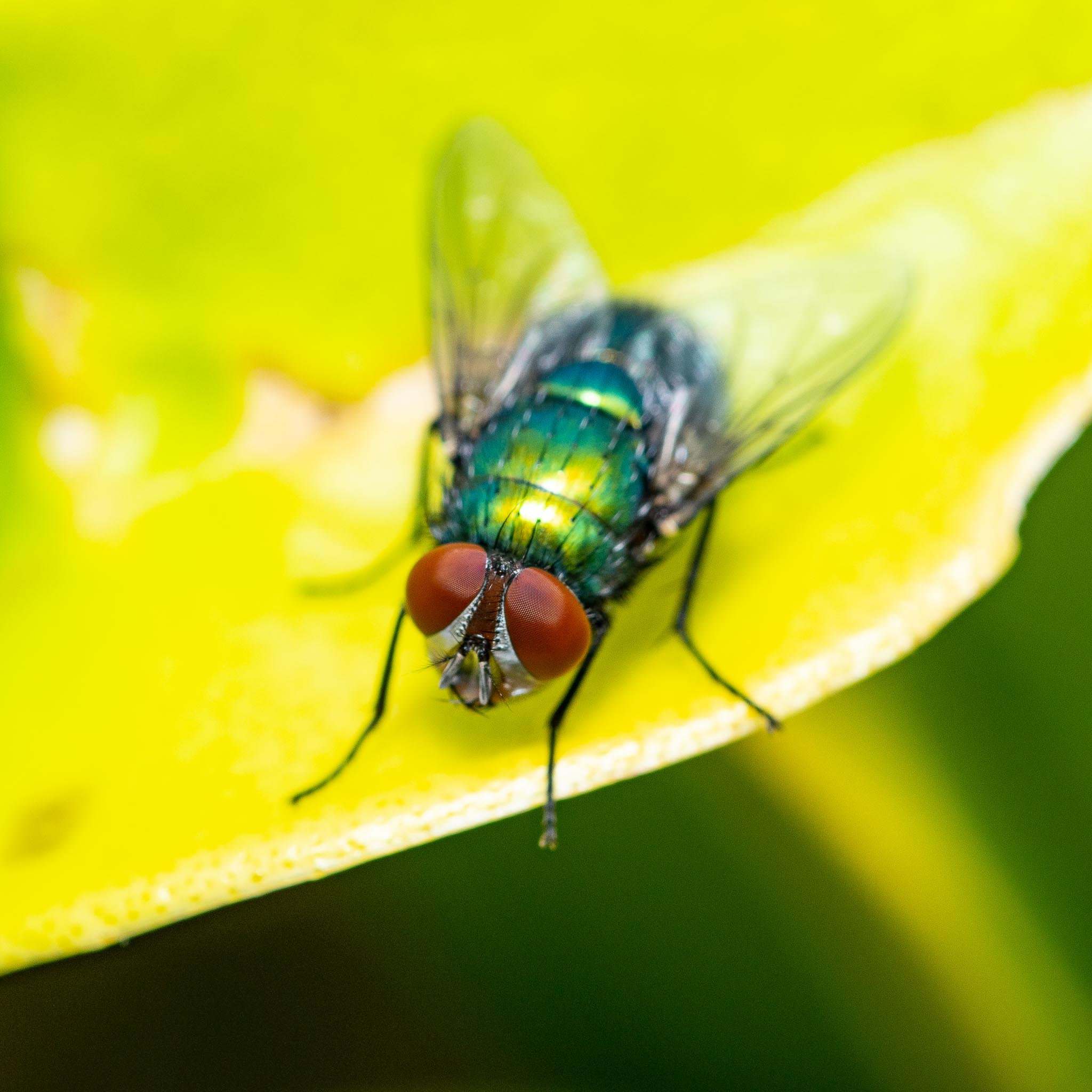
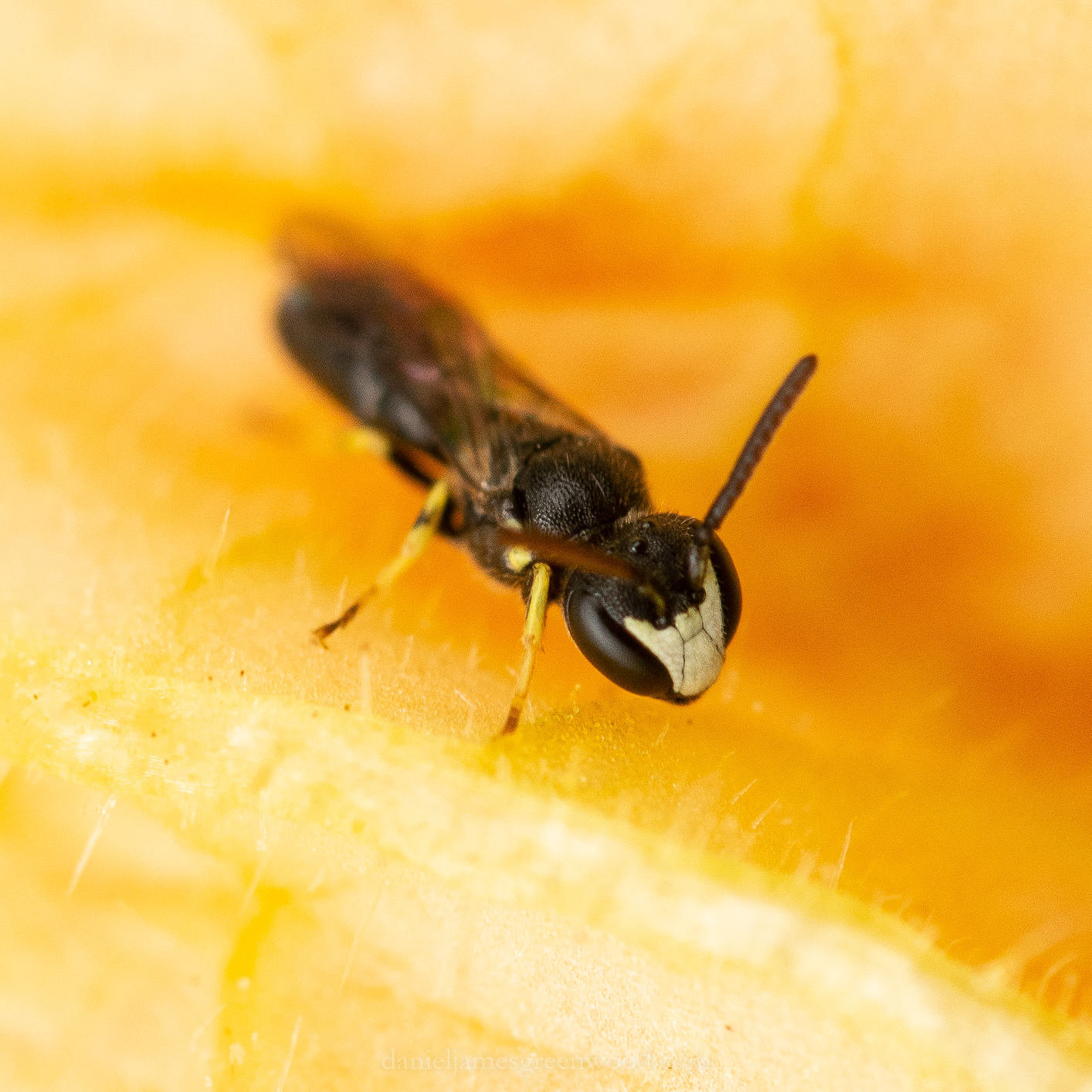
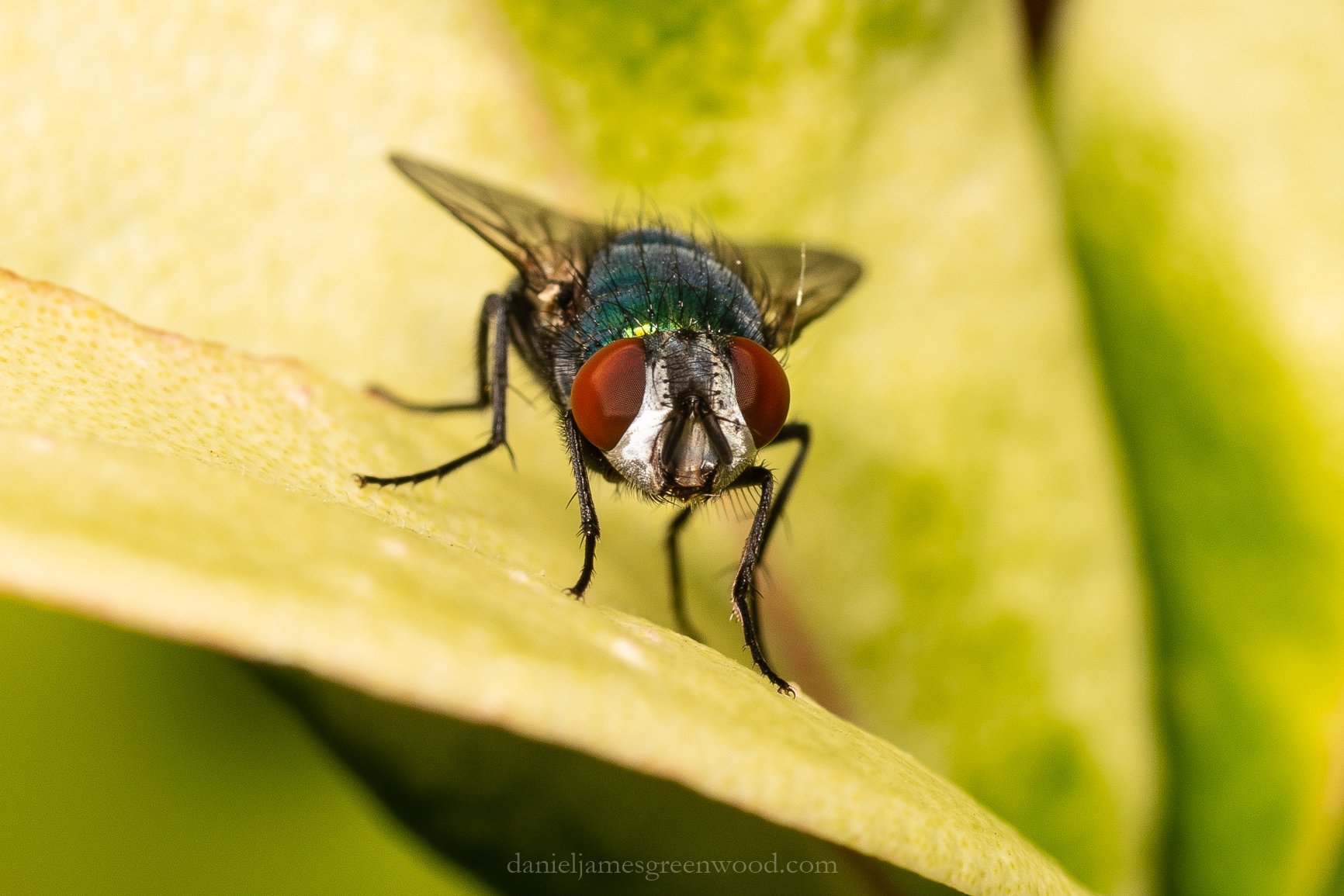
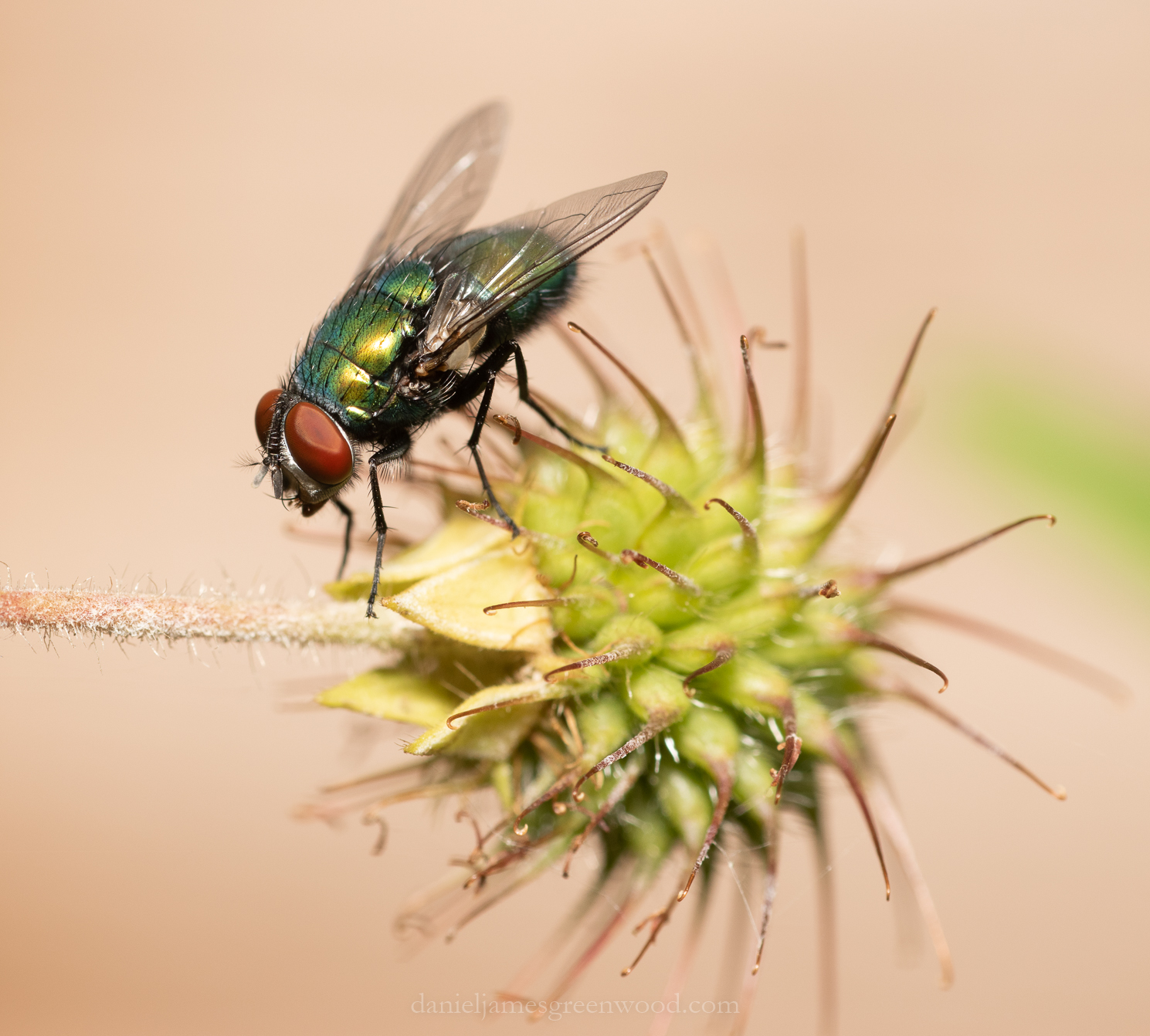
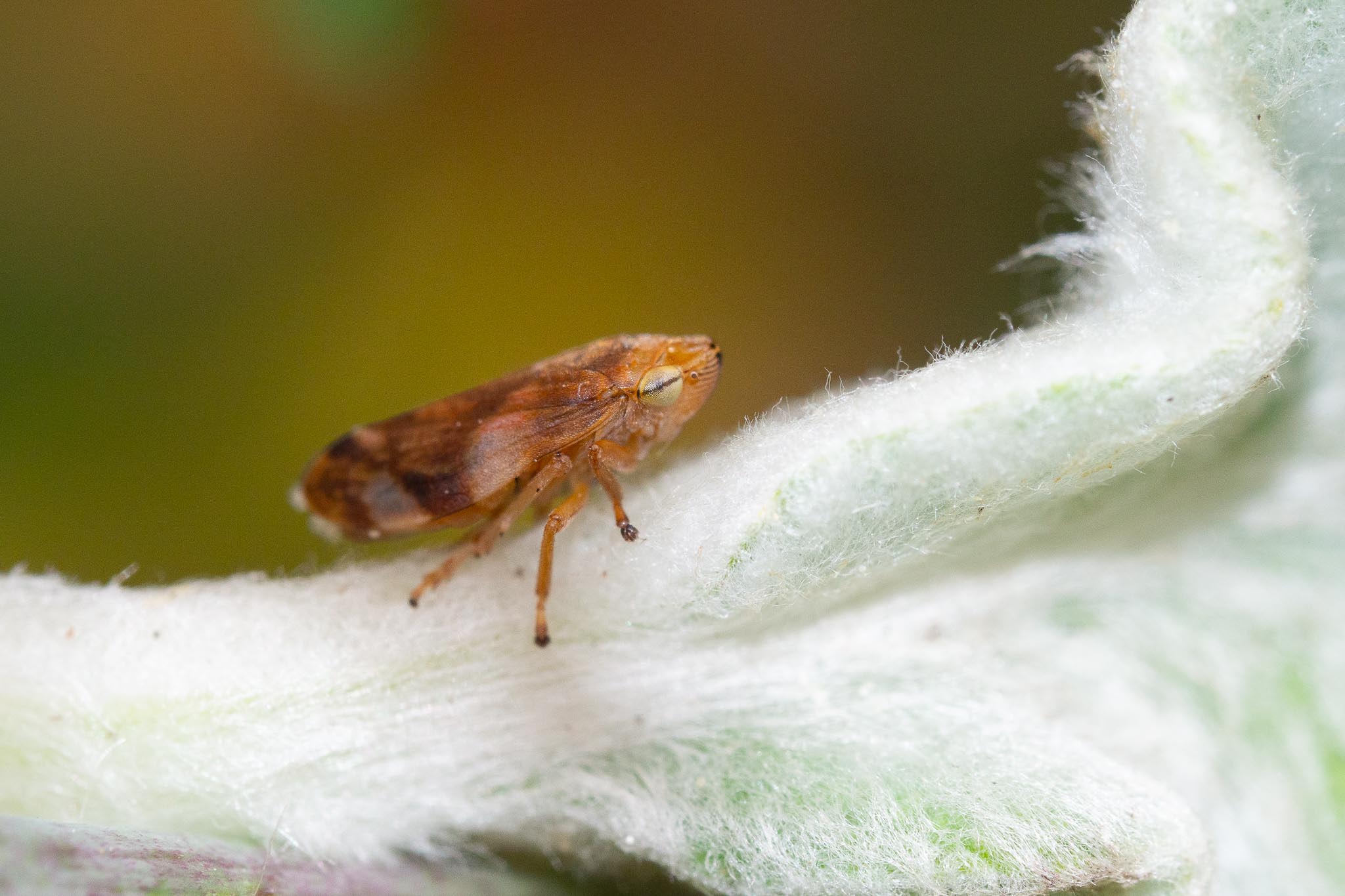
A brief visitor to the edge of a flower pot turned out to be something more interesting. Users on iNaturalist identified it as a species which is likely an accidental introduction to the United Kingdom, a species I haven’t knowingly seen before.
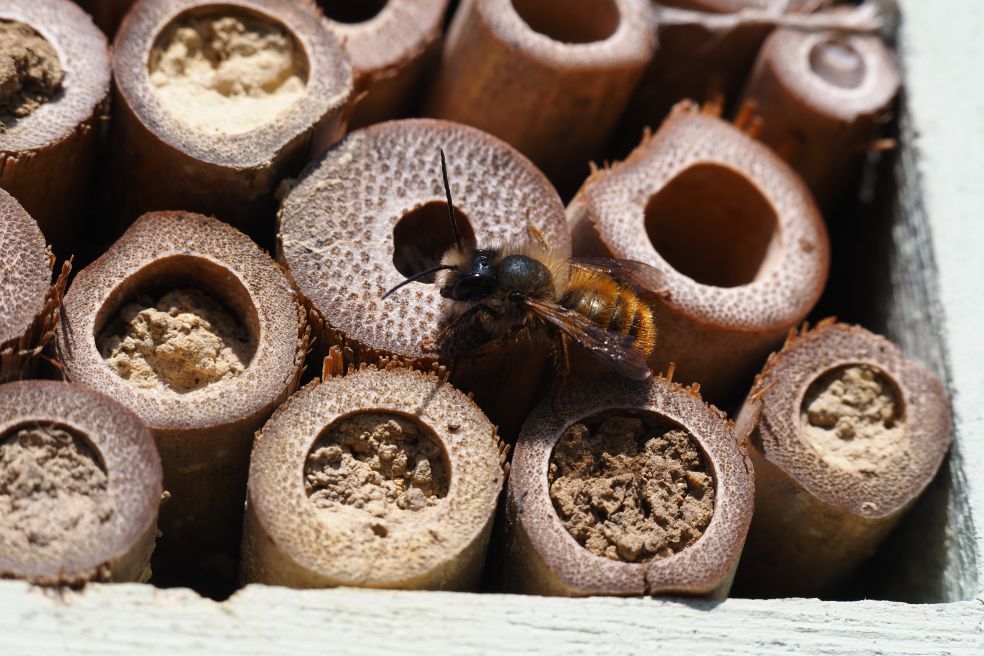
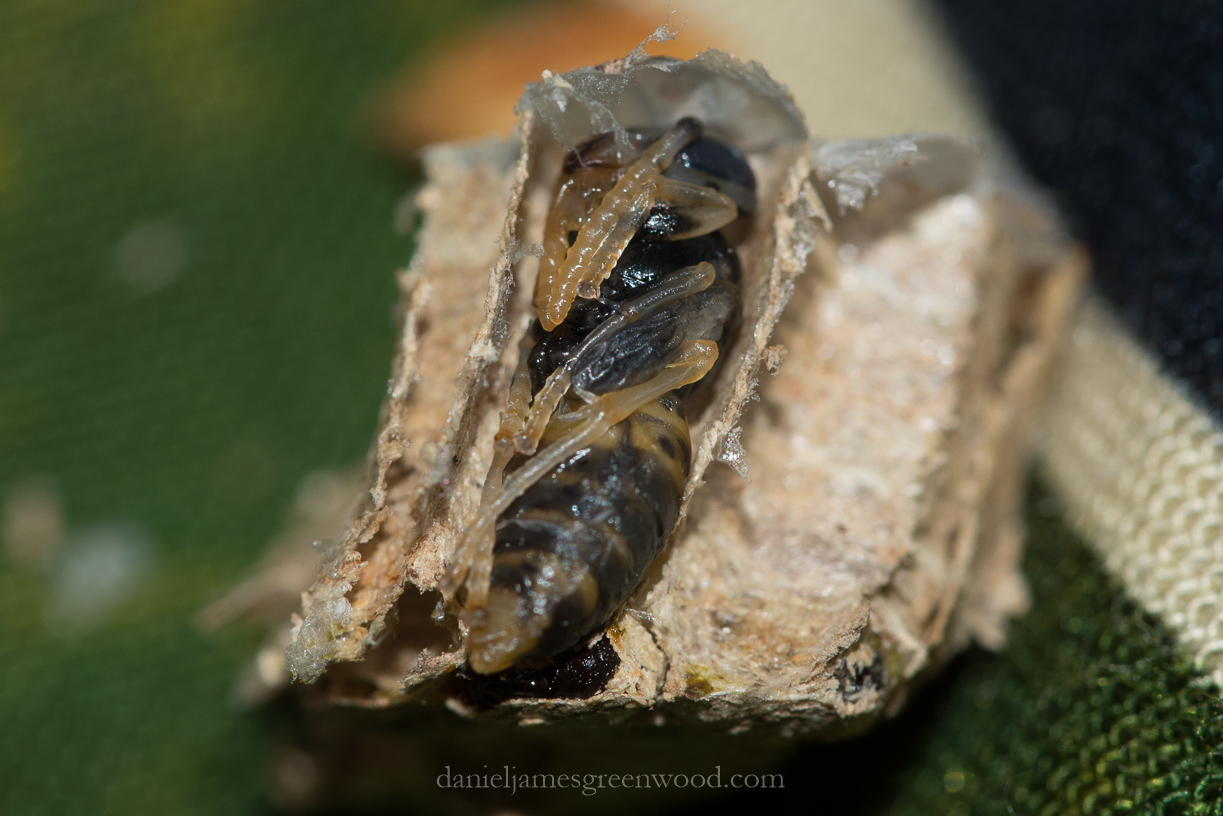
I spent some time with my camera-mounted face glued to the bee hotel. I am beyond caring what onlookers now think, simply because I’ve shared sightings with my neighbours and they are so keen to let me know what I’ve missed.

I’ve taken their advice on garden plants. Now a beautiful blue Lithodora sits in a pot on the patio, nectared on by hairy-footed flower bees. Lithodora is a borage relative, native to southern Europe.

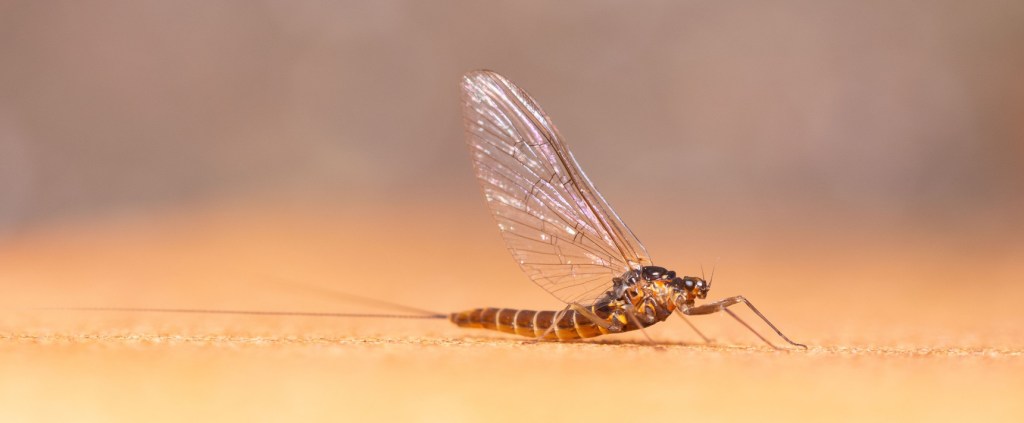
Evening when the sun is softer can be a good time to check hedges for calmer insects at the end of a busy day. I found a non-biting midge with its punk-antennae. An expert on iNaturalist informed me that it is rare to identify these insects beyond family level, of which there are many! Whatever its acute identify was as a life form, this miniscule, barely visible to the naked eye. Its bottlebrush headpiece was the perfect way to see out a hairy day in the hedge.
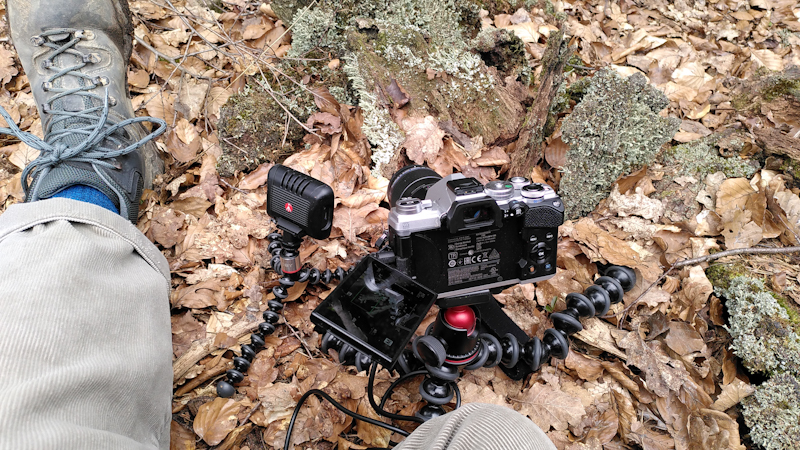
Photos taken with an Olympus E-M5 MIII and 60mm f2.8 macro lens with 16mm extension tube
Recent posts
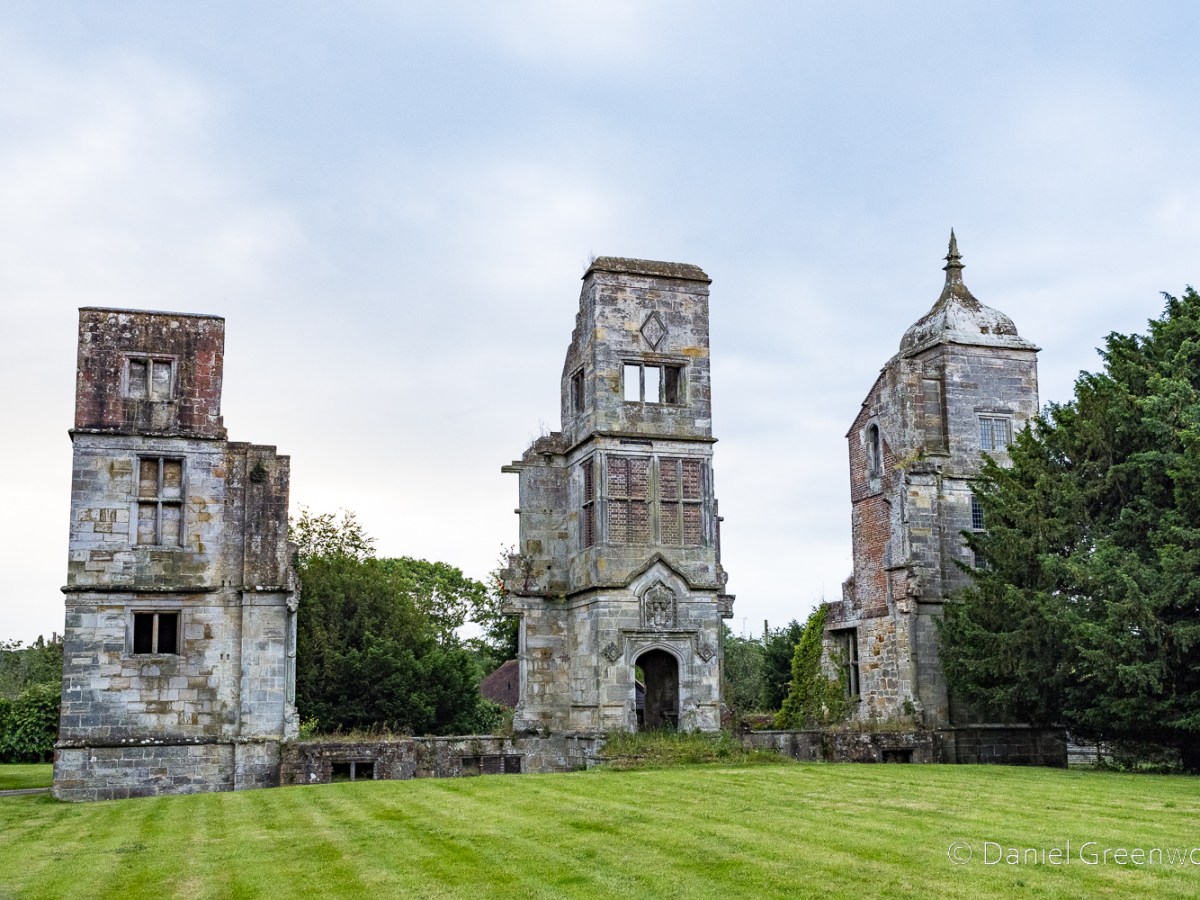
The ruins of Brambletye
A walk from Forest Row to the Brambletye ruins in Ashdown Forest, with some ancient woodland and rocky outcrops scattered along the way.
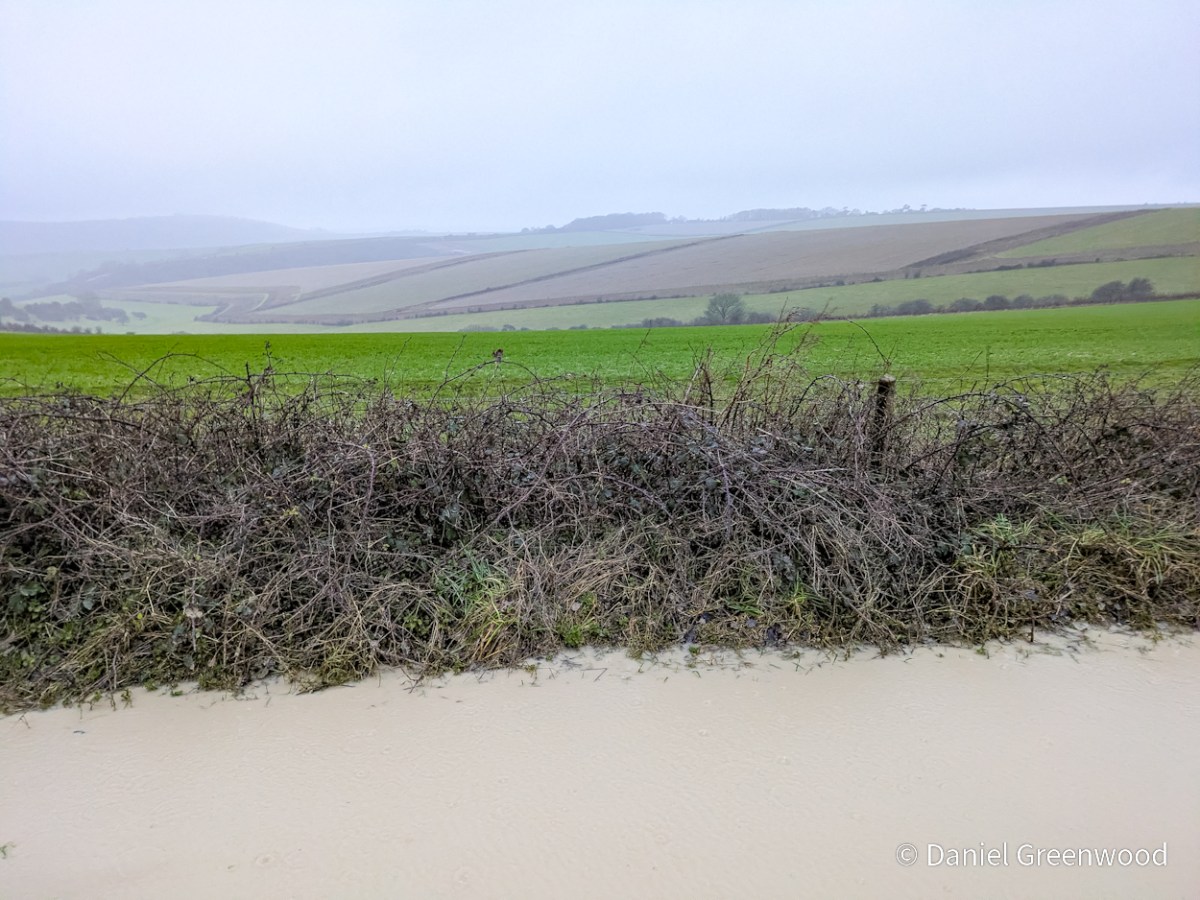
Winter-spring 2026: the loud lie
What I am experiencing culturally in this rather wet winter of 2025-26
Arun valley oaks around Billingshurst
A long ramble (in both senses) around the oaken landscapes of Billingshurst, including the Wey & Arun Canal




























 Unlocking Landscapes