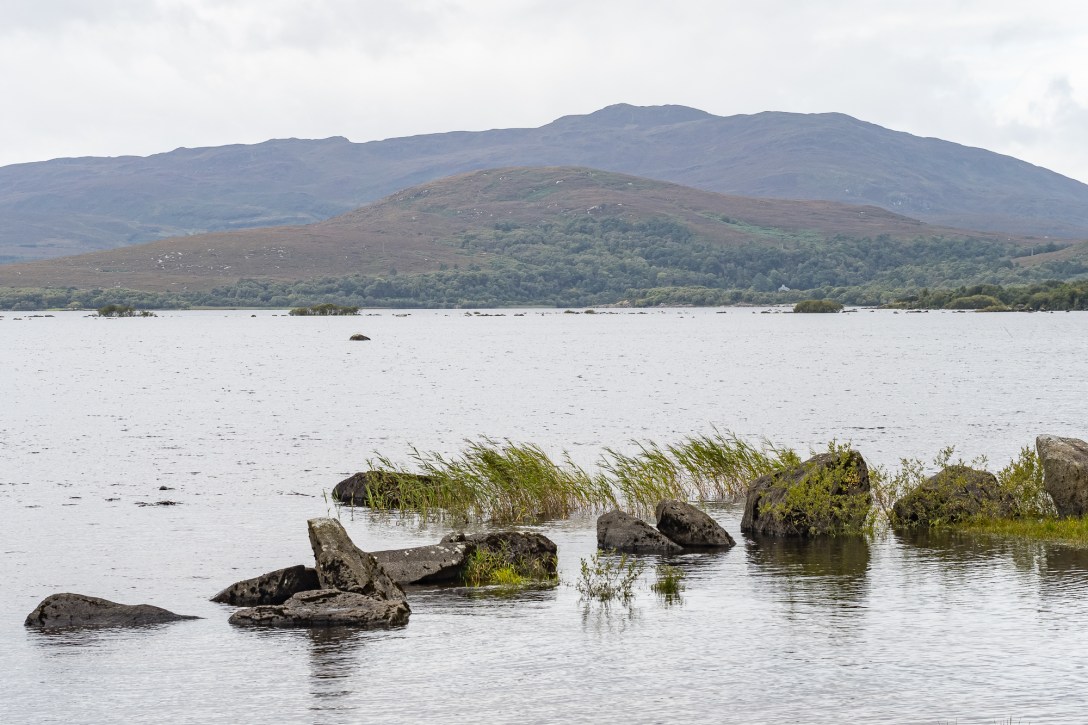
Lough Cullin, Co. Mayo, Ireland, September 2024
A selection of images from the shores of Lough Cullin and the Ox Mountains in Mayo. Lough Cullin is the smaller sibling of the vast Lough Conn in north Mayo in the west of Ireland. This post begins on the shore of Lough Cullin, moving later to show some of the things I found in the Ox Mountains.
Lough Cullin
Sneezewort is not a plant I encounter too often and it has lovely texture to it so it’s nice to photograph.
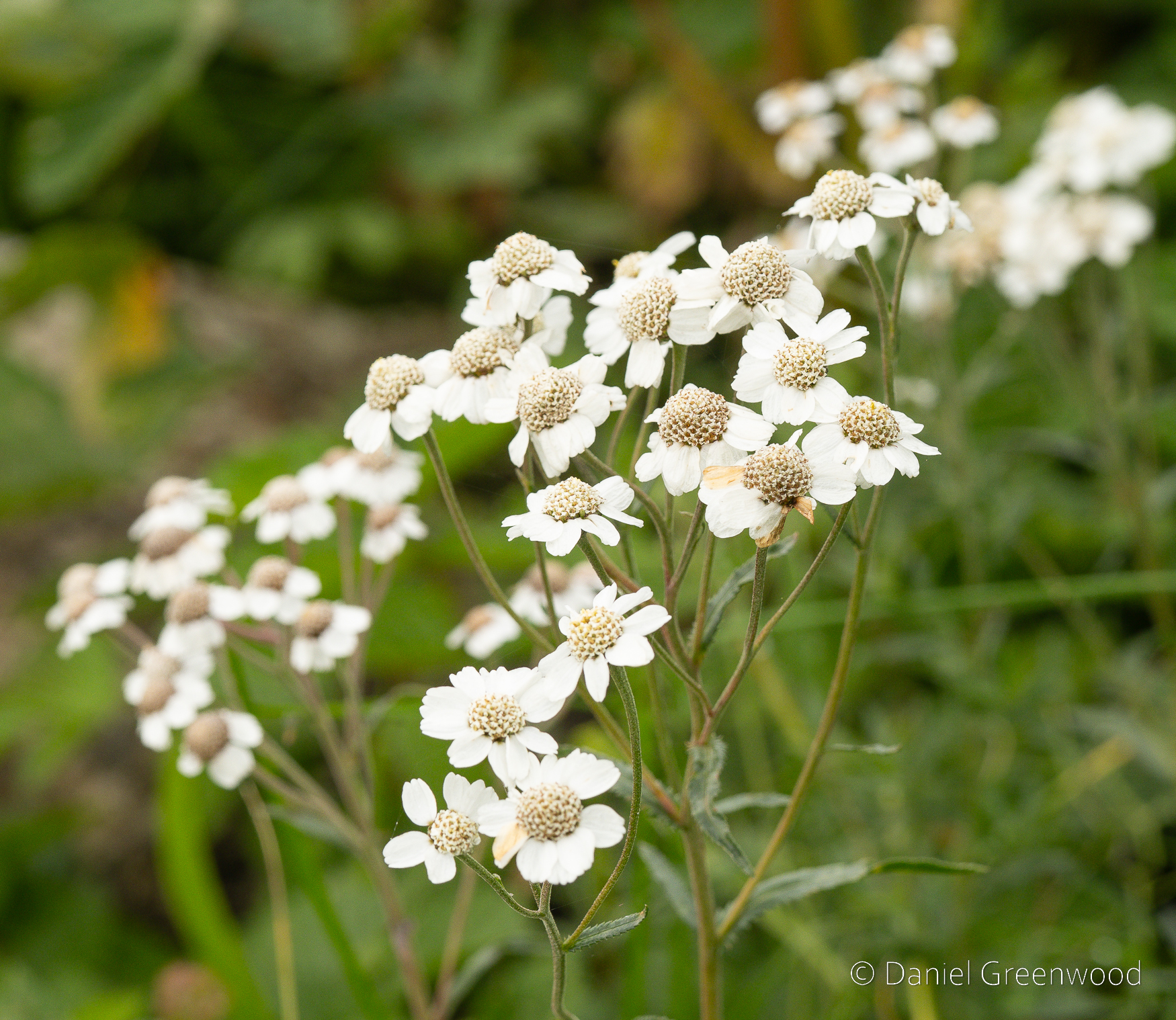
Sneezewort gets its name from the Latin, which indicates that the plant makes you sneeze. Apparently it can be eaten and causes a numbing sensation in the mouth (I don’t advise trying it).
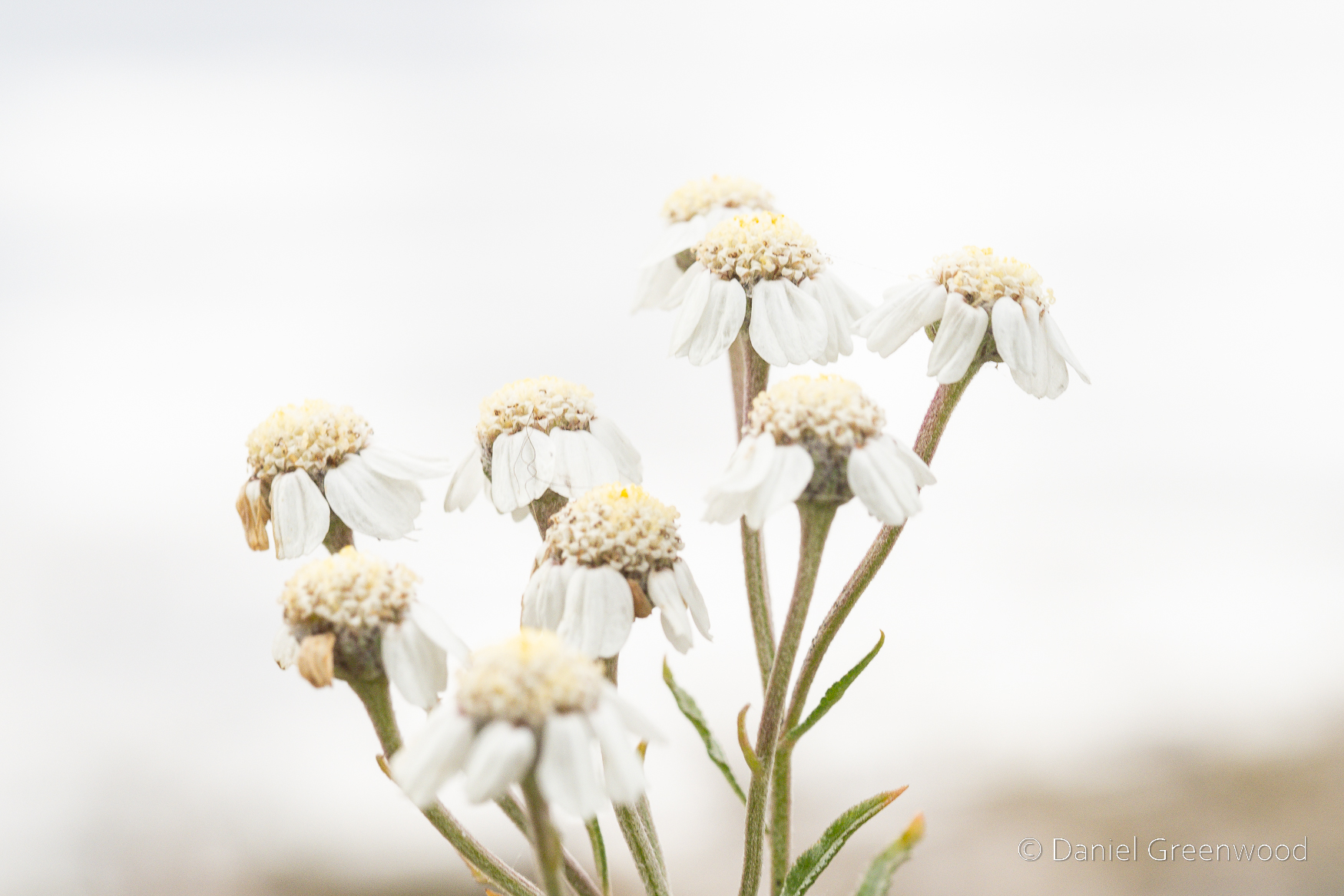
Against the white of the lough. It’s an Achillea, so related to yarrow, a much more common plant from what I see year on year.
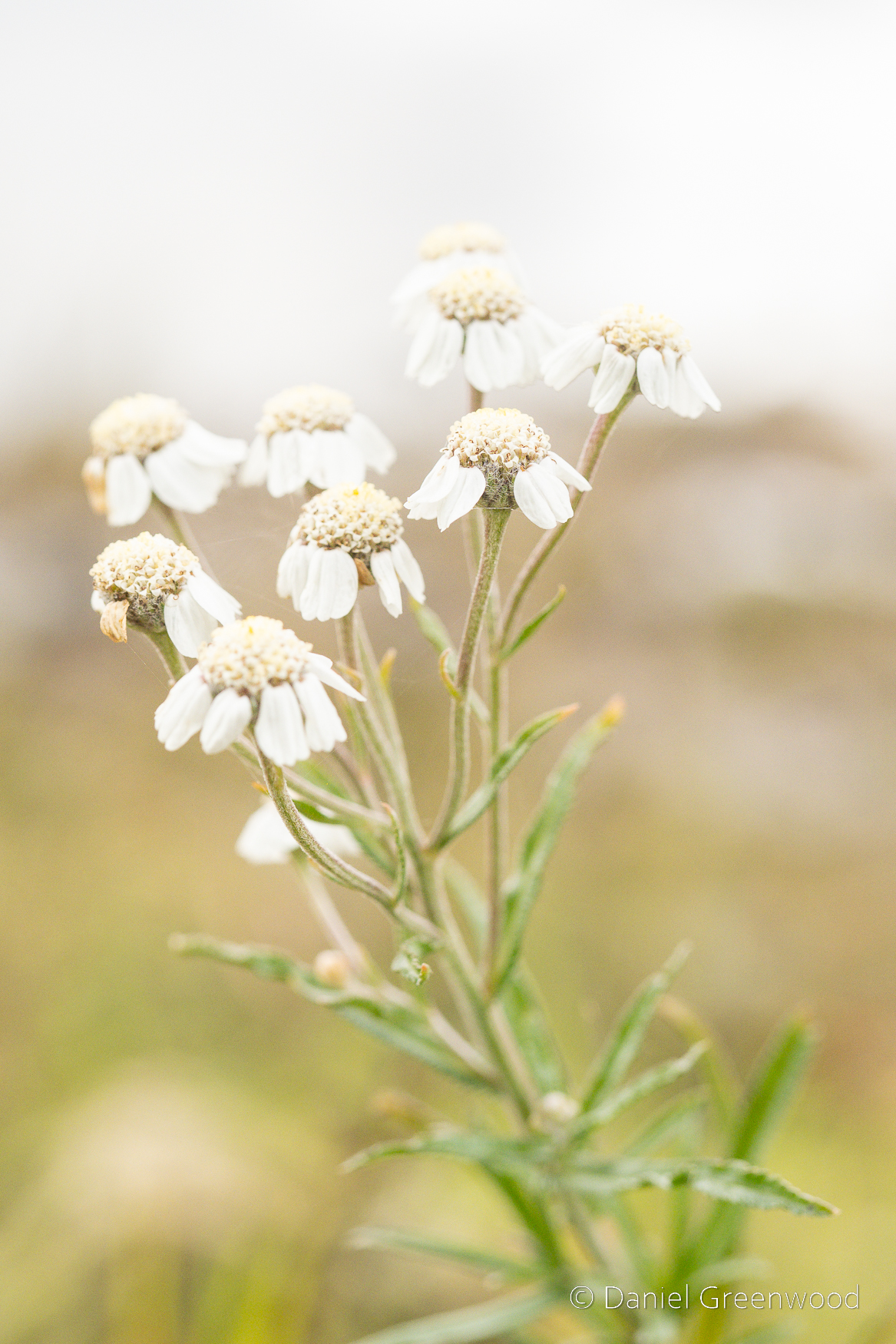
Slightly more exposed to bring out the white of the flowers against a blended background. As this was September the petals were already dropping off.
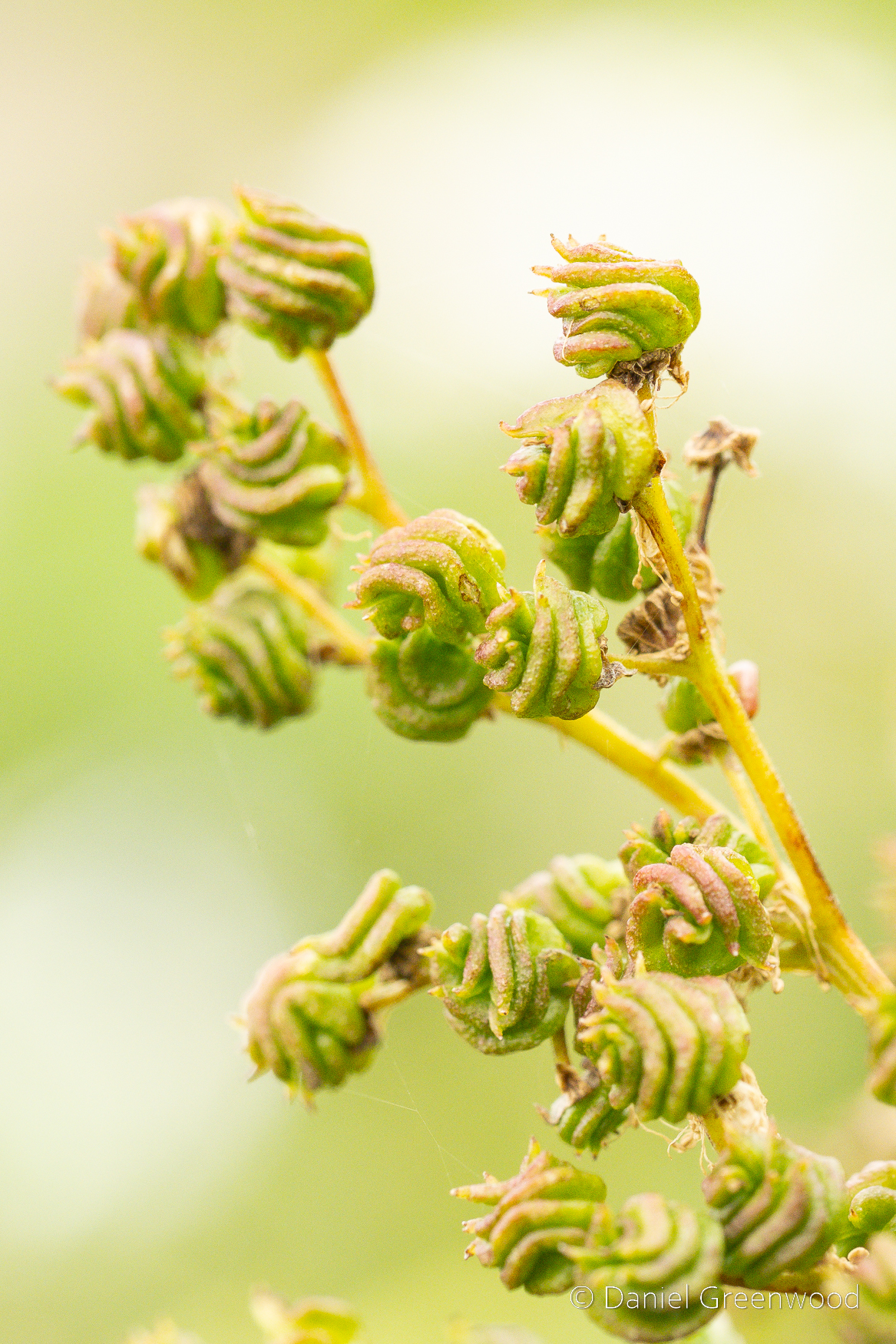
The seed heads of meadowsweet are these little long-fingered fists, or cartoon hair blowing in the wind.
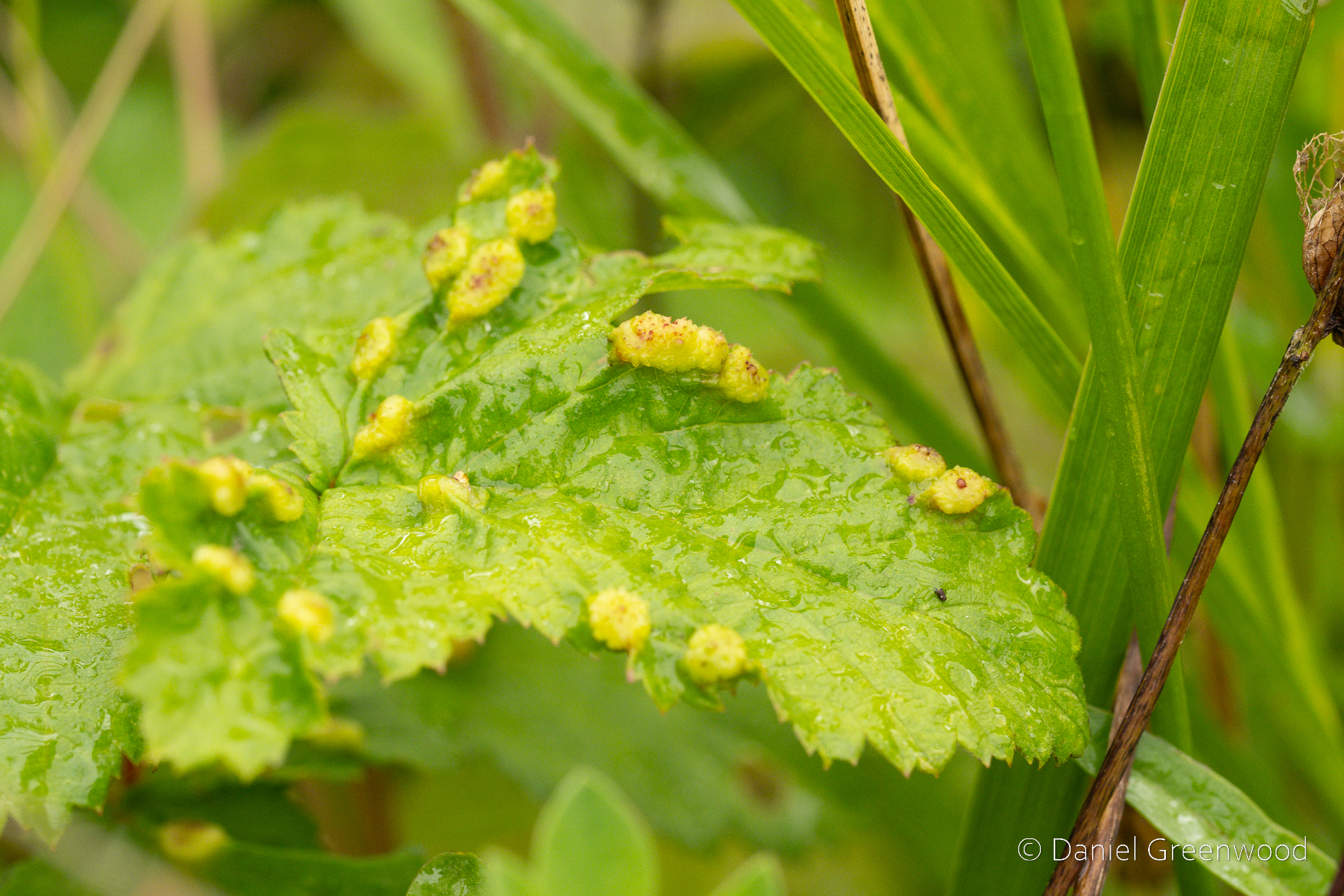
More interesting than ornate, this was a type of gall growing on the meadowsweet leaves. iNaturalist suggests it’s the gall of Dasineura ulmaria, a type of fly.
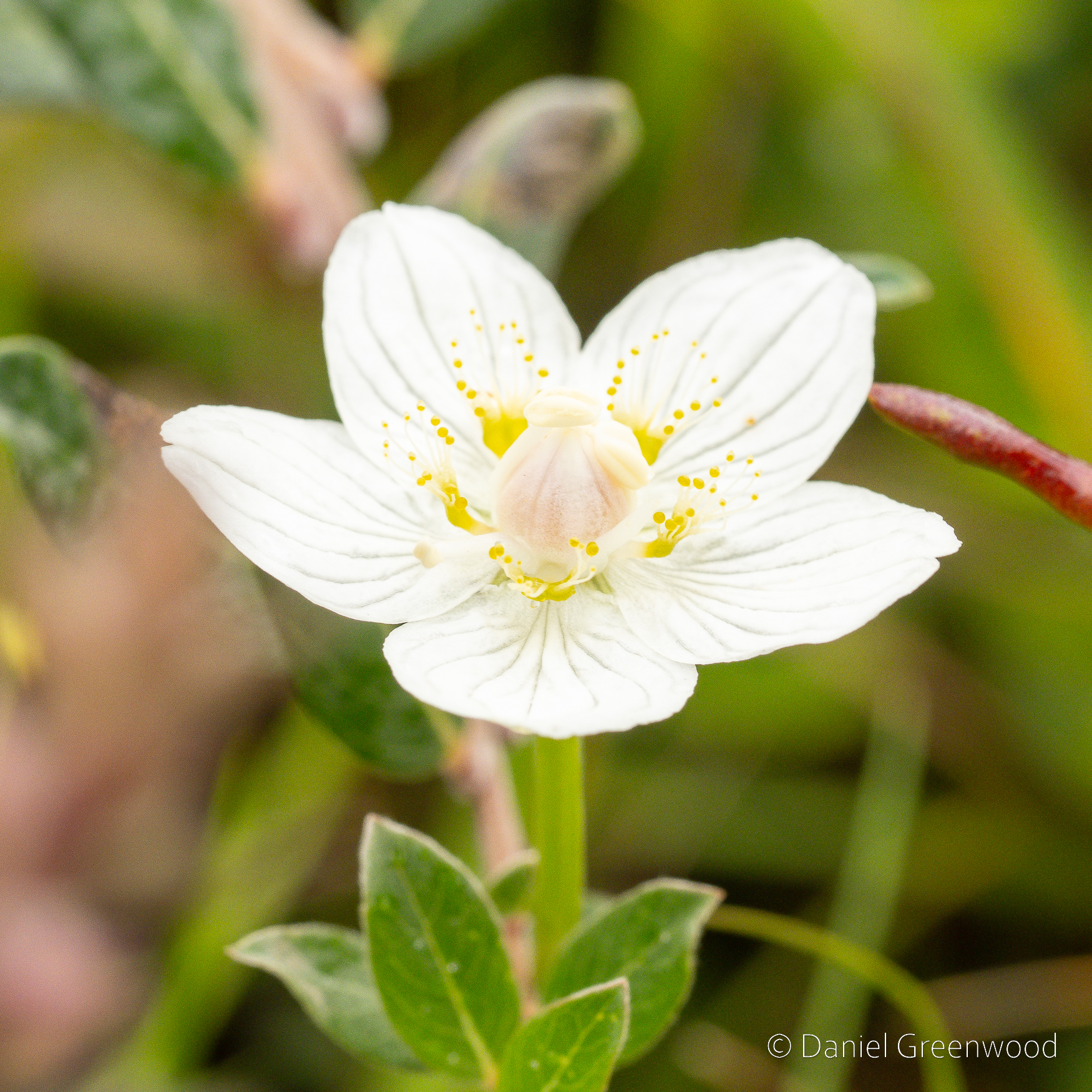
Grass of Parnassus, a magnificent flower (not a grass). Mount Parnassus is a Greek mountain, where the plant may also be found?
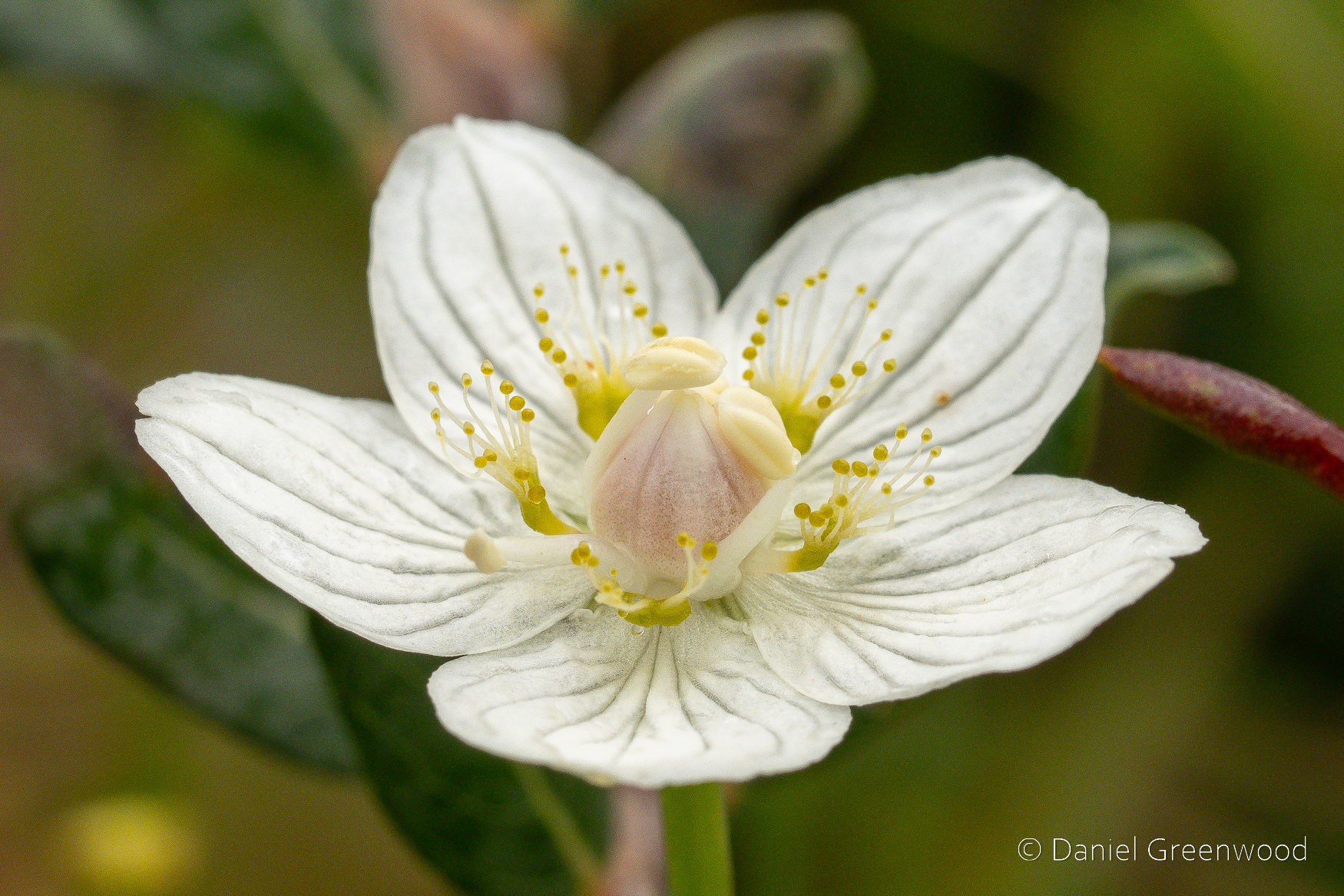
I reduced the highlights in this edit to bring out some of the interesting indentations in the petals. It does look rather sci-fi.
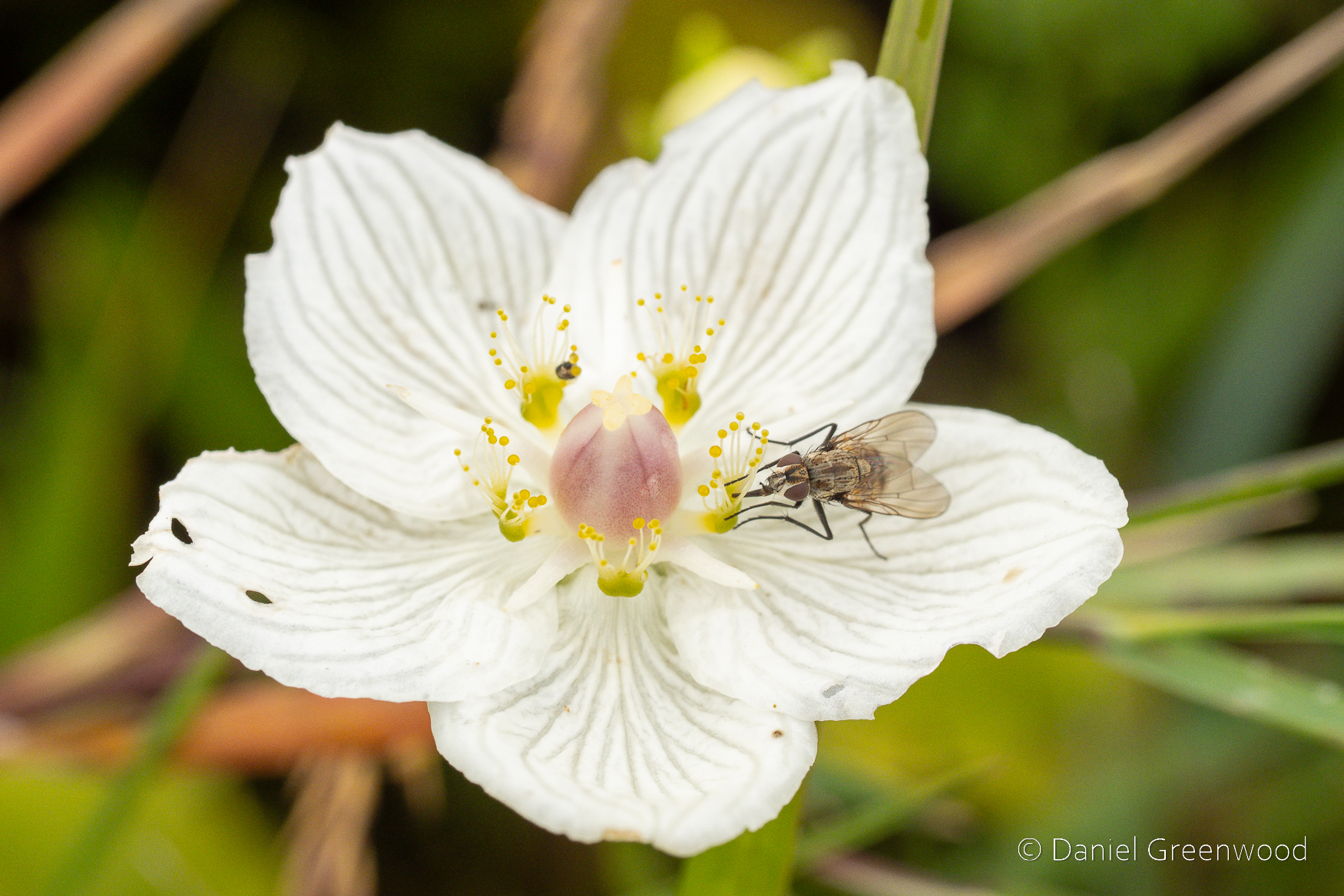
The nectar is supposed to be honey-scented, attracting insects.
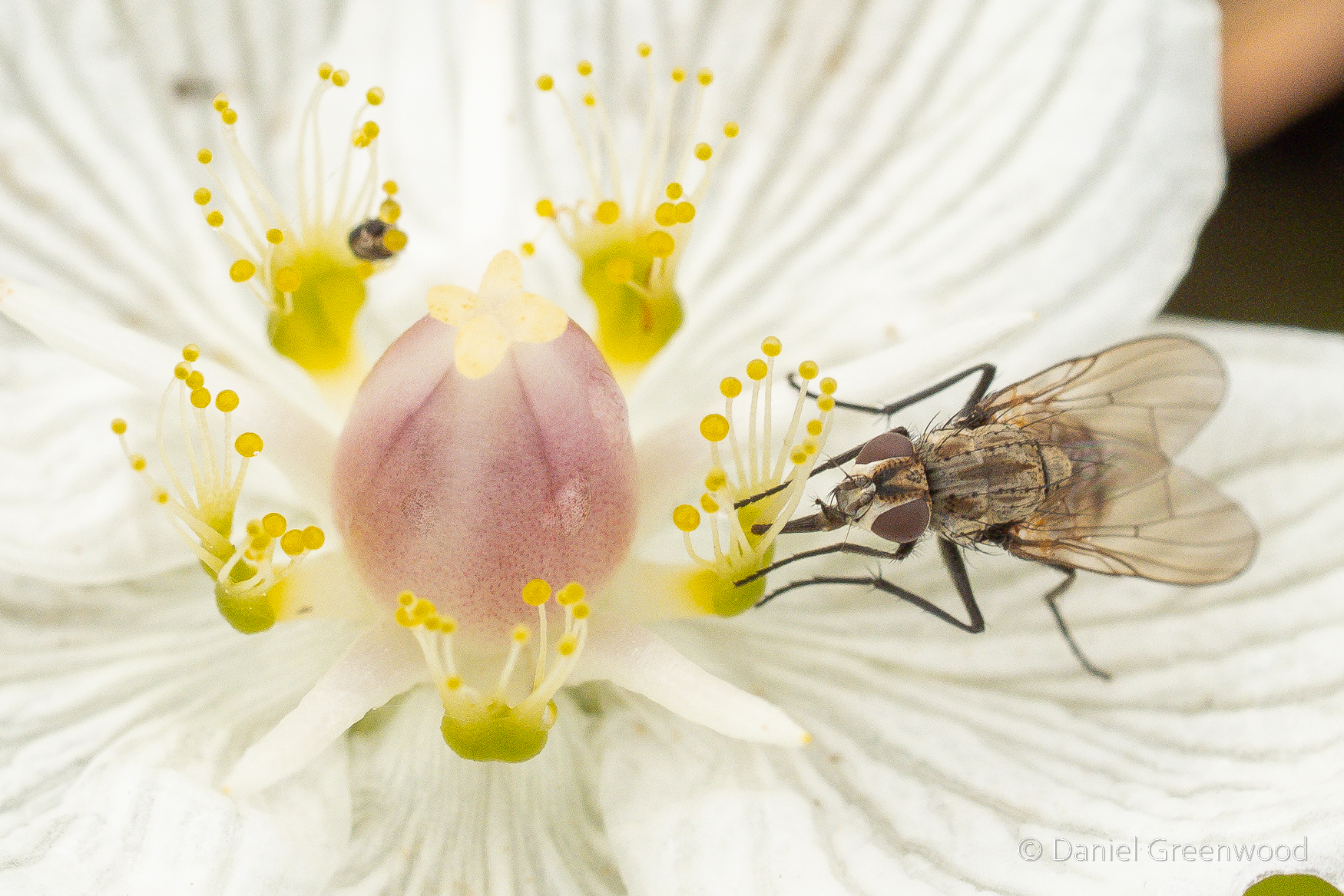
This muscid fly was very happy with their lunch. You can see the fly is drinking from the stamens which are so ornate in the way the flower extends them from the ovary in the centre.
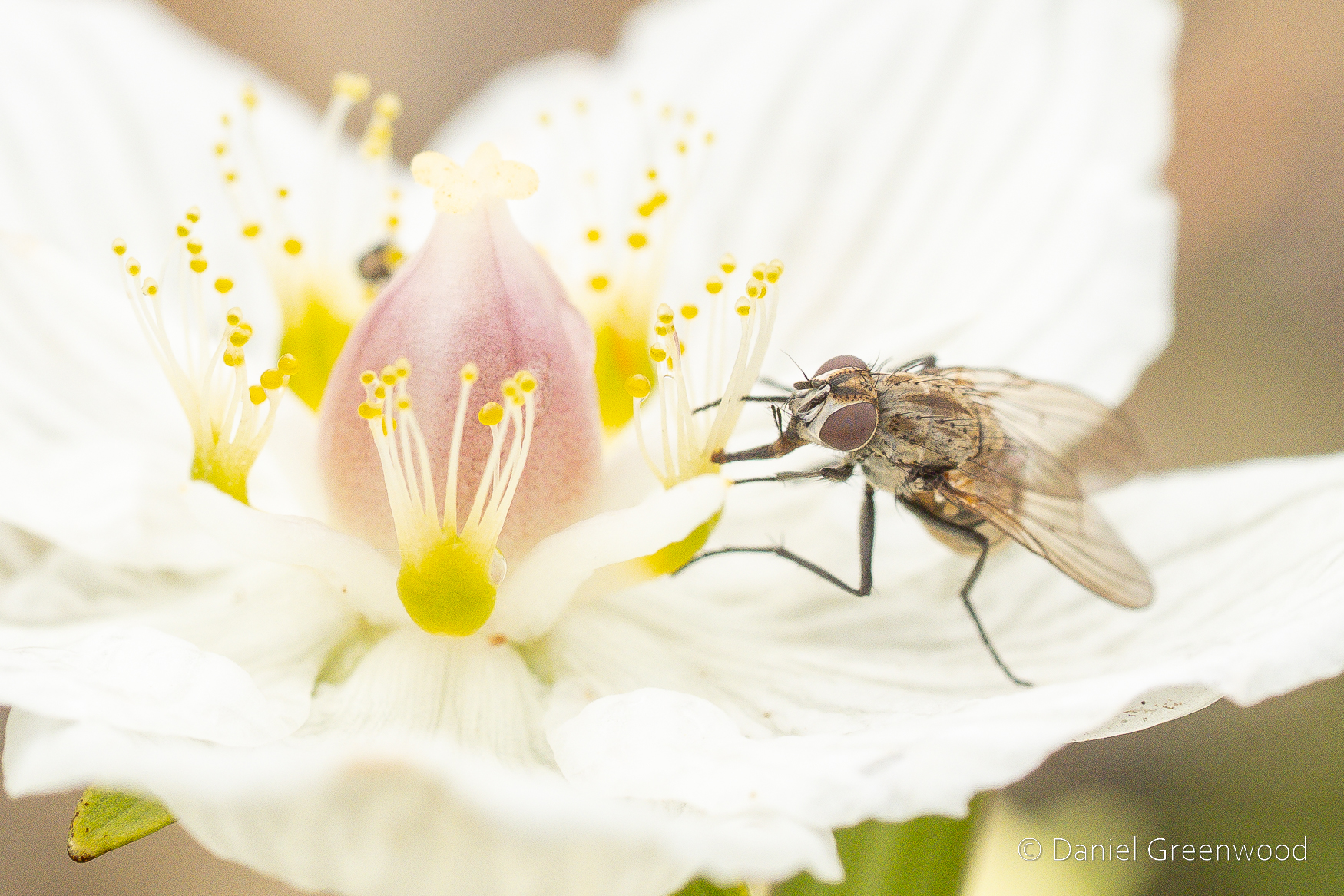
I like the brightness of this image and how the fly balances the lightness of the flower.
The Ox Mountains (Slieve Gamph)
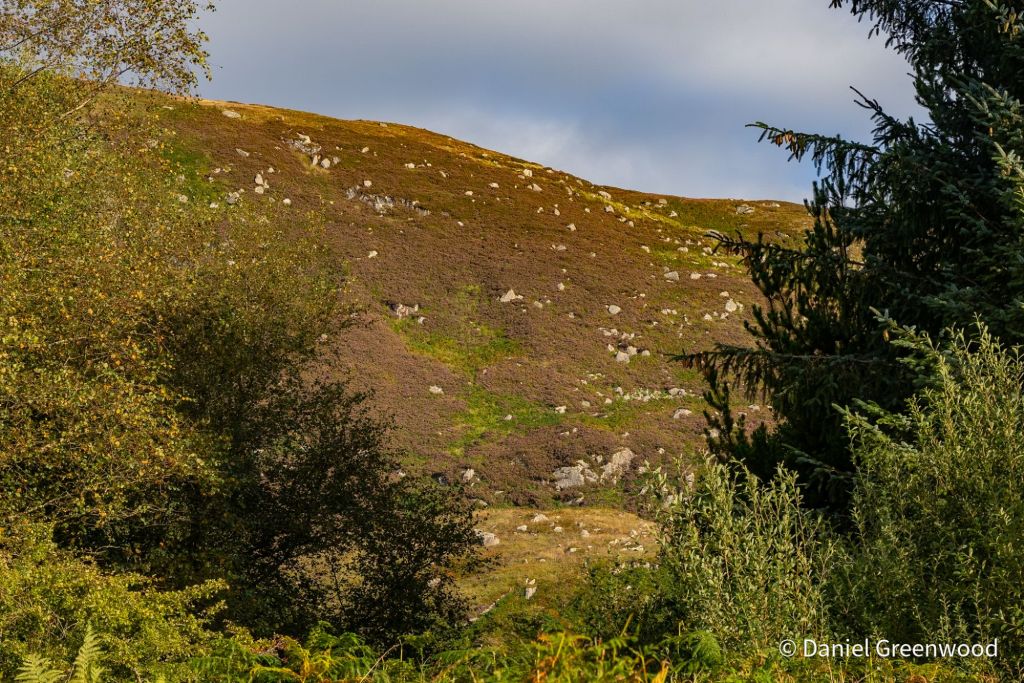
Moving towards Sligo and the Ox Mountains. It’s not a warm place and often rains in summer, so when the sun shines the invertebrates burst into life. I had a look to see what was in the meadow during one of those sunbursts.
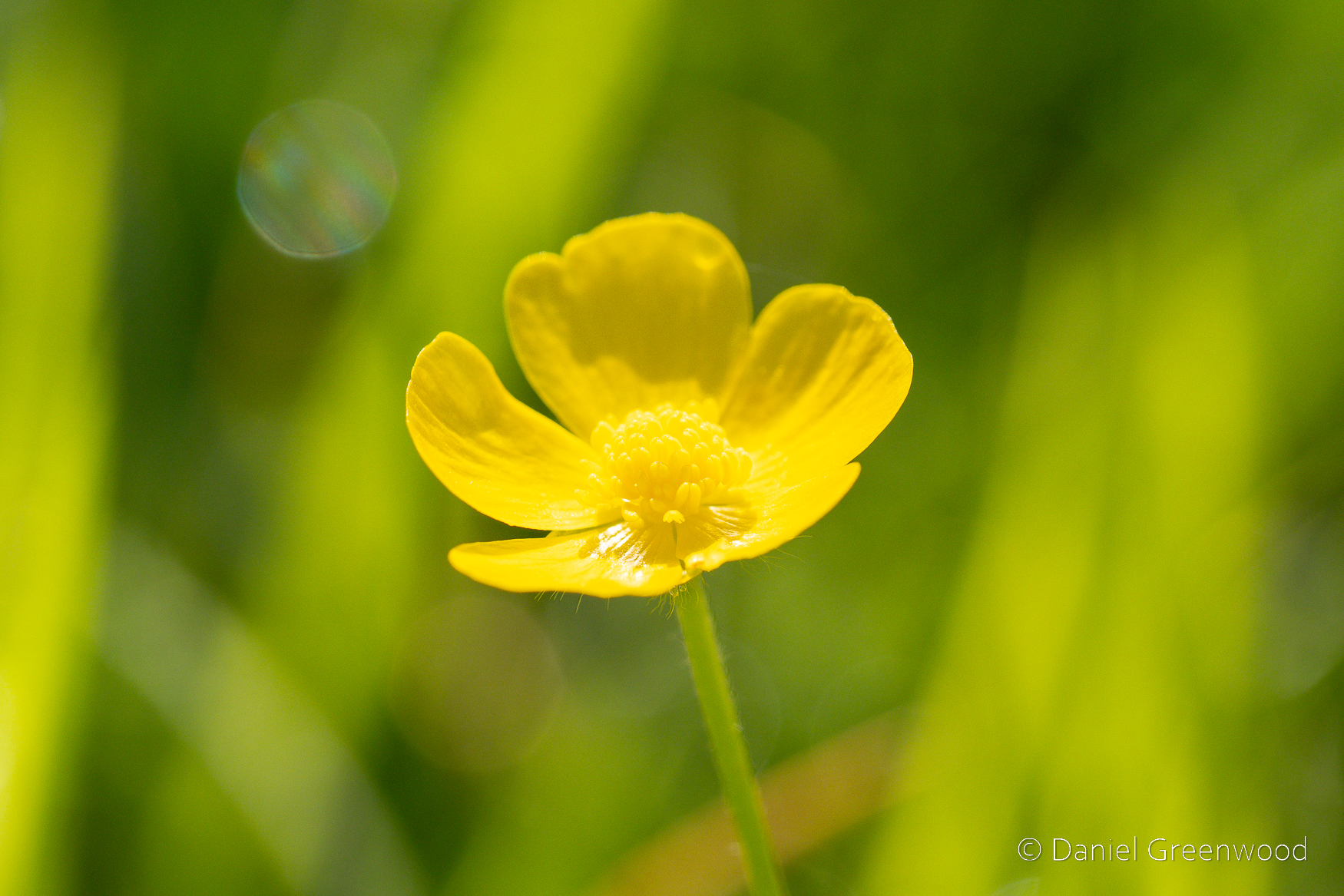
I really like this buttercup photo. It has lovely colour and background blur, and the detail is good.
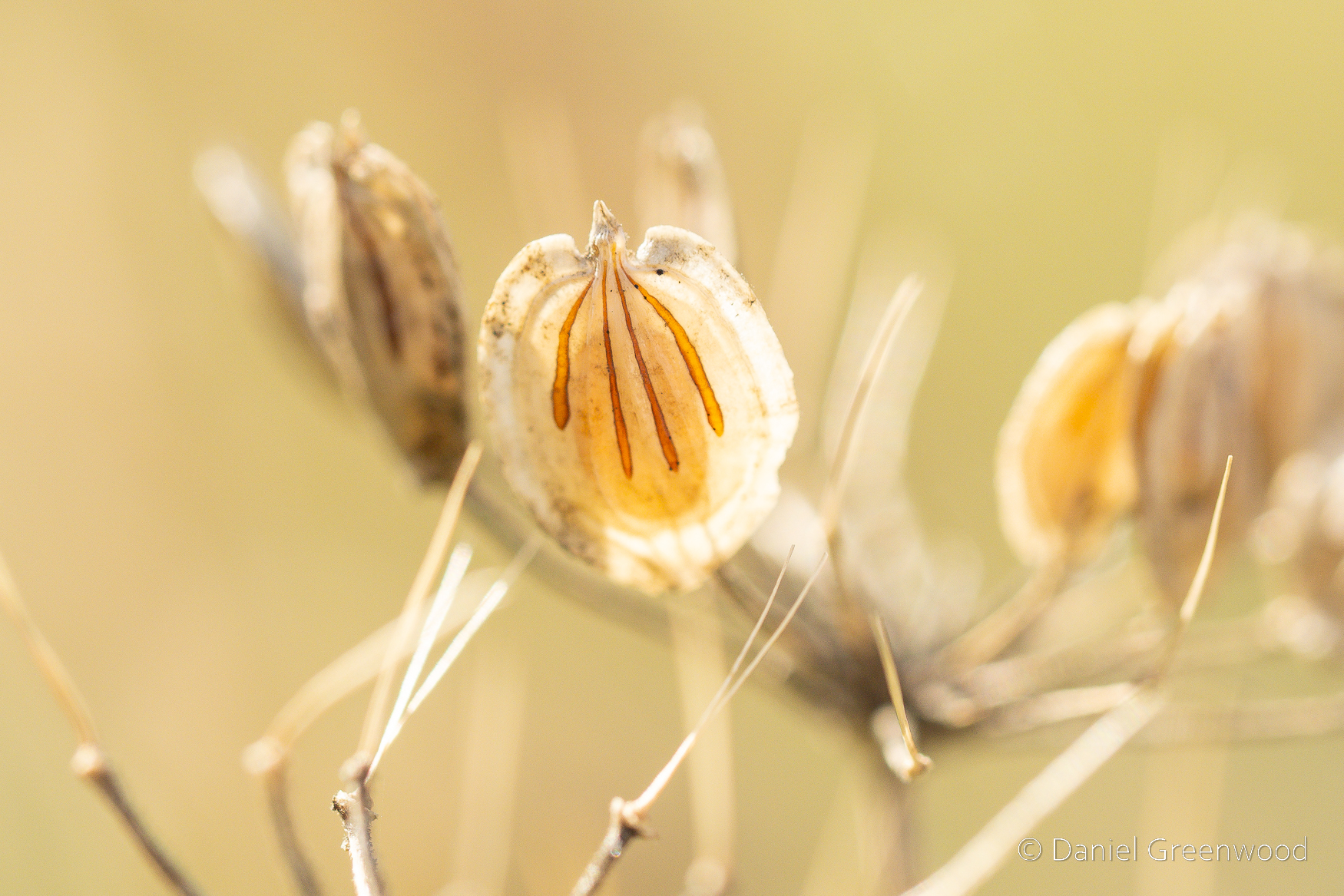
This is a common hogweed seed. I can’t stop looking at it. Those stripes are reminiscent of something but I can’t place it. That red bloke from Star Wars the Phantom Menace?
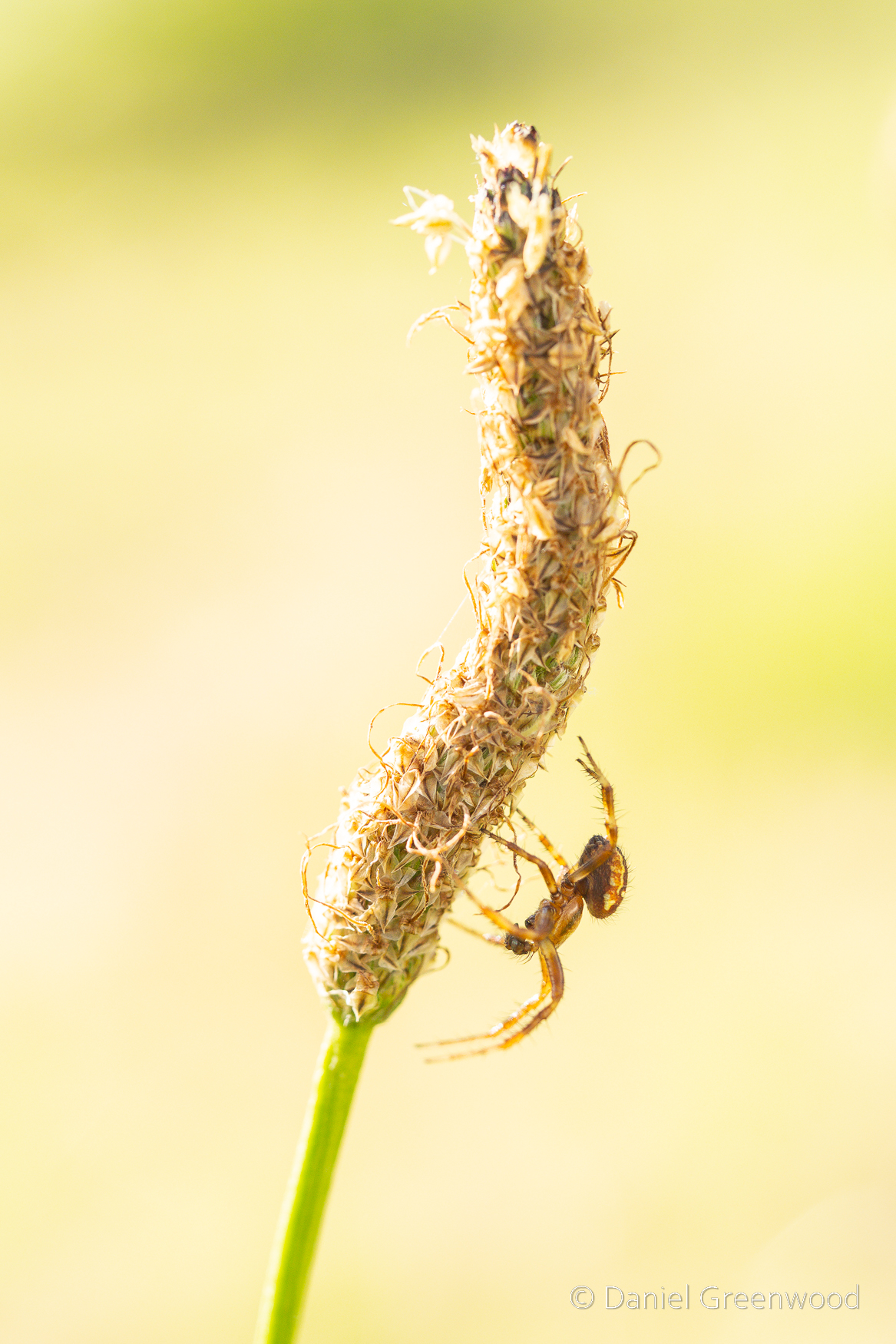
The seed heads of grasses were being used by spiders at the most spidery time of year.
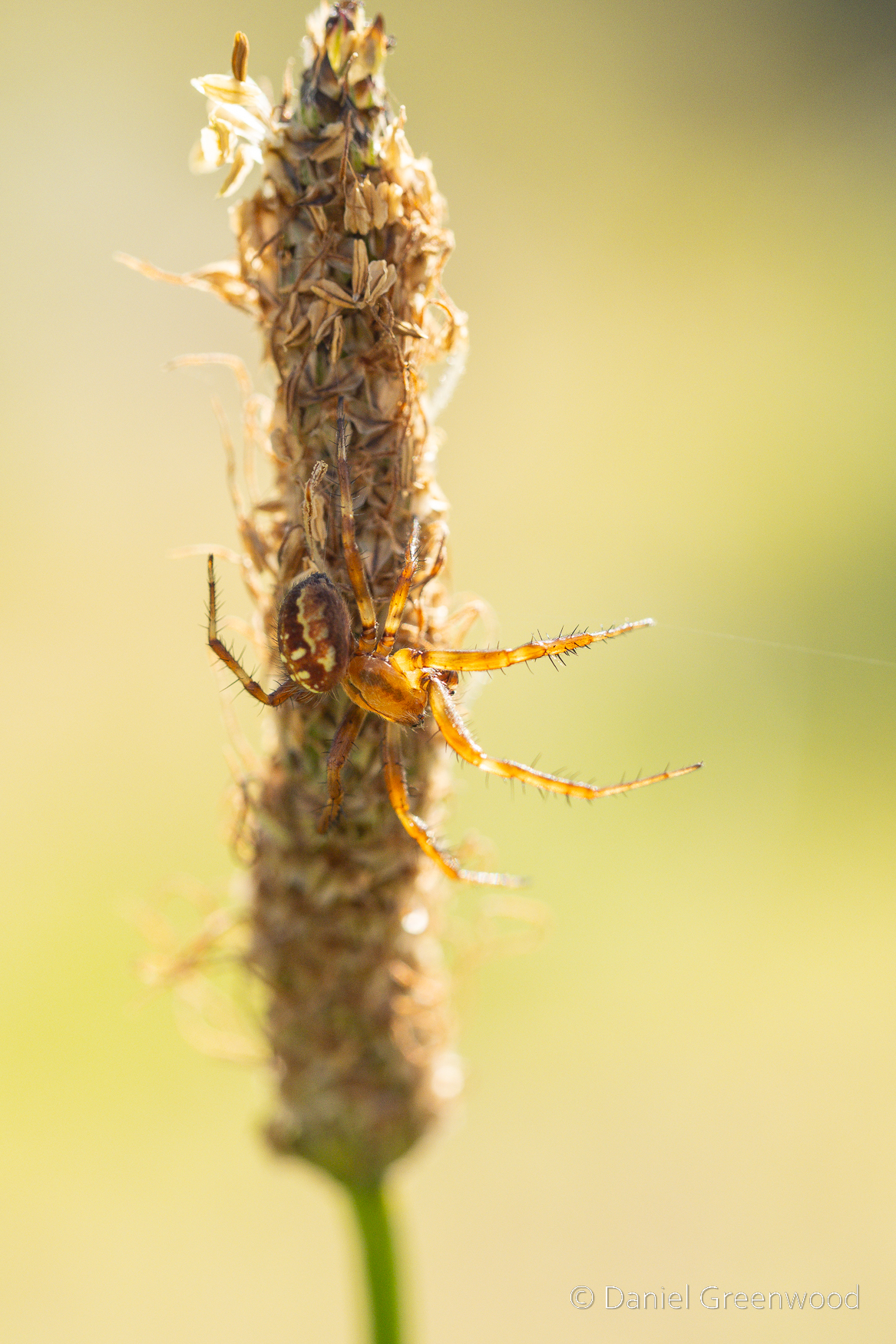
The closest I can get to identifying this species is that it’s an orb-weaver. I like the light on their legs and the translucence of their bodies.
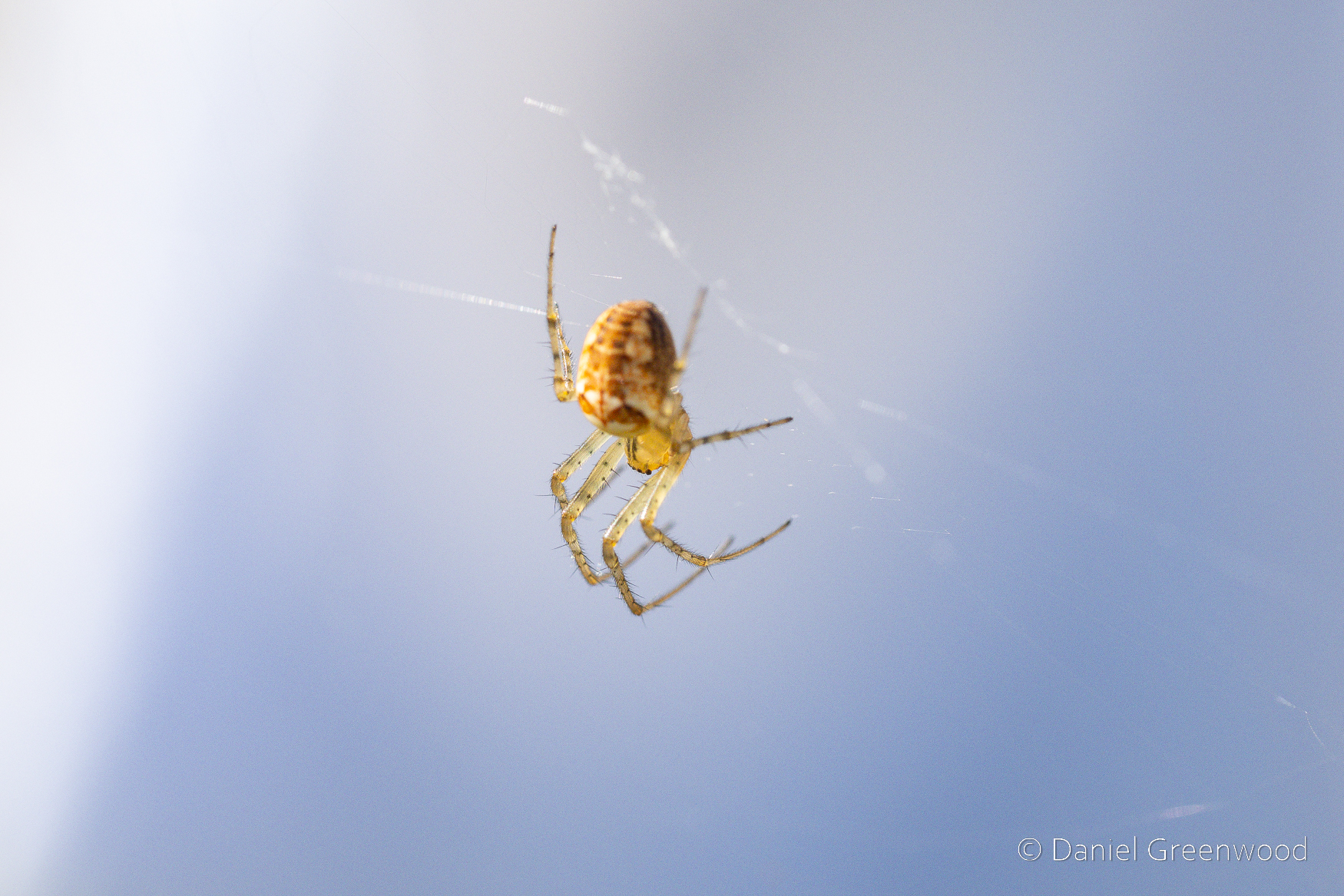
This is a Metellina spider, sitting in a web between grasses.
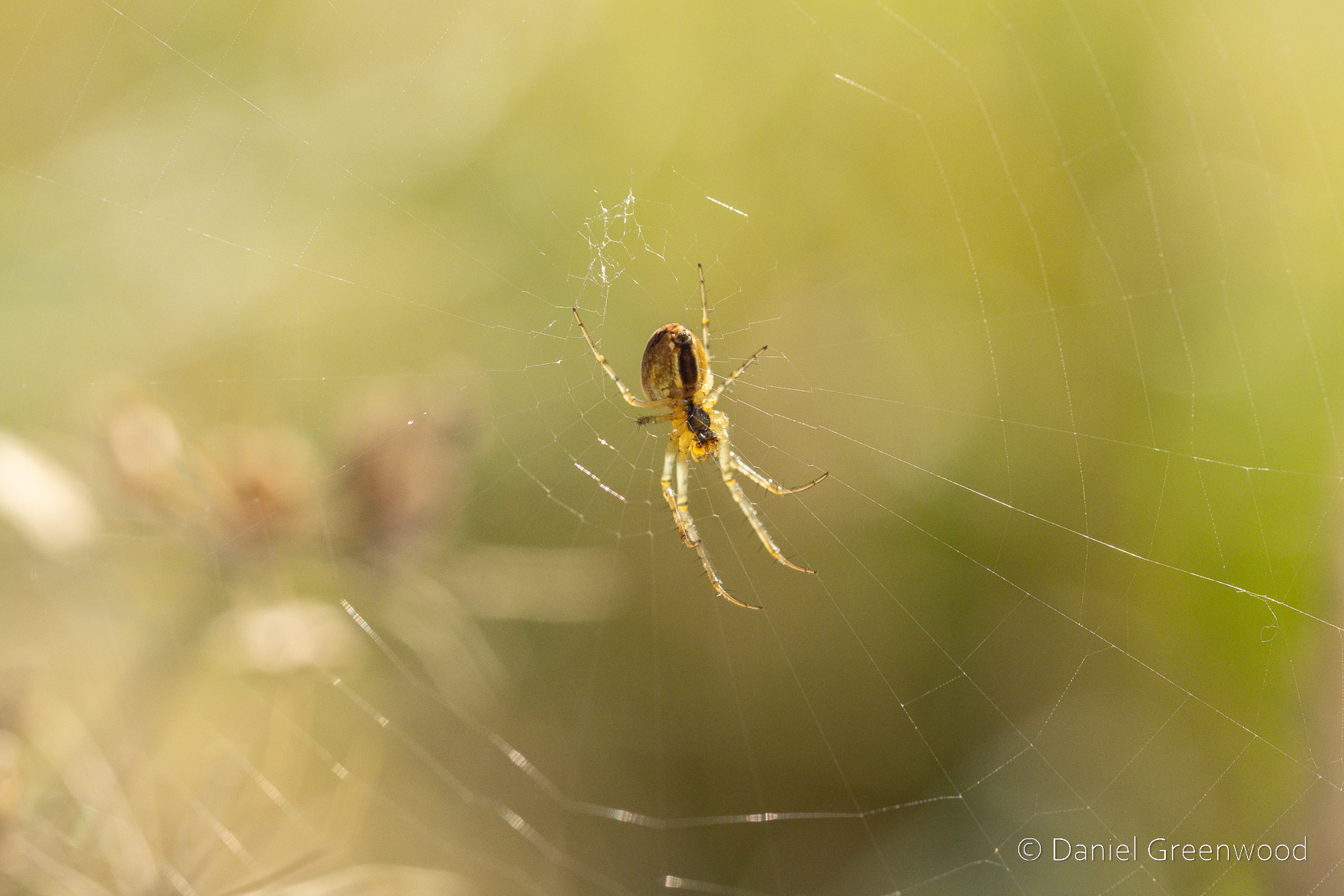
Another view of the spider waiting in its web.
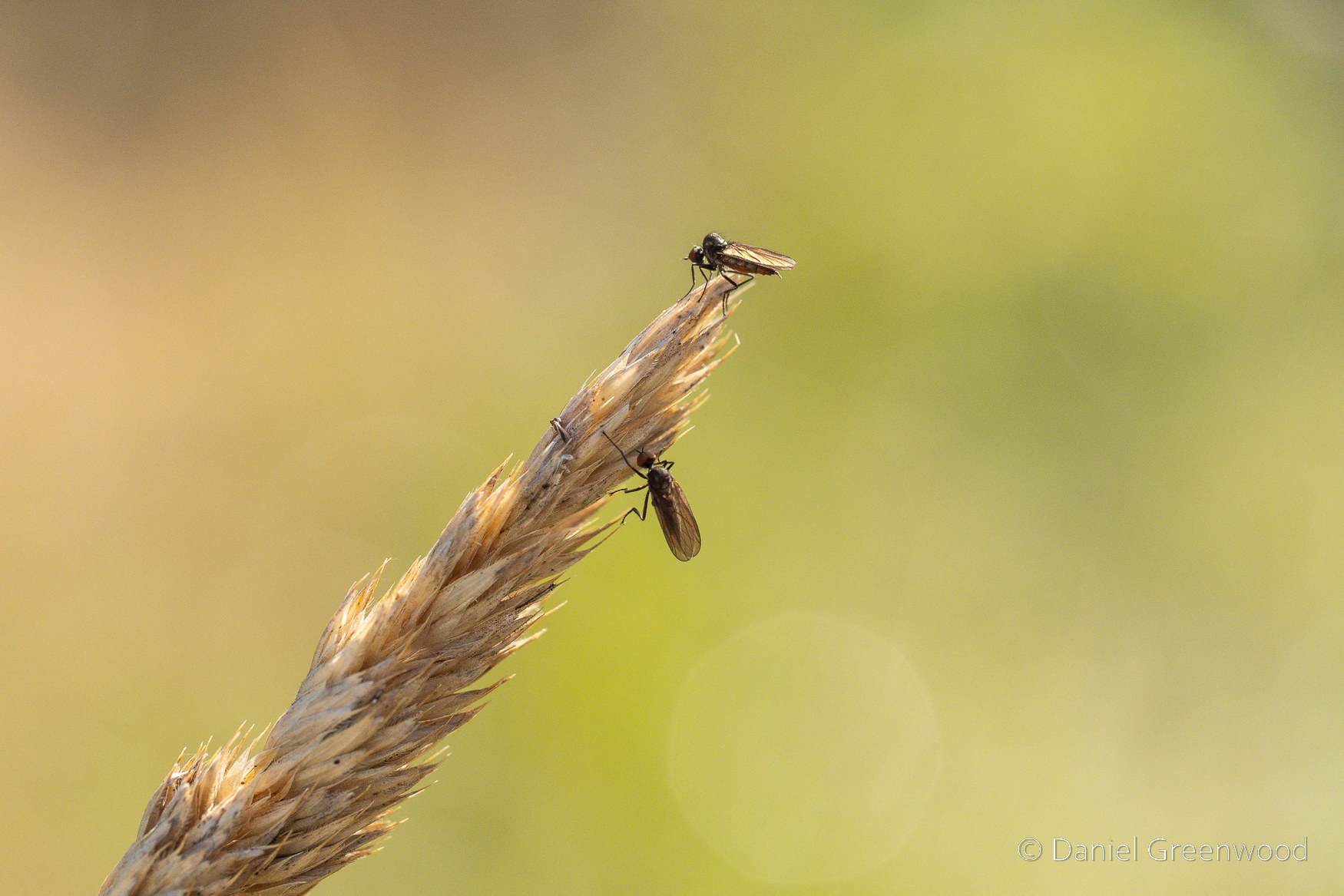
There was a battle for prominence here between these two very small flies. iNaturalist is suggesting these are in the genus Bicellaria, a group of dance flies.
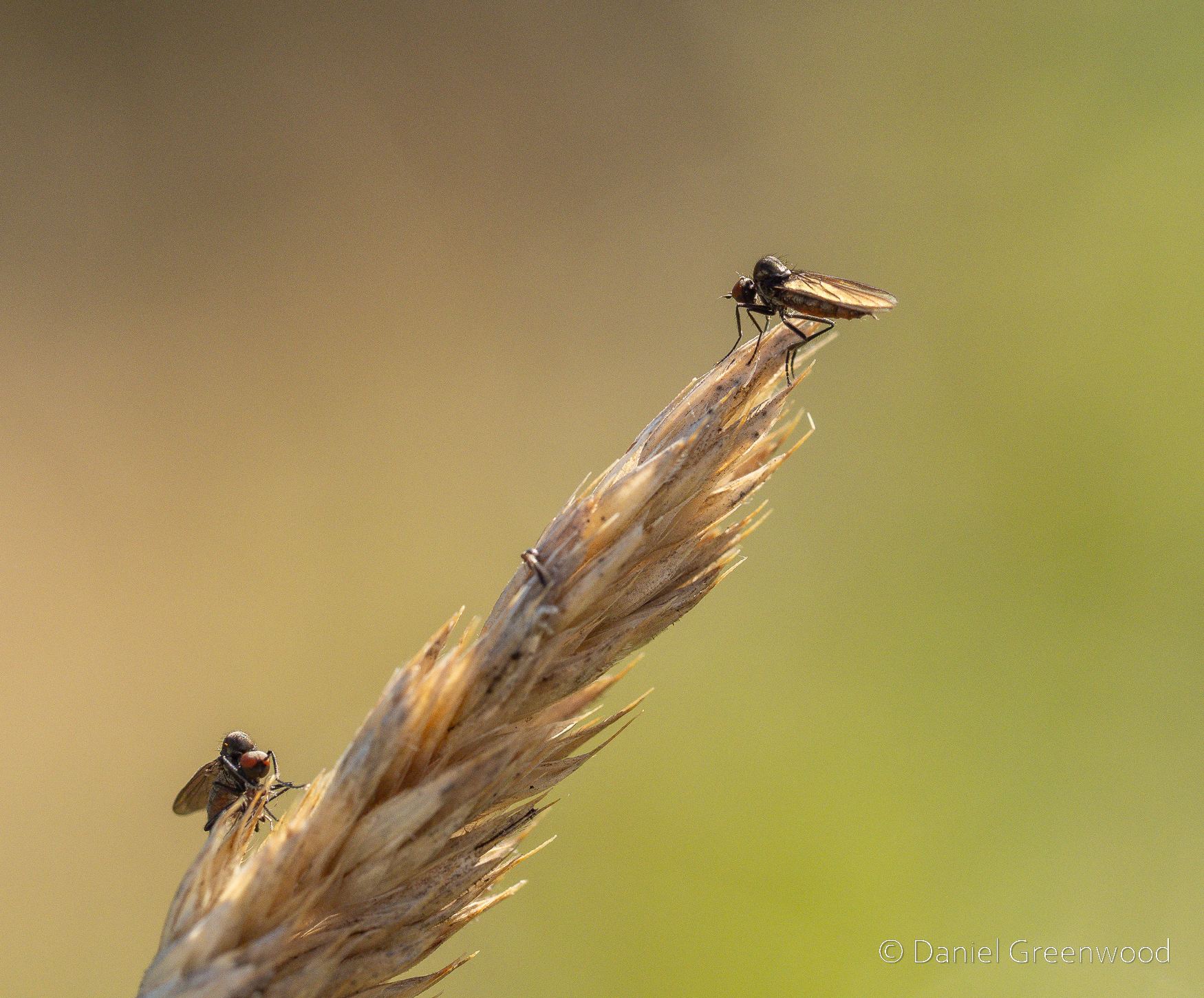
There’s a degree of cunning on show here. They remind me of Mr. Burns.
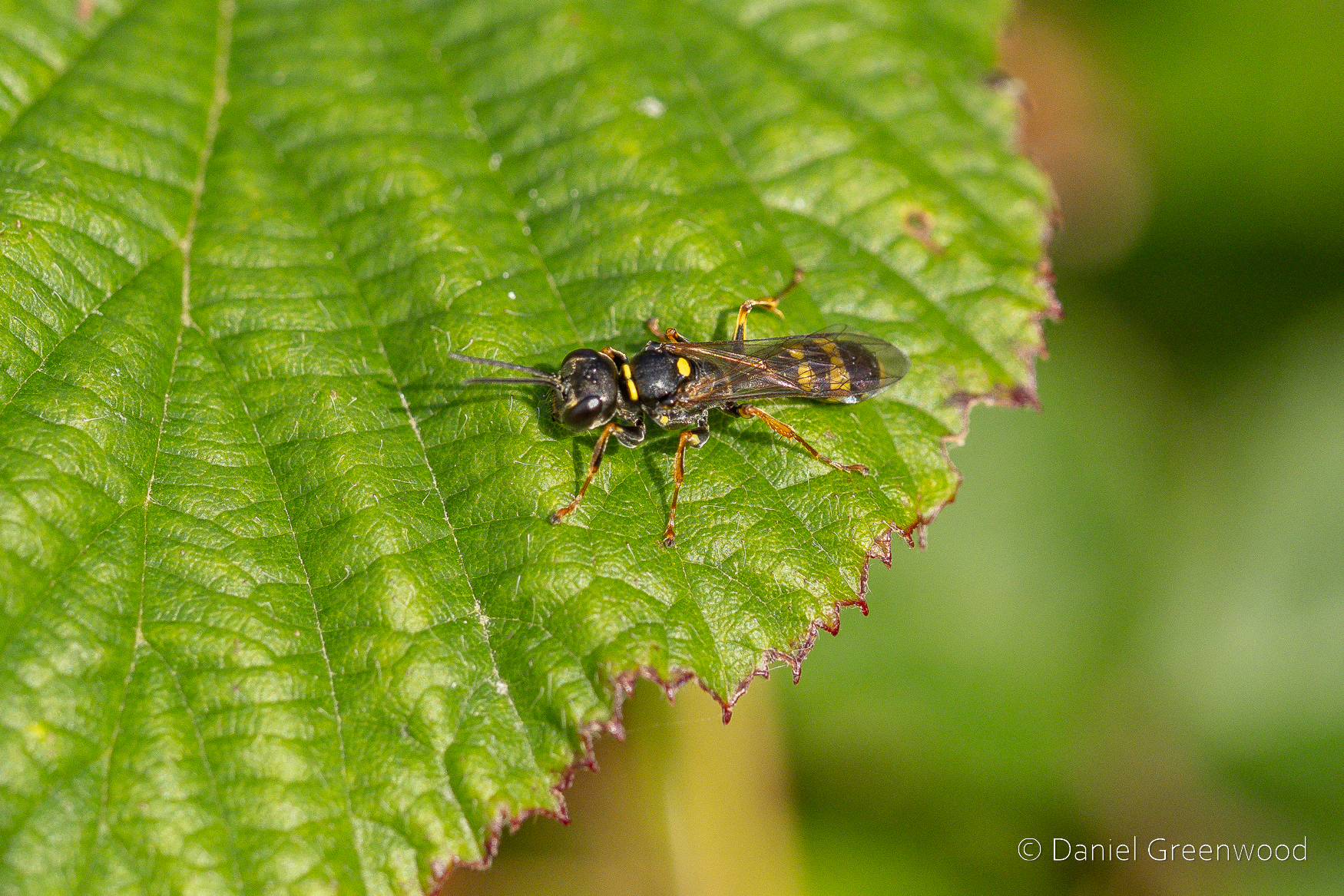
Now then, I was very pleased to find a solitary wasp on a red-trimmed bramble leaf.
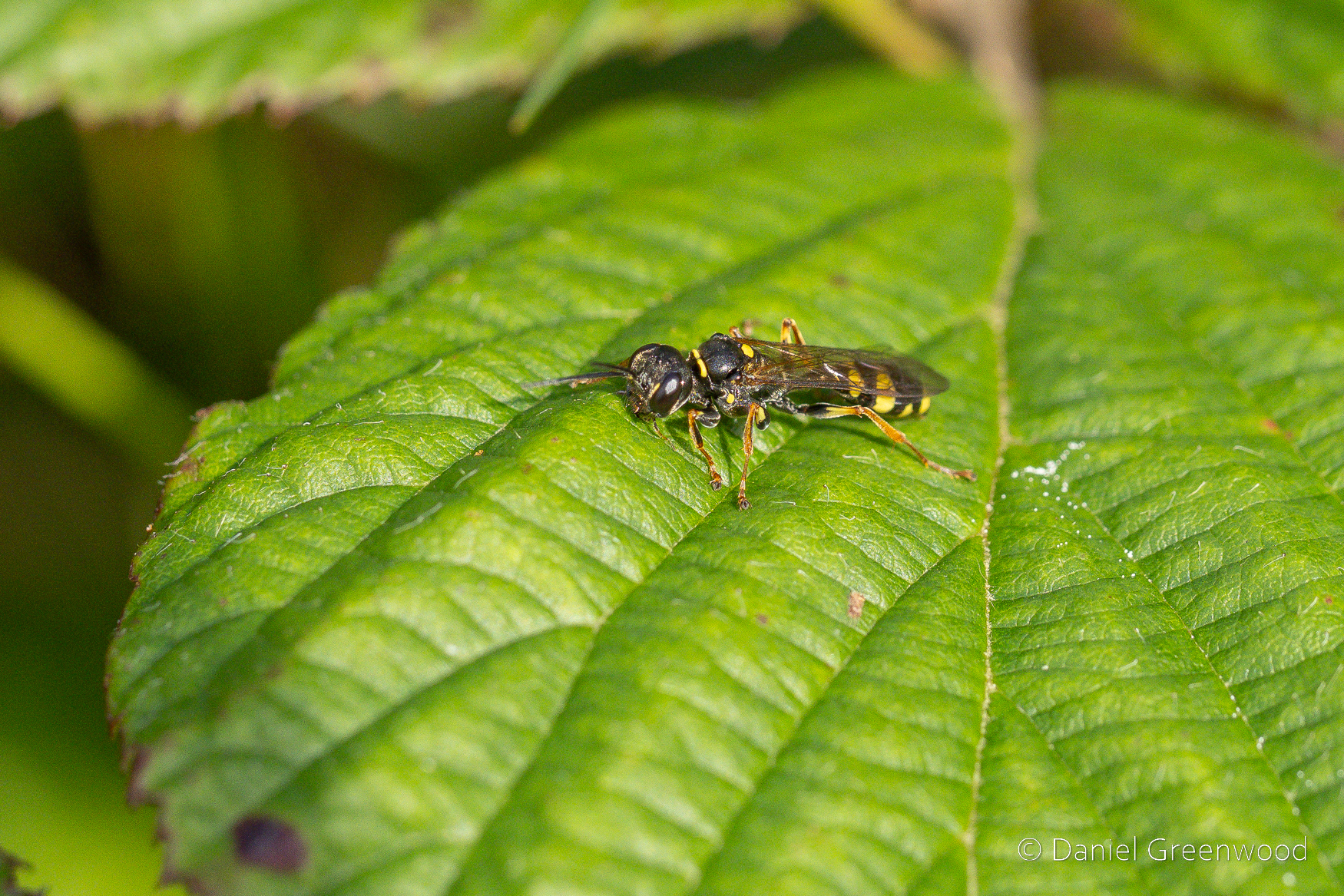
I’m not sure of the species but it does look like a bit of a digger wasp-type to me.
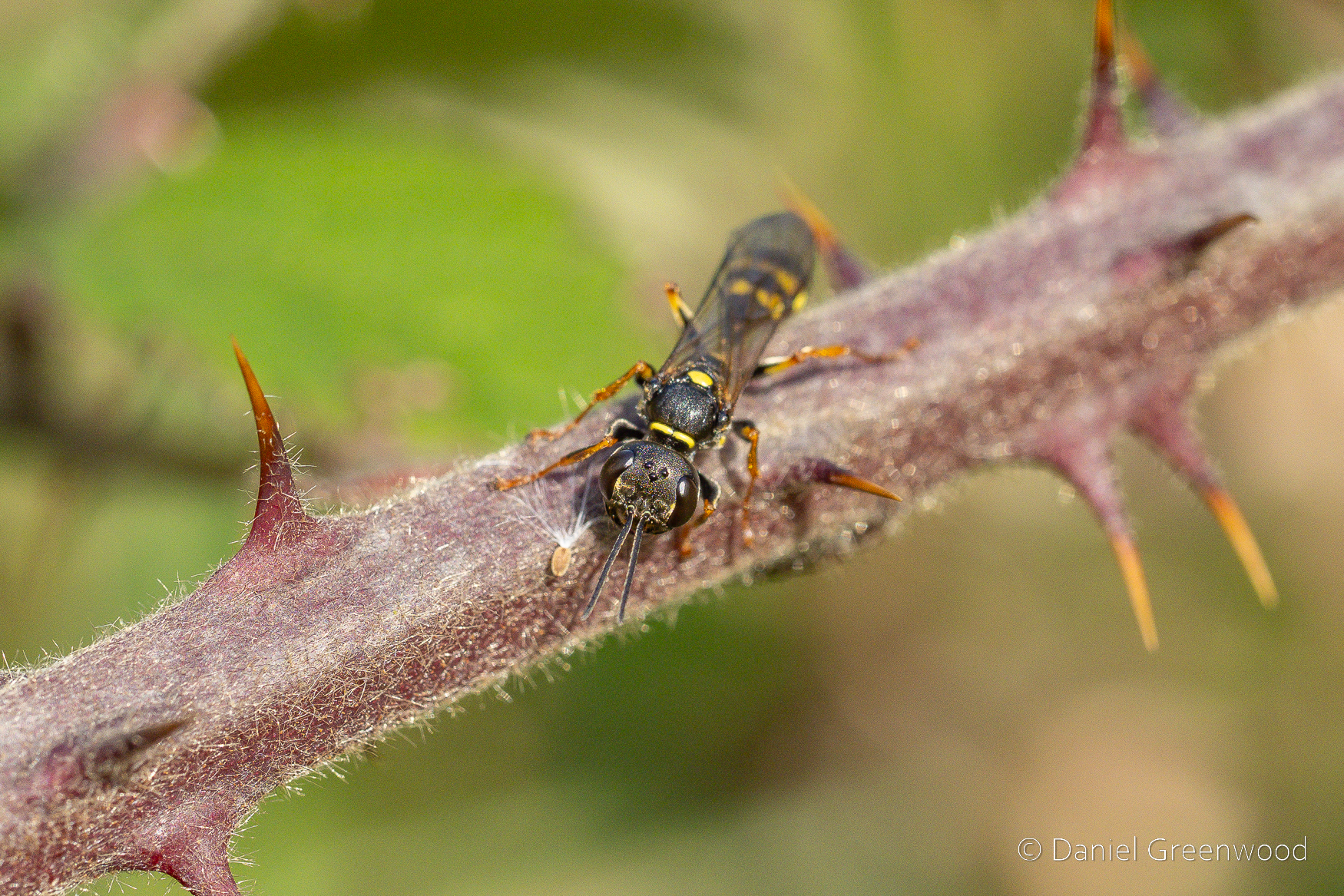
A good view of the ocelli (three eyes on the top of the head) in this photo. Gosh, don’t those thorns look hazardous!
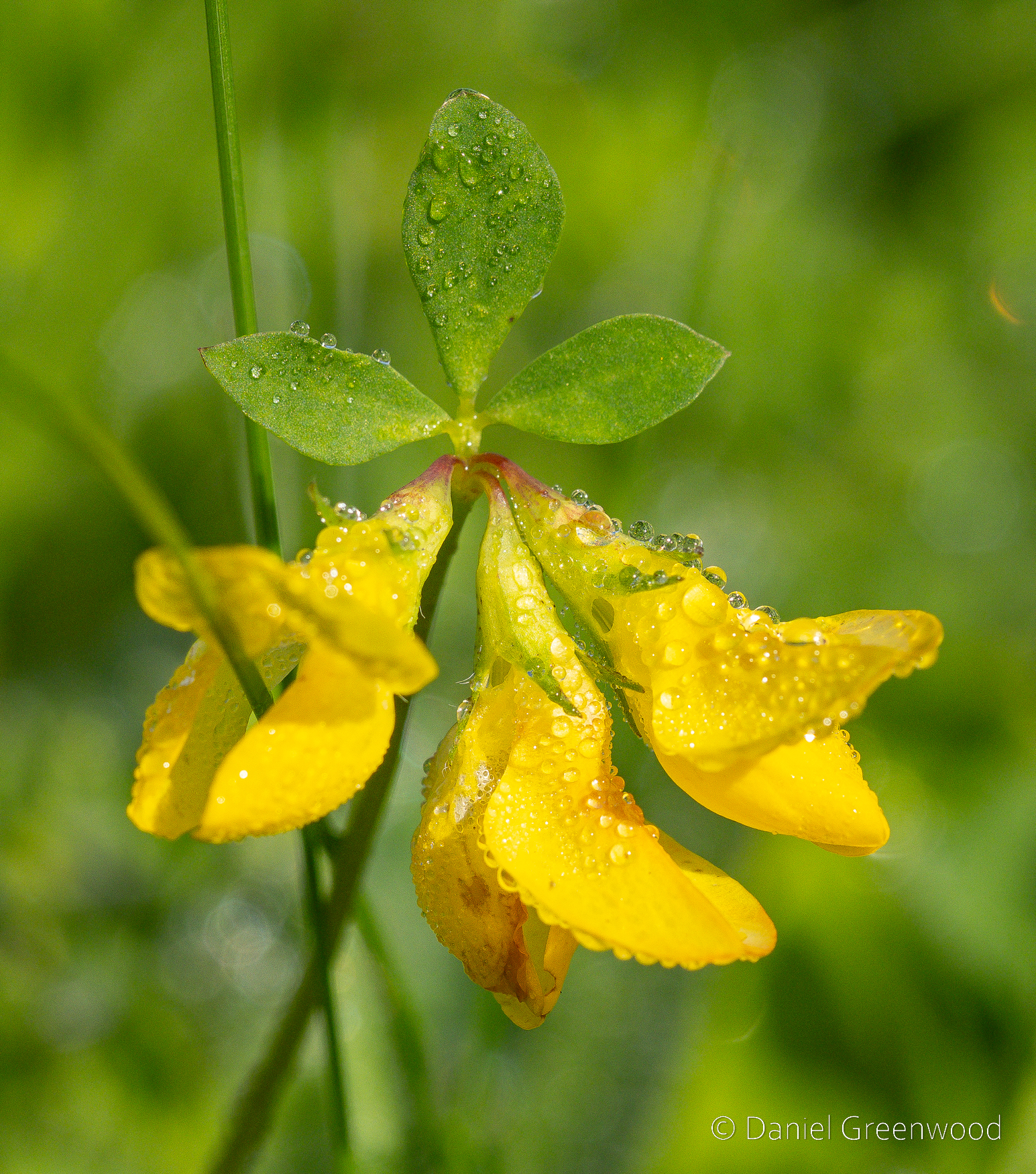
I love the beads of water on the petals of the bird’s-foot trefoil here.
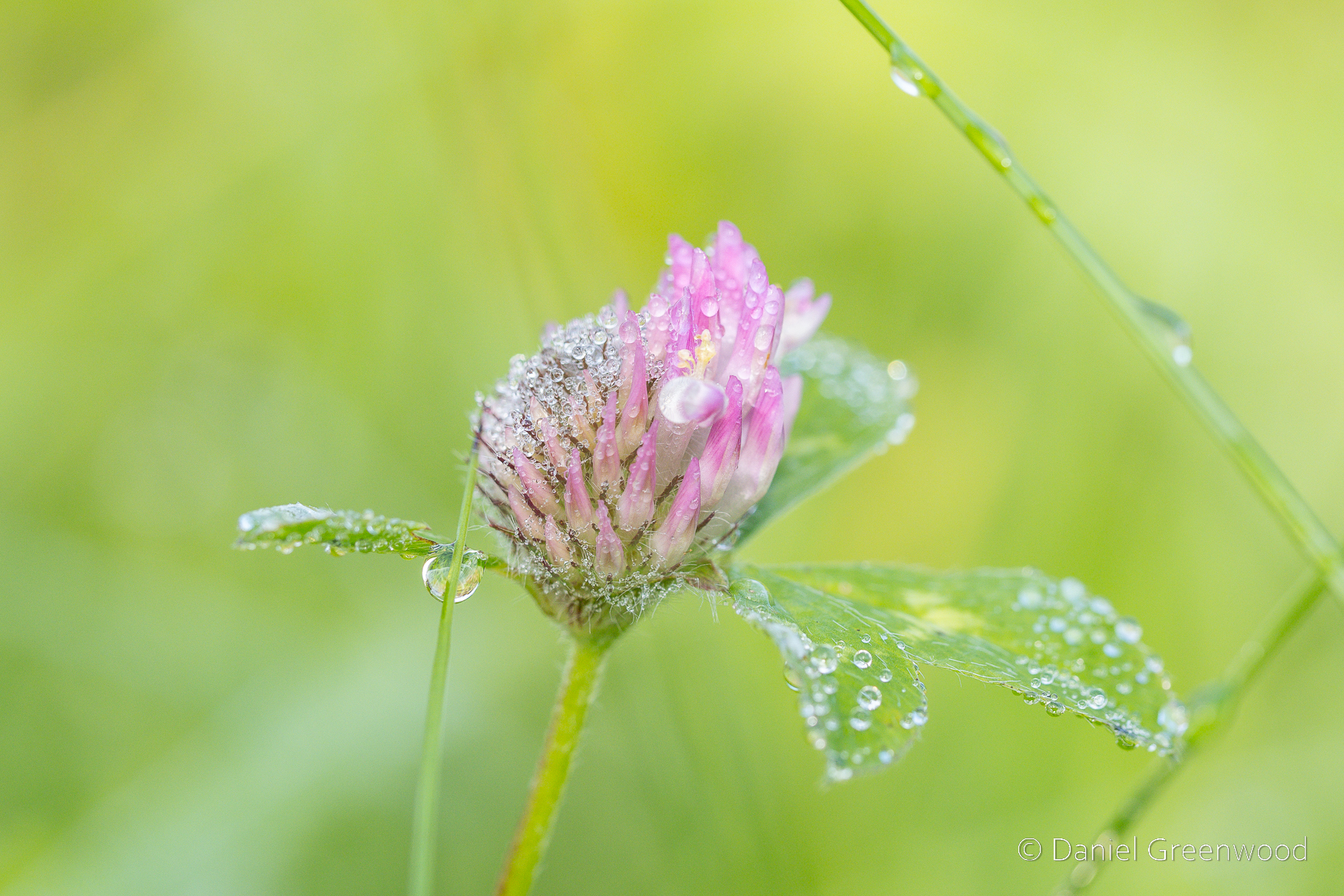
Red clover bejewelled by the morning dew. Bedewed?
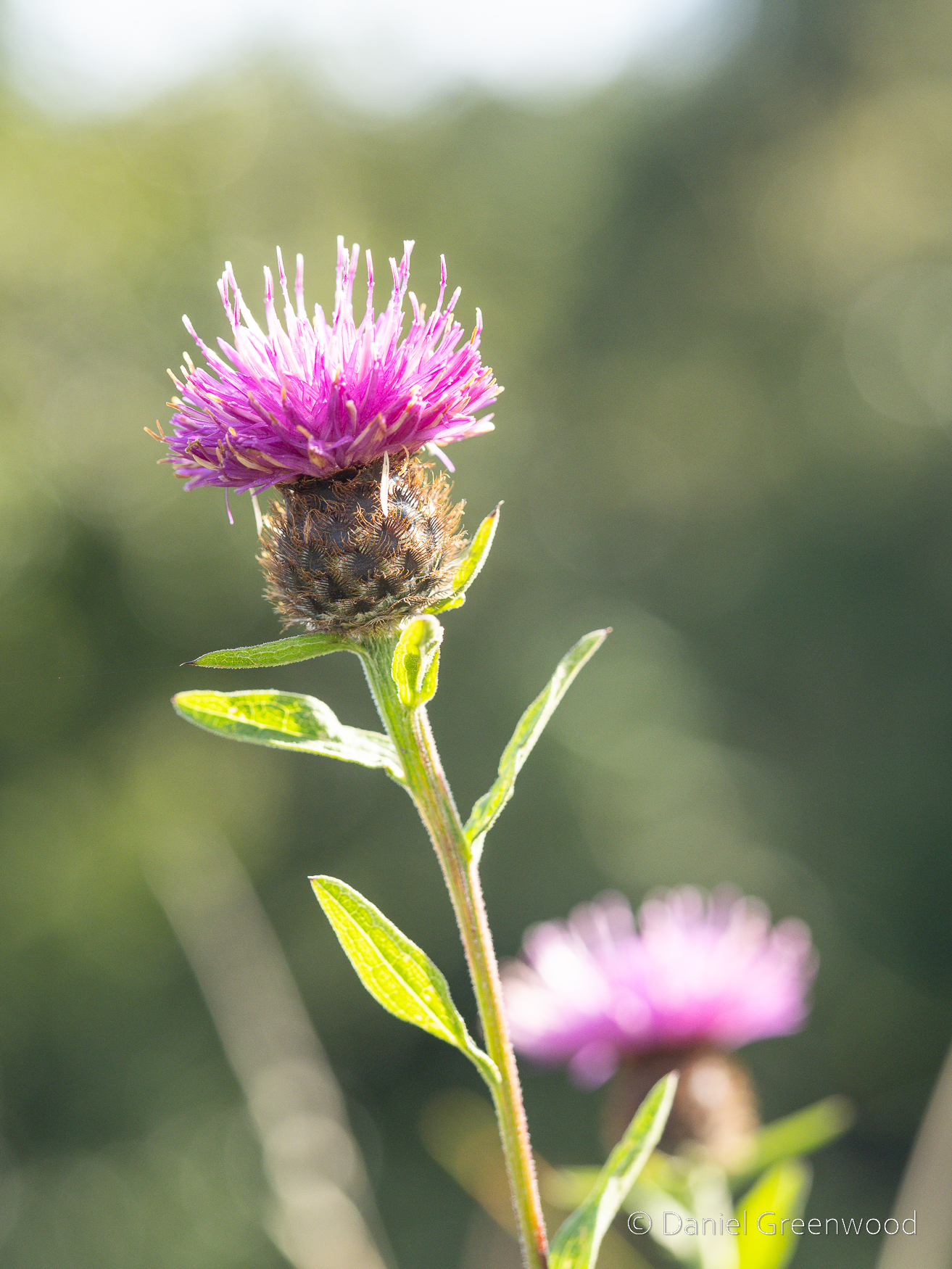
Common or black knapweed, a very common wildflower in the verges of this part of Mayo.
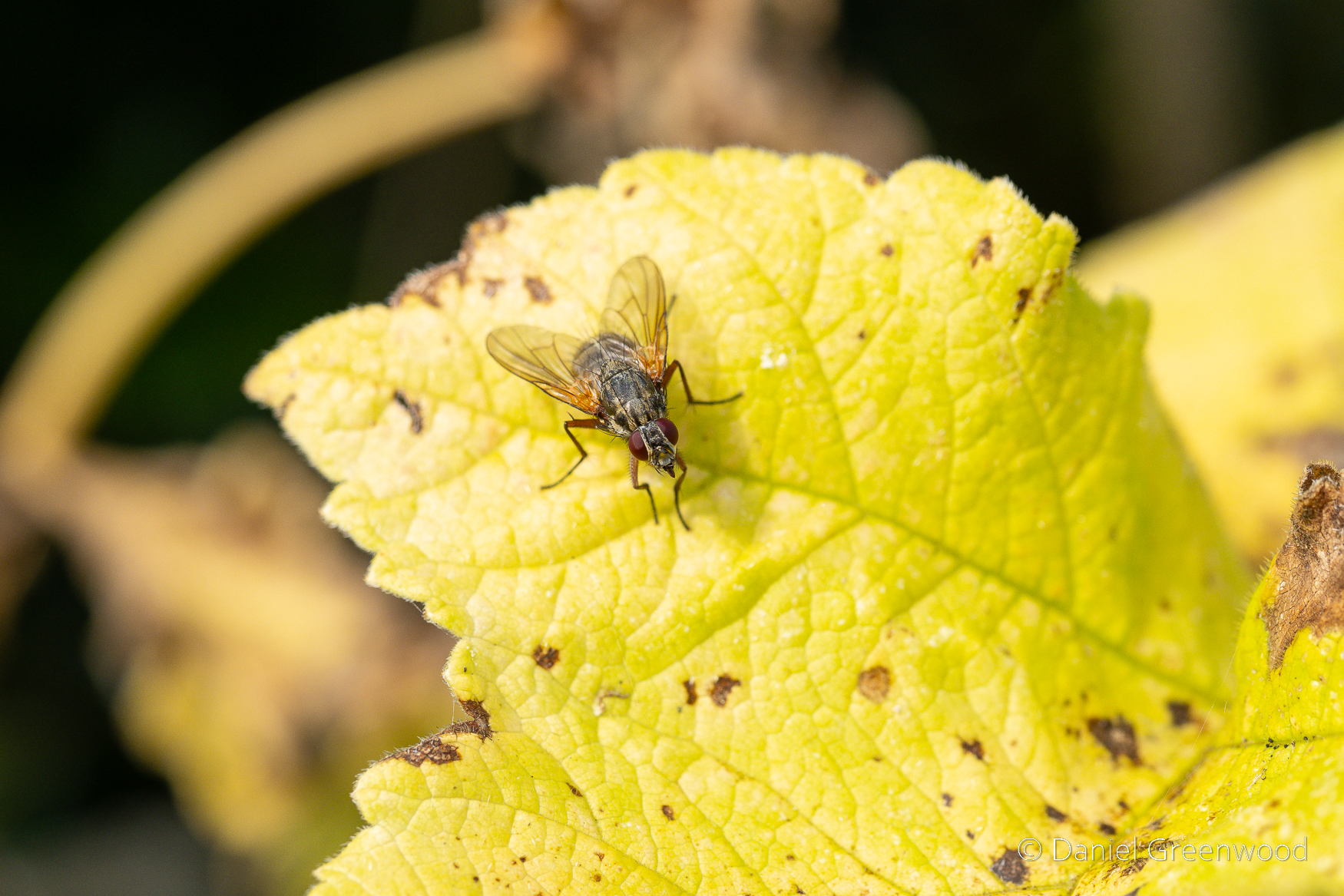
How many photos of one fly do you need to see? You’re about to find out.
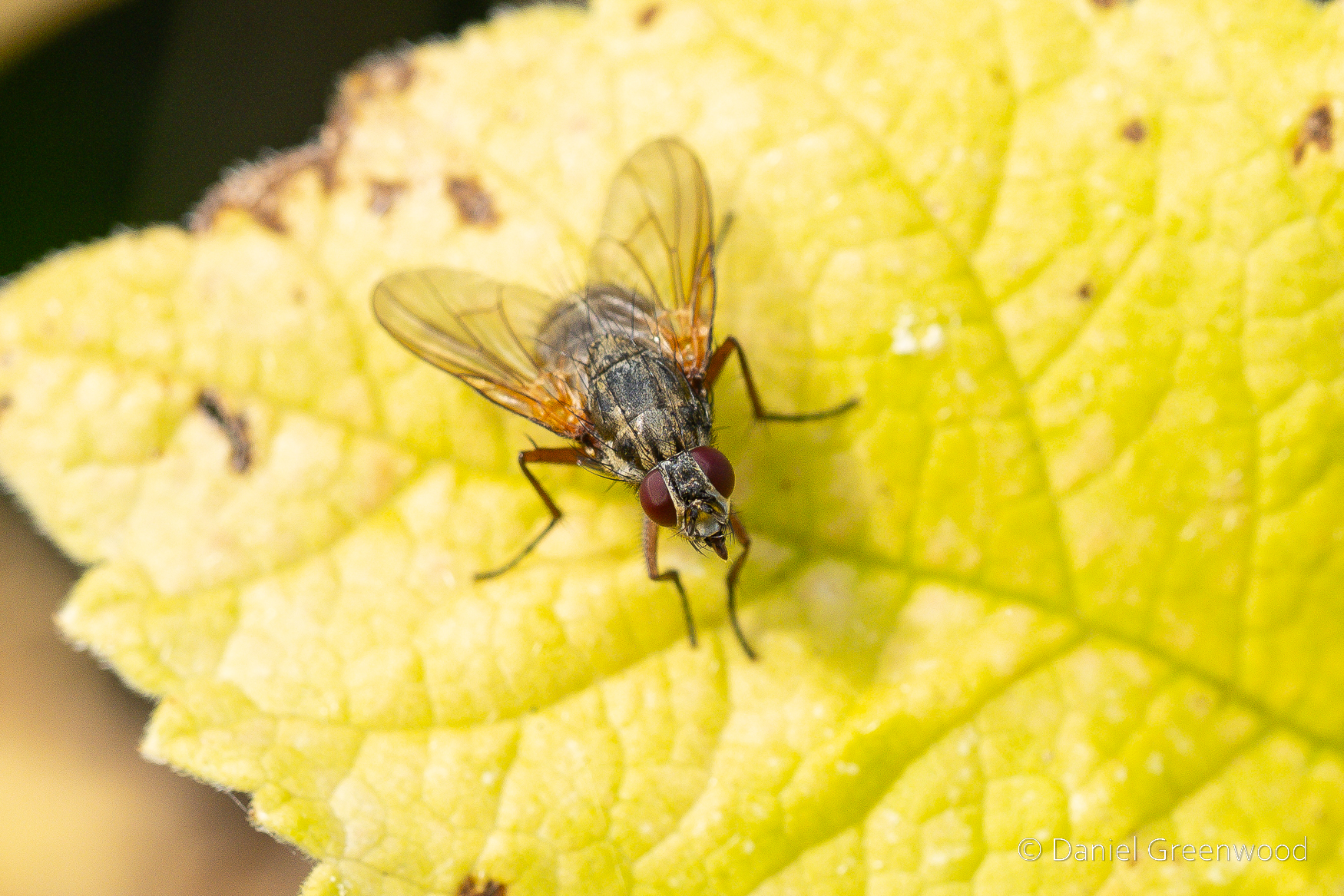
Definitely being ‘regarded’ by the fly here. But are they kind regards?
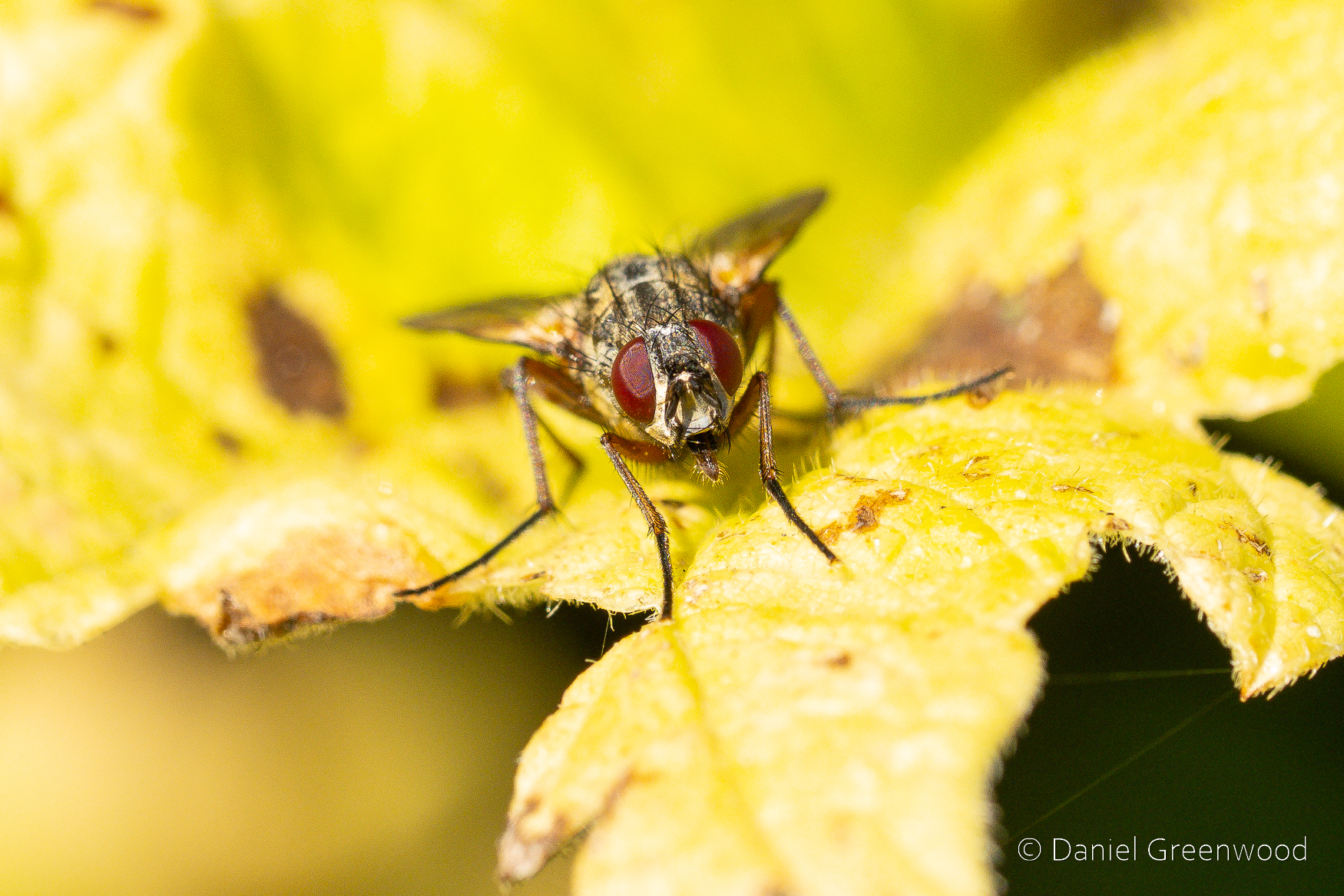
They are from me.
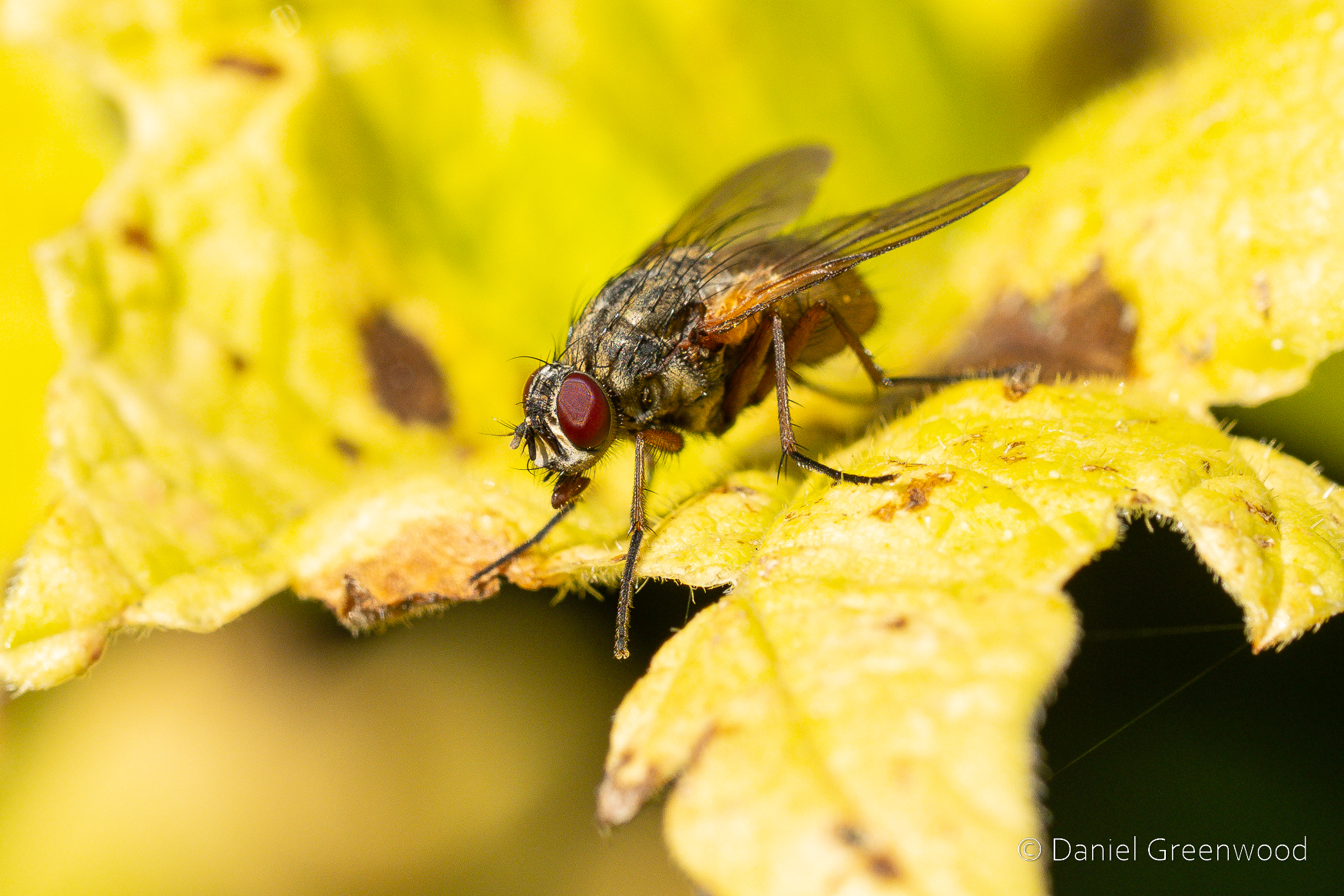
Warm regards with this lovely yellow backdrop.
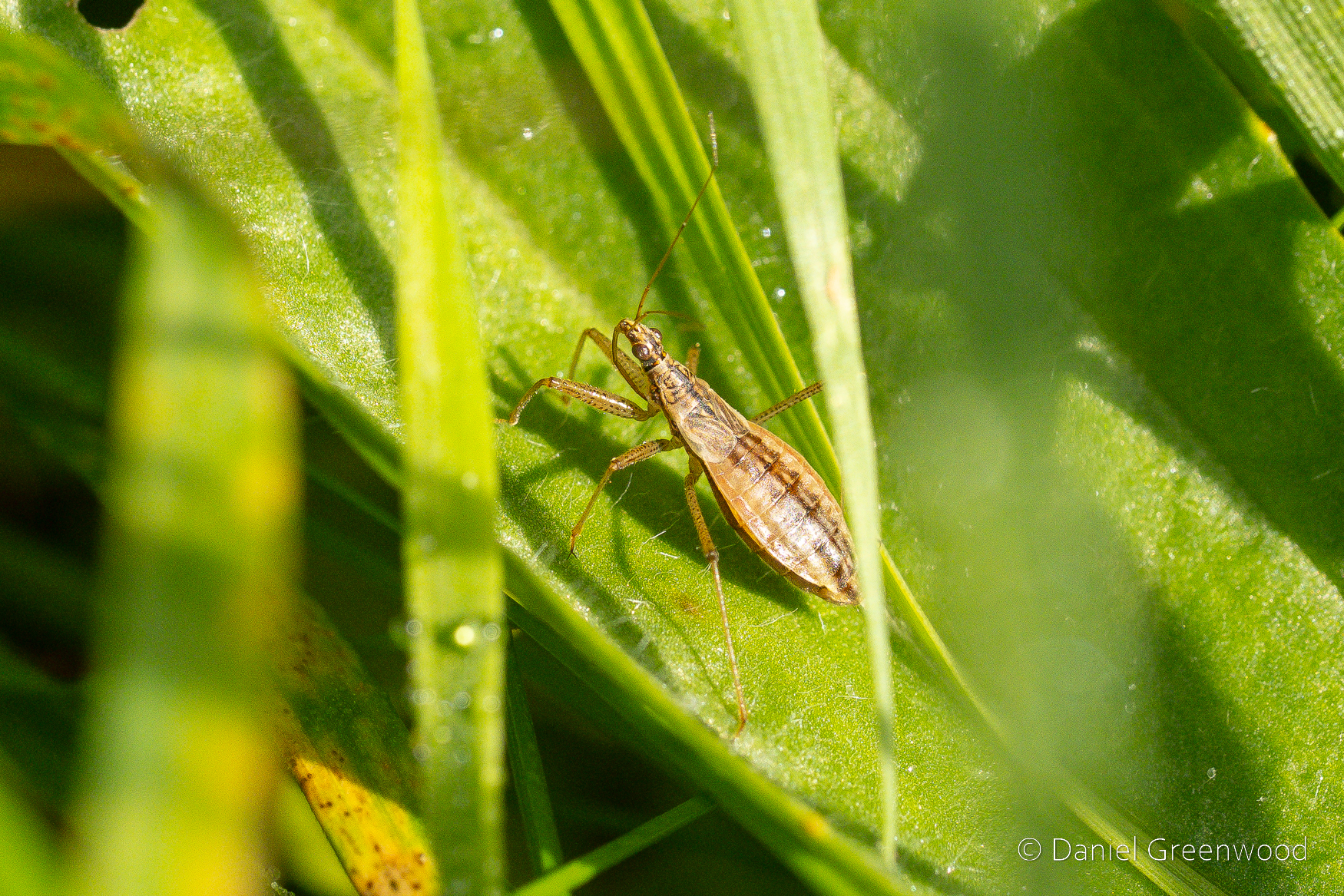
Well hello! I have learned from iNaturalist that this is a marsh damsel bug. There is a lot of wet grassland in this landscape, though a lot of bogs have been drained in the last century.
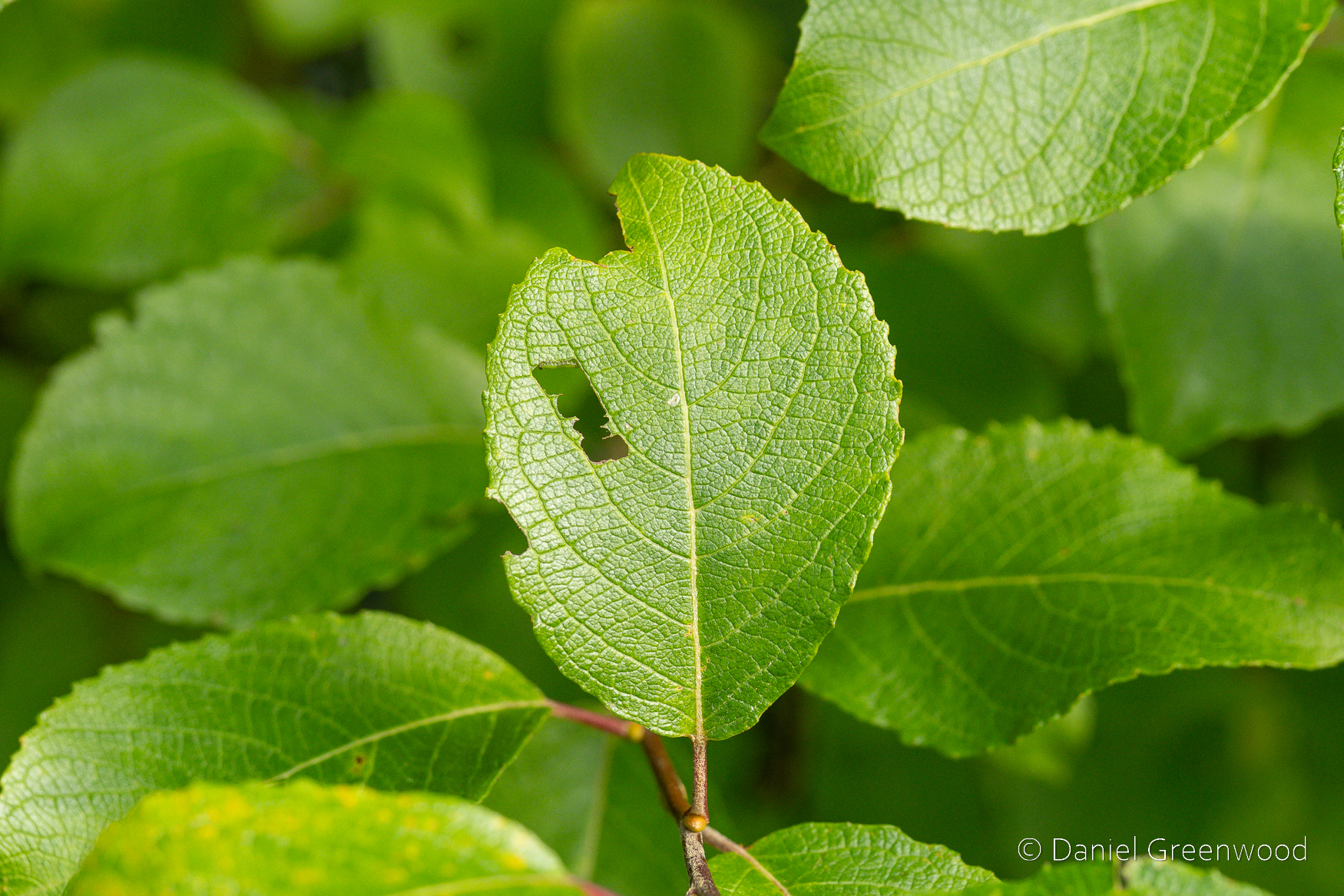
I like this scene a lot. This is a tree my dad planted, a grey willow. It has been nibbled by the caterpillar below:
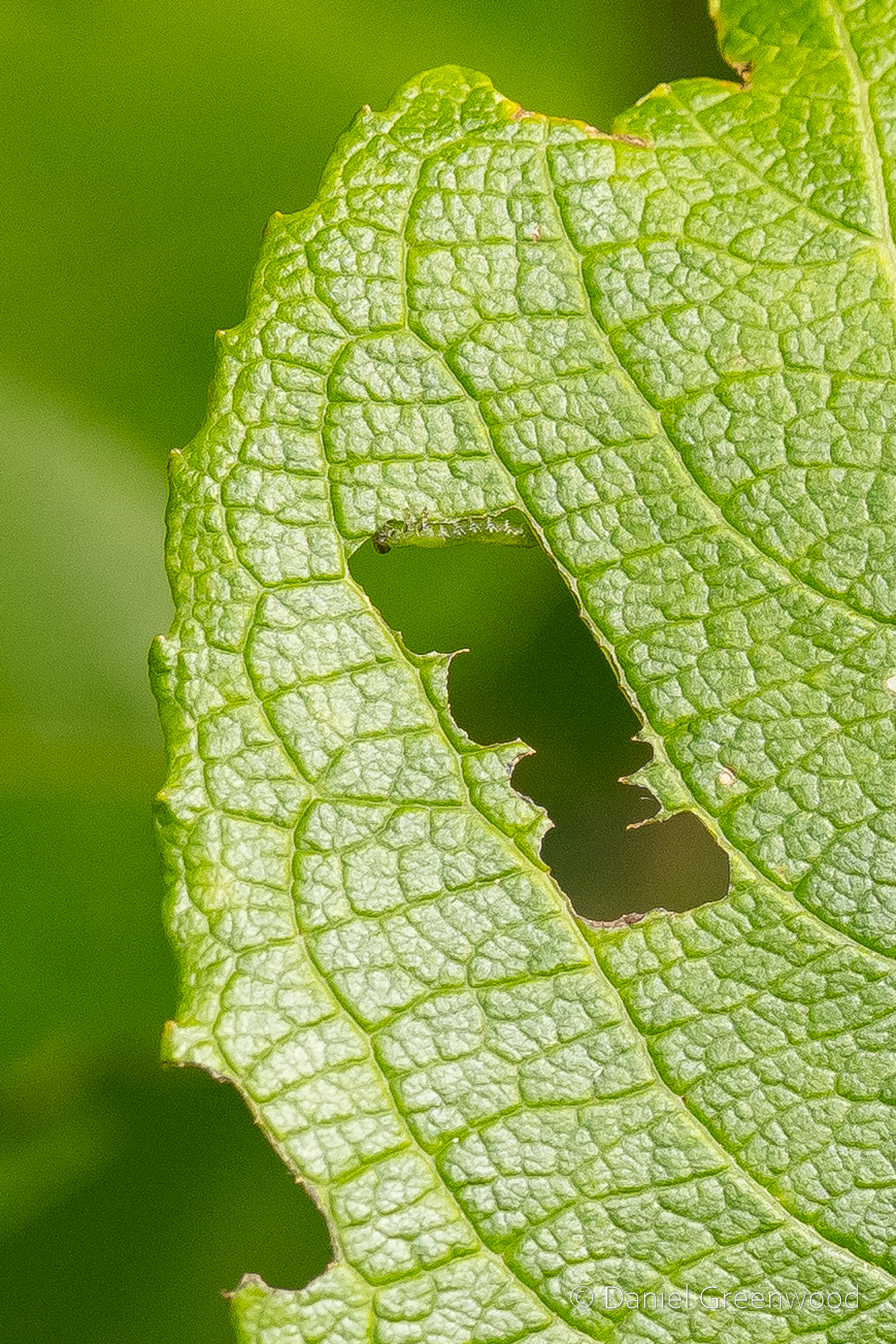
A hungry caterpillar, indeed. This is a type of sawfly in its larval stage. The image is quite heavily cropped to show the nibbling as best I could.
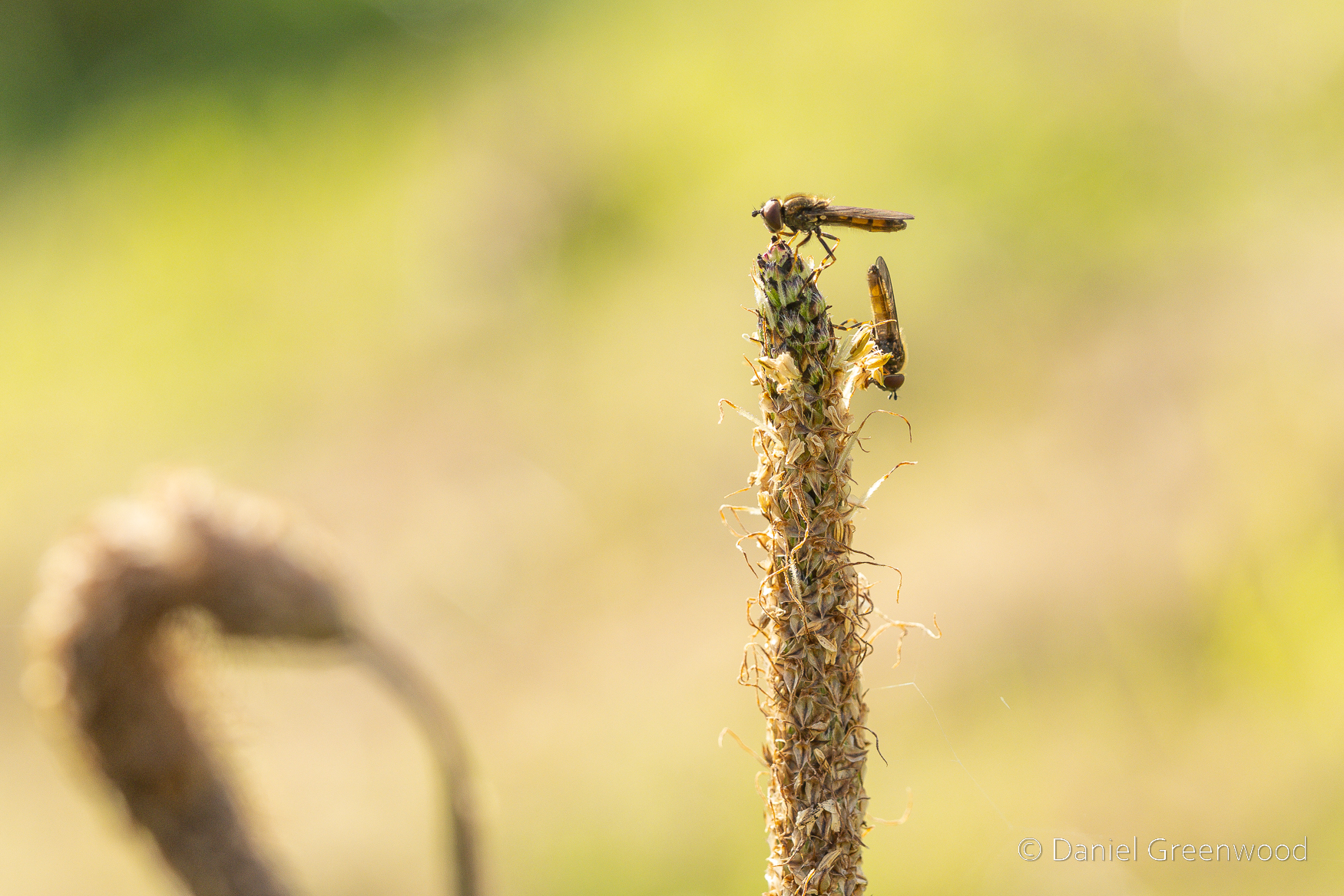
And finally, back to the grass heads. These hoverflies were catching some rays (there aren’t so many in this part of the world) from this prominent position.
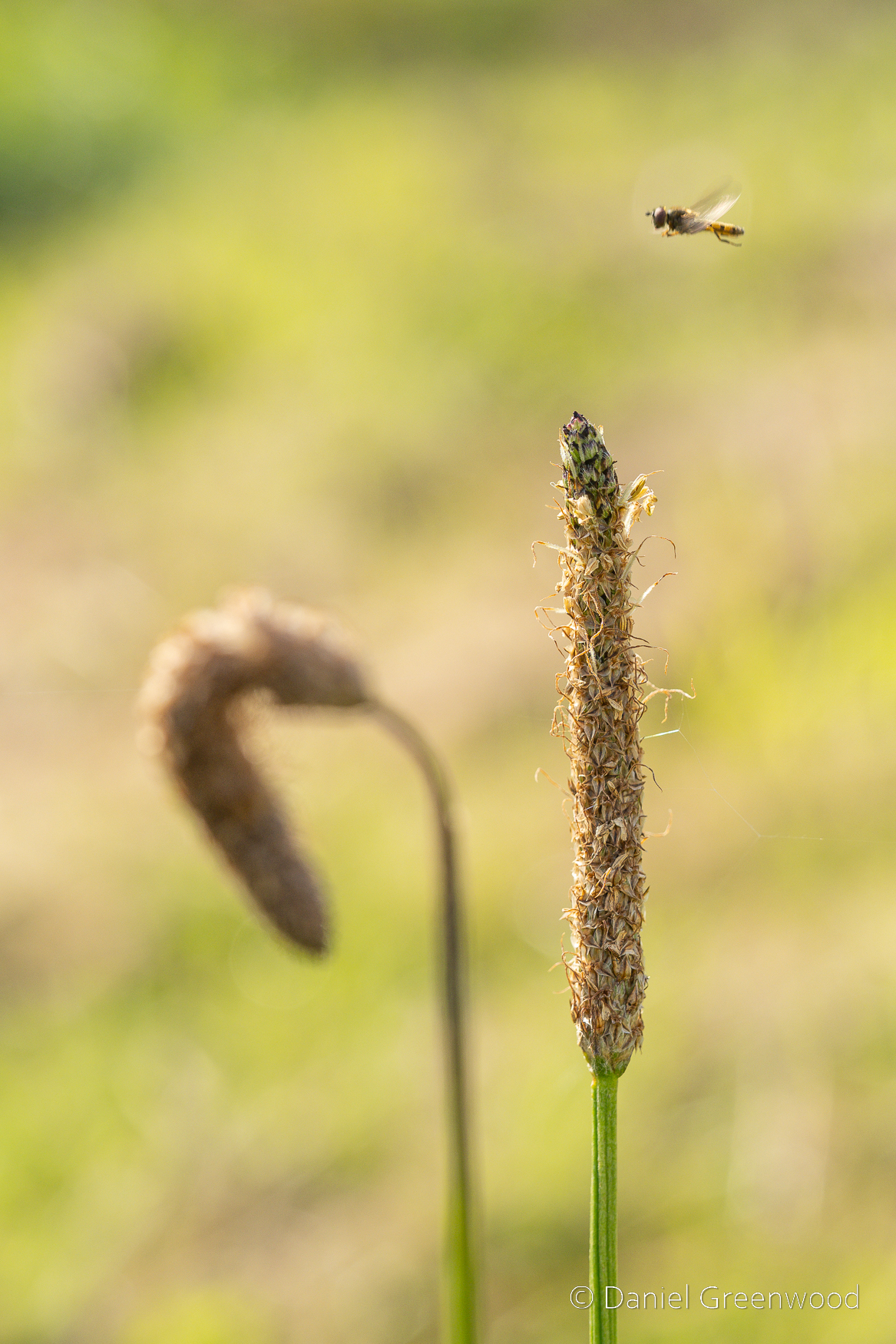
This is probably marmalade hoverfly, and I love that it has been framed by a single circle of ‘bokeh’. One grass head has stooped, probably the work of a spider and their super-strength silk.
Thanks for reading.

