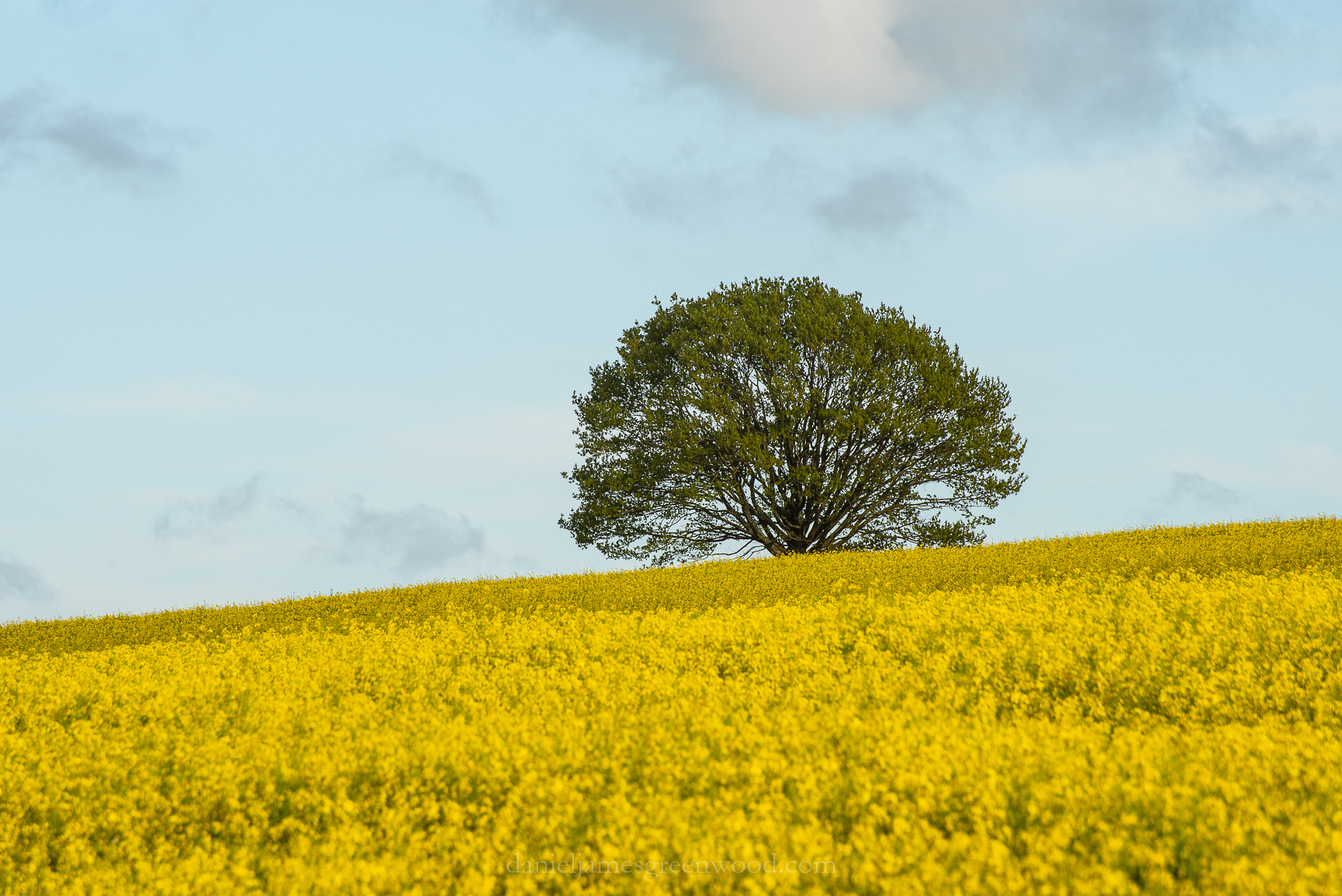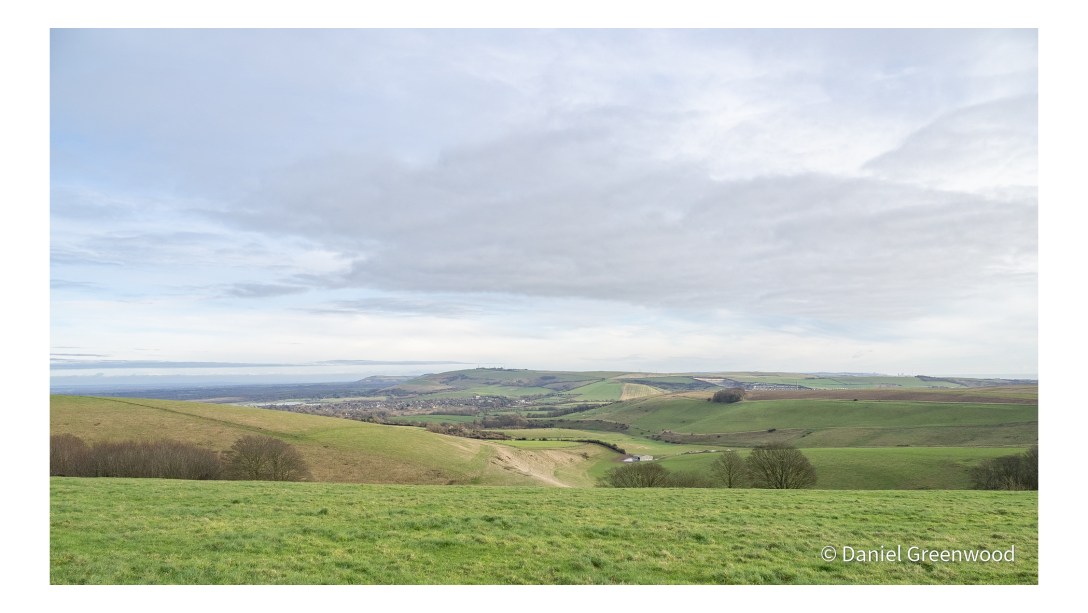
Along the South Downs from Washington to Bramber

South Downs Way between Washington & Bramber (10 miles), West Sussex, January 2024

This is a long post with a lot of South Downs history in it that dates back over 1000 years. I wanted to call it ‘Peaks and troughs on the South Downs Way’ but that wouldn’t have done it justice.

This walk is from the first days of 2024 and has been in my mind ever since. It’s actually two years to the day (I love that stuff). The walk left me feeling ecstatic in the quiet way that walking can.

I completed the walk using public transport, with a bus to Washington and then a bus from Bramber to Pulborough, and the train from Pulborough. Planet saved.
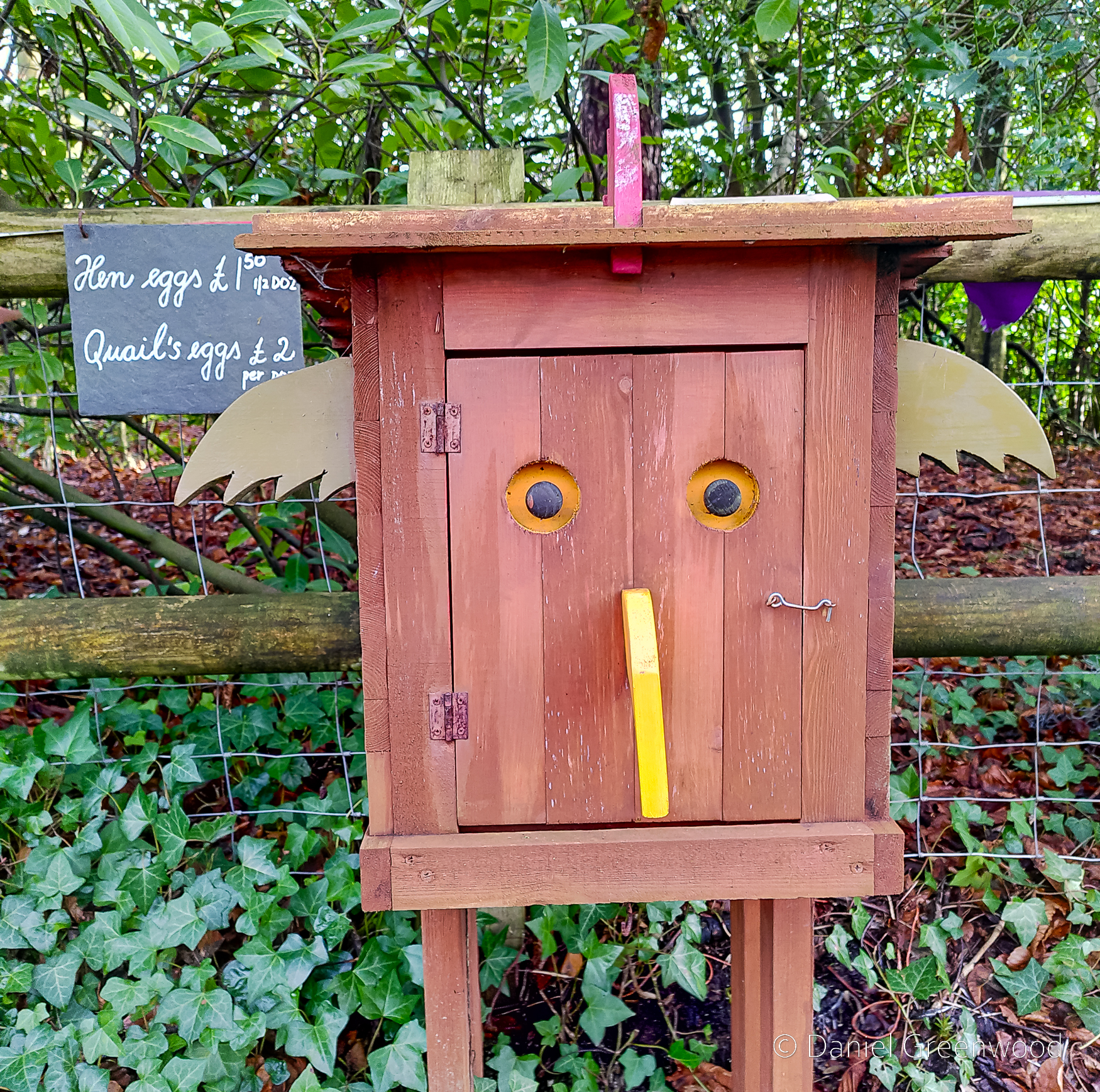
The walk began by passing this excellent egg box.
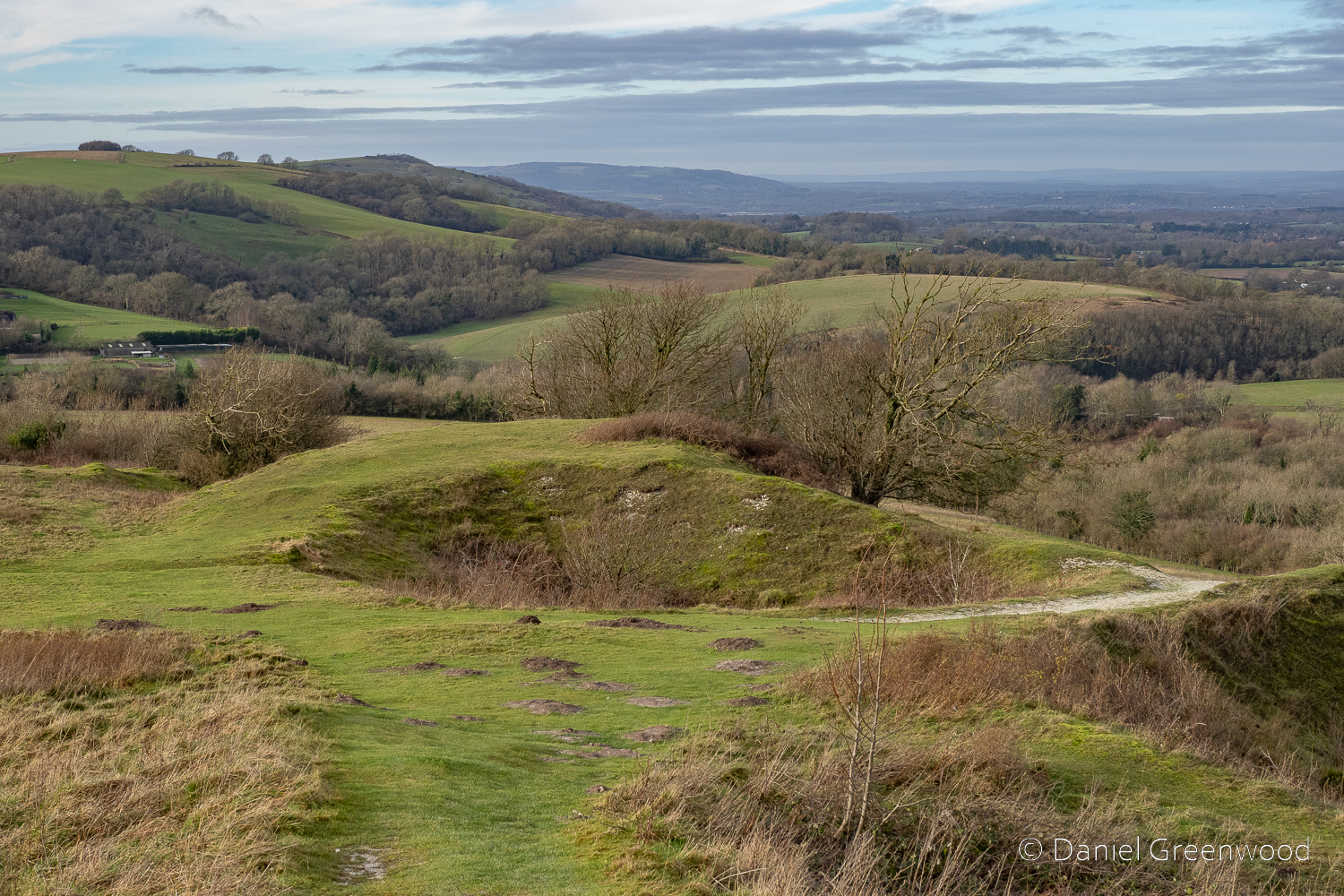
From Washington I walked up to the pocked and scarred hills of Washington Chalk Pits, ghosts of old industry – much more of that to follow. This place is excellent for butterflies so it’s worth visiting in the summer months. The photo here is looking west towards Storrington and Amberley. Here a buzzard flew low over the hill, looking for prey among the chalk pits.
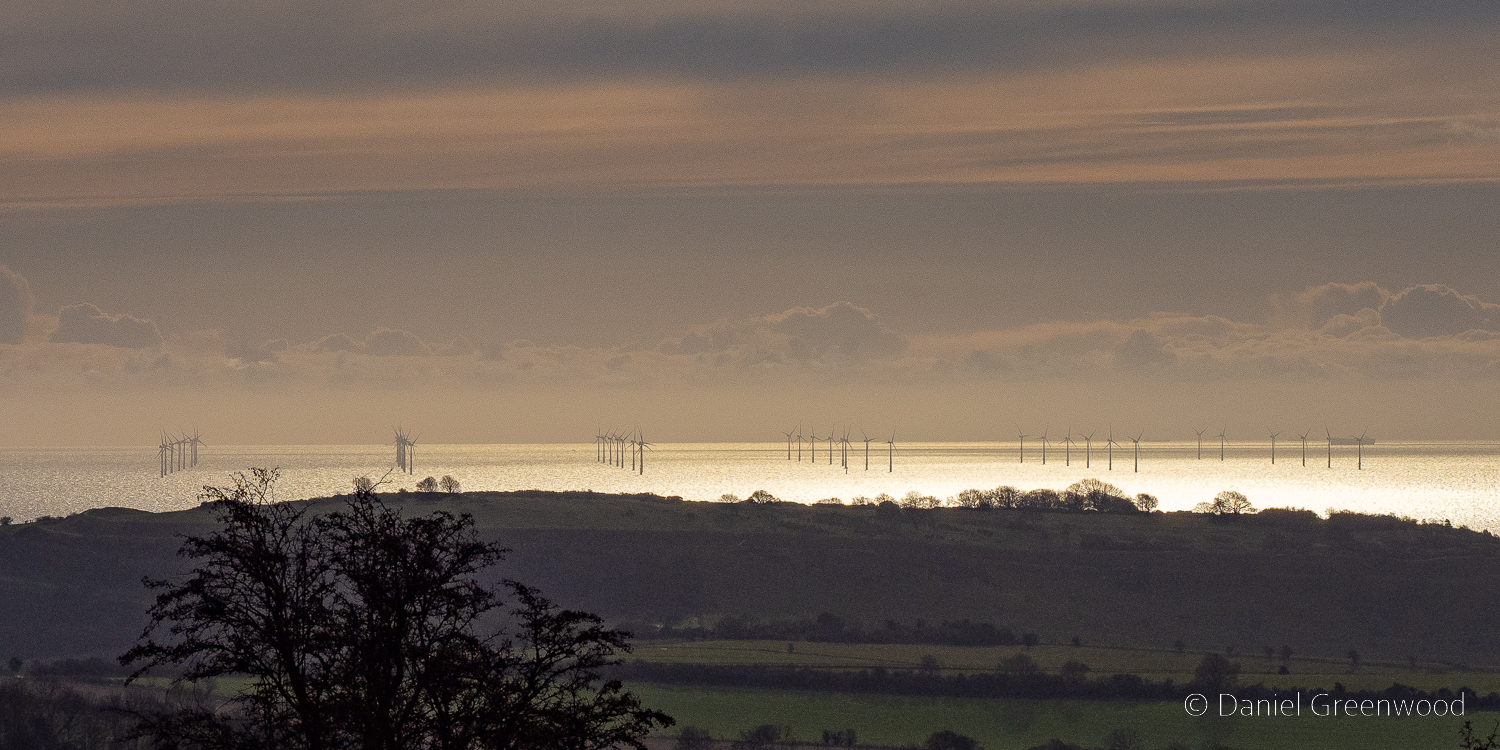
Far from being a place of wilderness, the South Downs have a deeply industrial feel to me. This is also because the views are so expansive you can see the stretch of human activity from miles away. This is the Rampion windfarm.

The Rampion windfarm cable trench, near Truleigh Hill, May 2018

The windfarm needed a trench to be cut through the Downs when the electricity cables were routed north to the substation at Twineham. This image is from 2018 near Truleigh Hill showing the fresh, exposed chalk. The windfarm will be seen again on this eastward journey.
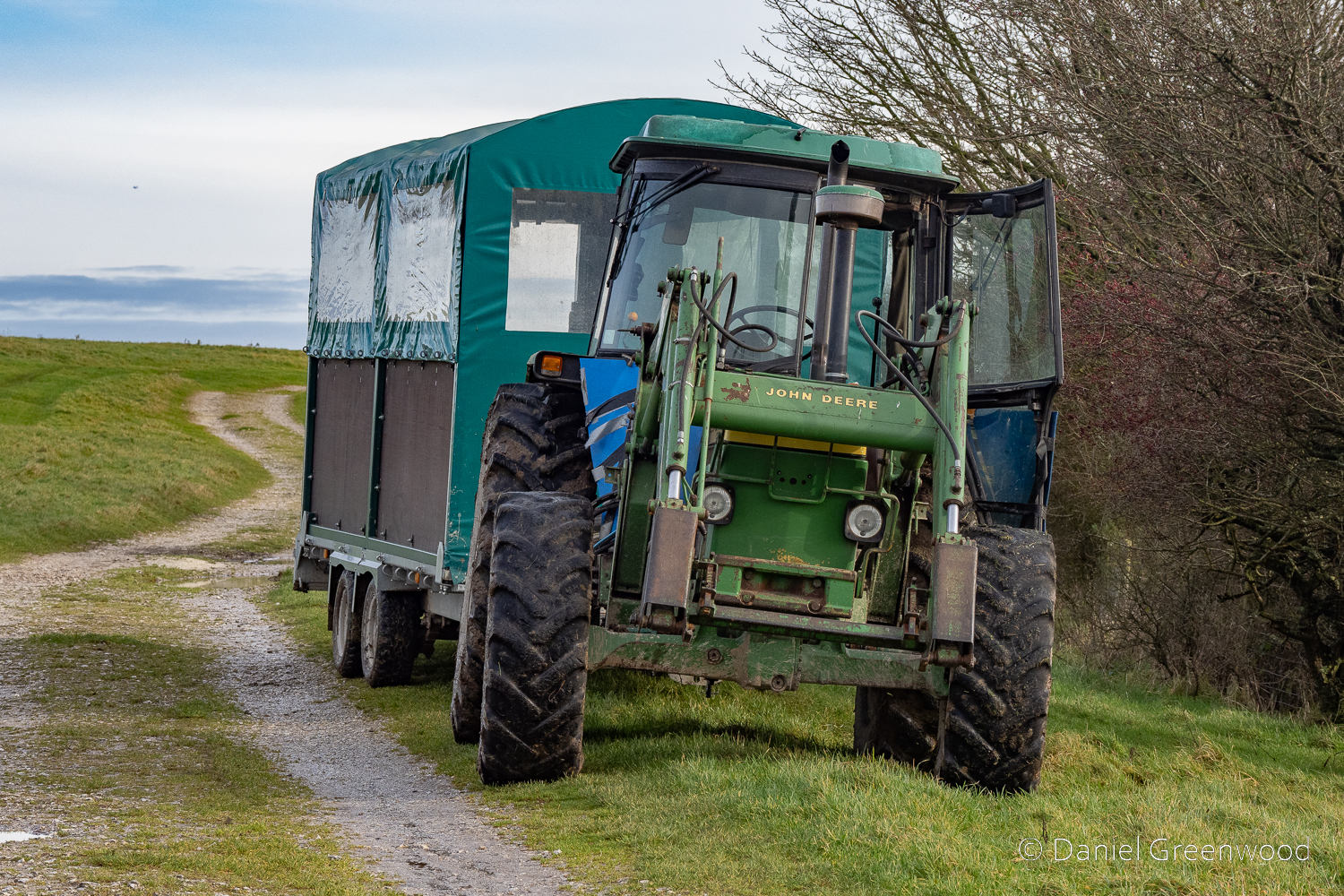
A man with a long beard had parked his tractor at the side of the South Downs Way where it approaches Chanctonbury Ring, and was breaking sticks from a fallen ash tree at the field boundary. Ash trees will pop up again along this journey.
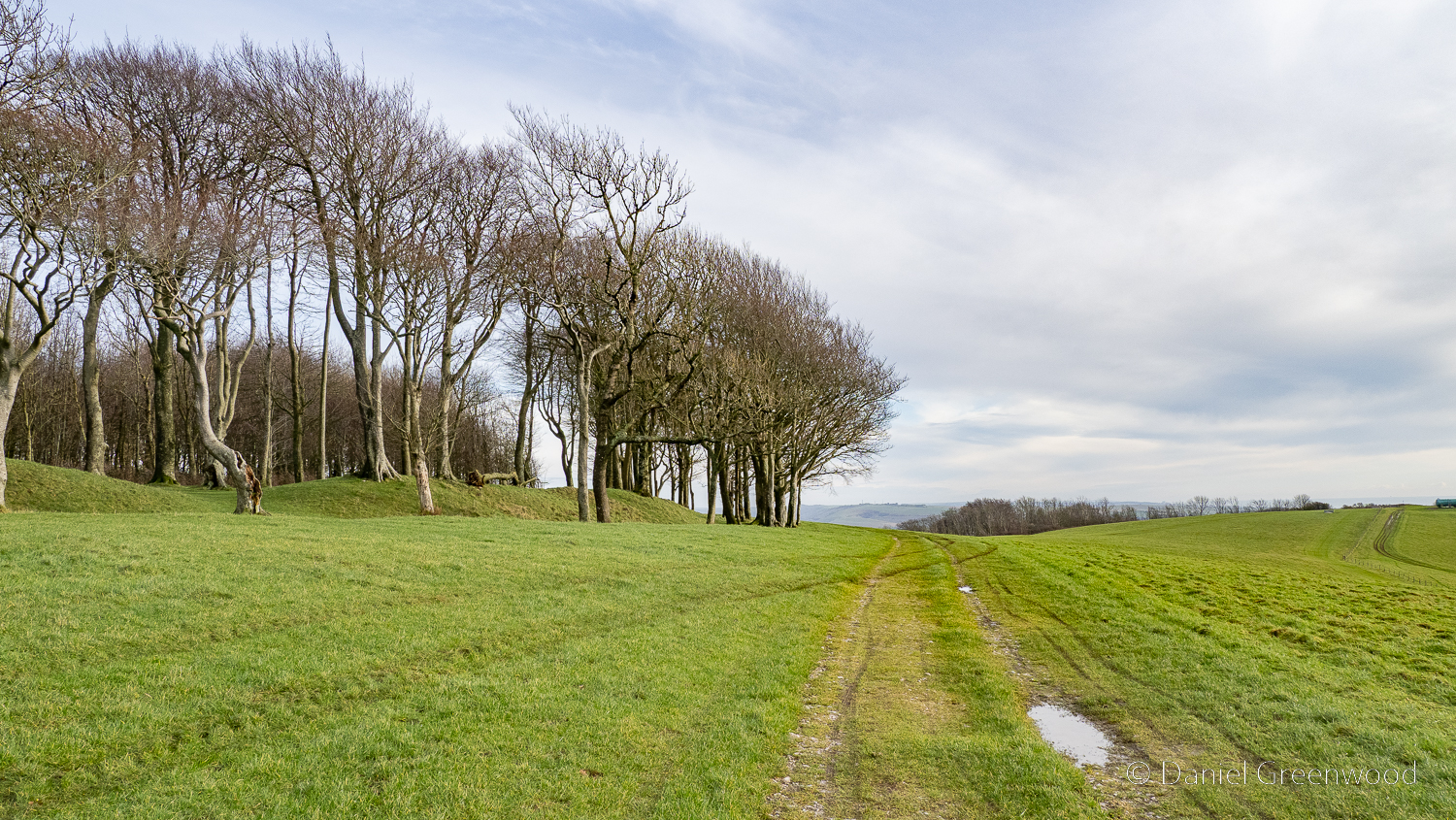
The grass is always snooker table smooth where the beech trees of the ring come into view. I’ve posted before about a walk that heads south from here to Cissbury Ring, the site of another Iron Age fort. As I approached the Ring a herd of deer ran across ahead of me, leaping over the path.
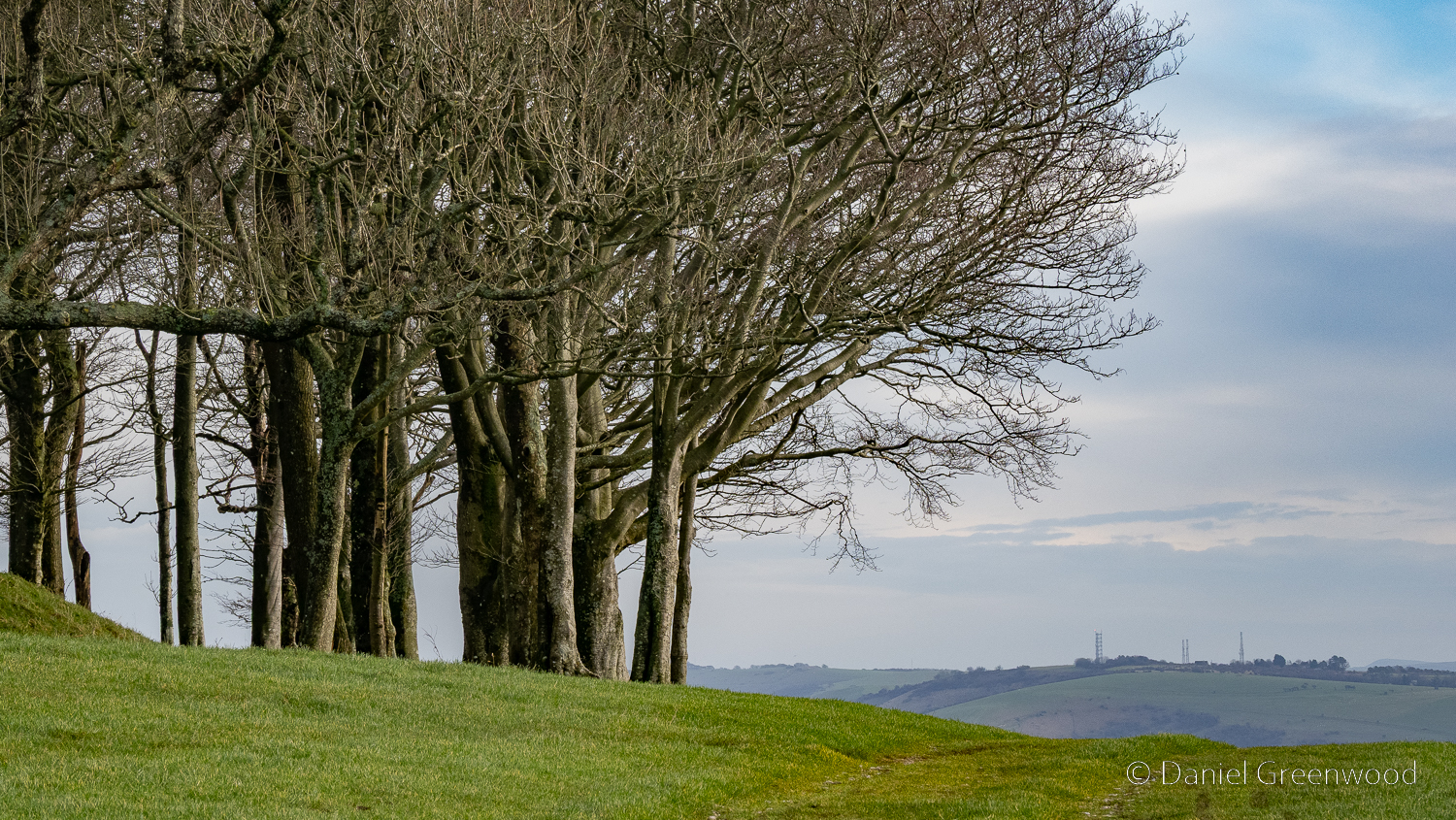
Beyond the trees the metal orchids (aerials) of Truleigh Hill mark the South Downs Way some 10-15 miles east.
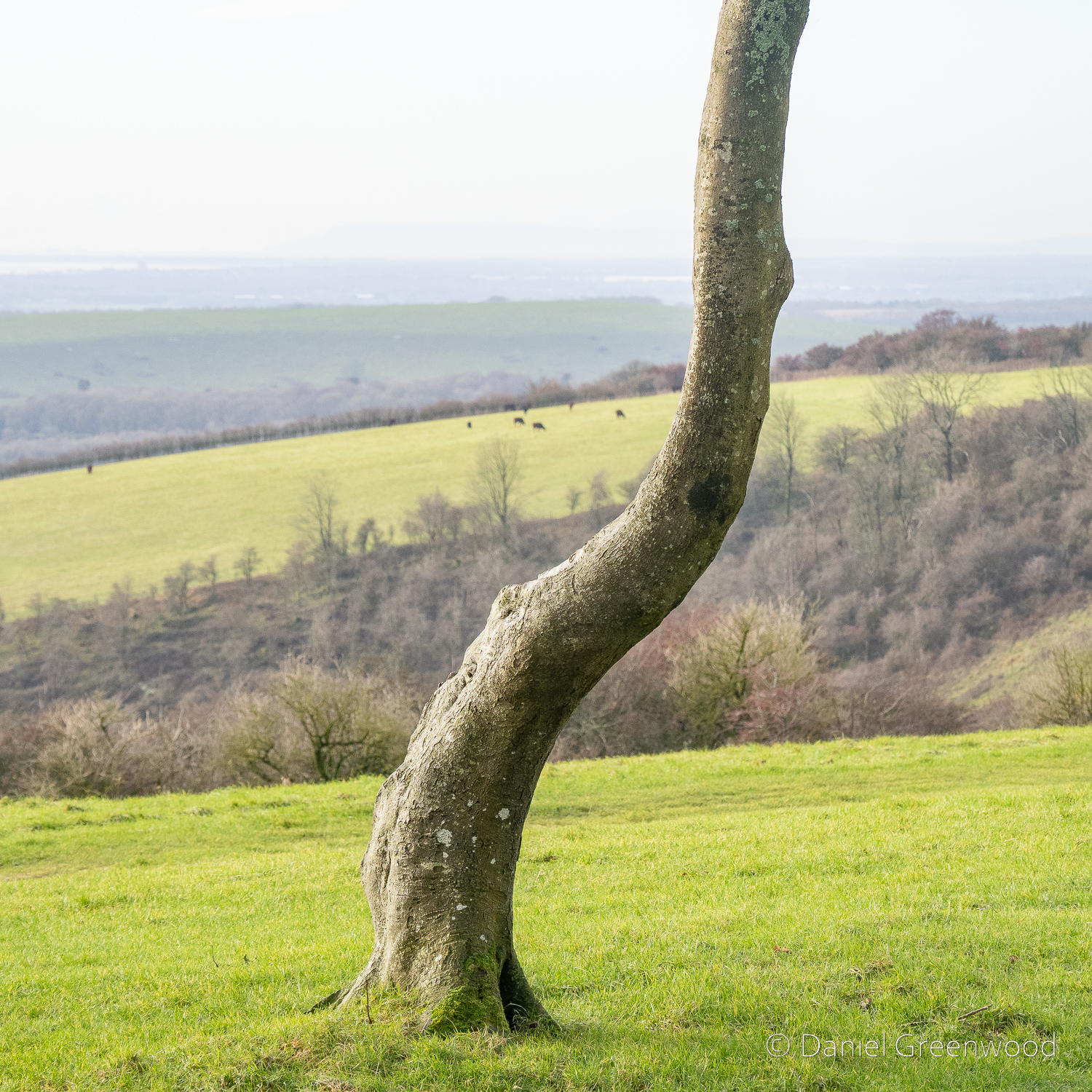
In isolation these windswept beech trees cross more gentle lines in the landscape.
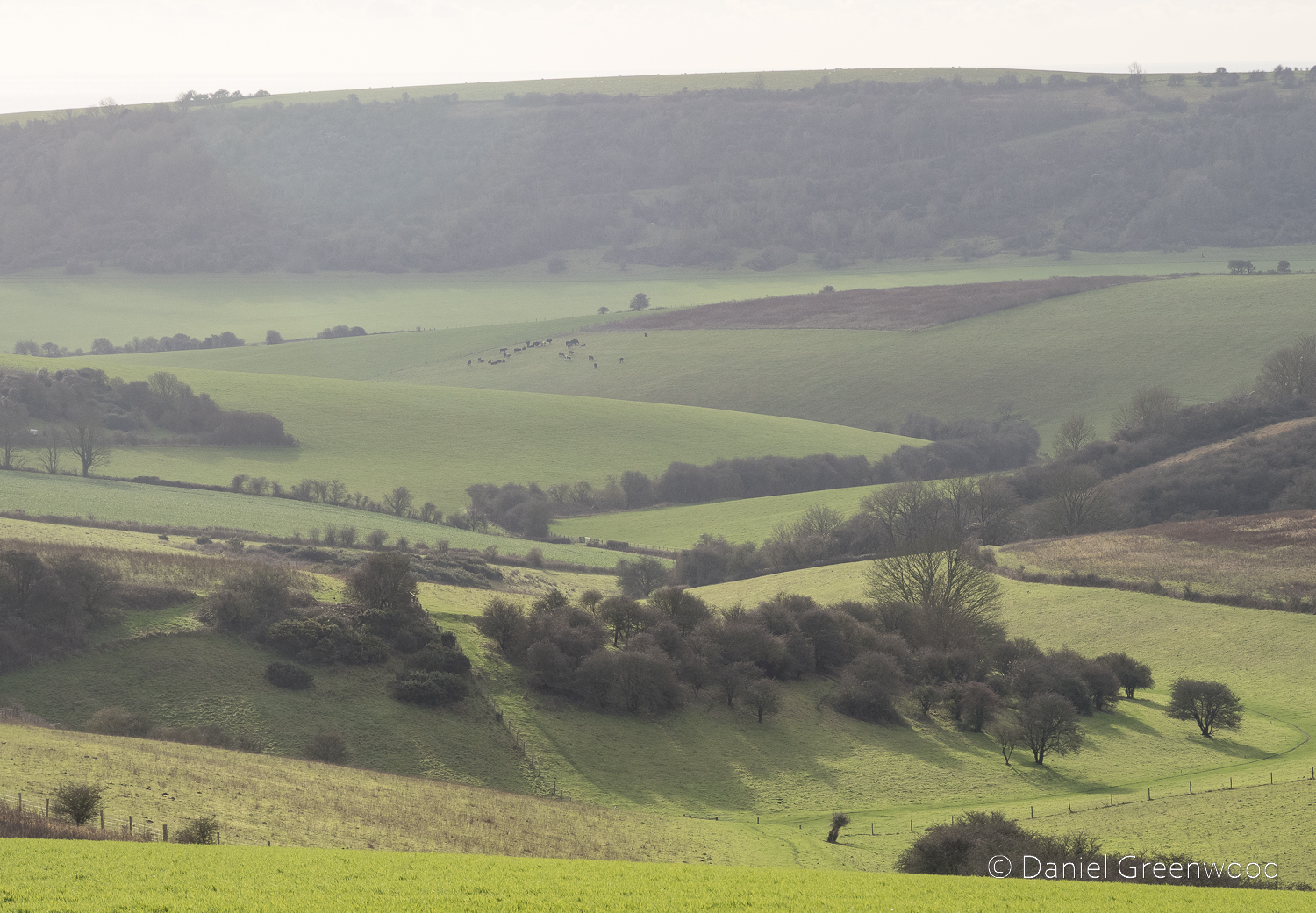
The archetypal folds of the Downs, stubbled by trees and scrub.
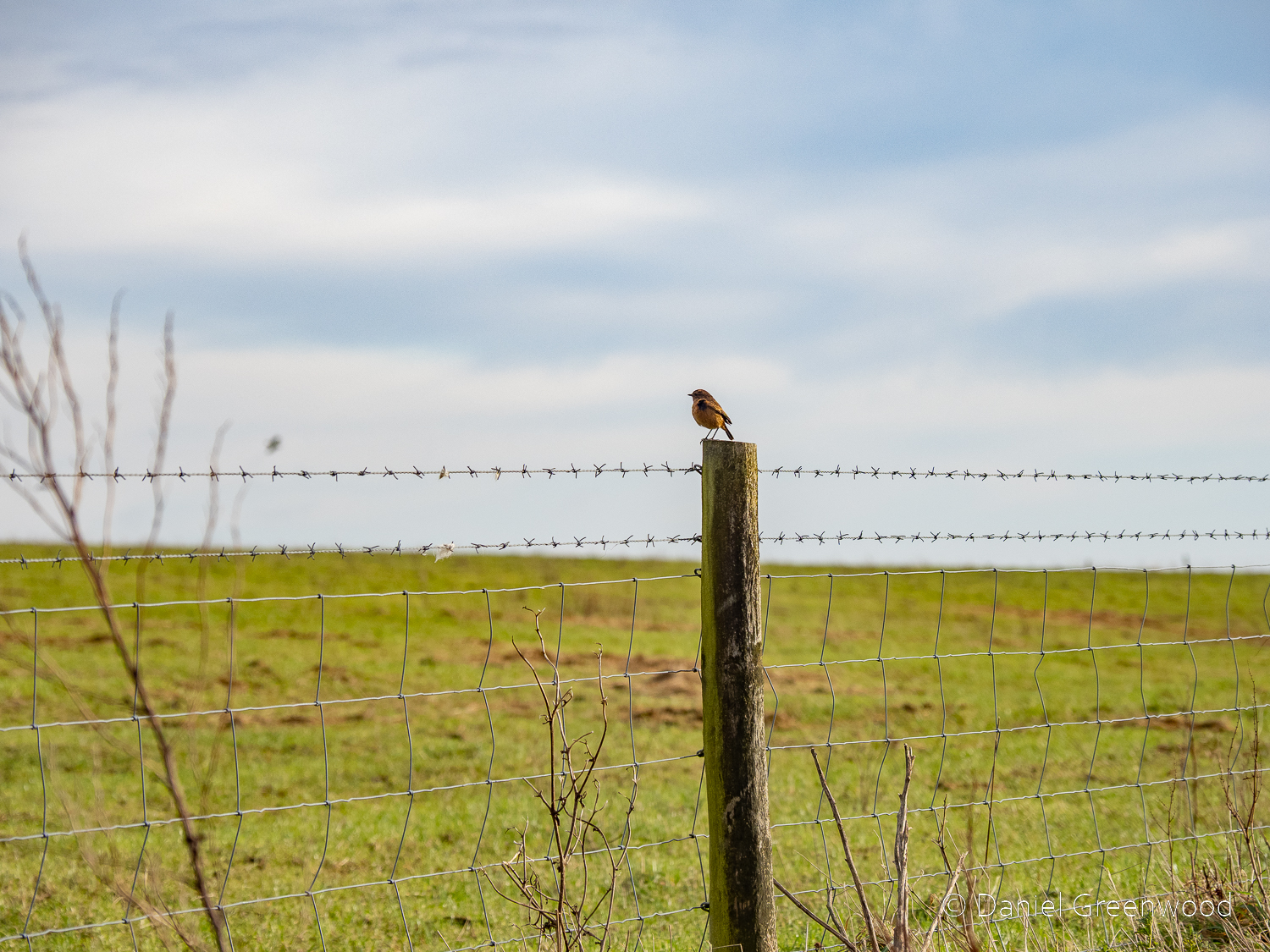
Away from Chanctonbury a stonechat perched on a fencepost. These chats are your friends in the winter downland.
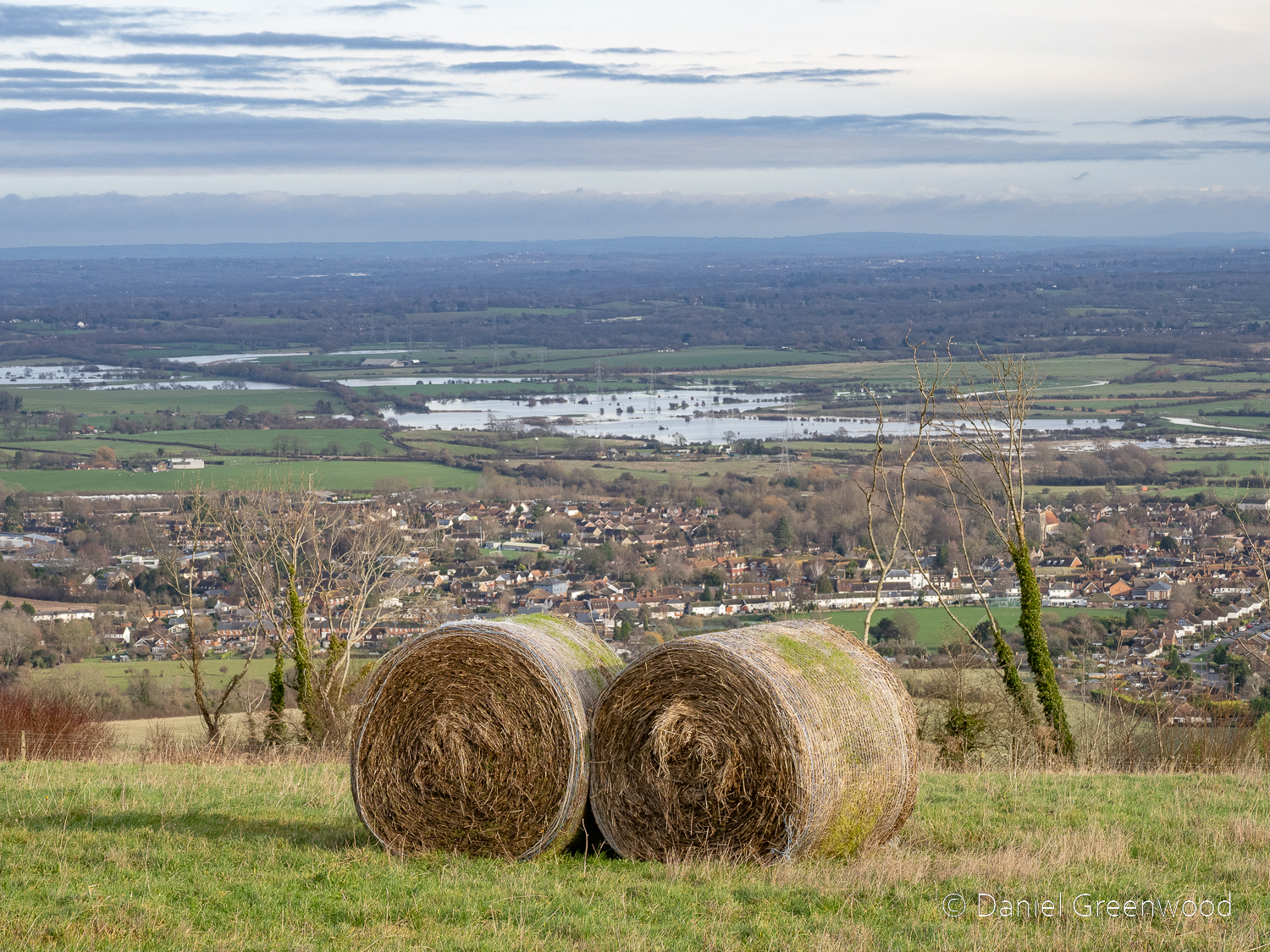
Looking down towards Steyning, the Adur had flooded. Why have these bales been left to grow mossy?

A tribute to one of the downland farmers, a sea of arable crop washing away to the horizon. The gleaming top right-hand corner of this photo is indeed the sea.
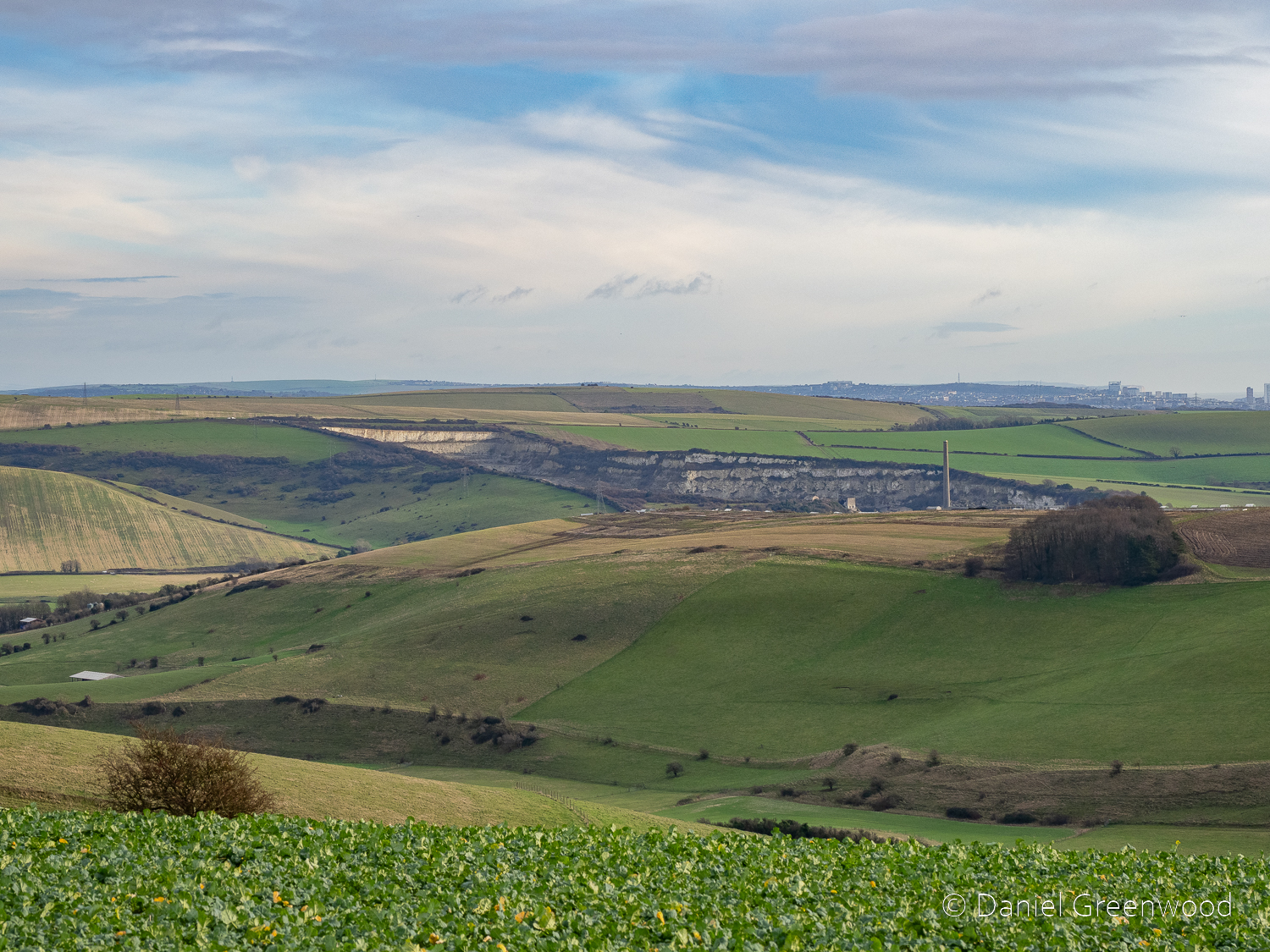
Beyond the crop a rupture in the chalk where the Shoreham cement works pipes up.
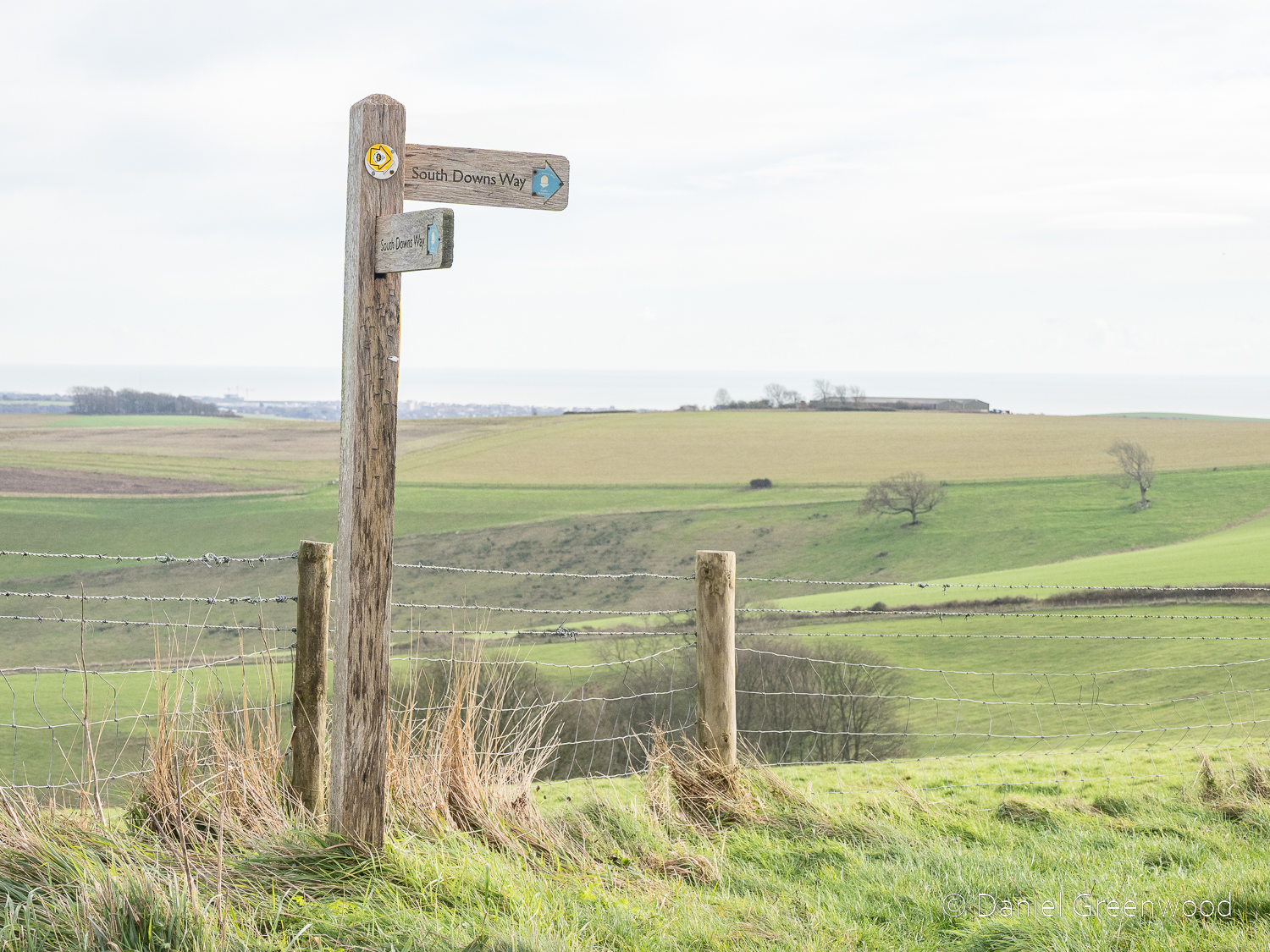
These wonderful fence posts are plopped into place by the rangers, the volunteers or the rights of way team from the National Park. The kindness of fingerposts.
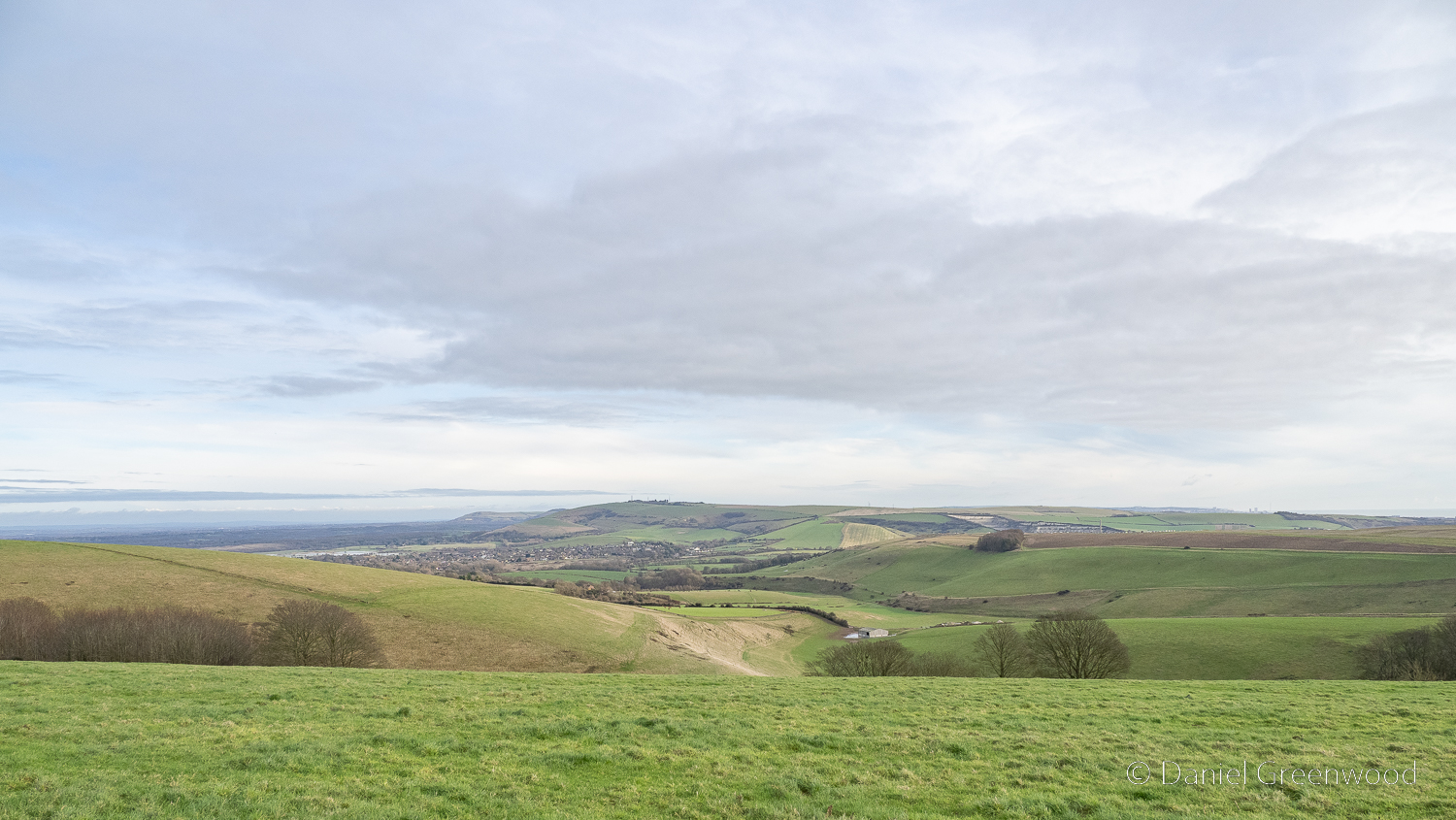
The sheer openness of the Downs and its skies. The memories of these wide open spaces can stay with you for years, the very essence of why people deserve the right to pass along these ways.
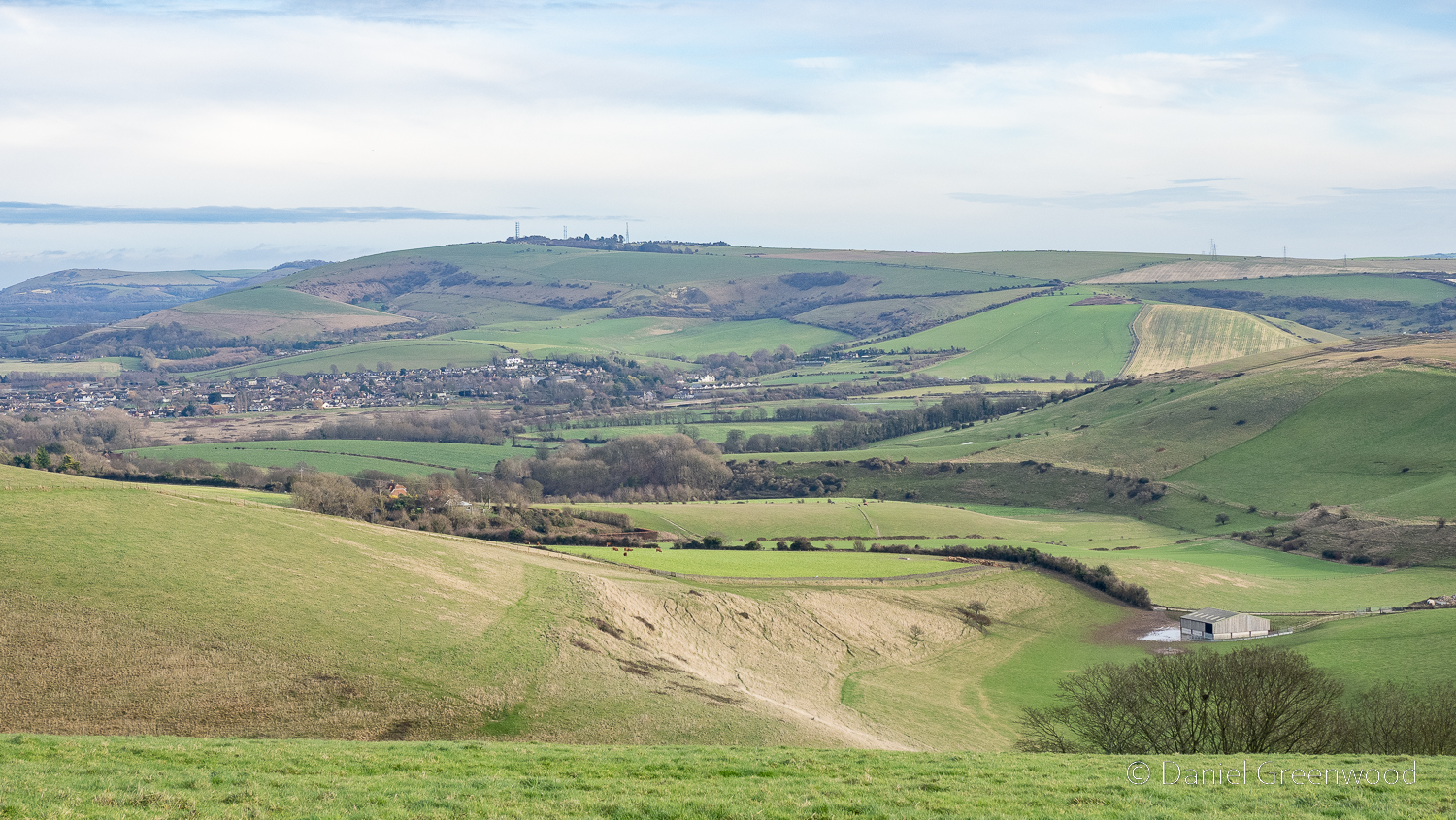
Zooming in on Truleigh Hill – what is cloud, hill or perhaps even the sea? The eye plays tricks.
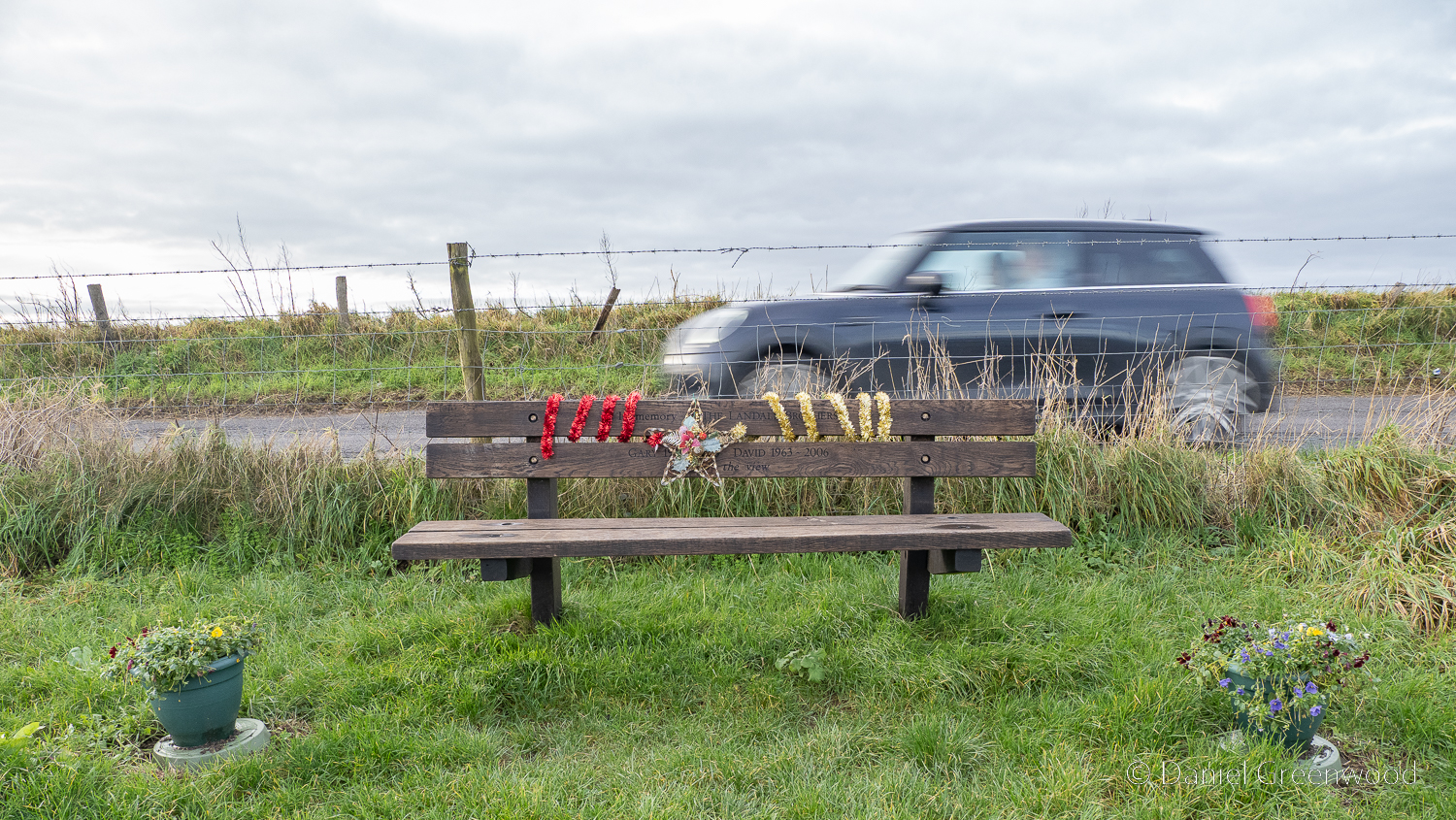
A memorial to two brothers who passed in their thirties and forties, replete with tinsel and flowers potted on either side. A Mini spinning by in the lane behind.
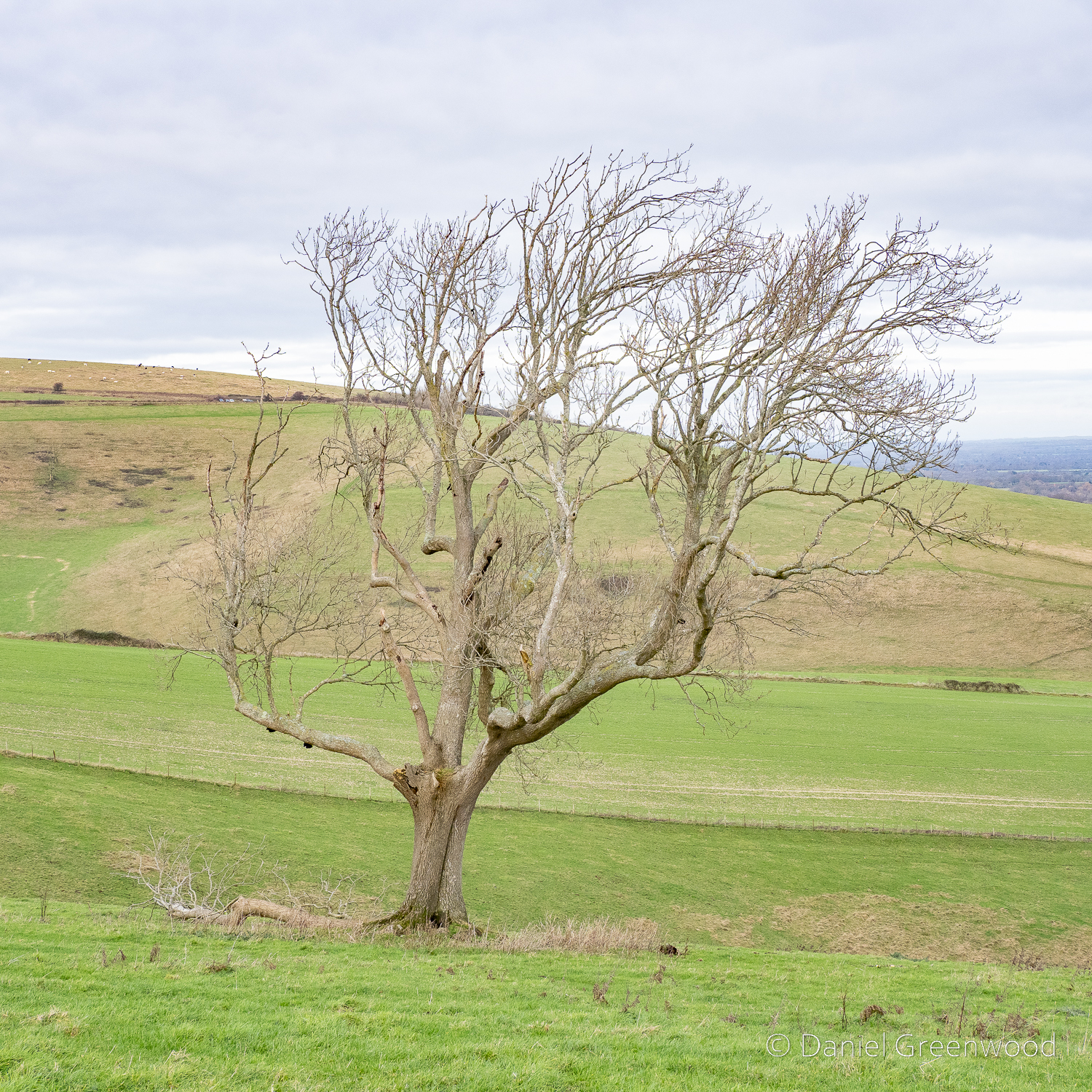
Another ghost of the Downs – an ash tree dying from the disease. One limb has fallen and more will follow in the winds. If you look closely you can see the remains of what are probably shaggy bracket fungi. Fear not, there is hope for ash trees in Britain.
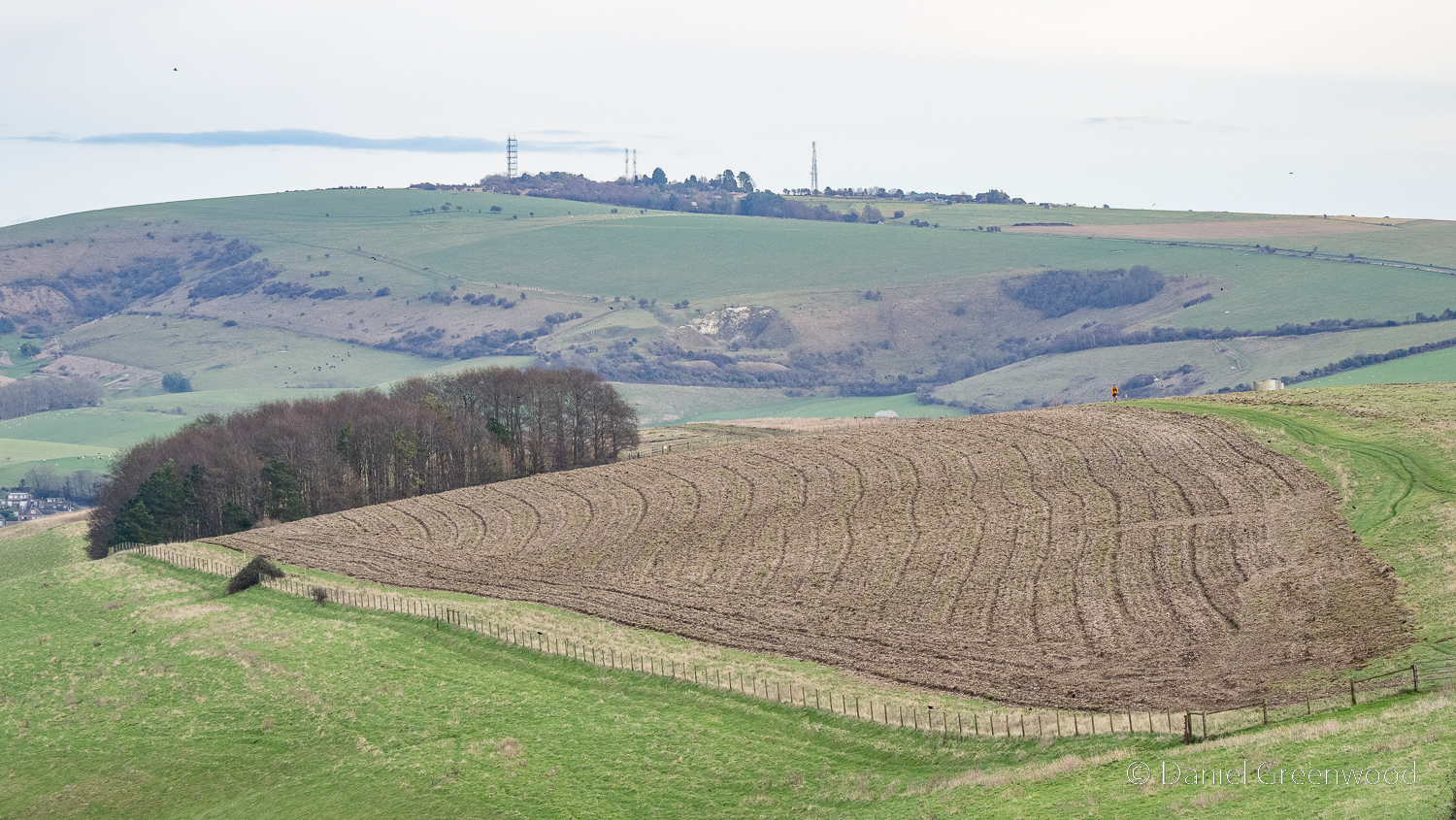
Tilled fields, with Truleigh Hill edging closer, though it’s not part of this walk. The copse of beech trees is likely to shelter pheasants bred for shooting, a common economic activity in the South Downs, and not without its problems. Unfortunately it appears that the persecution of birds of prey (often linked to shooting estates) is rearing its head in the South Downs National Park.

Chalk flints clawed to the surface at the edge of some of the ploughed field the South Downs Way passes.
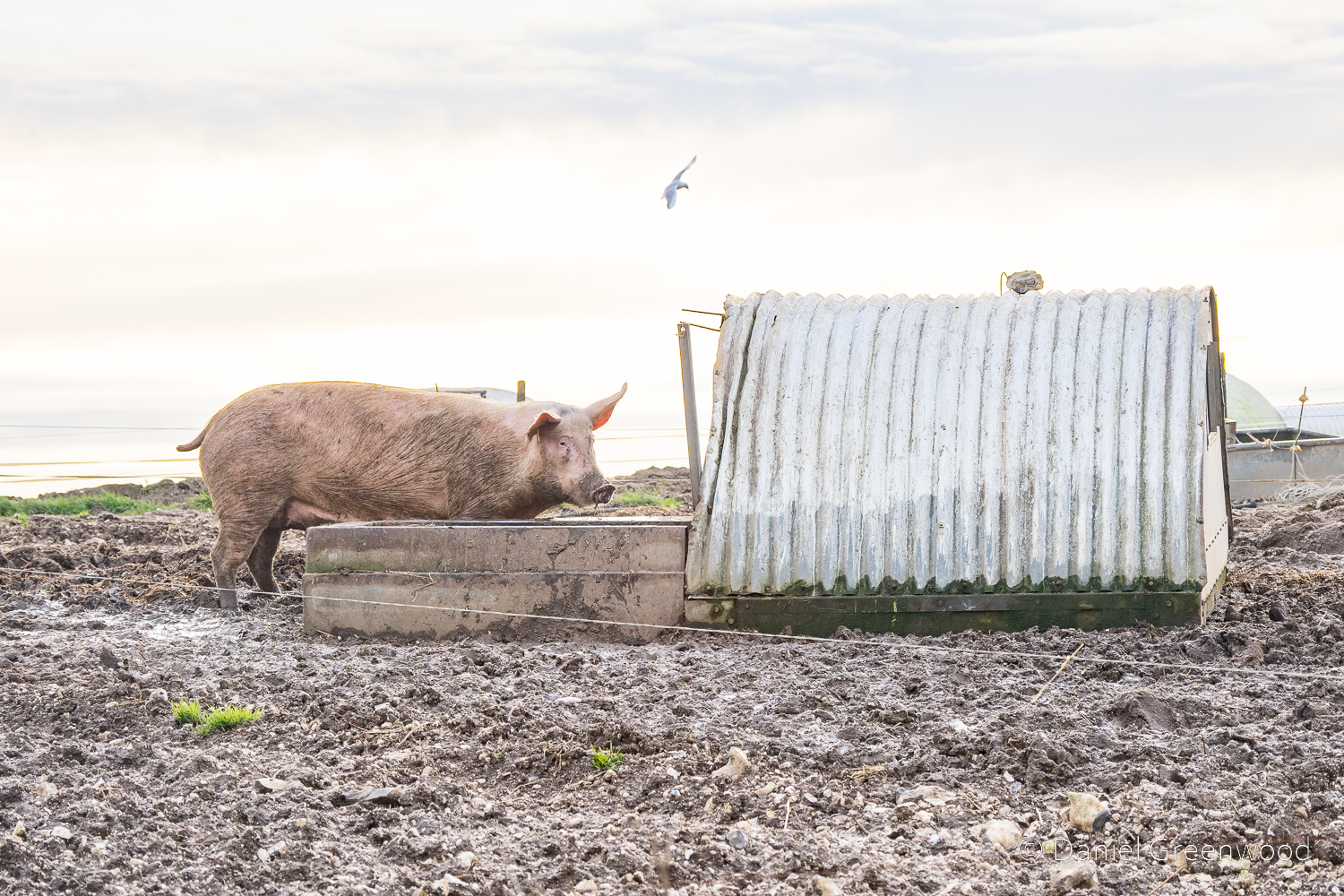
Peaks and troughs! One unmissable part of this walk (in many senses) is the pig farm right next to the South Downs Way. A man was piling up hay for the pigs and from a distance I heard him call one a ‘f***ing c**t’.
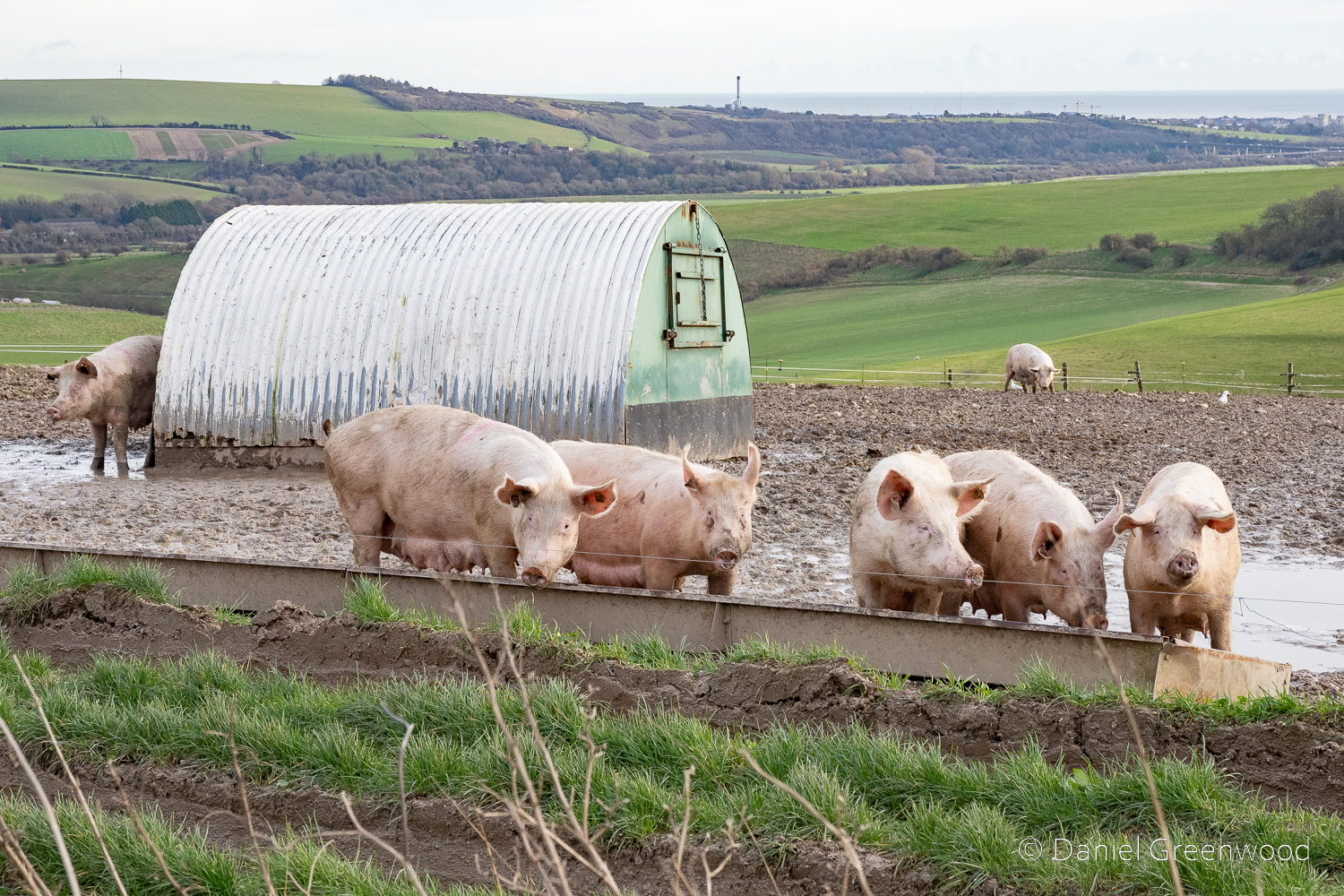
‘Really, us?’ they ask.

The windfarm once again comes into view with Lancing College, a boarding school, rising above the trees at the edge of the Downs. When I was a kid and misbehaving my parents would threaten to send me to boarding school. Now I realise they could never have afforded it! Bravo, mum.
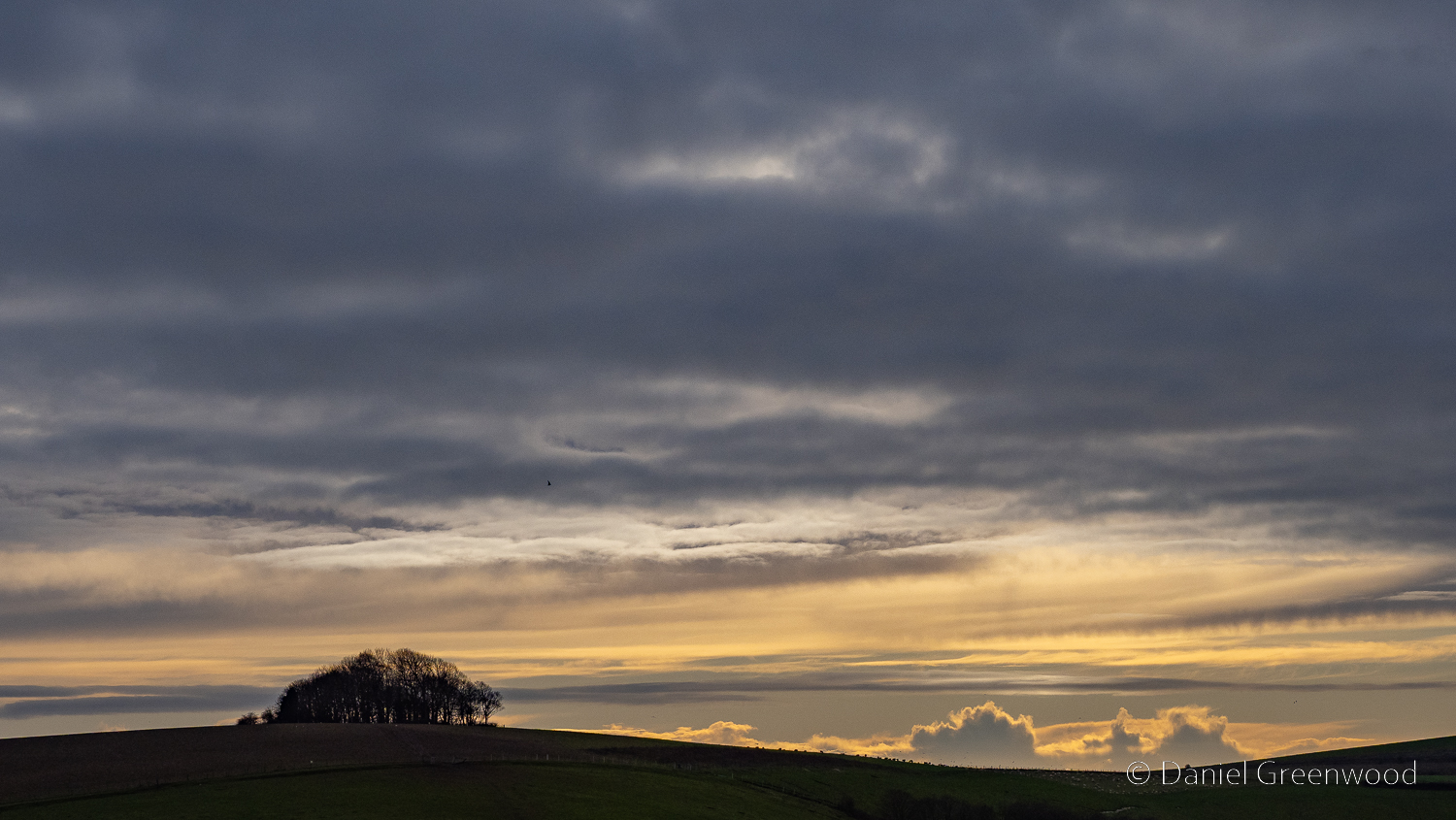
I’ve reduced the exposure on this photo to bring out the mood in the sky. Another pheasant copse on the hilltop?
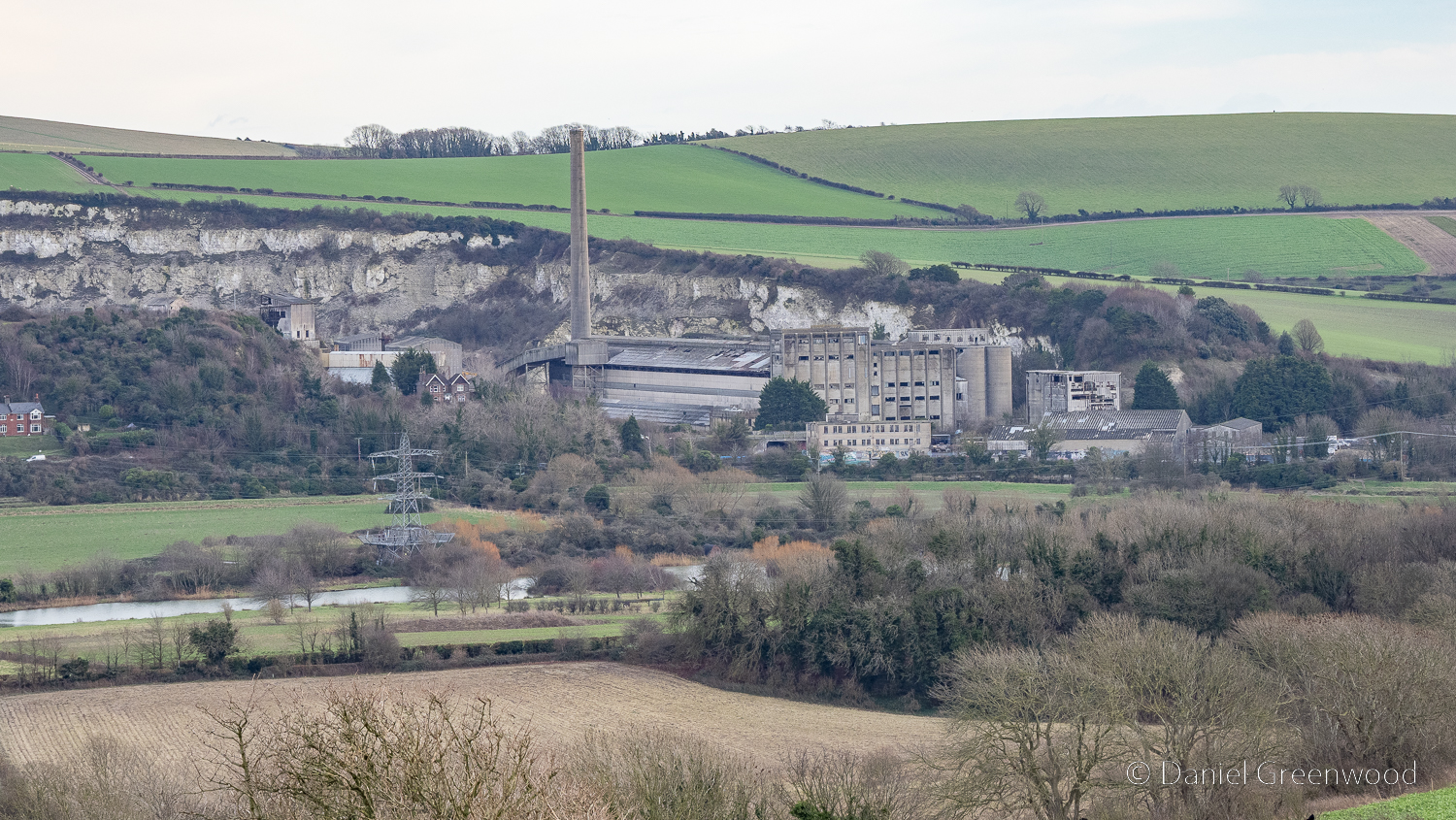
Shoreham cement works is built into the site of an old chalk quarry, which dates back to the 18th century. It’s on the market for housing as of October 2025.
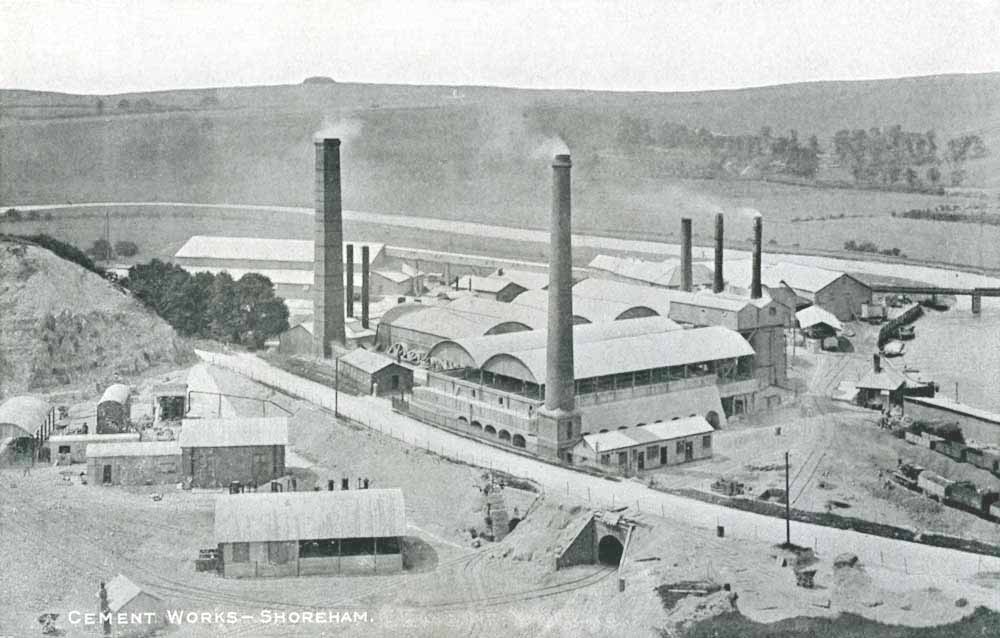
This pre-1950s photo wasn’t one I took, but it shows the cement works before they were rebuilt into the Soviet-esque version currently standing. This article has a lot of interesting information and old photos looking at the history of the place.

St. Botolph’s Church is one of the oldest in Sussex, dating back to pre-Norman England. St. Botolph is a Saxon Saint associated with river crossings. The Sussex Parish Churches website points out that the village connected to the church ‘was an important port on the lower Adur until the sea receded after about 1350’. I enjoy the lichens growing on this old metal sign.

Dating from around 950, St Botolph’s was built near one of the first industrial trade routes in Britain, a Roman road along which tin was carried from the Cornish mines to the East Sussex seaport of Pevensey. Two thousand years on, and industry still stamps its mark in this book of rural West Sussex, with the railway line and modern cement works visible just a few hundred metres away.

Gail Simmons, Between the Chalk and the Sea: p.157
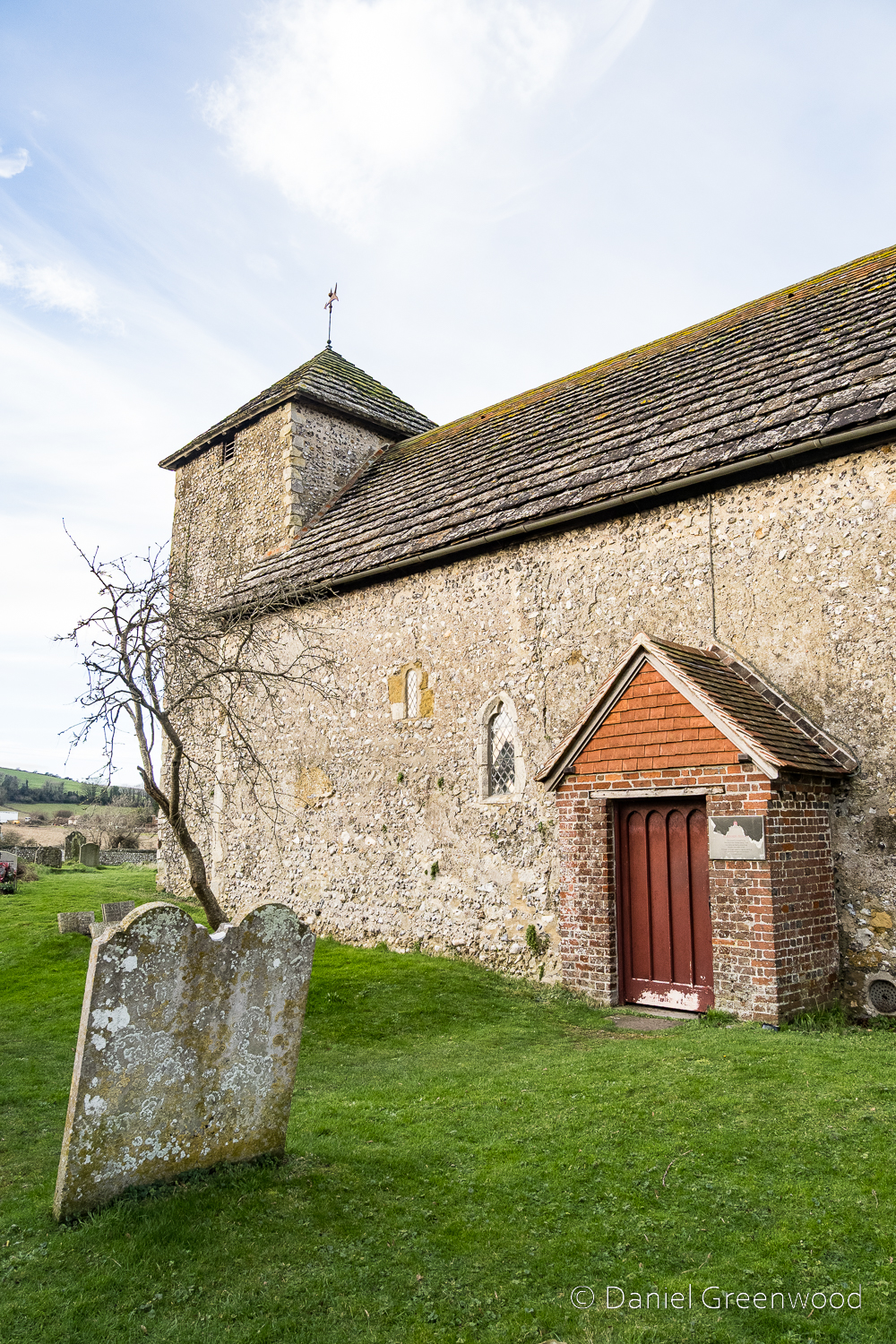
We’ll get to that railway line in a little bit, but after being out in the cold January air, it was nice to find a sheltered place to sit for a little while.
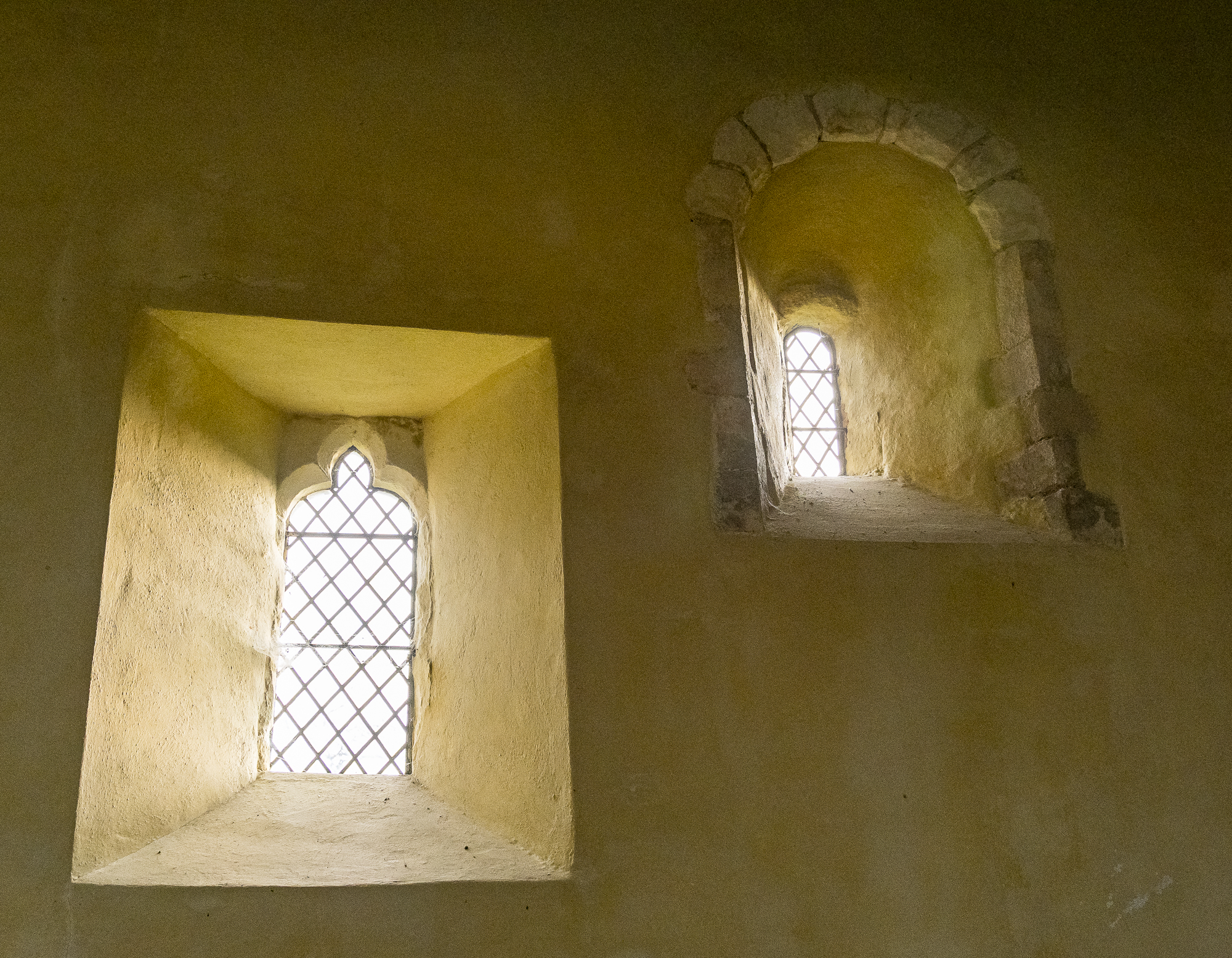
There’s a window that dates to the Saxon period at St. Botolph’s, which to me feels more mysterious than the much earlier Roman occupation (AD43-400). My guess would be the ’round-headed’ window in the top right here is the Saxon one, as per the official descriptions.
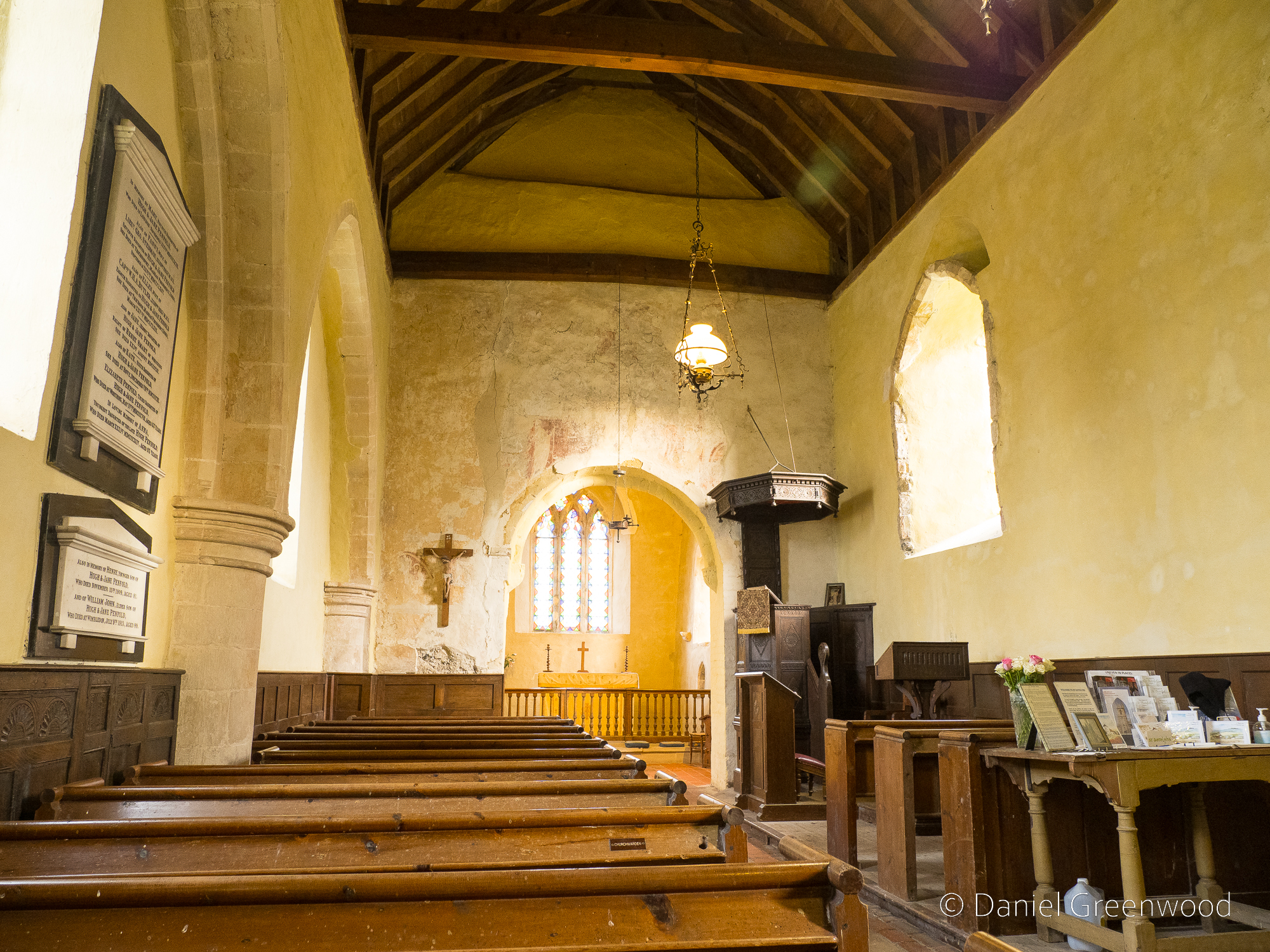
This should give a sense of the shape and colour of the interior. The nave and chancel also date to Saxon times.
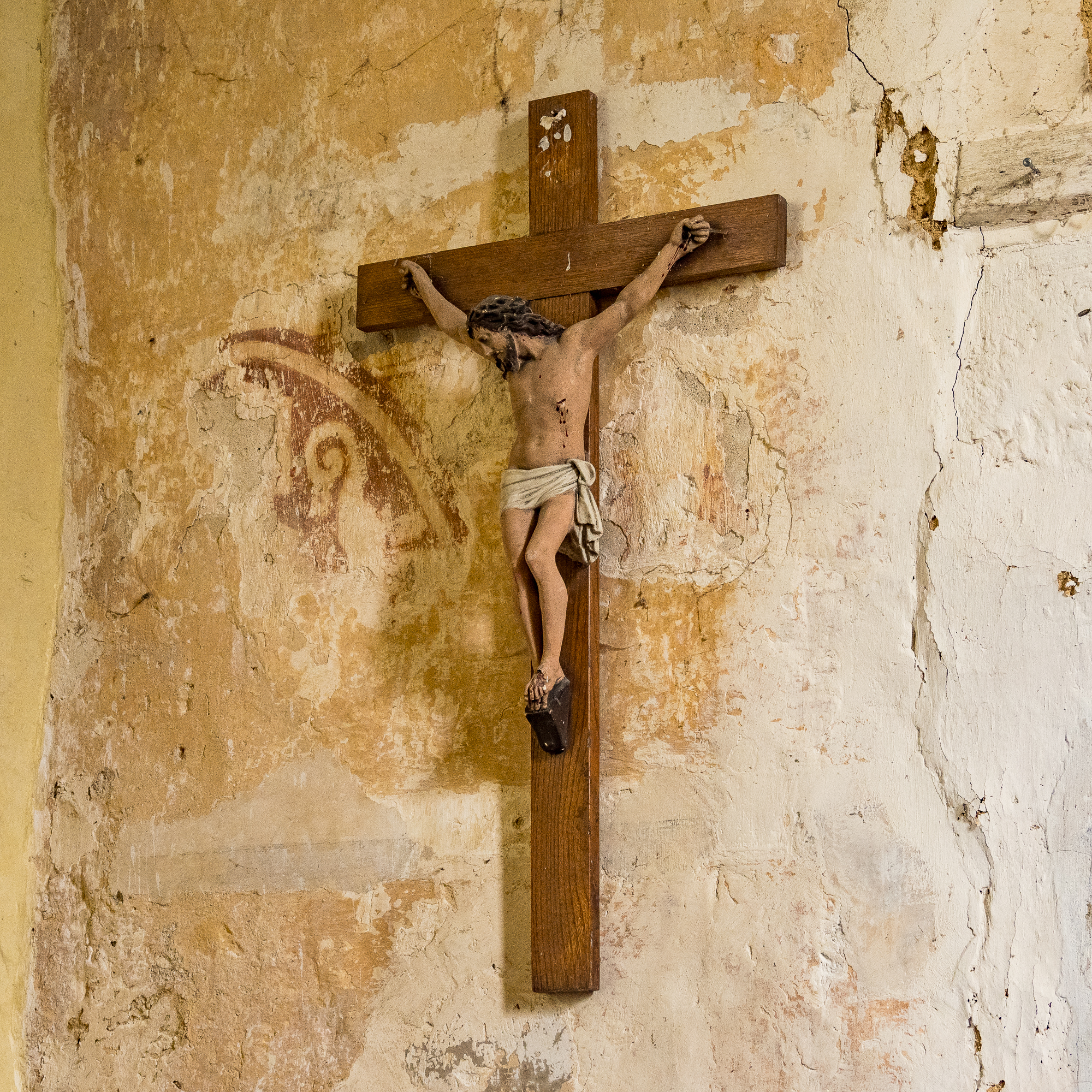
The paintings at St. Botolph’s are subject to debate, and are hard to see. They could be part of an unproven ‘Lewes Group’ of wall paintings, with some potentially dating back to the 10th century (scroll down for more detail here).
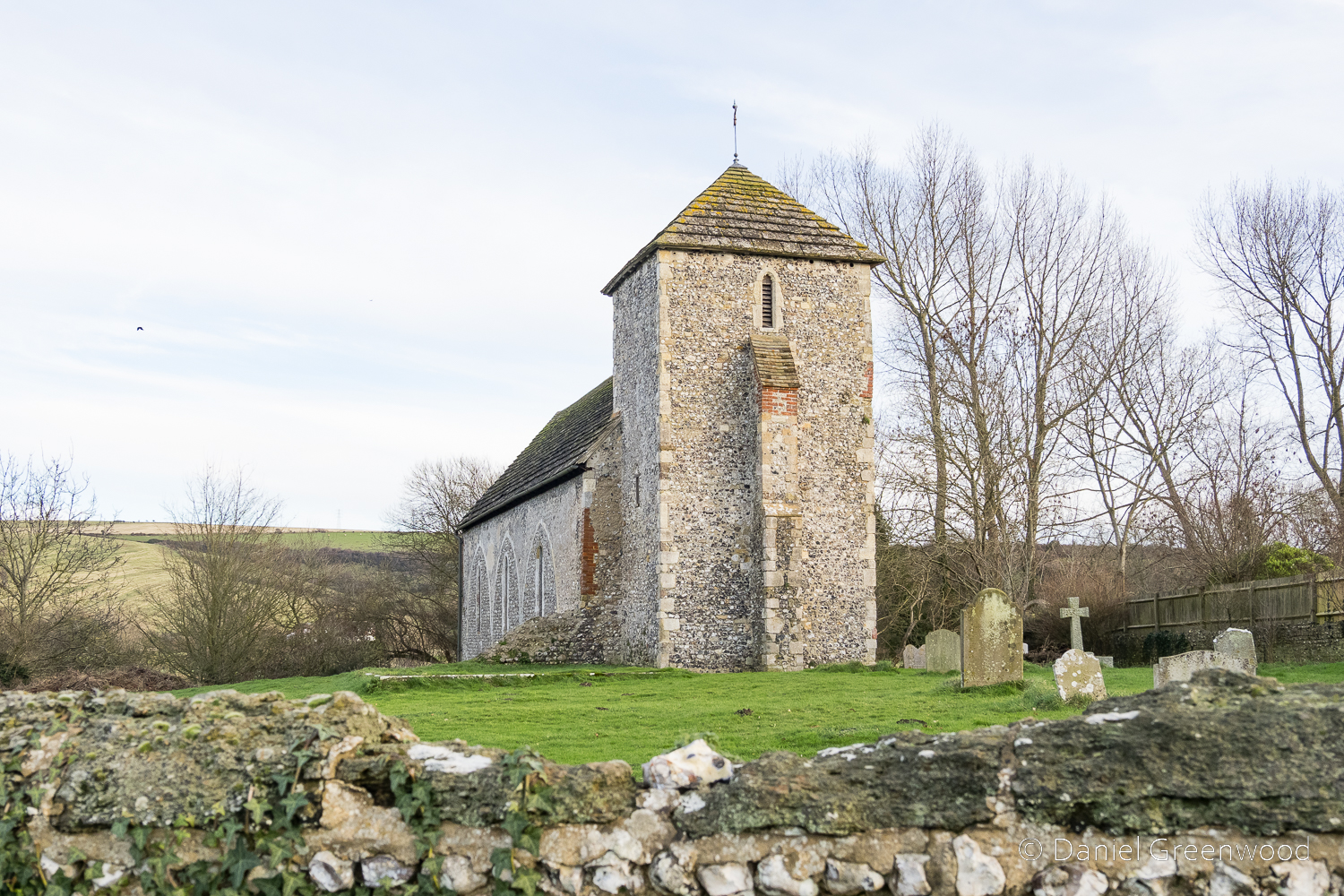
St. Botolph’s is a magnificent little church with thousands of years of history packed into its flinty walls. You can see my church galleries here.
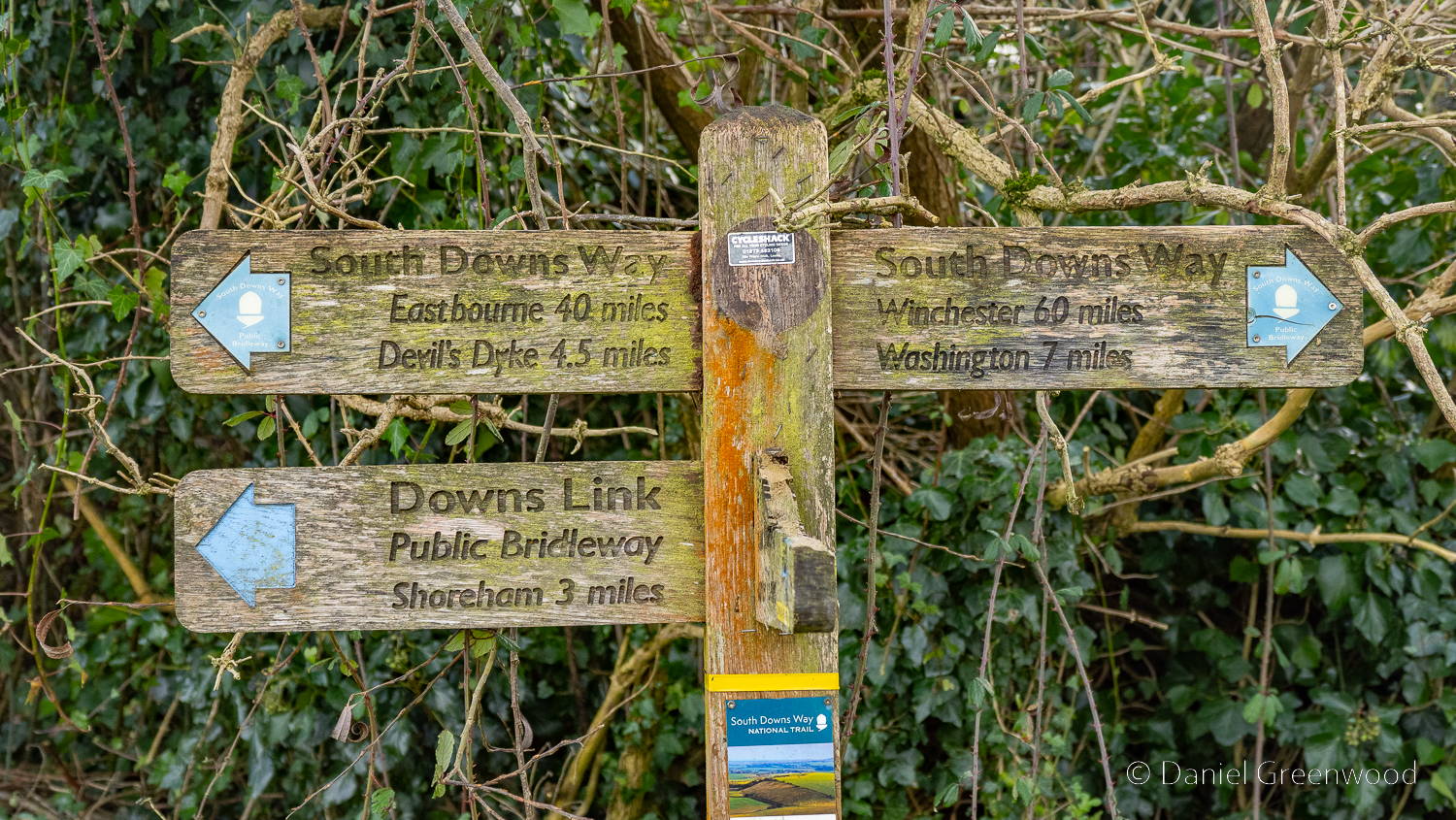
A helpful guide to what’s possible on the South Downs Way. I took the broken route to Bramber, having travelled the 7 miles from Washington.

Sheep-marked fields where the Downs rise again above the Adur, towards Truleigh Hill and then Devils Dyke.
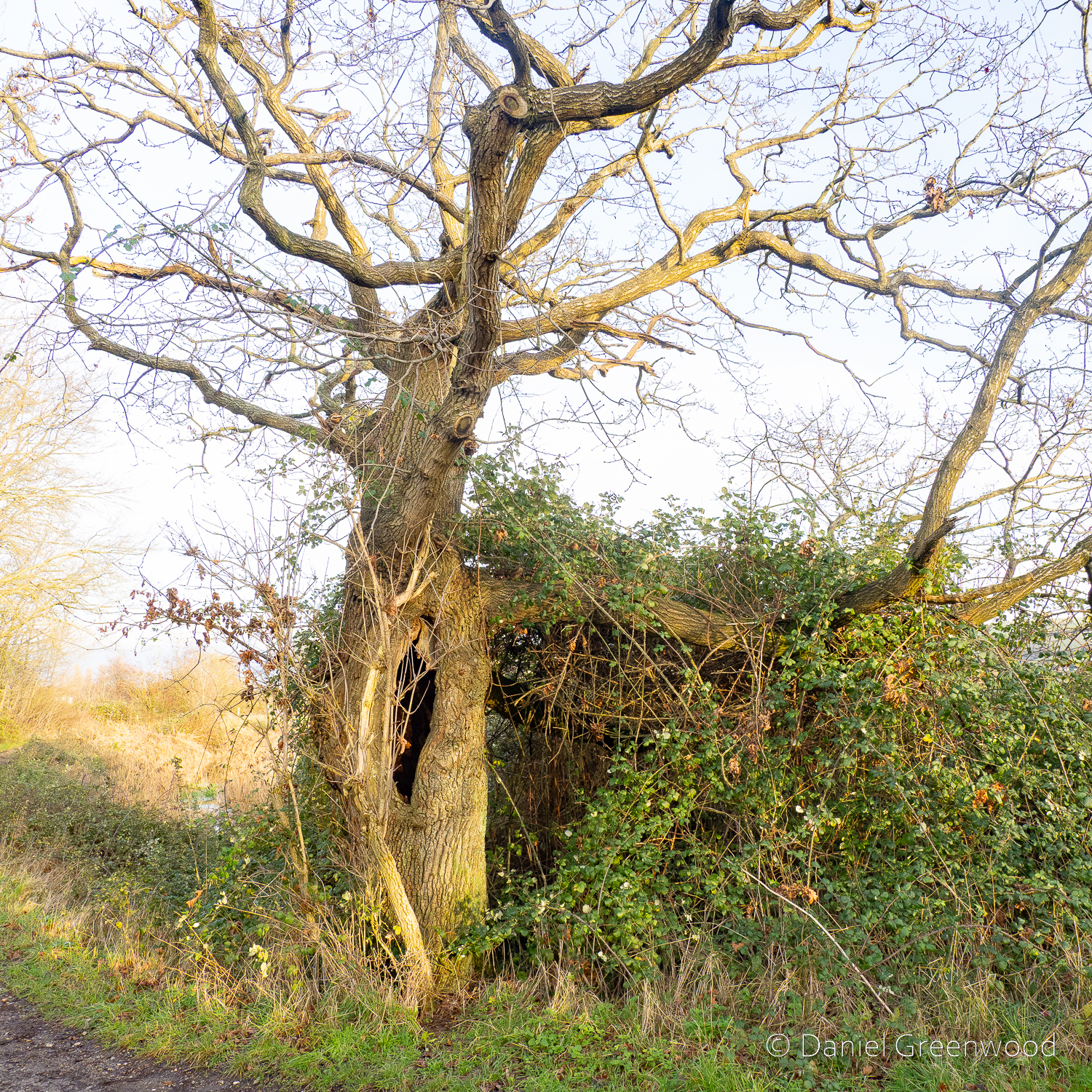
An indicator of what is to come when you descend from the Downs into the Low Wealdoak trees. This was the only one I saw on this rather treeless walk. There should really be an owl in that trunk.
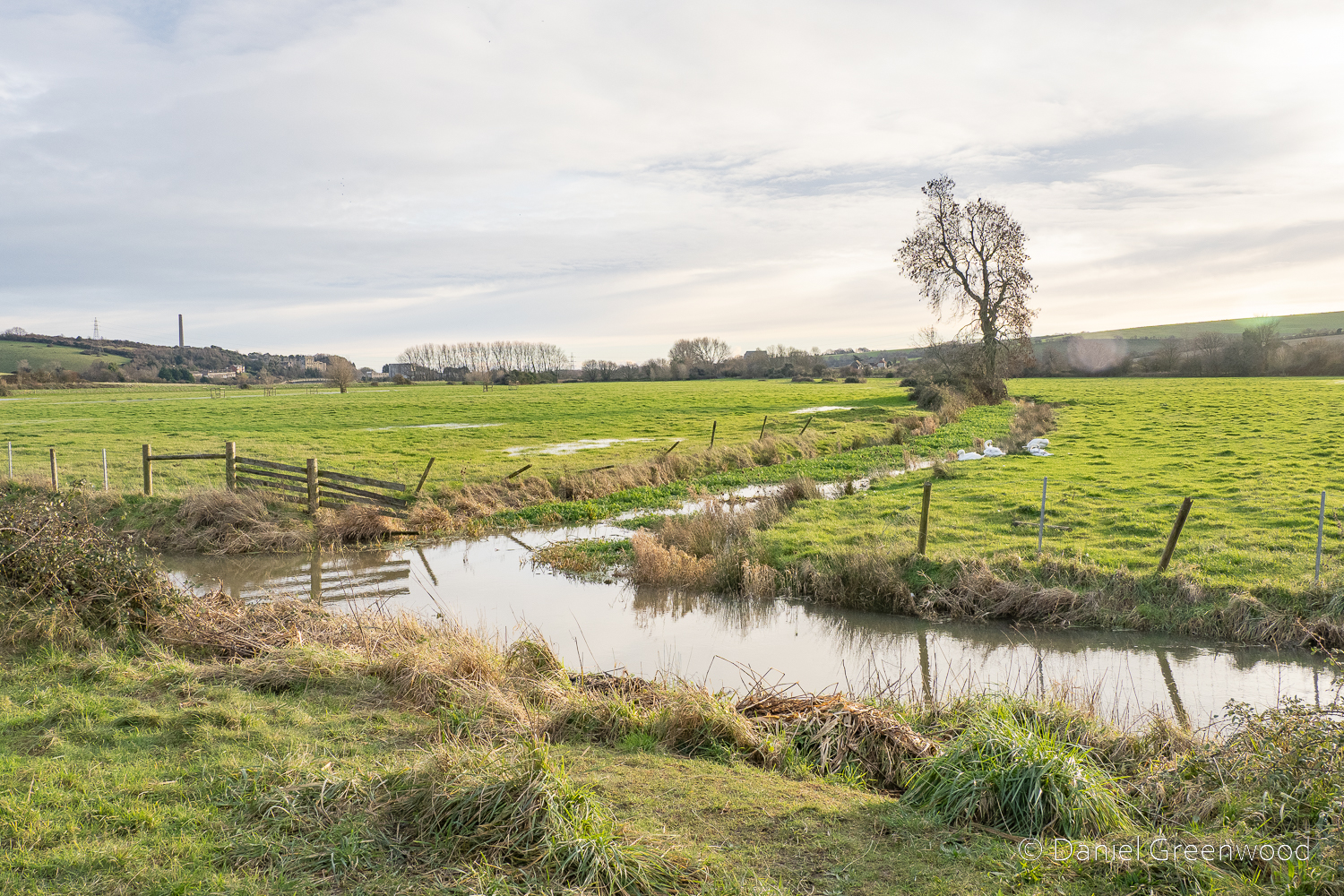
While the River Adur now wends its way through to Shoreham (the cement works chimney can be seen on the left-hand side) this is where the sea once swept. The river could be travelled by boat as far as Bramber, where my walk ended.
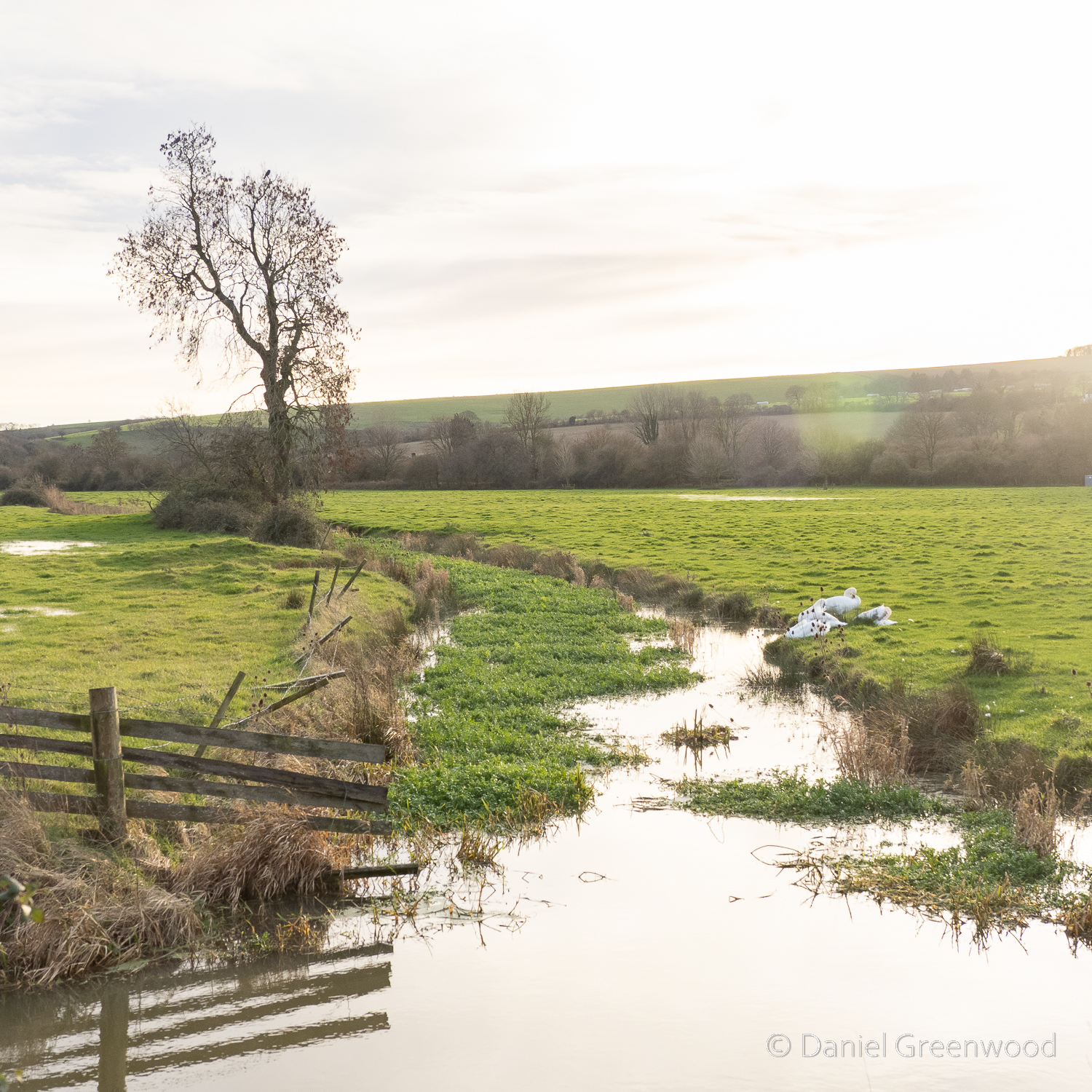
A small flock of swans roosting on the bank as the evening sun slips below the Downs. Another solitary ash tree survives here along the river. Over my shoulder the scene was far less tranquil:
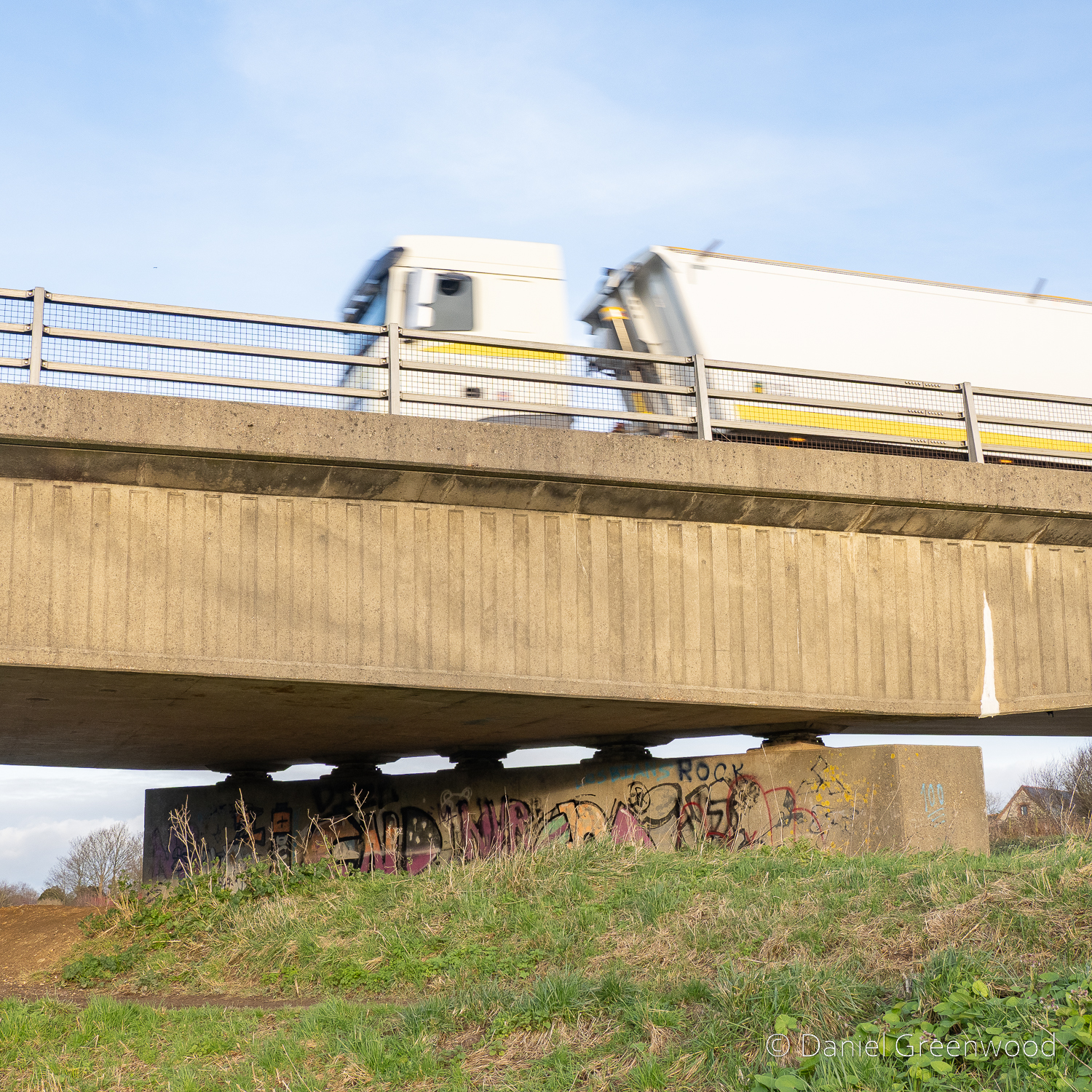
The A283 is a major connecting road between the A24 and Shoreham where it joins the A27, the road that roars at the feet of the Downs for many miles.
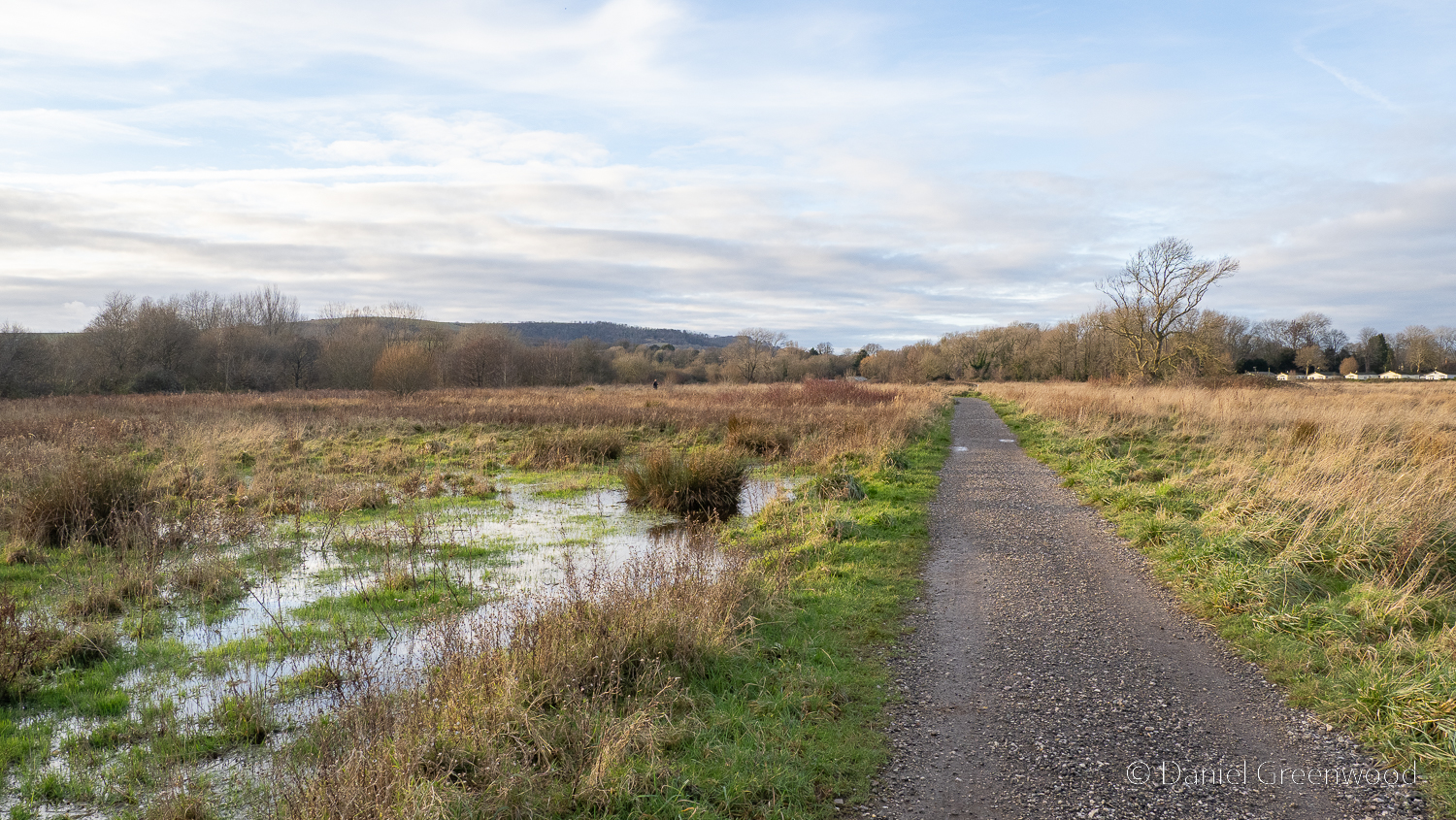
The path through the wet grassland to Bramber. It amazes me to think the sea once reached this far. But that’s not the only ghostly presence haunting these marshes.
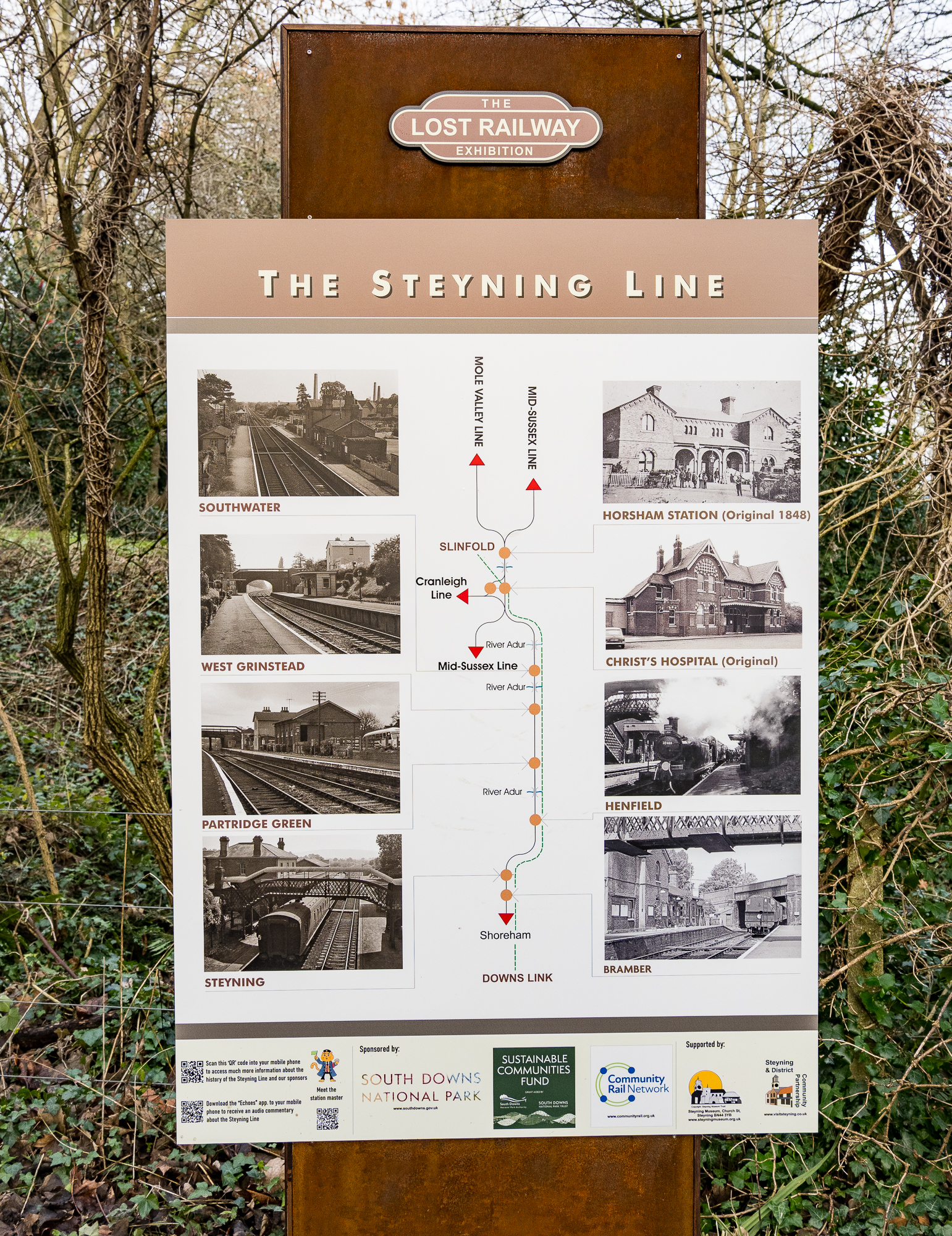
More recently this was the course of the Steyning Line, a railway now converted to an accessible walking and cycling path between Guildford and Shoreham. I was surprised to read that railway enthusiasts want to bring this line back. But for a photo caption, the article includes no mention of the fact this is now the Downslink path, one of the only truly safe long-distance walking and cycling routes in the area.
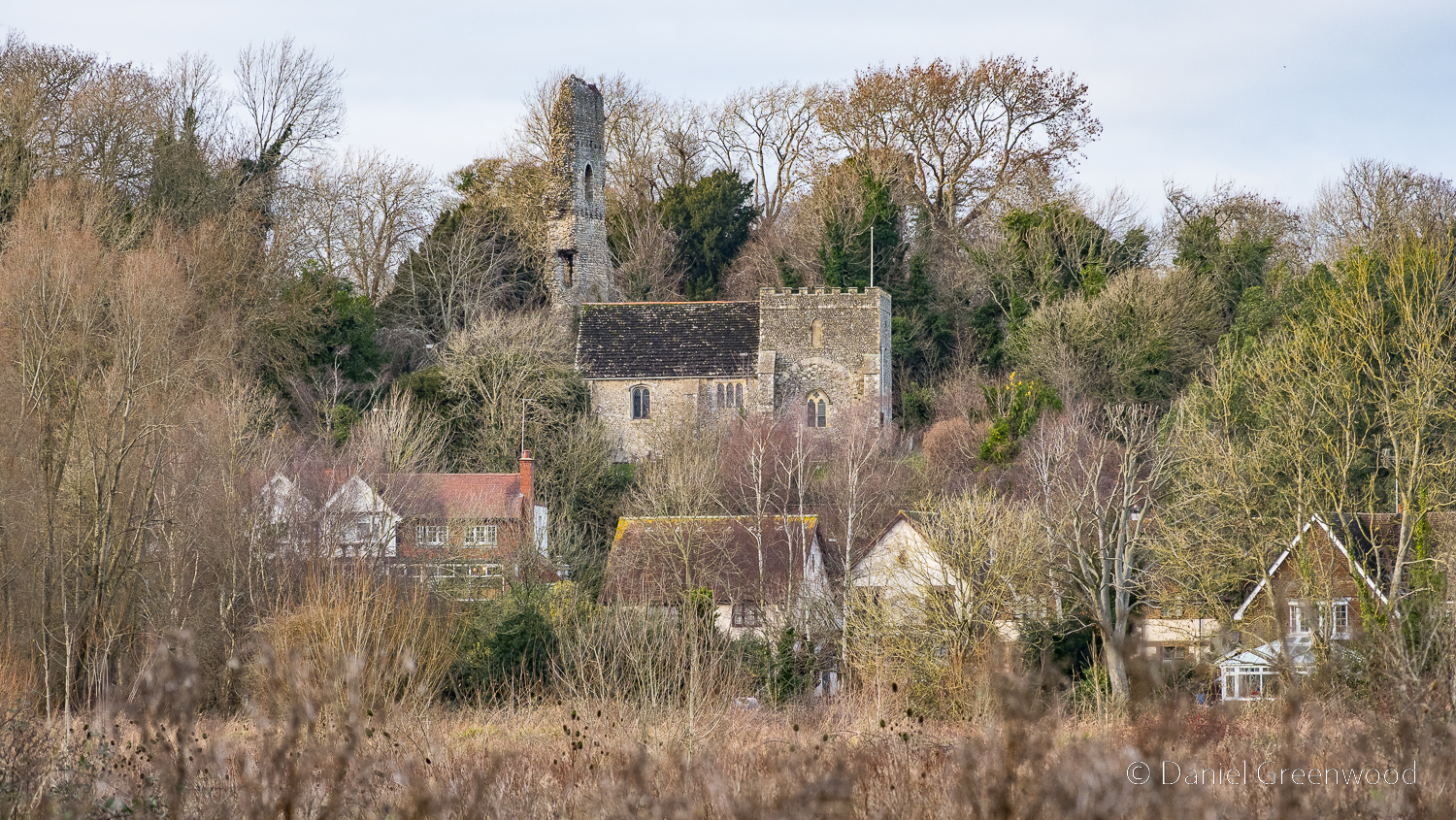
Bramber’s St. Nicholas Church as seen from the old railway path. The remnant wall above is one of the only remaining parts of Bramber Castle, with both the castle and church dating to the 11th century after the Norman Invasion of 1066. The castle has was a motte and bailey:

Bramber Castle was founded by William de Braose as a defensive and administrative centre for Bramber, one of the six administrative regions – each of which was controlled by a castle – into which Sussex was divided following the Norman Conquest. It was held almost continually by de Braose and his descendants from its foundation by 1073 until 1450.

Bramber Castle history webpage – English Heritage
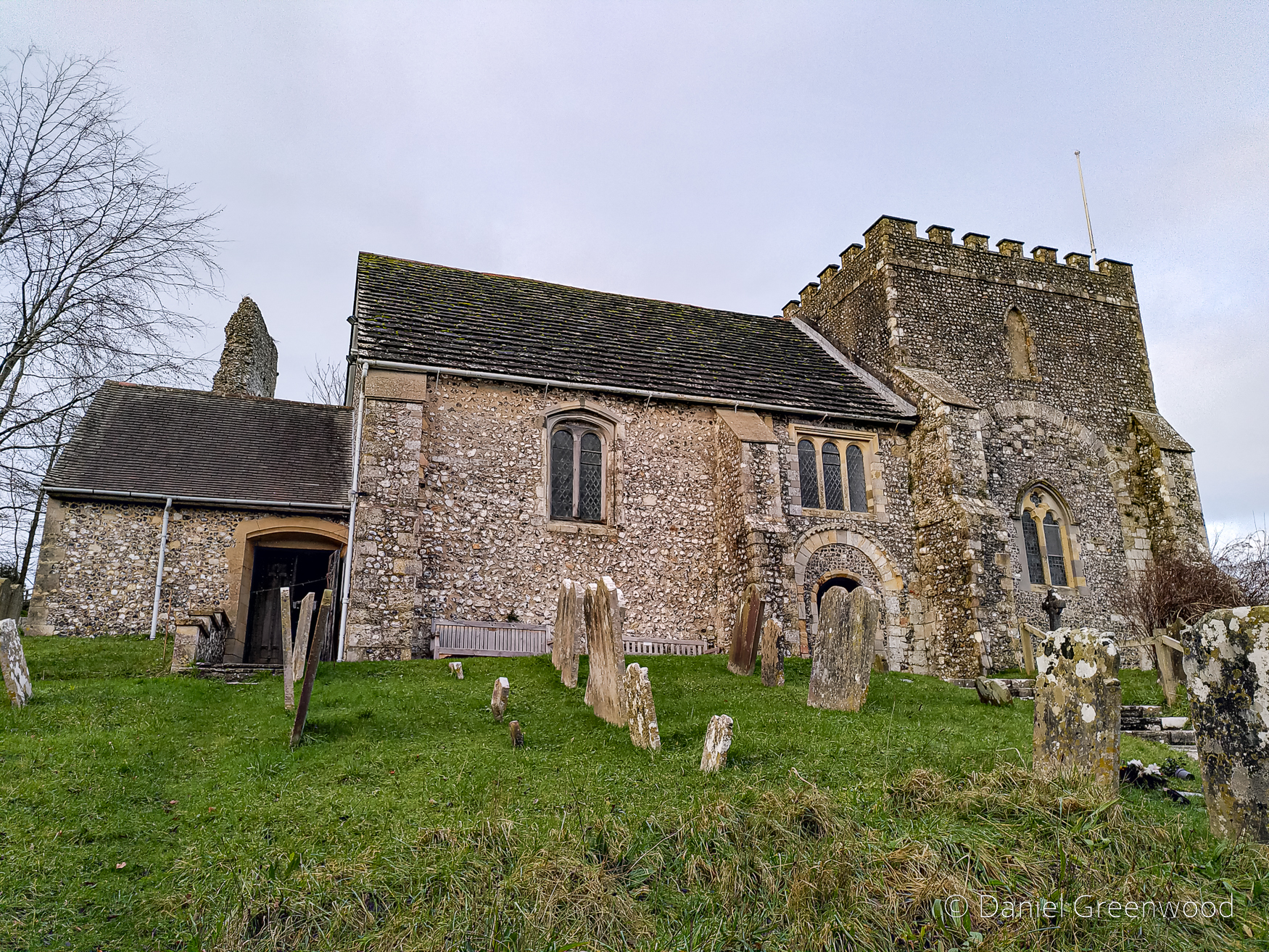
At this point my camera battery ran out of steam, so I took a few final photos of Bramber on my Fairphone.
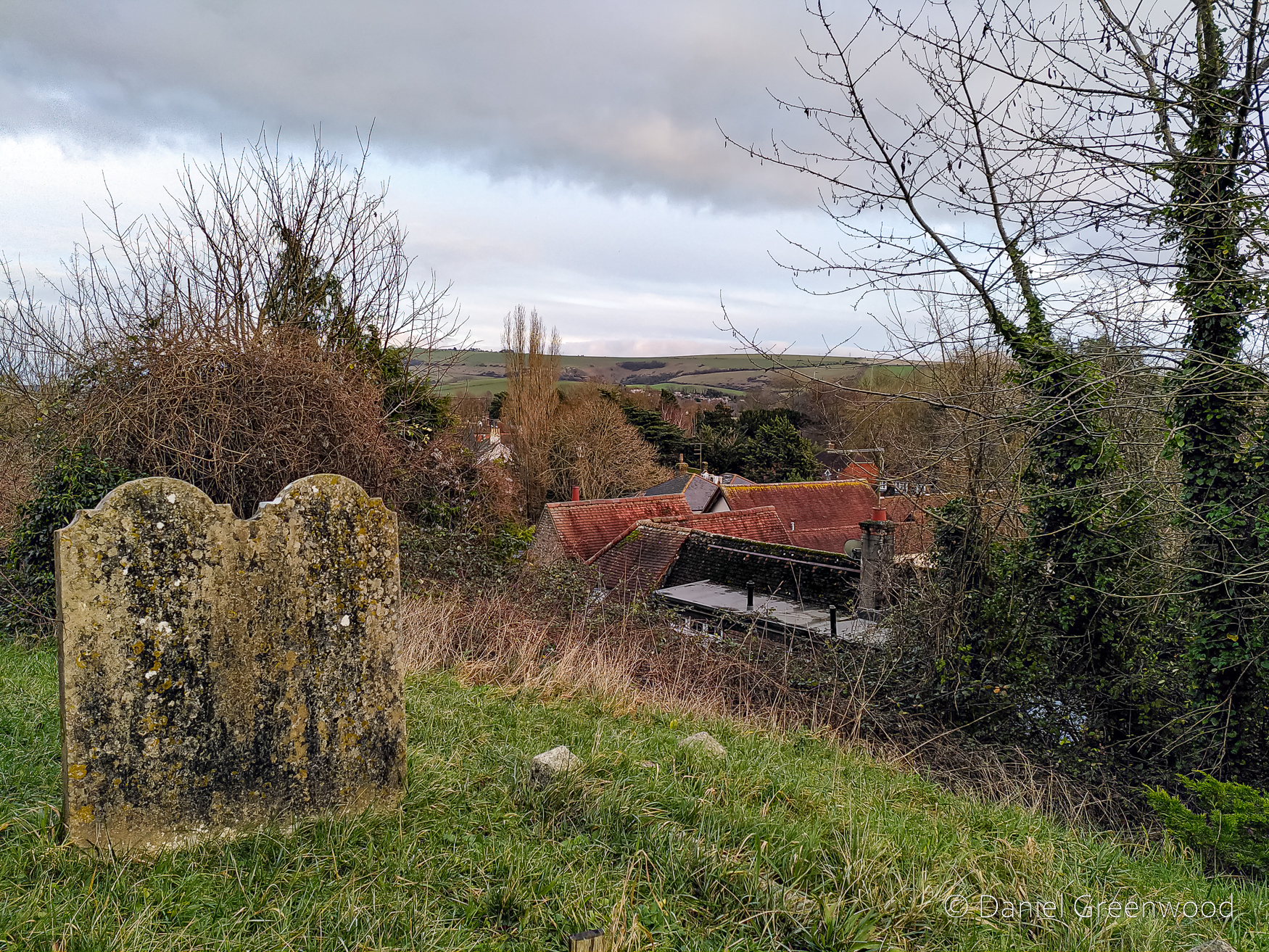
You can see how the raised position of the church and castle was chosen. The hills in the distance are the South Downs, to pass to the left (east) will take you to Truleigh Hill and eventually Devil’s Dyke. It’s believed Oliver Cromwell’s army set up guns on this hill during the English Civil War in 1642.
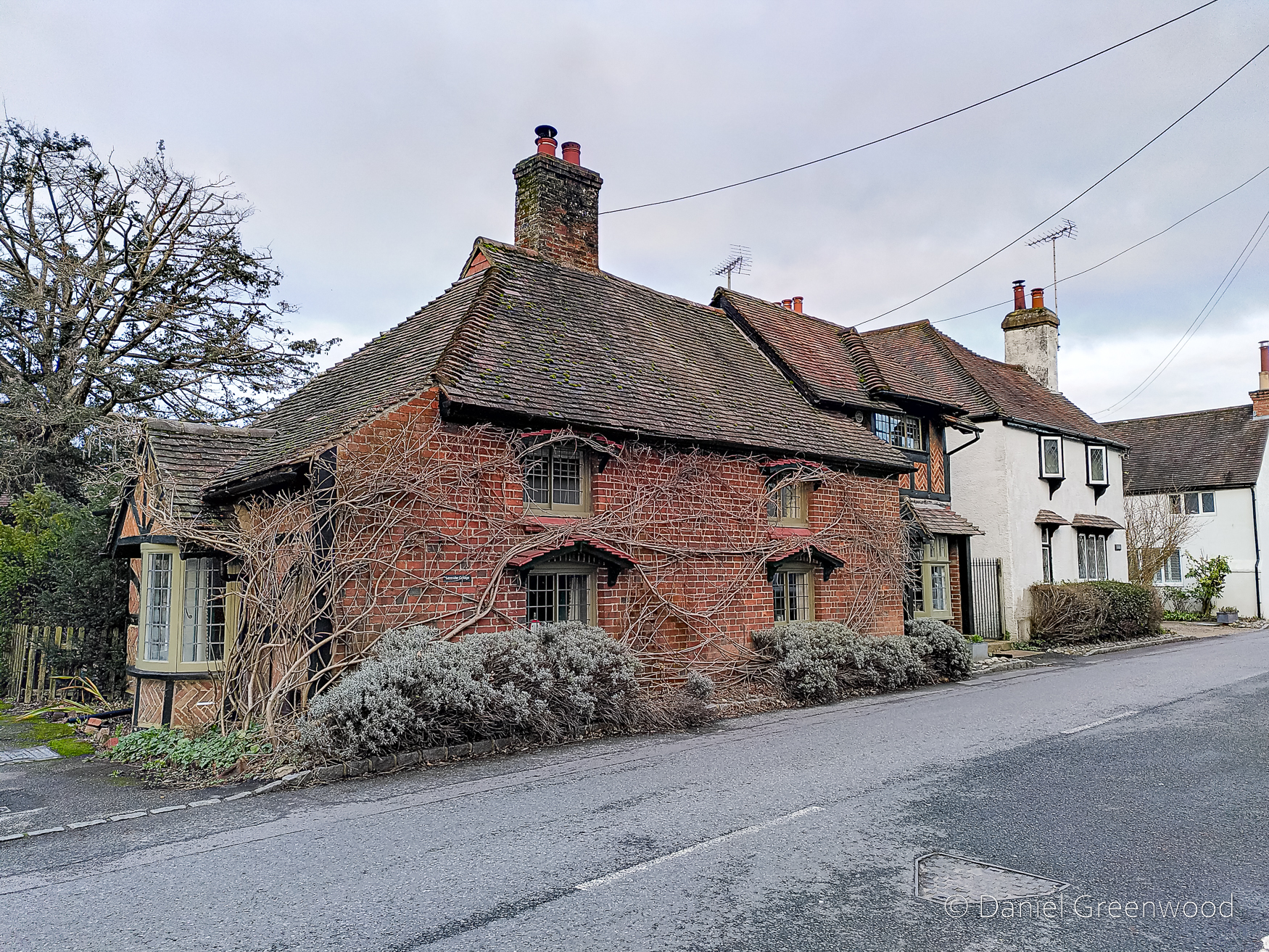
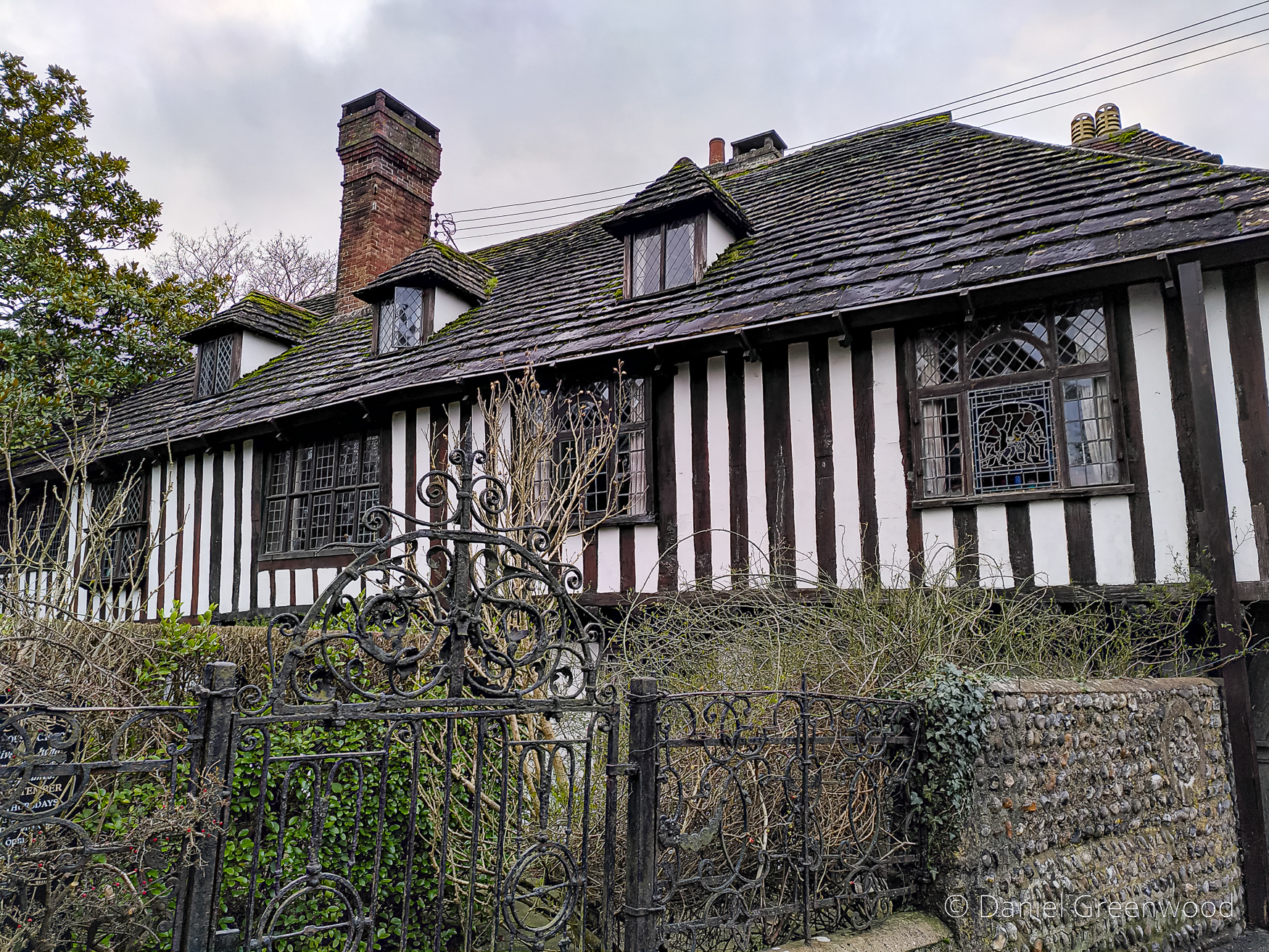
Bramber is a village of largely unspoilt brick and timber-framed buildings. I stopped off at the Bramber Hotel for a quick half before catching the bus, and encountered a wonderful oak timber-framed building.
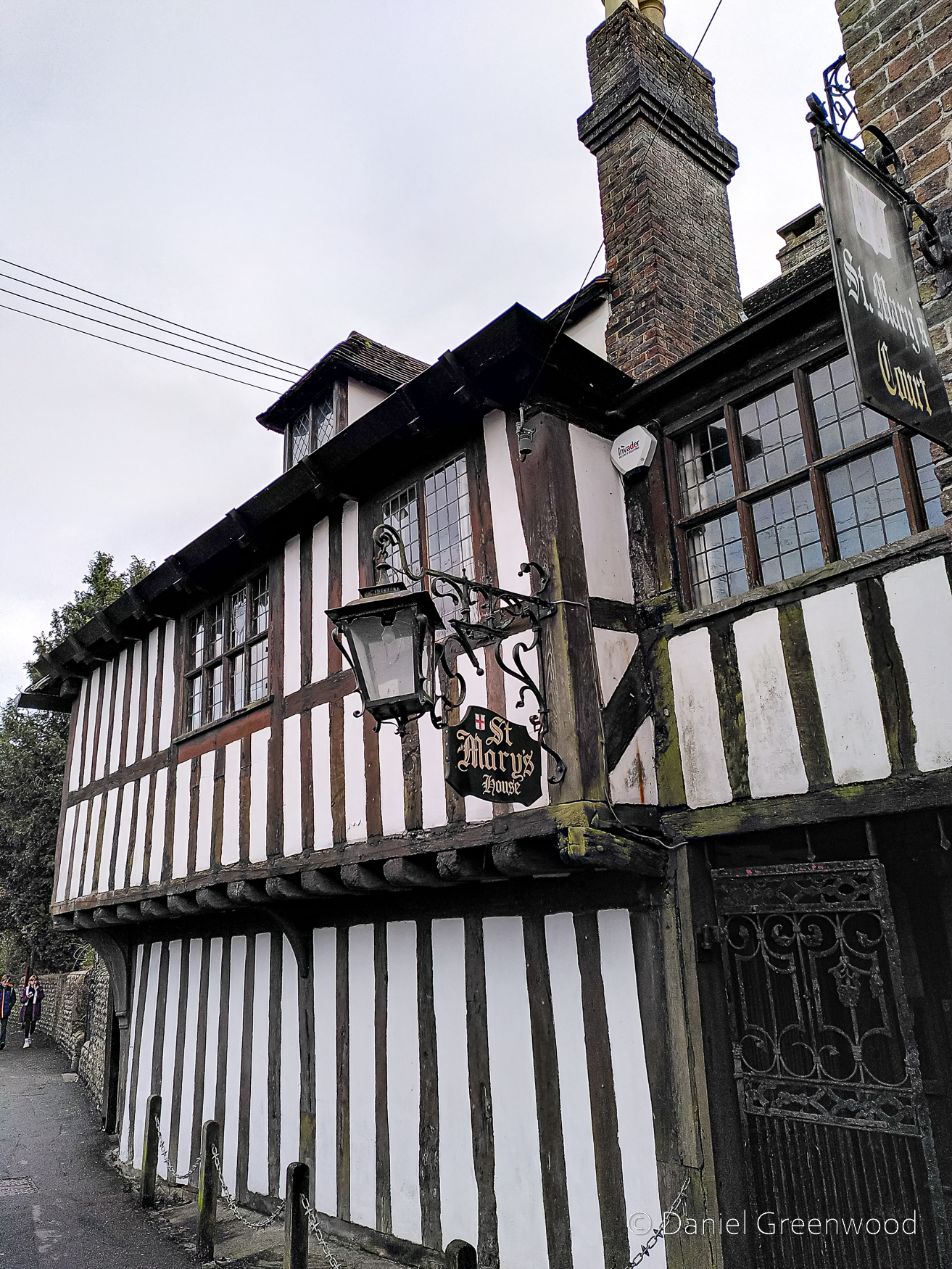
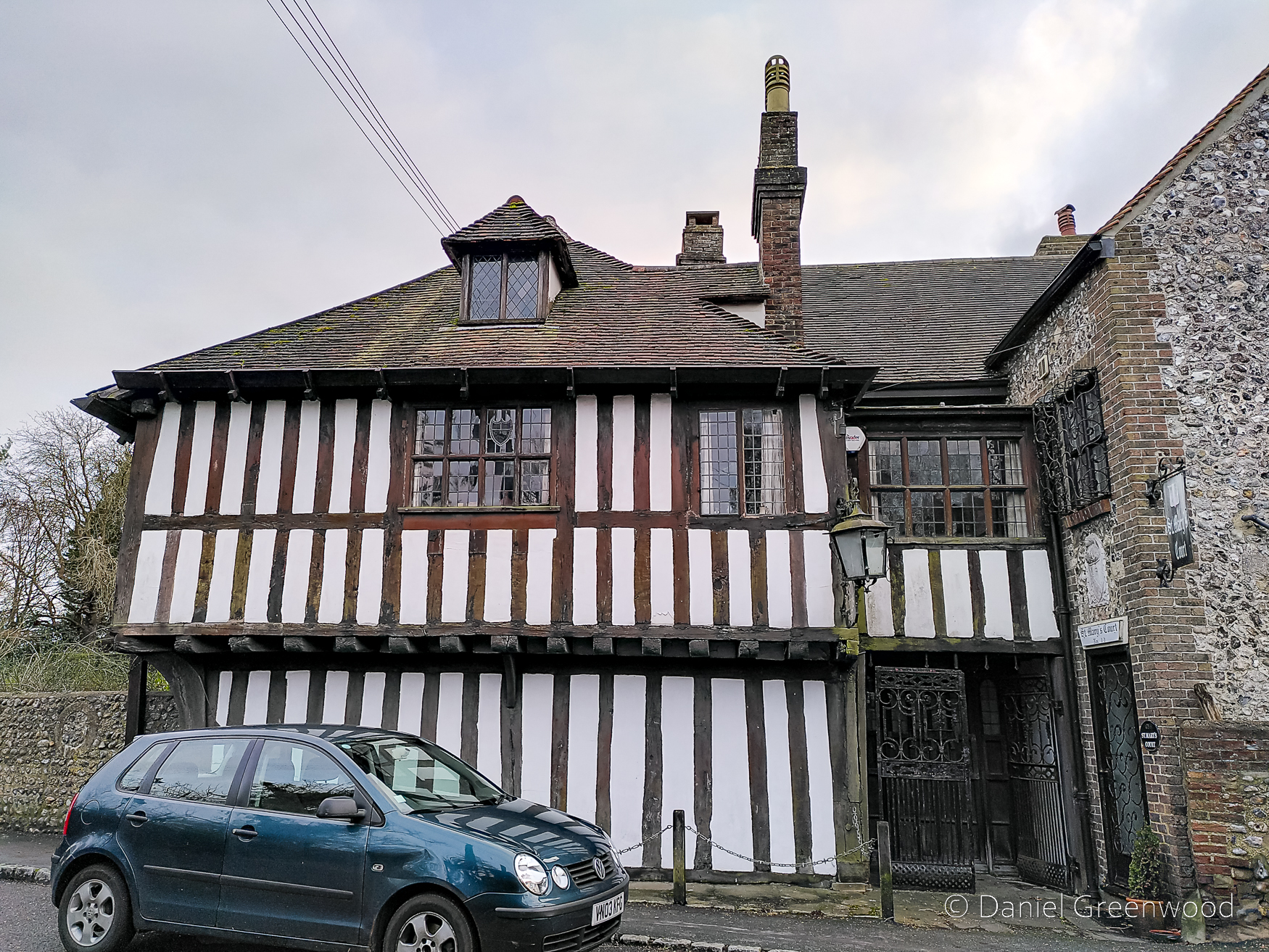
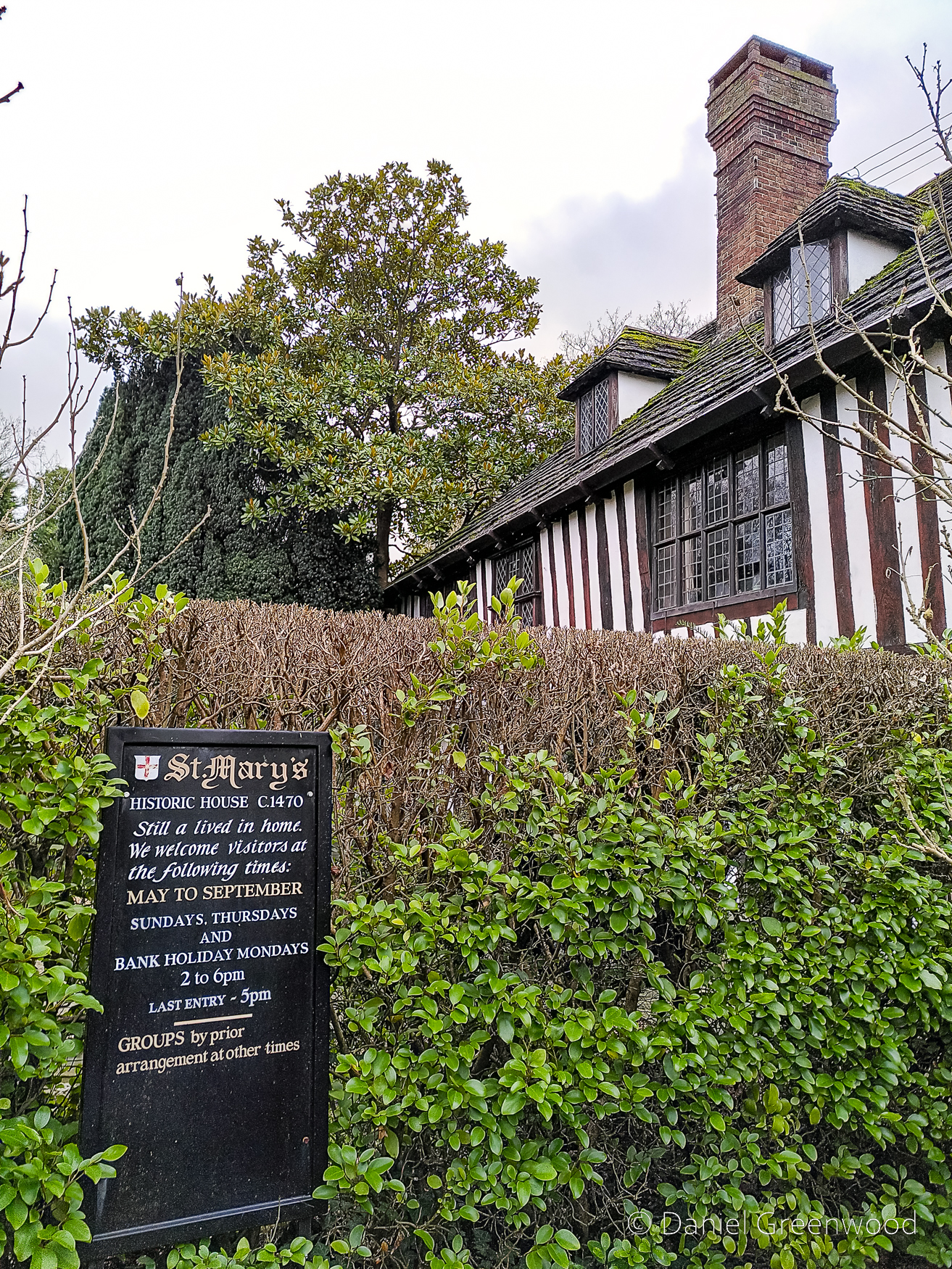
St. Mary’s House dates back to the 12th century and is open to visitors during set periods. There’s also a tea room. There’s a nice write up of the history of the building on the St. Mary’s website, including the recent investment to bring it back to life.

Thanks for reading, it’s been a long journey.

South Downs | Sussex Weald | Oak timbers | Churches

You can support my work here

The bluebell trespass

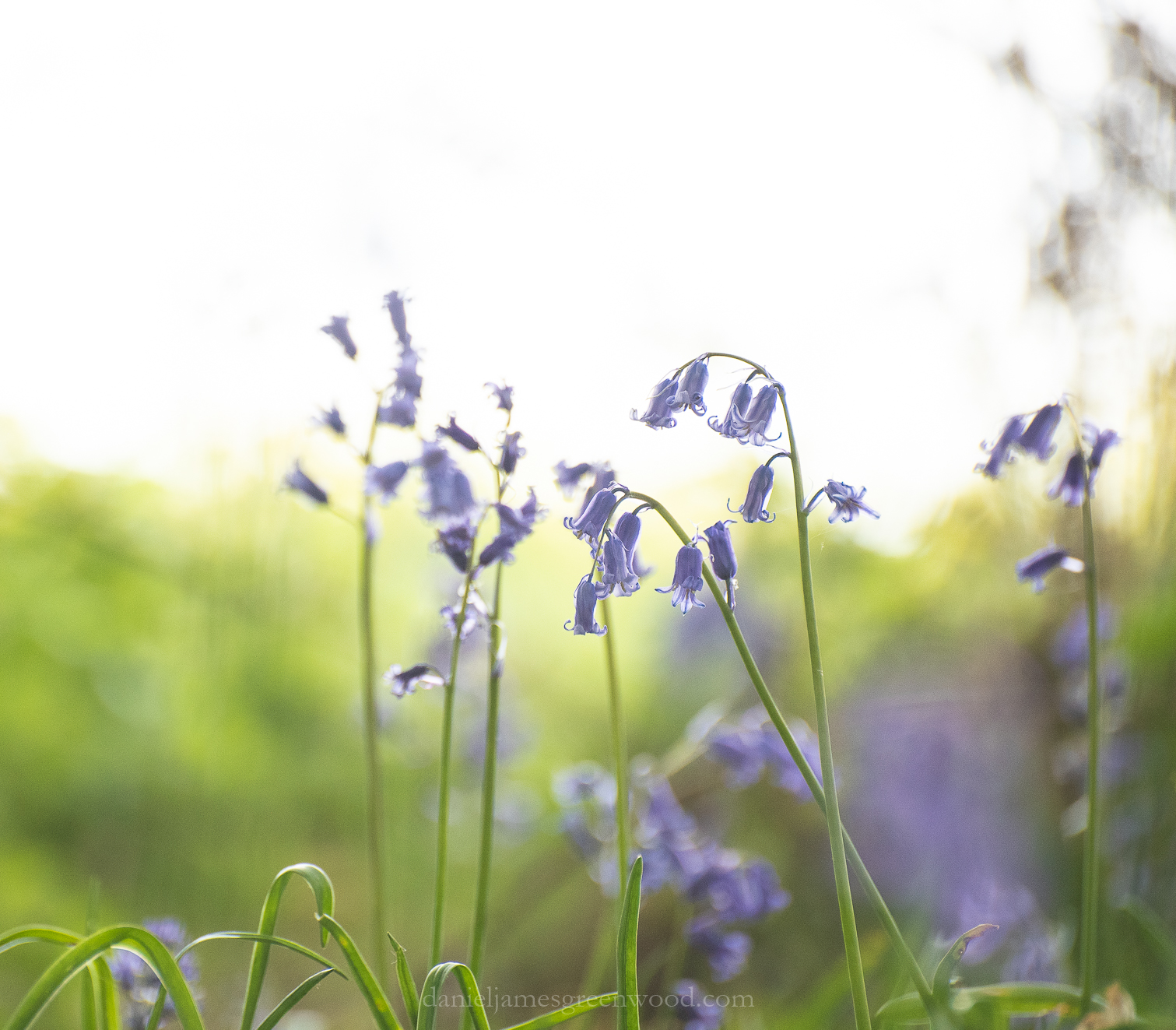
One of the most beautiful sights in English nature is a Low Weald bluebell woodland. The shimmer of blue in the evening sun pocked by the white stars of wood anemones. These are my favourite evenings of the year, the promise of spring but still delivering on all you had hoped to see in the darker months. Summer just can’t match this.


This square of woodland in the Sussex Low Weald was not officially open access, but we kept to the paths and no bluebells were harmed in the making of these images. There is a lot of conversation about access to the countryside at the moment in England, and how power and privilege resonates in the landscape. These are important conversations and the issues are complex.

It was my first visit to this woodland, much like another picturesque bluebell wood a little further north that has now been completely closed to public visitors. A look at the maps shows how a larger landscape of natural woodland had been chomped up by farmers to become fields, leaving this section completely isolated. That will have occurred over the past few hundred years.

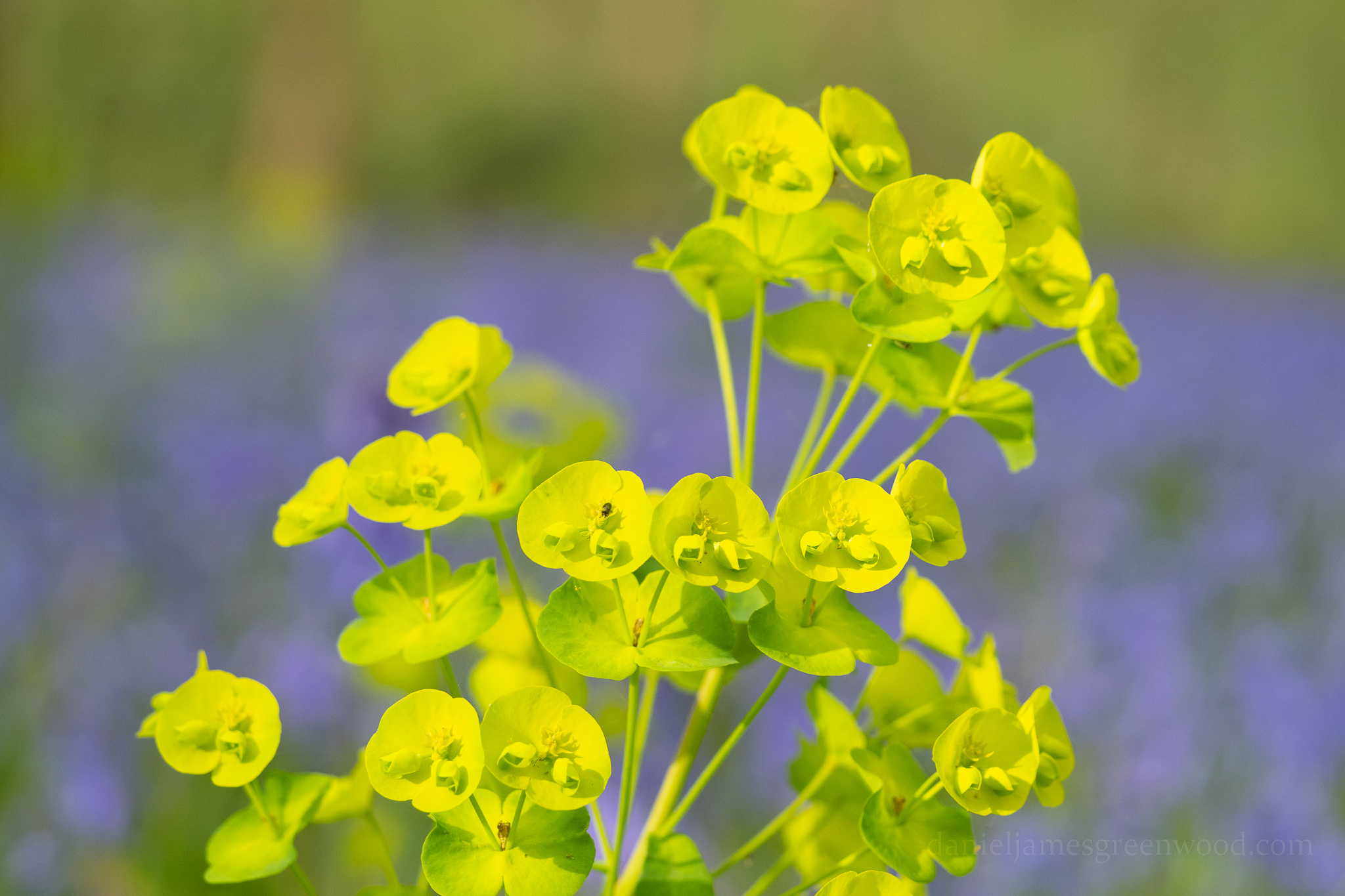
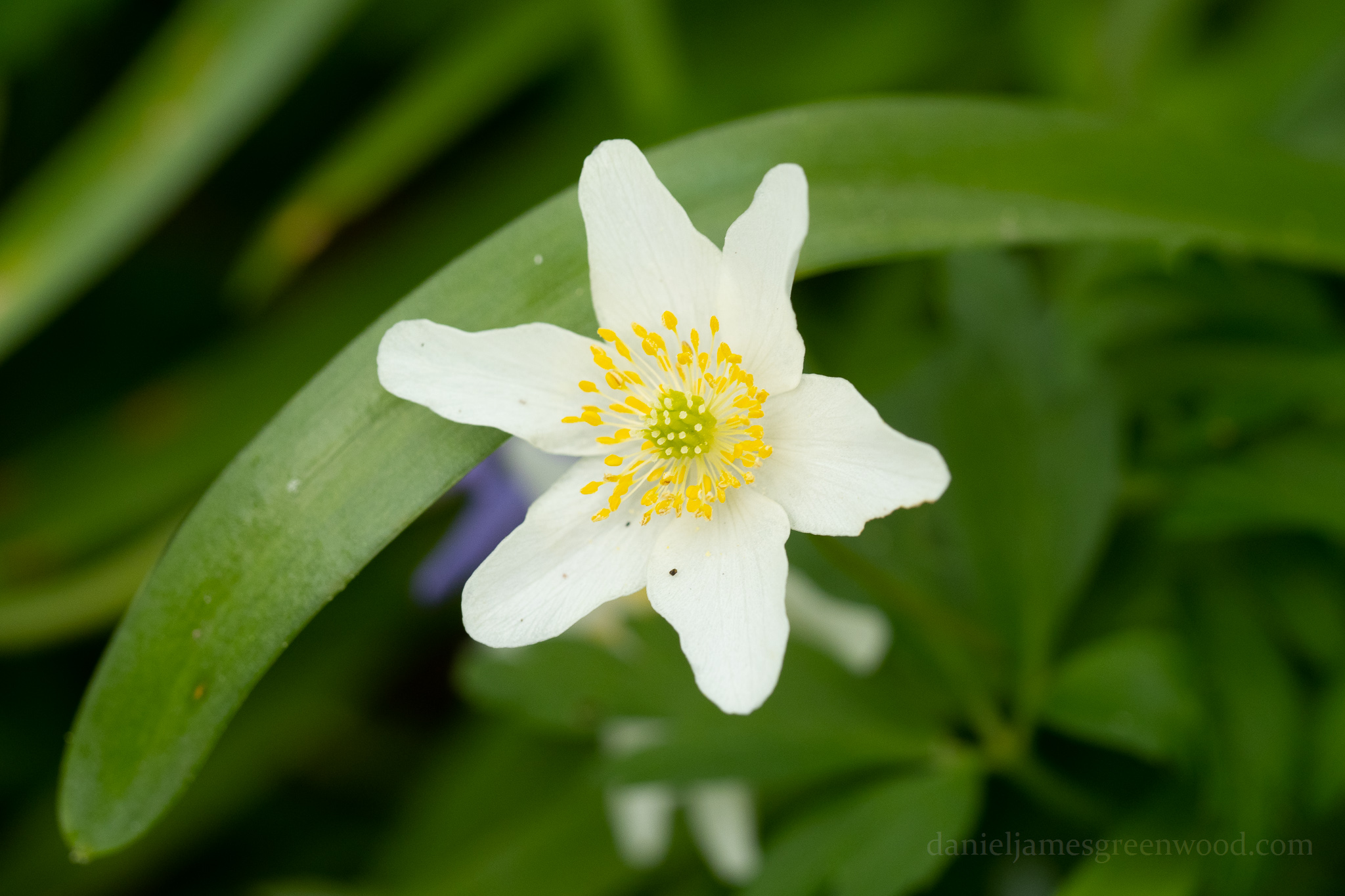
However, it had all the key indicators of ancient woodland, as seen here: English bluebell, wood anemones, greater stitchwort, dog’s mercury, wood spurge, and all under a shrub layer of hazel and high canopy of oak.

This kind of habitat is very much human-made, with centuries of coppicing hazel and felling of oak standards. That doesn’t stop it from being good for wildlife, coppice woodland is one of the richer landscapes in the UK.

Thanks for reading

The Sussex Weald

The Sussex Weald: Something is right with the world (and it’s mushrooms)

Ebernoe Common, Sussex Weald, August 2019

Looking out of the window at work one morning, a colleague agreed with me:

If there are no mushrooms after this rain, then something is very wrong with the world.

Fast forward a few hours and there is something ok about the world.

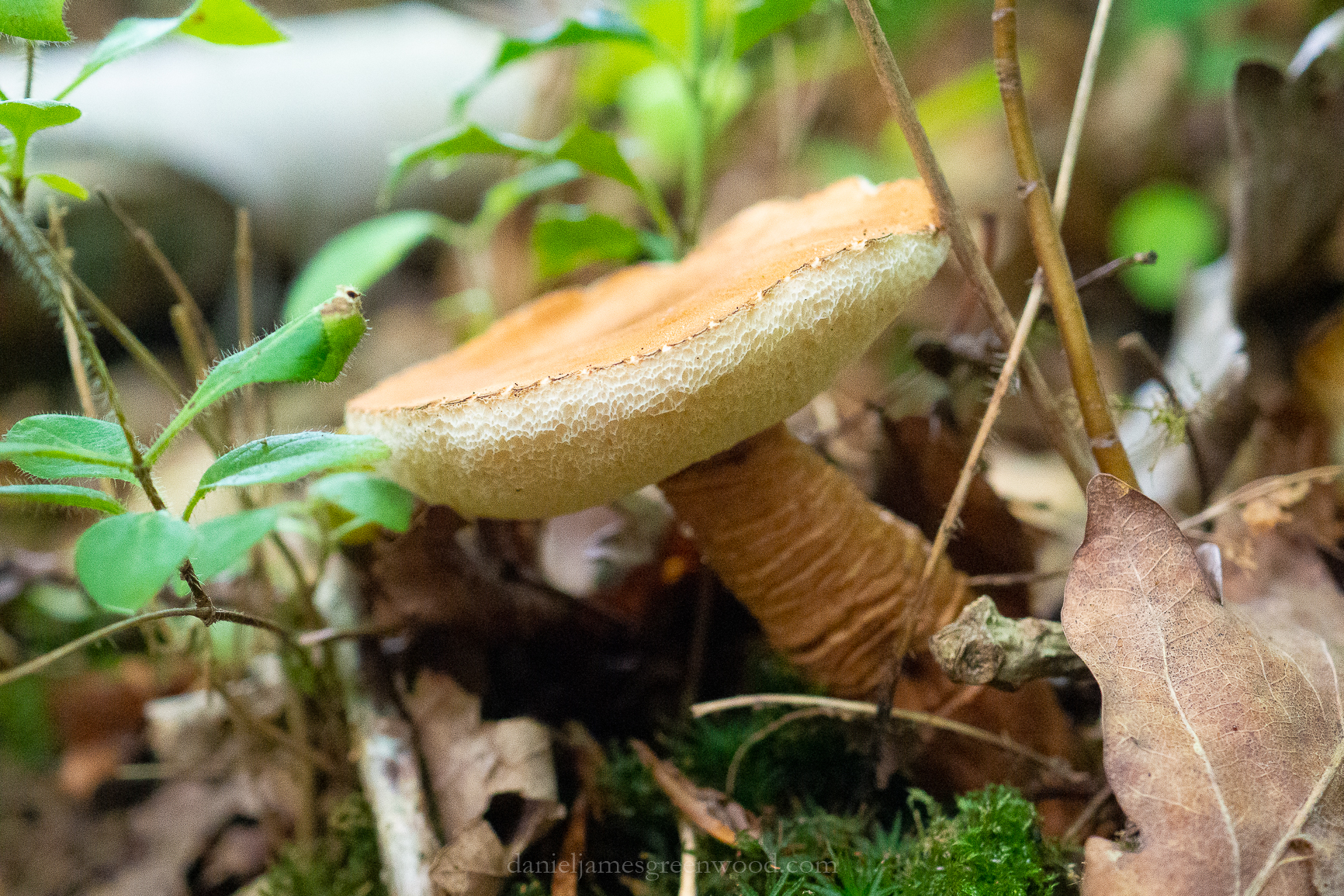
Stepping out onto the track and into the woods there was a clear indicator of a mushroom party with lots of Boletus-like species typical of the season. This time, I was invited. All too often looking for mushrooms can be like arriving at a party the morning after when everyone is discarded like shells around the living room and slime coats the walls.

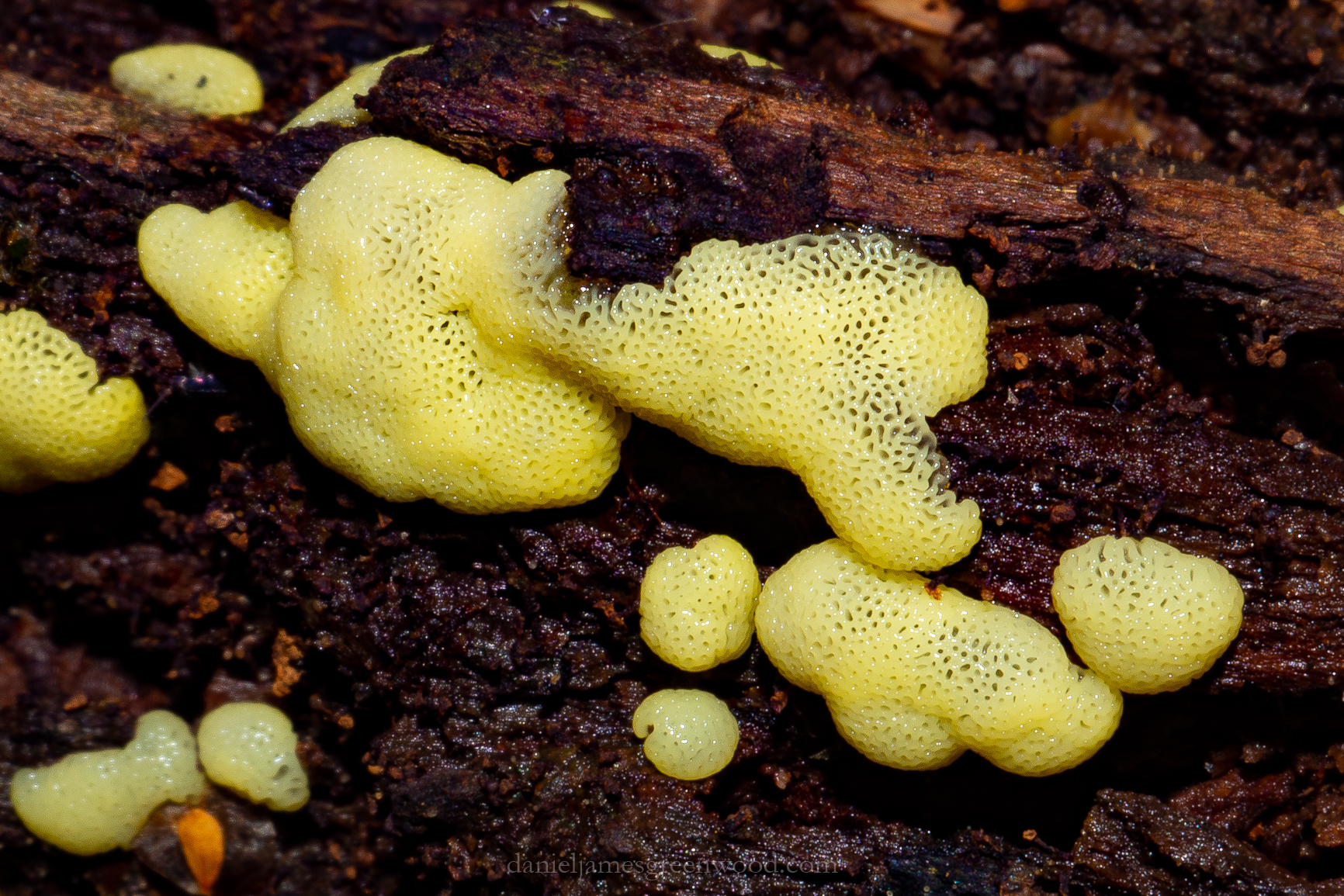
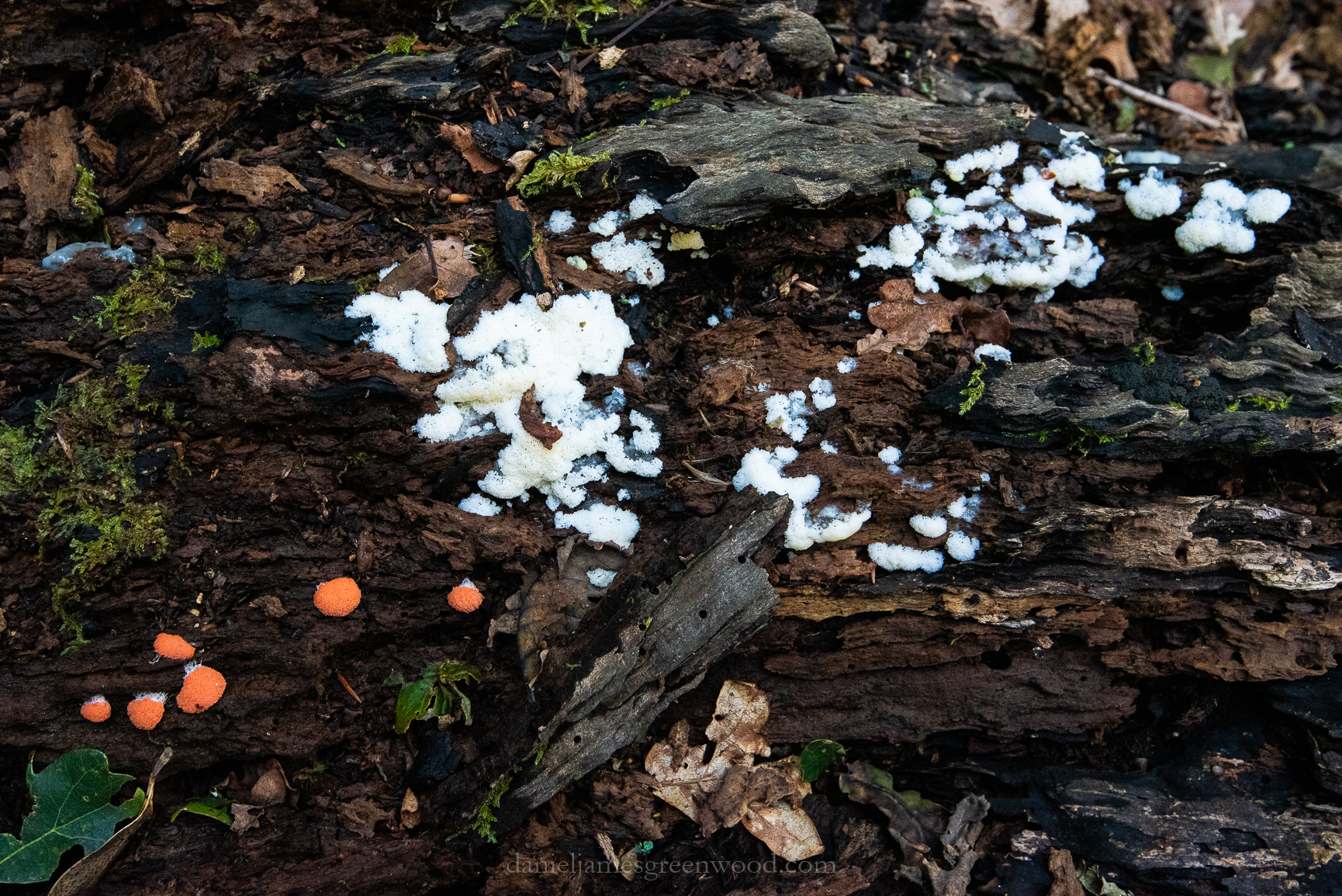
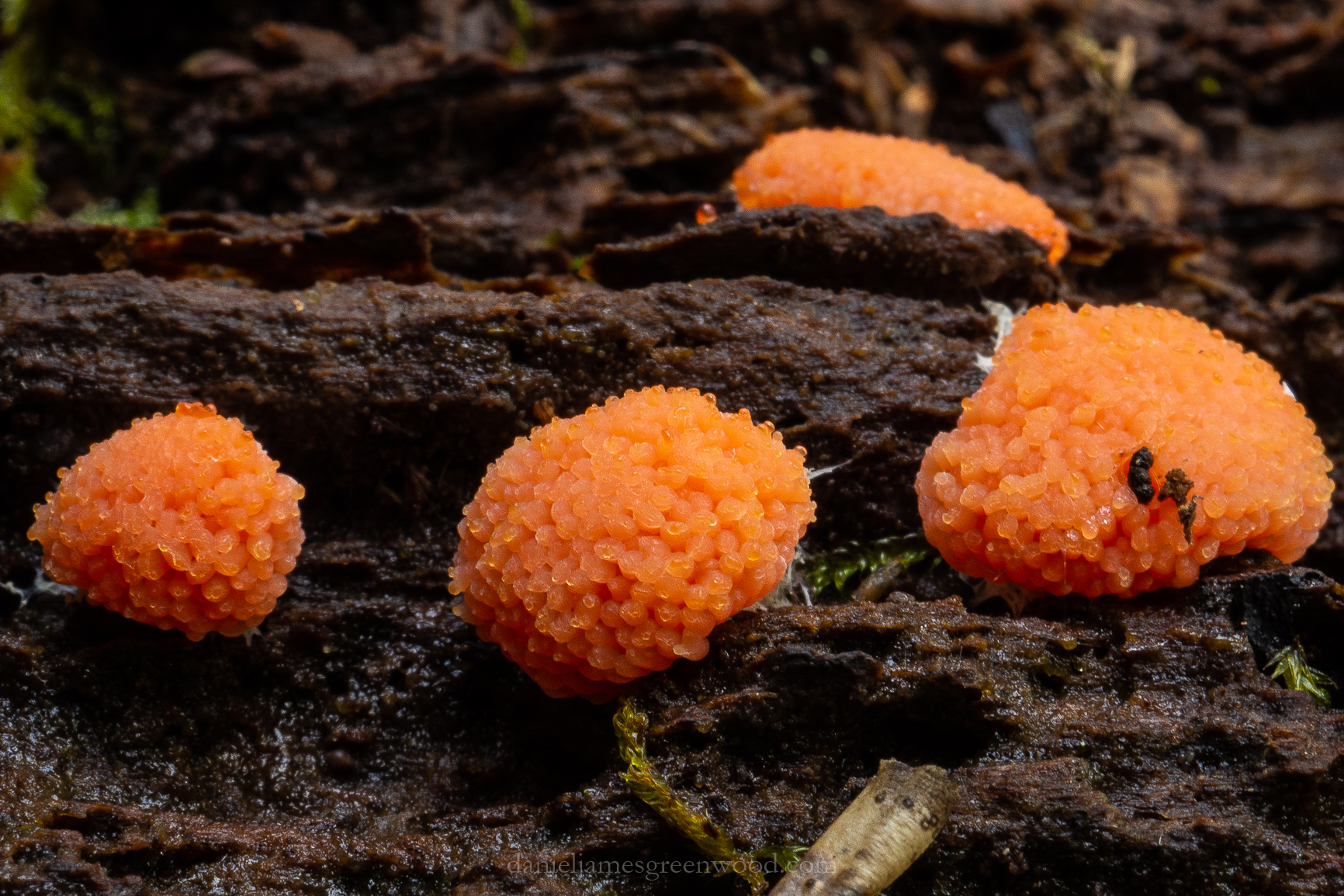
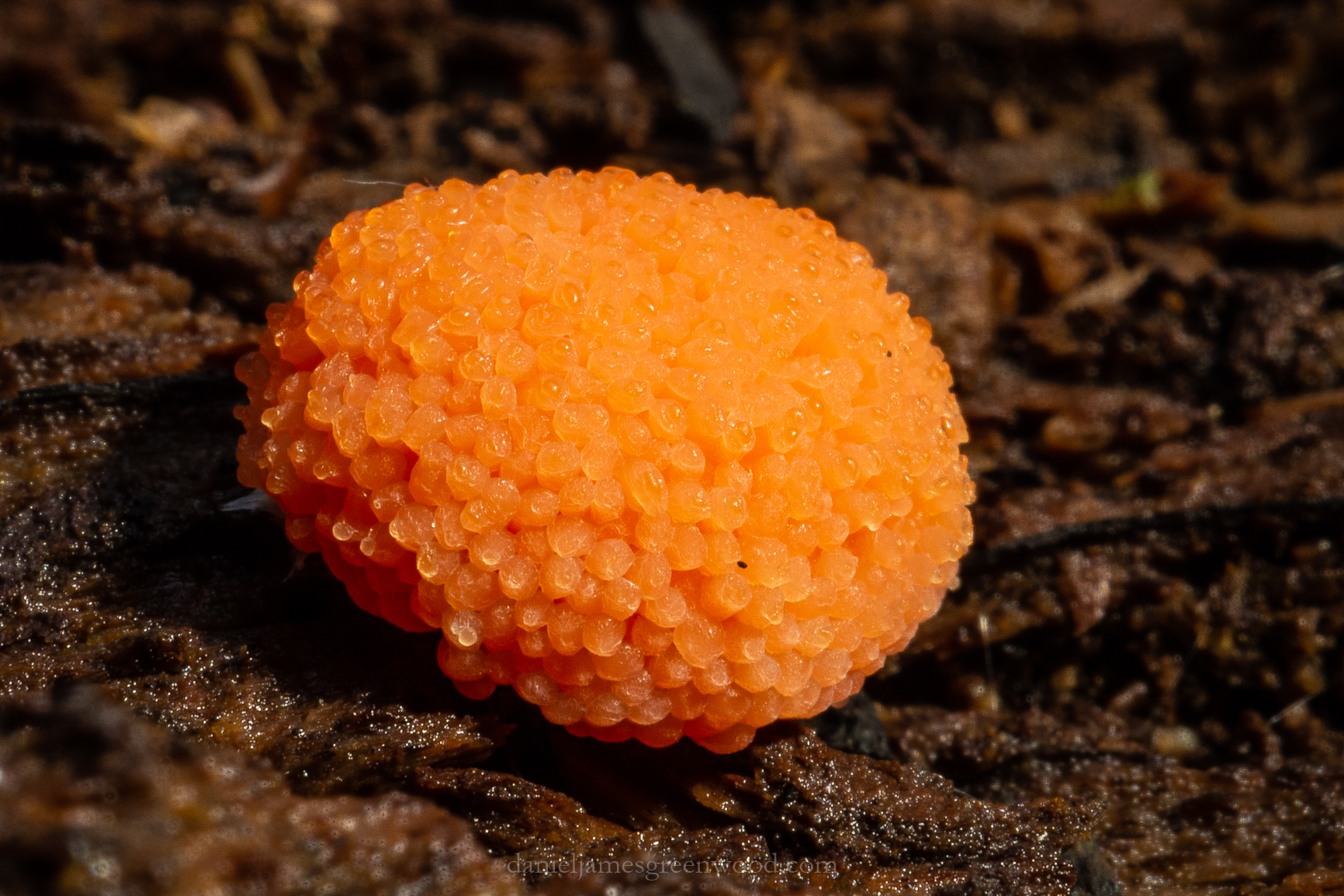
There was still slime on the walls on this pleasant summer’s evening at Sussex Wildlife Trust’s magnificent Ebernoe Common. It’s part of the Low Weald, an area or ancient woodland that is very much intact and once connected Canterbury with the New Forest. The slime here was the real deal, with beautiful splodges of slime mould spreading across fallen oak trunks.

Further inspection with my trusty macro lens showed the intricate beauty of this slime mould. Trouble is I don’t have the field guide yet so I’m stuck for an identification. But really does it matter? I’m not a scientist in the traditional sense and it’s their beauty I cherish most. Scientists, while we’re here, don’t even know where to put slime mould in their taxonomic kingdoms. That sounds like one hell of a euphemism.

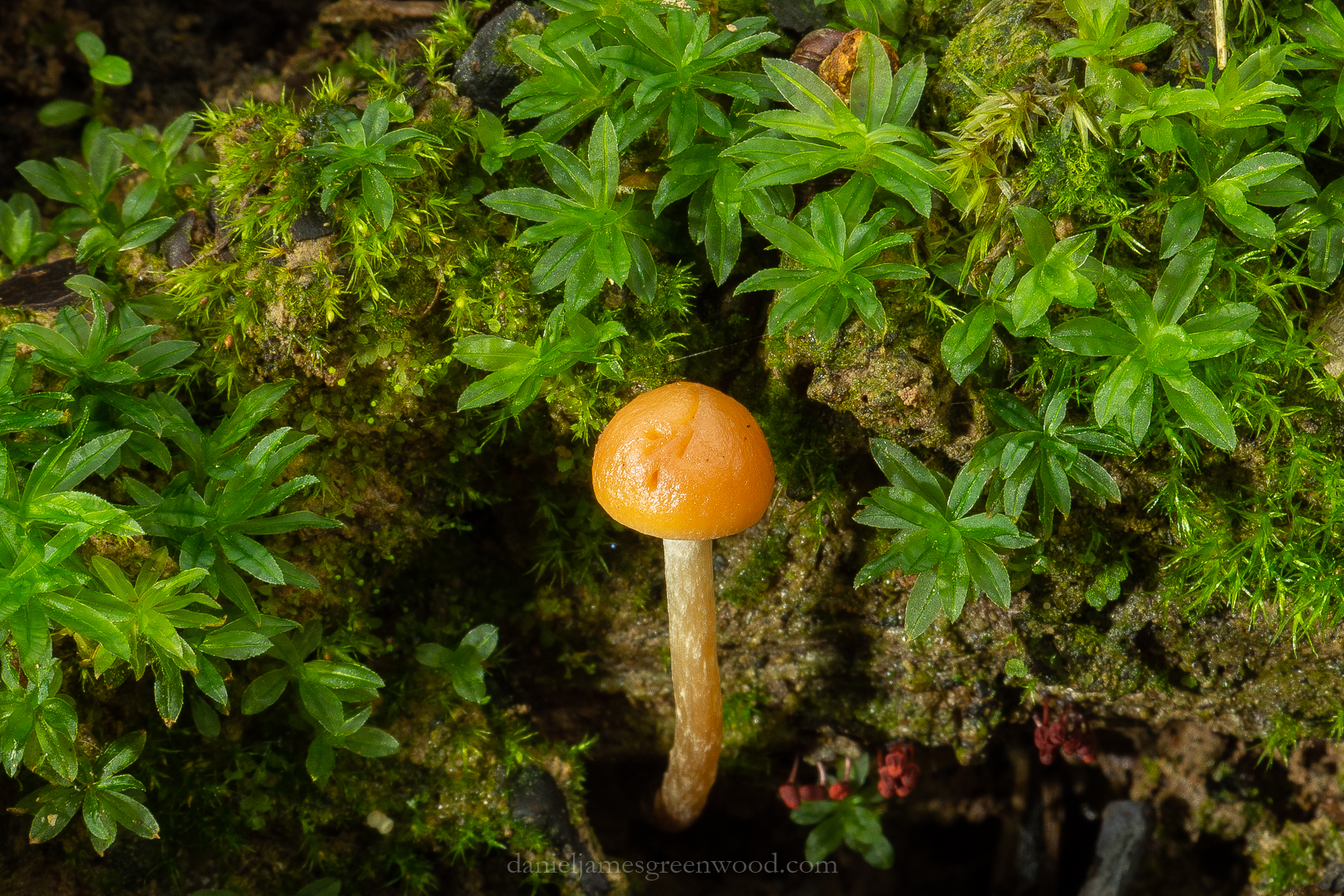
This walk was a blitz of about 3 miles with eyes scanning the woodland floor alongside the path. By pure fluke I found this small mushroom, not dissimilar to something like a funeral bell, popping out of the soil. It is surrounded by the most beautiful palmate leaves of star mosses. The wonders of macro photography allow this world to be glimpsed and indeed shared. Macro photography is an art (not necessarily in this case) as fine as landscape photography.
I also had my larger DSLR slung round my neck with a wide angle lens. The golden hour is not quite so golden in an August wood, but it’s still worth appreciating. Notice the growth of lichens and algae on the north-facing side of this beech here for 10 points.
Ebernoe - 15-8-2019 djg-17

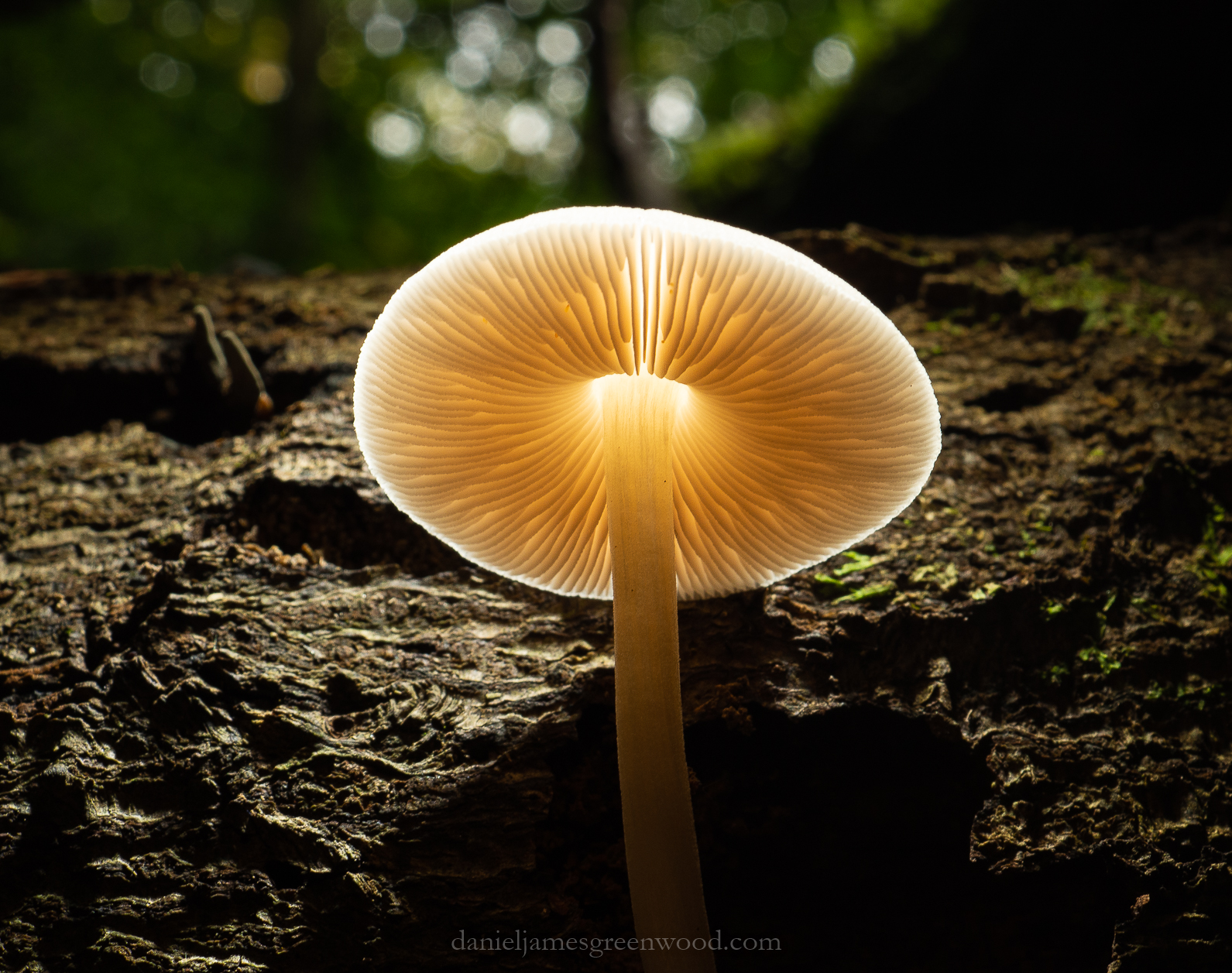
One of the recent additions to my mushroom portraiture war-chest is an LED light. It’s a pretty fun way to add a new layer of interest to photos, especially of mushrooms. I also have a mini tripod for it so it is a bit like a pet android that wanders the woodland floor for me illuminating fungi. This shroom was growing down between two big boughs of a fallen beech tree. It was land of the mosquito and I made substantial donations to their bloodthirsty cause. This does look rather angelic if I may say so.

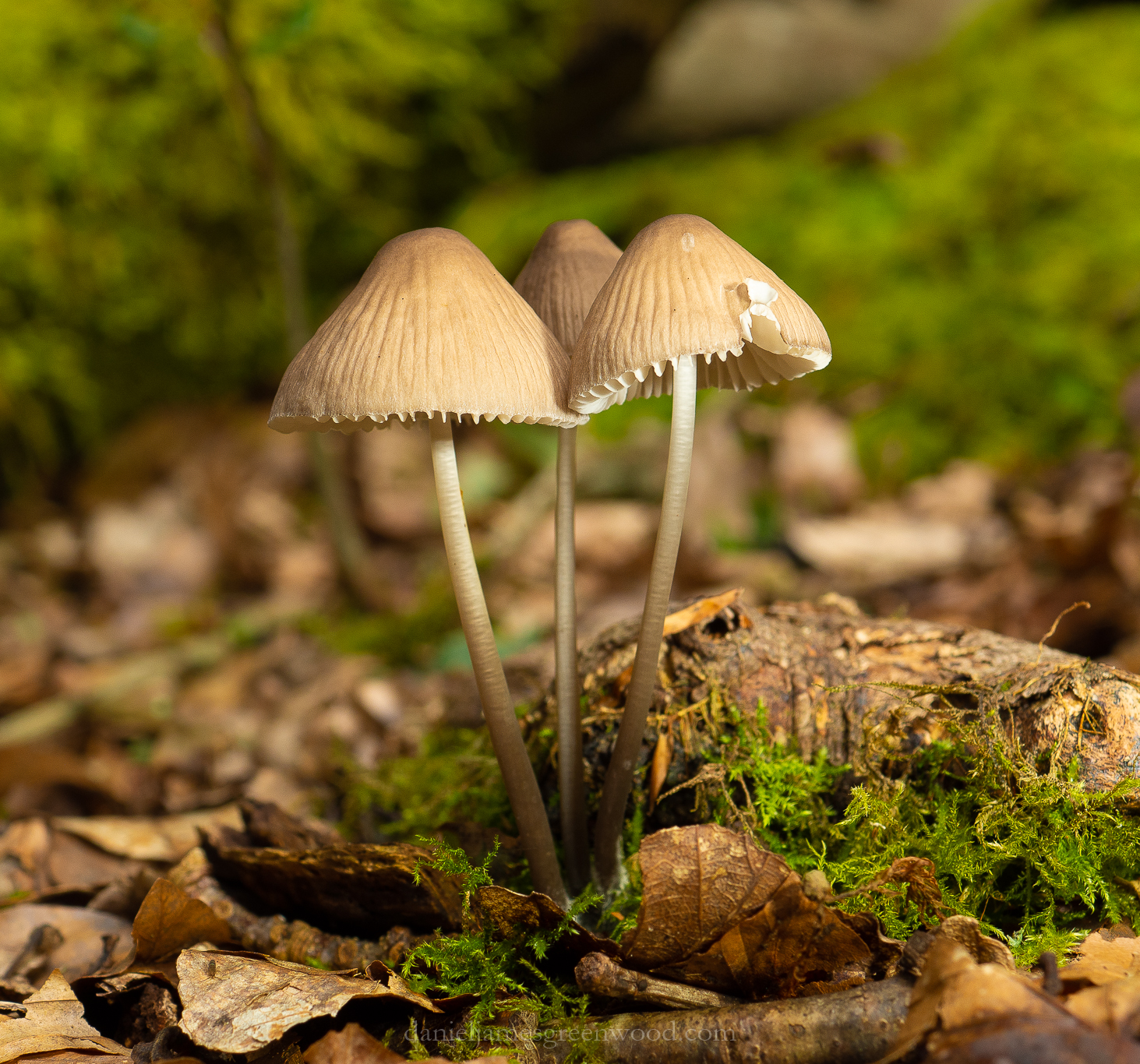
A trio of bonnets were evidence of the recent rain. Up they spring before collapsing not long after.

Ebernoe - 15-8-2019 djg-32

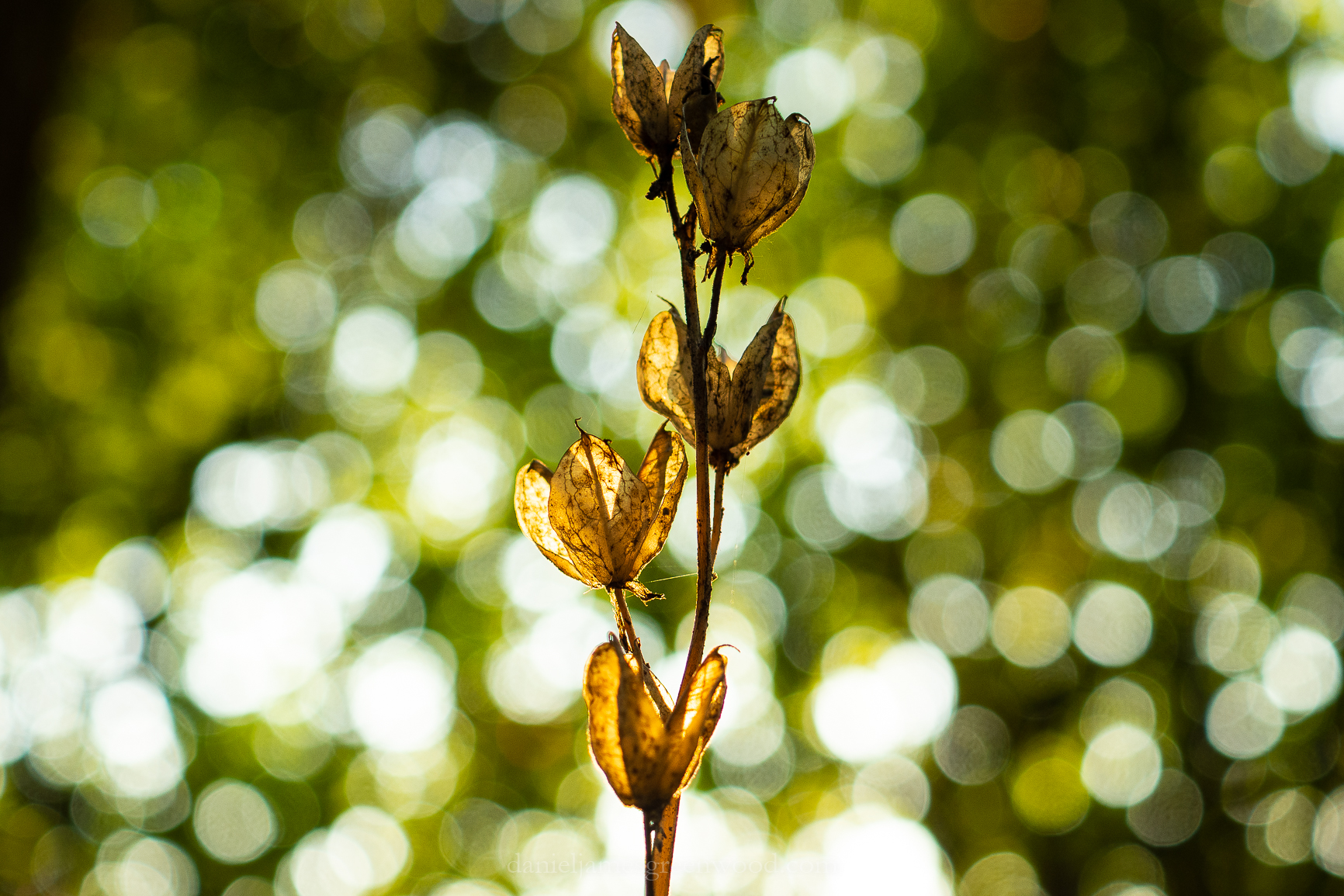
Have you ever noticed just how long bluebell seed casings linger after spring? It’s a good way to identify an ancient woodland out of season. This flower was present on the edge of the woodland where a field opens out. The sun poured in and lit the tulip-like papers of the bluebell.

Ebernoe - 15-8-2019 djg-29

My dad said he read my last post and had to look up what ‘bokeh’ is. It’s the circles or light in this image above that are caused by isolated areas of light. They are most pronounced when you have a wide aperture, so f1.4 on my brightest lens but usually f5.6 on most SLR lenses. It creates a beautiful blurred effect. Of course, I couldn’t resist it here. Looking at this image being photographed in the moment, what you can’t see is the twinkling of the light as the leaves moved in the breeze and the sun slid down. It took the breath far more than the image ever will.

Thanks for reading.

Explore my Wealden archive

Explore my wood-wide-web

The Sussex Weald: superstar butterflies at Knepp

Knepp 24-6-18 djg-15

Knepp, West Sussex, July 2019

The footpath runs off Countryman Lane behind a deer-proof gate. In this case it’s keeping them in. On the gate a sign welcomes visitors to the Knepp Wildland Project. A woman with three dogs holds the gate open for us. I’m here with friends visiting for the day from London, where the Knepp narrative of rewilding lowland England and its successes for wildlife are influential. We’ve come for a circular walk on the public footpaths that cross the Knepp Estate.

Knepp is an ancient deer park that, with investment from government and the landowner’s private wealth, is attempting to prove that farming can be done in a way that is much more sustainable and beneficial for wildlife. Critics say that most farmers lack the personal finances of the Knepp Estate and government investment to sustain the same, low-intensity measures to remain in business. Some people just don’t like change. Many farmers in Sussex are tenant farmers, not landowners, meaning they don’t possess the same money to set up a rewilding project in the first place. Many proponents of rewilding argue that farming shouldn’t happen anyway and the land should be allowed to re-establish natural states of woodland, grassland and wetland.

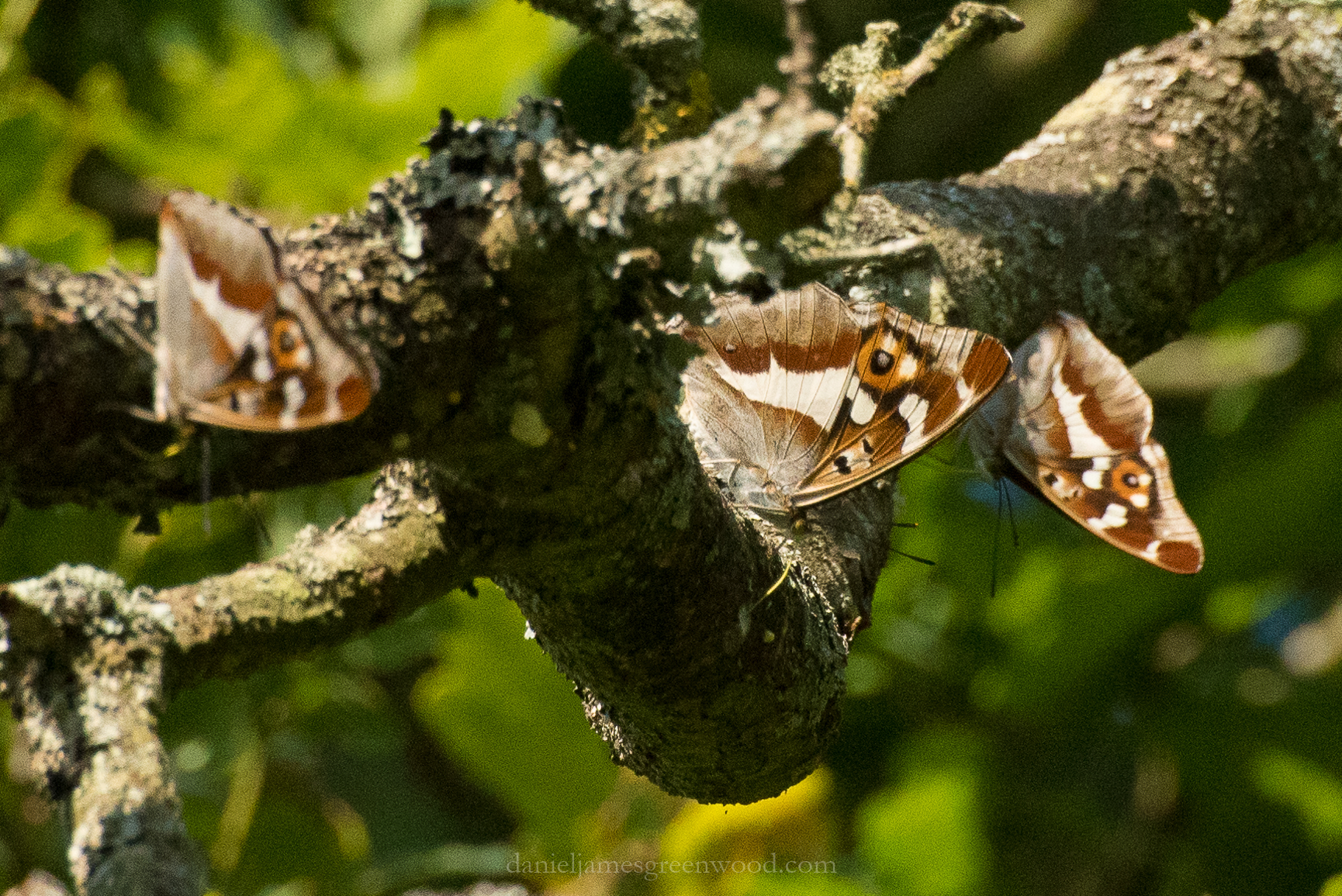
The footpath is lined with stringy hedges growing to a state of woodland. Large oak trees thrust up from the Wealden clay every few metres, the pillars that hold the Low Weald together. Trees like these run all the way west to the New Forest. In one of the hedges a bike has been locked up, purple ribbons are tied to hedge trees at intervals. It’s an indicator: we have arrived in purple emperor butterfly high season. A man with a large telephoto lens marches towards us, his tripod legs splayed like a broken umbrella. He sees that we’re looking up at an oak, where the emperors fly high. He sets his kit up, eyes open wide in anticipation, mouth gaping. He barely acknowledges us.

We carry on, purple emperors flying lower and in pairs, the white markings on their wings translucent in the light as they pass over our heads. Behind a hedge where people are warned not to go, a couple with their dog asleep in the grass watch with craning necks yet more of these superstar butterflies. The man with the tripod reappears on the horizon, spotting the small group, he homes in again like an insect-seeking missile. Further ahead two vehicles are parked on the track, a group of men are standing around a film camera pointed up at the canopy of an oak. One of the men squints into the viewfinder and grips the equipment, ready to shift it when its subject moves. Another man stands back smoking a cigarette, possibly the film’s producer.

‘Seen a blue tit?’ I say.

The smoking man offers a wry smile in response. The camera man takes his eye away from the camera and grins.

Leaving the oaken lane and continuing along the public footpath, we follow a circuit around and meet a couple tuning in to a turtle dove singing beyond the crown of an oak. My friend has just heard her first ever turtle dove in the UK, in six decades of living here, and she’s touched by its turring. This is a bird on the edge of extinction in our great nation. The couple tell us they’re camping and that it’s disappointing to hear the nearby A24. Their expectations of Knepp didn’t include the sound of the combustion engine.

The man says a spotted flycatcher is hunting around the corner from a branch, and so it is, along with a juvenile. This is the first fledged juvenile spotted flycatcher that I have ever seen in the UK, and the first flycatcher in southern England. Like the nightingale and turtle dove, they seem at home here, indeed they have made this piece of the Sussex Weald just that. There is so much chin-scratching, speculation and opinion in nature conservation. When you see results such as these, it’s hard to disagree with the state of a place.

View my Wealden archive

The Sussex Weald: gambling on a grey sky

Shelleys - 26-4-2019 djg-4

The Sussex Weald, West Sussex, April 2019

I visited a small woodland in the Sussex Weald after work to make the most of a break in the showers. My aim was to catch the bluebells in the early evening light when I think they look best. The forecast was for cloud but it was windy enough for some sunlight to break through. This woodland is coppiced and was where I photographed the wood anemones last month. It is the bluest bluebell woodland I’ve ever seen. My friend always tells me, ‘no, it’s purple!’. He’s right.

Shelleys - 26-4-2019 djg-70

Bluebells are a huge draw for anyone who has a camera (so that’s everyone). It’s part of the traditional spring experience to go to a bluebell wood, in most places that still have them. That’s something that shouldn’t be taken for granted, ancient woodlands like those in the Sussex Weald are being lost, despite the fact that they are irreplaceable habitats. Their species diversity has evolved over thousands of years. At a coppiced wood like this, their ecosystems have coalesced with our management of them for wood products. The oak above might be a coppice, but it could also be three oak saplings fused together.

Shelleys - 26-4-2019 djg-94

Something felt quite gentle and warming about this oak plugged in amongst bluebells. Perhaps it’s the slight lean, it’s almost an invitation to pass by. The mental and physical benefits of spending time in woodland are great.

Shelleys - 26-4-2019 djg-77

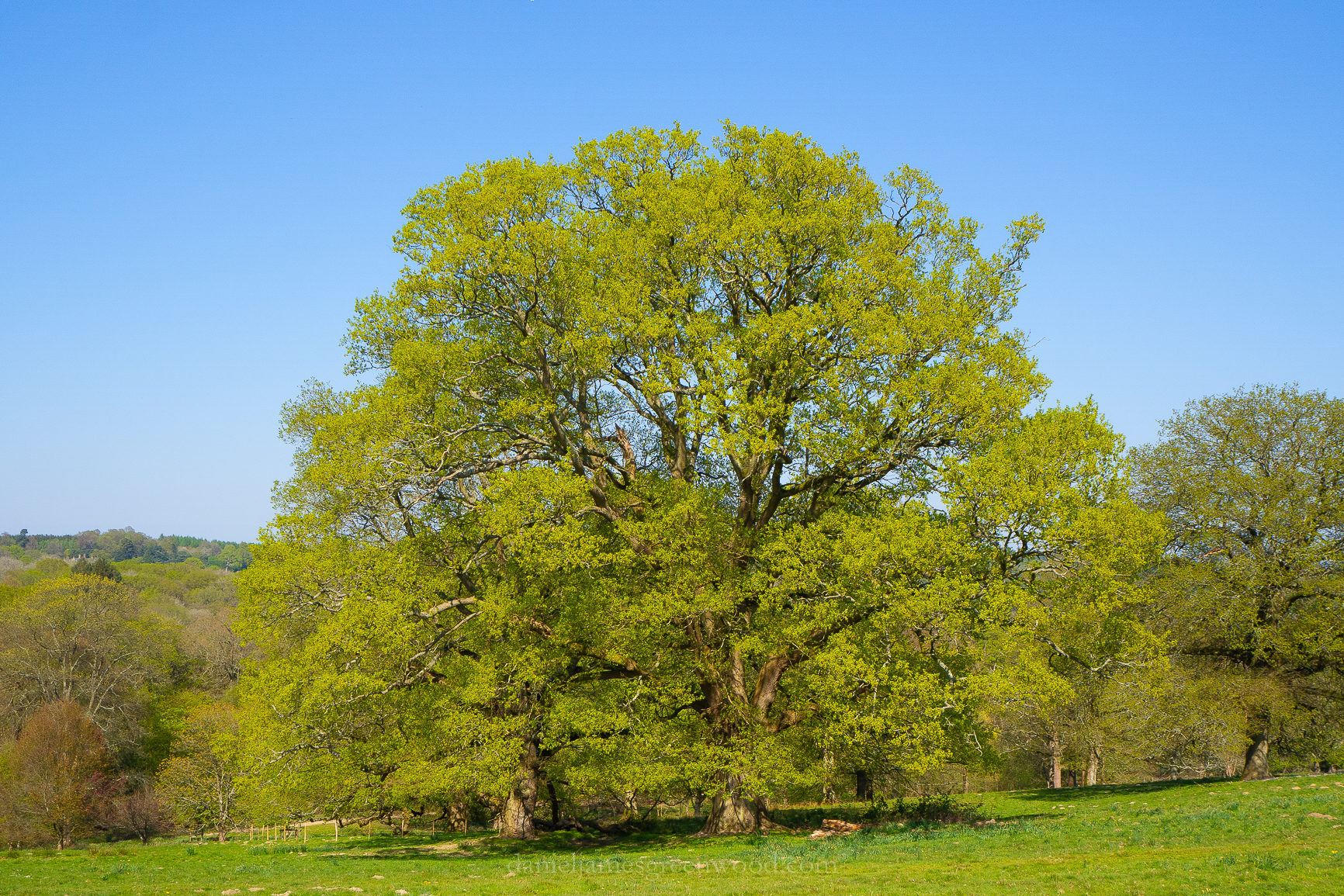
I’ve noticed the flush of new green oak leaves and how quickly that freshness is lost to the stiff darker shade.

Nymans - 20-4-2019 djg-6

Take these two oaks in the High Weald from a week earlier. Their new green is incredibly fresh but will now have darkened. You have to enjoy every moment of spring before it goes.

Shelleys - 26-4-2019 djg-37

Back to the wildflowers. Before visiting the wood I spoke to a colleague whose job it is to survey woods. He said he’d seen very few early purple orchids this year, possibly due to the colder than average January and then sudden heatwave in February. I said I would report back on my findings. I discovered a patch of about 10 flowering on the wood’s edge with plenty of other spotted leaves yet to produce flowers. I had seen them in the same patch a couple of years ago so knew where to go.

Shelleys - 26-4-2019 djg-32

I find orchids that grow in woods to be twice as exciting as those out in the open landscape. It’s a personal thing, because the diversity is far greater out there. There’s something about woodland versions of other species, birds or butterflies for example. There is something so interesting about the fact some species have made a niche for themselves in certain types of woodland only. Don’t get me started on firecrests. It’s even more interesting when these species, especially the wildflowers, escape out into the surrounding landscape.

Shelleys - 26-4-2019 djg-122

It’s not possible for the flowers to do much of that in this slither of the Sussex Weald because it’s surrounded by a monoculture of oilseed rape. On the contrary the farm is making its way into the woodland through the run off of fertiliser and water being piped in. You can see where the wildflowers are being pushed further into the woodland, away from the polluted areas. It’s something happening to almost every small woodland in England in one way or another.

Shelleys - 26-4-2019 djg-17

Photographing the orchids was tricky because it was windy, dull and the plants were small. I used a telephoto lens and tried to maximise the bokeh around the flower. These flowers are beautiful even when out of focus.

Shelleys - 26-4-2019 djg-40

The woodland flowers felt as if they were at their peak. Elsewhere yellow archangel spread amongst bluebells.

Shelleys - 26-4-2019 djg-14

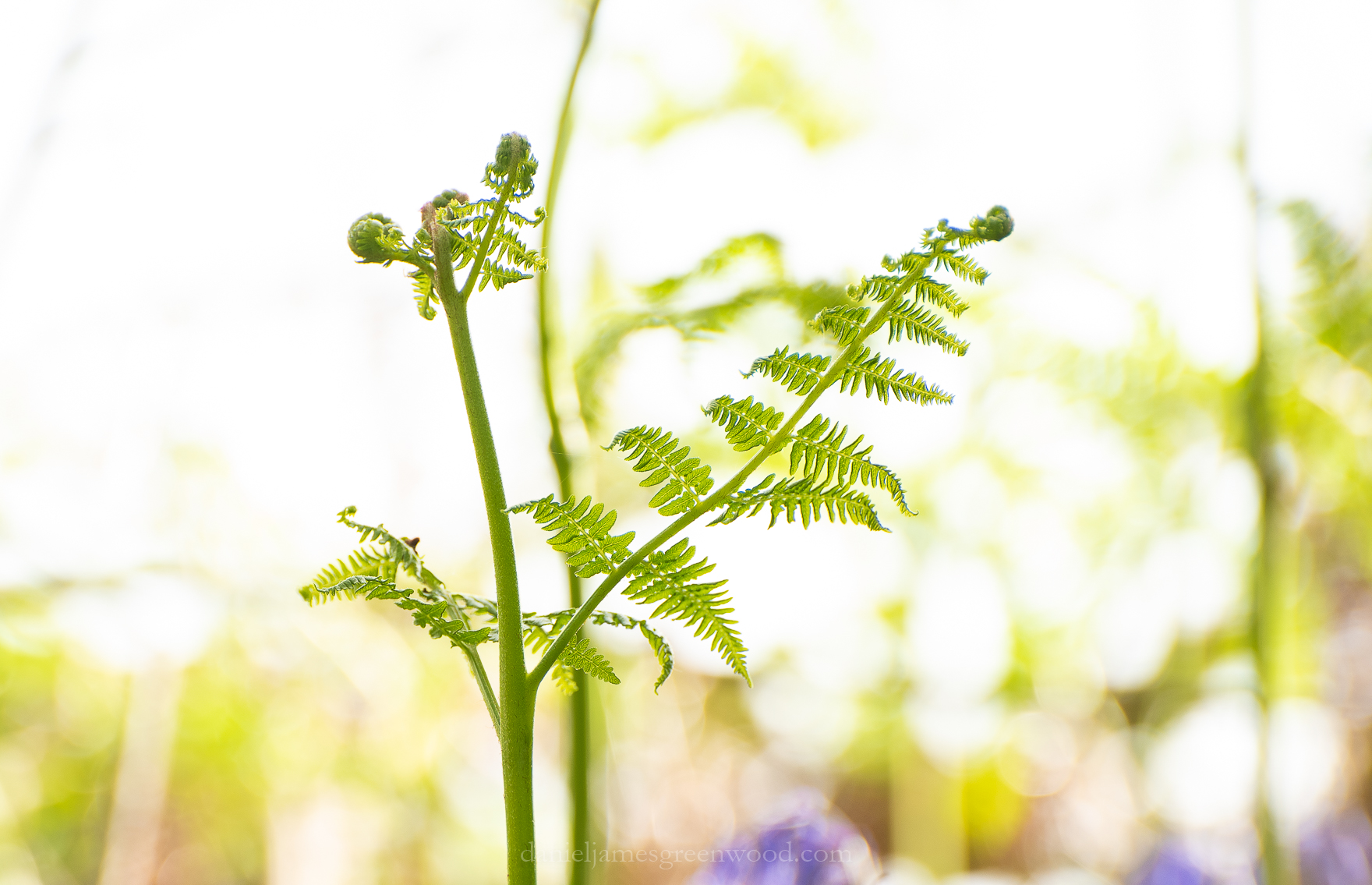
The details of a wood at this time of year are incredible. If you look closely it’s not just the bluebells that will attract you, the fronds of bracken unfurling are worth investigating. These primitive plants reproduce through spores and pre-date flowering plants like bluebells by millions of years. It’s a tough plant and can be a bit invasive. Oliver Rackham reckoned it was the most common plant across the whole of the UK.

Shelleys - 26-4-2019 djg-99

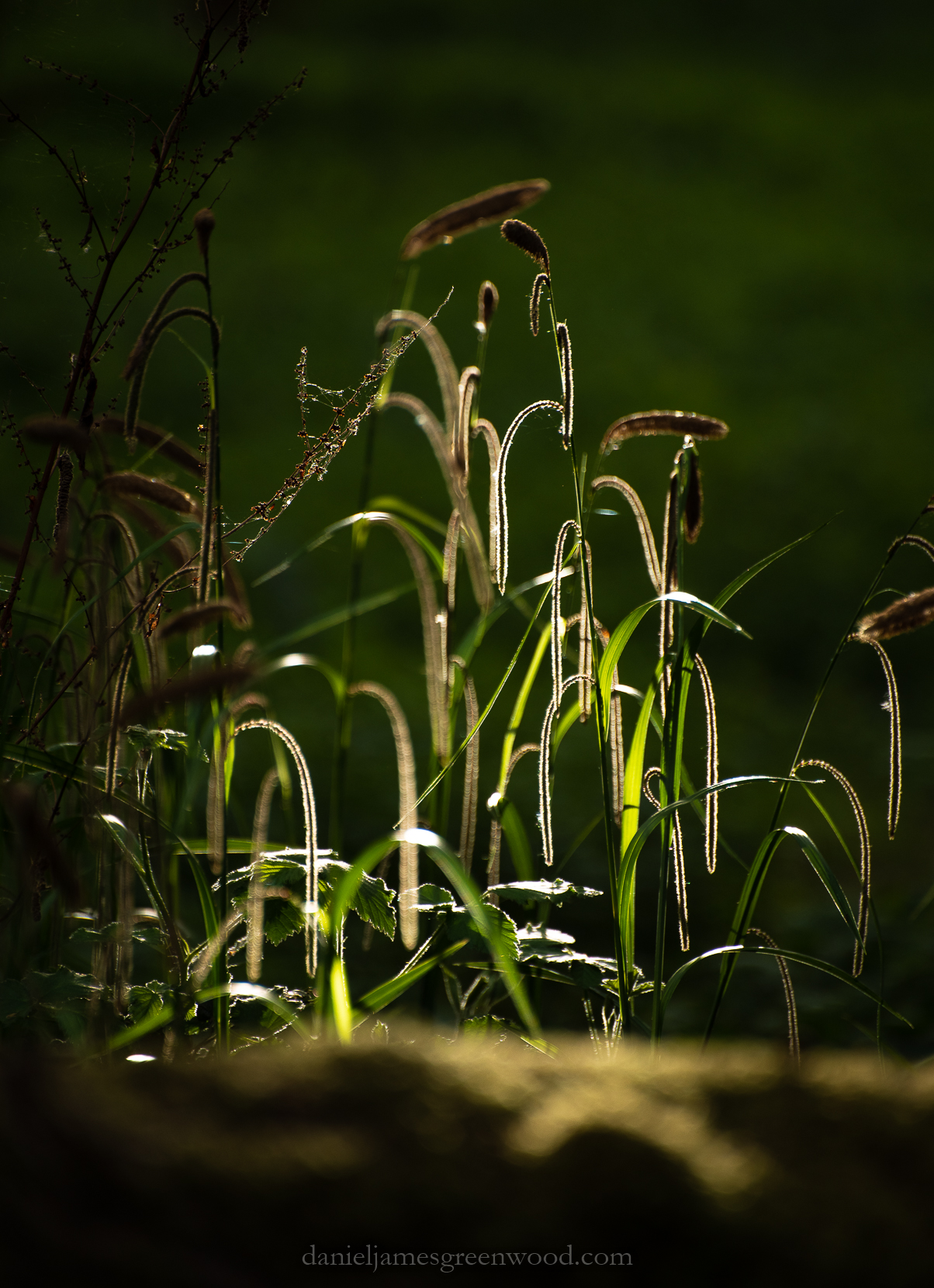
People often say they spend a lot of time trying to remove pendulous sedge from their gardens. It gets around. It’s actually a resident of ancient woodland and can be found in the wood. I passed this community of sedges on my way out as a few bands of sunlight broke through the clouds and lit their drooping seedheads.

Shelleys - 26-4-2019 djg-110

That light broke free as I made my way out again, illuminating bluebells either side of tree trunks. It was a reward for gambling on a grey sky.

View my Wealden archive