Midsummer buglife 🪲

Warnham Local Nature Reserve, West Sussex, July 2024

I was making my first meaningful trip out to a wild space after being ill with Covid, to see if I could concentrate enough on taking some macro pics. Thankfully there were some very docile bugs pleading for their close up. Here you go, team.

I’ve missed a lot of the macro season this year, what has probably been one of the ‘worst’ summers in this part of England. Lots of rain, quite cool, clear lack of insects. I’m only just getting over brain fog so not able to compute how worrying the insect declines are right now. It seems that approving the use of bee-killing pesticides without appropriate risk assessment doesn’t help.

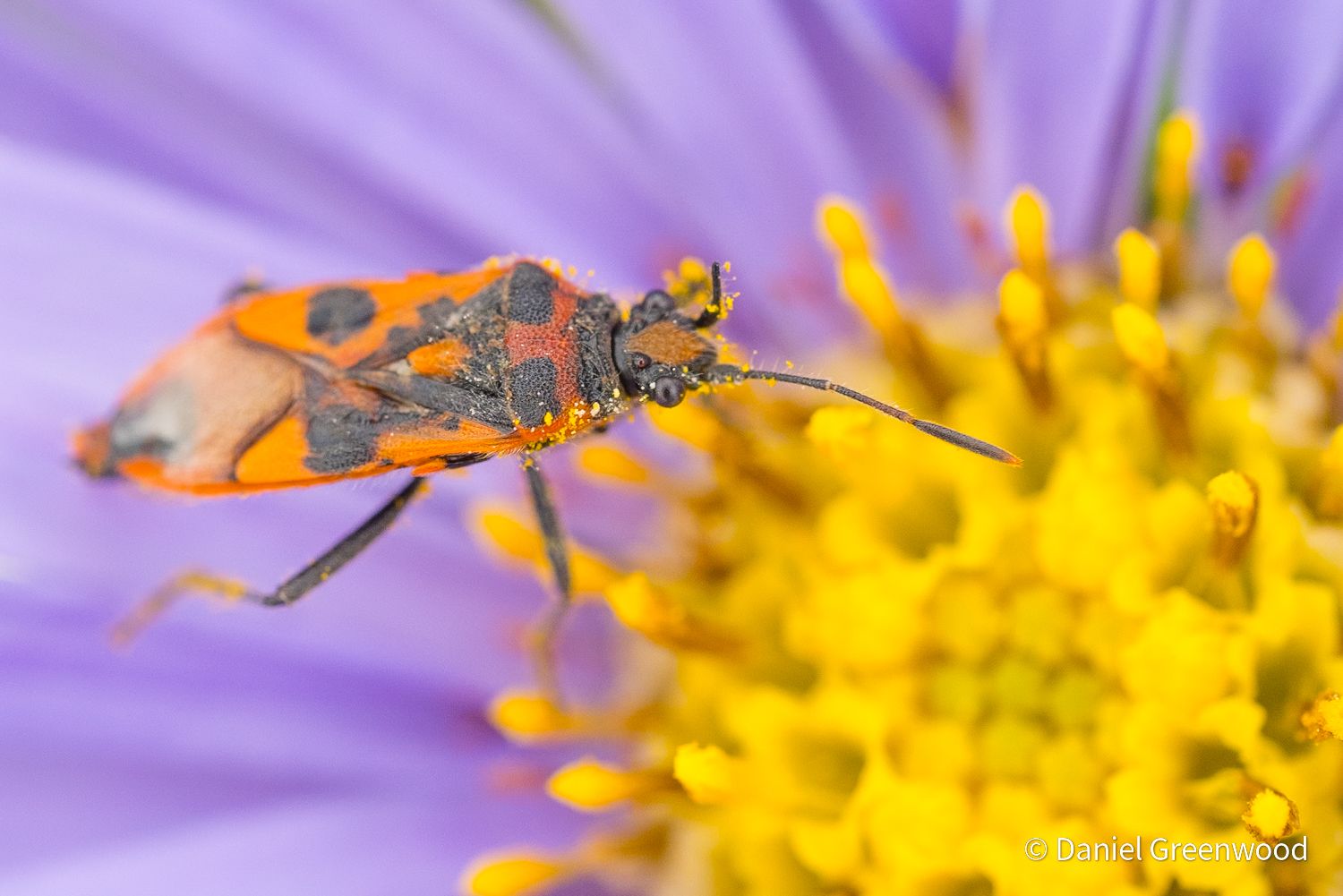
I was fortunate to spot this cinnamon bug nectaring in the flowerhead of a Michaelmas daisy within a few minutes of my visit to Warnham Local Nature Reserve. I love how this pollinating beetles get so covered by the pollen. It’s a bit like me after eating a choc ice.

Though flies are feared and reviled for their connections with unpleasant organic matter in this world, some of them are very interesting to look at. Many of them also tend to be pollinators. It’s not all about the bees. This fly is probably Nowickia ferox, which feeds on flowers. Moth fans – look away now. Their larvae develop in the dark arches moth.

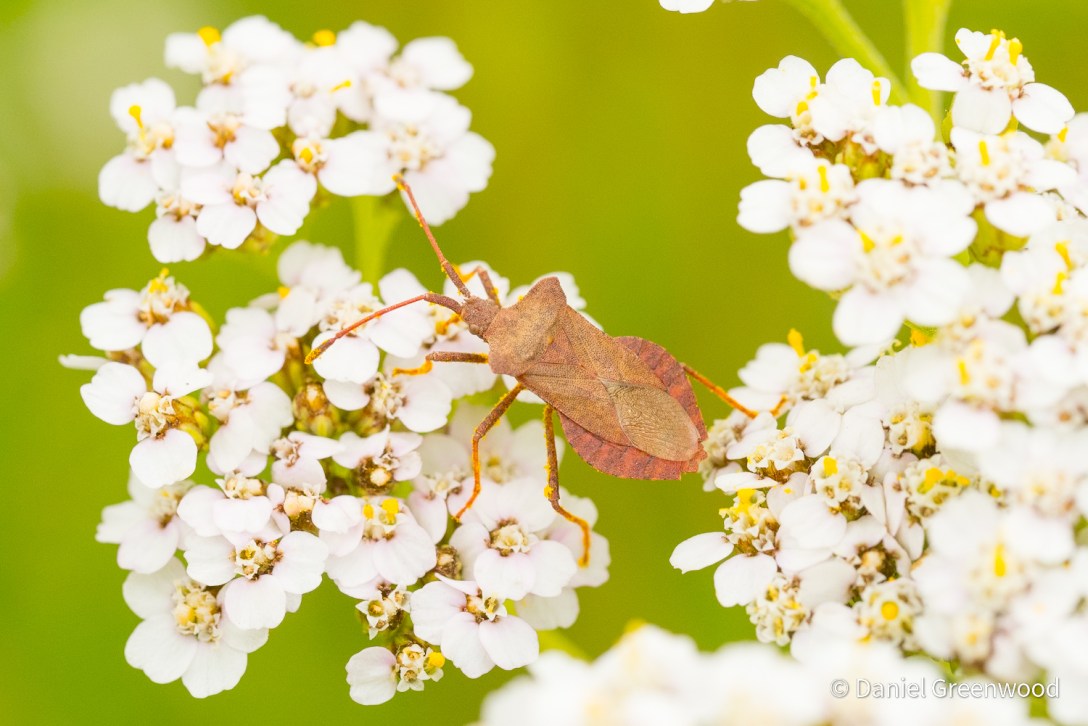
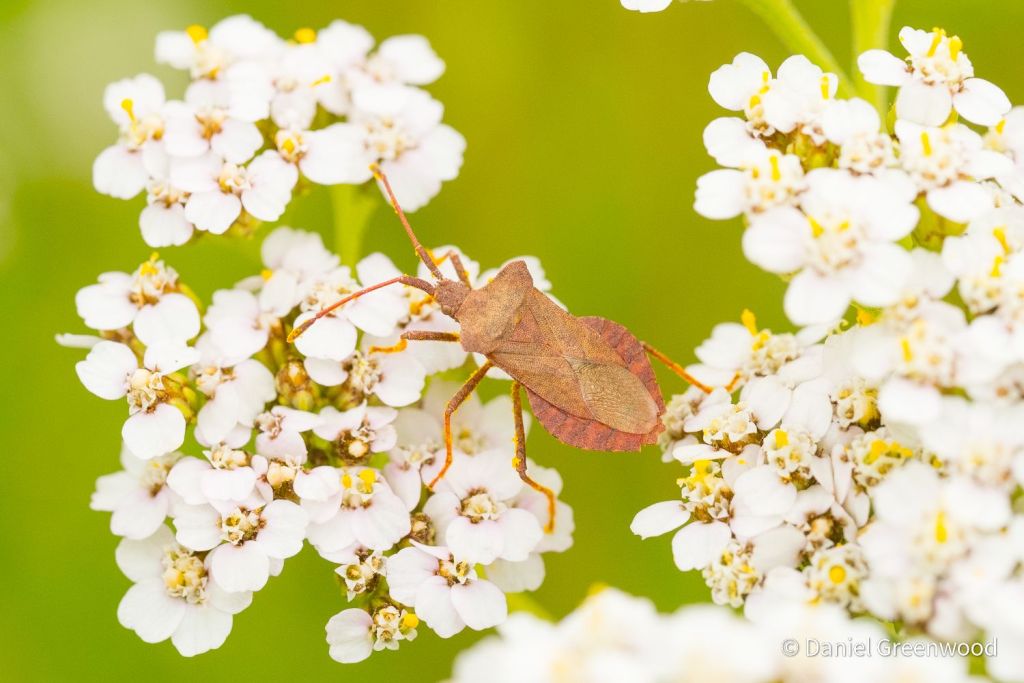
Dock bugs are a common sight in southern England, especially in flowery grasslands and meadows. They are very easy to photograph – they’re like the mushrooms of the insect world, slow moving, if at all. How trusting.

Elsewhere, this mid-summer period is one of hoverflies, many which looked very similar to the untrained eye (this one) but which can be nice subjects among the flowers of hogweed and other umbellifers.

I was pleased with this photo of a dancefly as it nectared on some ailing hogweed flowers. That is one heck of a proboscis. The light is very soft and the background is a serene green.

Over the years (I’ve been using a dedicated macro lens since 2014) I’ve learned about species behaviour, and how a little bit of knowledge can really help you to find wildlife. In terms of invertebrates, I remember a blog written about fenceposts and how they were a good place to find roosting insects. This is solid advice.

During this visit, in the forefront of my mind was a past, failed attempt to photograph a robberfly where it sat on a handrail. On that same handrail I didn’t find a robberfly, but instead my mother and father-in-law, which was also nice. But, that wasn’t the end of the story…

Turning to head home, realising how fatigued I was, and lacking in normal, basic levels of energy, I spotted something. A robberfly was sat on a different handrail! It’s so pleasing to have this sense of validation for my fencepost knowledge.

In the world of wasps, we are of course in the throes of the UK Media Silly Season (despite there being a General Election, potential dictatorship in the US, and far-right riots across the UK!) and wasps are in the news. Interestingly the mwin story is, where are they?

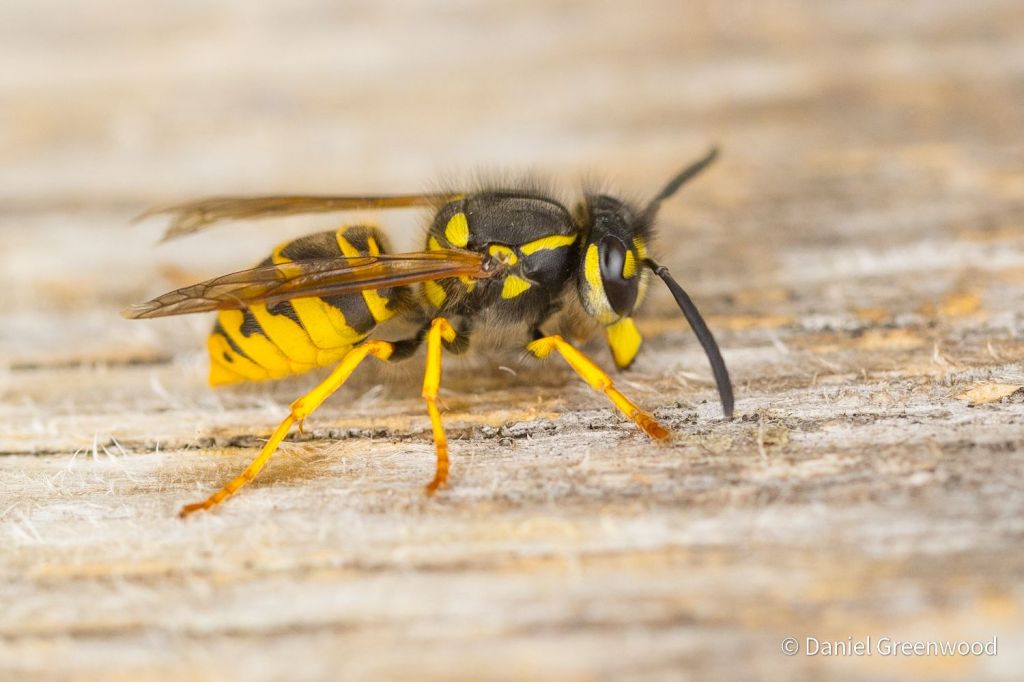
iNaturalist users think the wasp above is a German wasp. What you can see is the wasp gathering wood shavings for a nest. But that wasn’t the only wasp I saw.

July and August are good months to see the iconic ichneumon wasps. I absolutely love them, an interest which was deepened by reading The Snoring Bird (I recommend it). I wasn’t fast enough for this ichneumon to really get a strong pic, but this will do.

Even worse was this attempt to photograph one of the Gasteruption ichneumons. People, I am just too short for plants that want to grow this tall. I do enjoy the bokeh here though (circular light in the background). Take that, full-frame cameras!

So, all in all a decent showing for a fatigued individual.

Thanks for reading.

Photos taken with Olympus EM1 Mark III and 60mm f2.8 macro lens, edited in Lightroom.

Macro

Sussex Weald: bitter battles of survival

High Weald, West Sussex, January 2024

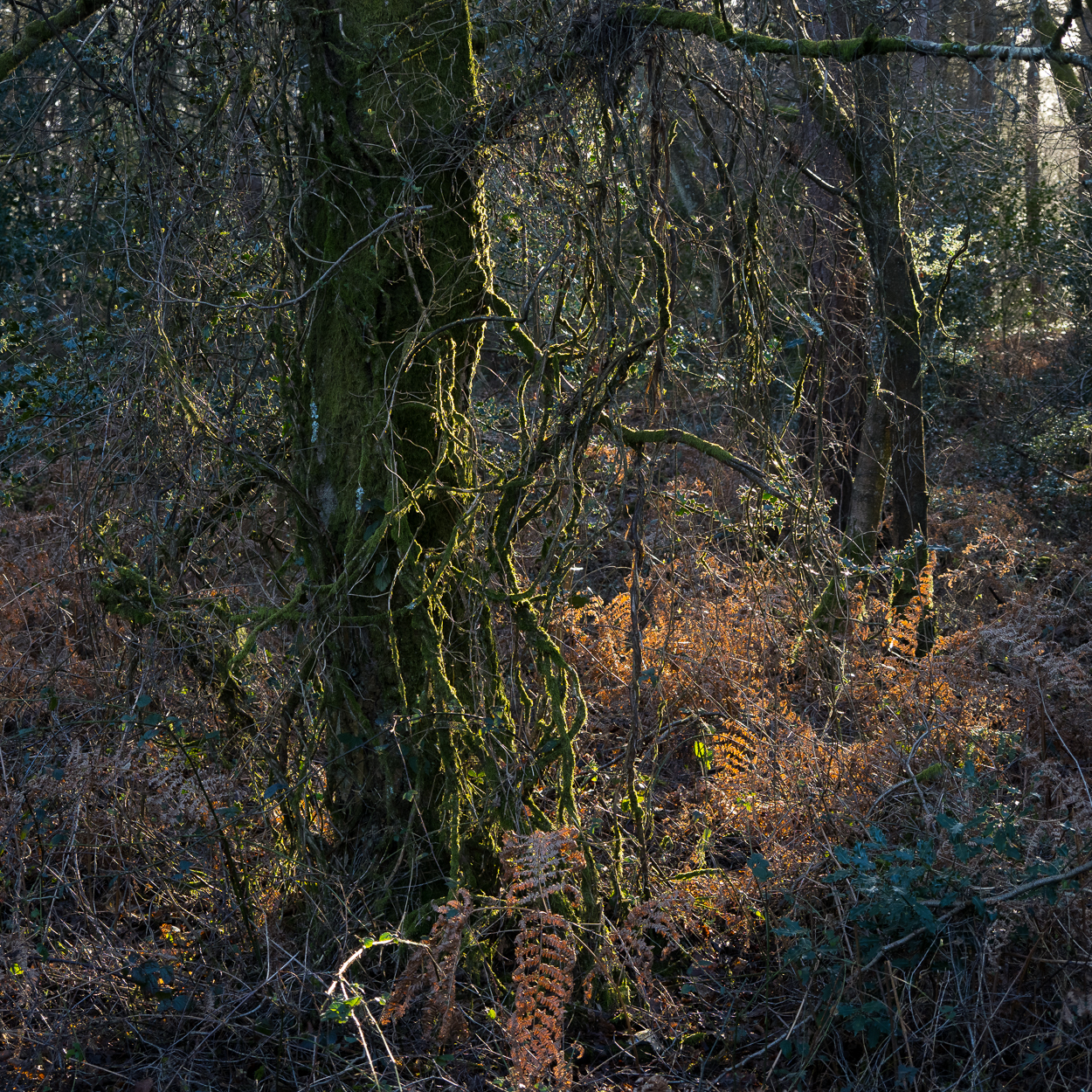
At the entrance to the woodland a sign warns of forestry activities. It’s time to expect deep rutting to the tracks and soil, and conifers pulled out of this vast area of afforested heathland, and old oak and beech woodland.

A song thrush lifts up from the track and onto a nearby branch. Their lives are bitter battles of survival in January. In early spring their music travels the woods and fields, parks and gardens. The bird stoops on the branch, eyeing me in that wild way.

The sun is shining and the birches gleam white in the treetops. 

Pine needles are bleached to an almost aquamarine.

On the main trackway the machine rutting appears from a tract of maturing pine, oak and birch. A track churned-out by huge tyres and now full of milky-brown rainwater. The tyres, inevitably, have dug up sections of ditches where fleabane, hemp agrimony and common spotted orchids abound in summer.

Then again, this trackway and its ditches were likely created for the forestry works, so it’s maybe a case of swings and roundabouts. The extraction works are set to end here in the near future, no doubt to allow the woodland to move at its own pace. Plantation trees will be replaced by self-seeded birch, and the jays’ forgotten oak cache, if the deer don’t eat them.

There is something unexpectedly wild about forestry landscapes, their lack of obvious human culture. There is not much coppicing here, not much lopping or billhooking. No dining tables are set by charcoal burners, or mud huts packed up inside clearings.

No one is claiming it for their own, not even the foresters.

The Sussex Weald

Autumn/winter 2023

Hello! Here’s another of those seasonal blogs where I post stuff you don’t necessarily need to know.

The header image visible on the blog here is of November in the South Downs looking south towards Angmering.

Thanks to everyone who has viewed, commented on and liked my posts this year. Posting stuff on here is a joy for me and it’s really nice to have your questions and comments to deepen the narrative. These posts tend to get more comments than some of my most finely-sculpted photo or prose posts, so let’s see what you have this time.

Where have all the mushrooms gone?

Not a comment on a mycological crisis in the woods, but the content that seems to ‘drive traffic’ to this website. As some of you may have seen, I’ve set up a separate fungi blog/website for my mushrooms pics: www.fungifriday.co.uk

The Fungi Friday blog is a home for my fungi photos with a focus on southern England’s rich funga.

I created it for a couple of reasons. One the main motivations was enforced – social media like Twitter (RIP) and Instagram are moving away from photography and instead towards poorly functioning hate-posting for the latter, and TikTok-lite in the case of ‘The Gram’.

Then there’s Threads, which reminds me of the ‘smartshop’ self-scanning interface from Sainsbury’s. It’s also owned by Meta/Facebook, which is not great.

The second reason was that constant mushroom content doesn’t really fit with a personal website with varied, landscape-related subject matter. I value bringing hand-written landscape writing to this website, which the fungi content is not. If I’m ever going to make it as a writer, I’ll need to spend more time working offline with a pen and paper, and typing it up later.

Another key point is that fungi are ‘hyper-diverse’ and there is a lot to cover. I’m aware that quite a few people read this blog through their email inbox, and a mushroom a day probably isn’t what you need (though to some people, that’s exactly what they need). I’d like to post more longer reads about fungi in the cultural sense, as I did in lockdown (2020-21).

Anyway, I hope FungiFriday.co.uk can last the pace, and I’ll be posting my autumn photos over these bleak midwinter months. Please do #LichenSubscribe if you have a WordPress account.

Music in 2023

My favourite album of 2023 (though released in 2022) is Blue Rev by Alvvays. You can watch a live studio set from them above. Molly Rankin is part of the famous Rankin Family, and her voice positively sings of her ancestry. After the Earthquake is the song I couldn’t stop listening to in the spring/summer and the album has such depth to it for something so rockin’ and short. They are a total joy. Check them out!

I also loved the latest album by Alex G, God Save the Animals.

A snapshot of The Gallows Pole by Benjamin Myers

Favourite books this year

As mentioned in the spring, The Gallows Pole by Benjamin Myers has been one of the best books I’ve read in ages. It’s brutal, violent and bleak, which isn’t my thing, but it had that pull that keeps you wanting to know what’s going to happen next.

It’s also now been serialised (sort of) by the BBC. I haven’t watched it yet, mainly because I loved the book and I’m worried about how my ancestors will be represented (see previous image) on the small screen.

Colm Tóibín has been one of my other favourite authors I’ve read this year. My Irish diaspora family seem to spend a lot of their time consuming Irish culture in books, films, TV and music. I know I’m getting older because I am now doing that. This year I read Brooklyn, The Magician, House of Names and The Blackwater Lightship by Tóibín. Those books aren’t all about the Irish, but Brooklyn tells the story of a young woman’s migration to New York from a rural Irish village. England has descended into extreme far-right territory with its political language around migration, which you are probably sick of hearing about. But reading about the stories of migrants is probably a helpful way to educate one another and those close to us about the plight of others.

In other Irish lit, I also enjoyed reading all of Donal Ryan’s novels, especially The Queen of Dirt Island.

Another book I really enjoyed was close to home – Between the Chalk and the Sea by Gail Simmons. Simmons walks a path from Southampton to Canterbury she translates from the Gough Map, visiting large areas of the South and North Downs along the way. I love this part of the world and am so lucky to be a few train stops away from either landscape. This is definitely a great Christmas present and a book that walkers will love, especially if you like how the landscape can be read to tell the story of its past.

Also shout out to Owls of the Eastern Ice, which is an astonishing book that’s been around for a while now. I loved it.

My favourite film of 2023 is obviously Barbie.

Thanks for reading and your support in 2023. Ciao for now!

– Daniel

The famous red-billed crow at South Stacks Cliffs

South Stacks RSPB, Anglesey, August 2023

The wind blew off the Irish Sea, throwing spray at people walking down the stone steps towards the white observation tower. We were all there to enjoy the view. Making our way down from the RSPB car park, a man clocked my camera and confided that dolphins were feeding out at sea. He had a dog on a lead, those old, broad-barrelled binoculars, and a St. Helens rugby jersey. His accent matched it.

It was a bright but hazy morning. We didn’t see any dolphins, but something more rare. As I took some photos of the lighthouse stretched sphinx-like out to sea, a crow flew in and landed on the coastal trail path, where the track sloped down towards where I stood. This was no carrion crow, rook, jackdaw or magpie. It wasn’t a raven, either.

Its legs were an orangey-red, its bill the same. It was a chough!

I had only ever seen chough in the Picos de Europa, the mountains in Asturias, in the north of Spain. The closest I had got to this now rare British bird, a cliff-dweller, in Britain was a crest or coat of arms in Canterbury cathedral.

It was only after visiting Salisbury Cathedral that I found a cushion with three chough and the name of Thomas Becket embroidered beneath them.

The story goes that as Thomas Becket lay dying, having been attacked on the orders of Henry II in December 1170, a crow flew in and dipped its bill and legs in Becket’s blood. This was thought to be how chough as a bird came to exist(!).

These echoes in culture and defunct emblems shows they were once more common (though of course the same can’t be said for lions and dragons that make up so many crests in Britain). Kent Wildlife Trust have begun to return chough to their native range, though not in response to that crest in Canterbury cathedral.

At South Stacks the real life chough (probably pronounced ‘chow’, as in ‘ciao’, because that’s the call they make) pottered around in a crow-like fashion, inquisitive, confident, always on the move. A visitor’s arrival flushed it overhead towards the sea, wings tucked in, expert in negotiating the sea air’s sudden, shifting patterns.

As we had made our way back up the steps, my mum commented on the colours packed together – the pink, purple, green and gold. Meadow pipit alarm calls rang out and a sparrowhawk appeared low over the heather cascading down to the sea.

Brighton, September 2023

Brighton, Sussex, September 2023

I’ve been visiting Brighton since I was a child on family holidays and it holds a special place in my photographic life as well. The sea at Brighton and Hove’s beaches are some of the places where I began to take landscape (seascape!) photos, using a Nikon F film camera.

Thanks for reading.

Also: Set: London to Brighton | Set: Hove beach

August mushrooms in the New Forest National Park 🐴

New Forest National Park, Hampshire, August 2023

I was in the New Forest National Park camping for a couple of nights in August. The rainy July in southern England gave me great hope of finding some nice shrooms in what is one of England’s mushroom wonderlands. It didn’t disappoint!

Bolete bonanza

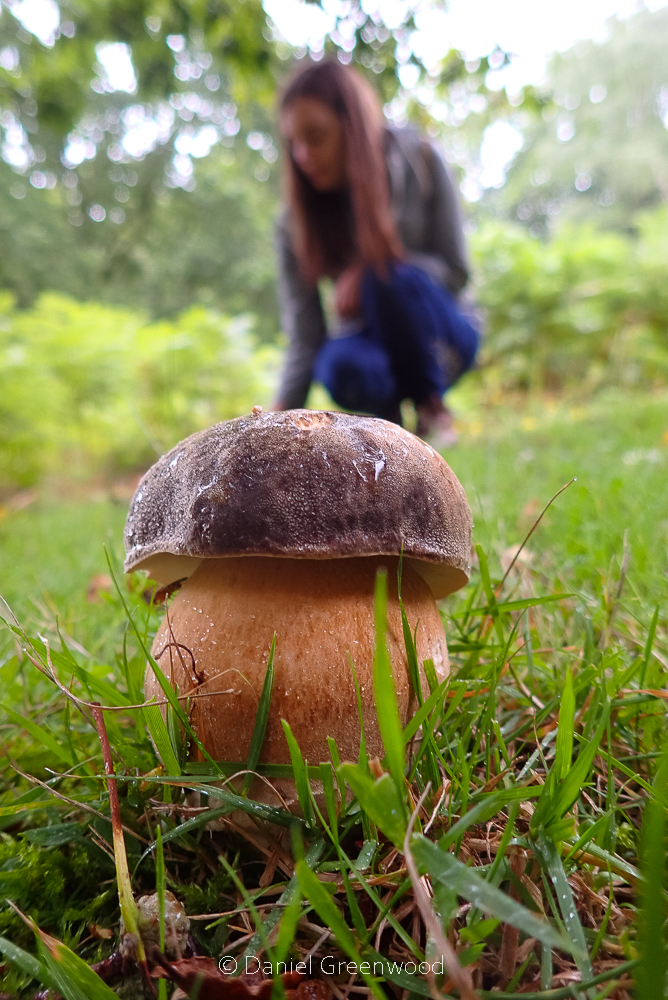
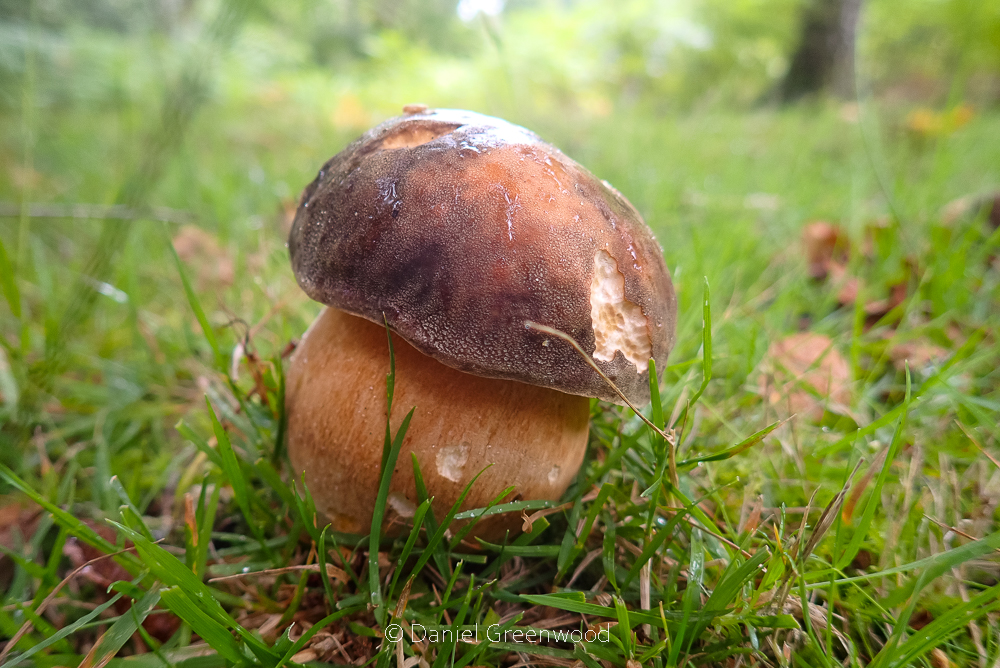
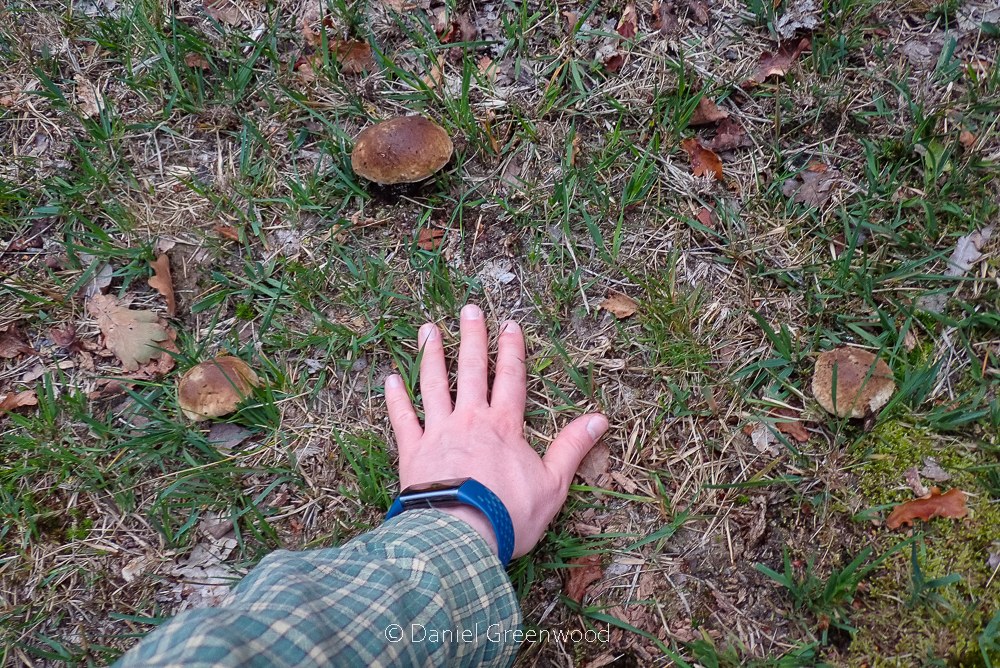
I was so happy to find these boletes, one having already been uprooted. They were the perfect shape and just an absolute joy to see. I have been told these are ceps, but I’m not entirely sure if they’re not another species. I’m unclear on the variety among cep-like boletes, and if the colouring isn’t indicative of another species.

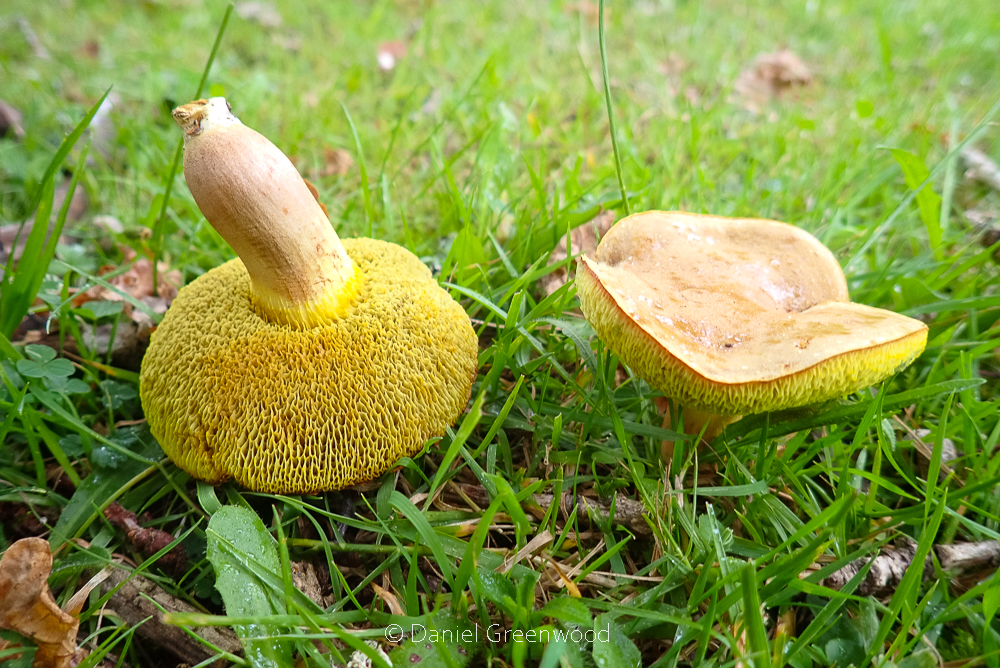
These lovely yellow-pored boletes are in the genus Xerocomus.

About half a mile or less away we found this beauty sitting alone among the grass and leaf litter. It’s an orange bolete. It doesn’t appear to have a distinct association with one species of tree, but this area was common in oak and birch.

Much later that day, on the return stretch, we found this well-camouflaged group of what I am sure are ceps due to their colouring and other diagnostic features.

You can see the distinctive webbing on the stipe here, and the pennybun cap is all you need really:

As the evening drew in, I found this orange bolete that may have been picked by a deer (there was a herd in the area).

Webcaps

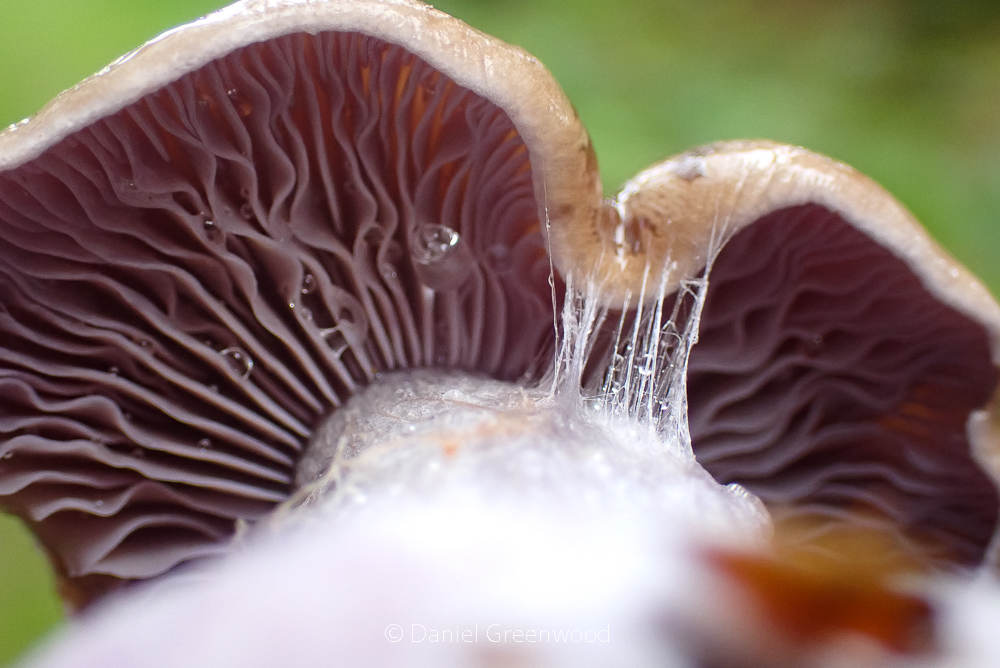
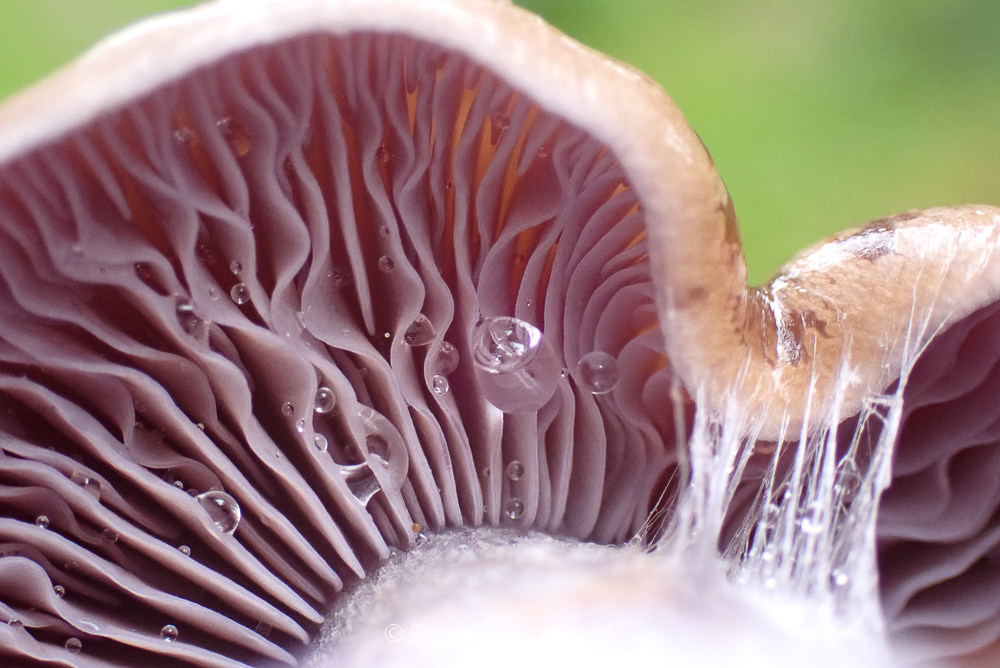
Earlier in the day, while passing between two plantations on a grassy ride, I noticed this uprooted mushroom on the ground. Two bites had been taken from it, probably by deer or a small mammal. The remnants of the veil between the cap and stipe, covering the gills, gave me the thought that this was a webcap. The gills were very beautiful, embellished by the water droplets.

iNaturalist has come back with an ID of webcap subsect ‘Purpurascentes‘. I can’t find any other info on the subgroup distinction.

Rustgills

Rustgills are a group I’m not particularly familiar with. Having developed my fungi knowledge in isolated city woodlands, I didn’t really see rustgills until I moved to Sussex and spent time in larger areas of woodland. This patch was unavoidable. No wonder there is a species known as the spectacular rustgill.

Rustgills are in the genus Gymnophilus. They’re confusable with scalycaps (Stropharia) due to shape and colour.

Chantarelles

And finally some golden chantarelles, already nibbled by slugs and uprooted, probably by deer (as I have said 1000 times in this post!).

The New Forest has a “no pick” policy and there are concerns about illegal, commercial-scale picking for posh restaurants, just FYI. All of these mushrooms had already been “naturally” uprooted (probably by deer).

Thanks for reading.

Fungi

Fungi walk at Bramshott Common – 21st Oct 2023

I’m pleased to be leading a fungi walk with the Heathlands Reunited team in the South Downs National Park this October:

Date/time: Saturday 21st October 2023, 11am

Location: Bramshott Common, Hampshire (near Haslemere)

Bramshott is in Hampshire, close to the border with Surrey and not far from West Sussex.

You can book a ticket (£3 admin charge) via Eventbrite.

I posted about Bramshott Common last year:

Basketful of Boletes

Earpick fungus in Hampshire

This walk will be a good way to learn about the common species of fungi in woodlands, their ecology and cultural significance. Though we won’t be picking mushrooms to eat, there will be some guidance around edibility generally as a safety guide. This is a great site for fungi with a lot of the ‘big-hitters’ and other unusual species to be found.

Thanks for reading.

Fungi

#30DaysMacro 2023: week two

Welcome to the second week of my #30DaysWild macro photo challenge which I call #30DaysMacro. All photos here are taken with an Olympus TG-6 Tough compact camera and cropped/tweaked in Lightroom.

This week was another hot and dry one, and possibly showed a bit more of an increase in insect numbers after a worryingly scant spring. These photos were taken in London and West Sussex, and both areas are in desperate need of rain.

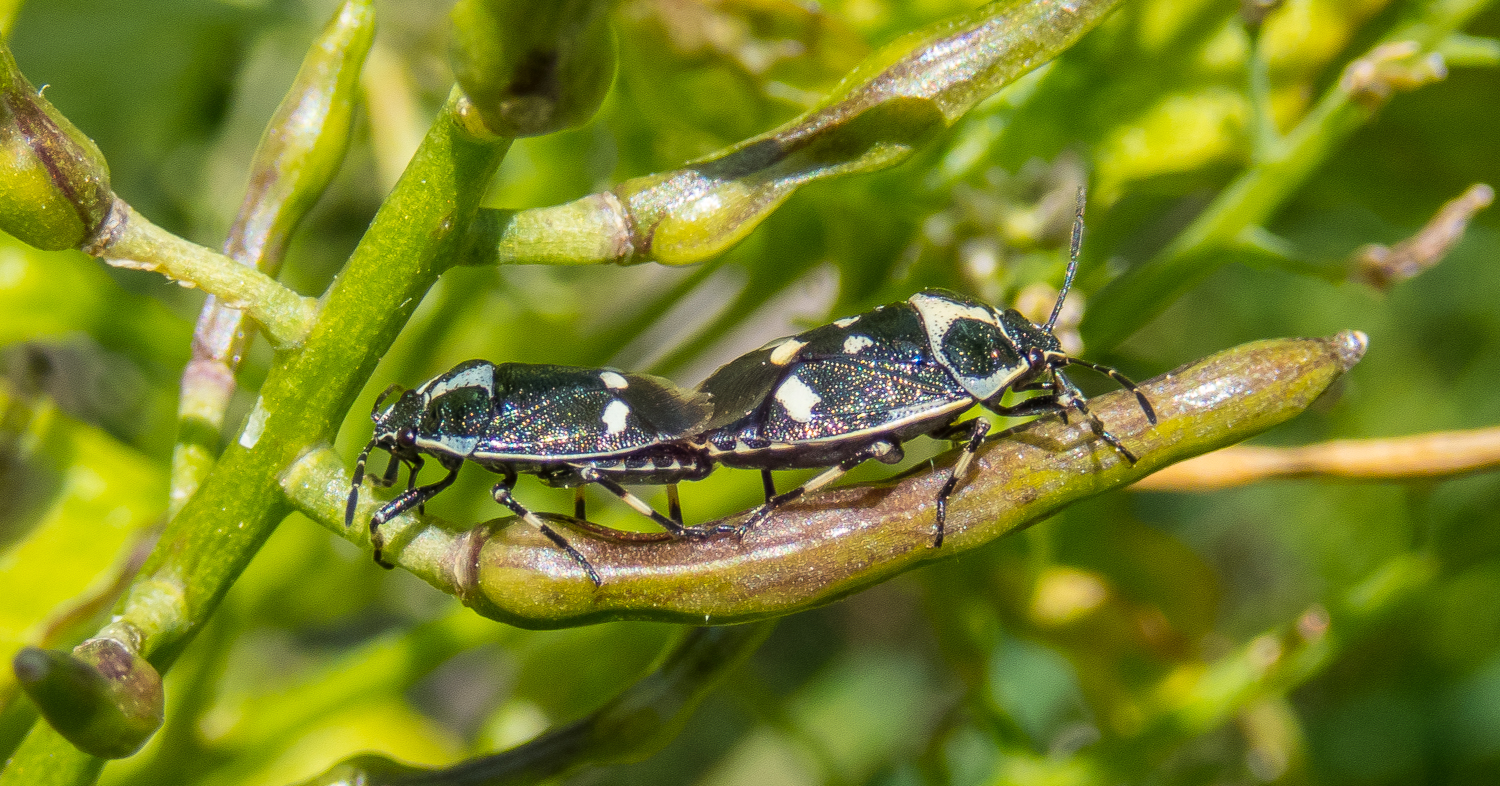
Day 8/30: shield bugs (known as stinkbugs in North America) are some of the most charismatic insects out there and easiest to see. These two cabbage bugs were mating in what I reckon is a plant in the cabbage family, in south-east London. I think this is my first sighting of them.

Day 9/30: this photo is part of an experience that will benefit from a dedicated post. This is a red-belted clearwing moth laying eggs in a diseased or cankered apple tree in a residential road in West Sussex. It’s only one of maybe three clearwings I’ve ever encountered and you can see that it’s a really extravagant, day-flying species. Maybe I could be swayed by moths after all. Scroll down for another part of this story.

Day 10/30: a click beetle takes flight from a flowering climber in my small hedge. This click beetle is one that I think is common as I’ve seen one very similar on several occasions. Probably need to upload it to iNaturalist to identify it.

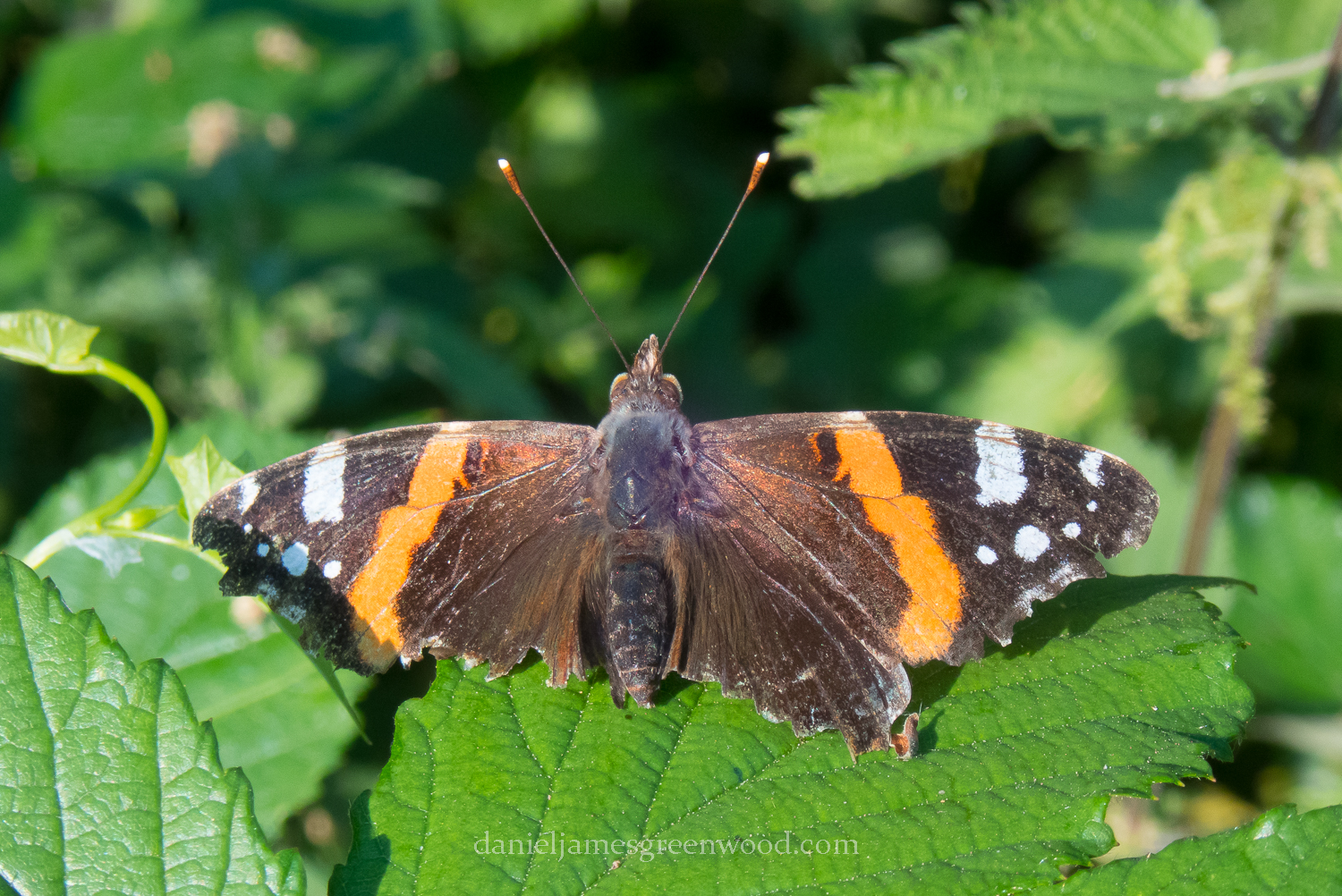
Day 11/30: a tangled web for this poor red admiral in West Sussex. I was surprised to see one so still in the hedge but on closer inspection it has been caught by a spider.

Day 12/30: the emerging larvae of the clearwing can be seen here, pressing out of the apple tree’s bark, just like in certain sci-fi movies. The plot twist here is the arrival of an ichneumon seeking out red-belted clearwing larvae. The ichneumon’s epic ovipositor will be used to lay eggs in the unsuspecting larvae and parasitise the host. You can read more a blog post I wrote about that here.

Day 13/30: a busy day working from home (yes there is such a thing) left me pressed for time, but I managed to snap one of the common hoverflies in my garden. I don’t go out for long in the hottest parts of the day so I am usually reliant on the early mornings or evenings for macro encounters.

Day 14/30: a difficult week for red admirals, with this much-pecked butterfly enjoying(?) some evening rays. You have to make do with what you have in this life.

Thanks for reading.

Macro

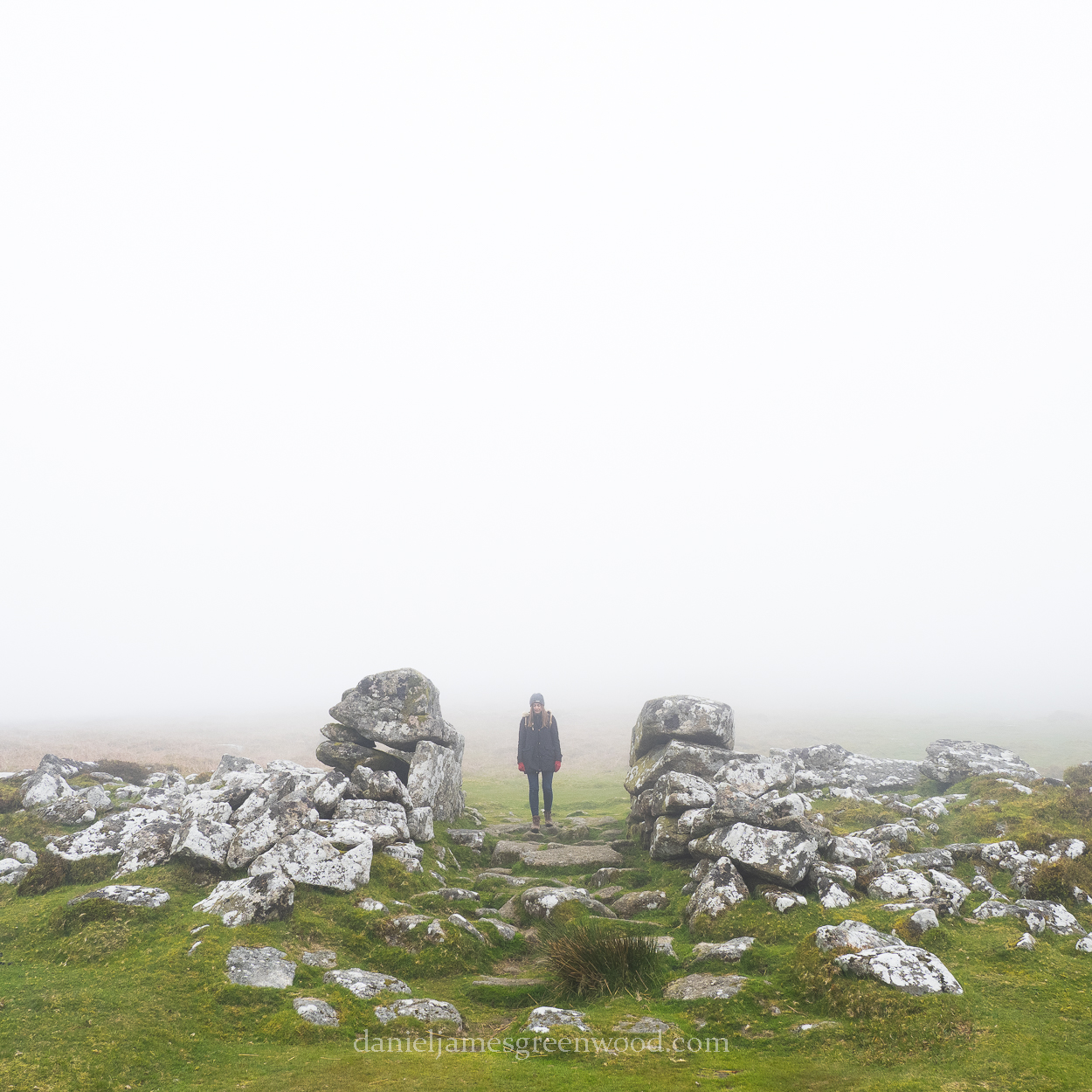
Dartmoor: finding Grimspound in the mist 🛖

Dartmoor, Devon, May 2023

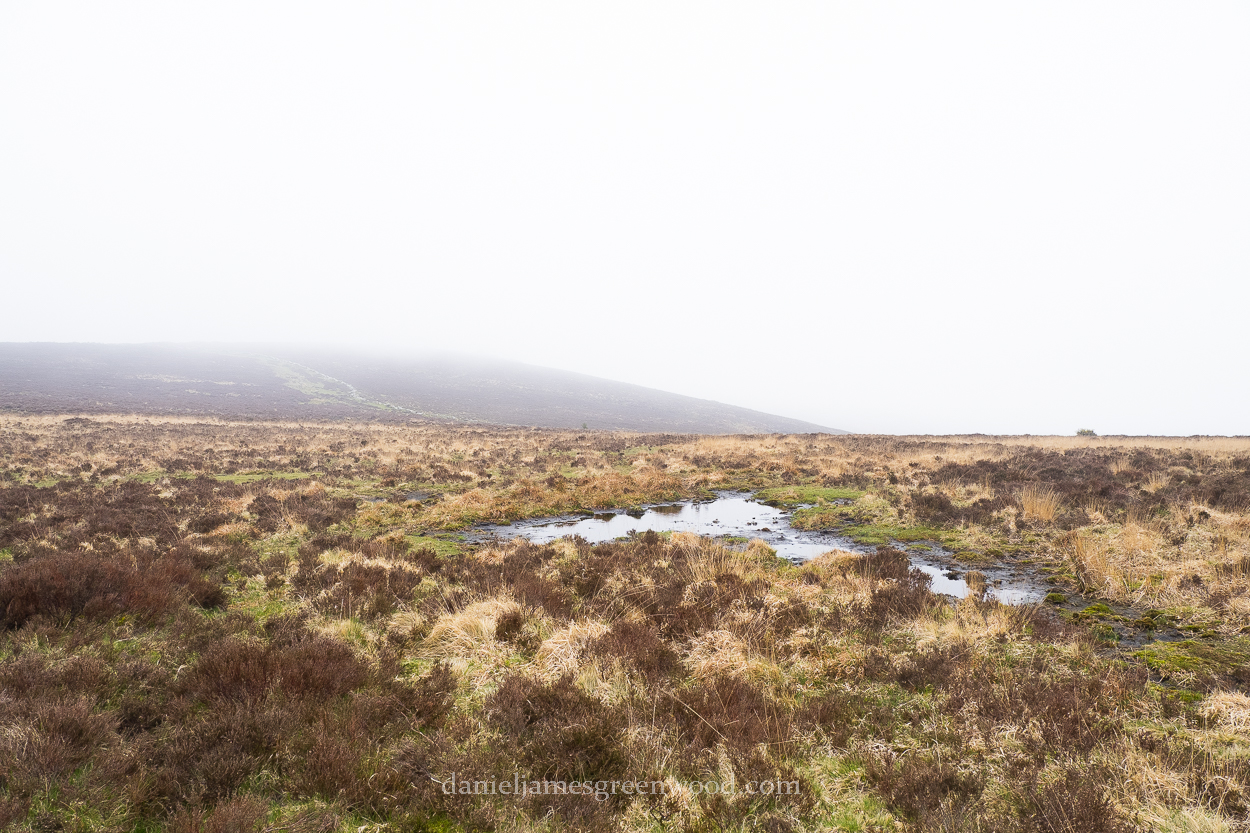
It was a misty morning high on Dartmoor. We began walking from Bennett’s Cross, passing Birch Tor and heading through wintry heather moorland. The white tails of wheatears burst across the paths as we disturbed them. Their journeys here are some of the longest undertaken by any migratory animal on the planet.

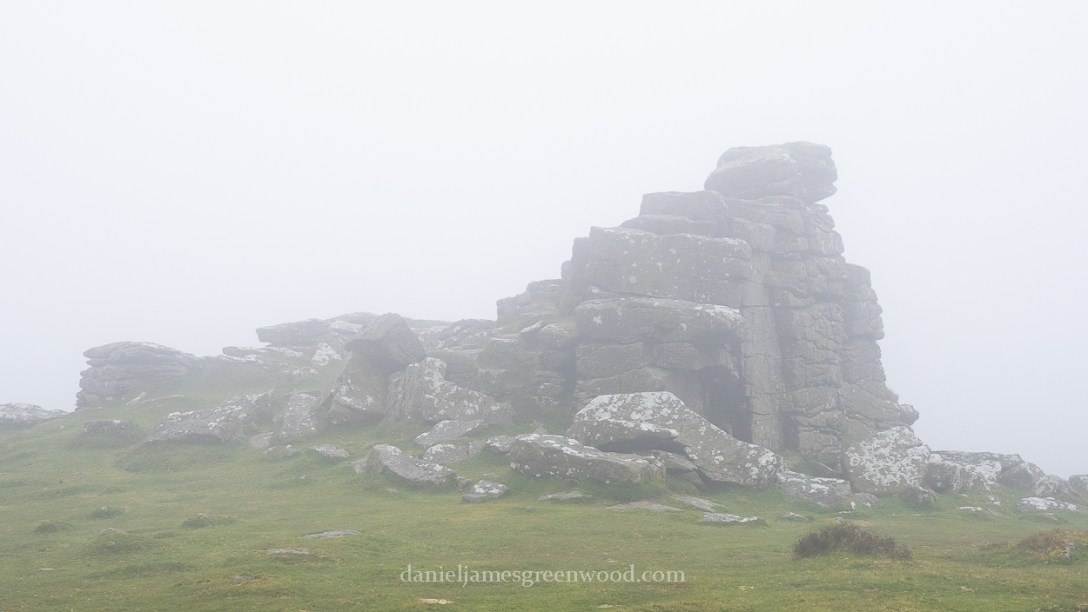
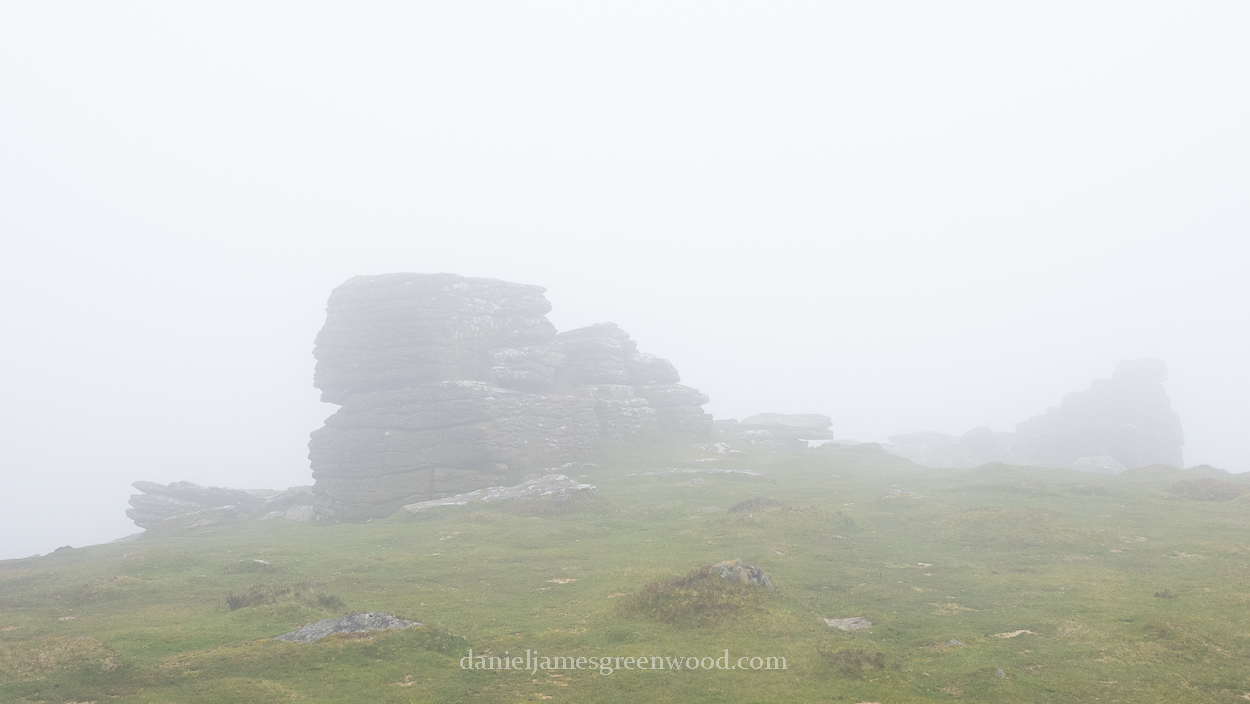
After a short plateau in the moor we crossed a quiet road and ascended Hookney Tor. Here the mist came in from the north, sucking up the wider moor, and the long stone wall that framed views in that direction. We switched east to pick up the unsigned Two Moors Way and walked between the rocky eruptions of Hookney Tor.

As we continued down on the Two Moors Way, a grey bird cut across the edge of the visible moor, some 25ft ahead, before the land was hidden by the mist. It was a male cuckoo, another African bird looking for a mate to breed in this harsh terrain.

The cuckoo slid away into the mist and we headed south for our prize – the 3000 year old settlement of Grimspound.

Approaching, only the collapsed stones of the outer enclosure were visible, painted white by the crust lichens that thrive on Dartmoor stone. In the distance we could hear the voices of other visitors to this ancient place. A family were visiting, posing for photos inside one of the small enclosures that had been rebuilt.

Entering into the ring of fallen stones, the smaller huts came into view. This wall will have been intended to protect the inhabitants and their livestock from wild animals like wolves (now long extinct) and any attacks from other people.

Thanks for reading.

Dartmoor

Salmon egg slime mould 🐟

This is not a fungi post. If anything, it’s probably closer to animals. It also may exhibit signs of memory despite not having a brain. Sounds like you’re in the right place.

Tuesday 10th January 2023 was one of those awful January days in London. It rained a lot, was windy, and there was no direct sunlight to bask in.

Add to this the fact that the night before a fireball enjoyed a spectacular demise in the night sky, and was easy to view across much of the UK. At the time – 20:00 GMT – I was outside, in the dark, being distracted by the massive moon and a neighbour saying she didn’t want to run me over. Somehow, I missed the fireball and lived to hear about it on the radio the next morning.

Anyway, back down to Earth. Though the woods can be ghastly at this time of year, I find them to be a decent shout for slime moulds. Not to be proven wrong, I was proved right by the sight of little (read: tiny) orange beans at the path edge on an old oak log.

These little droplets of tangerine dream are commonly known by slime people as salmon eggs. It is amazing how these declining fish can fight their way up through places where there are no rivers, to lay their eggs in a bit of wood.

You know that was a joke, yes?

Slime moulds thrive in damp, dark places, usually in decaying wood that has been saturated by winter rainfall.

Elsewhere, the smaller polypores of turkeytail and the like were ‘showing nicely’ as the birders say, though rarely of a turkey’s tail around here.

Thanks for reading.

Macro | Fungi

Recent posts