My 2024 in photography

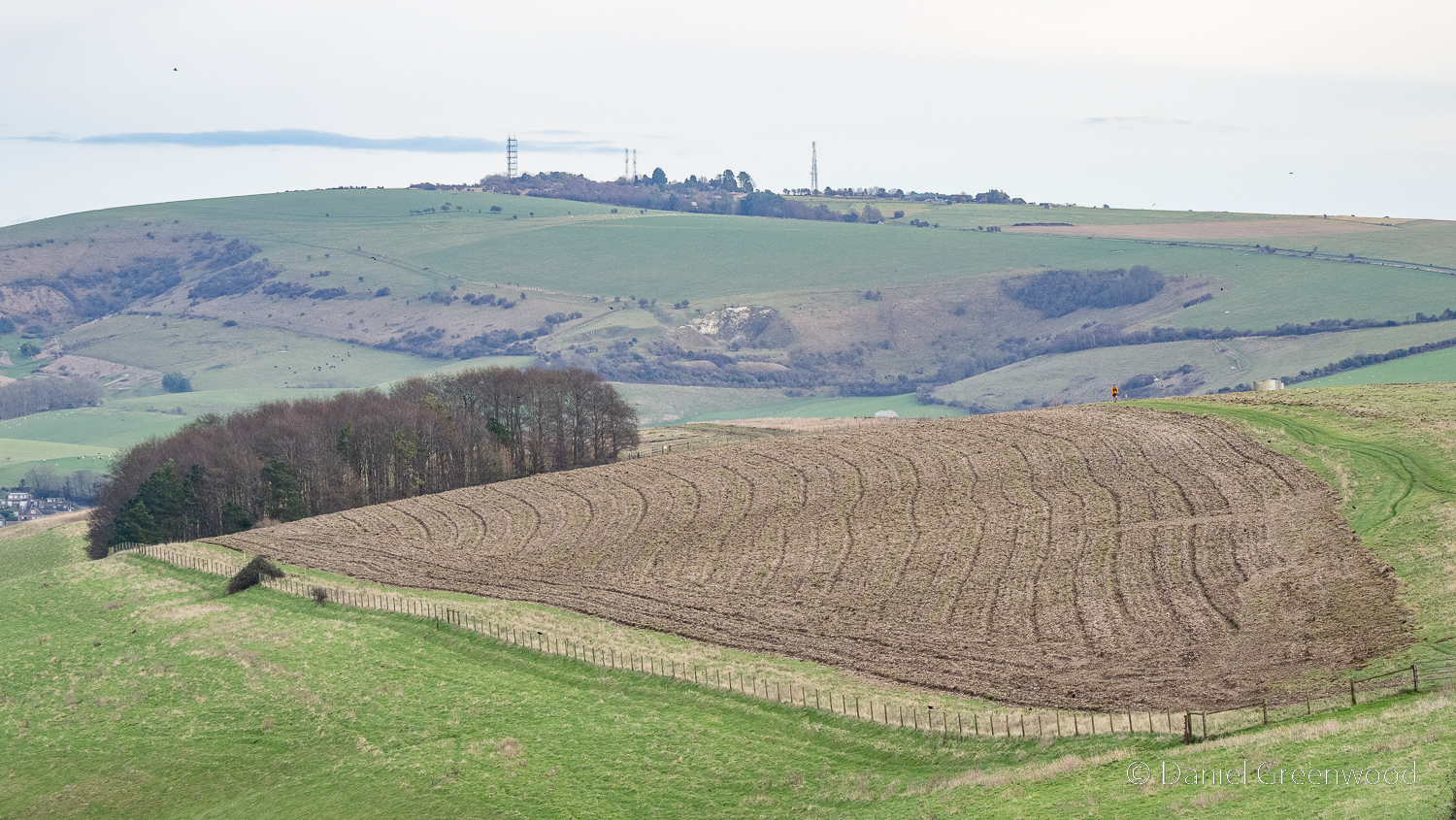
Another year completed and lessons learned. Creatively I have found a balance with my equipment and the actual process of photography. I’m into my 6th year of working with Micro Four Thirds cameras and lenses, giving more space to enjoy the process of gathering photos – walking – because the equipment is light.

Cameras used include Olympus EM-5 Mark III, Oly EM-1 Mark III, Olympus TG-6 Tough compact camera, and Pixel 7a phone camera.

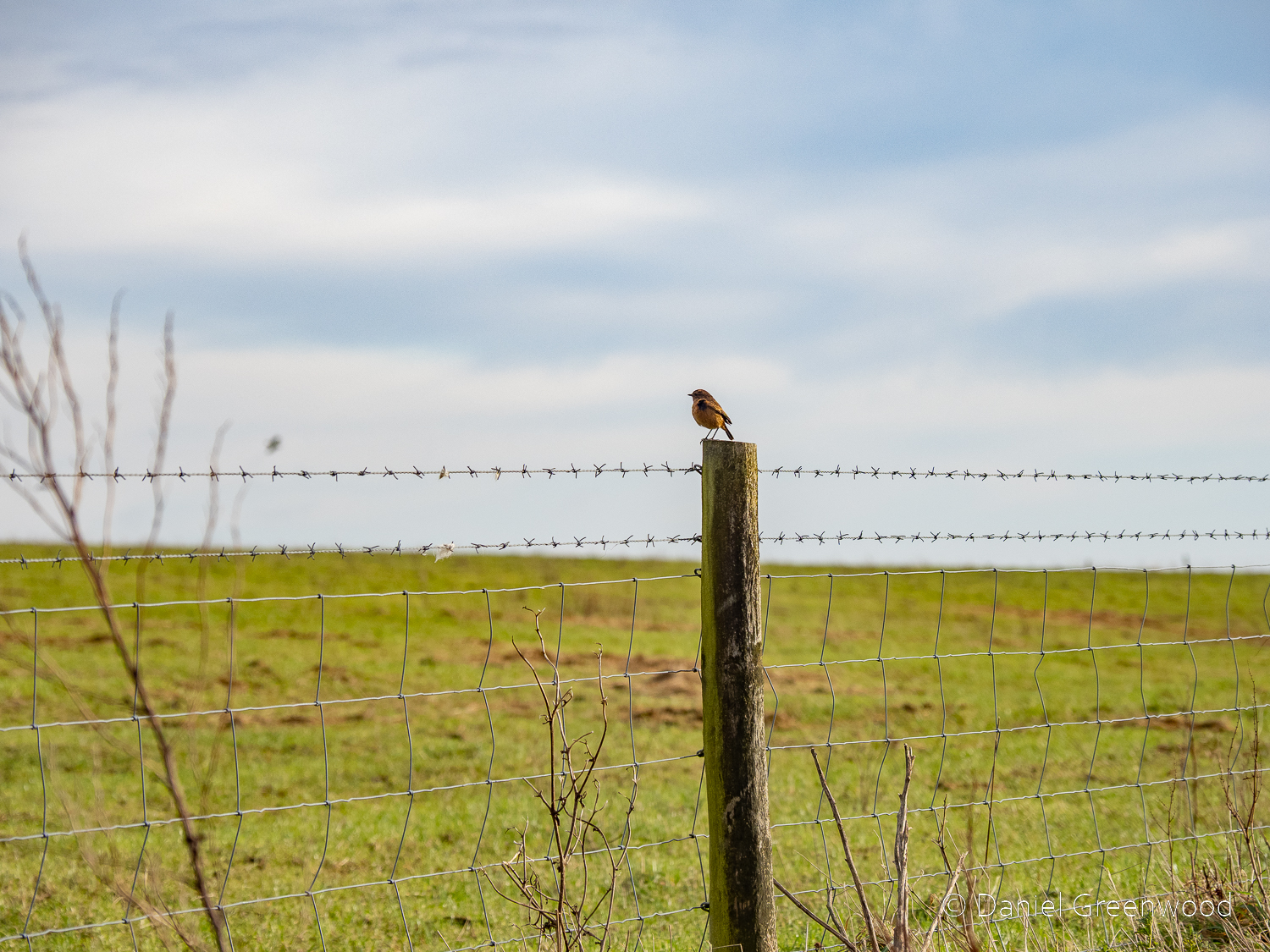
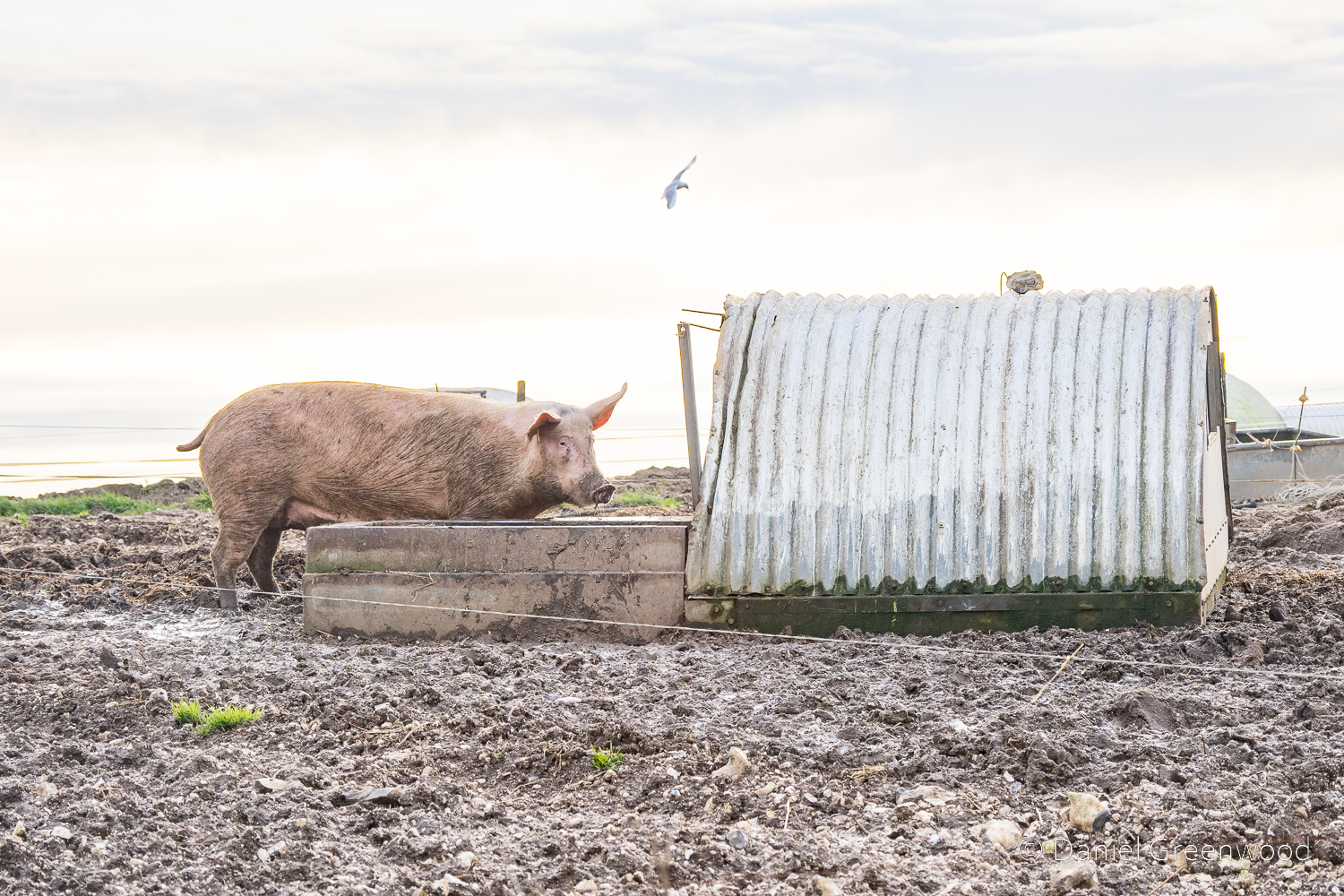
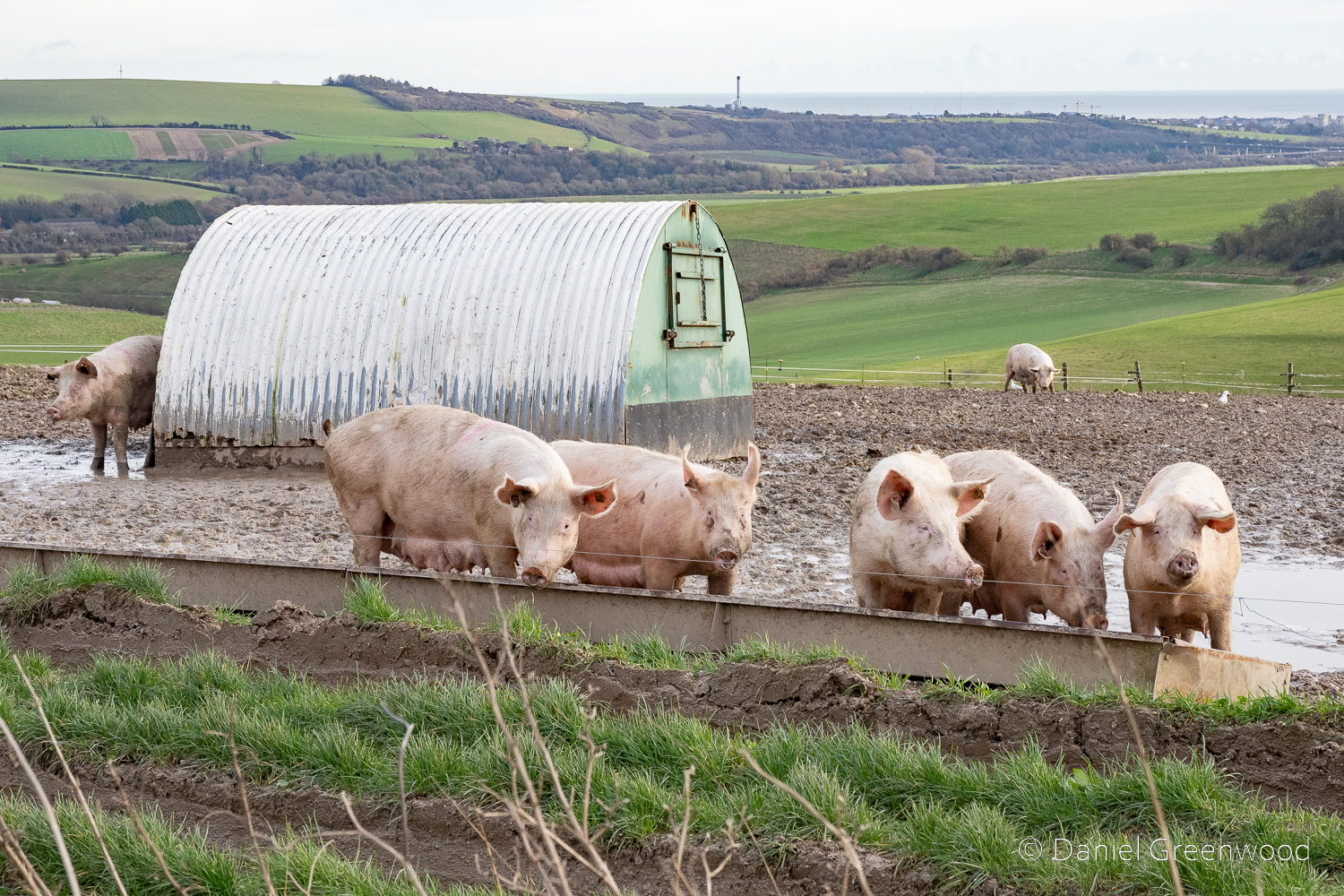
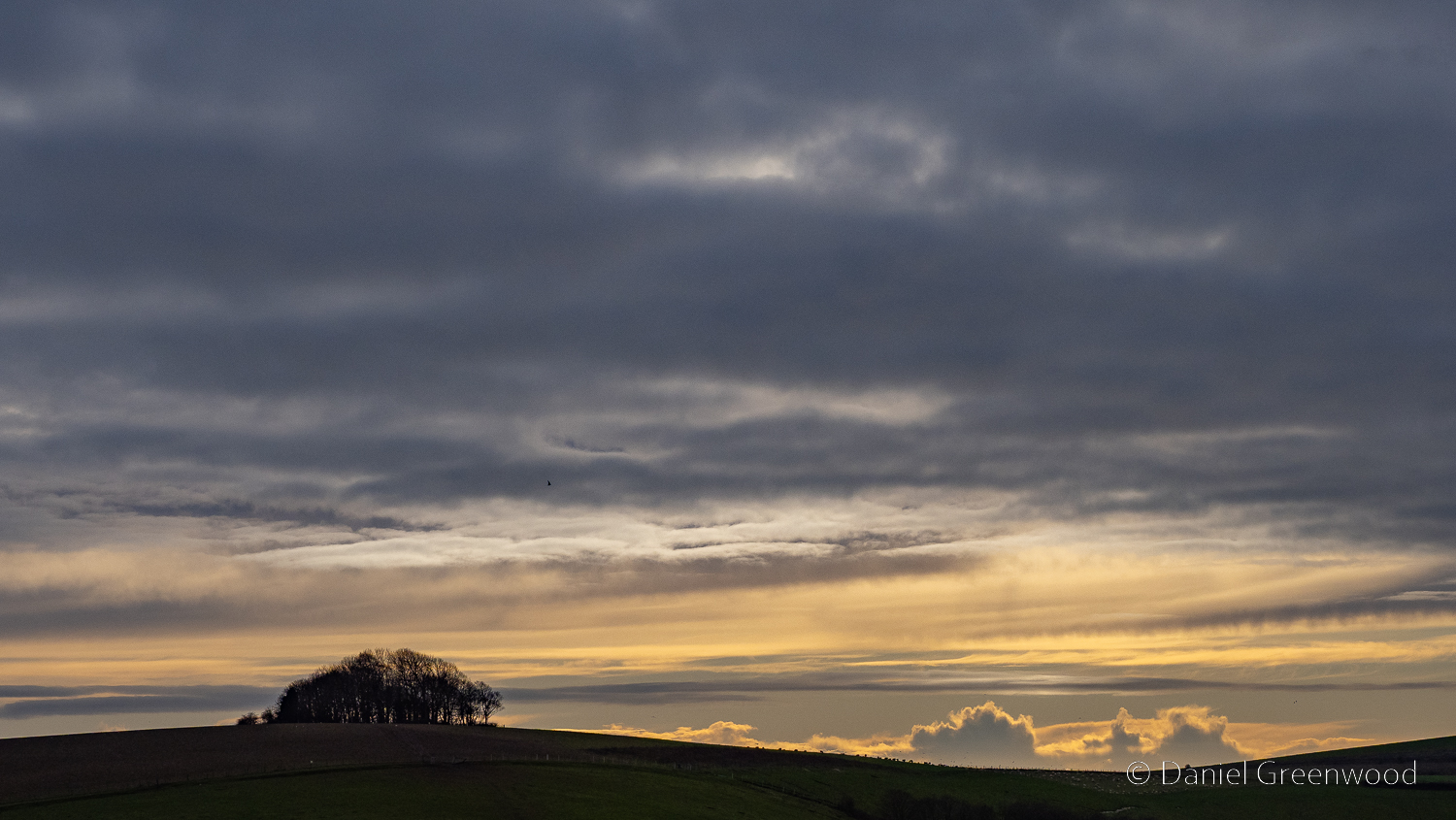
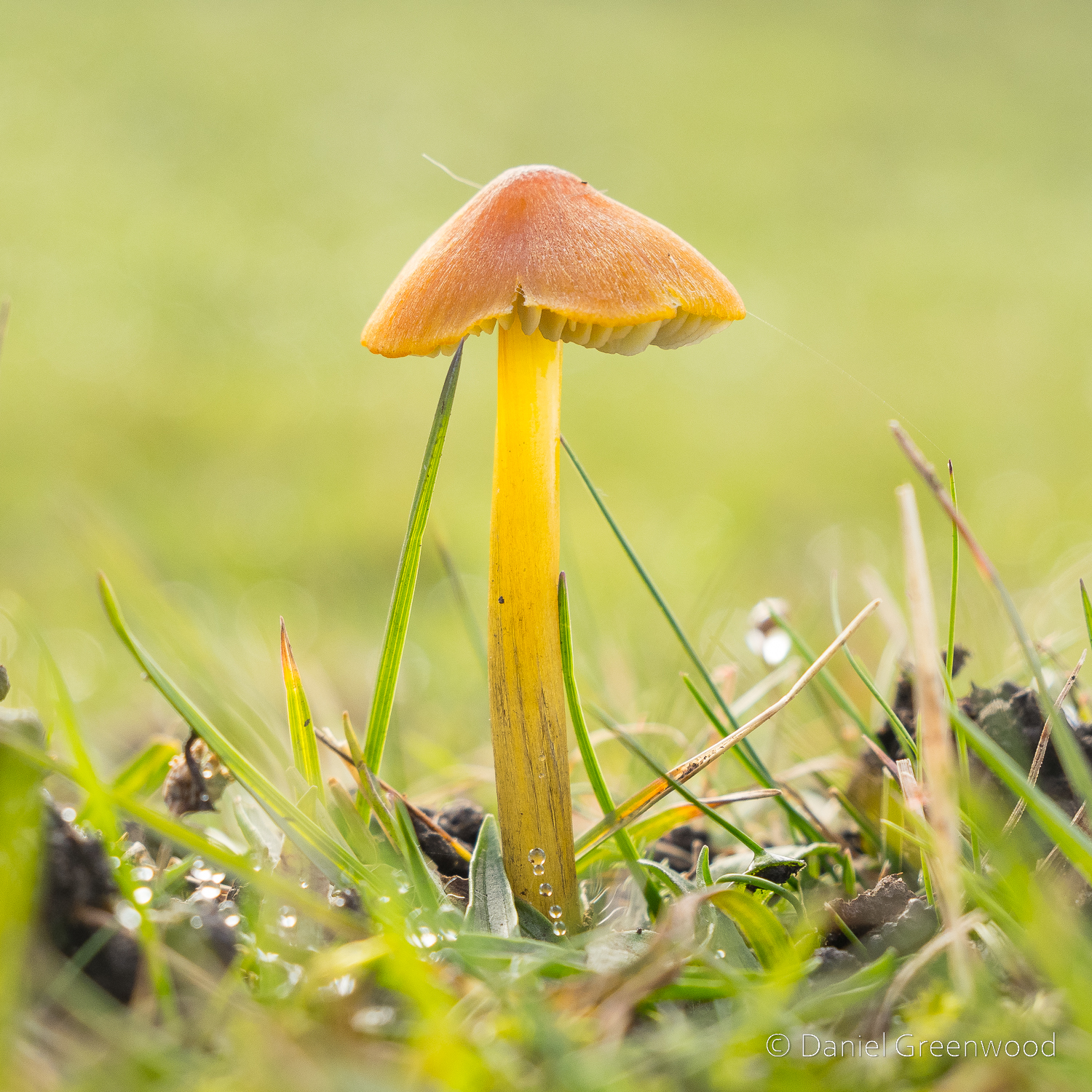
These photos should show the range of things I like to take pics of – not just mushrooms! 😂

With the privileges available to me – health, location, resources, freedom of expression – here are my photographic highlights of 2024:

January

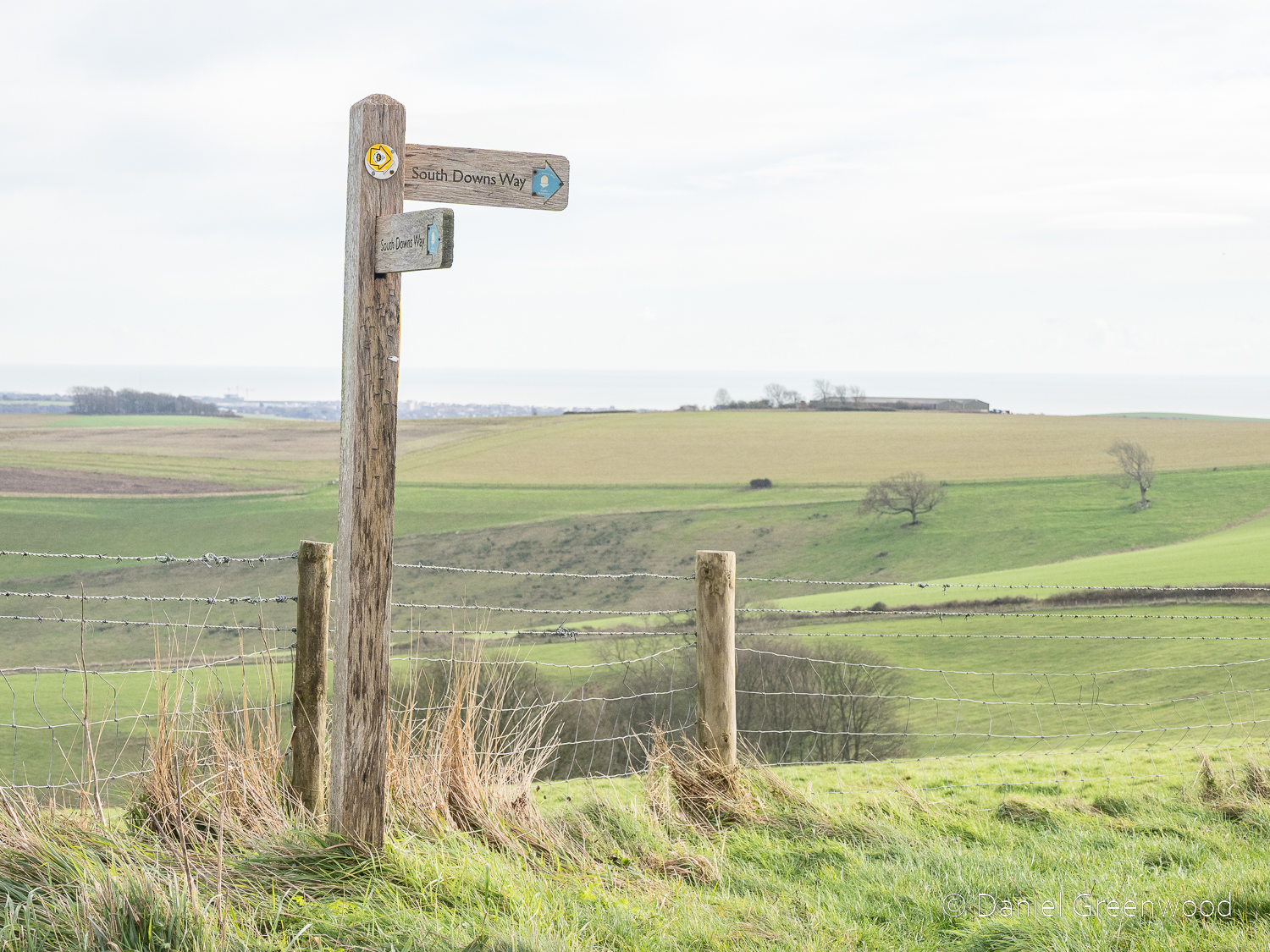
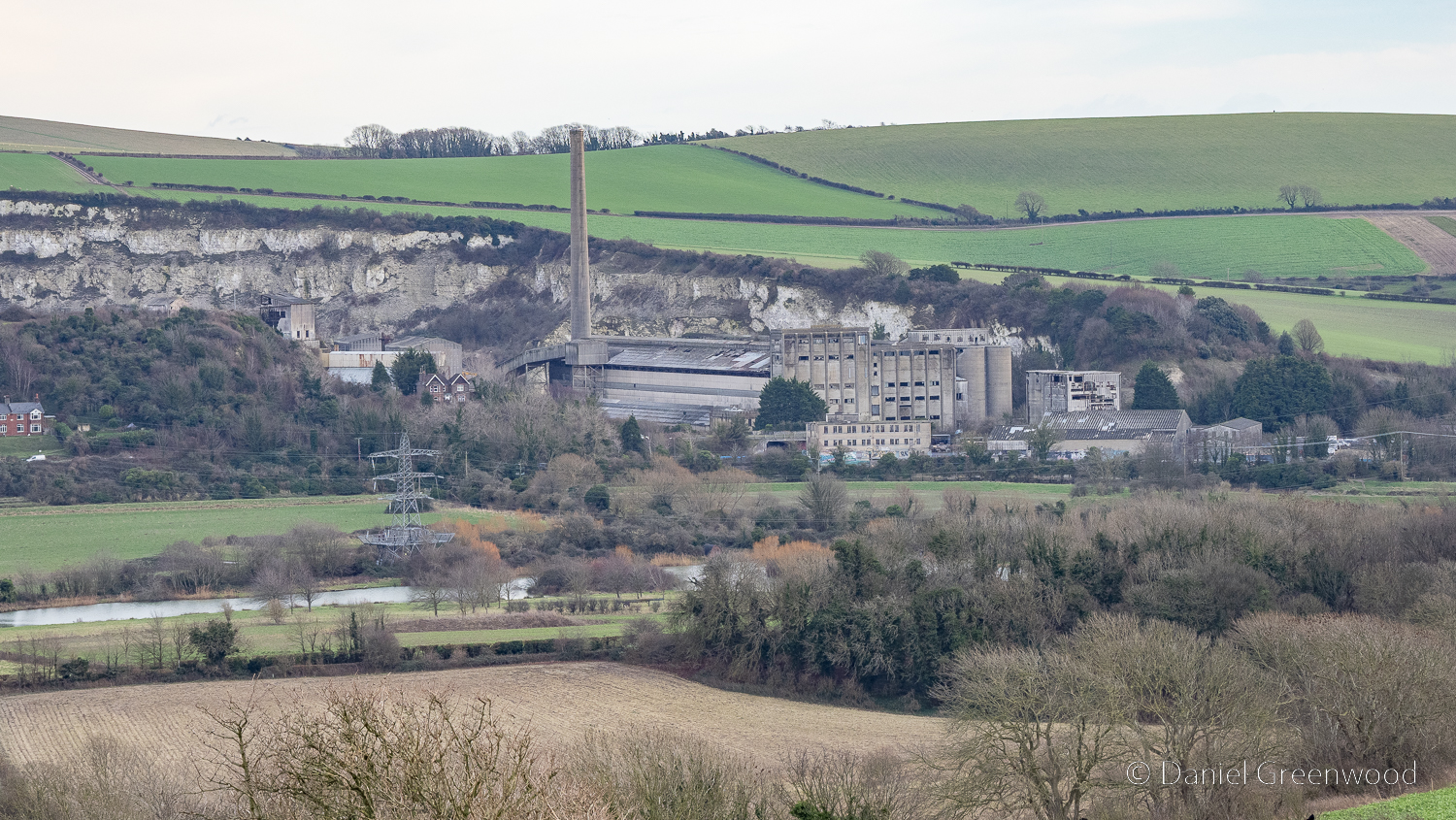
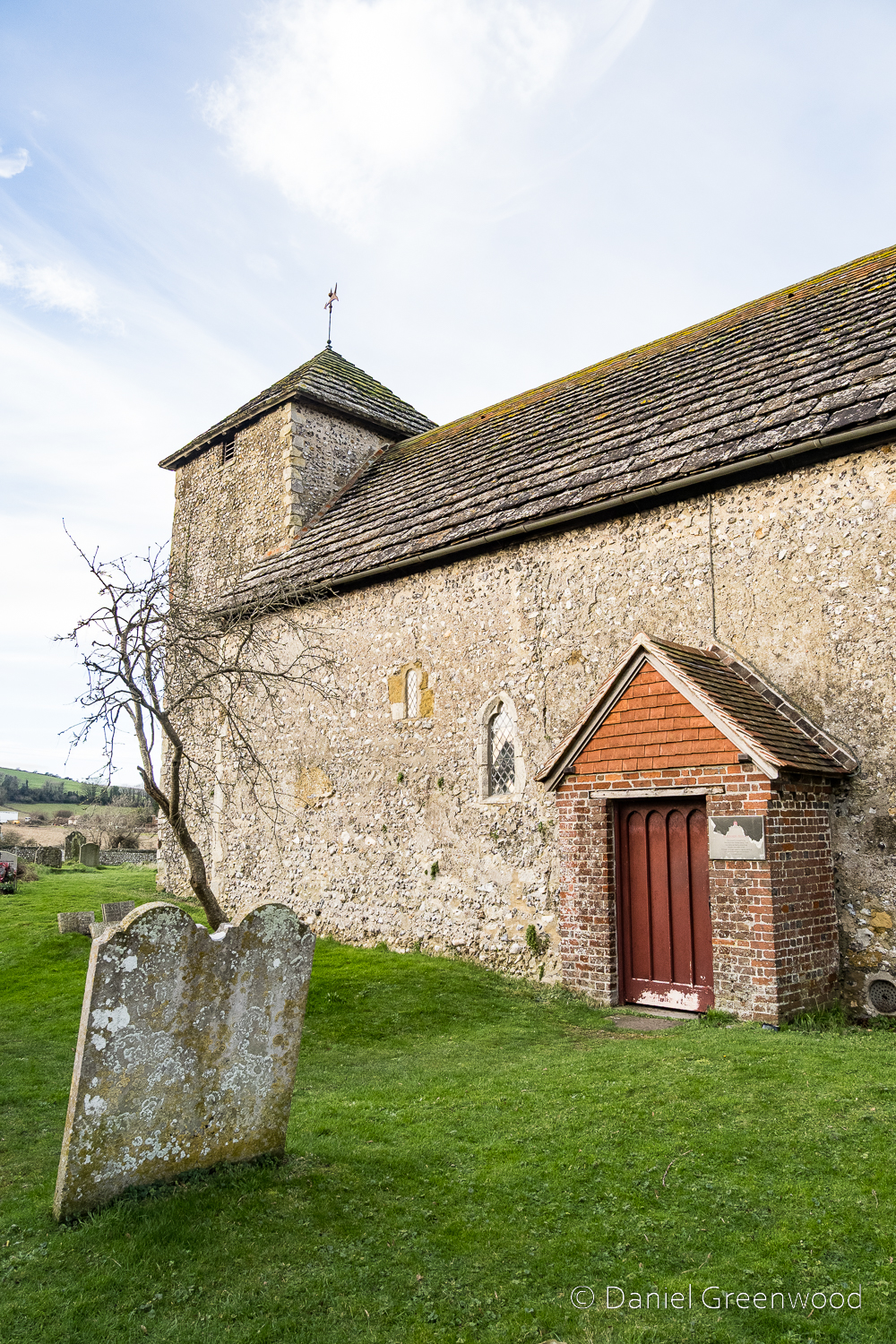
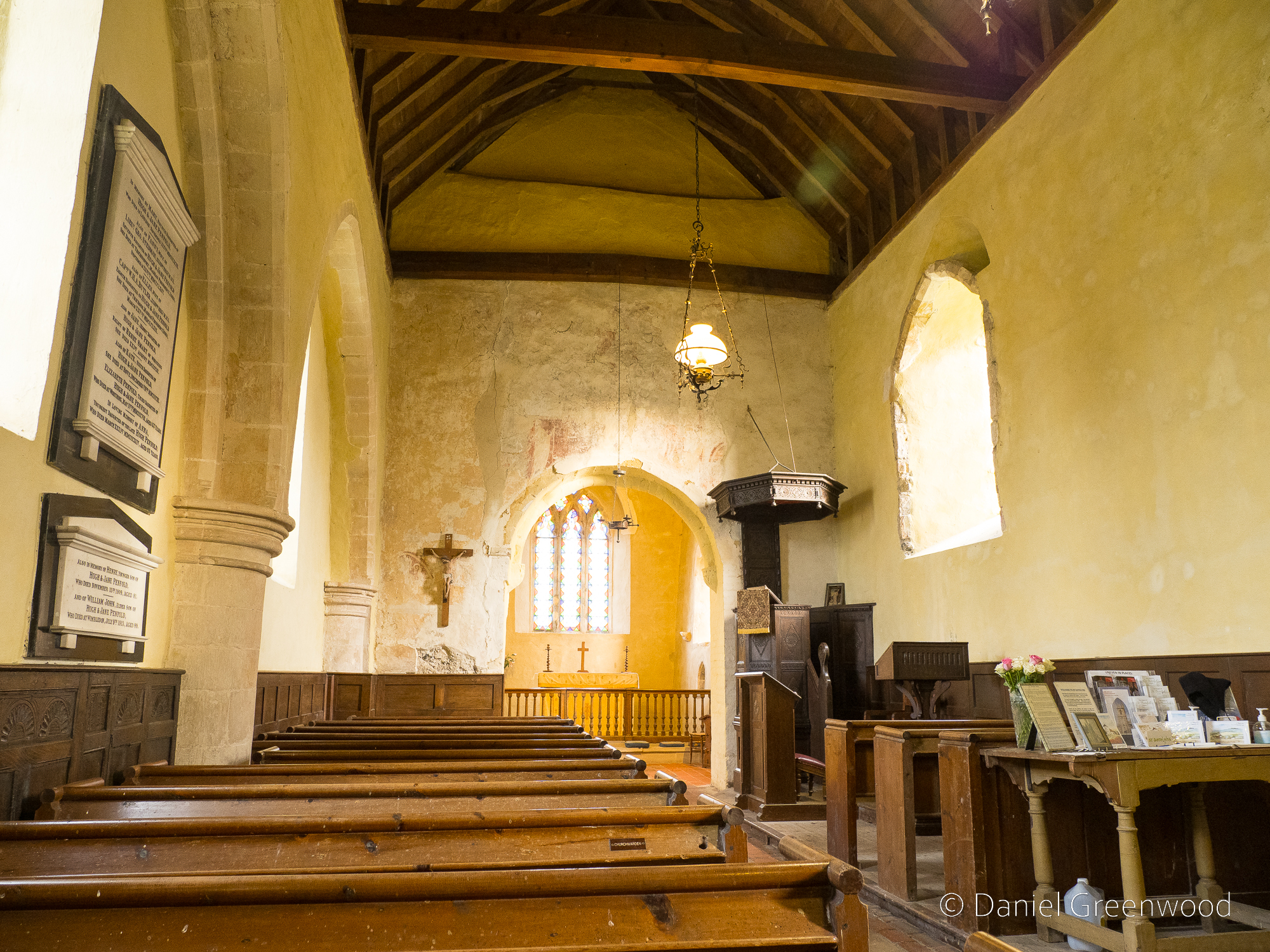
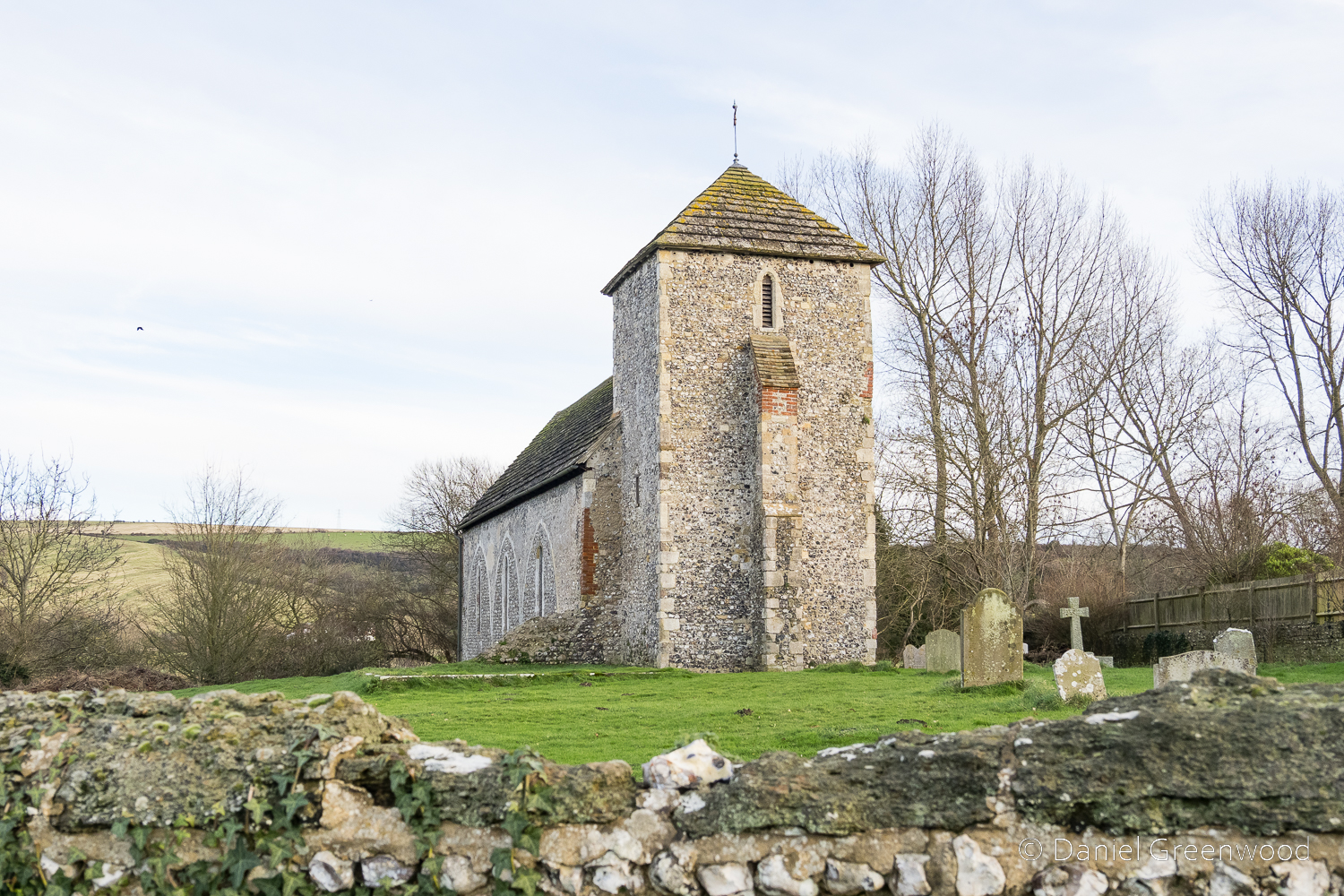
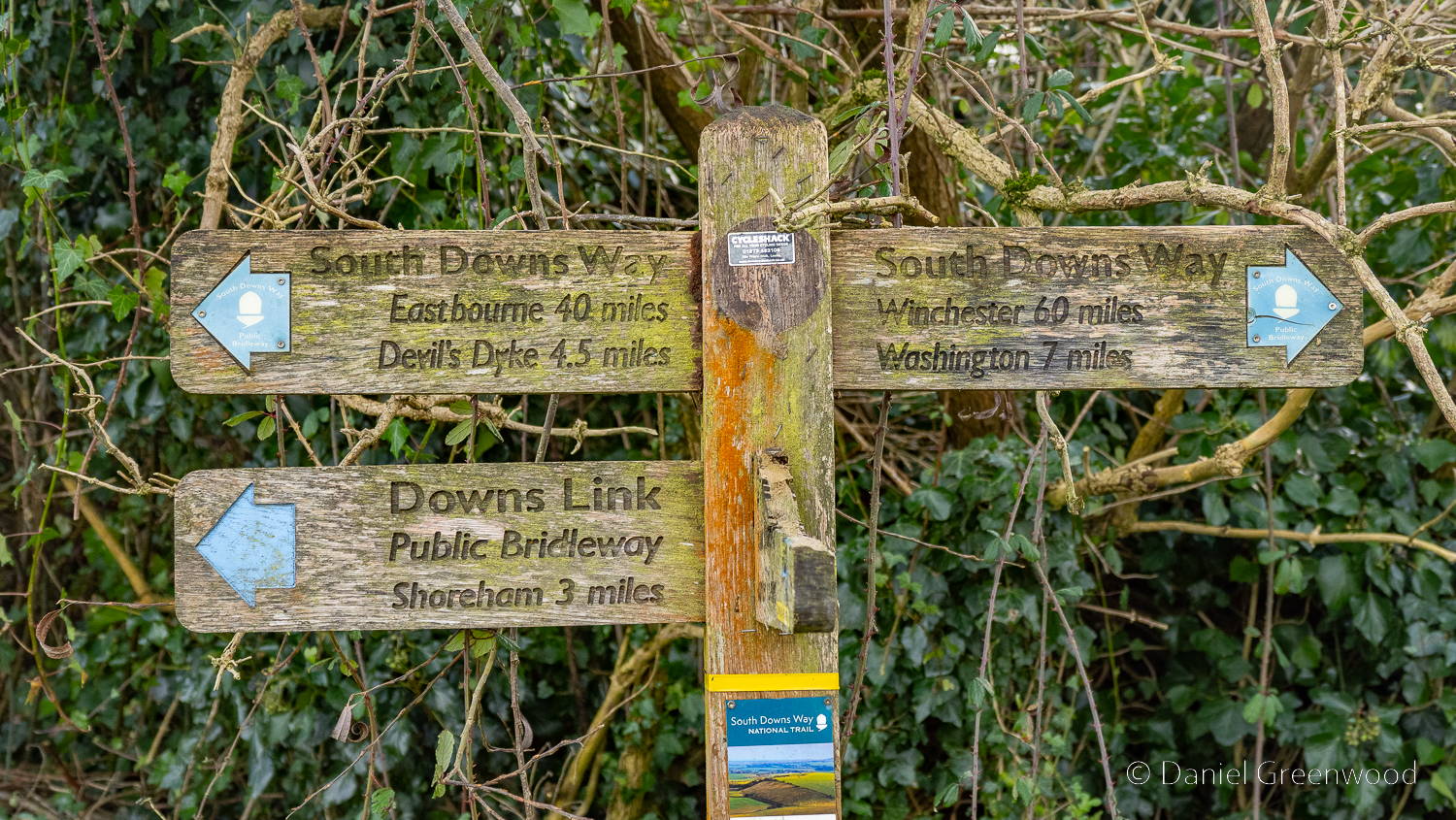
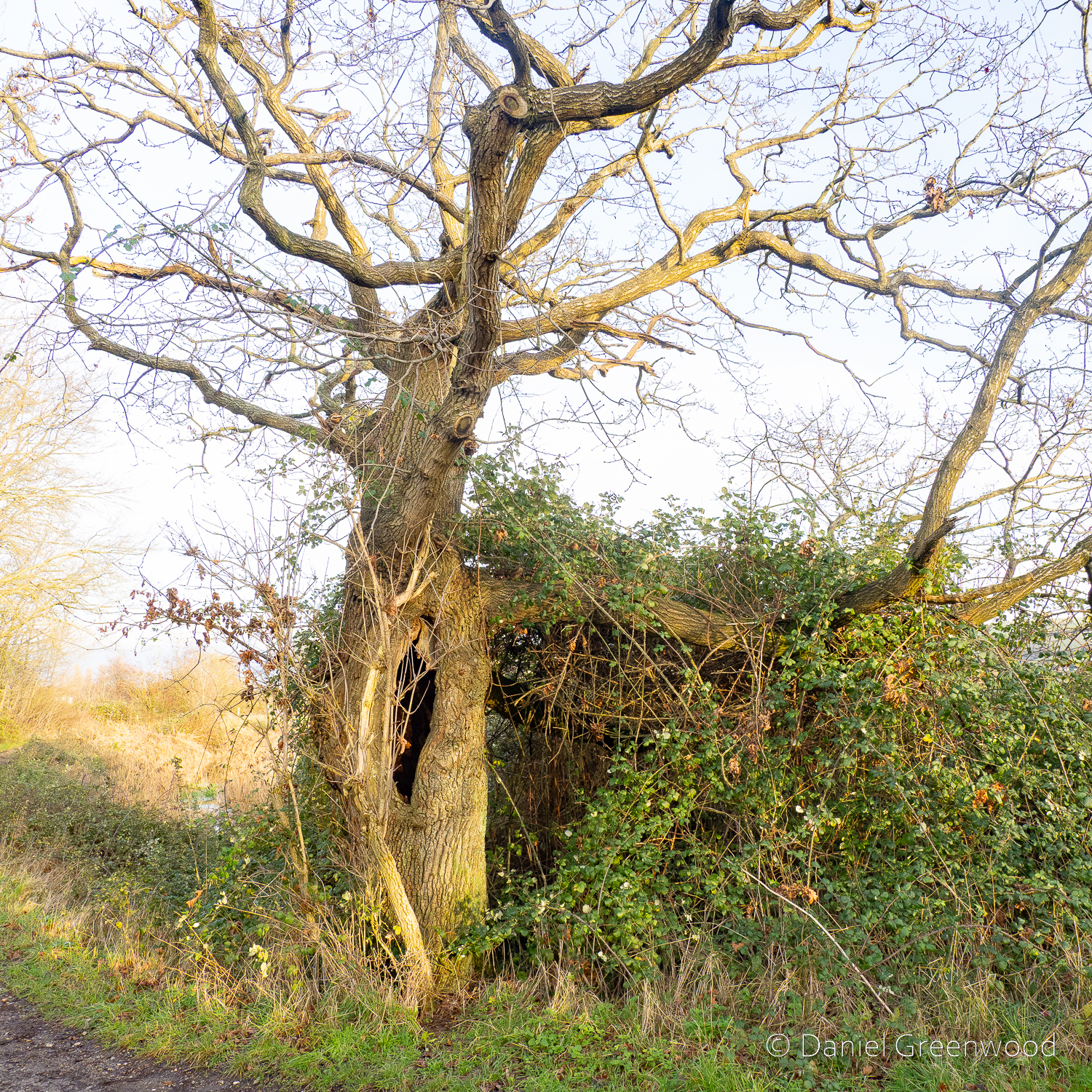
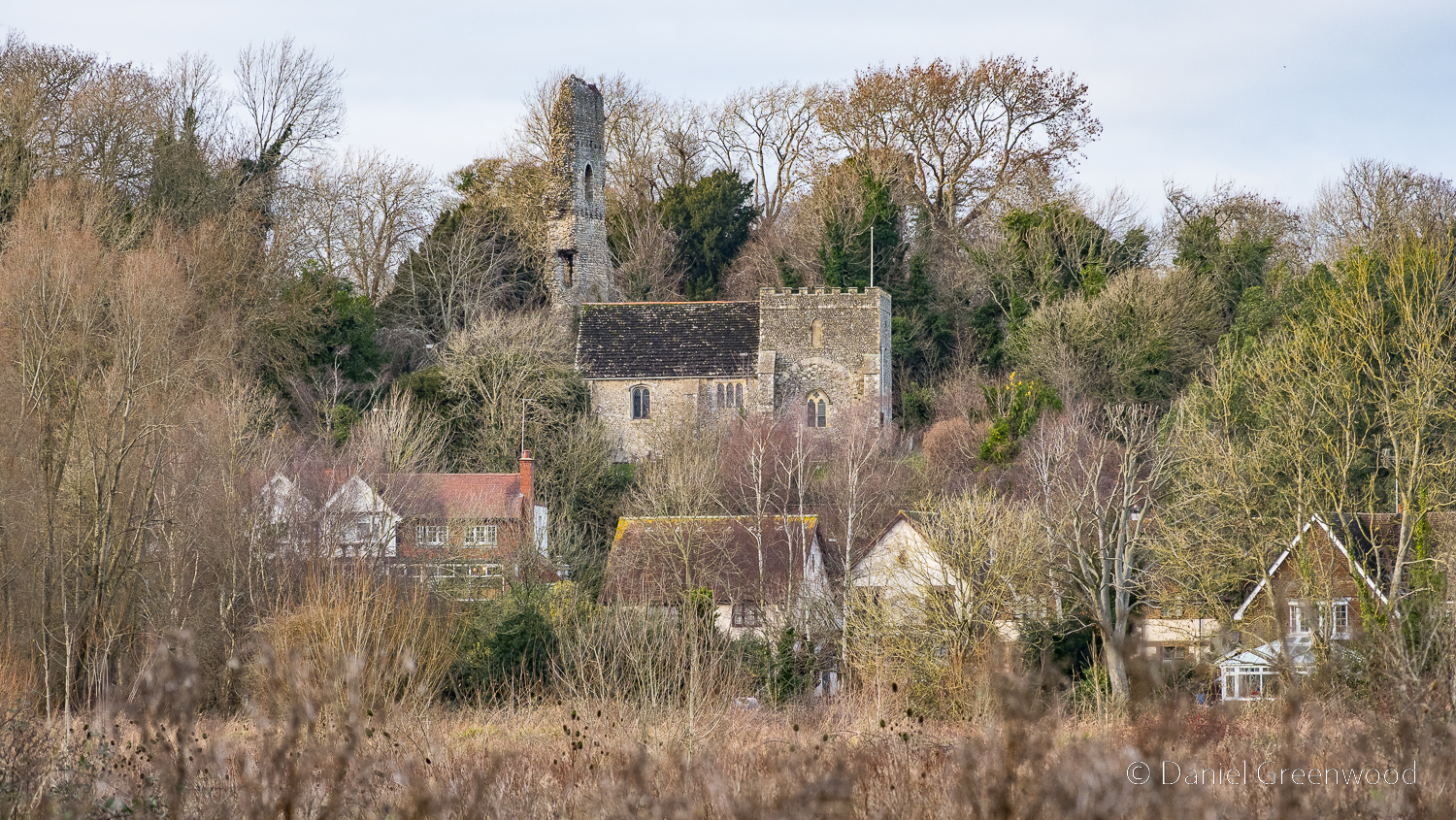
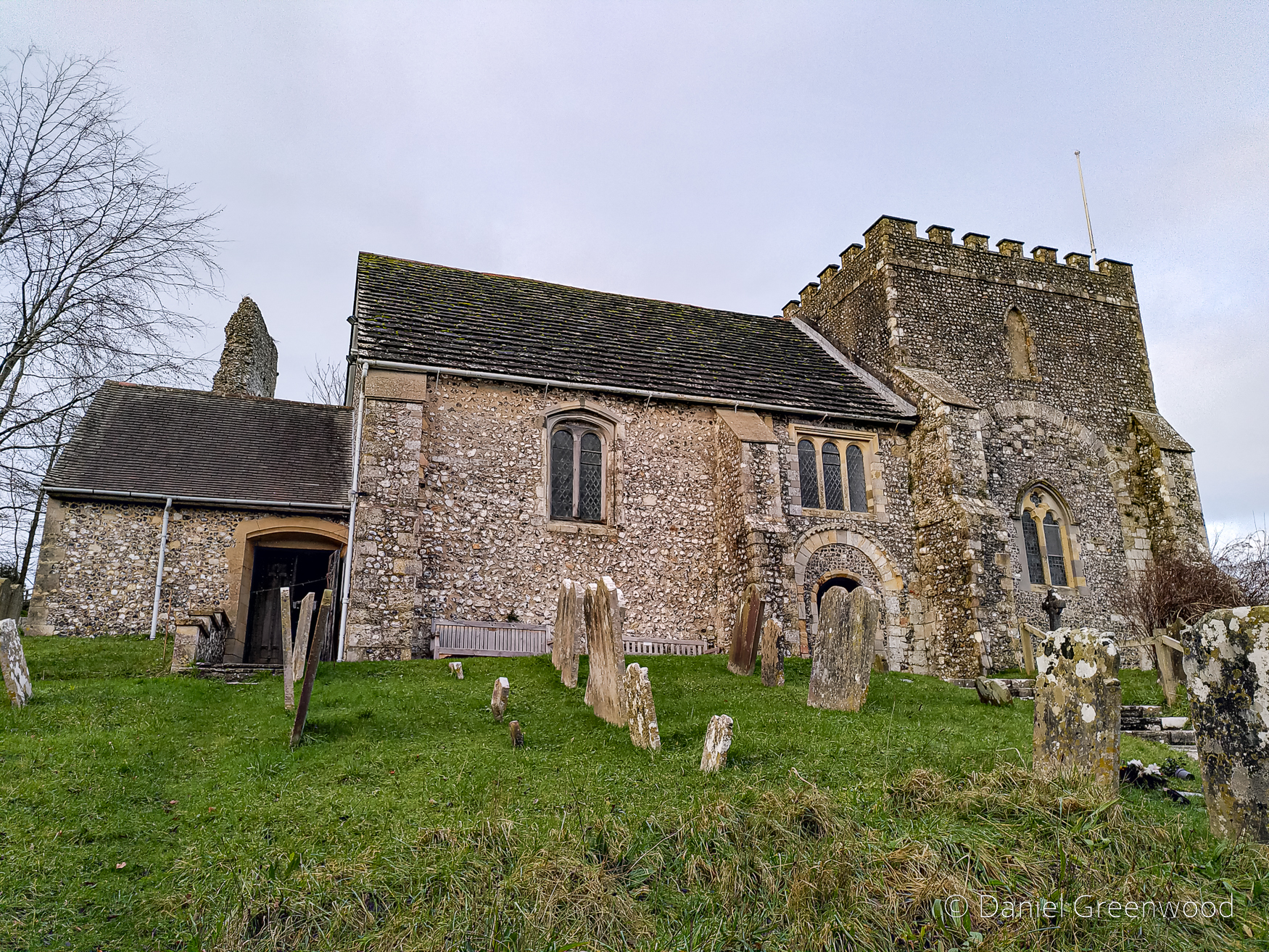
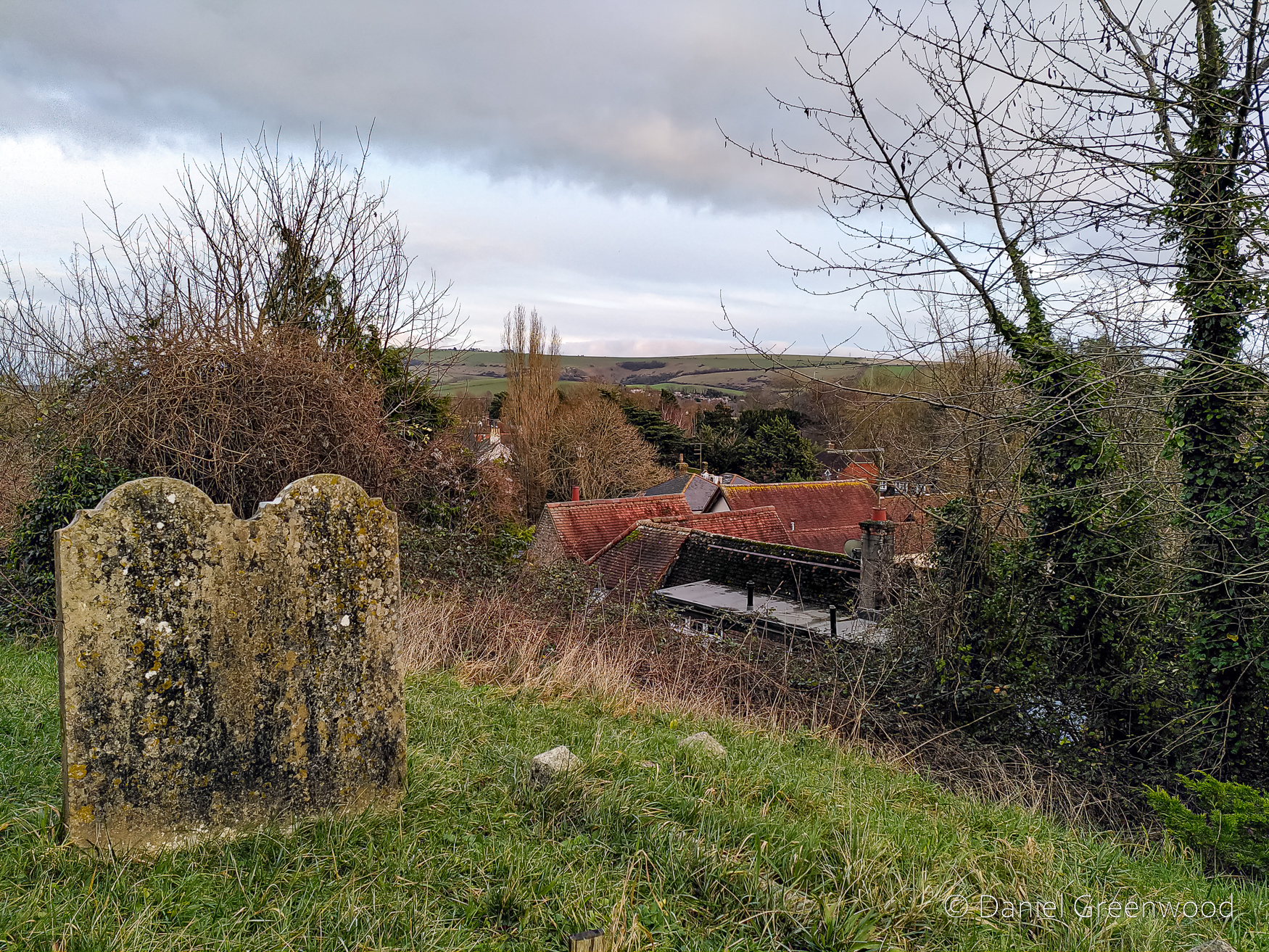
I did a couple of long walks in Sussex at the beginning of the year, exploring some new locations around the South Downs. I visited St. Botolphs church for the first time, one of Sussex’s special ones among thousands of already significant churches. Last year I set up a gallery for my fledging church photographs project which can be viewed here.

February

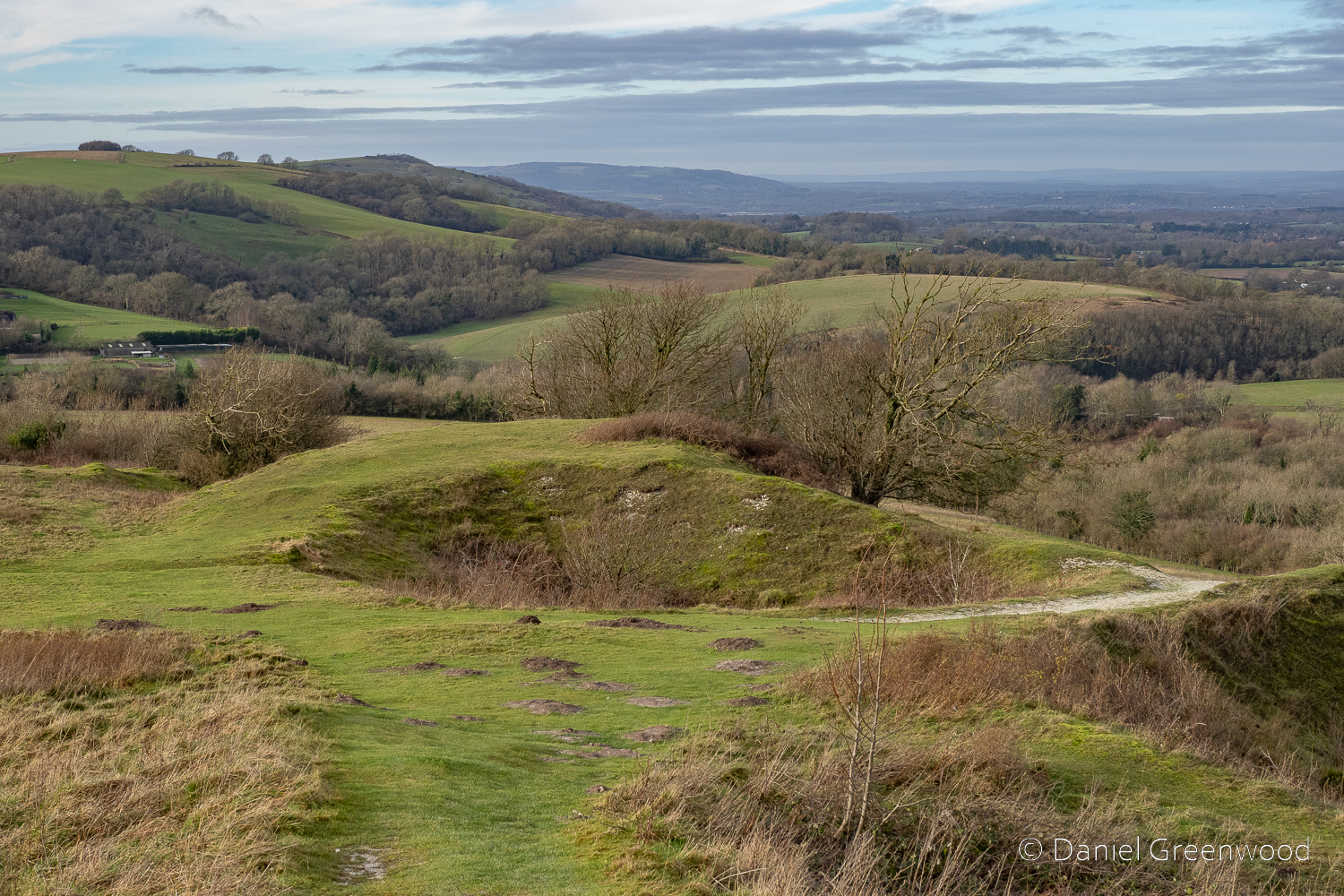
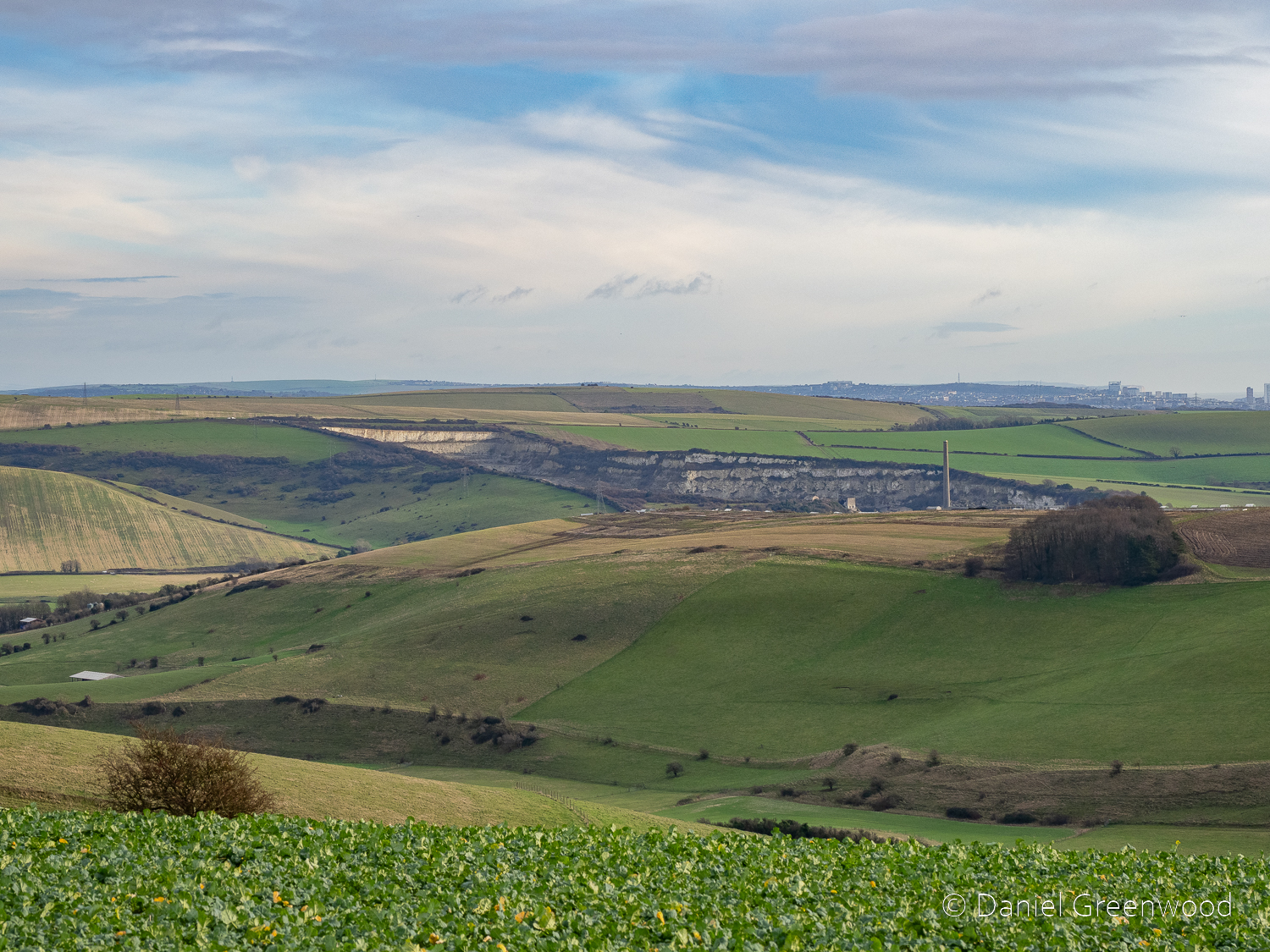
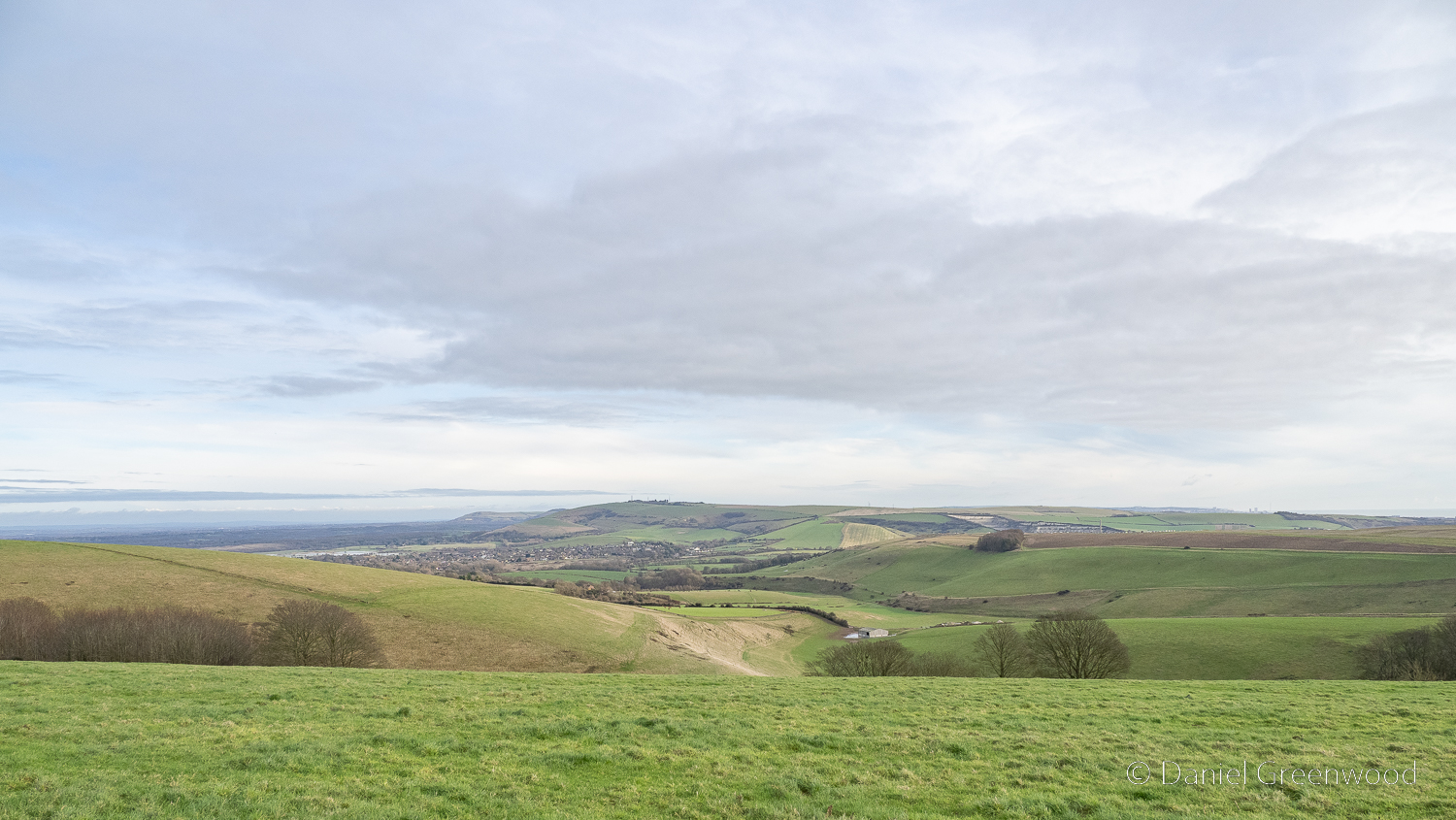
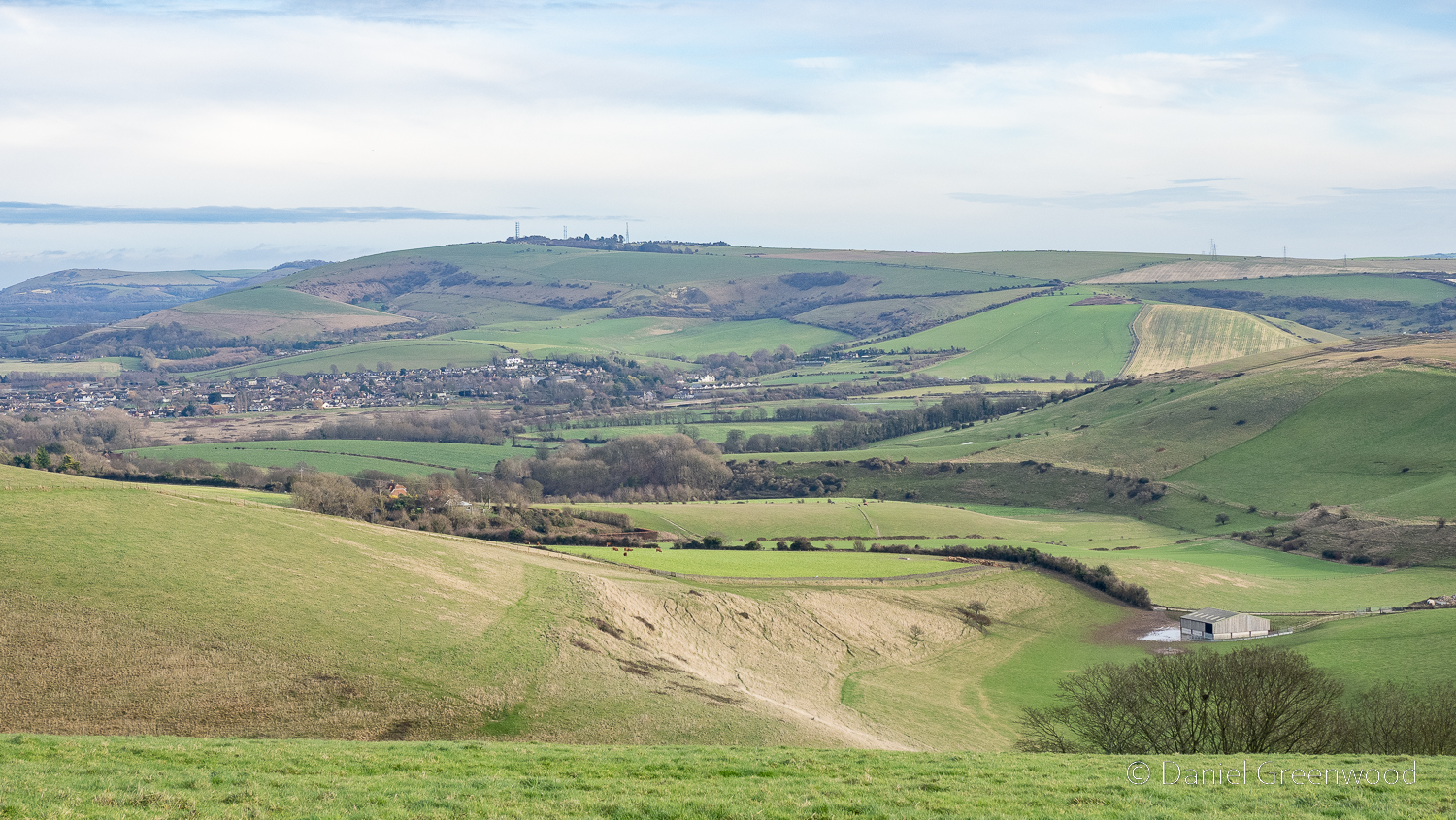
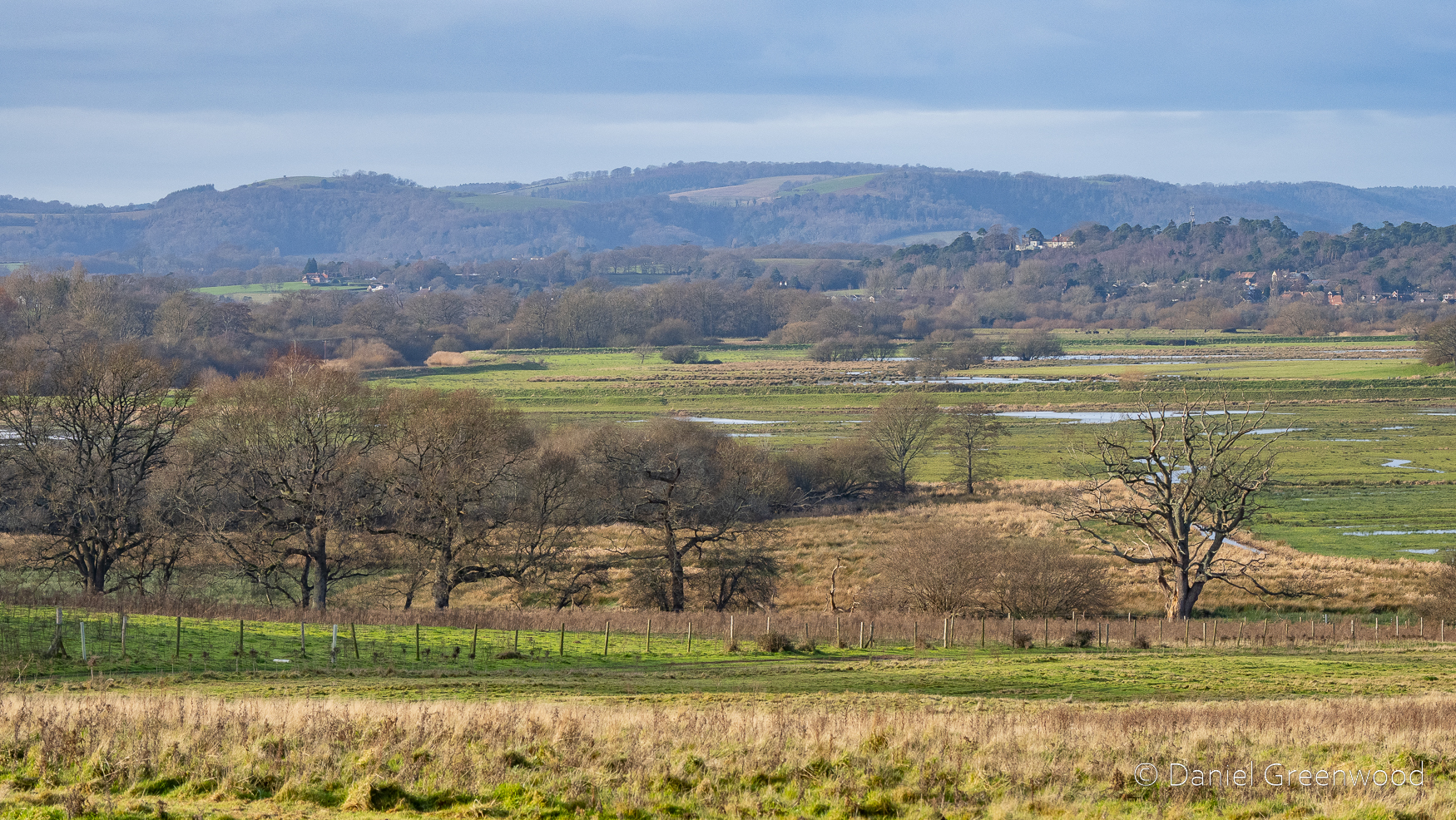
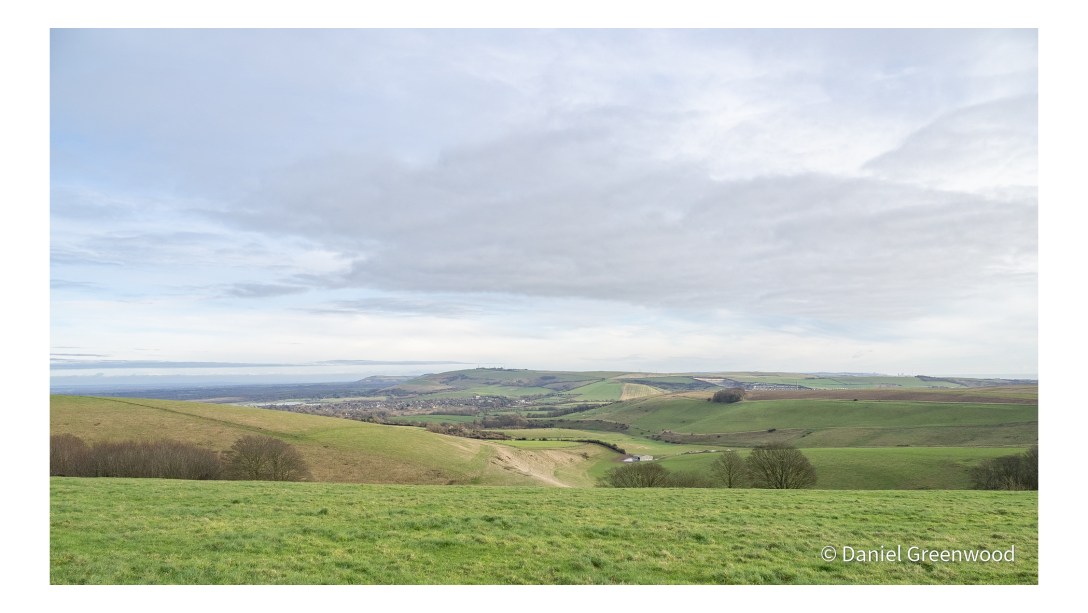
This felt like the moment of the light returning after the dark winter months. The Downs at Amberley are my gateway to the South Downs, and walking here is always worth the gentle climb.

March

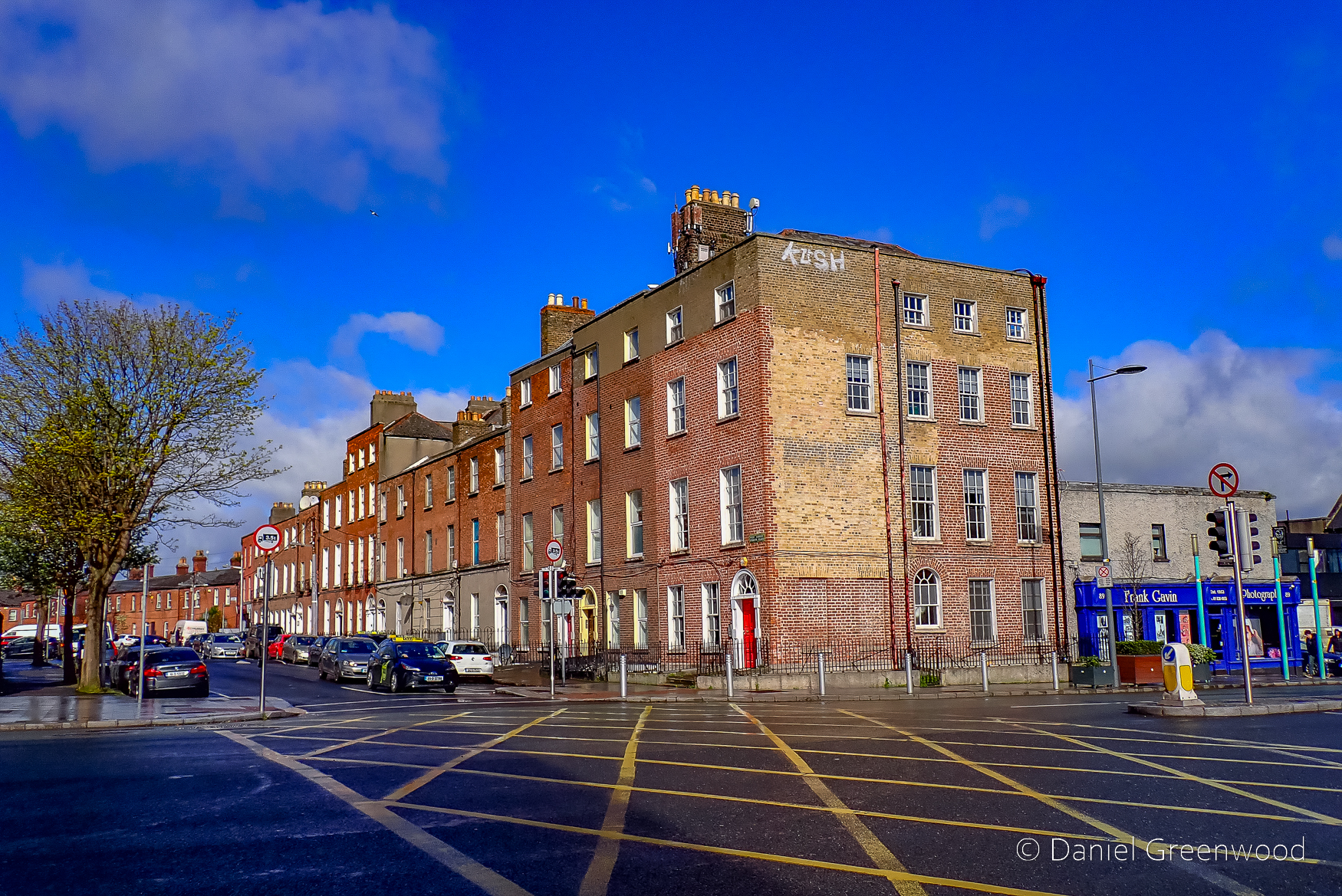
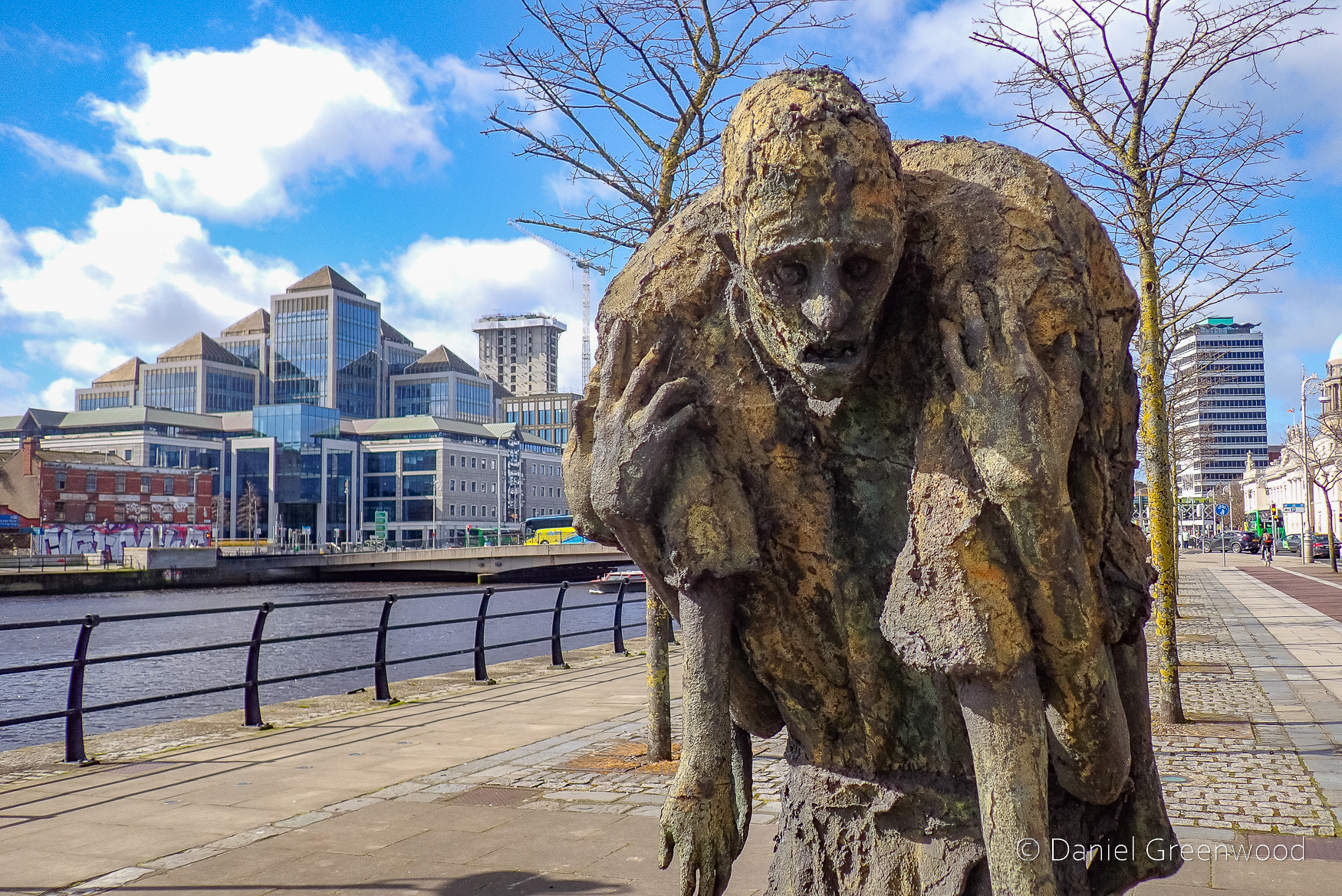
In March I visited Dublin for a weekend and took in the sights along the great river Liffey.
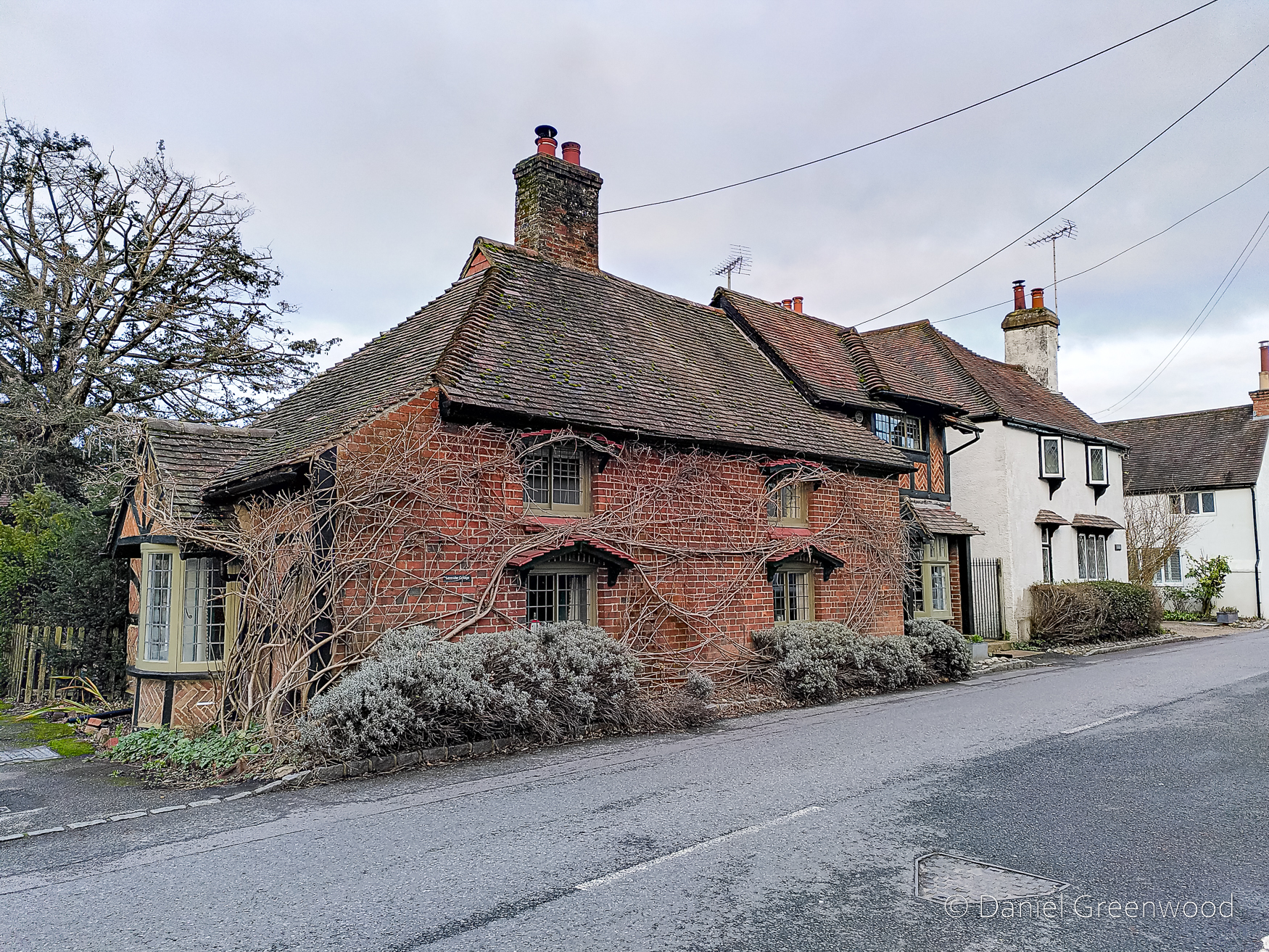
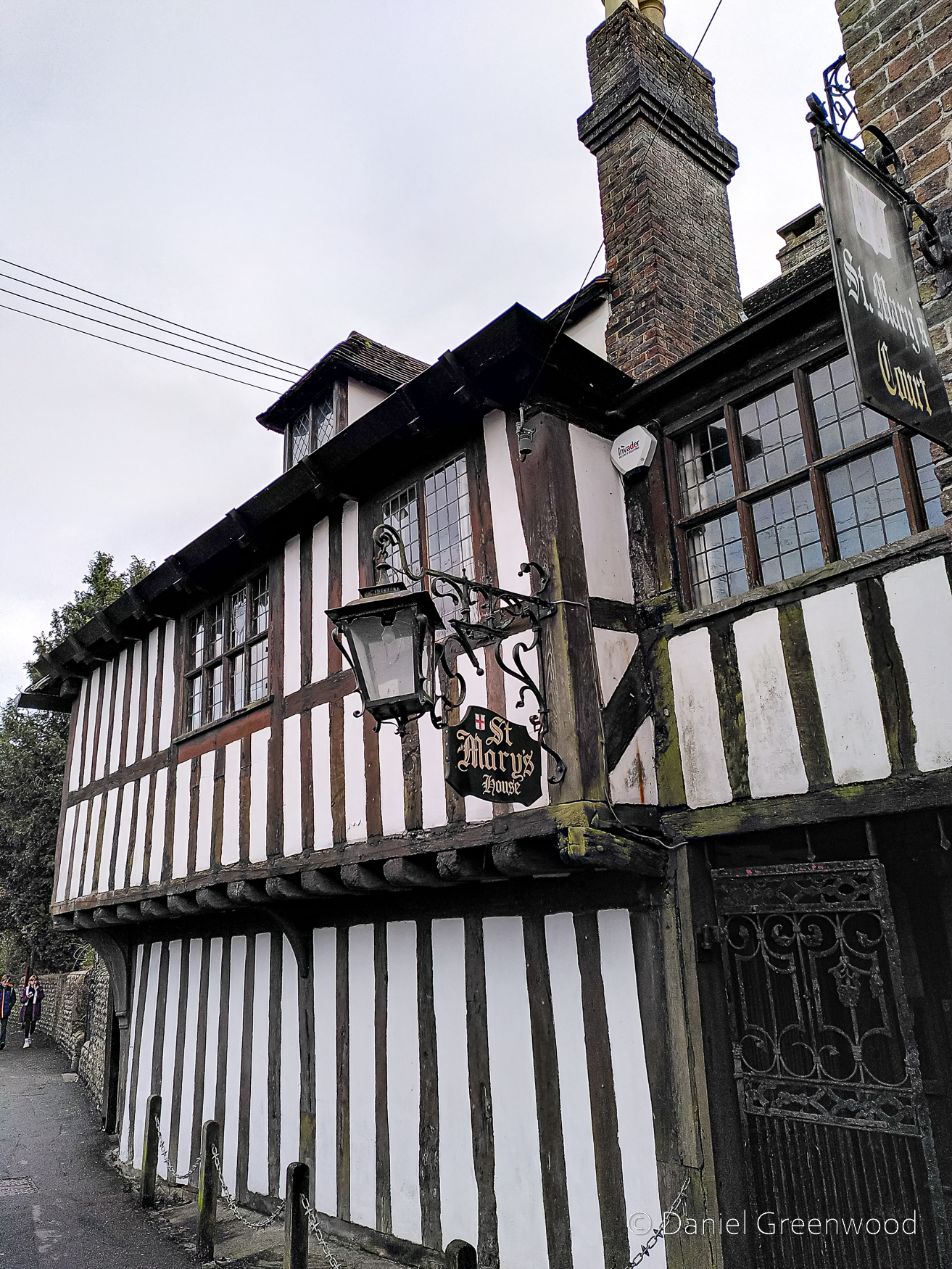
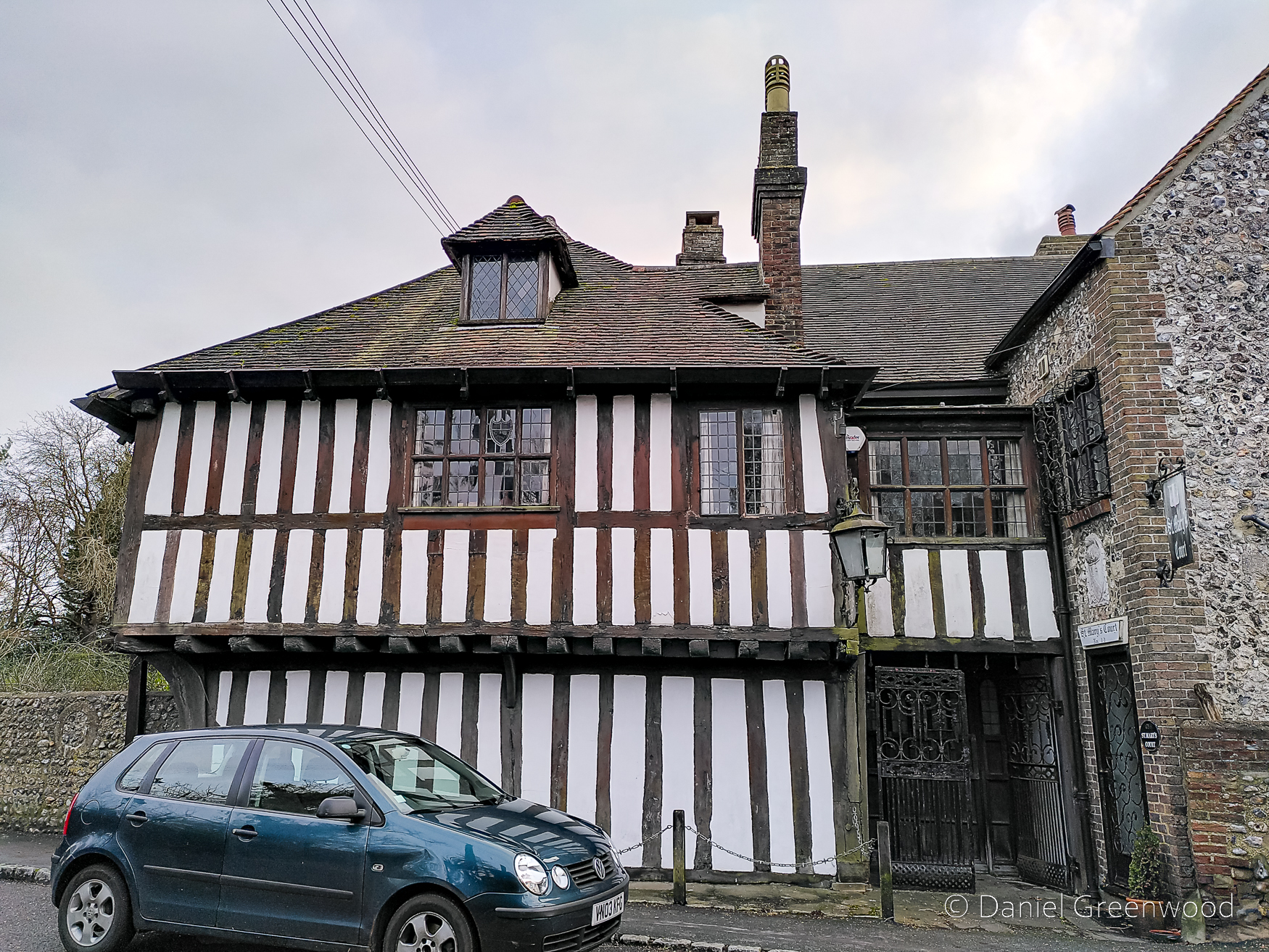
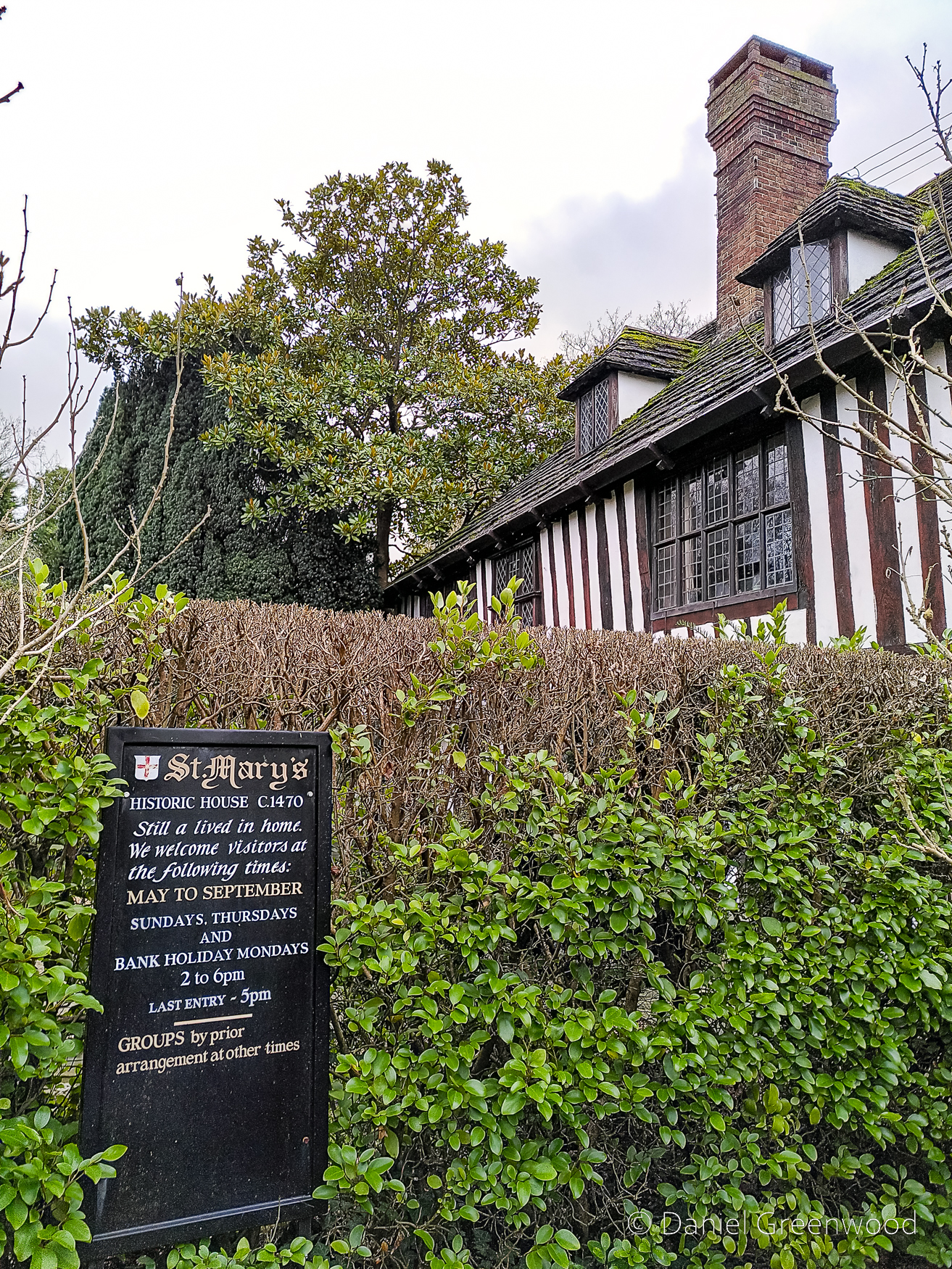
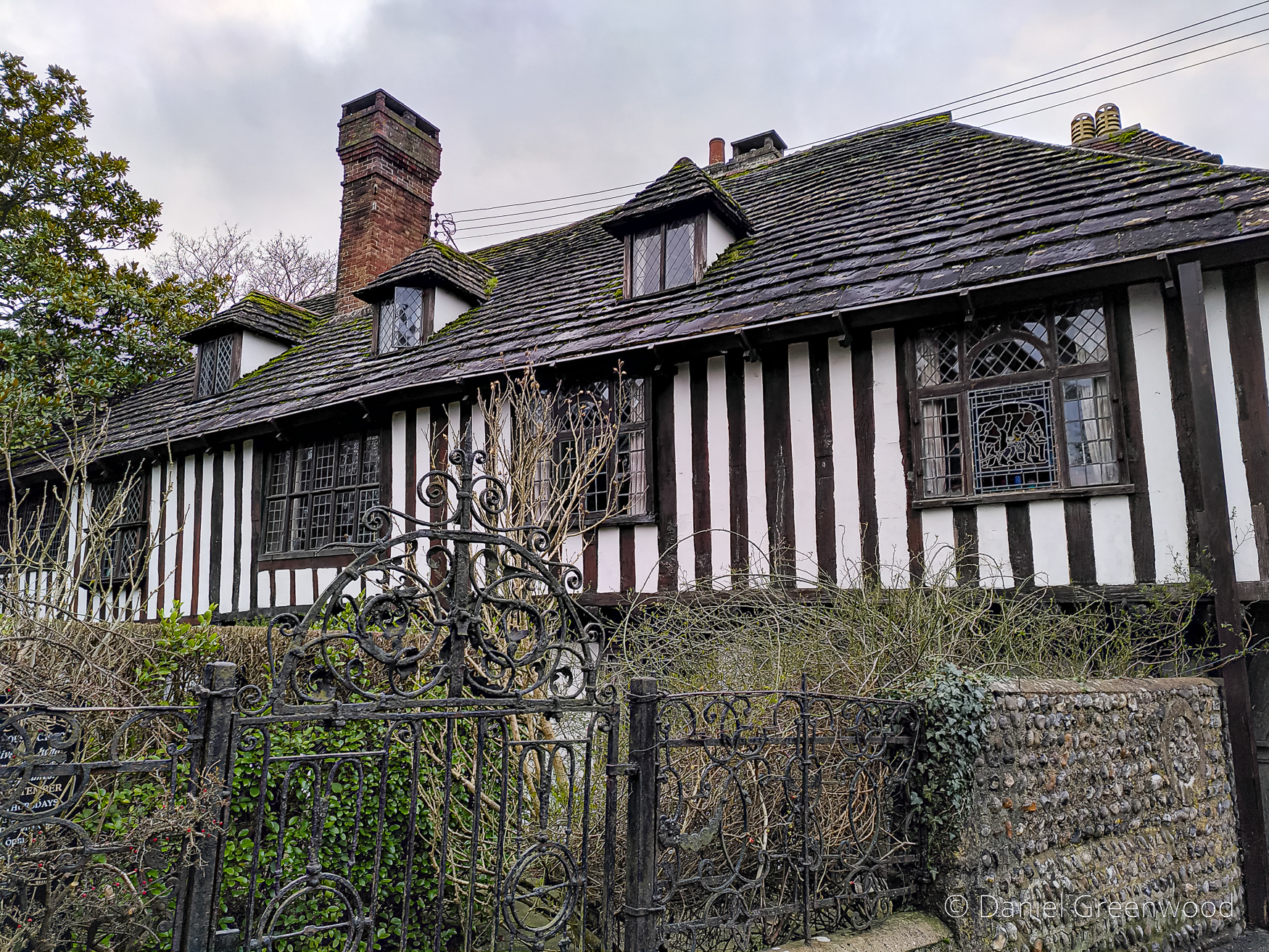
For a friend’s birthday we spent the weekend in York, which gave me a chance to take some compact camera pics of a few of the oak timber framed buildings. I’ve added a gallery for my ‘Oak Timbers’ project here.

April

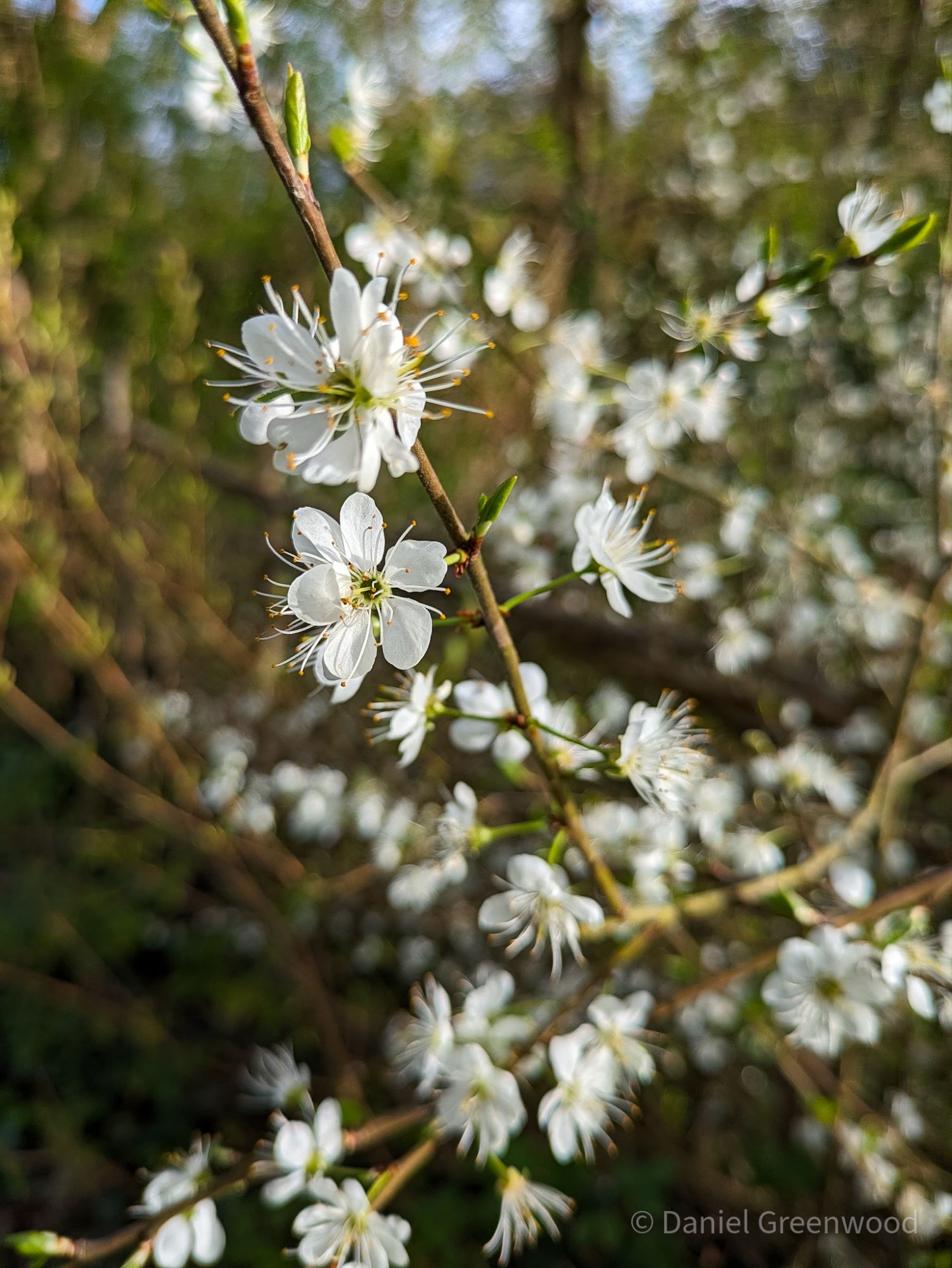
I got married in April so there wasn’t time for much beyond the odd local walk. I was trying out my new Pixel 7a, bought because of its value and reported image quality. The camera is spectacular, I just wish it wasn’t a G**gle product. I blogged about it here.

May

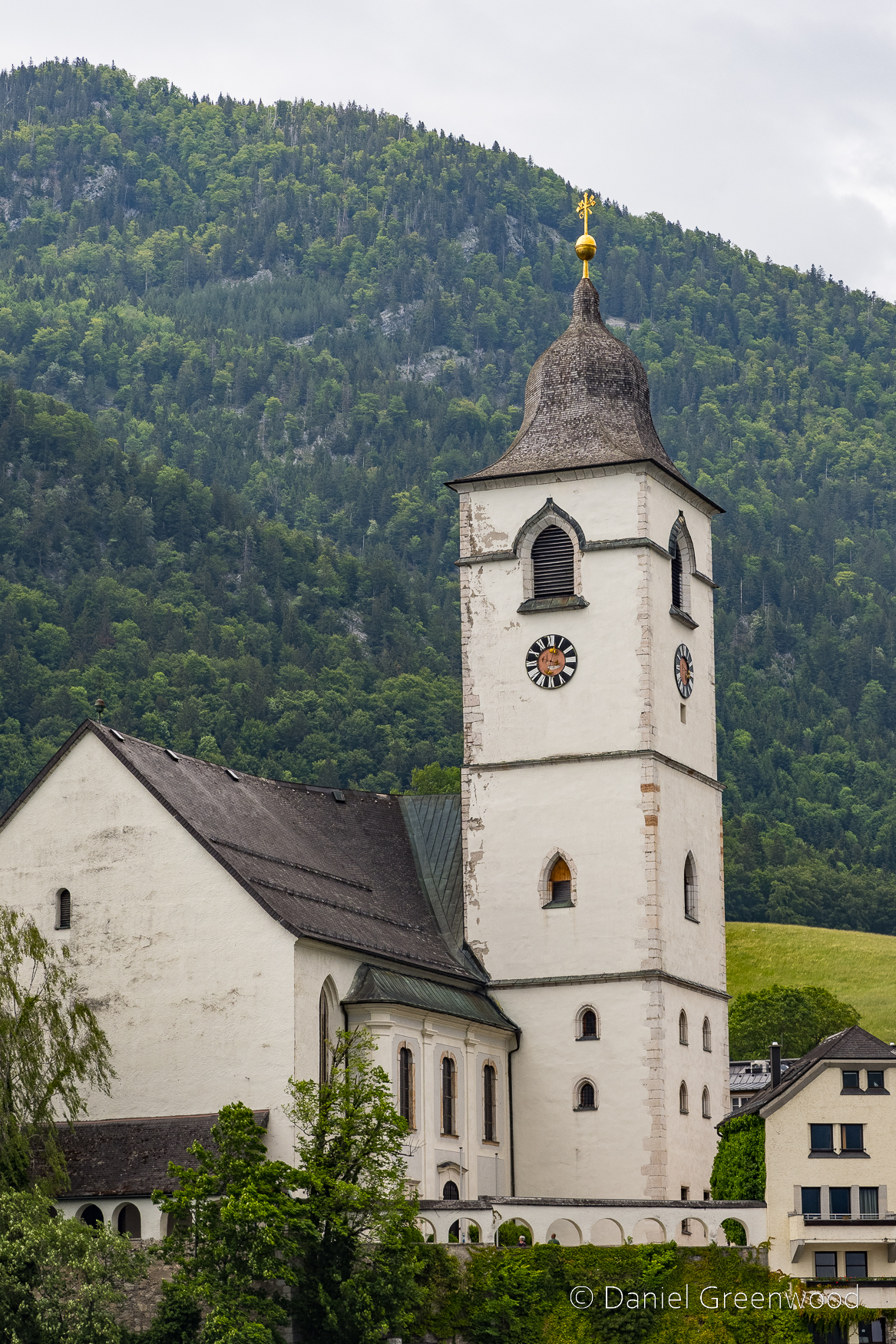
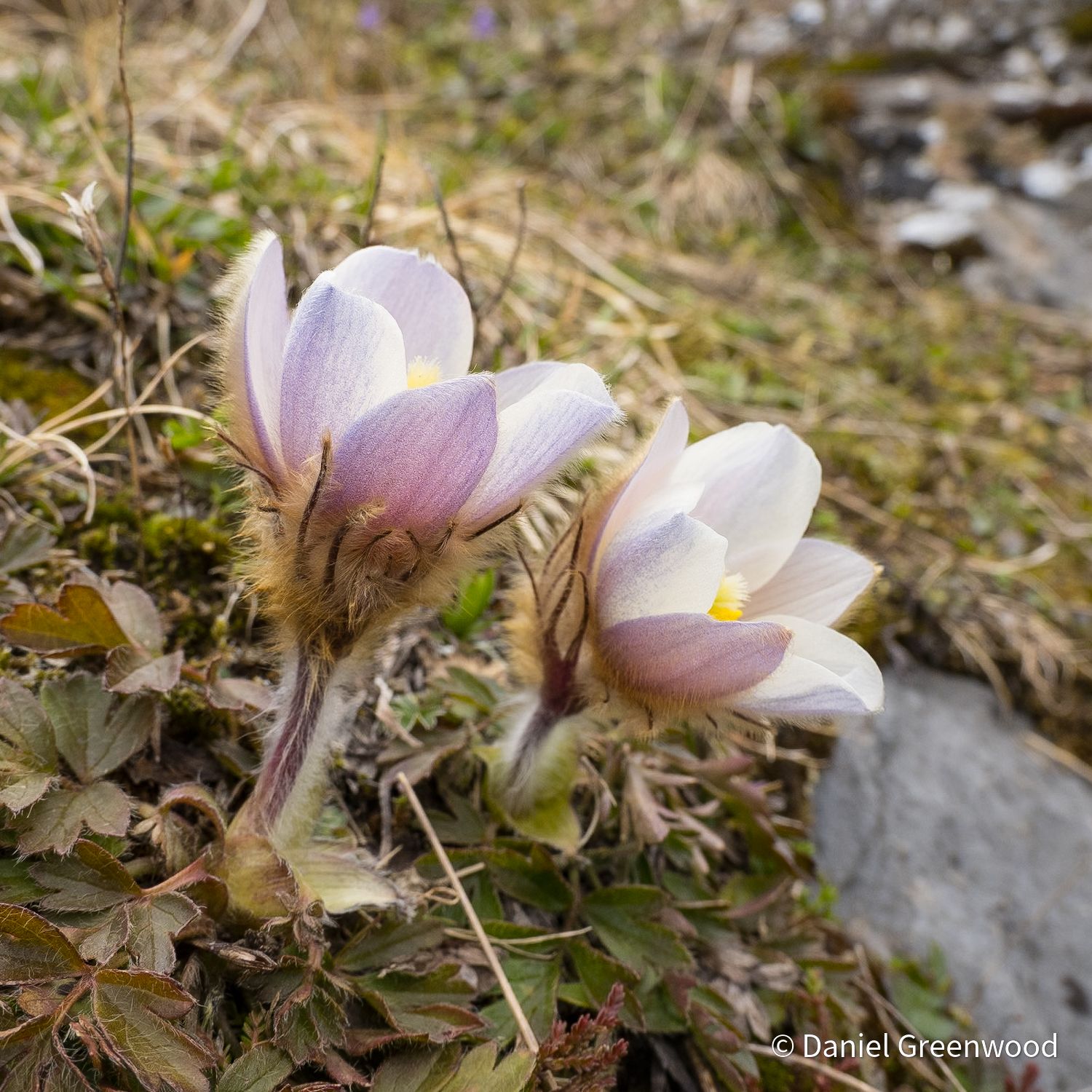
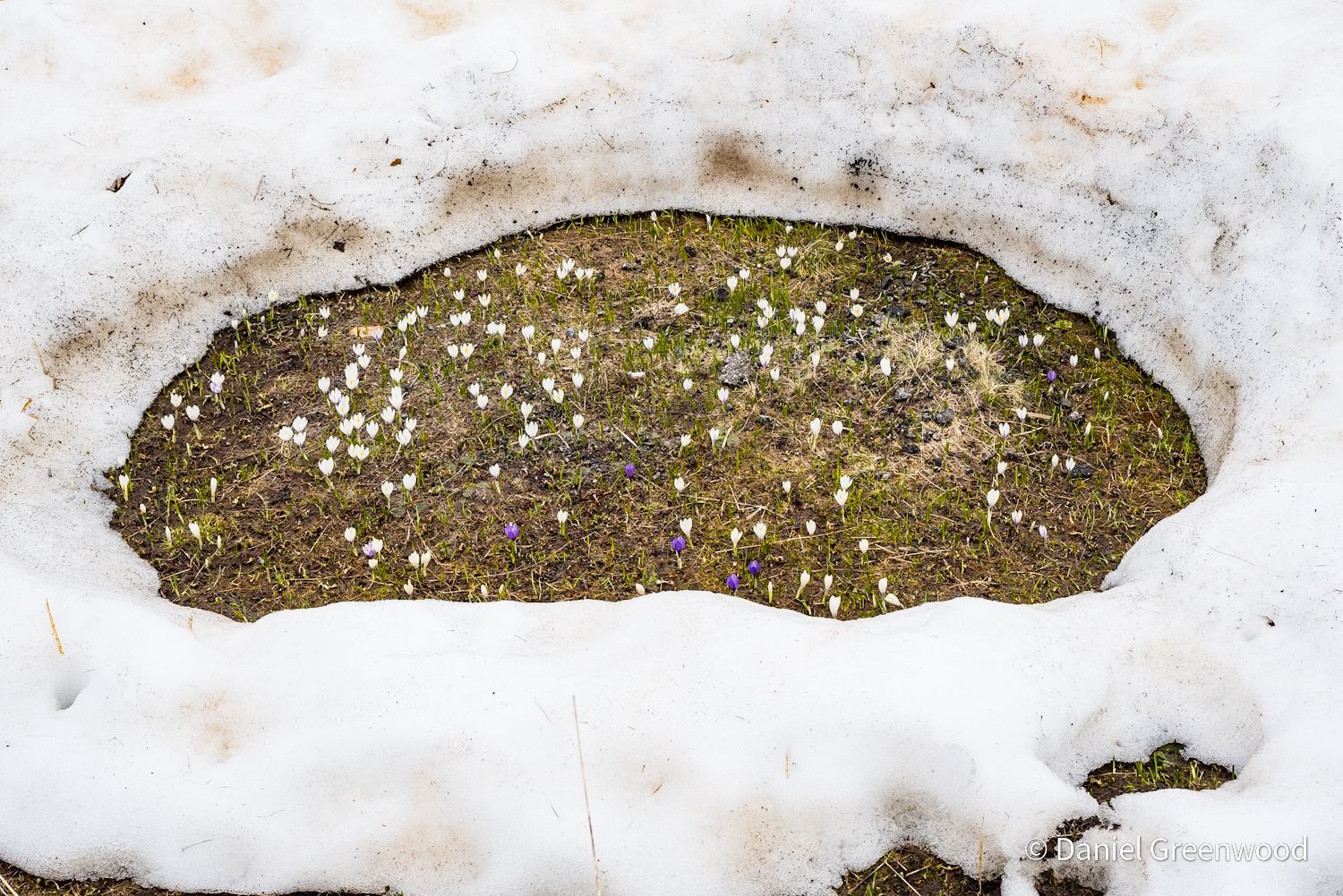
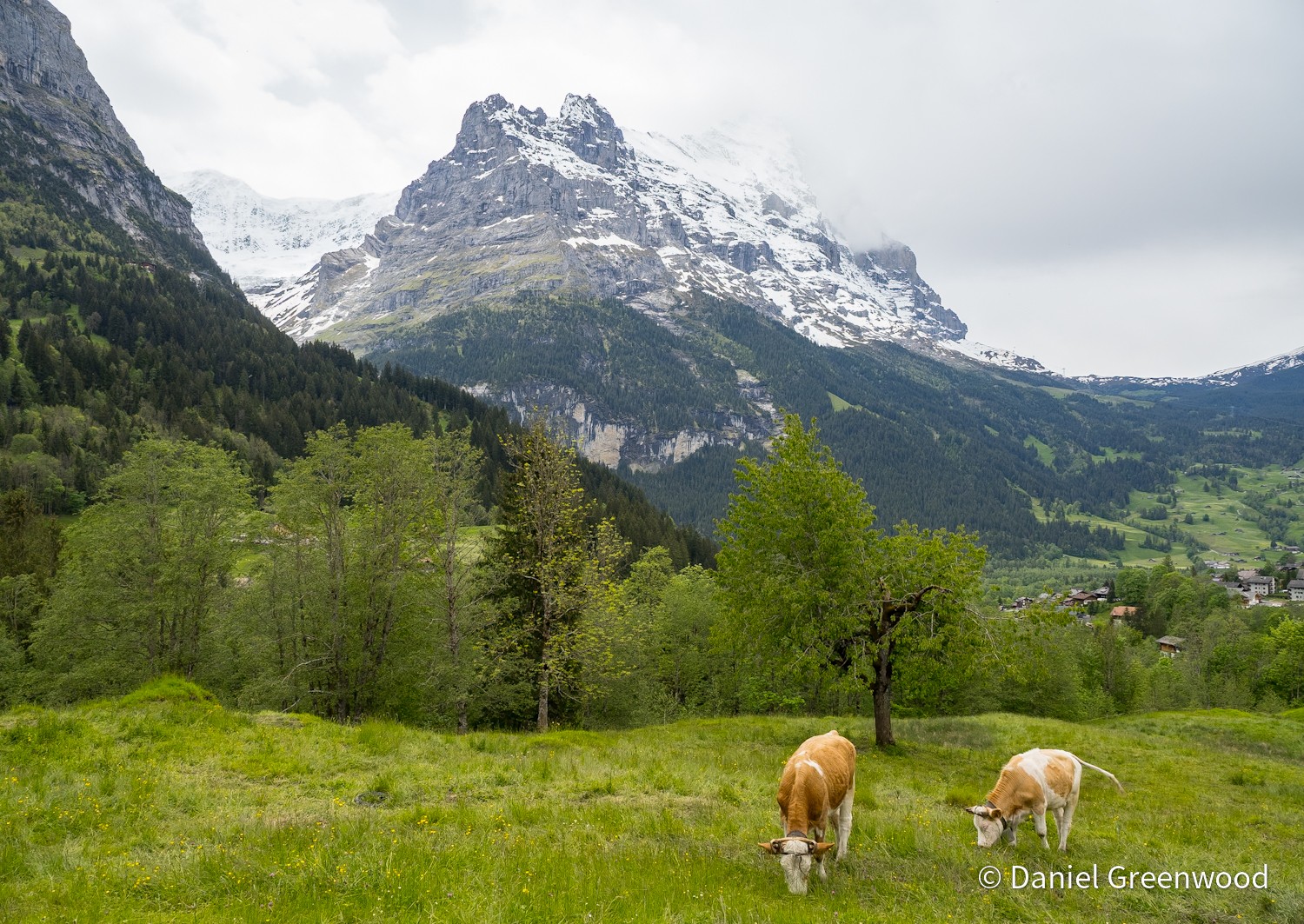
Ah, memories. In May we went on our honeymoon to Austria and Switzerland, all by train. You may be sick of reading about that! I am definitely not sick of blogging about it though!

This was one of those one-off photos experiences. Thankfully the weather held and we saw the mountains in much of their glory.

June

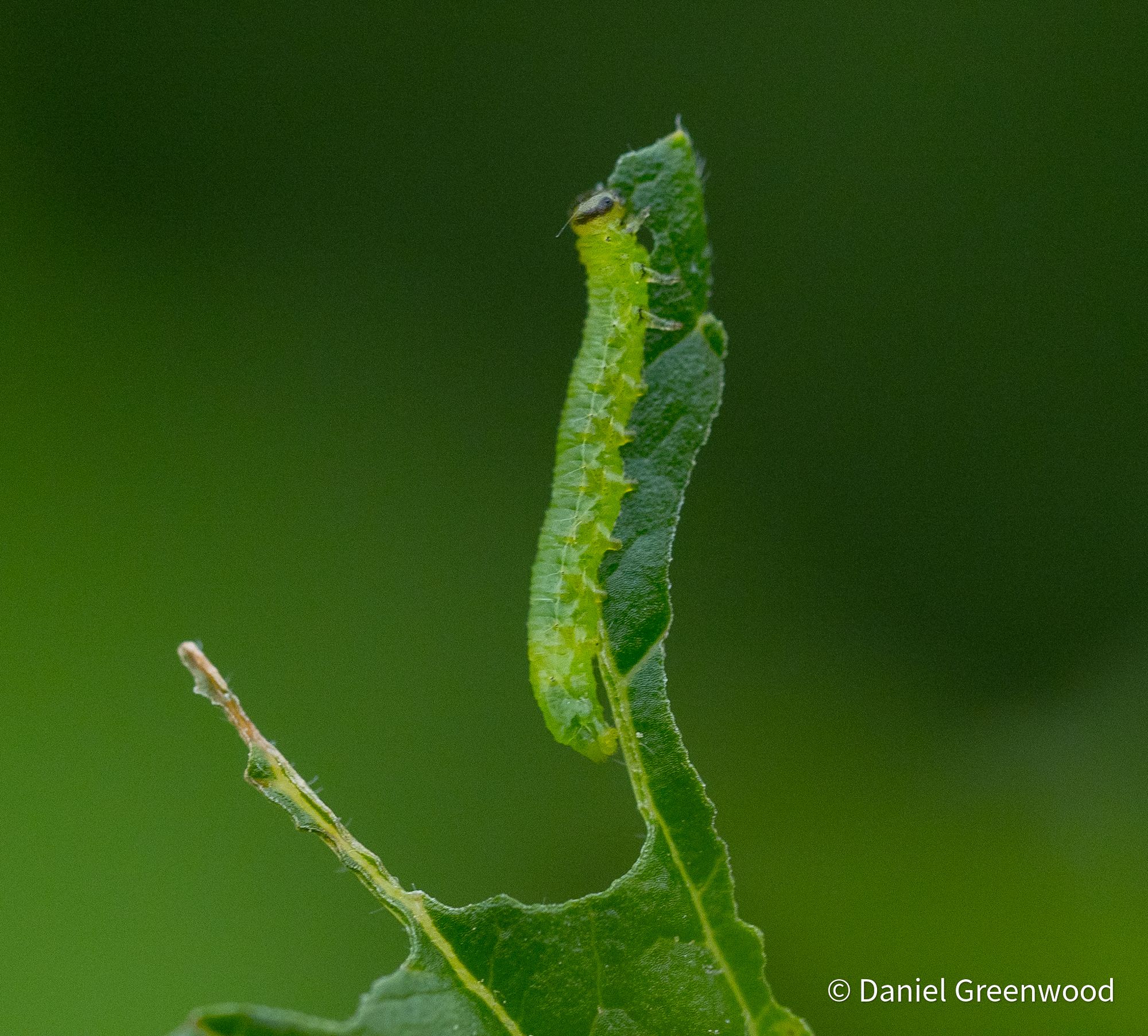
A bit of a lost month for photography because I started (yet another) new job and had to settle into a new routine. The highlight was probably these sawfly larvae which ate through some of the leaves on my gooseberry. Blog here.

July

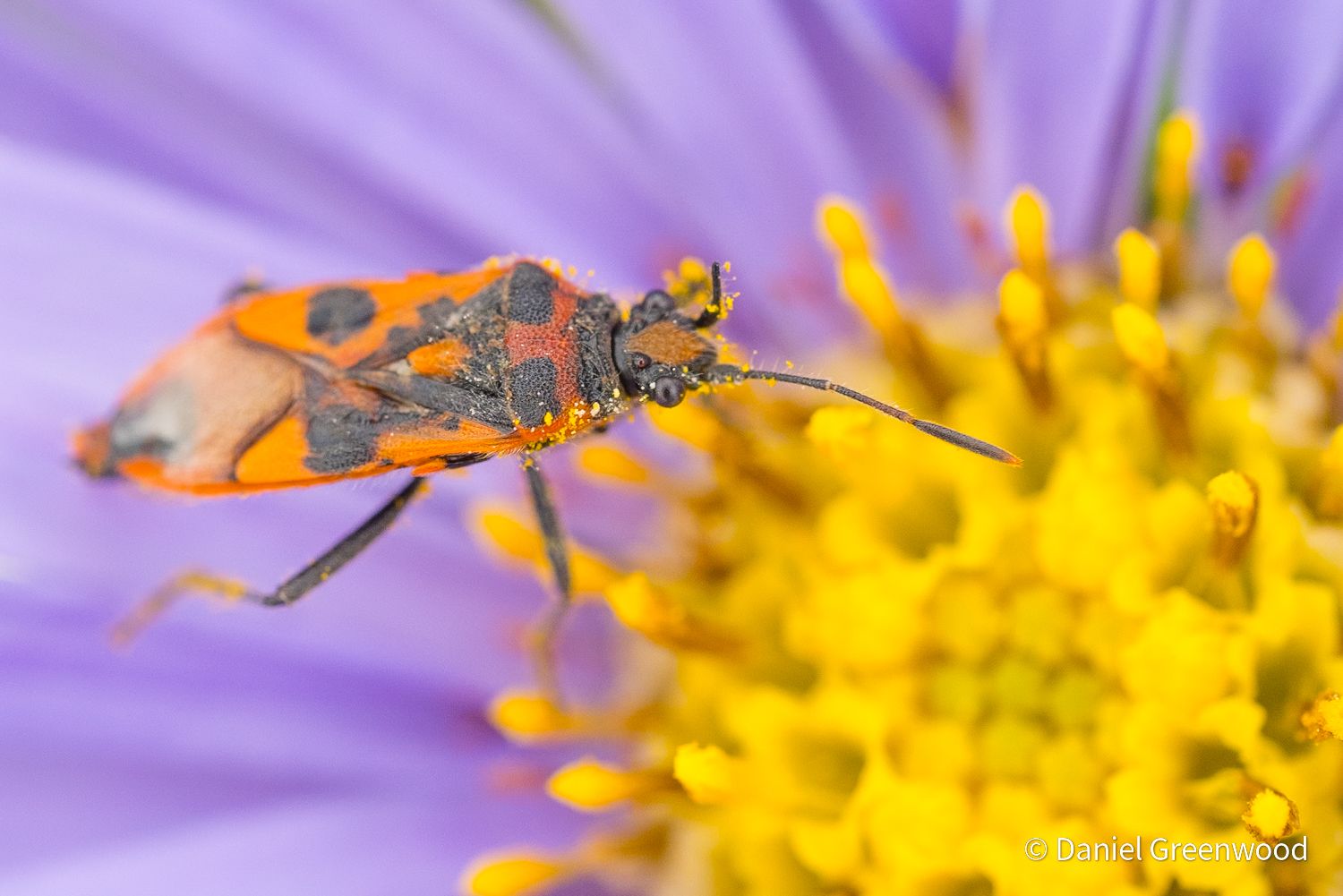
“July, July, it never seemed so strange”, as the Decemberists sang. I caught Covid and didn’t really get back to normal for 3 months afterwards (Vitamin D is very important, people). My macro work was reduced by the evil contagion but I did find some nice bugs near home to share.

August

I managed to pap some pretty fine inverts in August, with this beautiful ichneumon wasp seen in my garden. I’ve not got anywhere near enough out of my Olympus EM-1 Mark iii and 60mm macro, but this showed just how good Micro Four Thirds cameras are for macro.

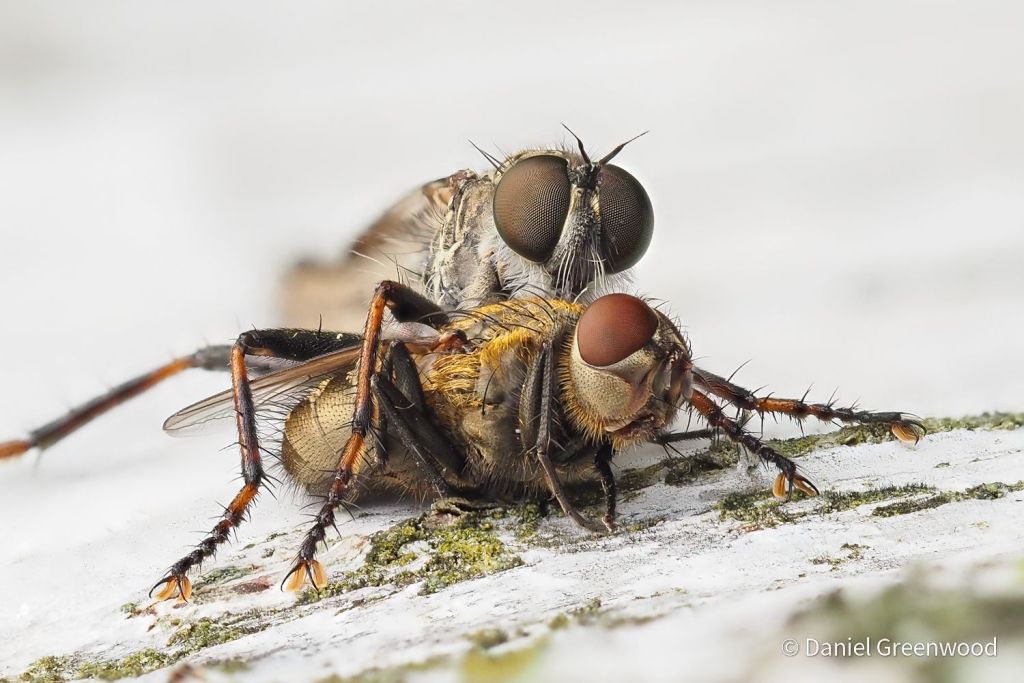
Another strongpoint for M43 cameras is that they can ‘stack’ images internally, something now copied by the big hitters. This is a composite of about 10 photos the camera has laced together to ensure the depth of field covers a deeper focus range. It means more of the, rather gruesome, subject can be seen in detail.

September

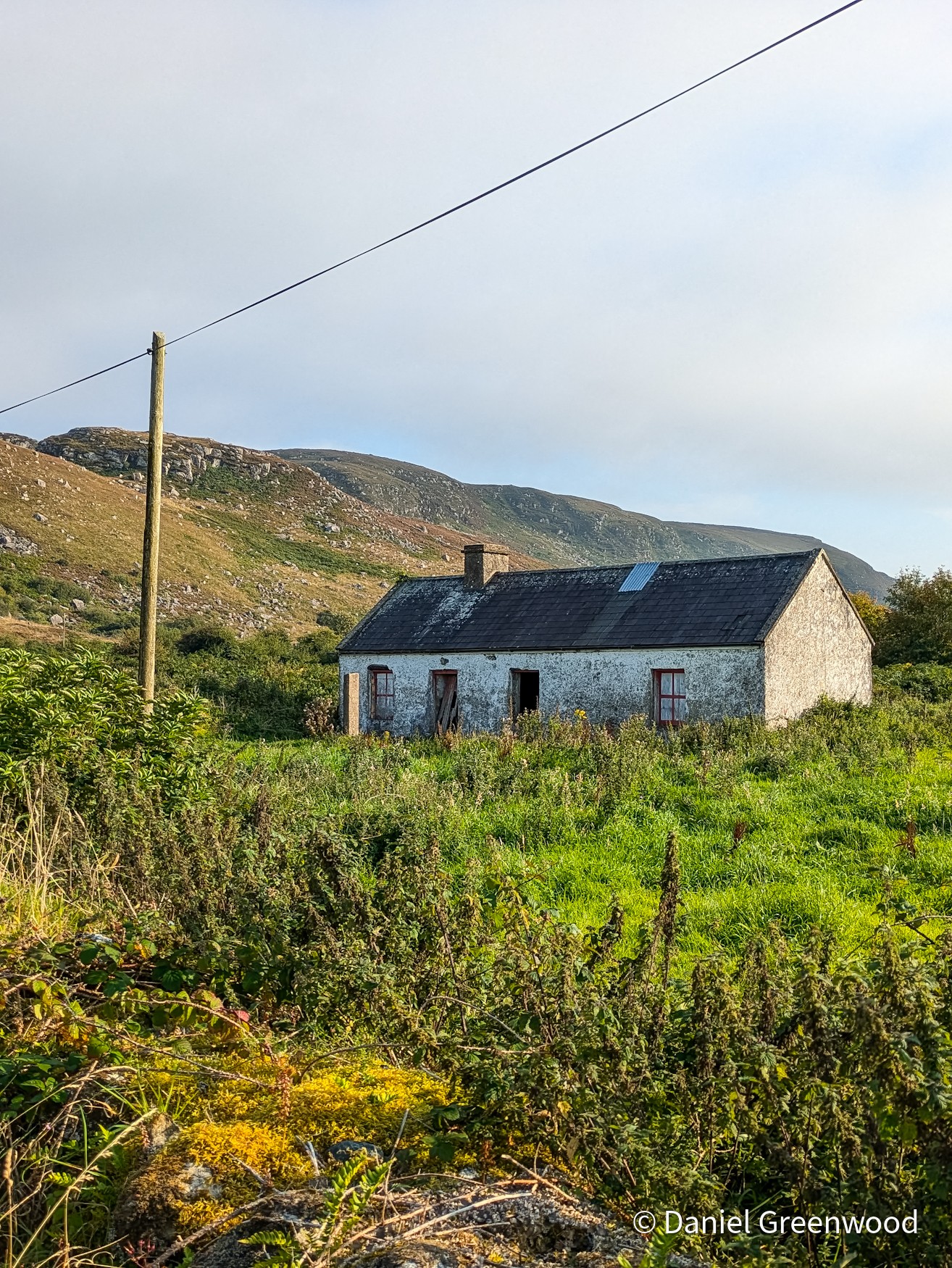
In September I made my first ever visit to the iconic sea stacks at Downpatrick Head on the North Mayo Coast in Ireland. Mayo has an international dark skies designation so I was able to mess around with the Milky Way. But for the astro photo I haven’t processed these images yet so here are a couple of phone photos.

October

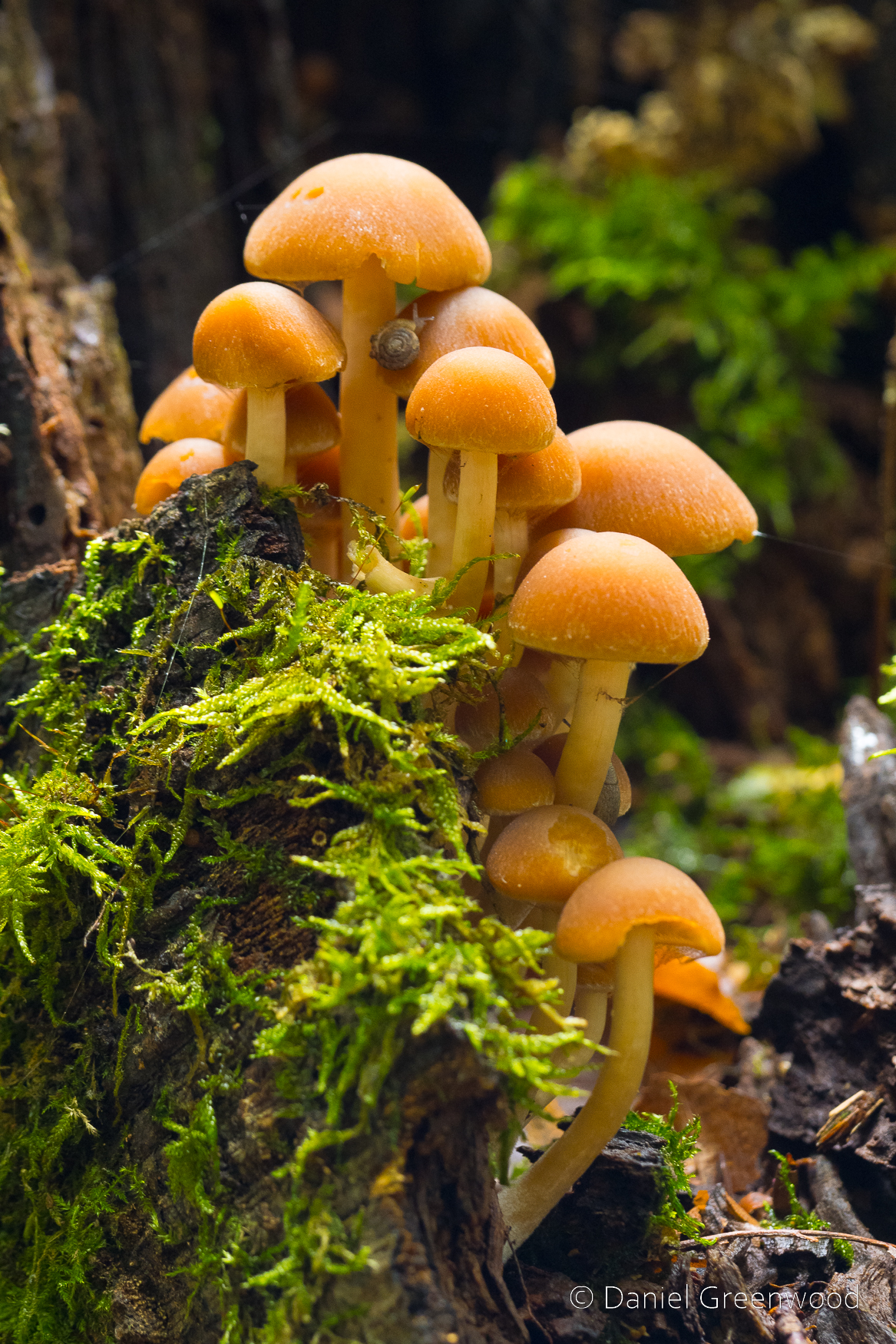
As I have lamented on my Fungi Friday blog, 2024 was not the best mushroom season. But there are always things to find out there. I found this knocked over fly agaric, which was in perfect condition, ready for its portrait.

November

Autumn is a time for Dartmoor for me and my wife, and despite colds we managed some walks onto the moors in the National Park. We found an amazing array of waxcaps, like the crimsons above, which you can see in full on Fungi Friday.

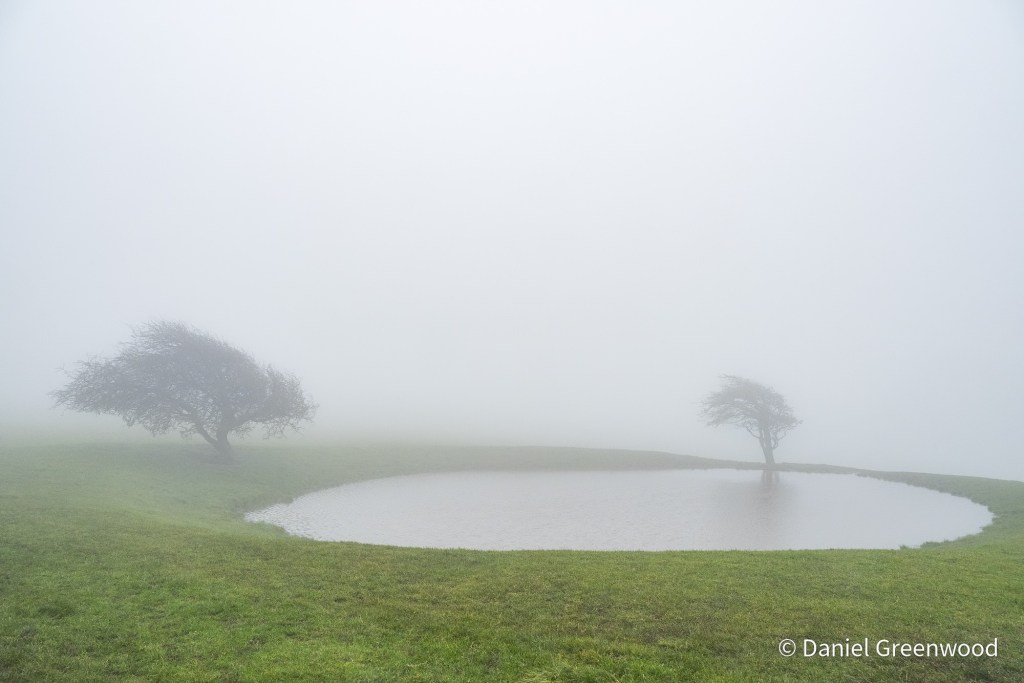
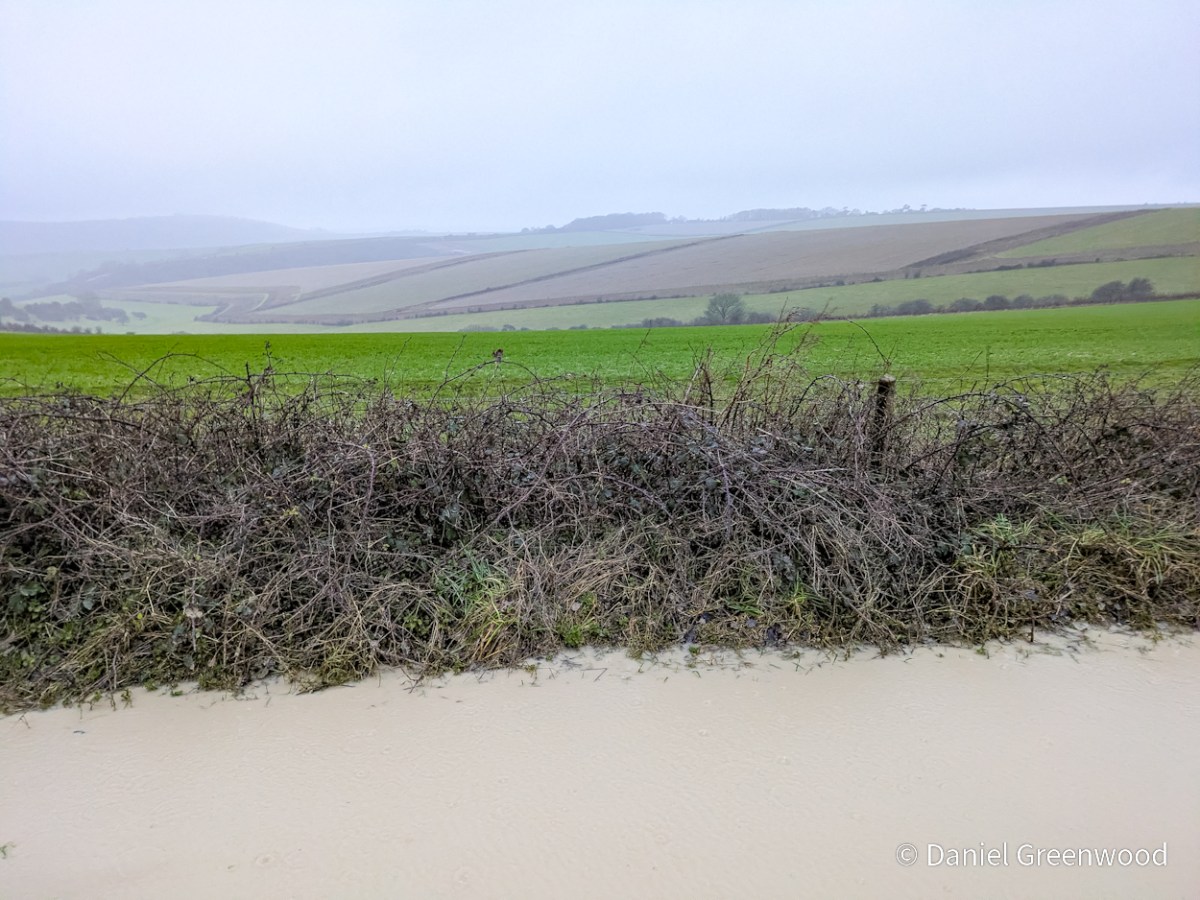
On the last day of November I hiked with my South Downs amigo from Ditchling into the mist. This is the much-photographed Ditchling dew pond, shrouded in mist.

December

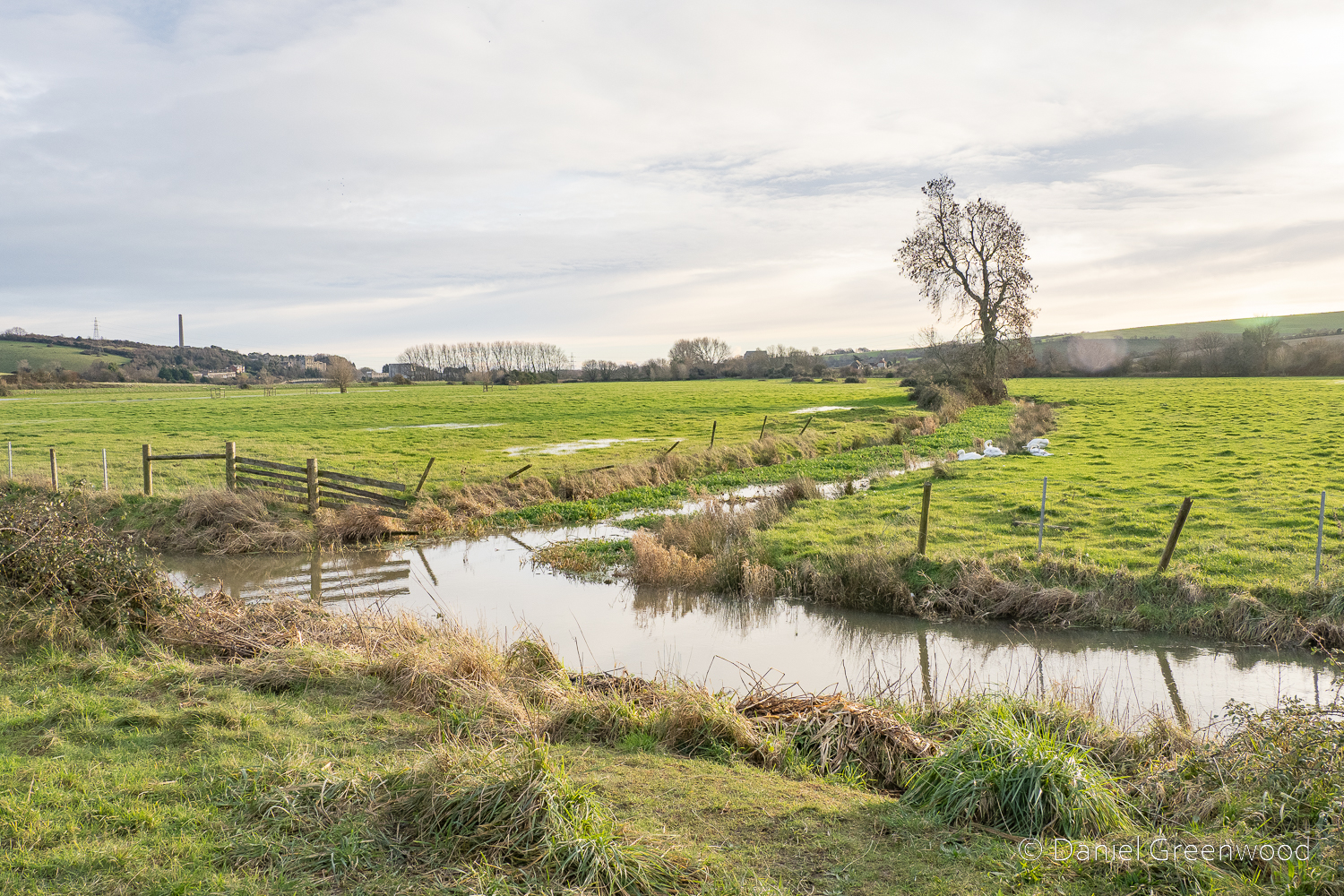
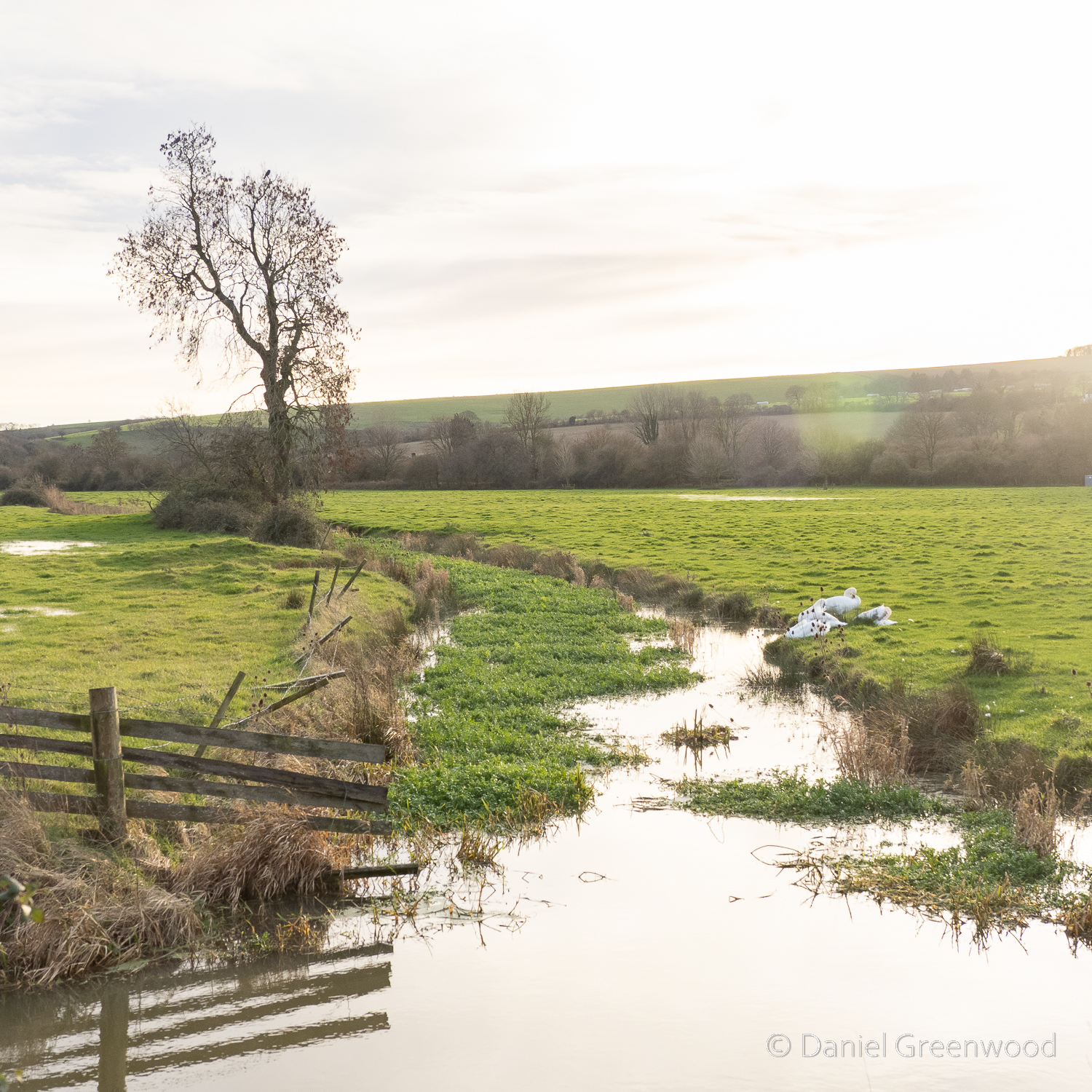
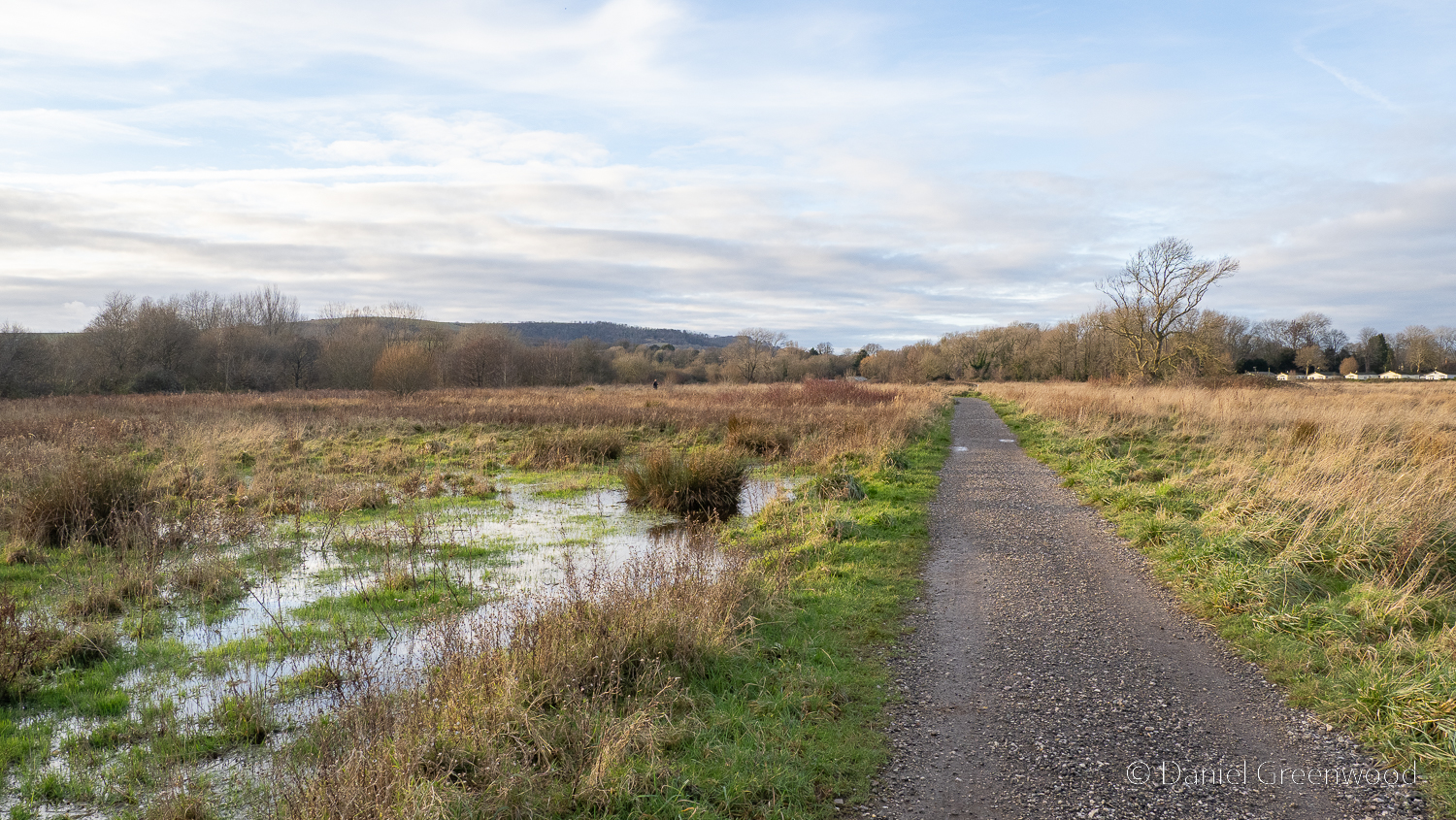
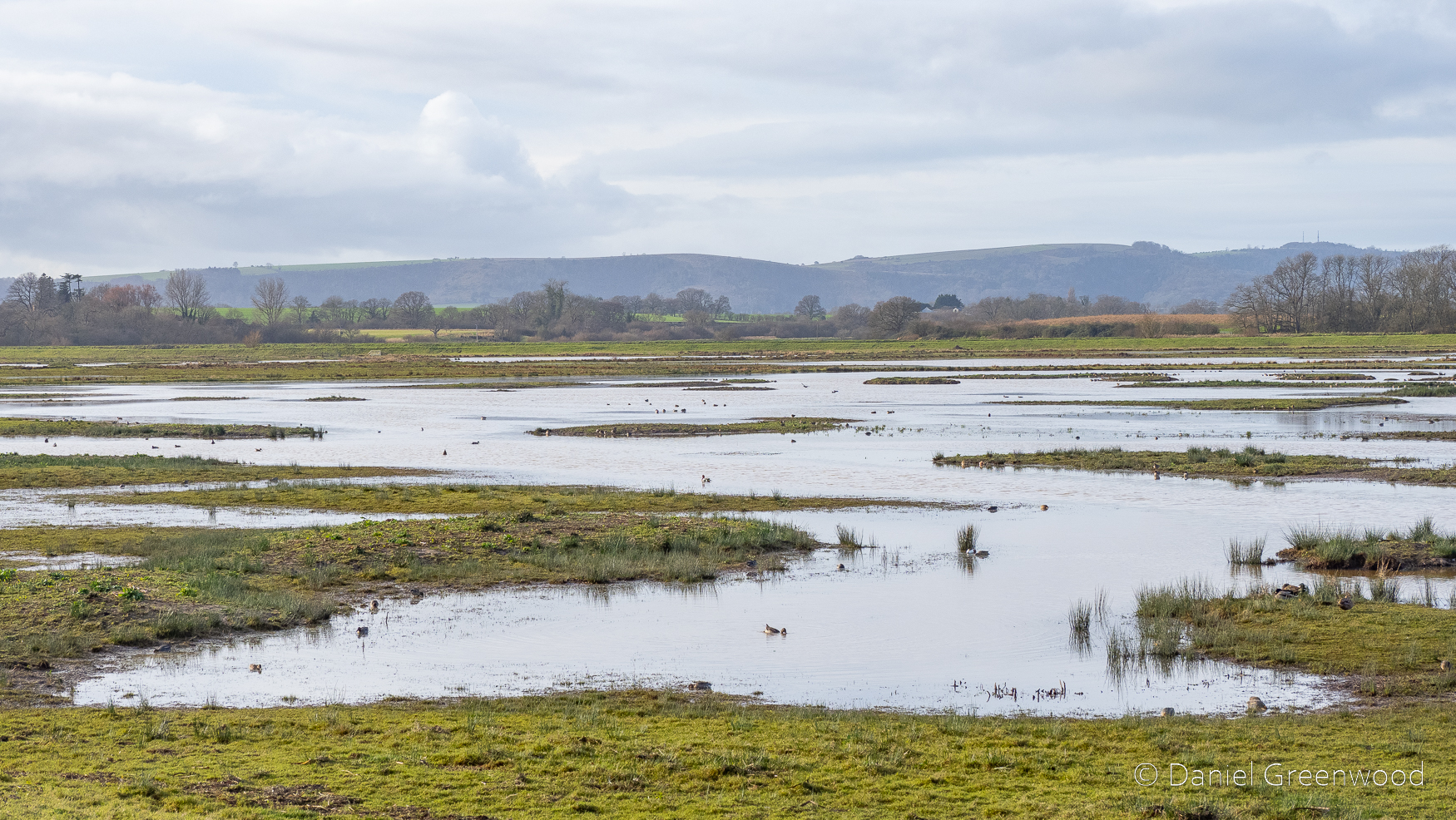
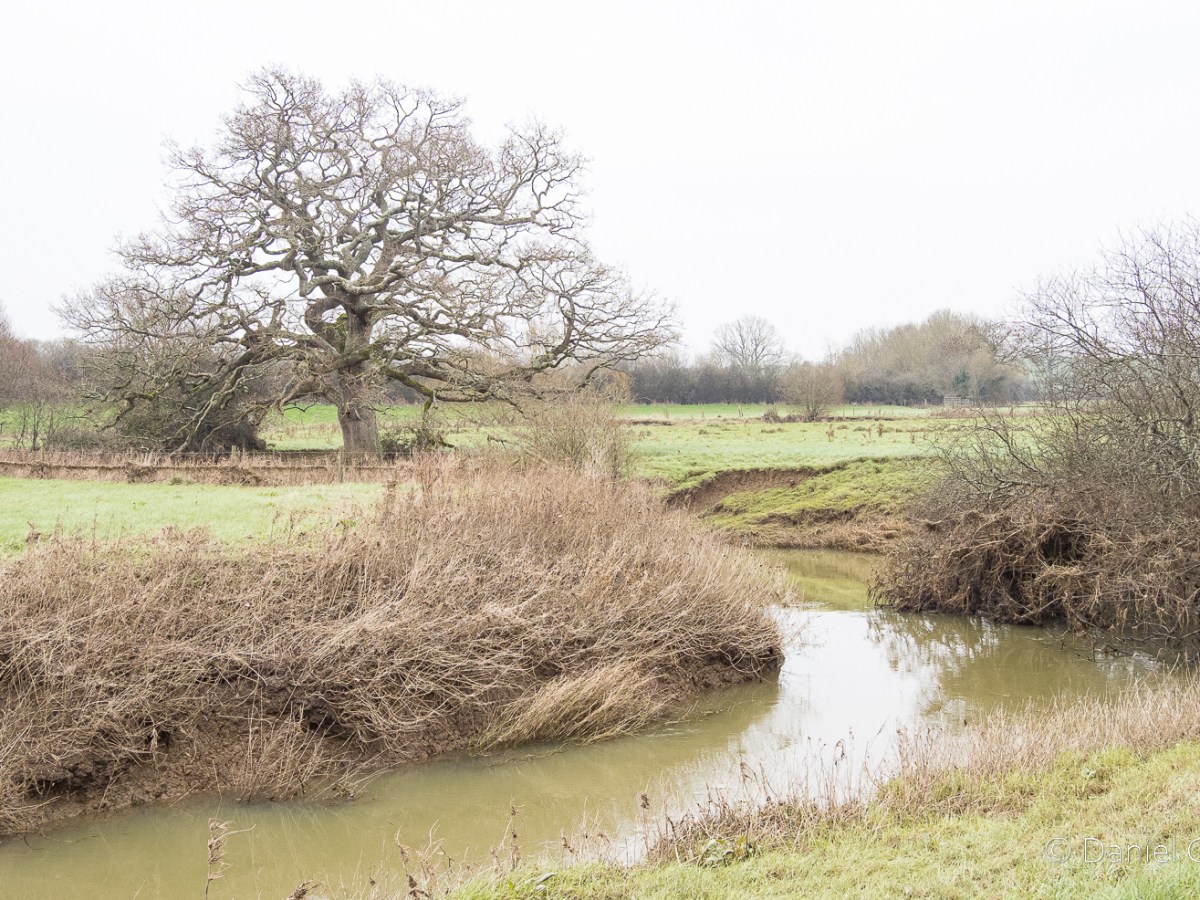
The weather in December was very grey and damp, and all the Christmas demands gave me only one meaningful walk – to Pulborough Brooks in West Sussex.

Thanks for all your support in 2024 and wishing you peace and happiness in 2025.

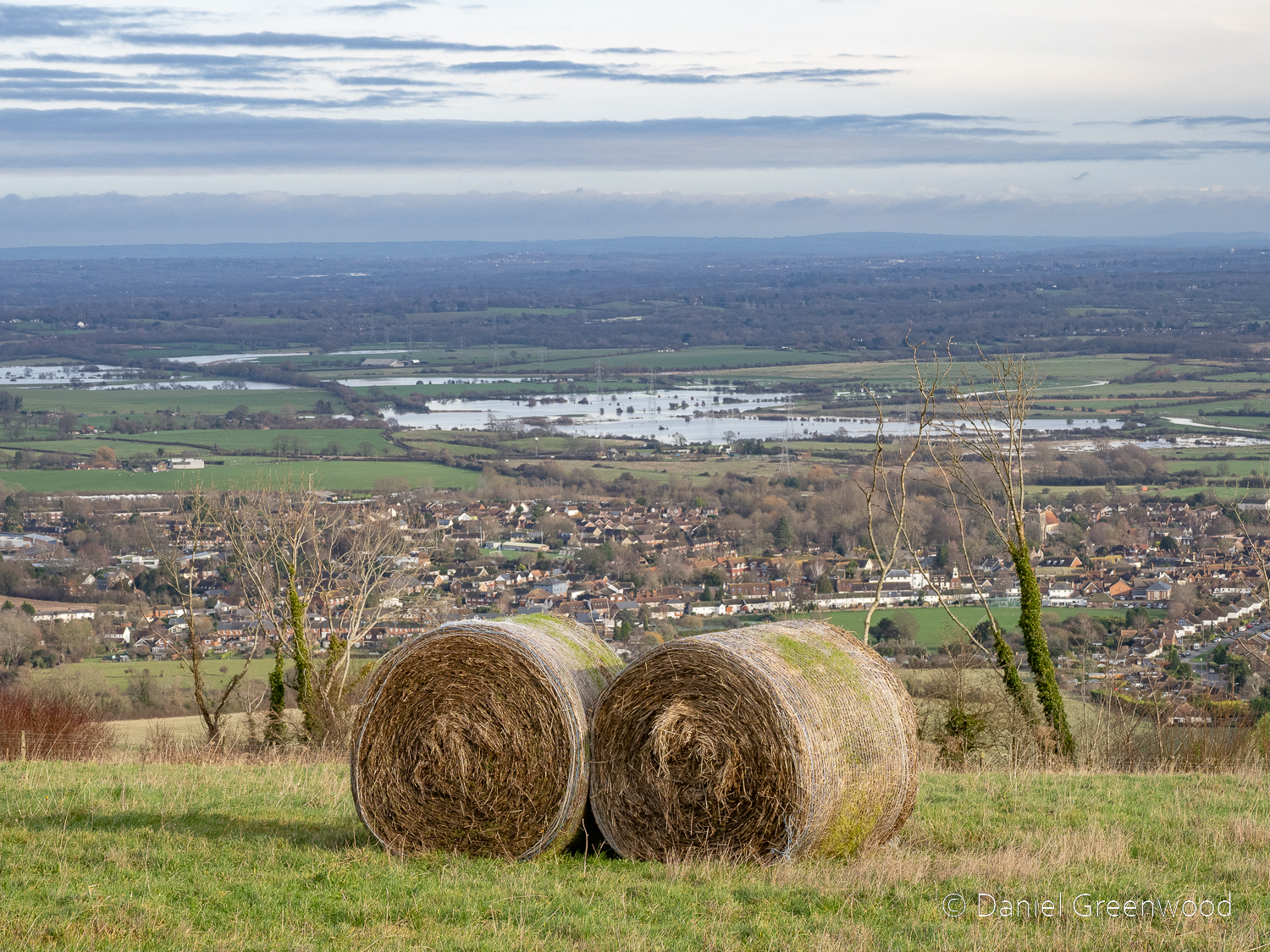
February sunset in the Arun valley

Amberley, West Sussex, February 2024

Here’s the best image I captured while waiting for the sun to disappear over the Downs recently. To the right hand side of the image (north) you can see the Arun flooding the area known as Amberley Wildbrooks. It was surprisingly mild up there but as the sun slid away the cool air arrived with the moon. Red kites floated overhead and trains echoed through the valley on their way to Arundel. A beautiful evening in a special place.

Autumn/winter 2023

Hello! Here’s another of those seasonal blogs where I post stuff you don’t necessarily need to know.

The header image visible on the blog here is of November in the South Downs looking south towards Angmering.

Thanks to everyone who has viewed, commented on and liked my posts this year. Posting stuff on here is a joy for me and it’s really nice to have your questions and comments to deepen the narrative. These posts tend to get more comments than some of my most finely-sculpted photo or prose posts, so let’s see what you have this time.

Where have all the mushrooms gone?

Not a comment on a mycological crisis in the woods, but the content that seems to ‘drive traffic’ to this website. As some of you may have seen, I’ve set up a separate fungi blog/website for my mushrooms pics: www.fungifriday.co.uk

The Fungi Friday blog is a home for my fungi photos with a focus on southern England’s rich funga.

I created it for a couple of reasons. One the main motivations was enforced – social media like Twitter (RIP) and Instagram are moving away from photography and instead towards poorly functioning hate-posting for the latter, and TikTok-lite in the case of ‘The Gram’.

Then there’s Threads, which reminds me of the ‘smartshop’ self-scanning interface from Sainsbury’s. It’s also owned by Meta/Facebook, which is not great.

The second reason was that constant mushroom content doesn’t really fit with a personal website with varied, landscape-related subject matter. I value bringing hand-written landscape writing to this website, which the fungi content is not. If I’m ever going to make it as a writer, I’ll need to spend more time working offline with a pen and paper, and typing it up later.

Another key point is that fungi are ‘hyper-diverse’ and there is a lot to cover. I’m aware that quite a few people read this blog through their email inbox, and a mushroom a day probably isn’t what you need (though to some people, that’s exactly what they need). I’d like to post more longer reads about fungi in the cultural sense, as I did in lockdown (2020-21).

Anyway, I hope FungiFriday.co.uk can last the pace, and I’ll be posting my autumn photos over these bleak midwinter months. Please do #LichenSubscribe if you have a WordPress account.

Music in 2023

My favourite album of 2023 (though released in 2022) is Blue Rev by Alvvays. You can watch a live studio set from them above. Molly Rankin is part of the famous Rankin Family, and her voice positively sings of her ancestry. After the Earthquake is the song I couldn’t stop listening to in the spring/summer and the album has such depth to it for something so rockin’ and short. They are a total joy. Check them out!

I also loved the latest album by Alex G, God Save the Animals.

A snapshot of The Gallows Pole by Benjamin Myers

Favourite books this year

As mentioned in the spring, The Gallows Pole by Benjamin Myers has been one of the best books I’ve read in ages. It’s brutal, violent and bleak, which isn’t my thing, but it had that pull that keeps you wanting to know what’s going to happen next.

It’s also now been serialised (sort of) by the BBC. I haven’t watched it yet, mainly because I loved the book and I’m worried about how my ancestors will be represented (see previous image) on the small screen.

Colm Tóibín has been one of my other favourite authors I’ve read this year. My Irish diaspora family seem to spend a lot of their time consuming Irish culture in books, films, TV and music. I know I’m getting older because I am now doing that. This year I read Brooklyn, The Magician, House of Names and The Blackwater Lightship by Tóibín. Those books aren’t all about the Irish, but Brooklyn tells the story of a young woman’s migration to New York from a rural Irish village. England has descended into extreme far-right territory with its political language around migration, which you are probably sick of hearing about. But reading about the stories of migrants is probably a helpful way to educate one another and those close to us about the plight of others.

In other Irish lit, I also enjoyed reading all of Donal Ryan’s novels, especially The Queen of Dirt Island.

Another book I really enjoyed was close to home – Between the Chalk and the Sea by Gail Simmons. Simmons walks a path from Southampton to Canterbury she translates from the Gough Map, visiting large areas of the South and North Downs along the way. I love this part of the world and am so lucky to be a few train stops away from either landscape. This is definitely a great Christmas present and a book that walkers will love, especially if you like how the landscape can be read to tell the story of its past.

Also shout out to Owls of the Eastern Ice, which is an astonishing book that’s been around for a while now. I loved it.

My favourite film of 2023 is obviously Barbie.

Thanks for reading and your support in 2023. Ciao for now!

– Daniel

Bramshott fungi walk – October 2023

Bramshott, Hampshire, October 2023

On Saturday 21st October I led a fungi walk in the Bramshott area for the South Downs National Park’s Heathlands Reunited project. Thanks to Olivia and Dan for setting the walk and guiding us on the day.

It was a chilly and showery day with breaks of sunshine to light up the birch and bracken.

Autumn had crashed in with its typical rain and leaf fall. I think the early mushroom season has been shortened by the hot September and sudden shift to seasonal storms. Just a thought.

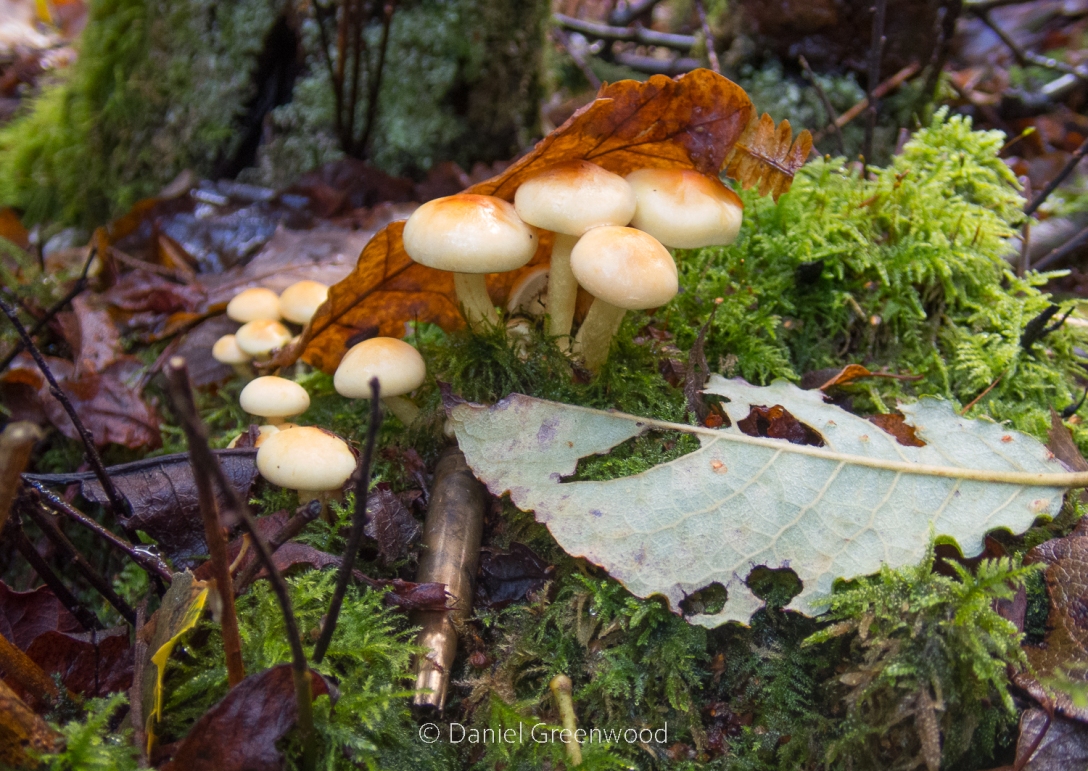
Sulphur tuft was one of the first mushrooms encountered, among a whole load of small grey/brown mushrooms that I wasn’t able to ID on the spot.

This looks to me like one of the grey spotted amanitas but after a bit of a downpour.

This is very probably a blusher, amanita rubescens. You can see a slight pink hue at this premature stage.

Fly agarics were slow to show but when the walk passed through grassy open woodland, they abounded. This one was almost like a russula with its typical white veil remnants

Amanita citrina, the false deathcap, was one of the most common mushrooms on the walk. It was abundant in the areas of beech woodland and also the open, grassy birch and oak woodland.

I’m not sure which waxcap this is, but heath waxcap, Gliophorus laetus, would make sense because it’s a waxcap on a heath!

This was one of the few red russulas, though there were tens of different-coloured varieties along the way. Sometimes the only mushroom around was a russula.

This was a very large mushroom under an oak tree. I’ve not seen this species before but am leaning towards an ID of giant funnel, Aspropaxillus giganteus.

My guess here is that this is bleeding oak crust, Stereum gausapatum.

The only cep, Boletus edulis, in the whole area. I think most of these have been picked for the pot already by other visitors.

This nicely shows the change that occurs in blackening waxcap, Hygrocybe conica. It looks like a jelly sweet to begin with then becoming rather liquorice.

One picture that sums up the status of this wooded heath – an empty blank bullet casing underneath sulphur tuft.

Thanks for reading.

Oak timbers: Poplar cottage

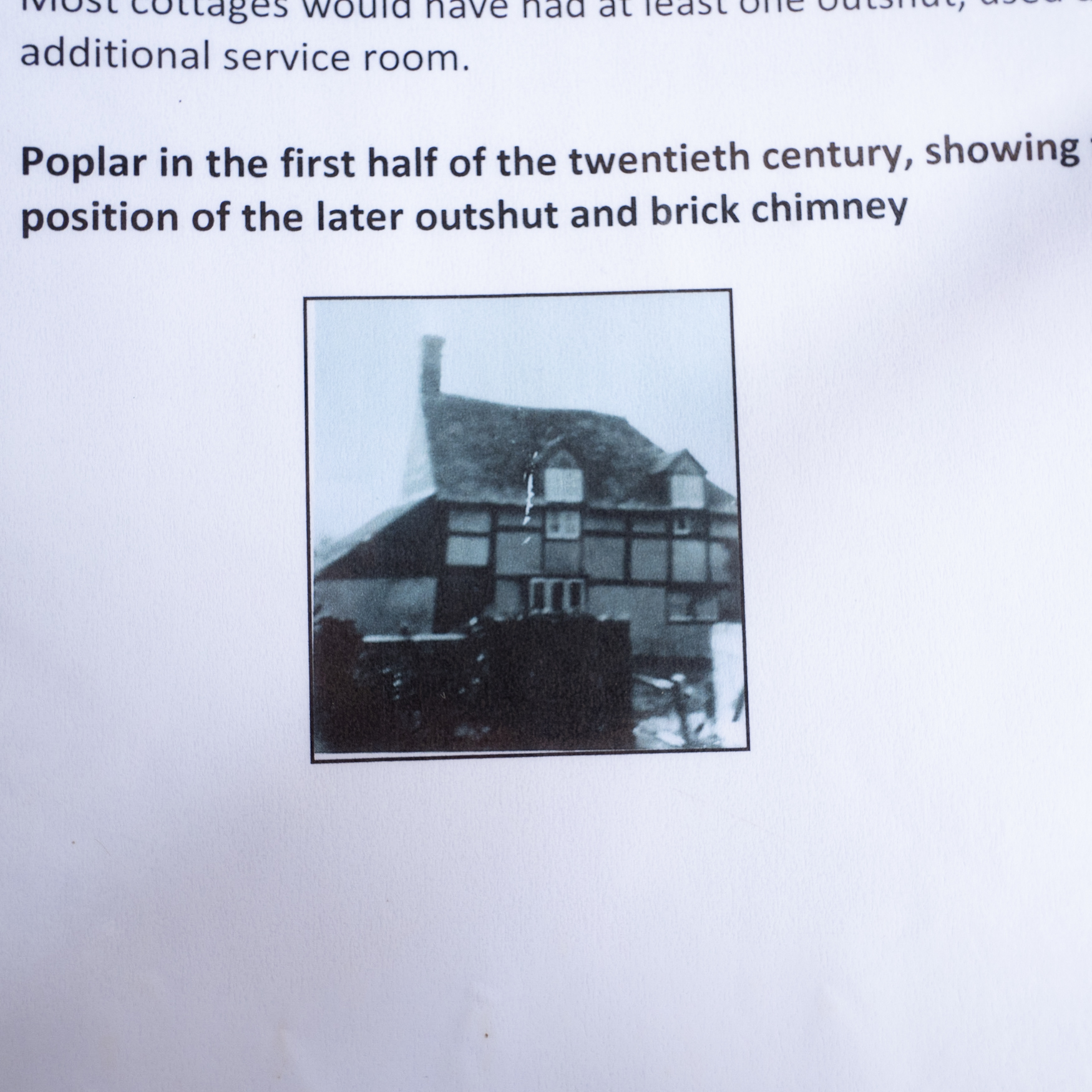
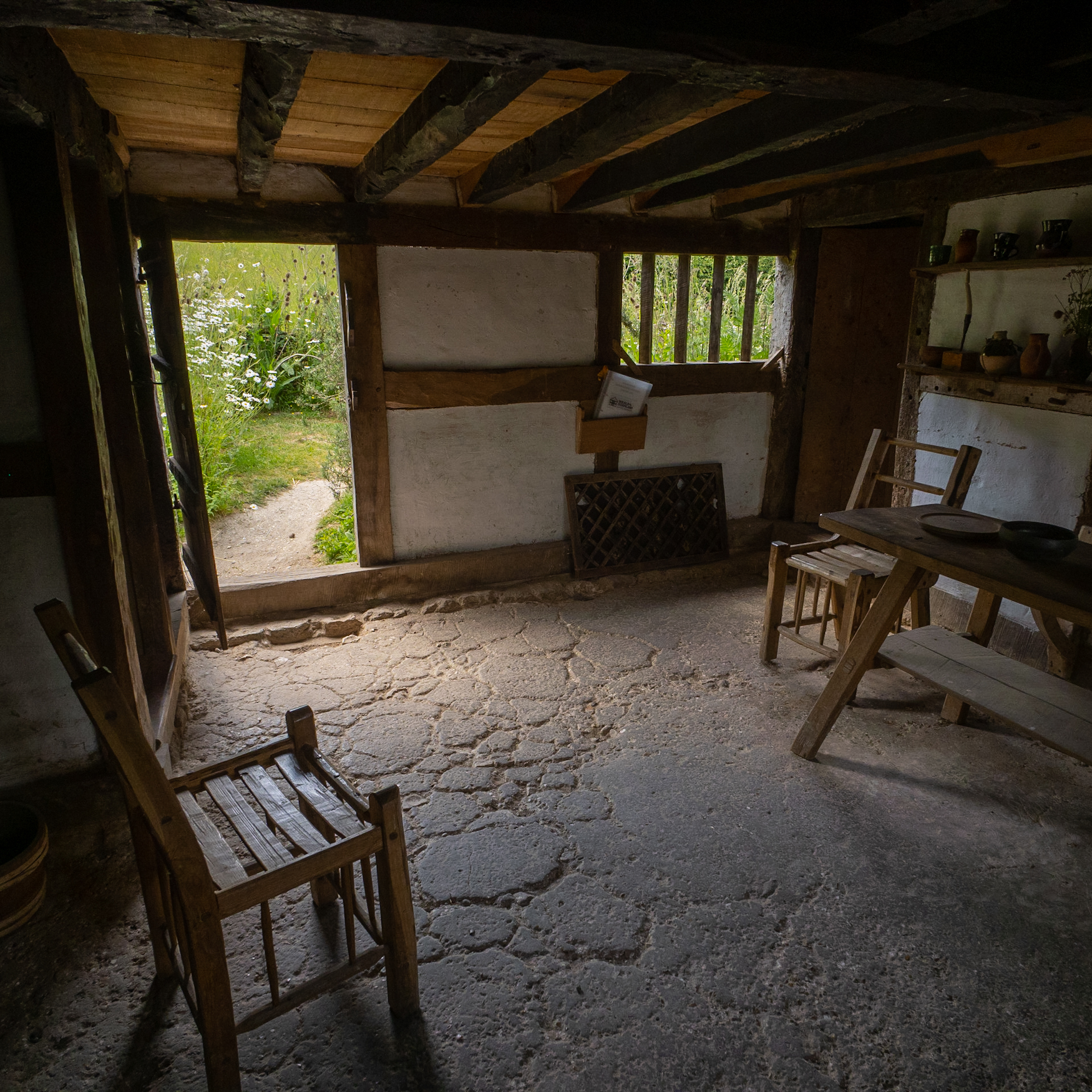
In June I spent some time at the Weald & Downland Living Museum in Singleton, West Sussex. I was trying out a new wide-angle lens and in the perfect place to do so. I focused on Poplar Cottage, one of the most attractive ‘installations’ at the museum. Below are some images and also the italicised text which is written in the cottage’s binder, and therefore copyright Weald & Downland Living Museum.

Poplar Cottage was originally built on a small plot of common land on the edge of Washington Common in West Sussex. It is a building of a distinctive type with a hipped roof at one end and a gabled roof at the other. The gabled end originally contained a smoke bay.

Washington is a village at the foot of the South Downs in West Sussex, near Chanctonbury Ring. Its name relates to “Wassa’s people” rather than a place renowned for cleaning.

© Weald & Downland Living Museum

This cottage type is associated with ‘wasteland’ or ‘wayside’ encroachment onto common land. The earliest occupants of the cottage are likely to have been husbandmen or rural craftsmen. Husbandmen were socially inferior to yeomen but superior to labourers.

Many cottagers engaged in small-scale craft activities, like making wooden hoops for barrels or spars for thatching, or indeed shoe-making. We have evidence to suggest that a shoe-maker may have lived here in the 17th century.

Thanks for reading.

Oak timbers

Praying for Everton’s survival among the wildflowers ⚽

Amberley, West Sussex, May 2023

I am aware that most of the people who read my posts are likely to have a natural aversion to football. But really I’m not sure this blog would be here without the football side of my life. I’m someone who is able to say I’ve had words printed in national newspapers having written (unpaid, of course!) short articles about Everton Football Club as a student for the Observer newspaper. As a child I learned to love the outdoors from playing football with my dad and then my friends in the park, and chasing the irregular bounce of a ball over uneven grazing land in Ireland on summer holidays.

As a masters student I dreampt up articles and essays about the psychological landscape of football pitches and the sheer absurdity of the rules of the game. I wanted to deconstruct football, to make it make sense. The ball crosses a line and people’s lives are changed, while billions of pounds change hands. It has become something so unpleasant in many ways nowadays, but its heritage is old and significant. My family have probably supported Everton since the late 1800s when the club was invented.

On Sunday 28th May I forced myself, though tired, to go for a walk in the Arun valley in the South Downs. The aim was to try and distract myself from Everton’s final day game against Bournemouth, where my team could be relegated from the top division of English football for the first time in 69 years.

Formed in 1878, Everton were relegated in 1951 but came back in 1954 and promptly won the league. My dad passed away just short of his 72nd birthday. As an Evertonian from the age of 5, he had never known his team to be anything other than in the top flight. I can say they have won the league in my lifetime, in 1987, in the year of my birth, 1985, as well as picking up the FA Cup against the odds in 1995. It’s not something Newcastle and Spurs fans my age or younger can say!

The stress of these final day relegation cliffhangers is extreme, but I couldn’t tell you why. In 1994 Everton were on the brink, 0-2 down to Wimbledon (RIP) on the final day, but managed to win 3-2 and stay up. In 1998 I put my face in the grass and pleaded with a god I didn’t really know, to save Everton from relegation again. They survived yet again.

Back on my present day distraction walk I passed through Amberley village and popped into the churchyard. It was a beautiful sight, with intelligent mowing having taken place to allow the chalk downland of the churchyard to grow into a rich and healthy sward. #NoMowMay indeed. One unlikely advocate of this excellent initiative is the former footballer and now pundit, Chris Sutton. Sutton regularly makes the case for bee conservation while barracking his co-host Robbie Savage on BBC Radio 5Live’s football phone-in. Well in, lad.

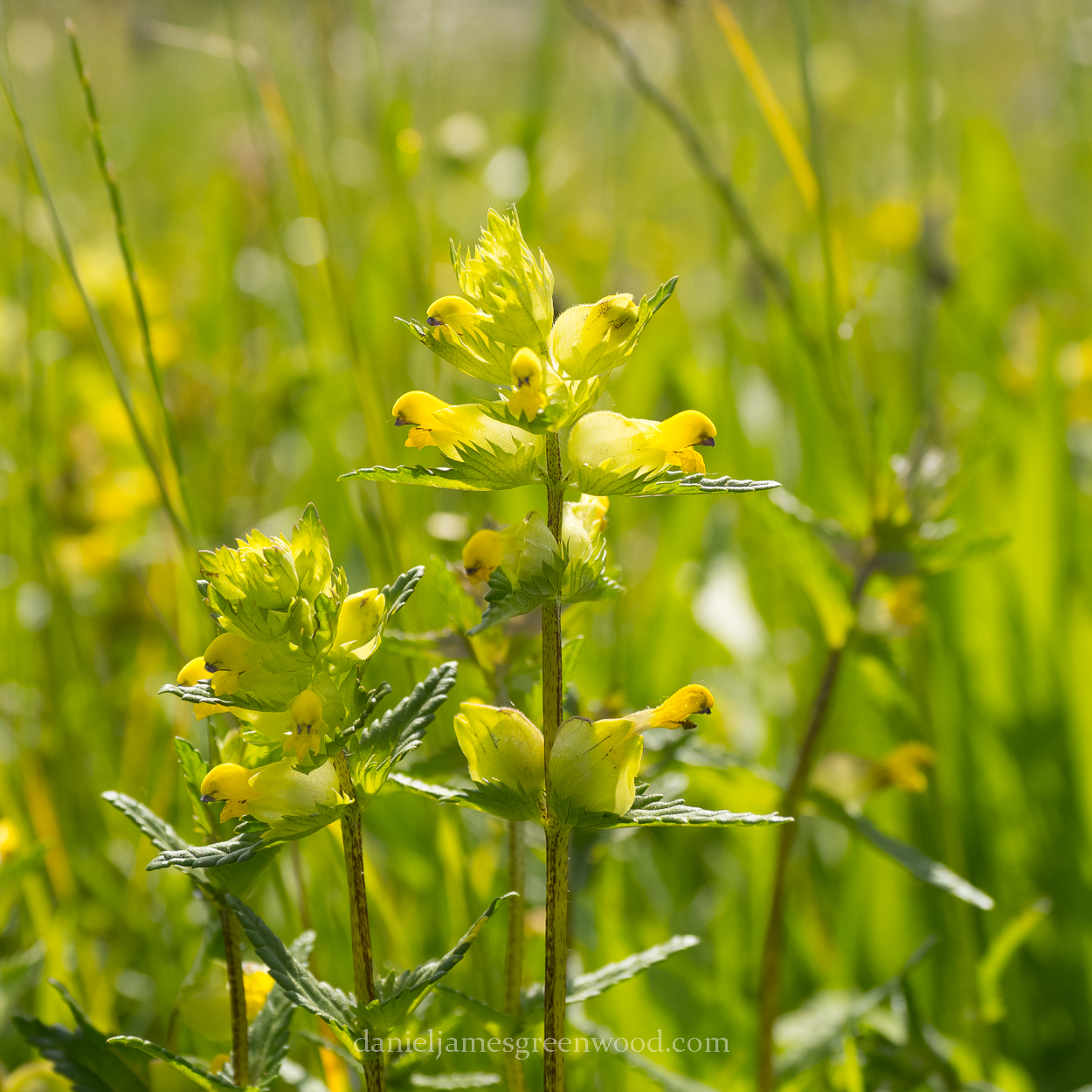
Back in the churchyard, the grasslands were full with oxeye daisies and that downland favourite, yellow rattle.

I entered into the church and took a break from the sun. I love the cool air and quiet of churches, of which the South Downs is spoilt in terms of the sheer number of them. Now, I am not a practicing religious person of any recognised faith, my cathedrals are usually either tree or hill-shaped, but I did ask for my pathetic football team to be spared while sitting on the pew (I also donated to support the church’s eye-watering running costs).

Some hours later, having hammered out 6 miles on the Downs and rushed back to catch the train to listen to the second half at home, Everton survived.

1994, 1998, 2023. Please, just not next year.

Thanks for reading.

The South Downs

Apaches over the Downs

Steyning, West Sussex, February 2023

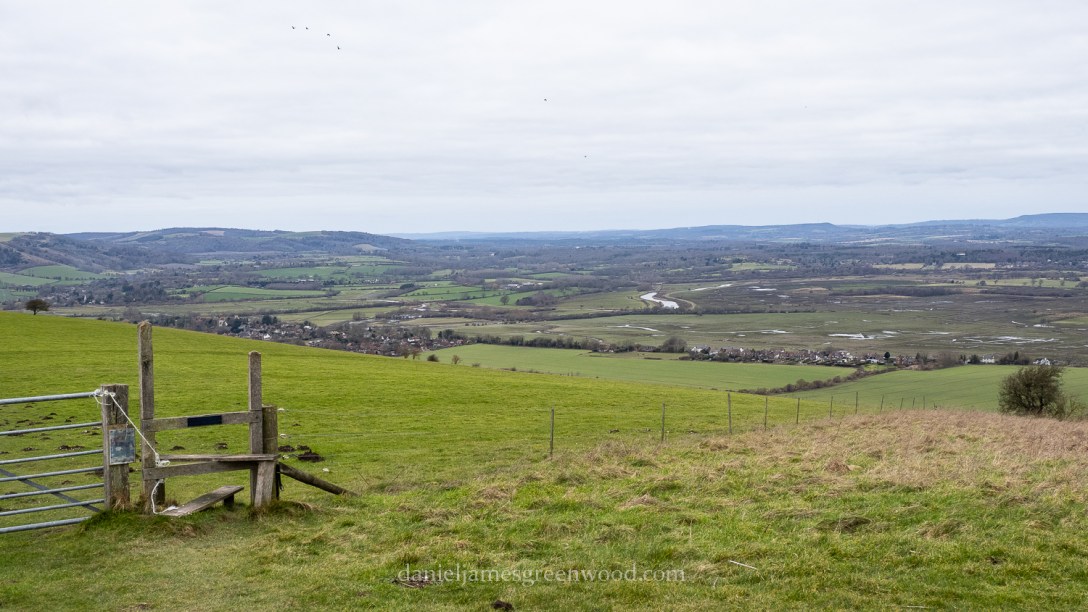
A walk from Steyning, along the field edge with those lumpy Downs caught in a smoke-like haze. The sun beat over the hilltops, the trees naked, grey and brown without leaves. Hazel catkins were the only decorations.

We walked through an old farm replete with buildings that seemed to be crumbling. The ground underneath was churned up with that grey gloop where the downland chalk meets the Wealden mud, a Sussex special.

The woods were cold and quiet except when labourers felled a tree somewhere in the shade of the Downs. It crashed down and broke into pieces. No doubt an ash tree, dead or dying like so many of them across this once ashy landscape.

On the banks there were the first signs of woodland spring, with dogs mercury leafing and some flowering.

Rising up towards Chanctonbury Ring, the views north were dulled by a dense grey fog that looked like London’s winter pollution belt.

A stand of dead ash trees led to the top of the Downs, where a pair of marsh tit passed between the brittle branches, calling as they moved from tree to tree.

A new vista opened out with the views south, hills folding away into the haze. Black trees breaking the lines.

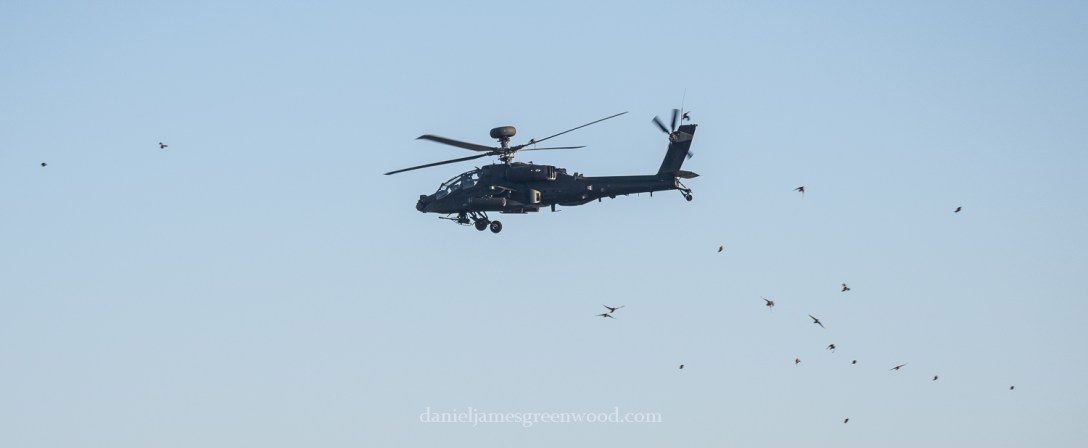
Further along the South Downs Way a great roaring emerged from the south and an Apache helicopter flew low overhead. It felt too low. A flock of what I thought were starlings were spooked and seemed to fly right at the helicopter.

A second helicopter appeared, banking north and turning 90 degrees as it slid over the edge of the Downs and dropped out of view into the Weald beyond.

A man came past on a bike and stopped to speak to us, registering our surprise: ‘Have you never been here when they do that? I just hope they’re training Ukrainian soldiers and that they’ll be sending them out there.’

We heard stories of accidents that had happened when the appearance of sudden, low-flying military aircraft had disrupted the flow of civil life in the wider landscape.

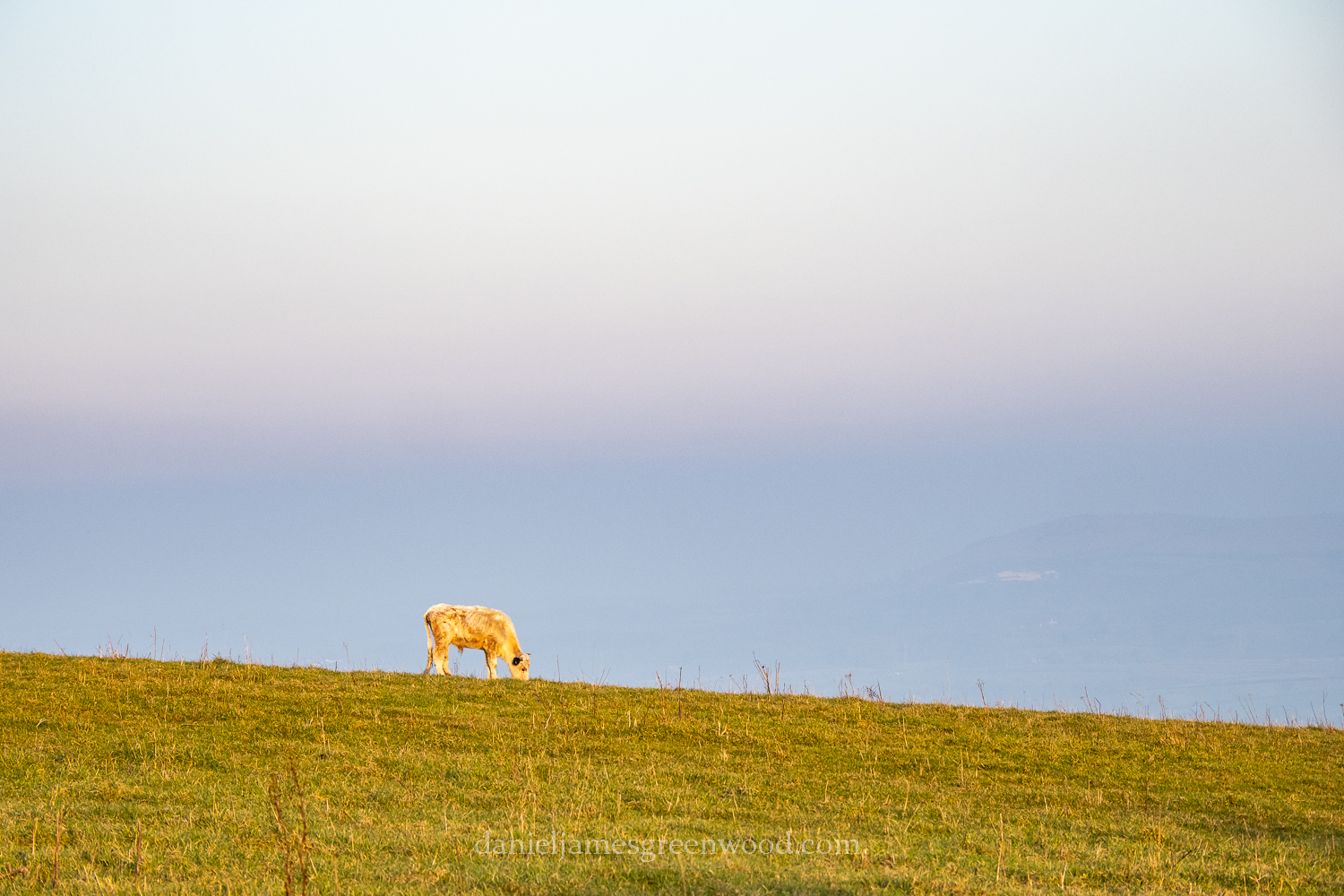
Up ahead beyond the enclosed South Downs Way, cattle grazed the green hill, unperturbed by the helicopters. In the valley to the south one of the few hedgerows to be seen jangled with the key-song of corn buntings.

Thanks for reading.

The South Downs

You can support my work here: https://ko-fi.com/djgwild

A tale of two hedges in the South Downs

Amberley, West Sussex, February 2023

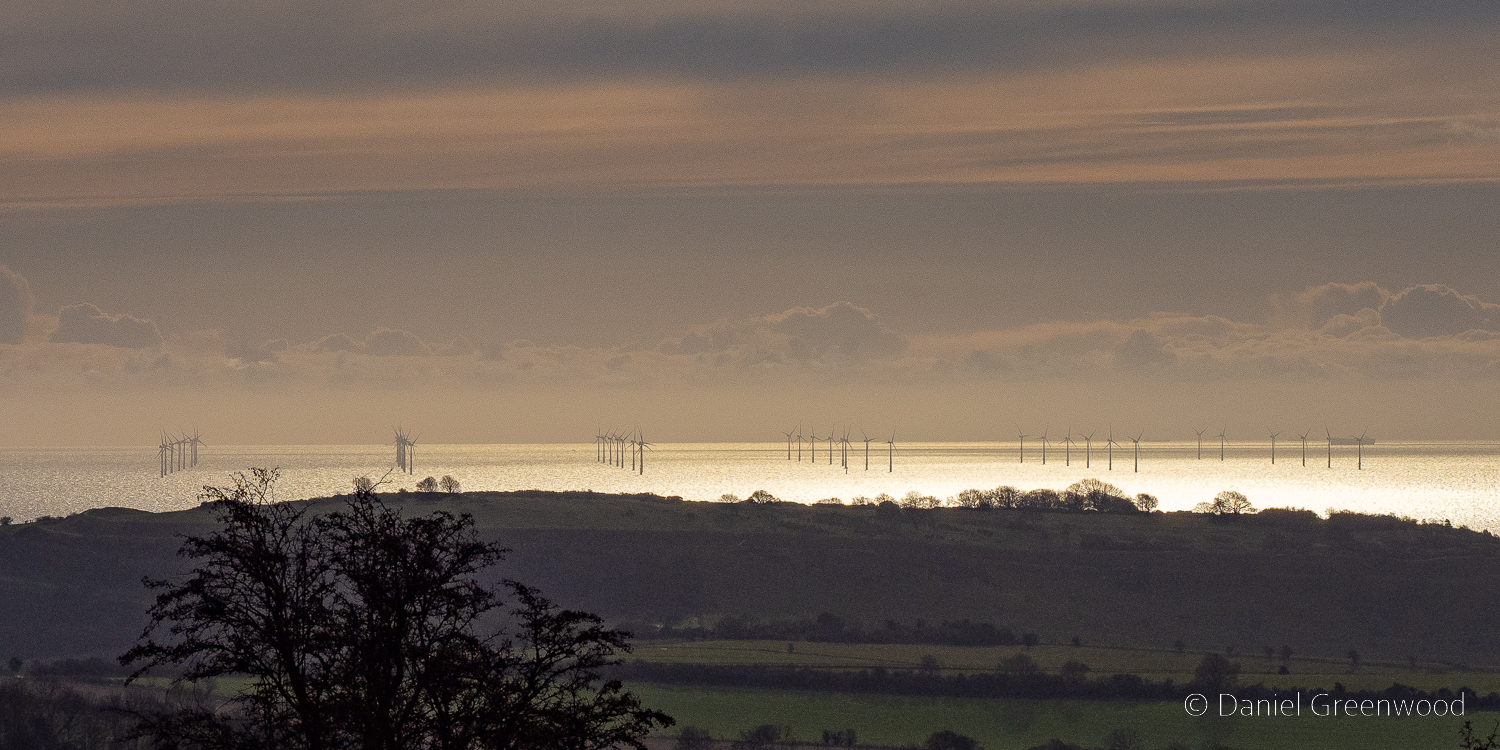
The light was low over the Arun valley. To the south the Sussex coast was a band of grey concrete, the horizon between sky and sea broken only by the pale sticks of the offshore wind farms. The Isle of Wight rested out at sea to the west like a great sleeping sloth.

The Arun’s floodplain had traces of silver, the remains of January floods. The rain had gone quiet in recent weeks, and so the wetlands were receding back to the river.

The birds were quiet, too. Every now and then a small flock broke and reformed in leafless branches, possibly linnets, goldfinches, chaffinches, it was hard to tell. A red kite followed the crests of the Downs for much of the seven I walked along the South Downs Way that day.

When I first turned off the main road onto the trail, I saw a couple planting out the fresh green leaves of cherry laurel, no doubt to screen their farmland. I gasped but said nothing. They worked at speed, focused intently on their planting. 
Cherry laurel is one of the most invasive and ecologically destructive shop-bought species in the UK. I’ve spent much of my recent working life removing it from oak woods. I firmly believe it should be banned from sale. Holly and yew do just as good a job as screening hedges and are nowhere near as destructive. England’s most ecologically rich and diverse woodlands are usually oak, a tree that loses out every single time to cherry laurel. It can also become established in downlands, of which the South Downs are famous.

A couple of weeks ago I was working with a group of volunteers pulling cherry laurel saplings from an ancient oak woodland that holds a diversity of broad-leaved tree species, namely: oak, ash, wych elm, hazel, holly, yew, field maple, hawthorn, guelder rose, and more. Where cherry laurel has become established in this woodland, all of these species would disappear without intervention. So the task was very clear – remove the self-seeded laurel saplings before they become established and reduce the woodland to a monoculture of one species.

That is the fundamental issue with monocultures of invasive species: the diversity of plants, fungi and animals dies out. That is bad for everyone and everything, even laurel eventually.

This is a tree that originates in the Balkans and is available in most garden centres as a quick-growing, glossy evergreen to create a screen in a garden. It’s also toxic.

Of course there are many species which have toxic chemicals in them, and humans are experts at introducing them to the environment, but I’ve personally felt the impact of laurel’s toxicity. 

Some years ago I somehow got a very small laurel splinter into the vein in my wrist. The following day my wrist swelled-up and a line appeared down the middle-underside of my forearm from the site of the splinter. I went to the accident and emergency and was forwarded through to a care unit where they injected my hand with antibiotics and took several tests, including an ECG. They puzzled over the issue and sent me home with a prescription of more antibiotics. Laurel wasn’t even on their register of toxic plants on that December day in 2017. The infection dropped away after the NHS’s treatment and a few weeks later a miniscule, redundant piece of laurel splinter appeared from my wrist.

Cherry laurel contains cyanide in its leaves and is used by entomologists, or so I’ve heard, to create kill jars for trapping invertebrates. That said, yew is of course also toxic, and the cherry family (which laurel resides in) holds cyanide as a defence mechanism in many of its relatives. The laurel is just doing what’s in its nature, its our role in spreading it to places where it causes harm that is an issue.

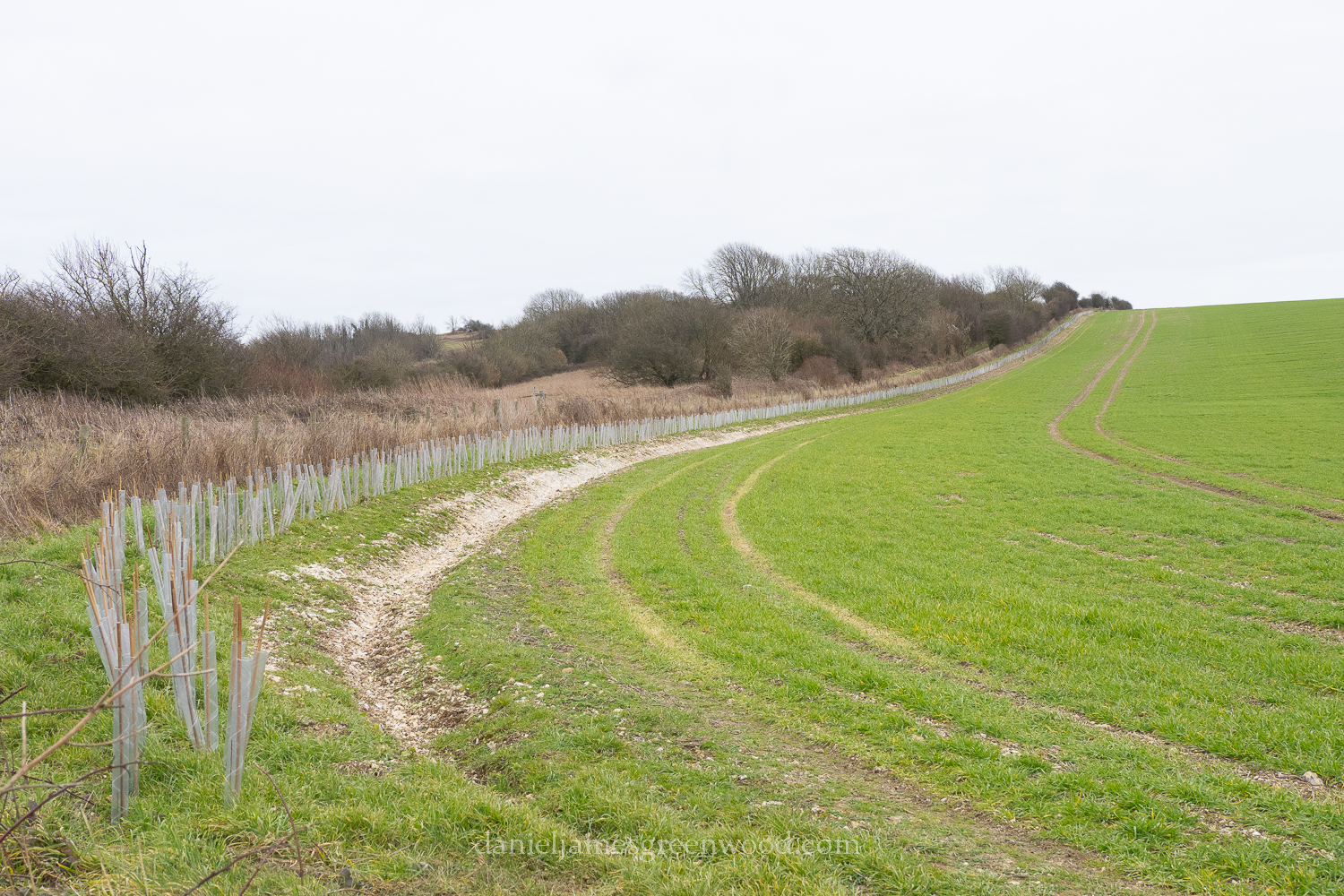
Along the South Downs Way, there was much better news. For miles I observed a trench dug into a farmer’s field and saplings of hawthorn and other native hedgerow species planted. This new hedgerow spread for several miles, an incredible contribution from the farmer, or perhaps volunteers who had been involved. Britain has lost 50% of its native mixed hedgerows since the Second World War and, in a landscape home to declining farmland birds like corn bunting and yellowhammer, this new habitat will make a huge difference.

In this case, the difference will be a positive one.

Thanks for reading.

The South Downs

Oak timbers: Old Stack Cottage, Amberley

Follow @OakTimbers on Instagram

In early December I was passing through the village of Amberley in West Sussex. It’s a very quaint village at the foot of the South Downs in West Sussex. This rather well updated cottage is located at the roadside, at the end of the village’s main throughway. It was surrounded by rather sinister, leaden skies, as rain threatened to pass through. Thankfully it didn’t.

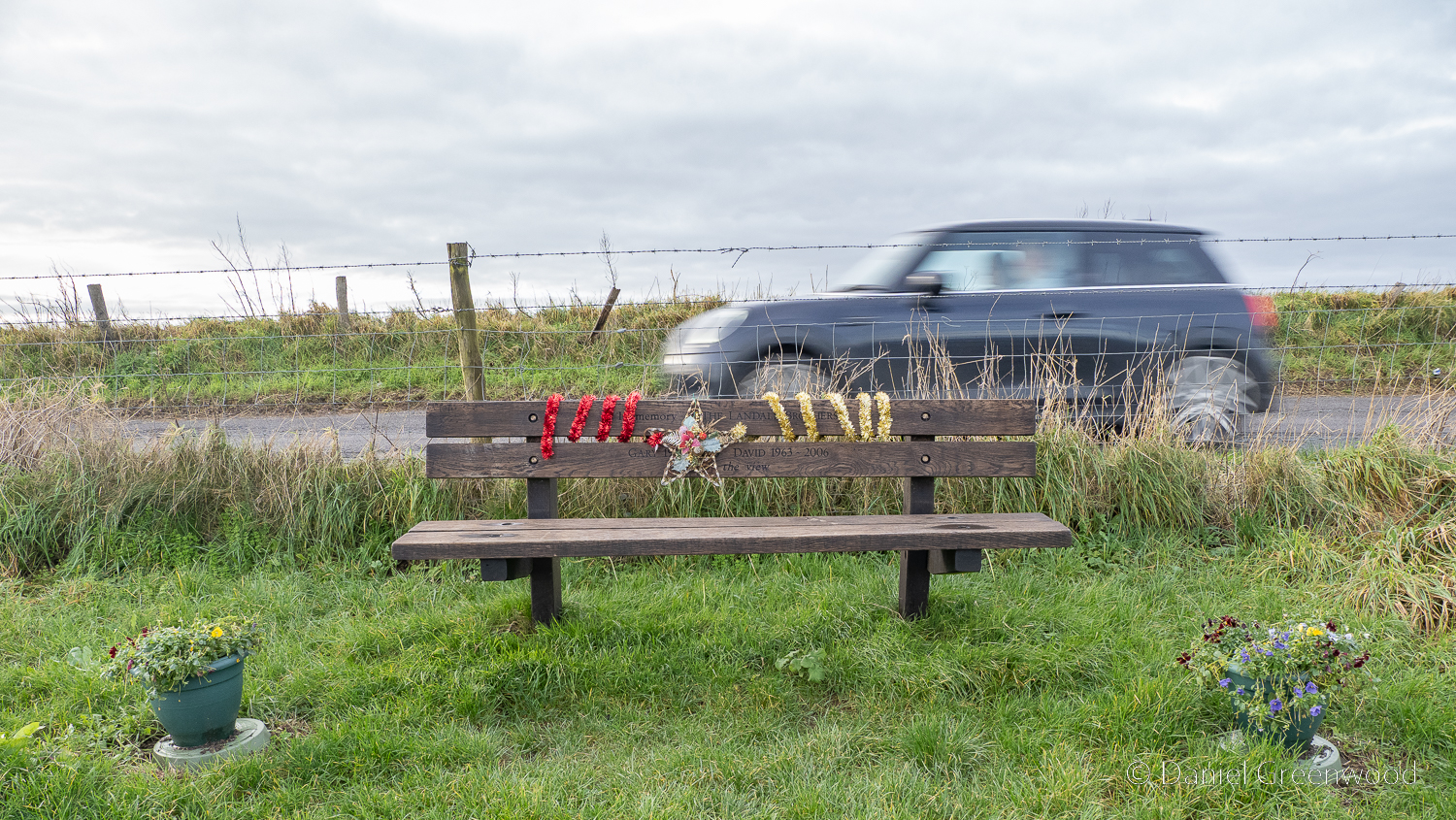
It’s very difficult to get photos of these buildings without cars nearby, but I feel that it gives a sense of the cottage’s place in time. The model and type of vehicle will likely be very different in 50 years time, when the cottage should still be there, such is the level of investment and care that goes into these buildings in this area.

On the left hand side you can see part of an old barn, with its sloping thatched roof and its clapboard-style entranceway, where wagons would once have been drawn in to unload.

Historic England have dated the building to the 1600s.

Thanks for reading.

Oak timbers | South Downs

Latest from the Blog

November 2025: beware of pity

I’ve had a burst of American visitors in recent days (to my blog, not my house). So thanks for visiting, y’all, and sorry about the year you’ve had. You may have noticed I’ve slipped to monthly posts on here. Between April and October I posted blogs every Monday without pause, which is a tricky task…

Summer-autumn 2025: unveiling the sun

Here’s my seasonal update of stuff you don’t need to know about, but then welcome to the Internet. What I’m writing Soon I will be self-publishing my third poetry collection, Fool’s Wood. It’s seven years since my last one and this collection has taken longer because of LIFE. There will be a booklet and also…

The South Downs: old ash tree

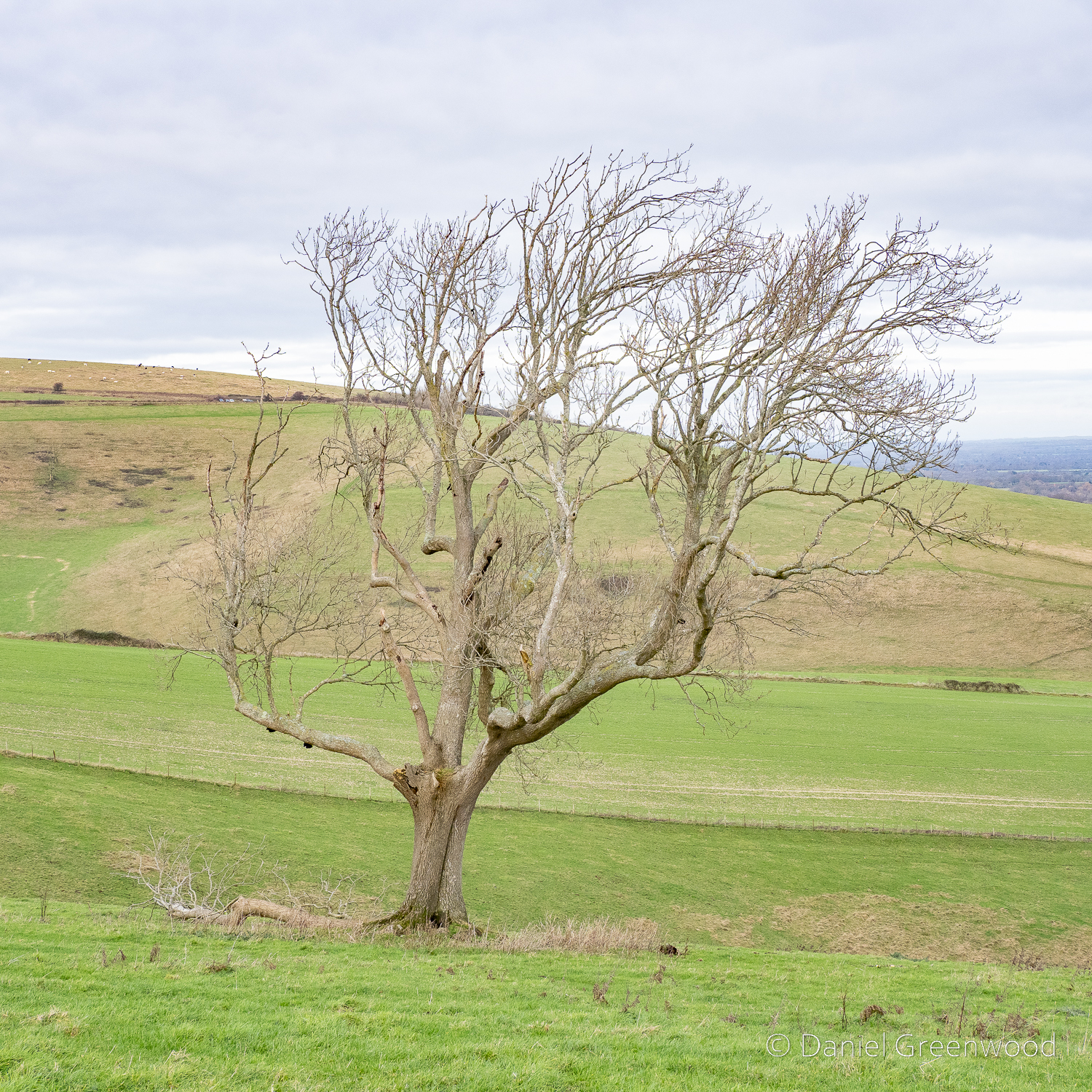
This week’s single photograph is an old ash tree in Amberley, West Sussex, taken on 2nd December 2022. This tree may once have been part of a laid hedgerow, hence its wider base. Ash trees are disappearing from the British landscape thanks to the invasive fungus known as ash dieback. I do try and record the older ash trees when I see them. This tree’s left-hand branch is pointing to one of the highest hills locally, Amberley Mount, up on the South Downs. The bracket fungus seen higher up the tree is probably shaggy bracket.

Thanks for reading.

Further reading: The South Downs