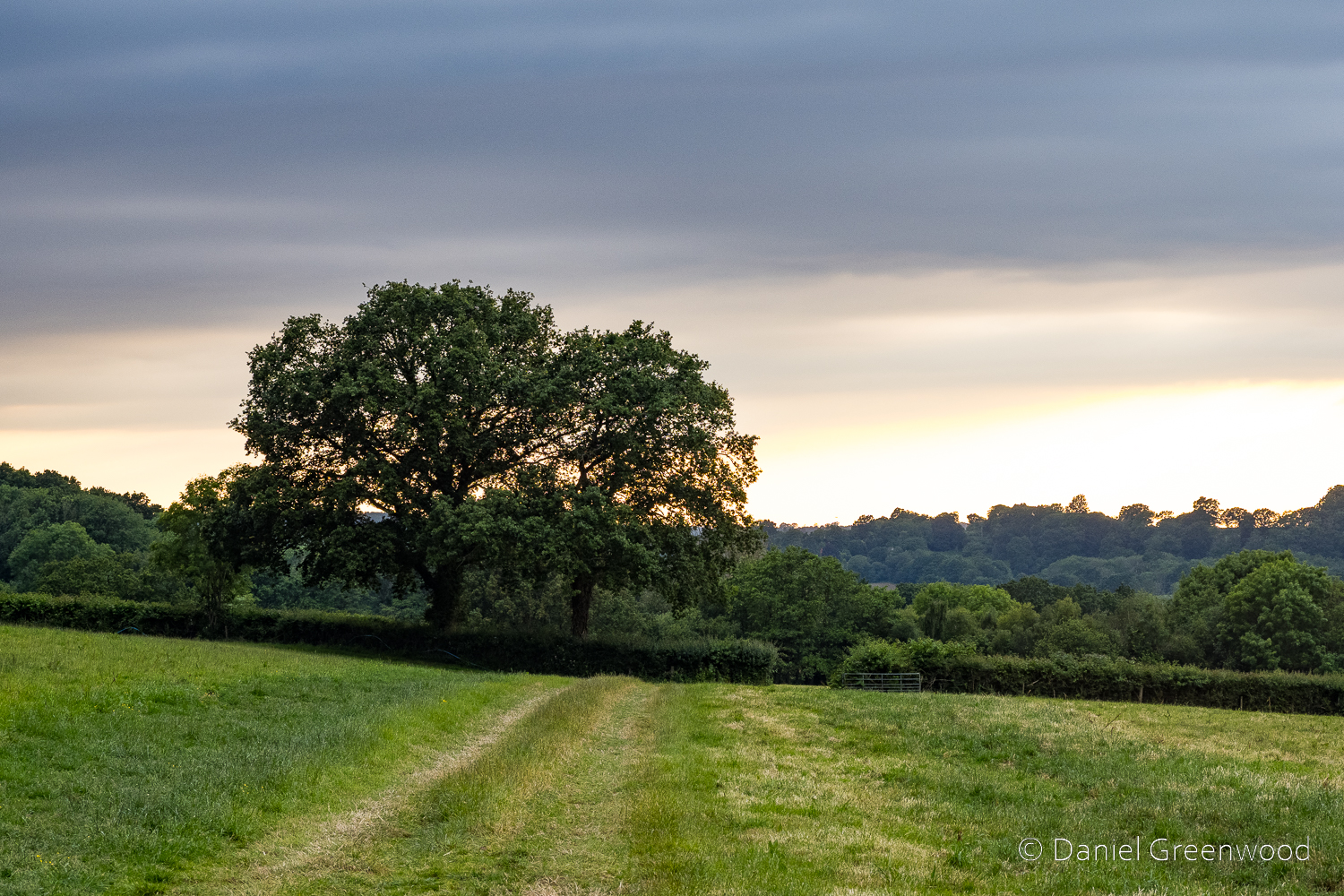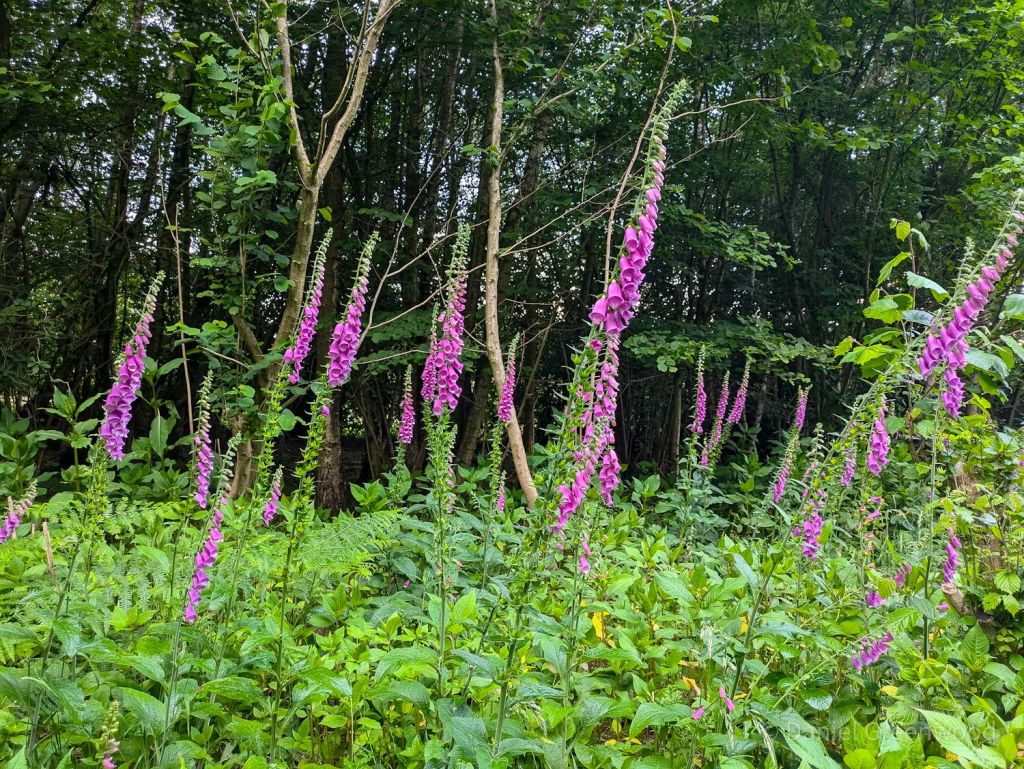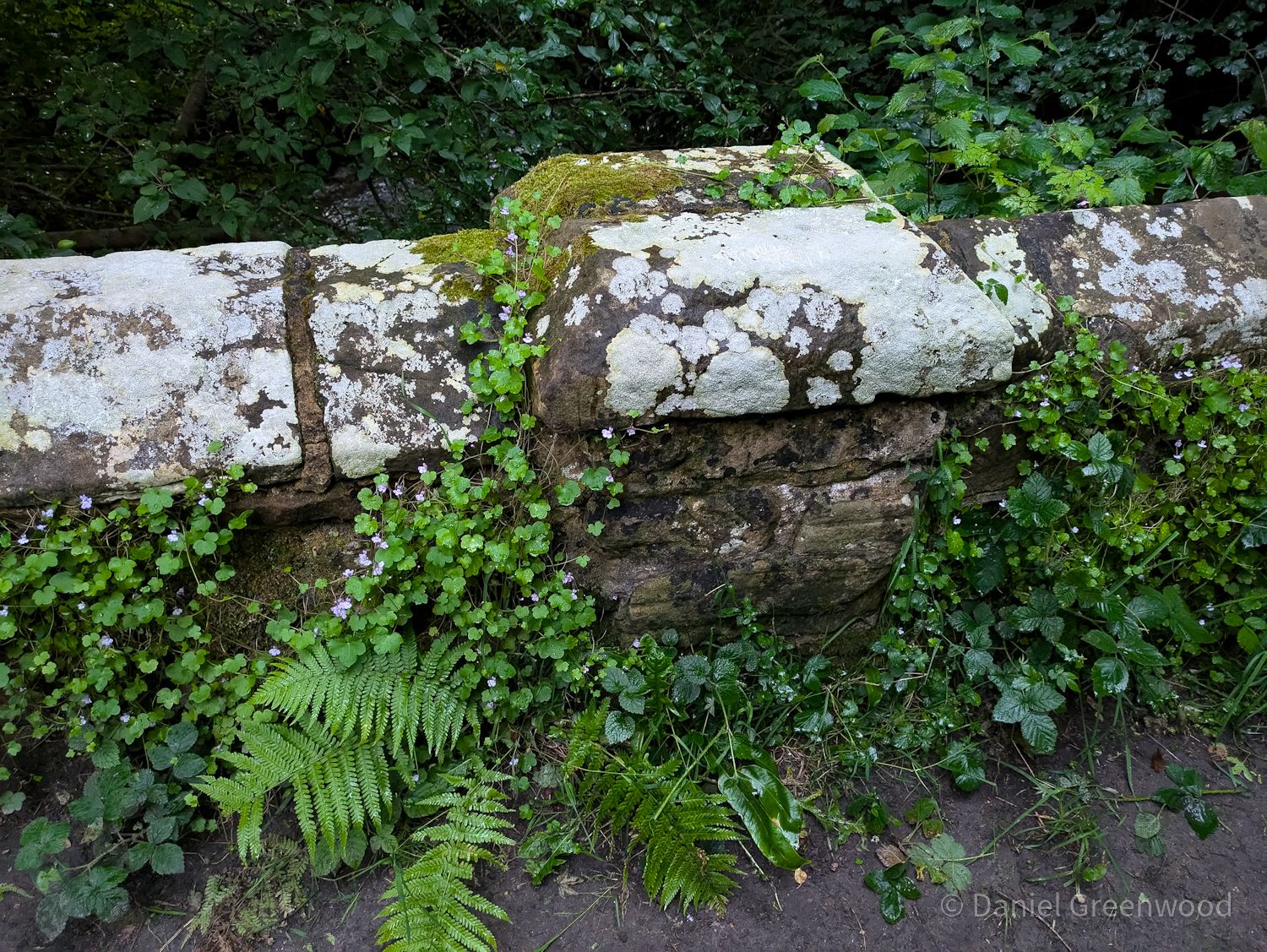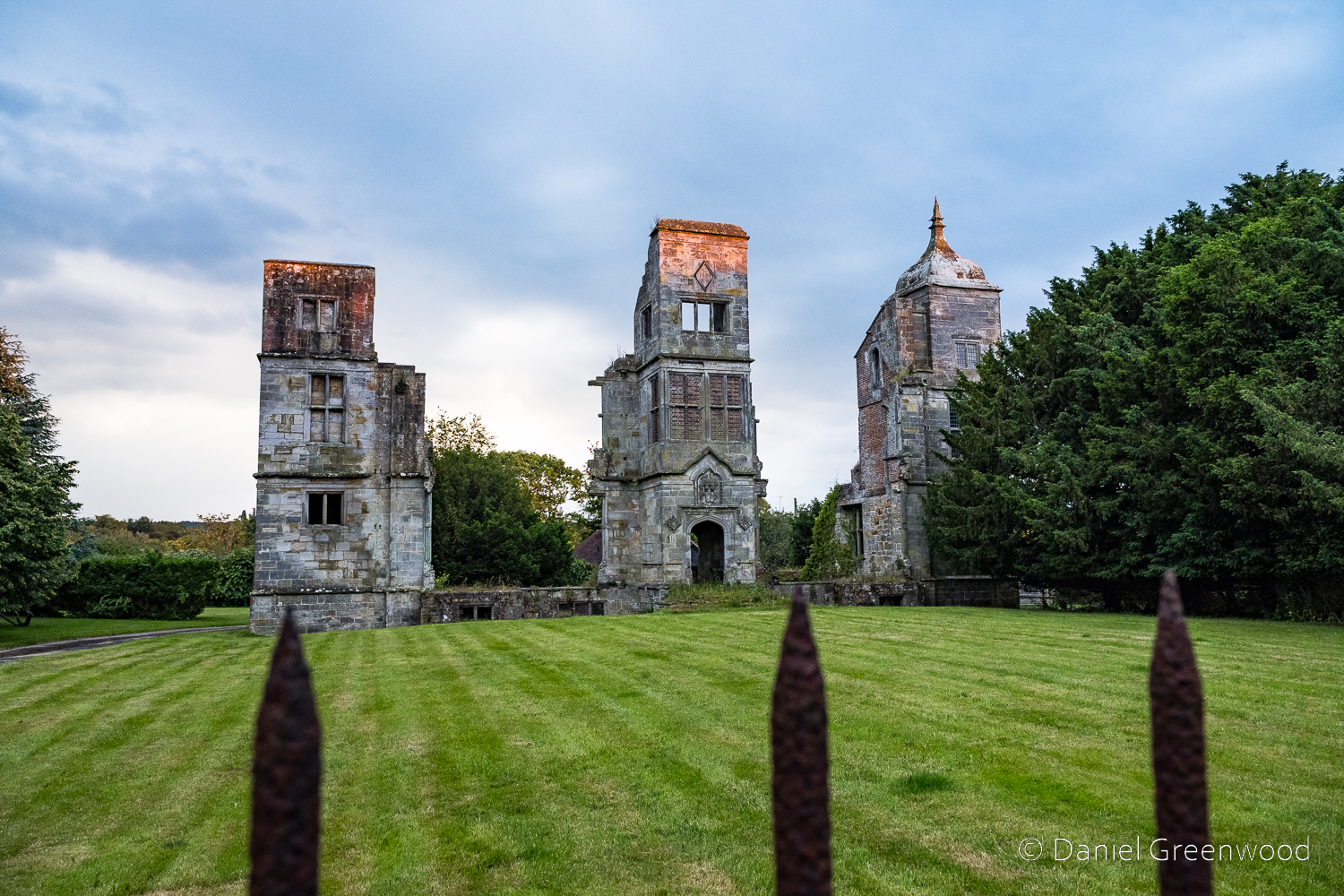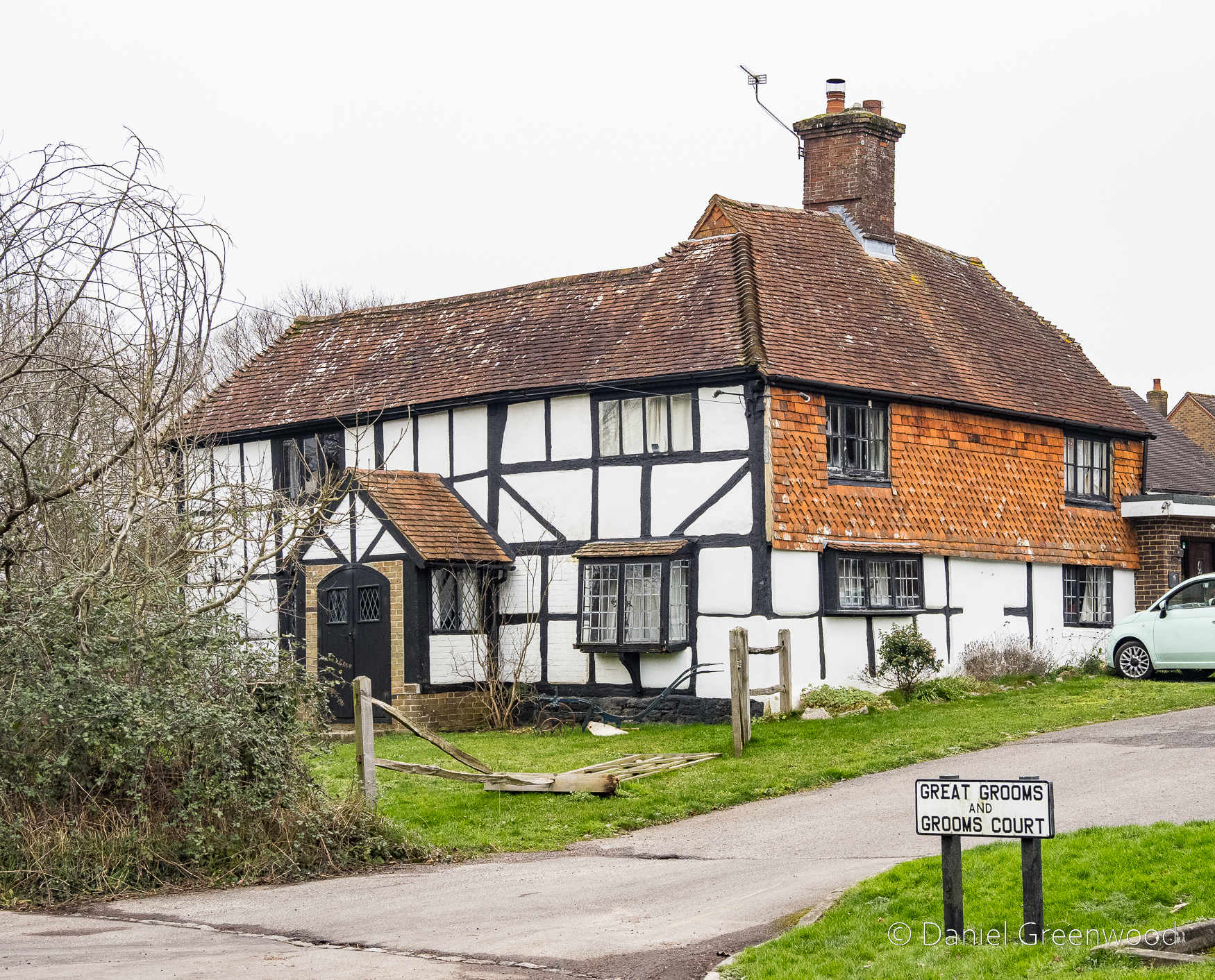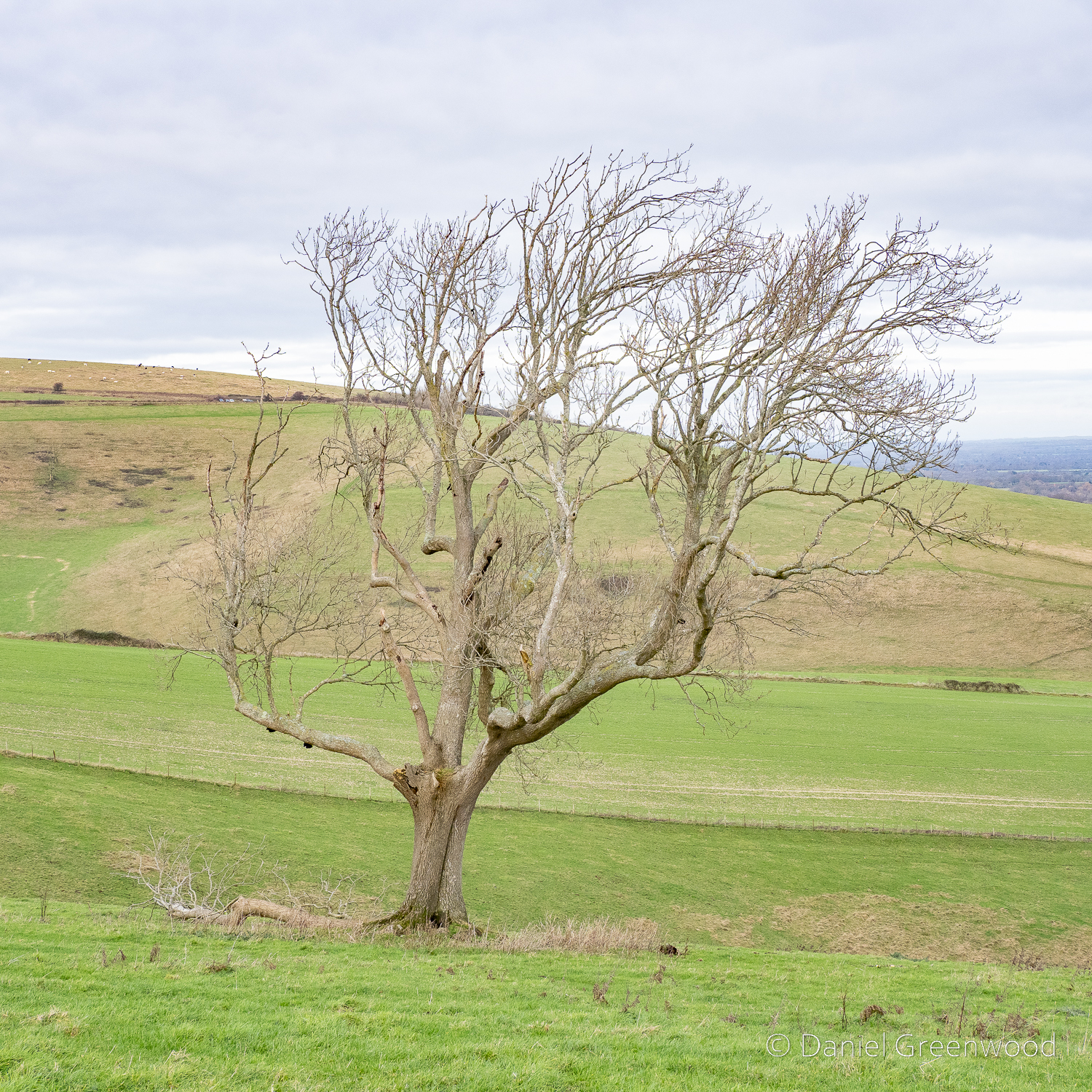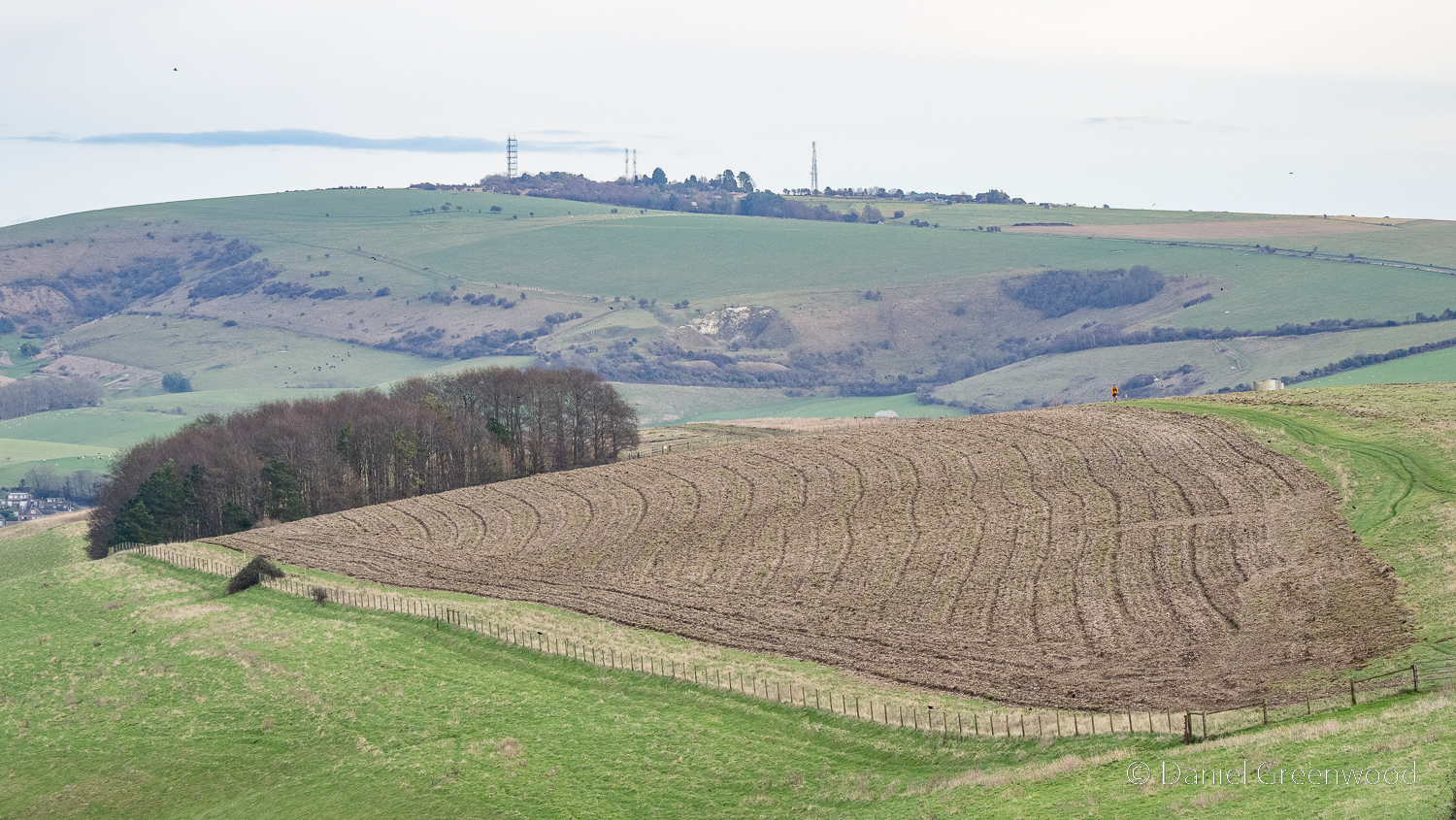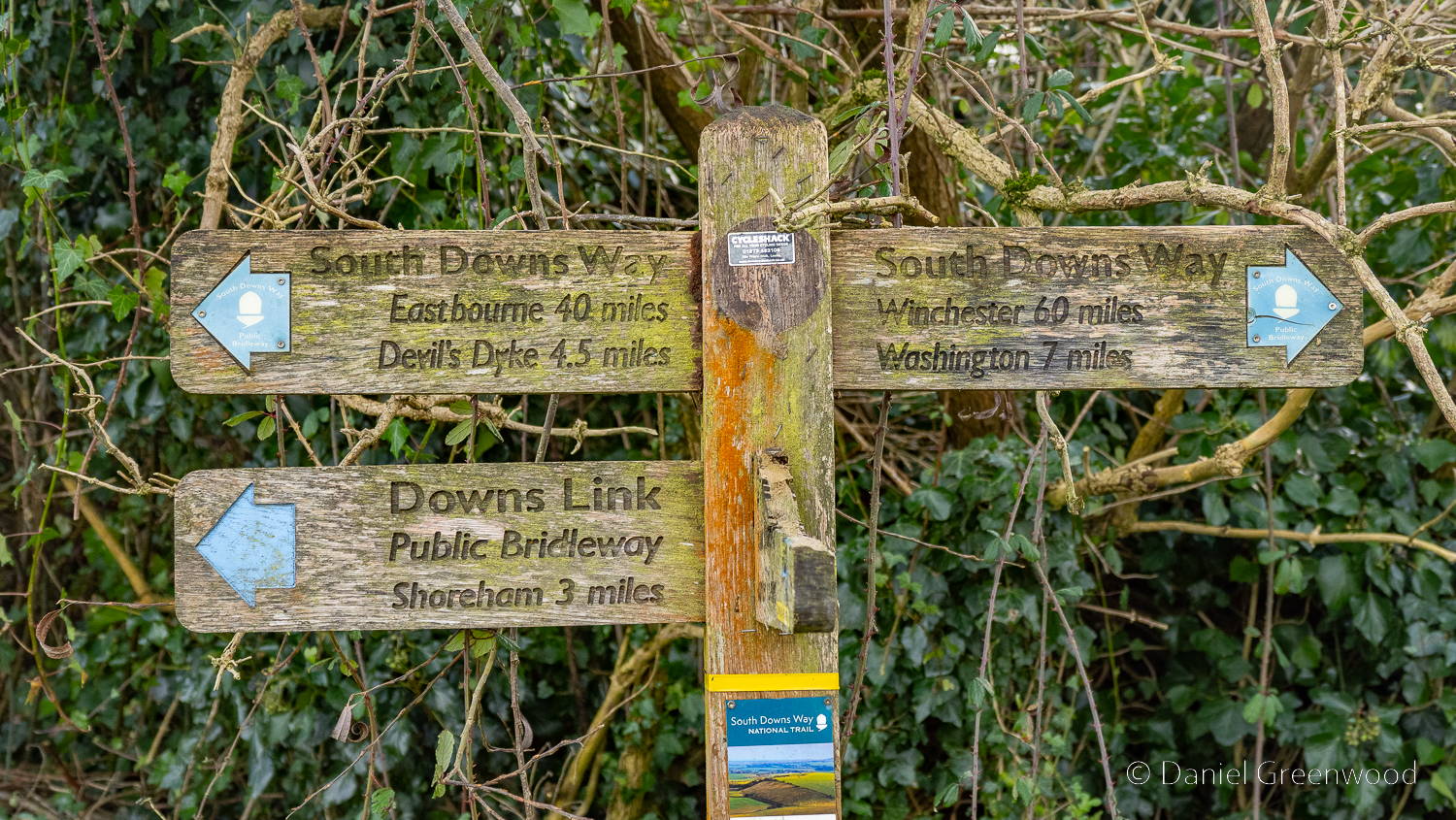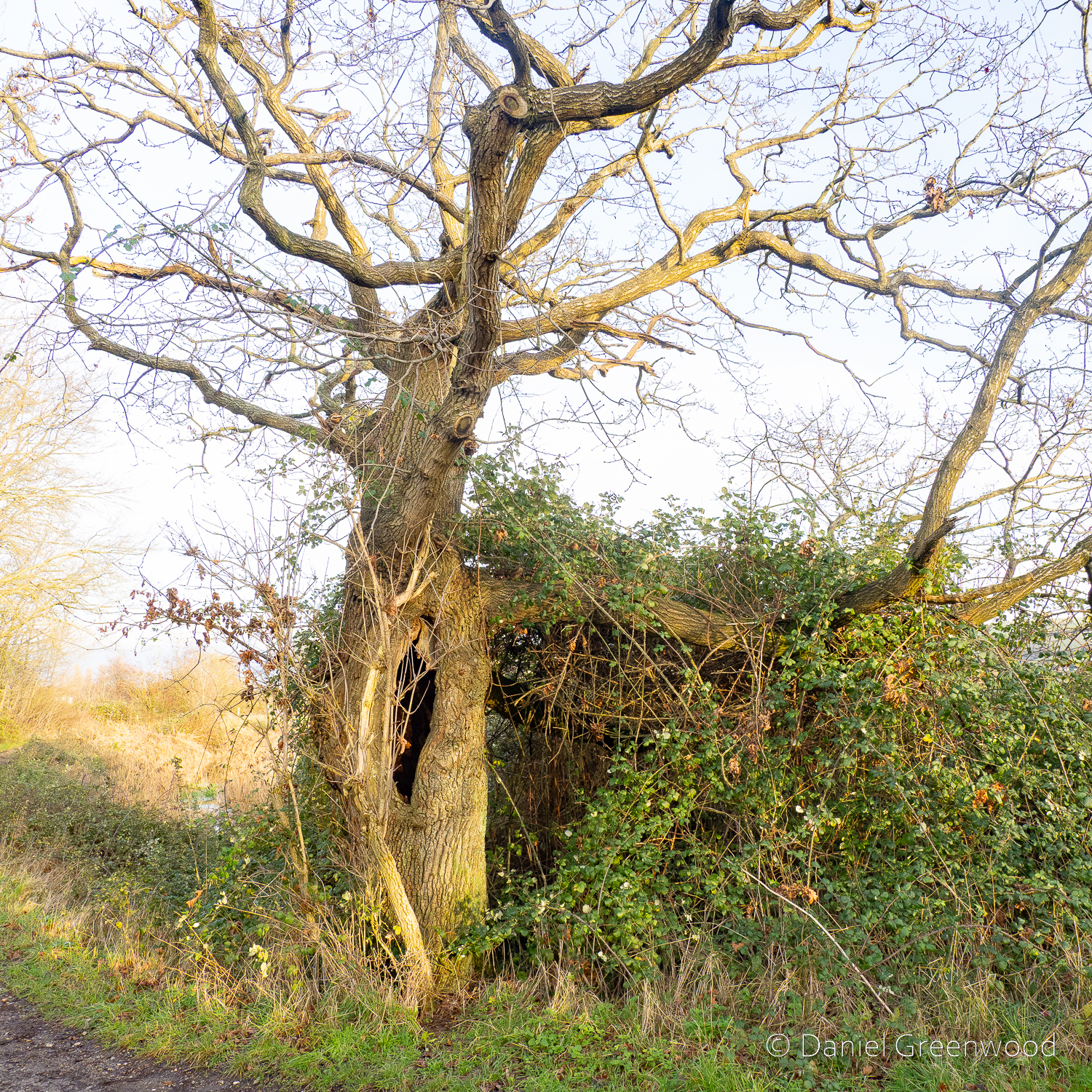
I’m publishing my third collection of poems for you to hear:
Fools wood (0:03)
Green man on a train (0:46)
Night hawks (2:00)
The beast (3:02)
The memory of things (3:53)
Children of the earth (4:57)
Shoot the wind (5:54)
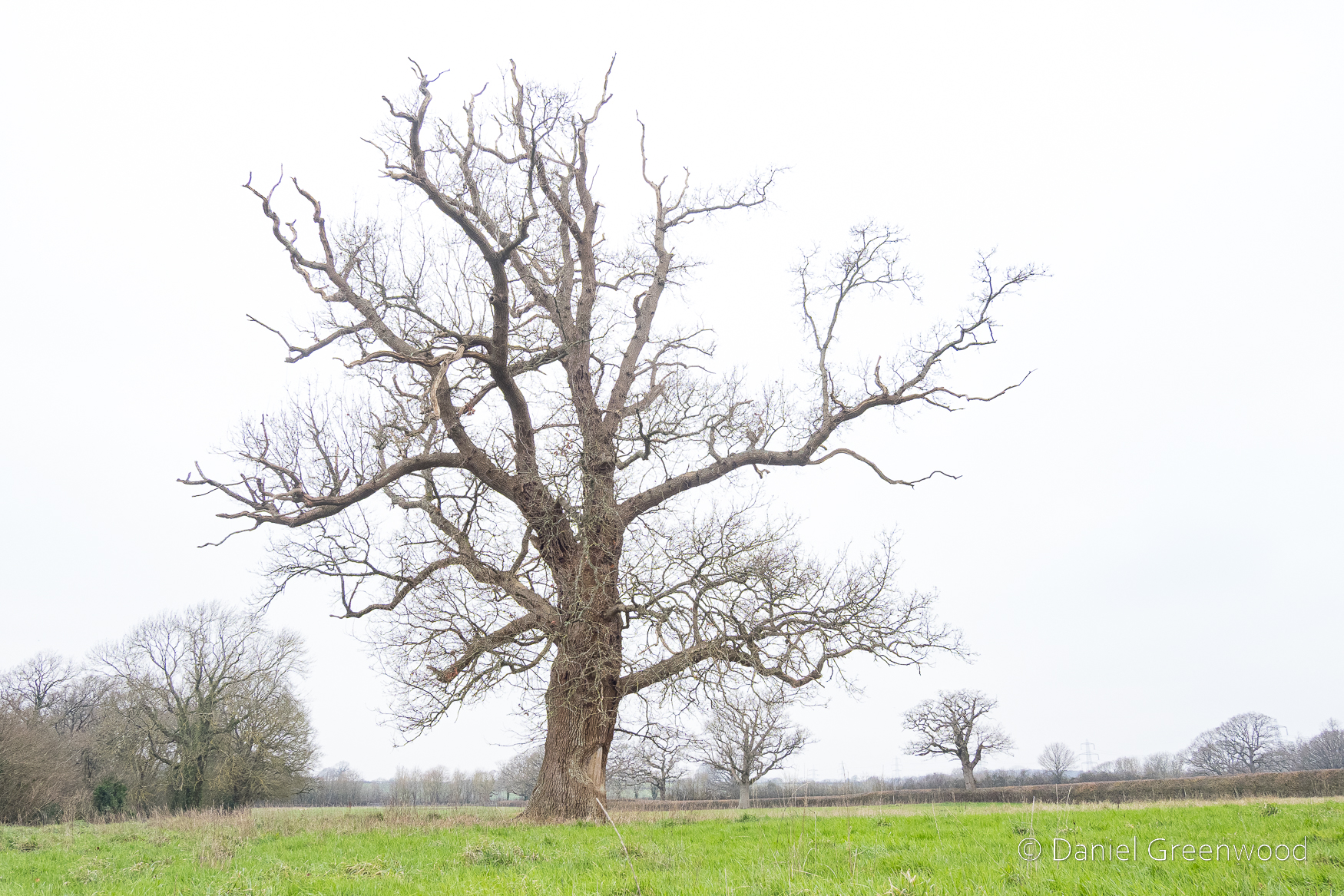
Empty oak (6:48)
Cross the Dart (7:50)
Where the sea once swept (9:01)
Usnea (10:33)
Cosdon Hill (11:38)
Elemental heath (13:20)
Sakers in the mist (14:57)
At midnight (15:55)
The wrong man of Wilmington (16:44)
To know the world (17:25)
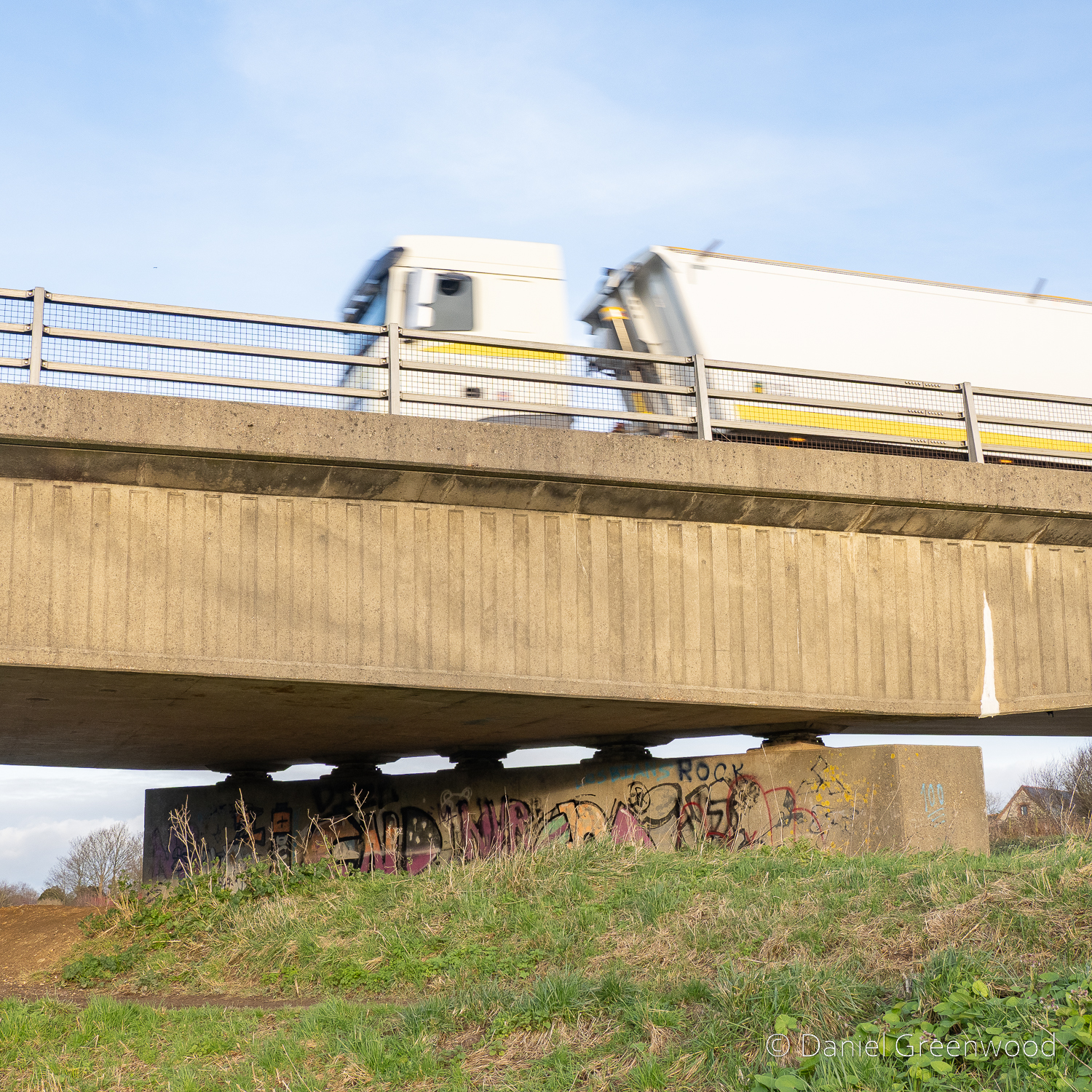
The viaduct (18:02)
Glossary (23:57) Cairn – stones piled as landmark Cist [kist] – ancient burial chamber defined with stones Sphagnum –moss found in bogsSpringtails – jumpy invertebrate of soil and decaying wood Stone rows – stones believed to be aligned by people long ago Tor – granite outcrops protruding from hills on Dartmoor Usnea – scientific name for beardy species of lichen typically found in British ‘rainforests’
These poems were written before the Covid-19 pandemic but I haven’t managed to get the collection out there until now.
I am working on getting a booklet printed but that will take a little bit longer.
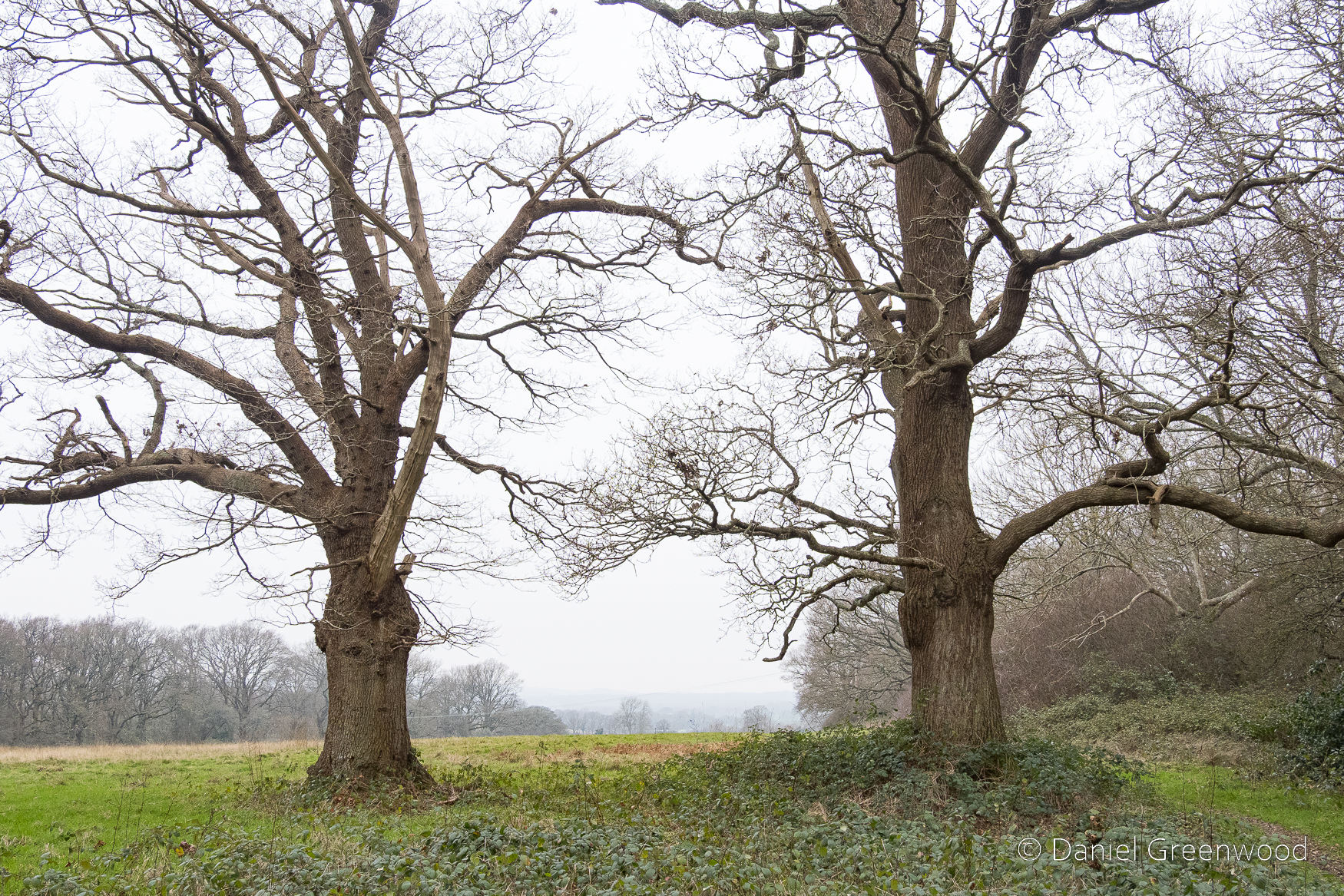
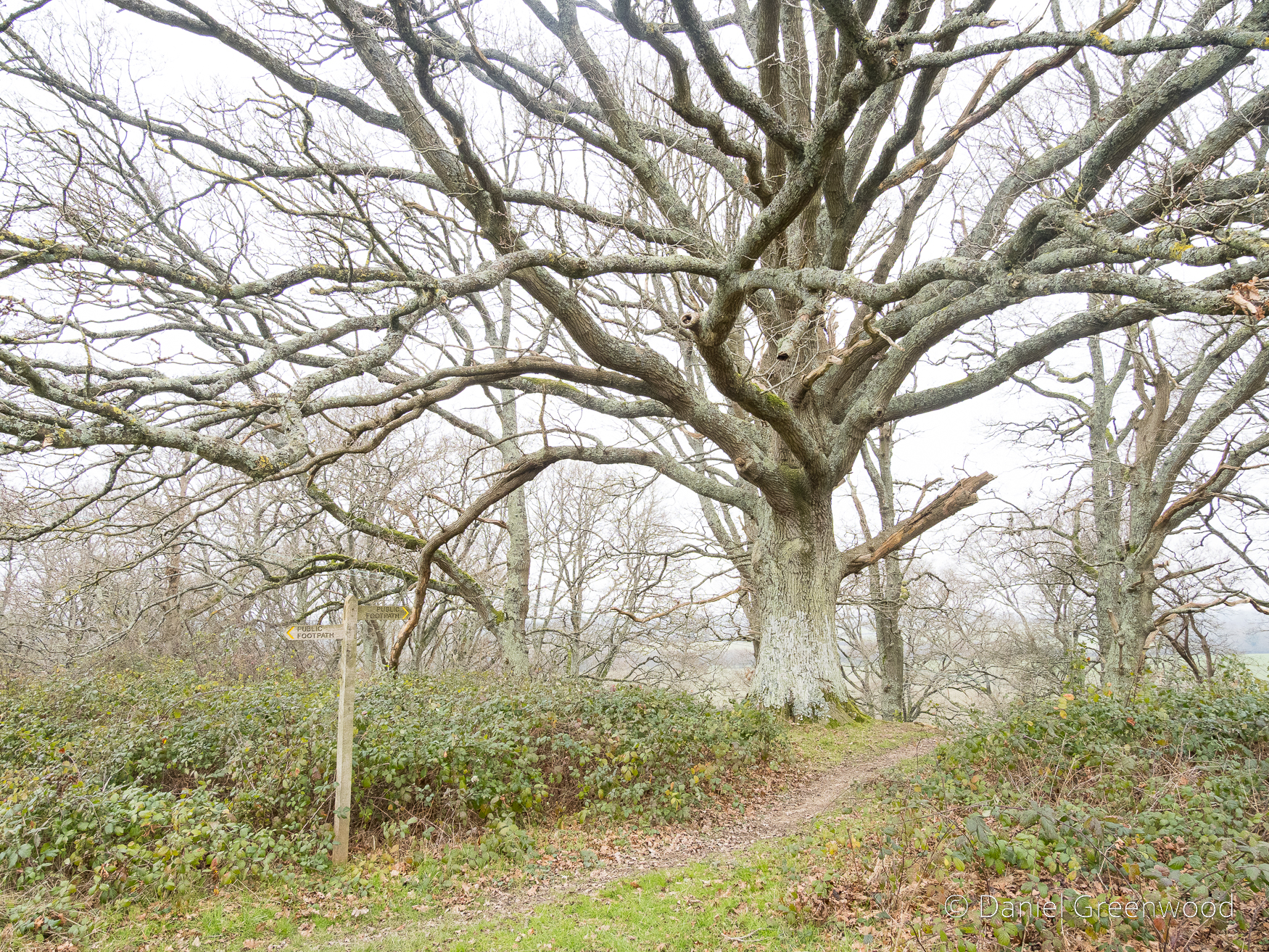
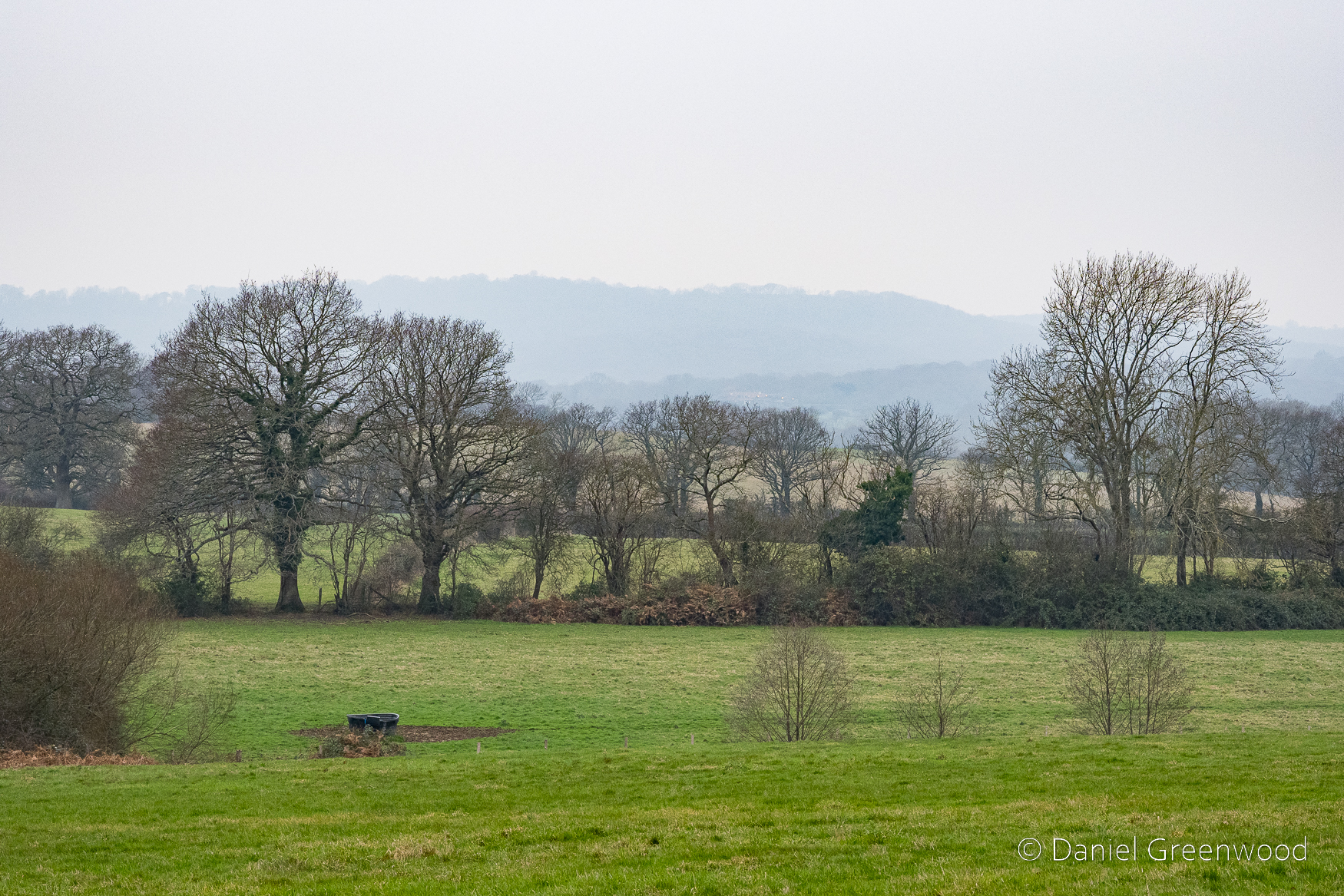
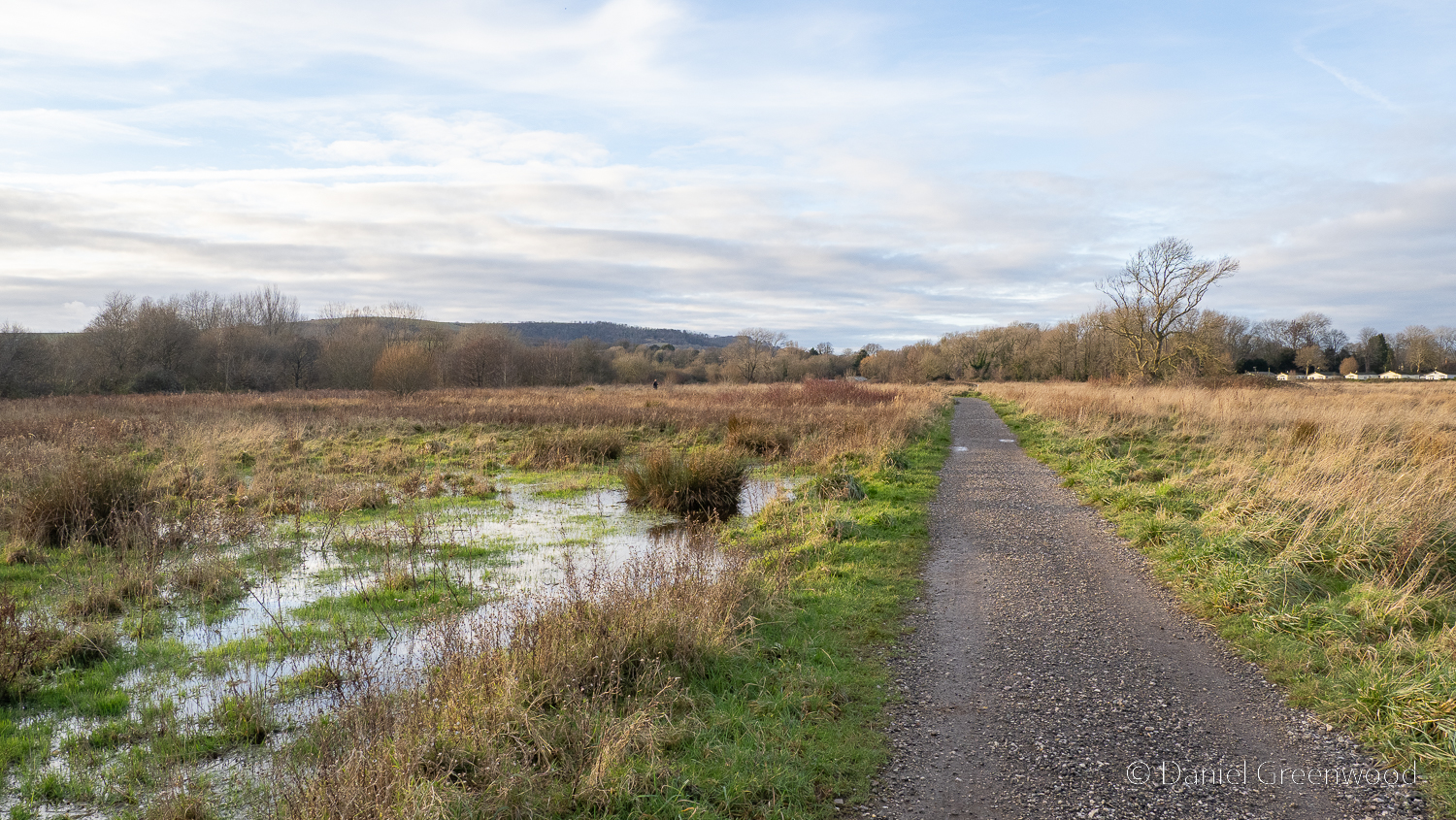
The poems are inspired by the stories of, and time spent in, Sussex, Dartmoor, Mayo and the Yorkshire Dales.
I don’t approach these things with a theme, other than the fact they are the usually products of walking in wilder, open, windy places.
‘The Viaduct’ was written in September 2019 during an intense storm in the Yorkshire Dales (thank you Kate). It was a difficult time and the fact it was only months before the beginning of the pandemic makes it feel all the more significant, like one world ending.
My sister read ‘At midnight’ at my wedding ceremony in April 2024.
I’m grateful to Karel and Eddie who were my companions on the ‘desperate birding’ required to see the spectre of a saker falcon in Czechia back in 2017.
I dedicate this collection to my wife, my mother and late father, and my sister, for all we have been through together in the last 6 years. I also dedicate it to the memory of my uncle Joe who passed away in November 2019, as one world ended and another began.
Hopefully the next collection won’t take as long to arise.
The cover image is one of the green man roof bosses at St. Pancras Church, Widecombe in the Moor, Dartmoor. Photo by DG from May 2023.
I’ve had a burst of American visitors in recent days (to my blog, not my house). So thanks for visiting, y’all, and sorry about the year you’ve had.
You may have noticed I’ve slipped to monthly posts on here. Between April and October I posted blogs every Monday without pause, which is a tricky task when working full-time. The focus on a regular deadline can be helpful, but it can also take over, meaning I wasn’t taking the time to focus on the bigger blogs that are waiting in the wings. Many of these posts need photo editing time as well as the writing.
I think honey fungus is the messenger telling us our woodlands are suffering, not the ultimate cause. In my opinion any blame lies in climate change brought about by extreme fossil fuel burning, and the lack of funding for our woodlands (jobs, not just volunteers please) and their management.
And while we’re on the subject of mushrooms, I’ve just posted my 100th FungiFriday.co.uk blog! Please do subscribe to that blog if you’re a WordPress user, or by email if you’re not.
I’ve been reviewing some of my archive of landscape photos and want to do some posts about the Cairngorms in Scotland. About 12 years ago, when I went on trips to the Scottish Highlands, I was focused on using only one image (as above) in blogs and having more prose-focused posts. This means there are some wonderful (IMO) images which are sitting in my storage unpublished. They’re all based around walks so I will probably approach with that angle.
What I’m recording
In September I heard from Oli Steadman, a musician from the band Stornoway, which was a nice surprise. We decided to record a podcast about Oli’s 30-mile walk around south London’s remnant ancient woodlands (the Great North Wood). The walk is to raise funds to support the Fourth Reserve Foundation, a community organisation managing a slice of railway-side woodland in Brockley, south-east London. You can see Oli’s fundraiser here.
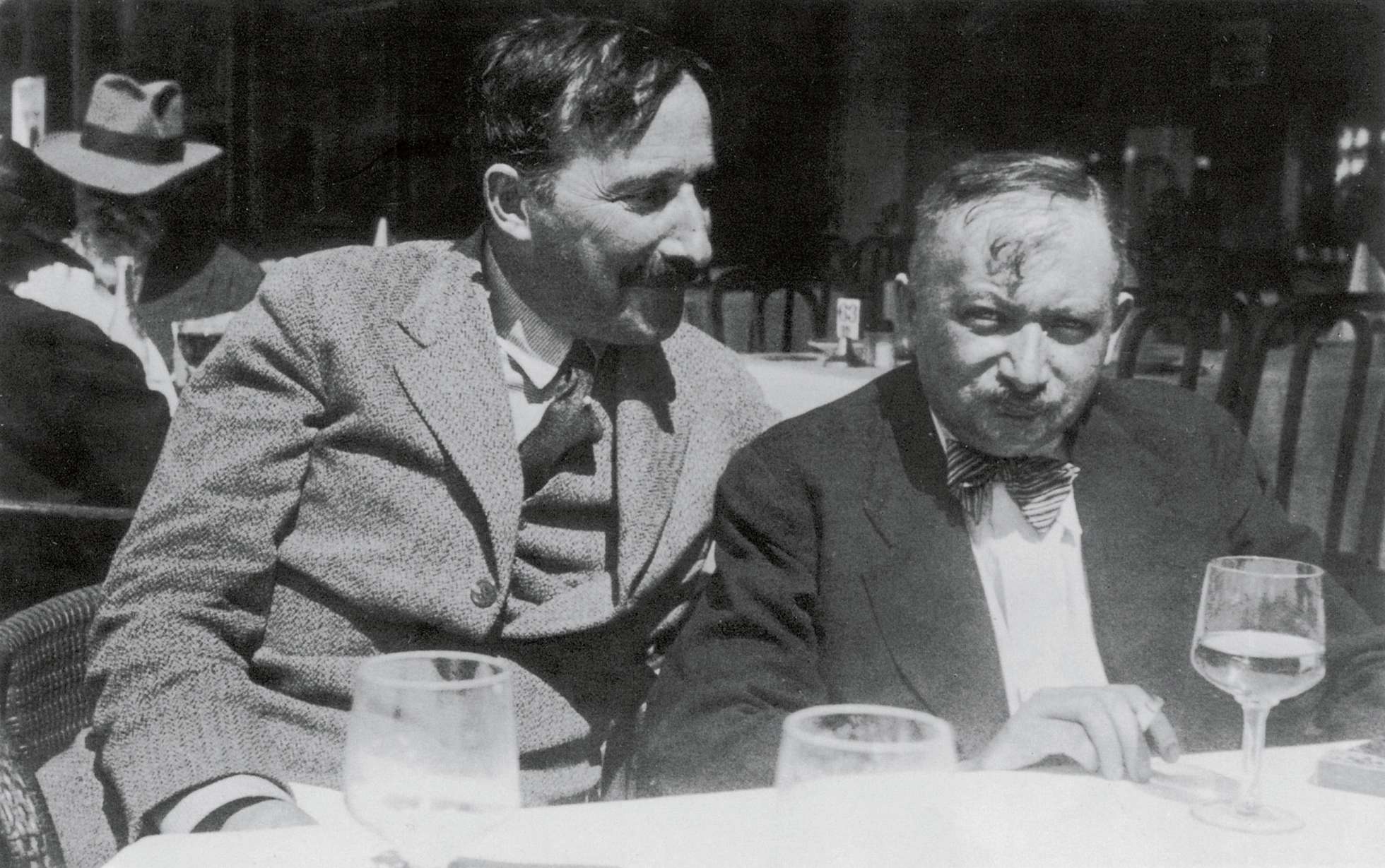
I am in a long-Habsburg phase at the moment, having just finished Beware of Pity by Stefan Zweig (1939), and now reading The Radetzky March by Joseph Roth (1932). Little did I know the authors were so well connected. I enjoyed the experience of reading Zweig but it certainly felt like something from a different era, shall I say. I don’t think the depiction of a disabled woman has stood the test of time.
The legend that is Jens Lekman has released his first album since 2017: Songs for Other People’s Weddings. I have been listening to Jens since I bought a copy of Oh You’re So Silent Jens at HMV Manchester in November 2006. This new album is songs #literally written for other people’s weddings, but developed into a love story between two people. Jens is such a legend – his songs are beautiful, funny and affecting. It also features a diamond in the rough, singer Matilda Sargren.
What I’m watching
At home we’ve started watching House of Guinness on Netflix, a fictional account of the family behind that beverage. It’s been panned by critics and many Irish people find it patronising. What I found interesting was that the programme covers elements of the Great Famine of 1845, and in my ancestral land of Connacht (now Mayo). It blows my mind to think my relatives would have been living among those scenes depicted in the programme.
Elsewhere I noticed the inclusion of Fontaines DC and Kneecap in the soundtrack (not quite 19th century) and wonder is it an attempt to tap into the burgeoning Gen-Z interest in Irish rebellion and anti-establishment counter culture? You could do worse than read A Star Called Henry by Roddy Doyle, kids.
In more historically-accurate news, I watched a 30 minute long account of the Thirty Years War on Epic History (above). Oh my, glad I wasn’t alive then! It’s a helpful guide to how modern Germany was shaped from many disparate regions and states into one greater whole.
Here’s my seasonal update of stuff you don’t need to know about, but then welcome to the Internet.
What I’m writing
Soon I will be self-publishing my third poetry collection, Fool’s Wood. It’s seven years since my last one and this collection has taken longer because of LIFE. There will be a booklet and also an audio recording.
Fungi Friday is enjoying its third autumn, with weekly posts on the subject and day of the blog’s title. I’ve moved to posting most of my fungi photography over there because it’s such a broad subject matter it needs a substrate of its own to prosper in.
I recently posted several blogs about my summer trip to the Austrian Alps. The posts include a visit to the spectacular city of Innsbruck, and some macro photography atop the peaks of Schafberg and Zwölferhorn in Salzkammergut (Sound of Music land).
I’ve posted a paean to the ash tree, a post compiling my many images of this imperilled European tree species. There’s better news about its prospects.
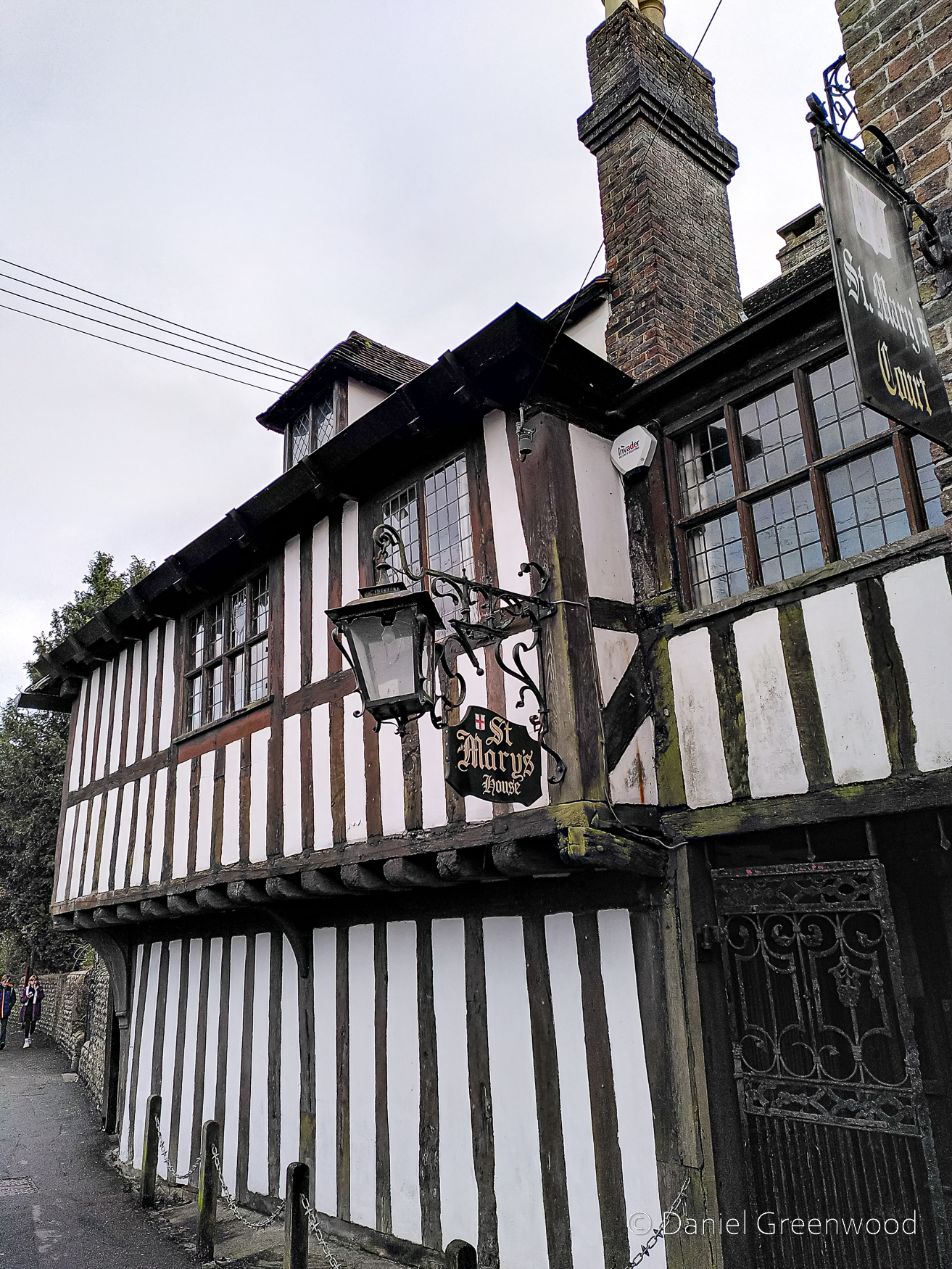
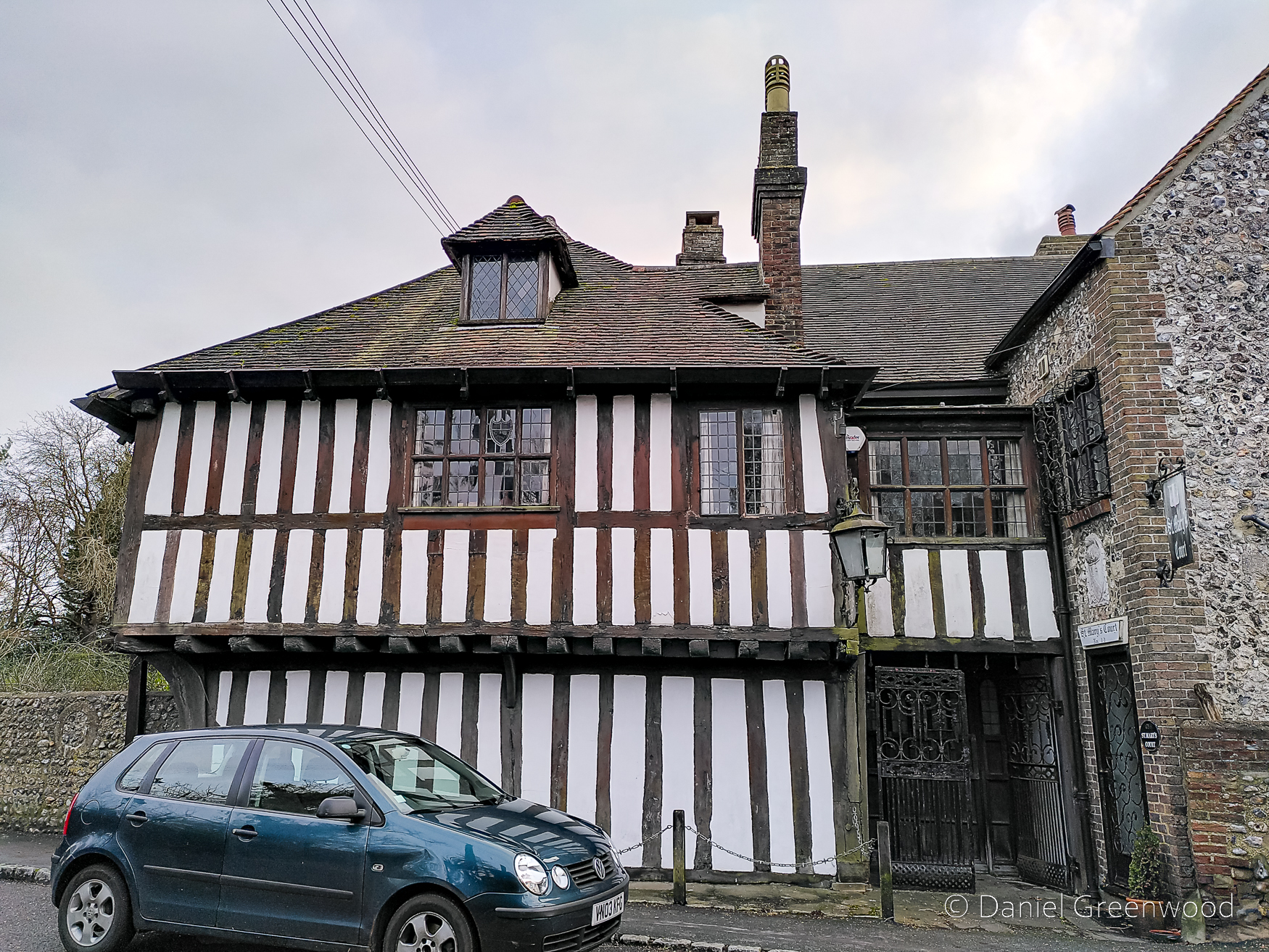
I’ve reduced my Instagram posting because I think it’s not an effective photography platform anymore. Blogs are much better. So I’ve put more time into posting my oak timber-framed building photos.
In terms of stuff coming up, I have a Swiss Alps blog still to post, a string of Irish blogs, and my tranche of July macro photography. All in good time.
What I’m recording
I’ve found the time and rhythm to record a few podcasts recently and I have some more still to come. You can subscribe via all the normal platforms or see my webpage.
What I’m reading
Seán Lysaght has just published his latest collection of non-fiction, Unveiling the Sun. I really enjoyed it, and you may also, especially if you are interested in Irish landscapes and wildlife. Seán’s writing lacks the affectation that has taken root in nature writing over here. That is of course a matter of taste, please don’t pile on, Re-birders.
Julian Hoffman released Lifelines earlier this year, another of my favourite writers who I have had the pleasure to meet and speak to down the years. The book chronicles Julian’s life in Prespa, delving into the human histories that have defined the landscape his has ‘come to call home’, as they say. It’s a great book and Julian is a first-class prose writer. Again, a matter of my good taste. There are plenty of brown bear encounters to enjoy.
I read Roddy Doyle’s A Star Called Henry in September and it will go down as one of my favourite Irish novels. A friend and reader of this blog (hi Allison) read it too and described it as a history lesson, as well as a great novel. So well put!
Alex G has a new album out, which I have been spinning on the old in-car CD player.
The Blindboy Podcast has really captured my attention recently. I realise how late I am to the party, one friend has been trying for a while now. Who knew pigeon poo could be so captivating.
What I’m watching
After 15 years I am once again watching The Wire. It is a TV masterpiece and the cliché is right, you should watch it. To add to the noughties nostalgia, my wife and I are watching it on DVD. There’s so much to understand here about structural racism, America’s failed war on drugs, political corruption and so much more. If you see series one in the charity shop DVD section, snap it up!
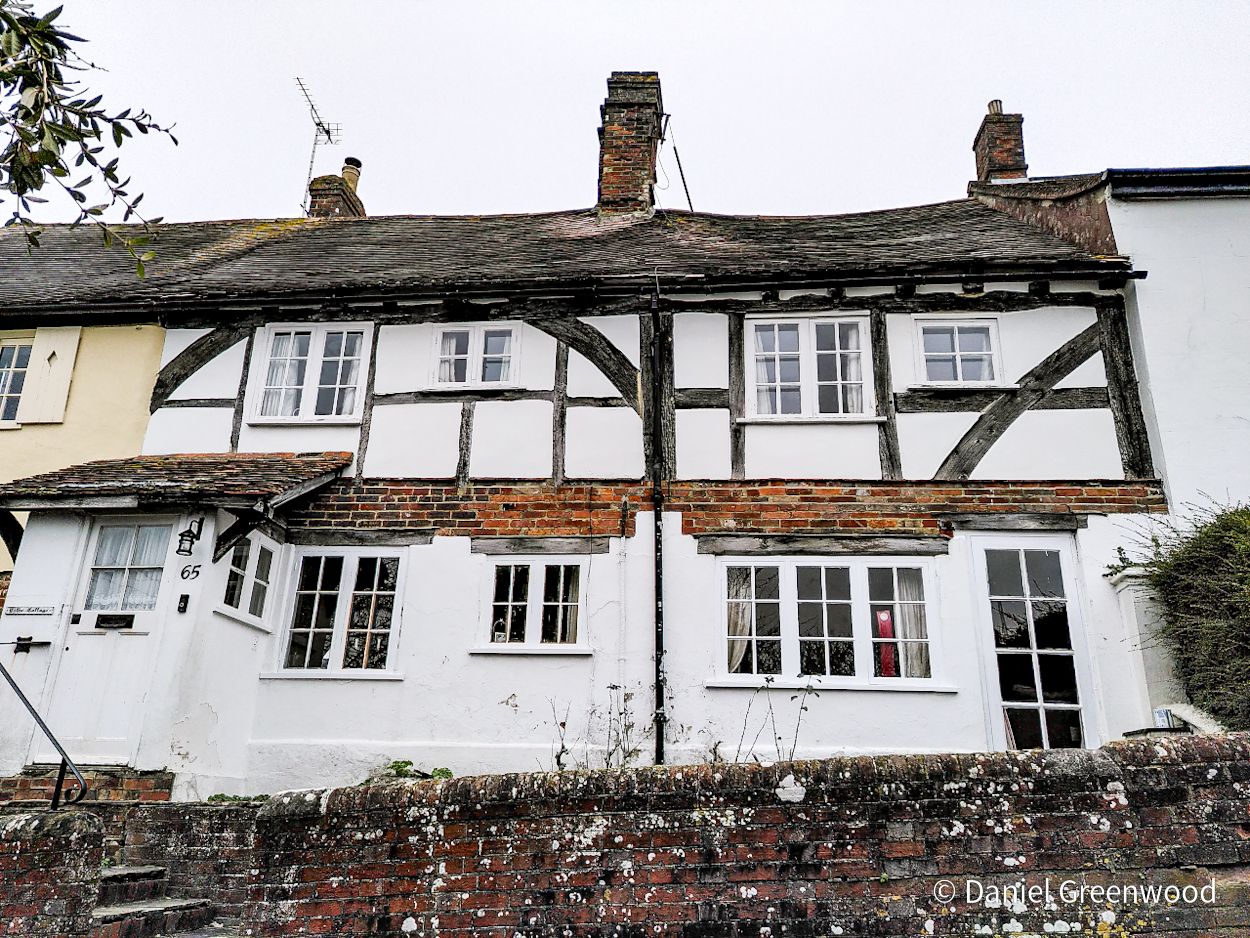
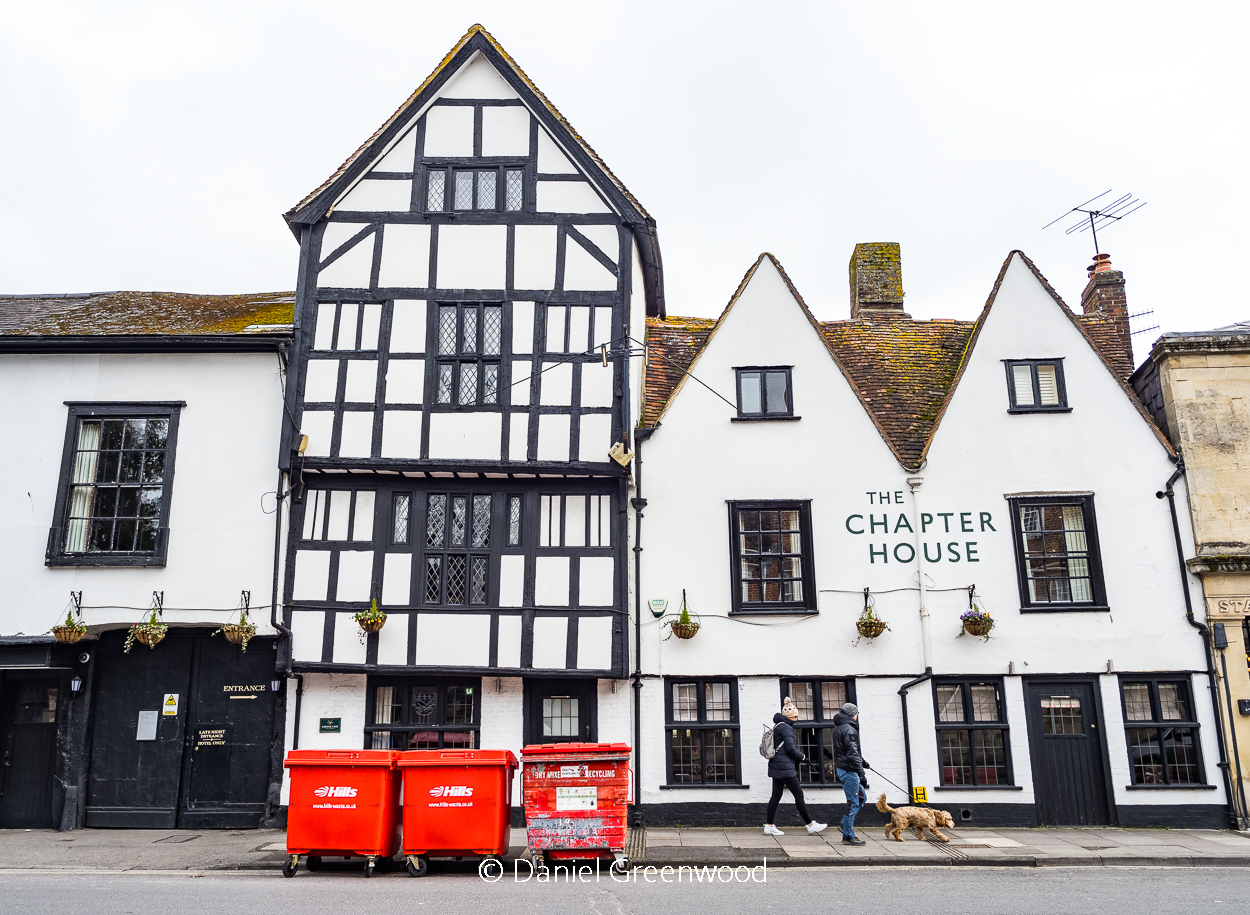
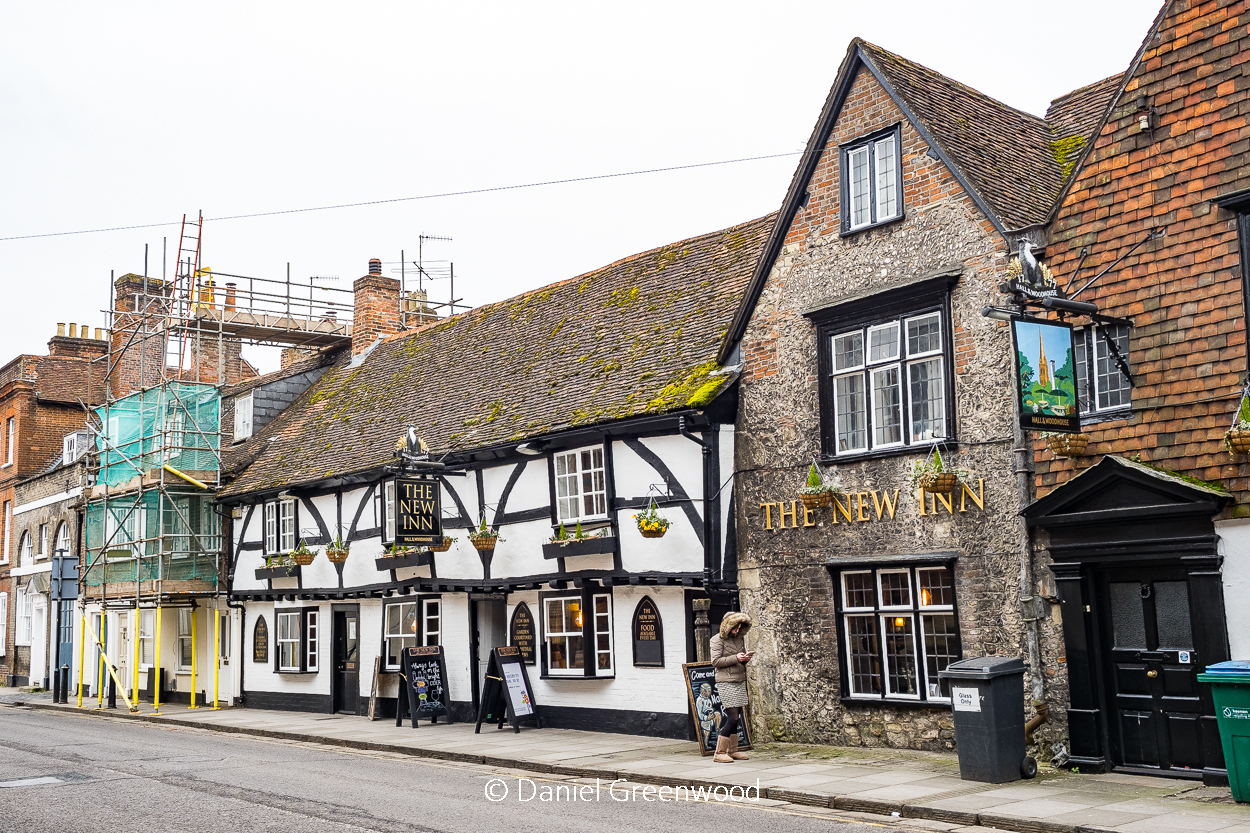
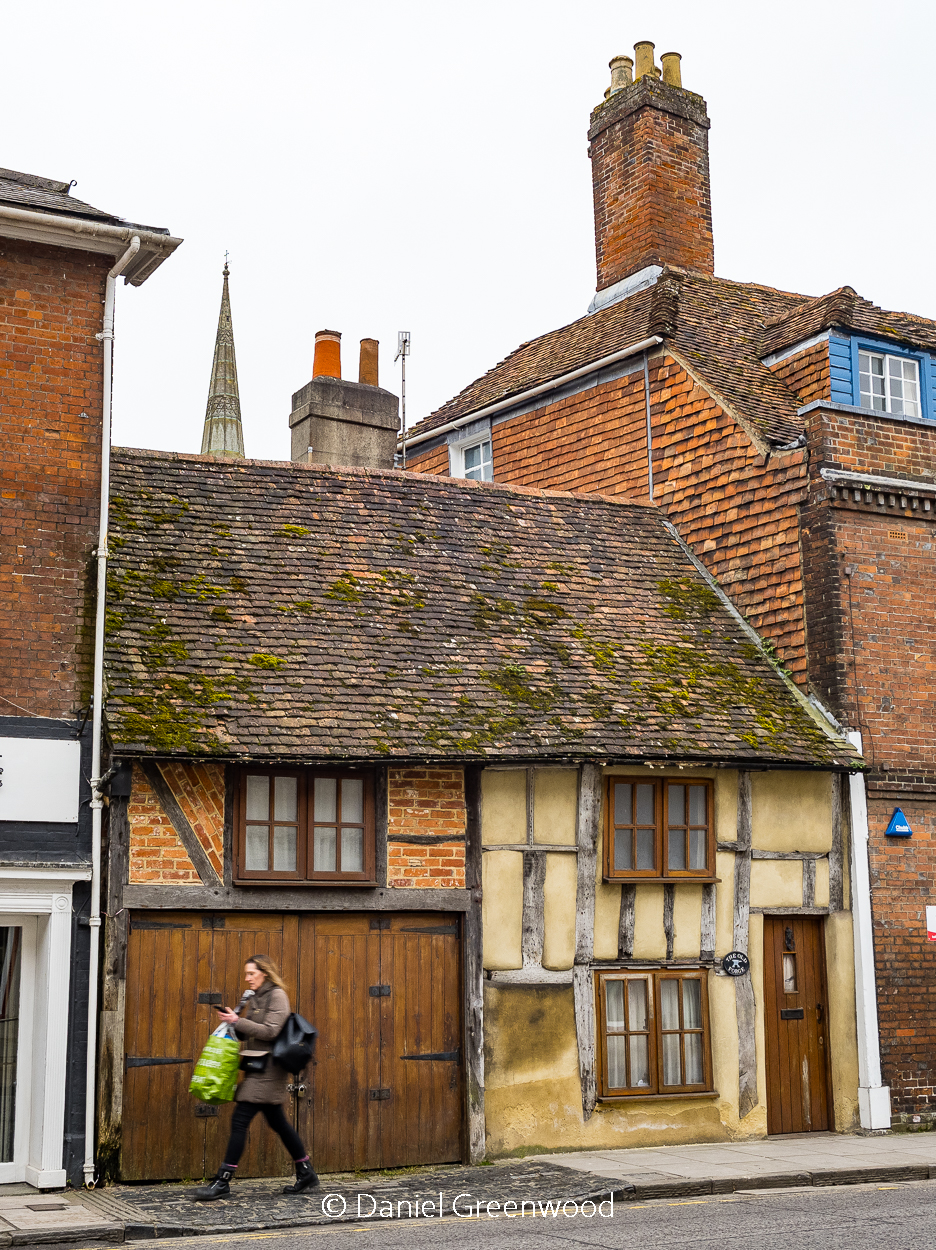
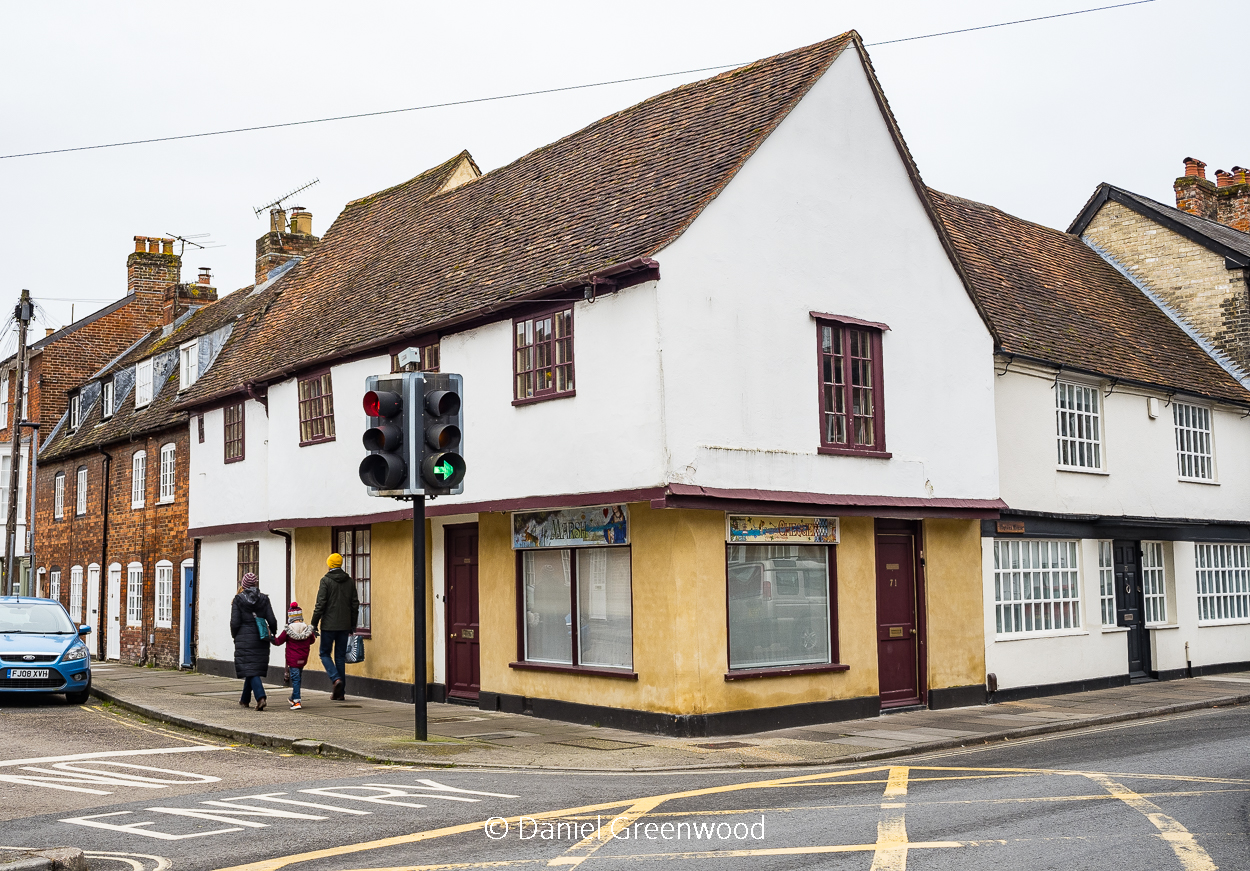
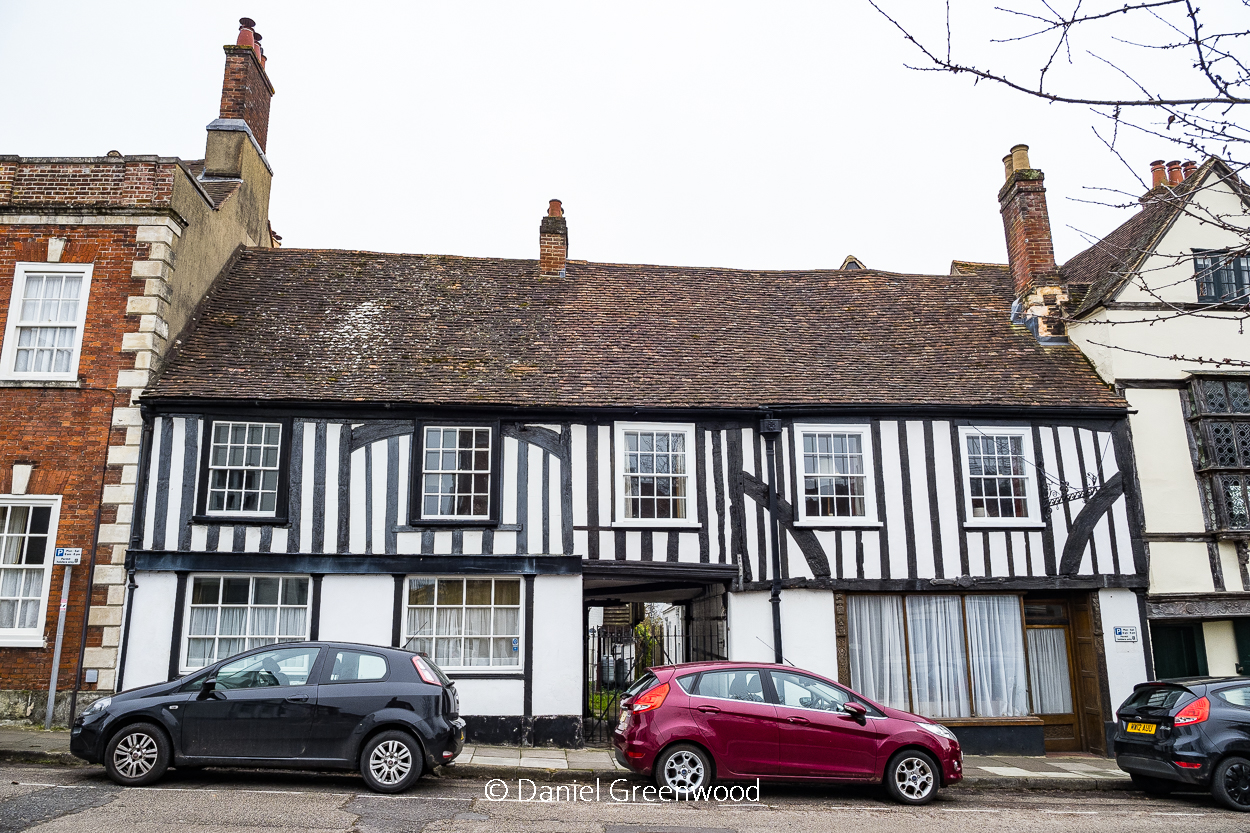
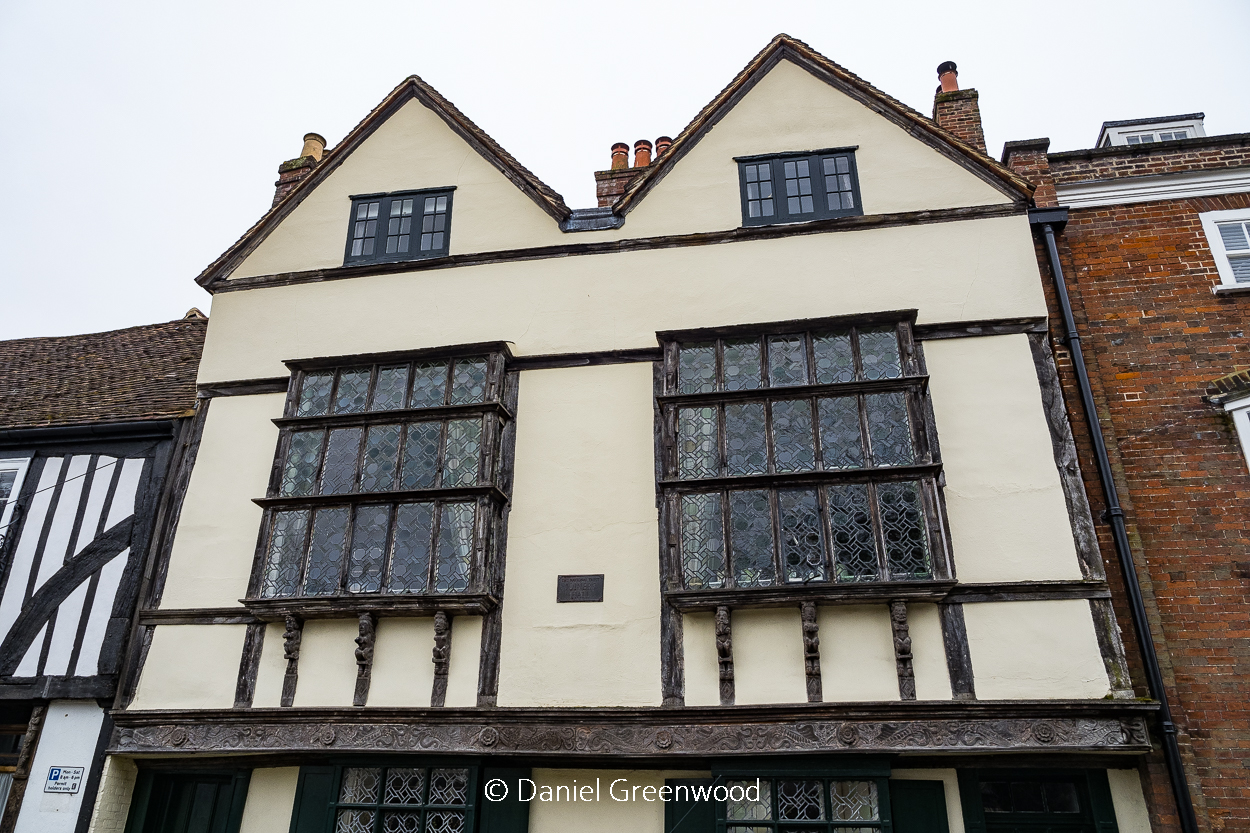
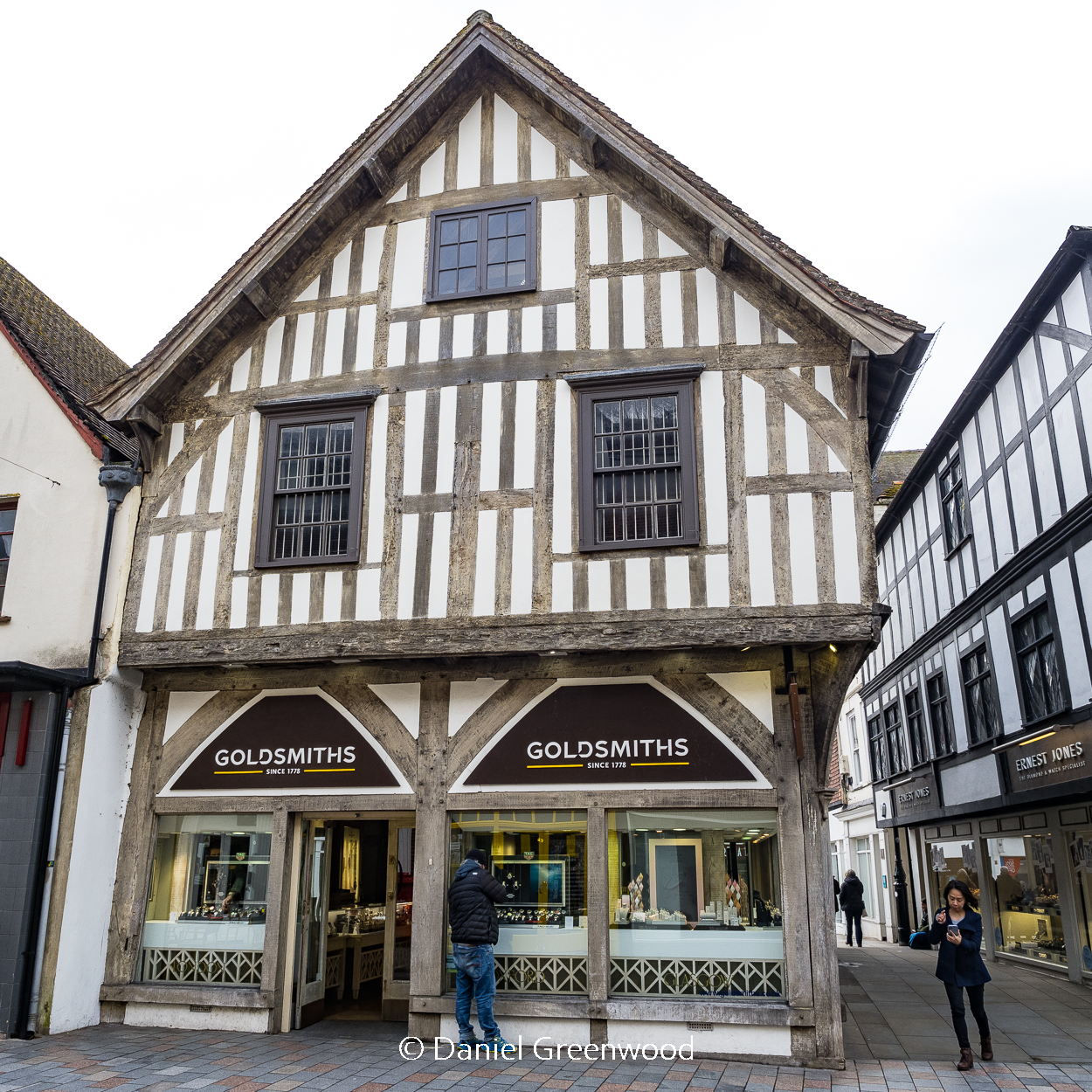
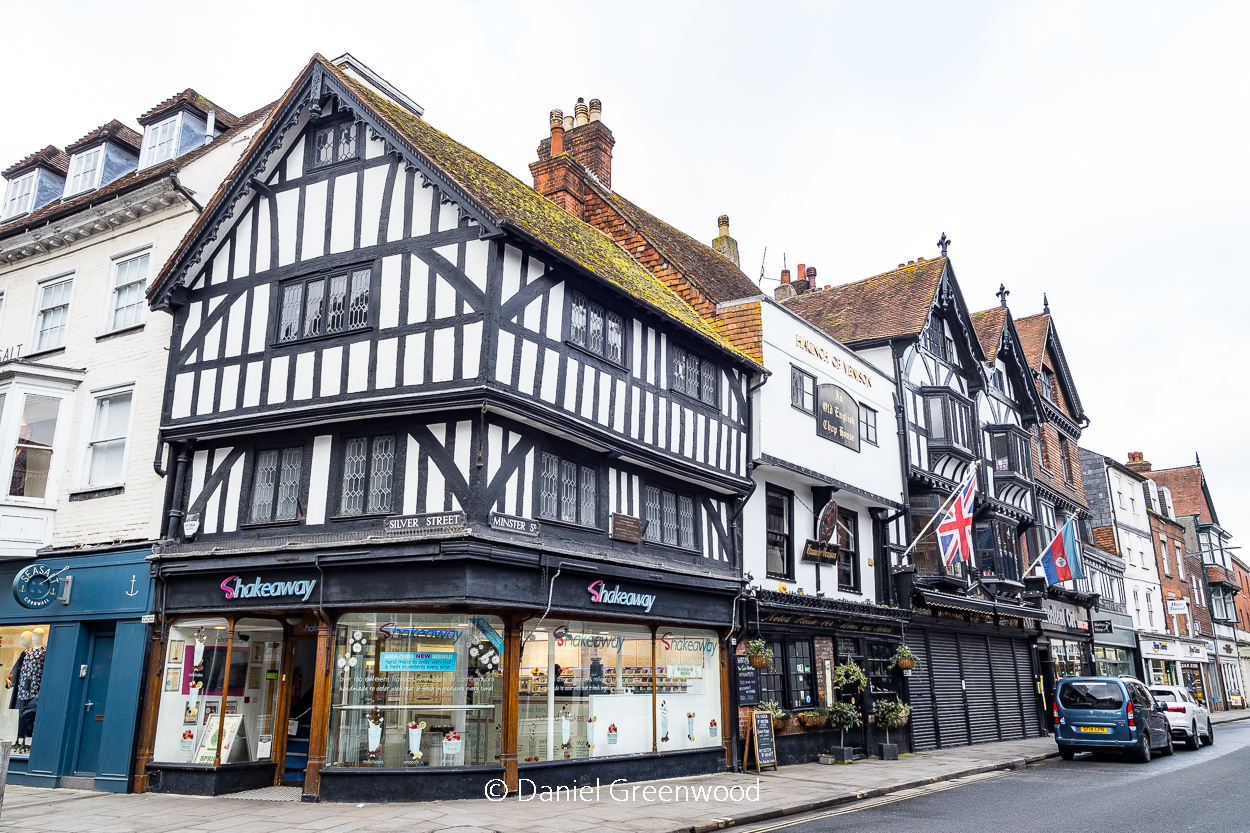
I visited Salisbury in Wiltshire (south-west England) for the first time in 2023 and was really charmed by the place. If you’re interested in this kind of thing, Salisbury is the place for you. Here’s a gallery of the timber-framed buildings that interested me the most.
Photos are with my Olympus EM-5 MIII and 12-45mm f4 lens.
8, Queens Street (15th century). The timber-framed heritage of Salisbury is blended with the modern consumer outlets. I suppose this is just free advertising for them!
51 Marketplace/Blue Boar Row. This was a large market-hall style timber-framer. I wonder if the lower floor was actually open once upon a time and held an agricultural purpose.
The Chapter House. This was an interesting blend of styles, with the large four-storey house stuck between two different styles. Those steep gables are perhaps quite uncommon in England, looking more like what you might find in Germany, Holland or Belgium. Just a thought.
The Cloisters. These curved timbers are lovely, as is the undulating spine of the roof. The building dates to the 1500s.
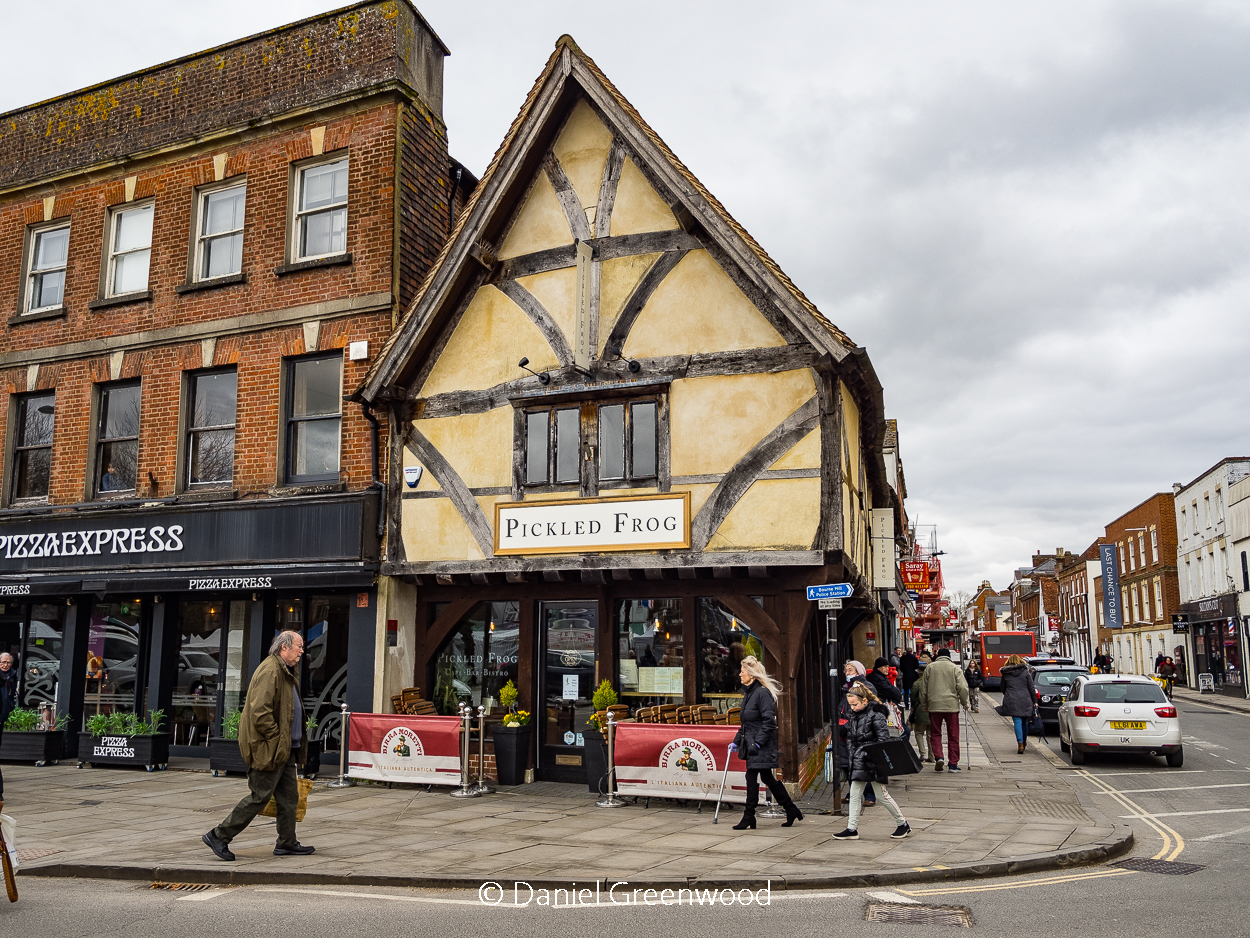
52 and 54 High Street, 1300s! An ‘Italian’ restaurant with one of the most higgledy-piggledy timber-frames in Salisbury. There has been quite a lot of movement upstairs. I wish more buildings had this much character, but that comes with age and flexibility.
The New Inn. I like including people (without identifying features) in these photos as it brings them to life a bit more. I wonder what was on her mind, maybe just checking the football scores (it was a Saturday afternoon).
The Old Forge – with the spire of Salisbury Cathedral in the background. There’s oak in that, too.
Brown Street. Difficult to photograph, but this is an old house with the timbers well hidden behind plaster or whatever’s on it.
This one had been bought and redone, it didn’t seem to have quite the same character as some of the other timber-framers. The struts (curved beams on the middle level) are quite varied. Not how different most of the windows are.
Joiners Hall is a National Trust property built in the 1600s. The carvings on the woodwork are some of the most intricate and beautiful I saw in Salisbury. As ever, the figures are weird.
33 Butcher Row. Quite neat and tidy-timbers here but dating to the 1400s.
Haunch of Venison, Minster Street. This is an incredible place. I didn’t get great pictures of the interior as my phone camera wasn’t quite up to it, but it was very wonky inside which is good. According to the pub it dates back 700 years to the 1320s.
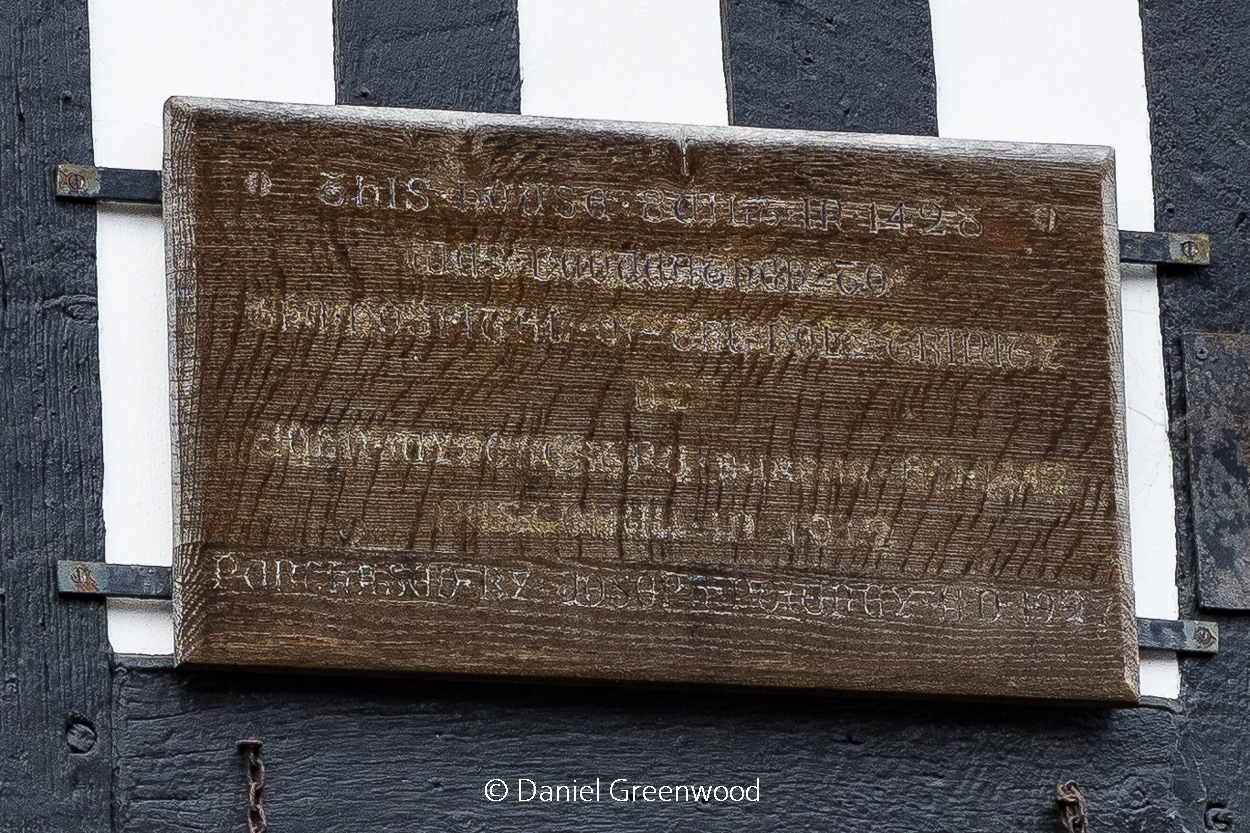
There’s a wooden sign on the pub but it’s difficult to read. I can make out: “This house built 1428.” Bottom line says ‘purchased by — 1927’.
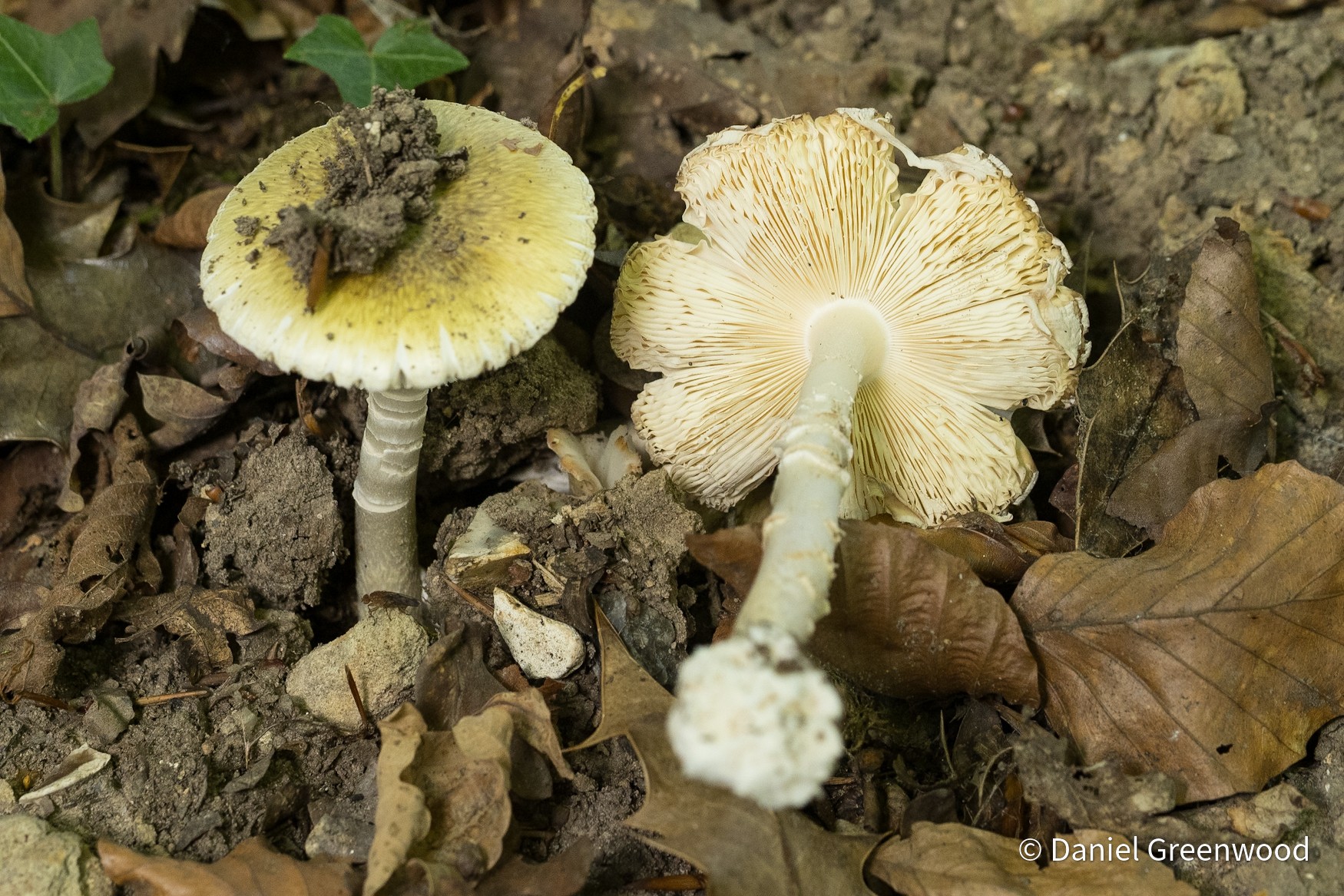
Following on from July’s rather optimistic fungi walk, I popped back to the same area of ancient Wealden woodland to see if the rain had brought any mushrooms. Indeed, it had!
Also, I refer to a species here as shaggy scalycap, but it appears to be something scarce – flaming scalycap.
The episode is about 20 minutes long. I hope you enjoy the sounds of the woodland, which include the wings of a woodpigeon nearly taking my head off and, er, the sound of heather.
This is a longer post of the images I captured during a recent visit to Innsbruck in the Austrian Alps. We travelled to Innsbruck on a sleeper train from Amsterdam. It’s such a great experience and is significantly lower in carbon emissions compared with flying. If you consider the fact it’s travel and accommodation, as well as the ability to see so much more, it’s a better way to travel. We set off from London on the Friday morning, on an 11am train to Amsterdam, and by 19:00 we were on the sleeper and heading south-east towards Germany.
All that said, we booked a sleeper train from Brussels to Vienna on our honeymoon in 2024 and the train didn’t show up! So travelling by train needs flexibility and patience. I still think it’s worth it, for you as well as the climate.
The photos here are taken with my Olympus EM-1 MIII and TG-6 compact cameras, edited in Lightroom.
In Innsbruck
According to my Lonely Planet guide to Austria, Innsbruck was founded in the 1100s. The name basically means ‘bridge over the River Inn’, which splits the north from the south of the city. It’s an epic river, which was in full flow when we visited, probably bolstered by glacial melt from the surrounding mountains.
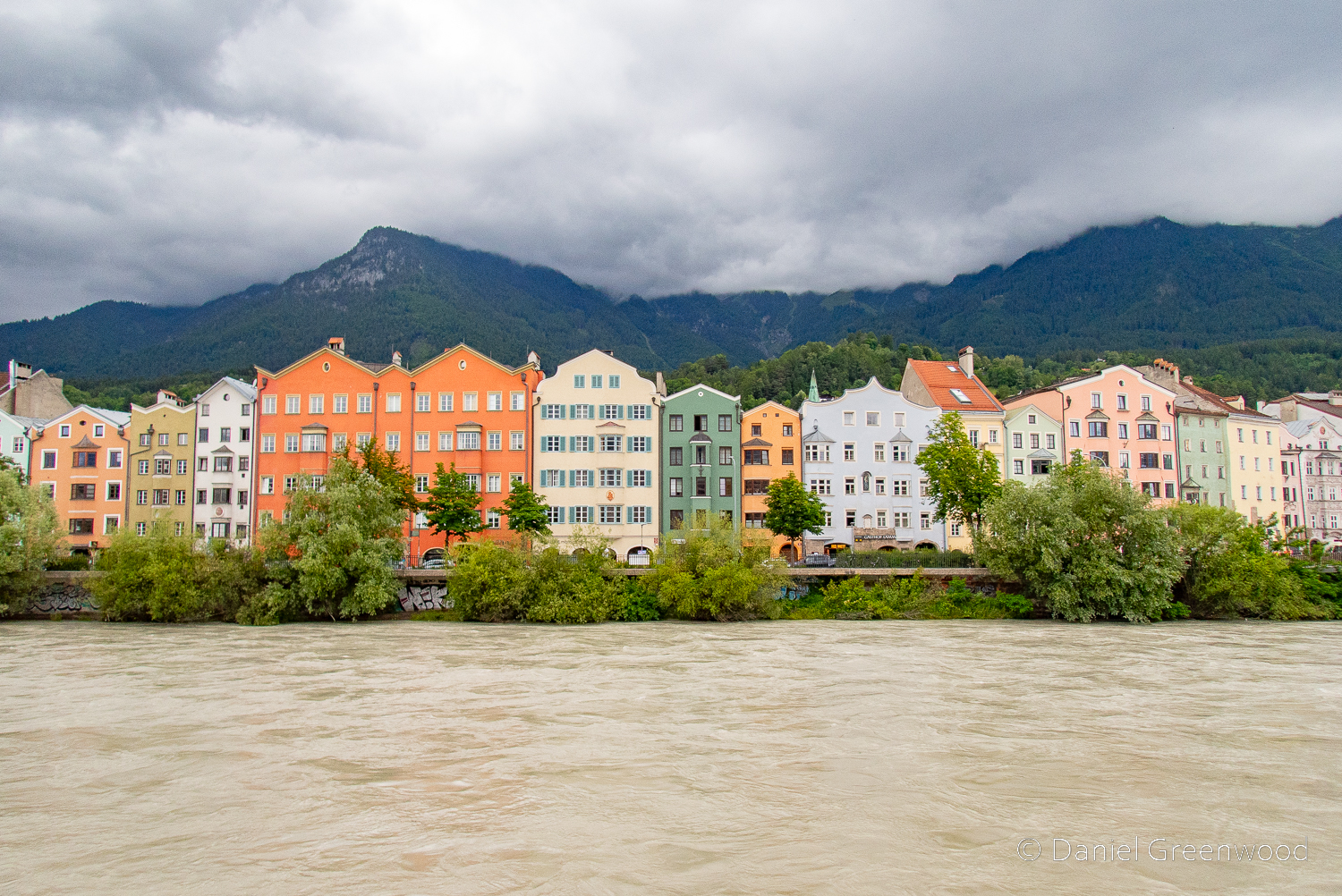
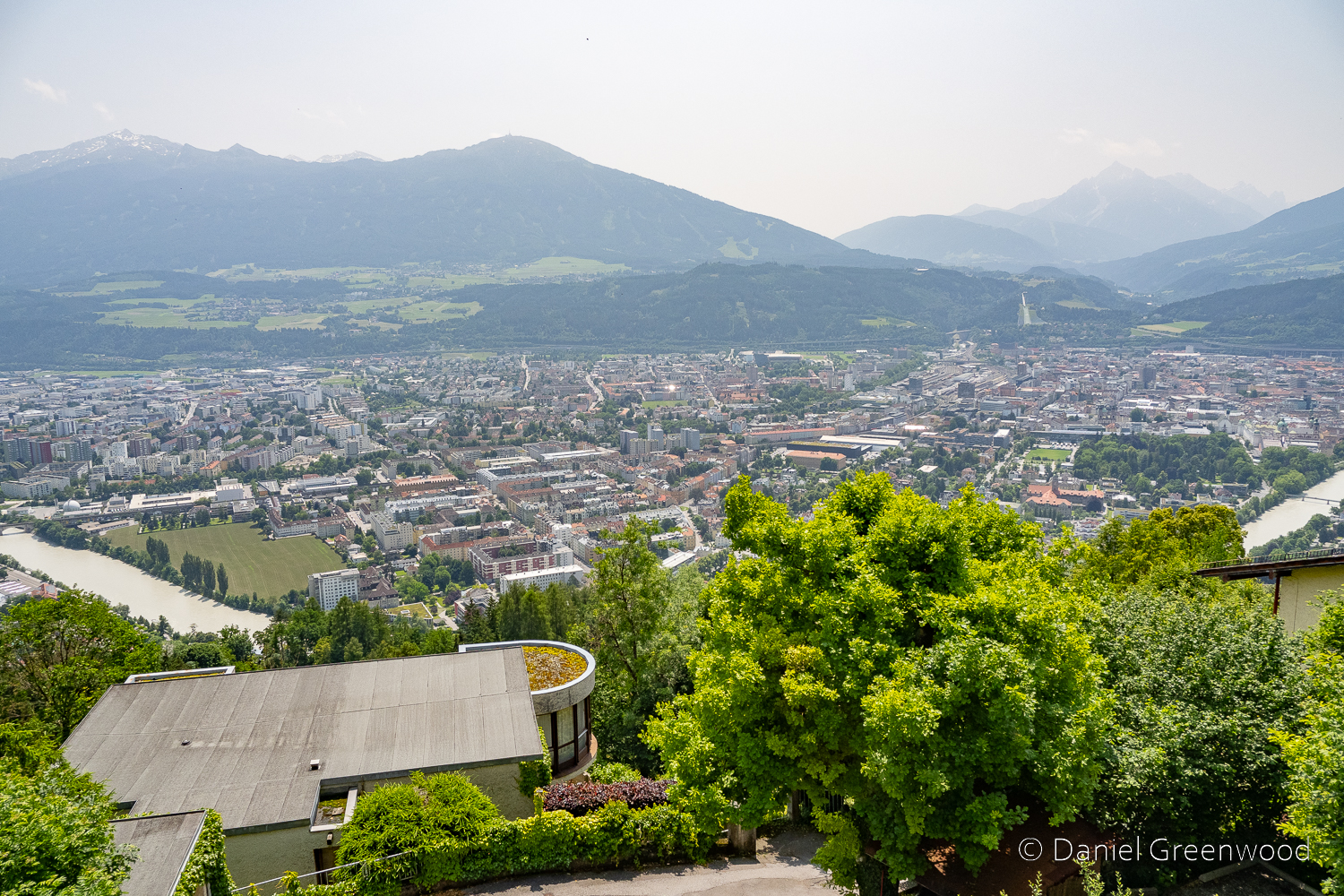
The colourful apartment buildings on the north side of the Inn (seen here at the bottom of the frame) are a sight to behold from the banks of the south side. It’s hard to appreciate how difficult it would been to build a bridge over a river of this size and power once upon a time. No wonder that when they did manage it, the whole place was named after it!
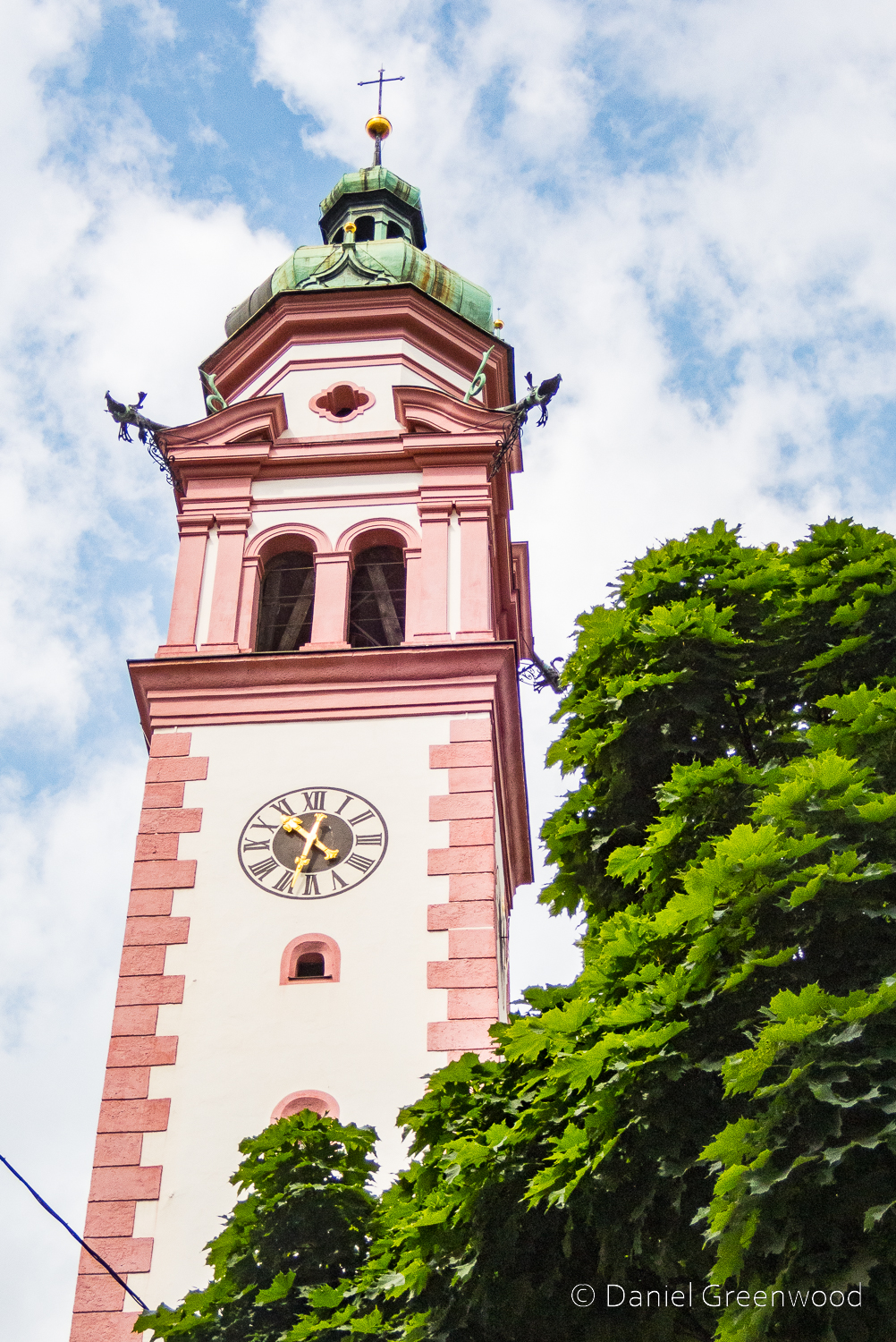
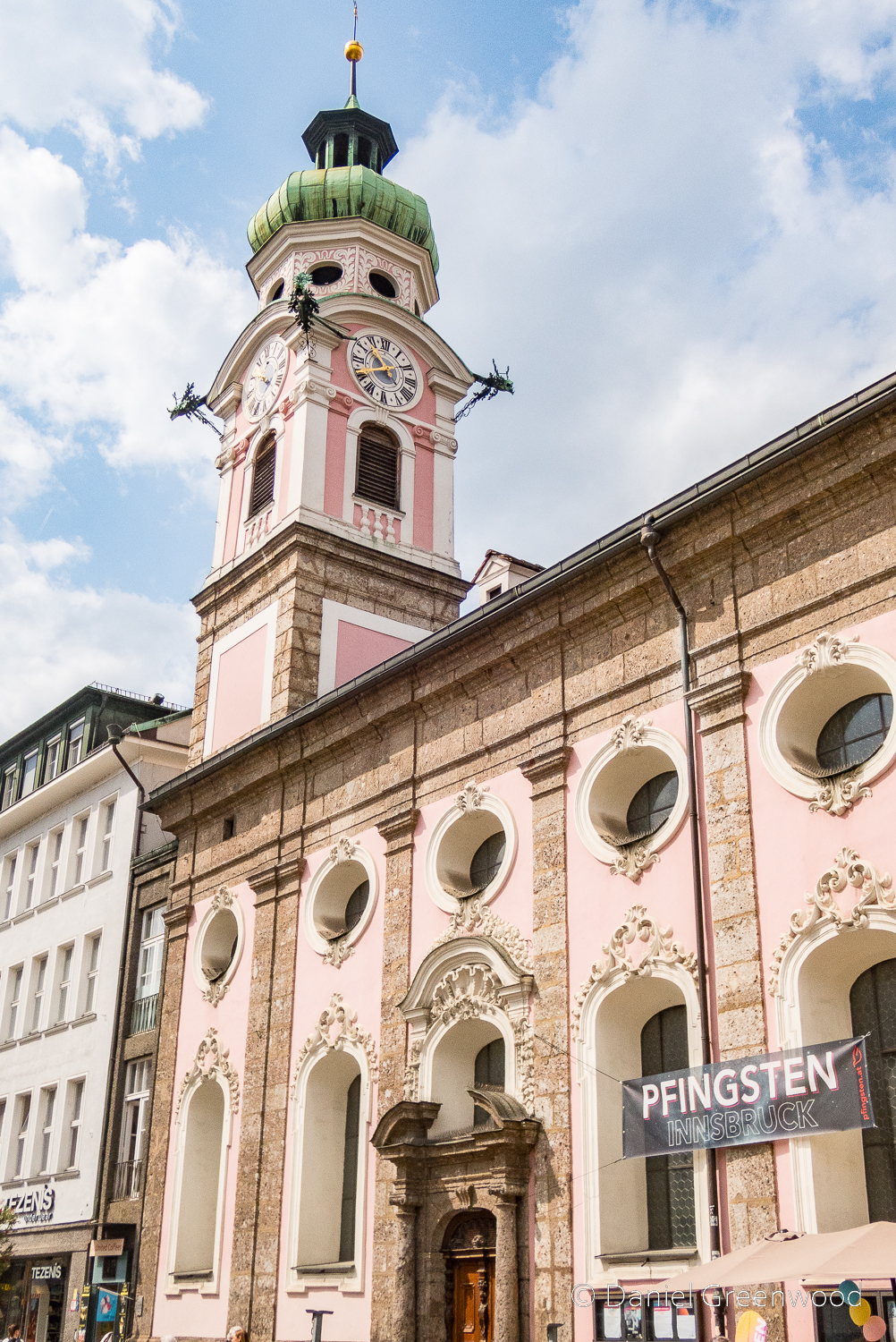
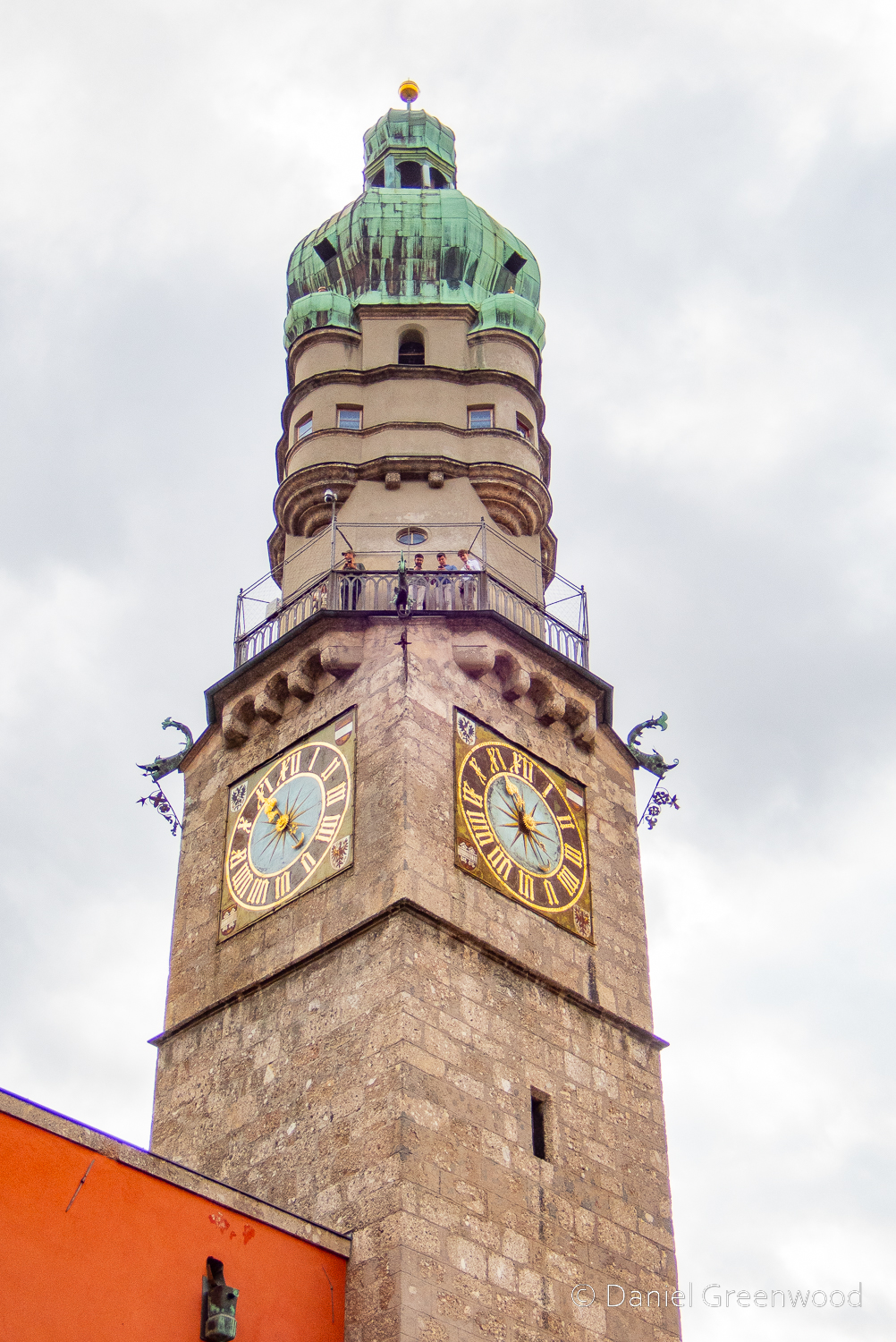
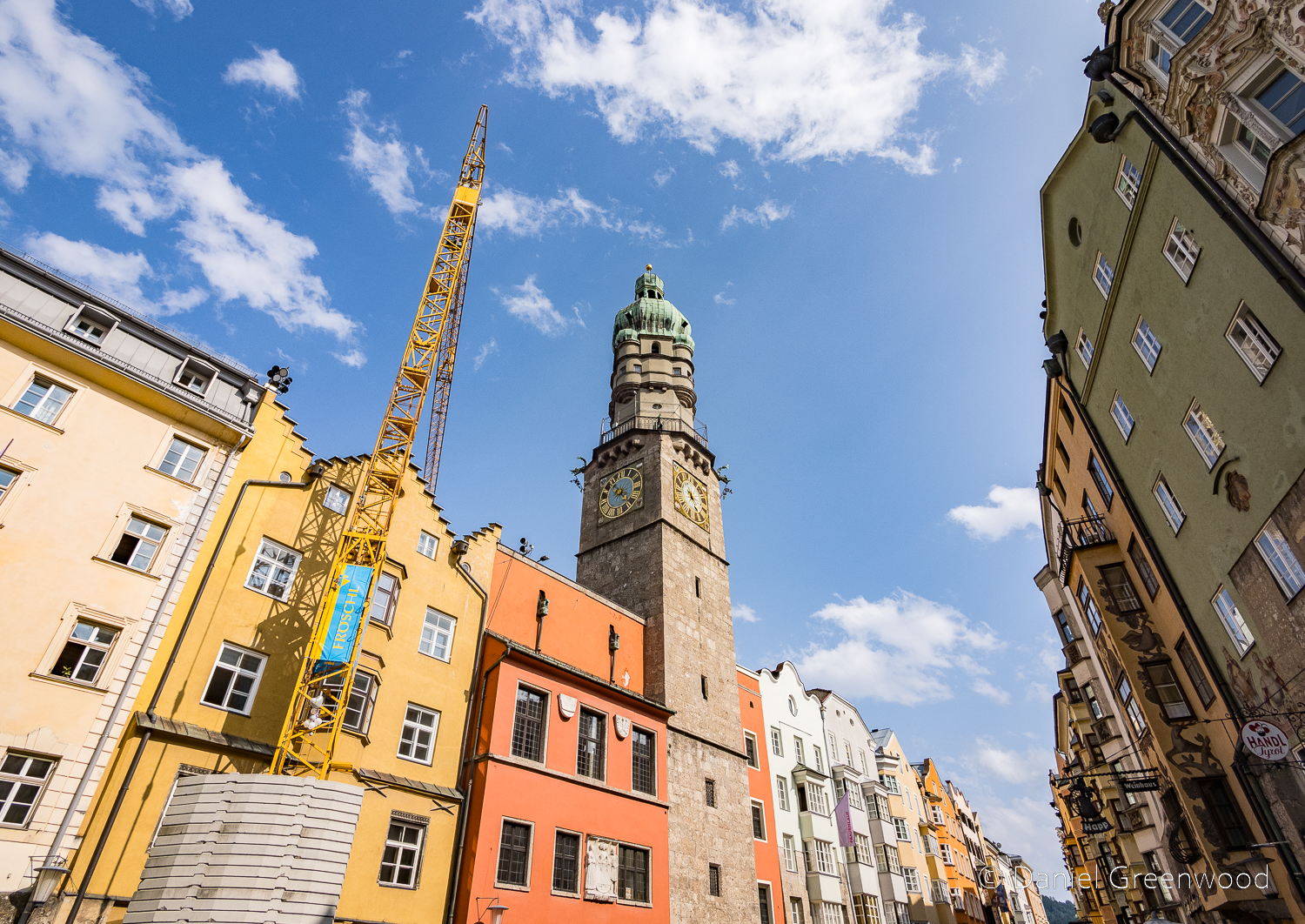
Innsbruck is a city of towers and spires. I don’t know how many were destroyed in the Second World War. As in Salzburg, I’m sure many were rebuilt. The tower seen in the last of the images above can be ascended for a small entry fee via a pair of spiral staircases. I have issues with heights, and I found this quite difficult. I was a bit ill at the time so that probably made it worse. The views from the tower are of course worth it if you can cope with the ascent.
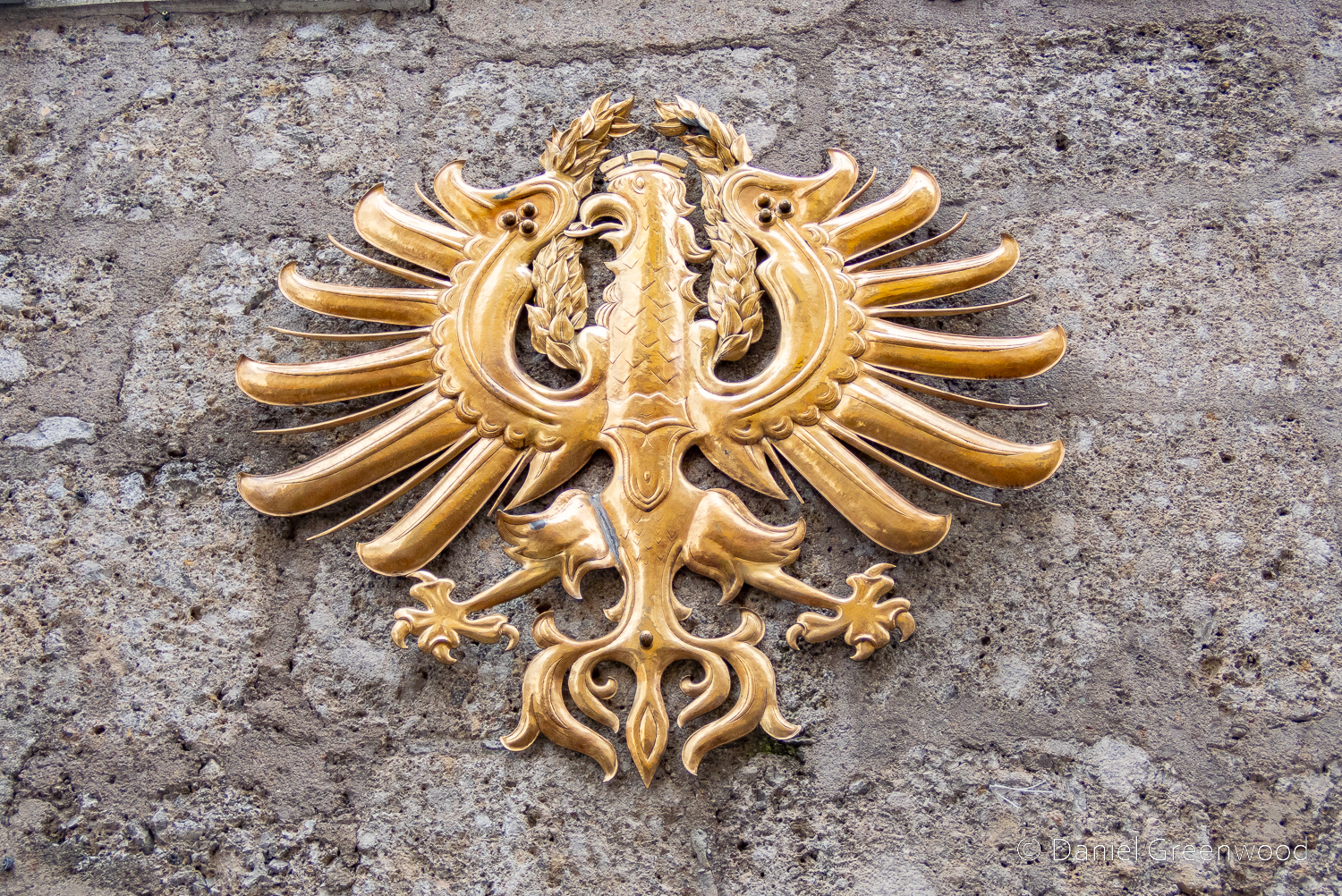
These metal workings were prevalent in the Aldstadt. They’re nice to photograph, particularly against cloud where their colours come to life. I don’t know anything about them, but they seem to be an Austrian thing, and date back several hundred years.
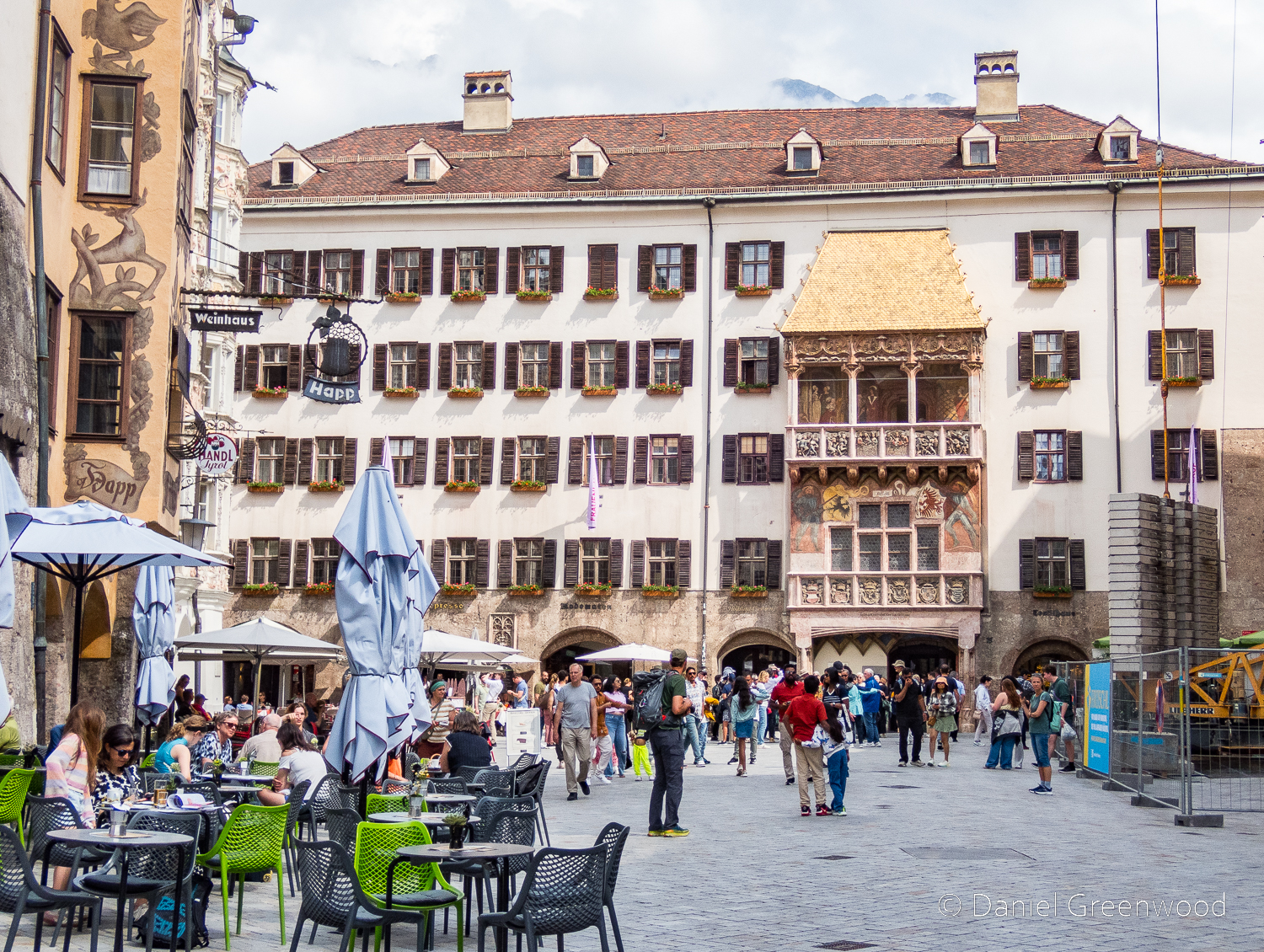
The ‘Golden Roof’ (Goldenes Dachl) was the main draw for tourists (I had read about it but wasn’t thinking of it when we found it). It was created in 1500 and was used by Habsburg royalty to purvey the scenes below.
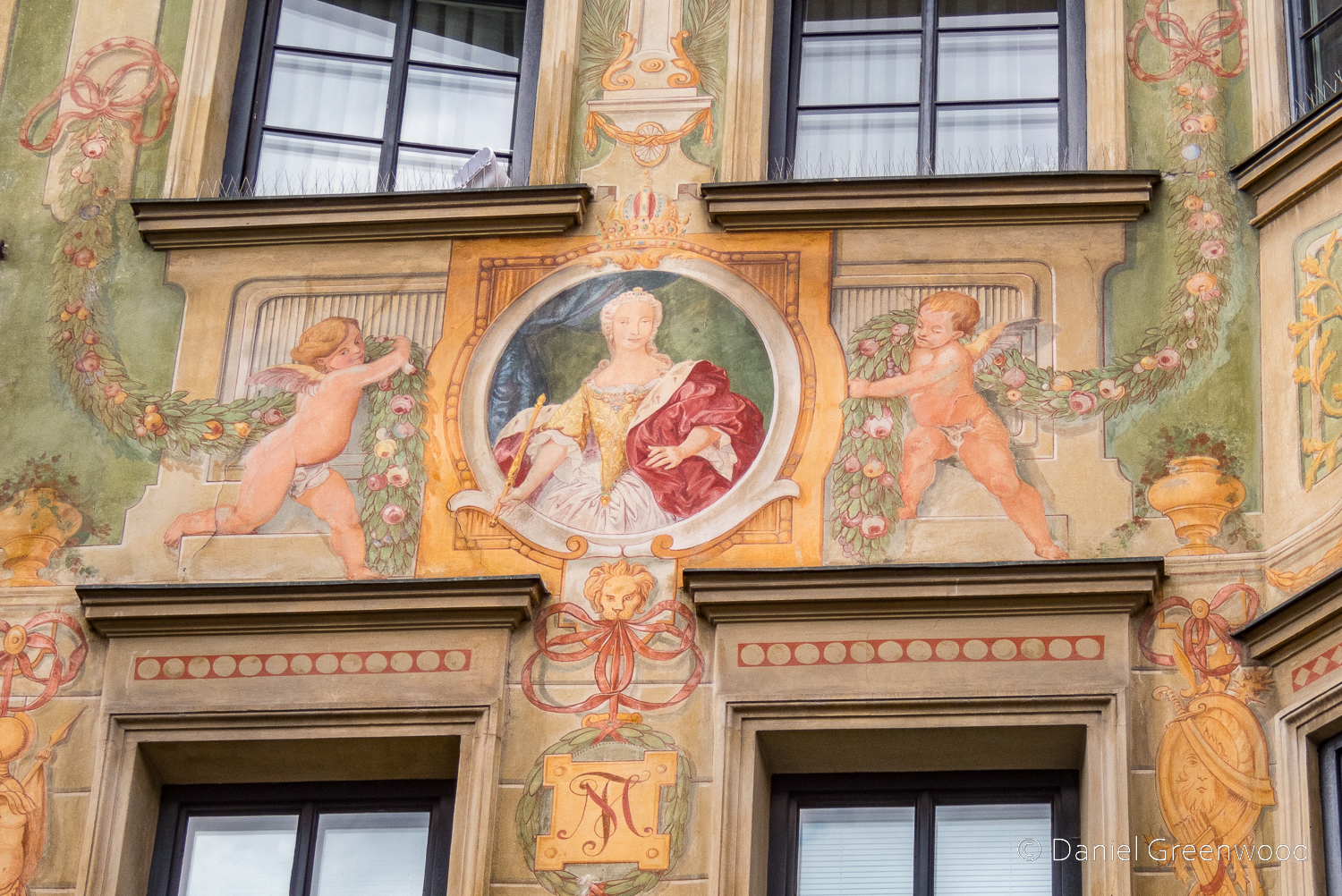
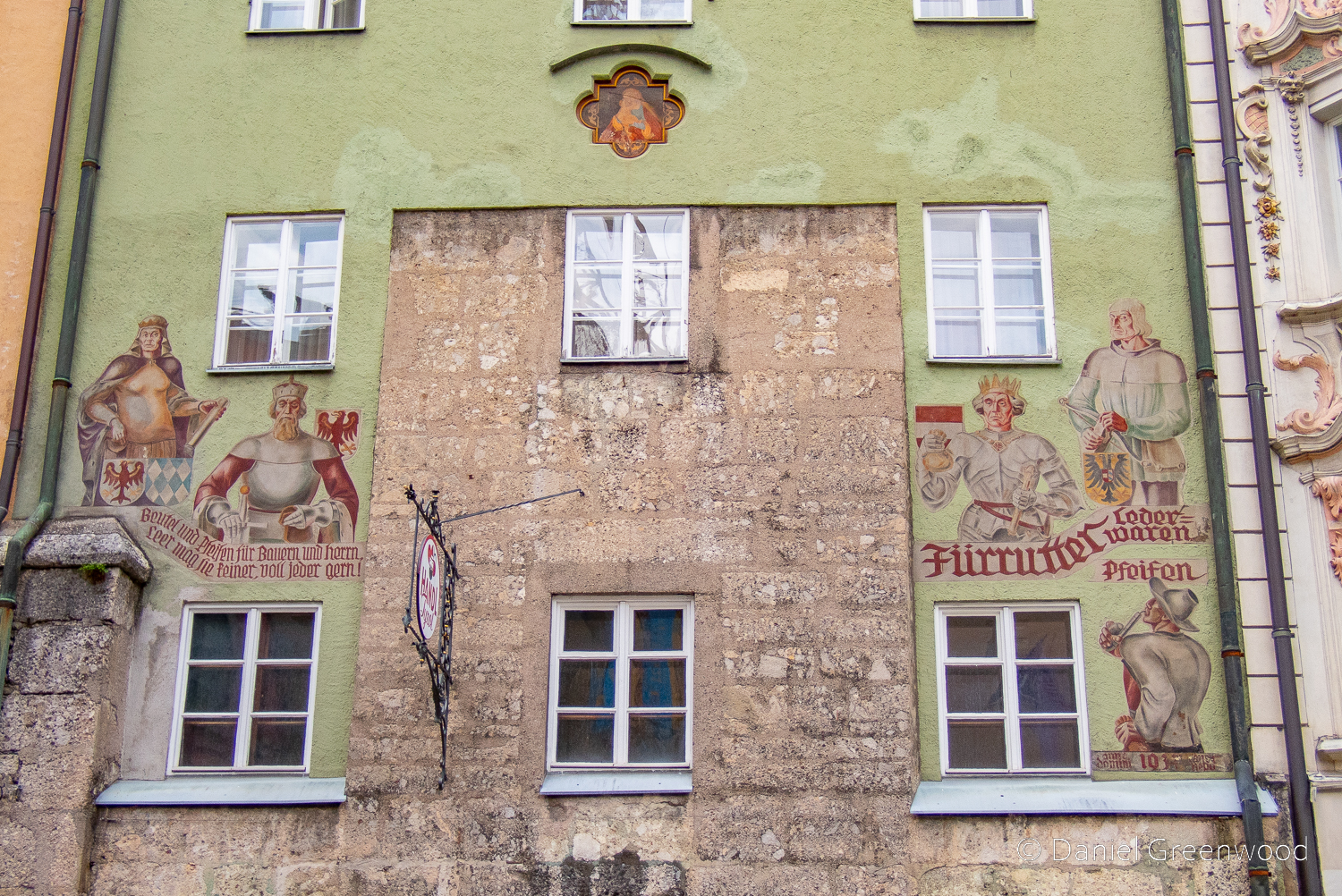
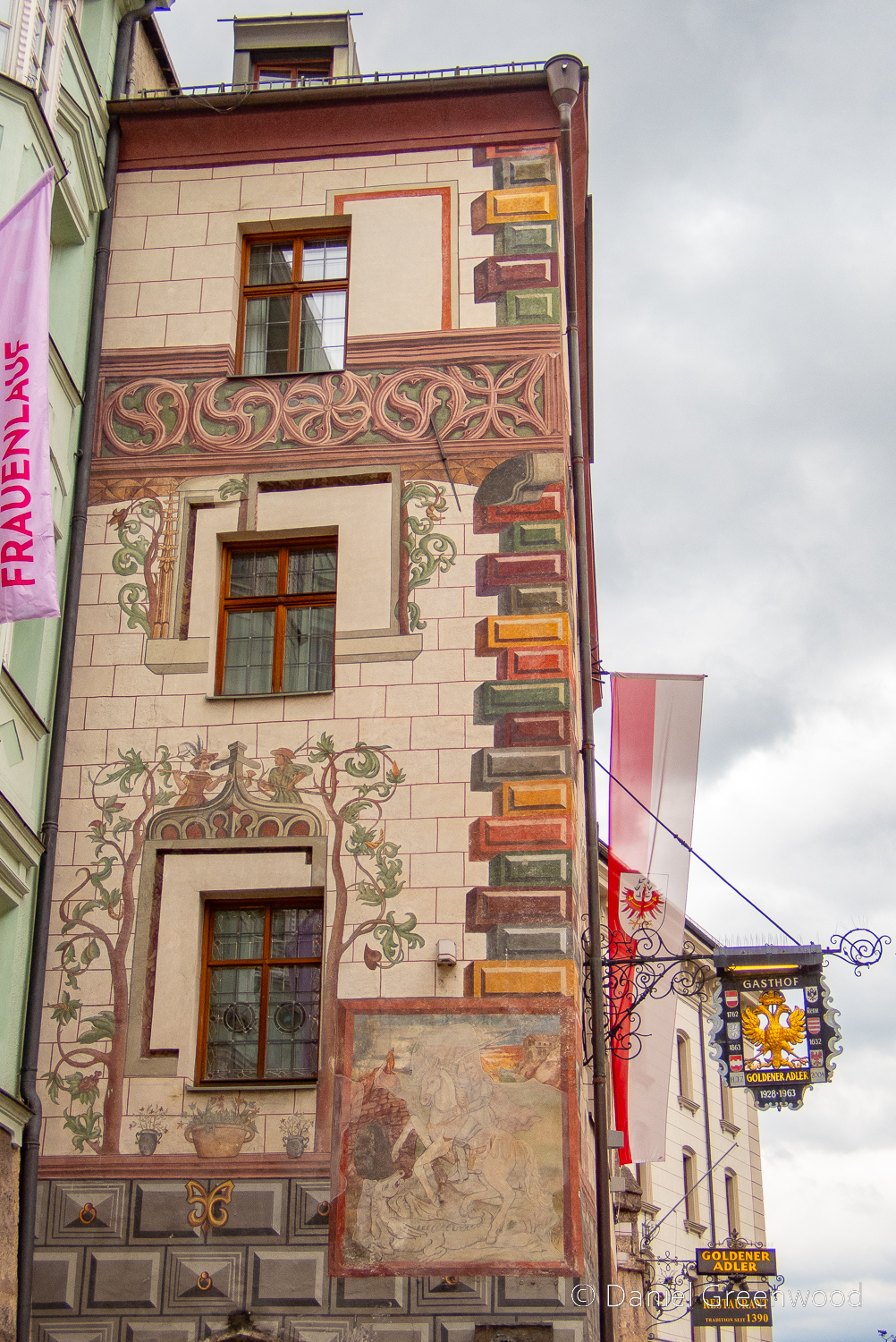
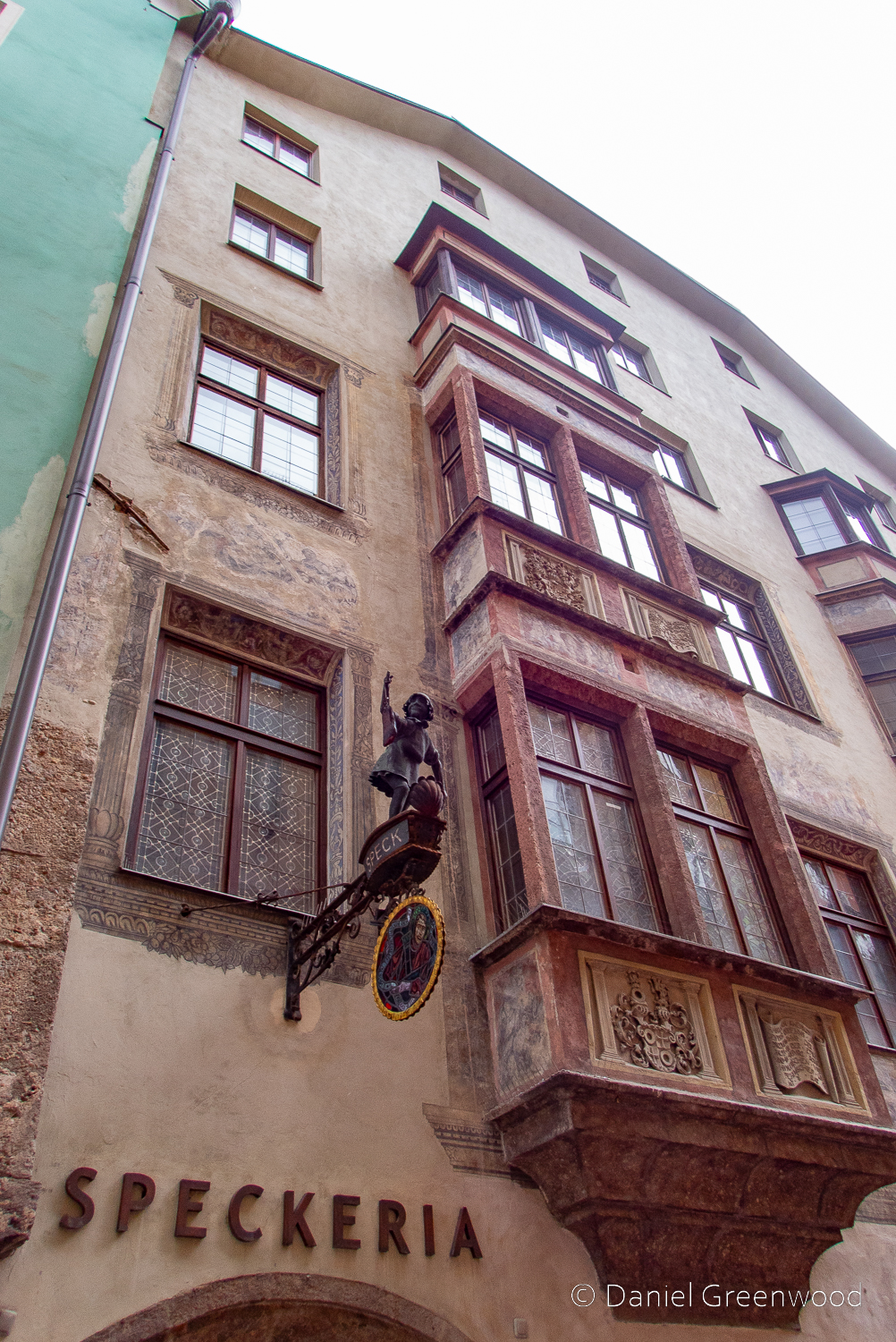
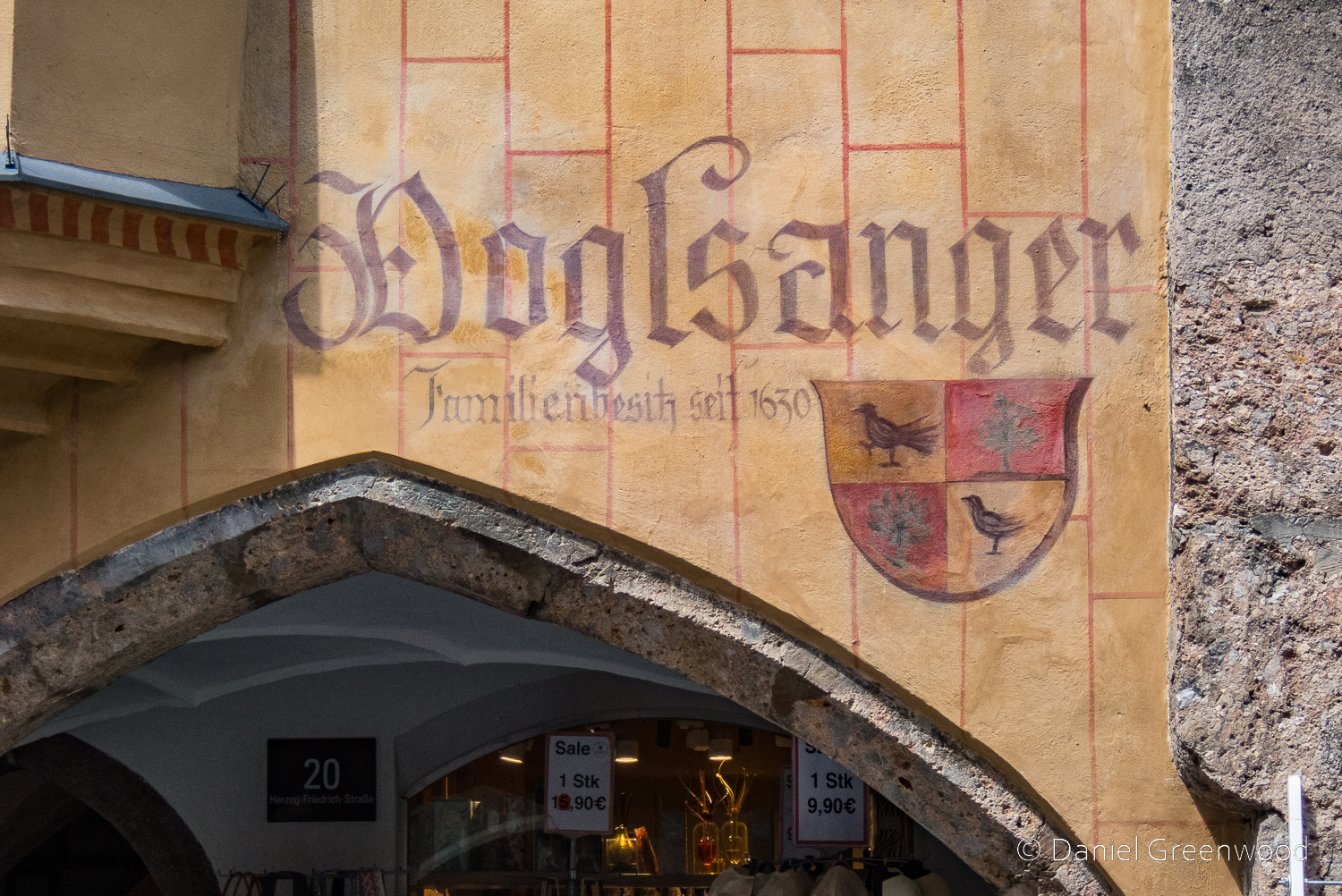
There are lots of interesting frescoes around the Aldstadt (Old Town) in Innsbruck, some originally painted as much as 400 years ago.
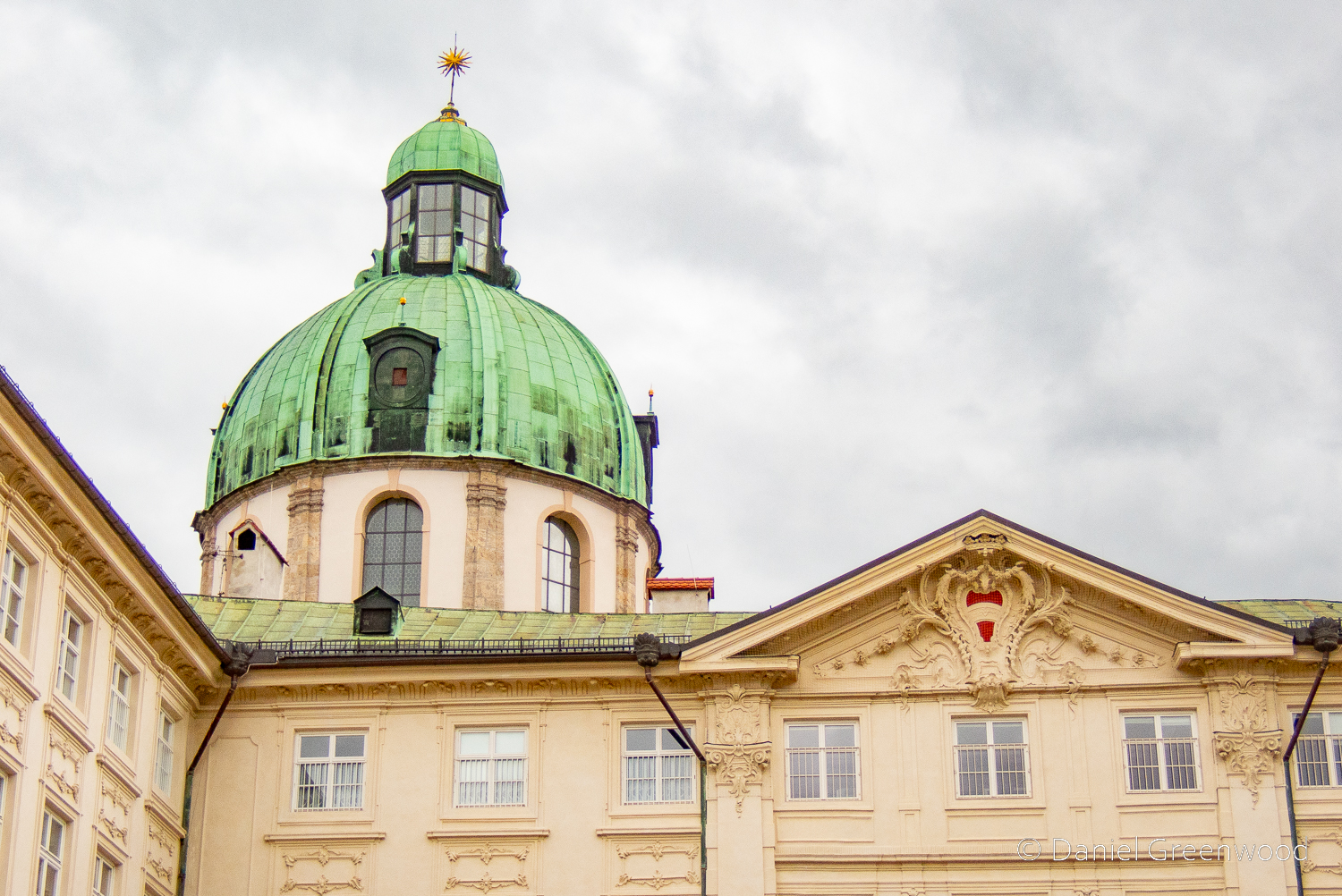
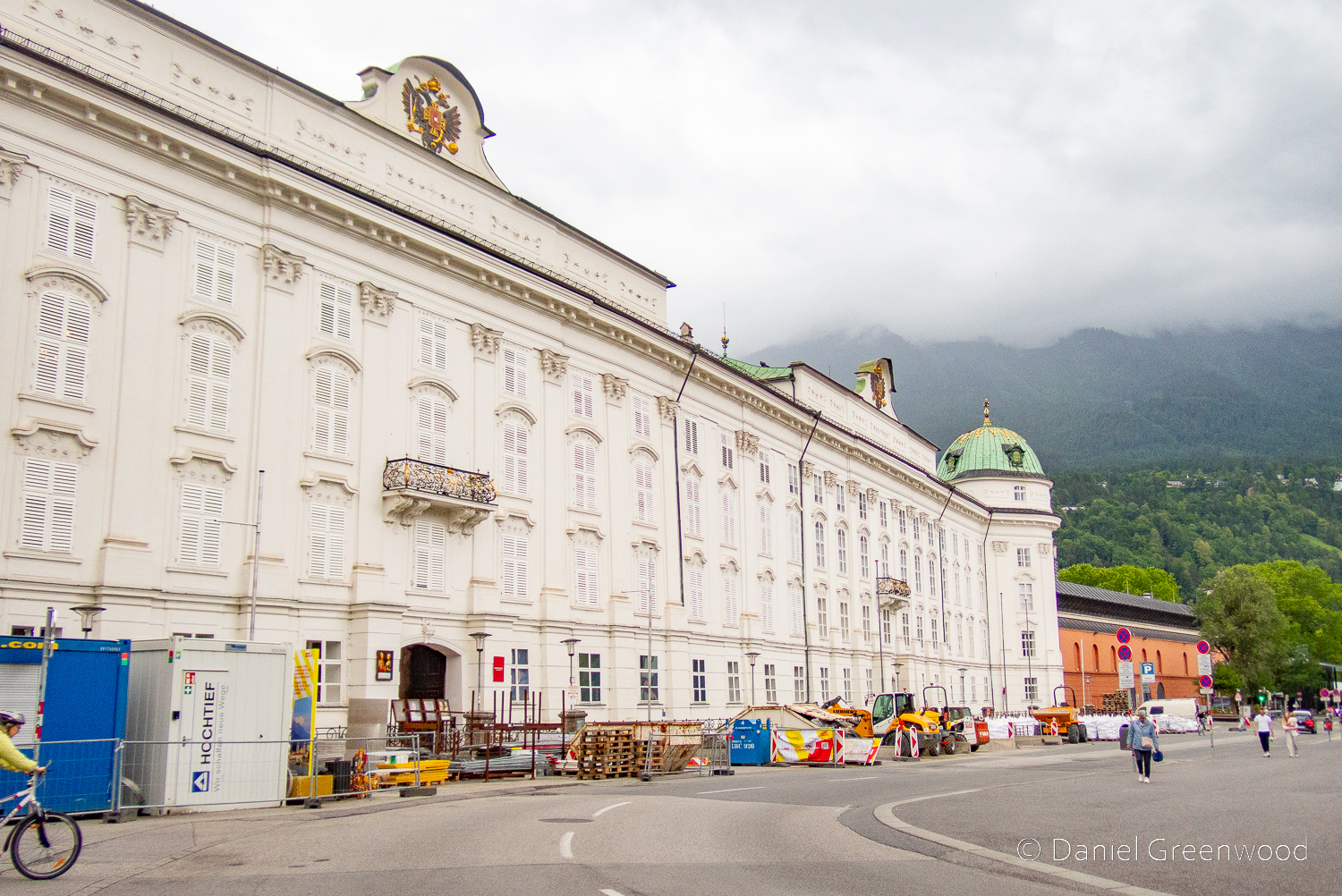
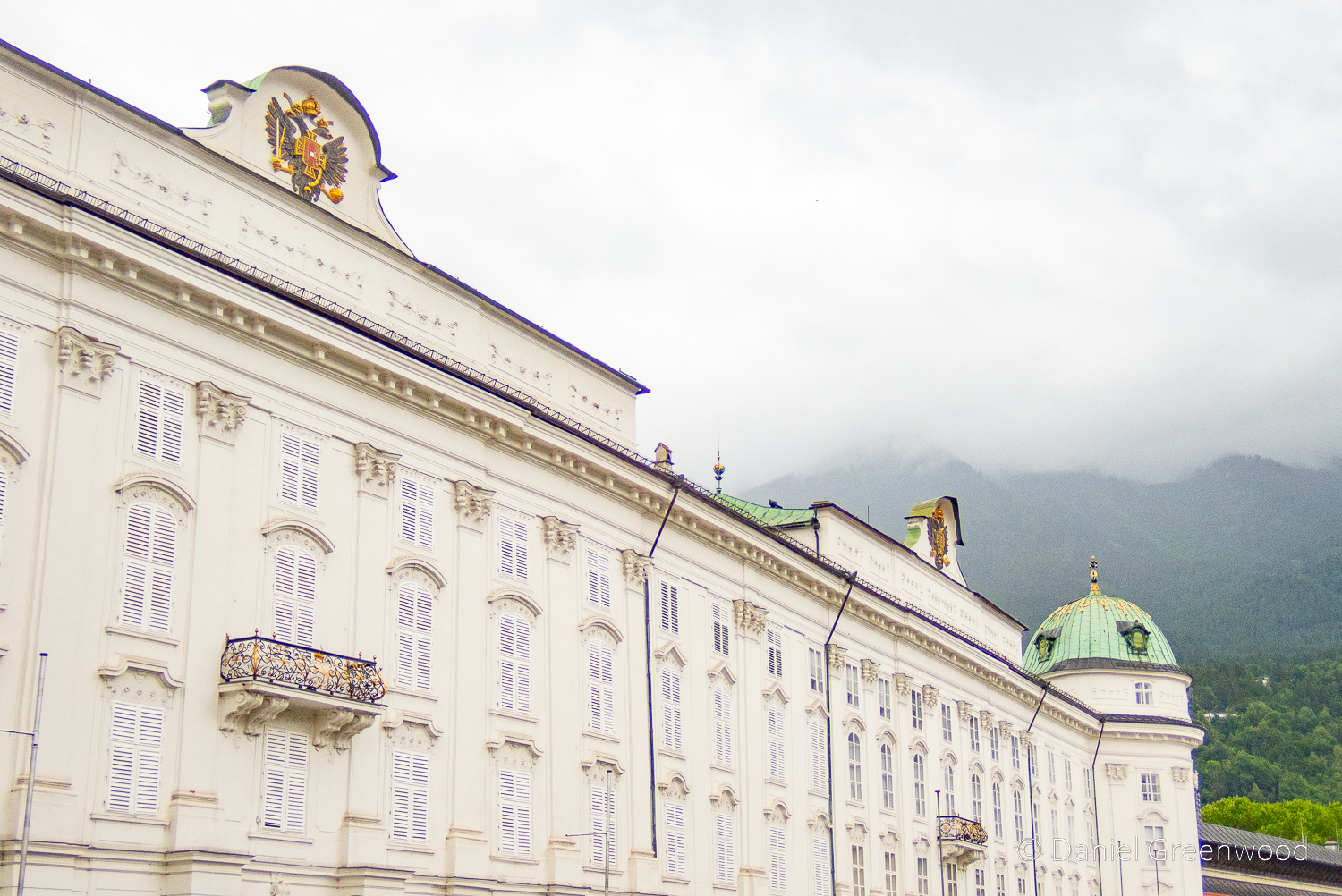
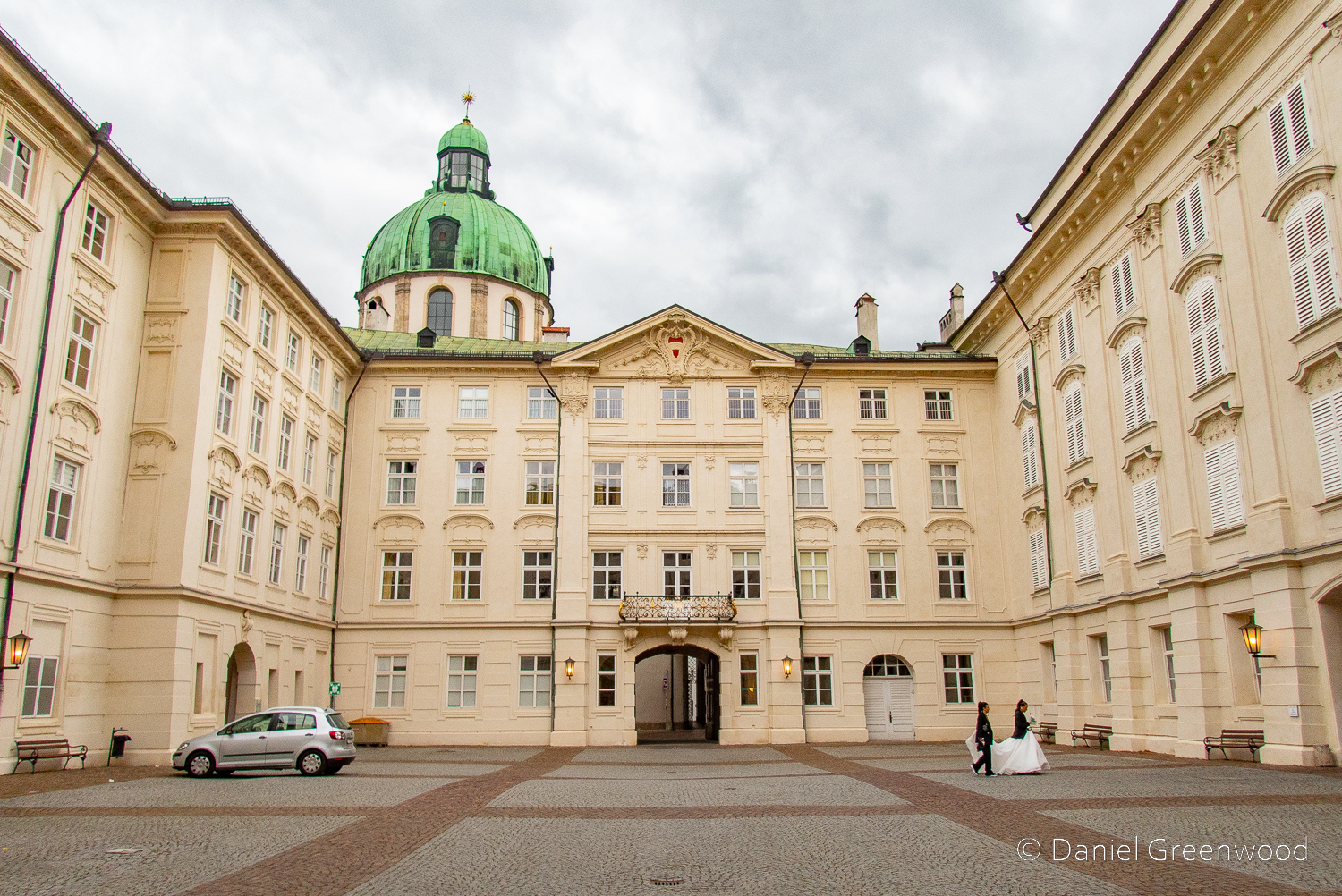
The Hofburg or Imperial Palace encloses the Aldstadt. Dating to the 1400s, it is considered one of the three most important Austrian buildings (according to Wikipedia). There were a number of weddings happening when we arrived on the Saturday morning. In the final image of the set here you can see one woman in her wedding dress being escorted somewhere – presumably before the ceremony.
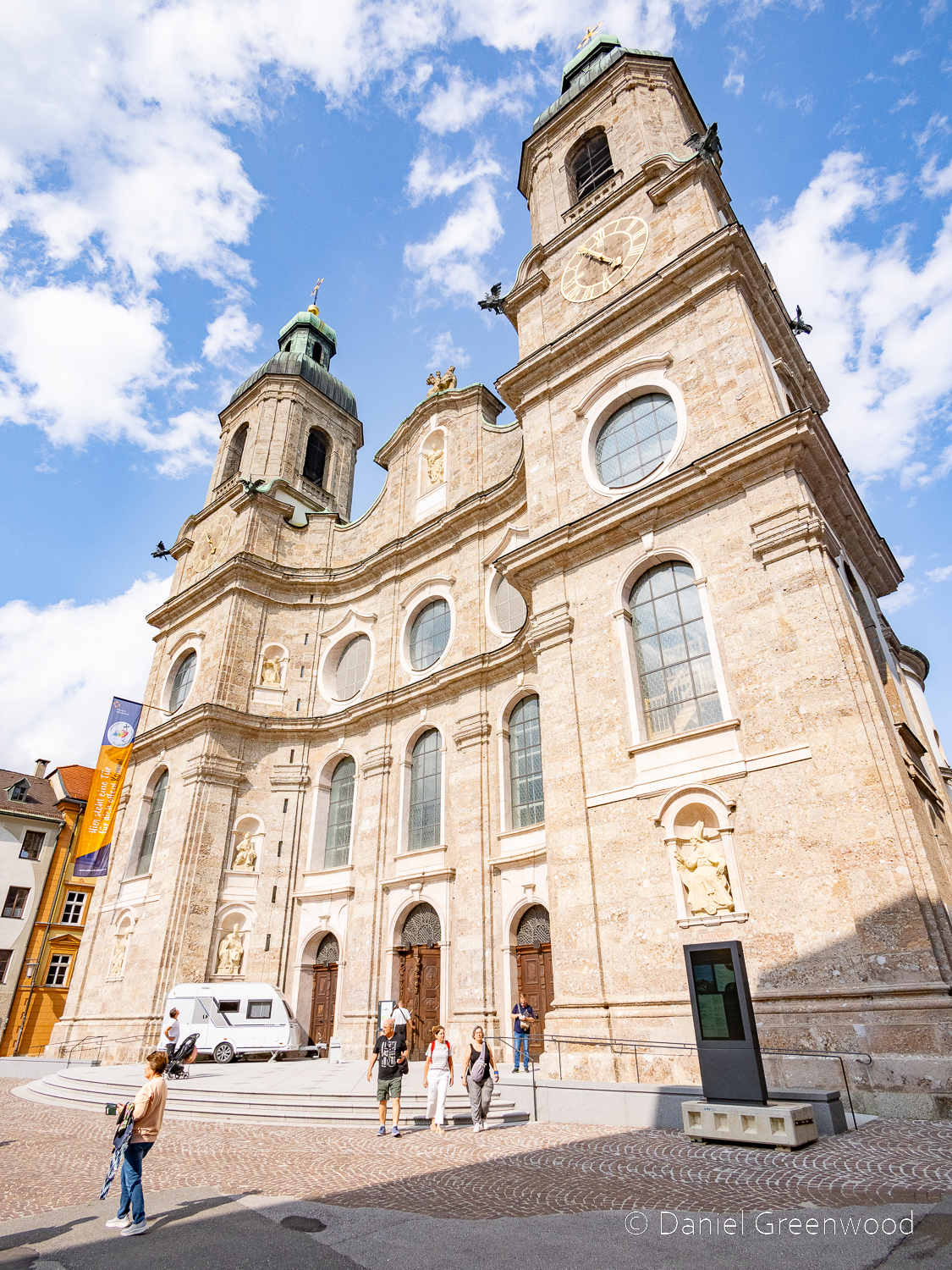
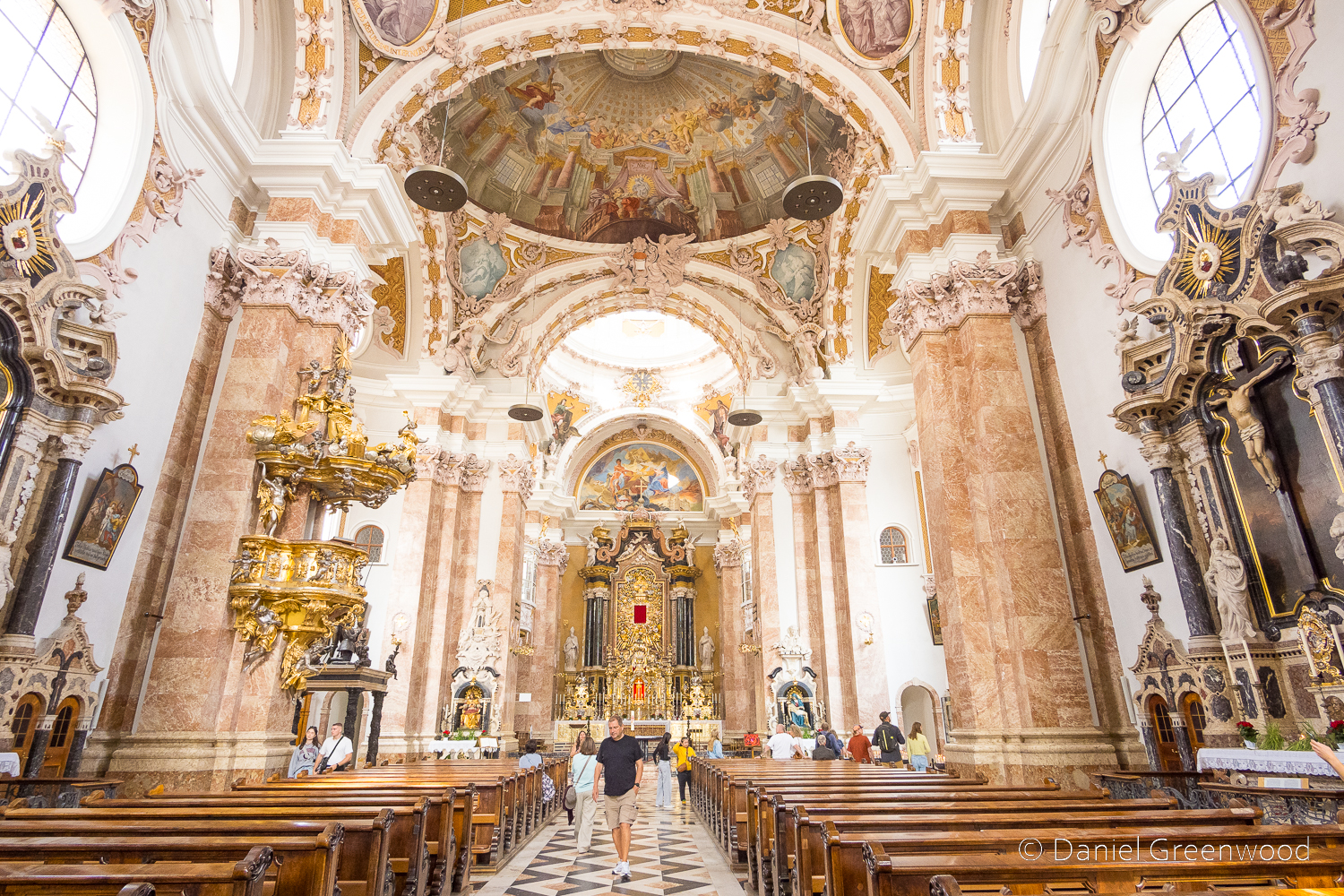
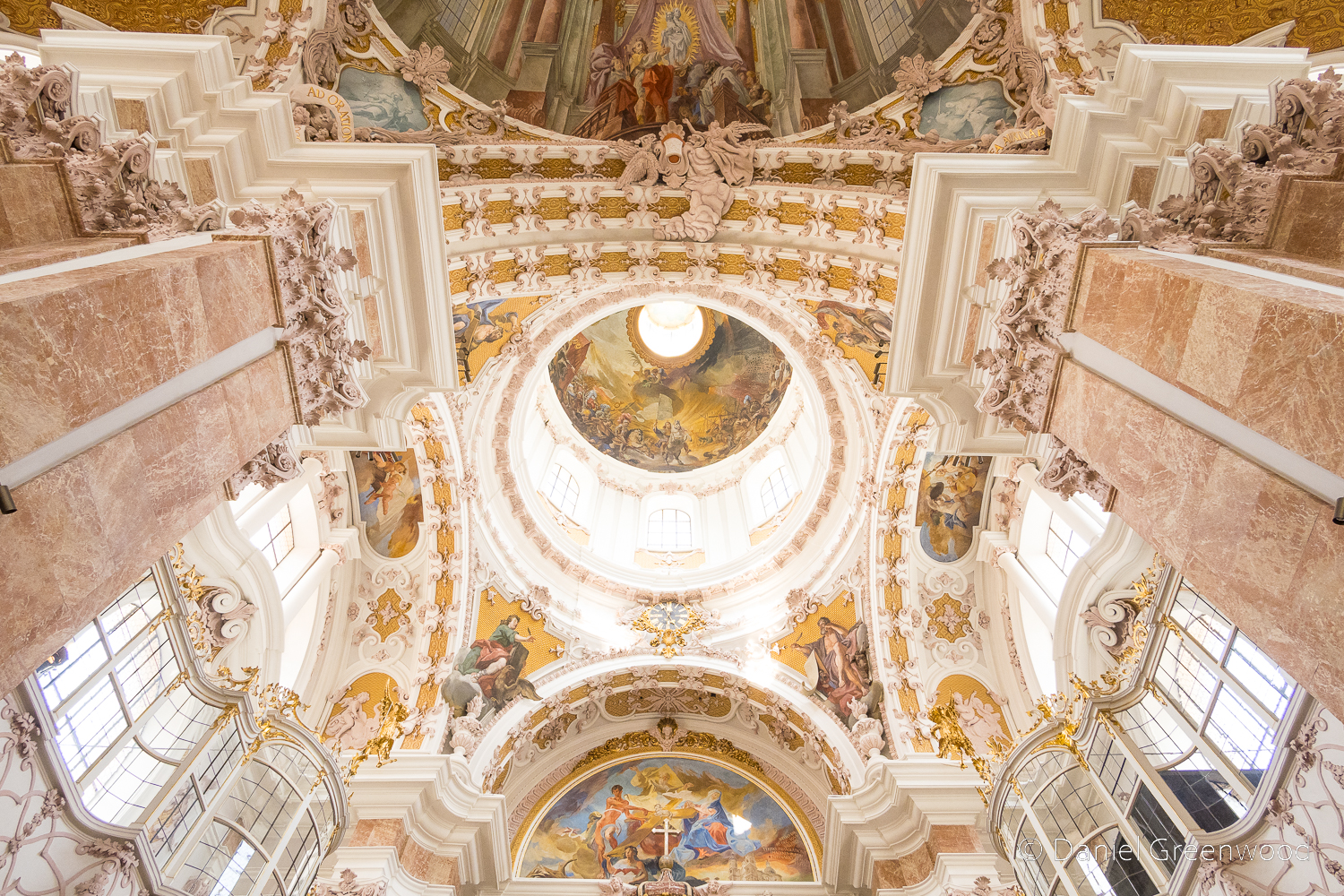
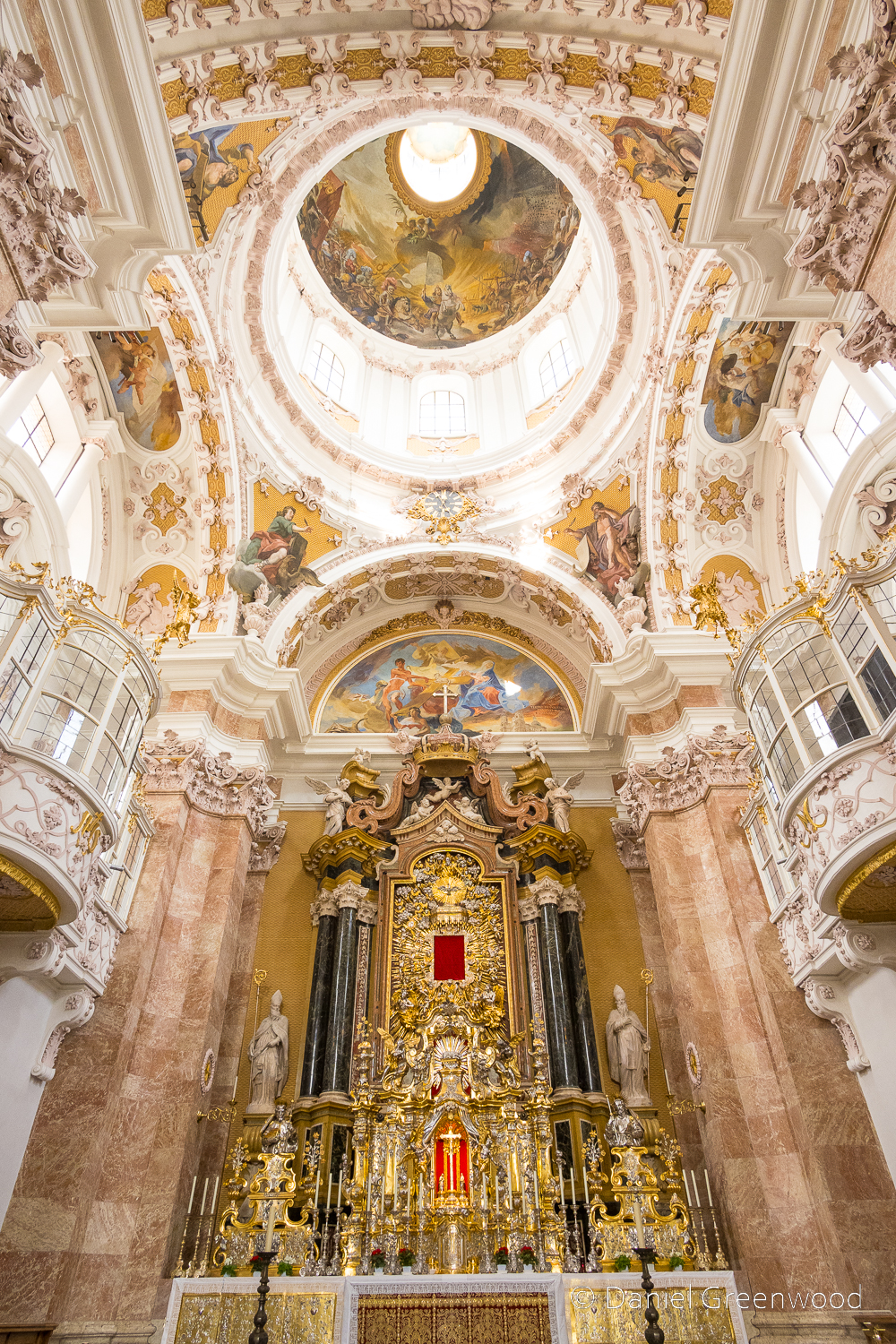
Innsbruck Cathedral (Dom zu St. Jakob) sits close to the Inn. These were taken with my 9mm f1.7 wide angle lens, which is a thing of beauty.
Now it’s time to head into the hills (by cable car)!
Above Innsbruck
You can travel to the ‘Top of Innsbruck‘ via the Nordkette cable car. It’s a good option for high level walking and to get a sense of the grandeur of the Alps around Innsbruck.
The first cable car is the Hungerburgbahn which drops you at Hungerburg – and no, that’s not a marketing ploy for a restaurant. Here you change for a cable car to take you up to Seegrube.
It was mid-June and the views from Seegrube were dimmed by the thick haze that rested across the mountains. I have edited these photos to draw out the shapes and colours of the peaks as best I can without ruining them.
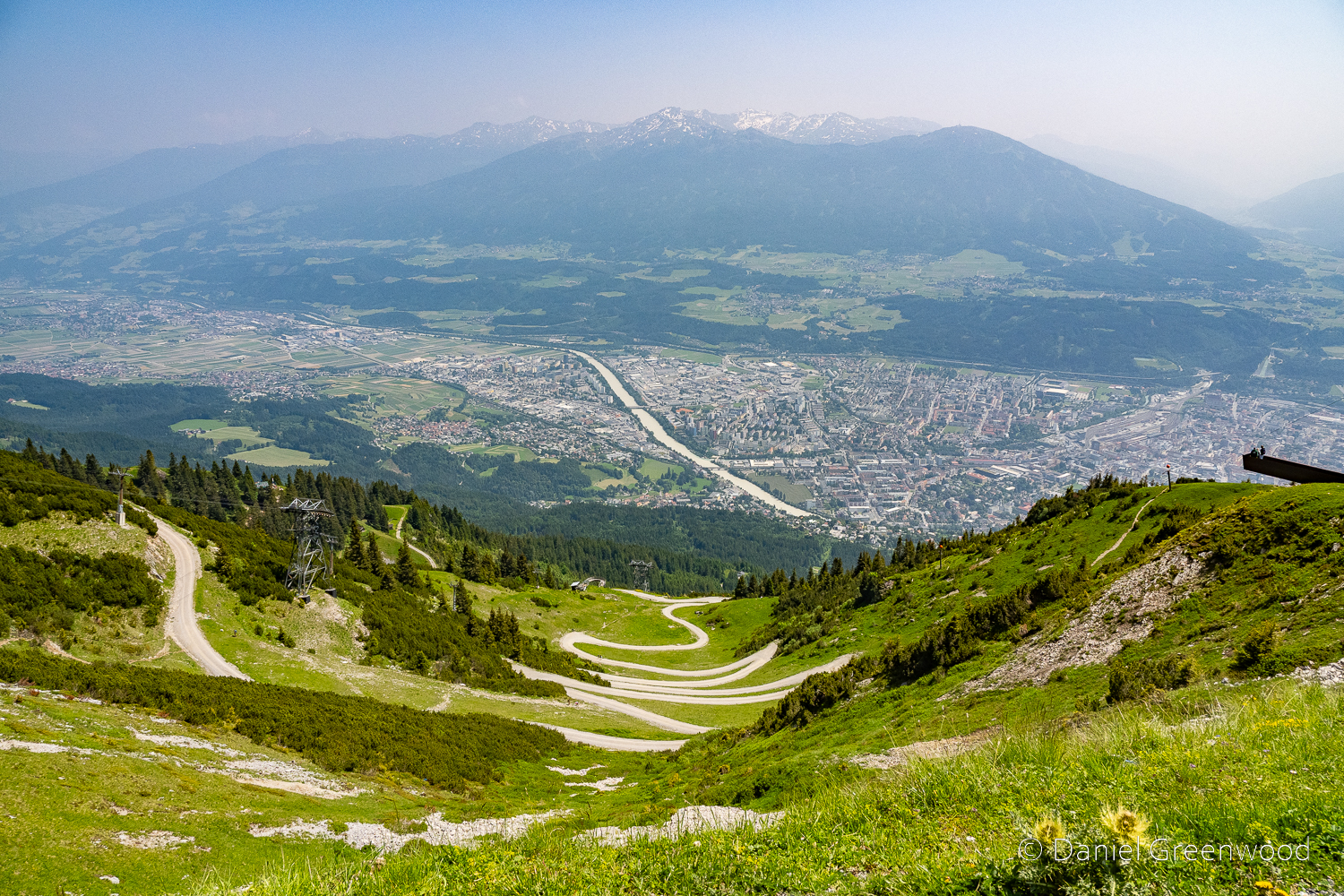
The road winds down to Hungerburg. In the middle-distance the Inn cuts through the city.
This is looking south towards the Italian Alps. Brutal warfare took place here between the Austro-Hungarian/German army, and newly-founded Italian army in the First World War. I didn’t know anything about this element of WWI (known as the White War) until my uncle told me about it. It was only after visiting Innsbruck that I realised the setting for the fighting was not far from here. Over 150,000 soldiers died in those battles, mostly due to disease or the extreme cold.
From Seegrube you can take a final cable car (not absolutely final!) to Hafelekarspitze (2,256m at the point of stepping off the cable car).
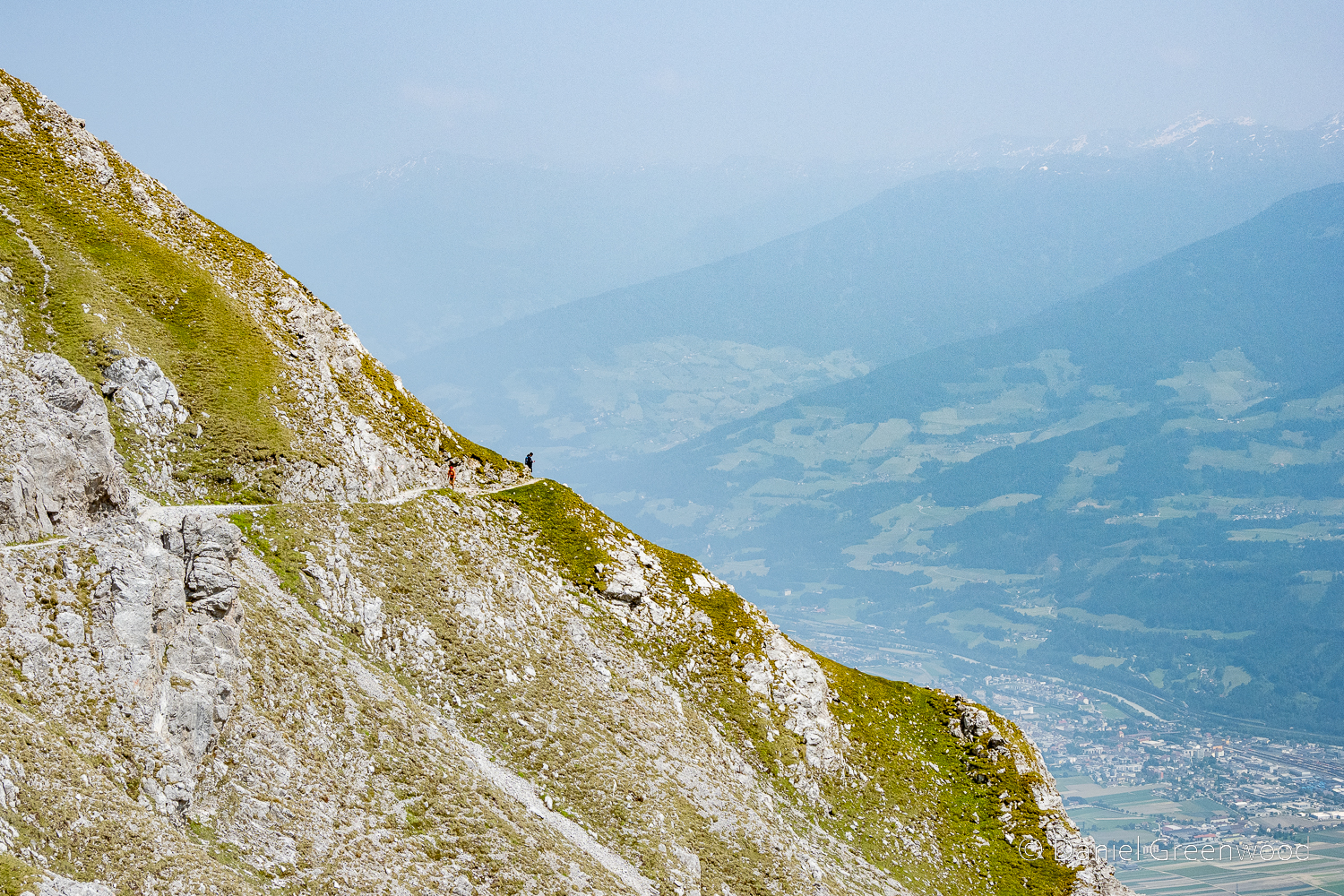
There are plenty of paths to take.
Looking back down from the Hafelekarspitze terminus. Unfortunately I wasn’t well enough to crouch down for any macro photos of the alpine plants, but there weren’t actually that many here because of the erosion.
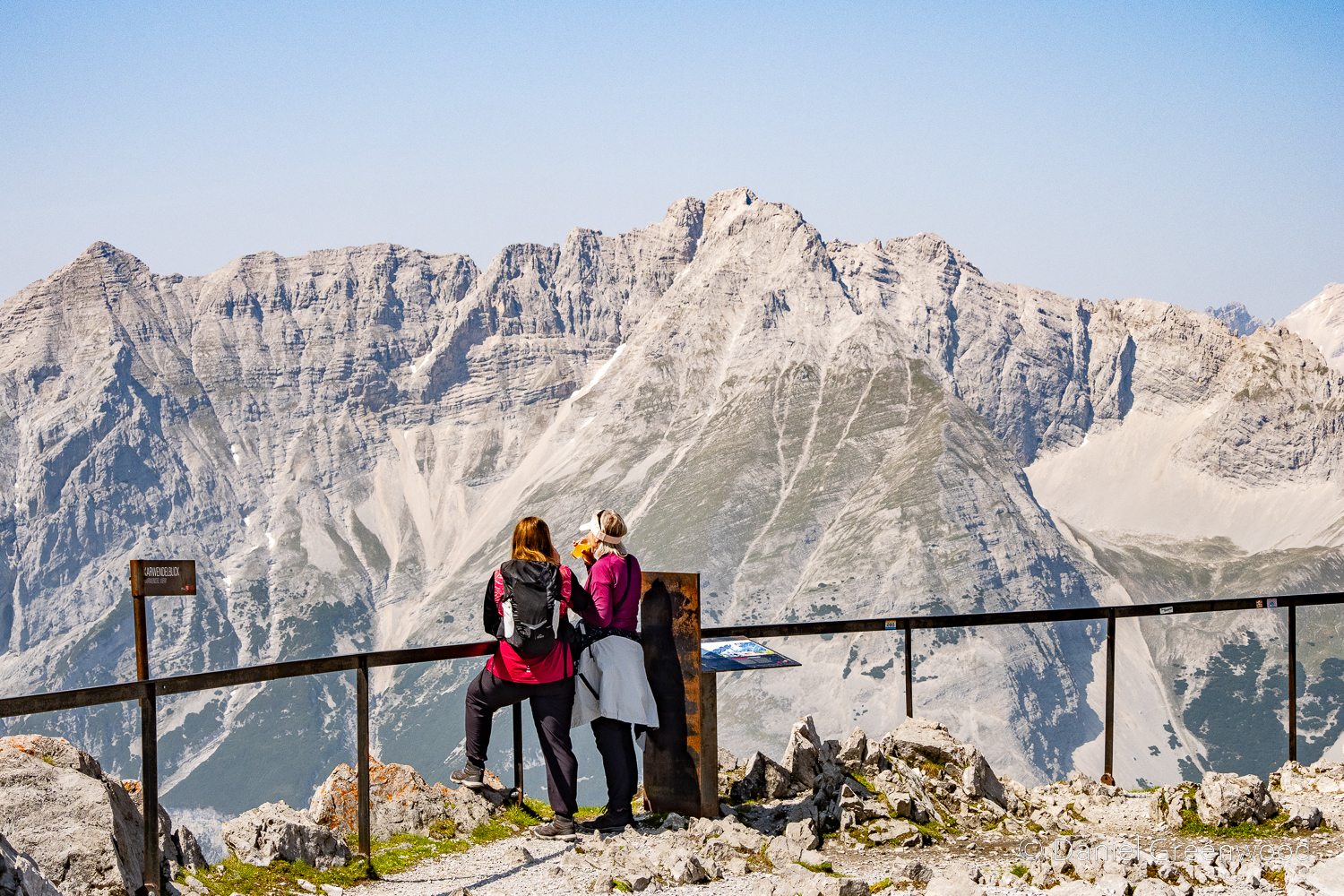
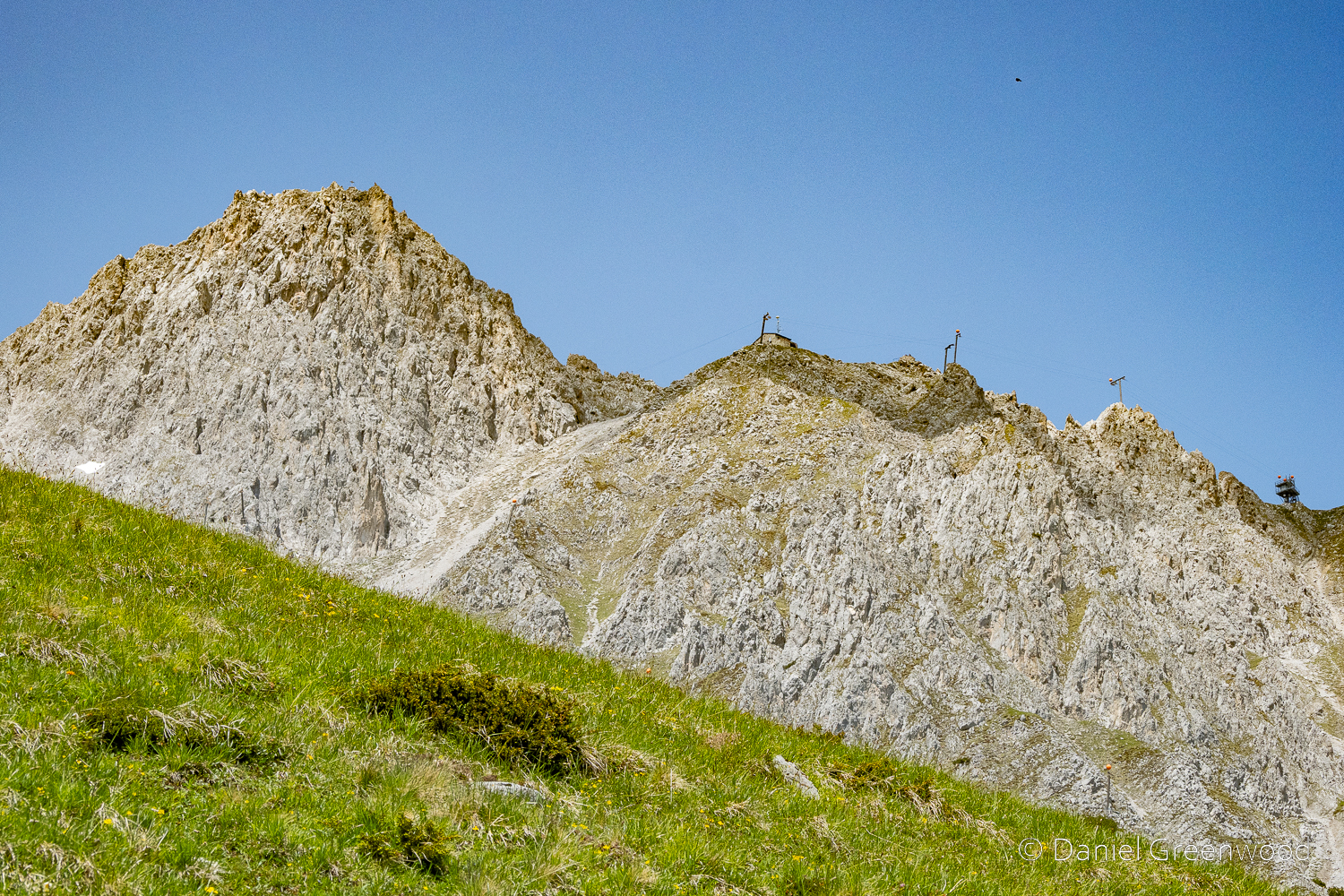
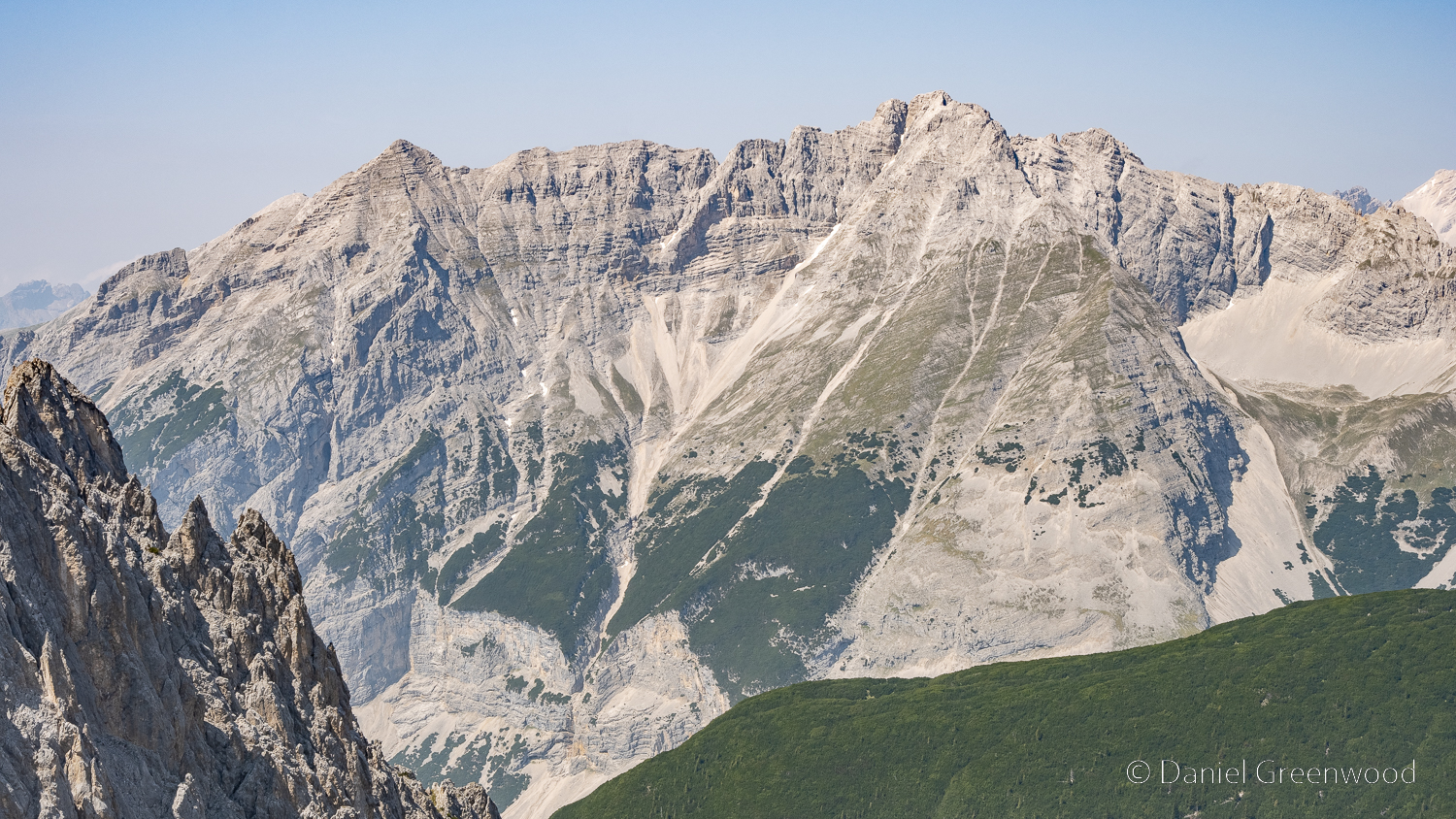
Heading over a mound (sounds like a terrible understatement) you arrive at breathtaking views into the Alps. The sudden rearing up of these vast rocky peaks almost knocked me sideways. The cable car fees are worth it for these views.
Some snow was still lingering among the clefts in the limestone.
I love the streaks in the vegetation where water finds its quickest way down of the tops of the peaks. And then there’s just a random chunk of woodland there like the arm of a velvet green divan.
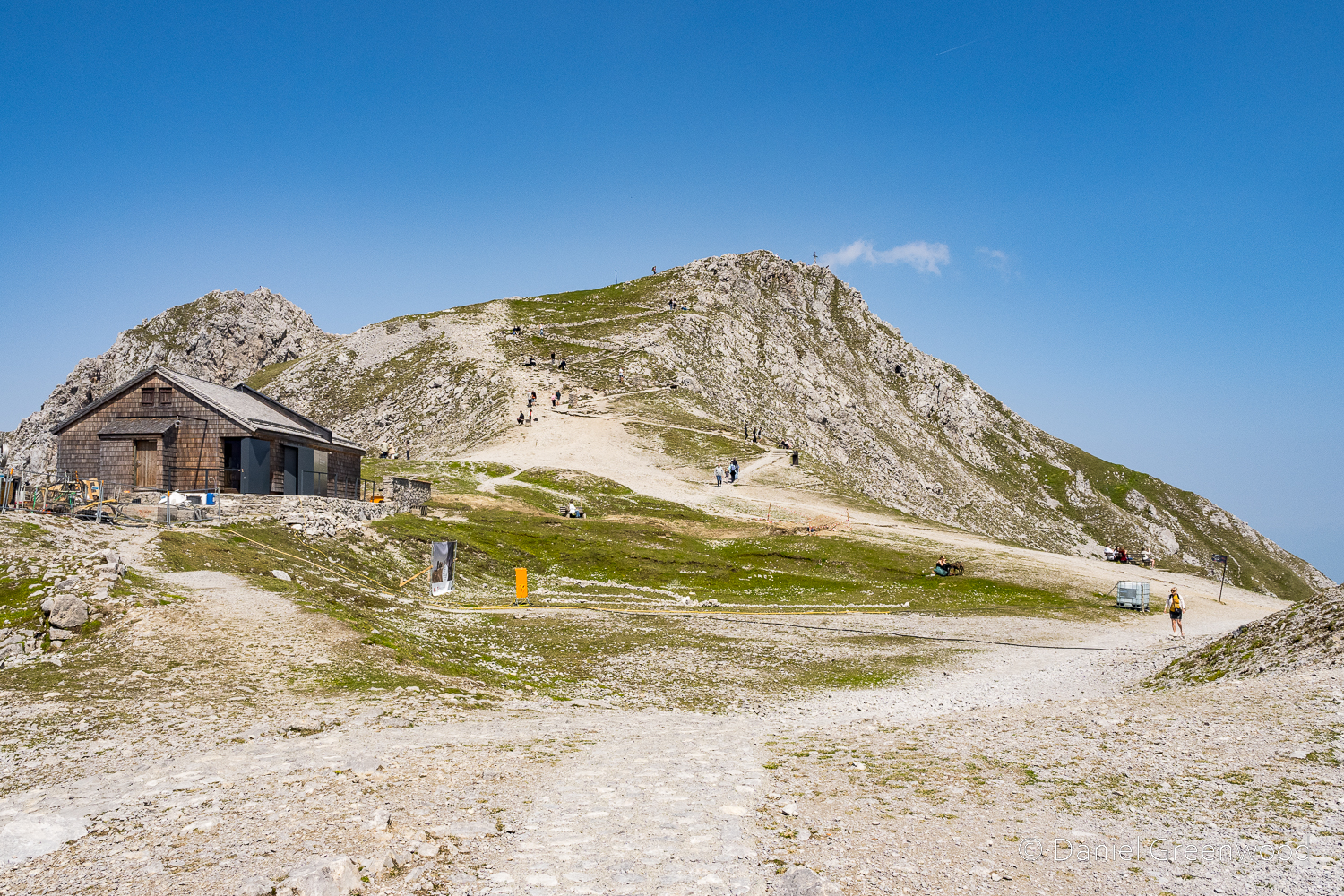
The reality of the space behind the camera – lots of limestone, hundreds of people, and a lot of erosion (of which I was obviously contributing to!).
Leaving Innsbruck
We left Innsbruck on a train to Salzburg, passing the peaks of the Karwendel Alps which lead eventually to Bavaria in Germany. I love travelling on Austrian trains, especially in the Alps. I don’t read a word of a book because the views are so amazing, and you can order food if you’re in first class, which is so much more affordable than in the UK.
I like to use my compact camera on these journeys and just snap photos randomly at the window without considering framing, or worrying to much about what the frame will capture. In the image above there’s what looks like a haybarn in the Inn valley, where the grass will be grown for either feeding animals or some kind of biomass.
I’m back from my annual visit to the west of Ireland. I managed a couple of day trips to forage for photos, which will crystallise later this year into dedicated posts, all being well.
Like many people I enjoy the Blind Boy Podcast, none more so when I have the headspace to take in all that gets said in an episode. I listened to this hilarious one with Chris O’Dowd, including a couple of brilliant stories about rural island. Avoid if you don’t like swearing 😬
I also absolutely tore through A Star Called Henry by Roddy Doyle (1999) while away. If you need any evidence that fiction can be a great way to learn about history, this novel is it.
All the pics here are taken on my Pixel 7a (which Google tried to get me to promote FOR FREE). It’s an exceptionally good camera I think.
There’s an excellent bookshop in Ballina called Pangur Ban which you must visit and support if you’re in town.
I liked this sign and admired the blue tiles. Almost Everton blue, you might say. I don’t eat seafood though, can’t cope with it.
Nearby at Killala Bay I had a lovely walk along the shore. There were sandwich terns, rock pipits, oystercatchers, and curlews here (and the wind, always.) These are the beaches I love – wild and smelling of the sea. There will be a dedicated macro blog for my finds here.
Now then, the bard of Mayo Seán Lysaght has released his latest book – Unveiling the Sun. It’s a collection of more than two decades worth of short writings, describing walks and nature observations in the Nephin Beg area near Westport. I recorded a podcast with Seán exactly 3 years ago which you can listen to here (or by searching ‘Walking to Lough Conn with Seán Lysaght’ on any podcast platform).
I’ve read the first chapter (January) of Seán’s new book and I am enjoying the insight into a part of Mayo I don’t know so well but love to visit.
And just like that, here we are in the Nephin Beg mountains of Wild Nephin National Park. There’s a fantastic café here which is open in the spring and summer, closing at some point in the early autumn. I probably have a macro blog for here as well.
From Ballycroy I continued on to Achill Island, one of the most westerly points of Europe, and the Wild Atlantic Way (more a car touring route than a footpath). I tried some isolated rock and surf photos with my macro lens which I’ll share later on. I posted about Achill a few years ago.
On the drive around the island I passed this beautiful cottage with a thatched roof clinging on. I hope they’re able to repair it, which is evidently a longer term plan. Thatch is very expensive to maintain in England but I reckon there’s some local knowledge still lingering here on Achill. It’s facing the Atlantic Ocean so it has quite a lot to cope with!
Back on home territory near the Ox Mountains I was forced to park up to allow these cattle to cross the road. I am sure that cattle have begun to replace sheep in this part of Mayo in recent years.
The number of hawthorn berries was amazing. This has been a bountiful year for wild fruit.
The bramble has had a very good year as well, creeping through doors opened by winter storms.
I saw quite a lot of red admirals around.
My aunt sent me a photo recently of a green-veined white where she lives in Mayo, and I saw plenty myself. In Sussex there have been lots of large whites this year, but in Ireland the green-veined were by far the more common pierid.
On the evening before I came home, I went out for a walk along the mountain path and found these huge moth caterpillars. They are buff-tips, the ones that look like broken twigs when they are adult moths. It was a highlight of the trip actually, watching these massive caterpillars munching on willow leaves.
See more mushrooms on my dedicated fungi photography blog:FungiFriday.co.uk
This is the first of a series of posts I’ve been working on covering national relationships with mushrooms. It’s just a bit of fun (no flag waving here, folks), but there’s definitely some interesting stuff to share.
I’m posting at a time in England when nationalist sentiment is being stirred up by politicians and far-right agitators, some of whom cover both those categories. For me, nationality can never be more than a small part of my identity. Perhaps that’s because England, my home nation, has such a broad history of internationalism, empire and colonialism, and nationalism is the precursor to fascism on the political spectrum. In fact, in England you will find far more resonance with regional identities (Cornwall, Devon, Liverpool, Bristol, Birmingham, etc.) than you ever will Englishness.
England is one of the most diverse countries in the world (typified by London’s long history of migrant communities) which actually makes it a great place to discuss fungi with people, as well as to live and grow up in. Different countries and the cultures within them have such diverse approaches to mushrooms in the culinary and cultural senses, I find it all so fascinating.
Fungi in England are a magnet for people from a lot of different backgrounds, and a positive place to build communities of like-minded people regardless of their birthplace or ethnicity.
I’d welcome more views, anecdotes and ideas about mushrooms in England in the comments ☺️
English names for fungi
Fungi, mushrooms, toadstools (this one is easy)
Are people mycophiles (lovers) or mycophobes (haters) in England?
Mycophobes, but it’s changing. People are generally curious about fungi, keen to learn about edibles, ecology and understand which ones are poisonous! There is deep suspicion about mushrooms in the wild and many people think that even touching them can result in illness. The recent mushroom murder story in Australia was in the headlines in the UK and had widespread interest.
King Alfred’s cakes
English fungi folklore
King Alfred’s Cakes are a fungus that grow on decaying ash trees. They look like burnt loaves of bread, which links to the story of King Alfred’s time spent hiding from the Vikings among the peasantry.
The name ‘toadstool’ is Anglo-Saxon (Germanic) in origin and may come from the fact that fly agaric appears warty like a toad. ‘Tod’ means death in German. Toads are toxic (if you were every silly enough to try and eat one), stool of course means a seat. Toadstools were and still are used to refer to toxic mushrooms like fly agaric, which is poisonous.
Fairy rings are said to have a place in British folklore, caused by the fairy ring champignon in parks and grasslands, rather than supernatural beings (right?).
A fairy ring in southern English parkland
One emerging myth of the reactionary media is the ‘gang of foragers’ seeking to pick every single mushroom in Epping Forest and then selling the good ones to fancy restaurants. I’ve never seen it in the decade or so I’ve been scouring the woods (Epping Forest on occasion, for photos not forage) and I wonder if it’s overblown. There have been some people charged for foraging in Epping Forest as it’s City of London land and their byelaws are stringent.
In modern terms, beefsteak is known to have been confused for body parts in urban woodlands, leading people to (apparently) report their finds to the police. They are rather convincing.
Hedgehog mushrooms with their ‘spines’ removed before cooking
Culinary importance
Mushrooms as food are becoming more popular with vegan and vegetarian diets, environmentalism, and information around health benefits of mushrooms. People are also growing their own through the grow at home kits.
In England we’ve become far more urbanised than some European countries, as well as other UK countries, so there is not a strong landscape connection running through the generations anymore.
Hedgehog mushrooms ready to eat
People buy button mushrooms in the supermarket and a very small percentage of the population forage for them. This has visibly increased due to migration from mycophilic countries such as Poland, and some East Asian countries. This can cause conflict when some English people in particular react angrily to people ‘stealing’ mushrooms. I think Napoleon called the English ‘a nation of shopkeepers’. Was he right?
Most mushroom dishes have been imported in terms of pizza, French stews, and Japanese stir fries (shiitake). Mushroom soup is a grey, blended gloop that I am personally averse to. I like my mushrooms sliced in soup only!
Boletus edulis, AKA porcini, pennybun, or cep.
There is a growing demand for ceps/porcini, chanterelles, oysters and lion’s mane because of fashion, interest in wild food and the monetary value of some of these species.
Mushrooms are seen as a good meat replacement because they are protein, but I don’t know how effectively they replace meat-based proteins. Quorn contains mycoprotein, a popular foodstuff for veggies.
St. George’s mushroom
Cultural uses
The only fungus with a claim to being the national mushroom of England is St. George’s mushroom, which fruits around St. George’s Day every April. It’s also edible. Interestingly St. George never visited England but was a Roman soldier of allegedly Greek descent. According to Wikipedia “Bosnia and Herzegovina, Bulgaria, Georgia, Ukraine, Malta, Ethiopia, the regions of Catalonia and Aragon, and the cities of Moscow and Beirut have claimed George as their patron saint.”
Wild mushrooms are not really picked for any cultural purpose anymore, but fly agaric was once turned into a paste or mush when combined with milk, attracting flies as an insecticide so they would no longer be a nuisance indoors – hence the name ‘fly’ agaric.
Shaggy inkcap was used for ink, as its name suggests.
Giant puffballs were once used as footballs – and probably rugby balls – but who knows how long that could last.
I suppose the increase in micro-dosing of psilocybe mushrooms (possession is still illegal in England) is a burgeoning cultural and medical experiment.
Is there ‘mushroom’ for fungi in England?
England is home to a lot of ancient woodland but it lacks legal protection other than designations of Sites of Special Scientific Interest and nature reserves.
As in much of Europe and North America, intensive farming has caused declines in grassland and woodland fungi through the use of fertilisers and pesticides that, when combined, reduce invertebrate, bacterial and fungal diversity in soils.
English land managers have cleared woodlands of dead and decaying trees since 1945, resulting in further declines in fungi and their dependent species (invertebrates in particular). But things have been changing and awareness is growing about the role of fungi and the styles of land management that help them (‘rewilding’ being one). Also, places like the New Forest National Park act as reservoirs of fungal diversity which may be able to repopulate other areas in time.
In the main England is looking at further losses of ancient woodland and grassland, unless farming issues can be addressed. We haven’t even mentioned the climate crisis which is of course a global issue. It will mean English woods become drier and the species mix changes, so fungi will need to adapt to survive.
On a positive note the increasing understanding and appreciation of fungi is likely to help share environmental policy, if the vested interests of fossil fuel extractors and other destructive industries can be challenged.
This is the first view you encounter inside the museum grounds after you pay your entry fee. Amazing to think the medieval hall house is from Cray in the London Borough of Bexley. It dates to the 1400s.
The Titchfield Market Hall has recently been restored. It’s looking very good indeed now. These halls were once more common in English market towns, but I can’t say I’ve ever seen one in situ. How times change.
The House from Walderton punctuates a quintessential Weald and Downland Museum scene.
These charming railway cottages are a game of two halves. In one part (here on the right) you can see the internal structure of the building. On the left hand side you can see a furnished representation of the cottage.
I’ve been visiting the museum since 2018 but only managed to see the cart and vehicle section for the first time during this visit. Some of the wheels on show were huge. It would have been amazing to see these carts wending their way around Sussex once upon a time.
Welcome to a big blog of sunny alpine images, from my walking highlight of the year so far. Down we go!
My wife and I travelled by train to the Austrian Alps this summer, and we took one more train to reach the top of Schafberg (1782m) – the Schafbergbahn.
The images here are in chronological order as we descended, trying not to be too distracted as we picked our way down through the rocky tracks. I would recommend using at least one walking pole while doing this walk because it is so steep. The walk was nearly 8 miles and took us about 5 hours (because I stop a lot to take photos).
To the south-west you can see the high peaks of the Dachstein range (3600m), an area we haven’t explored yet.
The dramatic peak of Spinnerin seen from the top of Schafberg
This walk is simply heading down the main (uneven and steep) paths to Wolfgangsee, ending up at St. Gilgen. You can do this as a daytrip from Salzburg, but you need to get the boat to the train station.
You can stay on Schafberg for the night in the hotel, or you can just have lunch and enjoy the views.
You’ll have to get approval from the alpine choughs though, they rule the roost up there.
The first inverts I noticed were these hoverflies (probably droneflies) feeding on this brassica.
This willow shrub was growing out of one of the viewpoints (see below), and had lots of insects waiting for their close up. This is a saw-fly.
Mountain pine is like a shrub dotted around the alpine grasslands.
The limestone can be seen where the grasslands can’t grow. Thankfully the decline wasn’t as steep as this on the main path, but it wasn’t that far off.
The butterflies were not as numerous as they were lower down on Zwölferhorn, but there were a good number of fritillaries. iNaturalist is suggesting this is pearl-bordered frit.
On the rocky outcrops of the path the flowers were a-bloomin’. This is kidney-vetch, unless I’m mistaken.
Globe flowers are a group I remember well from the Swiss Alps, they are probably more of a spring species than in mid-June. Not to be confused with the buttercup globeflower seen above.
I think this is rock thyme, which looks a lot like ground-ivy.
The views are spectacular along this part of the walk, so it’s a matter of looking at the plants and butterflies around your feet, and the vistas beyond, without tripping up!
The train meets you as the steepest stretch of the walk comes to an end. The gradient is nicely illustrated here.
You pass the Gasthof Schafberg-Alpe which is not in use at the moment. It’s the site of the station before the top of Schafberg. You can jump out here and walk up, or get the train back down. We continued on to St. Gilgen, down through the woods.
The ground levels out here and the walking is gentler for a time. The views are some of the most awe-inspiring I’ve encountered.
There are a number of wooden huts in this part of the walk, which make for helpful foreground subjects, with Dachstein in the distance.
It’s at this point that you can see how far you’ve come (literally) as the path then moves into woodland.
The shade was welcome, but it was very steep and winding.
This is probably another pearl-bordered frit, feeding on a plant I actually have in my garden here but that grows wild in the mountains – perennial cornflower.
Don’t worry you can’t get poisoned through your screen. This is deadly nightshade, also known as henbane, growing in the woods below Schafberg.
Now, this is the biggest orchid I’ve ever seen. My foot in the image on the right should show just how tall this is – knee-height. Does anyone know what on earth is happening here – is it some kind of hybrid?
This is an out-of-focus phone pic but it’s a species I don’t see often – spiked rampion.
On a fallen tree across the track I found a nice collection of wolf’s milk slime mould. I was too tired to pop them.
We arrived in the village of Winkl and soon we were among hay meadows.
This brown-black carpenter ant was poised on a fencepost, perfect for a pic. There were a couple higher up on Schafberg, so it must have been one of their ‘flying-ant days’ as we say in England.
Another species that I only see when in Europe is this buck’s-beard, growing at the roadside.
Having descended to the shore of Wolfgangsee, there were these lovely willow-leaved yellow oxeyes growing at the edge of the path.
To end, I was quite tired by this point and wondered what on earth was happening. This is a mix of phone pics and mirrorless camera pics, of the scene of a dead horsefly being eaten by a cinnamon bug. If you look more closely you can see a red mite on the head of the bug, so the mite is the winner!