I recently visited the English city of Canterbury, encountering many, many timber-framed buildings. I photographed so many that I drafted one post and found it was far too long and complex for this blog. So I have broken it up to focus on a couple at a time.
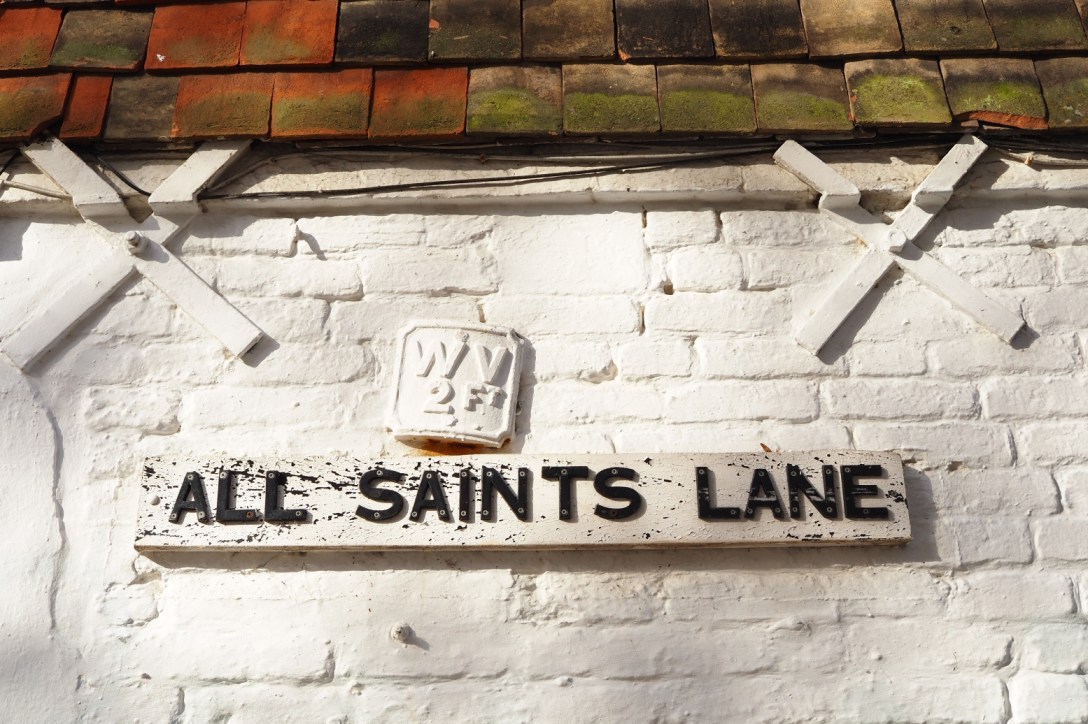
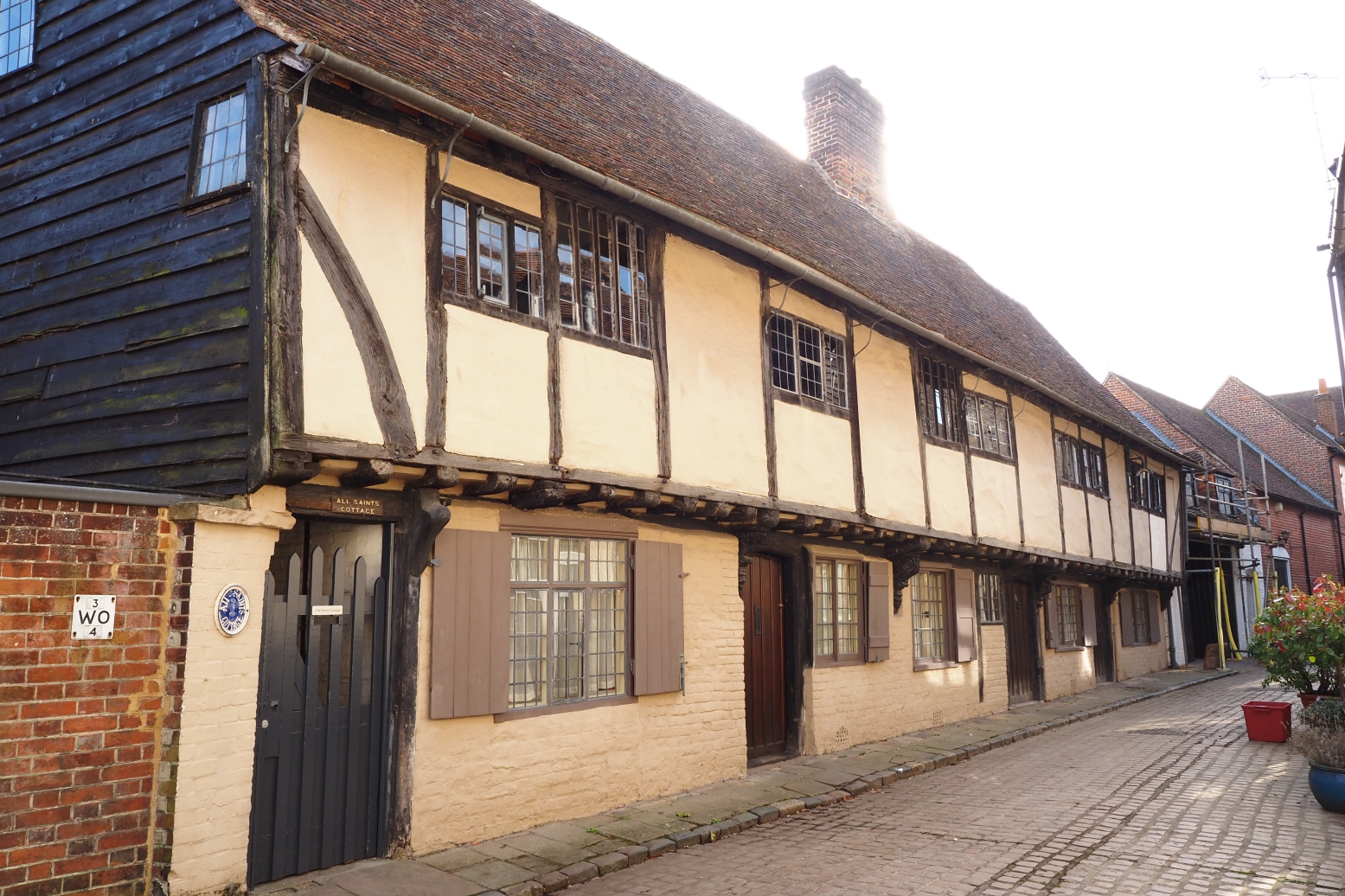
St. Peter’s Street on a busy Saturday morning. You can see the diversity of building types which show how old the townscape is. Right in the distance the tower of Westgate can be glimpsed, dating to the late 1300s, it’s the largest surviving city gate in England. That is obviously a building I didn’t manage to photograph!
Note the beautiful carvings of the wooden ‘barge boards’ in the gables.
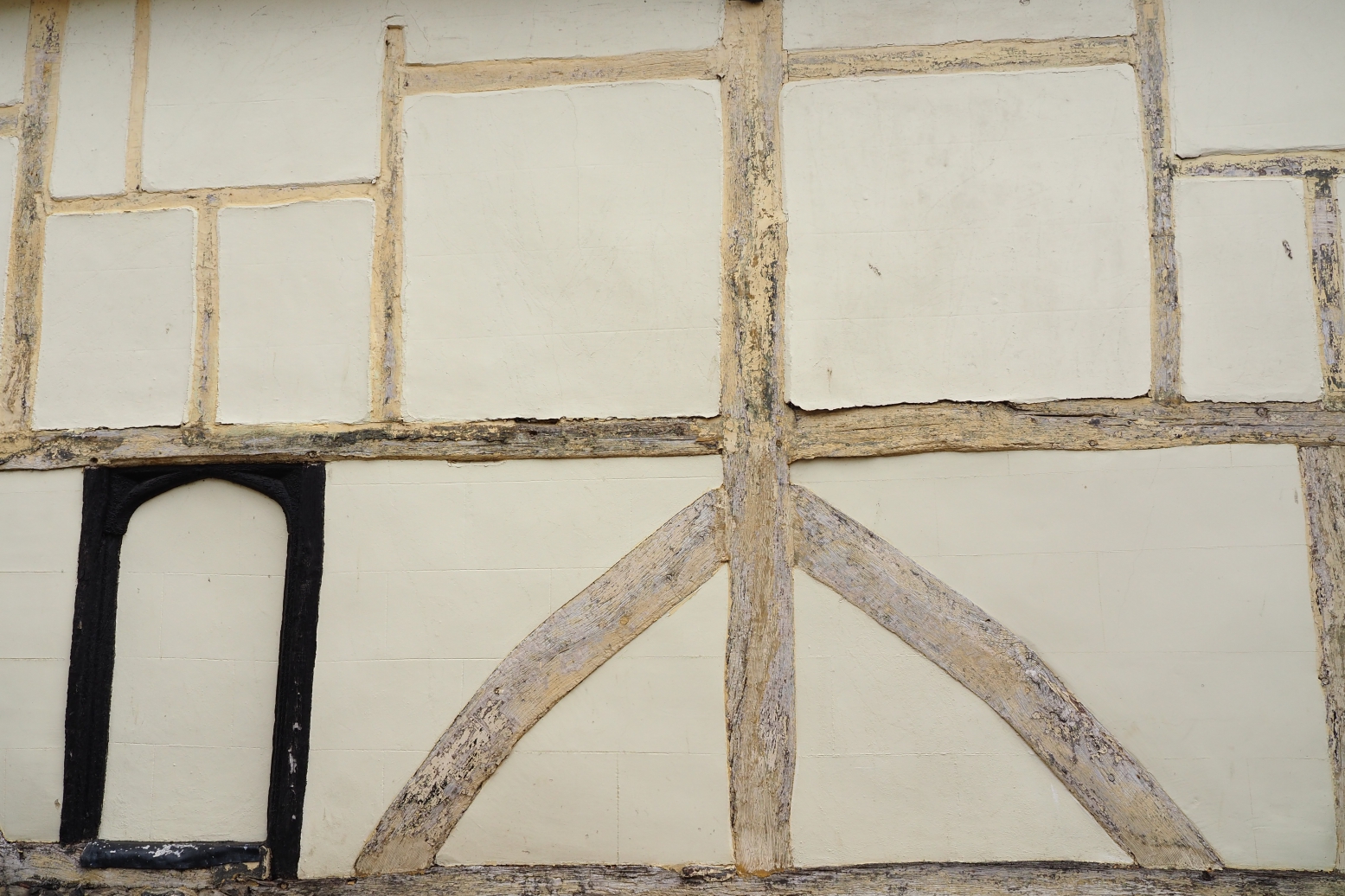
At the side you can see an old entrance way outlined in black. It’s a very small door.
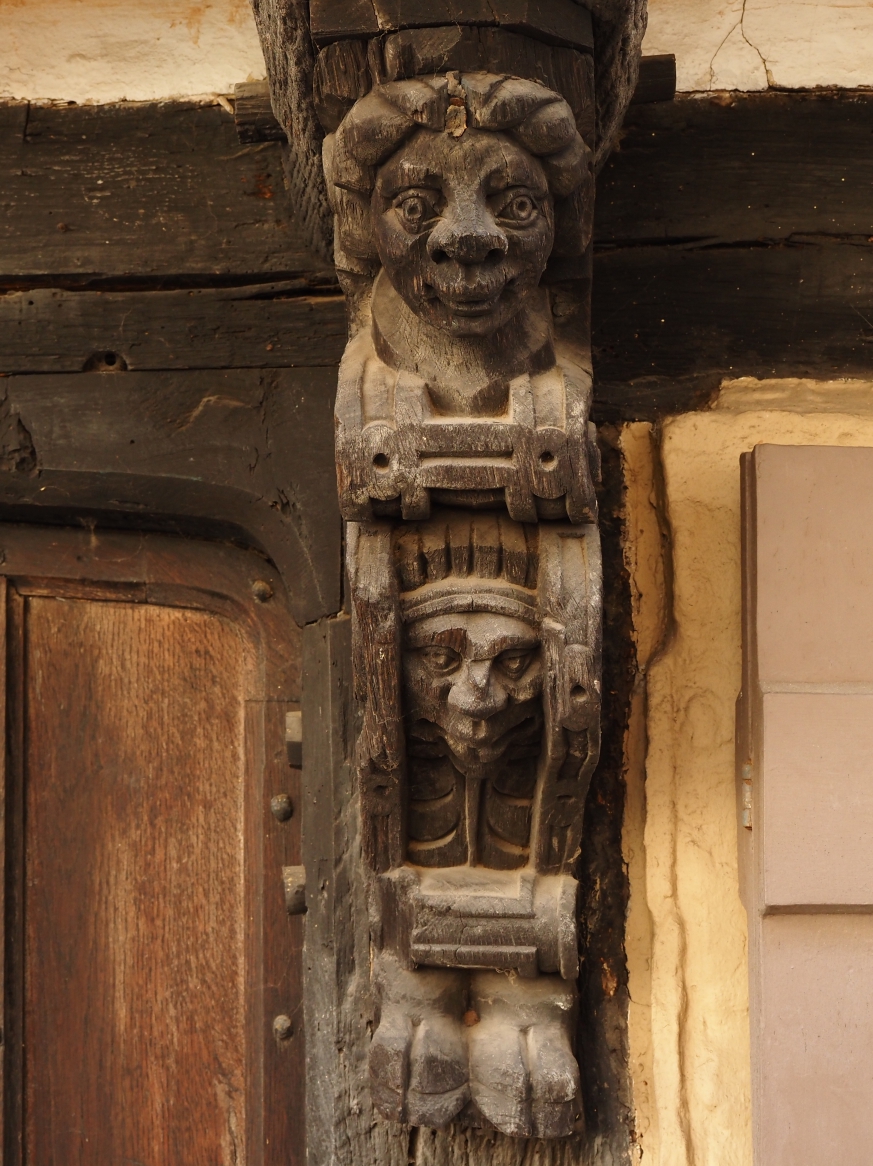
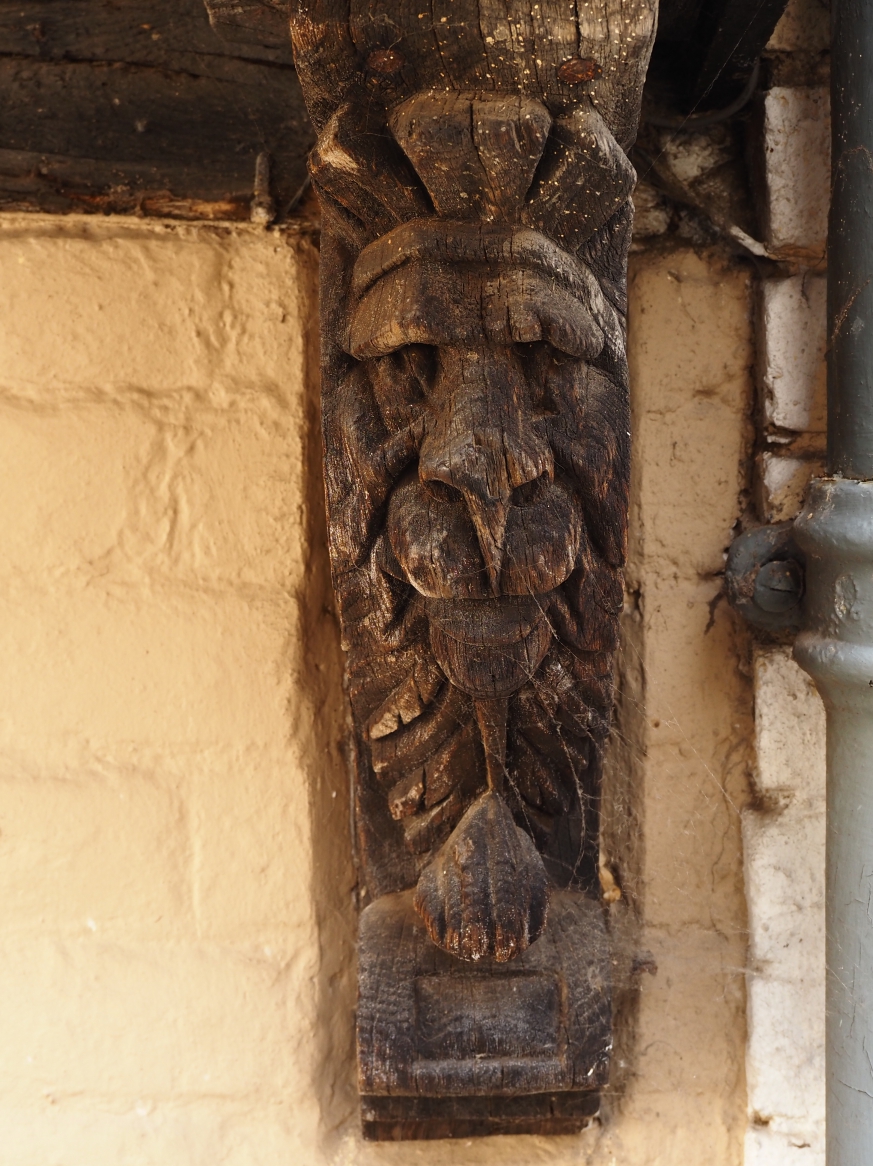
These demons are designed to protect the building’s inhabitants from, well, demons I suppose. More of them to come in a later post. You can see where smaller, older windows have been filled in between them.
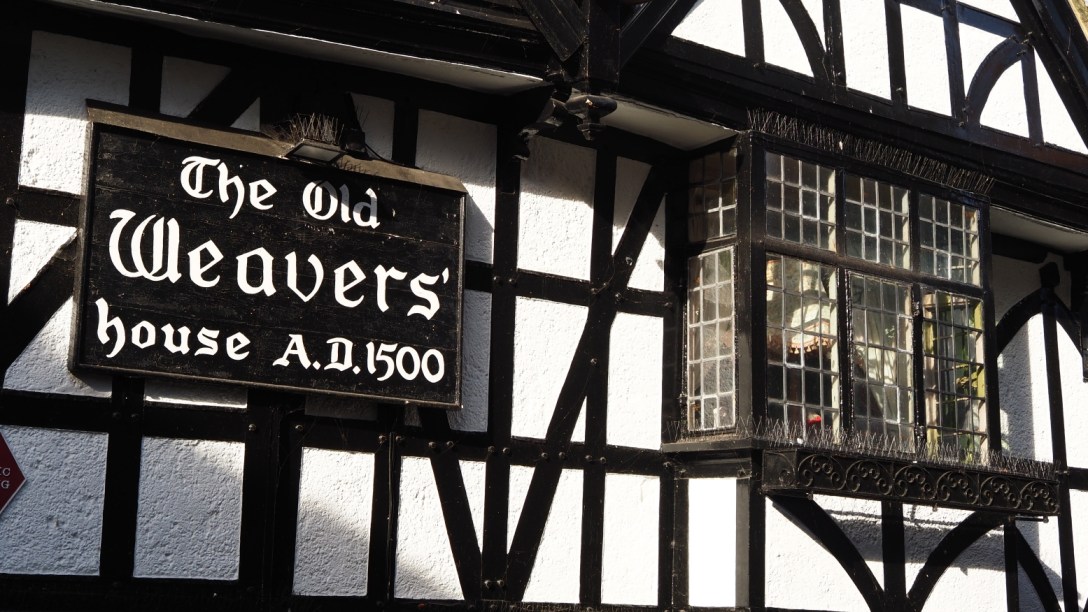
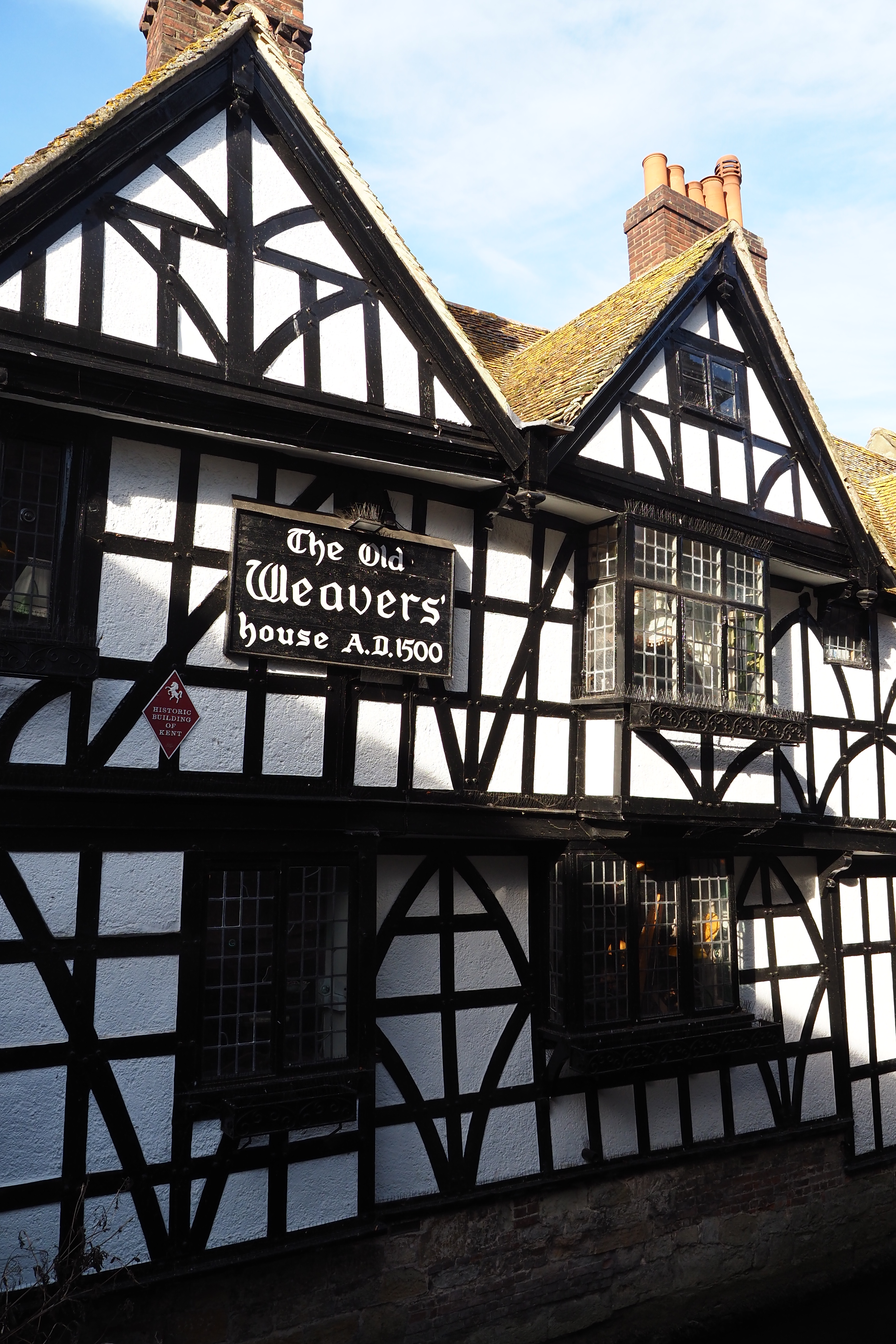
The Old Weavers’ house A.D. 1500. This is a well-photographed spot as it’s clearly visible from the bridge over the Great Stour where the boat tour company wait for business.
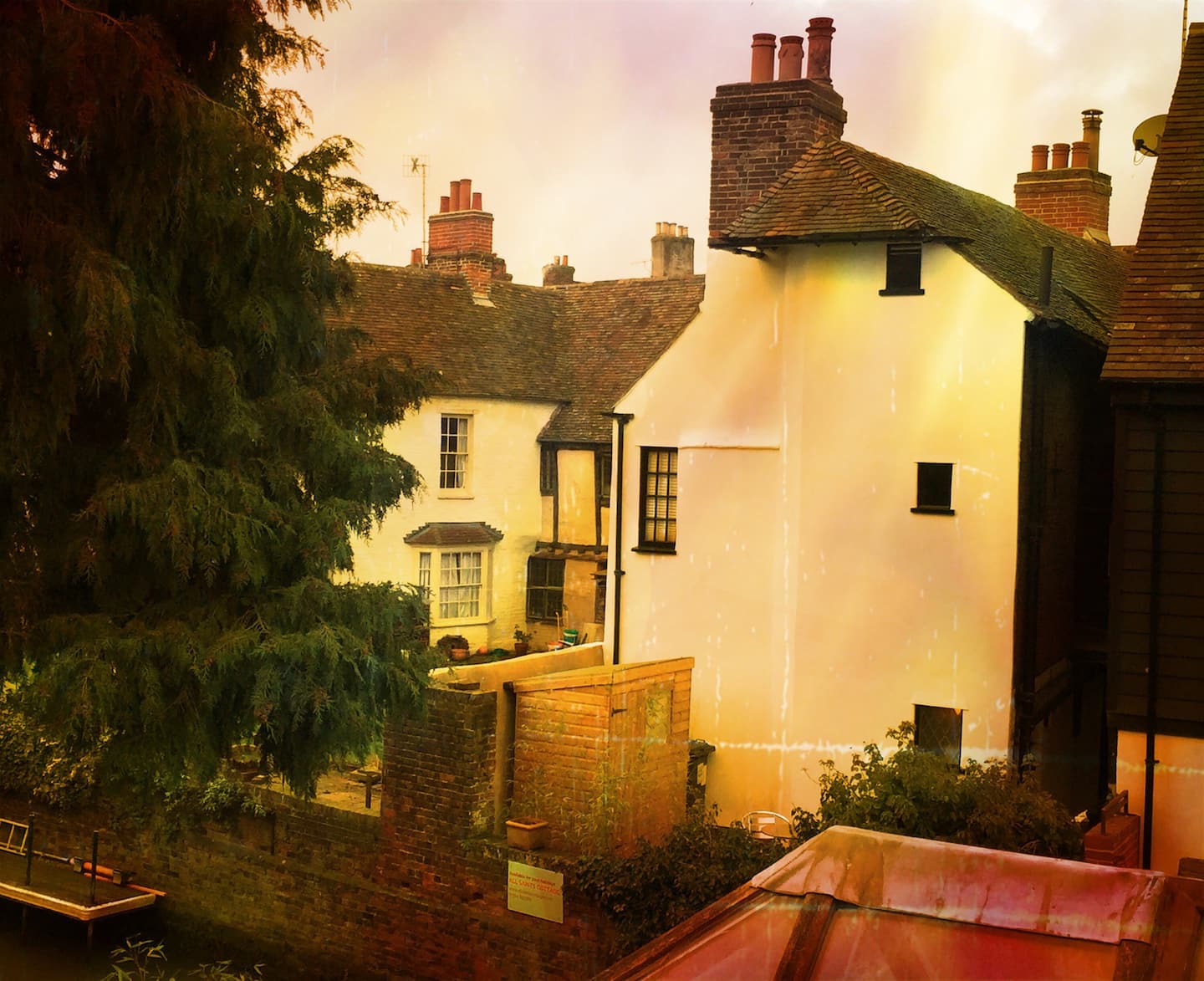
Here you can see the river. It has the feel of something out of Bruges, situated along a waterbody in this way. Interestingly it is thought to have been built to house weavers fleeing religious persecution in Flanders (i.e. Belgium)!
This is an possibly early 20th Century image of the building with a better view of the river, technically.
Last week I went for a walk in rather grey and glowery weather. It was in hope of seeing some earlier spring signs but was more a reminder that winter persists.
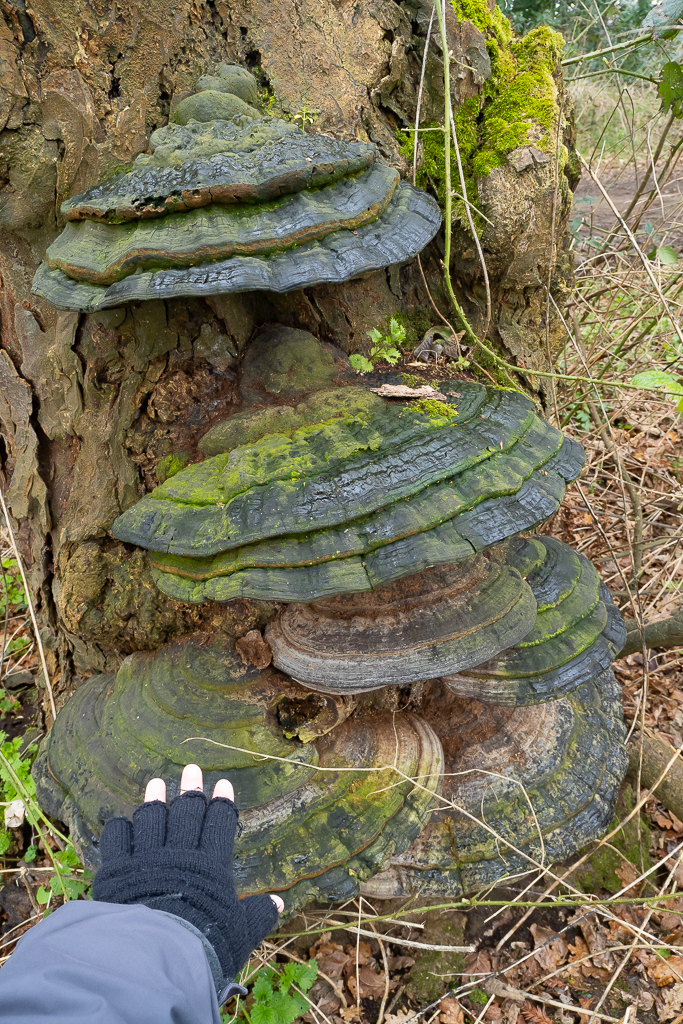
I found a small collection of glistening inkcaps, along with one of my favourite large brackets. Those are pictured here with my hand for scale.
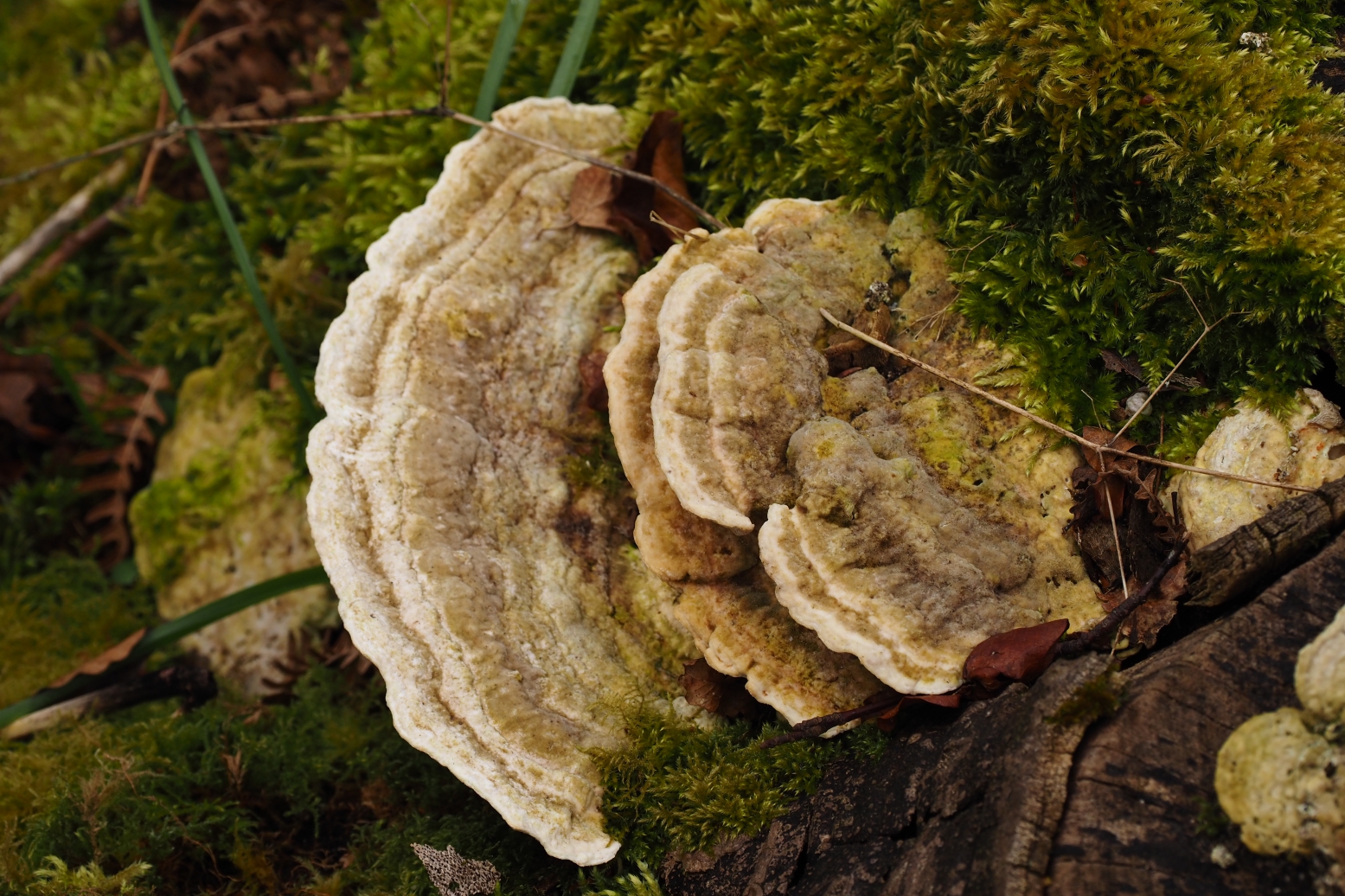
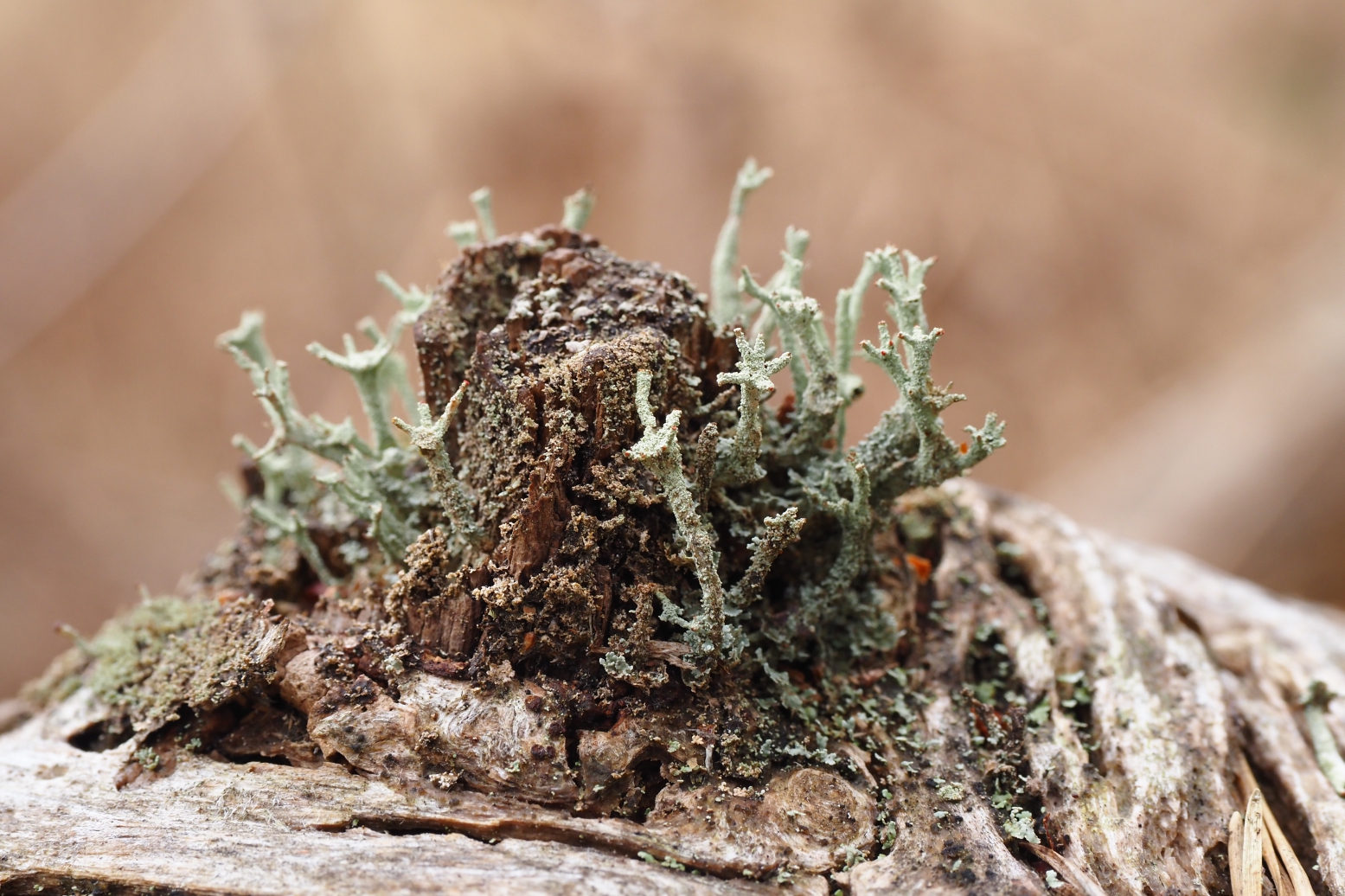
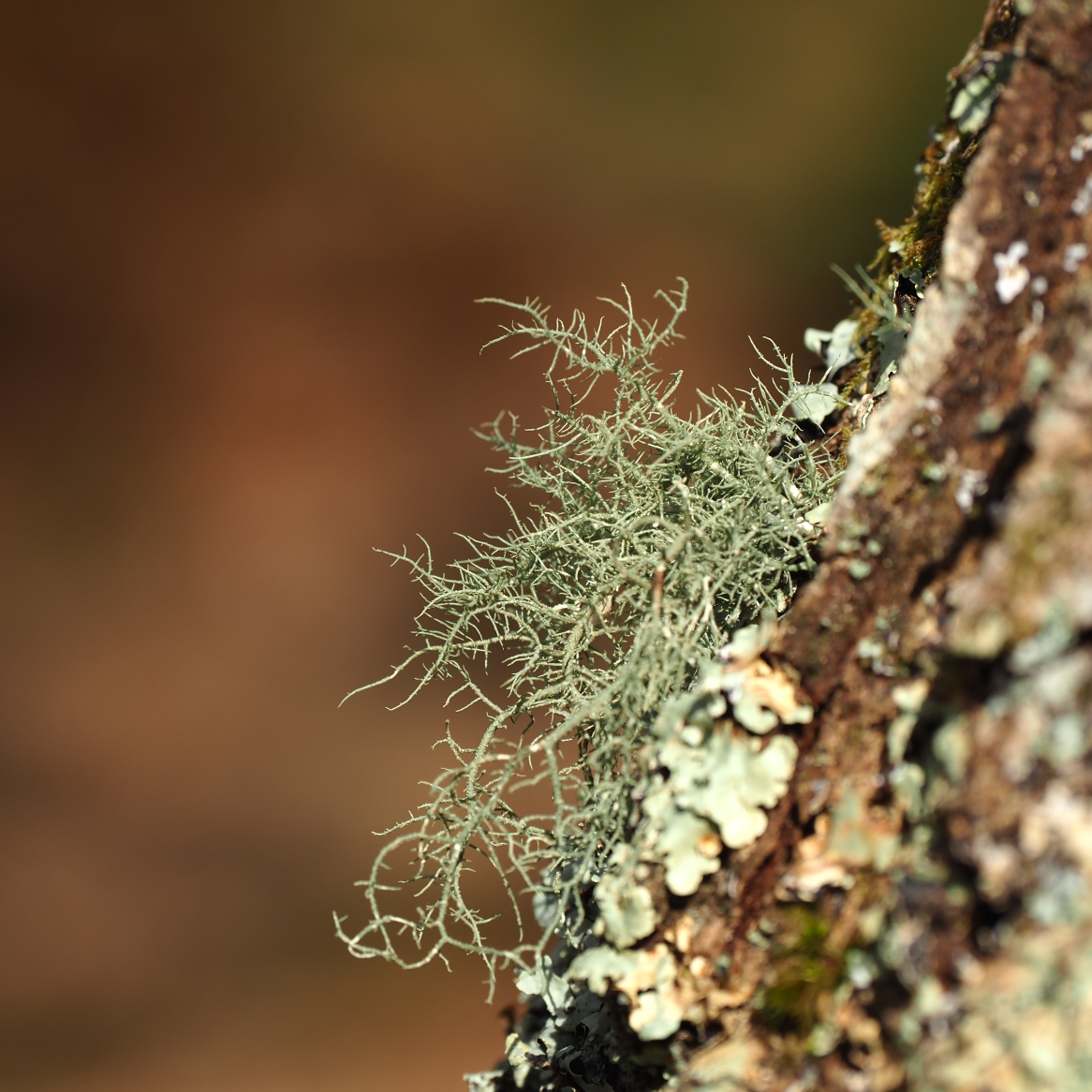
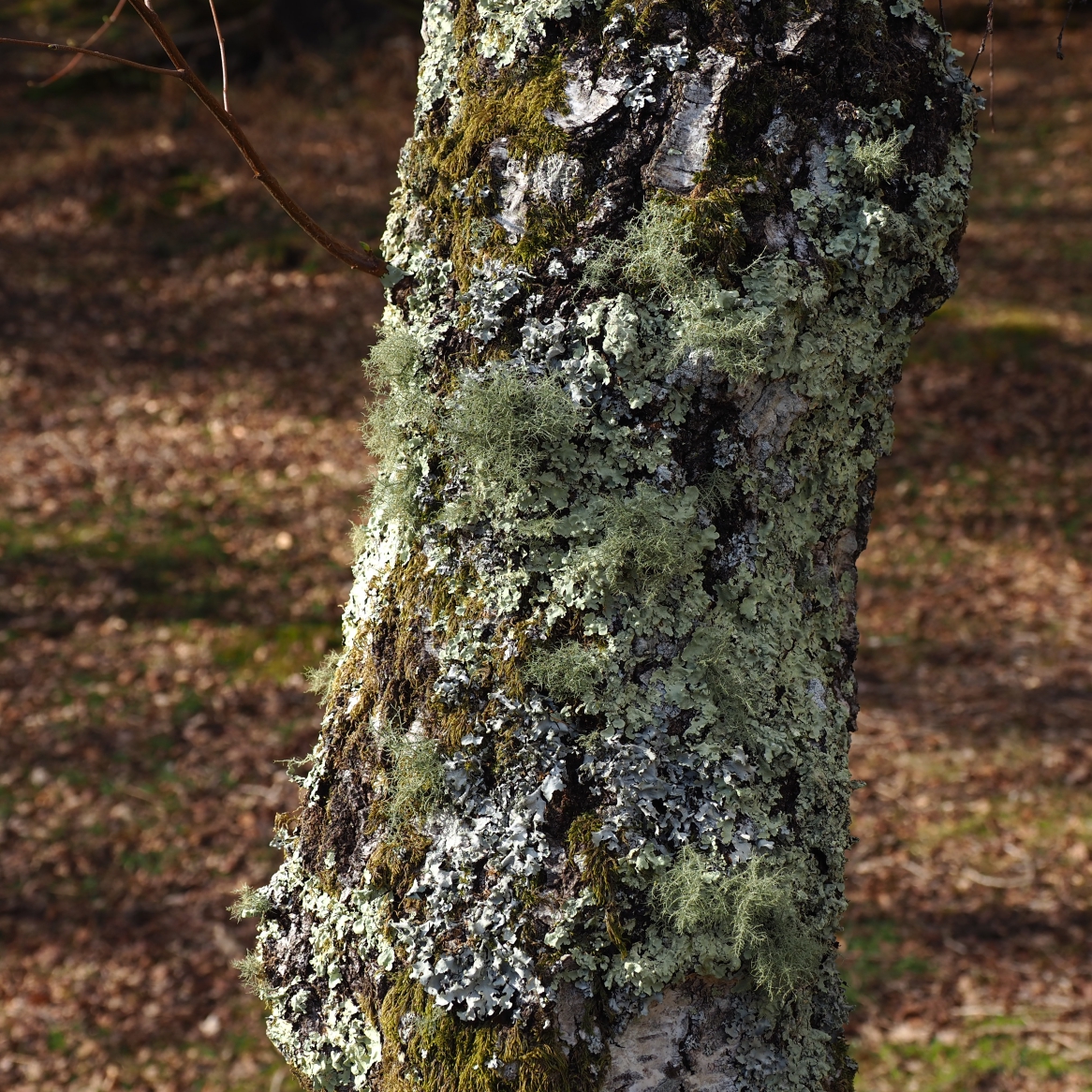
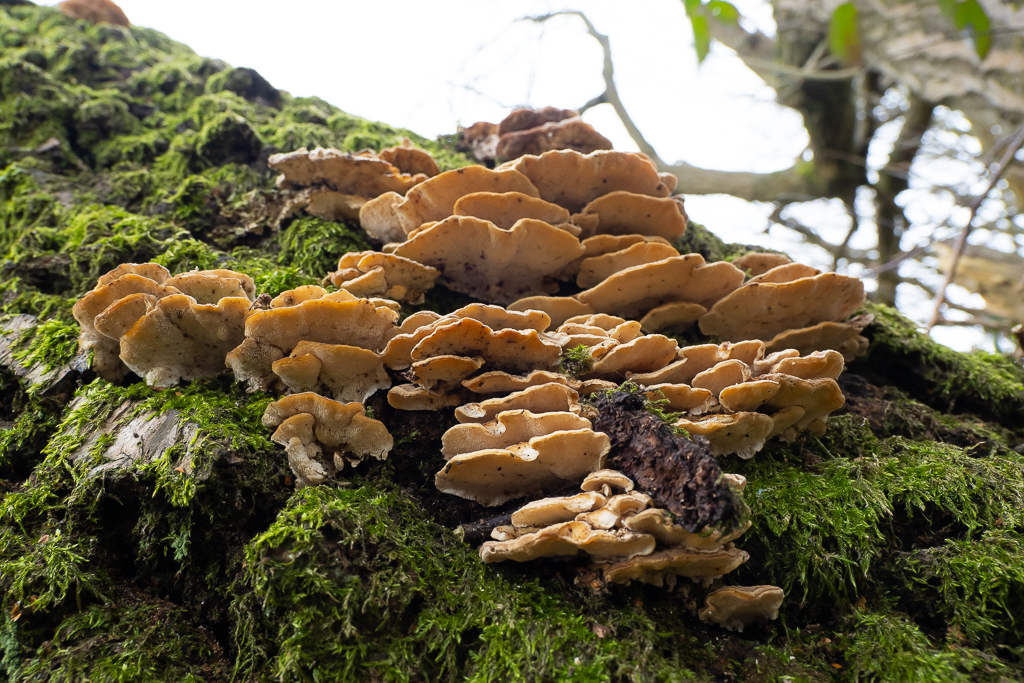
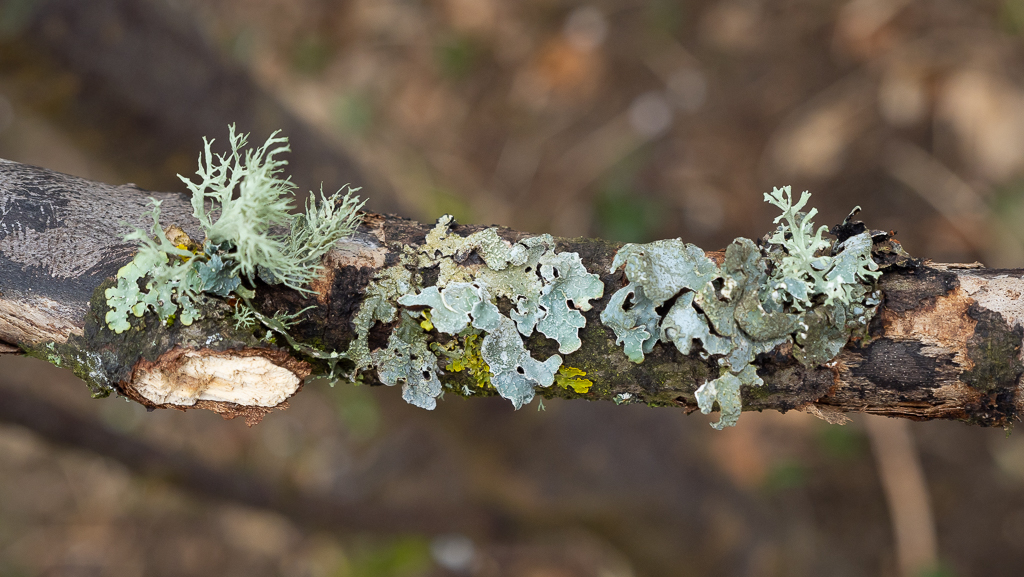
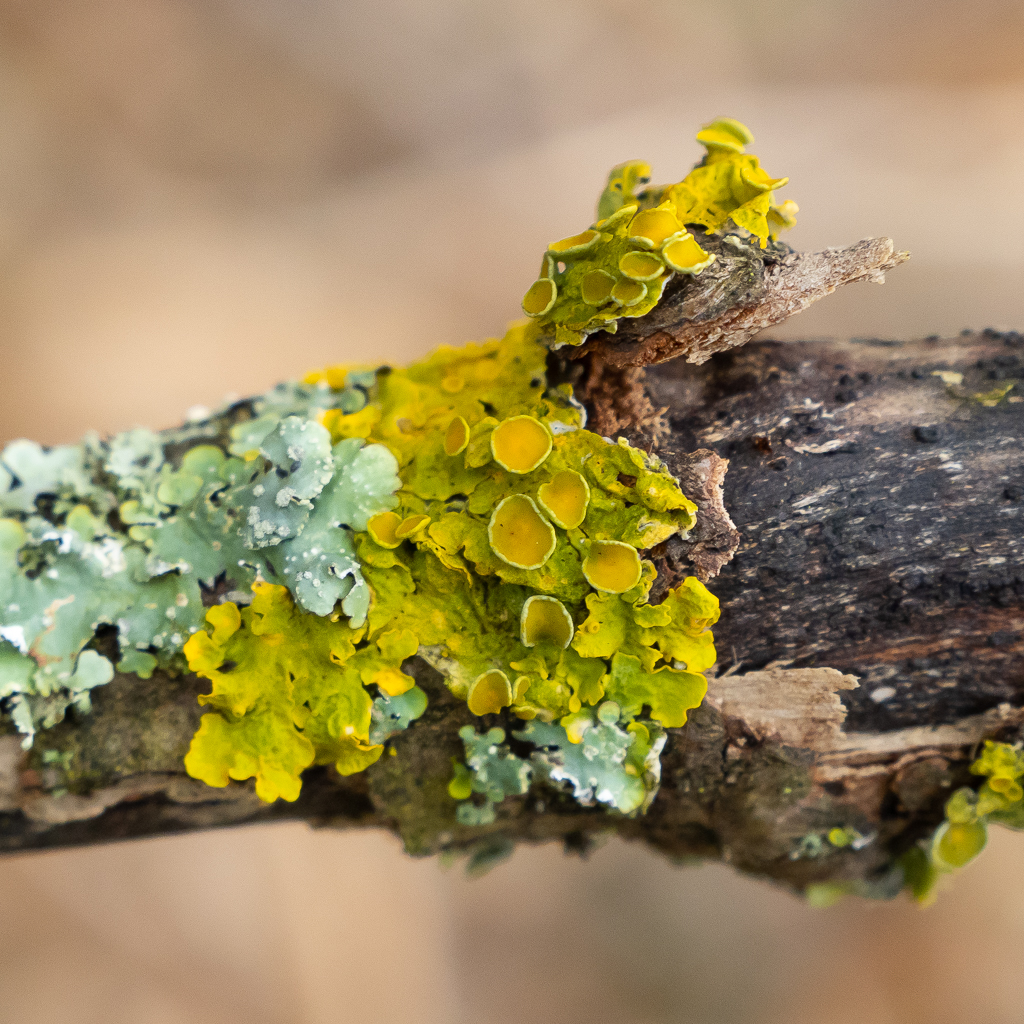
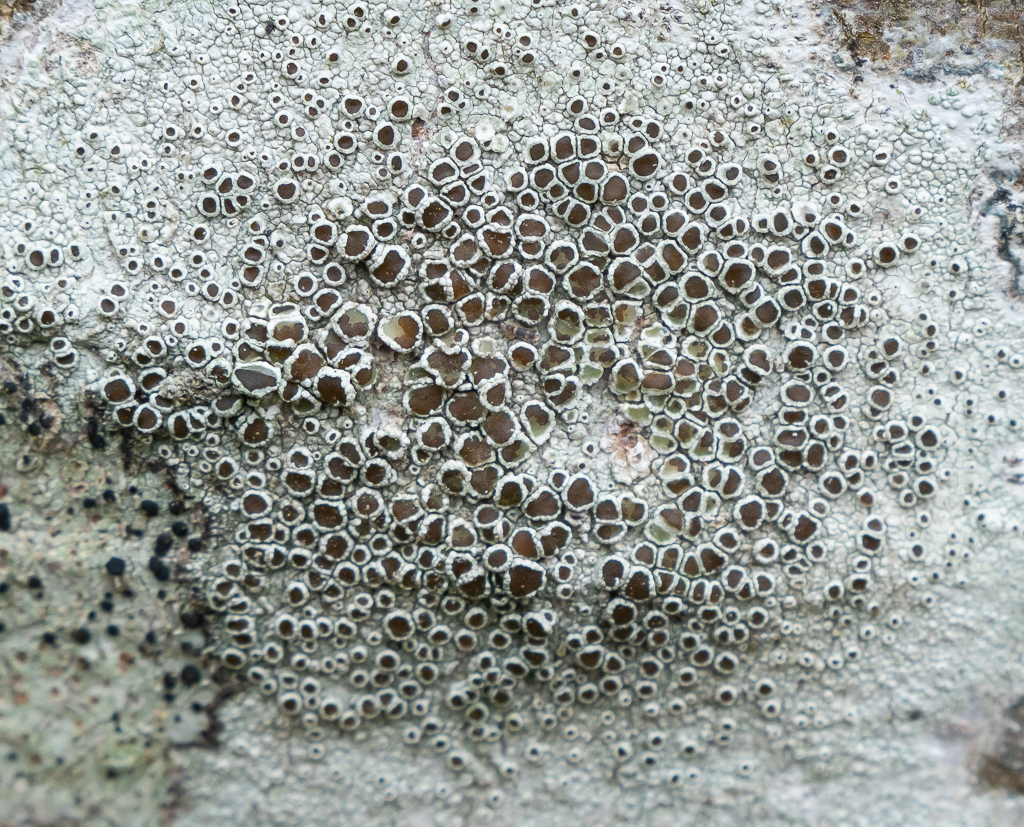
Otherwise there were some small polypores (probably turkey tail) and a few lichens that had been enriched by recent rain.
Life is rather full-on at the moment so I’m not finding the time or energy to write something longer or more detailed. It’s also a mental thing, just don’t have a lot to say. Photography will be the focus in posts for a little while.
Some ways to feel less helpless about Putin’s war-crimes/terrorism/illegal attacks in Ukraine:
If you can afford it, please donate generously to the Disasters Emergency Committee: https://www.dec.org.uk/
If you want to help with Open Source investigate journalism check out the Bellingcat Twitter feed
Sign-up for the Bellingcat email newsletter for more info about online microvolunteering to identify evidence of Putin’s war crimes in Ukraine (they have been monitoring Putin’s atrocities for years): https://www.bellingcat.com/
Use your social media channels to amplify accurate accounts of events in Ukraine – this is a war being fought online, it’s not the time to worry if people will unfollow you
If you’re in the UK contact your MP to ask why the Government are failing to sanction Russian oligarchs who may have links to Putin: https://www.writetothem.com/
In September 2021, on the way back from a visit to Dorset, I managed what birders call a ‘life-tick’. This wasn’t a case of dropping in on a rare bird to add it to a life sightings list. No, instead it was visiting the World Heritage Site of Stonehenge for the first time in my life.
Many people in southern England will have witnessed Stonehenge’s standing stones as they crawl along the A303 in Wiltshire. But how many notice the many burial mounds?
How many people knew (maybe before they watched The Dig on Netflix) that the stones were a minuscule part of the site’s wider significance? That the site itself is a vast burial ground, with lumps and bumps (as seen above) dotted throughout this part of Salisbury Plain?
I am no expert on burial mounds, more like someone who knows a couple of garden birds when they see them. Burial mounds have different names, often they are classed as a type of earthwork or tumulus. There are bowl barrows, some of which are huge mounds of earth, built up upon the bodies and significant objects or possessions of a person or family. The South Downs have been described as one long ancient graveyard, with mounds evident across much of the 100 mile long ridge. In places like the South Downs and Salisbury Plain, the freshly turned chalk would have stood out for miles in these vast, wide open landscapes. It’s a bit like those of you with white Range Rovers or Teslas sitting on your paved-over front garden in Kensington. It’s a status symbol.
When I drive along the A303, perhaps once a year when heading south-west, I ask my fellow passenger(s) to play spot-the-burial-mound in the surrounding fields while I focus on the road. Stonehenge itself is not only special for its stones, it’s about the wider expanse, either side of the A303.
This place is important to many people, even beyond the tourists like me passing through the turnstiles at the new visitor centre. Along a lane that cuts across the A303, people had camped in mini-buses with flags flying high.
I don’t know why they were there, but the scale of the transport shows it wasn’t a stop of for a quick cup of tea.
One thing I loved about the stones was the life that had developed on them. Here you can see the growths of lichen and smatterings of algae.
Far more entertaining and animated than the lichens were the flocks of starlings sheltering from the gusts of wind (although it was actually quite hot) in the crevices of the stones.
Their behaviour was autumnal, gathering into groups, whistling and clicking. They will have been in this place when the stones were constructed thousands of years ago. Their numbers must have been incredible.
In addition to the starlings were rooks, a crow of ploughed land with a bill that looks to have been dipped in chalk. They will no doubt have found things to scavenge from the millions of visitors who make it to Stonehenge every year. The rook seen here was perched where a stone once was, with the tenon-type part of the rock used to secure the top stones in place when originally constructed.
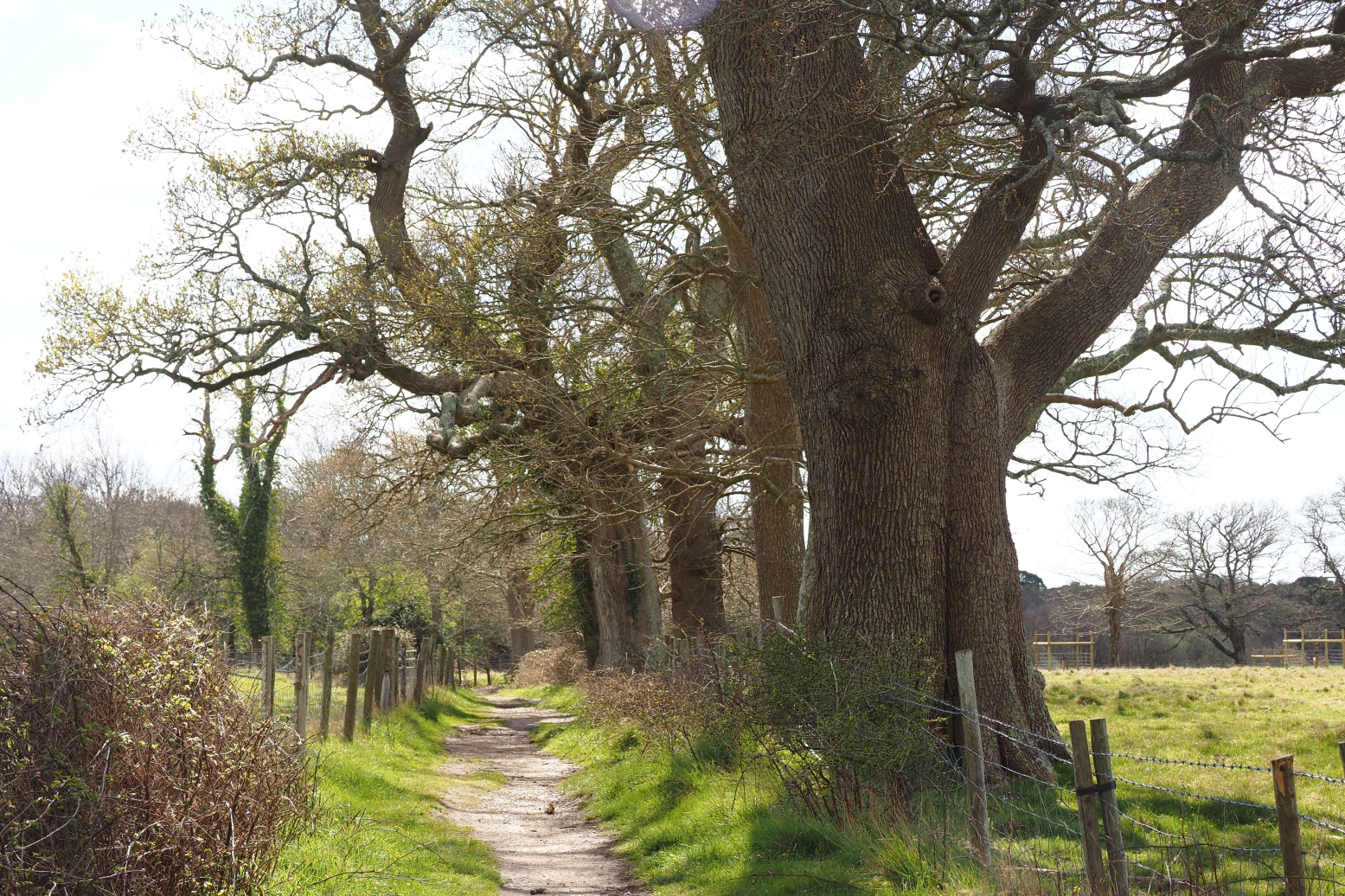
A series of photos from a sunny late winter/early spring afternoon in Petworth Park. Though it’s located in the South Downs National Park, it’s a Wealden landscape of huge ancient oak and sweet chestnut trees. The views of the South Downs from Petworth are heavenly.
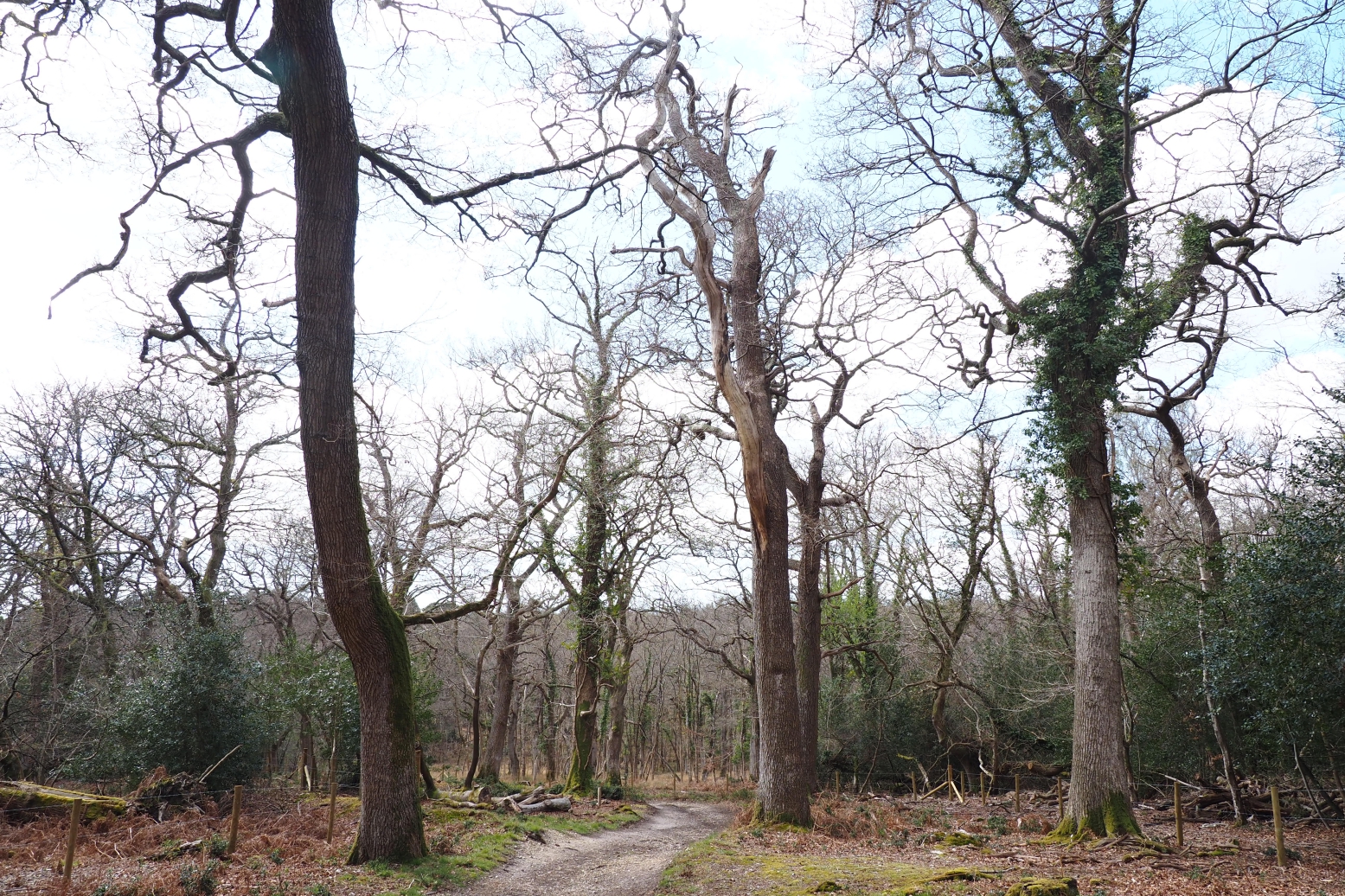
The oaks and chestnuts seen here are very old. The wider landscape contains some of the oldest oaks in Britain.
Photos taken with an Olympus E-M5 MIII + 12-45mm f4 lens, lightly enhanced in Adobe Lightroom.
This was the week when fungi made a comeback in the form of windblown sticks.
I used to do post-storm checks in an oak woodland. It was a really enjoyable task, which may come as a surprise to hear. One benefit of all the damage to trees was seeing what previously was only seen by birds and squirrels in the canopy. By this I mean lichens and other fungi attached to windblown wood.
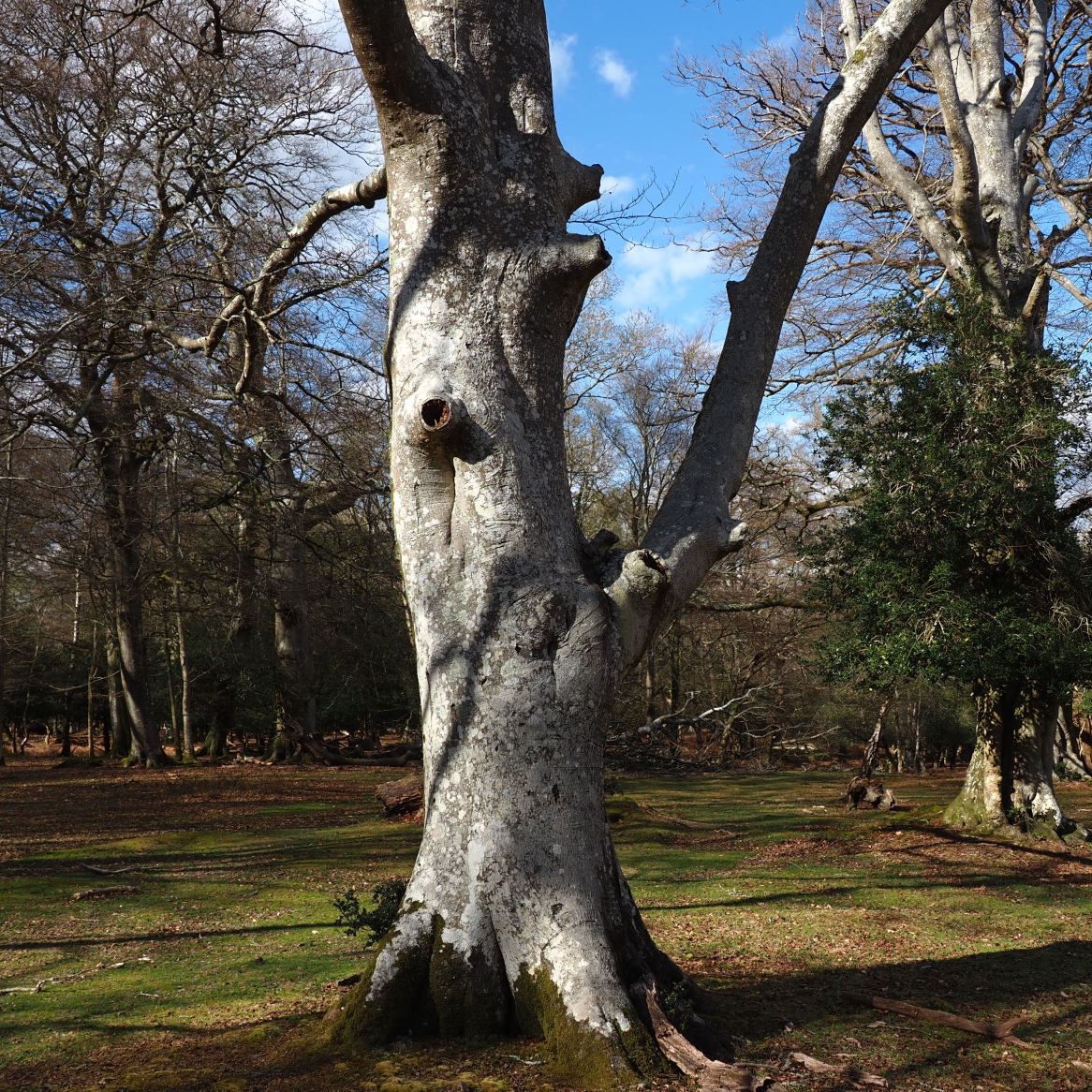
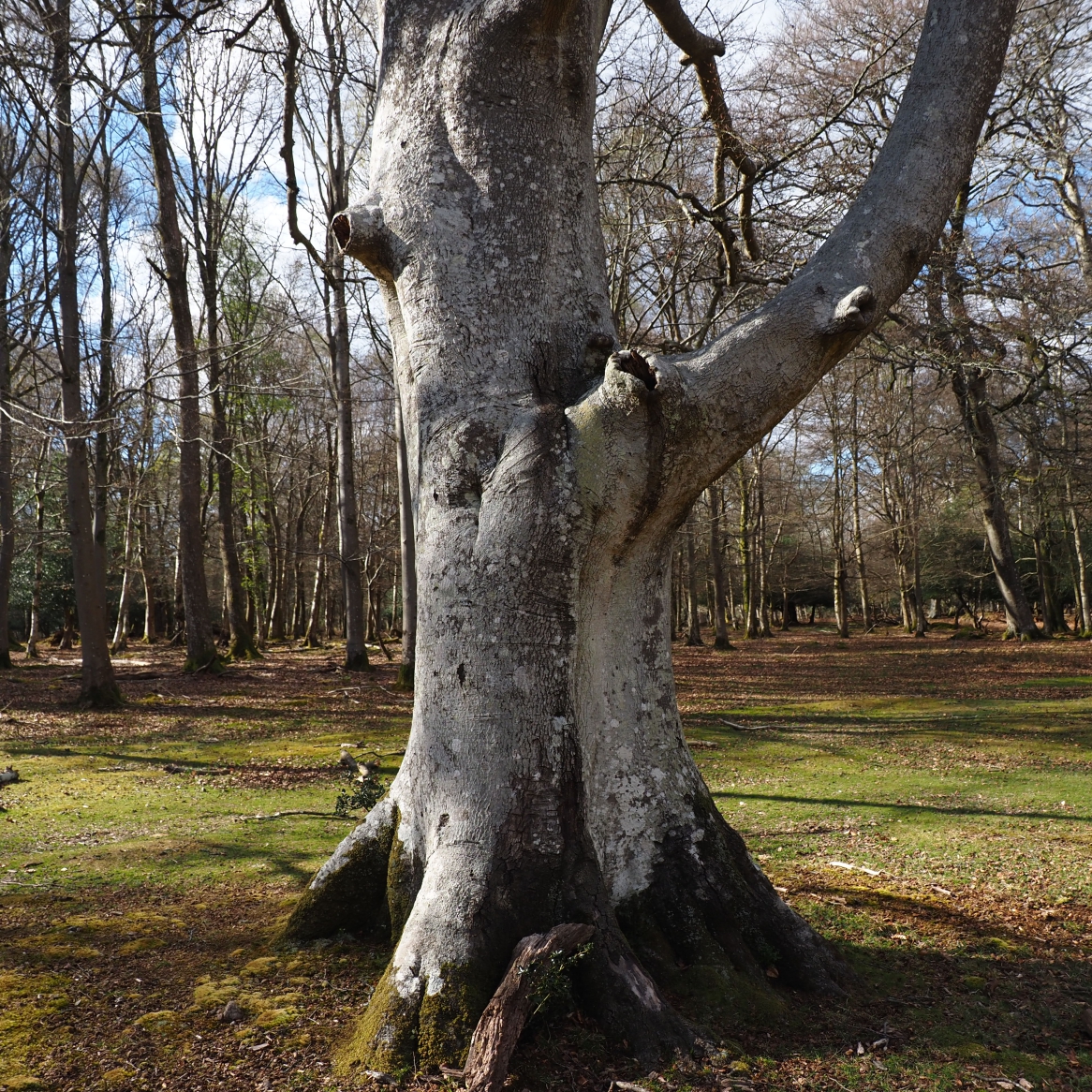
From my experience, one of the big ‘losers’ in stormy weather in SE England is the beech tree (Fagus sylvatica). Beech is a ‘poor compartmentaliser’, meaning it isn’t particularly good at preventing fungal decay or rot from spreading to other parts of its anatomy. Oak is better evolved to deal with this.
This was a thought I had on Friday (18th February) as the winds whipped up around outside. I thought of all the beech trees in the Sussex Weald and Downs, exposed on their respective ridges, and how vulnerable they can be.
On Sunday, a visit to the National Trust’s Nymans (so woke, bro) revealed a beech to have suffered. Nymans sits on an exposed ridge, with fantastic views across the Weald (to the Ouse viaduct) and the South Downs. One path was closed and in the distance a beech tree had fallen across it. Taking a detour round and looking at the damage, there was clear evidence that it wasn’t just the storm that was to blame – fungal decay had softened the tree up.
At some point earlier in the tree’s life, decay had entered the tree’s core, leaving it open to this kind of collapse. I’ve posted about something similar previously:
It’s a natural part of life on earth but causes problems for more controlled environments where people want to walk under trees and where they perform vital services as ‘green infrastructure’ among the grey. People who work in insurance will be very busy for the next few weeks assessing the damage that the storm, combined with fungal decay in trees, has caused.A windblown magnolia tree – spot the mushroom in the background
Also at Nymans, a magnolia tree (which I mistook for an ash until I checked the buds) had succumbed. The roots had snapped and the tree had fallen across a path.
As you can see from this photo, the fungal decay was dominant in the tree’s core. This is probably about 30-40% of the tree’s inner wood close to the roots. The decay had spread to the roots, which is probably what caused them to fail. Tension, which holds the tree up, is lost when the roots give way and thus the tree falls.
This is where the treasure is found. When the branches that were once high up meet the ground, interesting lichens and fungi can be seen for the first time.
At Nymans there were plenty of little sticks with beautiful lichens on show (you may be able to tell these are phone pics). You can look at #StickOfTheDay or #StickOfTheWeek on Twitter if you want to see more of these.
My best find of this kind was a piece of decaying oak wood that I spotted the night before. I saw in the dark this glowing thing under a hedge, underneath an oak tree I knew was in decline. I picked them up and stored them away to be photographed the following day.
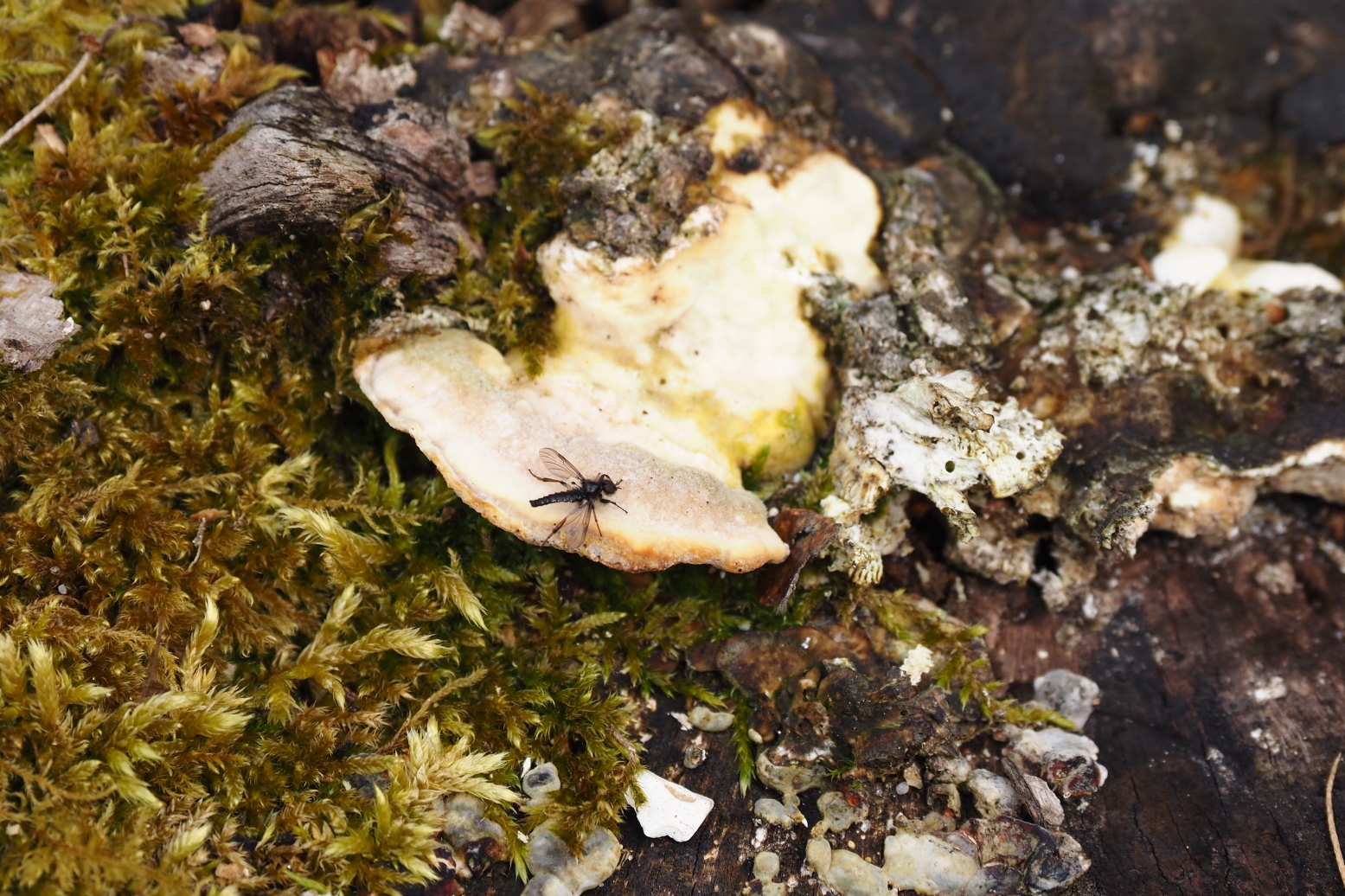
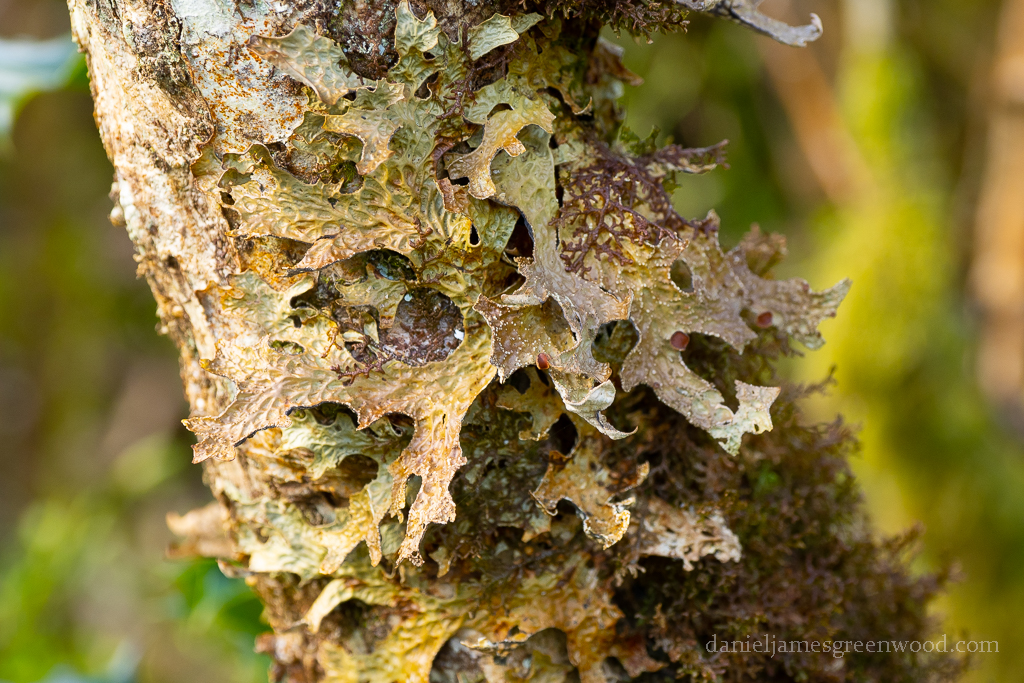
This was a stunning collection of foliose (leafy) lichens and a species of Trametes fungus, likely to be turkey tail. It perfectly illustrates the importance of decaying wood in trees, whereby the ‘dying’ wood becomes a source of nutrition and, indeed, a home for the fungi and lichens. Deadwood (saproxylic) insects will be inside the wood helping to break the wood down further. It’s what woodlands across Europe are losing due to the ‘coniferisation’ of plantations and the lack of space to allow woodlands to do their thing. Storms included.
The photo above took off when I posted it on Twitter. So much so that it made its way into the strange world of Weed/Marijuana-Gaming Twitter. Sorry to disappoint those in that netherworld, but I hadn’t even considered that someone might “smoke it” until I saw those replies.
When you talk about the highest point in south-east England, I wonder what people living far away must think. We’re not talking great peaks here, but instead a stone tower on a modest 313m-high hill. And this tower of course sells tea.
I’m referring here to Leith Hill, a hilltop managed by the National Trust. Leith Hill has stood out to me over the past two years, most tantalisingly during lockdowns when I could see it from the furthest I could legally walk from my house in the most extreme lockdown times.
The tower is built from sandstone that was probably quarried nearby. This stone, if it is said material, is often a sign locally of wealth and status, when local materials indicated as much. This part of the world is geologically rich, with the landscape having so many stories to tell about the Earth and deep time.
“This tower together with 5 acres of land was presented to The National Trust for places of historic interest or natural beauty by W.T(?) MacAndrew Esq. of Reigate on 5th October 1923 to be held for the public”
Leith Hill sits on the Greensand, distinct from the Weald Clay to the south and the chalk of the North Downs seen here in the distance looking north towards London.
Leith Hill seen from the SussexWeald (looking north) in May 2020 when England was under strict lockdown
Throughout the lockdowns I would see this distant hill from where I lived in Sussex. Though I hadn’t seen them for several months, I knew that my family were locked down on the other side in London. It was a strange comfort. My dad would sometimes send a photo of the North Downs that he could see far in the distance on clear days. Even when kept apart the landscape seemed to connect us.
When visiting Leith Hill and looking to the south, there were misty views of the Surrey and Sussex Weald. Millions of years ago this would not have been visible, with everything instead being covered by a dome of chalk that connected as far as NW France. This is the land bridge that megafauna like wolves, bears and mammoths would have used to enter what we now call Britain. Don’t tell the Priti Patel.
The chalk was eroded over millions of years and exposed the Weald Clay, which soon was covered by wildwood. That woodland lingers today in more formal oak, hornbeam and hazel woods that are now managed as coppices or nature reserves. Beyond the picnicking couple (above) you can see Leith Hill Place, originally built in 1600.
There is a unique pine tree up on the hill, a survivor from some of the first trees to arrive in this landscape after the last glacial period some 14,000 years ago. Though there was probably a more Anglicised pine species, the Scots pine is the only UK variety remaining. It thrives in this heathy landscape of the Greensand Hills.
On YouTube I follow Simon Baxter, a photographer who has recently begun to do something most YT photographers don’t do – he has focused on ecology and wildlife in the landscape he photographs. I enjoy watching some YT photographers but my unofficial inner-ecologist tells me that many spend too little time learning to understand the landscapes they photograph professionally, with little interest in the biological life that depends on those landscapes.
Simon has posted recent videos celebrating the role of fungi in woodland ecosystems, an oak one in Yorkshire from what I can work out. He has spoken about his passion for the book by Peter Wohlleben about the connectivity of trees, which is underpinned by fungi.
Peter Wohlleben seems to have taken a lot of the credit for this scientific discovery purely because he wrote a book about it (one which I really enjoyed as well), when that credit really belongs to Suzanne Simard. The phrase was used for the first time in the publication of Simard’s pioneering research in Nature.
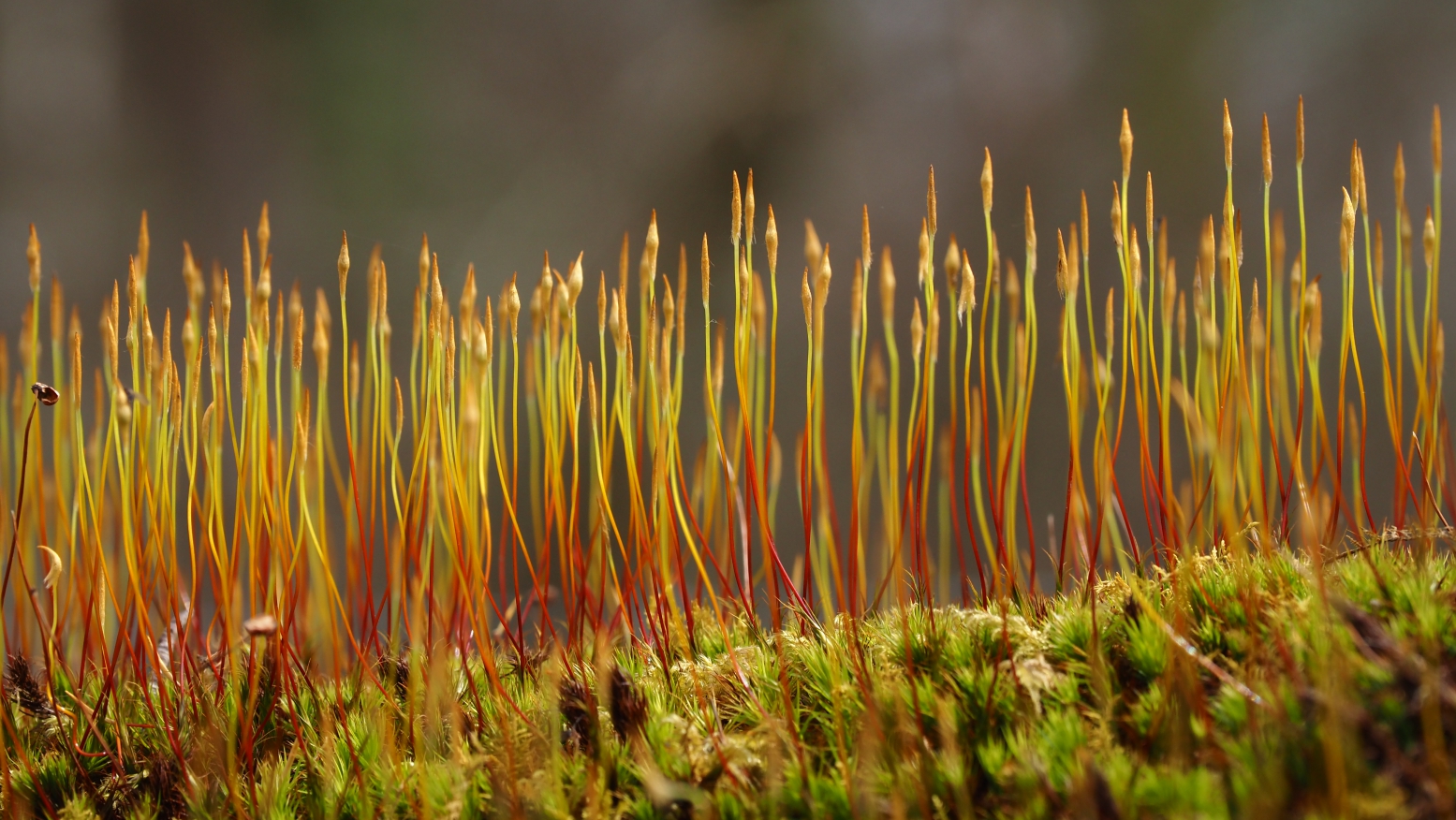
Fungal mycelium (the web that connects mushrooms with trees)
Finding the Mother Tree
Simard has recently published Finding the Mother Tree an arboreal-memoir about how she worked to research the relationships and dependencies between fungi and plants in old growth woodlands that were being logged in epic fashion by the regional forestry services. It is a helpful real-world account of some of the things illuminated by Richard Powers in The Understory. There is some suggestion one of the main characters in The Understory is in fact based on Simard.
Finding the Mother Tree is an absolutely stonking read which describes the battles, bordering on persecution, that she faced for challenging the patriarchal systems that dominated woodland management and theory of the time. She is up against men in positions of power who did not want her to do her research and did everything they could to undermine her. It should not be that men now receive all the air-time or credit for the work that Simard did herself.
Simard doesn’t claim to be the first person to learn of these vital interconnections, however. She quotes Indigenous people in America who had stated this to be a fact long ago. It’s what makes her book so enjoyable – it is an exercise in truth-telling:
Bruce ‘Subiyay’ Miller of the Skokomish Nation, whose people live on the eastern Olympic Peninsula of Washington State, had told a story about the symbiotic nature and diversity of the forest, mentioning that under its floor ‘there is an intricate and vast system of roots and fungi that keeps the forest strong.’
Suzanne Simard, Finding the Mother Tree: p.283
It reminds me of a story from an ecologist I met in Romania. In spring, frogs were found by scientists to be travelling down to networks of ponds via melt-water streams in Bulgarian mountain areas. This was hailed scientifically as new research. However, local people had known about this and disclosed it as fact for decades before this research had been completed. Local knowledge is often an untapped resource in conservation.
A special book
I read Finding the Mother Tree while sitting in the waiting room of a hospital, reading chapters about Simard’s breast cancer diagnosis and treatment. Her messages cut through more deeply and, dare I say, gave some comfort in knowing that sometimes people go through these awful ordeals and survive them. People sometimes even prosper in their wake.
Simard’s book is something special, for its ecological deep truth and knowledge, and for her willingness to share her own vulnerability as a woman, a mother, a partner and a scientist. The ecological/environmental/conservation movements are still undermined by the same patriarchal forces of Simard’s early years as a scientist.
The logging industries in Canada, to name but one nation, still log ancient, irreplaceable forests in times of climate and biodiversity crisis. Simard’s book must be read by more people to understand both the ecosystems we need to celebrate and conserve but also to understand what holds back the good work that needs to be done.
The other morning I was heading downstairs to do the annual Big Garden Birdwatch. This annual event is one I’ve been partaking in since 2011 when my interest in birdwatching got real.
I opened the curtains as I do each day (obviously?) and saw a lovely sunny winter’s morning out there. The street was filled with sunshine and, down by the tyre of a parked car, I noticed a small grey bird basking in the sun.
Sparrow, I thought.
As the seconds passed I thought of how usually there are more of them together, usually they make noise. Their markings are different, too.
A dunnock, then, I thought.
But then it flew up onto a wall and I picked up my binoculars. It was neither of those birds.
The other day I had been visiting a churchyard in the Sussex Weald when I noticed another sparrow-like bird perched in an unusual place – on the corner of one of the lower roofs. When travelling in France, Germany, Spain and Czechia, I had become used to seeing a little bird in this spot. It was then that I realised what the bird in the churchyard and, subsequently, the street was.
This is bird very close to a robin in appearance but they are rare in Britain. In winter they spend time here if pushed across to Plague/Brexit Island by extreme cold weather. On the continent, robins are more scarce, a role-reversal of sorts and they spend more of their time in woodlands, rather than gardens or parks in towns. This is thought to be because robins established themselves in Britain before black redstarts could get a foothold after the end of the last glacial period some 14,000 years ago. I can’t back that theory up here unfortunately.
A male black redstart in Mikulov, Czechia
In Czechia the name for black redstart is a beautiful one: rehek domácí. They are known as ‘little chimney men’, as my friend translated it, because they appear covered in soot and they spend their time on chimneys. I don’t think we have bird names in the English language that can match that.
The ‘start’ refers to the tail of the bird, an old English word in the way that ‘shank’ means leg (rather than its more grisly modern meaning). Its tail is indeed red.