#30DaysMacro 2022: week one 📷

Every June the Wildlife Trusts run a campaign called 30 Days Wild. The aim is to encourage people to notice nature at this special time of year and do one thing each day that connects you with the wild world around you. Last year I did #30DaysMacro, taking and posting one macro wildlife photo each day in June on Twitter. This year, I thought I’d have another go.

I’m threading it daily on Twitter:

I’m going to break the posts up into one each week. It’s actually a lot of work so blogs will be confined to this for now. Here goes!

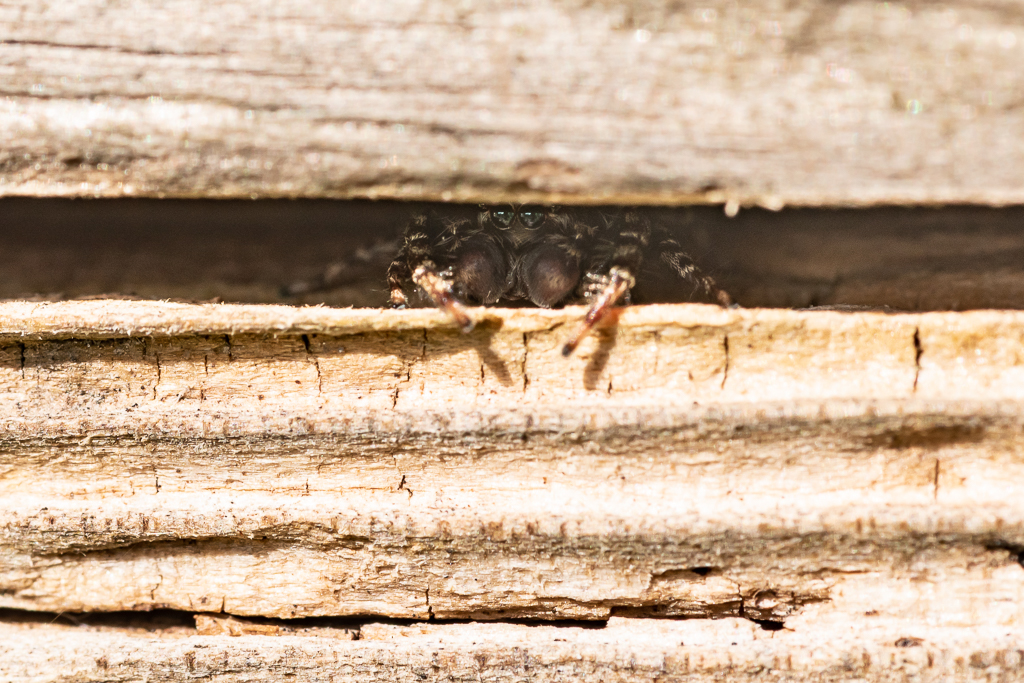
Day 1/30: zebra jumping spider

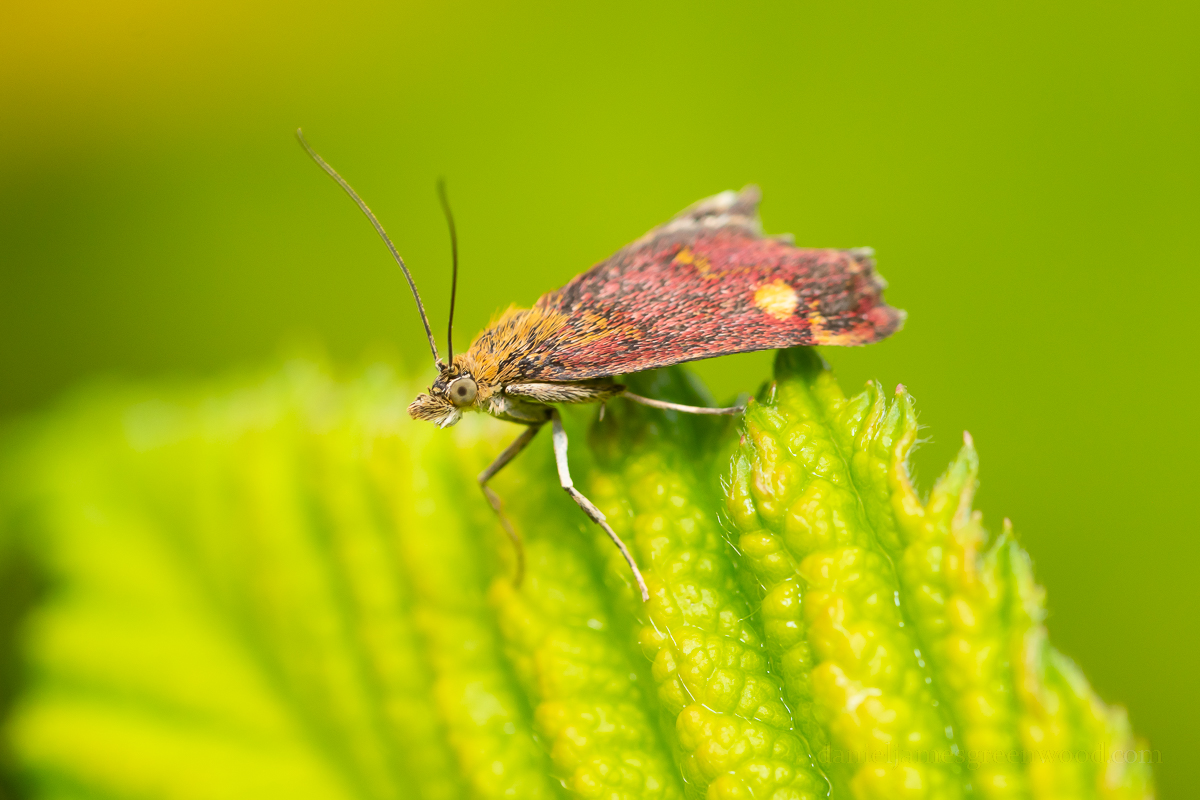
My first encounter was with this zebra jumping spider in my garden. I got a bit lucky as it held this position and faced the camera for a good few seconds. They’re usually quite, er, jumpy! I also found some other nice subjects, though, including a mint moth (which seems very common in my garden) and a beautiful greenbottle fly.

Day 2/30: wasp beetle

In the garden again. Really pleased to find a wasp beetle in the hedge just resting on a leaf. They’re another one of those wasp-faking insects, using those terrifying colour patterns to warn any predators. I also found this ichneumon wasp (I think). That is a fairly lethal looking ovipositor protruding at the rear.

Day 3/30: snail vortex

June has been quite wet and grey so far, which is helpful for macro in some ways but not all. The snails get a lot of motivation from the wet hedges and shrubs. This caterpillar was hiding away in the aromatic chambers of a rose flower.

Day 4/30: bumblebee-mimicry

In the garden I spotted this bumblebee-mimic hoverfly on the fence. I’d seen them a couple of days ago duelling over territory, but they were too energised then to get a photo. This one was nice and chilled. It’s nice seeing all those yellow pollen grains, though I’m not sure which flower produced them. The caterpillar here may be the one that was taking shelter the previous day.

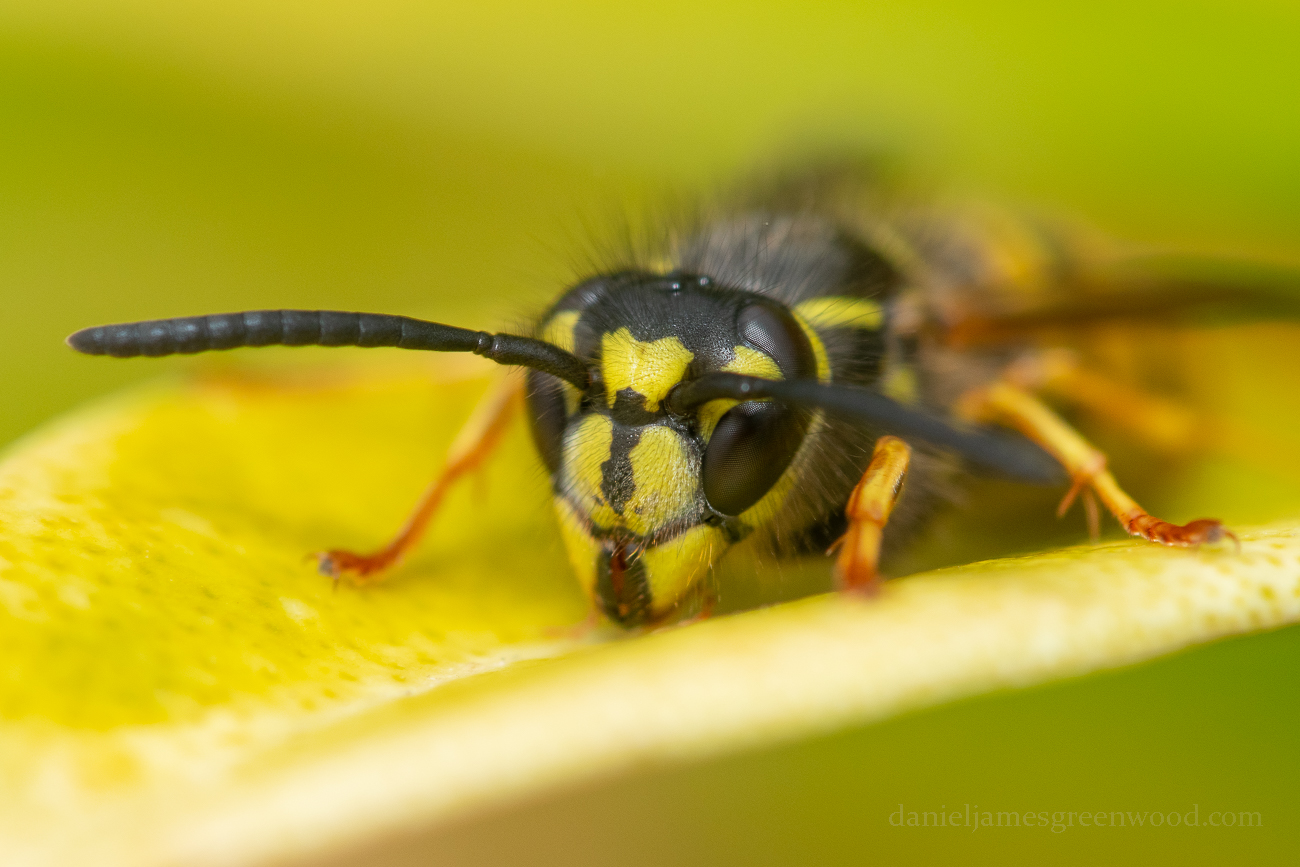
Day 5/30: wasp cleaning antennae

Guess where? Garden again! Another cloudy day but quite warm so the insects were out and about. I got quite close to this wasp which was giving its antennae a good clean.

Day 6/30: bee phone pic

Due to work commitments/time constraints I couldn’t spend any time in my garden with dedicated macro equipment. I was walking down a main road in town and saw a nice siding of thistles in front of a housing development. Lo and behold, there was my macro photo. A white or buff-tailed bumblebee was nectaring on that lovely pink bloom.

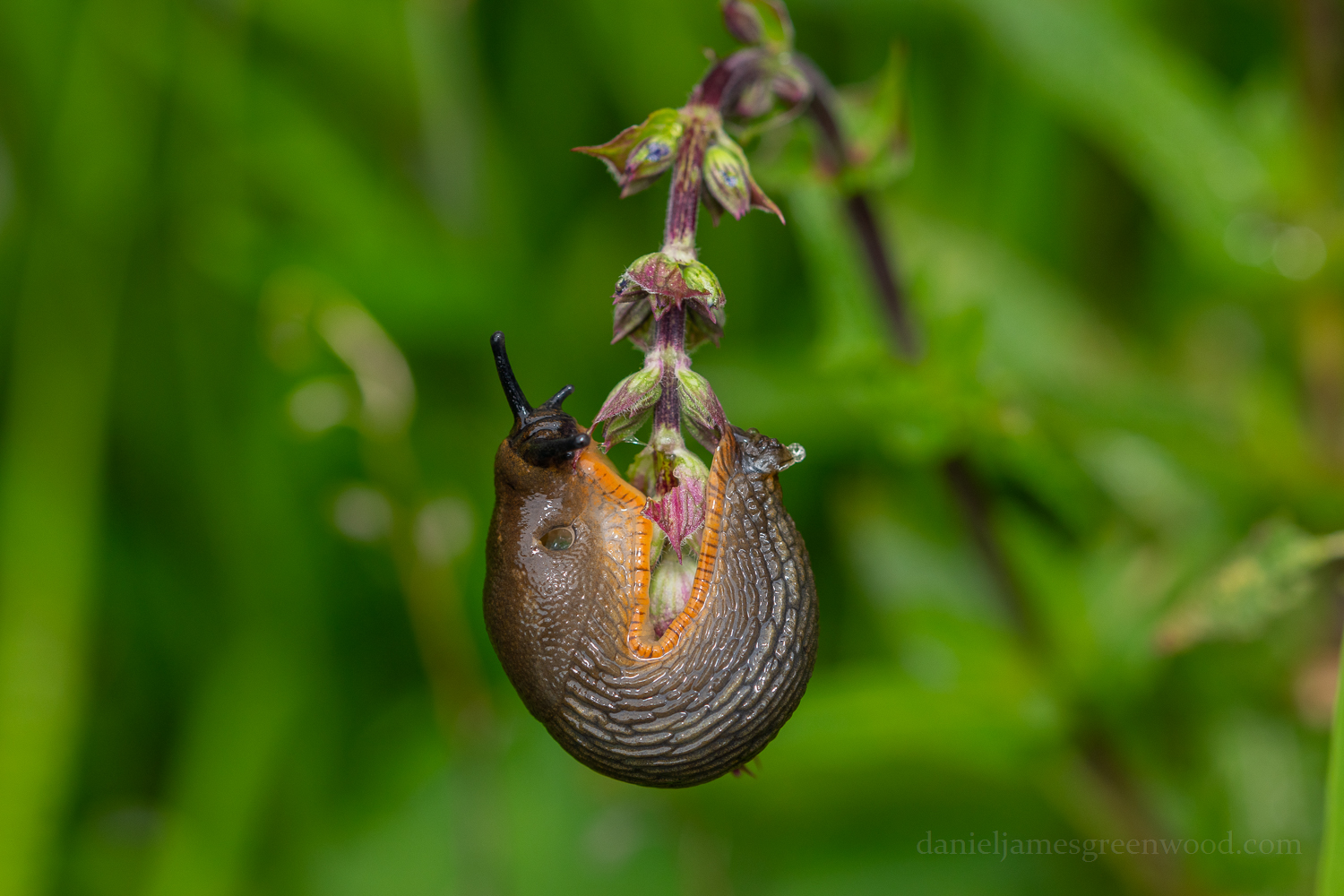
Day 7/30: the slug ate my salvia!

A day of rain, as evidenced by the raindrops around the hoverfly. Also more motivation for the slugs and snails (who have my backing) to teach me not to plant certain things in the flower bed. The slug here was doing a rather acrobatic job of eating the salvia I planted out recently. There’s also a very soggy bumblebee, and some kind of lacewing or hoverfly larva.

Thanks for reading. See you next week!

Latest from the Blog
Wasp-faking at Bedelands 🐝

Last August I recorded a podcast with Dr. Beth Nicholls about bees. The podcast was recorded at Bedelands Local Nature Reserve in the West Sussex Weald. You can listen to that entertaining jaunt (your thoughts and mine) through bees here.

I only had a couple of hours to record with Beth and spent the time afterwards seeing what was living there. There was a lot of wasp-faking going on, that’s for sure. It’s taken me nearly a year to actually find the time to look through the images and process some of them.

Bedelands is a Local Nature Reserve (a local authority designation for green spaces of ecological and public significance on land which is in public ownership or similar) in Burgess Hill. It’s a mixture of Wealden woods of oak and hornbean, some wetlands, and Wealden grasslands. The grasslands seemed to be quite rich to me in both invertebrates and flora. A lovely space.

This is a very cool hoverfly that can be found over quite a large international range. It’s one of the more obvious wasp-mimic hoverflies. Its scientific name is Chrysotoxum bicinctum. Absolute wasp-faker.

A more common hoverfly is one with a great common name (among others) – the footballer! It’s another wasp-mimic species. The football name comes from the stripes along the thorax (below the eyes above) which look like Newcastle, Grimsby or Juventus style kit colours.

In the moth world, I found this small grey-brown species that appeared much like a grass head. It was reaching over an oak leaf and wasn’t bothered about my lens getting super close. This appears to be one of the grass veneer moths. Moth knowledge is not strong in this one.

The scales of moths are quite incredible up close, like little roof tiles or pieces of paper.

Here’s a closer look.

Moving into the non-insect, invert world, August is a month of arachnids. This is a European harvestman, a harmless thing. They use their legs to do their ‘seeing’.

The desiccated seed cases of a flowering rush was the hiding place of one of the ground crab spiders.

I have been seeing this in my garden, but they seem to be quite common elsewhere and in places like grasslands.

Perhaps the most exciting and dramatic sighting was this wasp spider, of which there were a couple around. They’re recent arrivals in the British wildlife community, and another addition to the wasp-mimic gang.

The underbelly of the wasp spider doesn’t do justice to its name. From this angle you can see just where it gets its name from.

Thanks for reading.

Latest from the Blog

November 2025: beware of pity

I’ve had a burst of American visitors in recent days (to my blog, not my house). So thanks for visiting, y’all, and sorry about the year you’ve had. You may have noticed I’ve slipped to monthly posts on here. Between April and October I posted blogs every Monday without pause, which is a tricky task…

Summer-autumn 2025: unveiling the sun

Here’s my seasonal update of stuff you don’t need to know about, but then welcome to the Internet. What I’m writing Soon I will be self-publishing my third poetry collection, Fool’s Wood. It’s seven years since my last one and this collection has taken longer because of LIFE. There will be a booklet and also…

Salisbury’s oak timbers

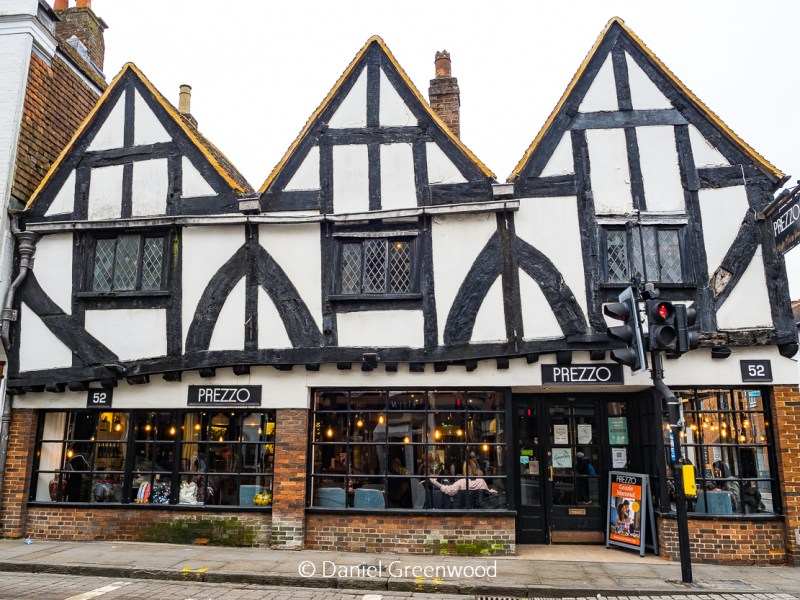
Here’s another entry in my slow-blogging Oak Timbers series. You can view my galleries and posts archive here. I visited Salisbury in Wiltshire (south-west England) for the first time in 2023 and was really charmed by the place. If you’re interested in this kind of thing, Salisbury is the place for you. Here’s a gallery…

The lackey in the Cuckmere valley 🐛

I was out and about in the Cuckmere Valley in May and had the chance to learn a little bit about some of the species found there. Here’s a small selection of images, a blend of phone pics and some from my camera.

Once again I was treated to the sight of early spider orchids, a plant I blogged about only recently. This was a big surprise, having spent a lot of time looking for them elsewhere. This is a nationally rare plant and I won’t be giving away its location. I did get the chance to learn that the flower mimics the scent of the buffish mining bee. The male bee is lured in and attempts to mate with the flower, thereby pollinating it. In the photo above you can see the pollen grains that have been helpfully, accidentally, applied by the visiting bee.

The mining bees live in the nearest exposed areas of chalk where they drill their burrows. It’s a short commute to their deceptive orchid neighbours.

The blackthorn hedges were holding populations of moth caterpillars that cover the branches in webs of silk. This is the kind of thing that pops up in local newspapers as some kind of wild clickbait. The moth is known as the lackey in English. What the significance of that name (or any of the number of weird moth names) is unclear to me.

We found this proto-Mesolithic (Stone Age) scene, with a discarded King Alfred’s cakes fungus. The fungus had probably been used to maintain the fire of one or more disposable barbecues. The stones were littered across the scorched earth like the throwaways of some prehistoric stone mason.

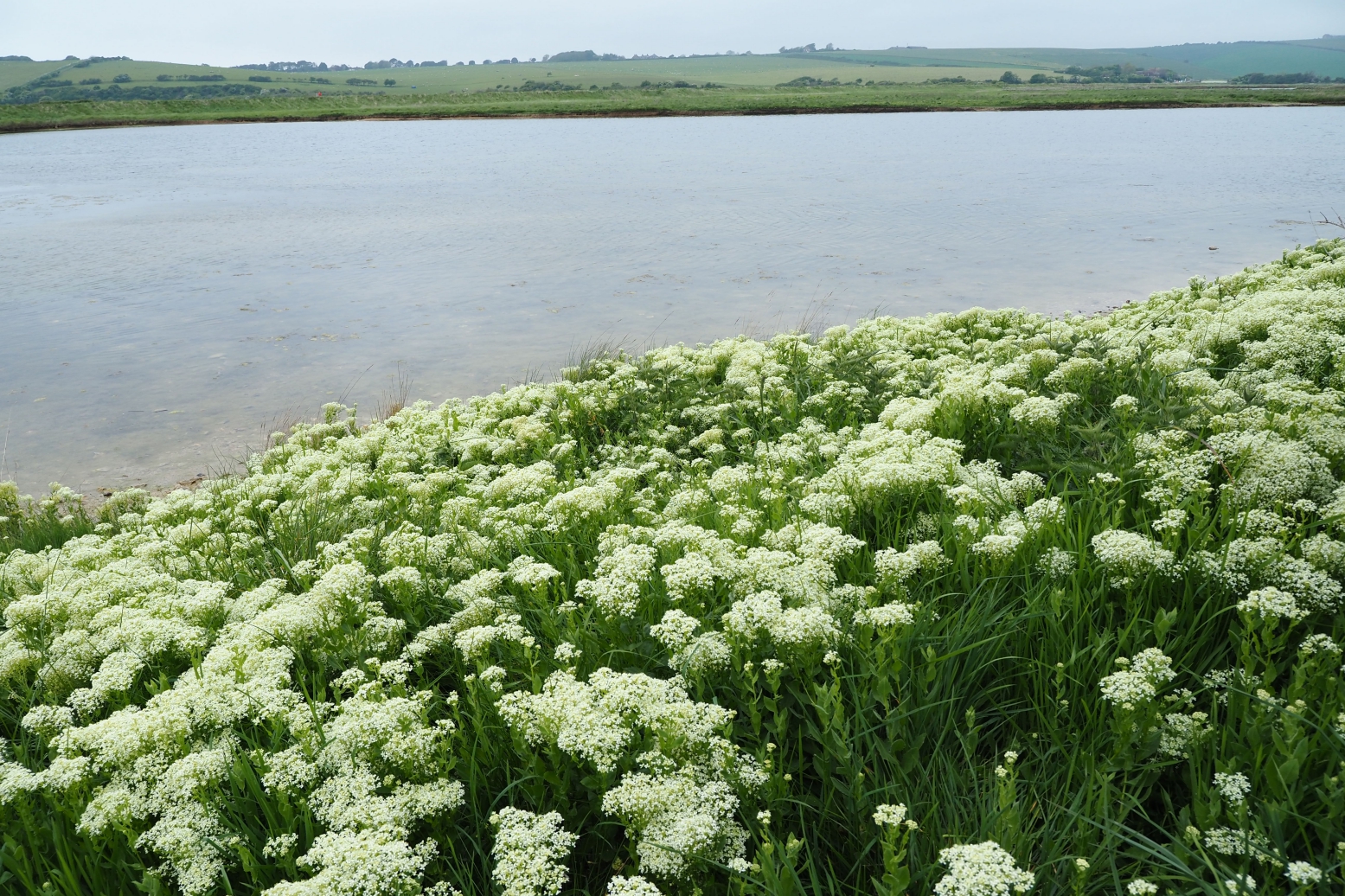
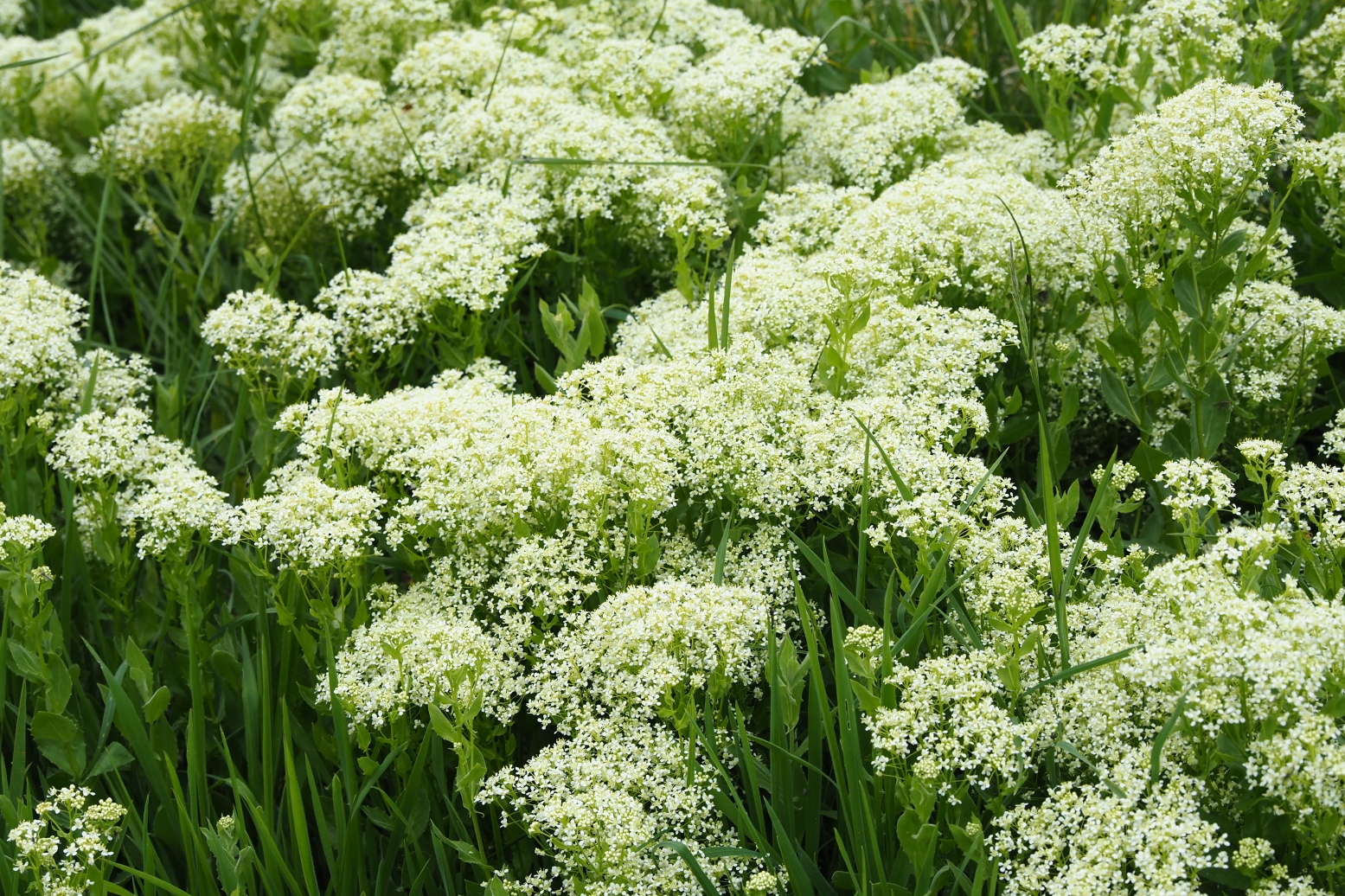
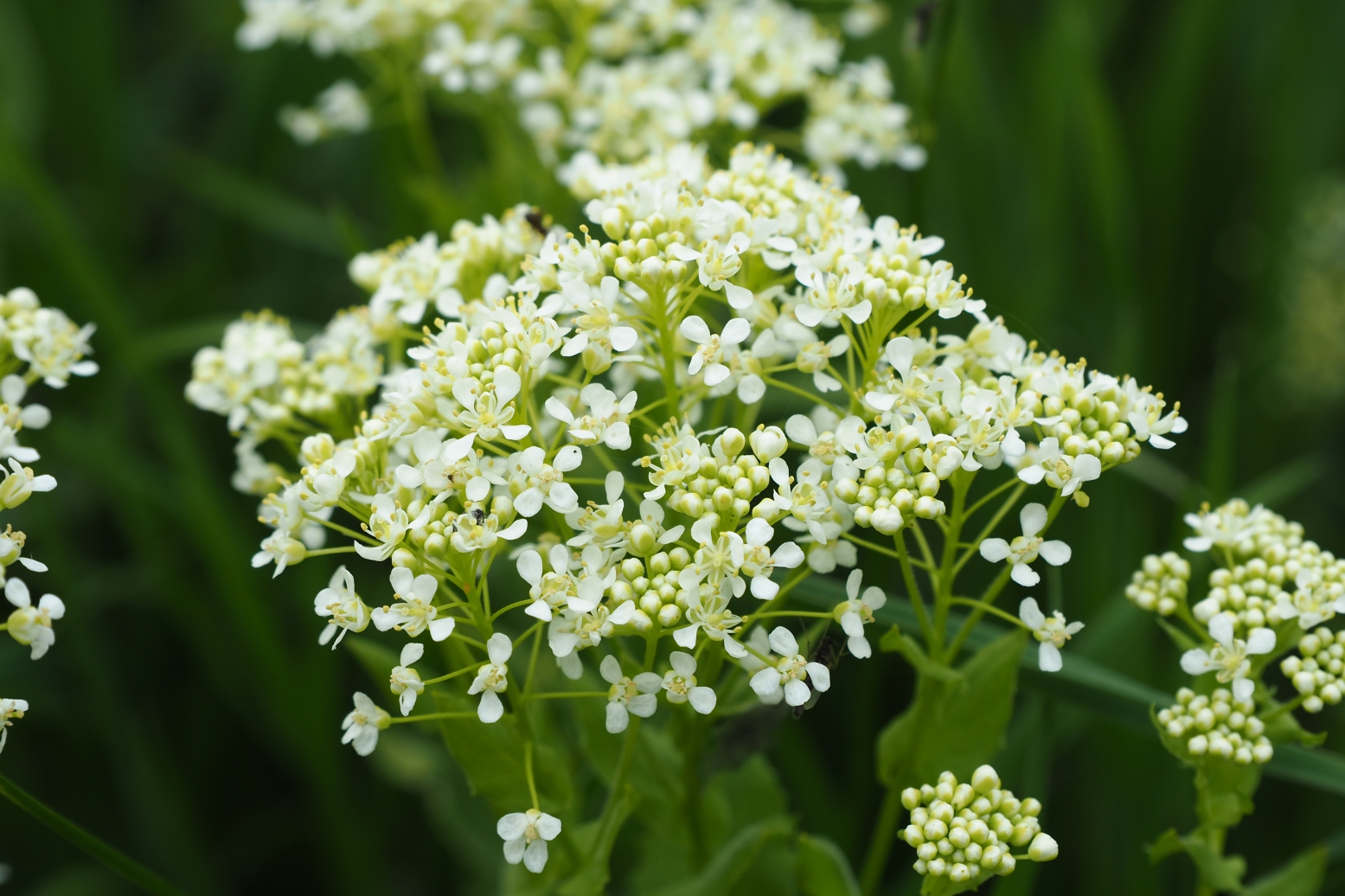
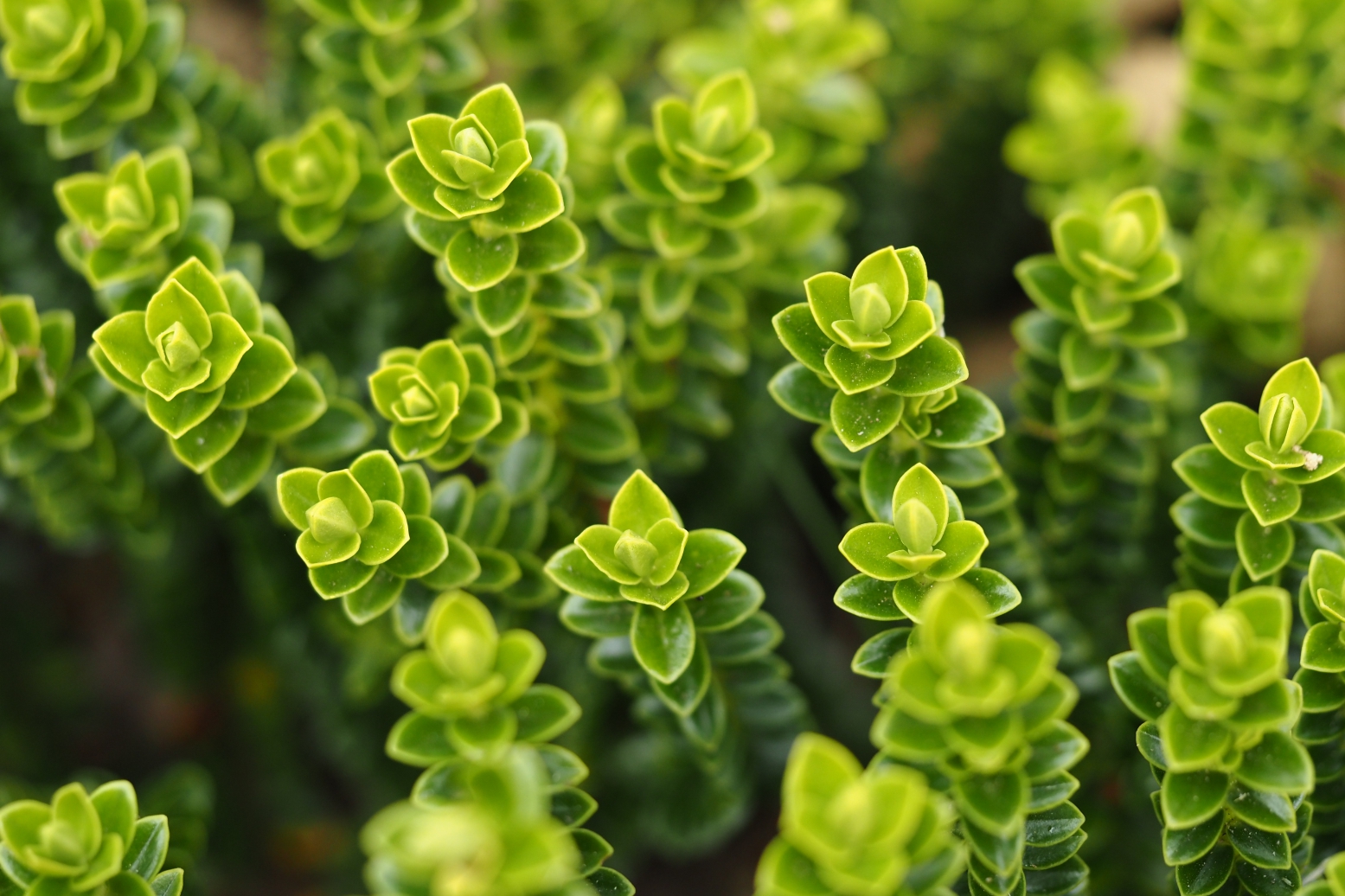
On the banks of the Cuckmere’s static meanders are ranks of hoary cress. At first I thought they looked like a type of sedum but in fact they’re in the cabbage family. This is an introduced species.

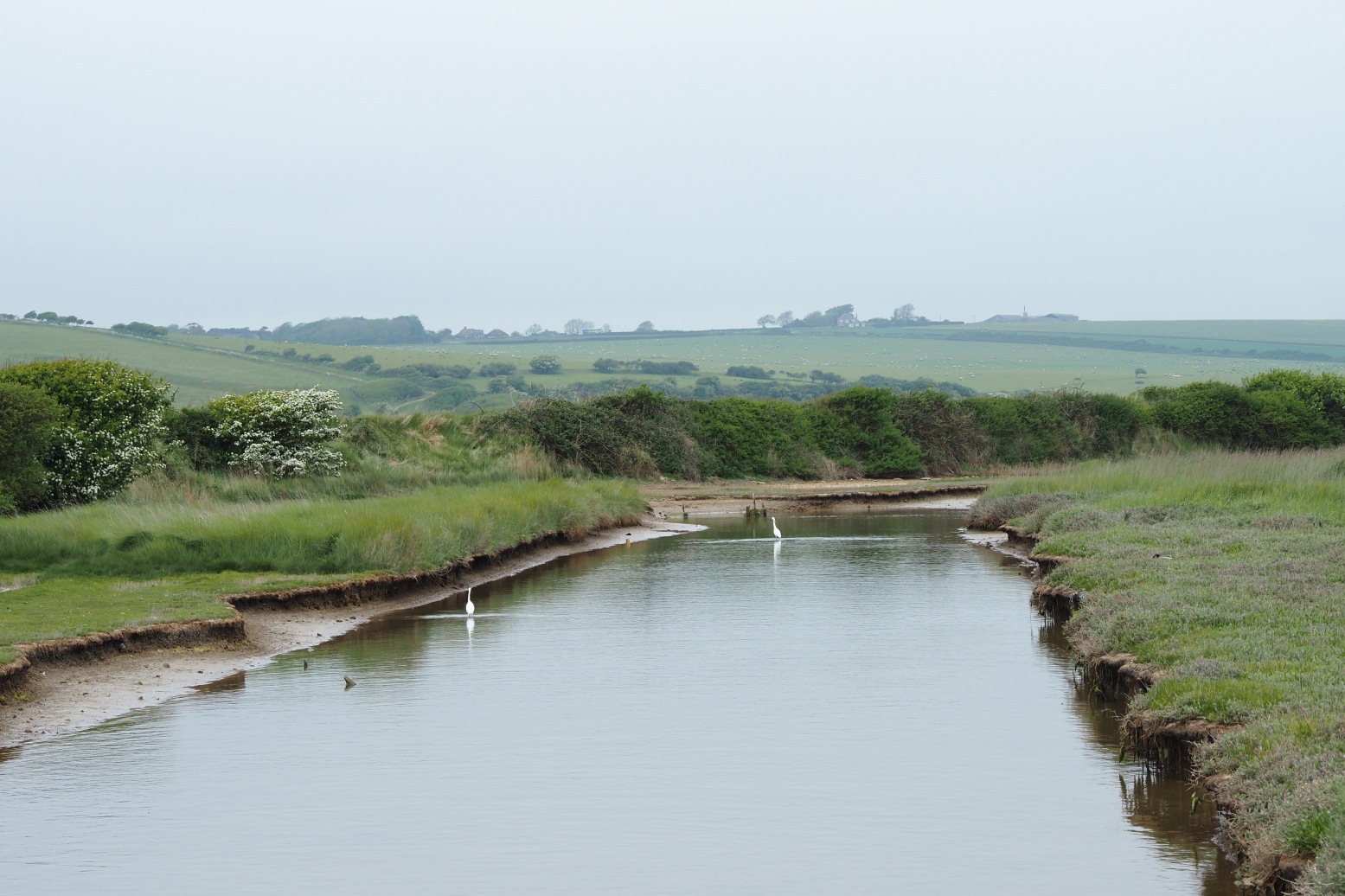
A view back up the Cuckmere meanders, at very low levels for the time of year. Two little egrets can be seen here.

Thanks for reading.

More macro (my tags/categories seem to be broken at the moment – will try and fix them!)

The South Downs

April flowers at Nymans 🌹

My partner and I made a couple of visits to Nyman’s in West Sussex recently to drown our sorrows after the death of our lovely rescue cat. We drowned those sorrows in flowers. Nymans is one of the jewels in the Sussex Weald, with amazing views across woodlands towards the South Downs.

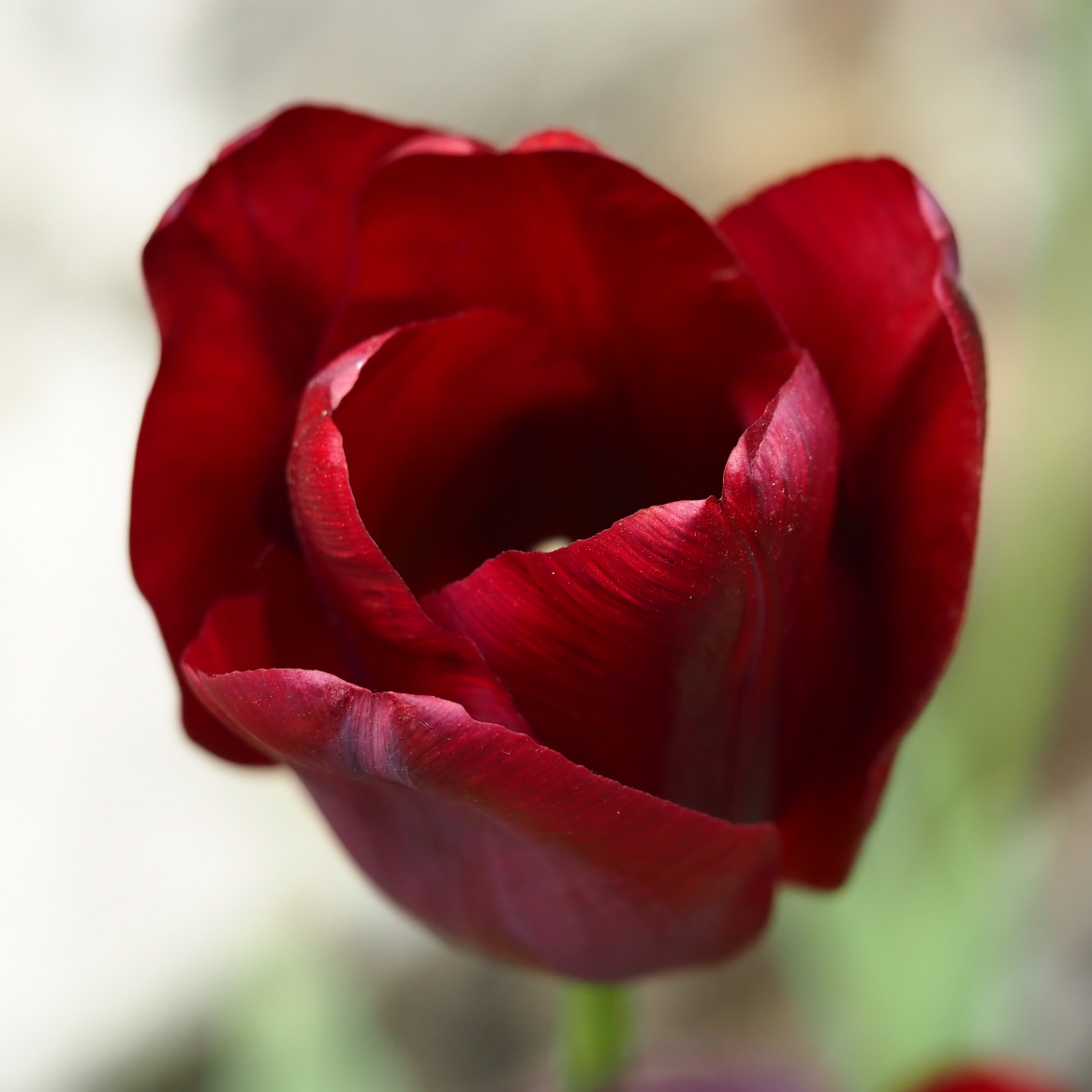
I usually photograph less formal landscapes than National Trust gardens, but perhaps I am too particular sometimes. The stark colours against the grey backdrop of the day (literally) make for really pleasing images. All the pics here are ‘straight out the camera’ and I haven’t edited them. Olympus cameras produce beautiful jpeg files which my experience with Nikon equipment has never matched.

Thanks for reading.

LATEST POSTS

Austrian Alps: Innsbruck by sleeper train

Innsbruck, Tyrol, Austria, June 2025 This is a longer post of the images I captured during a recent visit to Innsbruck in the Austrian Alps. We travelled to Innsbruck on a sleeper train from Amsterdam. It’s such a great experience and is significantly lower in carbon emissions compared with flying. If you consider the fact…

Postcards from Western Ireland, September 2025 🇮🇪

I’m back from my annual visit to the west of Ireland. I managed a couple of day trips to forage for photos, which will crystallise later this year into dedicated posts, all being well. Like many people I enjoy the Blind Boy Podcast, none more so when I have the headspace to take in all…

Mushrooms in England

This is the first of a series of posts I’ve been working on covering national relationships with mushrooms. It’s just a bit of fun, but there’s definitely some interesting stuff to share.

Something went wrong. Please refresh the page and/or try again.

Latest from the Blog

Late summer timbers at the Weald & Downland Museum

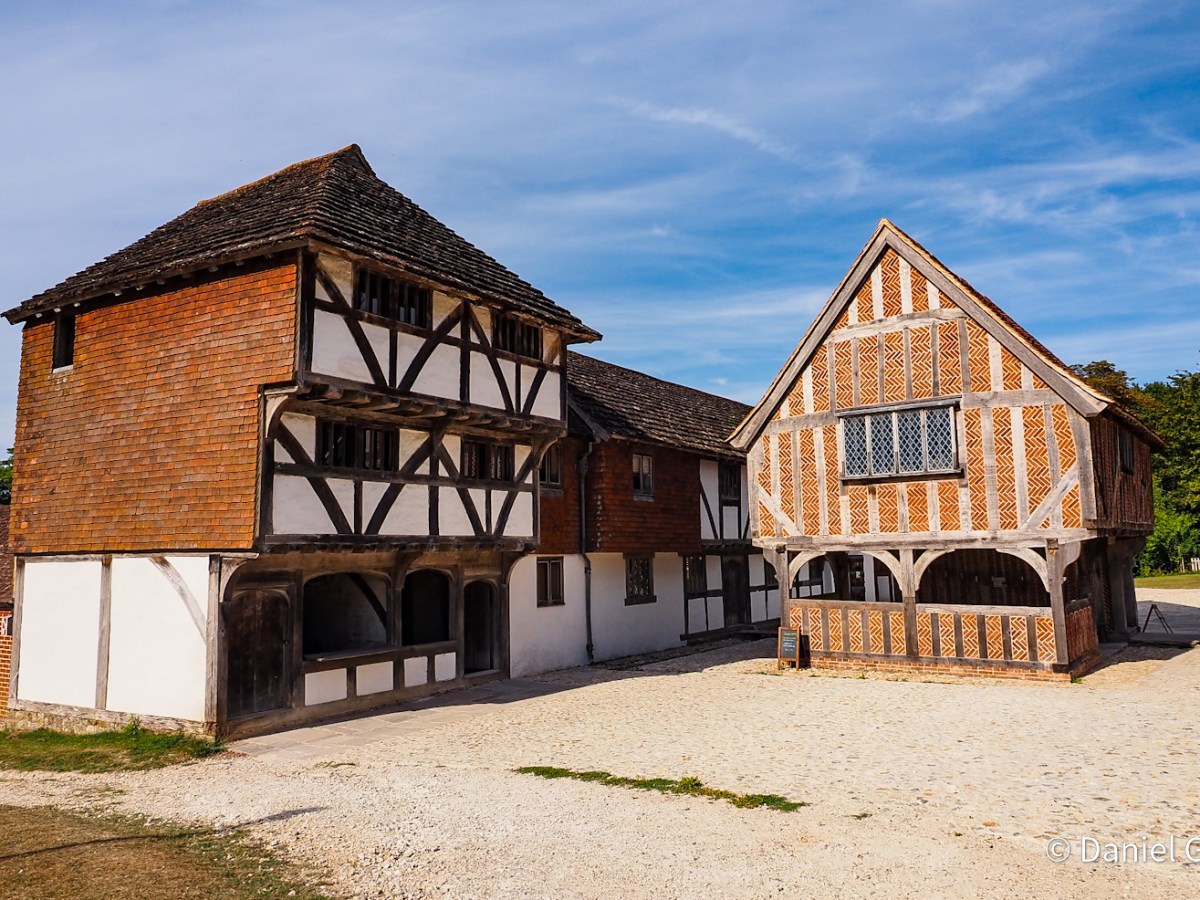
In August I made my annual visit to the Weald and Downland Living Museum in the South Downs. You can see my timber-framed building photo gallery here. This is the first view you encounter inside the museum grounds after you pay your entry fee. Amazing to think the medieval hall house is from Cray in…

Going to Battle (the village)

Not that kind of battle, but instead to the village in East Sussex. Battle the village is the site of one of the major battles of the Norman Conquest of England of 1066, when the Normans invaded Britain and defeated the Anglo-Saxons. It’s a period in history that absolutely fascinates me. The land ownership brought…

Early spider orchids 🕷️

Chalk grassland is an incredible habitat. It’s extremely rich in plants and animals, with high cultural value from the historical assosciations with human activity over at least 8000 years. In the UK it defines the downlands of Sussex, Hampshire, Dorset and Wessex. Sounds like an episode of The Last Kingdom. Thankfully I was spared the sword (this time).

In early May I was fortunate enough to visit a chalk grassland site near Brighton with two people who knew the landscape extremely well. I had been invited to visit this area to help find early spider orchids 3 years ago but the pandemic got in the way of travelling there.

A landscape raked by stone, bone and iron

I visited on a sunny day in what was a very dry spring indeed (I hate how dry winter 2021/spring 2022 have been). We had heard of hundreds of orchids in recent weeks at the site but only found 3. It was baffling. Perhaps we were just too late and the dry conditions had brought an end to their season earlier than expected.

These orchids get their names from the fact their flower looks like a spider. You may be familiar with the names of bee, fly, man, lady, lizard and monkey orchids also.

They are truly beautiful.

During the survey a woman came over to talk about orchids. Her knowledge was incredible, with known locations across Kent and Sussex. She travelled by train from her home in north London.

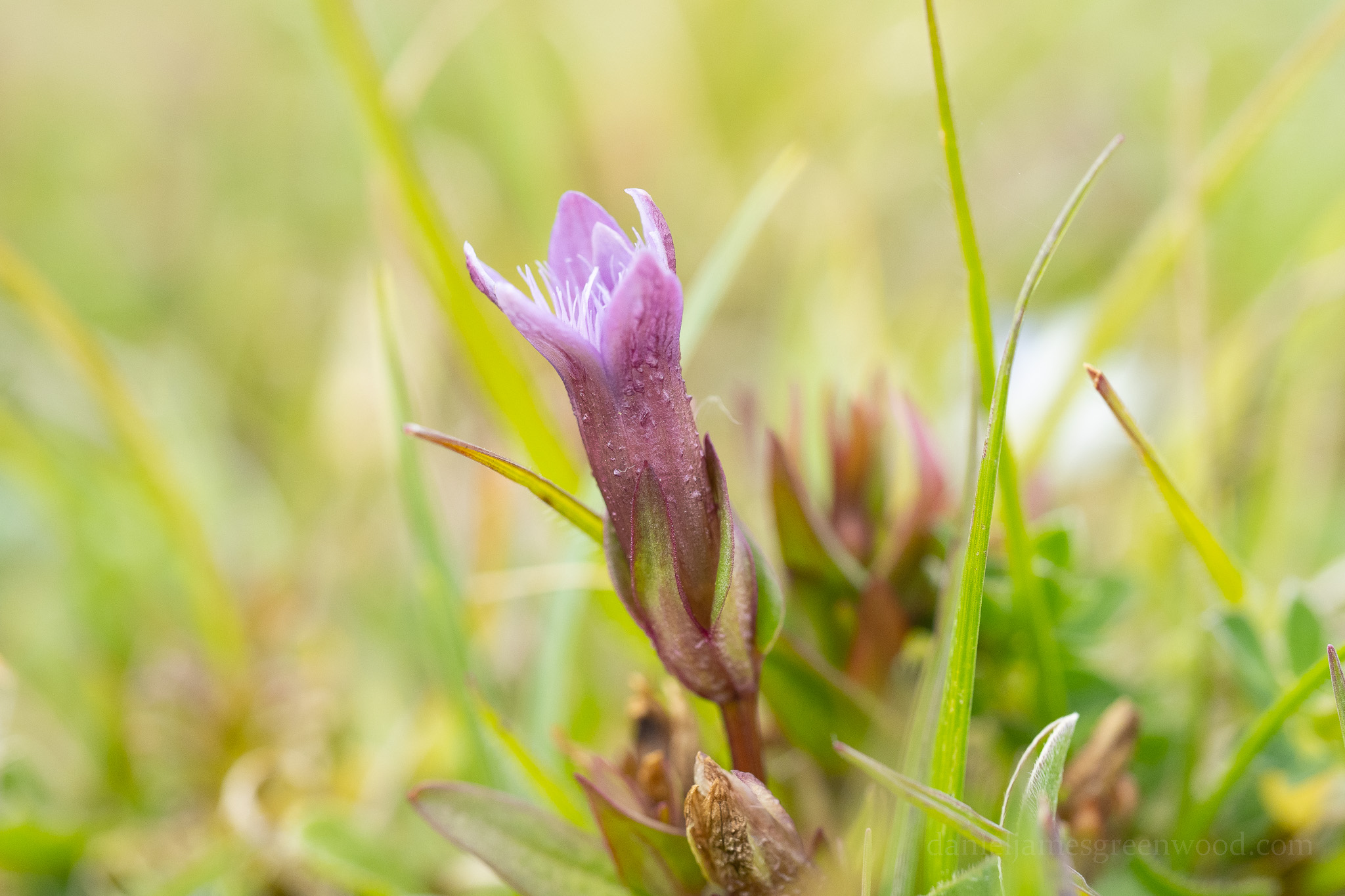
She showed us a gentian, a type she said was only found at this location in the UK.

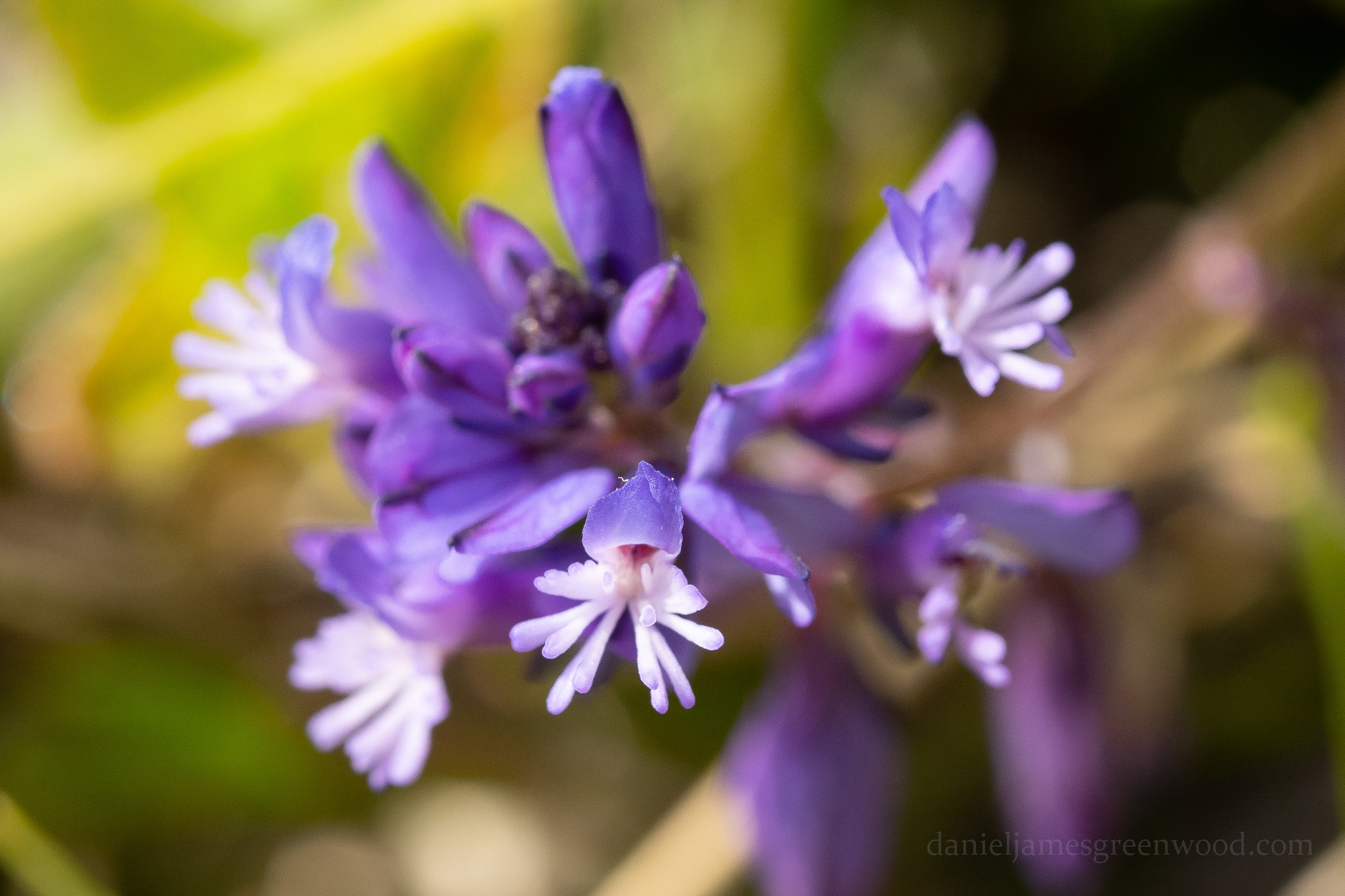
Perhaps the most abundant plant was milkwort, appearing in white, pink and blue.

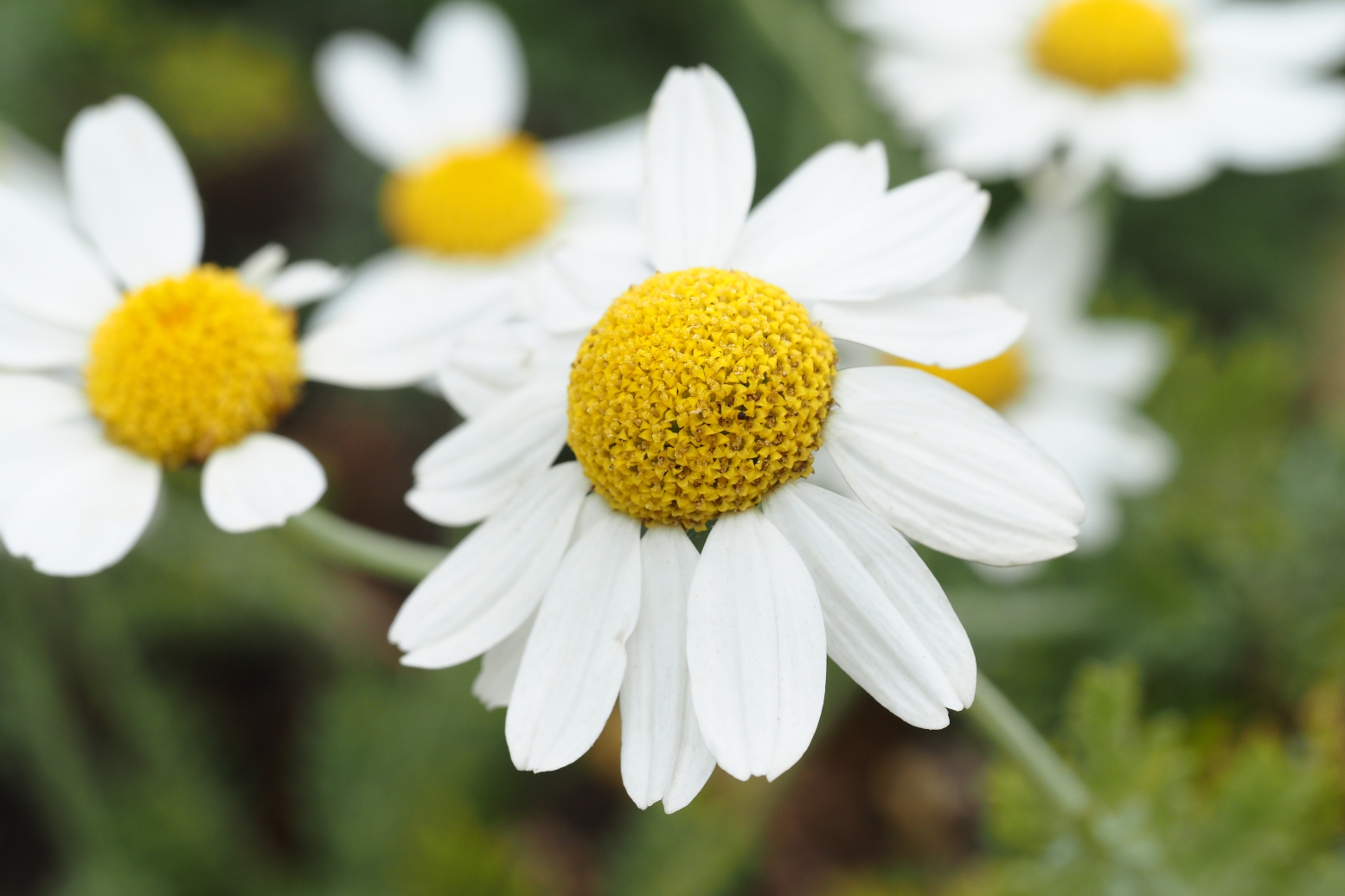
This is some kind of daisy (probably hawkbit) with petals that look like hands shielding something.

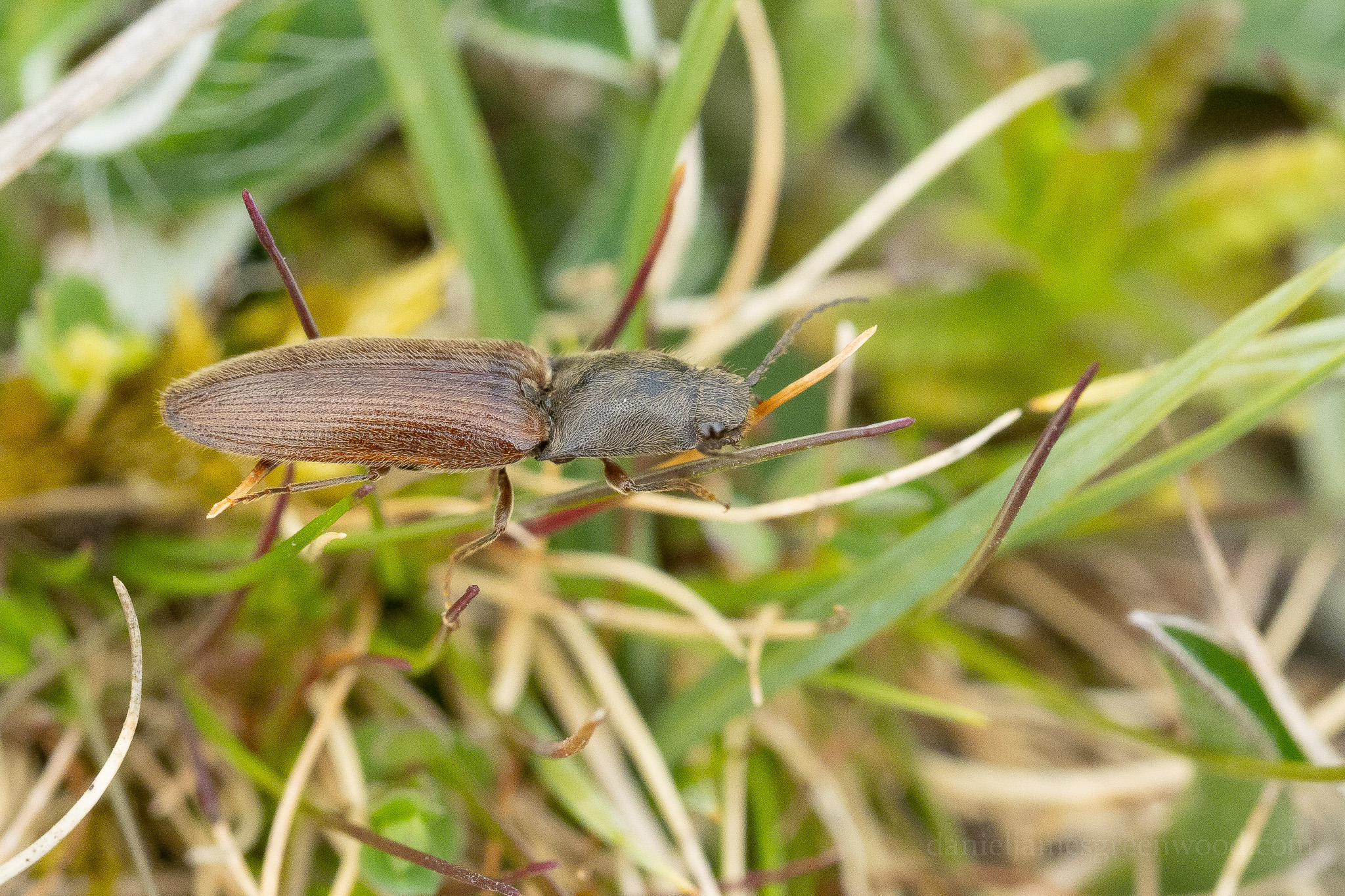
There were a fair number of small beetles in the grasslands, including this click beetle (I think).

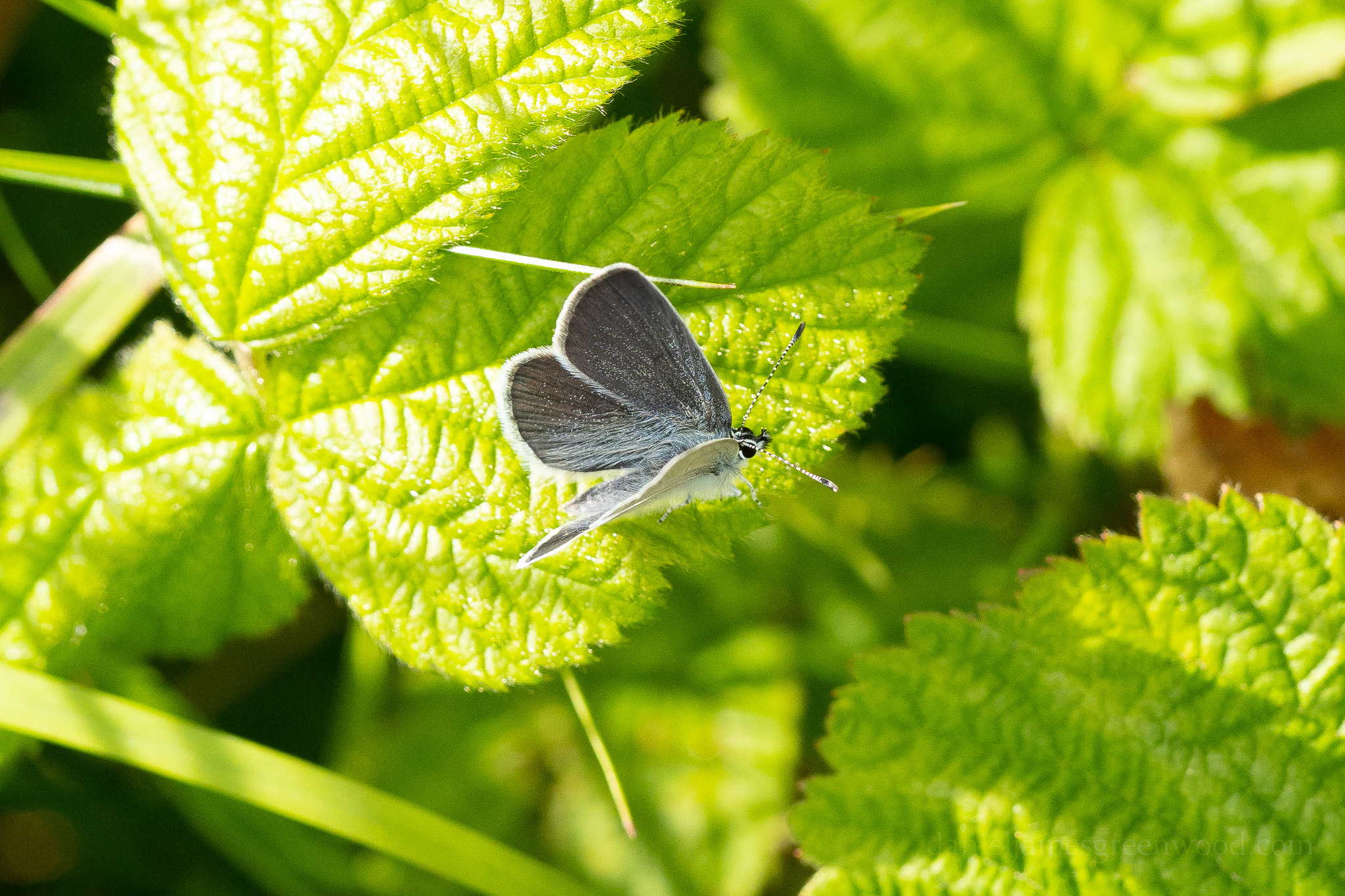
A nice surprise was finding a small blue, one of the rarest butterflies in the UK. This is a very small blue, though most of them in Britain are small anyway. They’re pretty much tied to chalk grasslands from what I know.

Thanks to Phillippa, Jan, James and Monica.

And thanks for reading.

More macro

The South Downs

Tooth of the lion 🦁

Back in London and a chance to see what my Mum and Dad’s garden had to show for itself on the first day of May. This is when we really start to get into the pollinator season, which peaks in July. The weather was perfect for macro with no harsh light.

The forget-me-nots were still on fine form.

I noticed how the dandelions in their pre-flowering phase also look like lions. Their name actually means tooth of the lion from the French “dent-de-lion”, which is one of the great common plant names in my view. Also a reminder of how the English language takes from so many others (did you know English also contains ‘Viking’ words like sky, eggs, and happy?!) The leaves look like teeth but the flowers look like lion’s manes. I’d love to learn more about the history of the name in England.

The ladybirds were quite active. We may be looking at the invasive harlequin here.

I saw this micro-moth on a few occasions, if they are the same species. Their behaviour was similar and their patterning is also.

It’s always nice to see a bee-fly, unless you’re their prey. They can’t have much longer left of their season.

This cucumber spider was hiding away in a buddleia leaf.

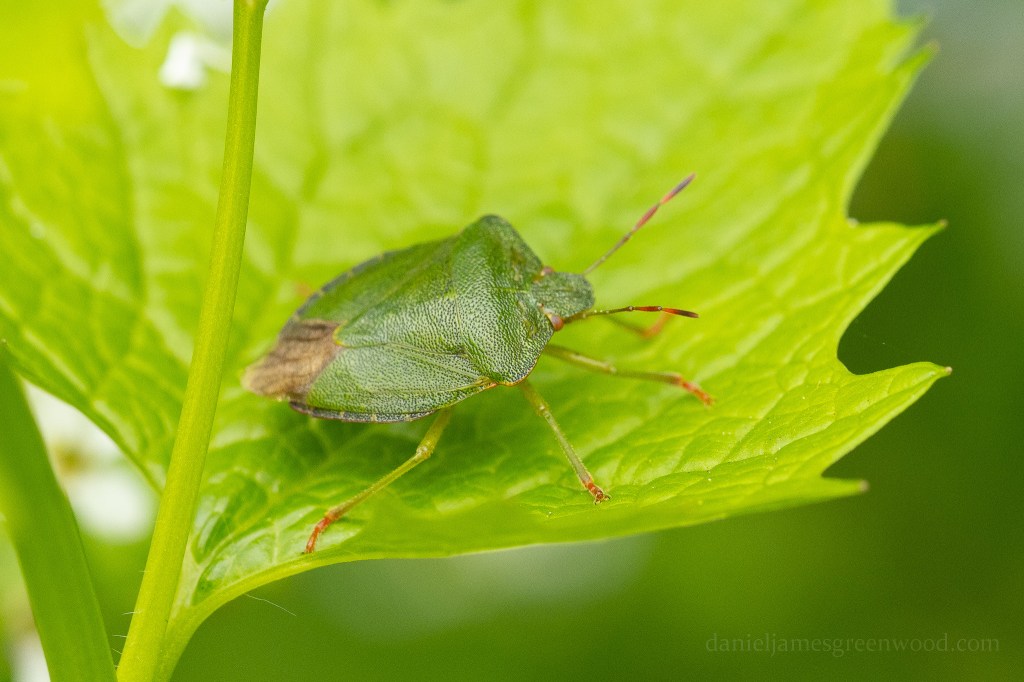
This is one of the first green shieldbugs I’ve seen this year. They are a really common garden bug in England.

Mirid bugs are a quite big group, but this is definitely one species I’ve encountered often in suburban gardens.

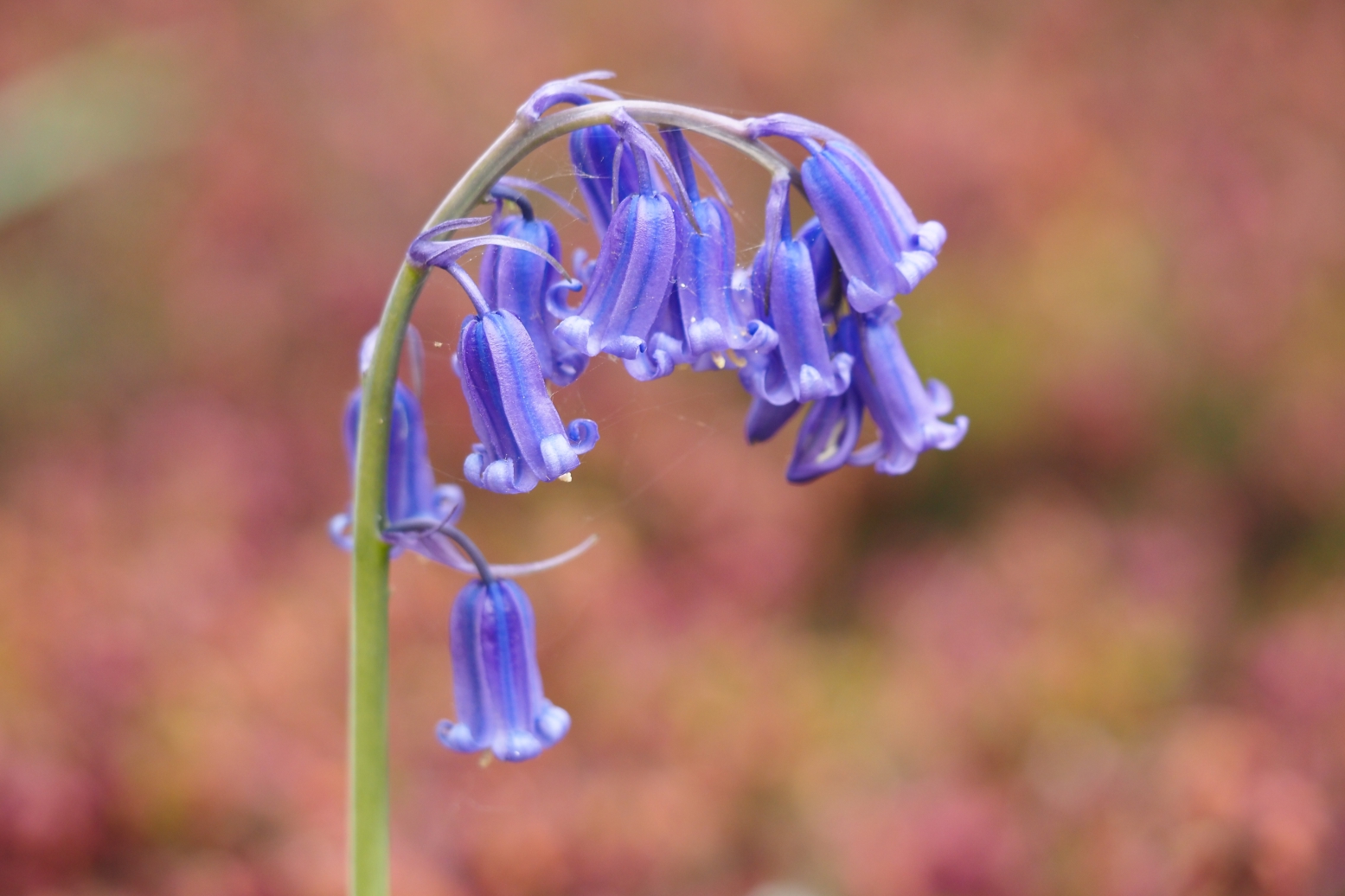
My Dad spent ages trying to control the Spanish bluebells that were running rampant. They are a difficult species to remove. That said they are attractive both for photos and some pollinators like mason bees.

My final image was of a hoverfly I see quite a lot that holds its wings in to its body, making it difficult to observe its markings. I think this one looks like a metallic robot from a 1980s sci-fi movie.

Thanks for reading.

More macro

Forget-me-nots and tawny mining bees 📷

I spent Good Friday with my Mum in London and managed to sneak in 5 minutes of macro photography in her garden. It was a warm but fairly overcast afternoon, which is pretty perfect for macro. This is because the light is softer, creating less contrast in images, and not so hot that insects are hyperactive.

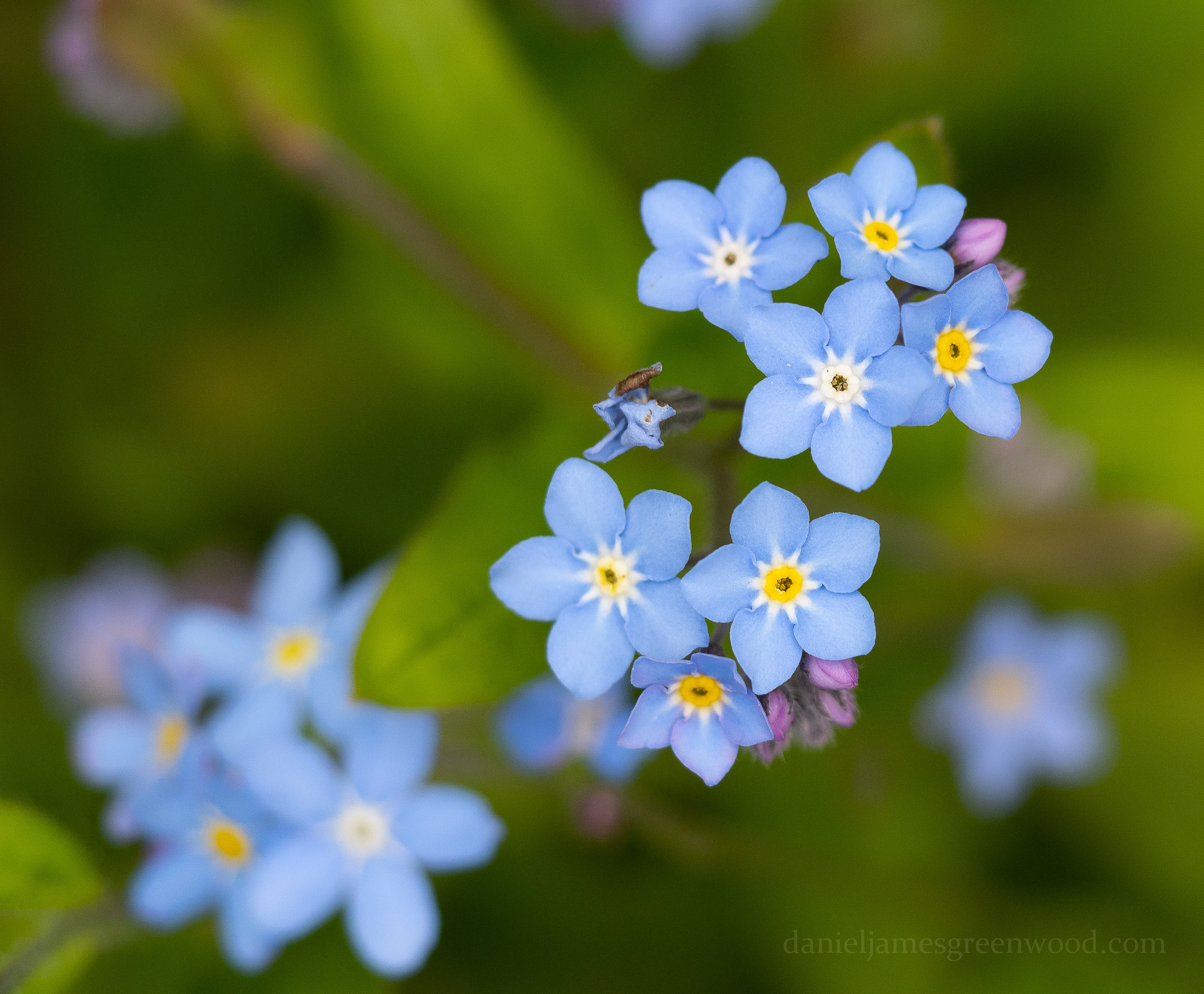
Every spring my Mum and Dad’s garden explodes with self-seeded forget-me-nots, lesser celandines and garlic mustard. The forget-me-nots are truly stunning flowers.

Up close and under a macro lens they are even better. I didn’t get a photo of their full spread, but this tweet completely sums up how I feel about them:

I think it’s a good idea to normalise calling certain things ‘wildflowers’ rather than ‘weeds’.

Years ago my Dad used an old enamel sink to make a pond. We put some marsh marigold in which has proven very content indeed in that small basin. It’s a good nectar source for bees in particular.

One of my Dad’s favourite plants in the garden was the smokebush which grows outside the kitchen window. The colours are incredible when in full swing, but the plant is no less beautiful when it comes into leaf. One of the last proper conversations with my Dad was when I told him I had cut this back (it was getting quite big) and he thanked me for it. I can’t tell you how significant that is now.

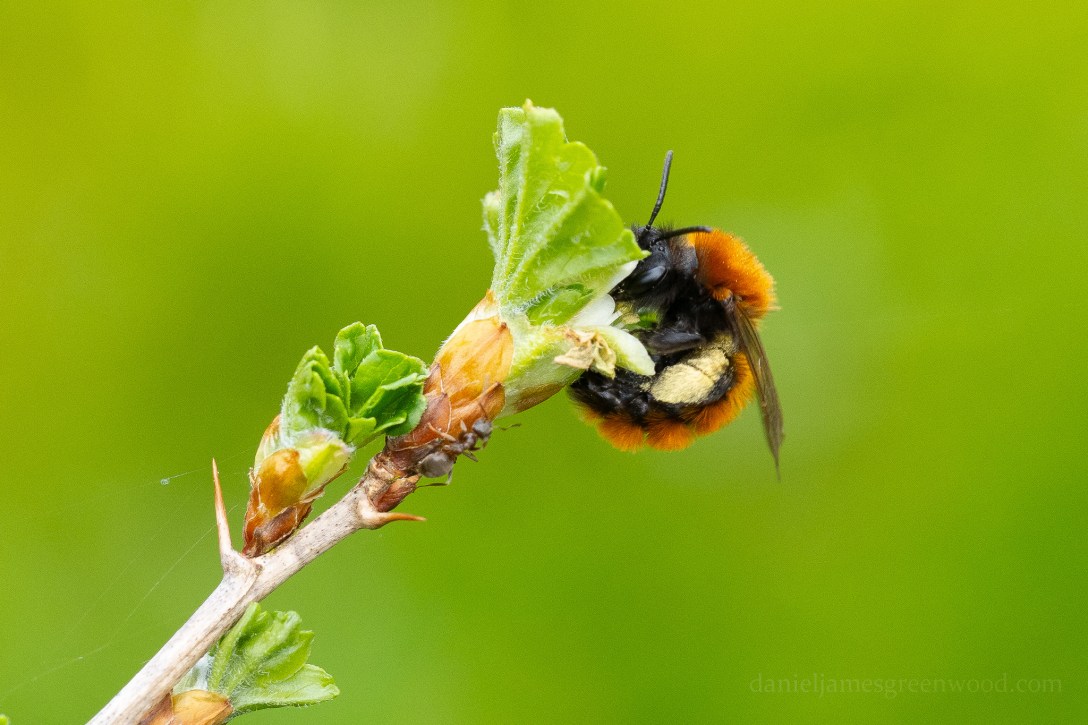
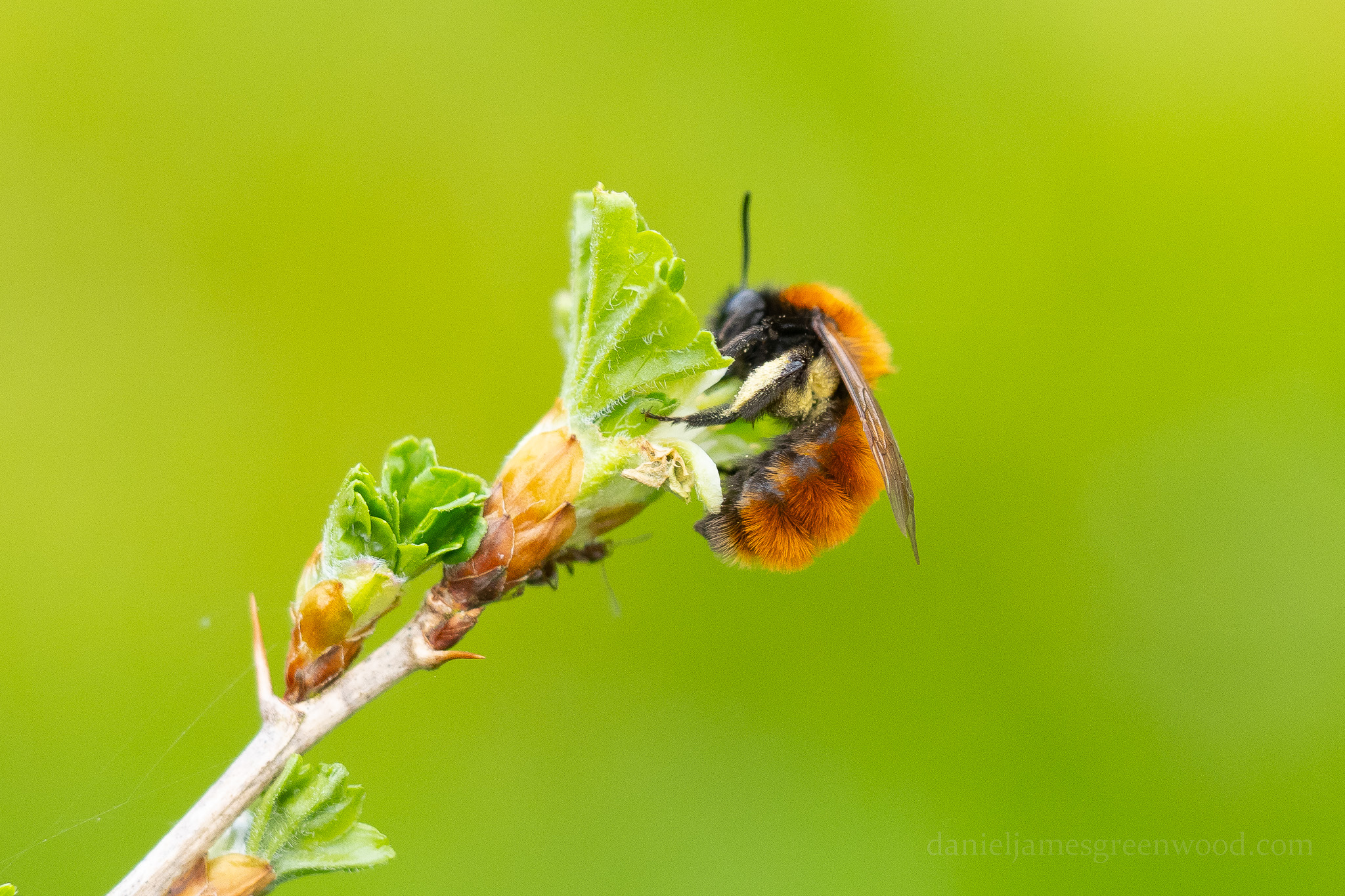
I noticed a familiar bee whizzing around the gooseberry bush – another of my Dad’s favourites, which he would pick fruit from and put into desserts, but also curse the woodpigeons who sometimes ate all the crop in one go! This little red bee is a tawny mining bee, one of the early solitary bee species that we get in southern England. Here you can see it pollinating the gooseberry flowers, that highly valuable ecosystem service you may have heard about. Also note the ant approaching!

The ant is clearly approaching the bee, which in turn is shifting ready to fly. You can just about make out the ant’s mandibles opening in a threatening manner.

The ant has done its job and the tawny mining bee has fled the scene. I can only guess that the ant sees the bee as a threat to any aphid farming operations which are taking place on the plant, or happening nearby. The mining bee is no threat to the ant or the aphids. It only wants nectar and pollen.

I didn’t know that I had captured this scene – it is out of focus after all! But it is a reminder if you spend even a few minutes looking you will find some drama going on out there.

Thanks for reading.

More macro

Is it safe to come out yet? 👀

Two years ago I began posting a weekly macro blog, mainly because of the UK Covid-19 lockdowns, which only allowed us to leave the house once a day. I kept to those rules to protect other people, ultimately sacrificing much of the time I would have been able to spend with my Dad in the final two years of his life. If you’re in the UK and in touch with current affairs, I think you probably know why I’m making that point. During the lockdowns I spent a lot of time in my garden, in a house we had only just moved into, and relished the opportunity to get to know the tiny lives being lived in the small space of my back garden.

I mention all this because I now have nothing like the same amount of time to spend outdoors in the garden. So what time I do have out there is precious. One thing that hasn’t changed too much is that I am one of those privileged people who is able to work flexibly and I can visit my garden on breaks. I’m yet to receive a passive aggressive post-it note from a bespectacled Somerset MP.

I popped out one morning recently and found a neighbour had returned, though they were rather nervous about leaving their own quarters. For many people, it’s a similar issue.

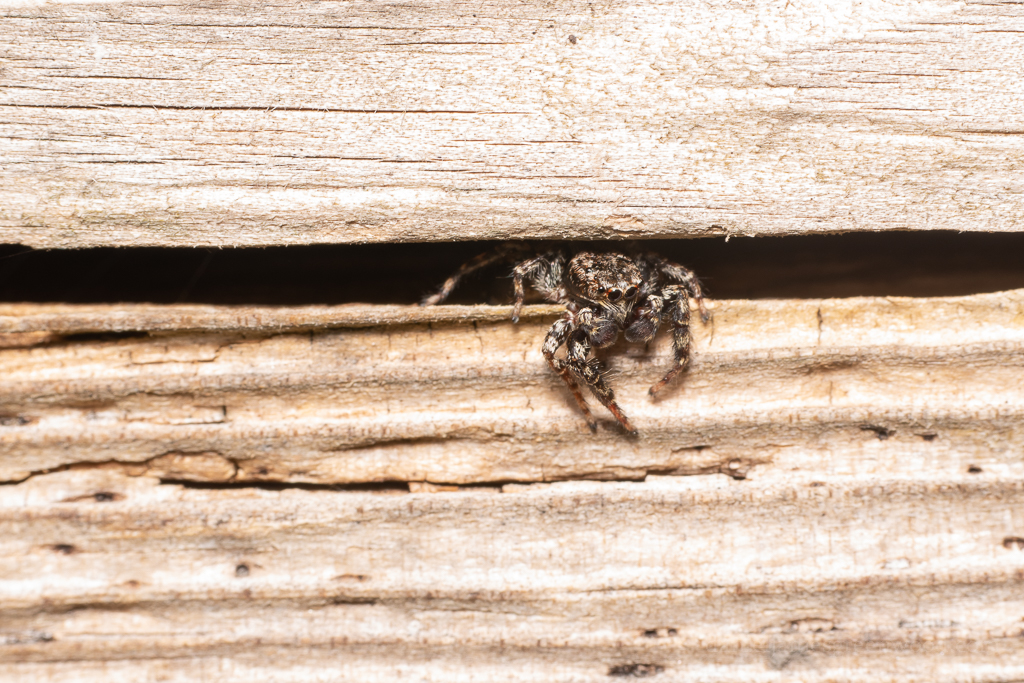
Last June I got some of my best ever macro photos as I leant over my fence, straining my lower back to capture photos of a fencepost jumping spider. I was pleased to see this beautiful spider in the same spot once again this year. It was rather timid and if I got too close it would dart back in. The photo above has been edited to bring out the shadows so you can see those beautiful cartoon eyes. I think this species is mainly interested in hunting the flies and other winged-insects that bask on the hot spot of the fence top.

The spider did venture out on occasion, but after a couple of minutes I felt it was best to leave it to do its work, what is of course key to its survival.

Thanks for reading.

More macro

Macro 📷: the glowing bracken

One morning recently, I spent a couple of hours wandering around my local tract of the Sussex Weald. The bracken and beech were glowing as the sun edged its way up through trees. The sun had blown the world wide open. After a personal self-imposed Omicron lockdown to protect a significant event, it felt like the sun had ripped up that anxious feeling of being locked away. Life was in full flow:

Sun rising, melting the frost and ice in the woods. Winter bird flocks – blue tit, nuthatch, siskin, lesser redpoll. Great spotted woodpecker hammering to mark out its territory. The chirp of a skylark passing over the canopy, perhaps on migration, maybe heading to the South Downs. The hollow sound of the M23 and aeroplanes connected to nearby Gatwick. The strategic calls of crows. A jay screeching. Gunshots pop beyond the woods.

The light in January and February appears at a fairly sociable hour, and after frost the landscape glistens even more. At this time I seek out beech leaves, with their patchworks of fading cells and arrowing veins.

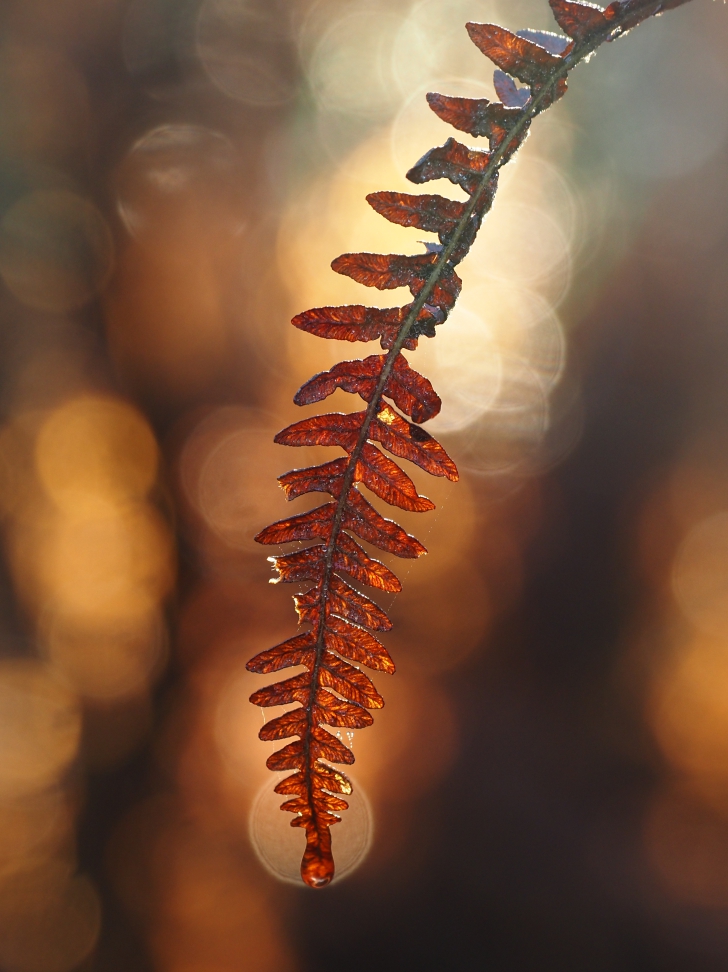
I was using my 12-100mm f4 zoom lens, with more a mind for landscapes, when I spotted this bracken frond dangling down with a droplet of water at its tip. The sun was creeping up through the pines in the distance. The melting frost in its path upon reaching the bracken providing the lush bokeh circles that bed the image down.

I read recently that the photons of sunlight that touch our skin take 200,000 years to travel from the sun itself. That’s around the time that our ancient Homo sapiens ancestors were evolving. So often we can barely see weeks or months ahead when the world we live in is so ancient in its making, it can feel impossible to comprehend. Taking the time to stop and think about it makes life so much richer.

Thanks for reading.

More macro

Macro 📷: hoar frost

I am a big fan of Russian film and literature. Nature, wildlife and the landscape is often at the forefront of this great field of art. It’s the beating heart of the films of Andrei Tarkovsky, the poems of Anna Akhmatova and the short stories of Anton Chekhov. The vastness of Russia’s landscapes is central to much of the art to have come out of that amazing and poorly understood country (especially in the UK & US).

In Chekhov’s short stories there are simple, beautiful descriptions of nature. Chekhov travelled widely as a doctor, treating people across Siberia. It’s where he also found time to write his short stores, and much of that work was inspired by his encounters with ‘ordinary people’. The first place that I ever heard of hoar frost, was in one of his short stories.

Living in cities for most of my life where the heat-island effect quickly melted frost and ice, I didn’t really have the chance to see this until moving out to Sussex.

Ground frost forms when the air is still and cold, usually on clear winter nights. Water vapour in the air condenses on solid surfaces, and as the surface temperature drops below 0°C, ice crystals form.

The Woodland Trust: What is hoar frost and how does it form?

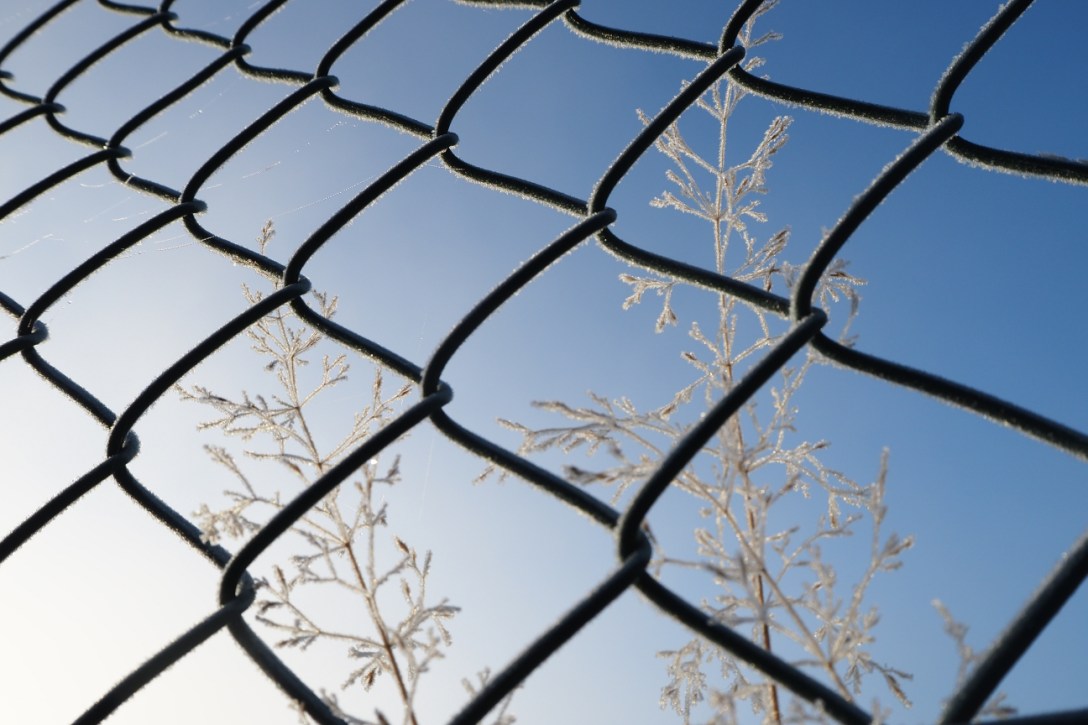
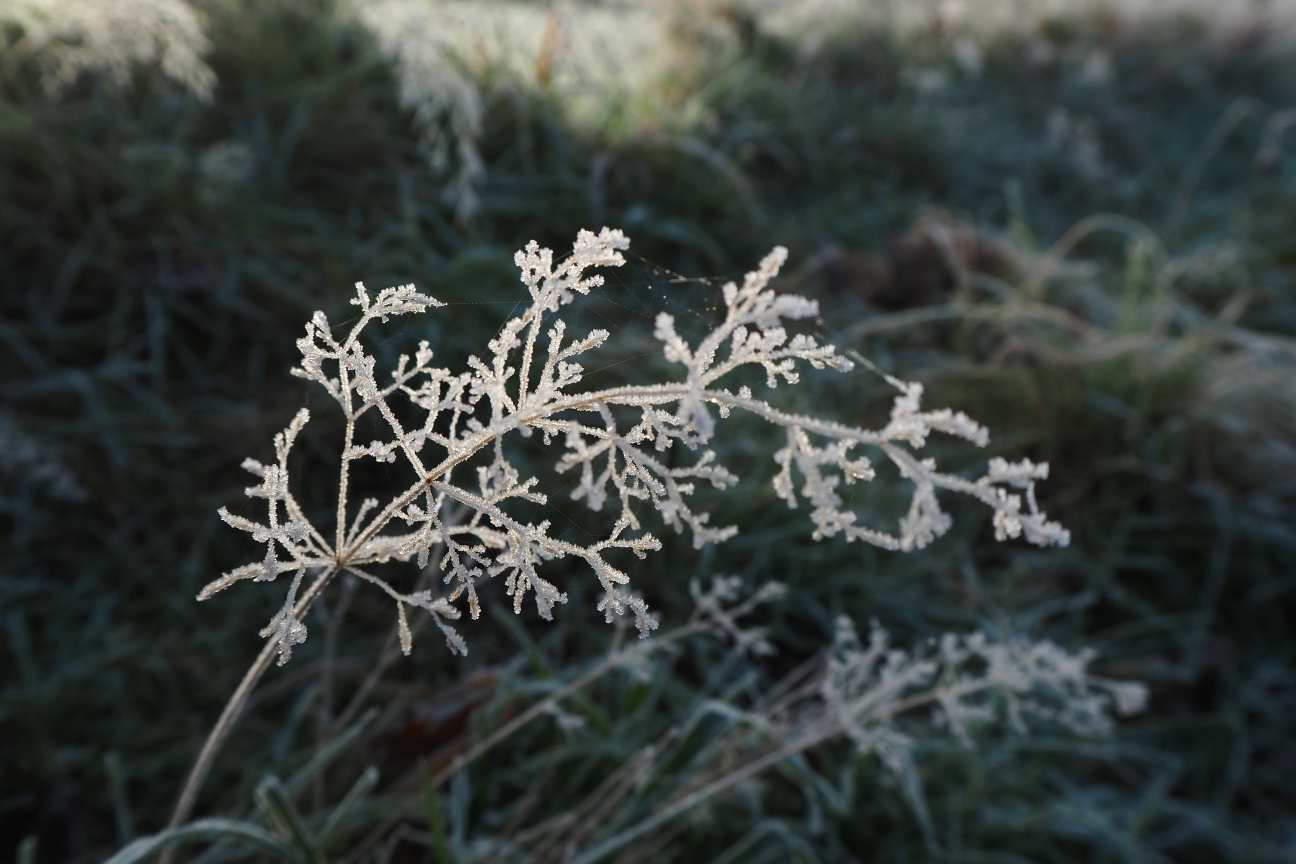
The other day on a morning walk before starting work, I saw something close to it. The night before had been clear and full of stars. In the morning I was walking near the river Arun when I began to notice the heavily-frosted grass heads of bent, on the edge of a tennis court where the strimmer can’t reach.

Frost will always remind me of my dad telling us as children that if you put your hand down the sides of the bed Jack Frost would get you (I wrote about this almost exactly a year ago). The cold down there felt so real. Dad got this story from his childhood, when he and his siblings would wake up in their house in Liverpool to find frost inside the windows. My grandmother would greet them all and say that Jack Frost had been to visit. Apparently they absolutely loved that he’d dropped by in the night!

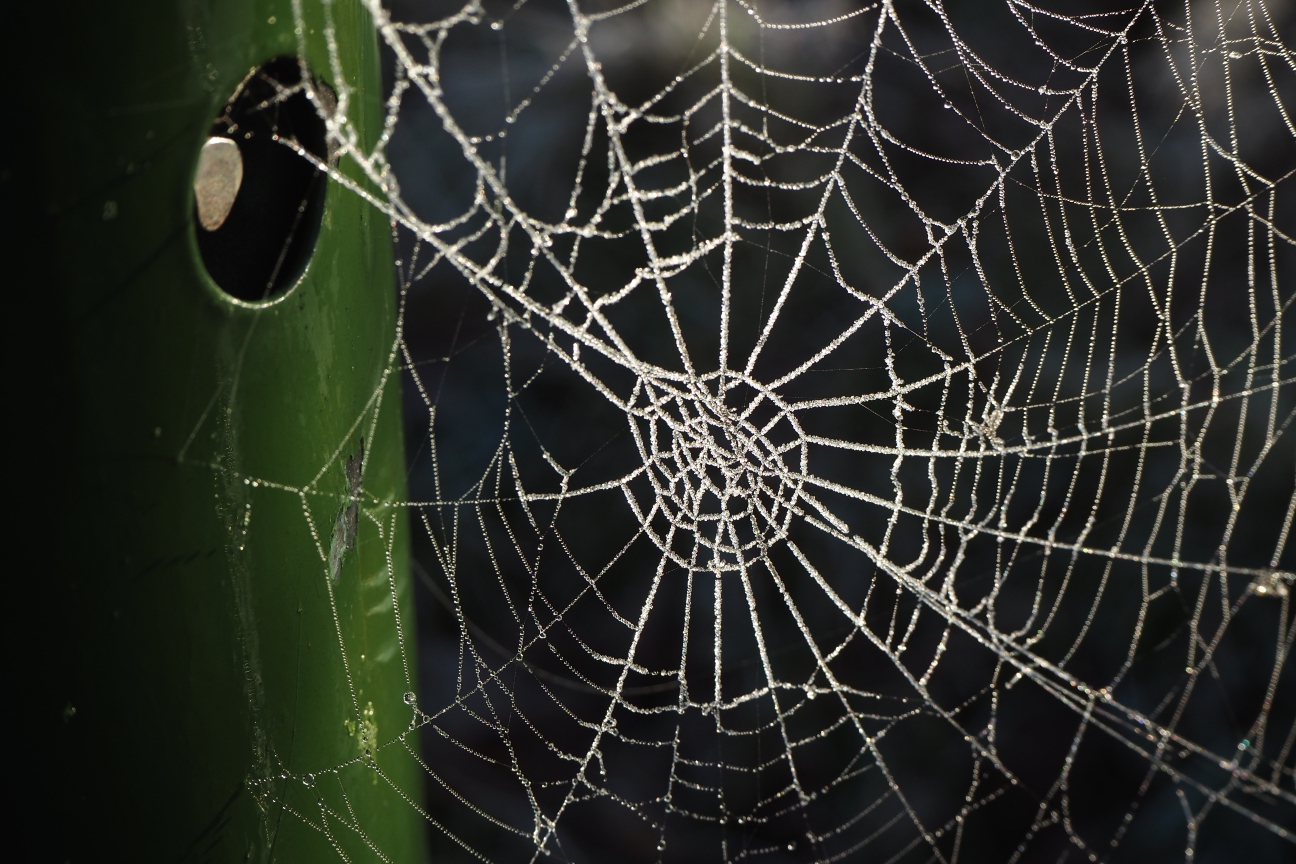
I didn’t have a macro lens with me on this walk, but I pushed my camera’s capabilities to that point. Looking closely at a frosted web which was beginning to lose its frostiness, I noticed a non-biting midge that had become trapped probably days before. The beads of the melted frost were trapped in its hairy antennae and around its limbs. It would look spectacular in extreme close up, but without that equipment at the time, a view of the ‘unfortunate’ insect’s final resting space will suffice.

Thanks for reading.

More macro