I’m still dining out on mid-April at the moment, it’s such a lovely time of year.
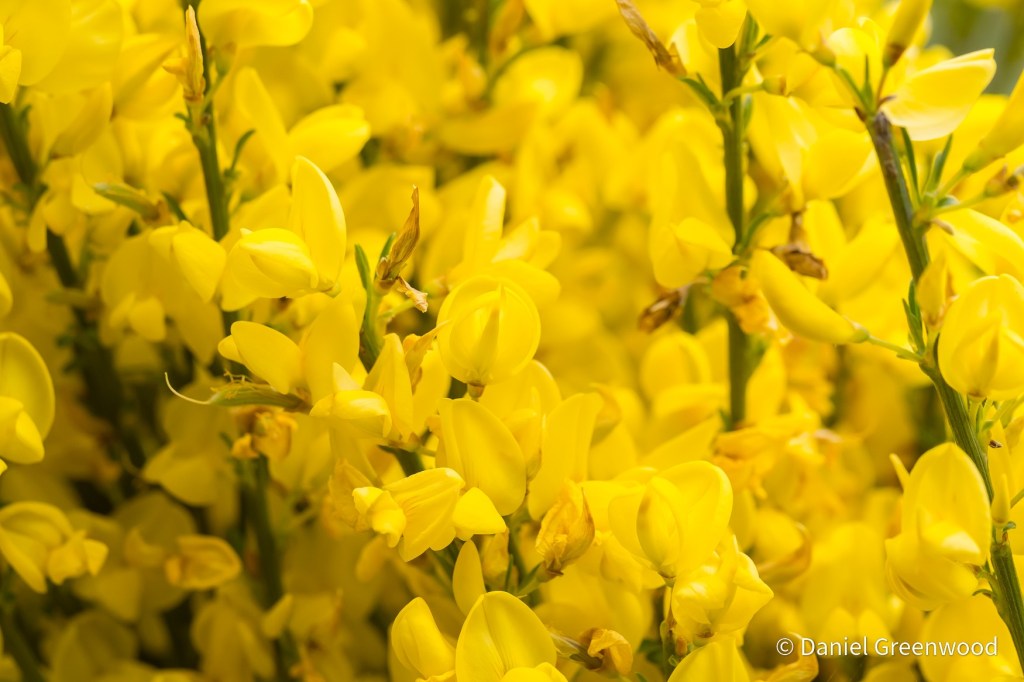
The broom (Cytisus scoparius) we planted several years ago has bloomed magnificently this year. It’s been a treat to both smell, and to see it attract a whole range of pollinators.
Dandelions have been all over social media recently with the recipes for ‘dandelion honey’. I am reliably informed that it’s jam or syrup rather than honey because you’re not a bee. It’s good that people are becoming more aware of dandelions which are incredibly important for pollinators.
We’ve expanded our berry bed in the garden to include an extra redcurrant, blueberry and gooseberry. Above are the lovely flowers of redcurrant.
My little laid hazel hedge is coming along nicely. These fresh red stems are a welcome sign.
As part of the hedge I’ve planted a couple of oaks that have been in pots in our garden for a number of years. One of the oaks is from my grandmother-in-law’s garden near Epping Forest, the other grown from an acorn from Dulwich Wood. I love the redness of the leaves when they first appear, whether or not these are tannins I would need to check the science.
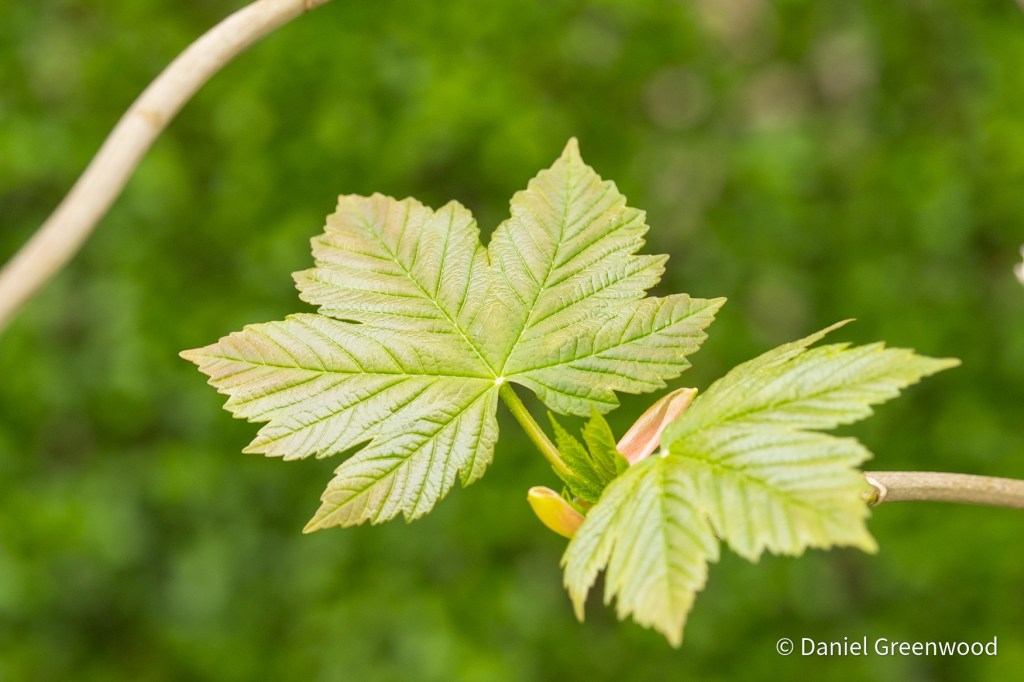
Elsewhere the sycamore is now leafing. Soon these will be sticky with aphid honeydew. The sparrows and blue tits will be hoovering the aphids up to feed their nestlings.
Speaking of those little devils, our swift box has been moved-into after 3 years of waiting for something to happen. Of course it would be best if swifts were there, but sparrows are also red-listed and their habitat is being lost as people are forcing them out of the eaves. Much of that is probably unintentional, but it’s still something we need to look at.
In the invertebrate world, the droneflies have calmed down a bit and are willing to pose for their macro close-up. This is probably a tapered dronefly (Eristalis pertinax).
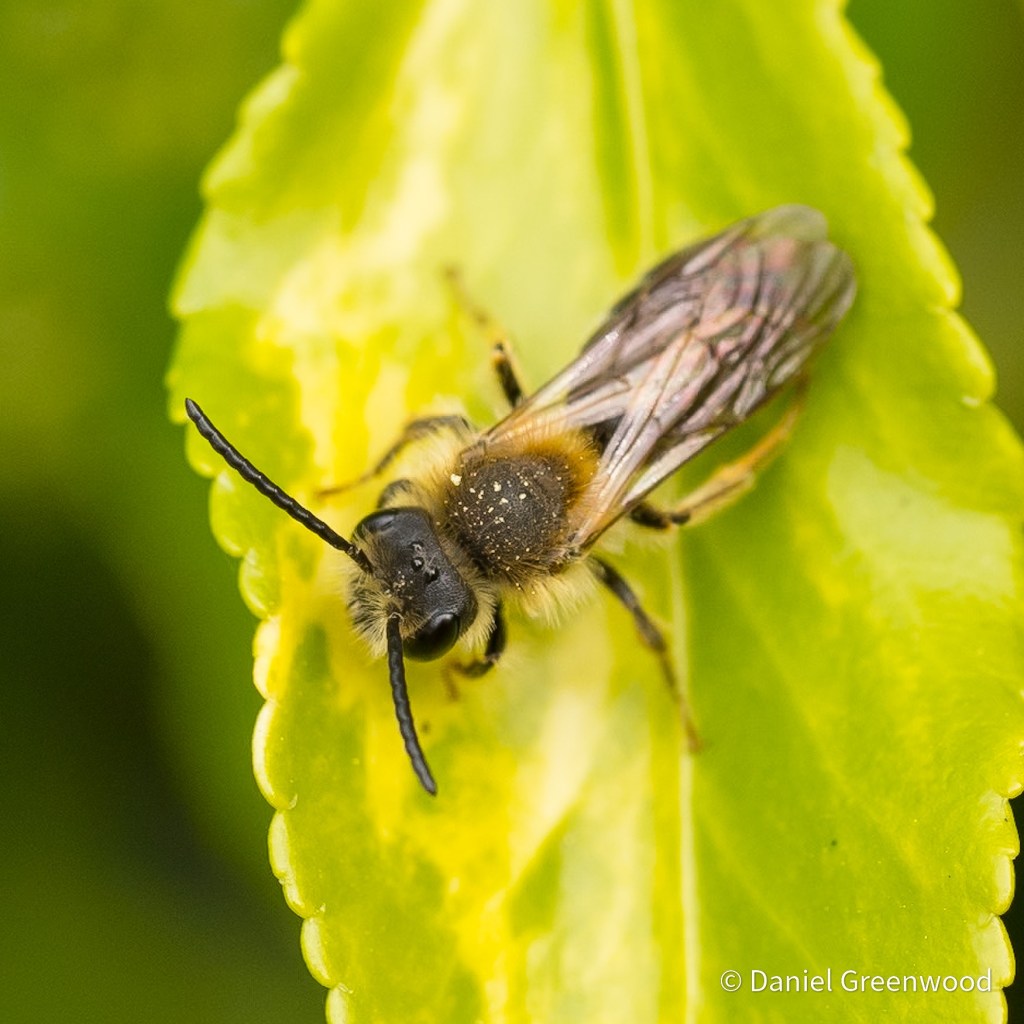
This is my first decent set of images of a solitary bee this year. It’s probably one of the mining bees (Andrena) but I don’t have an ID yet.
Another solitary bee species had found its way into our living room. I took a few photos before letting the little bee back out into the world.
Continuing my series of posts about the landscape of the Jungfrau mountains in Switzerland, here is a look at some of the woodland plants seen above Grindelwald.
Just to say: picking or trampling on wildflowers is not advised, and may be illegal in some locations. The meadows shown here form part of people’s livelihoods as well as being sensitive habitats. Woodlands are extremely sensitive to our footsteps so stick to designated paths where you can. Check the regulations around foraging before you go and show respect for people and wild plants, animals and fungi when you visit. There’s a lot of livestock around, usually behind fences, but they’re so noisy you can’t miss them.
The photos here are a mix of mirrorless camera and phone. The plants photos are mainly taken with my Pixel 7a, the landscape photos with my Olympus EM1 Mark III. All have been lightly processed.
The walk
The walk was a fairly short one in length, mainly due to the altitude and general tiredness from travelling. It would be a good one if you’re visiting from Interlaken on a day when it’s not worth going higher or it’s too early in the season.
The walk is about 2.5 miles and can be done more quickly if you’re not taking photos of plants!
All the high trails, including the Eiger Trail, were closed when we visited. Climate change may be making rockfall more common and therefore the higher trails are more dangerous.
It’s possible you can do this walk and see absolutely no one, but for a farmer or two, after you pass the toboggan run.
We took the Pfinstegg cable car up to the Berghaus restaurant, had some chips, and walked down to the village, past the toboggan run.
What you can’t hear is the sound of middle-class Americans talking about their Adriatic travel plans.
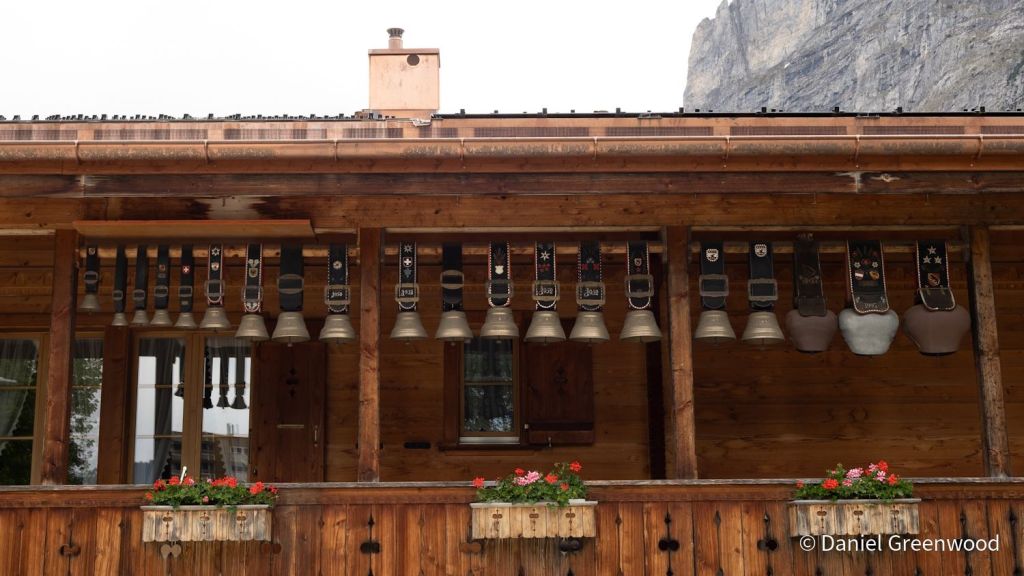
One image I wanted to share was this exhibition of alpine heritage. Here you can see the array of bells used in the Jungfrau for cattle management. The sound of the cowbells is one of the signifiers that you are in the Swiss Alps. Of course the same can be said for many mountain regions, but each one has its cultural differences. That’s a different blog entirely!
Alpine flowers (1300m)
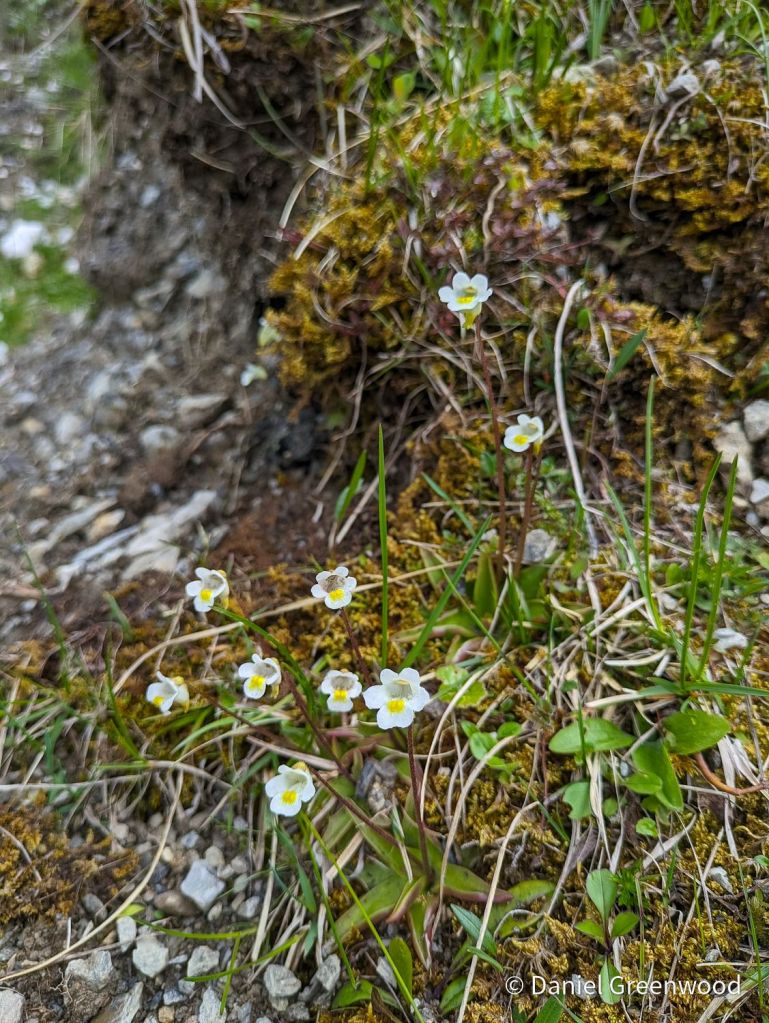
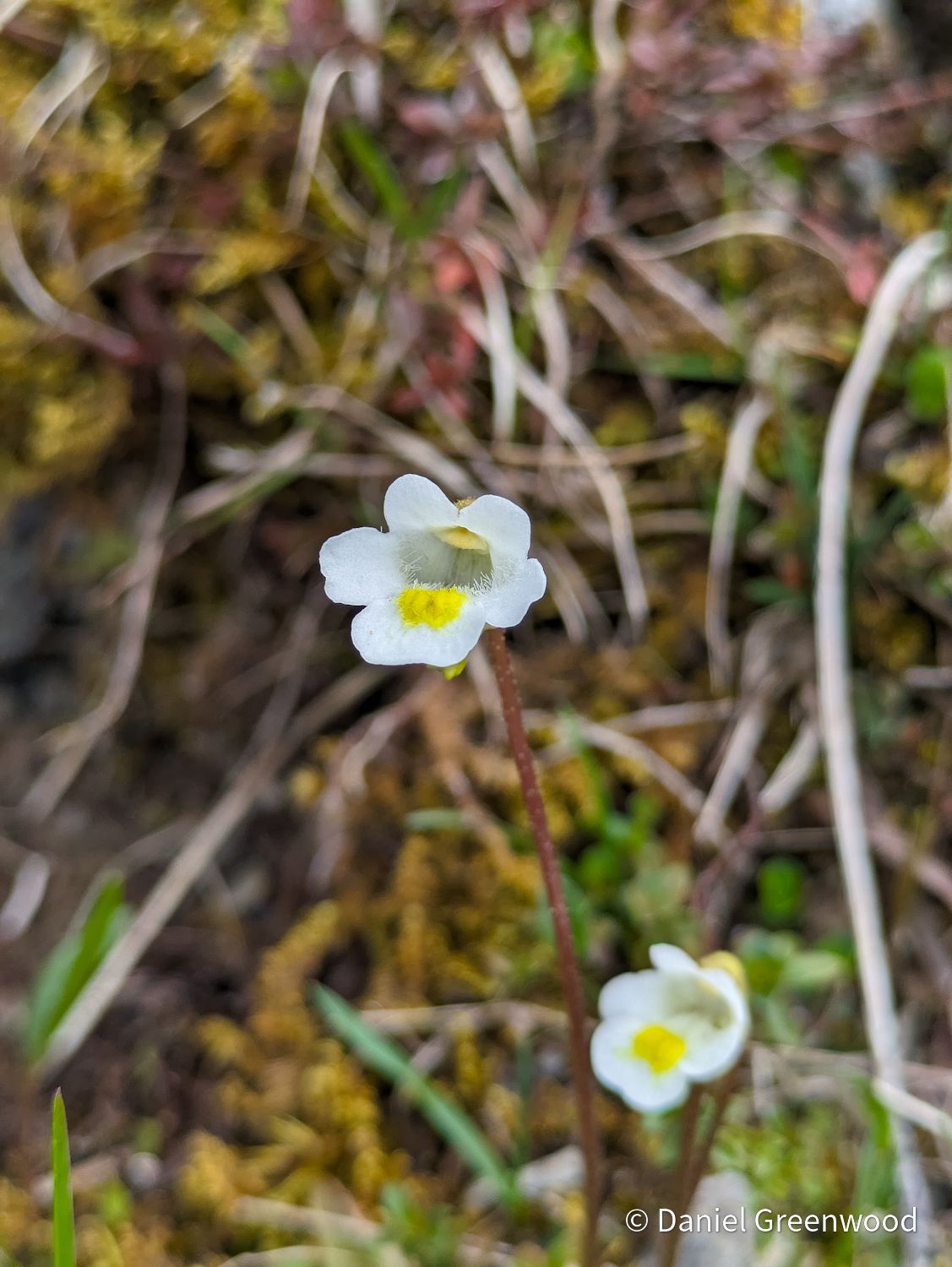
One of the more common sightings in the alpine zone was alpine butterwort, (Pinguicula alpina).
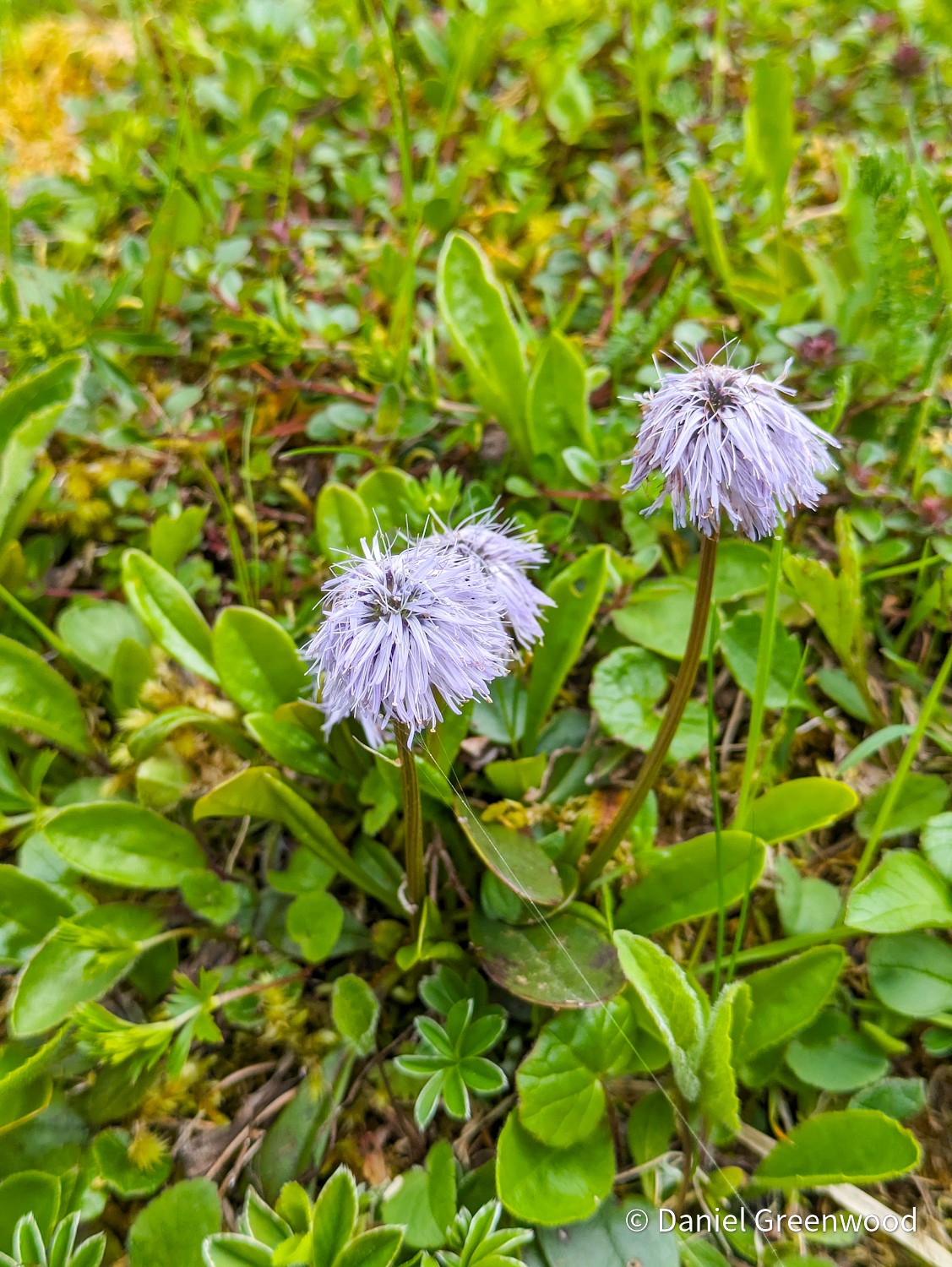
A regular of this habitat was leafless stemmed globularia (Globularia nudicaulis). They look like little lilac mops.
At this point the views of Grindelwald began to be swallowed by the spring woodlands.
In the woods
As you can imagine, the water was crashing down as the snow melted. A lot of work is going into observing the changes in the glaciers in the Swiss Alps, which is happening at an alarming rate here.
You can get views of the Lower Grindelwald Glacier from this walk (though this was taken lower down). This glacier shrunk by over a mile between 1973 and 2015.
I love a new violet species that’s easier to identify than ours at home. This is twoflower violet (Viola biflora) and was only seen in the woods at the edge of lanes.
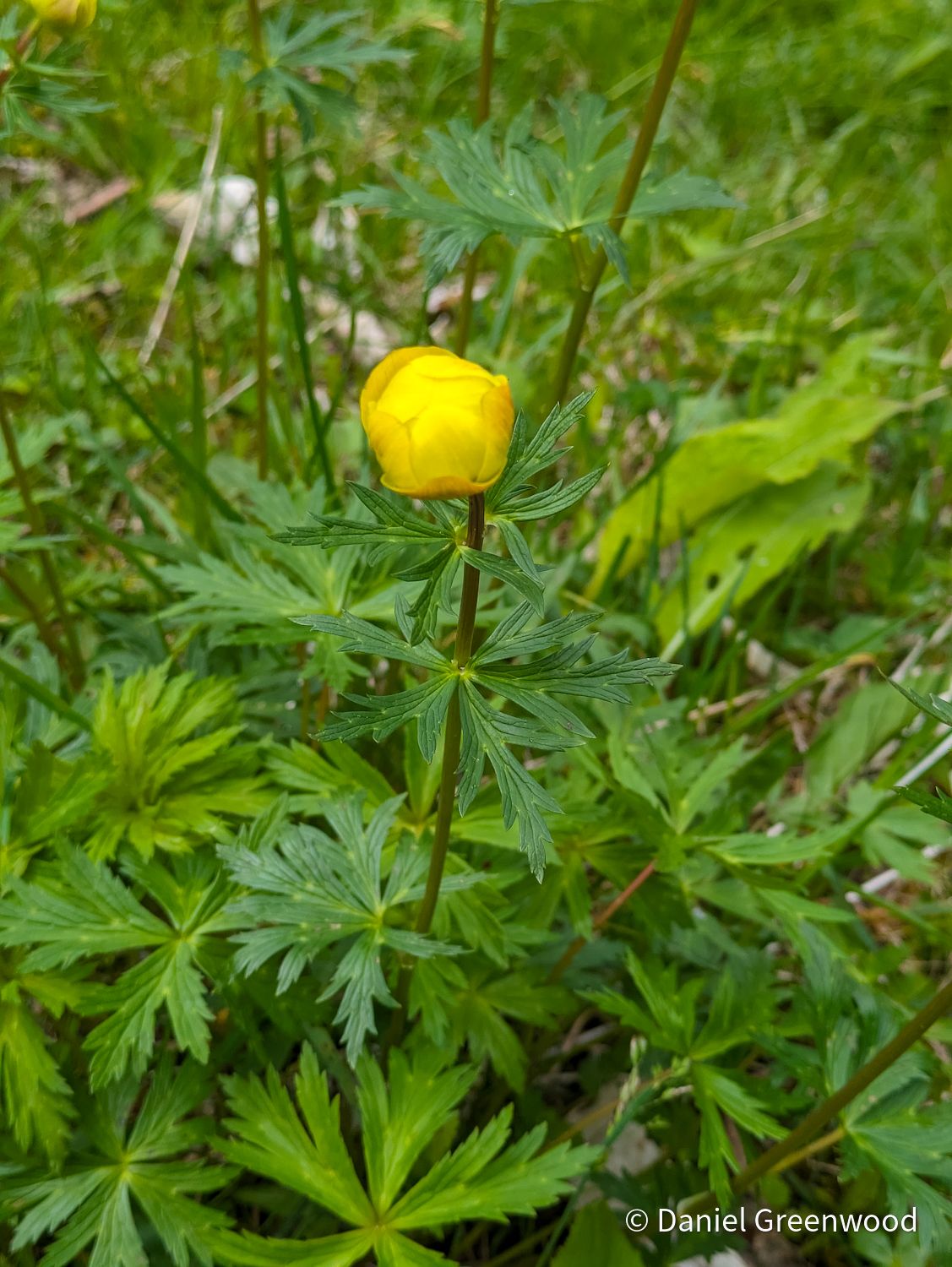
It’s always nice to find globeflower (Trollius europaeus), a species of buttercup.
This was a new species for me – may lily (Maianthemum bifolum). It looks more similar to something like black bryony or bindweed to the untrained eye (this one).
This cranefly was resting on the leaves of yellow archangel, a woodland plant we seem to be losing in the UK.
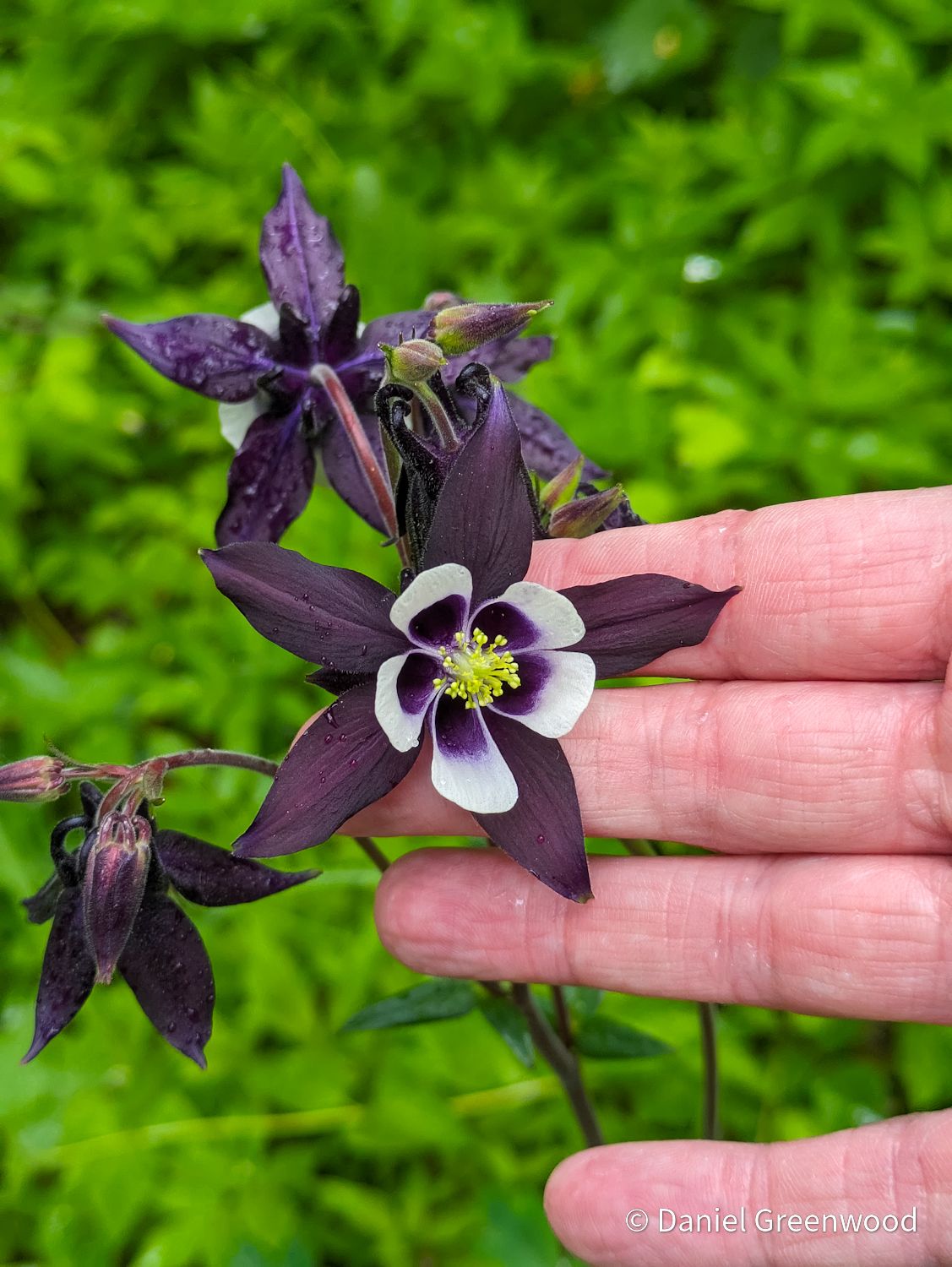
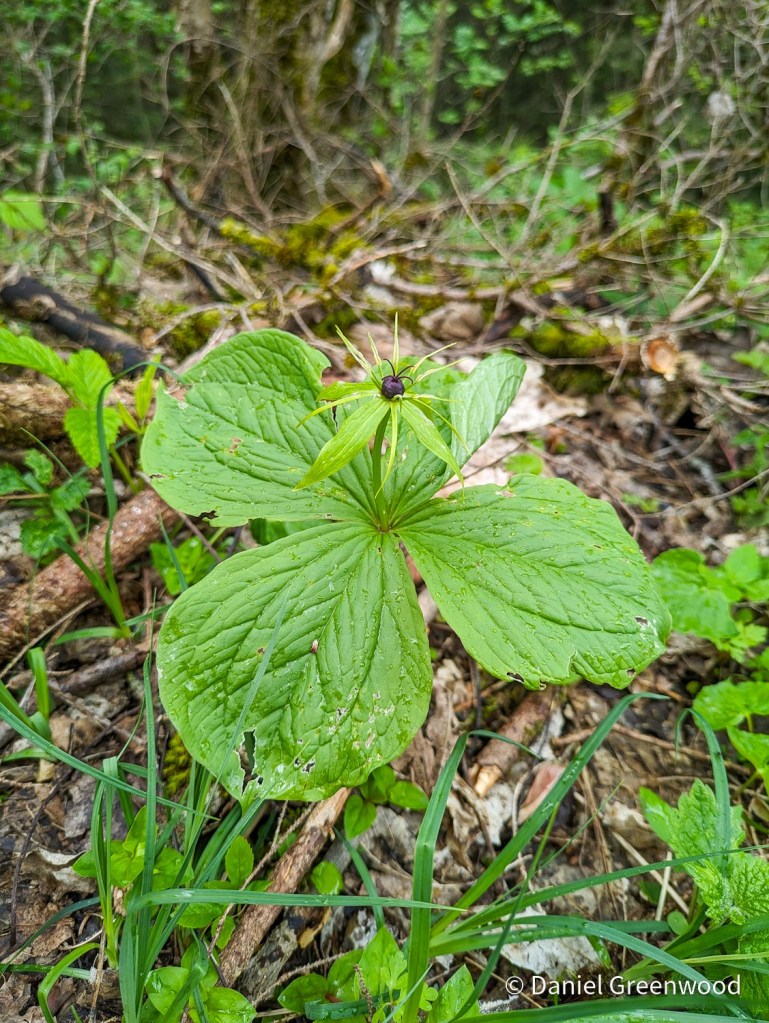
It’s always a joy to encounter herb paris (Paris quadrifolia). I think the columbine (Aquilegia vulgaris) seen here is probably a garden escape, though it is an ancient woodland plant as well, so I may be wrong. I hope it’s the wild one!
There was more herb paris, but only in the woods.
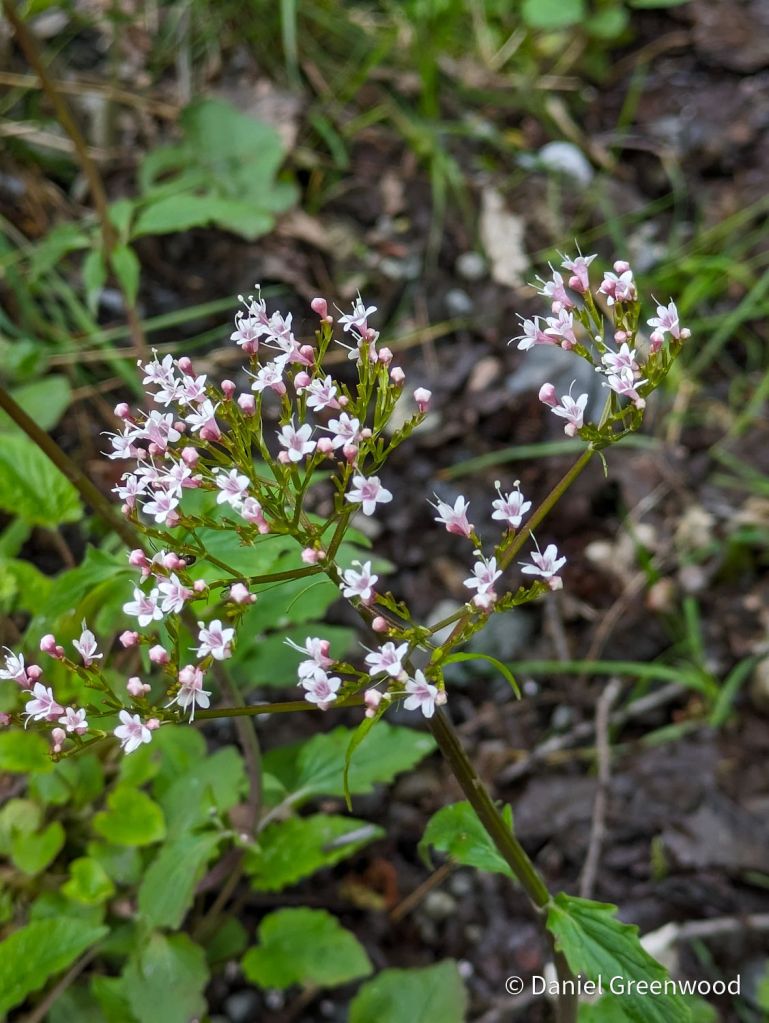
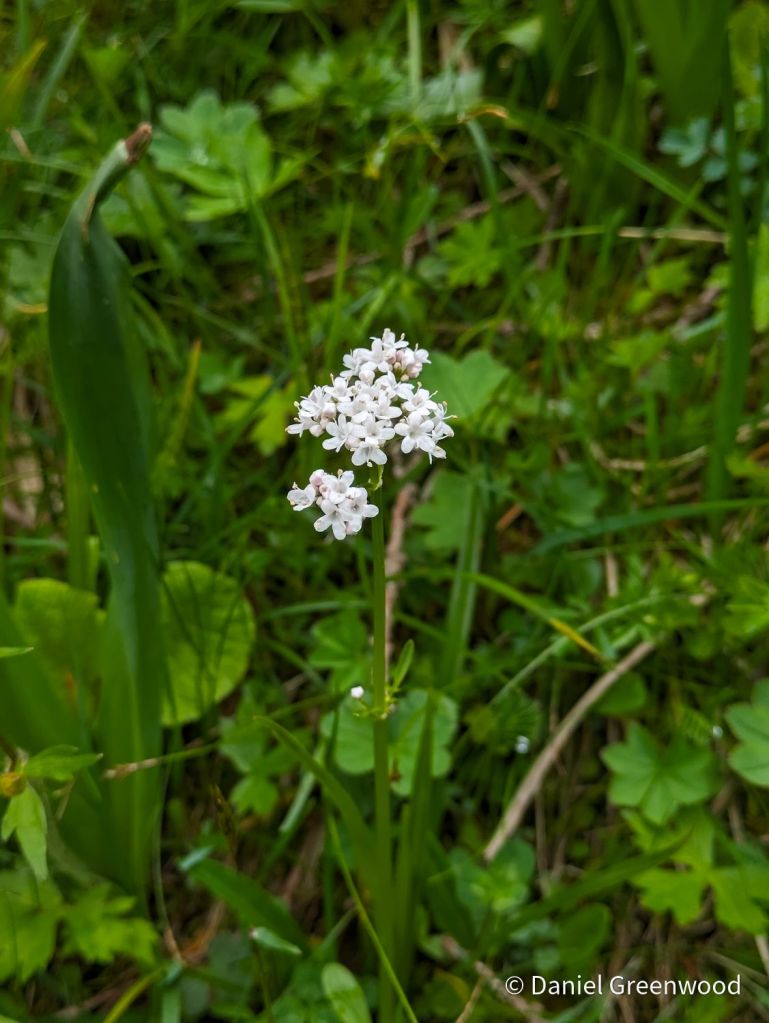
There were a couple of valerians. This one is three-leaved valerian (Valeriana tripteris). It was growing in wet areas.
Now, there weren’t a lot of orchids out at the time as it was probably too early in the season. But this is bird-nest orchid (Neottia nidus-avis), which I’ve only really seen in the chalky woods of the North Downs in England.
This is fly honeysuckle (Lonicera xylosteum), a strangely shrubby honeysuckle compared with the climber we have in the UK. It’s been introduced to Britain but I’ve never bumped into it.
Hillside meadows
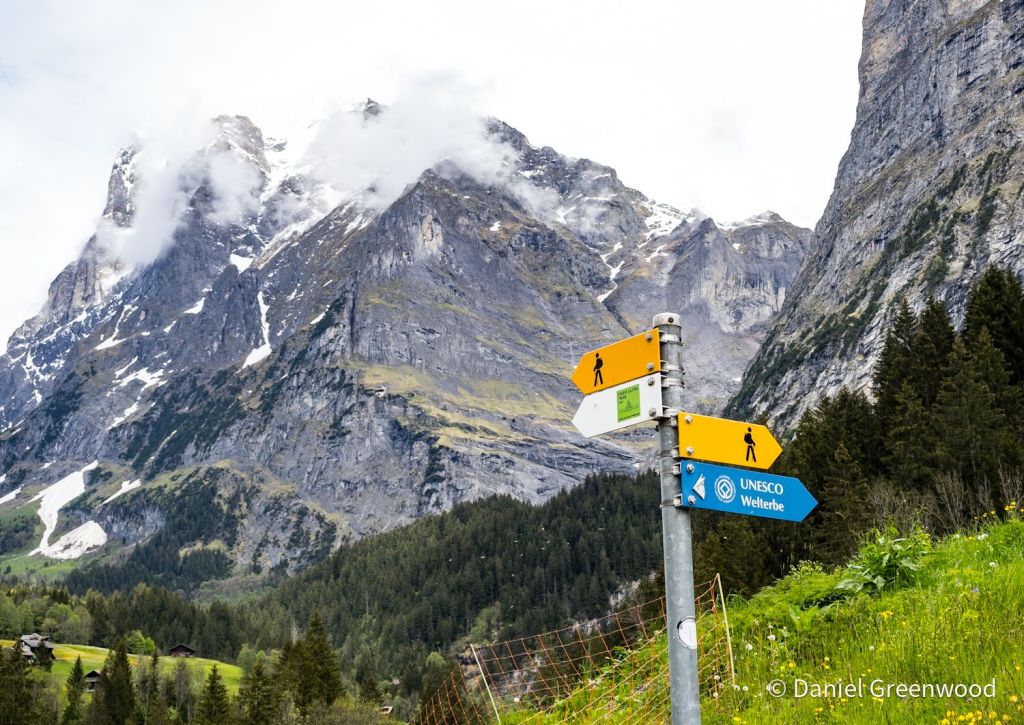
Let’s just take in the views of the Wetterhorn for a bit…
I’d like to be out walking in World Heritage landscapes every week, but alas, it will just have to be once or twice in life.
Looking south-west towards the Eiger.
Mountain sainfoin (Onobrychis montana) was one of the most eye-catching plants, growing at the edges of the lane if I remember rightly.
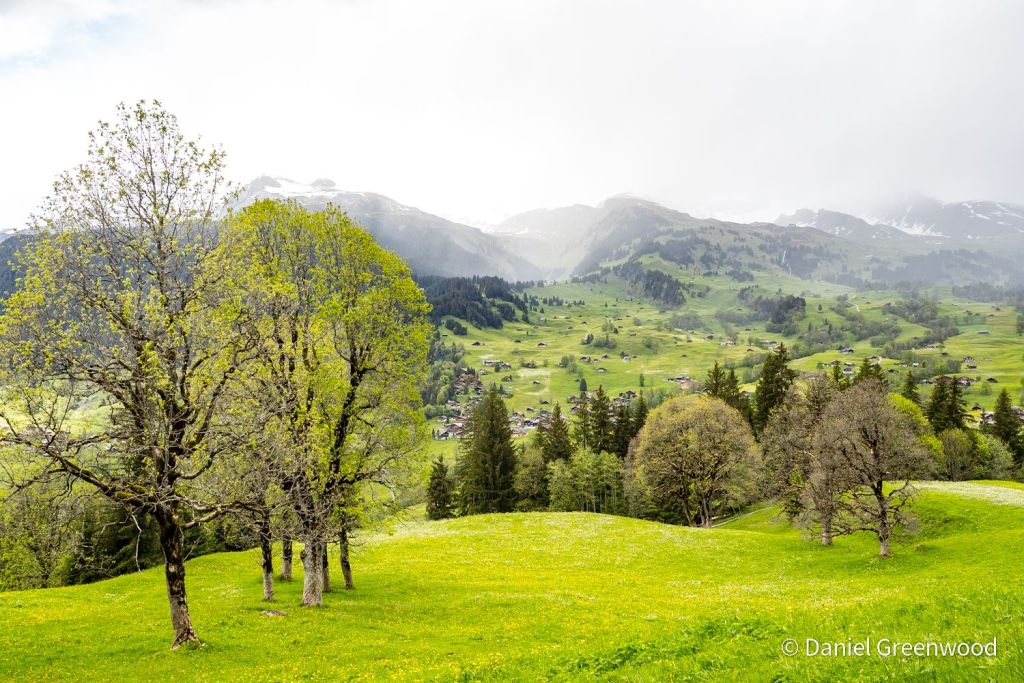
The spring really glows in this image, despite the misty conditions. The sycamores are coming into leaf.
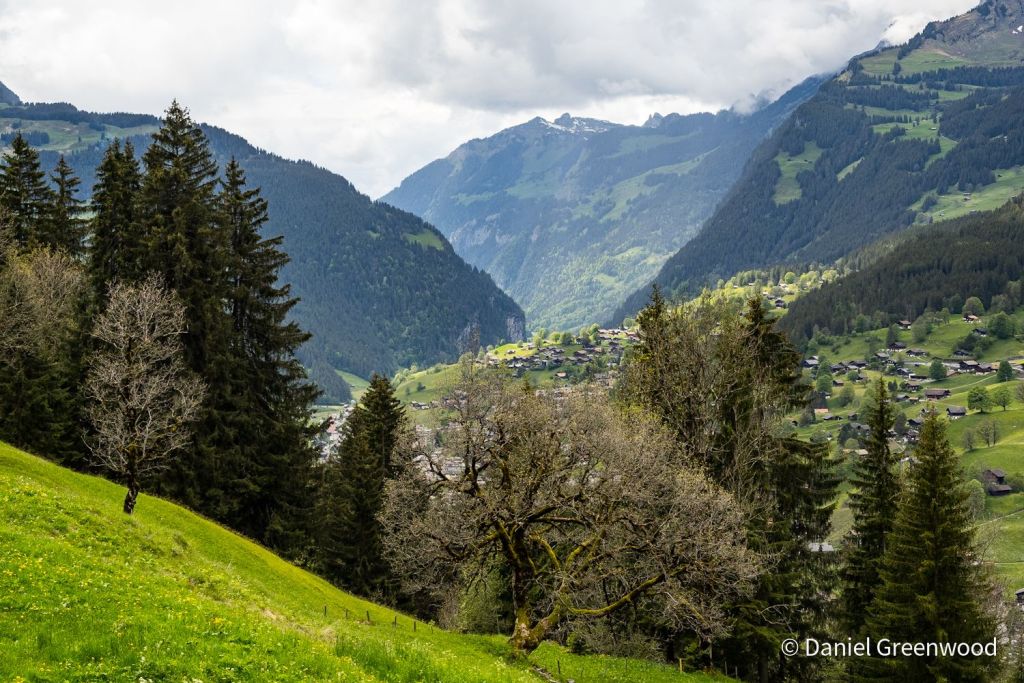
This is a view down the valley where the train returns to Interlaken.
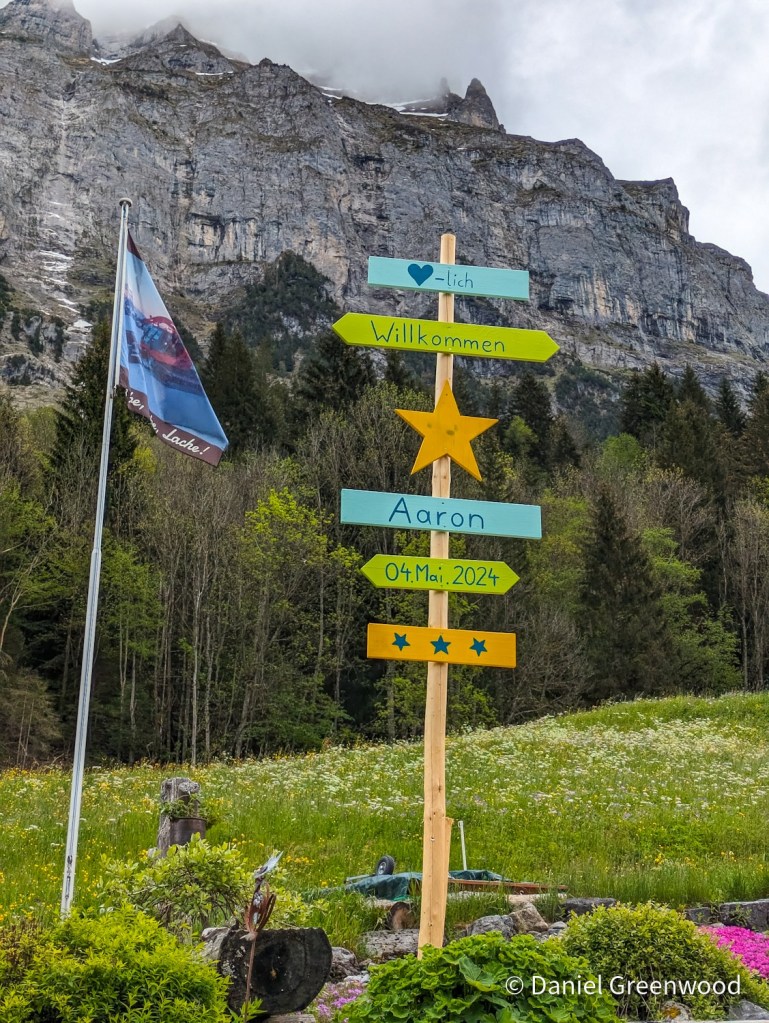
This is something I’d never seen before – a totemic welcome for Aaron who was born on 4th May 2024. Perhaps this is a tradition in this part of Switzerland?
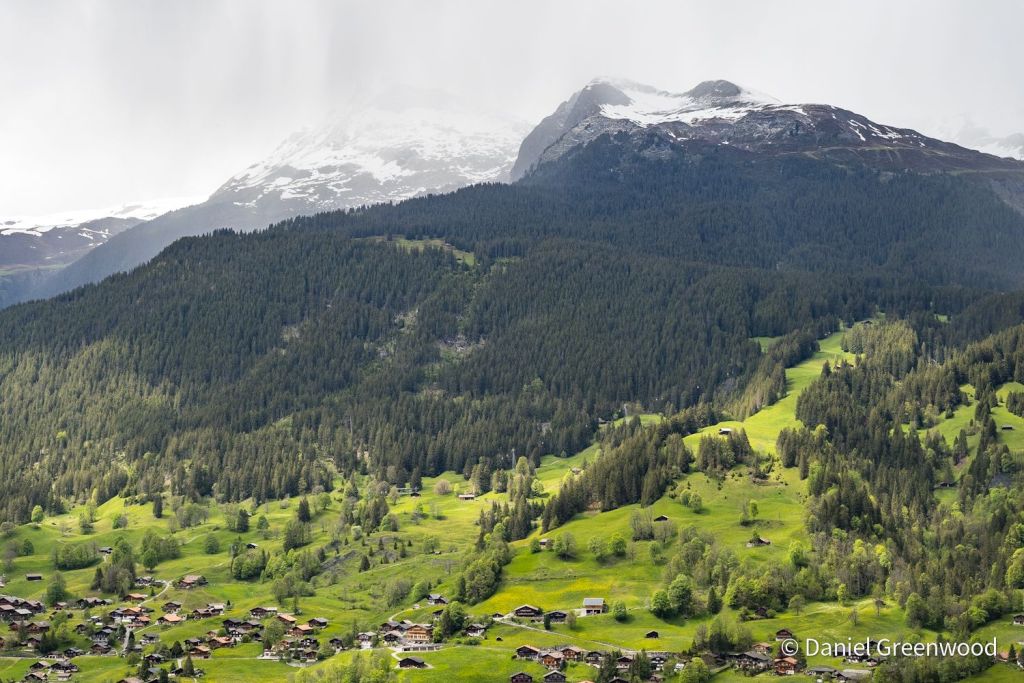
The views across towards Grindelwald First come into view as space opens up on the woods. You can see all of the chalets that dot the meadows.
I was intrigued by these rustic chalets that were more indicative of a rural way of life, compared with the guesthouses in the valley. It looked lived-in or at least used by people who made use of wood products. What a lovely place to be able to escape to in the summer. Of course communities would have developed from these single dwellings across the Alps.
This image looks north towards the other side of the valley. The yellow hue in the meadows is either kidney vetch or birds-foot trefoil.
The lovely spiralling shell of a snail roosting in a tree.
These umbellifer-rich meadows were a joy to behold.
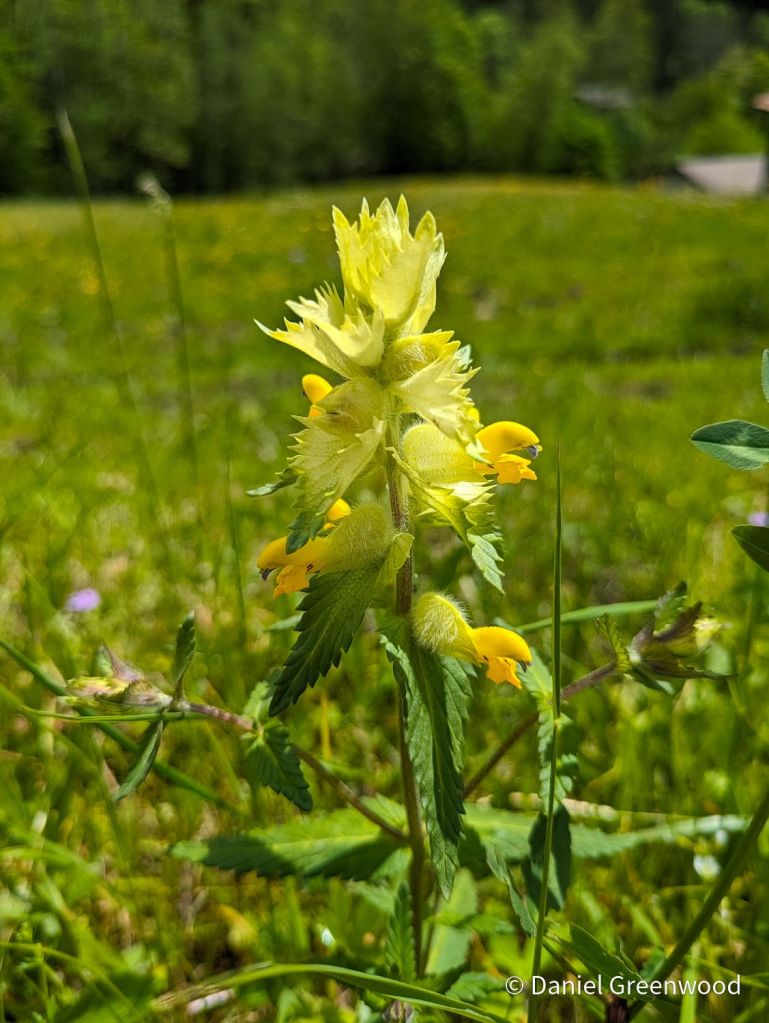
The lower we got (c.1000m) the more abundant yellow rattle become. This is probably Rhianthus serotinus.
This is the Black Lütschine, one of the rivers that flows into Lake Brienz. It was very powerful. Its source is the Lower Grindelward Glacier, pictured earlier in this post.
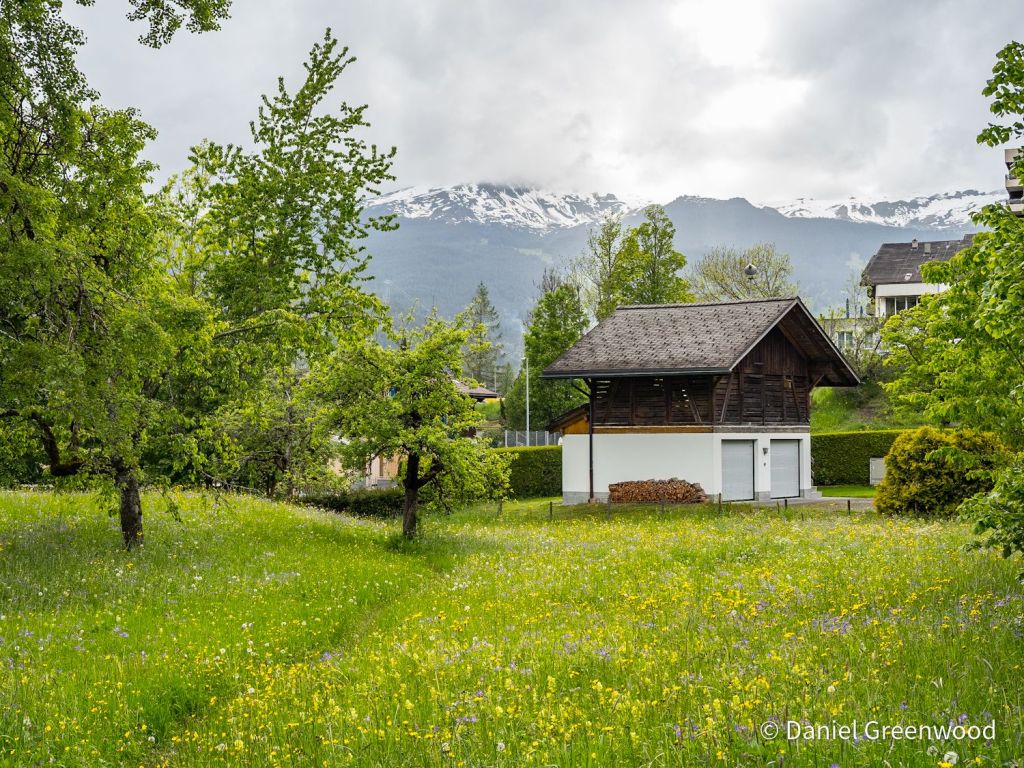
The meadows around people’s houses – this looks like an orchard – were in fine condition.
Thanks for reading.
I write these blogs in my spare time because I want to raise awareness about the beauty and diversity of our landscapes. If you enjoy reading themyou can support my blog here.
Carrying on from the magnificent meadows of Grindelwald post, this post covers some of the alpine plants my wife and I saw on our honeymoon hike around Männlichen in May 2024.
The view from Männlichen
It was rather wintry atop the peaks of the Jungfrau with snow still covering grasslands above the treeline.
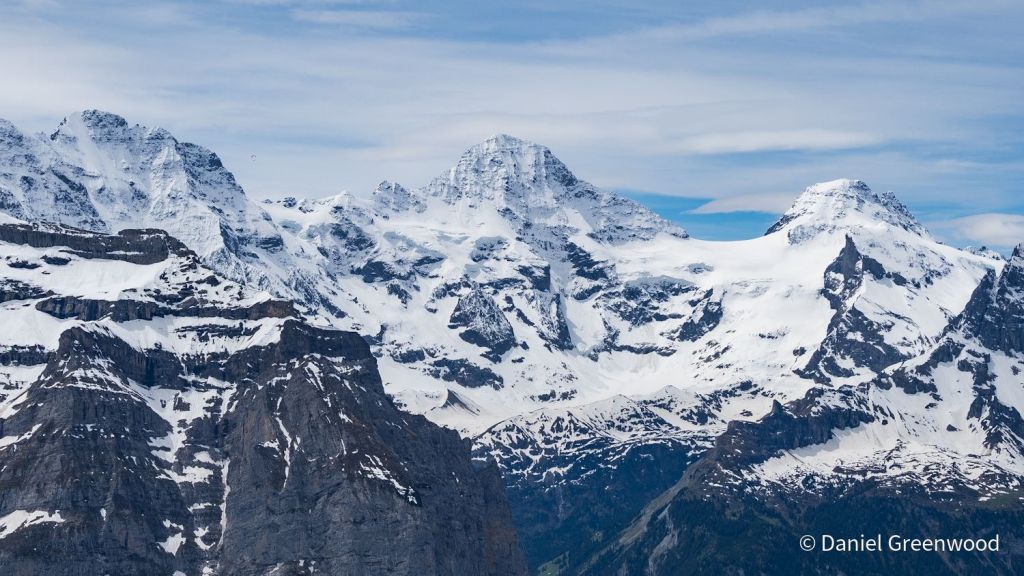
The Jungfrau peaksleft to right: the Eiger, Jungfrau and Mönch
The Peaks of the Jungfrau
Männlichen is accessible via gondola from the Grindelwald Terminal station. The Grindelwald stations can be confusing so do look into it to ensure you don’t get off at the wrong station, wherever you’re going.
View into the Lauterbrunnen Valley from Männlichen
When you reach the gondola station you alight at 2220m. Here you get fantastic views of the major peaks of the Jungfrau – Eiger (Ogre, 3970m), Jungfrau (Young Girl, 4105m), and Mönch (Monk, 4107m).
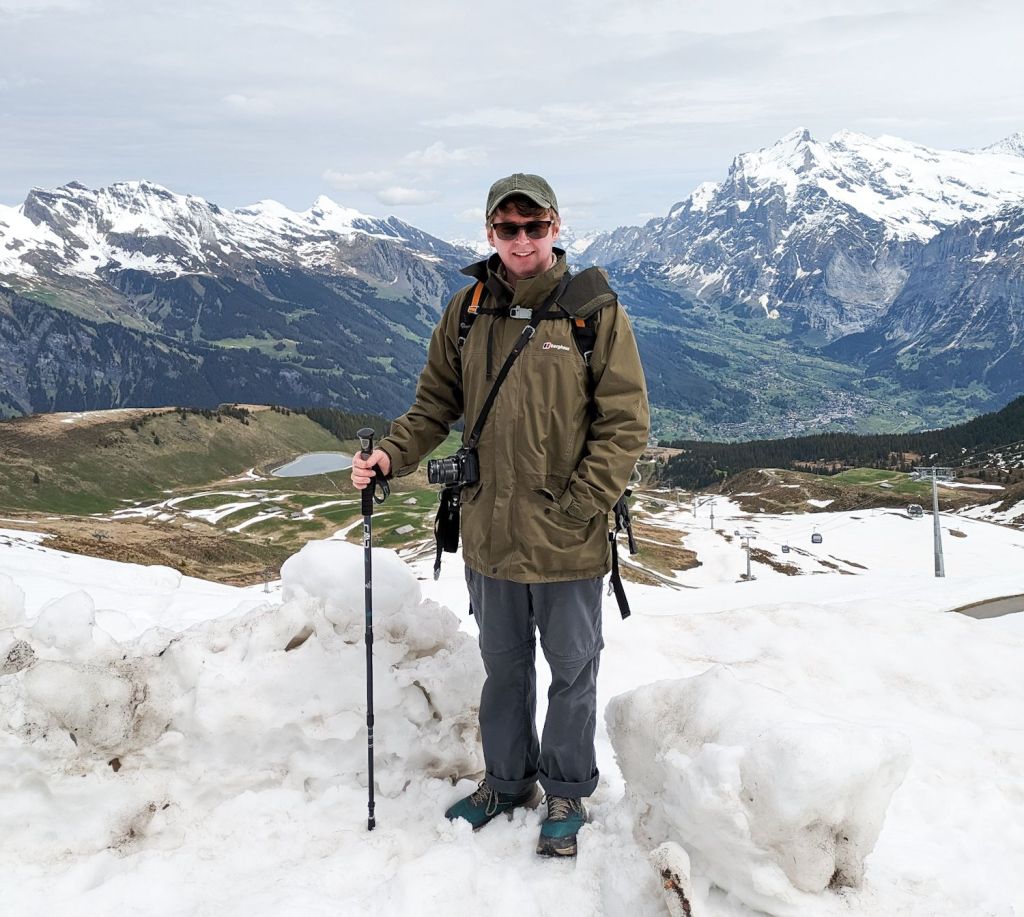
As it was still snowy and we were only kitted out for ice-free hillwalking, we walked down to the middle gondola station on the road.
Along the way we saw a lot of nice wildflowers, most of which we hadn’t seen before.
Wildflowers near Männlichen (2200-1800m)
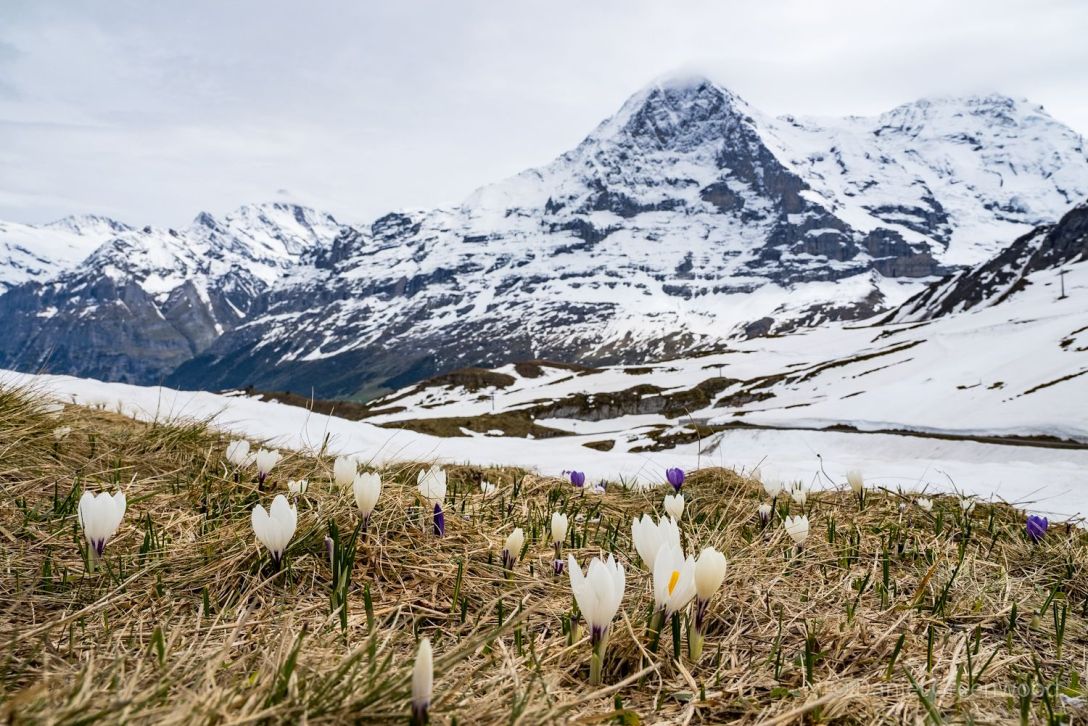
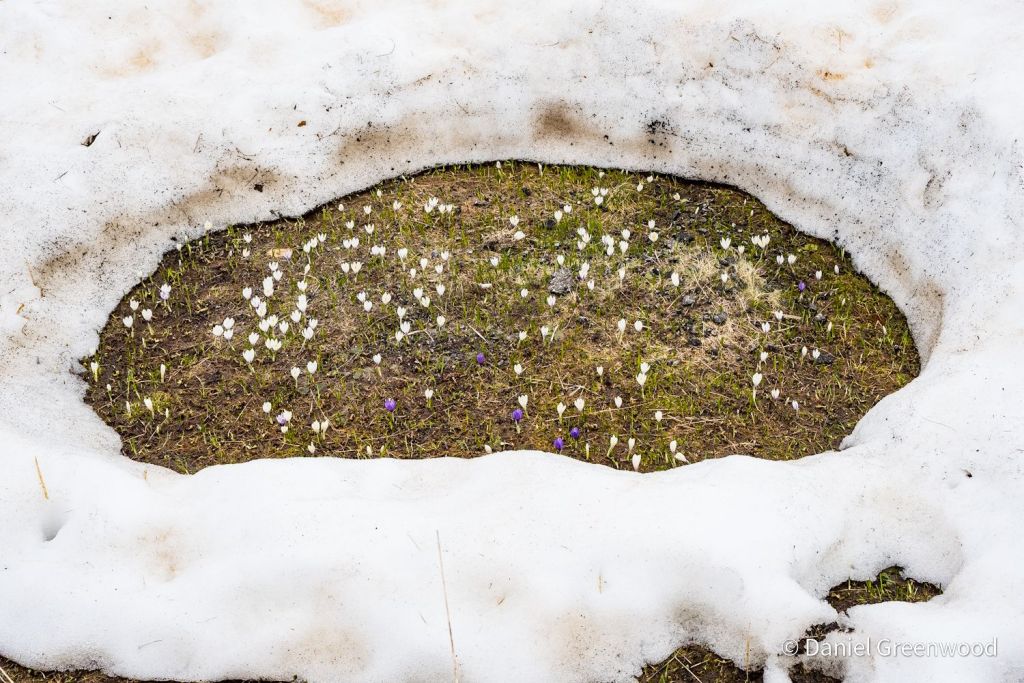
The most dominant flower was a species of crocus that was appearing from under the snow.
This shows that rather nicely.
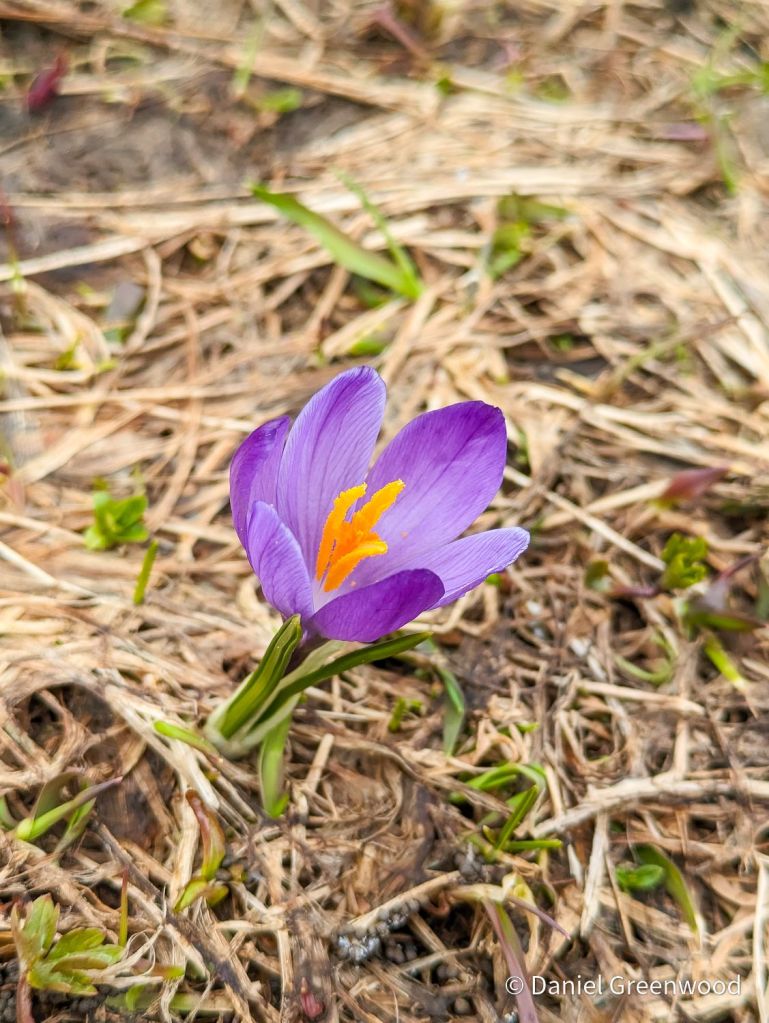
White crocus (Crocus vernus), and a purple variety:
Meadow saffron always come to mind.
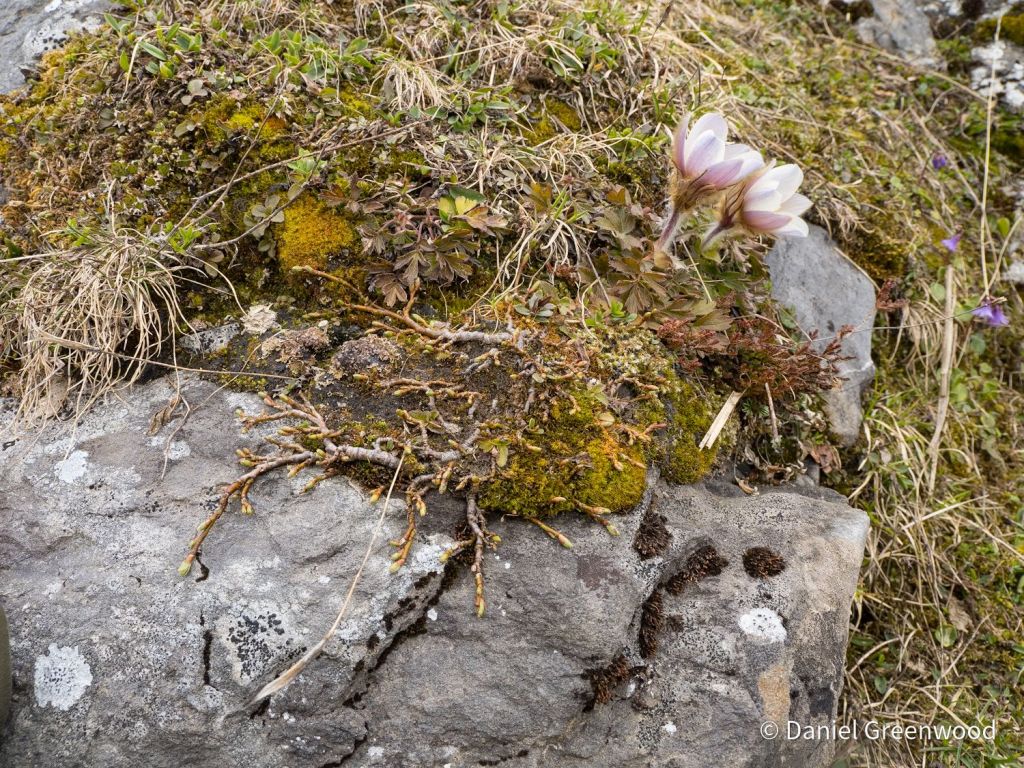
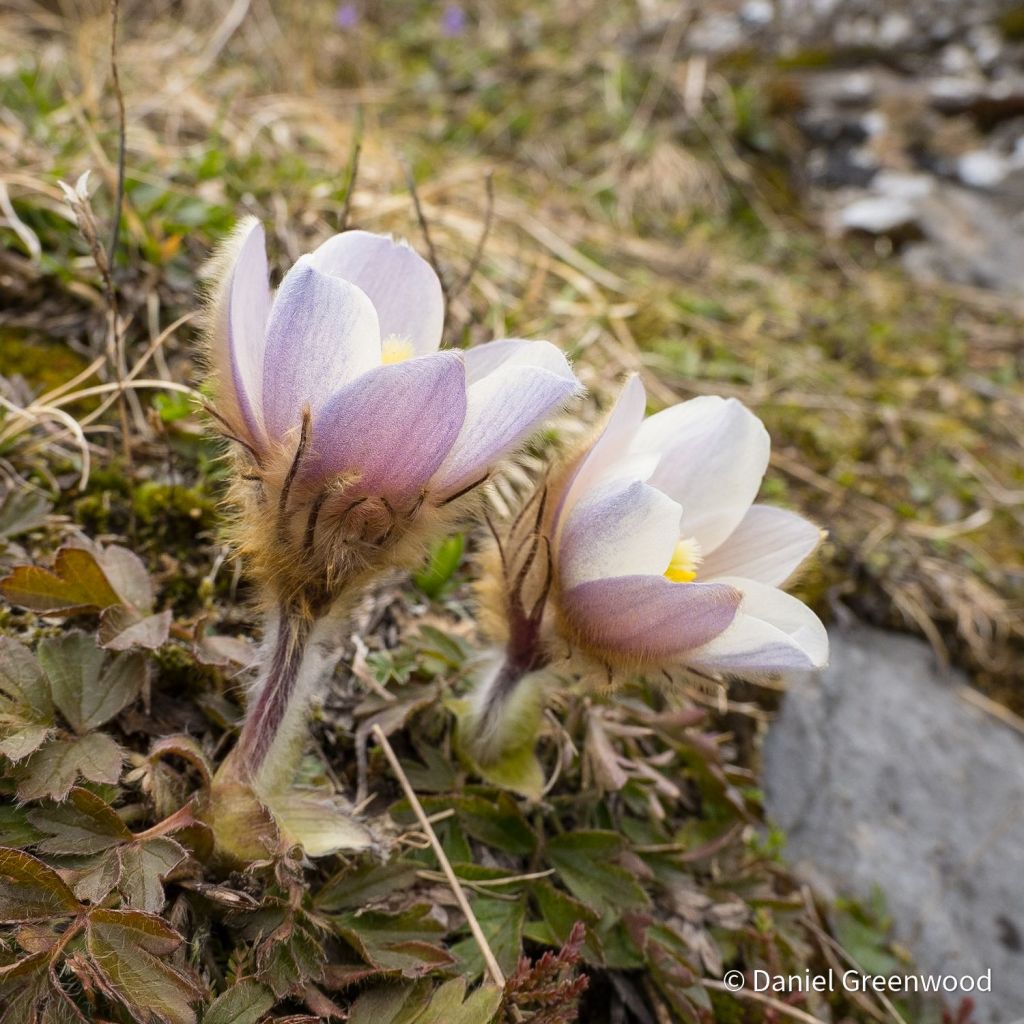
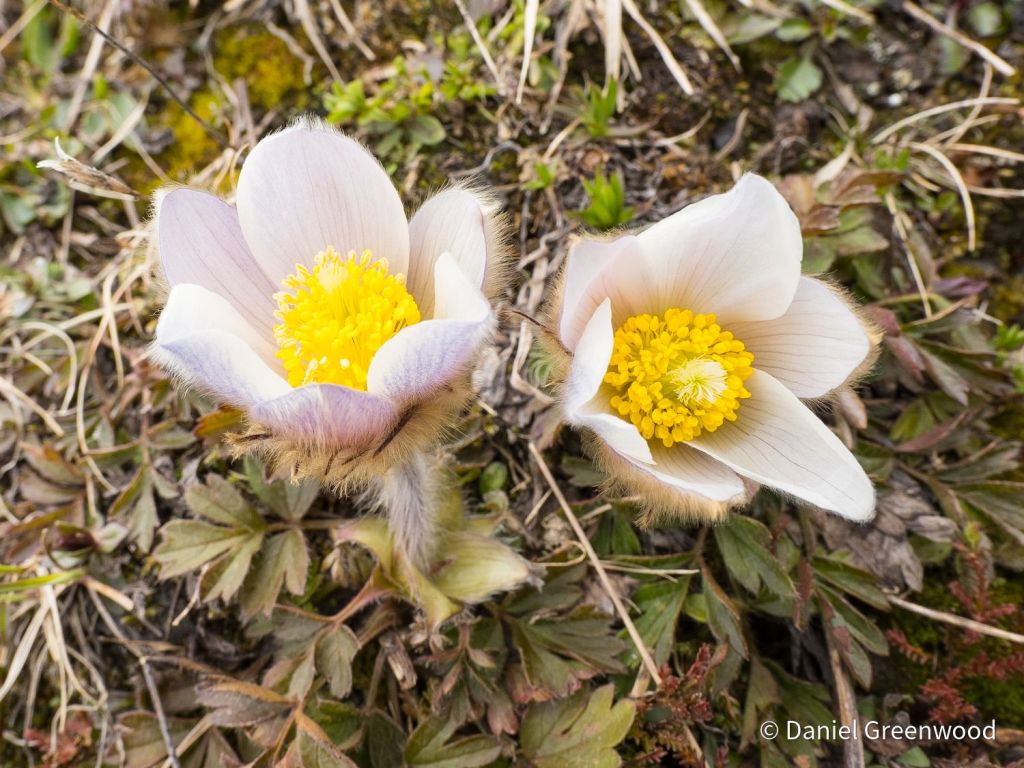
A nice surprise was this spring pasqueflower (Pulsatilla vernalis) close to the top where the first rocks were appearing from the snow.
They are rather hairy.
Pasqueflower is found on chalk and limestone grassland in England, though I’ve never seen it. The Cotswolds is a stronghold.
It’s almost as hairy as a bat, or a tarantula.
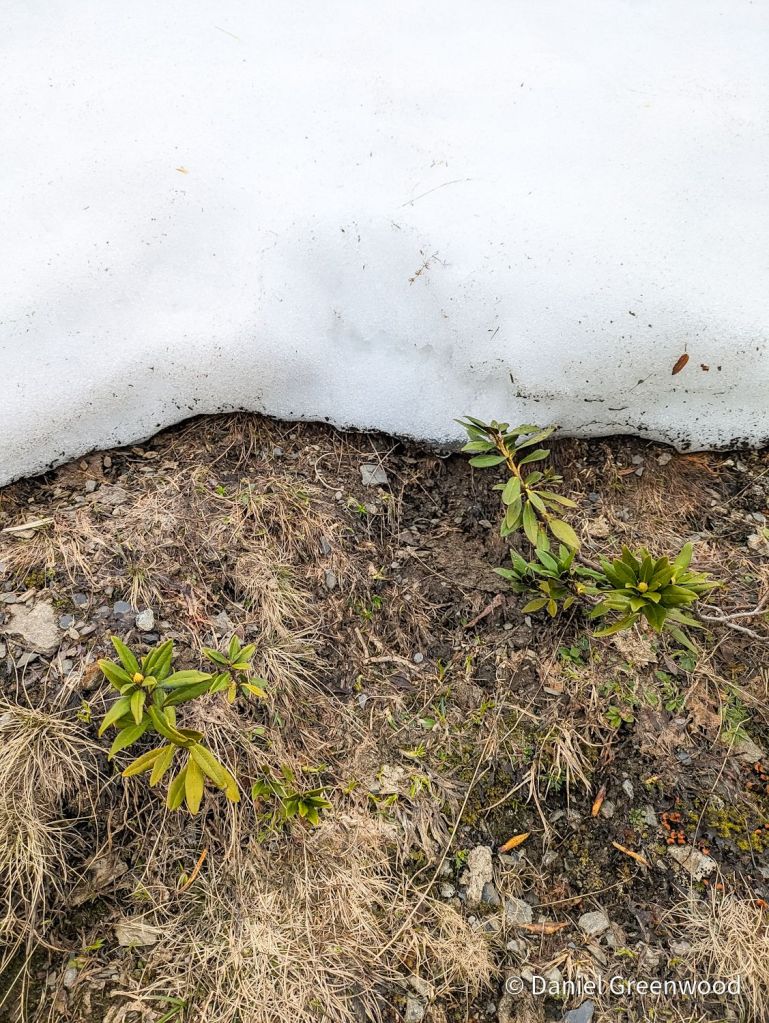
Appearing from the snow was another new plant for me – rusty-leaved alpenrose (Rhododendron ferrugineum).
I’ve never seen any species of rhododendron in their natural habitat. I’m used to seeing the ornamental versions either in gardens or when they escape and cause harm in other habitats.
Snowbell (Soldanella alpina) is a plant I’ve seen in the Bavarian Alps but I’m not there often, so this is a nice thing to see.
The flowers are very ornate, though most flowers are! They look like paper lampshades.
Purple mountain saxifrage (Saxifraga oppositifolia), not well represented in these pics, and probably quite early in its growth.
This is probably mountain everlasting (Antennaria dioica).
Now this has a great name – sweetflower rockjasmine (Androsace chamaejasme). Sounds like a James Taylor song.
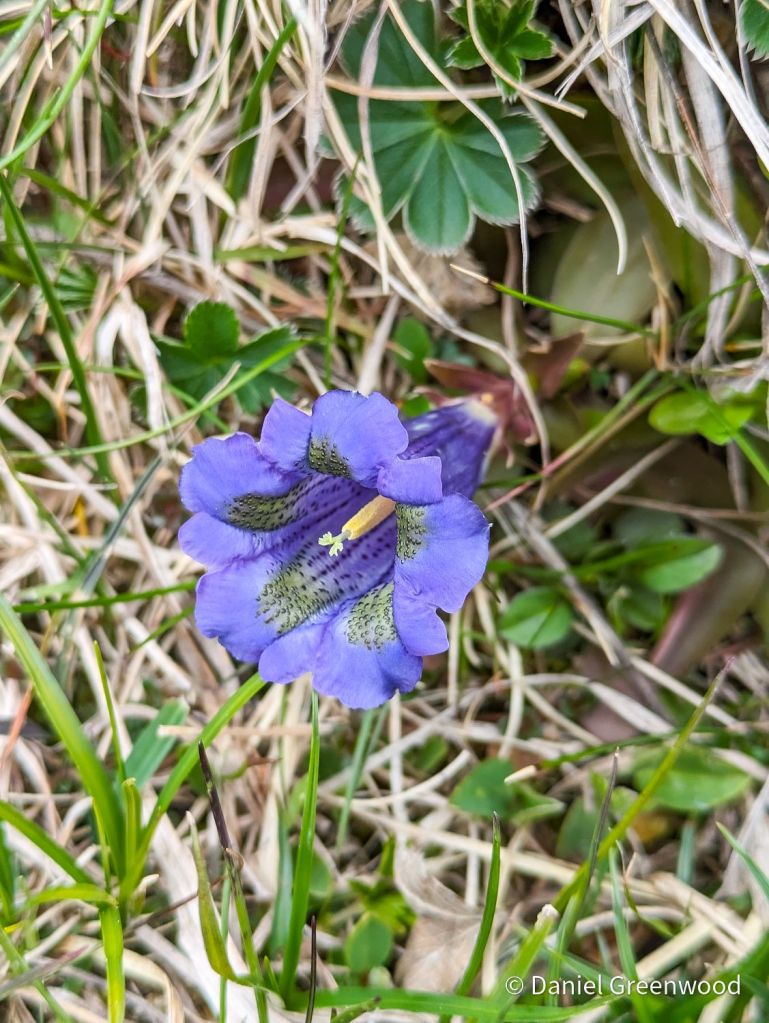
One of the joys of the Alps for us was seeing the range of gentians. They are a stunning blue colour, the kind of vibrancy that only wildlife can muster naturally. This is probably trumpet gentian (Gentiana acaulis).
Birds-eye primrose is a species I’ve only ever seen in the Yorkshire Dales before, near Malham Tarn. The slopes down from Männlichen did have a moorland feel to them, like the Dales does.
Colts foot is one of the first spring flowers and these were very high up. Hardy daisies indeed.
Bright little lion’s manes, though not purely alpine in their habitat preferences.
This is probably cow berry (Vaccinium vitis-idae), a relative of bilberry.
I’m fairly sure this is bilberry.
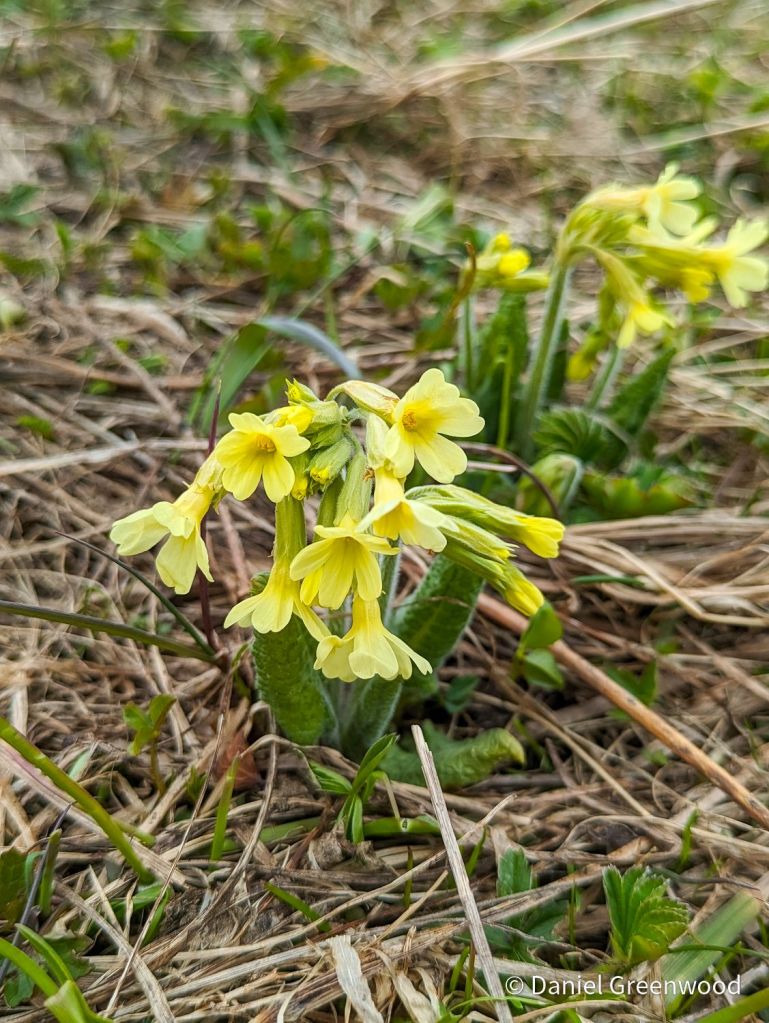
Oxlips are no longer common in England, and I can only ever remember seeing them in Germany or Czechia in spring.
I think these may be oxlips, but their abundance has thrown me. This was near to the middle gondola station on the way down.
Jostling for prominence.
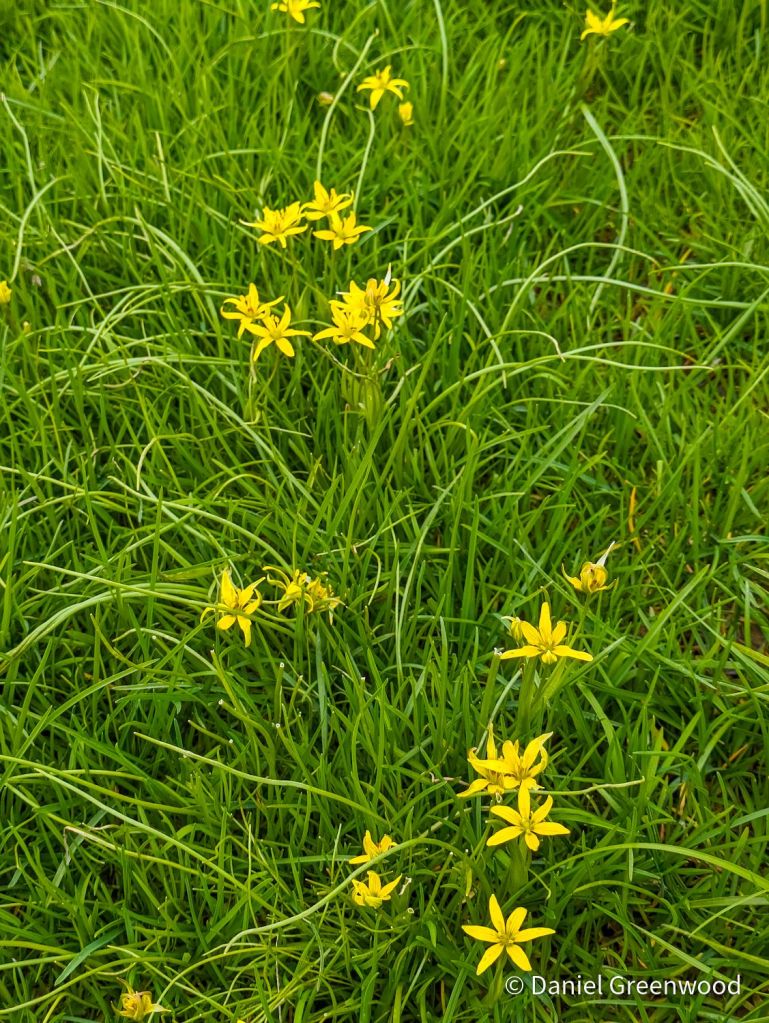
Nearby to them was this lovely plant, yellow star of Bethlehem. If only peace could come to that part of the world today.
Next I’ll be covering more woodland finds around Grindelwald, and later in the mountains around Lake Brienz. Then it will be what everyone seems to navigate to this website for – sycamore content.
Thanks for reading.
I write these blogs in my spare time because I want to raise awareness about the beauty and diversity of our landscapes. If you enjoy reading them you can support my blog here.
In May 2024 my wife and I went on our interrail honeymoon to the Jungfrau region of the Swiss Alps. I am finally ready to post my photos from the trip, starting with some macro photos. I’ve popped in some short videos here to give a bit more texture and sound to bring things to life.
My cat whispering wife
It was an incredible trip, all done by rail there and back. The nostalgia is already with me.
In addition, I’m aiming to post about the spring alpine flowers and the amazing sycamore wood pasture. Hopefully one each week. I posted about the smattering of fungi back in May on Fungi Friday.
On the trip I took only one lens with me, one capable of pretty much any photography between 12-45mm (equivalent to 24-90mm in full frame cameras). That includes excellent close up capabilities. I also had a pocket compact camera and my phone.
The meadows were in full bloom, days from being cut for hay to feed the alpine cattle through the winter months.
Breathtaking alpine meadows
Oxeye daisies with the Wetterhorn (I think) in the background. This pic is taken with my Olympus TG-6 compact.
It was nice to see the variations in the grassland species in the different locations. At about 1200m up these meadows were packed with umbellifers. They make up the wash of white here. This meadow must have been impacted by the snowmelt as it nourishes the foothills in spring.
The typical mix around Grindelwald was one of red clover, scabious, oxeye daisy and hawkbits.
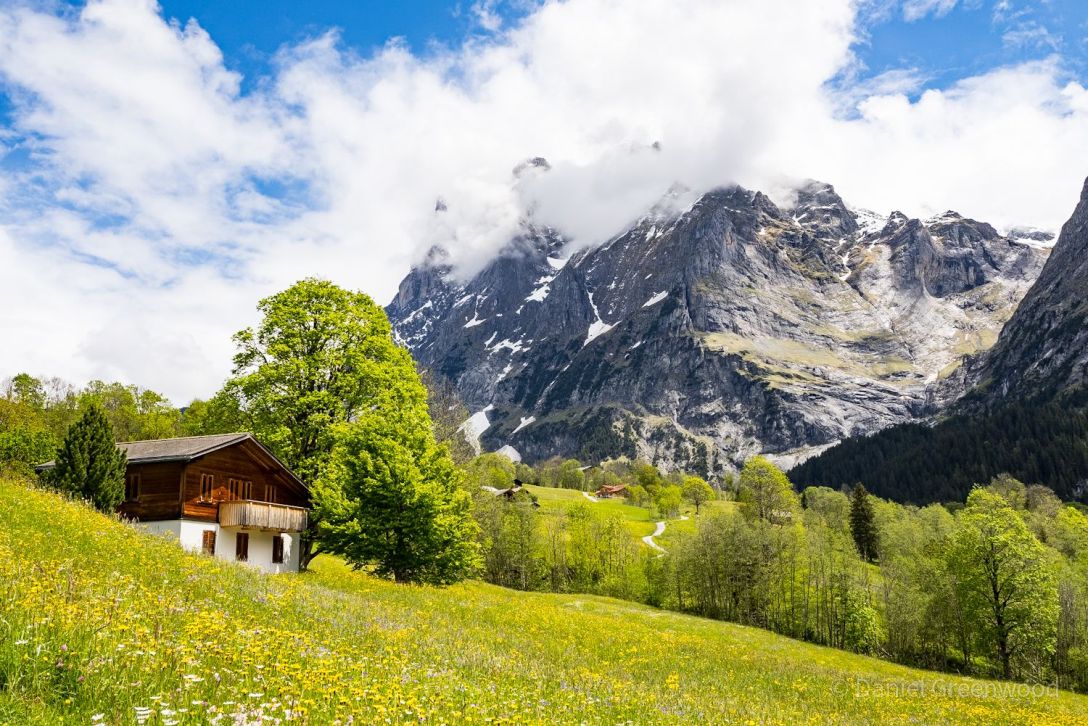
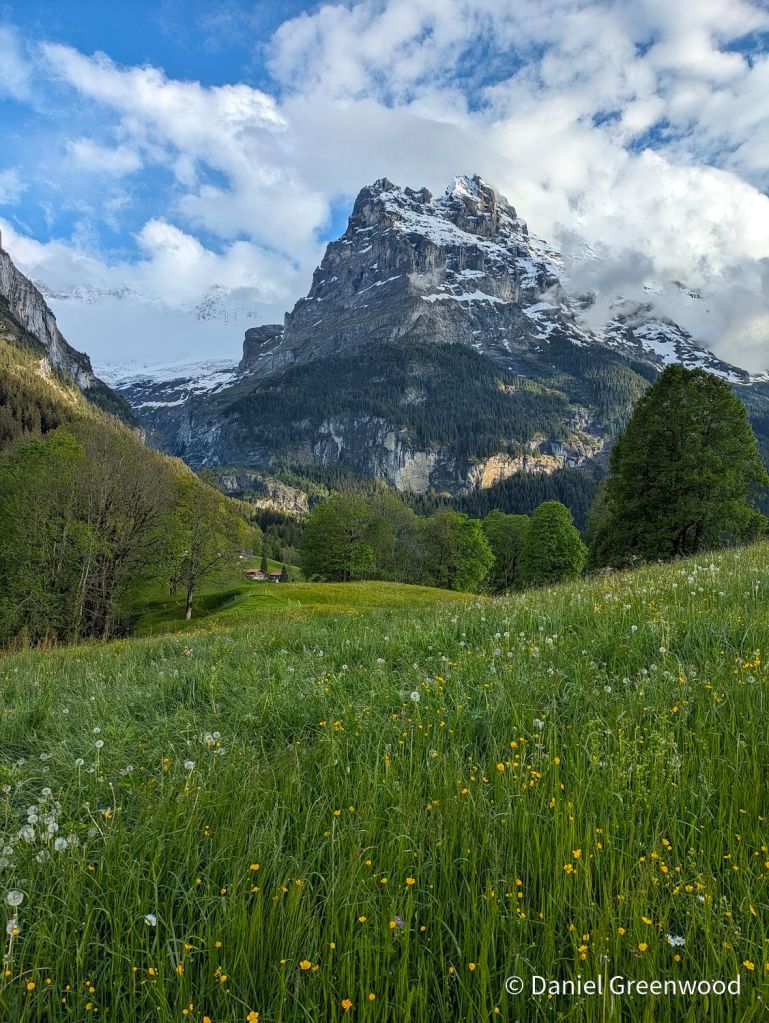
The Eiger looms over chalet homes and rich hay meadows. You can see the allure of Switzerland. High living standards and abundant nature.
It is a breathtaking place, as this beautiful phone pic suggests (as in the phone’s capabilities!). This meadow was one that lacked the diversity of others, with the dandelions being evidence of nutrient enrichment, which encourages more vigorous plants at the expense of others. The most diverse meadows will have lower levels of nutrients in the soil.
The Grindelwald meadows were at a height of around 1000m. They were peaking and very loud at times. Just listen to this:
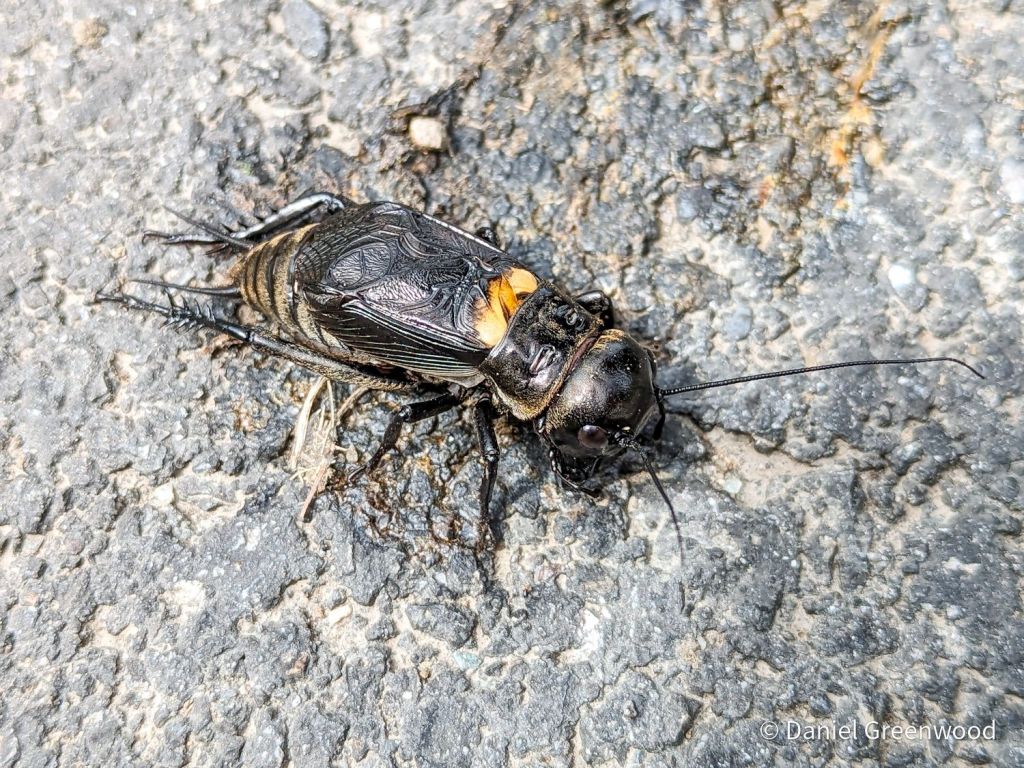
It was a chorus of crickets, not something that we get in England much anymore. The management of these meadows follows a largely medieval practice of haymaking, though it is now mechanised:
This is probably a family cutting and collecting the hay. This photo was taken from a cable car heading up to Männlichen.
Now onto the invertebrates that lived in the meadows.
Bush crickets
The sound in the meadows was made by the European field cricket, a species that has received support via conservation projects close to me in West Sussex. According to the iNaturalist page it’s flightless, so when it becomes locally extinct it struggles to repopulate lost ground. In the UK it has suffered from the decline in heathland, its favoured habitat. The cricket above was travelling across a lane to reach another meadow. There were a number of them squashed by vehicles. It’s unavoidable.
Moths and butterflies
During a walk in the valley woods at the foot of the mountain this green-veined white butterfly (I think) was on the wing. The main butterfly we saw was the swallowtail, but they were too fast, restless and far away for my lens to reach.
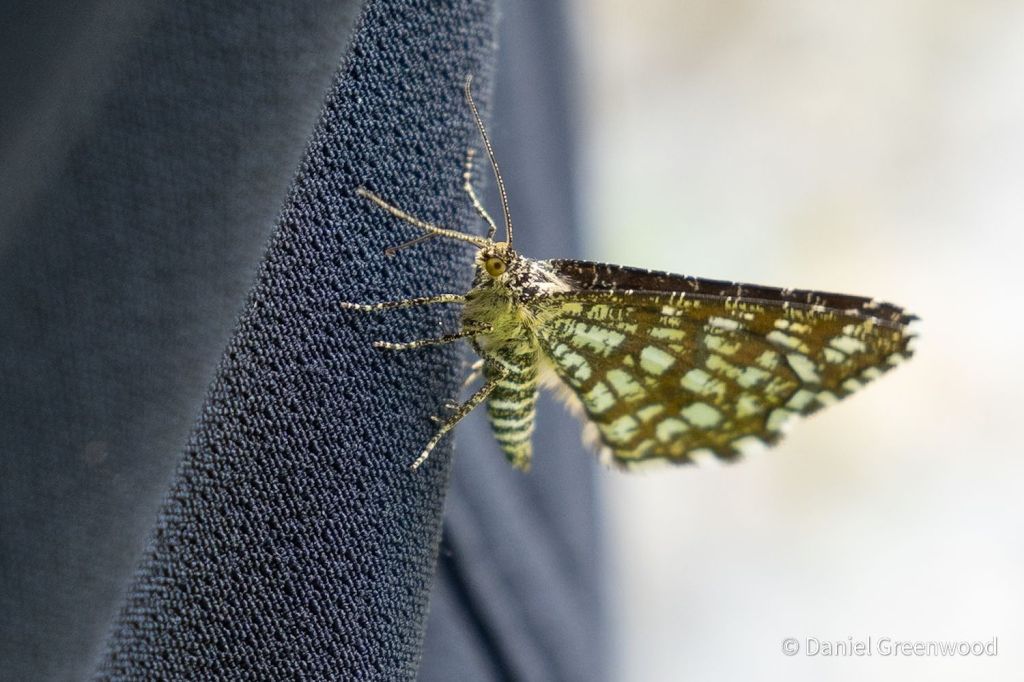
In stark contrast, this latticed heath moth alighted on my actual lens before being coaxed onto my trousers:
This is a species we also have in southern England.
Wasps and sawflies
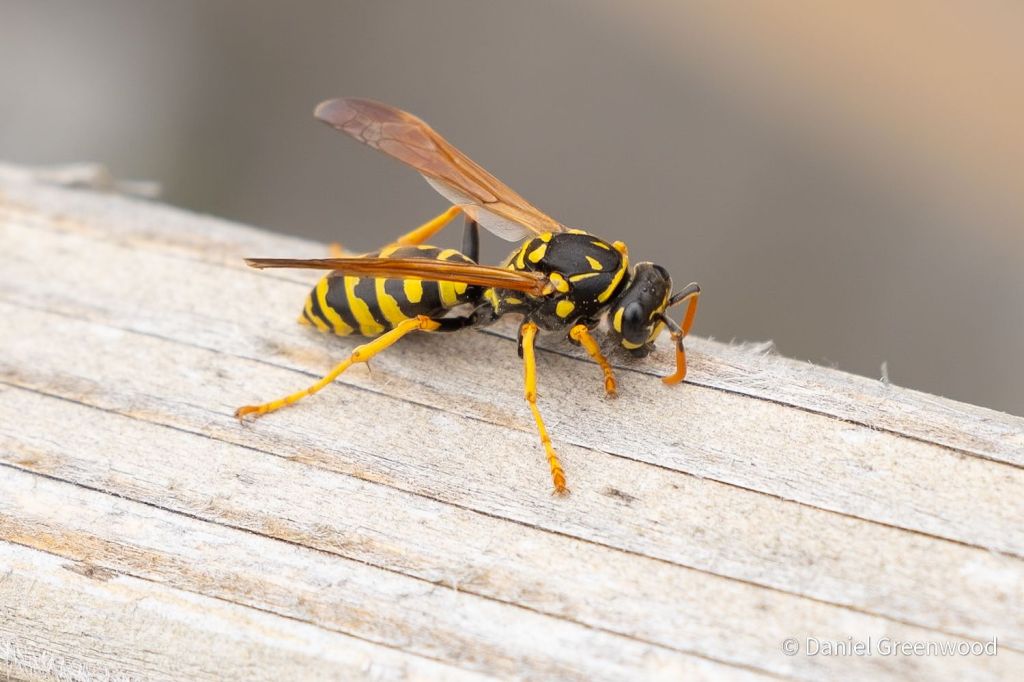
One insect you don’t see in the UK, as far as I know, is the European paper wasp.
They have a lovely orange hue to their antennae, feet and wings. I’ve seen them before in Czechia making nests in residential post boxes. Here you can see one gathering wood shavings for nest building.
Meadow cranesbill was another common flower in the – you guessed it – meadows. I noticed that one area we passed when returning to our accommodation had a number of cranesbills that held sawflies in their flowerheads. The iNaturalist sawfly oracles have decided this is Tenthredo koehleri.
Beetles
Beetles are not my strong point, unless they are from Liverpool. This is a species of click beetle from what I know, visiting an oxeye daisy flower.
Spiders
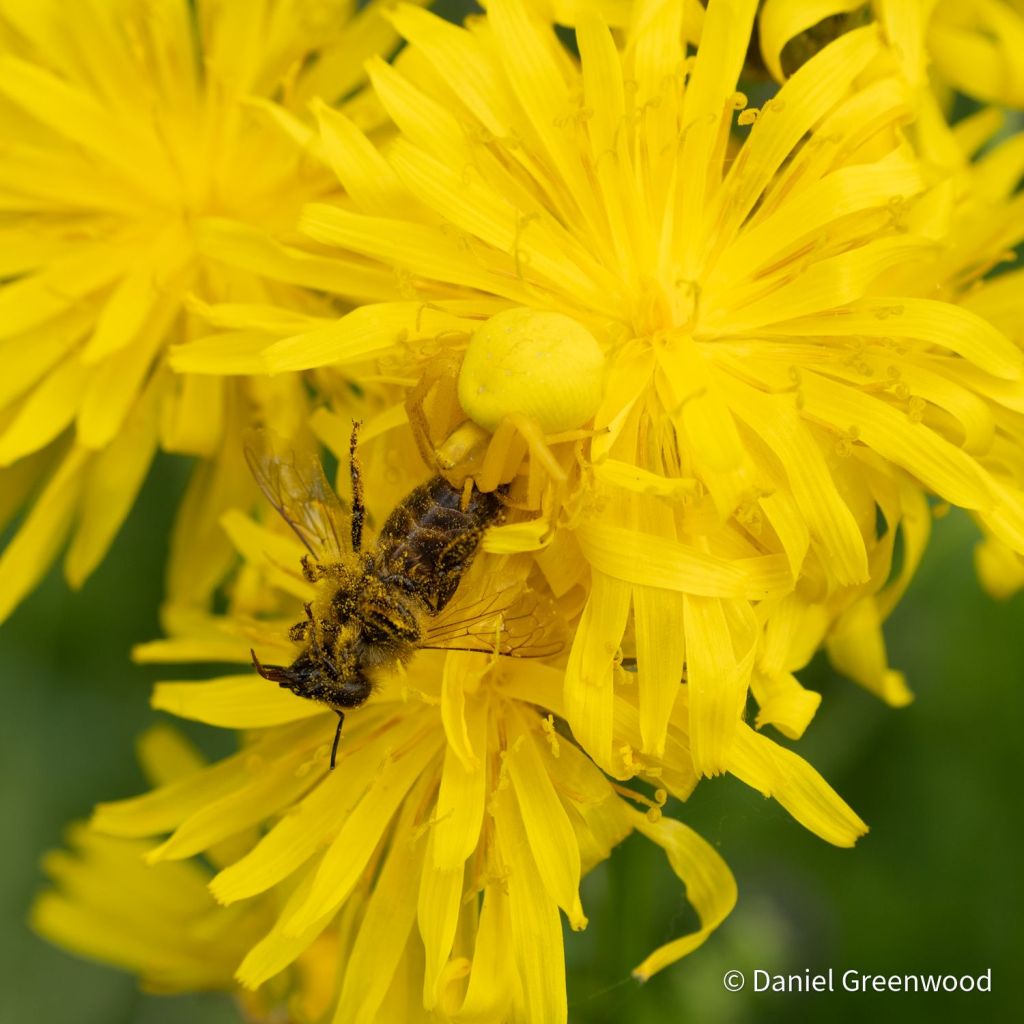
Now, I did mention those beardy daisies the hawkbits, earlier. I’m not up on my ID with these plants, but I did spot a crab spider which had joined in their colouring and caught a honeybee (I think) in one of the flowerheads. This was a statk example of how they can change their complexion to camouflage themselves in certain plants.
That’s all I really managed in the macro photos stakes. There’s much more to come from the Swiss Alps though.
Thanks for reading.
I write these blogs in my spare time because I want to raise awareness about the beauty and diversity of our landscapes. If you enjoy reading themyou can support my blog here.
Chalk grassland is an incredible habitat. It’s extremely rich in plants and animals, with high cultural value from the historical assosciations with human activity over at least 8000 years. In the UK it defines the downlands of Sussex, Hampshire, Dorset and Wessex. Sounds like an episode of The Last Kingdom. Thankfully I was spared the sword (this time).
In early May I was fortunate enough to visit a chalk grassland site near Brighton with two people who knew the landscape extremely well. I had been invited to visit this area to help find early spider orchids 3 years ago but the pandemic got in the way of travelling there.
A landscape raked by stone, bone and iron
I visited on a sunny day in what was a very dry spring indeed (I hate how dry winter 2021/spring 2022 have been). We had heard of hundreds of orchids in recent weeks at the site but only found 3. It was baffling. Perhaps we were just too late and the dry conditions had brought an end to their season earlier than expected.
These orchids get their names from the fact their flower looks like a spider. You may be familiar with the names of bee, fly, man, lady, lizard and monkey orchids also.
They are truly beautiful.
During the survey a woman came over to talk about orchids. Her knowledge was incredible, with known locations across Kent and Sussex. She travelled by train from her home in north London.
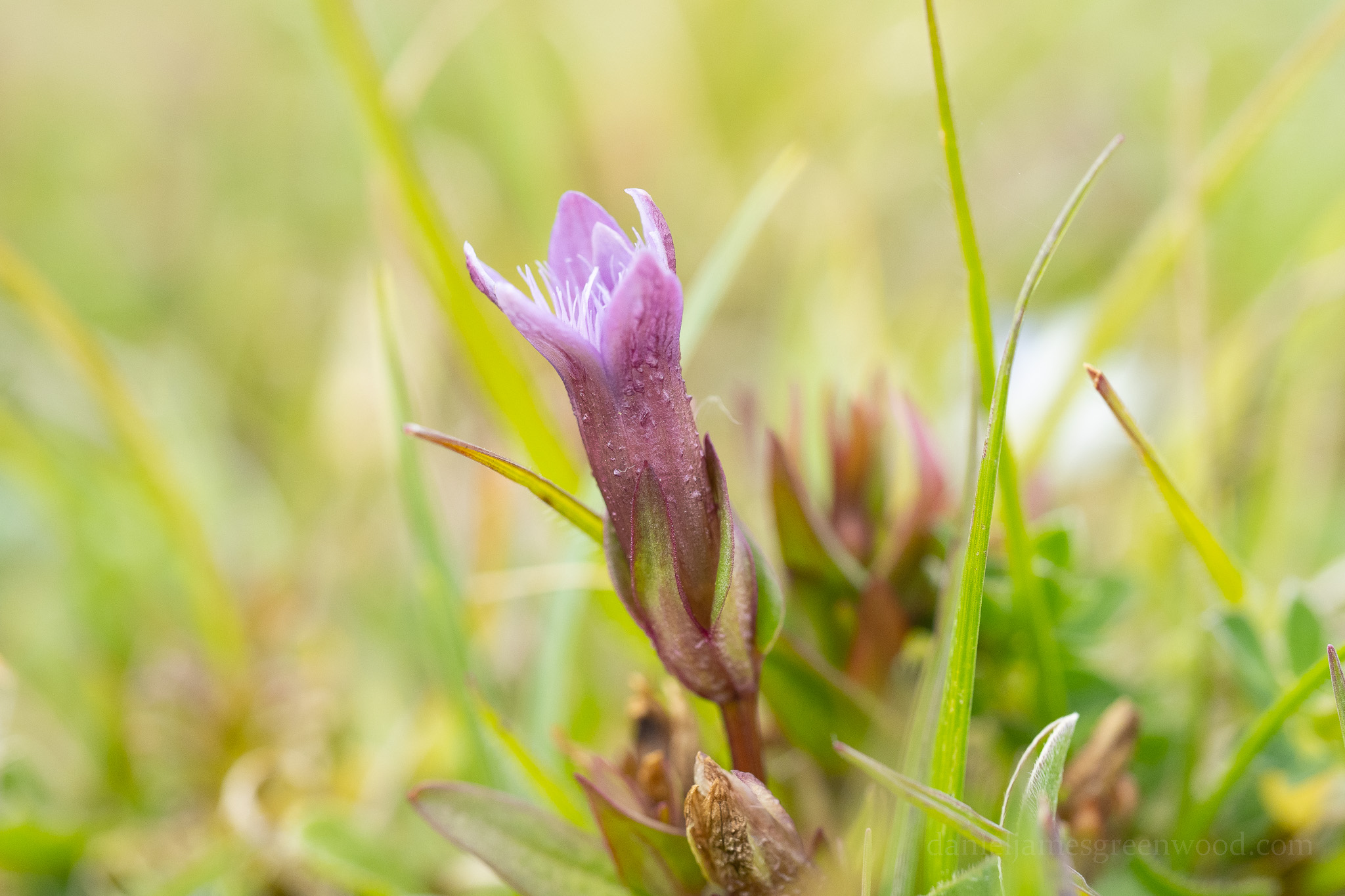
She showed us a gentian, a type she said was only found at this location in the UK.
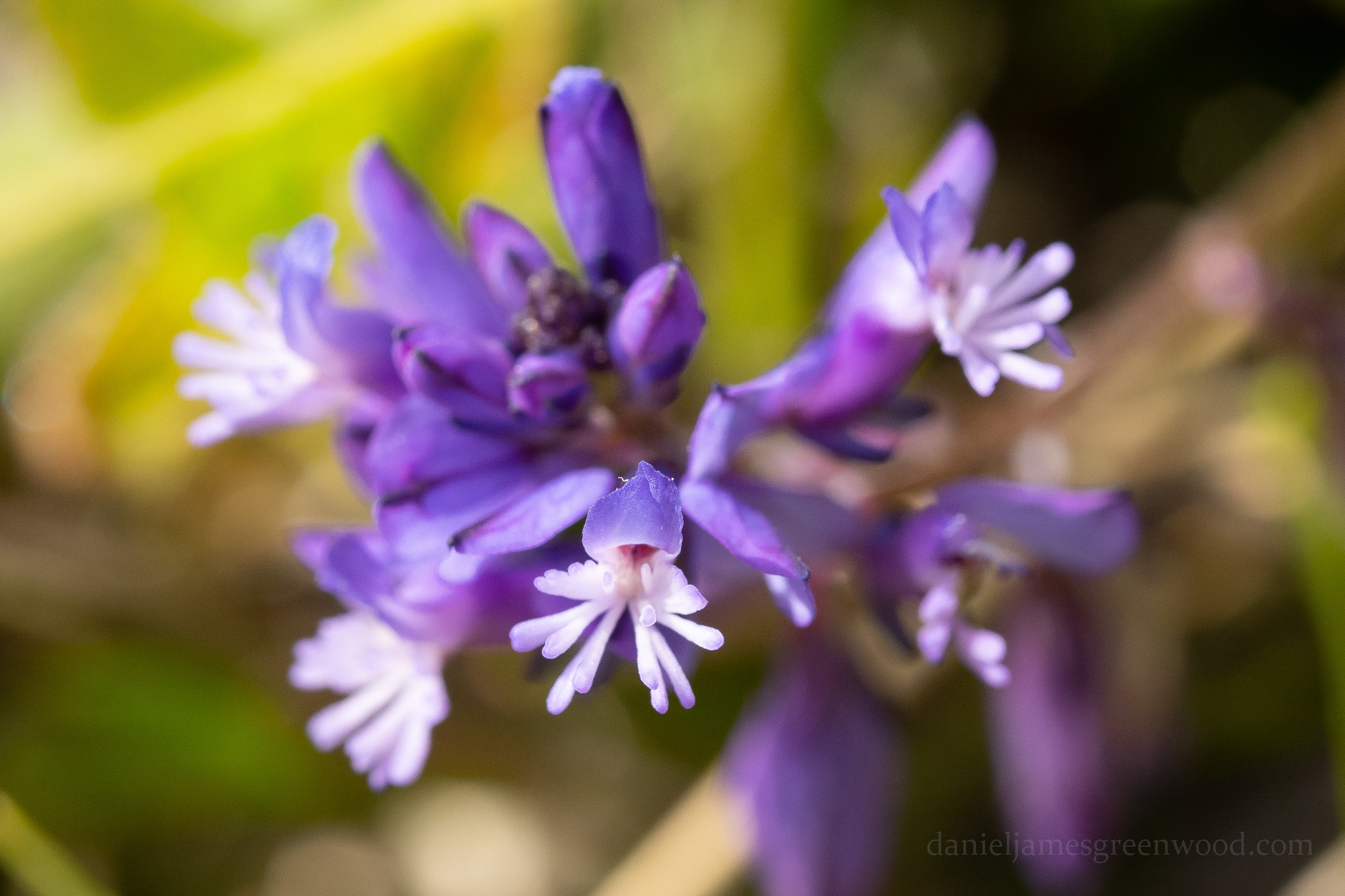
Perhaps the most abundant plant was milkwort, appearing in white, pink and blue.
This is some kind of daisy (probably hawkbit) with petals that look like hands shielding something.
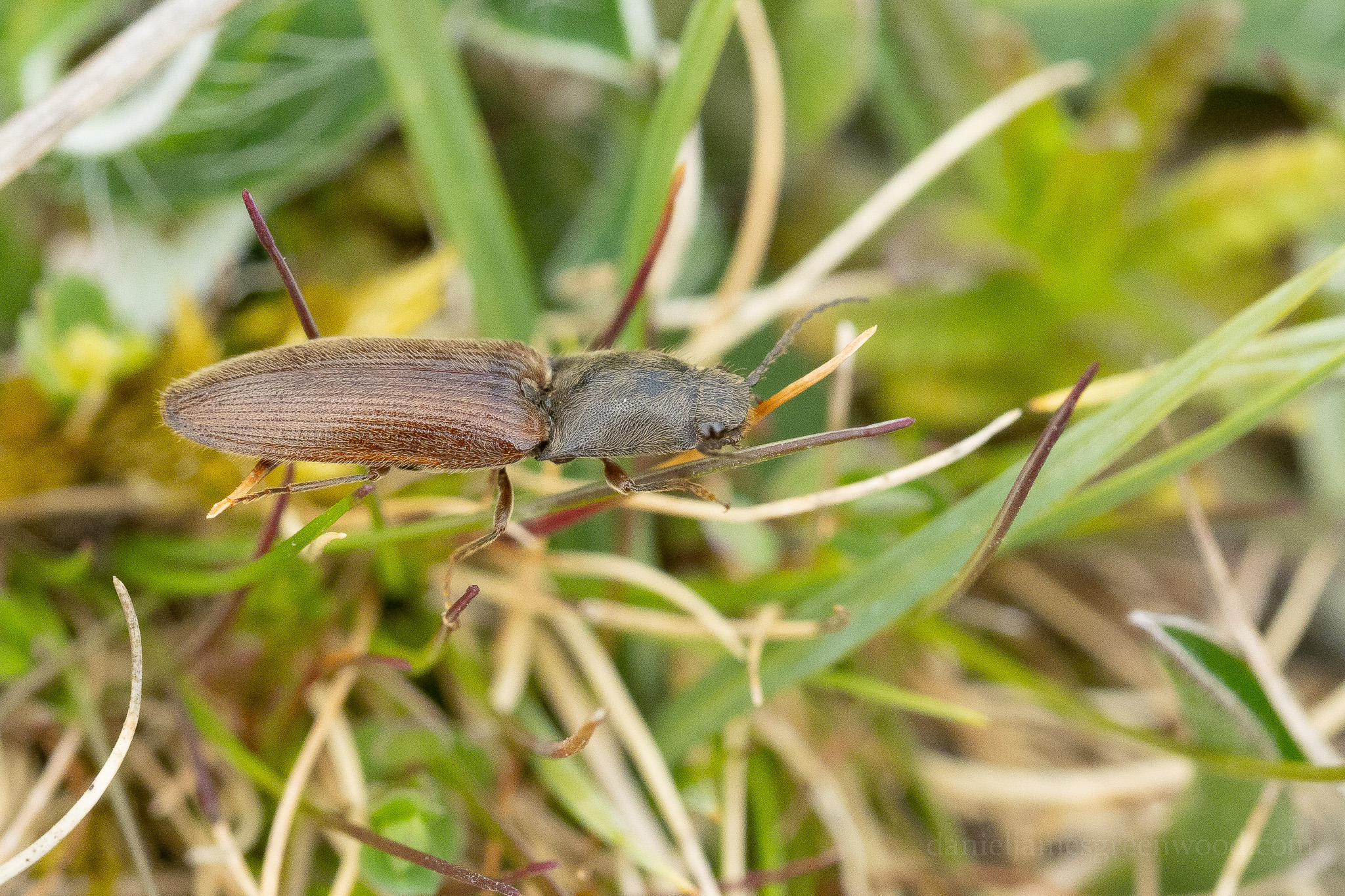
There were a fair number of small beetles in the grasslands, including this click beetle (I think).
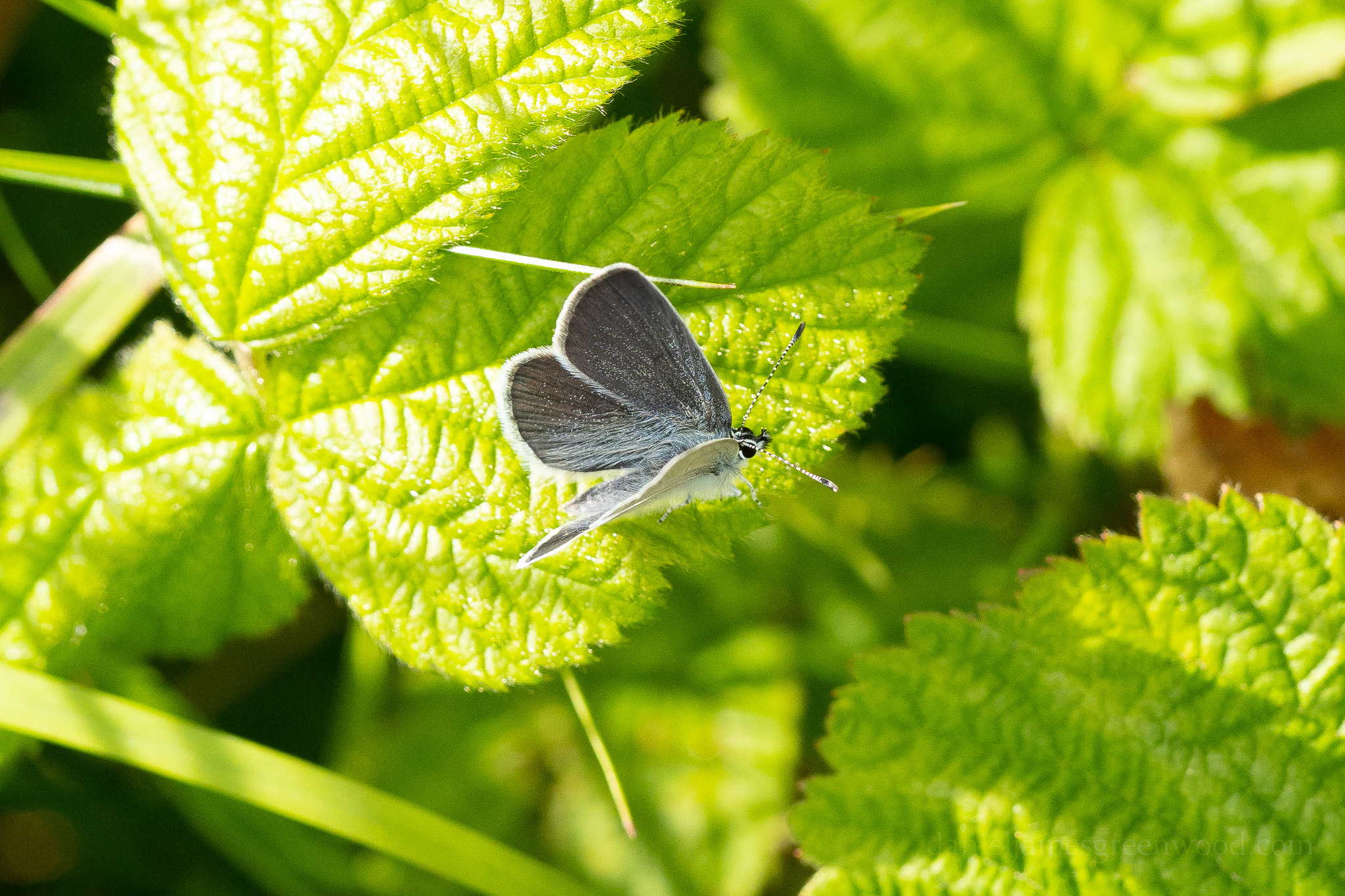
A nice surprise was finding a small blue, one of the rarest butterflies in the UK. This is a very small blue, though most of them in Britain are small anyway. They’re pretty much tied to chalk grasslands from what I know.
Cairnsmore of Fleet, Galloway, Scotland, February 2014
A wading bird bursts from the bog. I watch its sharp wings cut into the wall of mist and descending treeline. I put my binoculars to my eyes and the bird is lost. The world has been reduced. All terrestrial life but for water, a few lichens, heather and wintry moor grasses has escaped. I have left behind oak woods overcome by rhododendron and cherry laurel, and Cairnsmore Burn choked by the former, its water crashing from the shadows. It was not right. Snowdrops still managed to create small rugs of white flowers and winter green leaves. Bluebells peeked through the leaf litter amongst them. Behold the denizens of Galloway’s oldest woods. Up here those are images in the mind. The life in the lap of the Cree estuary – the buses, postman, trees and gentle flowering plants are mere memory. The cover of Glenure Forest’s regimental spruce is the last notion of protection. It’s now up to willpower, my body and clothing. The path leads clear from 20 metres, visibility coming and going with cloud.
I climb over a wooden ladder and the landscape ascends suddenly from 400m towards the 711 that marks Cairnsmore of Fleet’s summit. I have not seen a single person since snowdrops. Why would anyone want to be here? I come for the brutal solitude, even if I wanted to see another person I couldn’t. I come because I know that people once had no choice but to walk this path, a path that zigzags and climbs, an uncomfortable choice of jutting rock or slippery grasses. I attempt to find a rhythm on stone. The path curves east and the winds propel me on. I see boulders and mistake them for cairns – this is not the summit. My thighs are soaked, woollen gloves, too. I took my jumper off some miles back and now need it. It’s sodden and looped around the strap of my bag. The winds are harder, colder and the rain splatters against me. What the guidebook called a nice introduction to Galloway’s hiker’s paradise has the makings of a minor ordeal. Water streams down the rocky path as I step up and through it. The music of the running water cuts through the wind, it’s almost all I hear, but for my own mutterings. I can say what I want now, no one can hear me. There will be no repercussions. I cherish that.
The false sense of the summit has given me energy. I’m so hungry. I begin to see my breakfast as vital, I value it differently, as something I was fortunate to have. I see the first cairn of the summit approach and slump down behind it onto wet stone, moss and crustose lichens, barely protected from the gelid gusts. I push some cheese into a crusty bread roll and swallow it. I feel the onset, the flickering of panic. The wind and rain has thrashed me, and I didn’t realise it had or that it might. Visibility is now down to 10m, I put my gloves back on, the cold hammering without, almost burning. I think of real mountains and feel stupid. Hills aren’t to be taken for granted, either. My glasses are blotted by rain on both sides, I recall my friend’s maxim that the descent is worse than the climb. There is no notion of friendship here. The supposedly fine views of the estuary are not on my mind just now. I tread blindly back the way I came, finally removing my glasses. The path of rock, the fog, the bog, it’s all clear. There is no need for detail. I tread in hope and long to see the cloud drift and for the undetectable sound of the wind dropping. The spruce trees appear again, black and warming, even a glimpse of the Cree. From the bog two grouse explode into the air and I leap in surprise. It’s the start of a world I can live with.
From the hawthorn trees comes the sparkling sound of thrush and finch chatter. All around the landscape is weighed down by weeks of rain, the sodden grey and blackness, but this conversation lightens the scene. A flock of goldfinch burst into the sky, skipping through the air in their piecemeal flock. Their yellow wingbars flash against black feathers like miniature human warning signs. I train my binoculars on the thorns and see a redwing sat in the branches, contributing to the bird discussion. As I step towards them it ends instantly and so I turn and take a path to leave them.
The stumps of ash trees glow resinous on the hillside, the felled trunks lie supine beside them, the bark darkened by rain, the green and blue lichens thrive without a care for the tree’s demise. The brash has been piled and burned in elevated corrugated iron beds, and to many people this would seem like a careless act of deforestation. But it’s not. Farthing Downs sits on a bed of chalk and is home to a vast array of wildlflowers which are disappearing from the English countryside. The City of London Corporation are here engaging in a battle of restoration. Further along the path a black-headed gull skates low over the lane – I’ve not seen them so close to the grasslands here – propelling itself up and into the wind. Its relationship to winds so cold and blustery seem uneasy, and against this vista of meadows and woods, all the more unique.
On the Downs the butterflies are immediately evident, the week old broods of meadow brown ferry amongst the long grasses, rarely stopping to feed on flowers. Breeding season is ending but still the song of skylarks comes from over the slope, some ancient language remembered, its translation lost. Greater yellow rattle blooms now, the spring buttercups lost to a swathe of Yorkshire fog and other grasses I don’t know. The suntan lotion on my arms acts as an adhesive, my skin covered with seeds. The grasshoppers are conjuring up their rickety, wooden percussion. I am hopeless in finding them, except for one that hops between seed heads, a micro Tarzan in this meadow jungle. But where are the people? A man drives a BMW sports car along the lane, revving its engine. I know where I’d rather be. Men in England are bare chested at the slightest chance and here a couple stroll along the lane drinking from big bottles of water. The tattoo stamped on the man’s back stands out in this simple landscape of slopes and flowers.
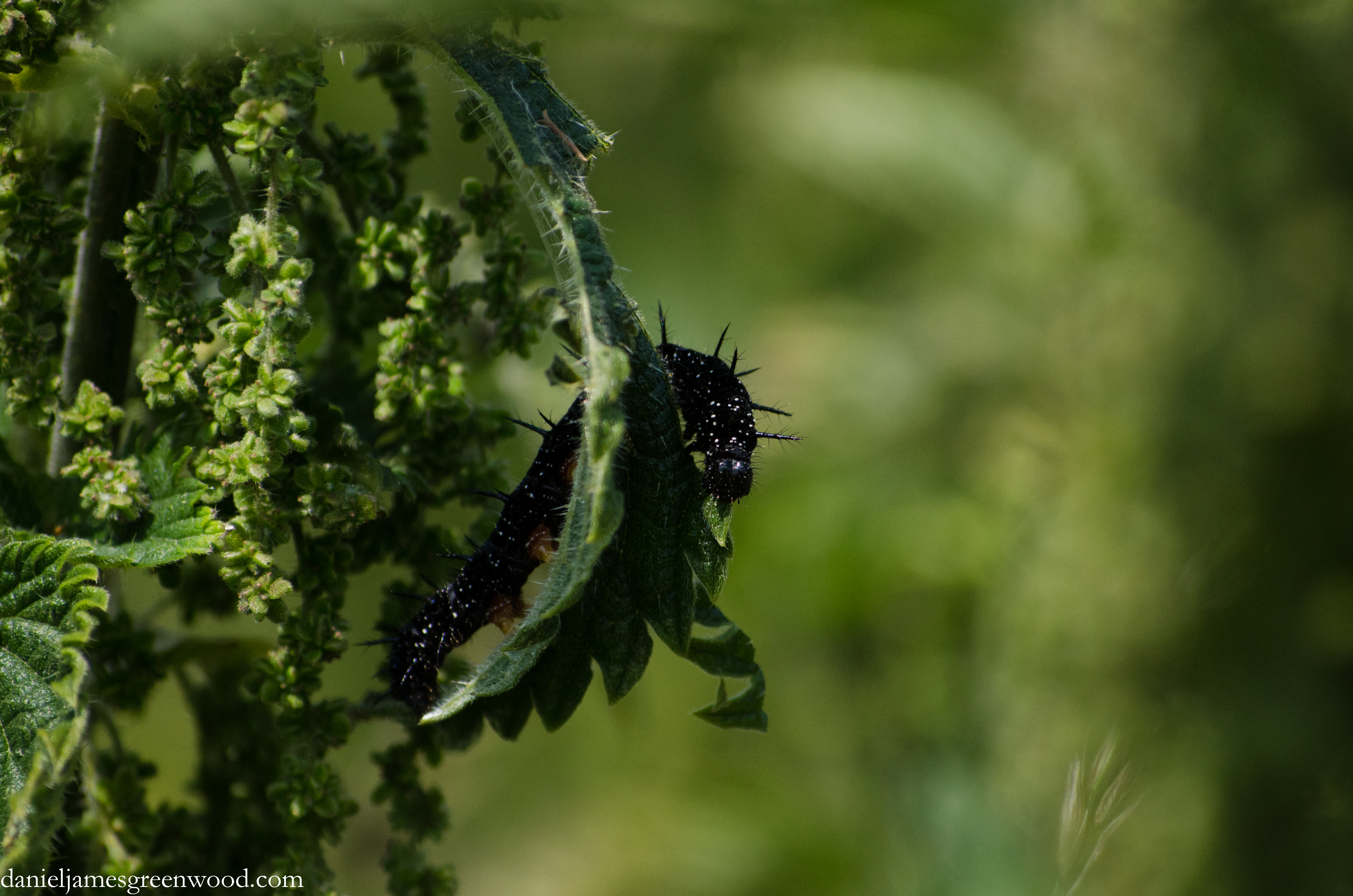
Ghostly day-flying moths spread at my every step through the long grass. Bumblebees forage on clovers, dropwort and yellow rattle, small heath butterflies appear again, two fly together, eager to fulfil their short lives with as much fornication as is possible. I cut back on to the path I know best. A chiffchaff sings in the hedgeline at the bottom of the hill, a single blackbird and a whitethroat, too. There’s no sign of spring’s willow warblers or their clutch of young. A crowd of peacock caterpillars munch through nettle leaves, leaving only the dreadlocks of flowers. A yellowhammer appears from across the lane, landing in a small hawthorn bush, its strong yellow plumage brighter than dandelions, a South American yellow, and at its brightest here. I take a few photos. Along with skylarks, this is a bird I have to travel to see, when once, before my time, you might have woken to it flocking in the hedges and fields.
Leaving the Downs I enter the chalky wooded hollows at the bottom of the slope, with tor grass growing along the track, an indicator of the calcareous soil. My sweat cools with the breeze that slips through here. In the dappled shade I scan the path edges for orchids, black bryony creeping out from the darkened hedges. And there it is: the fly orchid. I change lenses and struggle to get the image right, sweat dripping, bringing lotion down my face. But it’s beautiful to look at – a bit like a bumblebee pinned and proffered by the long spike, with its little eyes and short antennae. A family are passing behind the hedge, discussing how to control the dog.
‘She’s pulling me down into these weird places,’ says the mother.
‘Just let her off the lead, let her off the lead,’ the dad says.
They arrive on the path heading down hill. Their daughter warns the dog to stay with them. I only see the mother, she’s dressed in an apricot coloured dress and heeled shoes. She’s young and glamorous, so fitting with the array of flowers bursting from the hillside.
‘Who needs Box Hill when you can come here, eh?’ says the dad. They disappear down towards Happy Valley.
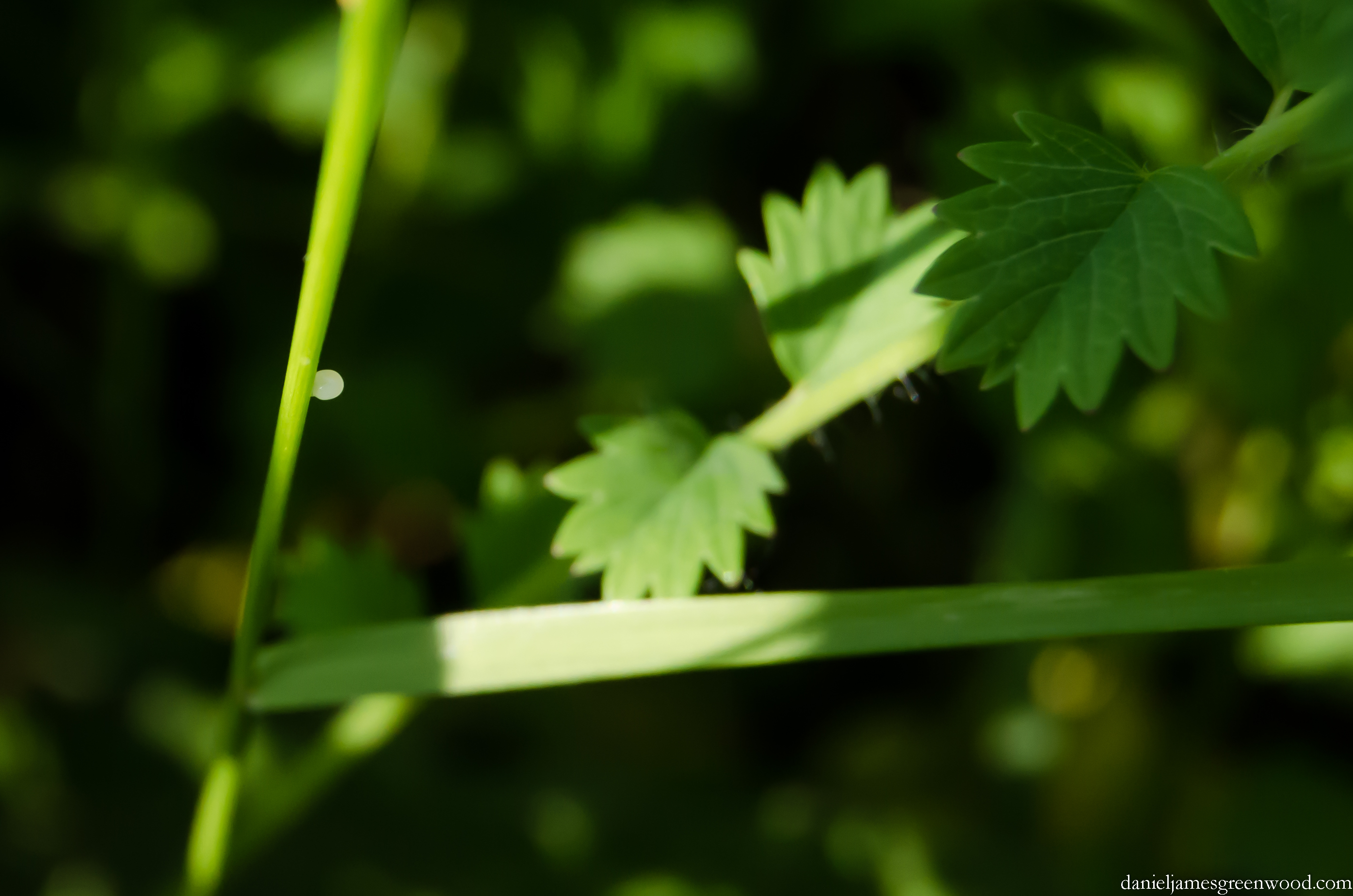
I carry on along the ridge and settle on the desire line drawn down the hill and through the flowers. Ringlets move through the meadow, the first I’ve seen this year. They move at the same time and, stitched together, they are a tapestry of flickering wings. In my silence and stillness wildlife begins to move around me, perhaps more trusting. I see more plants now: twayblades, common spotted orchid, salad burnet, marjoram, ox eye daisy, rough hawkbit and bladder campion with its inflated, balloon like calyx-tubes. The wind blows through the trees. A speckled wood butterfly flaps about me, its wings audible as it hits my khaki shorts and leaf stalks. It clasps hold of a spear-like grass stem and curves its abdomen, laying a tiny pearl of an egg. This, for me, is something new.
















































 Unlocking Landscapes