A few years ago I read Karel Čapek’s At War with the Newts. I can’t remember much of this absurdist Czech novel, and to be honest I struggled with it. It was not exactly grounded in ecology which all great novels must be. Kidding.
However, when the political news-cycle pedals round to how difficult politicians find it to build houses or appease the masses, I think of this book.
Why are newts (great crested, in this case) and bats getting stick? It’s because they have ‘strict’ protections (which are apparently very poorly applied, by the way) that can defer or even stop developments. Just ask our previous but three Great Leader.
Bats have strict protections because some species have declined by 99% since 1945. Newts and bats have no meaningful place in our lives unless you hold on to fond childhood memories or you’re an ecologist. This makes them fodder for politicians looking to distract.
I don’t see anyone decrying owls for their role in the cost of living crisis (yet).
And you definitely don’t see people going after that lovely snoring dormouse, another licenced species.
The protections we have for what little wildlife we have left in the UK are so weak, and so pitifully enforced, that it just beggars belief politicians will go after wildlife in this way.
It’s somewhat surprising the current government has gone there at all, let alone so early in their tenure. But who else has singled-out species for holding back economic development? You guessed it – the Communists.
Men in Maoist China shooting dead a tree sparrow with six guns.Well done lads.
In 1958 Chinese Communist Leader Chairman Mao tried to eradicate tree sparrows to protect grain by creating a populist uprising against this poor little bird.
What the war on ‘pests’ actually did was to cause large-scale famine among the very people who had undertaken the orders to eradicate tree sparrows – the peasantry. As many as 55 million people died. Little did that Great Leader know the precious grain was feeding one of nature’s great pest-controllers – the tree sparrow.
Welcome to my seasonal ‘brain dump’ of stuff. Now that I basically only use WordPress for anything that remotely resembles social media, there’s more to say.
I feel like I’m falling behind with writing and photography, mainly because of my job being so full on and having to work weekends of late, sometimes 6 day weeks. It can’t last.
While writing a book is not high on my list of things to do, I have a book there to be written about my time working at Sydenham Hill Wood and all I learned about woods during that time. I don’t know if it will ever come to pass though, it’s very hard to make space for that kind of writing when I work full time and have life to do.
Fungi Friday keeps flowin’
I’ve been quiet on here but the mushrooms are flowing every Friday on my dedicated fungi blog. You can now subscribe to posts on there via email if you want to.
The autumn of 2024 was one of the worst mushroom seasons I have known, having been keeping an eye on such things since 2011.
Why has it been so bad? I don’t know. But a lot of my normal sightings haven’t happened this year in places where they usually appear. The rain in recent months (so much rain) made me think that this would be a good autumn. It’s below freezing now and the leaves are down, so the season has passed. Next year we go again, as the footballers say.
Then again, my website has had an exceptional mushroom season, with October having double the traffic of some previous years entirely. It has got to the point that the Forestry Commission contacted me asking for me to edit blogs and add in information about their byelaws. I was happy to do that, having worked in woodland management in the past, and specifically in partnership with them on occasion. It doesn’t half feel odd when you get an email like that, though.
New photo galleries added
I’ve been updating some of the pages on my website and added two new gallery sections. I’ve now got a page for my oak timber-framed buildings and church photographs.
I’m not an expert on either subject and am not promoting any religion or building style, but these images need a home and are probably of interest in research terms to someone.
Check them out above. These pages will be updated as I find the time to organise the images properly.
Swiss Alps blogs
I’ve been working behind the scenes on more of my Swiss Alps blogs after visiting in May, with another two to come. I don’t know all the species I’m posting about so I need to identify them, which means it takes longer.
I think about those landscapes everyday and pine for a return.
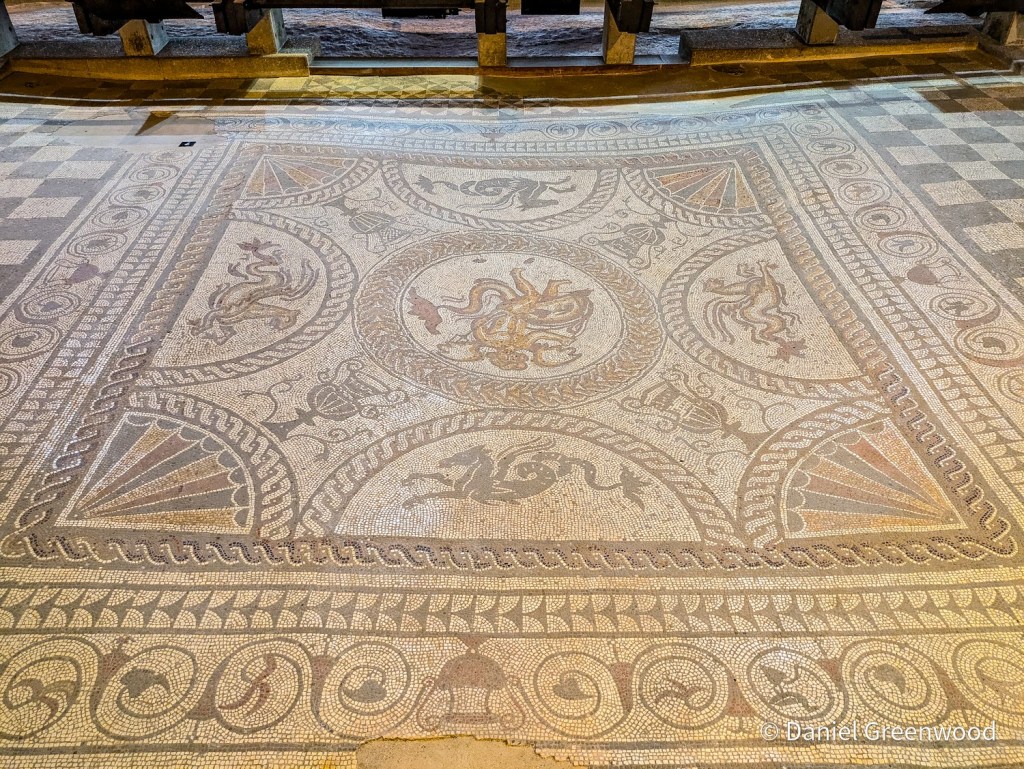
Fishbourne Roman Palace
In October I visited Fishbourne Roman Palace in Chichester for the first time since childhood. Living in West Sussex and having worked across the county, you learn that Roman heritage is everywhere. It even forms the basis for some major roads like parts of the A29 or Stane Street.
This visit may have instigated an interest in Roman history, something I find to be very broad and difficult to find a way into. Mary Beard’s books and TV series have been a good step forward. Please let me know of any interesting Roman stuff in the comments.
My great-grandfather in his First World War military attire
Understanding the First World War
This year I’ve read six Pat Barker novels, all of which cover the stories of people living through and around the First World War (1914-18). I also realised that it has been 20 years since I sat my A-levels studying Barker’s novel Regeneration, among others. Last week I finished The Ghost Road, the finale of the Regeneration trilogy. It won the booker prize in 1995, and I can understand why. How lucky my generation was to grow up in a time of peace.
Remembrance Sunday has just passed here, but beyond the poppies it can be hard to see the real stories of the people whose lives were destroyed by the war. Poppies are everywhere, on everything, and I think this long article covers a lot of the issues arising from that.
My great-grandfather Wilfred served in that terrible war (pictured above) and I wonder how he, or my other paternal great-grandfather ever survived. My dad said that his grandfathers either didn’t say anything much at all, or they didn’t talk about the war. My aunt tells me that Wilfred was buried alive during some shelling and dug out by Canadian soldiers. I believe he was a runner in the trenches.
Lest we forget that several terrible wars rage today. If only they could end and their architects face justice for their crimes. History tells us that eventually that can, and often does, happen.
And finally, new music
One of my favourite artists of the last 20 years is Sufjan Stevens. I was introduced to him by my Scouse friends Kev and Graeme at university in Liverpool. Stevens has recently released Javelin, and it’s very good. A mix of his famous hushed acoustic tracks and his more eclectic electronic styles. He lost his partner and a lot of the grief has likely found its way into the record. You can listen to the full album above.
On Friday the legendary Joshua Tillman AKA Father John Misty released his latest album Mahashmashana. I’m waiting for the CD to arrive in the post! What I have heard, I love.
That’s it for now. Hoping you’ve had a good autumn, however many mushrooms managed to pop up near you.
Hello! Here’s another of those seasonal blogs where I post stuff you don’t necessarily need to know.
The header image visible on the blog here is of November in the South Downs looking south towards Angmering.
Thanks to everyone who has viewed, commented on and liked my posts this year. Posting stuff on here is a joy for me and it’s really nice to have your questions and comments to deepen the narrative. These posts tend to get more comments than some of my most finely-sculpted photo or prose posts, so let’s see what you have this time.
Where have all the mushrooms gone?
Not a comment on a mycological crisis in the woods, but the content that seems to ‘drive traffic’ to this website. As some of you may have seen, I’ve set up a separate fungi blog/website for my mushrooms pics: www.fungifriday.co.uk
The Fungi Friday blog is a home for my fungi photos with a focus on southern England’s rich funga.
I created it for a couple of reasons. One the main motivations was enforced – social media like Twitter (RIP) and Instagram are moving away from photography and instead towards poorly functioning hate-posting for the latter, and TikTok-lite in the case of ‘The Gram’.
Then there’s Threads, which reminds me of the ‘smartshop’ self-scanning interface from Sainsbury’s. It’s also owned by Meta/Facebook, which is not great.
The second reason was that constant mushroom content doesn’t really fit with a personal website with varied, landscape-related subject matter. I value bringing hand-written landscape writing to this website, which the fungi content is not. If I’m ever going to make it as a writer, I’ll need to spend more time working offline with a pen and paper, and typing it up later.
Another key point is that fungi are ‘hyper-diverse’ and there is a lot to cover. I’m aware that quite a few people read this blog through their email inbox, and a mushroom a day probably isn’t what you need (though to some people, that’s exactly what they need). I’d like to post more longer reads about fungi in the cultural sense, as I did in lockdown (2020-21).
Anyway, I hope FungiFriday.co.uk can last the pace, and I’ll be posting my autumn photos over these bleak midwinter months. Please do #LichenSubscribe if you have a WordPress account.
Music in 2023
My favourite album of 2023 (though released in 2022) is Blue Rev by Alvvays. You can watch a live studio set from them above. Molly Rankin is part of the famous Rankin Family, and her voice positively sings of her ancestry. After the Earthquake is the song I couldn’t stop listening to in the spring/summer and the album has such depth to it for something so rockin’ and short. They are a total joy. Check them out!
As mentioned in the spring, The Gallows Pole by Benjamin Myers has been one of the best books I’ve read in ages. It’s brutal, violent and bleak, which isn’t my thing, but it had that pull that keeps you wanting to know what’s going to happen next.
Colm Tóibín has been one of my other favourite authors I’ve read this year. My Irish diaspora family seem to spend a lot of their time consuming Irish culture in books, films, TV and music. I know I’m getting older because I am now doing that. This year I read Brooklyn, The Magician, House of Names and The Blackwater Lightship by Tóibín. Those books aren’t all about the Irish, but Brooklyn tells the story of a young woman’s migration to New York from a rural Irish village. England has descended into extreme far-right territory with its political language around migration, which you are probably sick of hearing about. But reading about the stories of migrants is probably a helpful way to educate one another and those close to us about the plight of others.
In other Irish lit, I also enjoyed reading all of Donal Ryan’s novels, especially The Queen of Dirt Island.
Another book I really enjoyed was close to home – Between the Chalk and the Sea by Gail Simmons. Simmons walks a path from Southampton to Canterbury she translates from the Gough Map, visiting large areas of the South and North Downs along the way. I love this part of the world and am so lucky to be a few train stops away from either landscape. This is definitely a great Christmas present and a book that walkers will love, especially if you like how the landscape can be read to tell the story of its past.
Also shout out to Owls of the Eastern Ice, which is an astonishing book that’s been around for a while now. I loved it.
My favourite film of 2023 is obviously Barbie.
Thanks for reading and your support in 2023. Ciao for now!
A short post to say thank you for your support in 2021, my blog’s biggest year. Traffic is great but I value most the comments, questions and messages from those of you who spend the time reading what I put up here. It means a great deal.
Unfortunately I have a very sad announcement to make. My wonderful father Michael John Greenwood passed away at the end of November after a short illness. He was 71. My family are heartbroken by the speed with which he was taken from us and the vacuum his loss leaves in our lives. I will post about dad next year when I have the strength to and when this very sharp period of mourning has hopefully moved to another stage.
My dad read this blog most weeks and, along with my mum, is the reason I got into doing this in the first place. My parents encouraged me to read from a young age, and more fiercely and expansively in my young adult life. They bought me my first plastic film camera when I was a child and gave me my first digital SLR on my 23rd birthday. I owe them everything. I know what a privilege it is and I will be forever grateful for that.
In navigating this difficult period, I won’t have the time or the mental space to post here but I will be back next year.
So it’s a Merry Christmas and Happy New Year from me, despite the state of things. I hope you can have a lovely time with your family and friends over the next few weeks. Look out for each other and please support those who may need your kindness and company at this time.
I thought it would be worth sharing an update on where things are with this blog. Last year was a hugely productive one for my blog due to spending so much time at home because of Covid-19 restrictions. At times I was posting three times a week with stuff I would see as good quality.
Now that things have changed I’ve lost that writing time. Things have gone back to where they were probably in 2019. That said, my blog has continued to grow in reach in 2021, especially it seems when people are interested in fungi in the autumn months. October’s views on here have been possibly the busiest month ever for visitors.
In January of this year I began recordings for my Unlocking Landscapes podcast. It was very easy to do because people had time to spend on Zoom due to the stay-at-home orders. Now that there is less of that, I don’t have the time to do them monthly, which has proven a big challenge. That said, I do have two more episodes to publish, hopefully this year, and some episodes agreed with some really cool people, including an author, shepherdess, eco-therapist and a nature writer.
I do hope to add more quality episodes over the years and it may just end up being seasonal, with the episodes maybe a bit longer. I don’t get any income for the podcast and the people appearing on it are doing so out of generosity and a desire to share ideas. Thank you to everyone who has been involved, I’ve loved it so far. The upcoming episodes are part two of the Hungary-Romania trip with Eddie Chapman, and a spring birdsong walk in the Sussex Weald that I recorded in May.
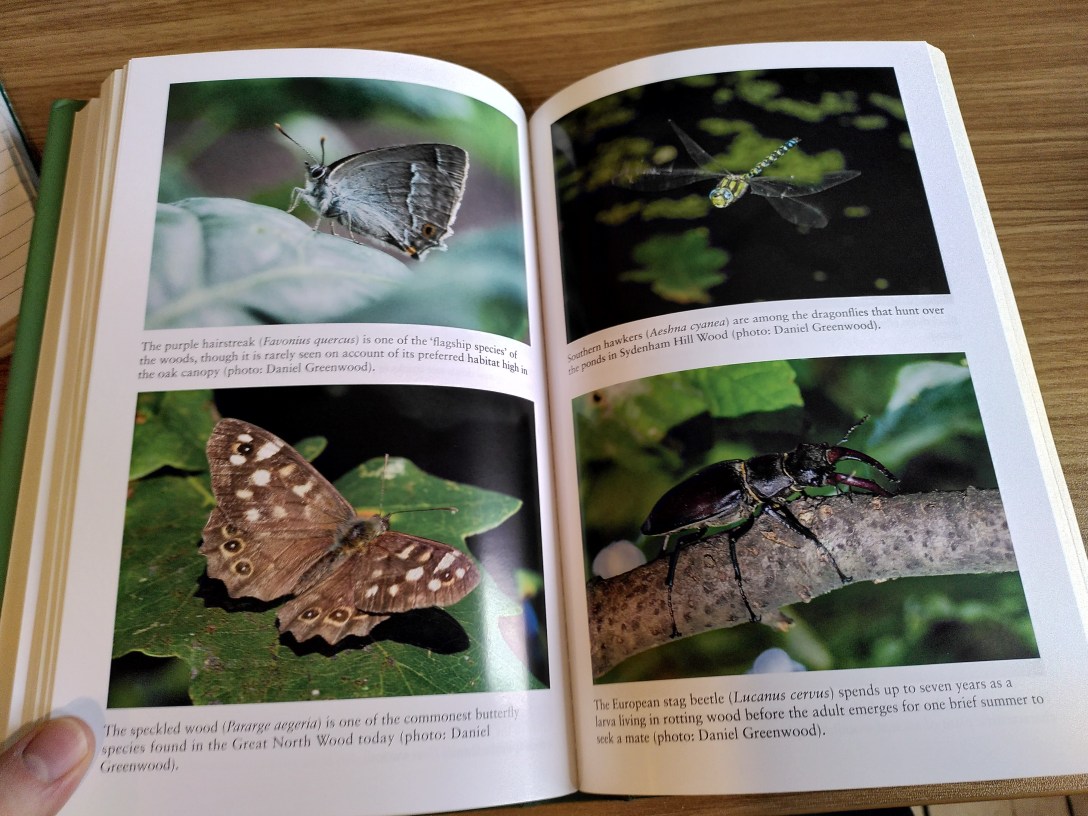
In book news, I have been providing content for other people’s books! Chris Schuler’s The Wood That Built London has just been published with some of my photos in the glossy inner-pages (see image above). It’s an absolute joy to be tied to this incredible book, which has levels of detail about south London’s ancient woodlands which have never before been amalgamated and shared. You can see more here. I’ve also (probably) had some photos published in Tiffany Francis-Baker’s book about Dark Night Skies.
In spring London Wildlife Trust will be publishing a book about nature in London which includes a chapter I wrote about woodlands, with more photographs included. This is another big personal thing for me and I am so honoured to have been asked to support the project. I will post more about it when the book arrives.
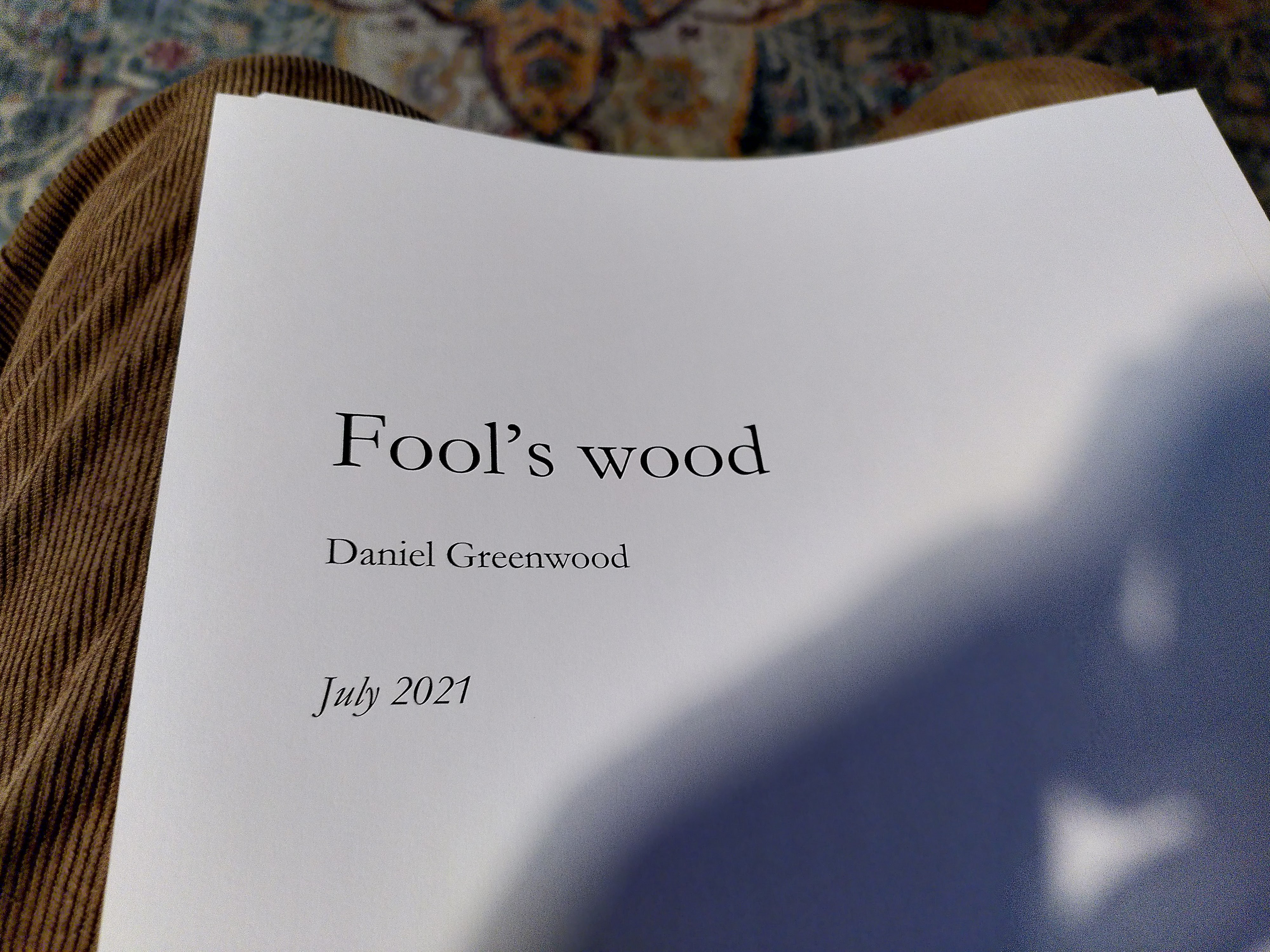
In my own personal self-publishing world I have plans to release a third poetry booklet in early 2022 called Fool’s Wood. I have also been trying to write a book for the past 10 years about my experiences of volunteering and what I learned about nature and our relationships to it. That is proving very difficult to get anywhere with, but I hope to make some progress over the winter months. I am not producing any of these with an aim of being published in the mainstream, more for my personal sanity, and as ebooks. If anyone has advice about producing and publishing ebooks, please help me!
The Town Clerk’s Office, Midhurst(c1500s)
As photography projects go I’ve been gathering images of timber-framed cottages and other buildings for an Instagram account @SussexTimbers. I’m still looking for the best format to share these images and to talk about their historical significance, which Instagram is not quite. I will probably build a section on this website next year to showcase them. Might even make some postcards!
What I’ve been reading: this year has been dominated by Vasily Grossman’s Stalingrad and Life and Fate. I have studied Russian cinema and am something of a Russophile, but there is only so much you can take of 20th century Russian history. Tread carefully. I’ve recently finished Wanderland by Jini Reddy, I Belong Here by Anita Sethi, some of the novels by Sarah Moss (Ghost Wall and Cold Earth), and at the moment I’m enjoying Finding the Mother Tree by Suzanne Simard. Reddy and Sethi’s books are a must read for people who are advocates (or not) of countryside access. Especially those who adamantly and aggressively announce that ‘the countryside is for everyone’ as a reposte to the lived-experience of Black people and people of colour. It’s not, and racism prohibits people from feeling welcome in certain places. Finding the Mother Tree is essential reading for those who want to understand more about how trees are interconnected and the role fungi play in healthy, happy woodlands. I still haven’t read the Merlin Sheldrake book.
What I’m listening to: the new album by The War on Drugs is one I have been waiting a long time for. Change is my favourite song so far (that piano…):
I want to give a shout out to my dad who regularly reads this blog and has, alongside my mum, been a massive support to me for many years (obviously). Dad has been under the weather recently and unable to get out as much as he would like to, so hopefully dad what you can continue to see here is a bit of a sense of the outdoors. We’ll get you back out there again soon.
Thanks to everyone who reads this blog, sending in comments on here as well as on Twitter. I love to receive your comments, which are almost 100% positive, though I don’t block criticism (as long as it’s not inappropriate).
Wishing you a pleasant winter ahead with friends, family, wildlife and pets.
The ruins of Fountains Abbey sit on lawns that look as good as modern football pitches. It’s boiling hot and most people hide in the shade. This doesn’t feel like northern England.
The story of Fountain’s Abbey begins on the 27th December 1132 but abbeys have been in existence in northern England since the 600s. The abbey was founded under the Cistercian Order and monks had to serve as ‘a choir monk in prayer or as a laybrother in manual work’ (National Trust (NT), 2011).
The abbey and its residents lived through tough times: financial problems, livestock disease, climate change, raiding Scots and the onset of the plague. The plague hit around 1349-50 and killed a third of the abbey’s residents (NT, 2011).
On this hot day the ruins emit a welcome cool, tunnelling a gentle breeze that slips through the valley of the the River Skell. Skell is a non-English placename:
The name is from the Old Norse skjallr, meaning “resounding”, from its swift and noisy course. In the Middle Ages the river was known as “Heaven Water”, presumably from its association with Fountains Abbey.
Smith, A.H. (1962). The Place-names of the West Riding of Yorkshire. 7. Cambridge University Press. pp. 137–138.
Yorkshire can sometimes feel like another country to southerners, so strong are its cultural links to Scandinavia. It’s the same for the rest of England, with the Viking territory of ‘The Danelaw’ once reaching down to the River Lea, just north of London, and covering large swathes of England.
The ruins alongside the River Skell
Monasteries in England were dissolved after Henry VIII’s falling out with the Pope over his divorce from Catherine of Aragon. The abbey was surrendered in November 1539. After the monks moved on, the land and its materials were sold off. The stained glass windows and other valuable elements were crudely removed by the new owners. The abbey was ruined in a way to make it unfit for religious practices.
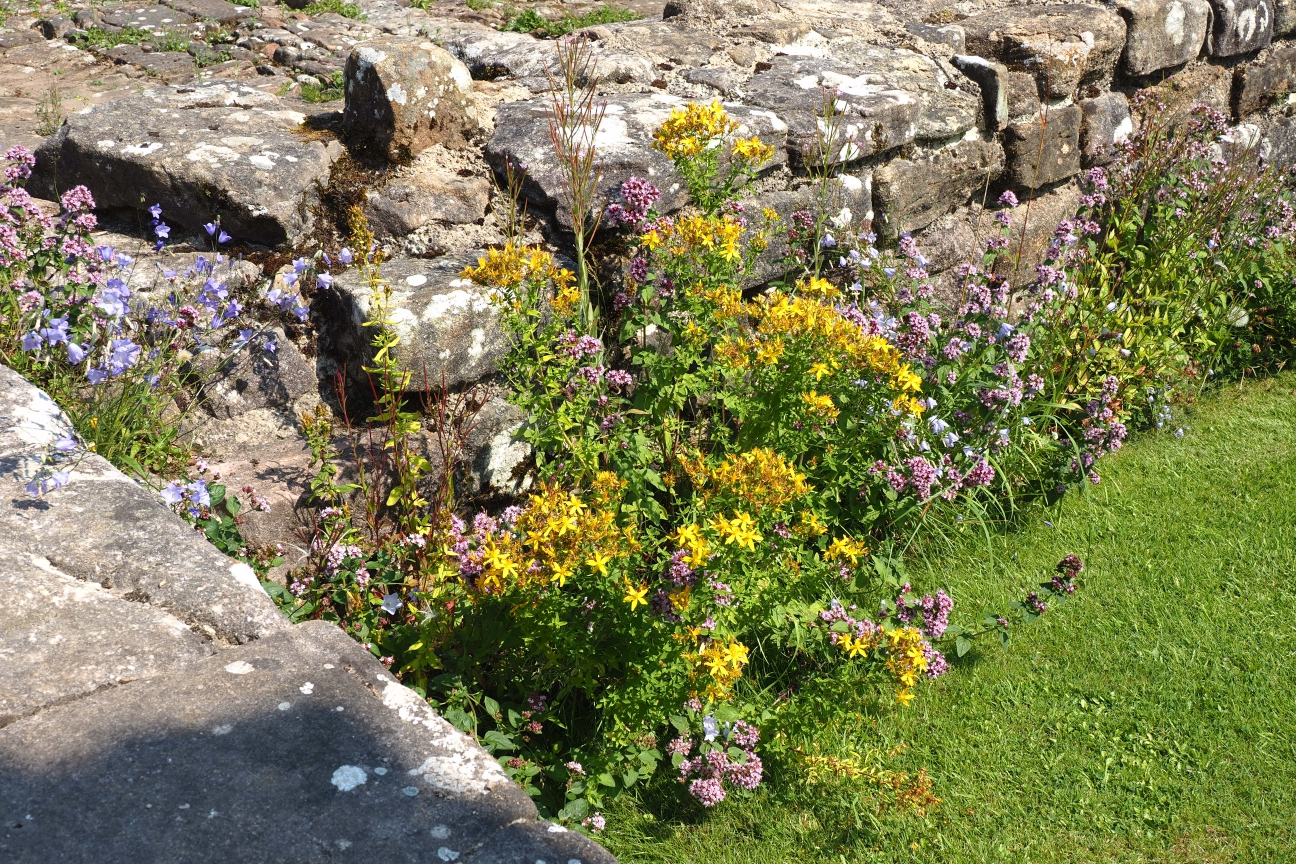
Inside the walls of the abbey, wildflowers burst from pockets of stonework: wild marjoram, black knapweed, St. John’s wort, field scabious and harebell. These flowers have taken root in substrates within the crevices of the masonry. They have prime positions to receive full sun, and are sheltered from some of the elements. It’s a great place to live.
Marjoram in its happy place
I wonder why these plants are here, perhaps their medicinal value. No doubt they were cultivated and used by the monks who spent their lives here. I like to think the prevalence of marjoram (known in a culinary sense as oregano), St. John’s wort and scabious are due to their prior importance in the day-to-day lives of the monks.
My uncle recently sent me a copy of The Treadwell’s Book of Plant Magic by Christina Oakley Harrington. It has a lot to say about these plants.
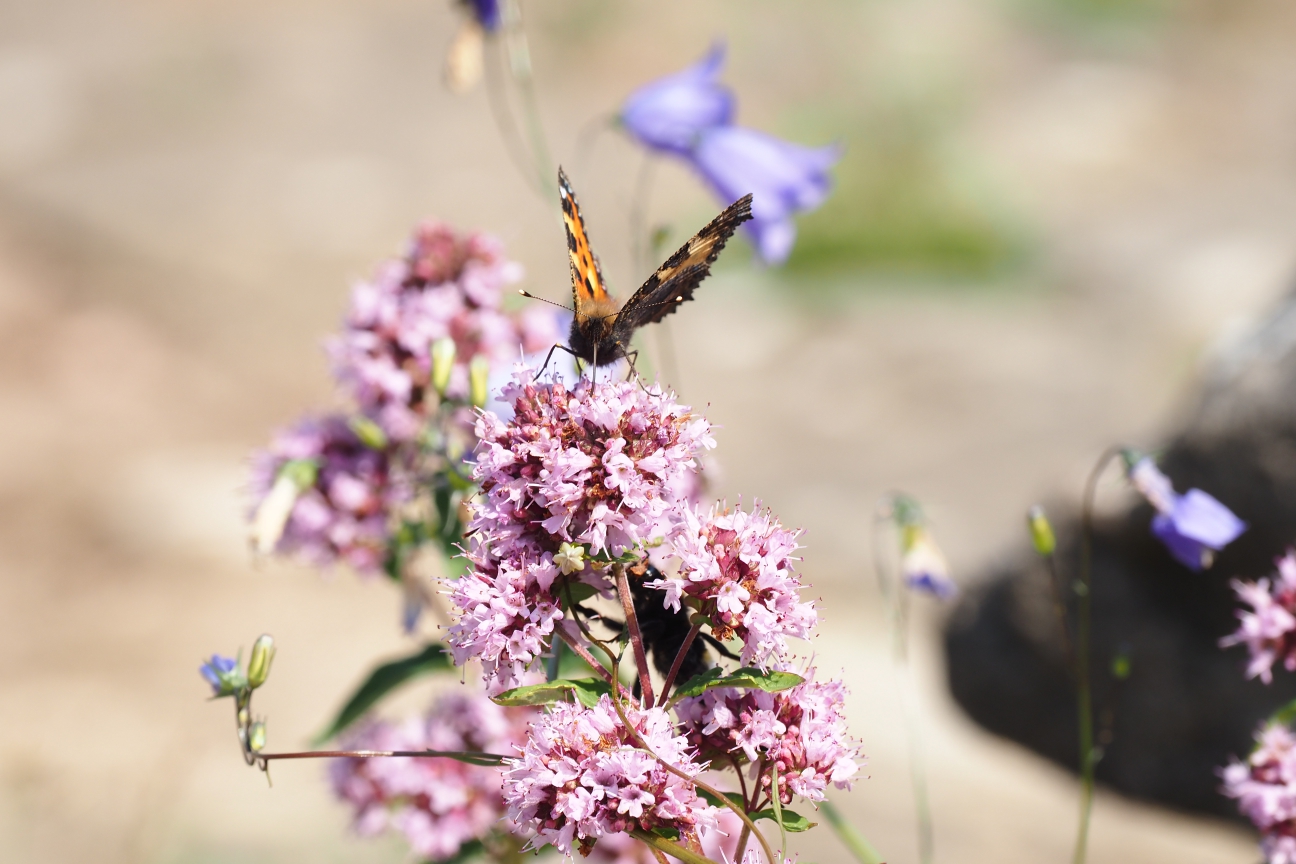
Small tortoiseshell butterfly nectaring on marjoram
I know that marjoram is a delicious herb. I grow it in a pot in my garden for pollinators and it’s something I nibble on when visiting the chalk grasslands of southern England, where it lives. According to Treadwell’s, it has high magical value, something which I can’t be sure was of interest to the monks at Fountain’s Abbey, who were obviously not pagan in the way previously settling Vikings were. It is thought that pagan beliefs of pre-Christian England did persist in people’s outlook. The connections people have with nature would have been safe spaces for those beliefs to persist.
Scabious gets its common name from the fact it was once used to treat skin ailments. The flowerheads eventually become scratchy after flowering and were once used on the skin.
St. John’s wort among marjoram and harebells
St. John’s wort is a famous medicinal herb, another species which can be found in chalk grasslands in southern England, and in other areas throughout Britain. There are a number of different species. According to Treadwell’s it’s one of the most important and protective plants in magic folklore.
In its medical use, Wikipedia says:
“The red, oily extract of Hypericum perforatum has been used in the treatment of wounds, including by the Knights Hospitaller, the Order of St John, after battles in the Crusades, which is most likely where the name derived.[19][21]“
It is also used to treat depression.
Ragwort grows high from masonry
Ragwort does not have many supporters in England, which is a shame because it could be key to providing a fundamental nectar source for pollinators across the UK. This is particularly true of towns and cities away from grazing animals. It’s disliked because it has toxic properties which can go undetected in cut hay and then be consumed unknowingly by livestock, accumulating to cause organ failure. Its proponents (for ecological reasons) have created a website in its defence.
According to Treadwell’s, in Ireland it’s known as ‘fairies’ horse’. This is because:
it is believed that witches and fairies ride on it as if it were a horse, flying through the air at night
The Treadwell’s Book of Plant Magic, Christina Oakley Harrington (p.106)
The seeds definitely fly through the air because the plant grows in some of the highest parts of the masonry. Swifts screech in flight as they shoot past those higher outcrops, perhaps feeding on some of the many insects that nectar on the plant’s flowers.
One thing I learned here, and that I’ll never forget, is that urine was once used by the monks at the abbey. It was collected and used as a dye, for leather tanning and also for wool treatments. A urine pot was found near perfectly preserved.
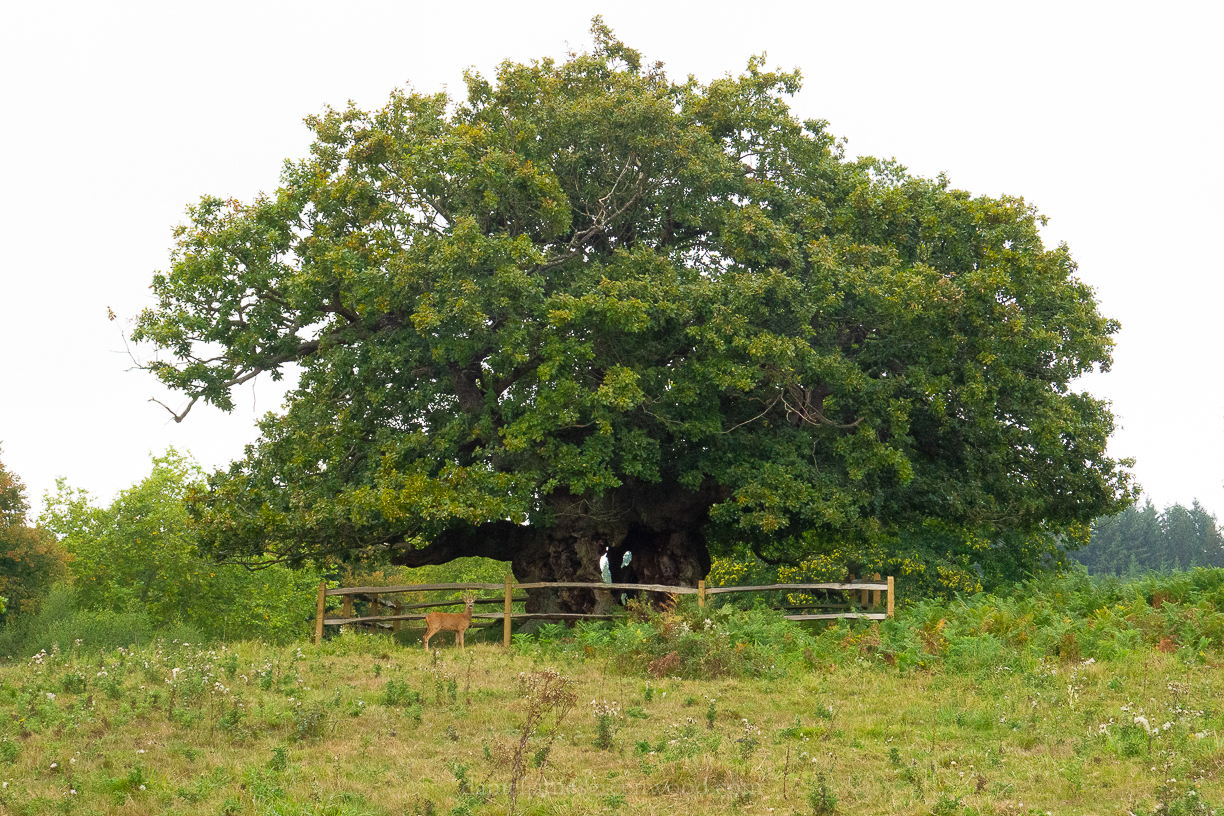
It’s a grey and dark September evening. Robins sing solitary from trees in their autumnal fashion. Cars wash nearby on the A272, to and from the village of Easebourne. The bracken rests in stages of green, yellow and brown. In Cowdray Park a sign warns of the bull in the field, but there are no cattle. The only beasts are the trees sat across the undulating hillside of parkland. Here lives the 1000 year old Queen Elizabeth oak and the Cowdray Colossus, the biggest sweet chestnut in England.
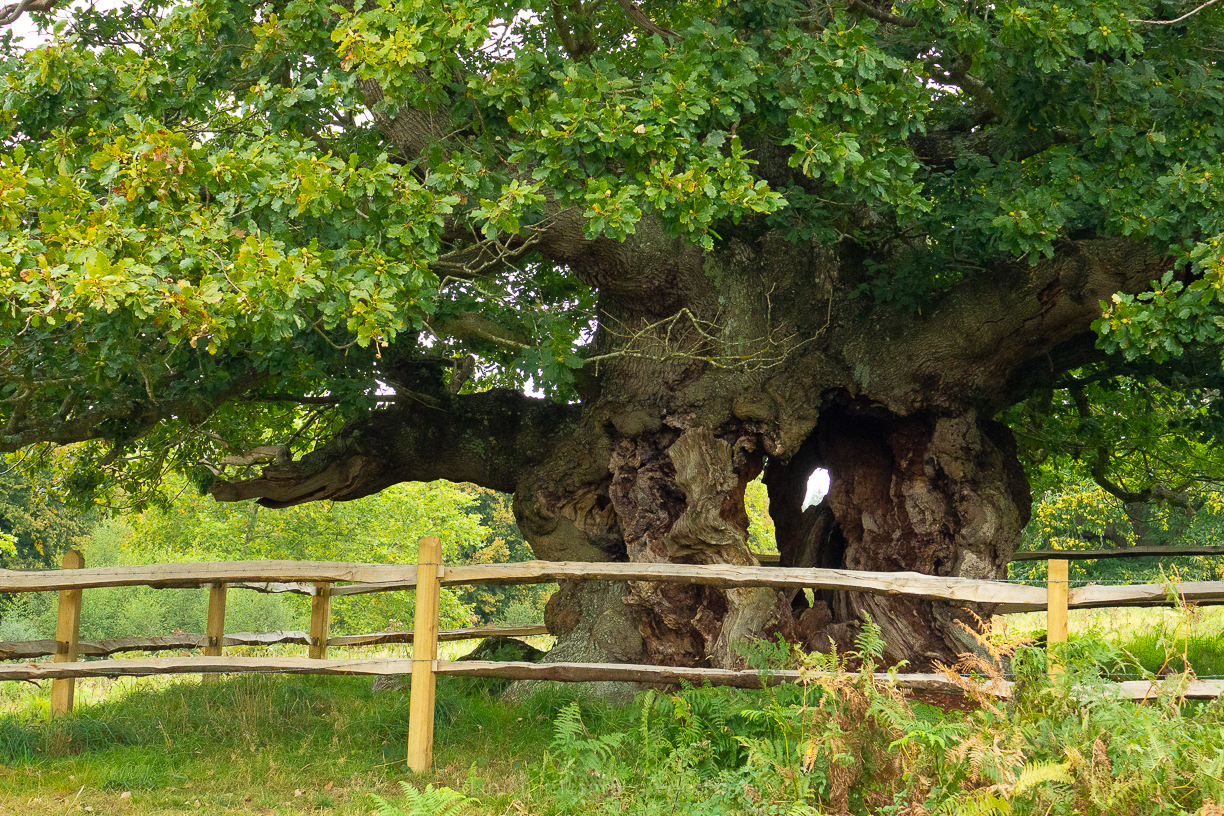
I pass creeping thistle still in flower and others with their leaves thinning to a translucent yellowy green. Walking under one of the ancient oaks, it looks like a rabbit’s head, its heartwood torn out and lying on the ground. An alcove has become of its bark, like a doorway to another place. It’s a fair metaphor, the word oak derives from an old name for door.
The second oldest oak sits on the hill, its heartwood also lost, mainly trampled out by cattle and people. But now it has a fence around it. In front of the fence stands a roe deer. It watches me in complete stillness. I approach one slow step at a time, taking a photo each time I get closer. Soon it turns on its heels and disappears off behind the tree, springing into the air. I see it rising up and down beyond the fence like a merry-go-round.
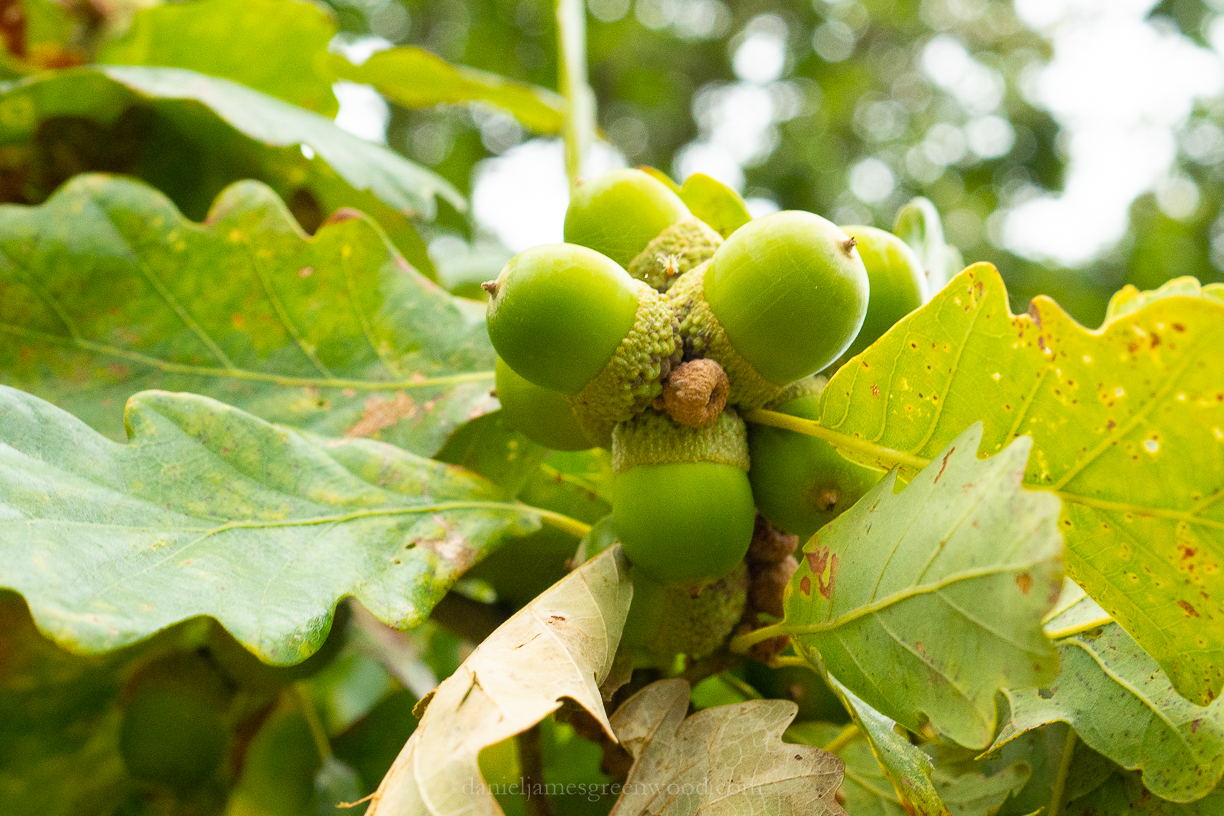
I approach the oak and see it is producing acorns. How many millions of acorns has this sessile oak tree produced in its 800 or so years of life. How many autumns has it lived through? Perhaps as many as 800. Our lives seem so small and precious, fragile in comparison to this natural treasure.
Gentle rain falls as dog walkers share tales in the car park. Squirrels saved from their pet’s jaws giving thanks with a bite of their own. Birdsong swells from the understorey, perhaps five song thrush sing to sure up territories. Either side of the track is a wall of green, from the shrubs to the canopy of oak, birch and beech.
There is a feeling of a deeply wooded landscape here, the continuity of the Weald stretching away east to Kent. Of course it has now been broken, so many times, but there is a sense of the wilderness that faced the Romans and later the Saxons upon their respective invasions of Britain. It is thought St. Leonard’s Forest was part of a wooded landscape that stretched all the way to the New Forest, as recently as a thousand years ago.
The rain has drawn me out here. It is such a relief that this June is one of mini-monsoons, compared to last year’s heatwave hell. The nearby South Downs were rendered brown for months. At the side of the path, under the darkness of a beech, mushrooms glow. They sprout peach-coloured, or maybe apricots on sticks, from a tree stump. They are sulphur tuft, one of the most common species but very photogenic.
Further into the forest chiffchaff sing from the pines, a distant willow warbler’s melody decaying in the darkening evening air. There is a scale to this landscape that feels expansive. Woods challenge our human senses of depth and time. Moving along the footpaths the woodland shifts from clay where beech and oak prevail, to the pine and birch dominated sands where heathland once was kept open by local people expressing their rights of common.
Down a track through birch and holly a single flute-like note comes from the trees above my head: a bullfinch. It calls over and again. It’s a beautiful sound.
Returning round through dark areas of oaks and veteran beeches, I find a small toadstool uprooted at the edge of the footpath. It’s an amanita of some kind, a ring around its neck like Shakespeare or a ruff, patches of white webbing still on its grey-brown cap. Amanitas are a fearful family of mushrooms, being home to the deathcap and destroying angel, to name but the most potent. But I’m not here to eat these marvels of nature, so I take my photos, capturing memories to take back to the town, to ease the sense of dislocation from this ancient wooded landscape, its bullfinches and mushrooms.
I’m followed by a flock of dancing flies along the River Arun. I put out my hand to let them alight. Their bodies dance urgent as mayflies, their wings flutter soft as moths. They travel with me along the bend in the river.
Reed warblers are settling into spring song patches on the riverbanks. A reed bunting with his black warpaint holds a perch in green willow, delivering a simple, fractured tune.
Across the river a mighty willow sprawls dominant, dipping its branches into the flowing water.
An octopus returning to sea.
These great veterans stalk the Arun valley at Amberley, oaks replacing them where hedgerows arise.
A low note breaks the din of the A29 traffic and trains rattling through the chalk quarry at Amberley.
Koo…koo…koo…koo!
It’s a cuckoo.
The fields beyond the river lack trees, smudged by rushes creeping into pastures where cattle loaf. Crossing a shock of metal that bridges the banks, I can’t see it.
Out here the cuckoo can target the nests of reed warblers, but that’s the female’s job. This cuckoo has a song to sing first.
Passing away from the river on a track, towards the chalk ridge of Bury Hill, telephone wires cross the landscape. Not far beyond them, where the track is white underfoot, the cuckoo sings again.
Turning back to look towards the Arun, the bird balances on a telephone wire.
Cuc-koo, cuc-koo, cuc-koo!
His tail fans as he rocks on the wire, the full thrust of his calling causing a see-sawing that could send him tumbling.
I wonder how many female cuckoos are out there in the Arun valley, listening. Are they perched in riverside willows or the ancient, dying ash woods in the steep escarpment of the chalk hills.
This is an expanded version of an article that was first published in London Wildlife Trust’s Wild London magazine
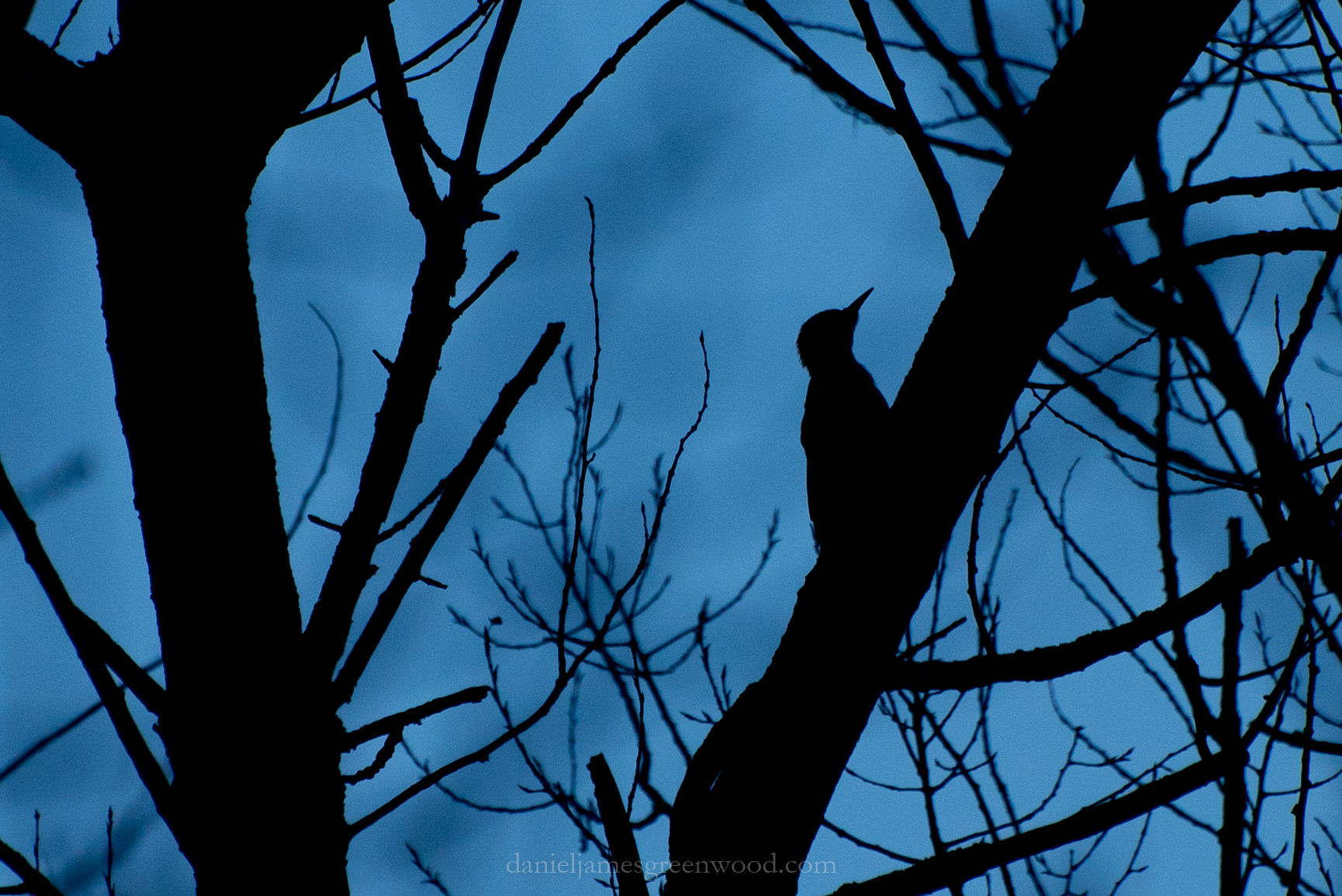
It’s a sound that stops many in their tracks, the rattling in the canopy of woods, parks and gardens. It’s a sound that brings in the new year, signs of spring breaking through as our own seasonal celebrations draw to an end. While we are still deep in recognising our need to rest in the midwinter, our wildlife is busy setting out its quest for new life. Britain has three species of woodpecker and in January we begin to hear the hammering, or drumming, of the great spotted, the sound of male birds marking new territories. It’s a bird that is becoming more and more familiar to us in London as its numbers increase.
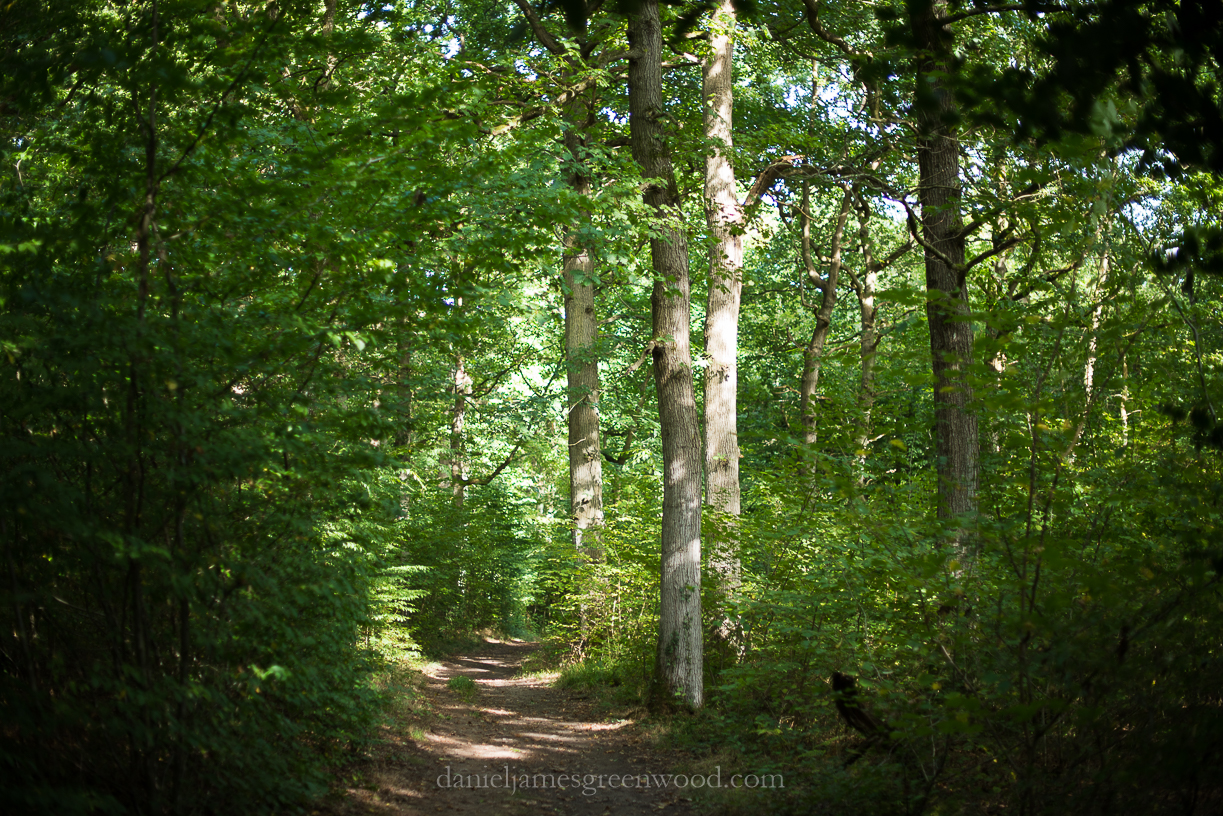
Its favoured habitat is oak woodland with plenty of rotting branches, trunks and limbs in which to create a new hole each year, ample habitat for the biggest of our two Dendrocopos woodpeckers, the great spotted. Dendrocopos translates from Greek as ‘wood-striker’.
One thing I have noticed in suburban locations is the woodpecker drumming on TV aerials and receivers. One great spot I’ve seen has found the plastic box now employed to improve TV signals makes decent percussion. It’s a wonder that this hammering on hard surfaces doesn’t cause the birds injury, but evolution has equipped them with shock absorbers in the back of their skulls that cushion the blow. It’s not the same as banging your head against the wall.
There are four members of the woodpecker family deemed native to Britain, with one now classified as extinct as a breeding bird. That is the wryneck (Jynx torquilla), a bird that migrates from Africa each spring in small numbers still. In 1904 a wryneck nested on south-east London, what was thought by the observer to be one of the last nests in his time, in south-east London historically.
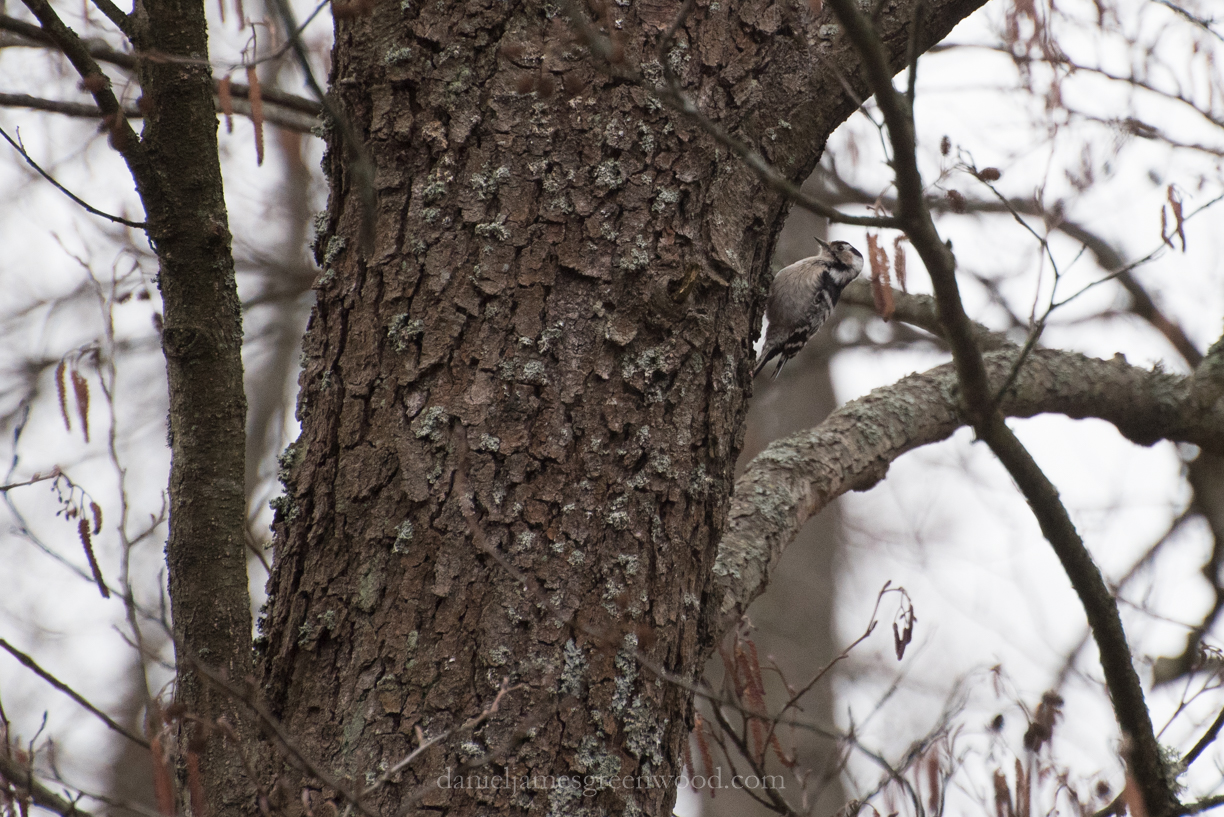
Another of our four species has declined at a rate that has baffled ornithologists. The lesser spotted woodpecker (Dendrocopos minor) was noted in south London’s woods up until 2008. The odd autumnal record does crop up as the lesser spots are migratory, with one seen in 2015 in Brockwell Park in Lambeth.
Lesser spotted woodpecker
One possible theory for the decline of lesser spotted woodpeckers (above) relates to the rise of the great spot and the disappearance of starlings from London’s woods as a breeding bird. When starling numbers were higher in woods they provided more competition for great spots.
This gave more space for the lesser spots, being much smaller, about the size of a sparrow or starling. As starlings and their ruckus have left the woods, the great spots have increased in number as they have experienced less competition and adapted to the boom in garden bird food. Lesser spots require a smaller hole in a tree to nest and if a great spot chooses the nest they can make the hole bigger and the lesser spots are pushed out.
Lesser spotted woodpeckers, however, are not extinct like the wryneck as a breeding bird and they still have strongholds in the UK. The most important place for them is the New Forest, one of the mythical heartlands of ancient English woods. There the management of the woods has remained the same for centuries, pointing to another reason for the species’ decline elsewhere. British wildlife is under increasing pressure from development and the loss of available food due to wider intensified management of the countryside.
So the two factors which are most harming lesser spots, and starlings, too, are a lack of habitat and food. The loss of food is a loss of invertebrate life being driven by agricultural intensification and a tidying up of green spaces, loss of gardens and general overuse of harmful, residual pesticides. Another key change is the loss of old orchards, another traditional habitat disappearing in Britain, one of the lesser spot’s favoured habitats.
The other member of the British quintet, if including wryneck, is the green woodpecker (Picus viridis). Green woodpeckers are different to the spotted woodpeckers because they don’t hammer to mark their territories but instead call, what was known for centuries as ‘yaffling’. An old name for a green woodpecker is ‘yaffler’. It’s a call that can be heard most clearly in woods and parks with mature trees, where green woodpeckers also nest.
Oak woodland is a key habitat for woodpeckers
The call has a prehistoric feel about it, echoing deep into woodland, as the reverberation recedes. Greens differ again from the spotted woodpeckers because of their feeding habits, spending their time searching for ant colonies in woods and lawns. Naturally grassy sports pitches with a surrounding area of mature trees are a good place to find the birds. They lie low, shooting their long tongues down into nests to find food. It’s something you are very unlikely ever to see a great spotted woodpecker do.
For those curious and unsatisfied by the array of woodpeckers in London, remember that you will have to travel to continental Europe to find a greater diversity. Arriving in France you could meet with the biggest of all the European woodpeckers, the black woodpecker and heading as far as the great ancient woods of the Czech Republic, Poland or Romania, you can find as many as seven species. In British terms, the health of London’s woodpeckers reflect the state of the nation’s.












 Unlocking Landscapes